Historical instruments for modern players
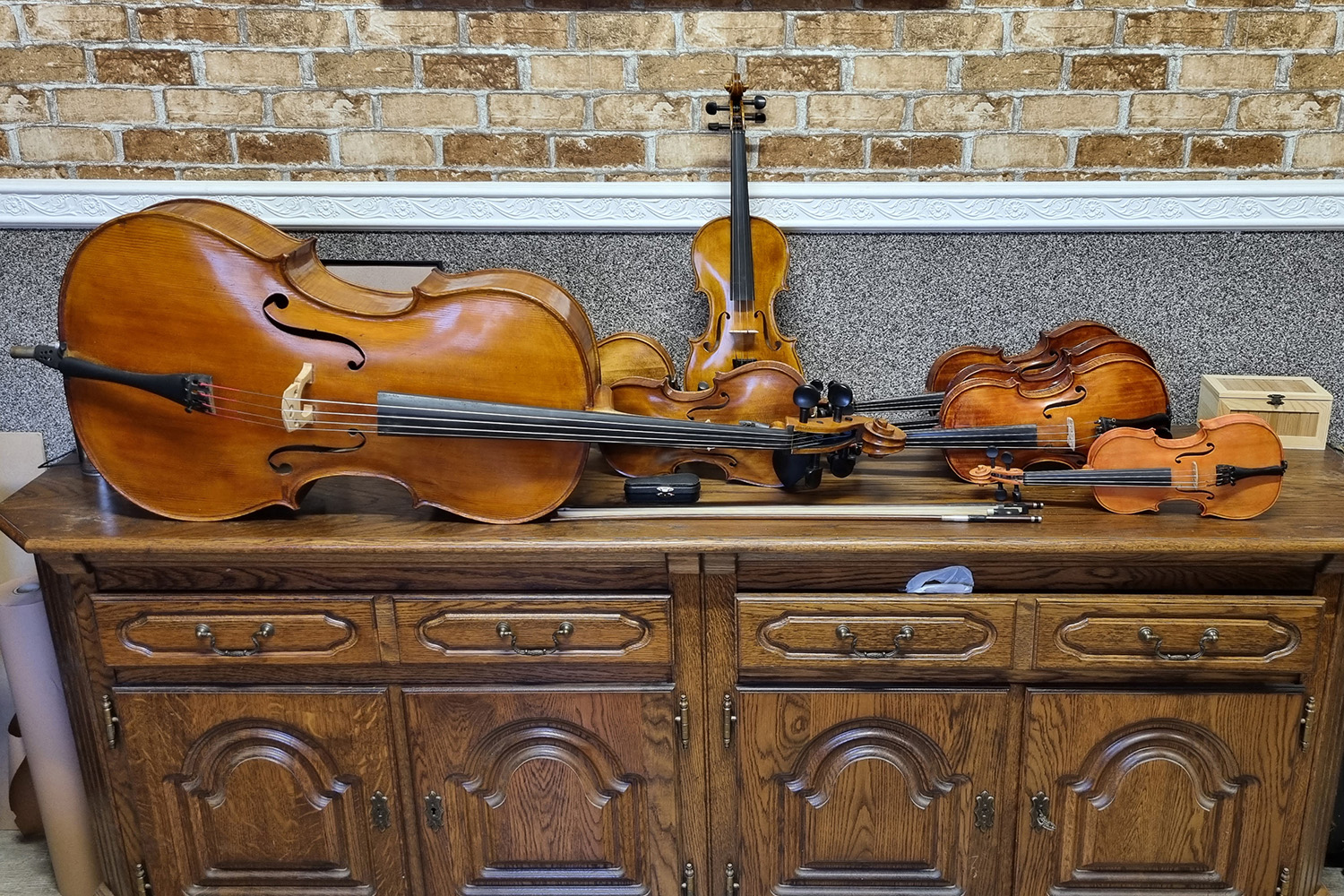
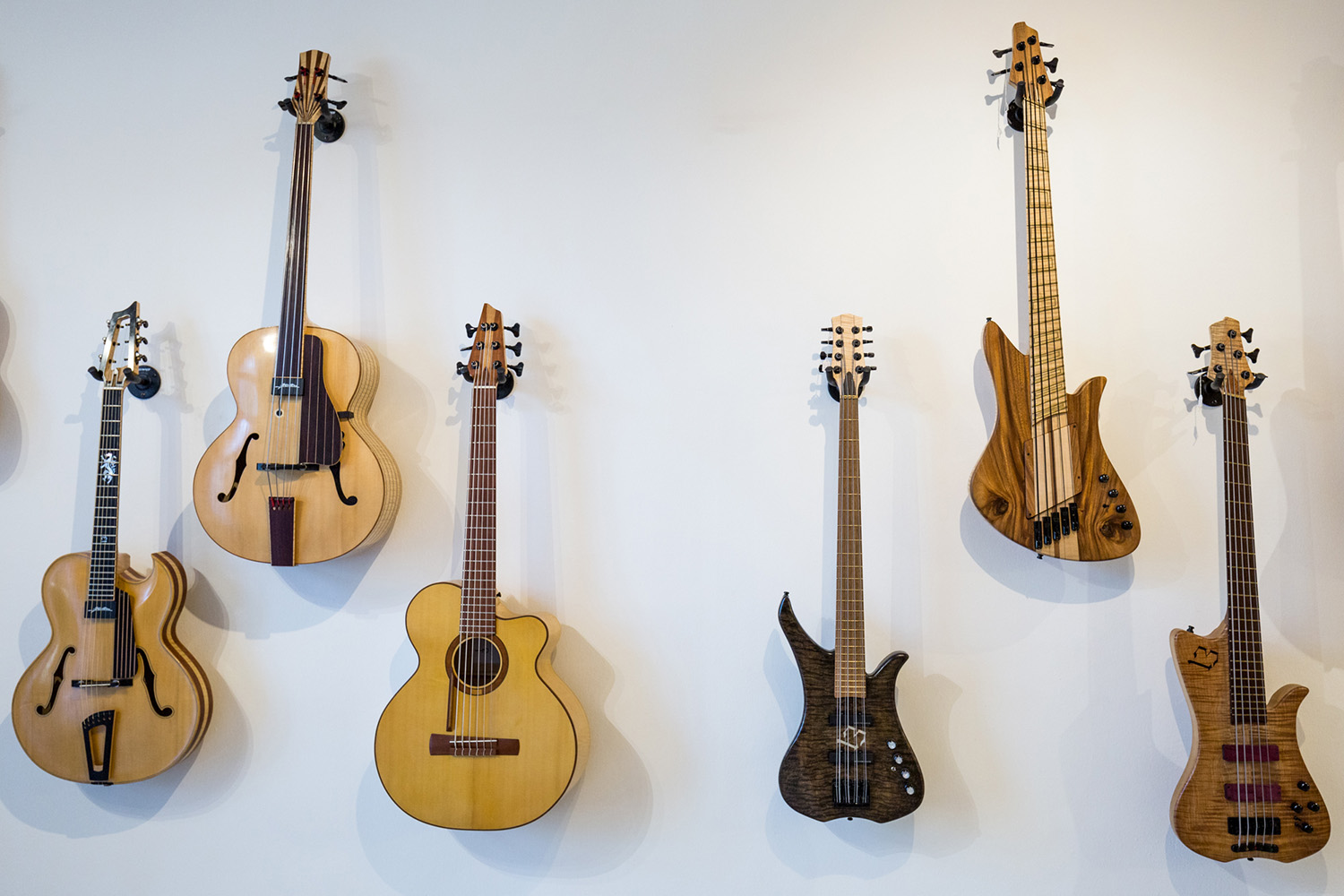
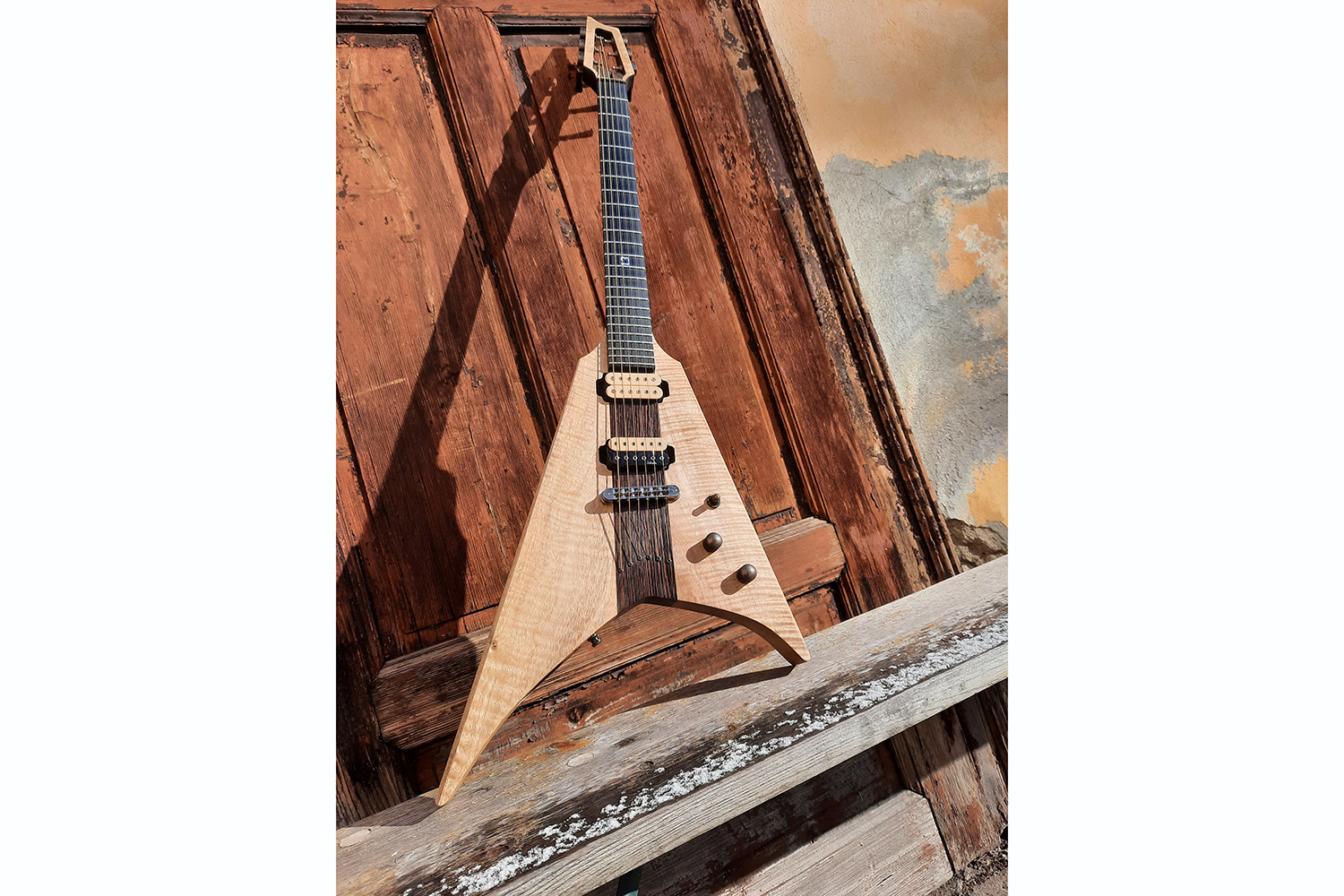
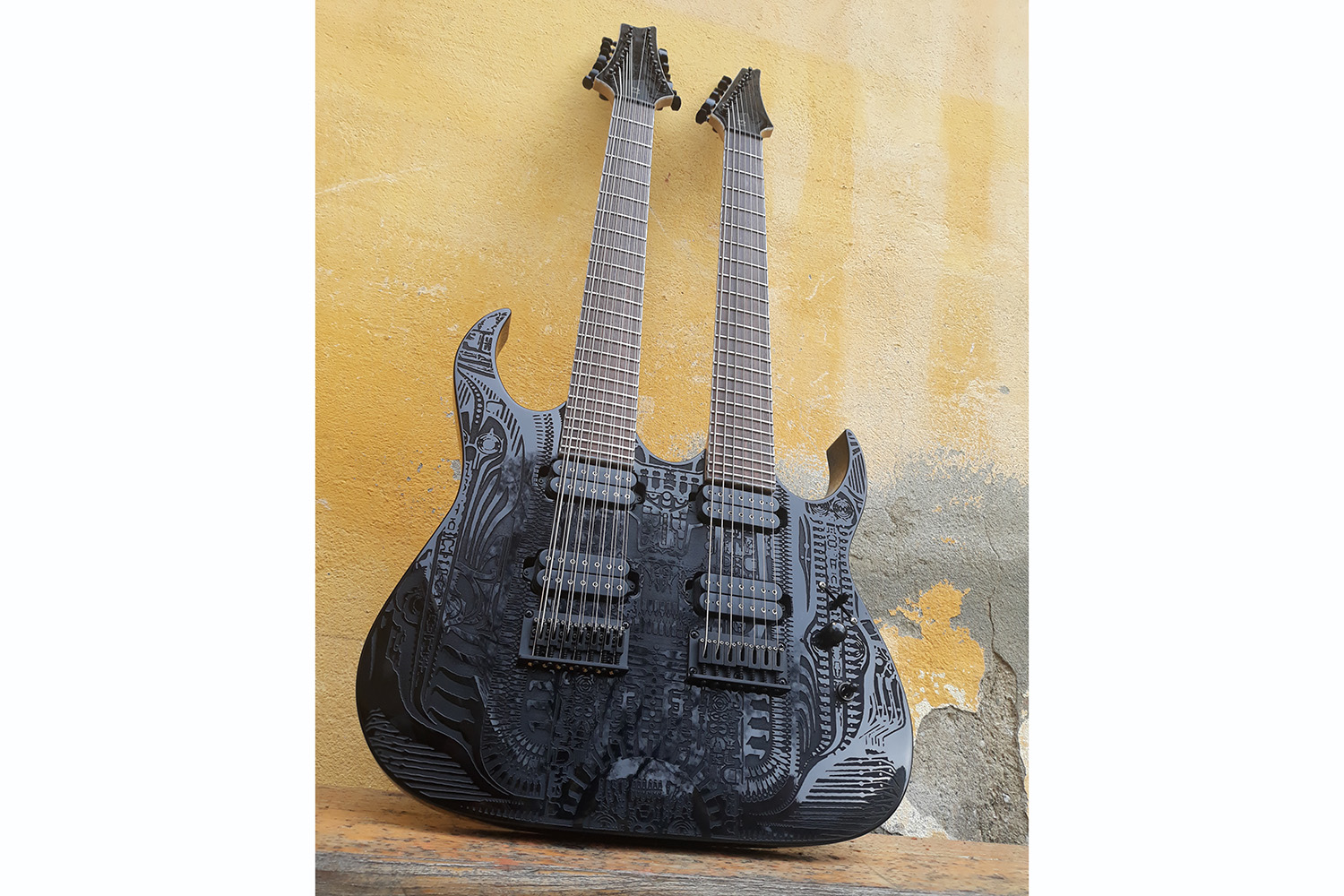
- Daniel handcrafts a vast range of musical instruments
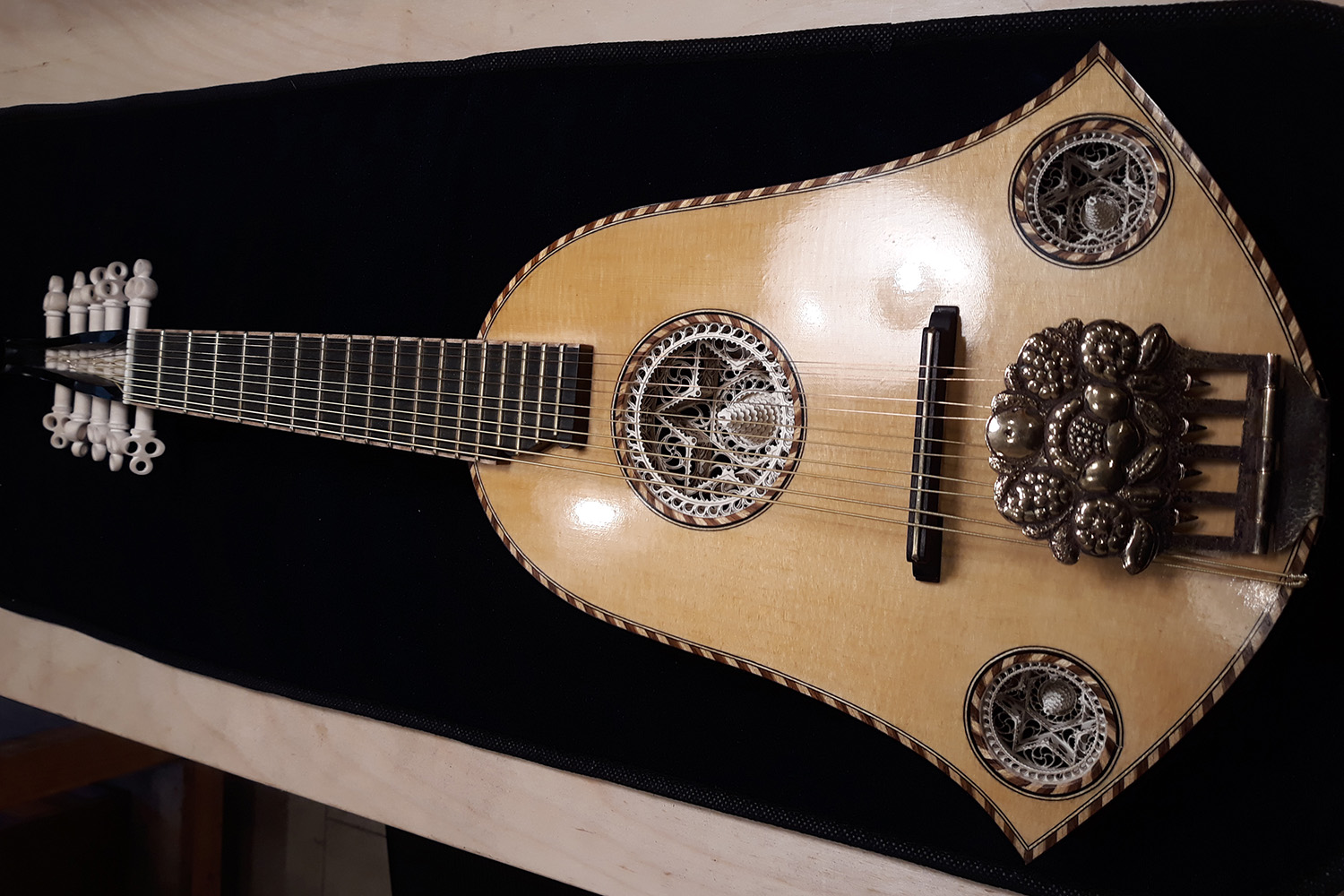
- He is particularly fond of historical instruments
- He loves the smell of spruce wood
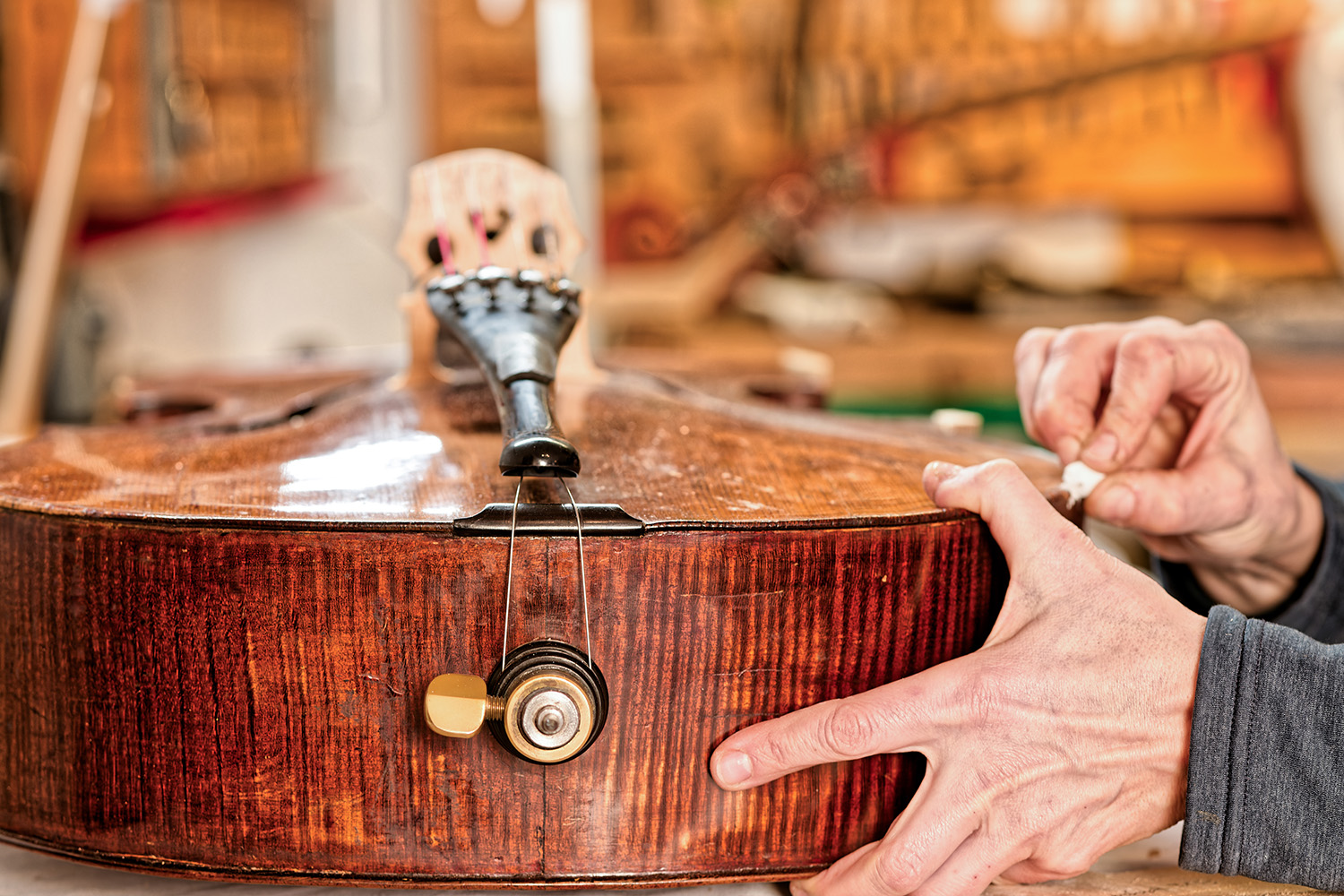
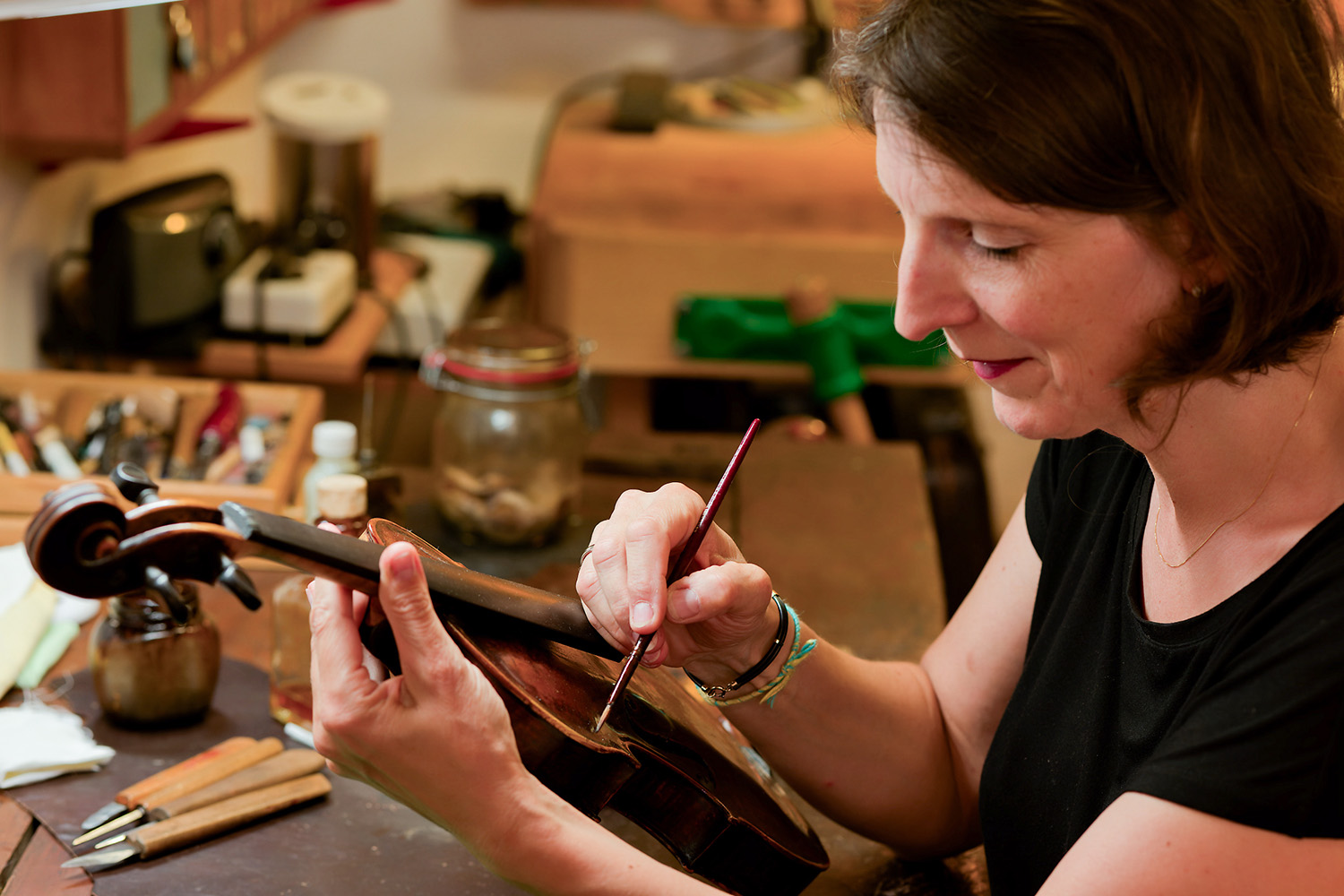
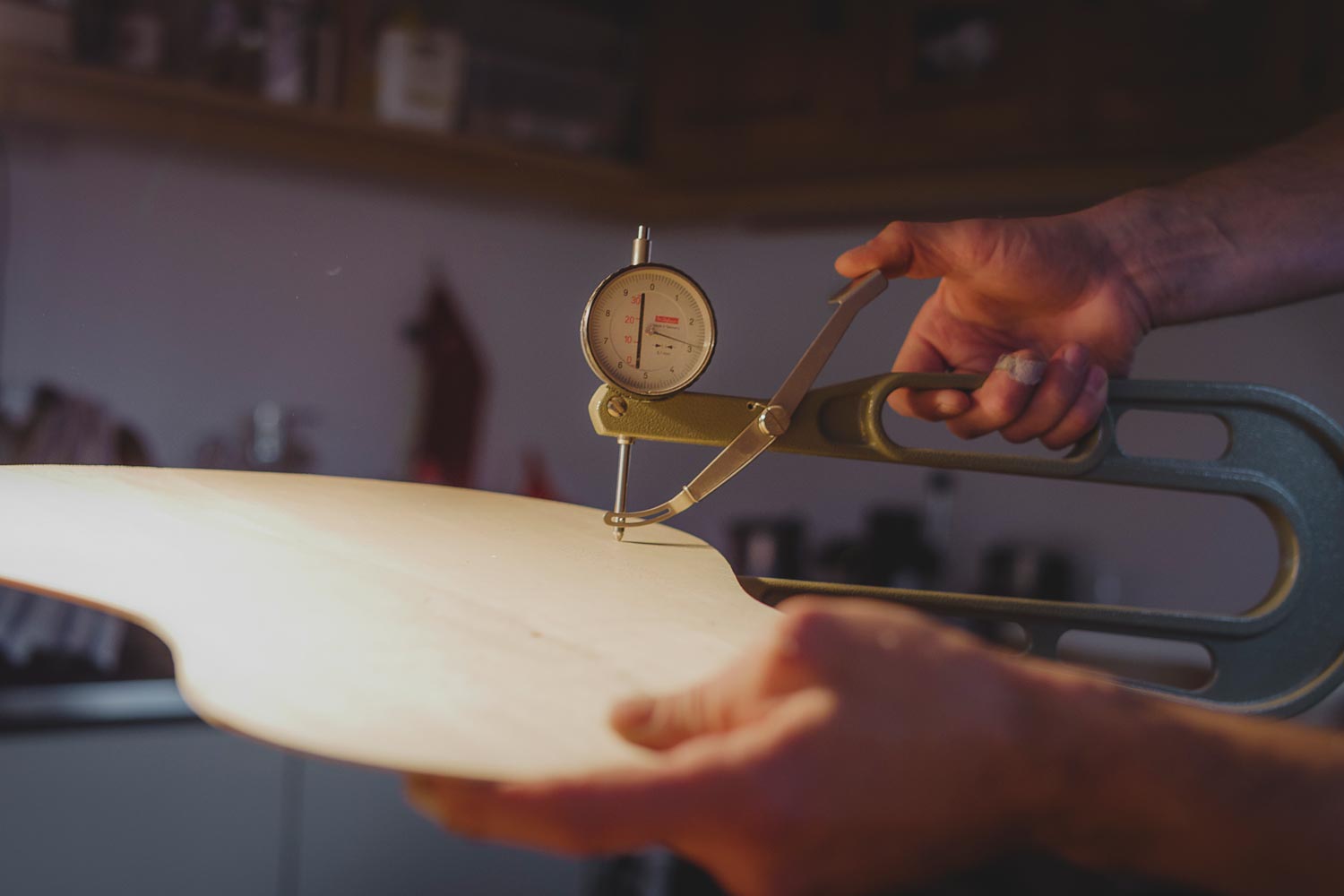
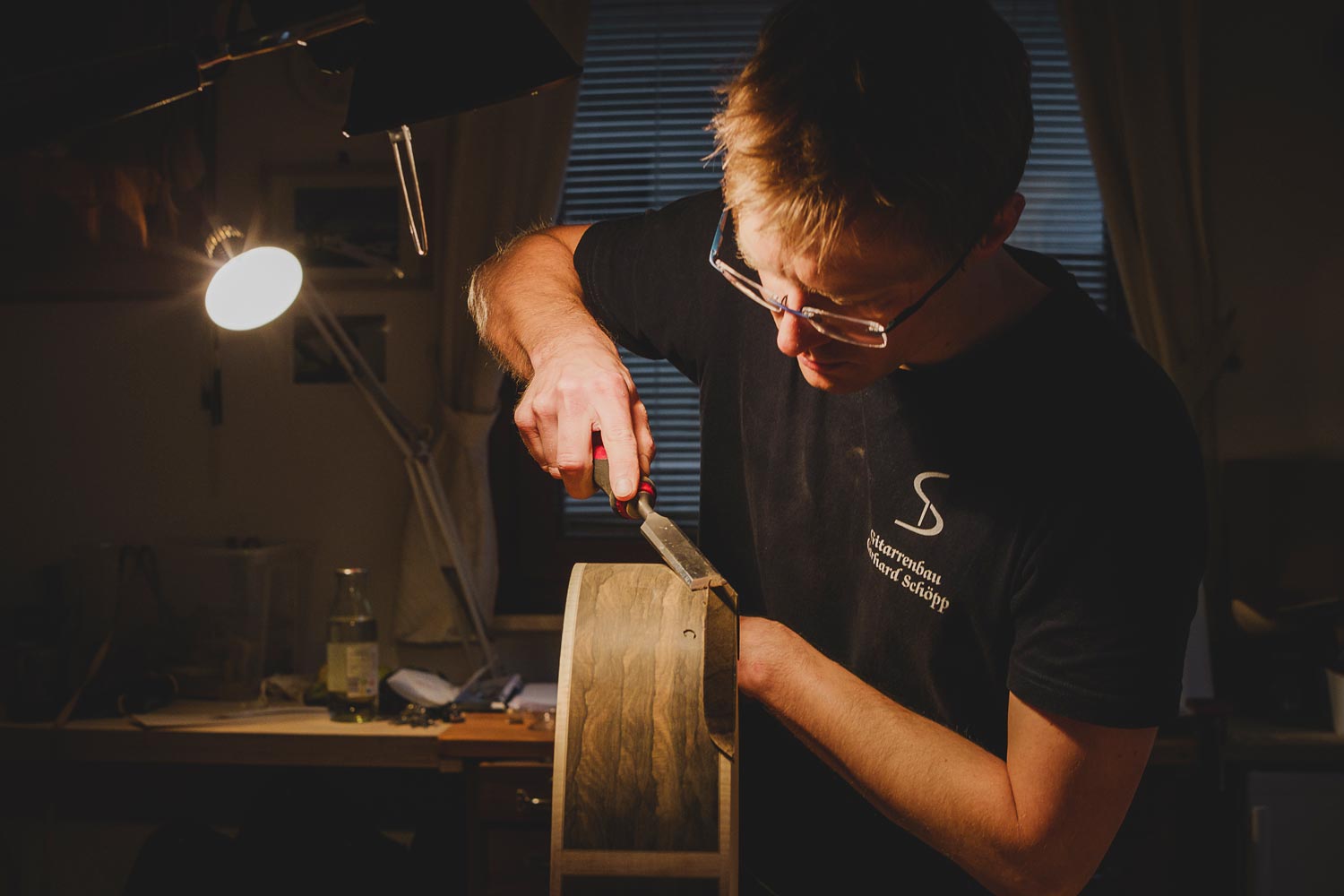
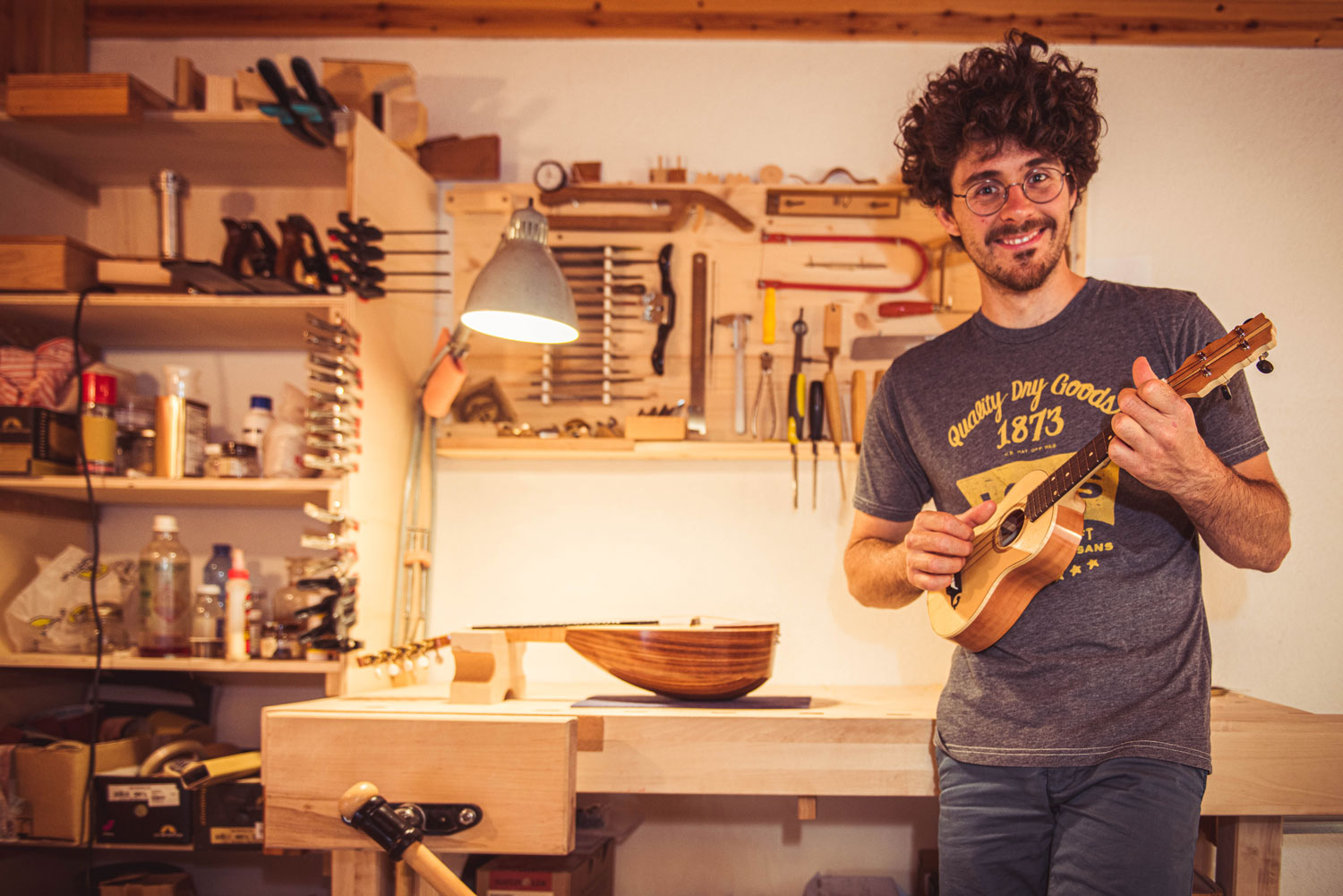
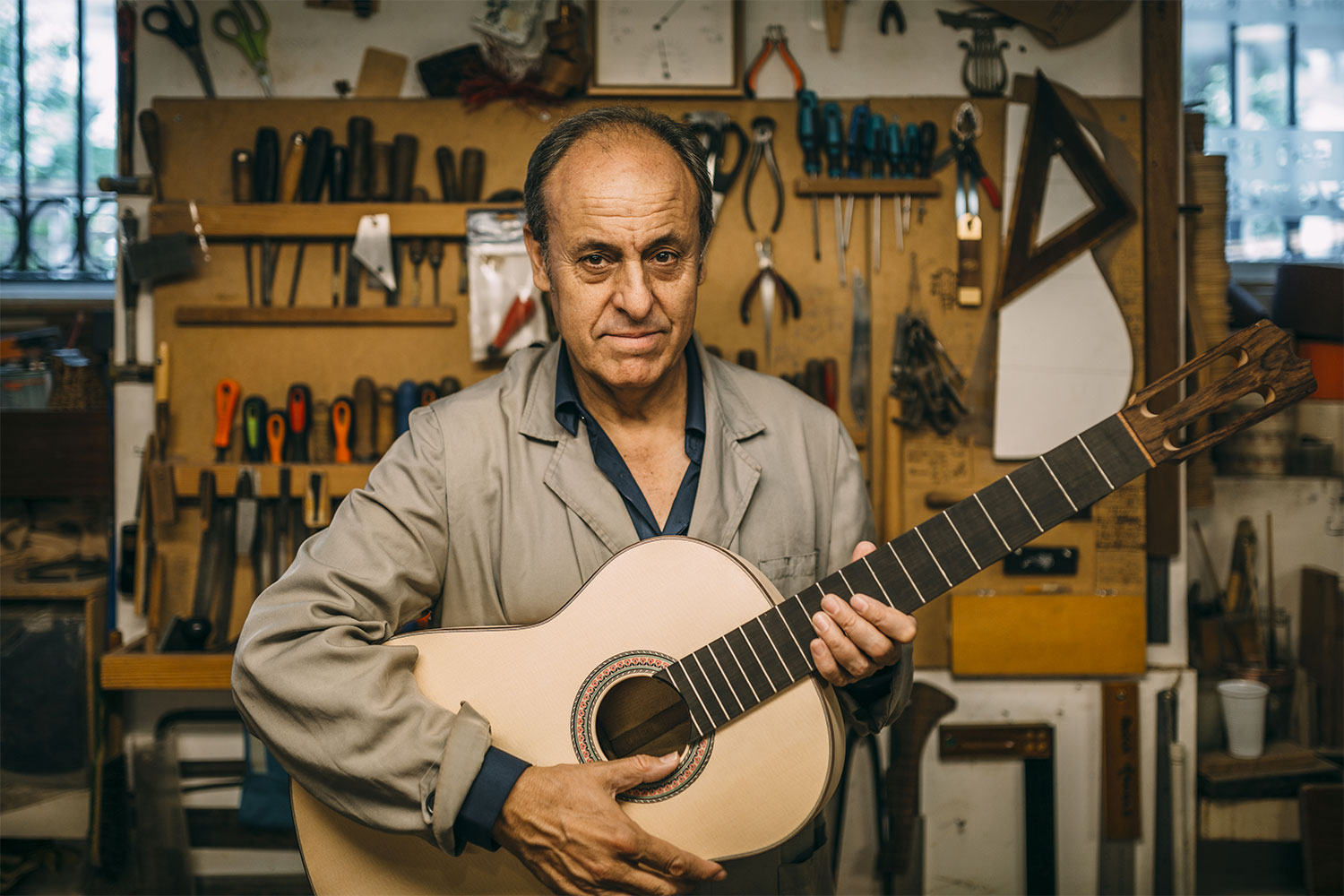
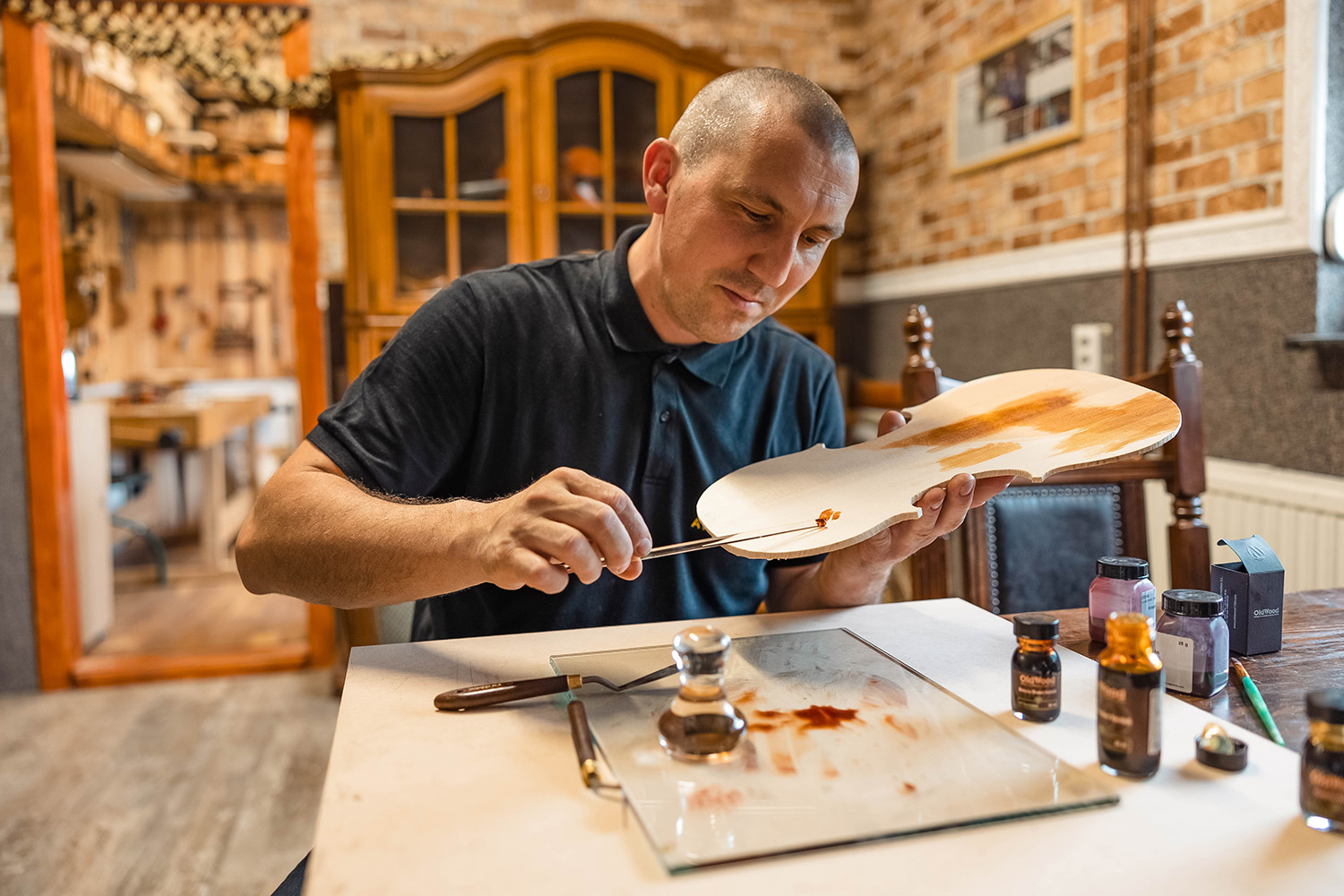
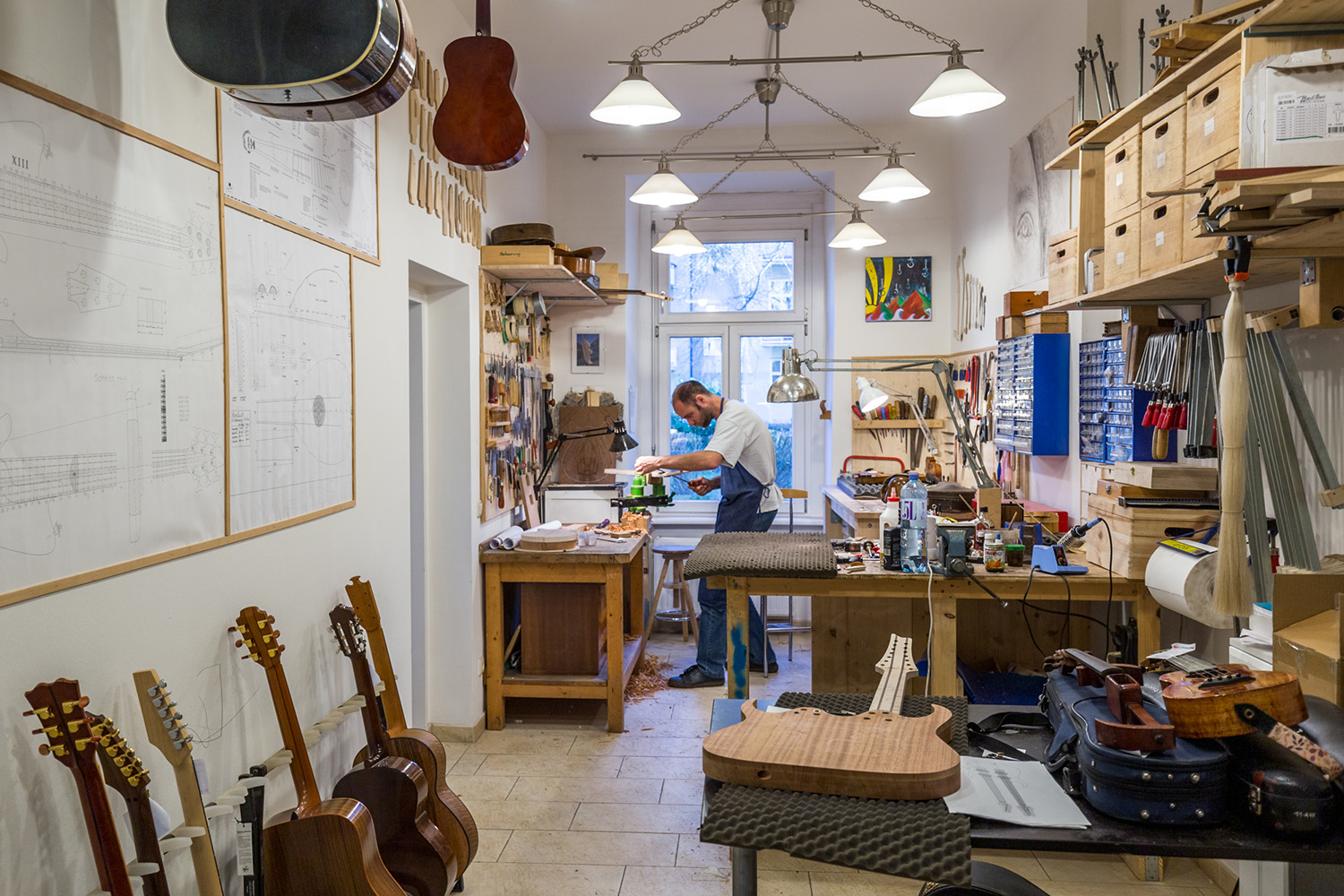
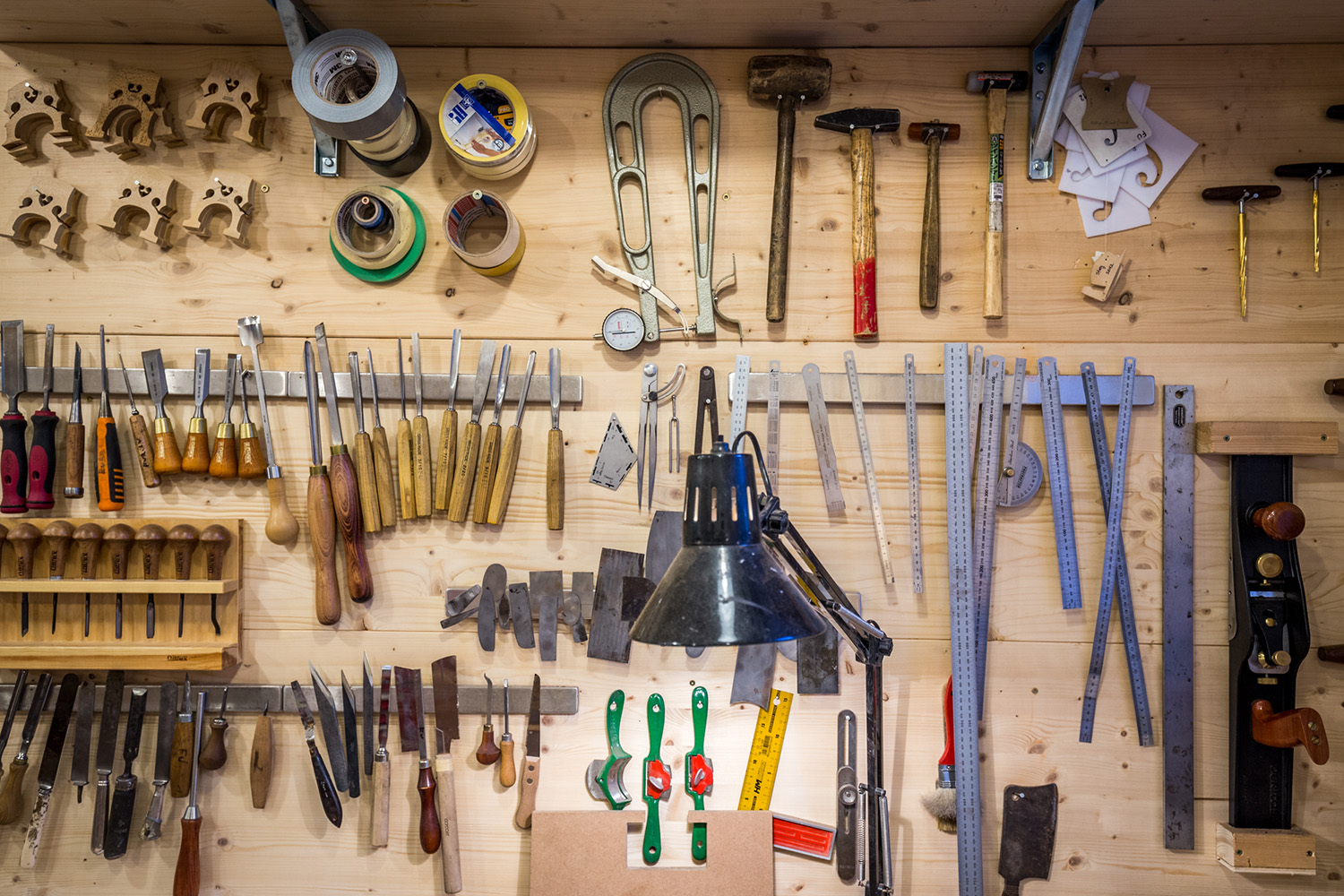
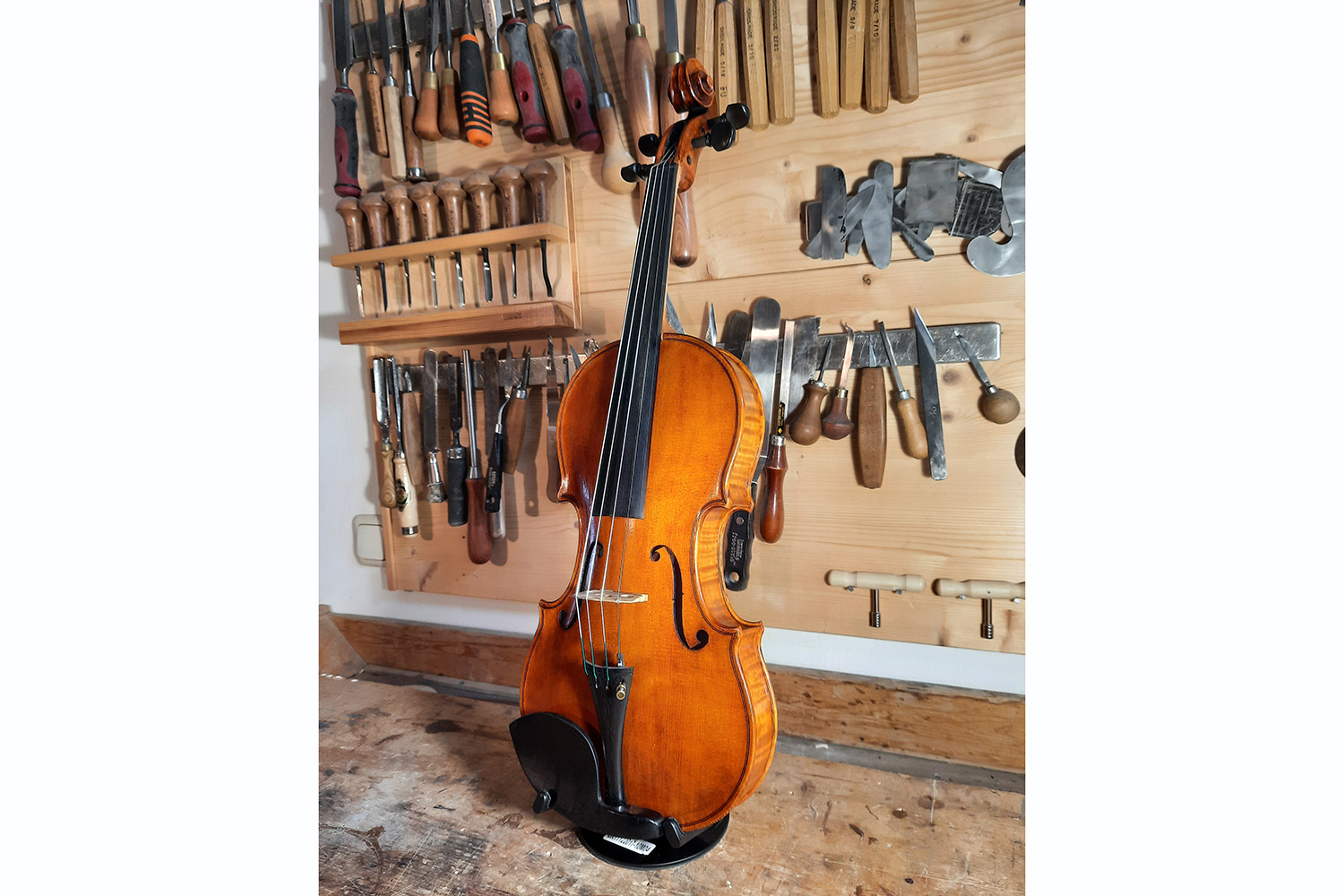
Daniel Furian initially trained as a mechanical engineer and loved playing the guitar. As he always felt attracted to craftsmanship, his path gradually led him in this direction. In 2006, in the shed of his parents' house in Carinthia, Daniel built his first electric bass guitar using his grandfather's old tools. Now, the showpiece can be admired in Daniel's workshop. After some time building instruments for friends, Daniel wondered why not turn the hobby into a career. He registered for the technical school for string and plucked instrument-making in Hallstatt, Austria and opened his workshop in Graz in 2014. “While the city is less famous for instrument making than Cremona, Graz was home to a few renowned violin makers in the last few centuries,” Daniel says about the Styrian capital.
Discover his work
INTERVIEW
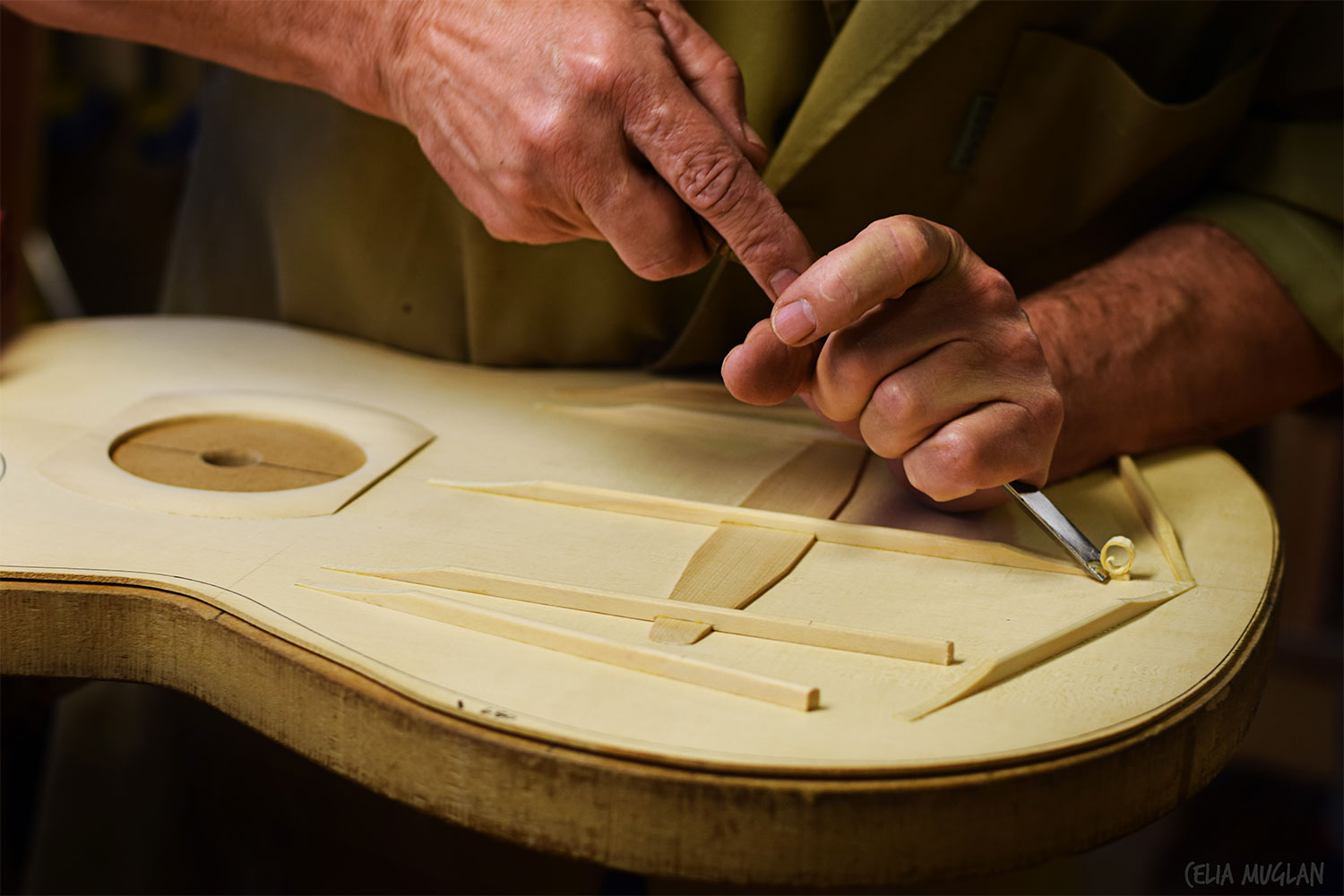
I specialise in making copies of historical instruments. For this, I measure and study antique lutes and instruments in museums from which I can derive working techniques. Unfortunately, a lot of knowledge has been lost.
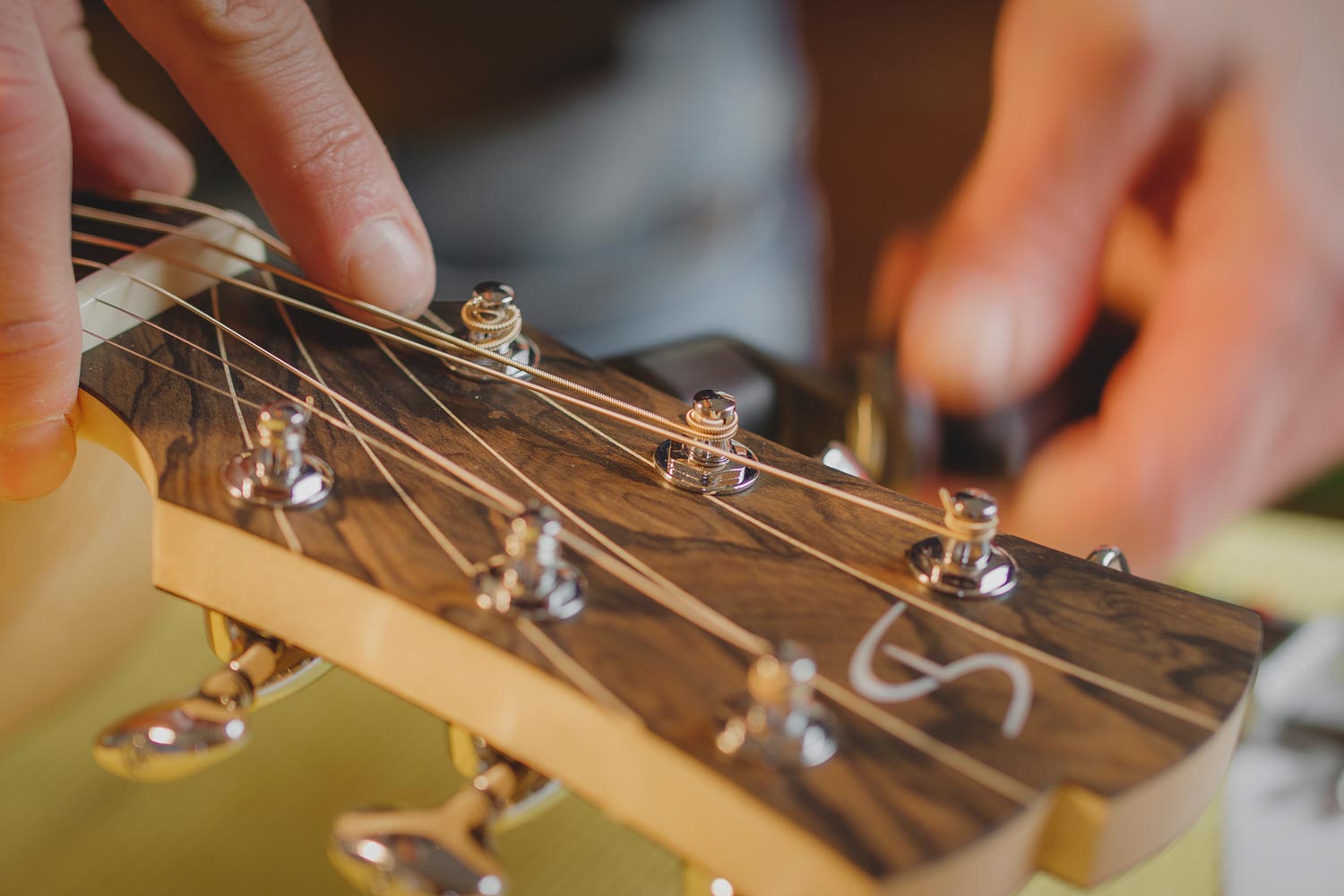
The violin fingerboard of an opera symphonist came loose during the dress rehearsal. He called me, asking for help. That was on the weekend and thankfully I was in Graz. There were still a few hours left before the performance, so I managed to repair it quickly for him.
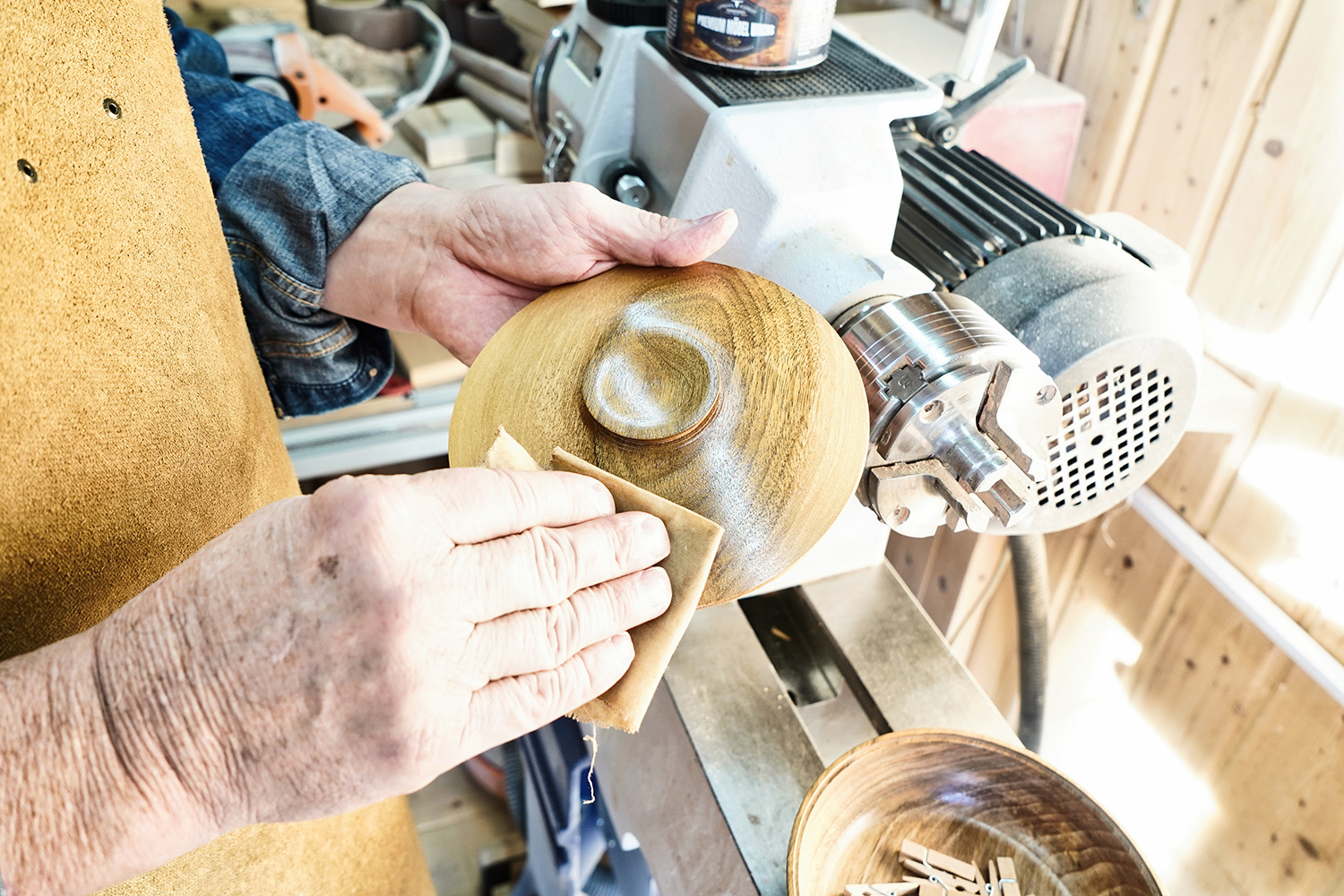
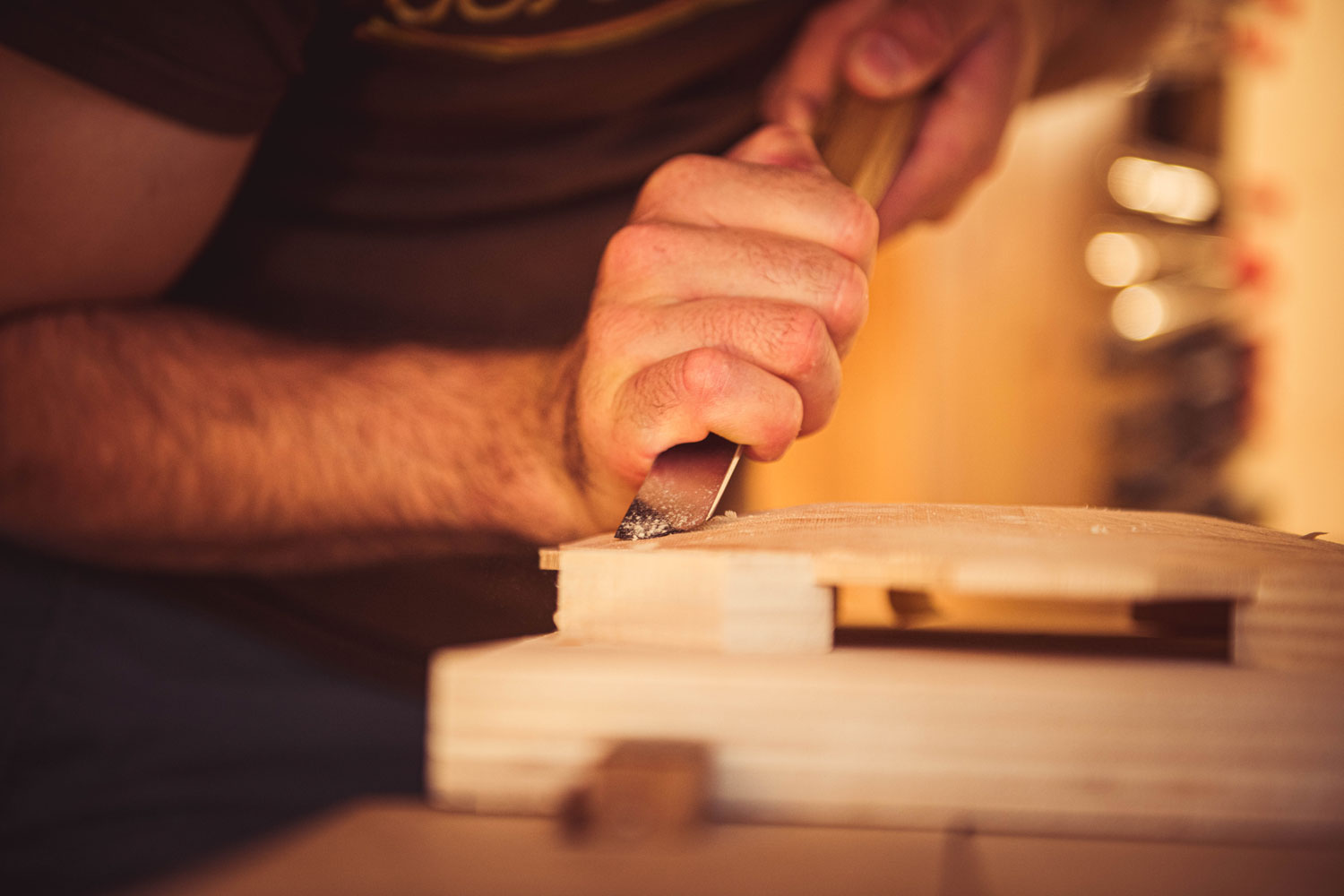
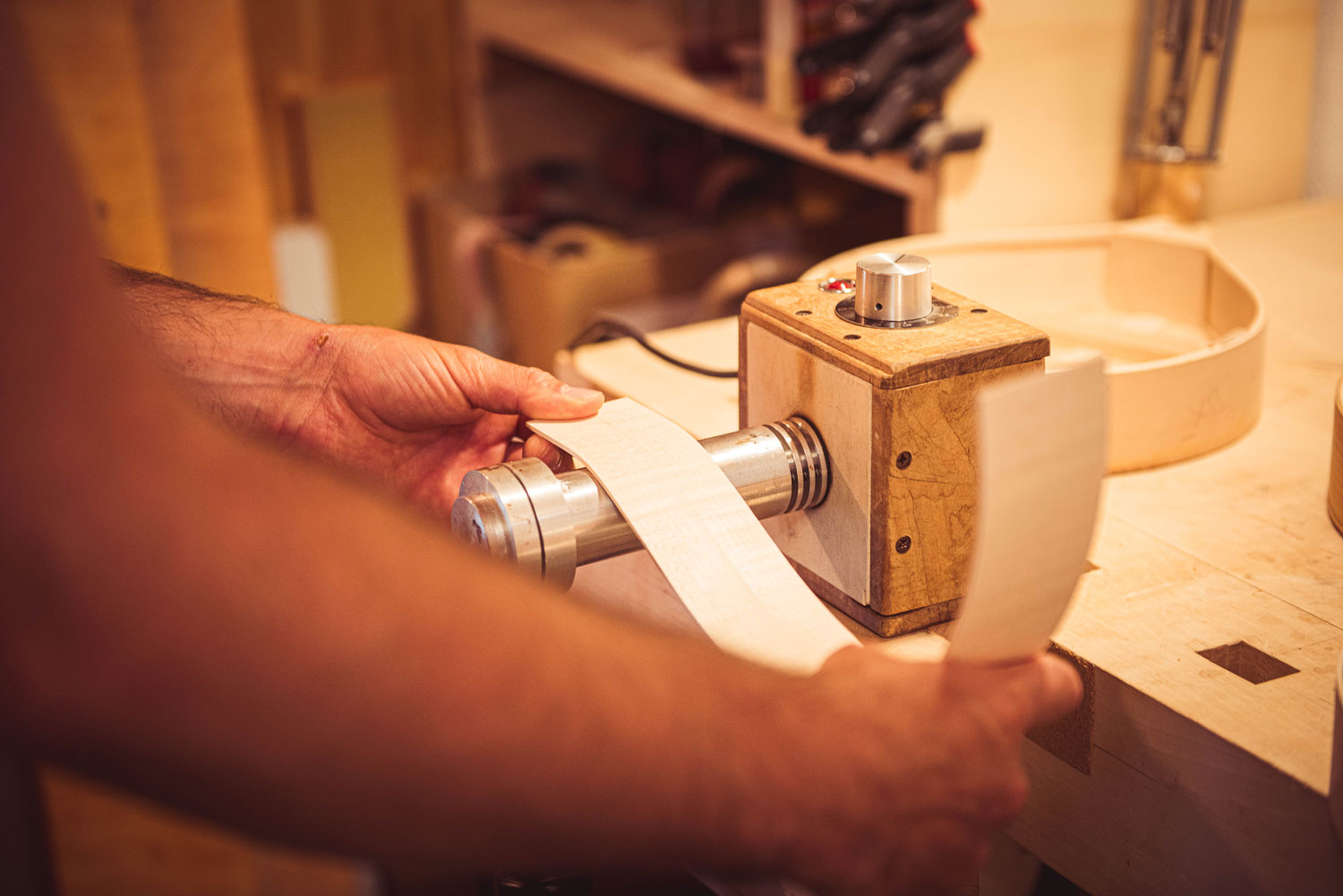
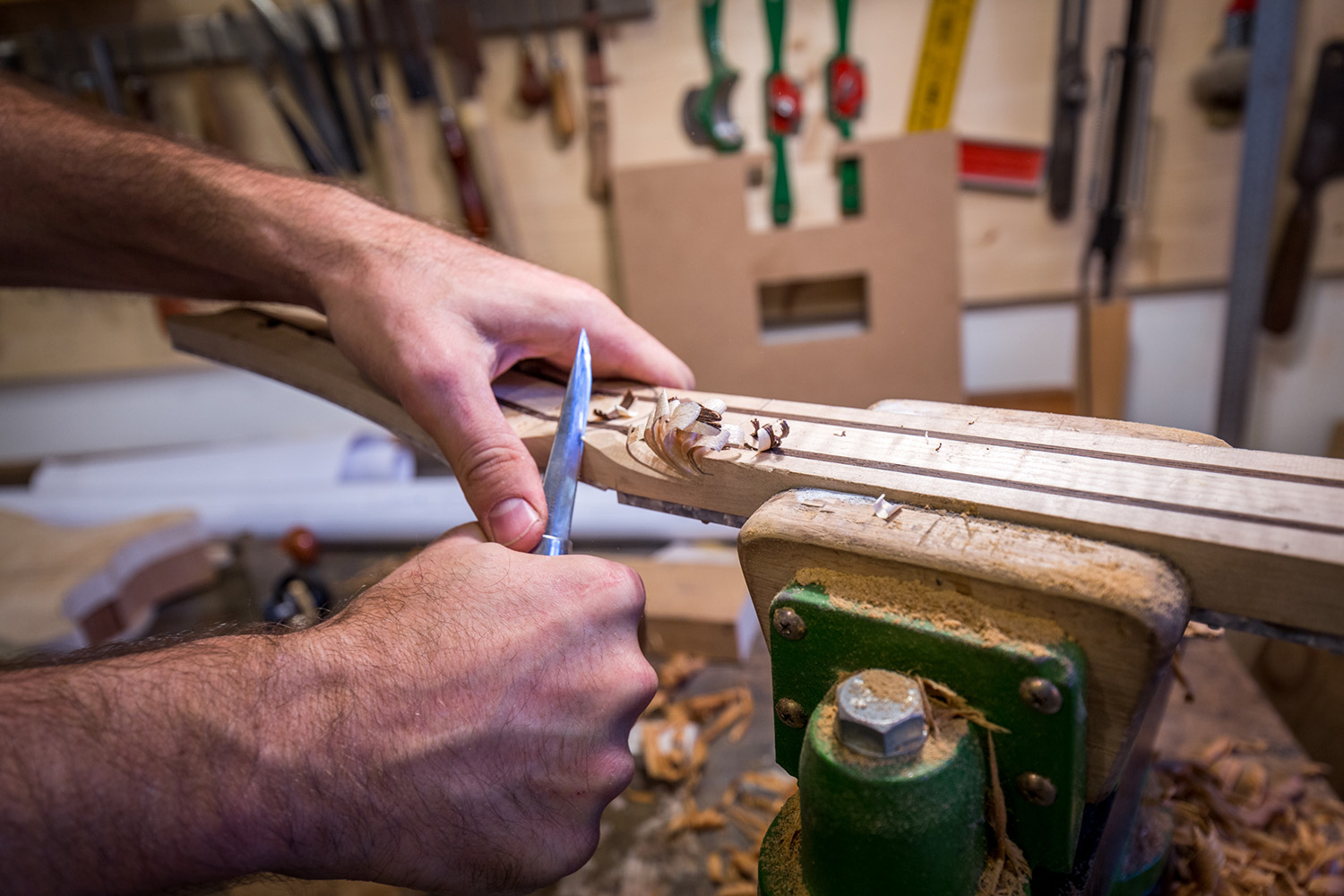
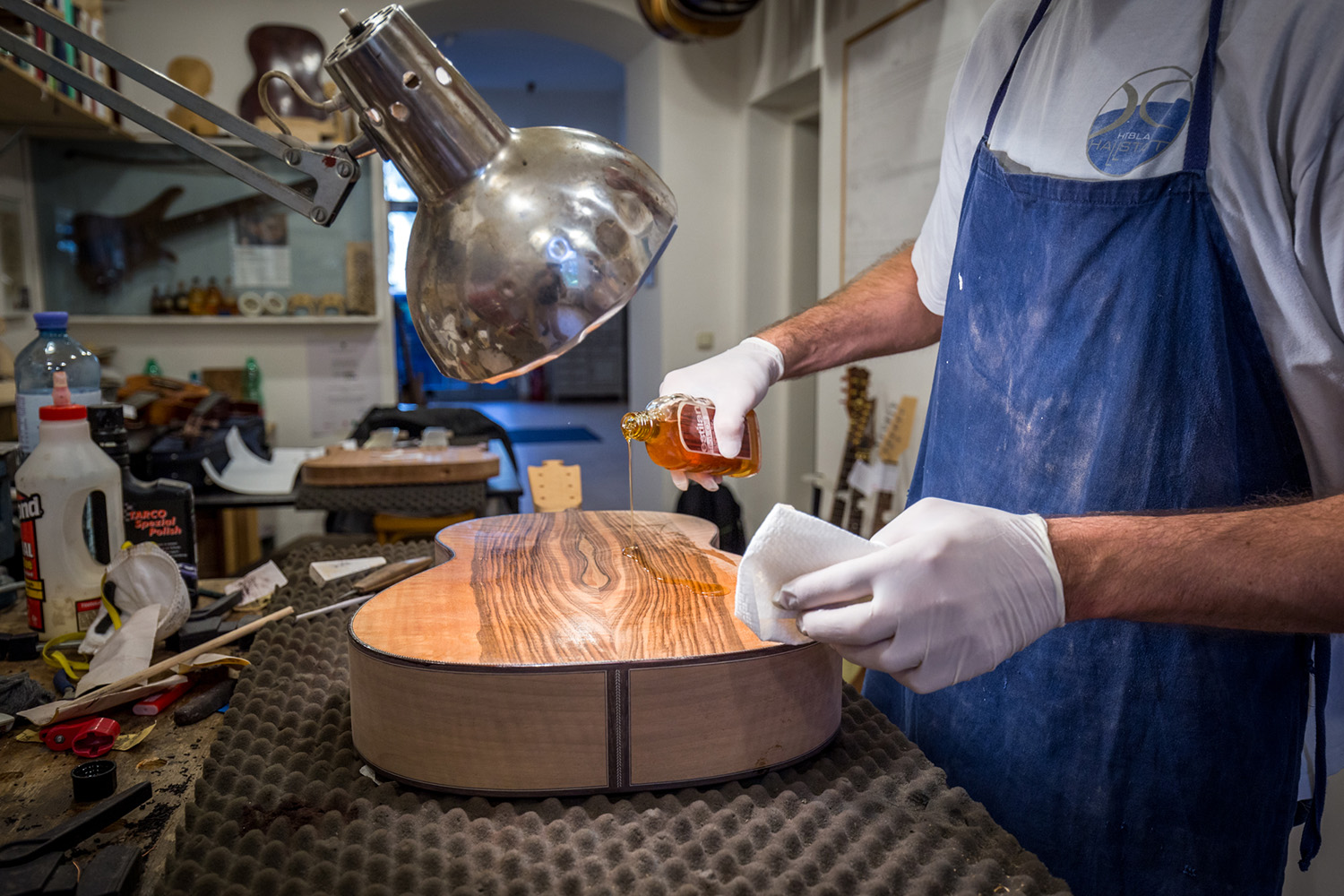
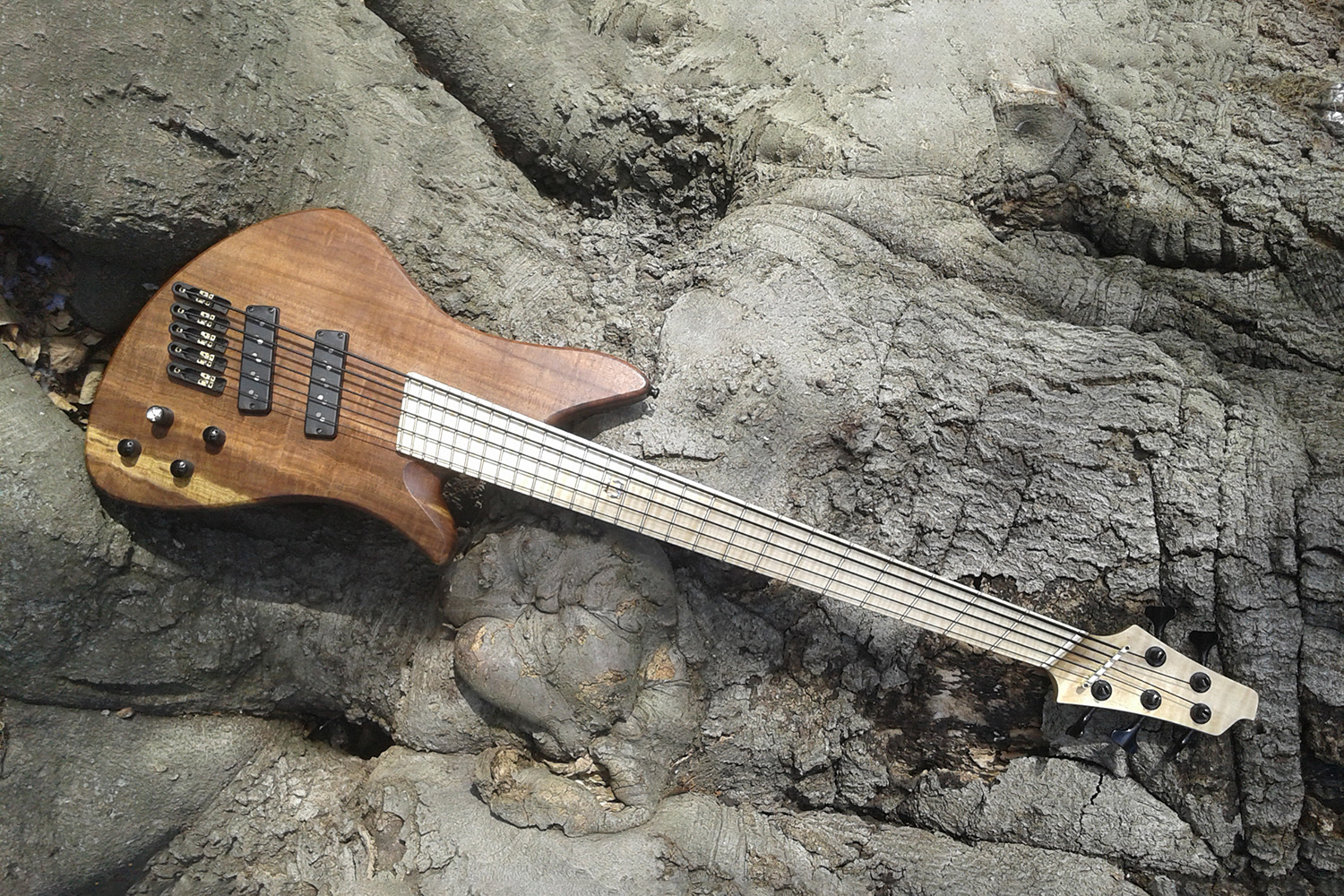
Naturally, I work with wood and very often with mountain spruce, figured maple, but also with walnut, mahogany, ebony and all kinds of fruit wood. Freshly cut mountain spruce fills the room with a pleasant smell and is almost like aromatherapy.
No, I do not. As long as people play music, there will be instruments that need to be made or repaired. Building an instrument is quite a complex process, and therefore not easily replaceable by artificial intelligence.