Continuing a 19th century craft
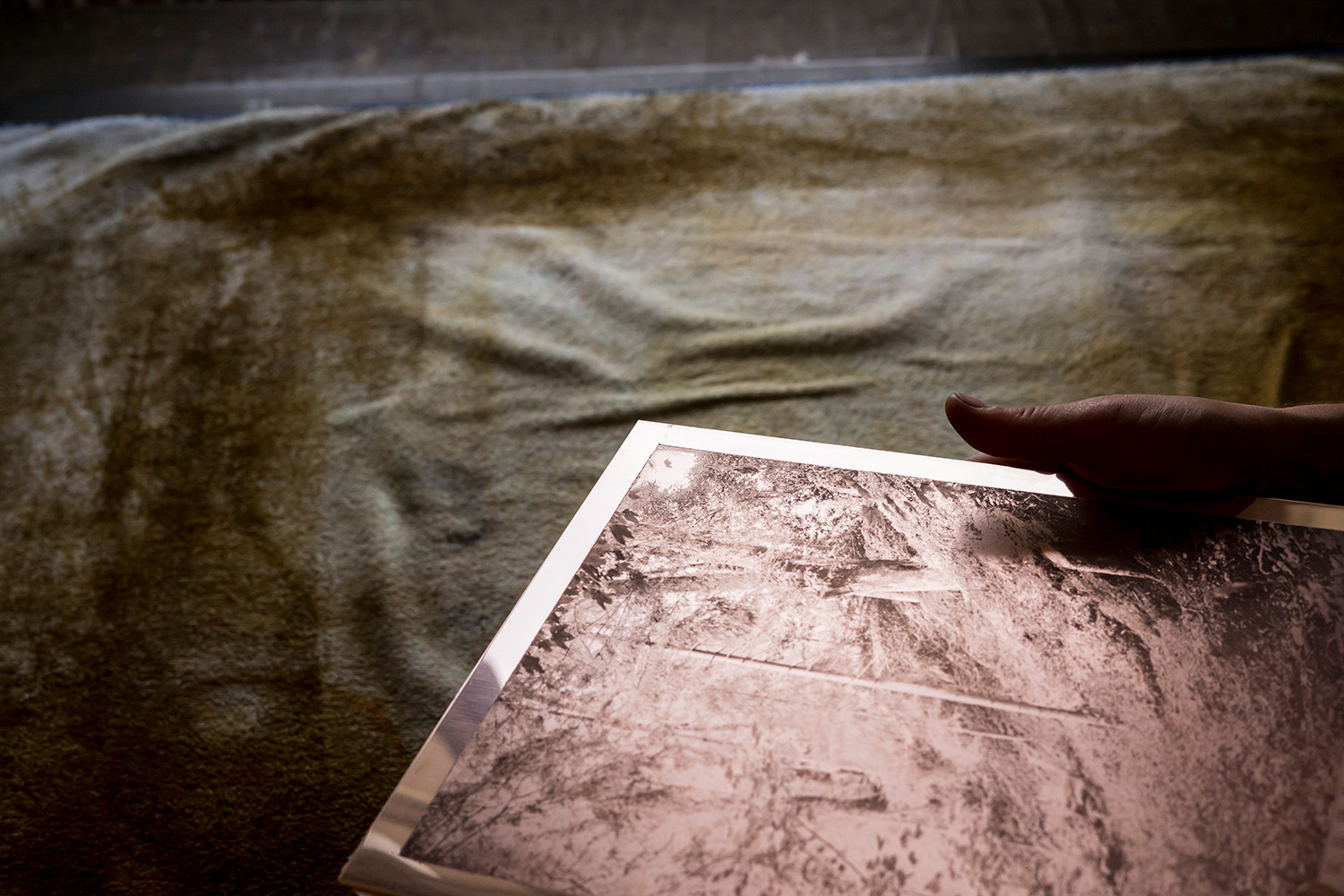
- Fanny masters the printing technique of photoengraving
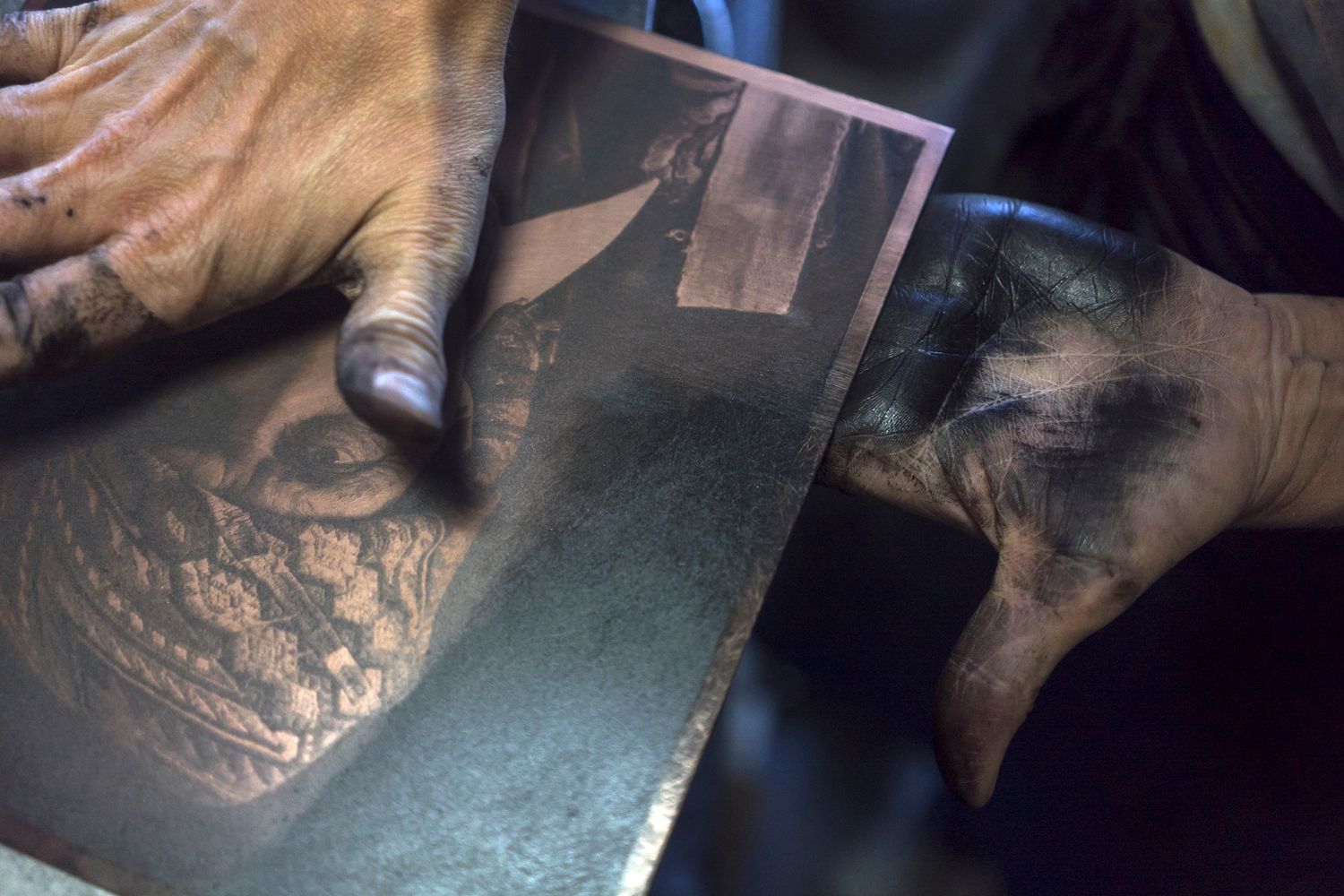
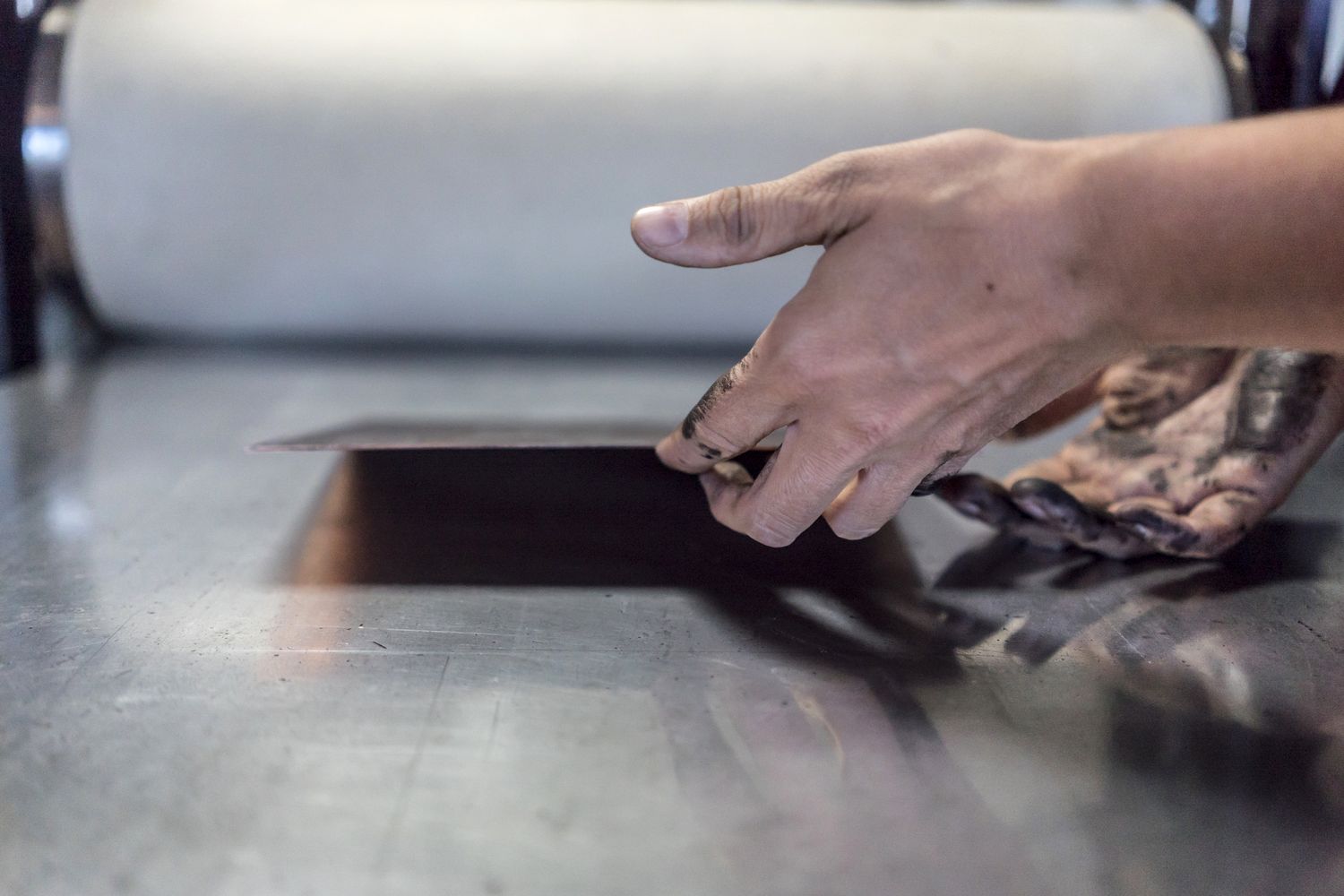
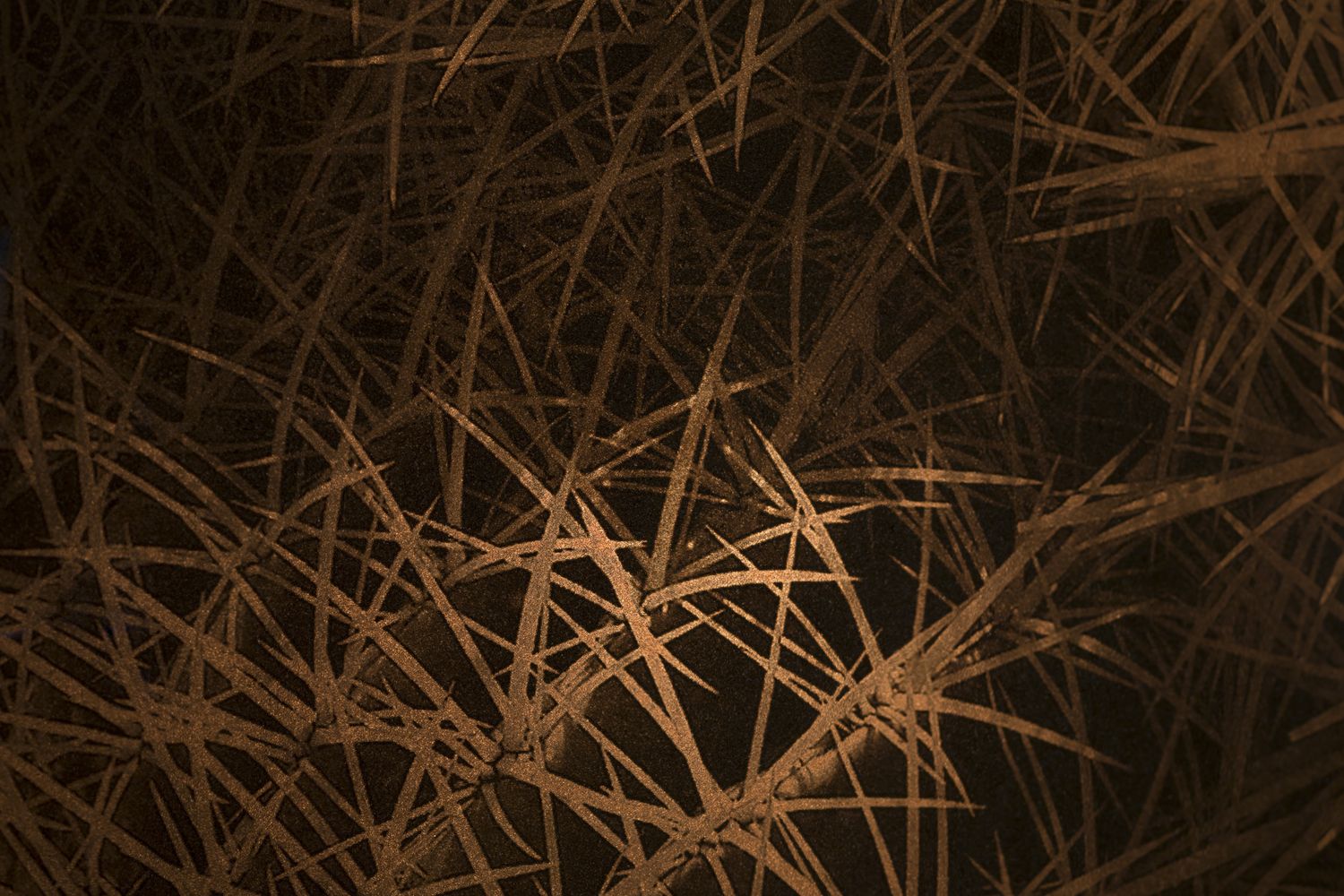
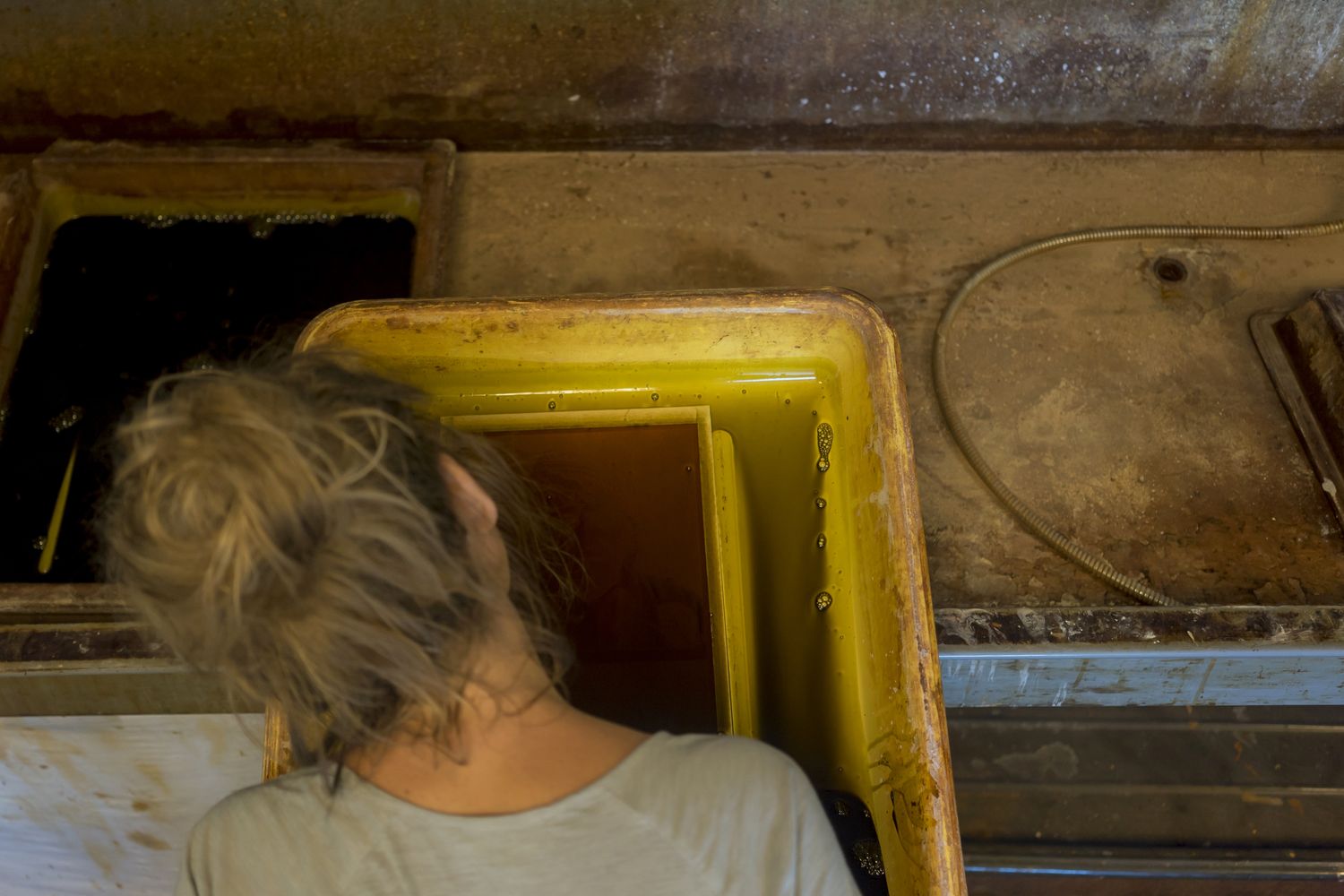
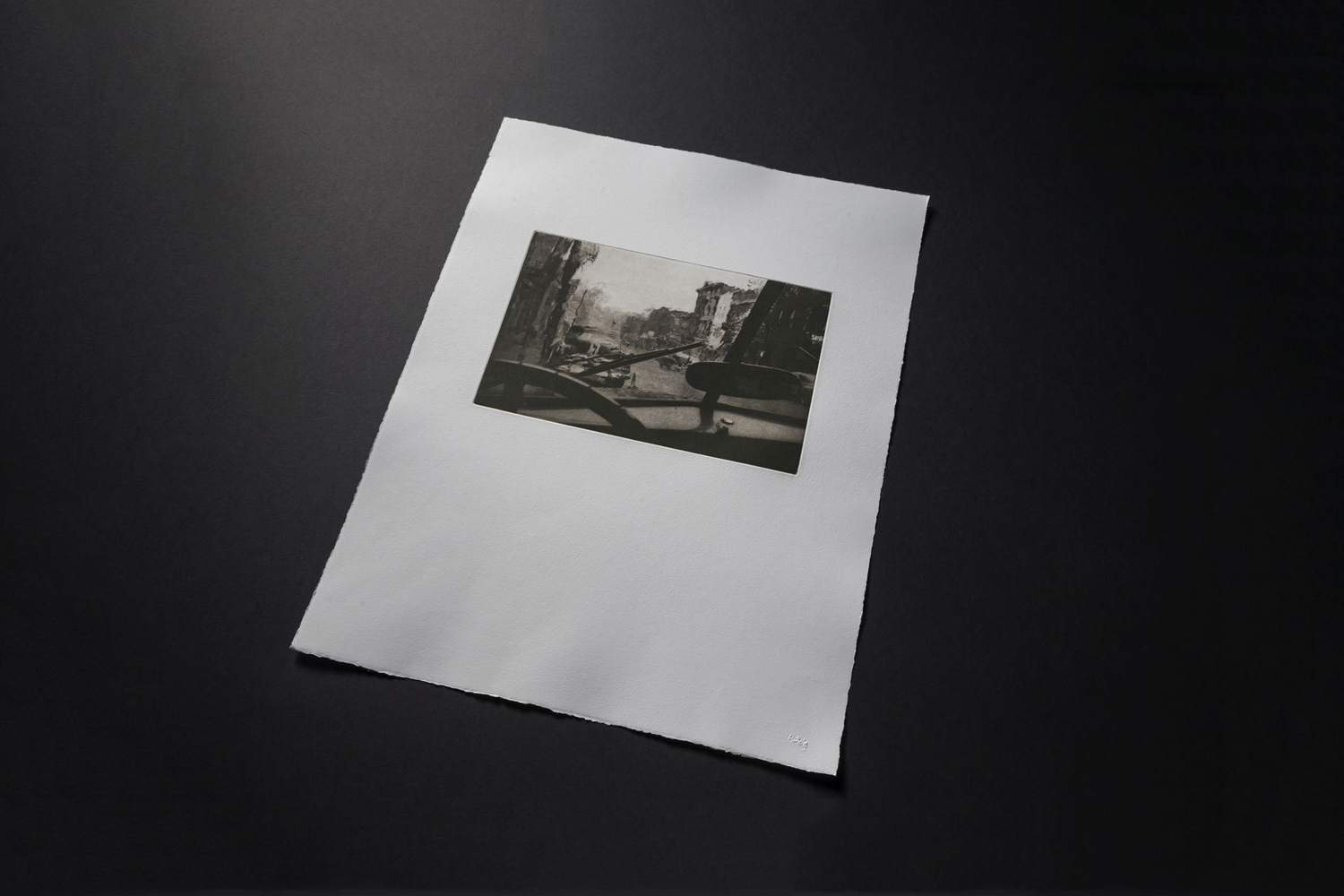
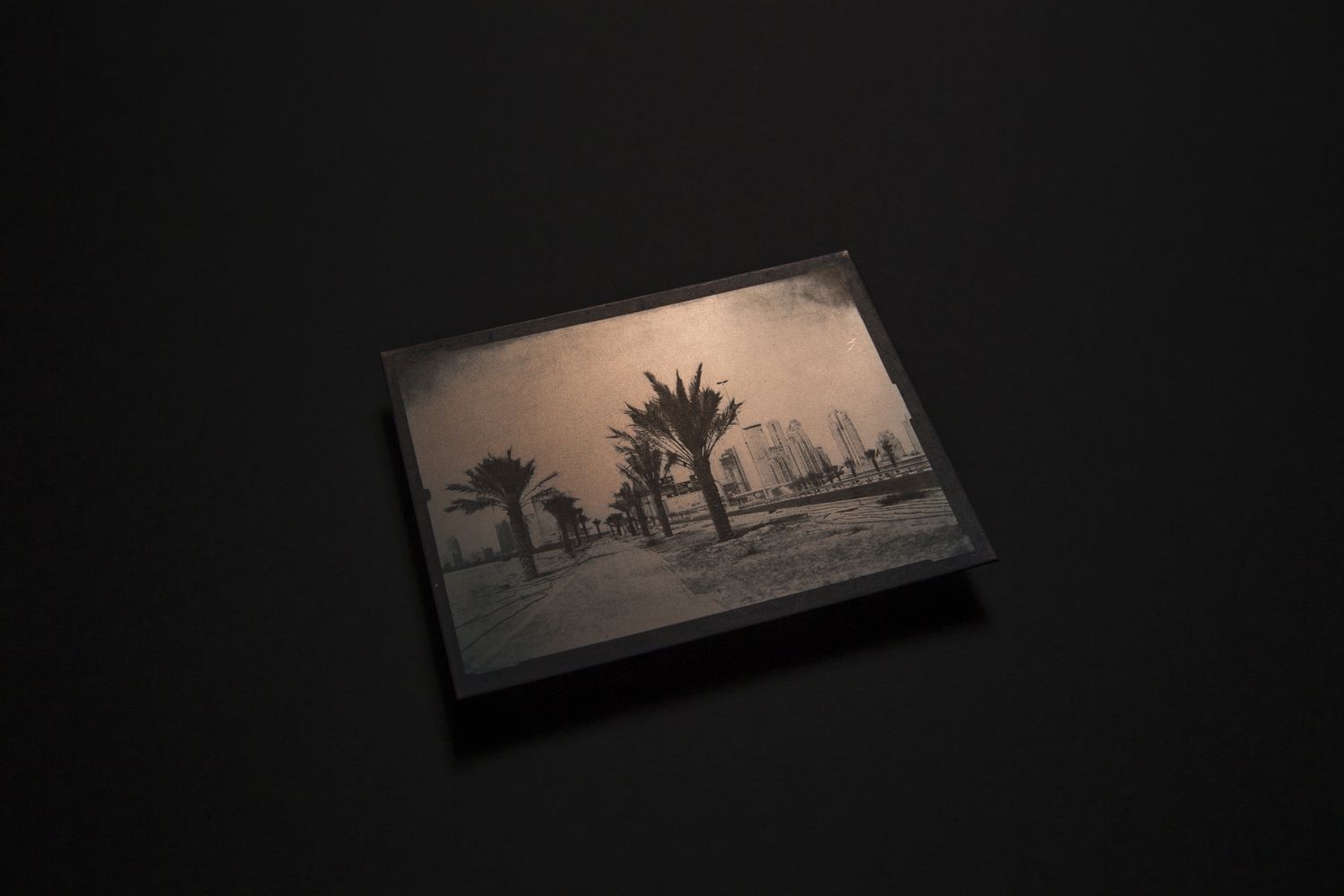
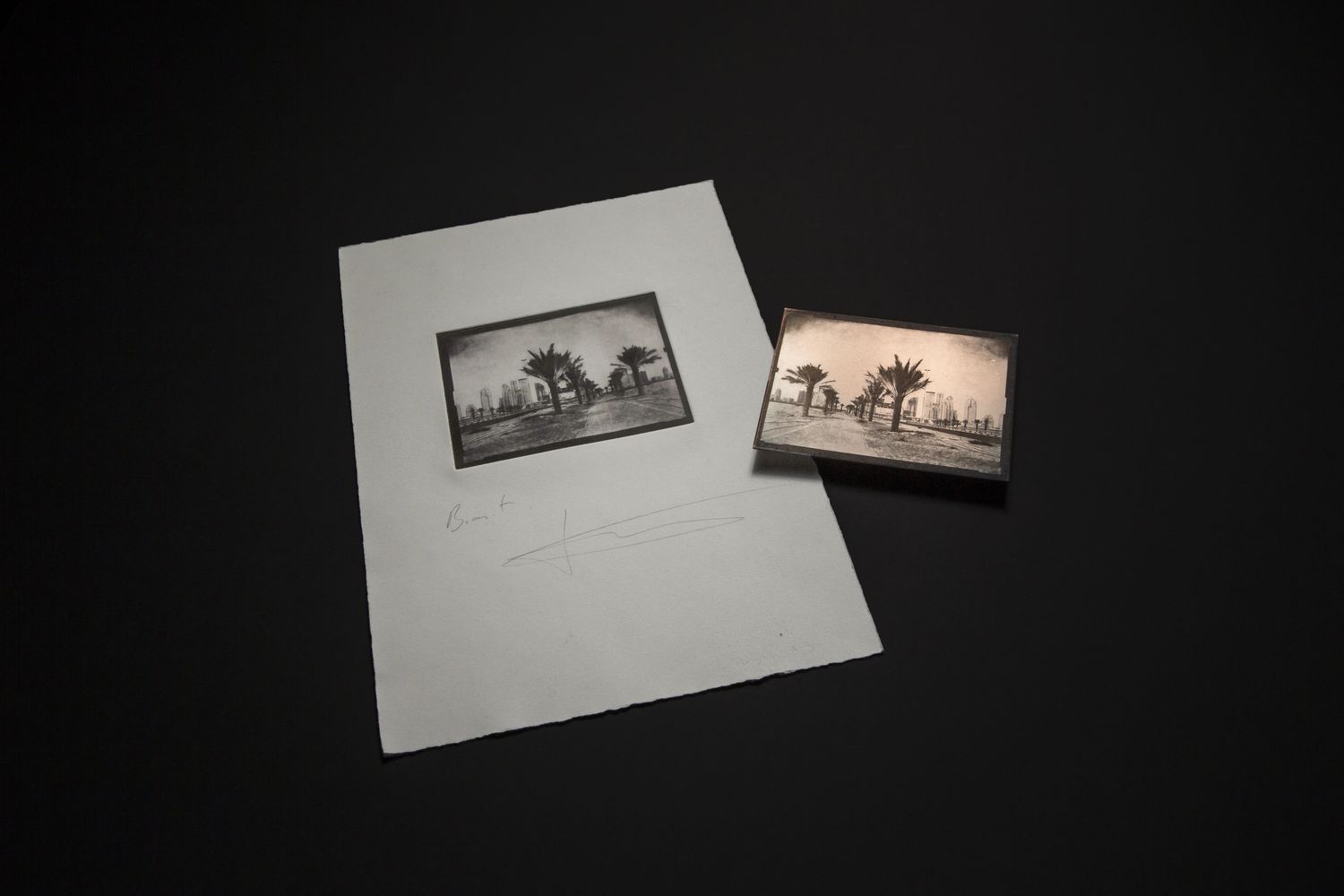
- The technique combines photography and copper engraving
- She won the Prix Liliane Bettencourt pour l'intelligence de la main in 2020
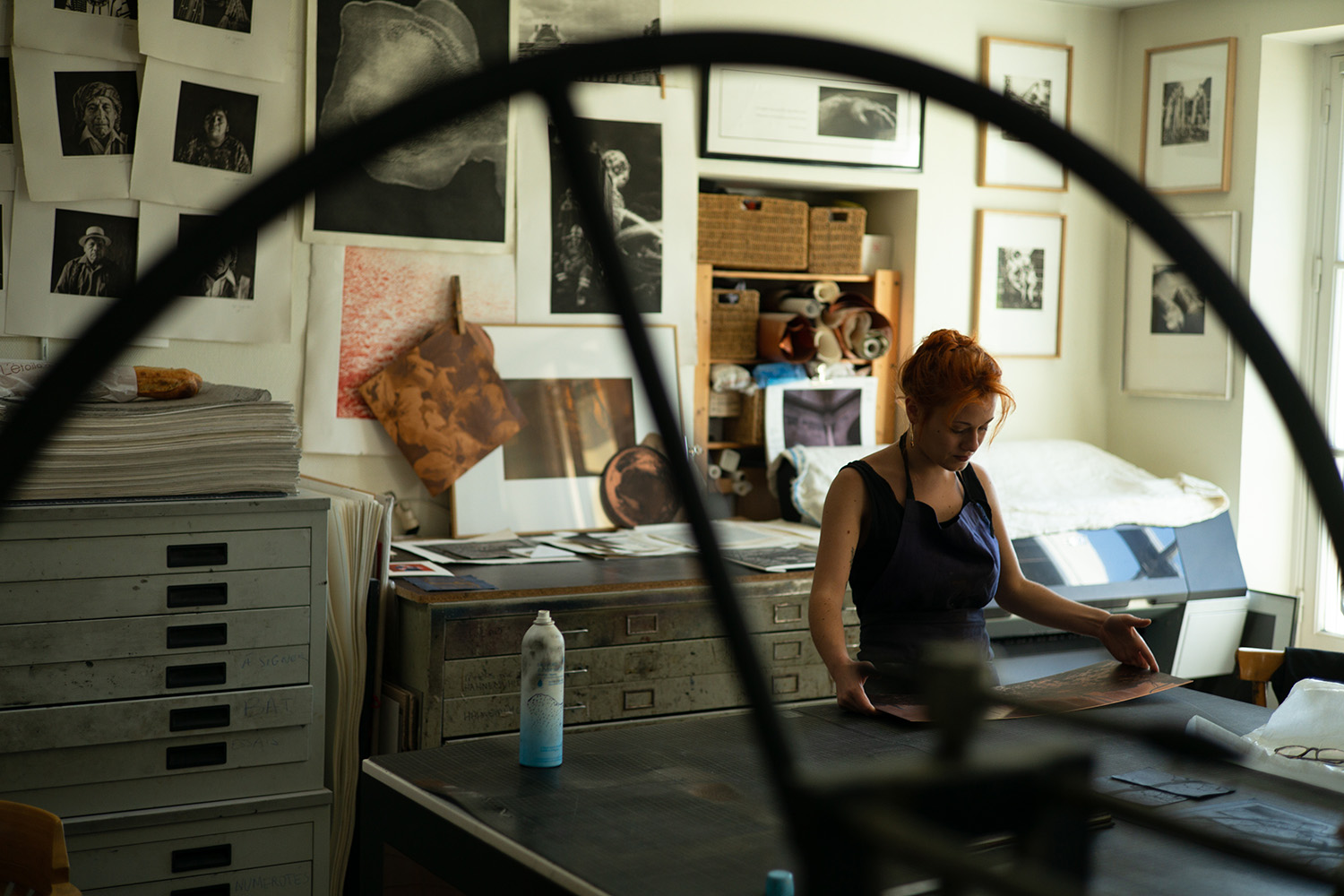
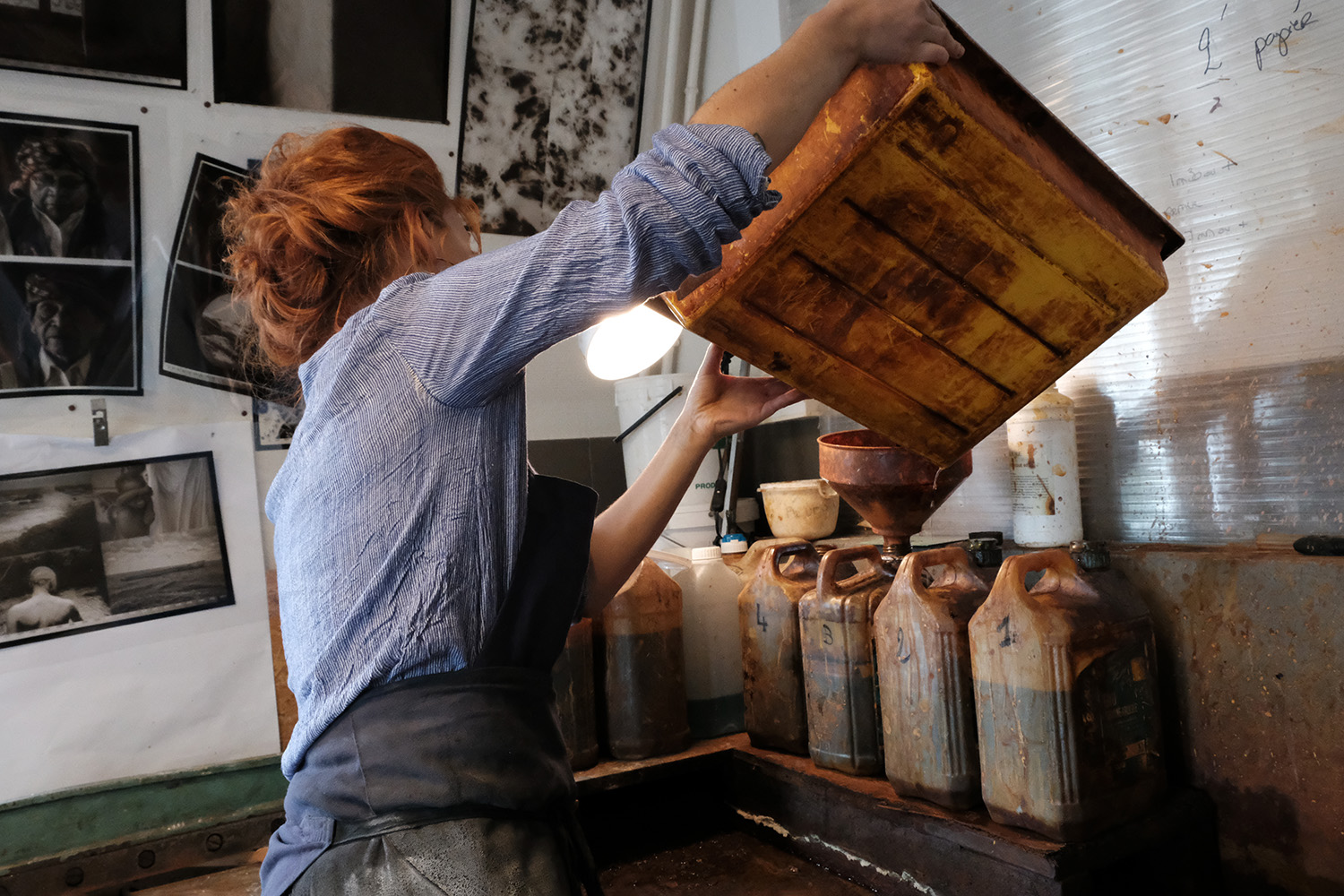
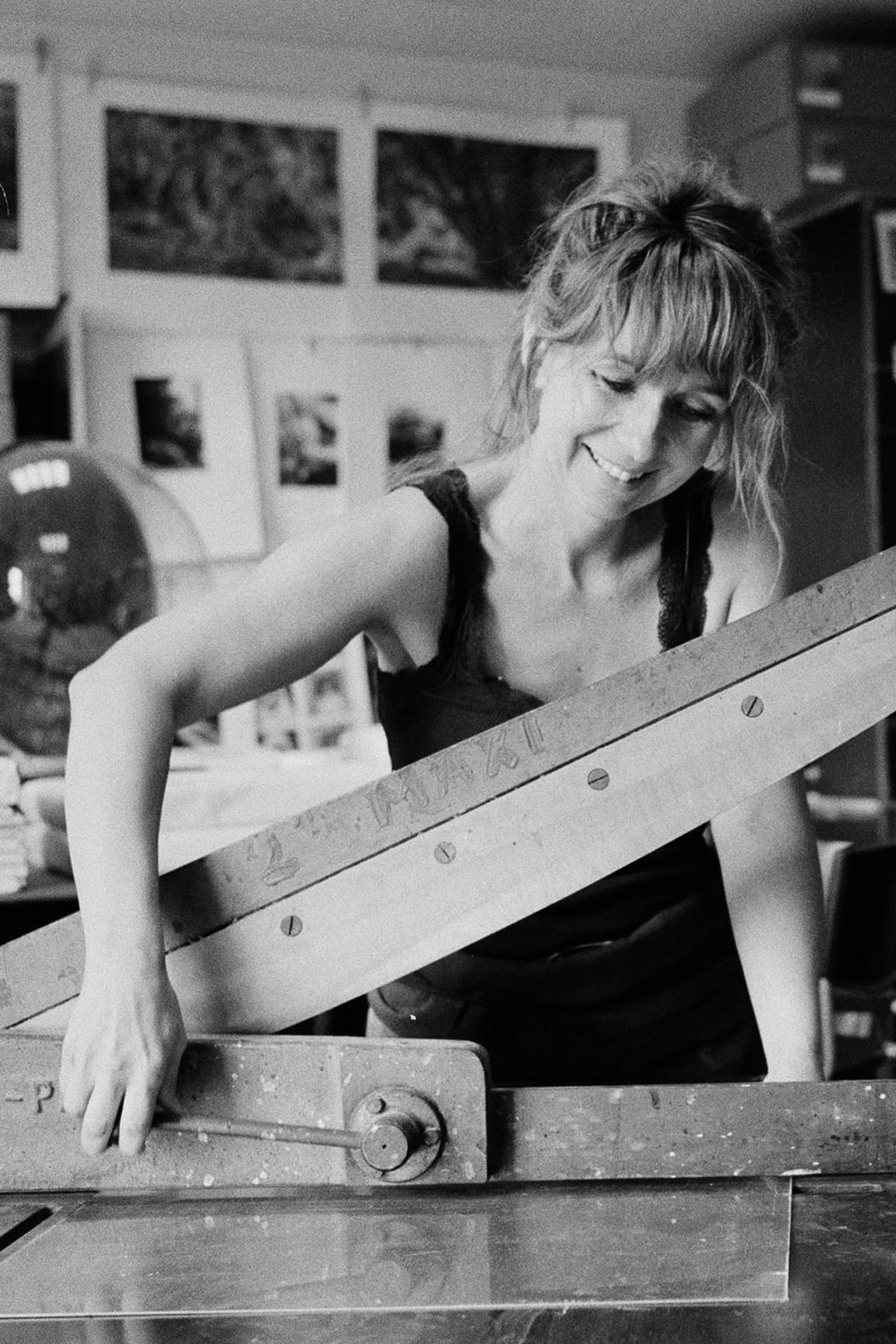
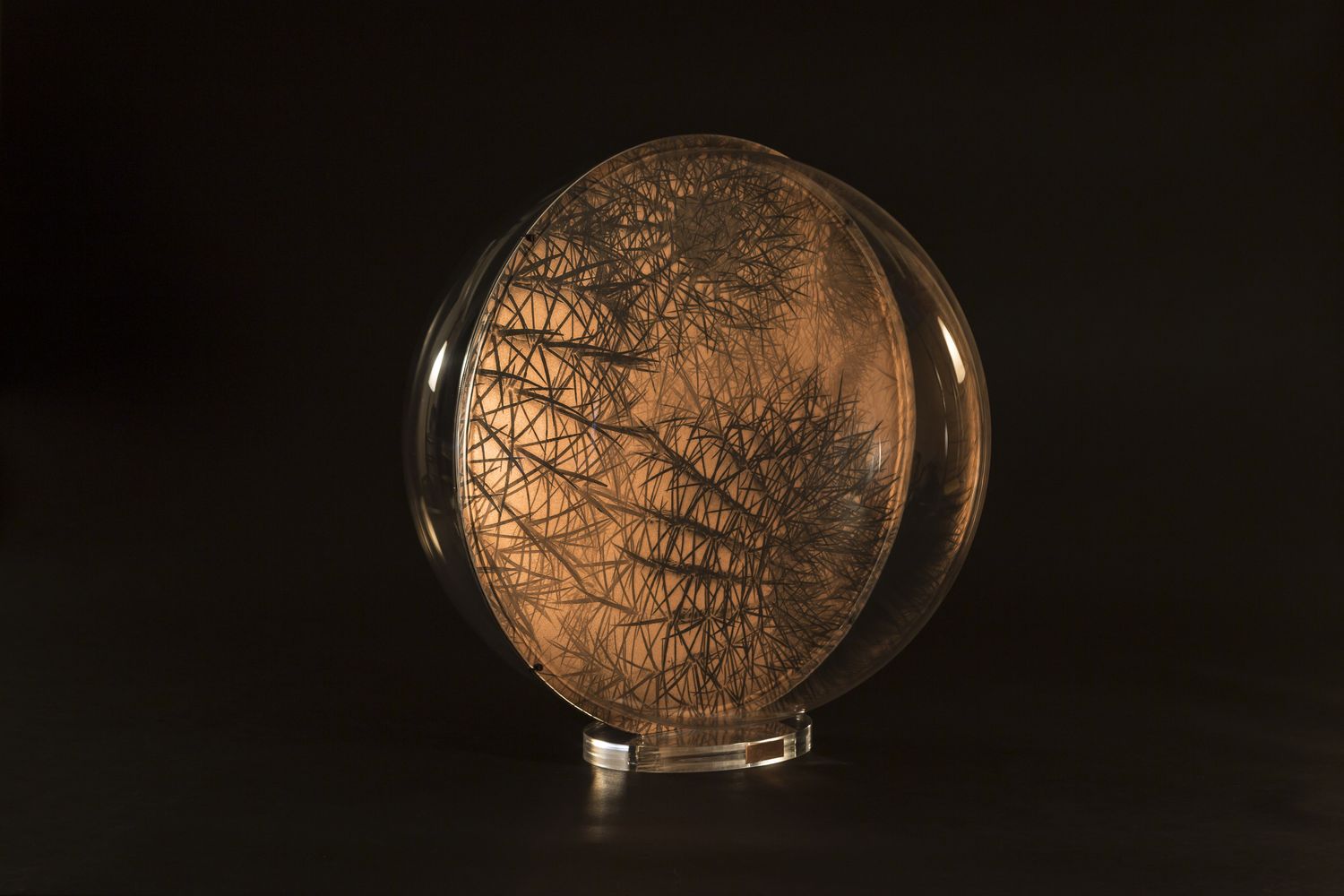
Fanny Boucher studied intaglio engraving at the Estienne School in Paris. In 1998, she learned the process of Talbot-Klic photoengraving by training with Jean-Daniel Lemoine, a scientist specialised in 19th century photomechanical processes. She opened her own studio, Hélio'g, in 2000 and fifteen years later was named a Master of Art. Since then she has committed to passing on her expertise to her apprentice, Marie Levoyet. The two women now work together to produce traditional prints and art books for artists, photographers, publishers, designers and interior decorators, but also endeavour to show the potential of this technique and the engraved copper plates themselves within the world of design.
Discover her work
INTERVIEW
Because it was the only one that allowed me to live happily! It allowed me to work on engraving and photography at the same time, to work alongside international artists, to discover new cultures and to learn a bit more about them every day by listening to their stories.
In 2016 I worked with Spanish photographer Santiago Albert, who photographs Mayan communities in Guatemala. I went to Guatemala and spoke with the photographed Chichicastenango community to find out the best ways of representing them. The experience had a profound impact on me.
To me the words ‘well made’ convey a notion of quality, control, or even excellence. It implies work where hand and spirit combine in perfect harmony. This is achieved when the choice of technique, the form, the original photo and the words of the artist become inseparable.
My expertise consists of the tireless repetition of a gesture from the 19th century. Over time, I have learned not to copy it but to enrich it. My work on copper plates, for example, is innovative, since most of my predecessors only considered them to be tools for the reproduction of an image, rather than pieces of art in themselves.