Yasuhiro & Ritsuko Fukushima
Banananesia
Weaver
Nakijin, Japan
From seed to weave
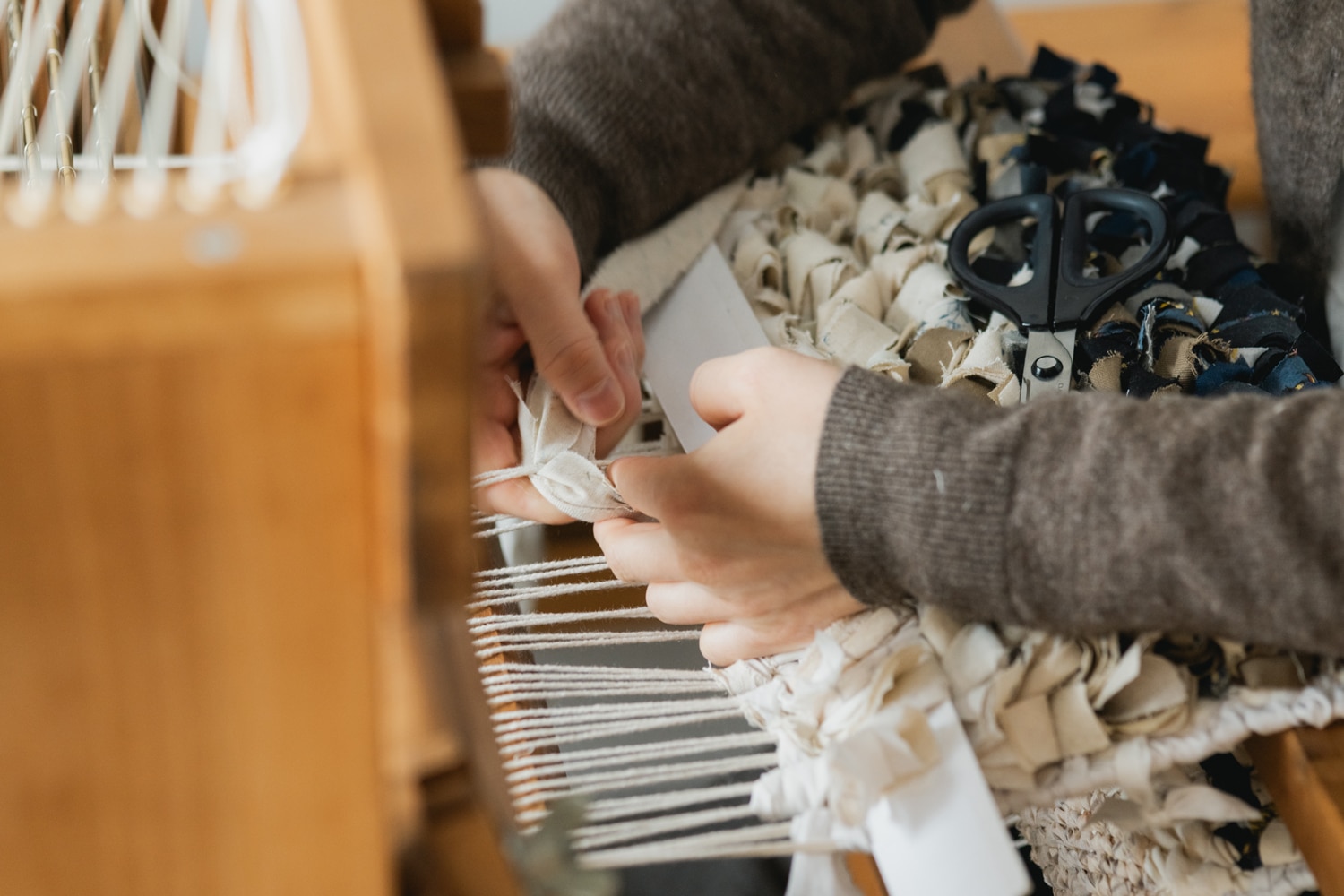
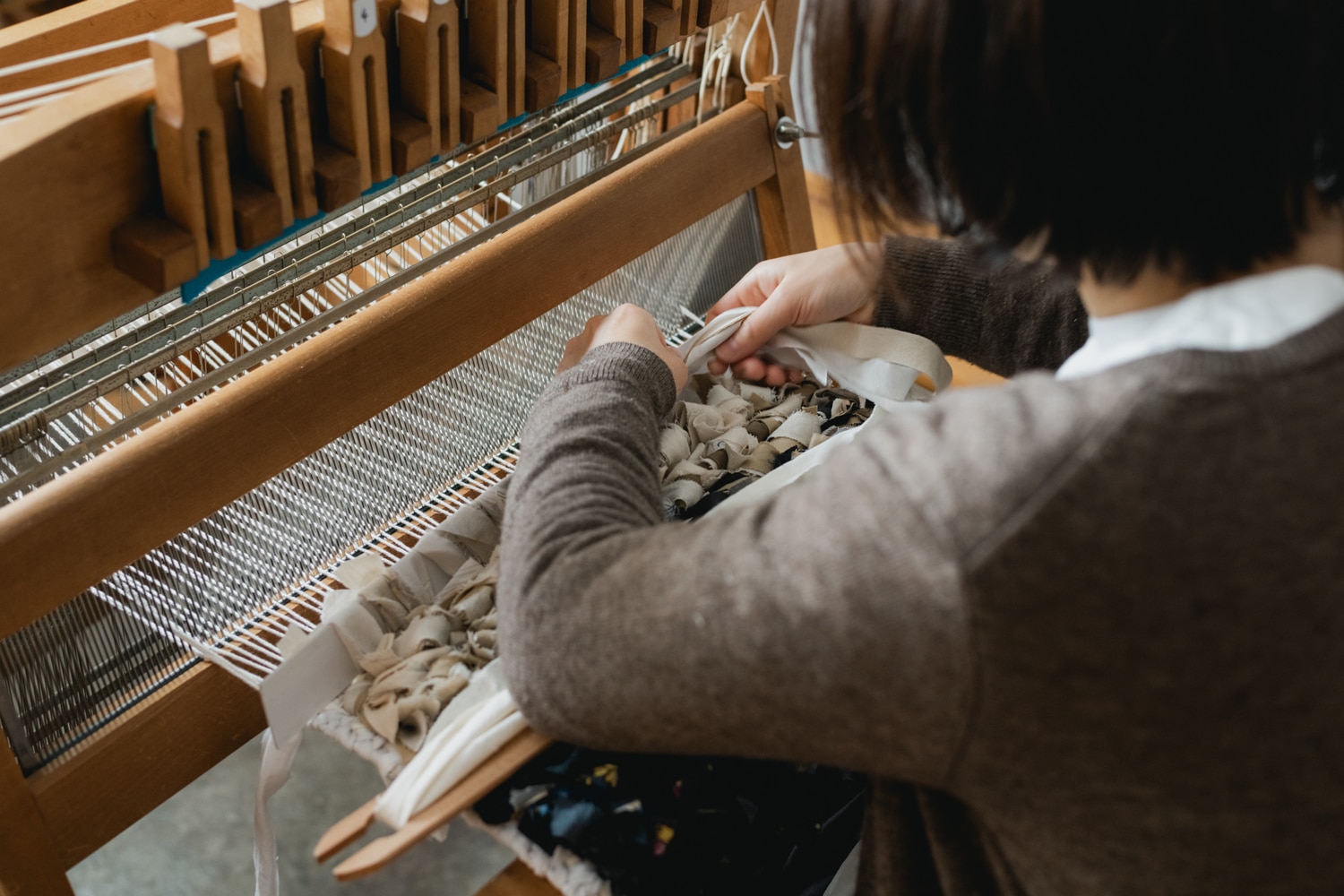
- Yasuhiro and Ritsuko master together the entire production process
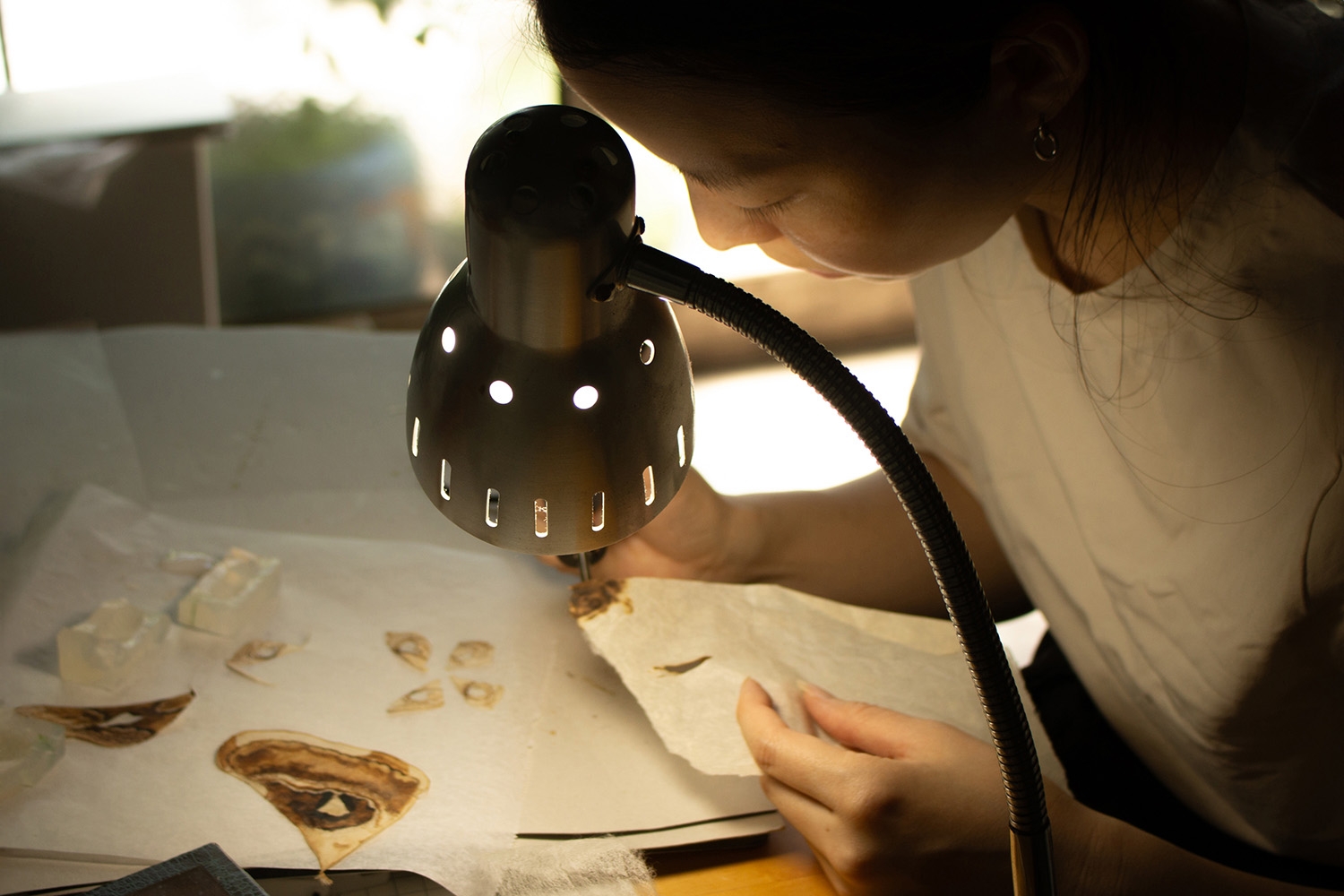
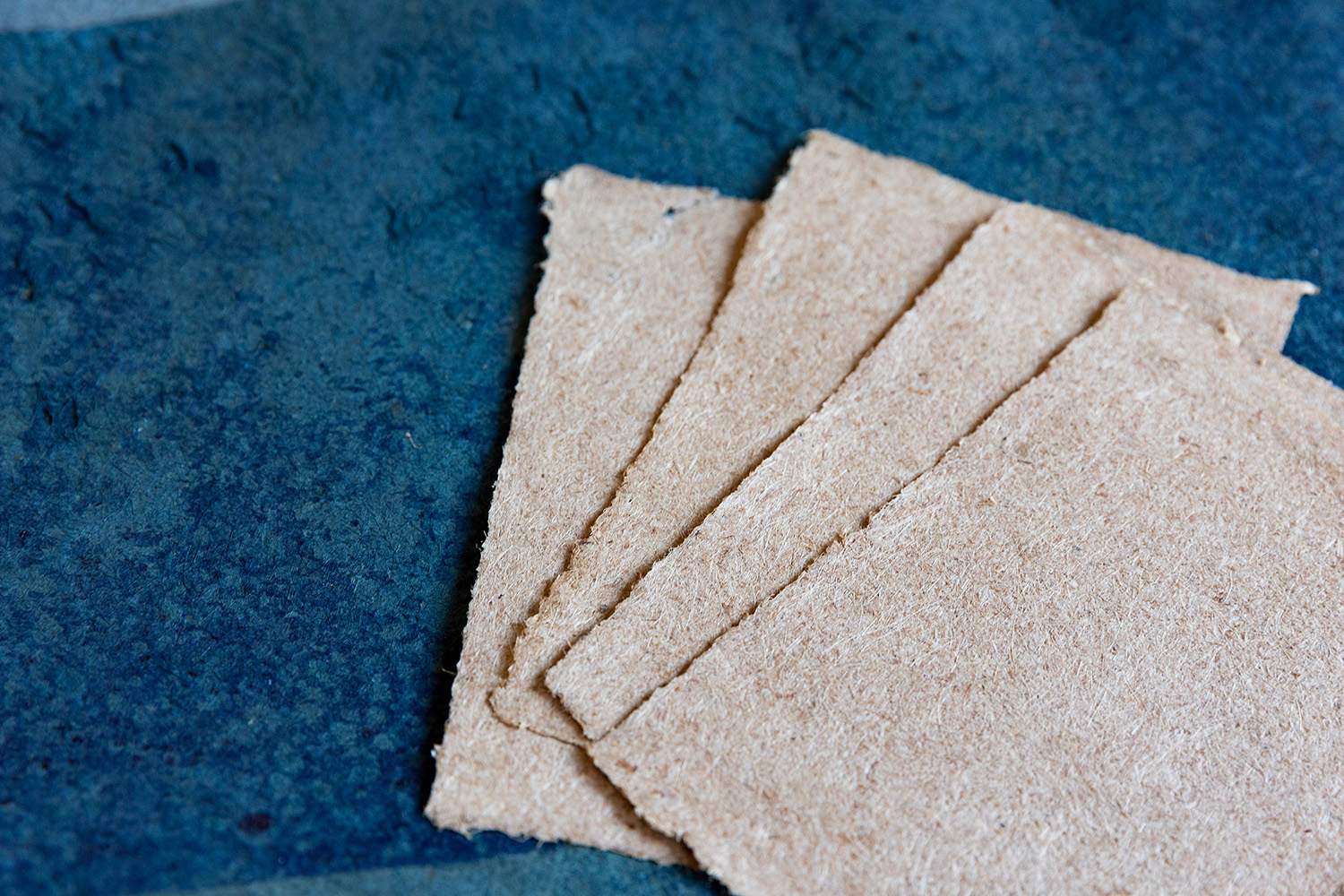
- They started to make paper for the restoration of precious documents preserved by the Okinawa prefecture
- They live in harmony with their environment and have a zero-waste approach to their craft
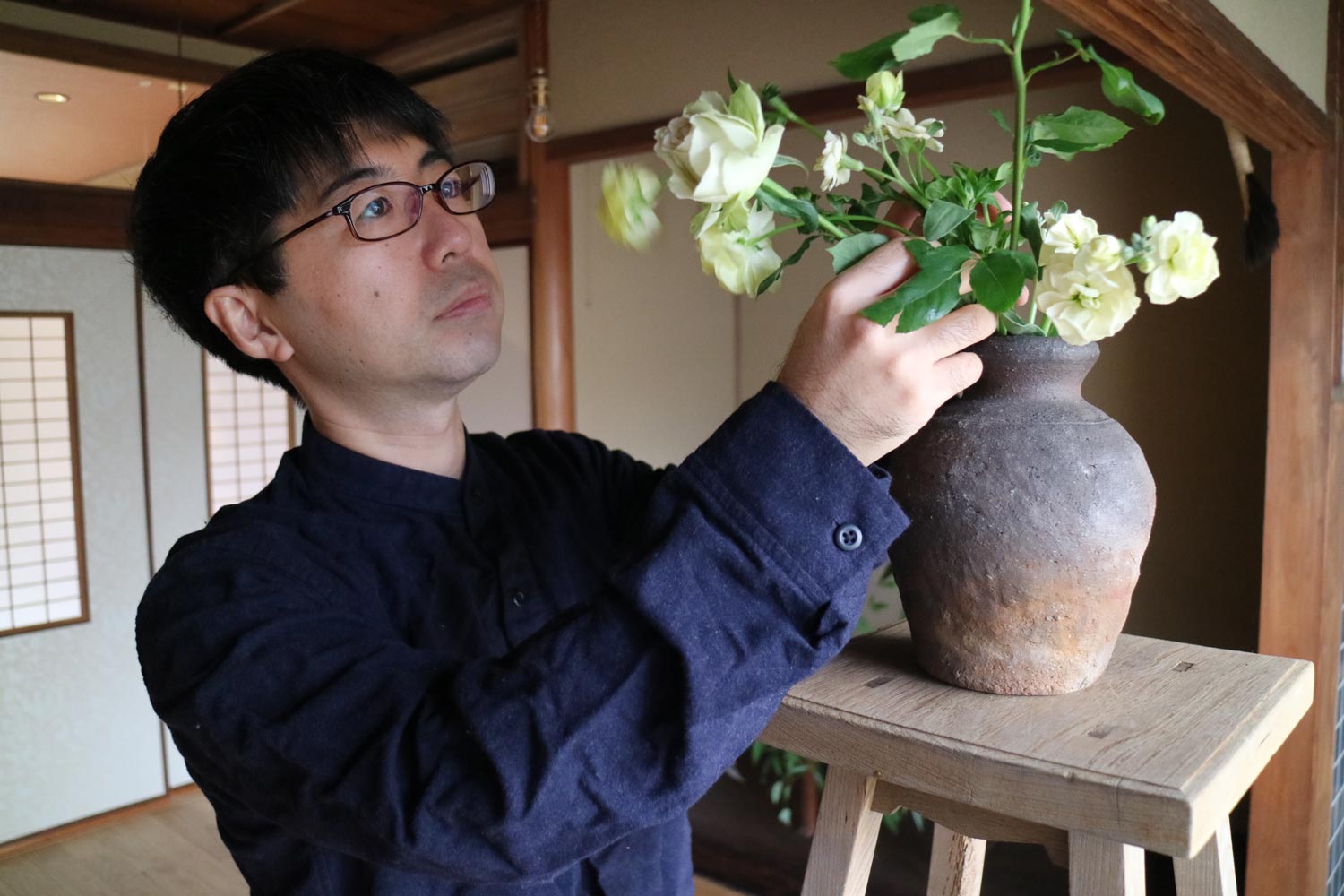
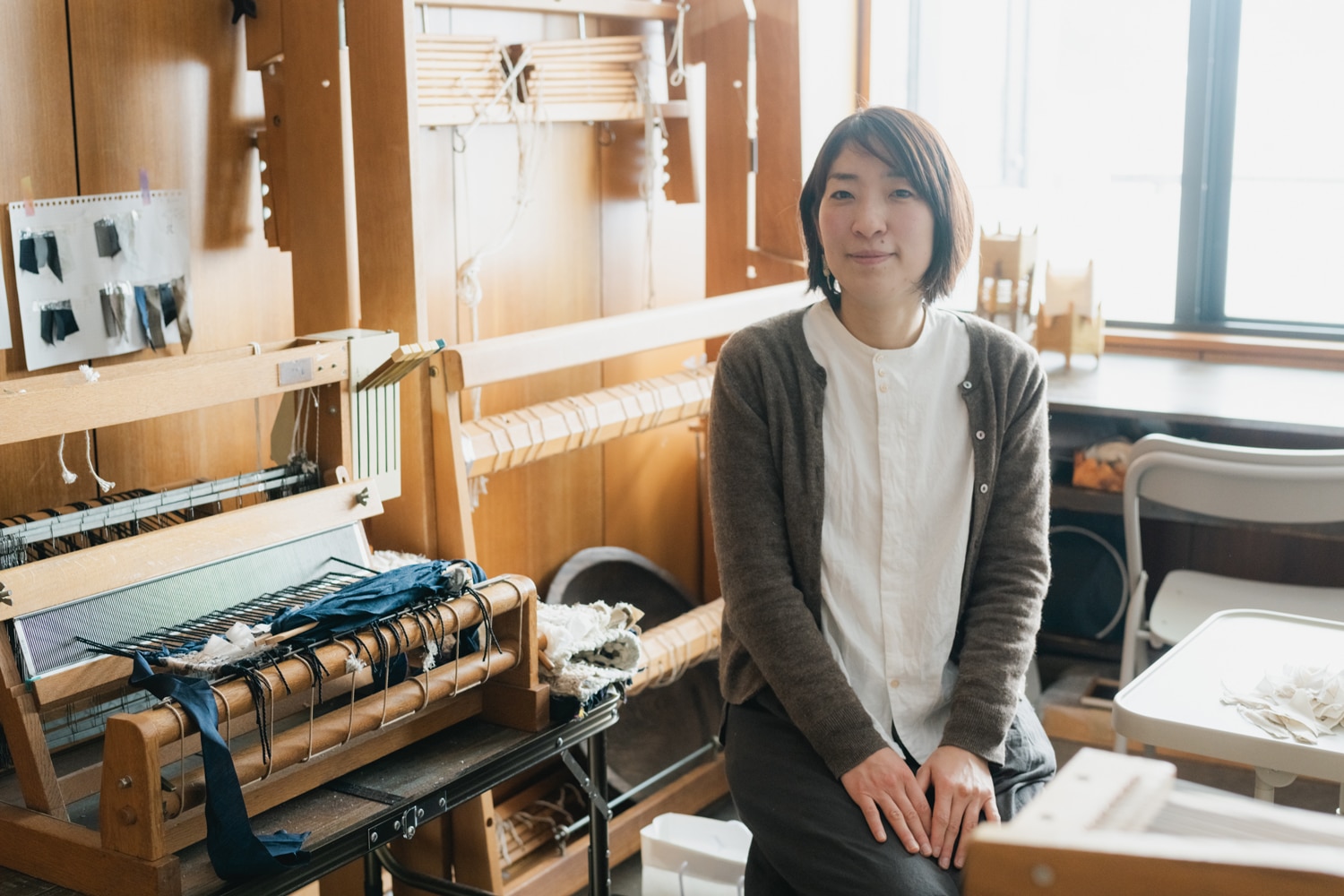
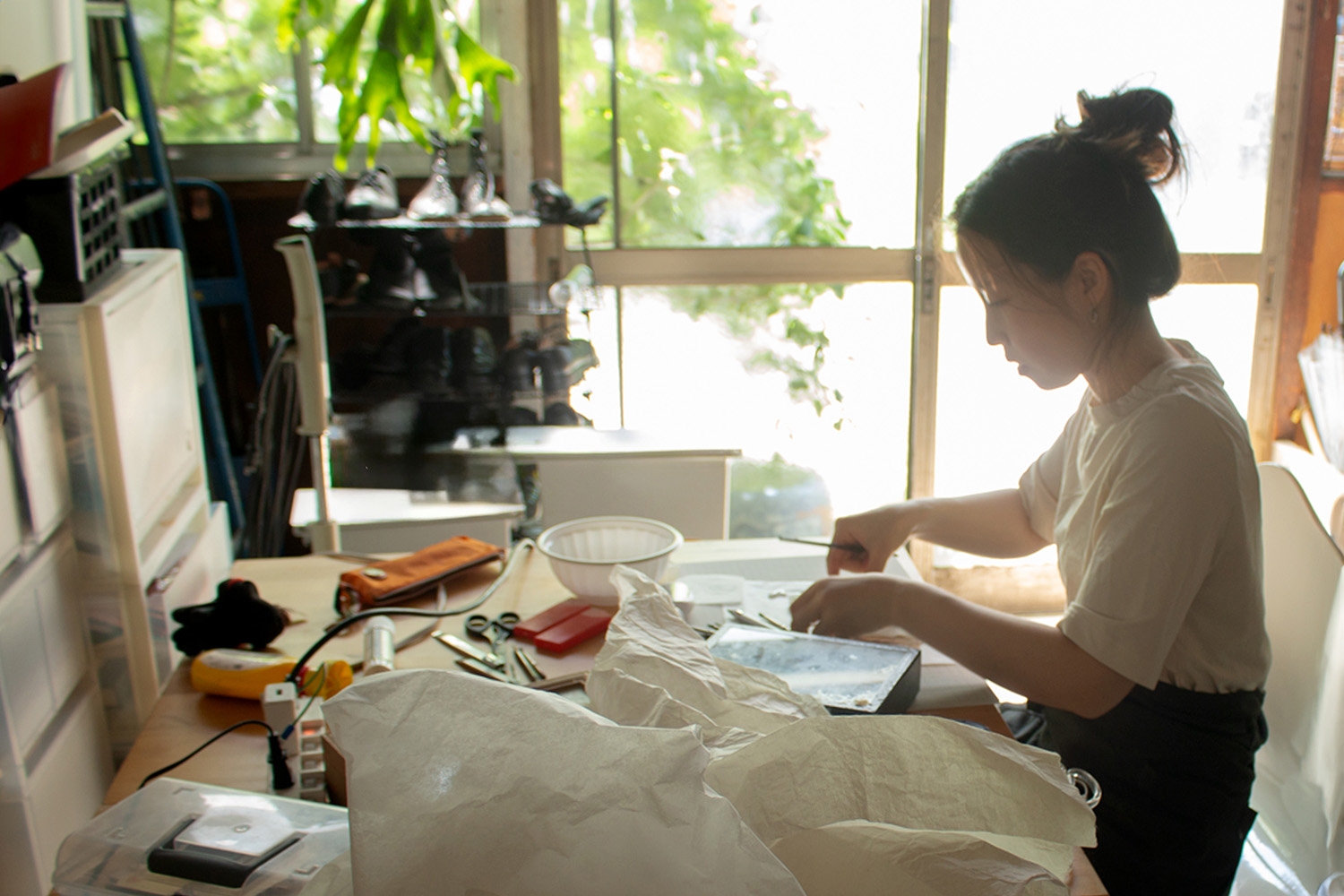
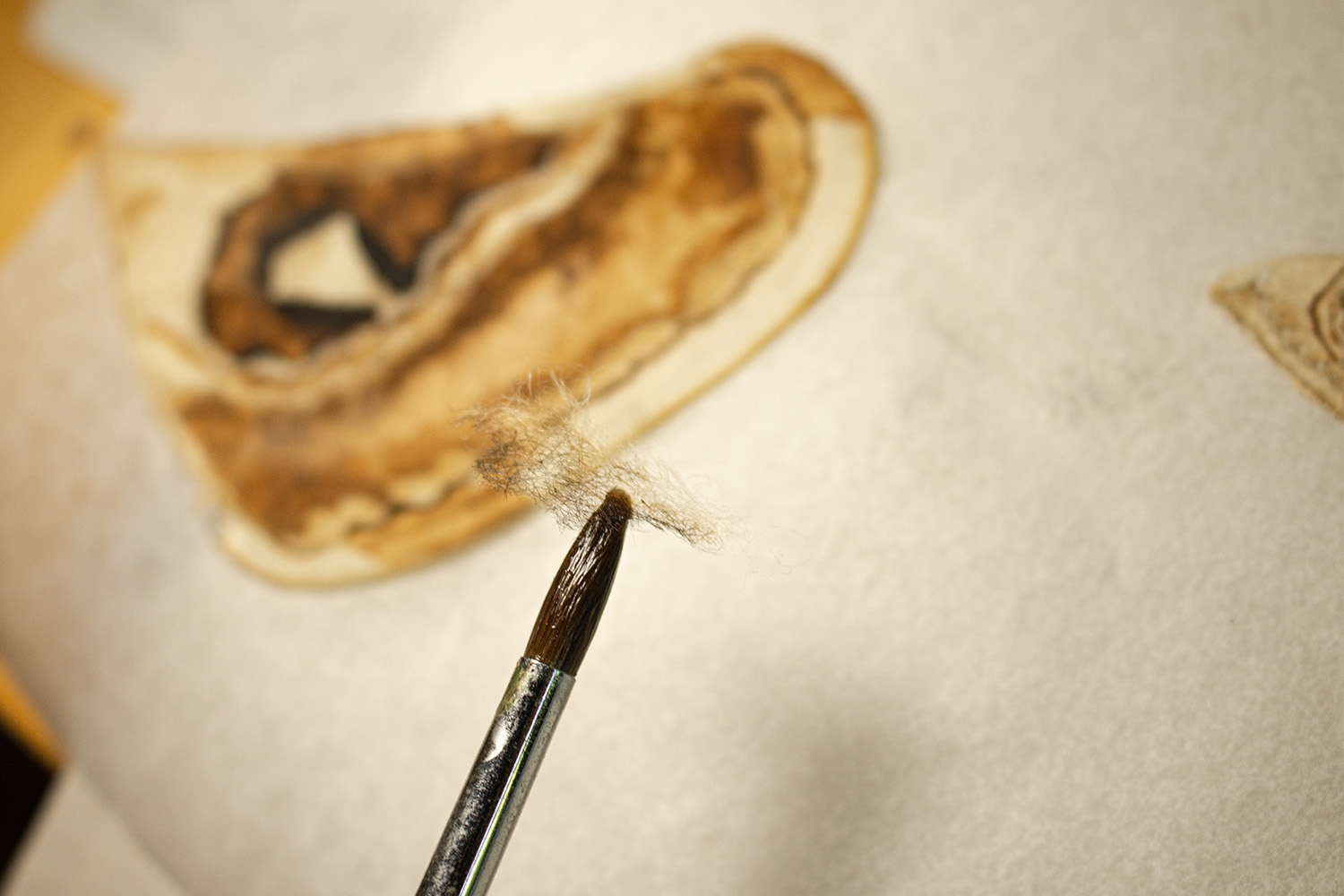
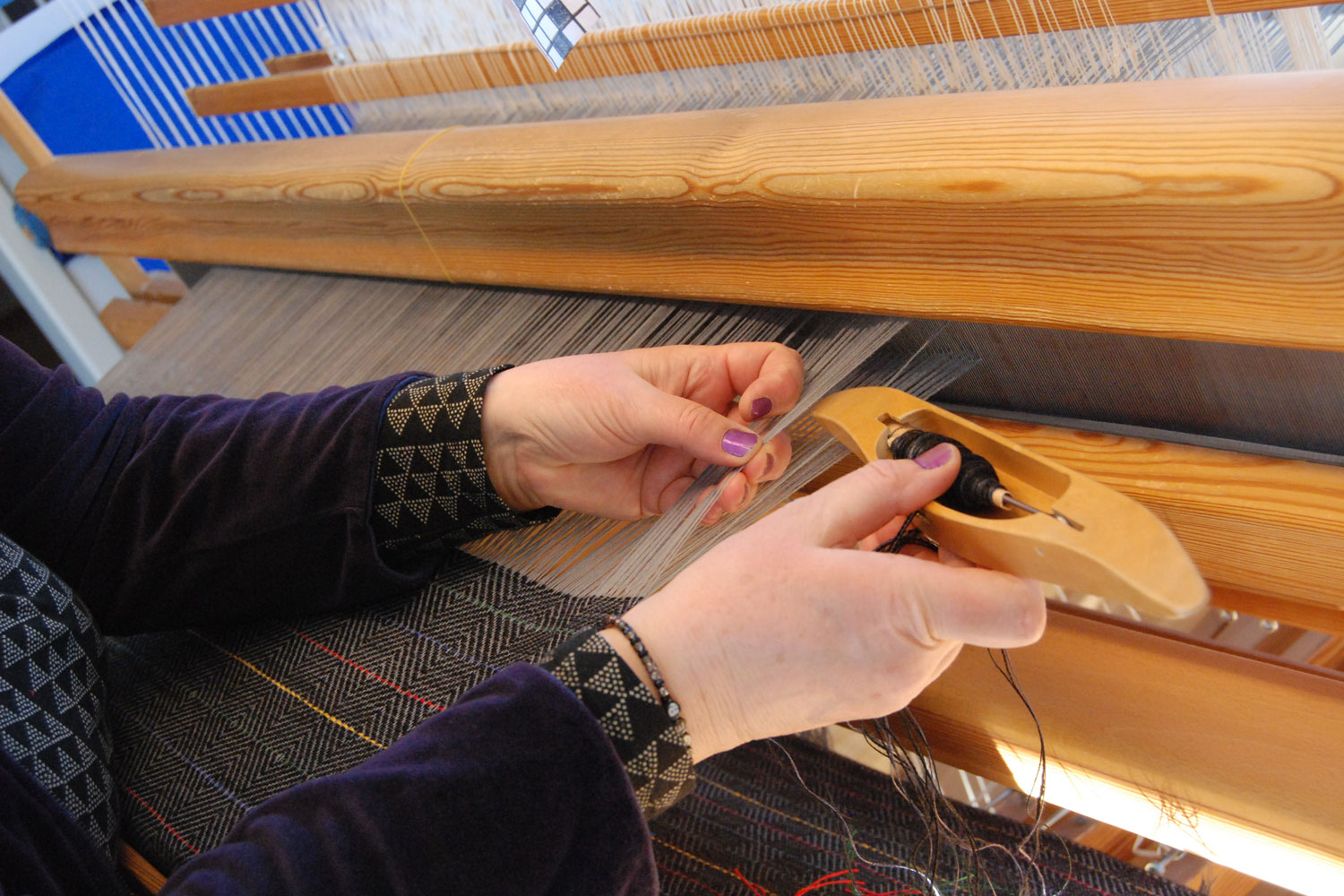
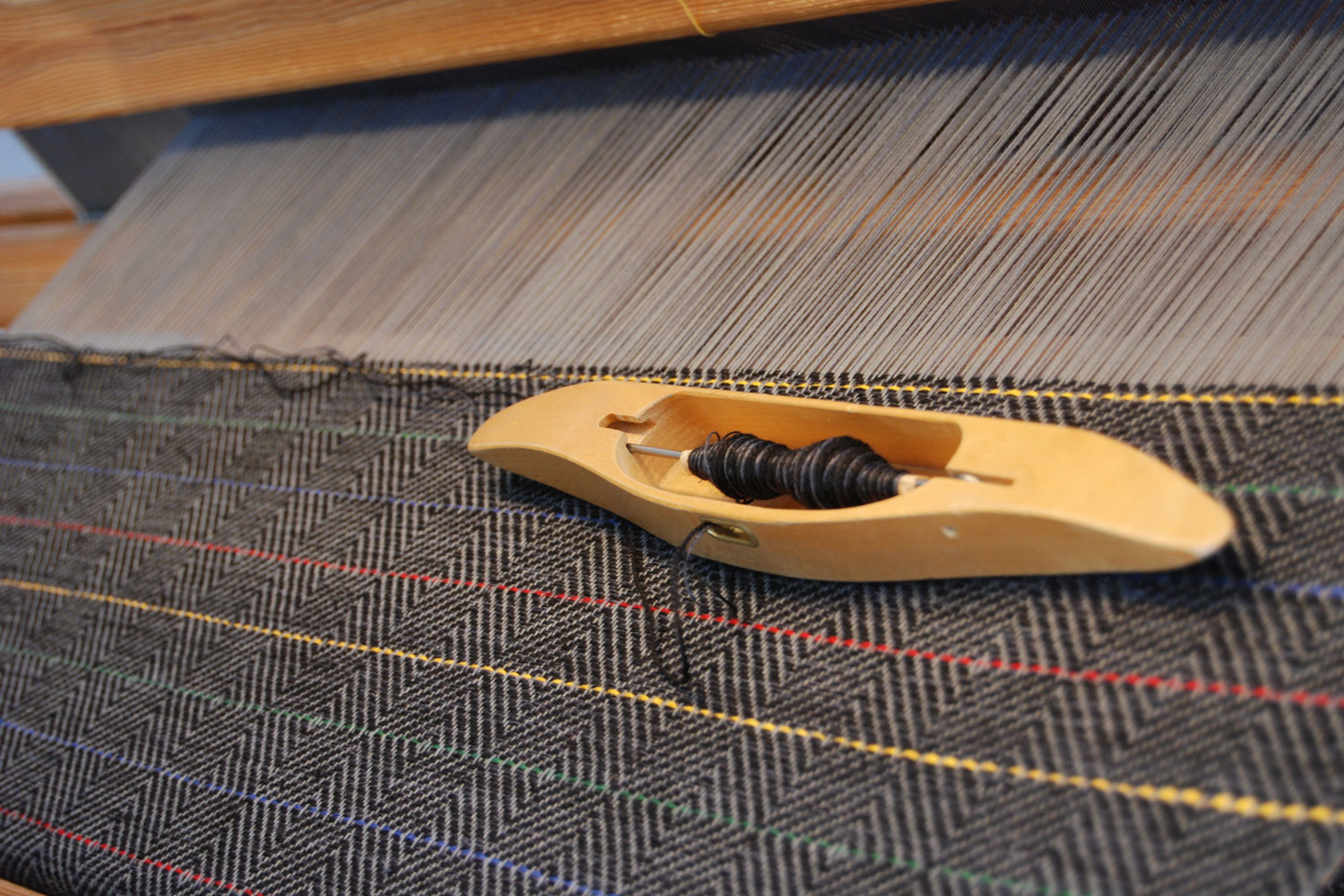
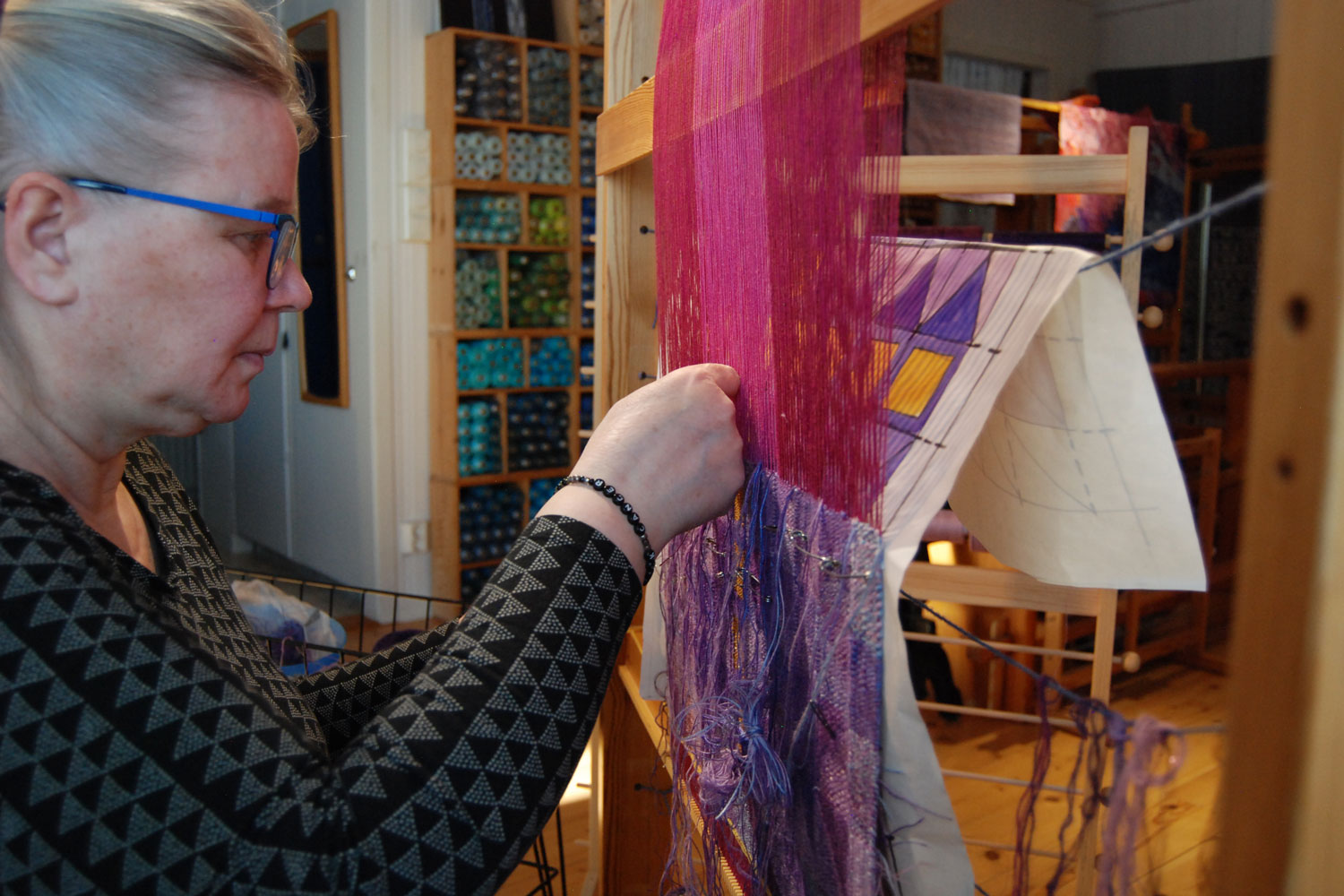
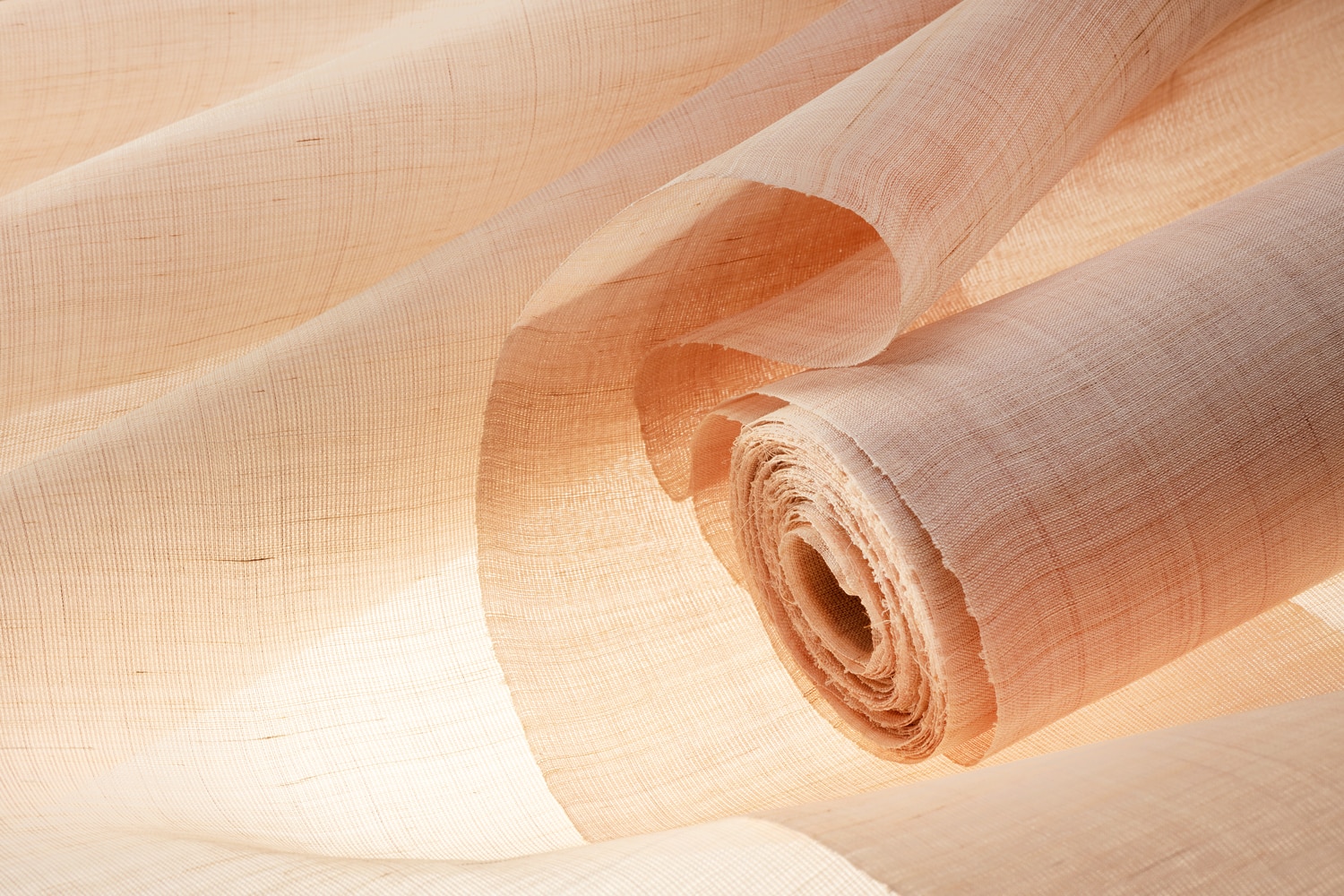
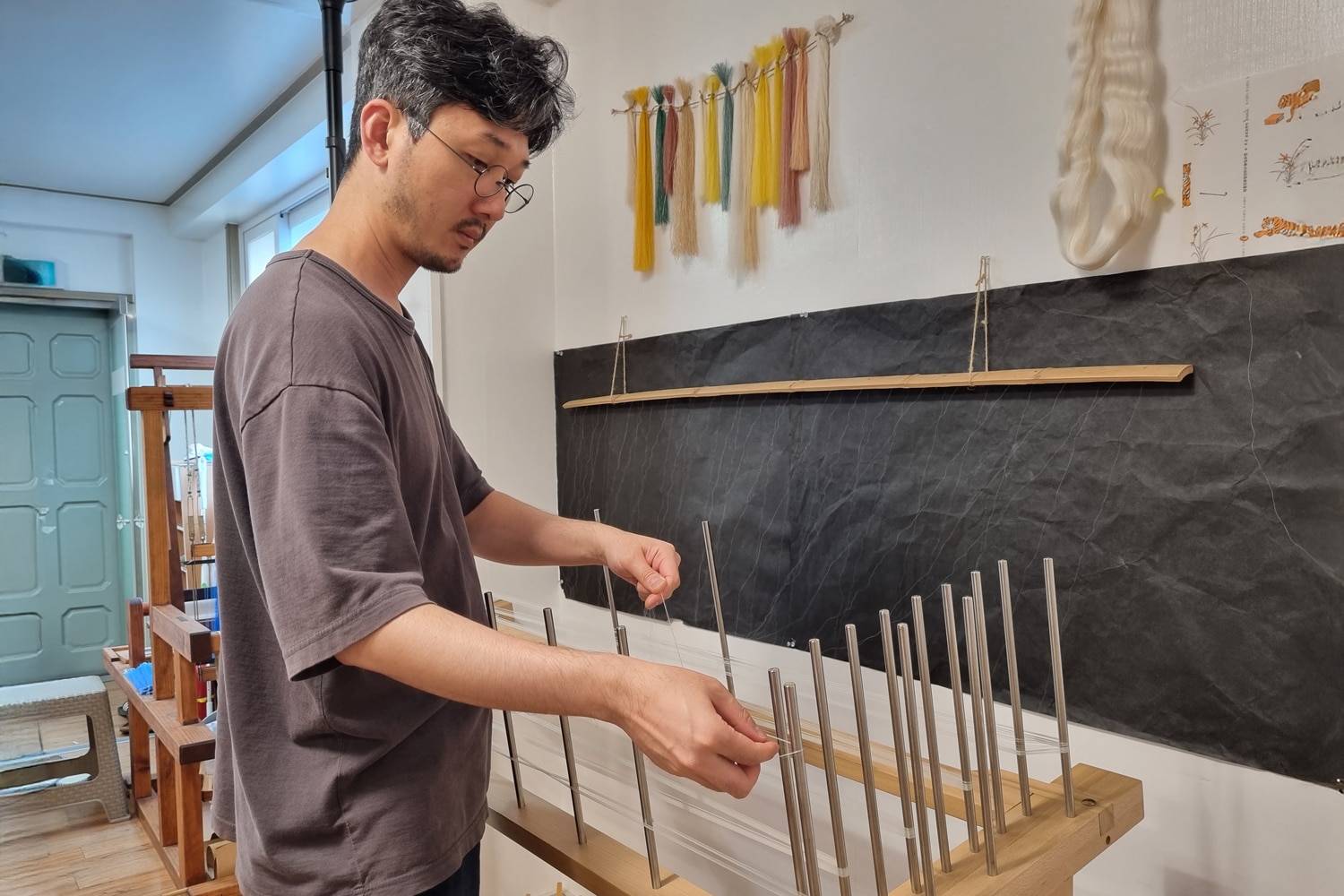
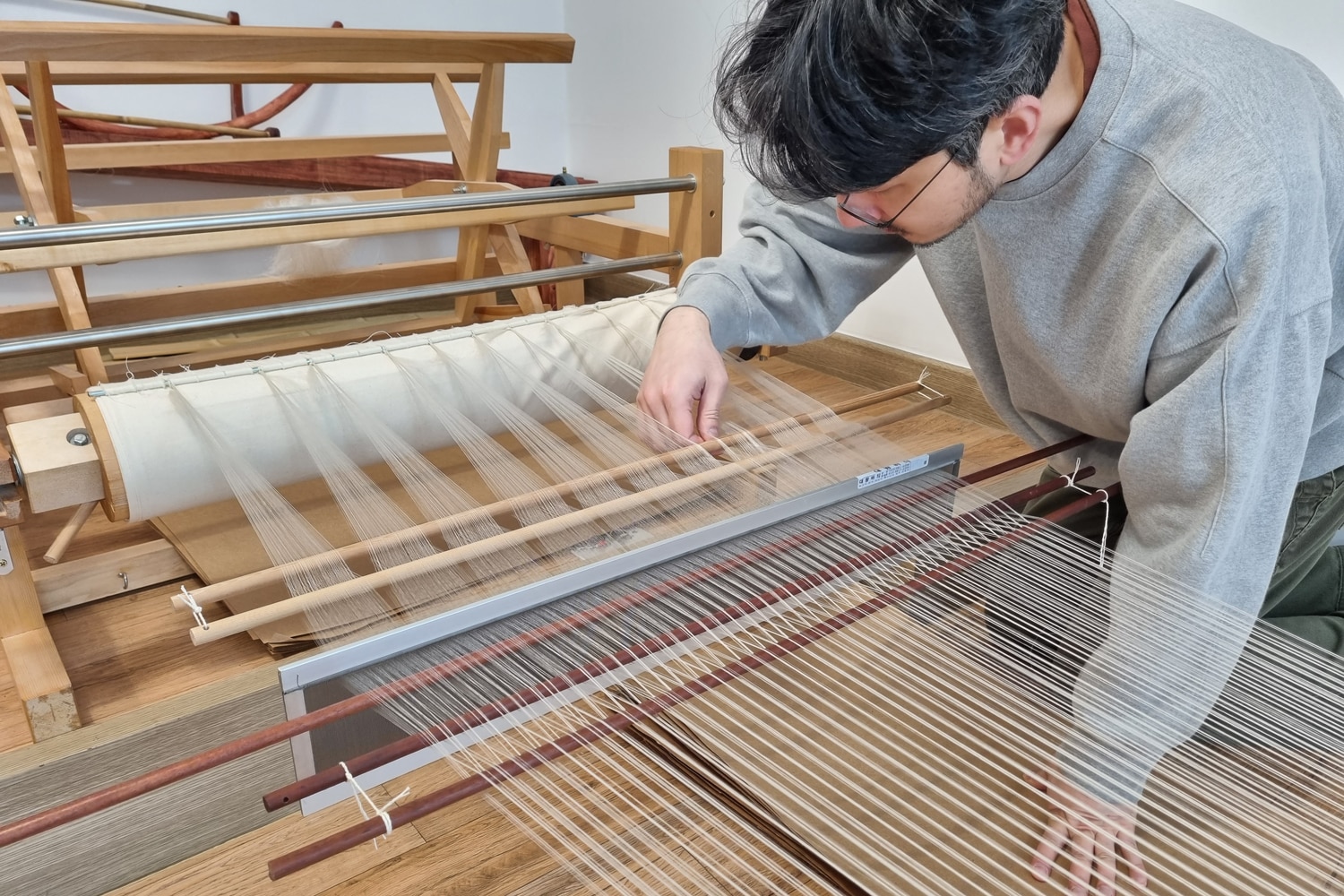
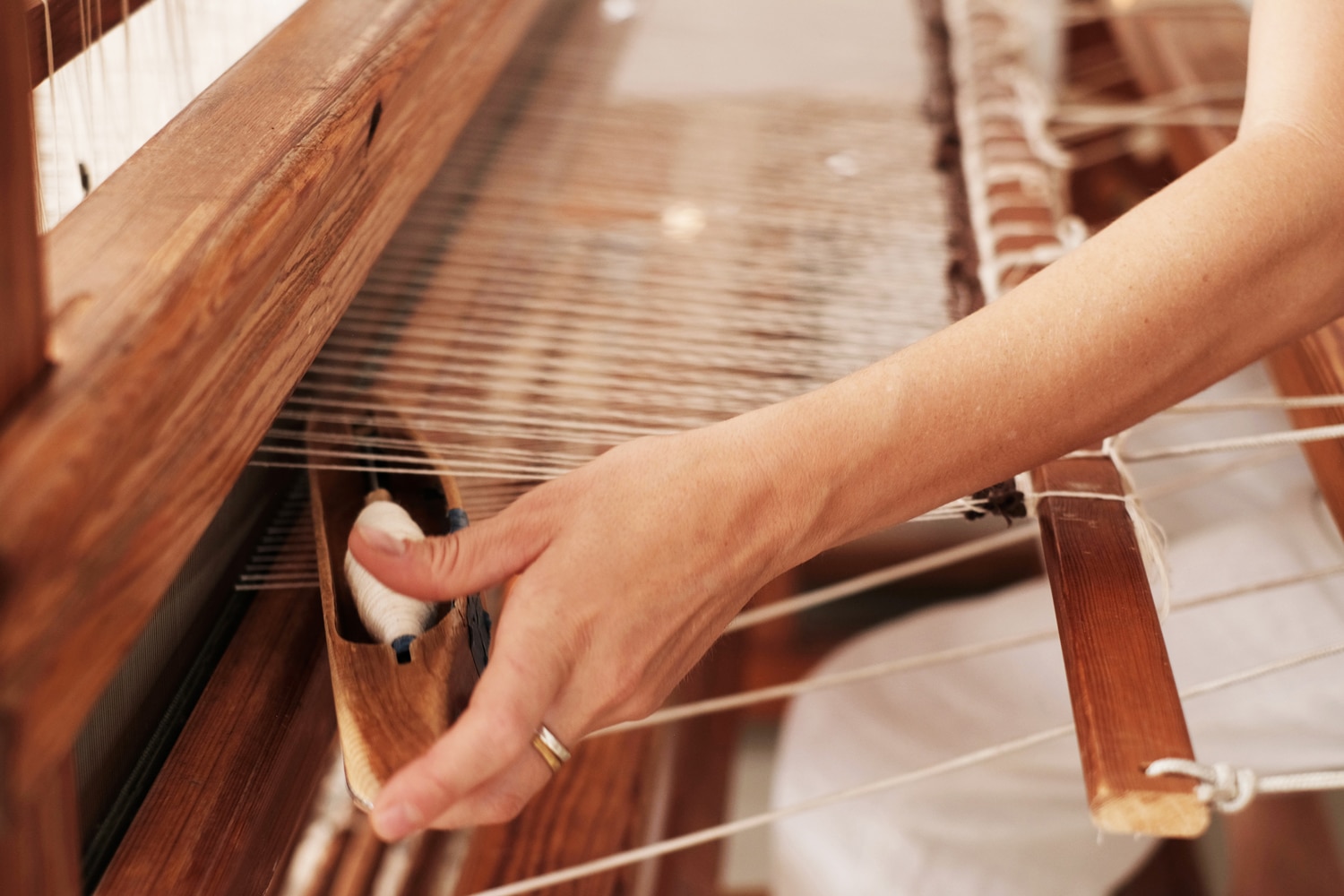
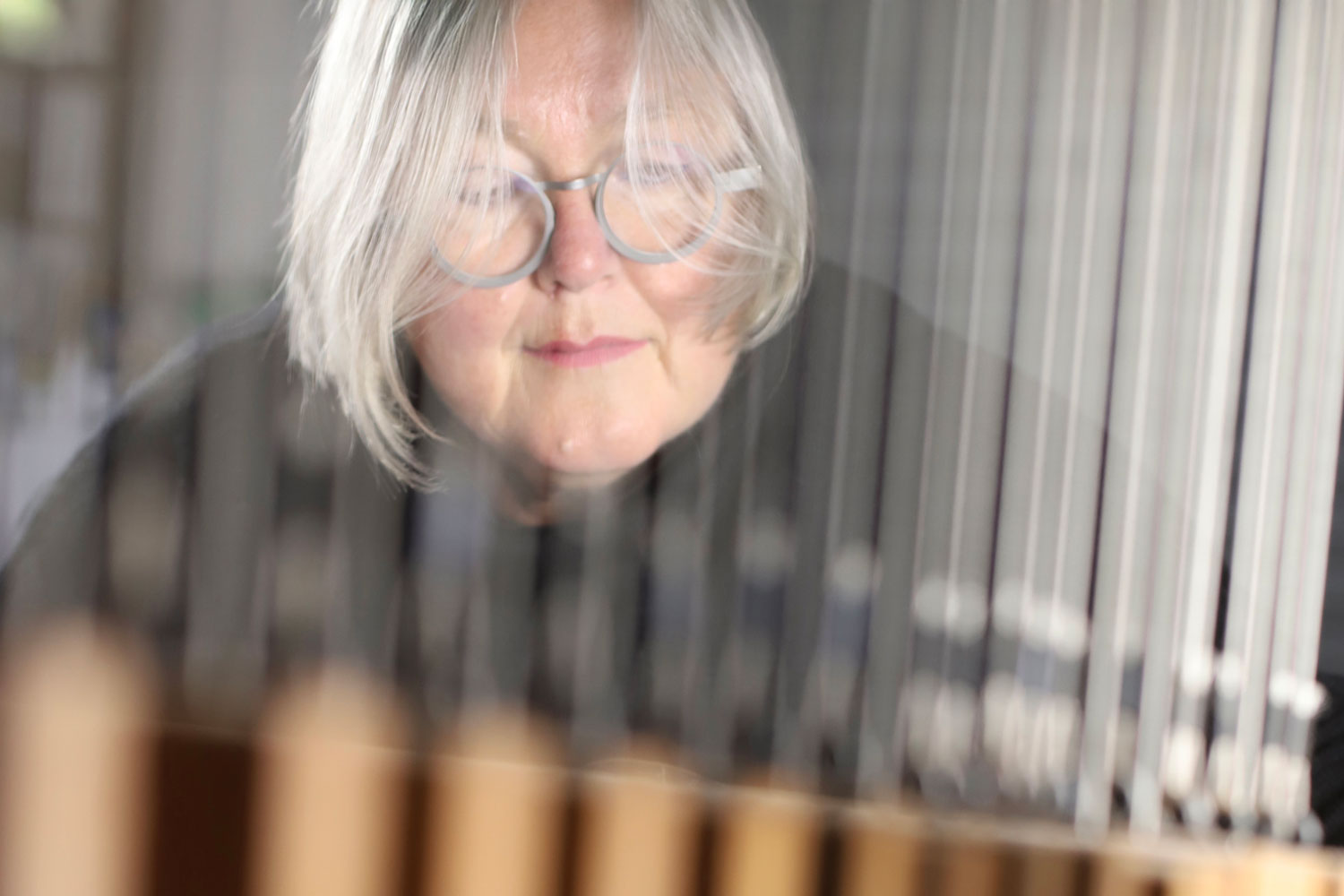
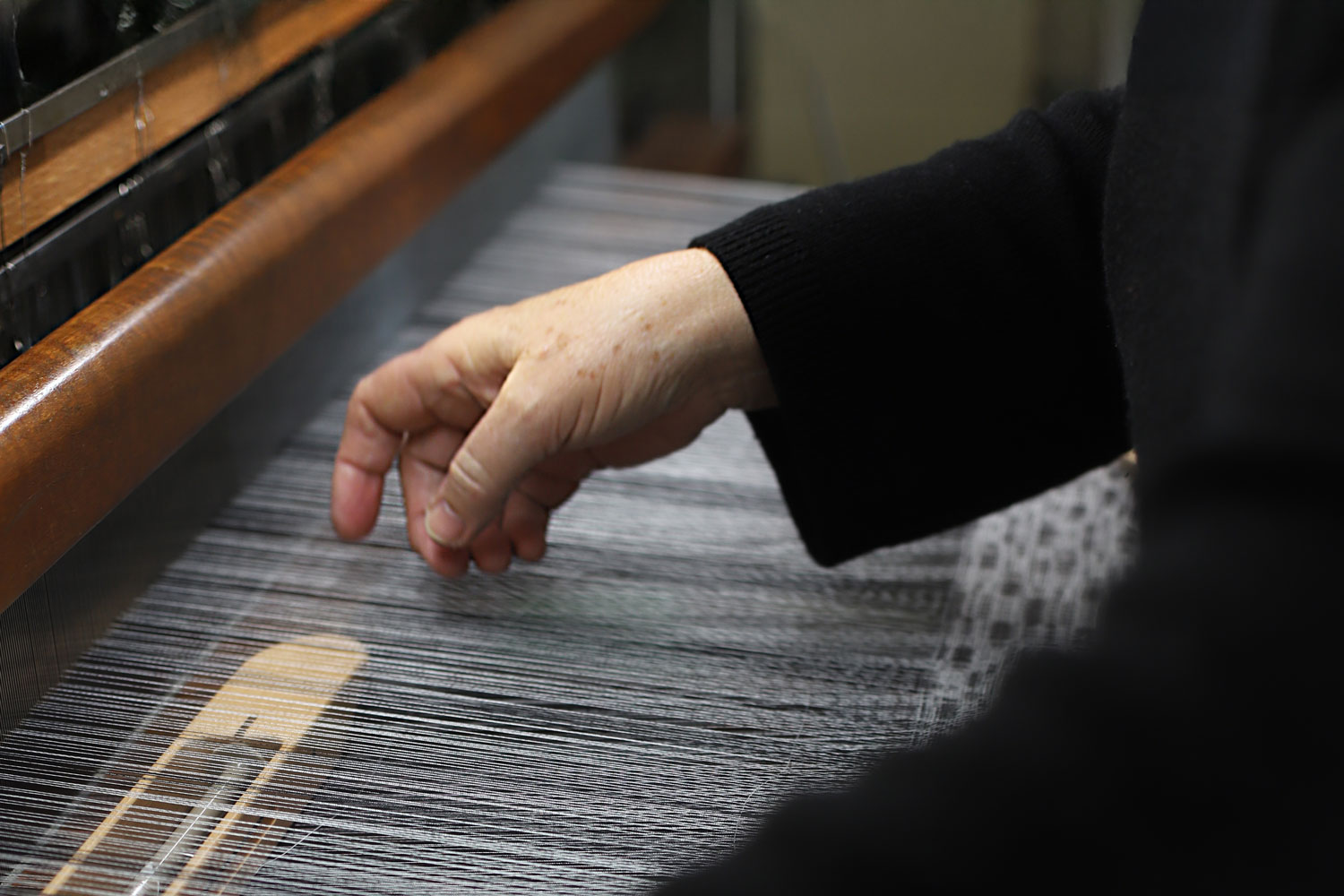
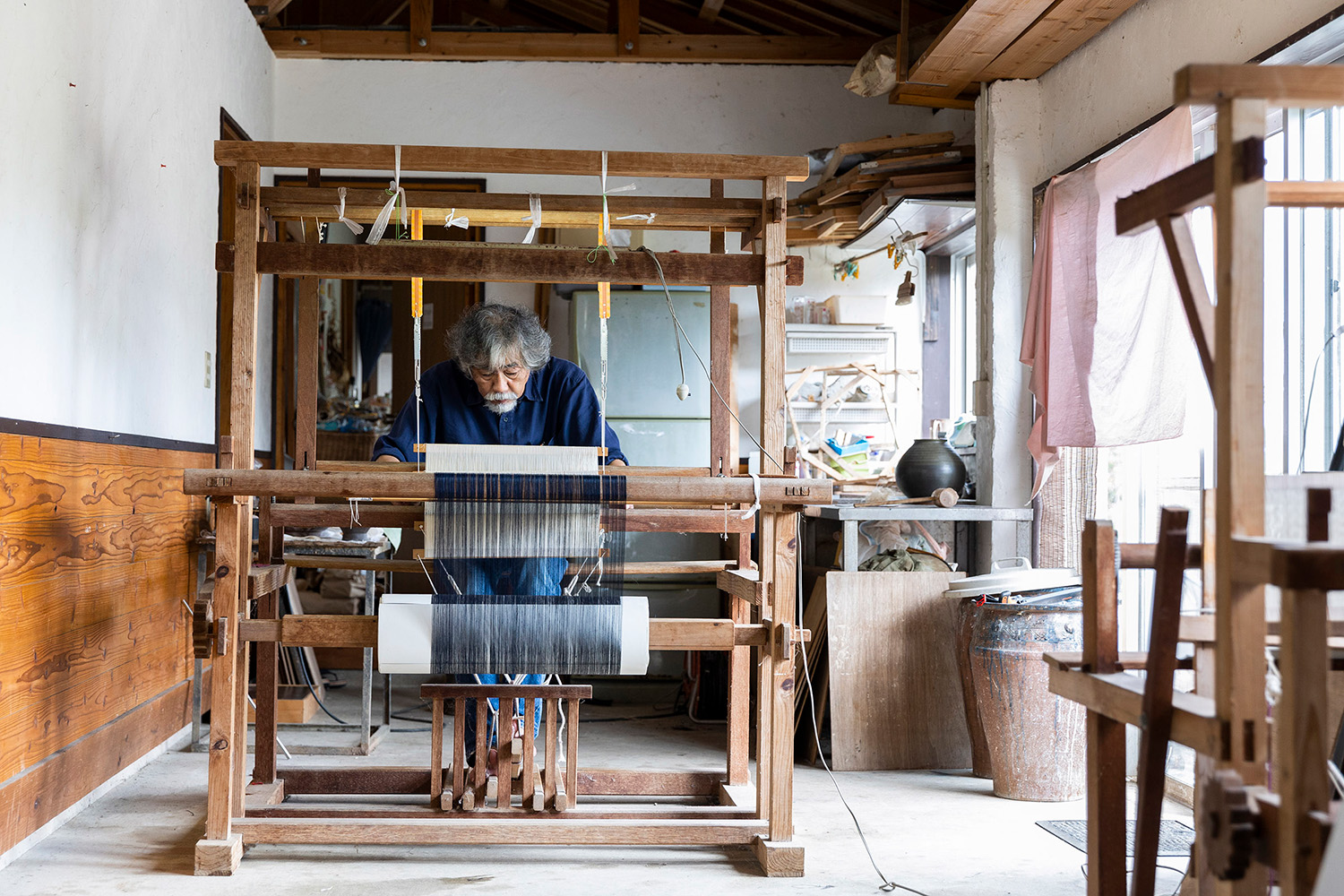
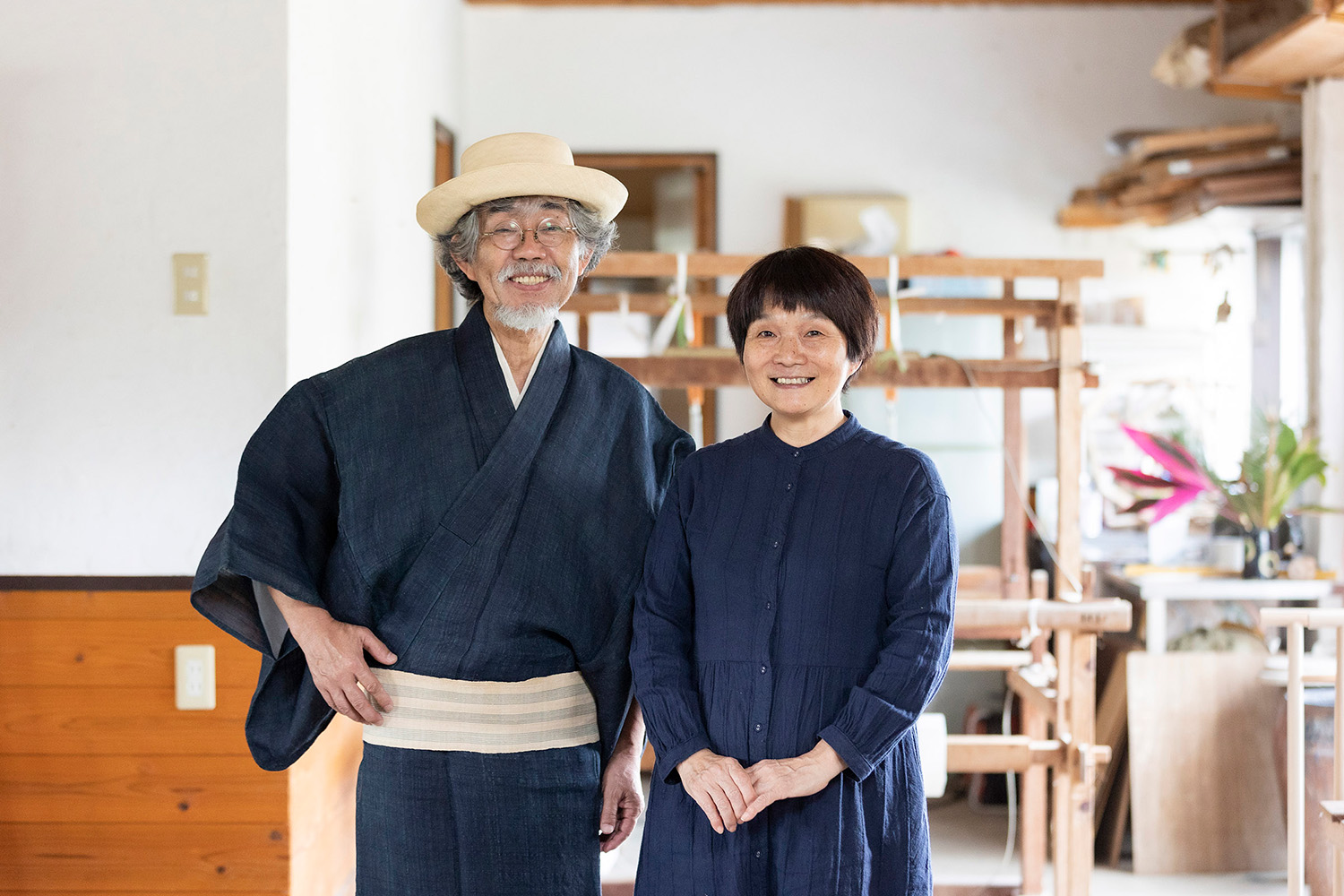
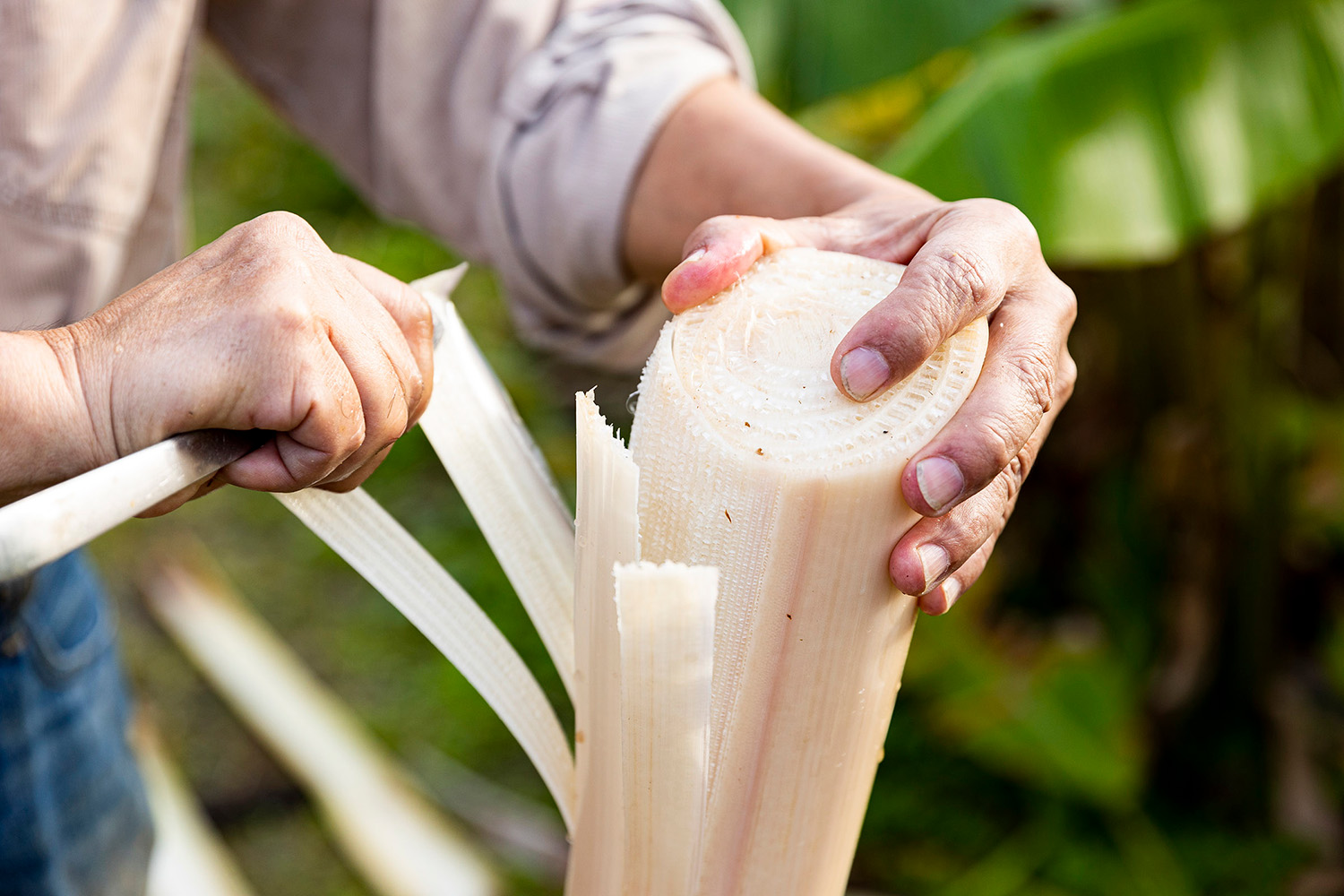
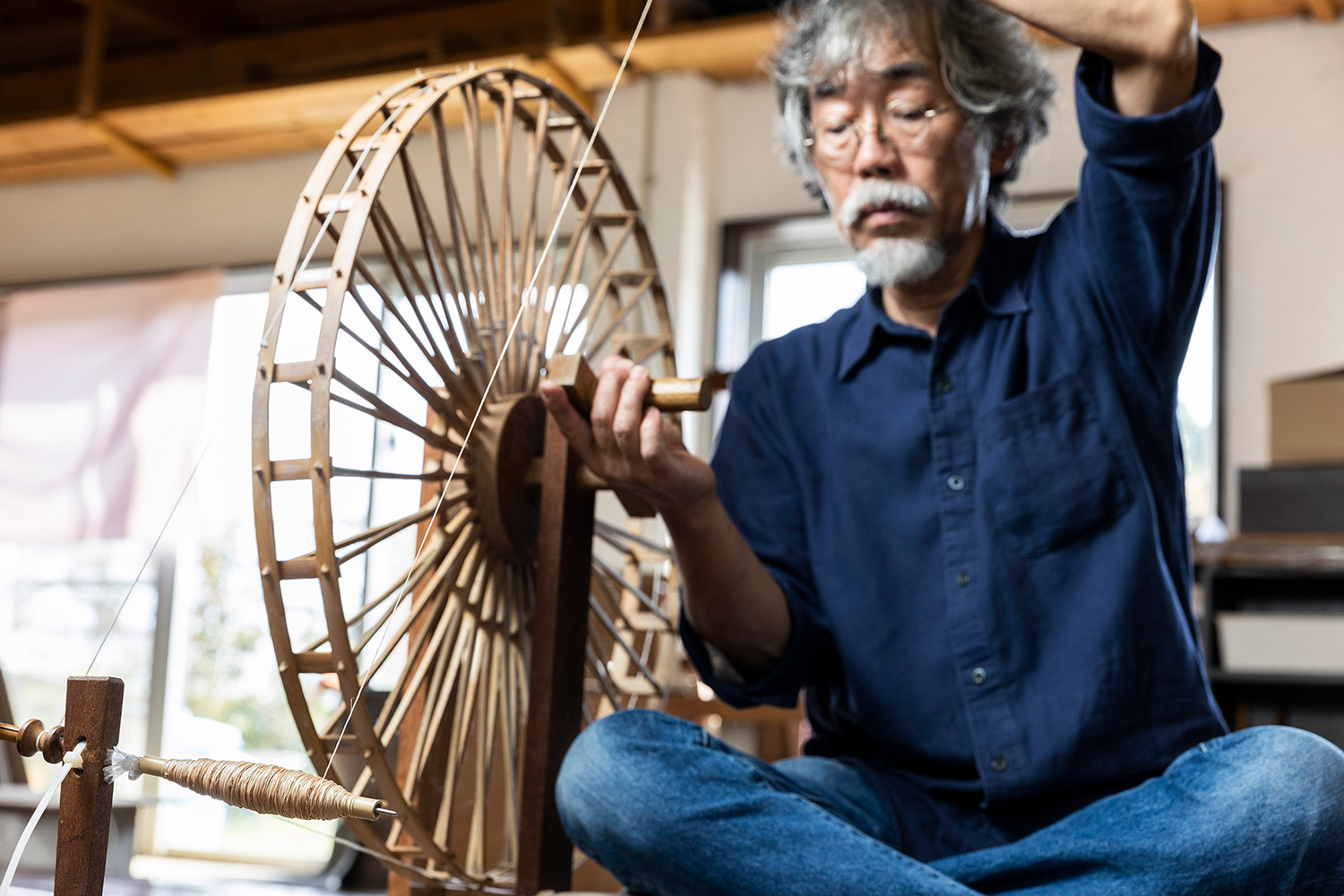
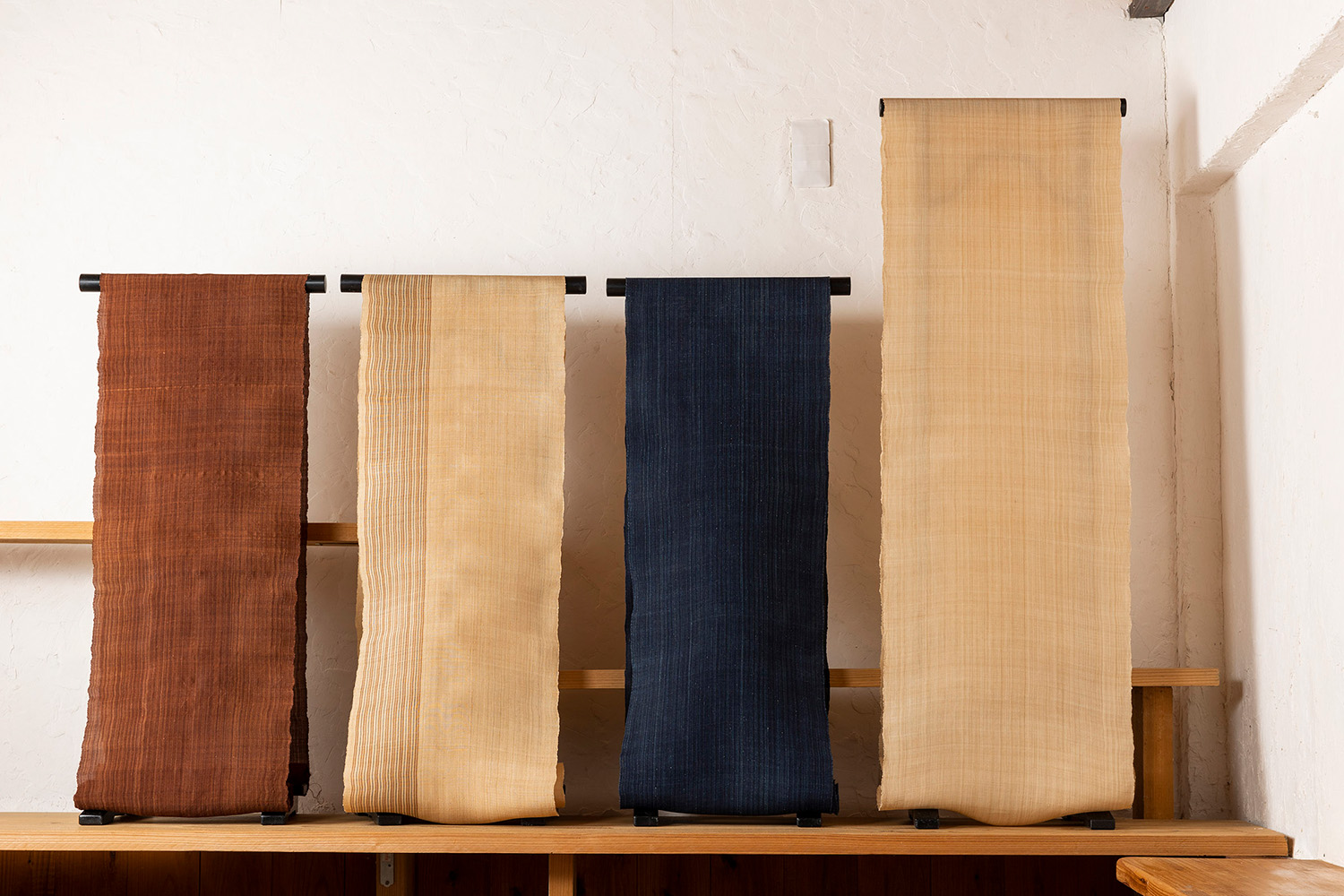
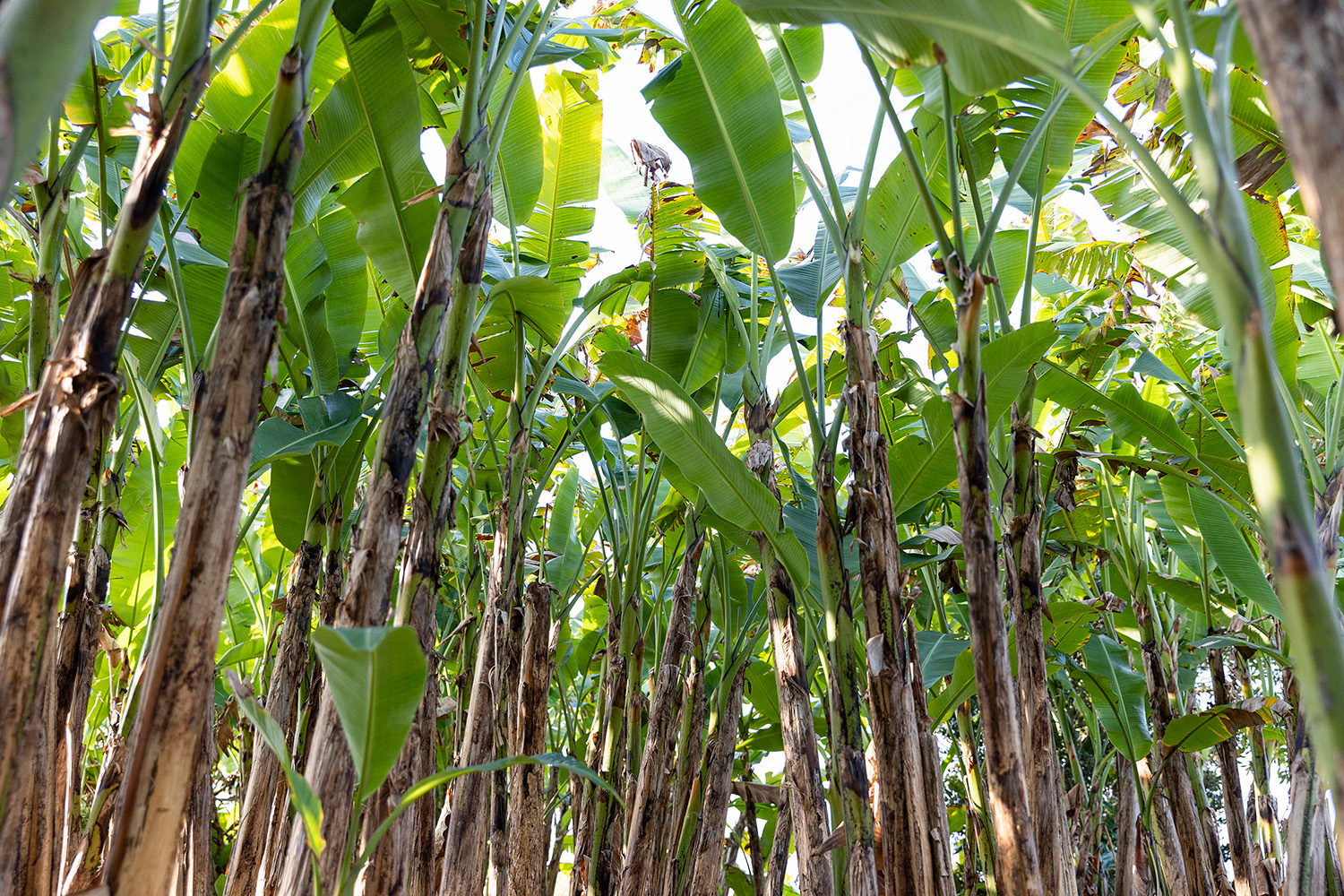
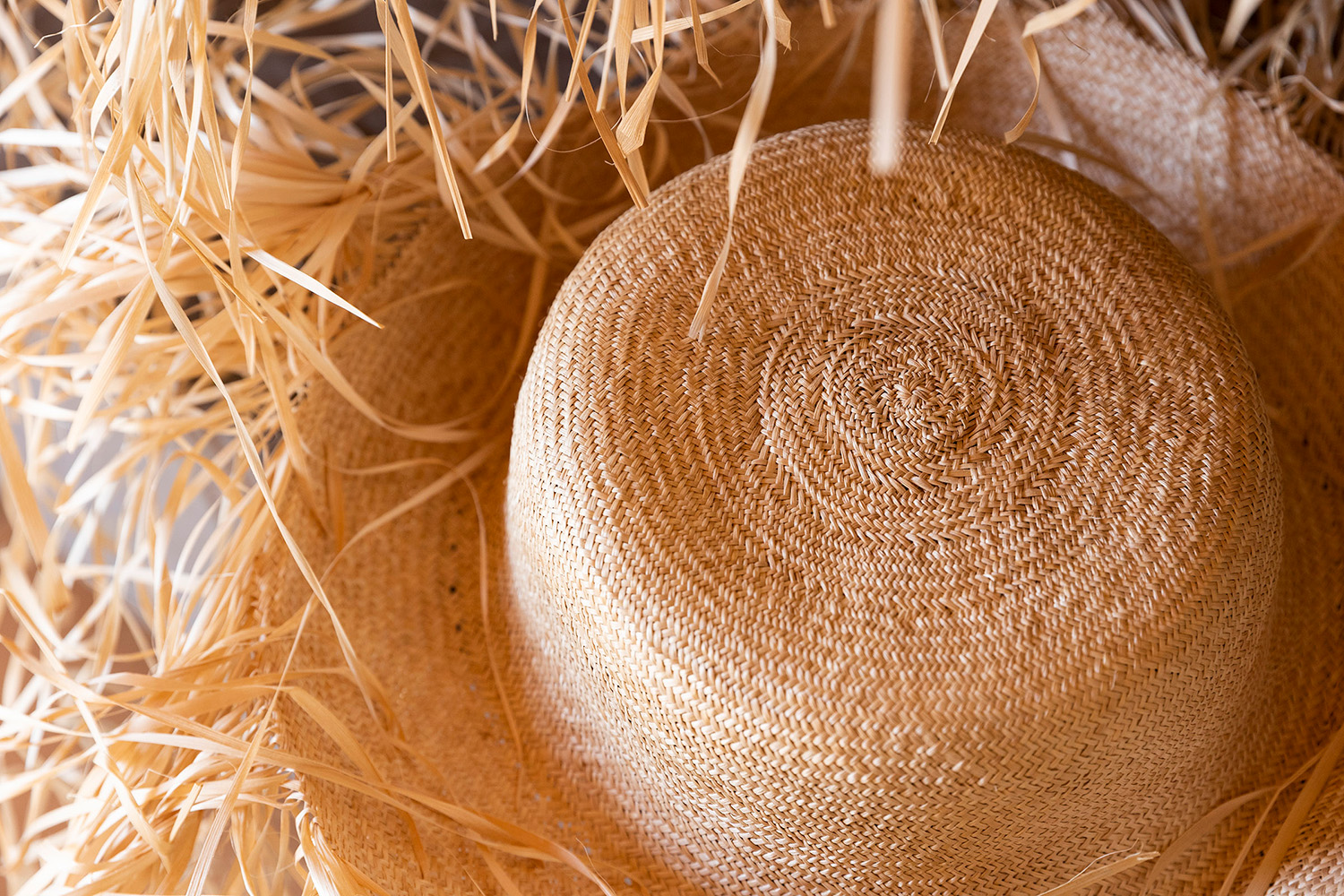
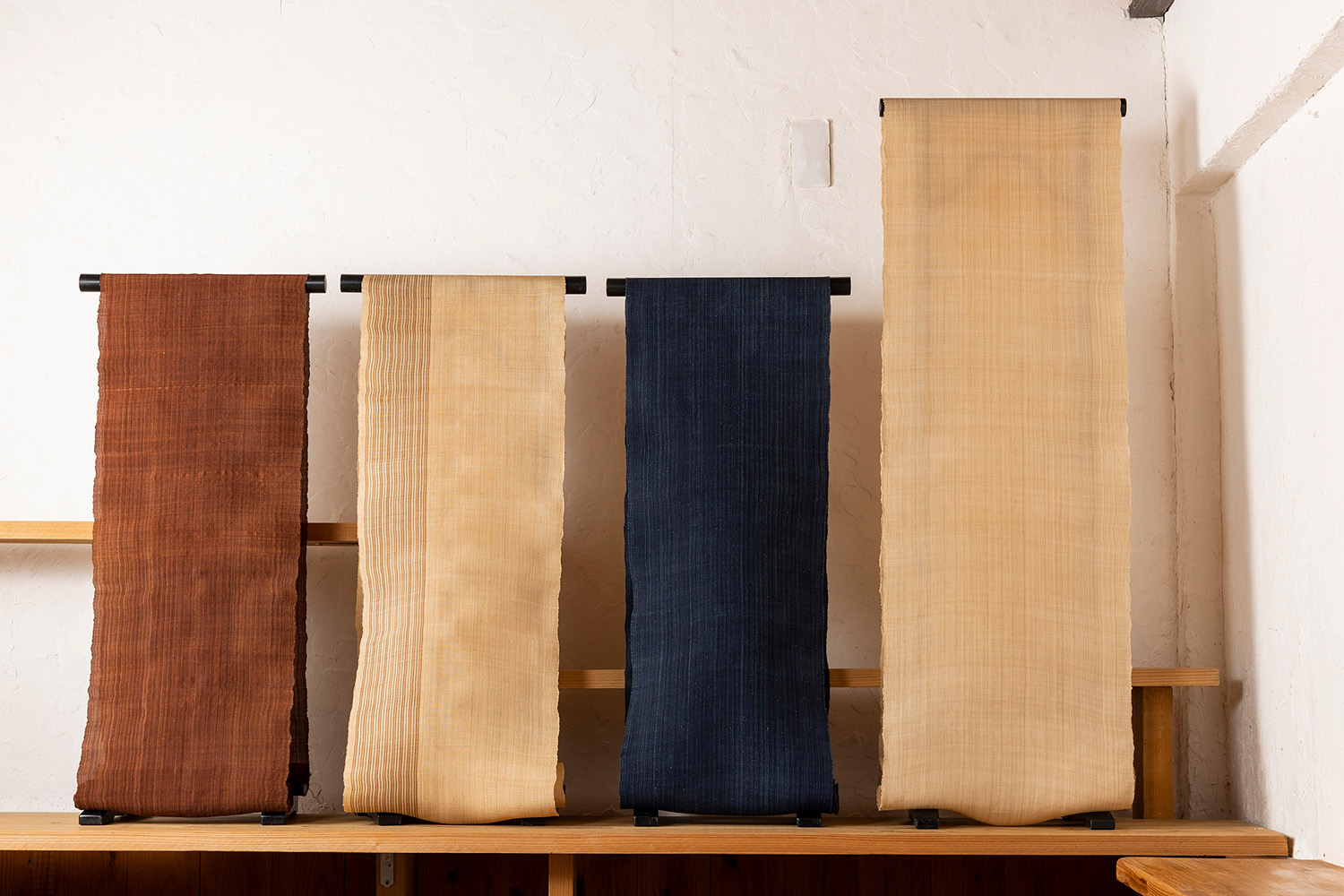
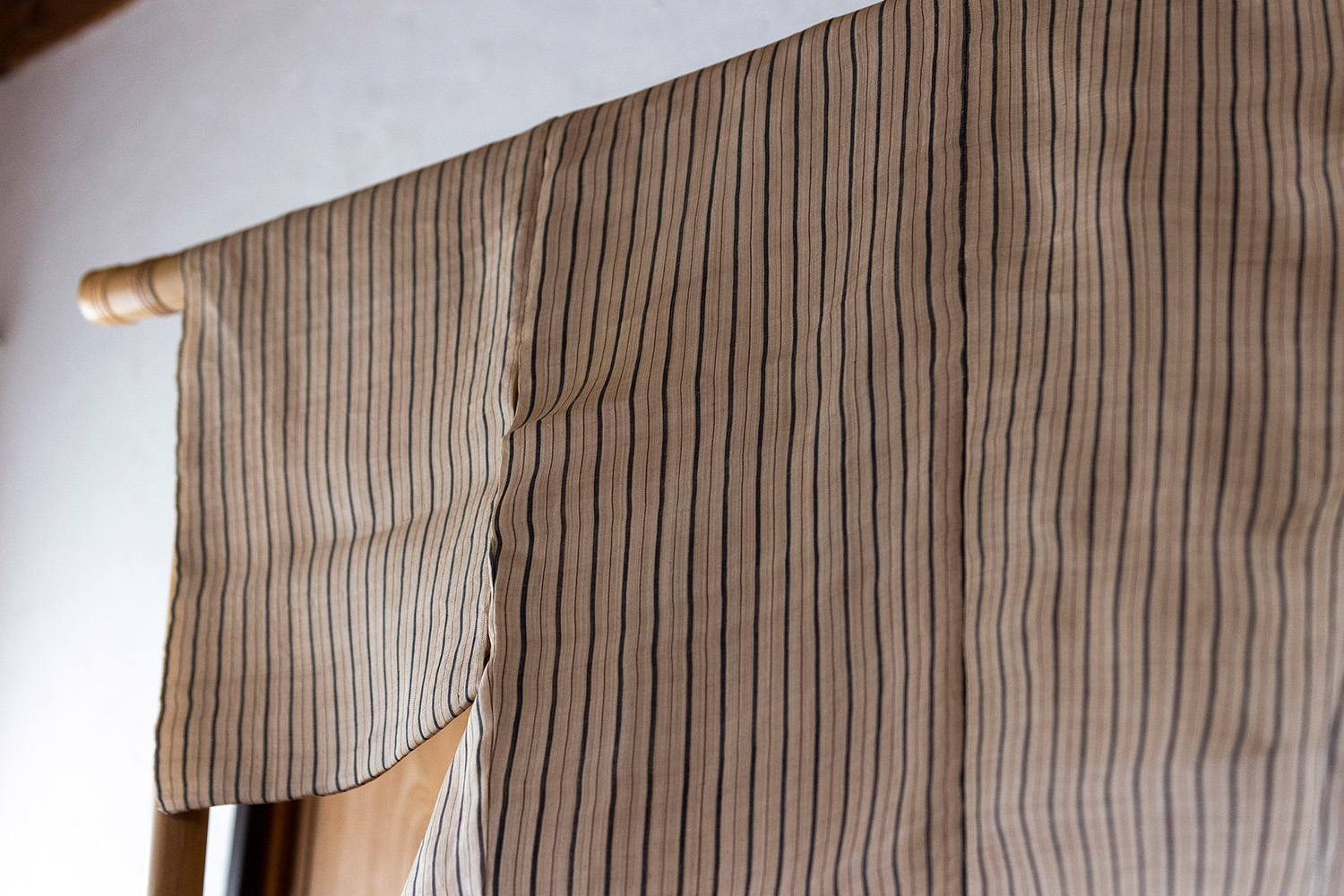
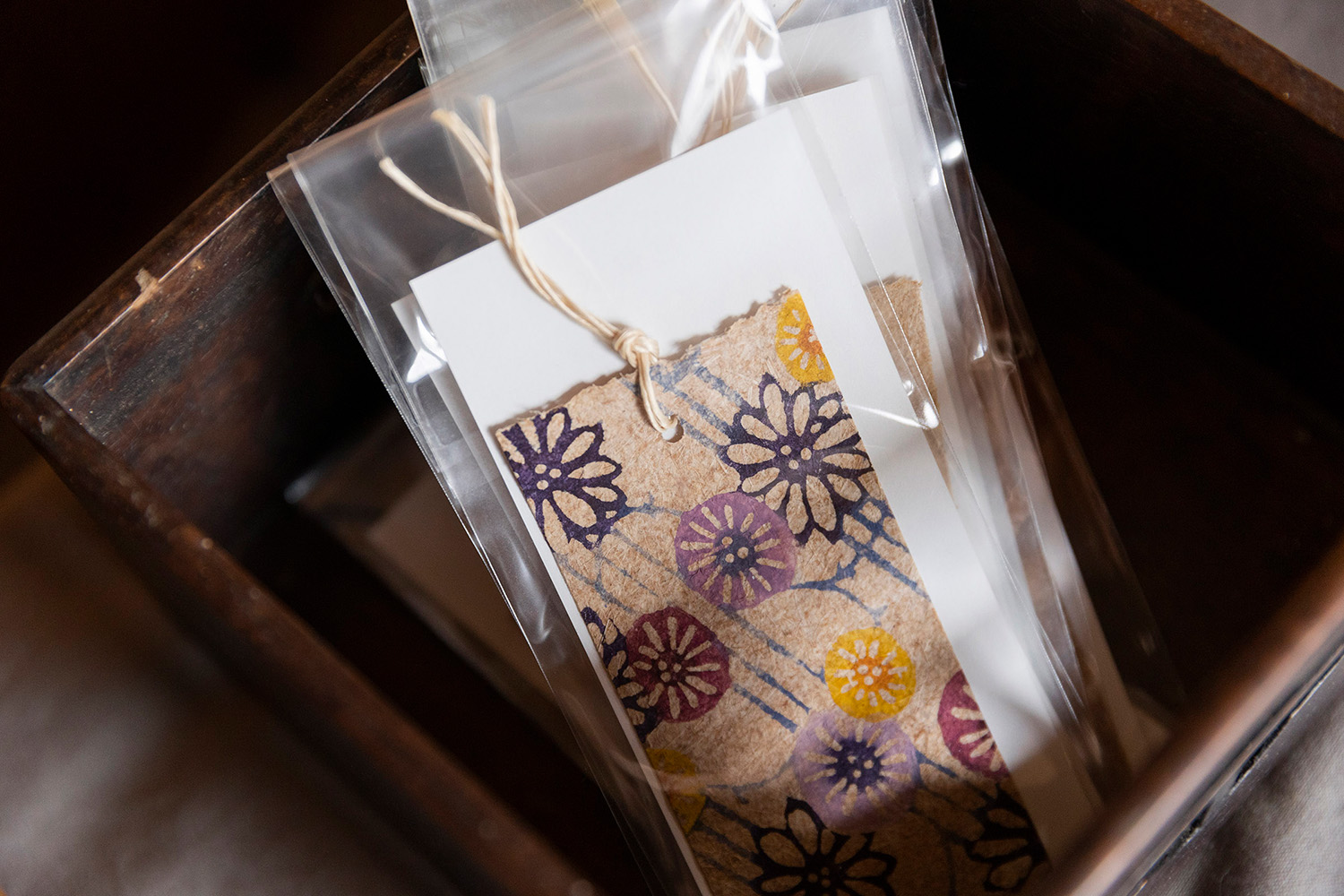
Yasuhiro and Ritsuko Fukushima have been running their dyeing and weaving atelier since 1992. Yasuhiro's studies in anthropology led him to the Okinawa islands, in the southernmost prefecture of the Japanese archipelago. With a major focus on the Ryūkyū Archipelago, he wanted to settle in the region to experience it as a seikatsu-sha – a person who pursues “the everyday life.” With the bashō, or the fibre from the Musa balbisiana stem, Yasuhiro learned to master the complete process of clothes and paper making. In parallel, his wife Ritsuko has specialised in Bingata, the traditional dyeing technique from Okinawa. Her dedication to Bingata since the year 2000 comes from her initial passion for illustration, the incredibly rich nature of the island, as well as her appreciation of the bashō that her husband provides her with. They both feel gratitude and respect for working as a couple with such a precious material.
Discover their work
INTERVIEW
Yasuhiro: For me it is that I handle the whole fabrication myself, without any external supplier. It allows me to keep the same quality across the entire process. When there is division of labour, the standards used to evaluate even a single set of yarns vary from one individual to another.
Ritsuko: I always wanted to express myself, so when I started making bashō paper at our workshop, I suddenly felt closer to Bingata. When I was 40 years old and our children grew older, I devoted my time to Bingata making. I went from one class to the other and felt the strong desire to learn more about this deeply technical and historical craft.
Yasuhiro: If we can recognise the usefulness of Musa balbisiana stems and uphold lean manufacturing as we do, we will be able to maintain this traditional craft. I share my knowledge with my successors, train them and provide material for scientific research.
Yasuhiro: Bashō has been used to make kimonos in Okinawa since ancient times. It is a firm and thin cloth, well suited for the subtropical climate. The technique has been handed down in other subtropical climate countries as well, where Musa balbisiana grows. I would love to share knowledge with the people in those areas as well.
Yasuhiro & Ritsuko Fukushima
Banananesia
Weaver
Nakijin, Japan
AVAILABILITY
Monday to Sunday 09:00-17:00
PHONE
+81 980563020
LANGUAGES
Japanese
Homo Faber Finds is a new service aiming to inspire admirers of craft to connect and collaborate with exceptional artisans.
We invite you to submit an enquiry here.