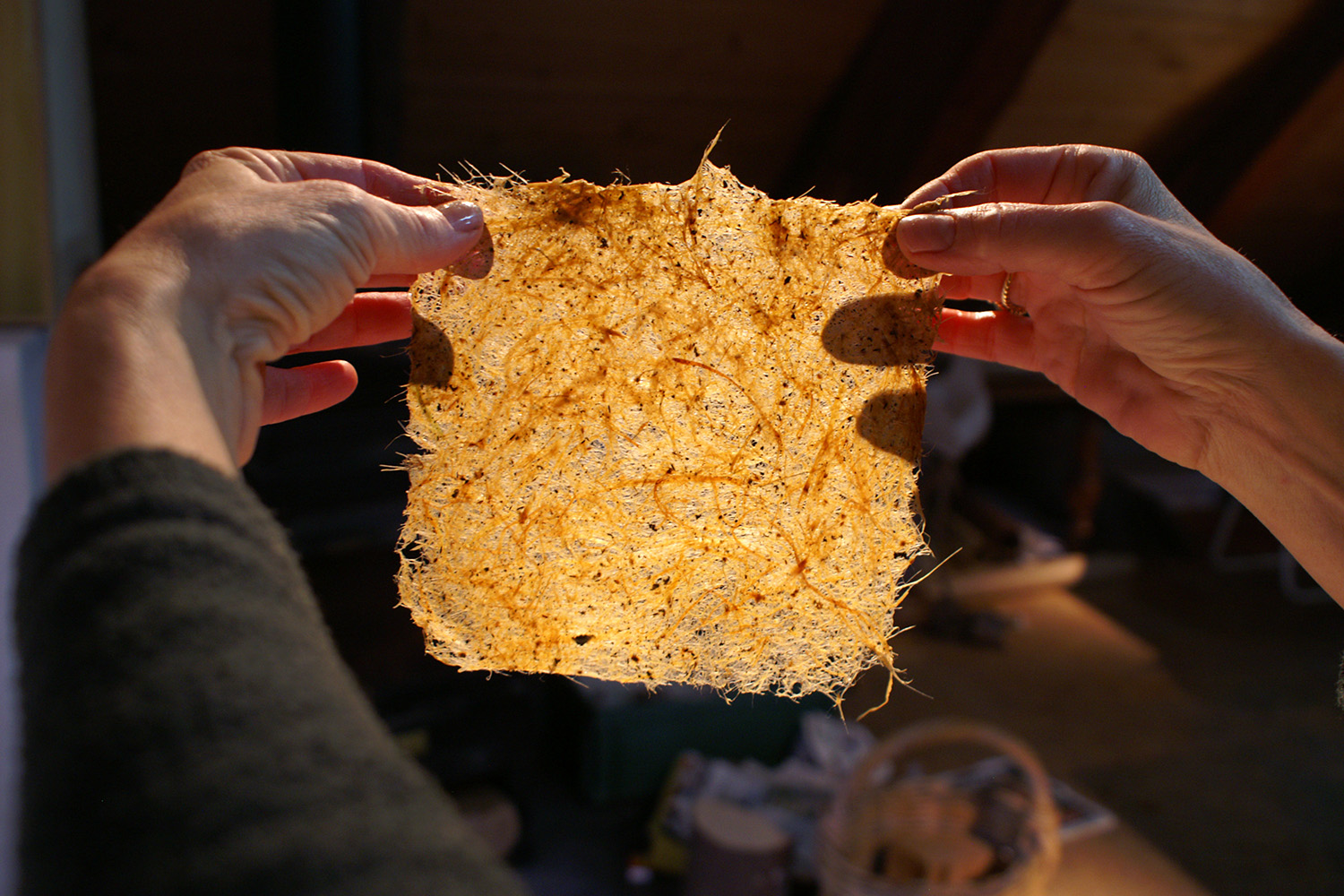
Viviane Fontaine
Papermaker
Cerniat, Switzerland
Papermaking for artistic creations
- Viviane is a papermaker and a paper artist
- She masters the Japanese paper making techniques
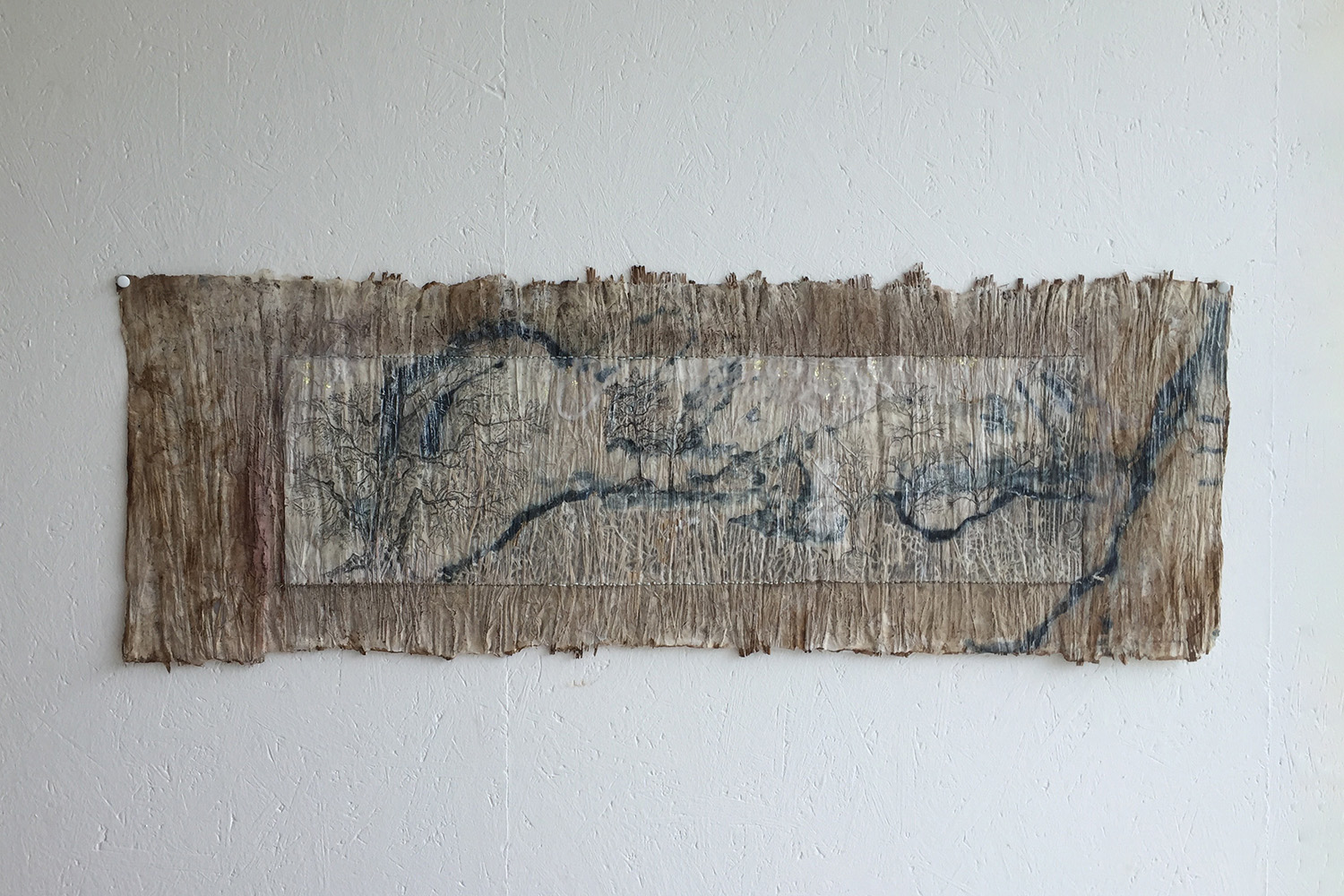
- She creates paper sculptures from scratch
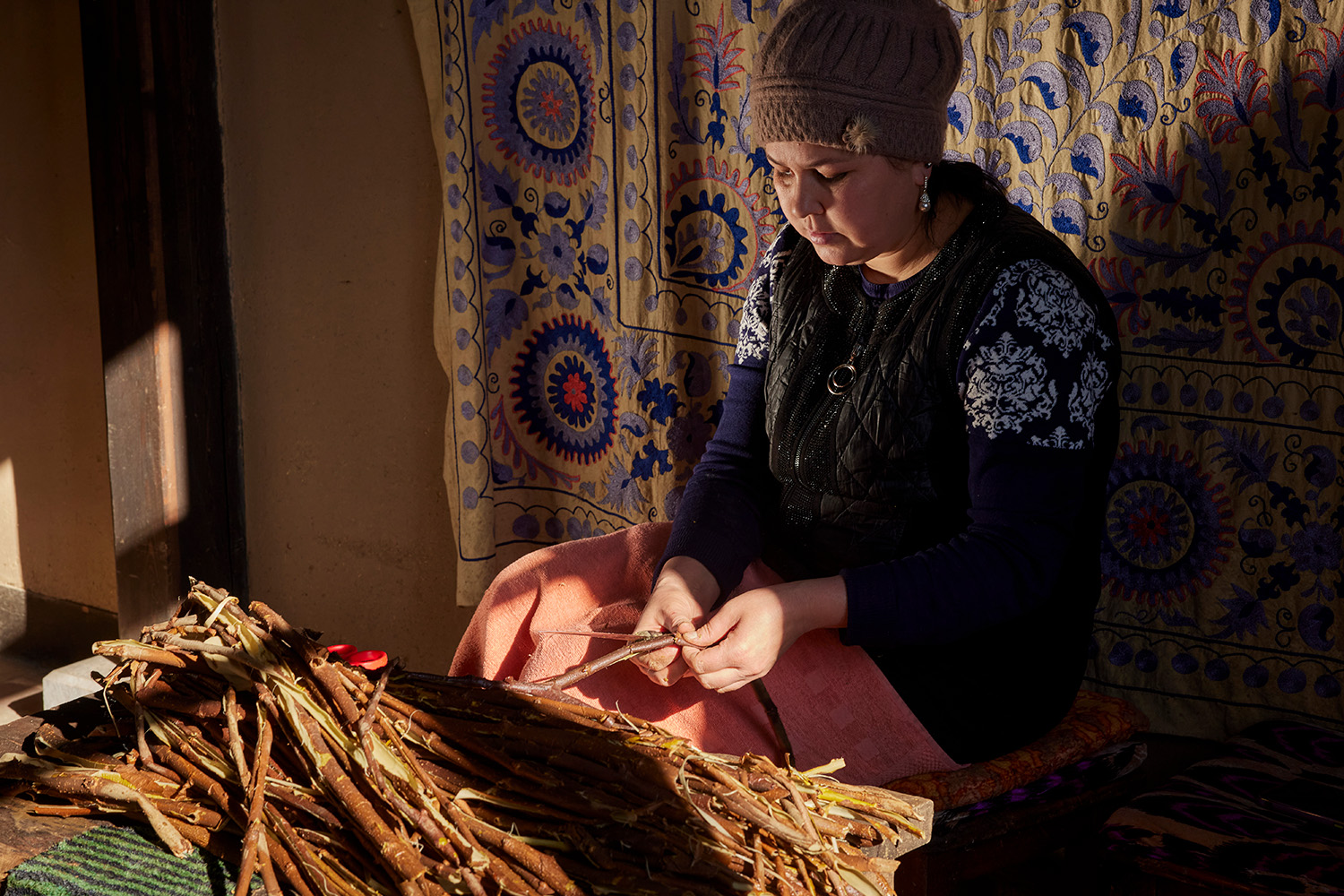
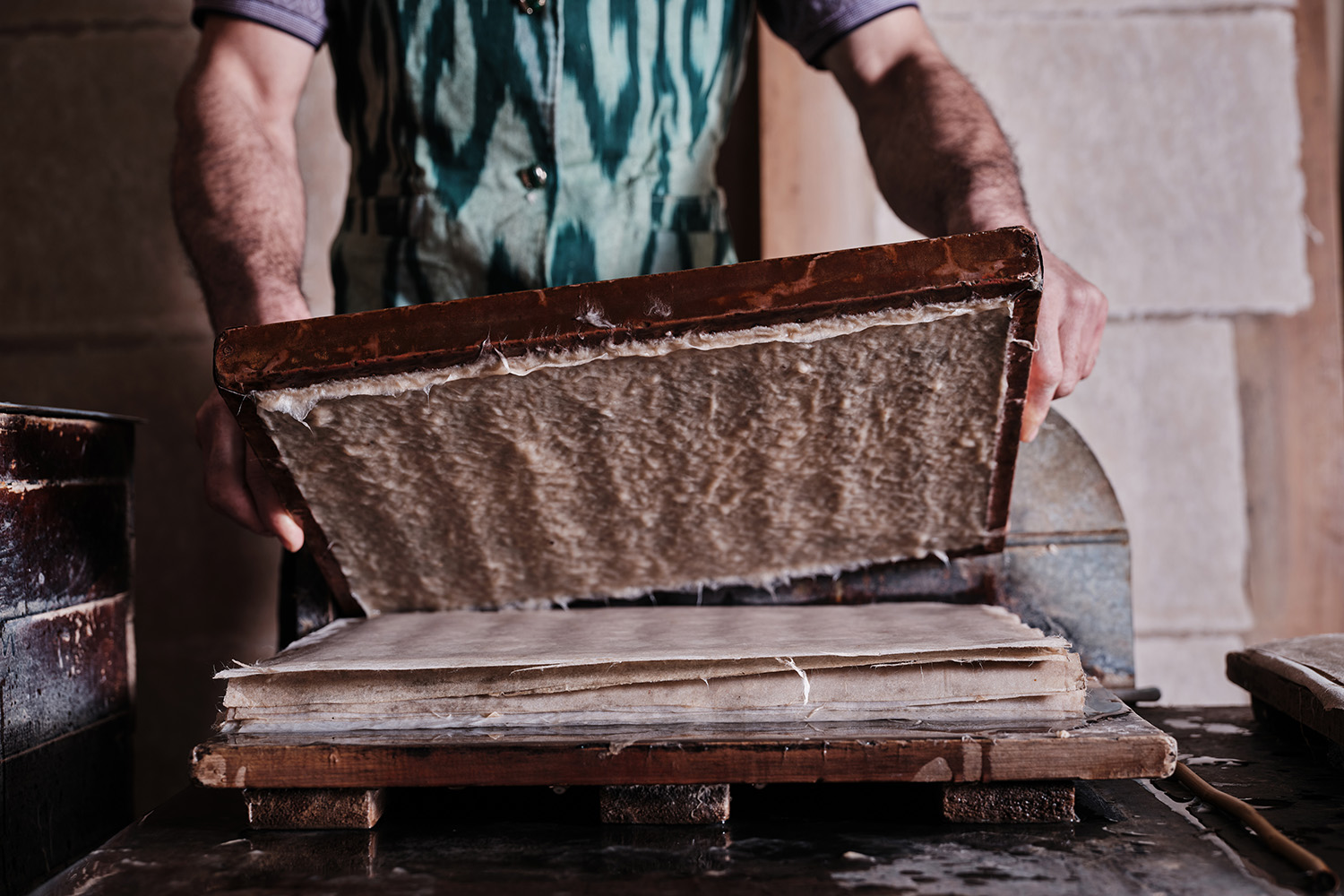
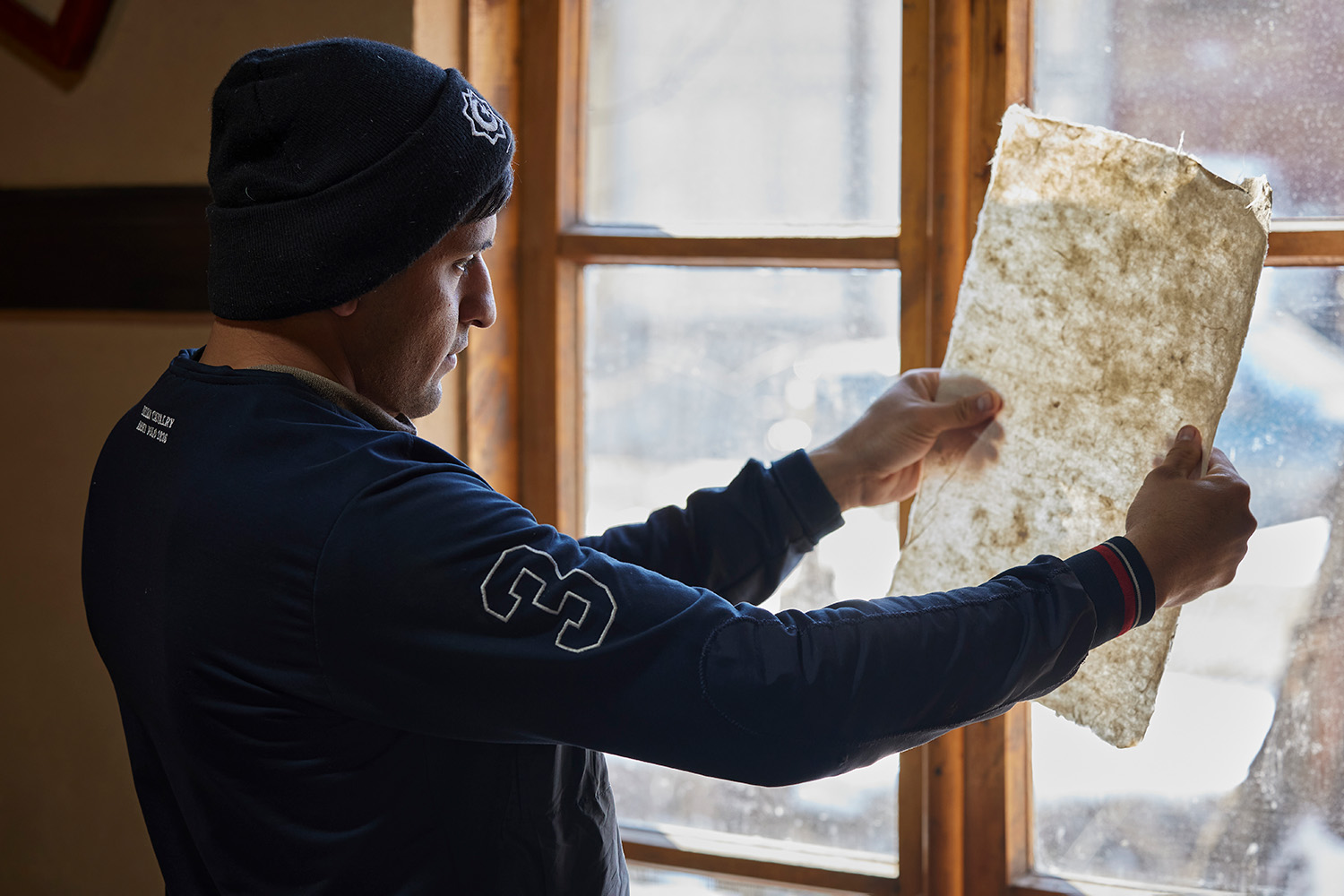
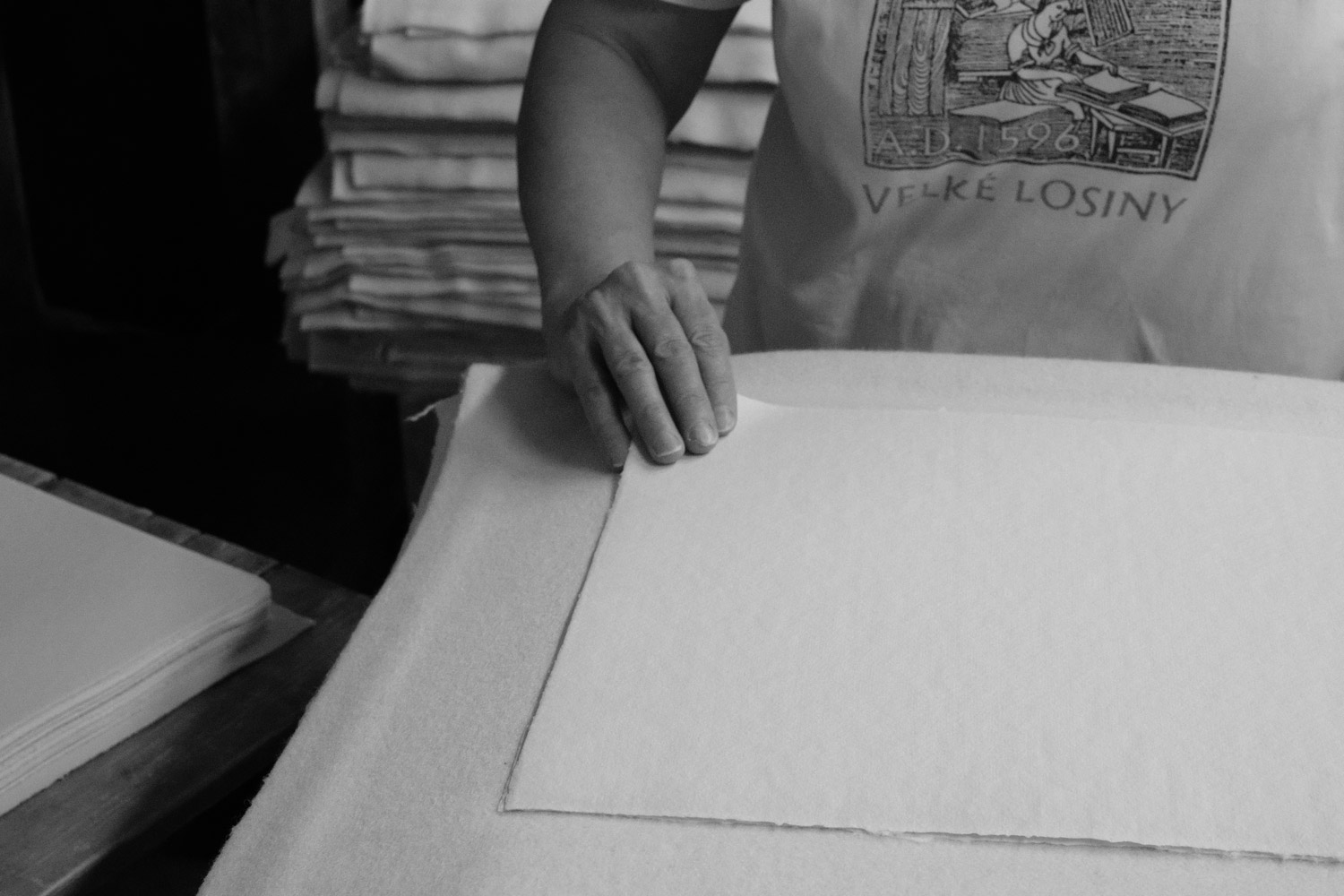
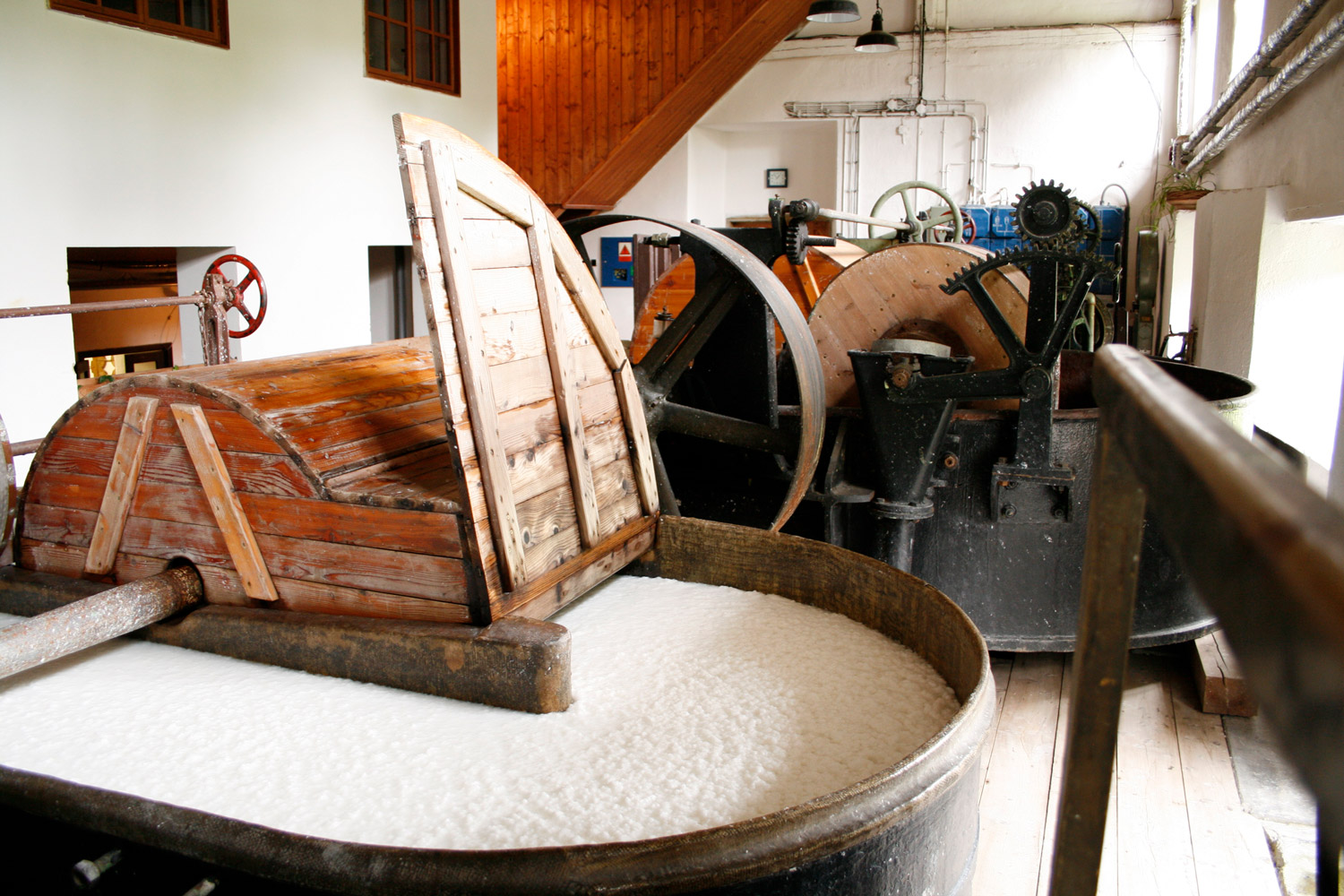
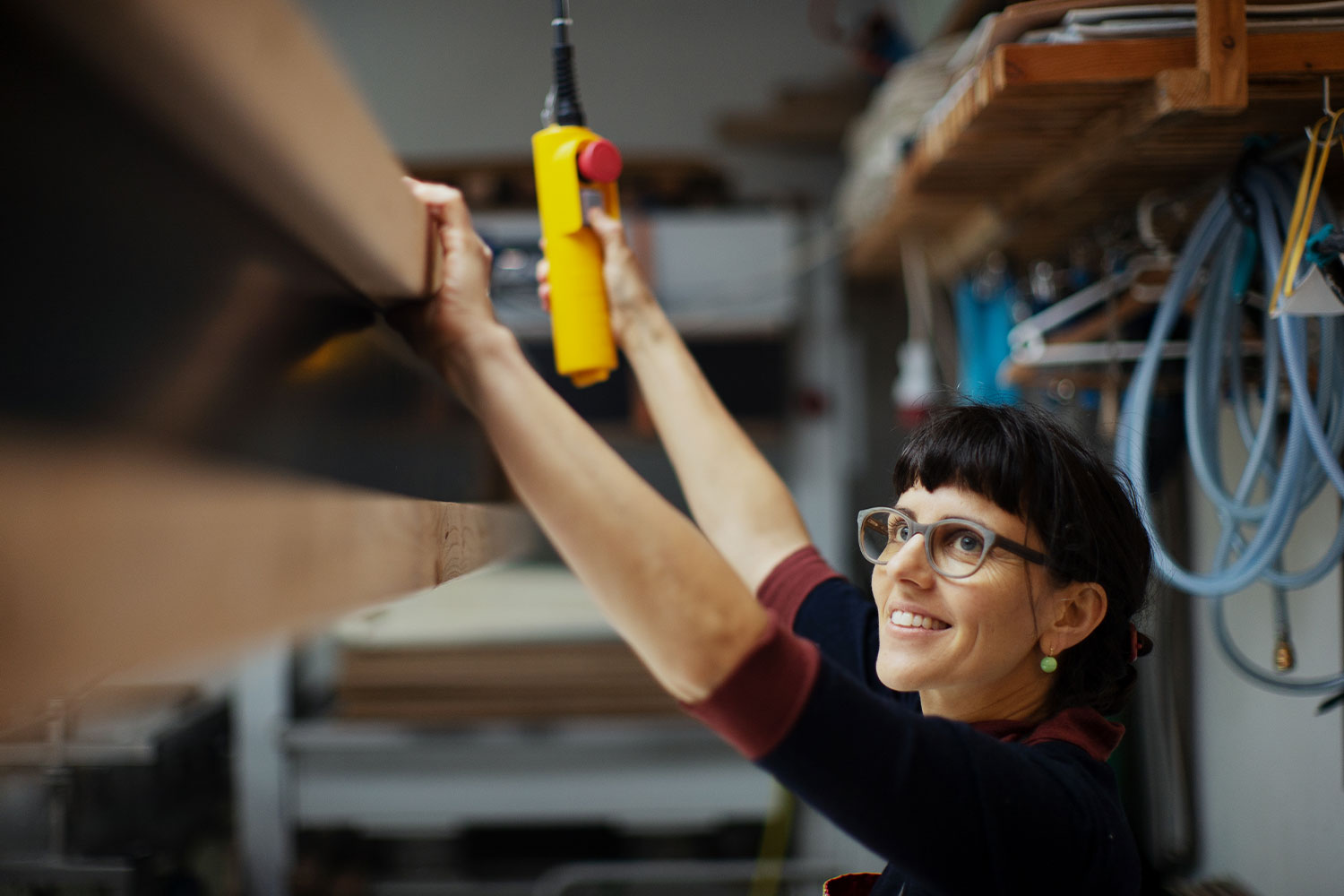
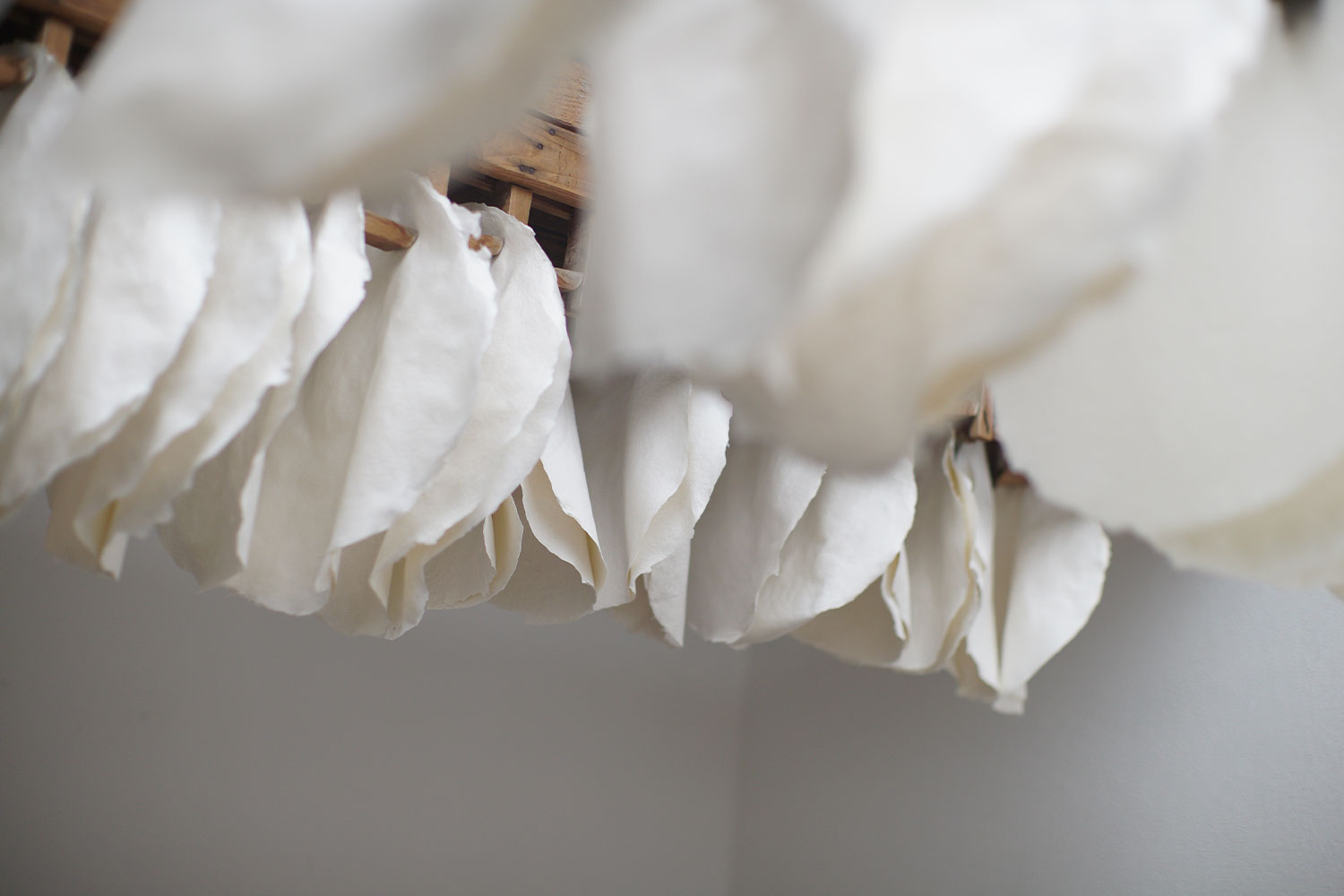
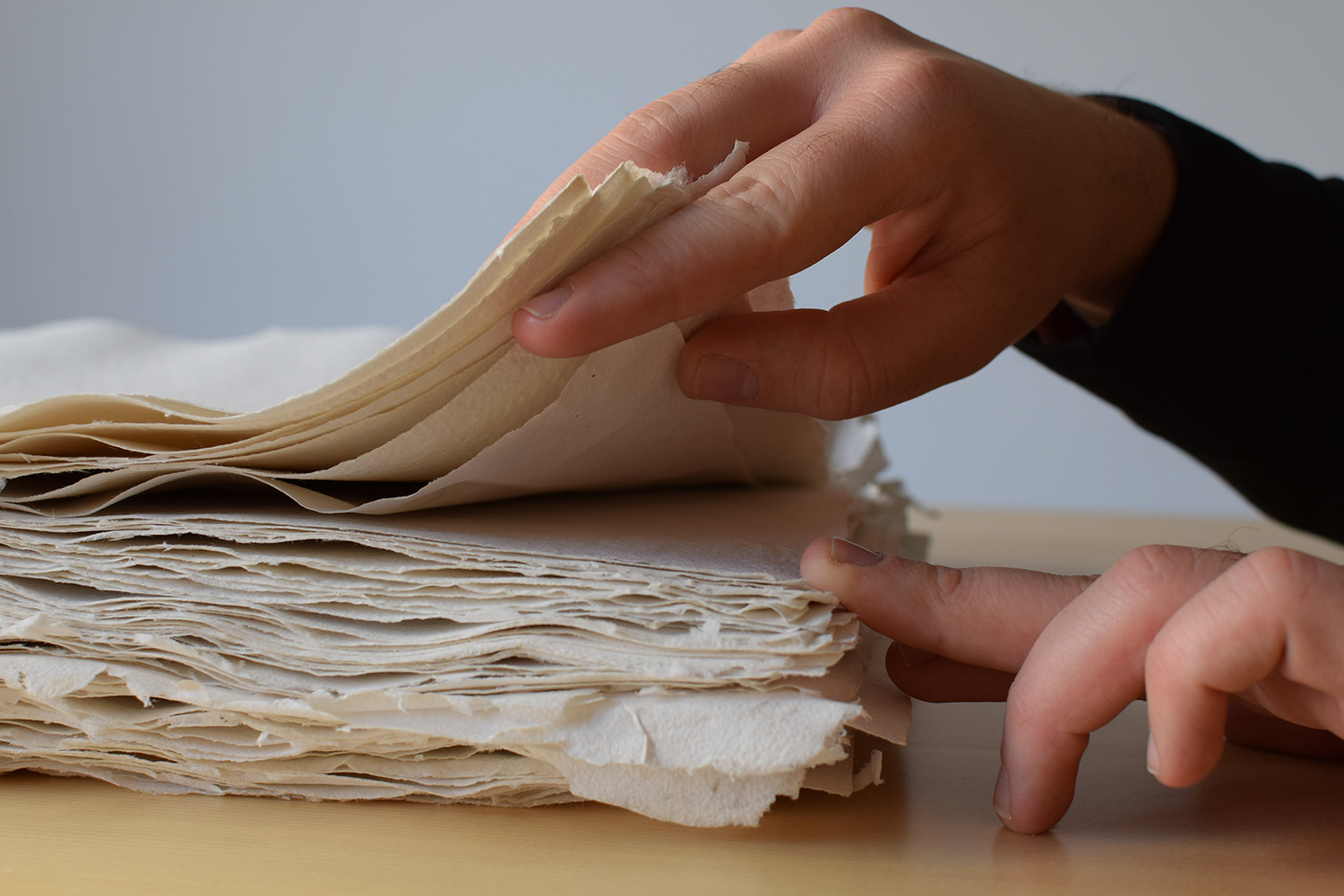
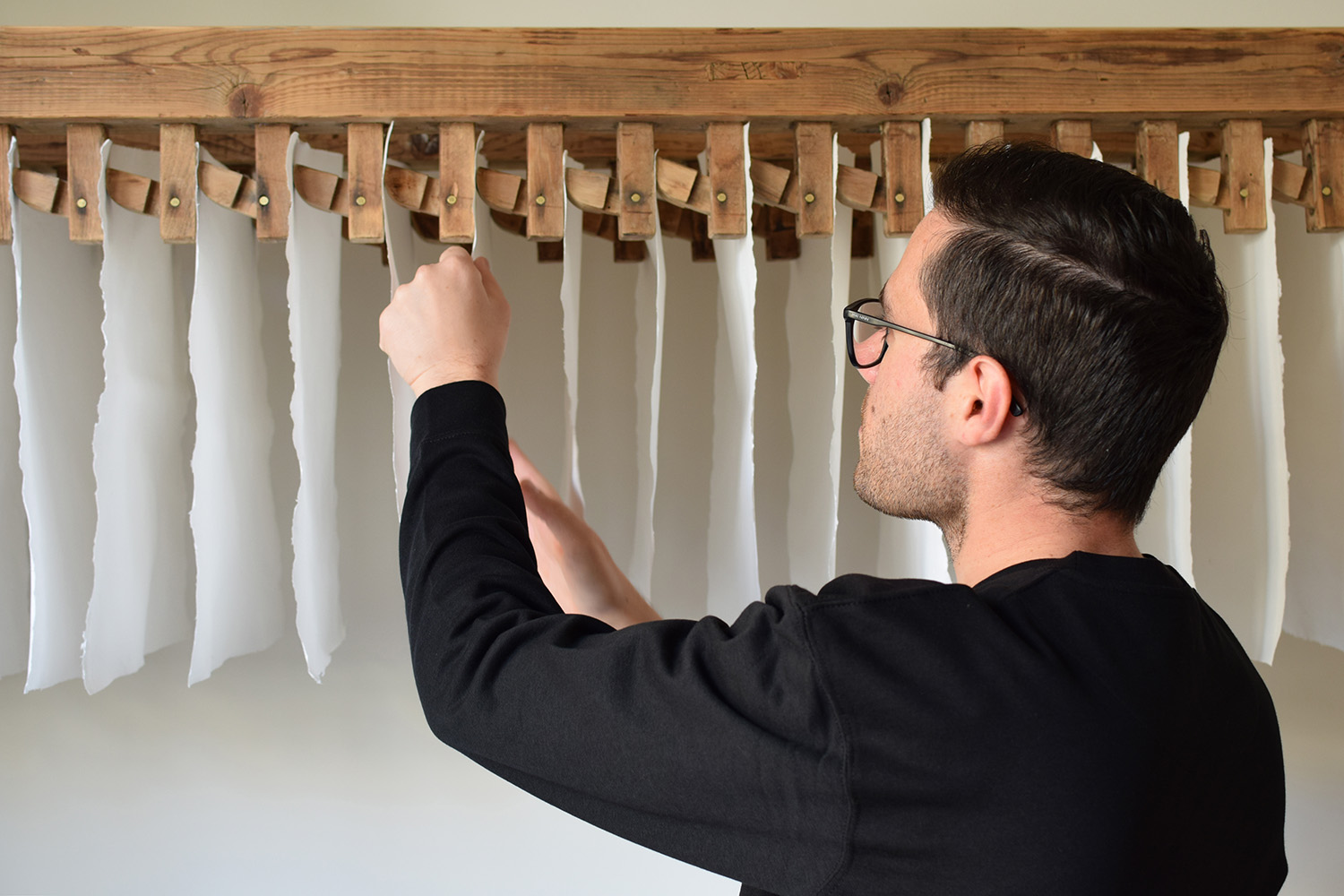
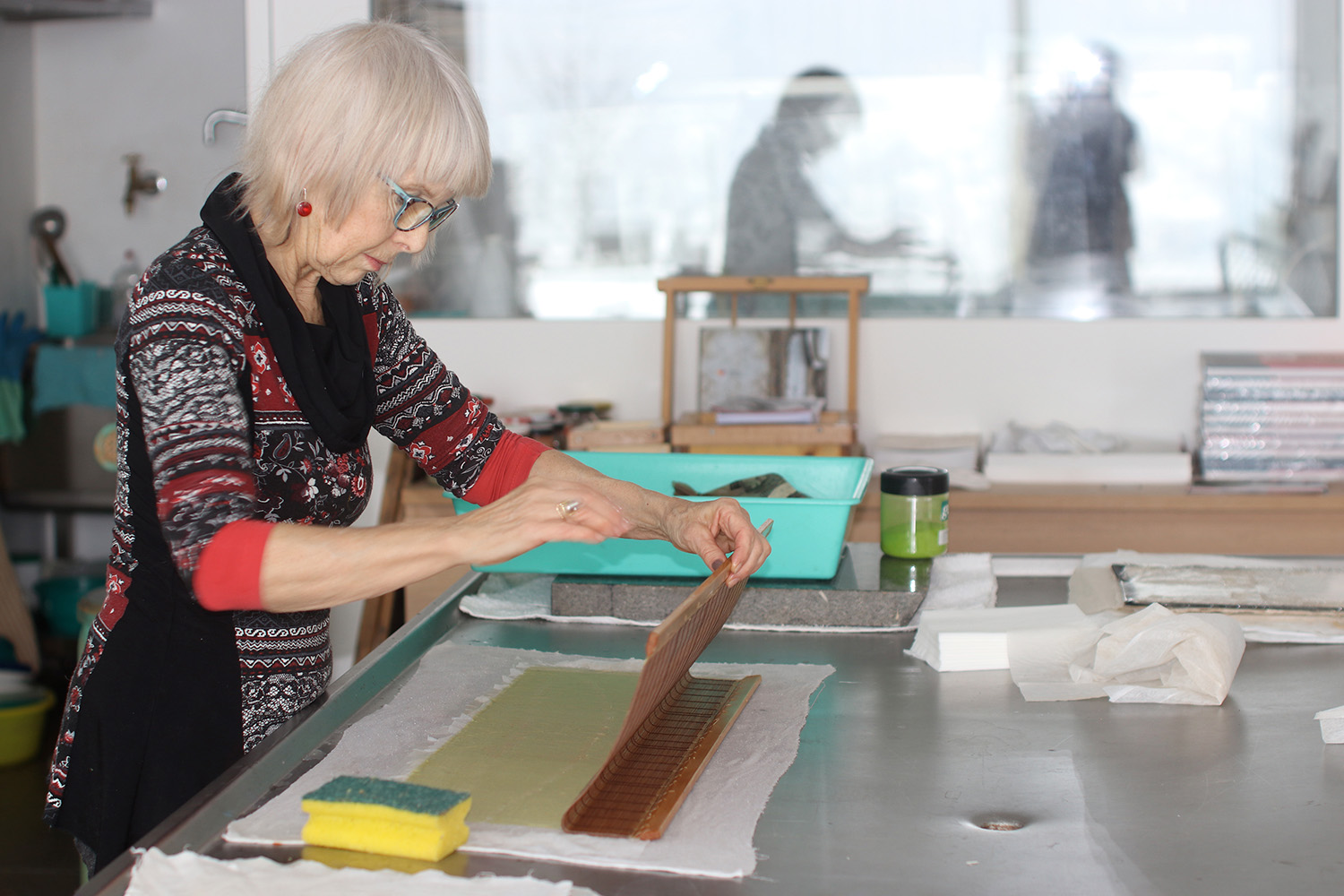
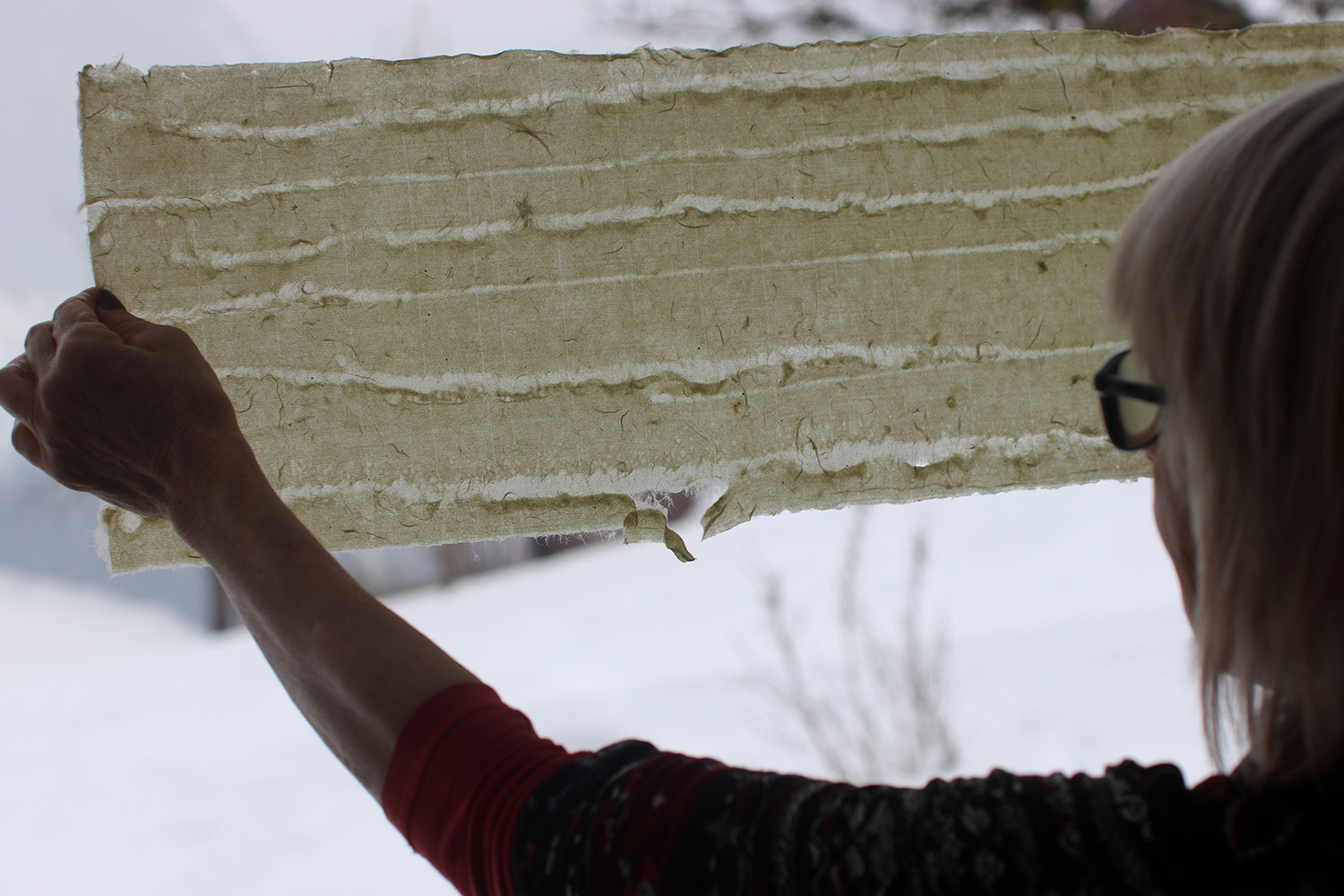
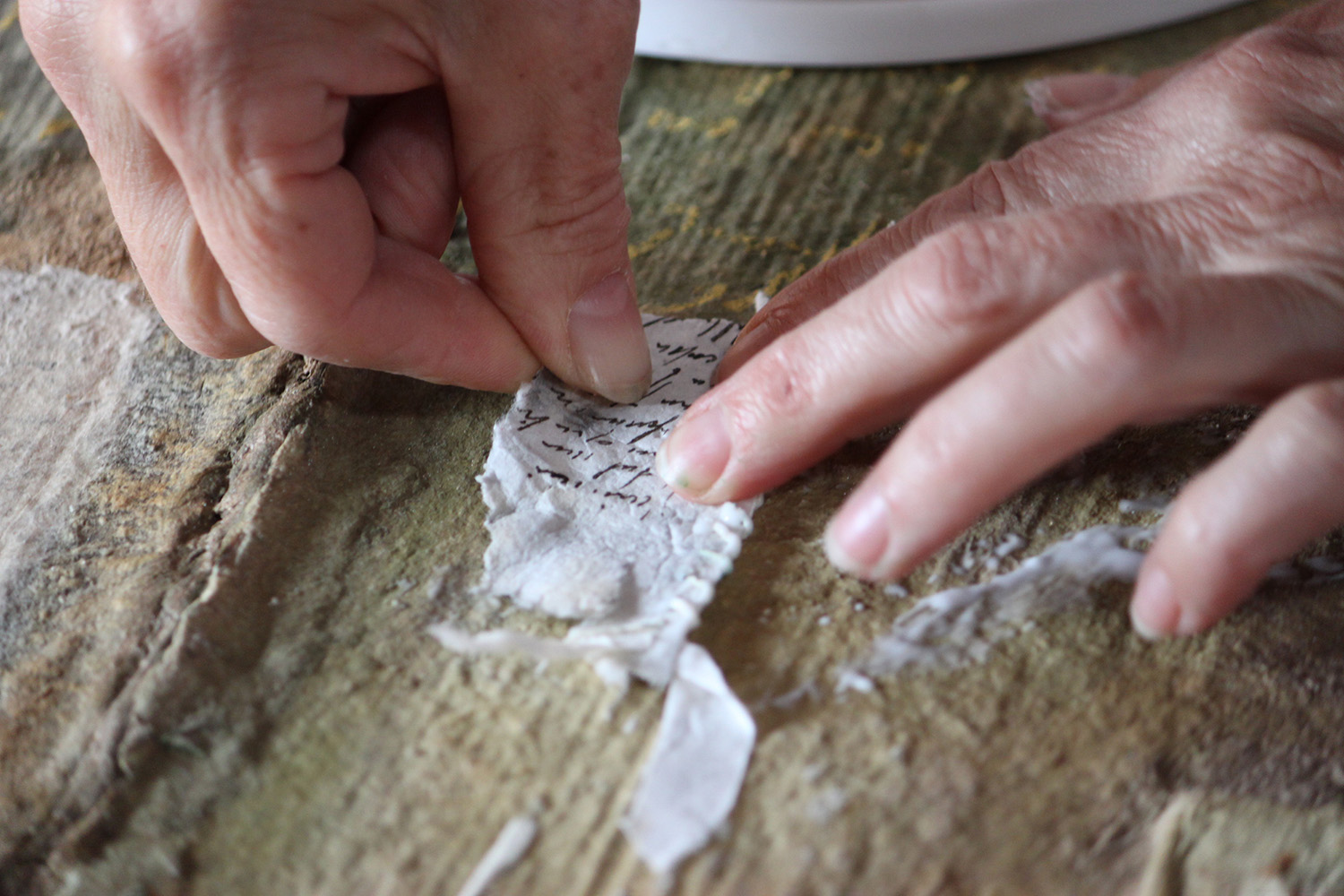
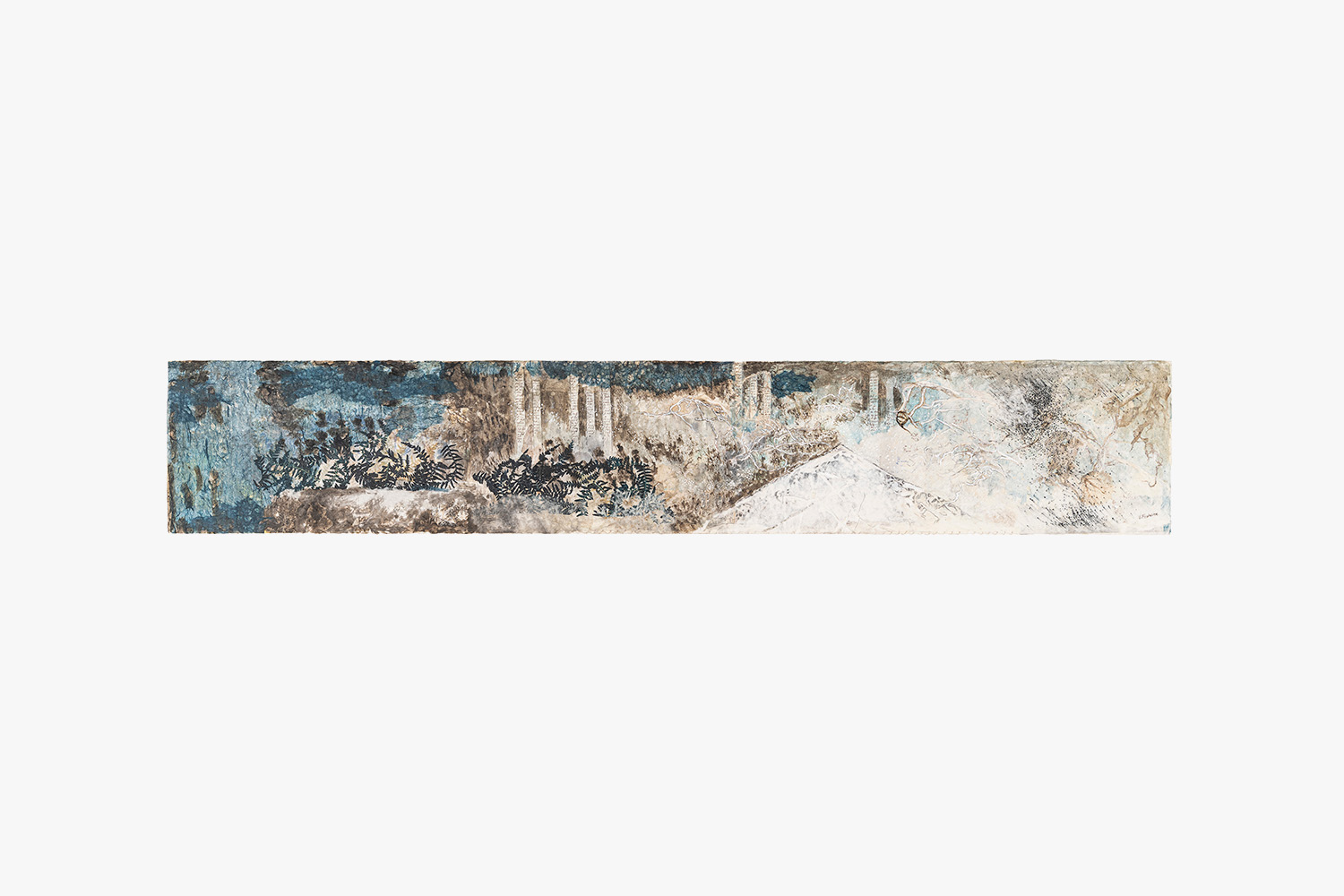
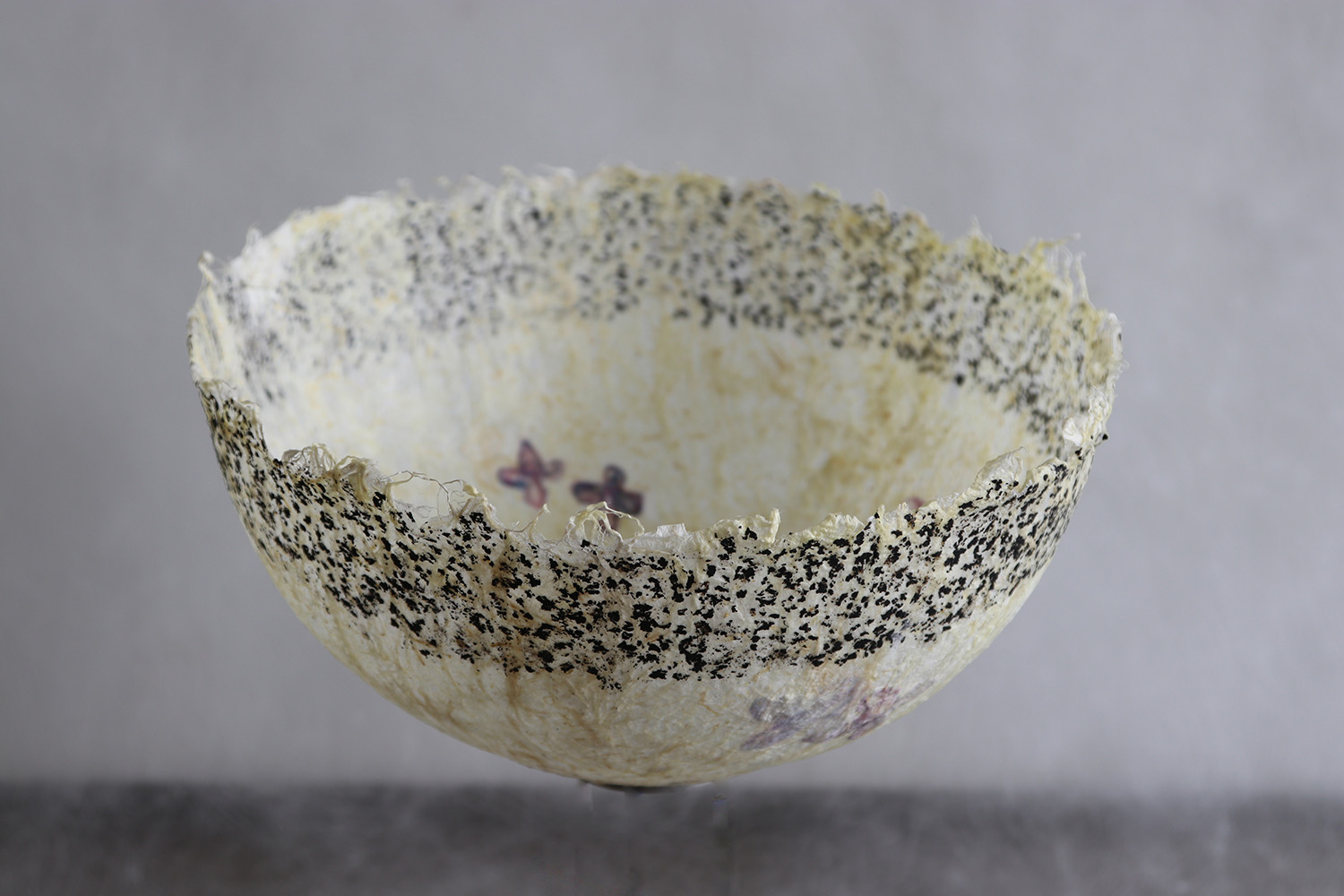
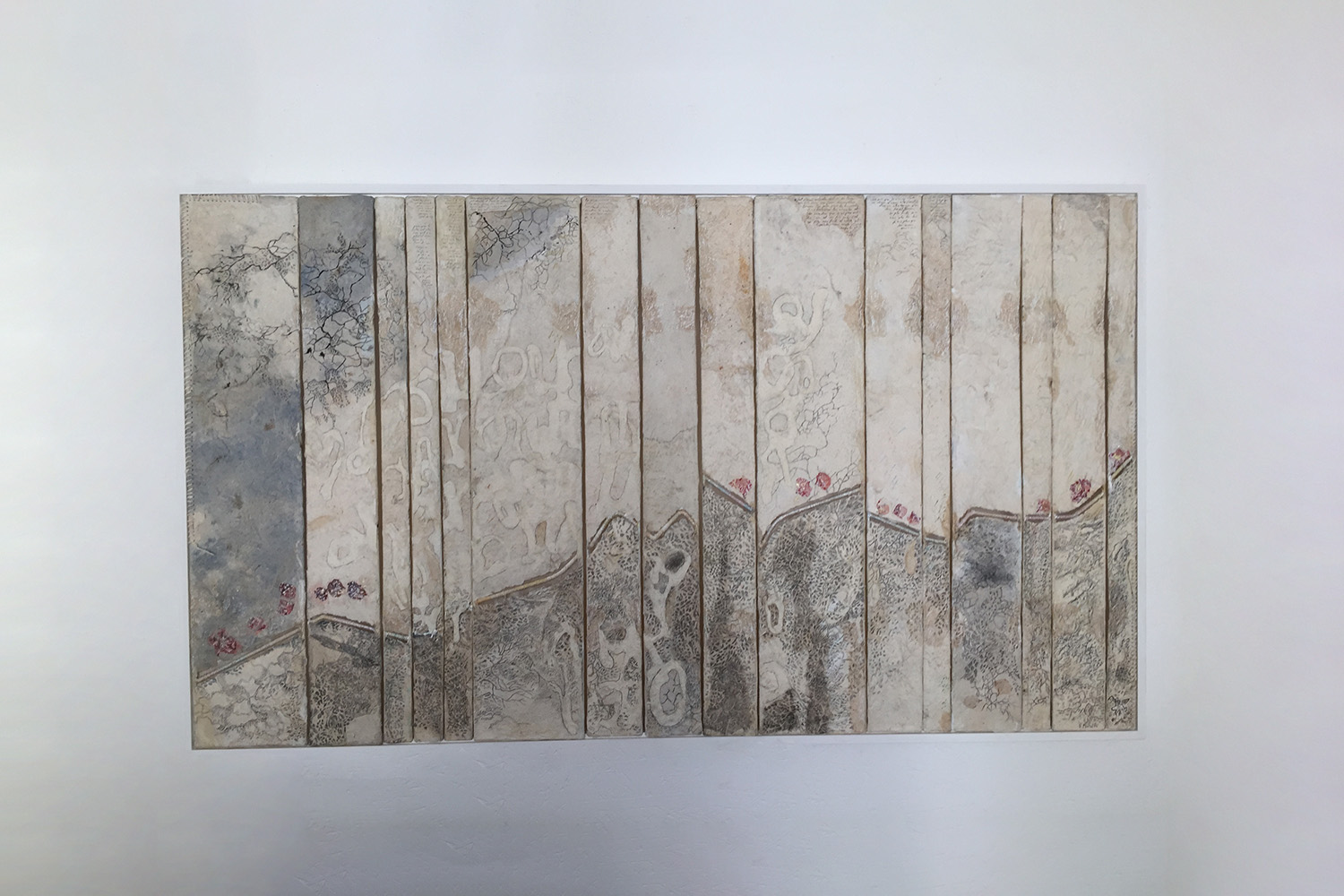
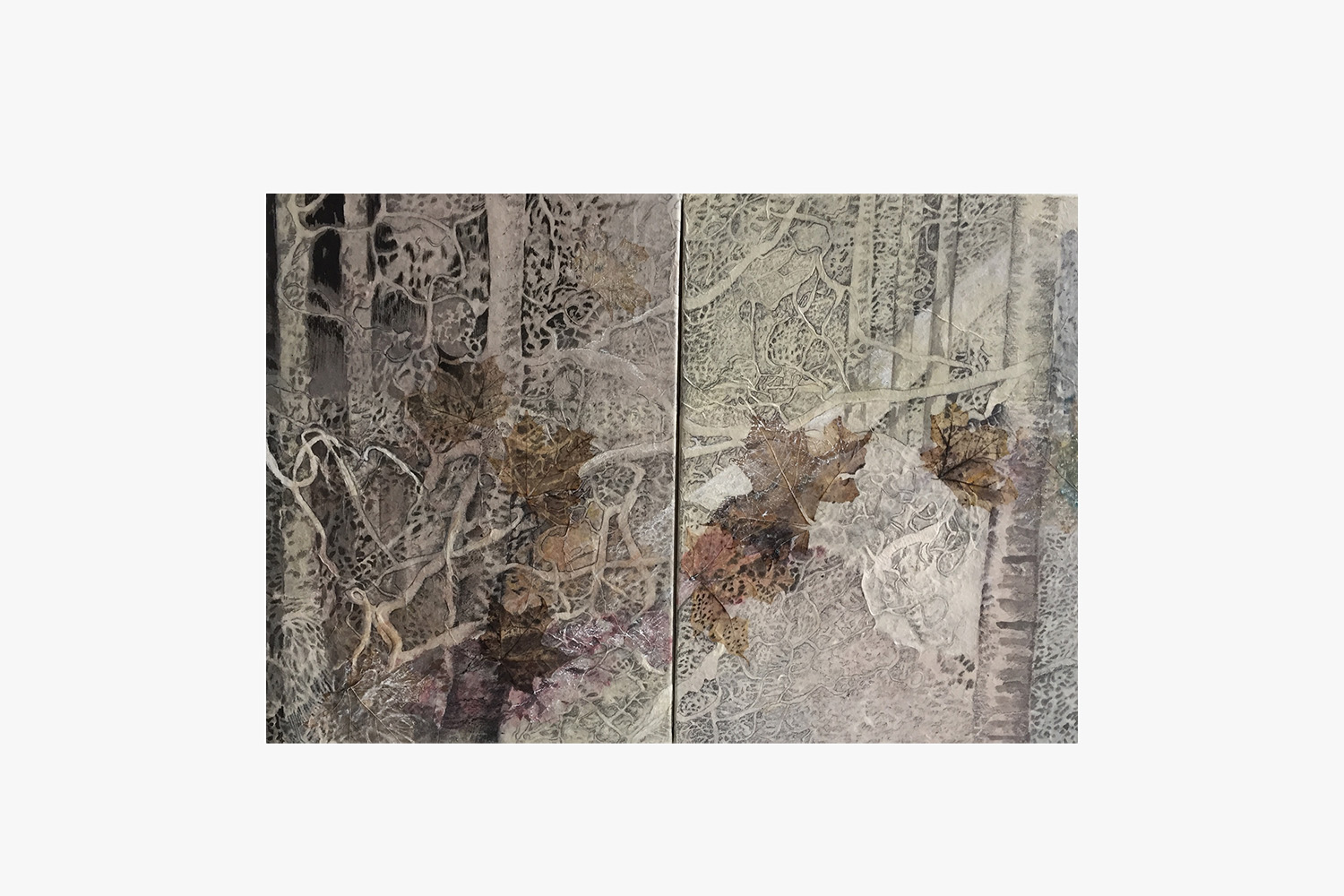
A graduate of fine arts, Viviane’s passion for paper started as a self taught hobby at a time when no one was making paper in Switzerland. She went to France to learn techniques, making paper from rags and linen, until she discovered Japanese paper and wanted to learn more. With a bit of nerve and motivation she went to Japan and learned the traditional techniques by working with a local craftsman. She has since been to Japan numerous times in order to learn more about paper. Her craft is also her art, as she creates various creative pieces from the paper she makes. Japanese paper has to be made in a precise way, but then Viviane's imagination takes over and she handcrafts mesmerising paper sculptures. In 2020, she received a canton mobility grant from the Canton of Fribourg, and in 2023, she traveled to Japan, where she spent three months working in various workshops.
INTERVIEW
What really interested me was the transition from one material to another, the rag that has been worn becomes paper. When it is worn out it is crushed and transformed to become a support for writing. What was once clothing can have a new life. I also like paper made from plants.
I discovered it in the USA, but then I had the chance to go to the province of Nigata. It was incredible, I could not understand a word they said! I stayed there for two months and made paper every day.
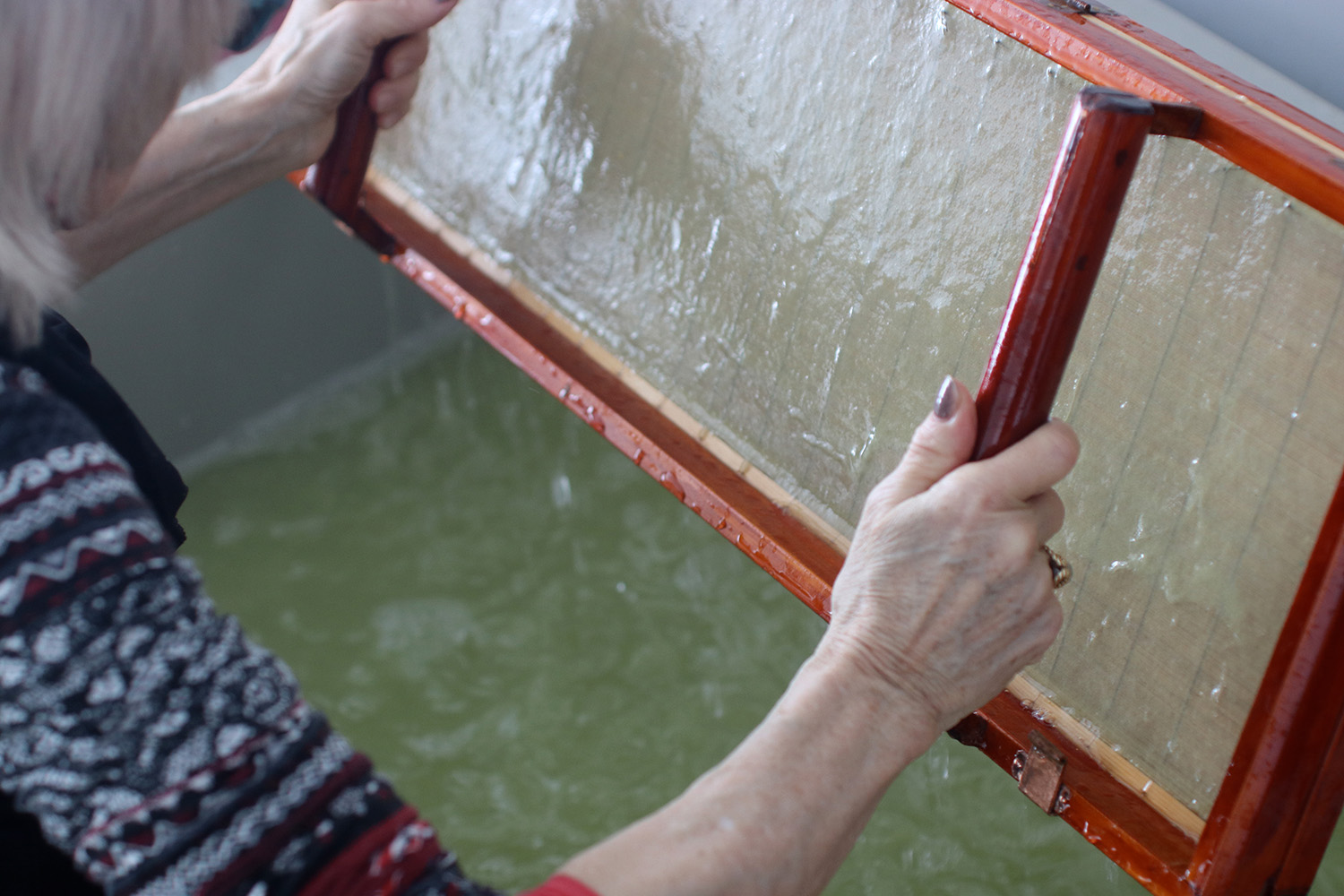
I make the paper according to the traditional rules with precise movements. I can also purposefully mess up my paper by wrinkling it, which is also part of their tradition. But strength of the sheet is only obtained through precise movements.
To make Japanese paper, you have to see it to understand it, and you must be taught the movement to make it. You can make other kinds of paper by yourself, but not Japanese paper.
Viviane Fontaine
Papermaker
Cerniat, Switzerland
AVAILABILITY
By appointment only
LANGUAGES
French, English, Italian
Homo Faber Finds is a new service aiming to inspire admirers of craft to connect and collaborate with exceptional artisans.
We invite you to submit an enquiry here.