Uldis Šulcs
zemgale smedes
Blacksmith
Bauska, Latvia
Honing craft into art
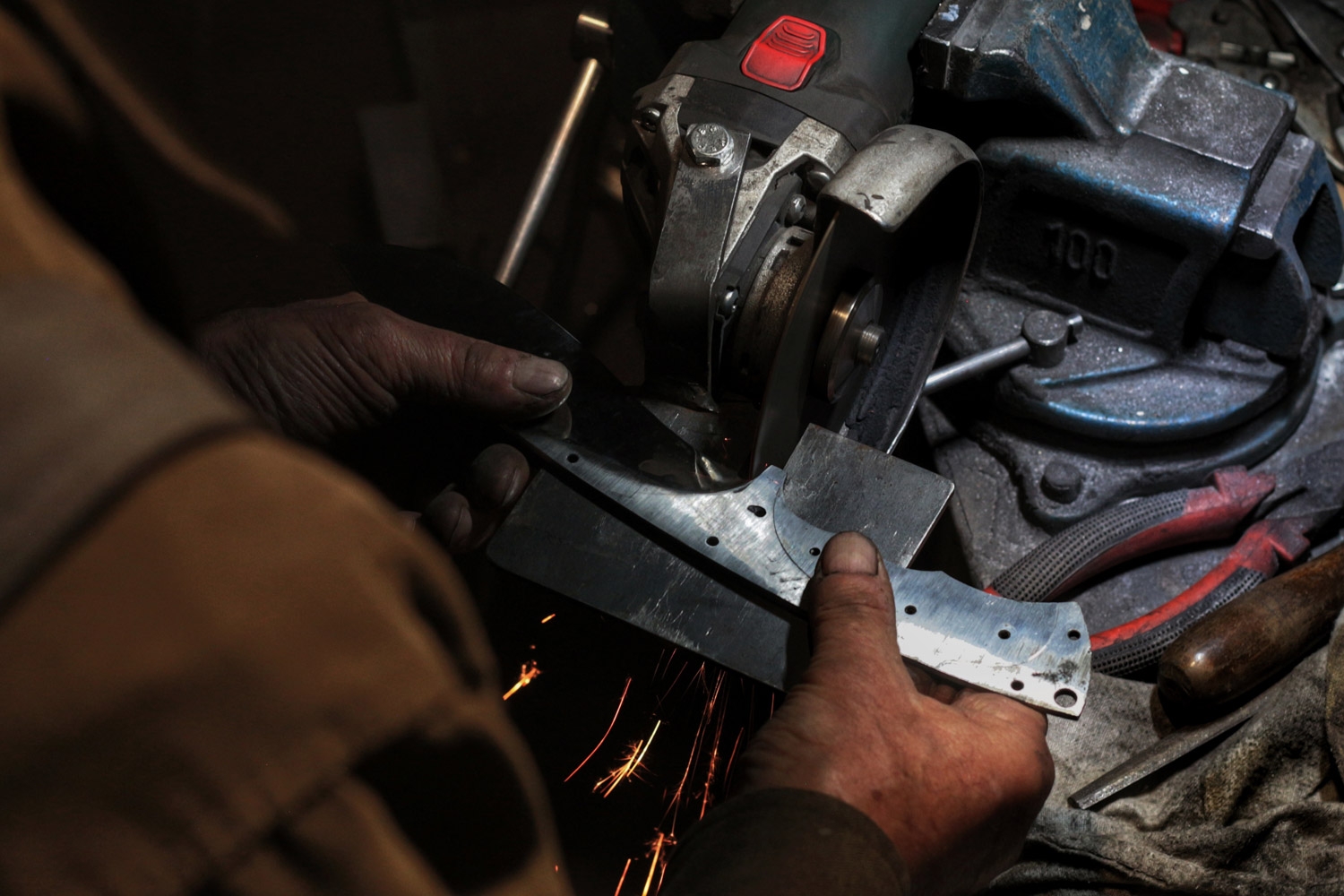
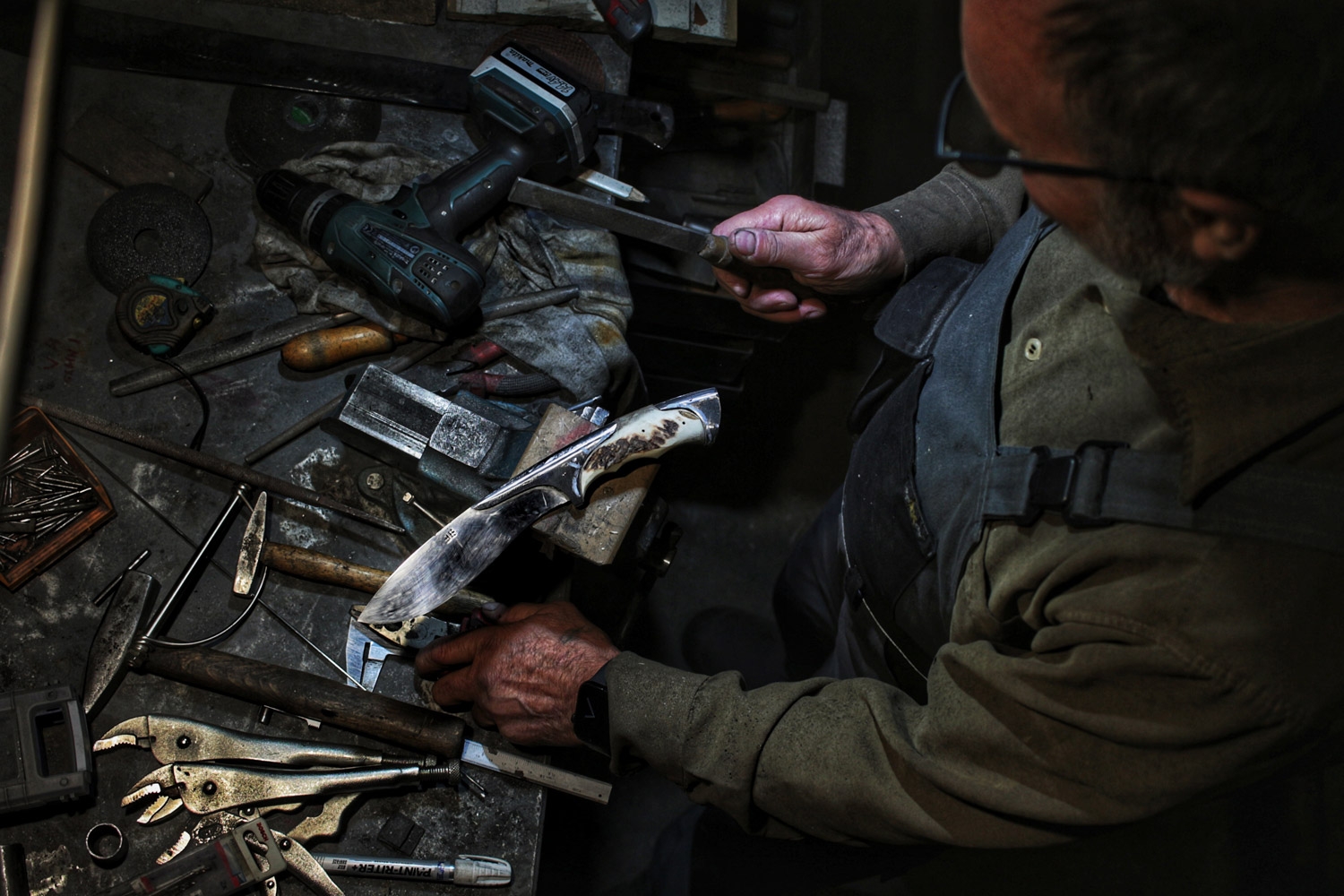
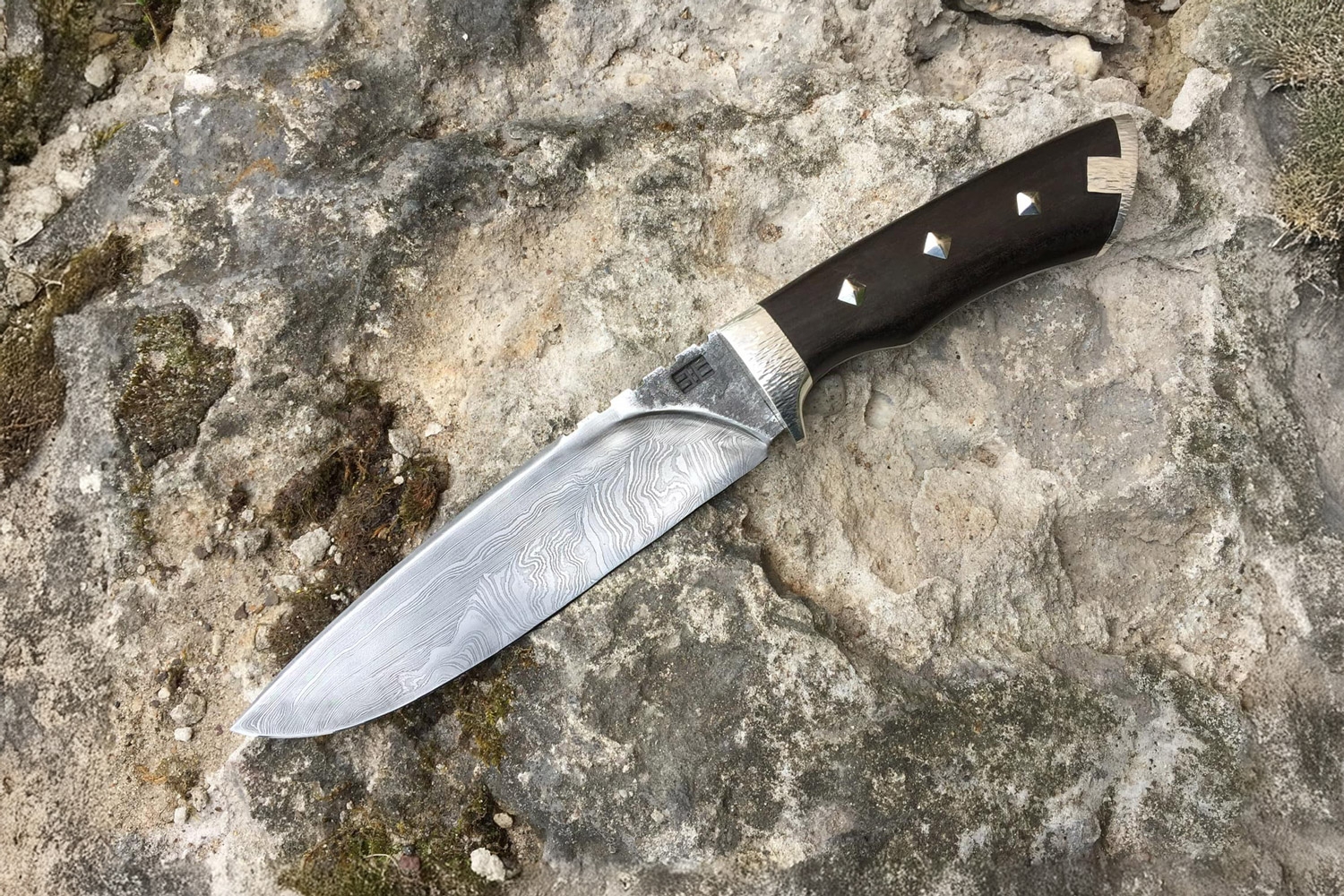
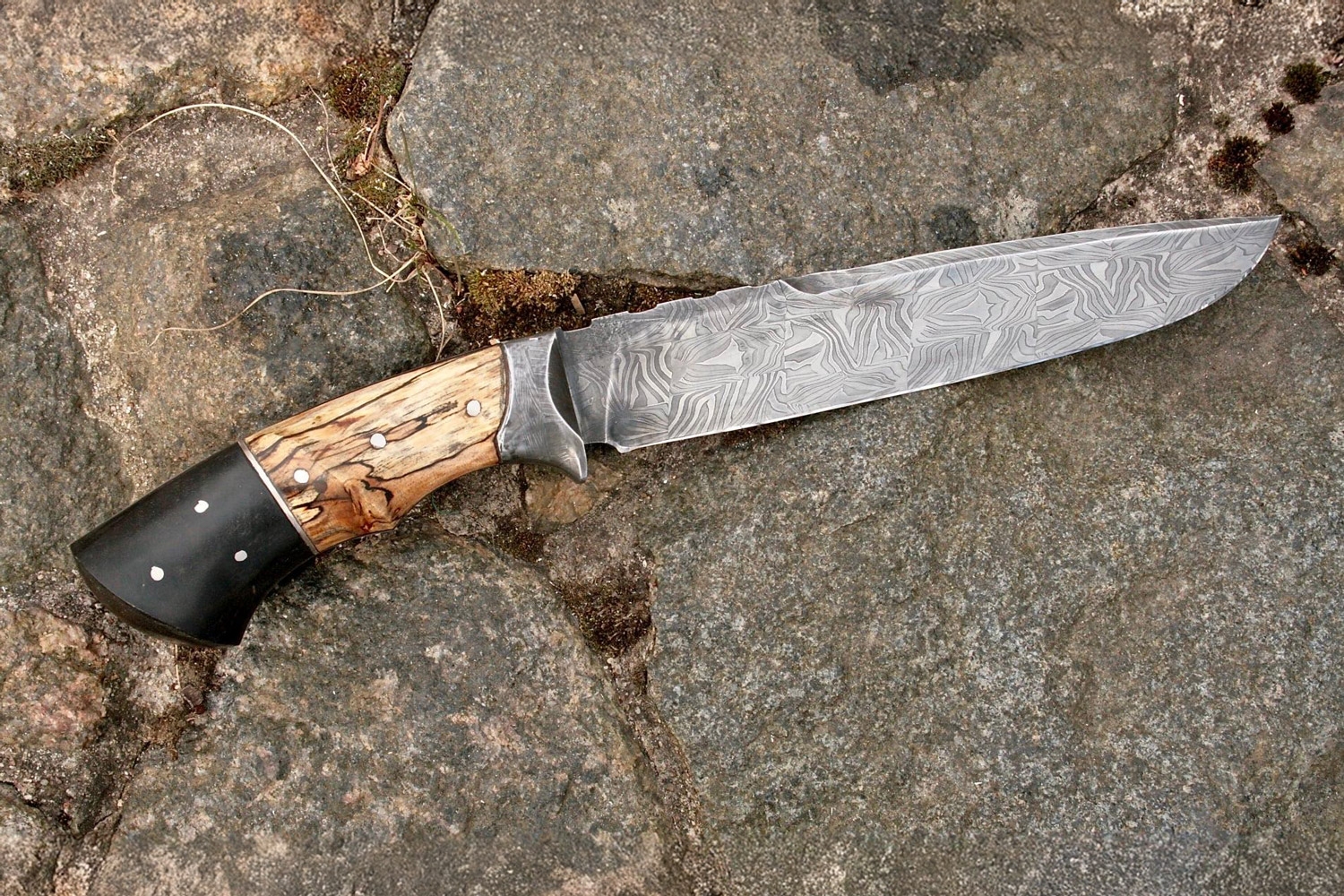
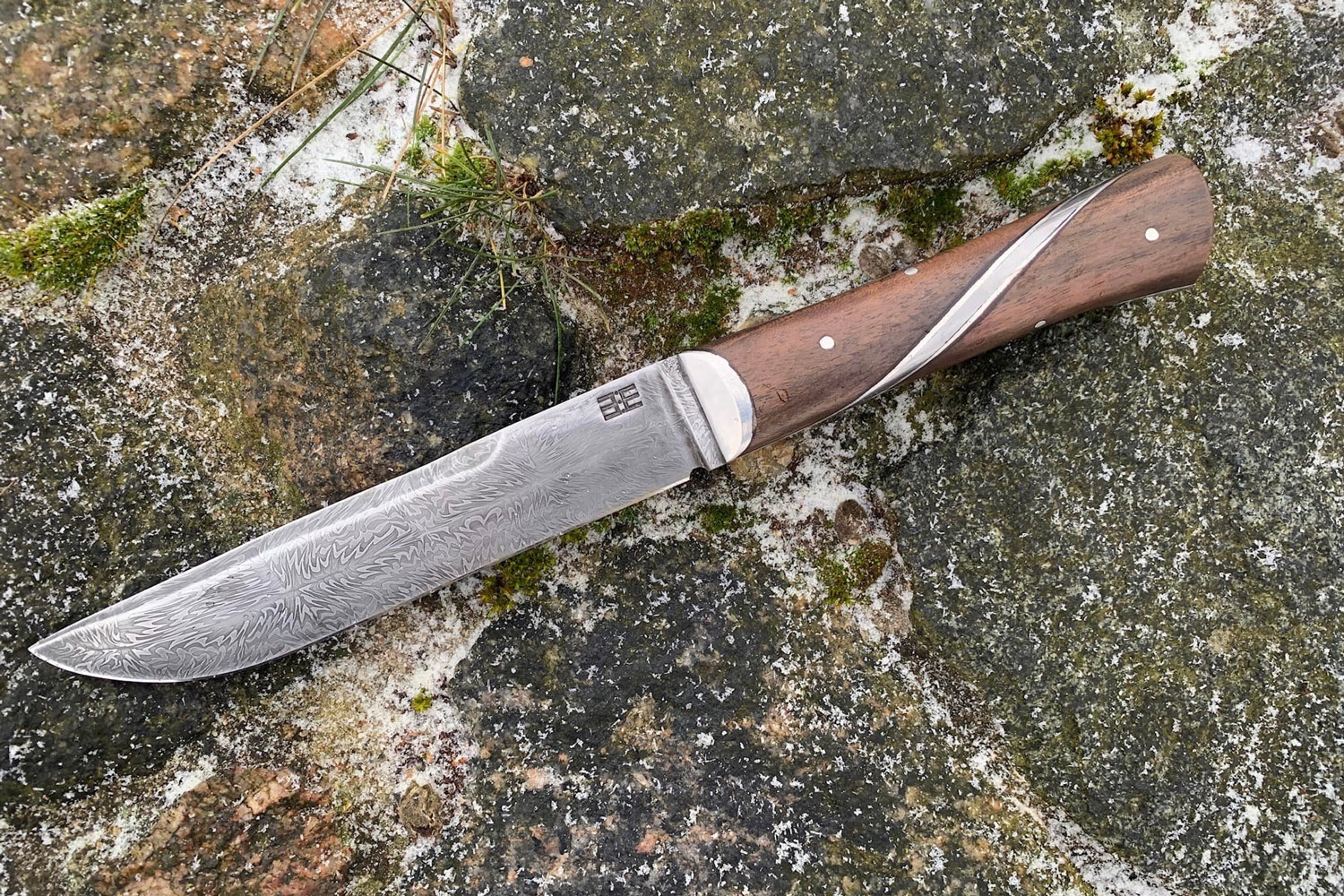
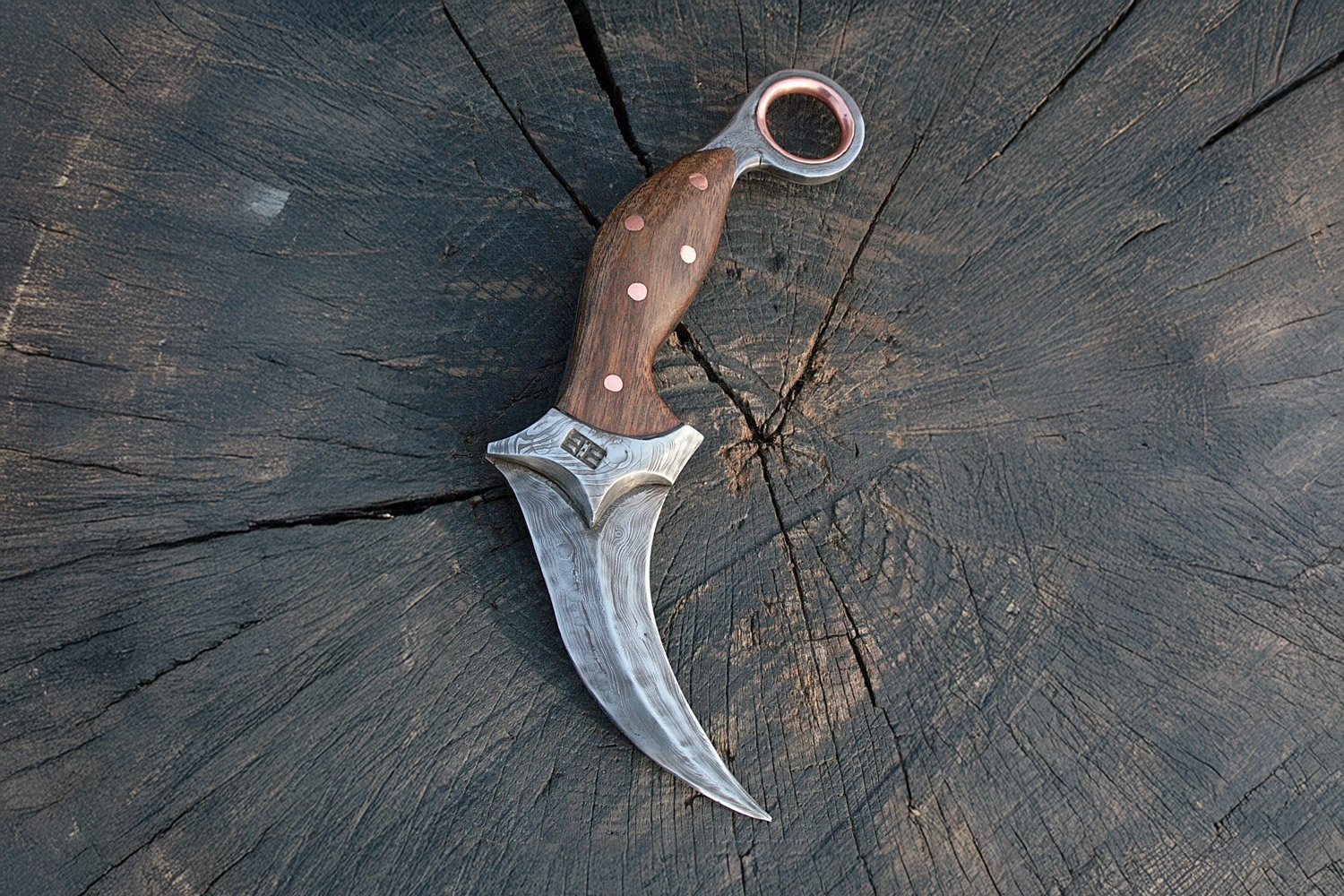
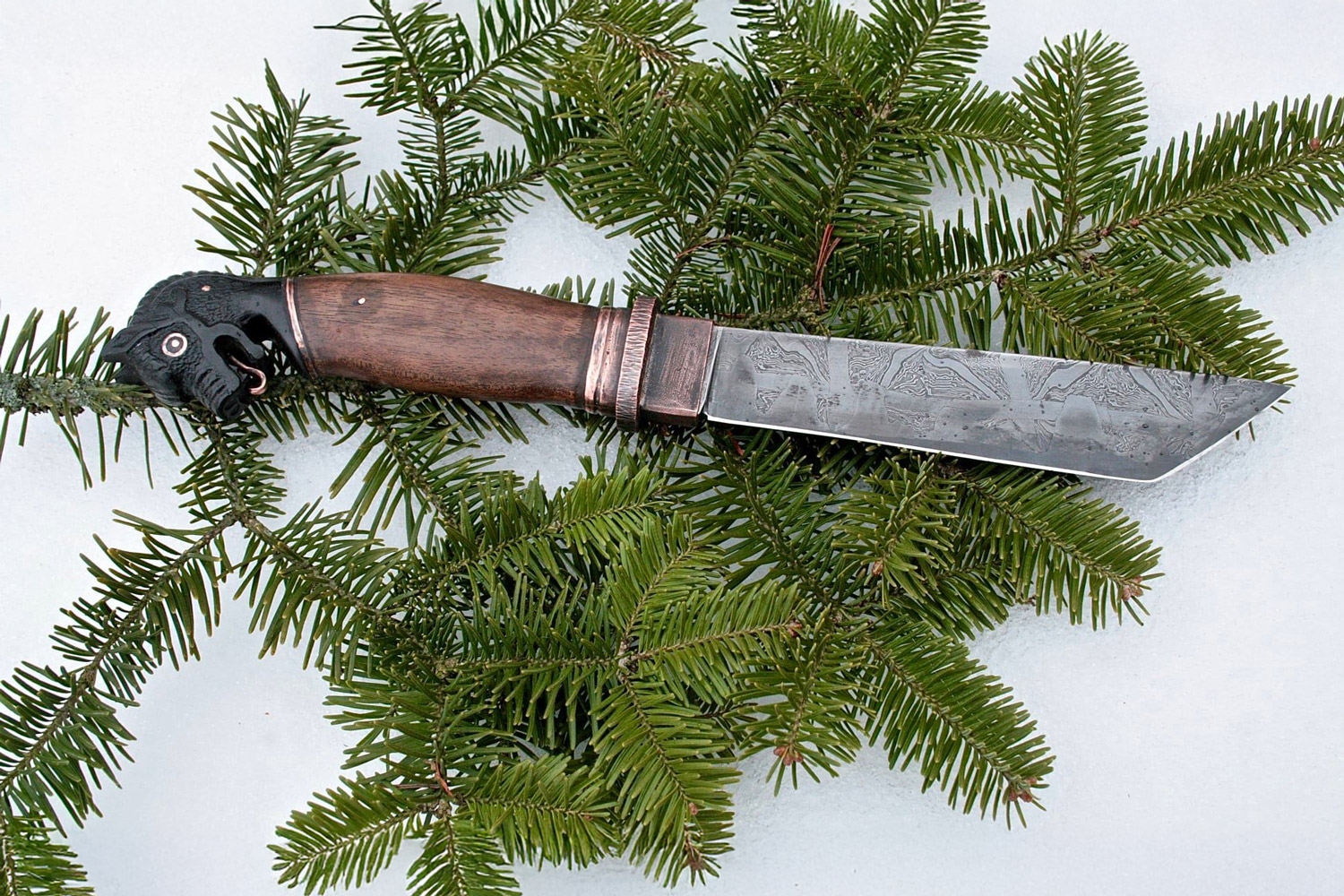
- Uldis makes iron, steel and copper works, ranging from knives to solid gates
- He considers metal as a partner that always challenges him
- Patience and trust are at the centre of practising his craft
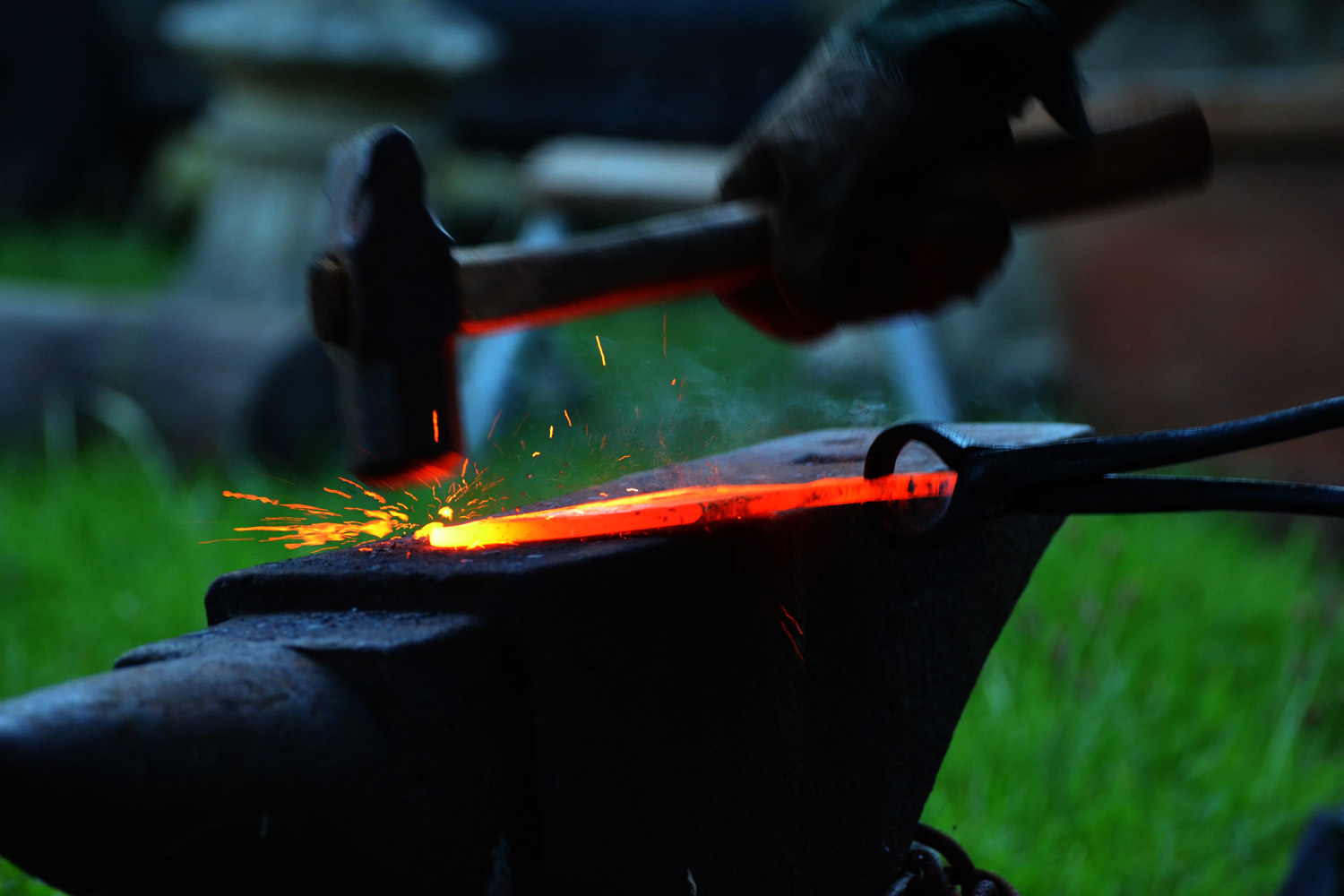
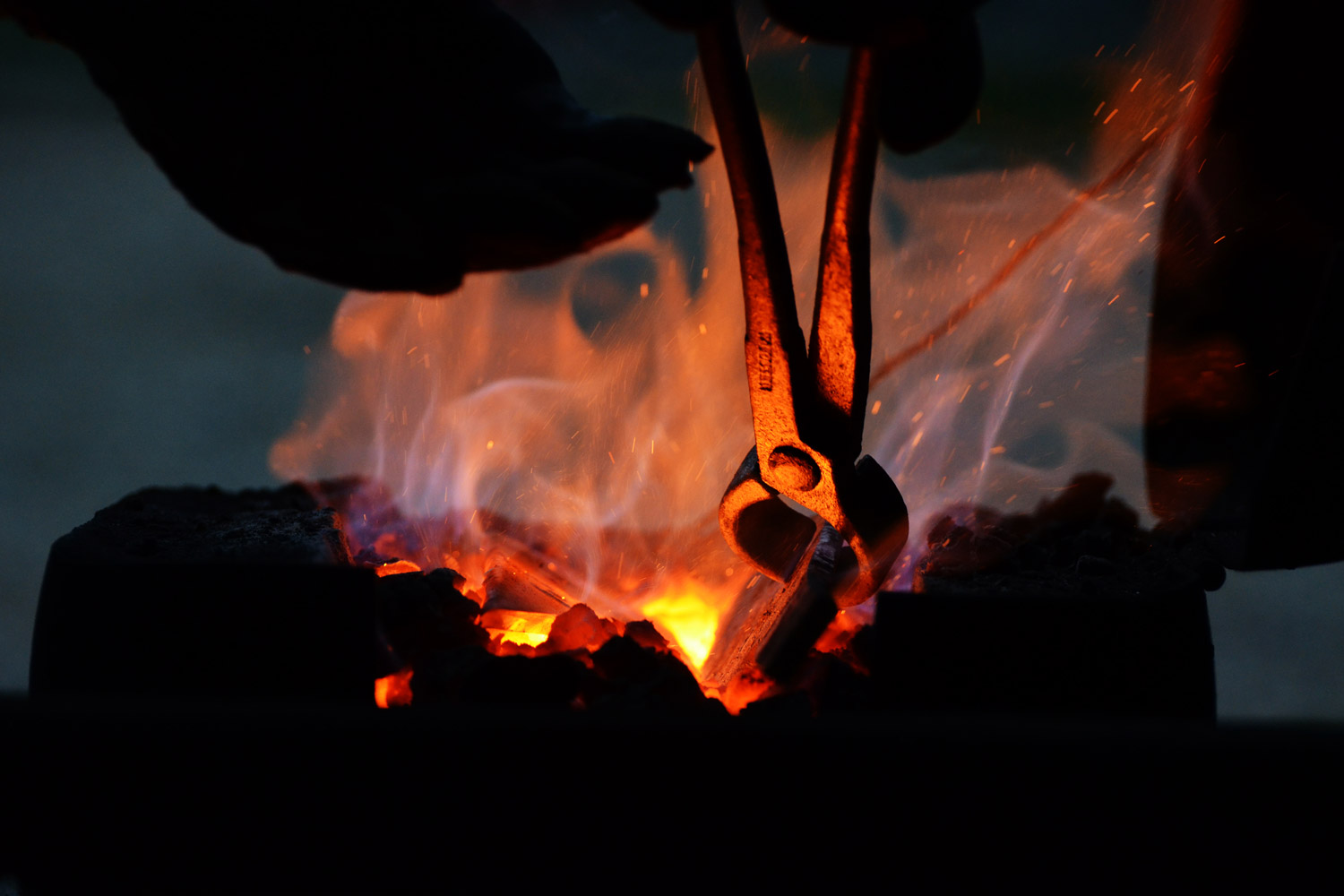
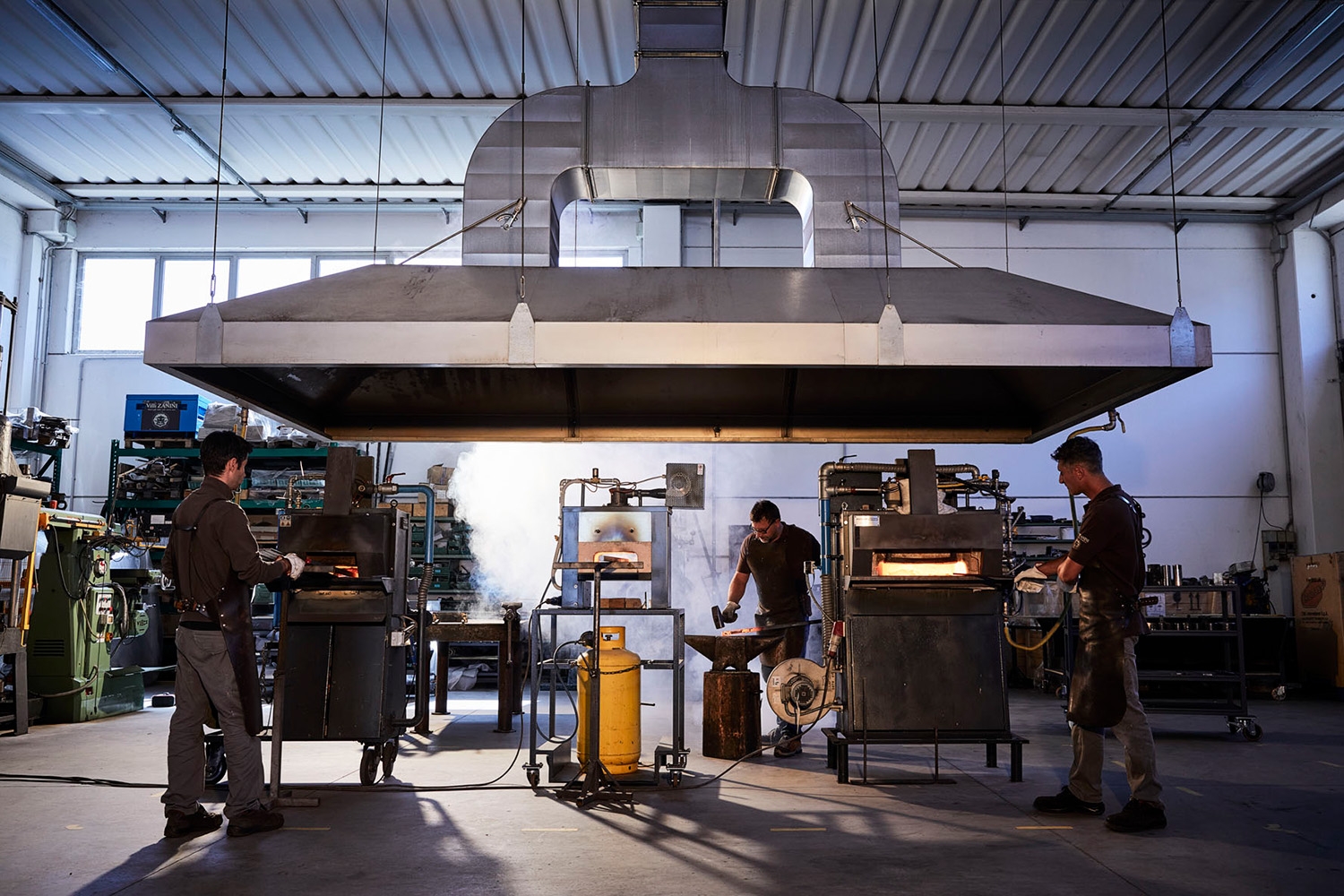
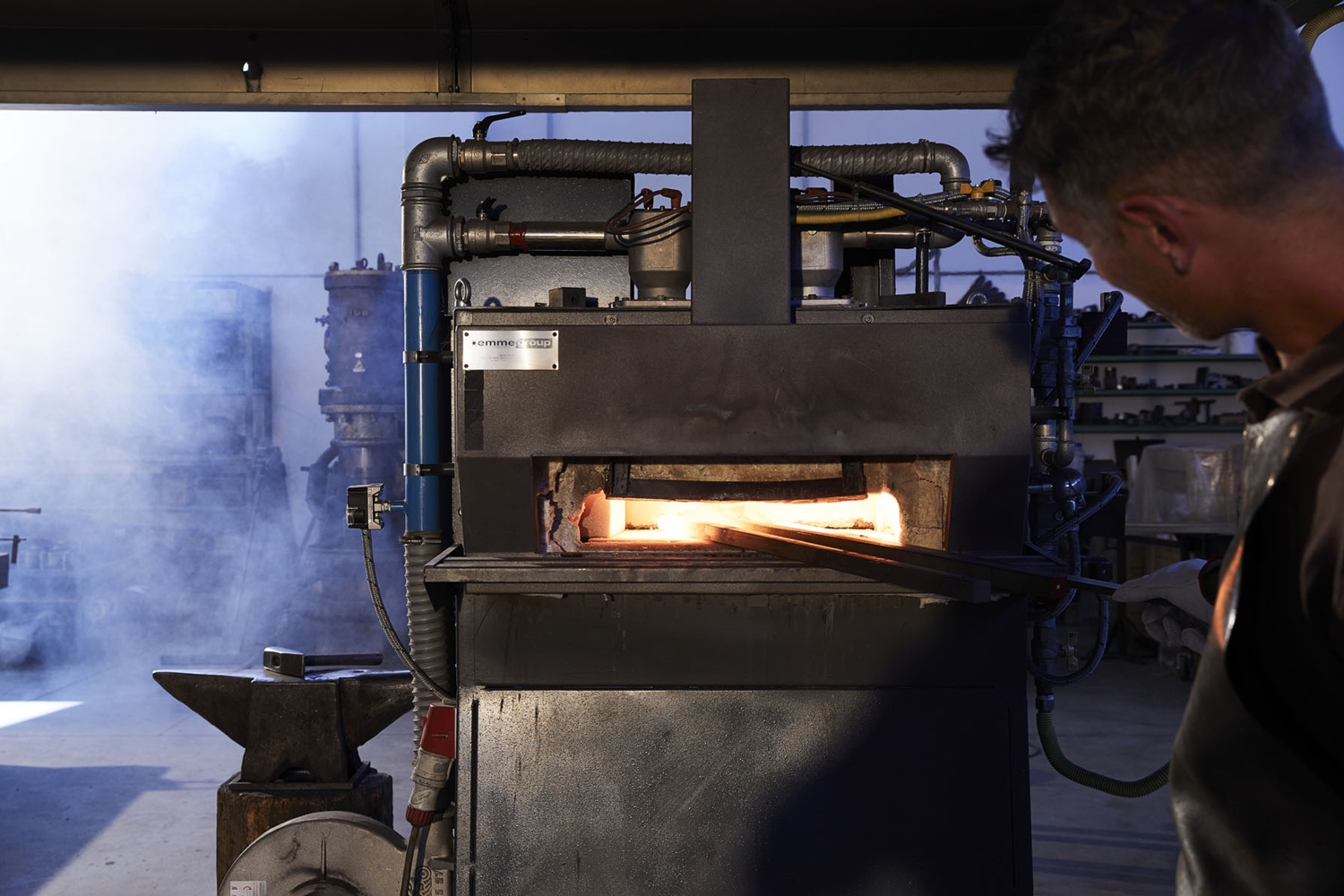
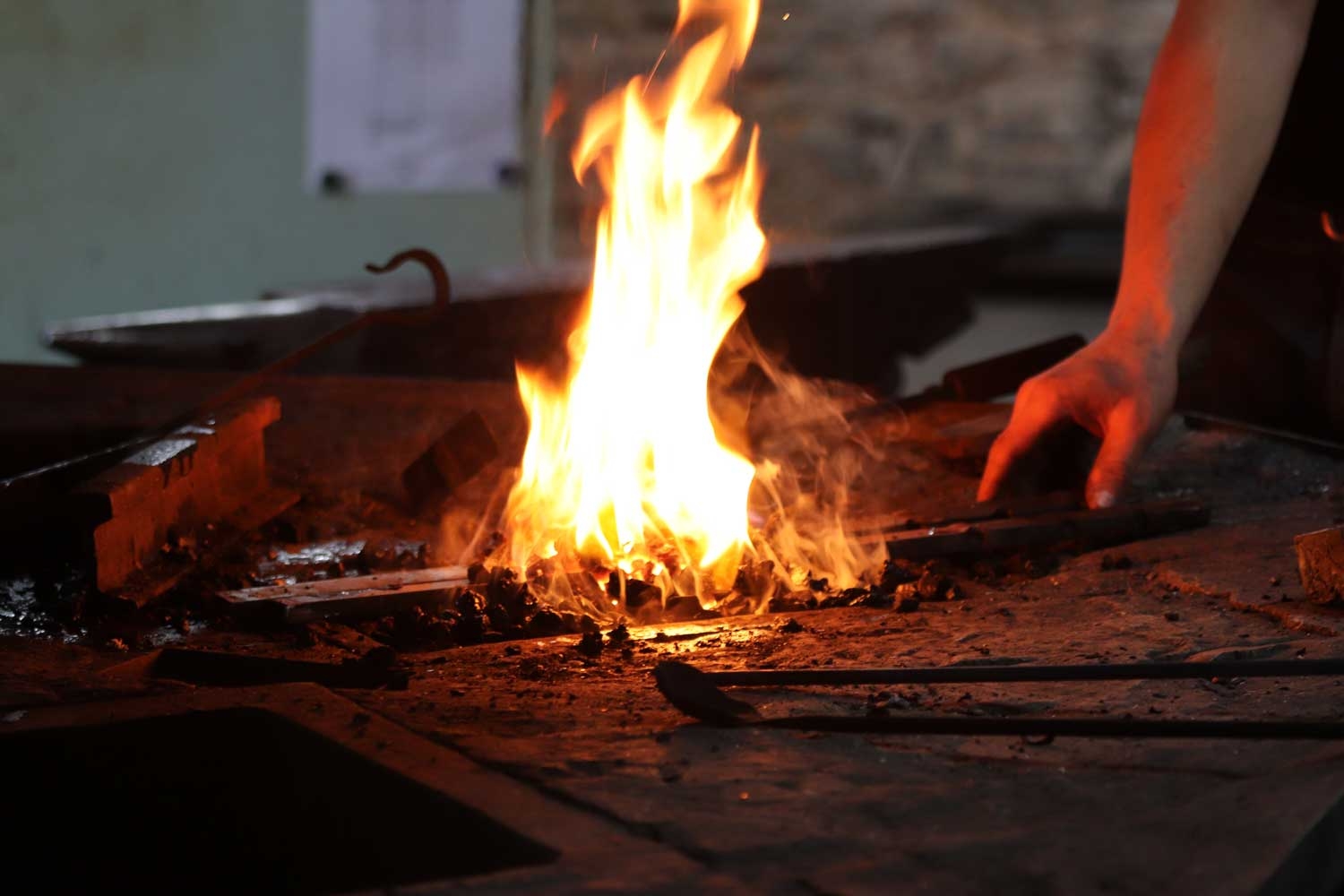
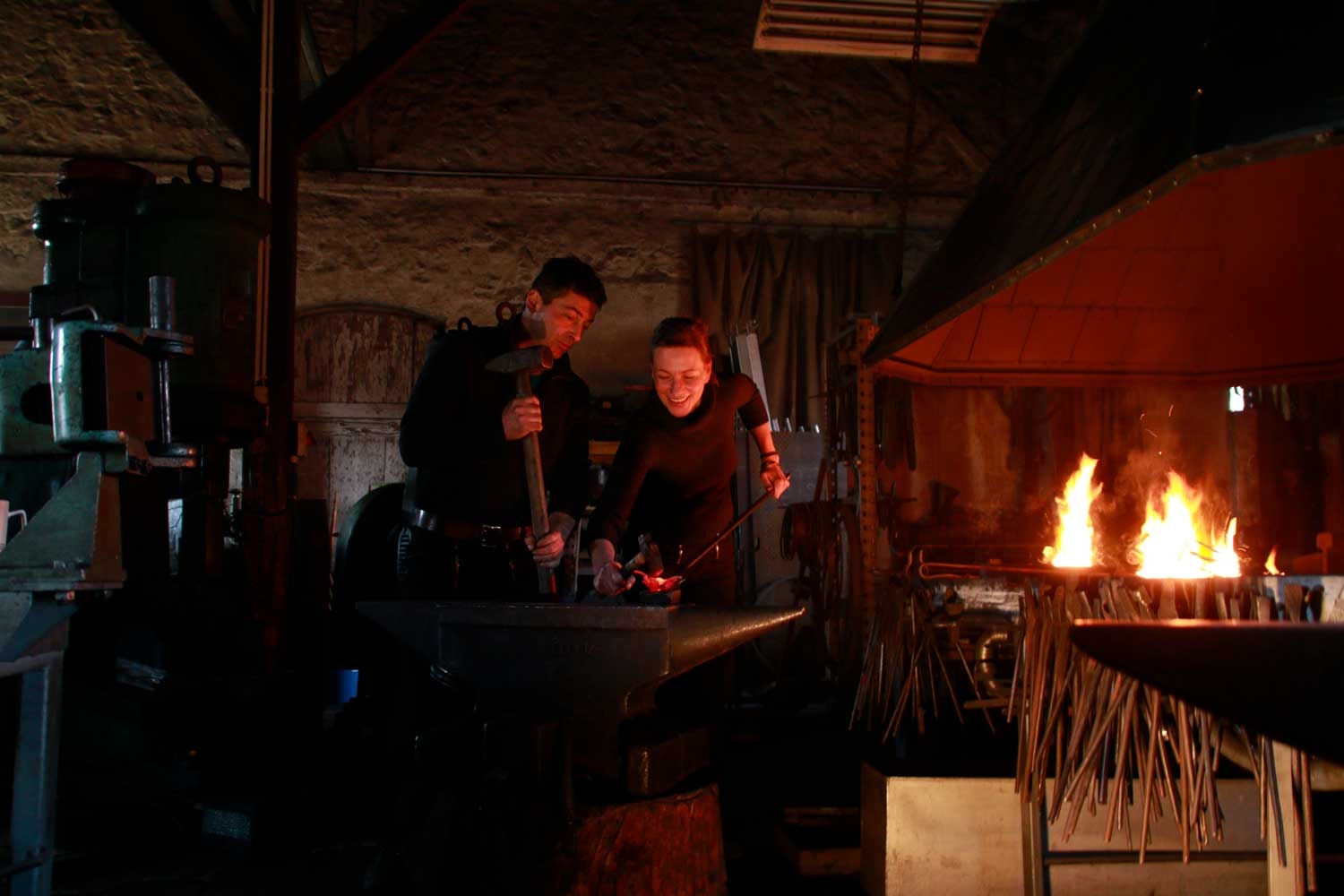
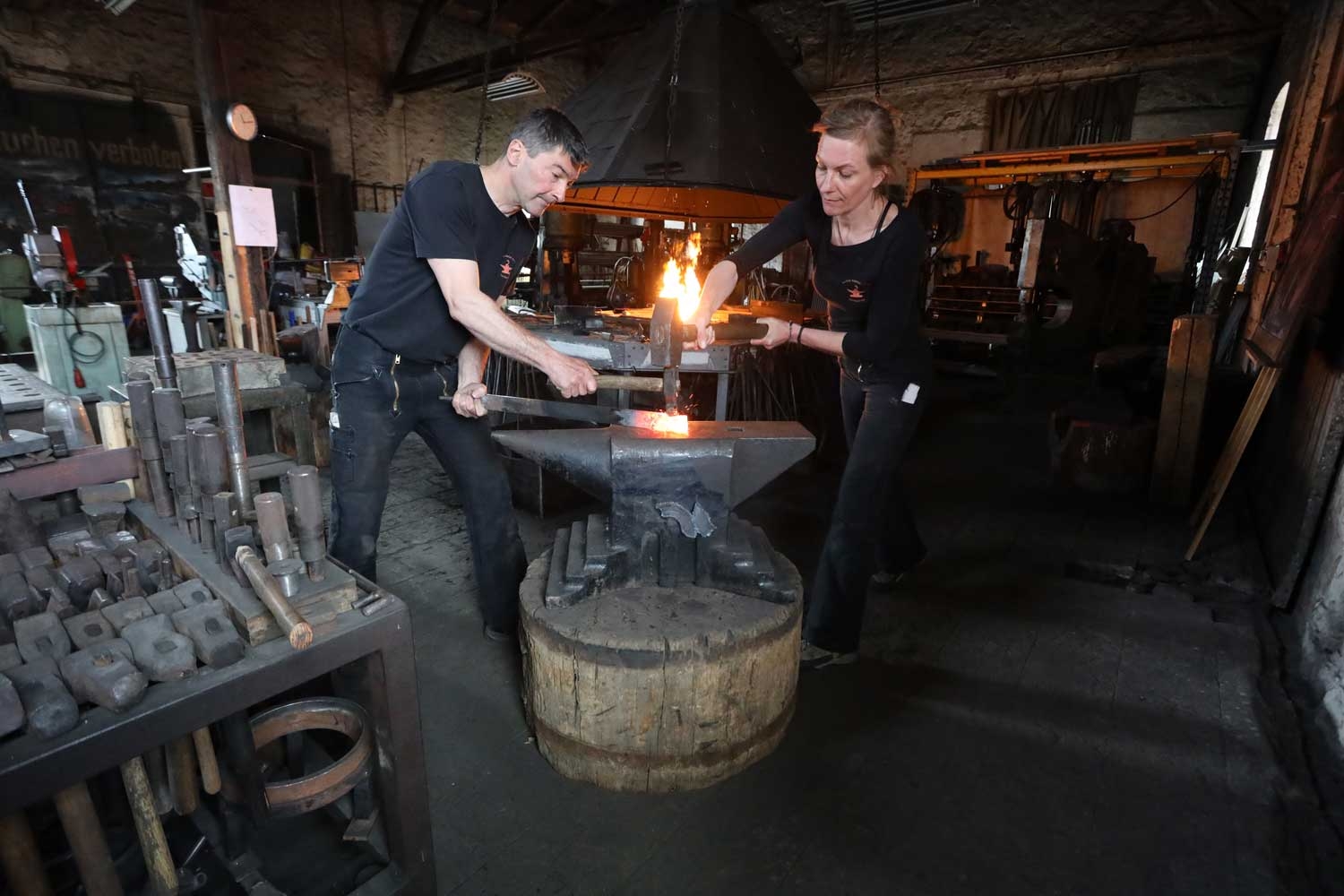
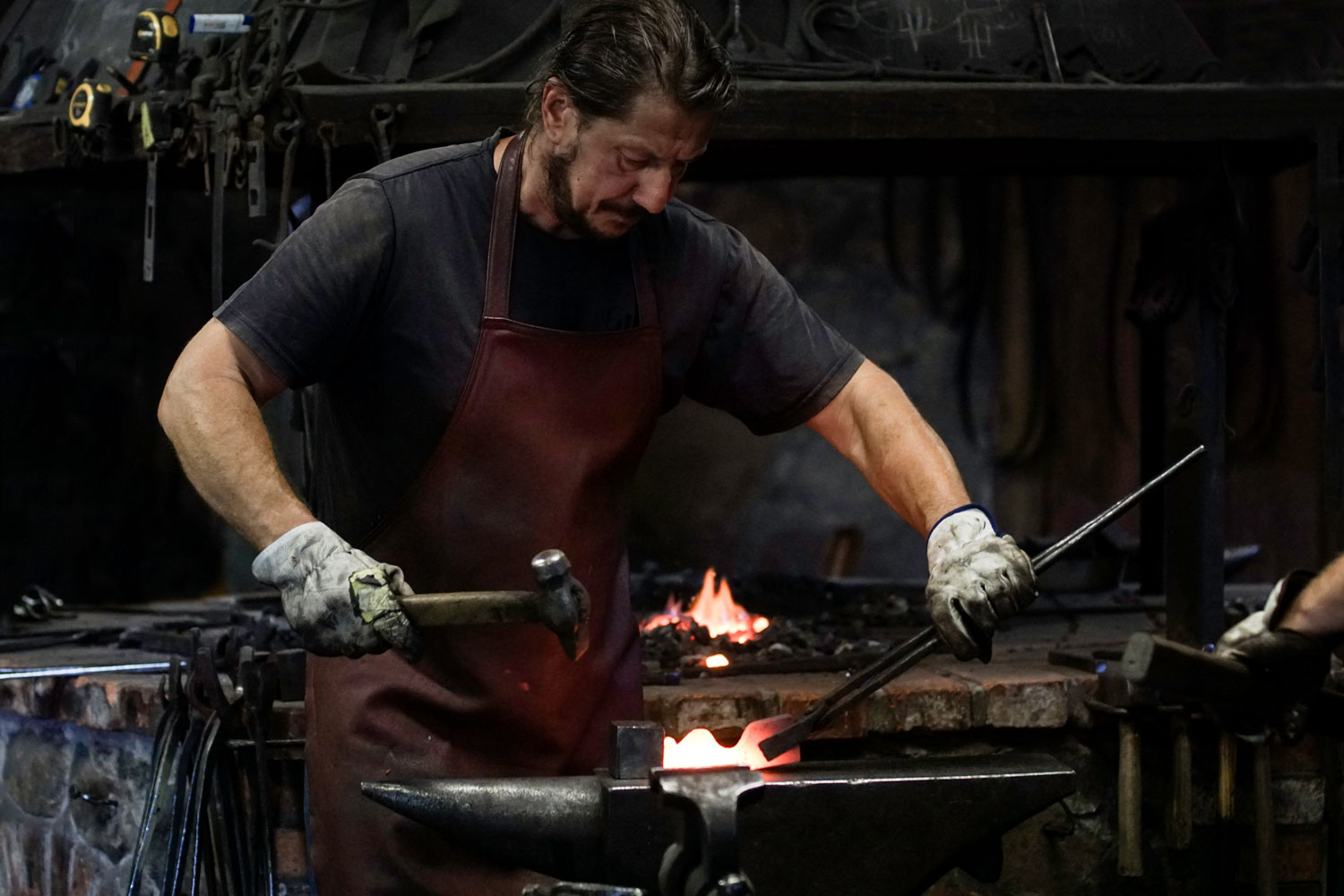
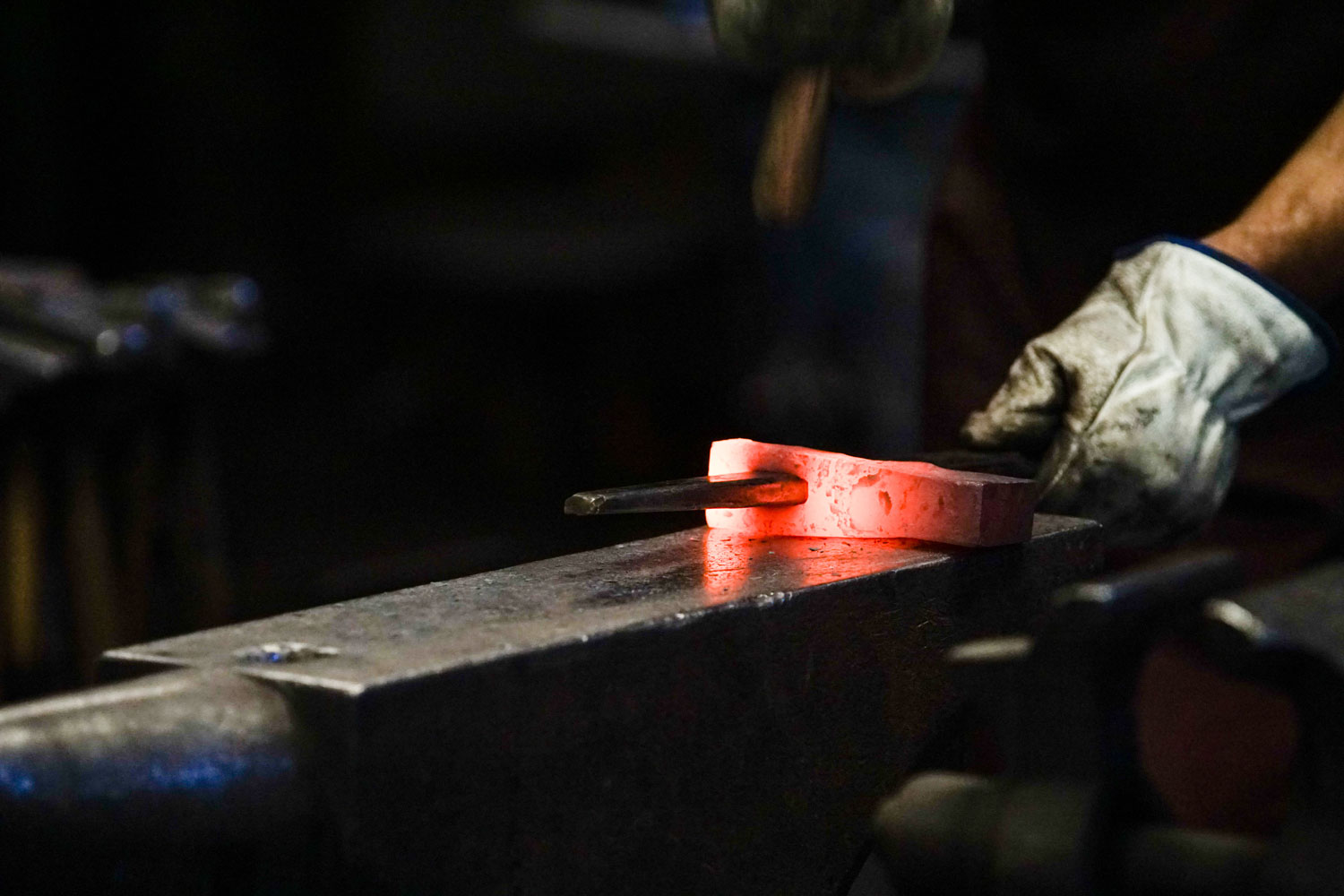
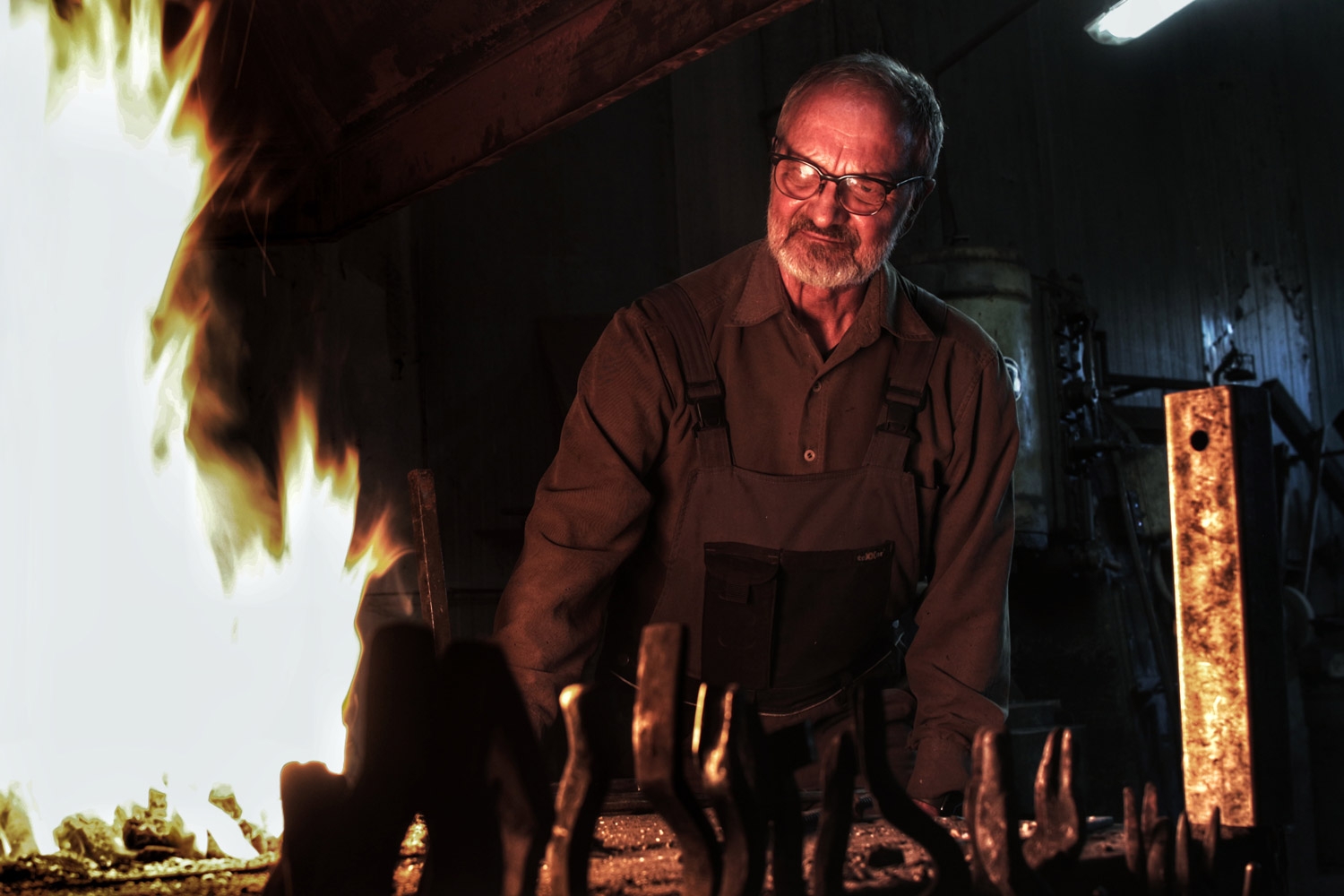
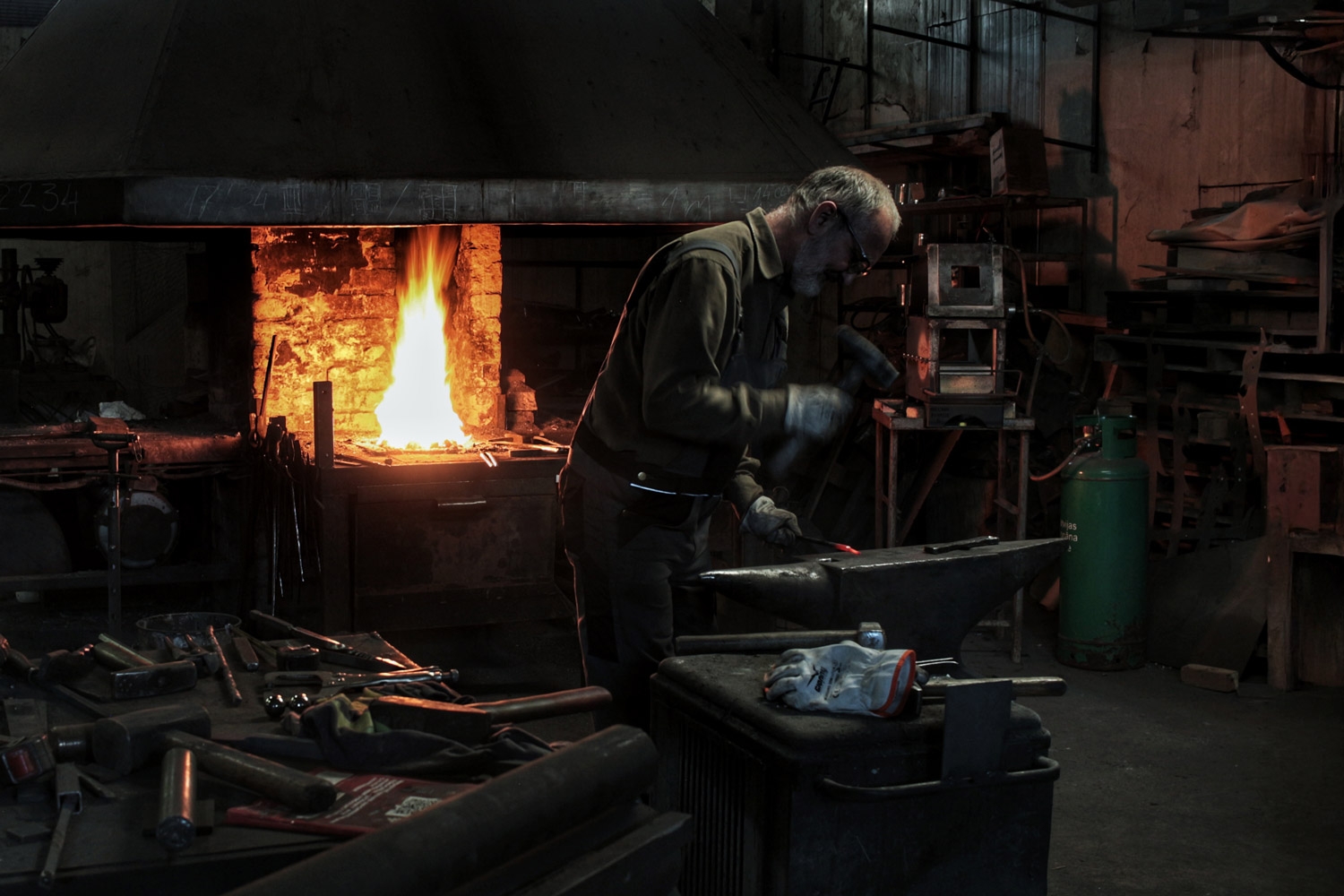
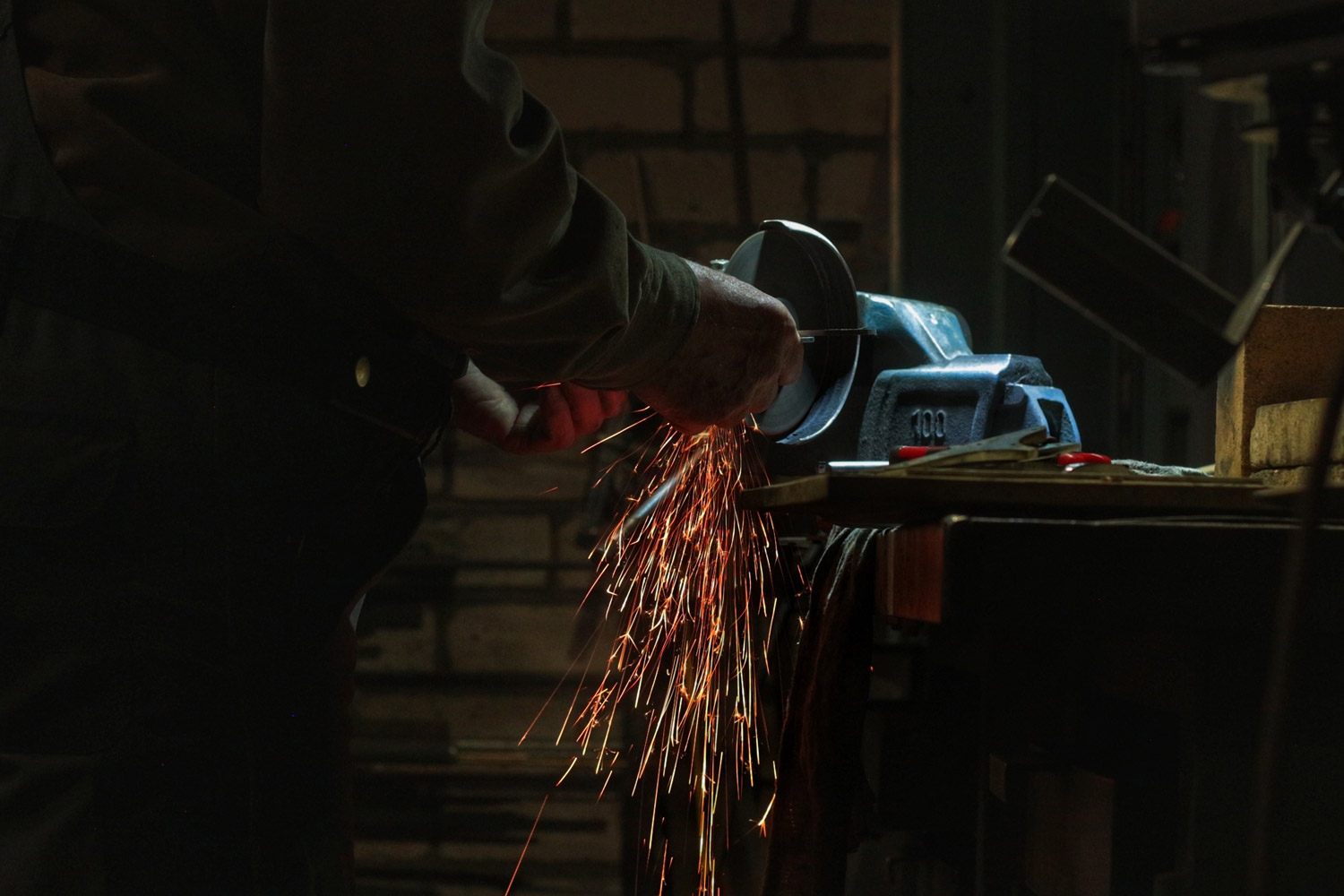
Uldis Šulcs' interest in blacksmithing was ignited by watching his uncles work as a welder and a machinist. "Years in my uncles' workshops taught me to enjoy physical challenges," he shares. This led him to the Liepāja Vocational School to study his passion, the contrast between hard iron and soft amber. For a time, Uldis worked with jewellery but the need to push the boundaries of creativity and physical force lead him back to the forge. Uldis sees metal in a unique way. To him, metal has its own character and spirit, always challenging the smith. When the forge gets hot, a quiet exchange begins. Each hammer blow and the steady rhythm of the anvil help shape the metal into what the maker imagines. "There is something powerful about creating an object that will outlast you," says Uldis.
Discover his work
INTERVIEW
There is no other craft that combines raw physical strength with the focus of a craftsperson and the freedom of a creator. Metal is challenging as it does not always listen, but when you finally manage to beat a beautiful, flowing shape out of a rigid piece of iron, the satisfaction is just incredible. It feels like winning a victory.
It was great. Leading 15 artists taught me that managing people is surprisingly like working with the metal itself. You have to recognise individual strengths, and to know exactly when and where to apply pressure or direction, and most importantly, know when to step back and let skills and ideas harden naturally. If you rush or force things, the whole structure weakens.
On one hand, it is sad to watch the modern lifestyle and mass production push away our craft. Blacksmithing takes patience, effort and a lot of time. But on the other hand, I see a new beginning on the horizon: people are craving authenticity and things built to last. So, while it is waning a little, I also feel the hope that there will soon be a come-back.
We must actively show people the magical world of blacksmithing. The best way is to let them feel it, touch it. We need more open workshops, more school visits, and more short projects and experiences in which they can swing a hammer, feel the heat, and make one simple object with their own two hands. That raw, immediate power of creation is what truly hooks people.
Uldis Šulcs
zemgale smedes
Blacksmith
Bauska, Latvia
ADDRESS
Address upon request, Bauska, Latvia
AVAILABILITY
Monday to Friday 08:00-12:00 / 13:00-17:00
PHONE
+371 29276238
LANGUAGES
Latvian, English, Russian
Homo Faber Finds is a new service aiming to inspire admirers of craft to connect and collaborate with exceptional artisans.
We invite you to submit an enquiry here.