Thierry Courtadon
Stone sculptor
Volvic, France
From lava to lace
- Thierry’s stone sculptures continue a family legacy spanning over 150 years
- His specialism is in turning stone into a lace-like texture
- He is inspired by technical constraints and the pursuit of lightness
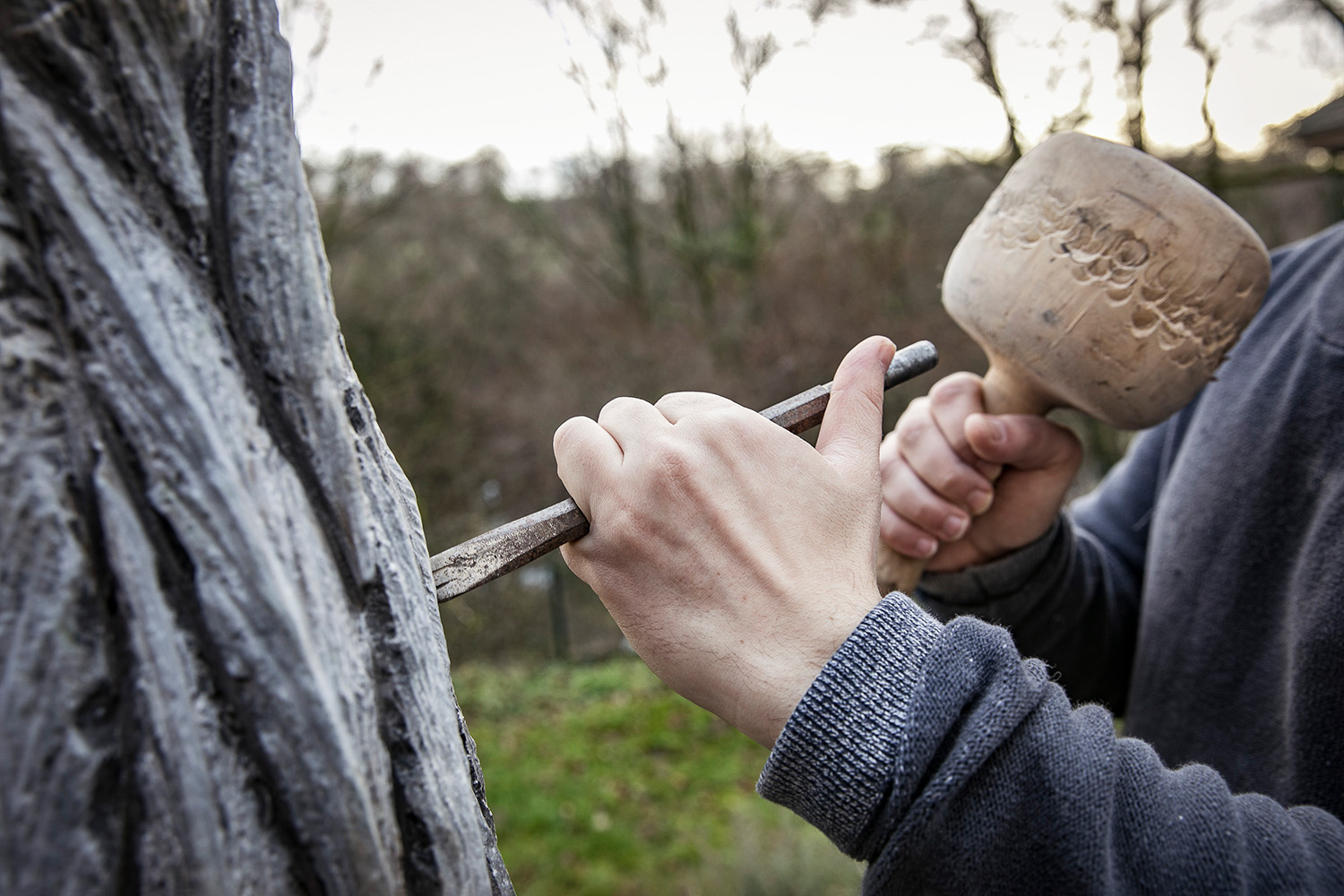
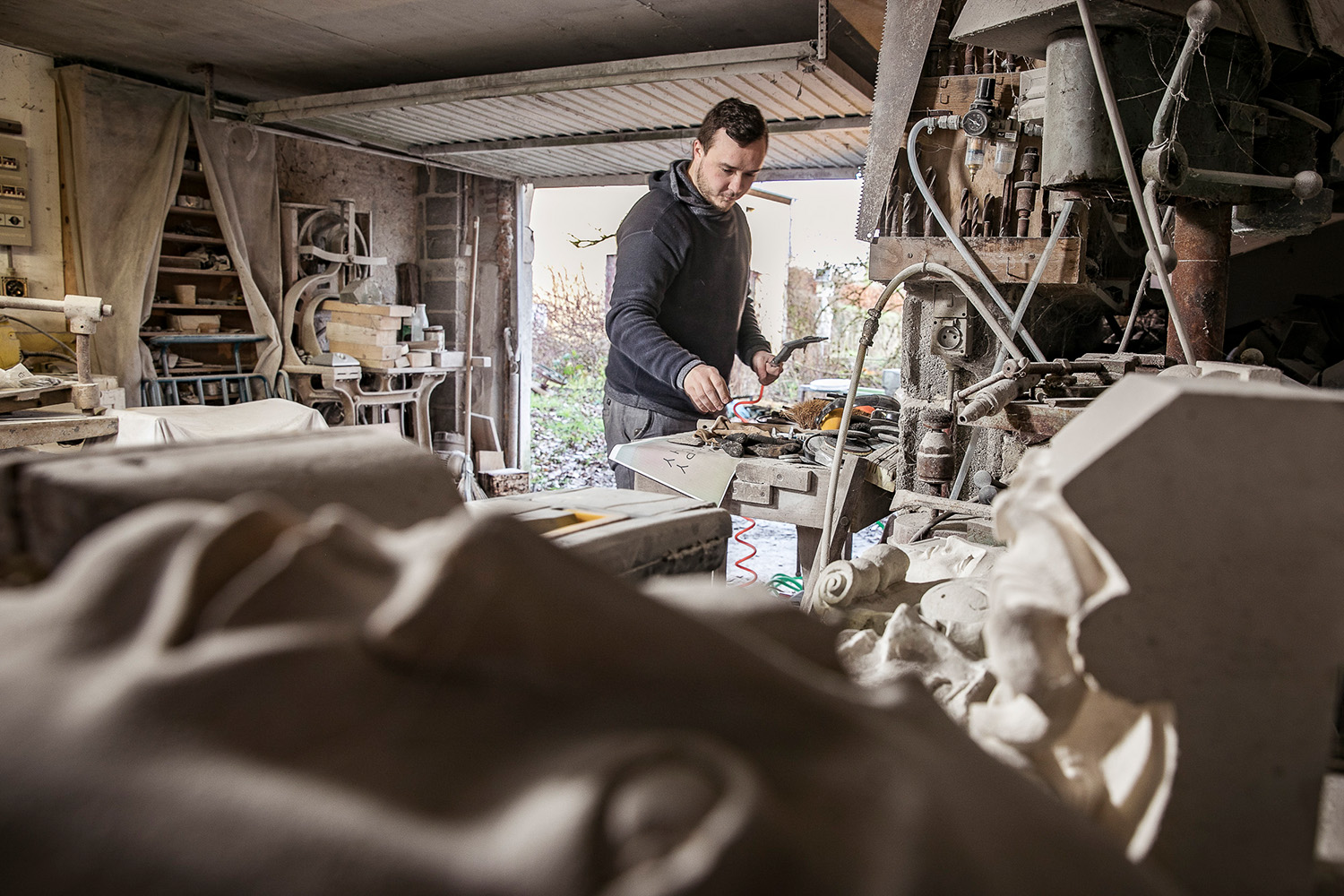
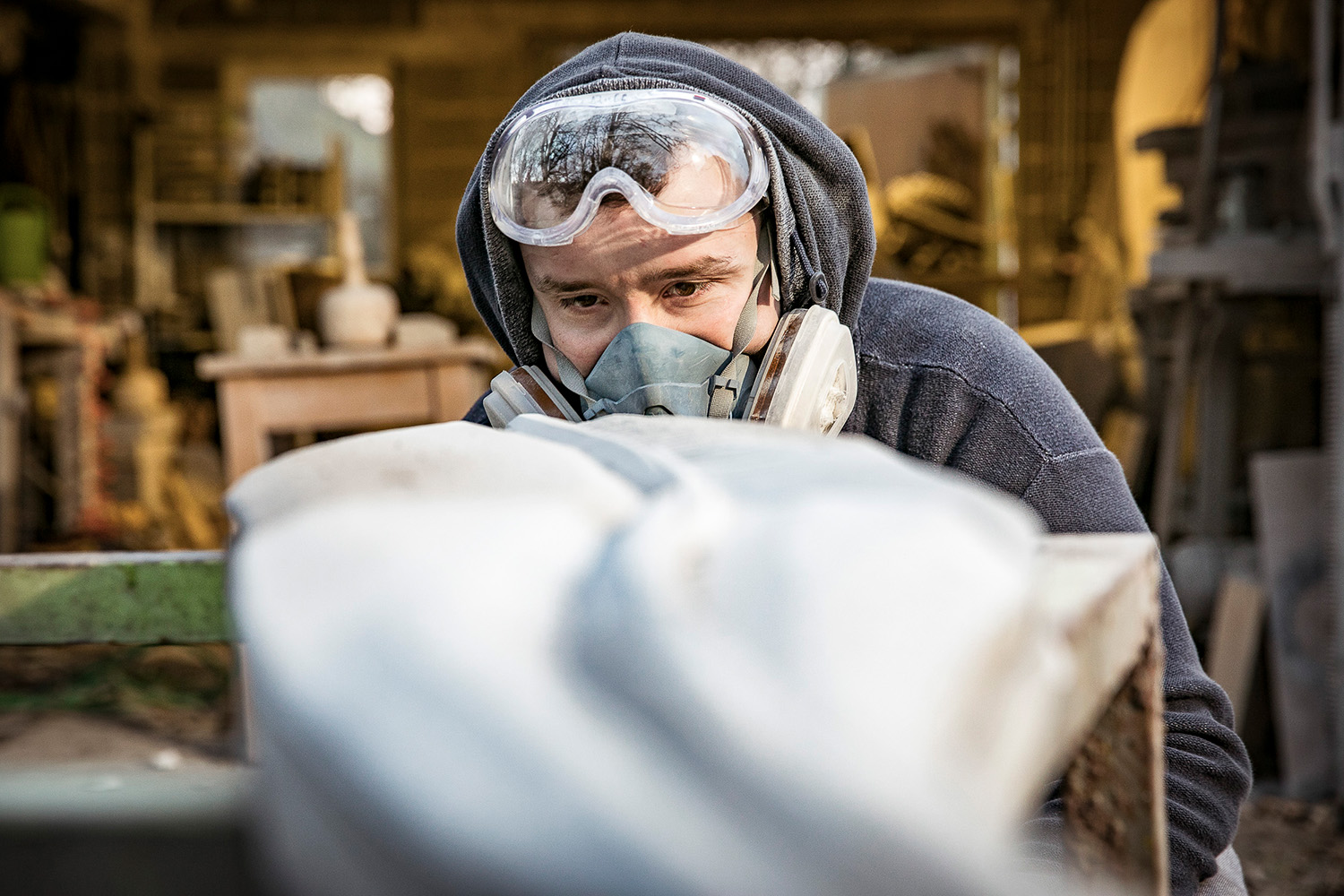
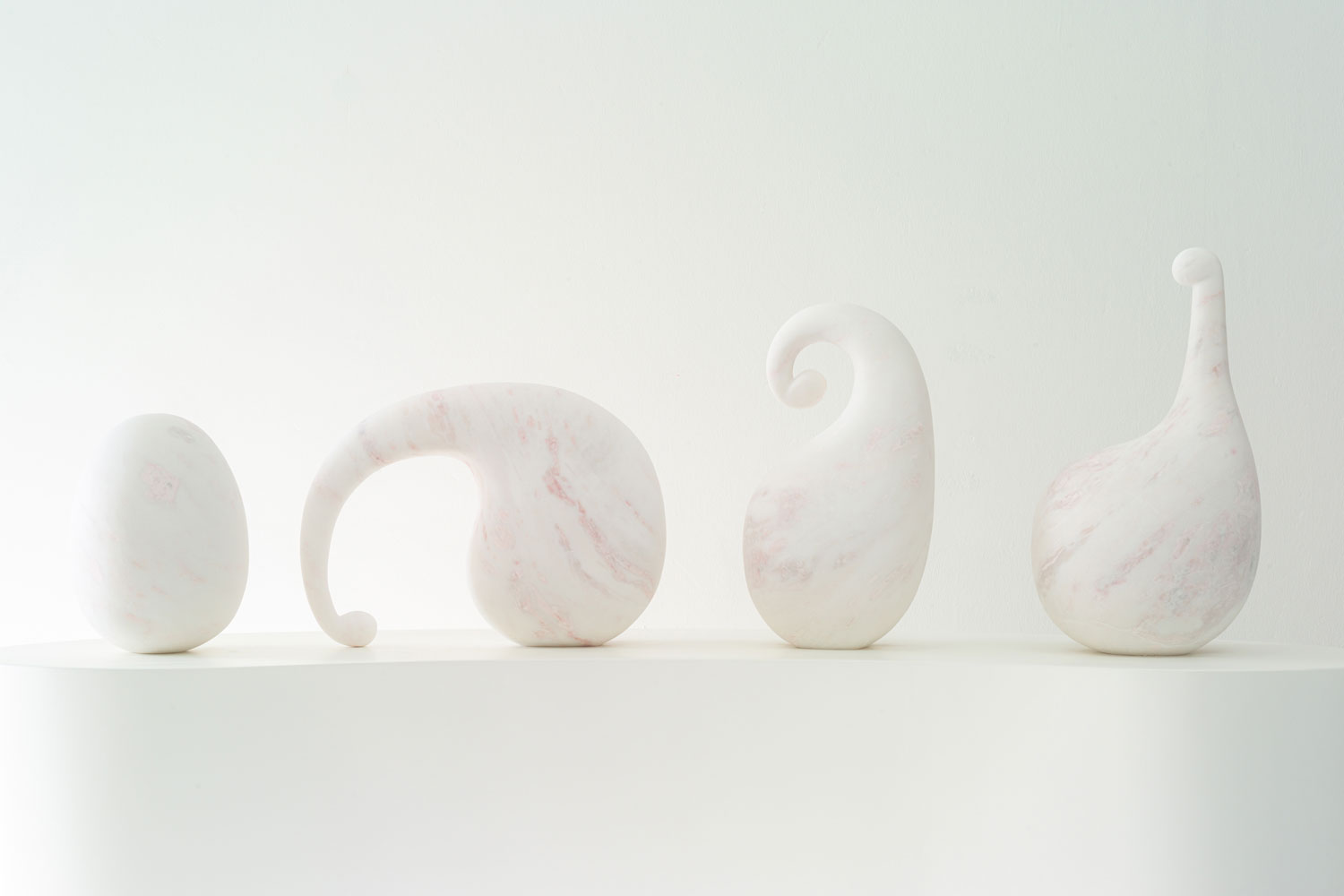
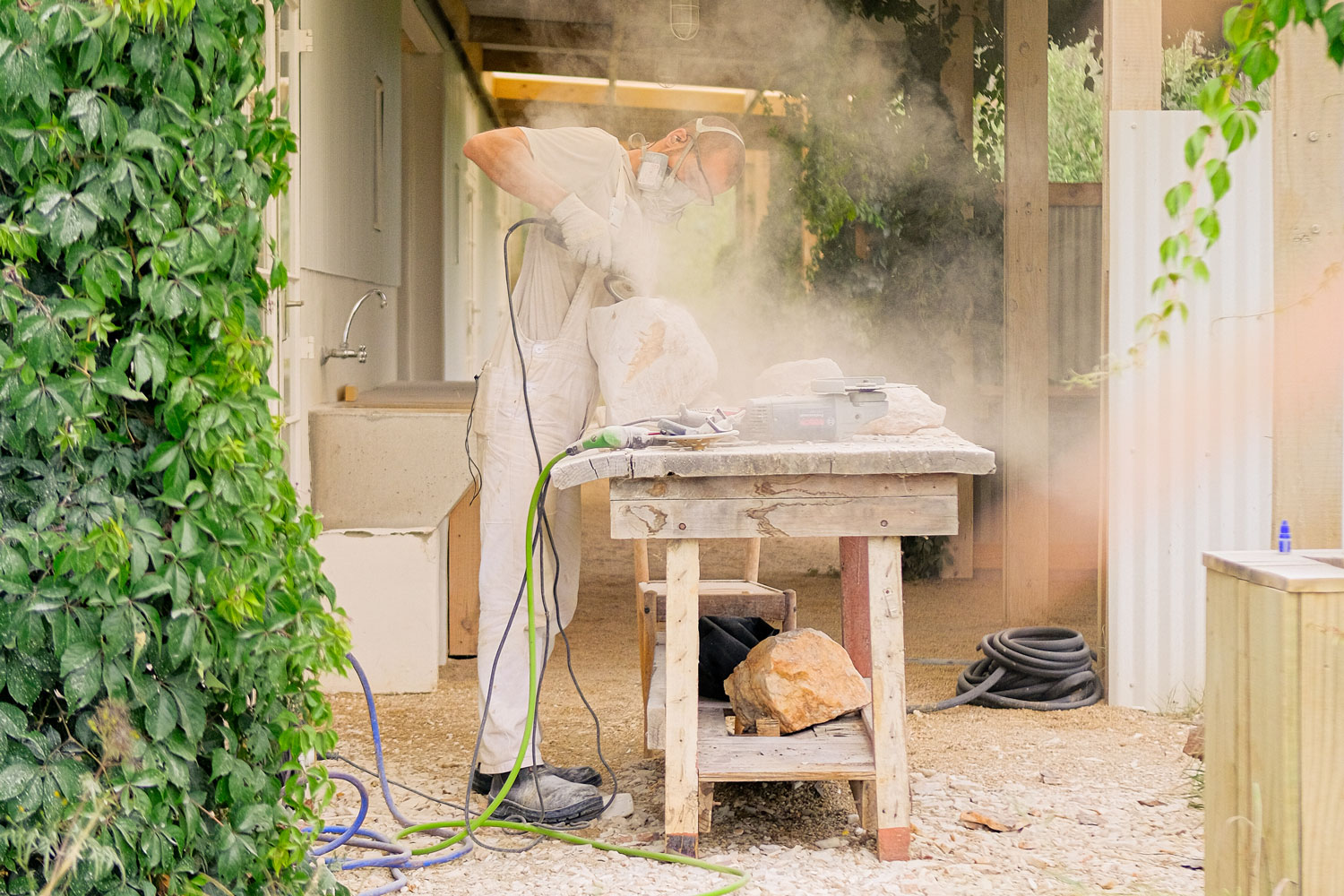
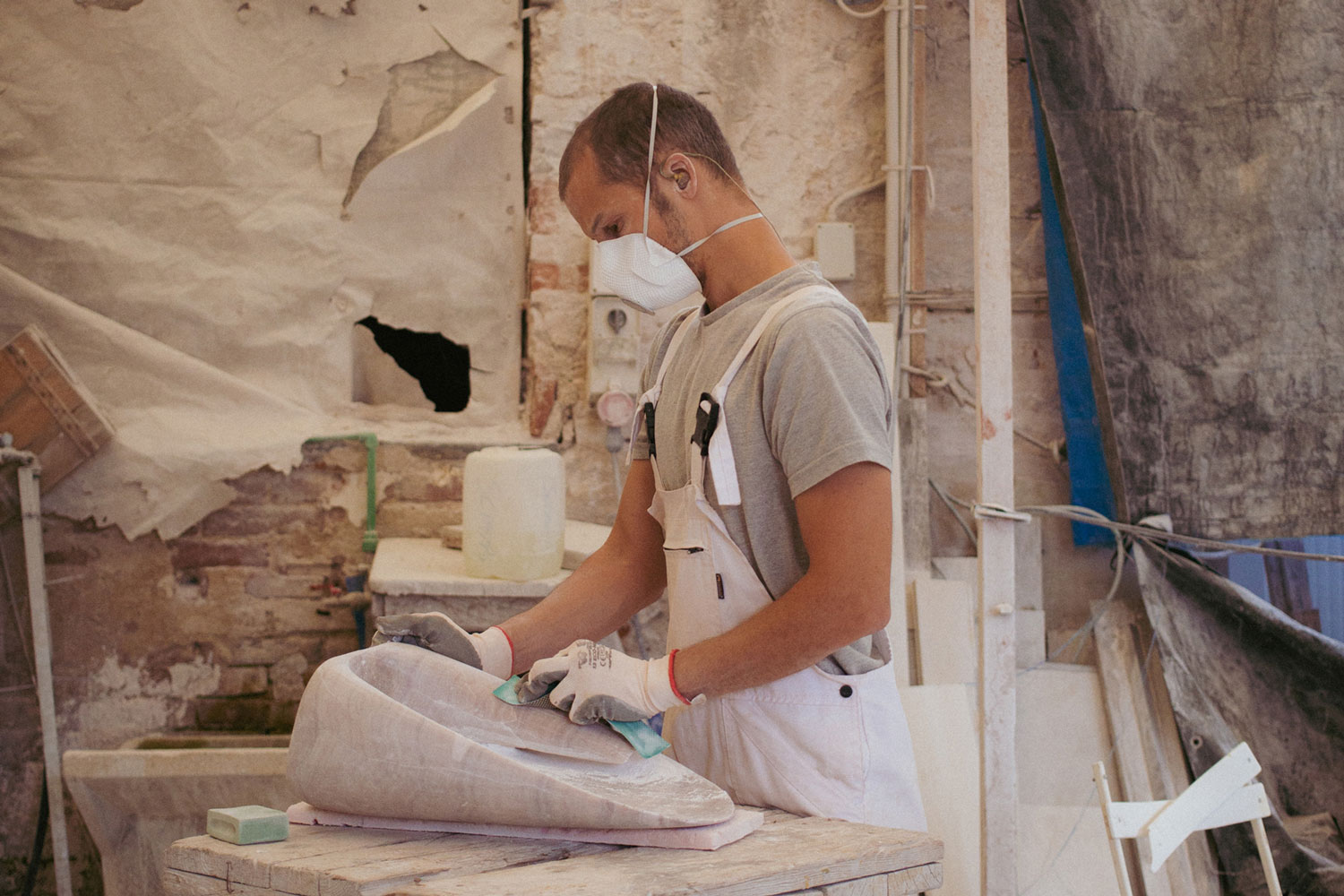
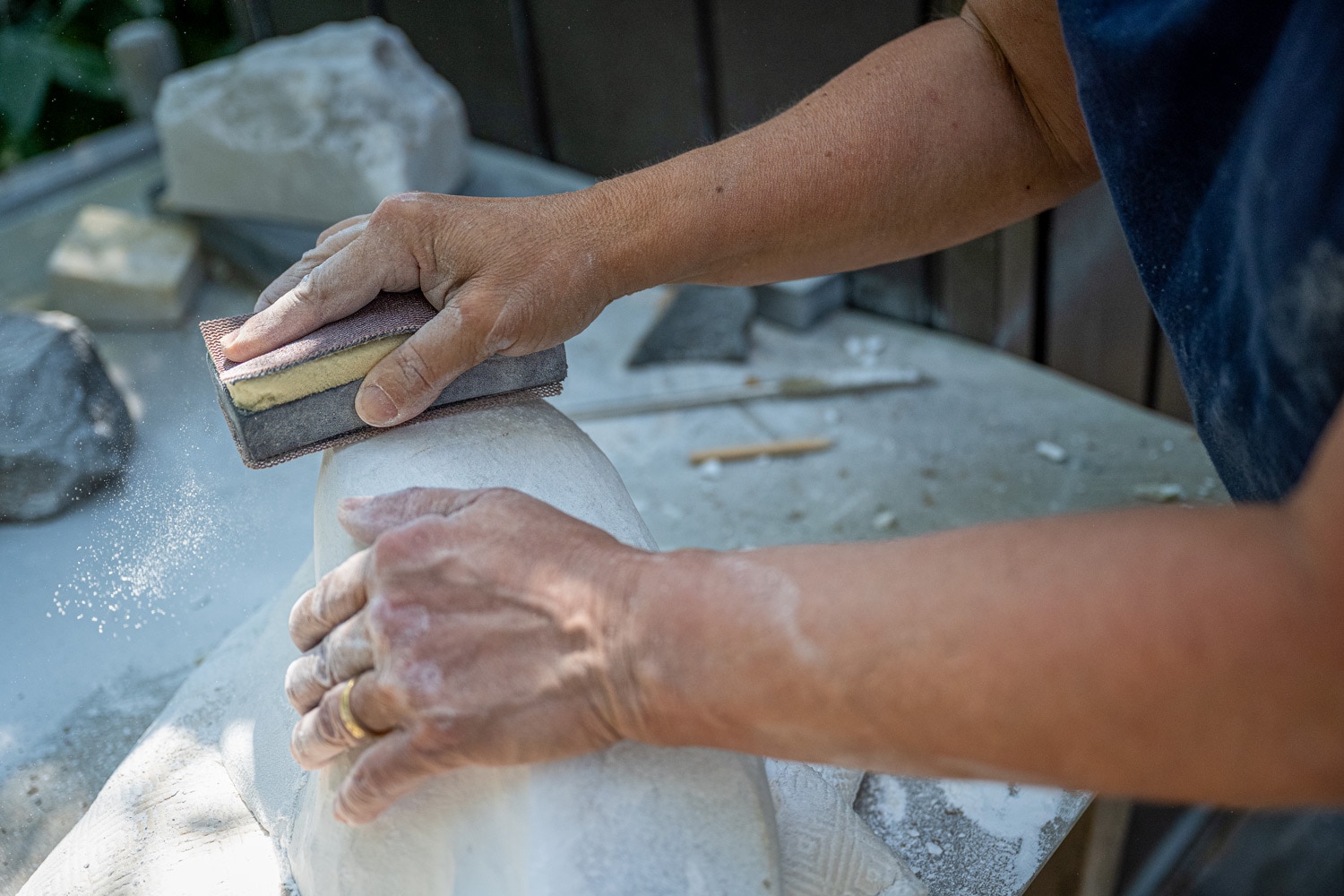
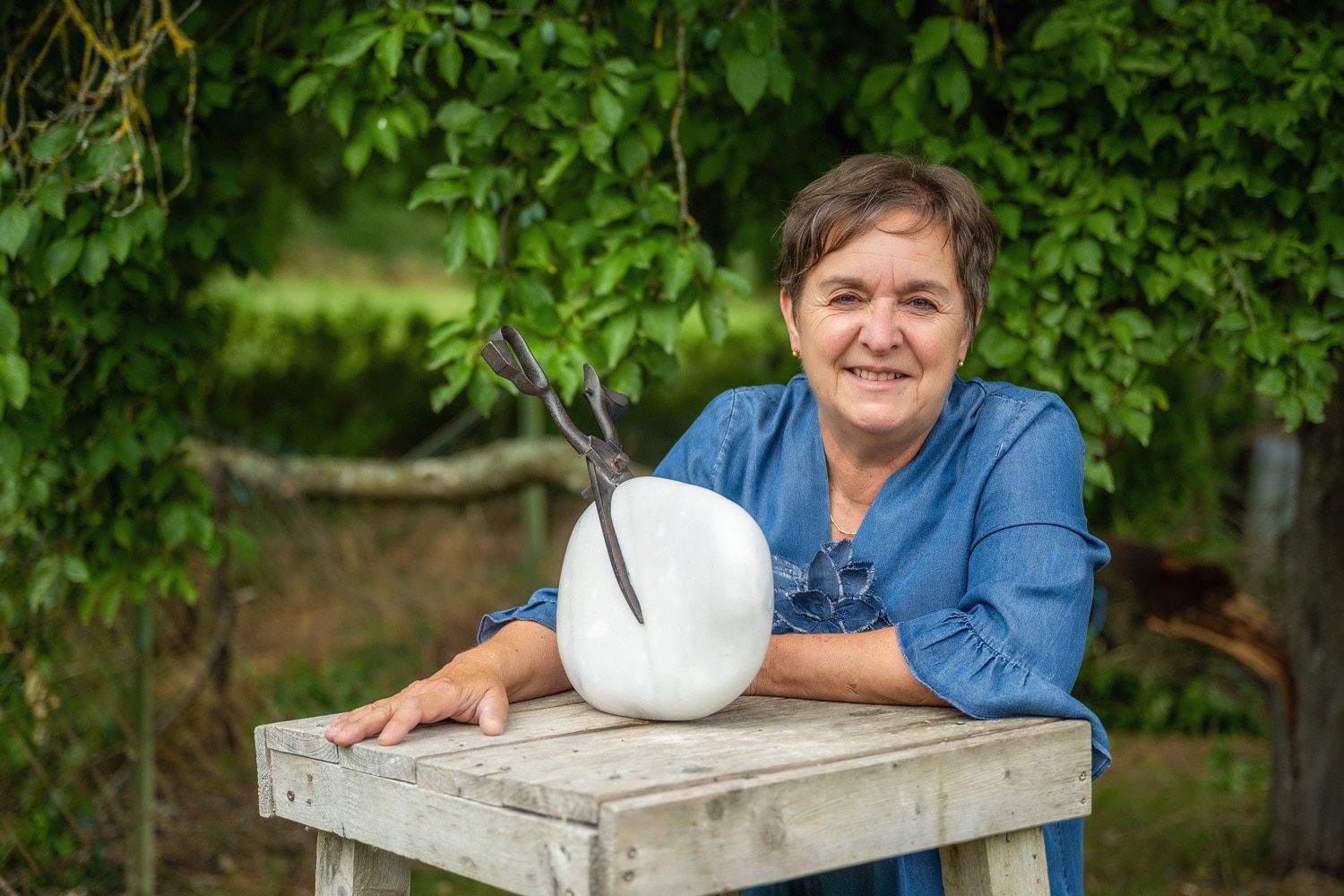
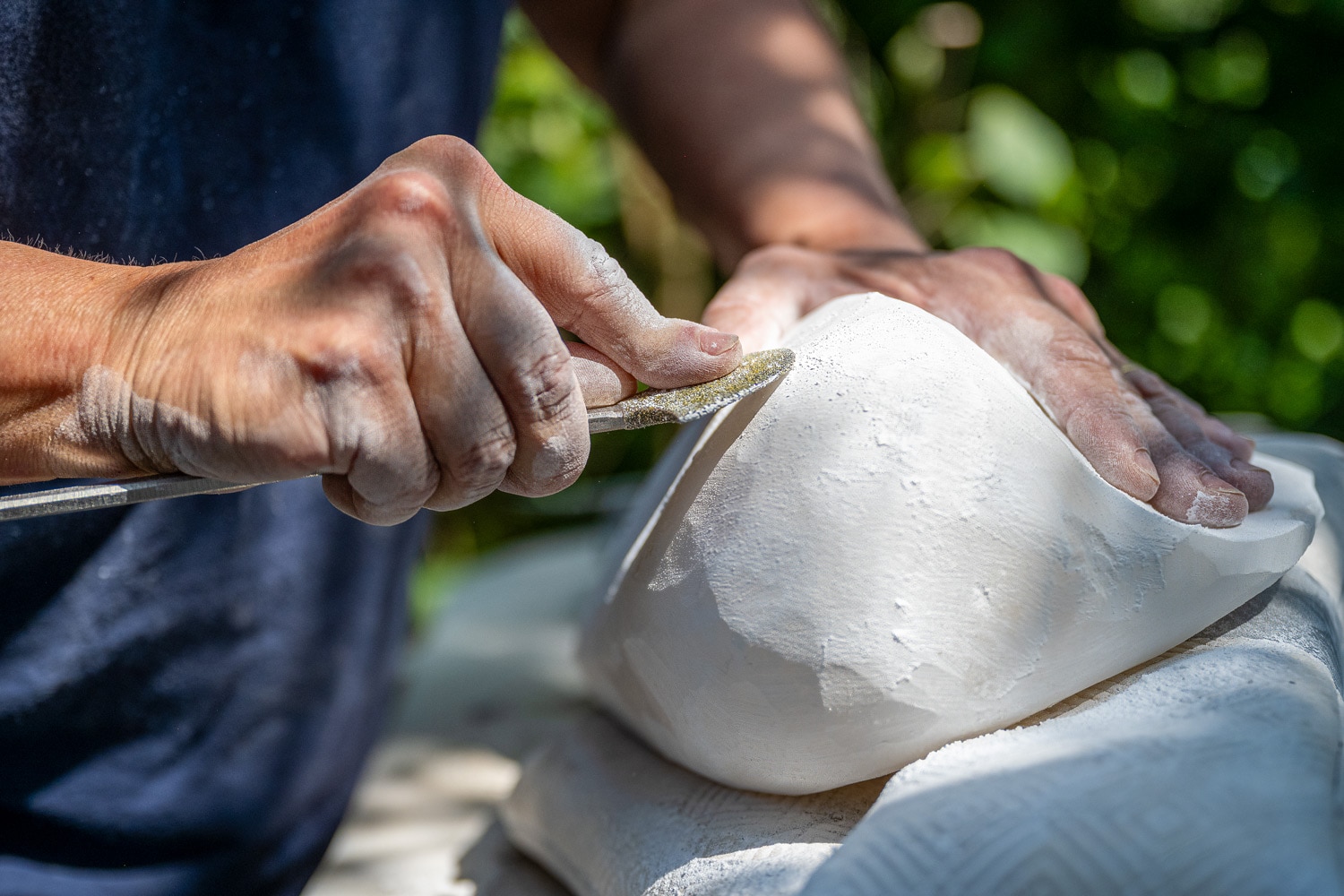
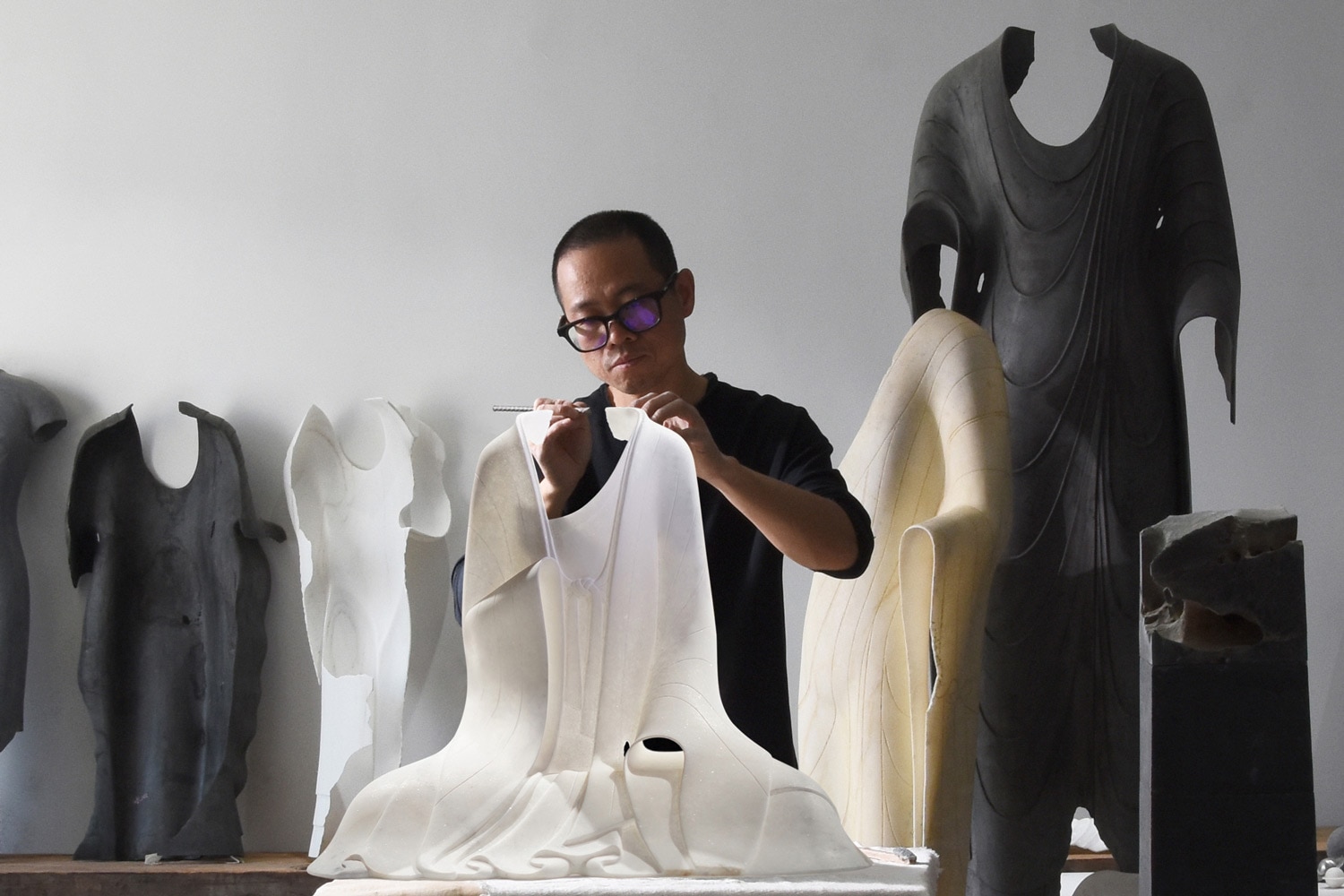
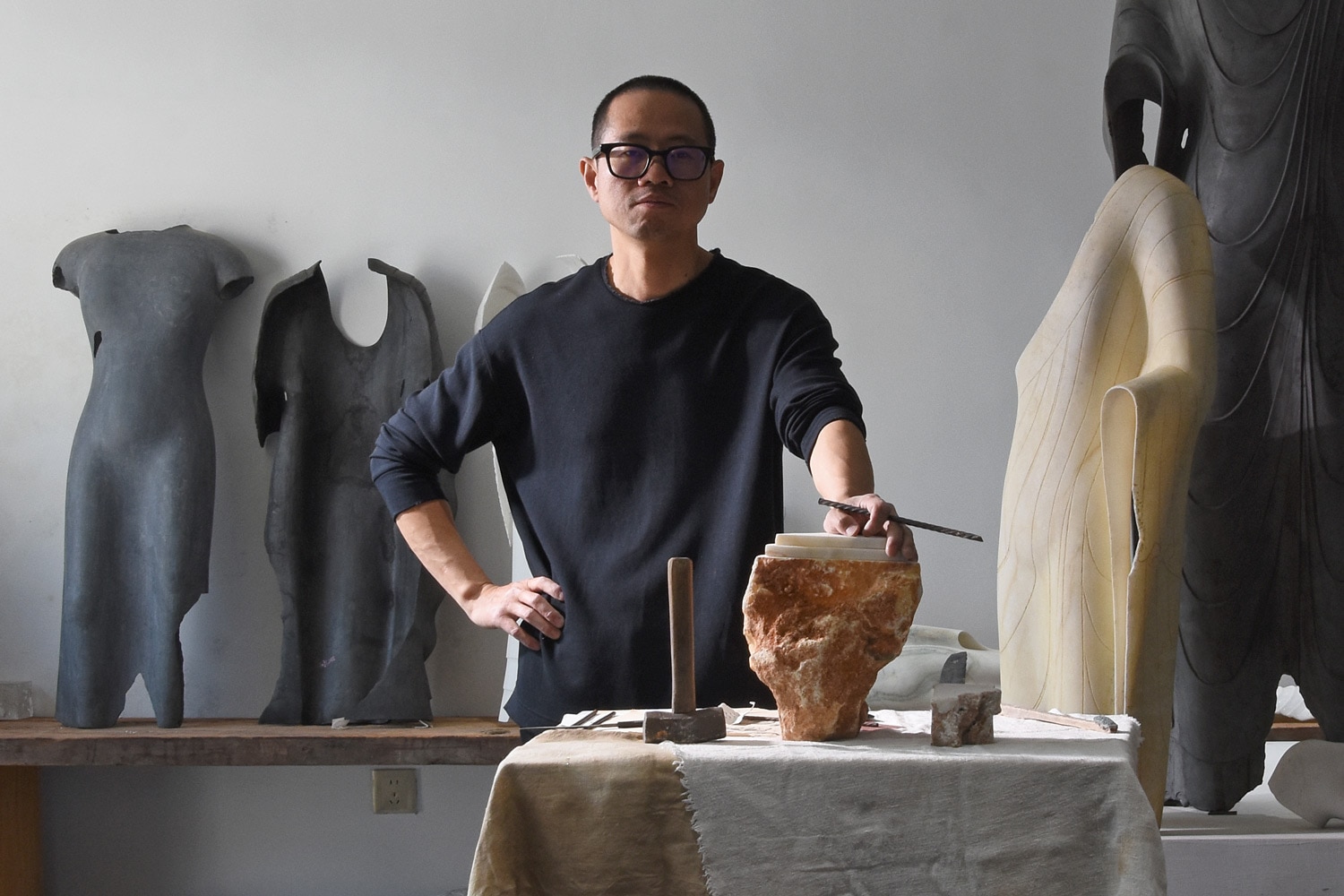
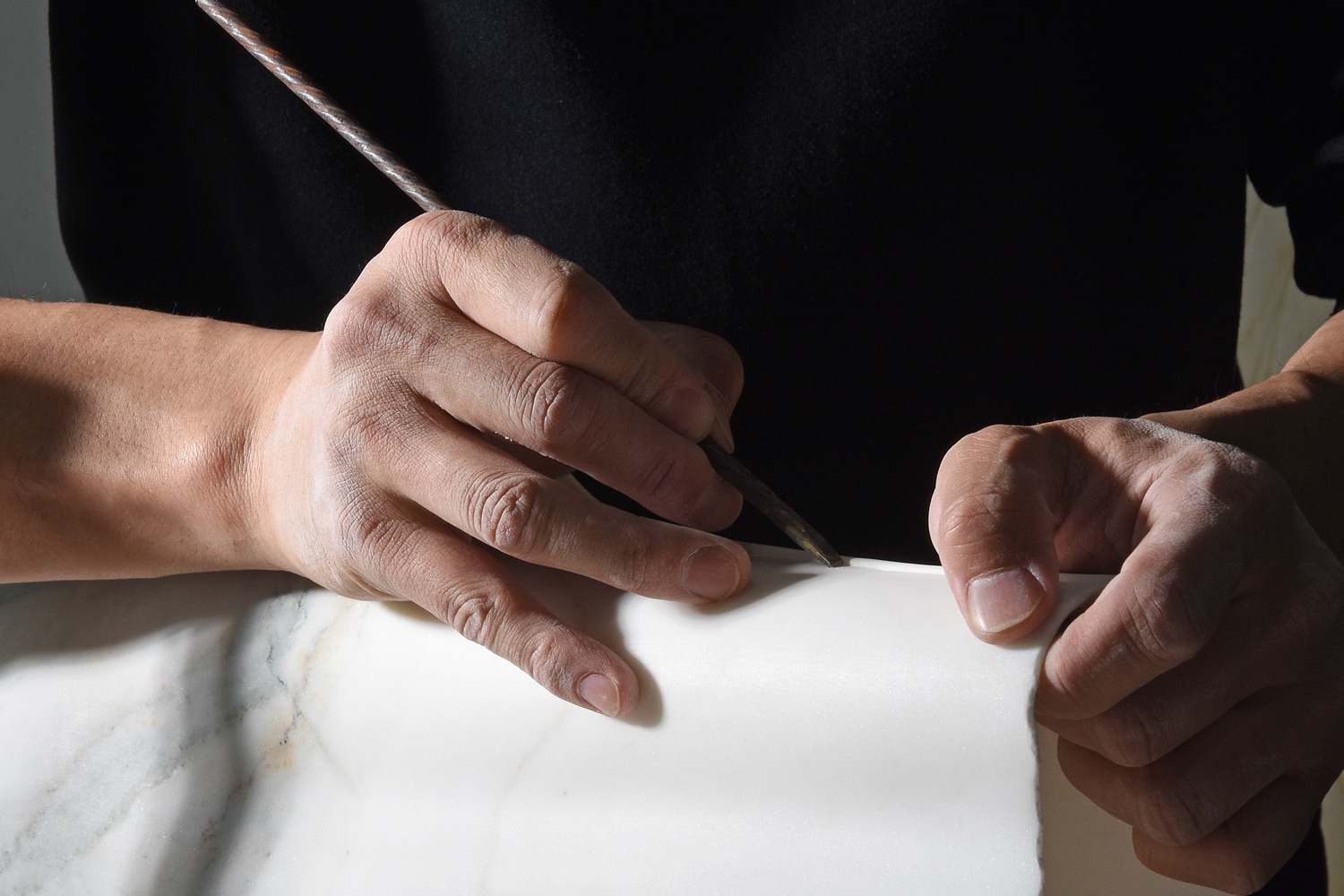
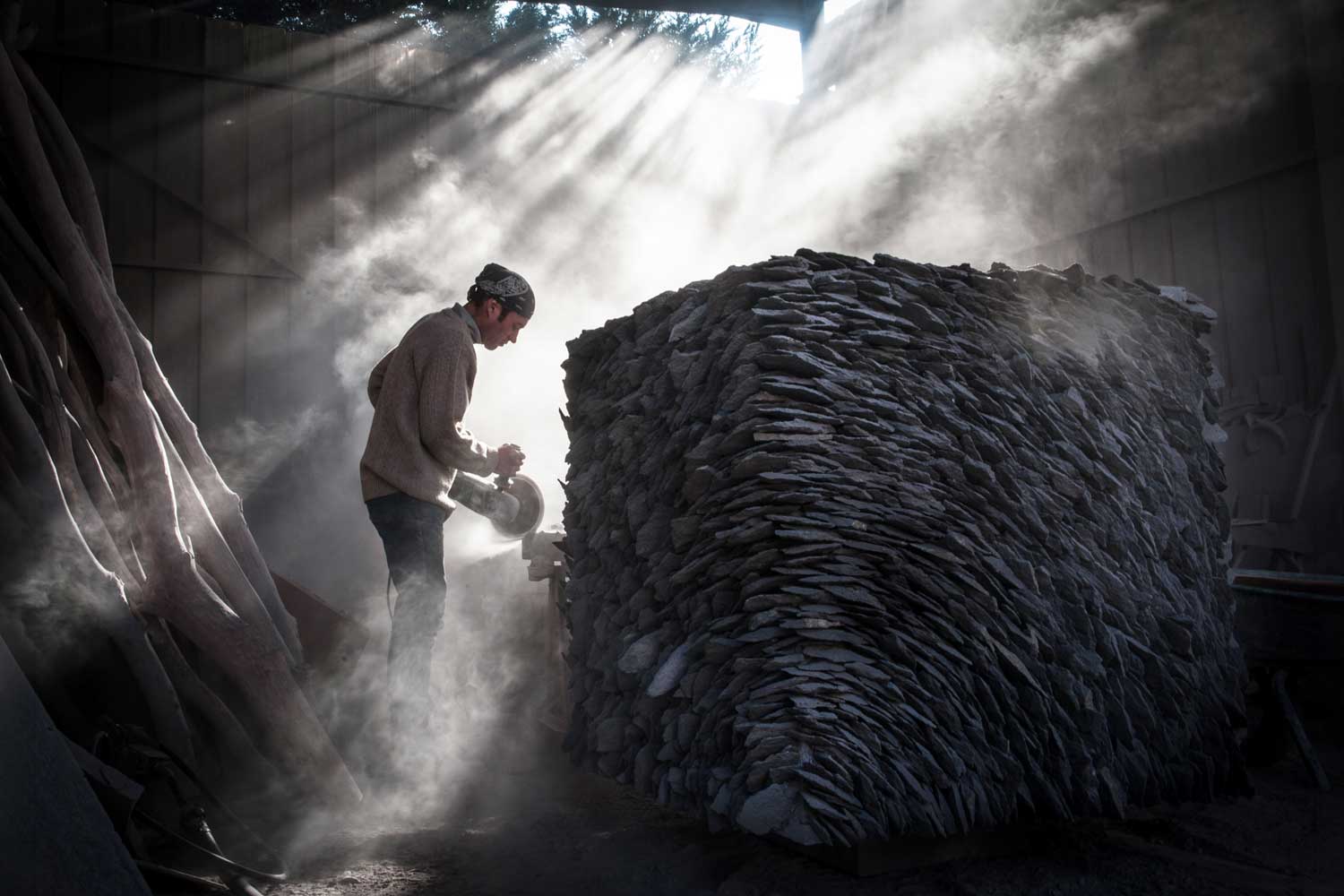
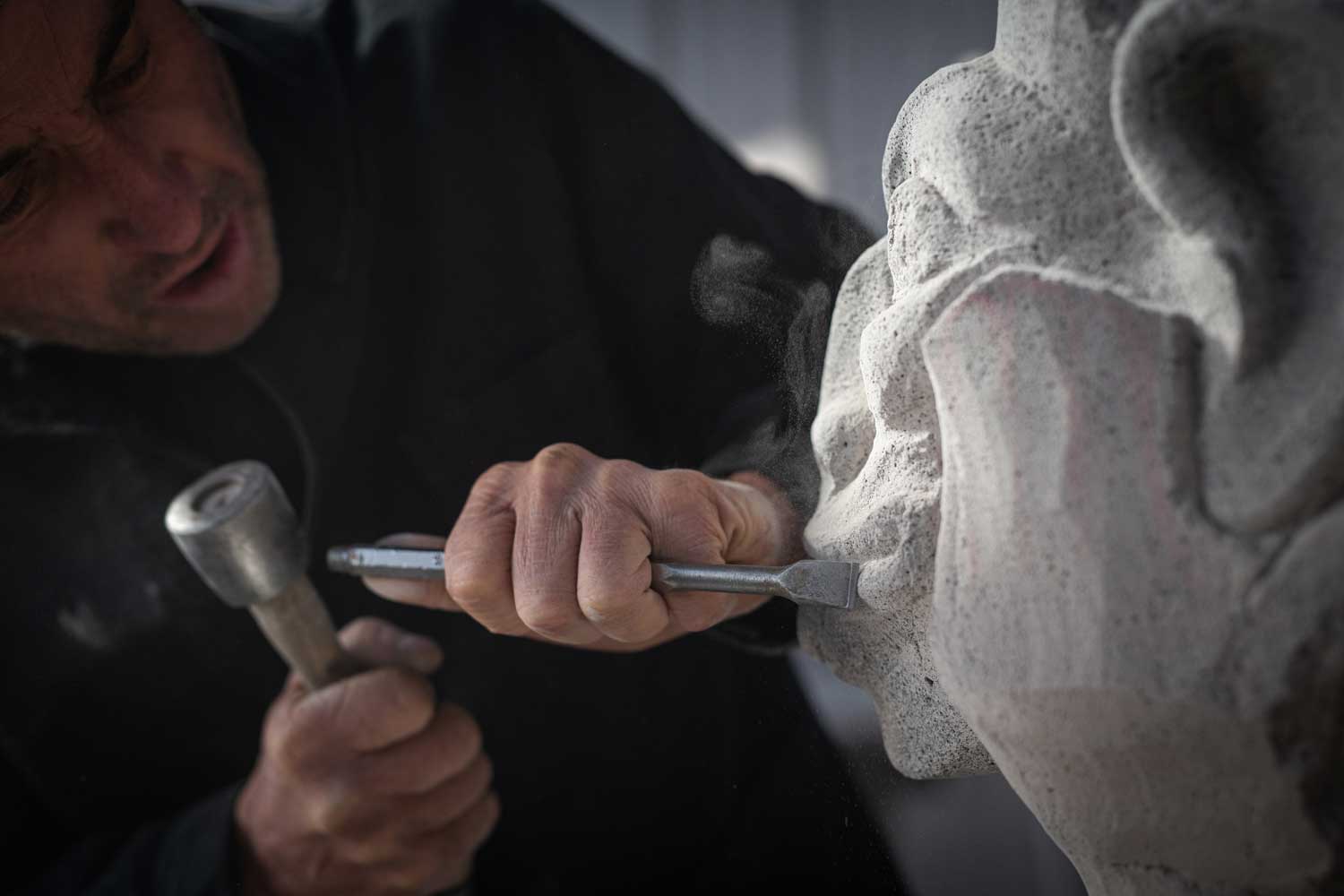
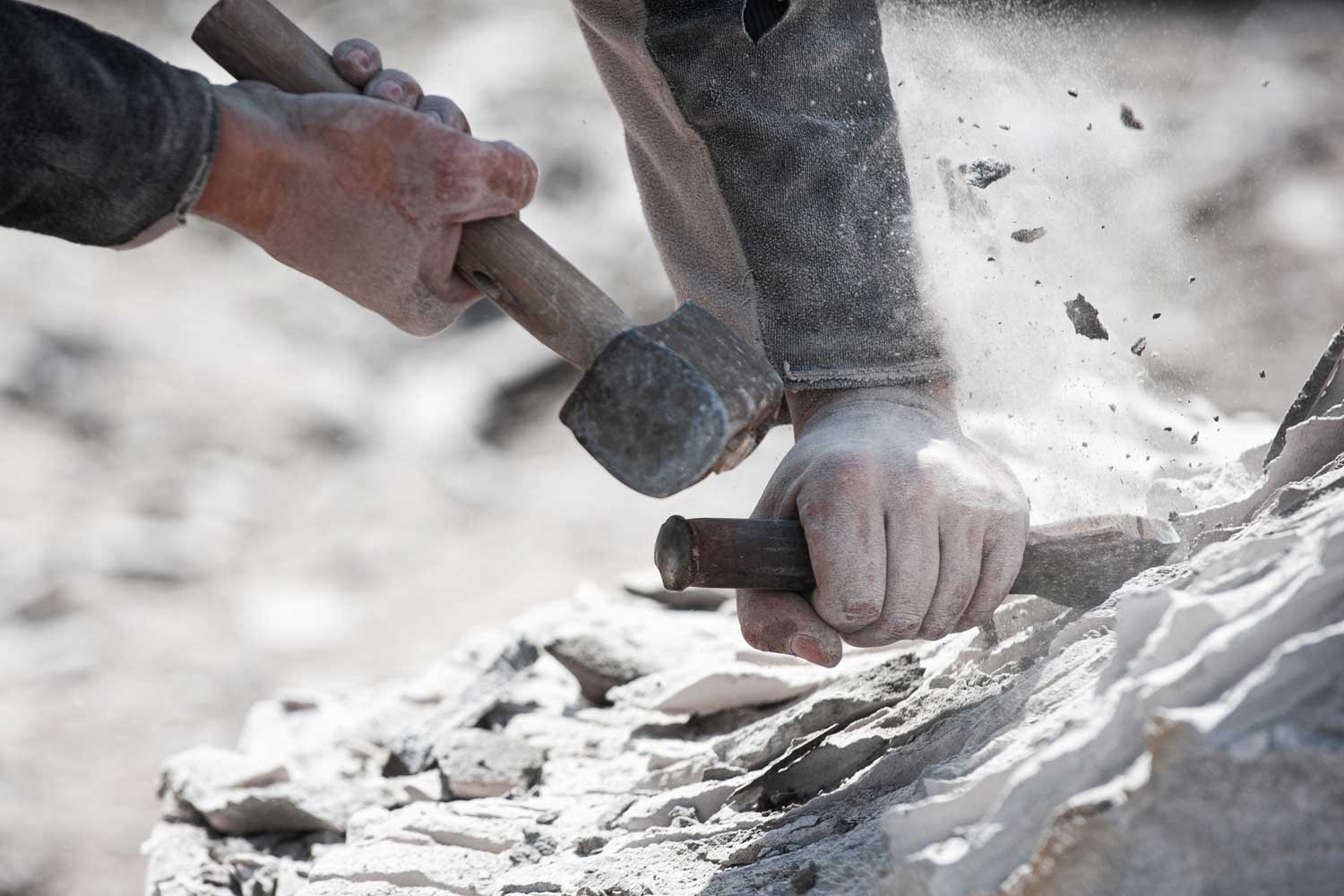
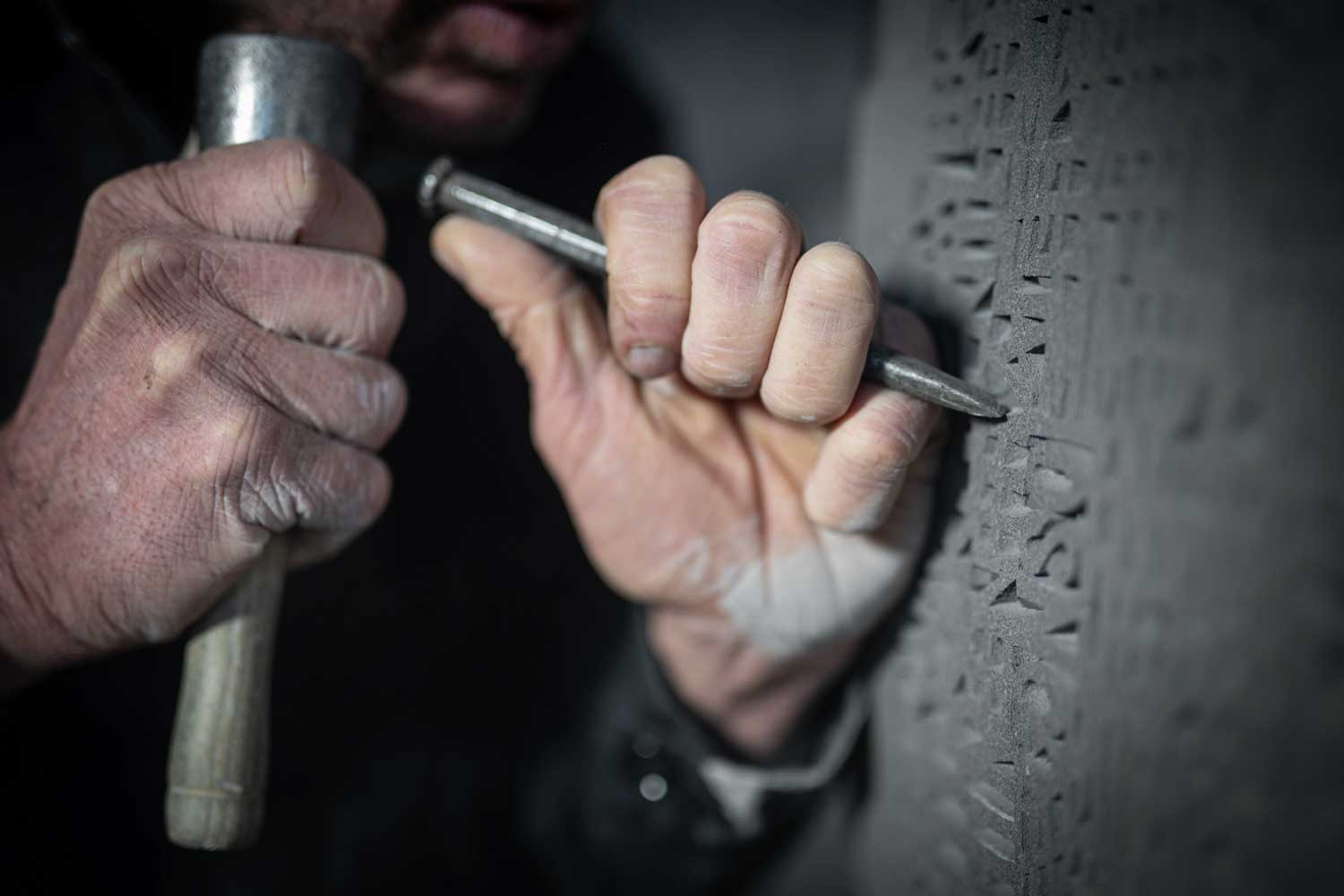
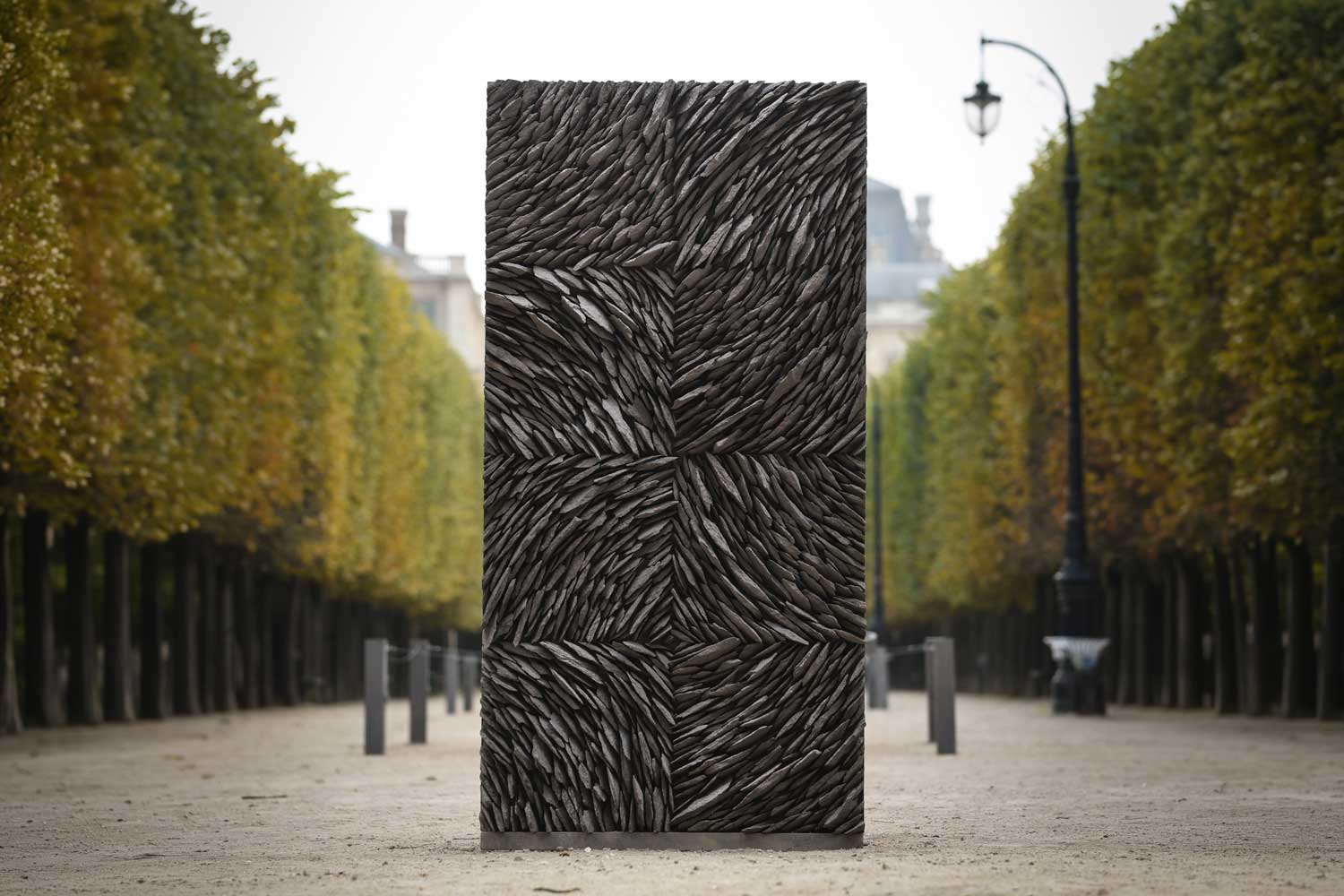
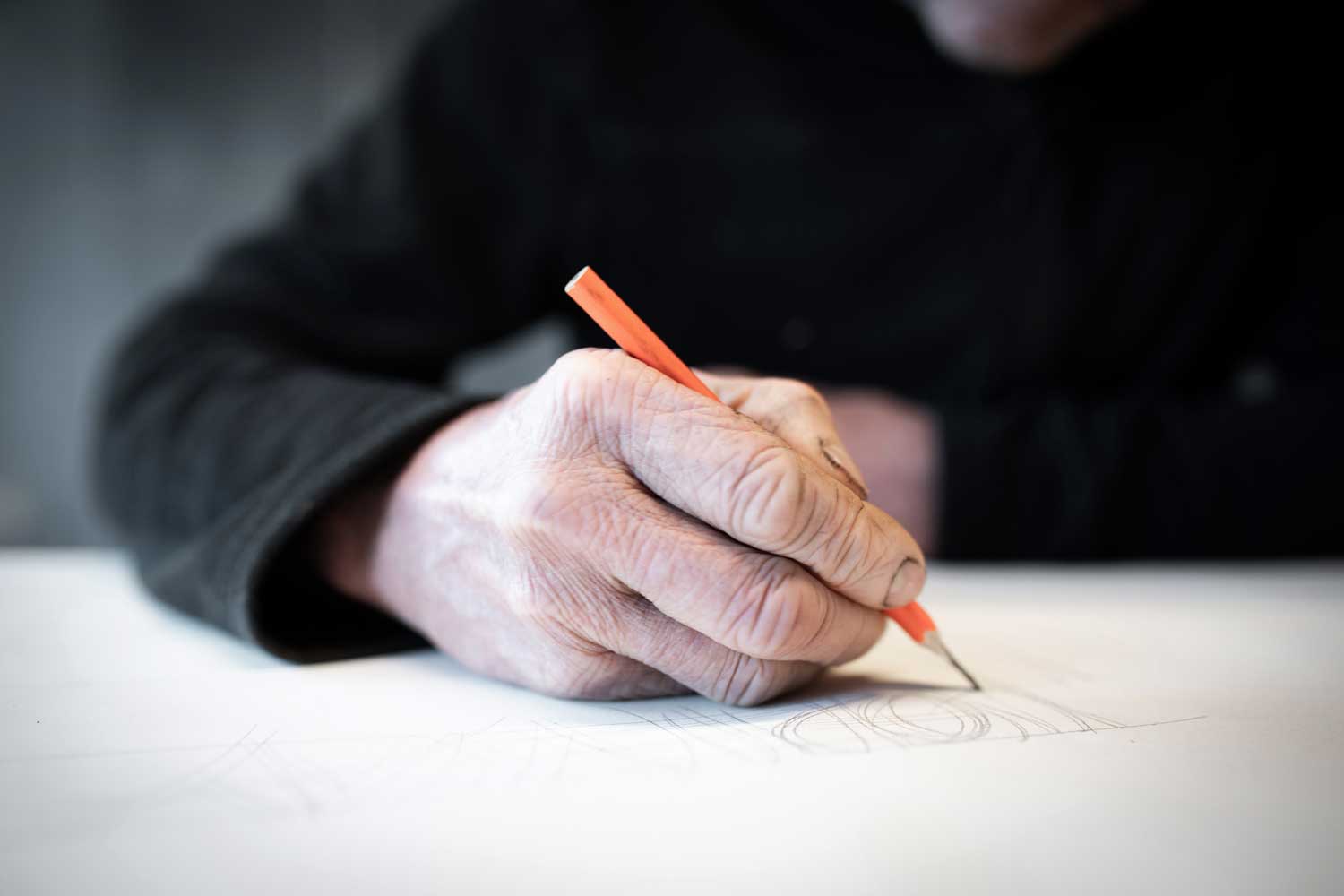
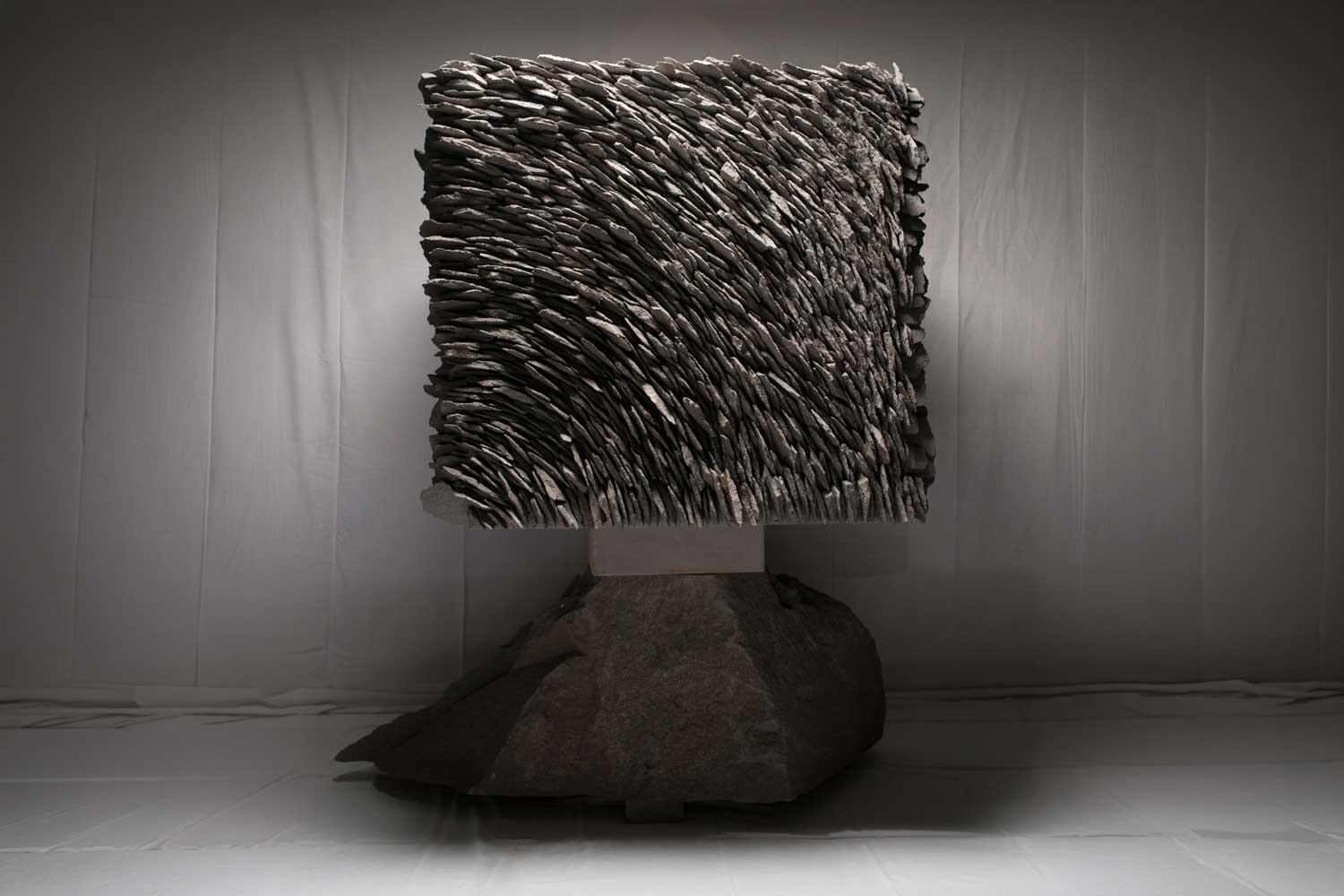
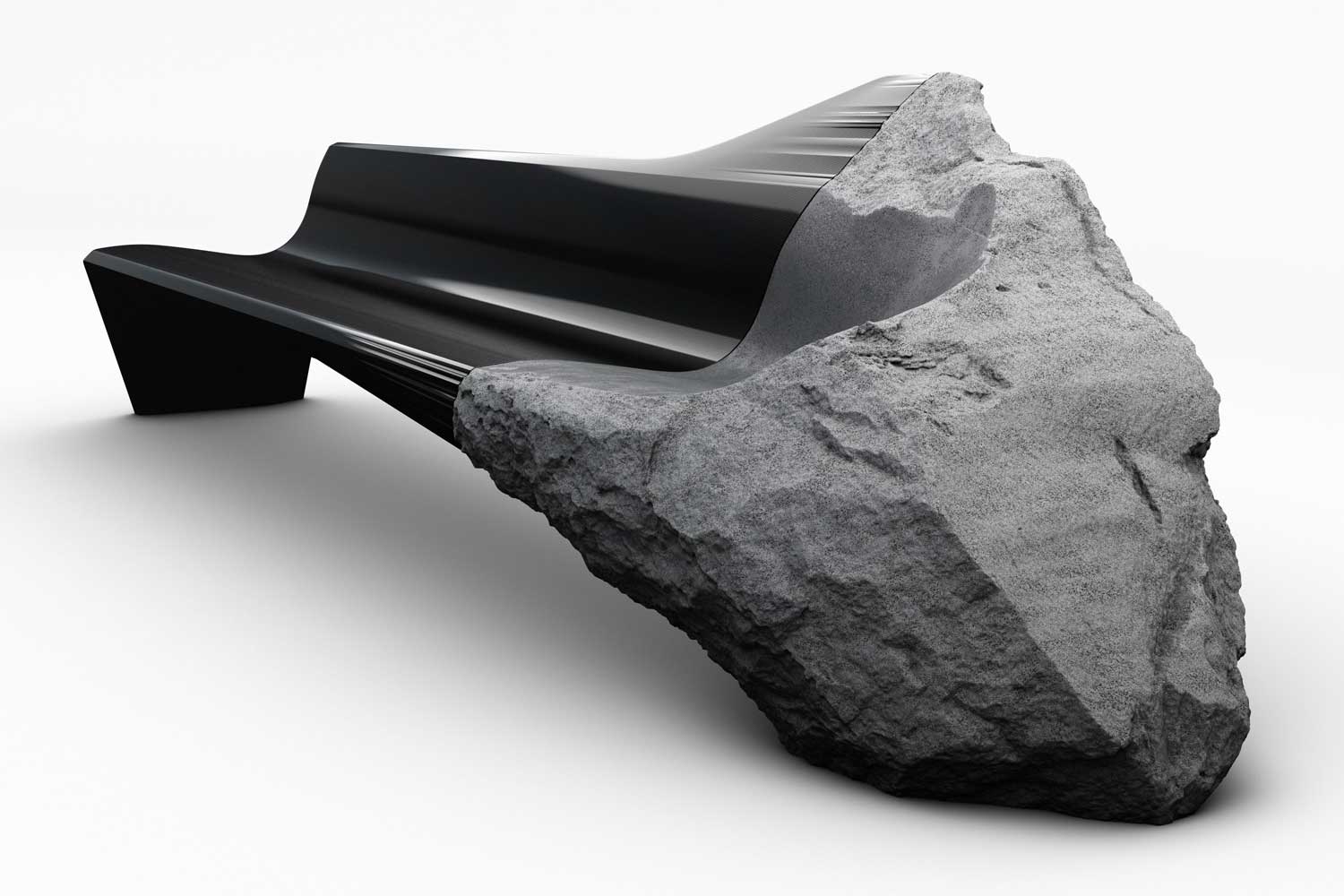
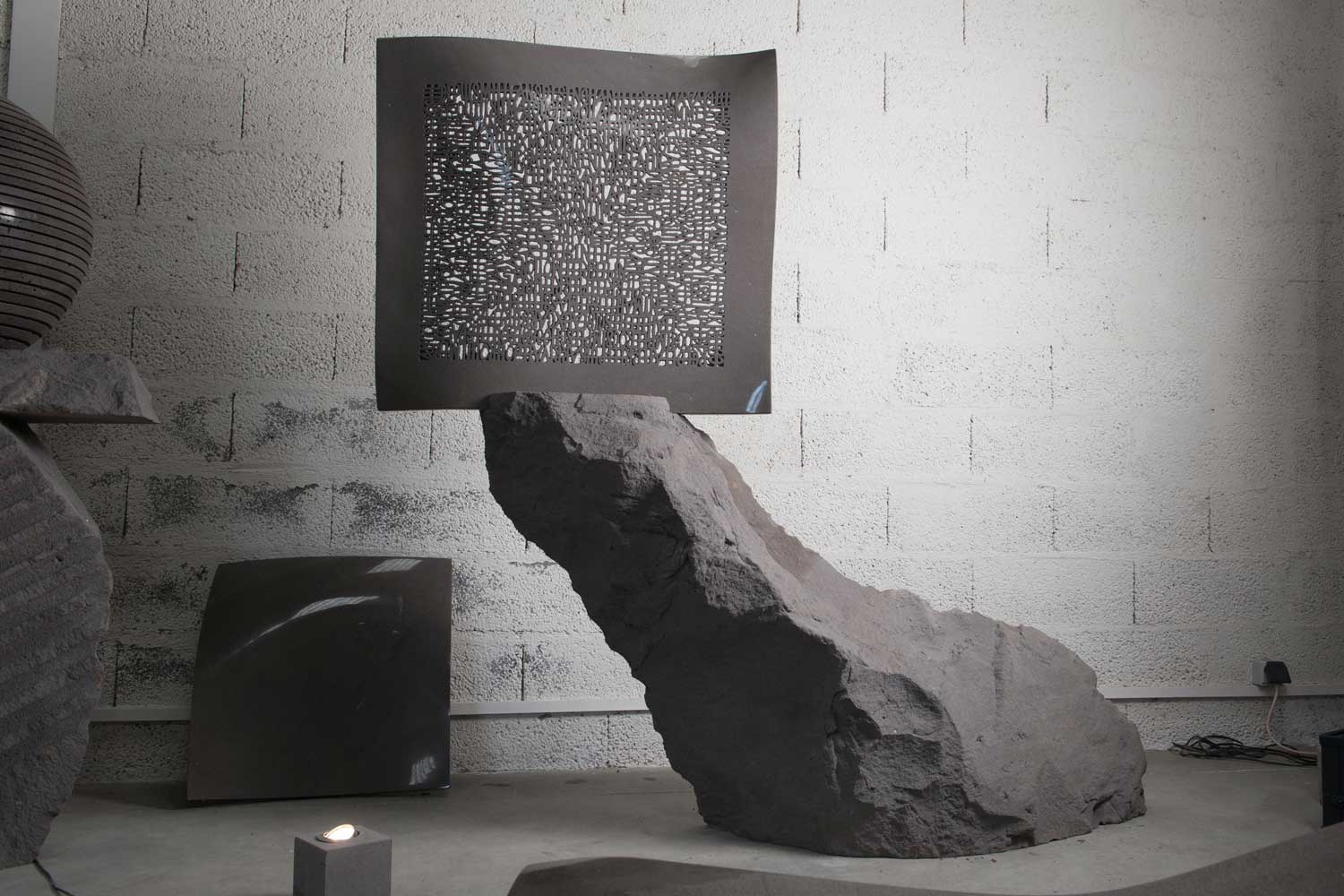
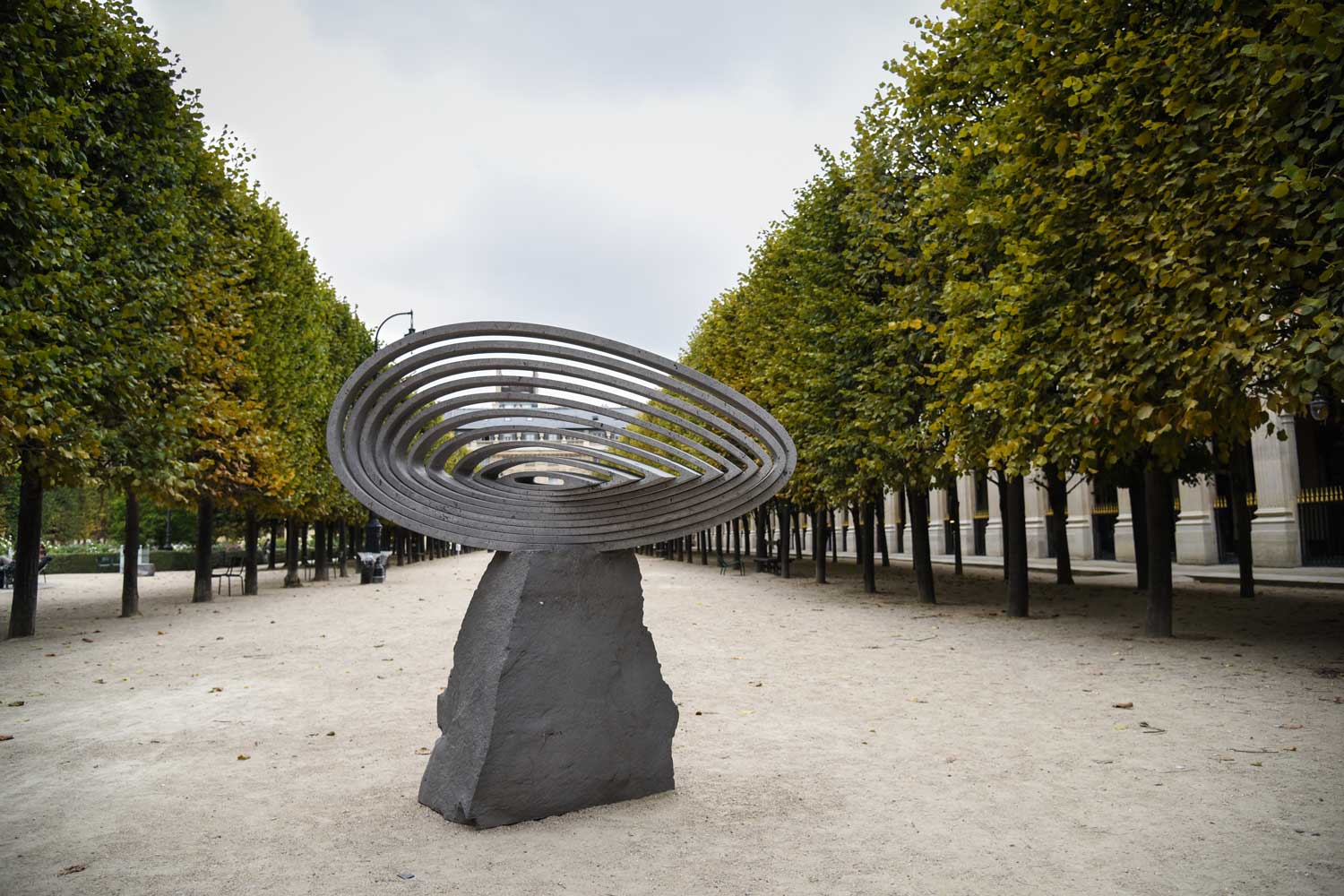
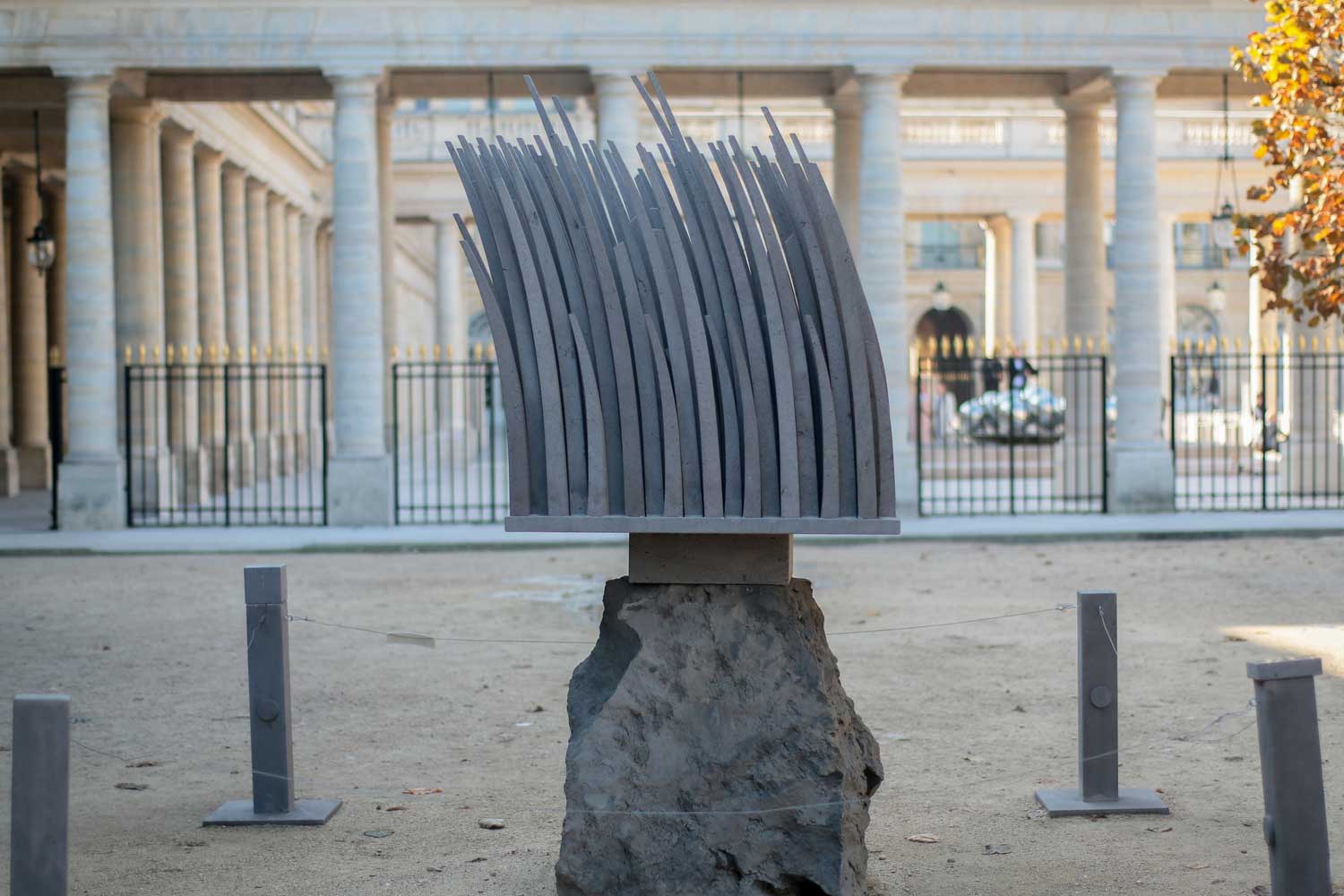
Thierry Courtadon is a stone sculptor and artist working with lava from the Volvic volcanoes in the centre of France. He grew up in the family workshop alongside his father and grandfather. At a very young age, Thierry created his first sculpture, developing an instinctive relationship with stone. “I did not just learn a craft from my family, I learned a way of engaging with material through patience, precision and respect for the gesture,” he says. His practice begins in the quarry, where each unique stone extracted guides the creative process. Thierry’s pieces push the transformation of the material beyond what seems possible. He has developed a signature technique, lava lace, with which the stone becomes almost transparent, allowing light to pass through a material usually perceived as dense and dark. Thierry’s sculptures and objects are commissioned and shown internationally, from the UAE to the USA and across Europe.
INTERVIEW
I never really opened a workshop. I prefer to say that I inherited a story. This workshop has existed for over 150 years, from when my great-great-grandfather was a quarryman, extracting stone from the volcanoes. Today, I simply continue that lineage, transforming the material into works that carry emotion.
I work with Volvic lava, formed from a volcanic lava flow from over 11,000 years ago. This material carries a sense of territory, a history and an identity. It must be respected. It is precious, almost sacred, and becomes a powerful vehicle for emotion.
I aim to transform a raw, millennia-old material into something light and almost immaterial. The practice is about making stone feel alive, flexible and almost in motion, taking it to a place where light becomes an integral part of the work.
It is essential. I believe a craft only exists if it is shared. By training apprentices, I have learned to better understand my own gestures. Teaching pushes me to articulate, challenge and reinvent my practice.
Thierry Courtadon
Stone sculptor
Volvic, France
AVAILABILITY
By appointment only
PHONE
+33 473336539
LANGUAGES
French
Homo Faber Finds is a new service aiming to inspire admirers of craft to connect and collaborate with exceptional artisans.
We invite you to submit an enquiry here.
chanel_goossens-savoir-faire-©alix-marnat_18-HD.jpg)
chanel_maison_goossens_©alix-marnat-11-HD.jpg)
chanel_goossens-©alix-marnat_17-HD.jpg)