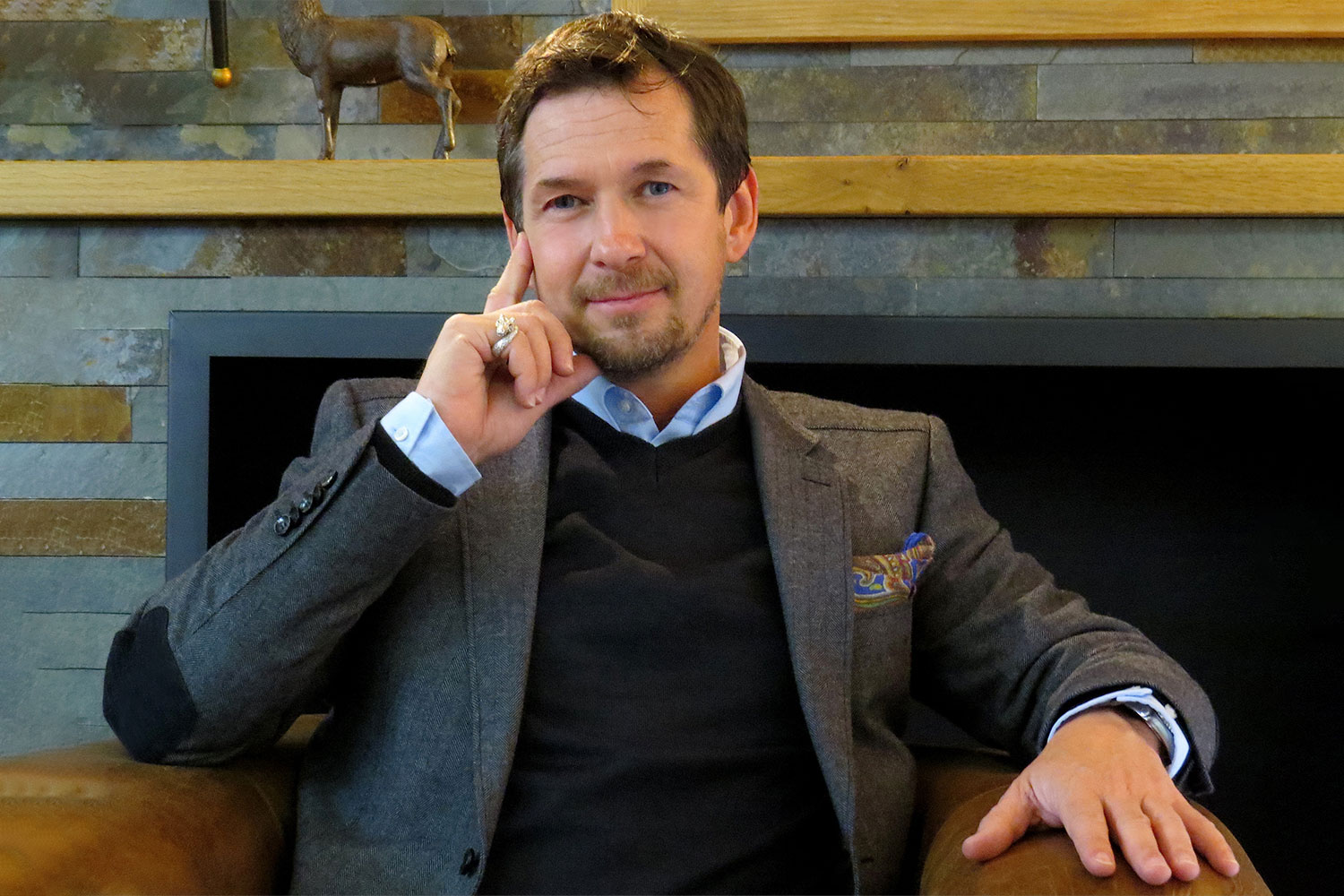
Stefanie Bille
Luthier
Allensbach, Germany
Recommended by Zentralverband des Deutschen Handwerks
Magic in musicality
- Stefanie creates a variety of string instruments
- She uses traditional knowledge and techniques
- She is both a musician and master artisan
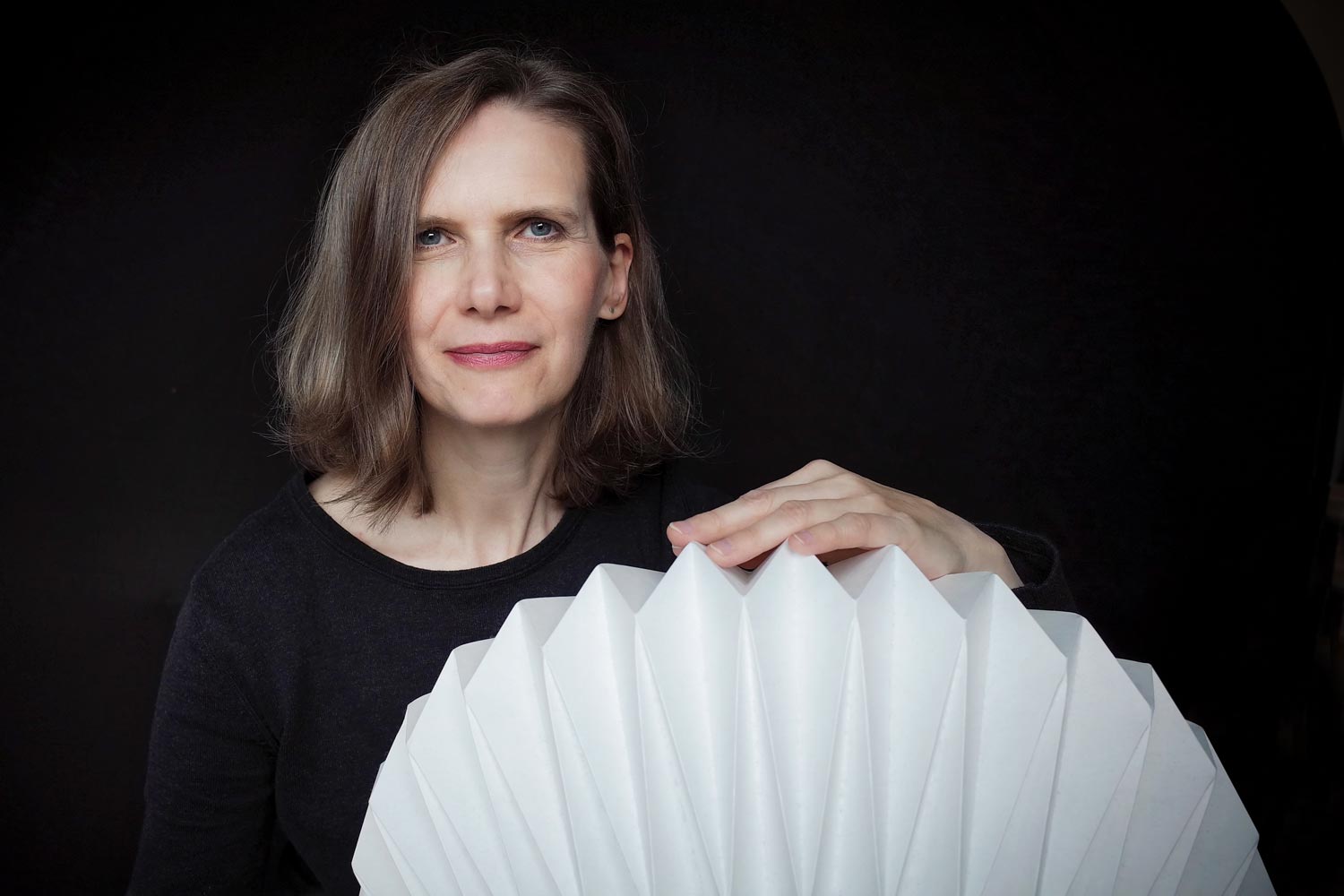
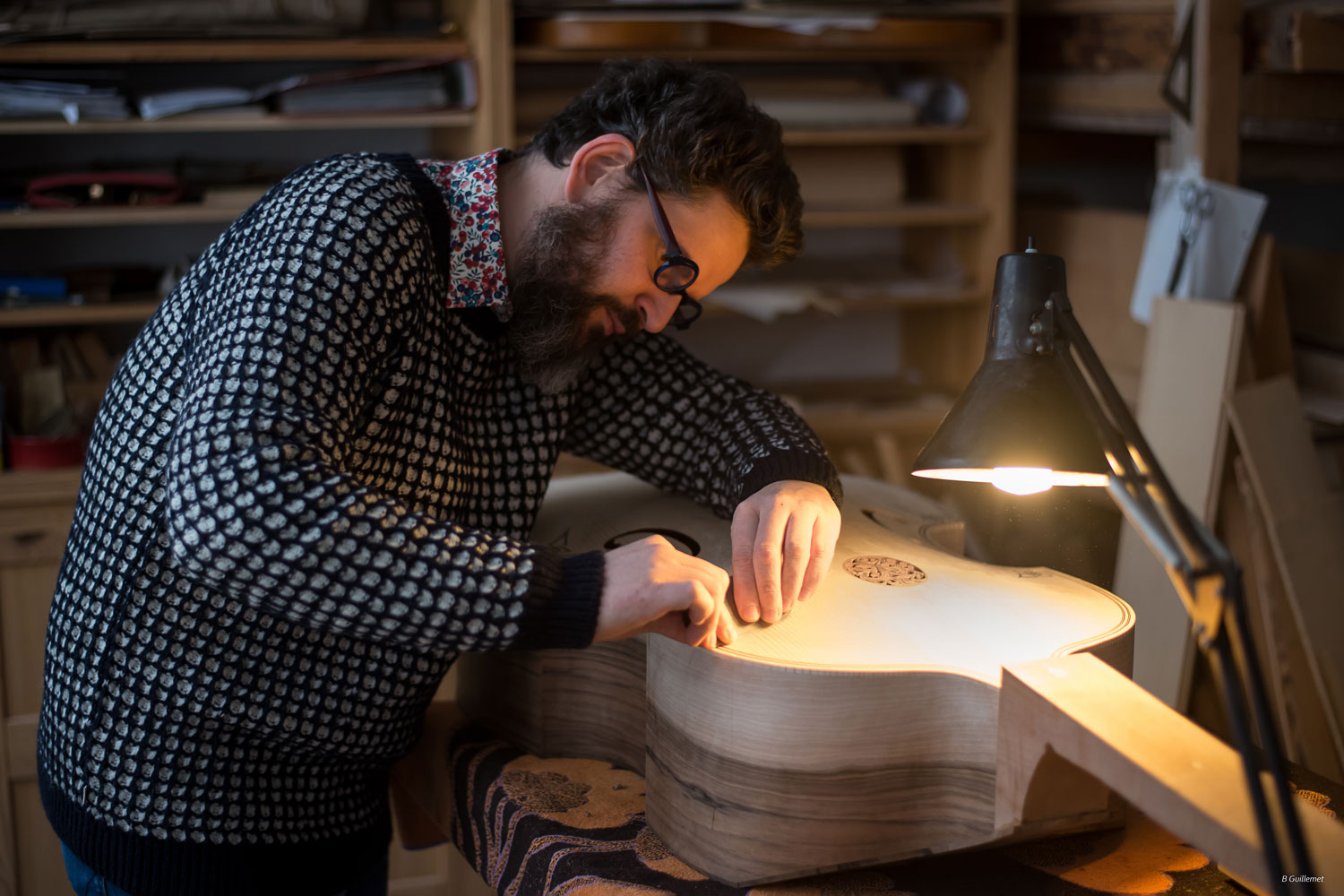
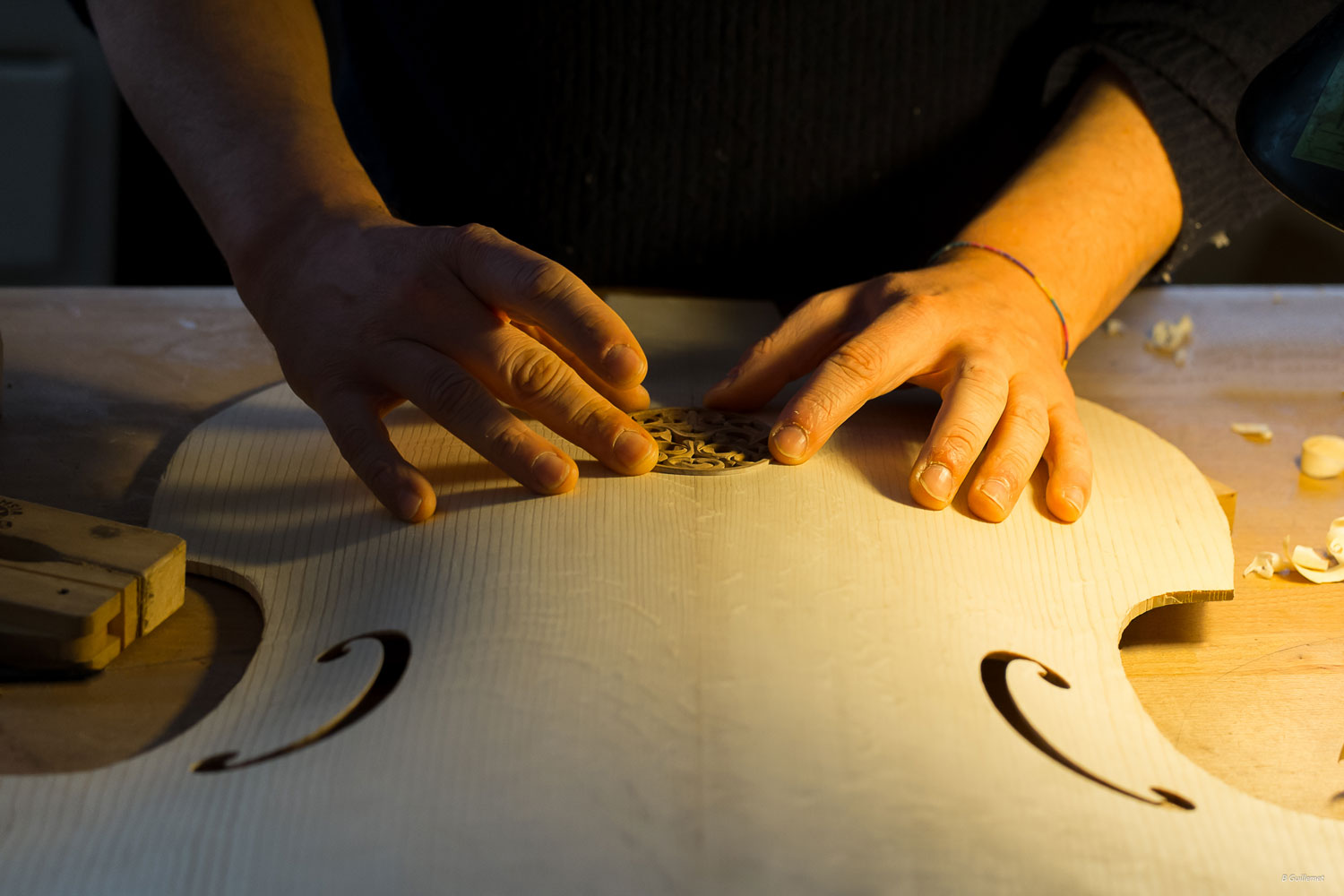
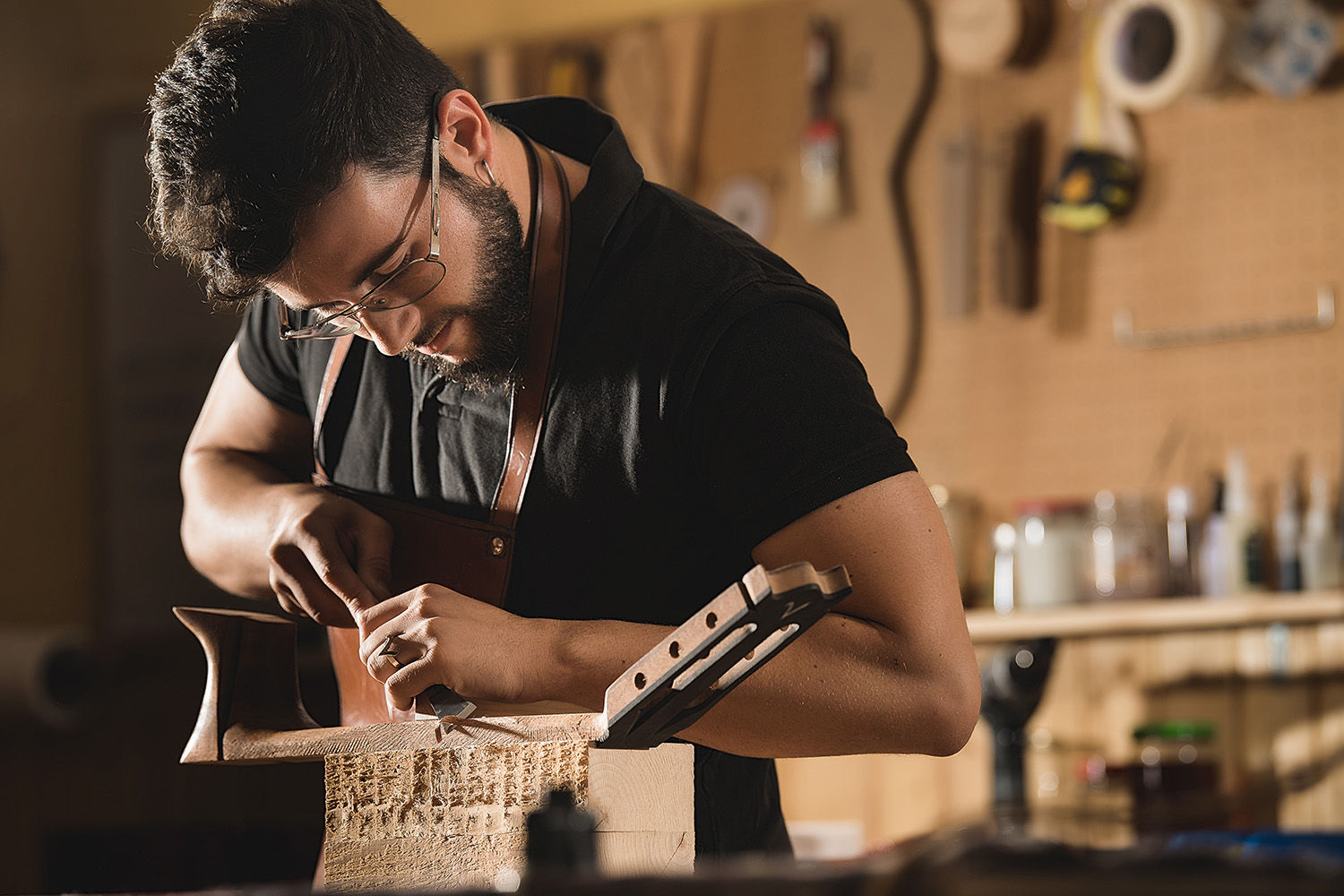
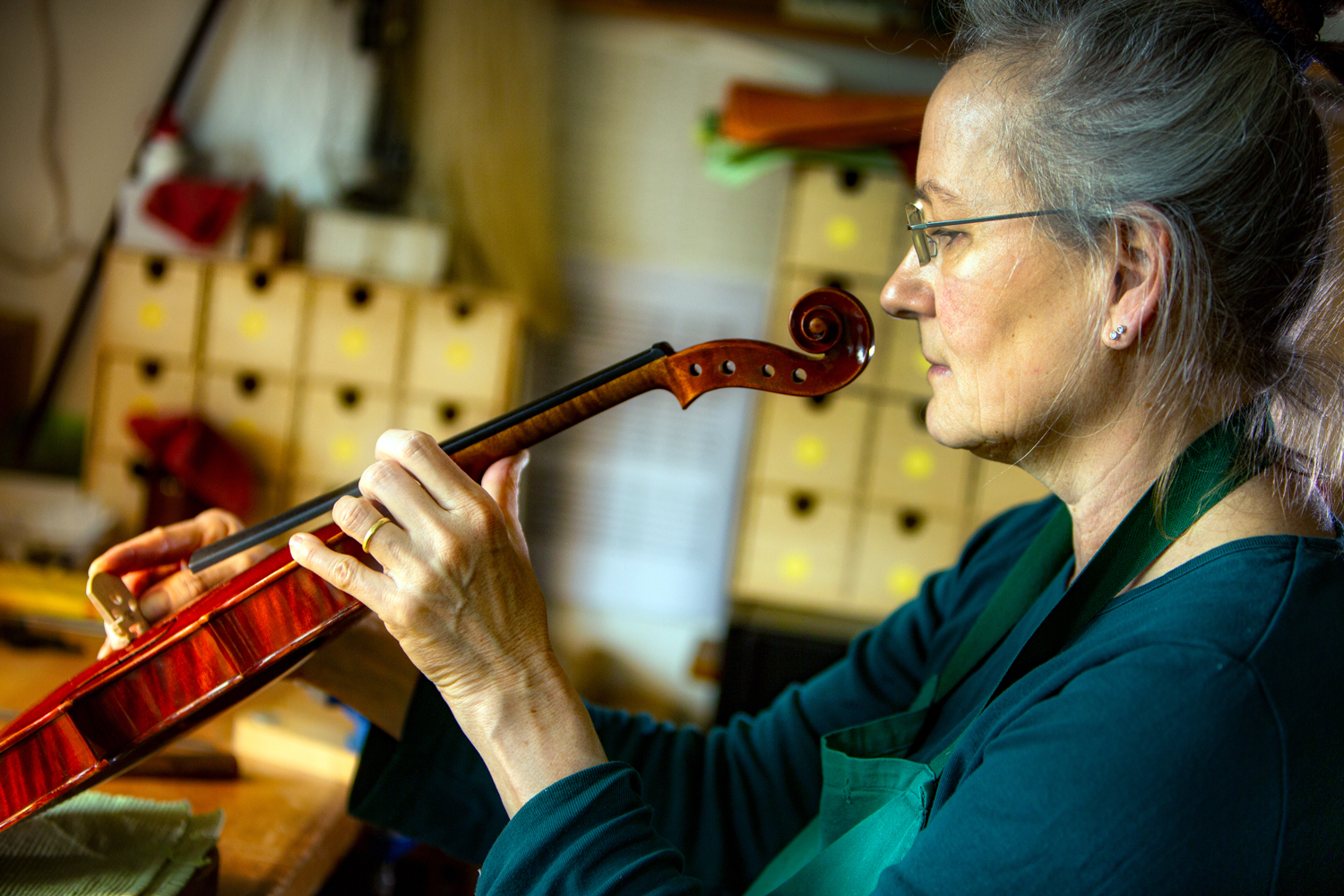
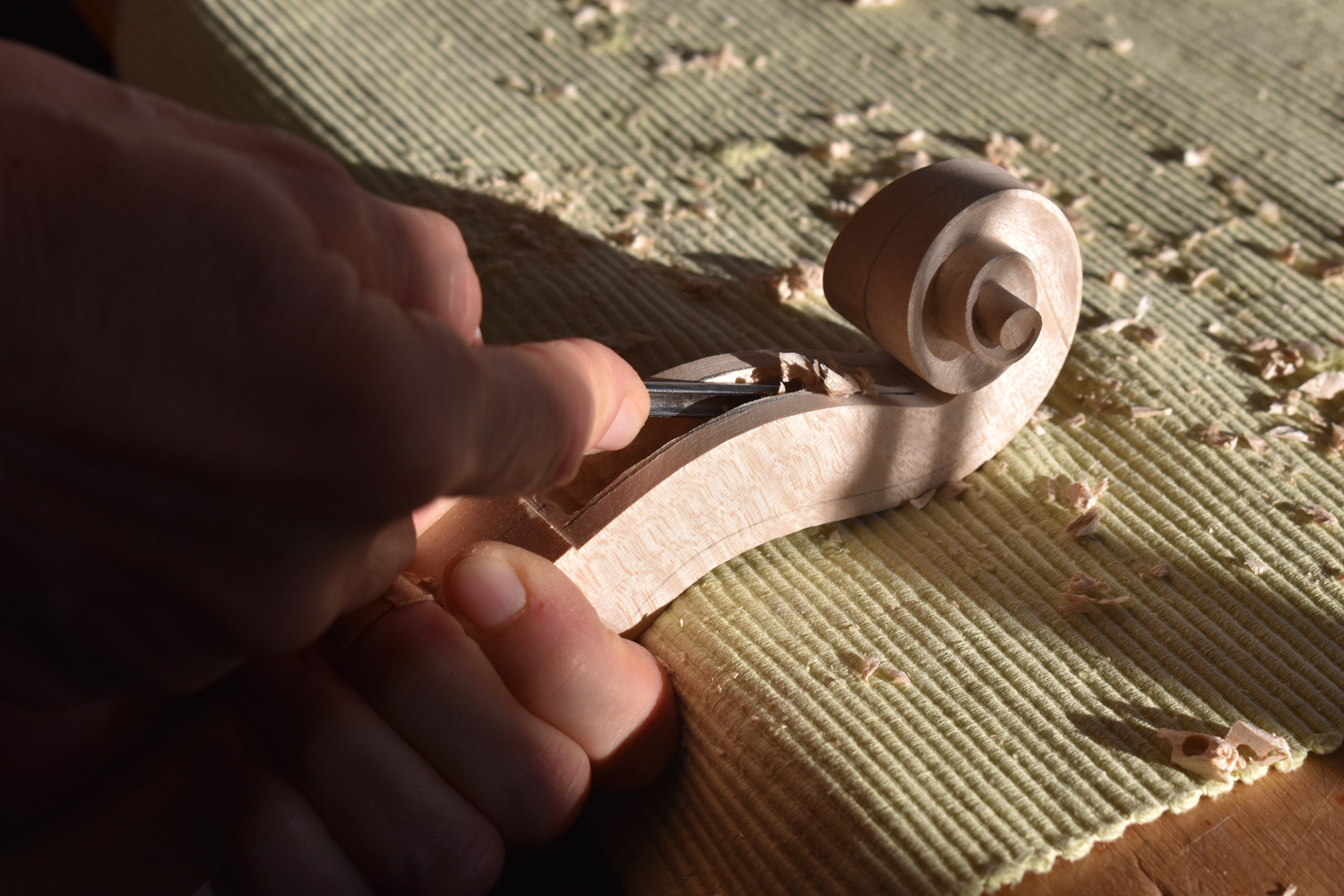
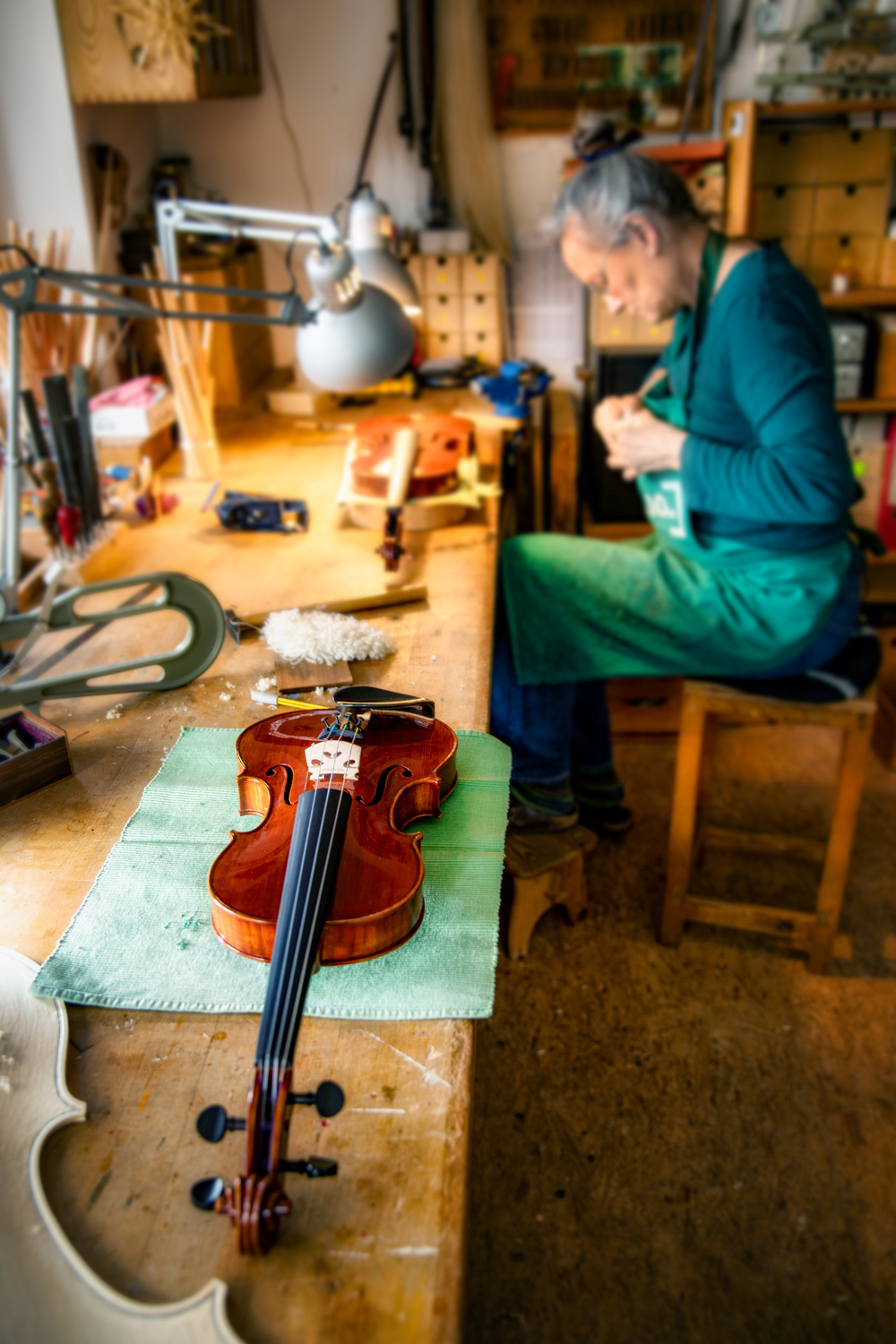
It was her passion for music and the material wood that influenced Stefanie Bille’s decision to become a master violin maker. “I was 16 and was practising the double bass in my room while thinking about my future and suddenly it just felt like the right way to go." Acknowledging this intuition, she completed an apprenticeship at the renowned Staatliche Fachschule für Geigenbau Mittenwald, followed by further training in violin making at the workshop of Martin Koch-Löbner in Tübingen that she concluded with the gold medal for outstanding performance in 1993. After some years abroad in Sweden, Stefanie set up her workshop in 2002 in Allensbach, on the banks of the beautiful lake Constance. There, she creates remarkable instruments with the heart of a musician and the eye of an artisan, that are valued by amateurs and professionals alike.
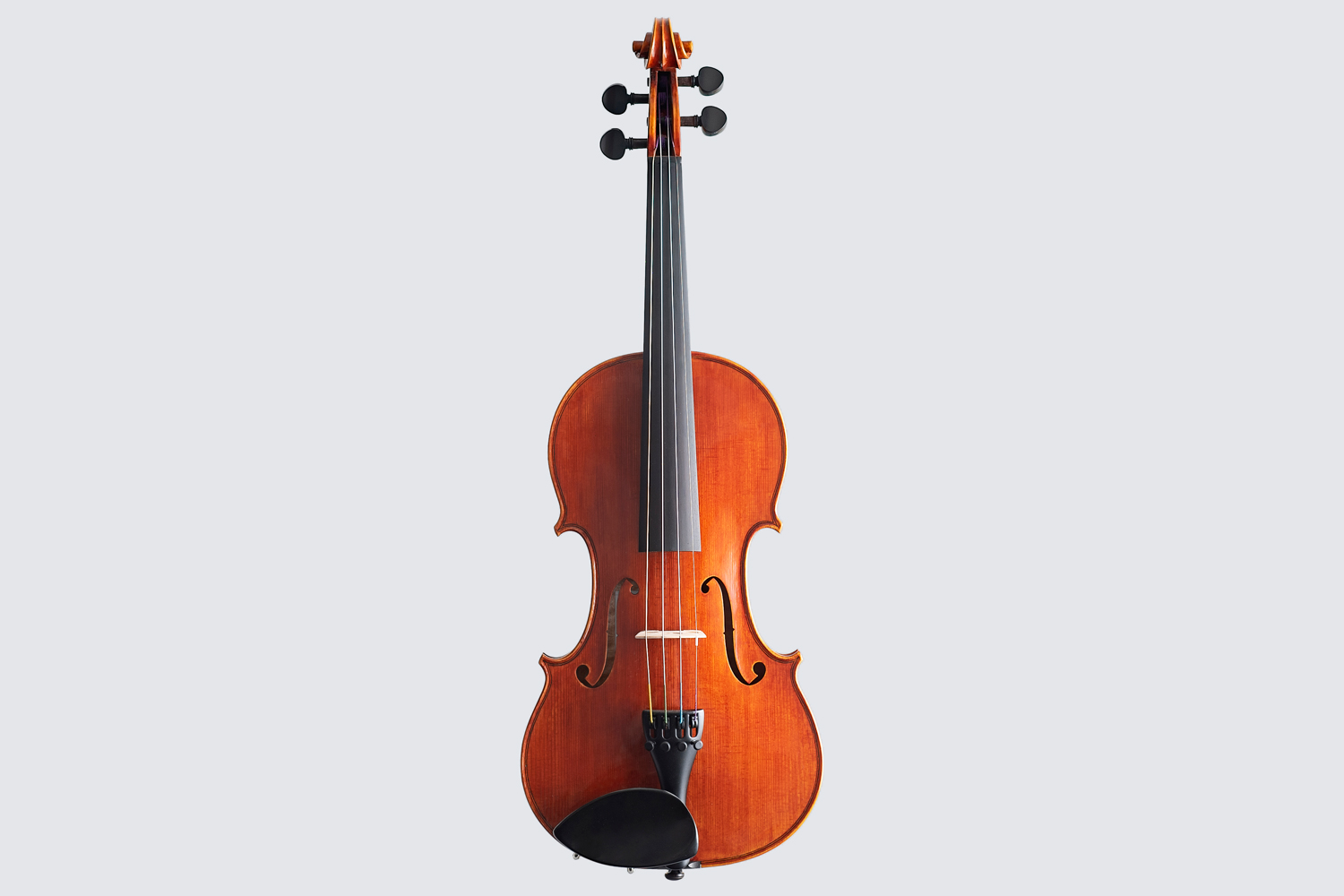
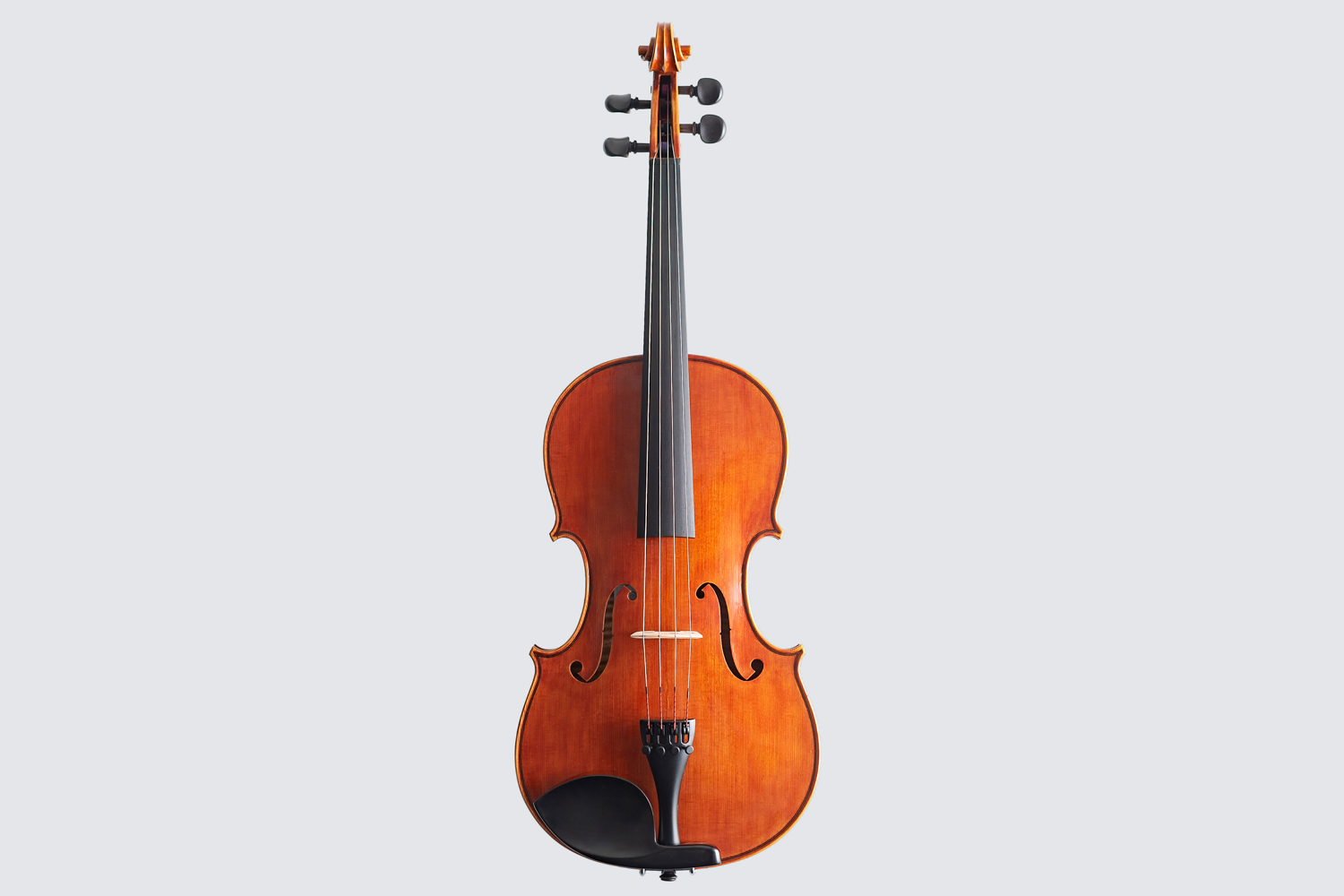
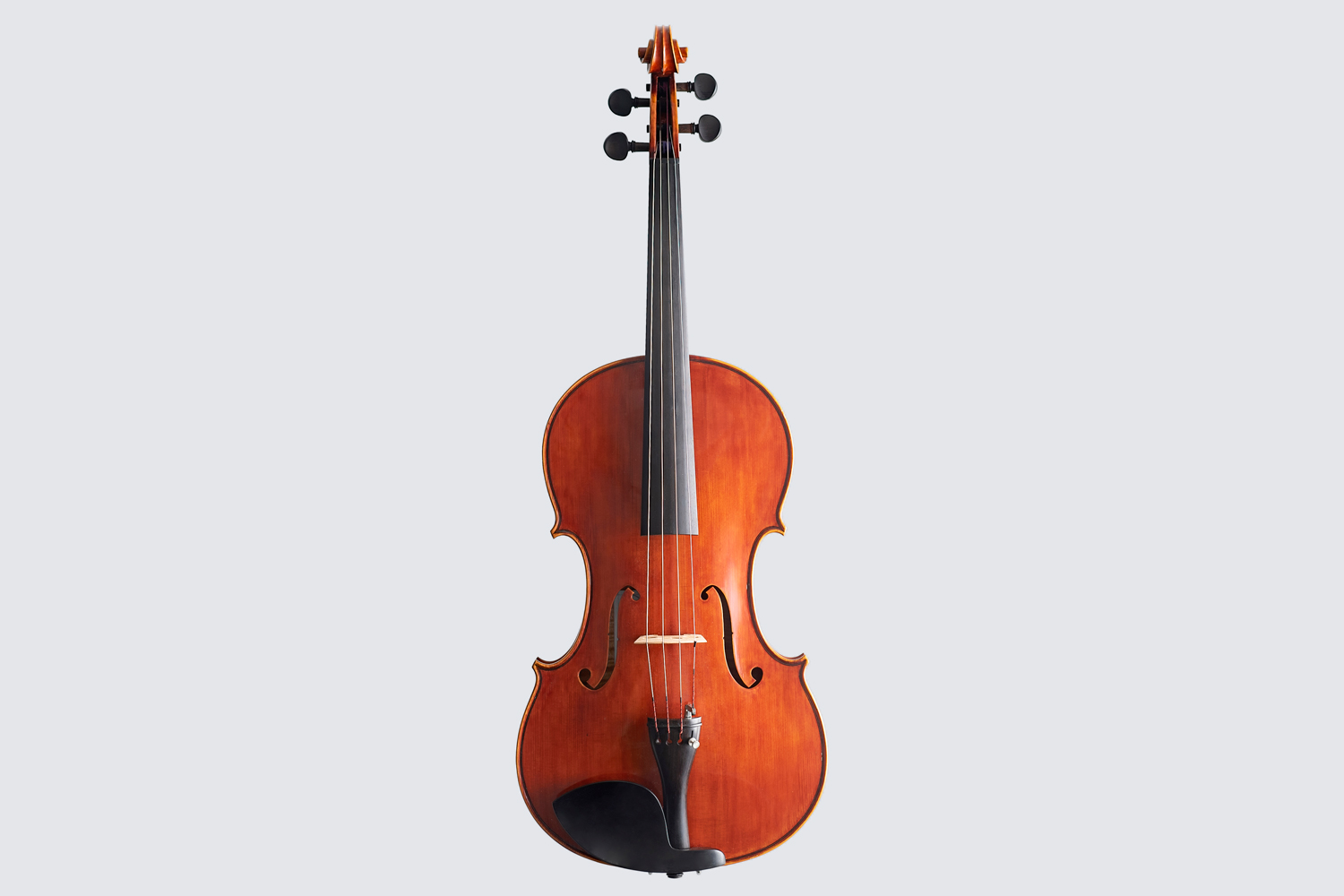
INTERVIEW
First of all, it is a great source of inspiration. It allows me to understand what a musician is looking for in an instrument and what acoustic potential lies in the material and form. And, of course, it is great to be able to anticipate the joy a finished instrument will give to the musician.
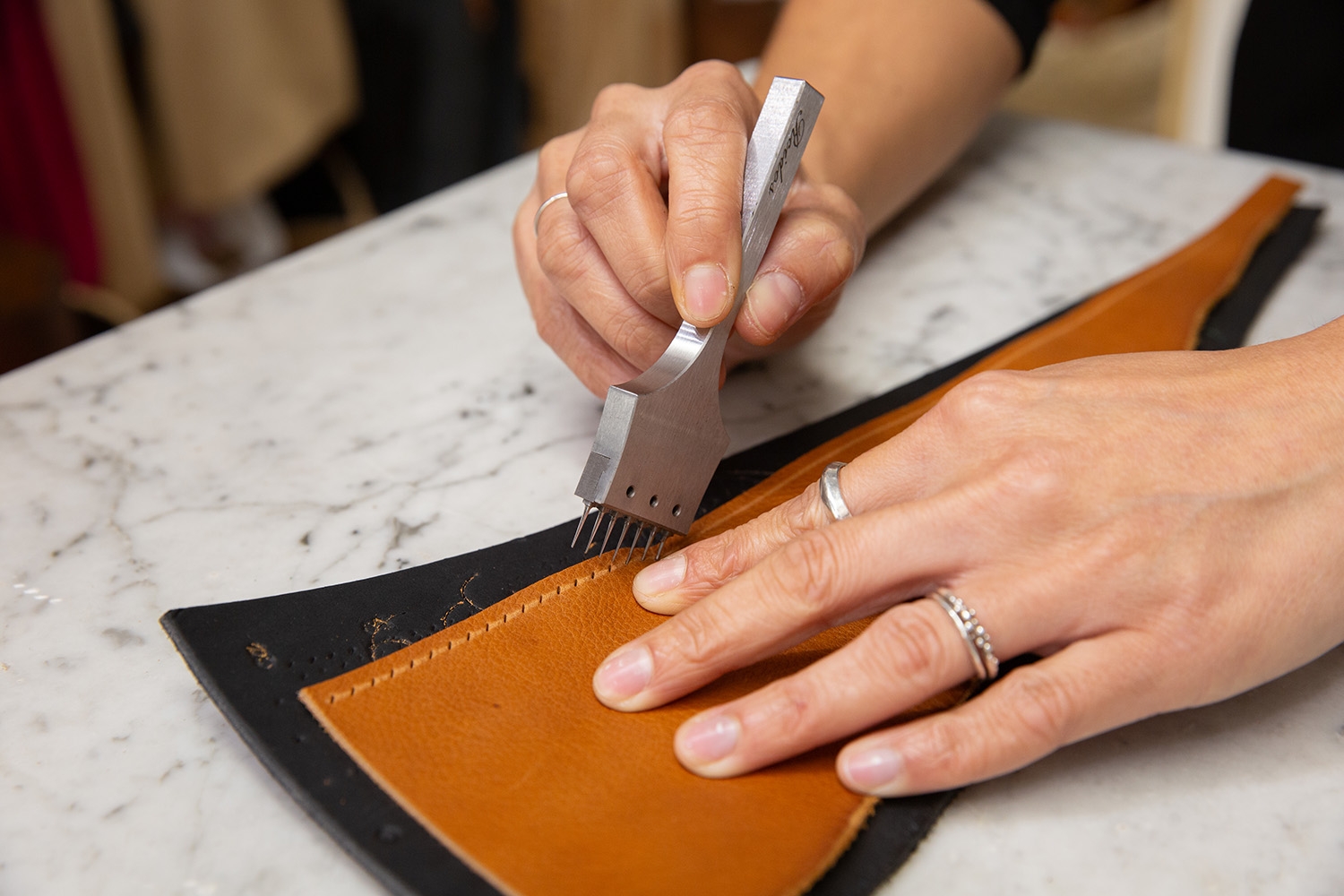
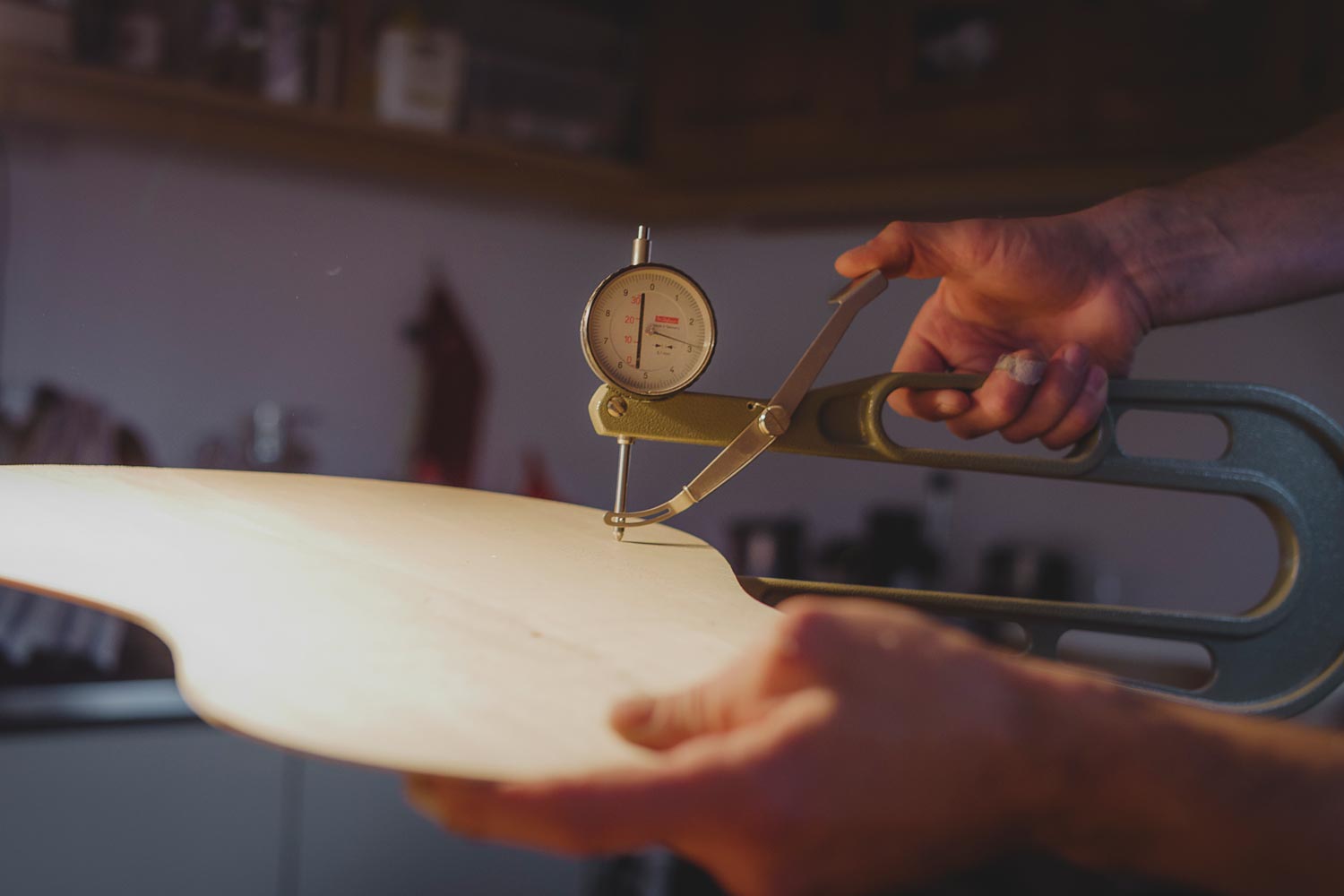
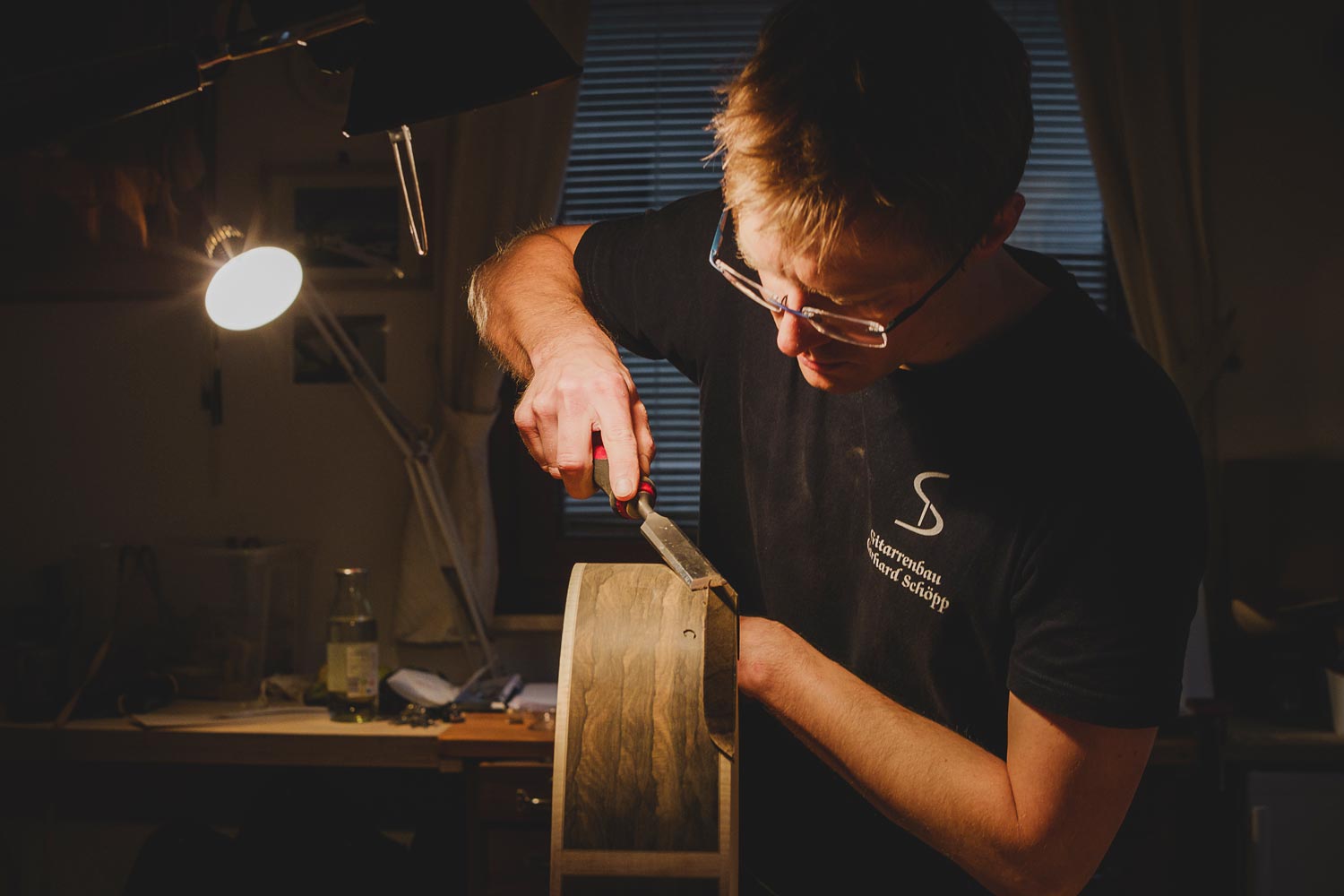
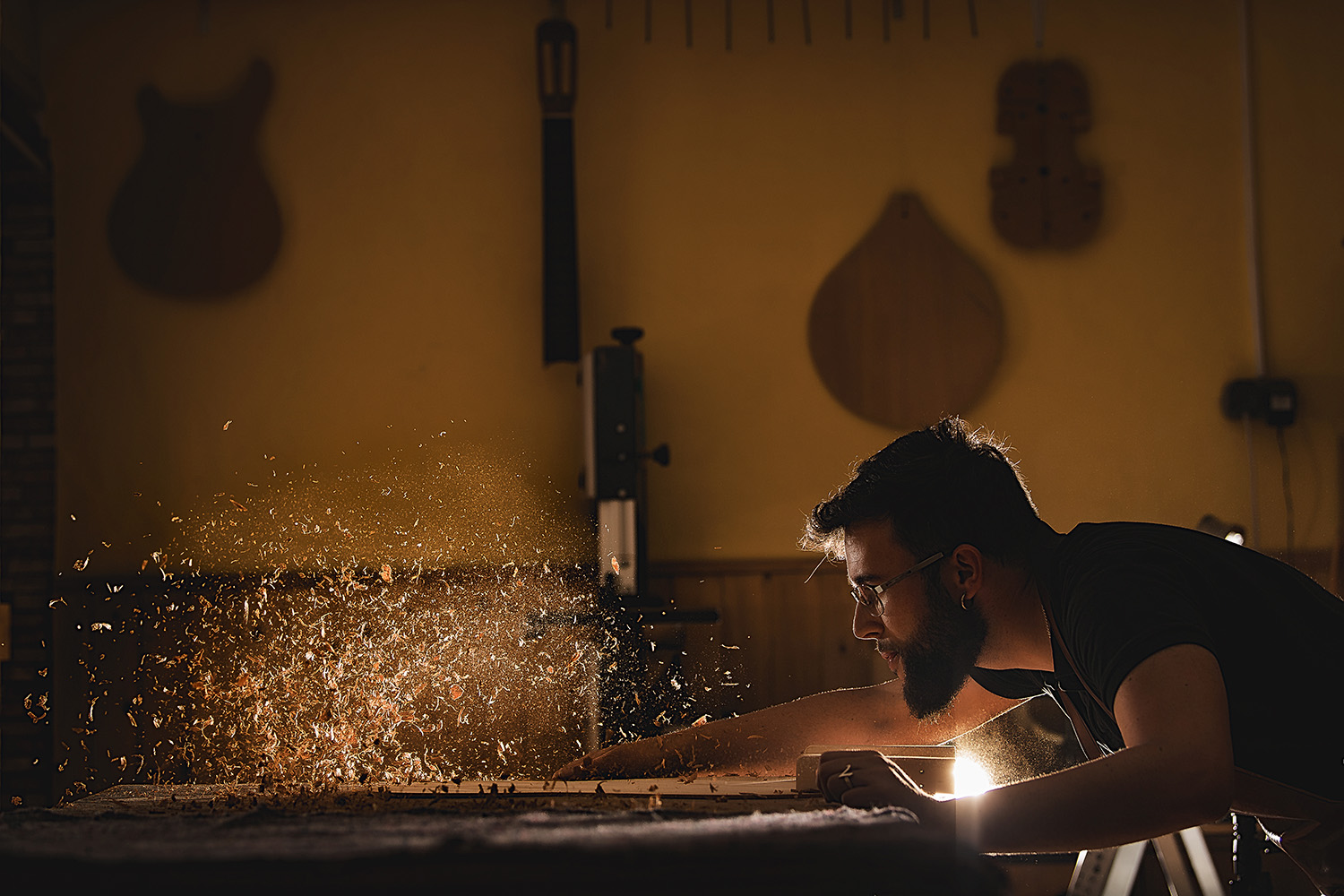
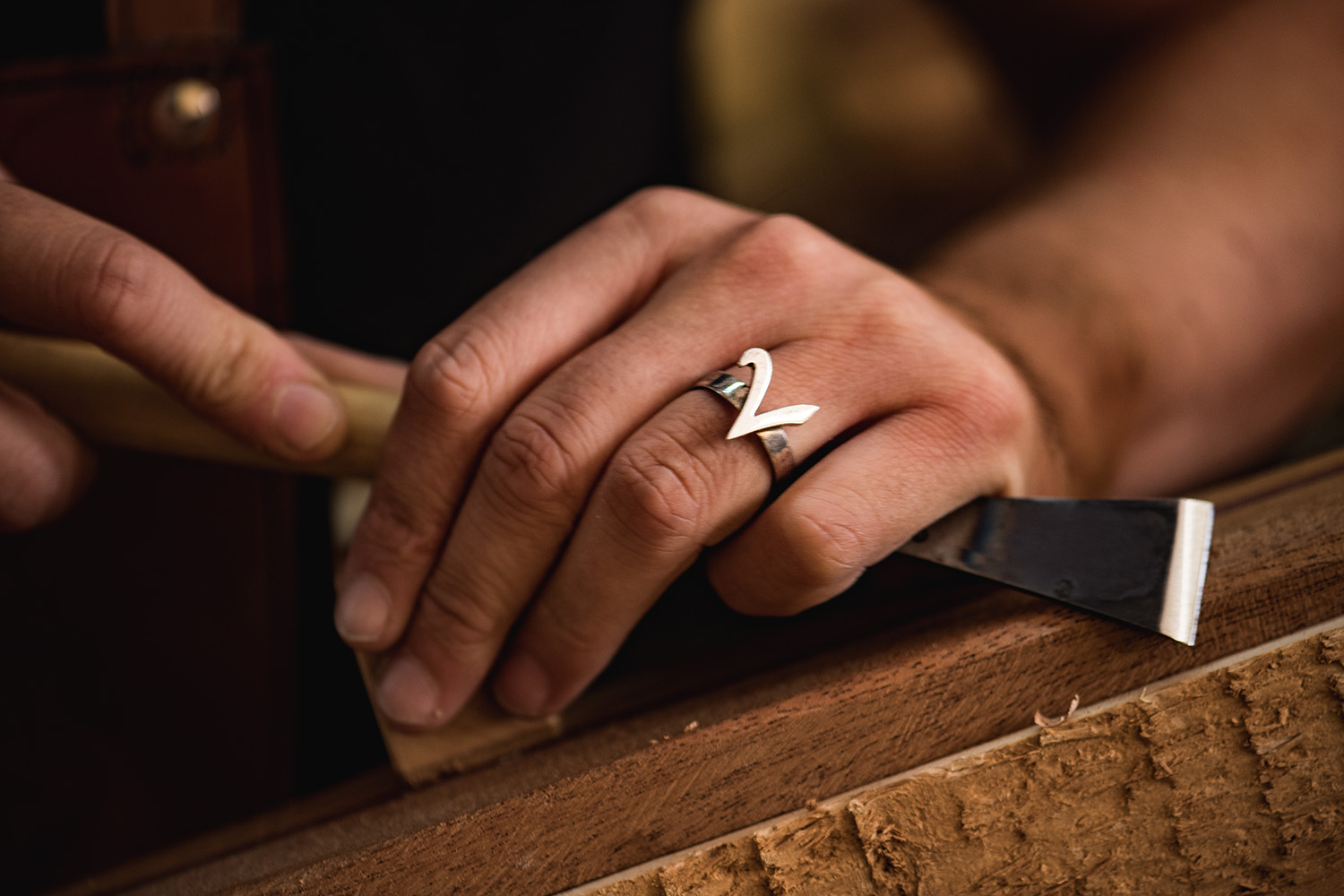
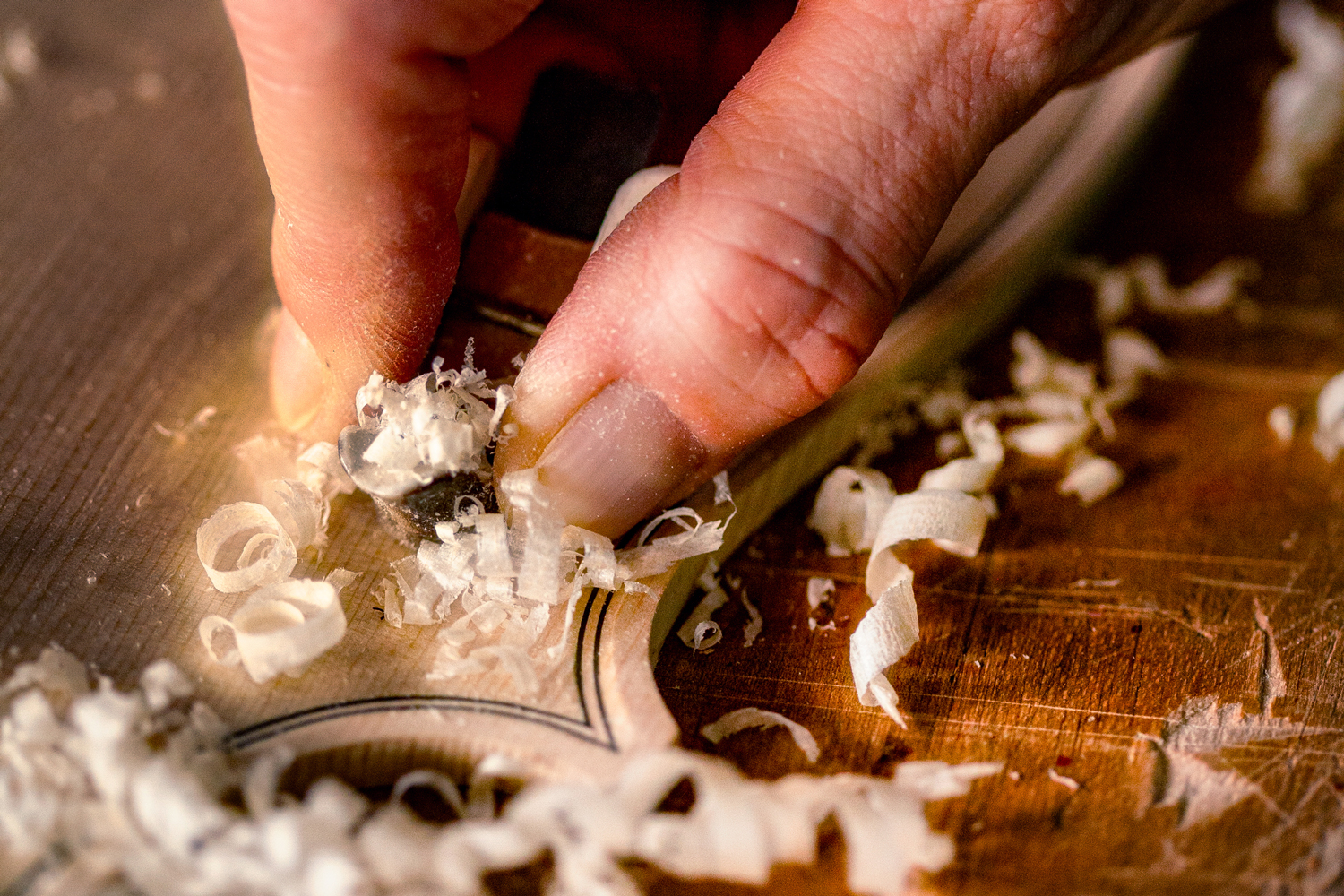
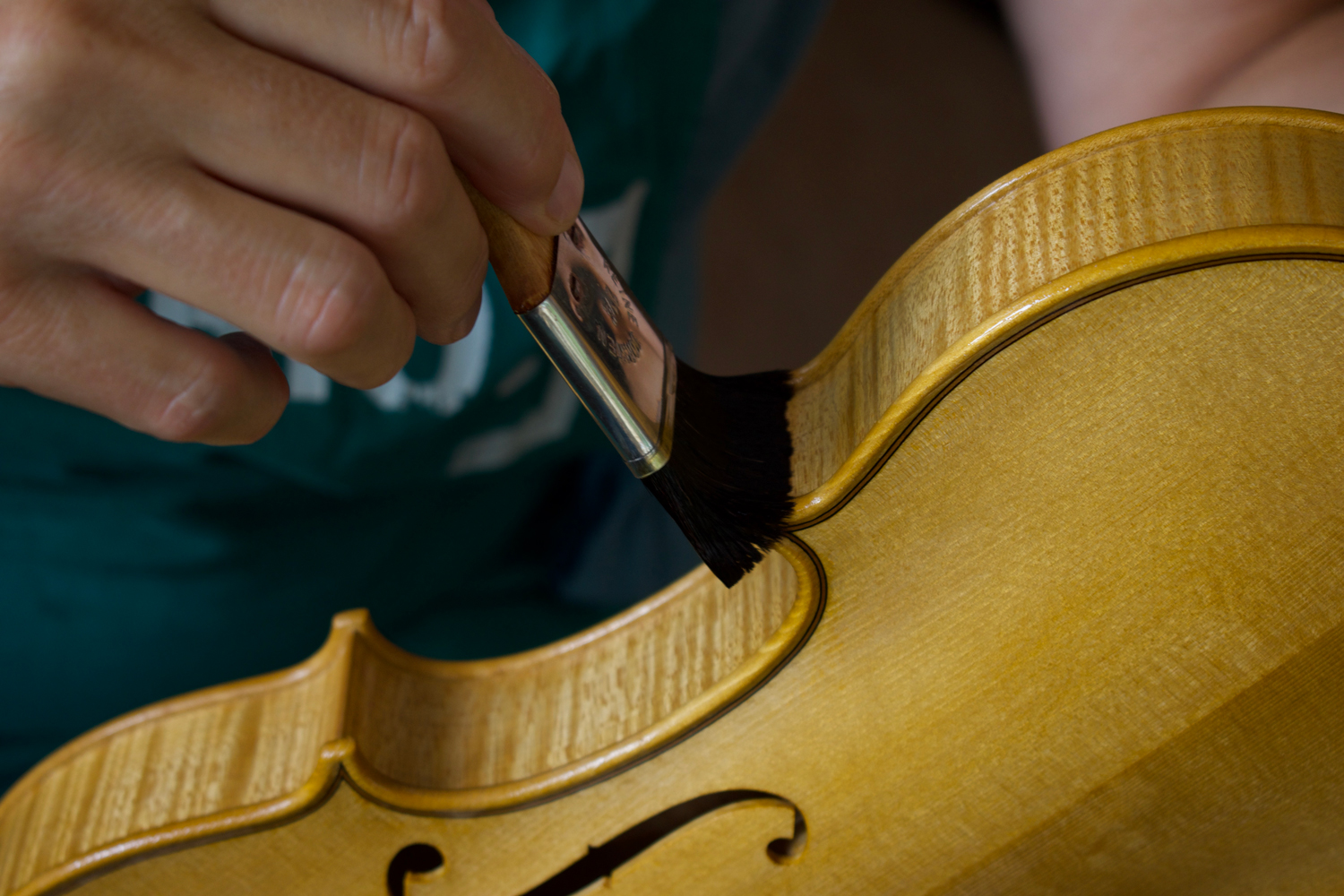
My work is quite traditional, I only use manual tools, extensive experience and intuition for the creative process. However, I take a lot of notes about details and material strength during the process, which translate into a detailed logbook of research.
Yes, whenever one of my instruments goes into the hands of a passionate musician who is able to fully develop its acoustic potential. Just recently, a cello that I had built 25 years ago came back to me. It was very moving to play it and enjoy the beautiful sound, knowing that it was my creation.
As long as people make music, my craft will be relevant. No machine can replace the intuition and the sensitivity with which I am able to approach the challenge of creating an instrument. Music is a sensual experience and so is violin making.
Stefanie Bille
Luthier
Allensbach, Germany
Recommended by Zentralverband des Deutschen Handwerks
AVAILABILITY
By appointment only
PHONE
+49 75339498833
LANGUAGES
German, English, Swedish
Homo Faber Finds is a new service aiming to inspire admirers of craft to connect and collaborate with exceptional artisans.
We invite you to submit an enquiry here.