Shinri Tezuka
Asakusa Amezaiku Ameshin
Sugar sculptor
Taito City, Japan
The marvellous art of sugar sculpting
- Shinri practises the craft of sculpting molten sugar into artistic creations
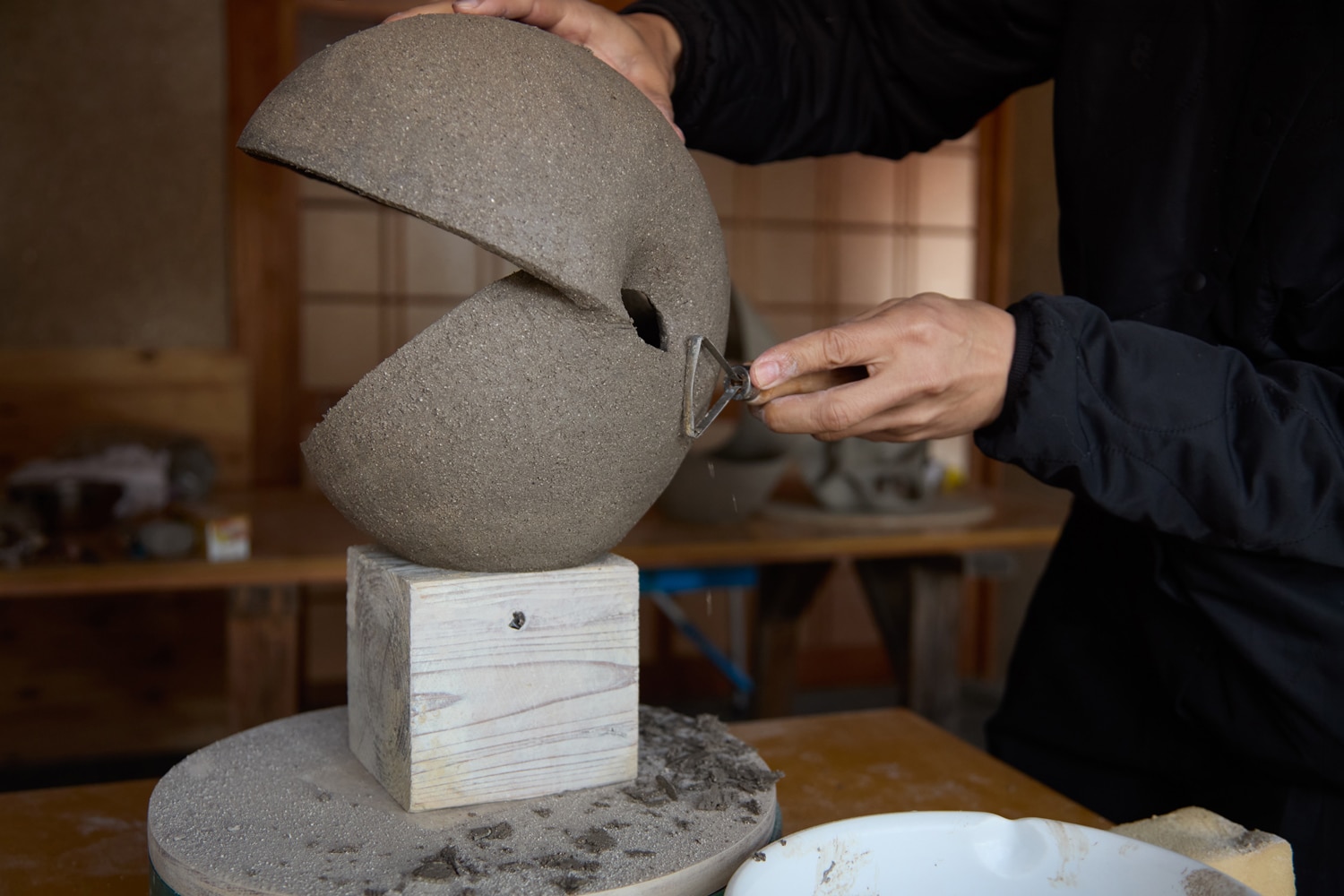
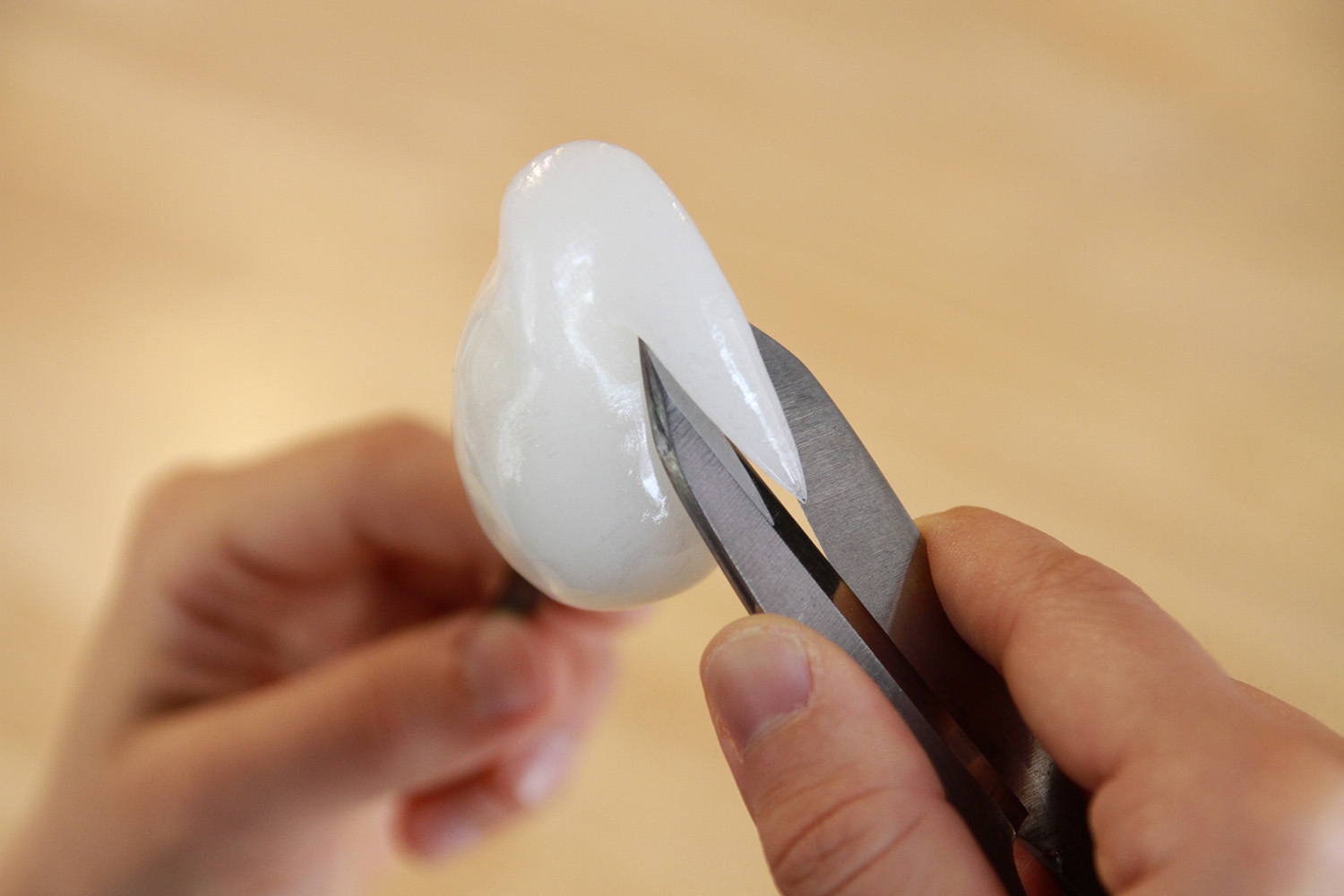
- Since starch syrup dries rapidly, he must model each piece in less than five minutes
- The craft of Amezaiku has existed in Tokyo since the 17th century
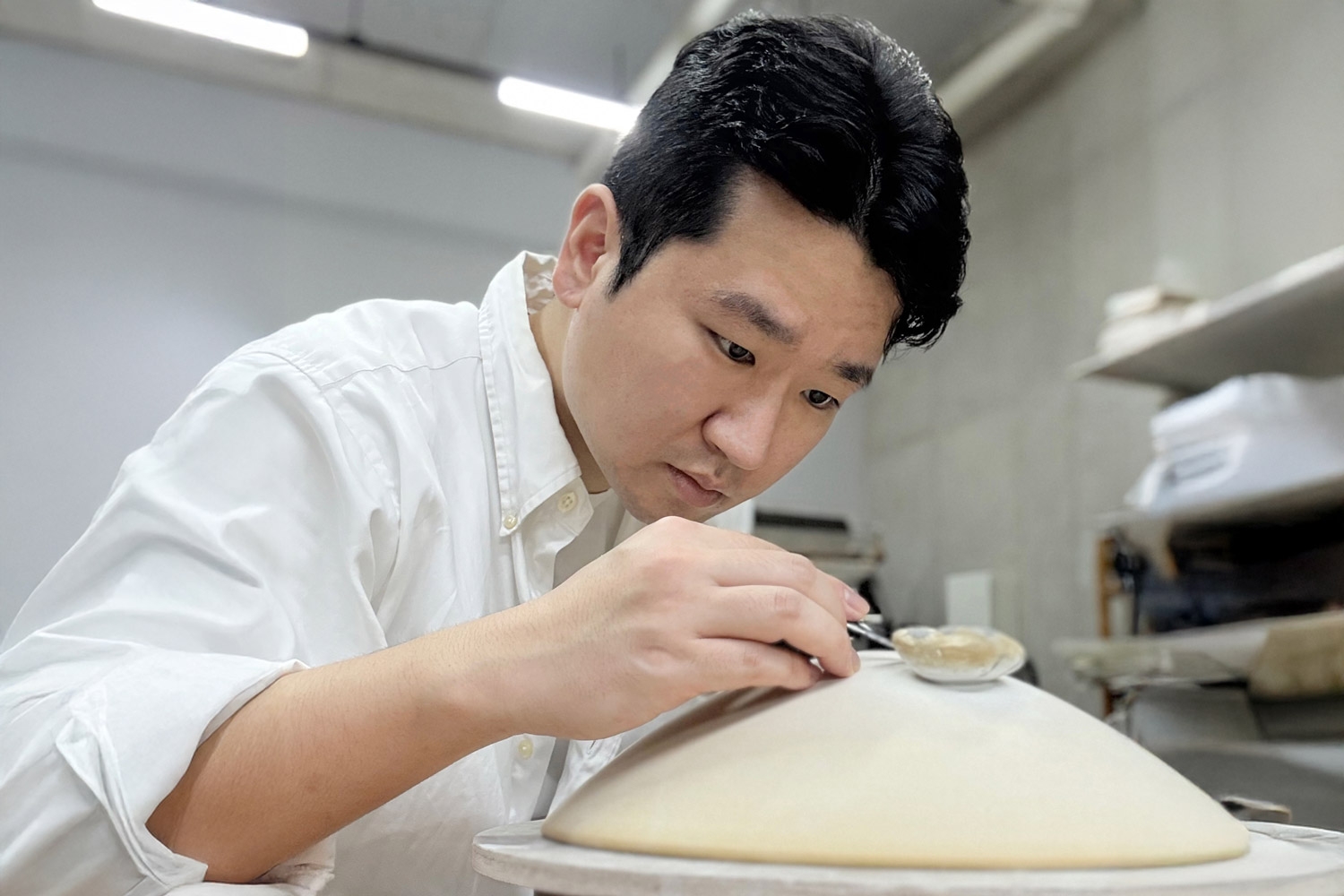
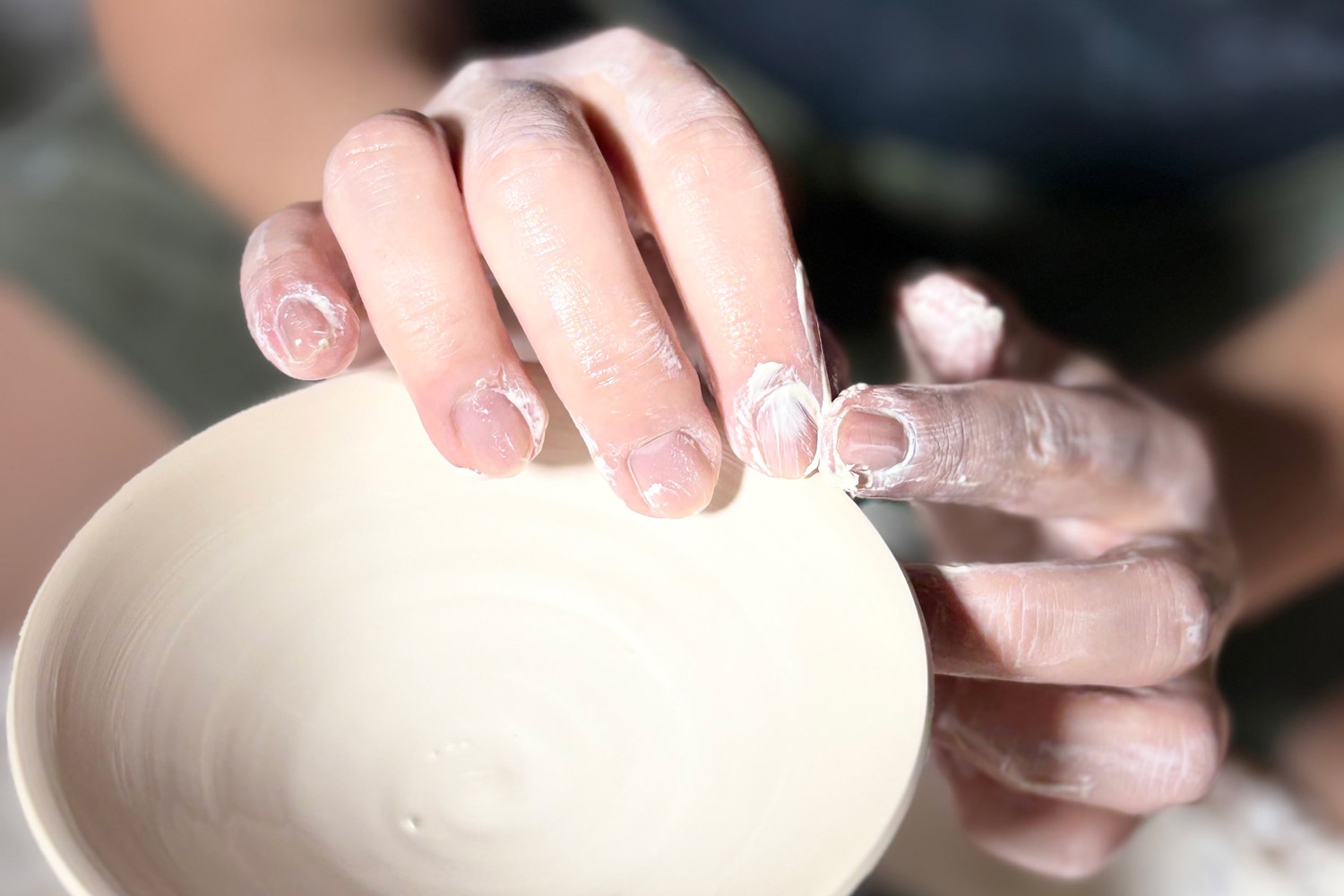
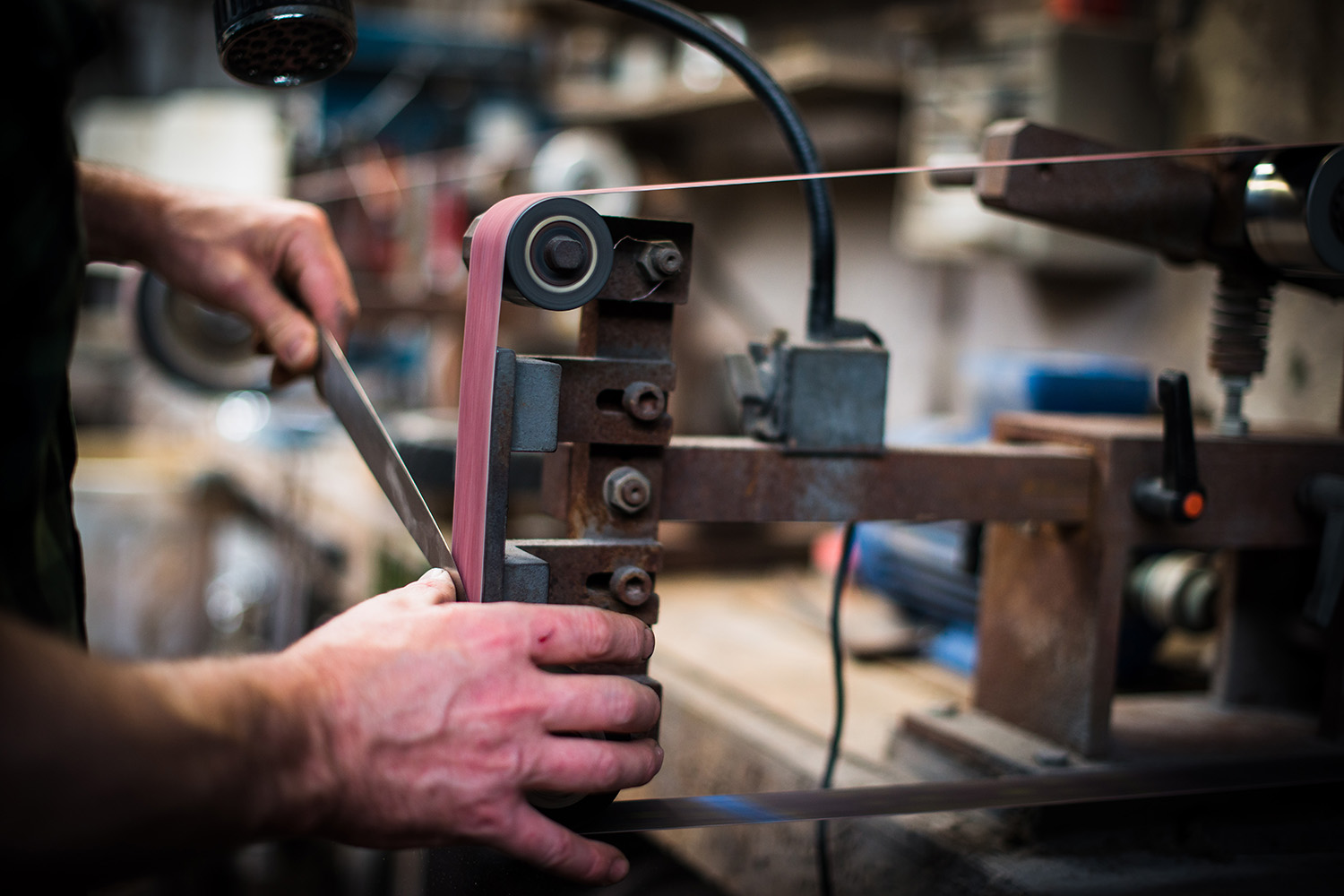
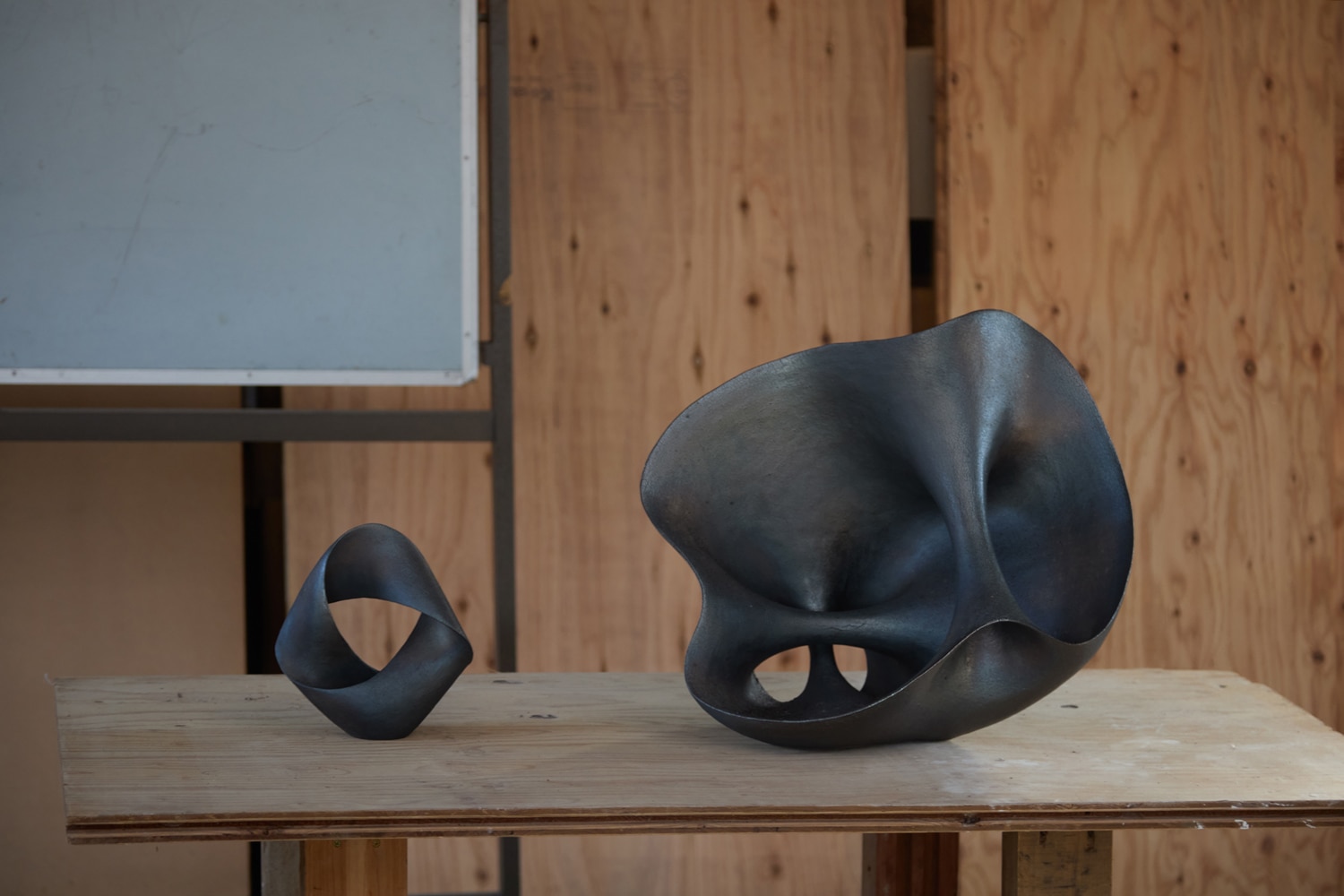
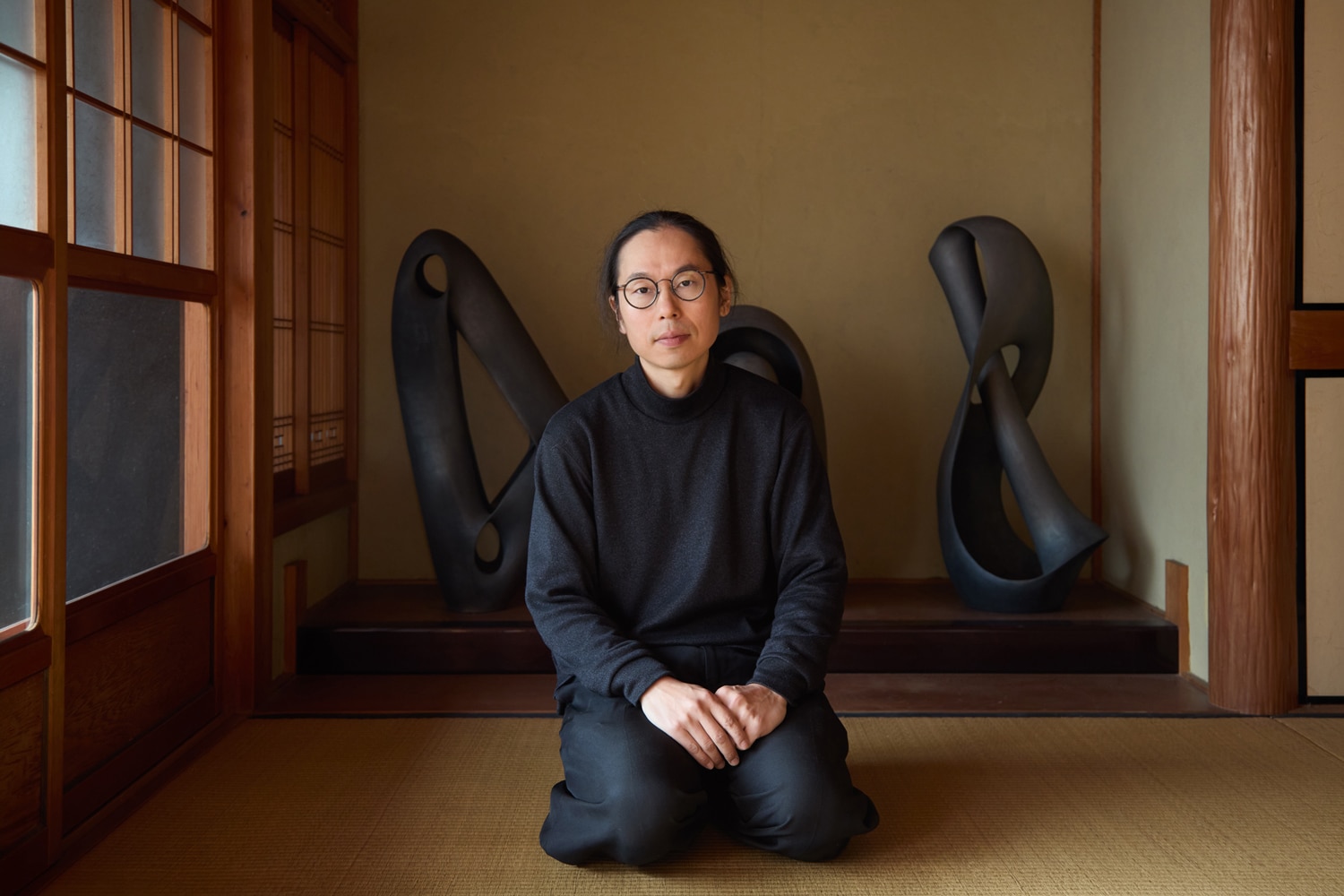
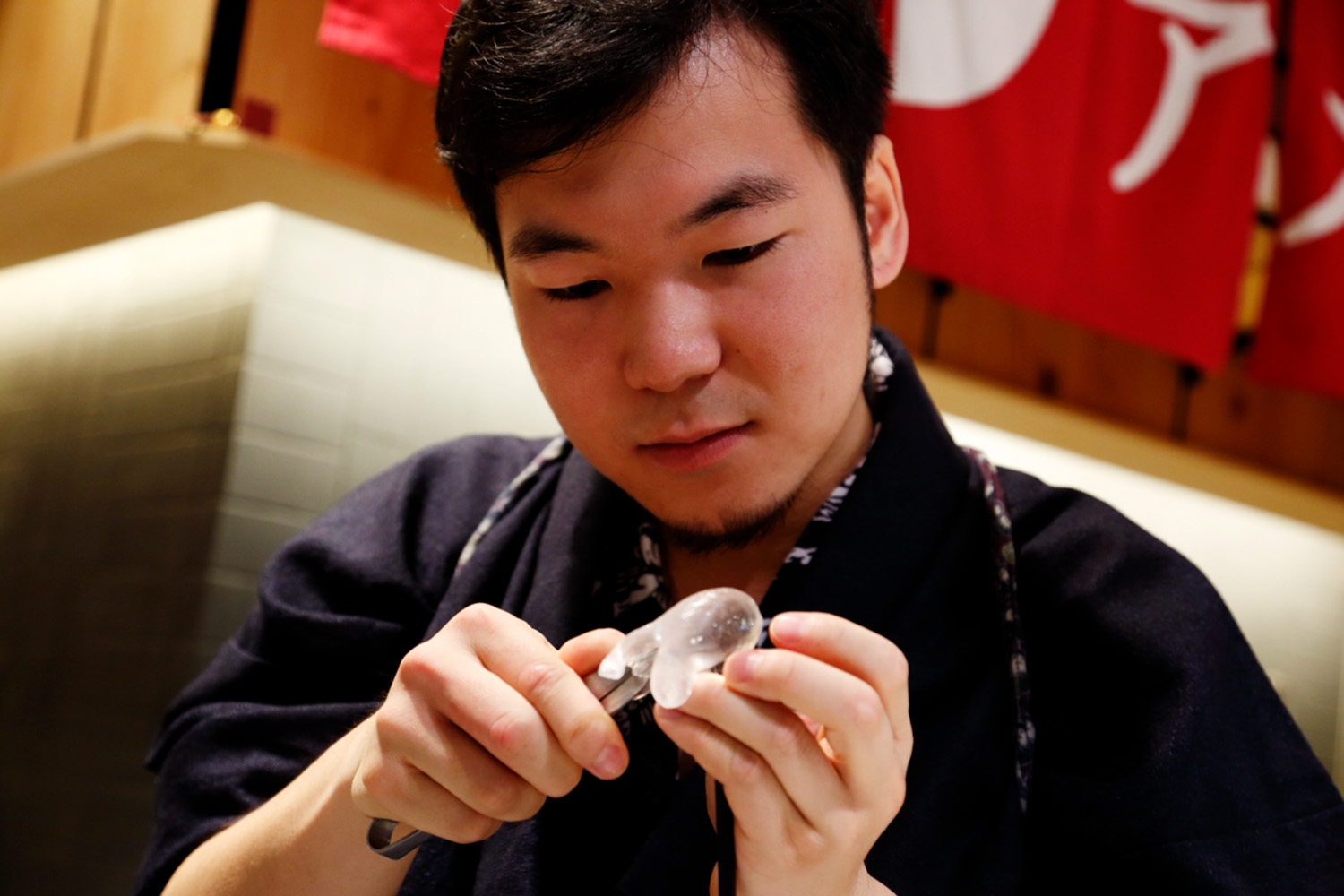
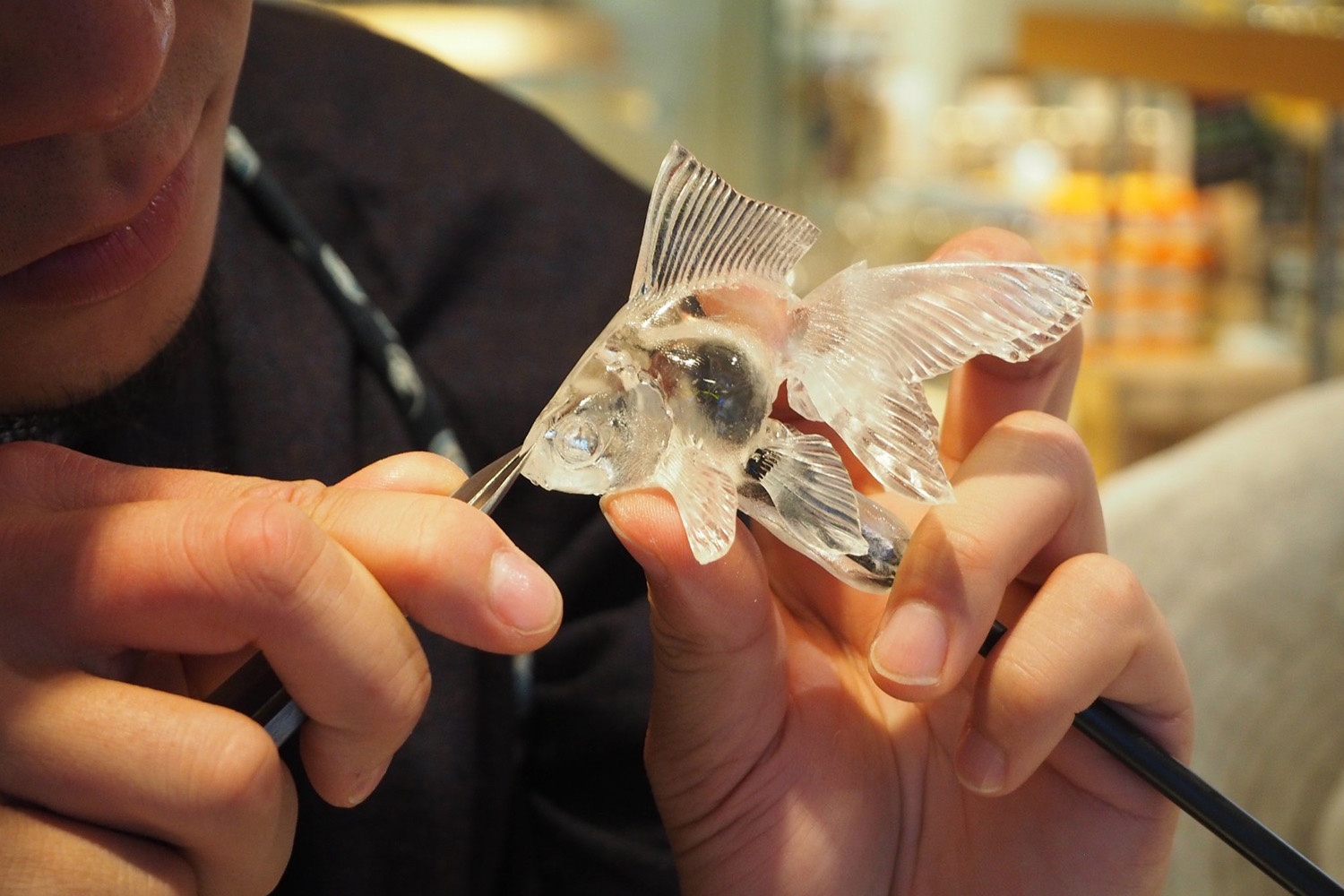
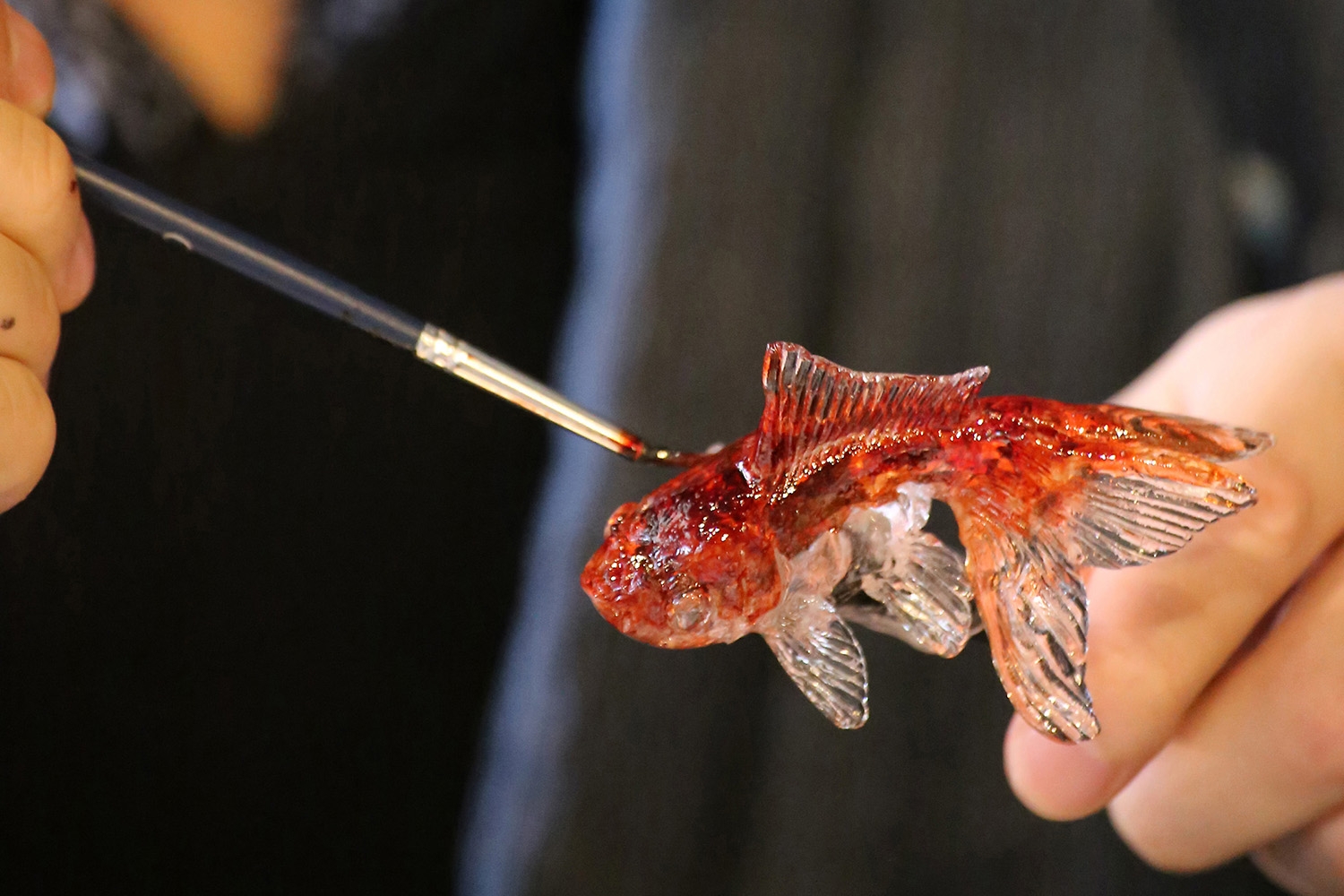
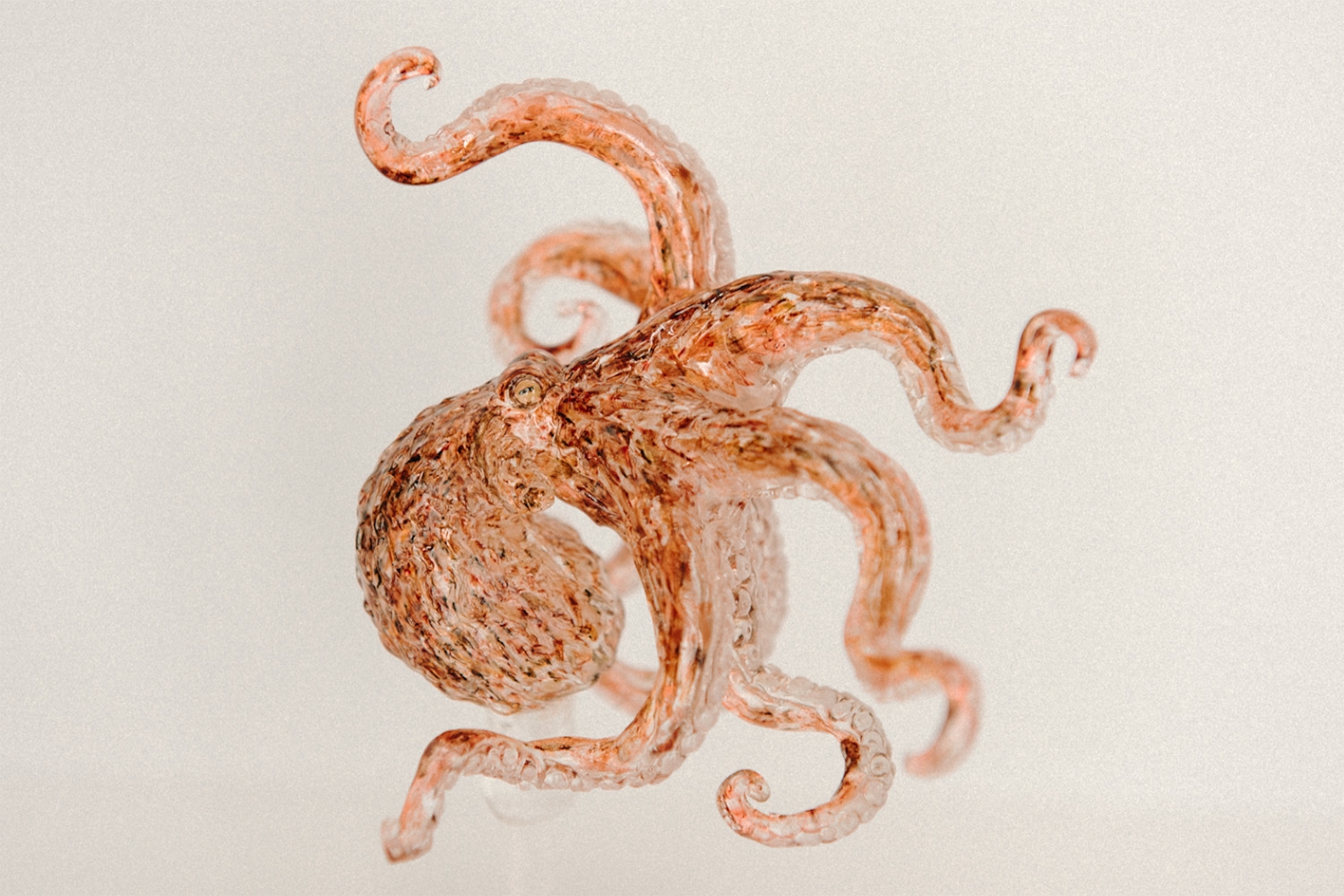
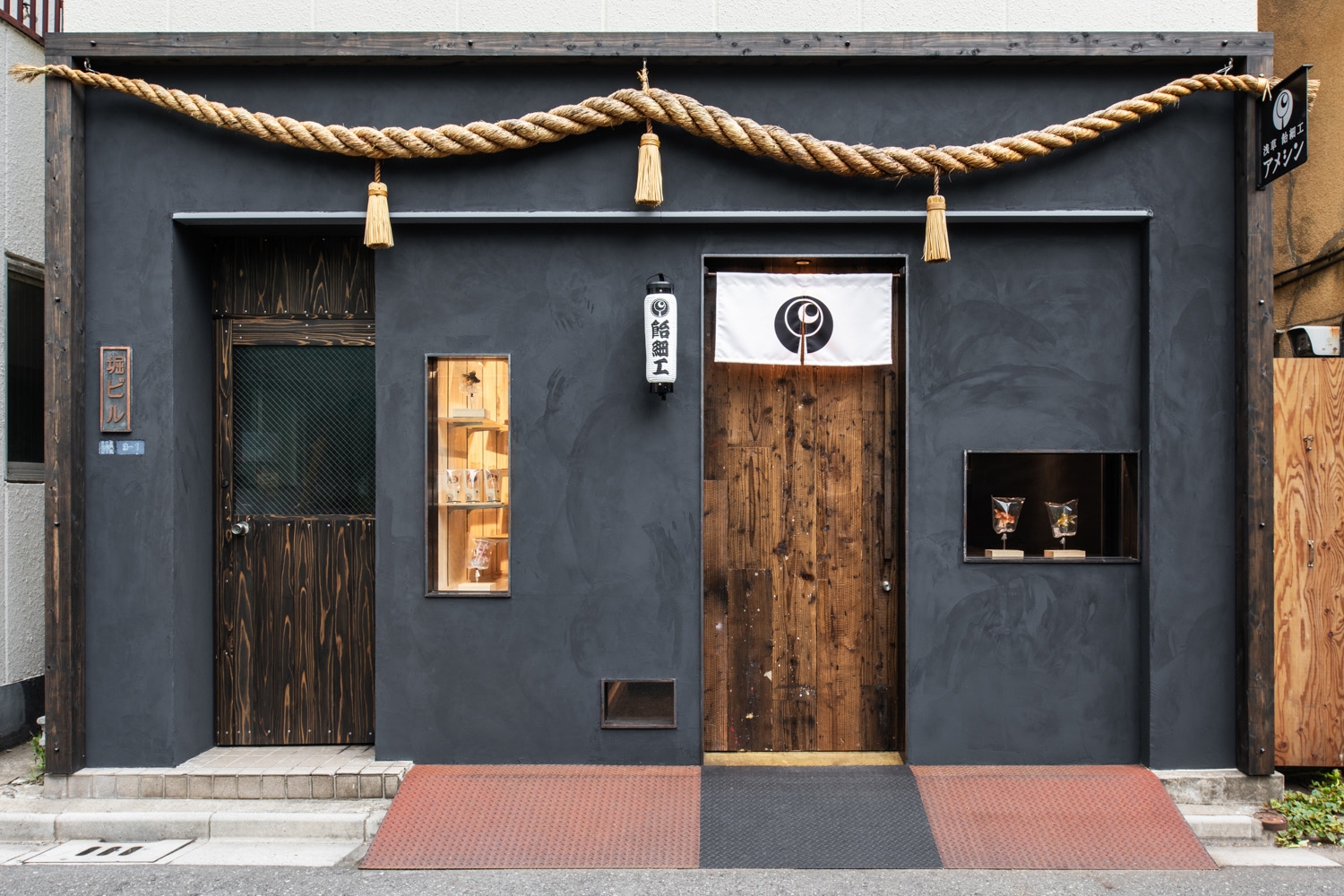
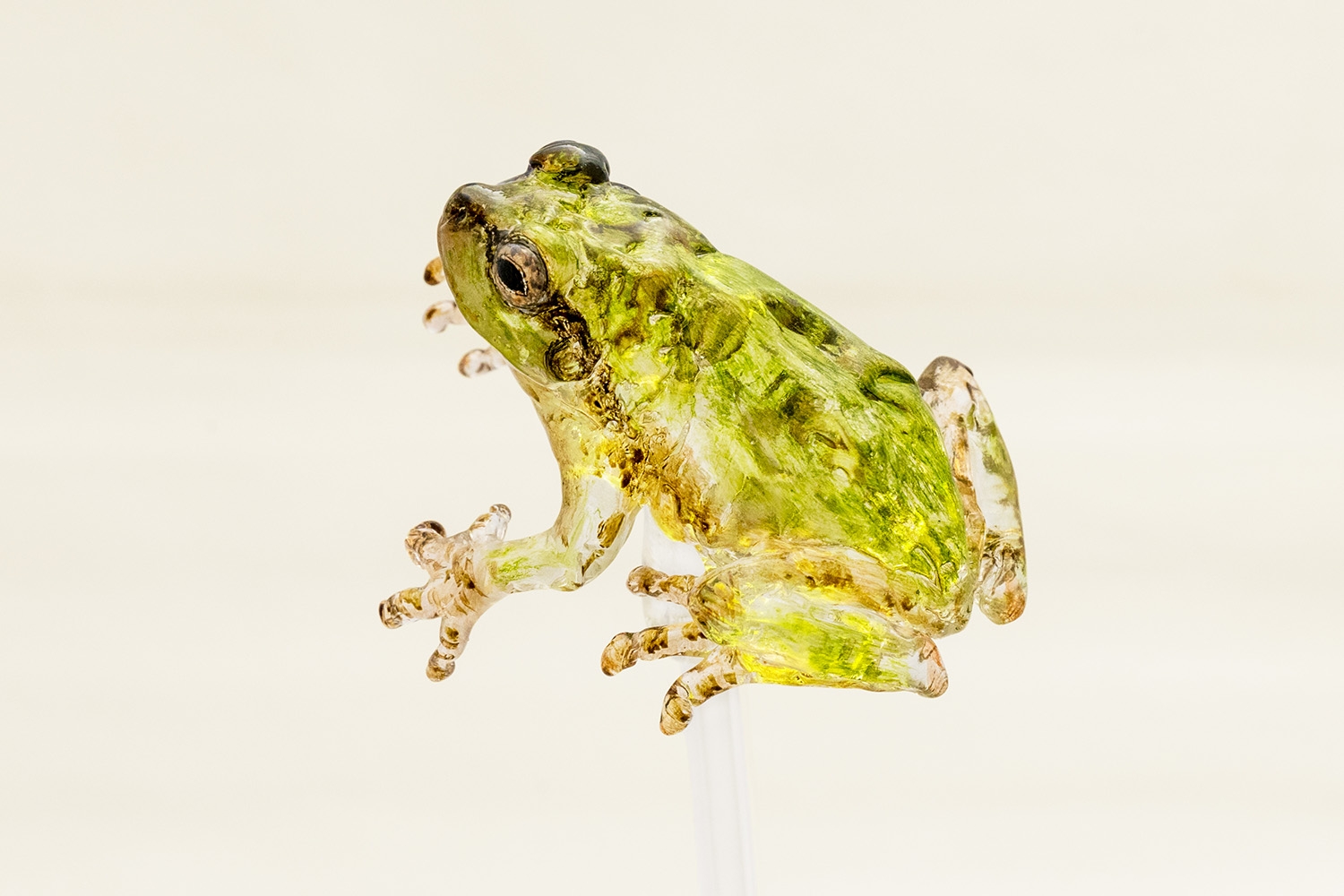
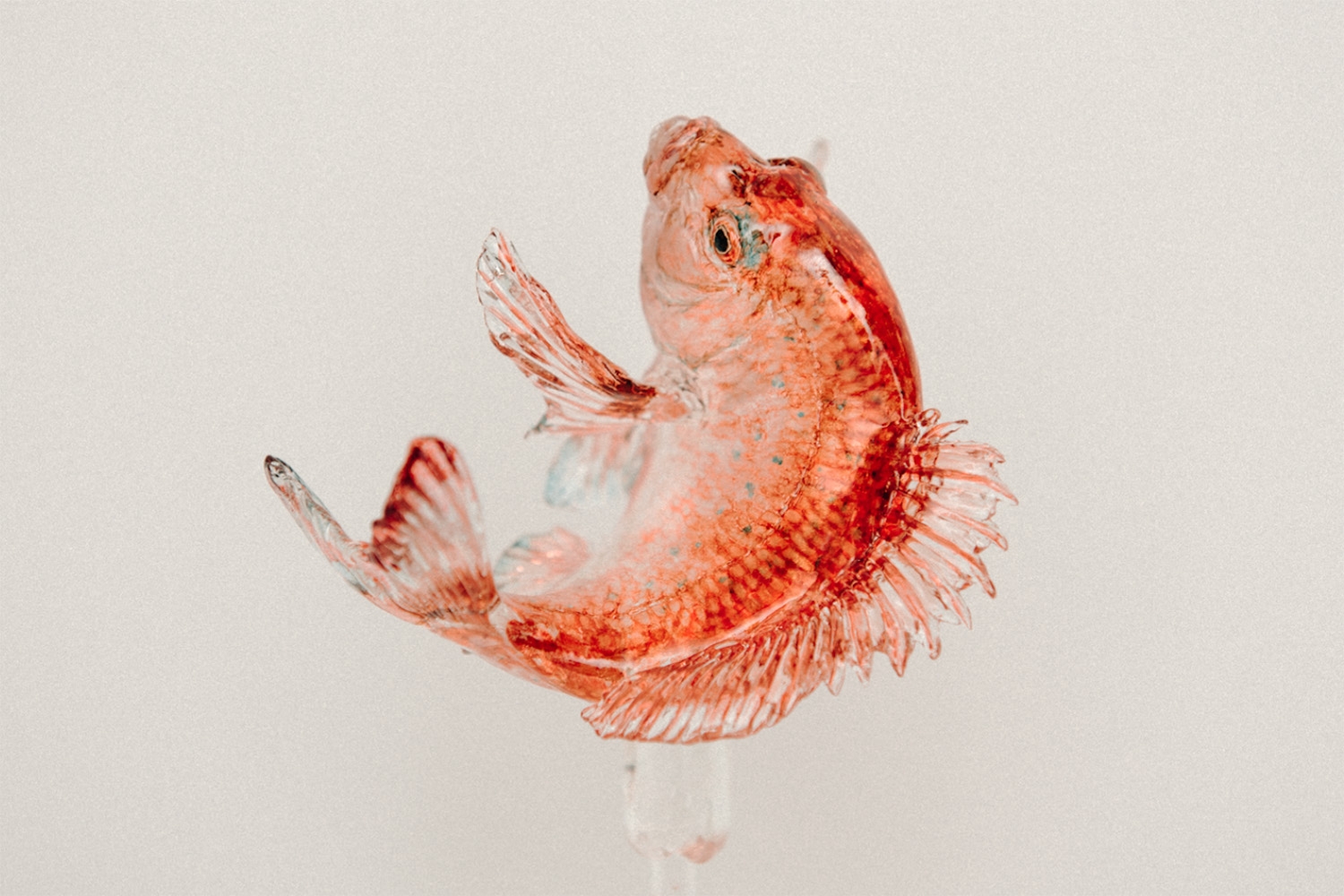
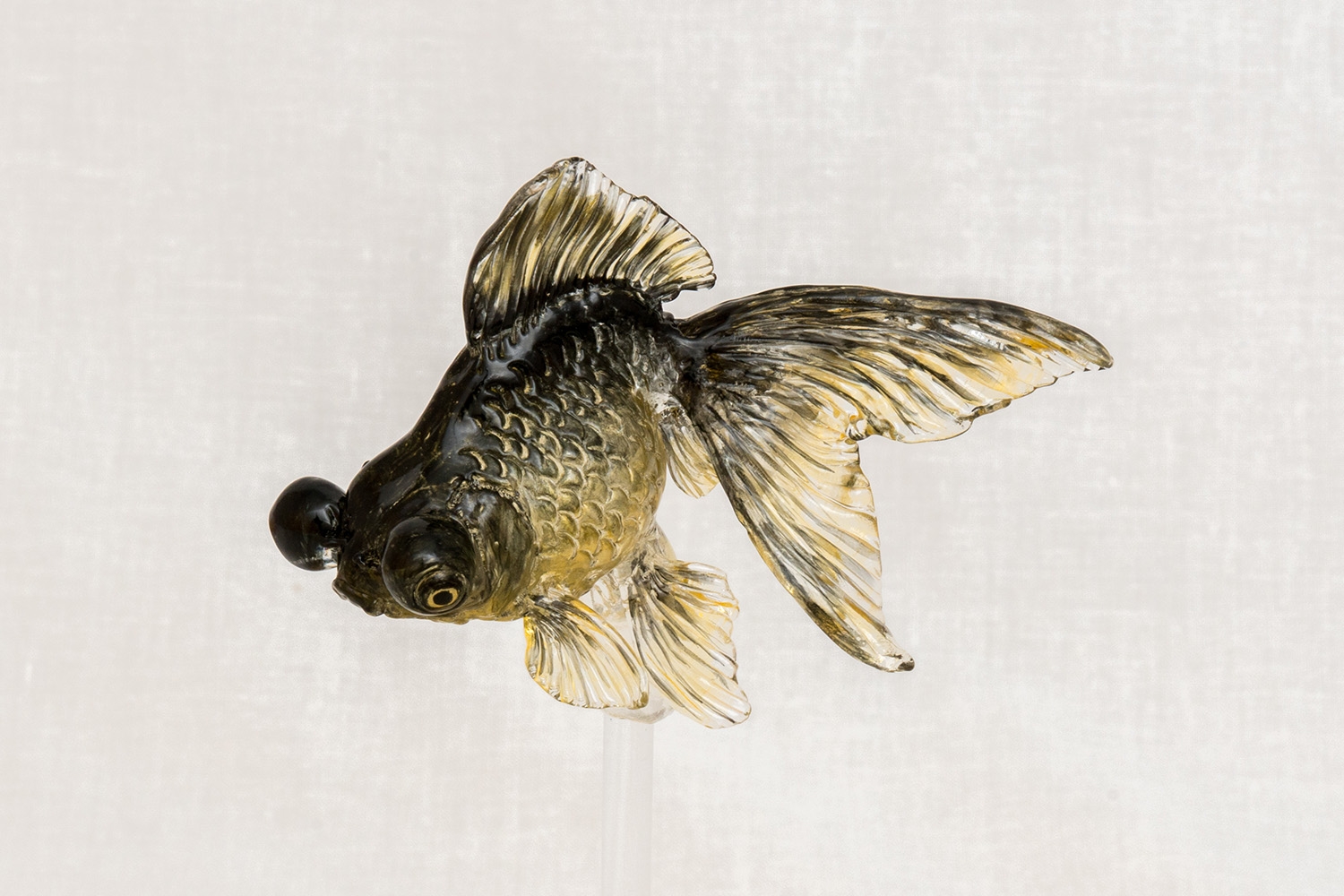
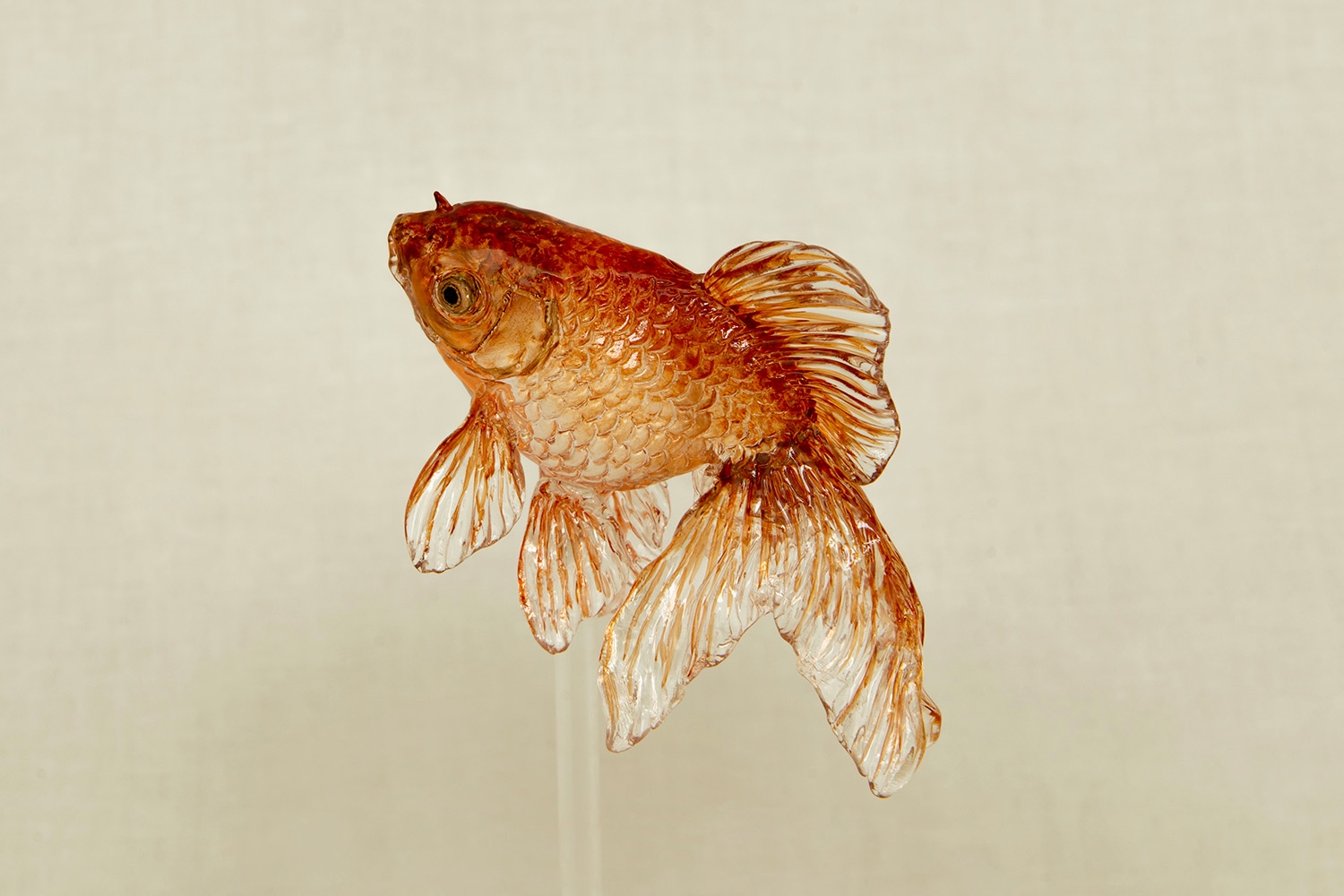
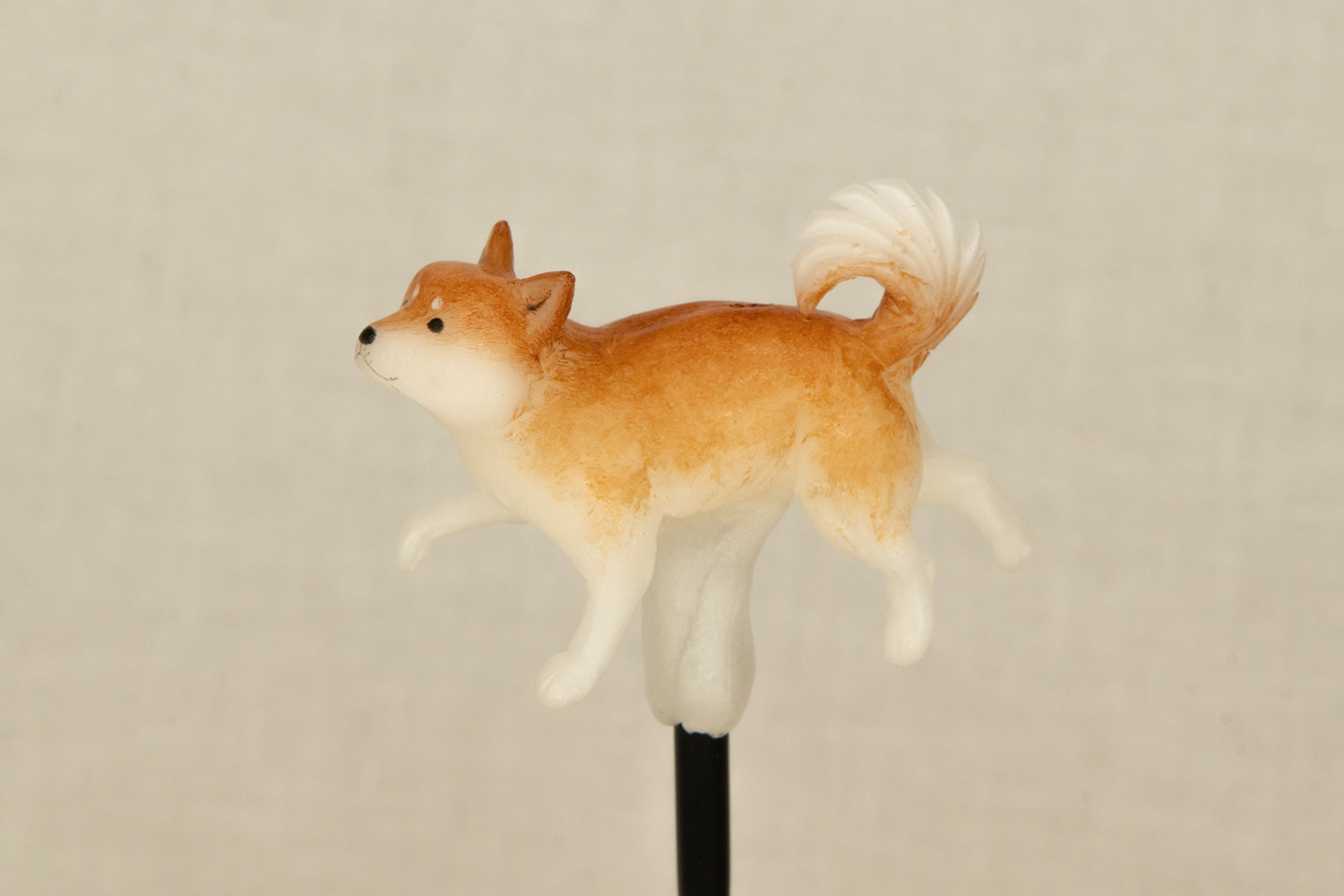
In Edo era Japan, mizuame starch syrup fuelled the rise of Amezaiku, a unique candy sculpting art. Street performers and merchants showcased the beauty of their creations at festivals, anchoring the artistic legitimacy and legacy of this unique craft. Born in 1989, Shinri Tezuka, self-taught in sugar sculpting, advocates for the fading art of Amezaiku. He founded his workshop, Asakusa Amezaiku Ameshin, to push the craft's boundaries with innovative shapes and large-scale sculptures for private commissions. Shinri can make large sculptures that are up to 60cm long. He uses colour moderately in order to highlight and harness the beauty of the material's natural transparency. In 2013, he opened a store, Ameshin Asakusa, in Tokyo's central area for traditional culinary related crafts. This is where Shinri is able to showcase his creativity, sell his sugar sculptures, and even hold workshops, all of which help keep the tradition of molten sugar sculpting alive.
INTERVIEW
Unlike sculpting, Amezaiku avoids waste. The entire piece is crafted without creating offcuts of the material. The candy sugar is shaped by stretching and making incisions, as though with molten glass. This echoes Edo era frugality, respecting the material so that every bit of precious candy becomes art.
While colour has its place, we strive for beauty that shines naturally through the material's transparency. This means preparation of the material is key in order to achieve the crystalline sculptures. Few candies offer such transparency, making our edible art truly unique.
Nature's unmatched beauty inspires my craft, but especially aquatic animals and water that the candy's transparency is compatible with. I am drawn to the untouched purity of the aquatic world, where human influence is minimal compared to on land.
Craft professions are often unpaid in the beginning, although my company offers paid part-time roles. Empowering and nurturing young talent and bringing excitement to the industry is key for attracting and retaining young artisans. This is my vision for a thriving craft ecosystem to support young talent.
Shinri Tezuka
Asakusa Amezaiku Ameshin
Sugar sculptor
Taito City, Japan
AVAILABILITY
Friday to Wednesday 10:30-18:00
PHONE
+81 8093730644
LANGUAGES
Japanese
Homo Faber Finds is a new service aiming to inspire admirers of craft to connect and collaborate with exceptional artisans.
We invite you to submit an enquiry here.