Scott A. Foster
Woodturner
Bala Cynwyd, PA, USA
The many facets of wood
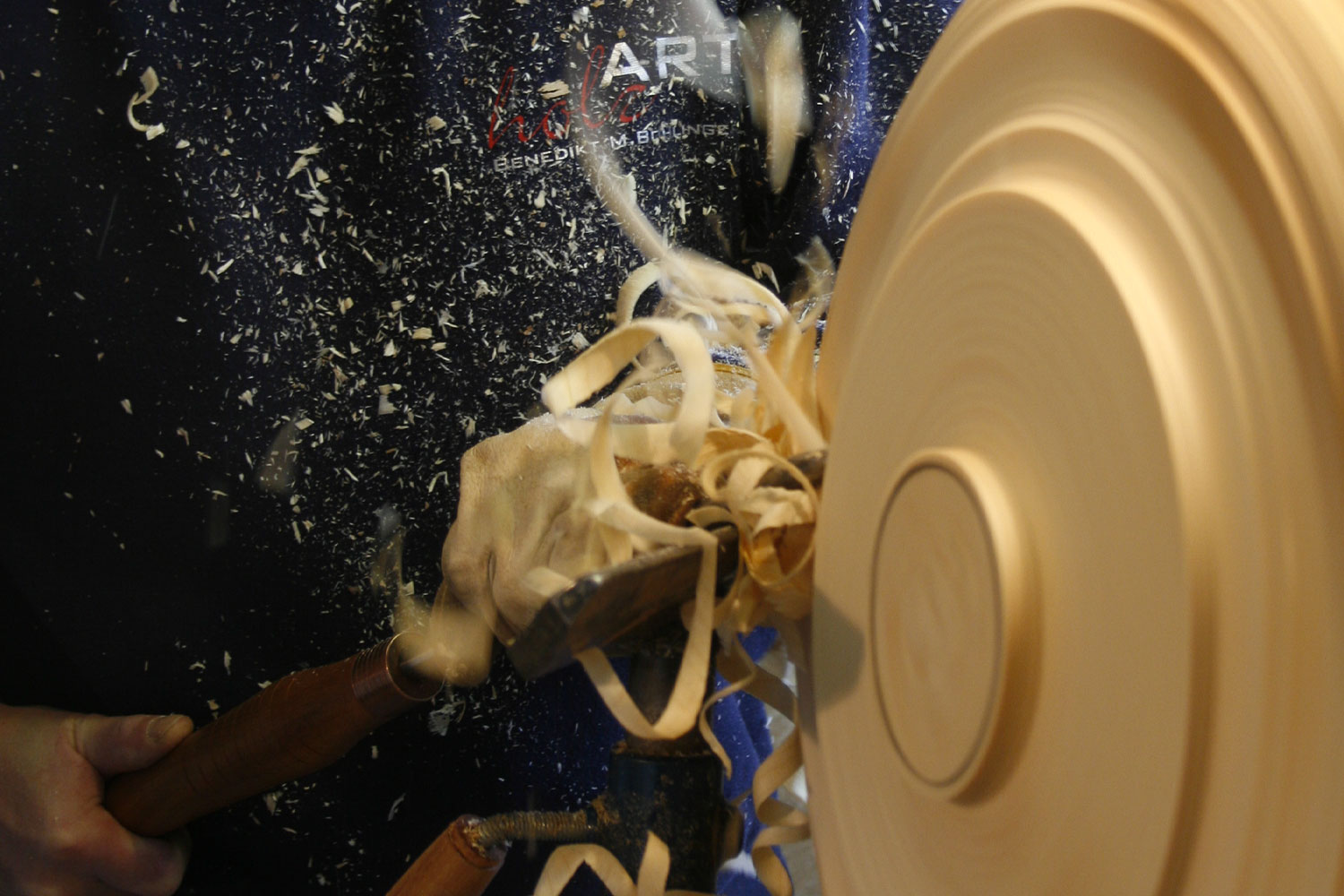
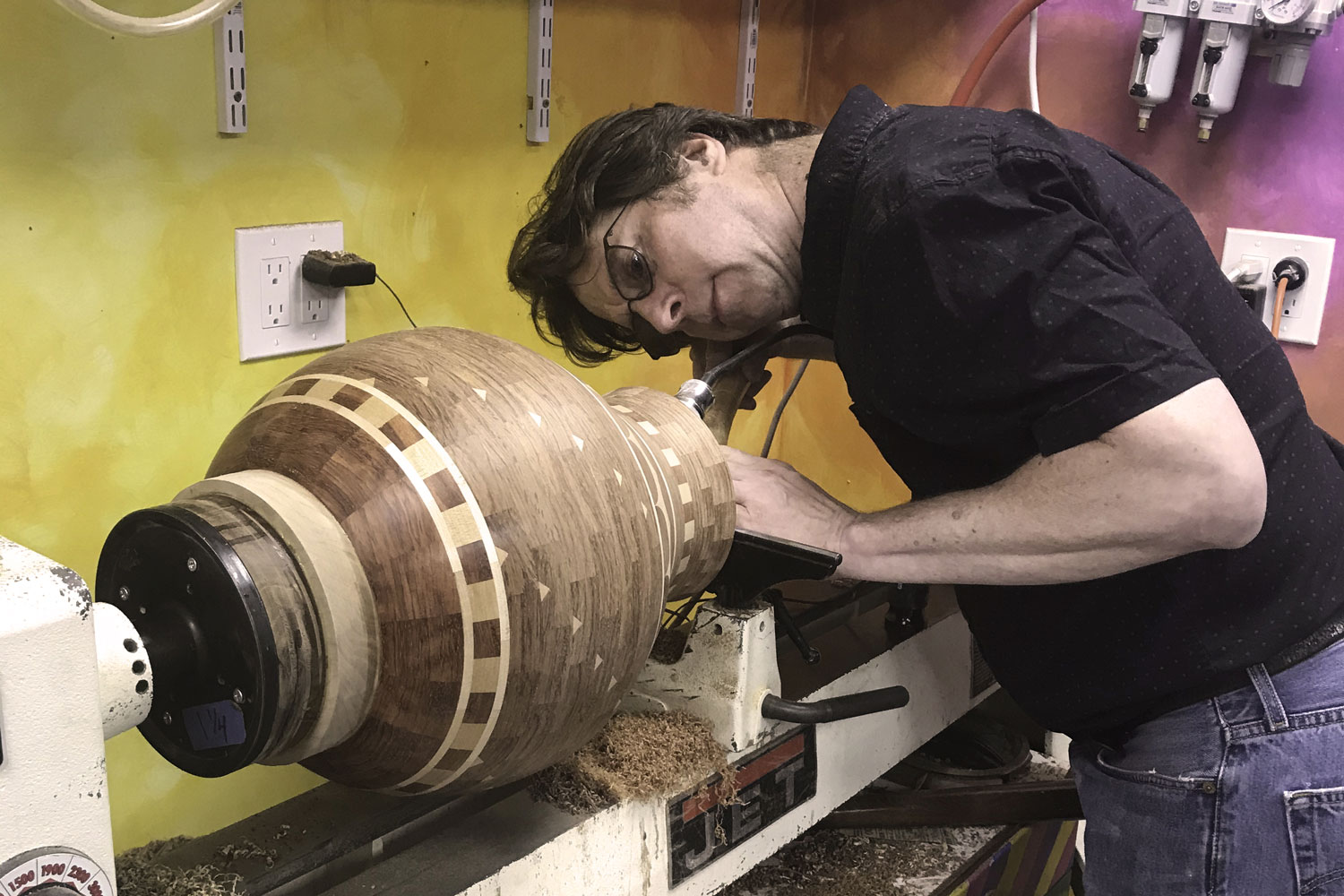
- Scott uses a lathe to create segmented and solid wood bowls and vessels
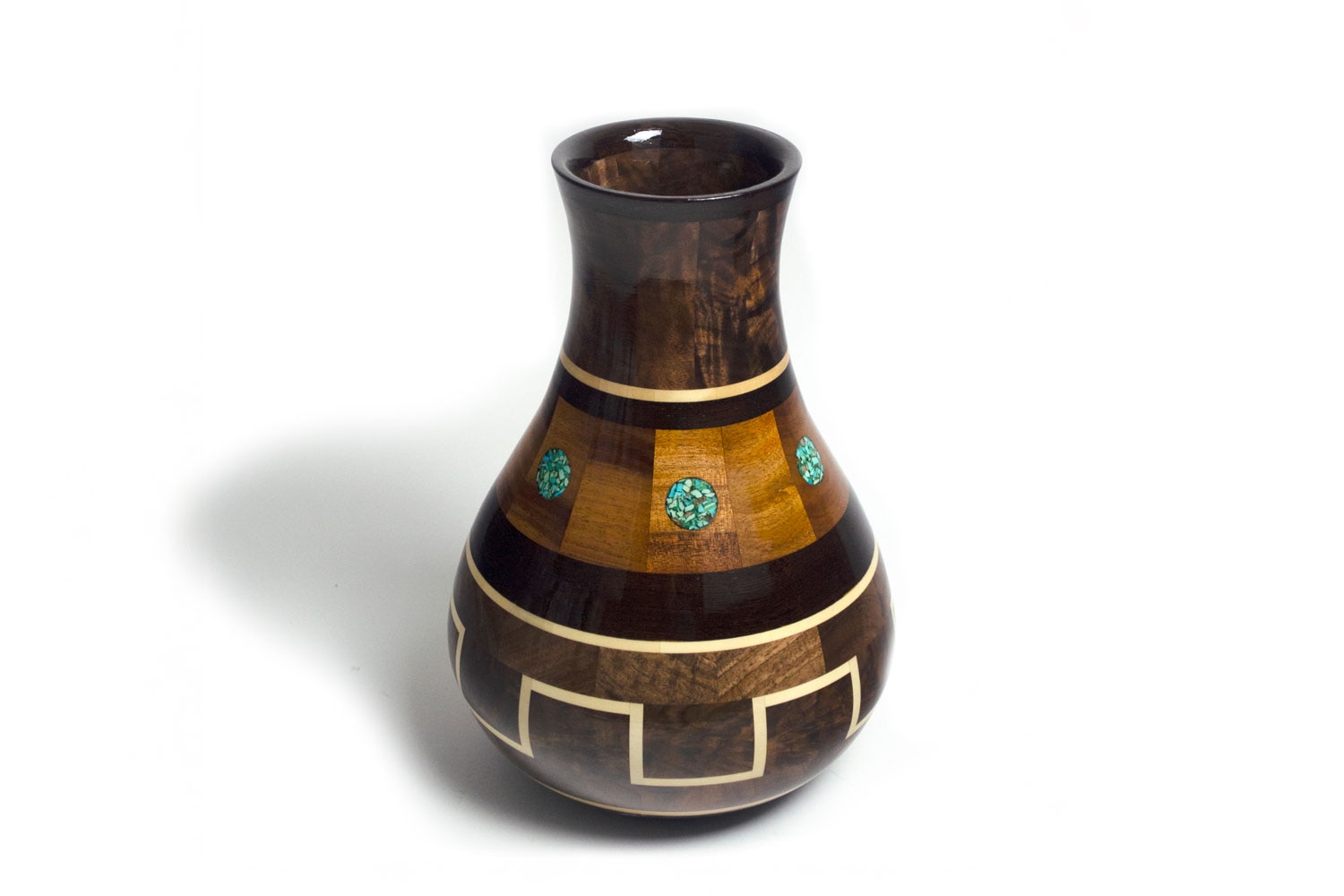
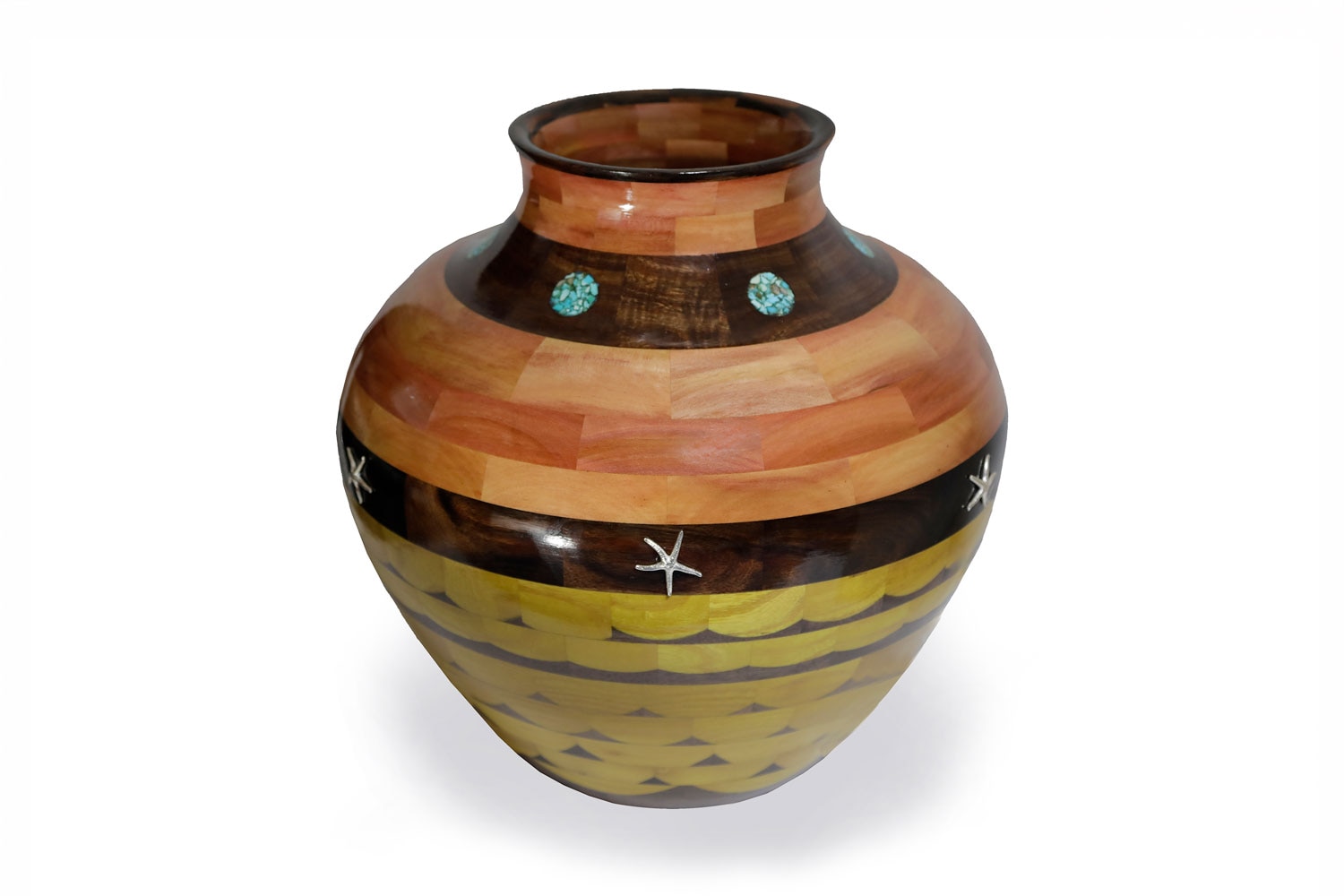
- He decorates some of his pieces with inlaid gemstones
- His works have received awards from the State Museum of Pennsylvania and at art shows
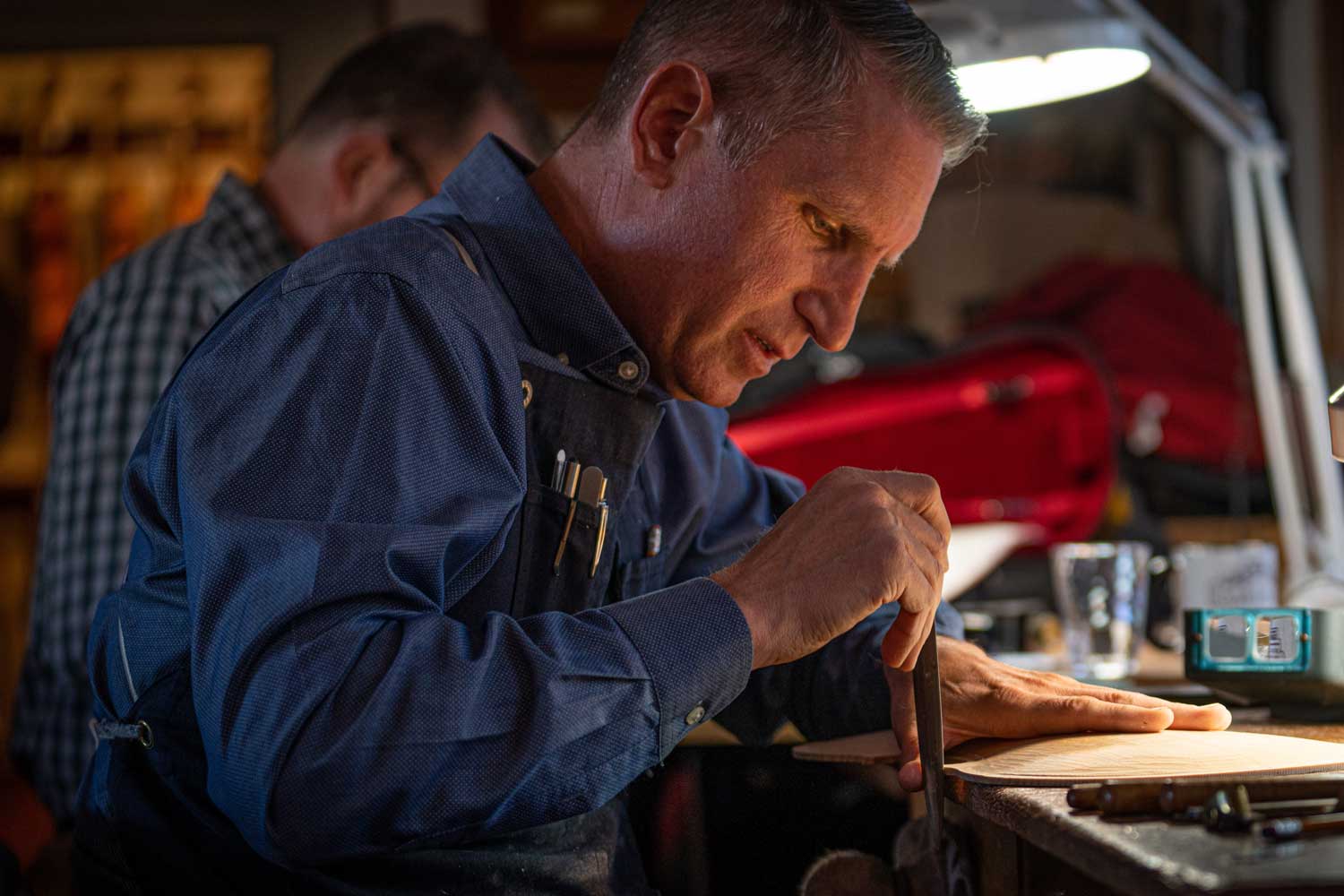
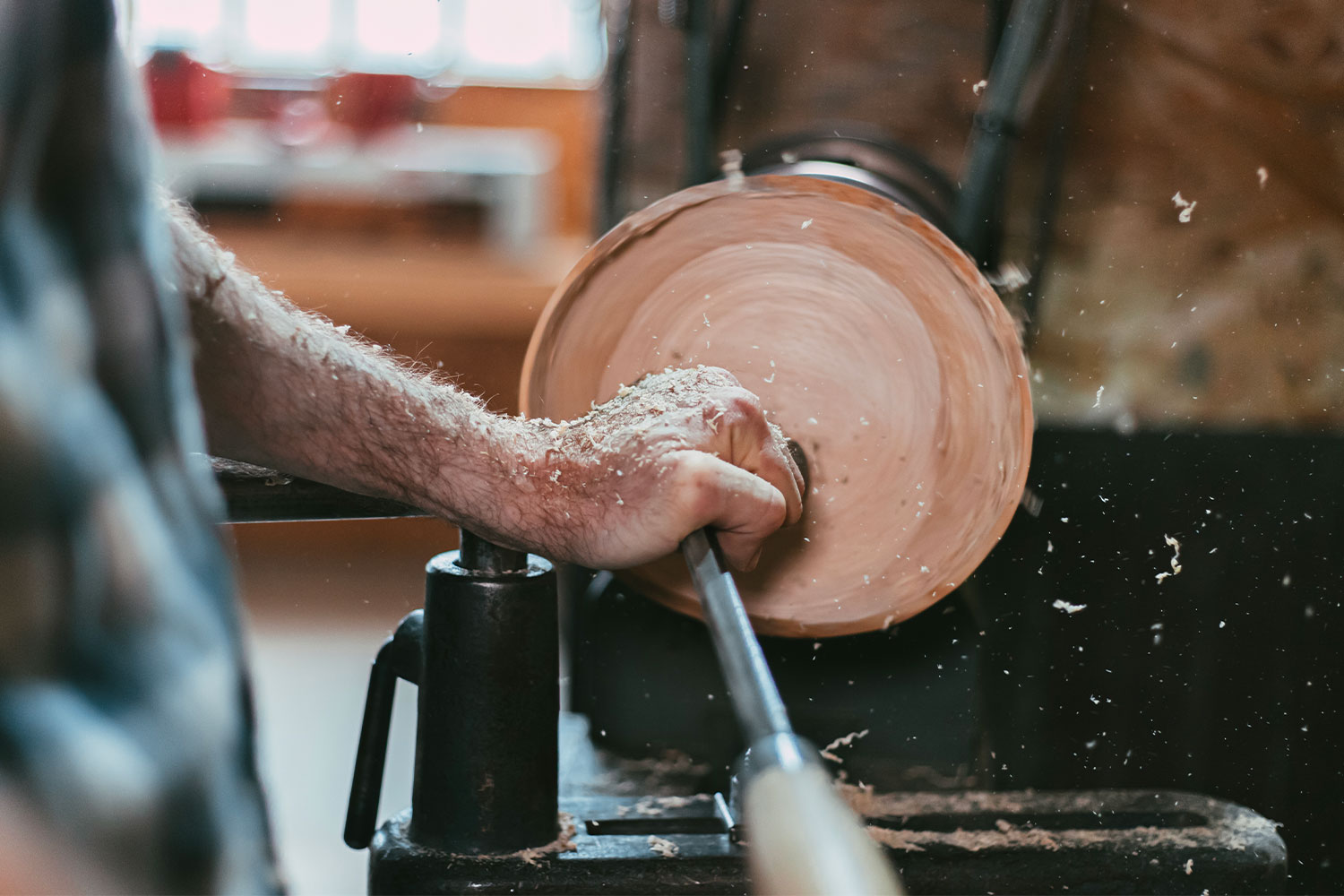
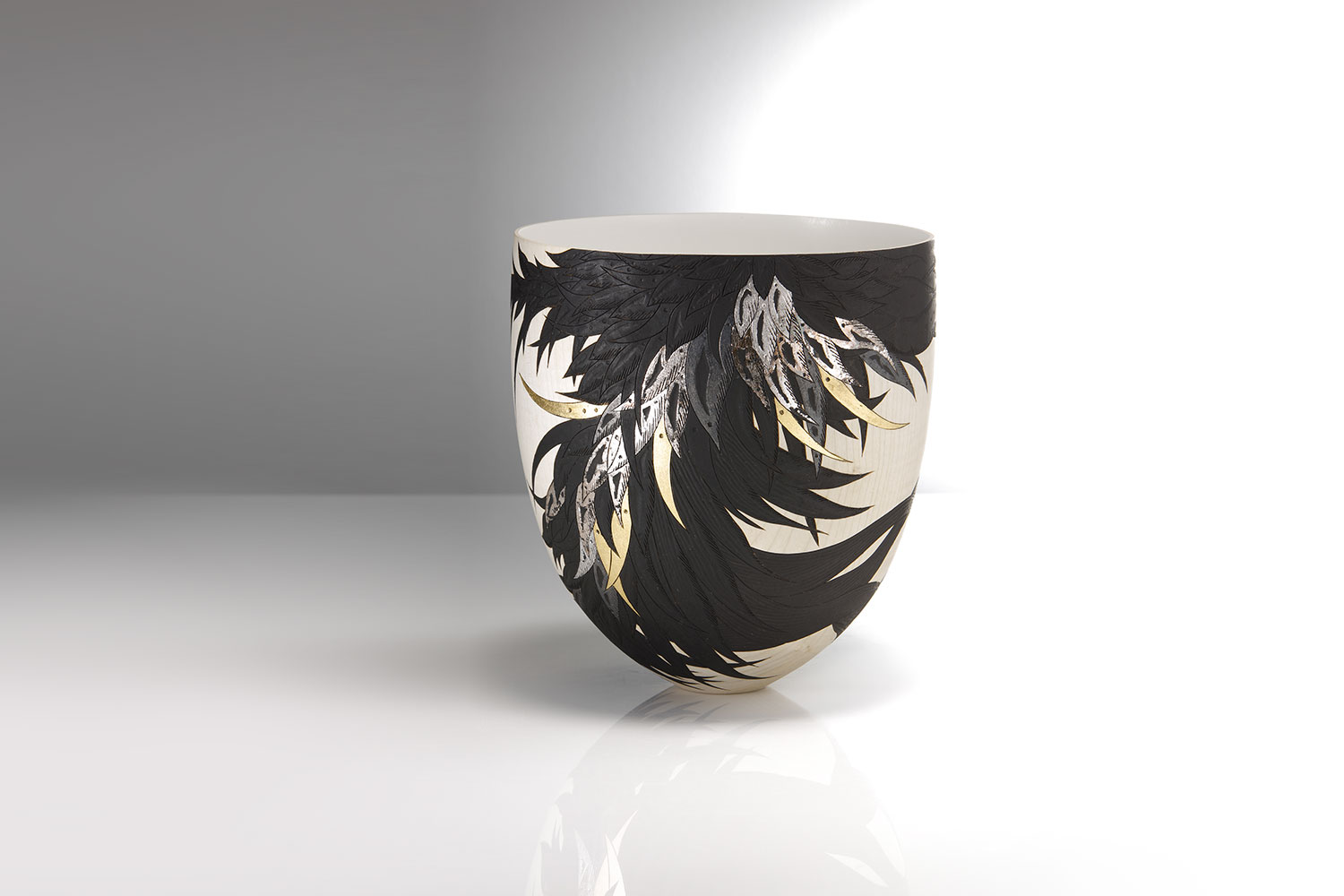
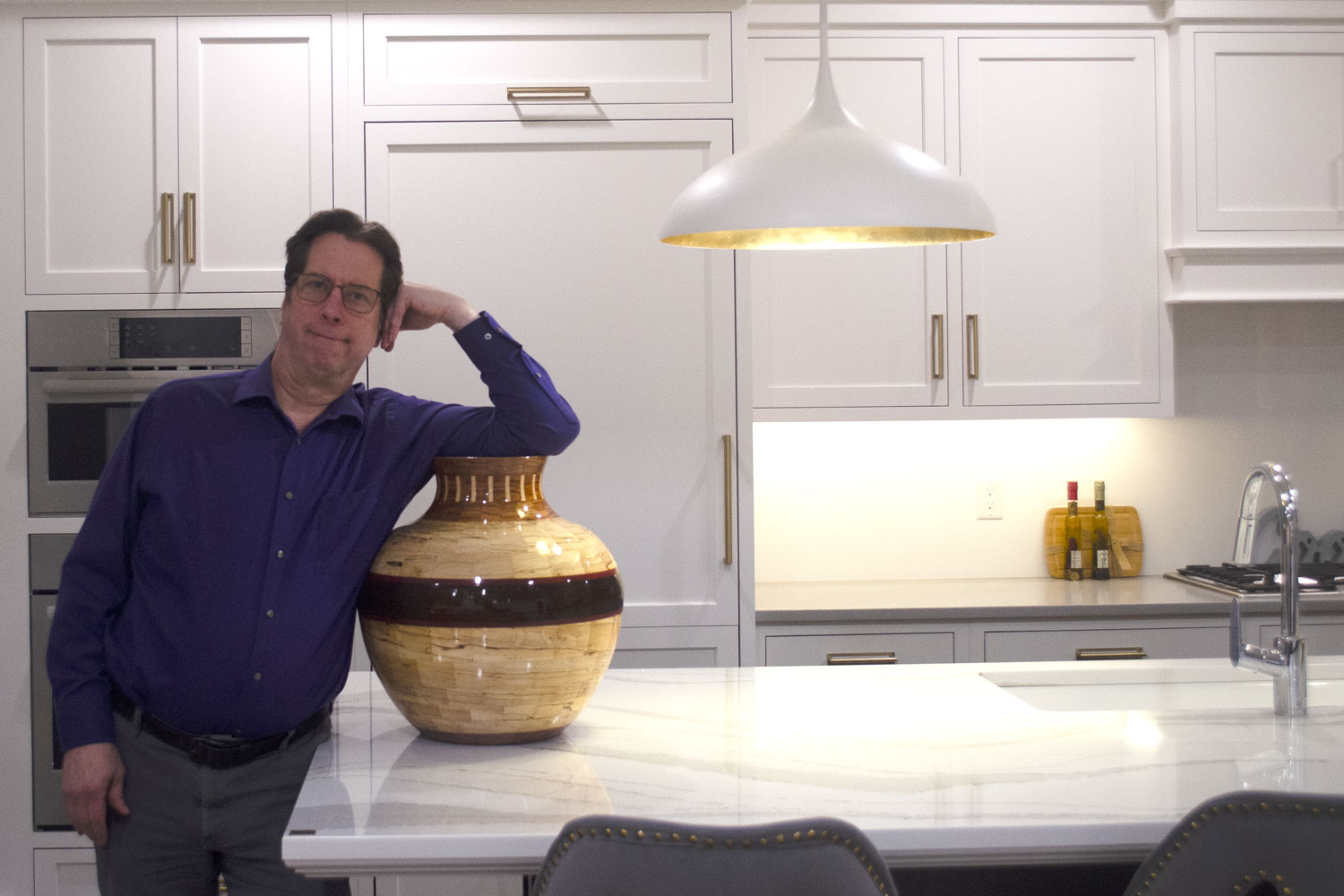
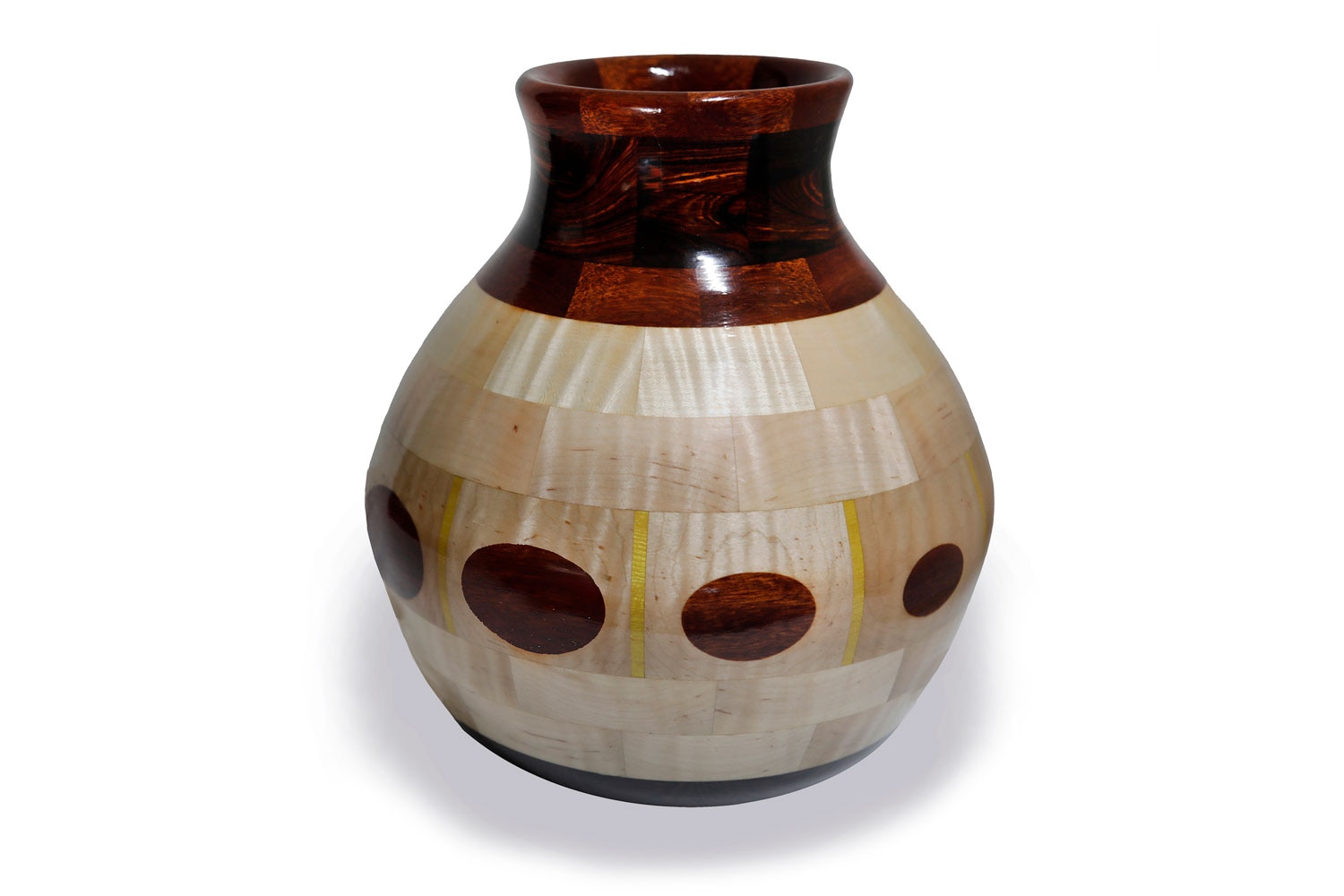
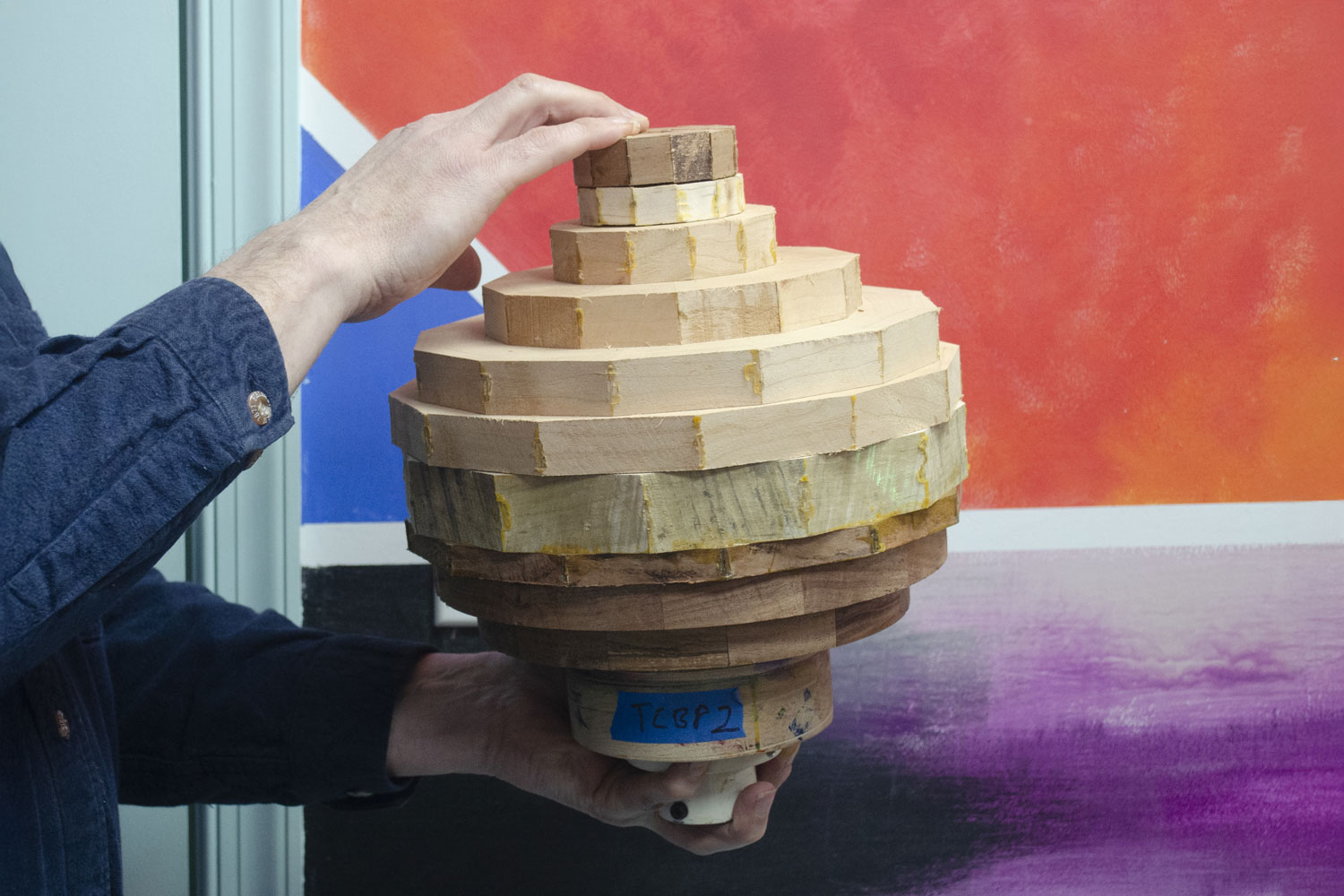
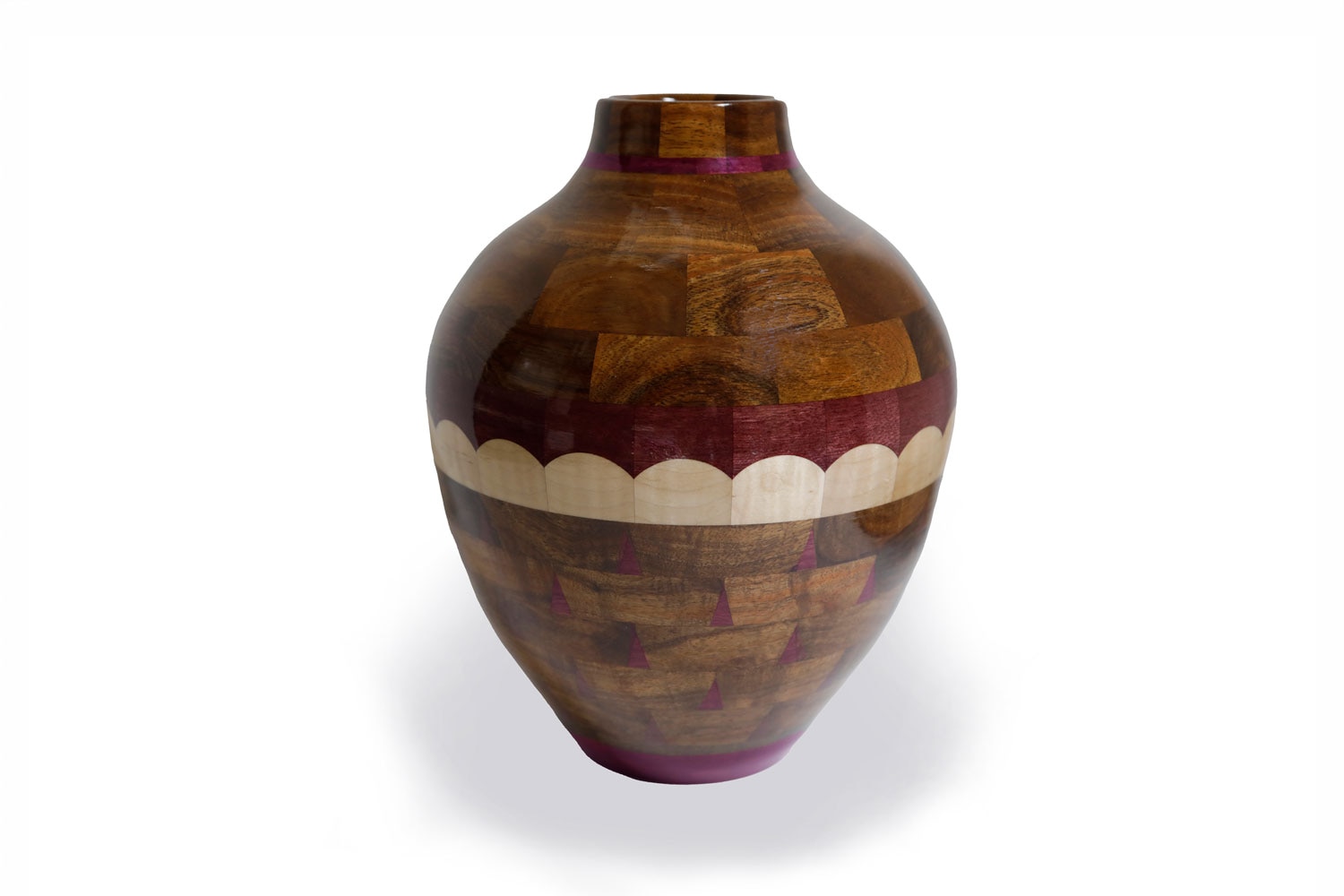
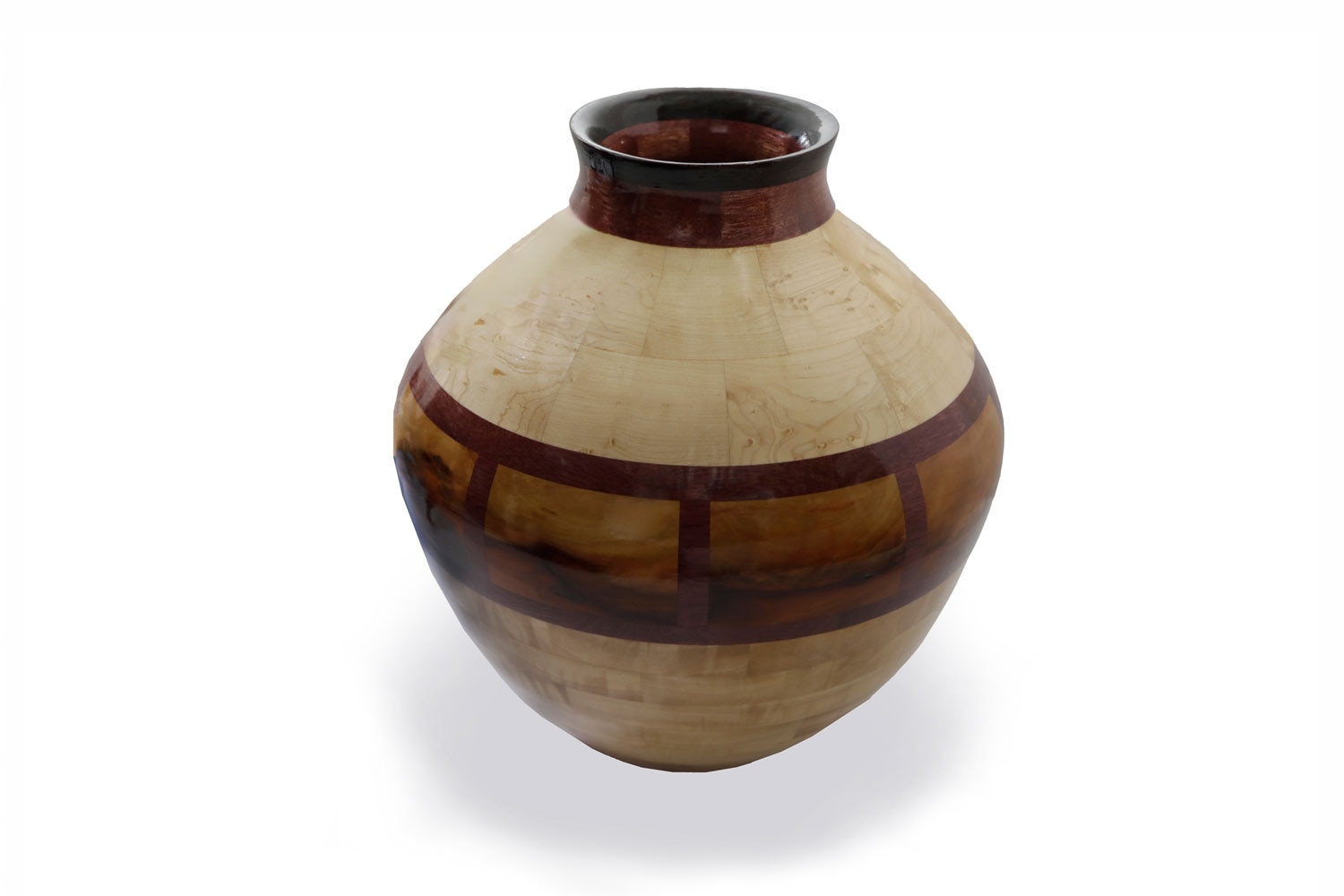
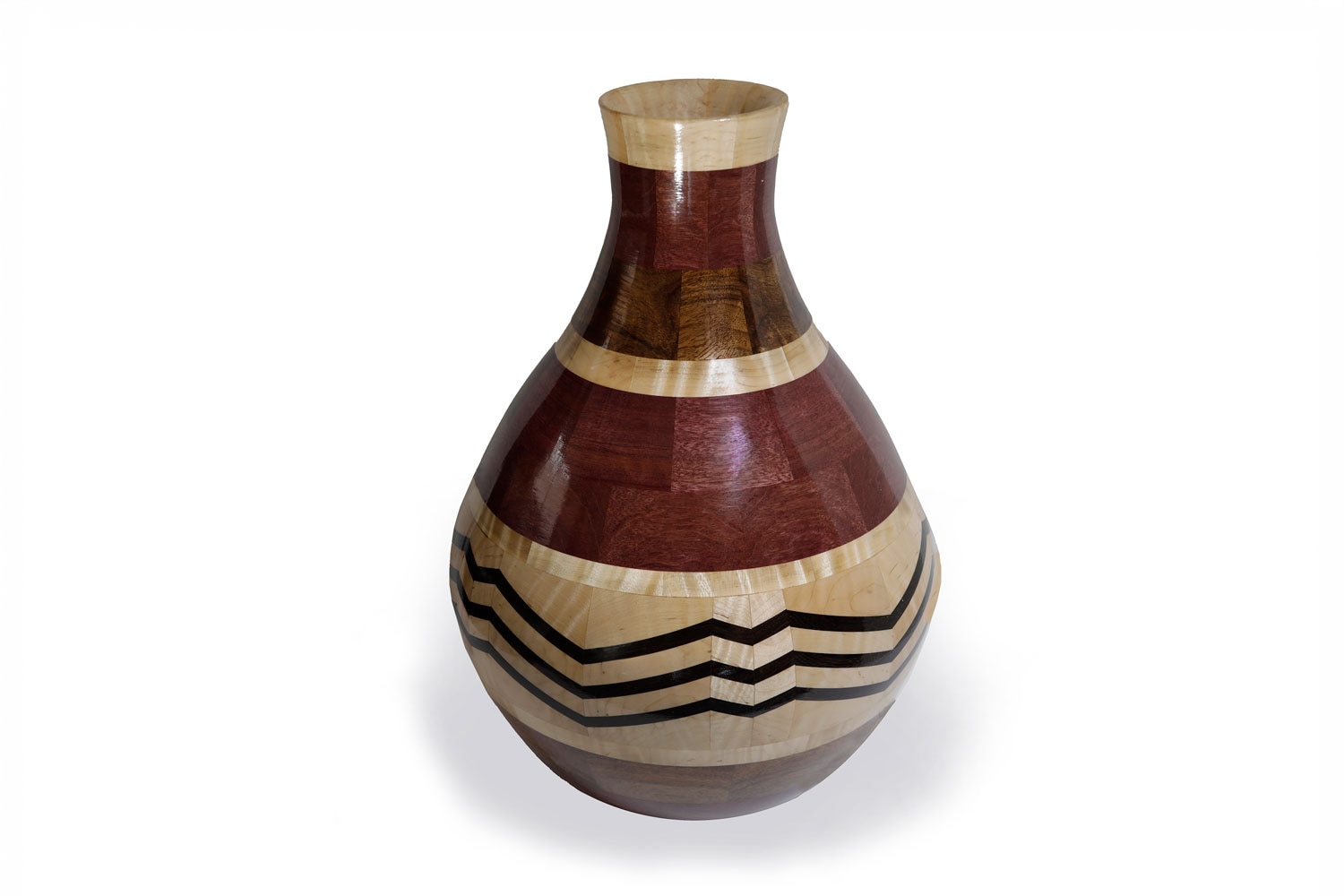
Scott A. Foster creates intricate, geometric bowls and vessels from a range of native and exotic woods, sometimes incorporating gemstone fragments and iridescent paints to enhance their natural beauty. His interest in woodworking began after experimenting with building benches and bookshelves in his first home, and further developed when he discovered Malcolm Tibbett’s book, The Art of Segmented Woodturning. “I realised that segmenting would free me from needing to find a single chunk of wood to fulfil all my criteria,” he explains. Scott has participated in national craft shows and American Association of Woodturners symposiums, and regularly collaborates with his wife, a glass artist, and his daughter, a passionate woodworker, via their family workshop, Foster’s Beauties.
Discover his work
INTERVIEW
I participated in an online competition run by master woodturner Malcolm Tibbetts. The rule was that you could only use one species of wood. To creatively bypass that restriction, I decided to make a piece in black walnut that incorporated the sap wood as a contrasting colour. It did not win anything, but it received a nice comment from Malcolm about its form.
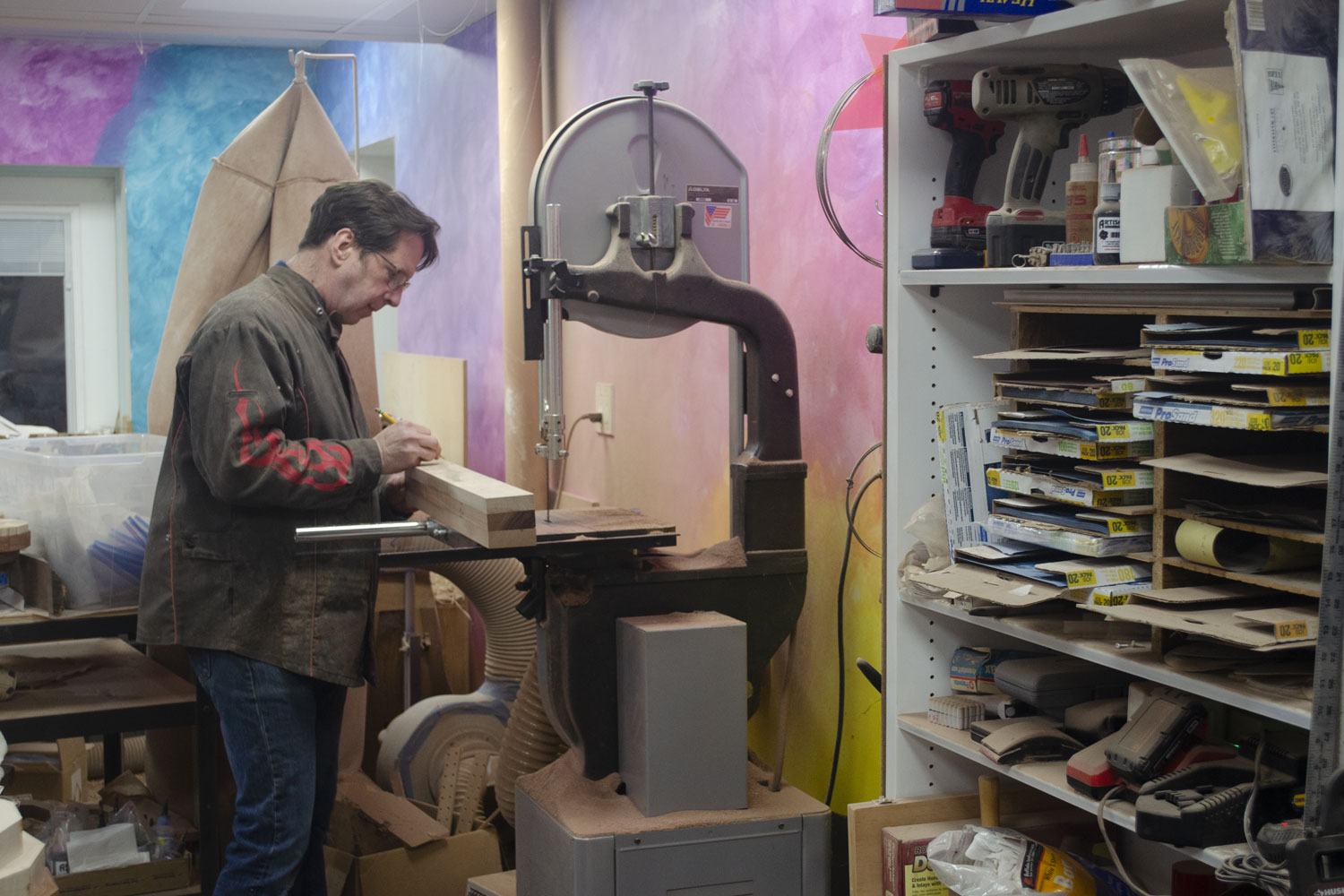
I start by sketching out the form and deciding where I will add elements like feature bands or rings. Then I select the woods for the piece. I use a spreadsheet to map out the basic geometry and determine my cut list.
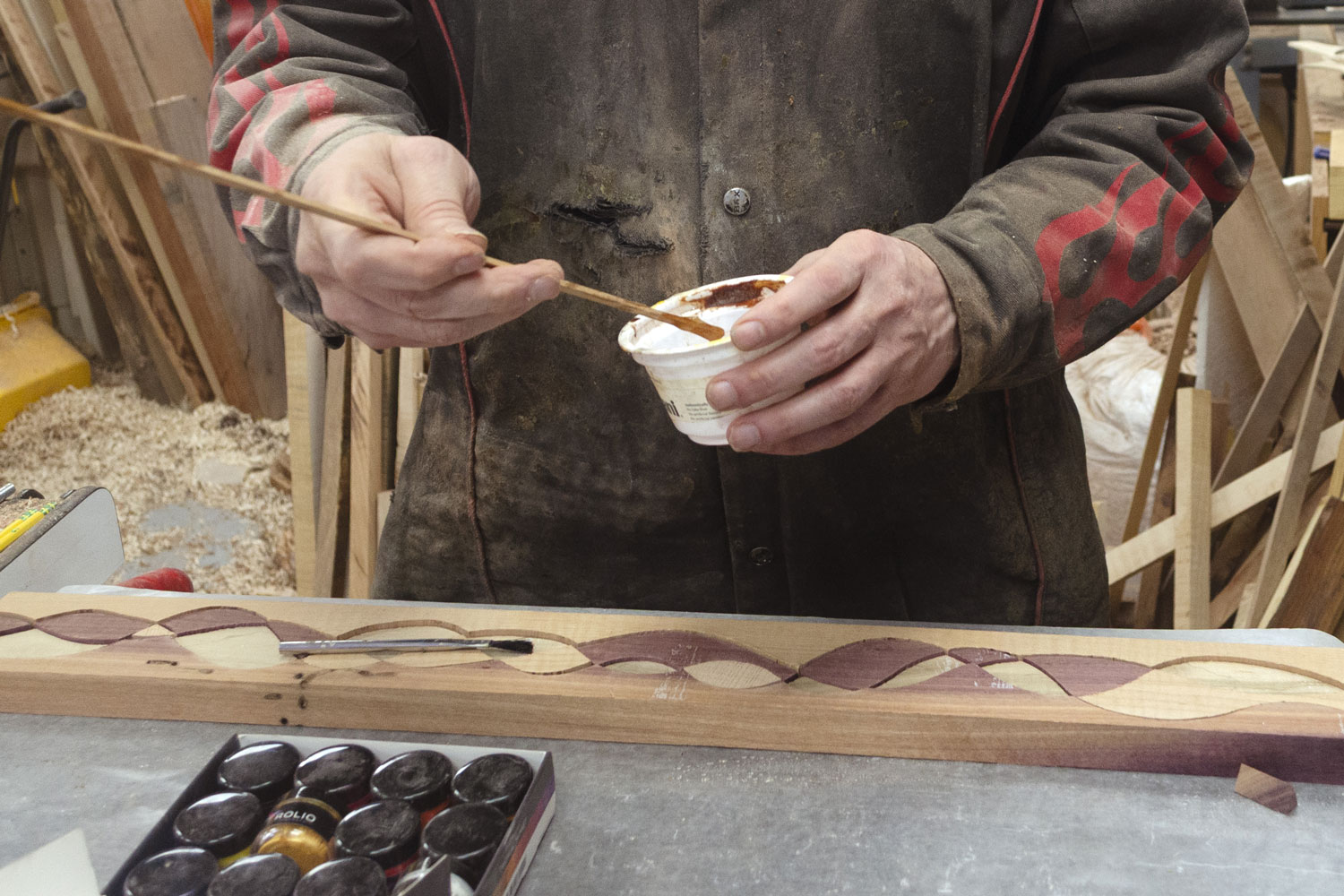
I am currently playing around with pre-laminated wood. After arranging the segments into a ring or form, I cut a curve through the laminated block to reveal different layers and shifting patterns.
Inspiration might come from a history book, a craft show, or something I have seen in a museum. I have even been inspired by the movements of dancers and the shapes of their bodies in motion.
Scott A. Foster
Woodturner
Bala Cynwyd, PA, USA
ADDRESS
Address upon request, Bala Cynwyd, PA, USA
AVAILABILITY
By appointment only
LANGUAGES
English
Homo Faber Finds is a new service aiming to inspire admirers of craft to connect and collaborate with exceptional artisans.
We invite you to submit an enquiry here.