Robyn Neild
Metal caster
Folkestone, United Kingdom
Bronze between the natural and the made
- Robyn creates metal works using the lost-wax casting technique
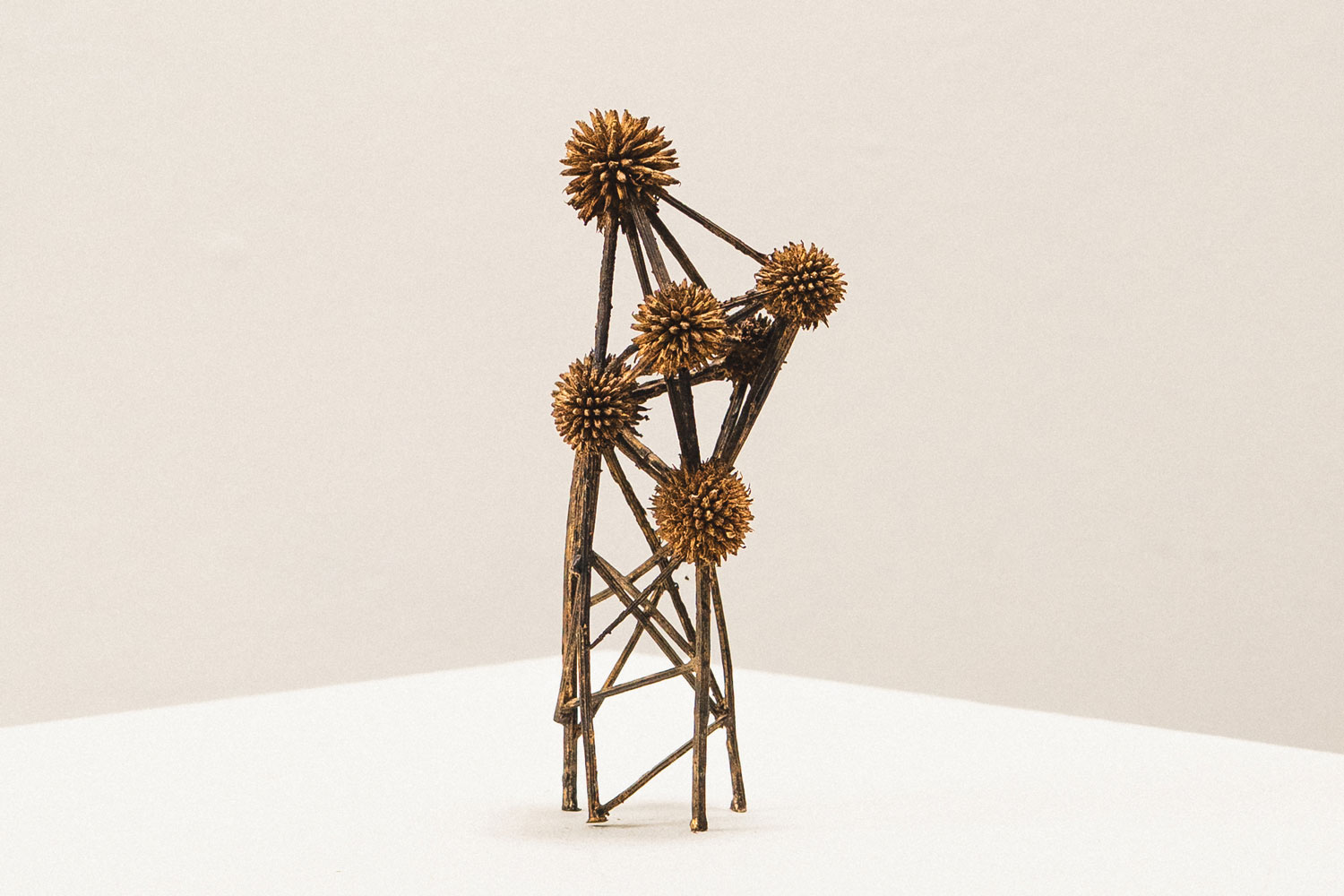
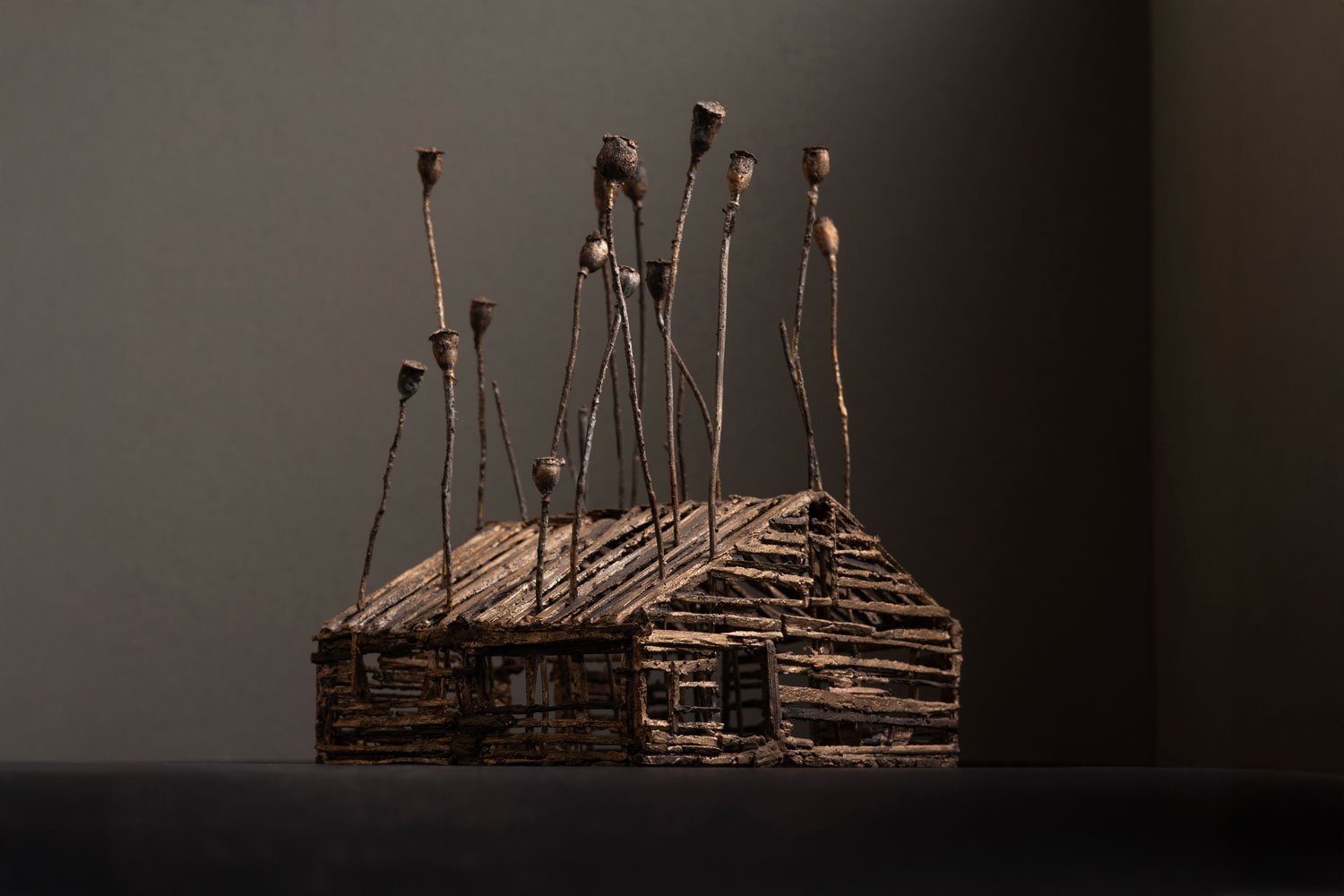
- Her bronze casting aims to capture the fragility of form
- She is inspired by the rawness of the Dungeness coast
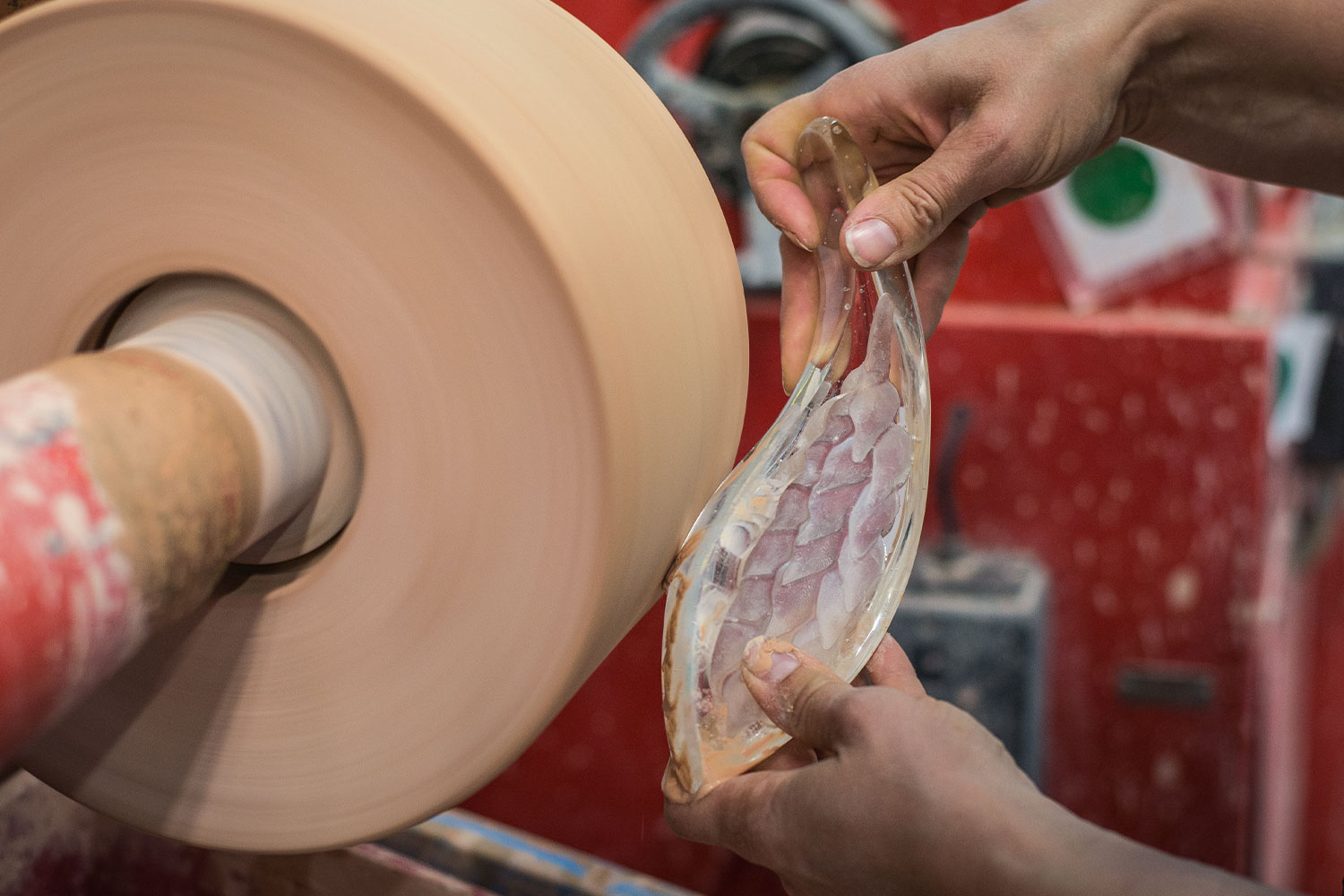
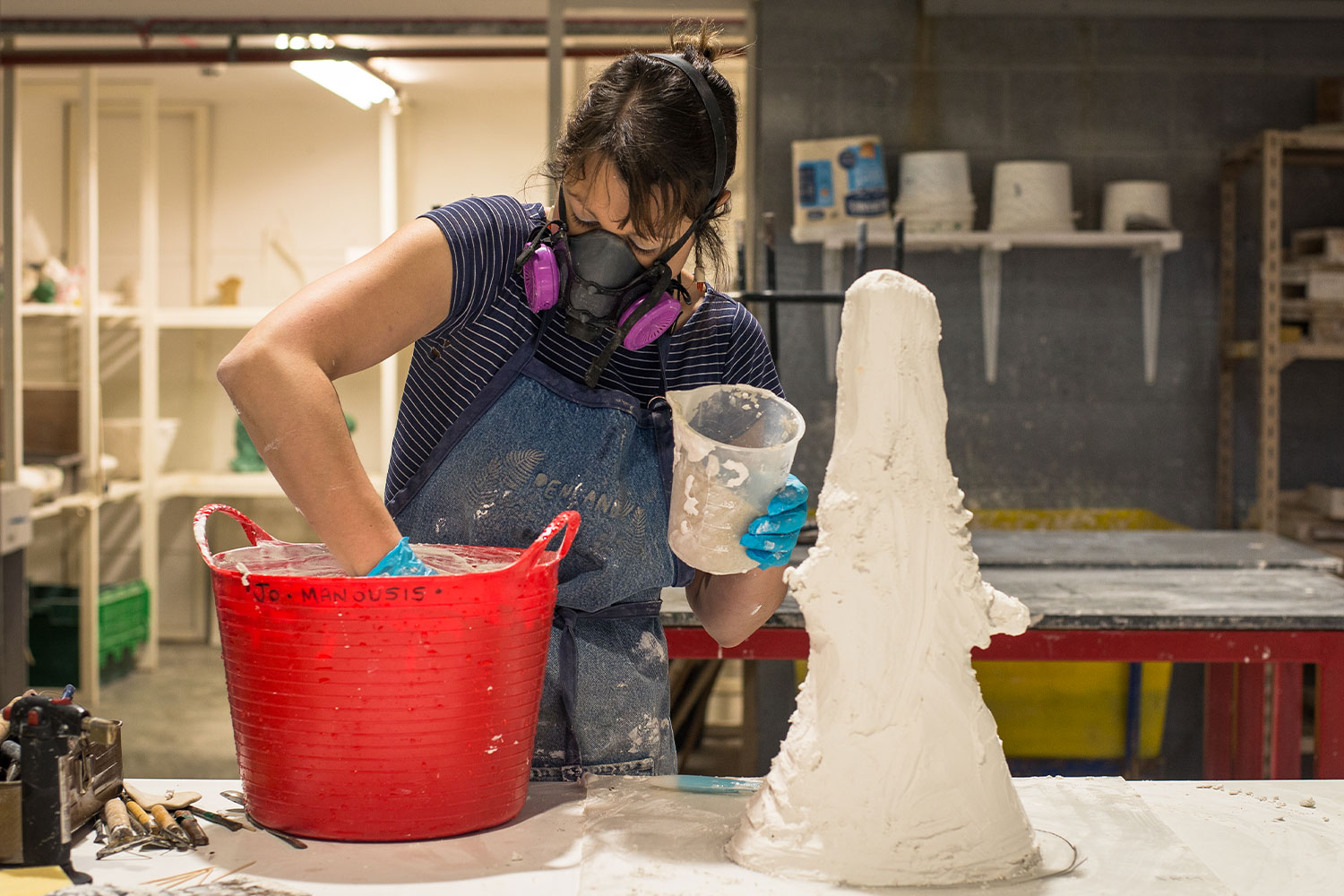
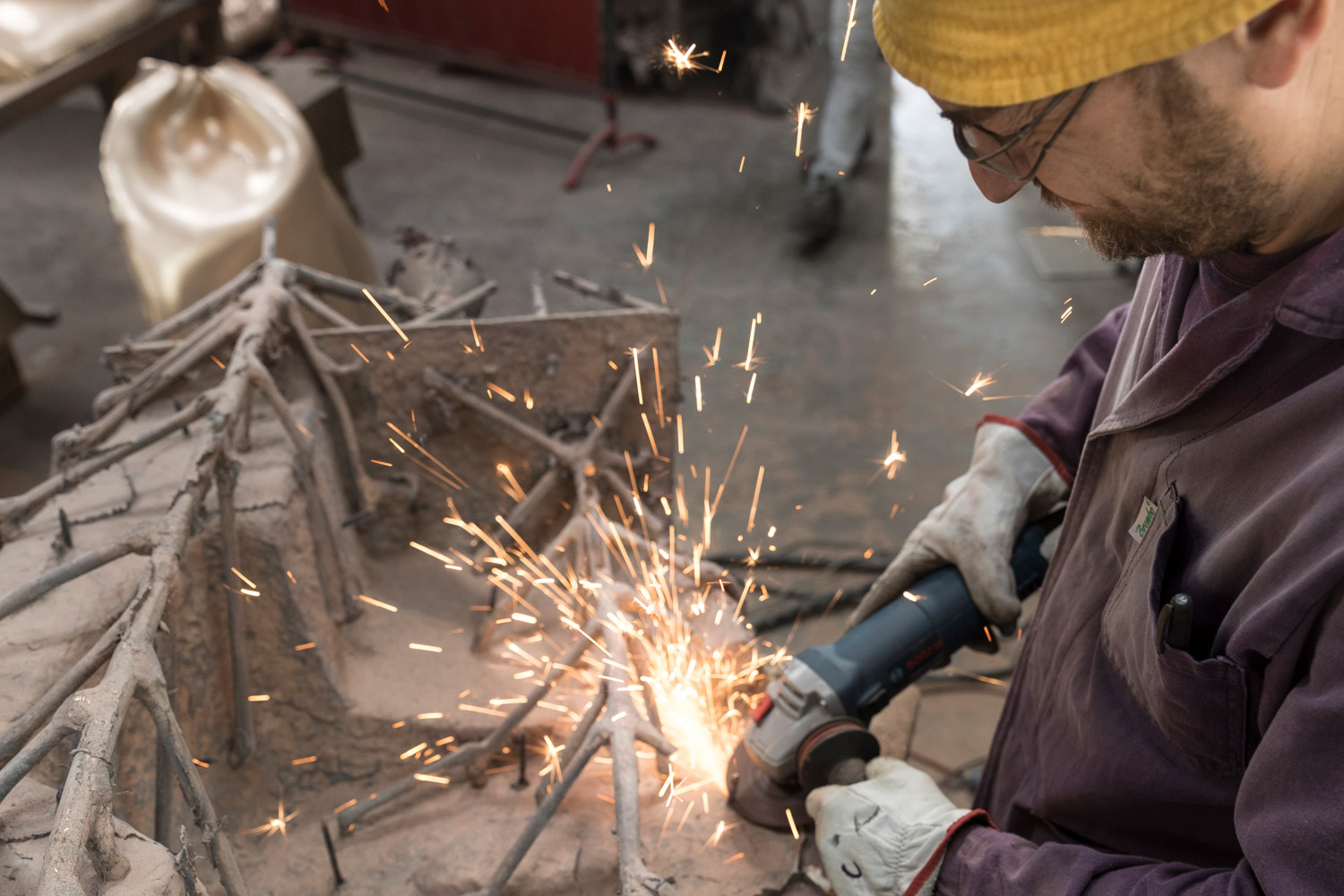
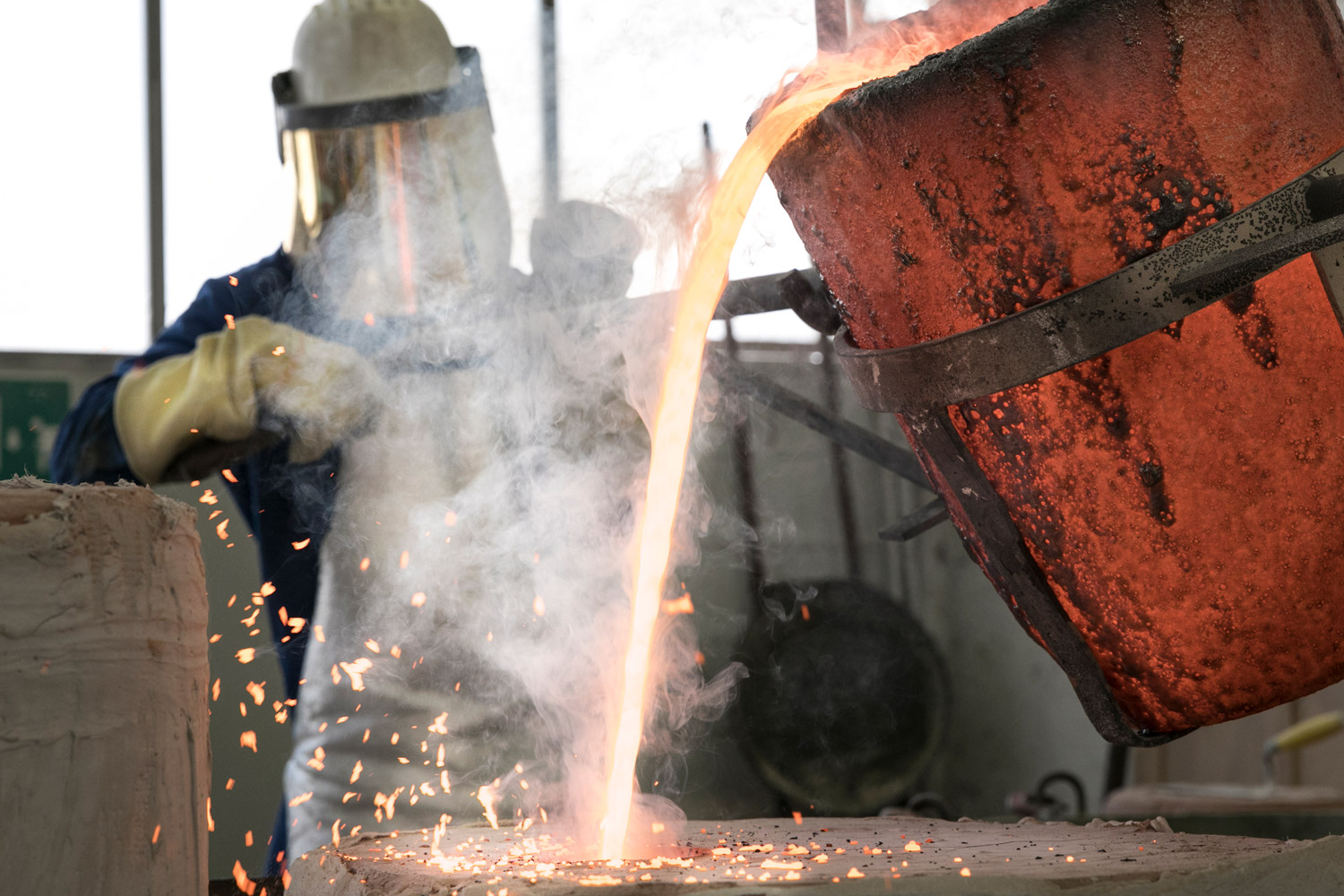
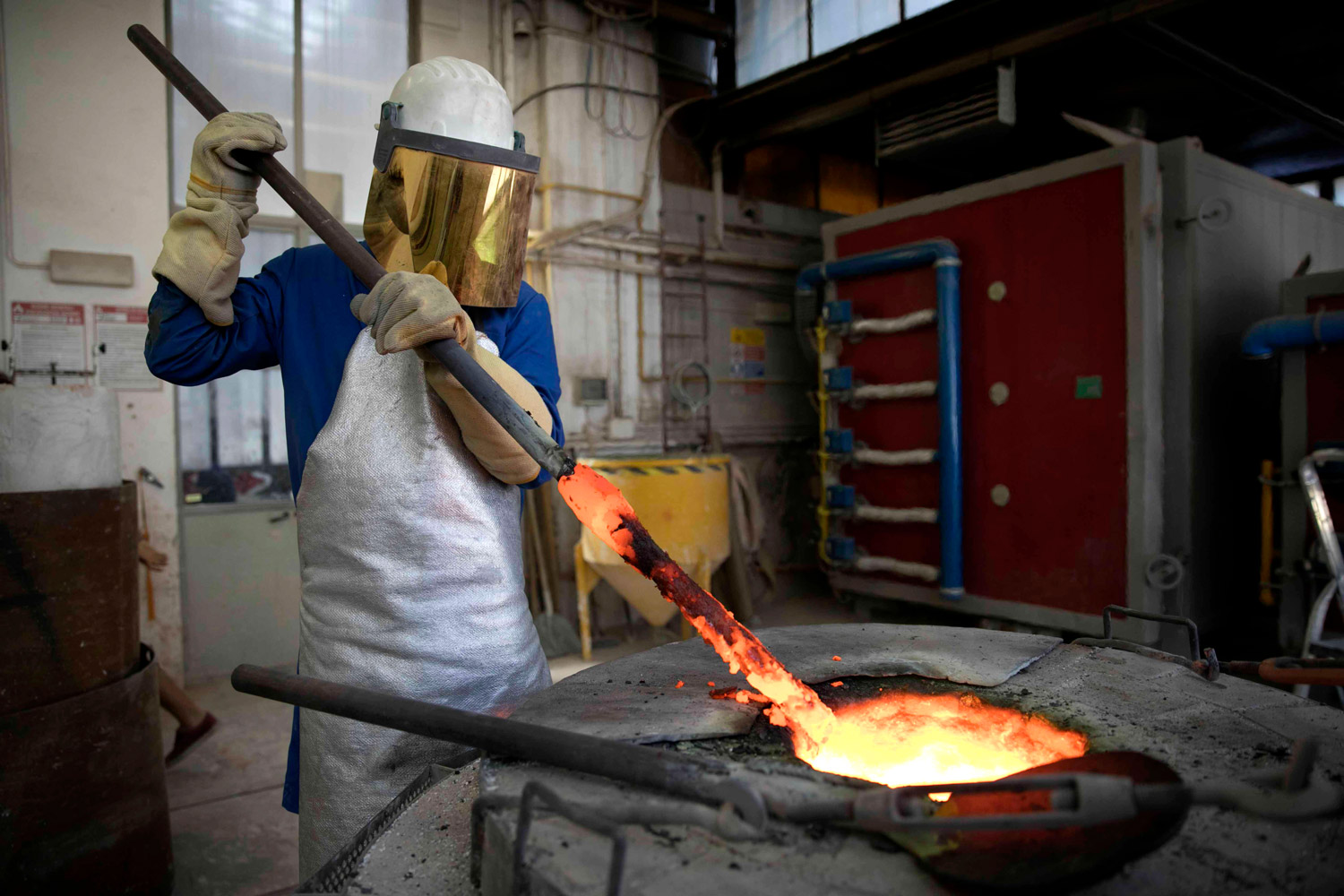
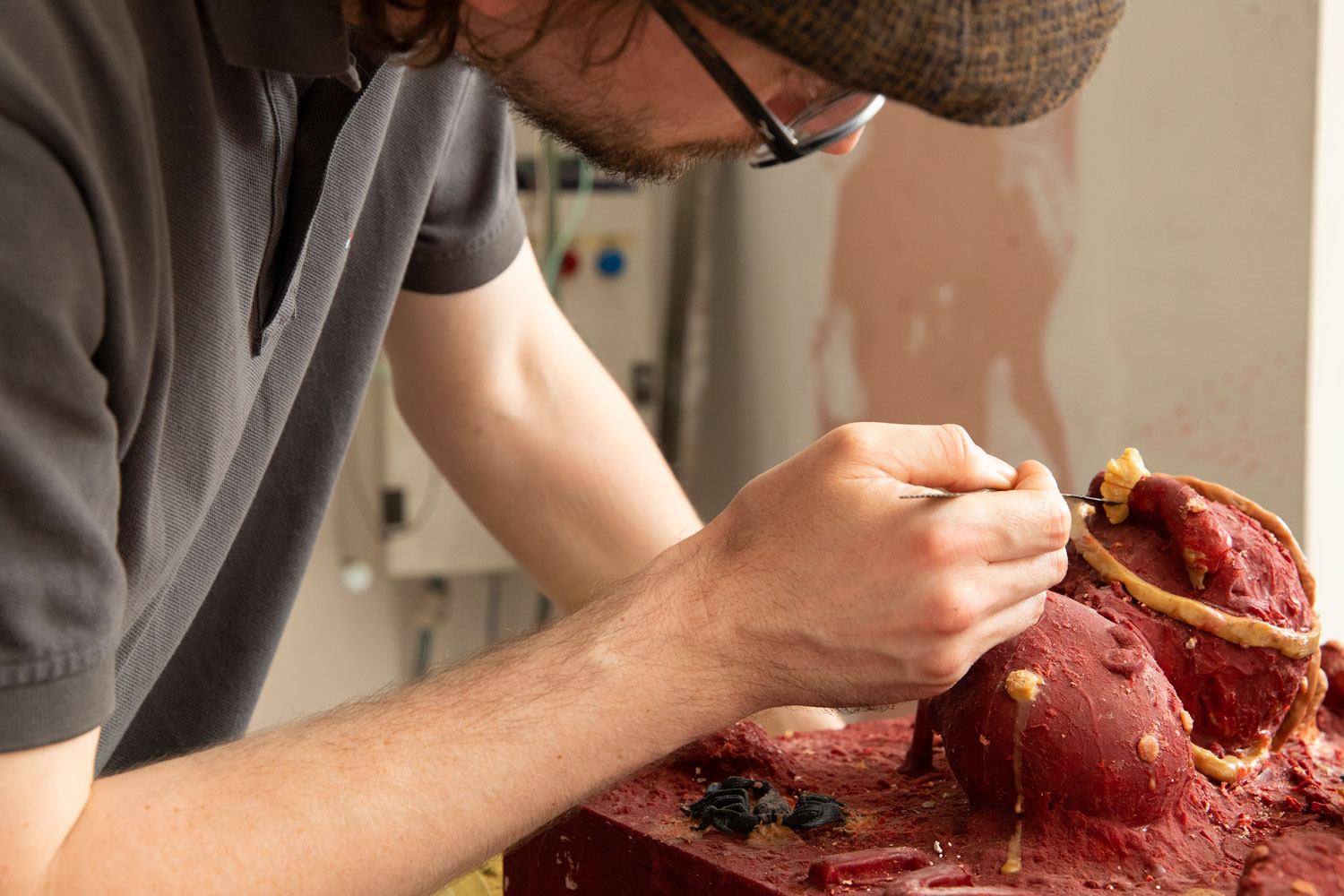
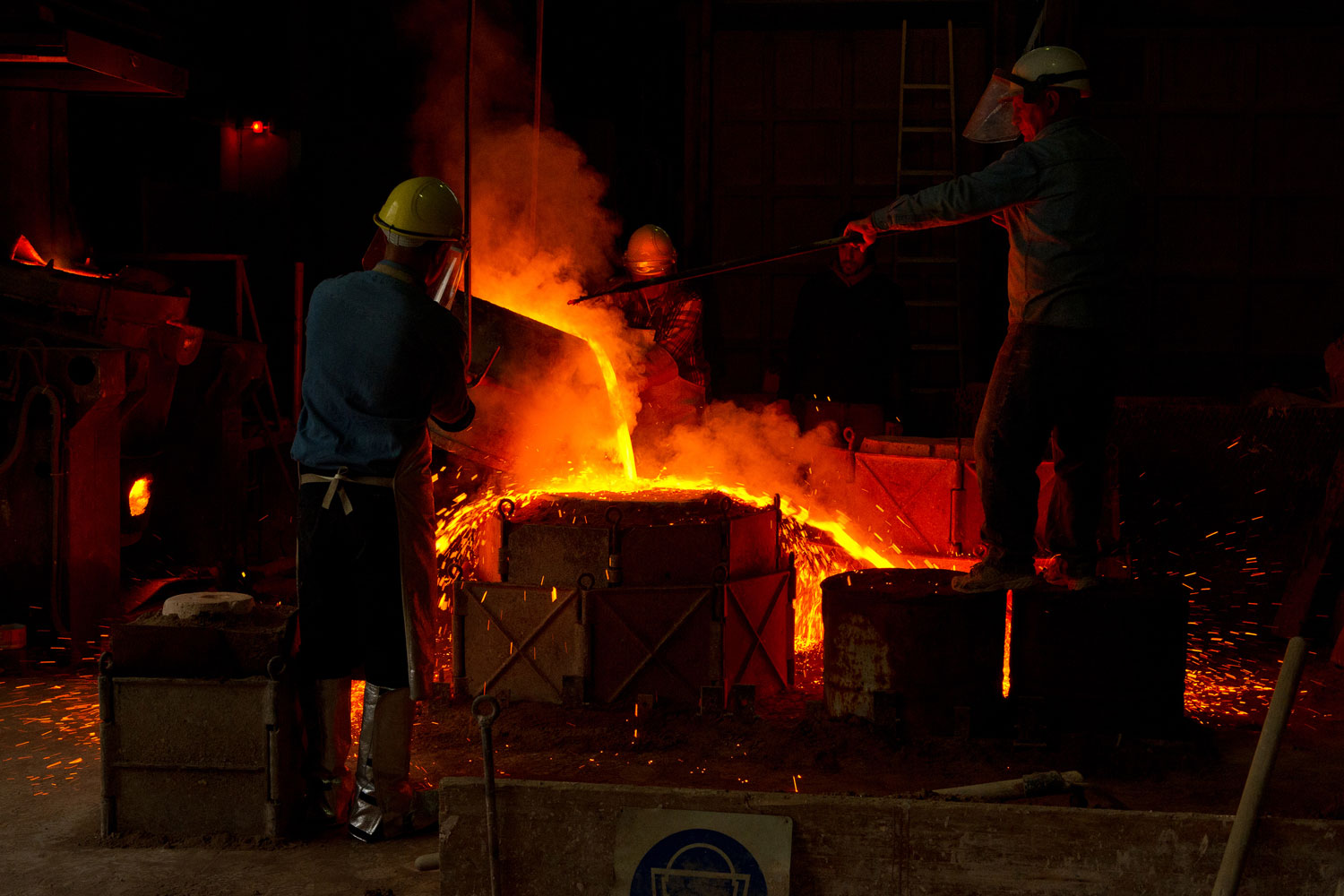
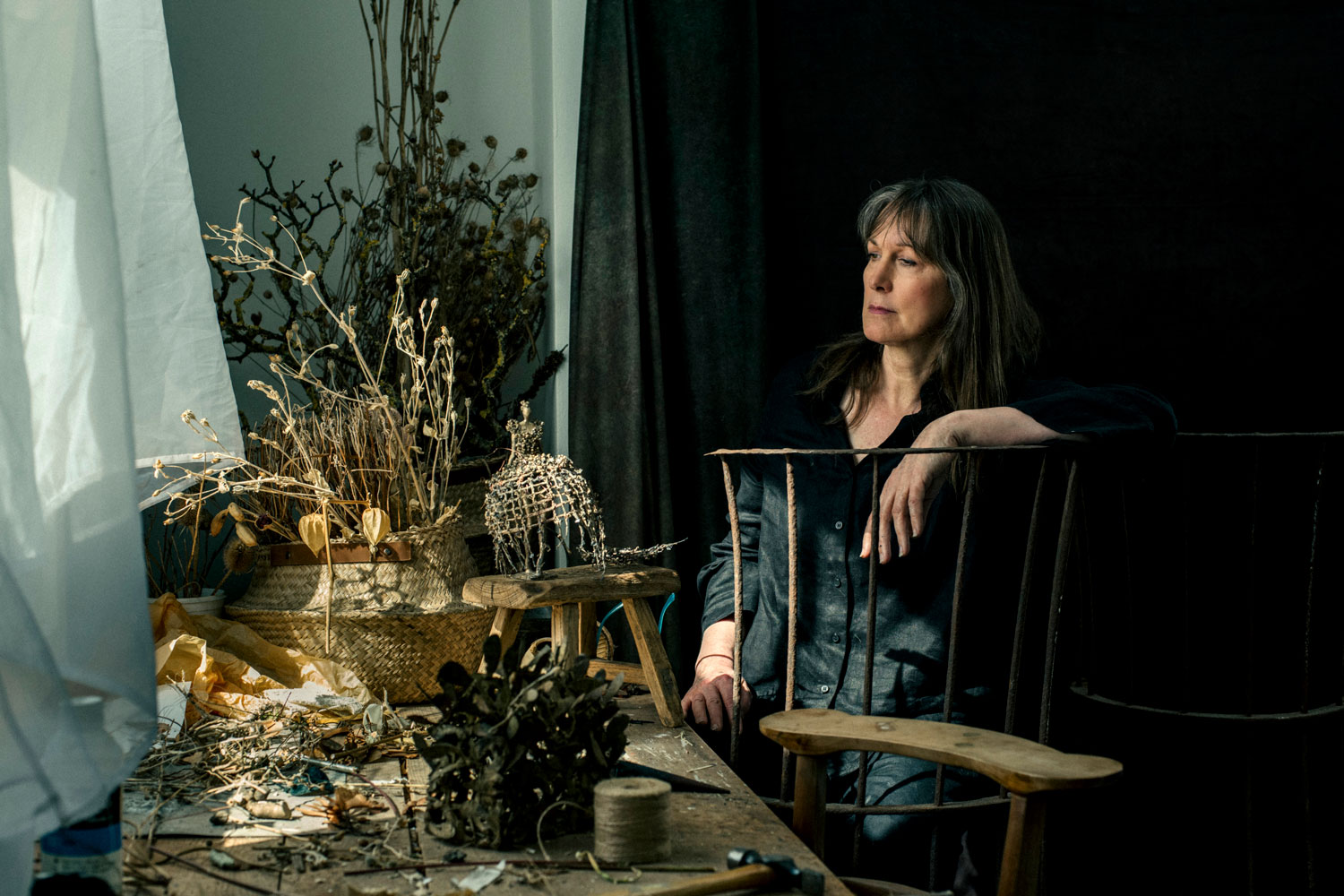
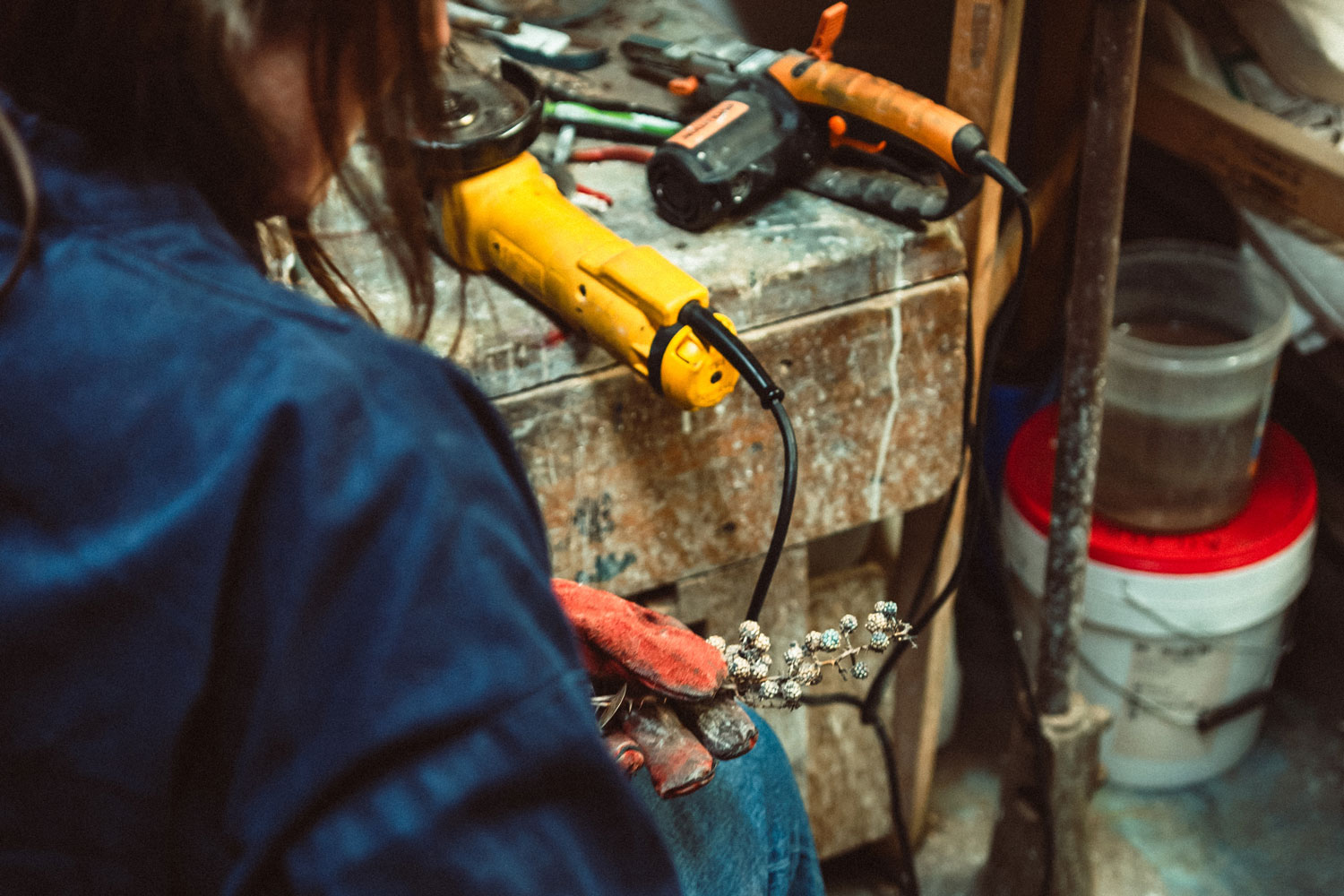
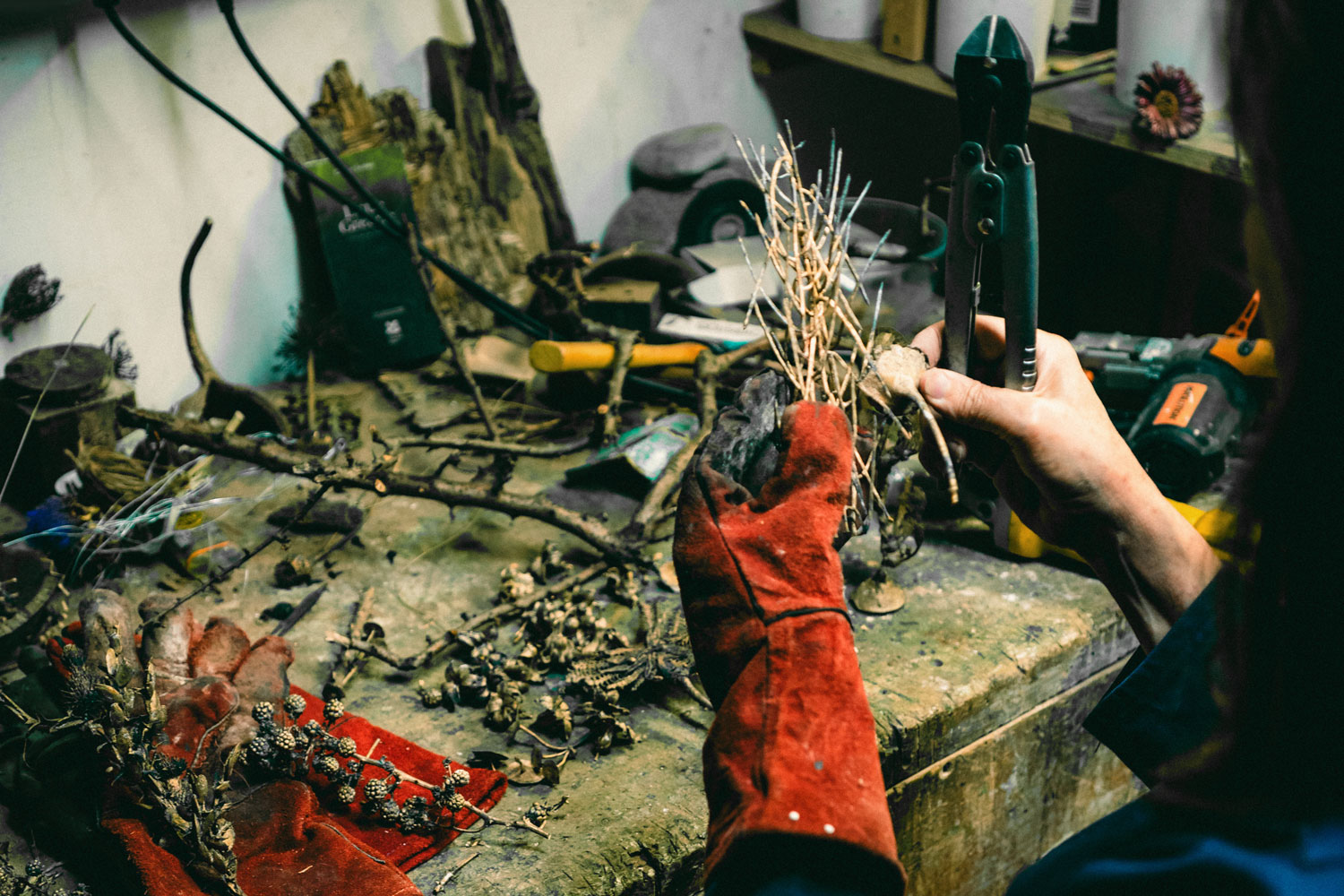
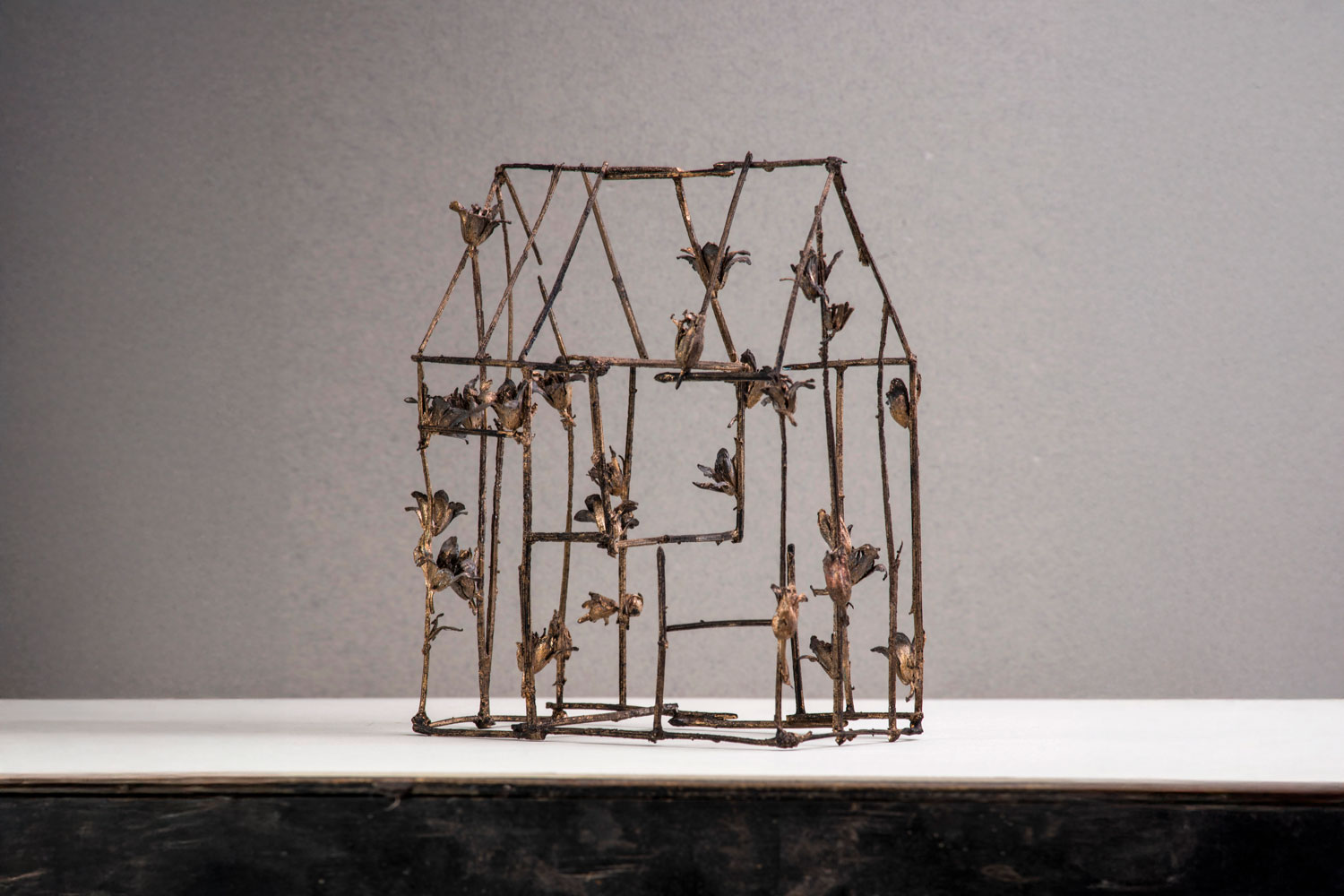
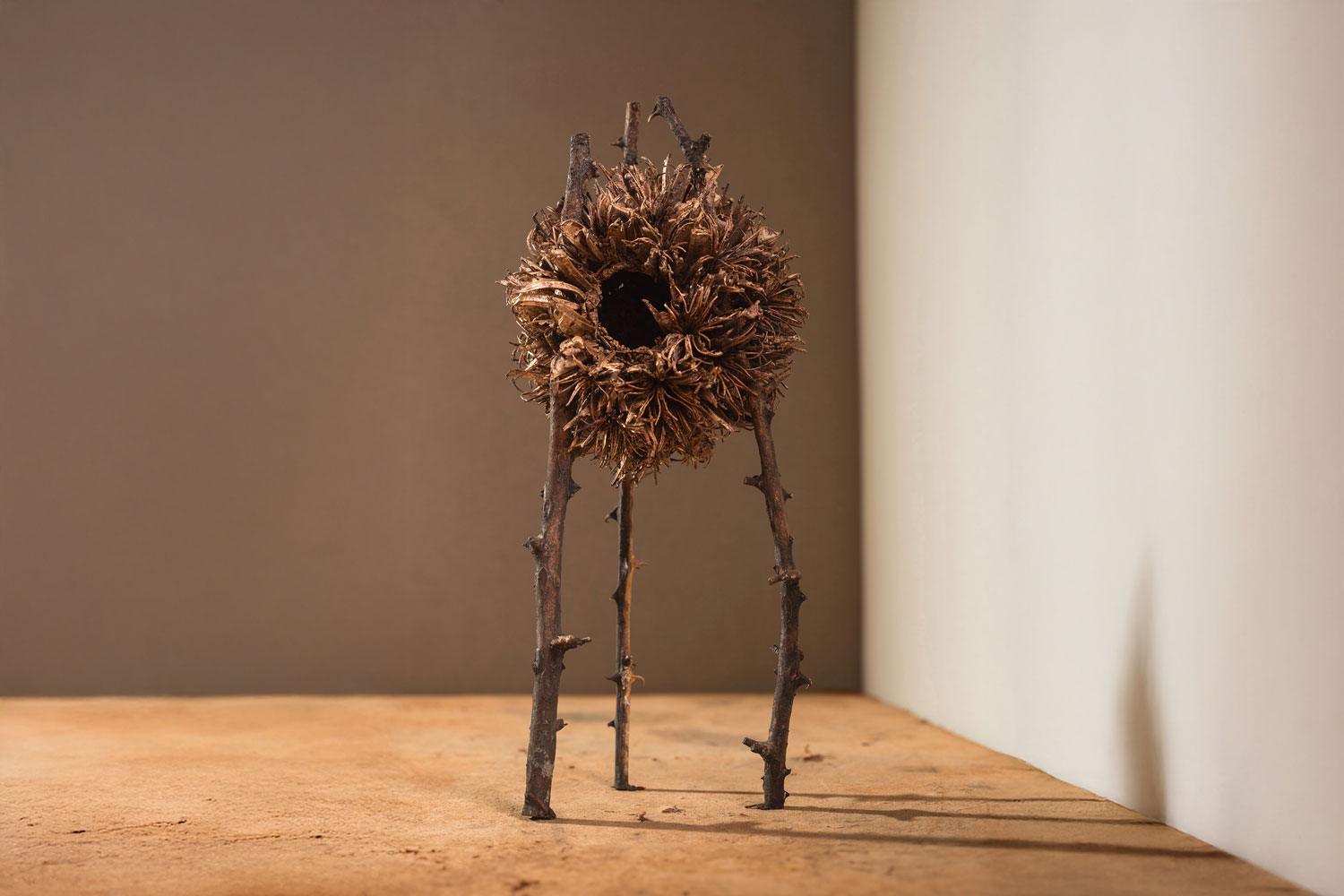
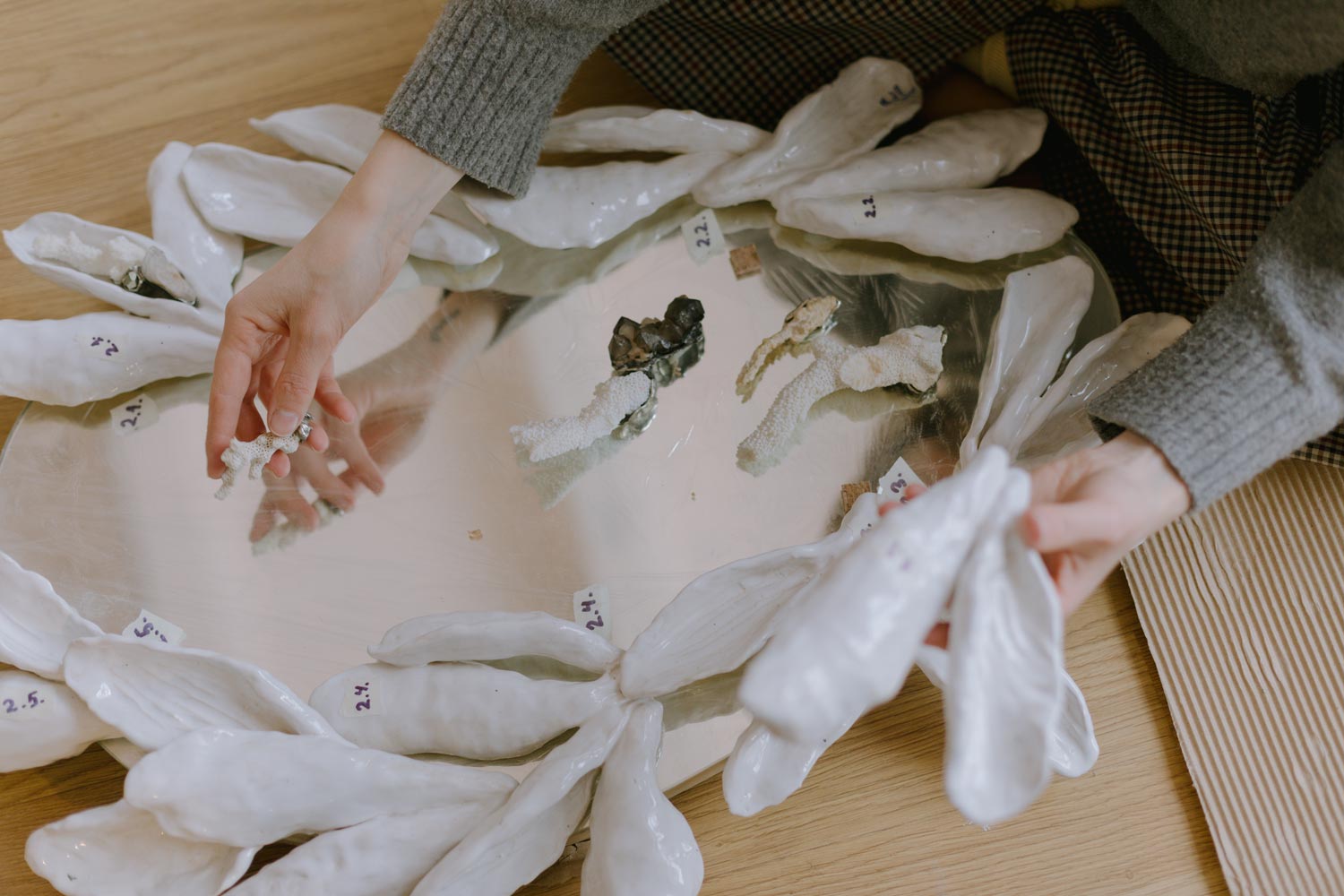
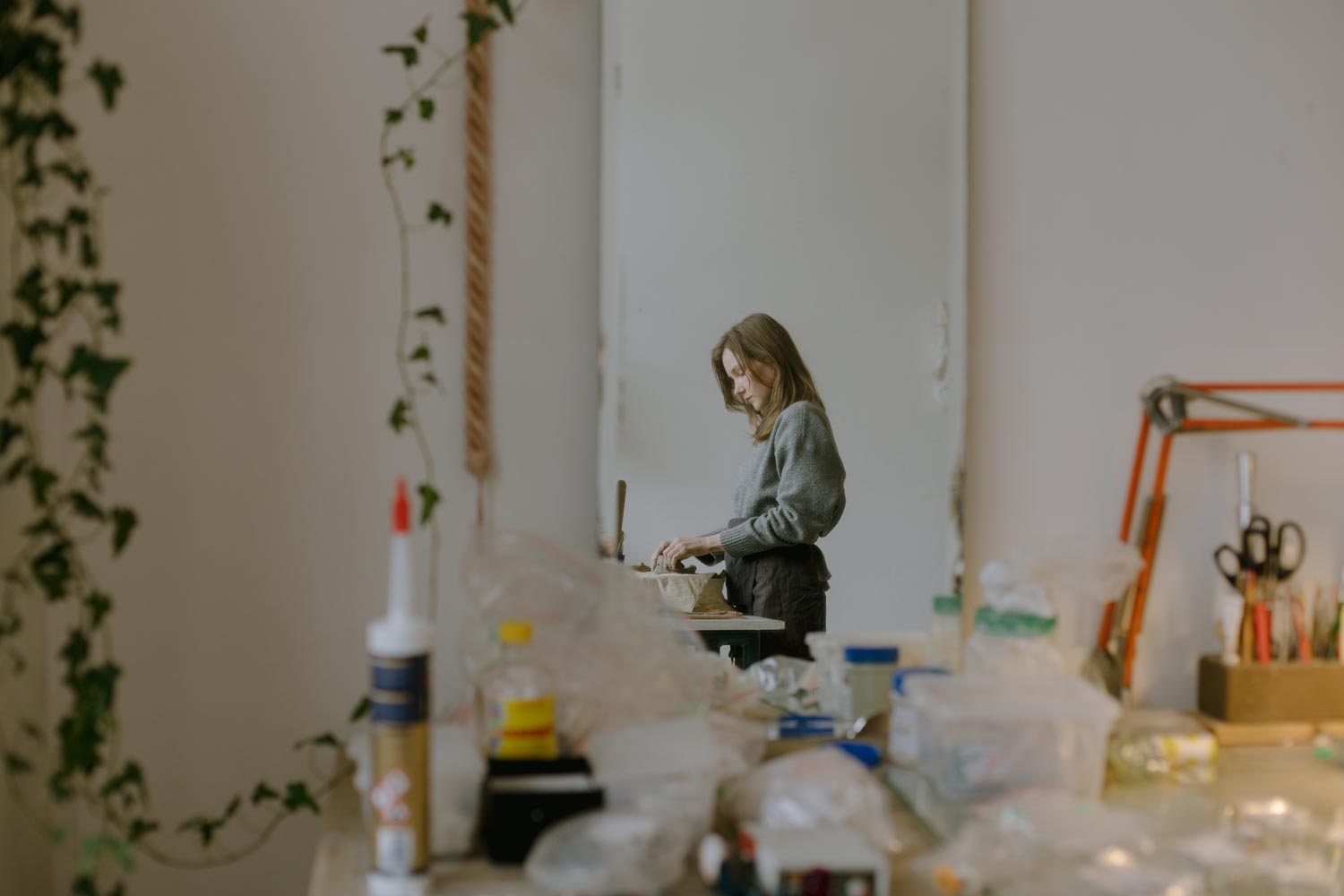
The ancient lost-wax casting process is at the heart of Robyn Neild's practice, albeit with an innovative twist. "Creating things with hands has always felt instinctive to me," she says. Ultimately, Robyn's goal is to preserve the delicacy of the fleeting materials and reimagine them in bronze. A graduate of Middlesex University with a BA in fashion design, Robyn spent years illustrating for magazines such as Vogue and Glamour. In 2019, after visiting a local foundry, she fell in love with bronze casting. She spent two years learning from the foundry masters, developing a strong affection for the craft. “Sculpture immediately felt like a natural extension of something I had been moving towards all along,” Robyn says. She pushes the method’s limits by using foraged seasonal flora and experimenting with forms.
INTERVIEW
The technique's versatility allows any material with the ability to melt to be translated into bronze. I can also cast bronze to an exceptionally fine degree. Capturing fragility, nuance and imperfection in a permanent medium is central to my practice.
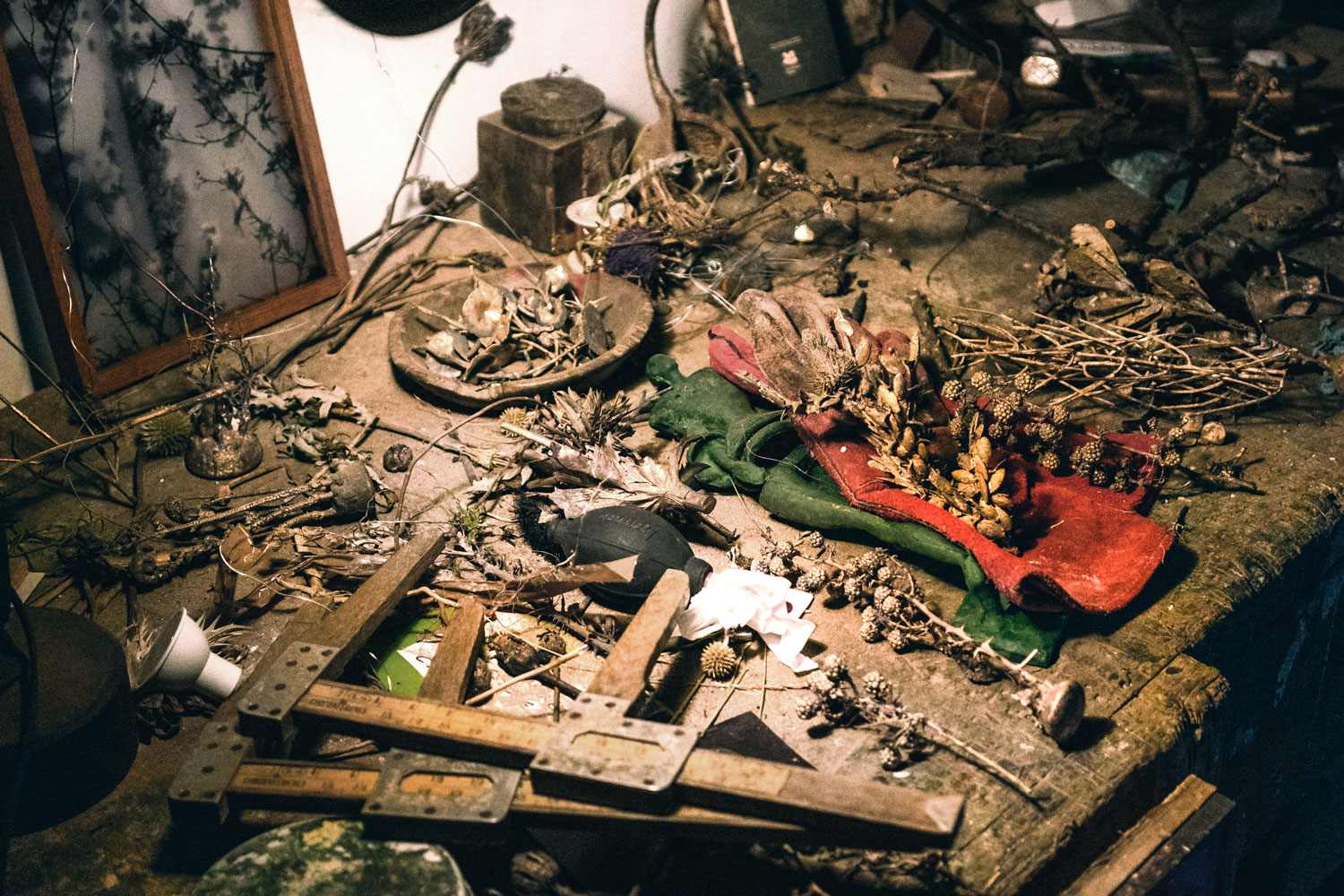
Dungeness, a headland on the coast of Kent, is a continual source of inspiration, particularly Derek Jarman’s Prospect Cottage and its garden. I am also inspired by plant forms encountered on walks, often overlooked species whose structures and resilience speak softly but powerfully.
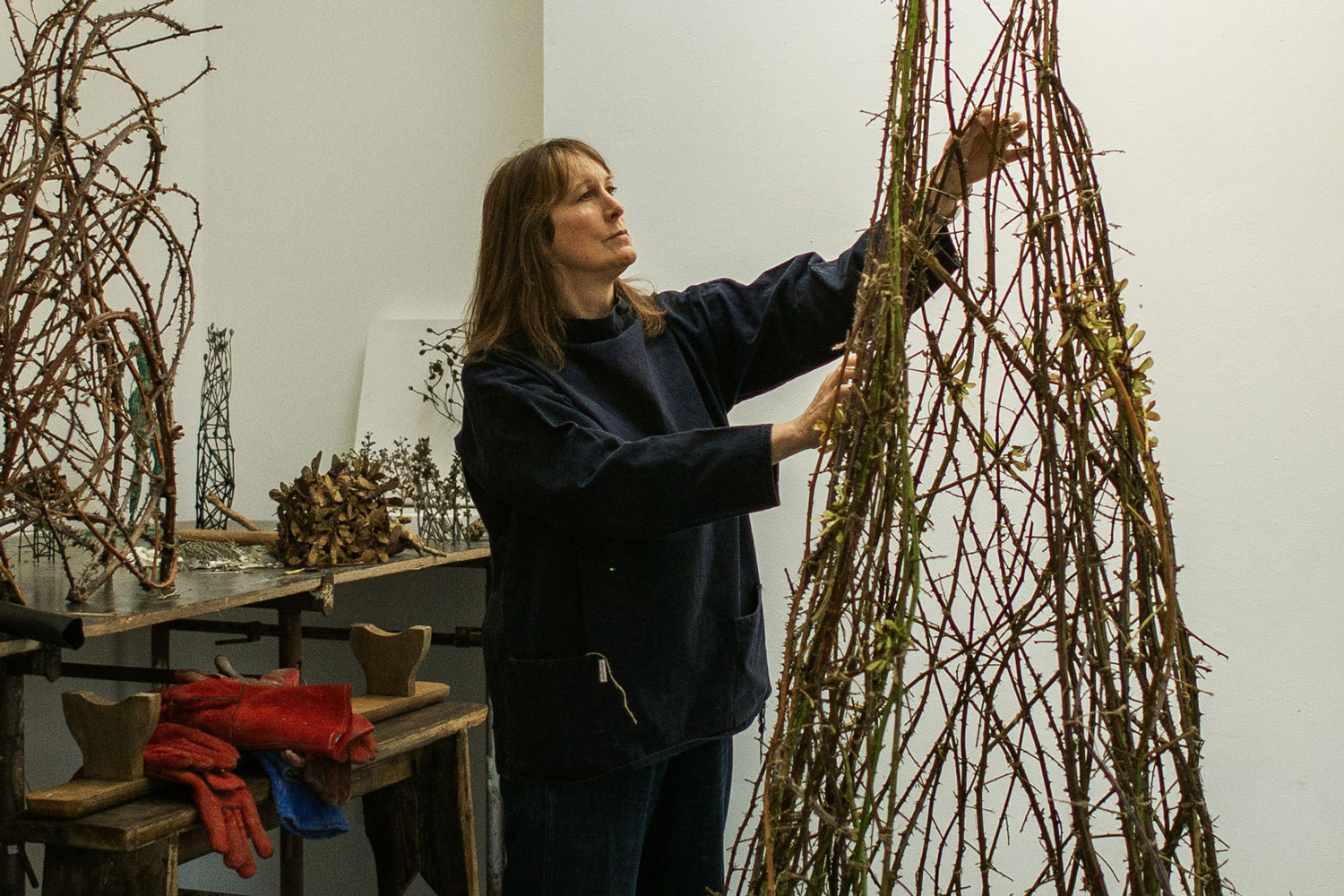
It usually begins with walking. I observe, forage and try to notice what is around me. In the studio, I respond directly to the materials, building forms and structures that feel appropriate to them. From there, I experiment with casting, testing whether the material will survive the transformation into bronze.
A bronze vessel form I cast from rose brambles gathered in Dungeness was placed on Derek Jarman’s writing desk. It became part of the permanent collection at Prospect Cottage, which felt like a quiet, deeply meaningful circle closing.
Robyn Neild
Metal caster
Folkestone, United Kingdom
ADDRESS
Address upon request, Folkestone, United Kingdom
AVAILABILITY
By appointment only
PHONE
+44 7855344239
LANGUAGES
English
Homo Faber Finds is a new service aiming to inspire admirers of craft to connect and collaborate with exceptional artisans.
We invite you to submit an enquiry here.
Founders_Storm_V1.jpg)
Materials_Landscape_V1.jpg)
6Metalworker_V1.jpg)