Raúl Mouro
Ceramicist
Cangas del Narcea, Spain
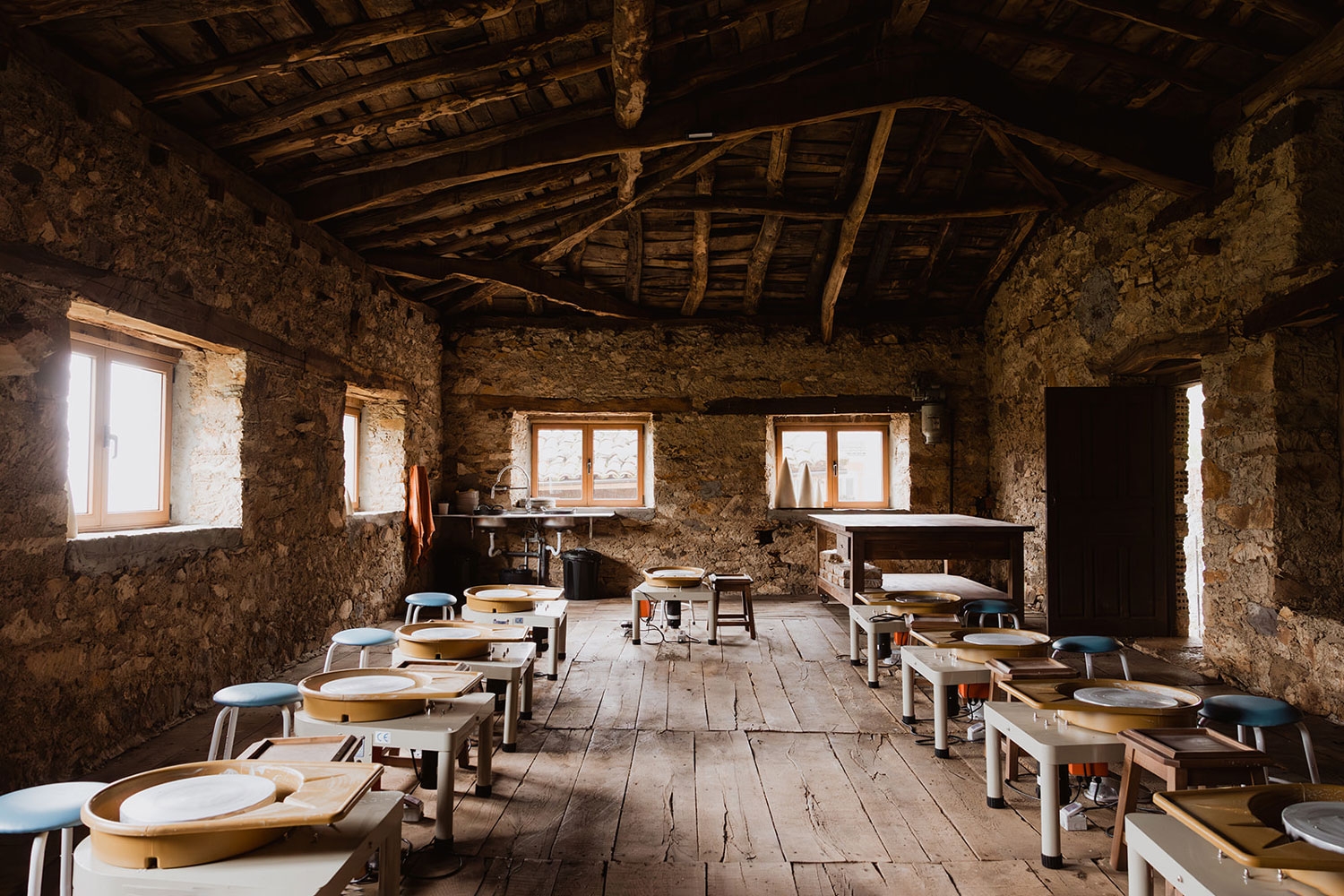
Celebrating the ceramic heritage of Asturias
- Raúl creates ceramic vessels inspired by his family's 16th century heritage
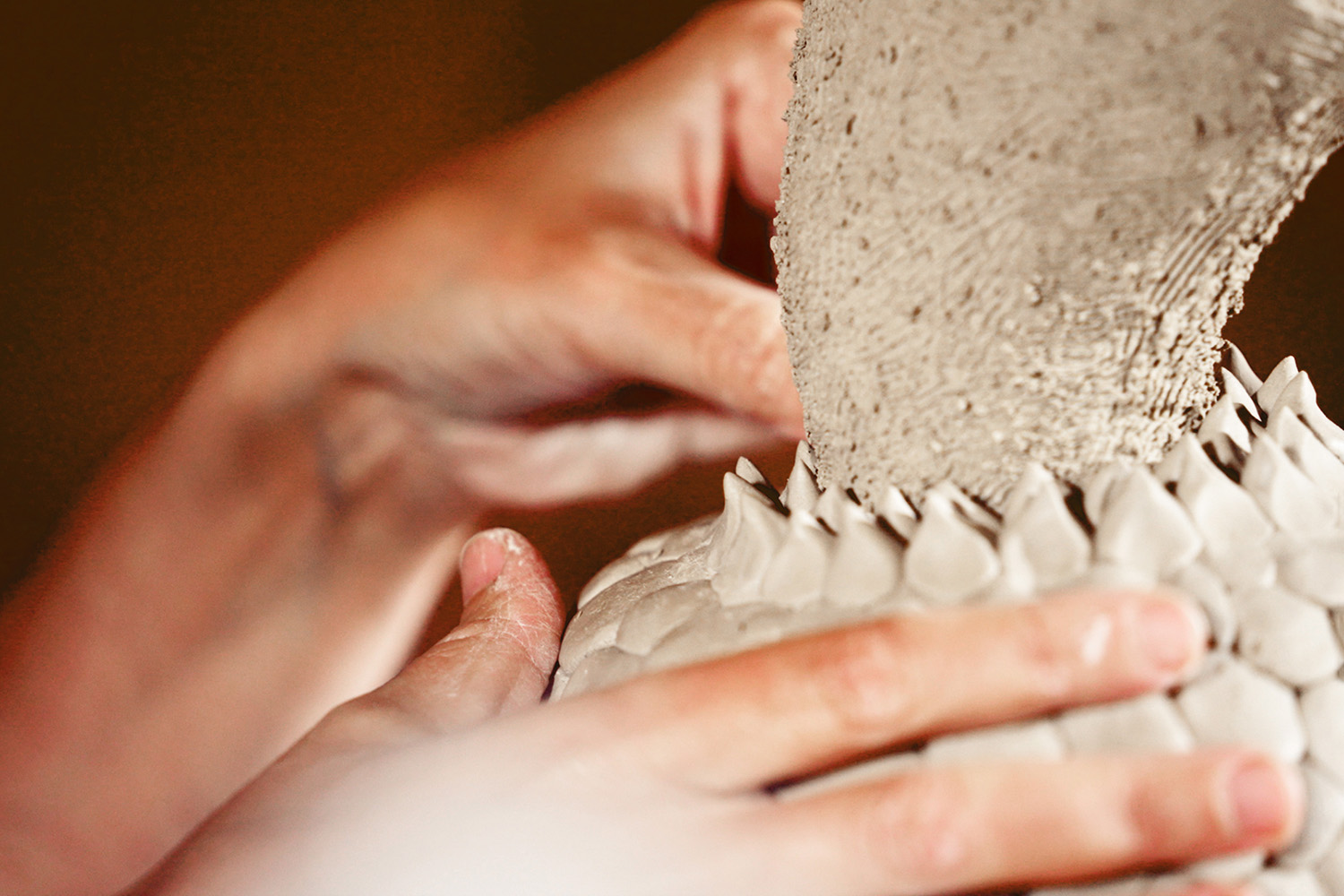
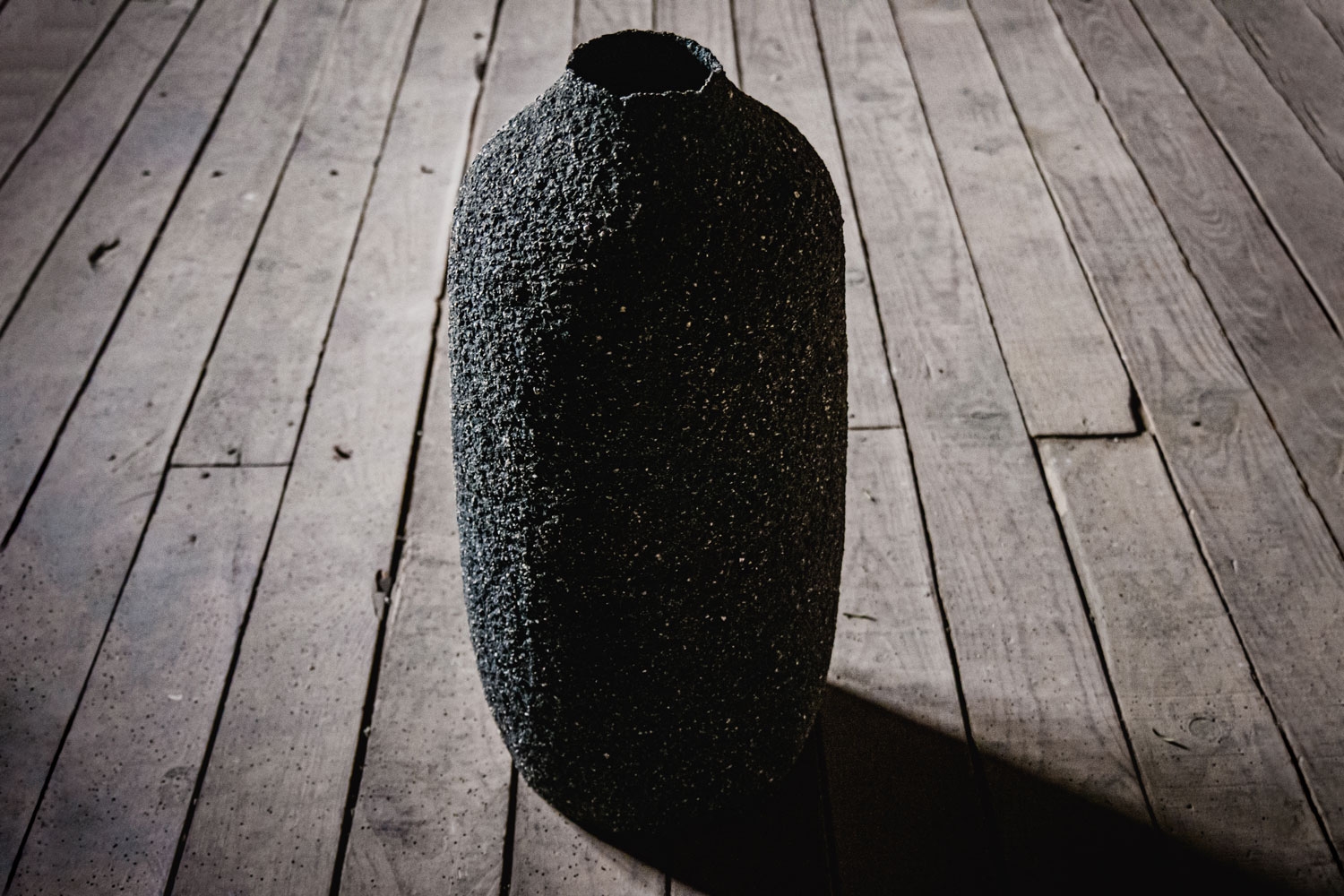
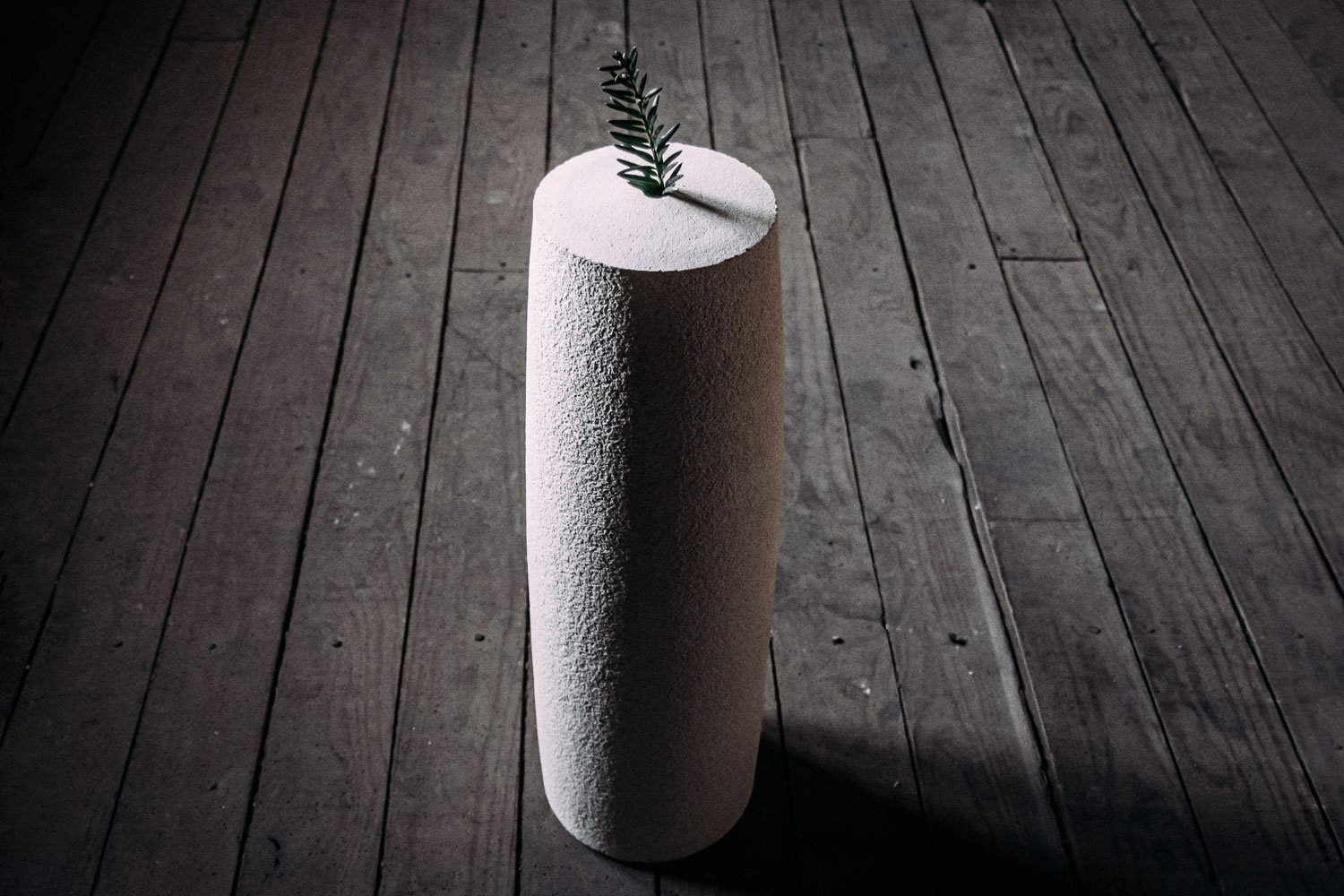
- He finds great enjoyment is crafting raw textures and towering vessels
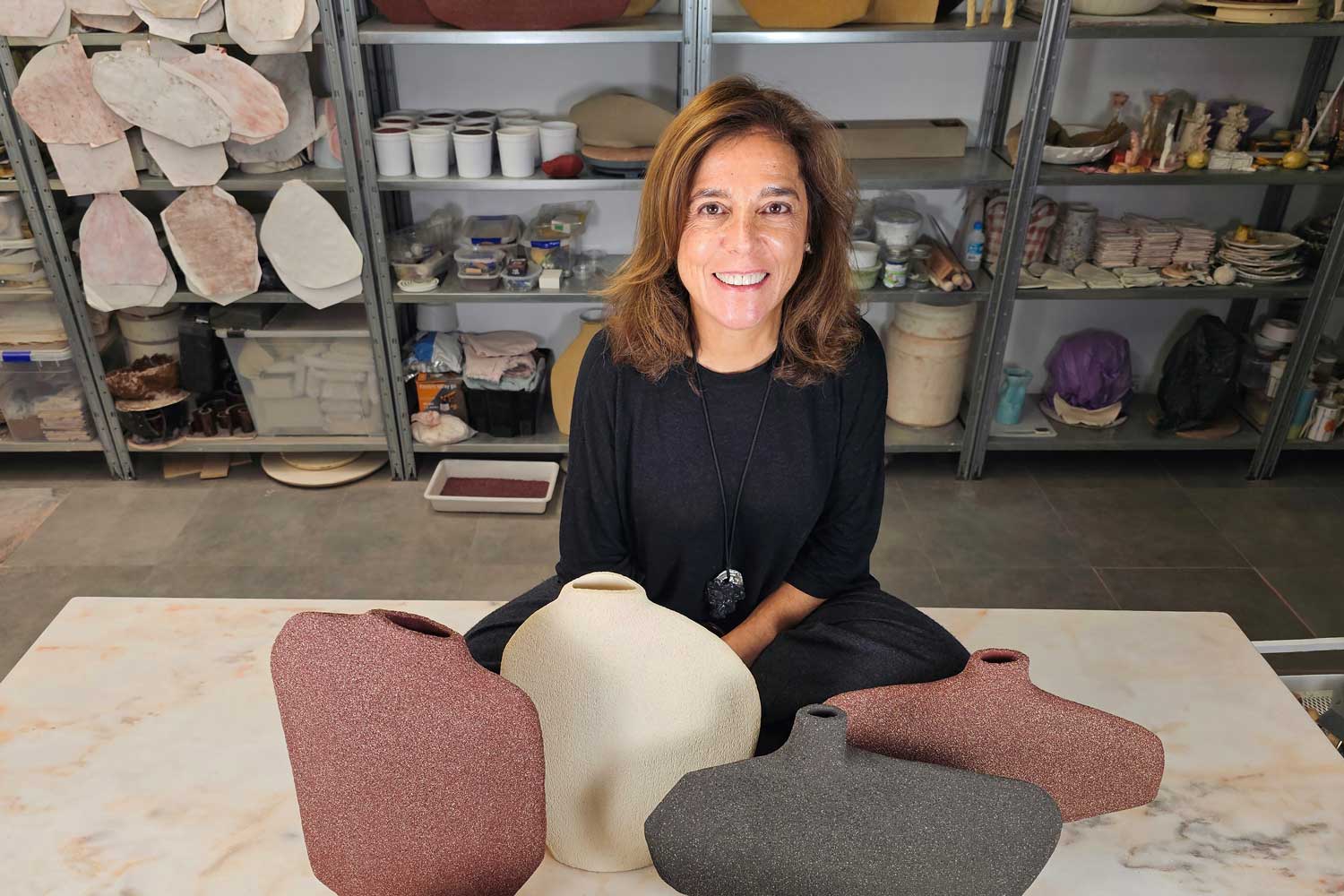
- His studio also serves as a workshop space where he shares his craft with others
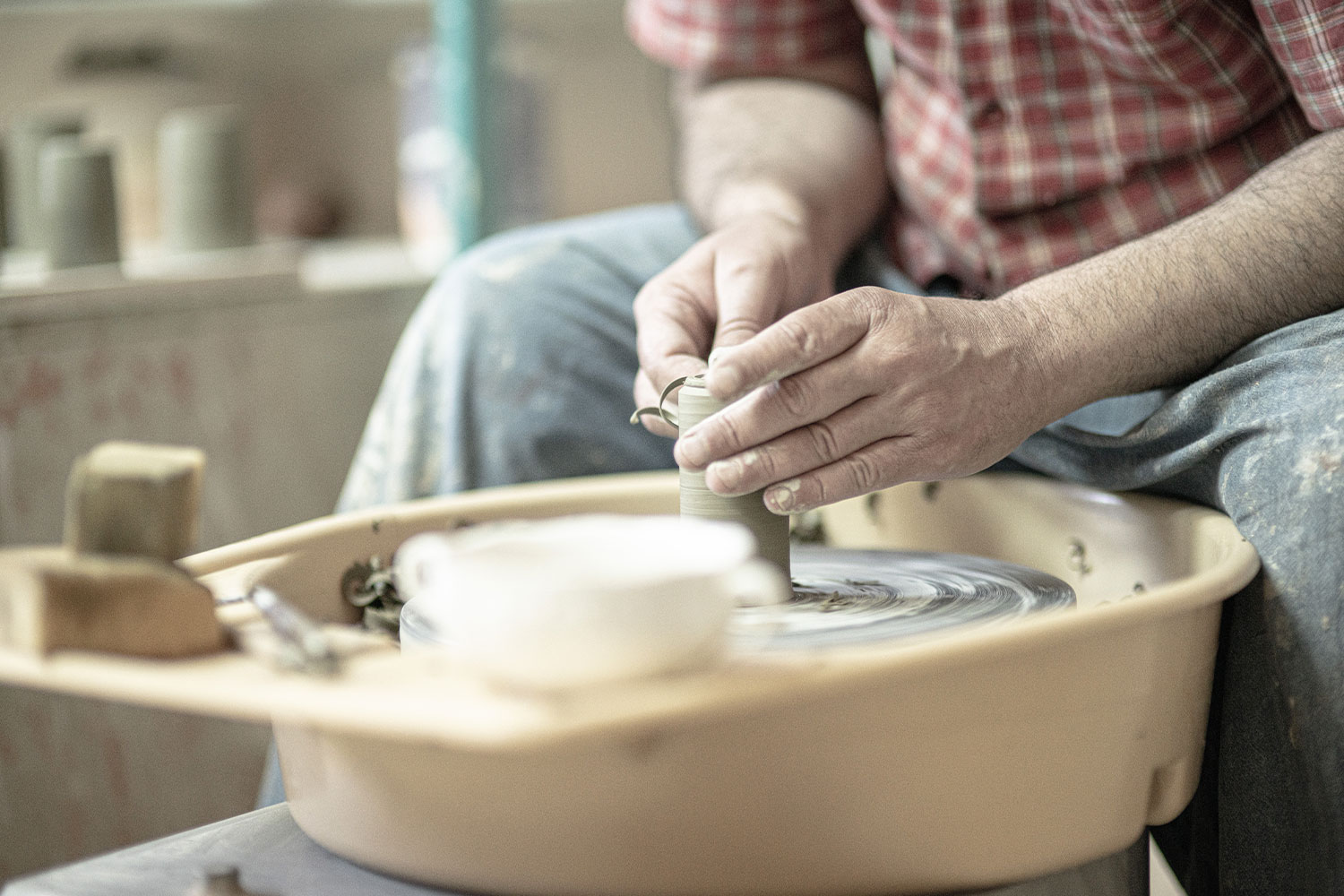
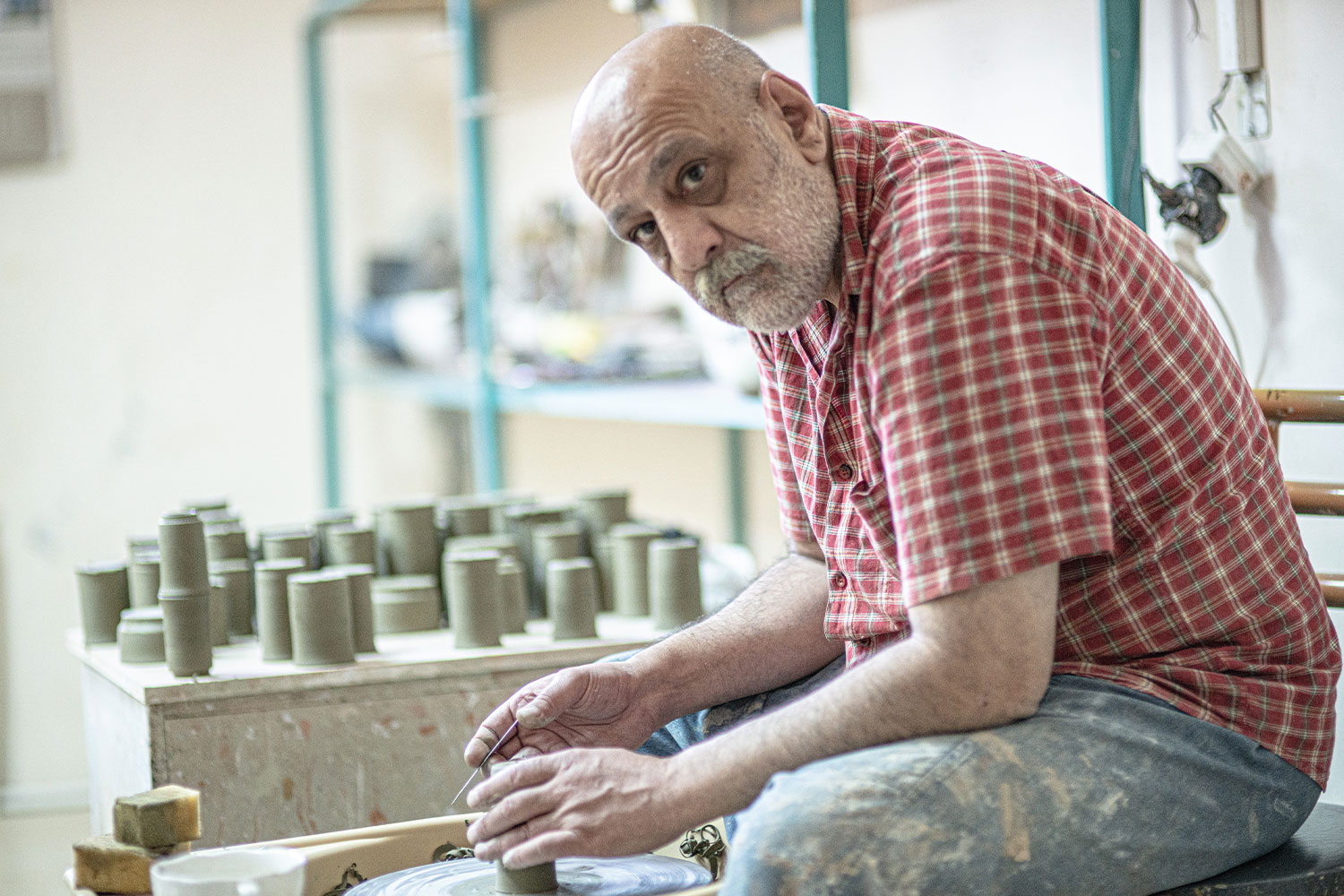
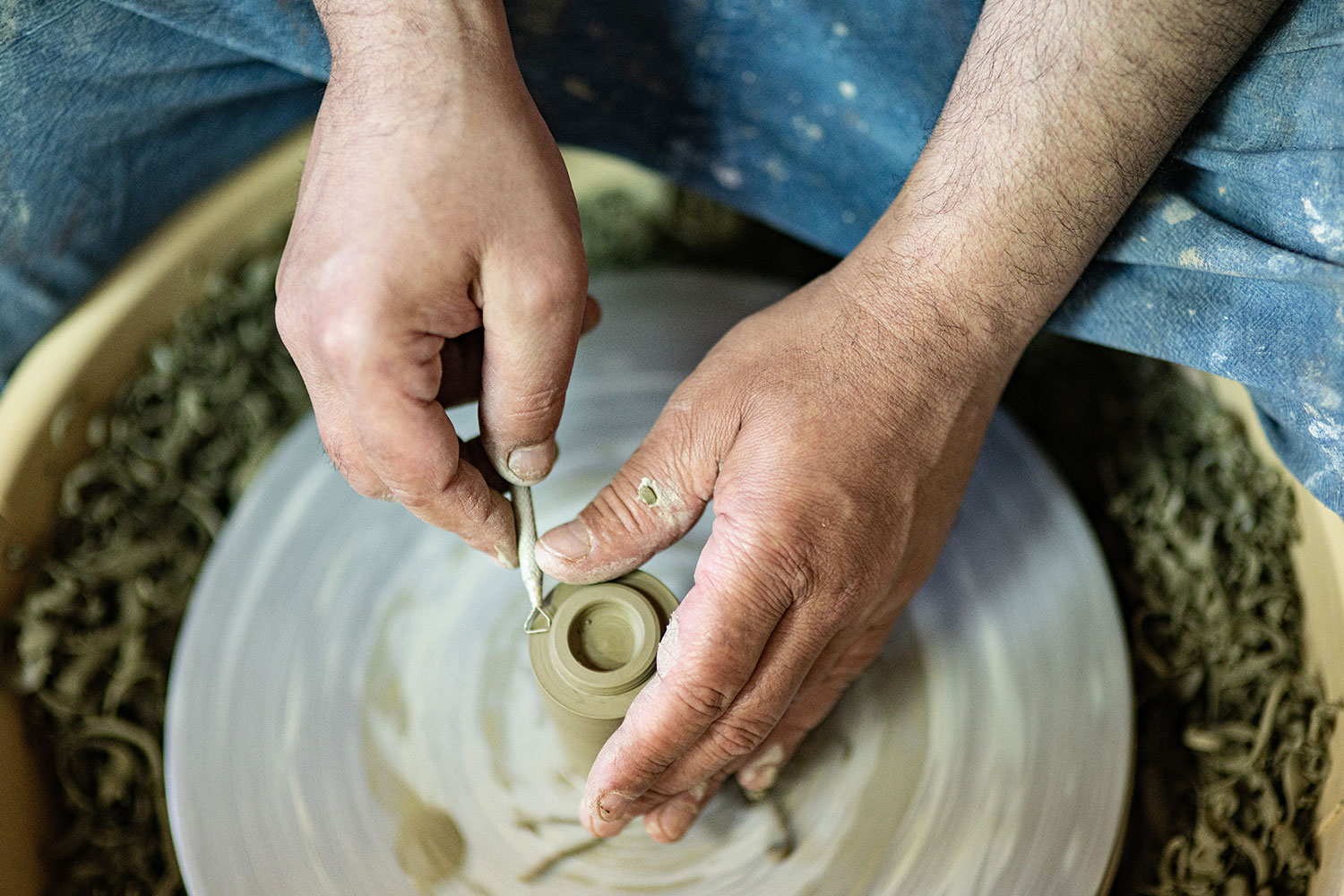
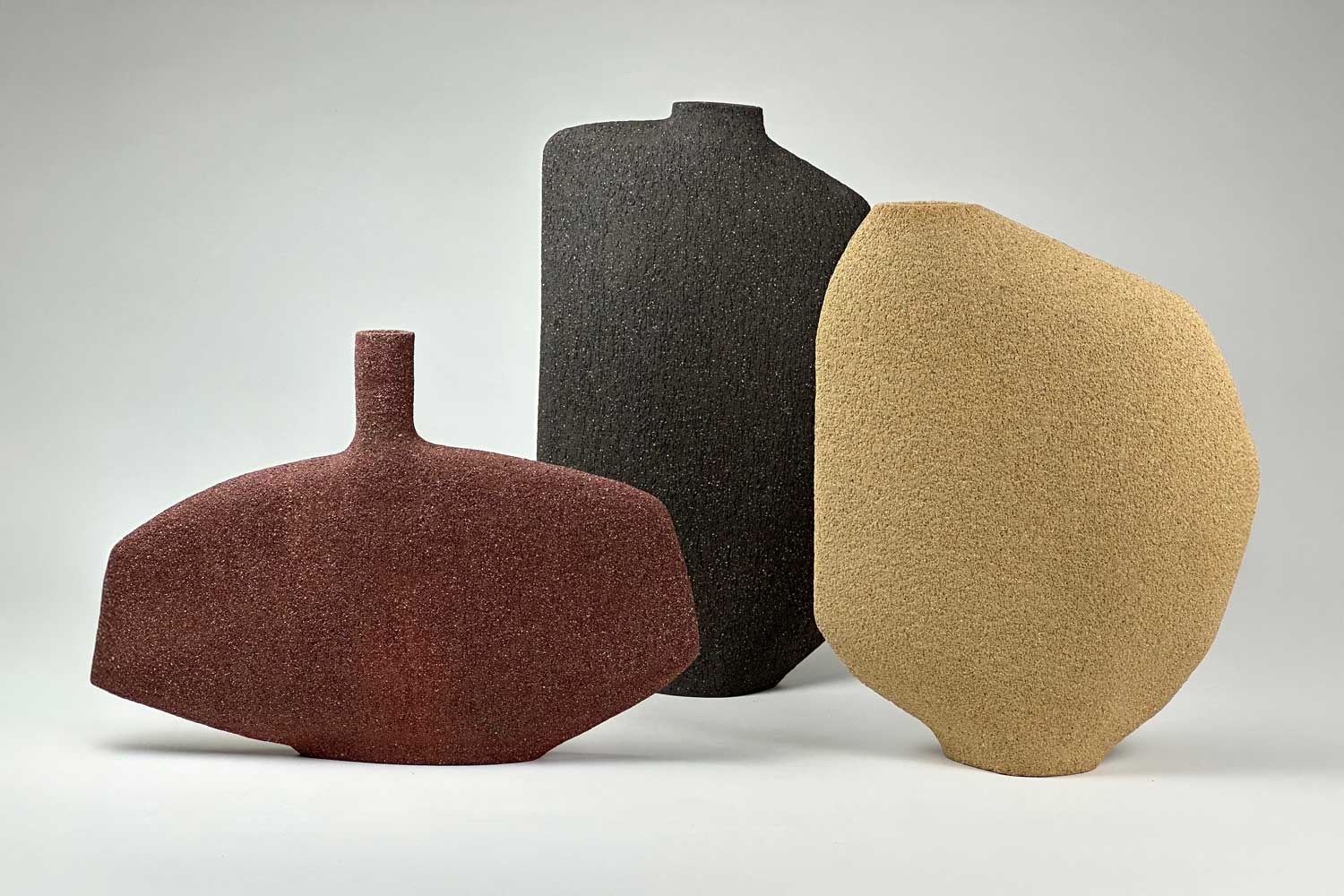
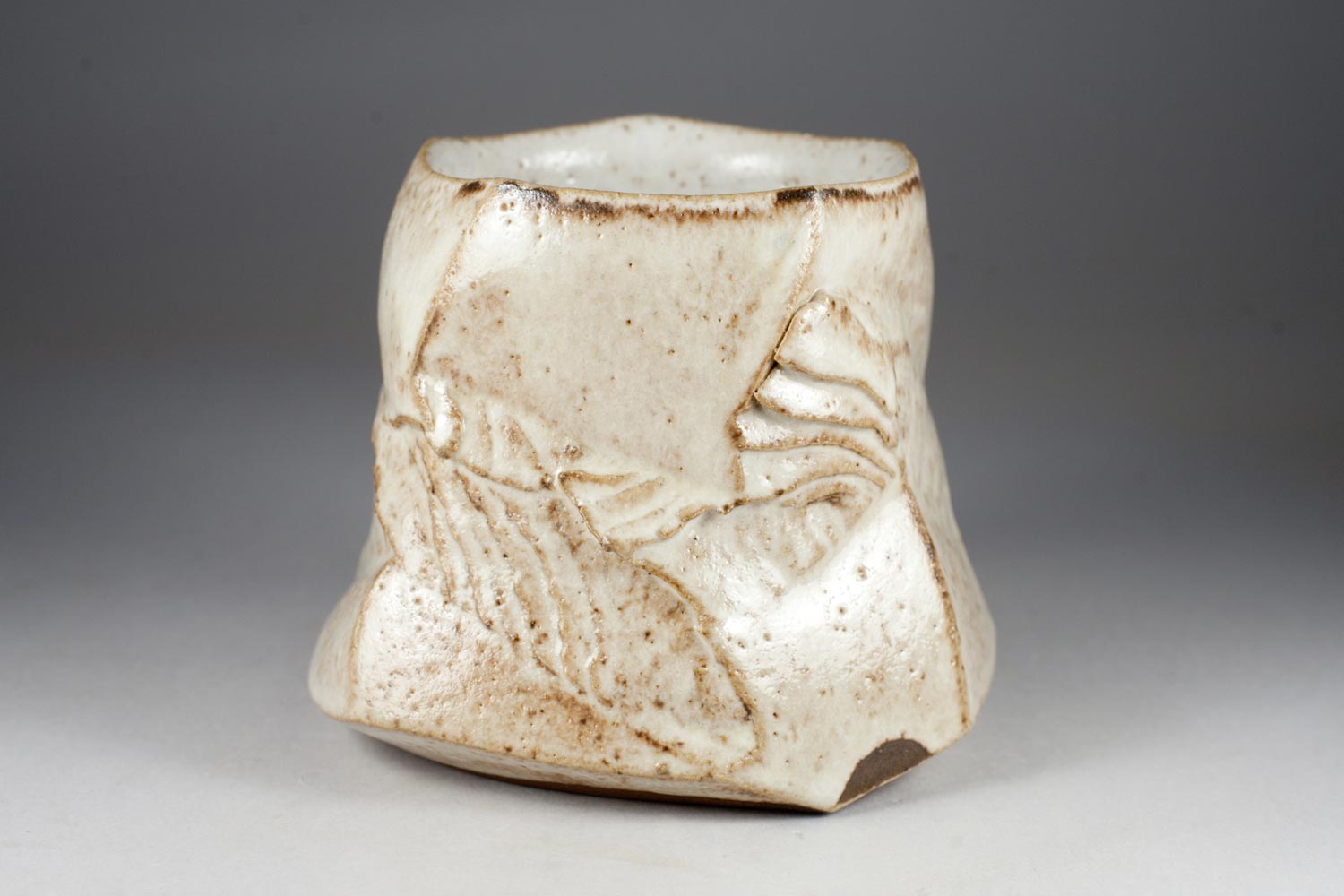
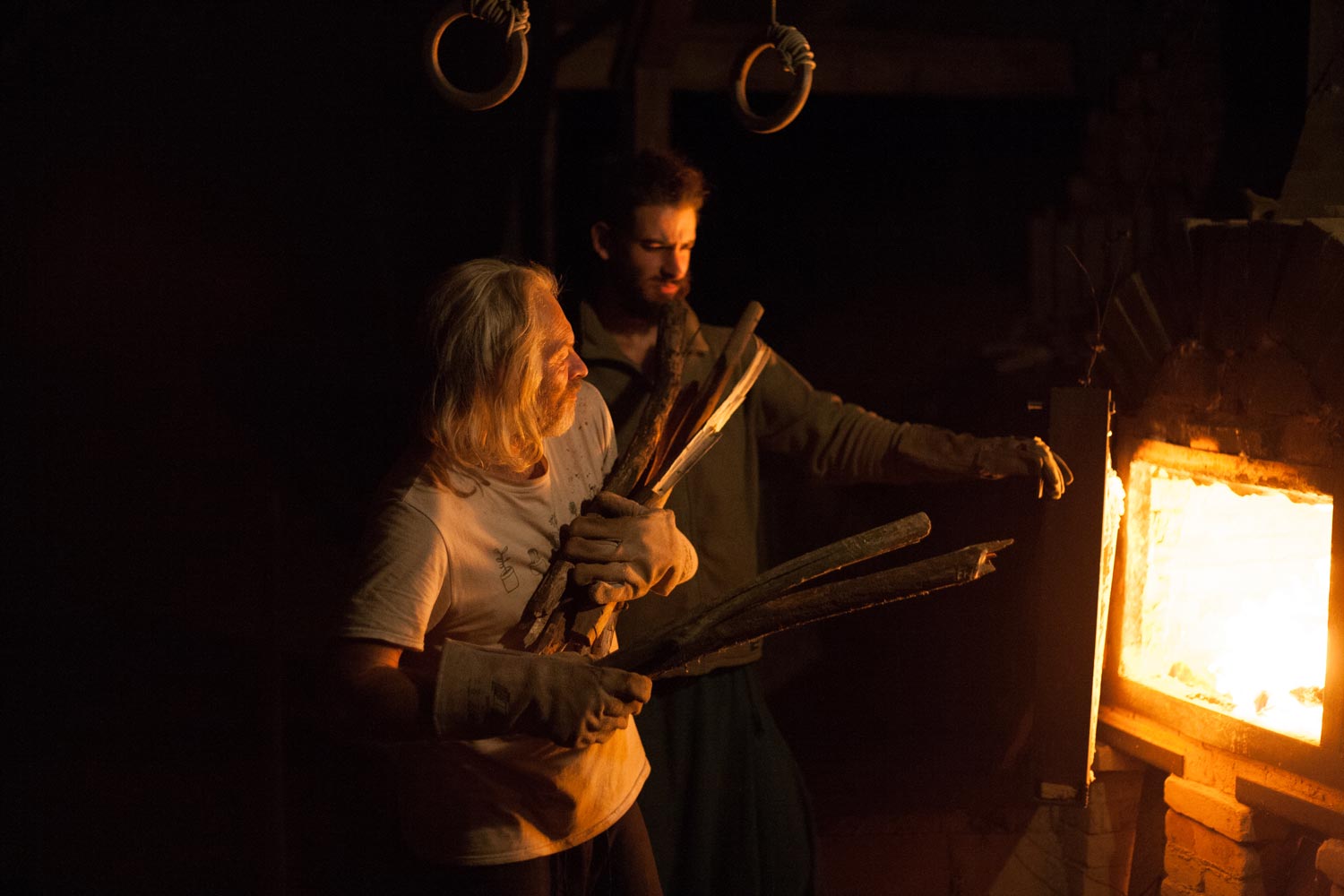
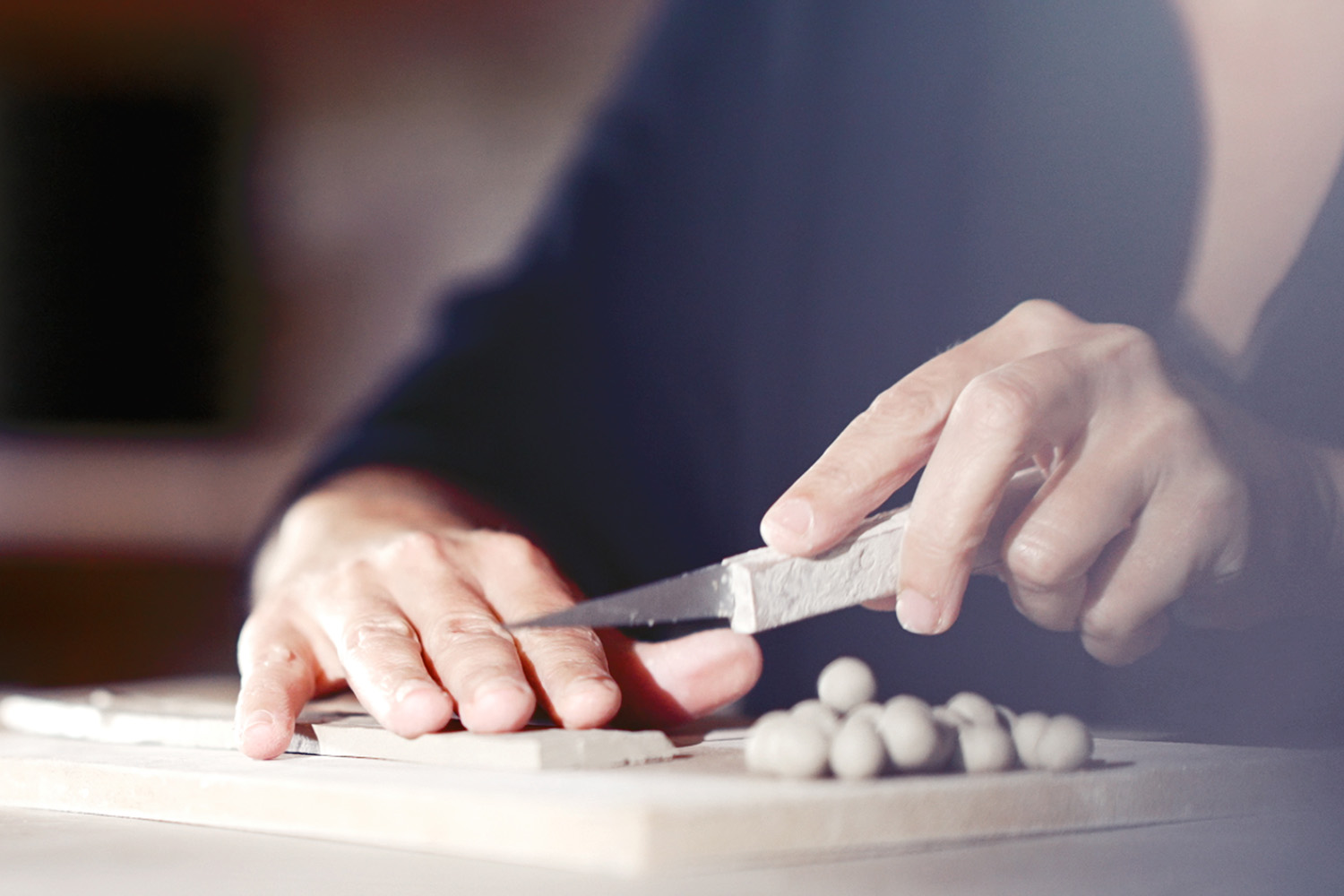
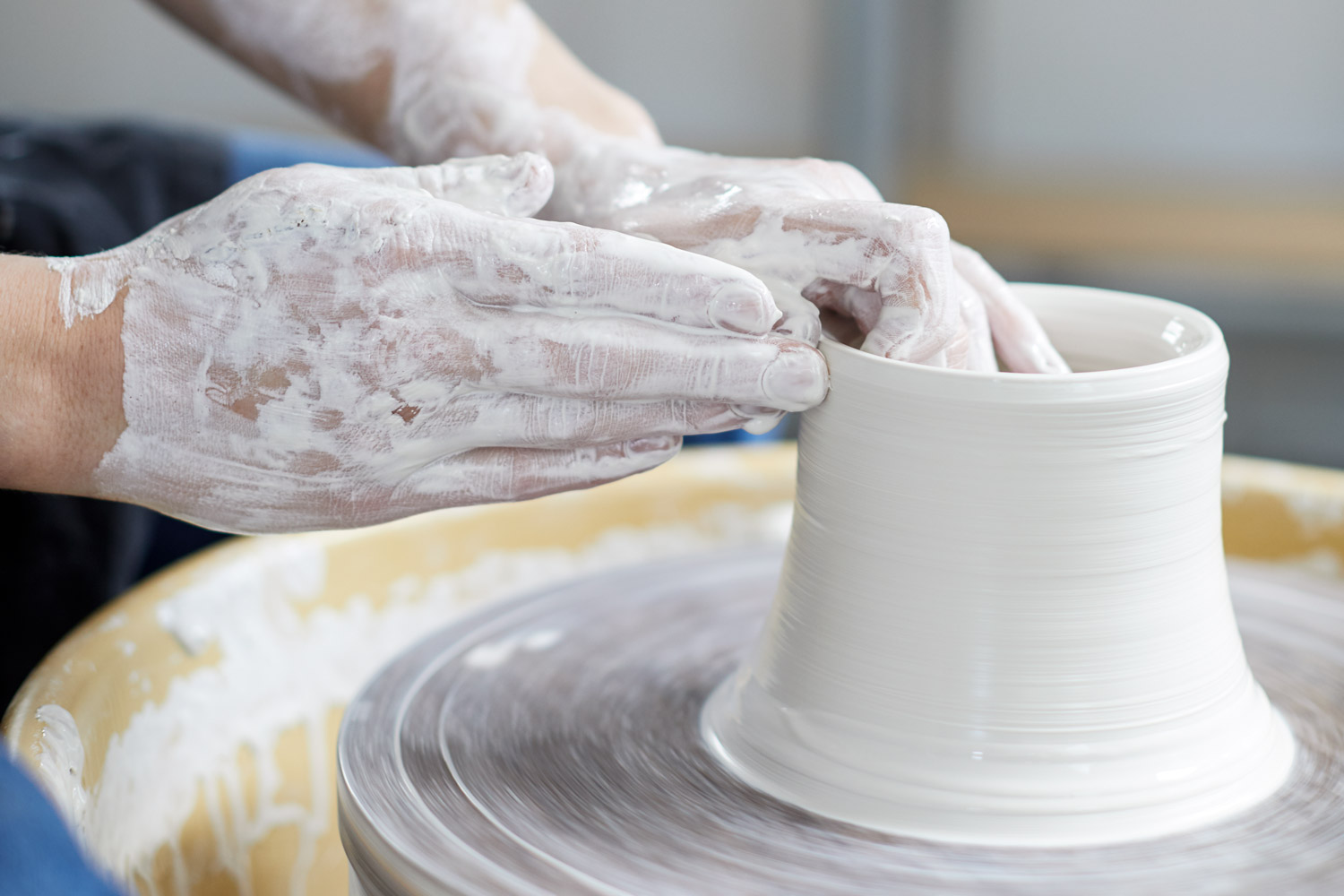
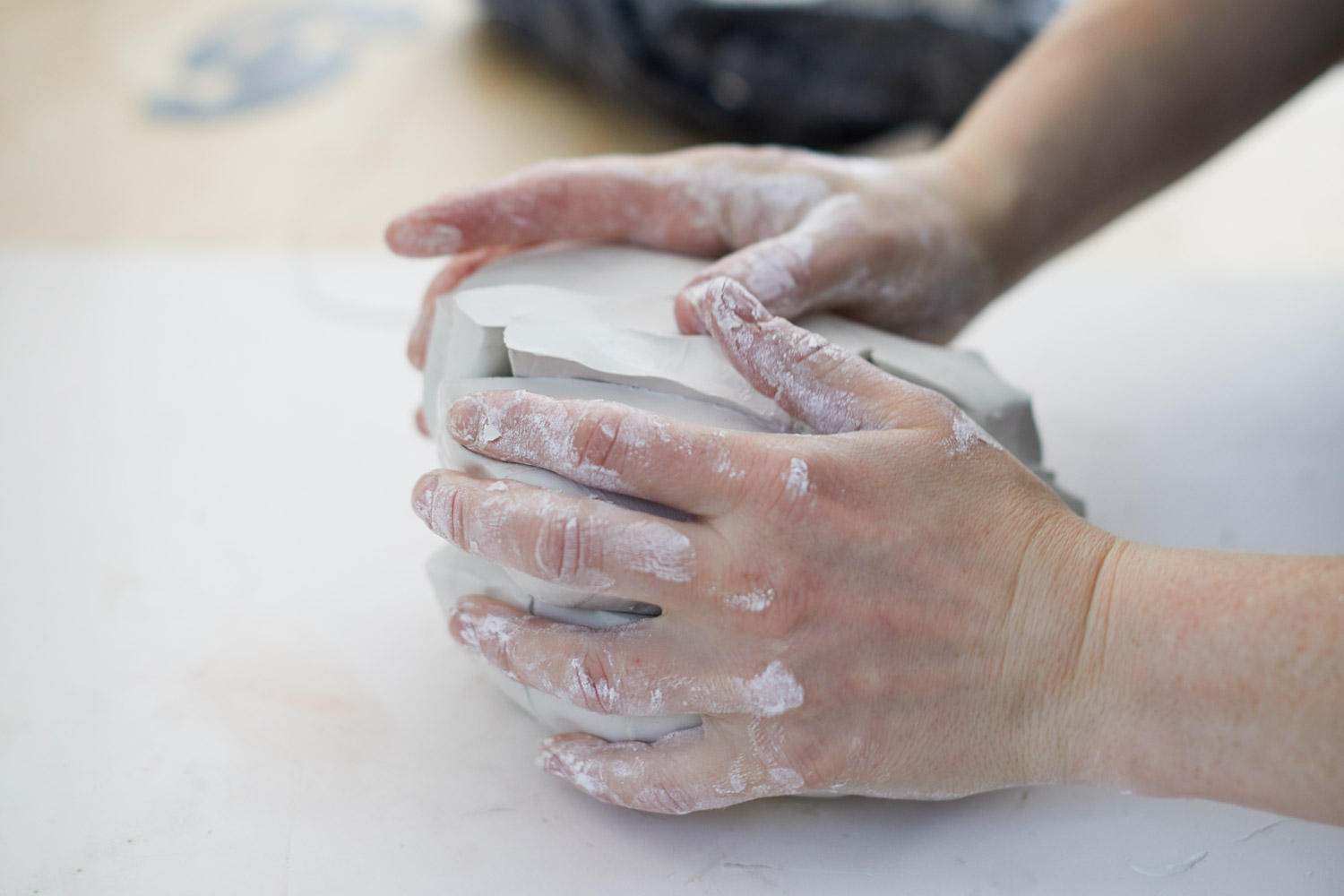
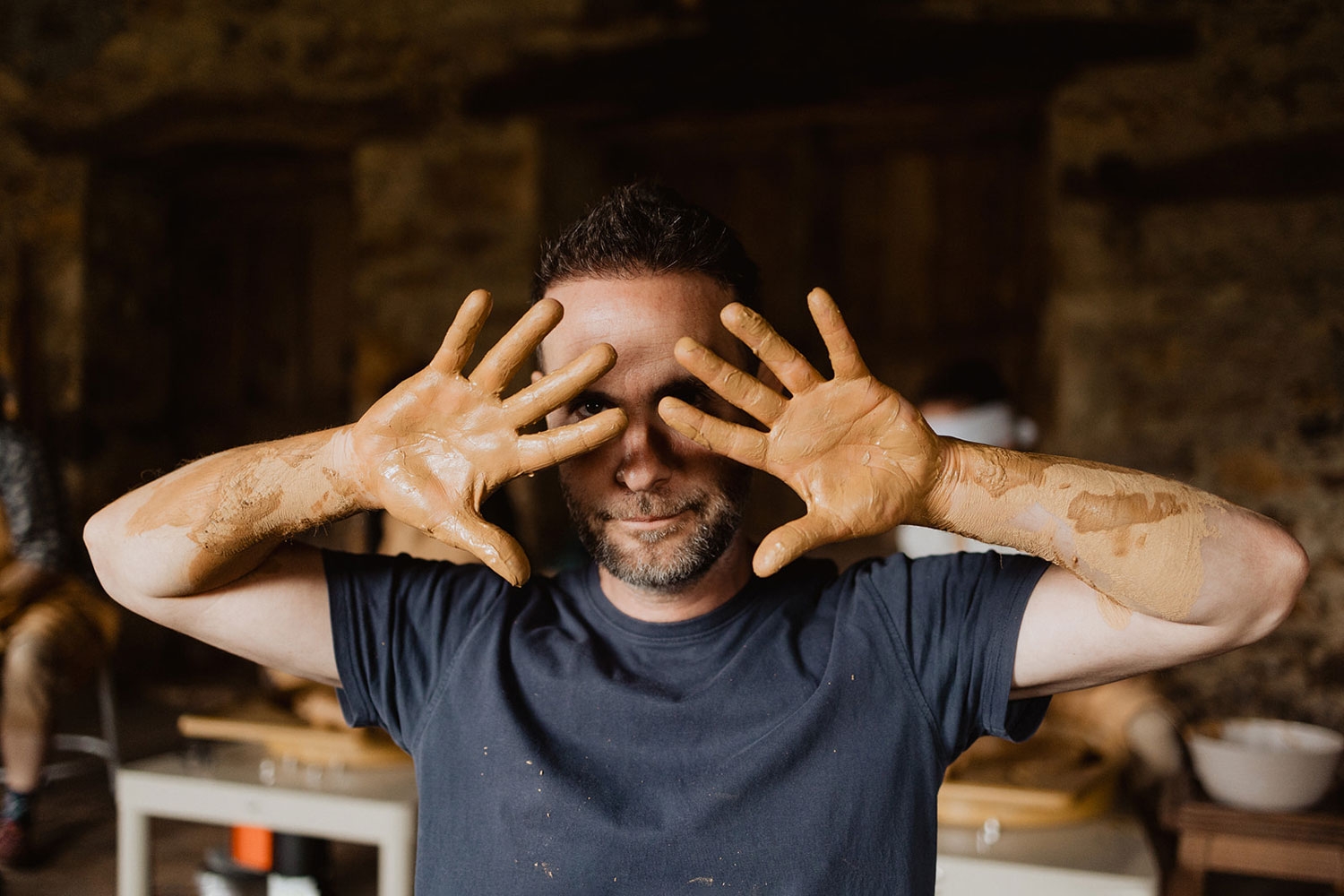
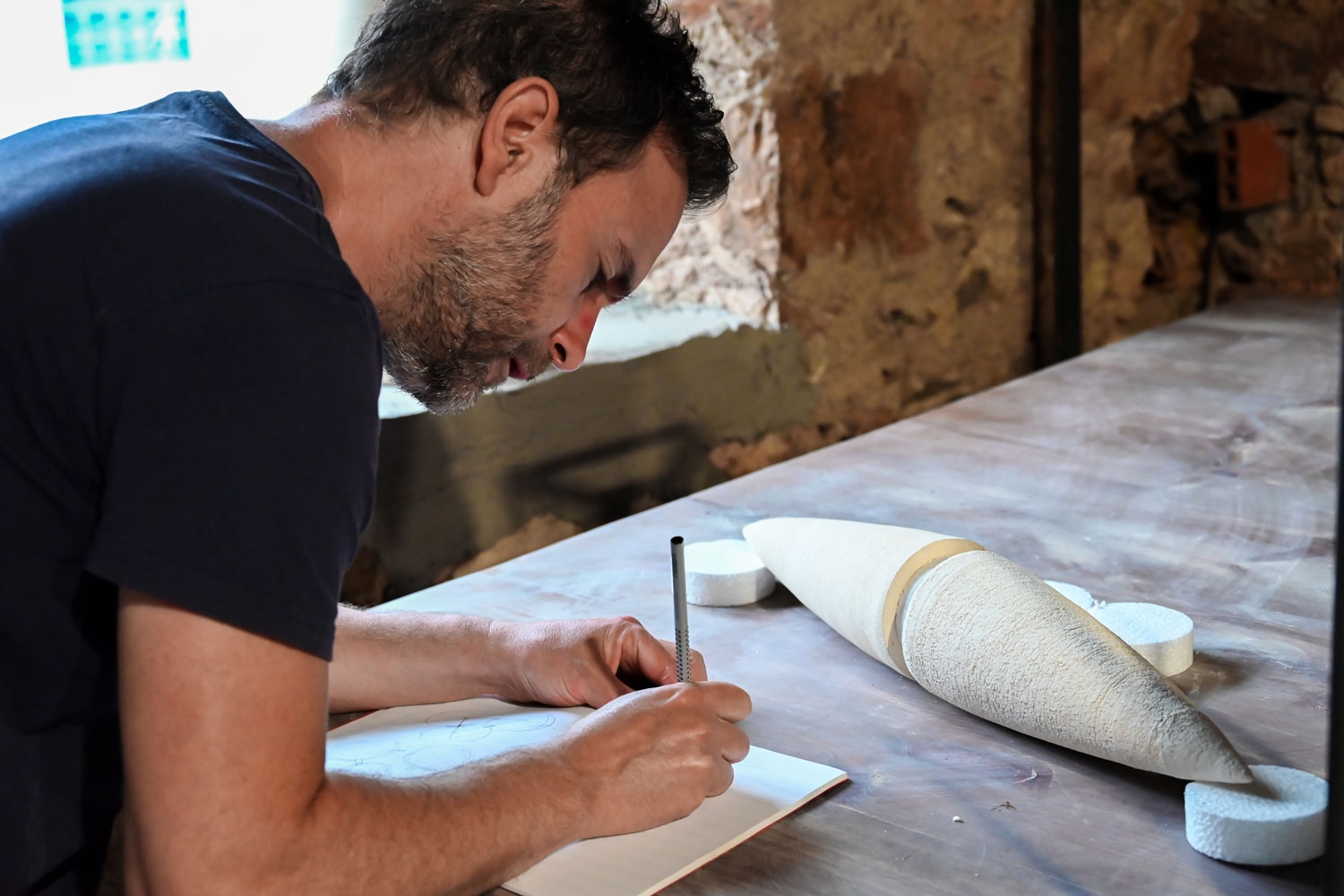
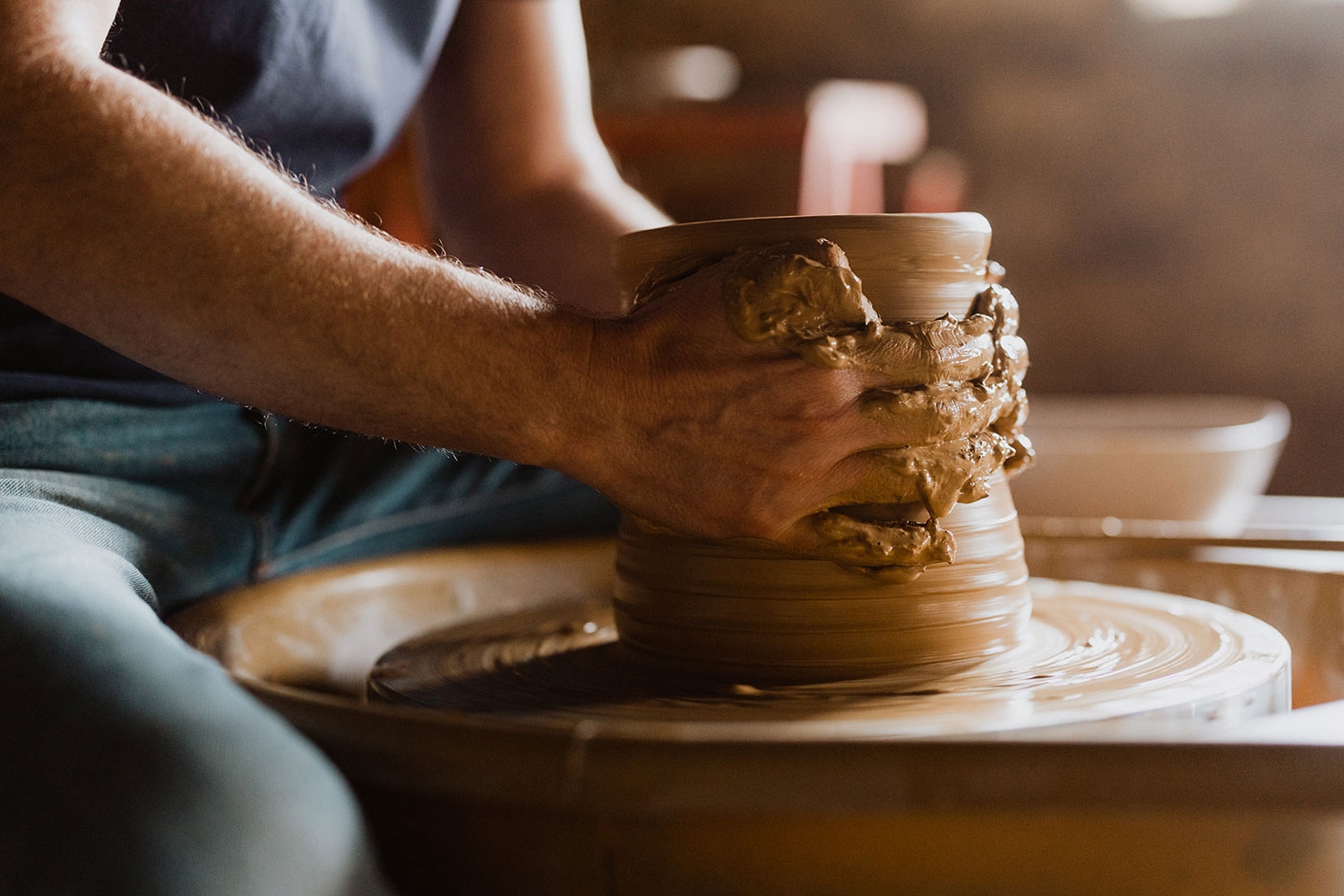
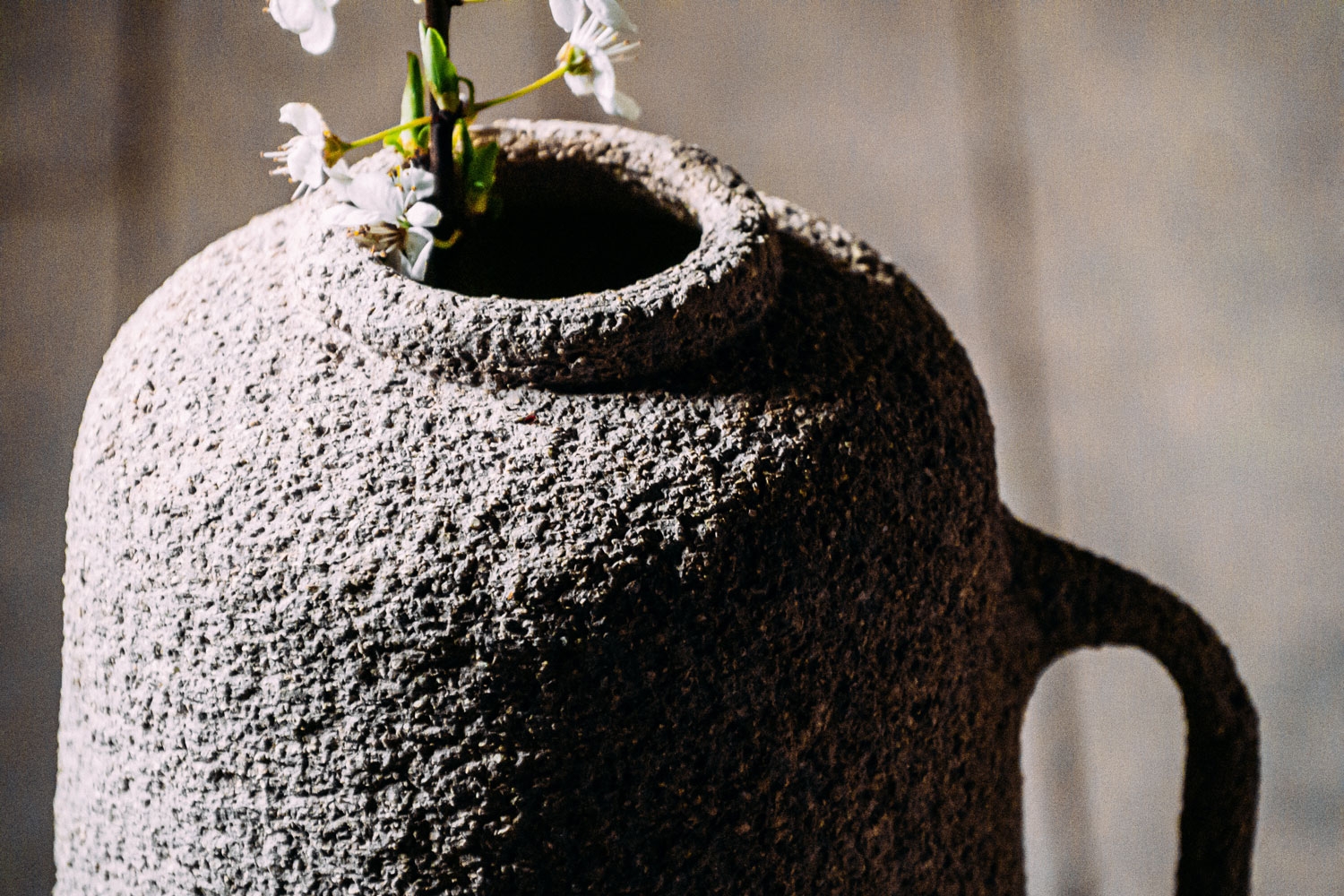
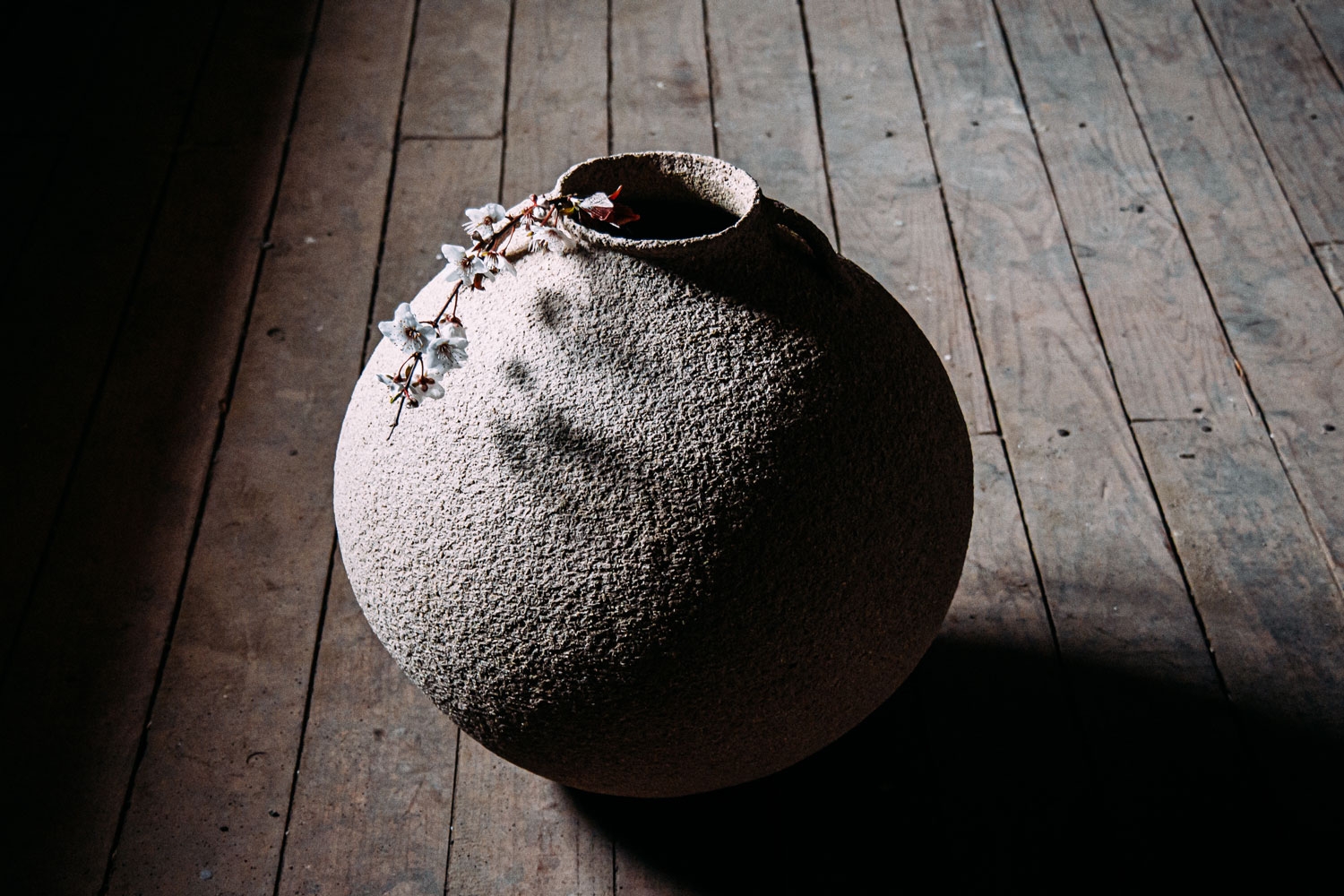
Born in Oviedo, Asturias, Raúl Mouro grew up surrounded by his family's centuries-old ceramic tradition. His first encounter with clay came at the age of three, under the guidance of his father, principal maker behind the iconic black ceramic pieces by Llamas del Mouro. After graduating with a degree in history and a masters in human resources, Raúl pursued a corporate career but soon returned to his true calling, the family craft, founding his own ceramic line, Raúl Mouro Origen. He set up a workshop in a restored family house in Cangas del Narcea in the mid 2010s. Today, in this ancient town of Asturias, Raúl creates pieces deeply rooted in Asturian heritage, using local clay and traditional techniques such as reduction firing to achieve unique textures. His work reinterprets historical forms, including the penada, an elliptical vessel with a pointed rim that is the hallmark of Llamas del Mouro black ceramics.
INTERVIEW
I chose this profession because of my vocation and because it allows me to express myself fully. It gives me peace, balance and happiness. It brings out my artistic and personal best.
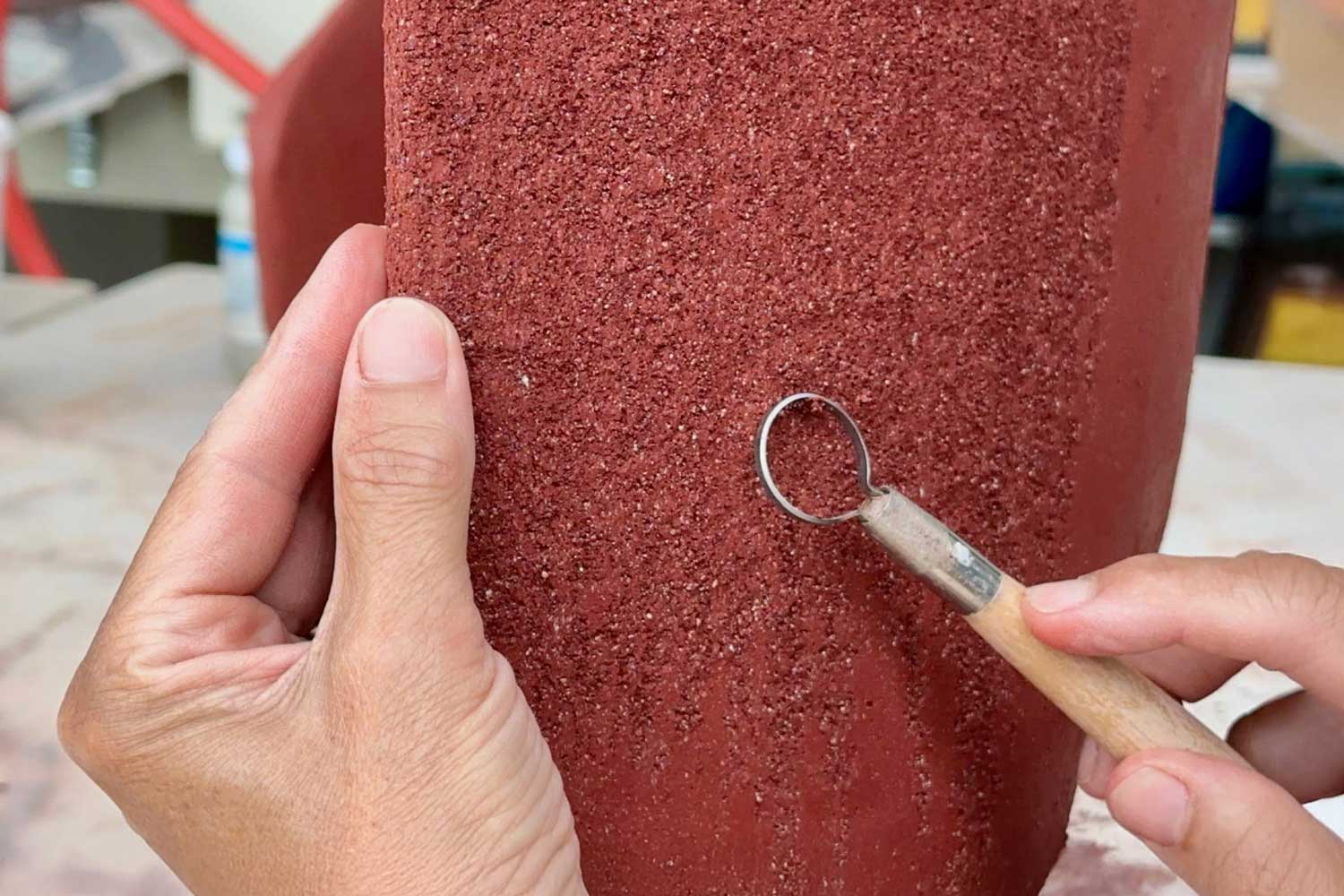
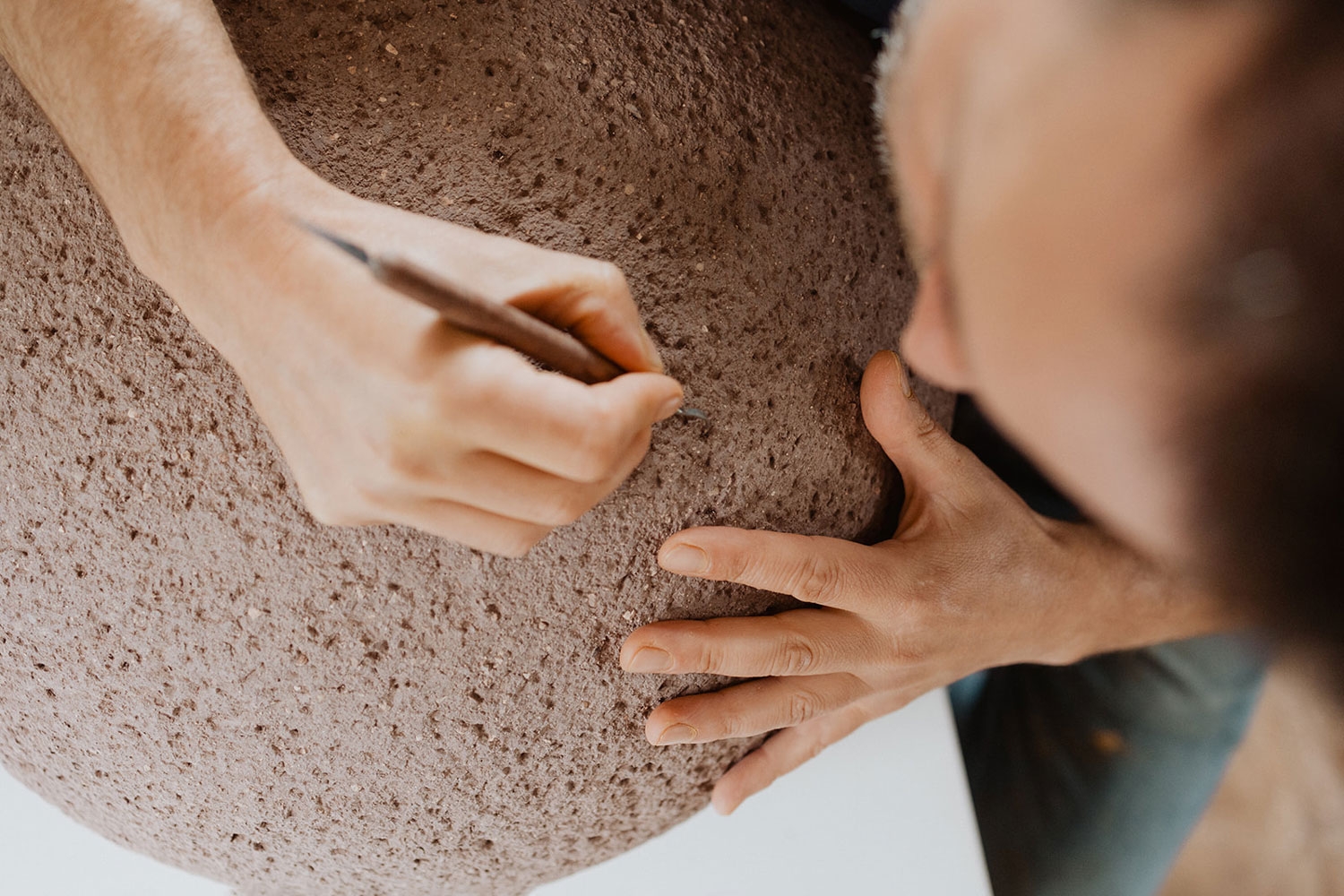
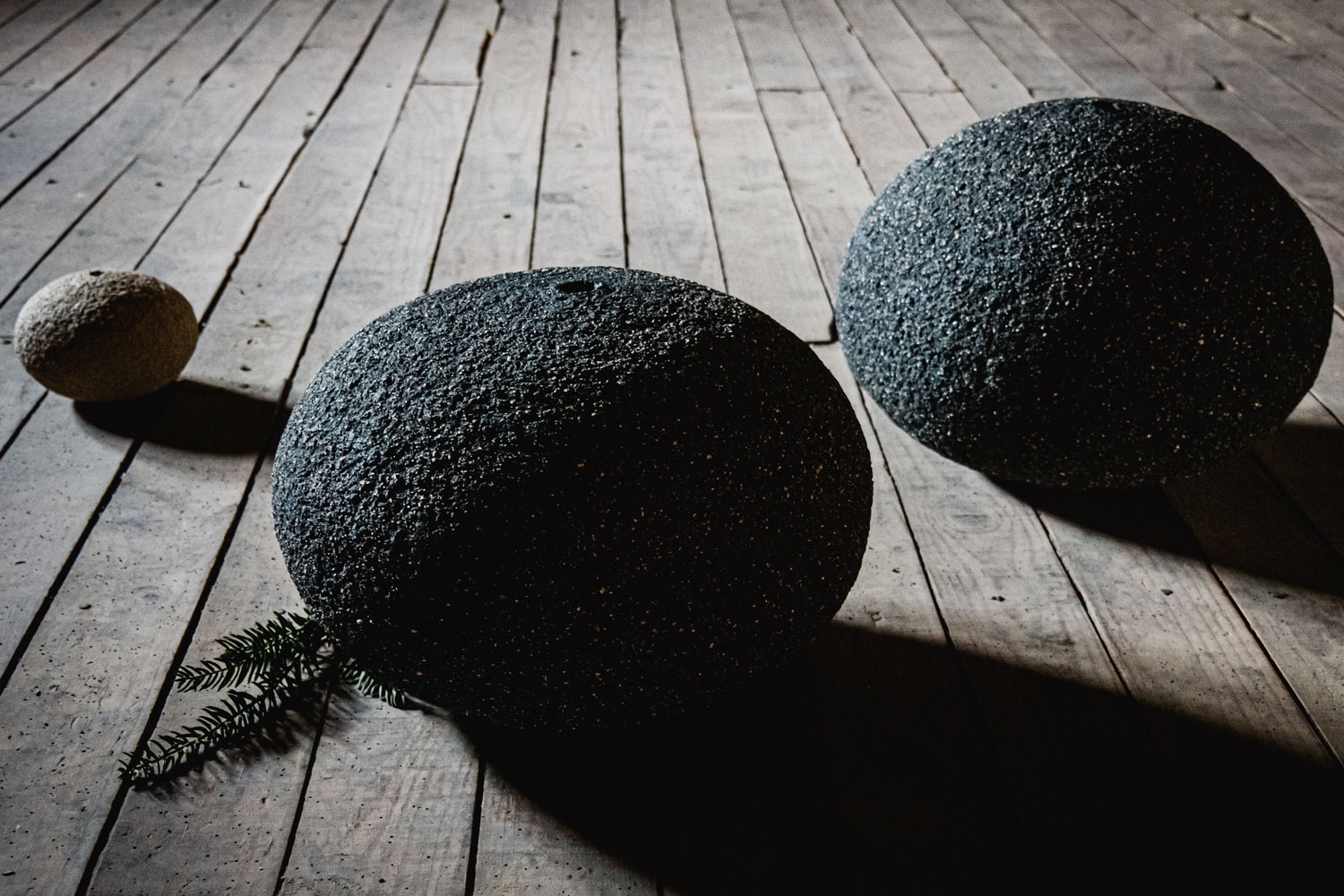
I am an explorer, which has led me to discover new paths, with the family tradition as a starting point. Tradition is in some of the forms I am inspired by, and also in the making process. Innovation is in the residues and textures that I incorporate into my pieces.
Inspired by silence, nature and generous people, I aim to create vulnerable pieces that expose the material's rawness and show it without shame.
I like to think not, although nowadays there is less knowledge of traditional techniques such as sourcing materials, drying or firing. The key, as always, is in the schools and the links they can make with rural workshops and traditional artisans, to keep this craft alive.
Raúl Mouro
Ceramicist
Cangas del Narcea, Spain
AVAILABILITY
By appointment only
PHONE
+34 648293300
LANGUAGES
Spanish
Homo Faber Finds is a new service aiming to inspire admirers of craft to connect and collaborate with exceptional artisans.
We invite you to submit an enquiry here.