Olha Pilyuhina
Tapestry maker
Reshetylivka, Ukraine
Symbolism woven into exquisite tapestry
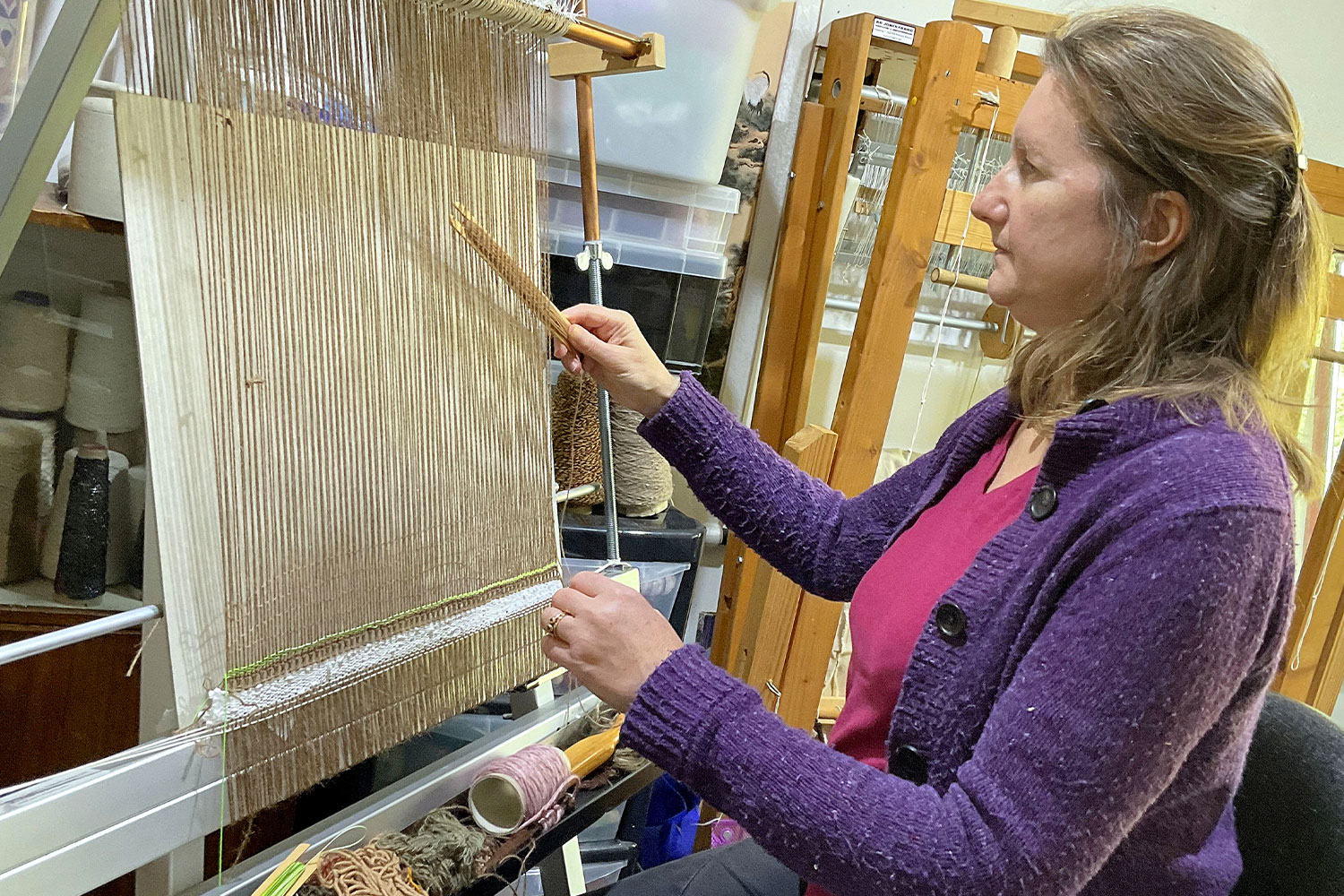
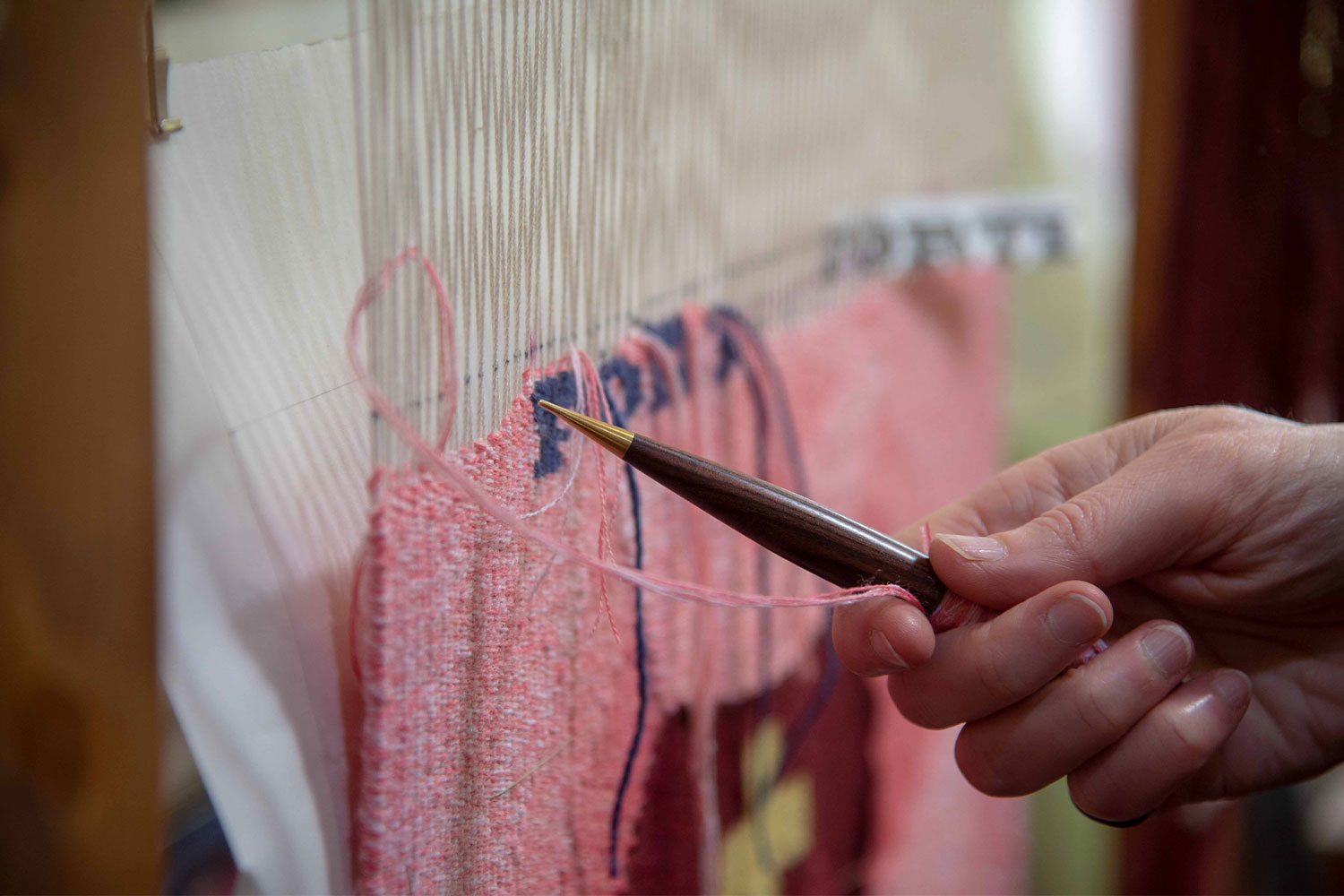
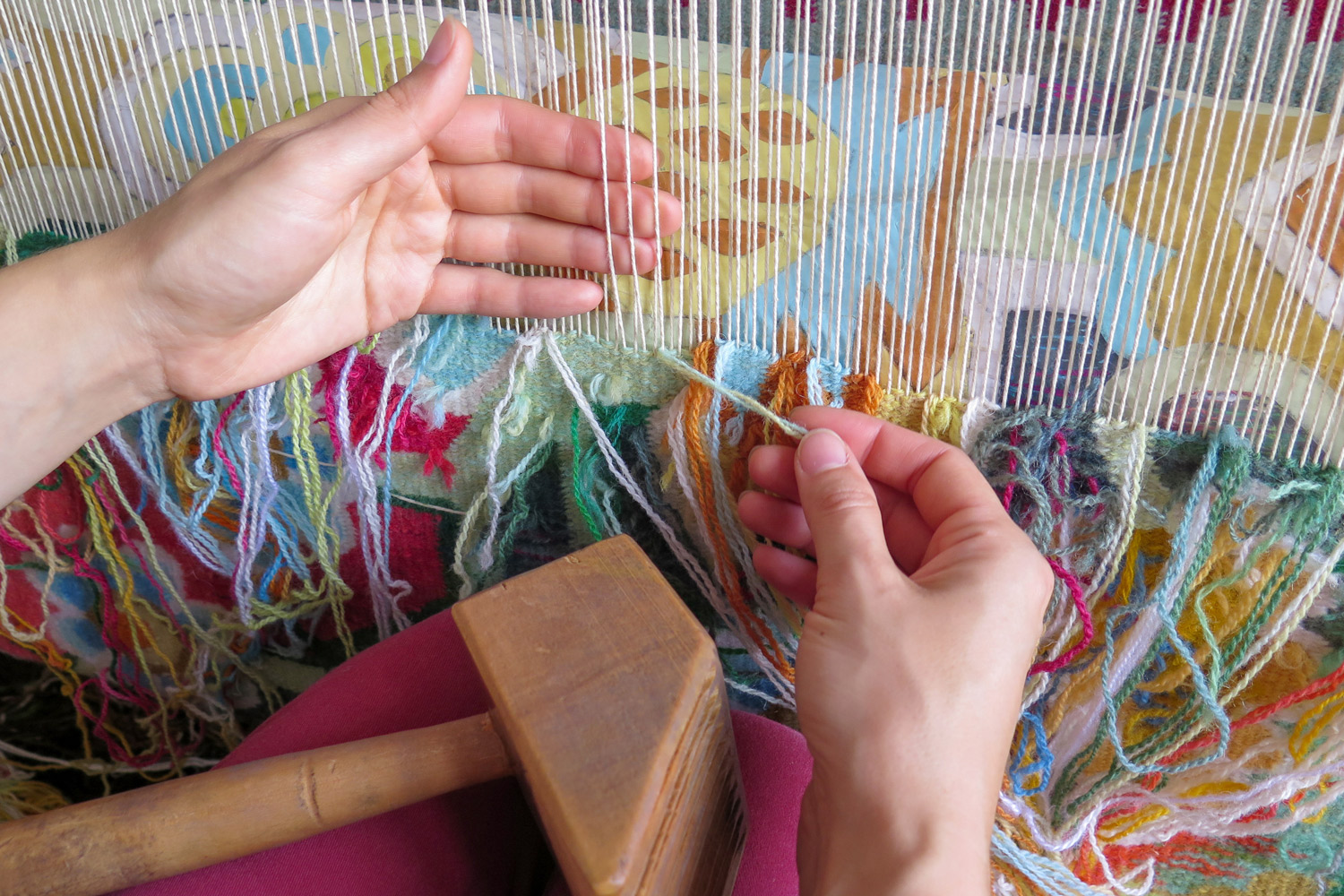
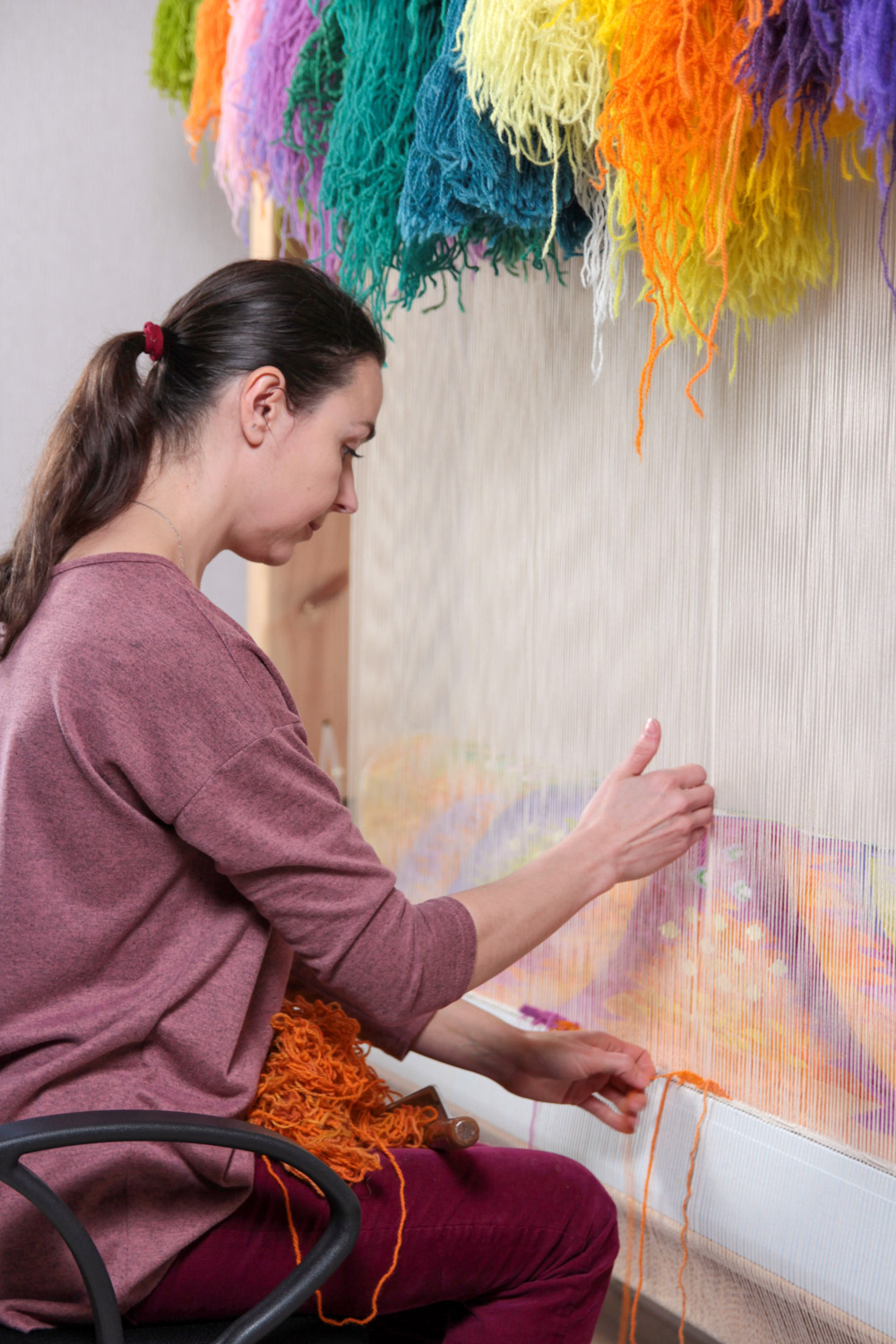
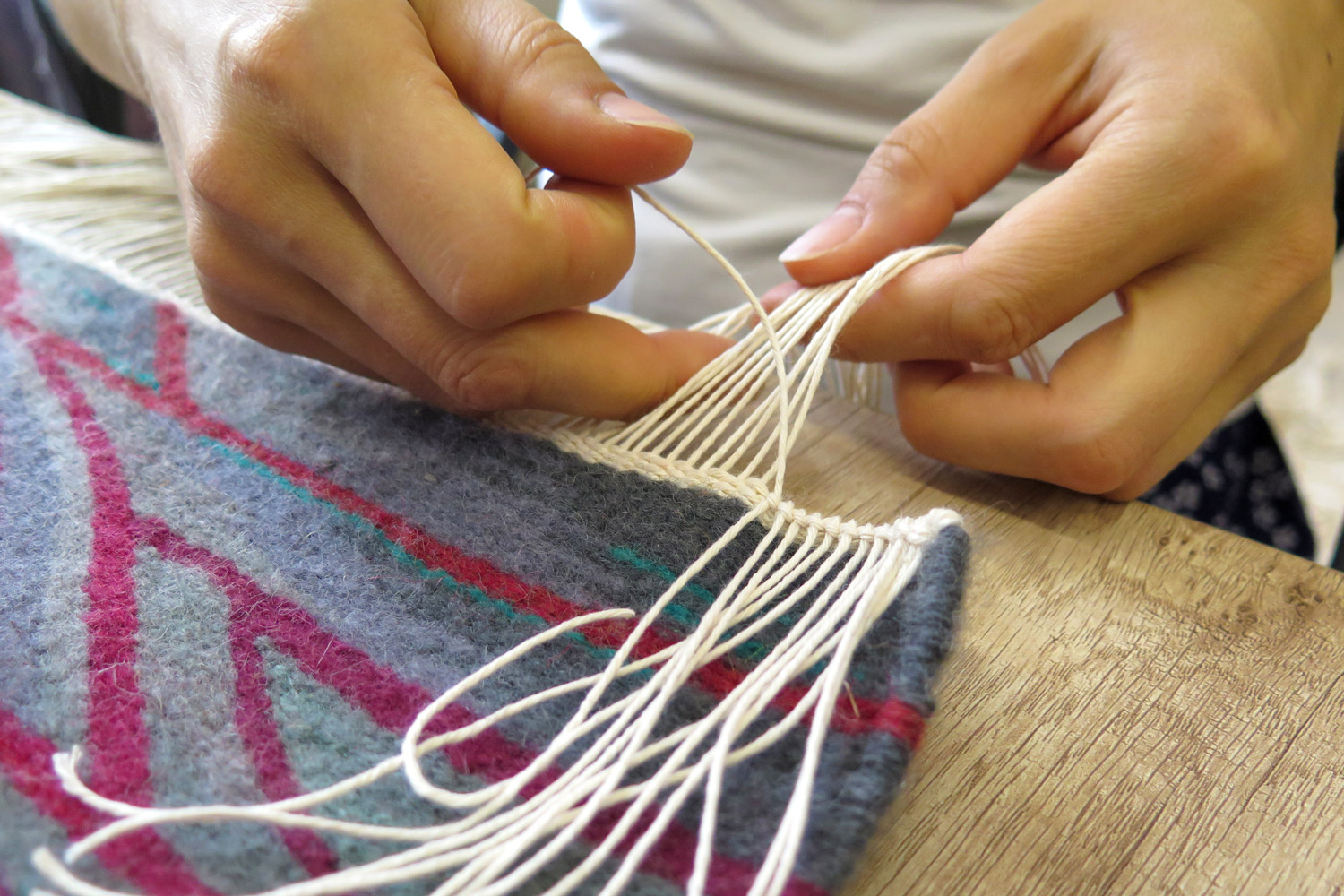
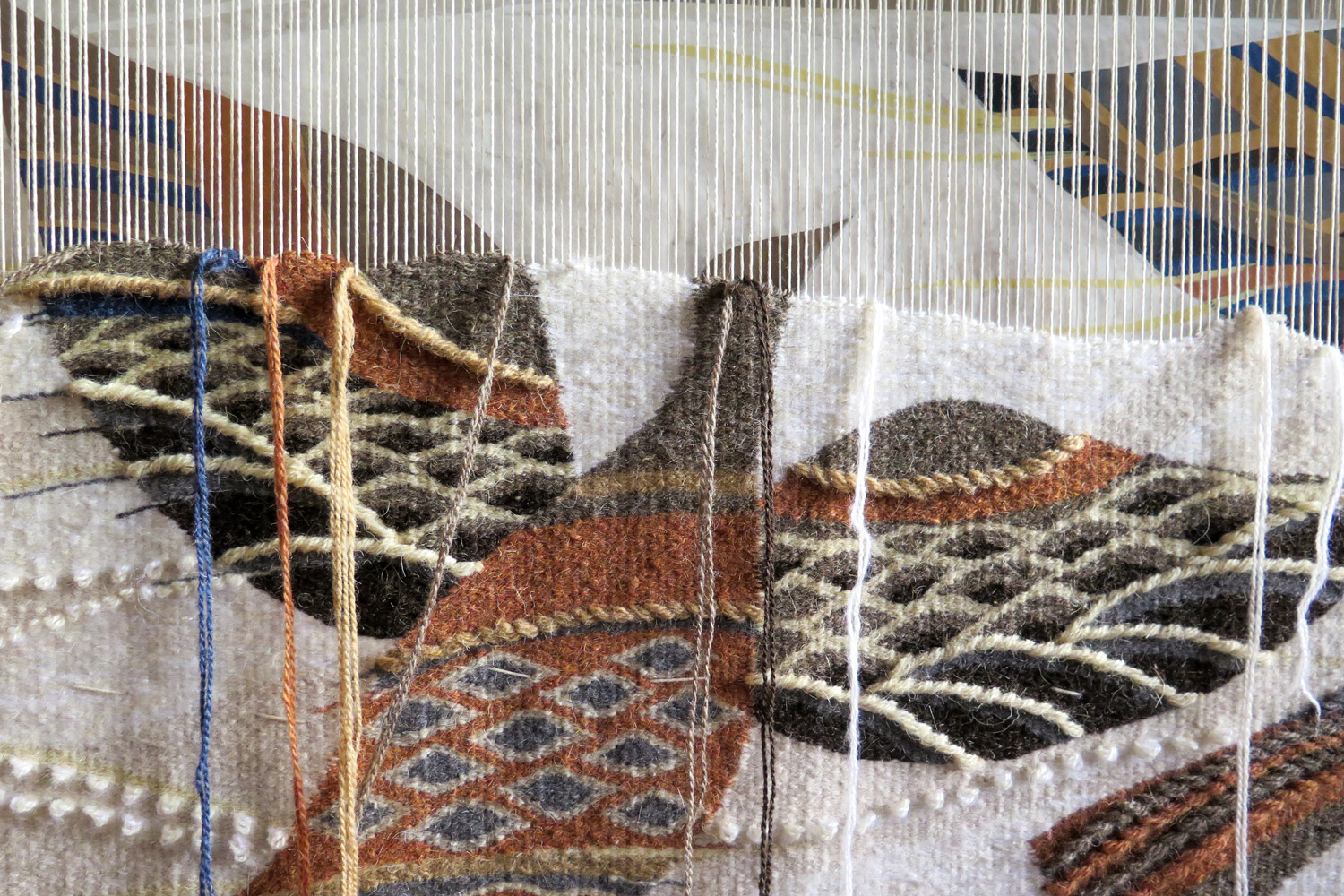
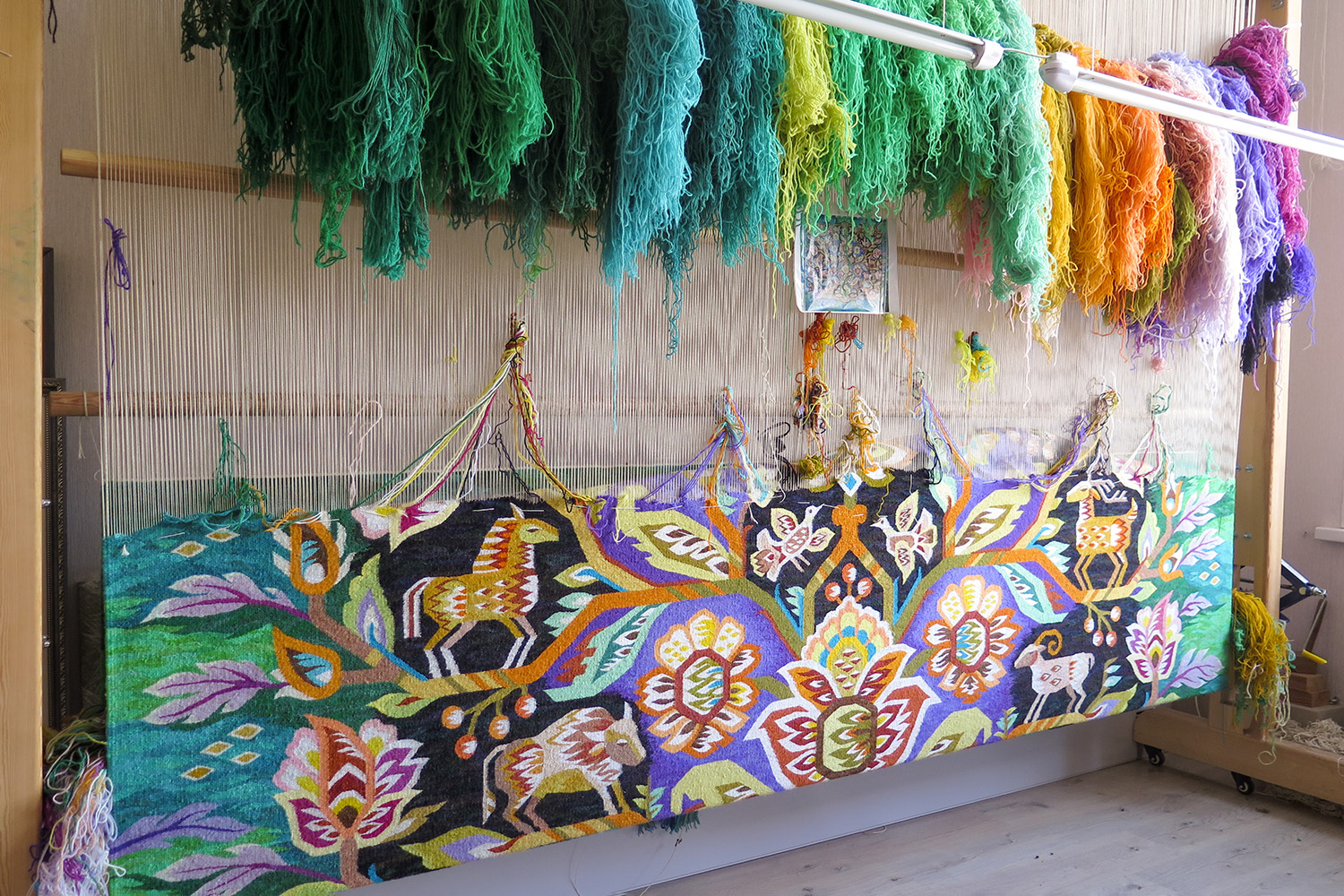
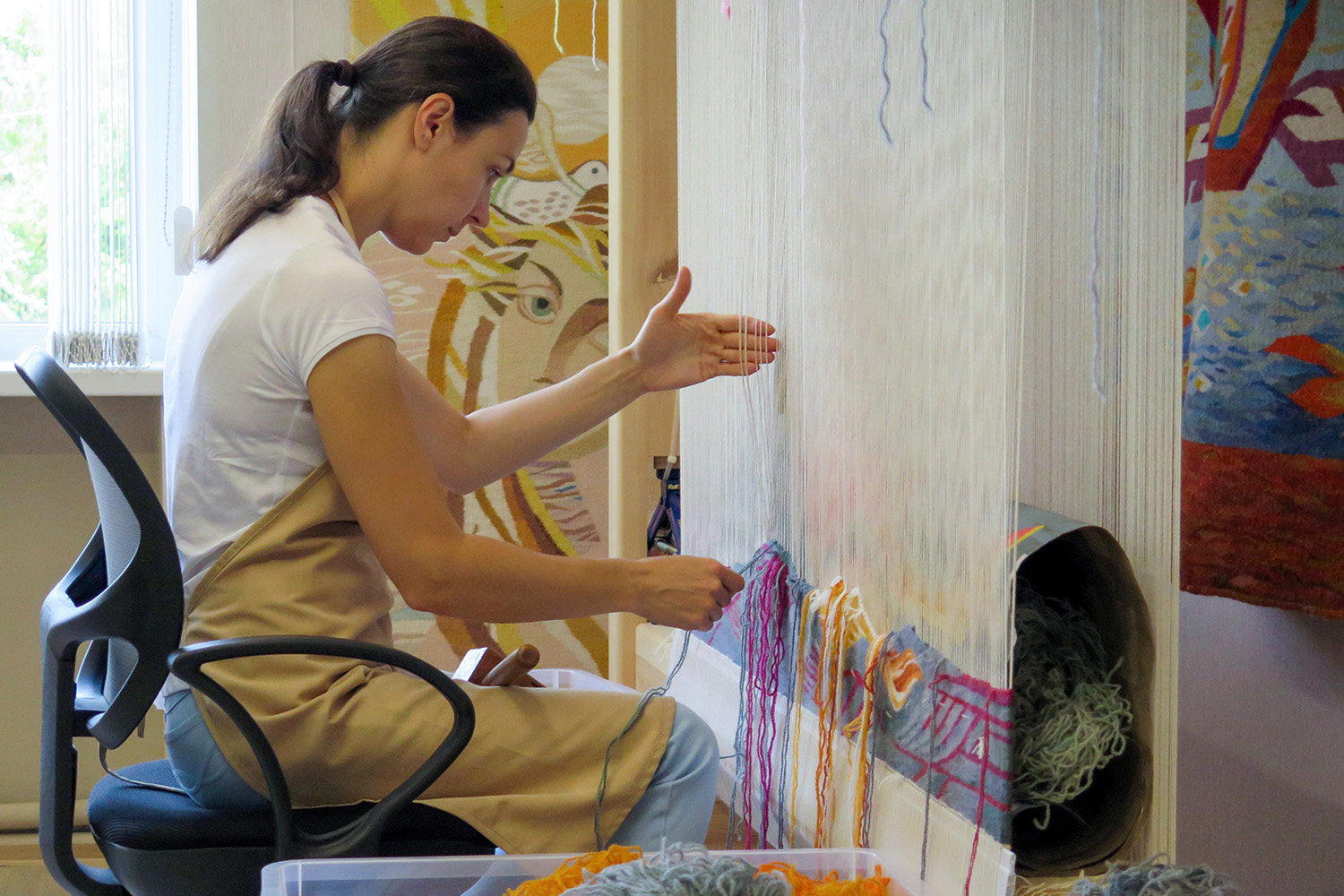
- Olha works in the traditional technique of double-sided smooth hand carpet weaving
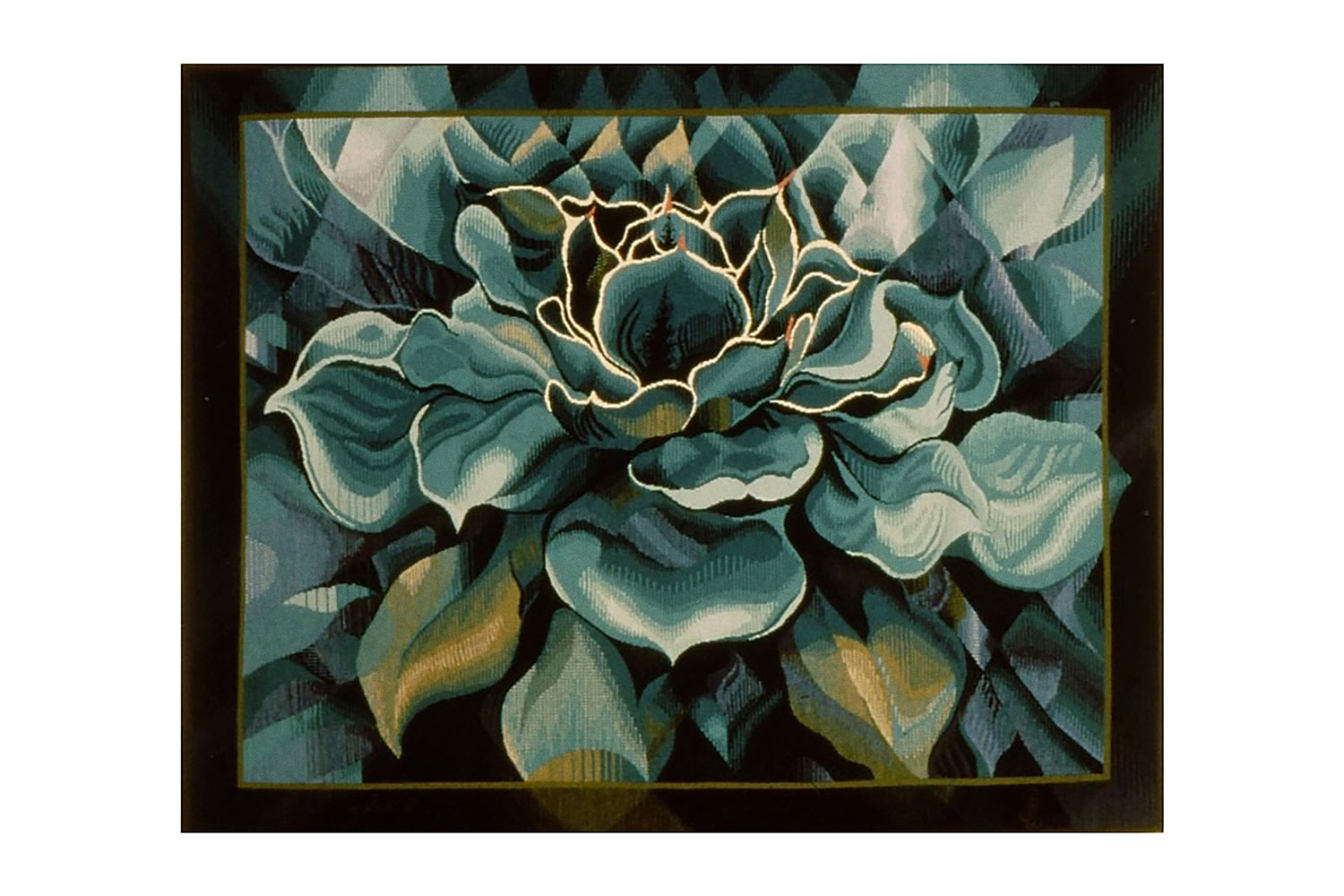
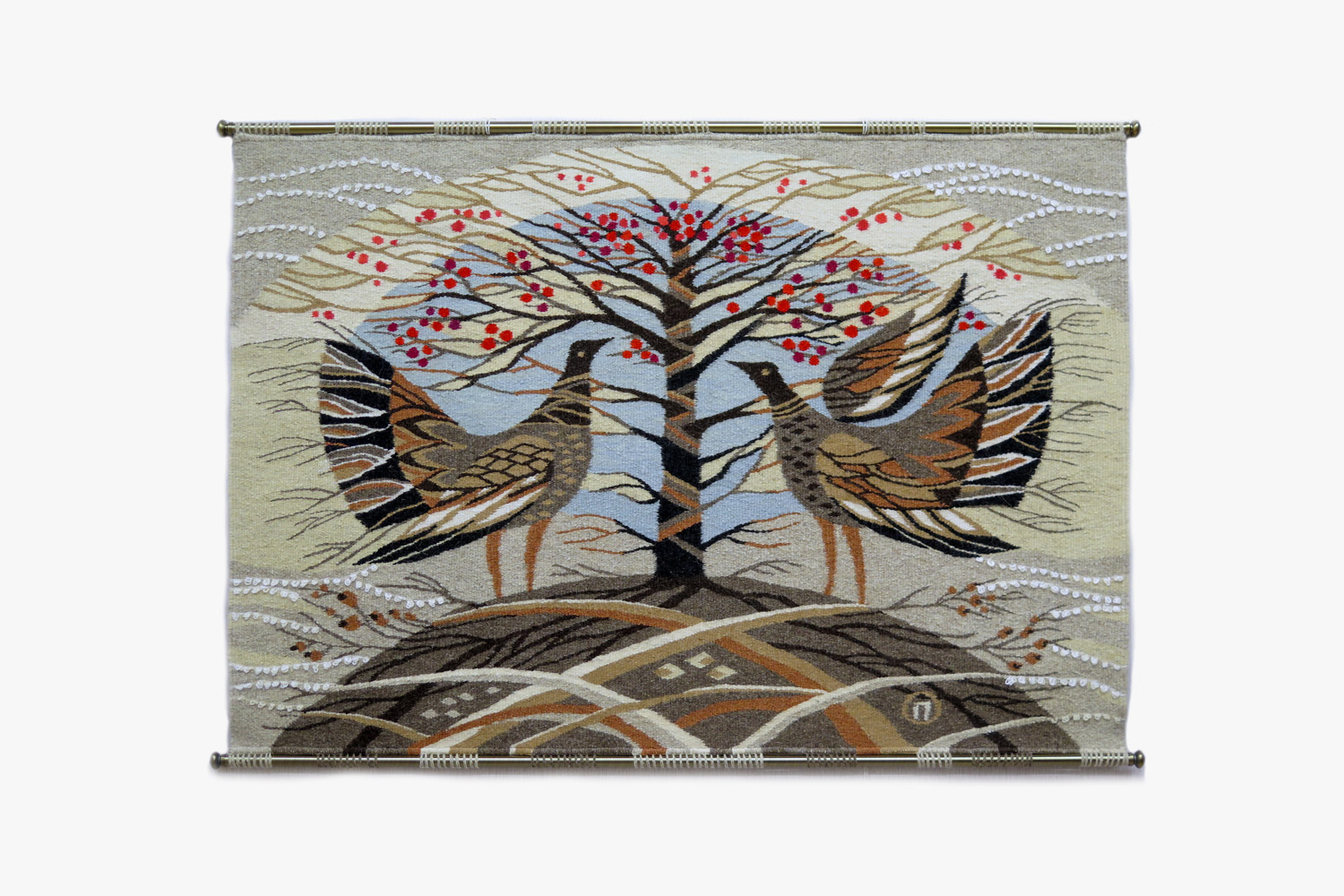
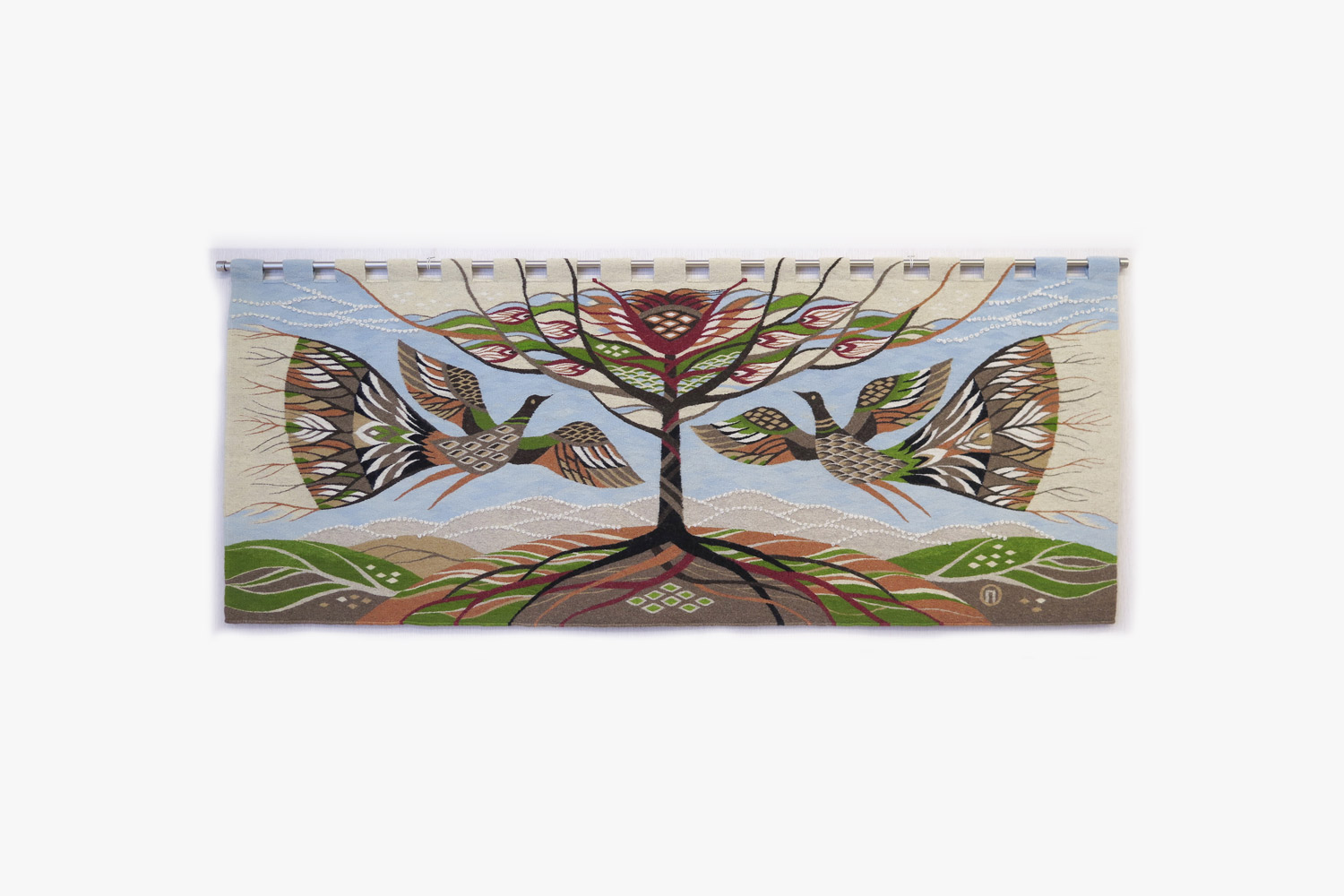
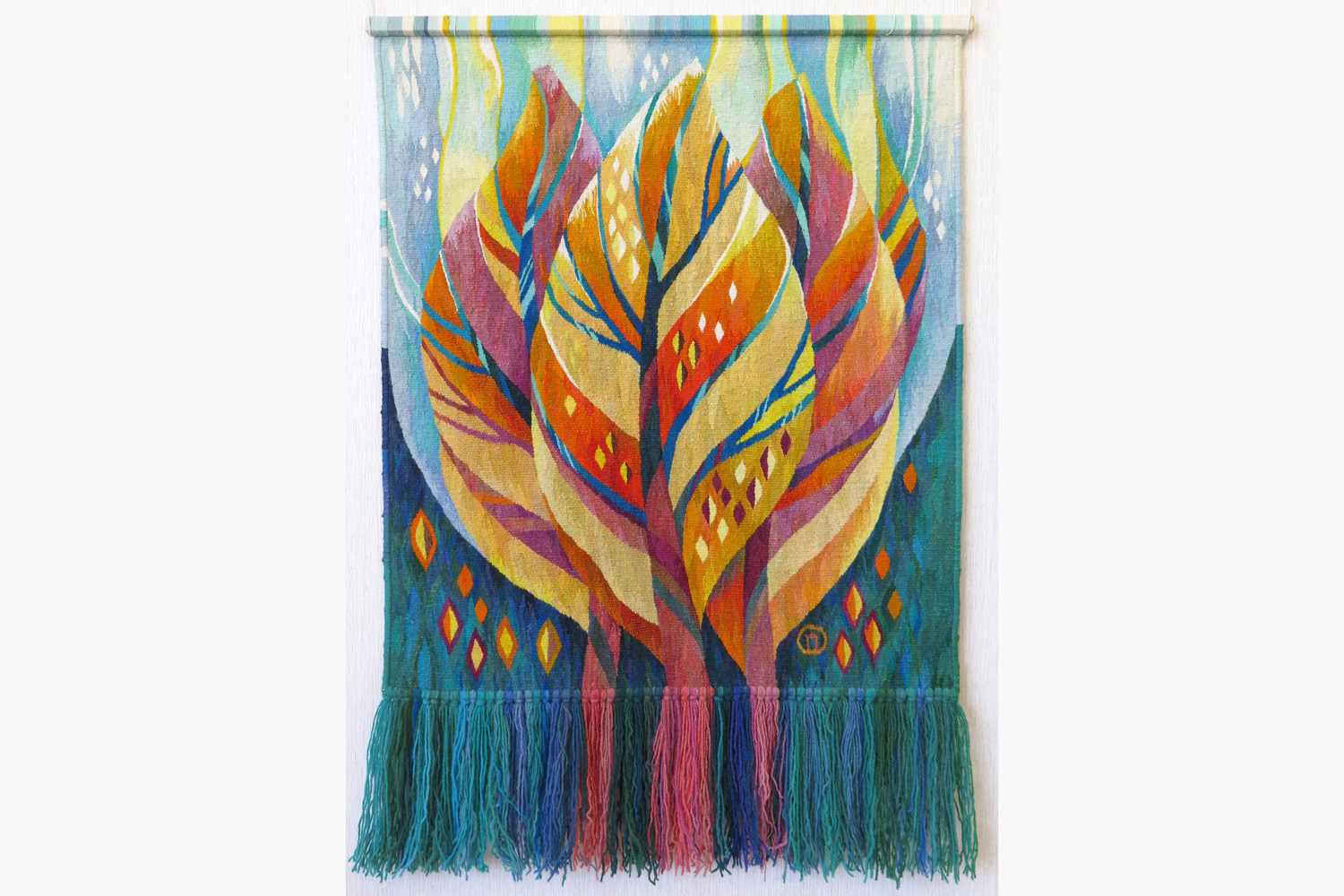
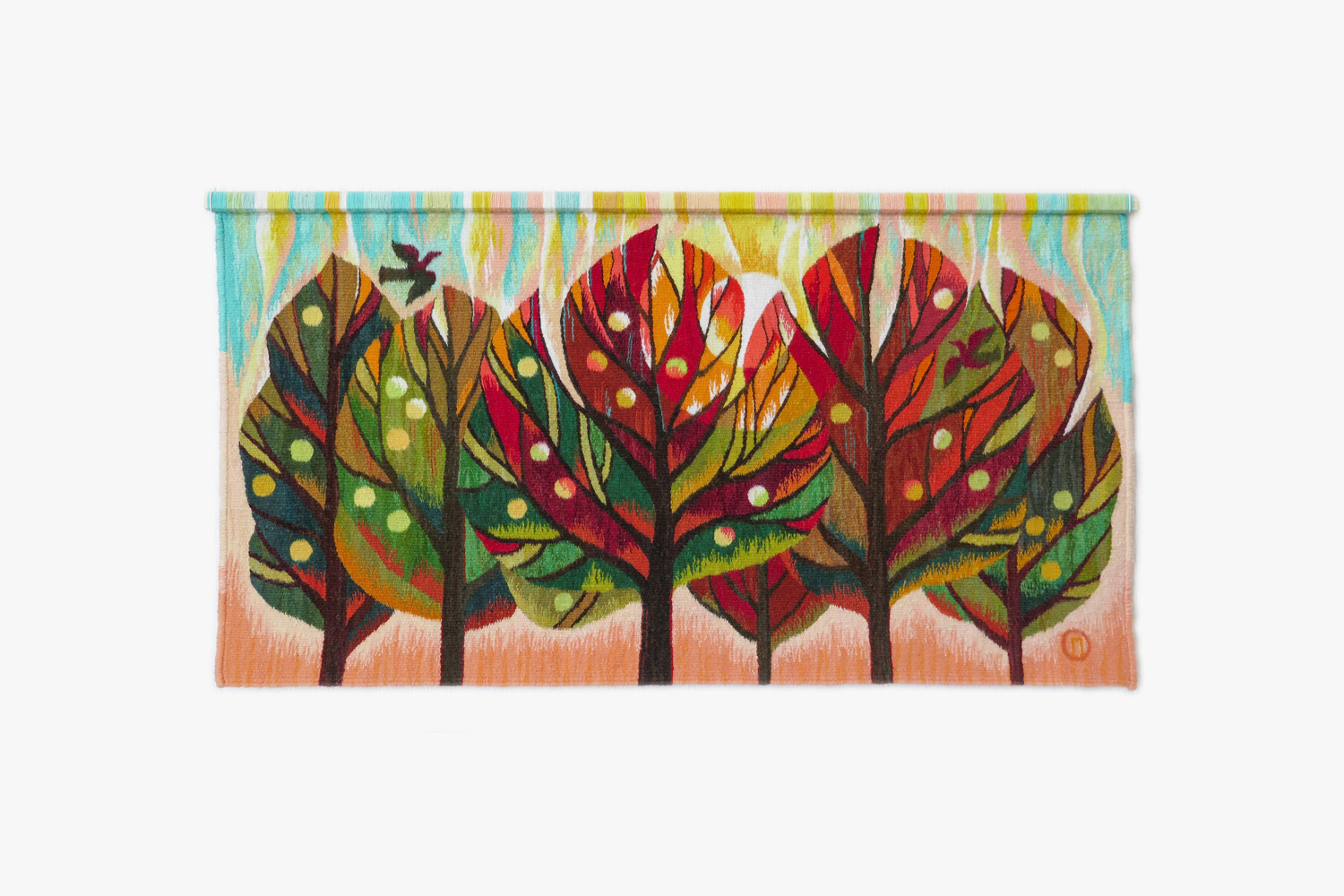
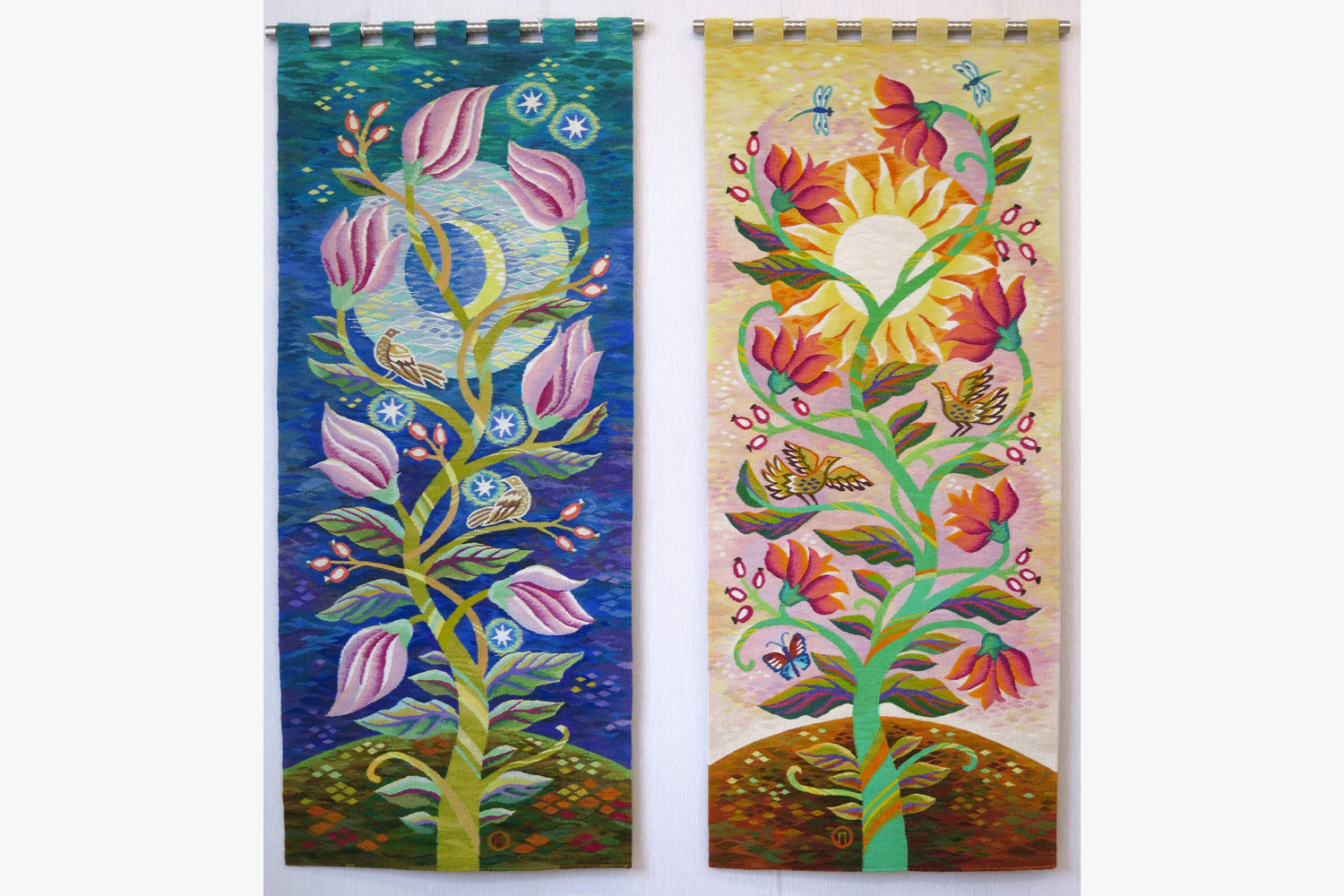
- Her objects feature traditional Ukrainian themes
- Olha started professionally weaving at the age of 11
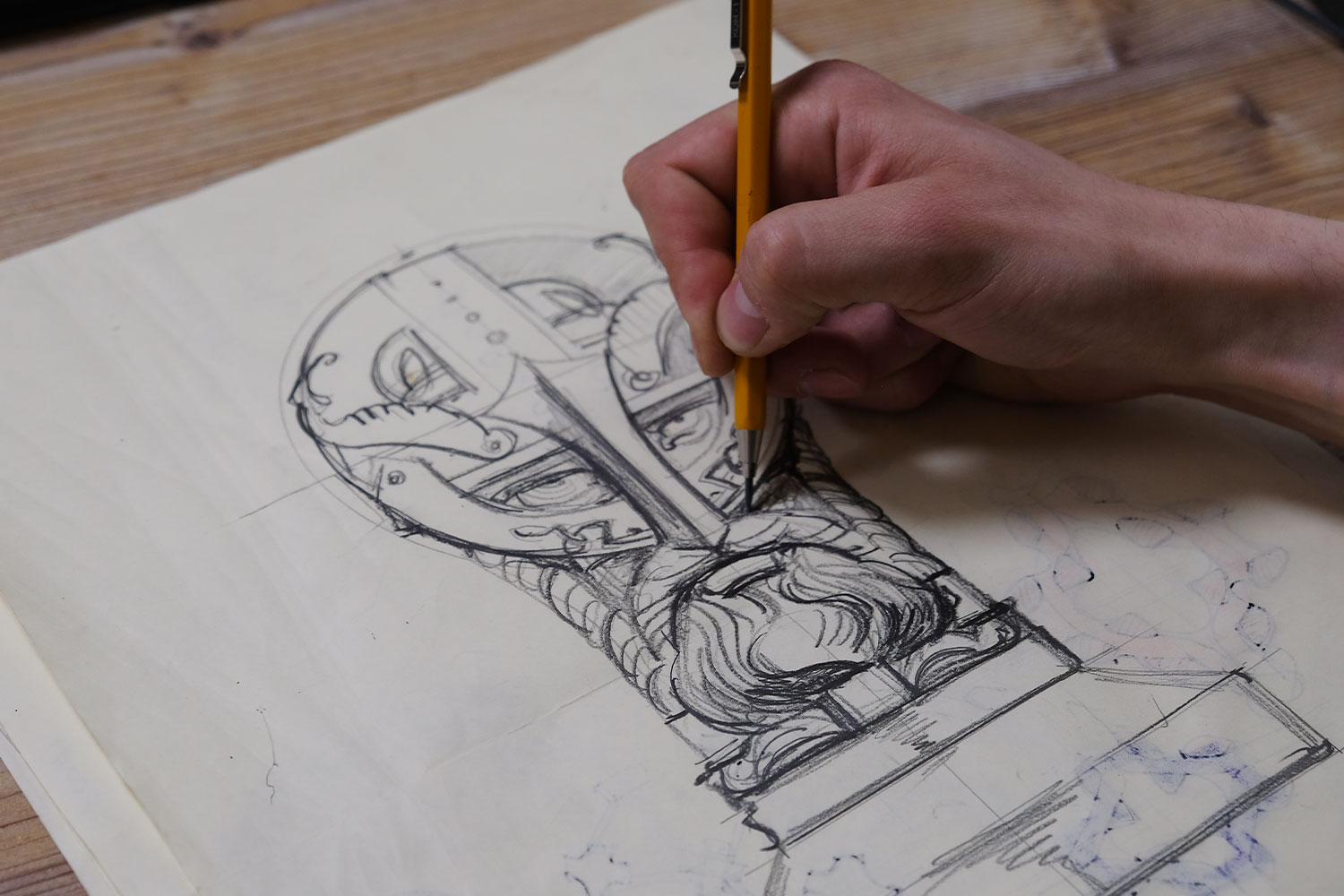
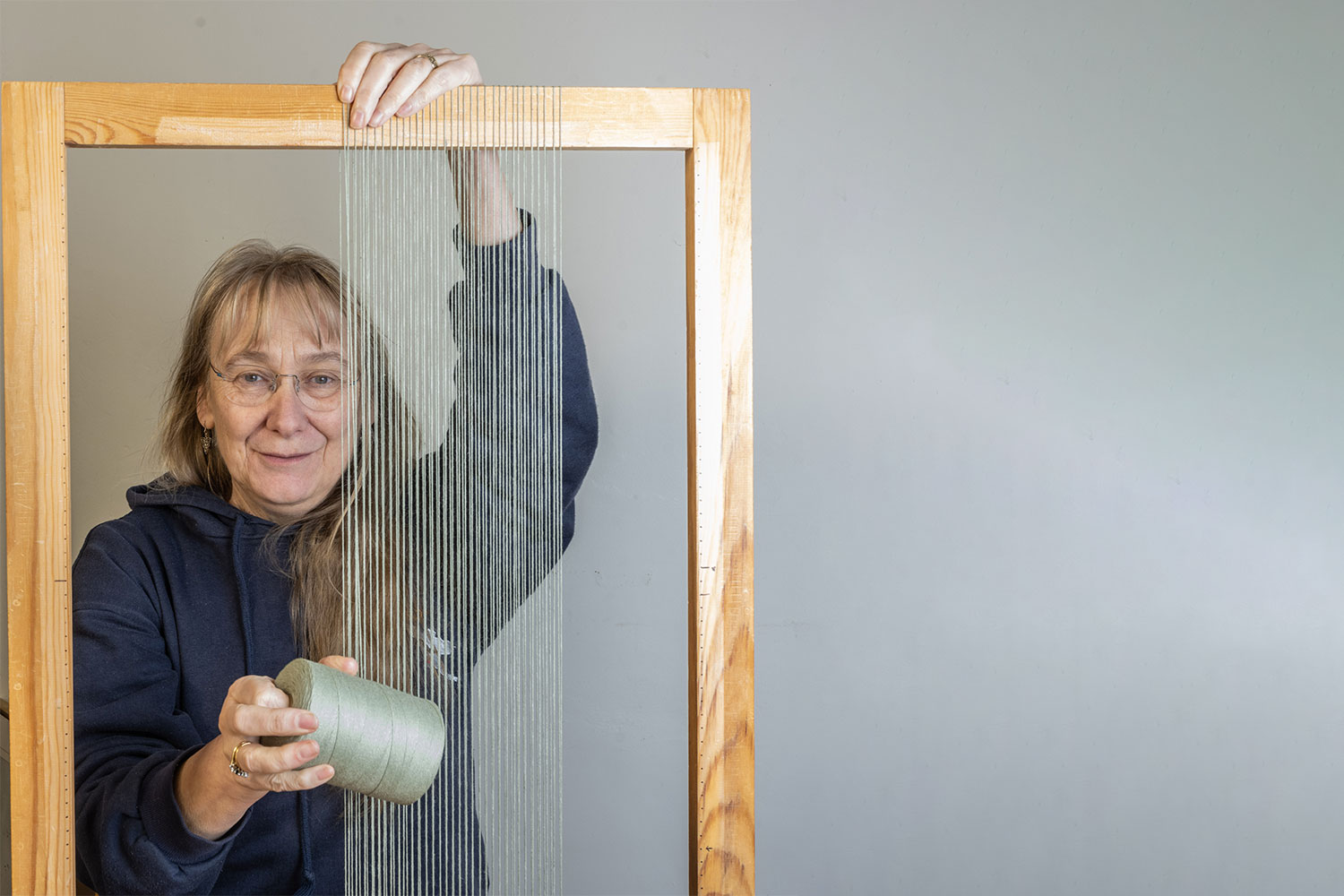
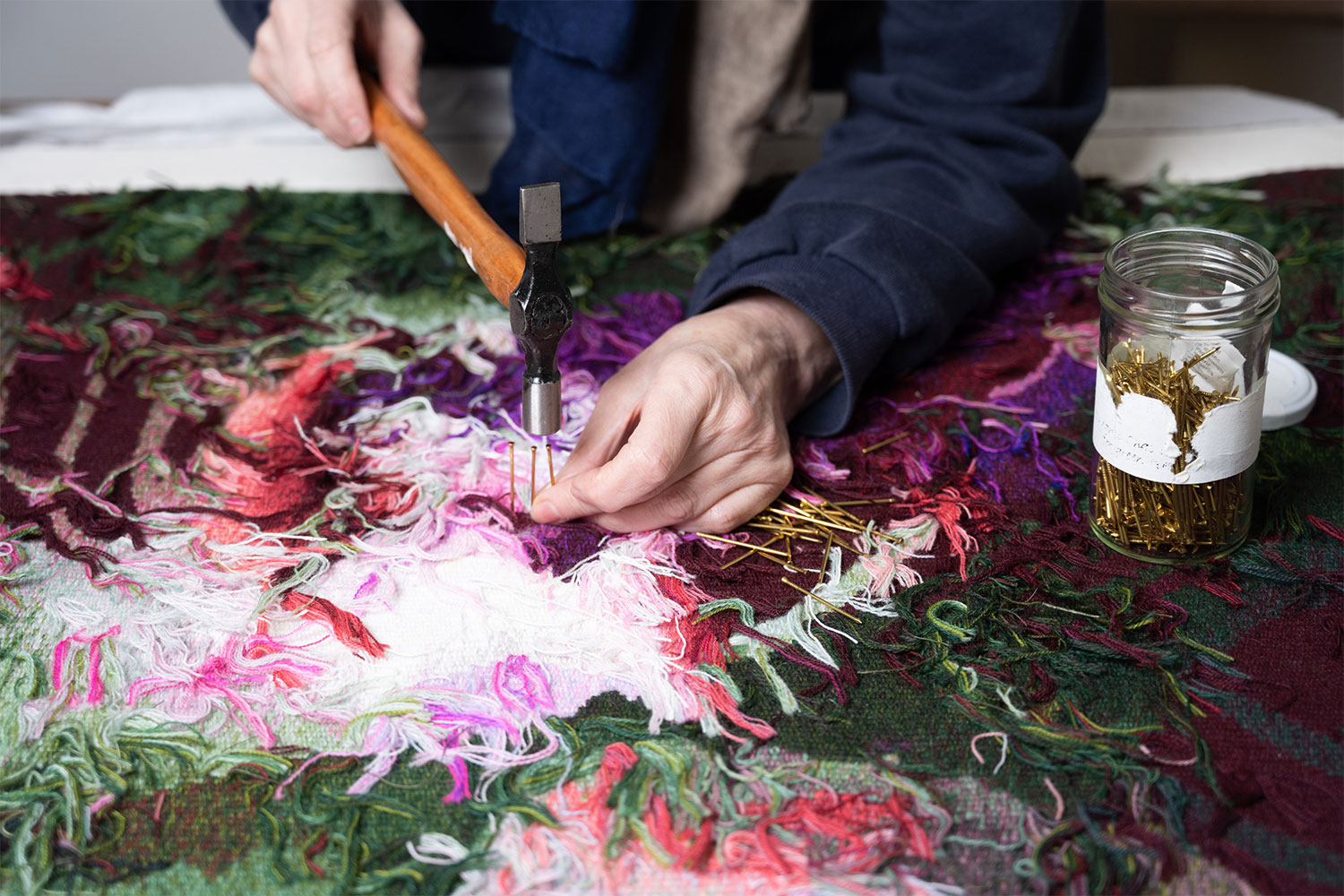
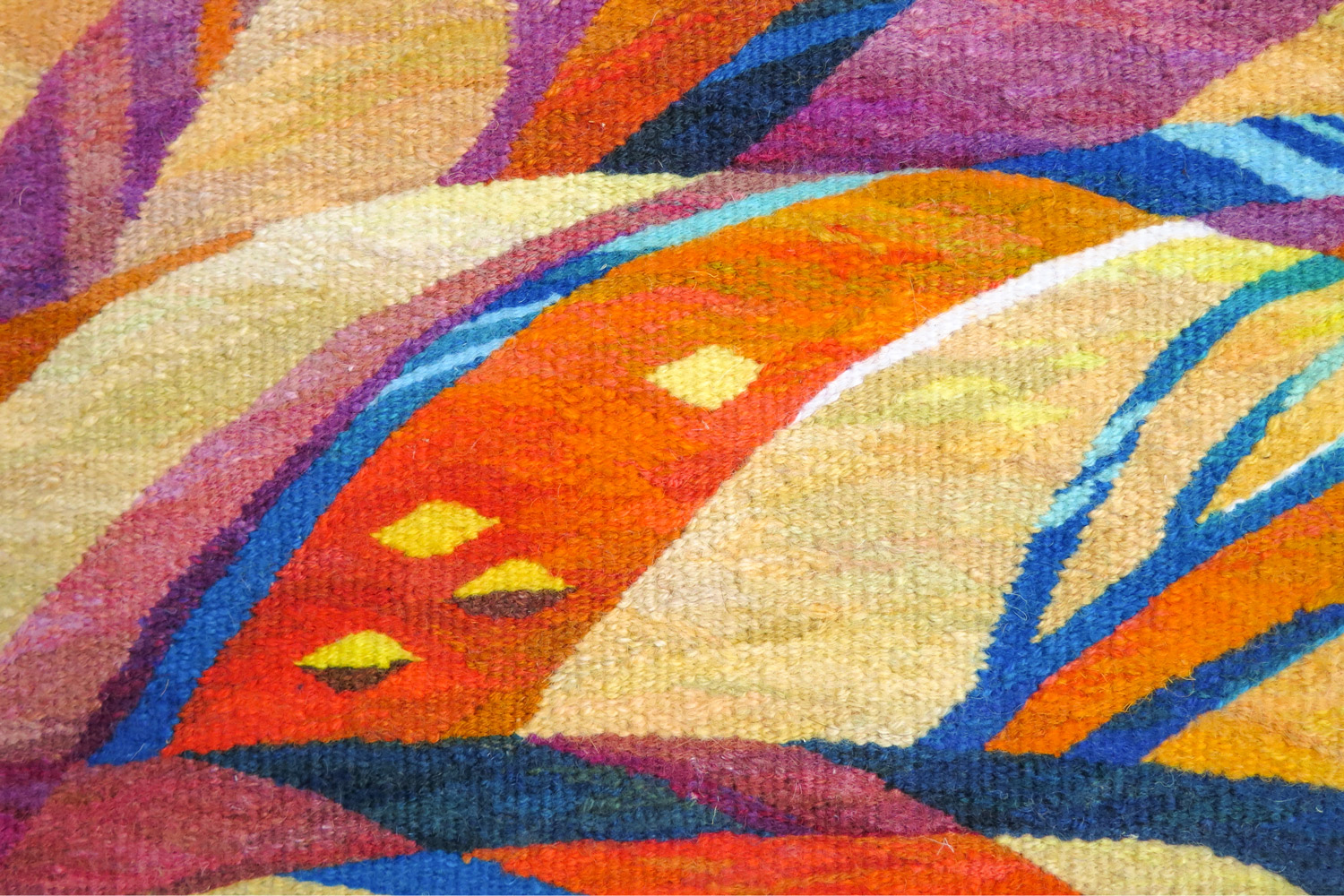
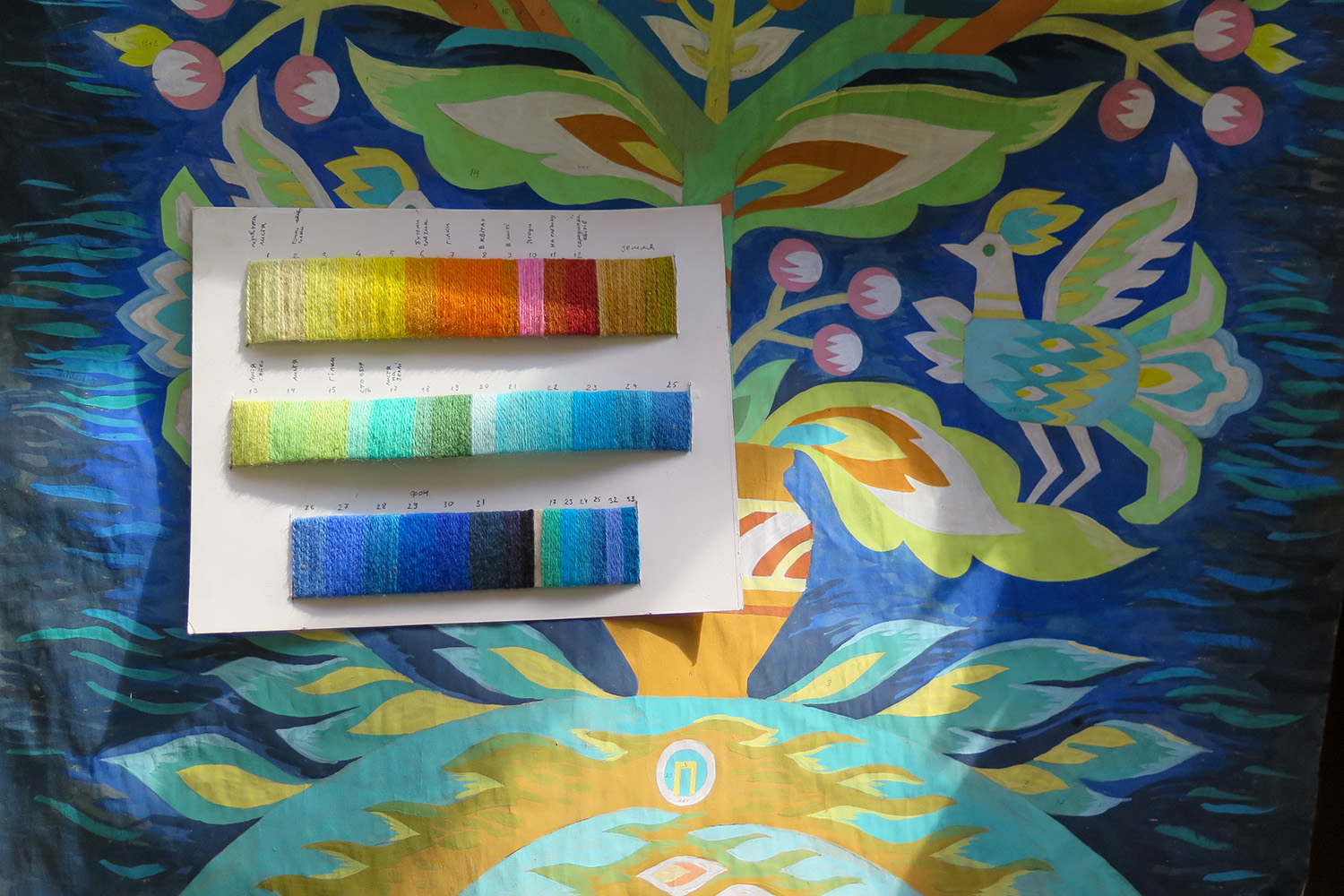
The abundance of colours and motives dominate the rich world of Olha Pilyuhina’s tapestry. A fierce promoter of traditional craft, she creates her woven oeuvres with passion for the centuries-old techniques and love for the surrounding world. Coming from a family of artisans, Olha is one of the brightest representatives of a characteristic Ukrainian tapestry craft of the city of Reshetylivka, in the Poltava region. Olha has created more than 100 tapestries across her 25 years of being in the craft. Her objects vary in size and form, always surprising with the diversity of colour palettes and ornaments. Behind every piece lies a huge amount of work, from the preparatory sketches, working out the composition and eventually the hand weaving. Olha is proud to continue the rich Ukrainian tapestry canon, interpreting it for the current times and influencing new generations of artisans.
INTERVIEW
From an early age, I was interested in everything that happens in my parents' workshops. I grew up in a creative environment and was imbued with this atmosphere. For me, the choice was very natural and I really like what I do.
In my ornamental works, I rely on the basic traditional principles of composition, the nature of lines and shapes. I use ancient technology and natural materials – but I take traditional themes and motifs and shape them with new meaning. I create modern tapestries that fit into the contemporary interior.
Be patient. Find a good teacher and mentor. This craft is transmitted only during live communication. It is necessary to constantly improve, develop and work tirelessly on mistakes. Realise the value and uniqueness of the craft and the importance of its preservation.
Sadly, it is. The world has become very fast and dynamic, and creating a tapestry requires a lot of time, effort, patience and a high level of skill. Also, there are fewer and fewer bearers of tradition and master artisans. The breeds of sheep from which the necessary yarn is produced are also disappearing.
1 EXPERIENCE
Olha Pilyuhina
Tapestry maker
Reshetylivka, Ukraine
AVAILABILITY
By appointment only
PHONE
+380 977086199
LANGUAGES
Ukrainian, English, Russian
Homo Faber Finds is a new service aiming to inspire admirers of craft to connect and collaborate with exceptional artisans.
We invite you to submit an enquiry here.