Paula Shalan
Ceramicist
Stockbridge, MA, USA
Elegance, earthiness and eternal clay
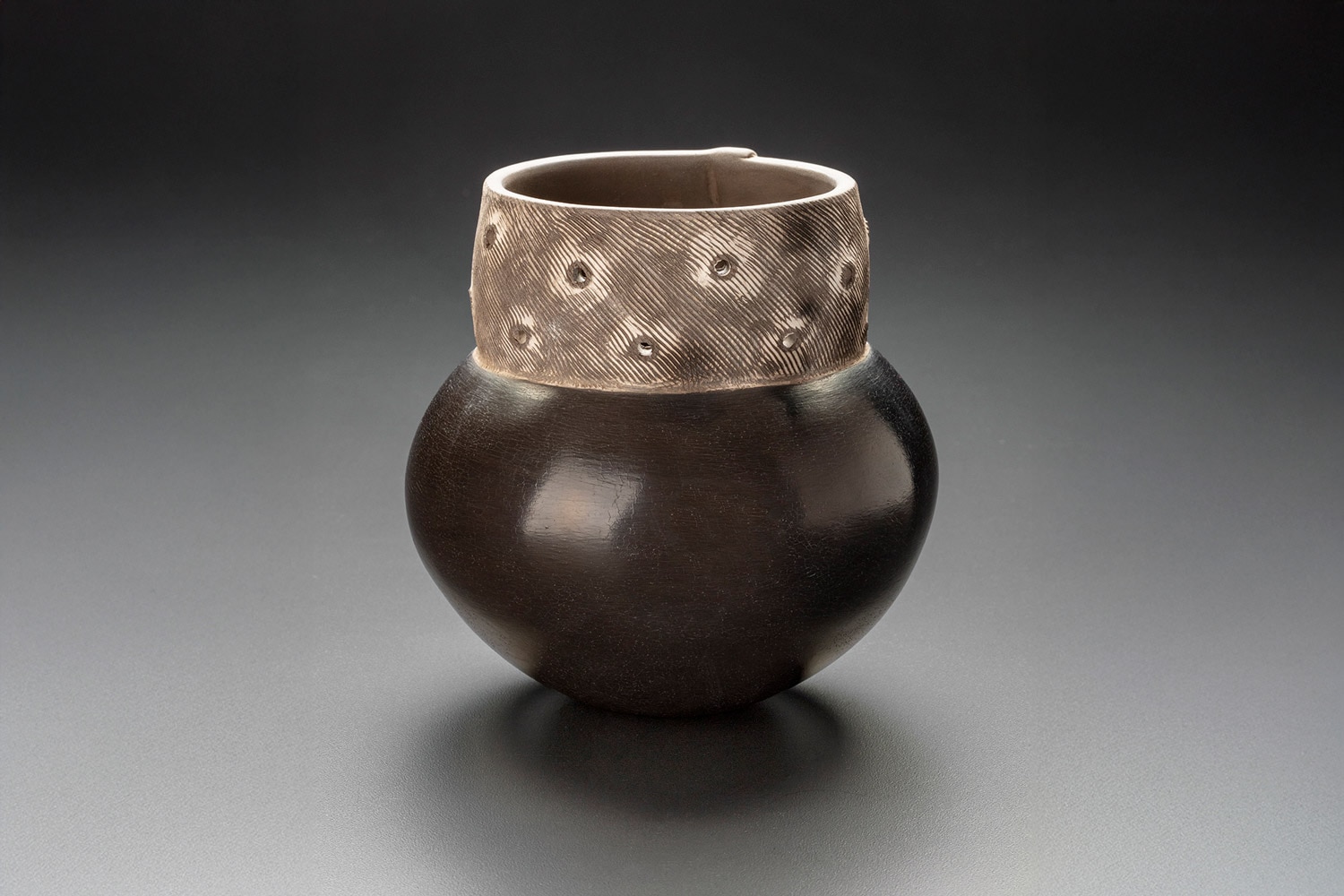
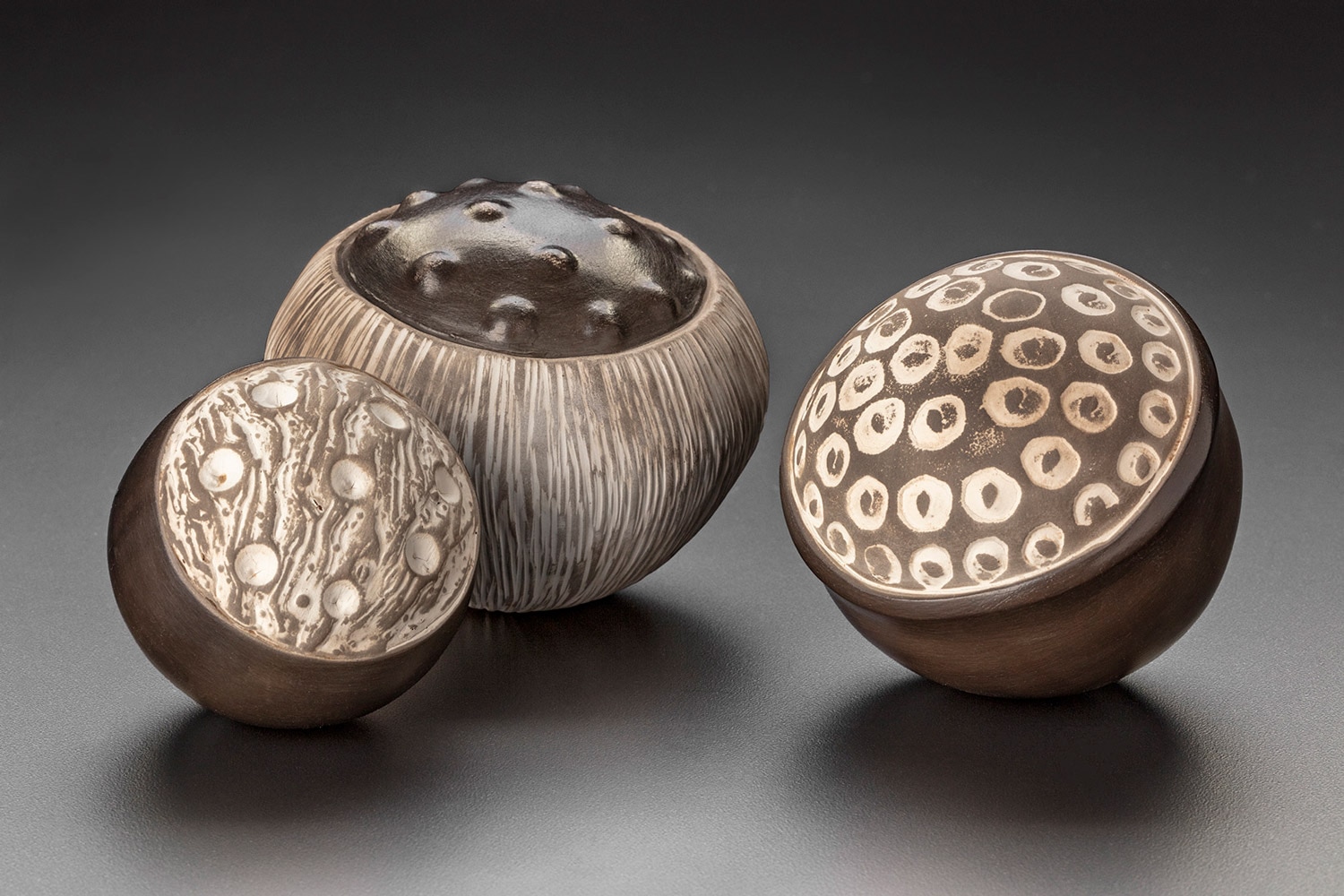
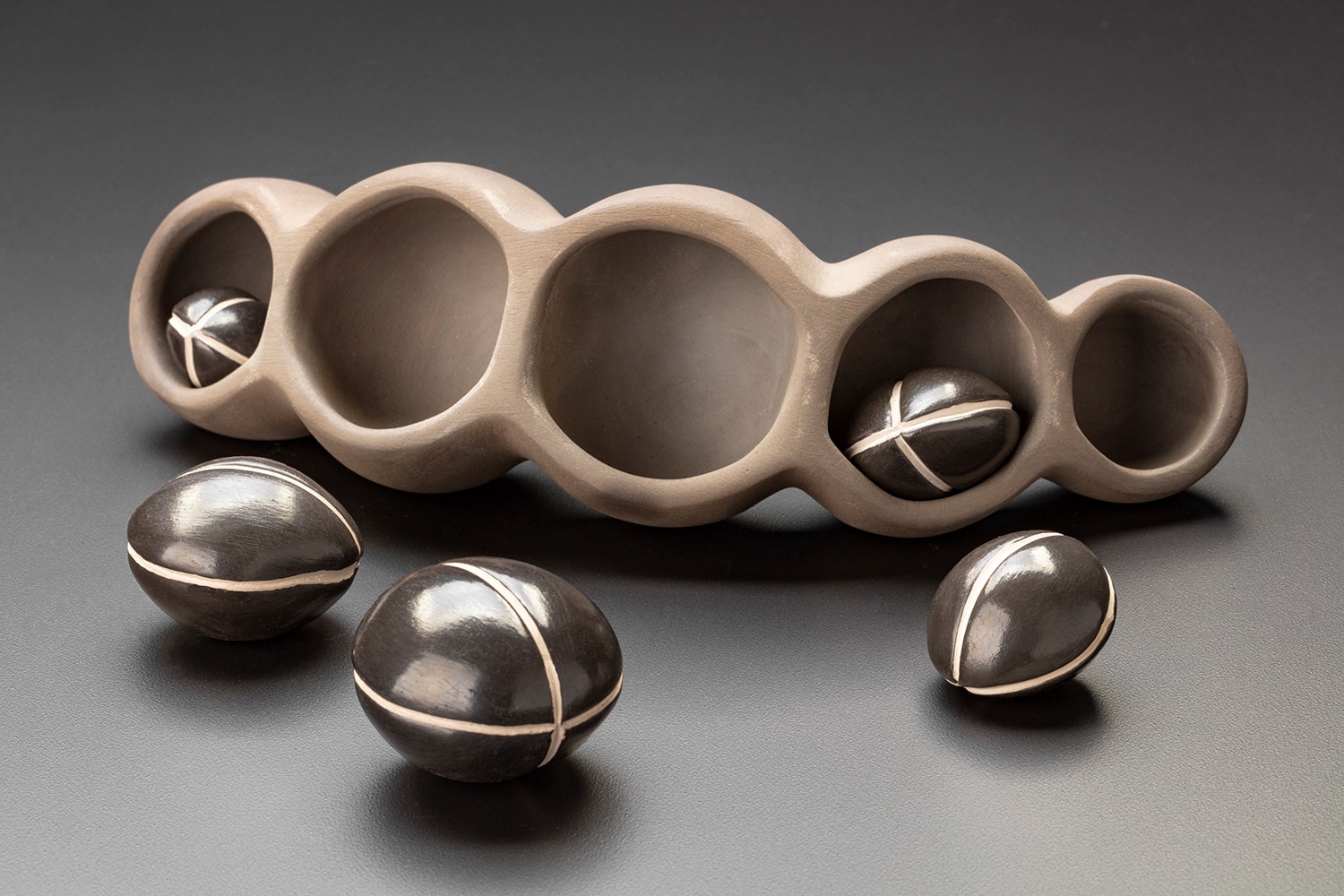
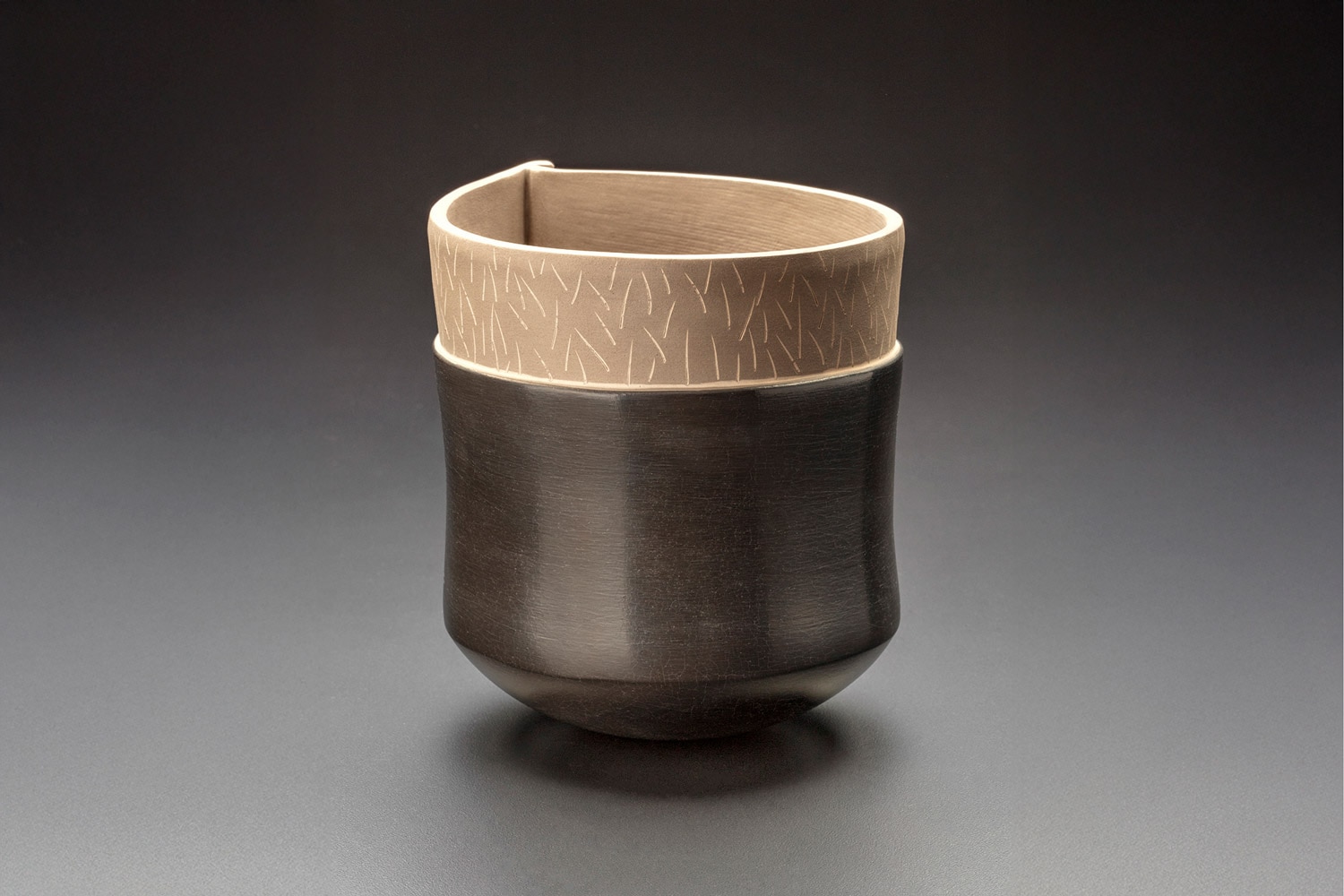
- Paula creates organic ceramic vessels with refined finishes
- She has developed a distinctive and tactile vocabulary of surfaces
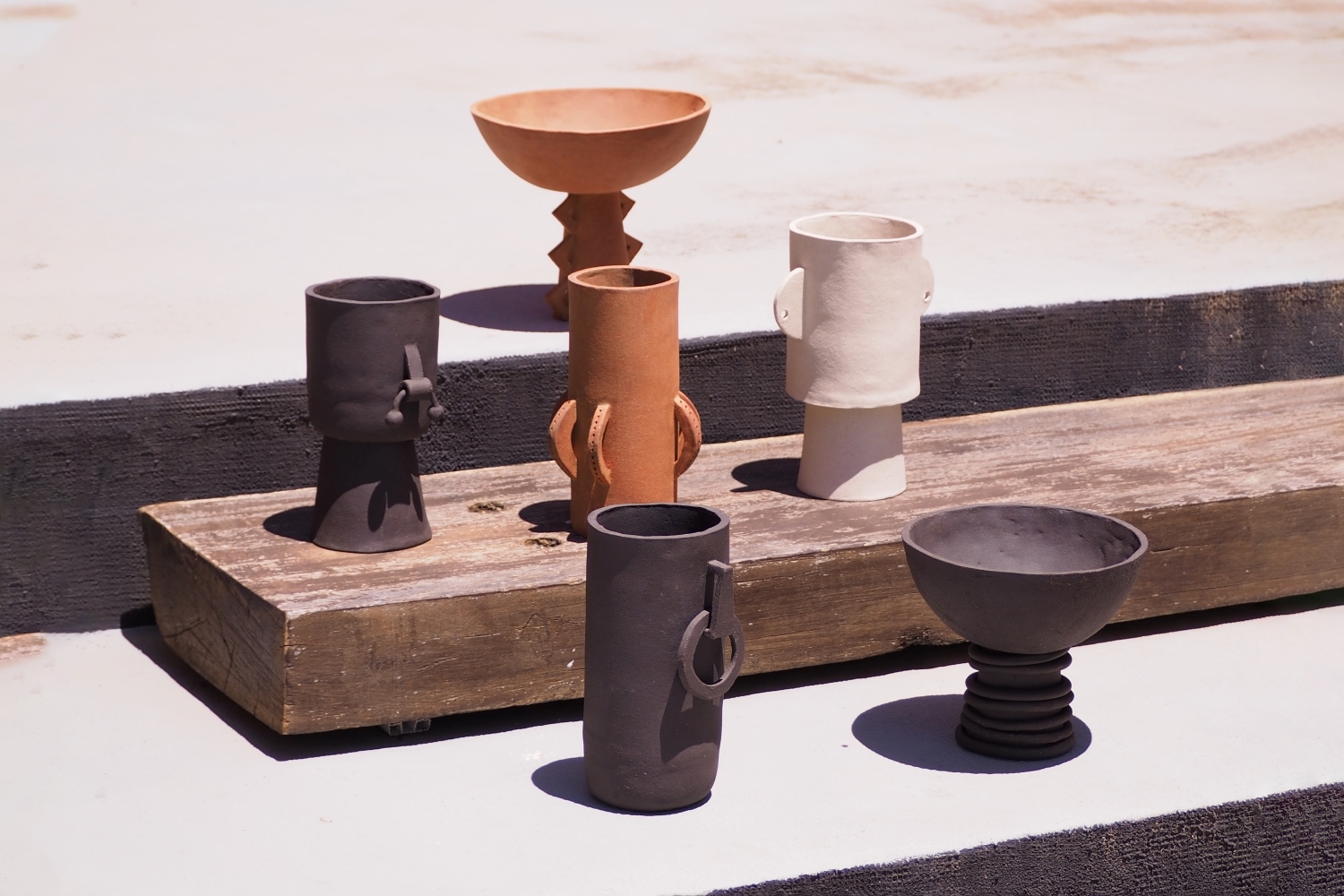
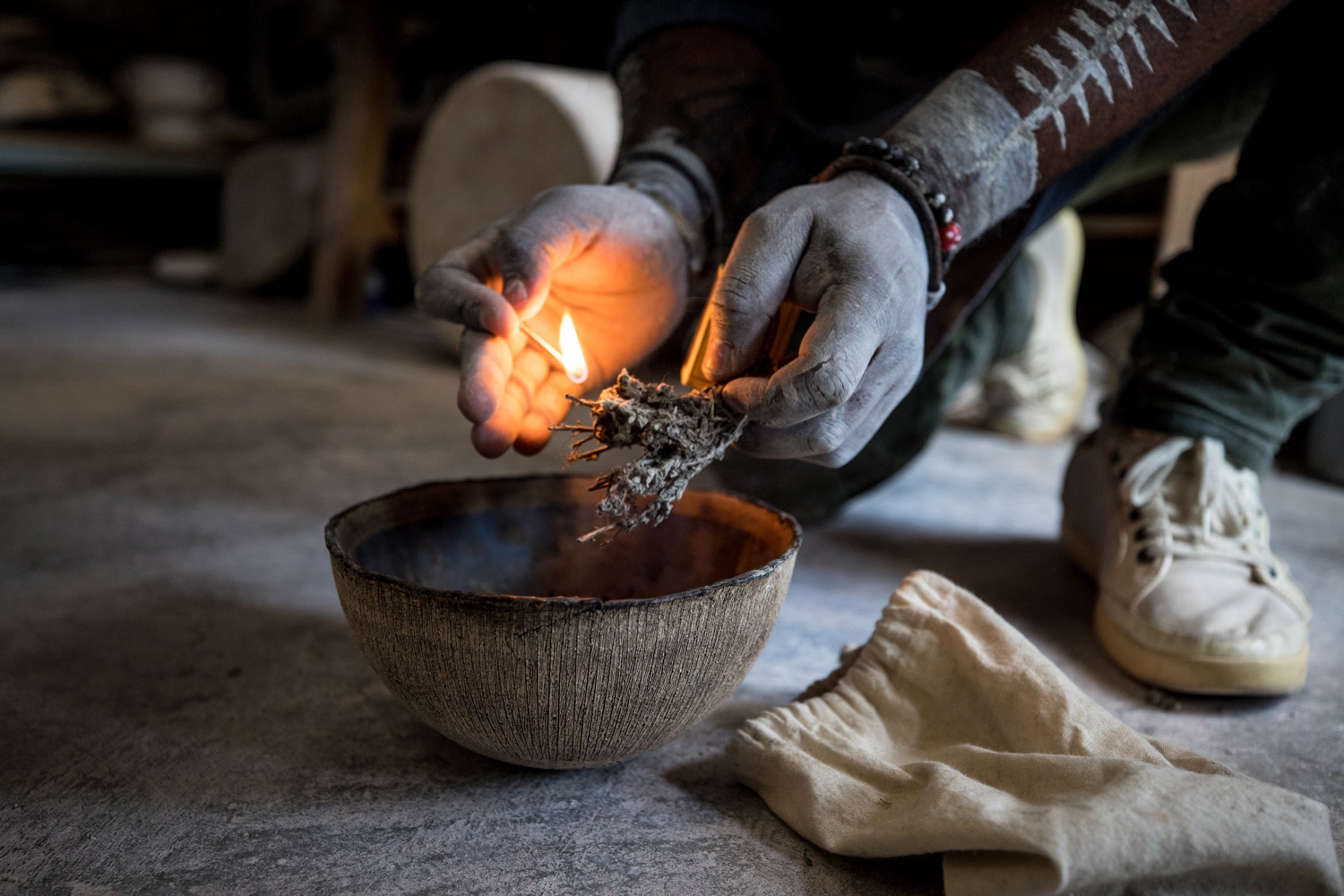
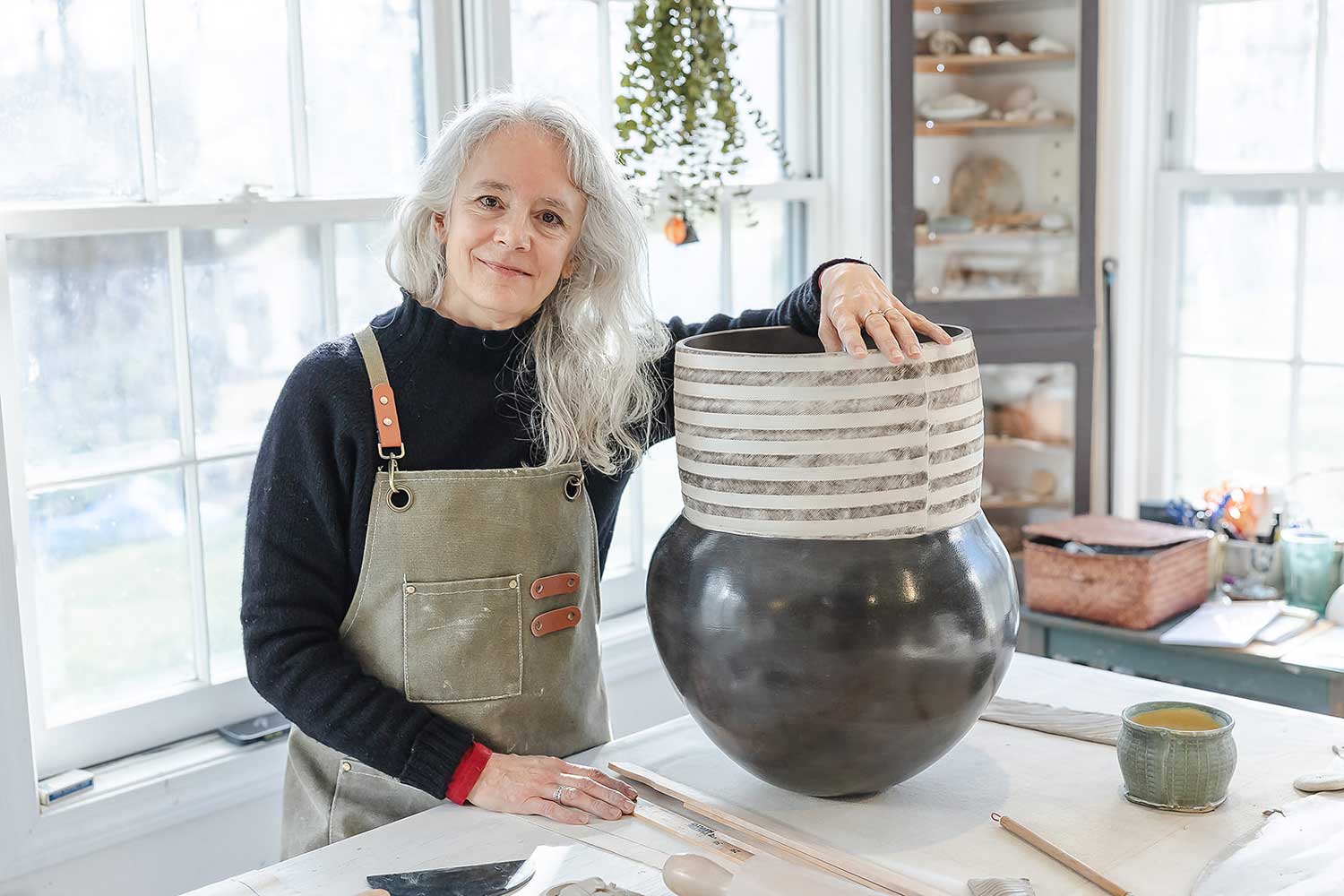
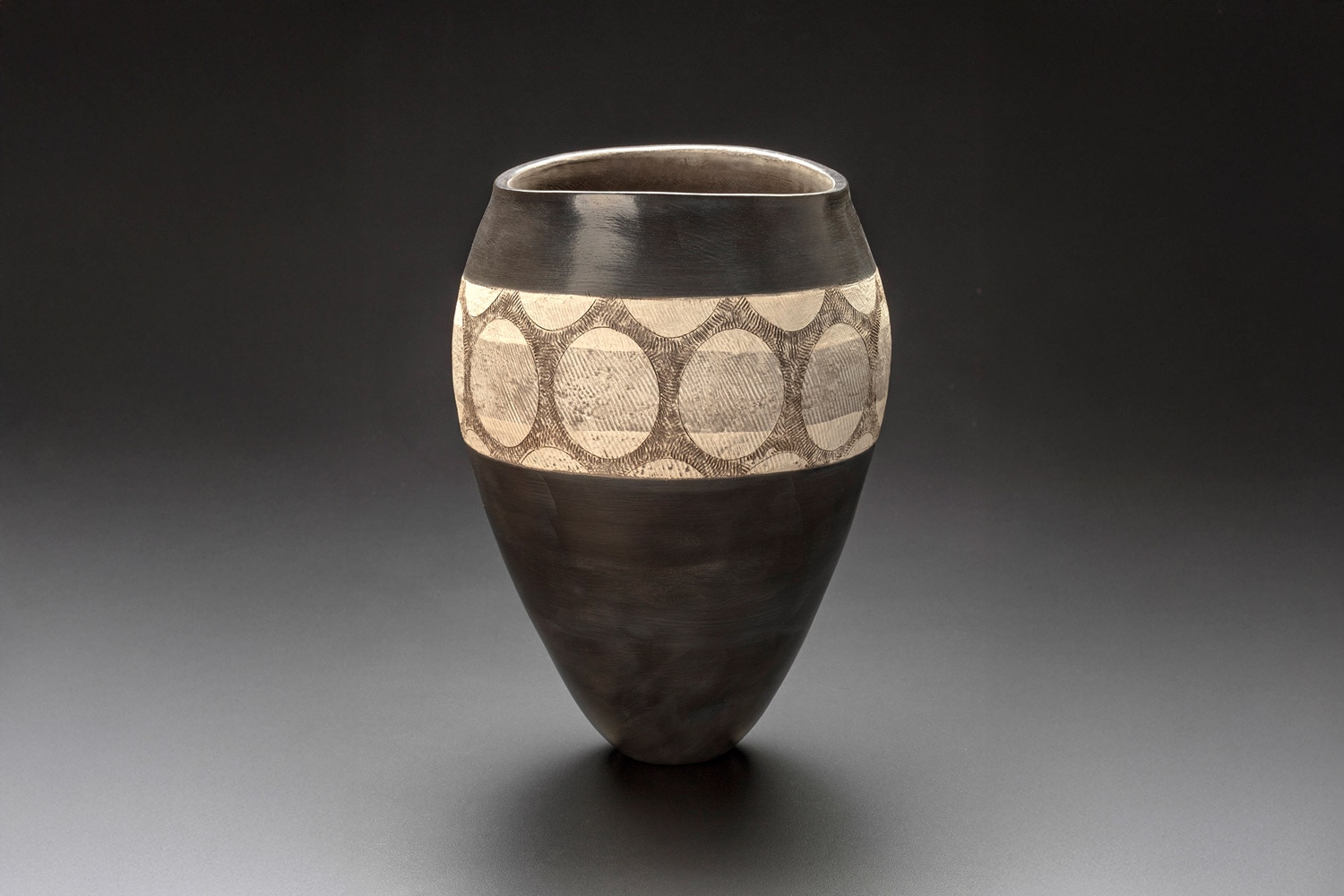
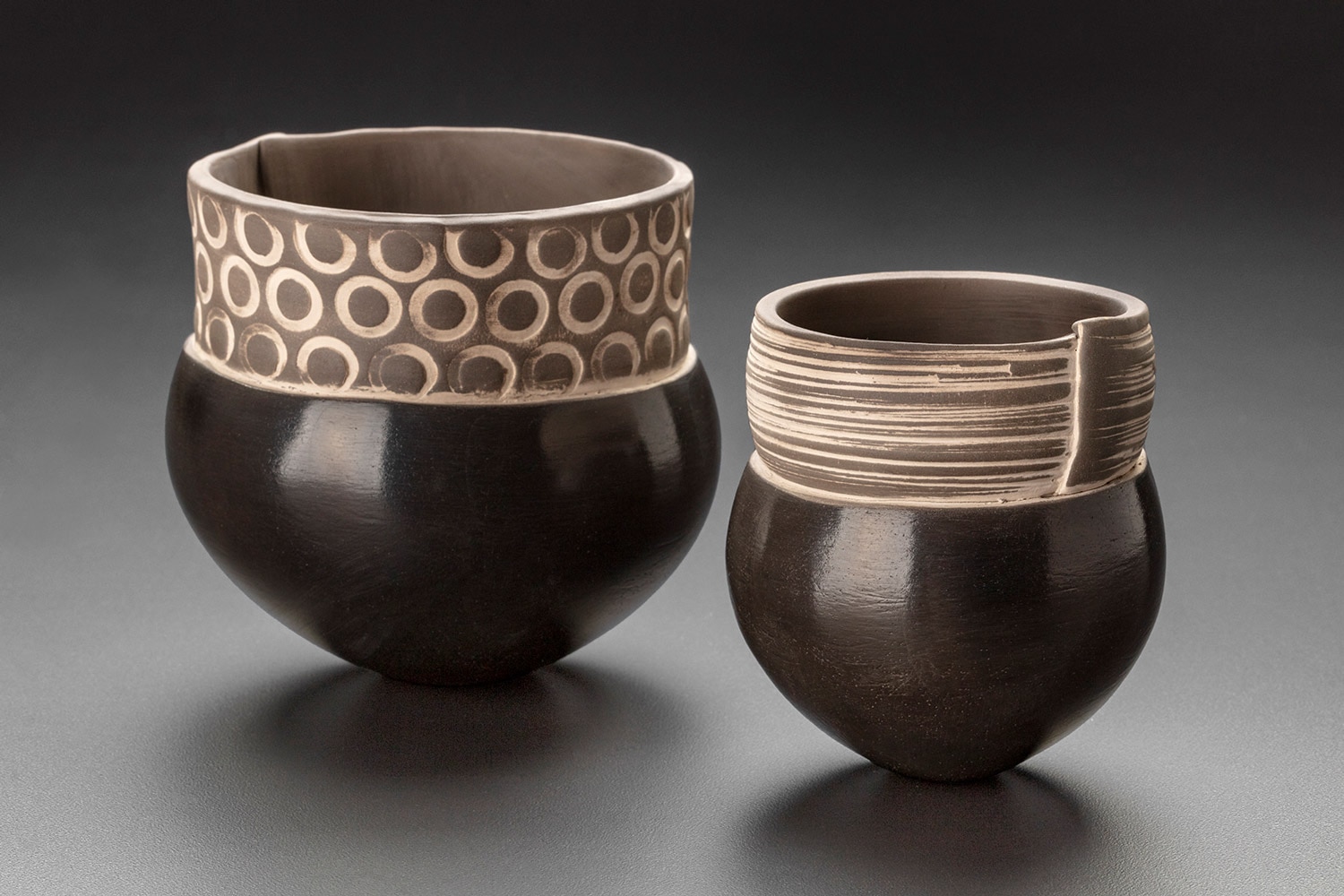
- Her pieces are characterised by their hand built, burnished and smoke fired qualities
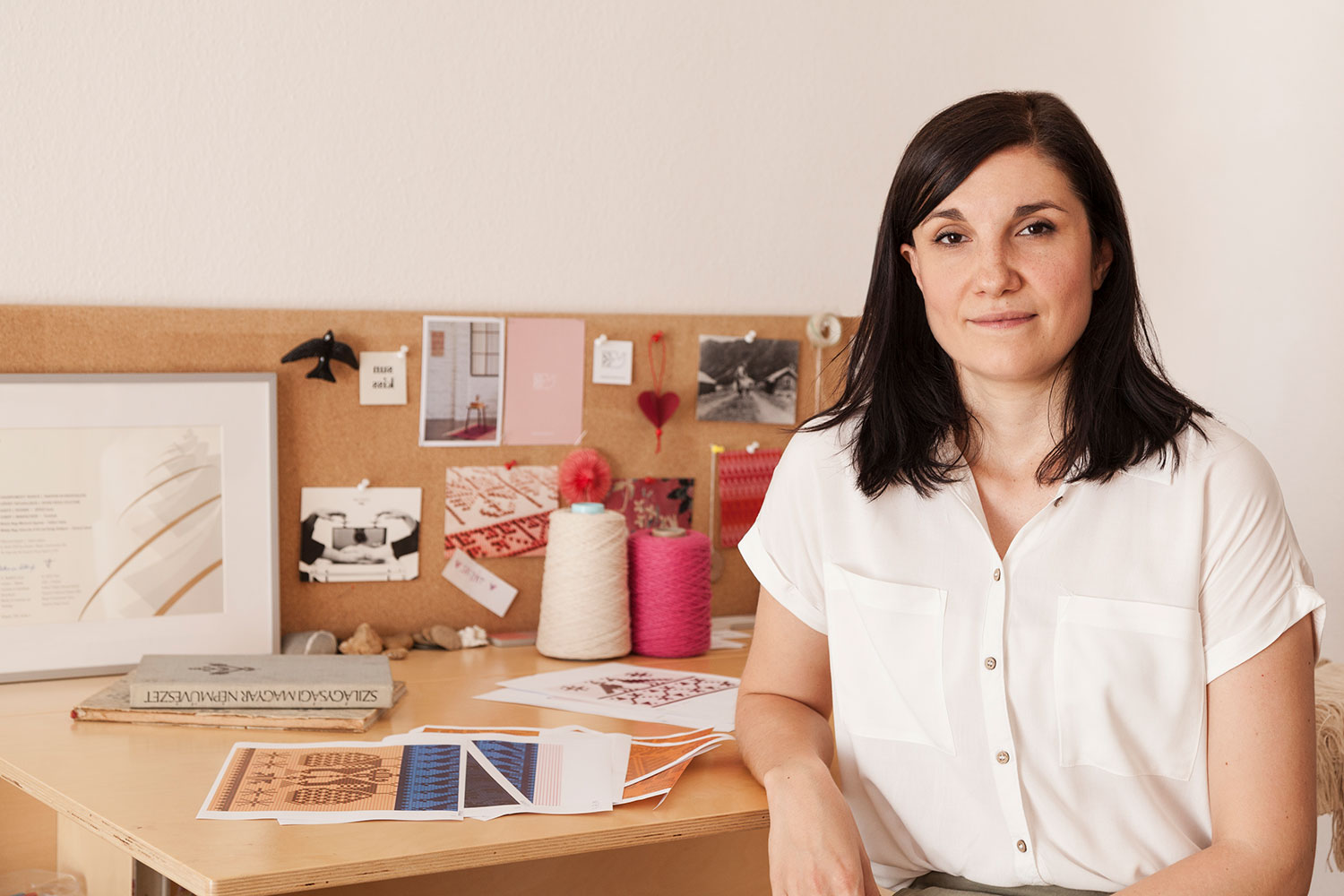
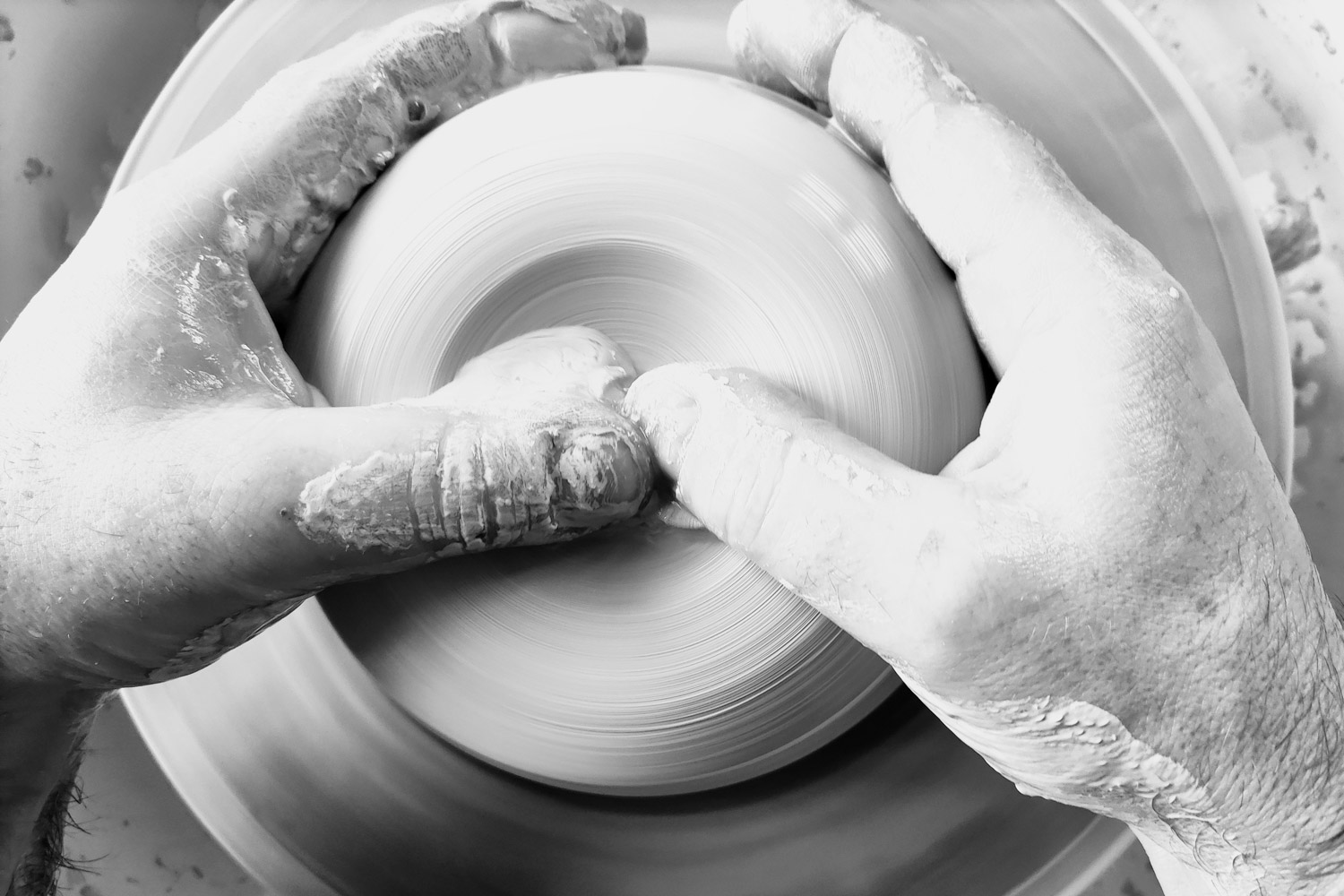
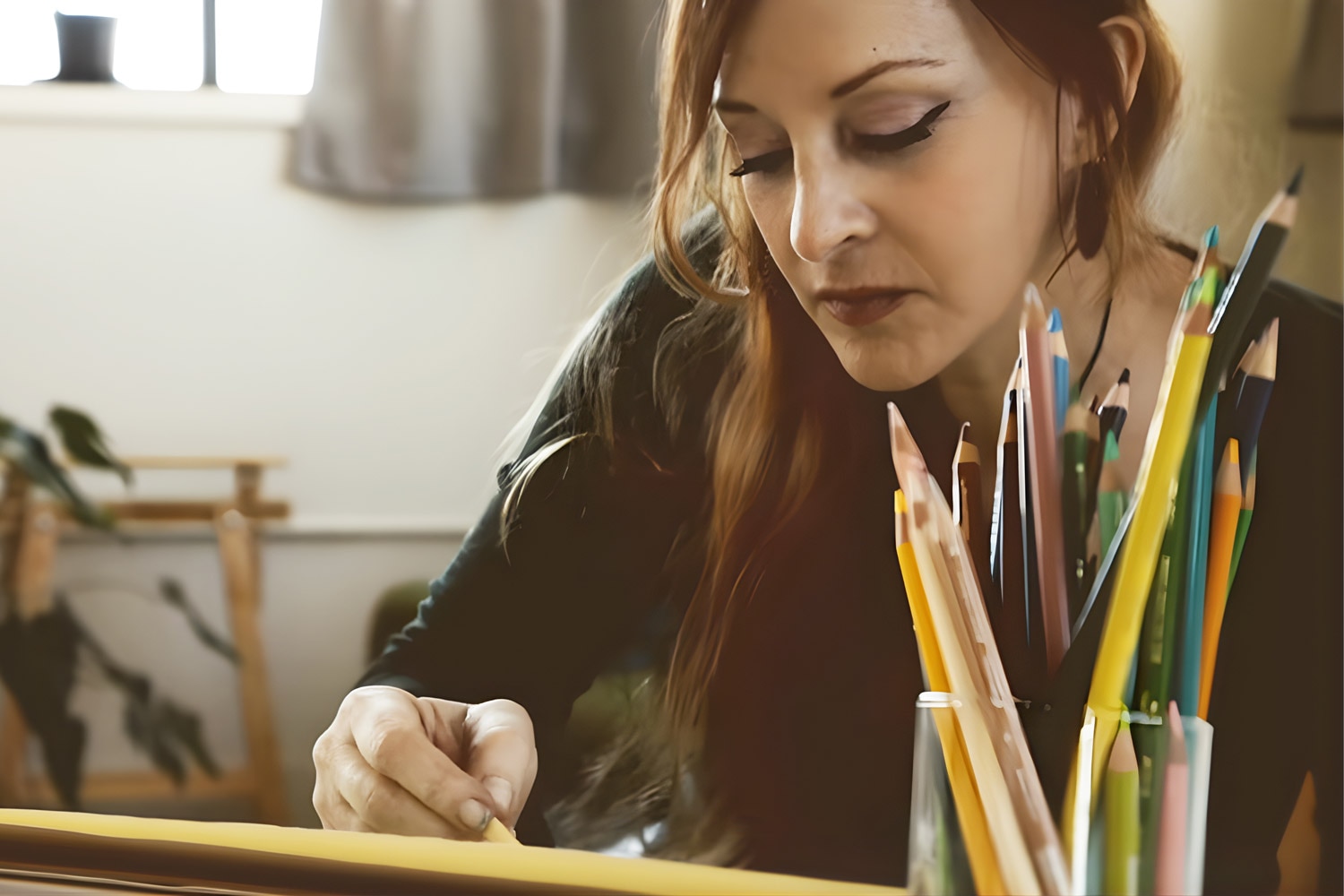
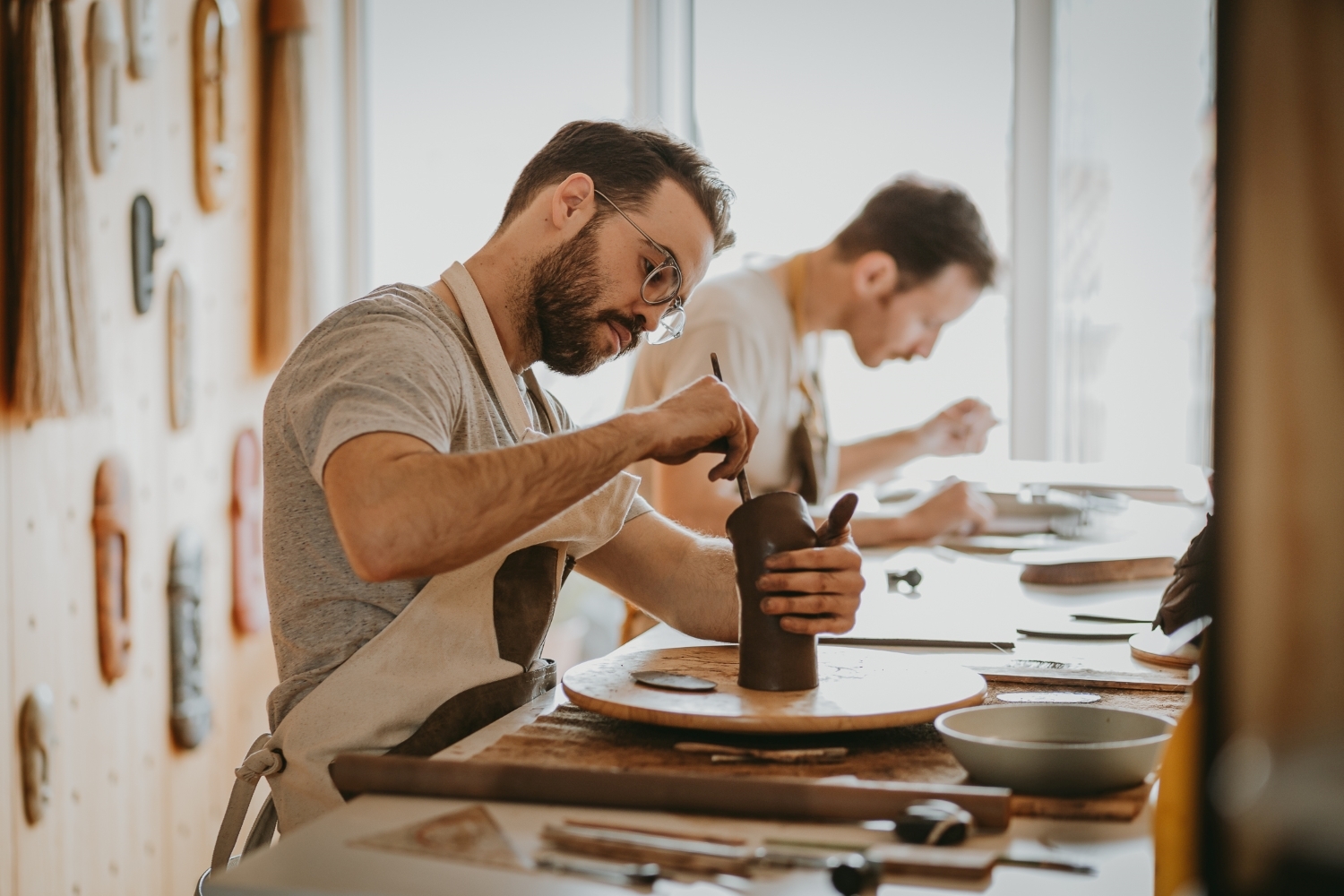
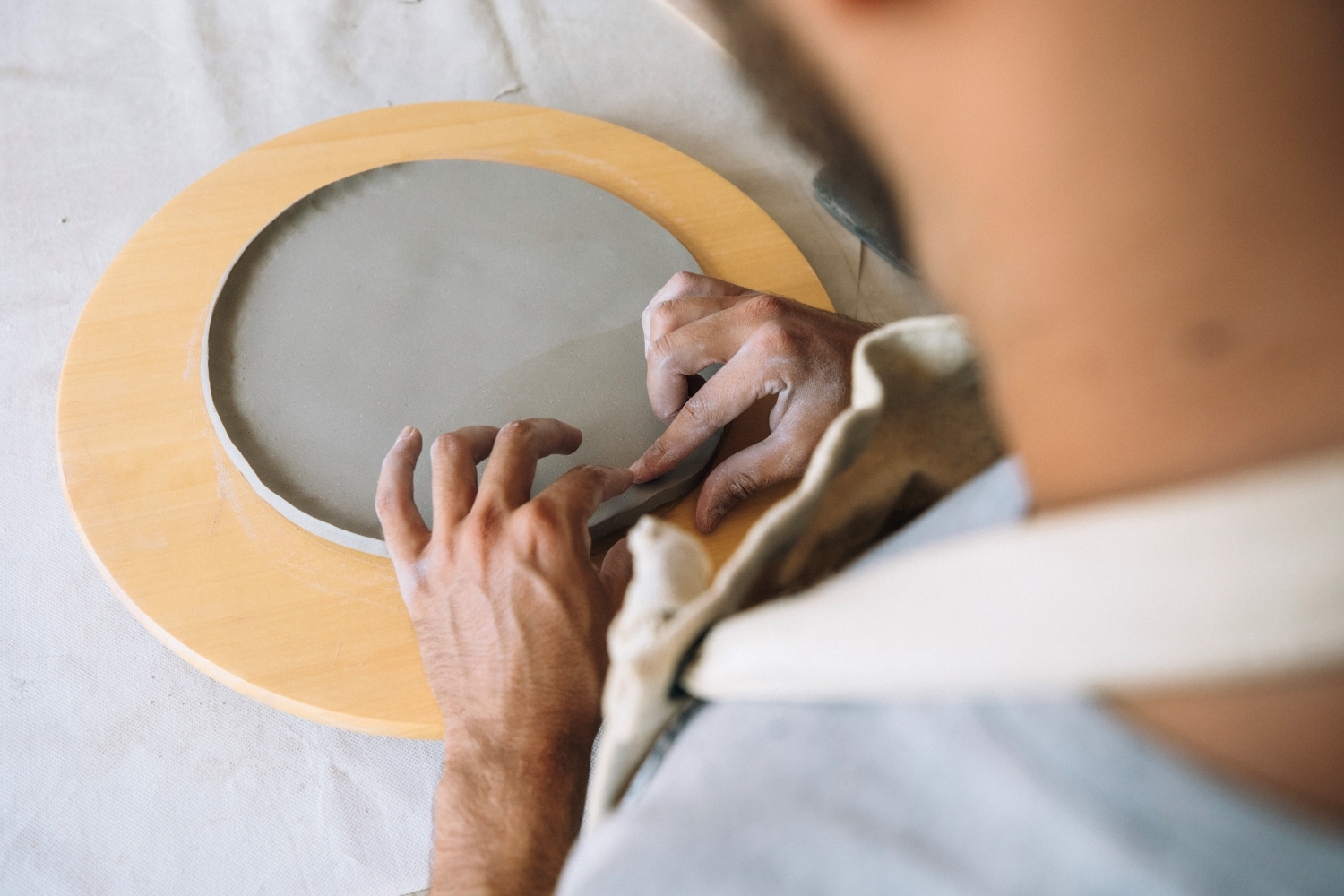
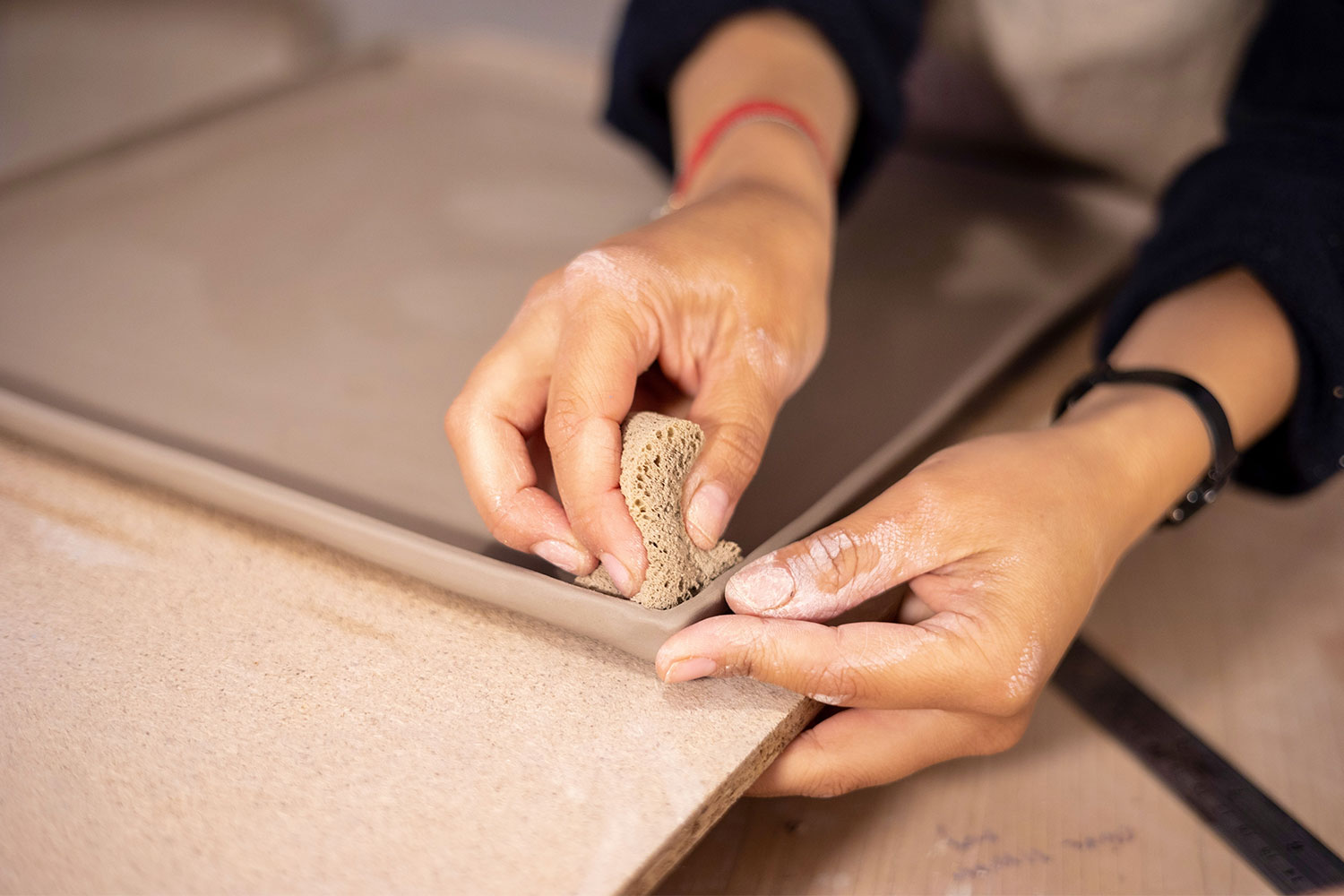
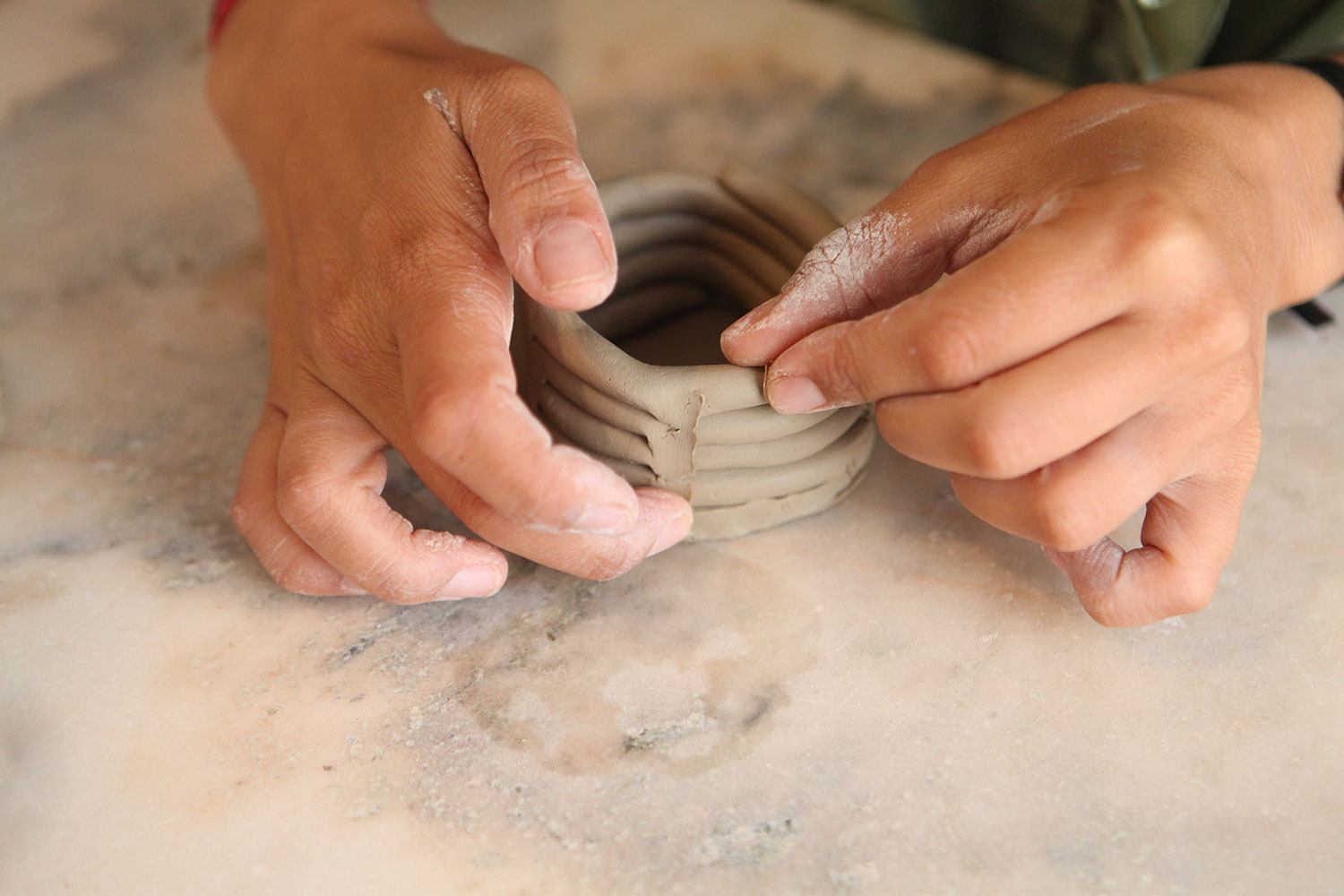
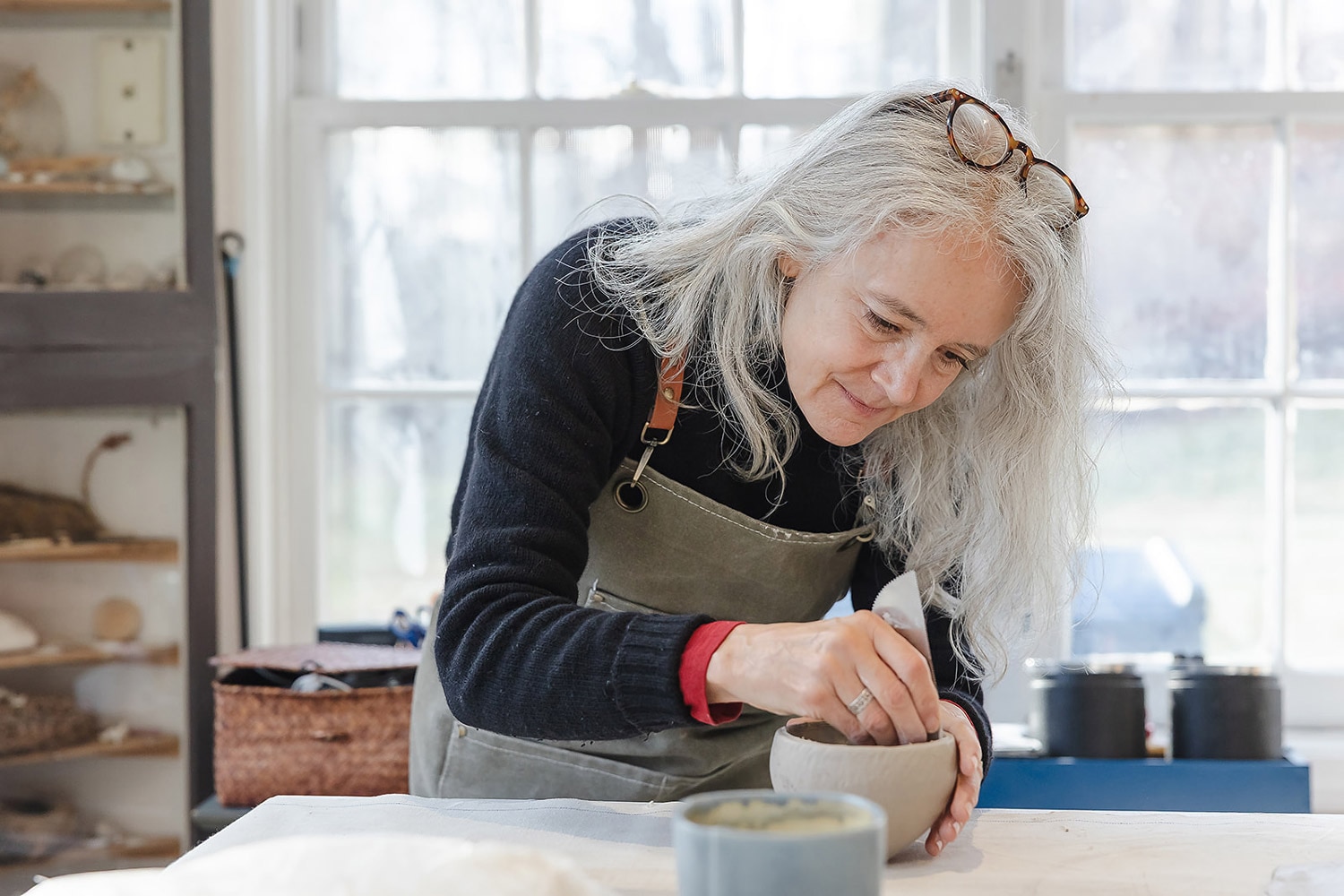
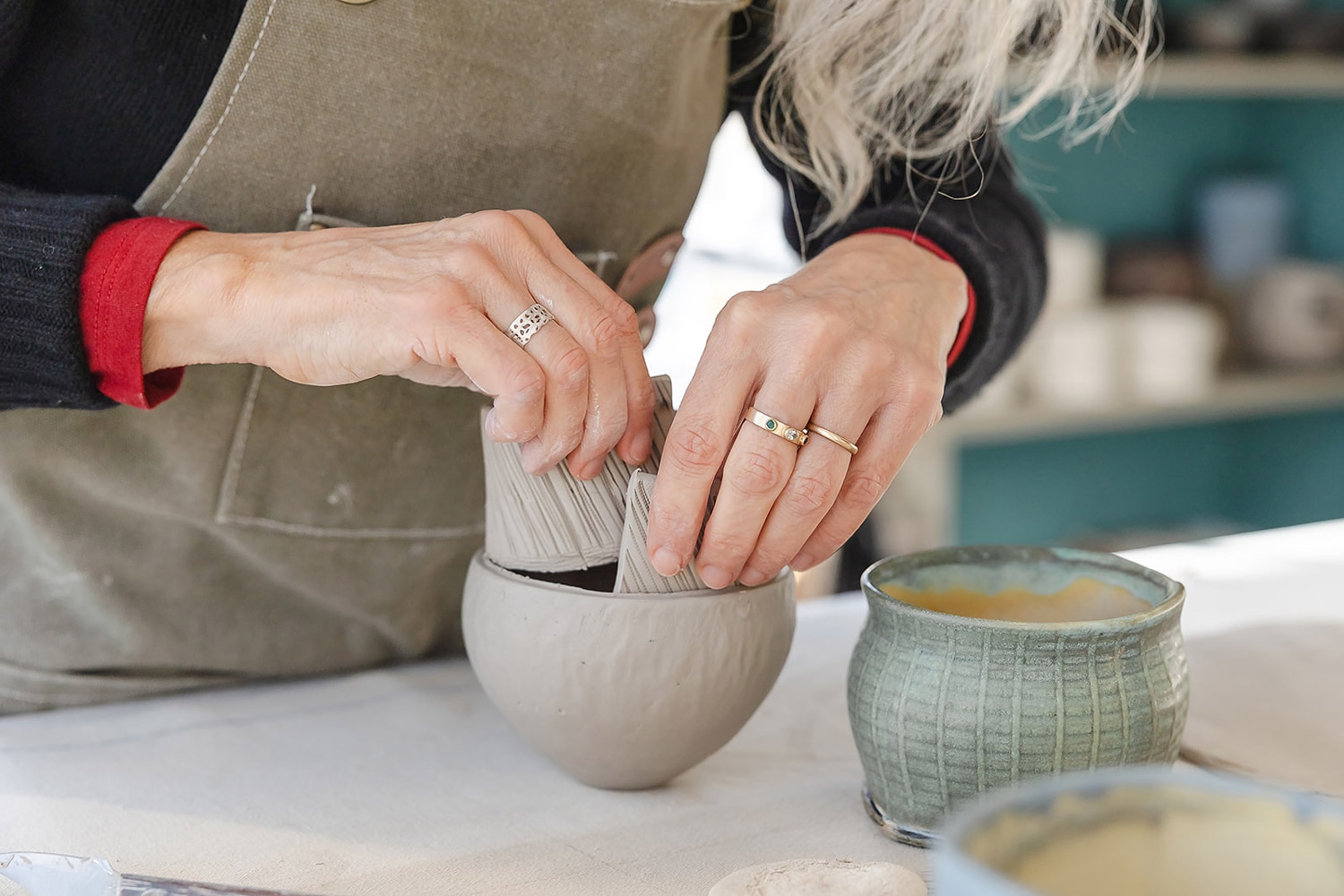
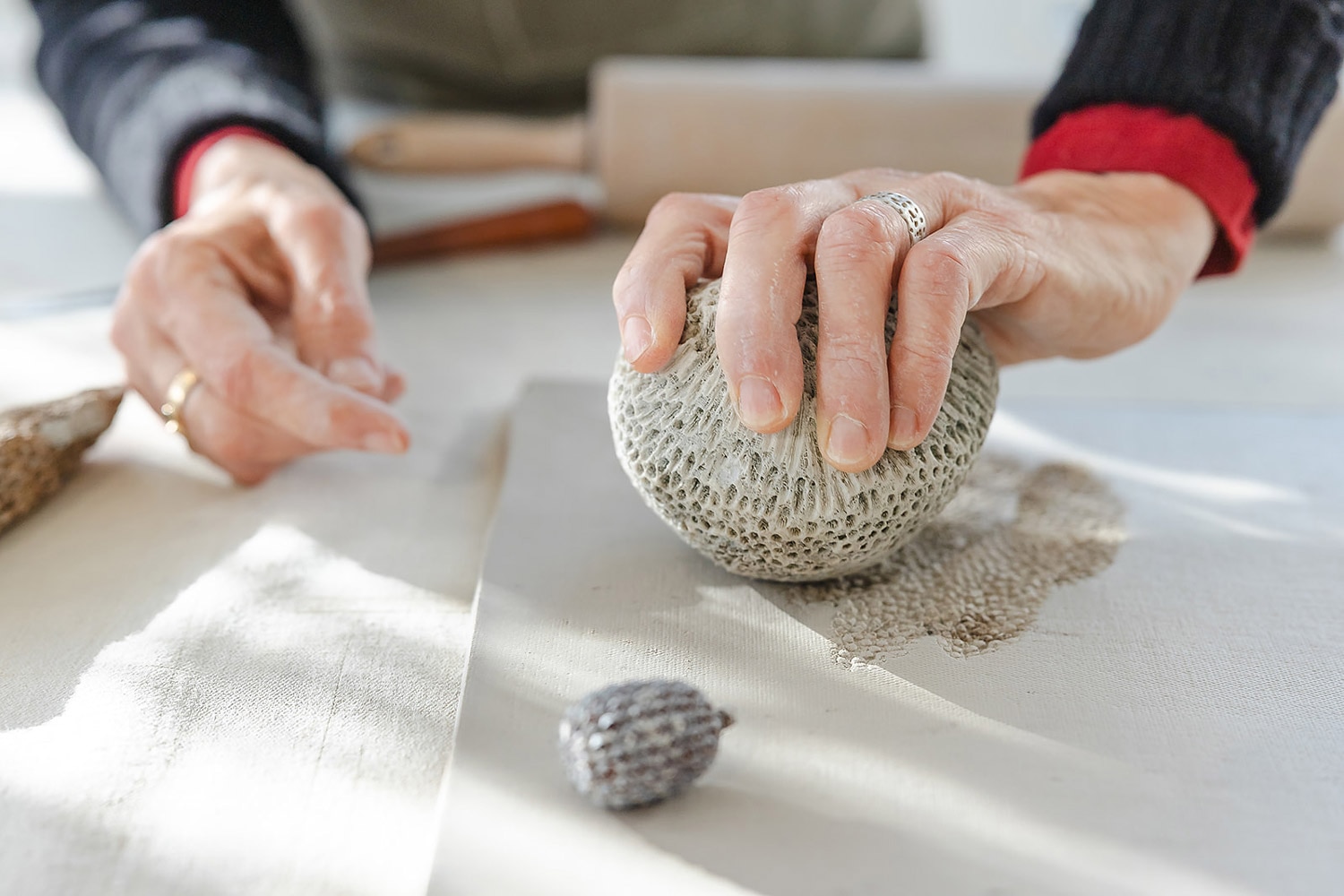
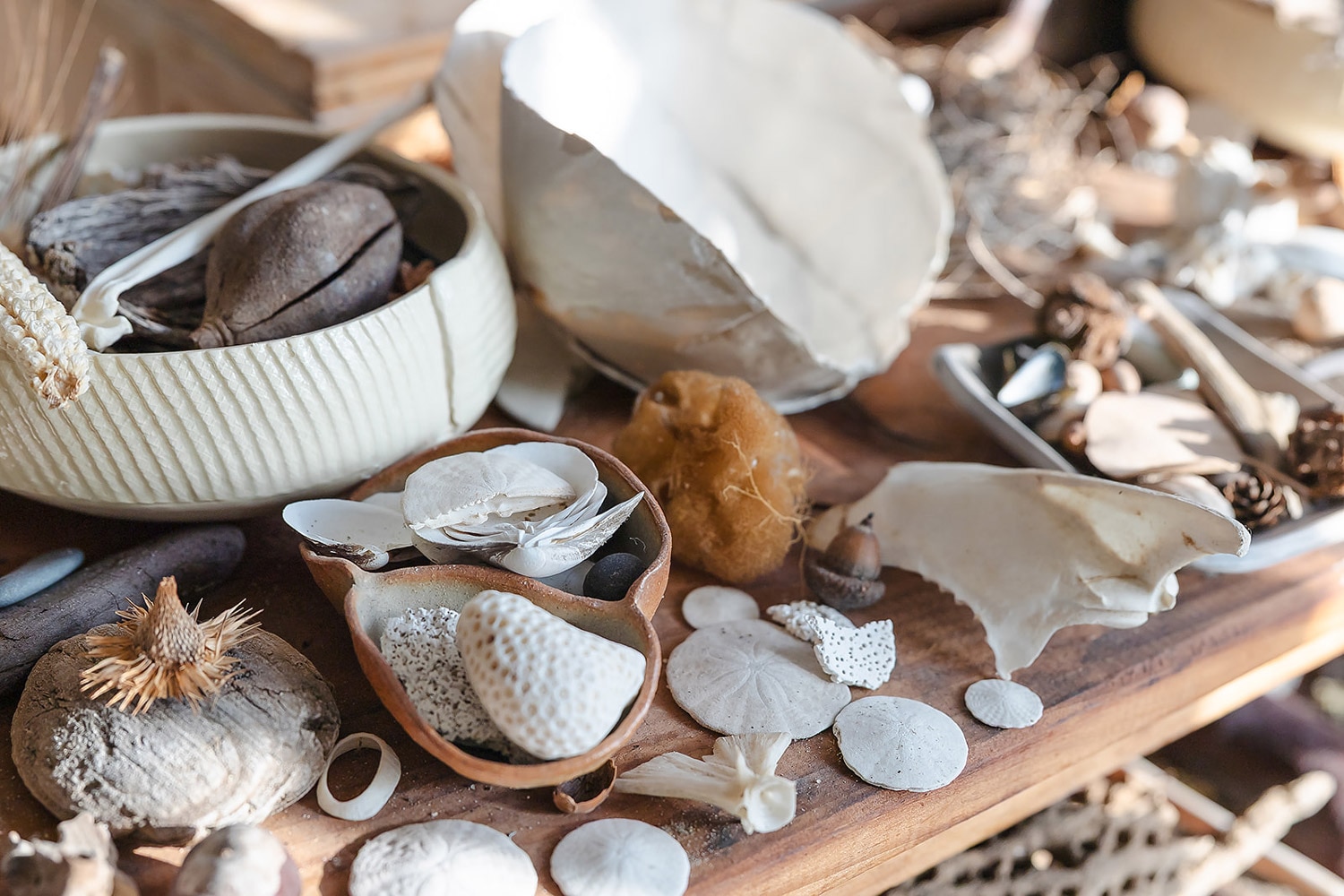
Paula Shalan’s connection with clay began as a child playing on the floor of her mother’s ceramics studio. Determined to choose a different path from her parent, she experimented other artistic forms before rediscovering clay in college. “Making simple bowls suddenly made sense. I knew clay was where I belonged,” she says. After studying ceramics and a brief stint at the School of the Art Institute of Chicago, Paula continued to develop as a largely self-taught ceramicist, shaped by teachers including Mikhail Zakin and Mike Imes. Today, in a barn studio in Stockbridge, Massachusetts, Paula hand builds, burnishes and smoke fires pots rooted in ancient traditions. Inspired by the Berkshire woods, she uses pinch, coil and slab techniques to make her works, transforming white clay into deep and glossy carbon black.
Discover her work
INTERVIEW
My mother was a ceramicist and I have always been around clay. As I developed as an artist, I tried almost every other medium first, from printmaking to jewellery, painting and weaving, before returning to clay in college. A workshop at the Penland School of Craft, where I spent ten days pinching functional pots with Mike Imes, sealed it.
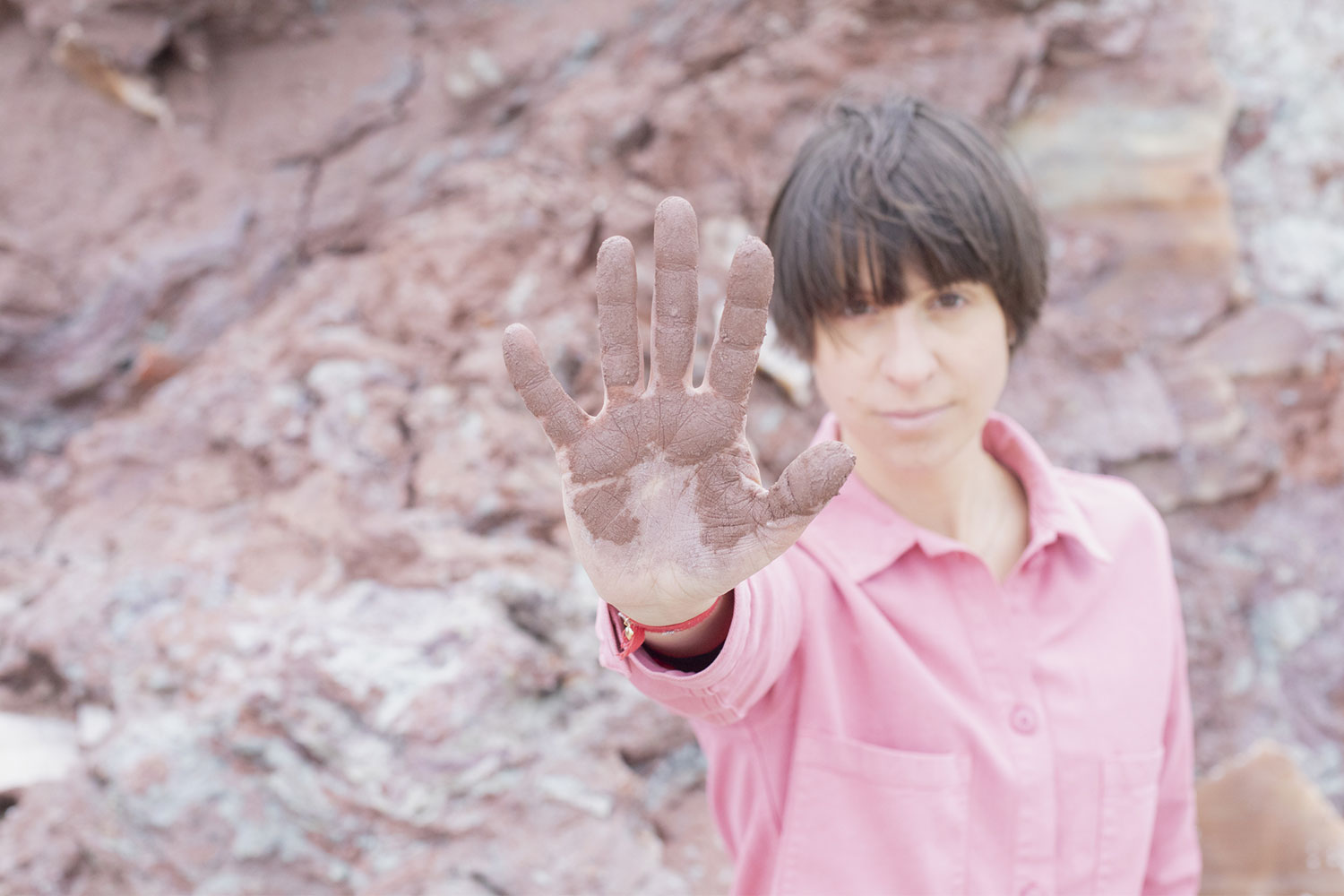
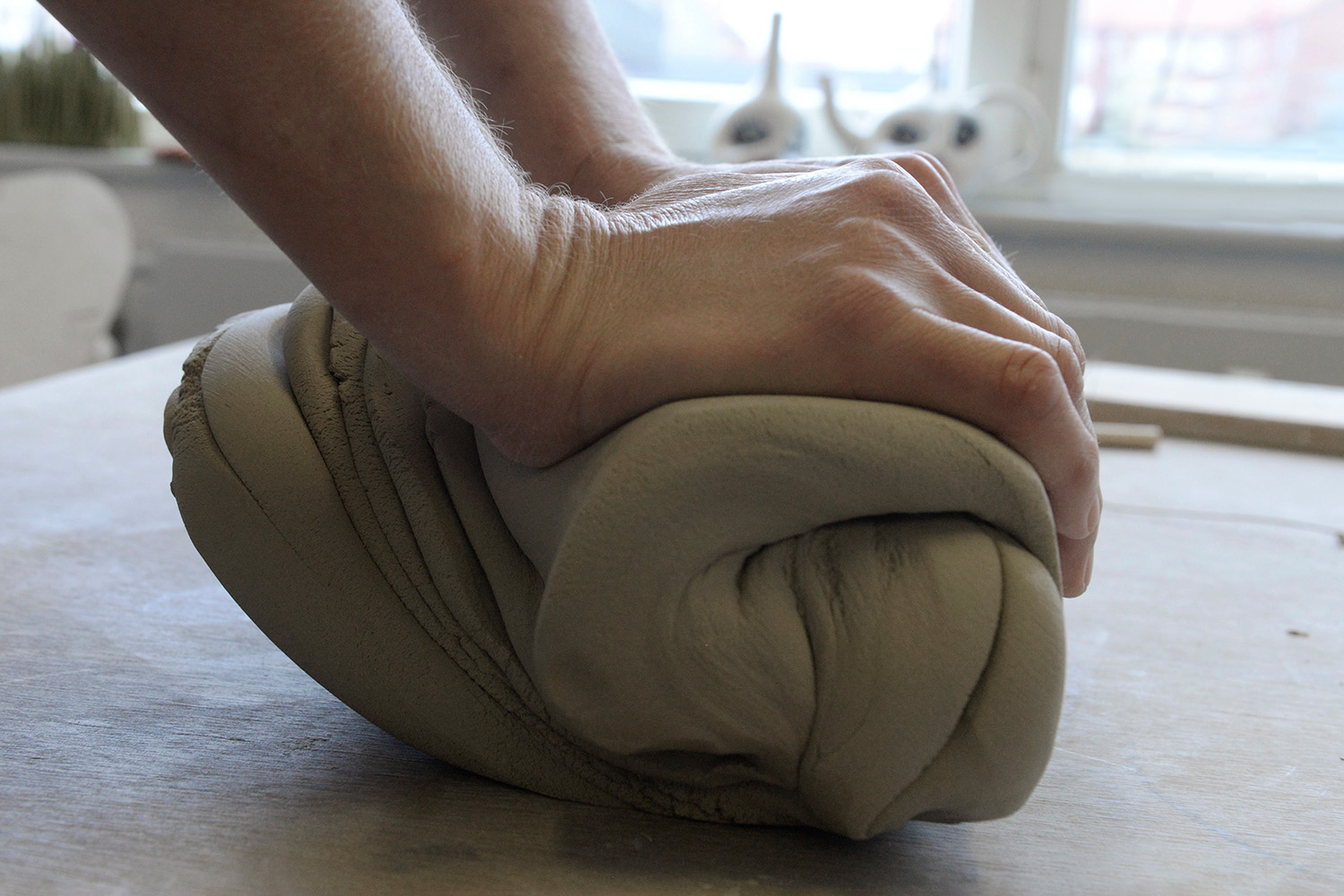
Clay is incredibly responsive, it records even the smallest touch. I love its malleable, fluid nature and the fact that there is no tool between me and the material. That direct, tactile relationship creates an intimate dialogue between my hands and the clay.
After more than 20 years of trial and error, I have learned how to guide the usually unpredictable smoke firing process. By controlling atmosphere and materials, I have developed a consistent vocabulary of surfaces that balance two qualities I care about deeply, the earthy and the elegant.
One of my most beloved collectors is blind. He sees the pieces entirely through touch, and he describes every subtle line and curve with extraordinary sensitivity. Listening to him reminds me that the tactile dimension of my work is just as important as the visual one.
Paula Shalan
Ceramicist
Stockbridge, MA, USA
ADDRESS
Address upon request, Stockbridge, MA, USA
AVAILABILITY
By appointment only
LANGUAGES
English
Homo Faber Finds is a new service aiming to inspire admirers of craft to connect and collaborate with exceptional artisans.
We invite you to submit an enquiry here.