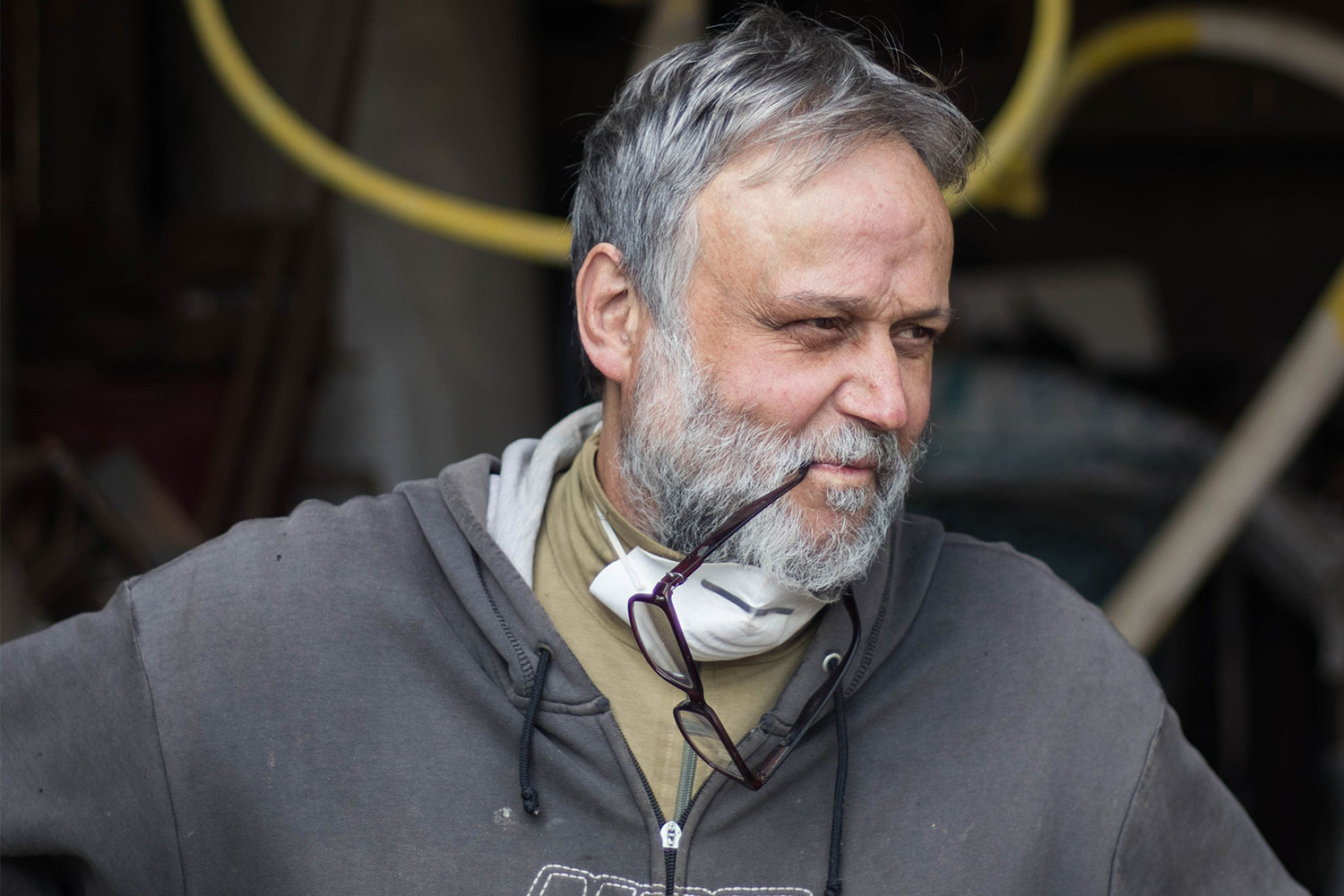
Paul Briggs
Ceramicist
Alfred, NY, USA
Clay forms evolving in wholeness
- Paul’s practice draws on formal rigour, spiritual reflection and social concern
- The Smithsonian American Art Museum acquired his work Wildflower and Windflower in 2022
- At Alfred College, he guides students to investigate clay through inquiry
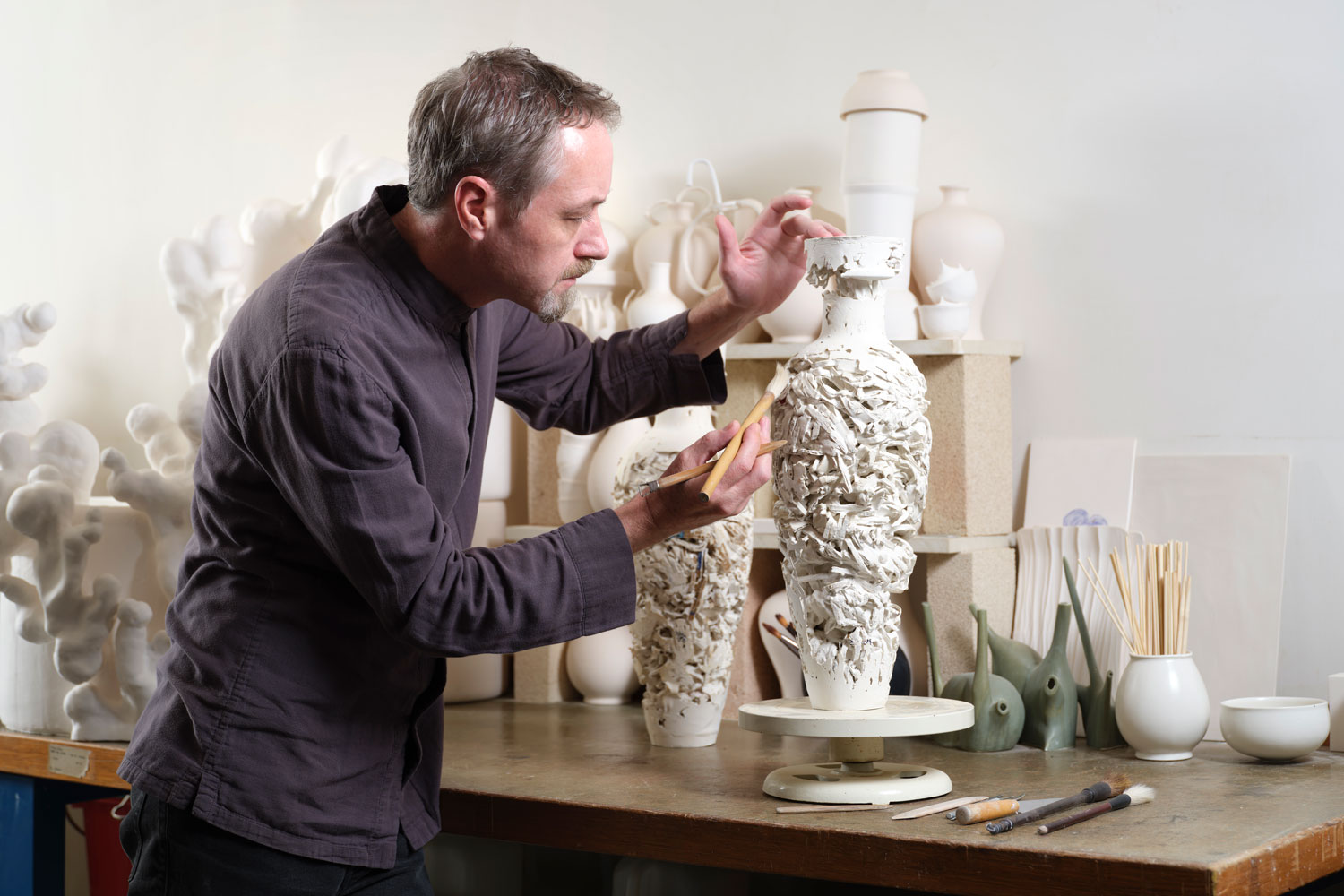
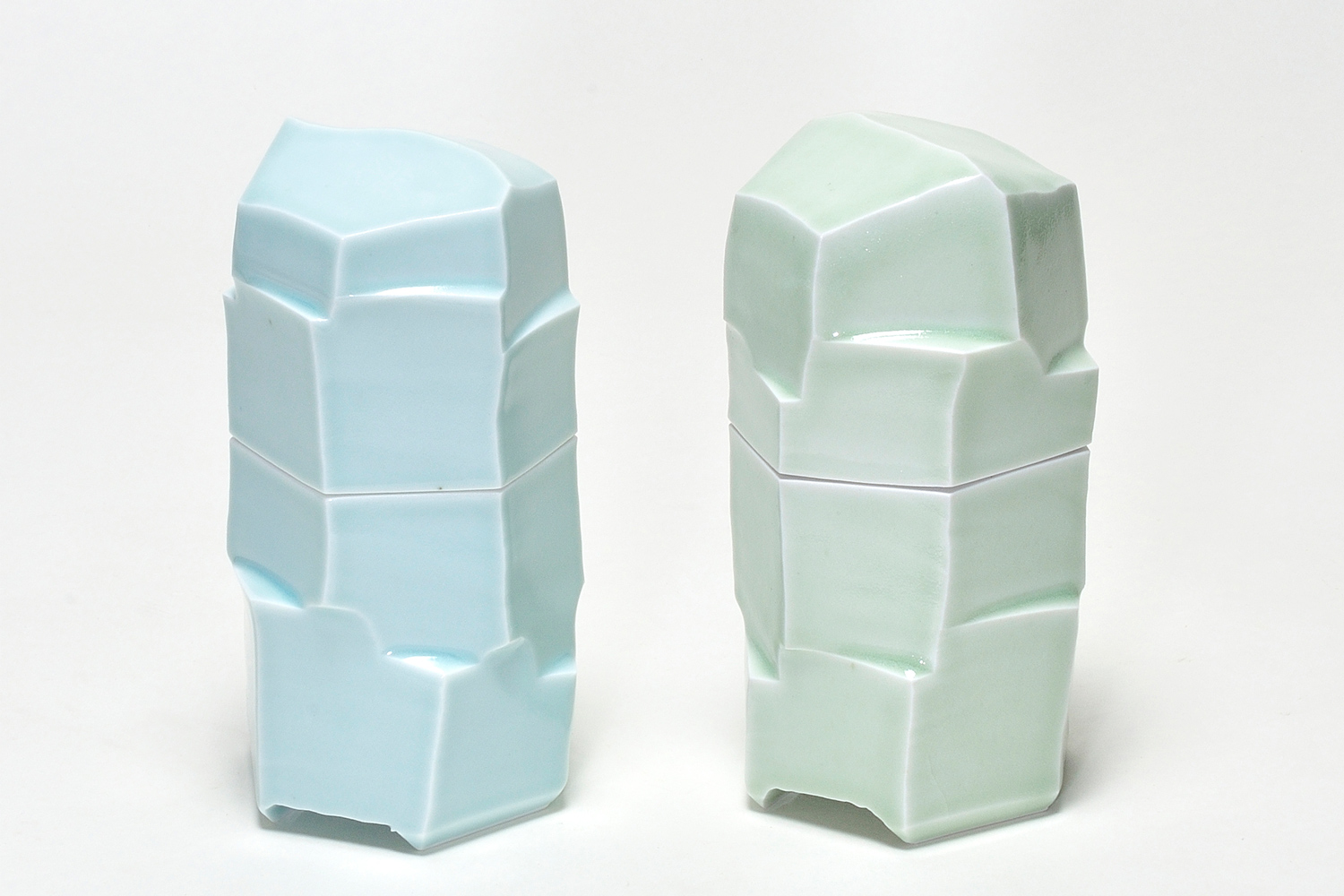
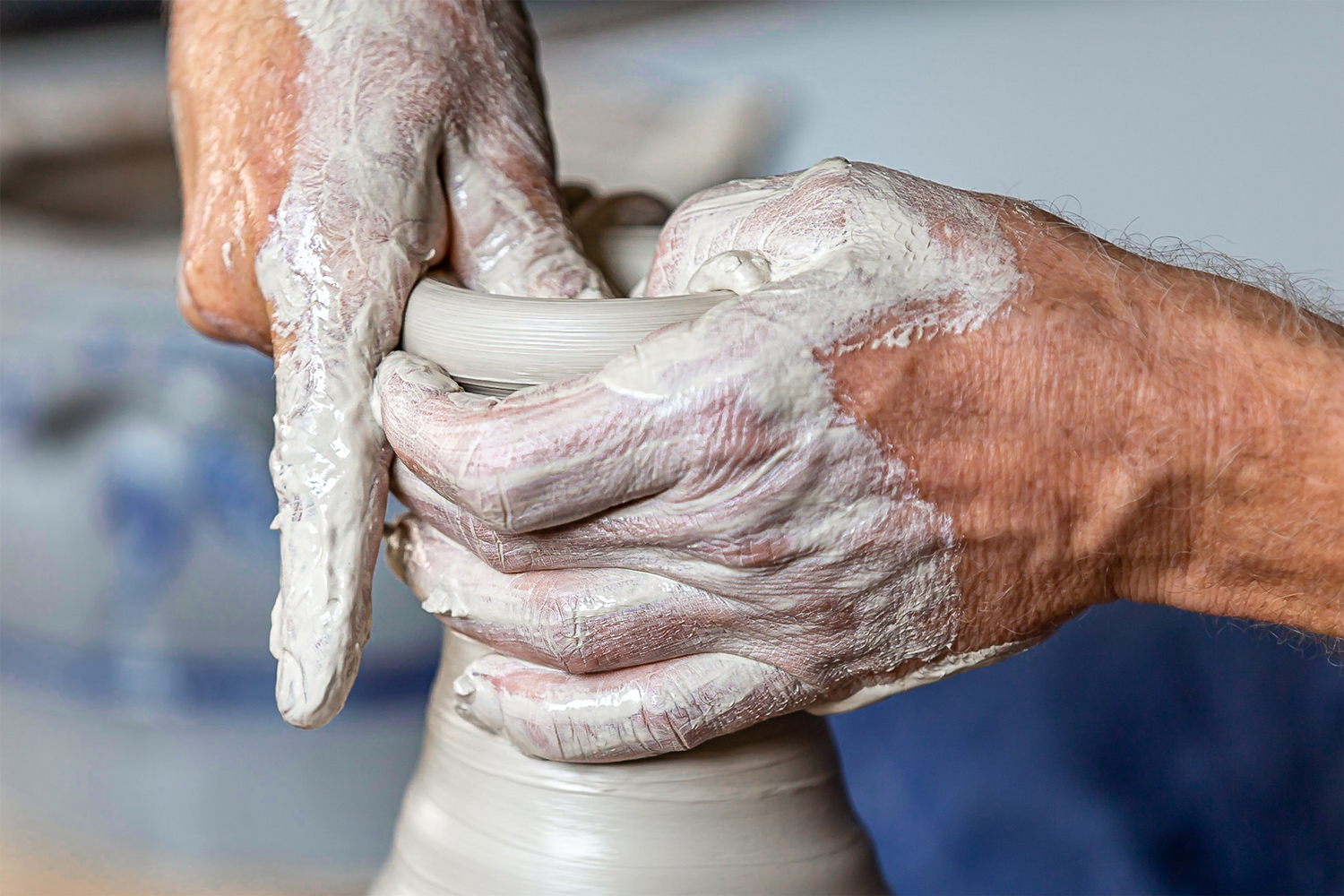
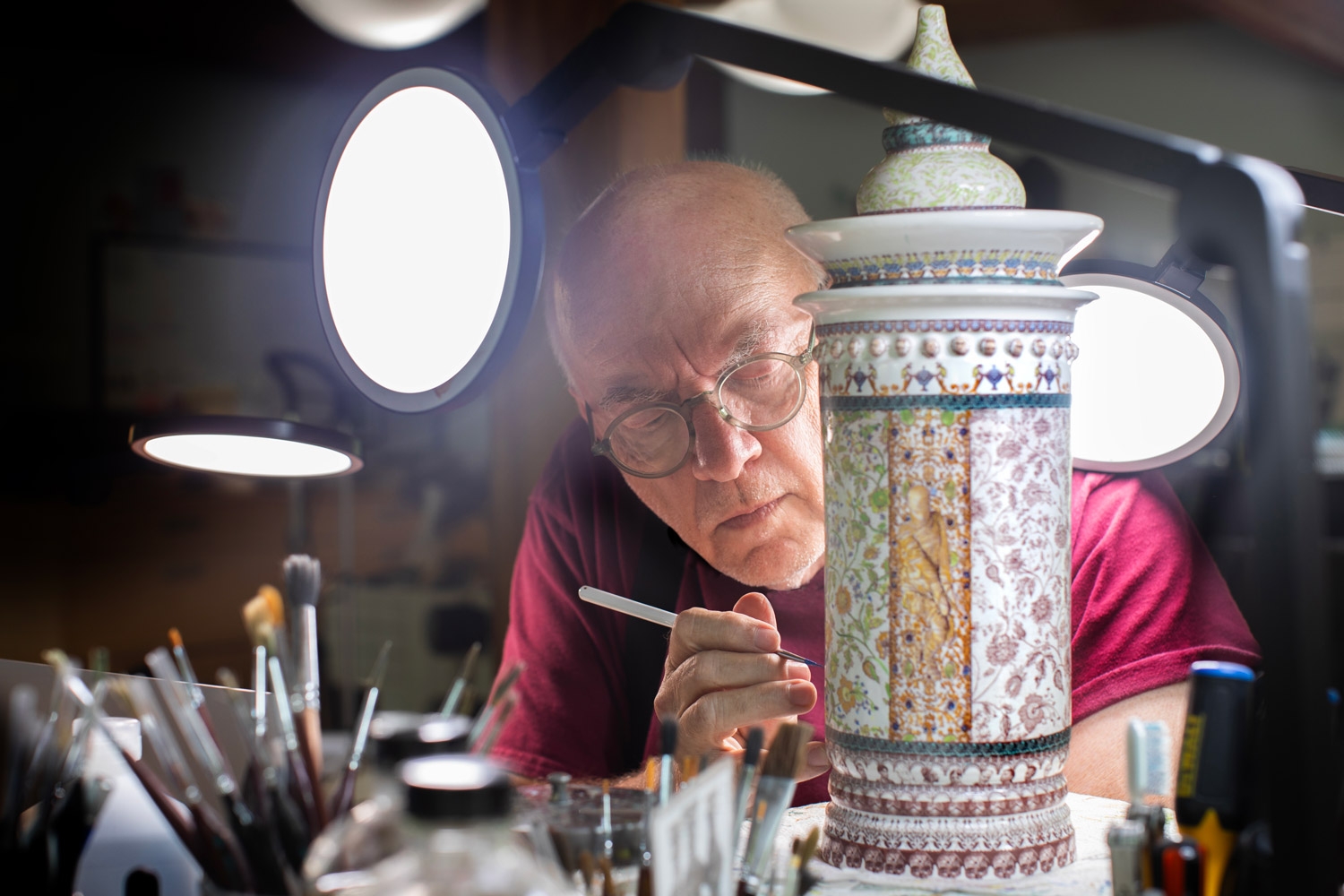
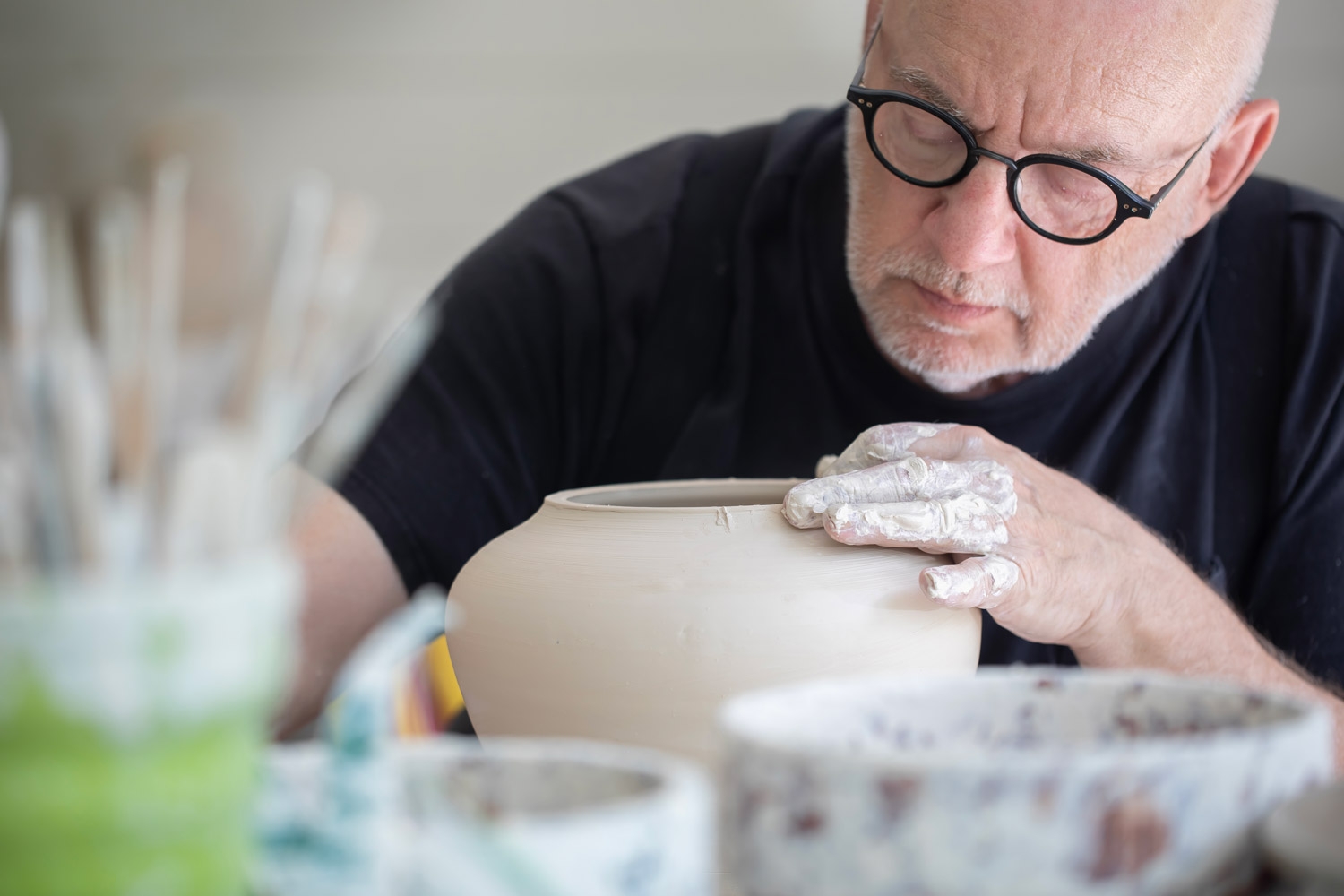
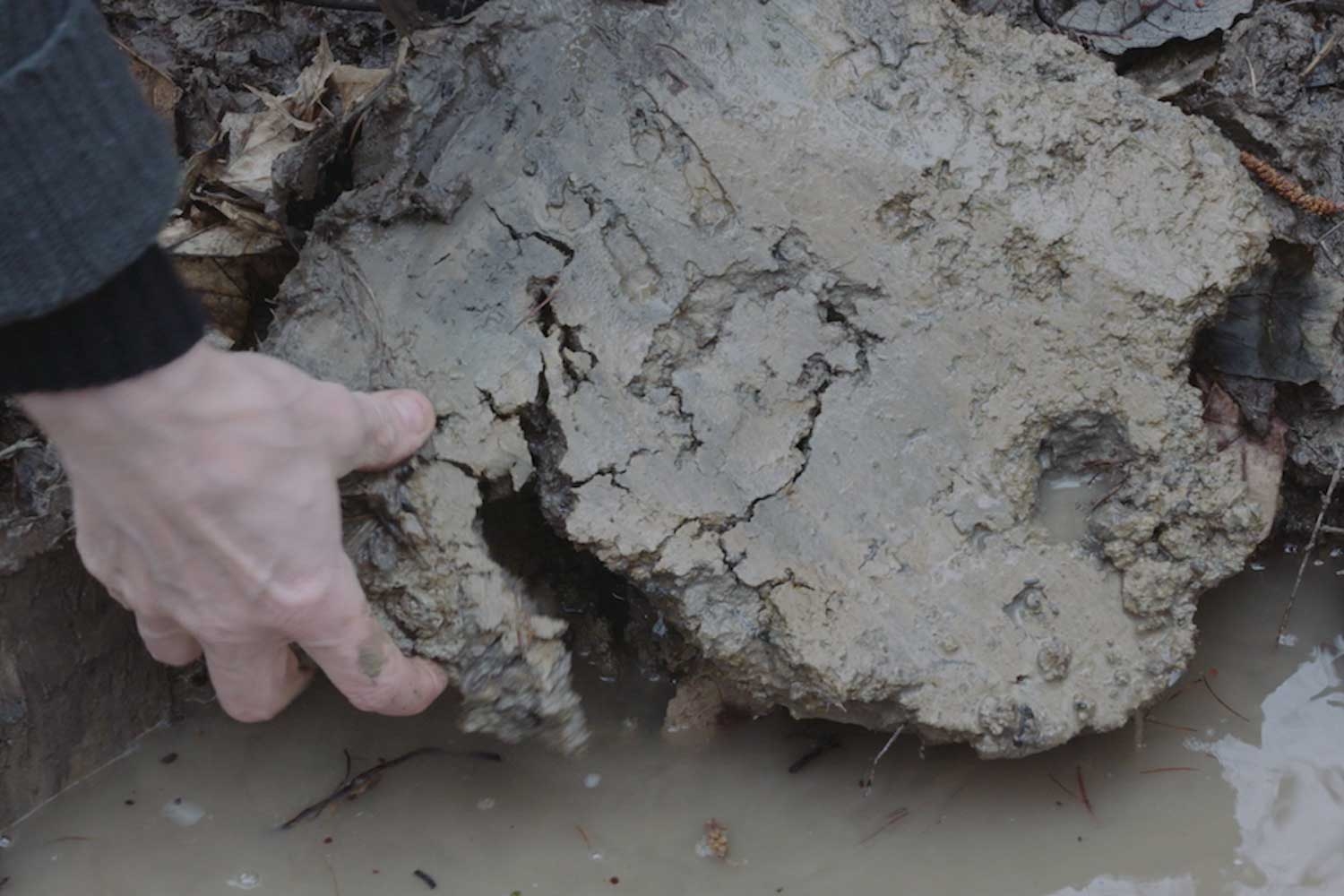
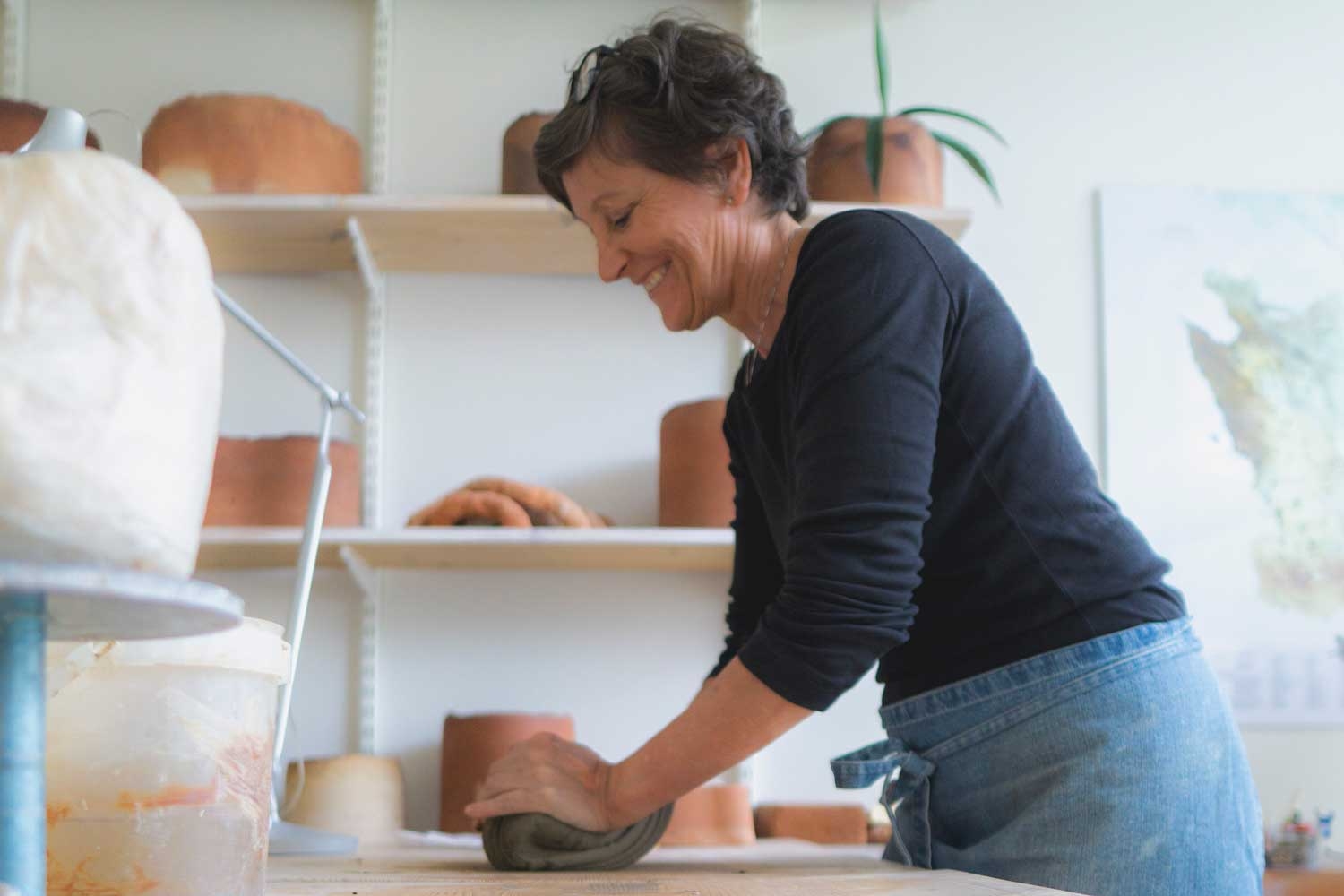
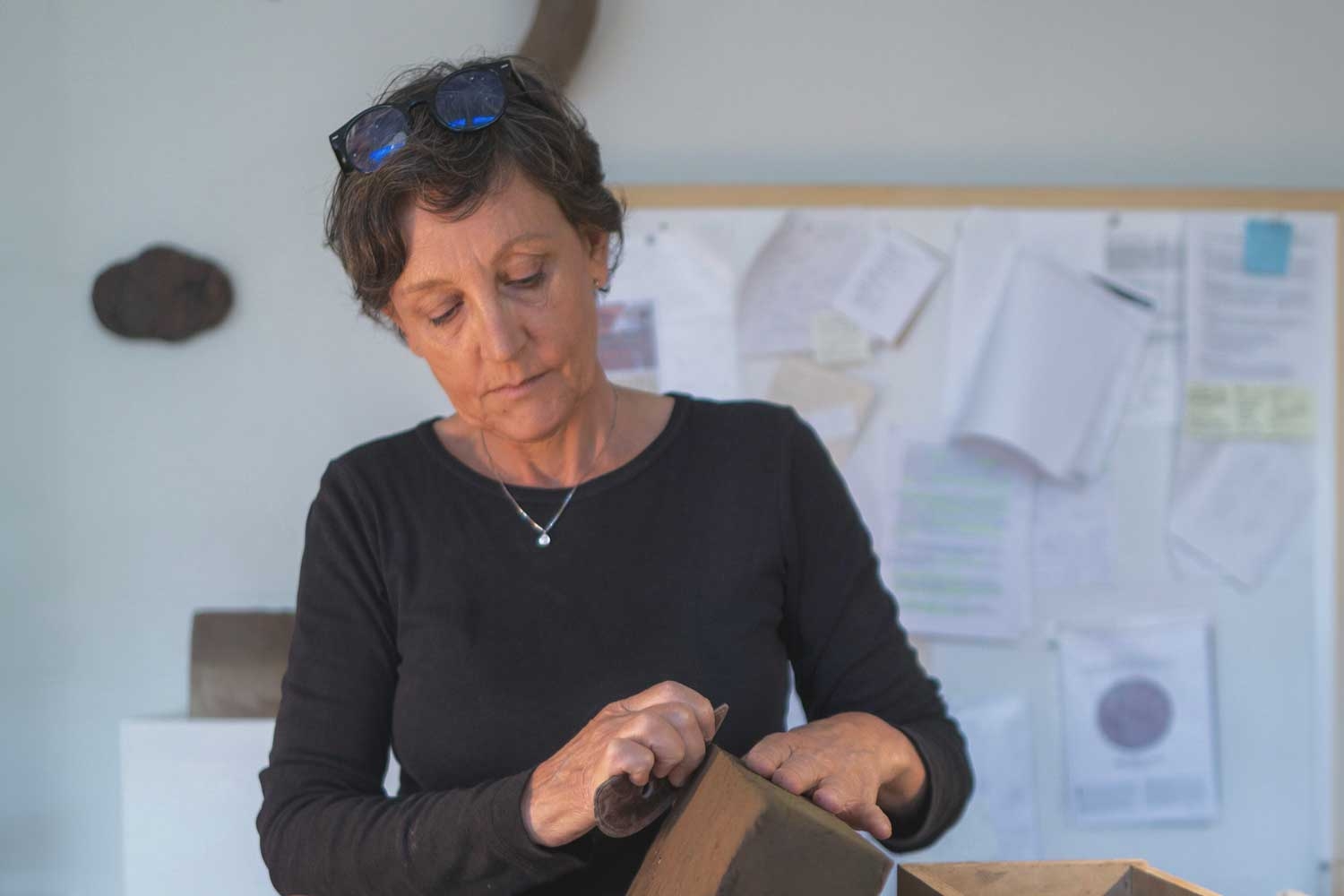
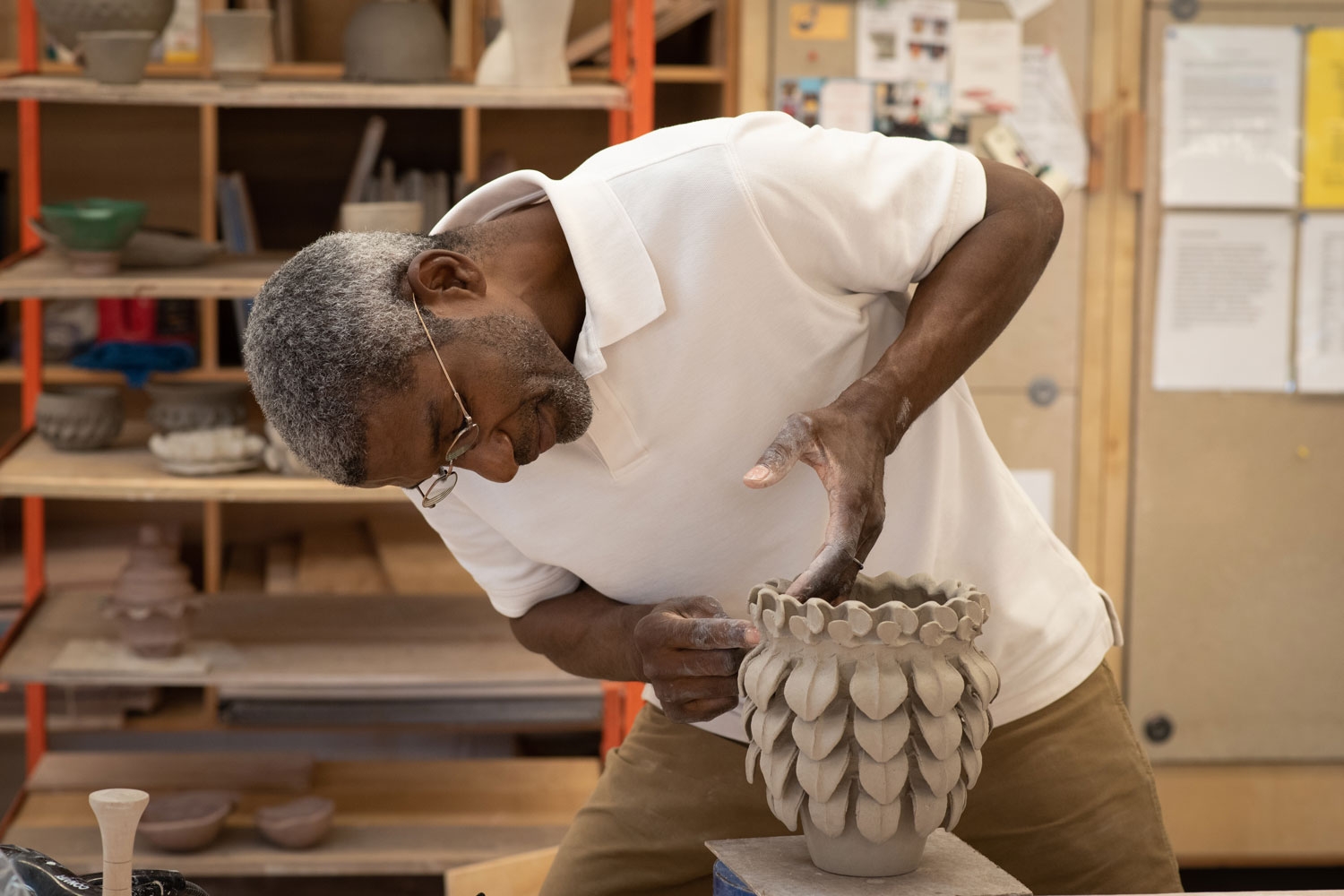
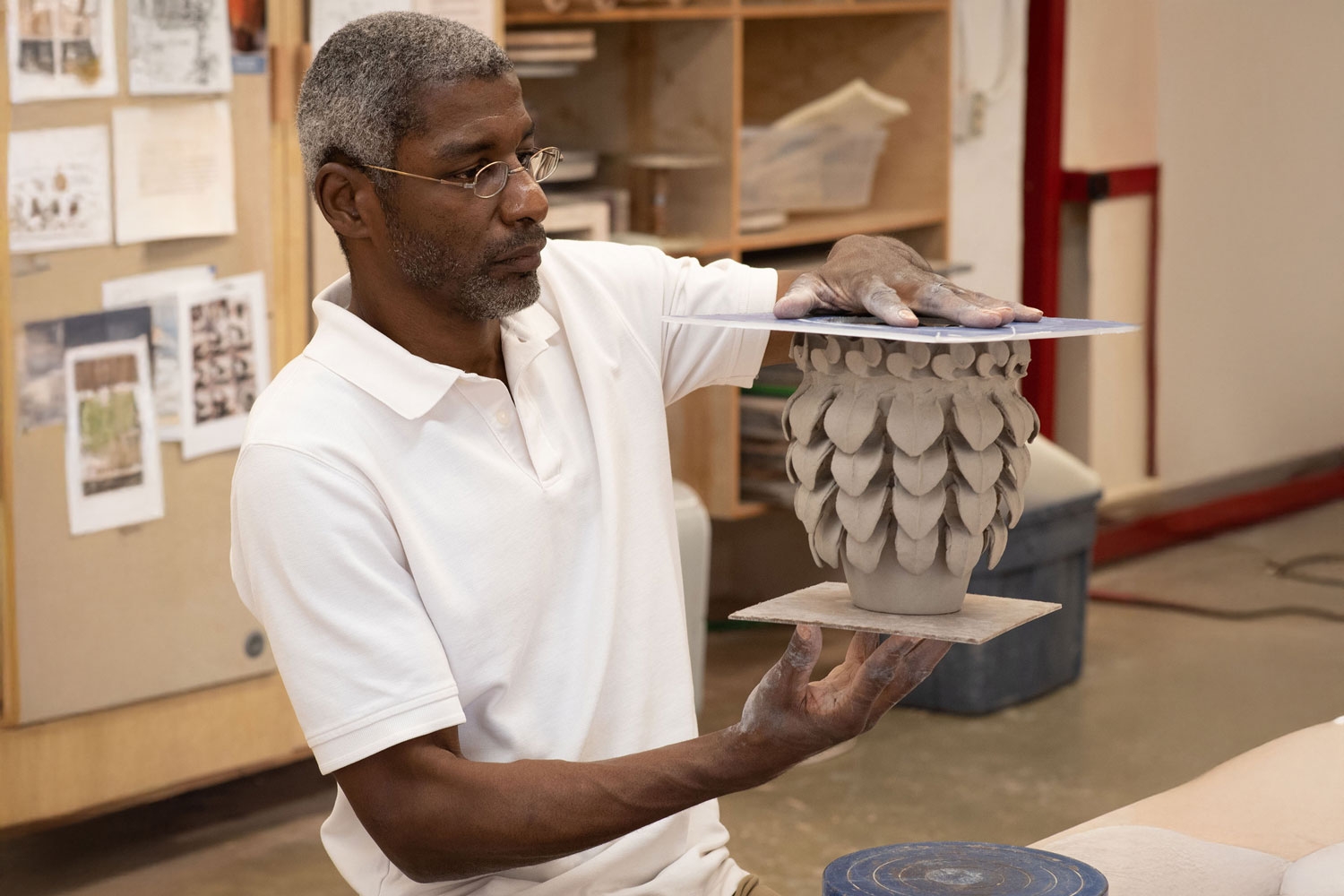
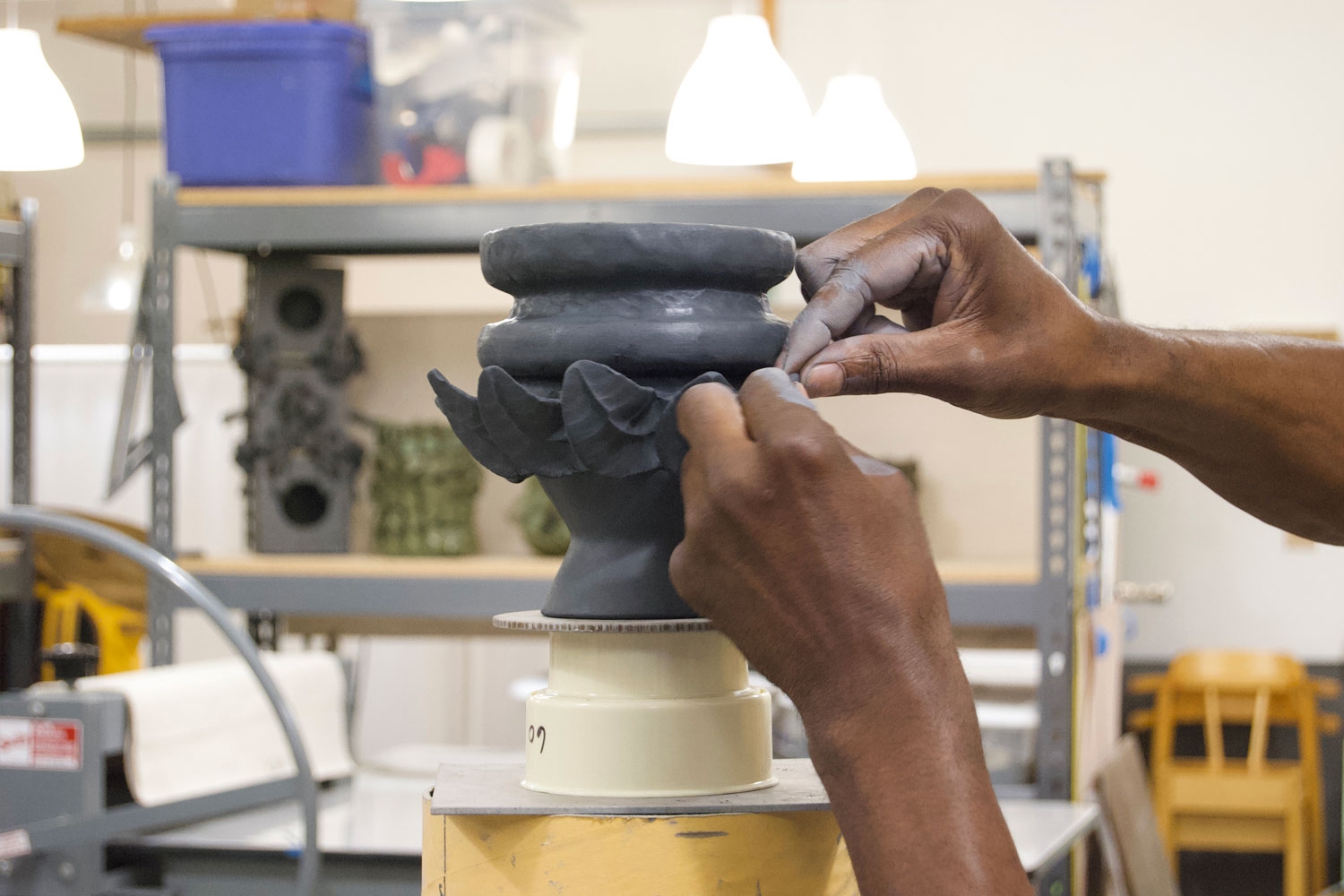
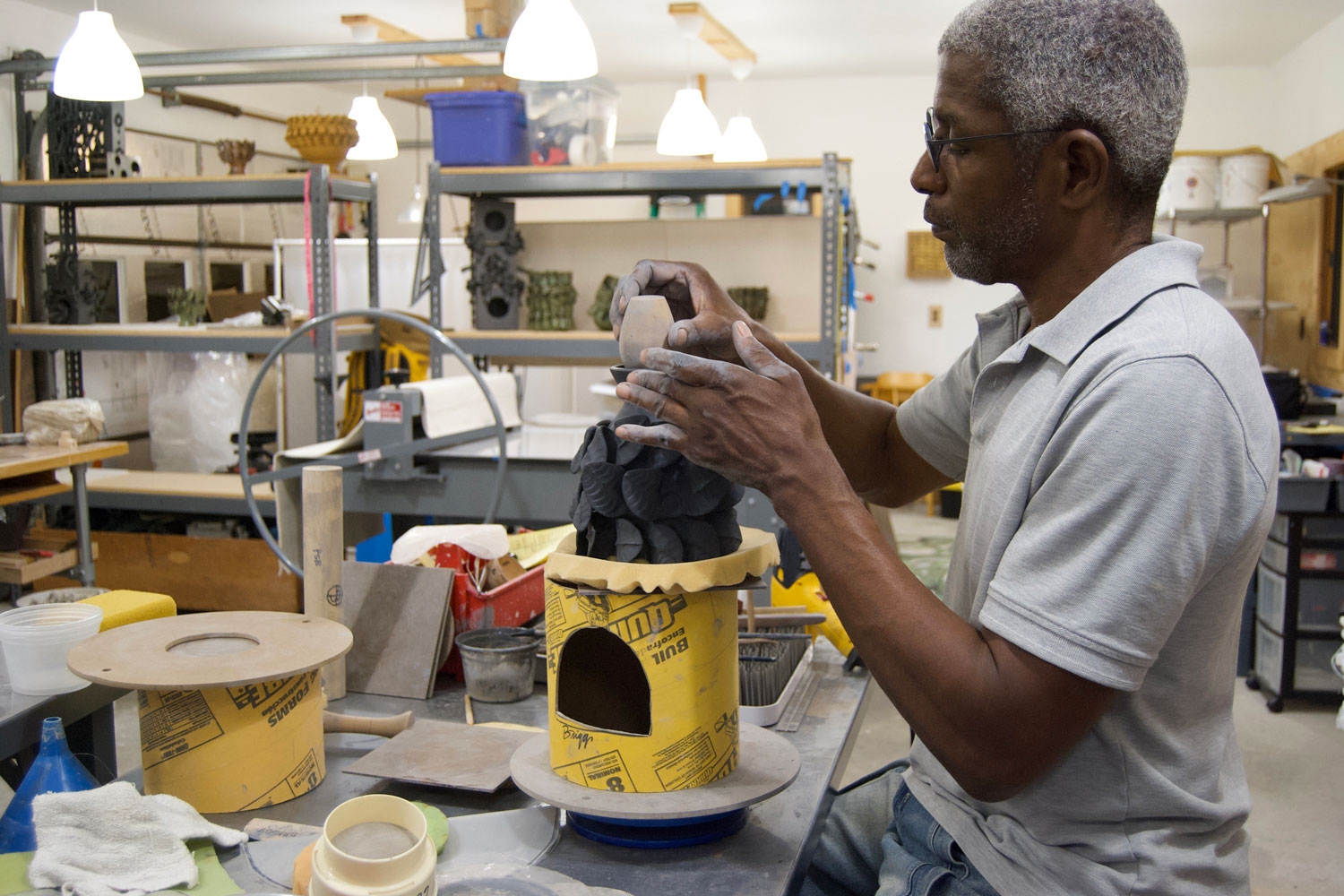
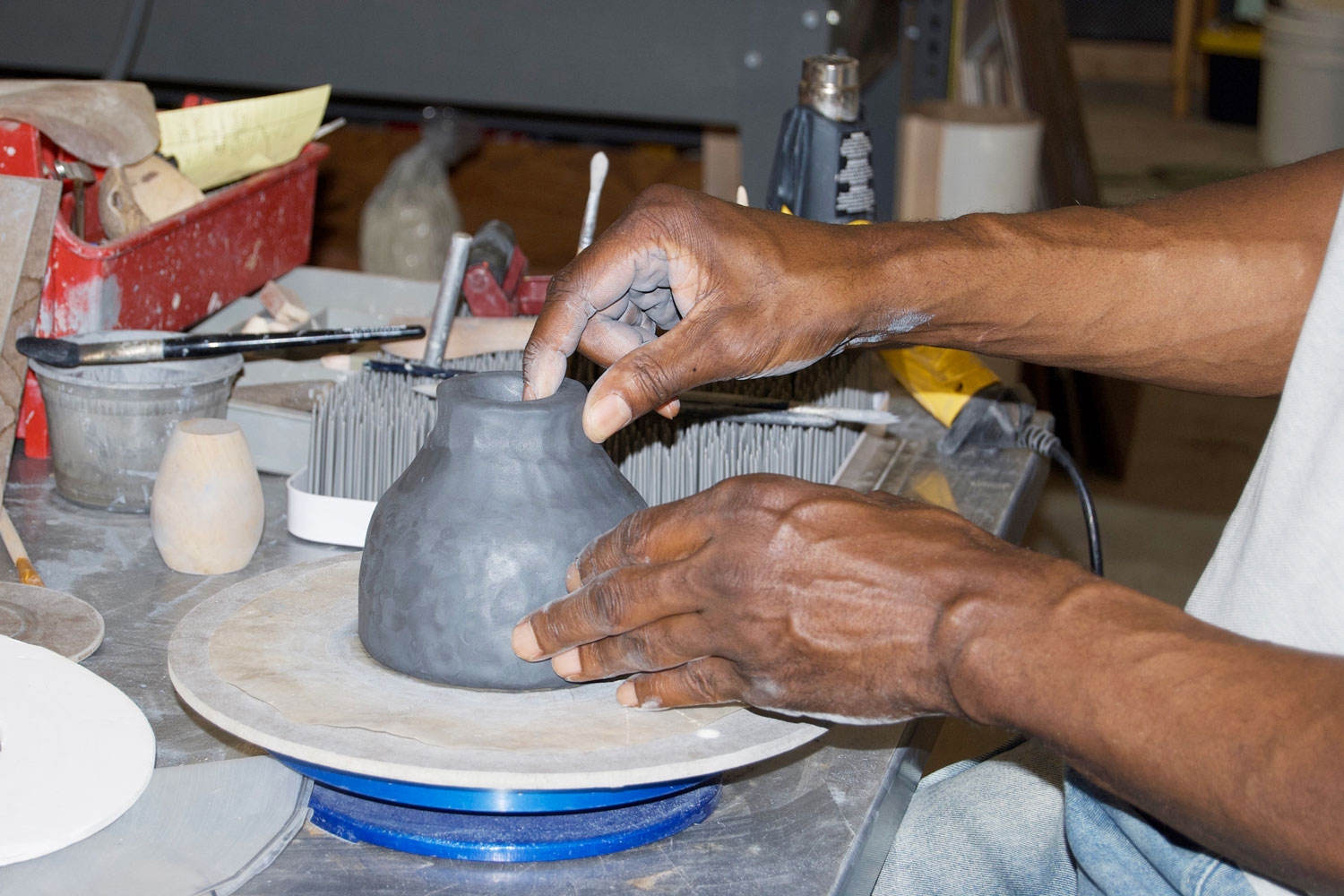
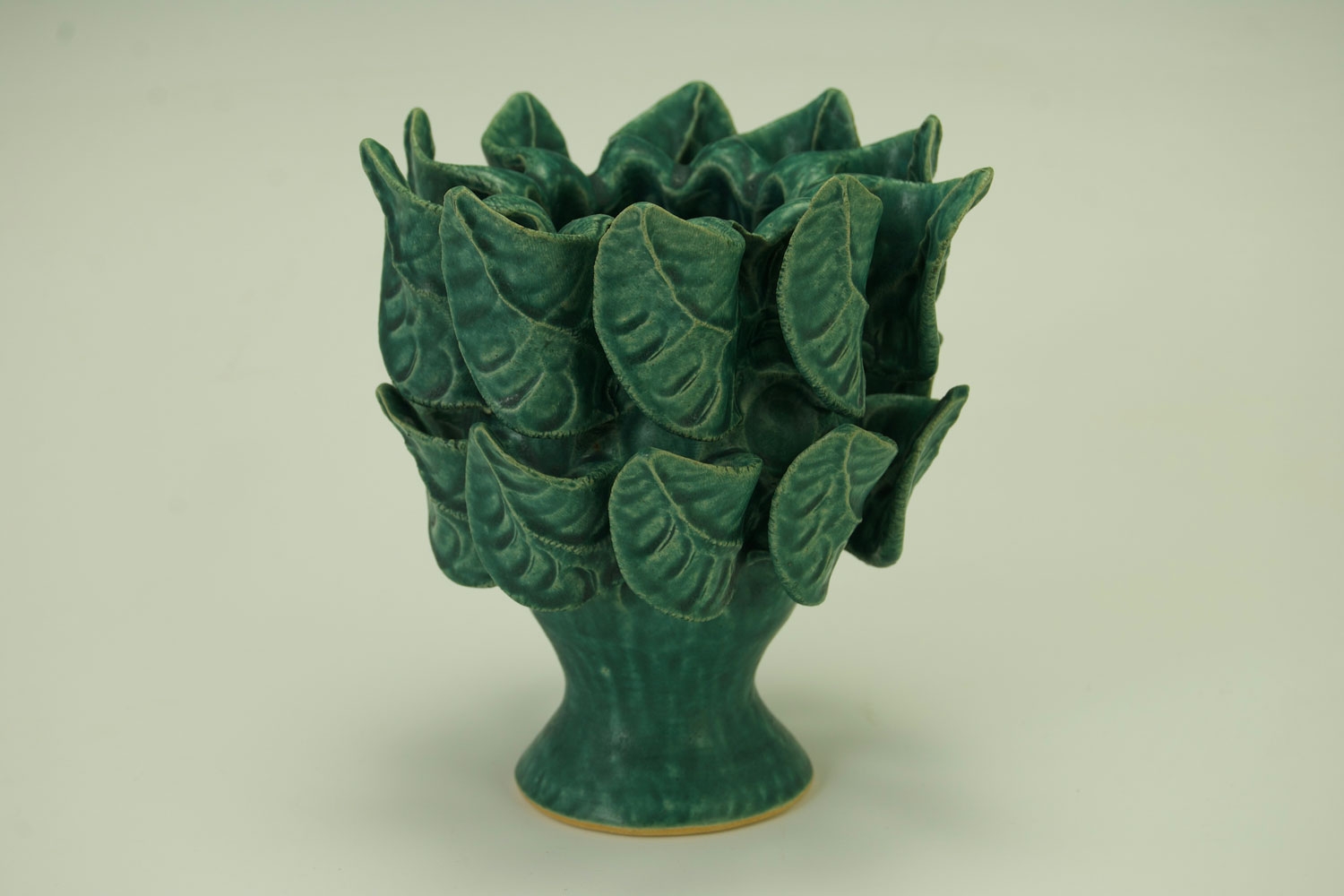
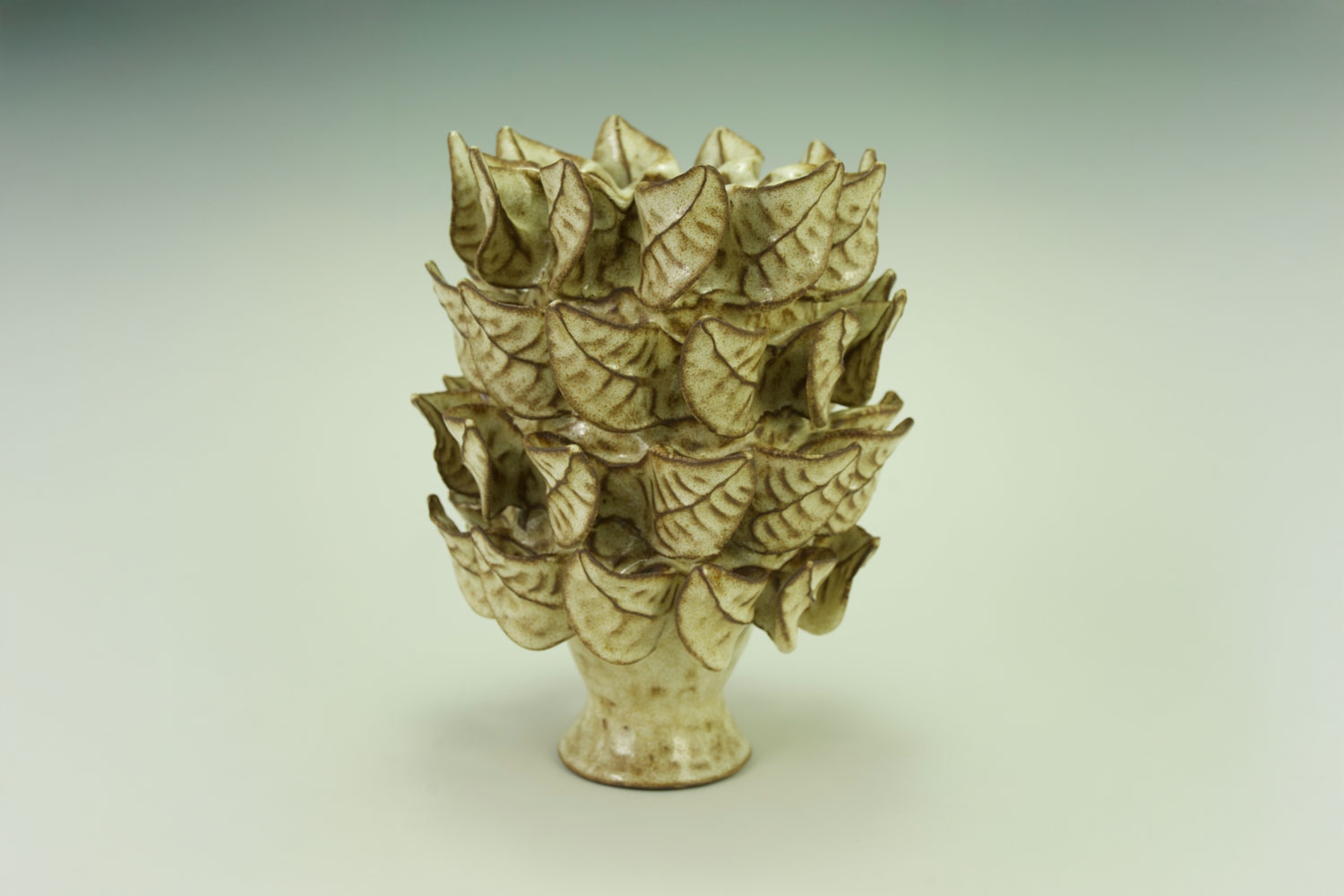
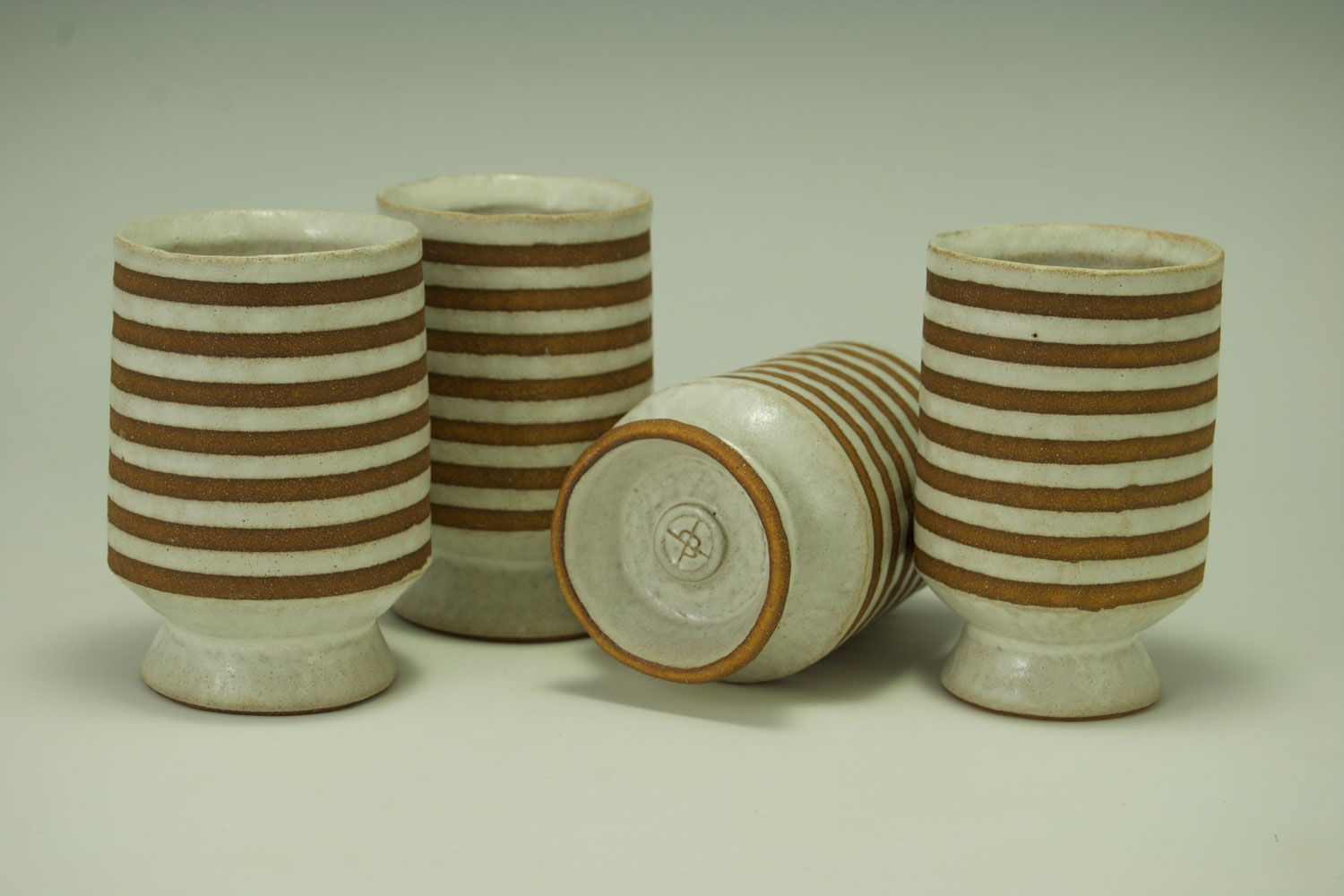
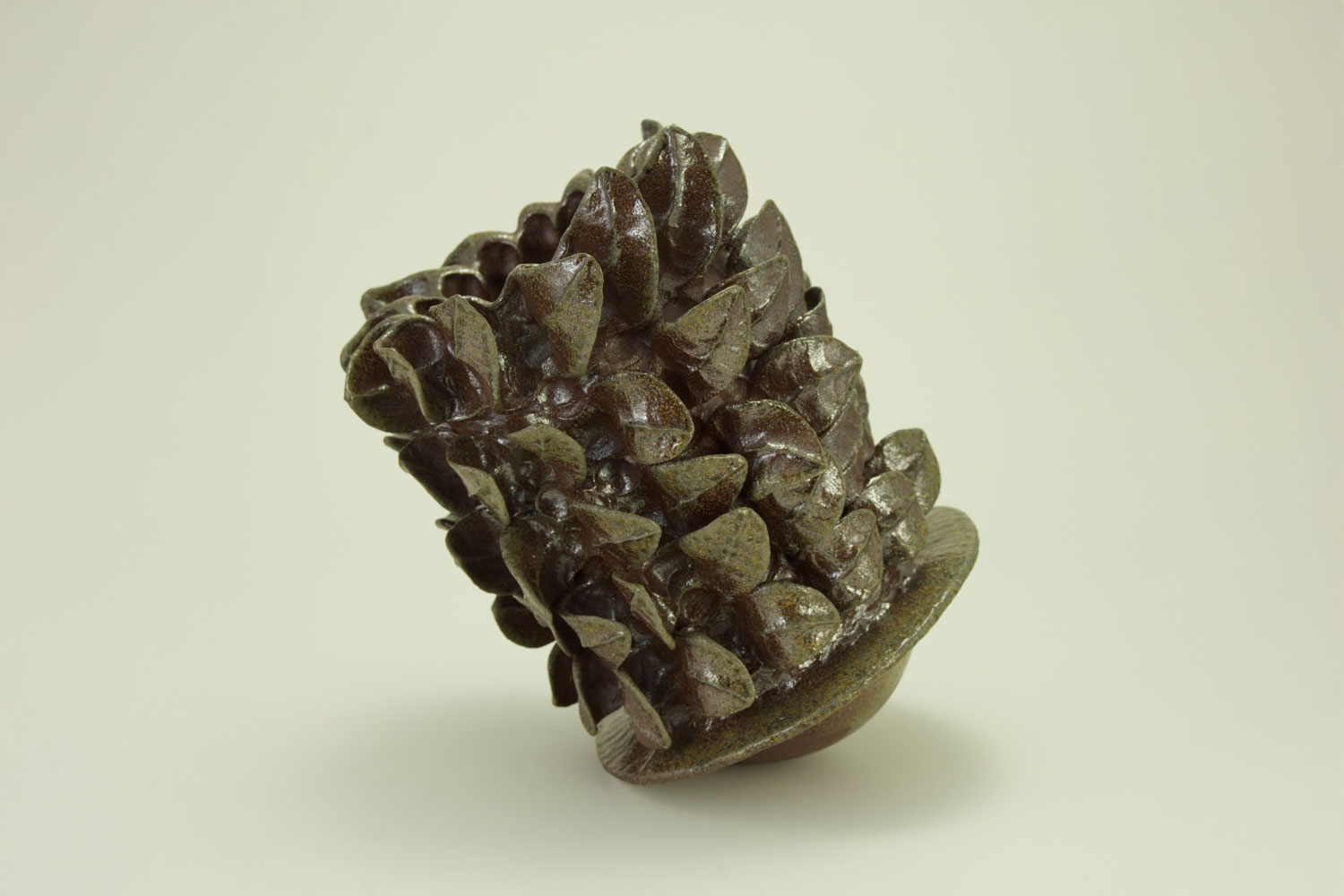
Before fully committing to ceramics in 2014, Paul Briggs discovered clay as a teenager and carried it through his college years and a decade in pastoral ministry. In his studio, each piece begins with a single mass of clay, full of possibilities. “It becomes a problem to solve and a question to answer,” he says. Paul pursues that inquiry through focused handwork, as he pinches and rotates the clay to create naturalistic ridges that enliven the pieces. He calls this process hand turning, keeping the form one continuous body, never altered and only expanded. “The turn-by-turn motion helps me chase the muse,” he notes, echoing William Kentridge’s idea that art happens between the intention and the process.
INTERVIEW
Very early on, making became a socio-spiritual path for me: a way toward self-actualisation through art. As a college student, I was already exploring the possibility of inner development through clay. I had many questions, and I still have many more.
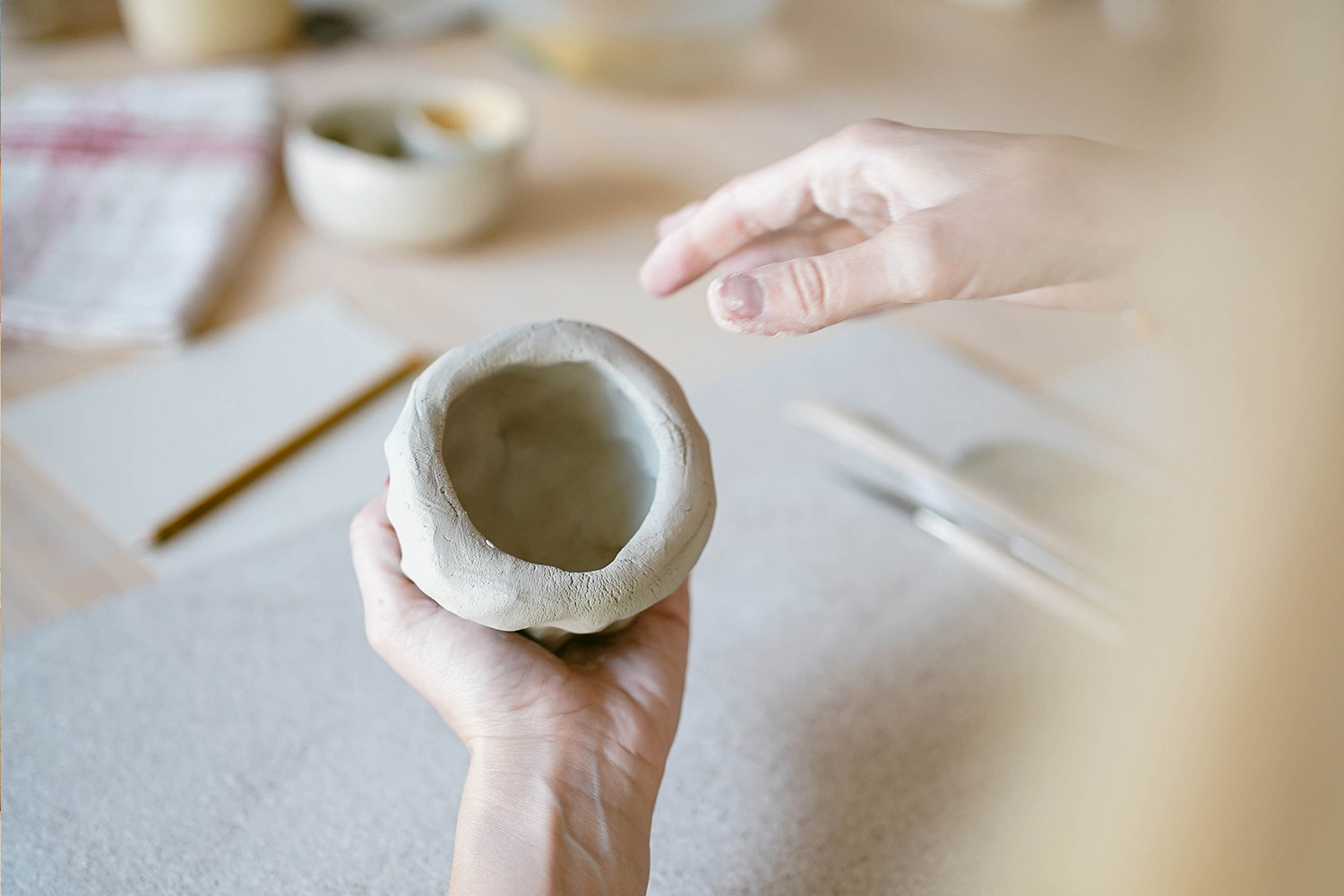
I never alter the amount of material I use in my traditional pinch pot technique, everything must come from the original mass – no addition or subtraction. I adopt this approach to challenge myself and enter what psychologist Mihaly Csikszentmihalyi calls flow, a state of deep, focused making.
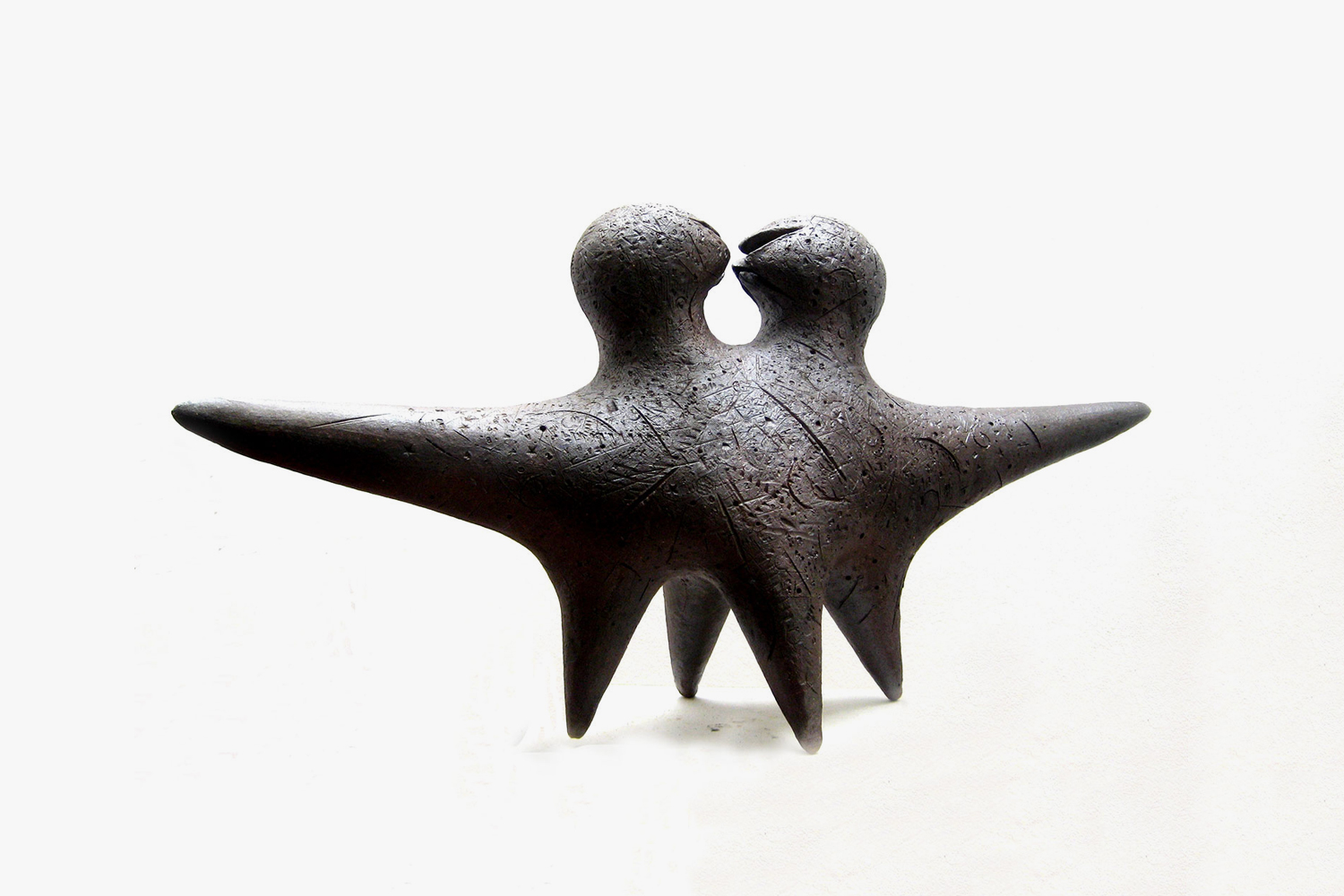
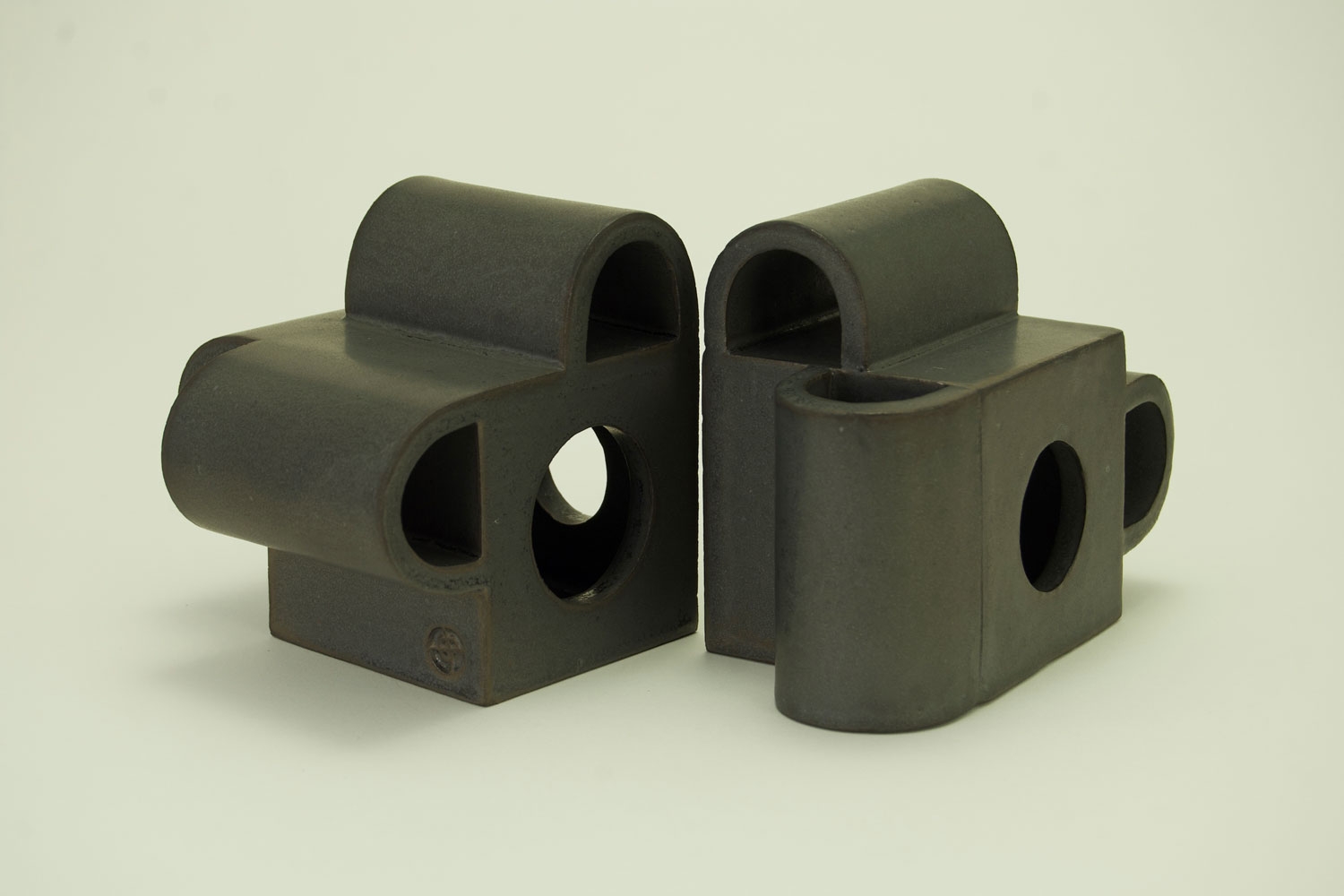
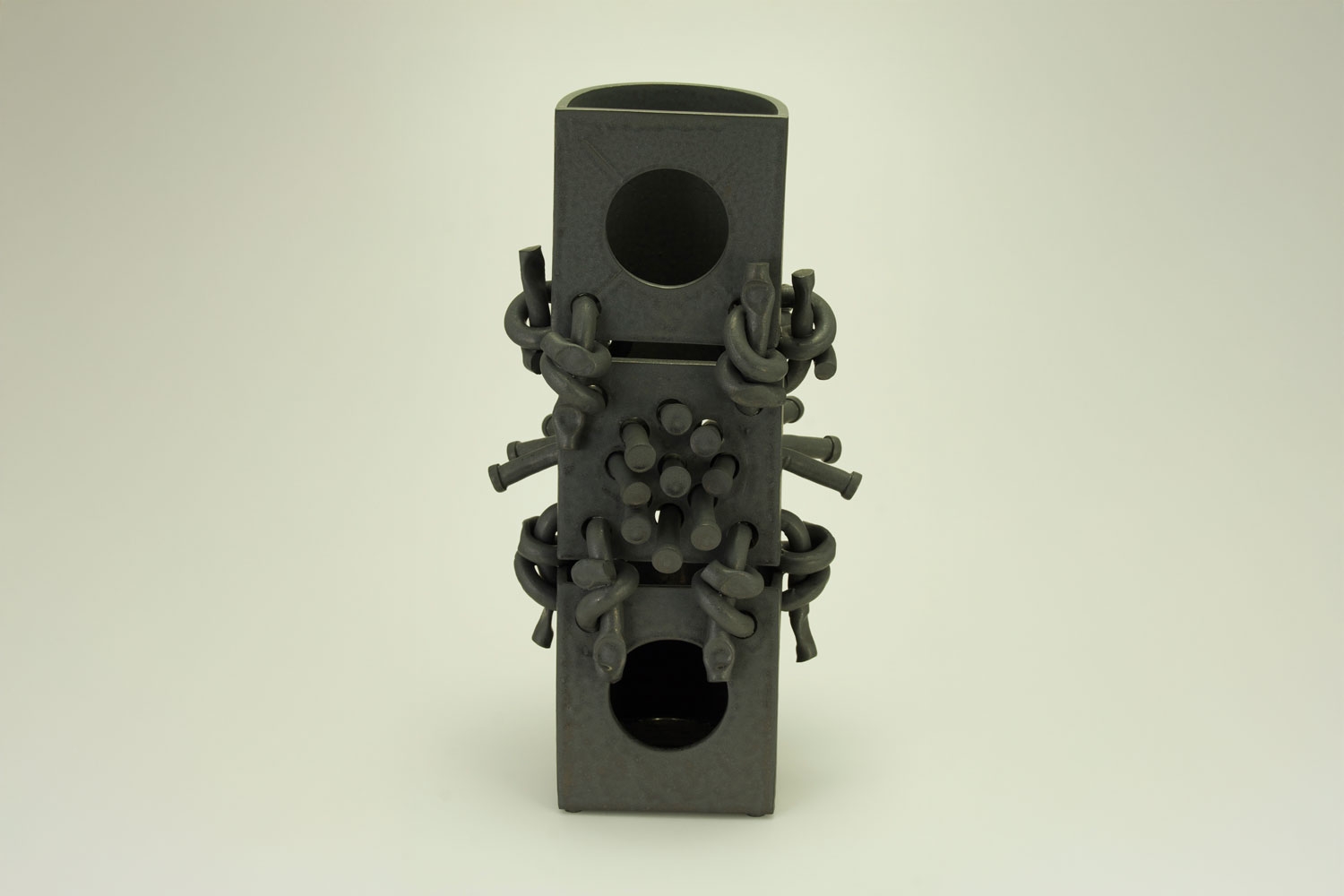
The black clay was an intentional choice to nurture a black clay aesthetic within myself. I wanted to celebrate, and see, black beauty. On a dark surface, you have to look more closely to appreciate shifts in depth. Leaving some pieces unglazed makes the surface topography more present.
Ceramic making can be a spiritual practice. You can be patient and mindful in the studio, yet fall apart in life. I hope to help students see the parallels between the spiritual and religious practices, and art making, and to learn to ‘sit’ in life as they do in the studio. Art is crafting a life.
Paul Briggs
Ceramicist
Alfred, NY, USA
ADDRESS
Address upon request, Alfred, NY, USA
AVAILABILITY
By appointment only
LANGUAGES
English
Homo Faber Finds is a new service aiming to inspire admirers of craft to connect and collaborate with exceptional artisans.
We invite you to submit an enquiry here.