Paolo Bellò
Pigmentti
Plaster and stucco worker
Solagna, Italy
From the ruins of Pompei to contemporary décor
- Paolo makes marmorino, a very ancient decorative technique
- He trained in the workshop of master artisan Enio Verenini
- He draws inspiration from his heritage and his vision of the world
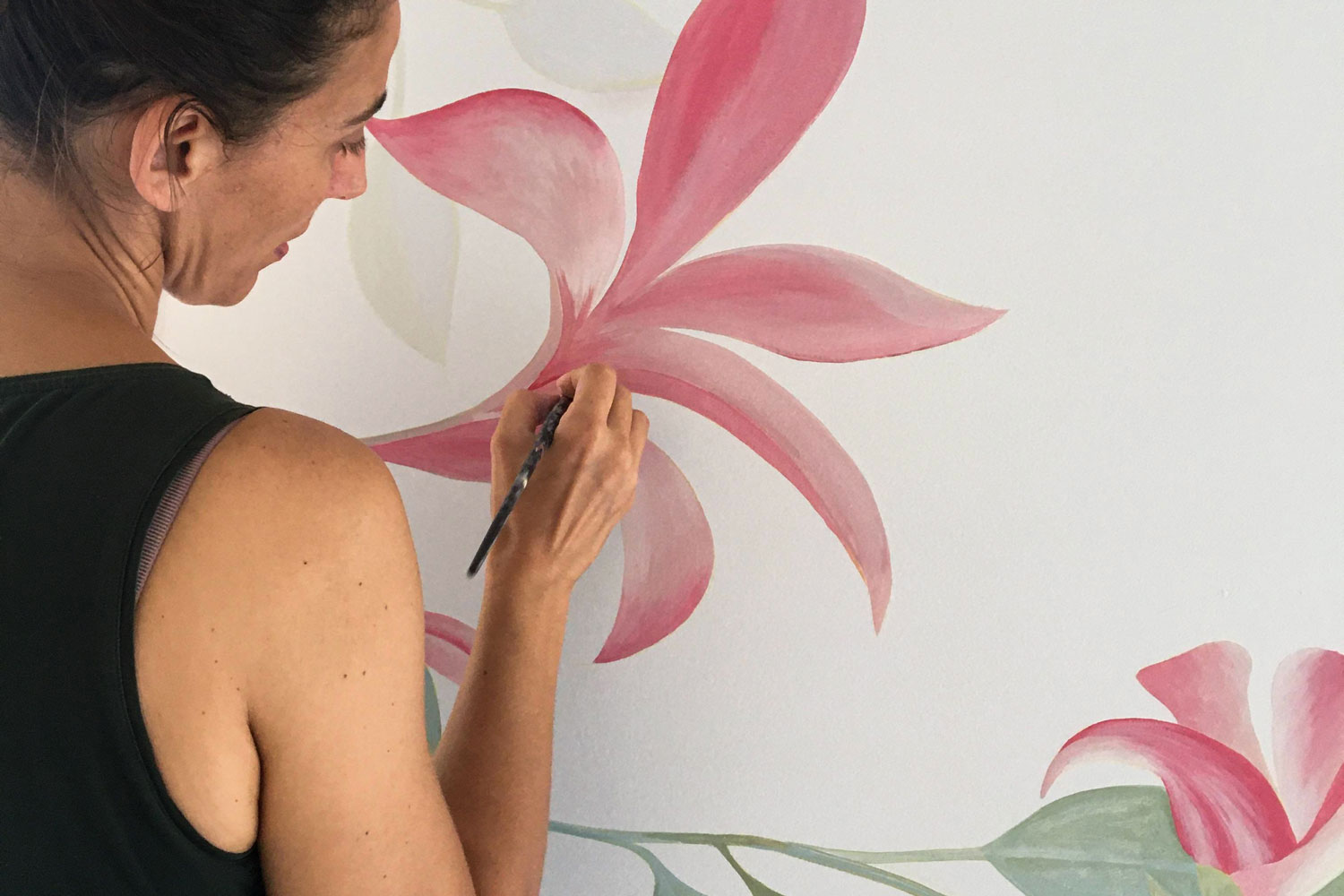
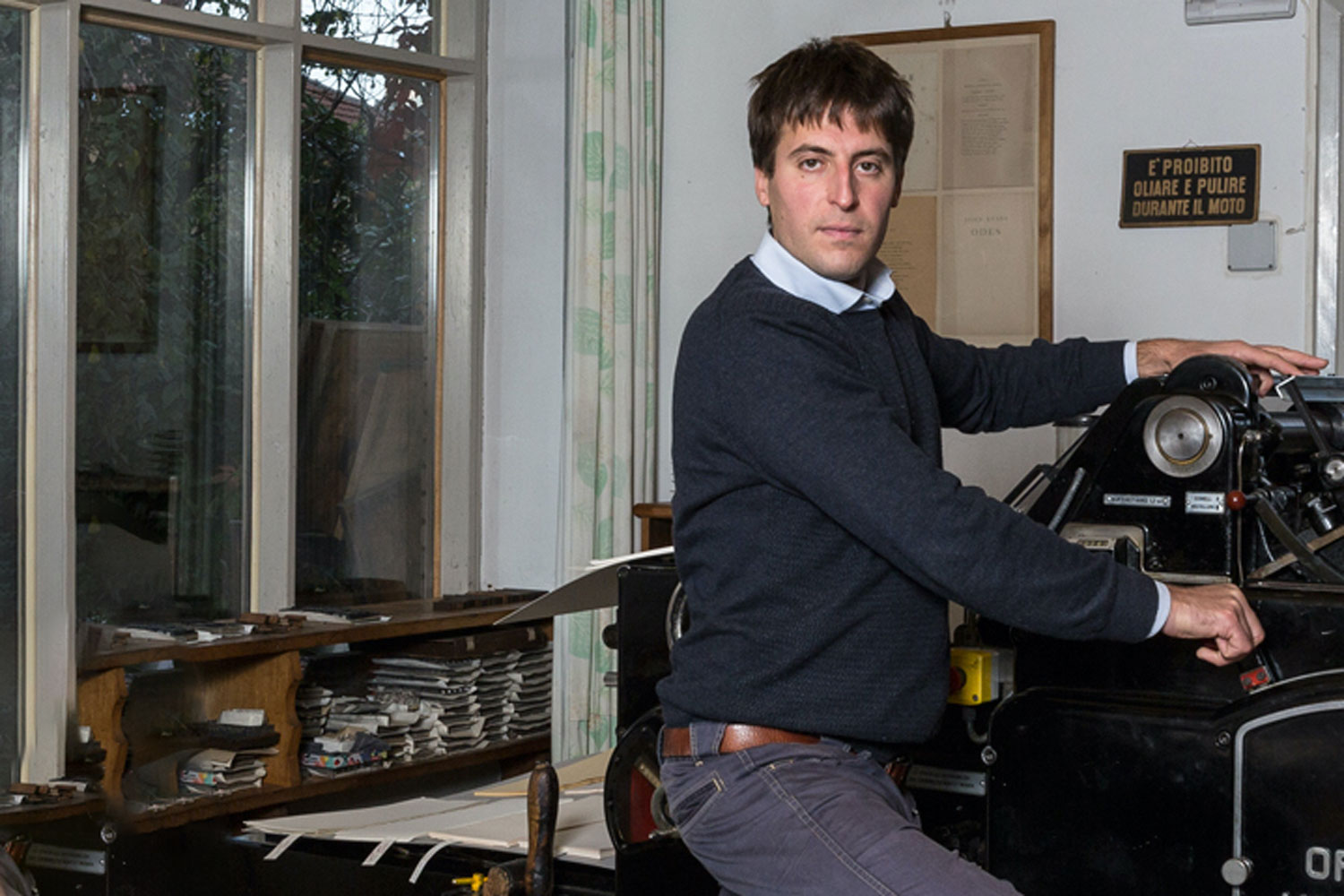
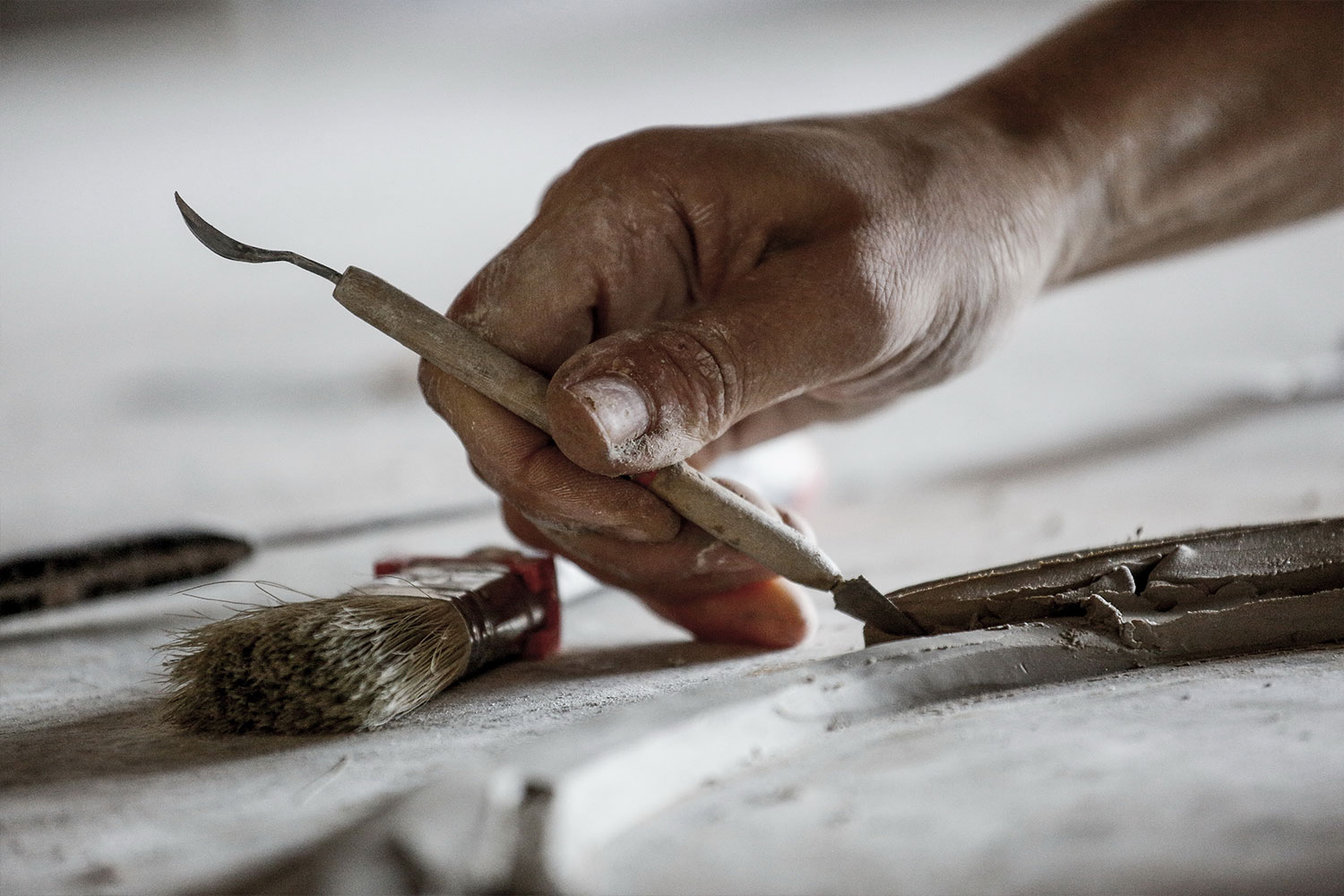
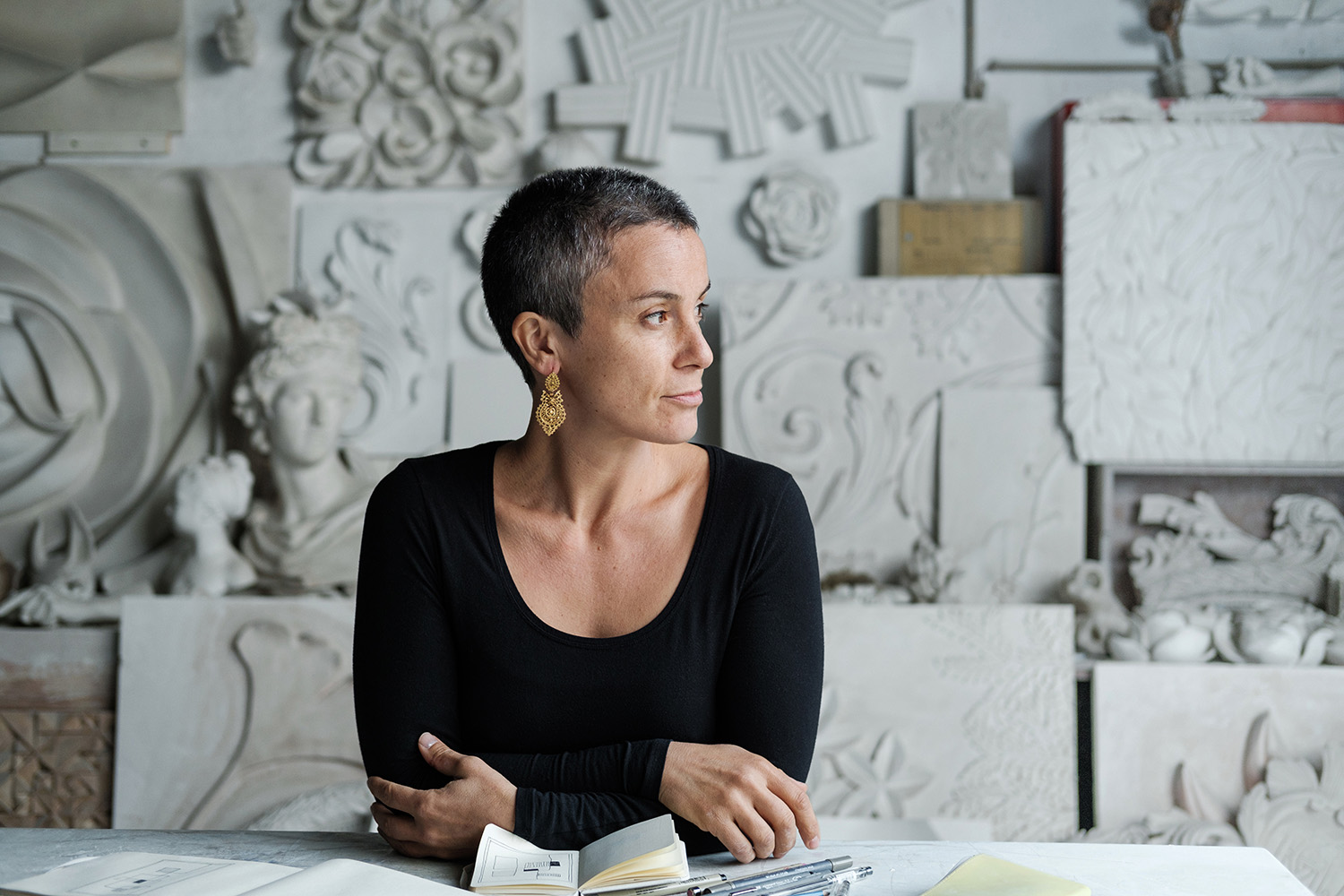
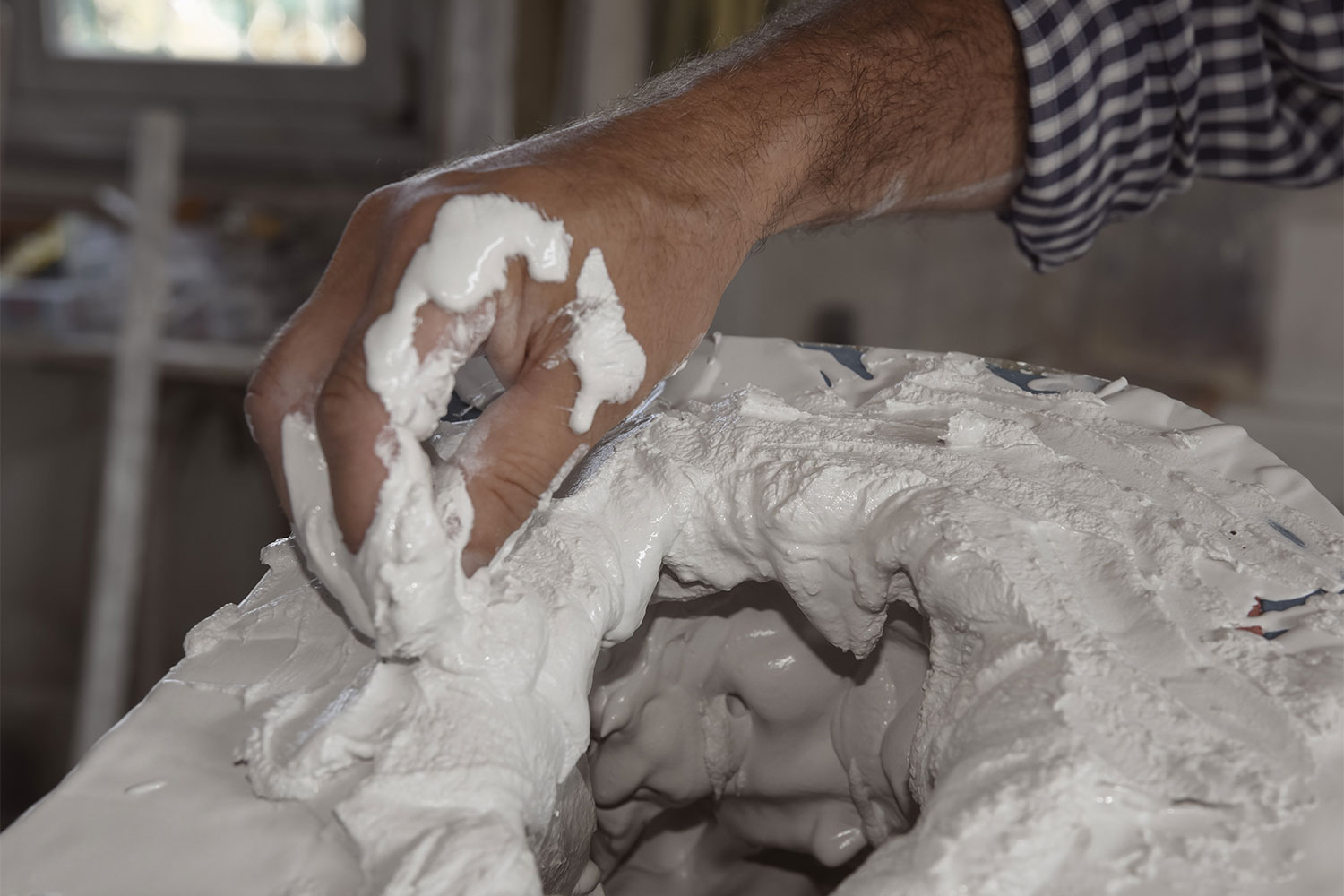
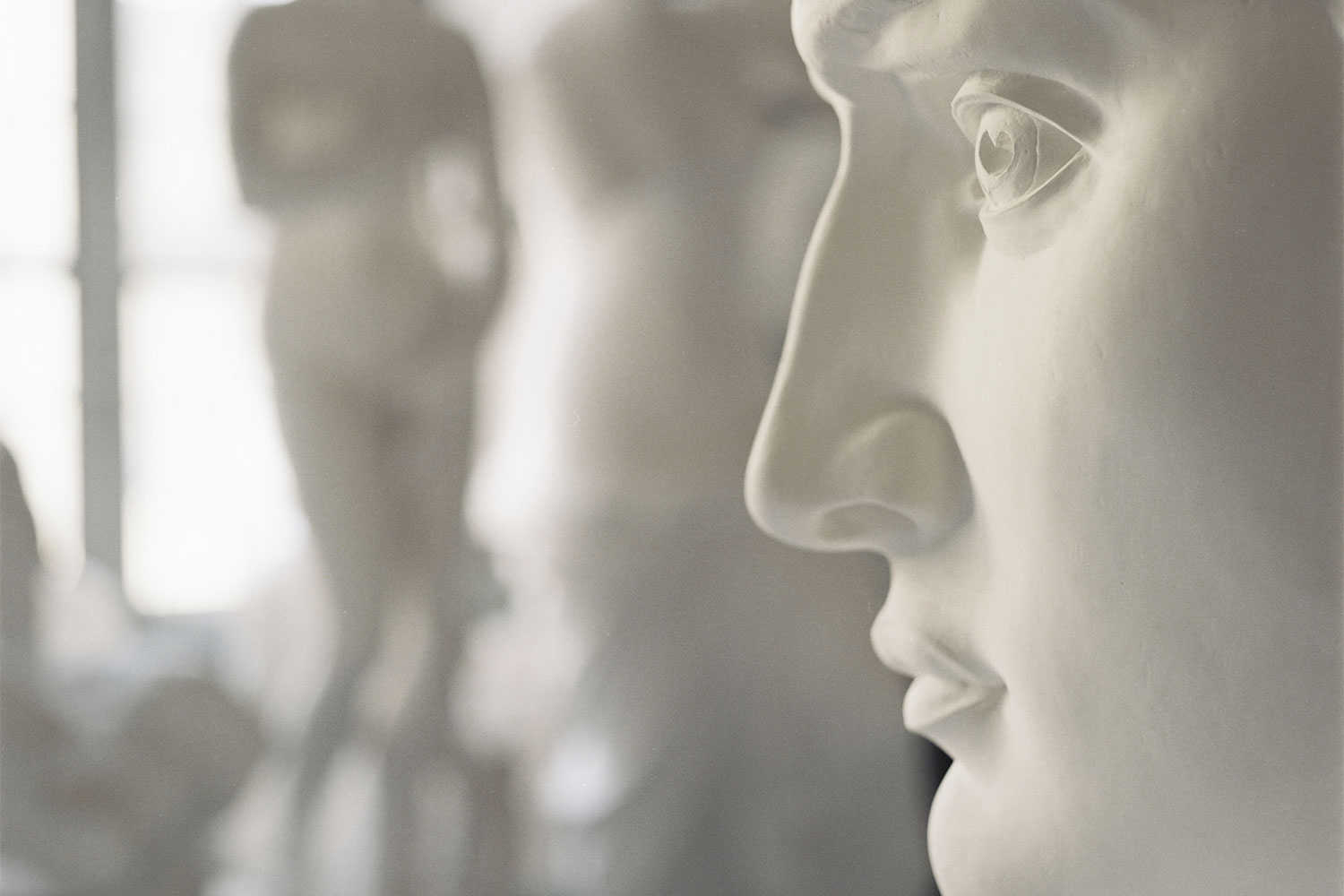
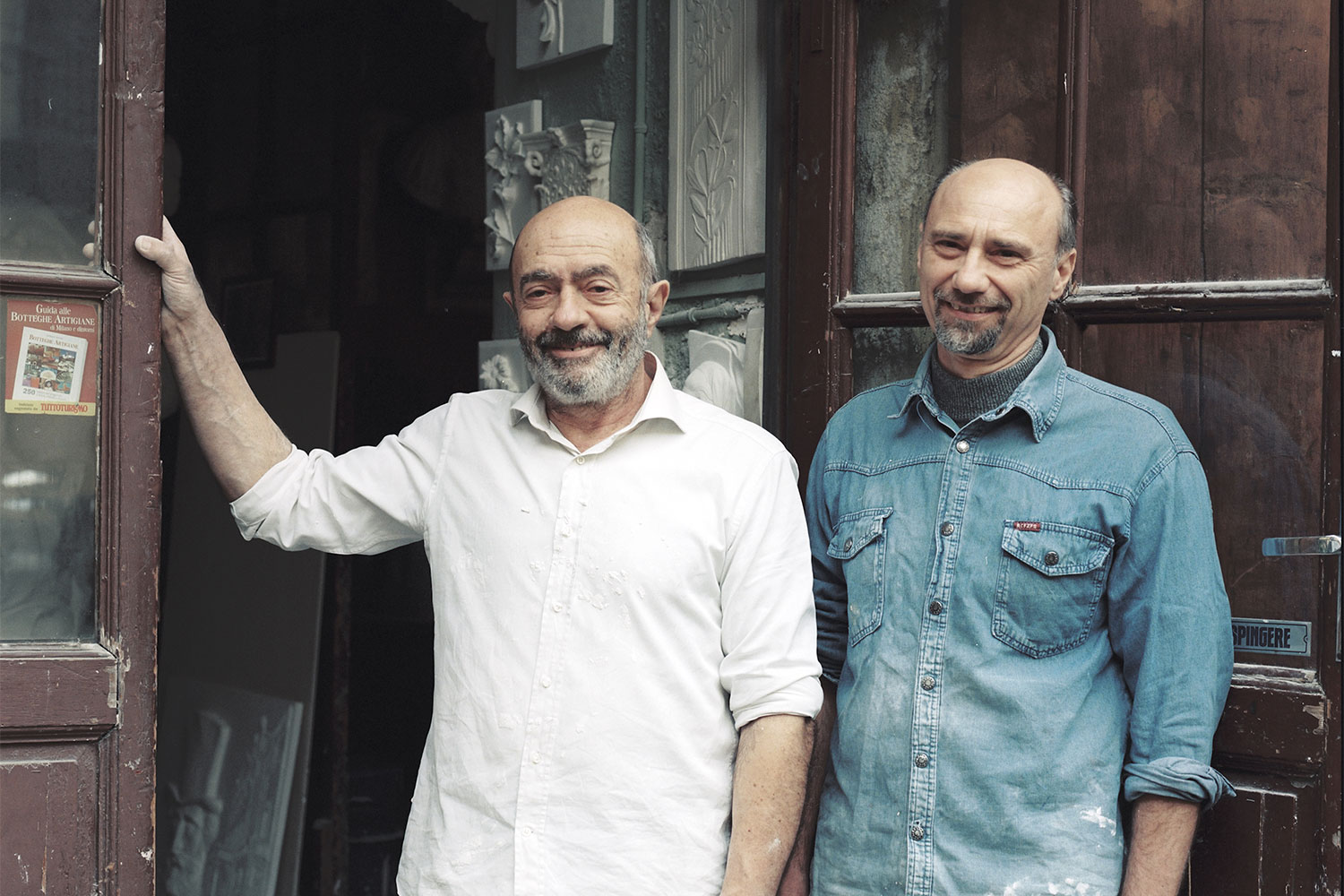
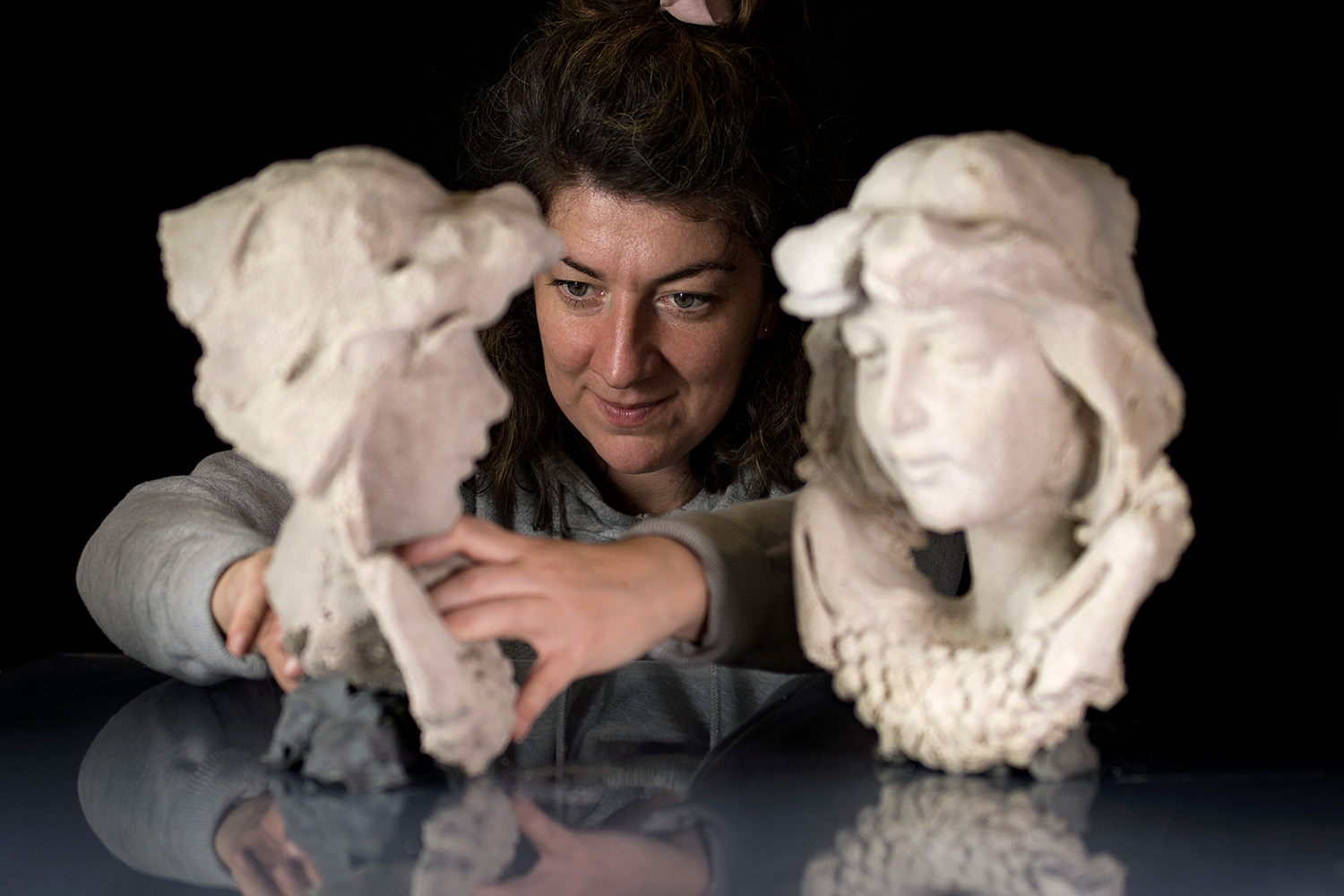
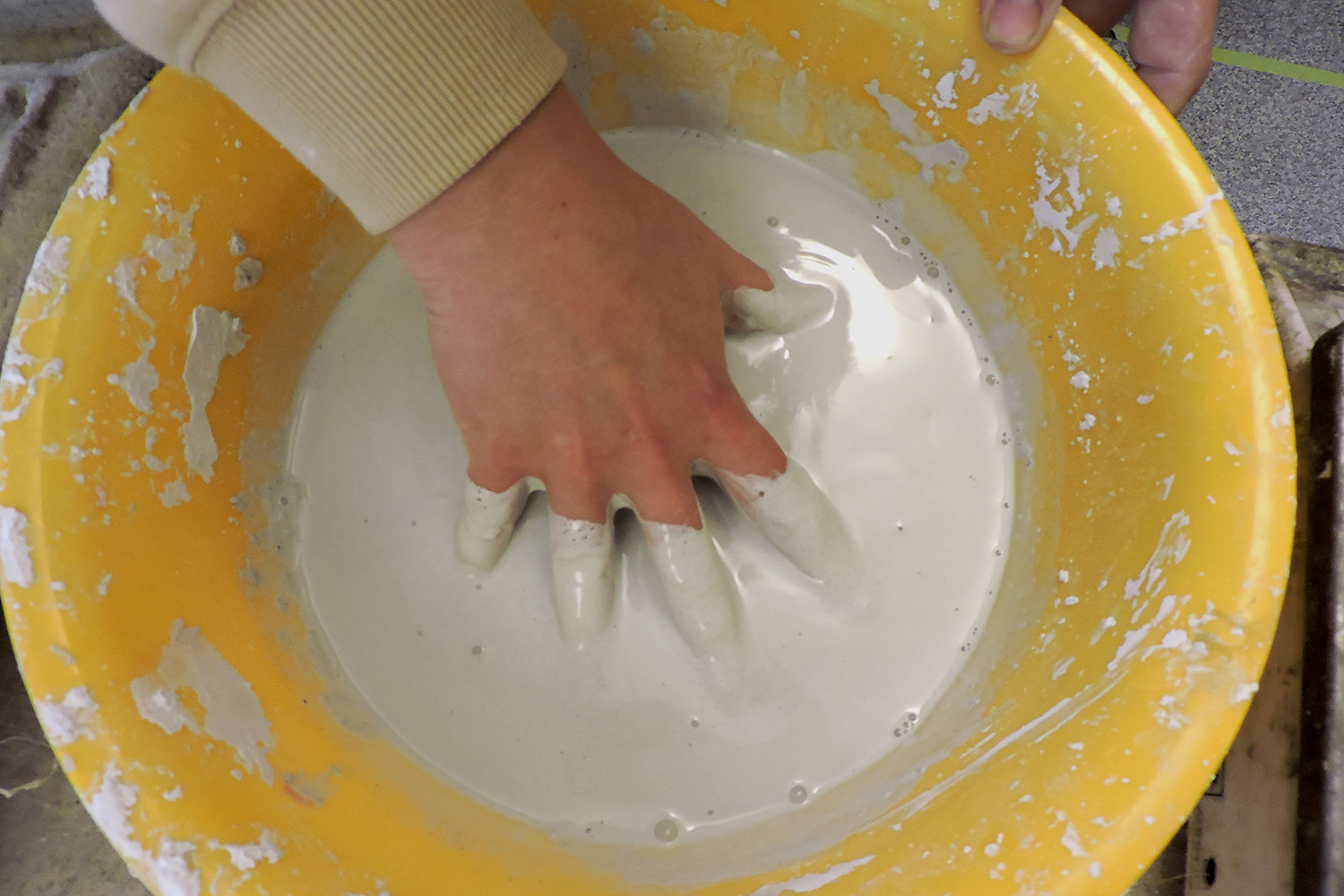
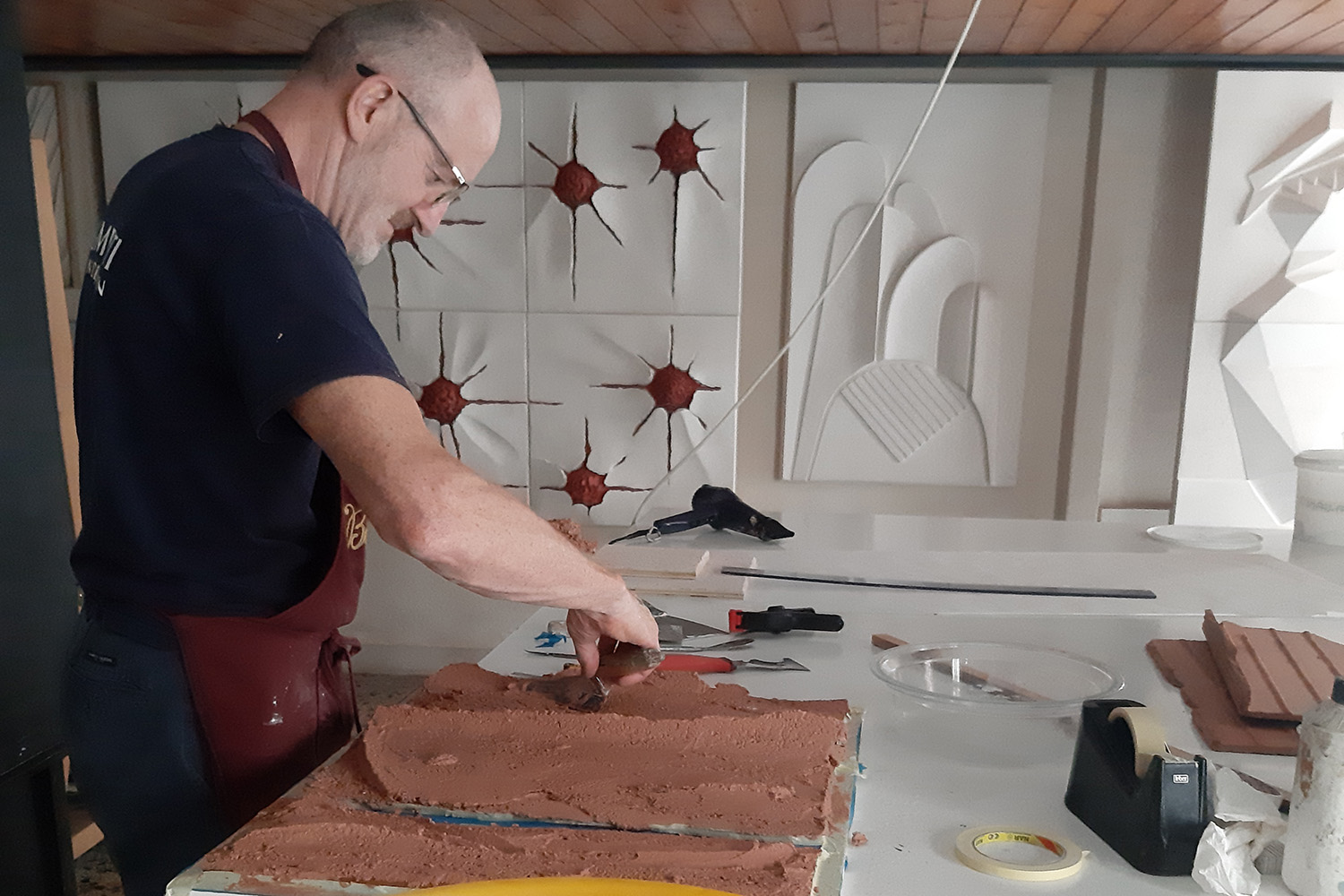
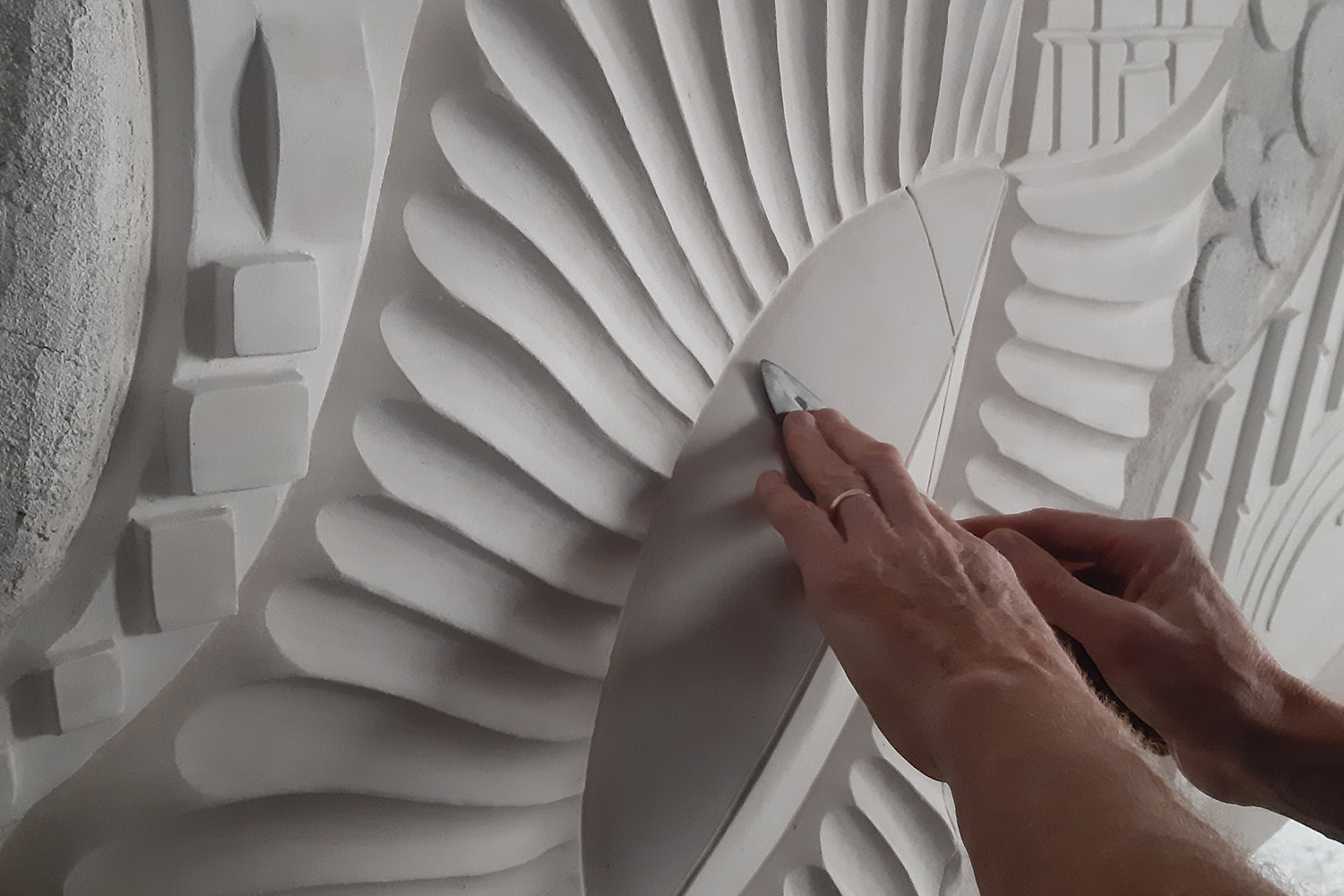
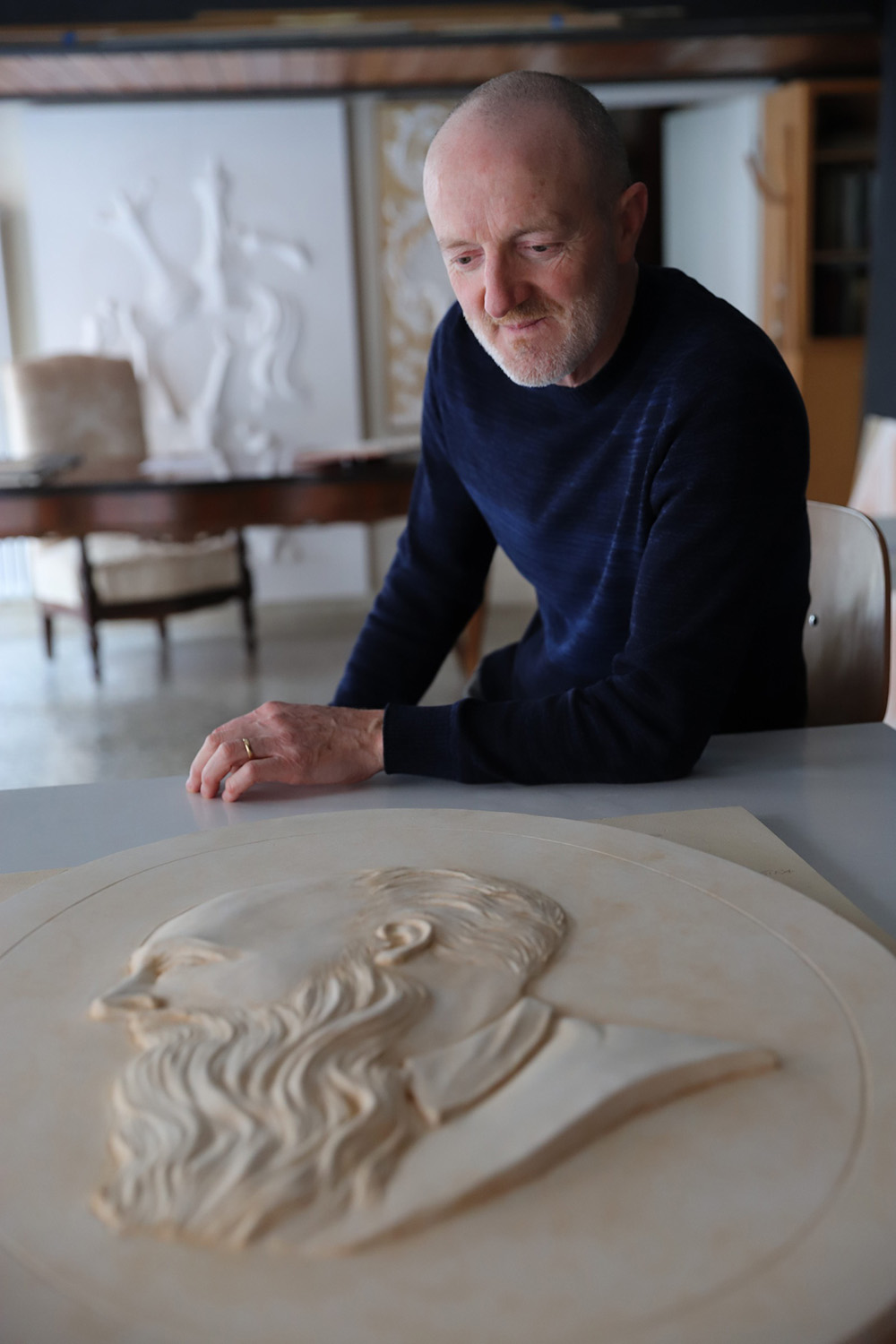
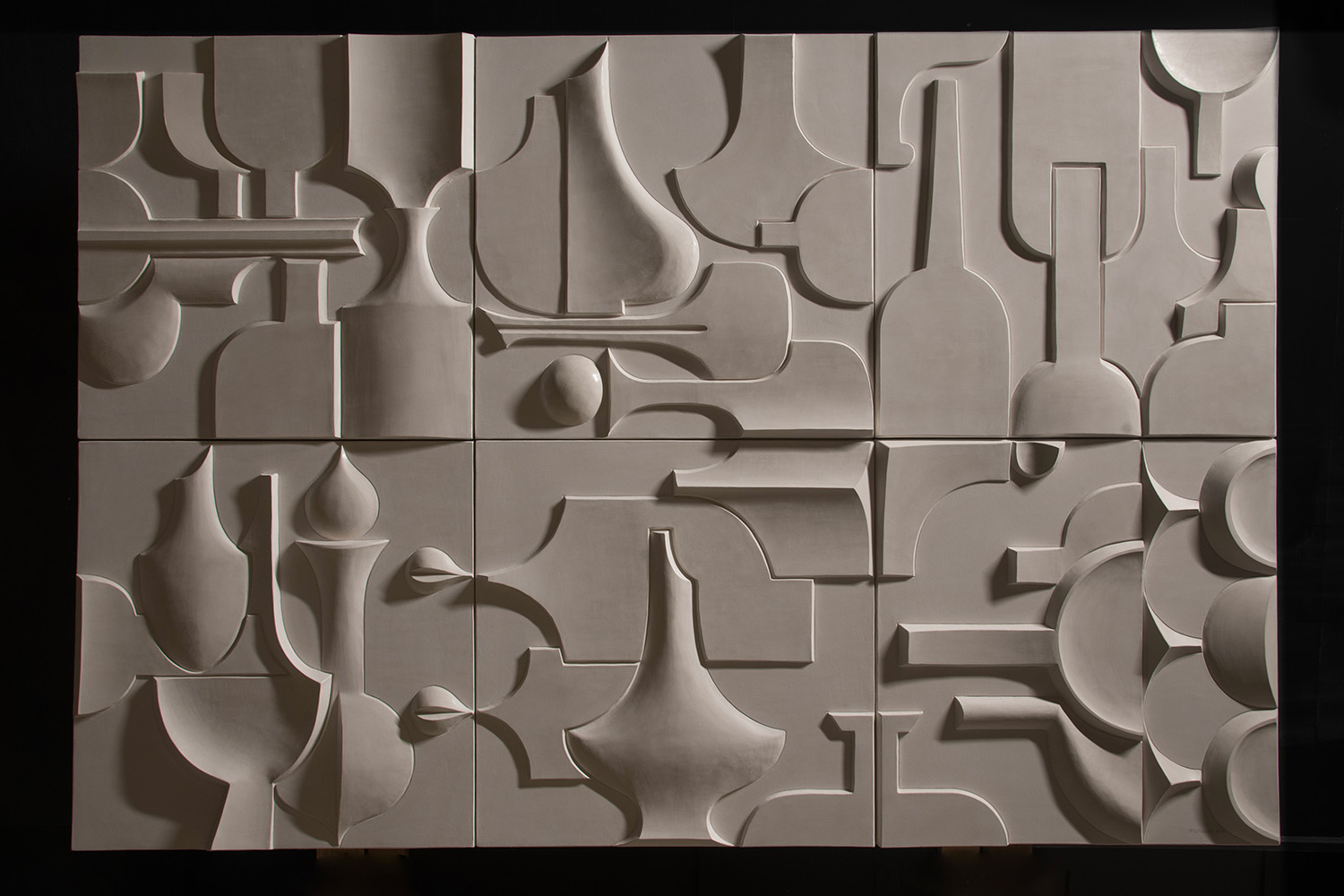
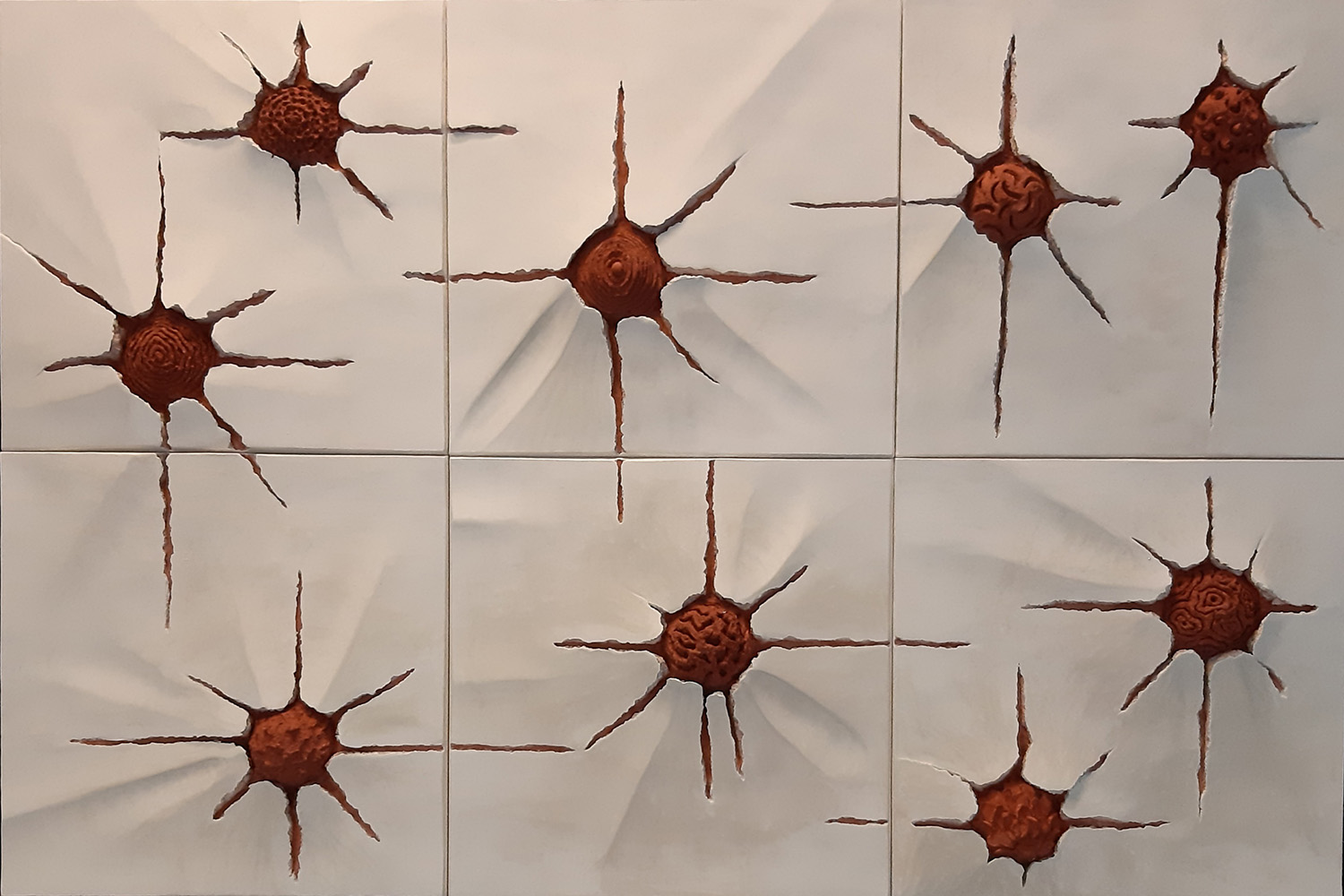
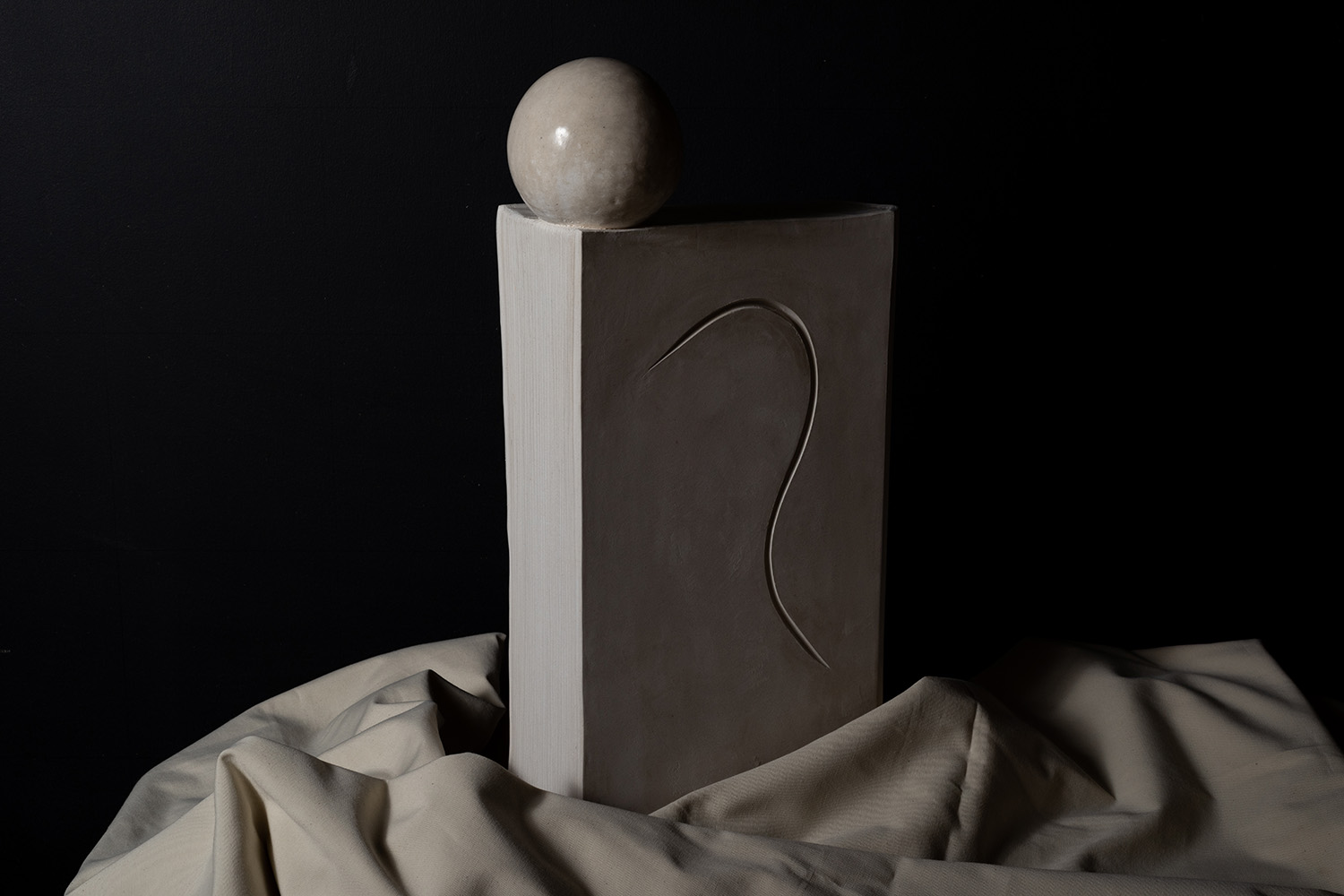
Paolo Bellò has been working in decoration since the age of 14. He began his studies at the European Centre for Heritage Crafts and Profession in Venice before moving on to a long and fruitful apprenticeship in the workshop of master Enio Verenini. There, in his home town of Bassano del Grappa, the knowledge of three generations of decorators was passed on to him. In 2016 he opened his own workshop, Pigmentti studio. Today, Paolo focuses on marmorino, a very ancient decorative technique. It was used by the Romans and it can be admired on the ruins of Pompei. But it is a technique that can also be very modern, thanks to the ductility of the matter. "It consists in a plaster which is then levigated in order to resemble marble," explains Paolo.
INTERVIEW
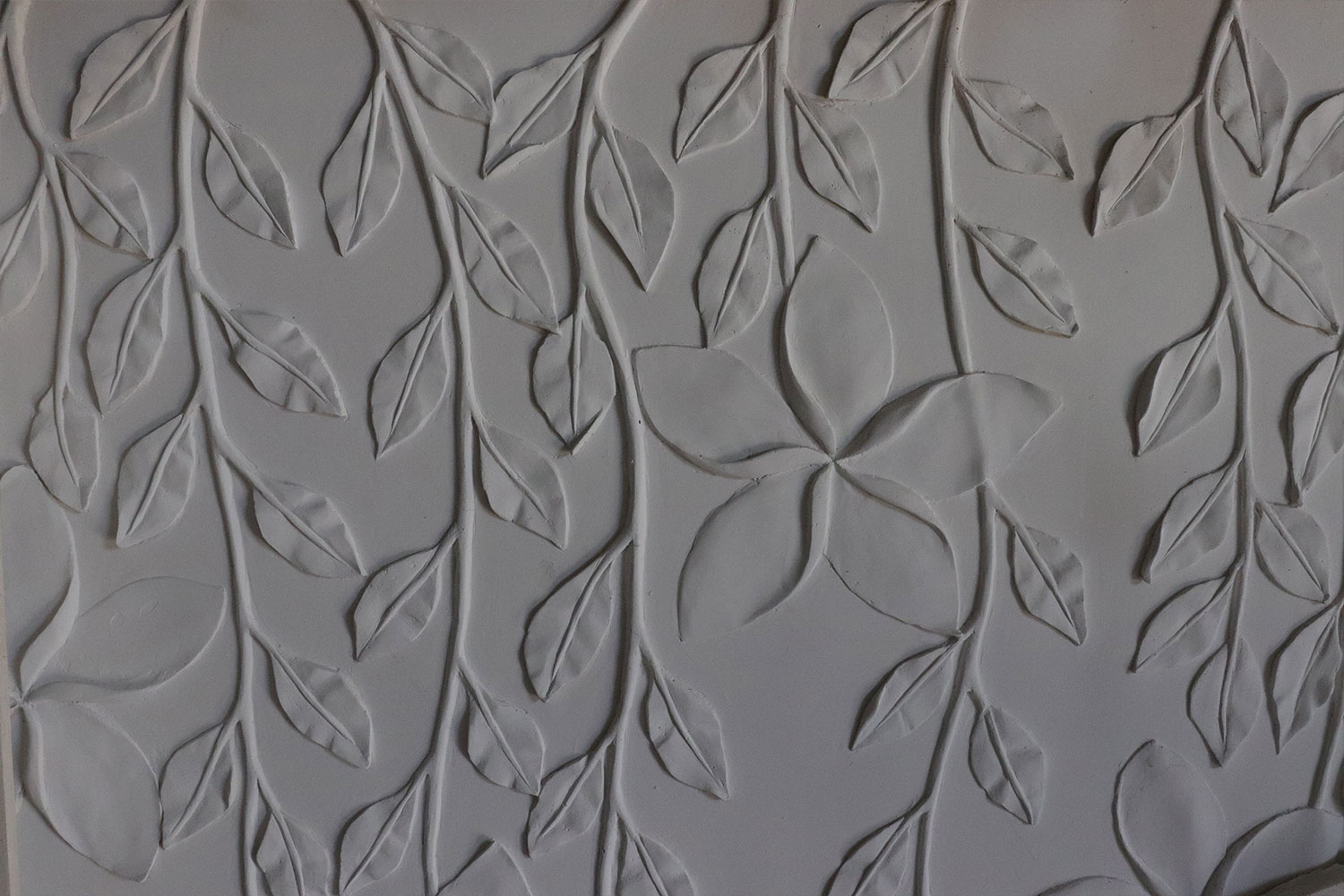
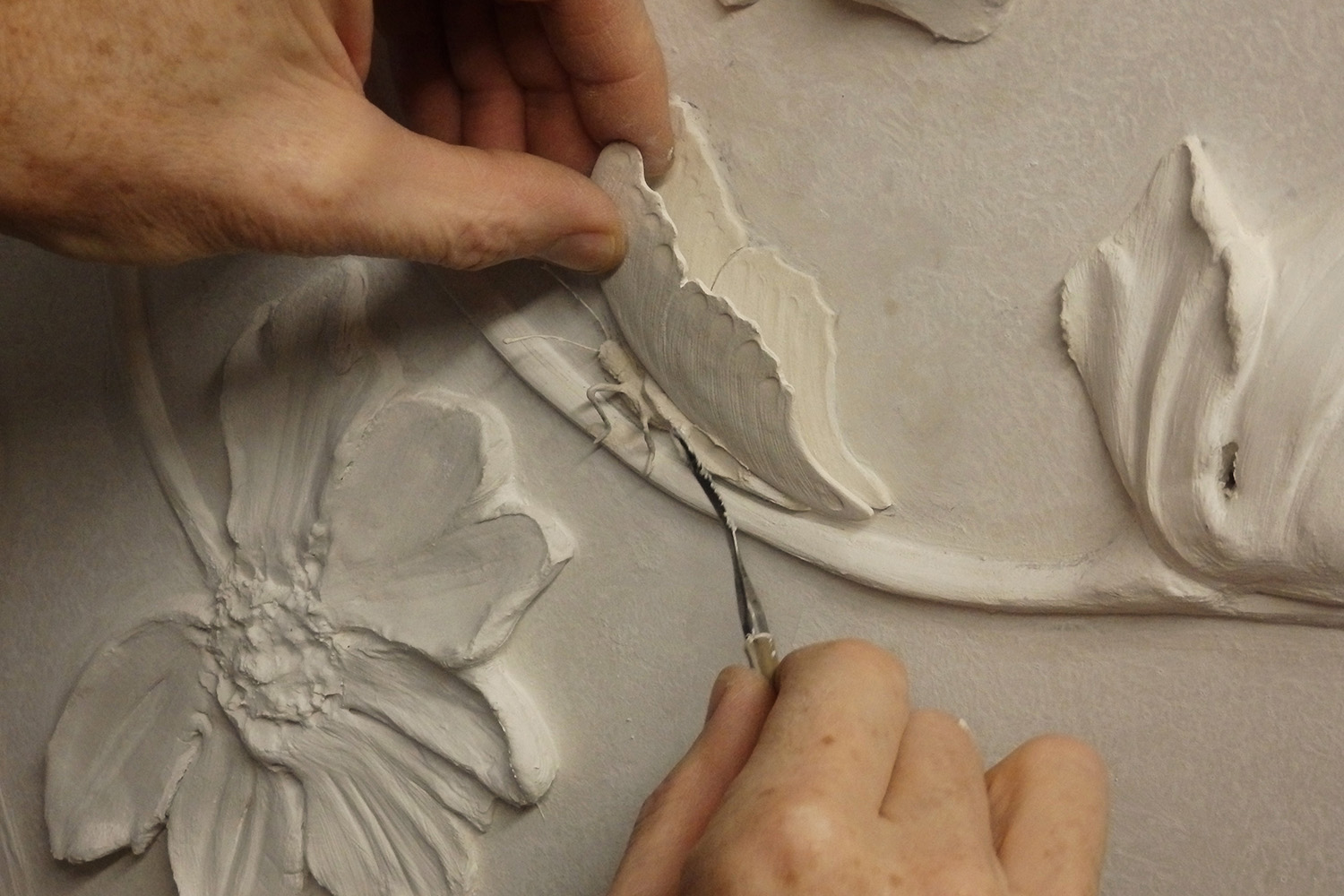
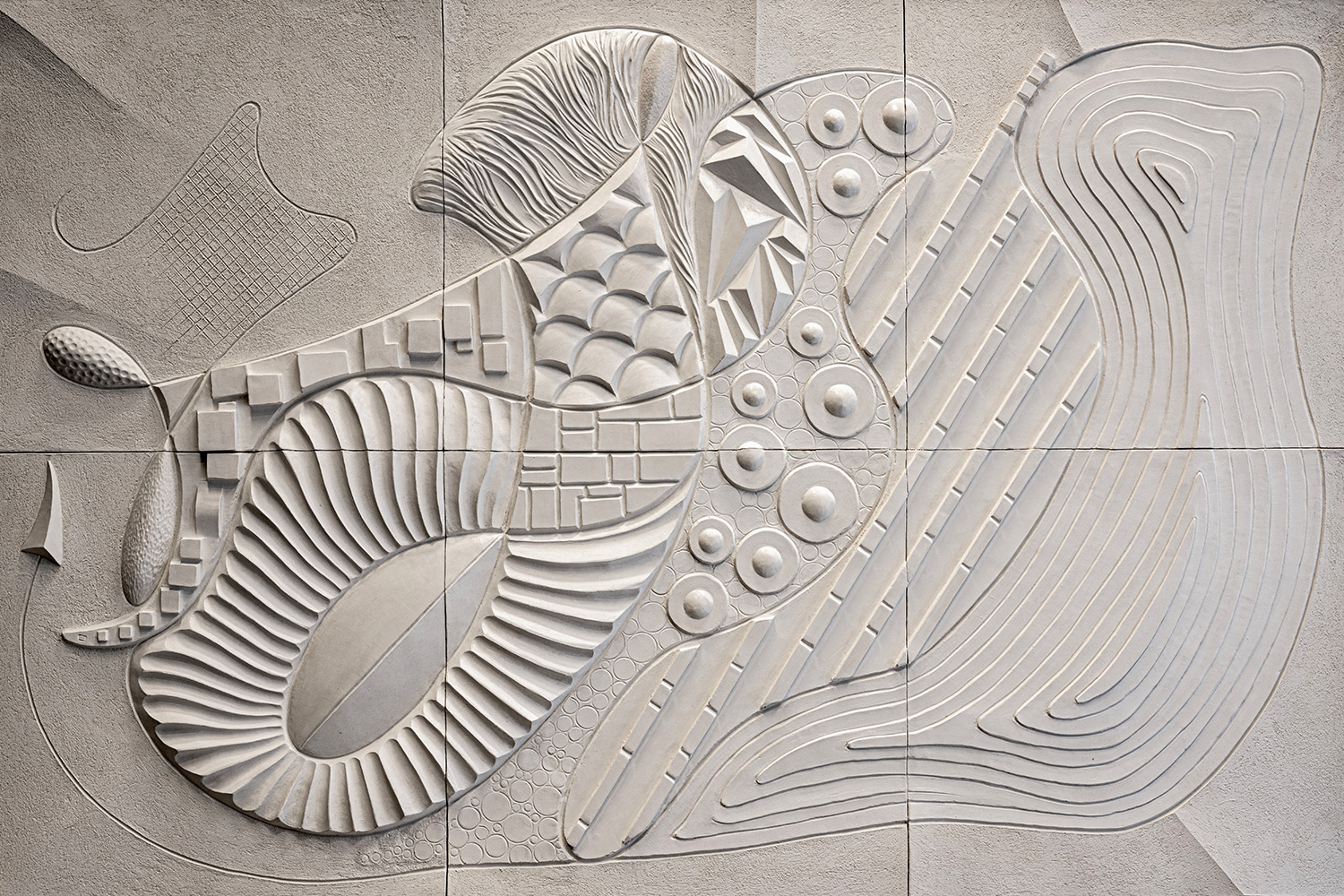
The fact that the matter is so ductile allows me to express all my creativity. I can make bas-reliefs, high-reliefs, geometric patterns, graphic designs… these never-ending possibilities are also what make this technique contemporary despite being centuries-old.
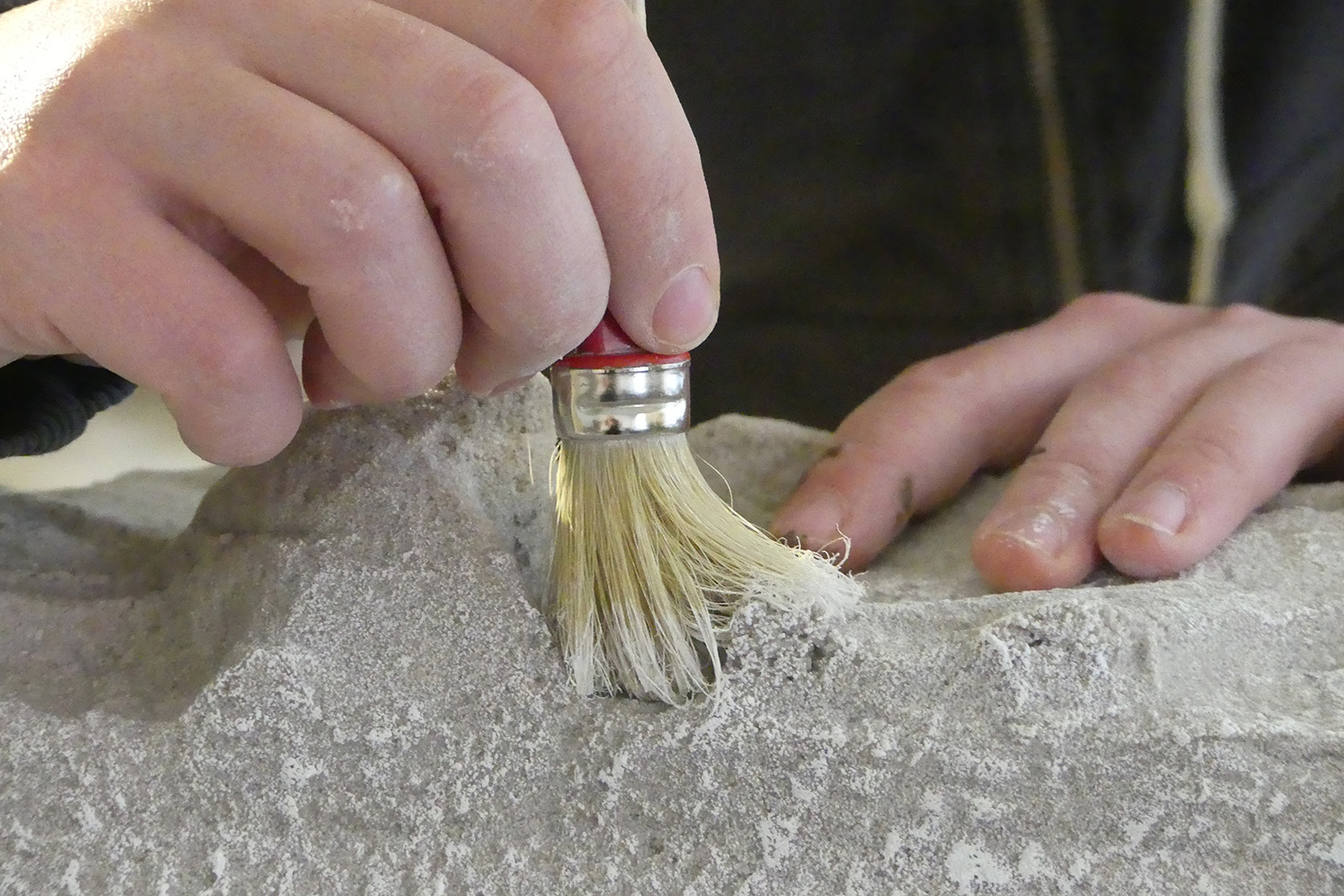
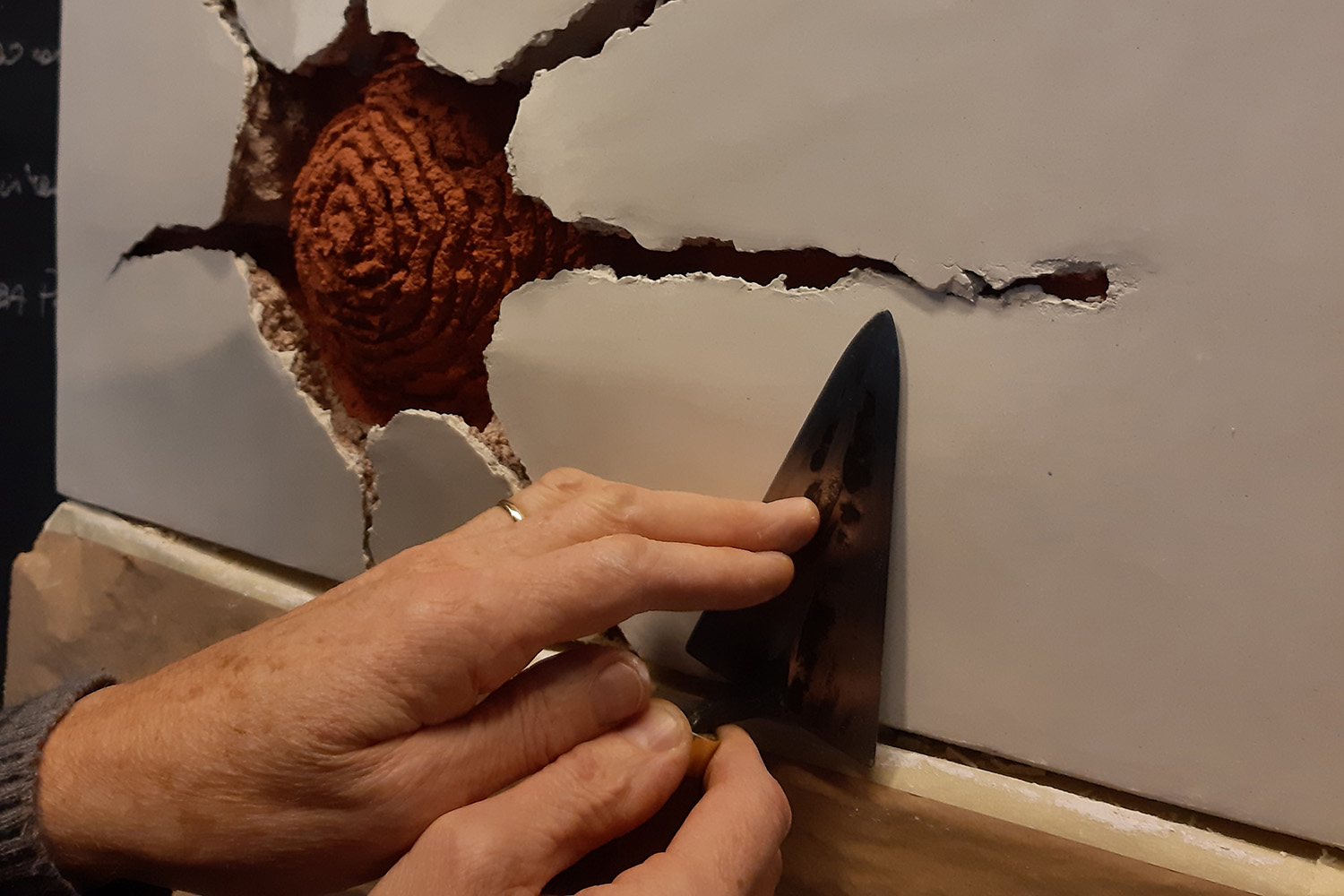
No, unfortunately it is at risk of getting lost. It is a very difficult technique to master and takes a lot of years to learn how to do it well. You have to be extremely skilled at drawing because once you start working with brushes and spatulas, you basically lose the original drawing and you have only your instinct to guide you.
Well, you have to plan your day around it. The matter must be worked while it is soft so you have to know exactly how much you are going to need each time you lay it out. Moreover, before moving on to polishing you need to wait for the plaster to dry.
For the works I do for my clients I try to interpret their requests, while for my own works I am mostly inspired by my culture, my heritage and my vision of the world. This can be traditional Italian literature, mathematics (of which there is a lot in nature), or my undying optimism.
Paolo Bellò
Pigmentti
Plaster and stucco worker
Solagna, Italy
AVAILABILITY
By appointment only
PHONE
+39 360350678
LANGUAGES
Italian, English, Spanish
Homo Faber Finds is a new service aiming to inspire admirers of craft to connect and collaborate with exceptional artisans.
We invite you to submit an enquiry here.