Nobuo Matsubara
Kimono dyer
Kimitsu, Japan
Yukata dyeing with precision and loveliness
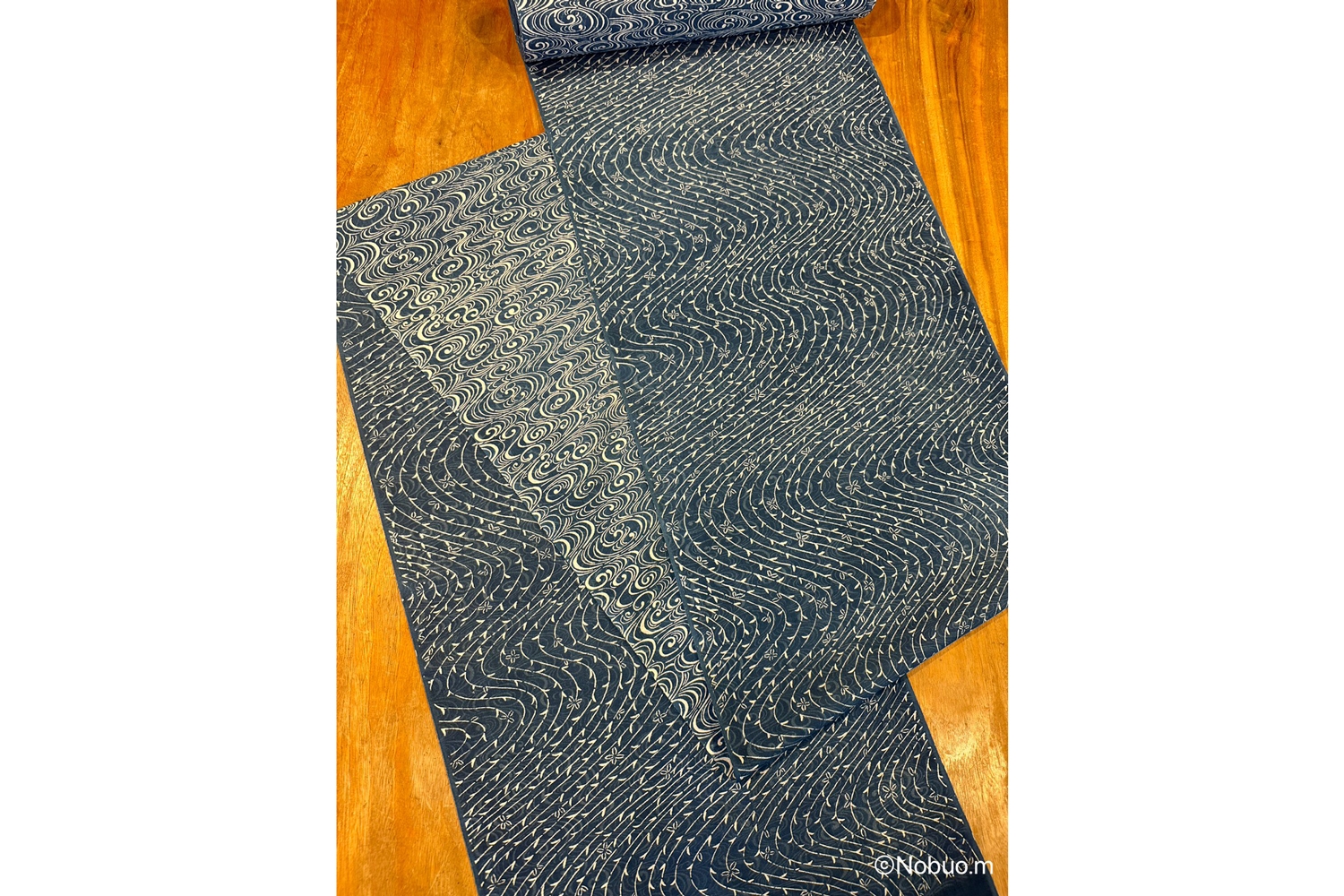
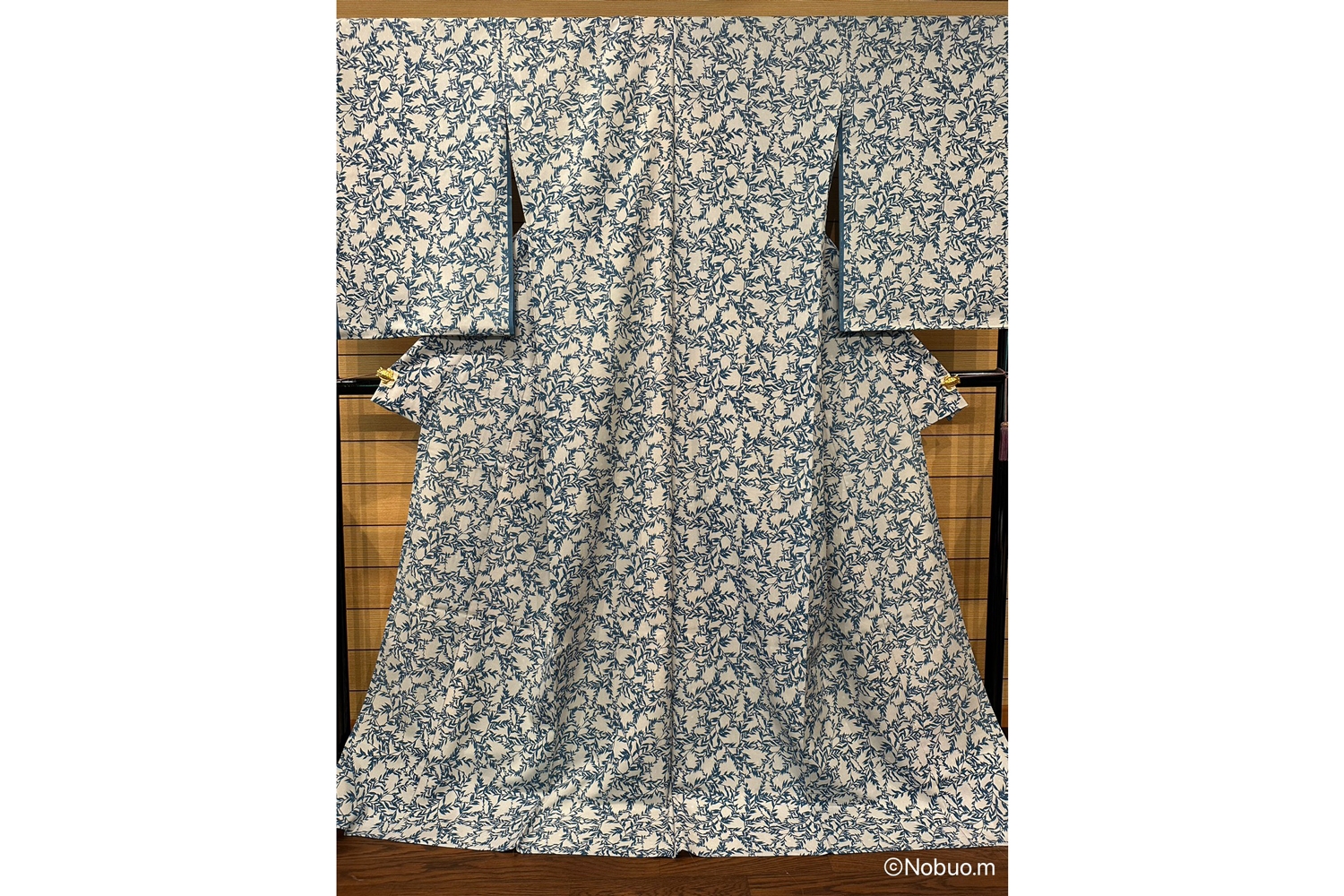
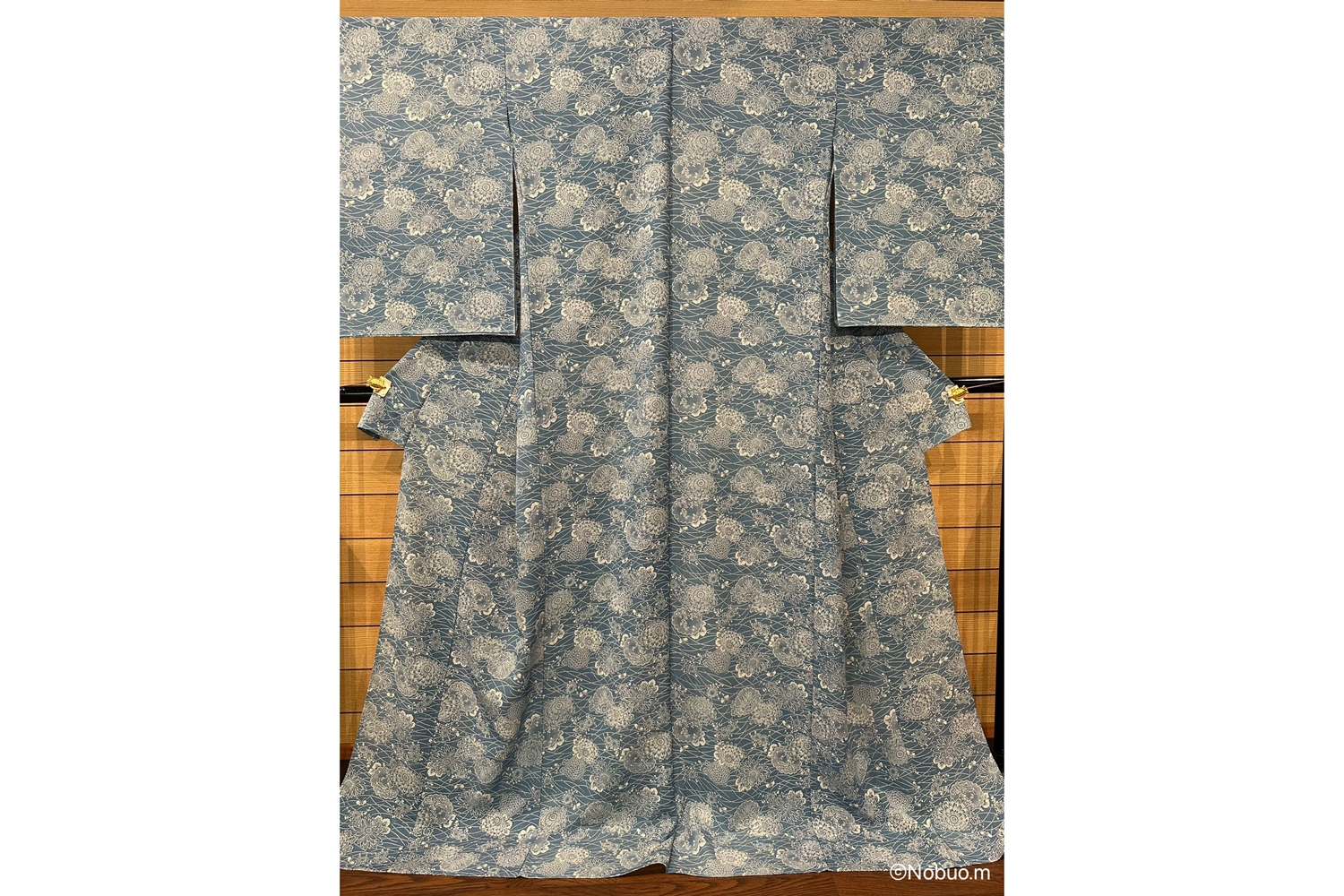
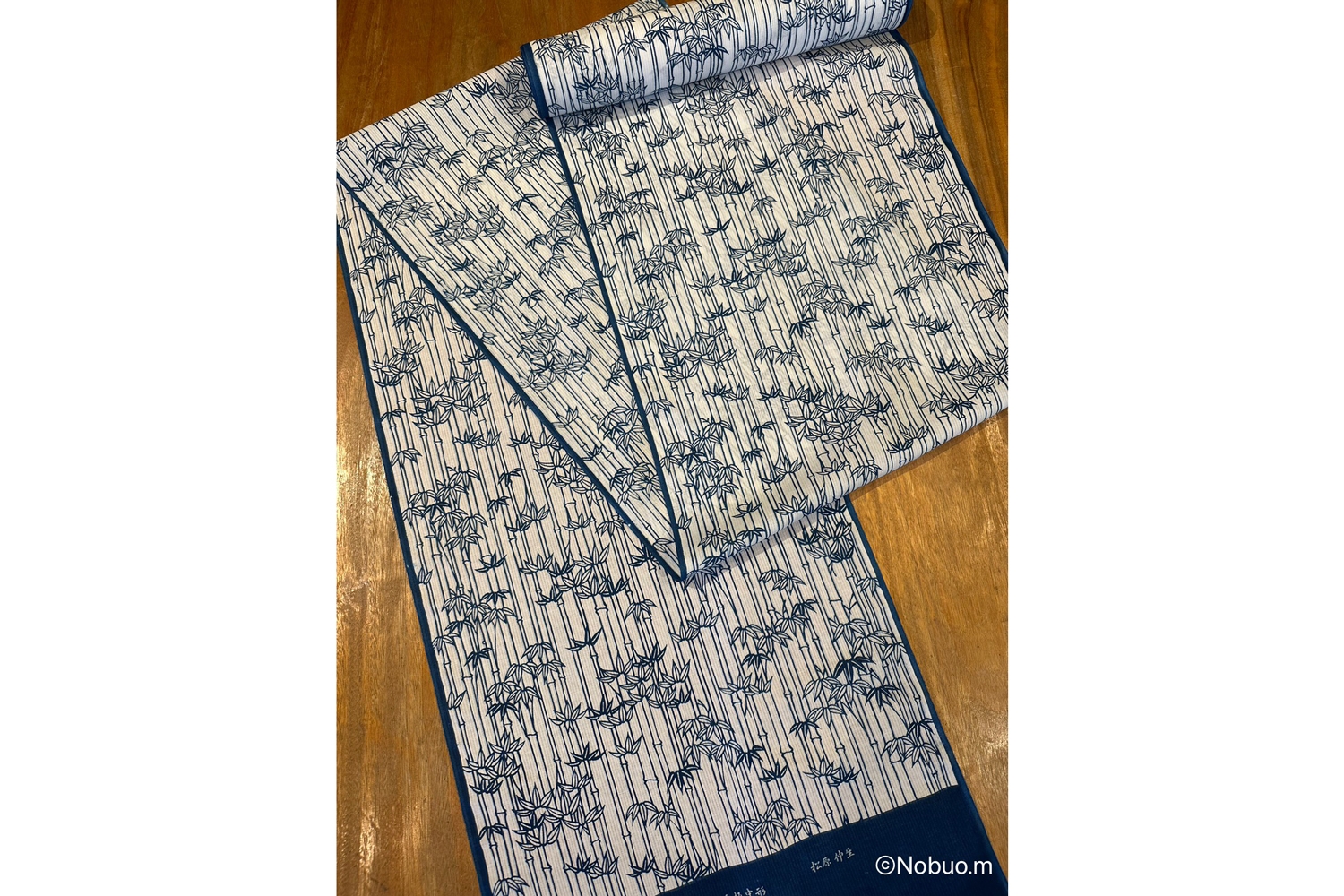
- Nobuo is a master using the traditional Nagaita-Chugata cloth dying technique
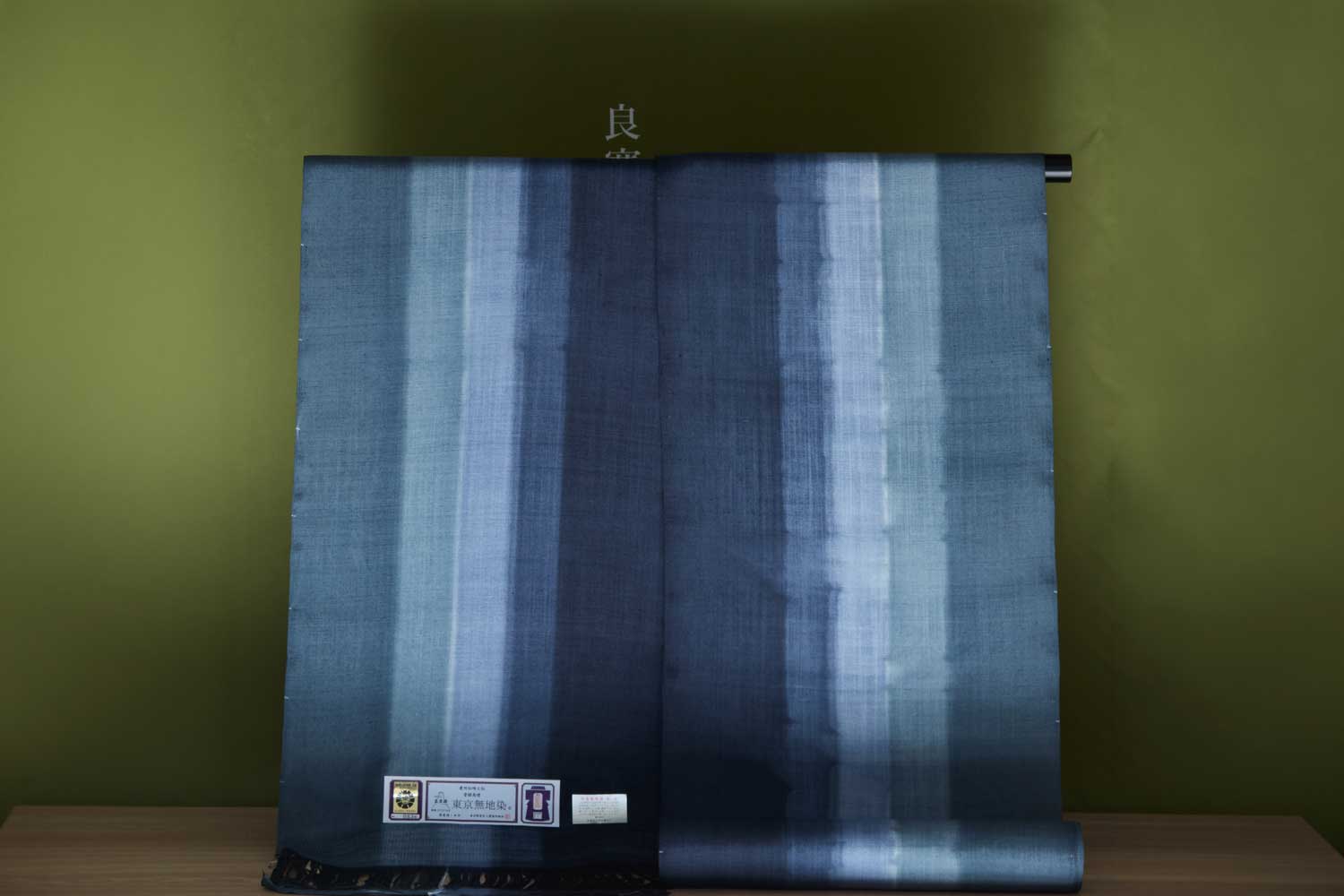
- He uses rice paste to ensure vivid indigo-white contrast on both sides of the fabric
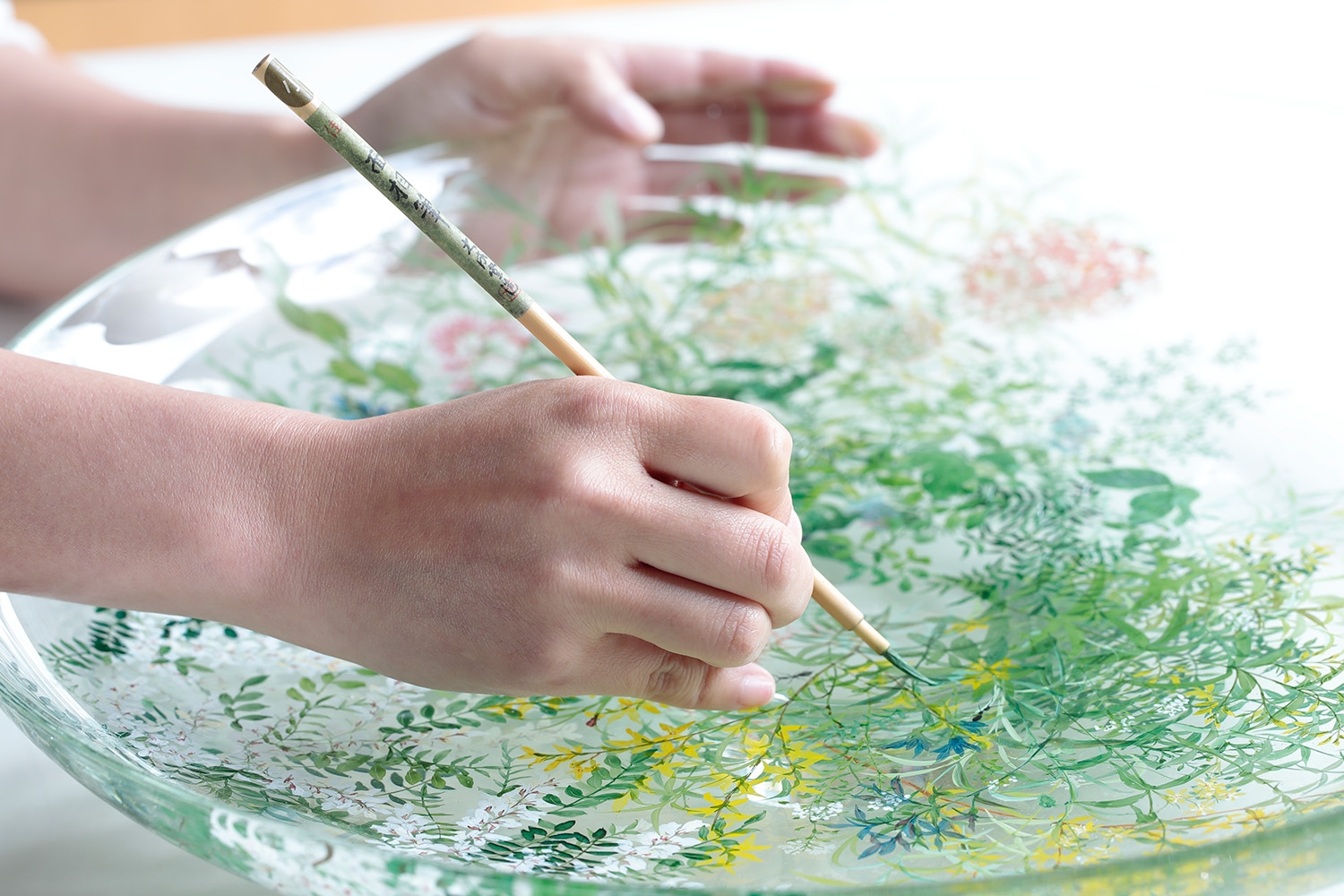
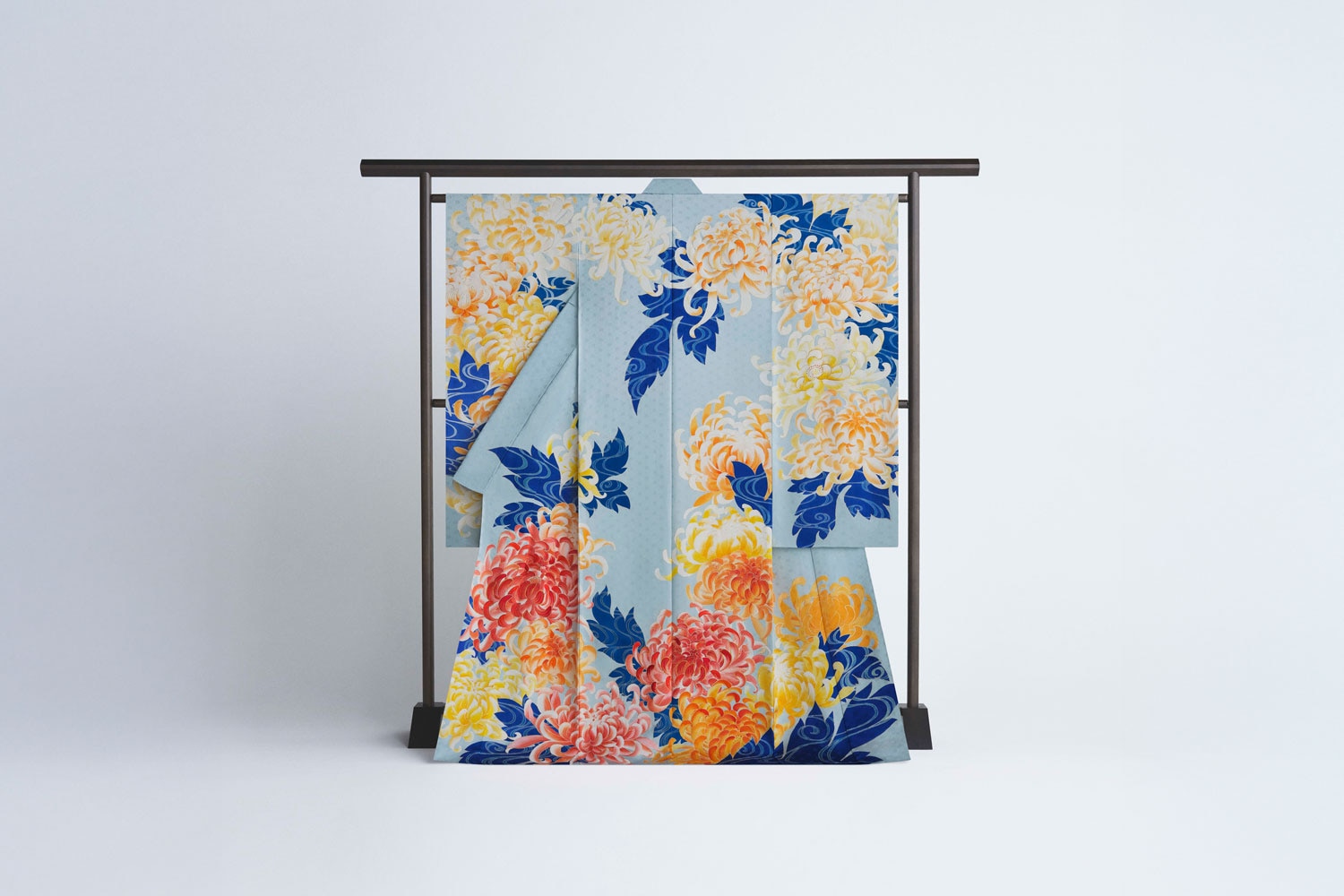
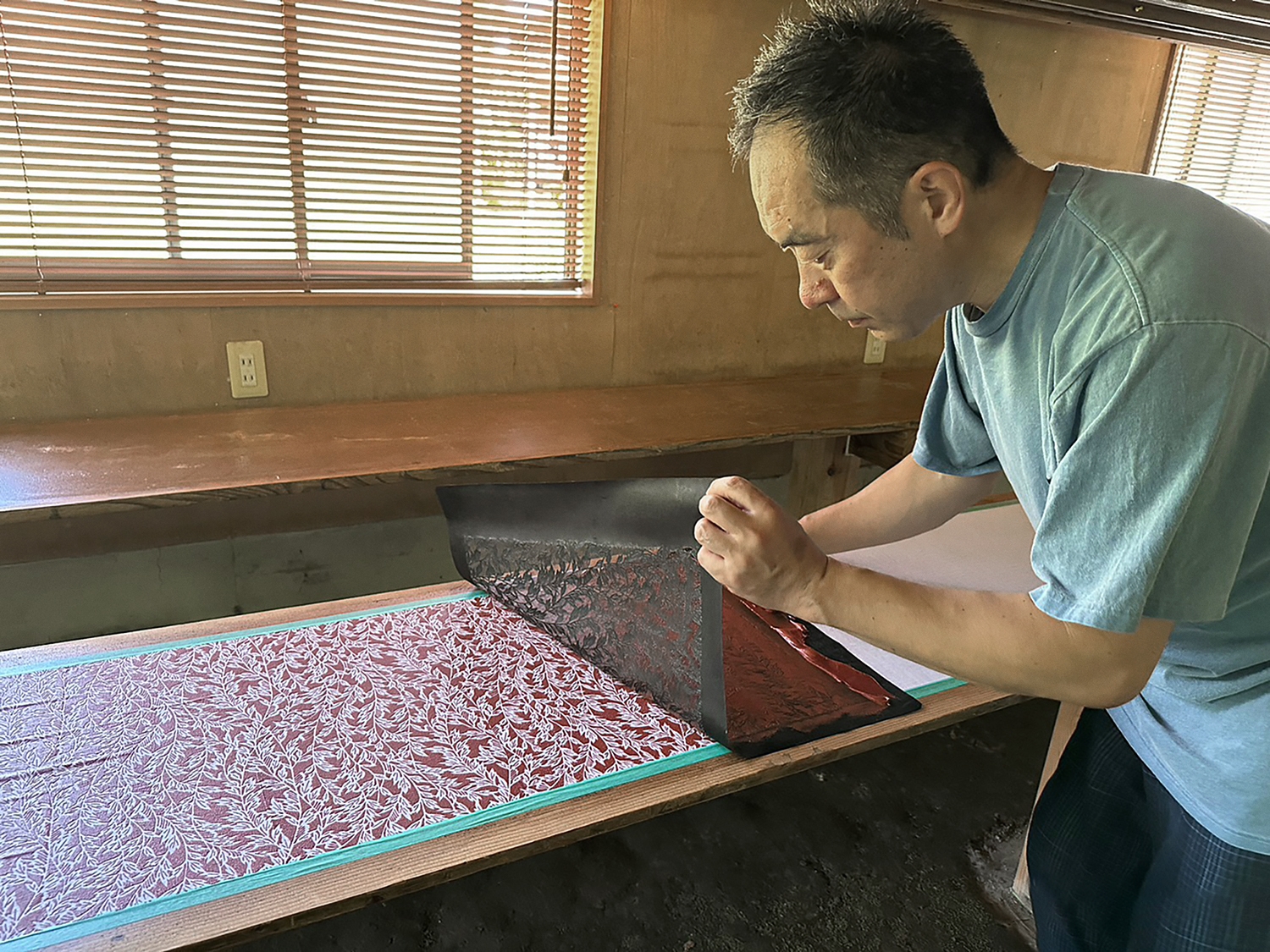
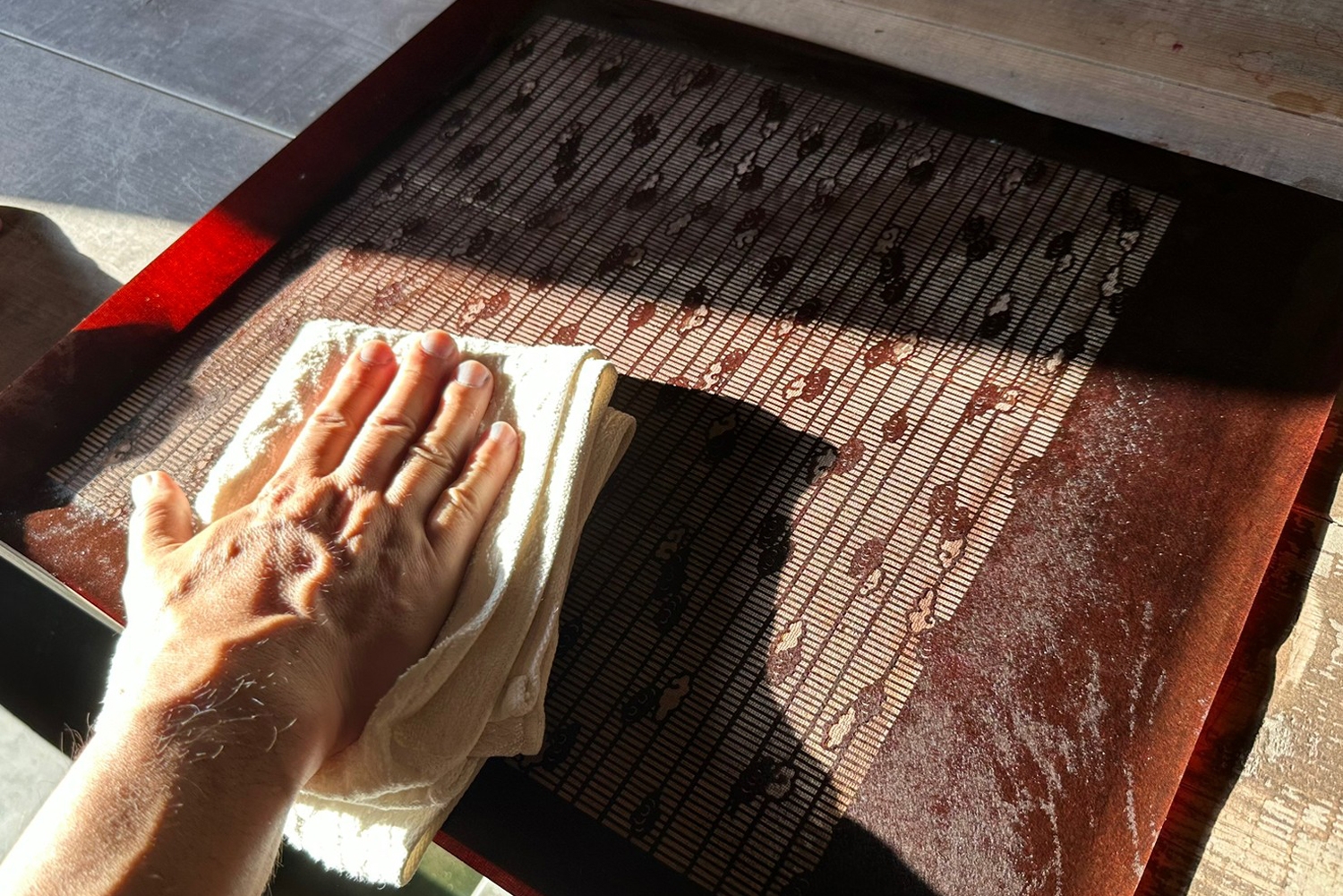
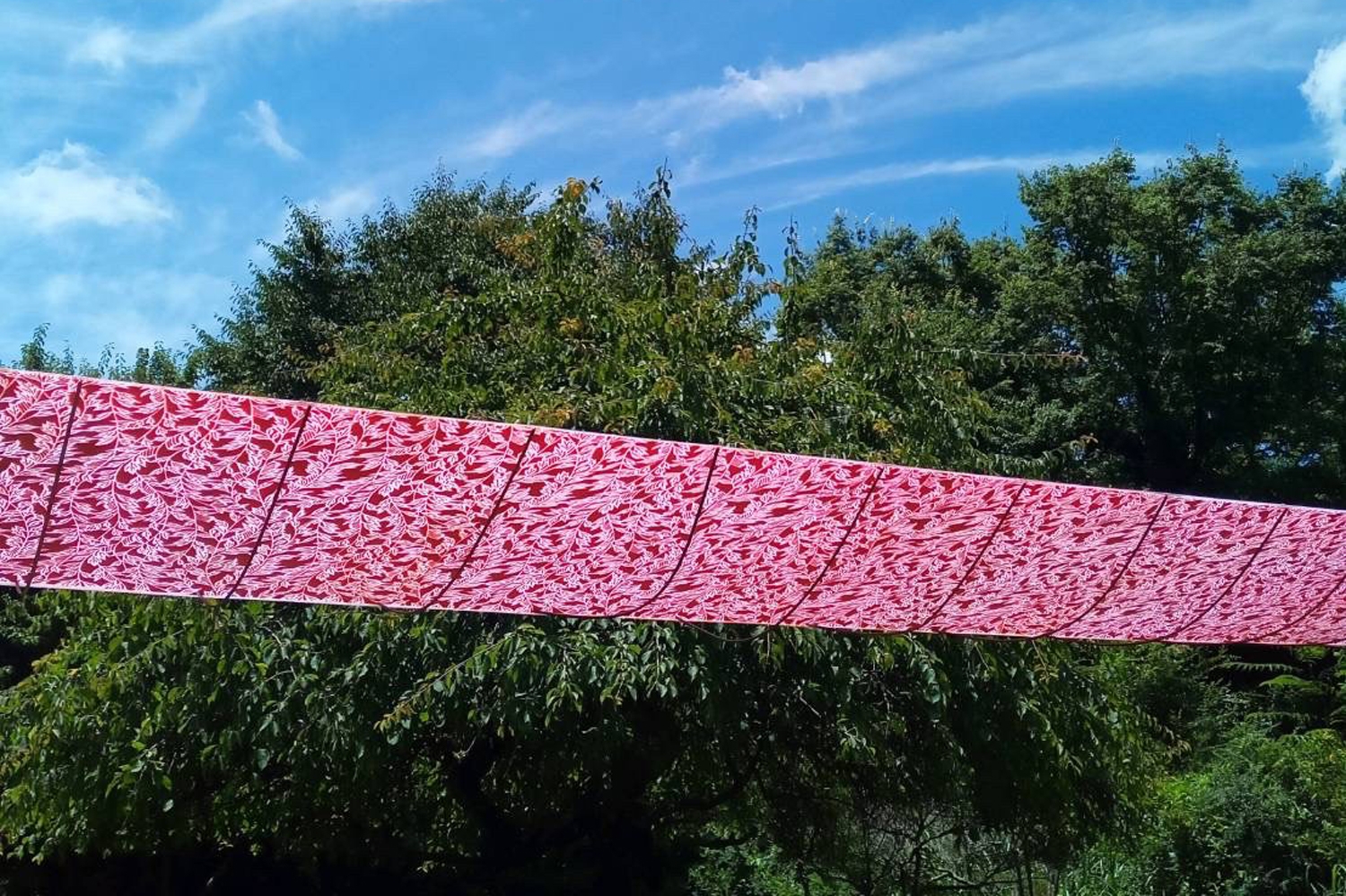
- Paper stencils are used to create intricate designs, such as floral patterns
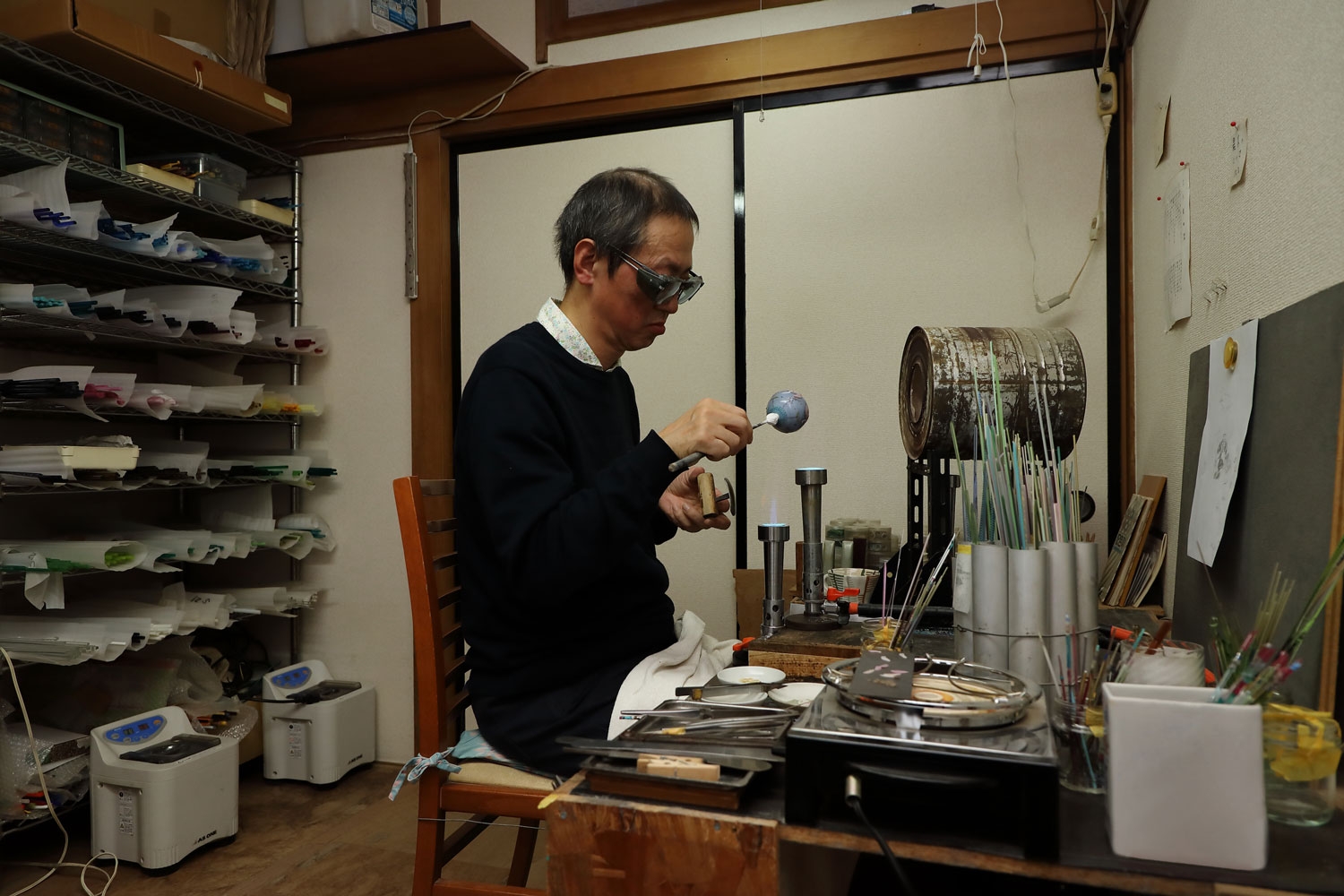
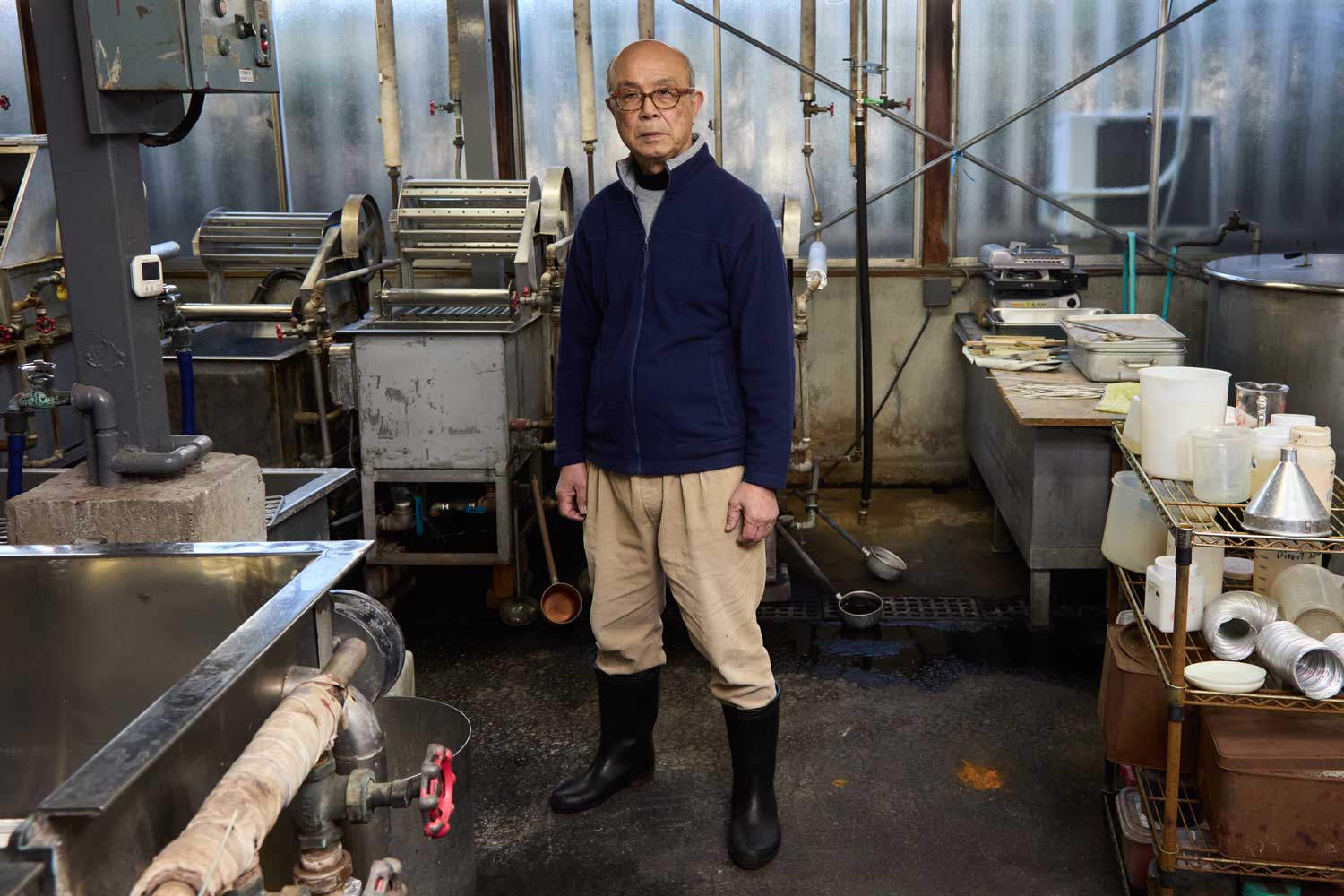
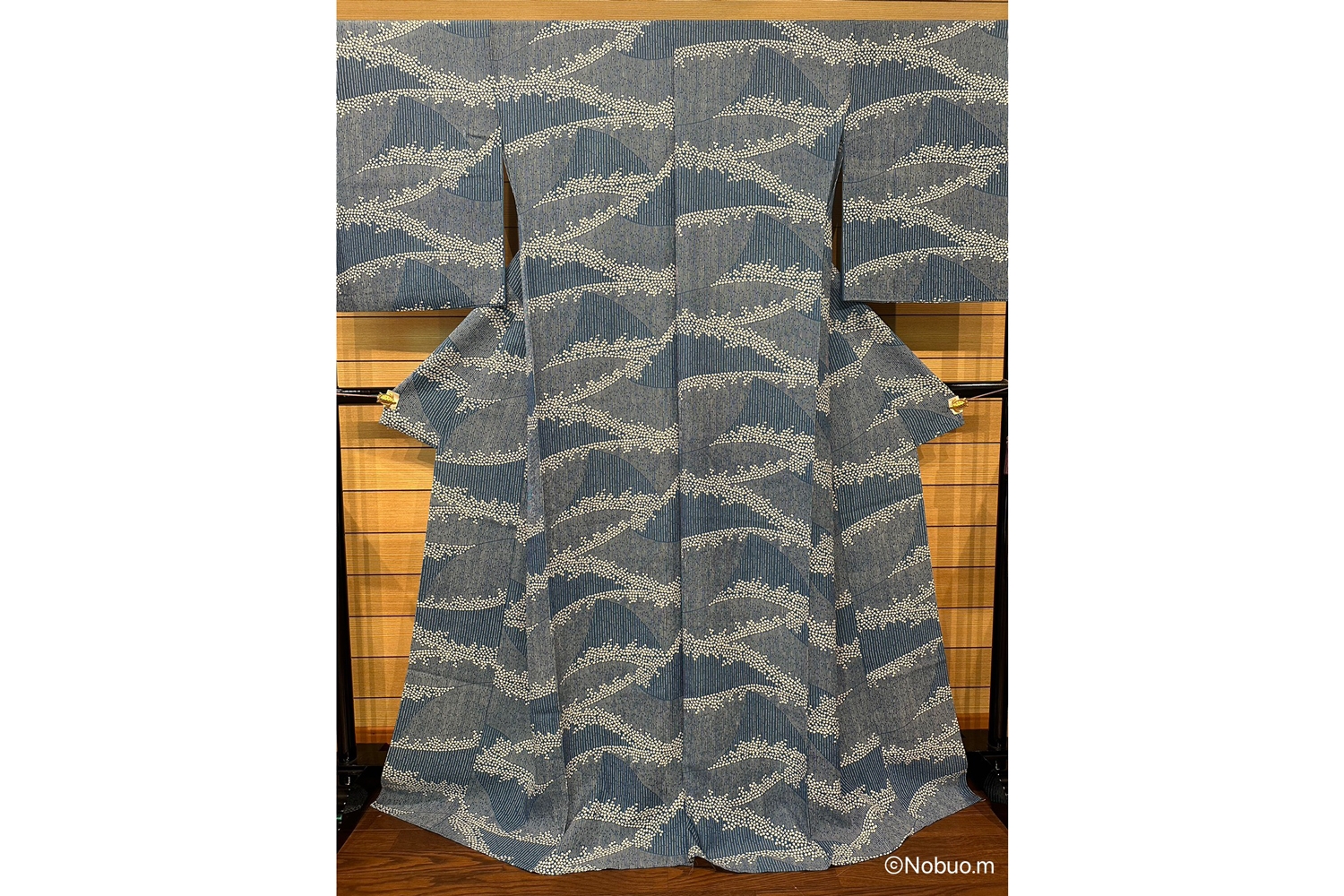
Nobuo Matsubara, named a Living National Treasure in 2023, is a third-generation master of Nagaita-Chugata, a traditional Japanese stencil and indigo dyeing technique originating in the Edo period (1603-1868). Known for its precise design motifs inspired by nature and traditional Japanese patterns, Nagaita-Chugata involves applying a rice-based resist paste to stencils, and immersing the cloth in indigo to create detailed, bleed-free patterns. The chūgata yukata robe, once integral to everyday wear in Japan, now exemplifies Japanese craftsmanship’s commitment to precision and intricacy. It is distinguished from global techniques such as Indian batik. From his atelier in Chiba, Nobuo preserves this heritage, showcasing his art in prestigious exhibitions worldwide.
Discover his work
INTERVIEW
It was a garment worn by commoners daily, washed and reused many times. As it aged, the cotton fabric softened, eventually wearing out and being repurposed as diapers or cleaning cloths. This reflects the values of common people using their belongings to the fullest.
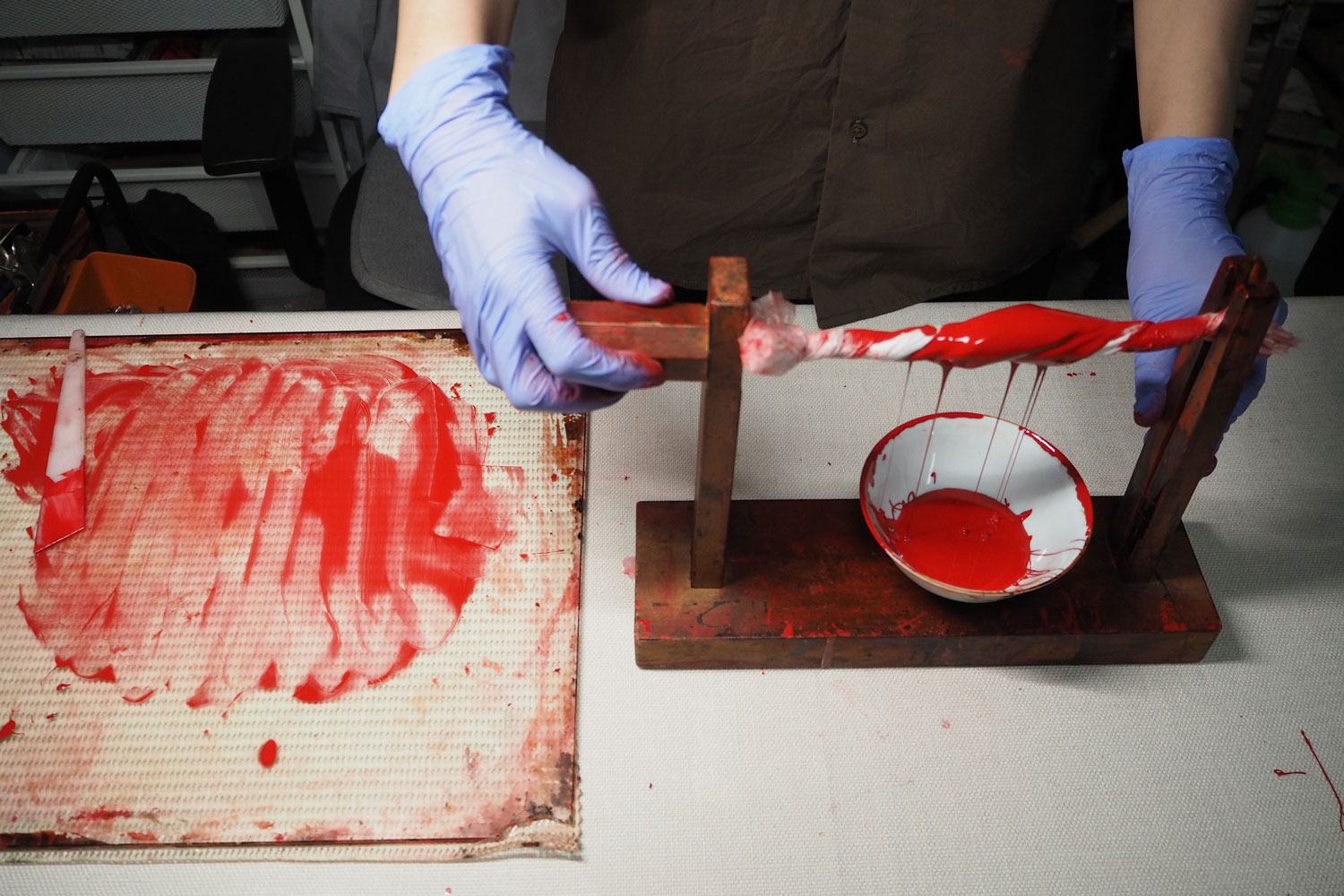
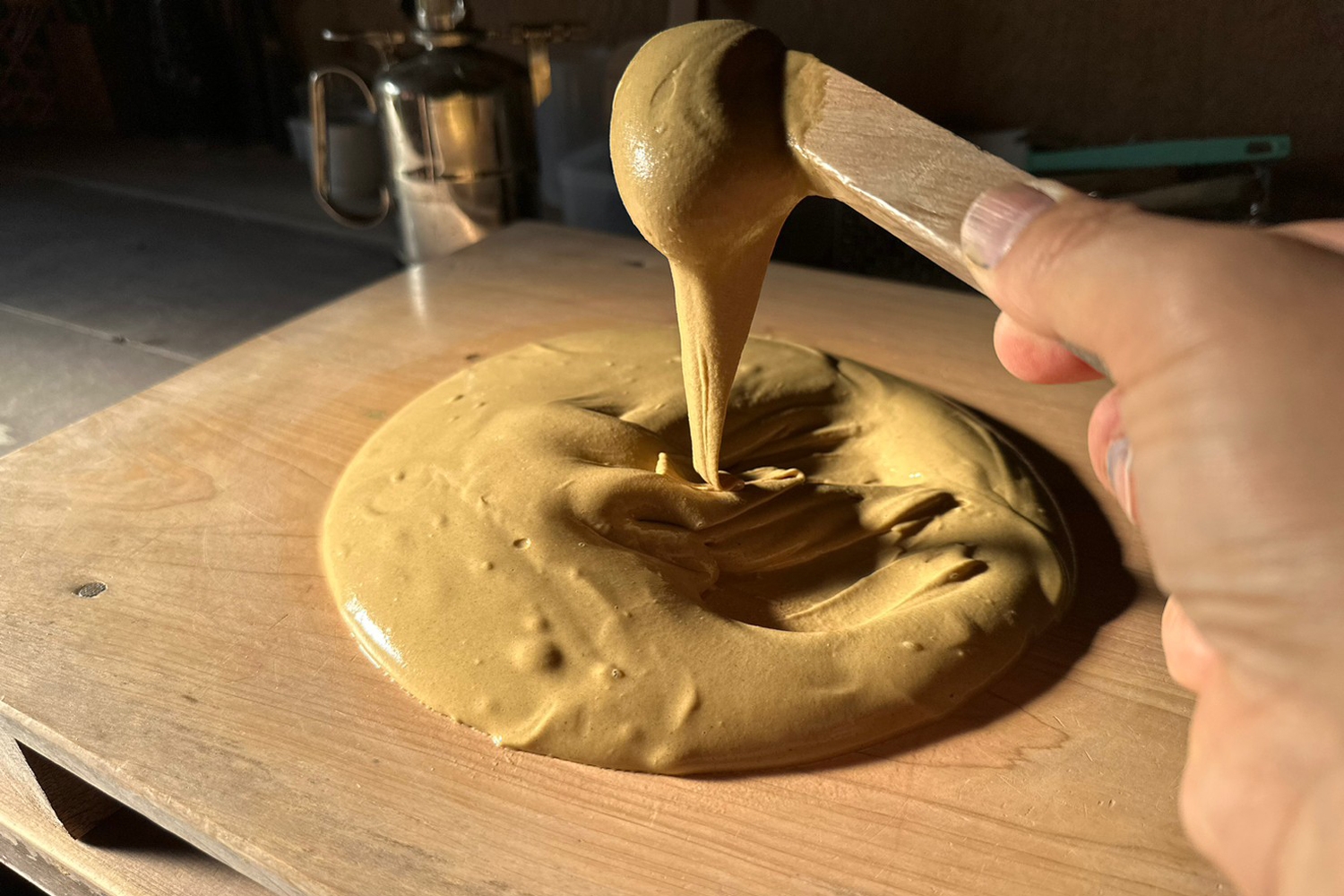
Rice paste, a resist paste in indigo dyeing, is made from glutinous rice flour mixed with limestone and rice bran. Applied to stencils, it helps preserve patterns during dyeing. The nagaita-chugata technique uniquely maximises the use of this paste in Japanese dyeing.
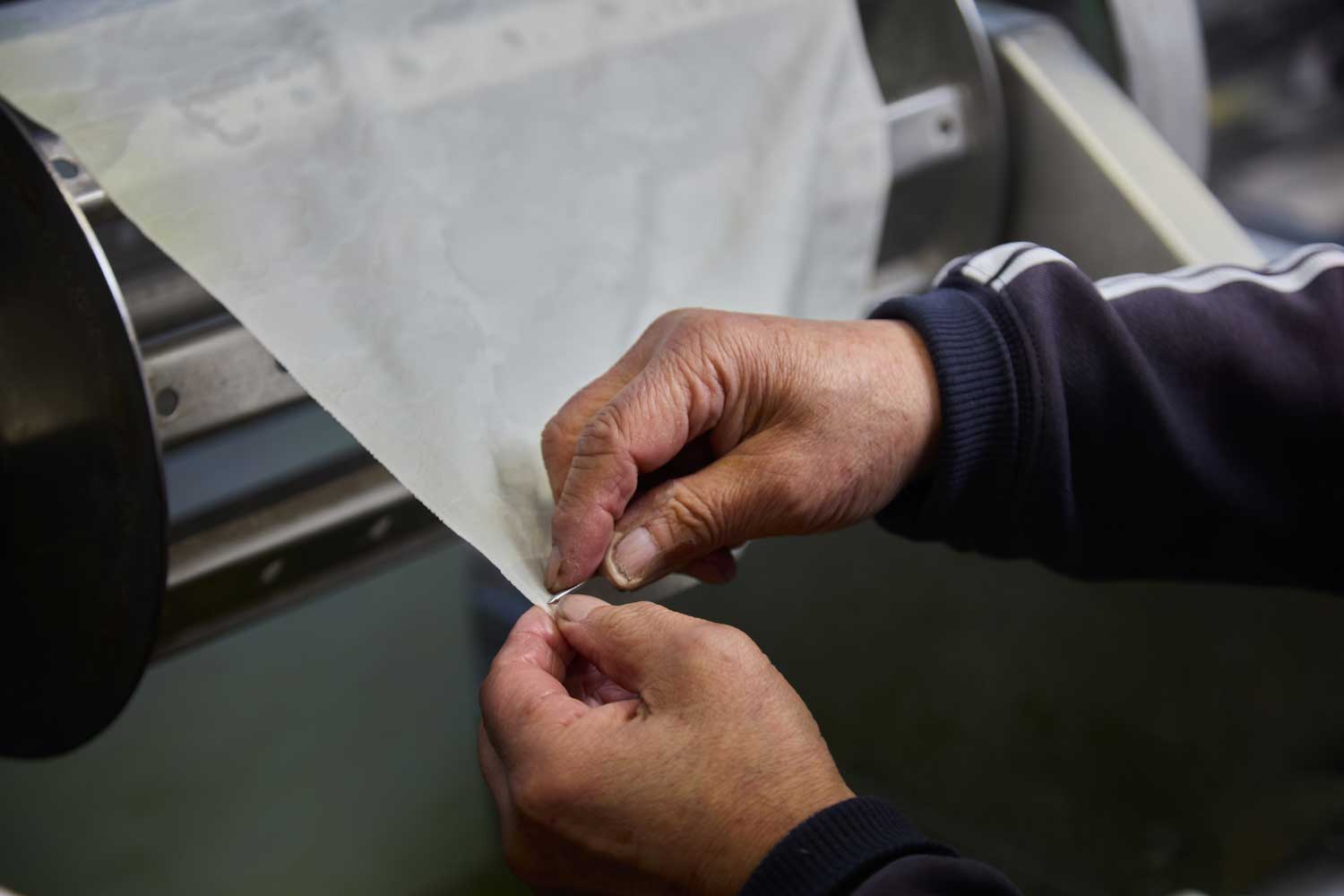
In this technique, we use paste on both sides of the fabric before indigo dyeing. The paste preserves white areas, creating a striking contrast of white and indigo. This results in a distinctive yukata design, with the white areas clearly visible on both sides.
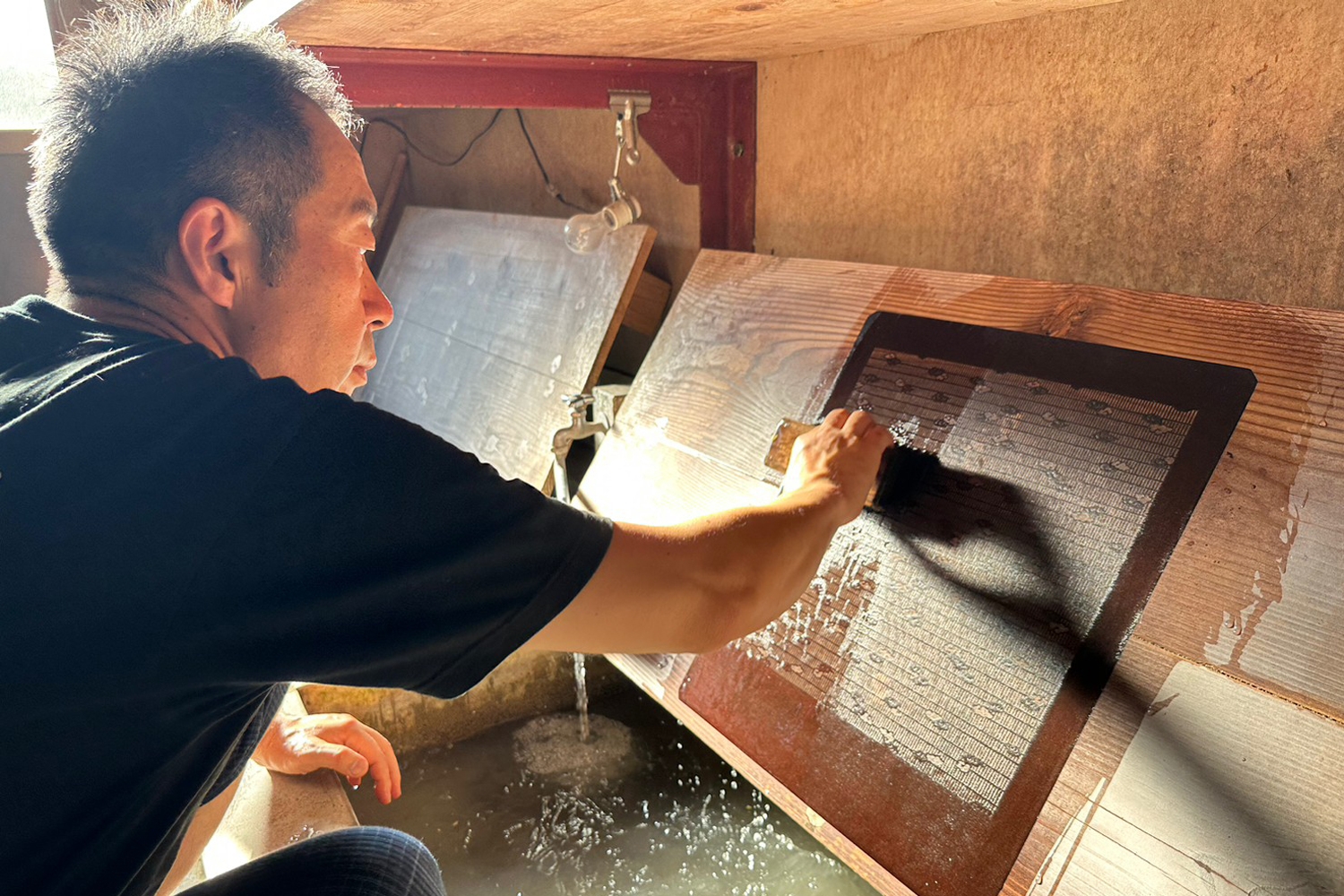
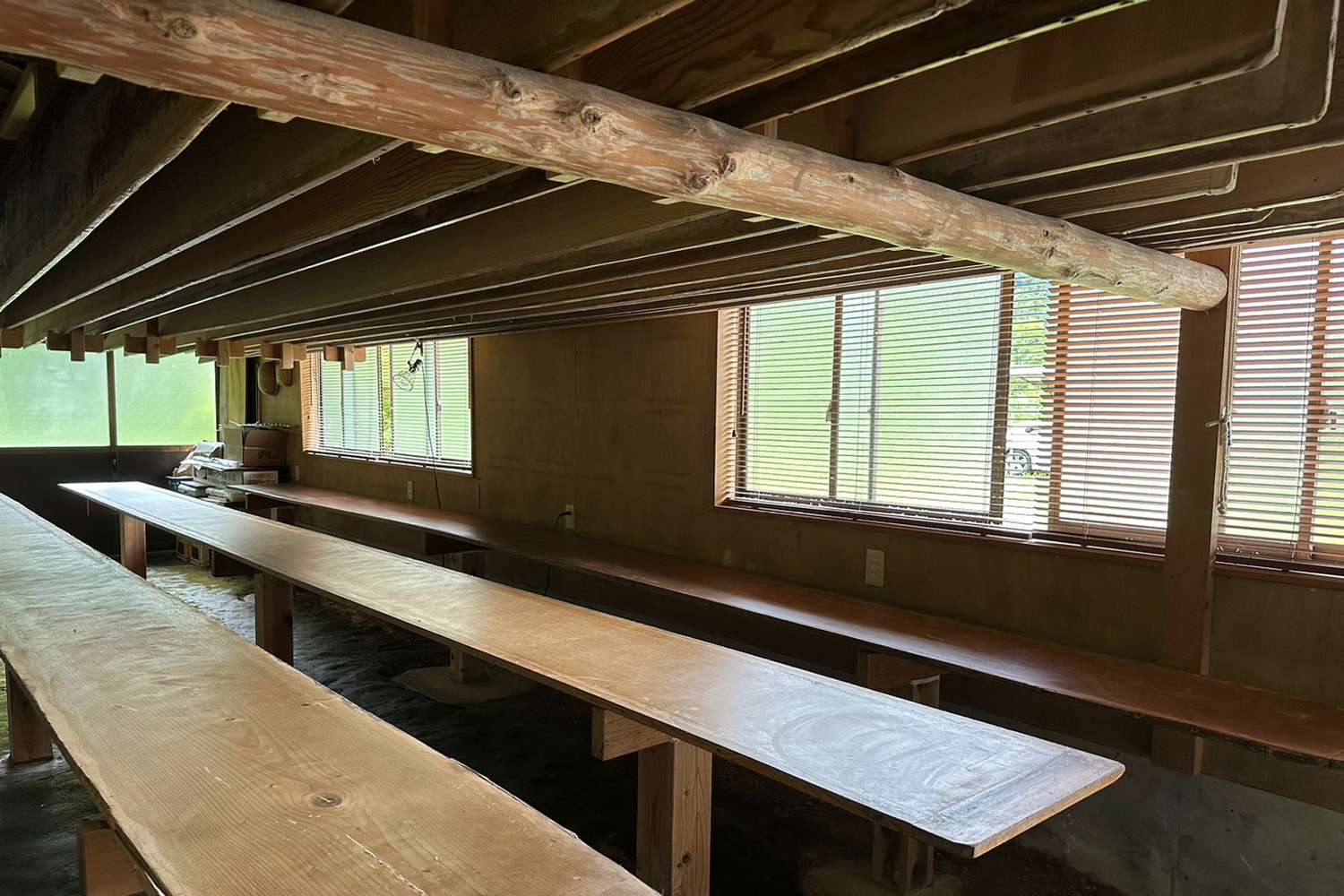
Water is essential in dyeing, for both soaking fabric in the indigo vat and keeping the resist paste at the right consistency. This technique thrived in Tokyo’s lowlands by rivers. Chiba, where my atelier is, also has clean water and ideal humidity levels.
Nobuo Matsubara
Kimono dyer
Kimitsu, Japan
ADDRESS
Address upon request, Kimitsu, Japan
AVAILABILITY
By appointment only
LANGUAGES
Japanese
Homo Faber Finds is a new service aiming to inspire admirers of craft to connect and collaborate with exceptional artisans.
We invite you to submit an enquiry here.