Nati Rodríguez
Kabuki
Mixed media sculptor
Jaén, Spain
Recommended by Contemporánea de Artes y Oficios
Sculptures of circular poetry
- Nati aims to find solutions for waste through her multimedia sculptures
- Her works are a result of deep research and experimentation
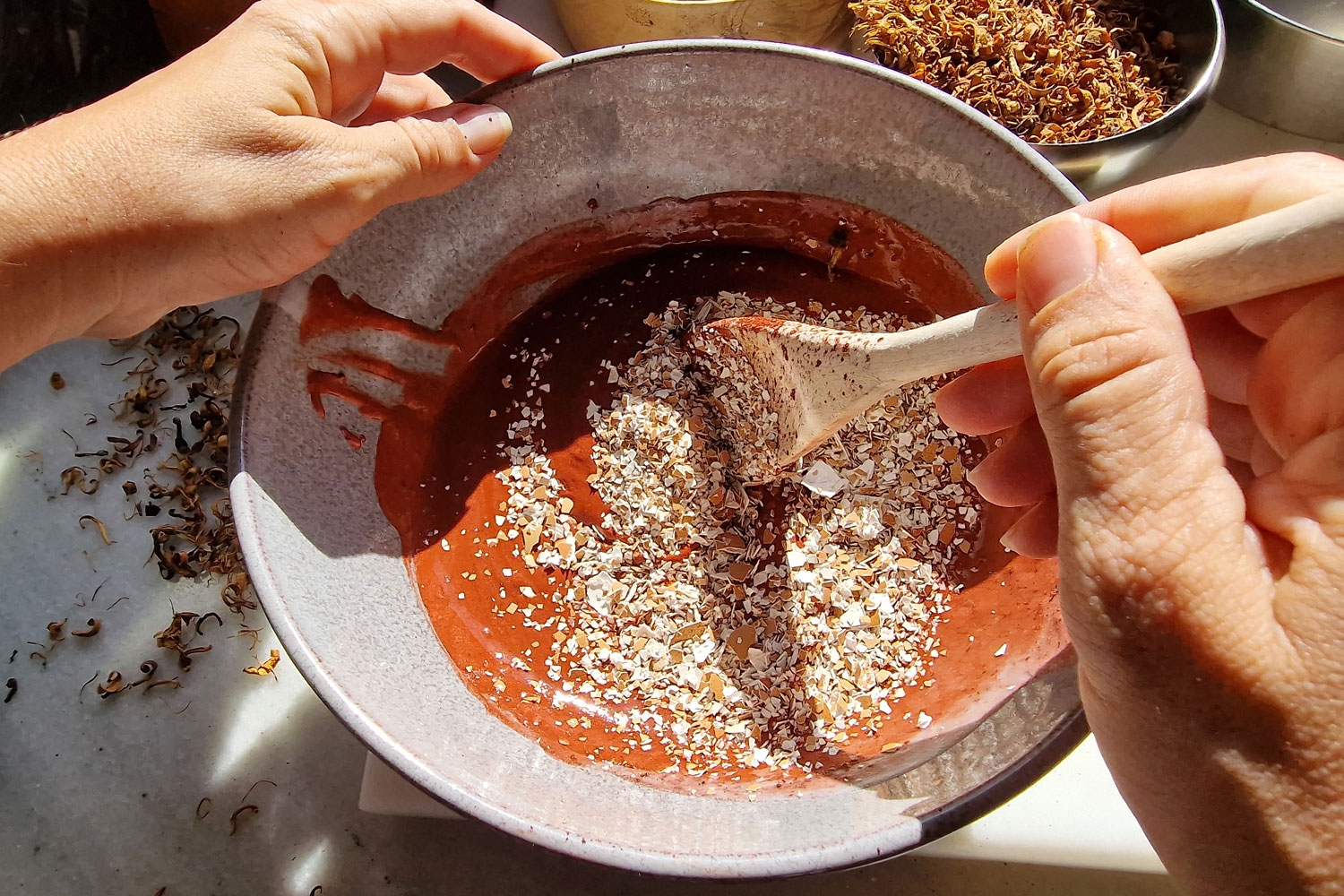
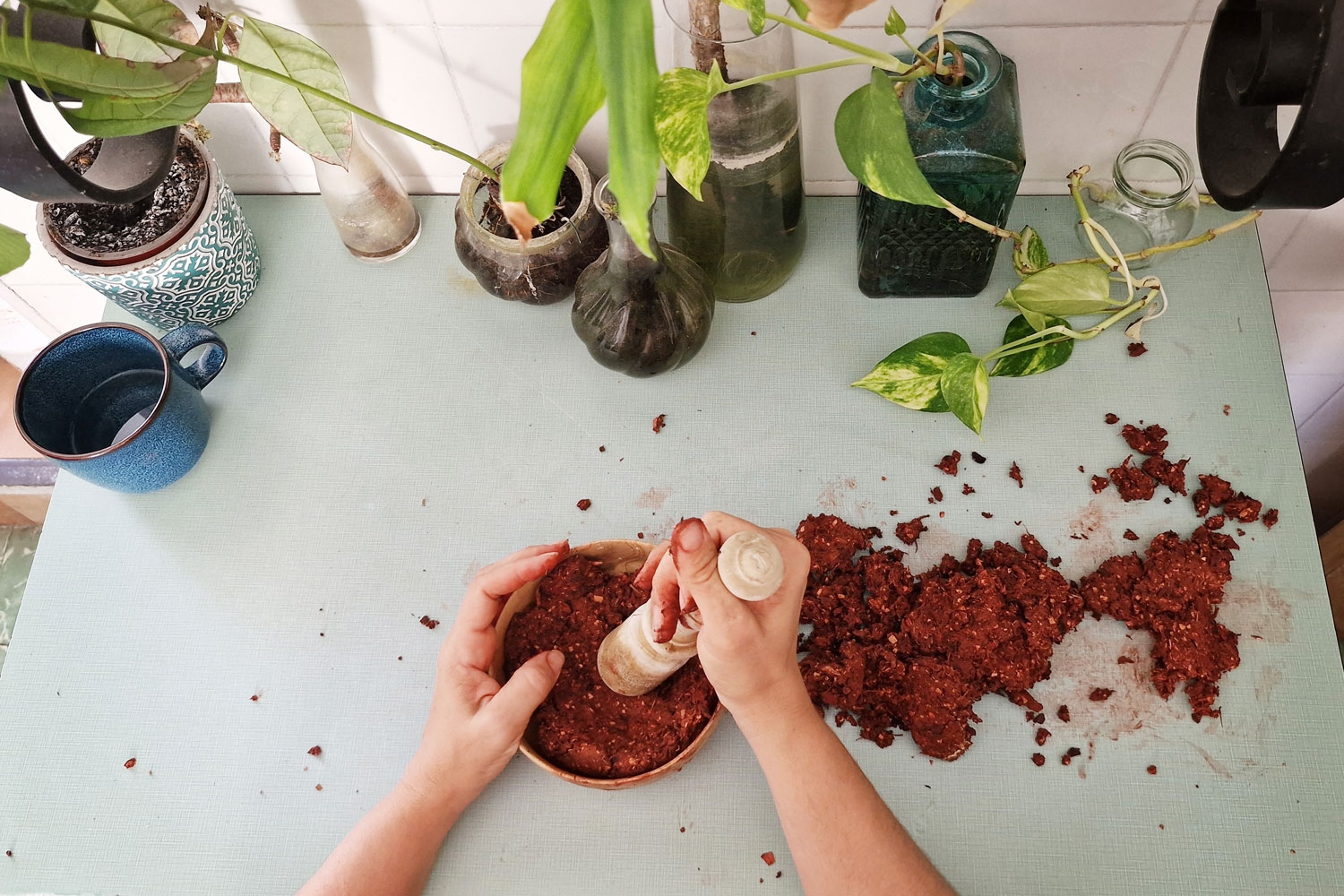
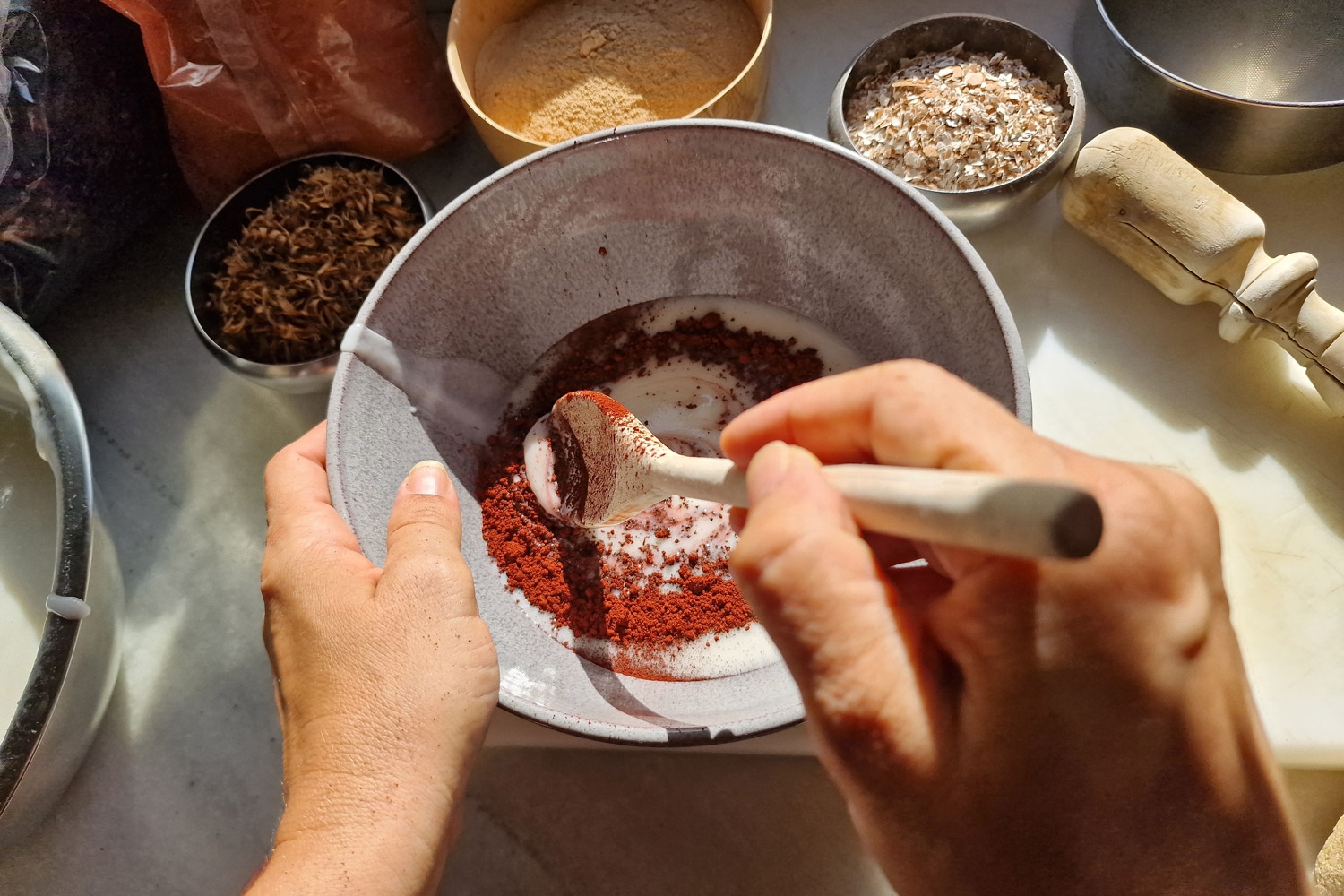
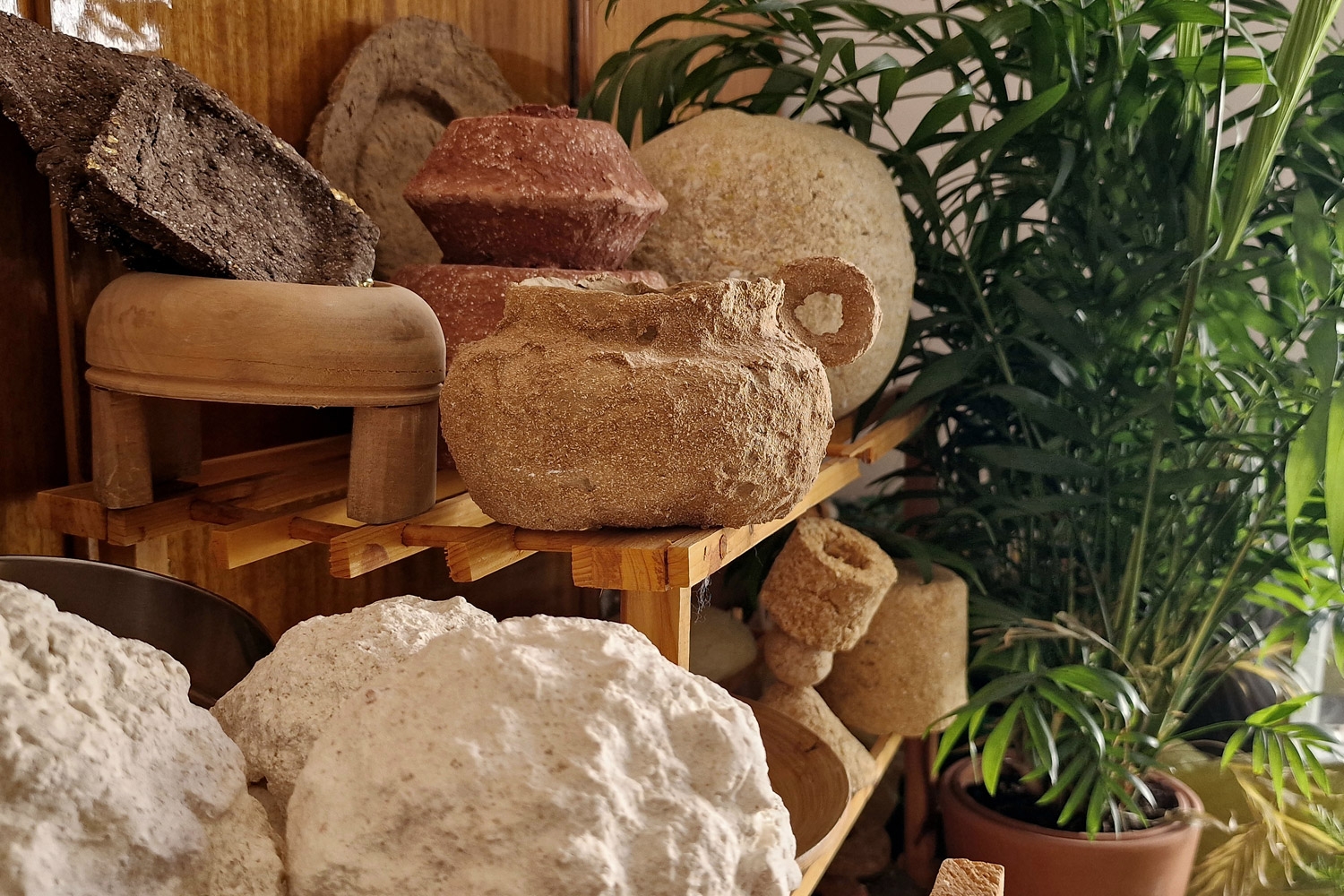
- She adopts techniques from various crafts to combine different biomaterials
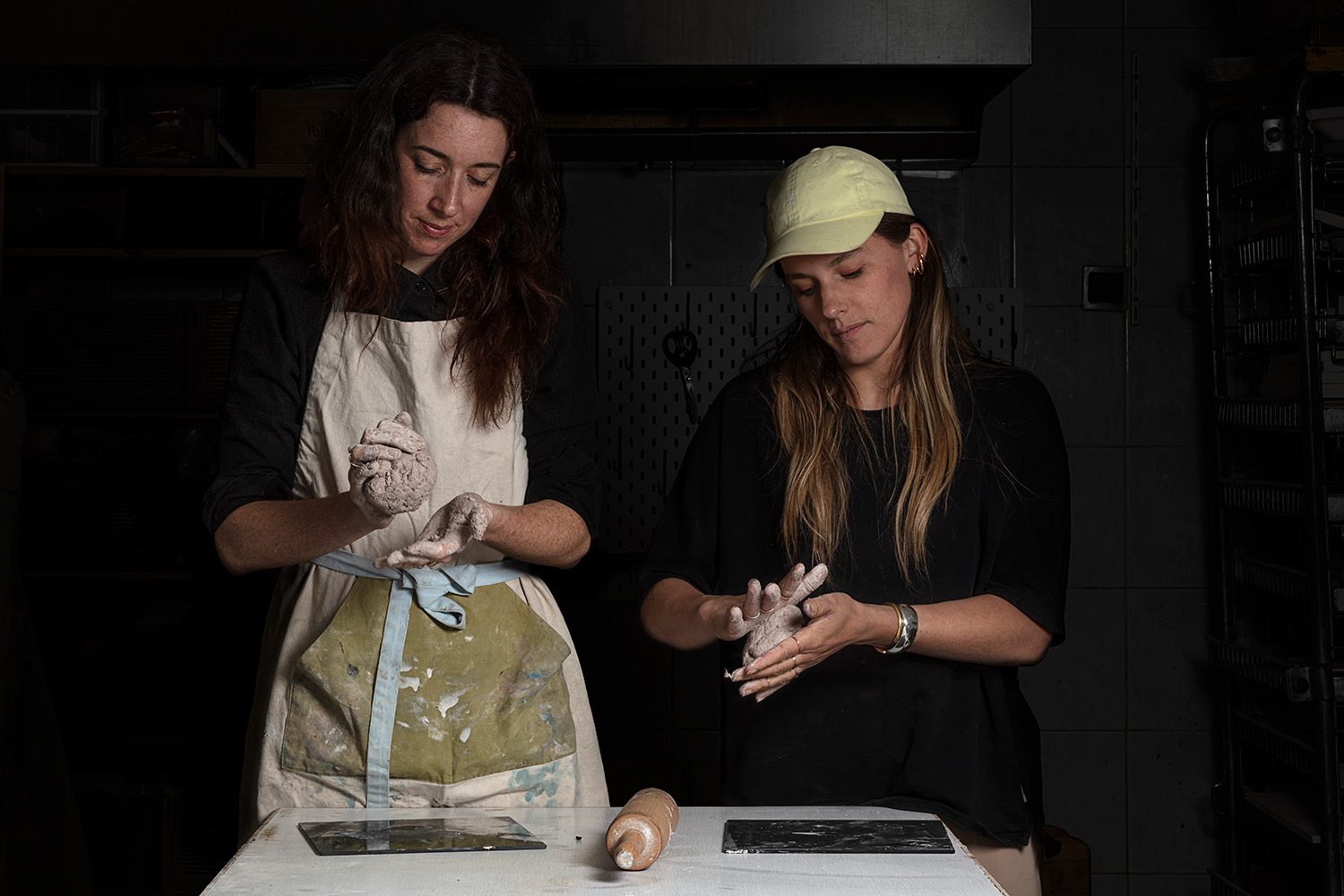
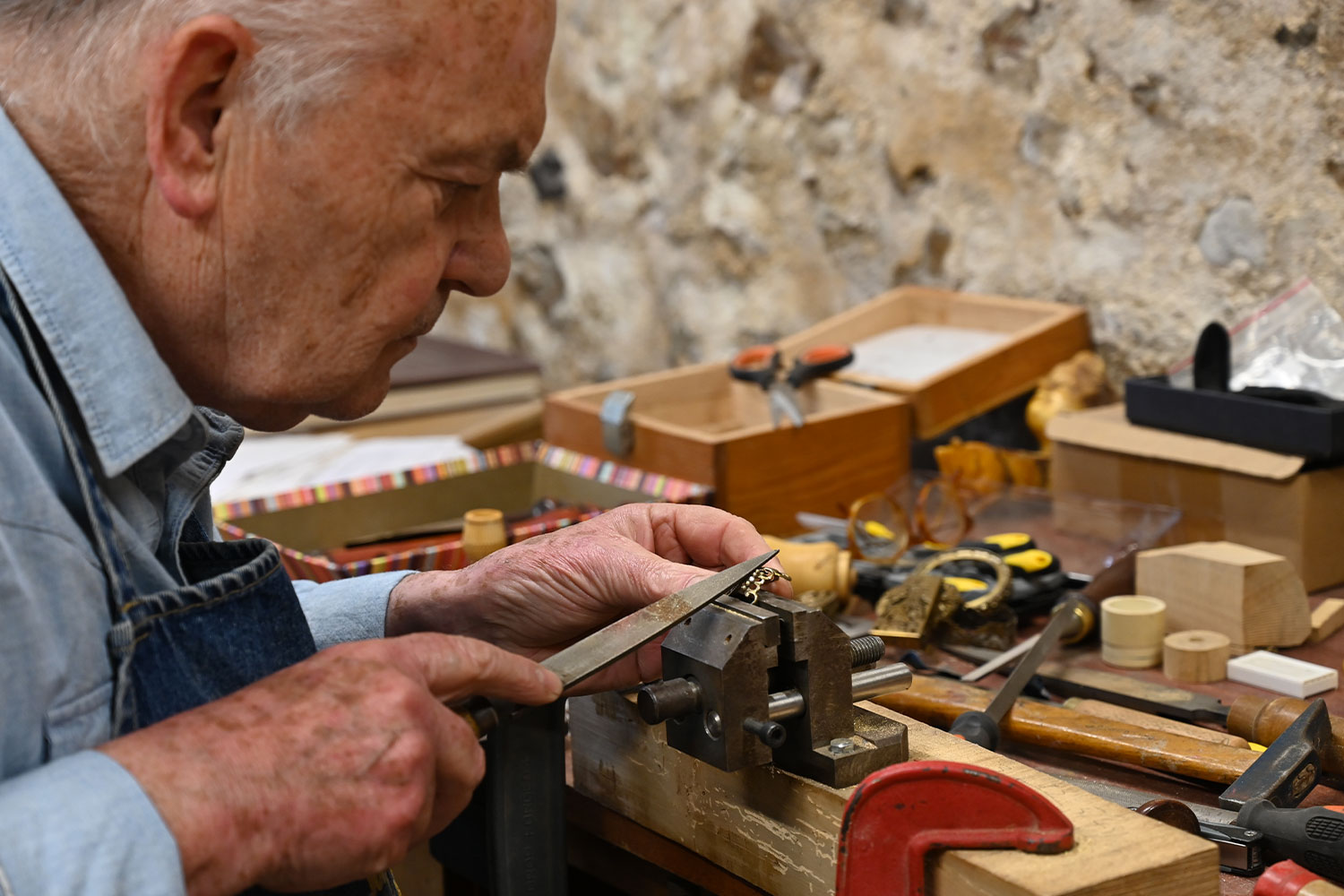
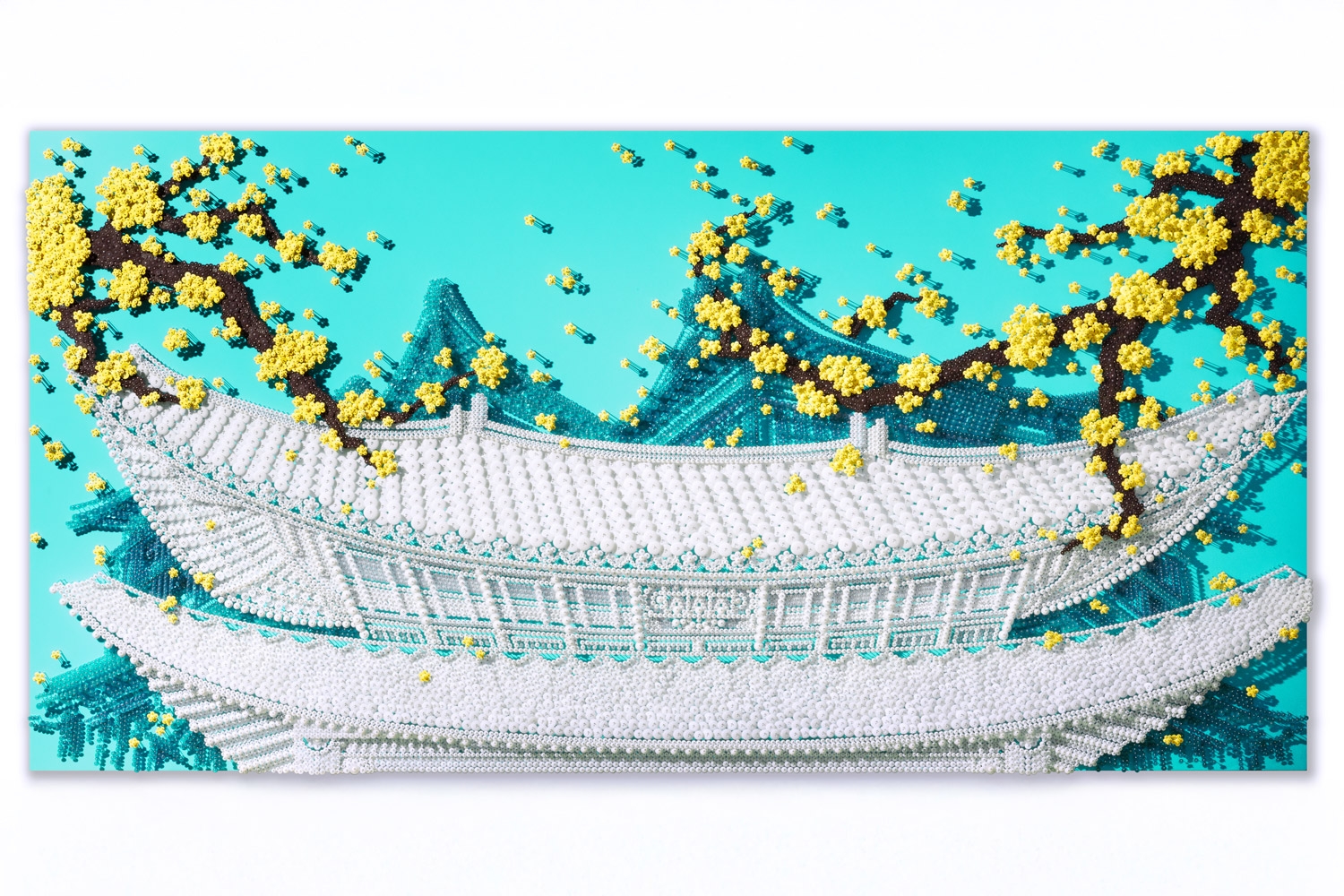
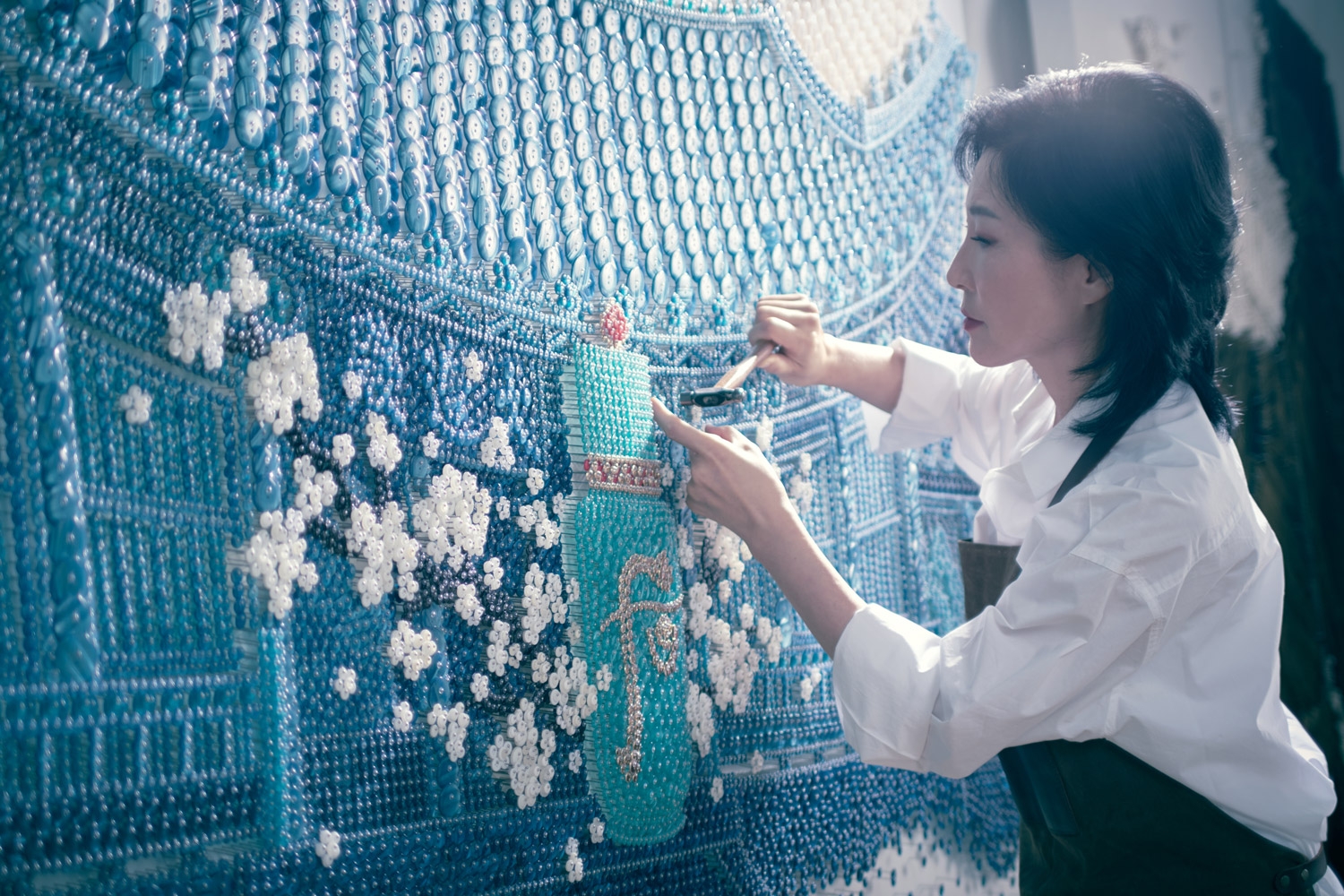
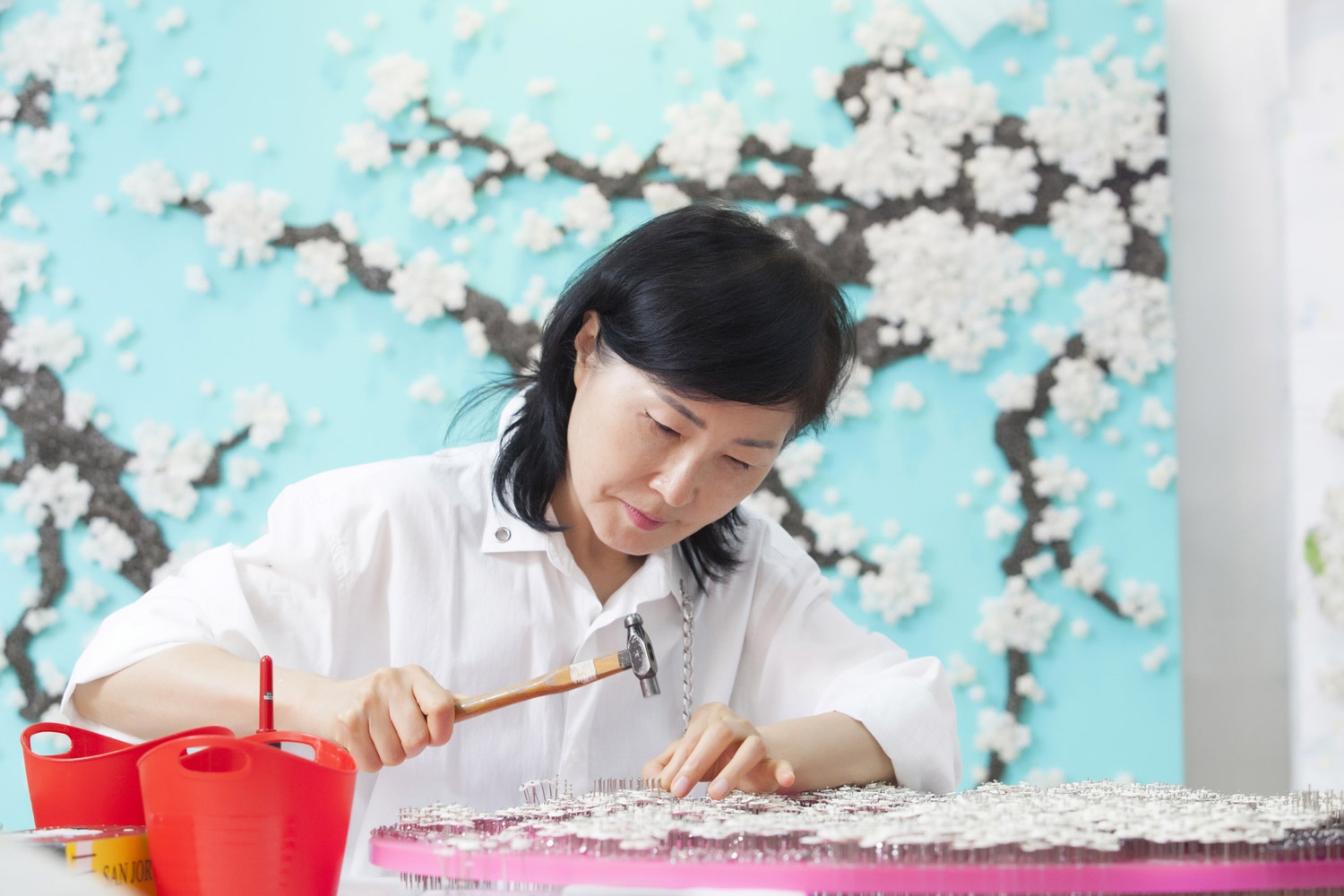
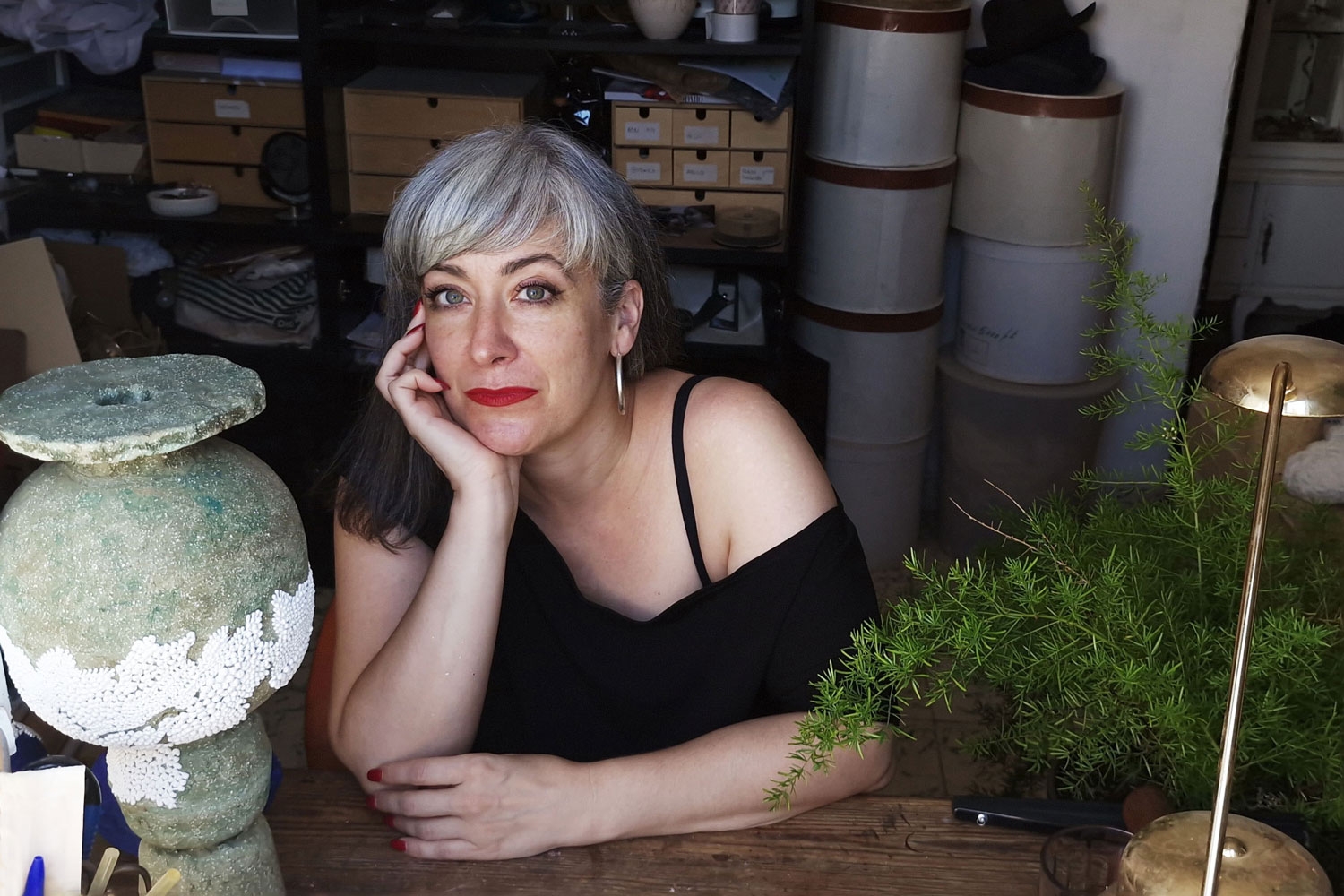
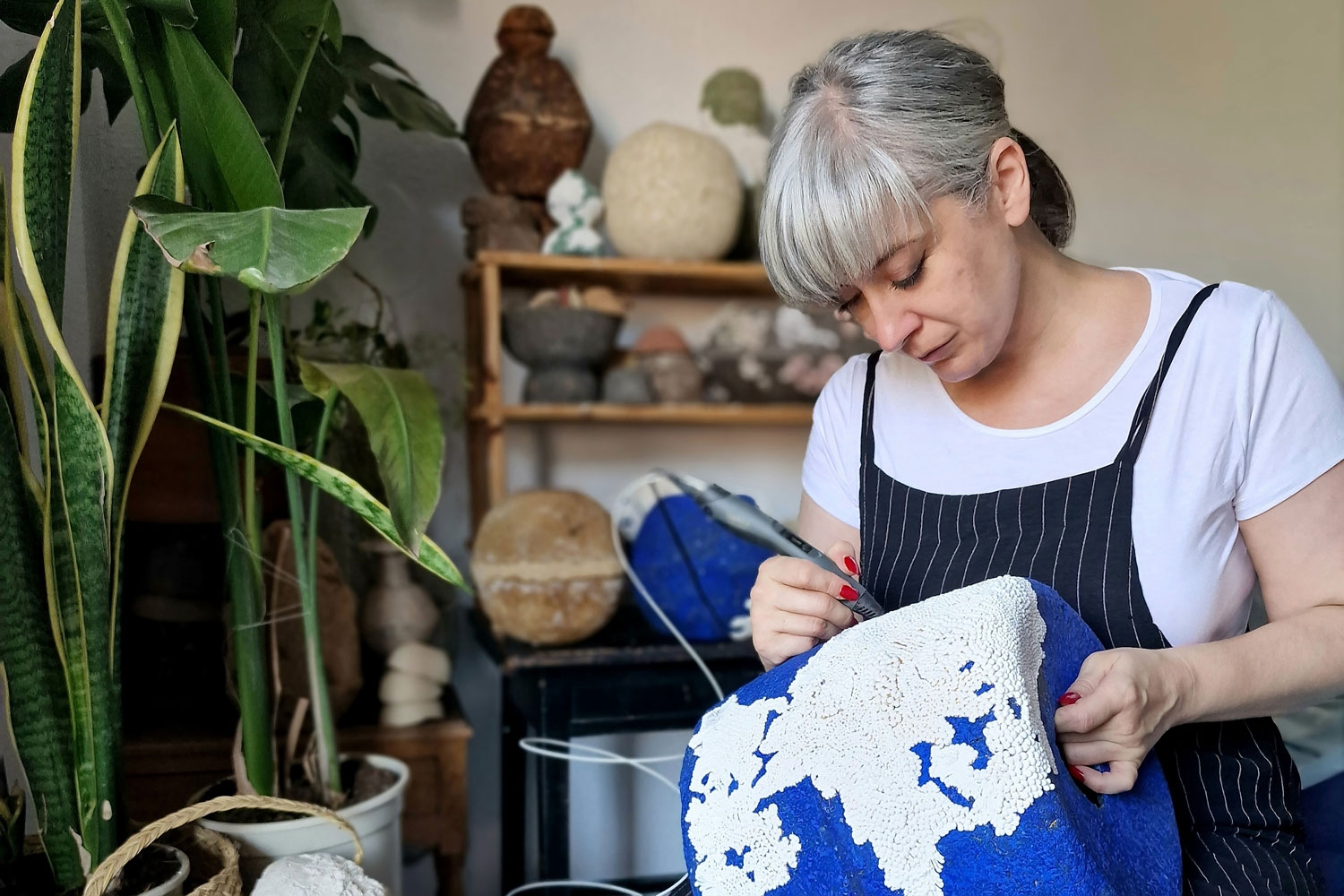
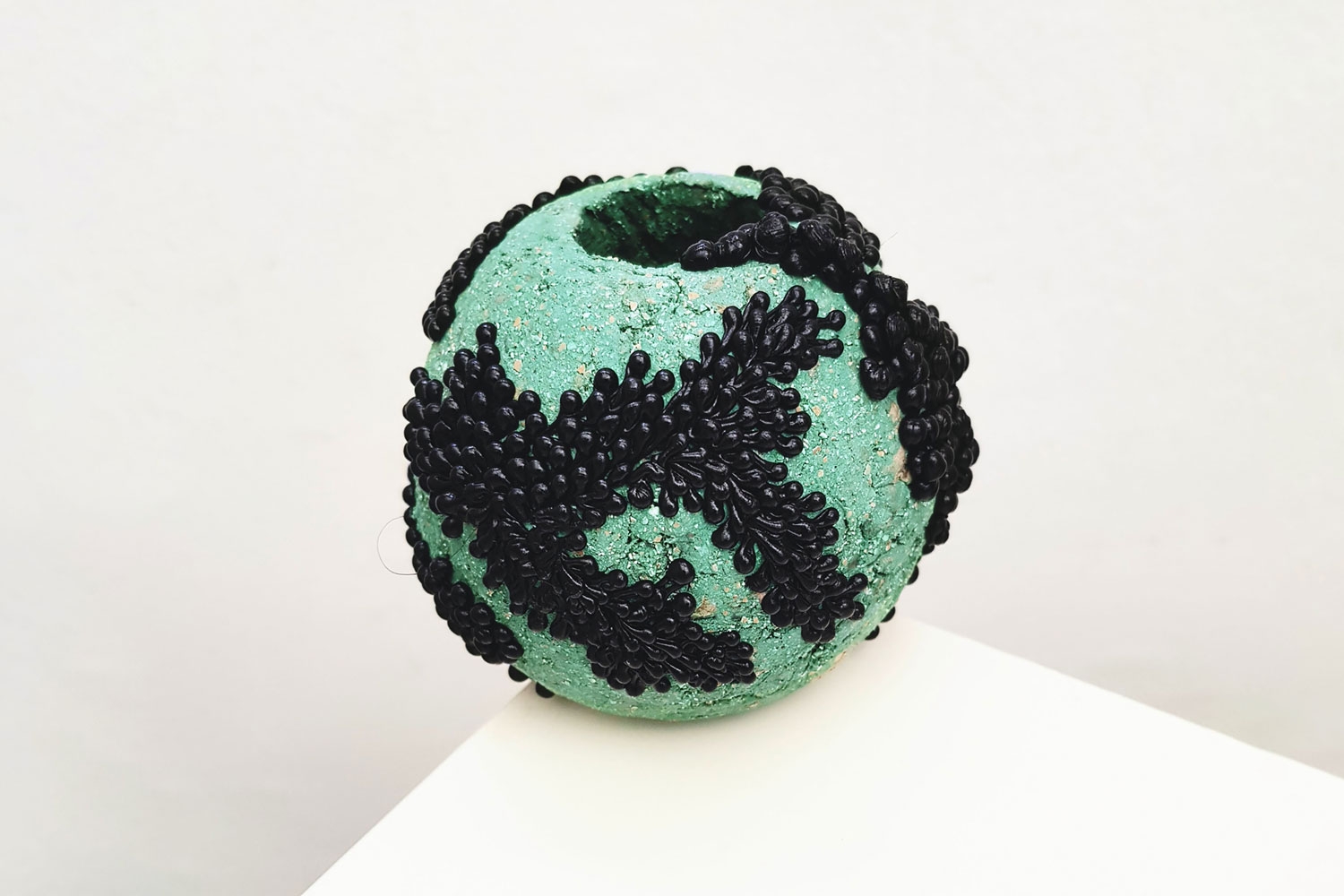
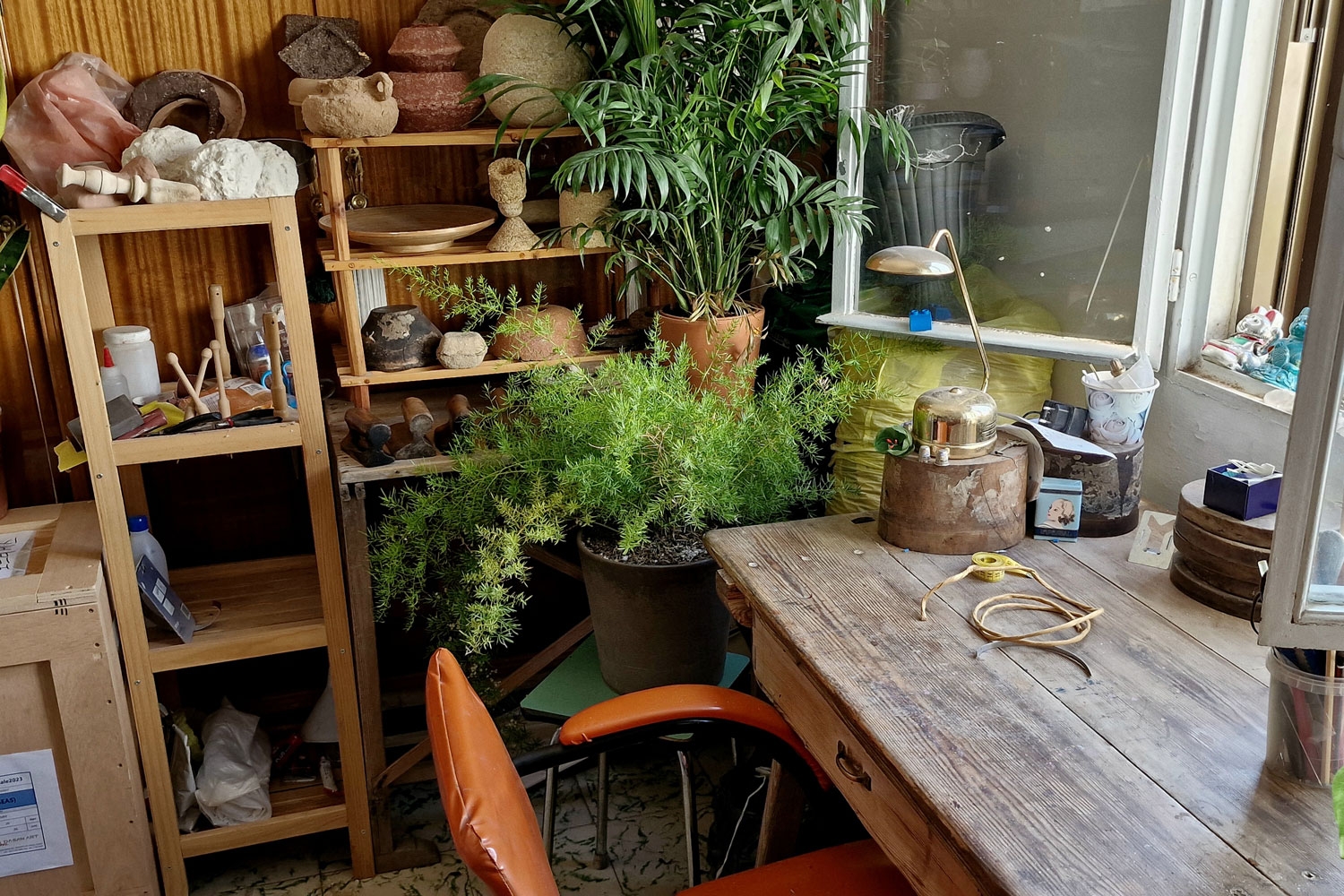
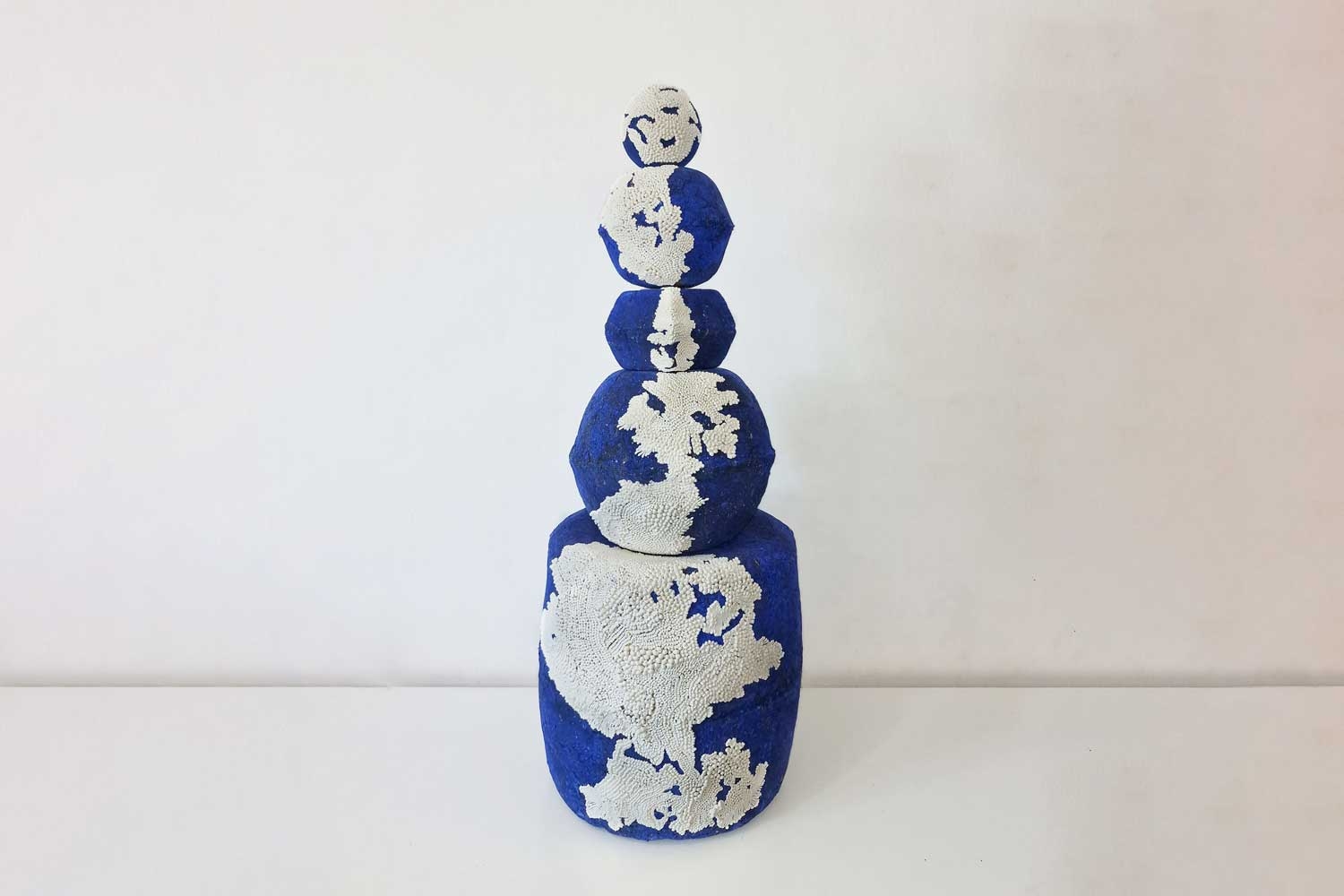
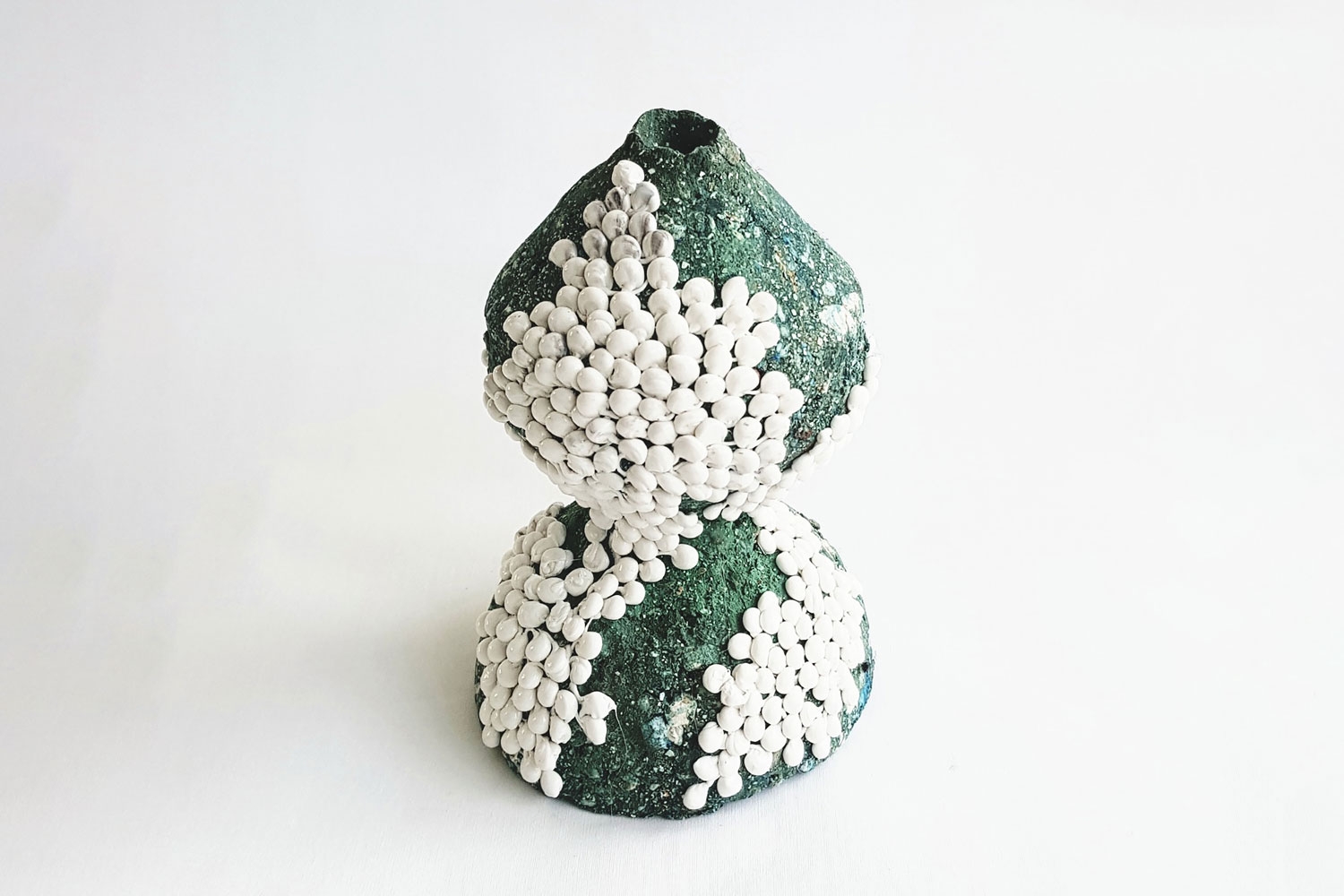
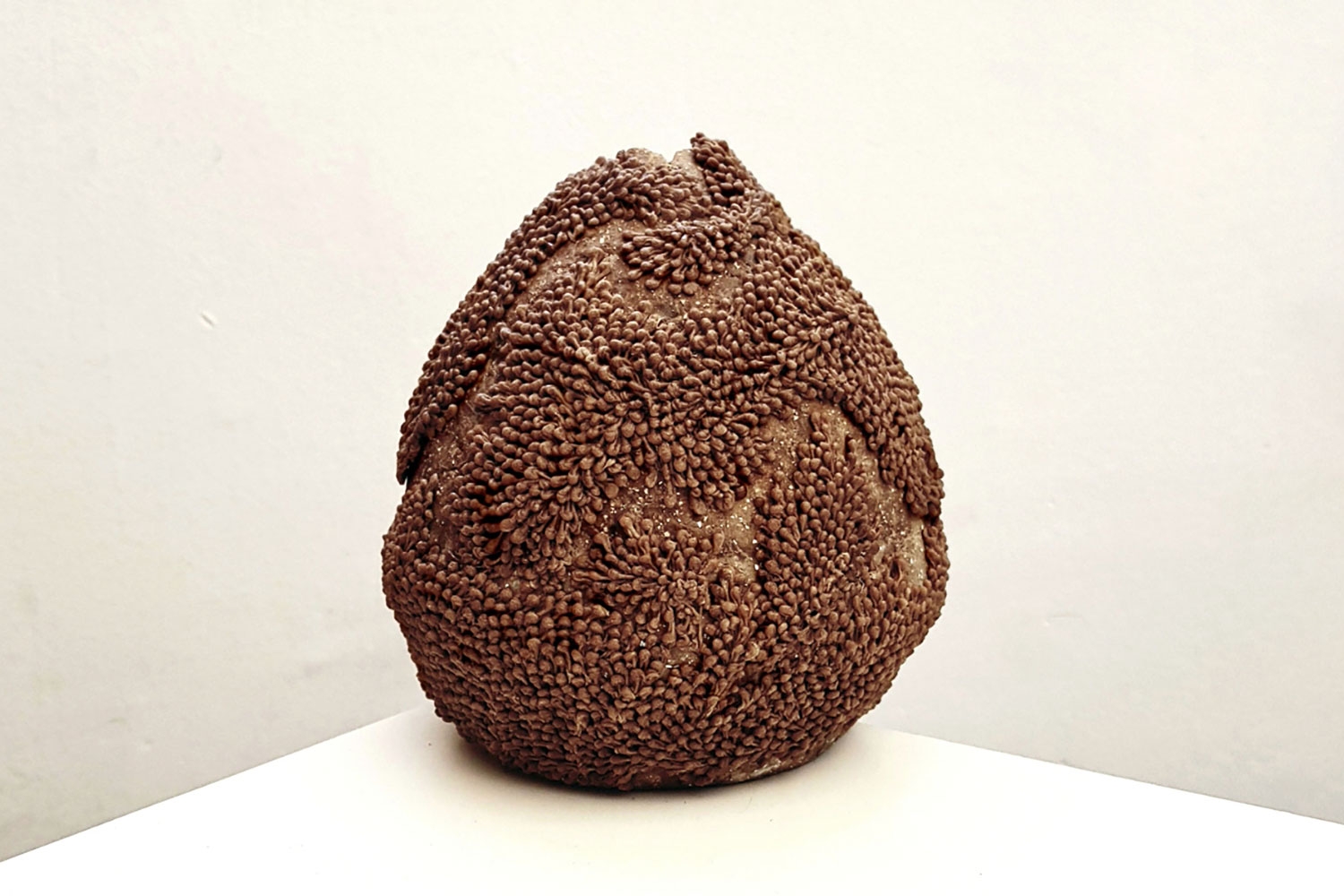
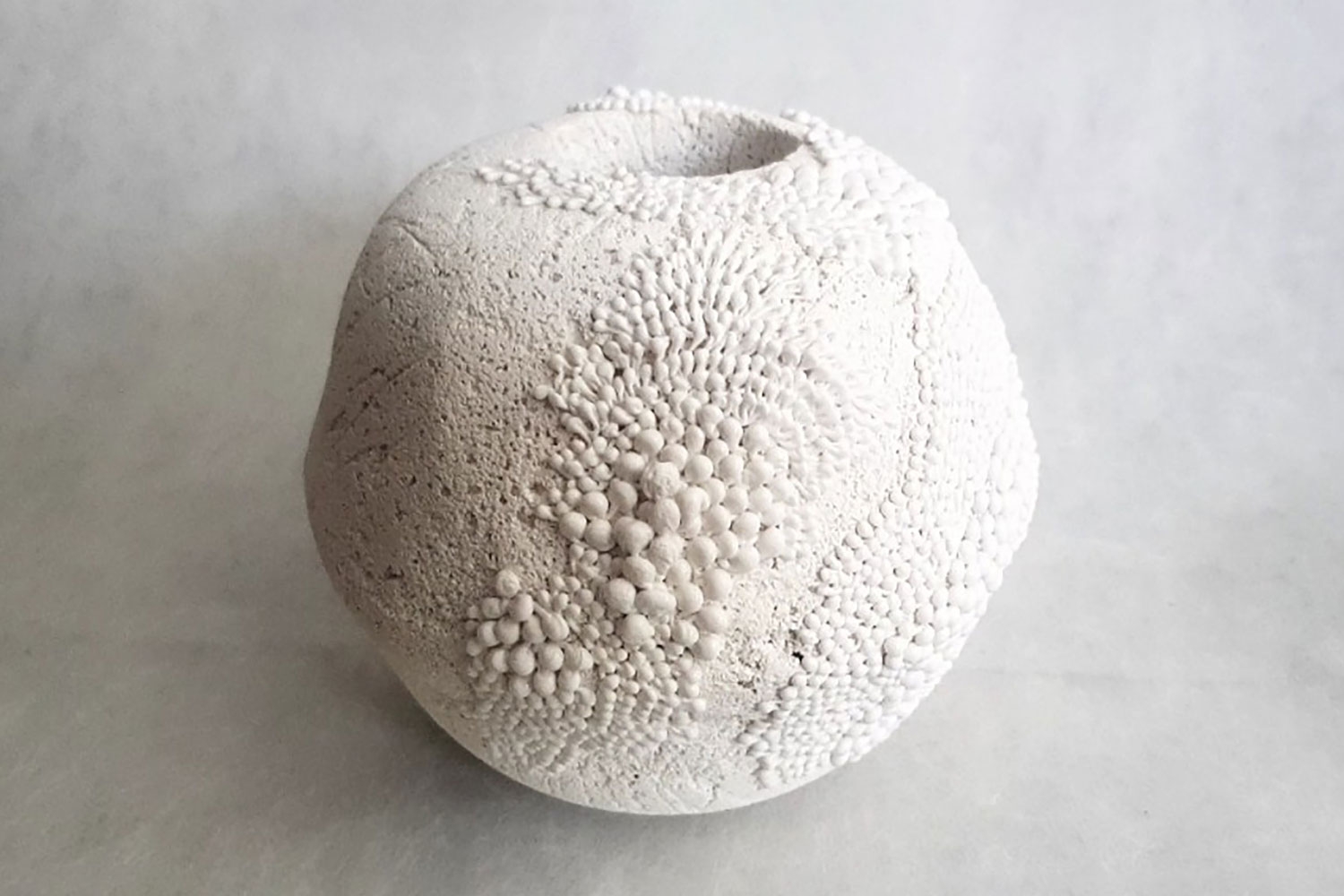
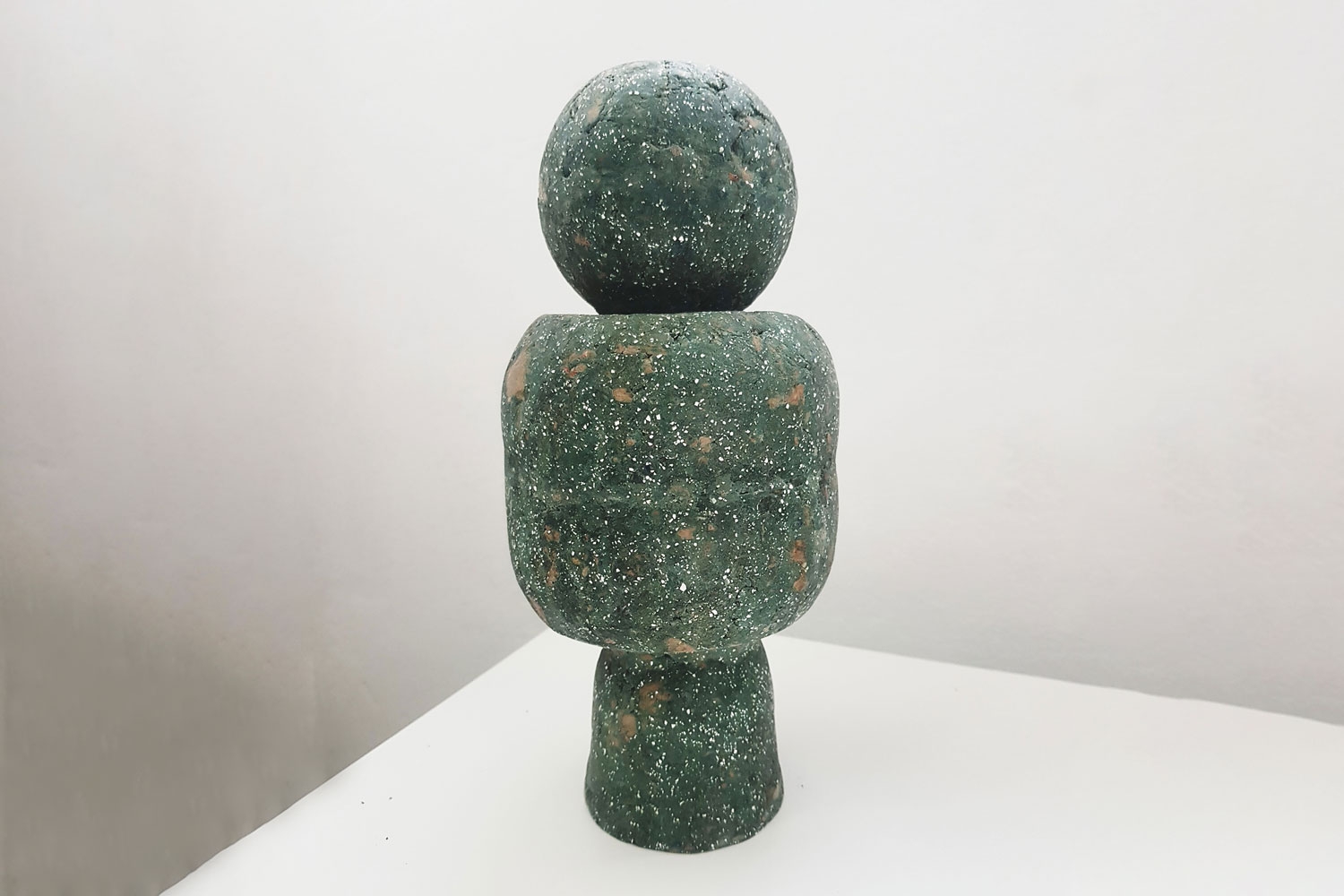
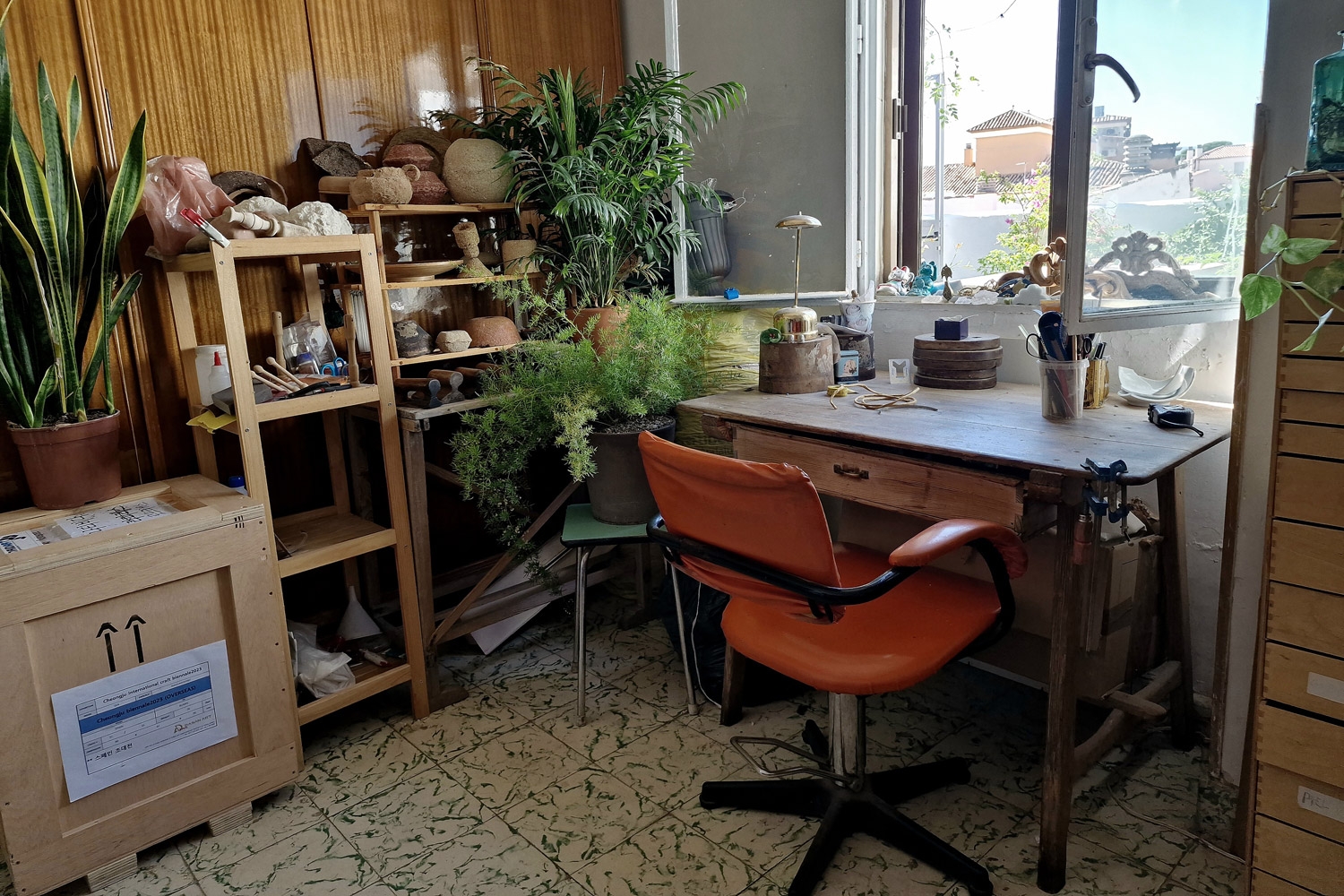
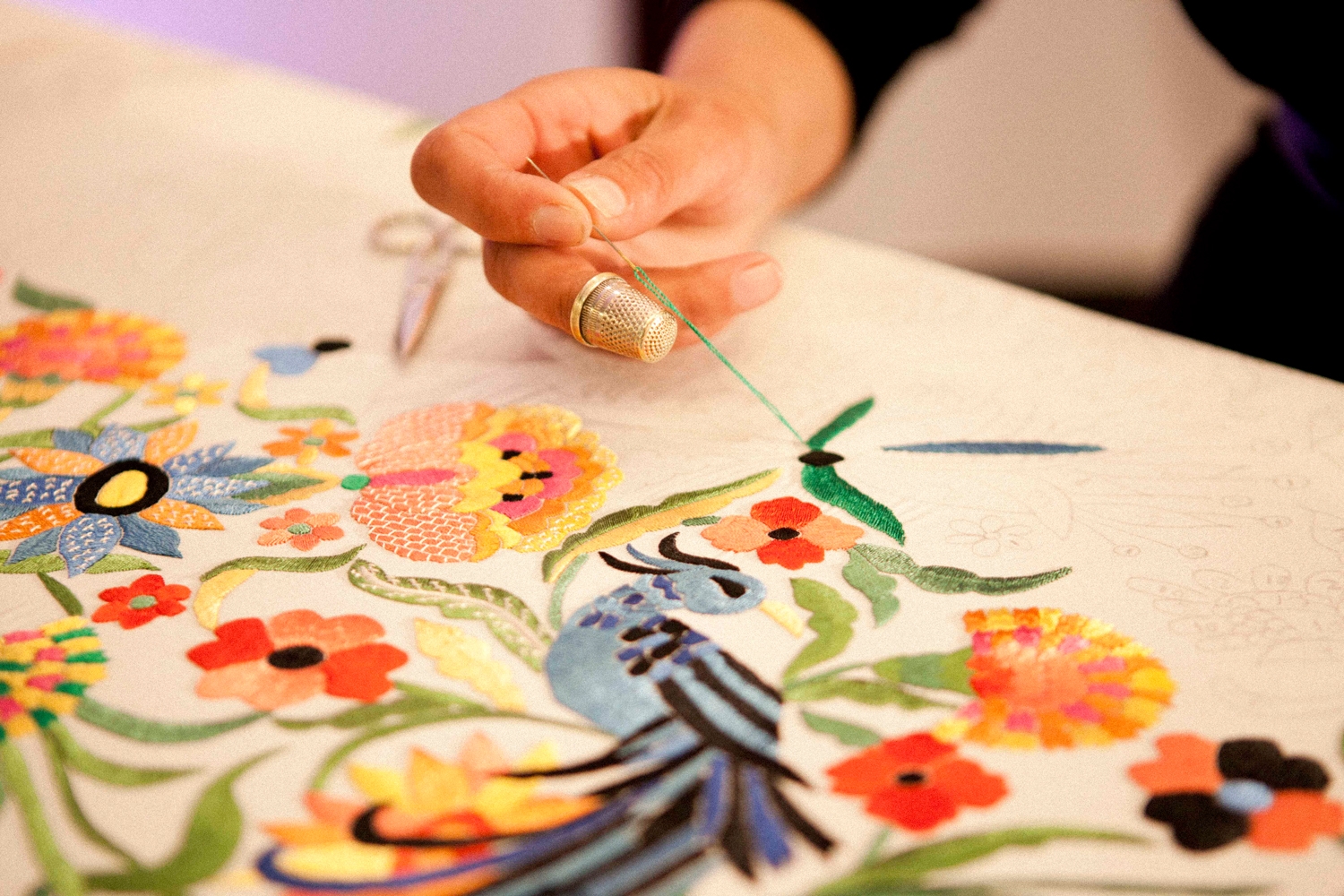
Nati Rodríguez creates unique sculptures with a wide variety of biodegradable materials. Although she was trained in millinery and contemporary jewellery, her curiosity led her to researching new materials and creating unique objects. “It is necessary and urgent to find solutions to the huge problem we have with the waste we produce. In contemporary craft, I seek answers through research, experimentation and emotional and conceptual design,” Nati says. She opened her workshop in 2005 as a laboratory for research and the pursuit of new languages of expression. There, Nati studies the dialogue between materials and techniques, from ceramics, metal, textiles, leather, esparto grass and polymers, to new technologies such as 3D printing. She created the Biomateria project, and worked on a series of biomaterial flowers that reinterpret the embroidery of Manila shawls for the Carmen collection by designer Leandro Cano.
INTERVIEW
A turning point in my practice was when the Contemporary Craft in Progress project I took part of won the National Crafts Award in Jaén. Artisans from the province co-created collections with a new language centred on the identity of Jaén – a land of olive groves and vast natural paradises of mountain ranges.
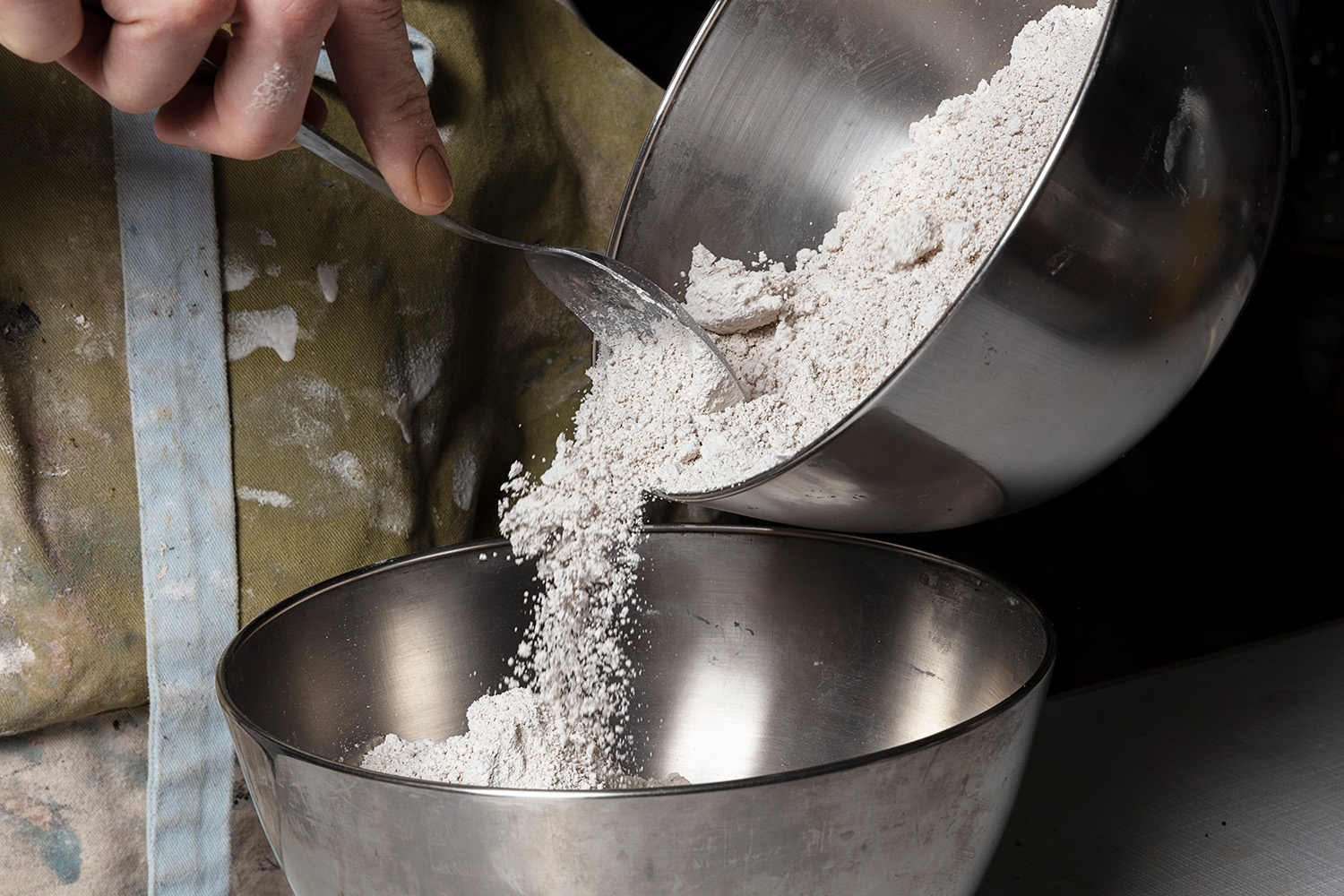
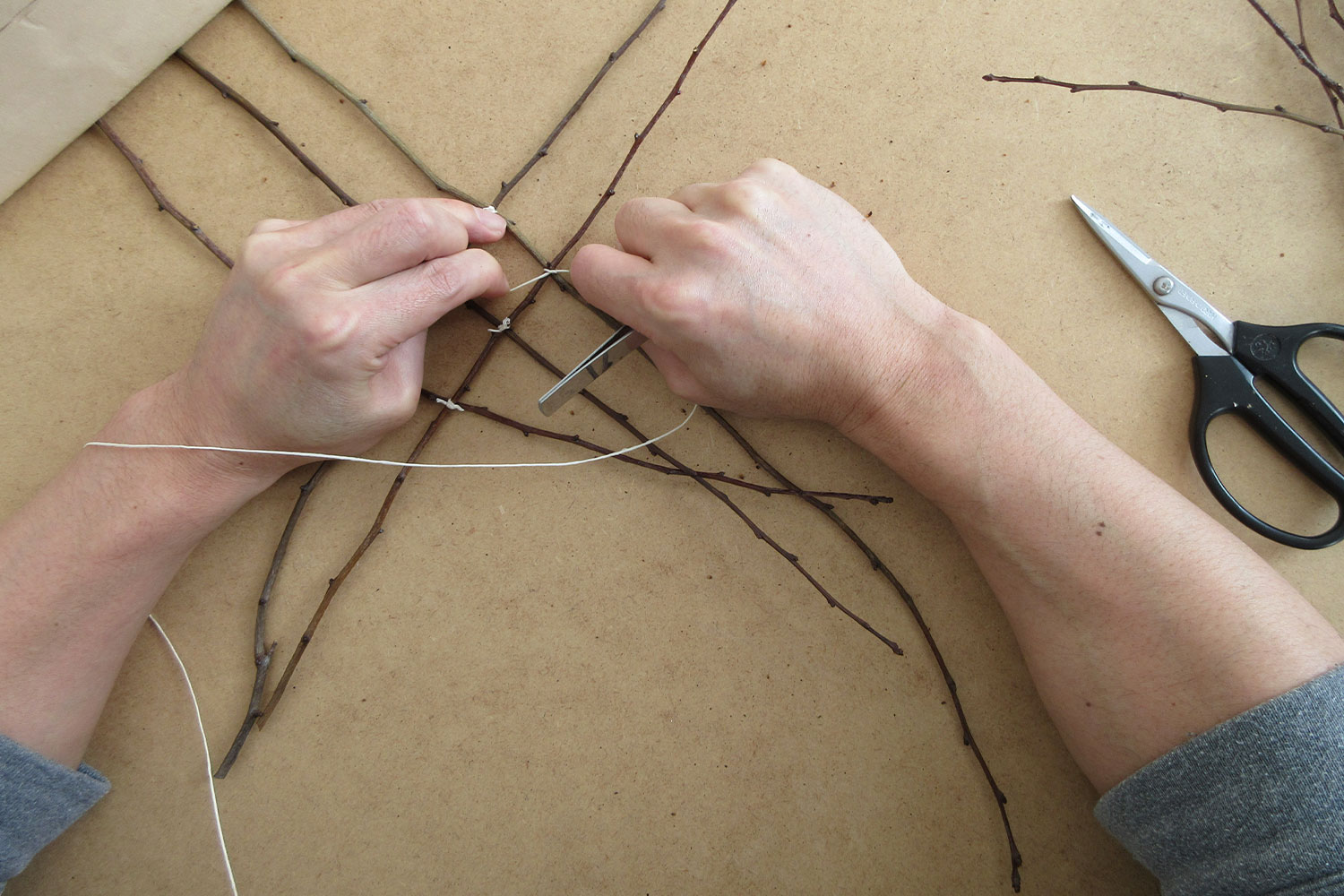
I merge different but compatible material to create a unique combination. I apply techniques from other crafts and adapt them to the needs of each organic binder.
We must address the excessive waste we generate and its impact. One of the clear solutions to this problem is undoubtedly the creation of biomaterials, through which waste can be converted into reusable, organic and compostable matter.
Today, design, craft and the avant-garde have a voice, a responsibility and an opportunity to become agents of change. We urgently need a sustainable revolution in which we create a useful life cycle for waste through research, experimentation and design. We can transform waste into objects full of beauty and circular poetry.
1 EXPERIENCE
Azur Travel.jpg)
Nati Rodríguez
Kabuki
Mixed media sculptor
Jaén, Spain
Recommended by Contemporánea de Artes y Oficios
AVAILABILITY
By appointment only
PHONE
+34 672080743
LANGUAGES
Spanish
Homo Faber Finds is a new service aiming to inspire admirers of craft to connect and collaborate with exceptional artisans.
We invite you to submit an enquiry here.