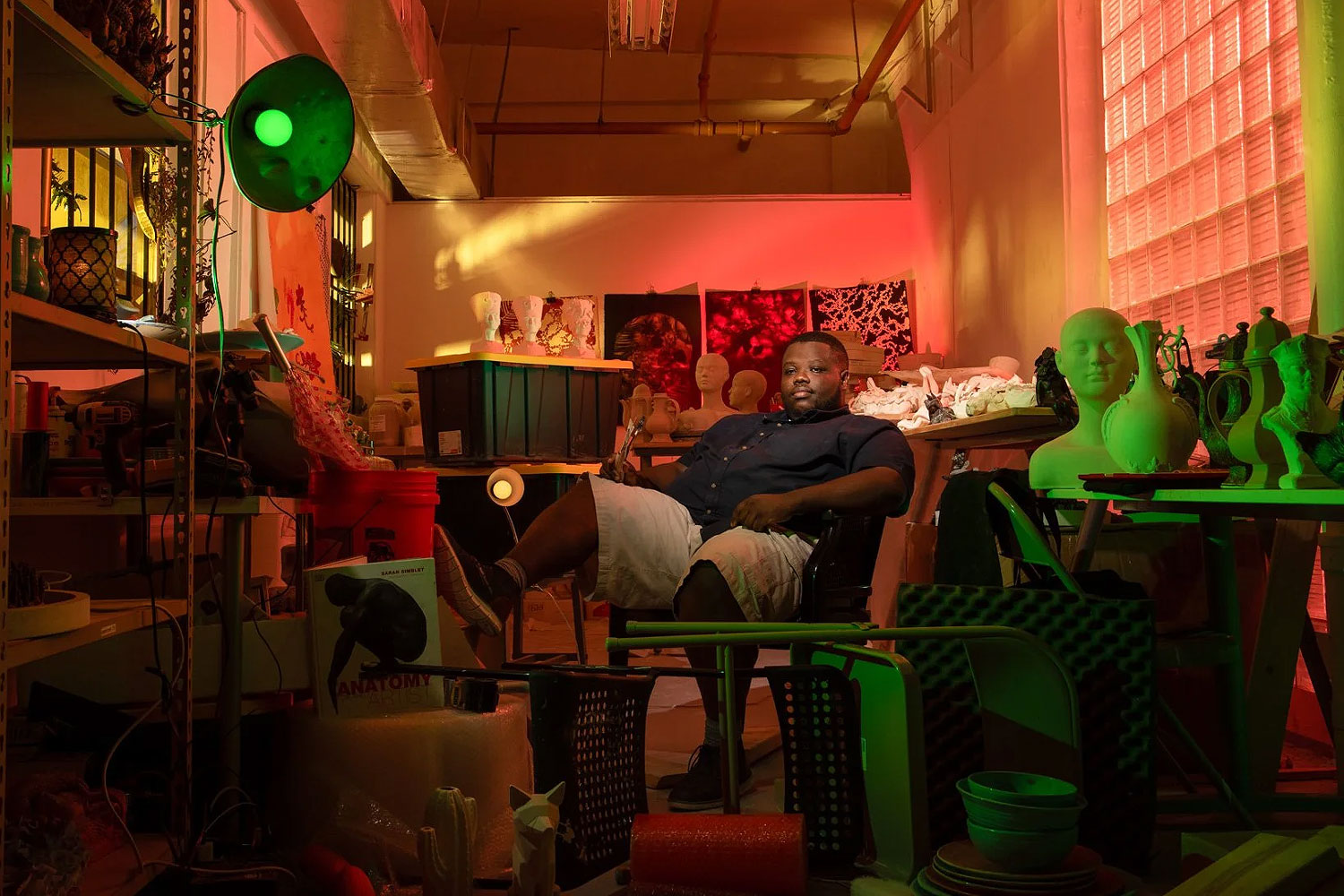
Morel Doucet
Ceramicist
Miami, FL, USA
Memory and rituals held in clay
- Morel creates delicate ceramics that encapsulate meaningful stories
- His childhood experience of displacement drives his practice
- Flora, fauna and the human figure are signature concepts in his pieces
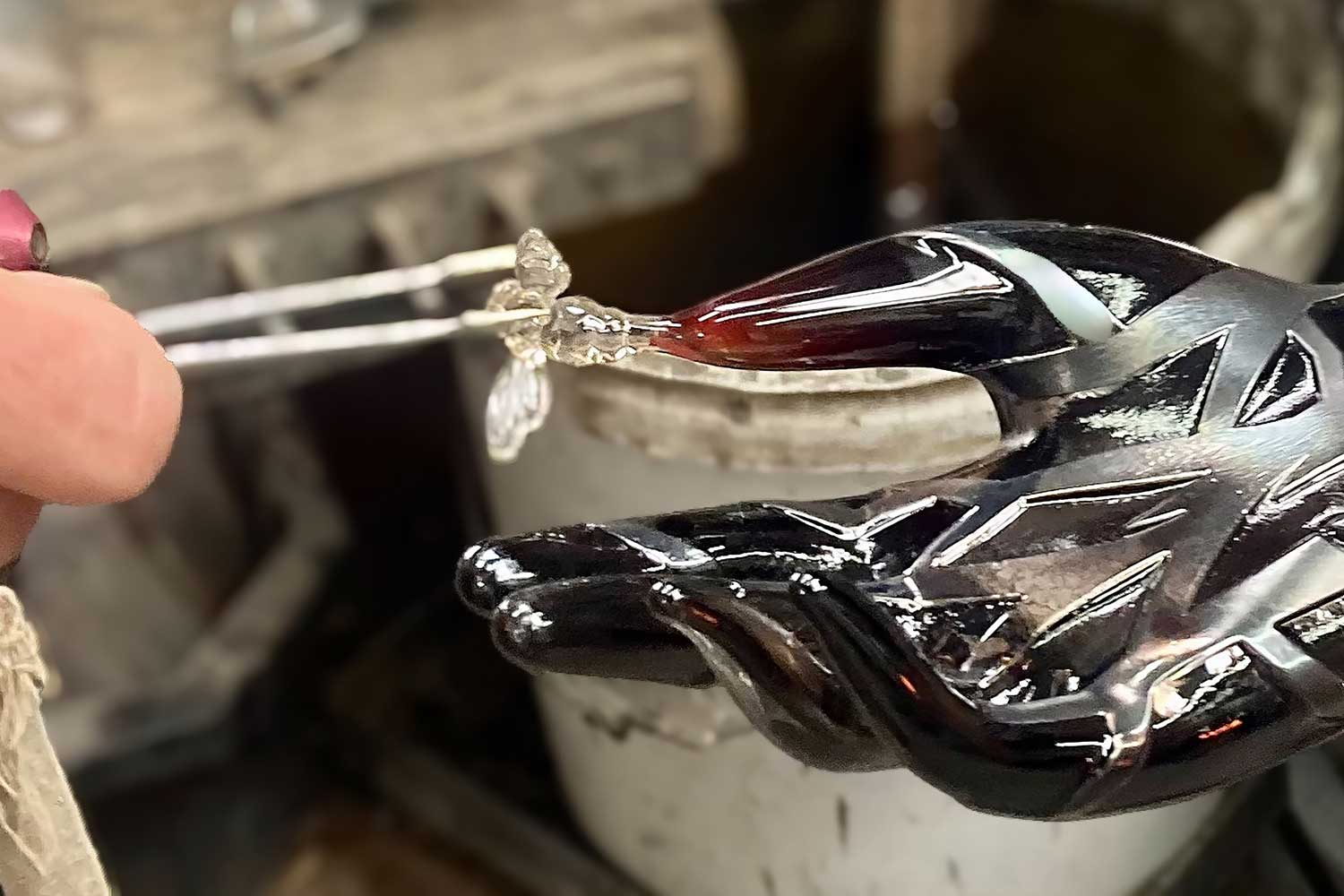
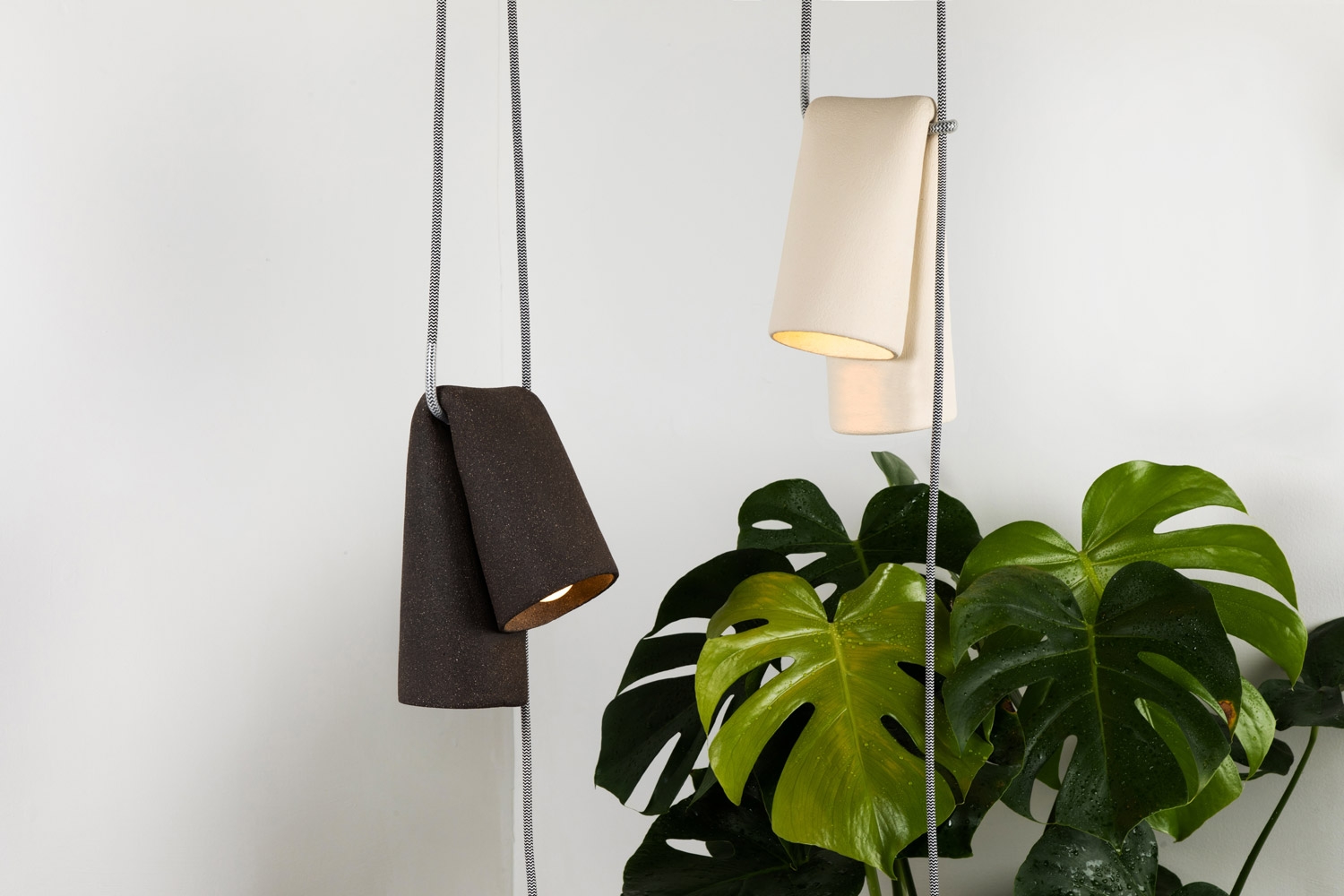
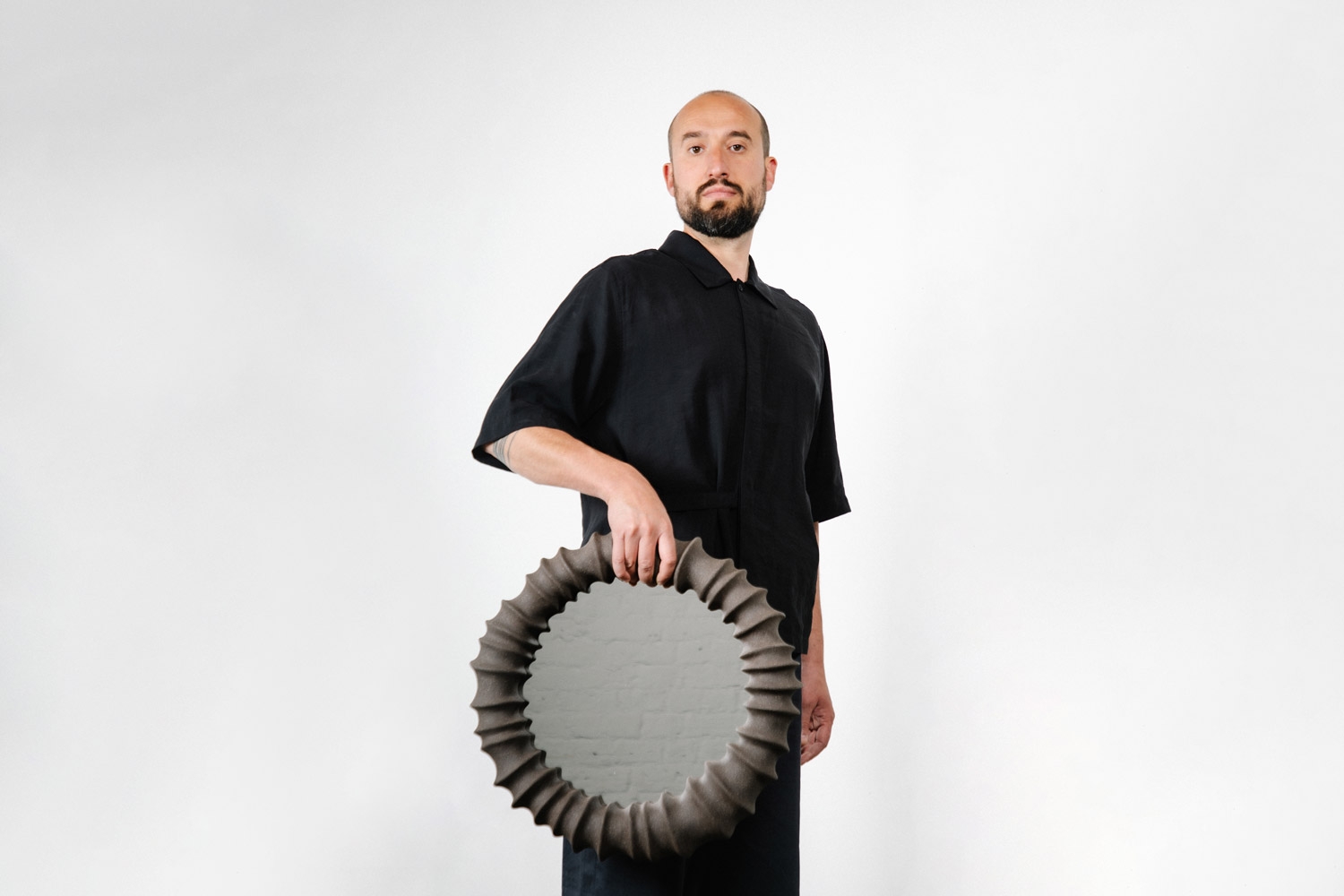
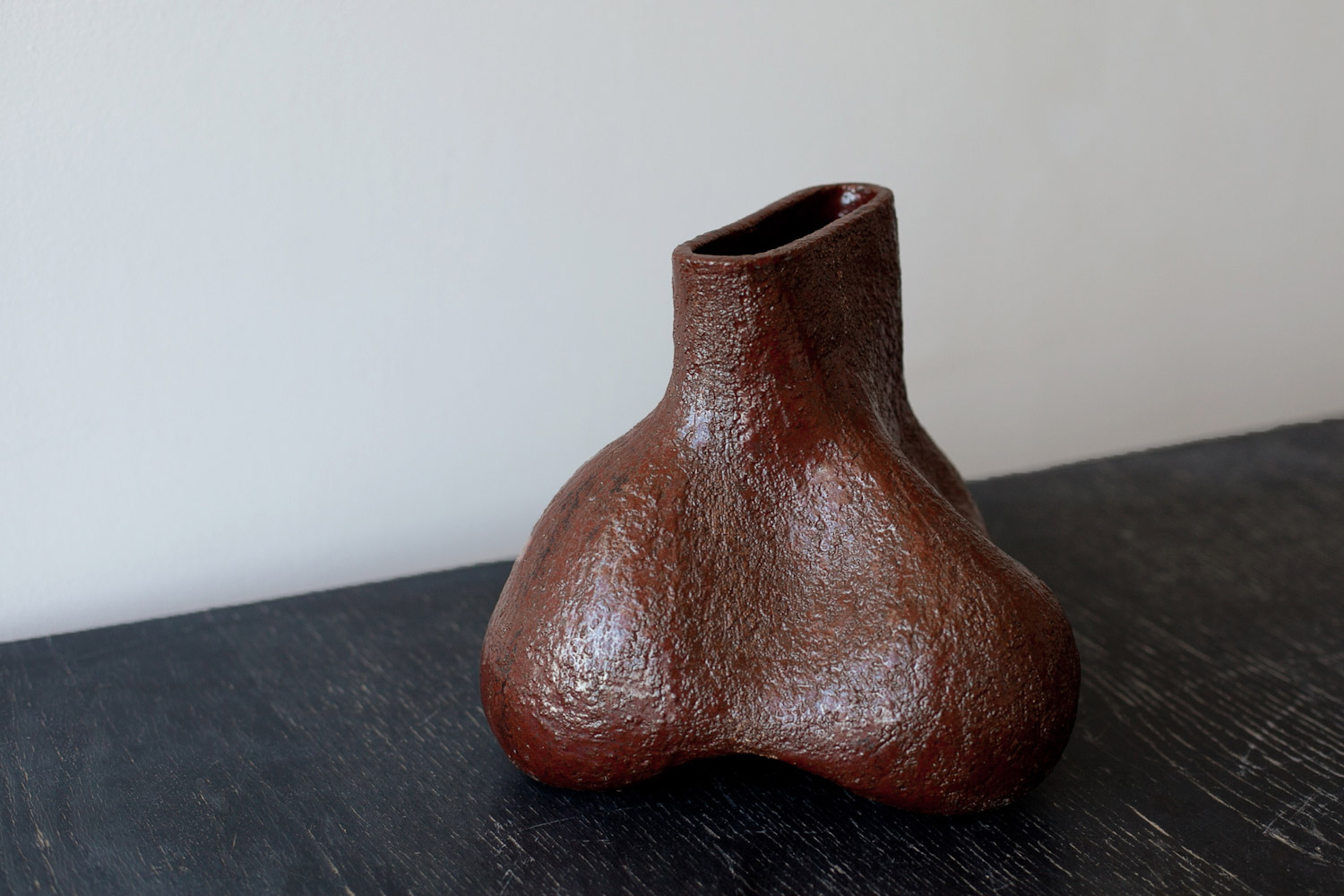
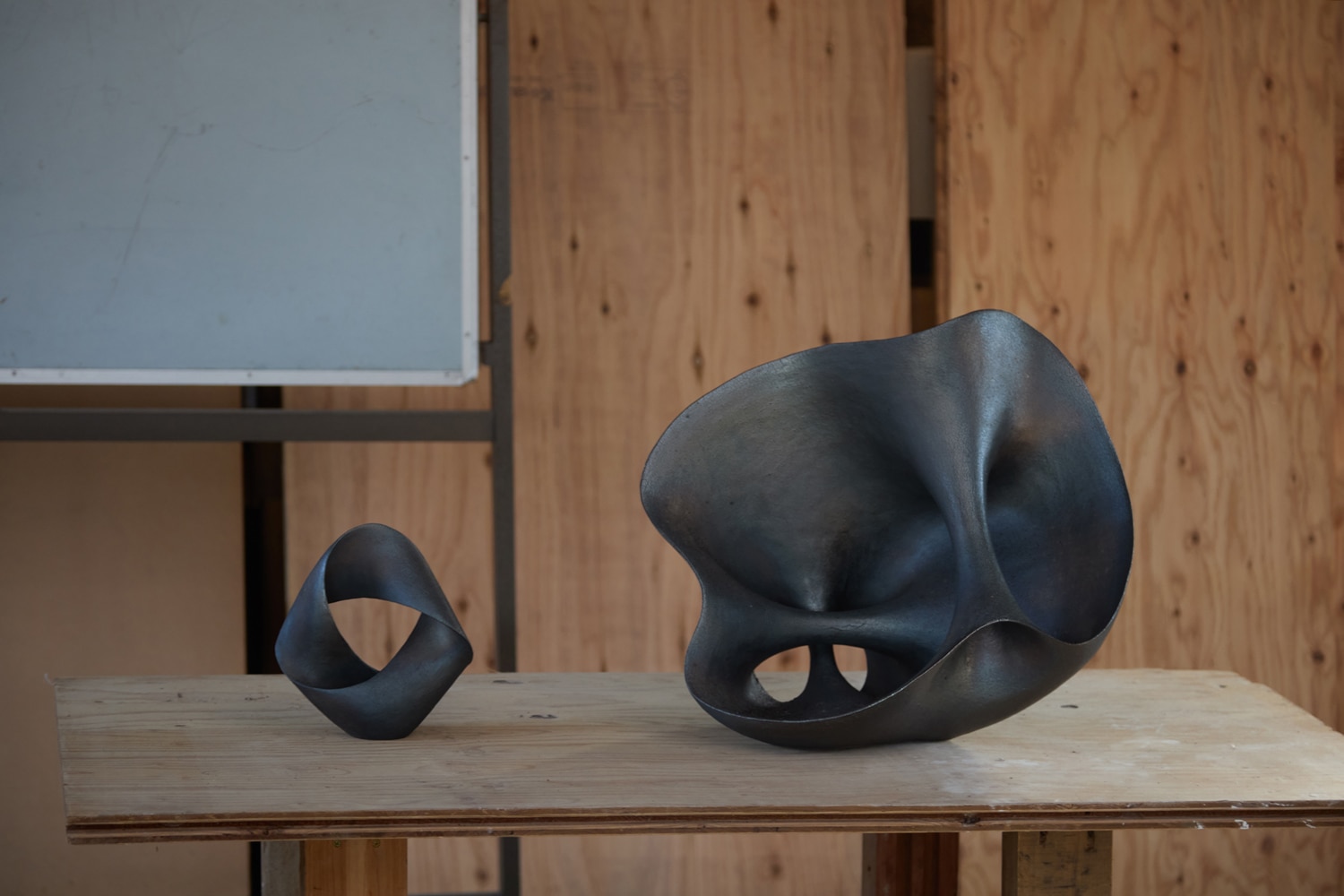
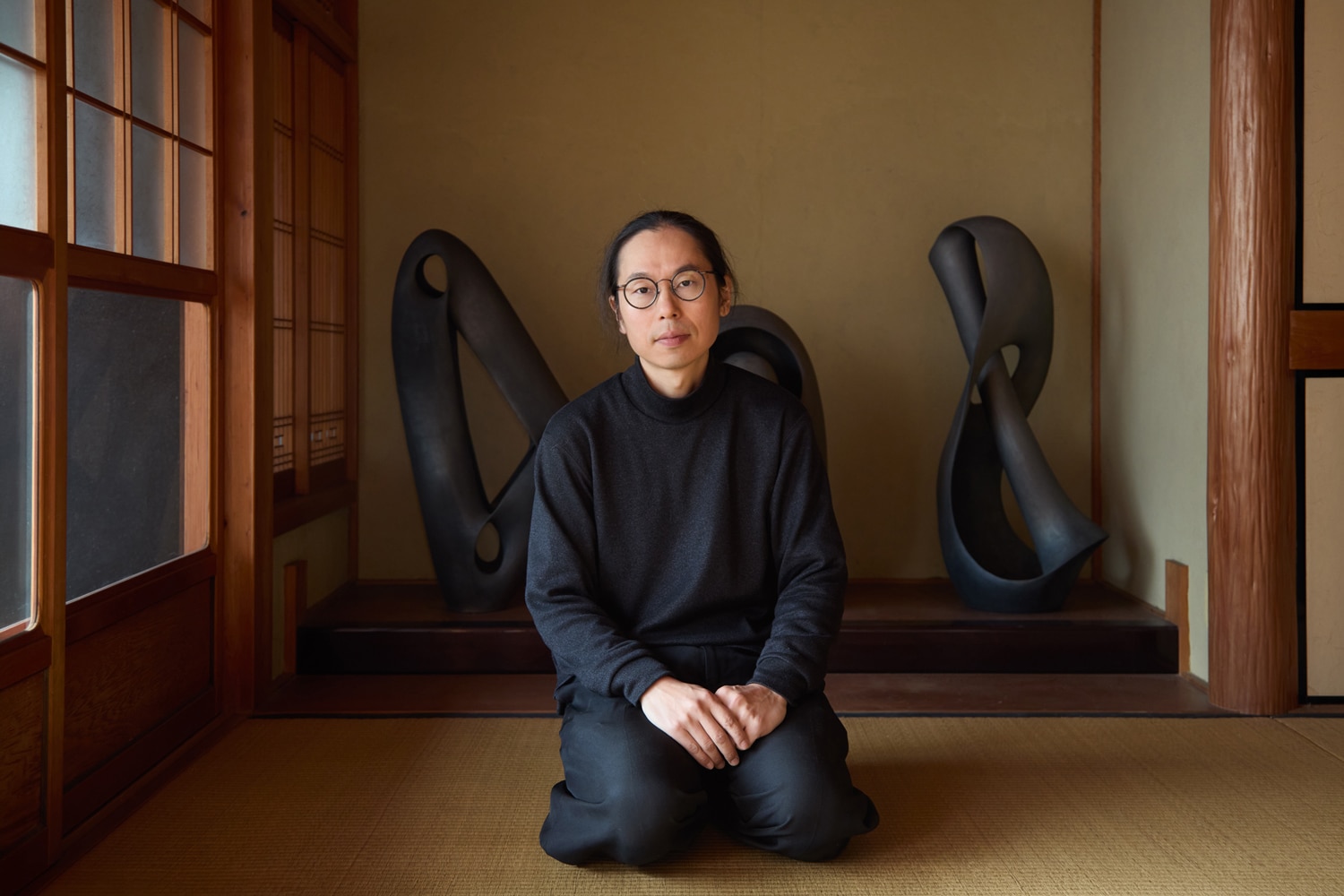
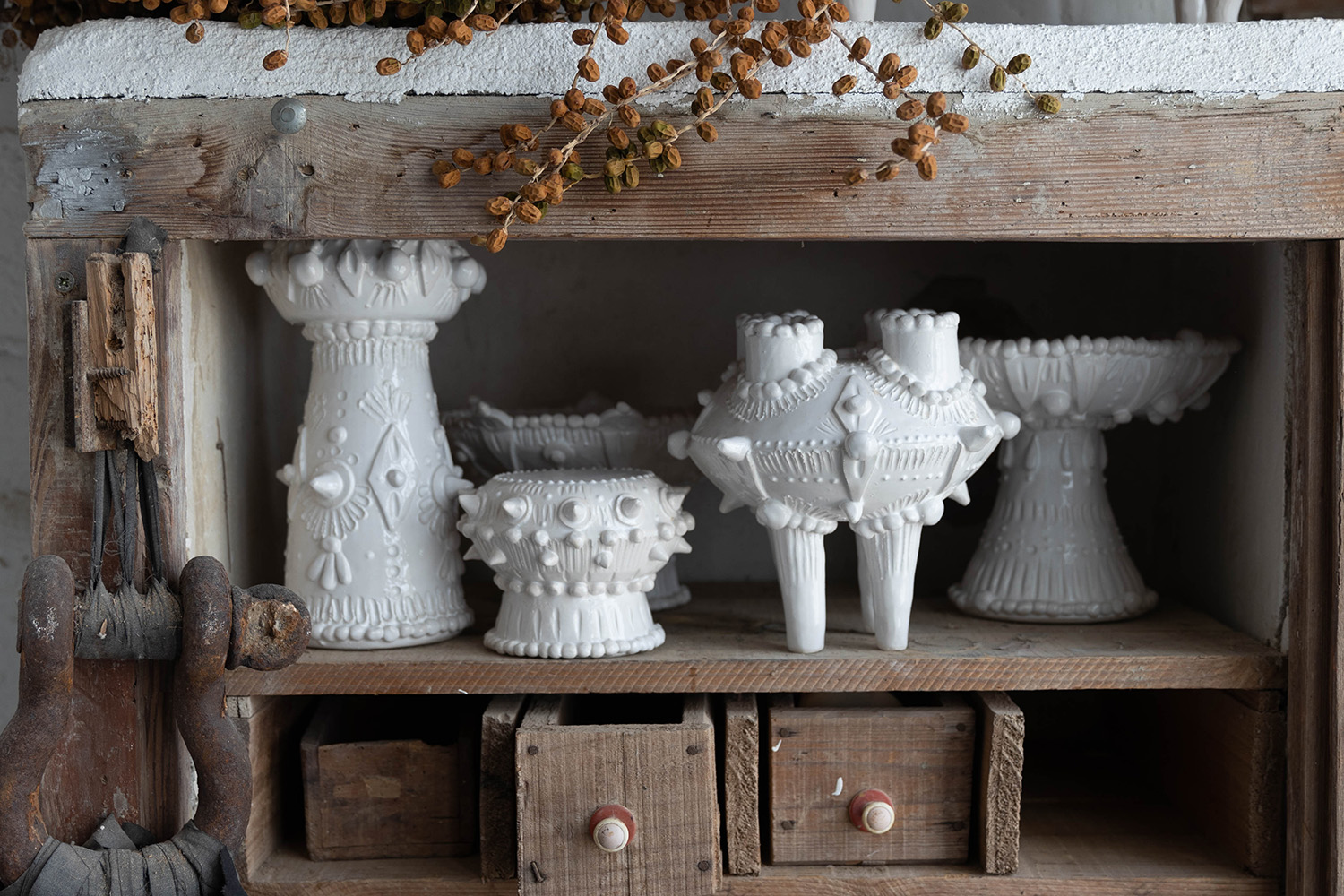
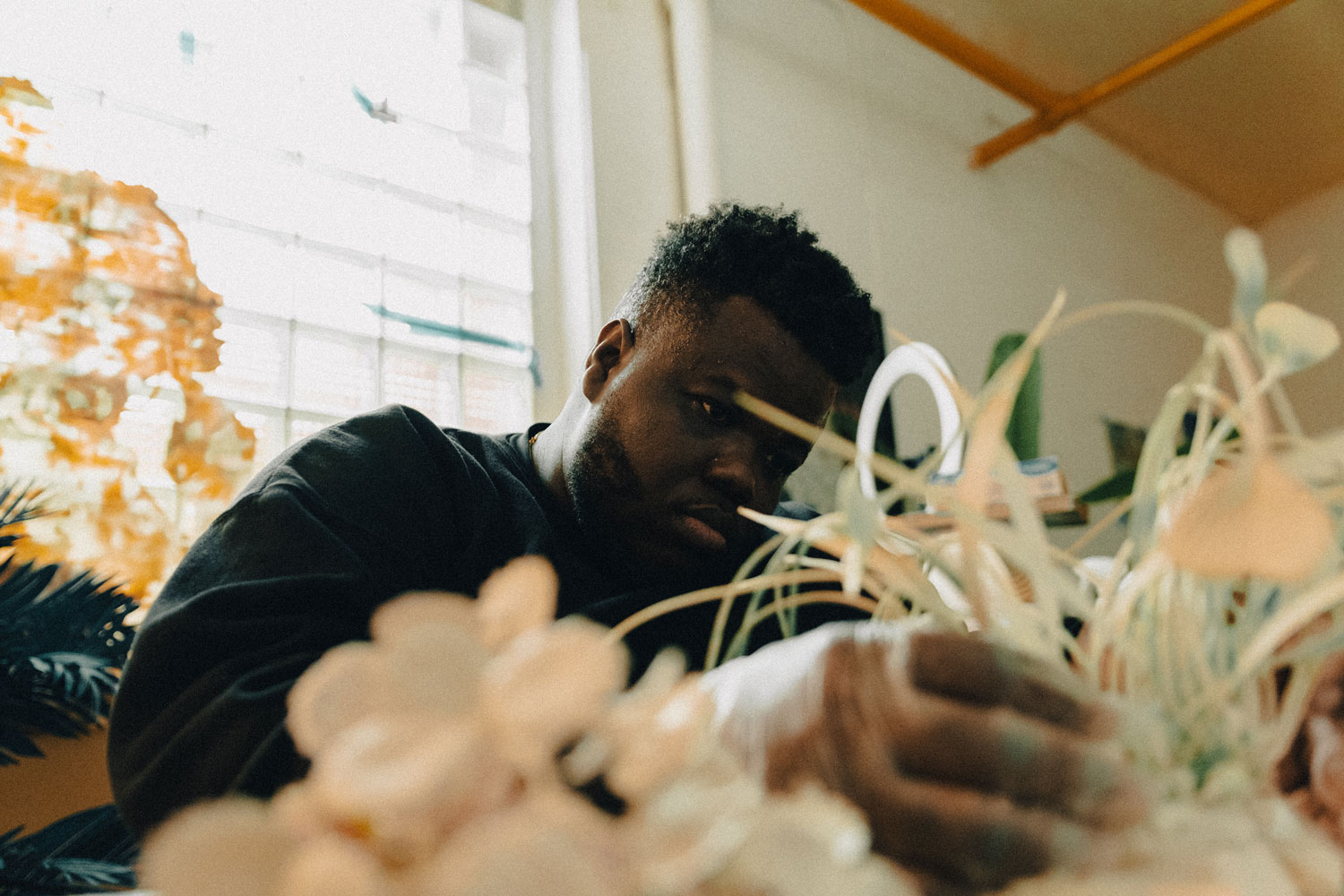
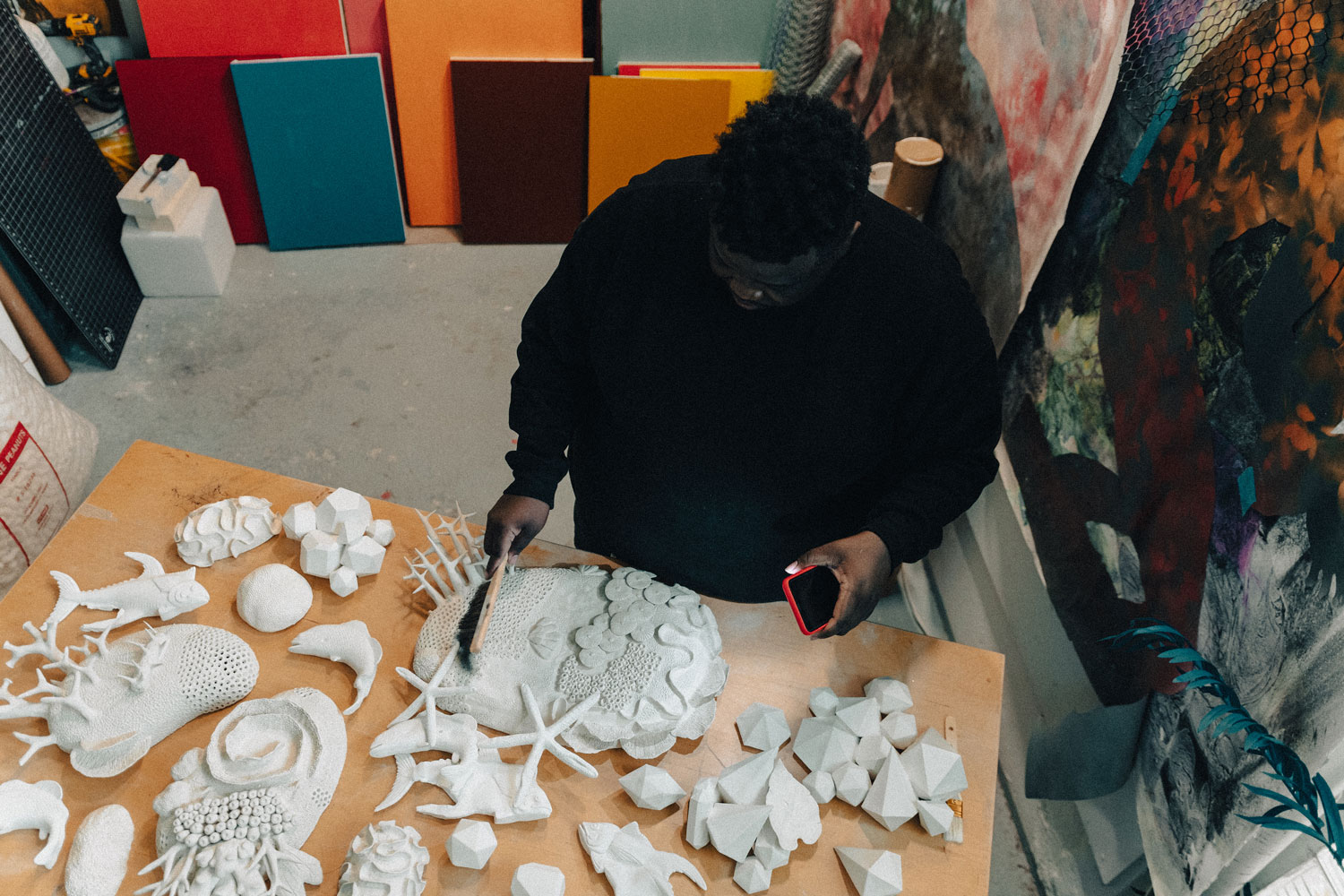
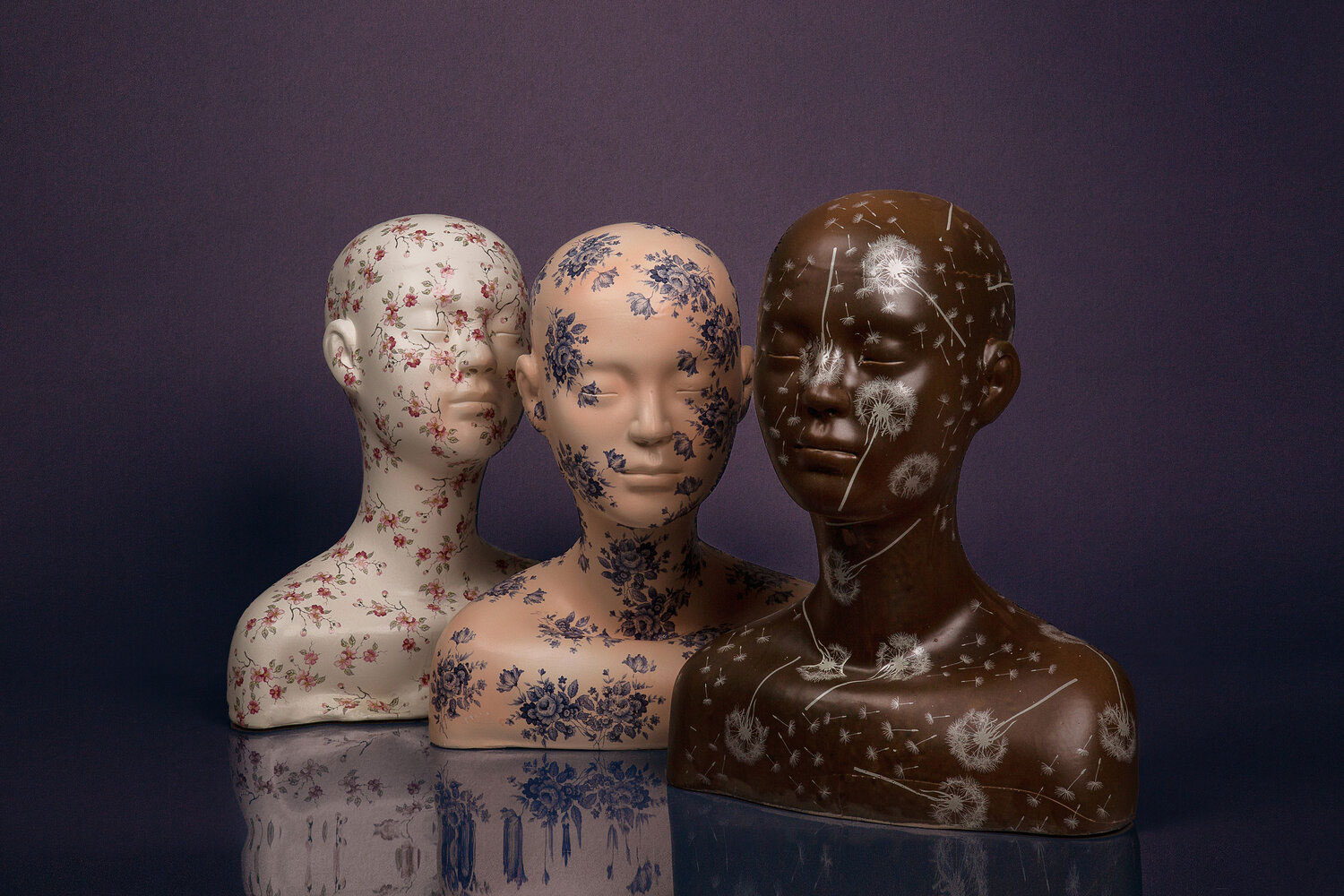
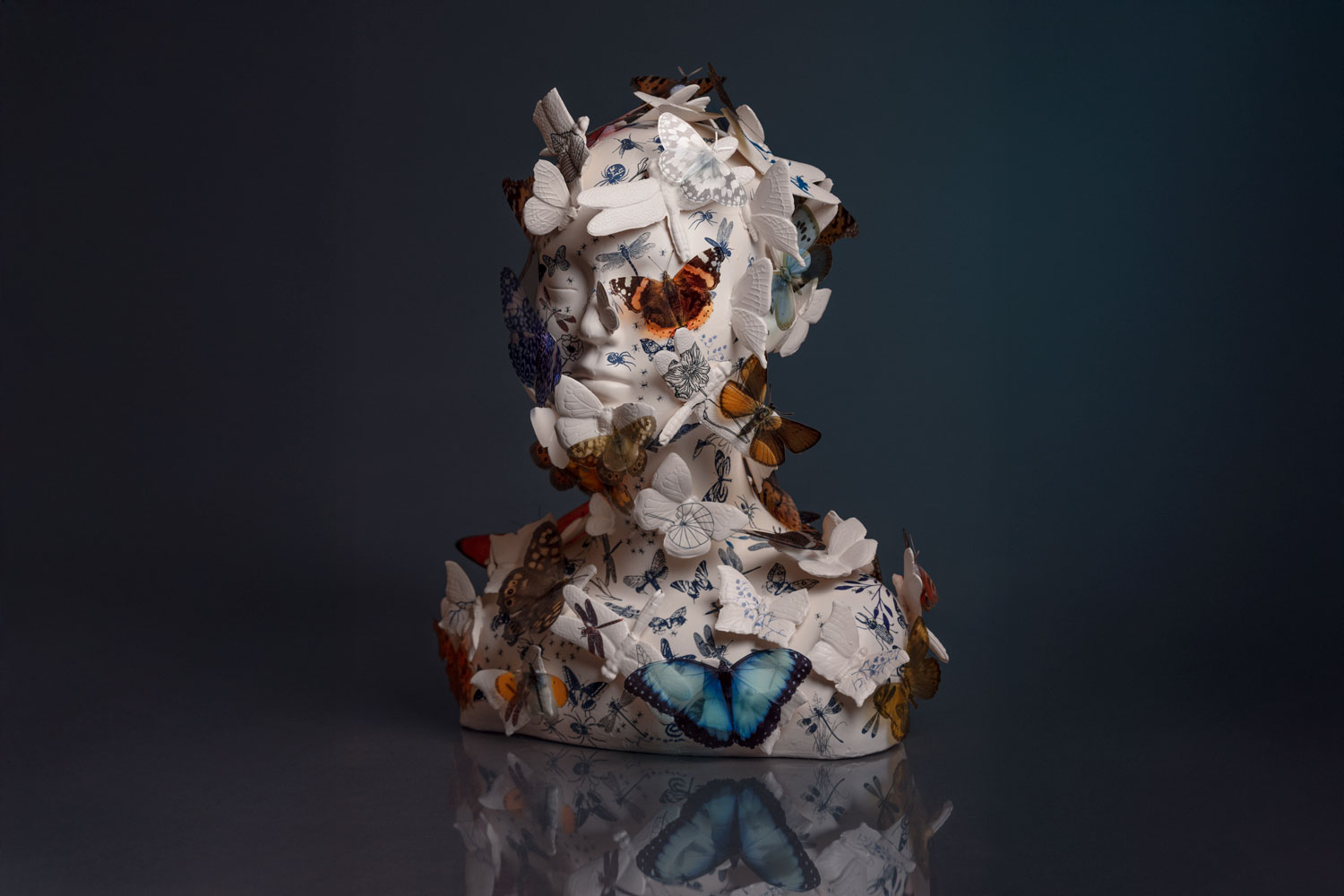
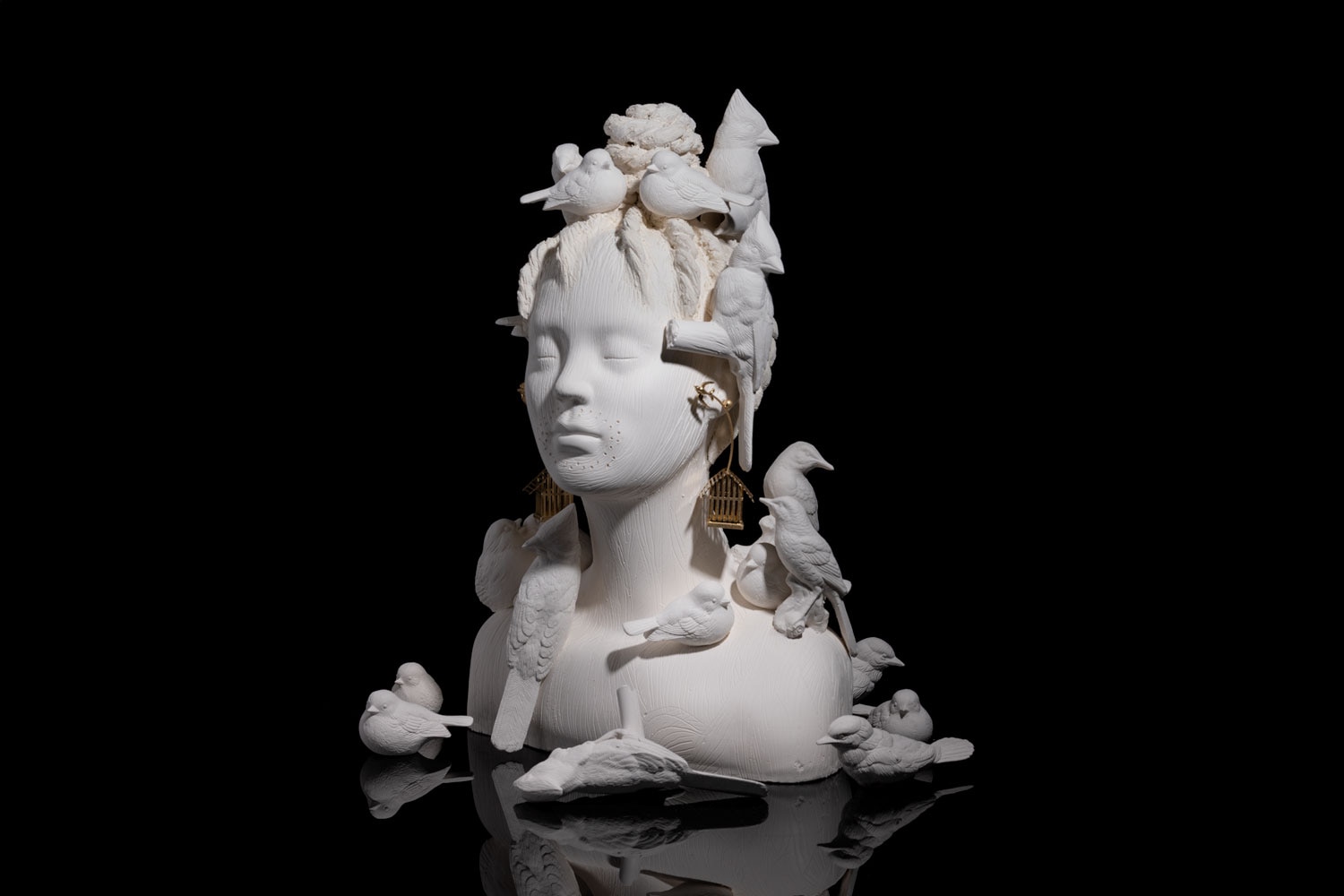
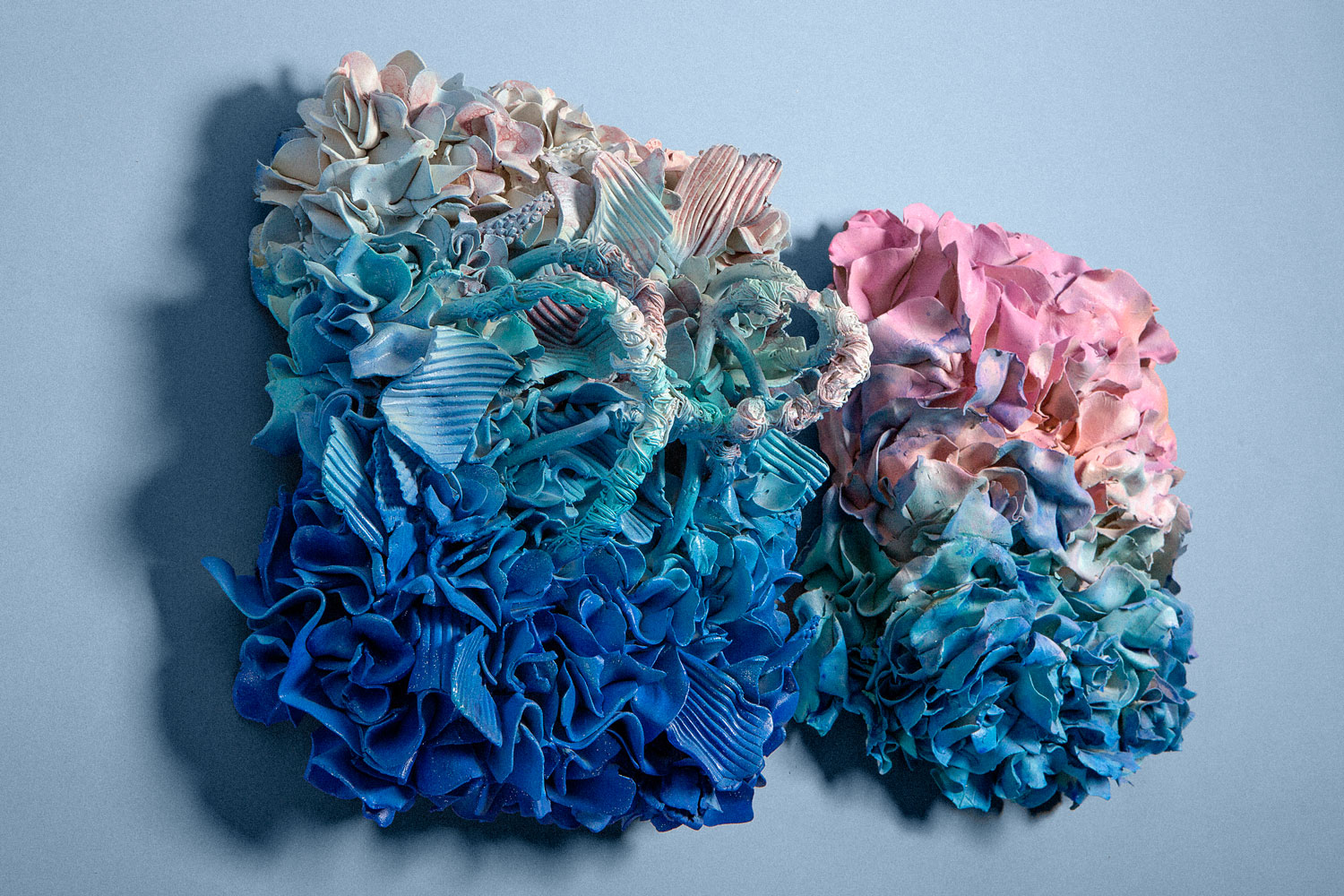
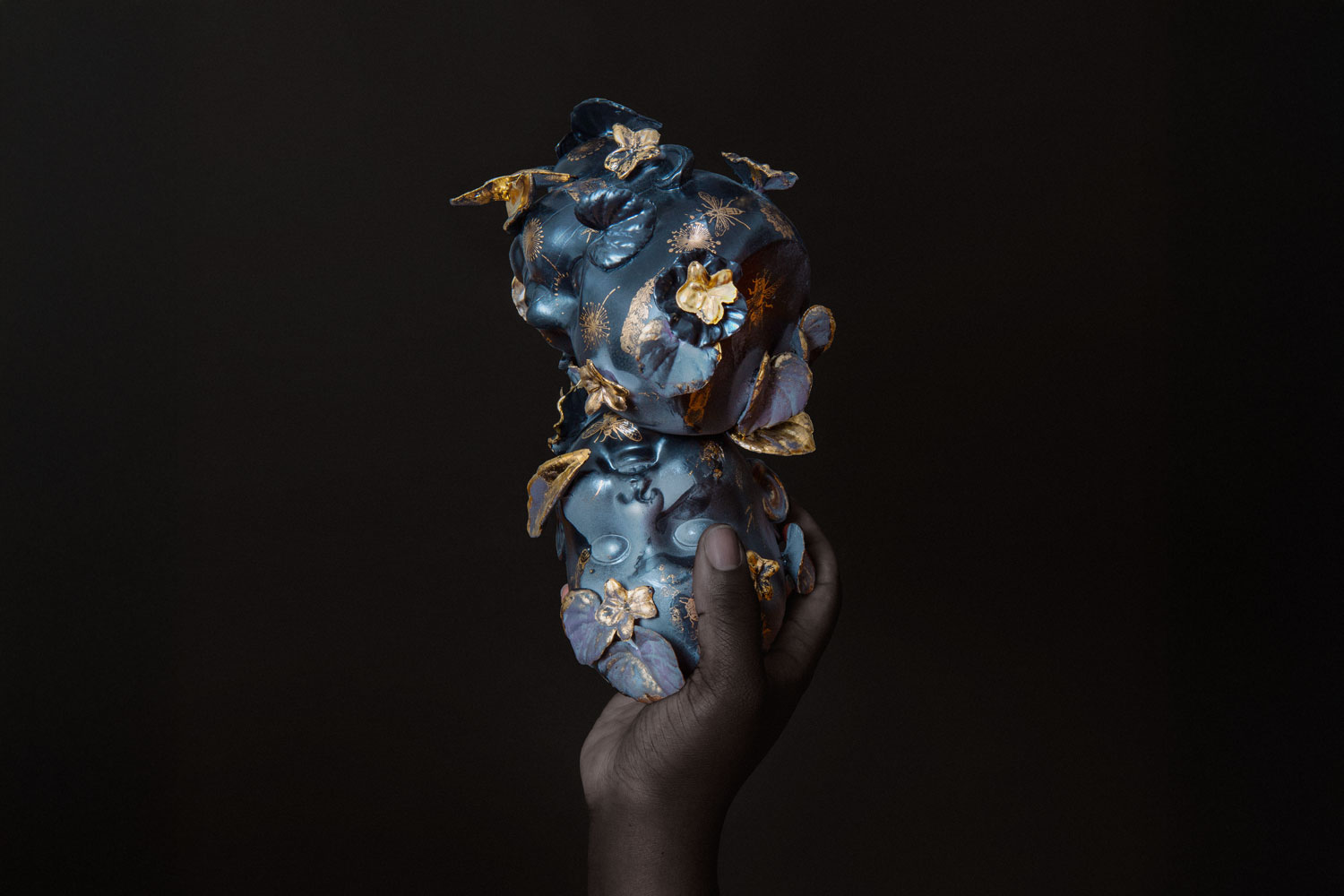
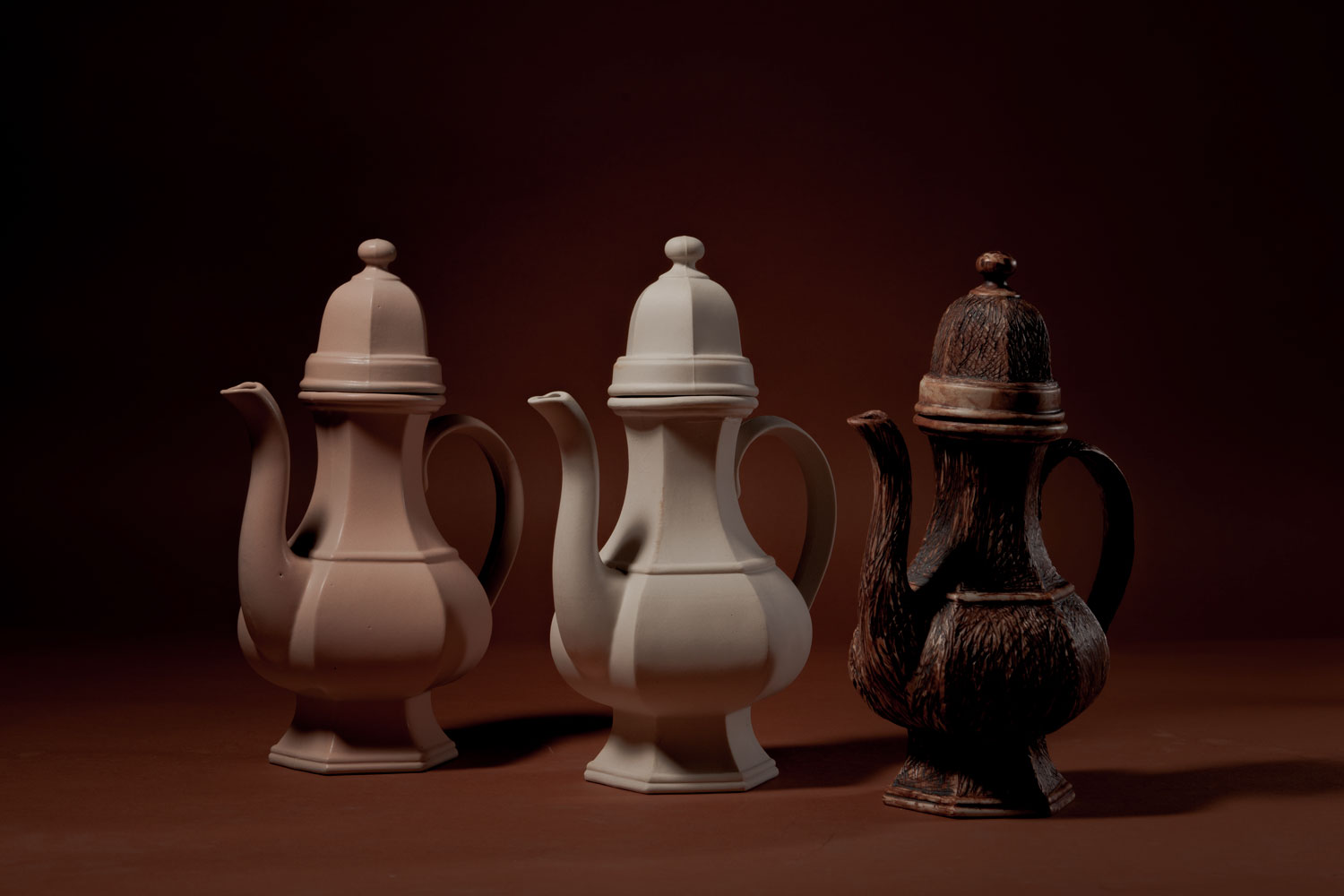
Morel Doucet’s ethereal, whimsical ceramics, often featuring gentle faces integrated with forms of nature, are not mere ornamentation. Their beauty holds a commentary on environmental decay, climate change, migration, cultural degradation and economic inequity. Morel was a toddler when his family fled Haiti’s instability. Migration has taught him how to sit with ethics, loss and how to train his eye to become attentive to what disappears quietly, from coastlines and neighbourhoods to languages and rituals. Morel’s work now lives in private collections and public spaces worldwide. Remembering for him is an active, necessary practice. “Art is not only personal expression, it is a social act. It teaches us to care and imagine otherwise,” he says.
Discover his work
INTERVIEW
I come from makers, storytellers and survivors, whose hands knew how to mend, cook, build and pray. Drawing became my first language, a place to hide and speak at the same time. Ceramics came later, but once I touched clay, it felt like recognition.
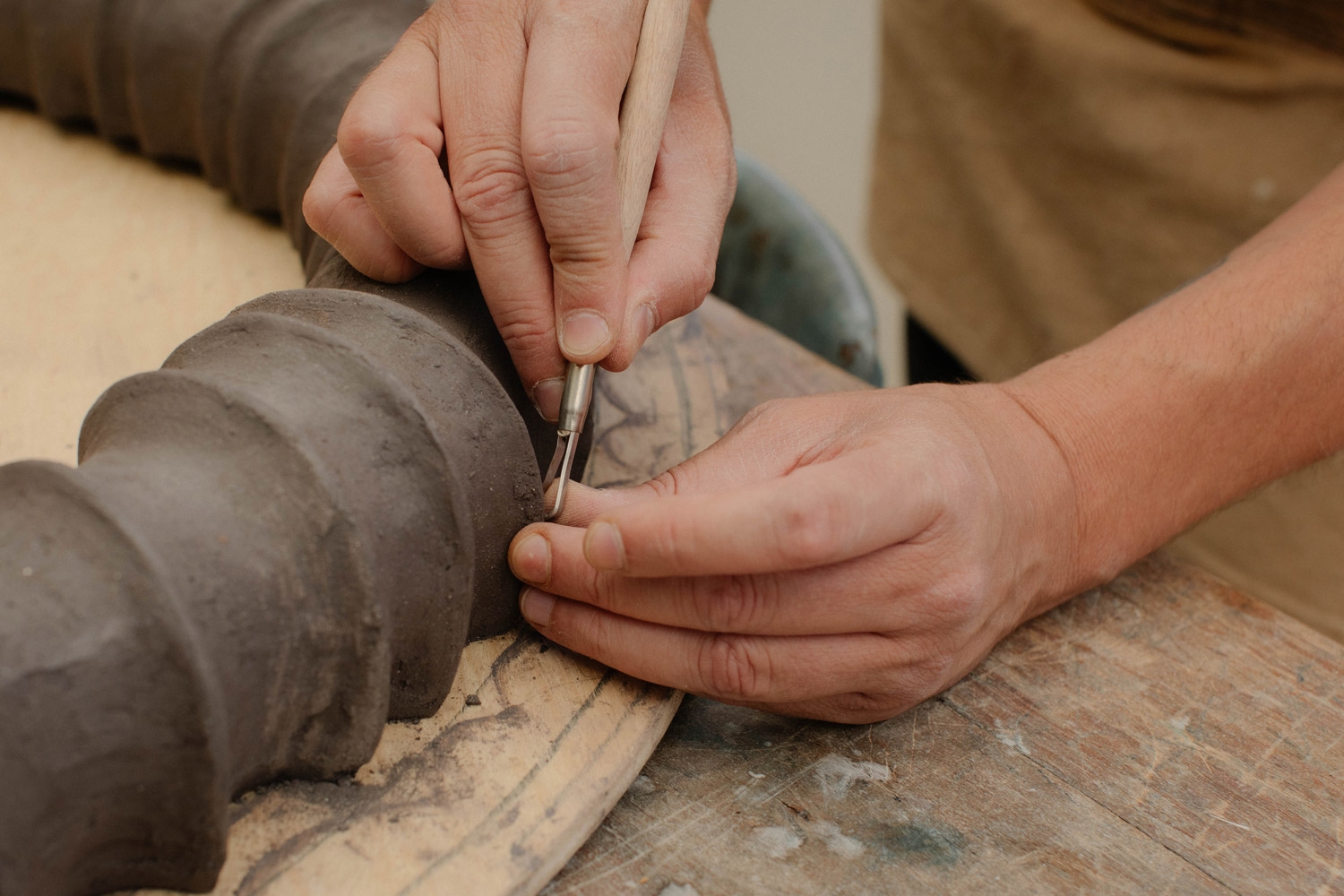
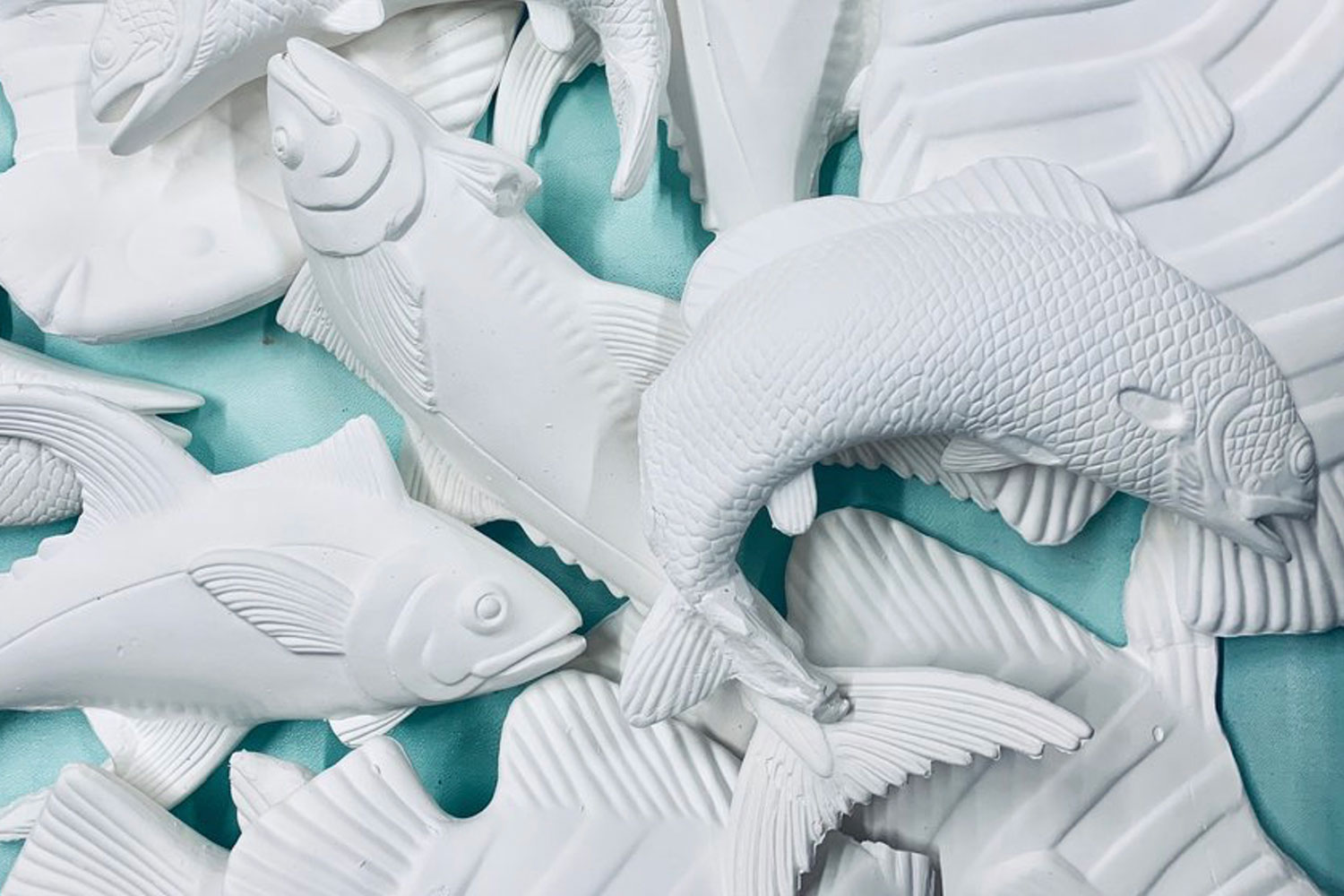
In Haiti, land is never neutral. It holds history, labour, extraction and survival. To me, clay is land you can hold. It erodes, cracks and transforms, much like the places and people shaped by migration and climate.
I watched land disappear and people pushed out, and the experience formed how I understand material and place. My work emerged from the realisation that environmental degradation is also cultural degradation, and that repair must be imagined on multiple levels.
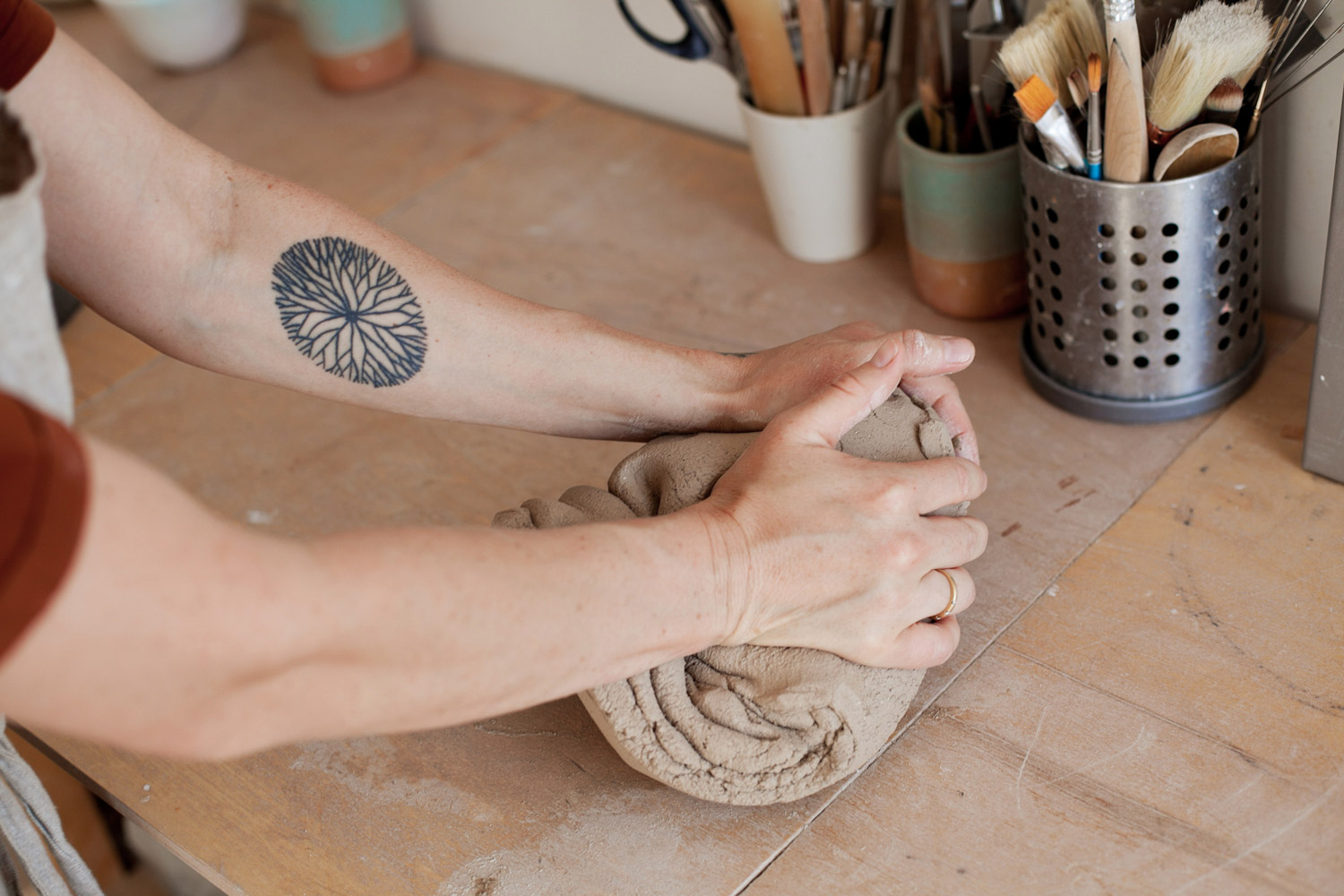
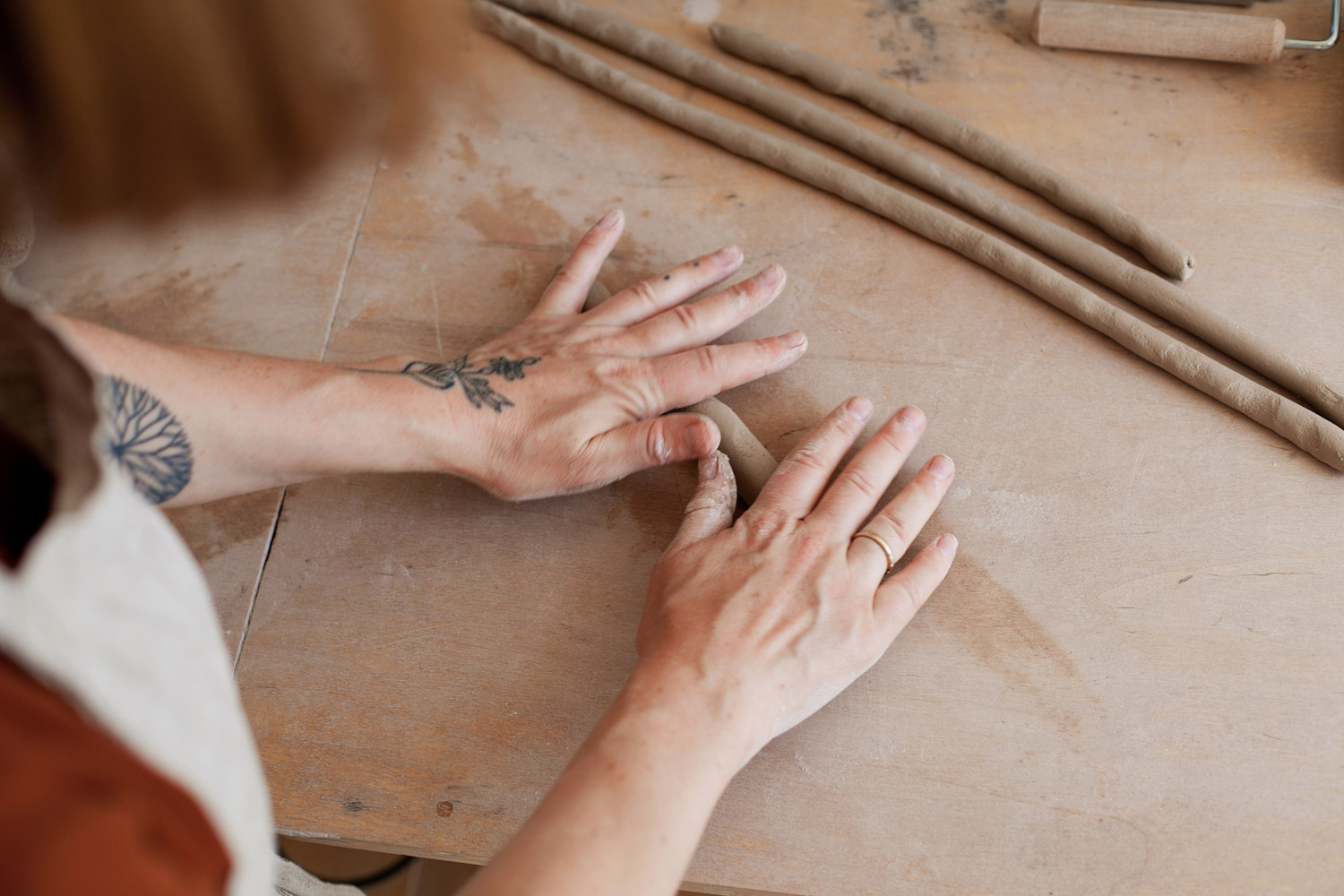
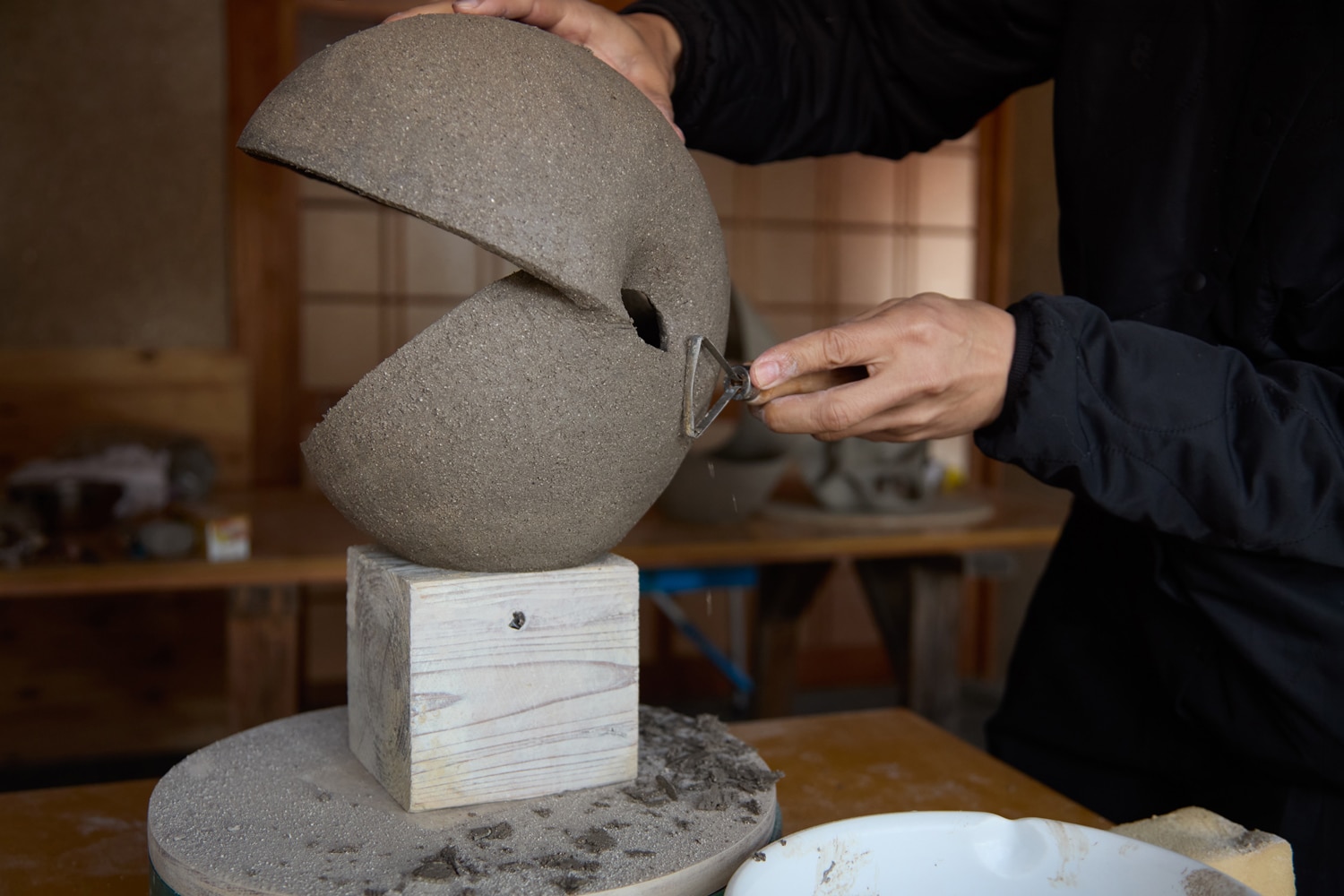
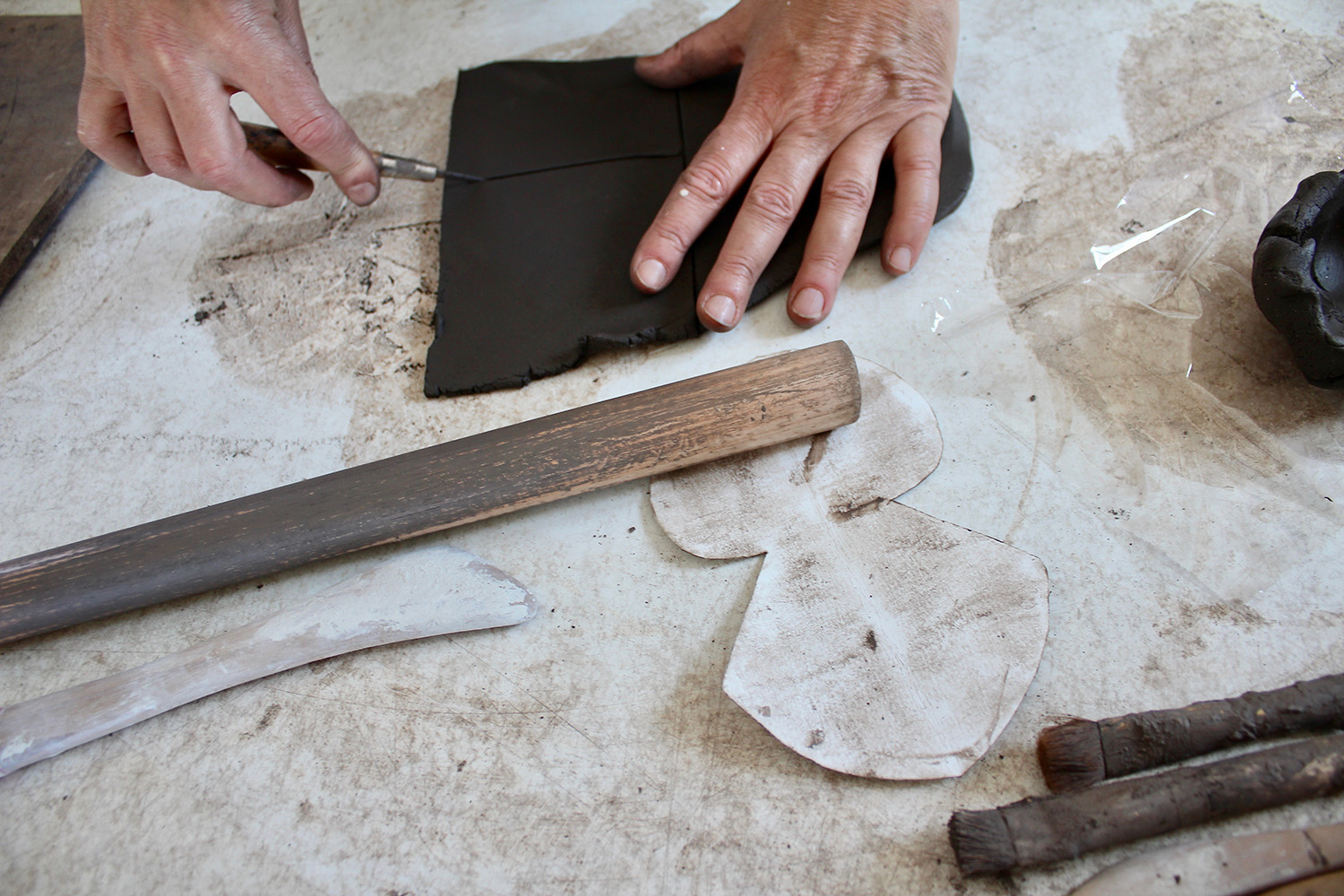
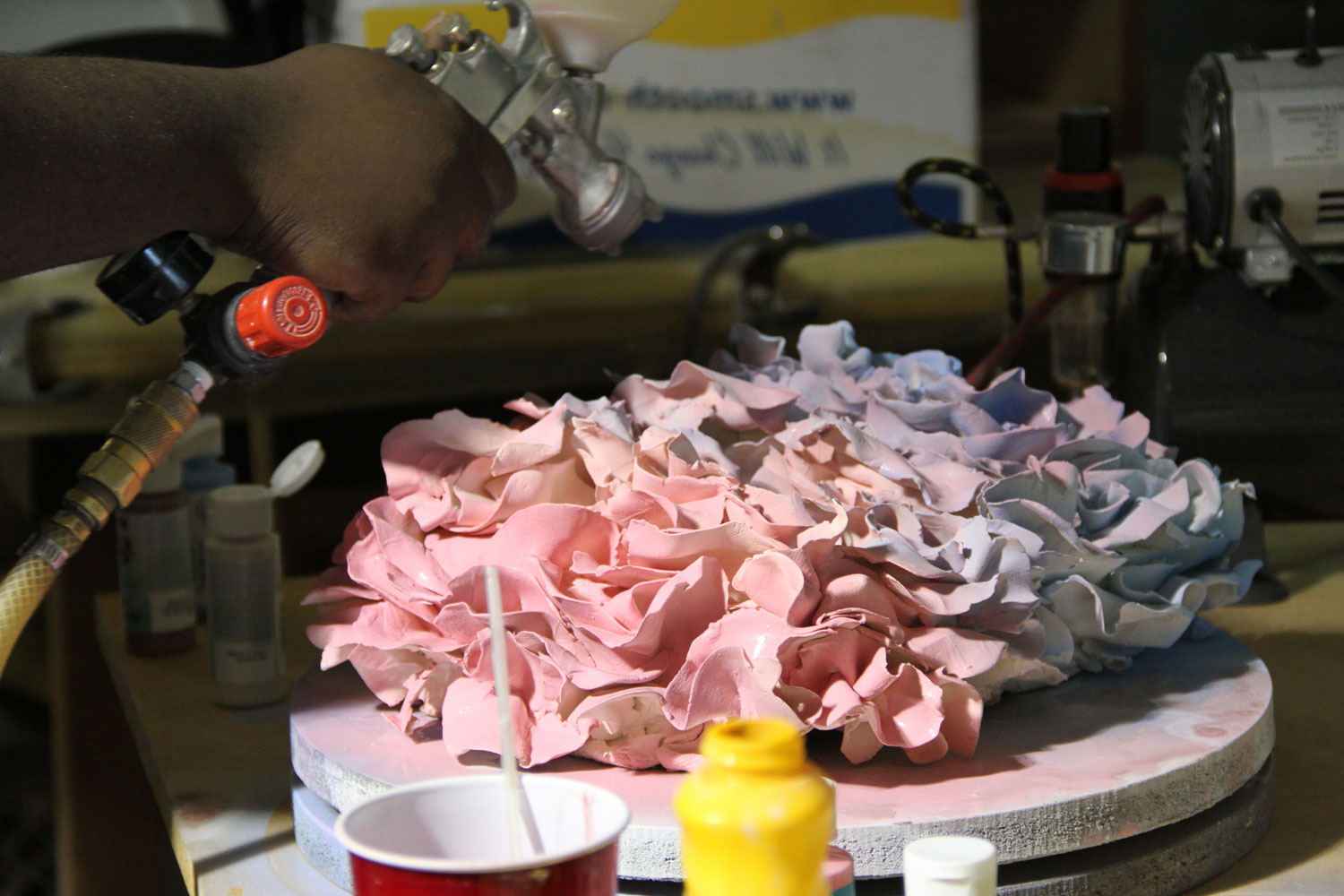
Clay is slow, refusing urgency. It collapses when rushed and cracks when forced. Uncertainty lives at every stage. And yet this is also the delight. The material records every hesitation, decision and breath. It keeps me honest and humbles me daily.
Morel Doucet
Ceramicist
Miami, FL, USA
ADDRESS
Address upon request, Miami, FL, USA
AVAILABILITY
By appointment only
LANGUAGES
English, Creole
Homo Faber Finds is a new service aiming to inspire admirers of craft to connect and collaborate with exceptional artisans.
We invite you to submit an enquiry here.
DSC02402_©Meg-Lovell.jpg)
DSC01379_©Meg-Lovell.jpg)
DSC01458_©Meg-Lovell.jpg)