Mitsuru Yokoyama
Tatami maker
Sakyo Ward, Japan
A modern makeover
- Yokoyama is a master artisan specialising in tatami mats
- He is committed to protecting cultural heritage
- He makes traditional tatami for temples as well as more contemporary pieces
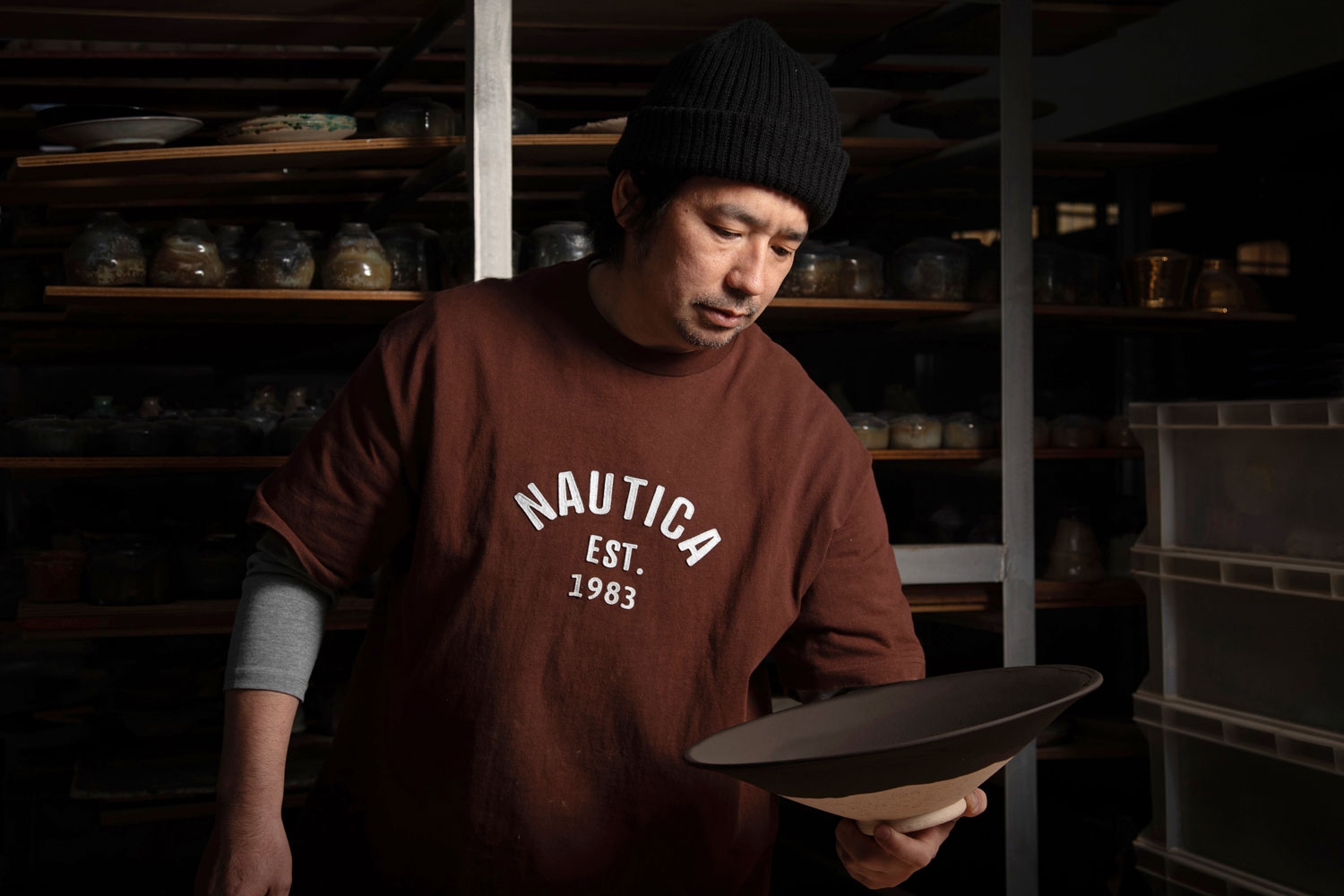
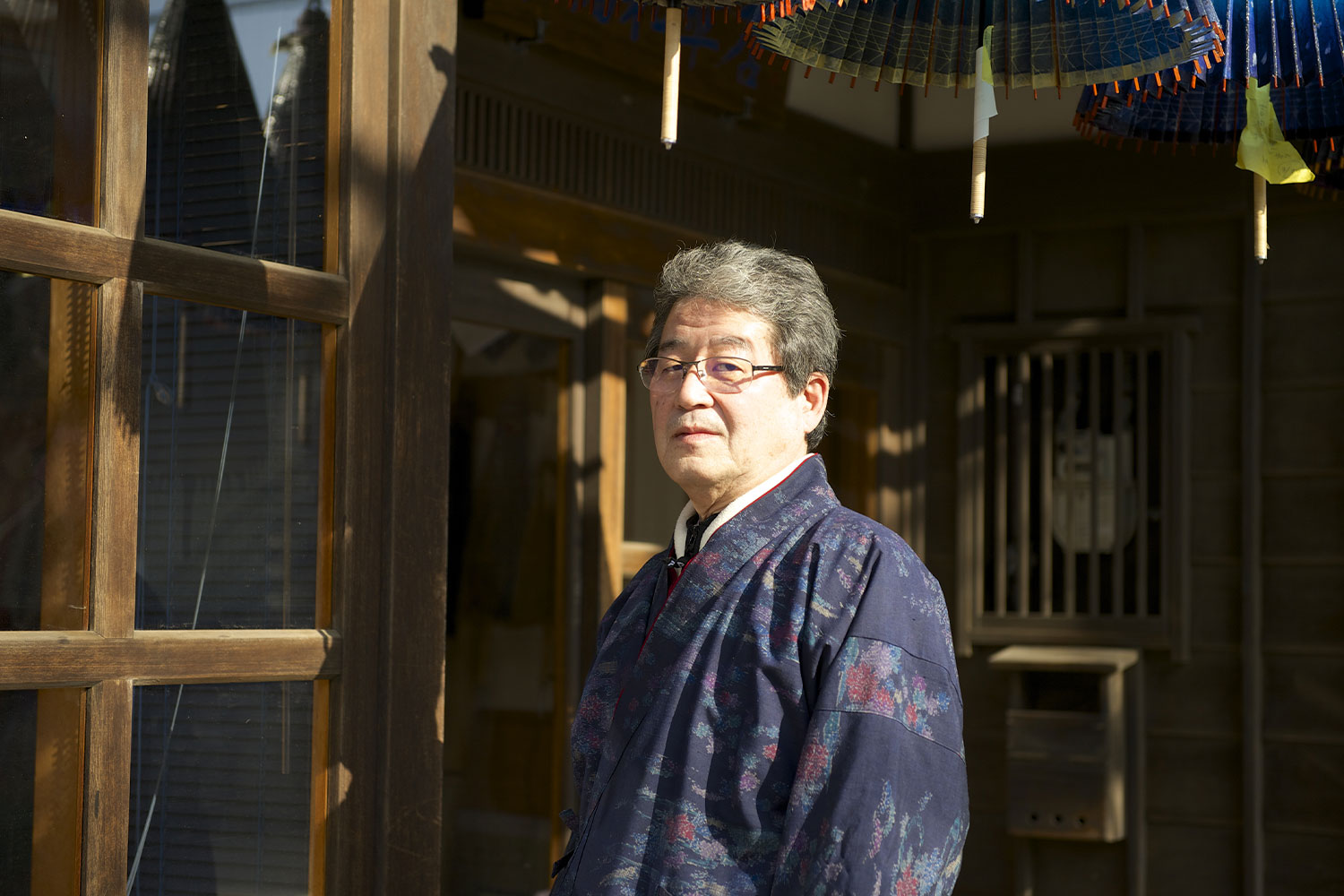
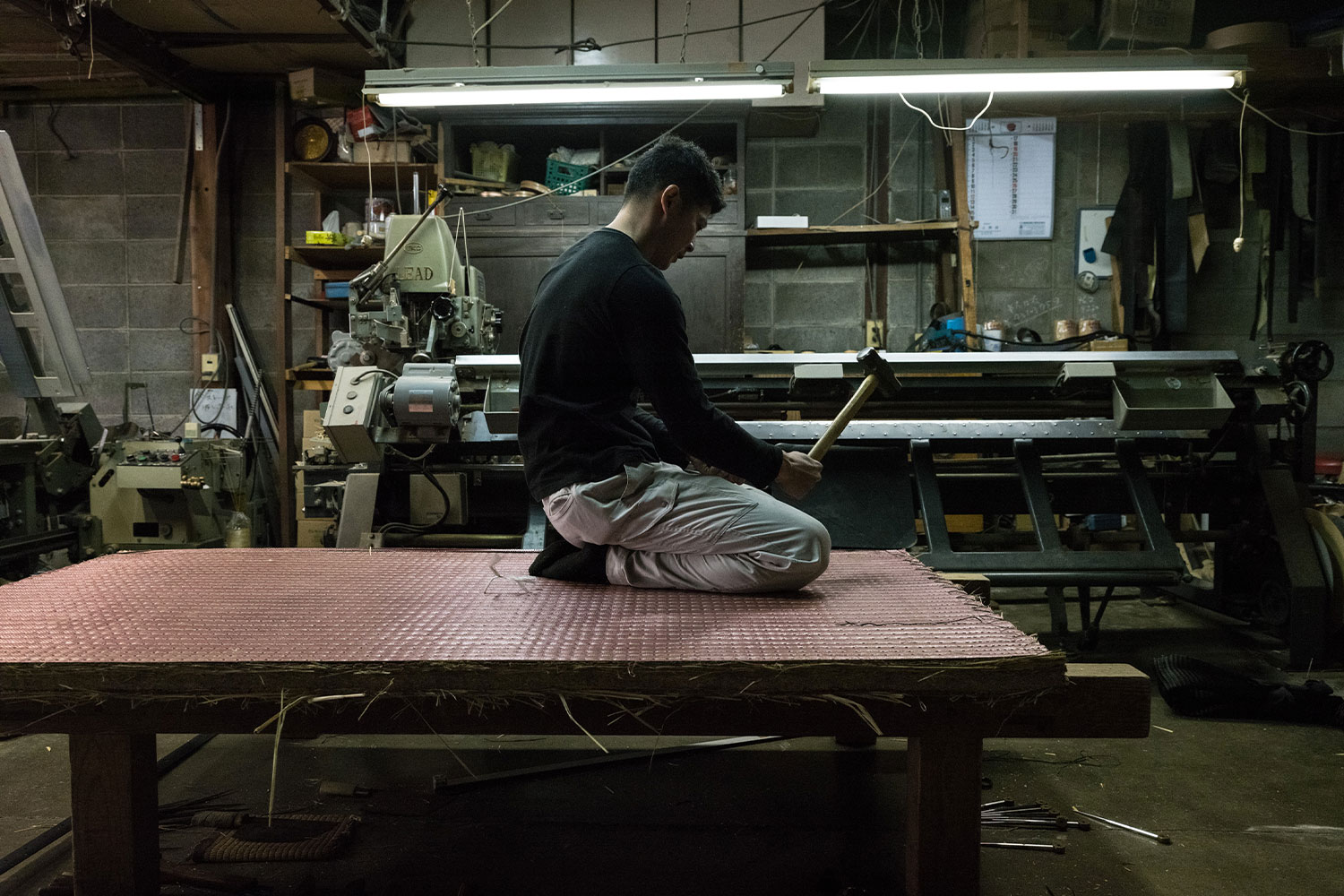
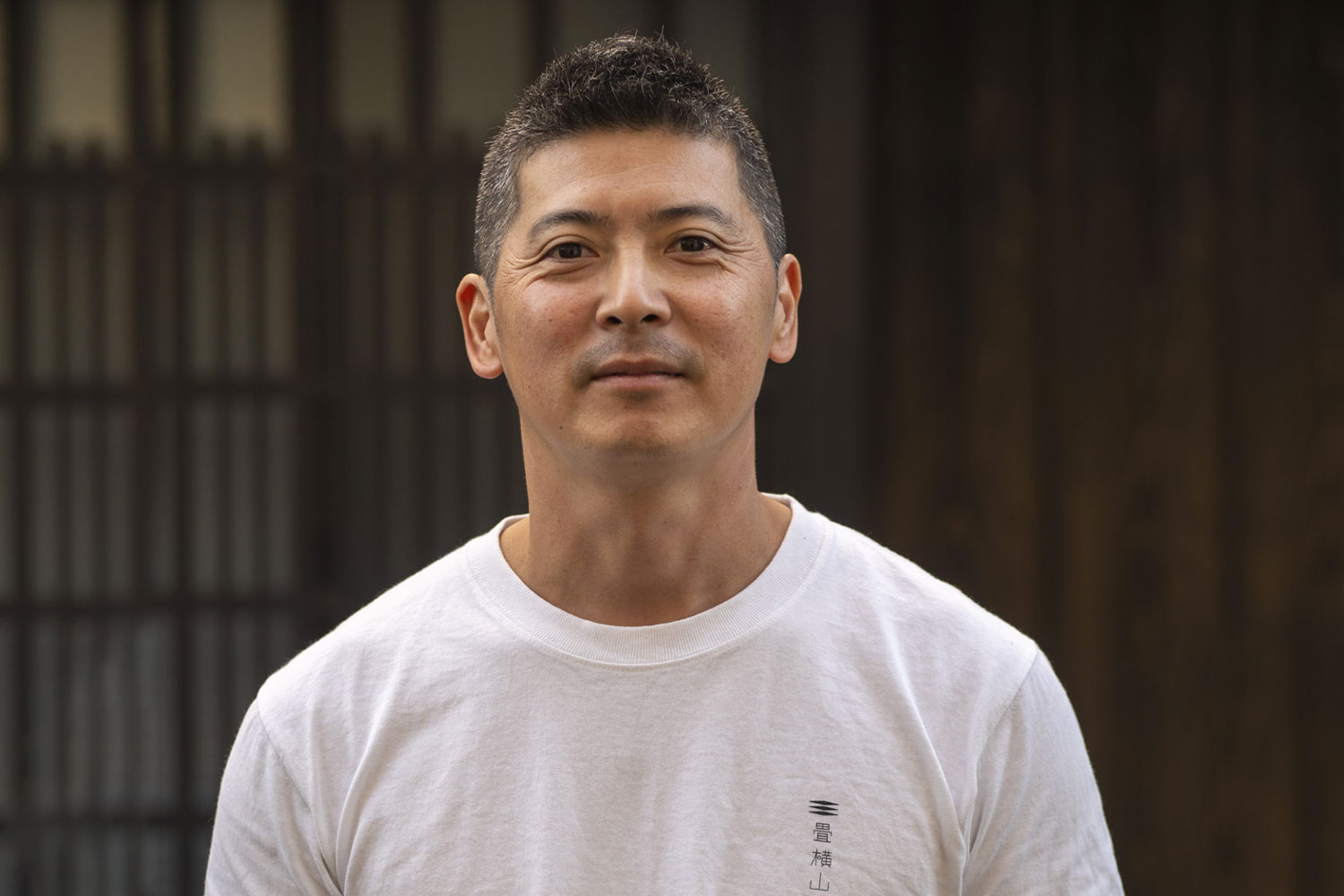
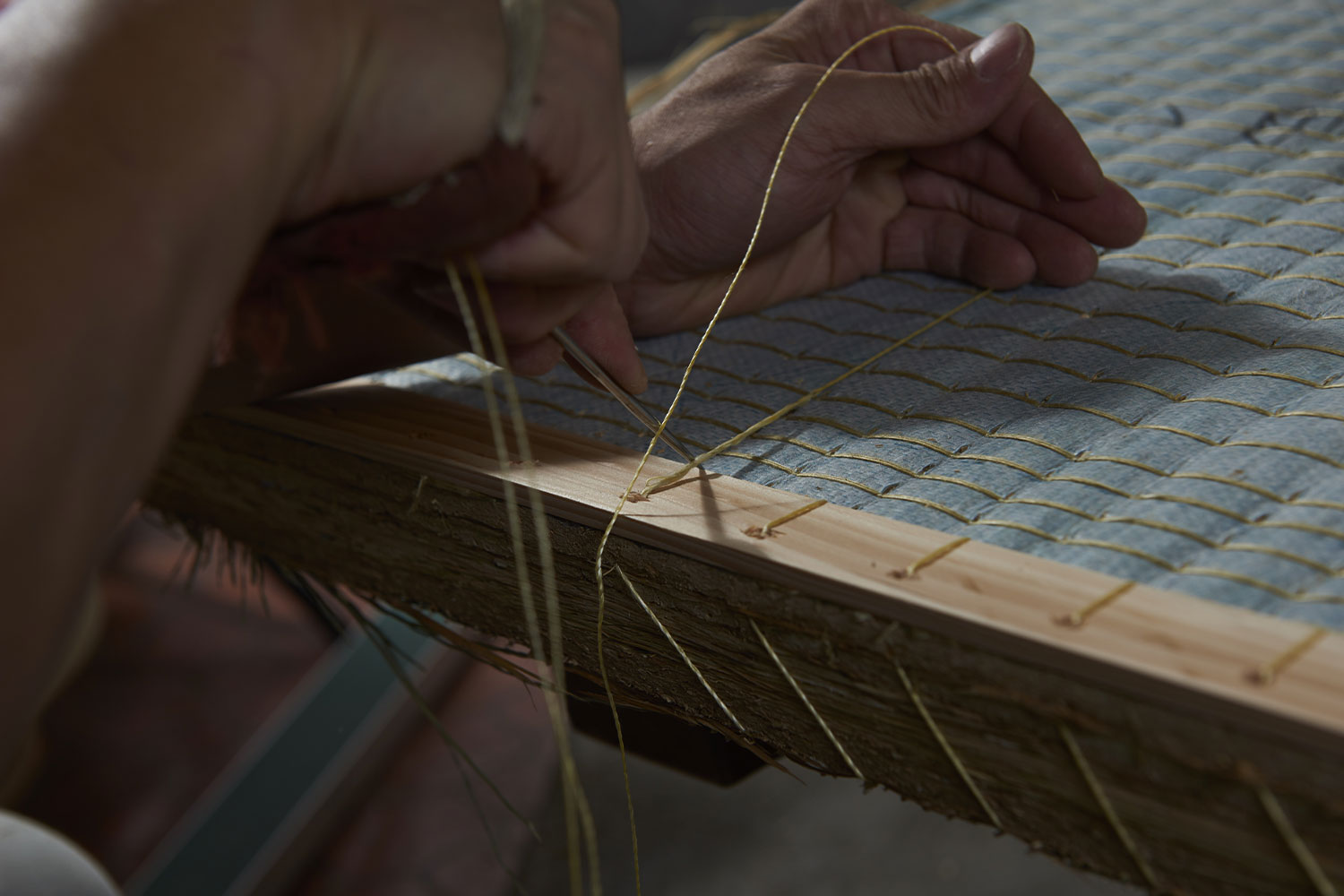
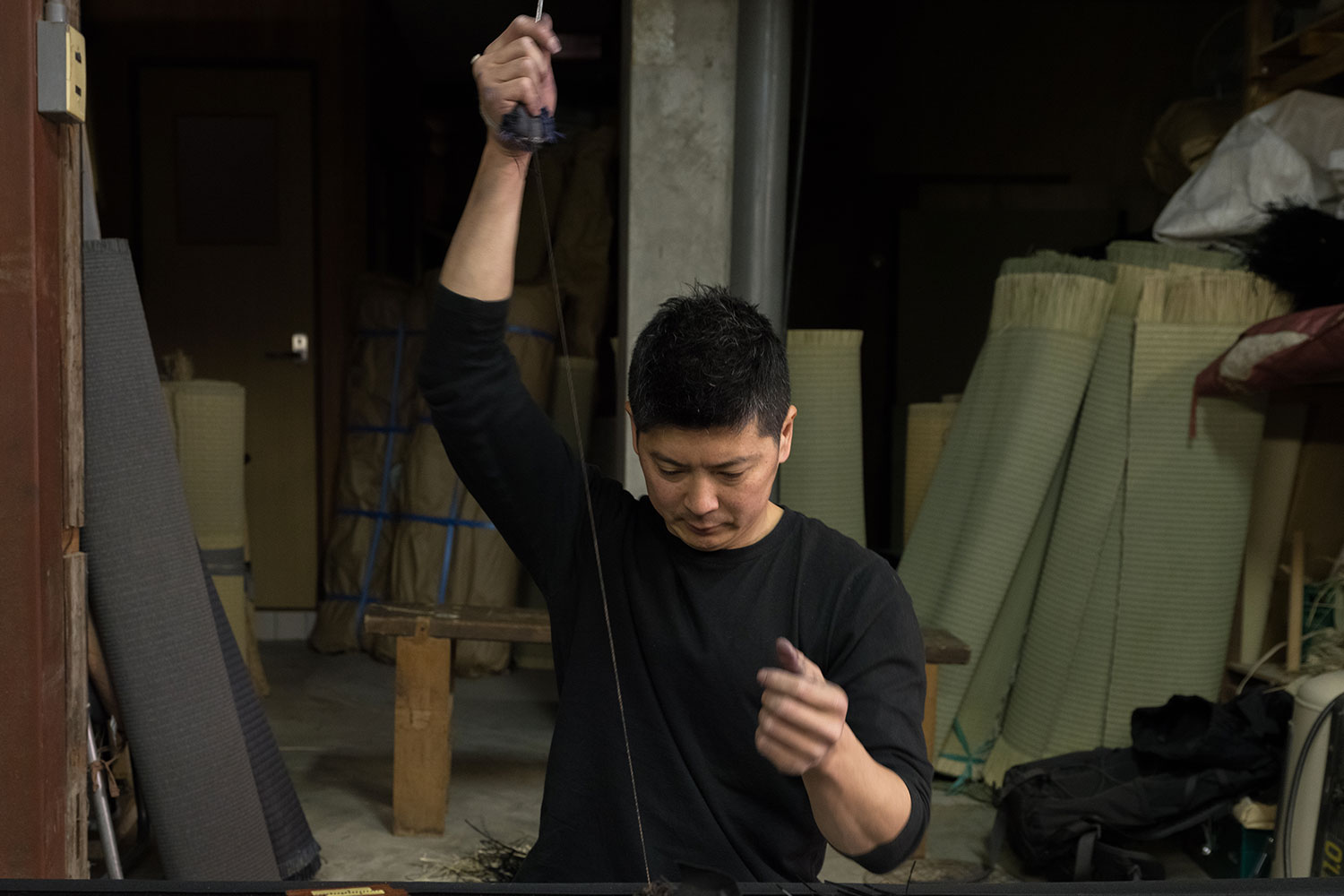
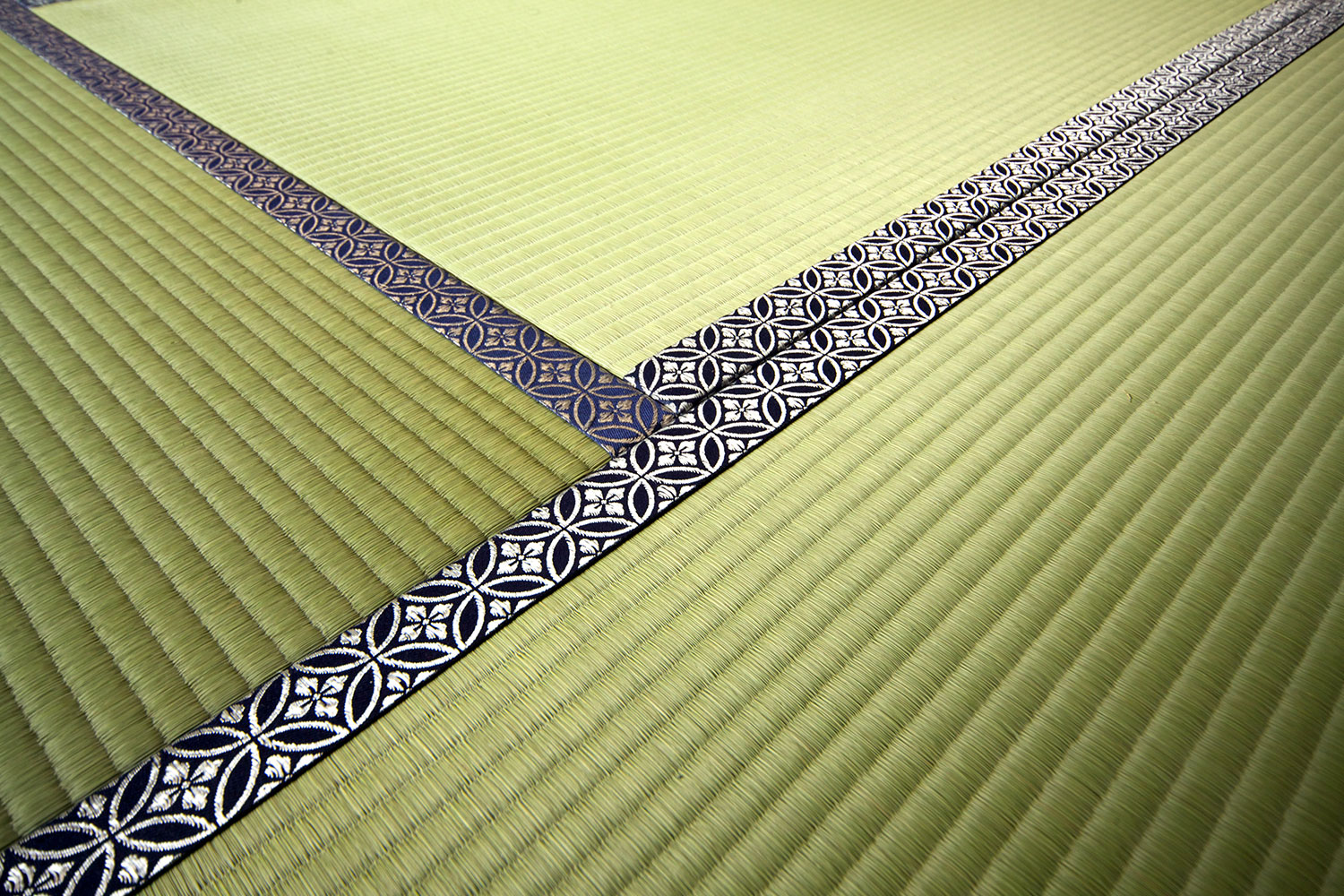
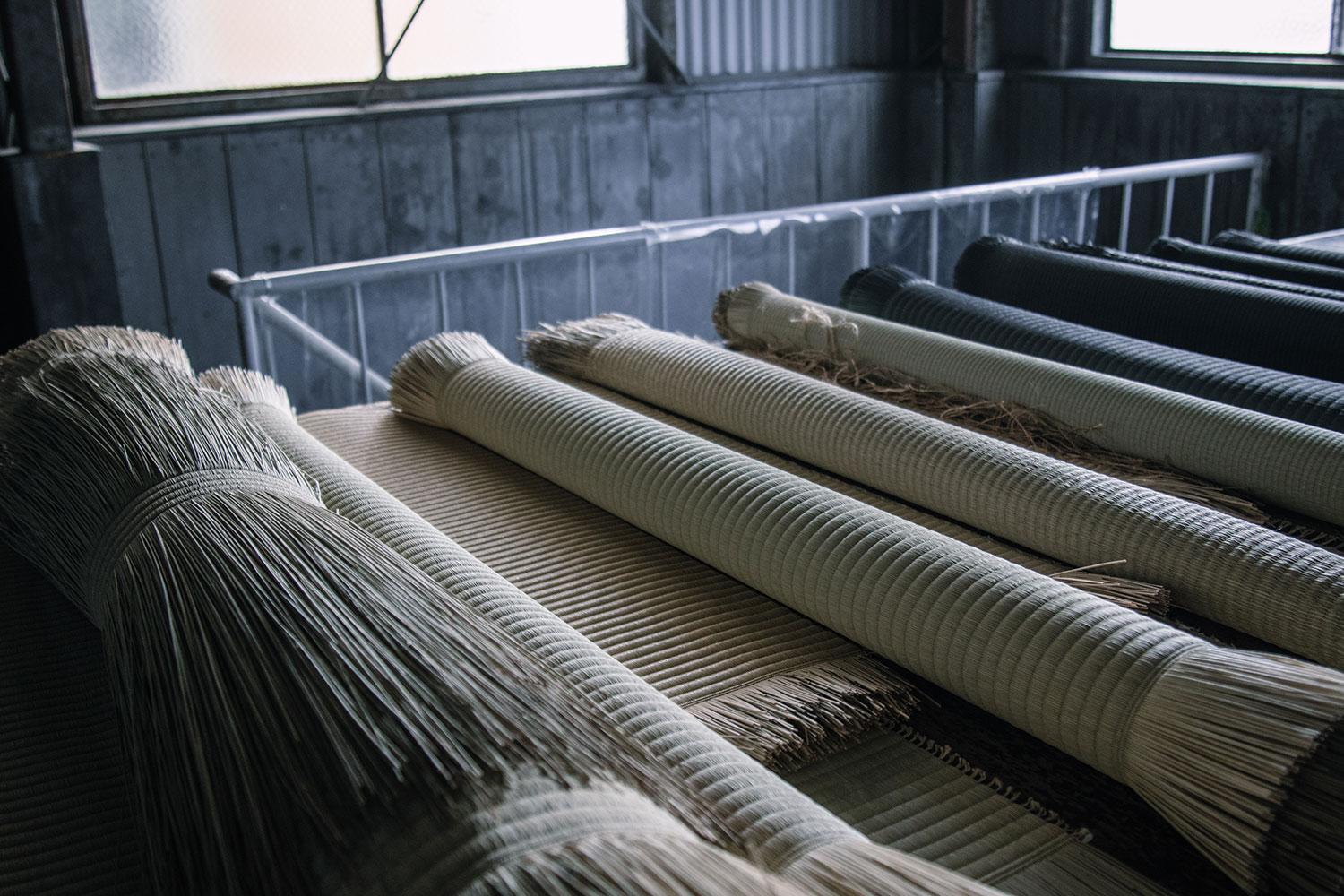
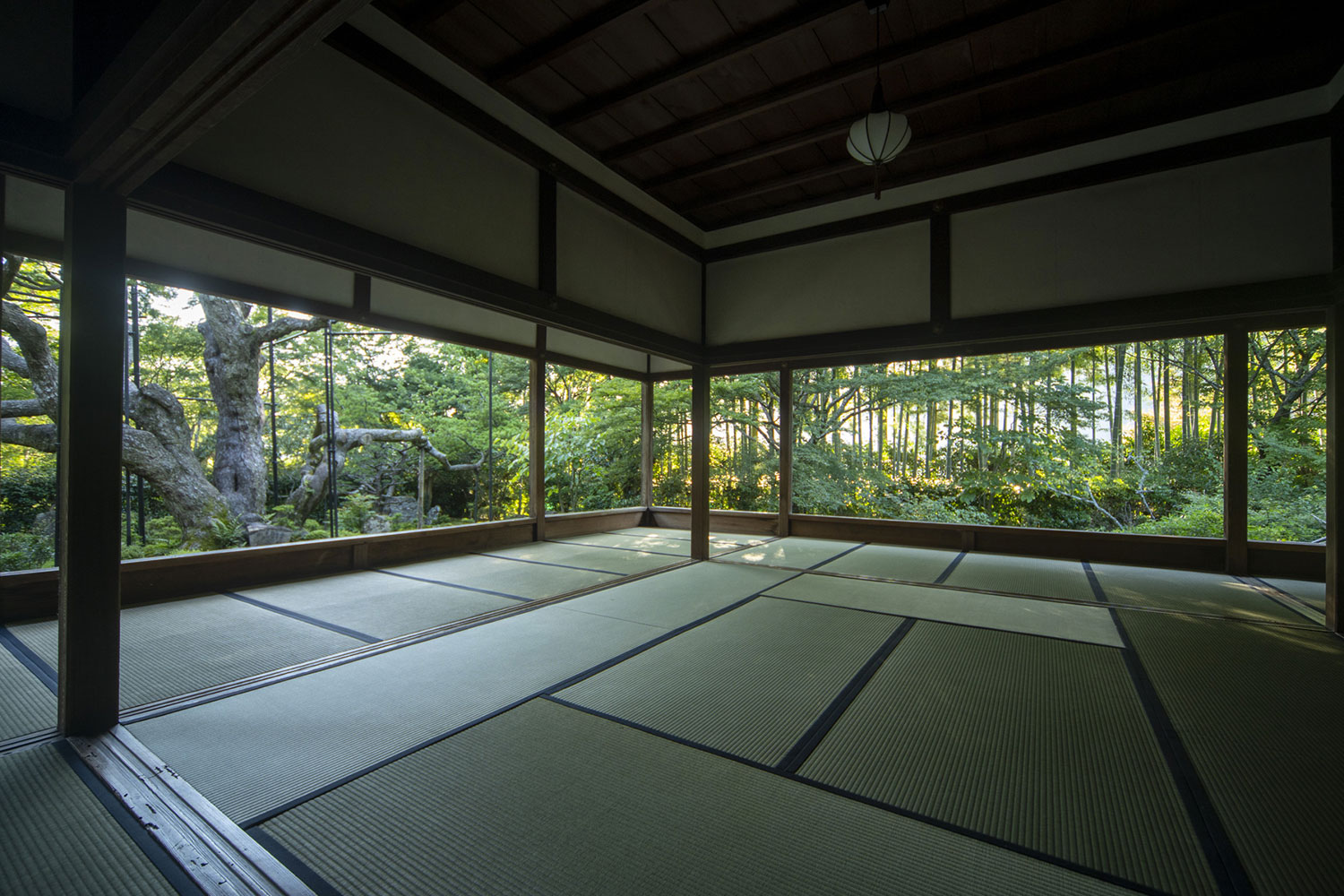
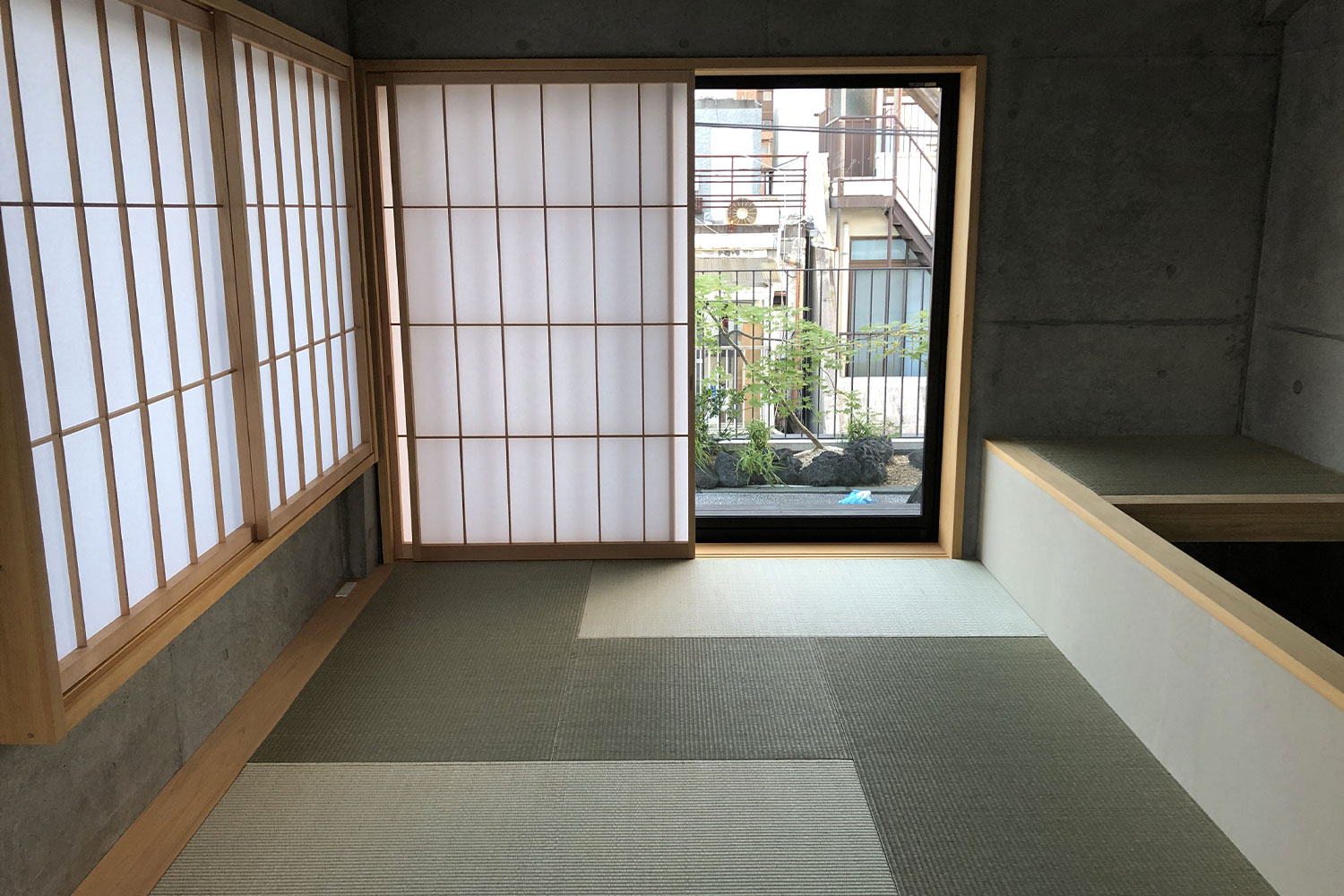
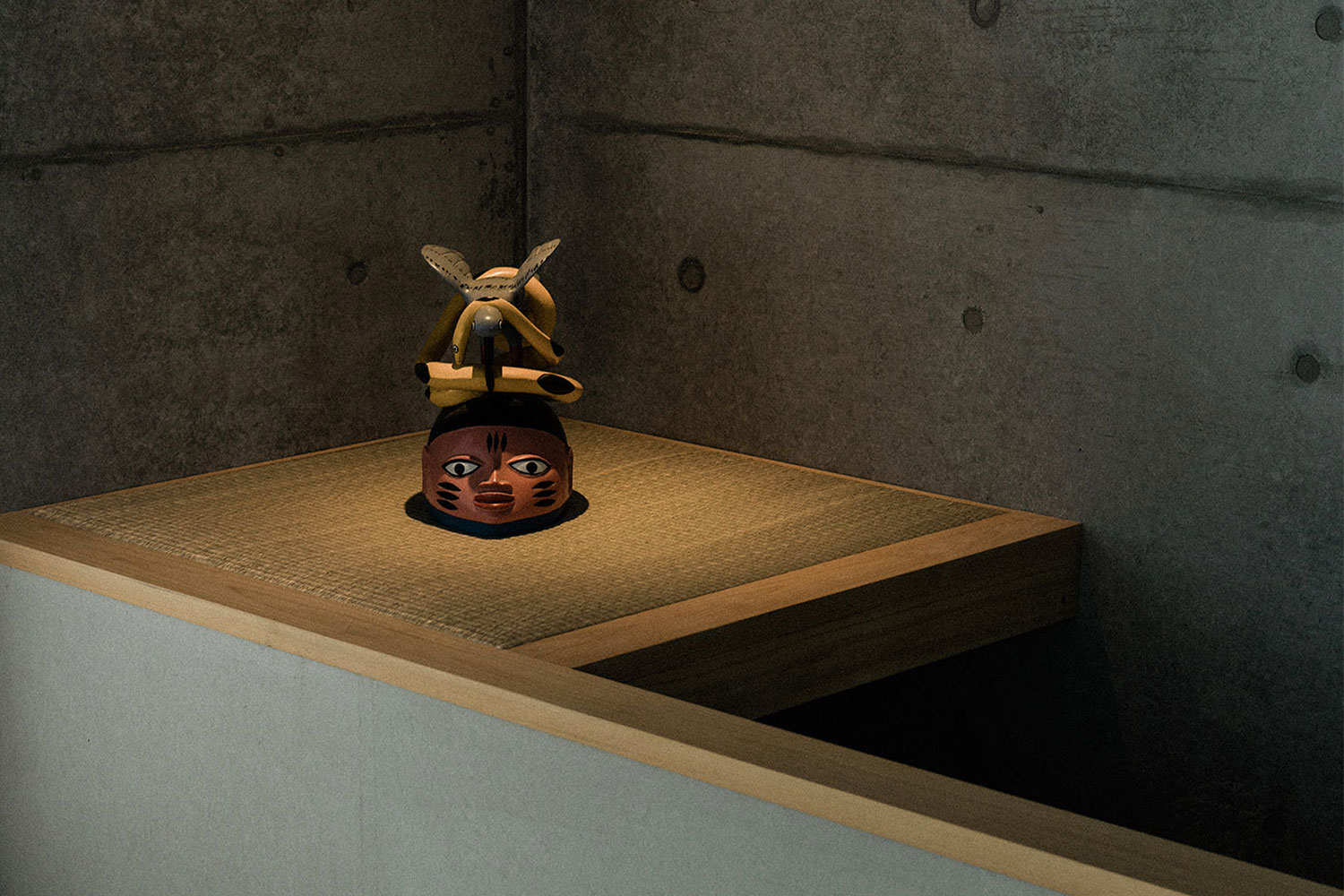
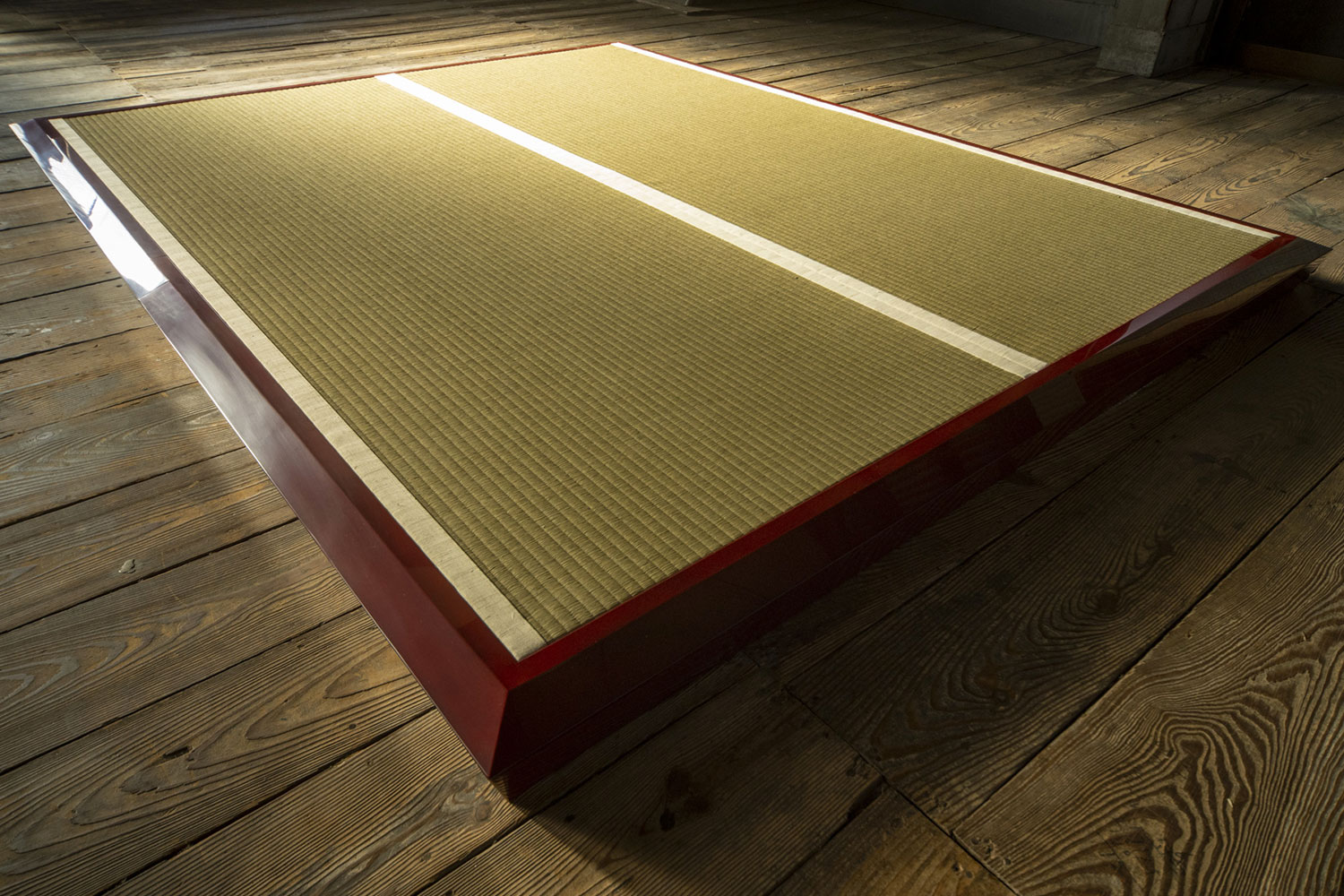
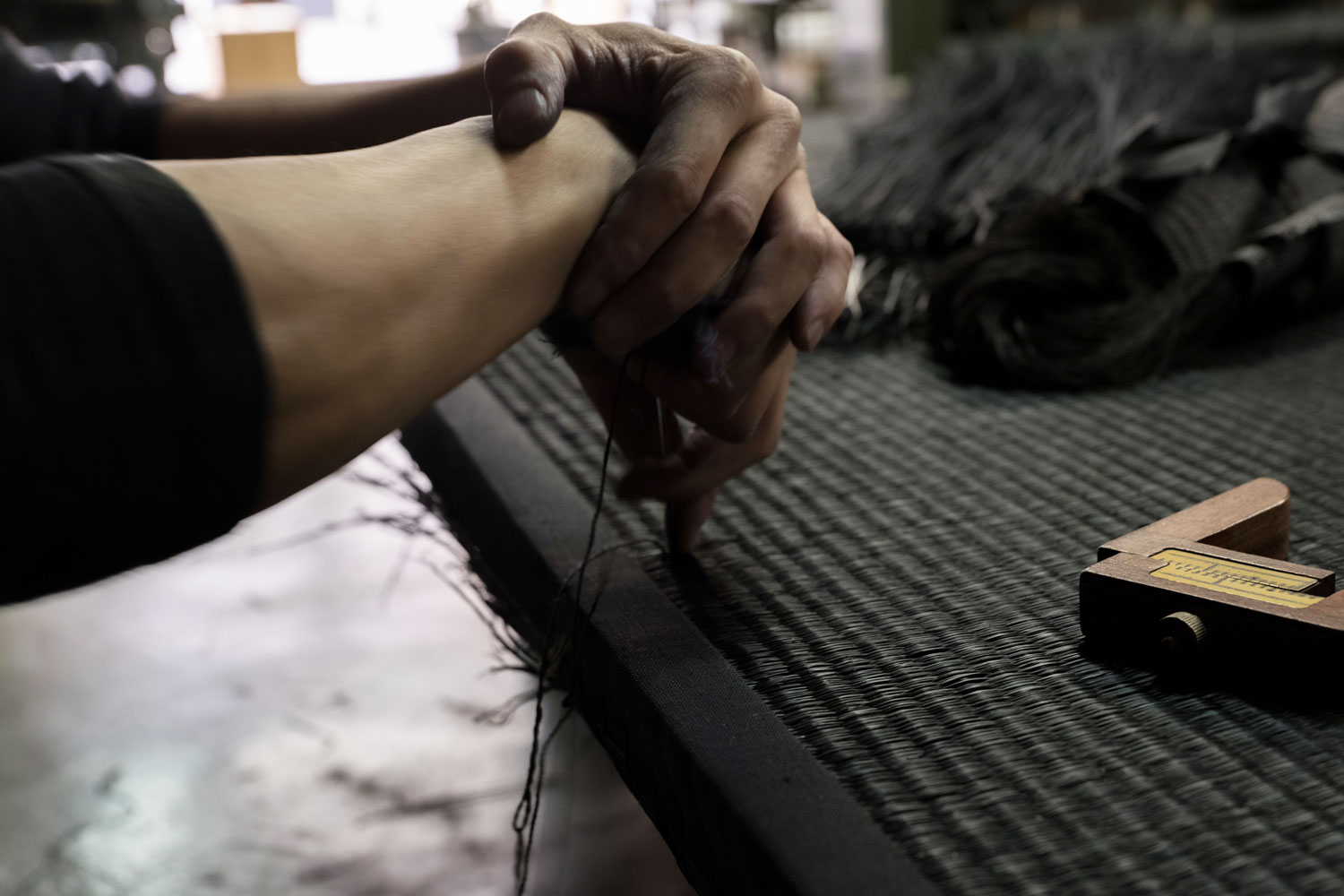
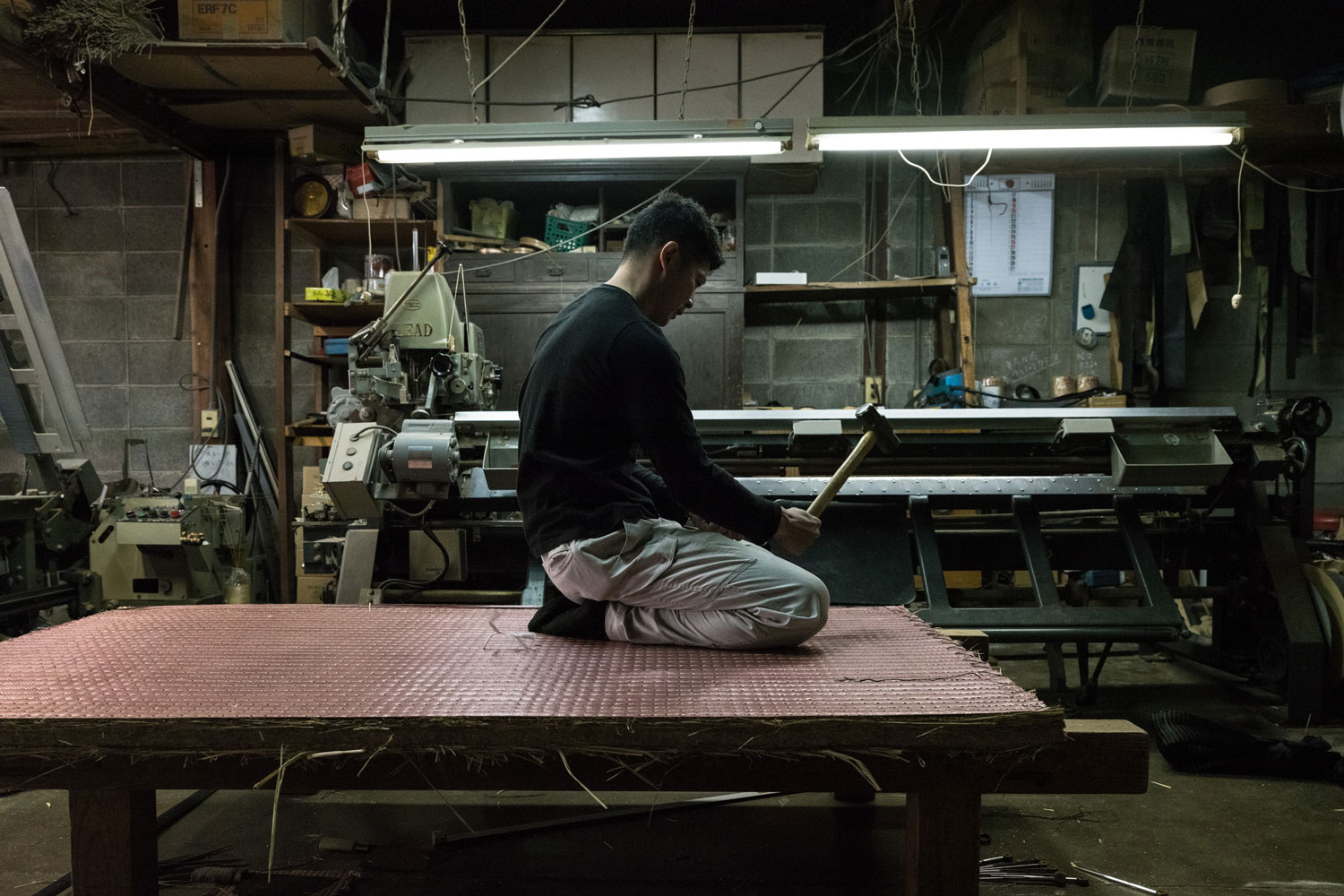
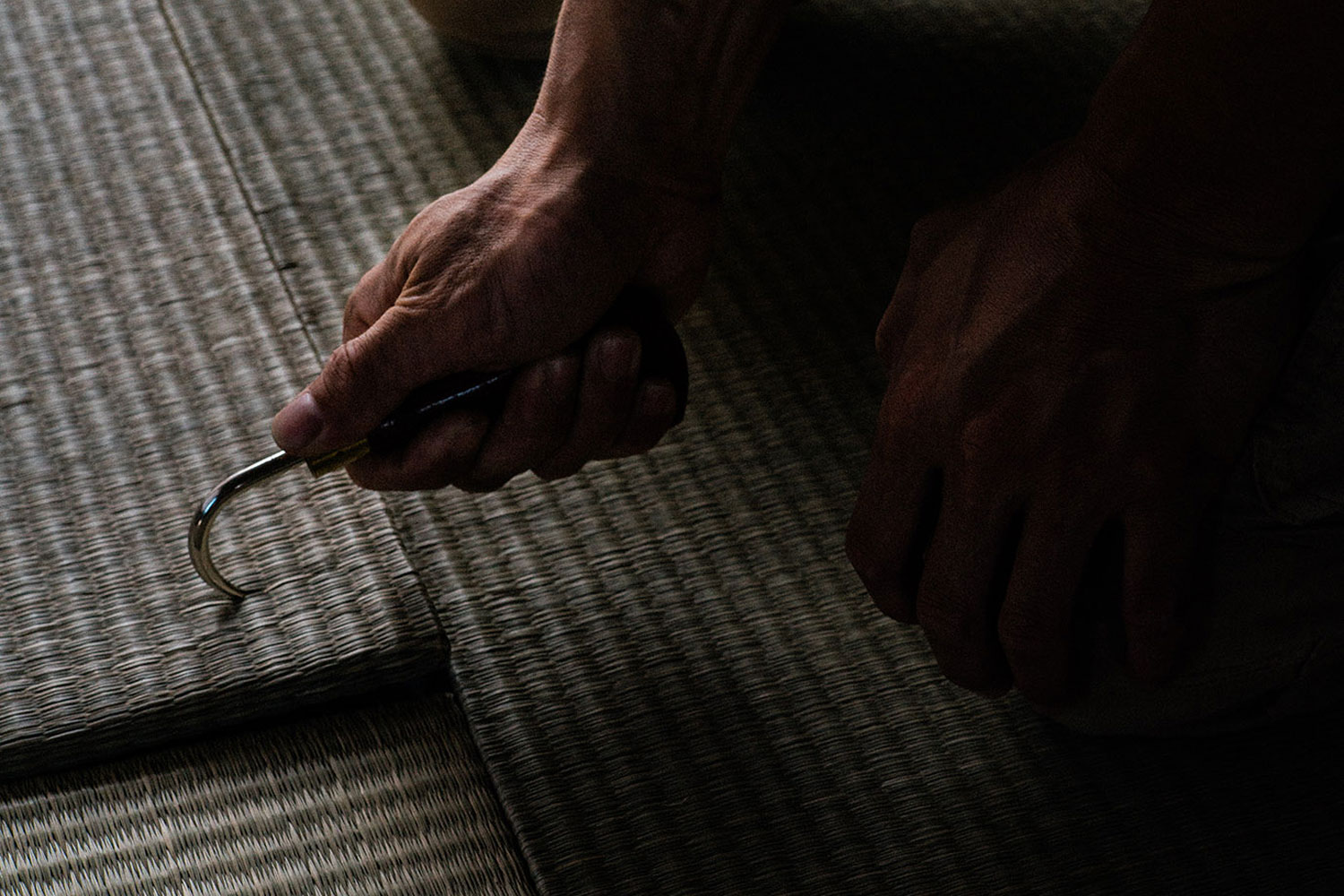
After years spent immersed in other cultures, Mitsuru Yokoyama began to feel a strong desire to reconnect with his roots and share a part of Japan with the world. In 2012, he went to school, undertook a four-year apprenticeship and finally opened his own studio and gallery in 2018. He makes tatami for traditional Japanese architecture, as well as contemporary art and design. Each of his works is custom-made. He adjusts the creative process and the quality of materials to be perfectly suited to the space and its intended use. Committed to protecting tradition while striving for innovation, he often uses unconventional colours and compositions in his work. He boldly pushes the boundaries of the traditional craft through collaborations with designers and other craftsmen.
INTERVIEW
I deliberated about what I could do with my hands and how I could share Japanese culture with those who are unfamiliar with it. When I think about Japanese cultural practices, like tea ceremony and ikebana, tatami is always an important element.
Tatami is essential to Japanese traditional spaces, it is even used as a unit of measurement in architecture. Traditionally, Japanese people prefer to sit on the floor. Tatami provides environmental benefits too: it is hypoallergenic, absorbs carbon monoxide and manages humidity in the home.
The spirit of those with whom I collaborate, whether it be designers or clients designing or renovating their own space; every person has a different desire to include tatami and they use it differently.
Currently, I’m working with a pair of designers in the United States. Also a Dutch designer on alternative flooring and hanging pieces. Since 2012, I’ve been collaborating with European designers and architects on interior design and furniture projects. With each major project I undertake, I develop new patterns and colour options so that the tatami will be entirely customised to the space.
1 EXPERIENCE
Mitsuru Yokoyama
Tatami maker
Sakyo Ward, Japan
AVAILABILITY
By appointment only
PHONE
+81 753666569
LANGUAGES
Japanese, English
Homo Faber Finds is a new service aiming to inspire admirers of craft to connect and collaborate with exceptional artisans.
We invite you to submit an enquiry here.