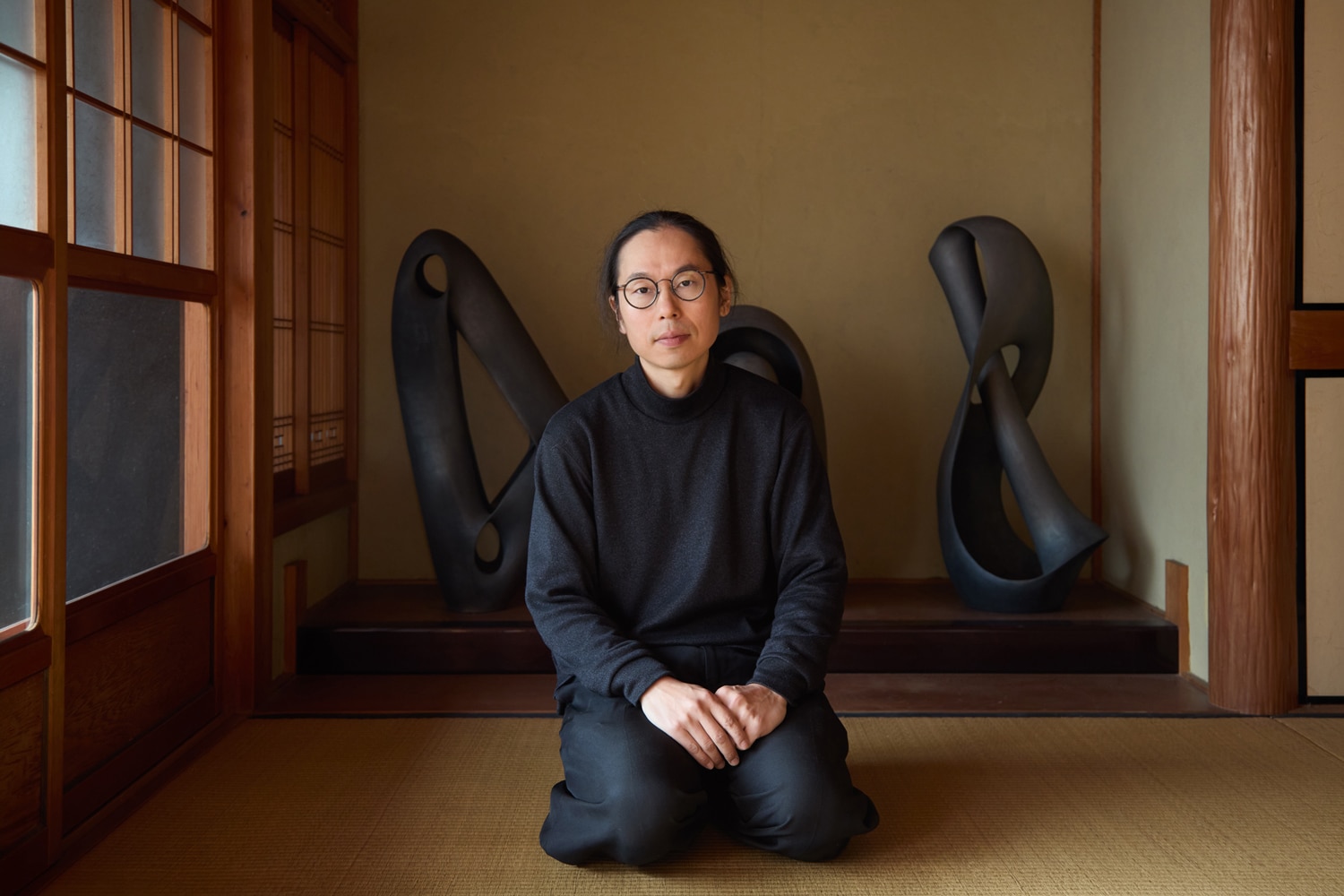
Mitsuke Masayasu
Ceramic decorator
Kaga, Japan
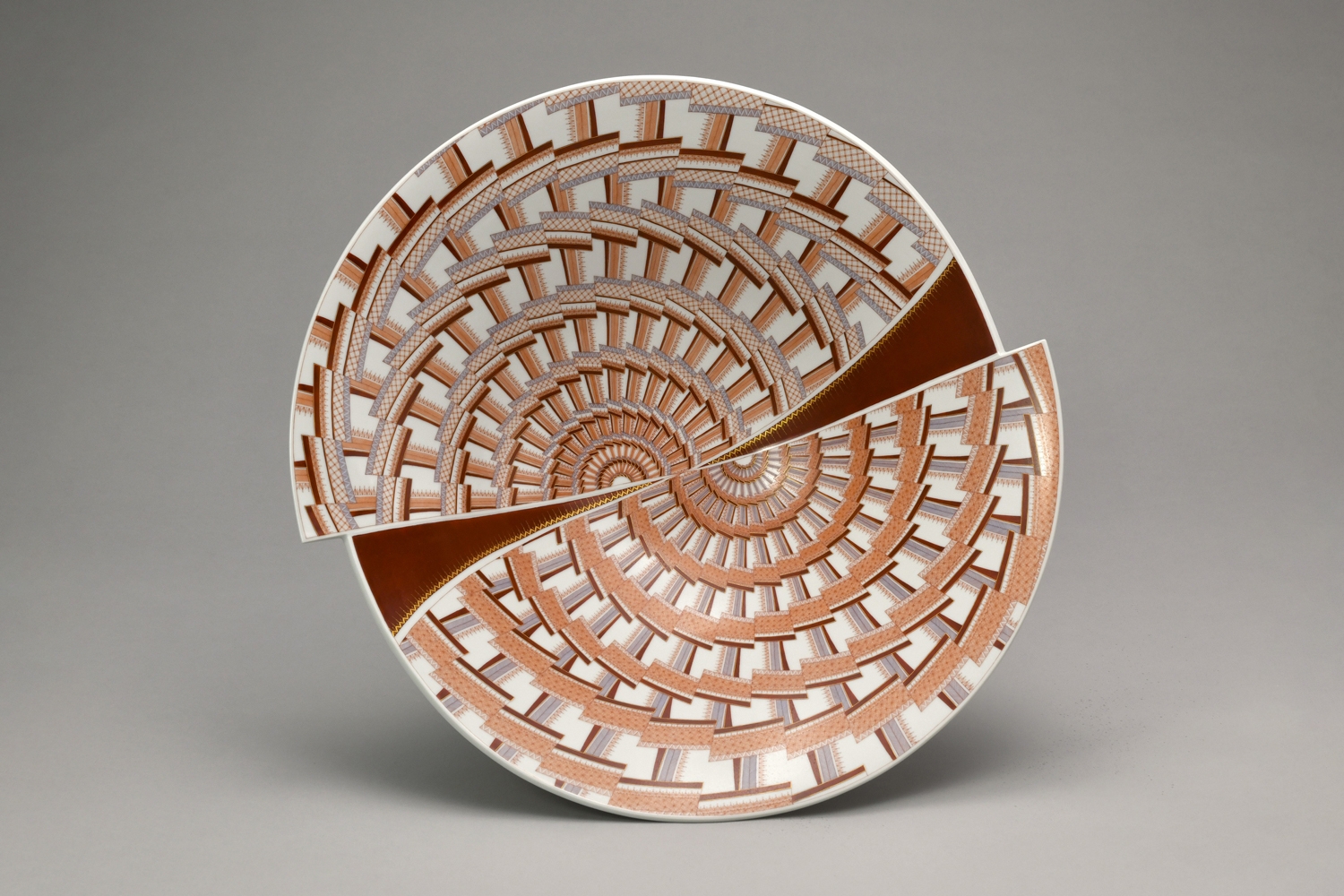
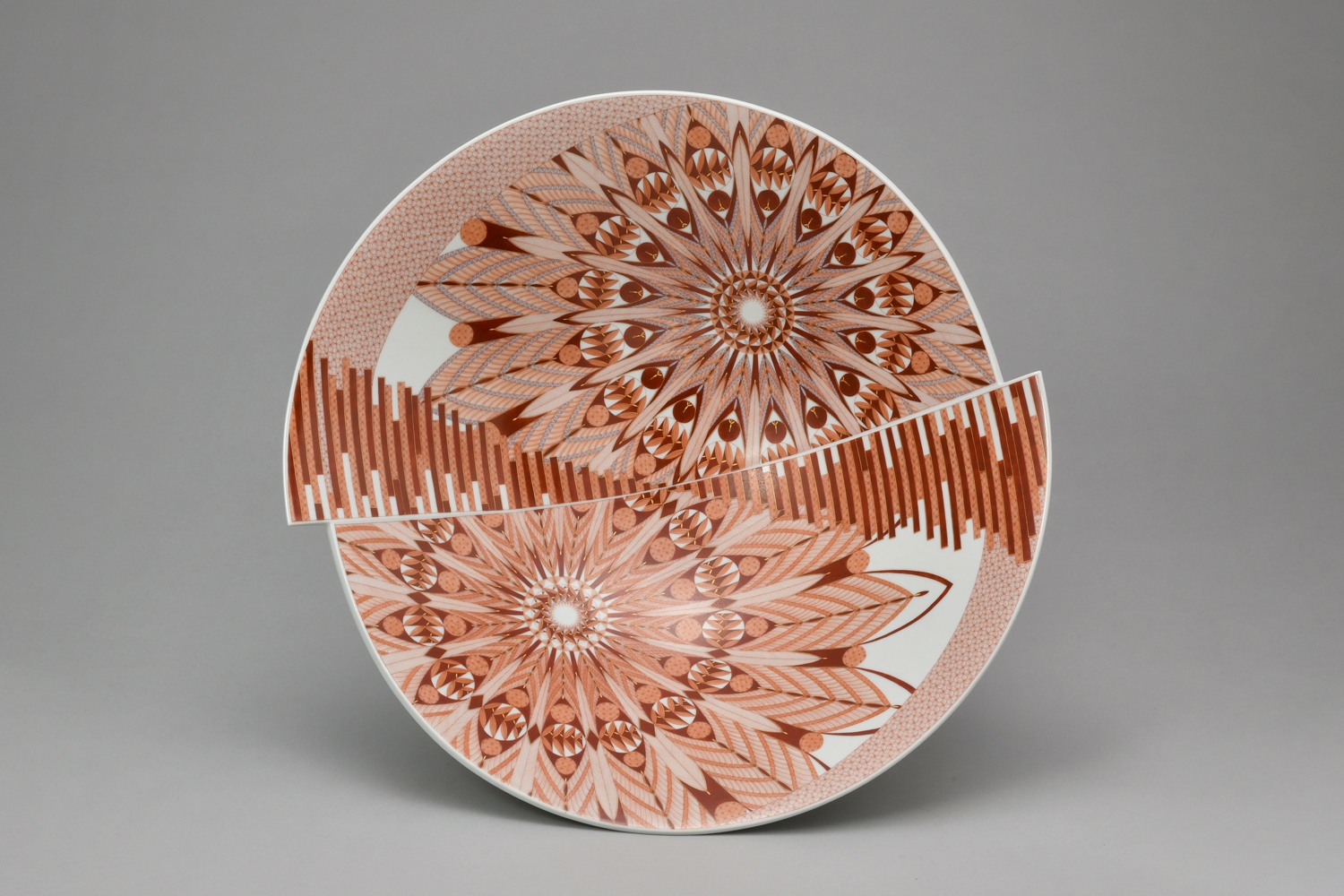
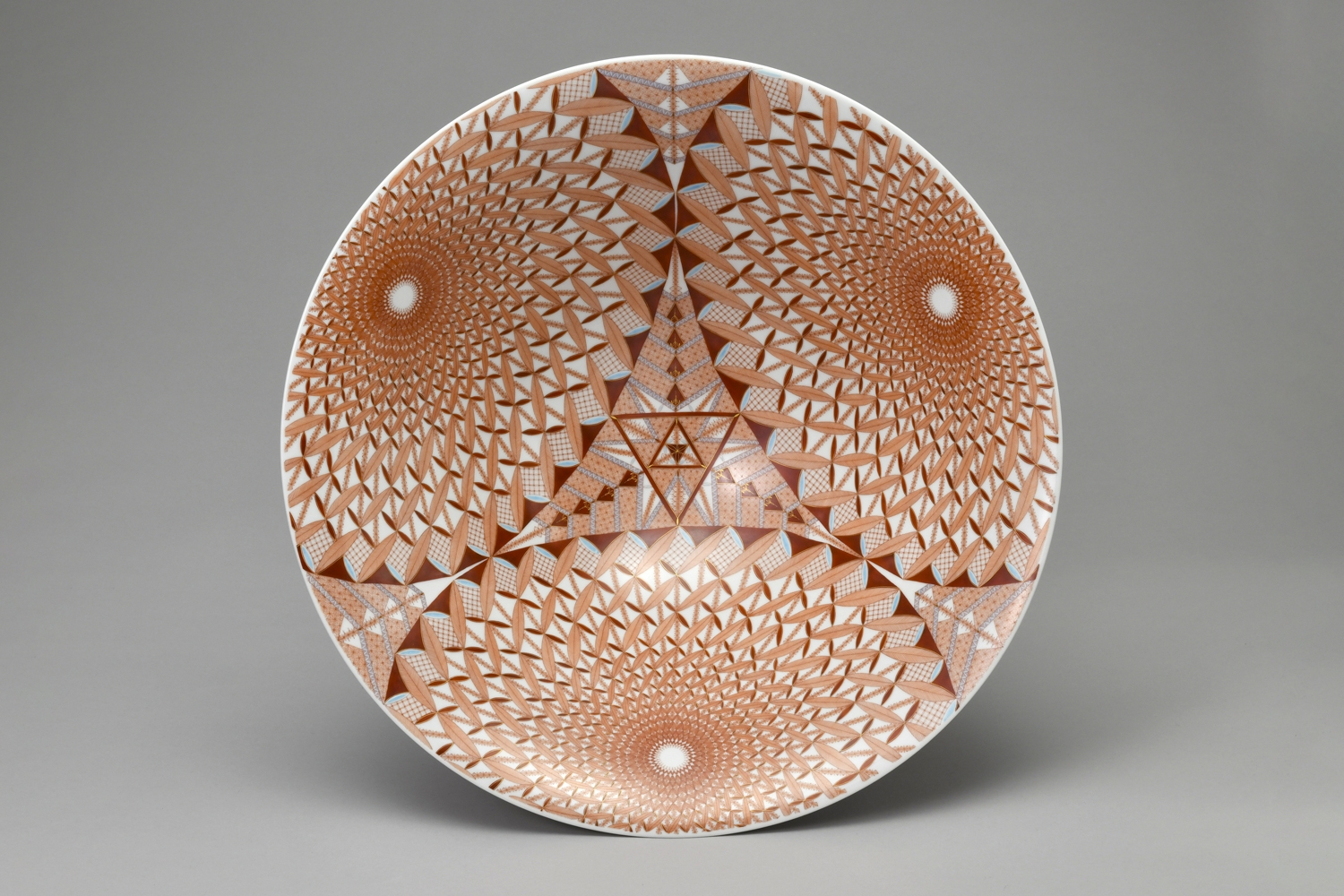
Optical illusions in Kutani red
- Mitsuke first fell in love with painting at the age of four
- His works require 20 firings to be completely finished
- The optical illusions in his works are best appreciated in person
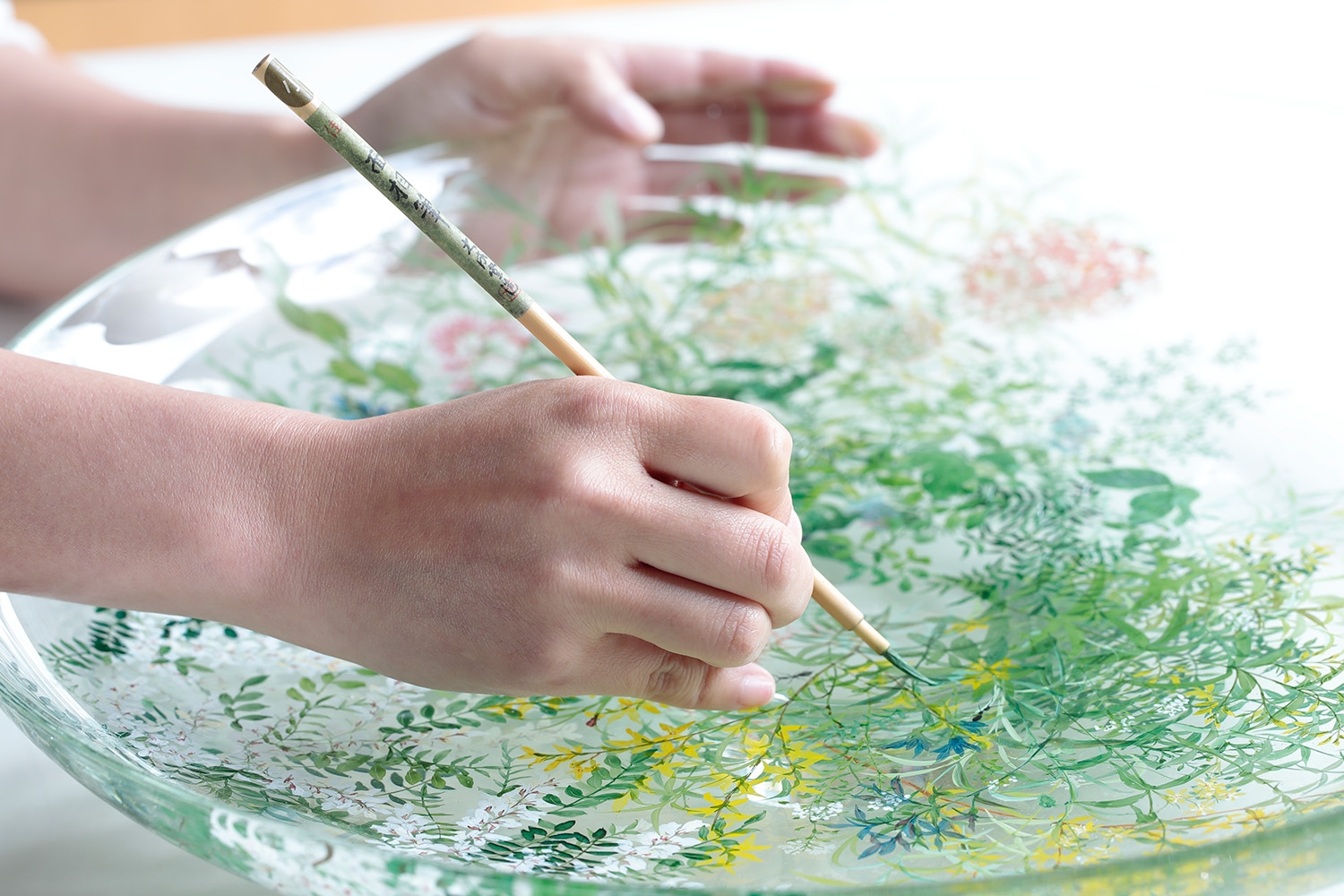
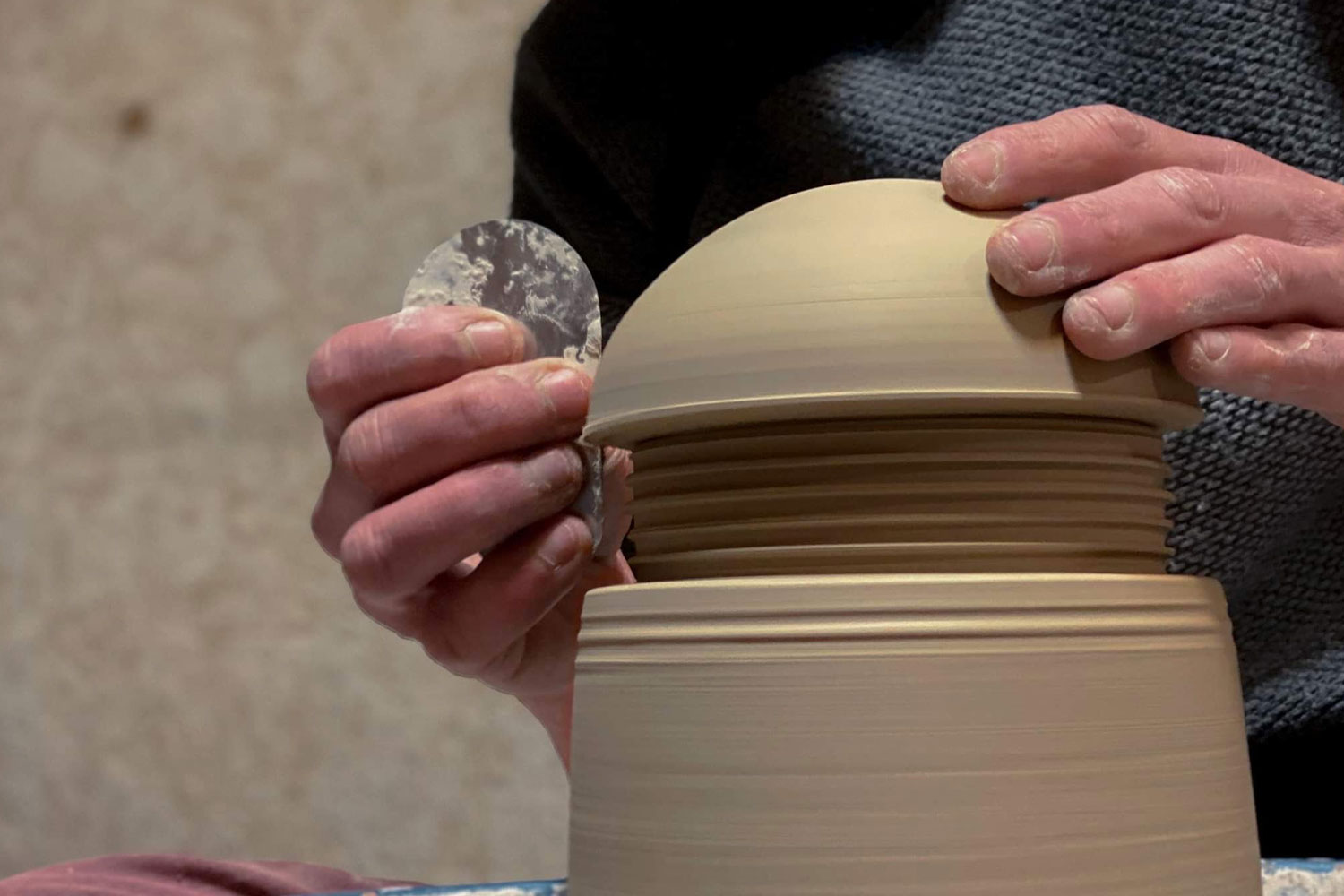
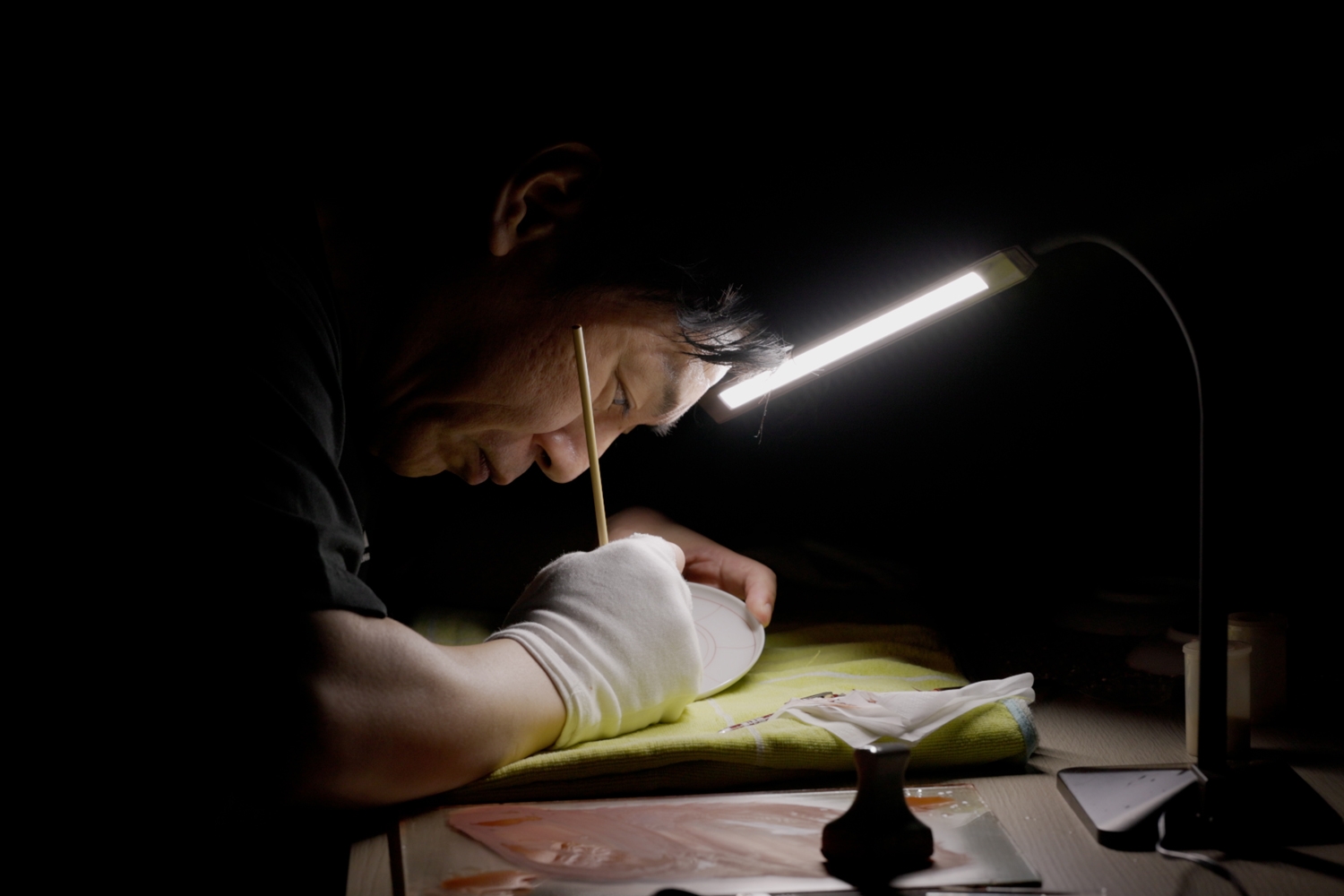
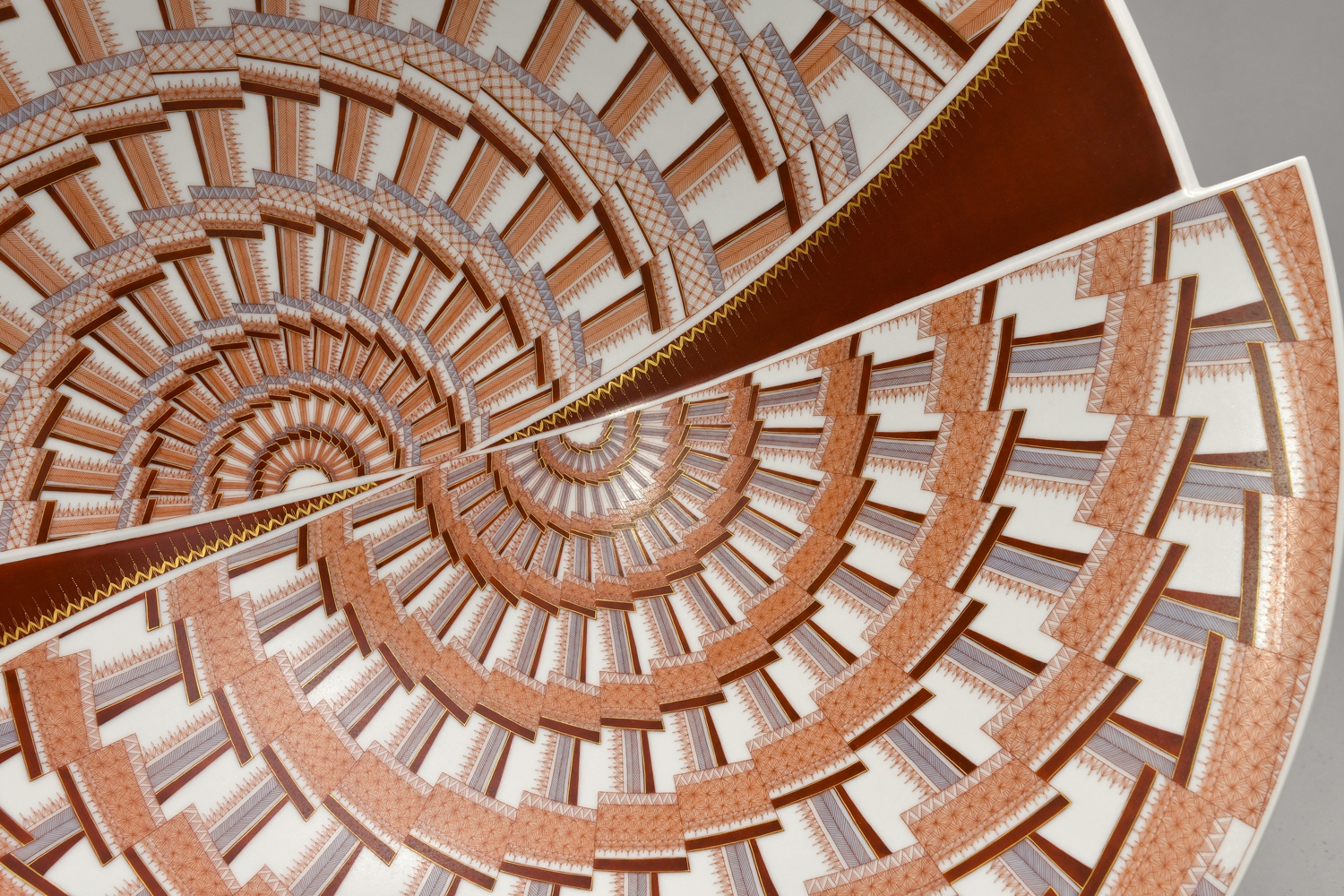
Mitsuke Masayasu was born and raised in Kaga, Ishikawa, the home of Kutani ware ceramics, famed for their vibrant overglaze painting. While rooted in this tradition, Mitsuke's creative expression has taken on a life of its own, captivating the contemporary art world. His fascination with brushes began at the age of four, when he asked to join a calligraphy class, eventually earning a master’s certification. "I always loved drawing as well," shares Mitsuke. Recognising his inclination, his father suggested he enrol in a local ceramics school, which he attended for several years. This was a defining point of his life and in how his parctice would evolve. After graduation, Mitsuke apprenticed under red-enamel painter Buzan Fukushima, which allowed him to develop his skills and forge his distinctive style. “I was simply fortunate to meet people who guided me,” he says with characteristic humility.
INTERVIEW
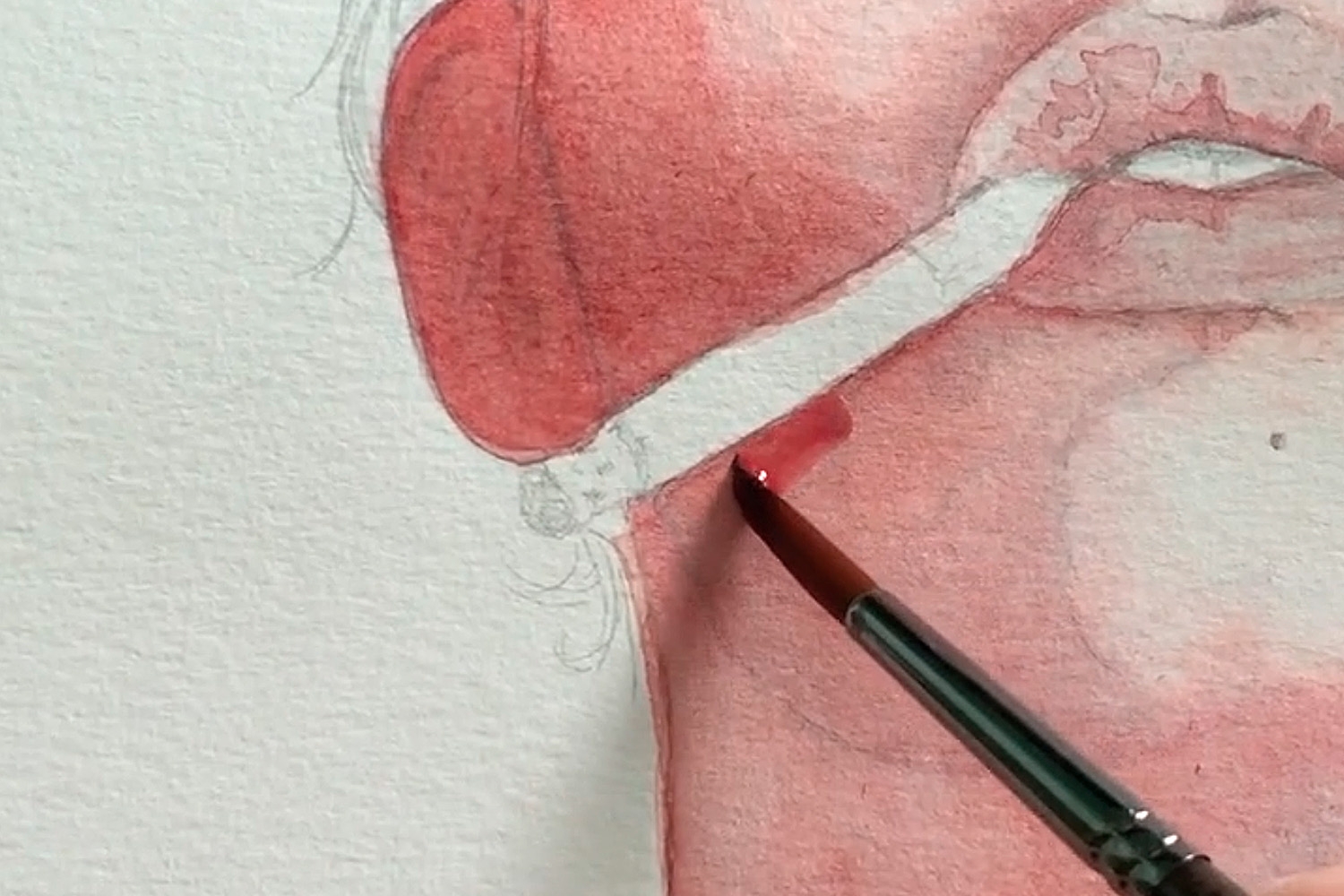
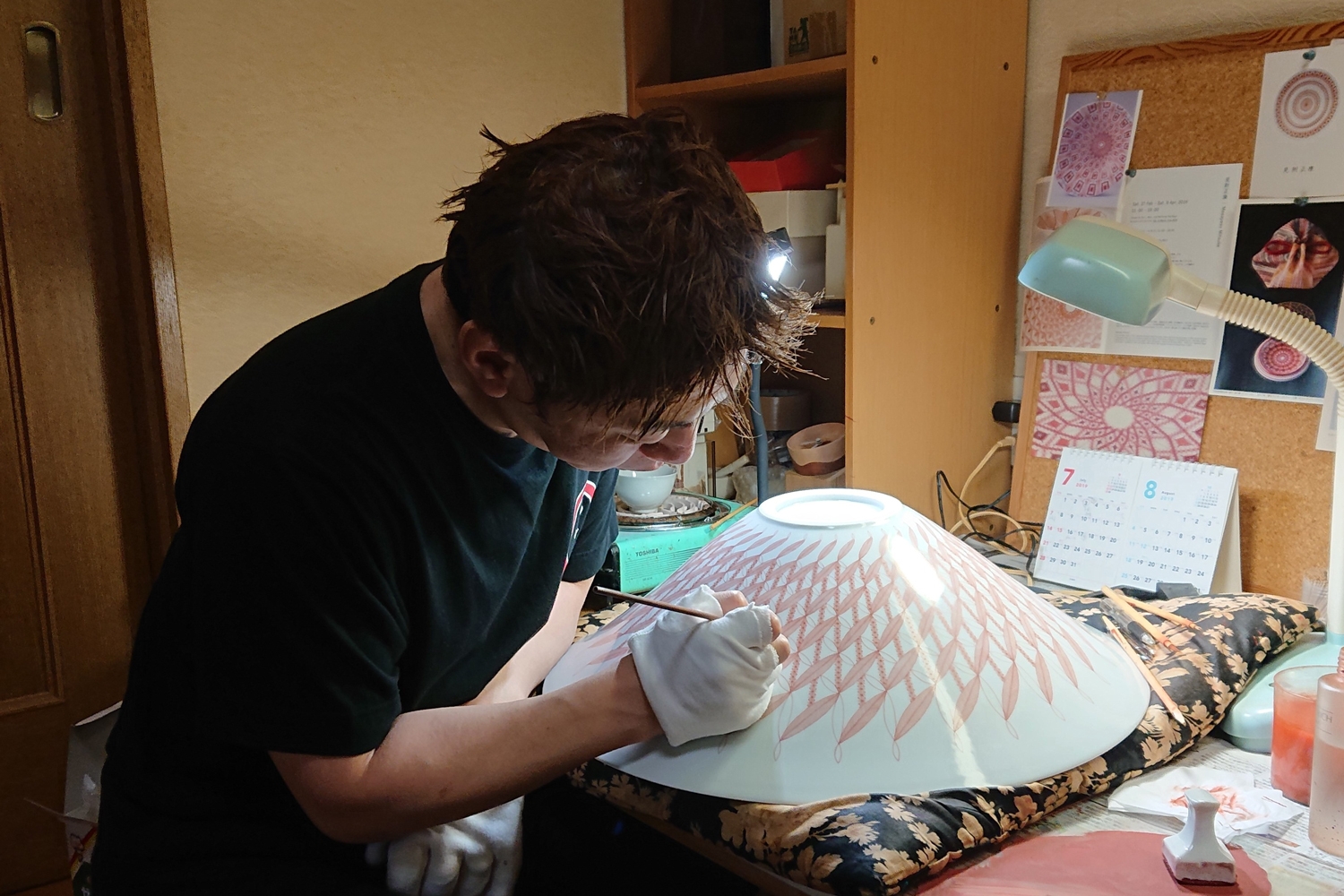
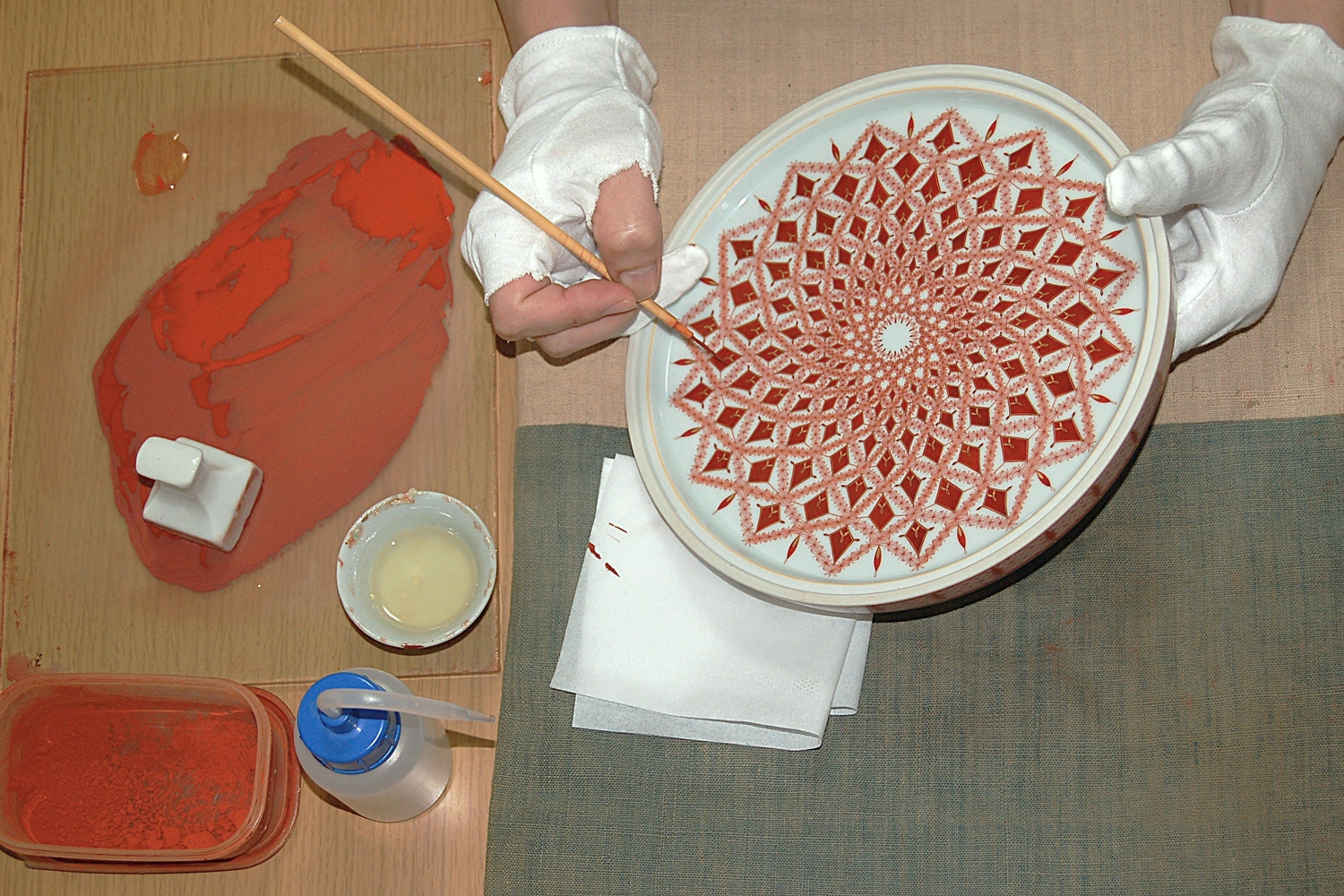
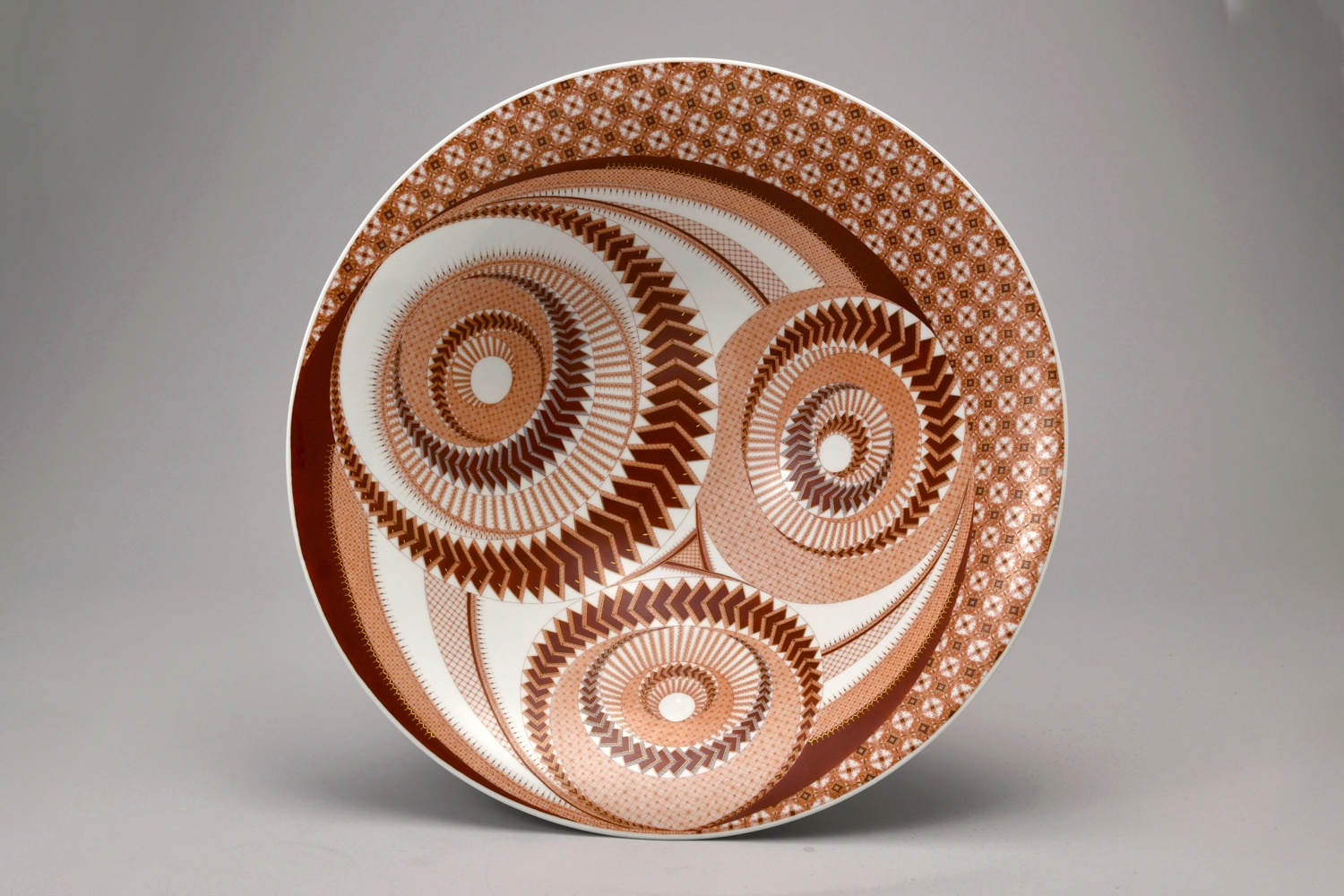
My red overglaze painting follows traditional techniques, but unlike the pictorial focus of past masters I once copied during my learning, I now centre on patterns. A combination of patterns can bring out a completely fresh look in the context of traditional Kutani ware.
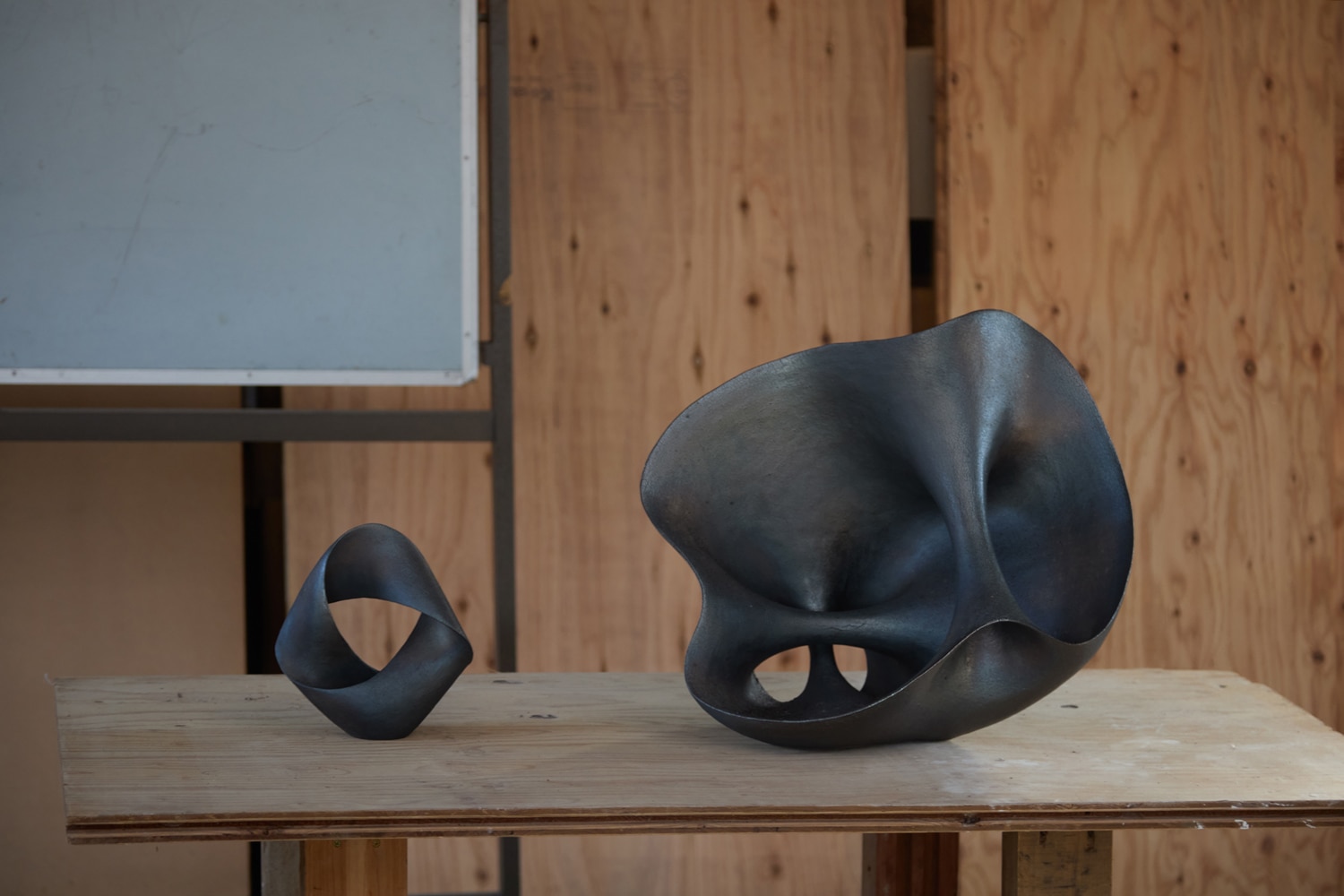
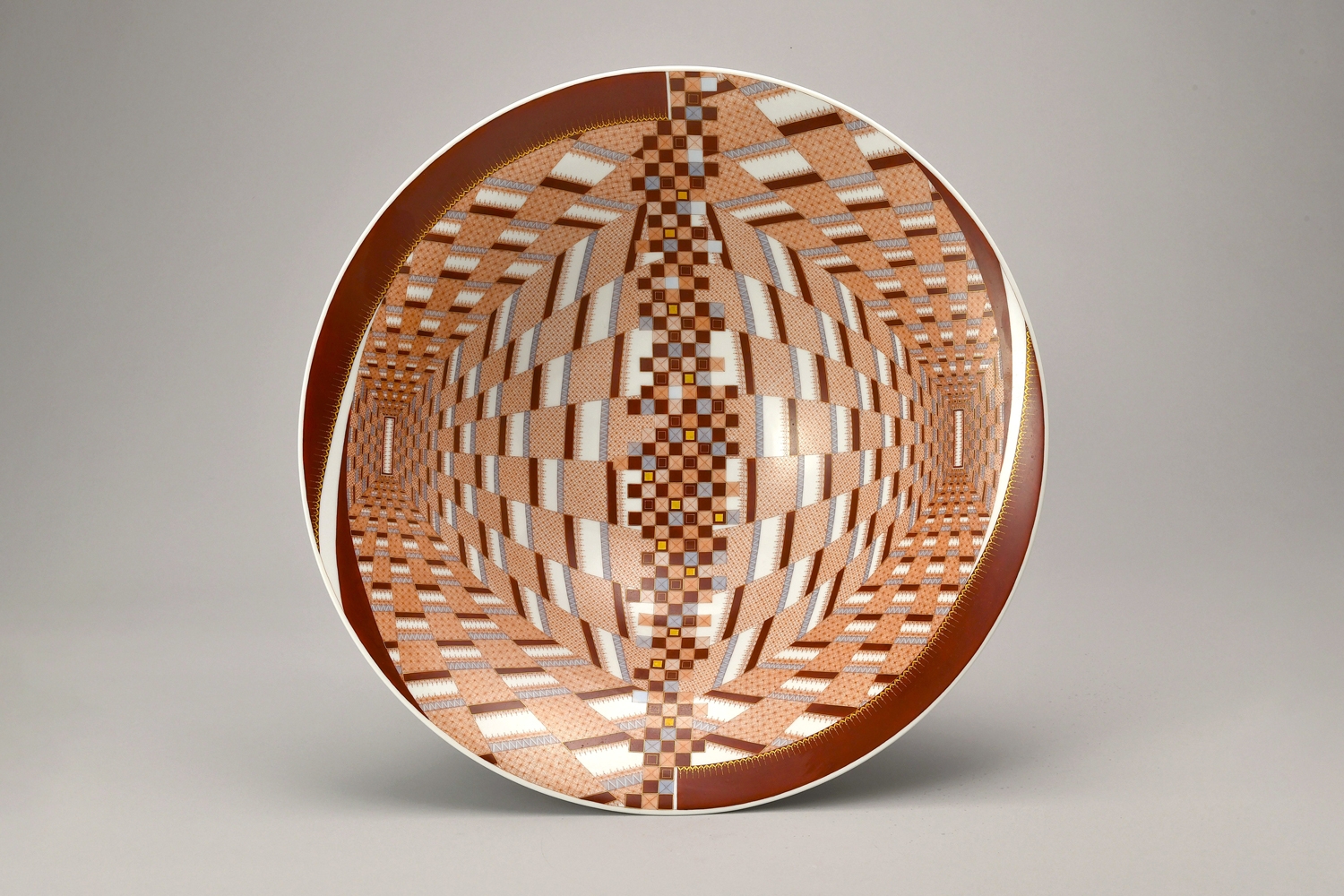
All my works are three-dimensional, such as bowls, yet I paint patterns to appear in a perfect shape from the front. This is hard to achieve on a curved surface, and the effect shifts as you move round the object, drawing you in. There is something in this that photography cannot truly capture.
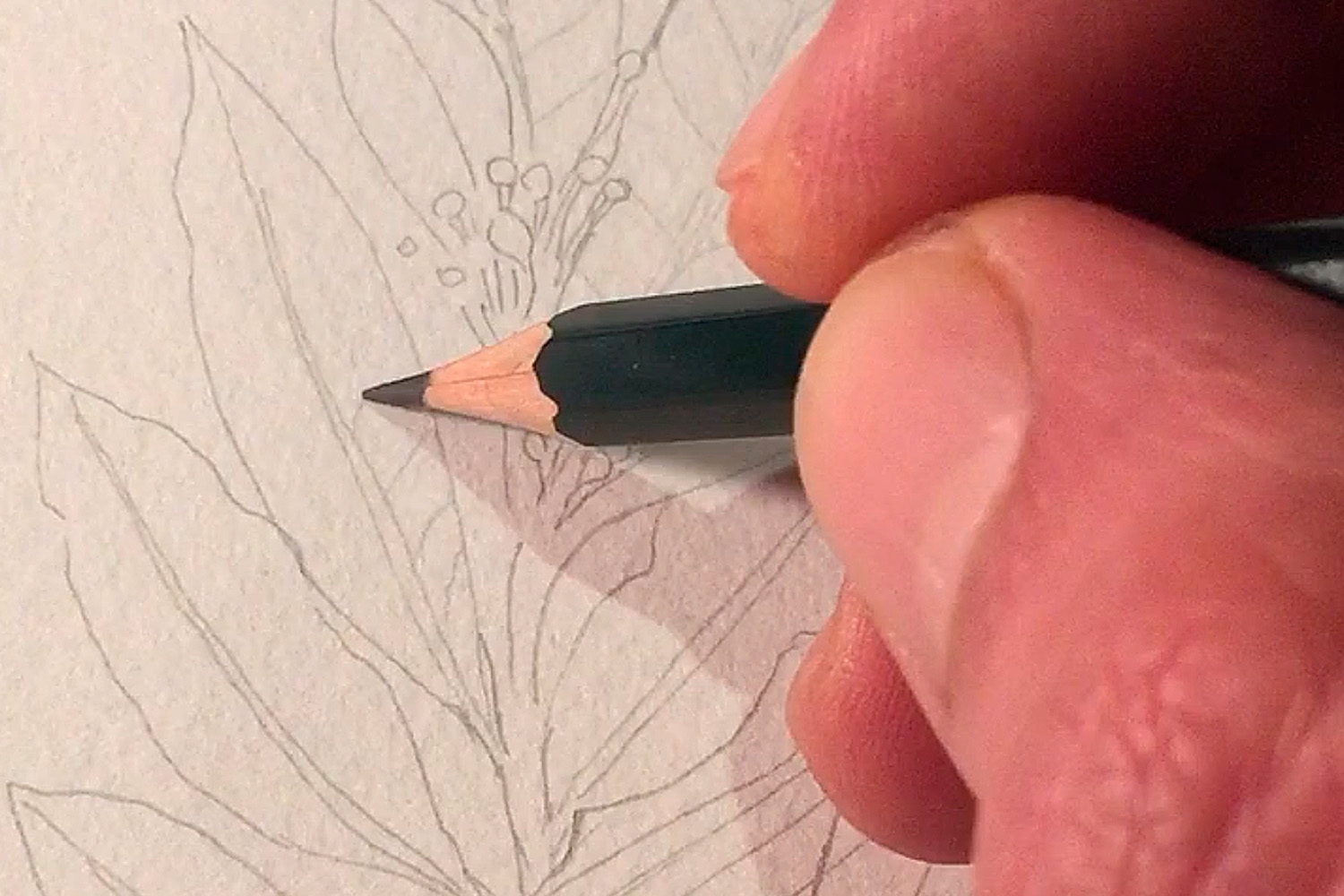
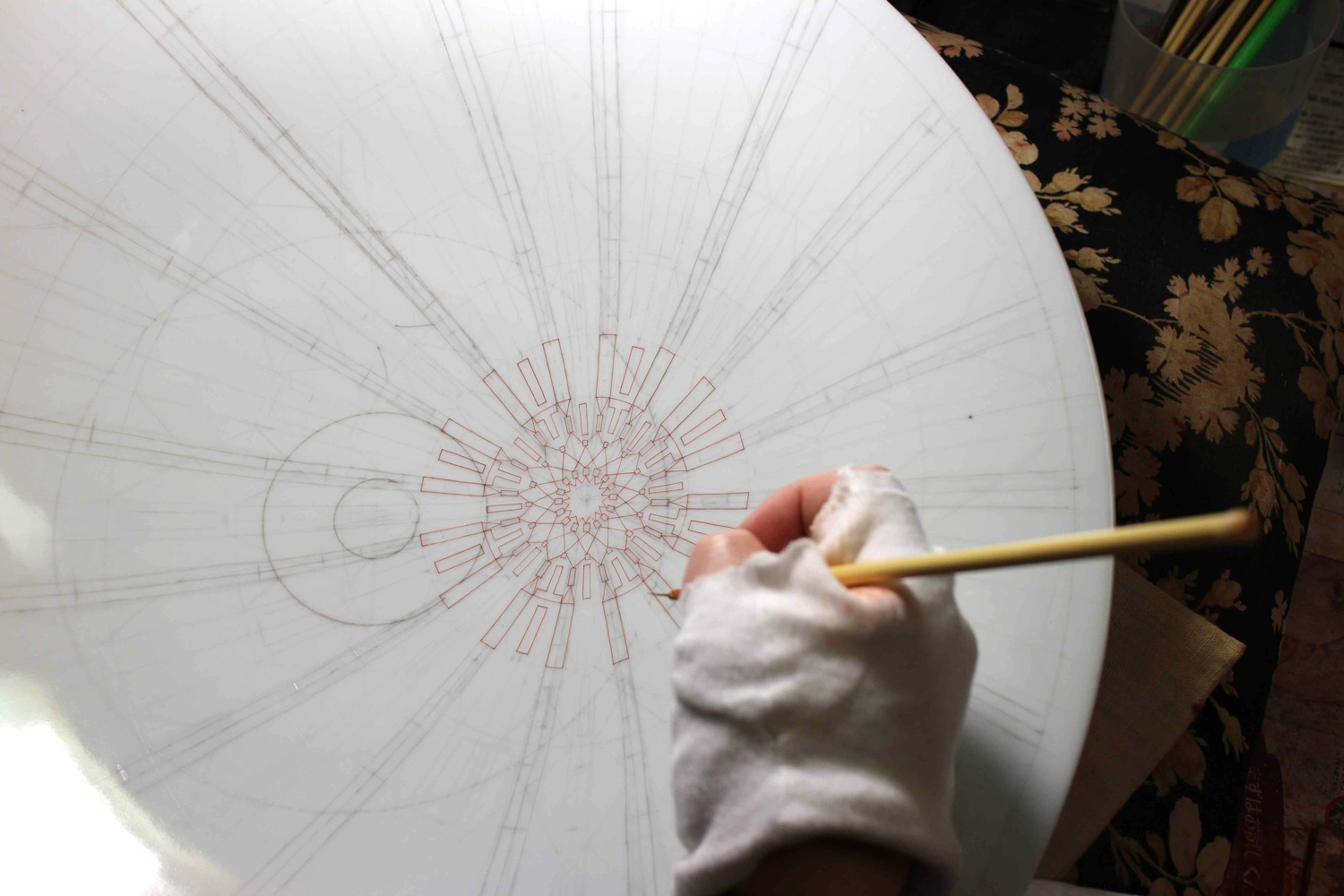
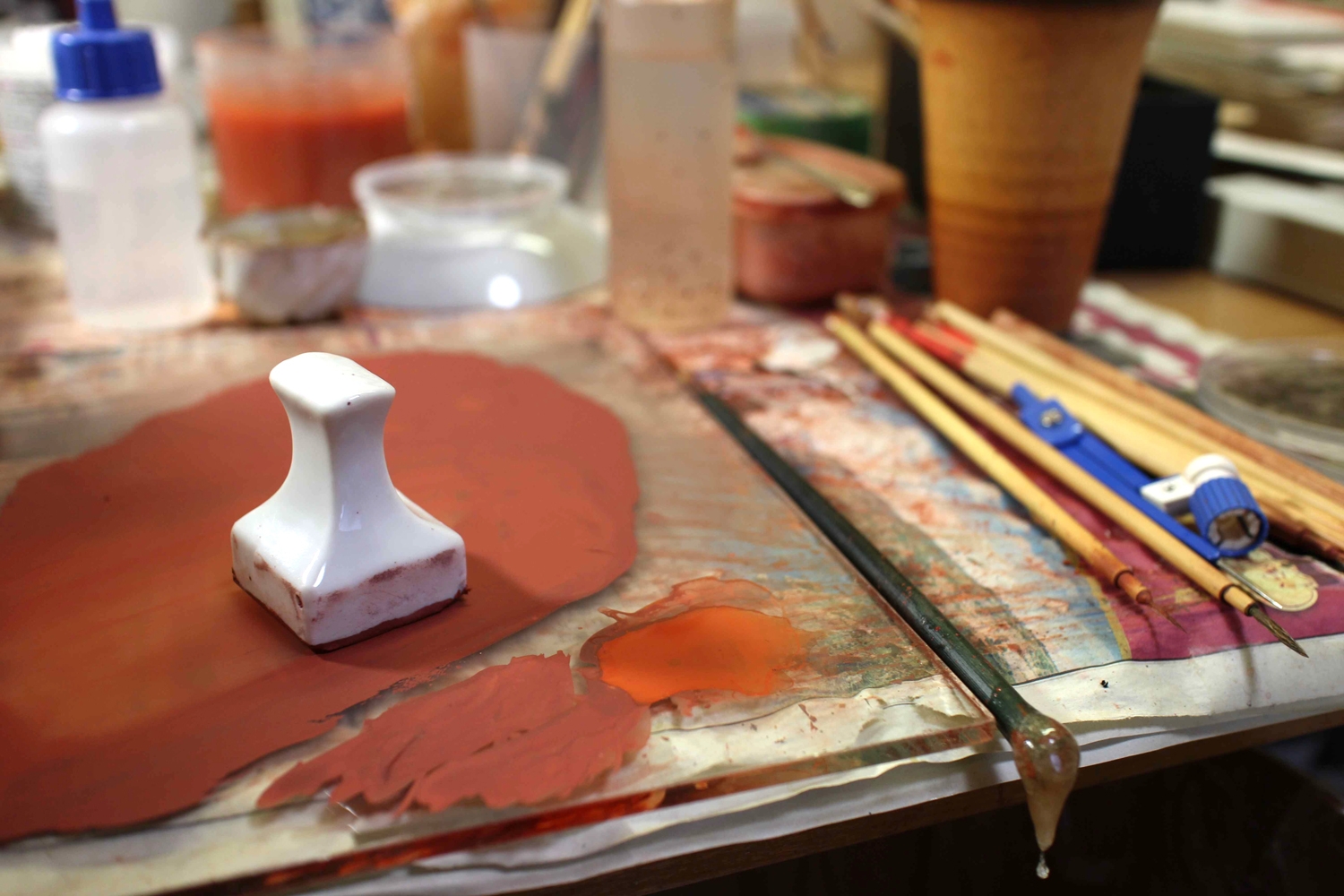
No. Each line is hand-drawn. To perfect the balance of the overall drawing, I sometimes photograph the work in progress on my phone, assess it on a flat surface, and adjust accordingly. It surprises many, but every part of my process is completely analogue.
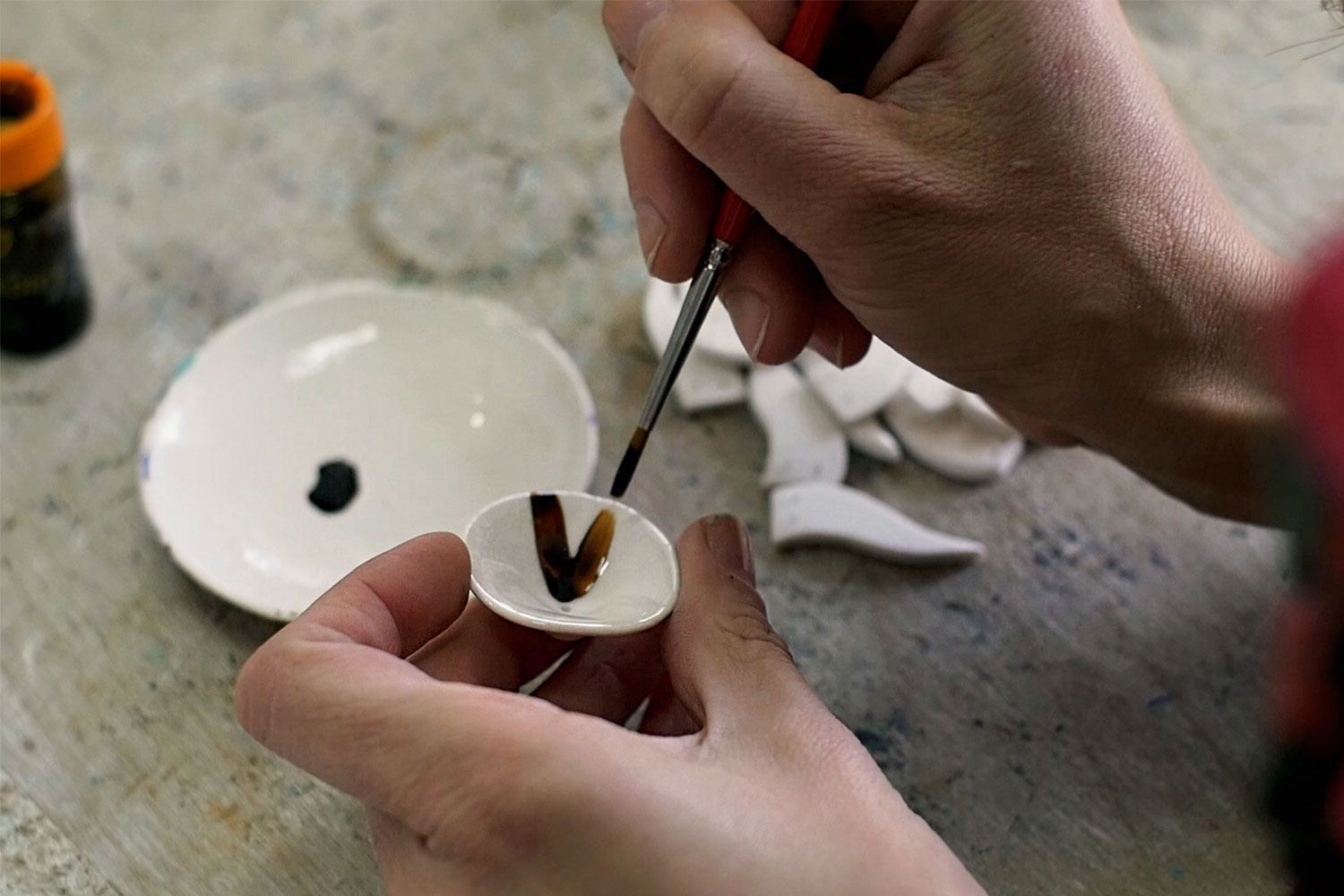
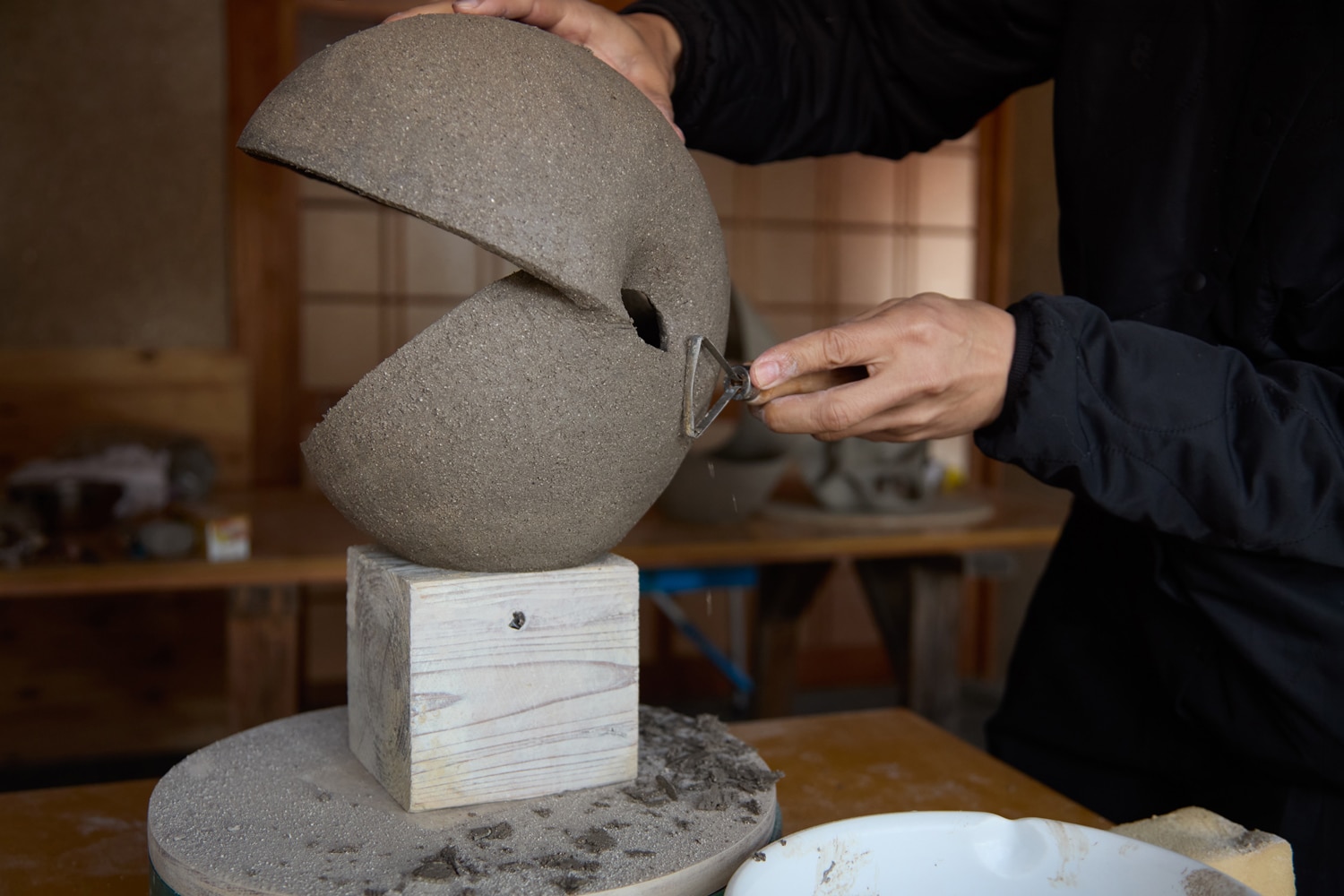
Unlike other ceramic works, my art focuses entirely on painting over a glazed surface, which is produced by my longtime collaborator. Lines can be erased, so there is no true failure. Each piece undergoes around 20 firings, making the process extremely time-consuming.
Mitsuke Masayasu
Ceramic decorator
Kaga, Japan
ADDRESS
Address upon request, Kaga, Japan
AVAILABILITY
By appointment only
LANGUAGES
Japanese, English
Homo Faber Finds is a new service aiming to inspire admirers of craft to connect and collaborate with exceptional artisans.
We invite you to submit an enquiry here.