Mila Vovk
Ceramicist
Irvine, CA, USA
Dynamic and intuitive in the making
- Mila’s movement-led abstract pieces reflect natural forms
- As a teenager, she admired ceramic artists and felt drawn to the material
- Her pieces are exhibited internationally and feature in collections in the USA and Europe
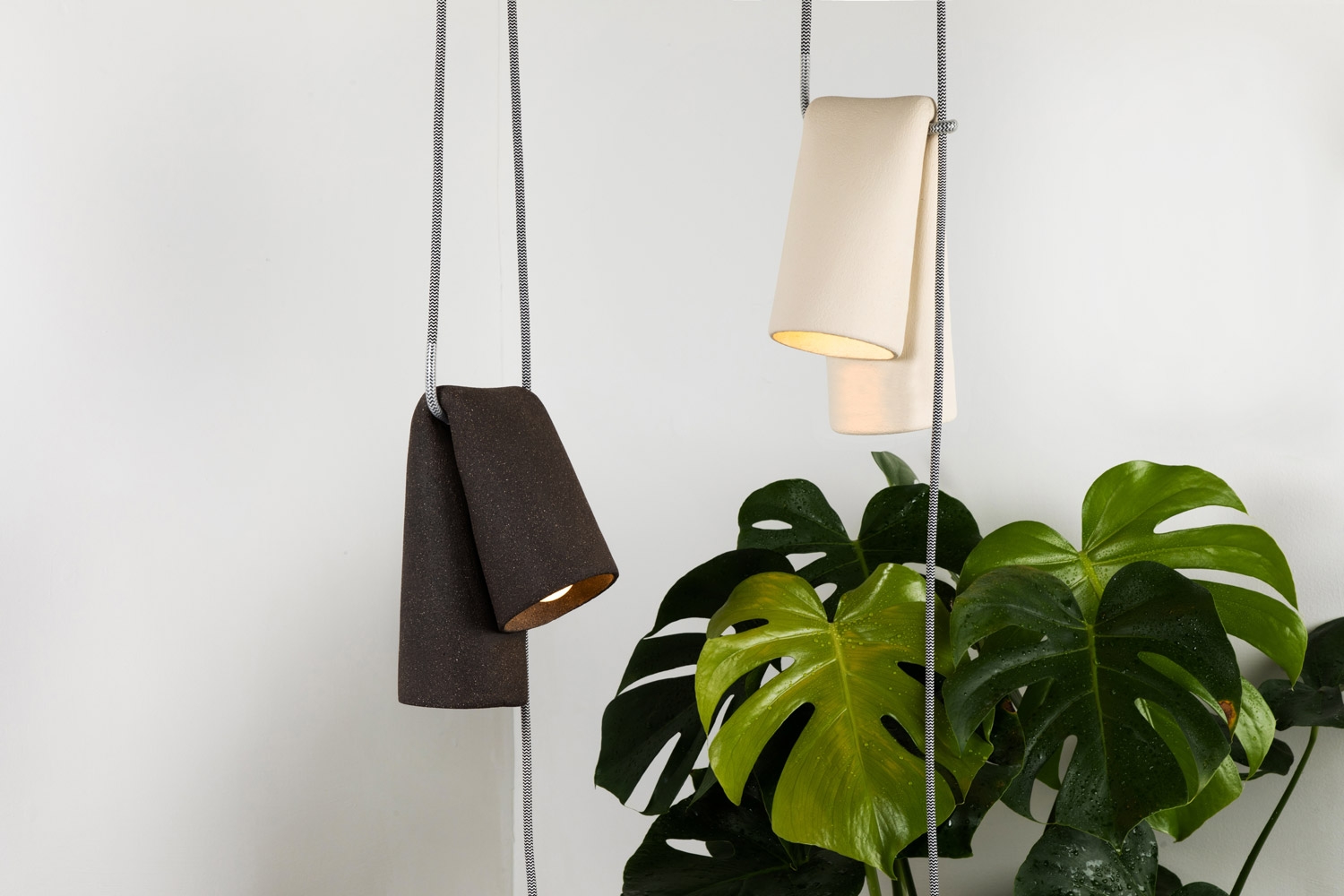
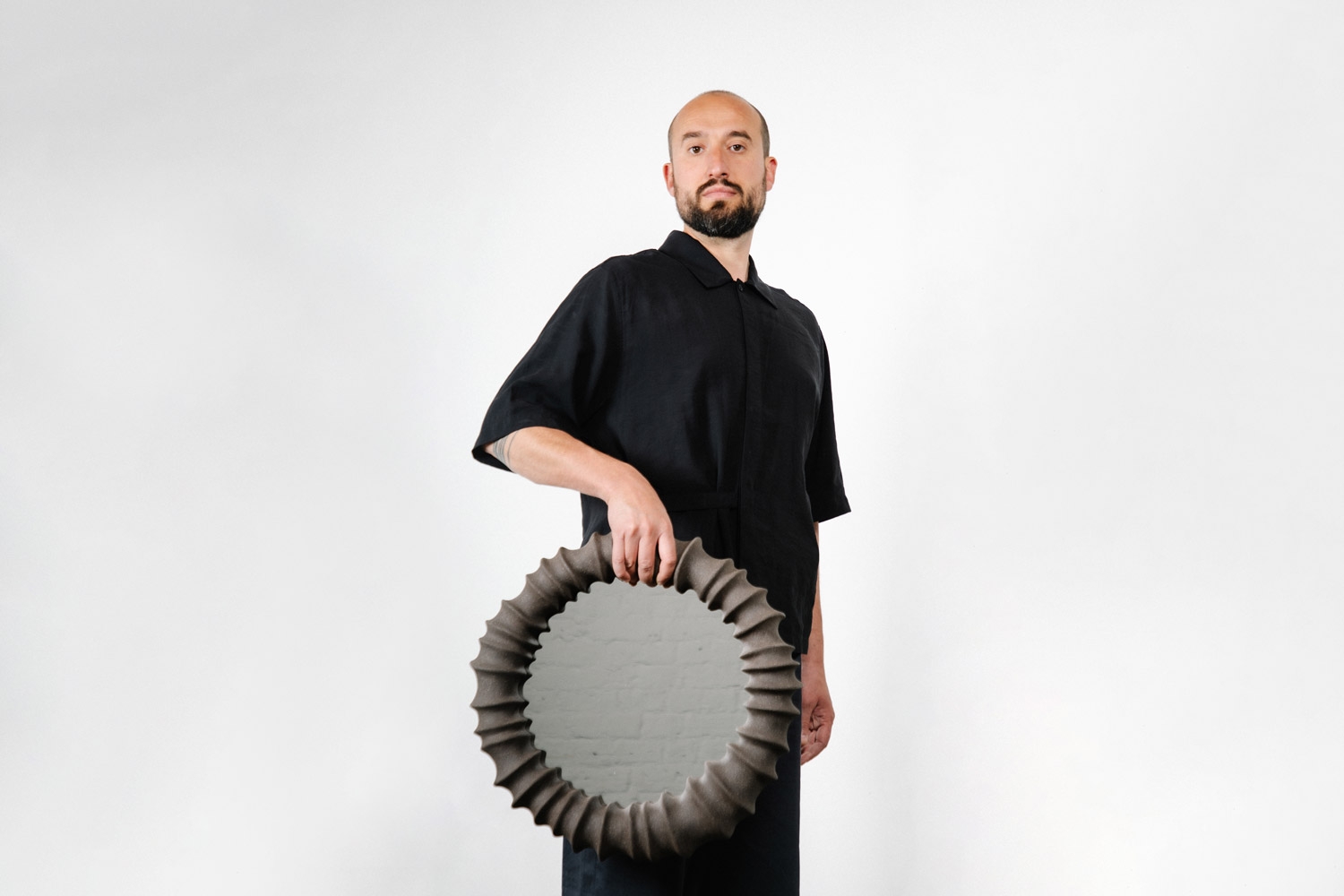
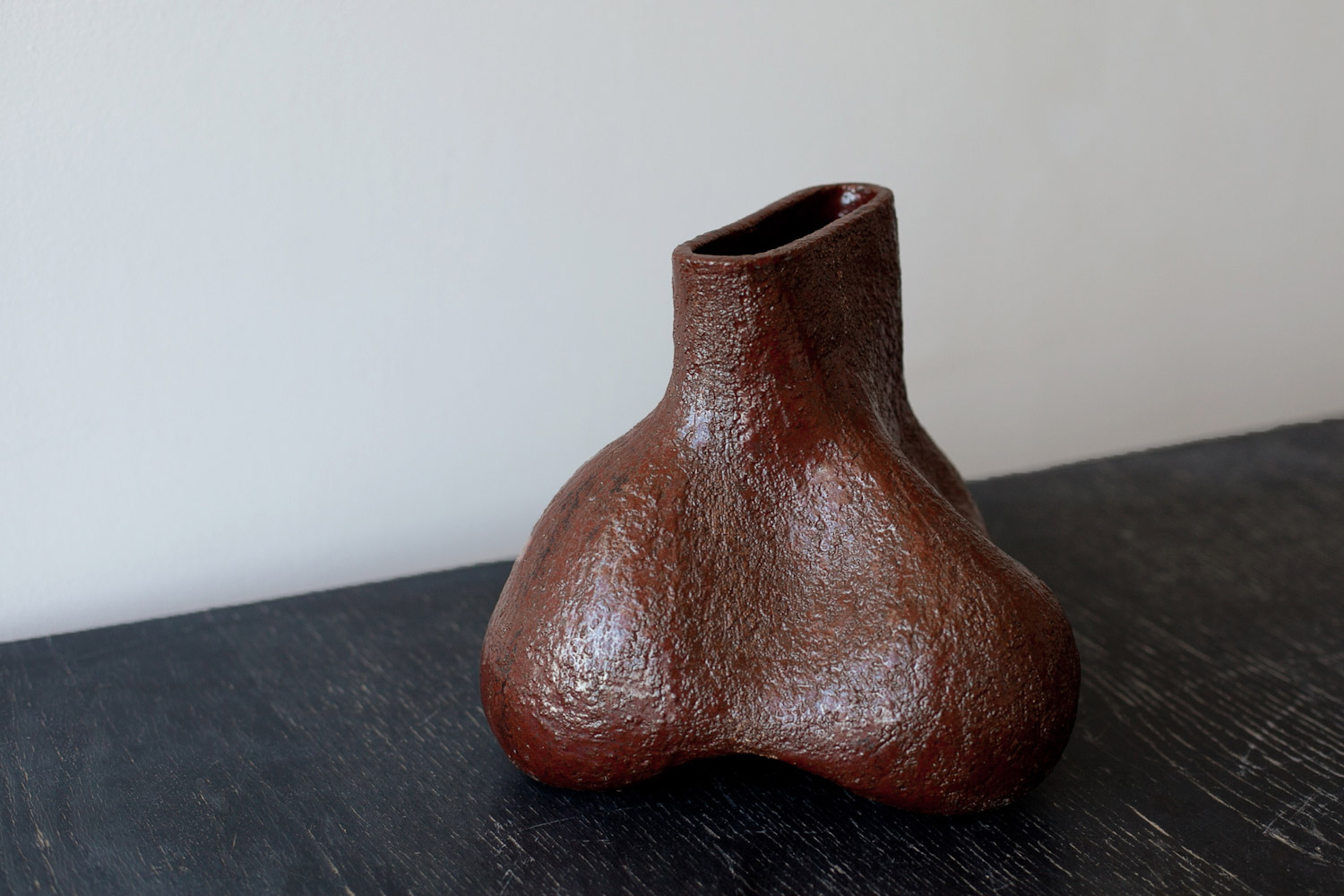
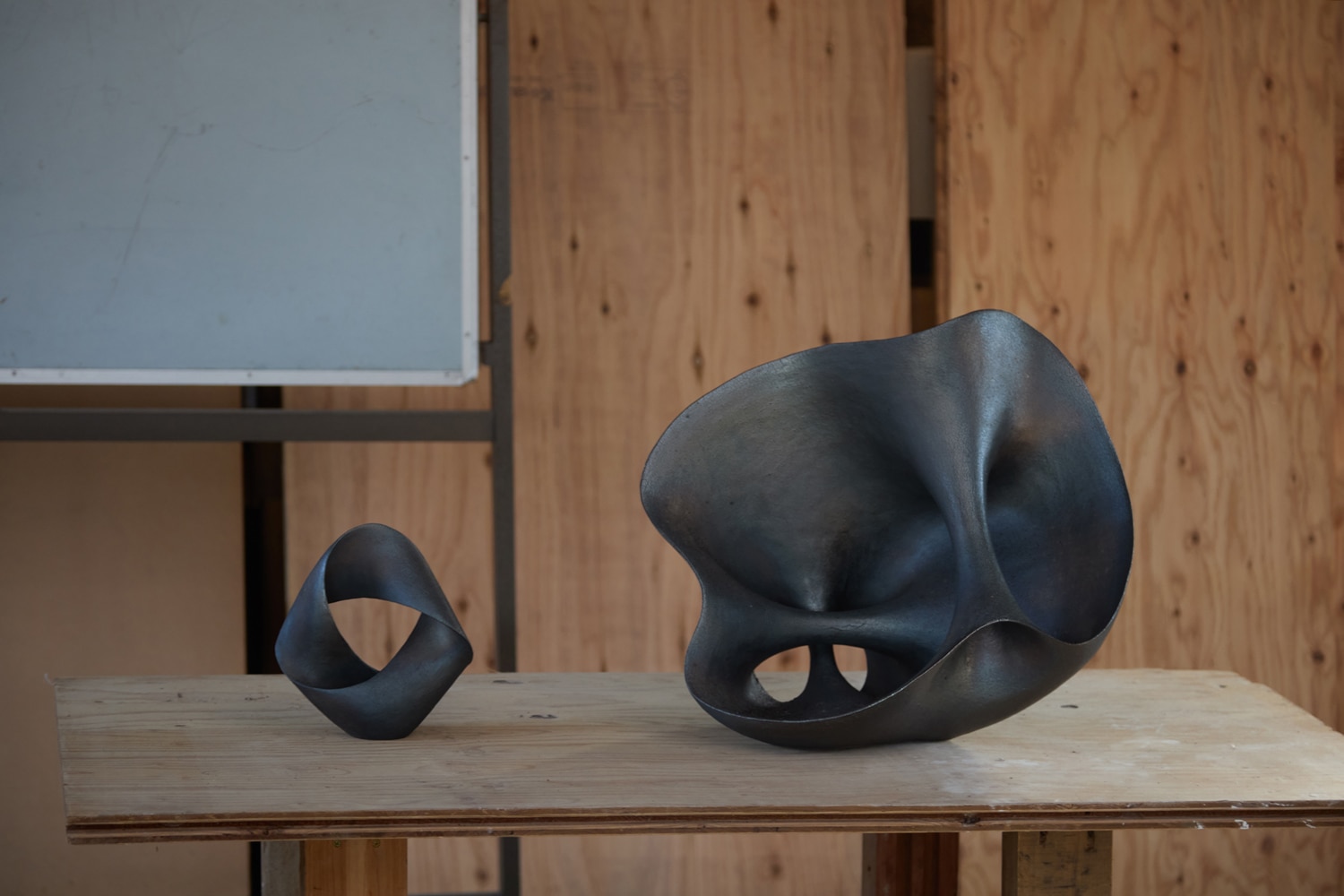
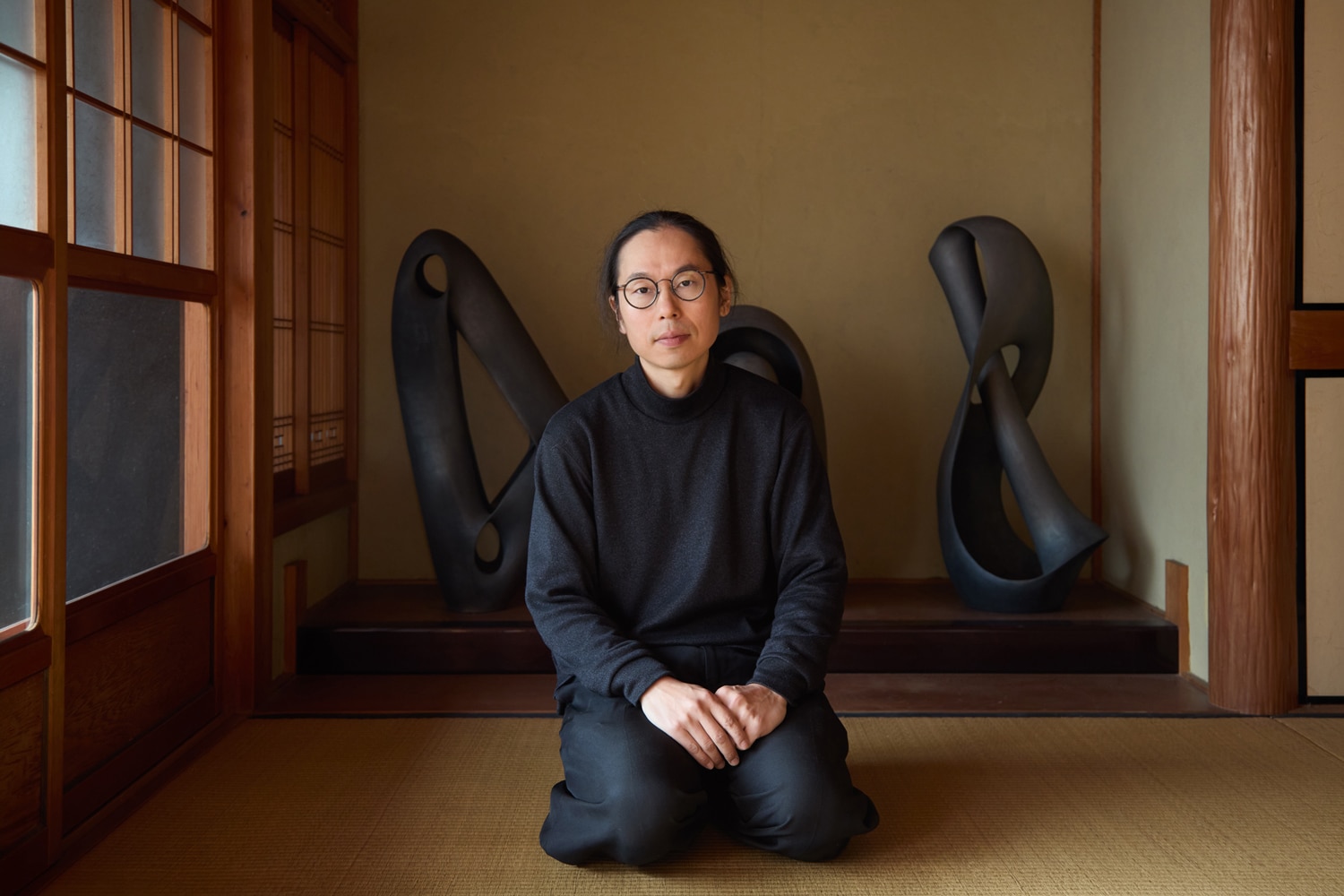
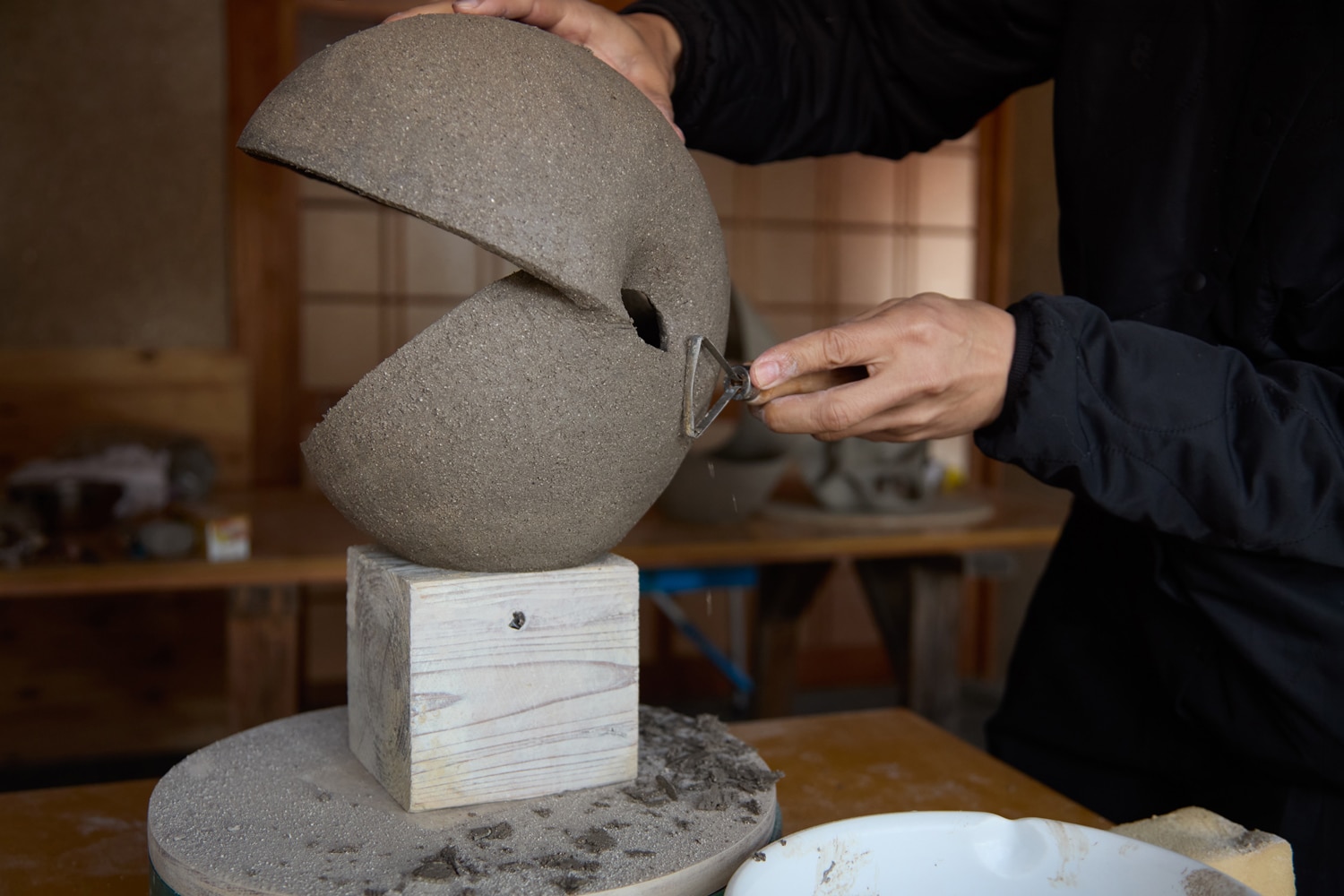
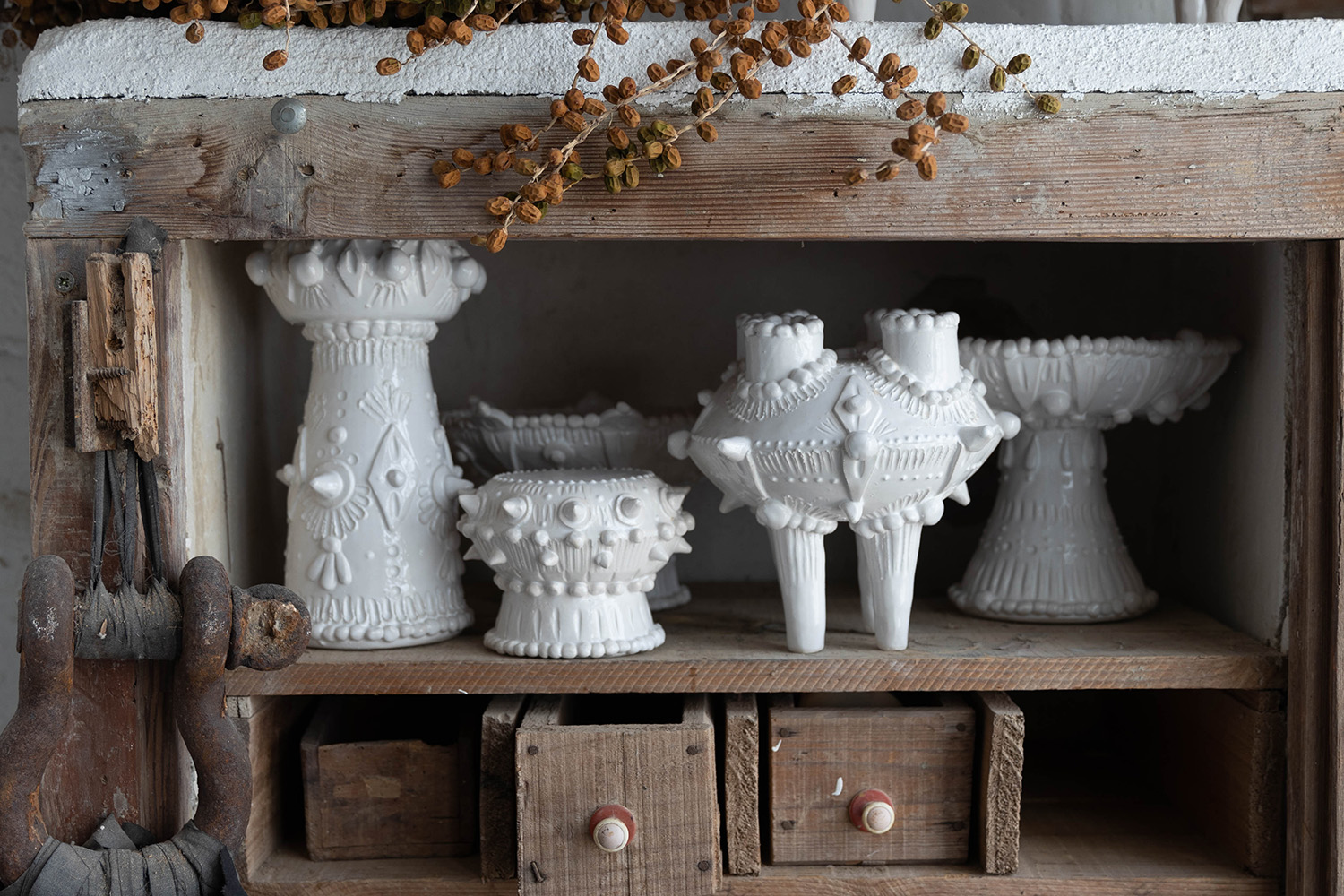
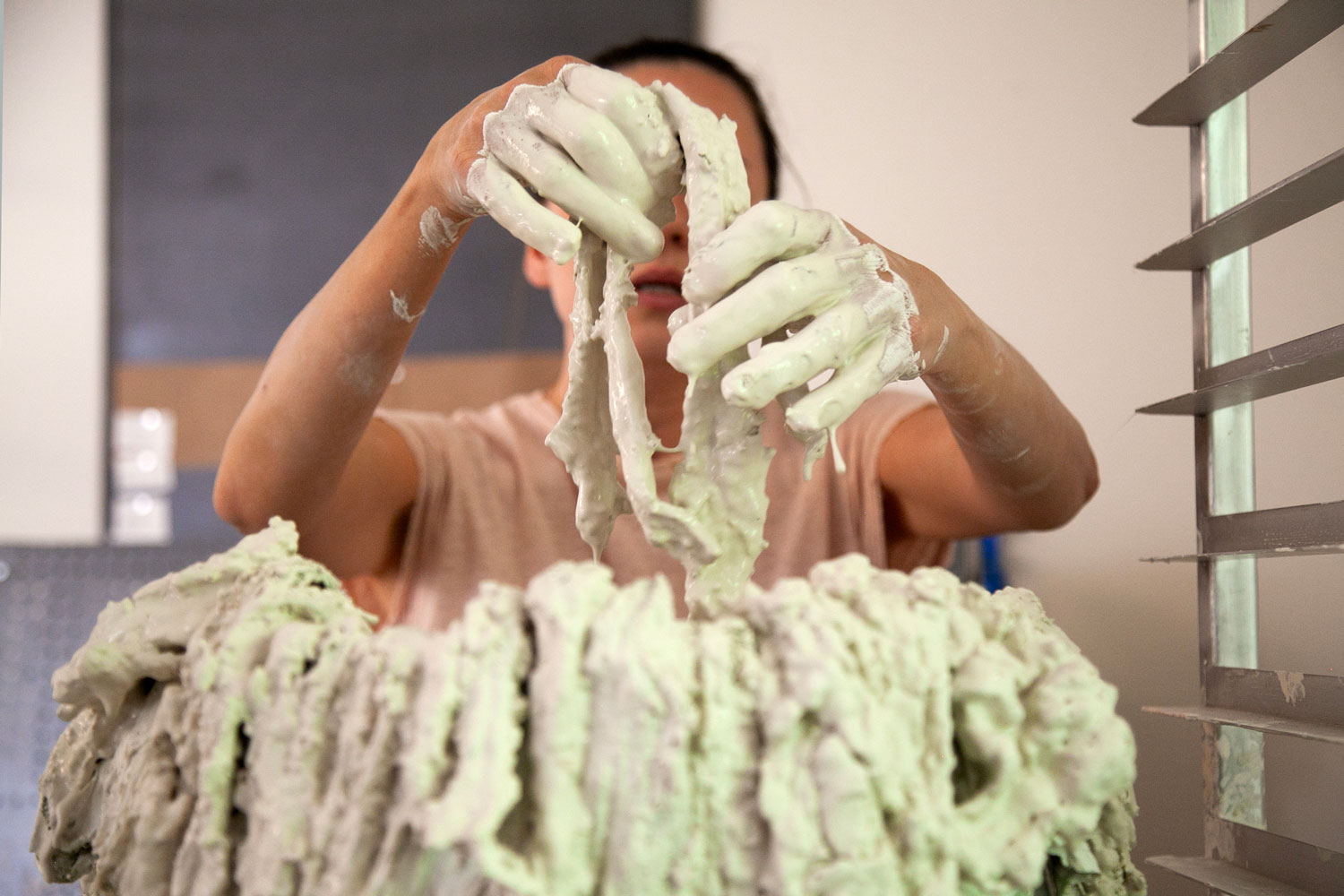
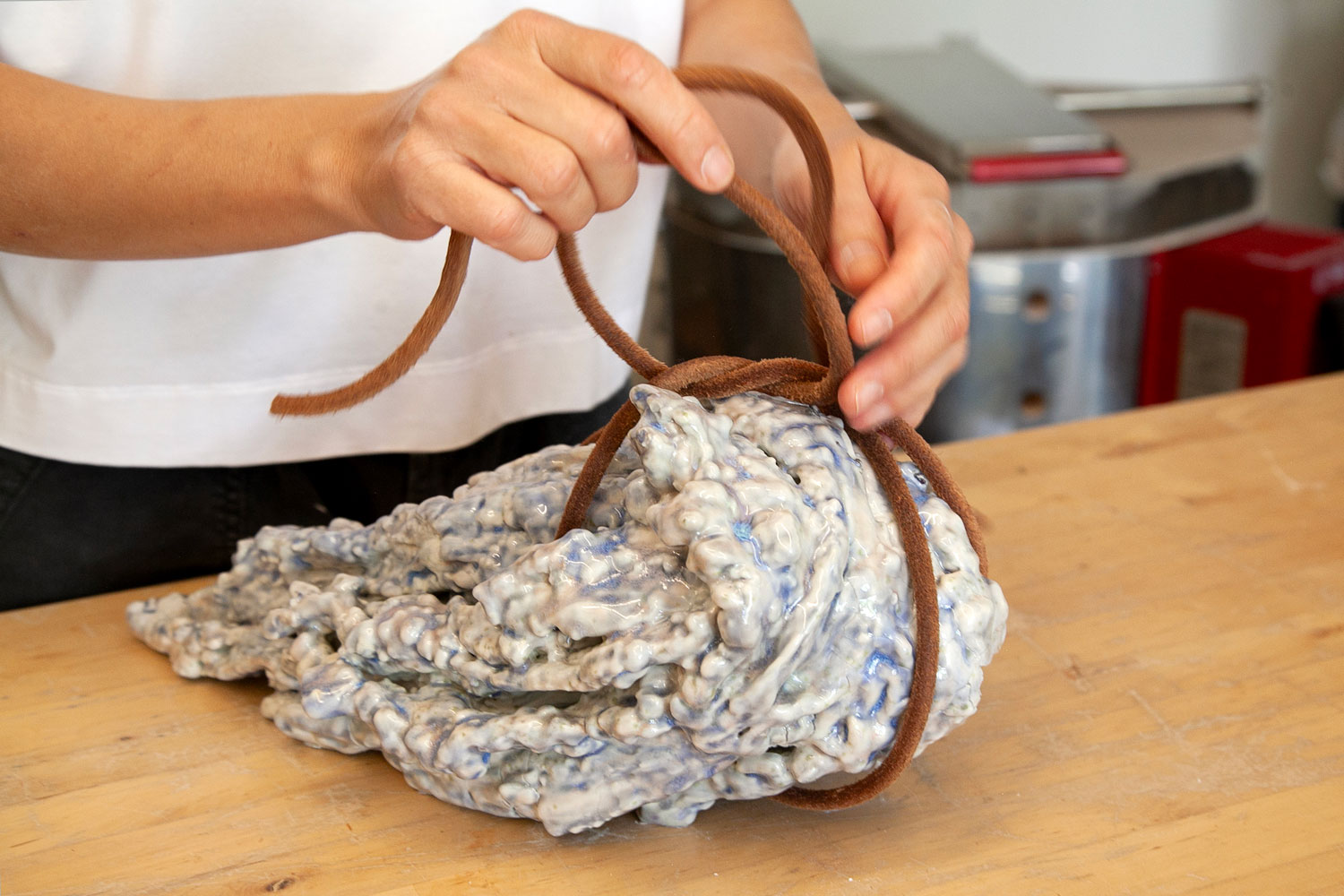
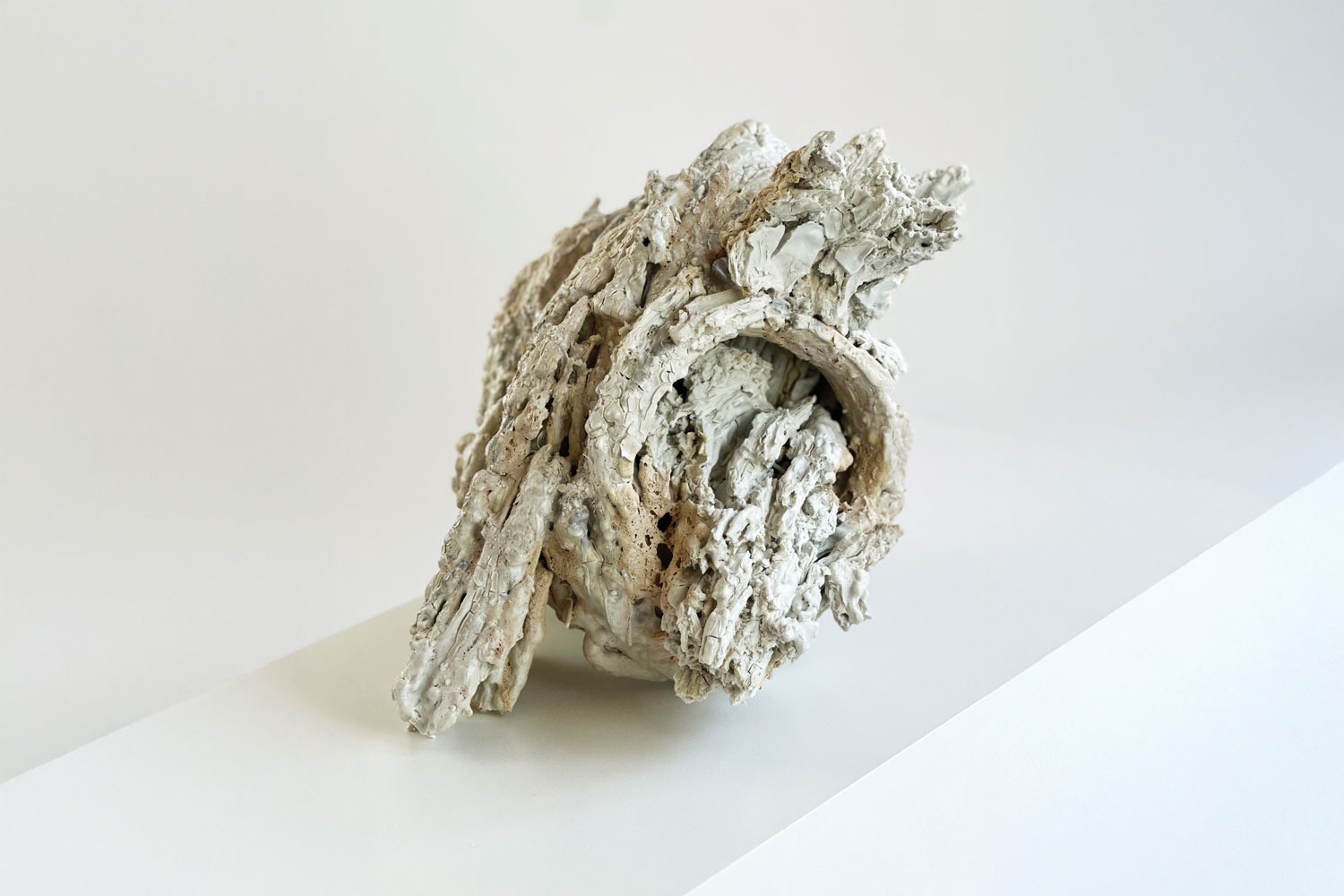
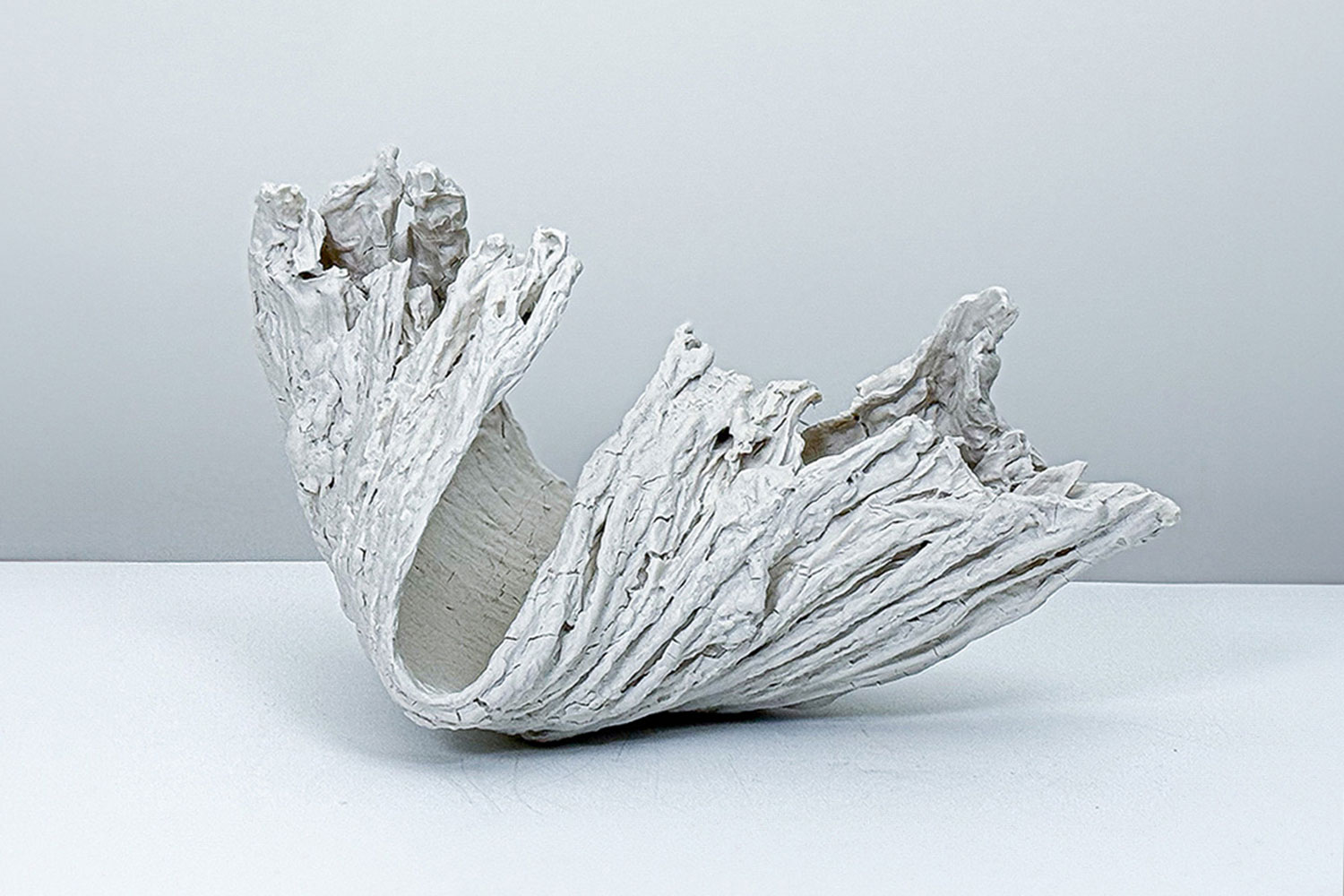
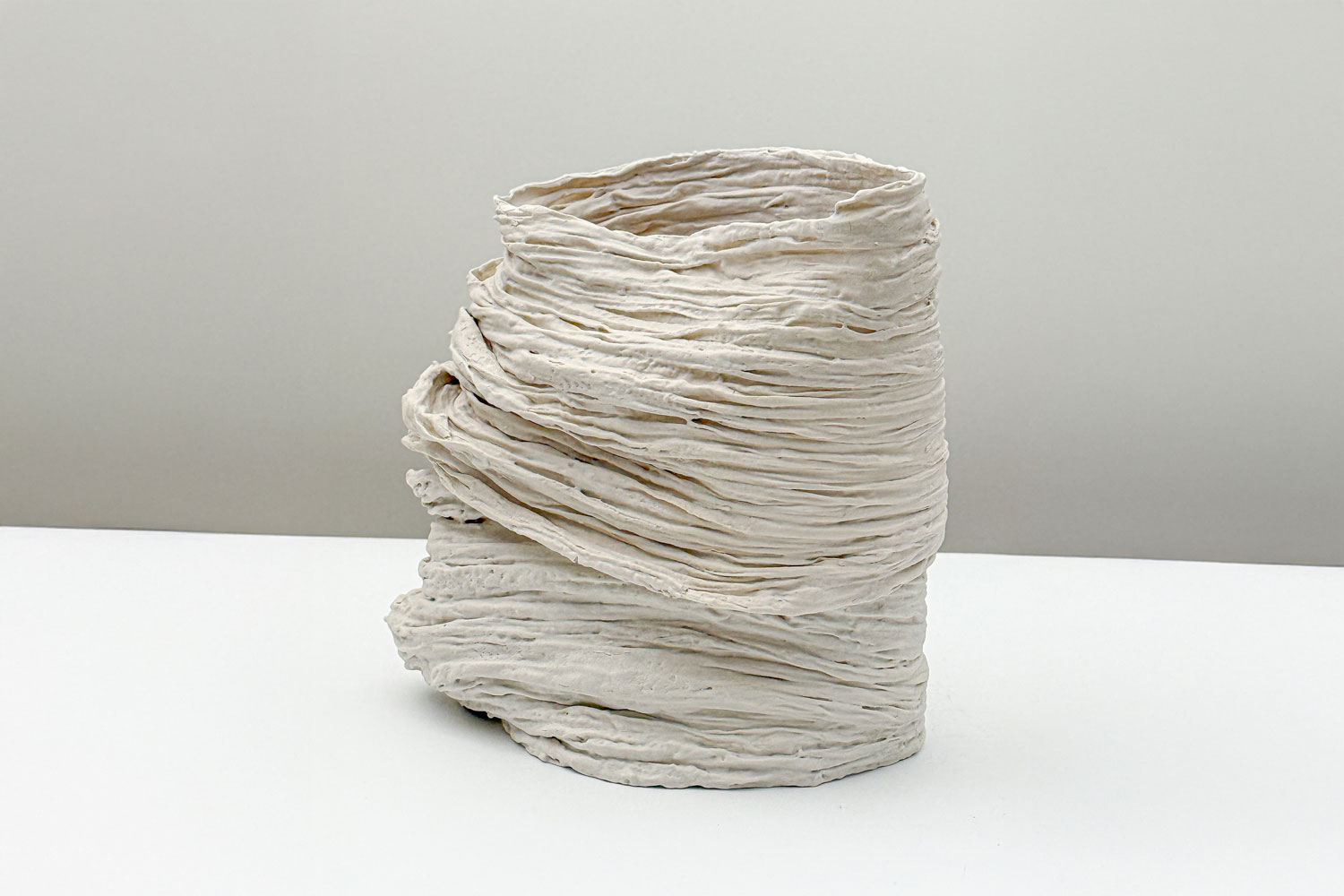
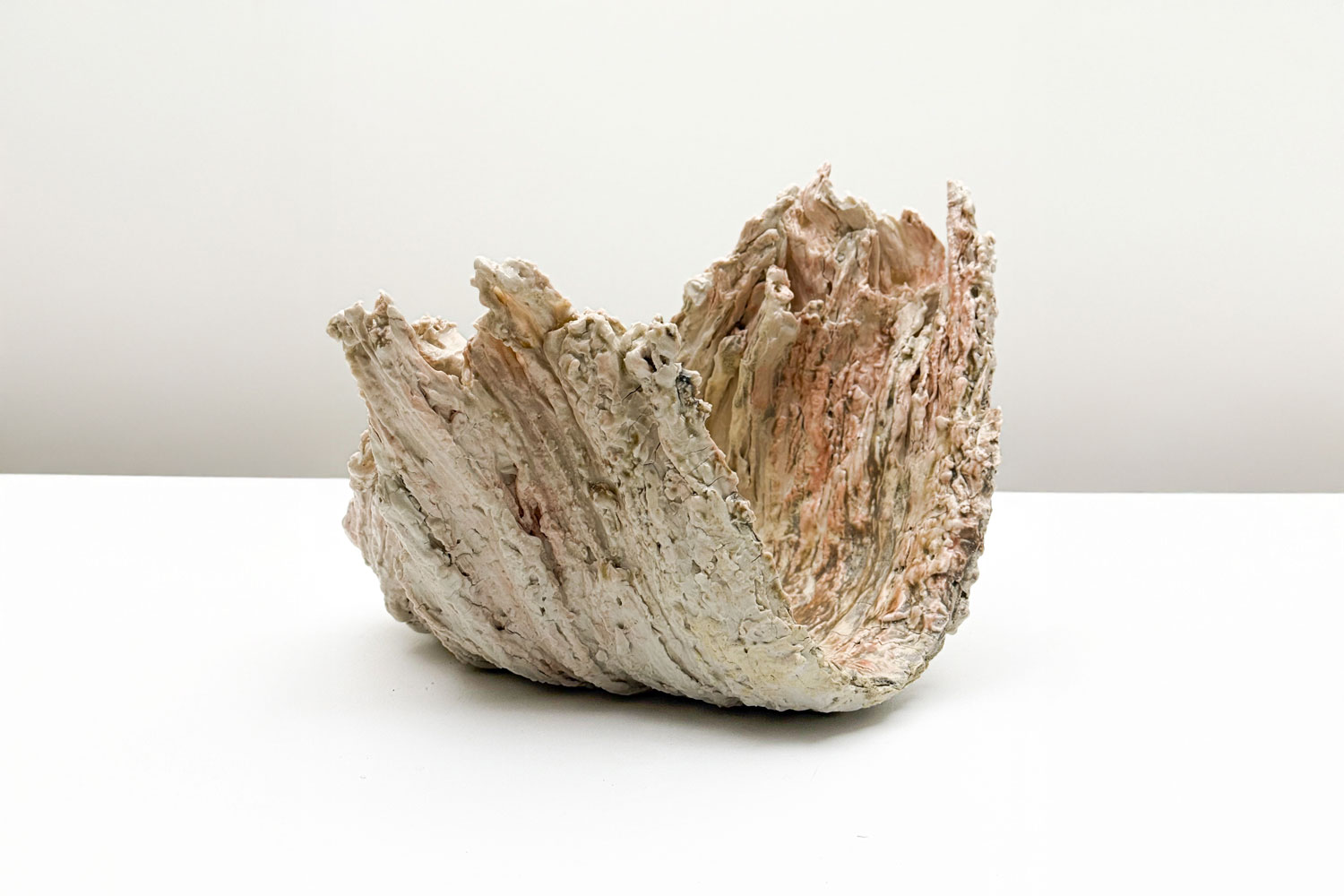
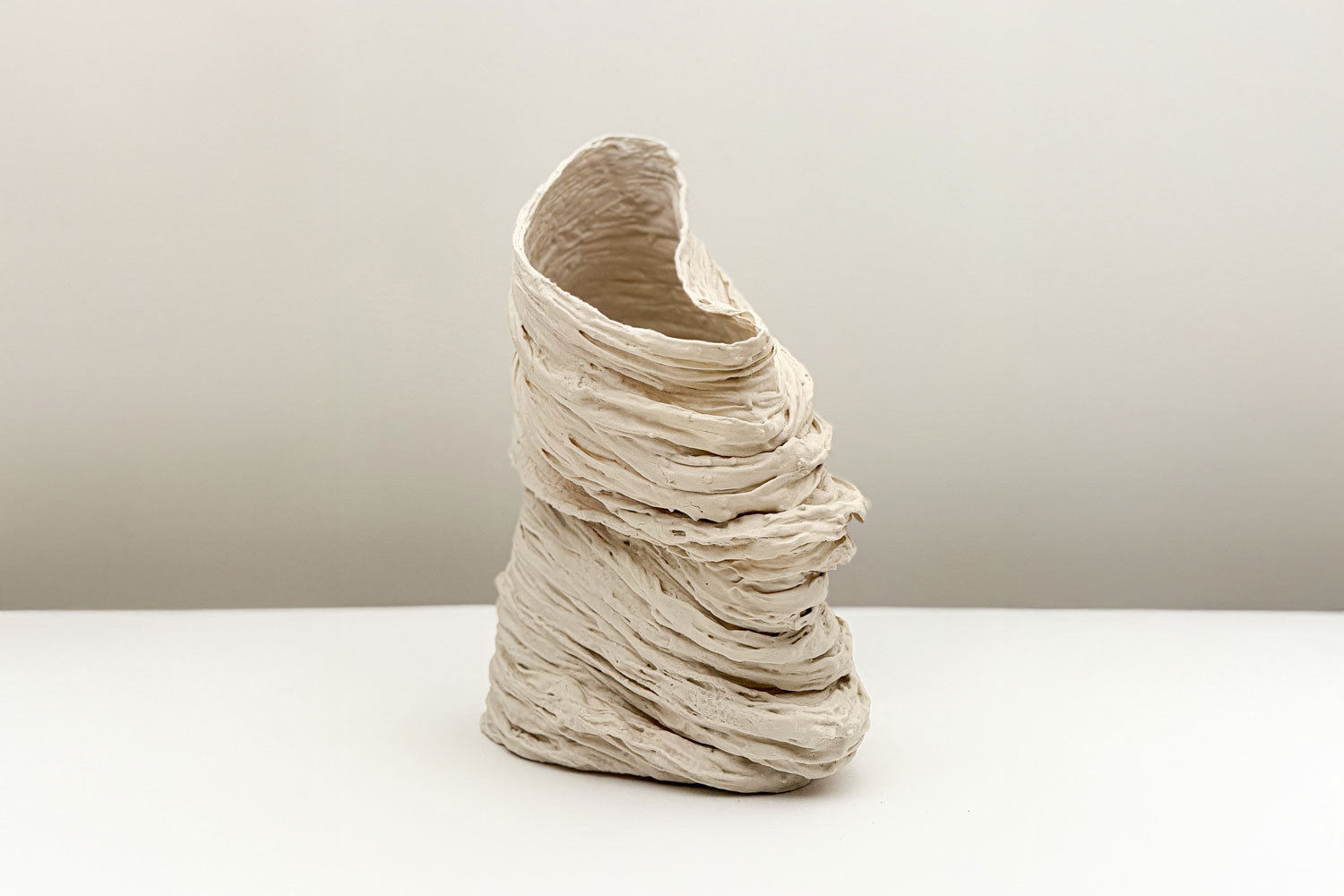
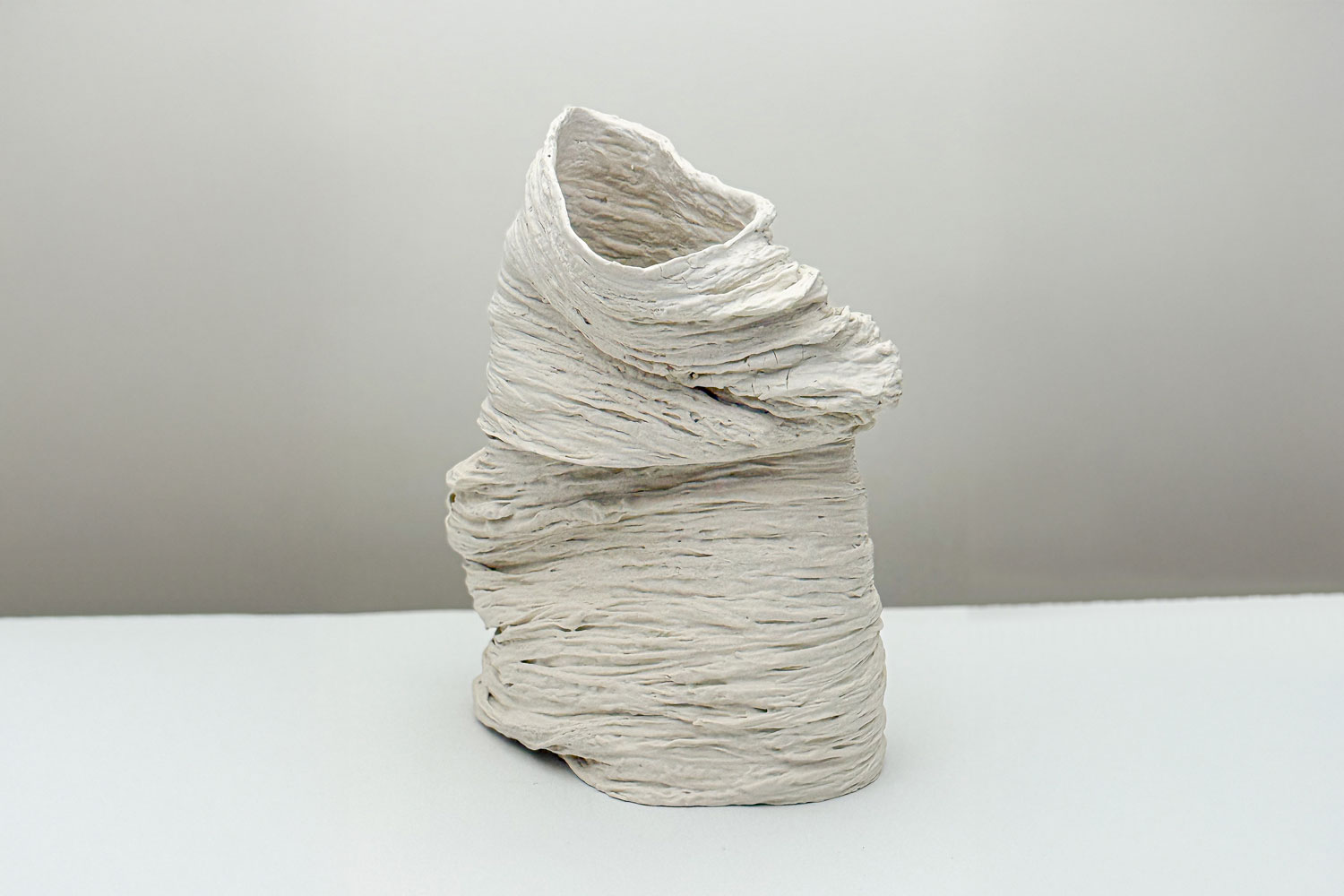
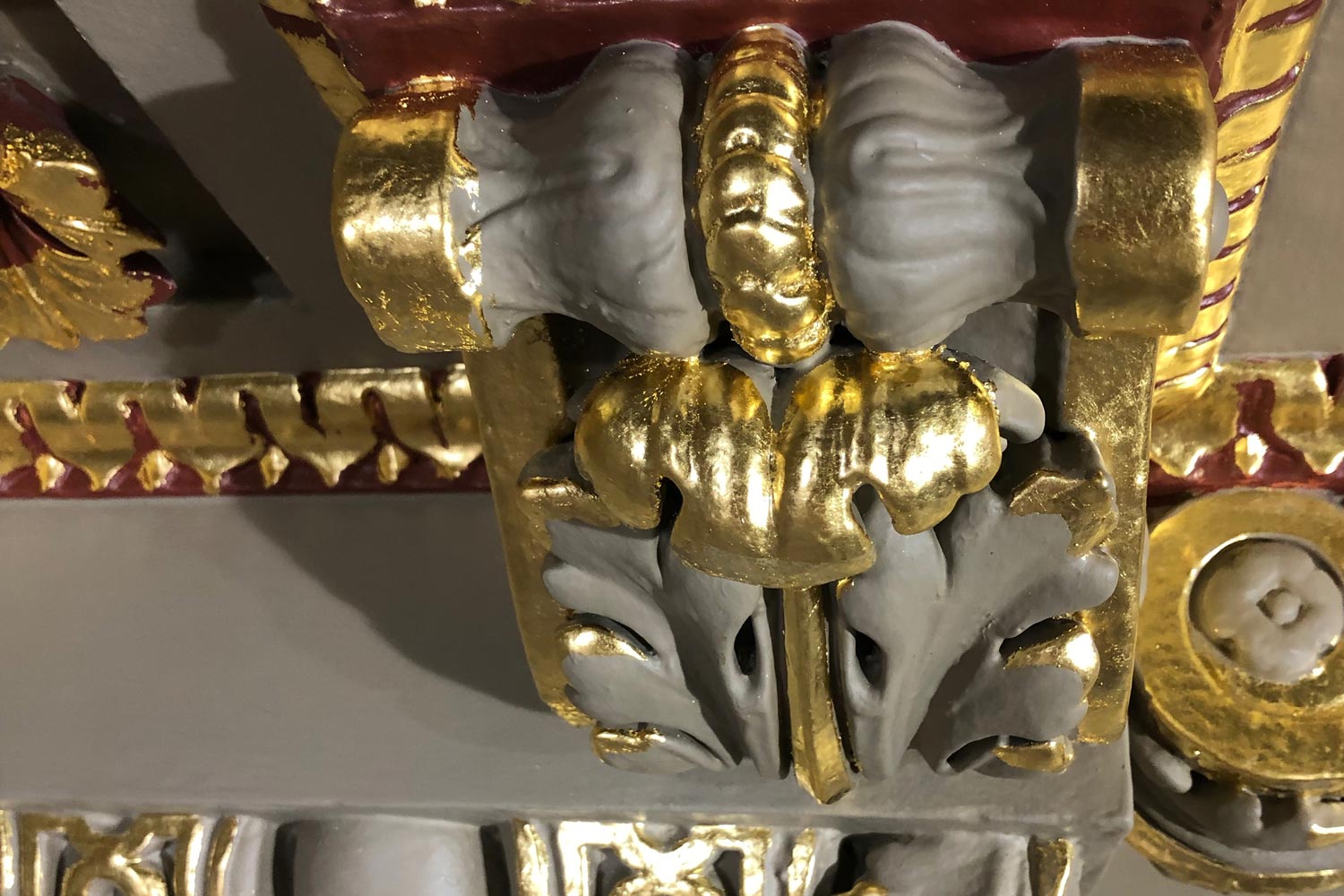
Mila Vovk’s abstract and minimalist ceramic sculptures feature pronounced sagging, slumping forms that echo the lines, contours, rhythms and spatial relationships she observes in nature. She first studied and recreated classical architectural ornament while studying art, before working as a floral designer. The exposure to the forms of flowers and the vases that contained them led her to ceramics, an artform she had long admired. Her creative process is driven by passion and intuition. “When working on a piece, an entire inner life unfolds during its creation,” she says. “I experience a wide range of emotions, from excitement and hope to doubt and, at times, deep disappointment, followed again by sudden surges of positive feeling.”
INTERVIEW
When I was 16, ceramic artists seemed almost god-like to me. It sounds amusing now, but the impression was powerful. I chose the material and path with ceramics very early, both consciously and subconsciously, and it became so deeply rooted that I simply did not consider any other materials from then on.
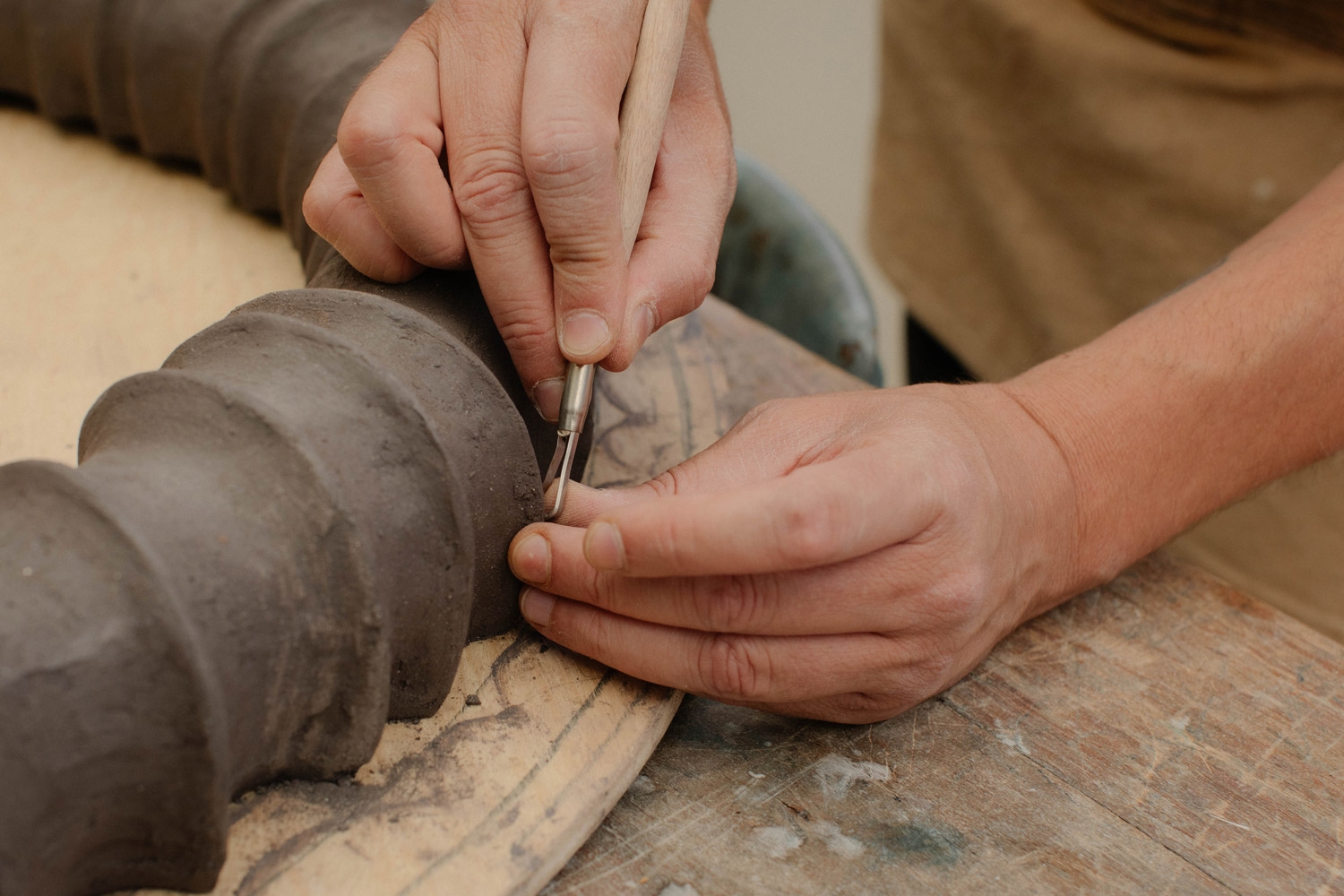
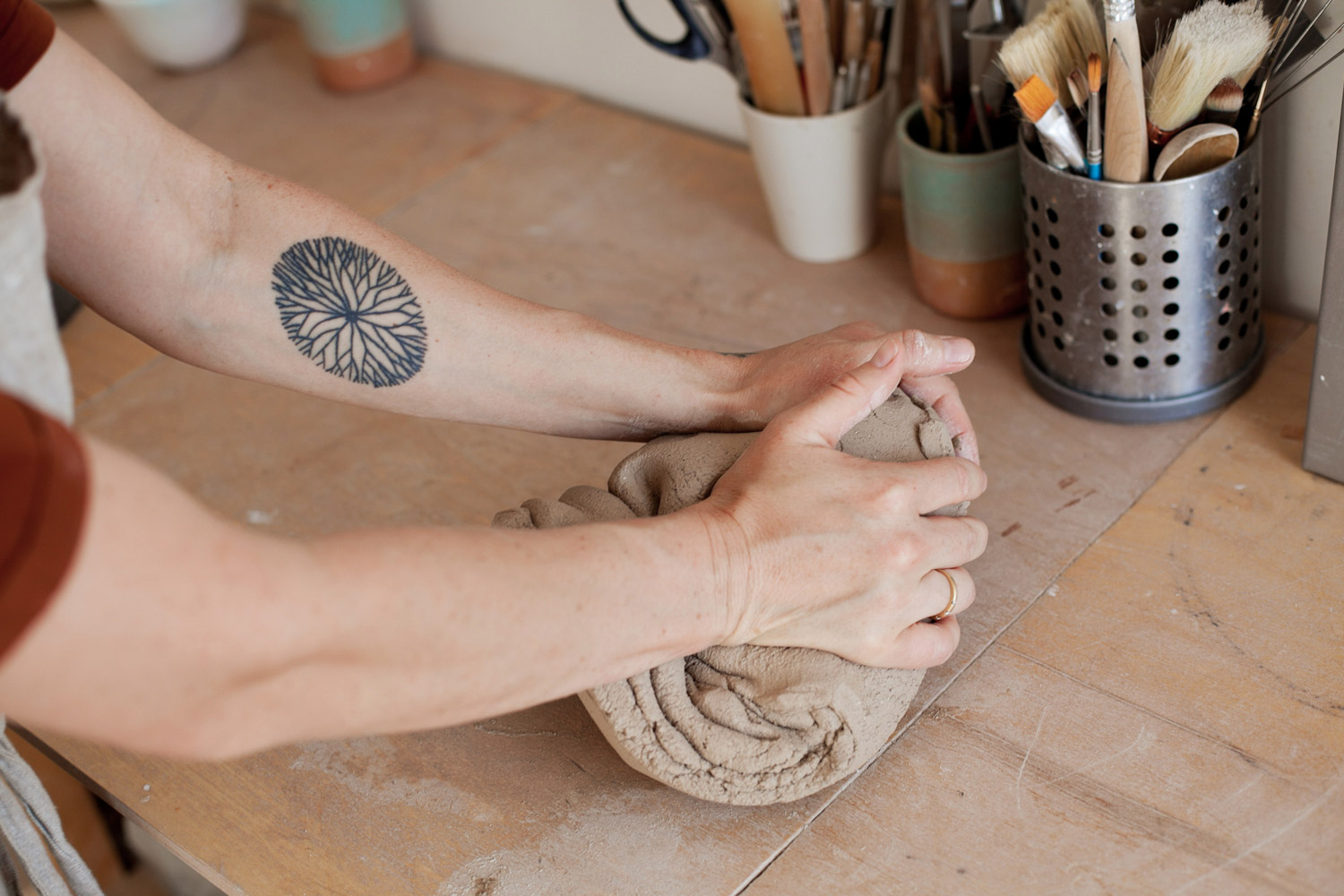
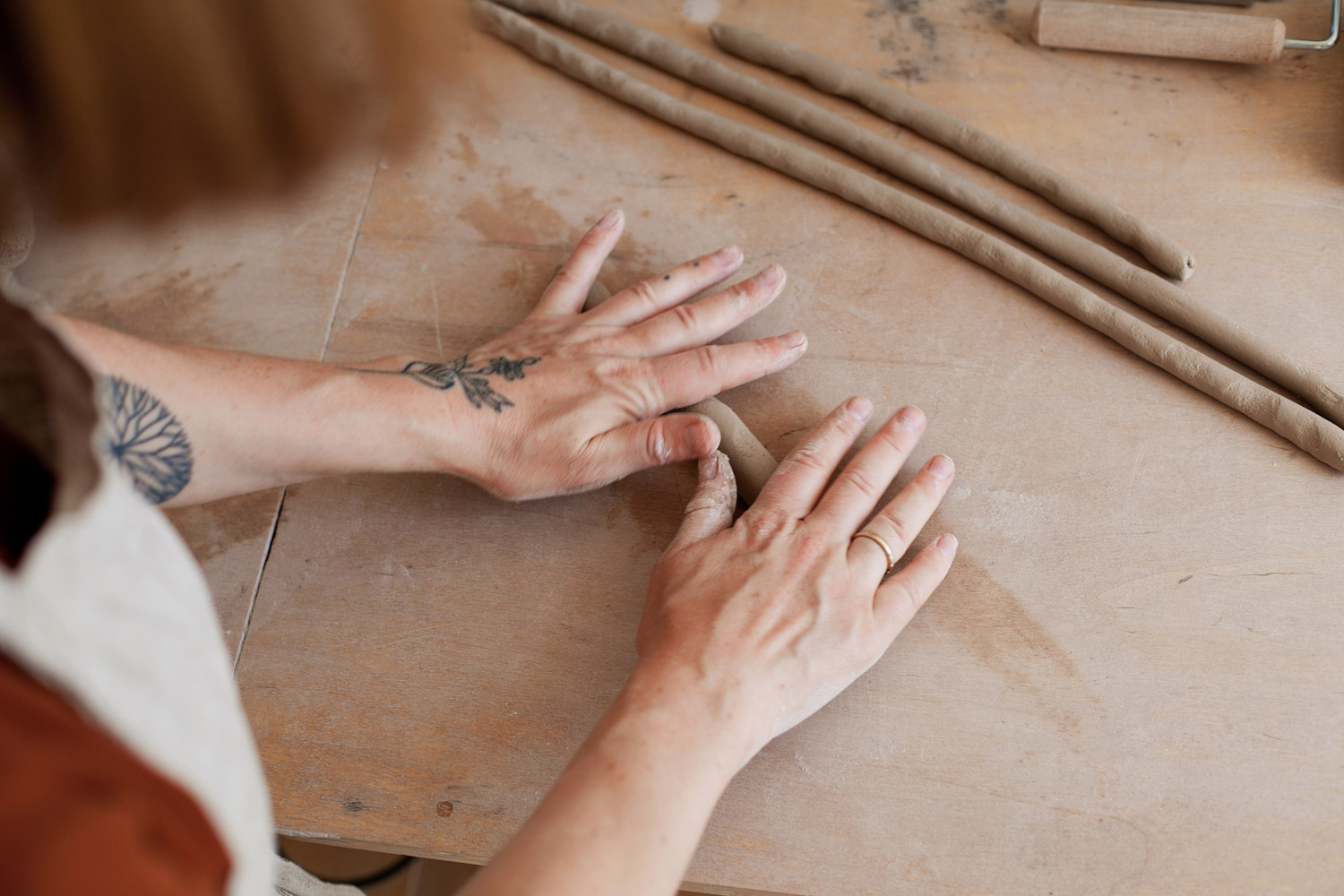
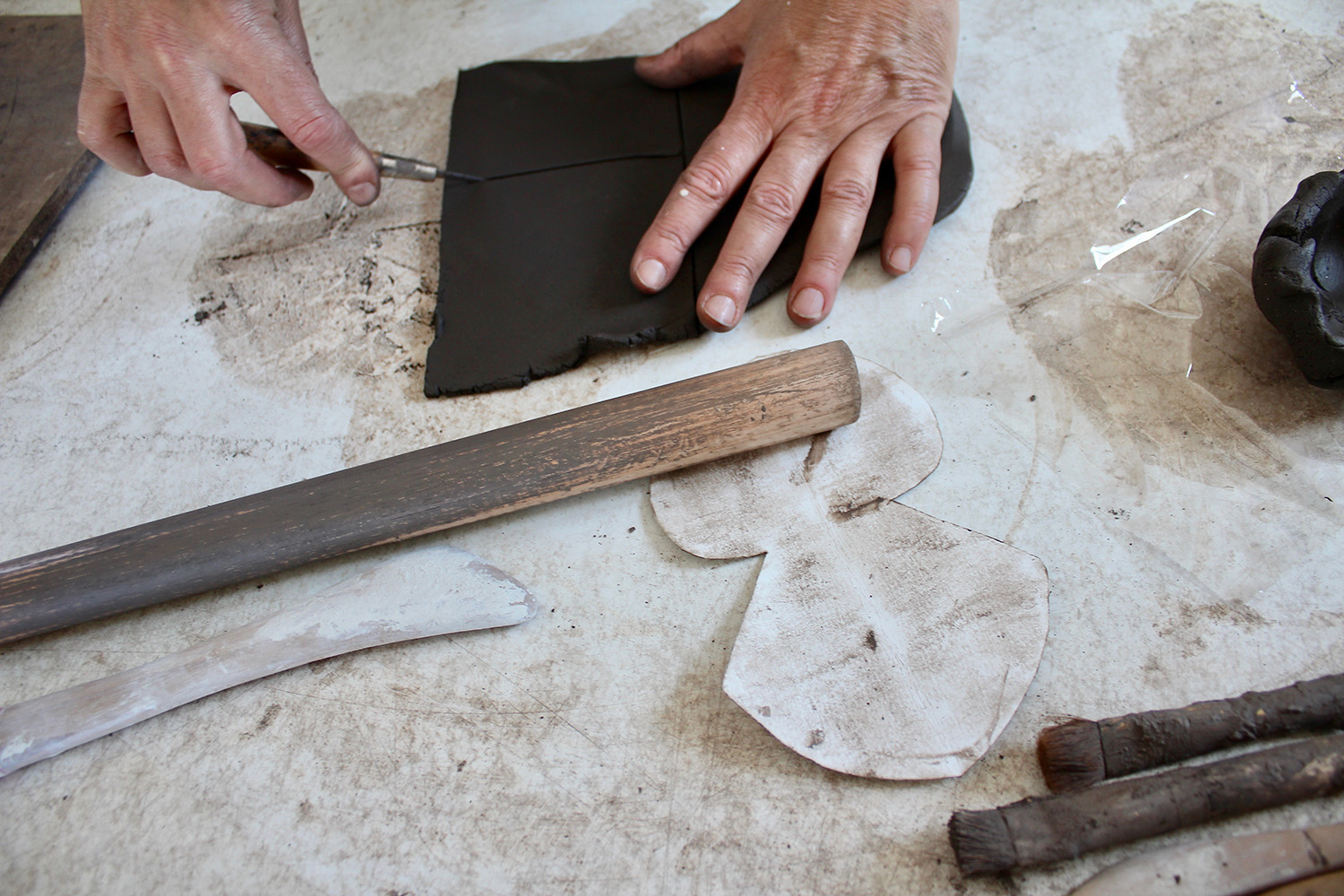
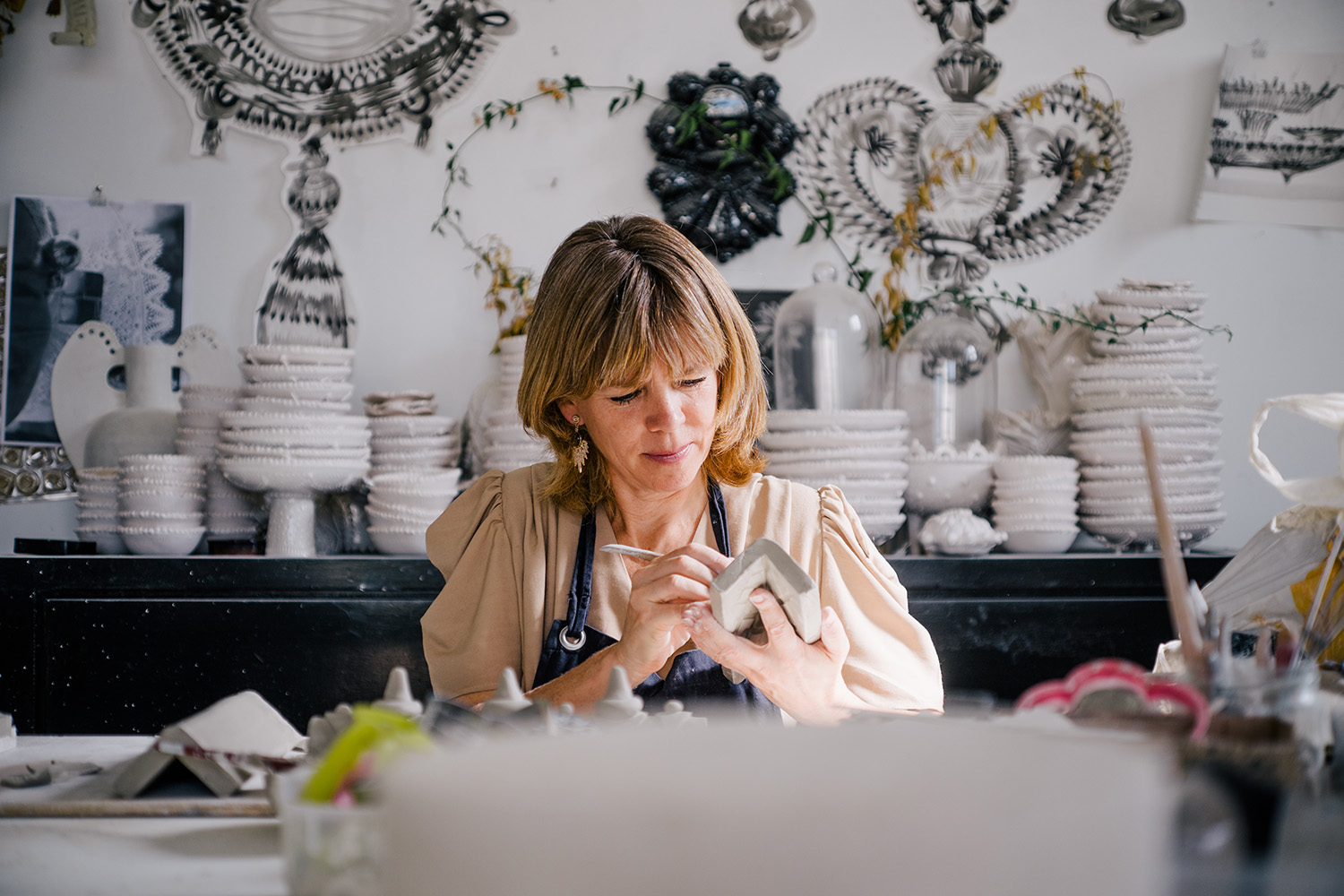
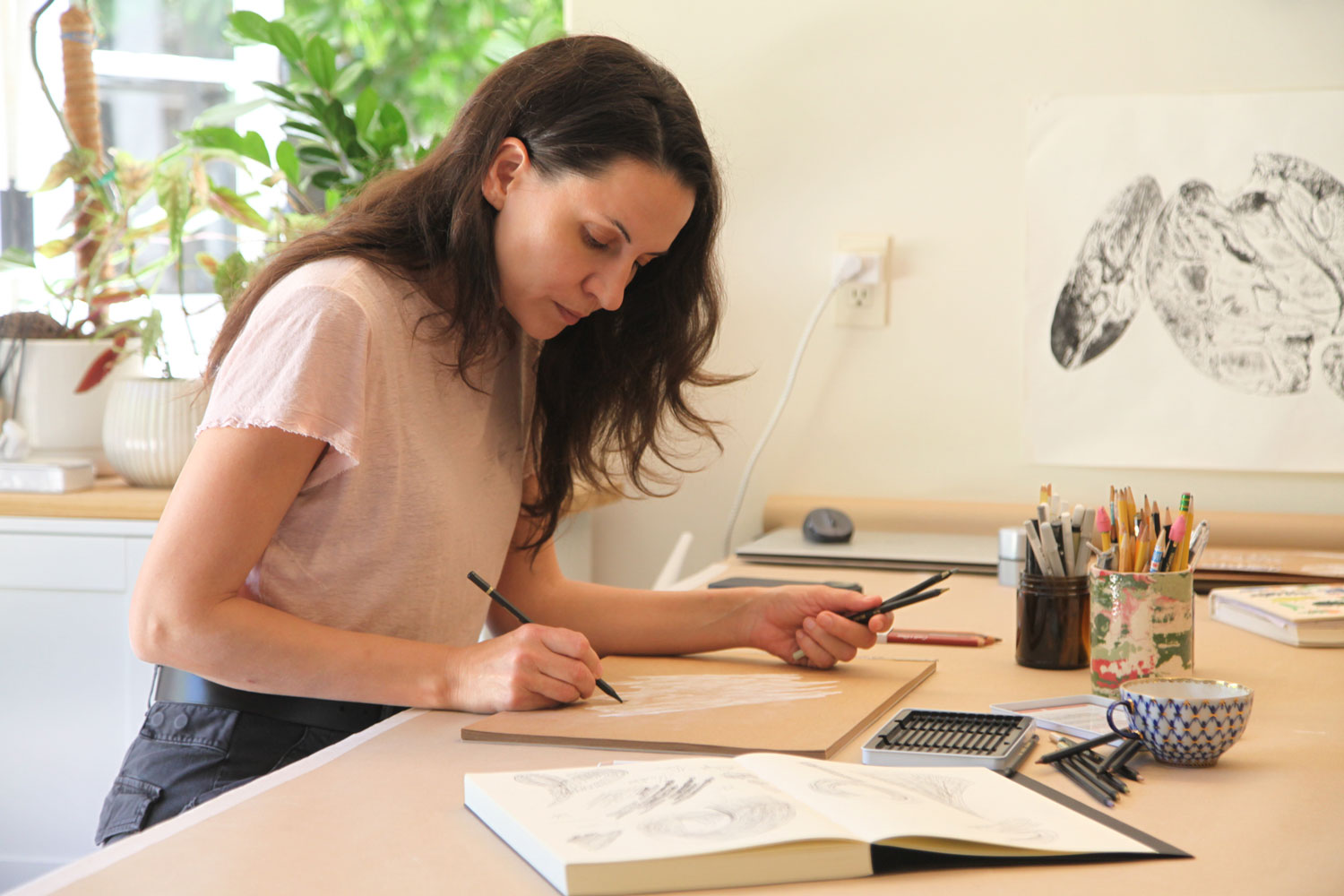
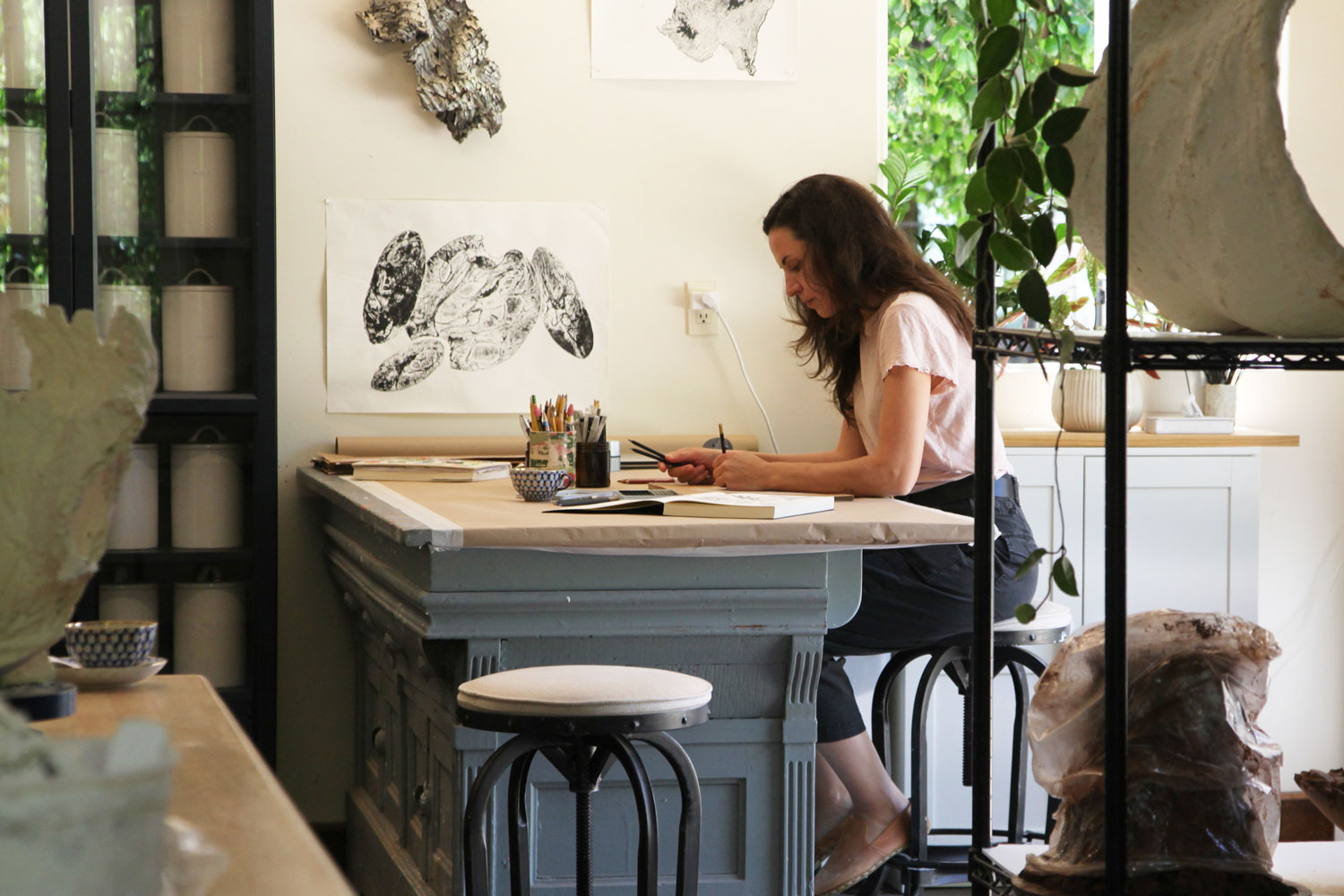
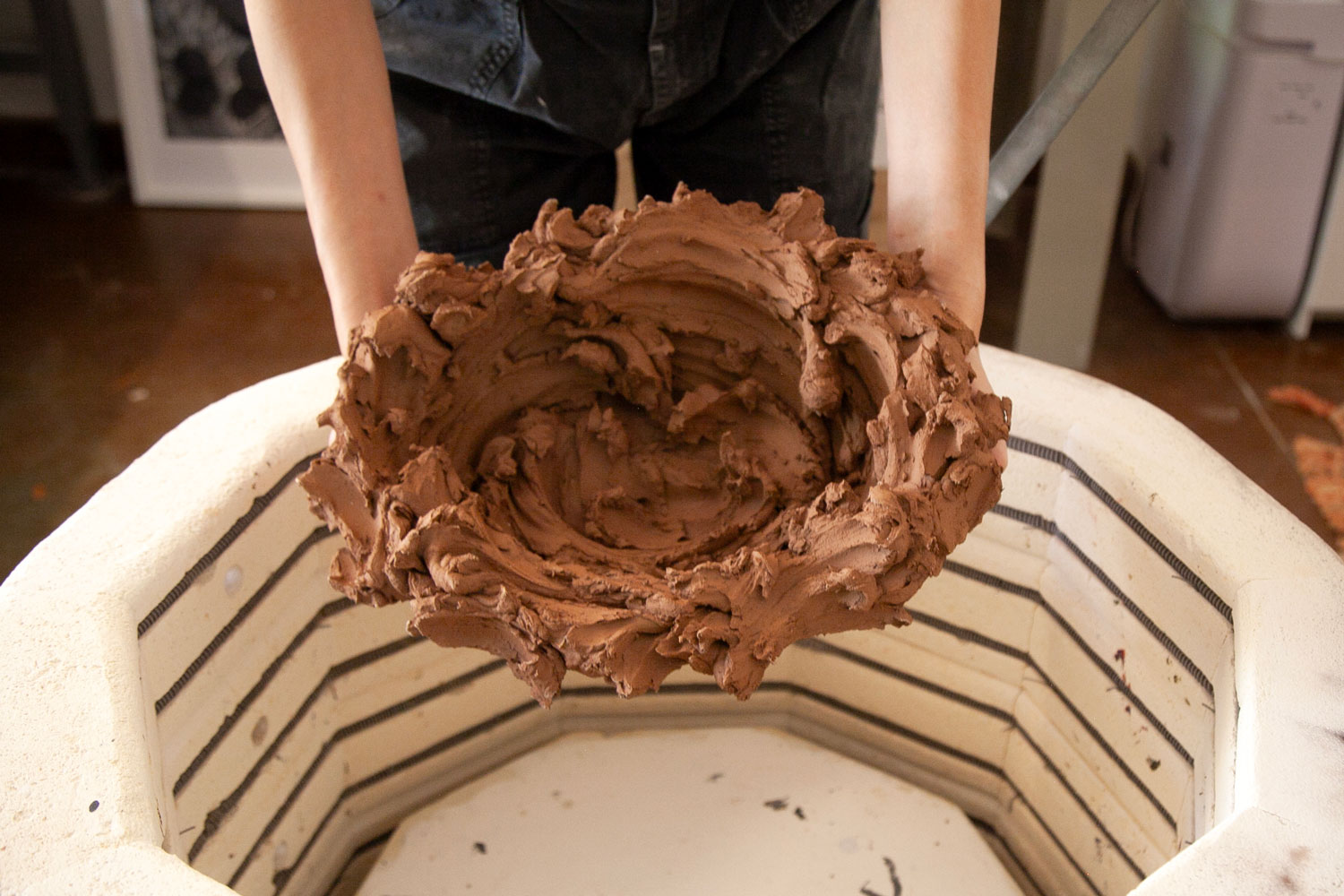
I spend a lot of time in my studio. I am always experimenting and looking for something new, whether that is new techniques or new ways to make something interesting. It takes a lot of time, but I am happy with the process. For me, that is the main thing. All answers come through the process.
Once the piece is completed, the emotional charge is often fully depleted. There is simply nothing left to feel. At that point, my attention naturally shifts elsewhere, not out of indifference, but because the piece has fulfilled its role in my internal process, creating space for the next piece to emerge.
Movement is a central subject of investigation in my practice. Through tension, rhythm and structural imbalance, I aim to compress multiple moments into one form, allowing the viewer to sense both what has just occurred and what might follow.
Mila Vovk
Ceramicist
Irvine, CA, USA
ADDRESS
Address upon request, Irvine, CA, USA
AVAILABILITY
By appointment only
LANGUAGES
English, Russian
Homo Faber Finds is a new service aiming to inspire admirers of craft to connect and collaborate with exceptional artisans.
We invite you to submit an enquiry here.
DSC02402_©Meg-Lovell.jpg)
DSC01379_©Meg-Lovell.jpg)
DSC01458_©Meg-Lovell.jpg)