Robert Mazlo
Jewellery maker
Boulogne-Billancourt, France
Recommended by L’ÉCOLE, School of Jewelry Arts
Storyteller-jeweller
- Robert was born in a family of goldsmiths and jewellers
- He never makes the same piece of jewellery twice
- His work appears in private and public collections worldwide
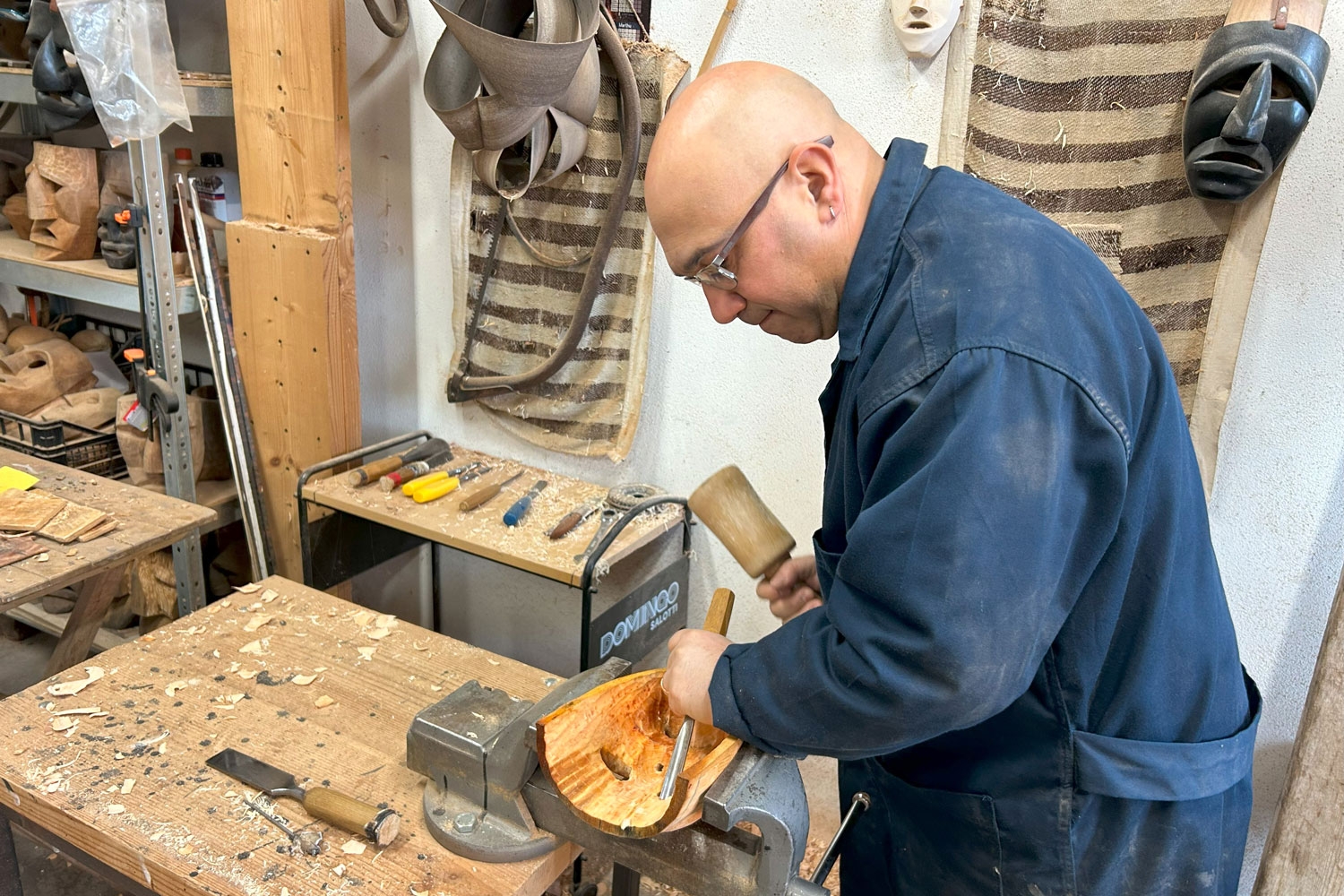
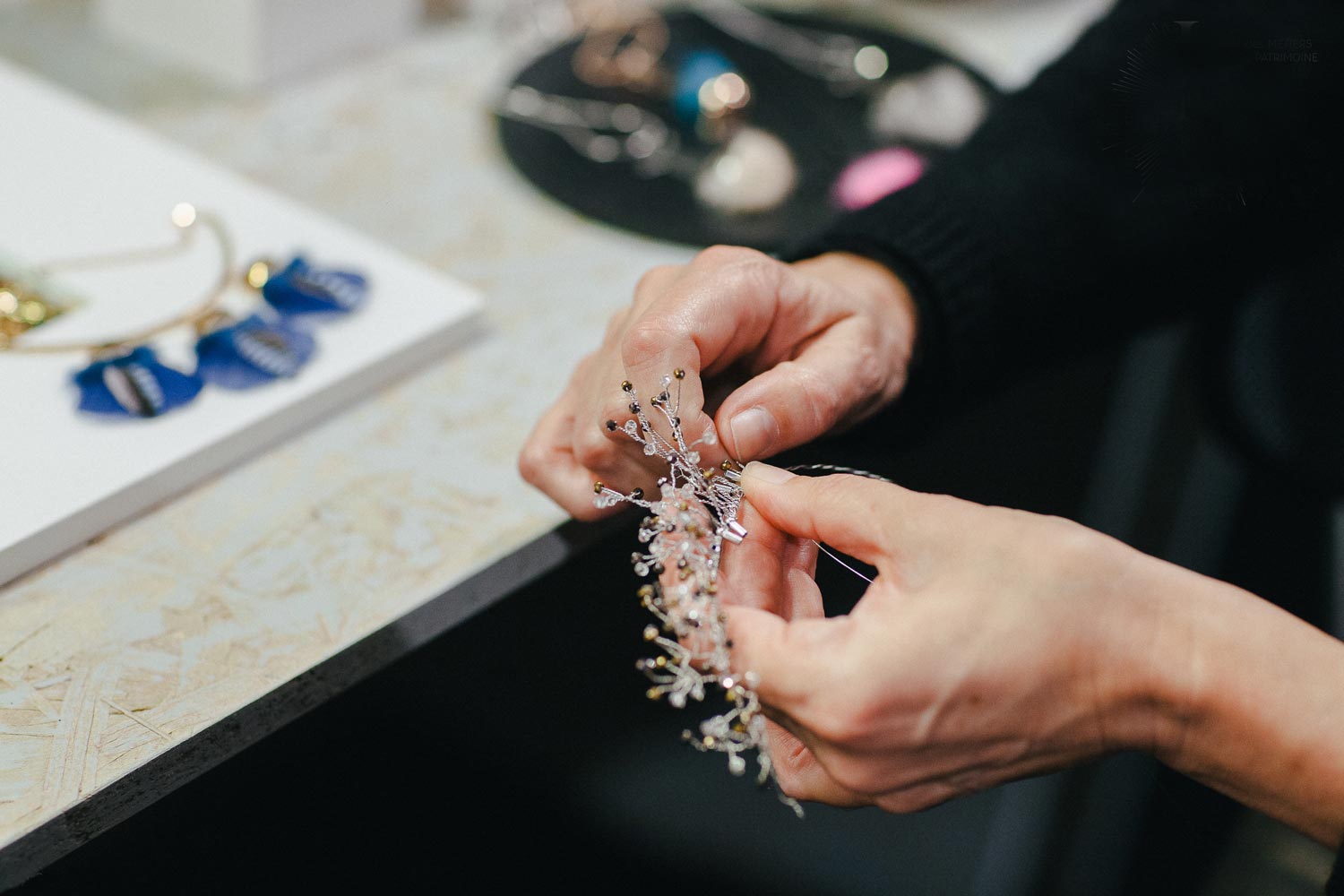
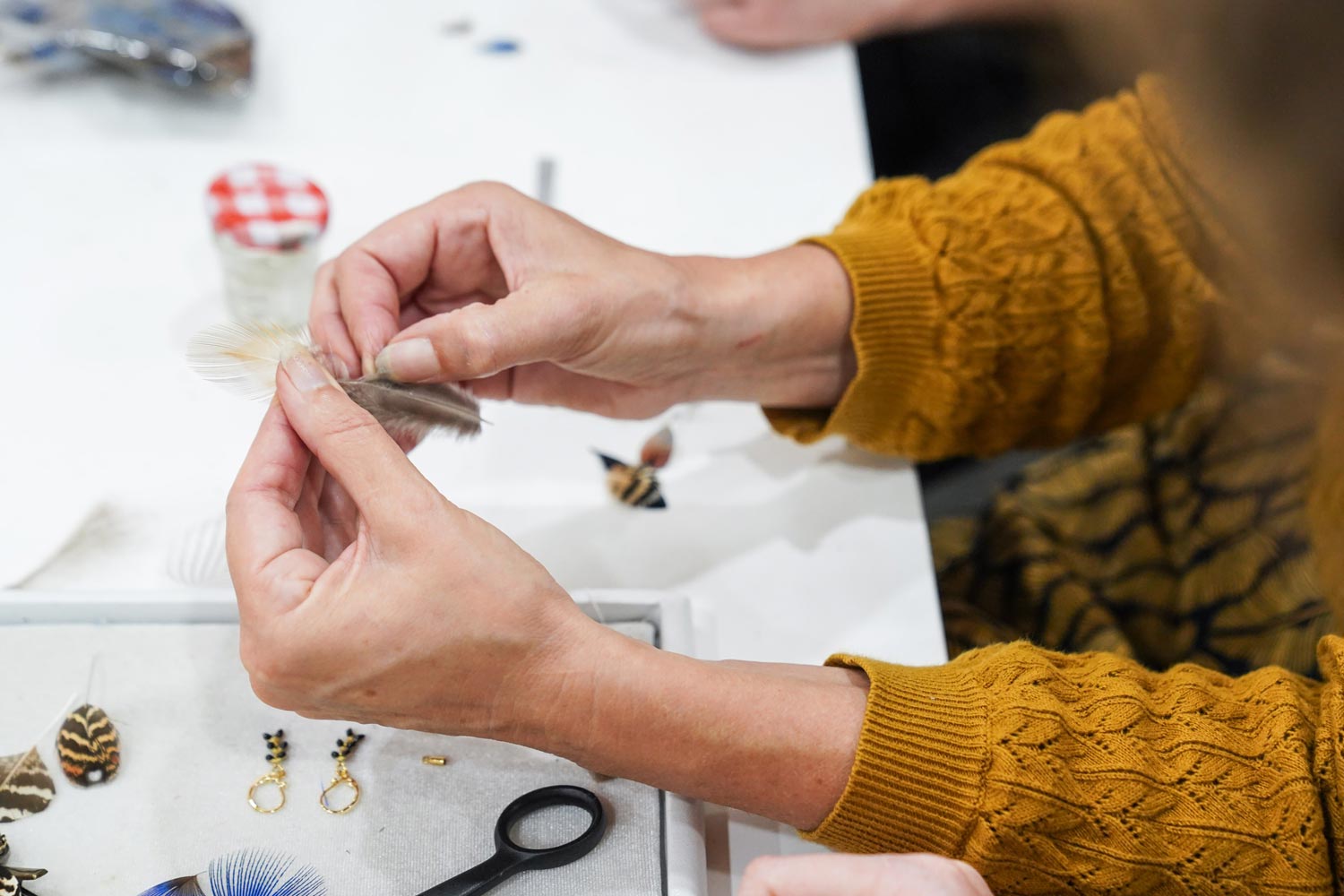
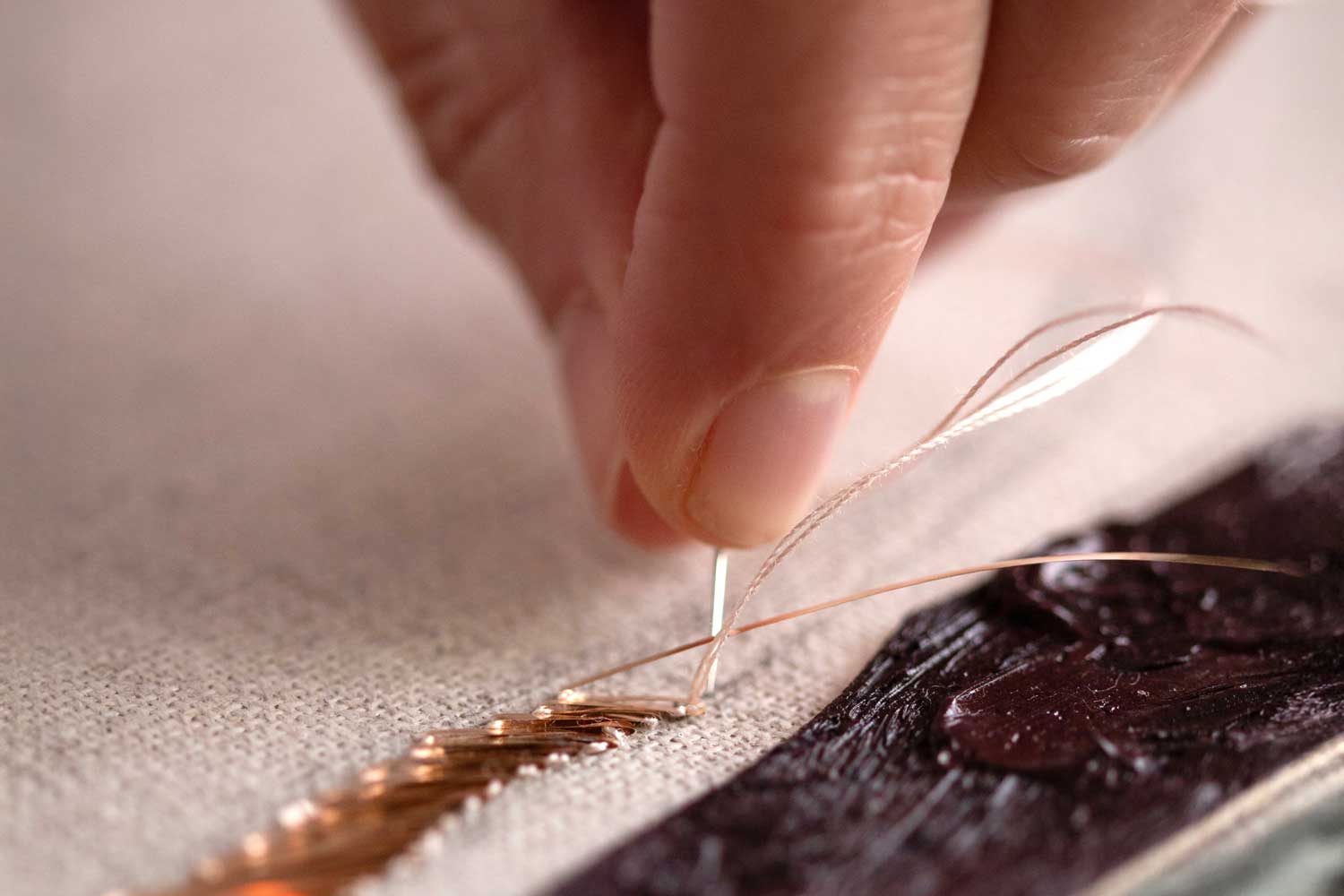
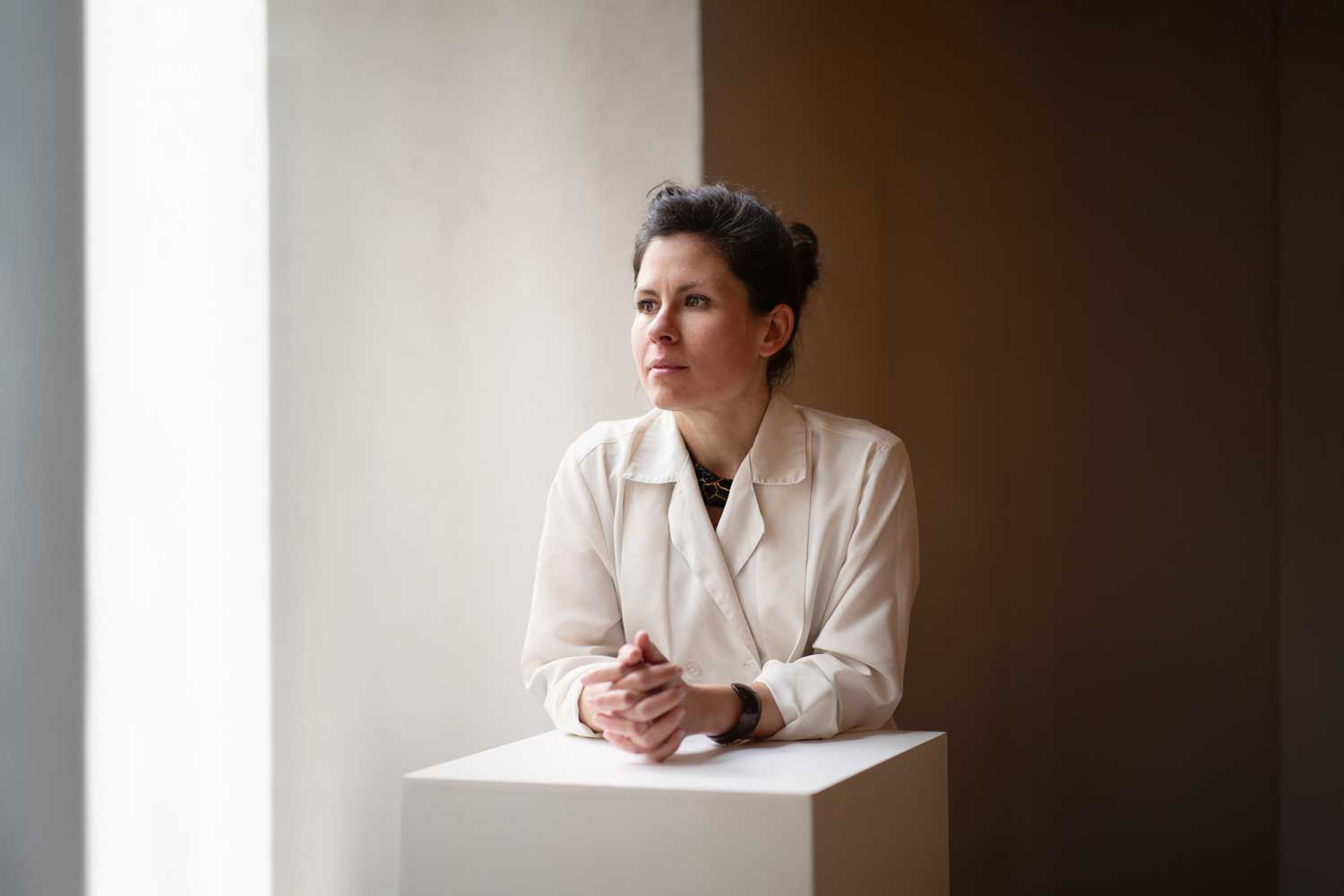
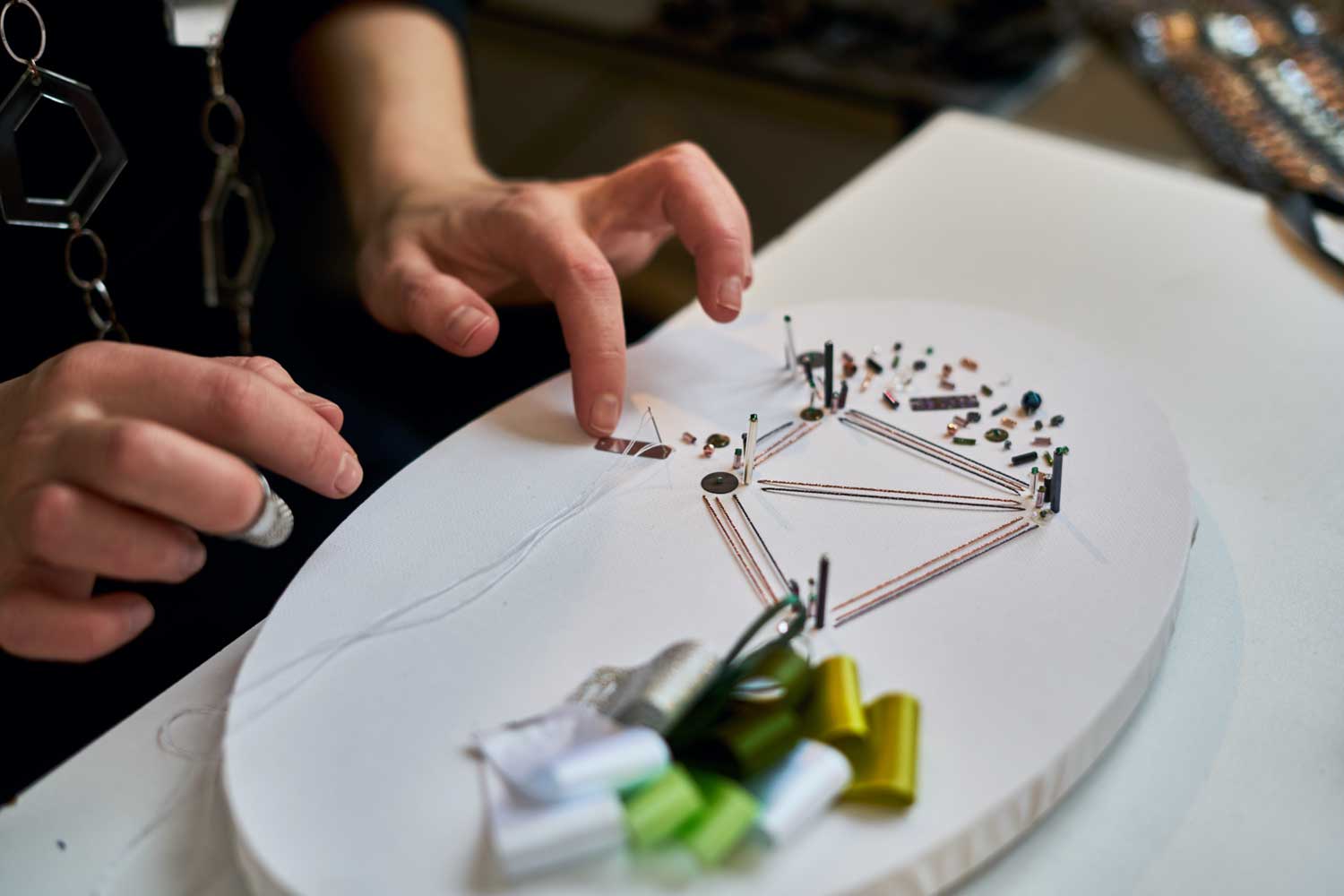
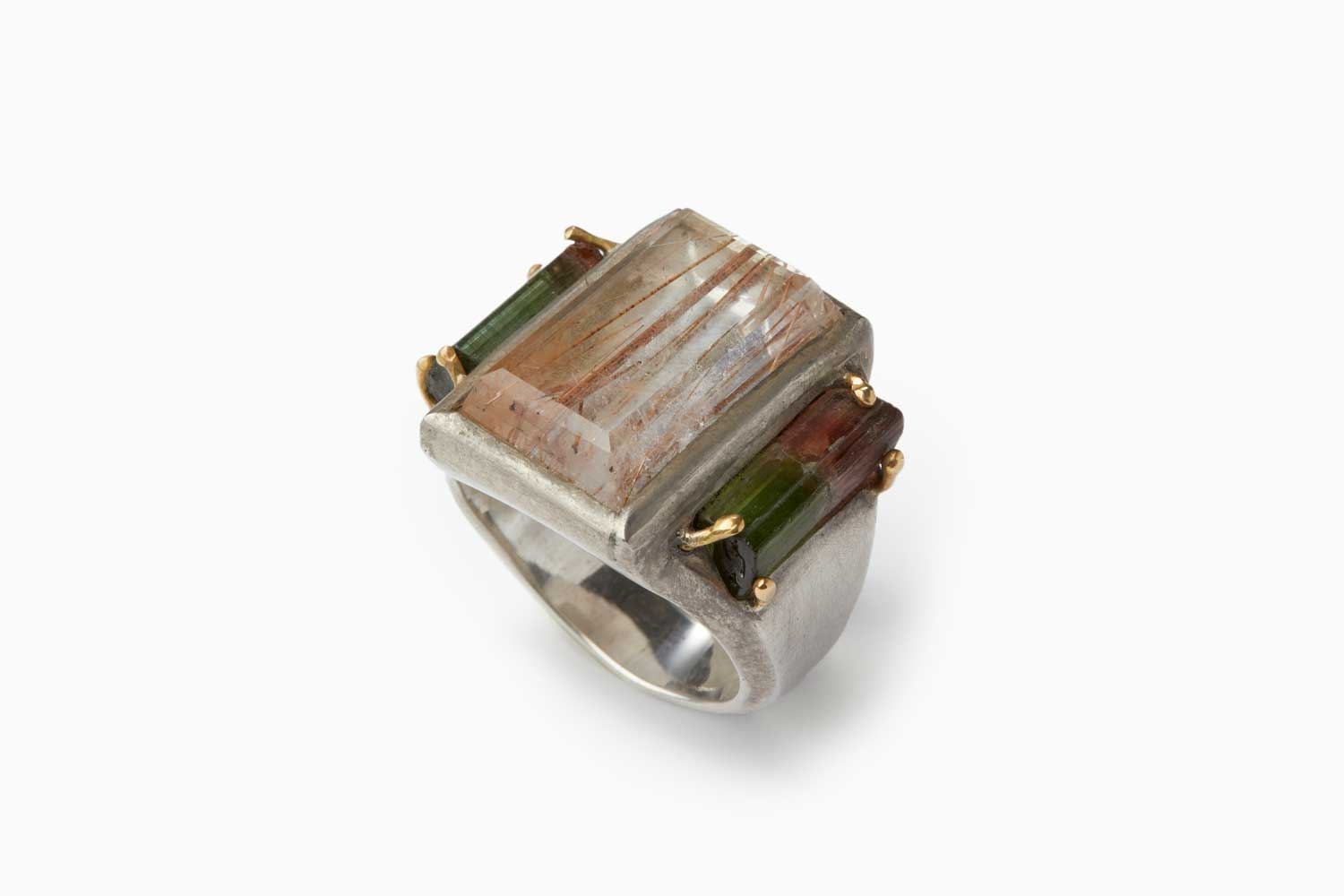
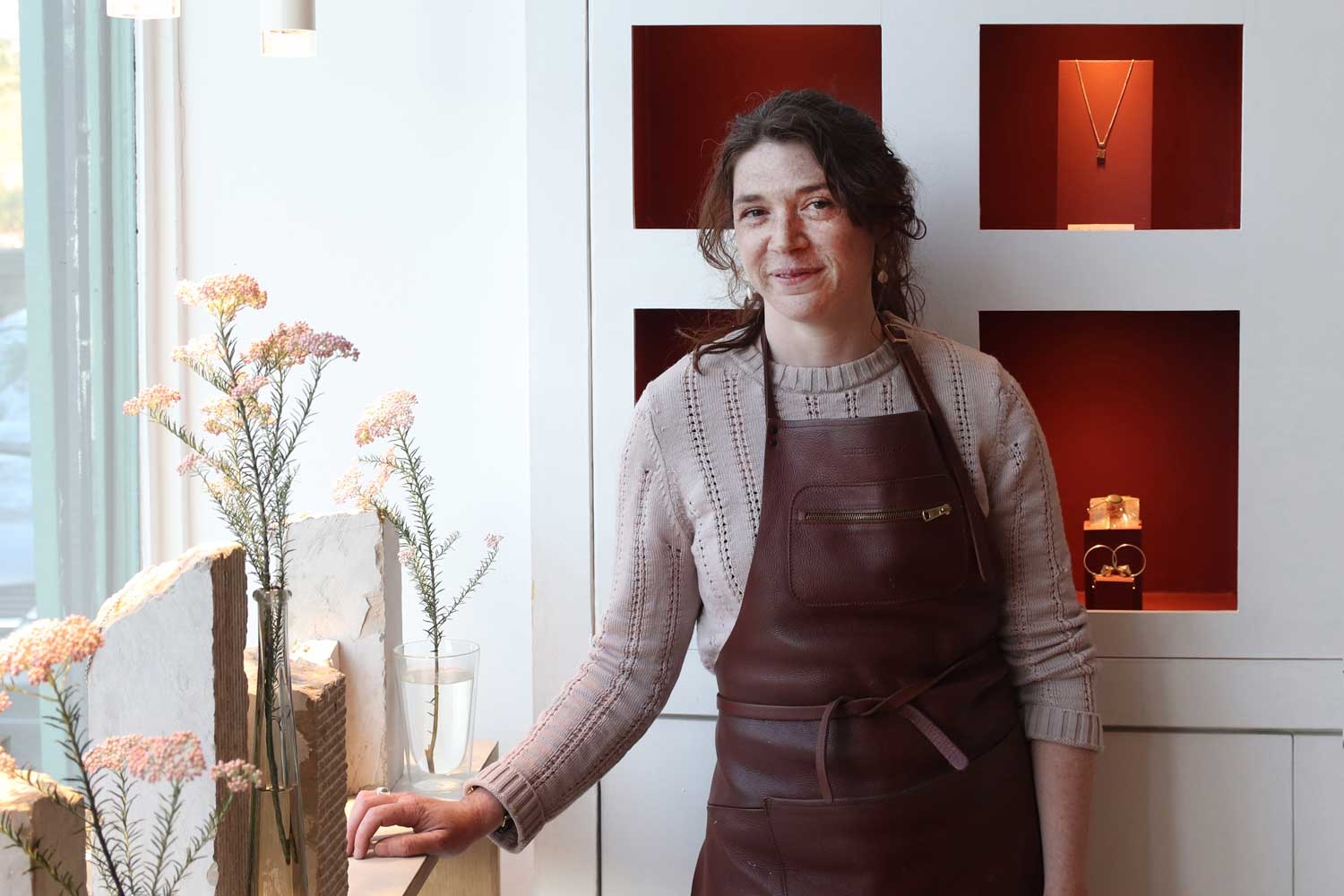
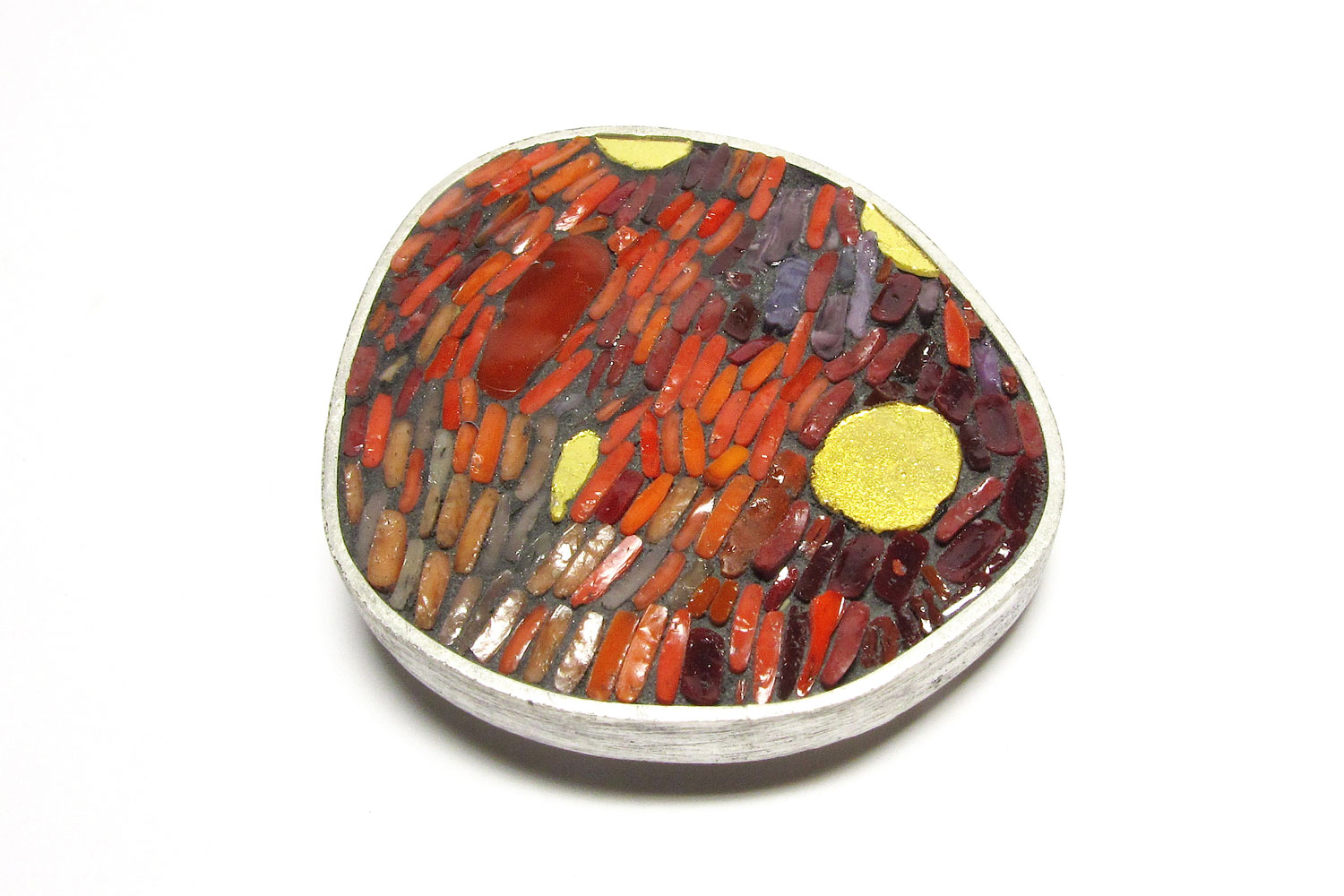
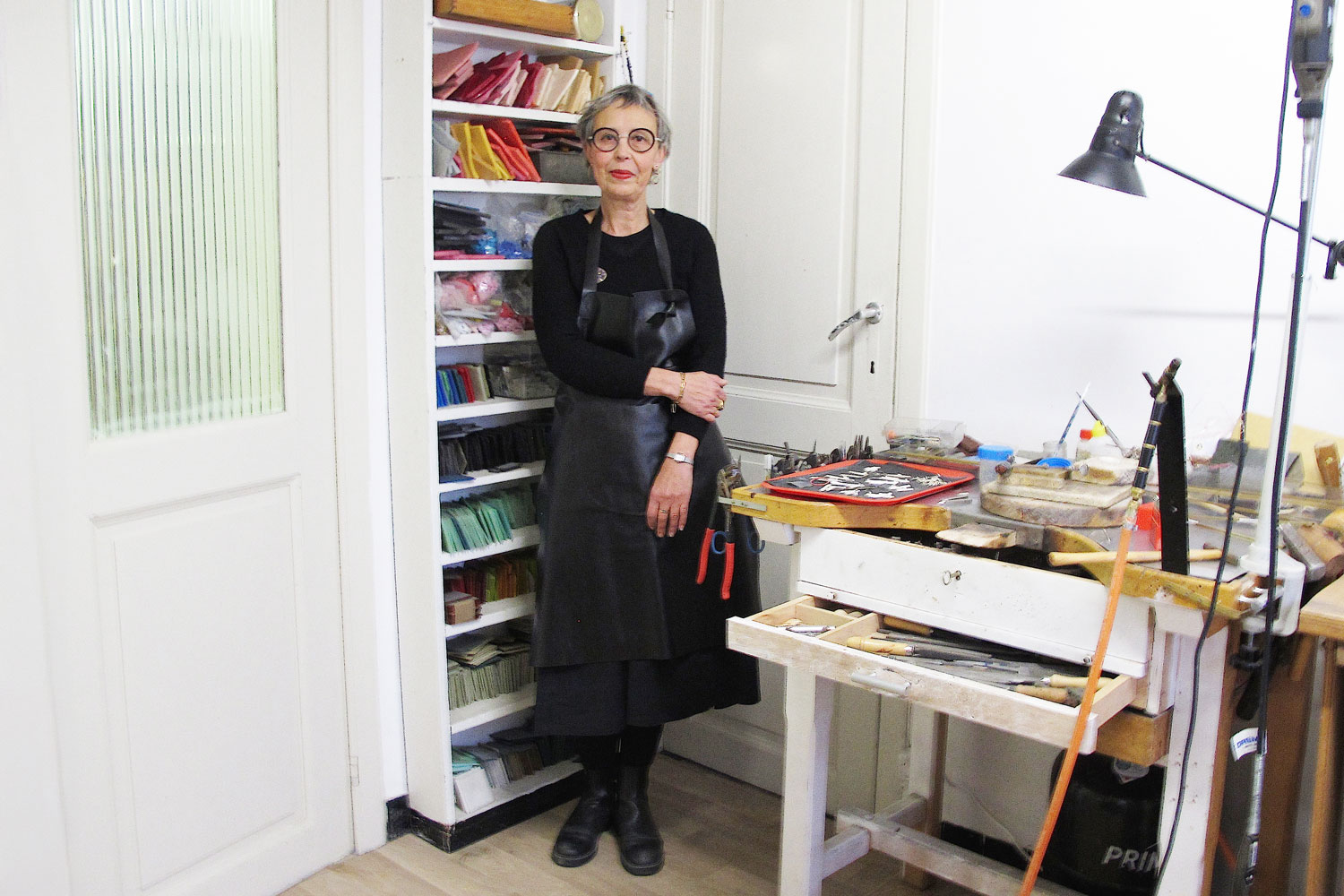
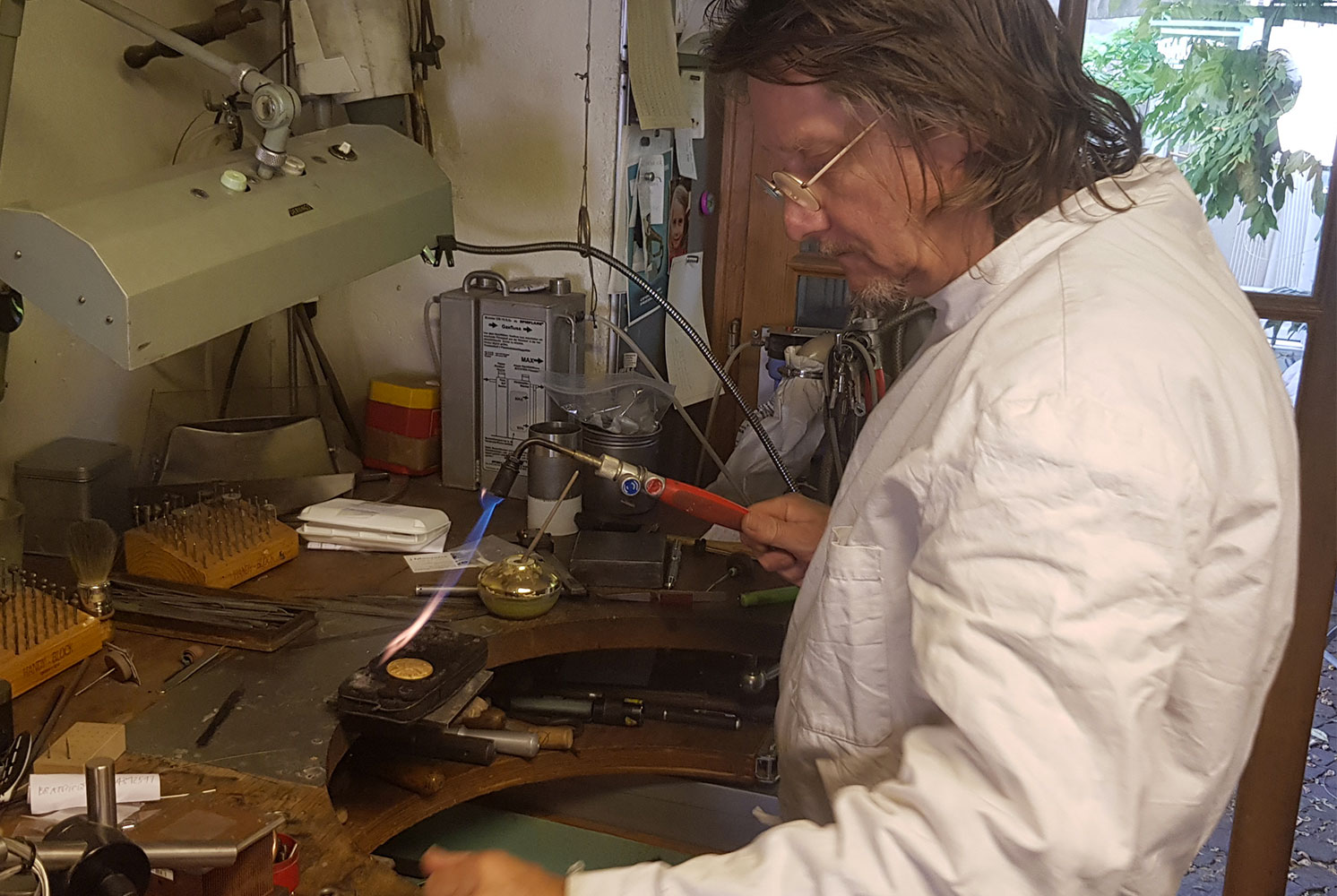
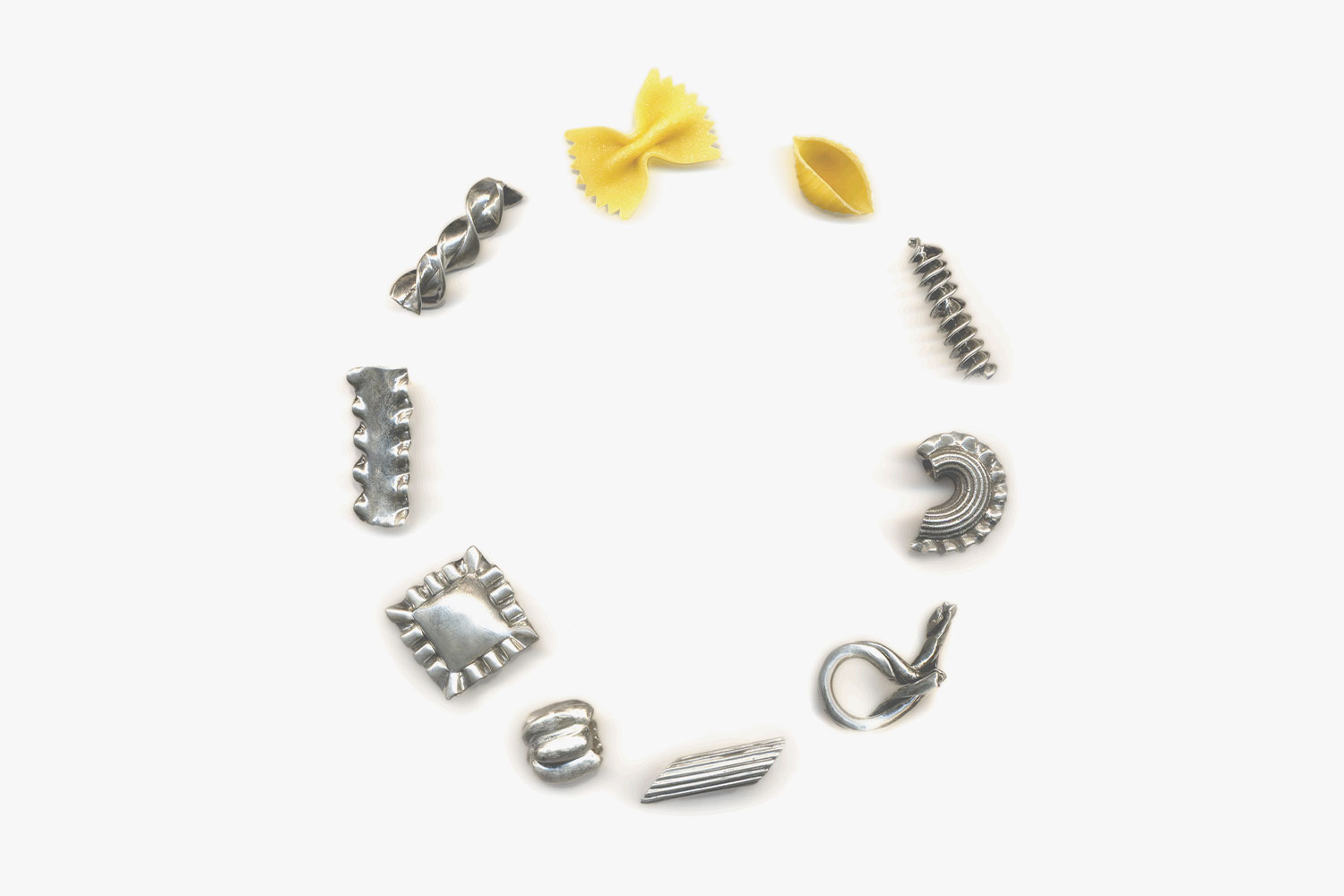
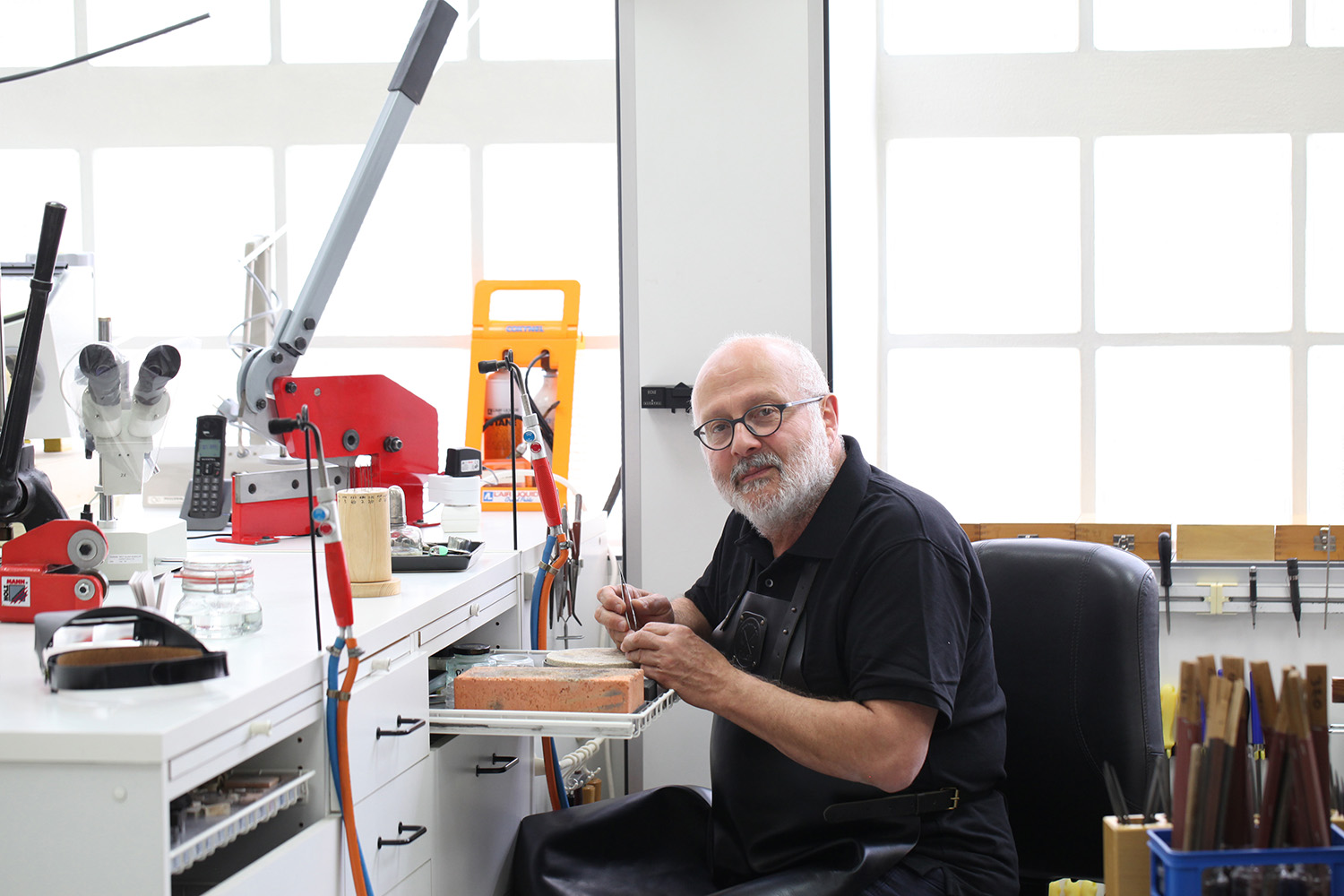
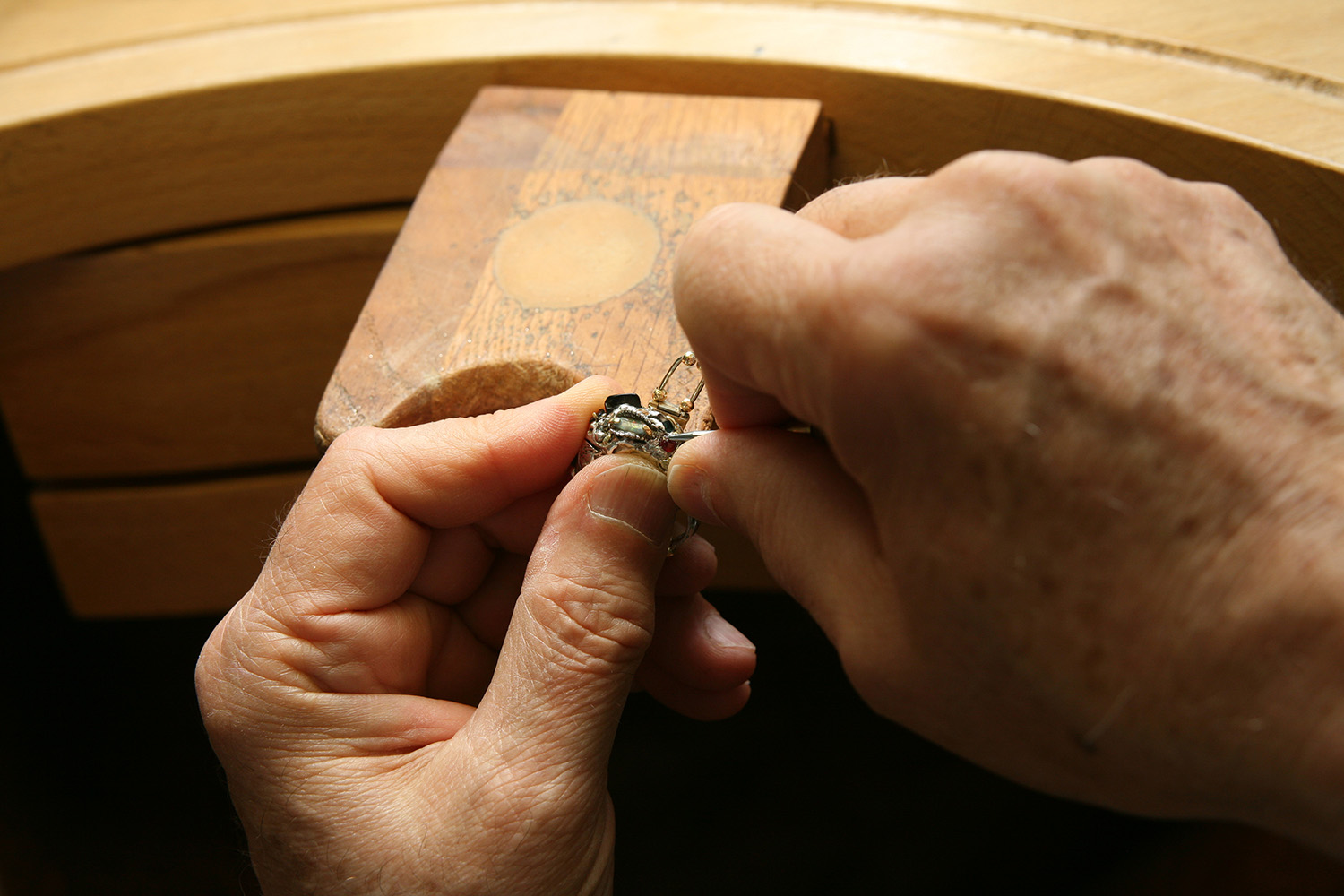
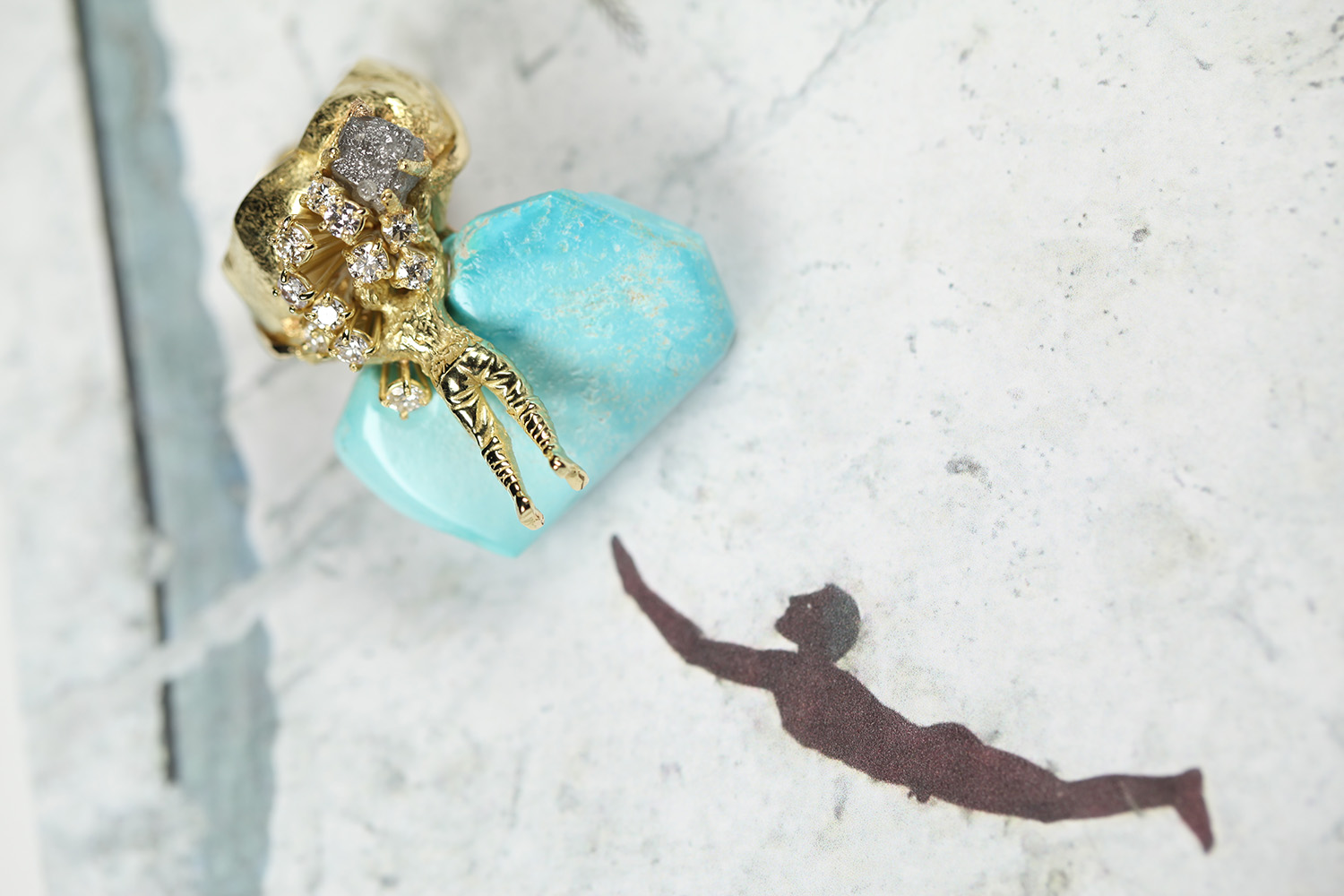
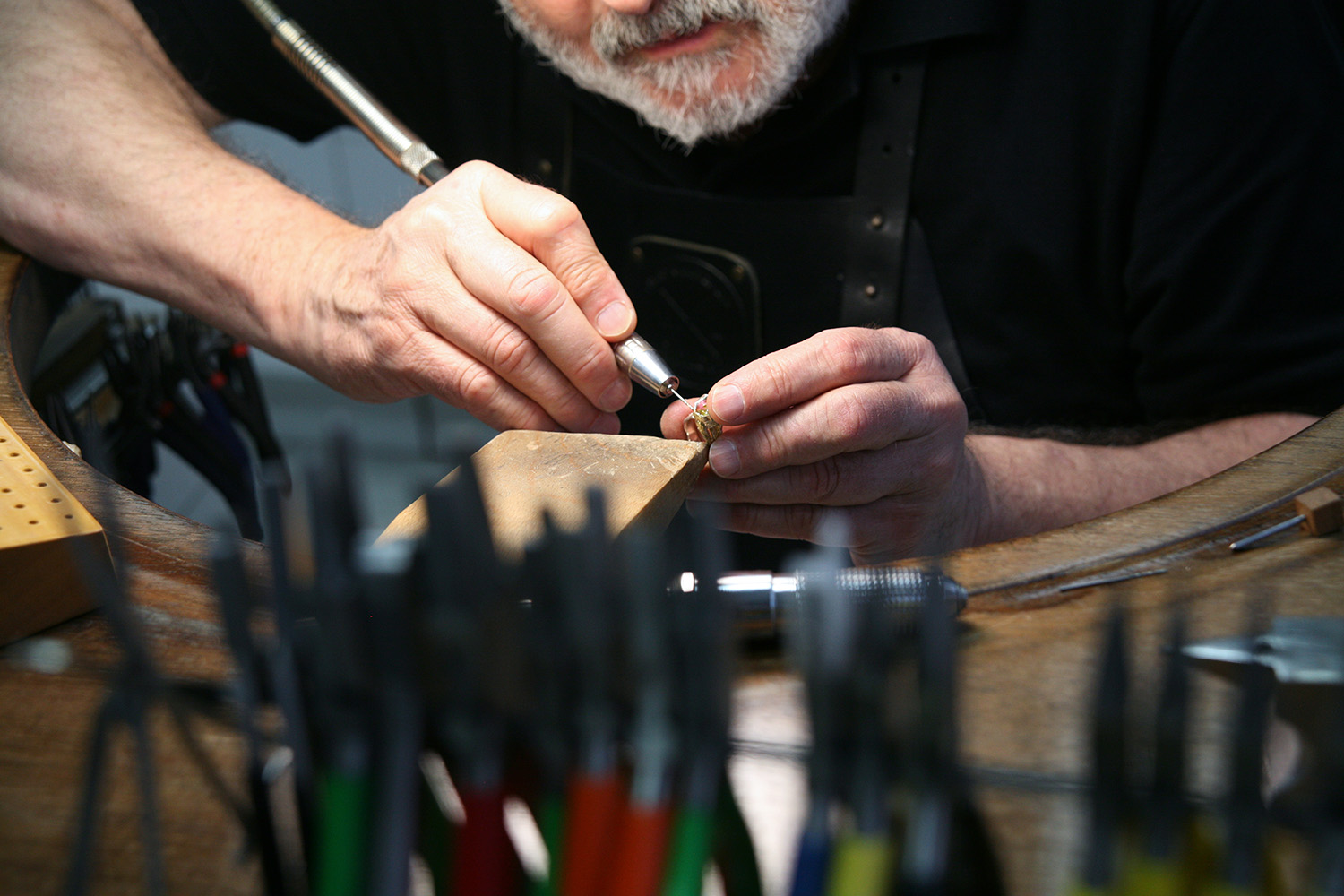
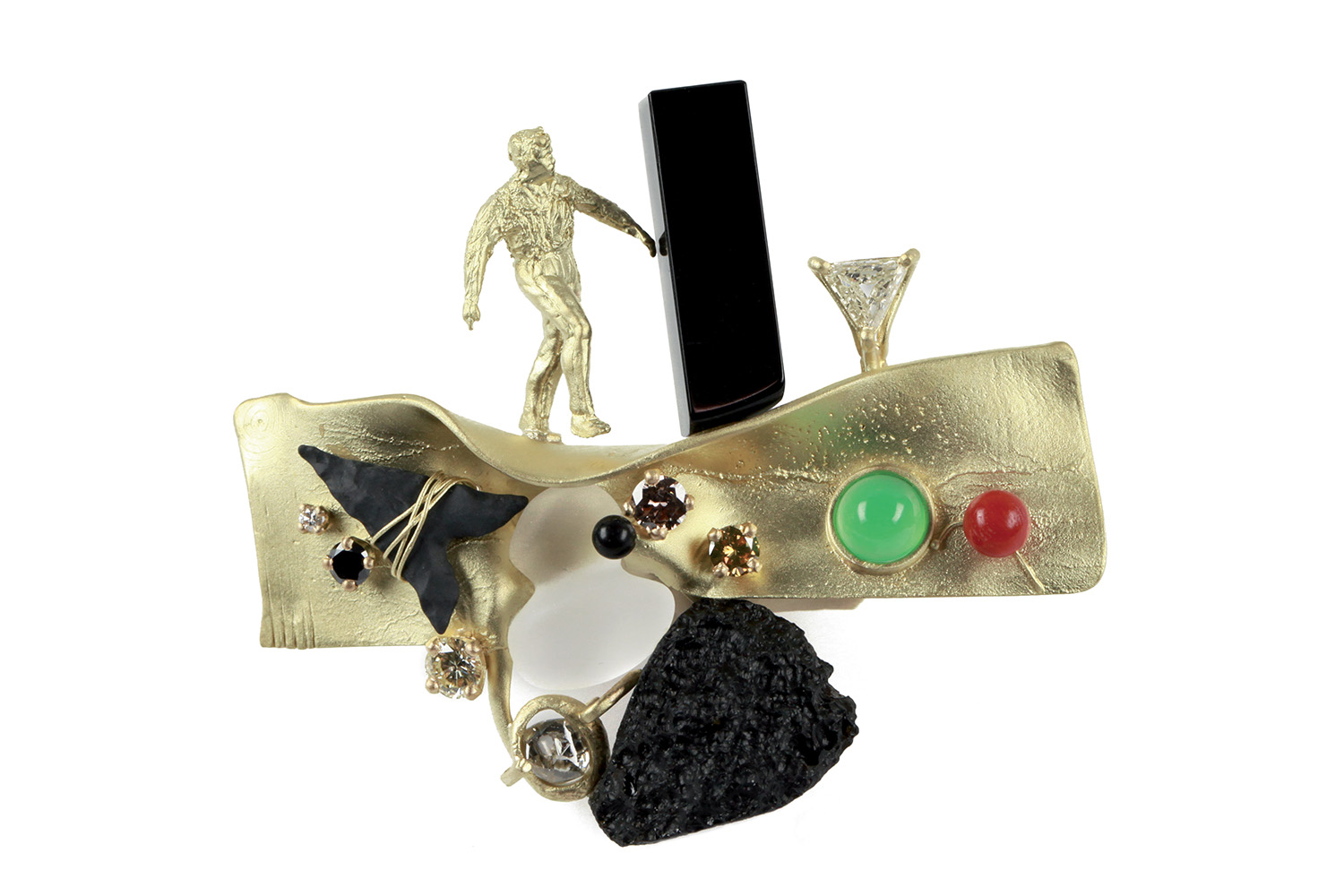
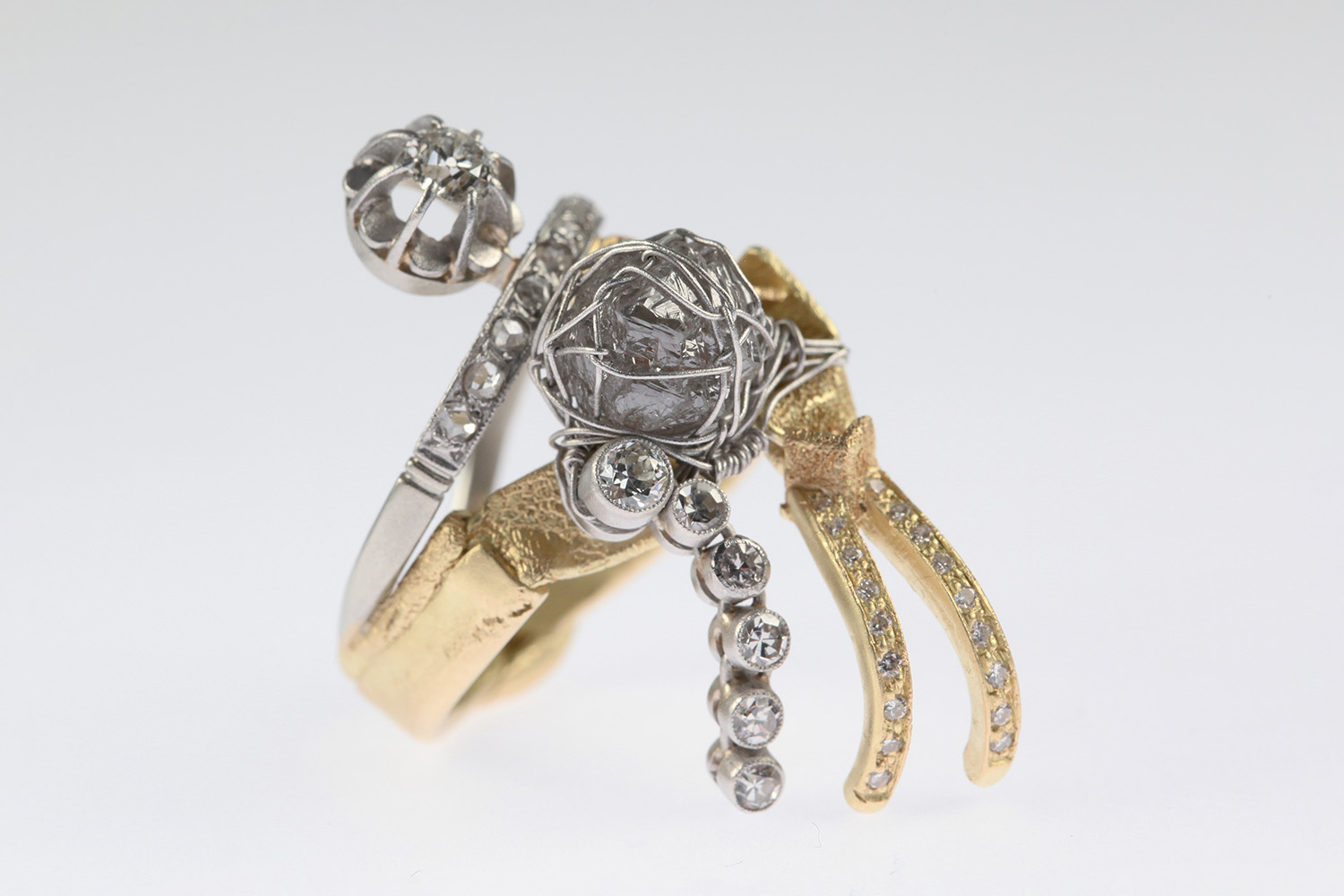
Born in Beirut in 1949, Robert Mazlo wanted to be a writer. However, when he began learning the basics of jewellery at 14 in the workshop run by his father and other workshops in Beirut, he was won over by the craft. Since then, he has been telling stories, his own and those of others, through unique pieces of jewellery, miniature works of art to wear. “These objects are not meant to be symbols of power or status. They are rather snapshots of their time, objects whose function is to challenge. In this operation, I play the role of catalyst.” Robert makes a piece of jewellery entirely by hand, without resorting to new technologies or subcontractors. “The only thing I do not do is go and extract the materials myself!"
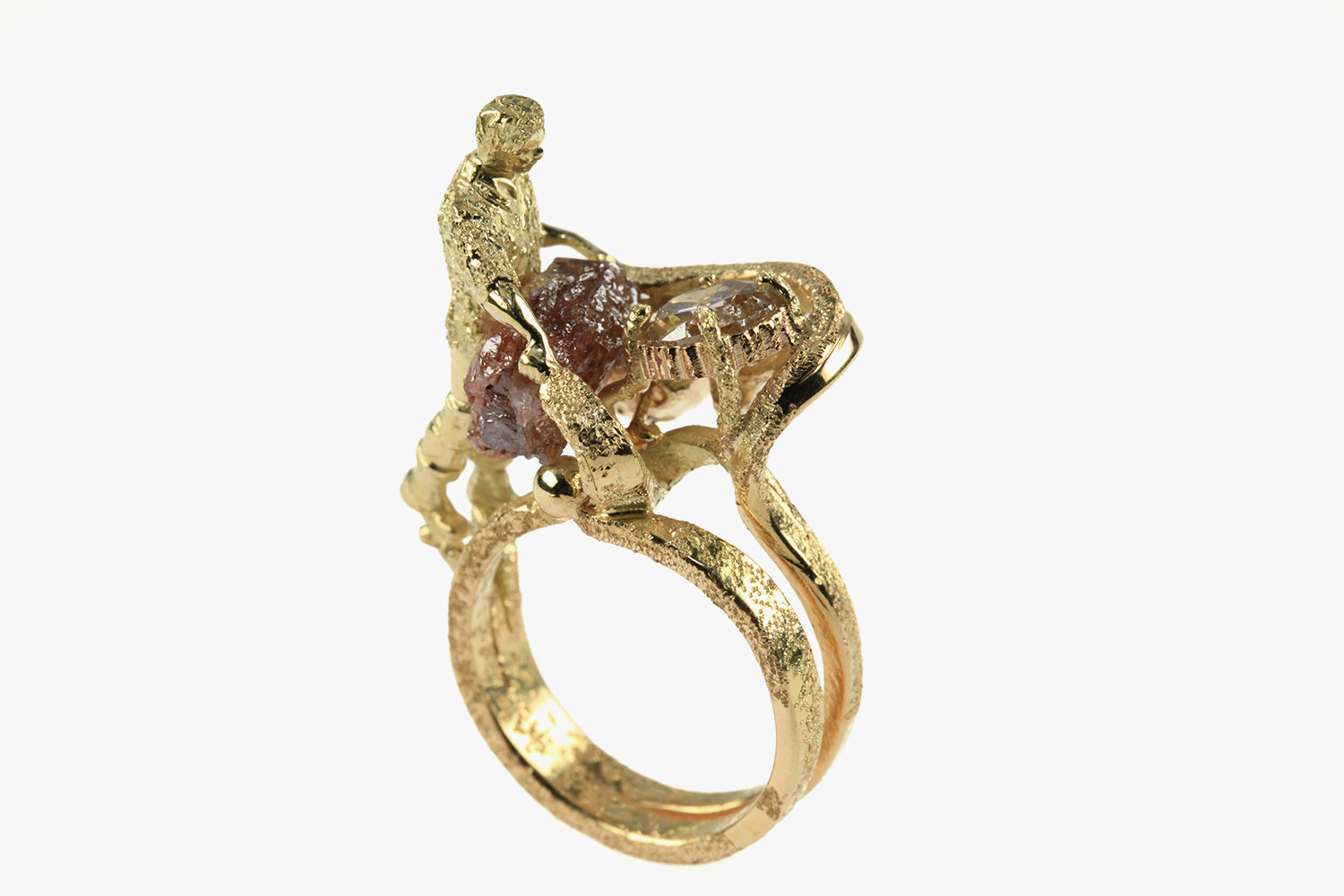
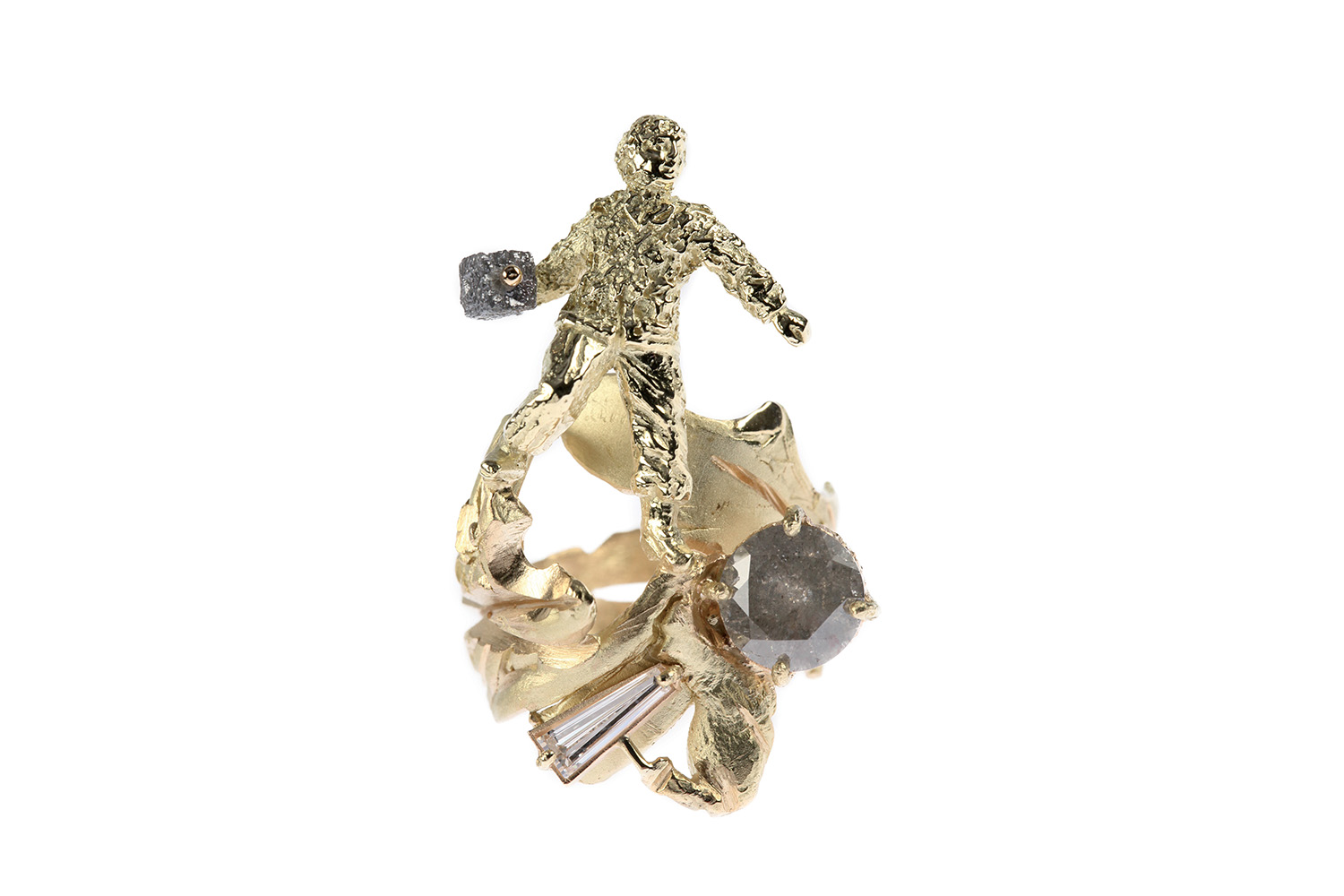
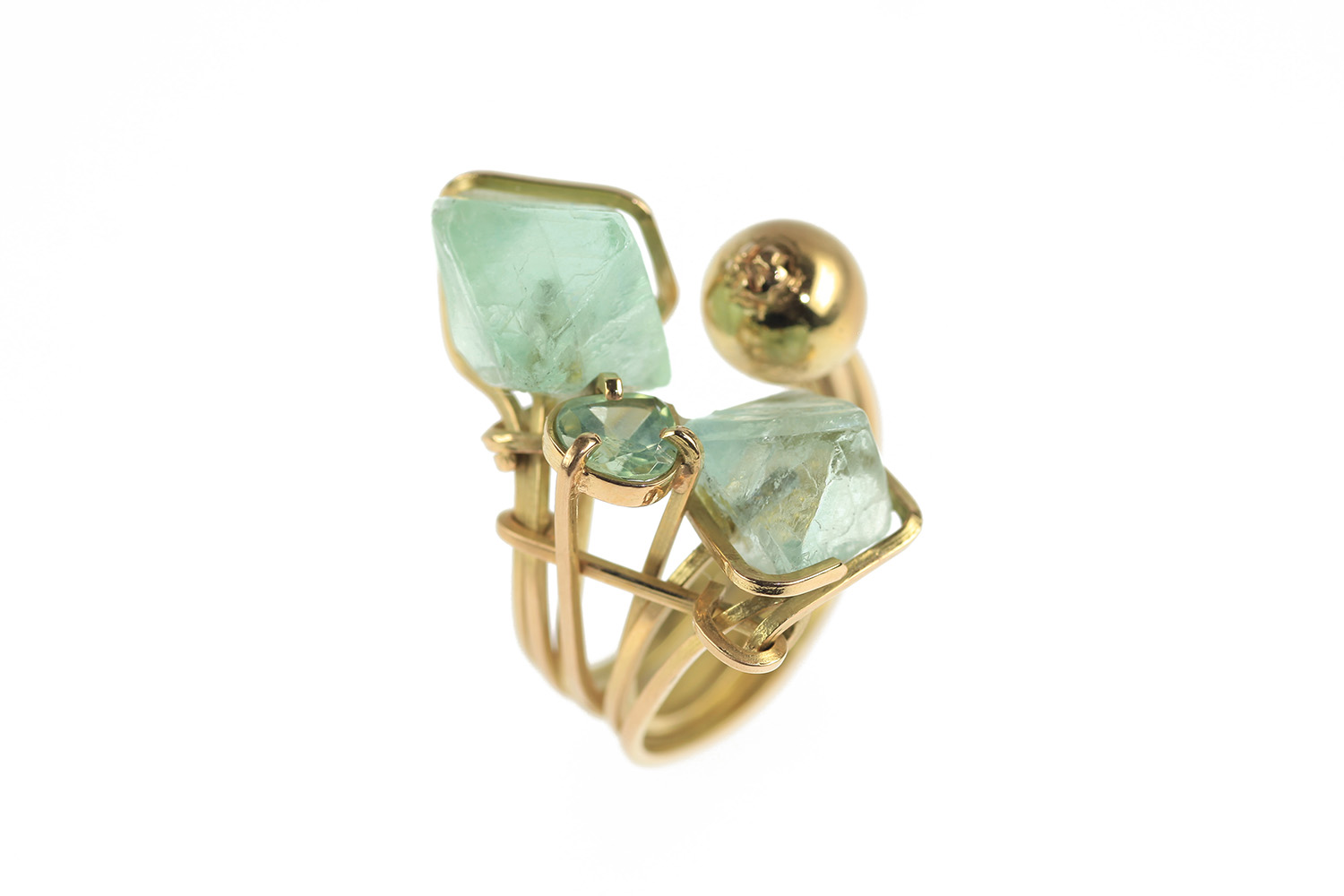
INTERVIEW
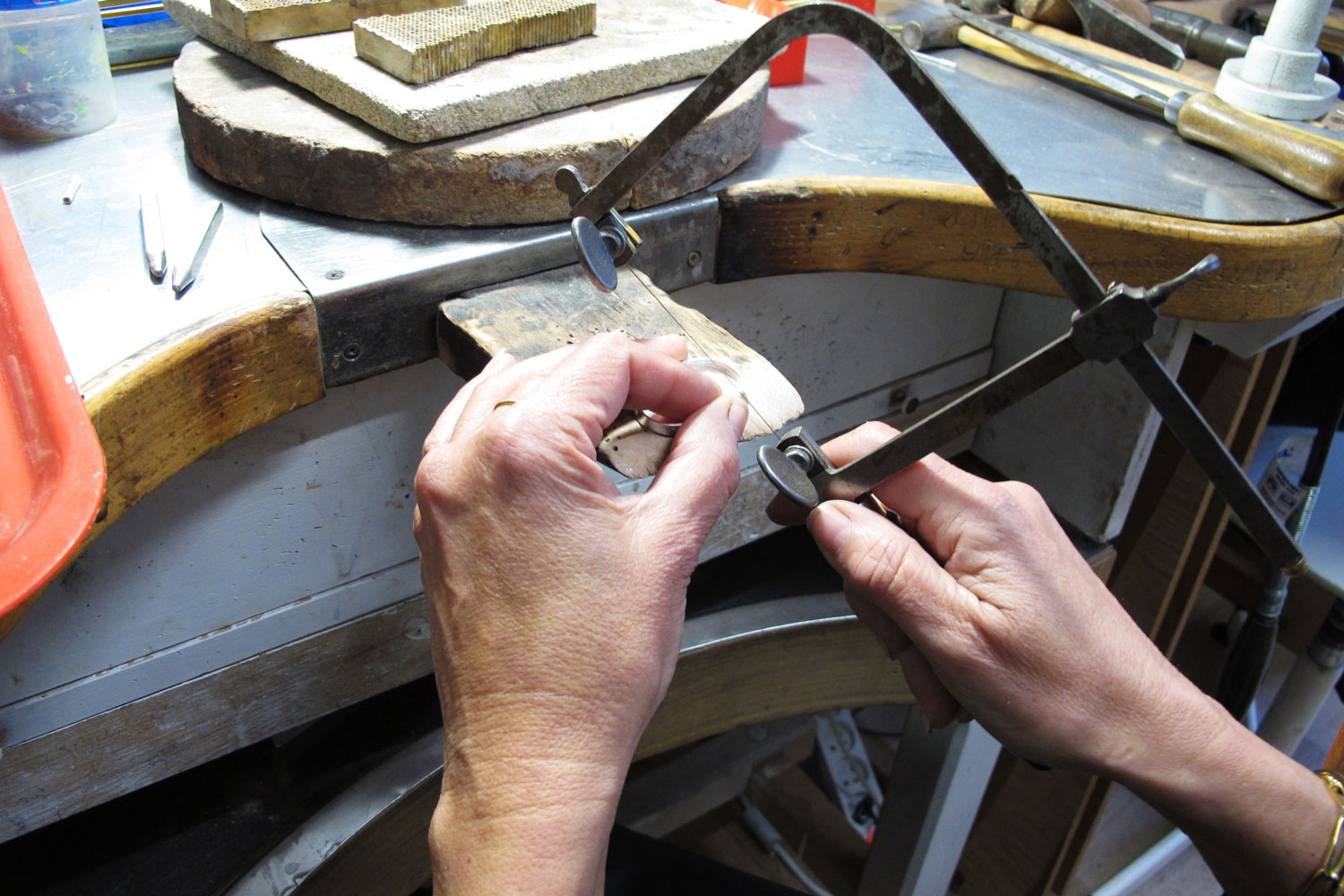
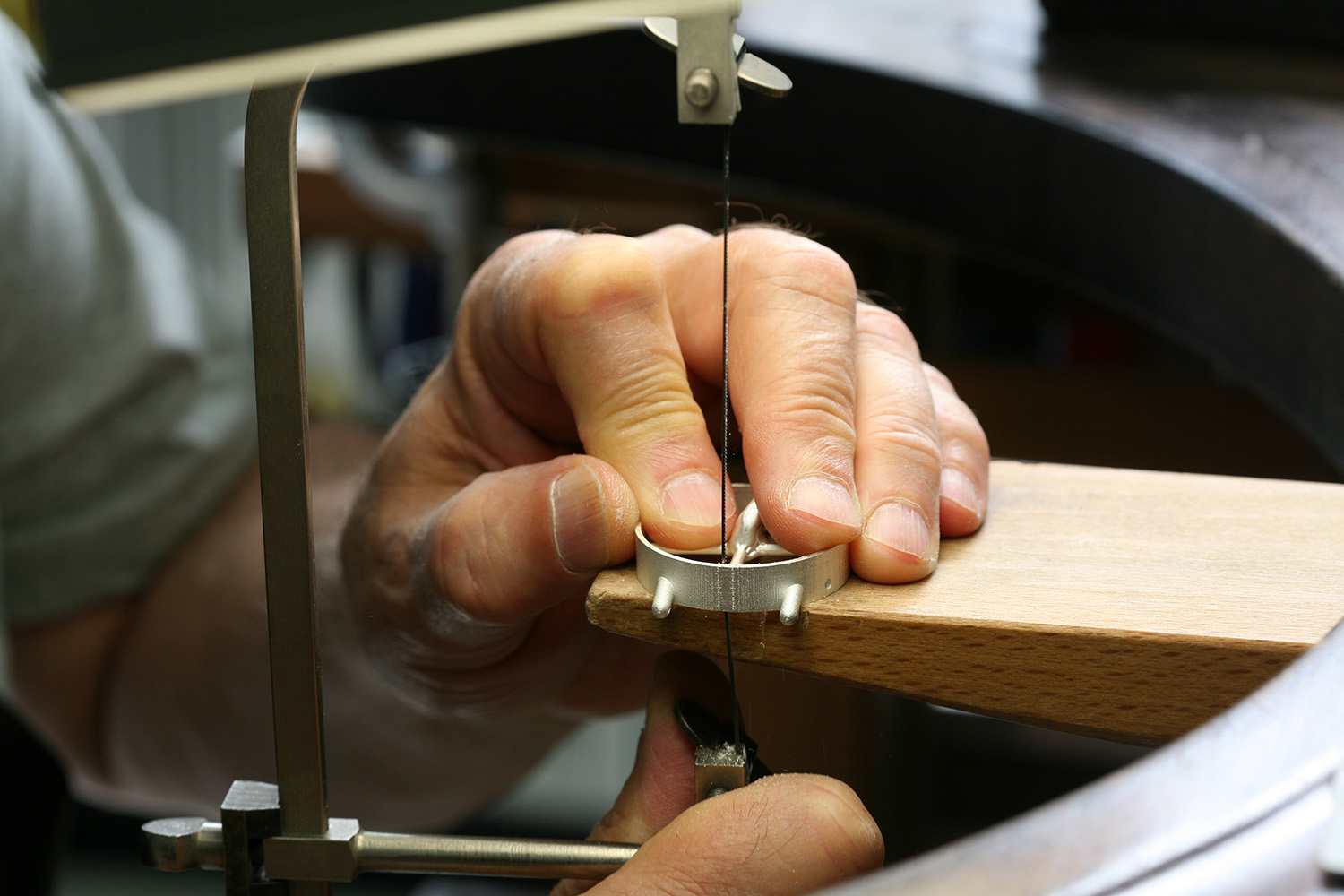
I had the chance to study with Maestro Grossi, known as the author of several of the famous papal rings. He was a virtuoso of the saw, a master of the 'traforo', a technique now mastered by very few craftspeople.
My land is not part of a geographical area whose natural resources I would use. I always try not to participate in the extraction of new materials, preferring to recycle materials which are given to me to produce pieces. I draw most of my materials from the material memory of my clients. My land is that of the affect.
Each piece is the reflection of who I am when I create it, through the prism of art. Inspiration is played out in this triangulation between my personal experience, my artistic references and the piece which transcends and goes beyond the anecdotal side of individual experience.
I could not define what is well made in absolute terms. In my own work, I know that an object meets the criterion of well made when I see nothing more to add. As if our dialogue had come to an end. The object is detached from me, it leads its own life.
Robert Mazlo
Jewellery maker
Boulogne-Billancourt, France
Recommended by L’ÉCOLE, School of Jewelry Arts
AVAILABILITY
By appointment only
PHONE
+33 146042102
LANGUAGES
French, English, Arabic, Italian
Homo Faber Finds is a new service aiming to inspire admirers of craft to connect and collaborate with exceptional artisans.
We invite you to submit an enquiry here.