
Martin Schlotz
Ceramicist
Laudert, Germany
Recommended by Zentralverband des Deutschen Handwerks
Almost like magic
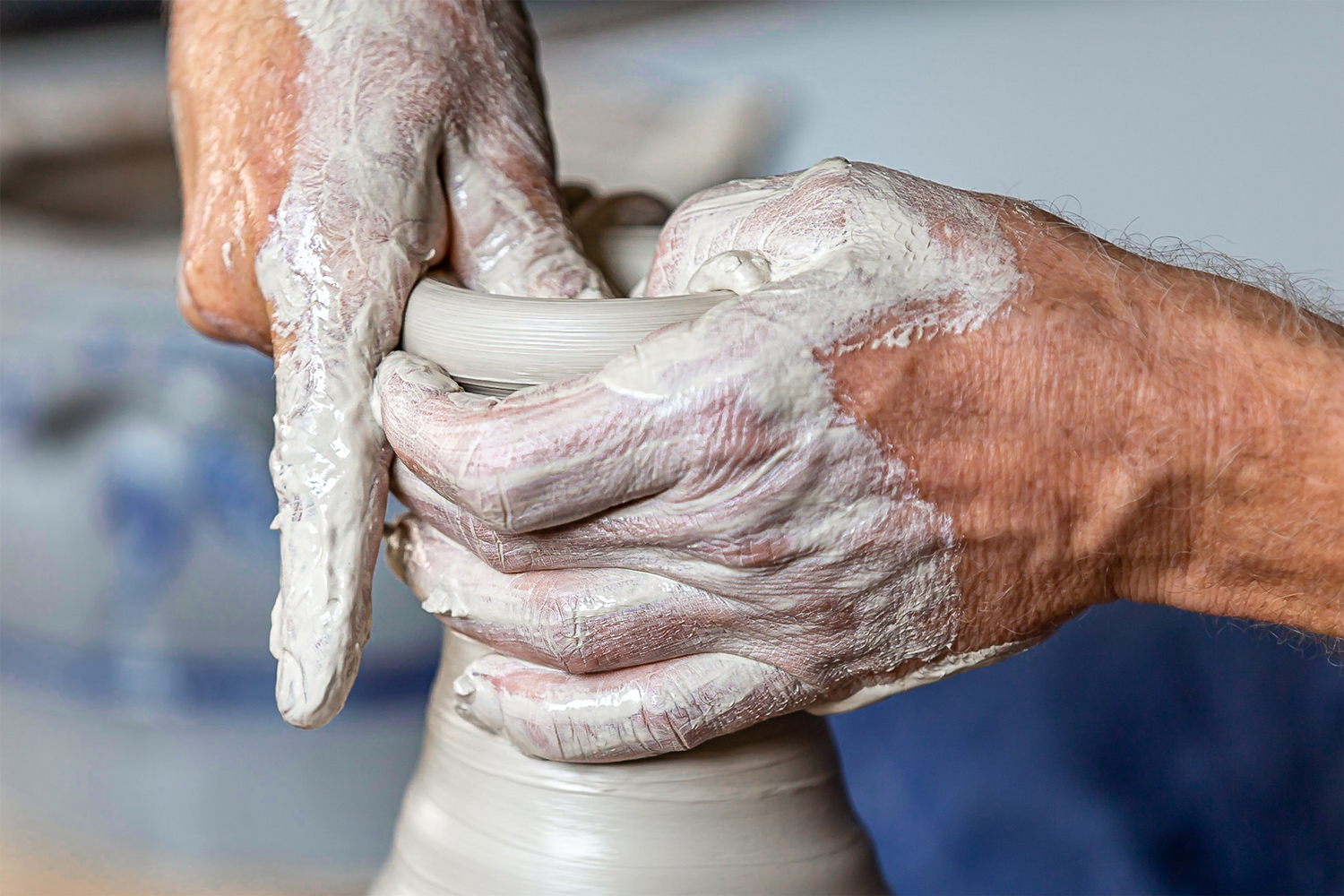
- Martin works on a potter’s wheel
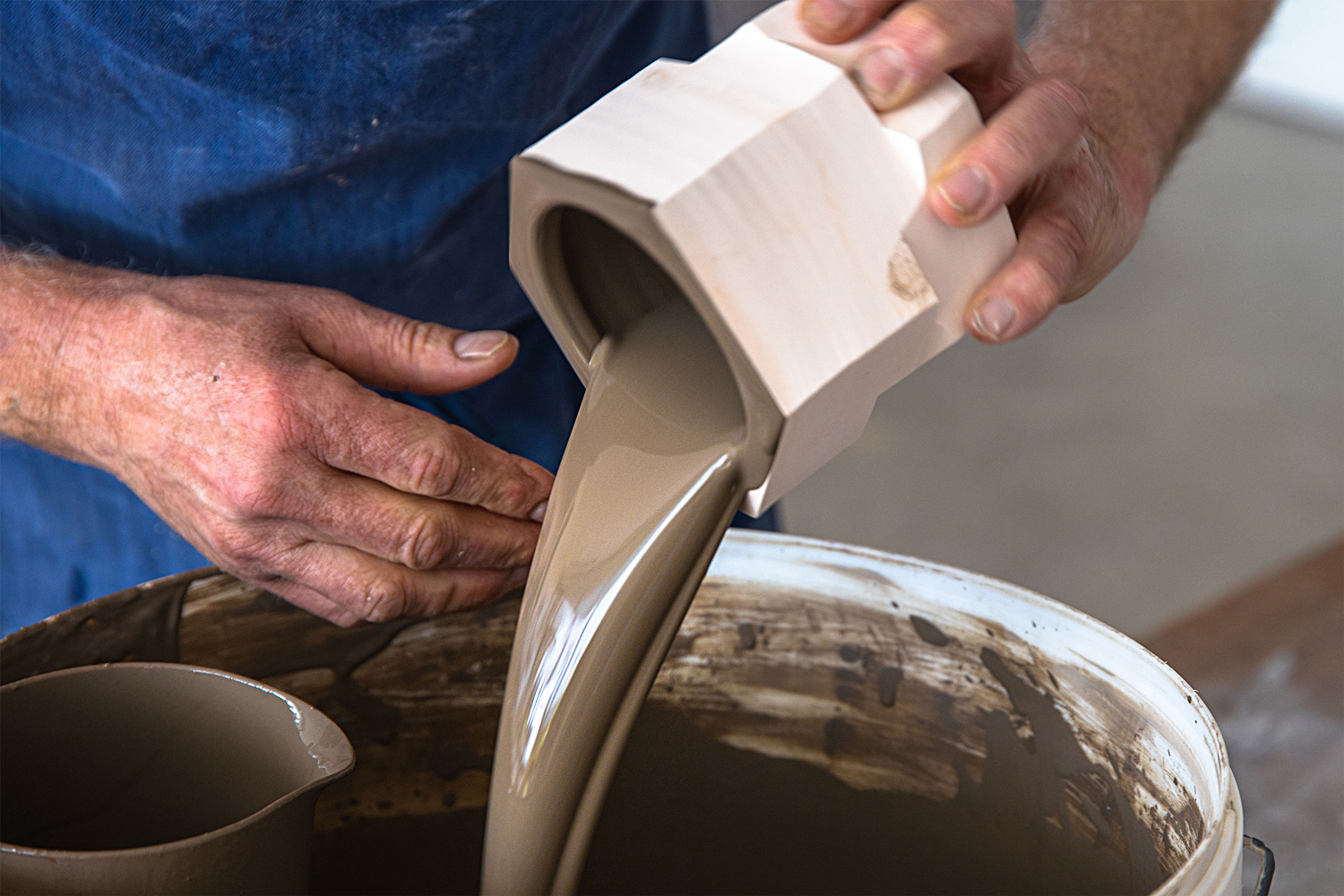
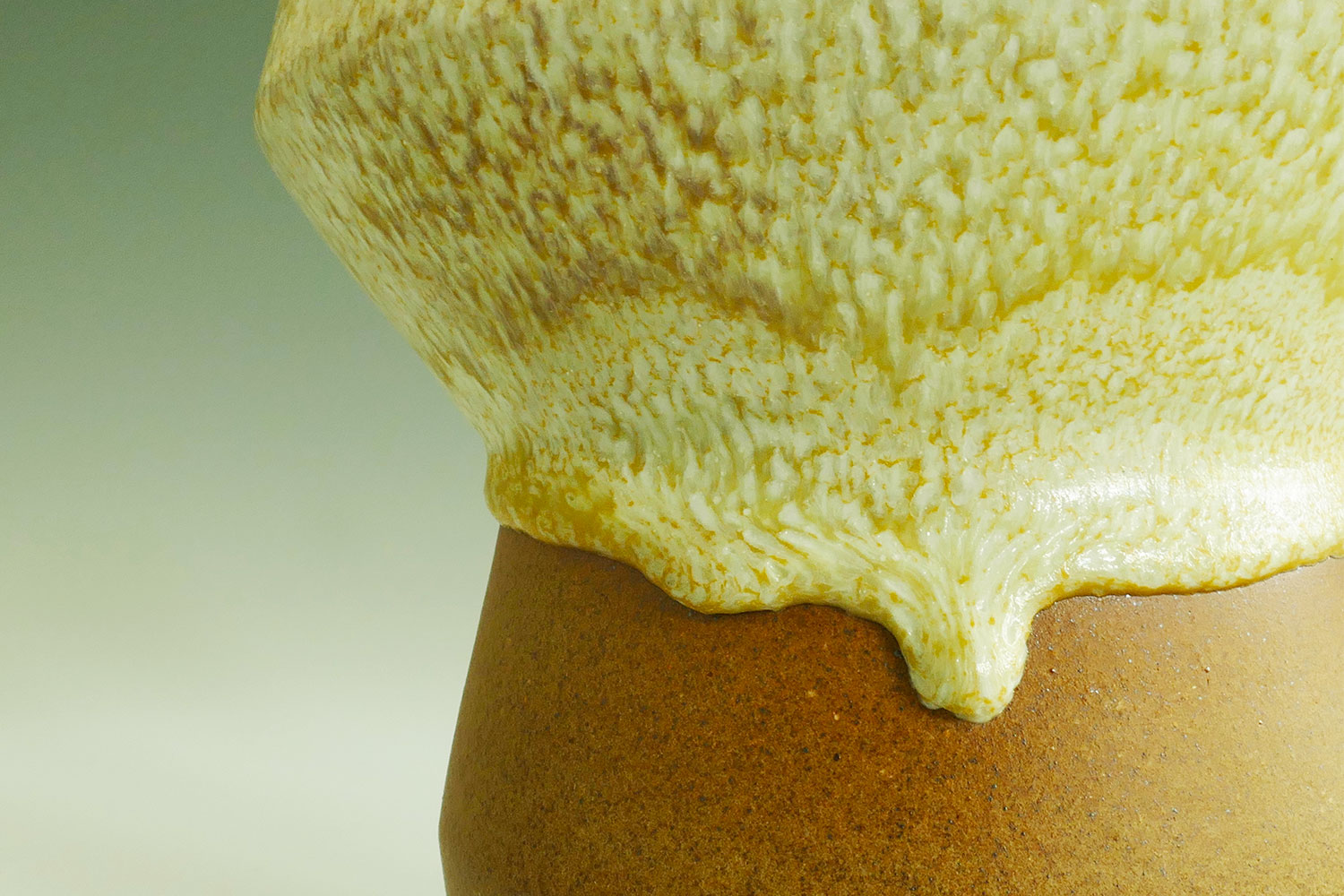
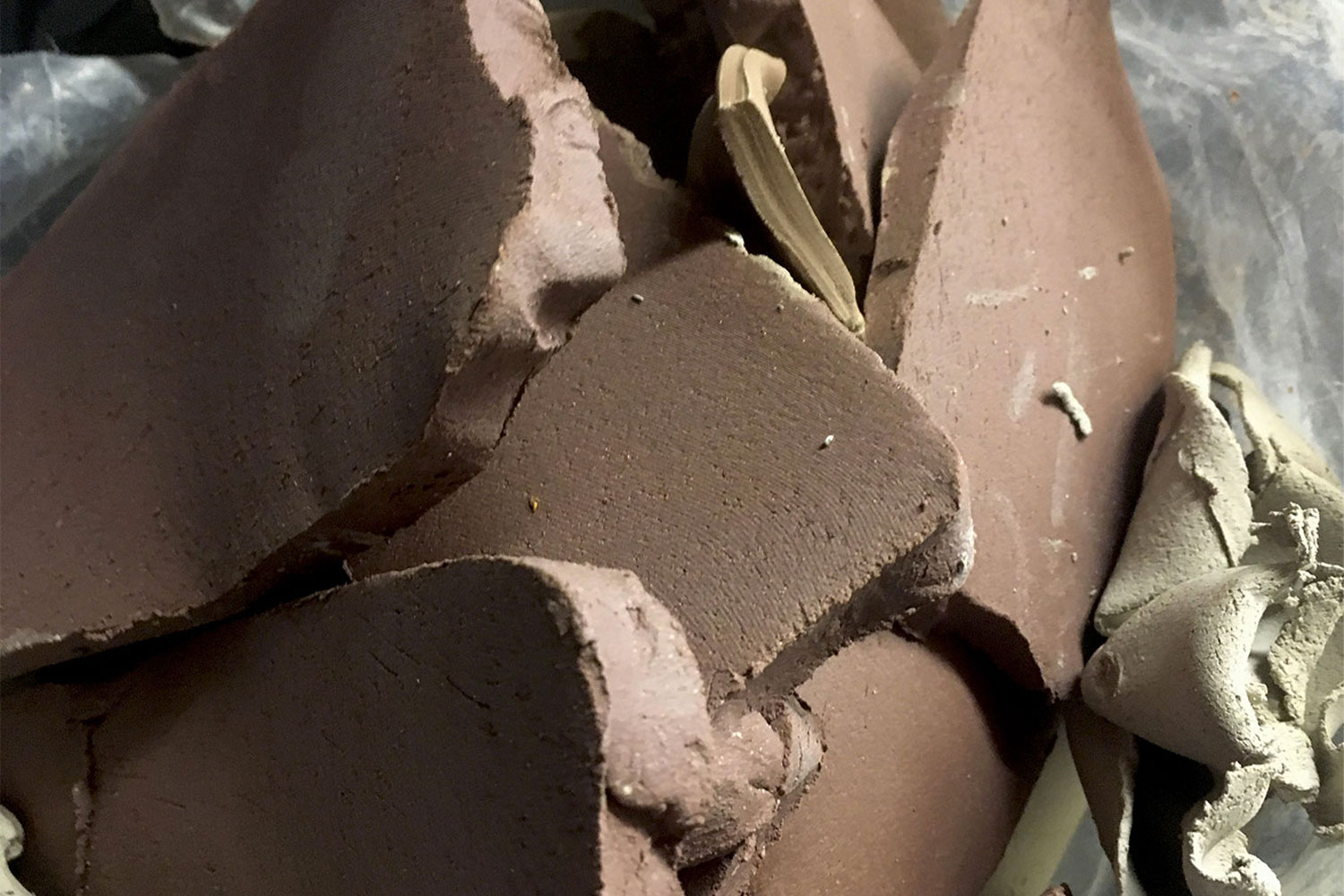
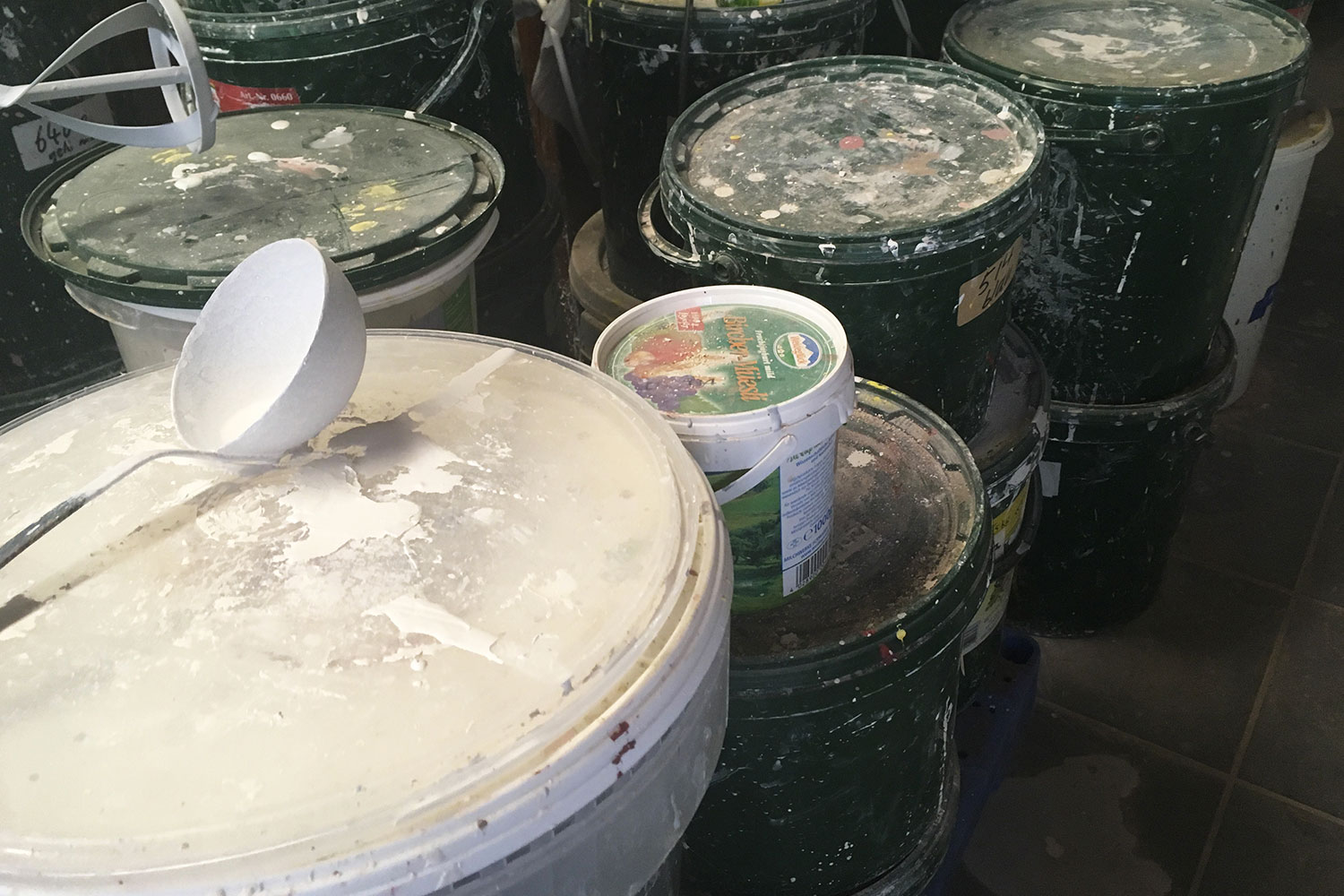
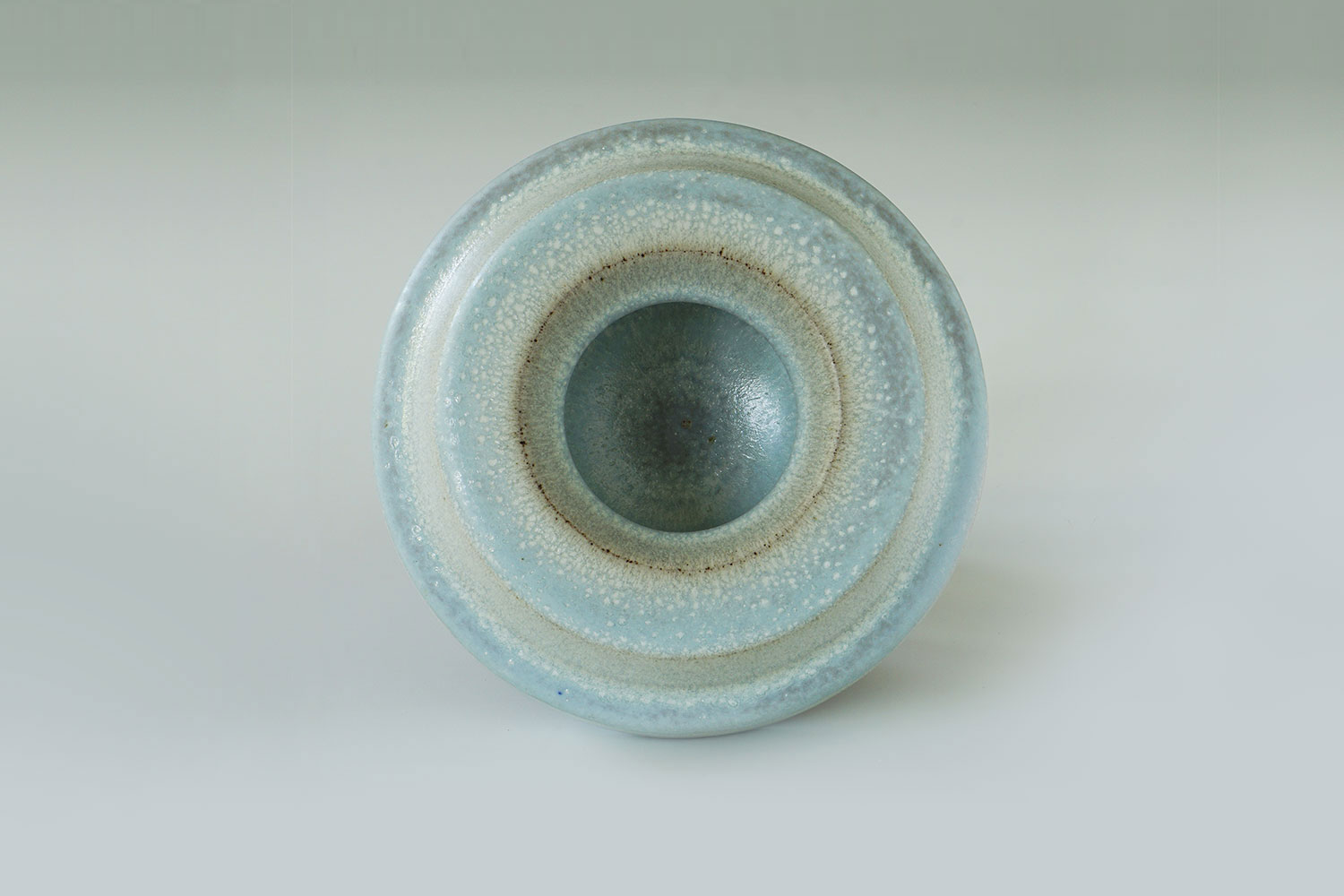
- He uses a vast variety of glazes and clays in his work
- He enjoys the responsive nature of the material
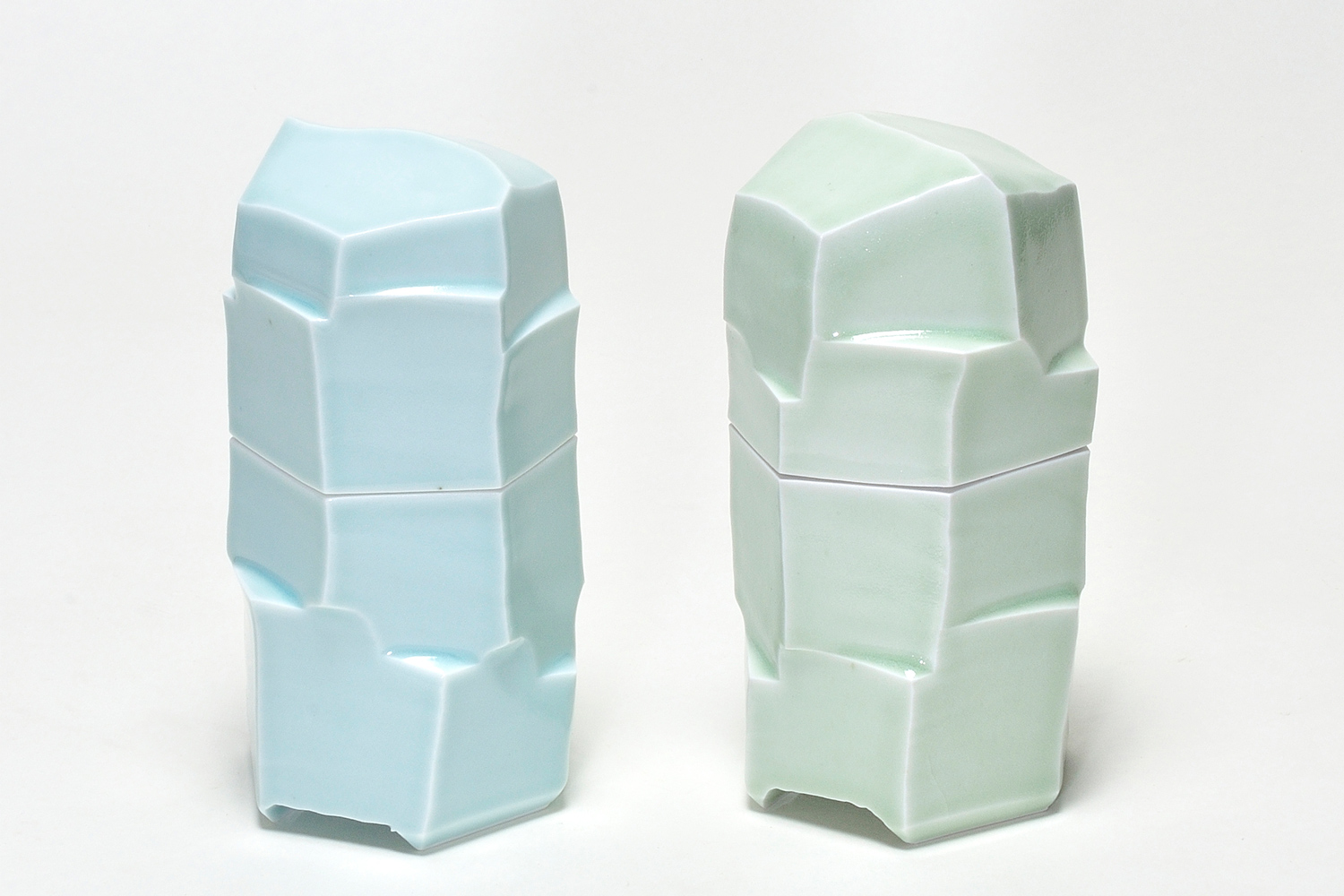
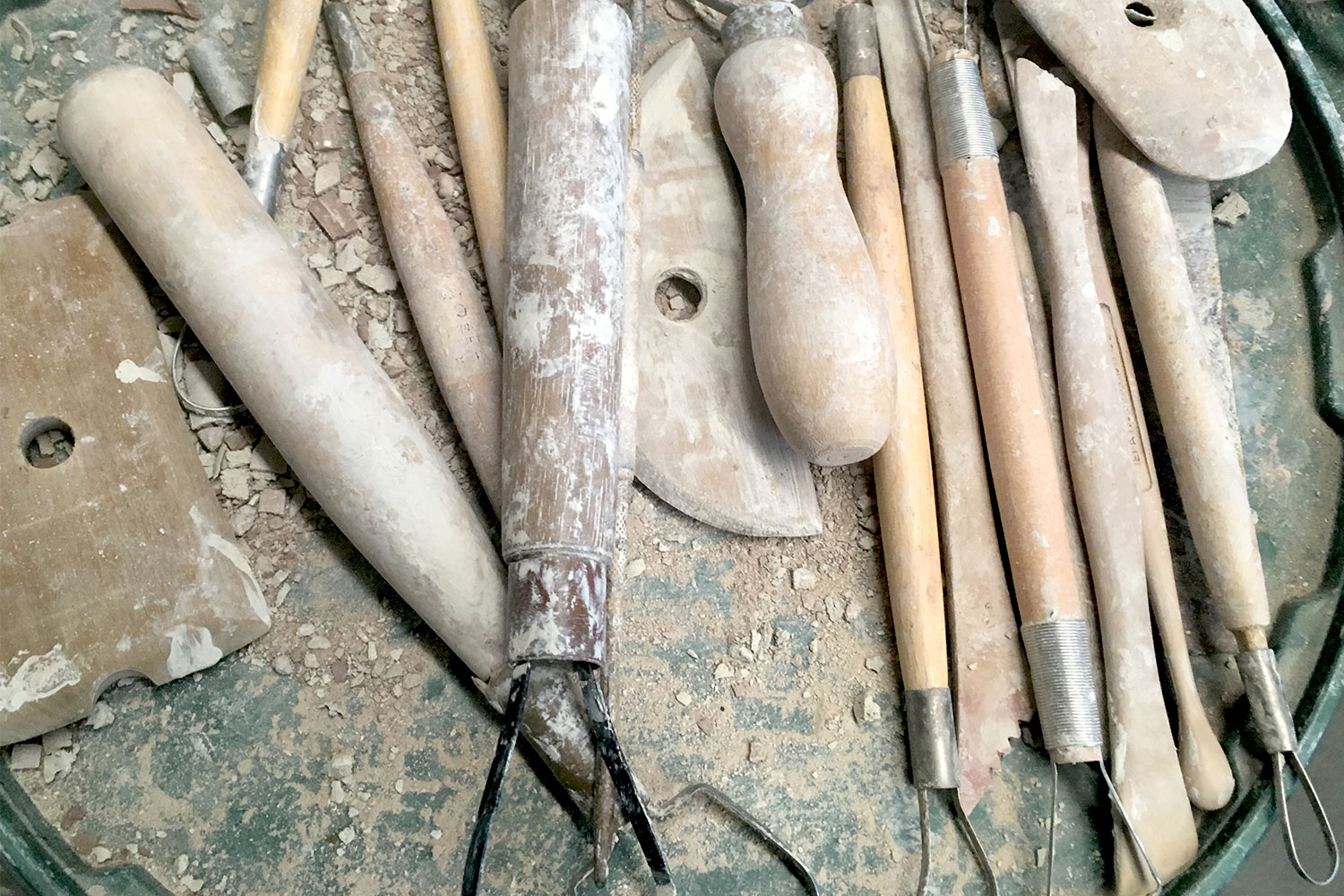
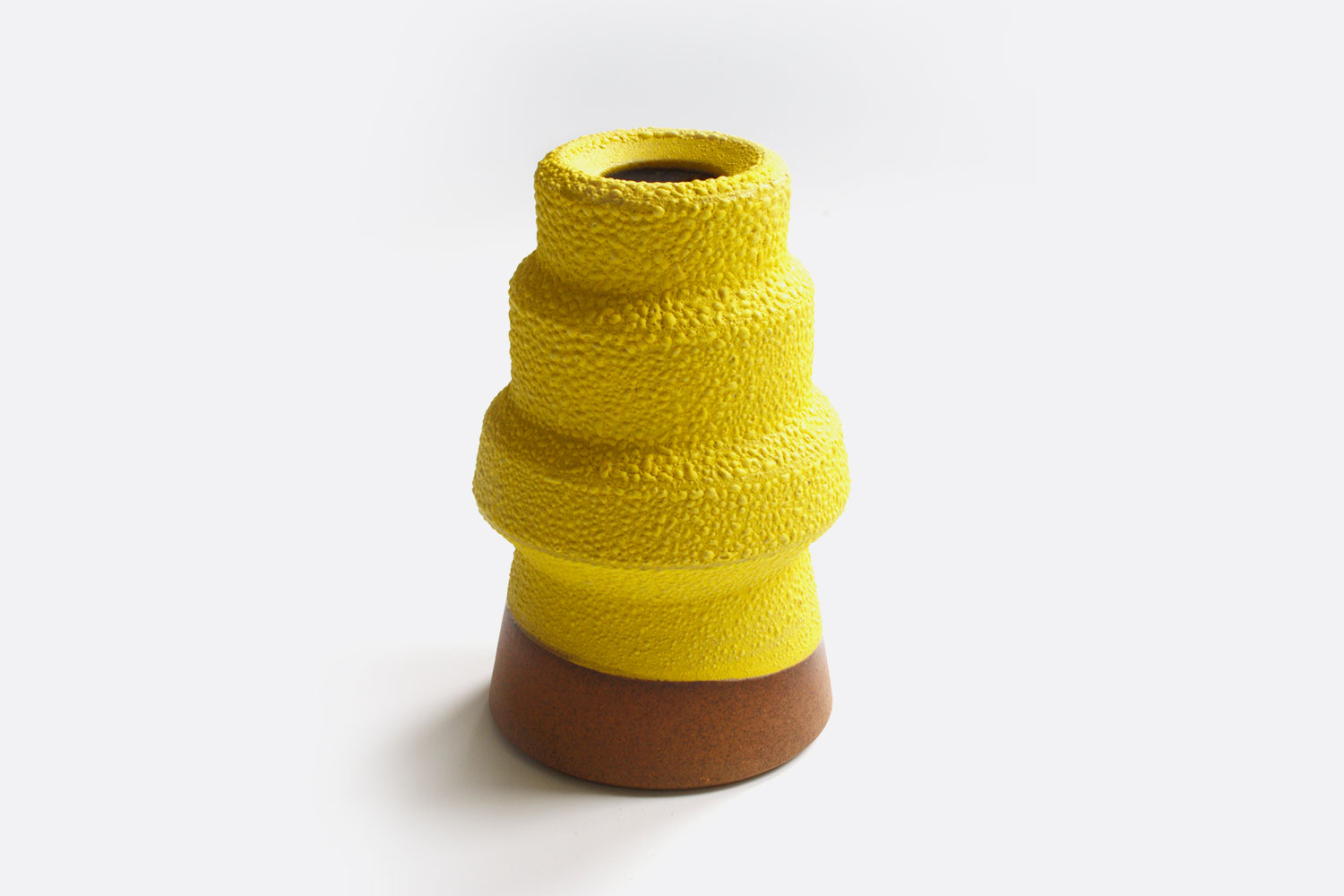
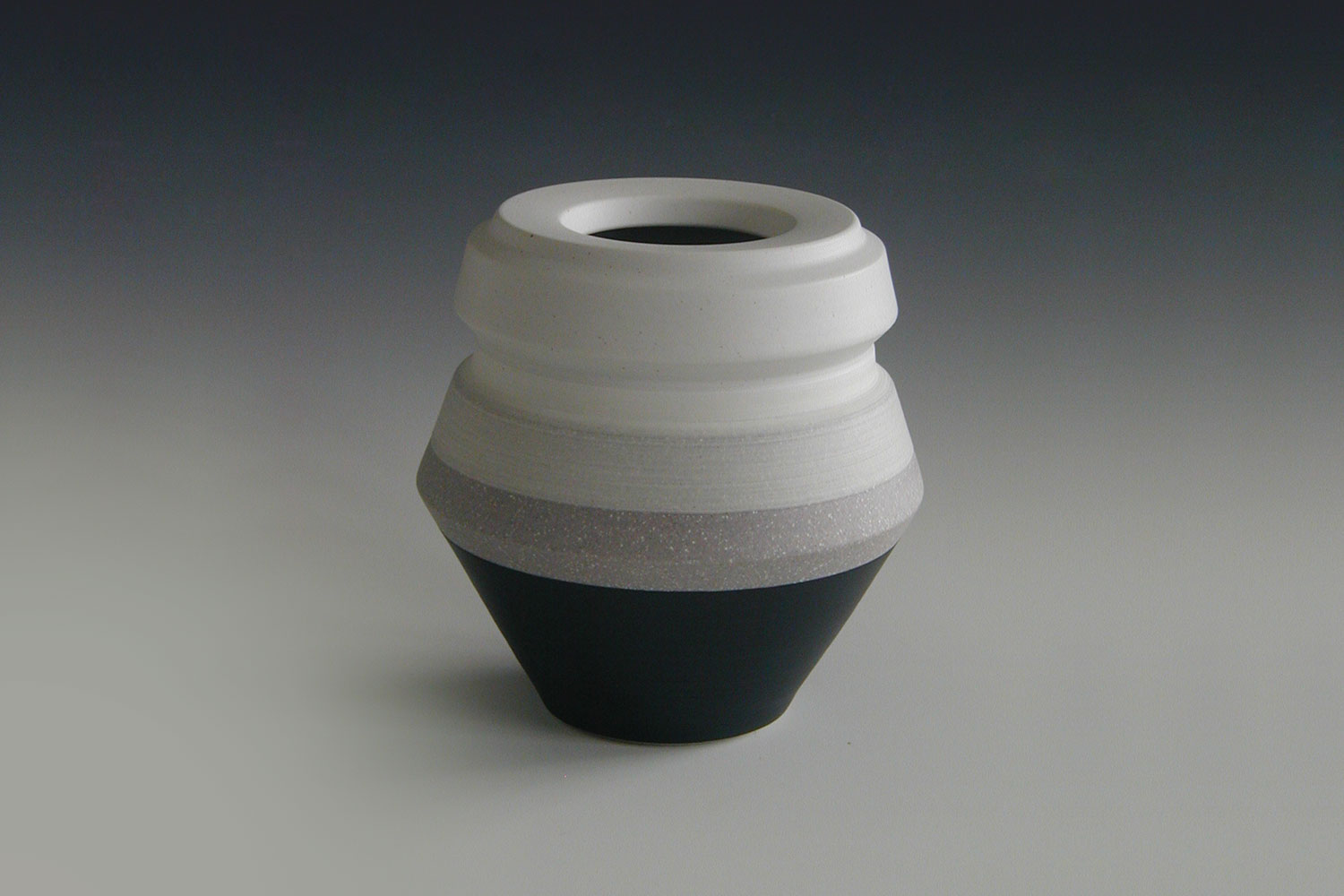
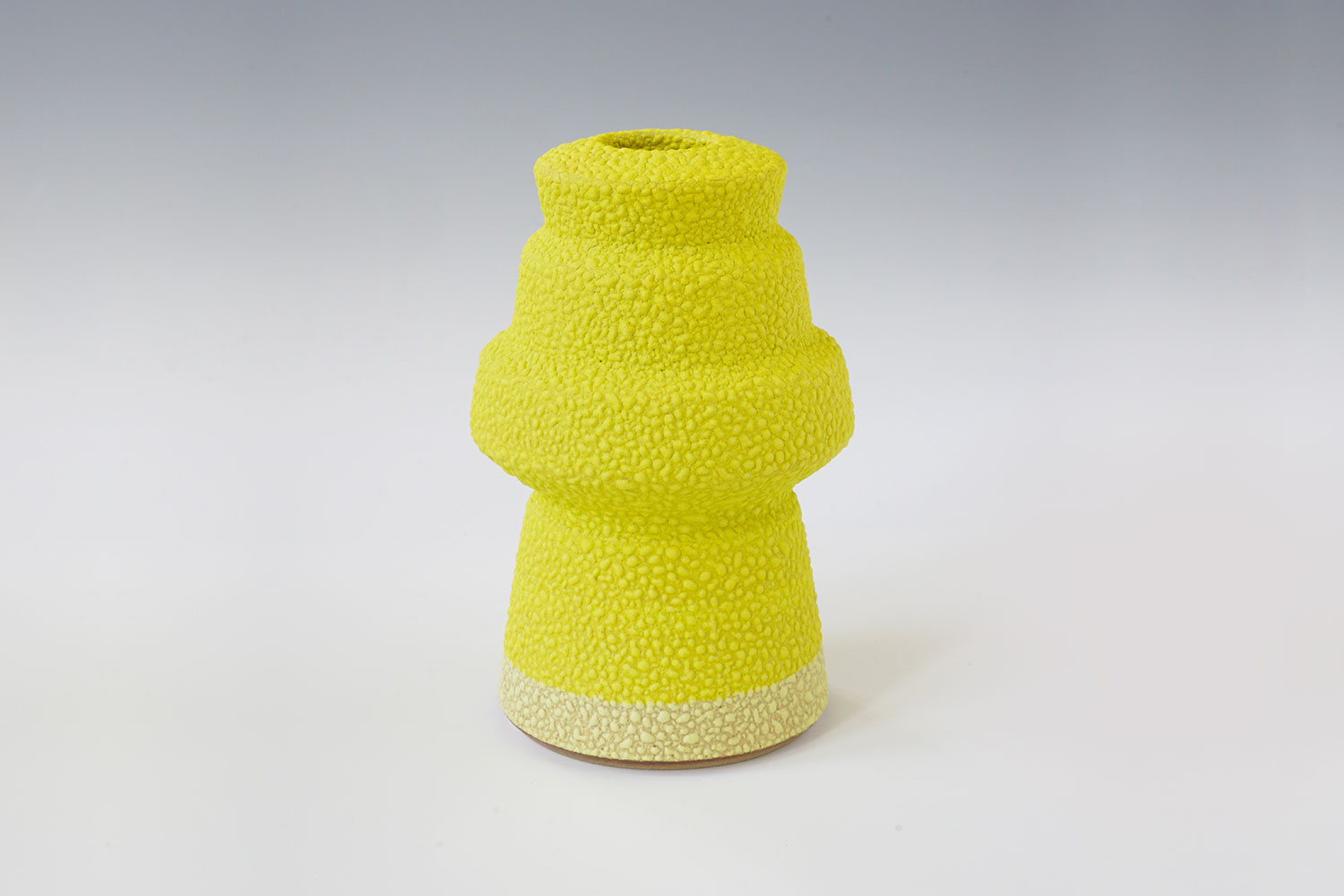
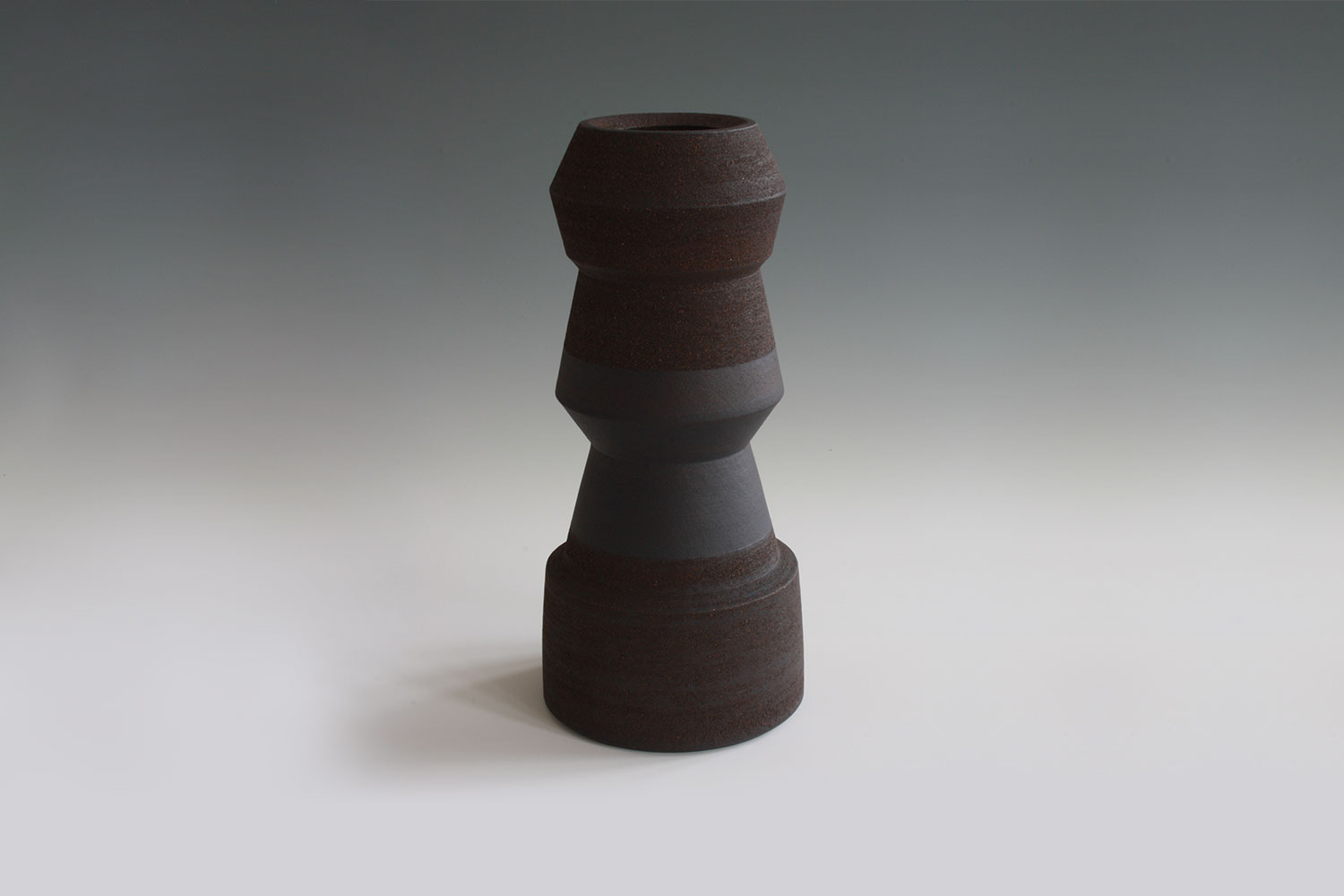
“This is magic” was the first thought of 17-year old Martin Schlotz when he witnessed the work of a ceramicist for the first time, creating a vessel out of a lump of clay. A year later he had built himself a simple foot-operated potter's wheel in his parents' tiny shed and started working on his own. “It is almost surreal when a vessel grows in size and form with just a gentle movement of the hand and the rotation of the disc,” he says. Time spent in France and at the Freie Kunstschule Nürtingen in Germany helped Martin broaden his knowledge and intensify his work. But it was working under the guidance of ceramicist Volker Ellwanger that had a lasting influence on the unique aesthetic Martin is known for today, which he describes as “formally strict, but sensitive in material and surface”.
INTERVIEW
It is a responsive material which makes the initial creation process very direct. However, creating on the potter's wheel is fast-paced and you quickly end up producing rejects if you don’t pay close attention to the peculiarities of the material. The almost spontaneous nature of the process makes it very complex to produce vessels of prime quality.
Indeed, and so are rotational symmetric vessels, but within this tradition you can find a lot of creative freedom. I incorporate different influences into my work from African sculptures – especially Dogon – to minimal art, textile structures, architecture and classical modernism. The result doesn’t seem very traditional.
When something is done well you can look at it in all its details and all you can see is that everything is exactly meant to be that way. It is the integrity of the expression.
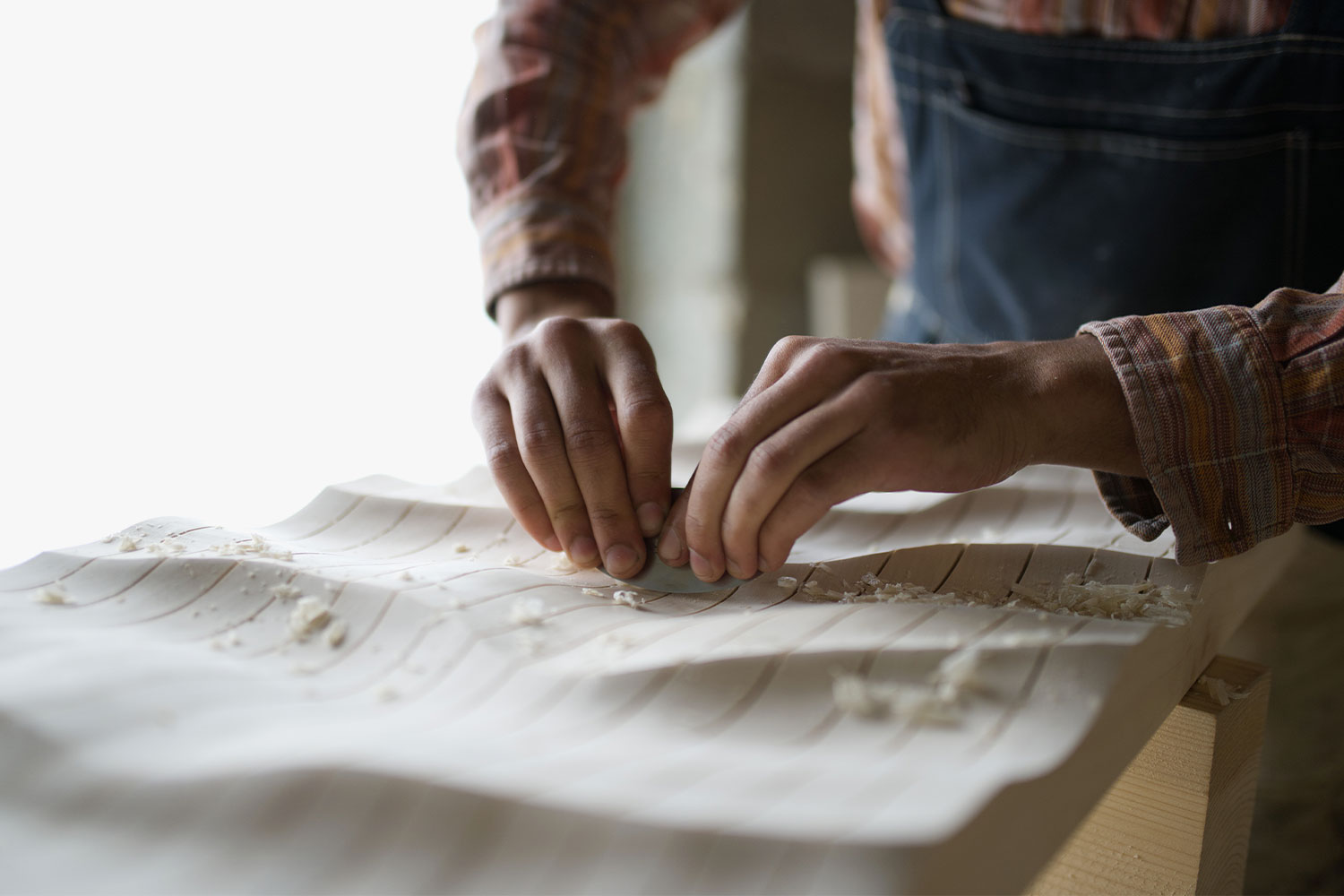
I think it is the unbelievable wealth of design possibilities resulting from the immediate interplay between the hands and the rotating material, as well as the adventure of the glaze firing process that also decides the character of an object.
Martin Schlotz
Ceramicist
Laudert, Germany
Recommended by Zentralverband des Deutschen Handwerks
AVAILABILITY
By appointment only
PHONE
+49 17652220119
LANGUAGES
German, French, English
Homo Faber Finds is a new service aiming to inspire admirers of craft to connect and collaborate with exceptional artisans.
We invite you to submit an enquiry here.