Margrieta Jeltema
Il Bosco dei Gigli
Porcelain maker
Bolsena, Italy
Recommended by Jean Blanchaert & Irina Focsaneanu Eschenazi
The porcelain folds of fragility and beauty
- Margrieta creates paper-like porcelain art
- Her pieces reflect curiosity, experimentation and the quest for beauty
- She is featured in public collections and permanent exhibitions around the world
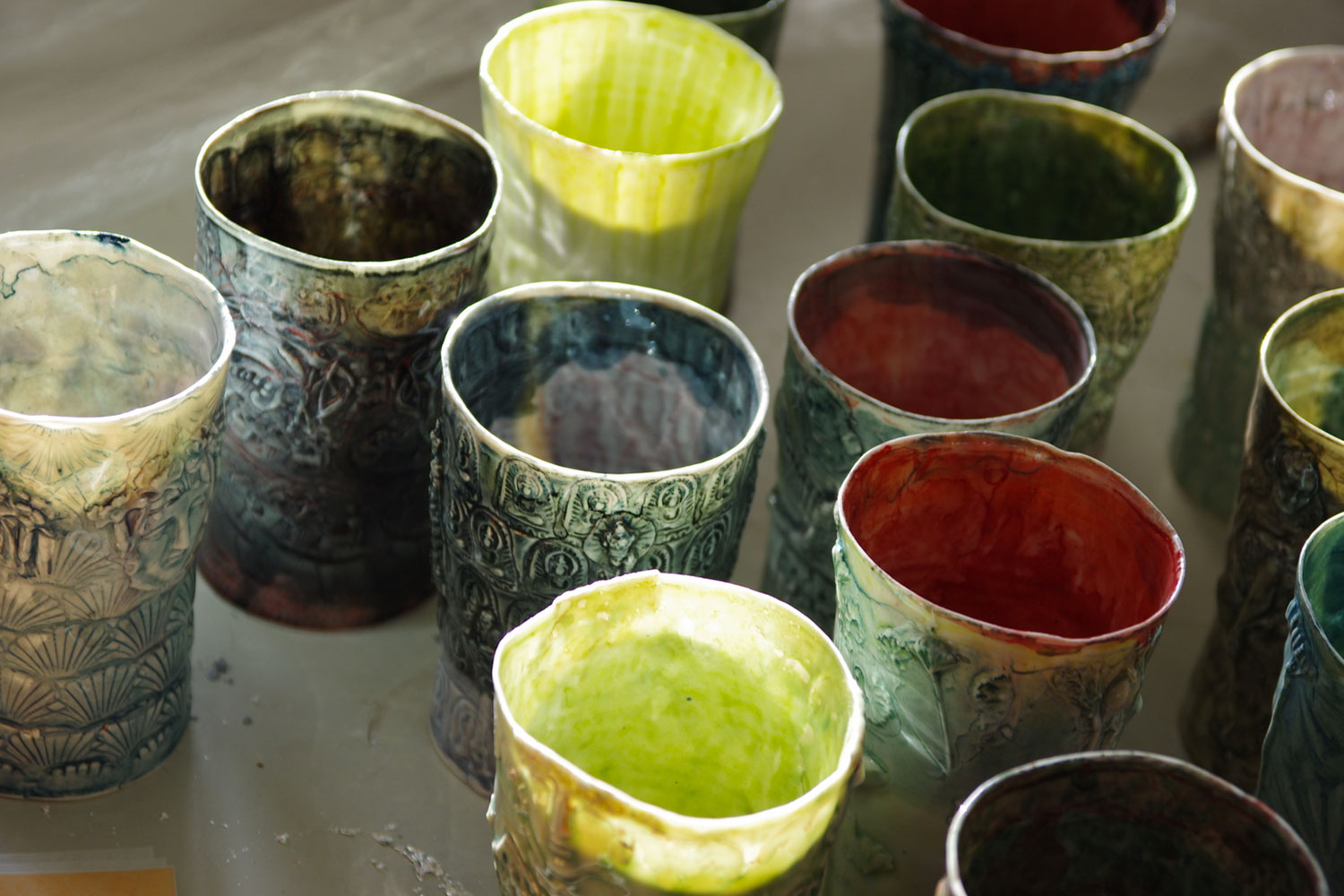
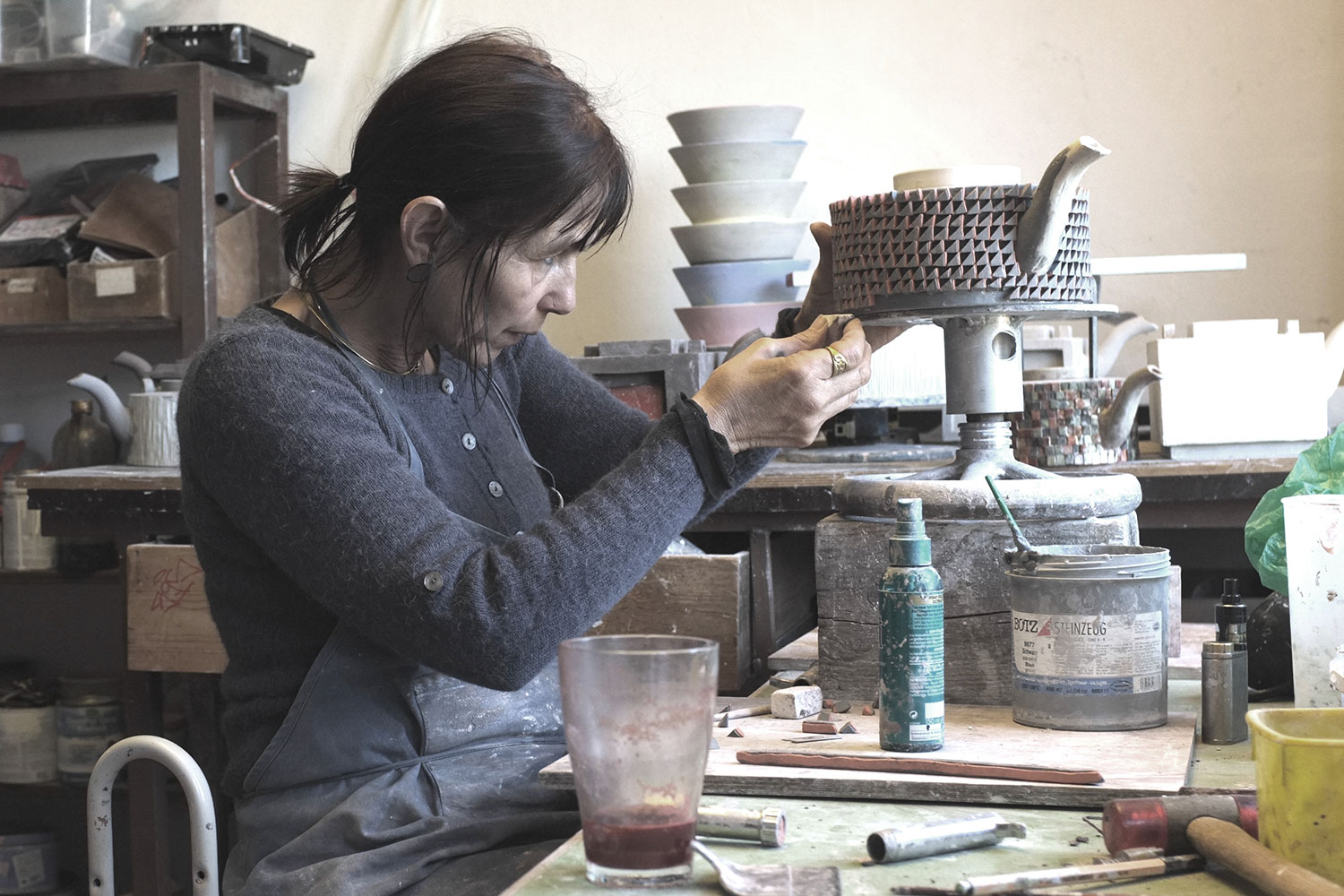
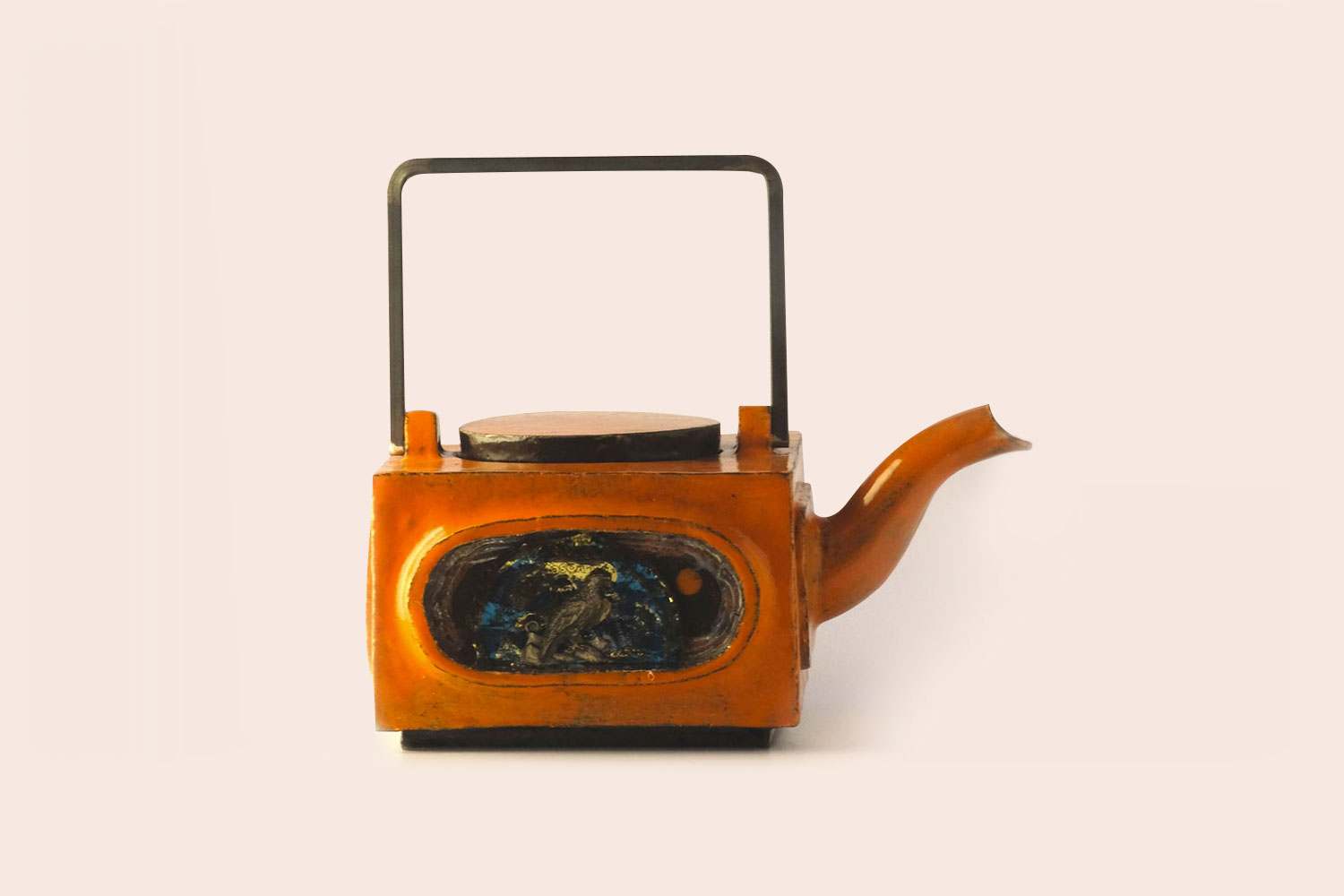
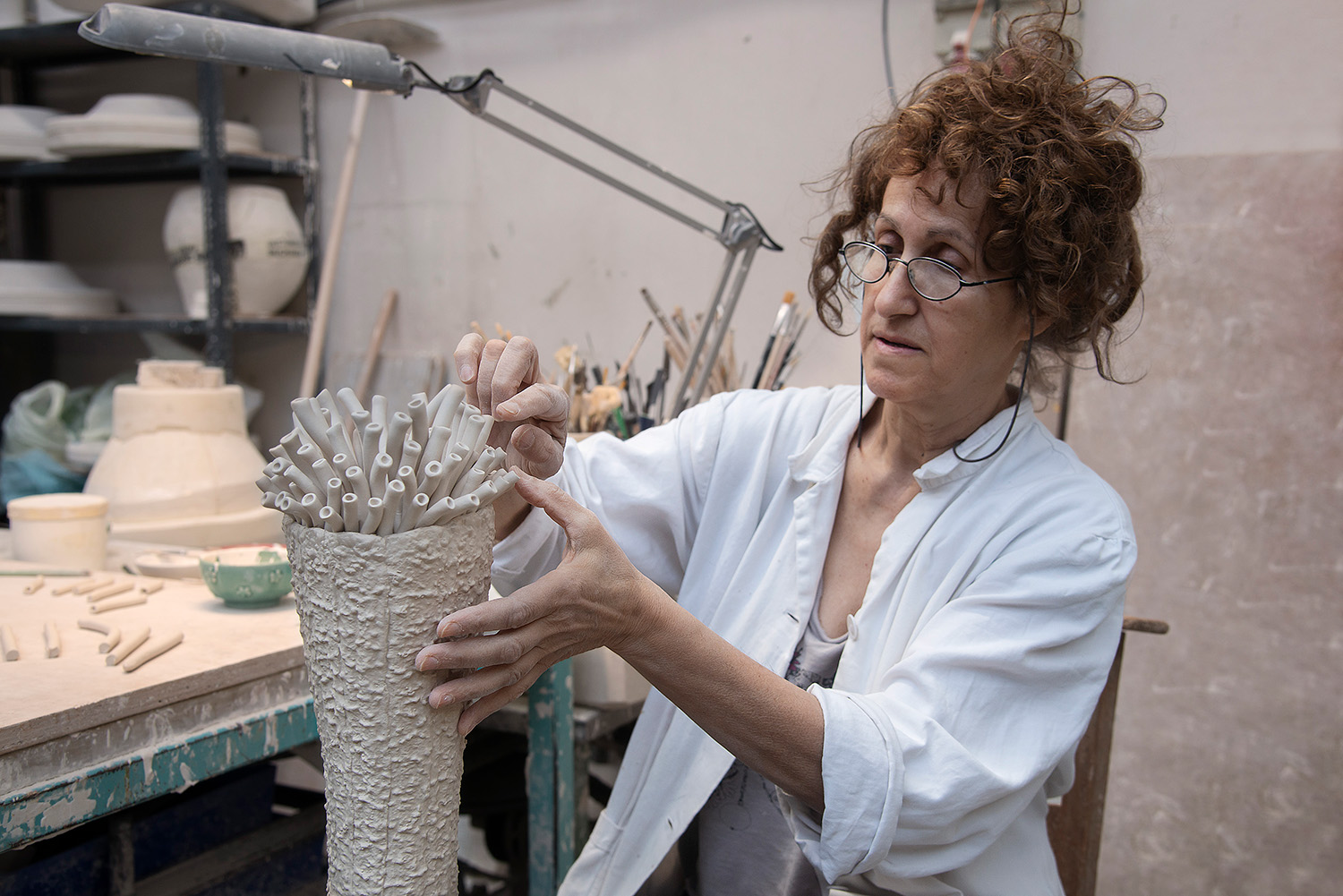
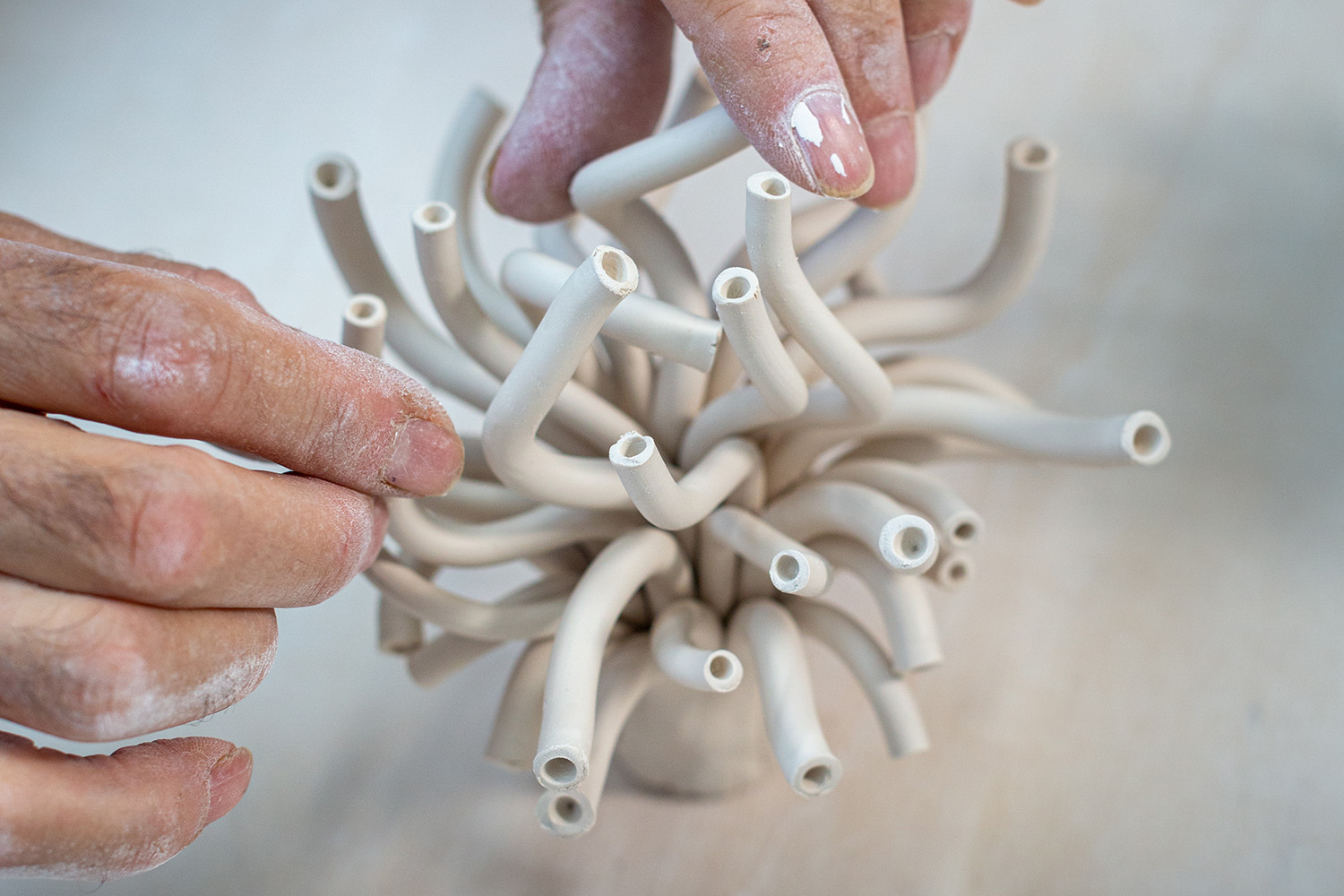
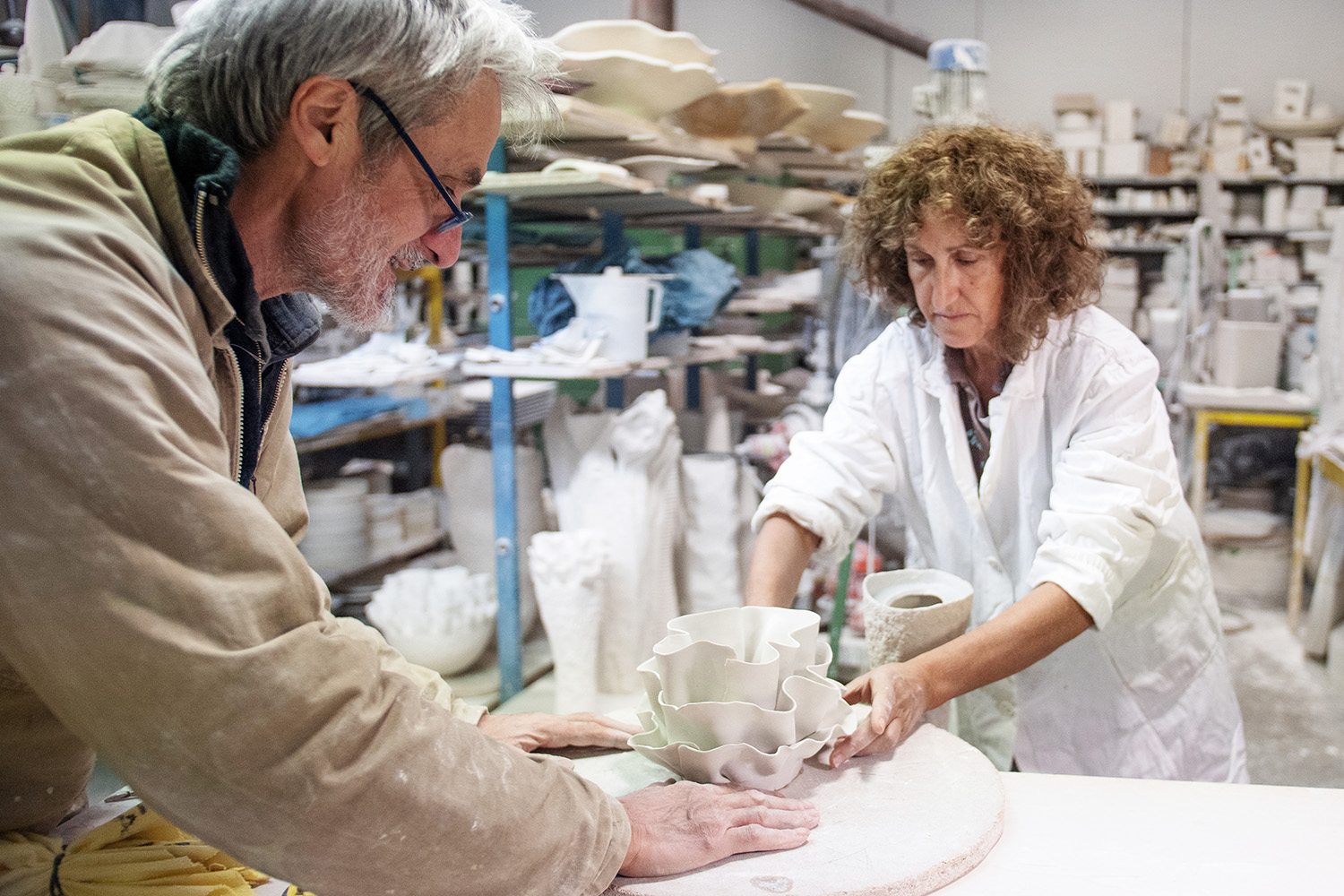
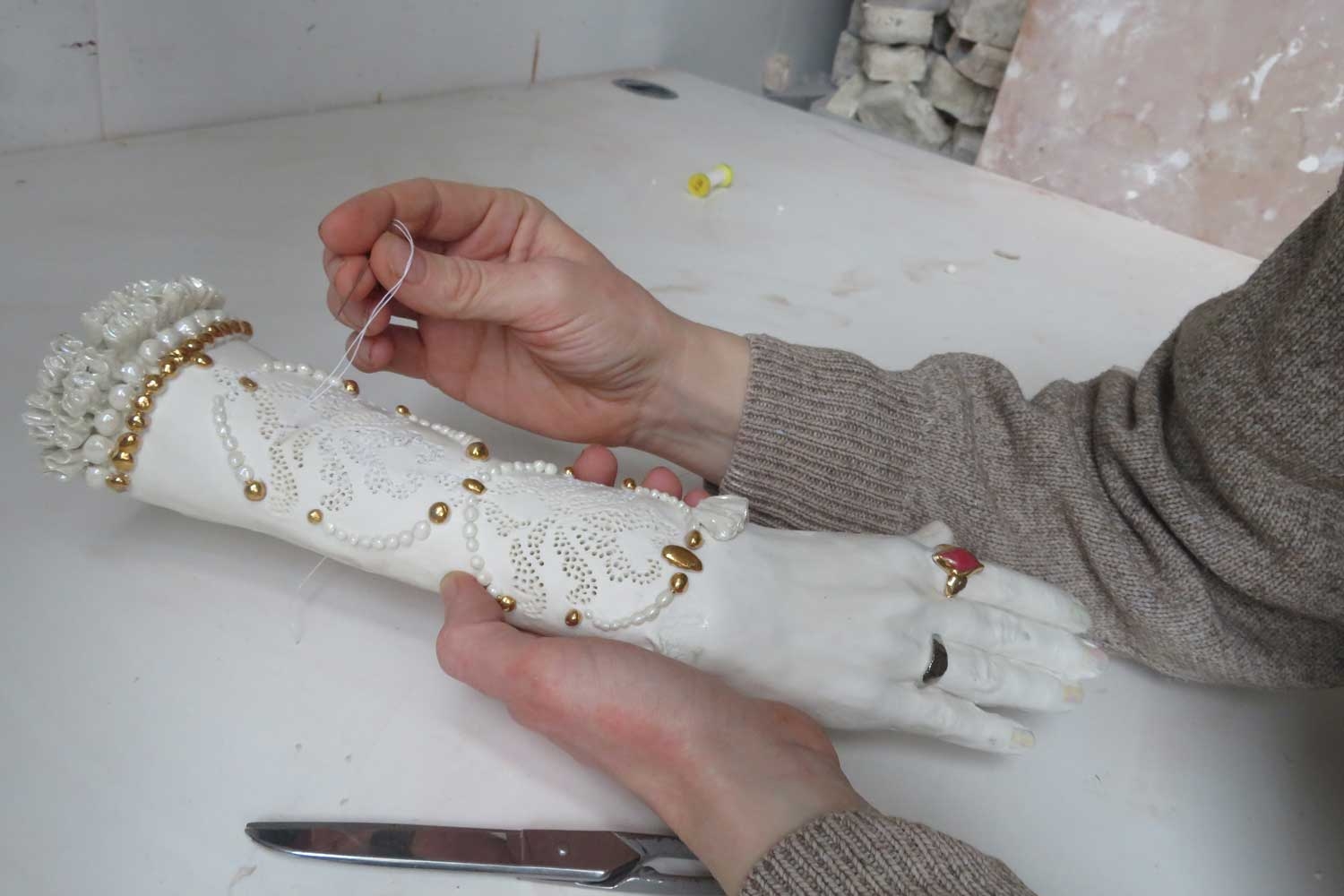
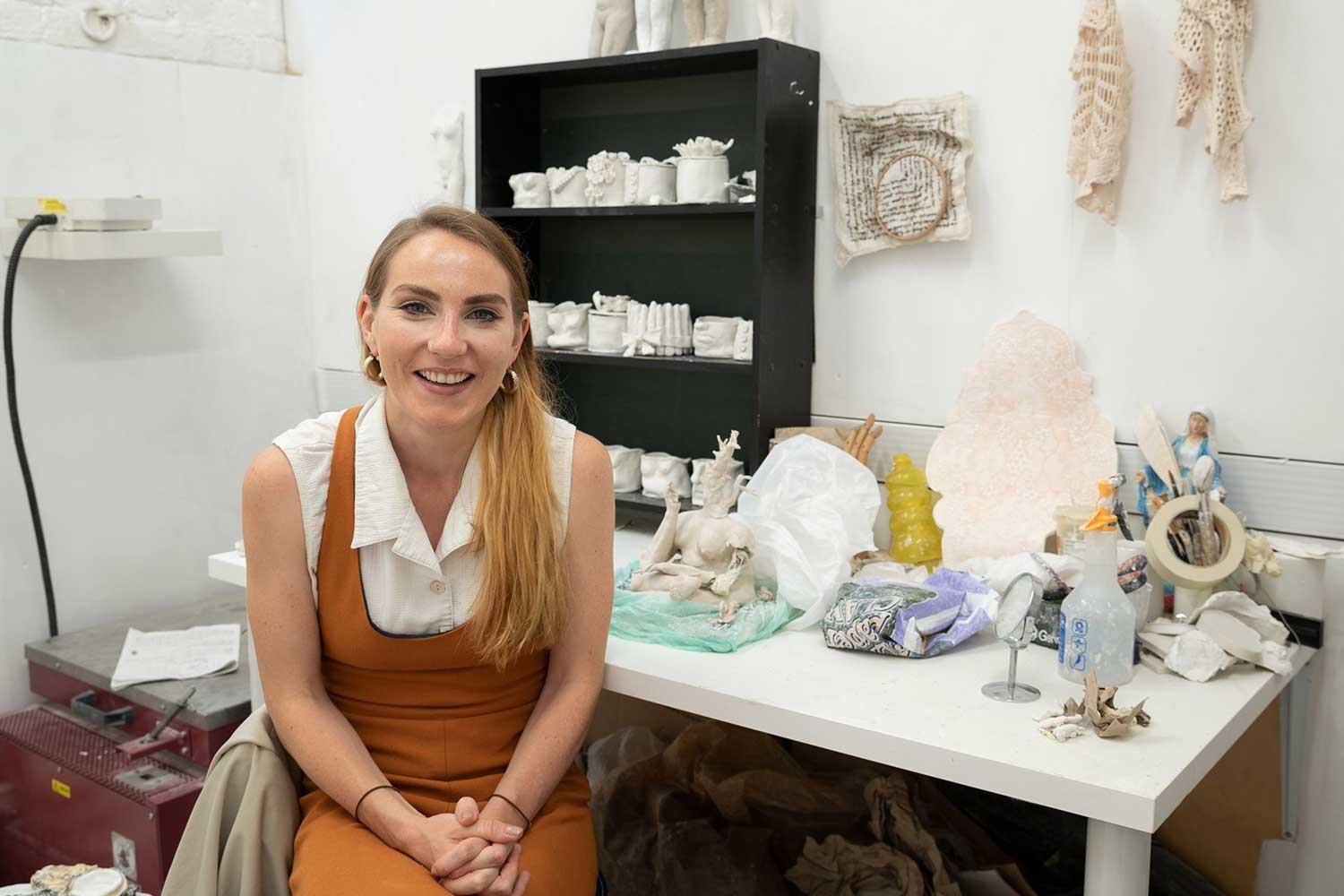
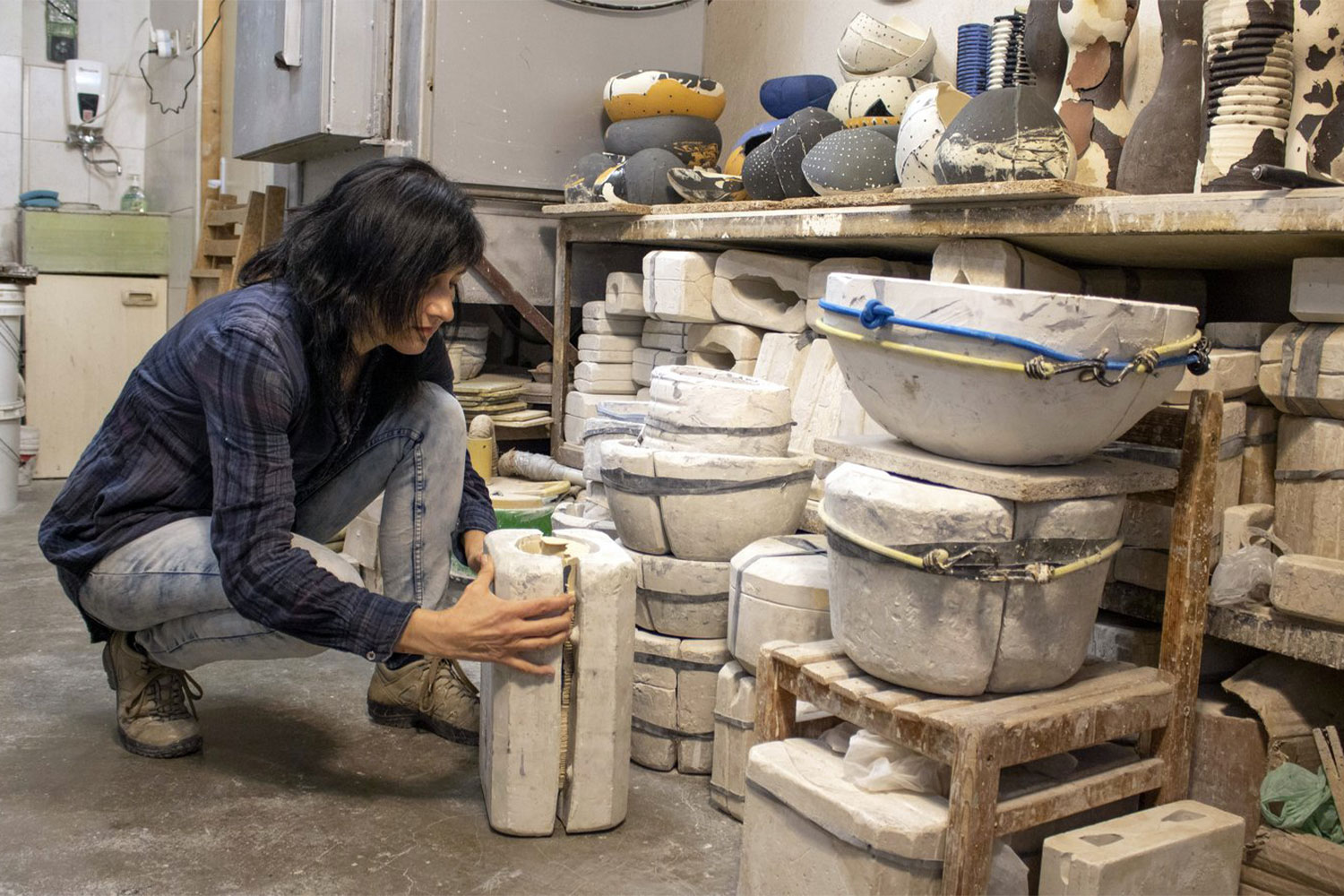
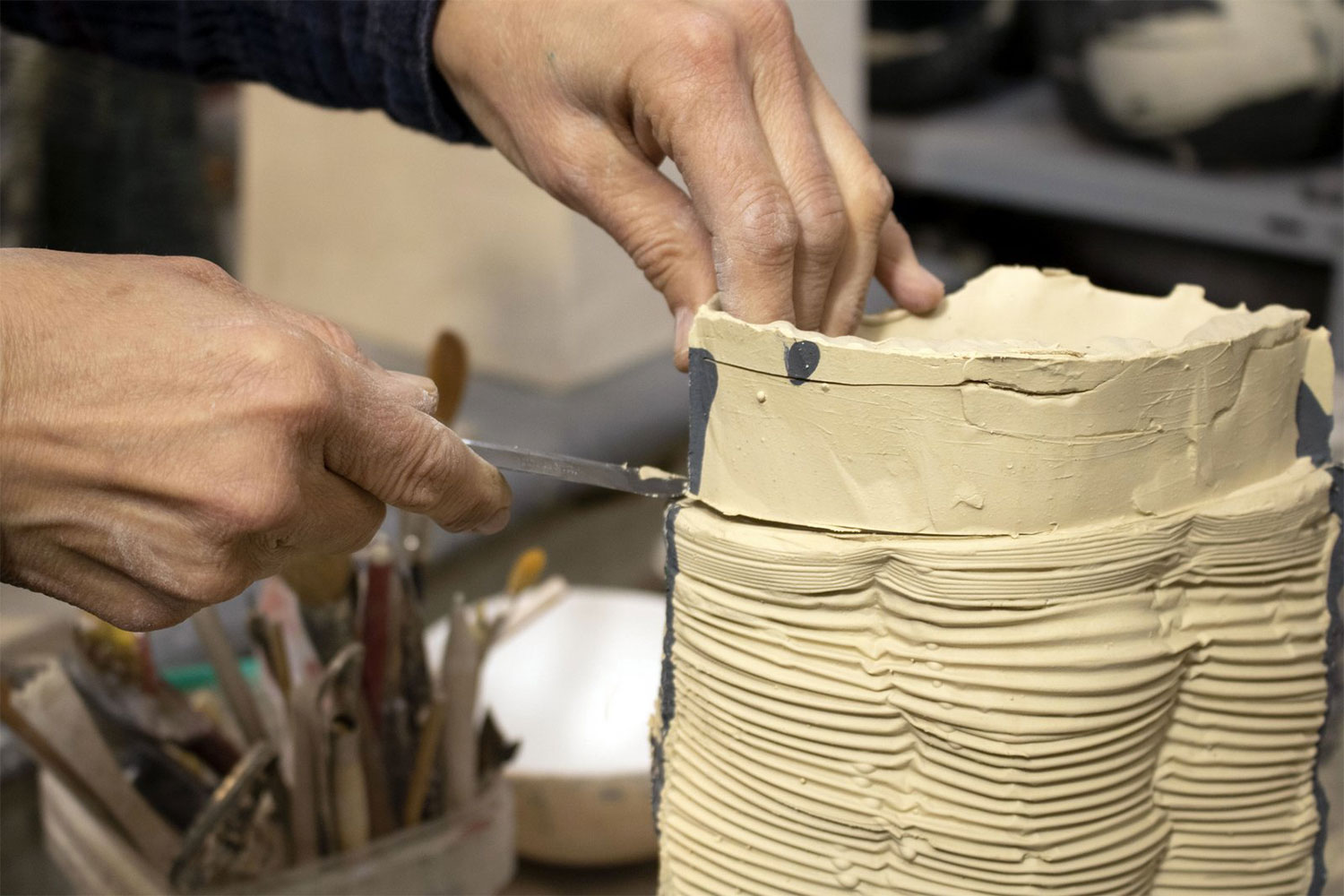
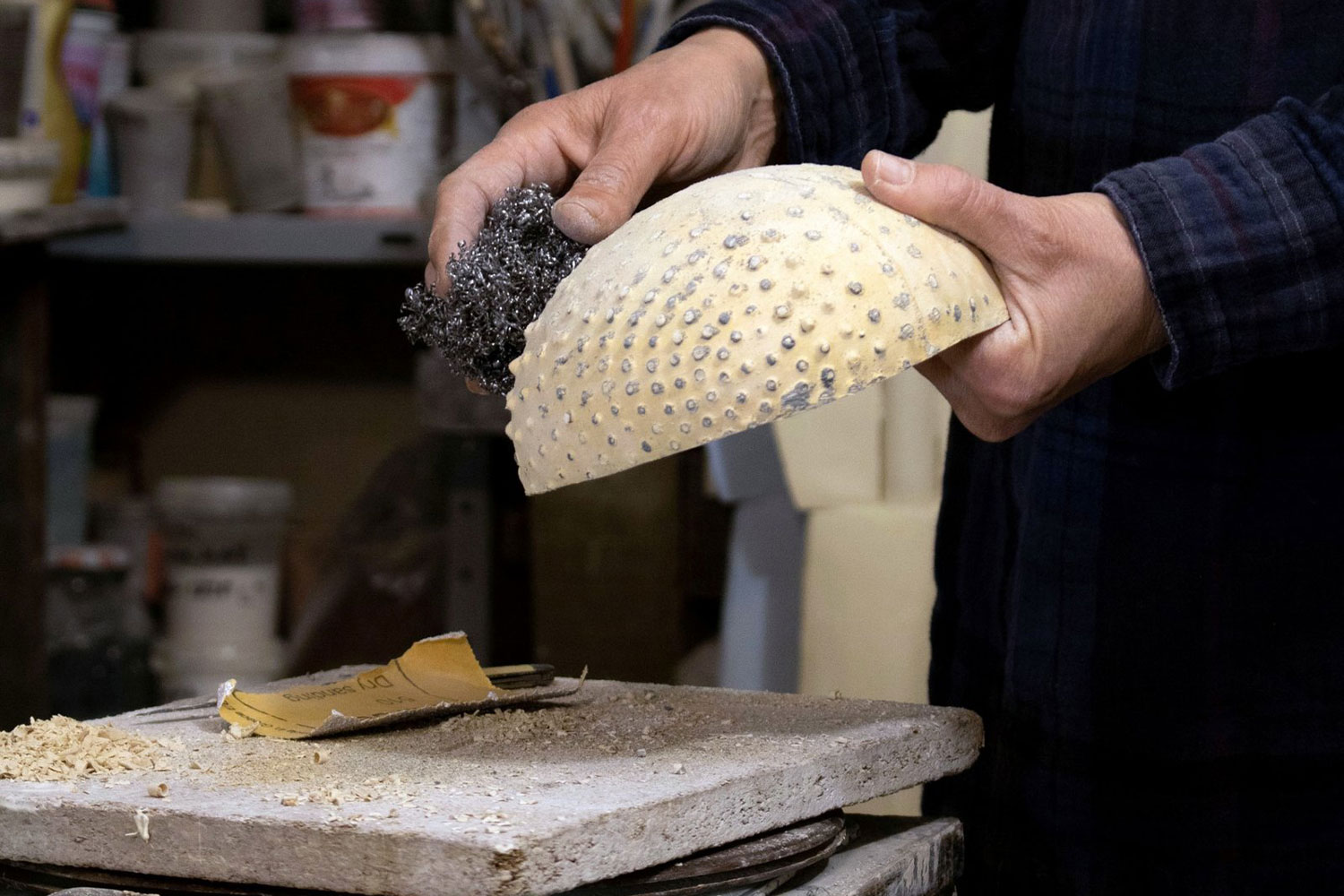
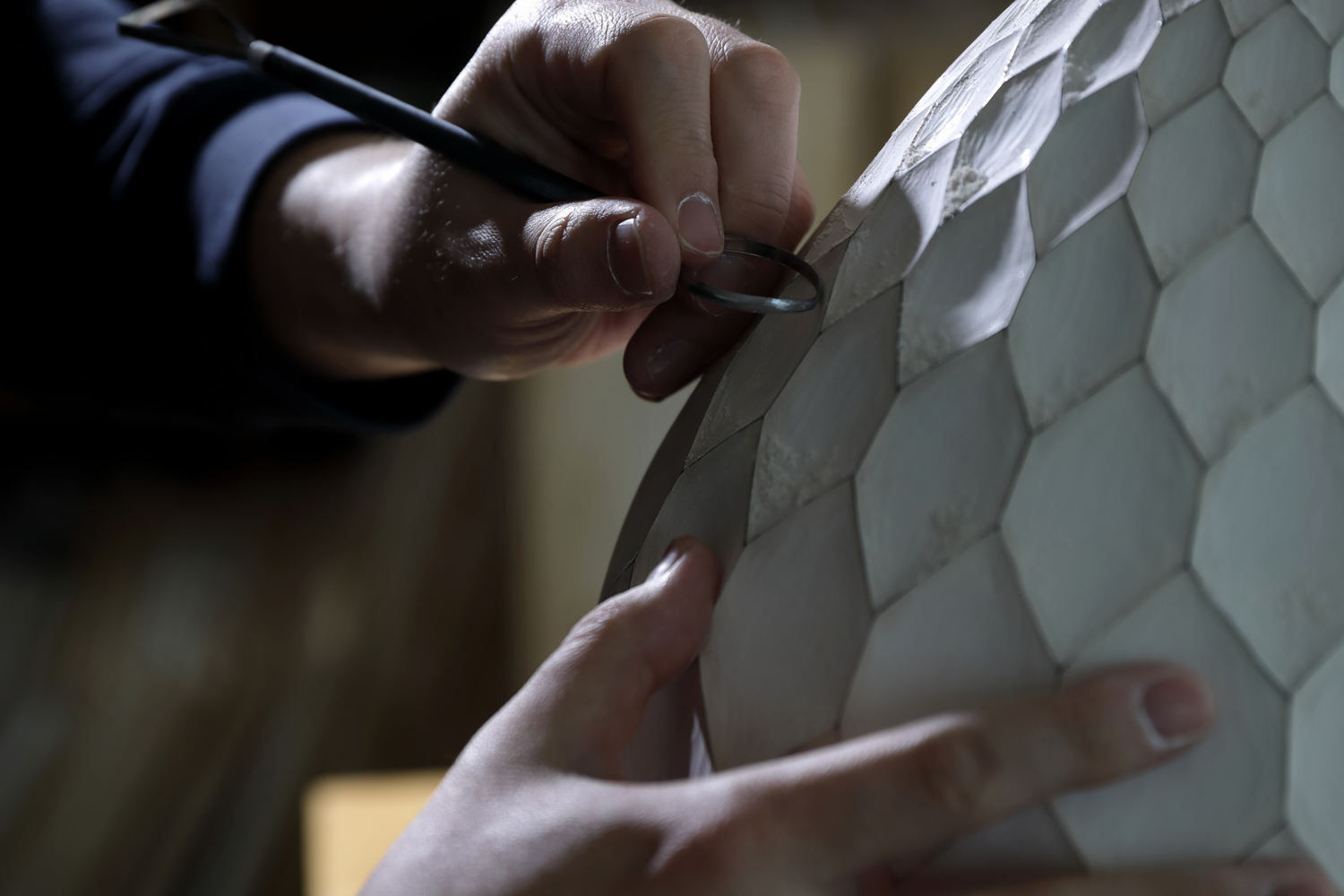
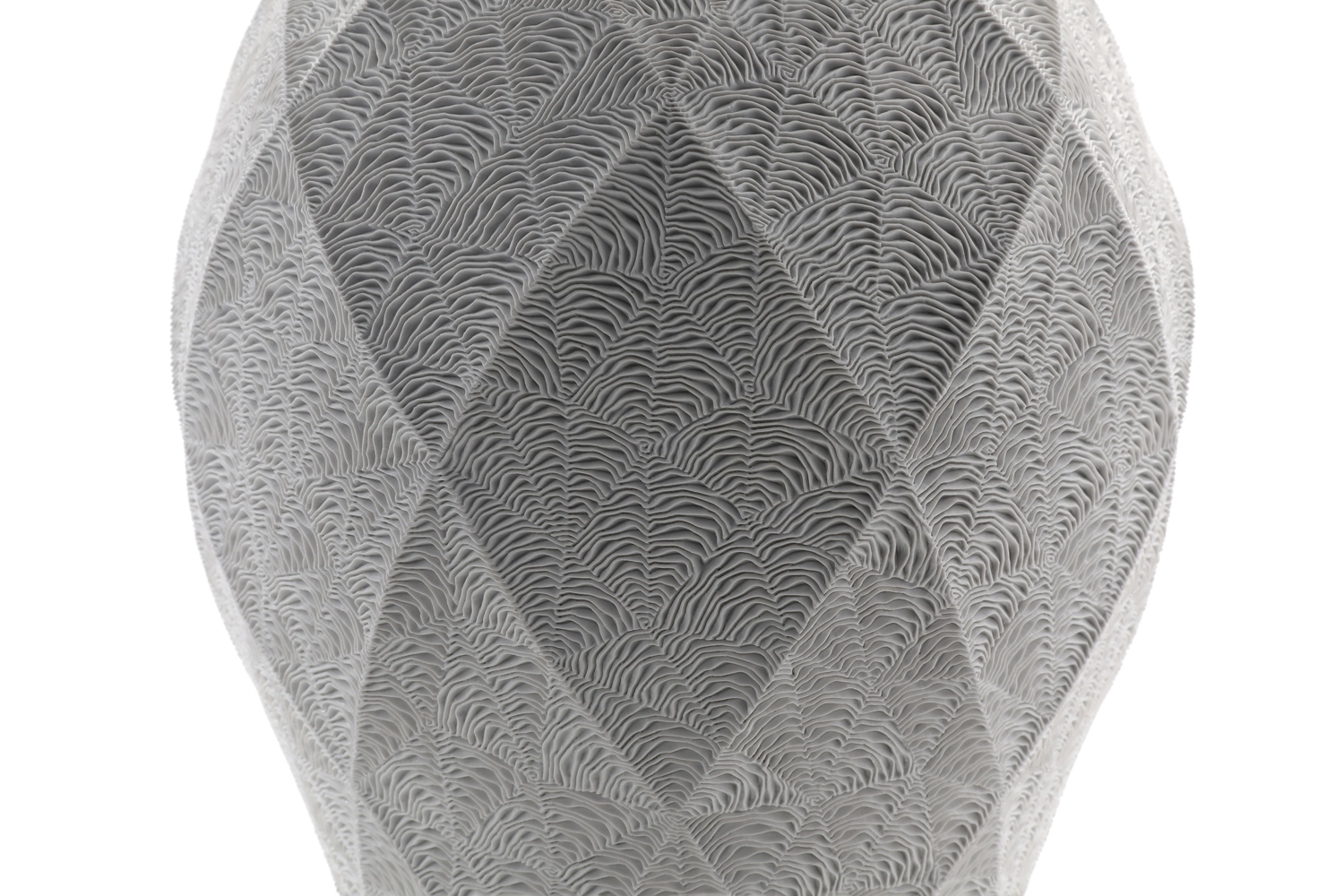
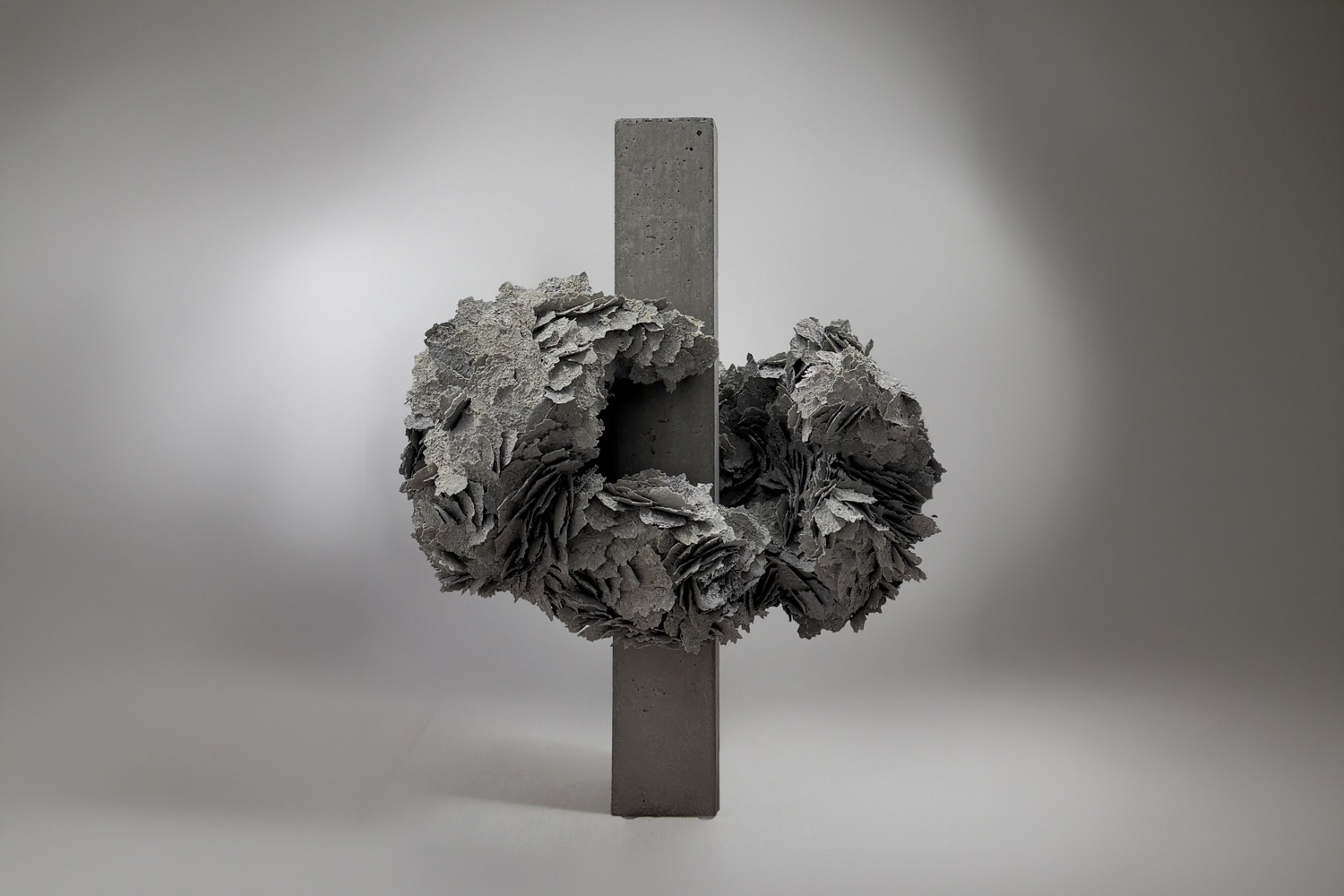
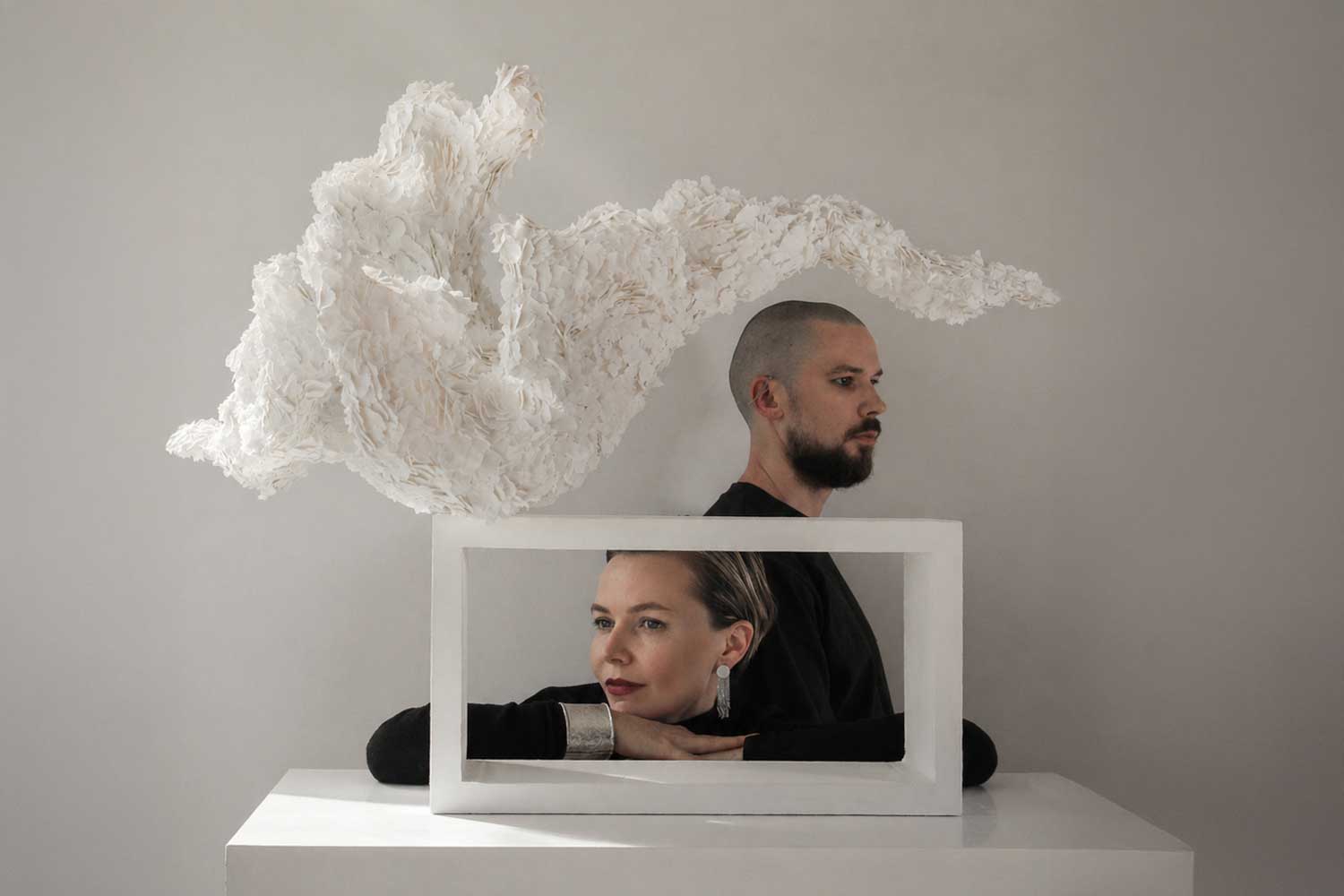
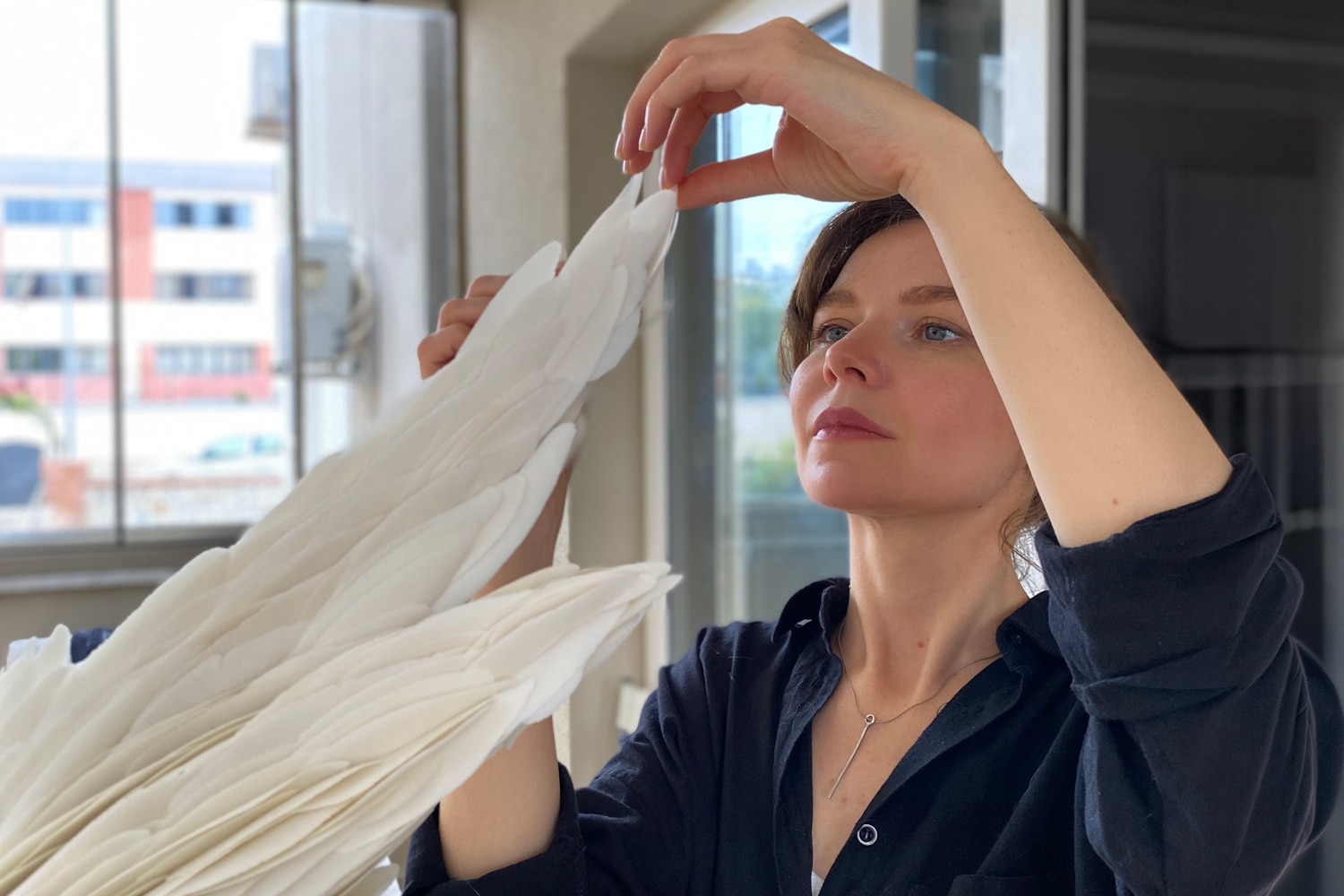
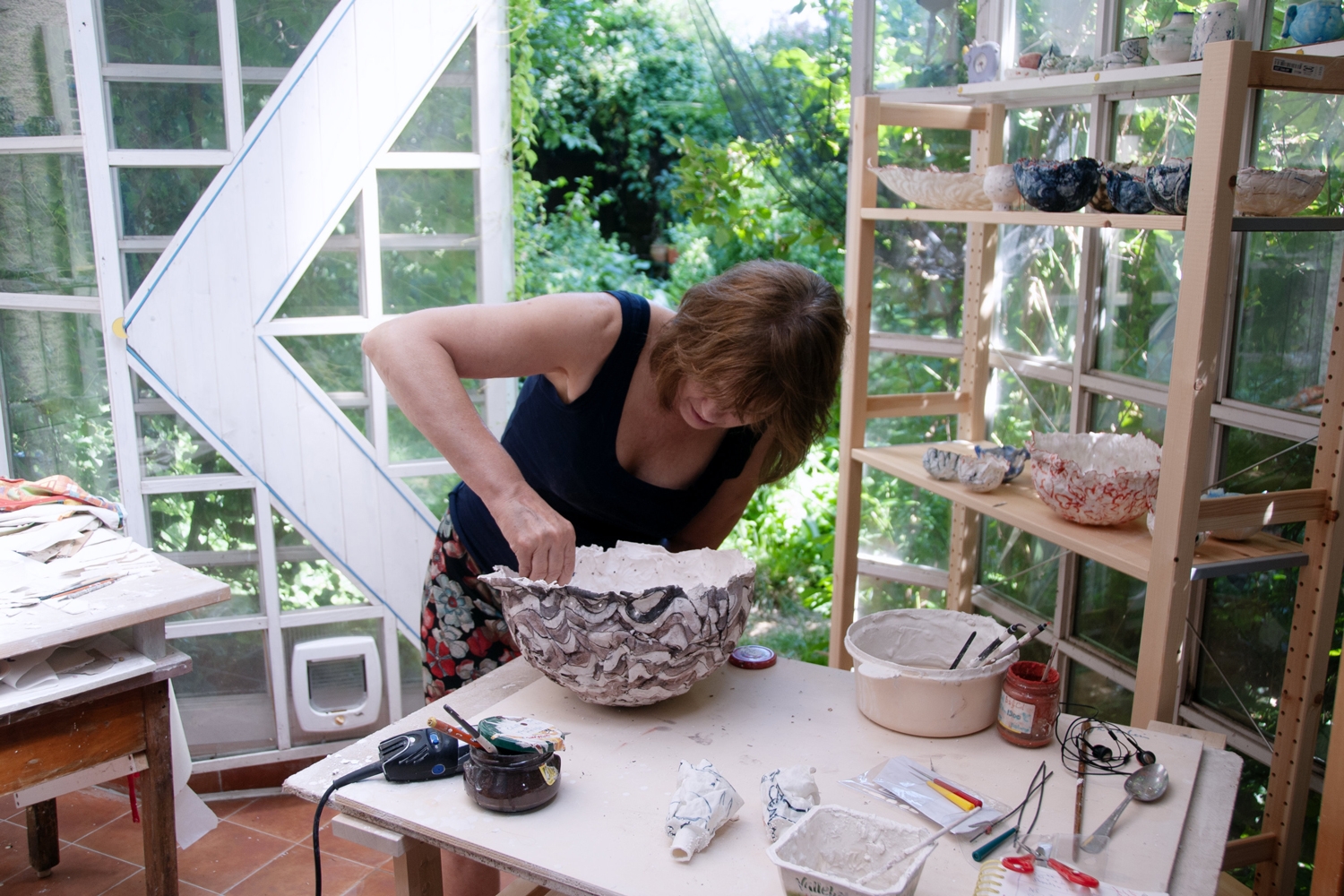
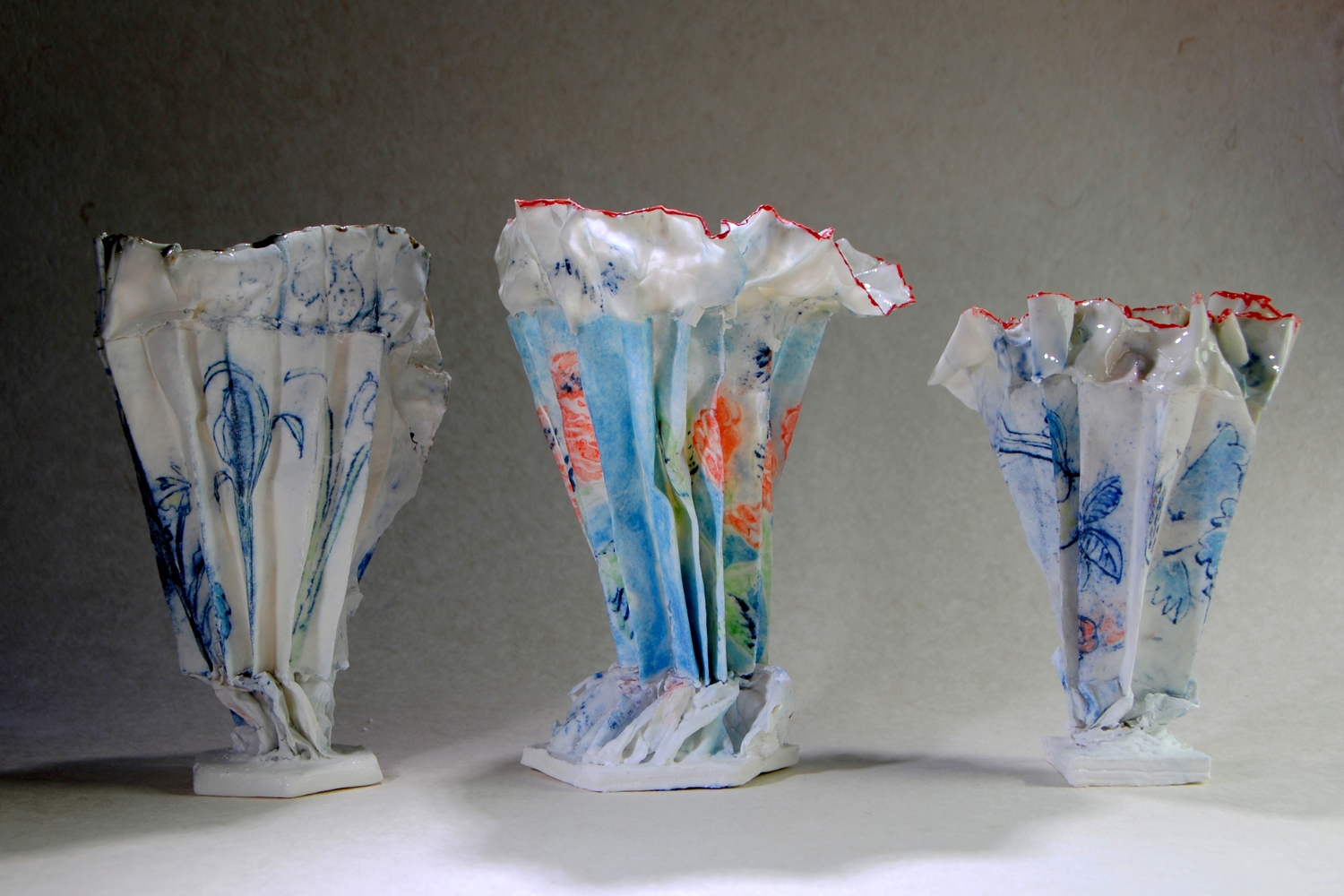
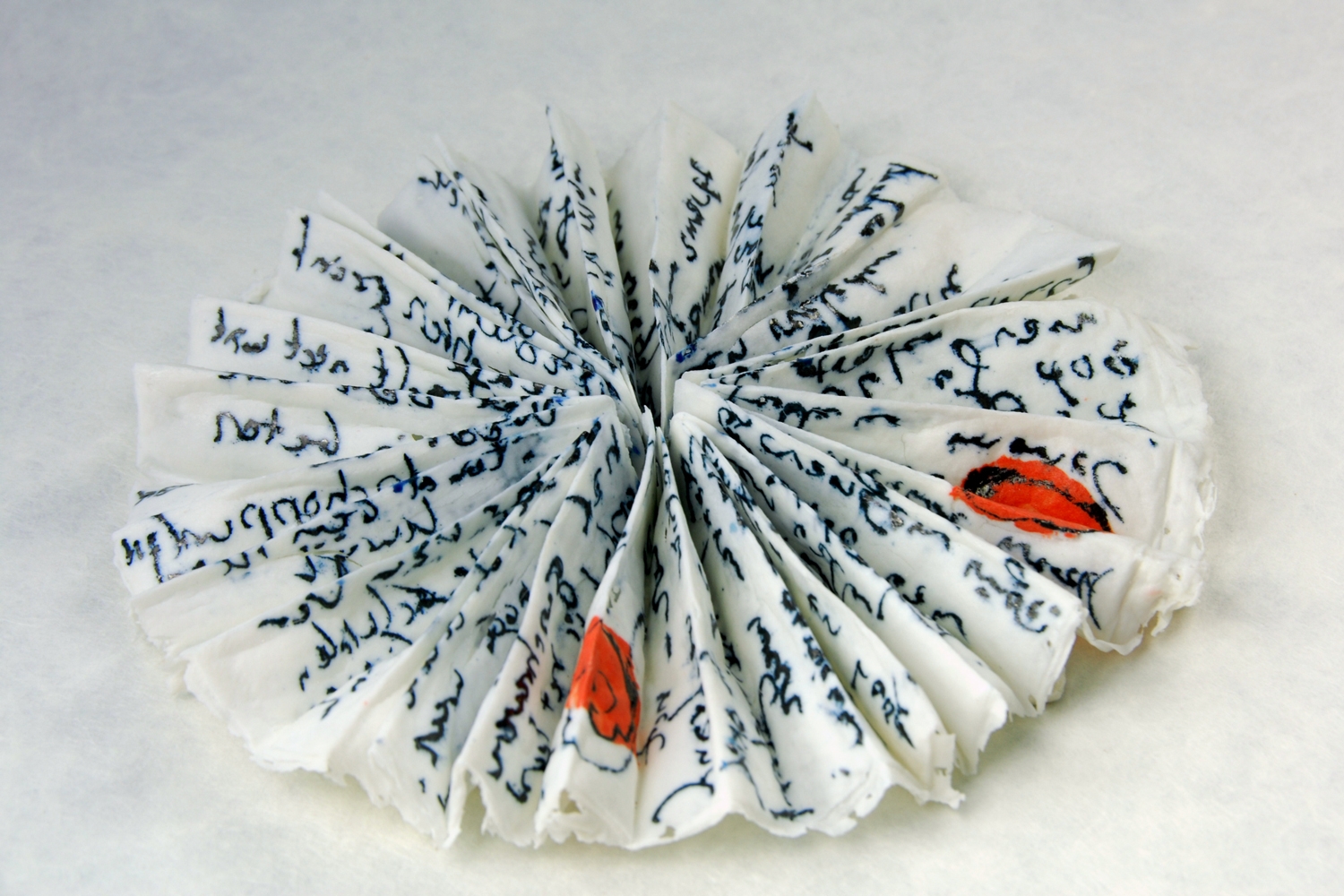
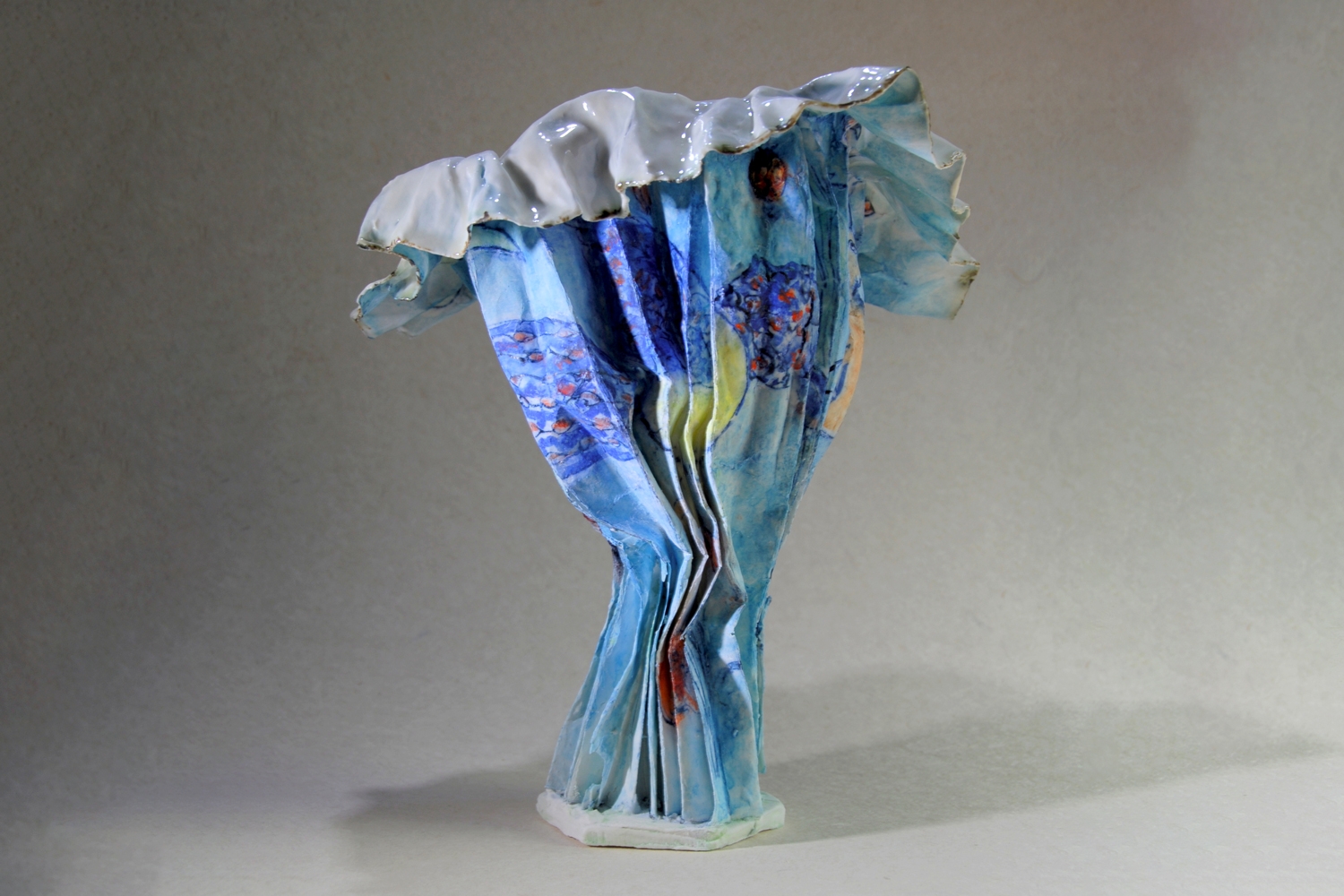
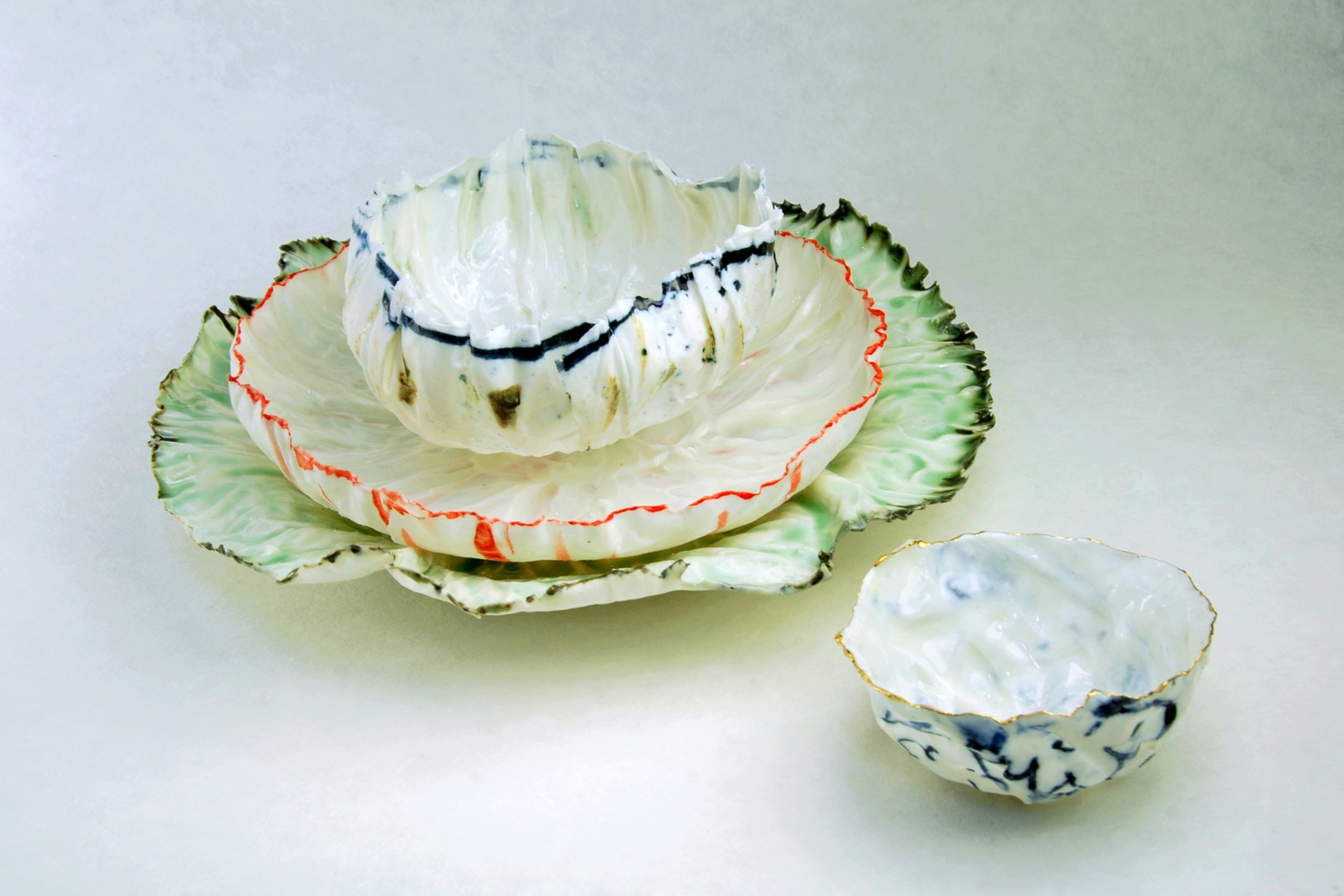
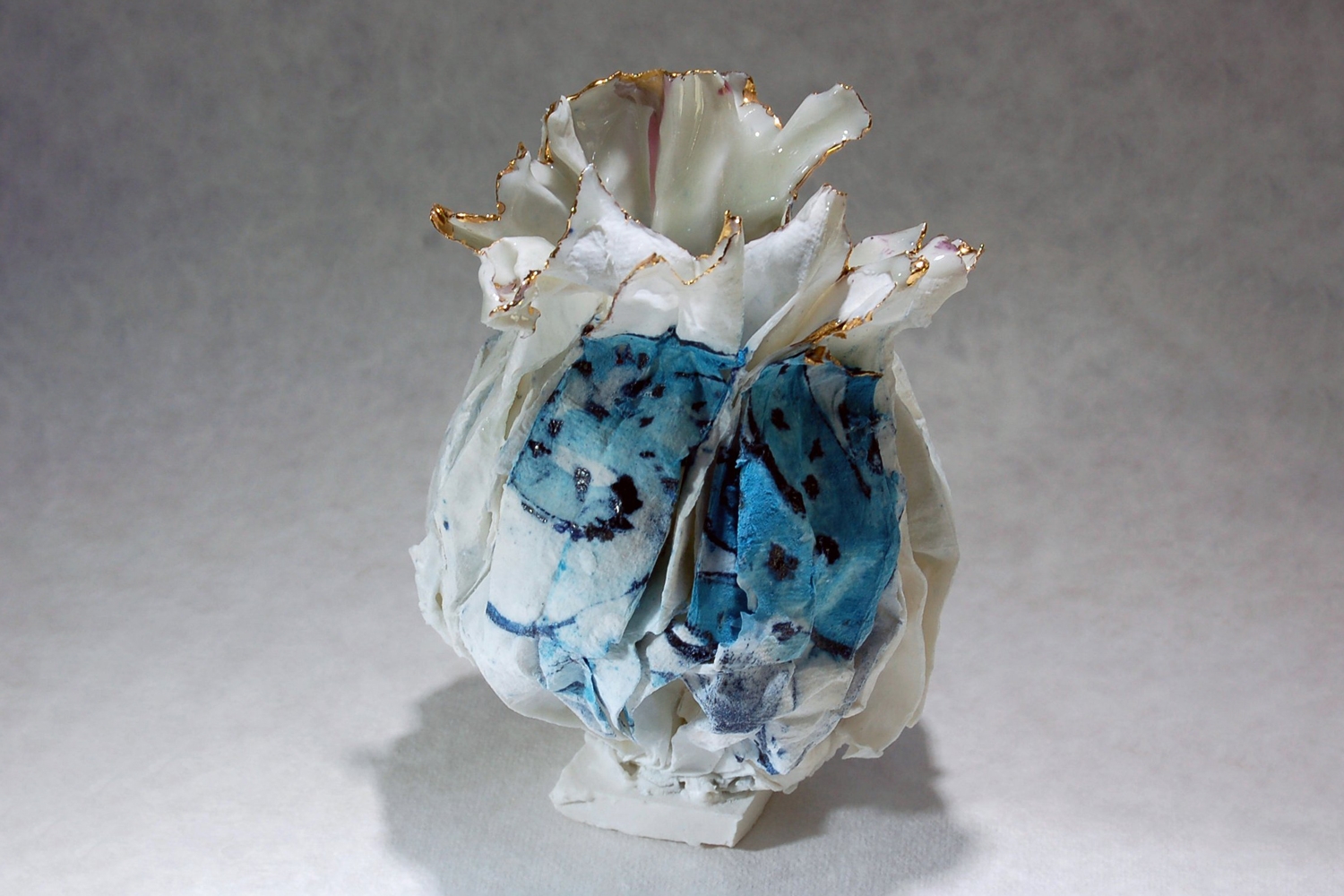
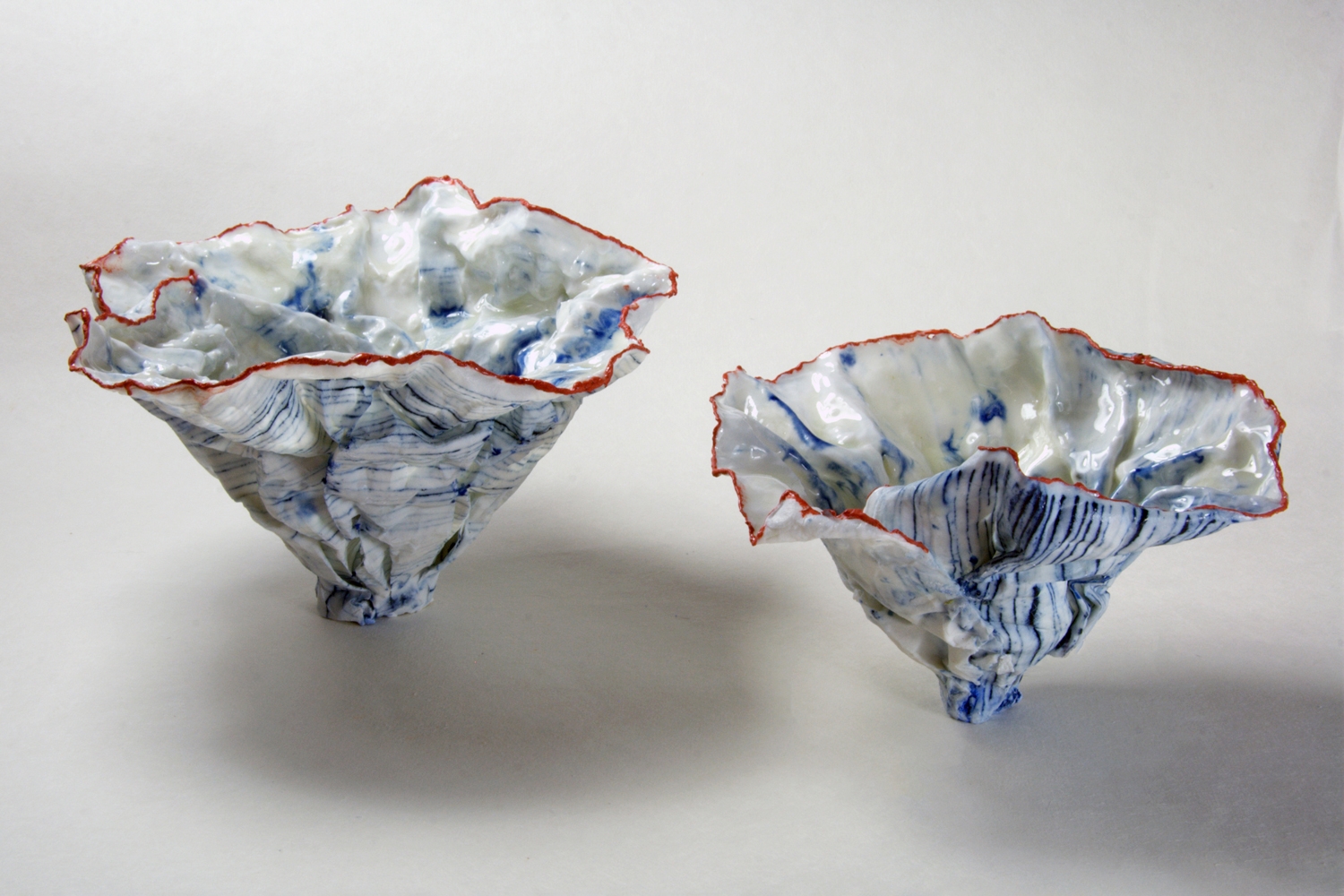
Dutch artisan Margrieta Jeltema began her journey with porcelain in 2006, with a rich creative background and an insatiable curiosity for the world around her. She is deeply inspired by the Portuguese azulejos she encountered while living in the city of Porto. “I would go on walks by the sea or the river, and see the beautiful tiles that remind me of Dutch tiles,” Margrieta recalls. “I took an azulejos course that combined everything I had done before – painting, drawing, etching and writing poems," she says. Now based in Italy, Margrieta creates delicate, paper-like porcelain pieces rooted in experimentation, emotion and a quiet search for beauty. Her Folded Love Letters collection and recent project A New Garden embody both fragility and a sense of mystery. Margrieta’s work has been featured in public collections across Spain, Italy, China, Australia, Portugal and beyond.
INTERVIEW
I made my first ceramic piece while I was studying at Wageningen University. Although I had mostly made a living from etchings and drawings, I felt the need for a fresh start and chose to focus on ceramics after facing several personal challenges.
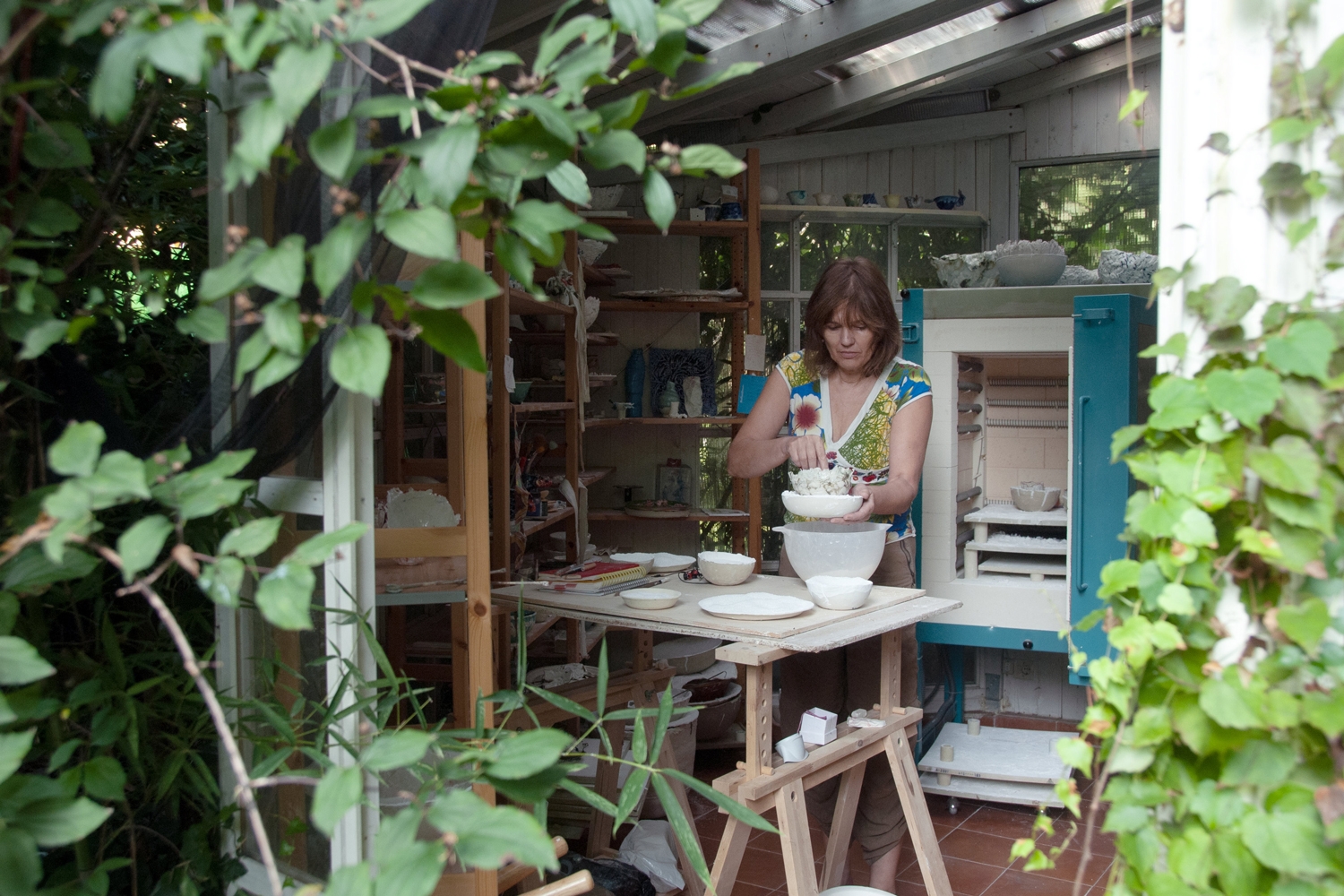
I was drawn to writing on porcelain, so I bought a kiln. A friend, who was my philosophy teacher in Wageningen, saw me folding cupcake liners once and asked if I could make the same in porcelain. This sparked the idea behind Folded Love Letters. The first attempts failed, but today, the works are exhibited at CERCO’s permanent collection in Zaragoza.
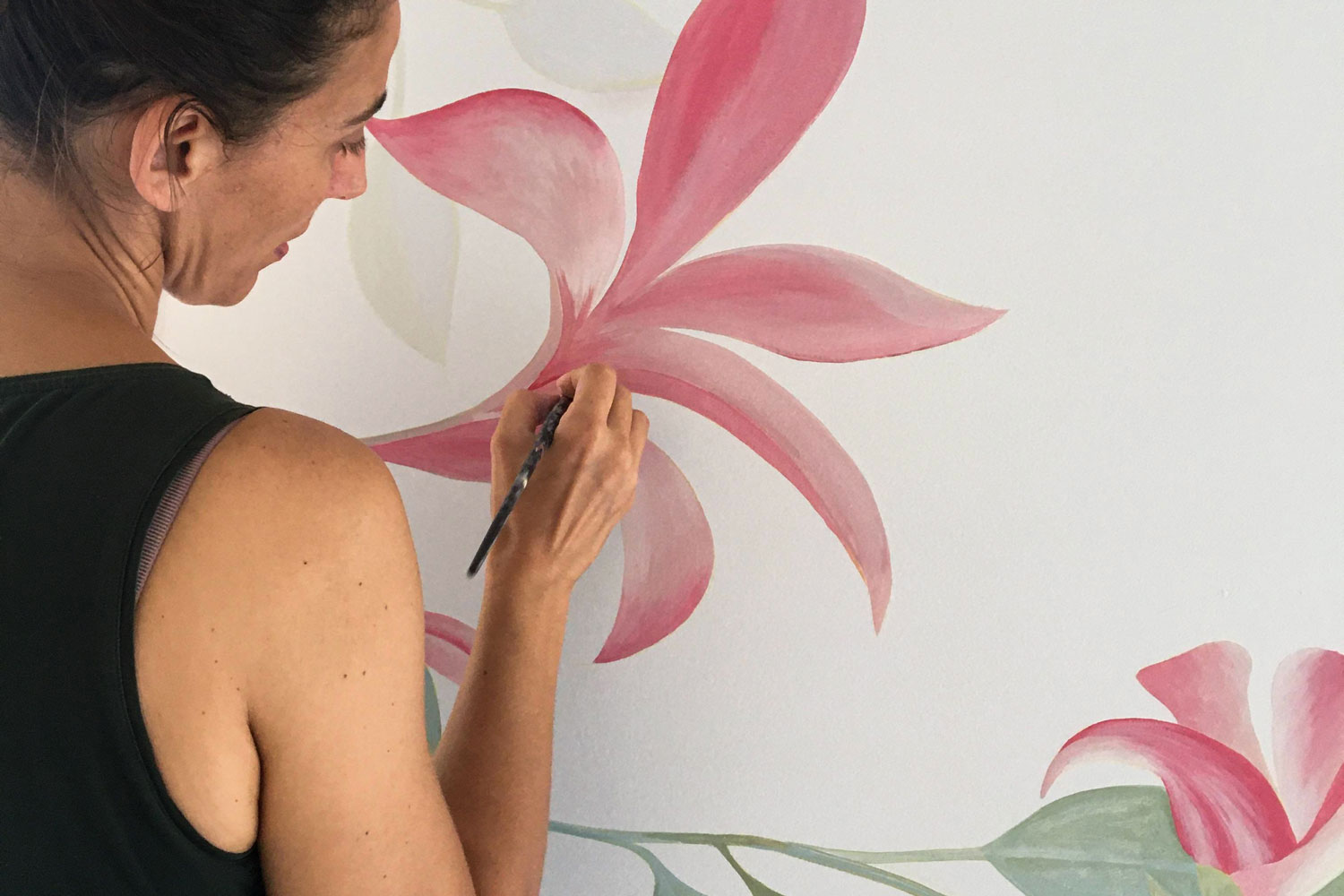
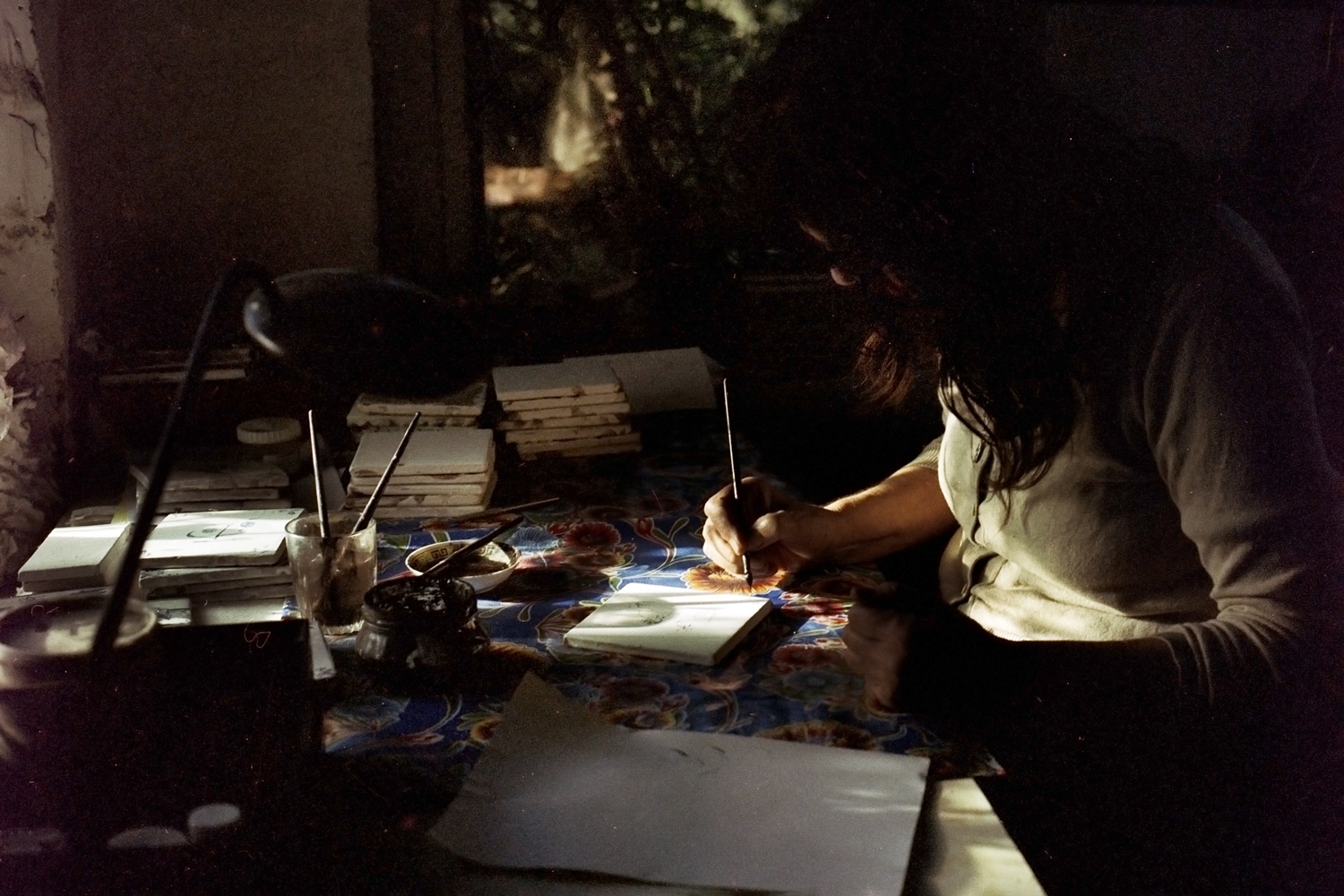
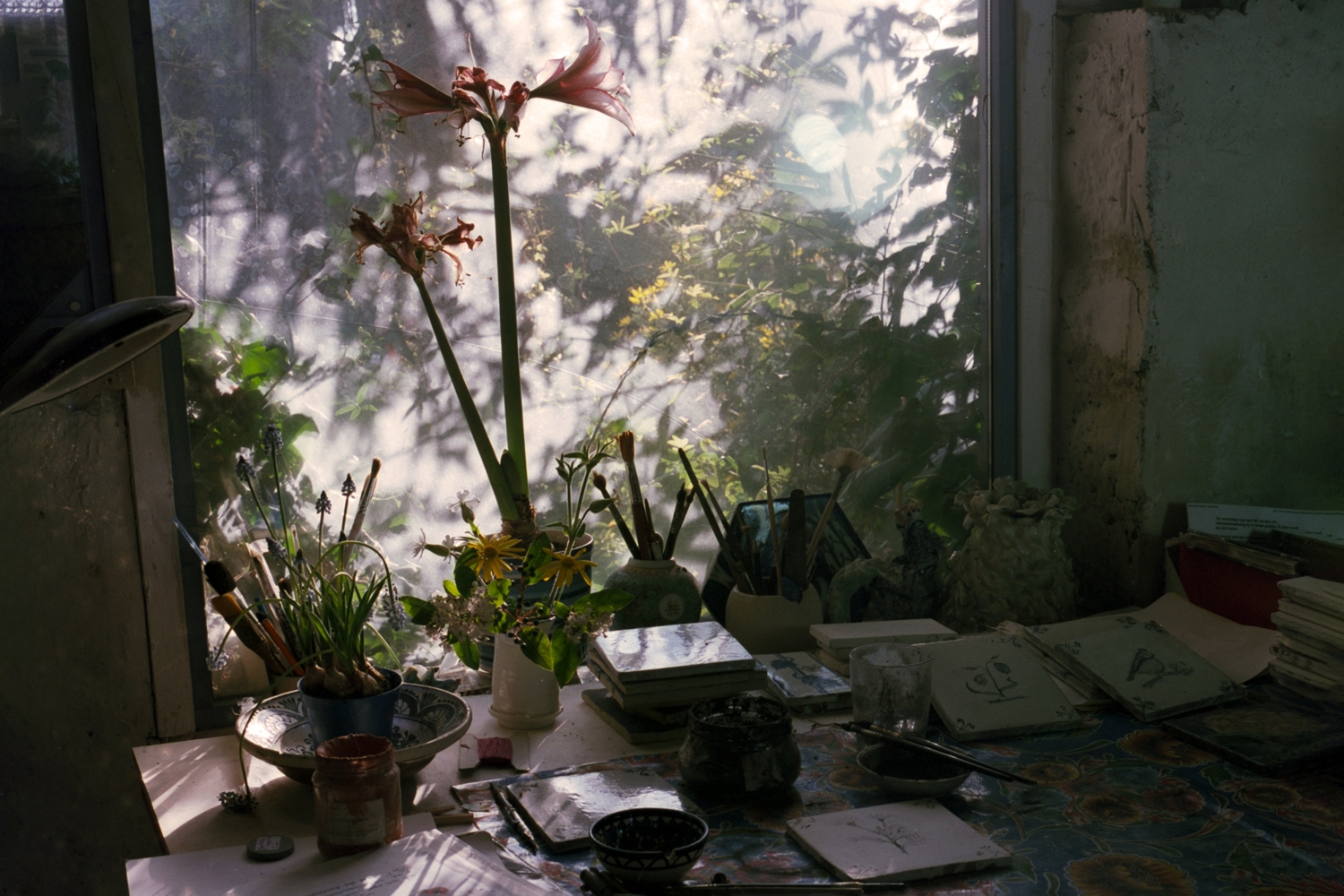
I have been making tiles for the kitchen in my new house in Bolsena. I mix cobalt and iron oxide to paint on raw glaze, so that the drawings melt into it. I follow the antique Dutch process and use classic designs as well as sketches I once made for my children.
I get inspired simply by looking around and trying to make sense of the world. It is also a way of creating a reality with the language of beauty and nature. You can always see something different, sometimes even transcendent, in everyday things. I believe that everyone does this one way or another.
Margrieta Jeltema
Il Bosco dei Gigli
Porcelain maker
Bolsena, Italy
Recommended by Jean Blanchaert & Irina Focsaneanu Eschenazi
ADDRESS
Address upon request, Bolsena, Italy
AVAILABILITY
By appointment only
PHONE
+39
LANGUAGES
Italian, French, German, English, Portuguese, Dutch, Spanish
Homo Faber Finds is a new service aiming to inspire admirers of craft to connect and collaborate with exceptional artisans.
We invite you to submit an enquiry here.