Loaira Pérez
Raposiñas
Ceramicist
A Pobra do Caramiñal, Spain
Ceramics from the countryside
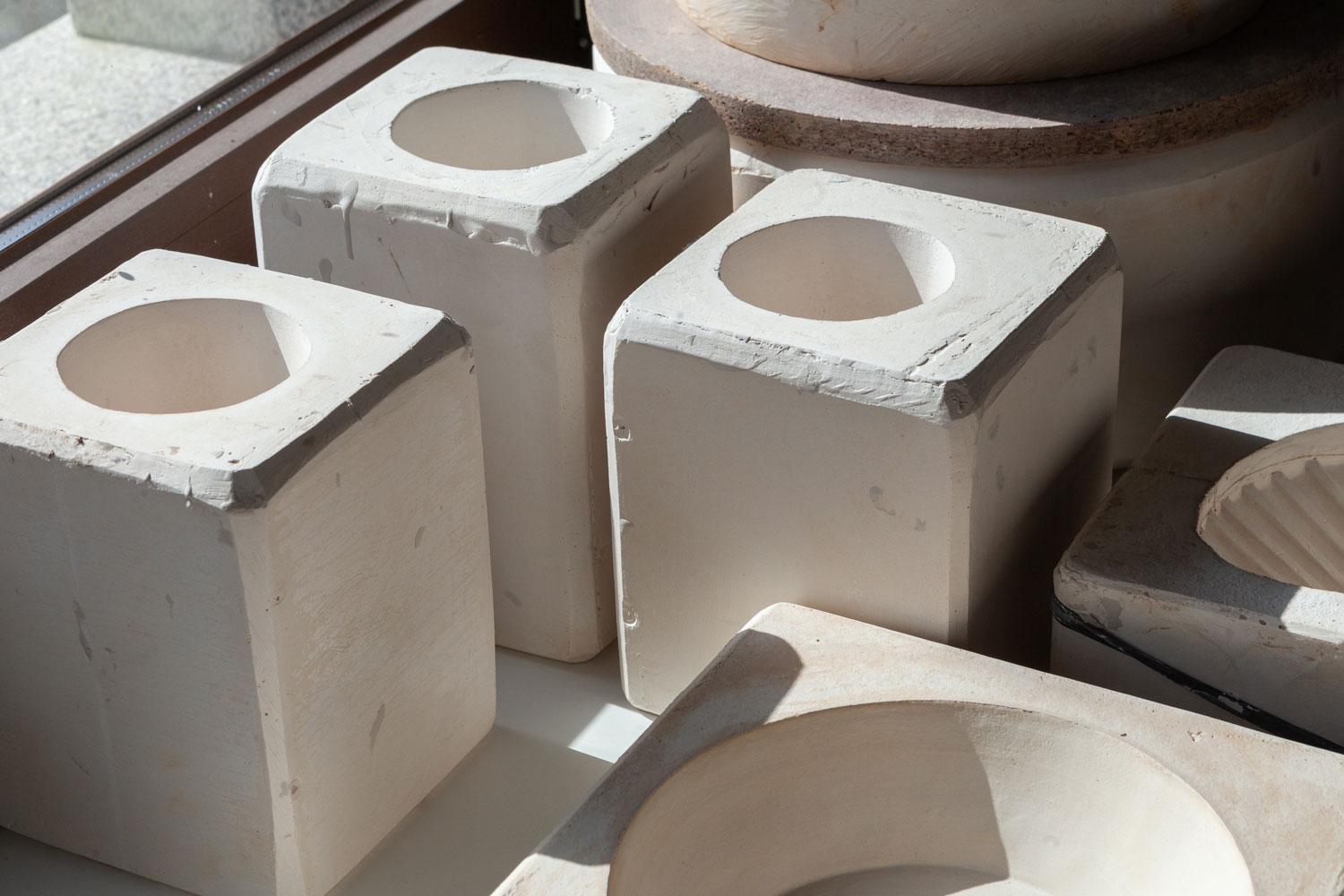
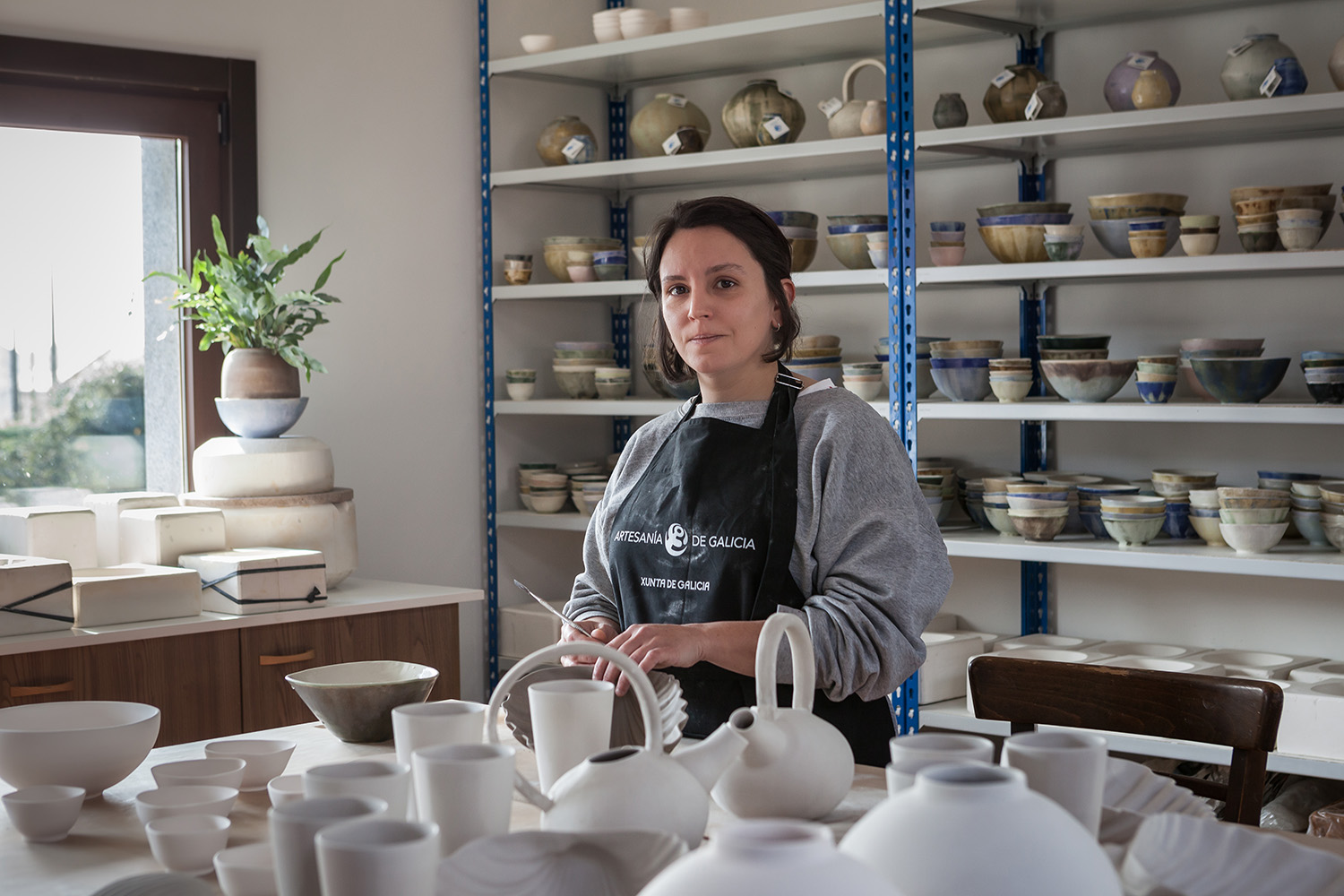
- Loaira uses 3D printers, PLA and plaster moulds to make her pieces
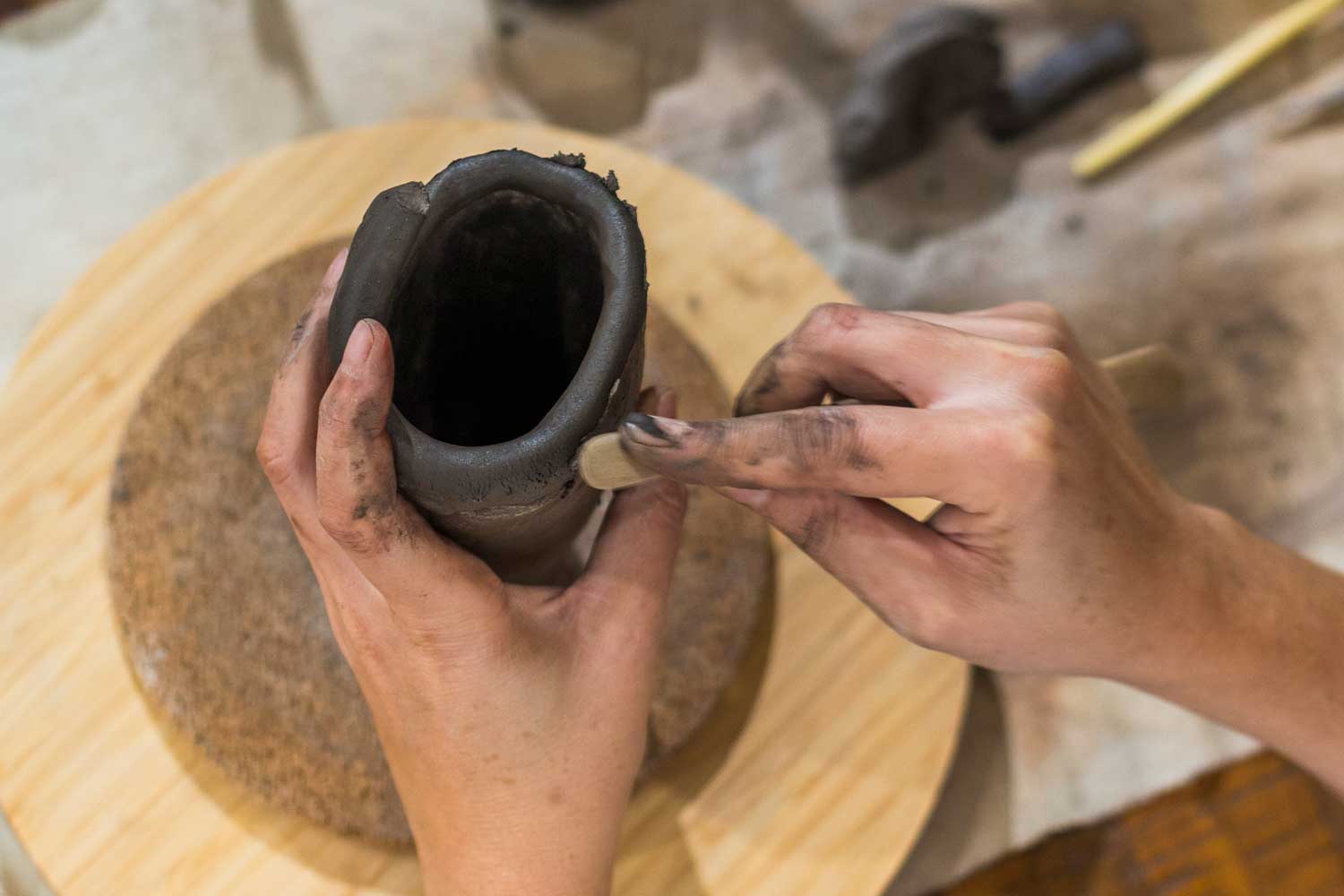
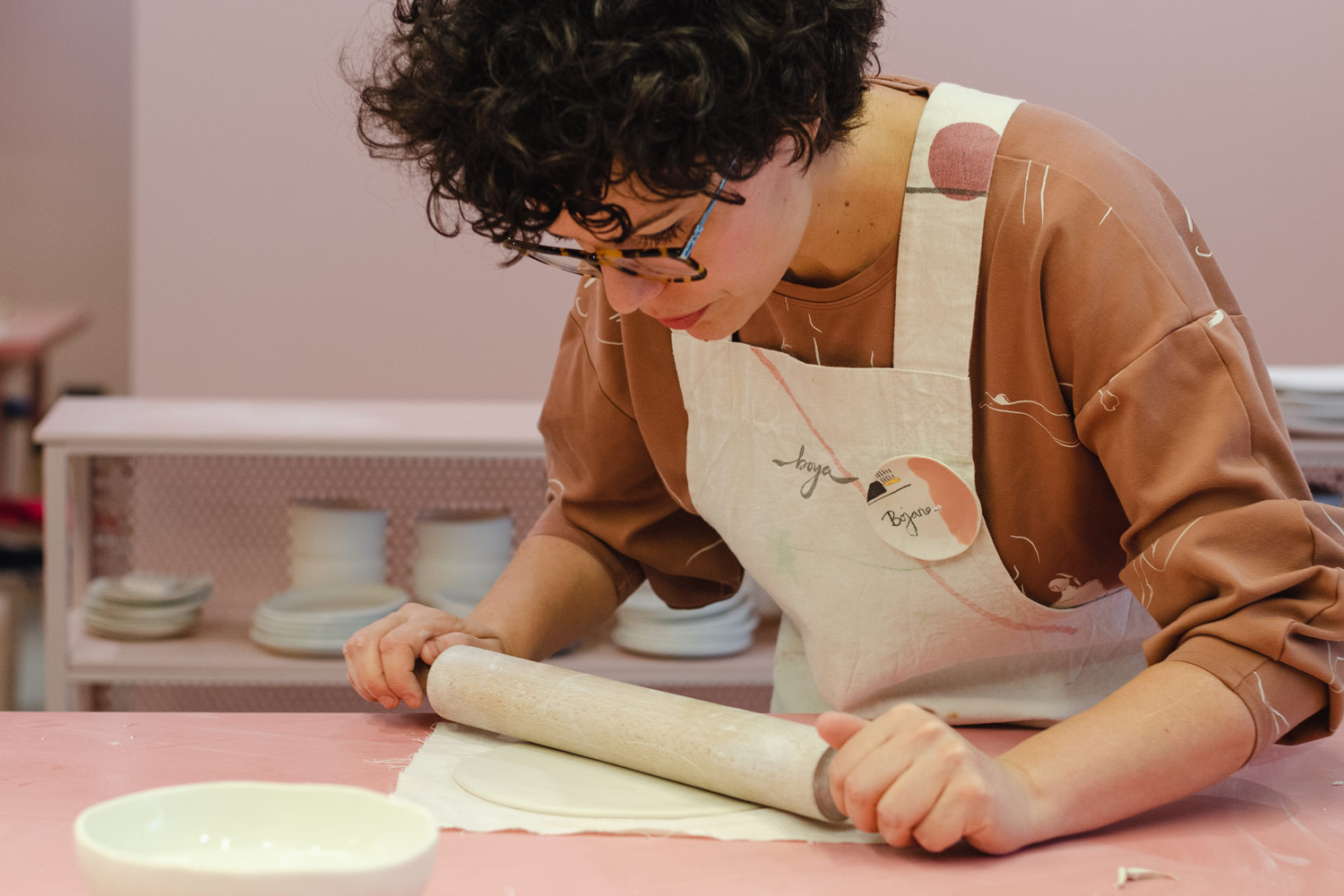
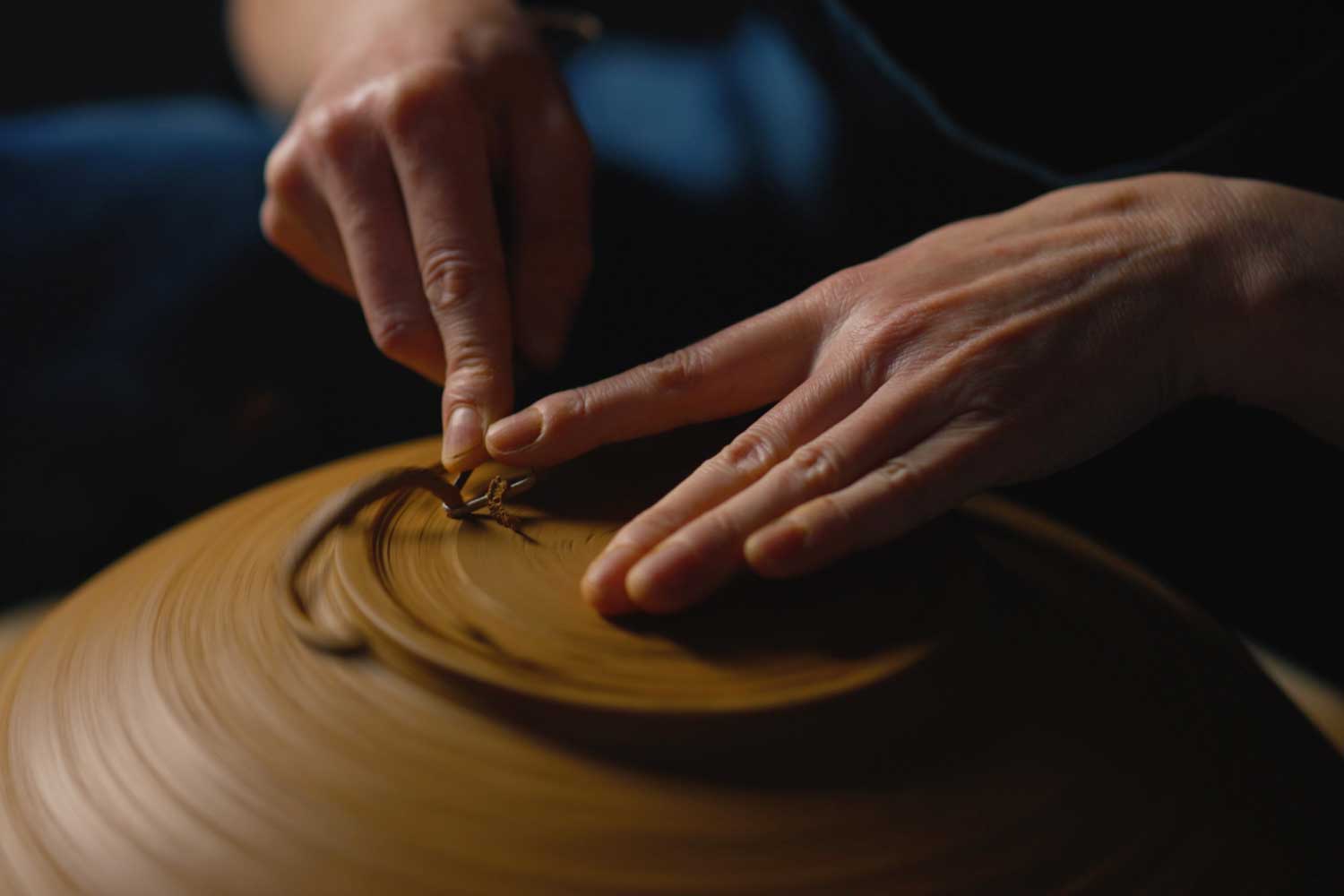
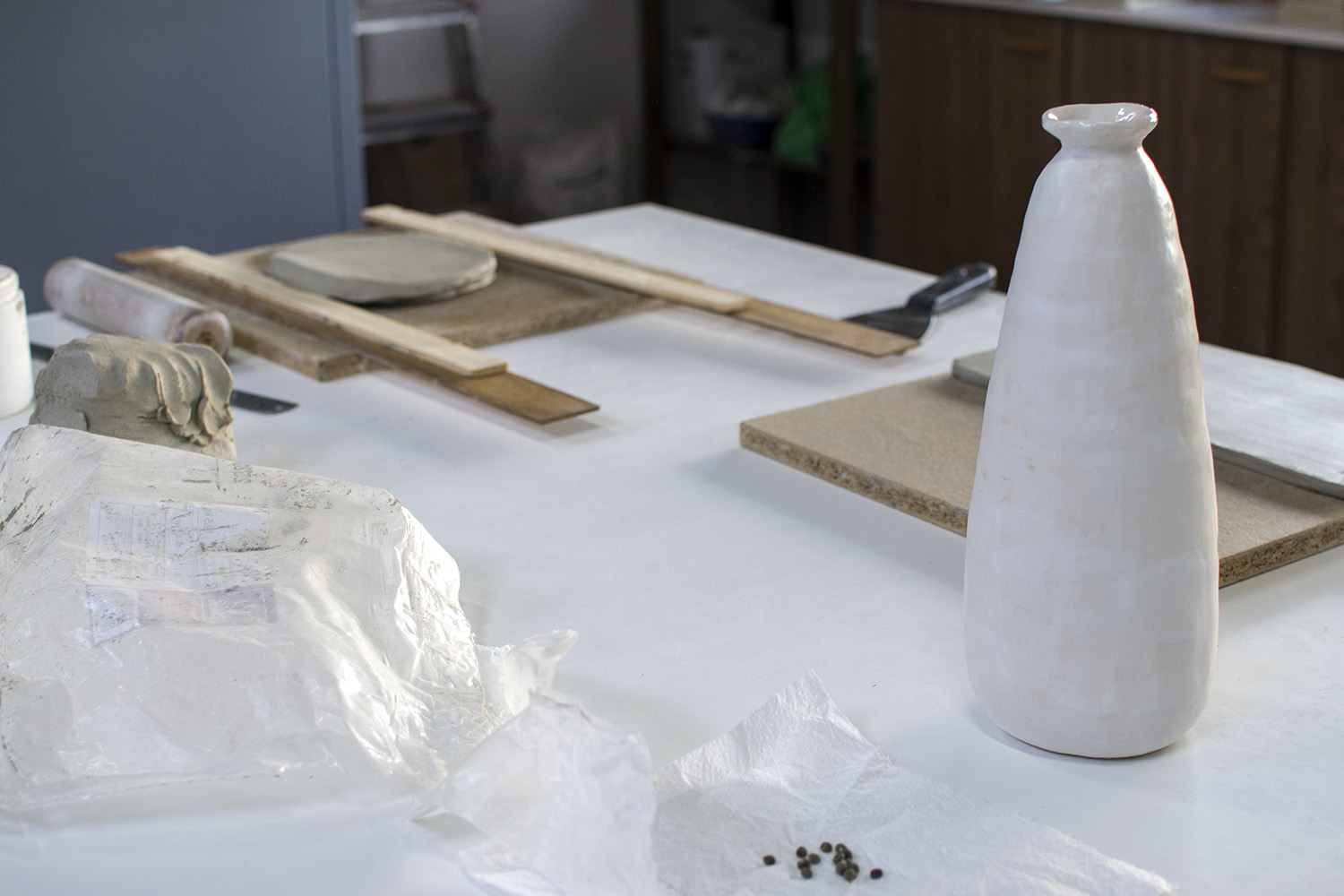
- She uses warps, sheets of clay and stoneware
- She is inspired by the environment, the people, and the idiosyncrasies of Galicia
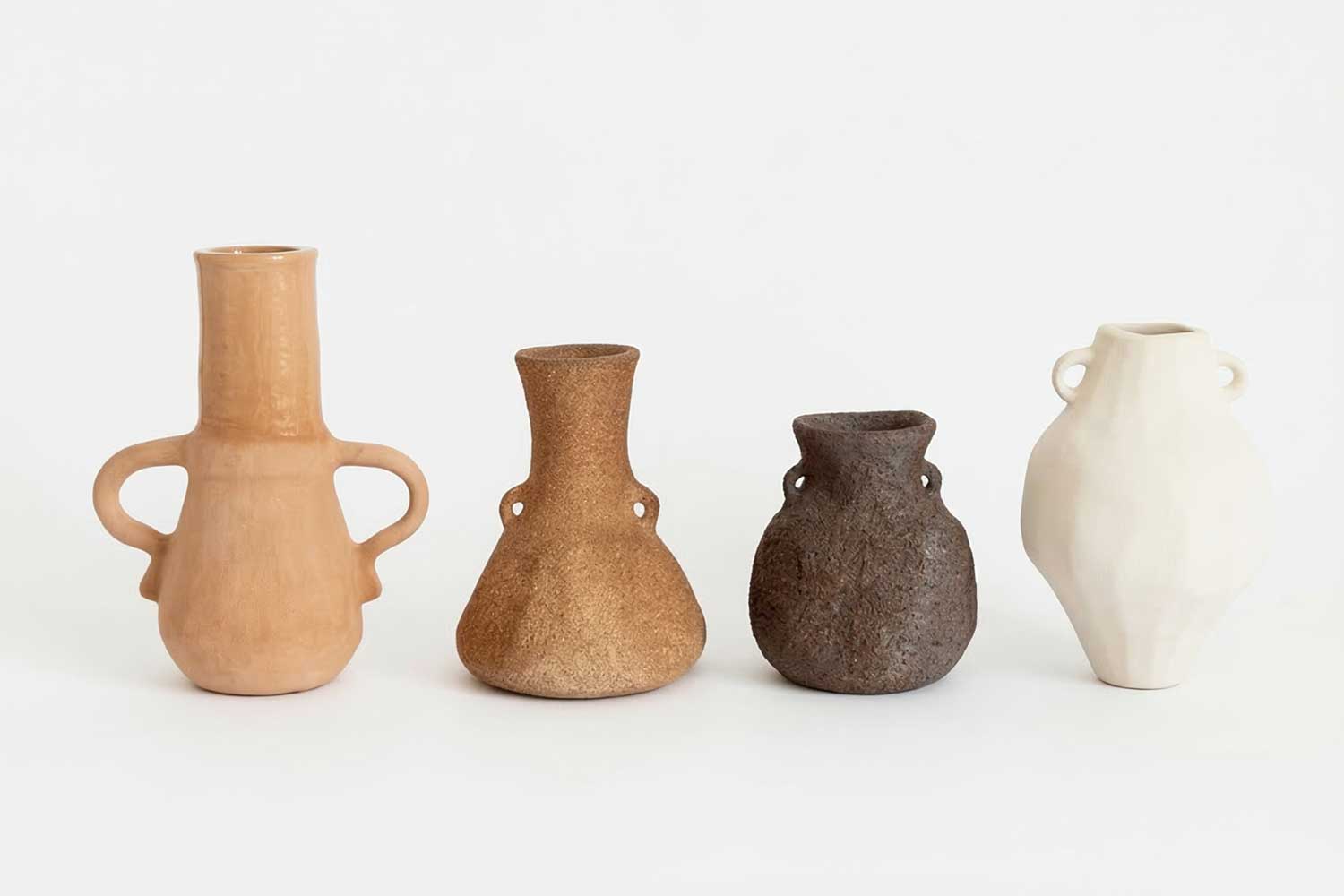
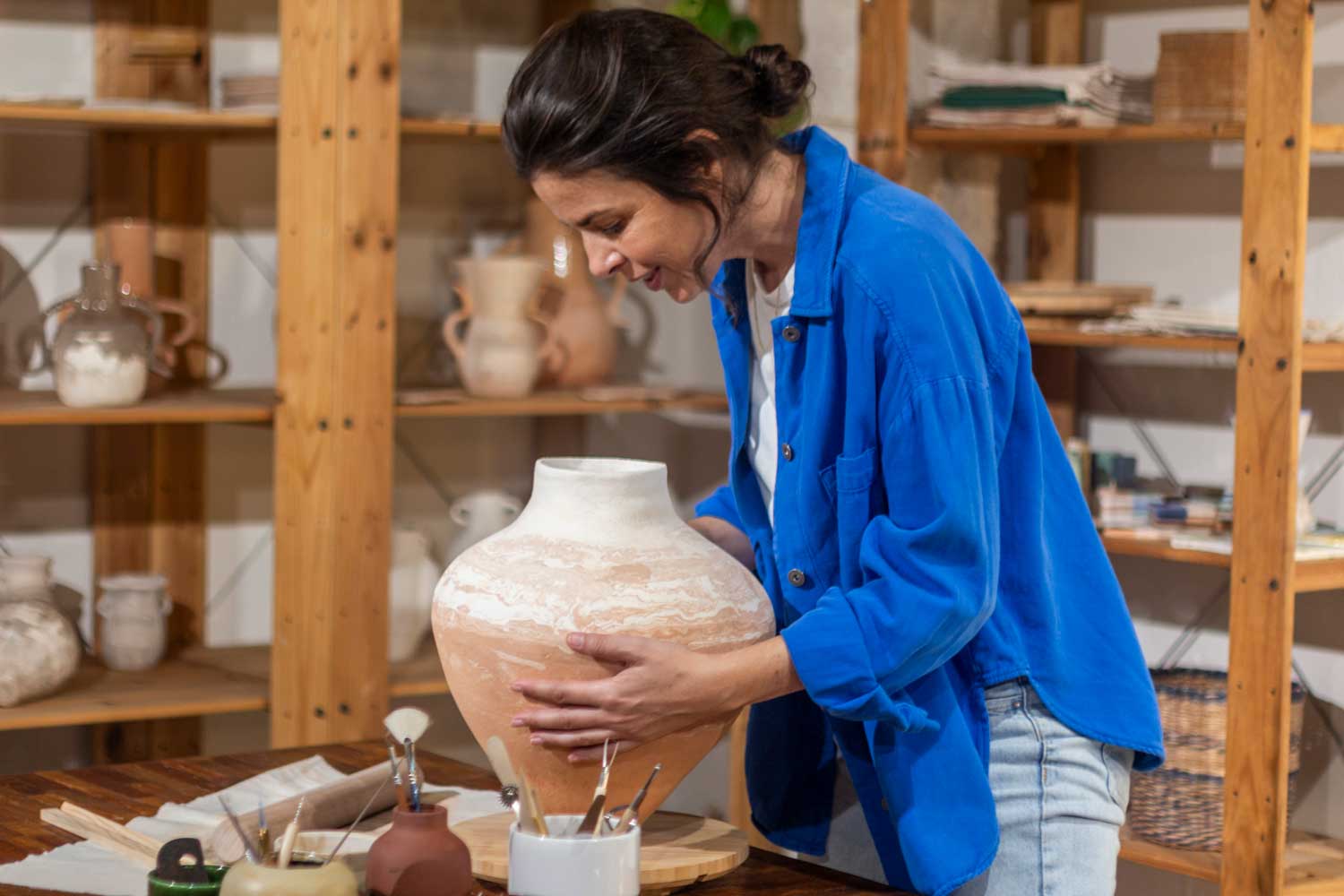
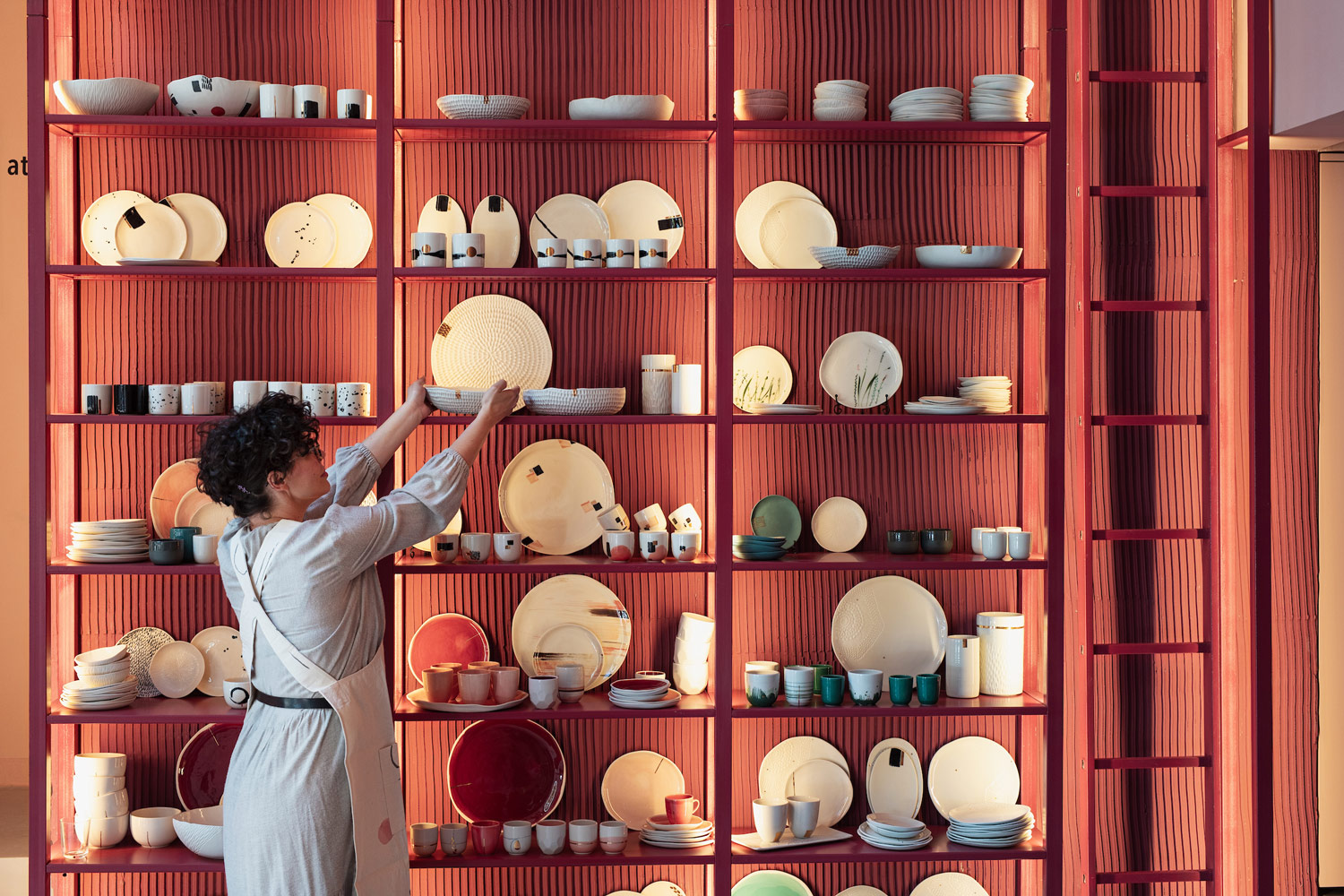
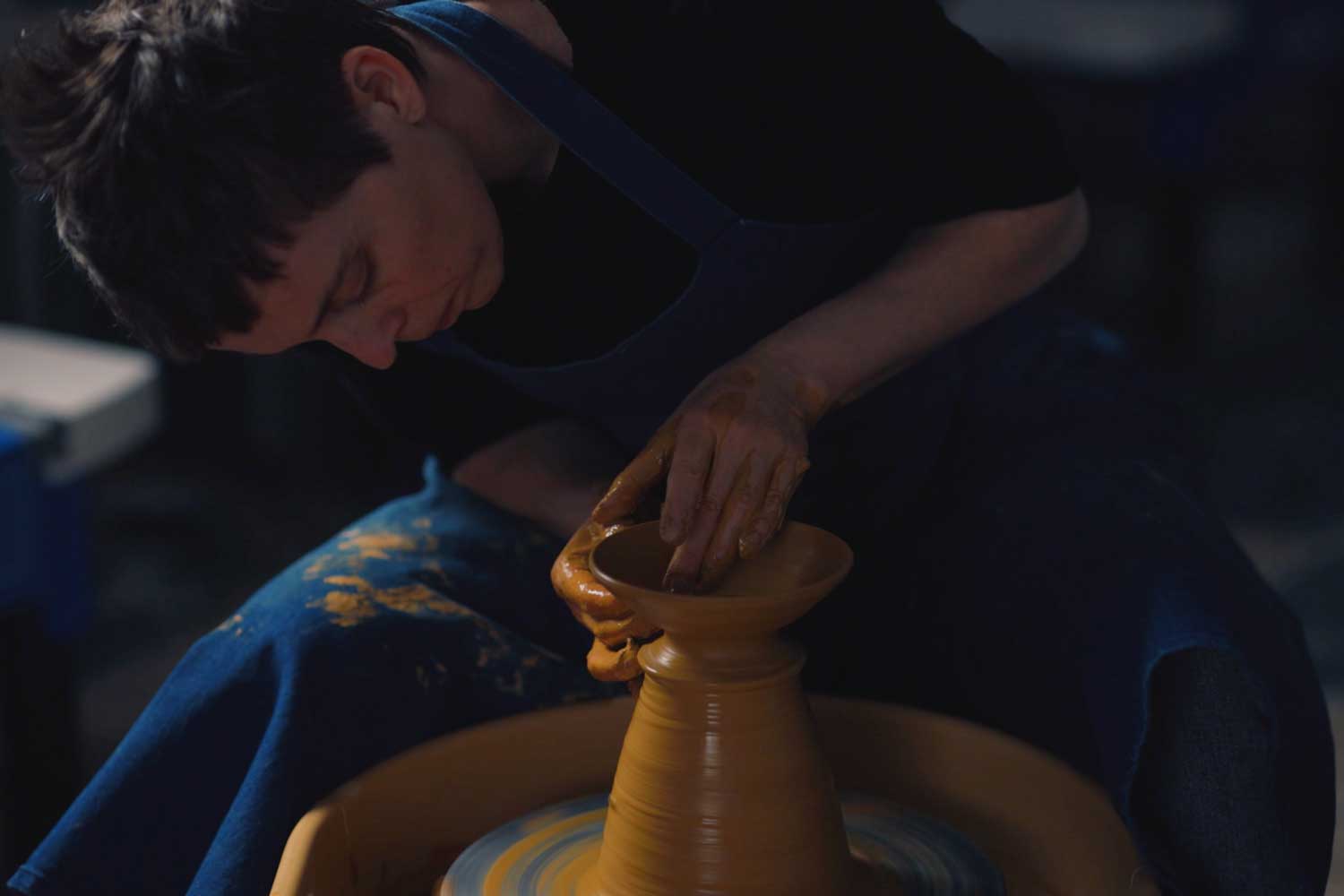
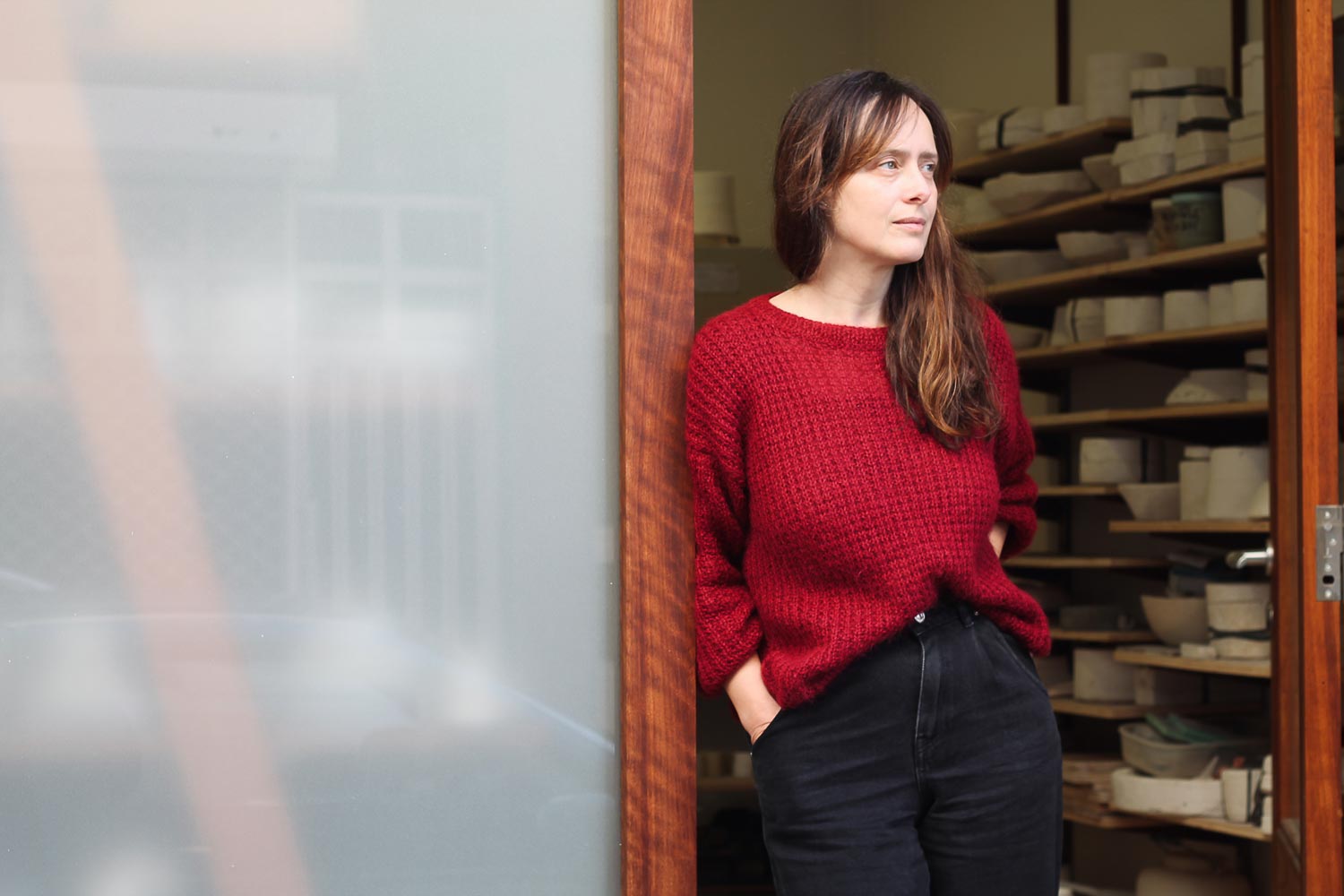
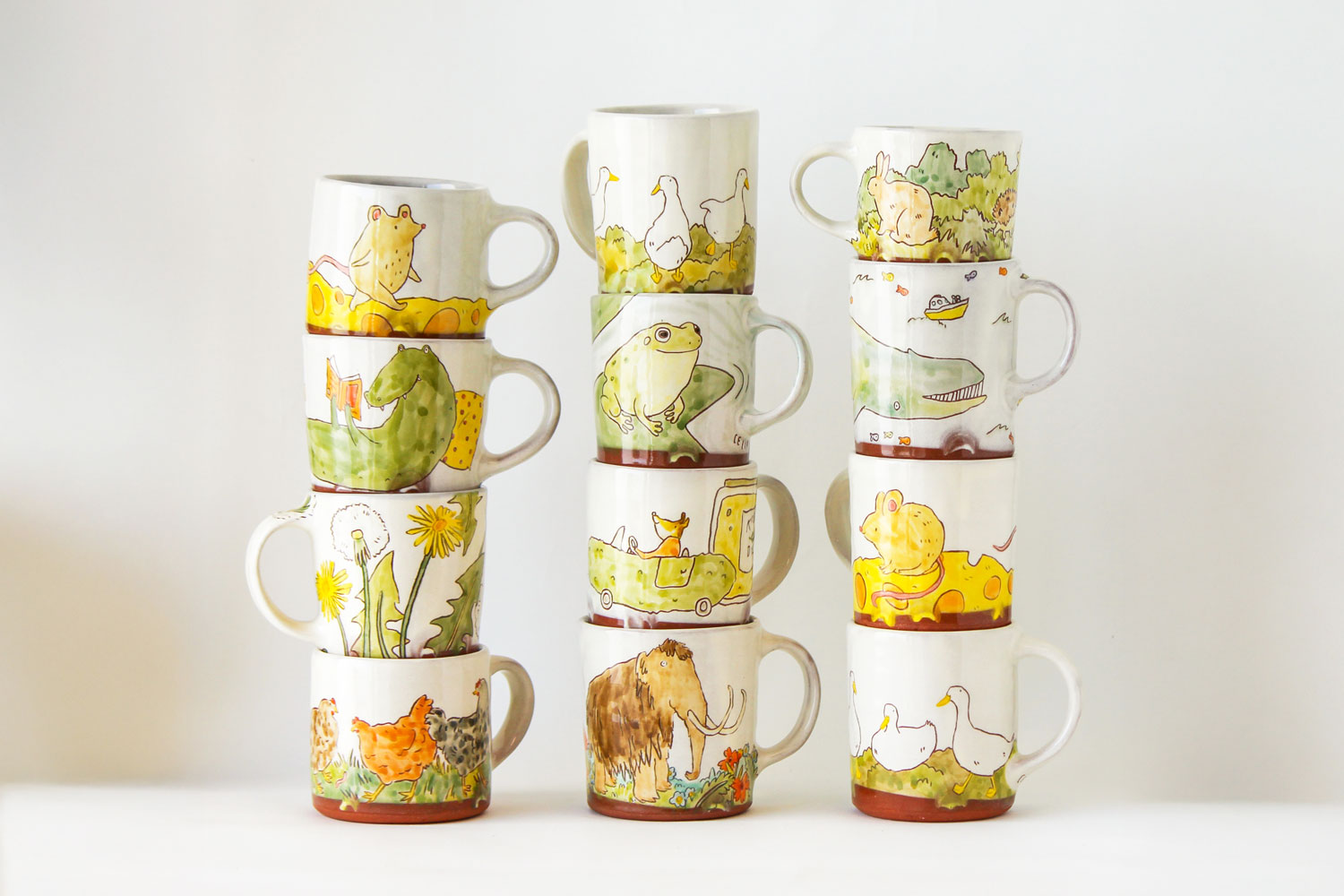
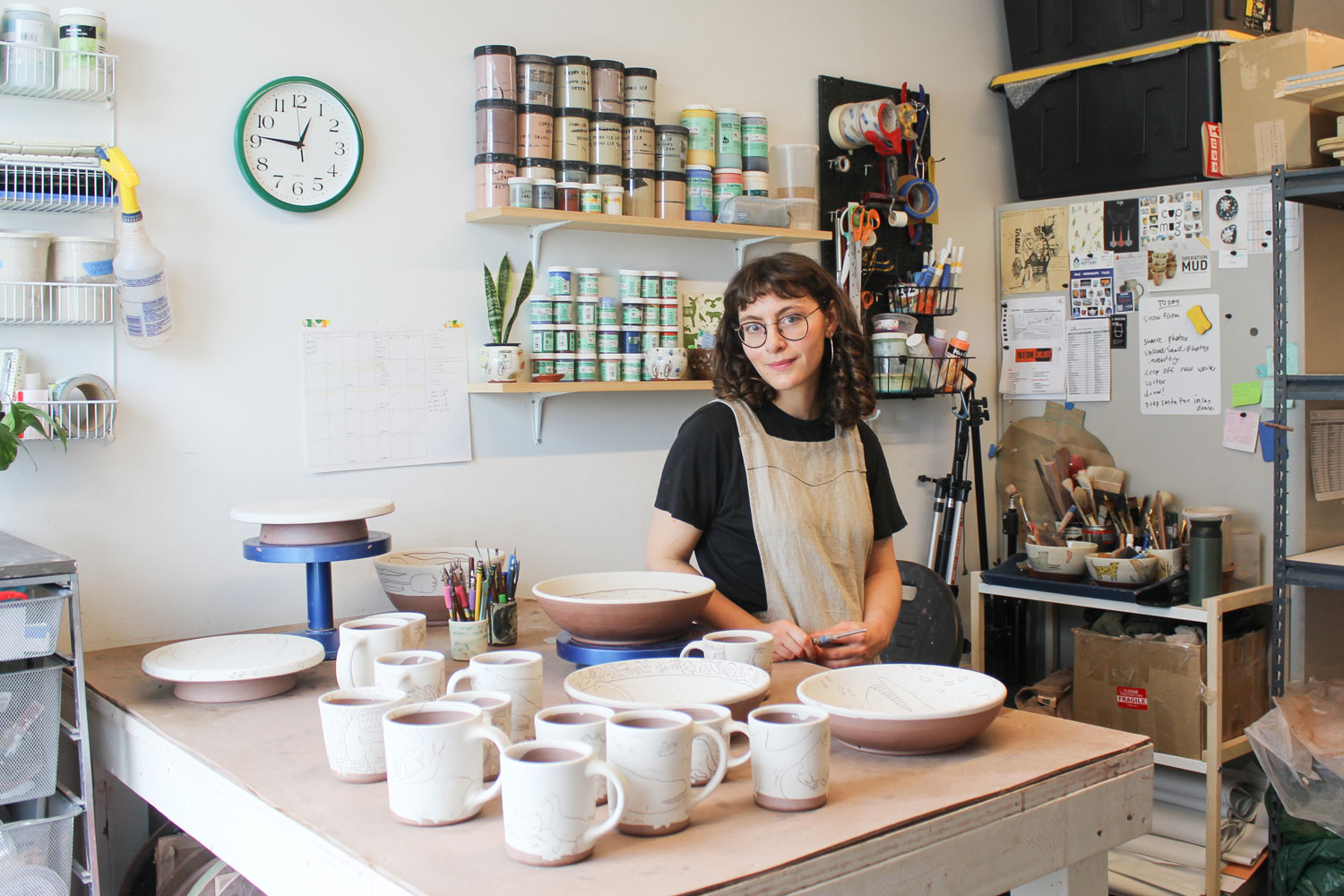
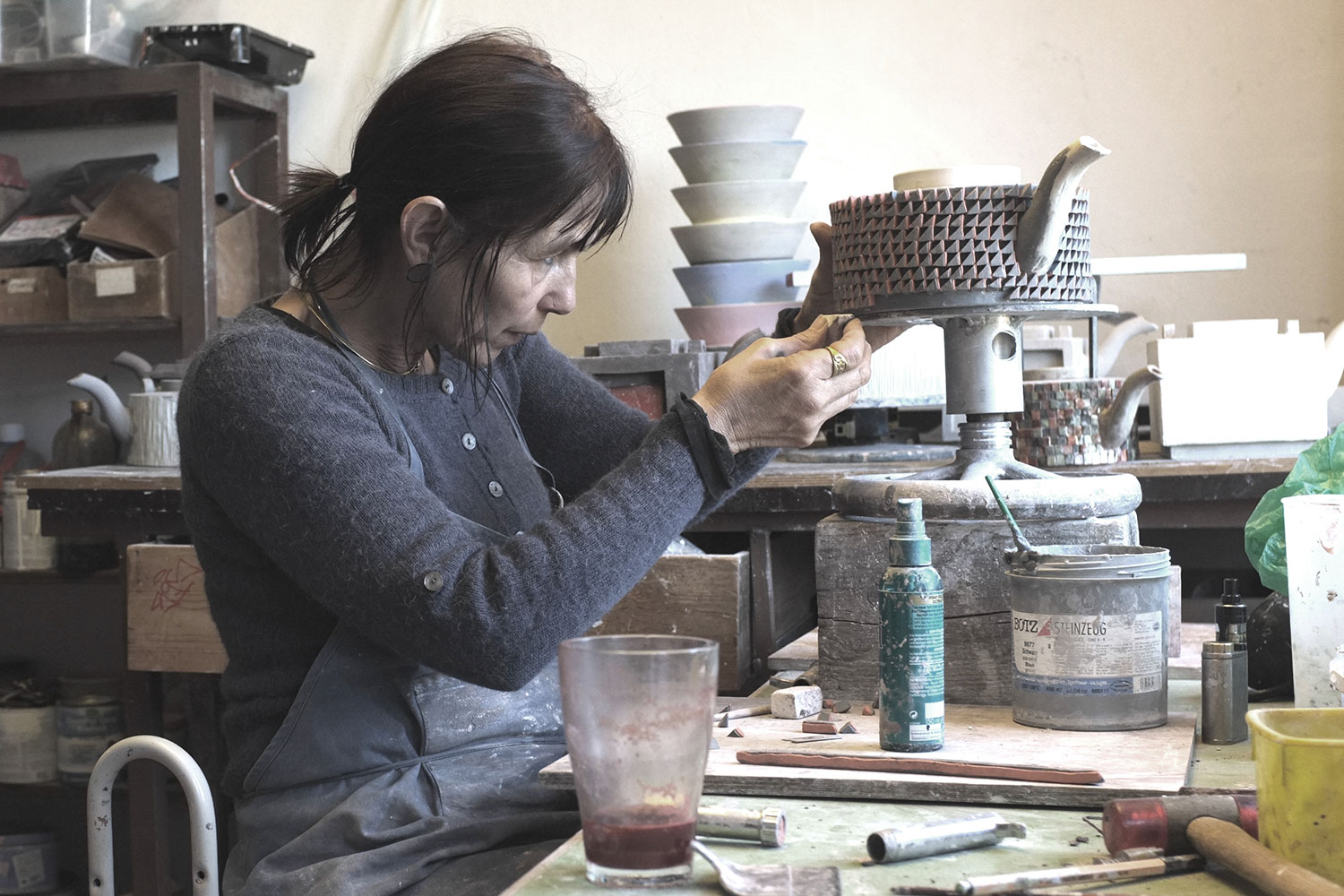
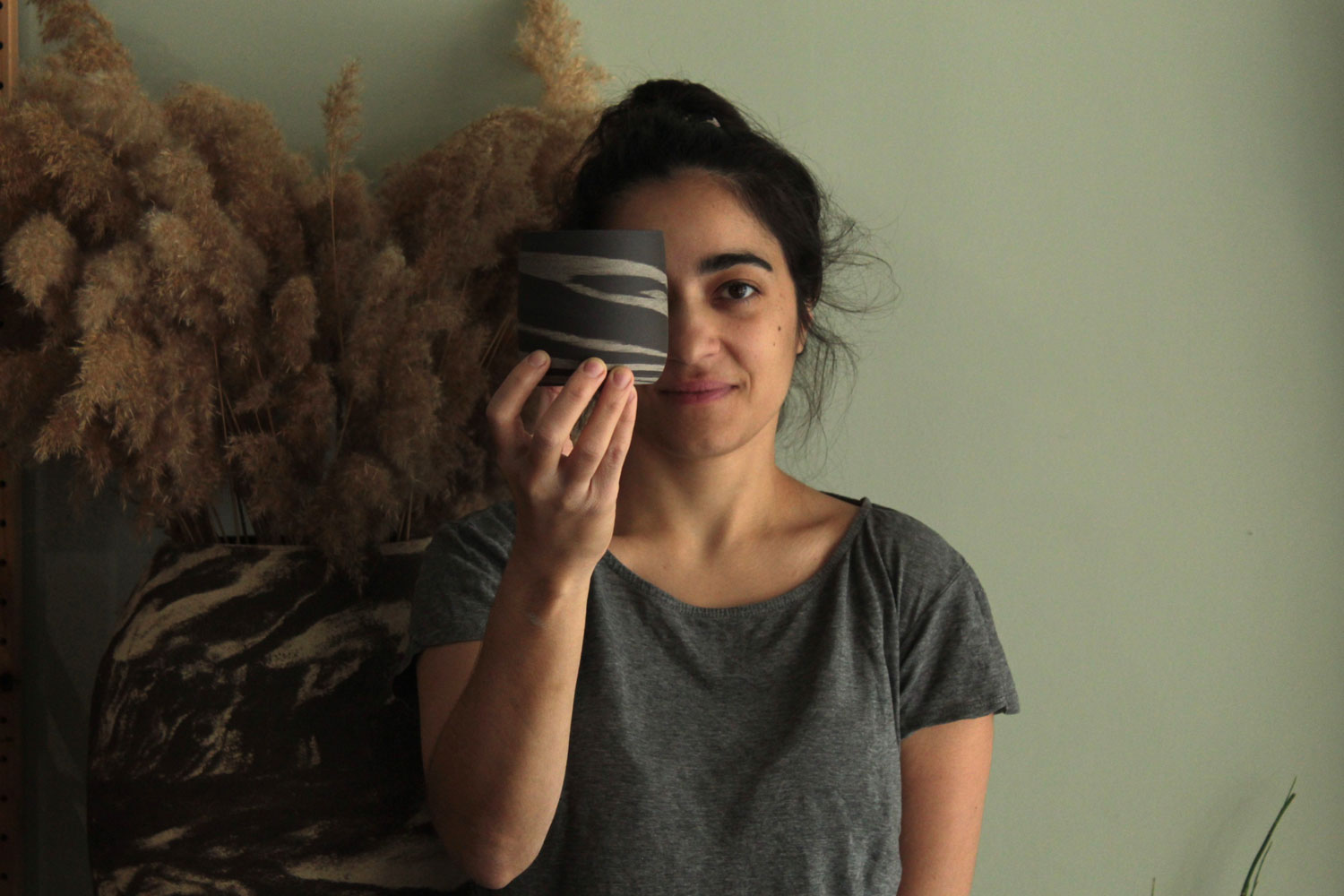
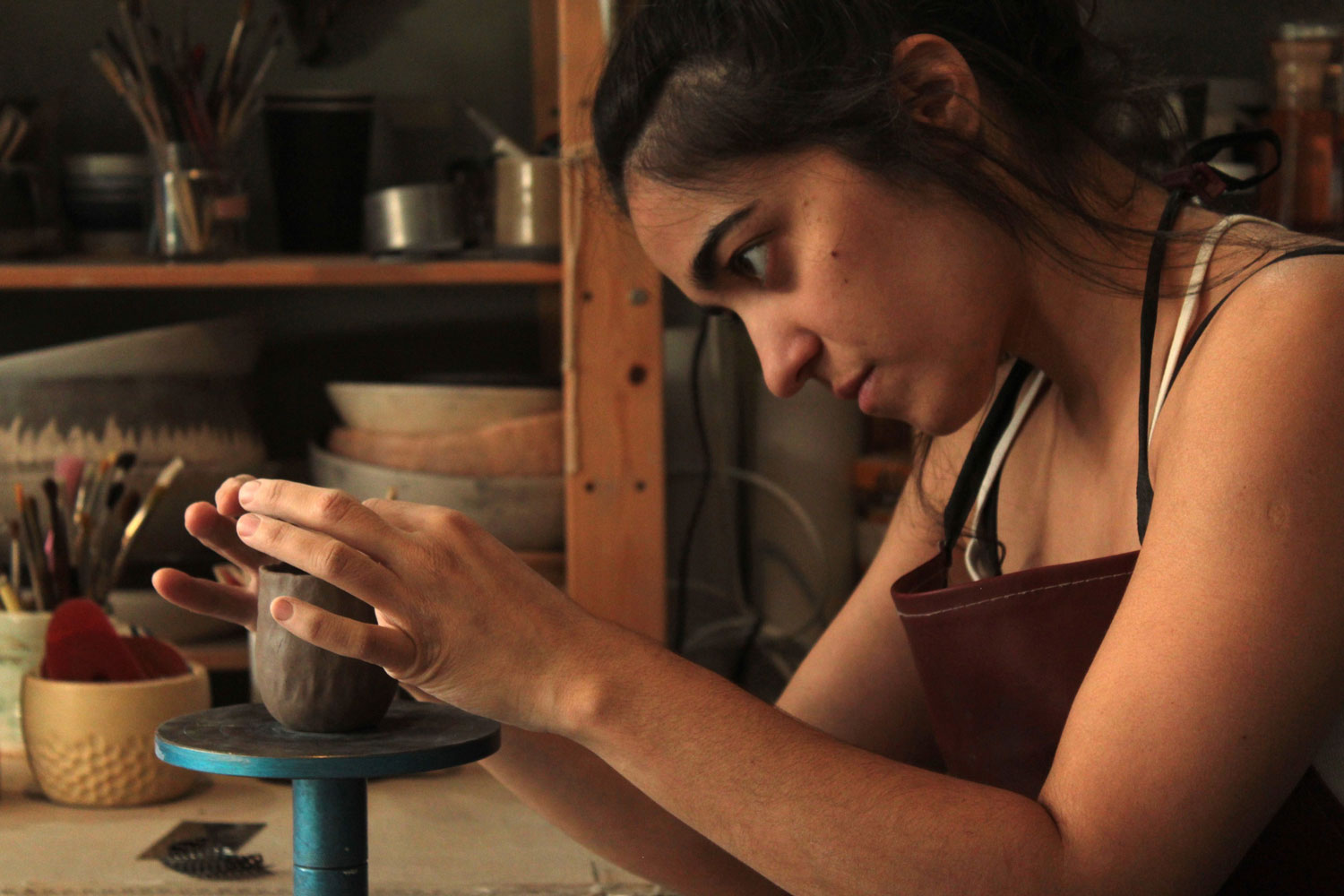
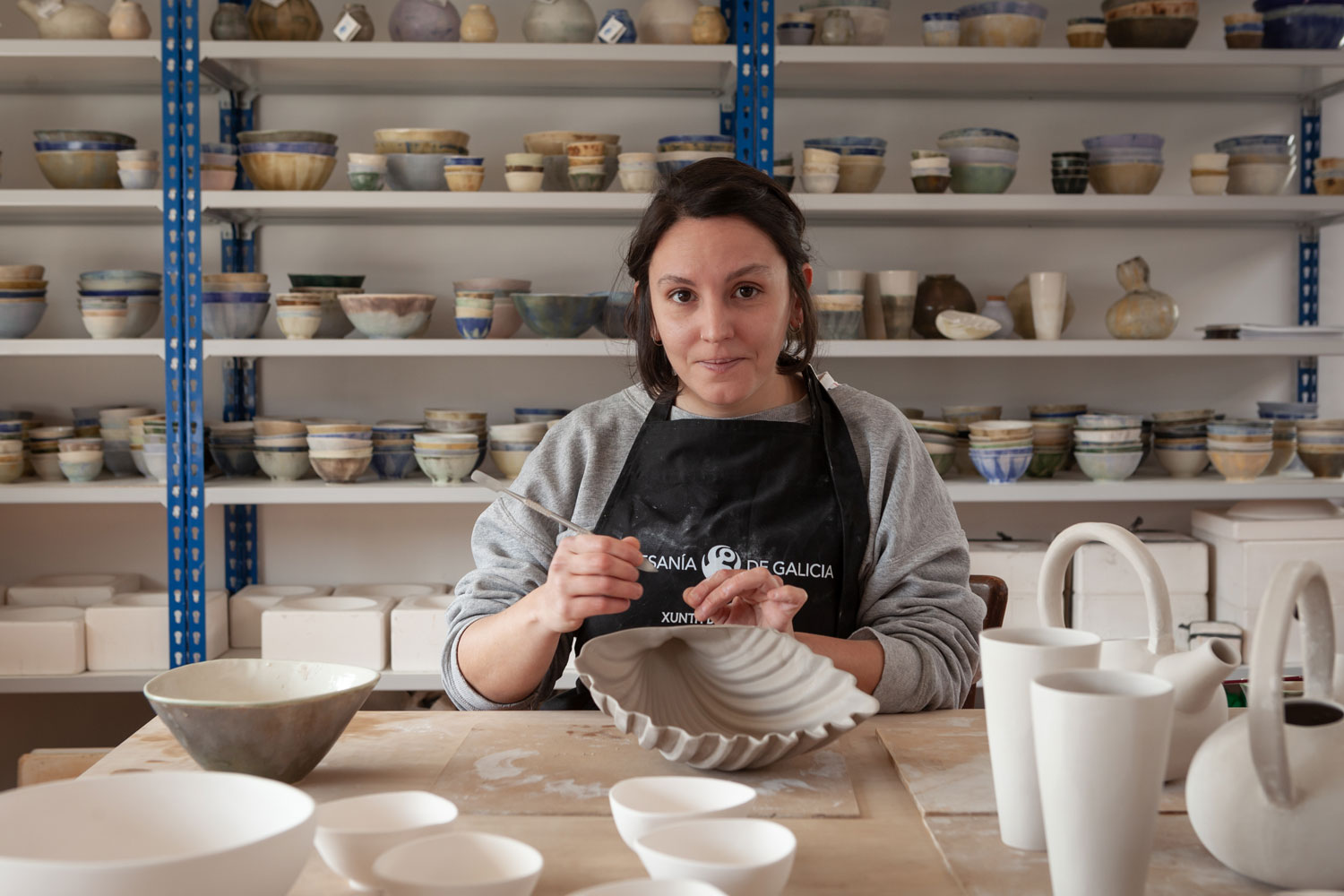
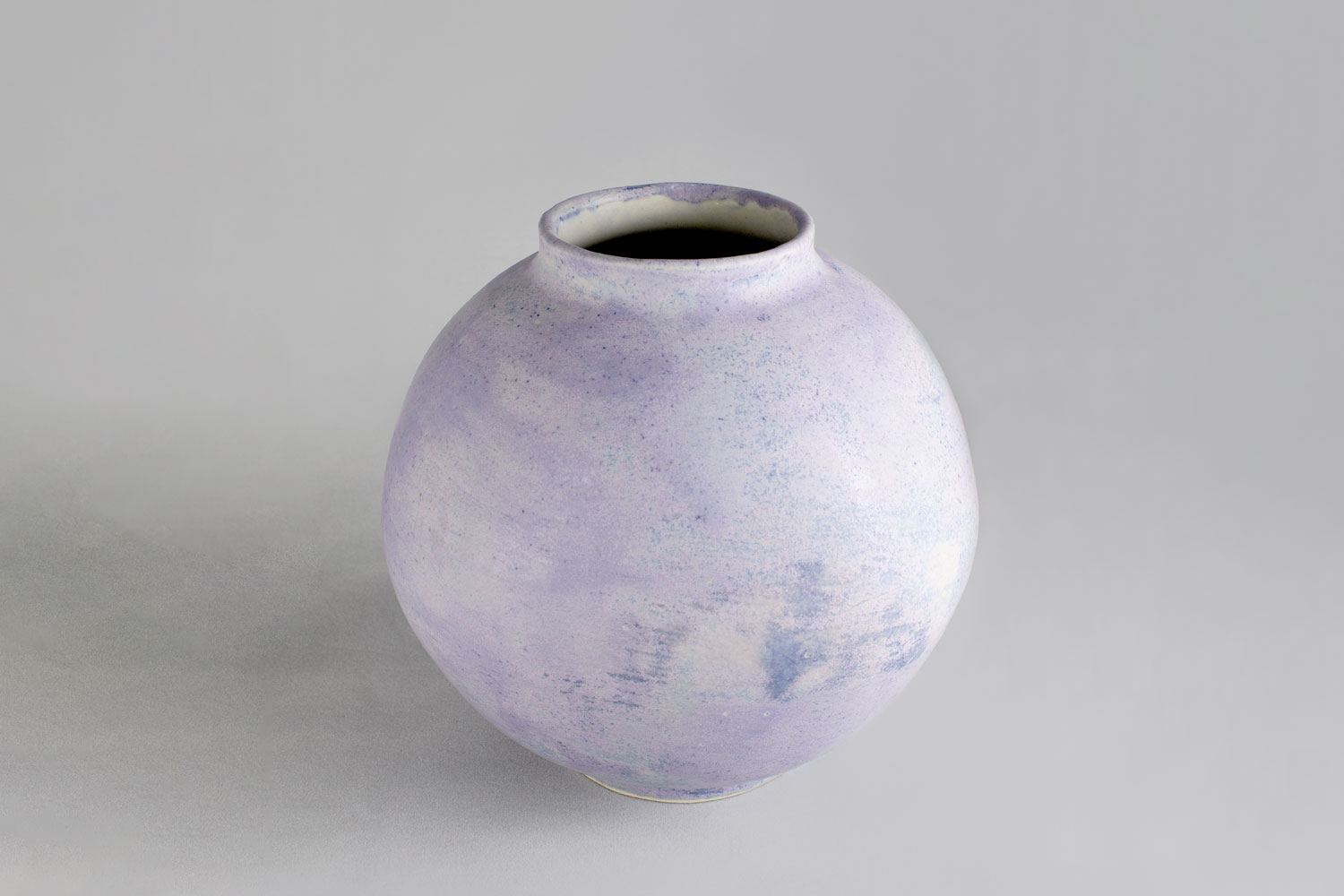
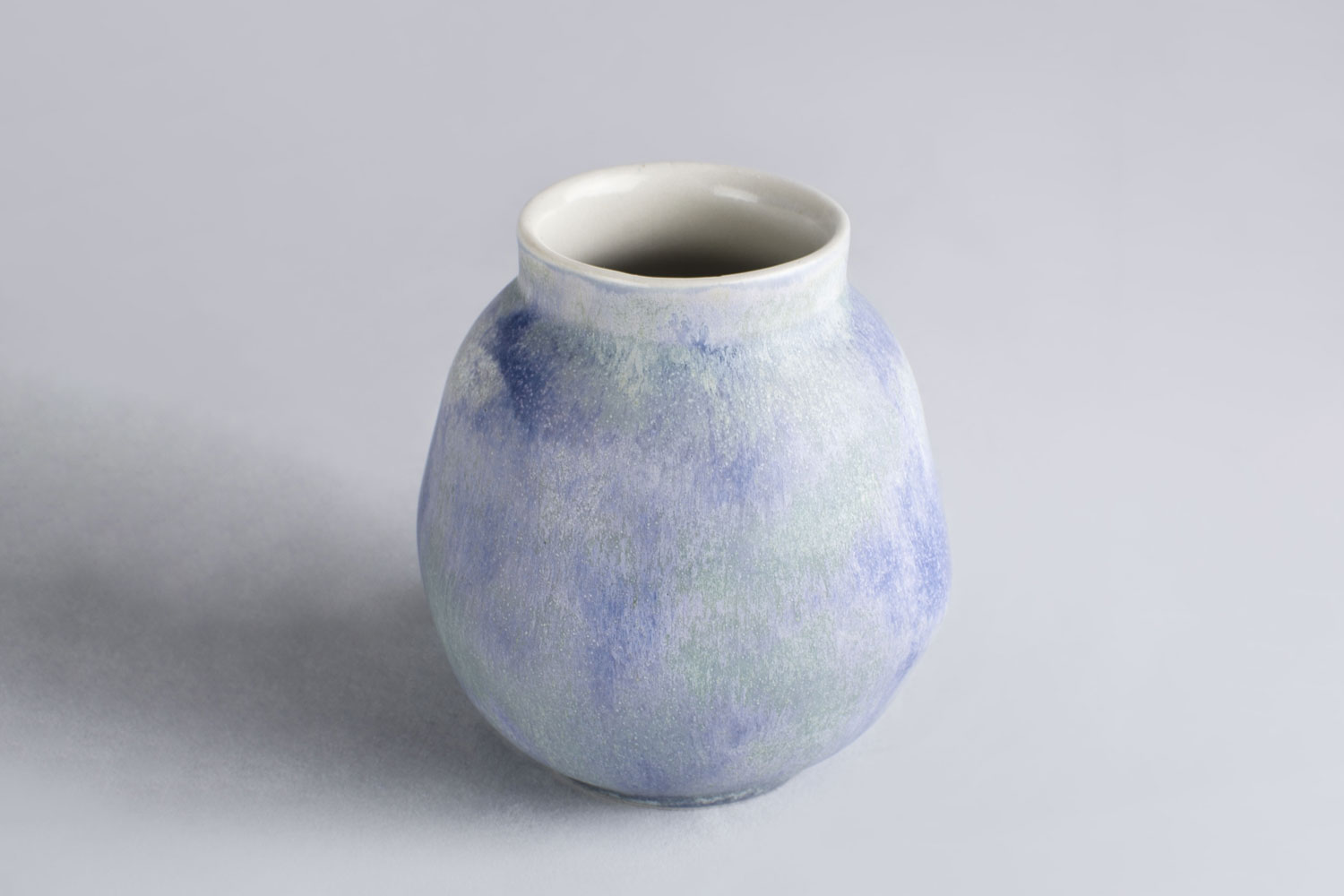
Loaira Pérez studied design at the Mestre Mateo Art School in Santiago de Compostela, painting conservation at The Higher School of Cultural Assets, Conservation and Restoration of Galicia, and fine arts at the University of Vigo. She later completed a master's degree in ceramics at the Euskal Herriko Unibertsitatea in Bilbao, where she learned techniques with renowned artisans. With this impressive training, she decided to return to her rural roots. In 2019, thanks to an entrepreneurship grant, she transformed the garage of her grandmother's house in Lomba, Galicia, into her workshop. Since then, she creates pieces of subtle shapes, primitive decorations, and a stony feel. "We work to embellish everyday life sustainably," she says, convinced that, after difficult times, the best is yet to come for artisans and their trade.
INTERVIEW
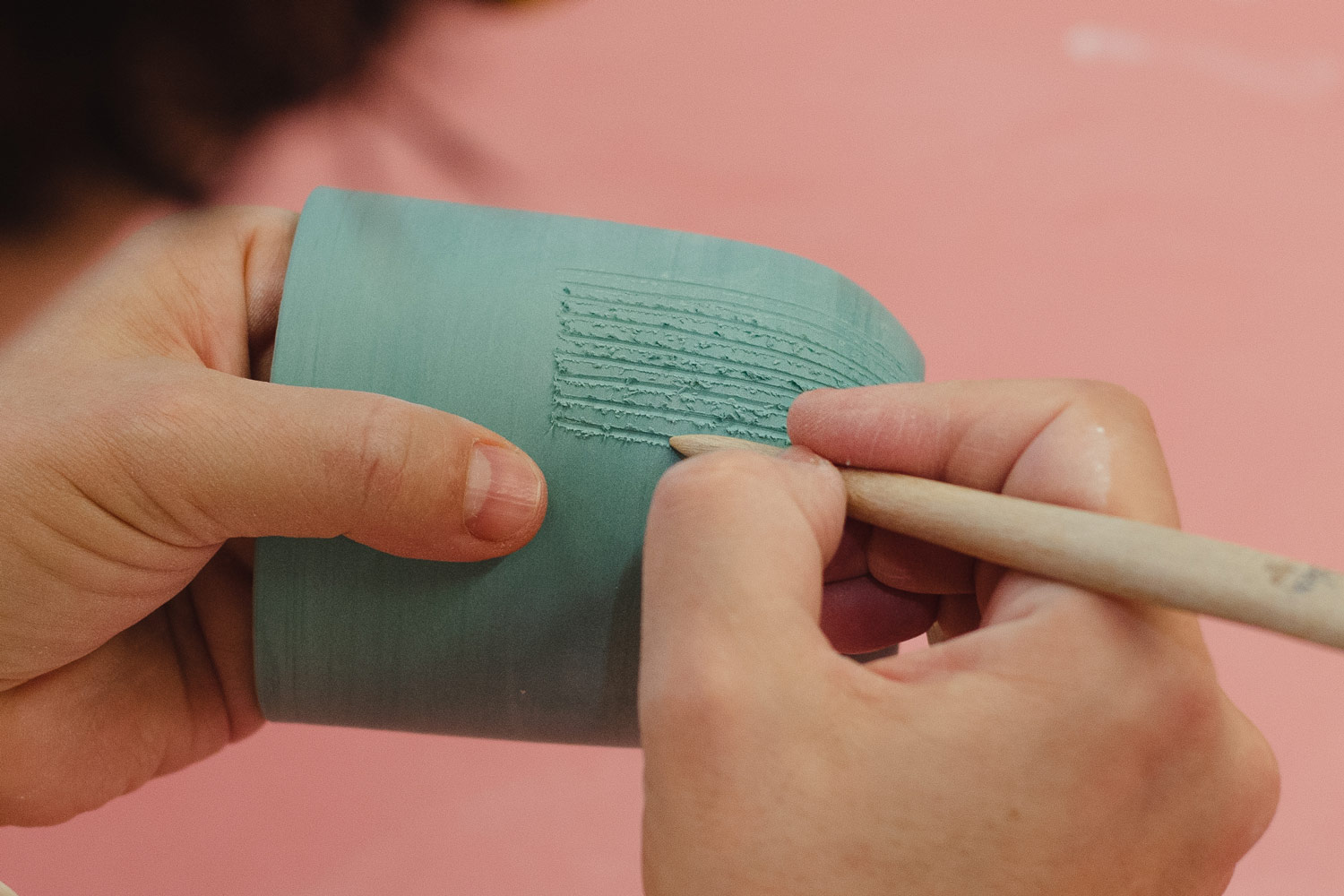
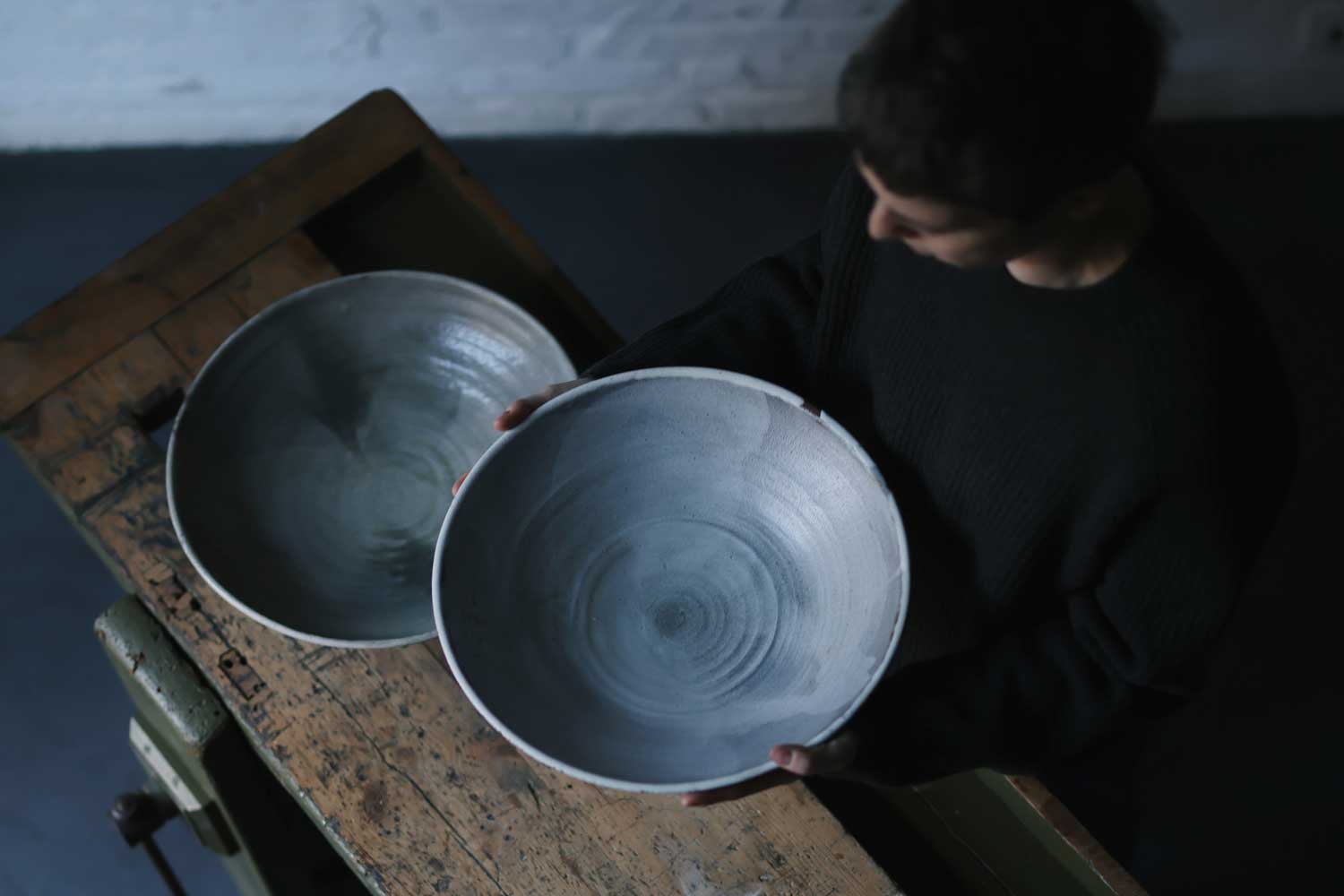
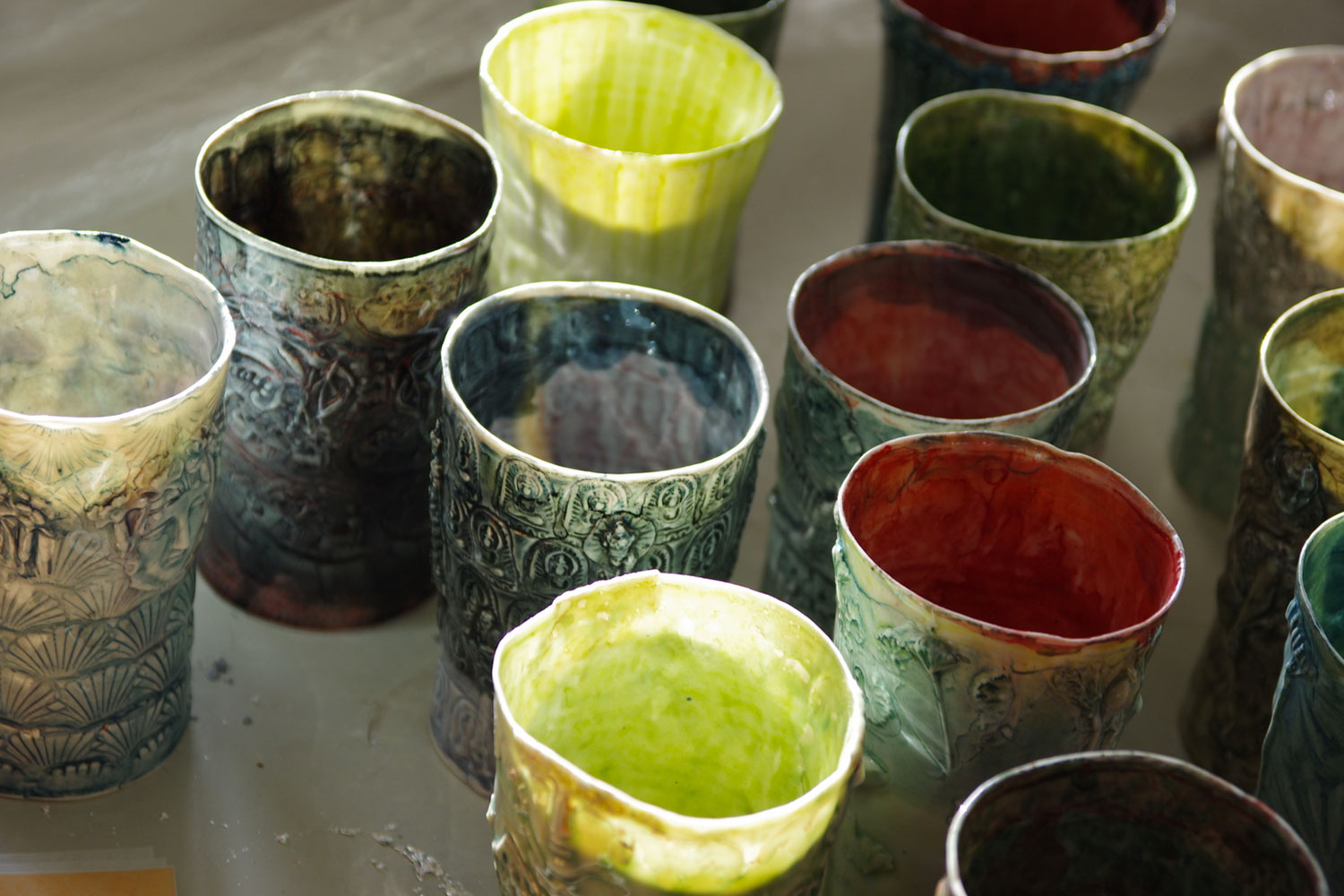
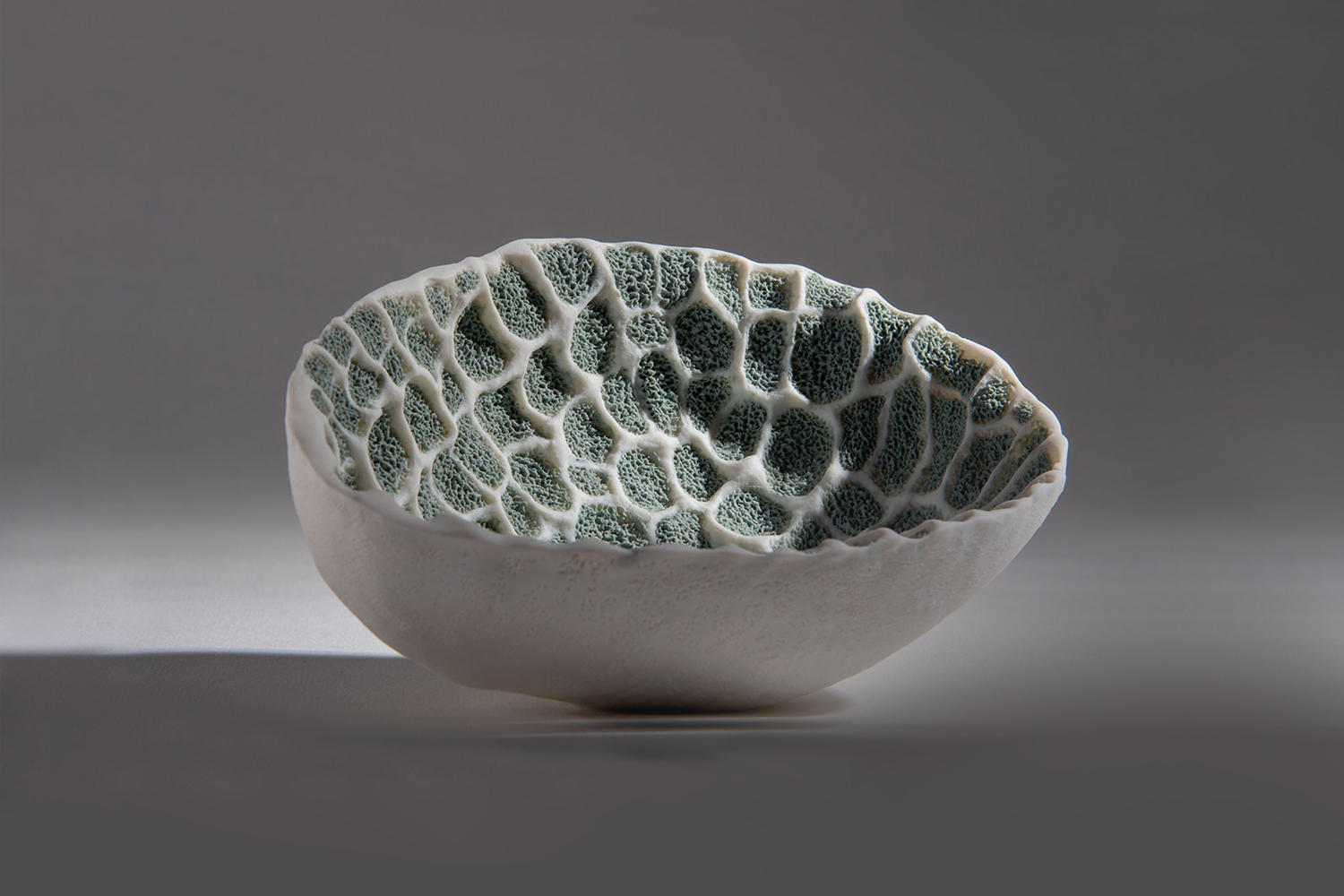
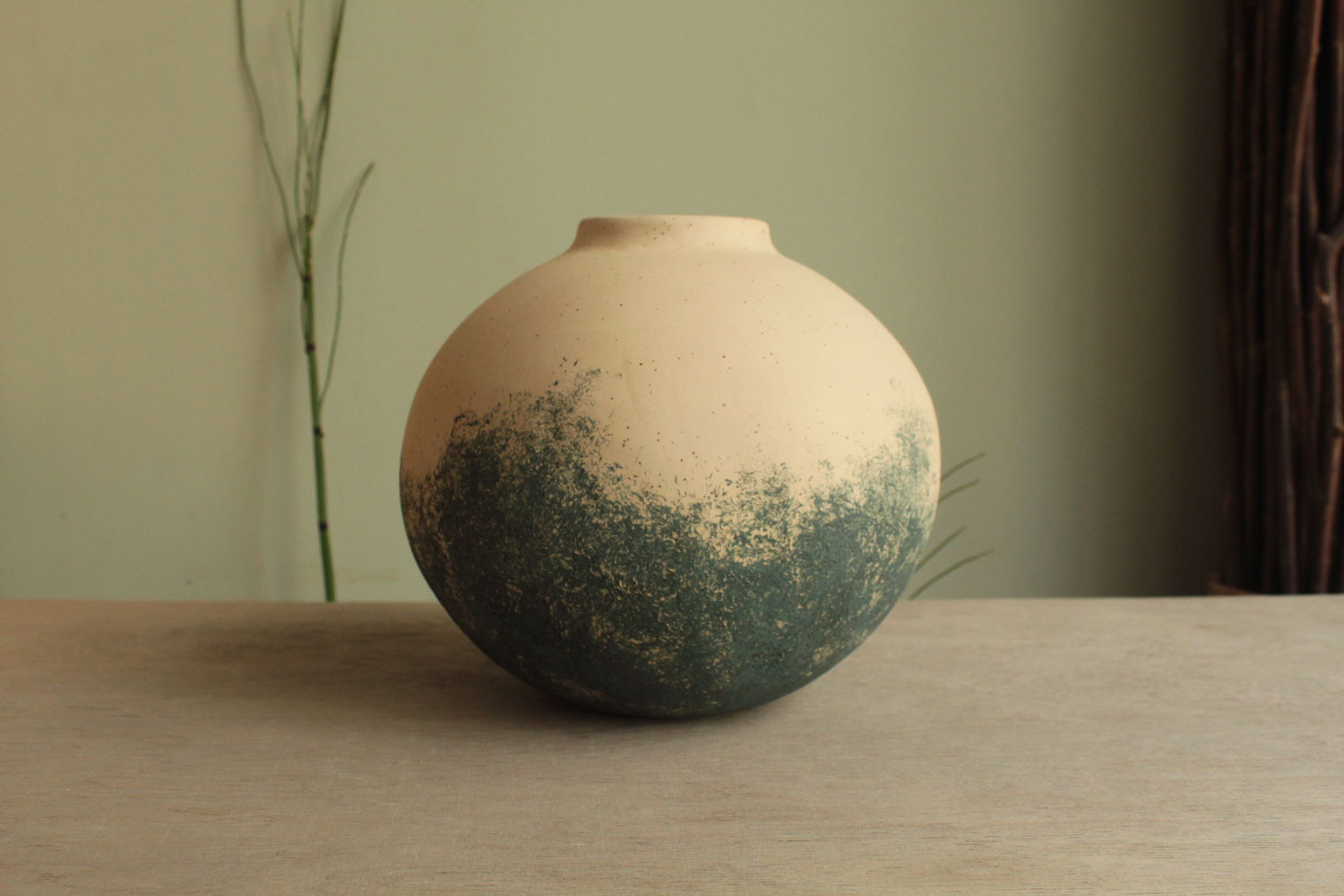
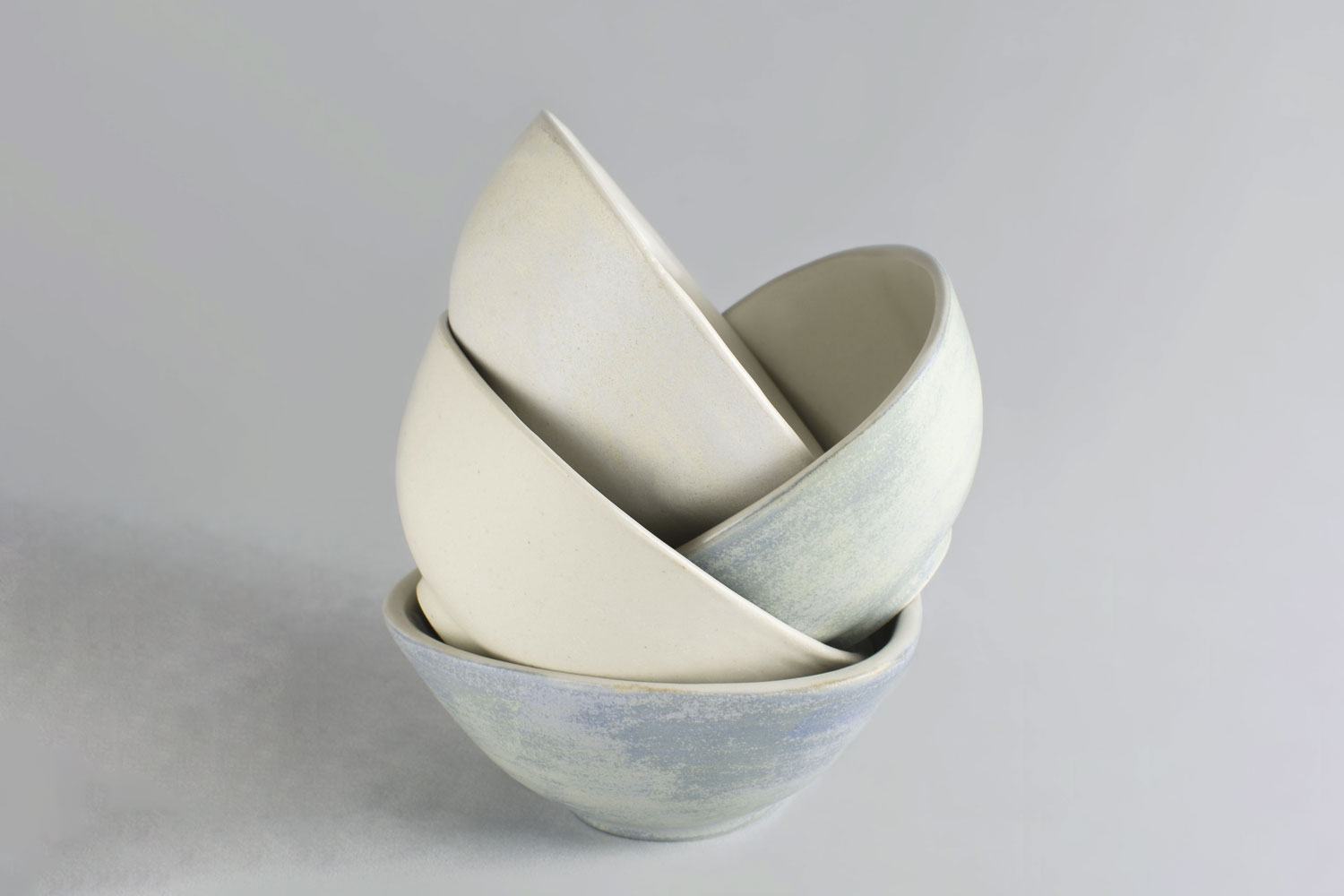
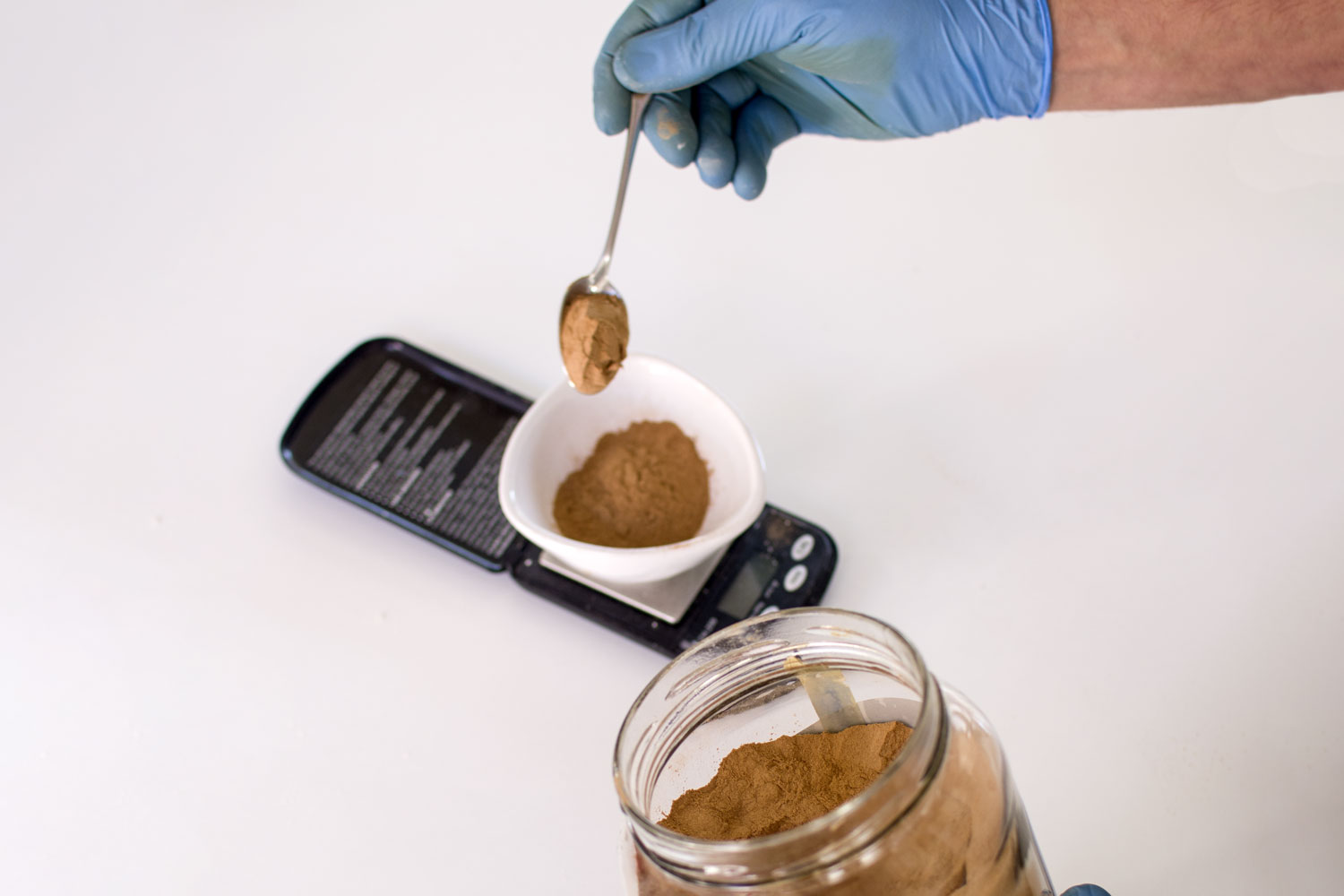
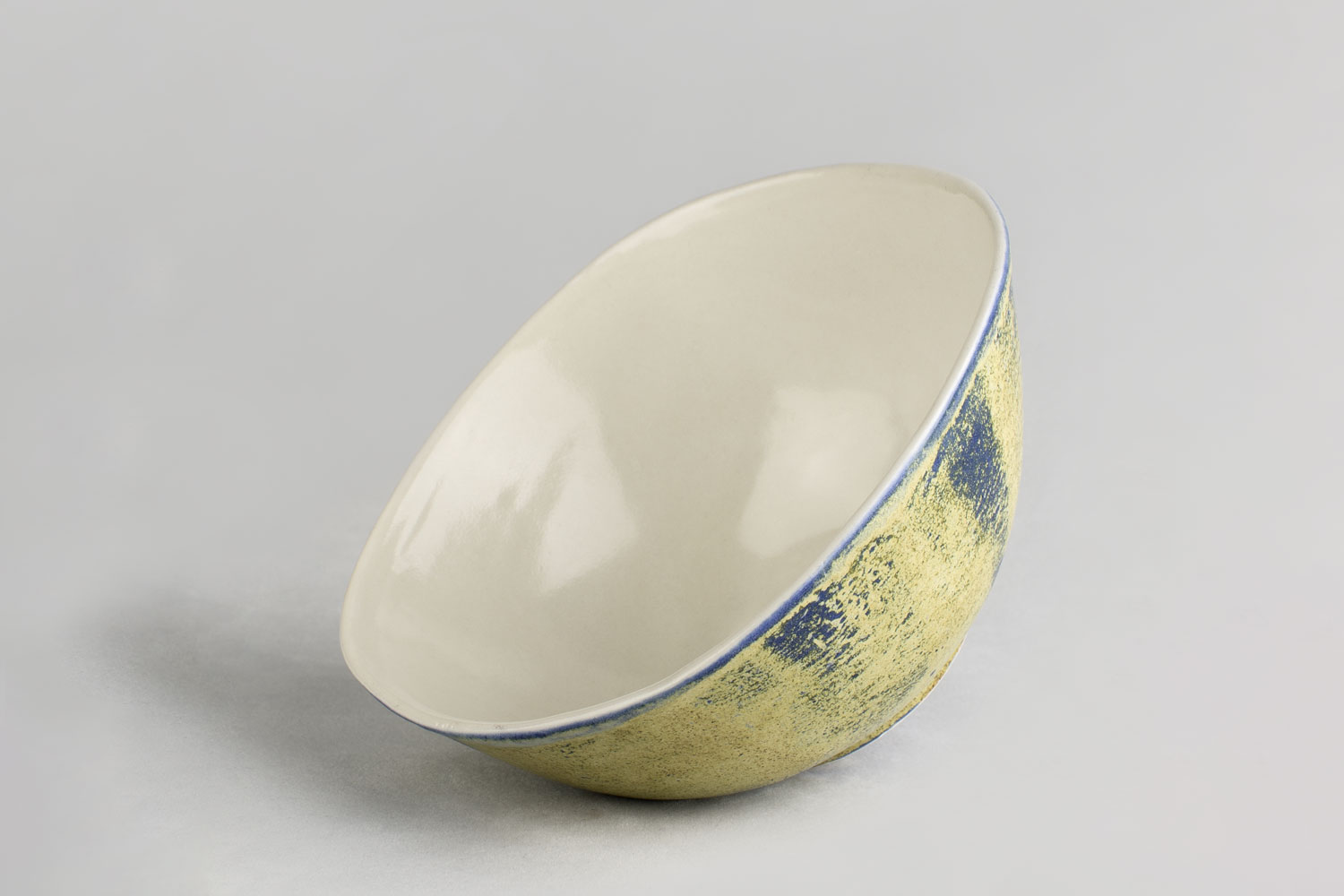
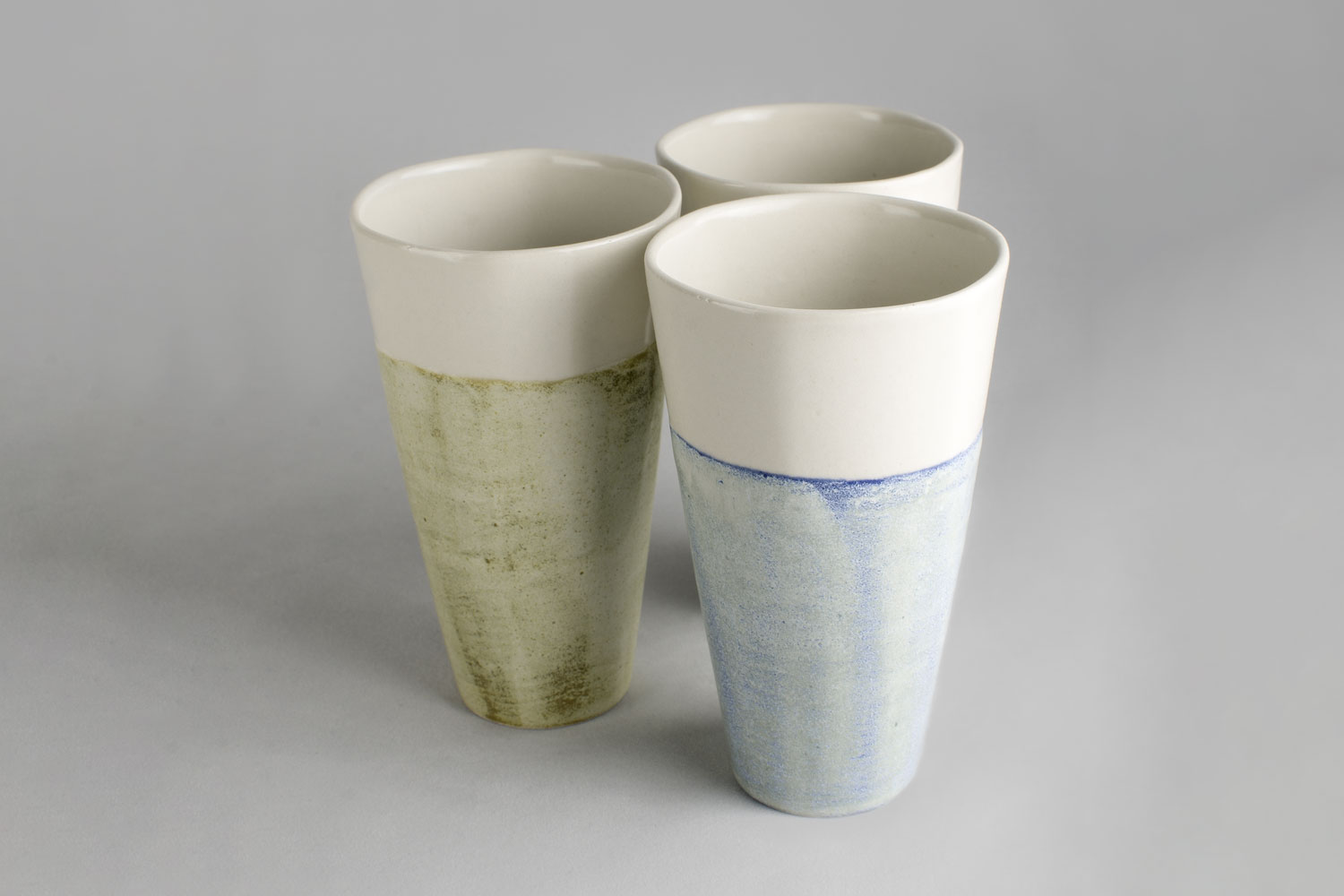
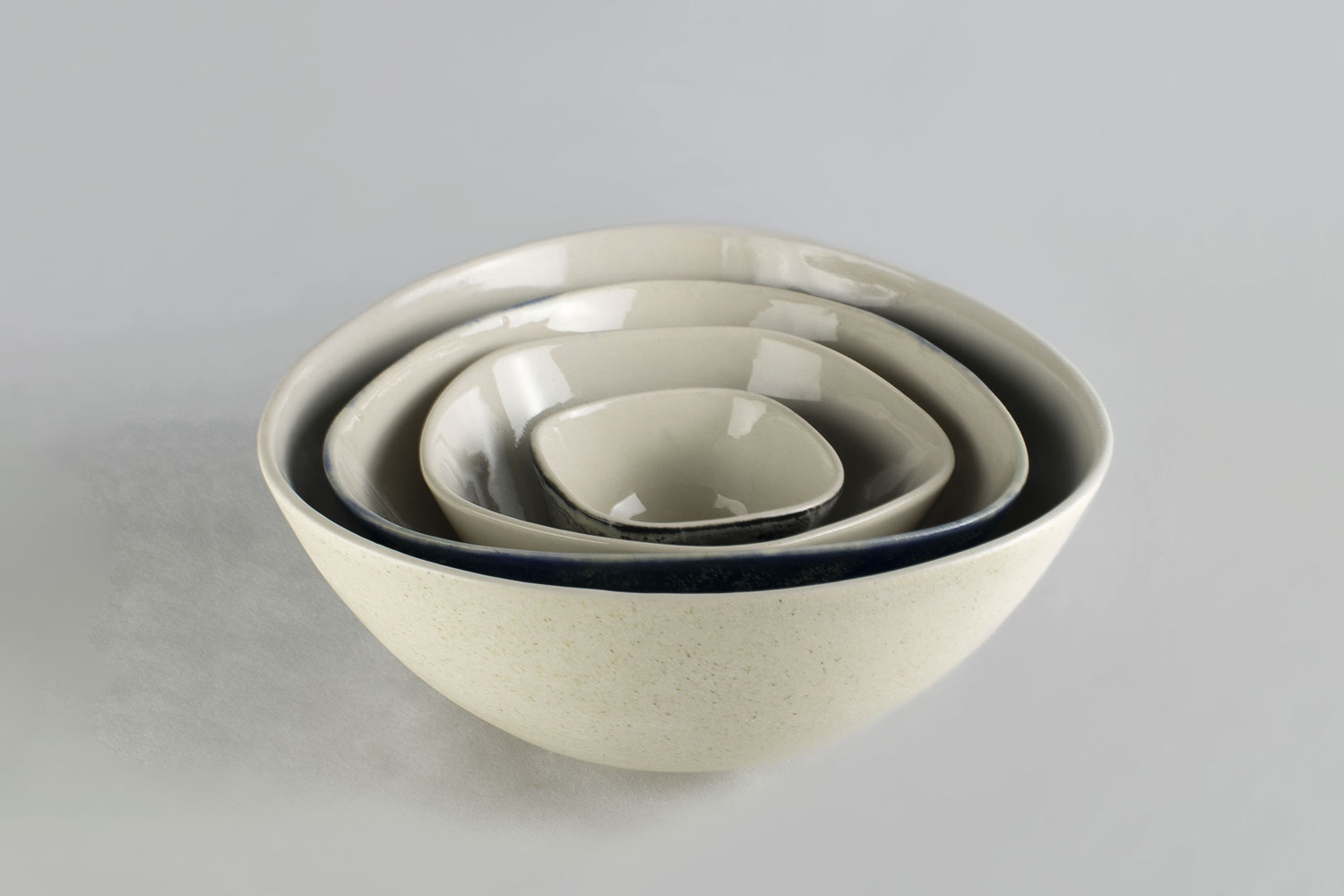
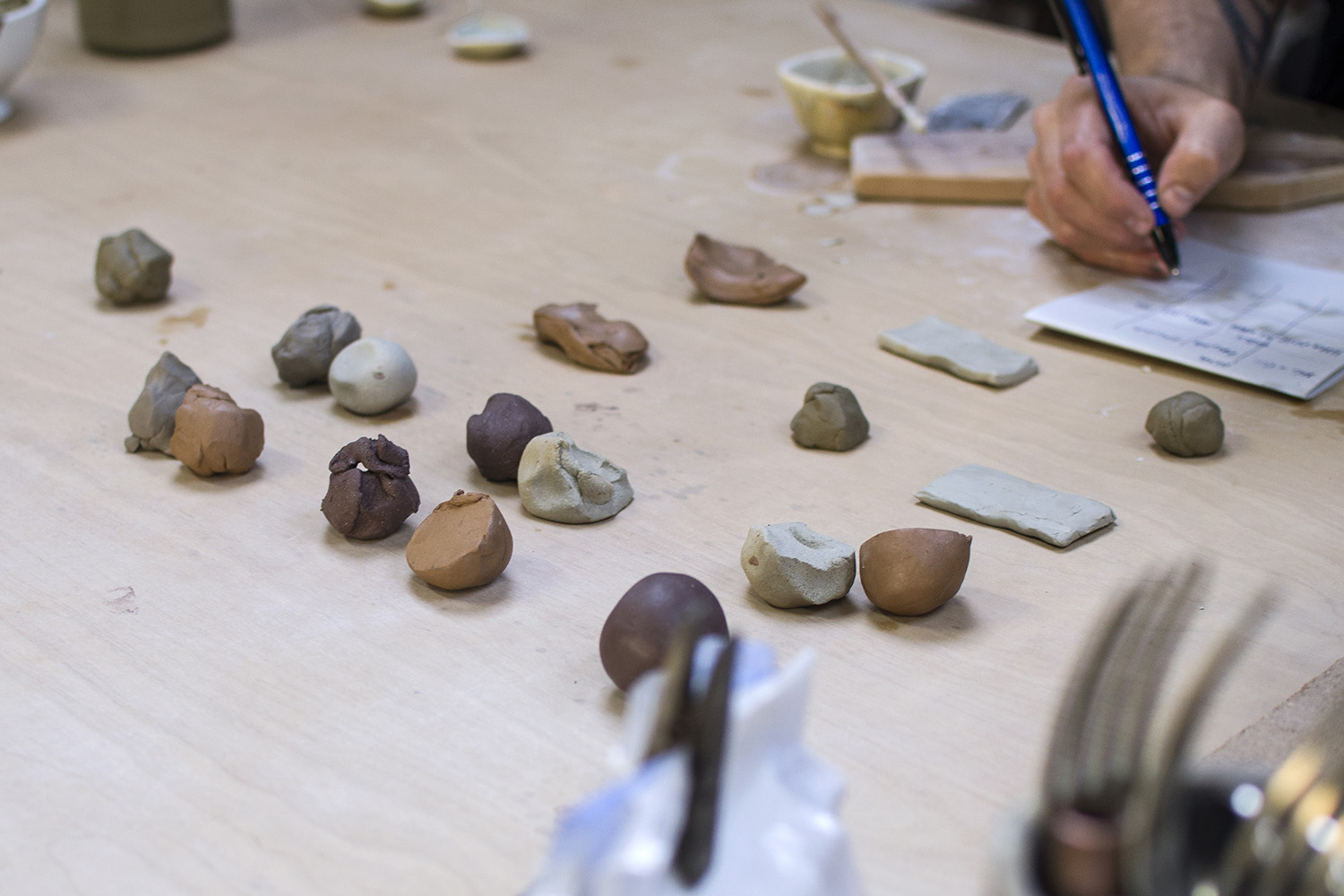
We design from concepts, for example the sea and the coast; rain and drought; the local and the global; memory. Our ceramic firings imitate geological processes – we mix mineral compounds and fire them in the kiln at high temperatures. We want the relationship with our pieces to be a visual and, above all, a tactile experience.
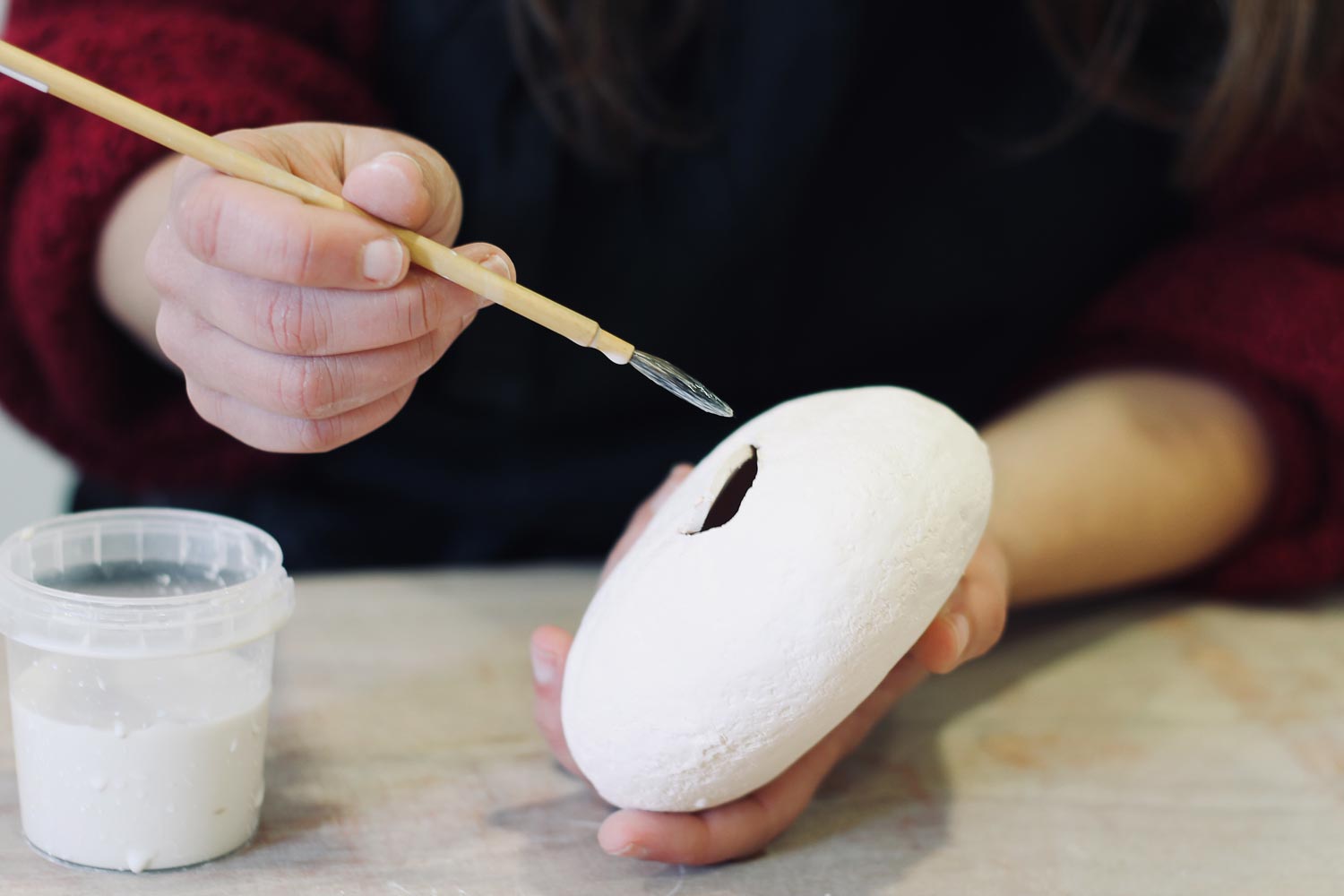
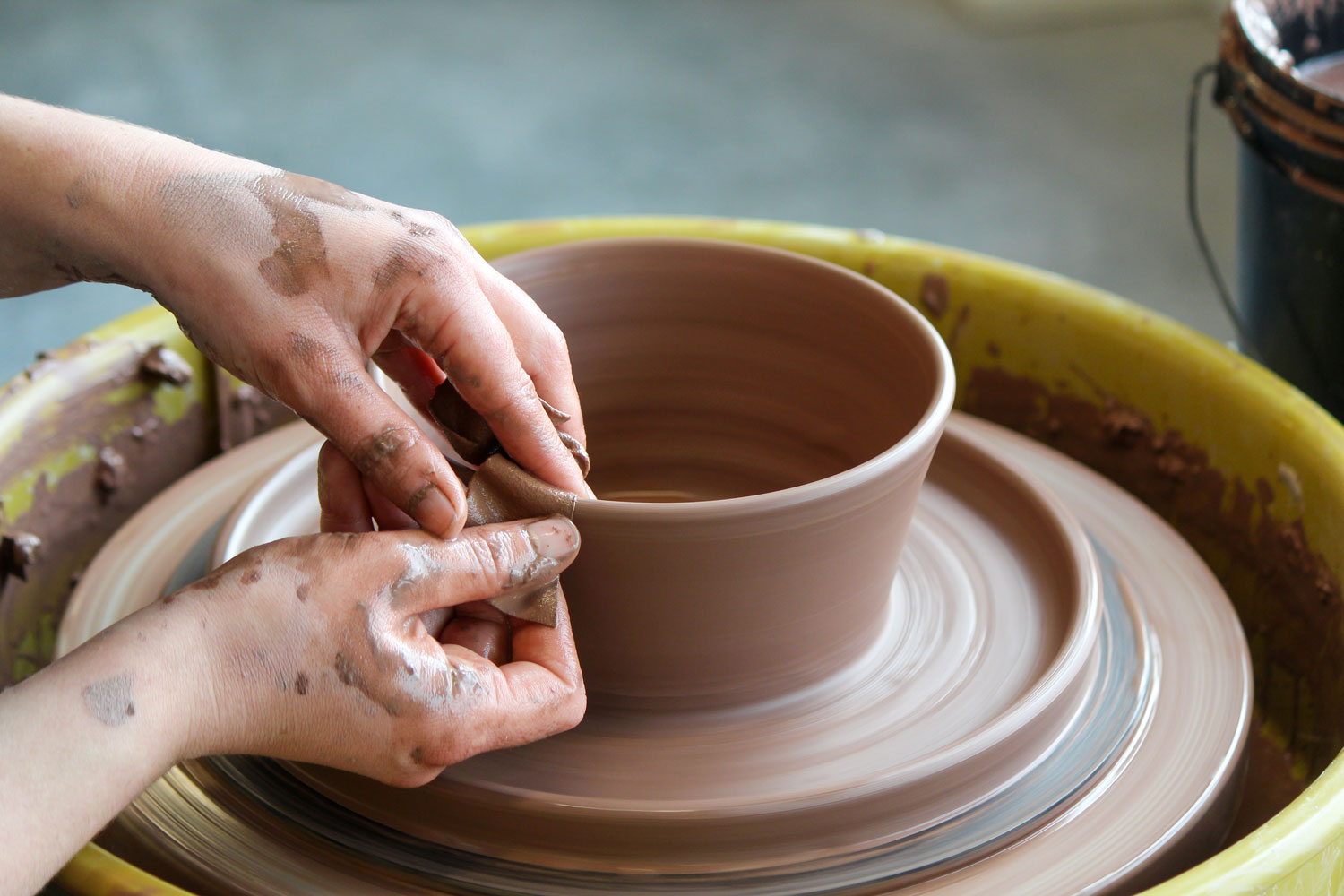
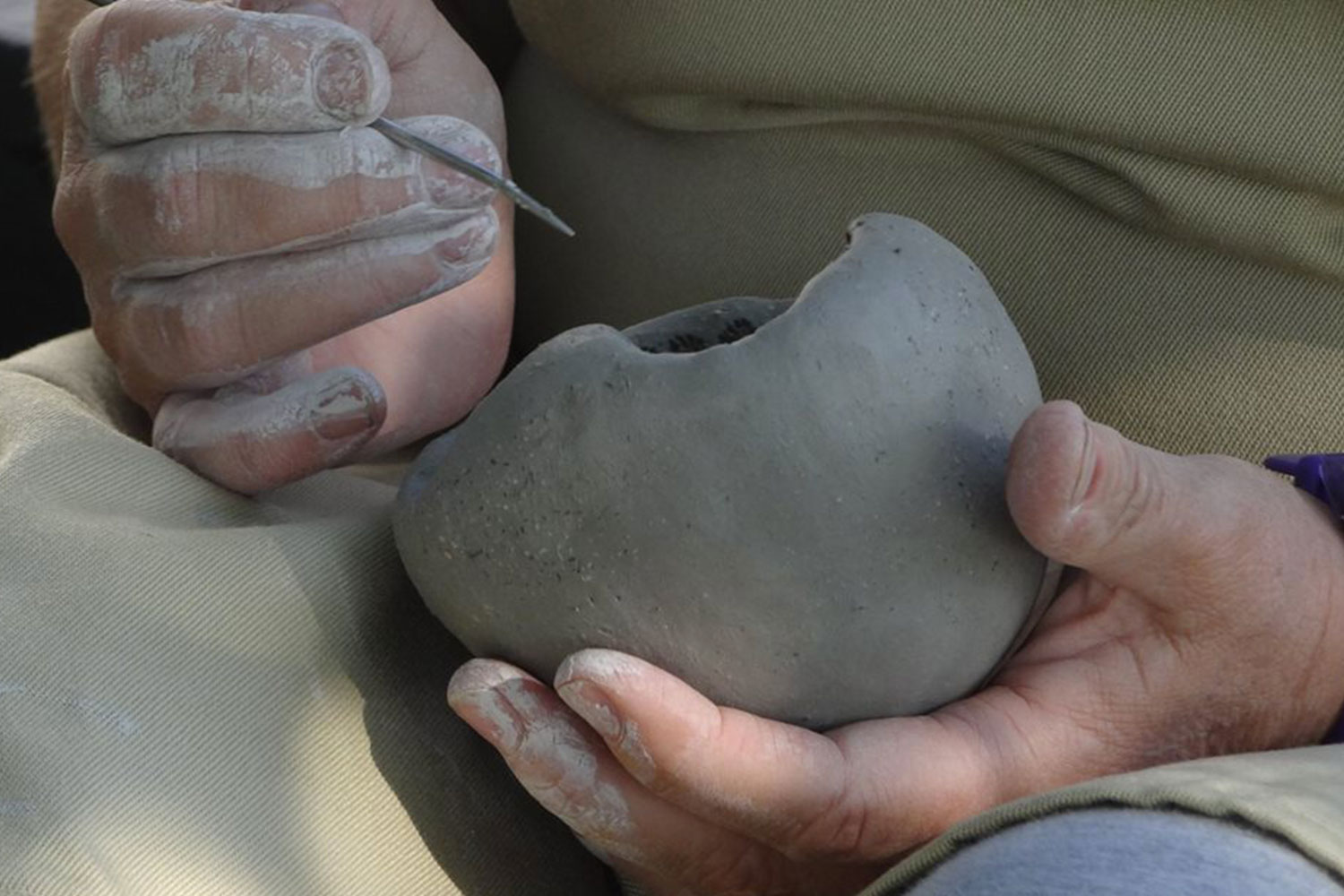
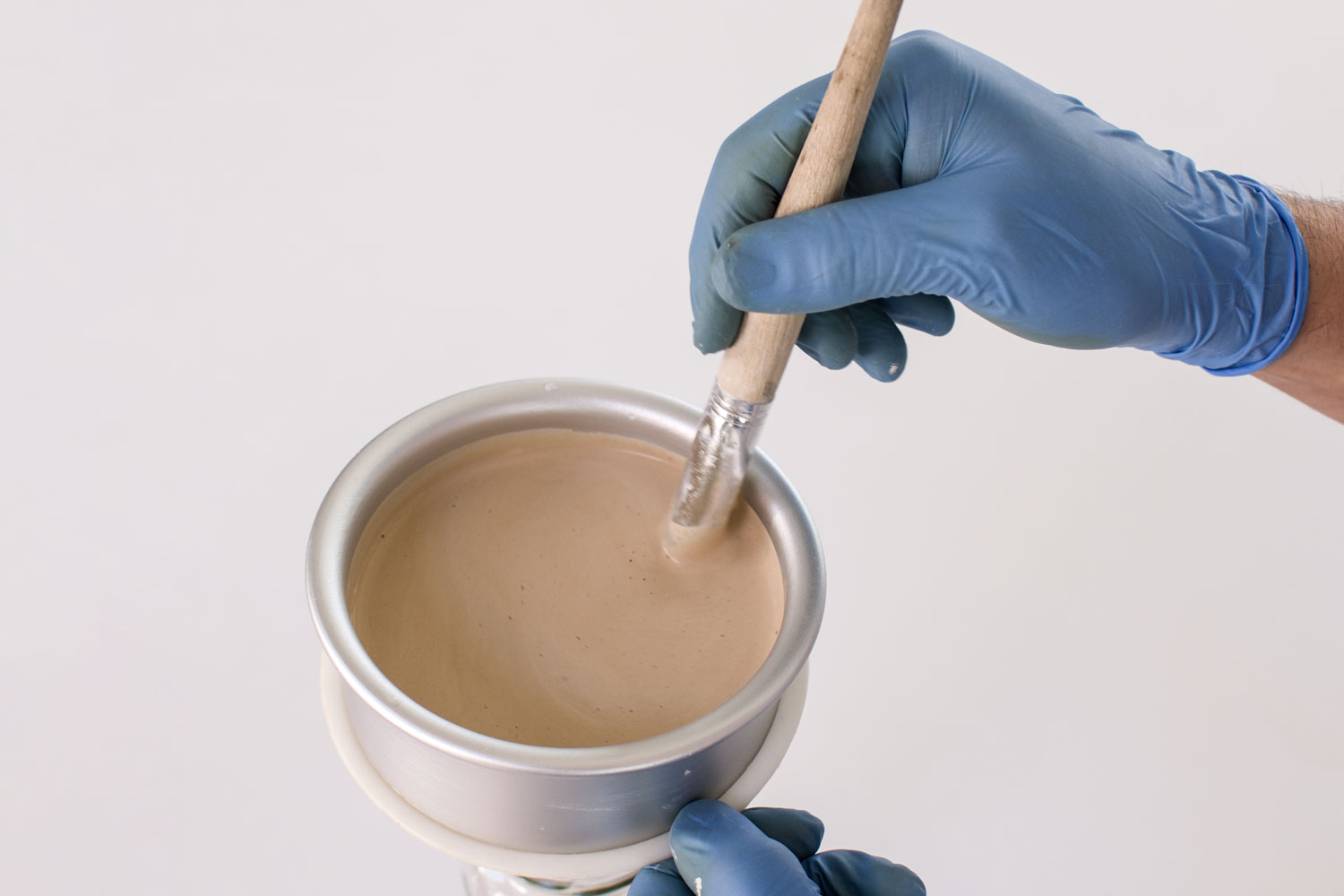
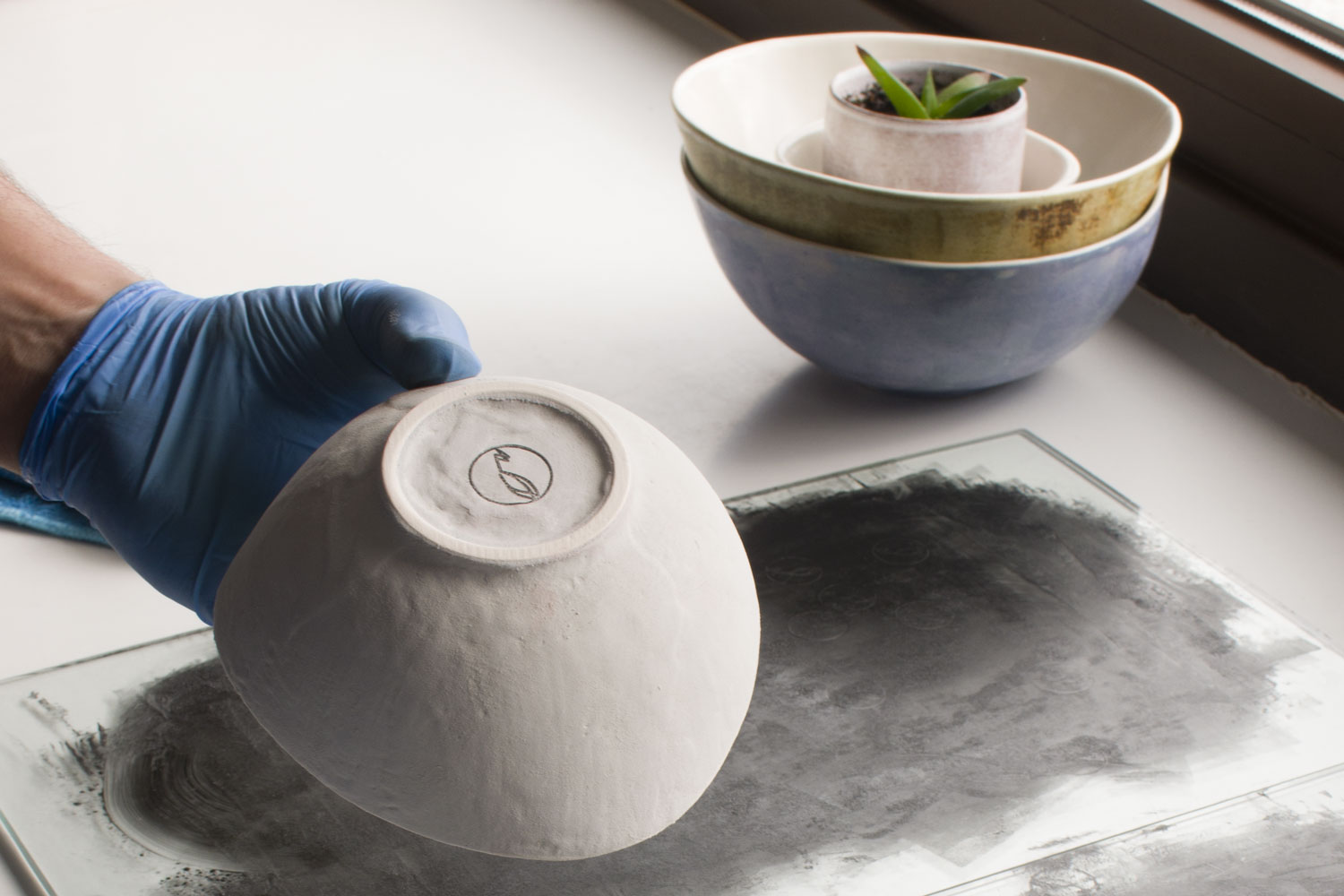
We are known for approaching projects conceptually: combining design, 3D-printing, plaster mould making and handmade glazing. Sometimes we distort the pieces by hand to produce organic shapes. We make lacquers from raw materials: quartz, kaolin, ashes and piles of earth – meaning our objects are sustainable and natural.
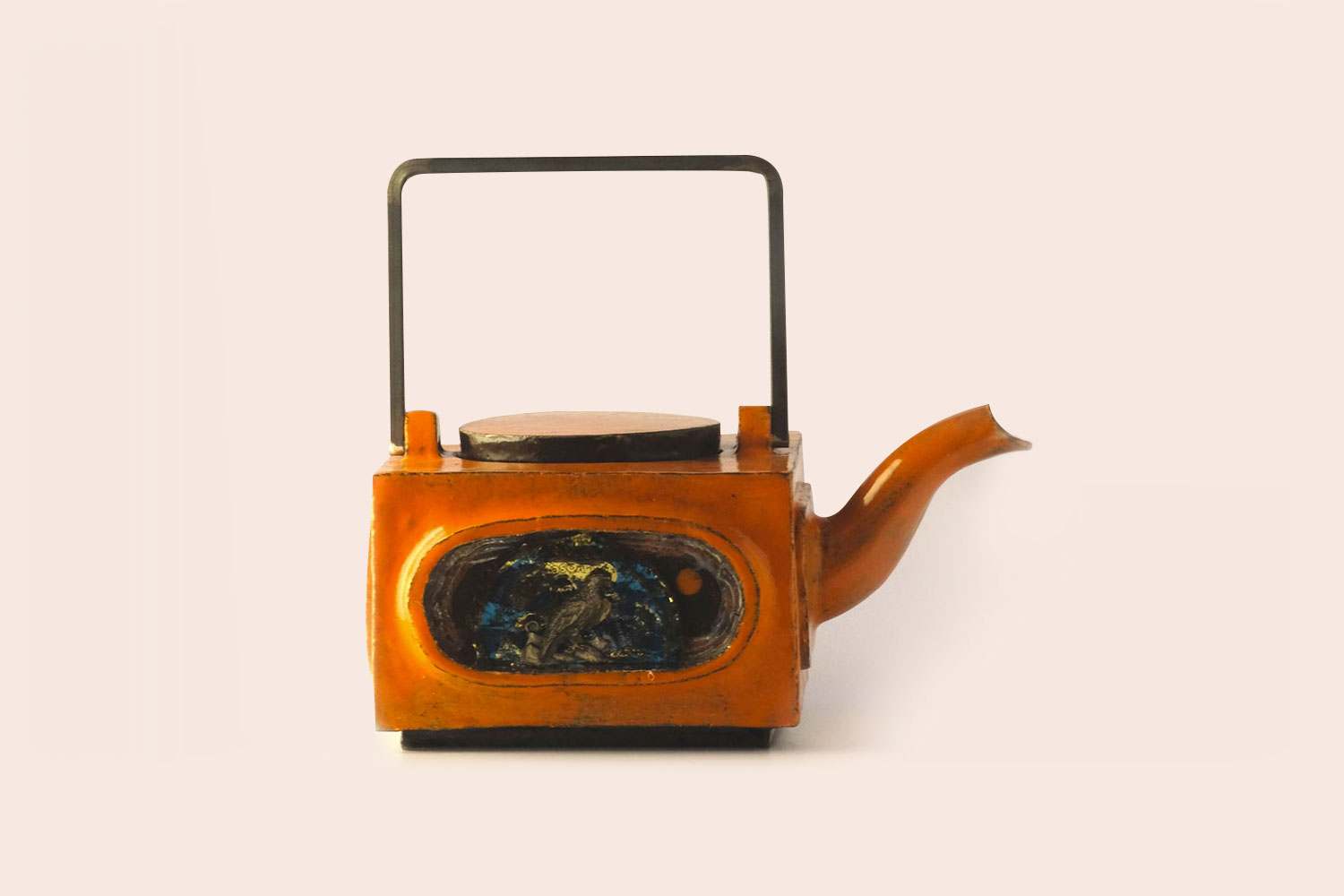
We make pieces from the Galician tradition that we reinterpret in our own way by combining different features from other cultures. We innovate through a semi-industrialised production process, which involves 3D prototyping and mass production of pieces using plaster moulds.
Potentially. But we demonstrate that as a small group of rural women producers we can stand on our own two feet. We manage with what we have, without much freedom. We want to reach the maximum of our capacity, working to do what we like and what we can do.
1 EXPERIENCE
Loaira Pérez
Raposiñas
Ceramicist
A Pobra do Caramiñal, Spain
AVAILABILITY
Monday to Friday 10:00-19:00
PHONE
+34 674907960
LANGUAGES
Spanish
Homo Faber Finds is a new service aiming to inspire admirers of craft to connect and collaborate with exceptional artisans.
We invite you to submit an enquiry here.