Liz Sexton
Mask maker
Saint Paul, MN, USA
From paper scraps to animal masks
- Liz transforms recycled paper into uncannily lifelike animal masks
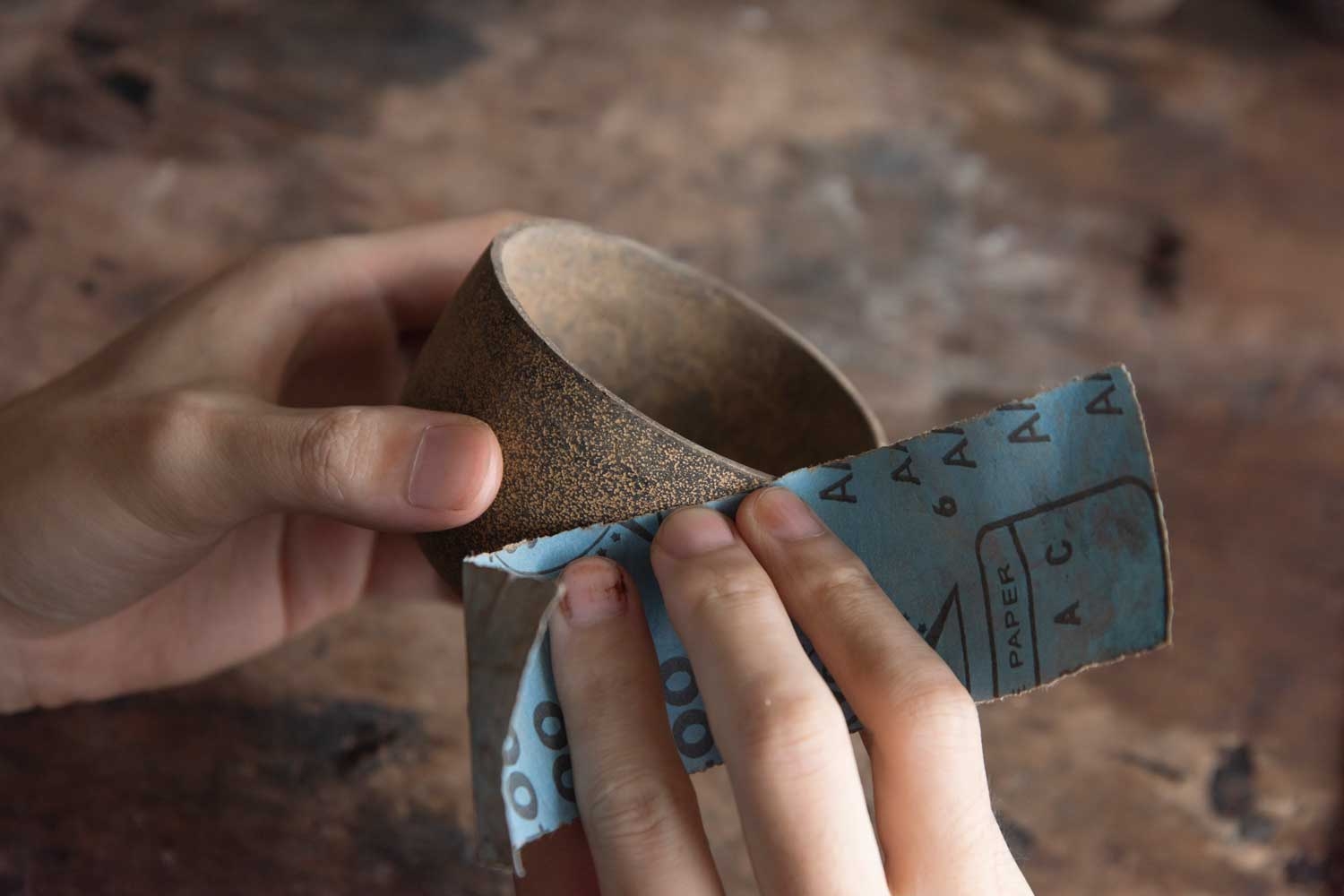
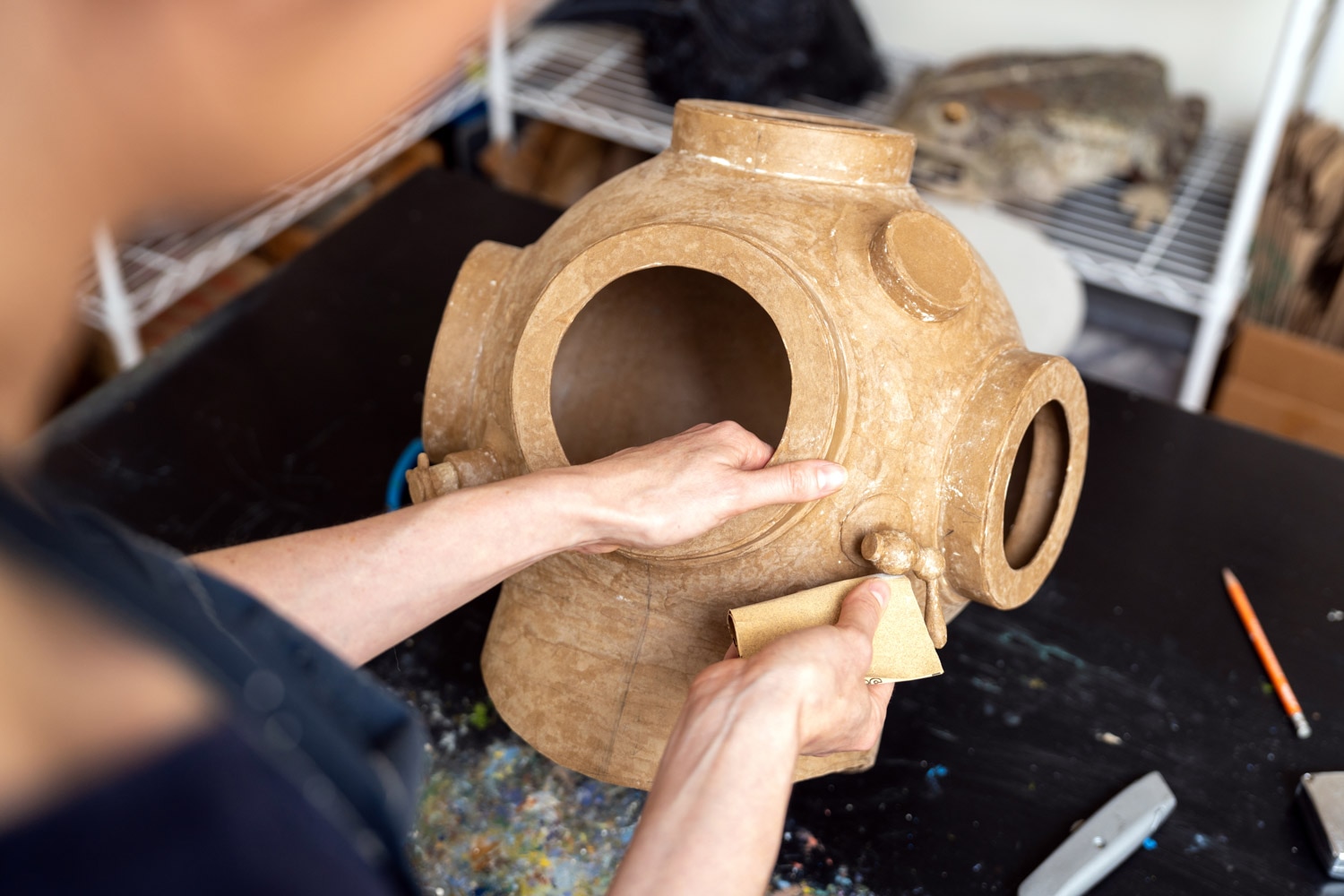
- Each piece is carefully built up in layers and hand sanded
- Her work honours and advocates for the animals it portrays
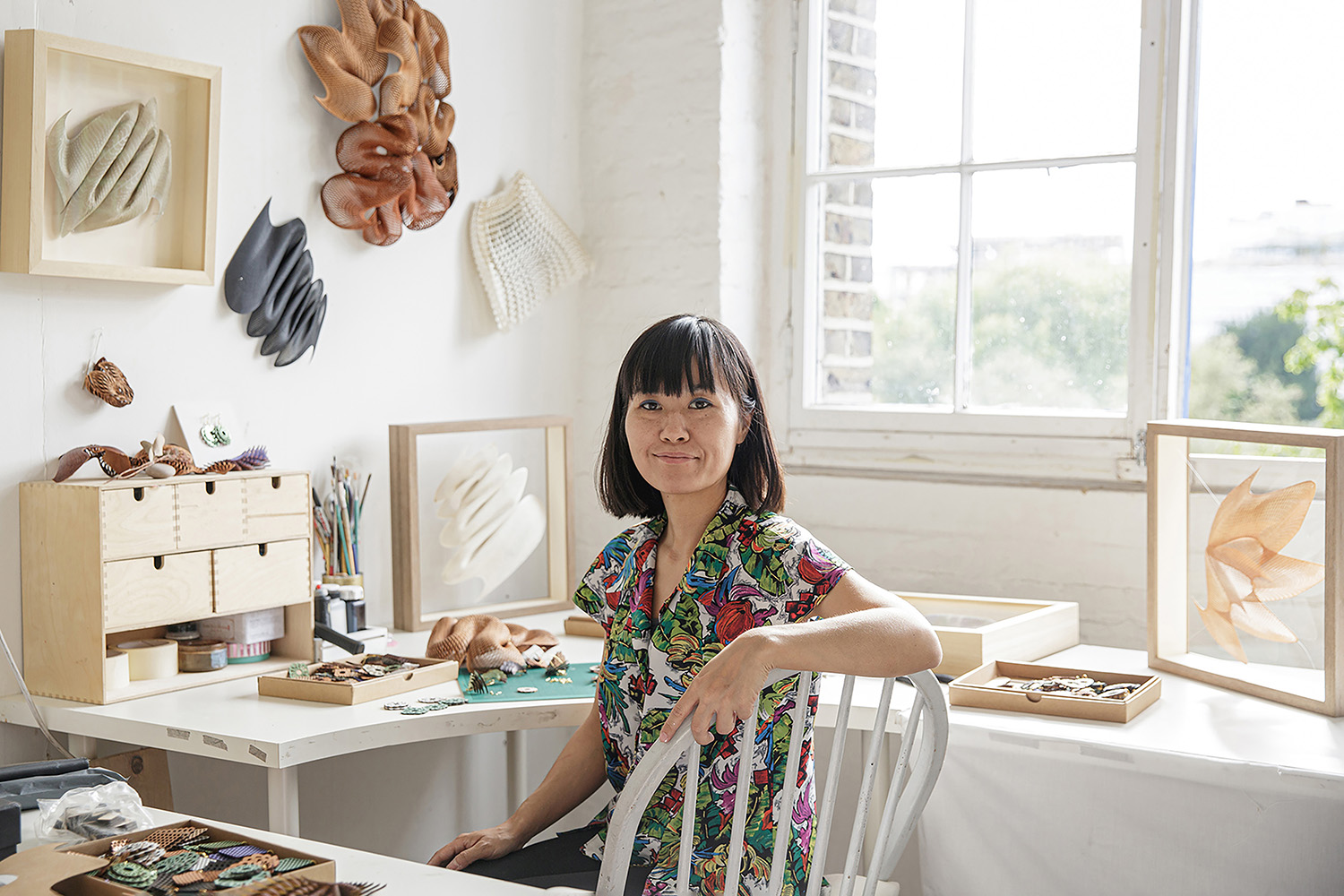
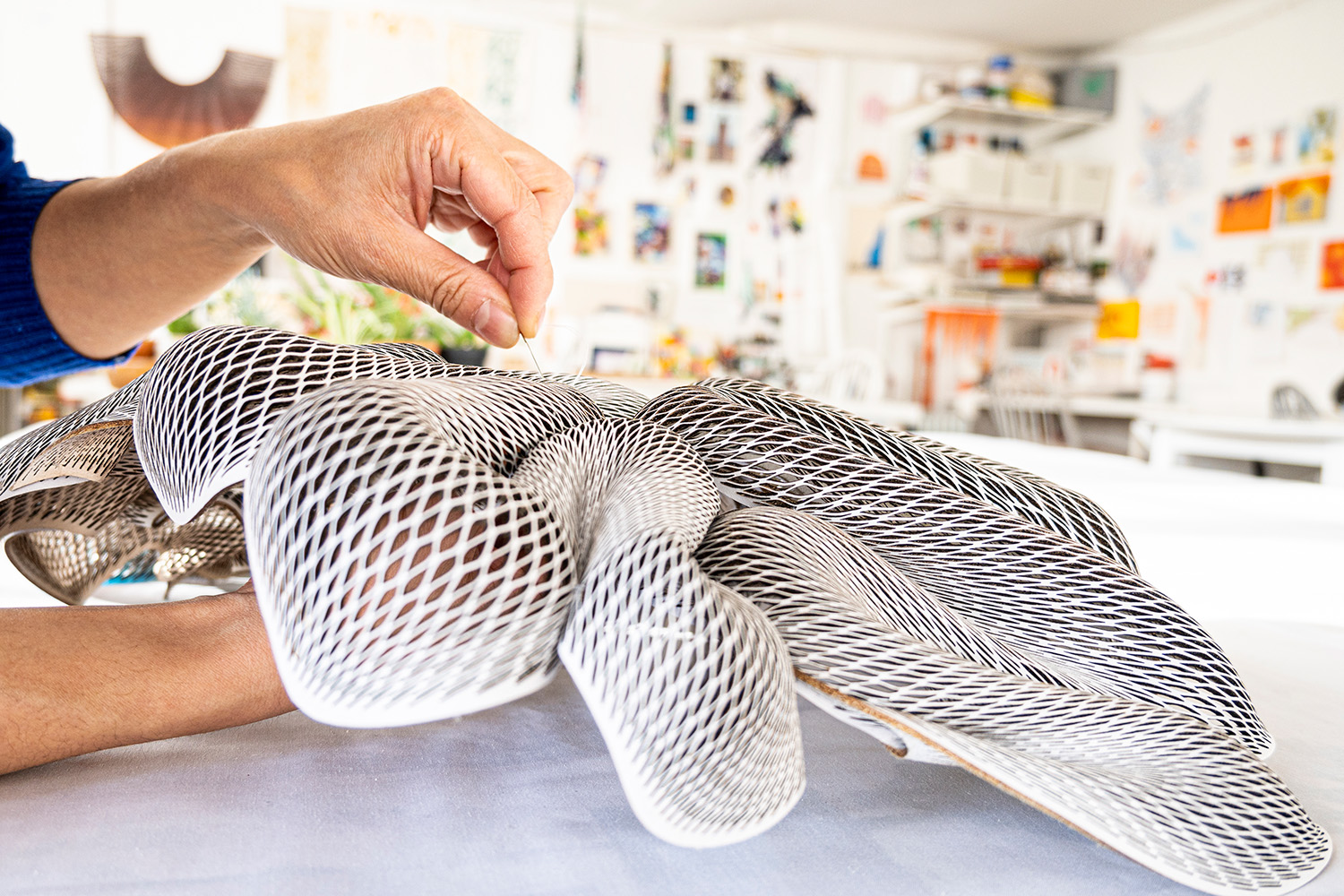
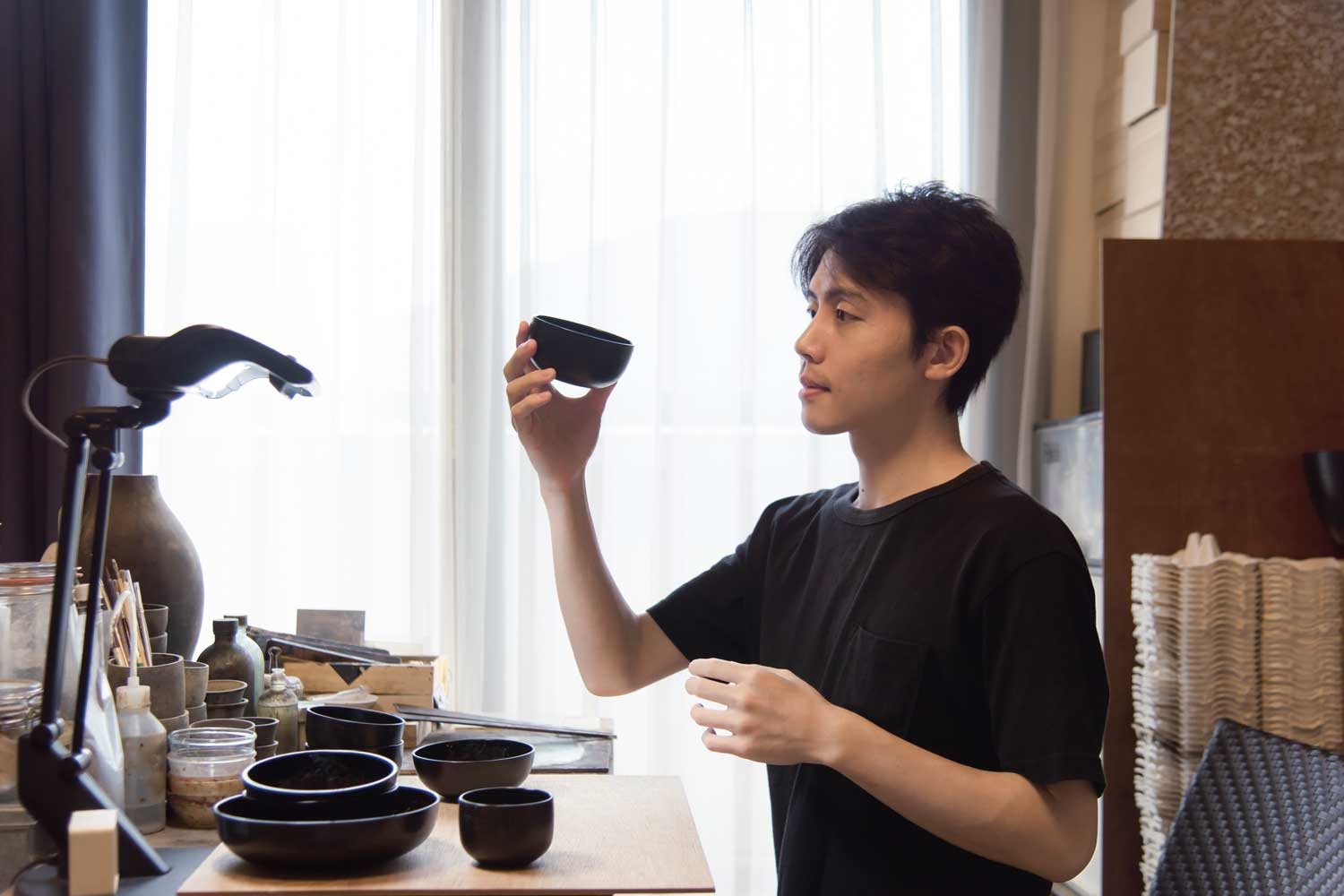
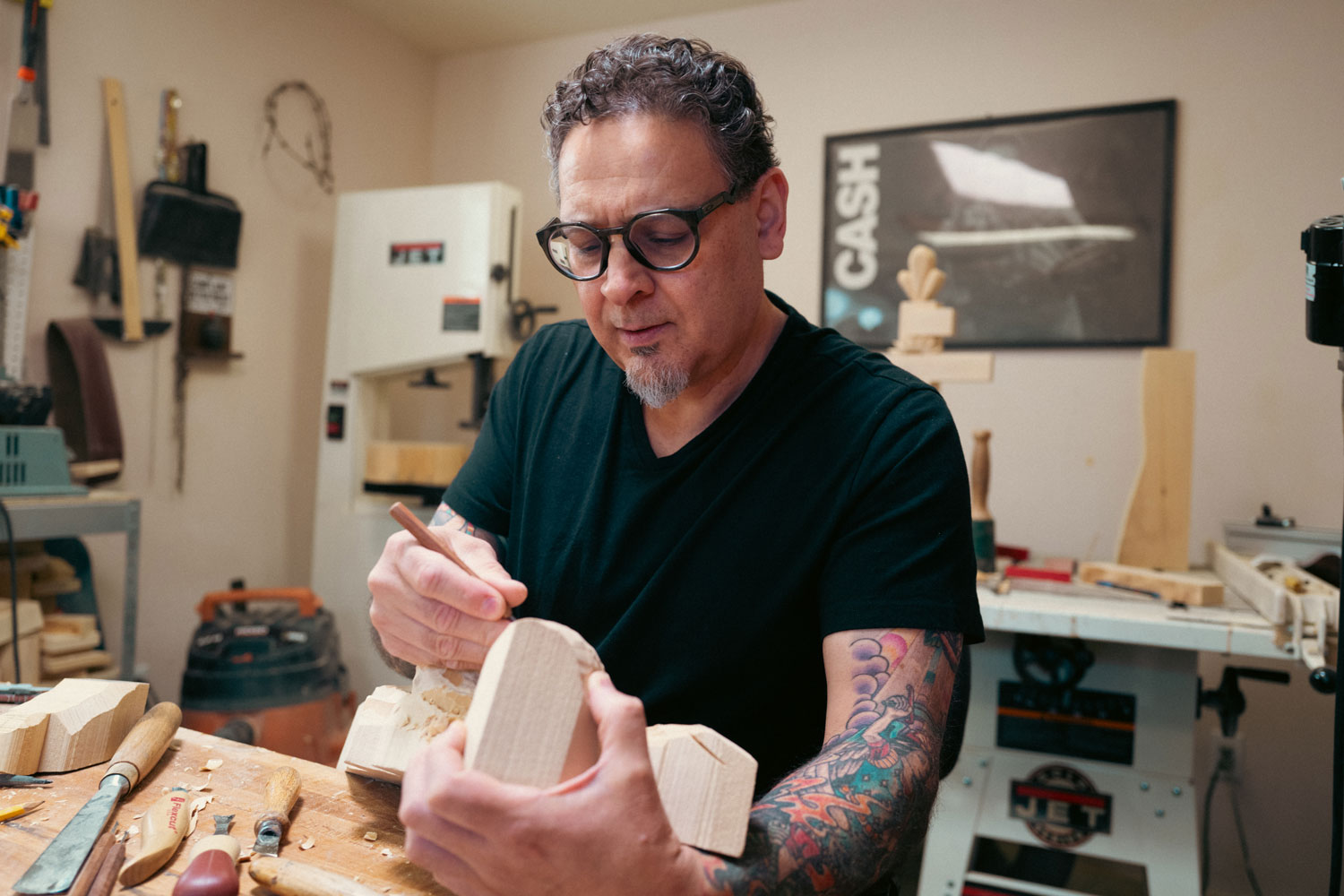
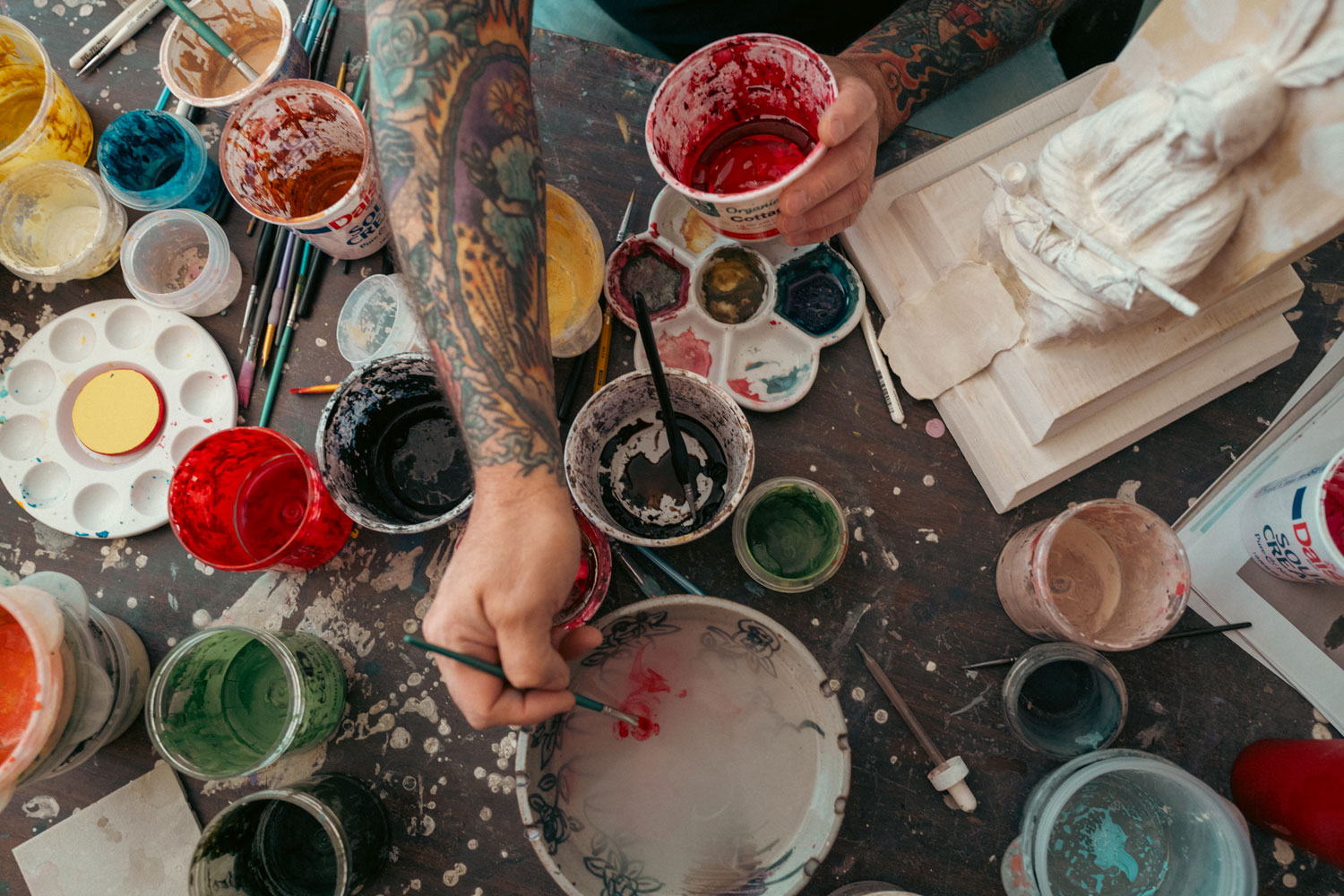
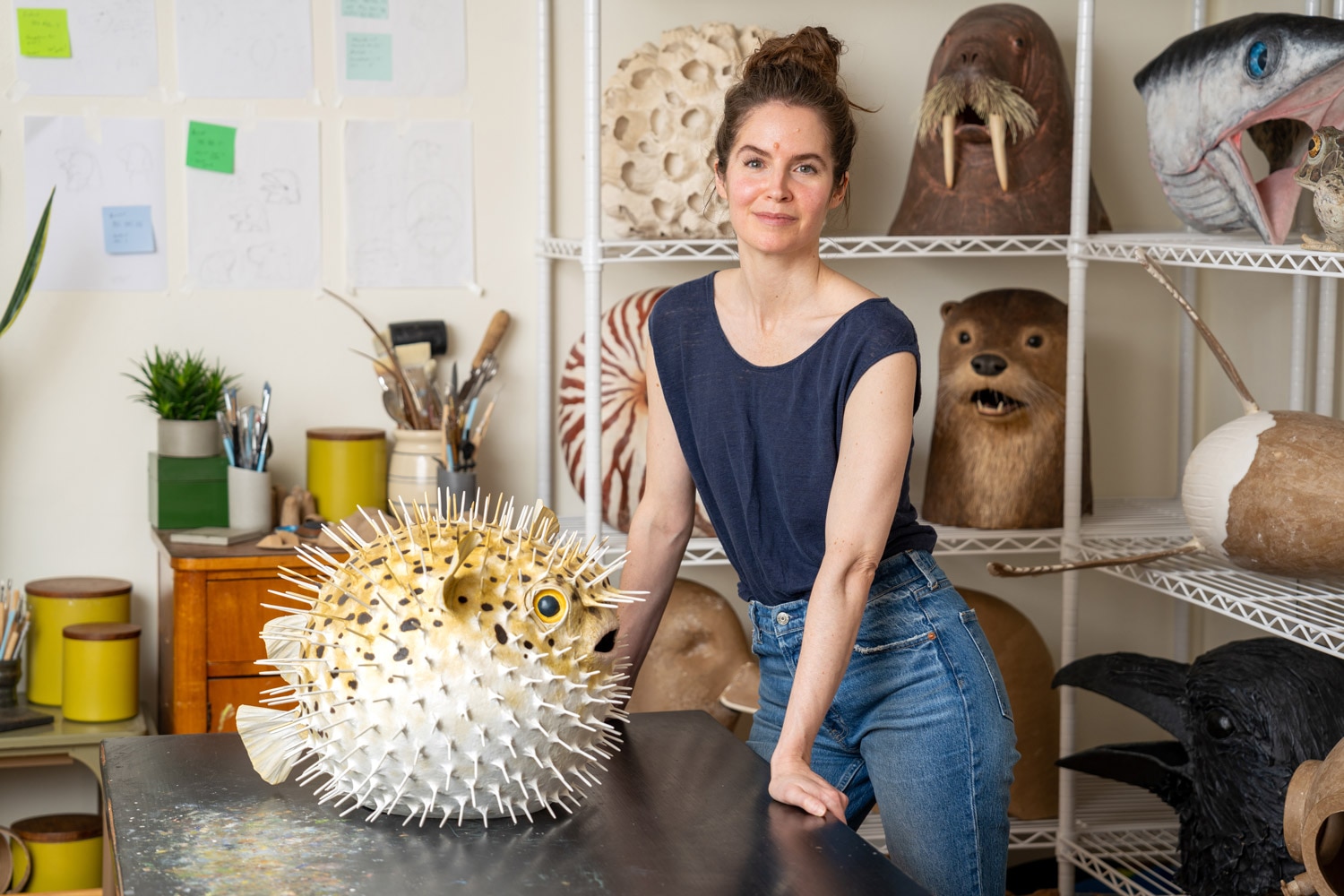
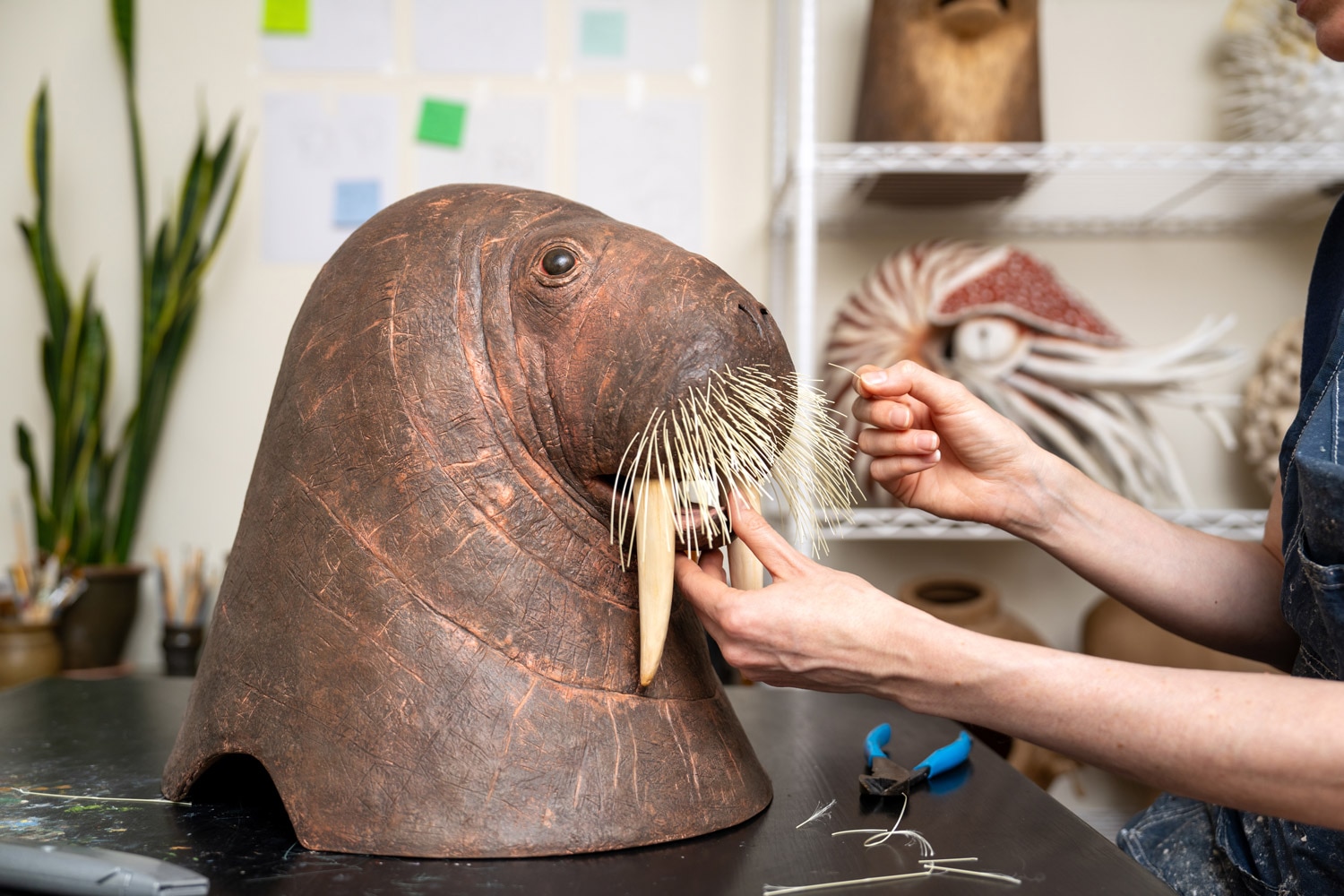
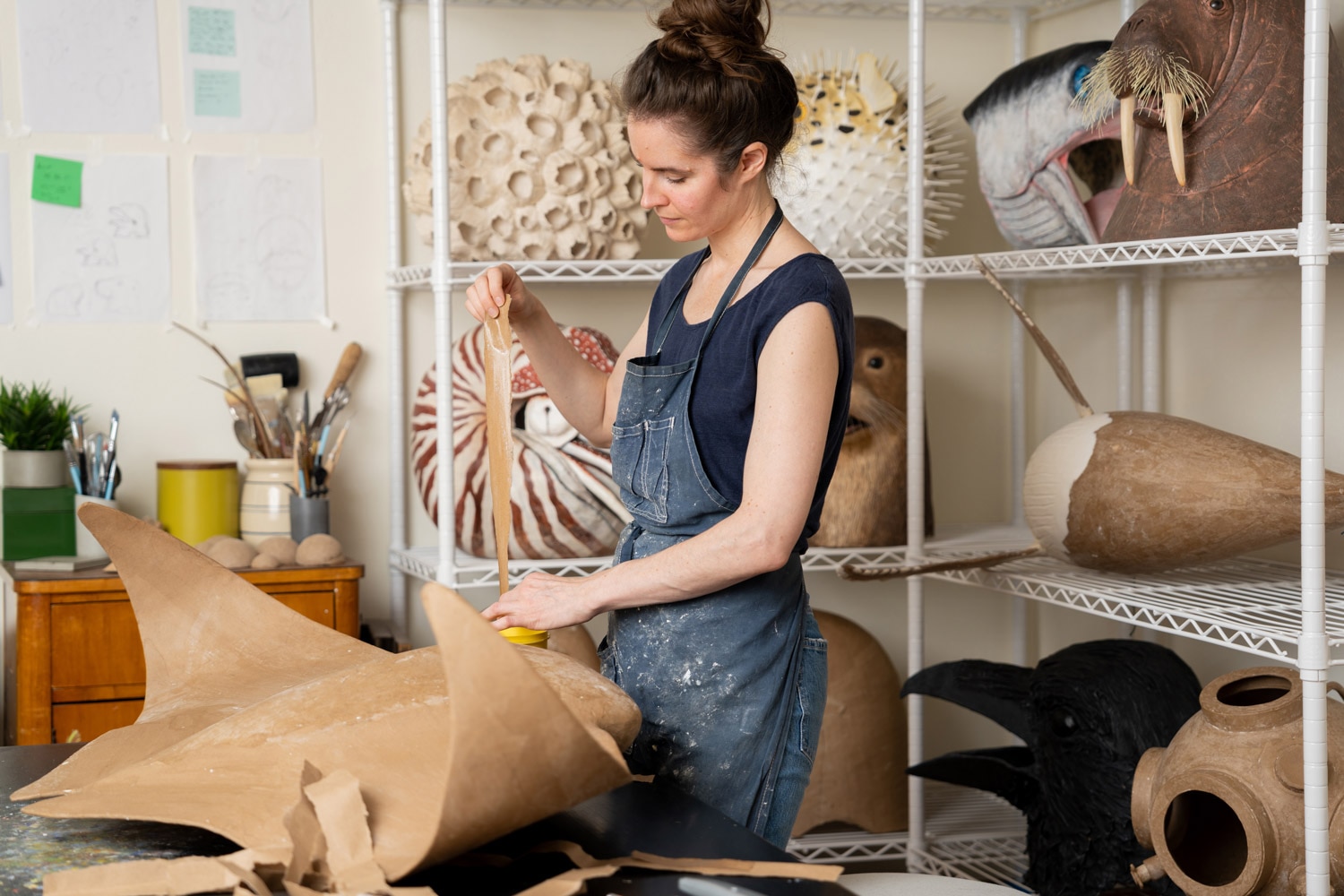
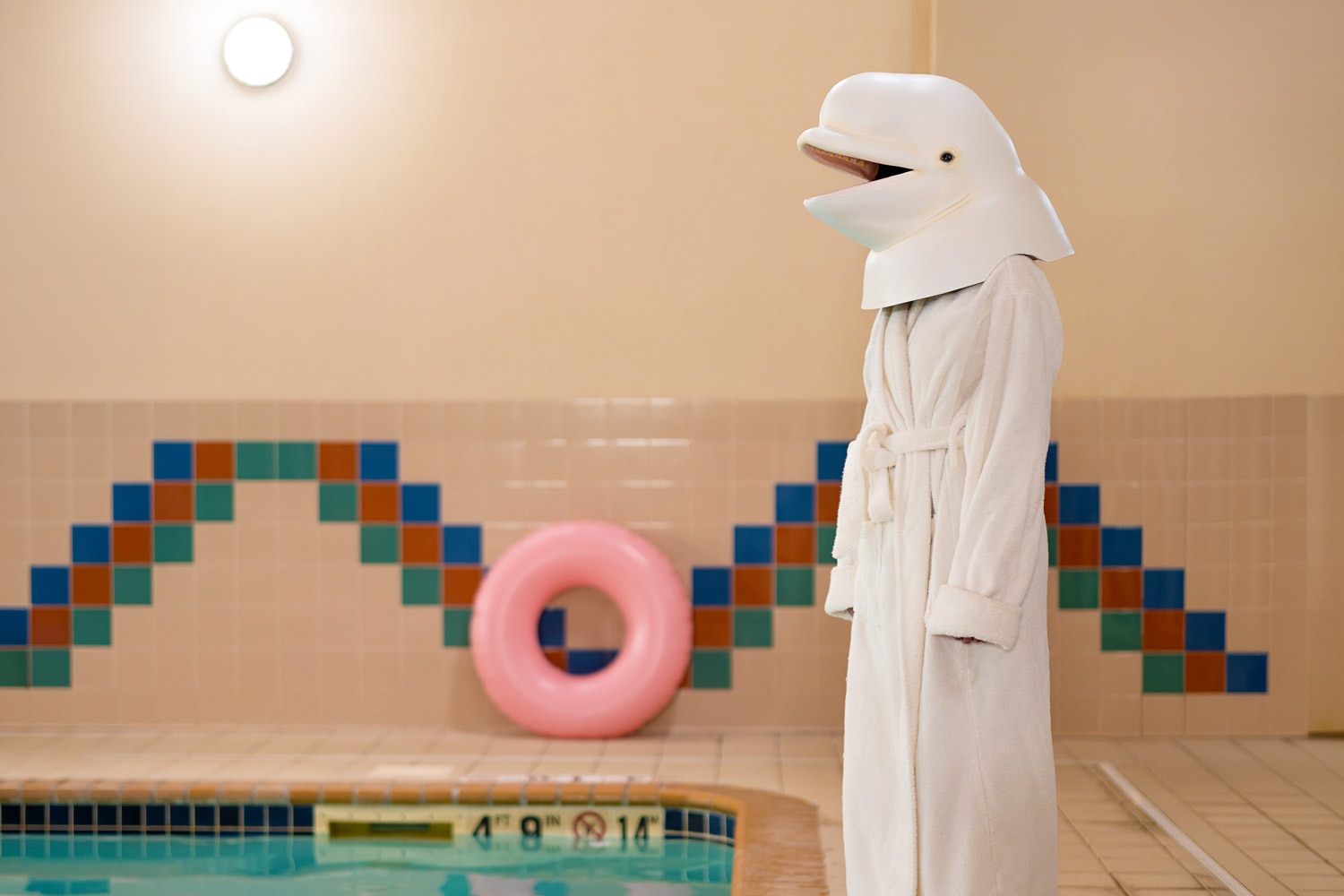
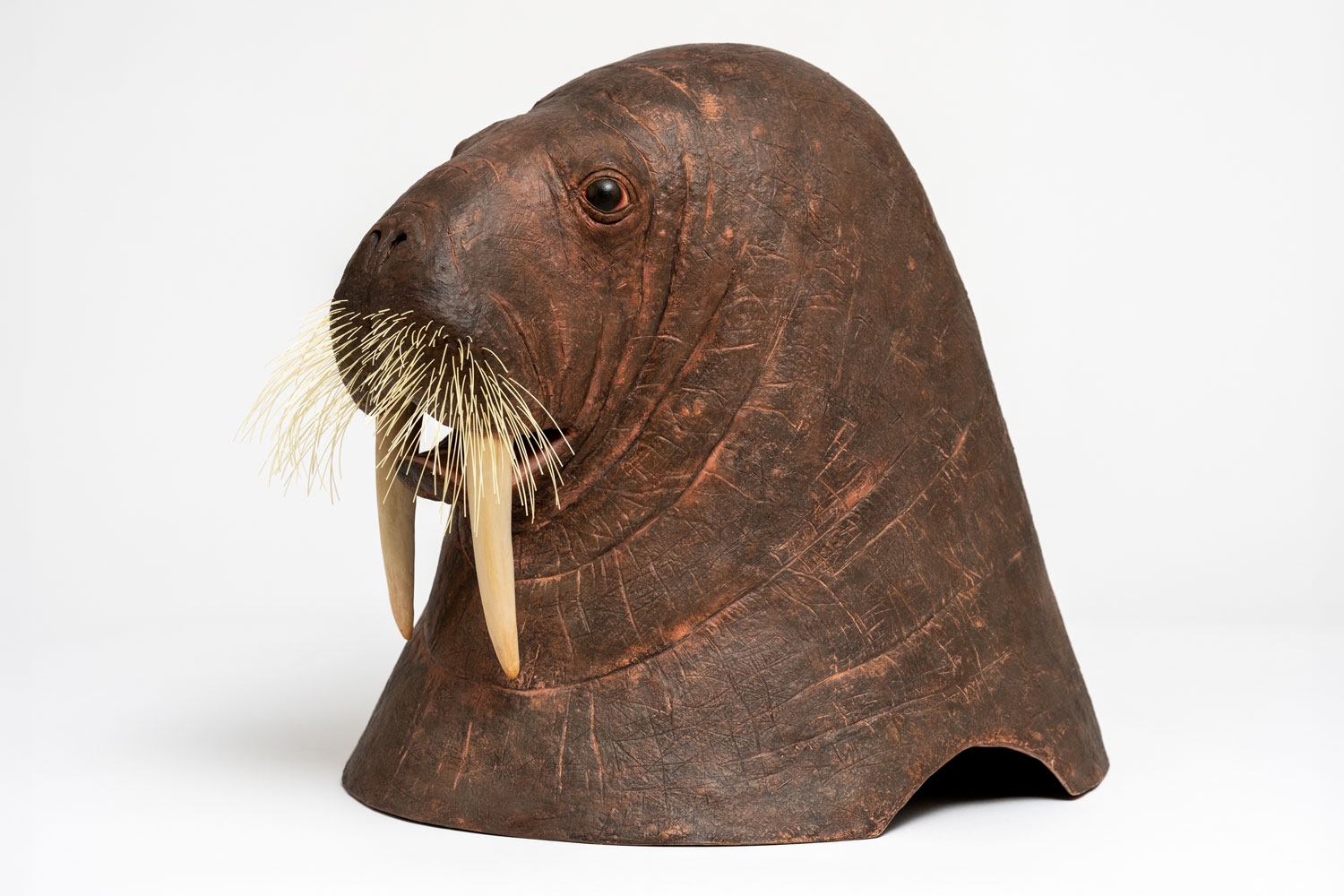
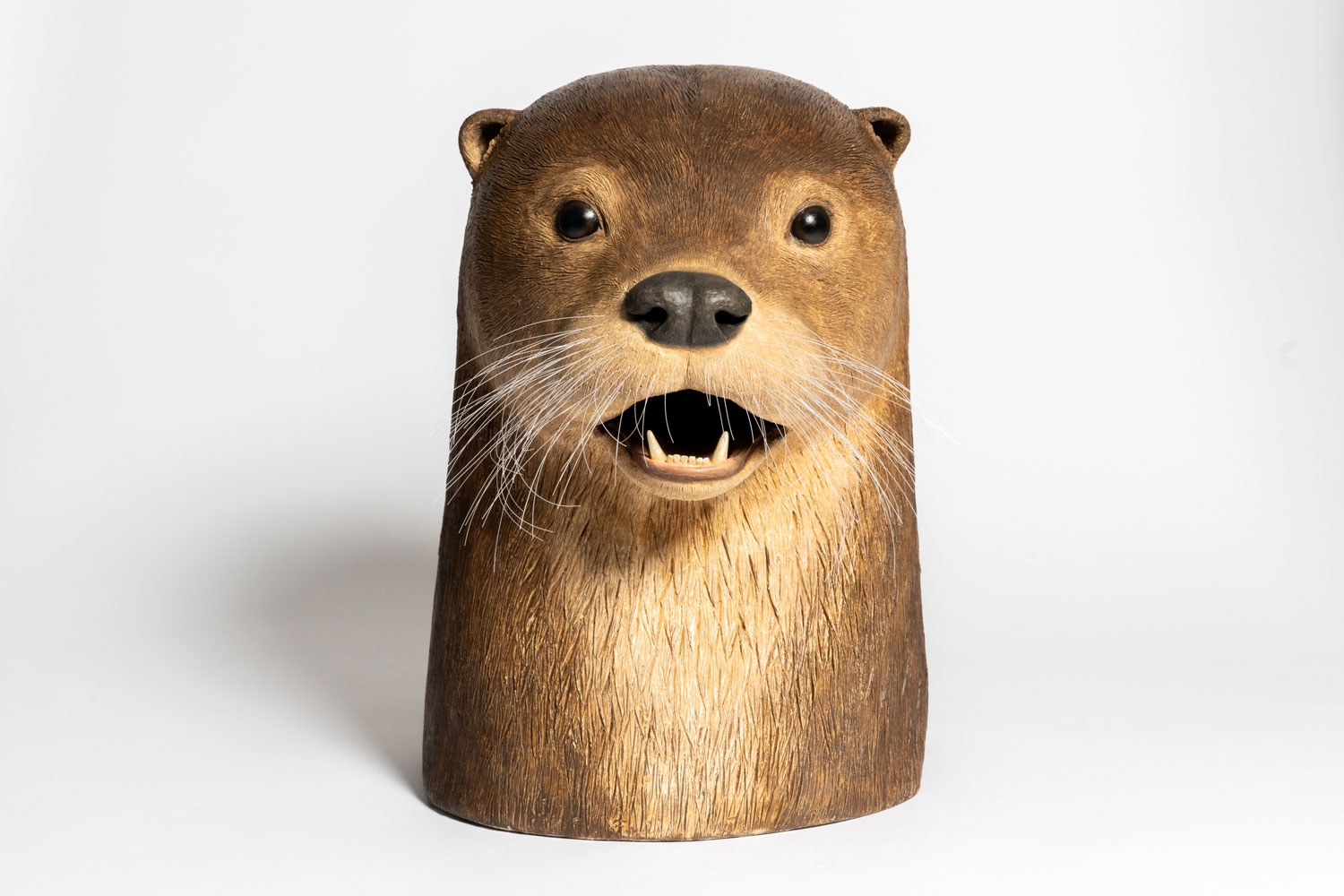
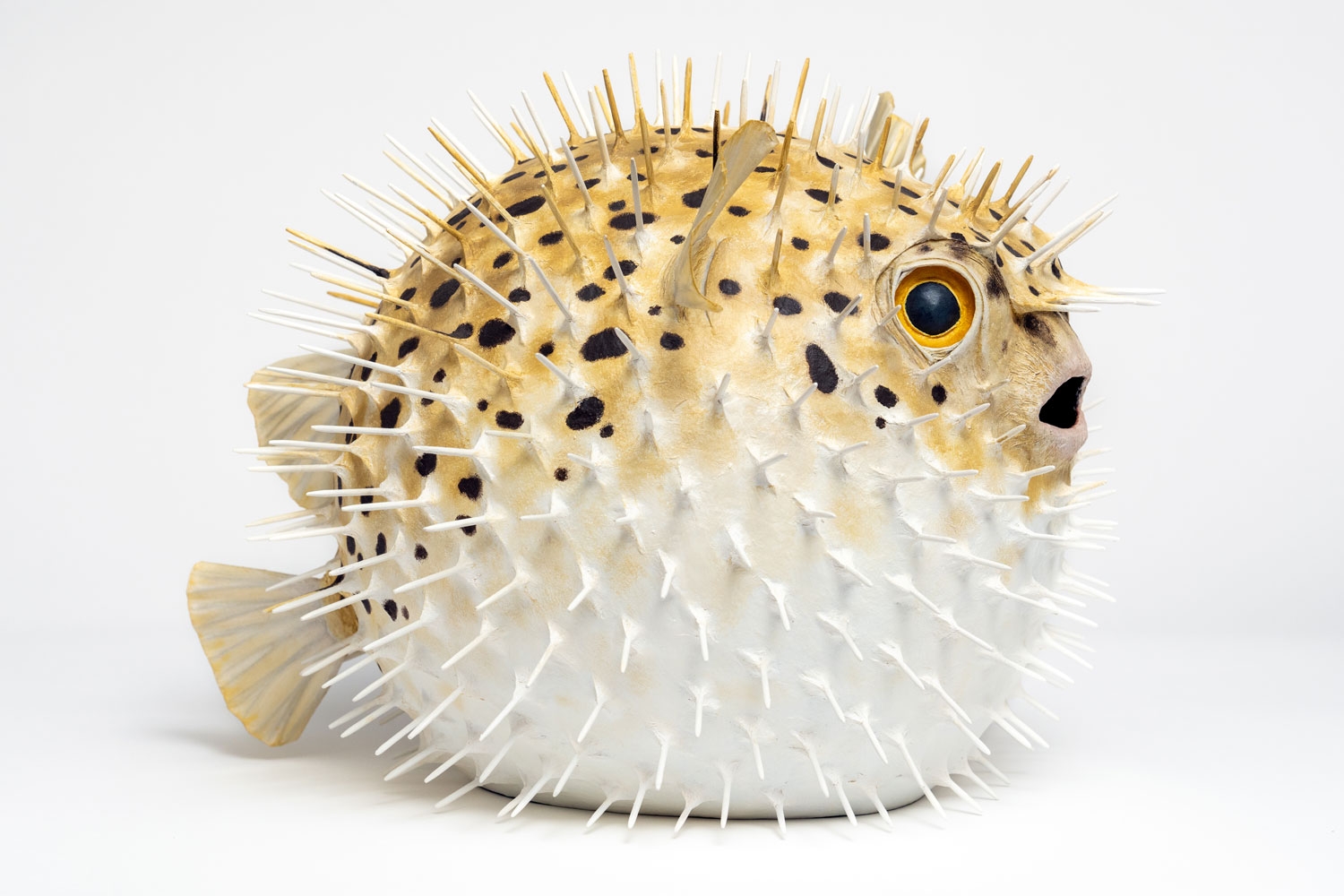
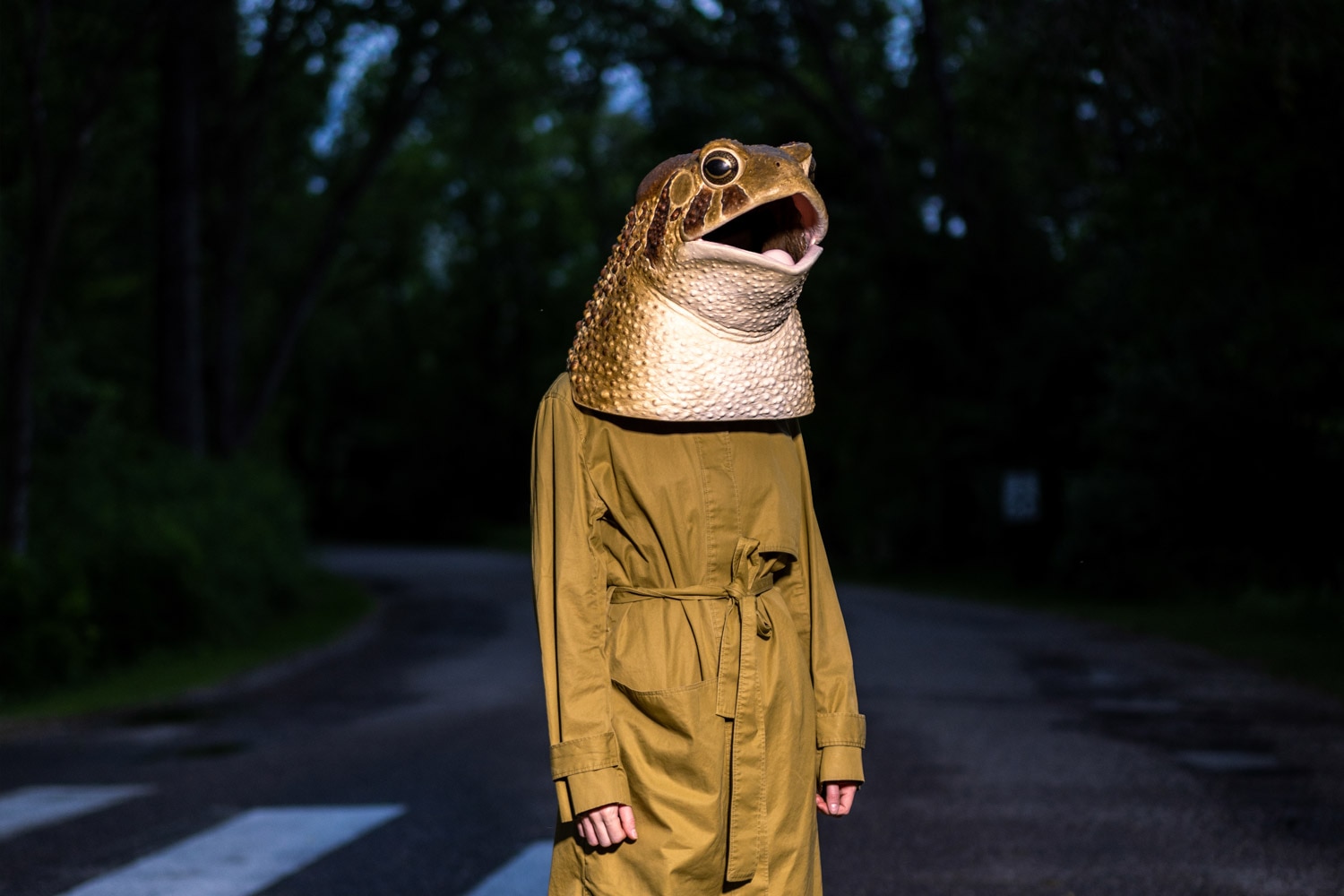
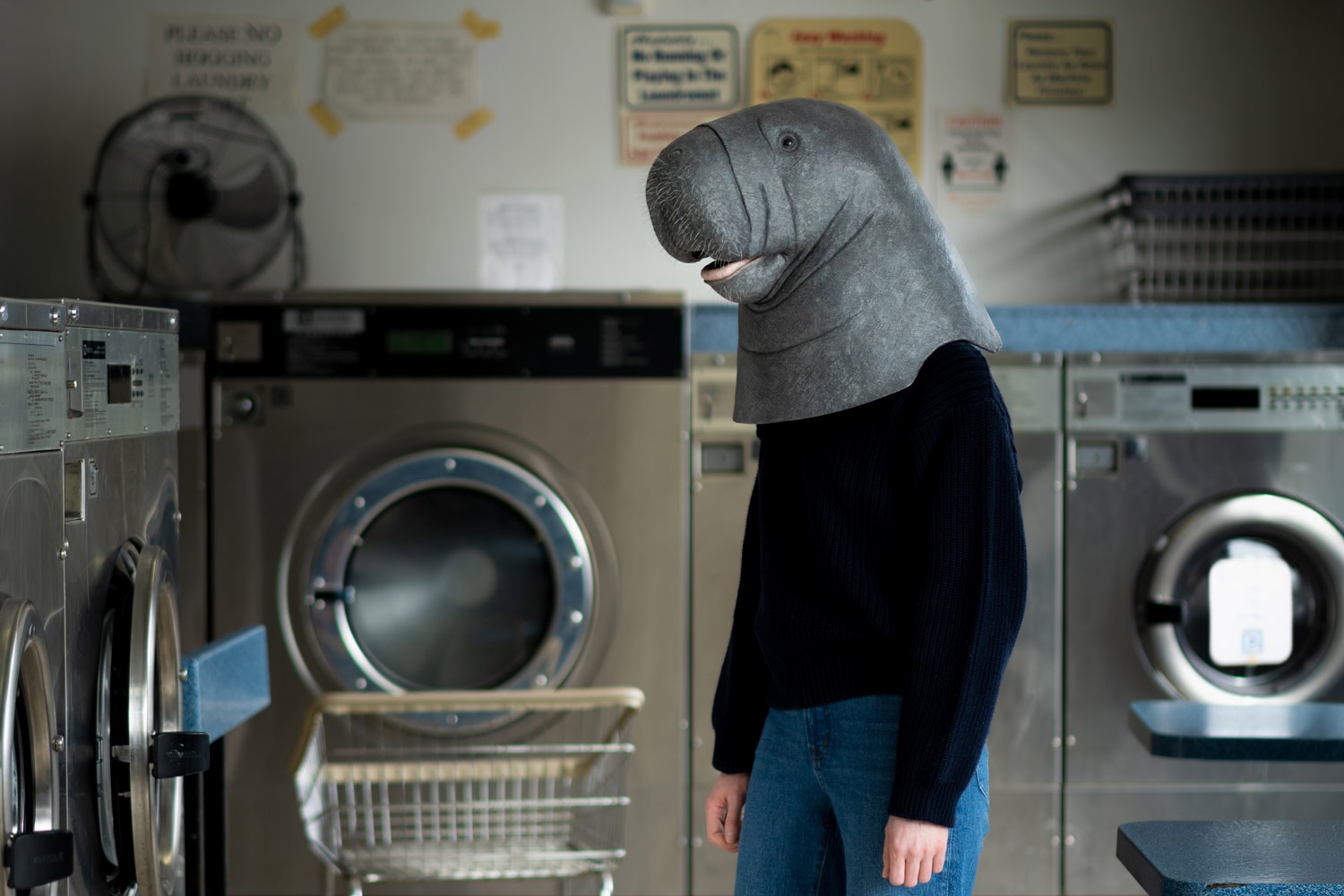
Liz Sexton grew up with a deep fascination for the other beings that share our world. Taught by her artist father to create with papier mâché at the age of five, she took the practice with her through years of living in France, Germany and Brooklyn. “You can make and use papier mâché anywhere, on a coffee table or in a studio apartment. It is one of the most accessible mediums there is and that is worth celebrating,” she says. Today, working in St. Paul, Liz’s sculptures feature in the press and are held in permanent collections. She builds each mask from recycled grocery bags and waste donated by her local community, mixing them with her own recipe for adhesive paste. After patient, skilled work, Liz achieves a finish so refined that viewers regularly mistake her masks for ceramic.
Discover her work
INTERVIEW
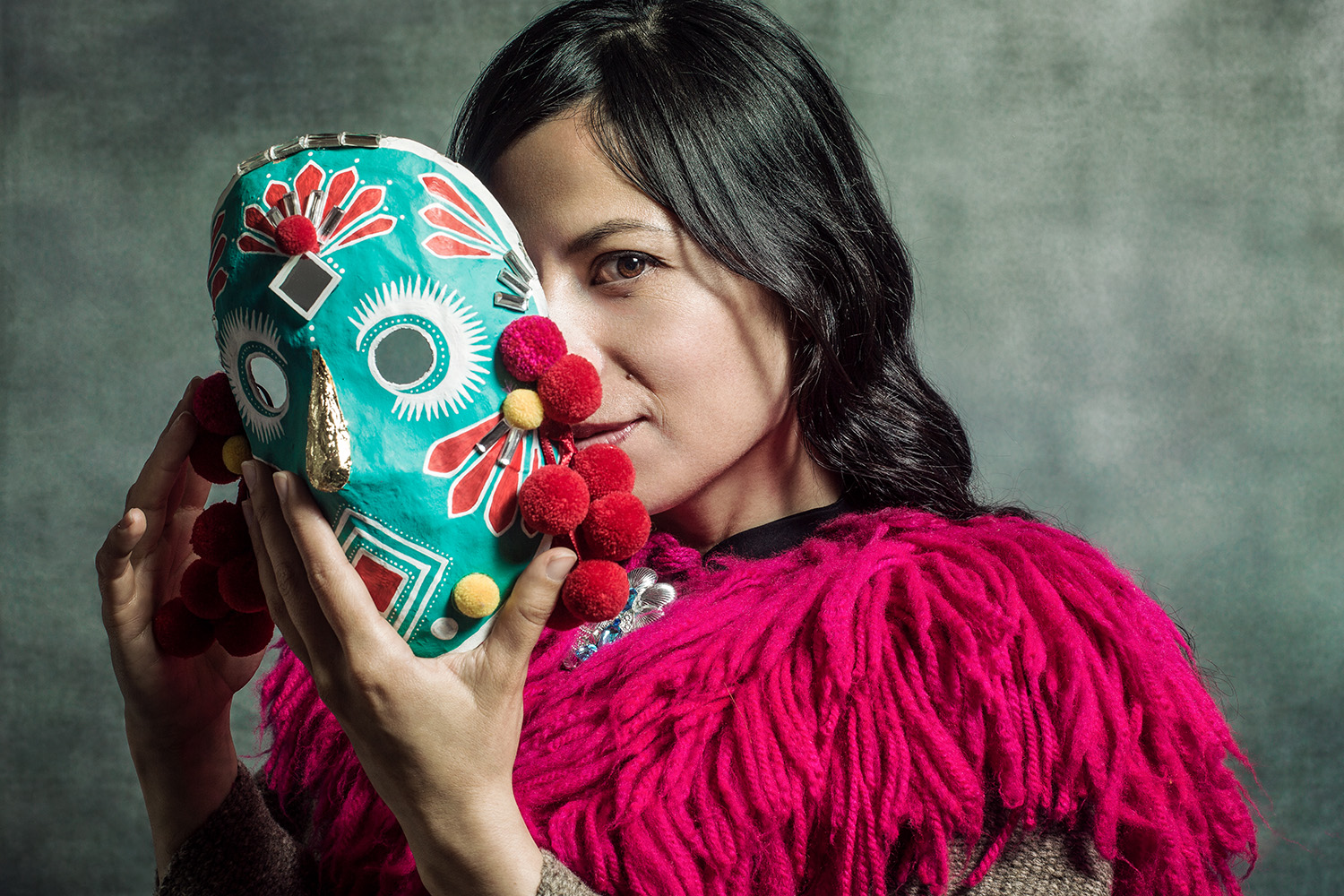
I am fascinated by animals and in how we view our place on the planet in relation to other species. These masks transform the wearer and alter the perception of the viewer by juxtaposing human and animal worlds. When they are not being worn, the masks function as busts, evoking reverence for the animal as well.
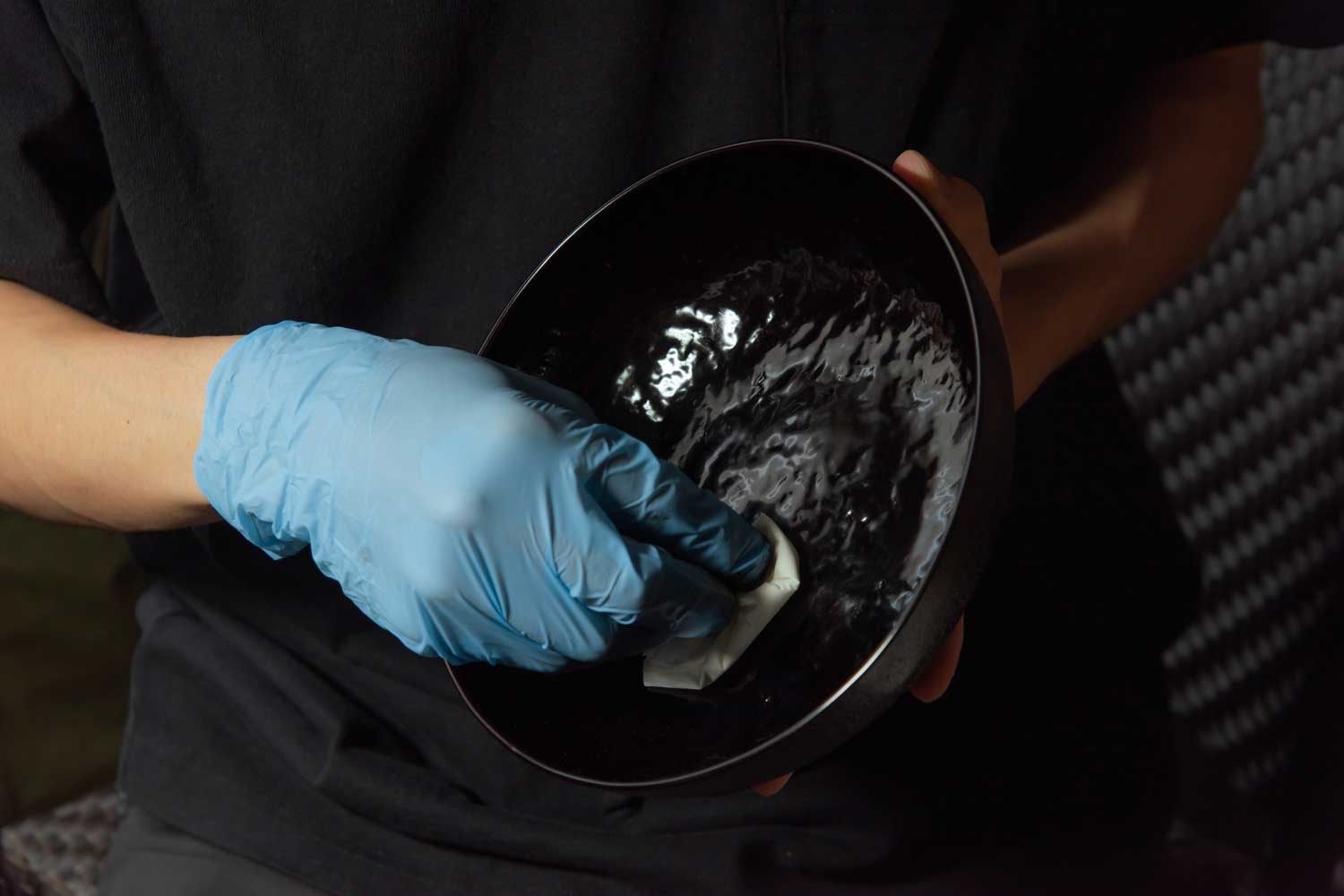
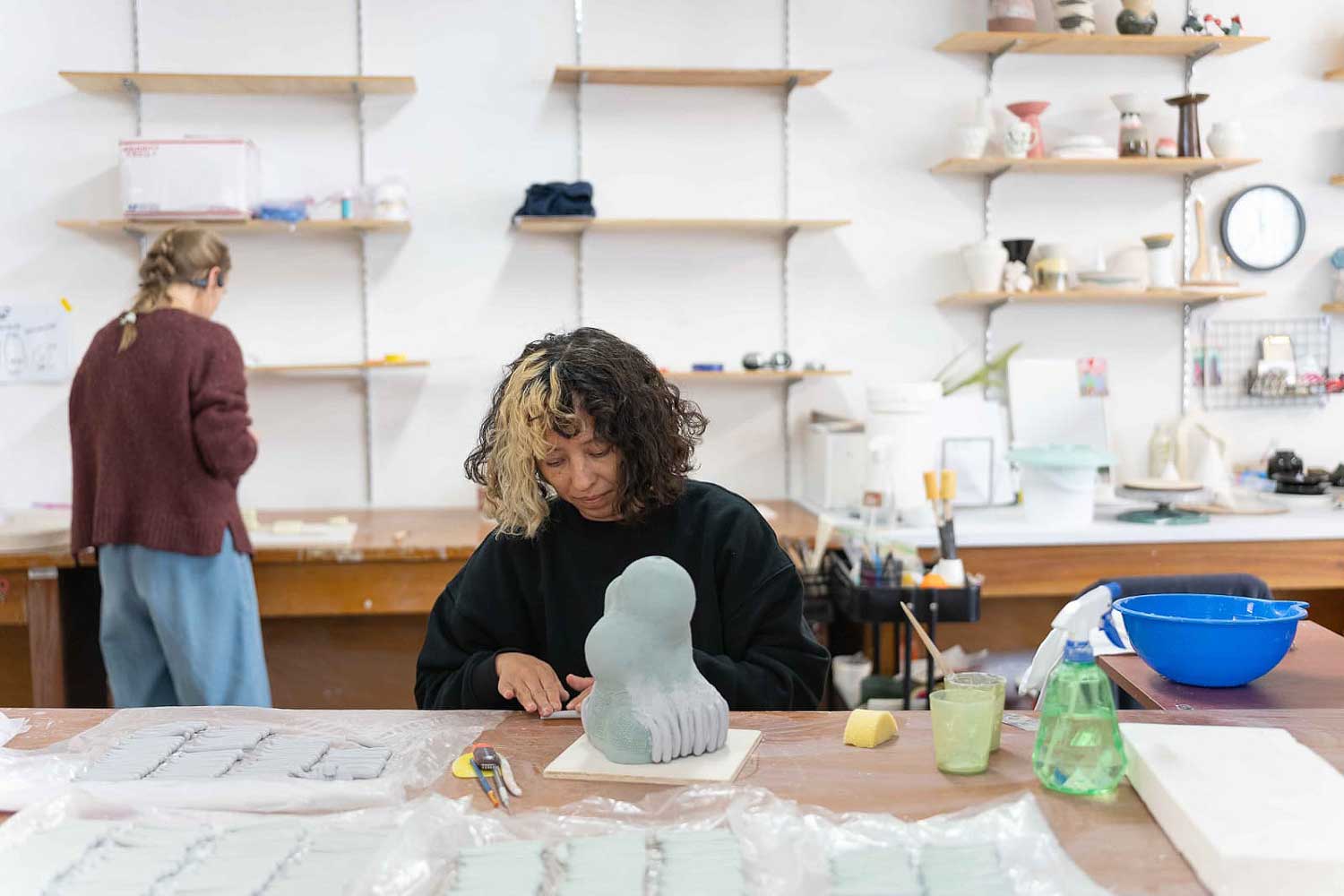
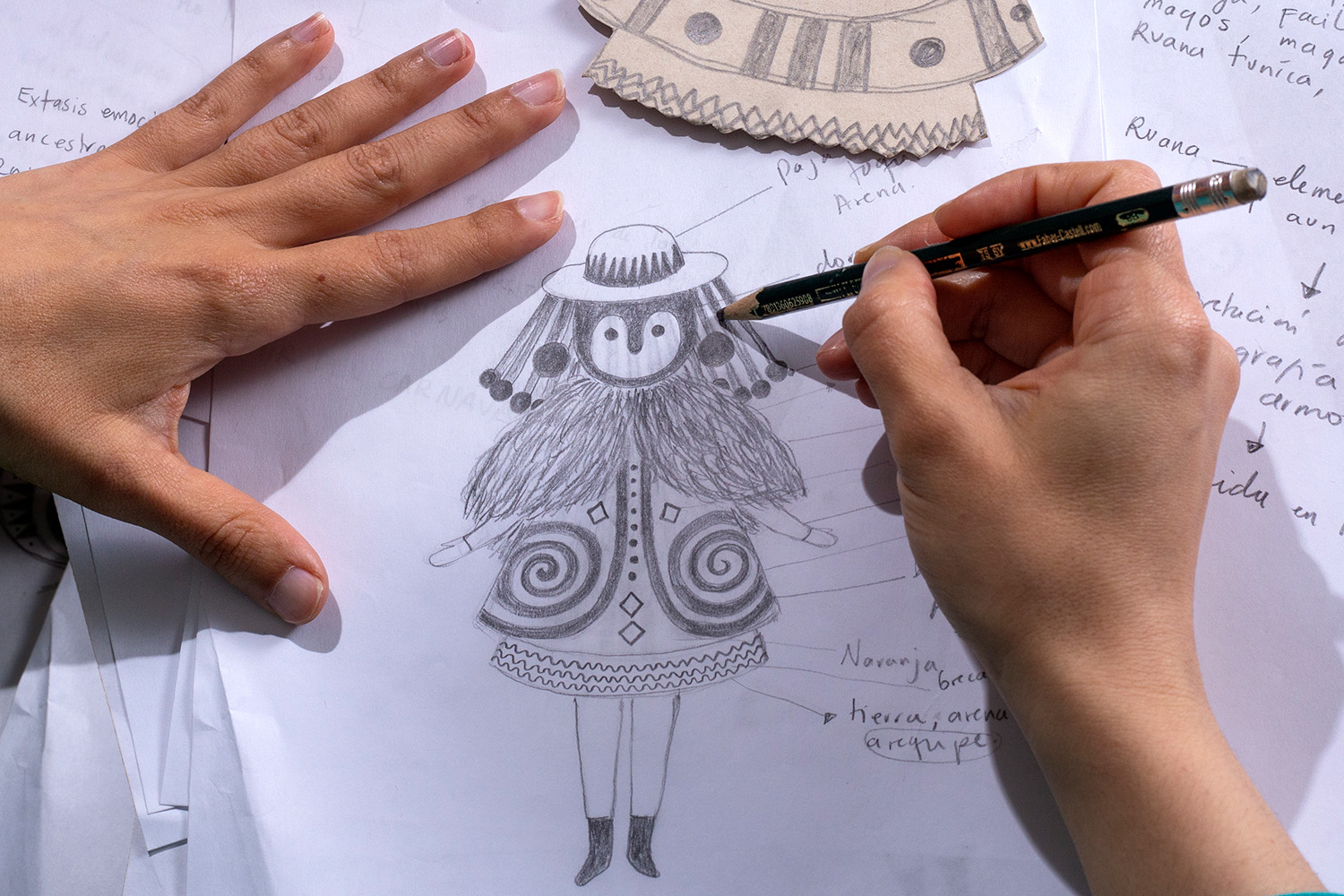
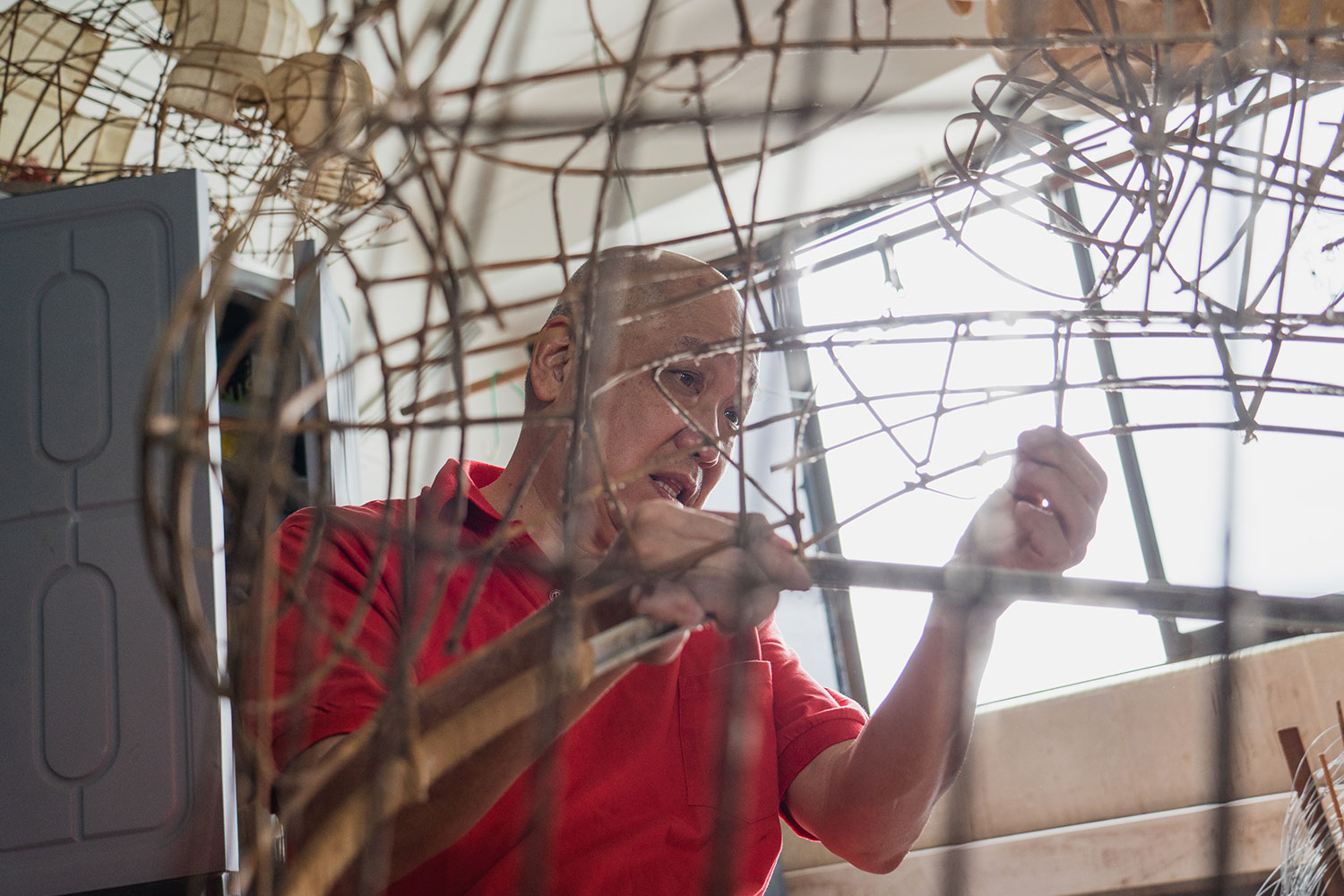
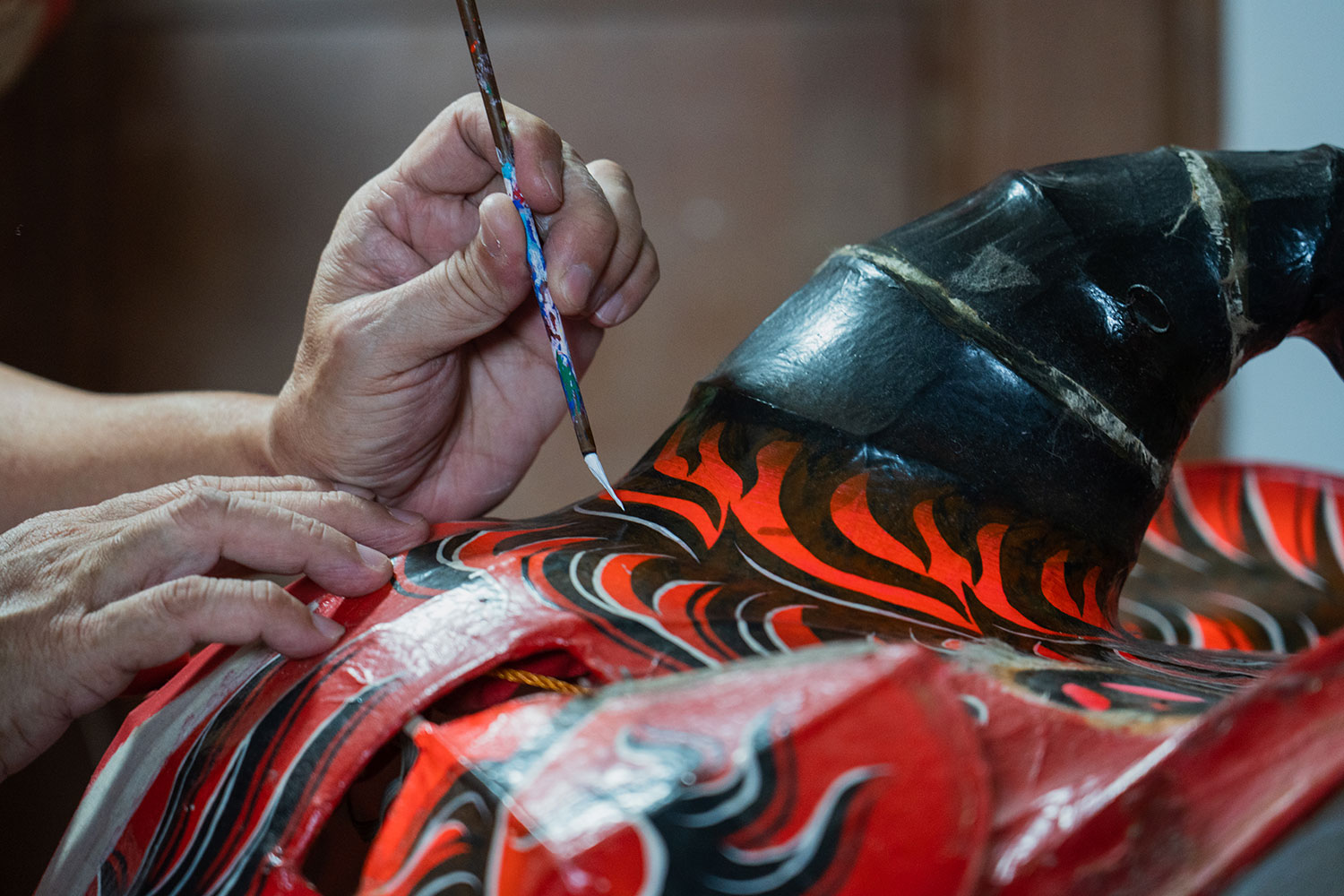
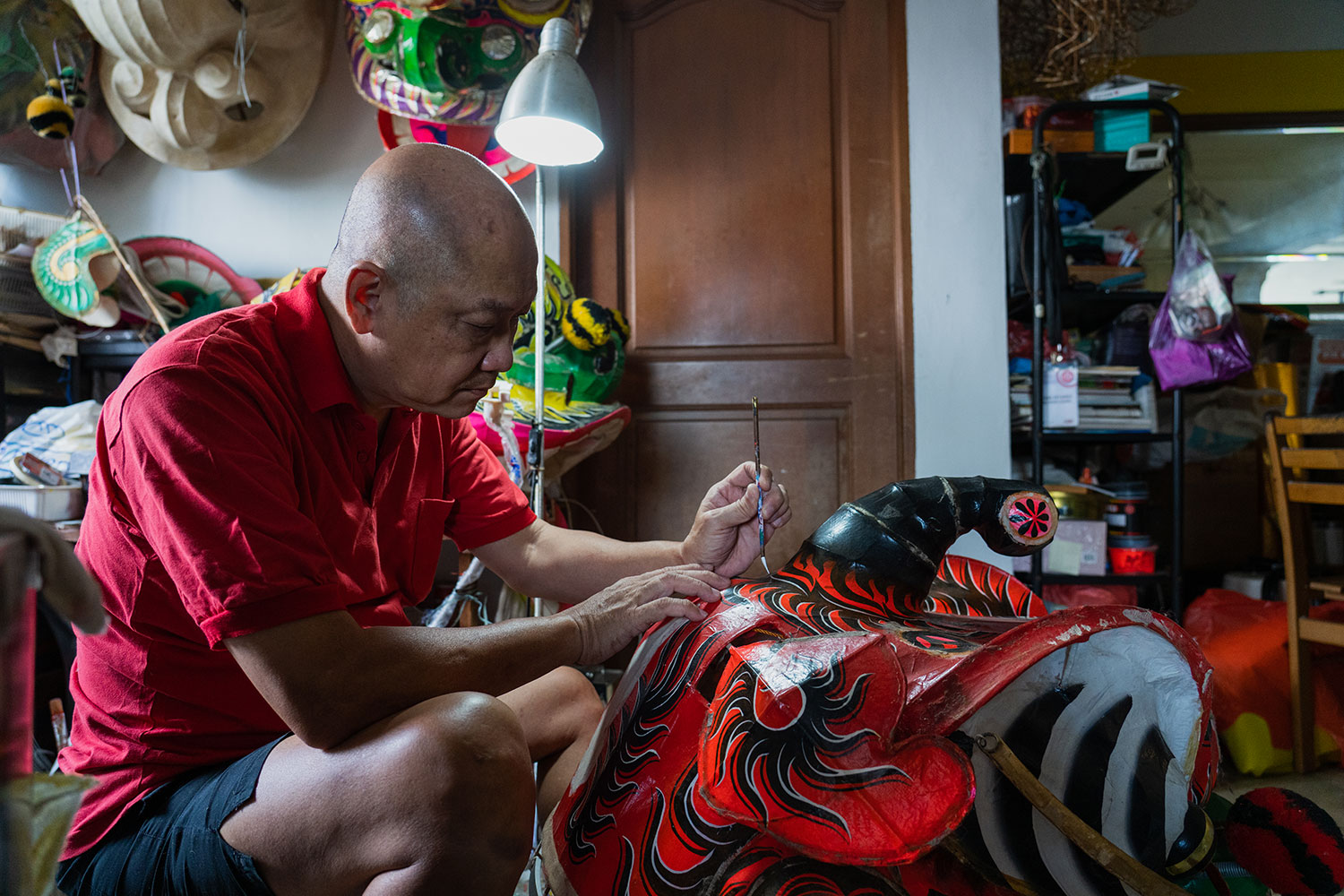
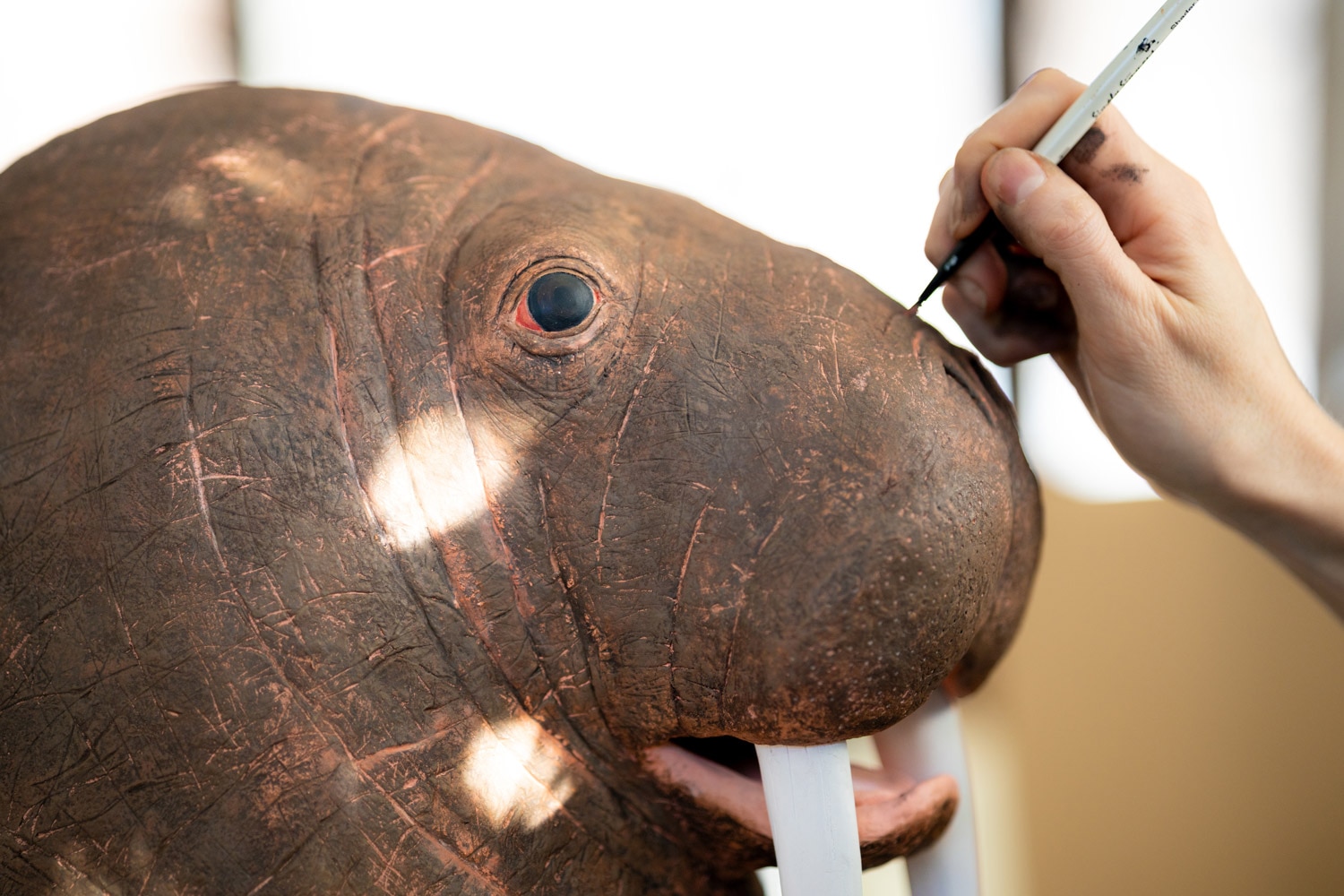
Over time, I have done the opposite of simplifying my process. It is more complicated and takes longer than ever. I build up many layers of paste-soaked paper, then sand heavily outside. My neighbours are used to seeing me in full protective gear! I carve with a knife, adding and taking away, and detail with paper pulp. It is almost like reconstituting wood and then working it.
Sometimes I will hear about something heartbreaking, like walruses losing their breeding grounds or polar bears swimming impossible distances. Sometimes, it is just pure delight, like I cannot believe this creature exists. I want the work to be serious but also playful. Even difficult things are easier to digest with a sense of humour.
Just keep going. Stay focused on the repetition and the exploration. That process is how it develops.
Liz Sexton
Mask maker
Saint Paul, MN, USA
ADDRESS
Address upon request, Saint Paul, MN, USA
AVAILABILITY
By appointment only
LANGUAGES
English
Homo Faber Finds is a new service aiming to inspire admirers of craft to connect and collaborate with exceptional artisans.
We invite you to submit an enquiry here.