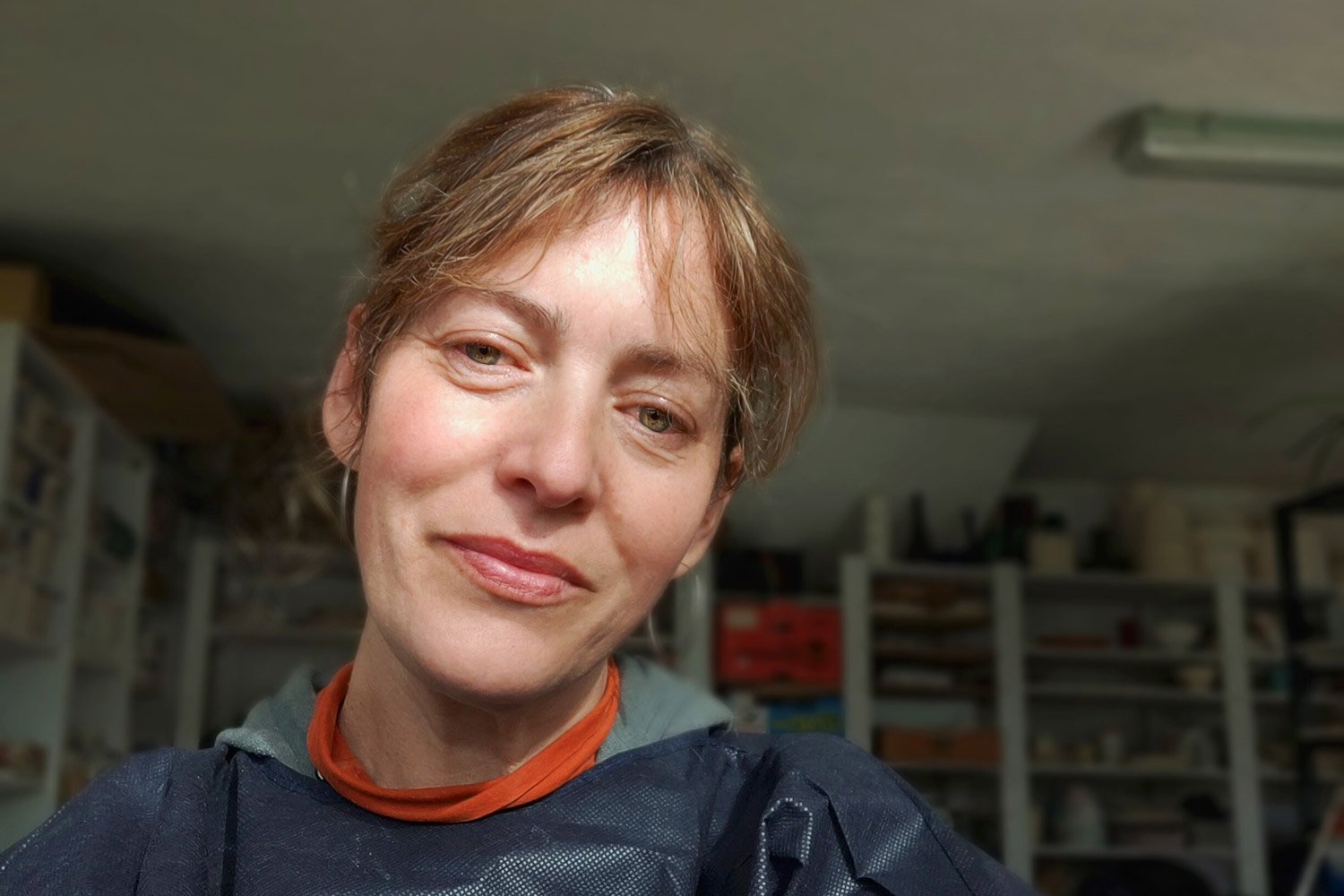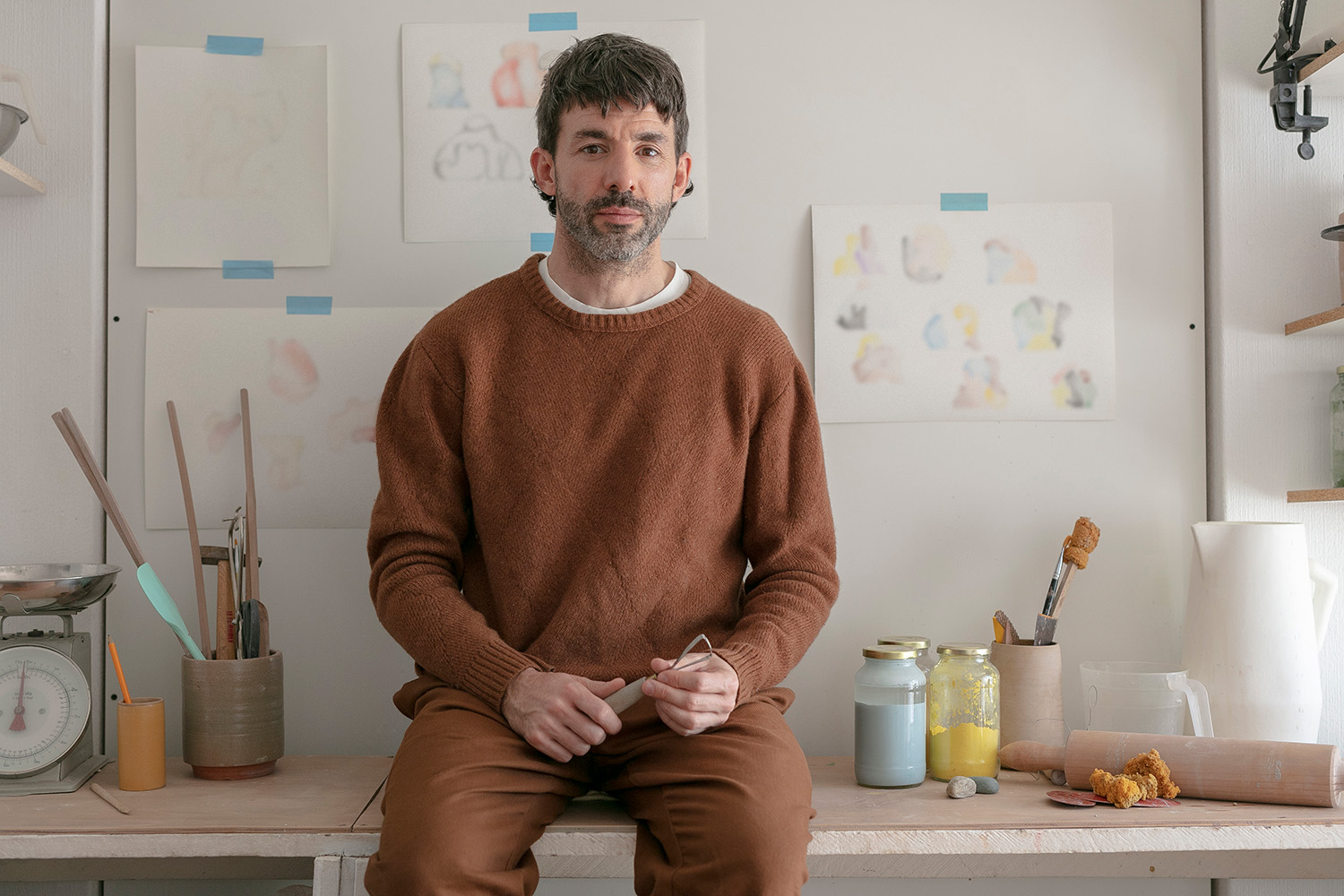
Linda Lopez
Ceramicist
Fayetteville, AR, USA
An empathetic animation of clay
- Linda explores concepts and roles of abstraction through clay
- Her sculptures are inspired by mundane domestic textures and objects
- Exploring the animacy of inanimate objects is central to her work
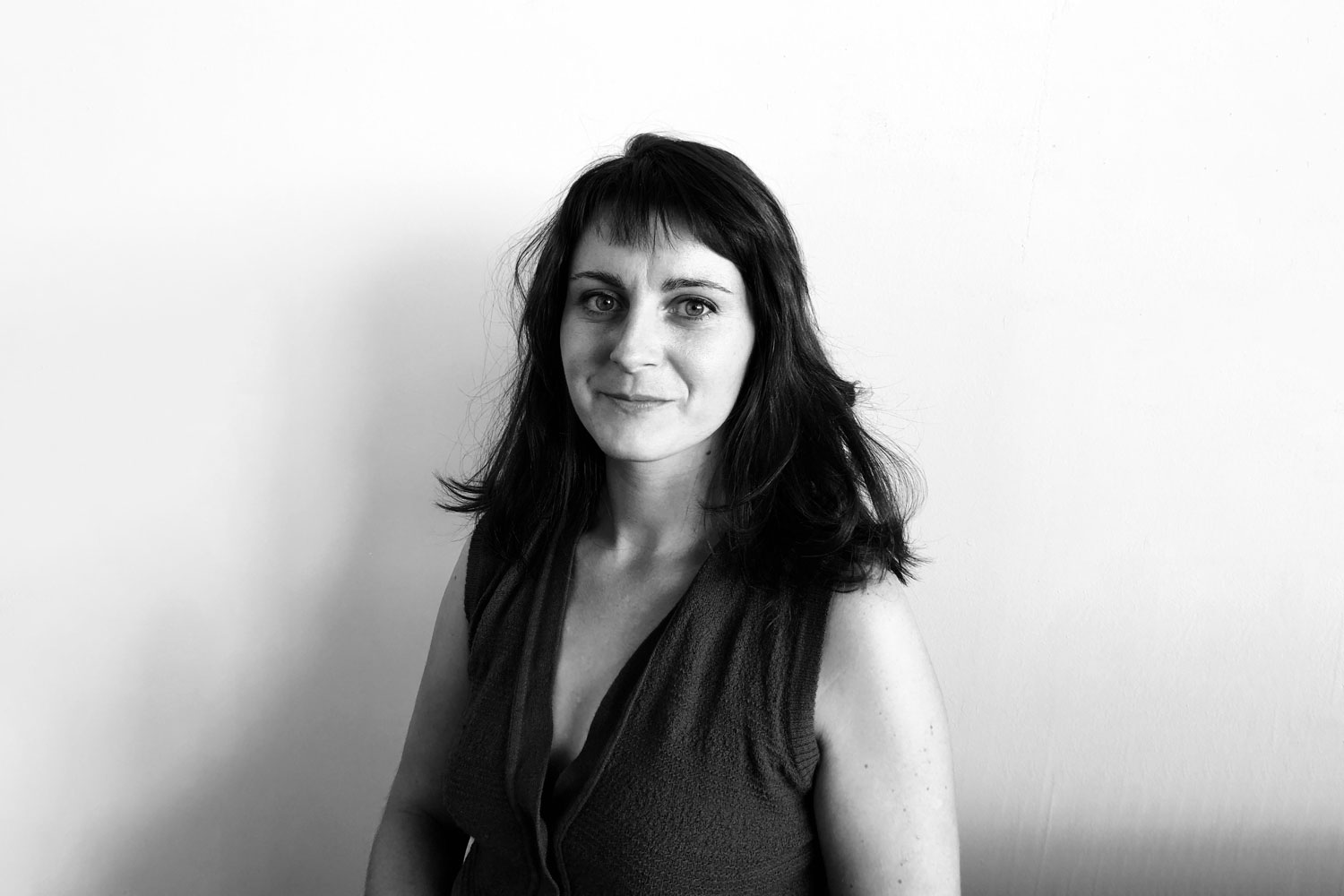
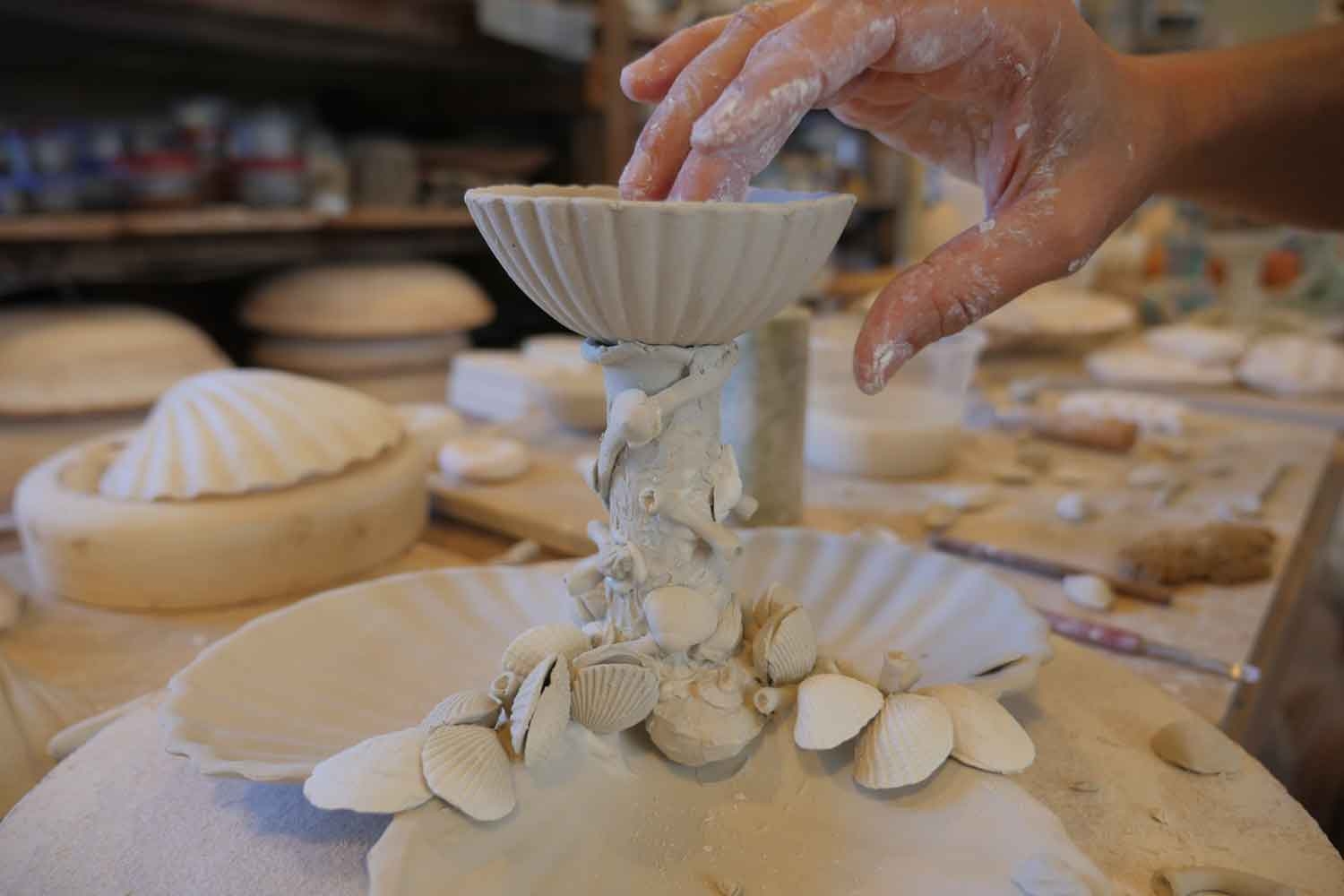
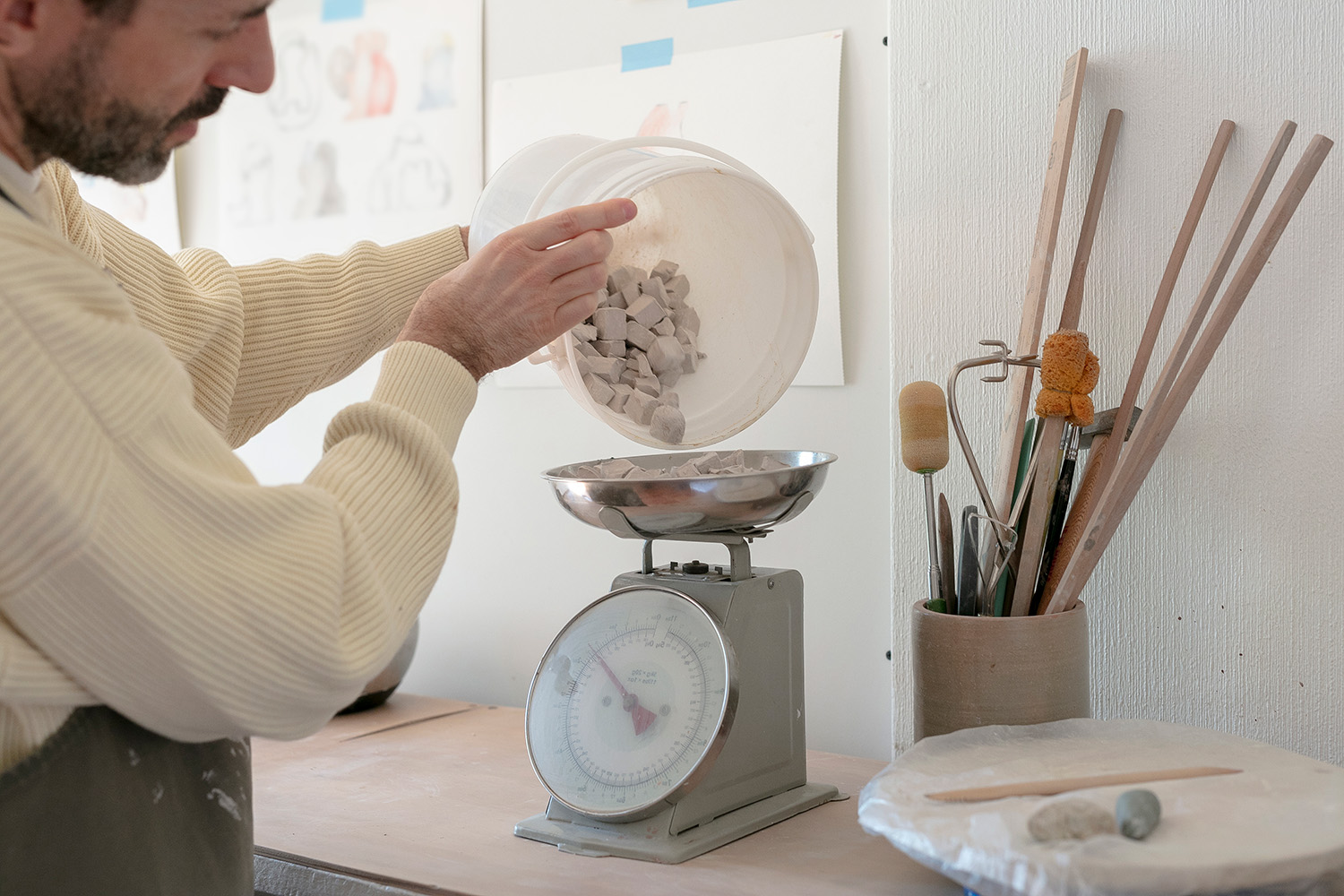
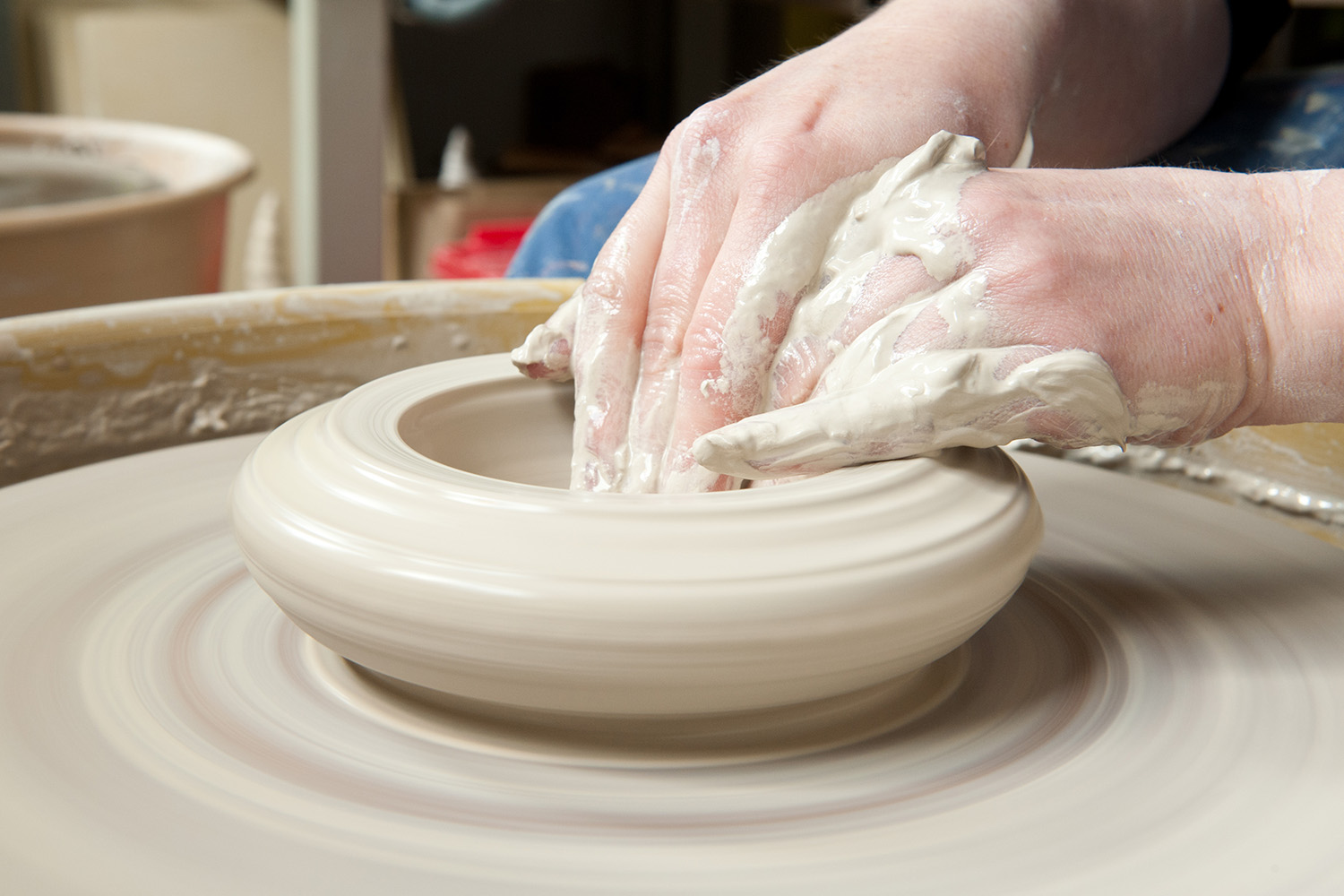
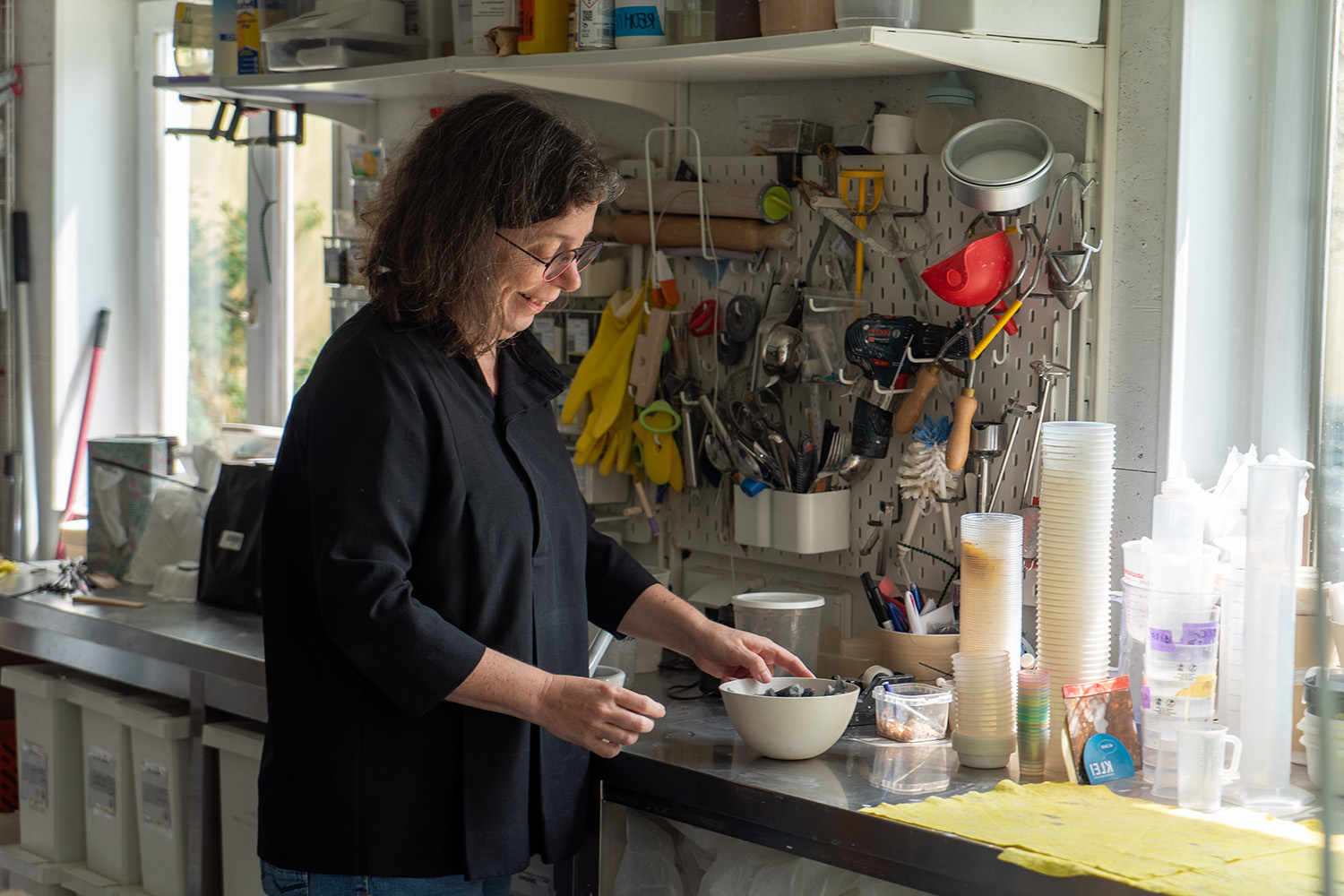
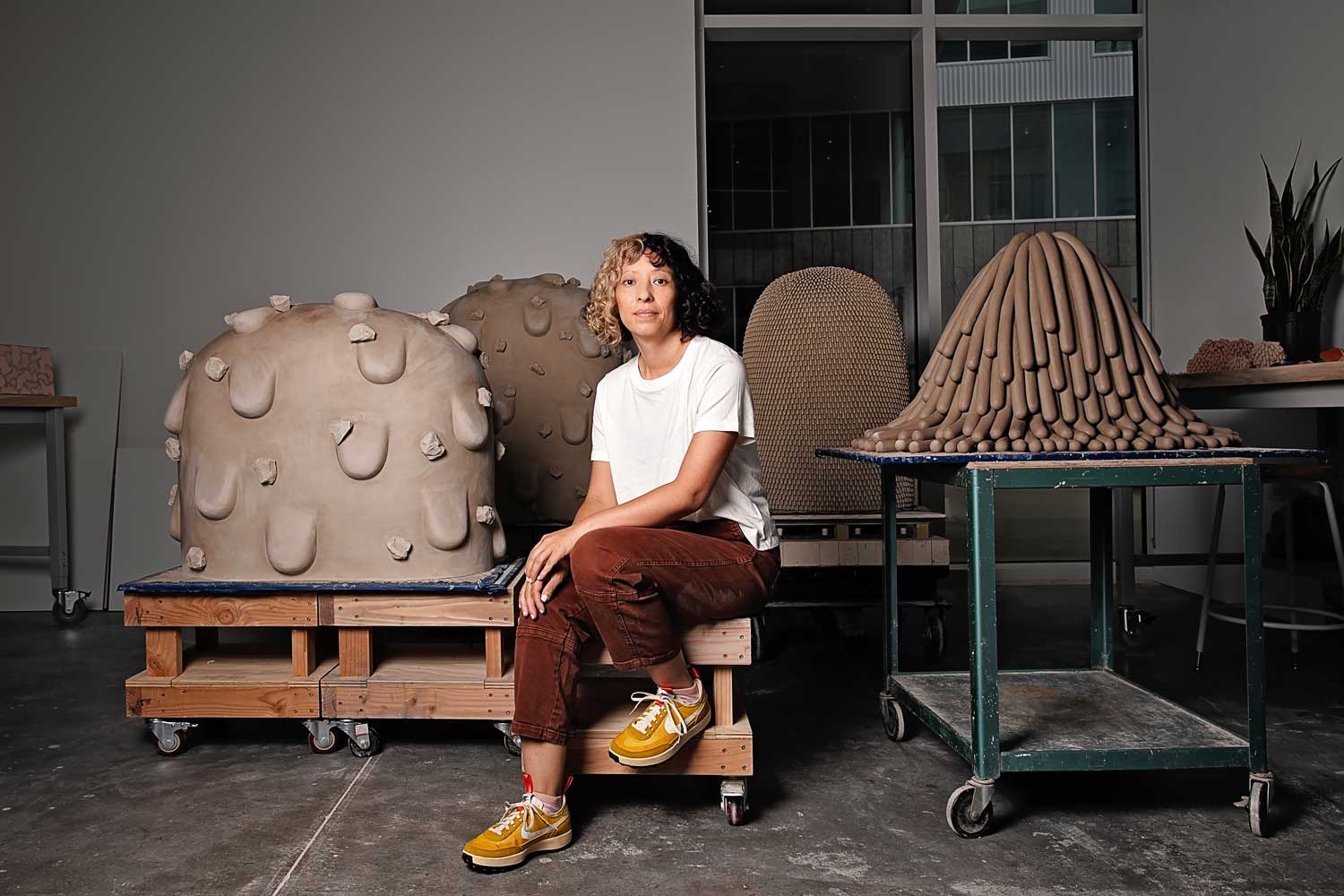
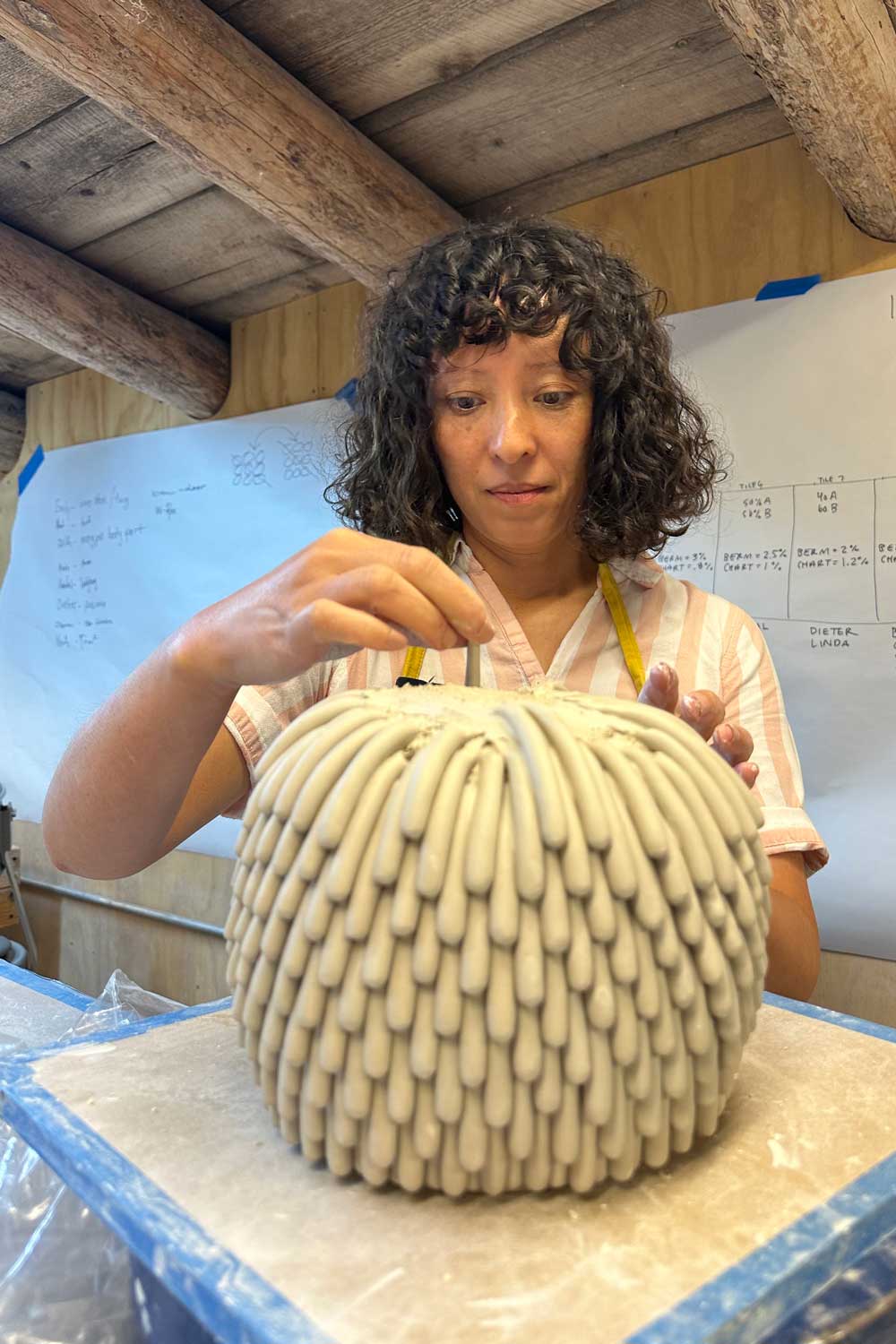
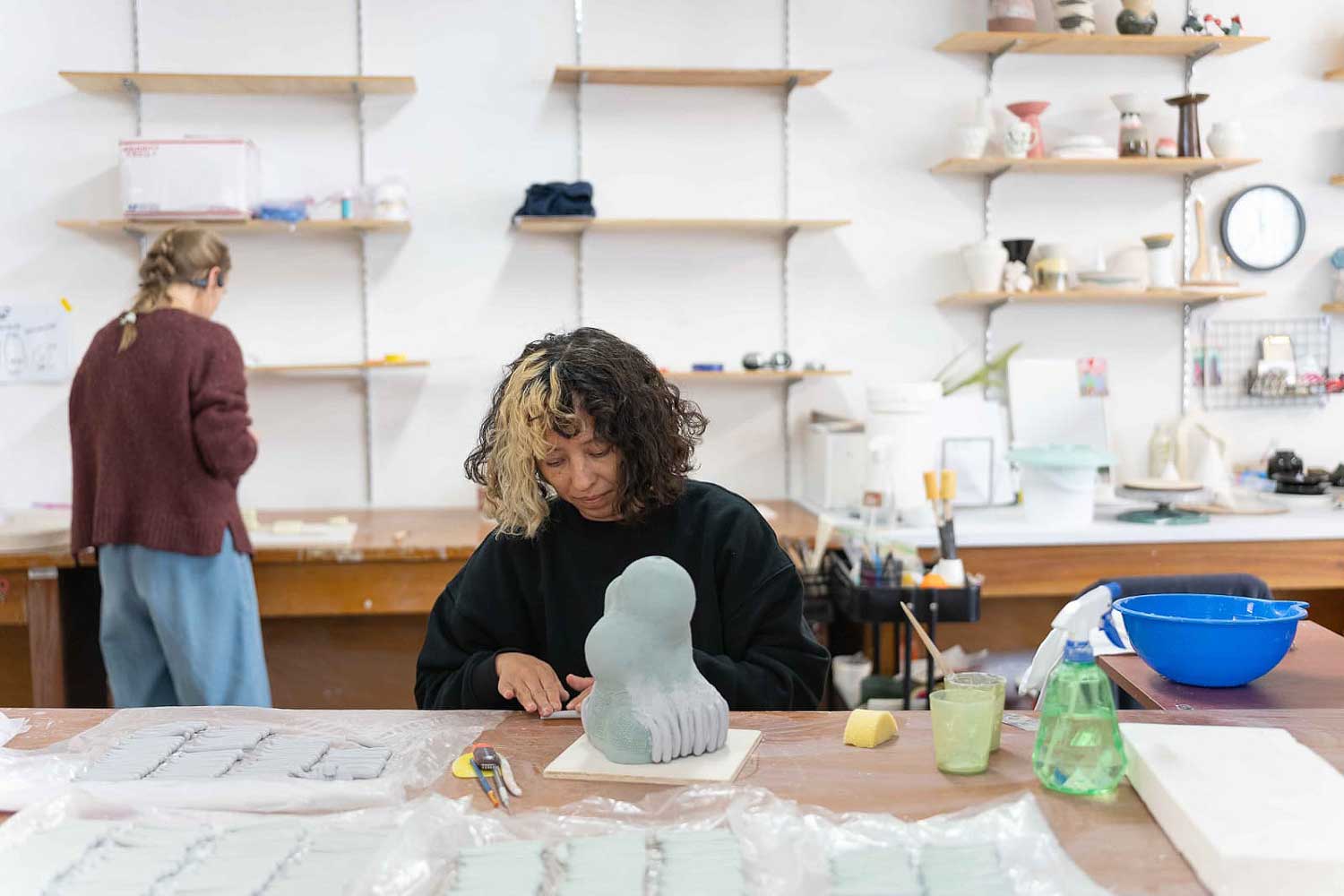
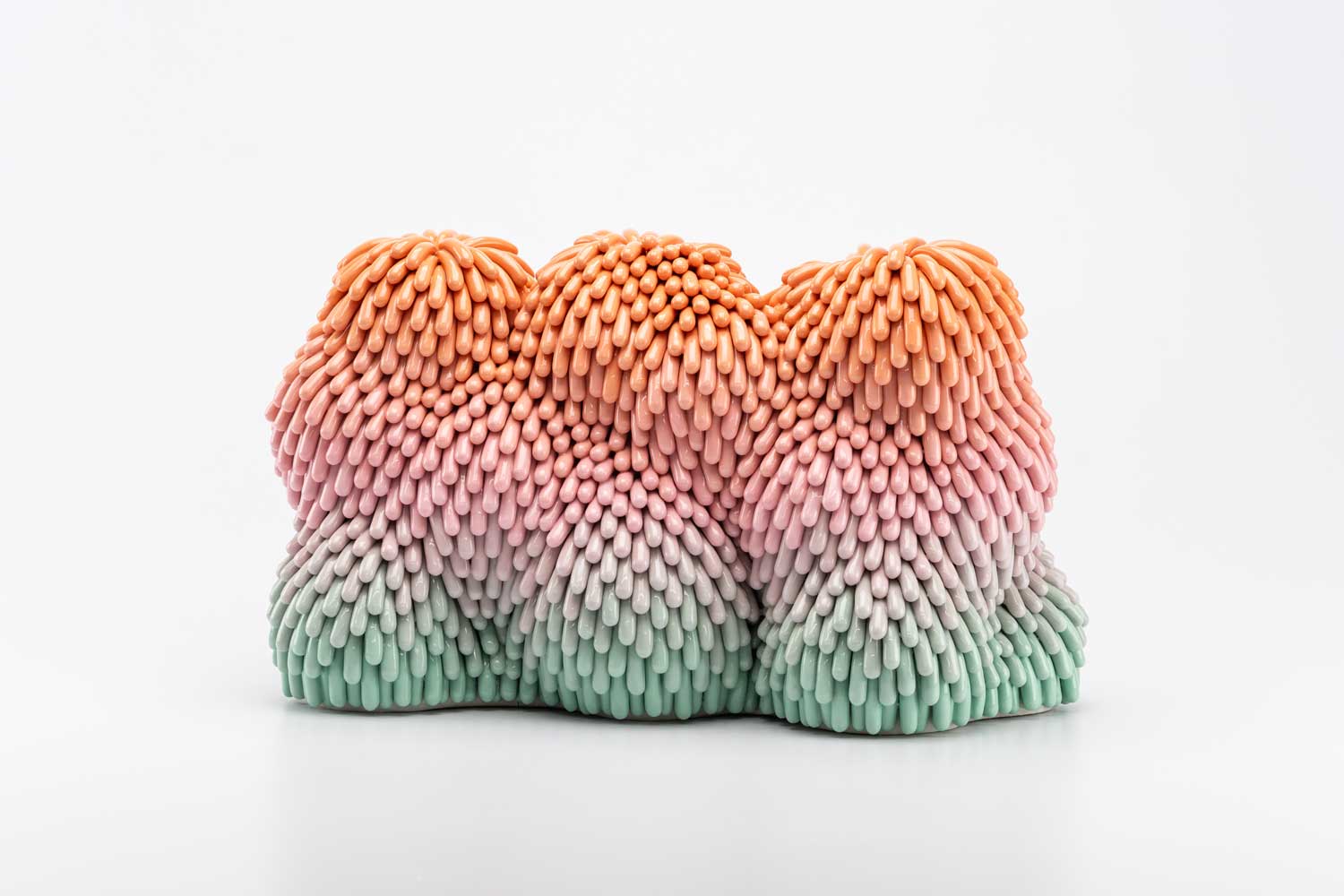
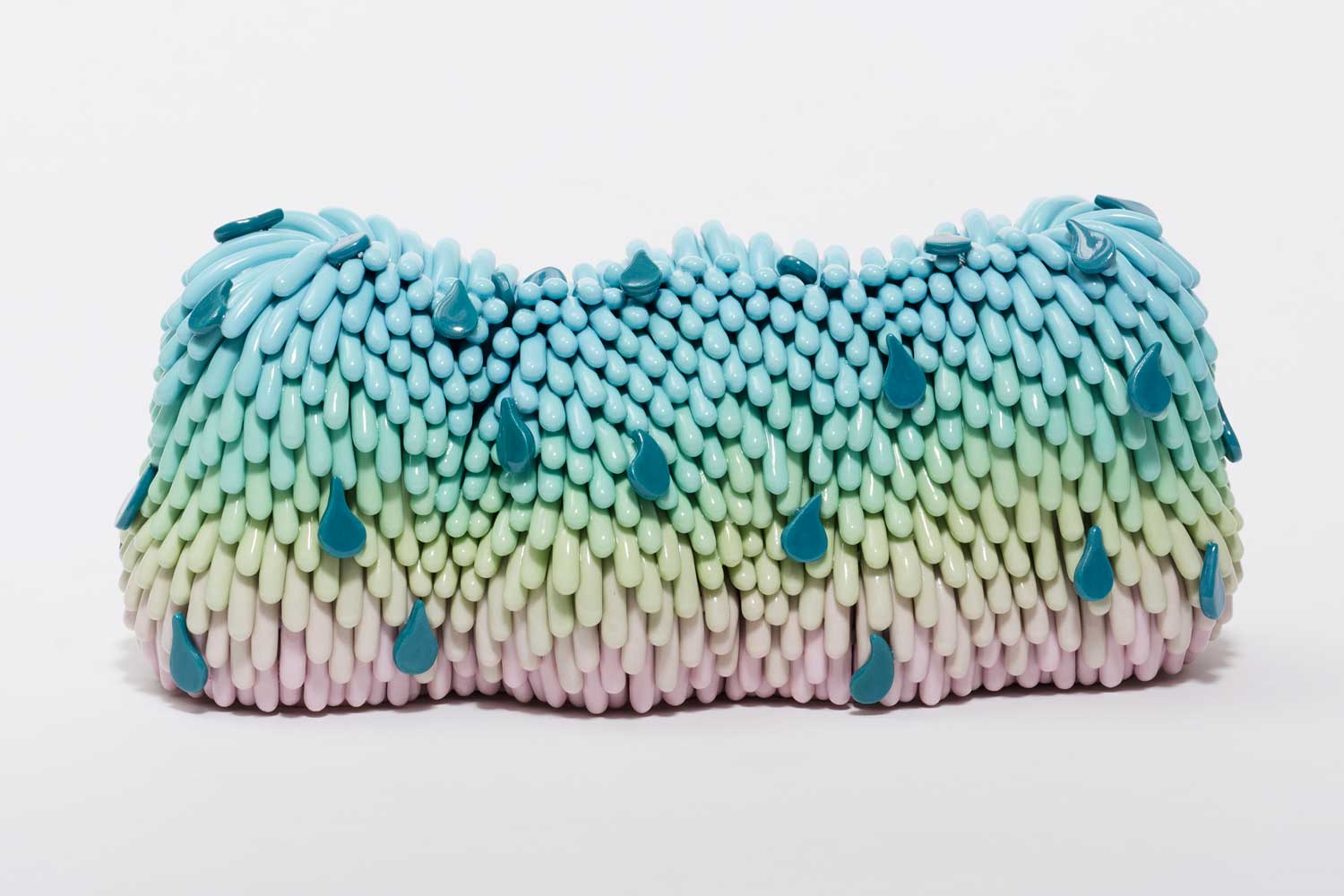
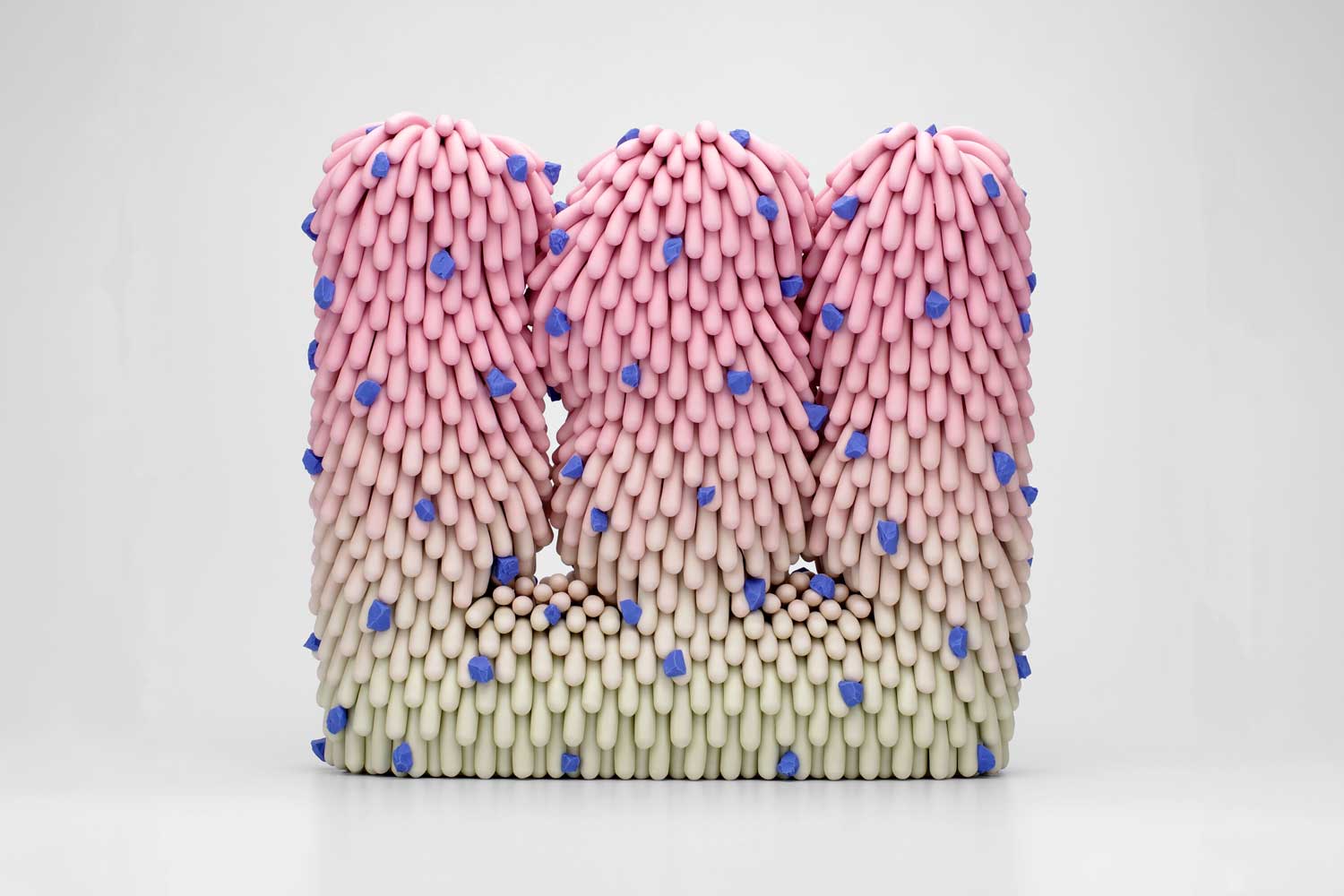
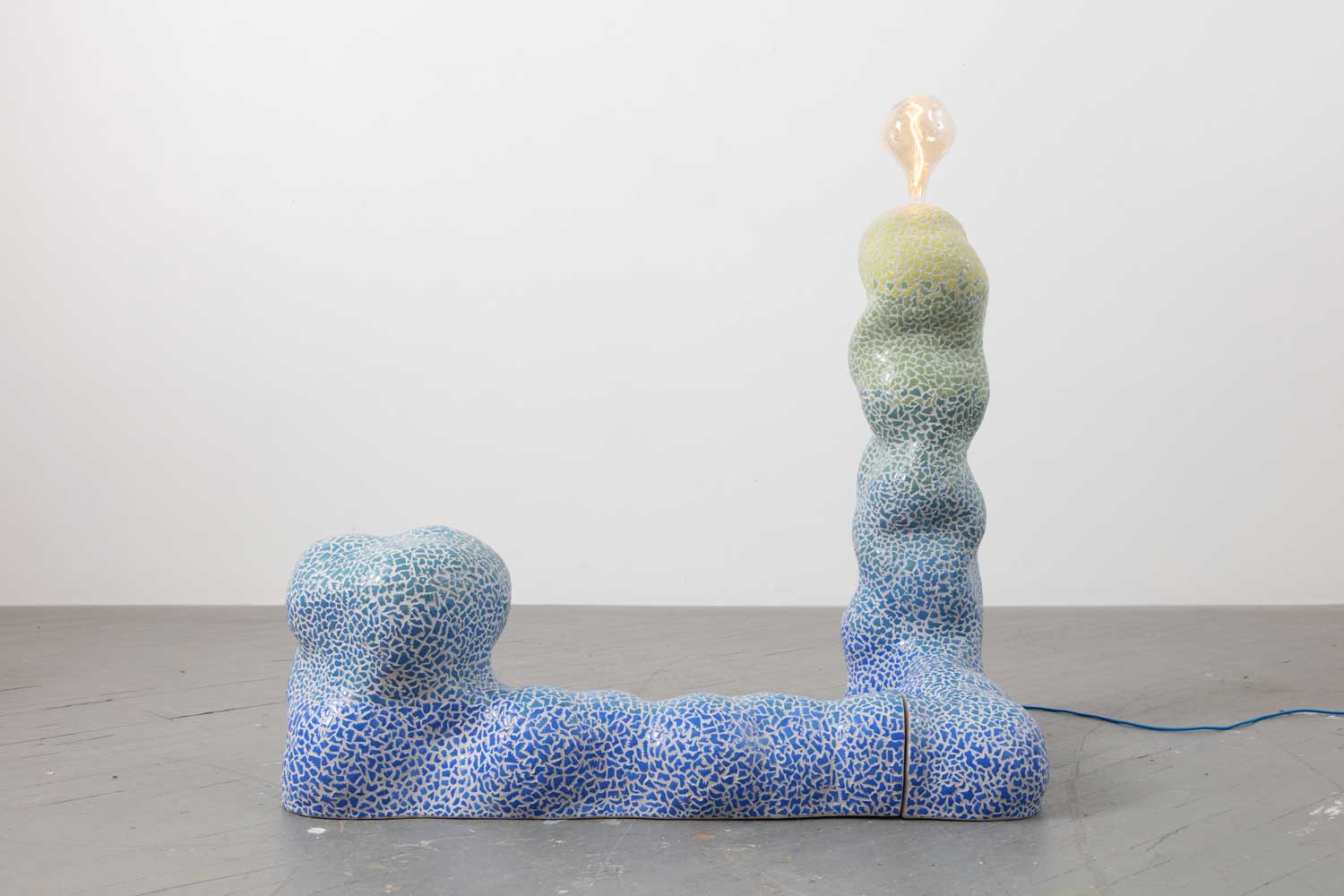
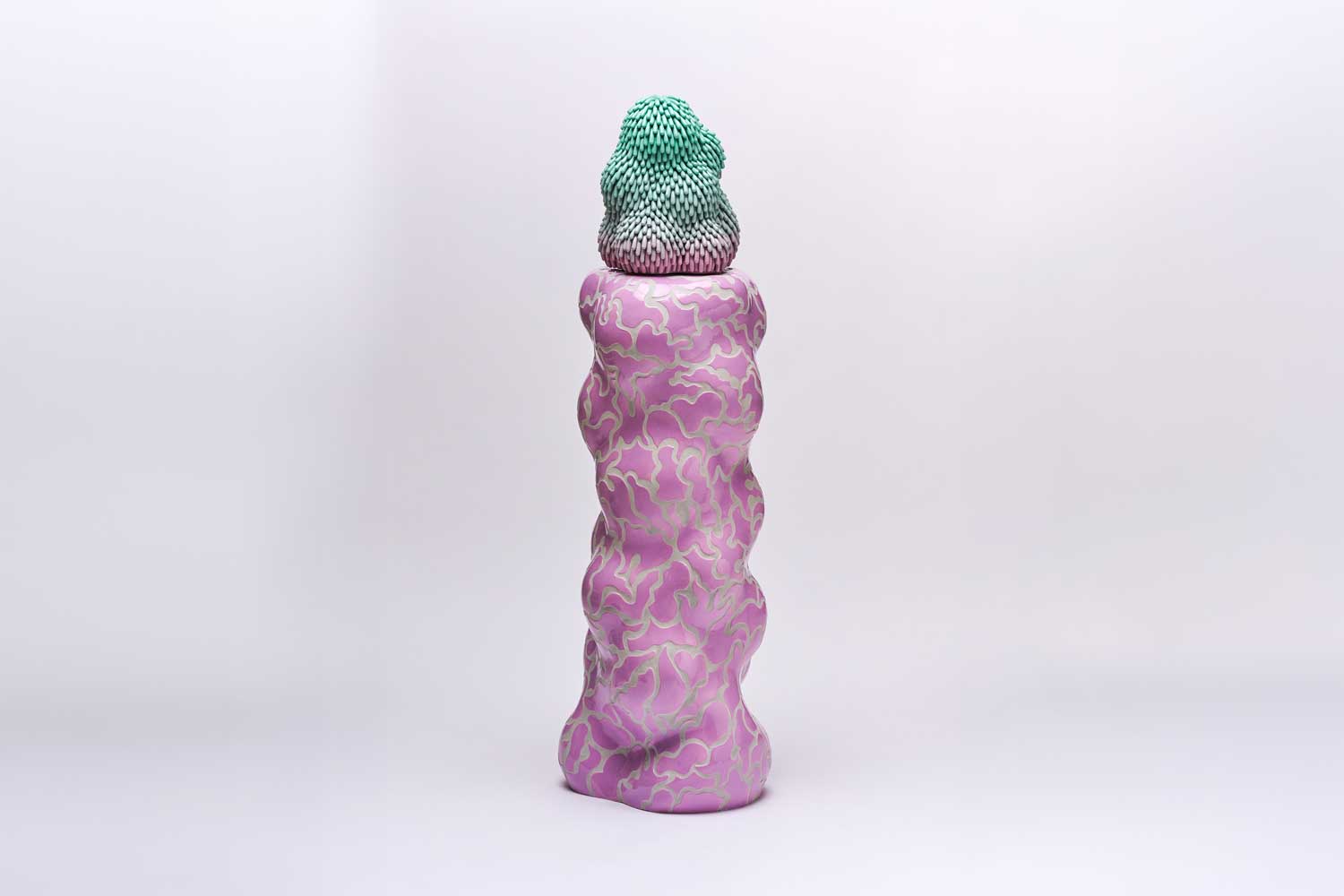
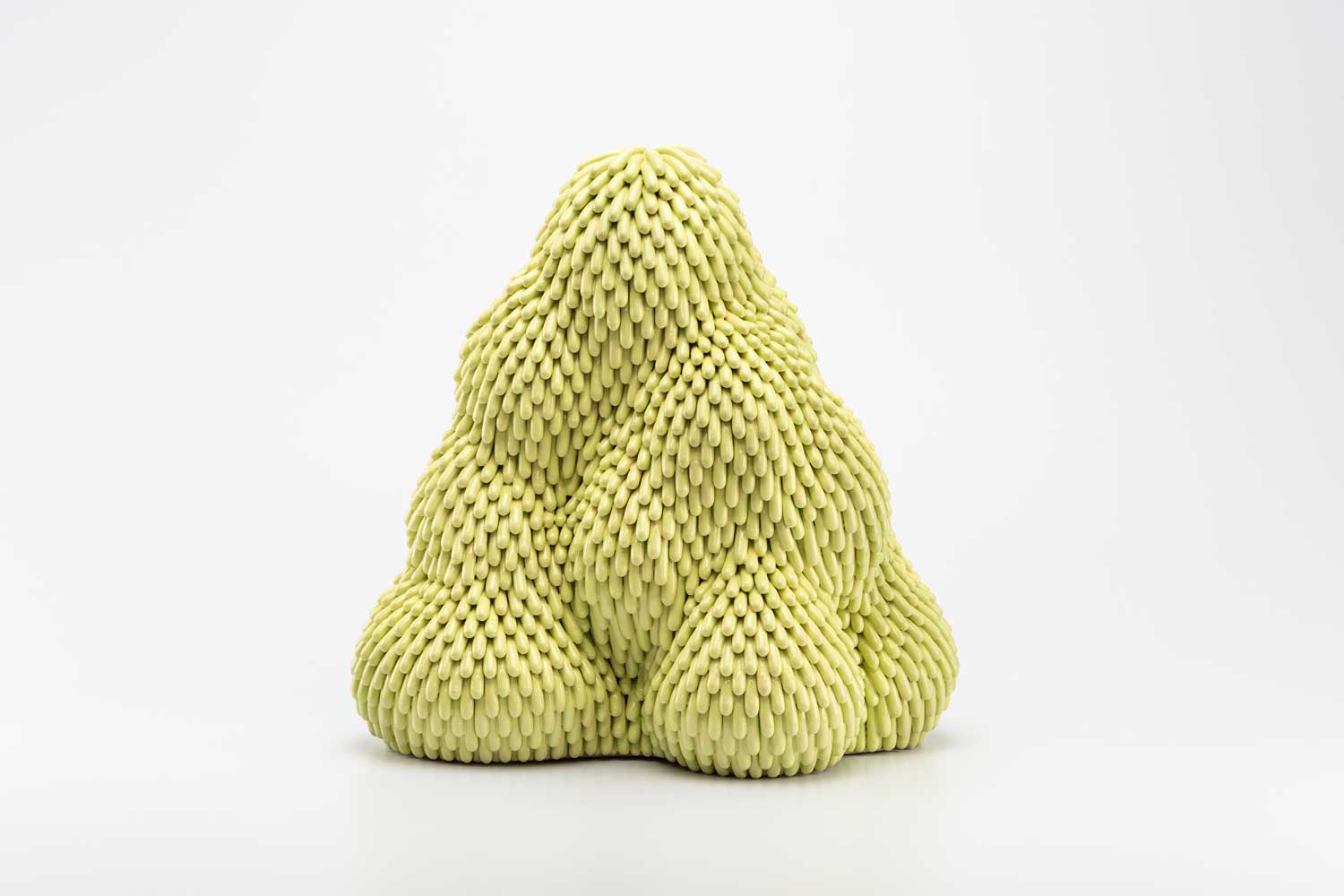
Linda Lopez is a widely exhibited artist primarily working with clay. She hand builds abstract anthropomorphic sculptures, forming dynamic surfaces with elongated clay droplets and a punchy colour palette. Linda’s practice reimagines everyday objects and how people perceive them. “I hope my pieces are experienced not merely as everyday objects, but as something to empathise with or feel is alive," she says. This approach underpins her Dust Furry series, in which overlooked detritus become emotionally resonant entities. Linda holds a BA in art education, a BFA in ceramics from California State University of Chico and an MFA from the University of Colorado, Boulder, and is currently an associate professor at the University of Arkansas. She is represented by Mindy Solomon Gallery and David B. Smith Gallery,
Discover her work
INTERVIEW
I fell in love with clay because it was so malleable, it could be anything. The conceptual push of clay was challenging because it carries such a long history as a material. Trying to figure out what the next step for clay could be, and how it would be received in a contemporary moment, felt like a great challenge to me.
A lot of my pieces start from my interest in how objects interact with people in the present, the histories they carry and the spaces in which they are found and lived with. I am essentially empathising with objects, asking what they are and who they want to be. I want viewers to see how objects can depart from their assigned functions.
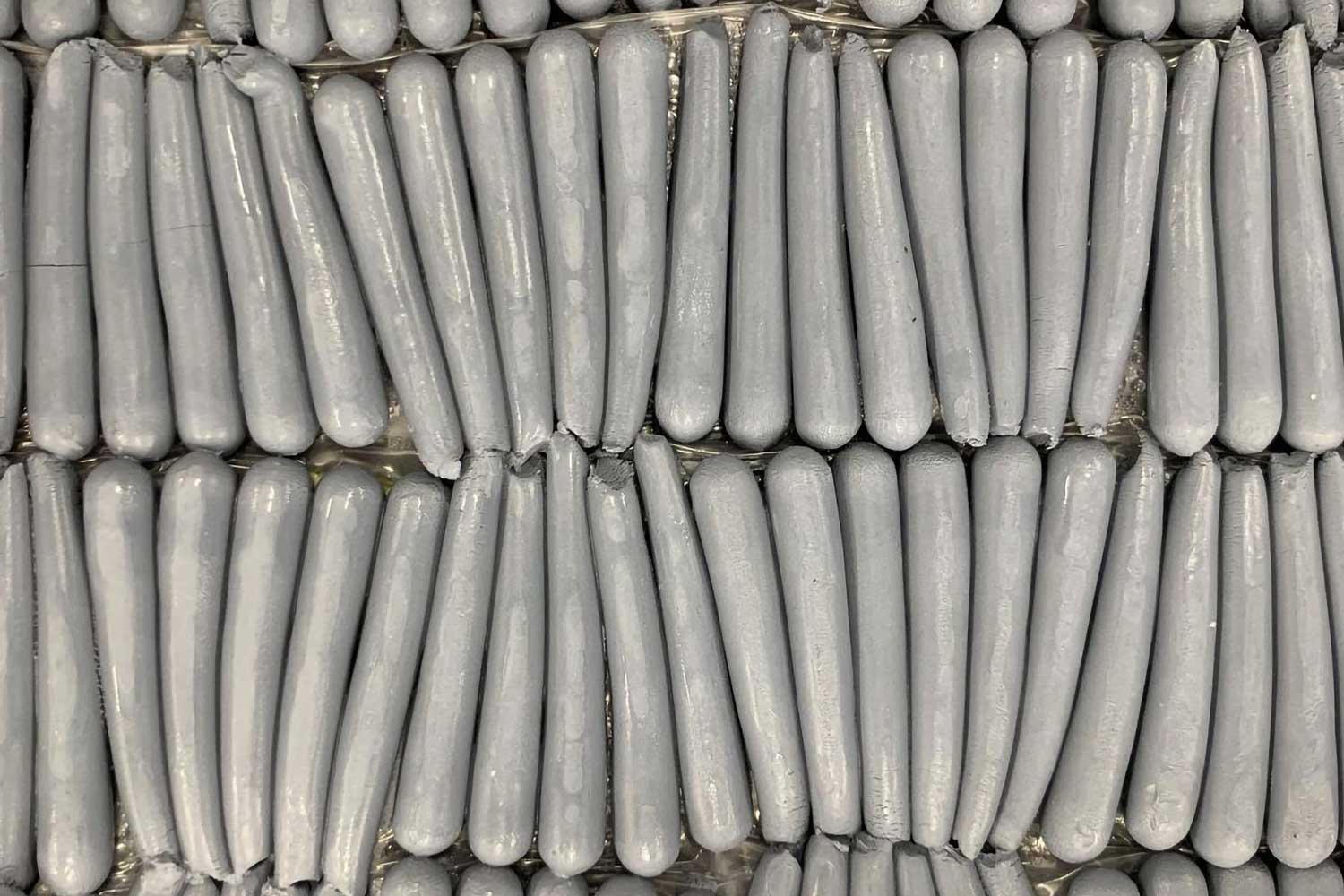
The initial inspiration came from a neon green microfibre duster. I wanted to recreate that texture as an animate form. I also began thinking about dust itself, not as a nuisance, but as an archive of time and interaction. How does dust experience objects? And how do objects see dust? That became central to the series.
Teaching keeps my practice alive. Students bring new energy, ideas and questions that keep me engaged and thinking. They are current makers, so their perspectives are very fresh and challenging. Teaching keeps me on my toes and fuels my practice in a really direct way. It is a symbiotic relationship.
Linda Lopez
Ceramicist
Fayetteville, AR, USA
ADDRESS
Address upon request, Fayetteville, AR, USA
AVAILABILITY
By appointment only
LANGUAGES
English
Homo Faber Finds is a new service aiming to inspire admirers of craft to connect and collaborate with exceptional artisans.
We invite you to submit an enquiry here.