Leonardo Davighi & Filippo Sanpaolesi
CōDICEDS
Jewellery maker
Rome, Italy
Motifs from floor to finger
- Leonardo and Filippo make rings and cufflinks inspired by ancient art forms
- They craft 'stones' either from metal or from synthetic clays
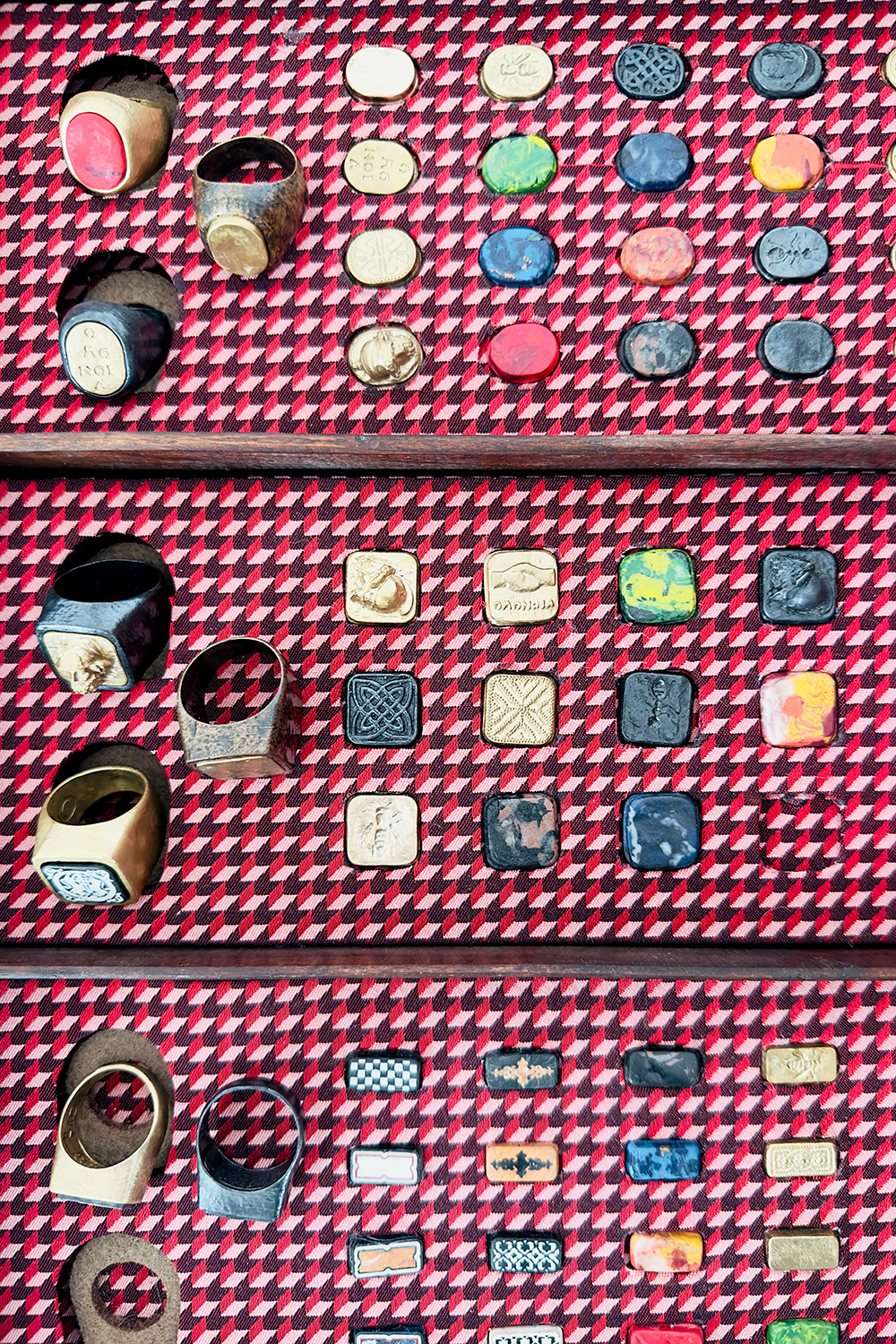
- Their rings are fashioned with a mechanism to easily replace the stones
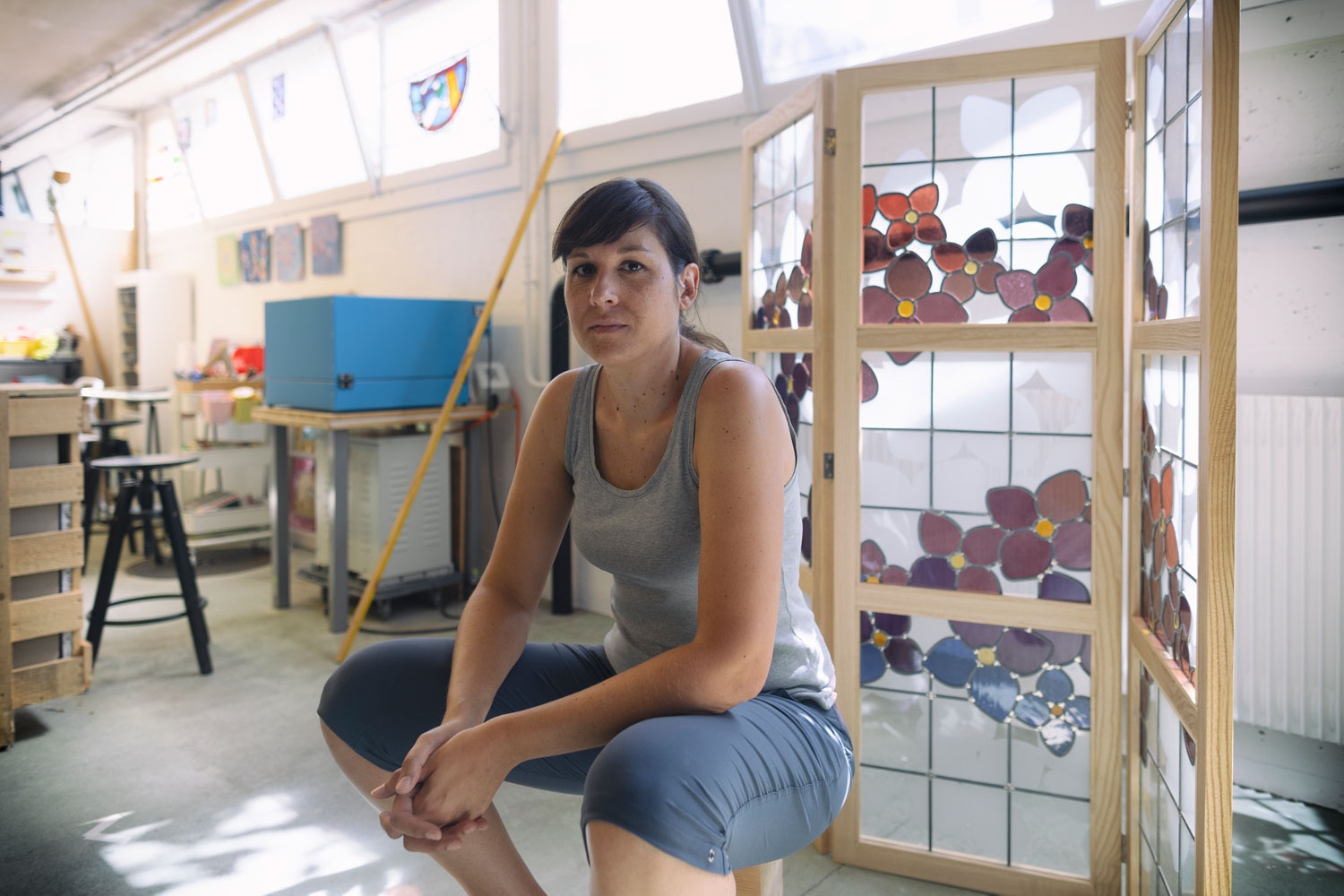
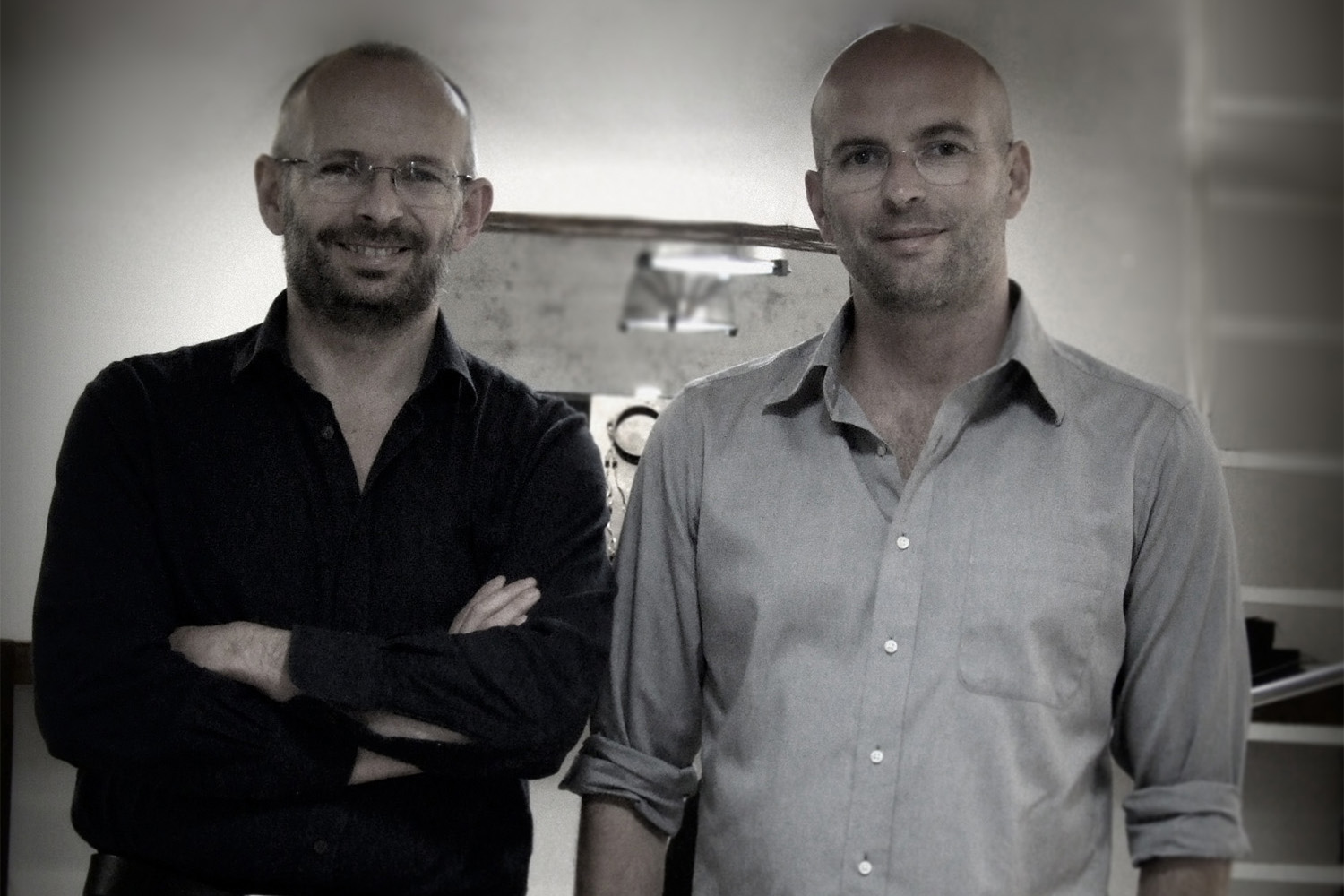
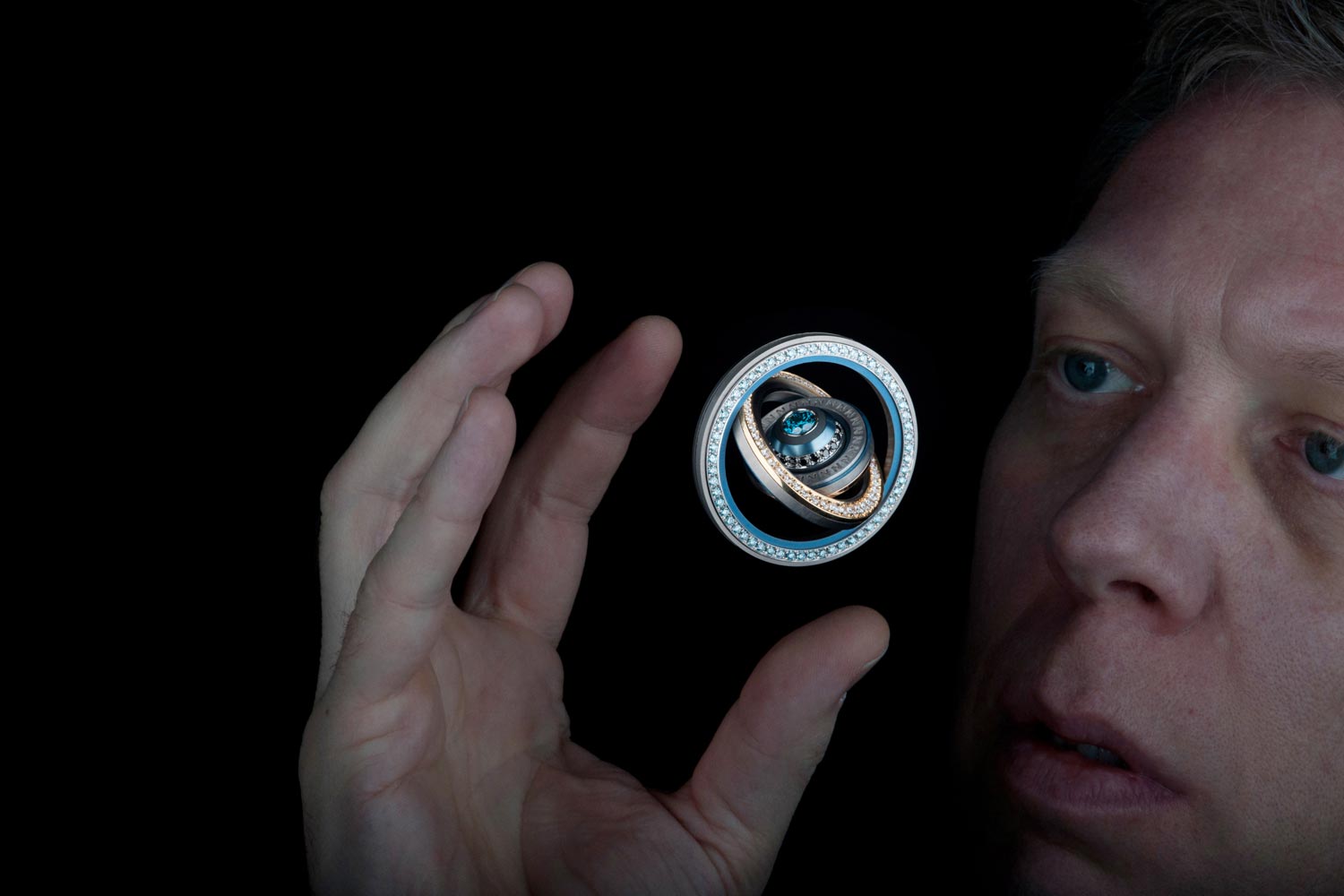
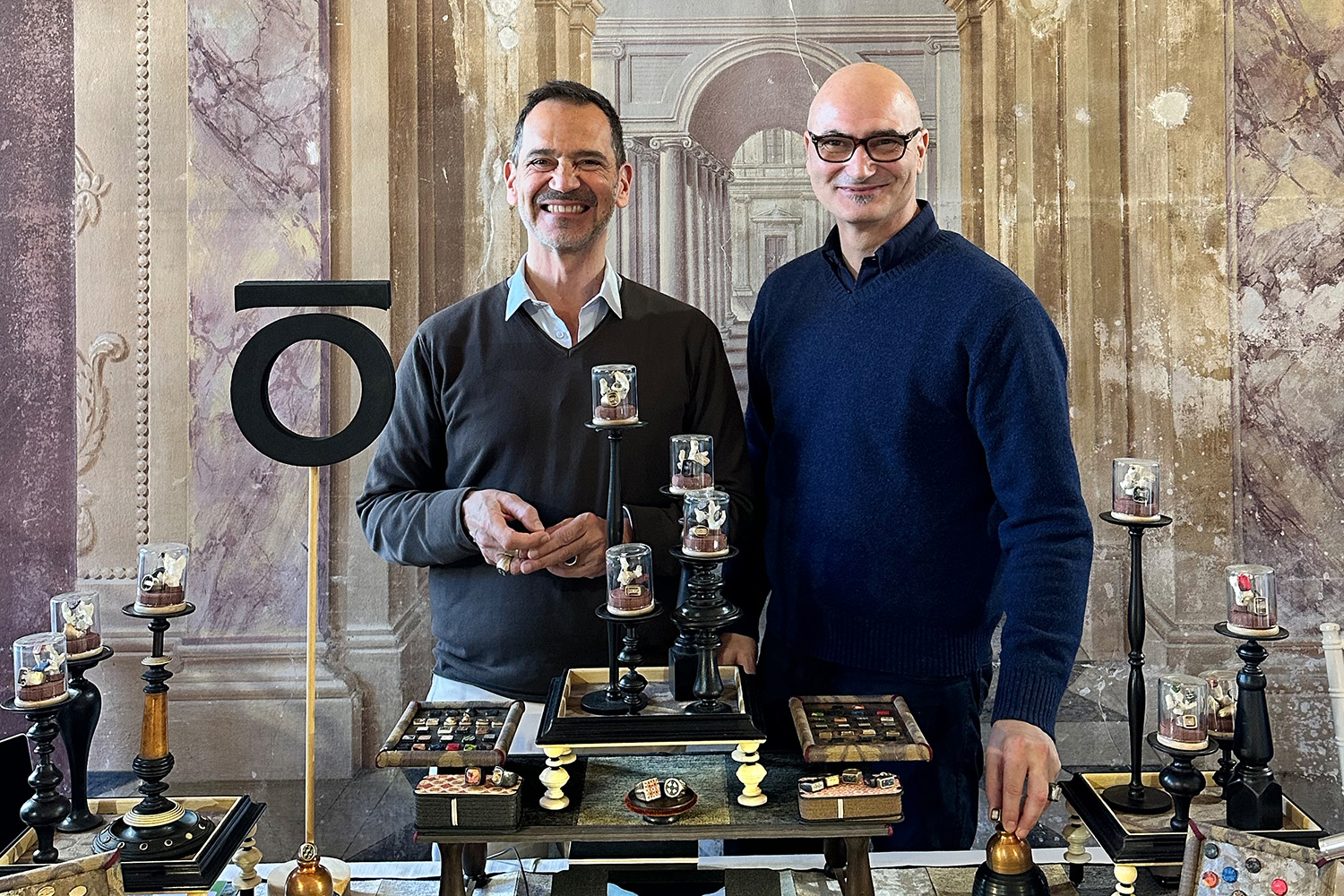
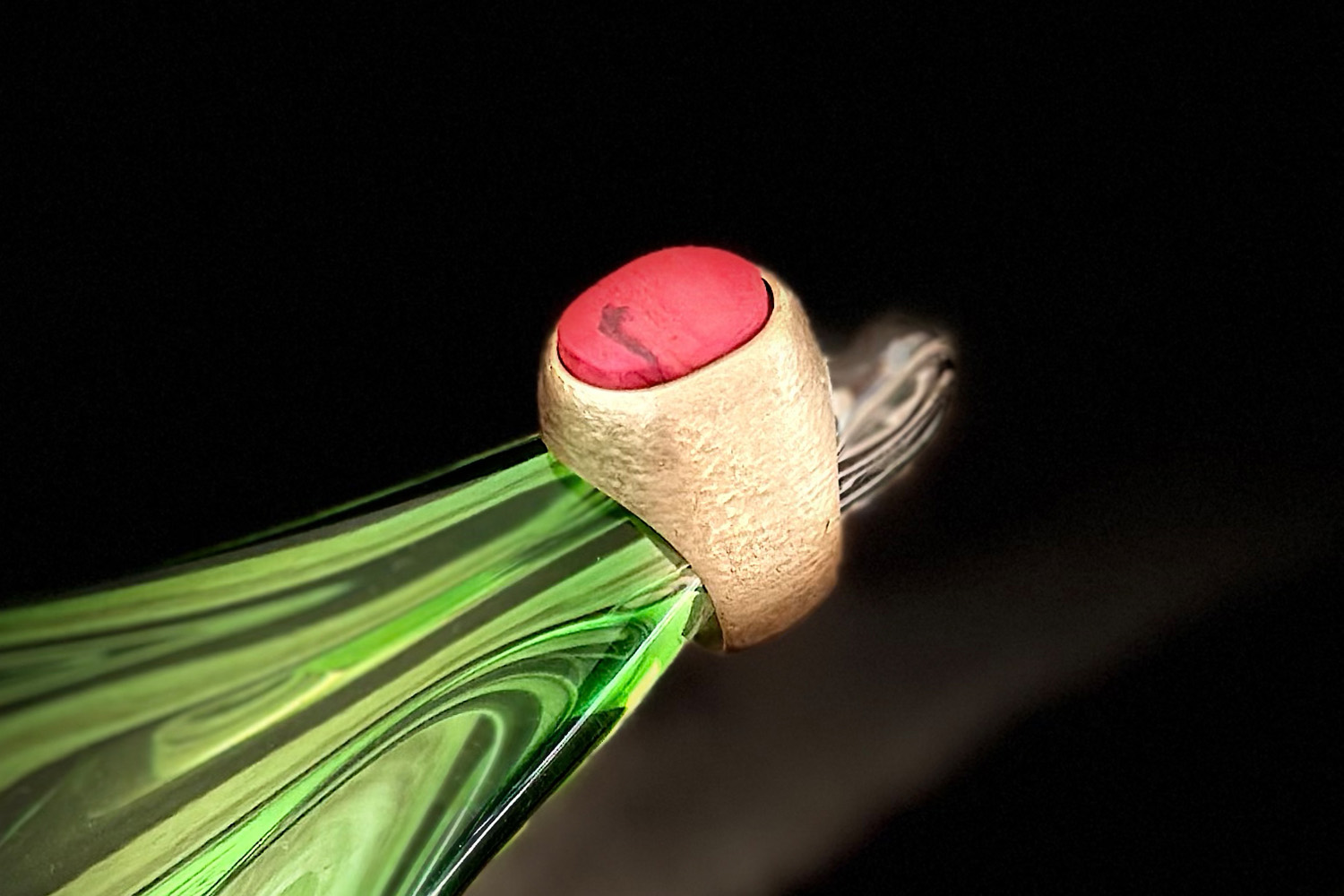
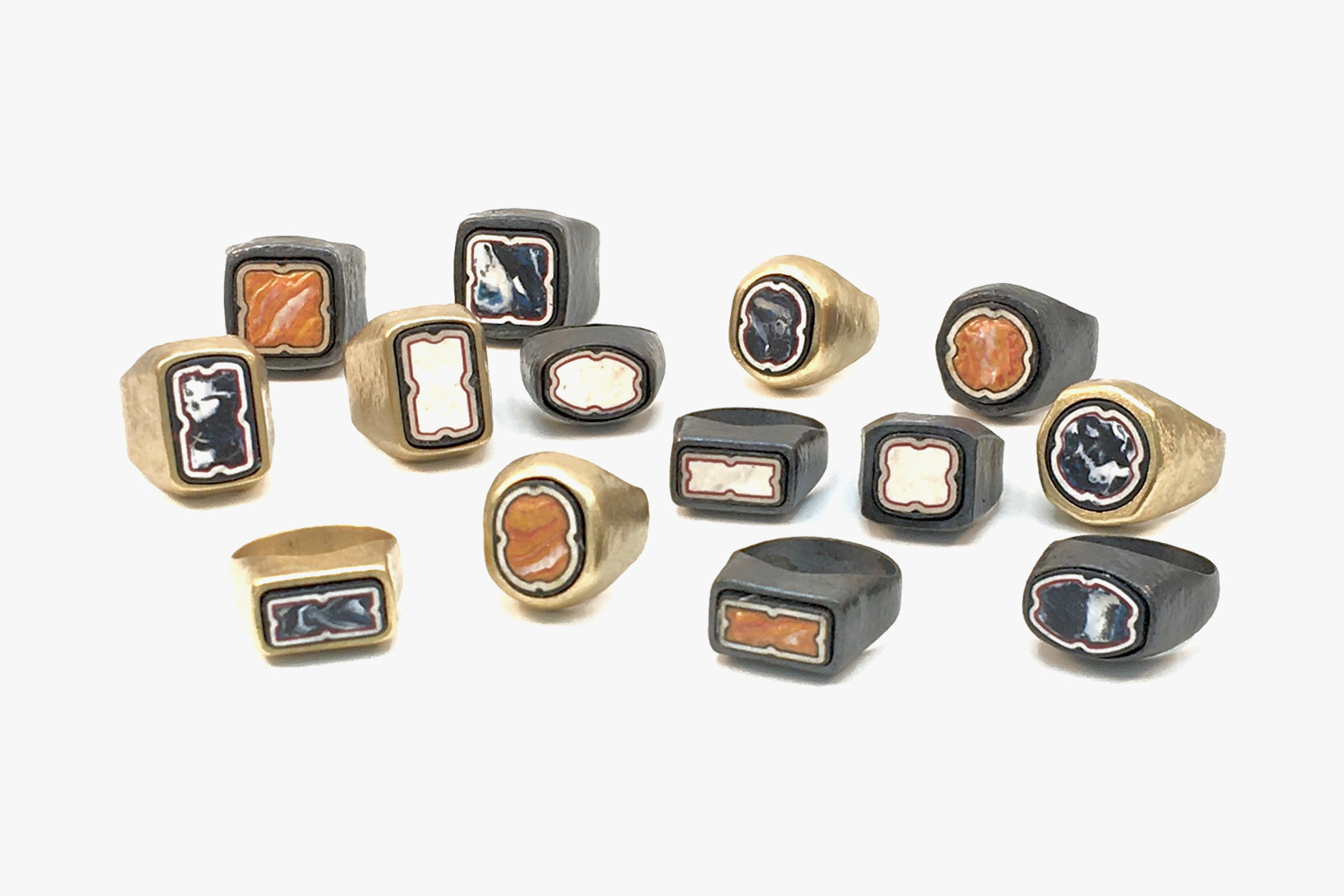
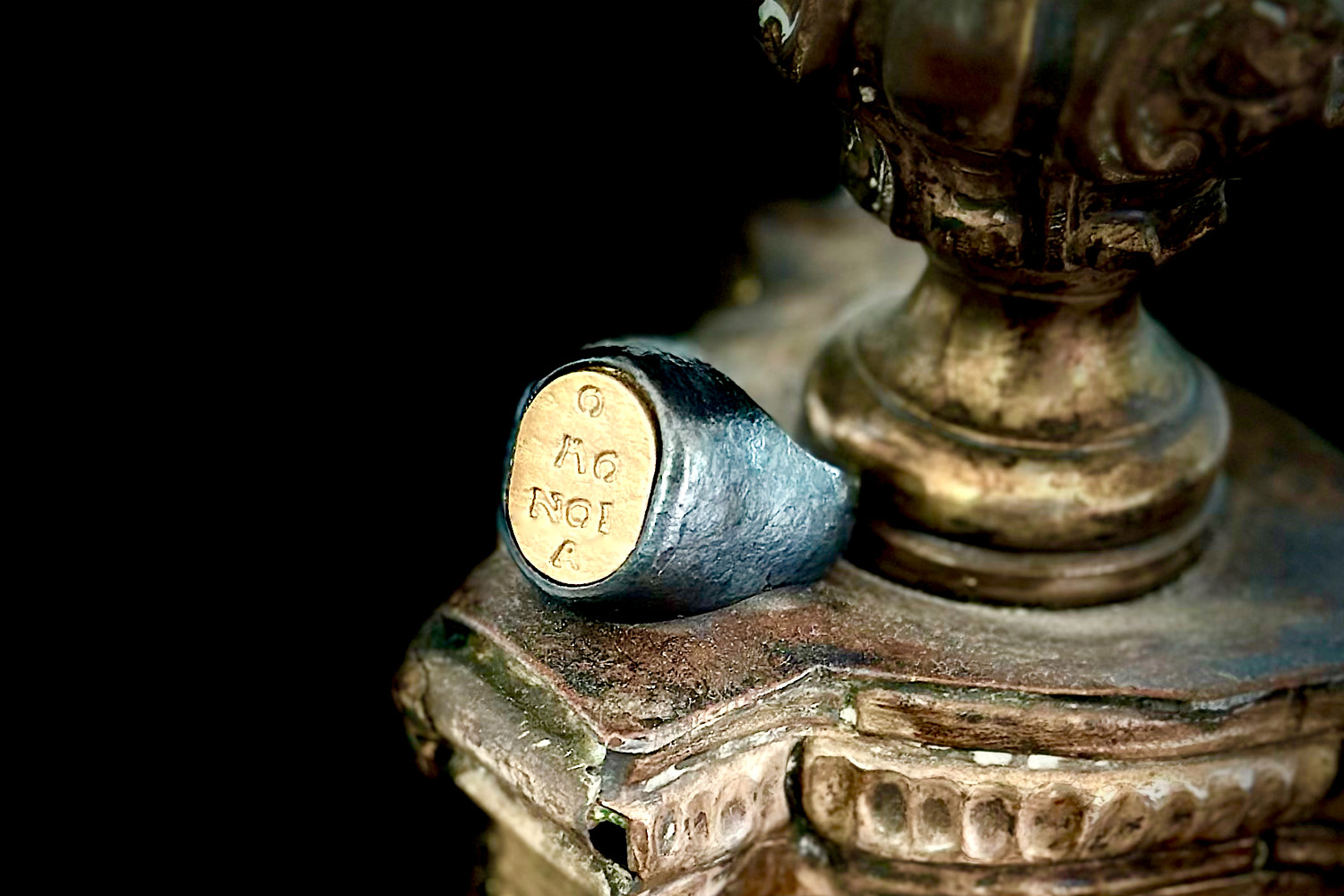
Leonardo Davighi and Filippo Sanpaolesi’s backgrounds could not be more different. One is a former designer who, at 40, turned to archaeology. The other worked as a communication manager for a big company, and became restless in his job. When they met and decided to start a business together, the choice fell on rings. Rings have been Leonardo’s passion for a long time, and Filippo became charmed, too. “I was fascinated by the big, eye-catching rings sold in Turkey, where I often travel to work on archaeological sites,” Leonardo explains. From this, they came up with the idea of creating modern jewellery pieces – rings and cufflinks – characterised by stones that can be replaced thanks to a patented mechanism of their own invention. Thus, the very same ring can assume different forms, according to the mood, occasion and look.
Discover their work
INTERVIEW
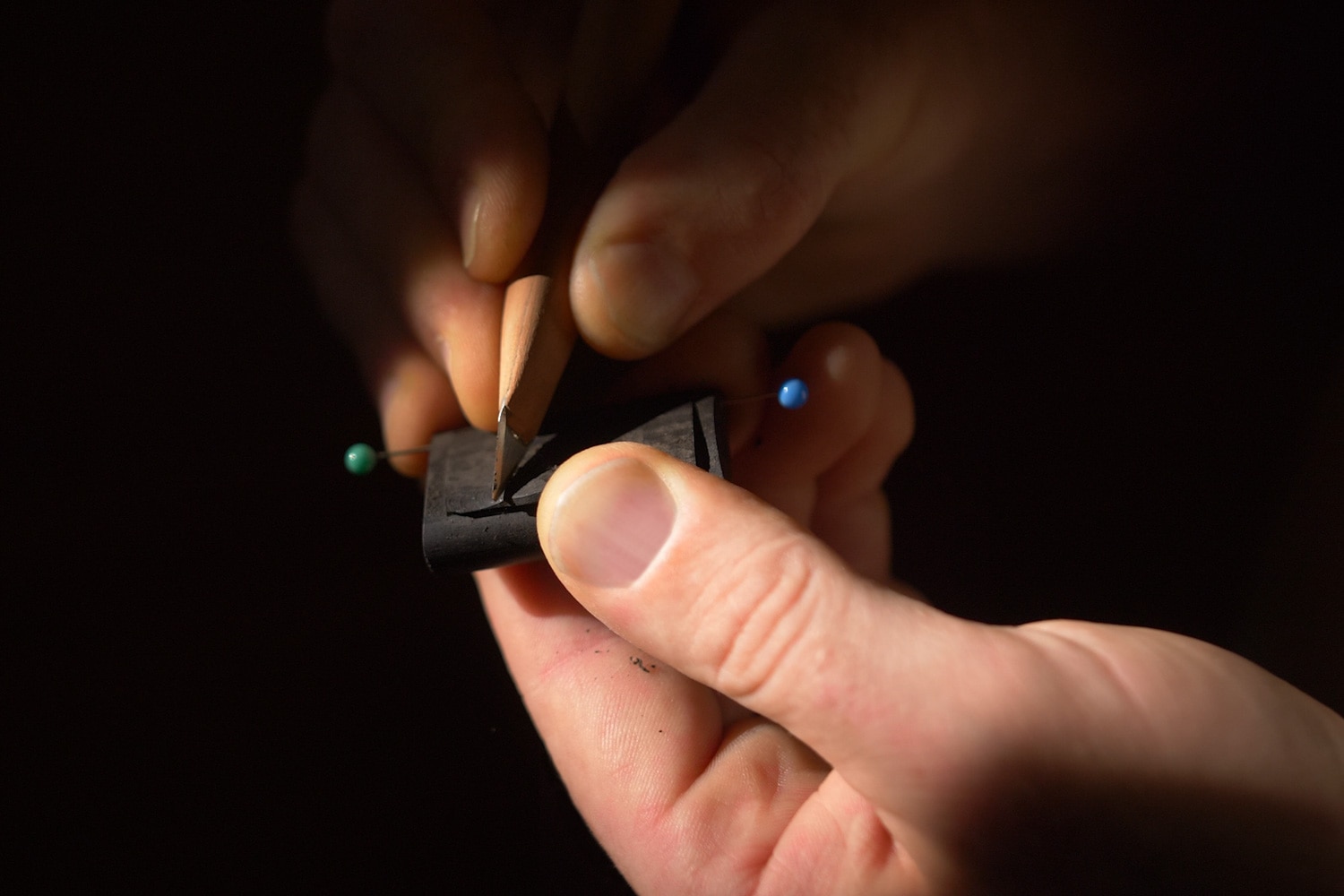
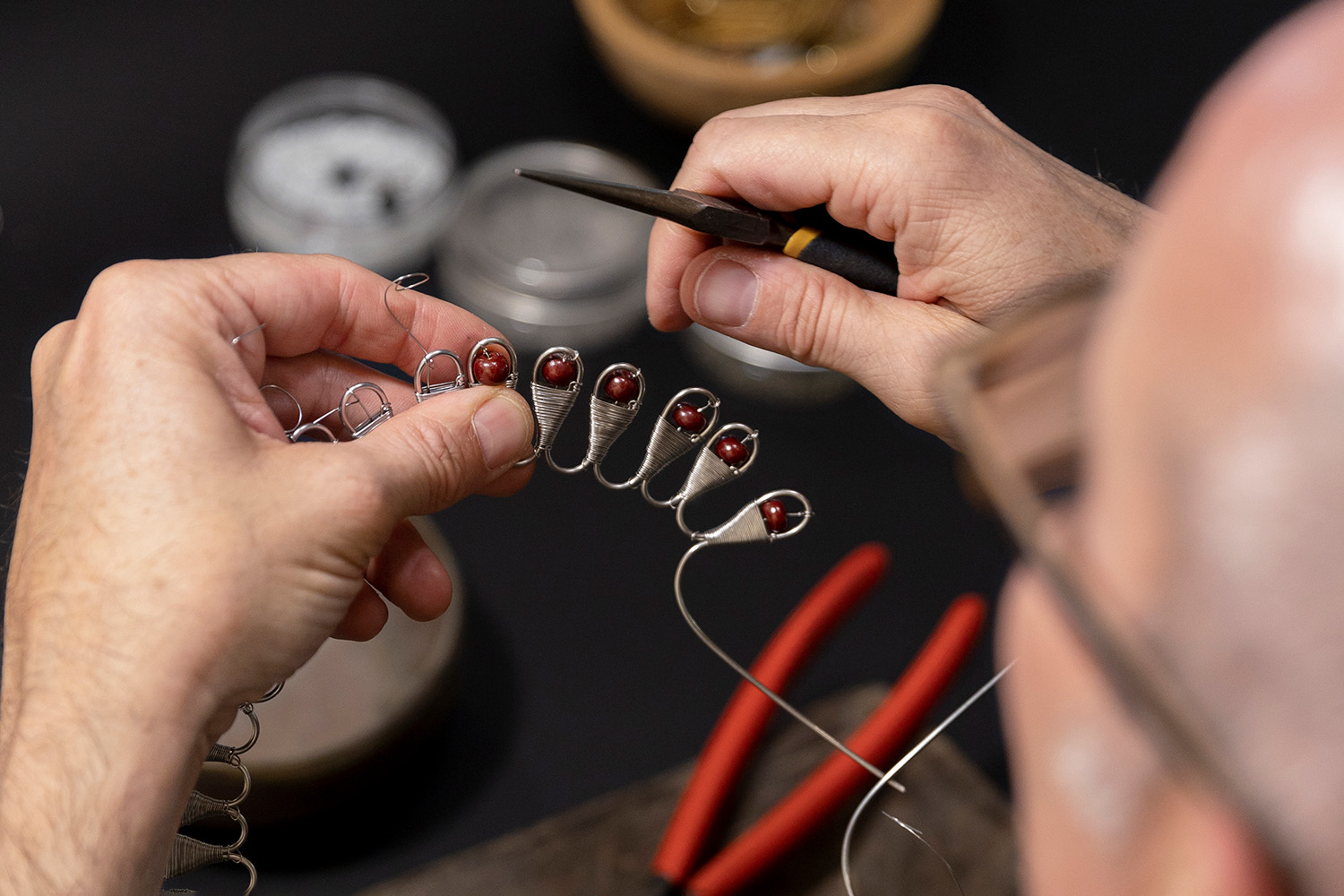
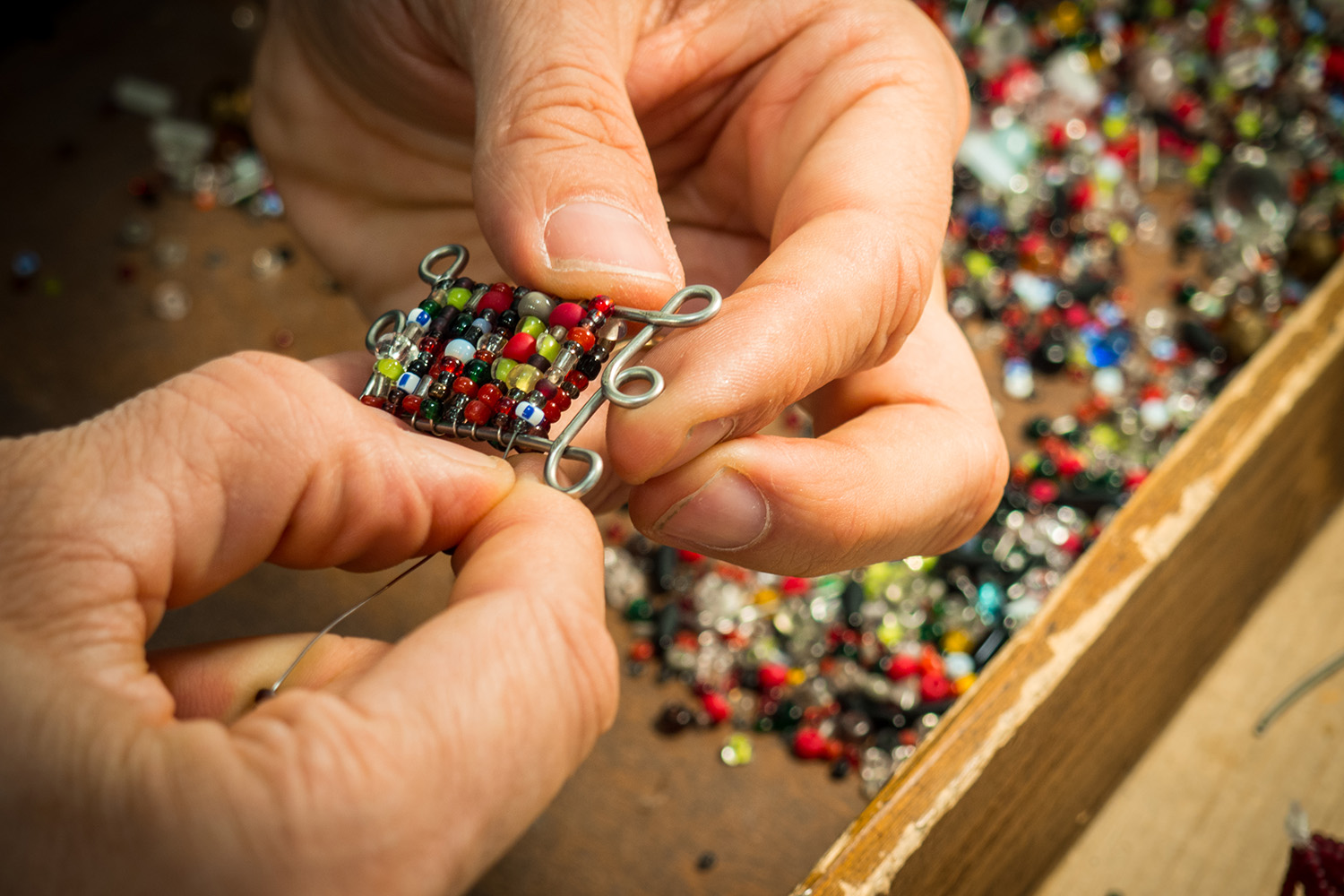
We call them stones, but they are made either of metal or of synthetic clays and resins. Actually, we create them from scratch. The ones made of synthetic clays, for example, are the result of a procedure similar to the scagliola technique, revised and adapted to our needs.
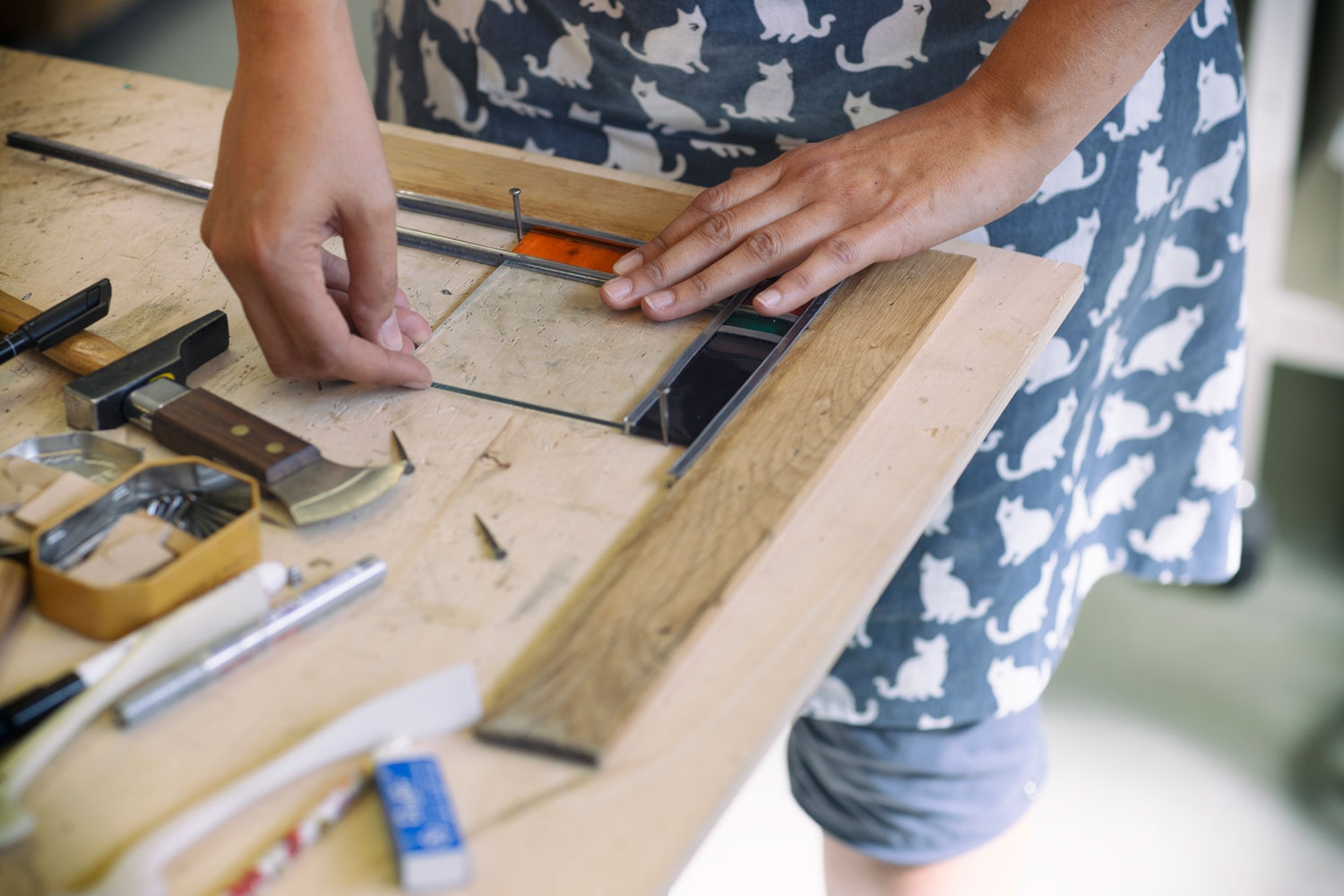
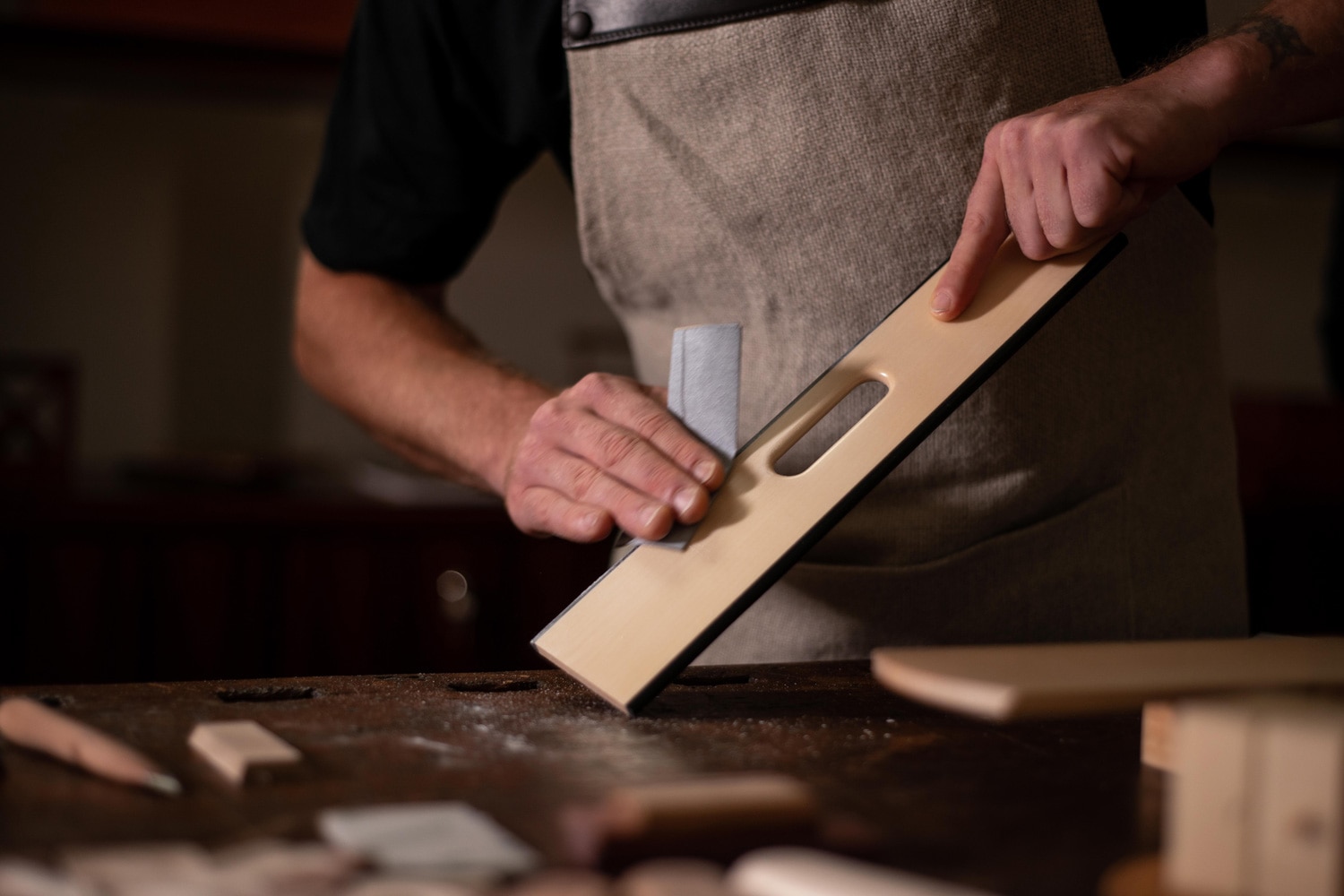
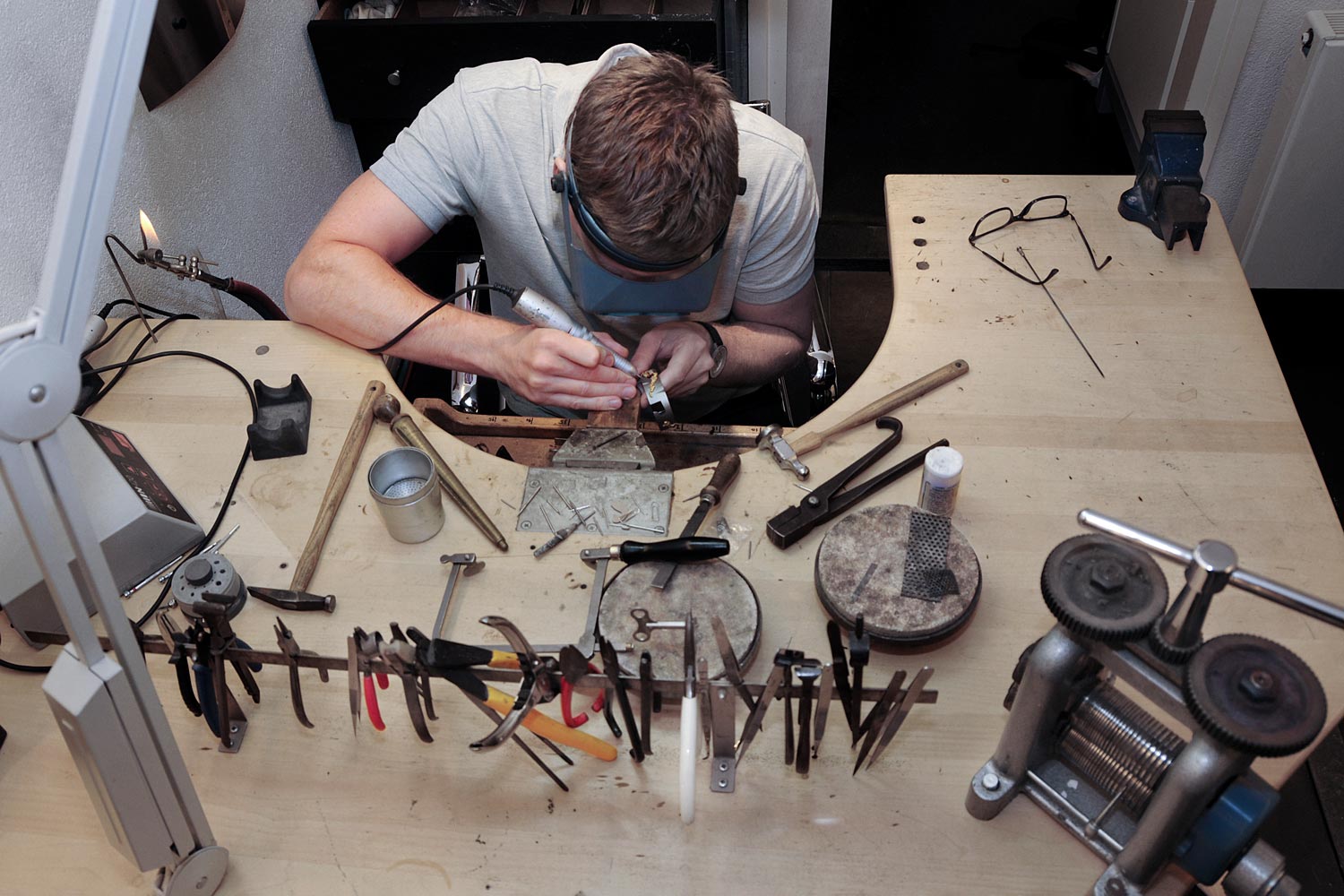
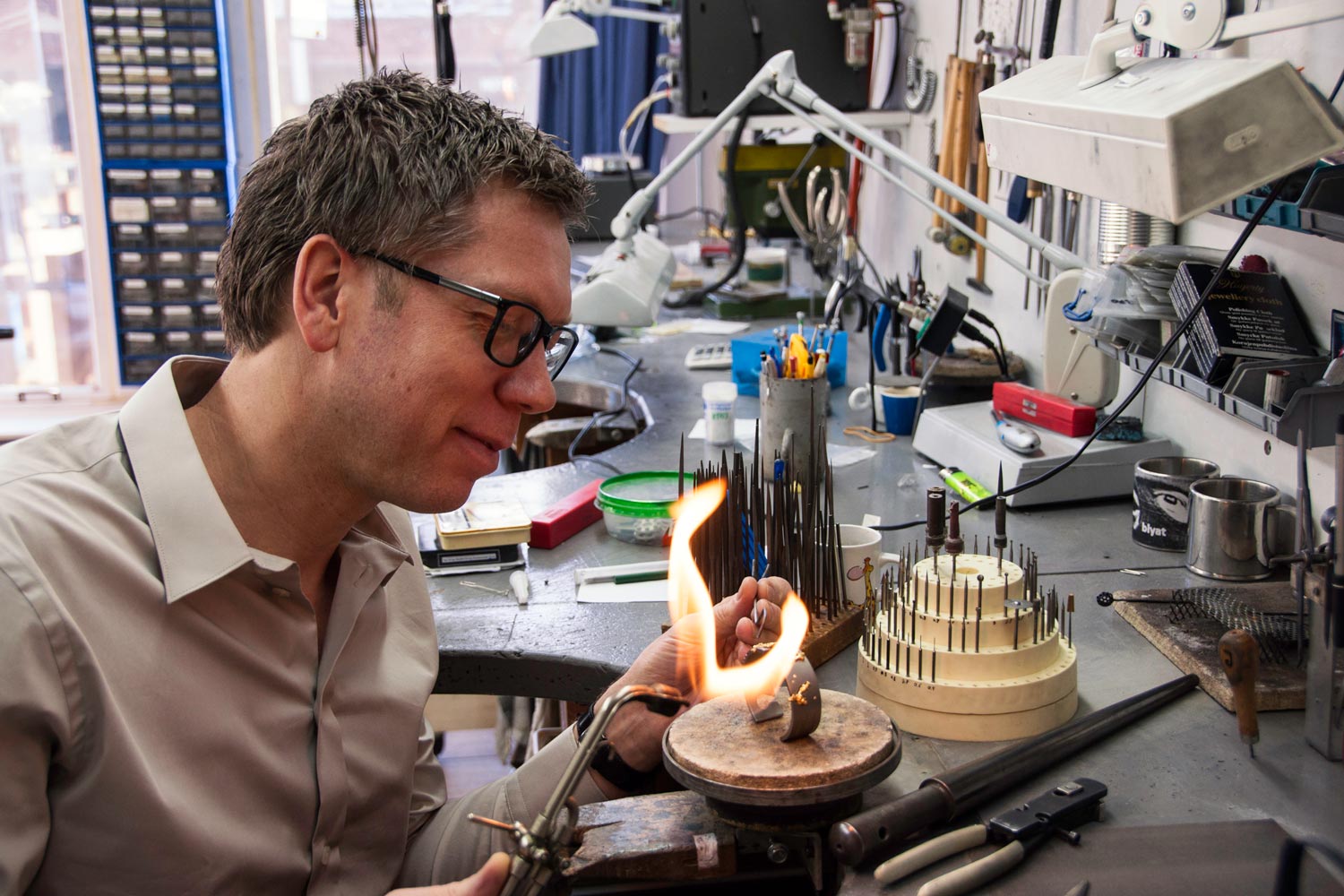
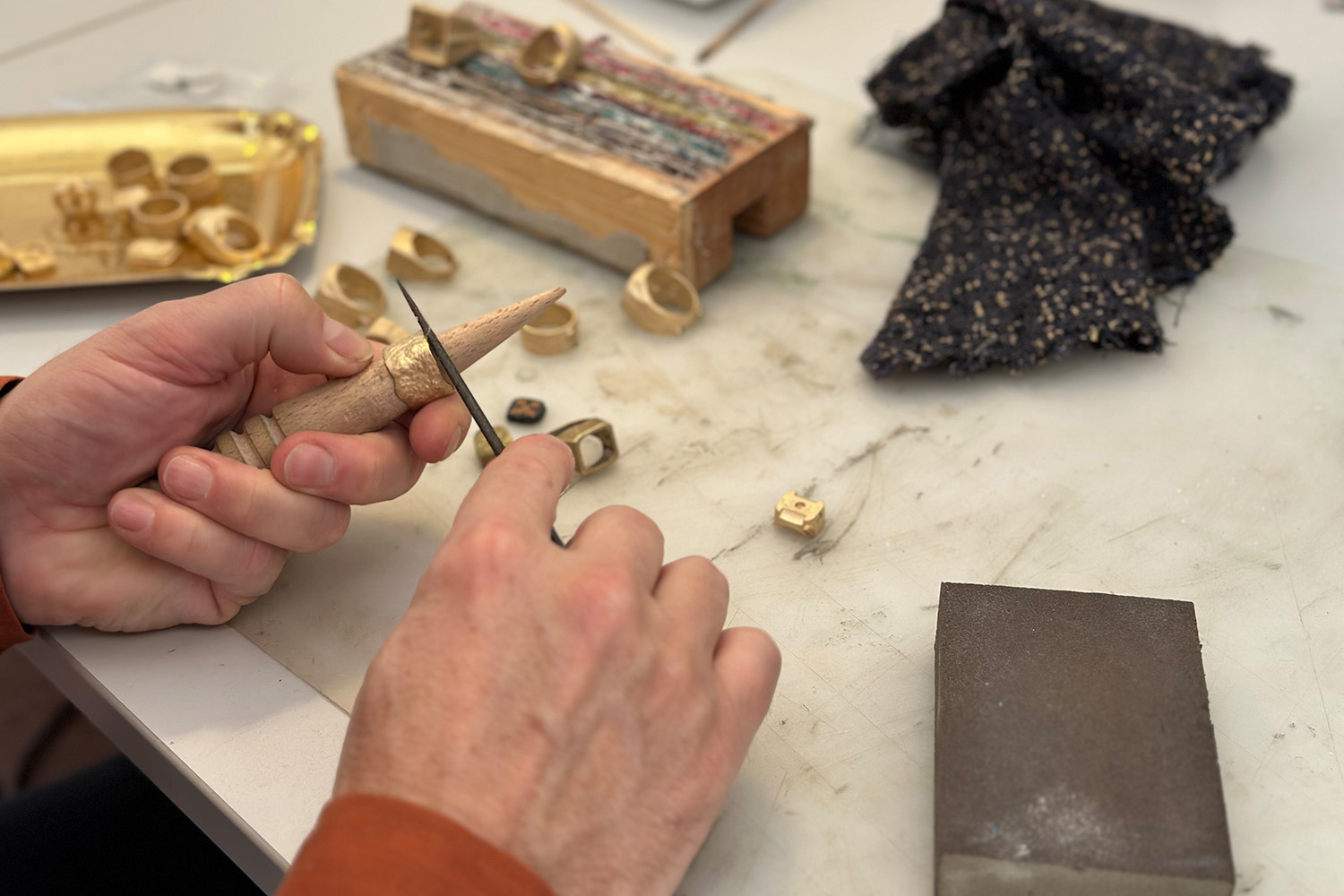
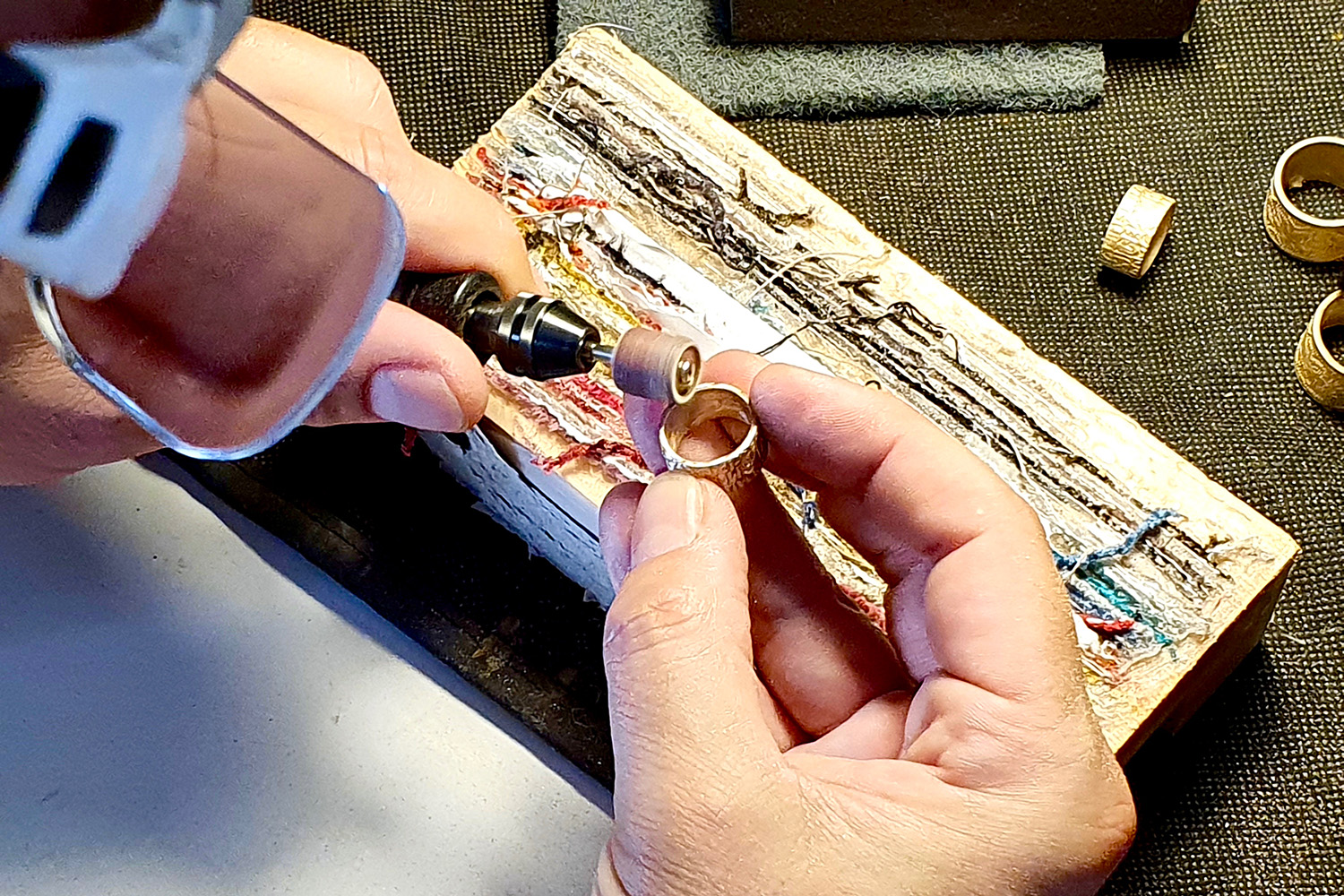
After very detailed planning, we create a wax mould with a 3D printer, depicting the decor and texture with all its details and imperfections. Then the mould is filled either with bronze or silver for the base as well as for some of the stones. Finishing completes the process.
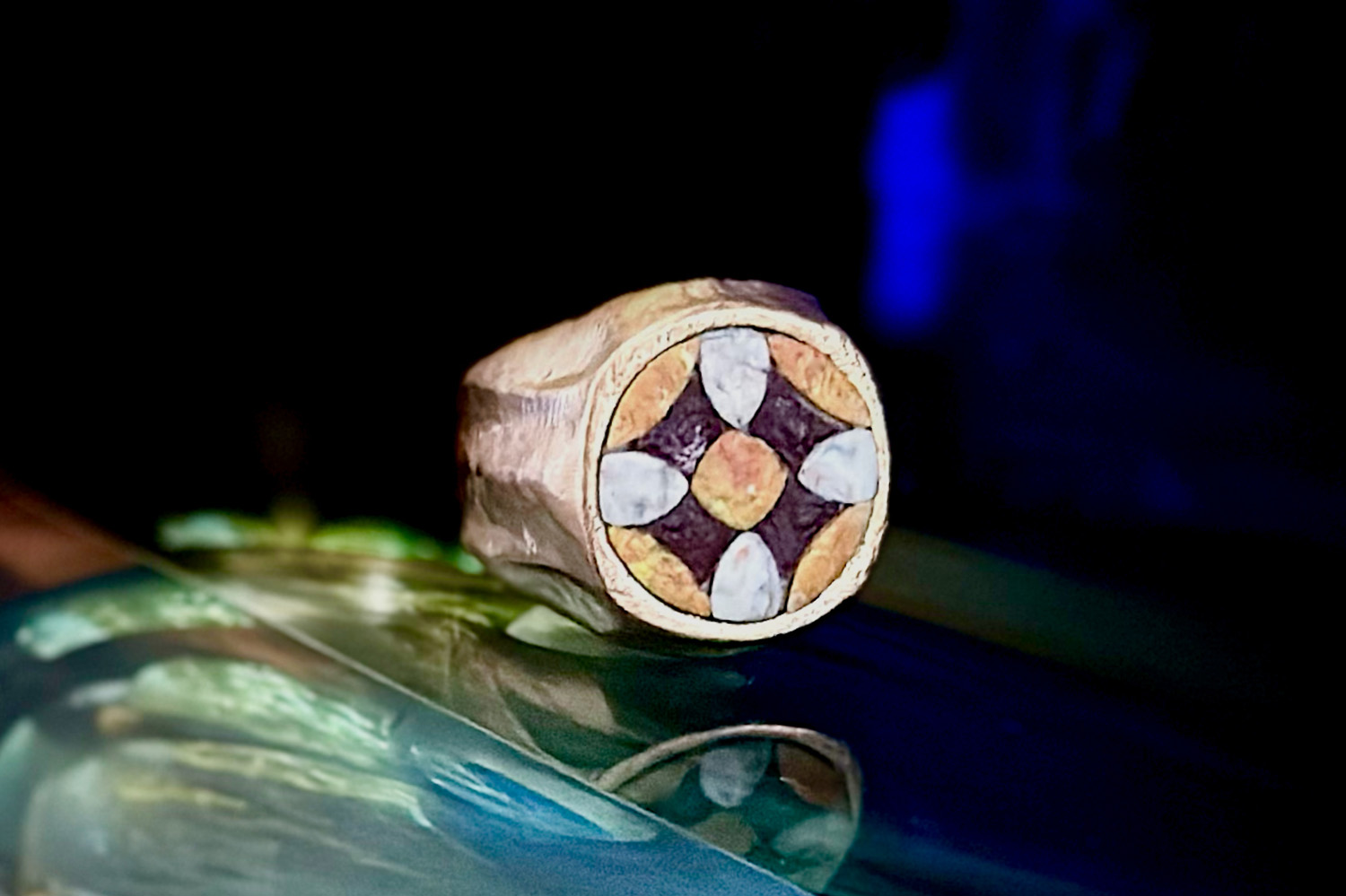
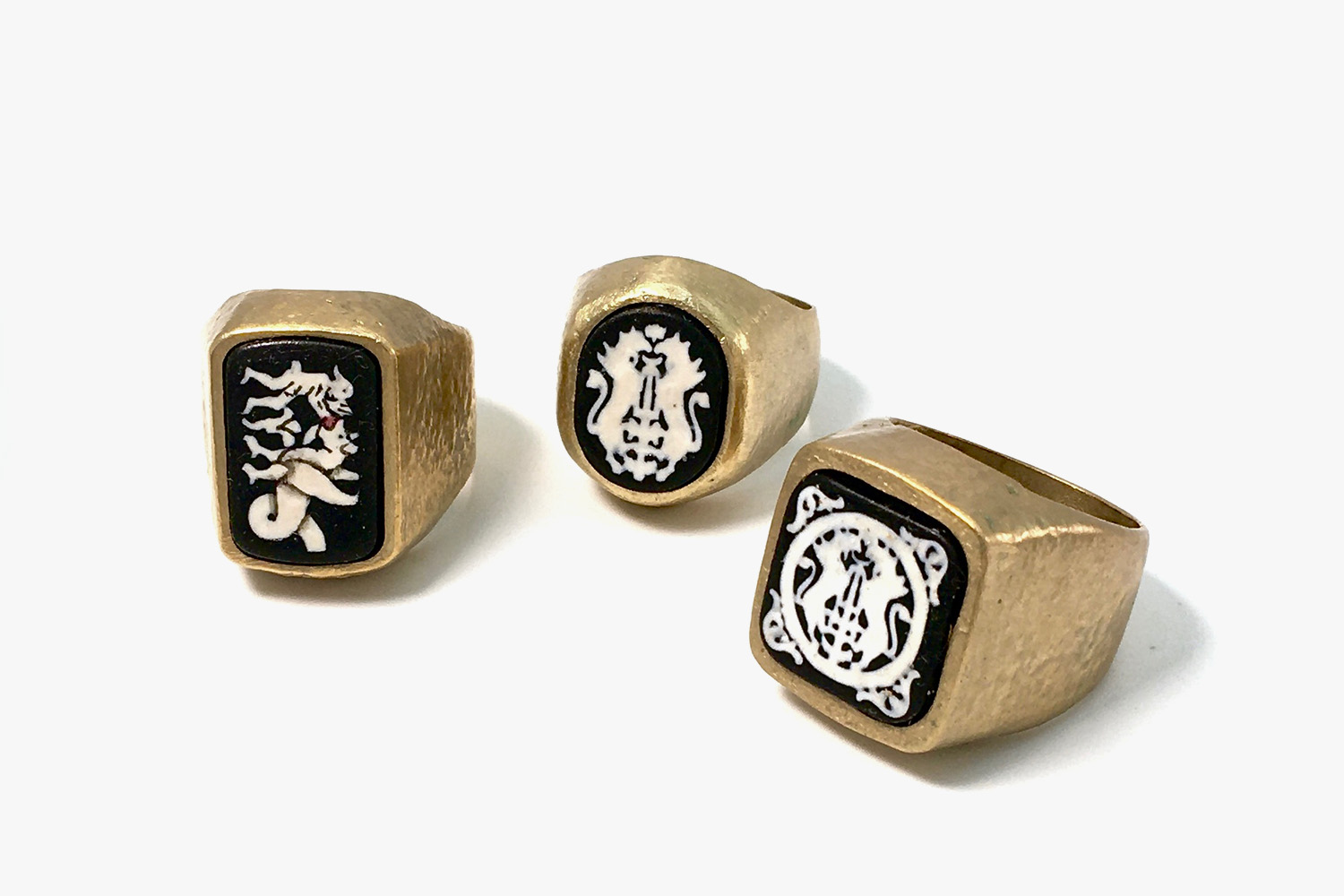
From archaeology and art history of the Mediterranean area. We reproduce old symbols, decors or techniques, thus retrieving ancient iconography that has often been forgotten. It is our way of spreading knowledge and awareness of our huge, marvellous cultural heritage.
The bee is probably the most loved one, symbolising the individual working for the good of the hive. We launched it during the pandemic, when solidarity was strongly felt. Opus Sectile is popular, too. It reminds people of Escher’s paintings, but in fact it is a reproduction of the floor decorations of Ancient Rome!
Leonardo Davighi & Filippo Sanpaolesi
CōDICEDS
Jewellery maker
Rome, Italy
ADDRESS
Address upon request, Rome, Italy
AVAILABILITY
By appointment only
PHONE
+39 3393989881
LANGUAGES
Italian, French, German, English, Spanish
Homo Faber Finds is a new service aiming to inspire admirers of craft to connect and collaborate with exceptional artisans.
We invite you to submit an enquiry here.