Laurel Parker & Paul Chamard
Laurel Parker Book
Bookbinder
Romainville, France
The art of luxury bookbinding
- Laurel fell in love with artists’ books at art school
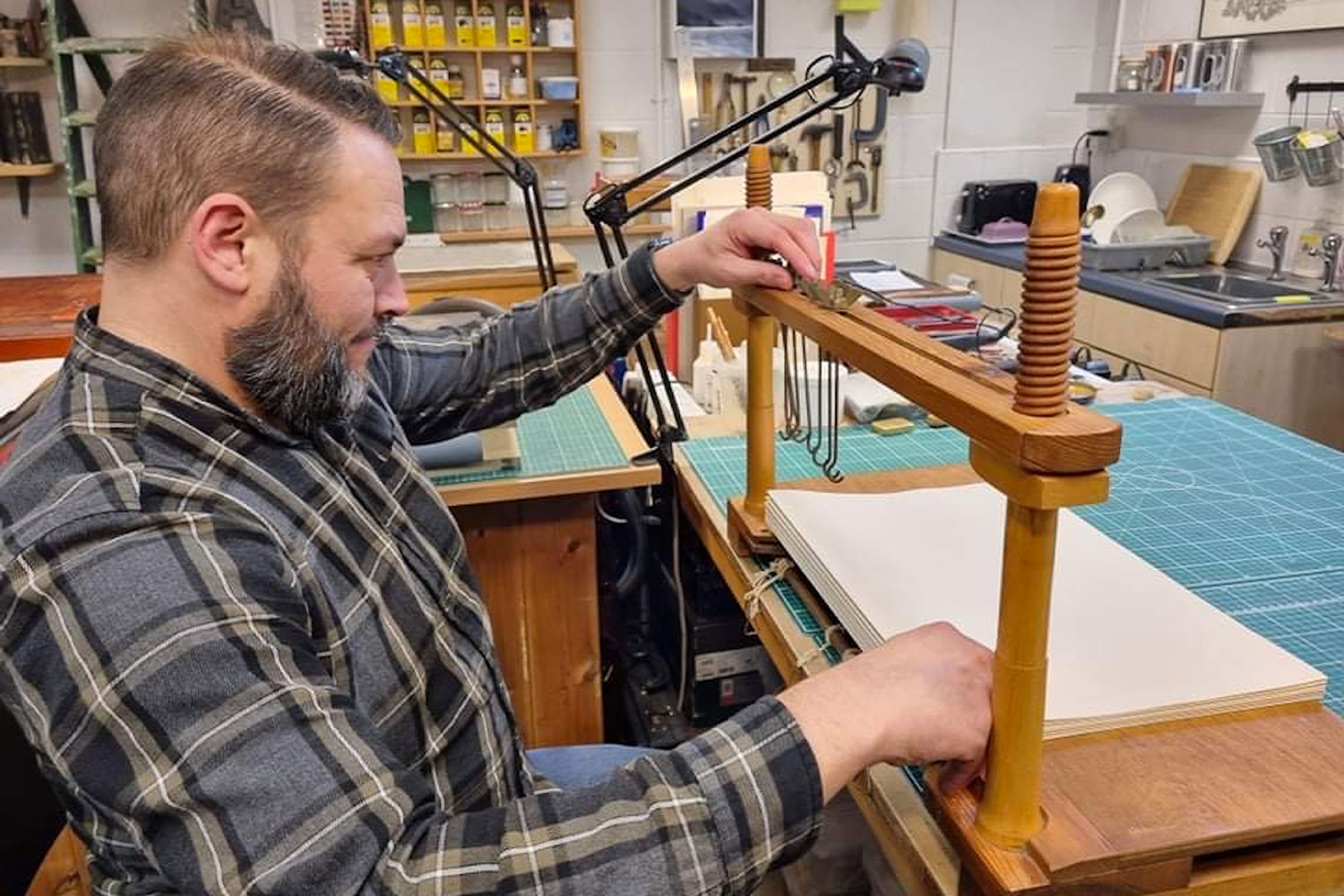
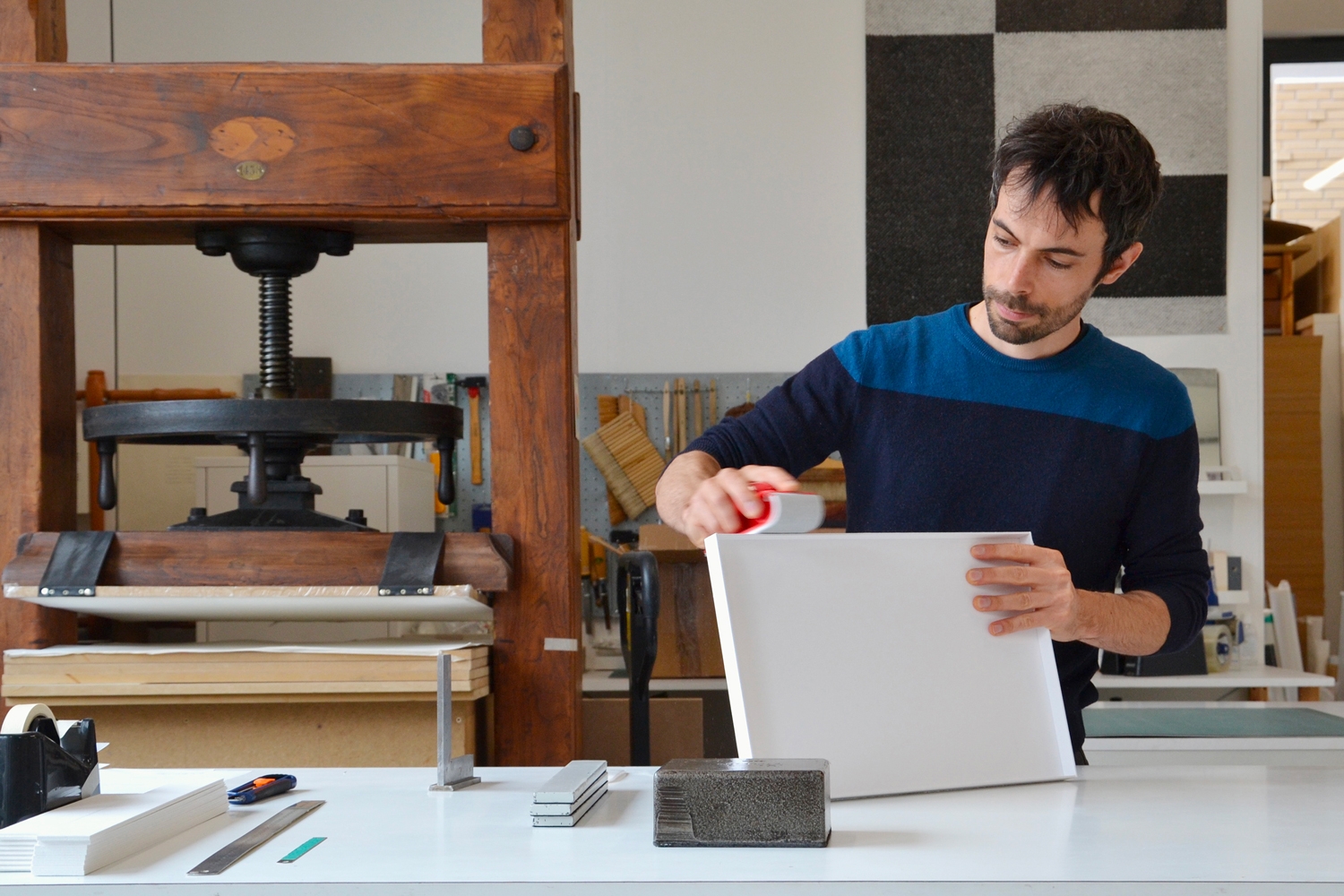
- Paul trained in etching and bookmaking
- Digital tools support their production process
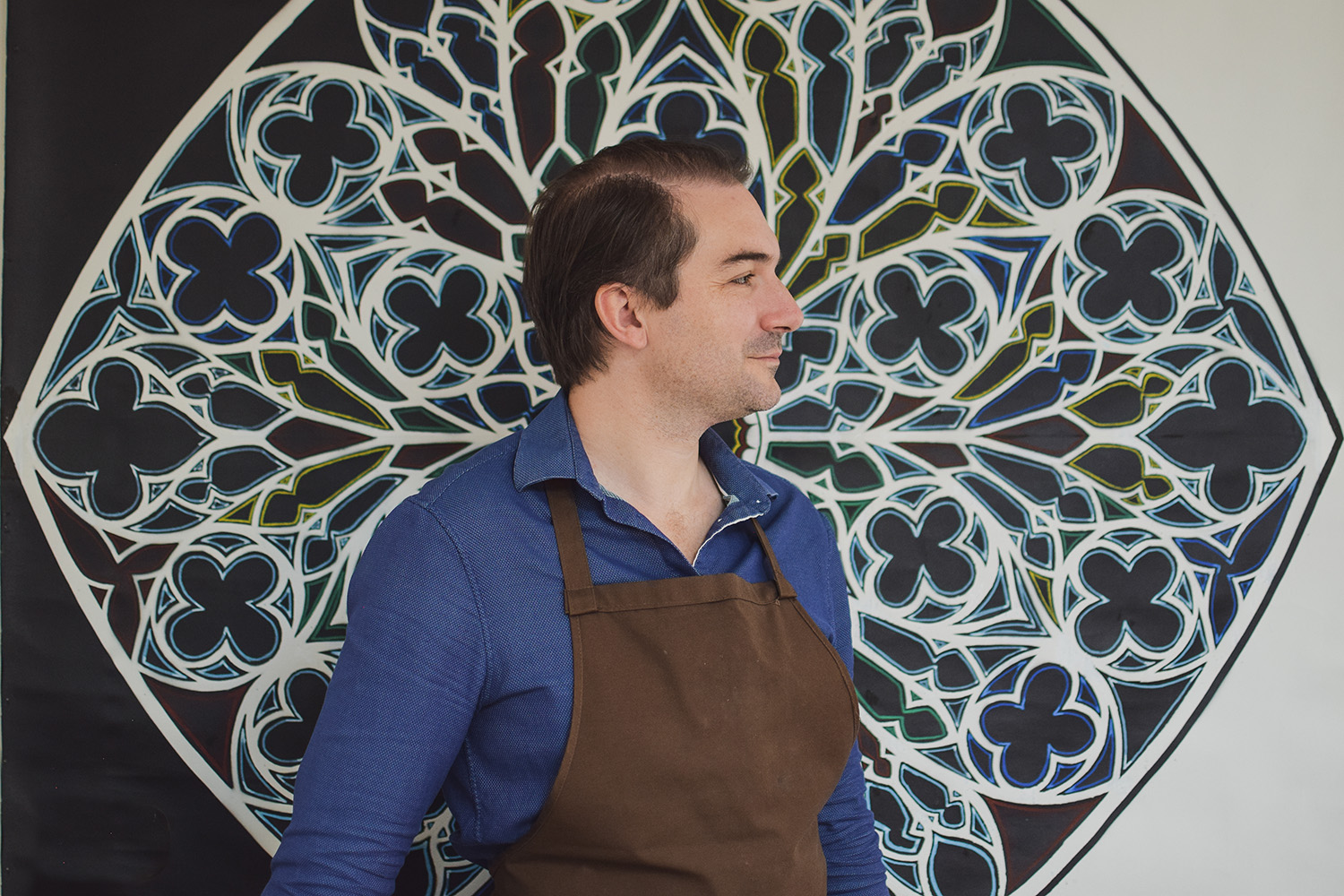
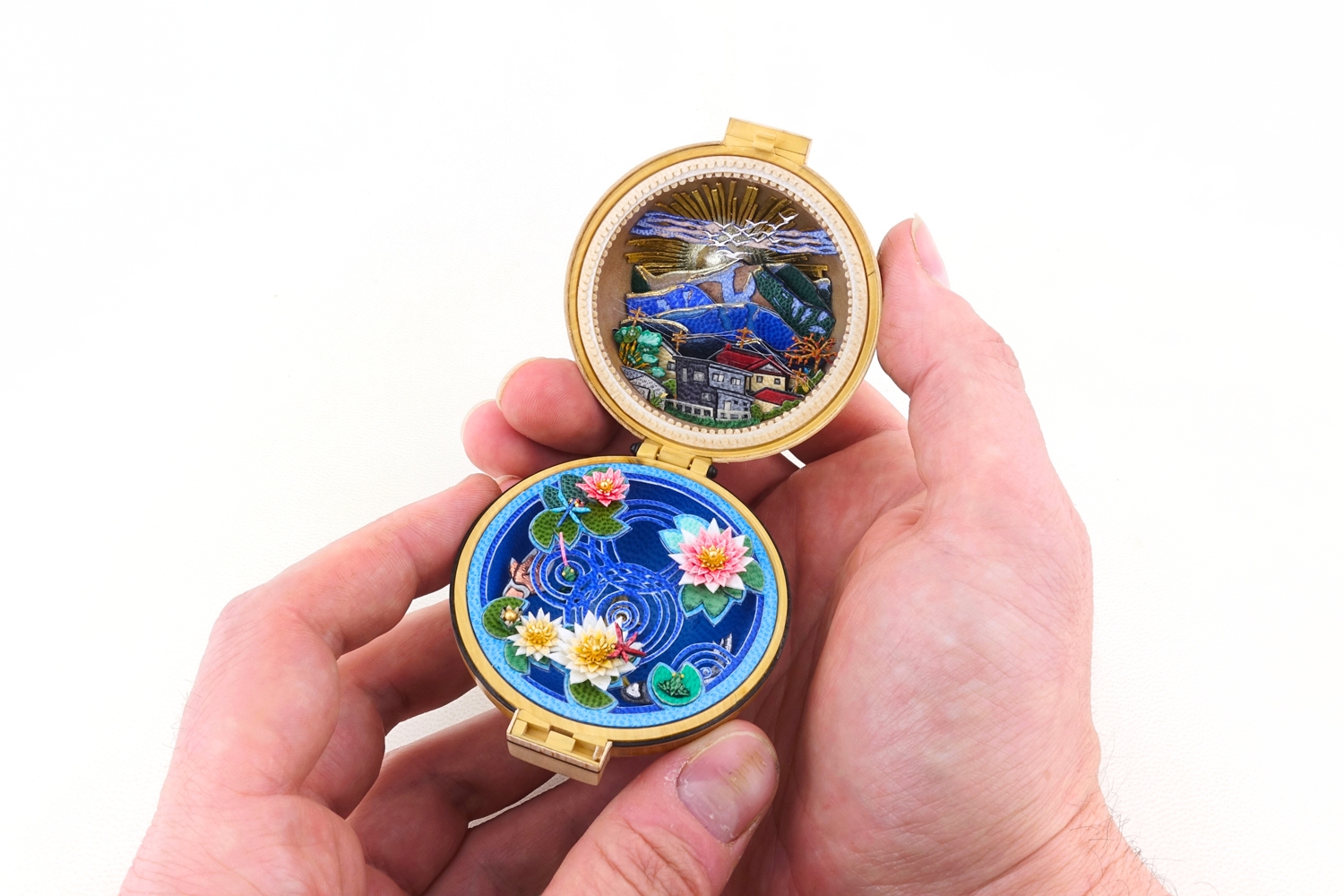
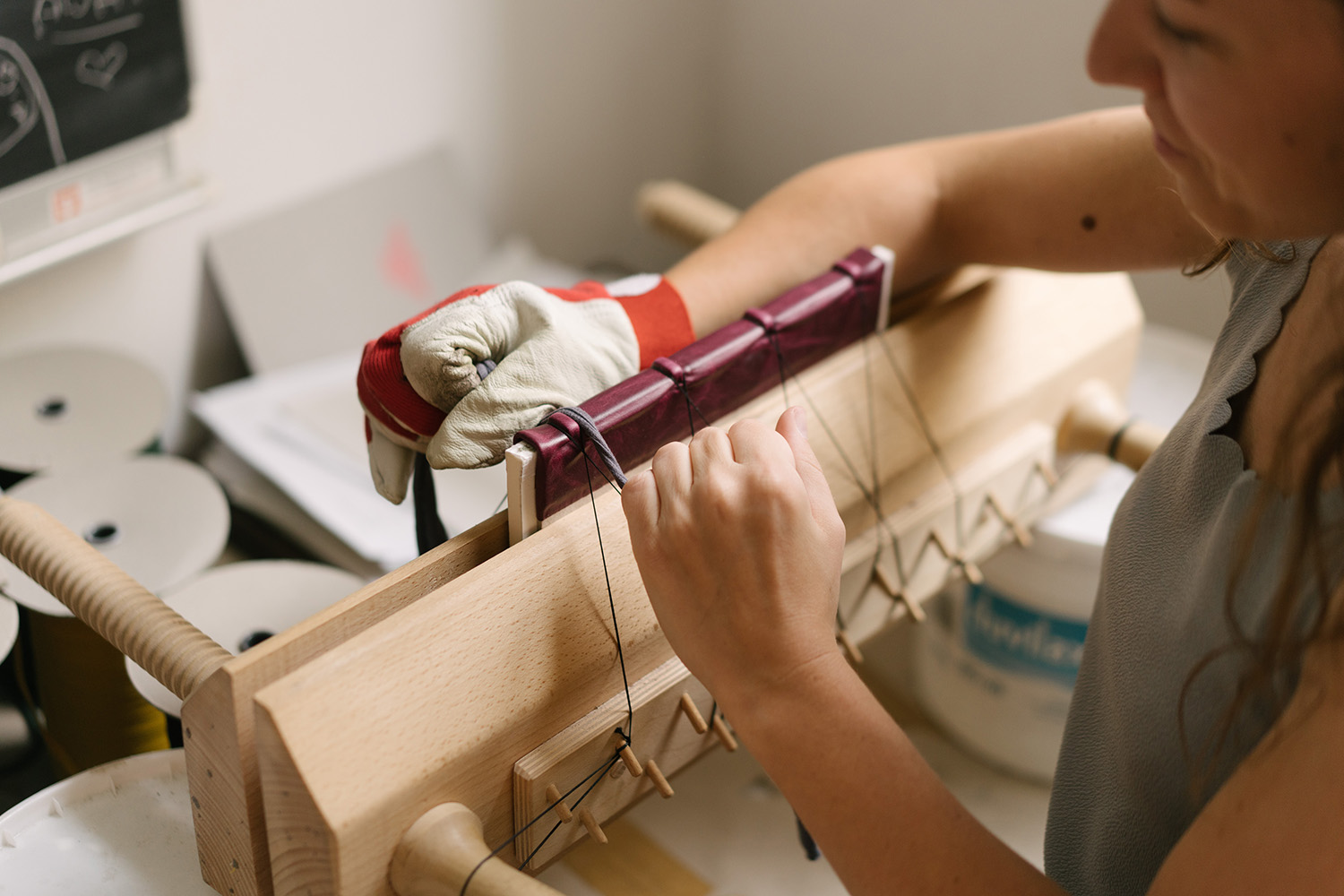
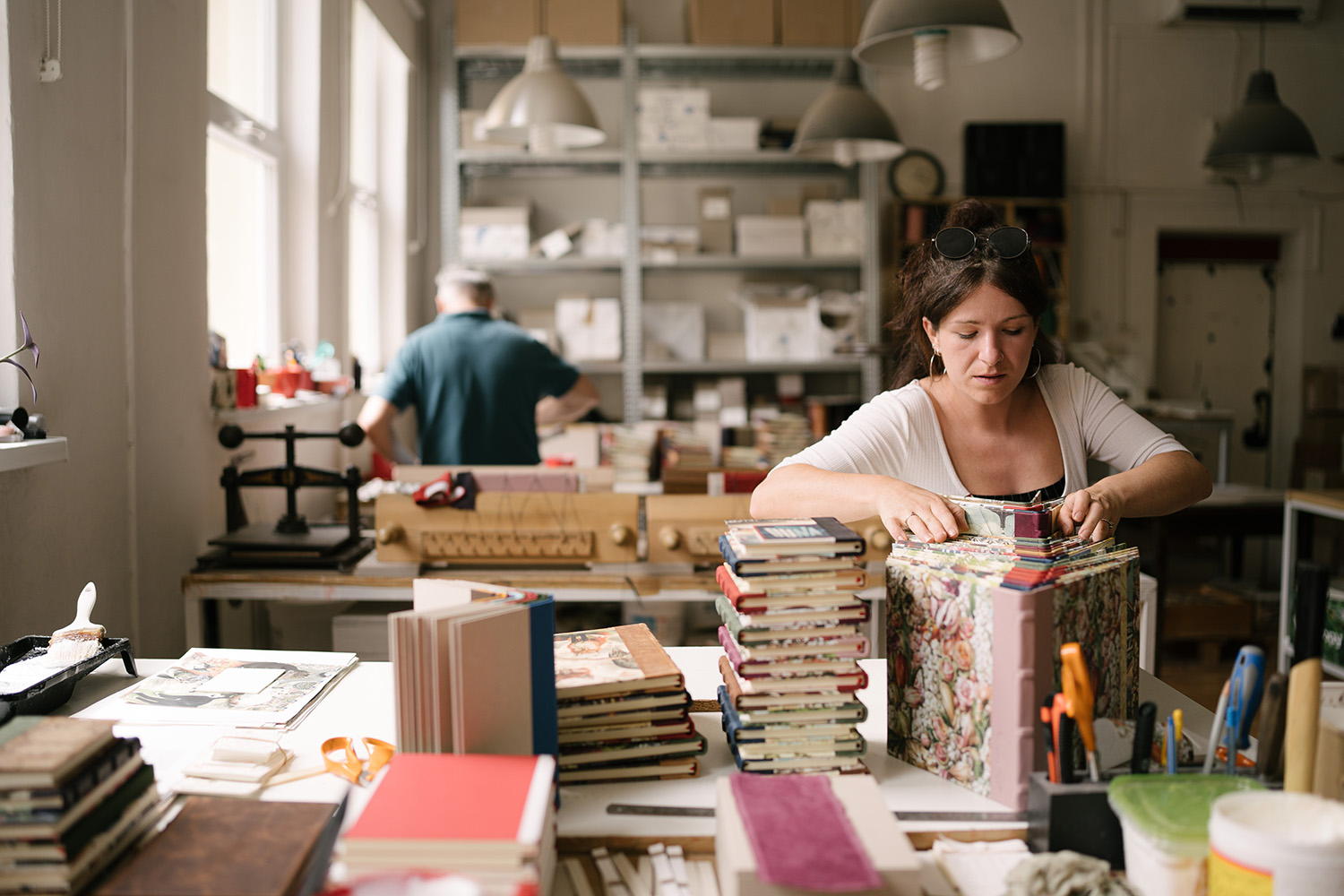
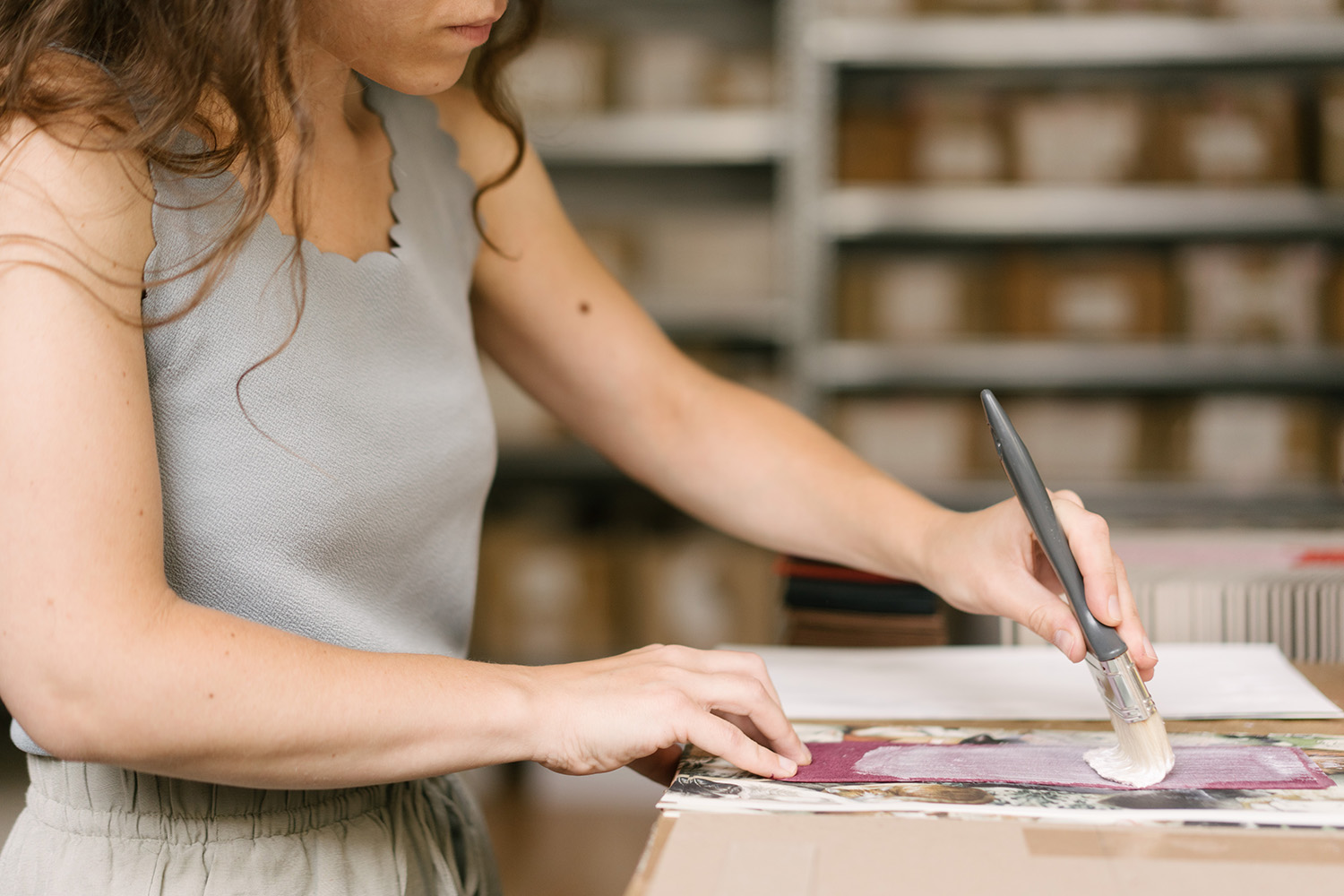
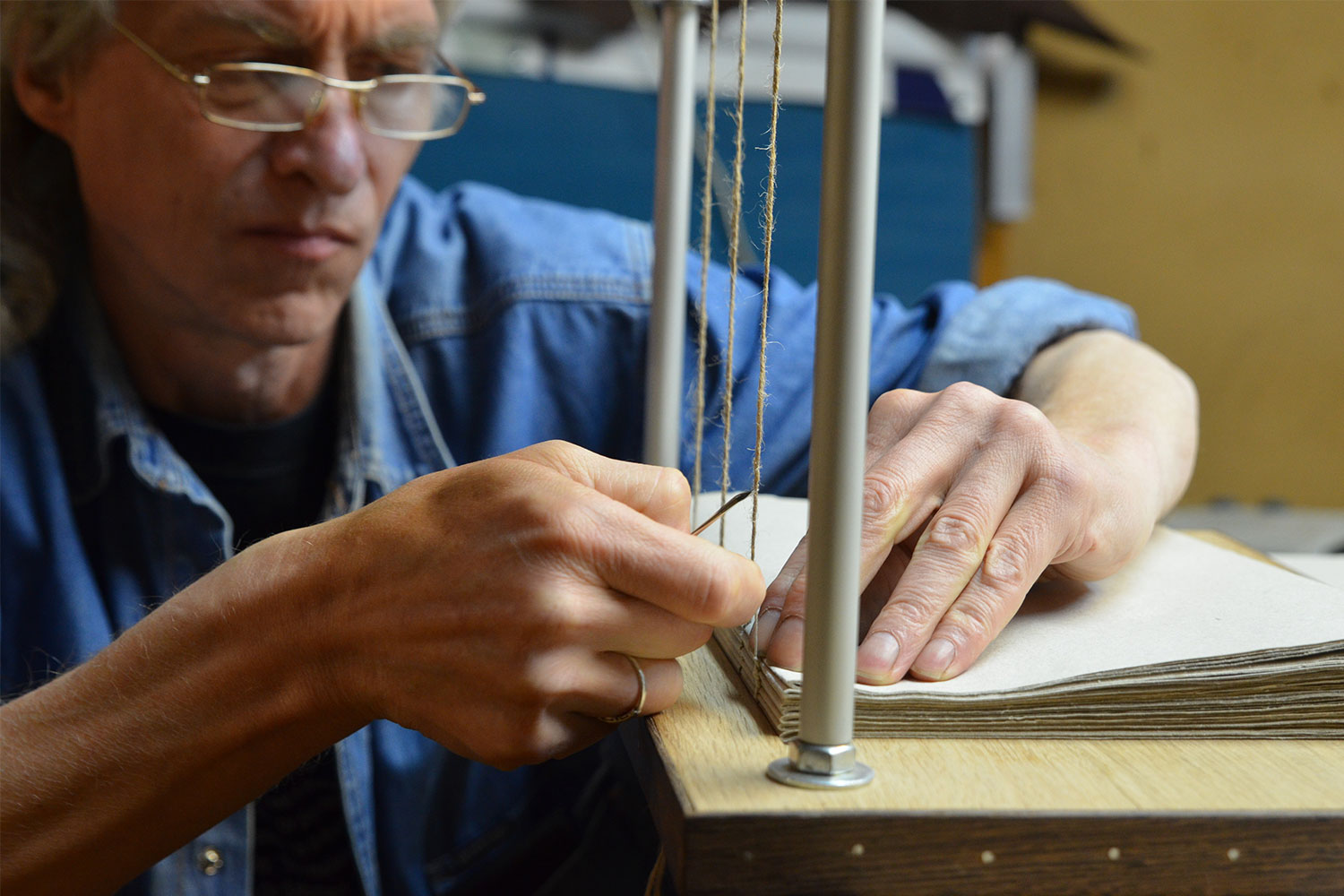
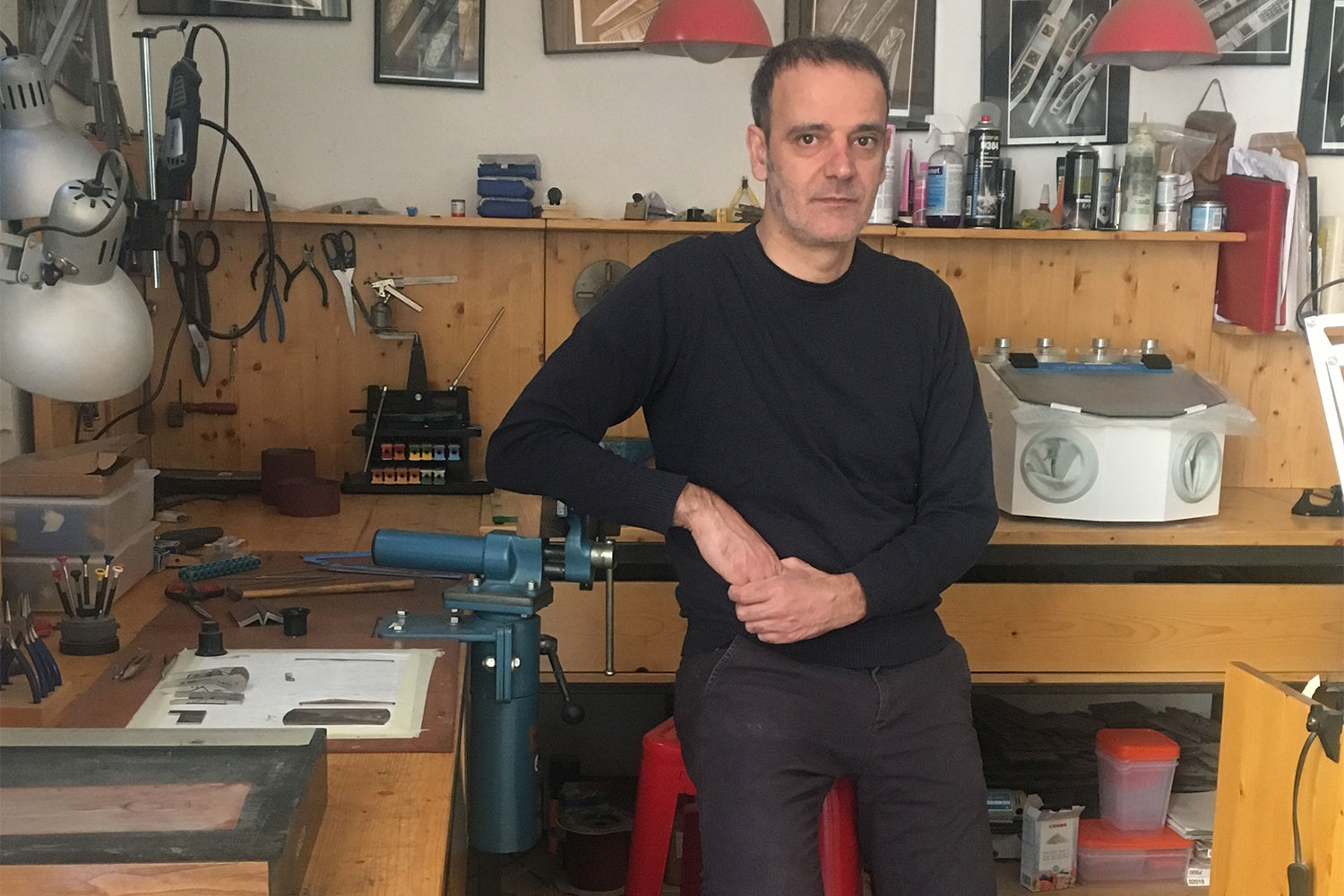
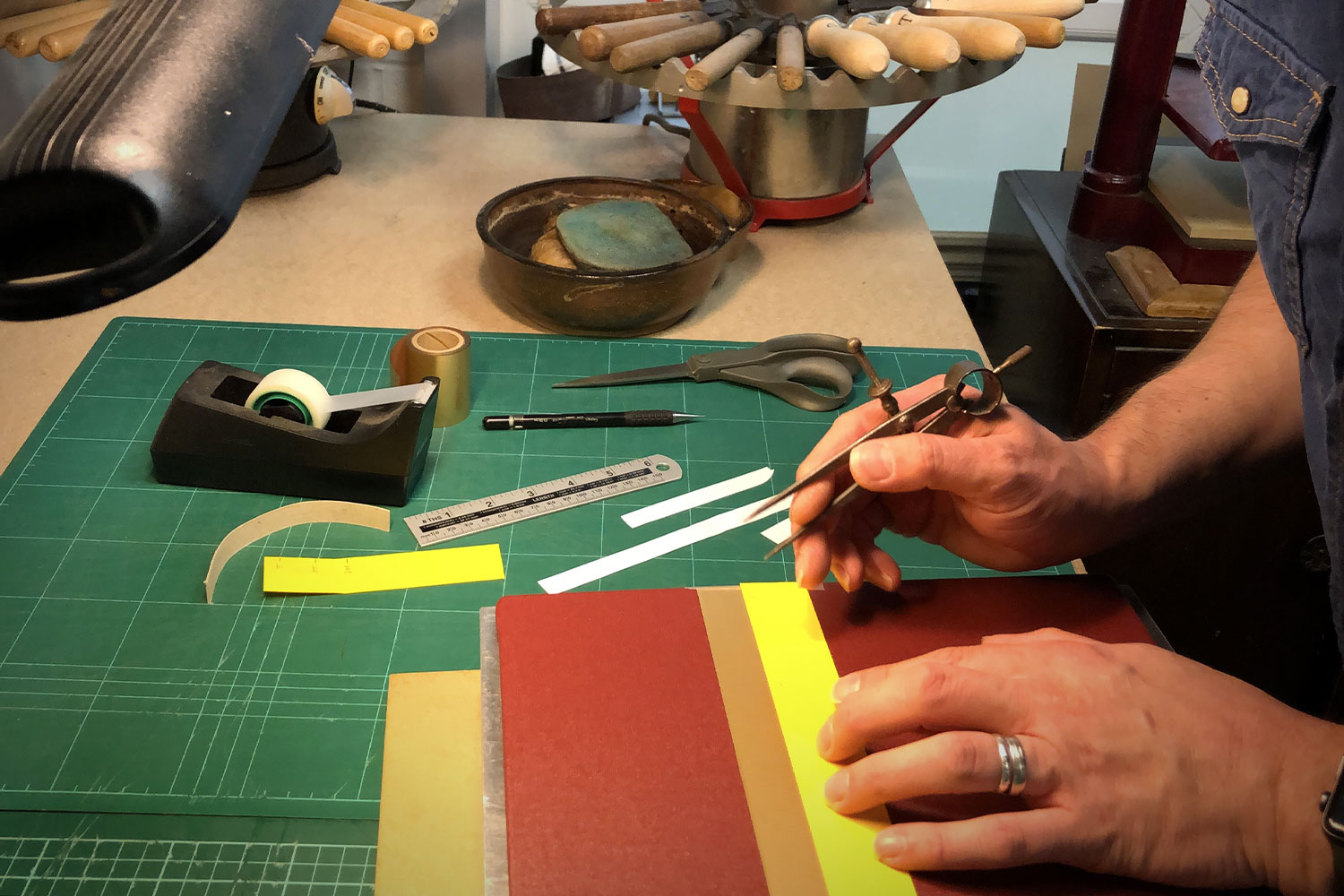
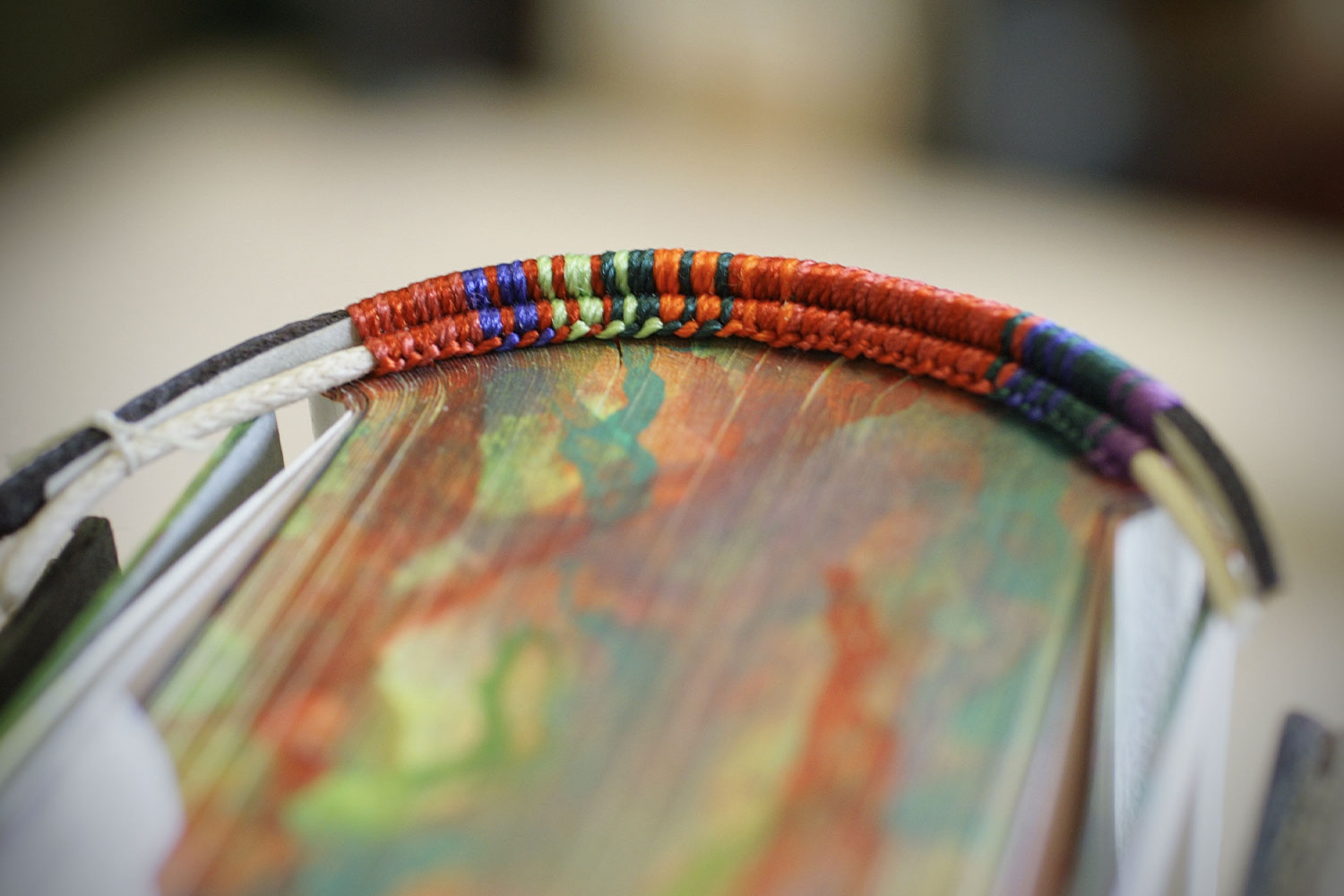
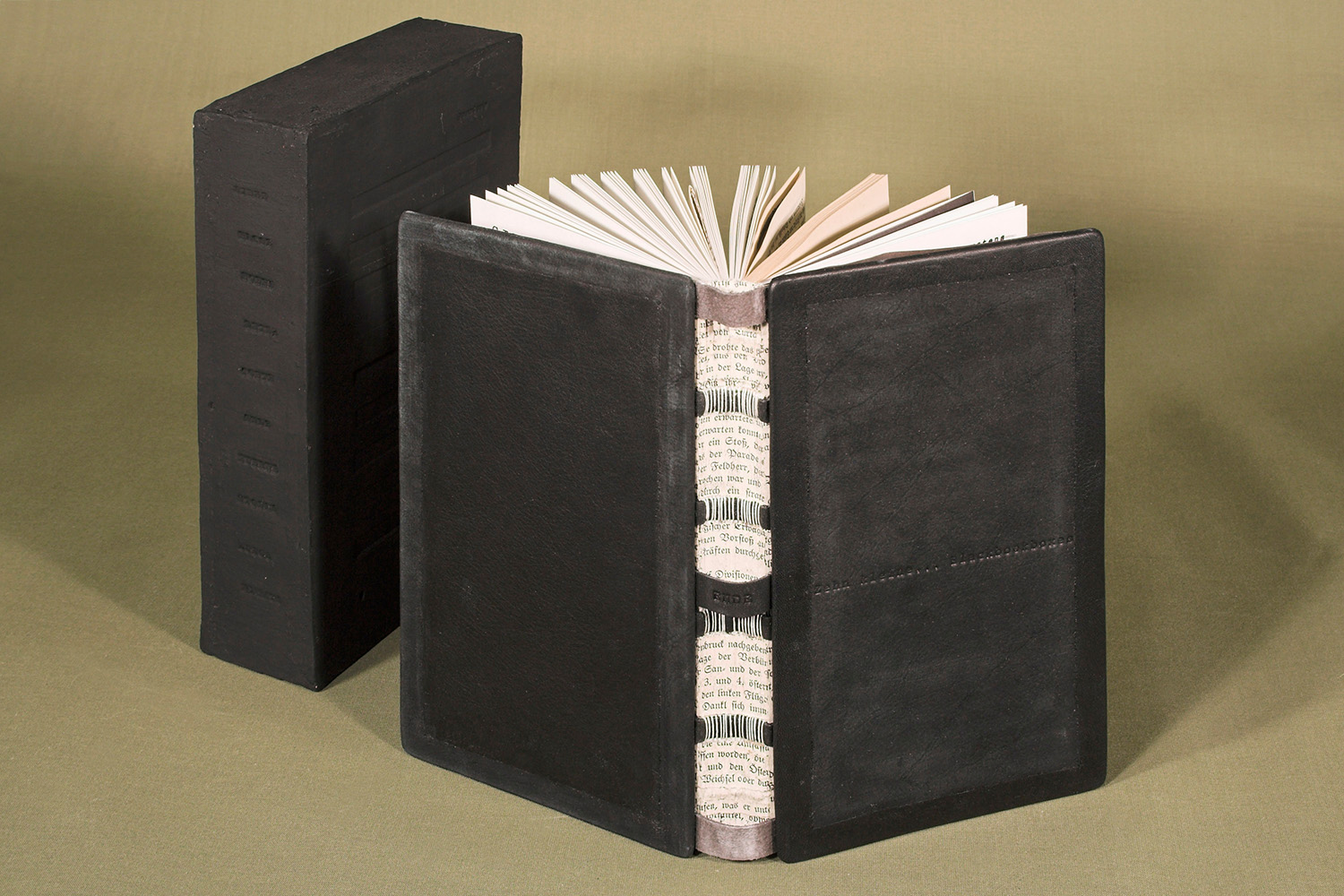
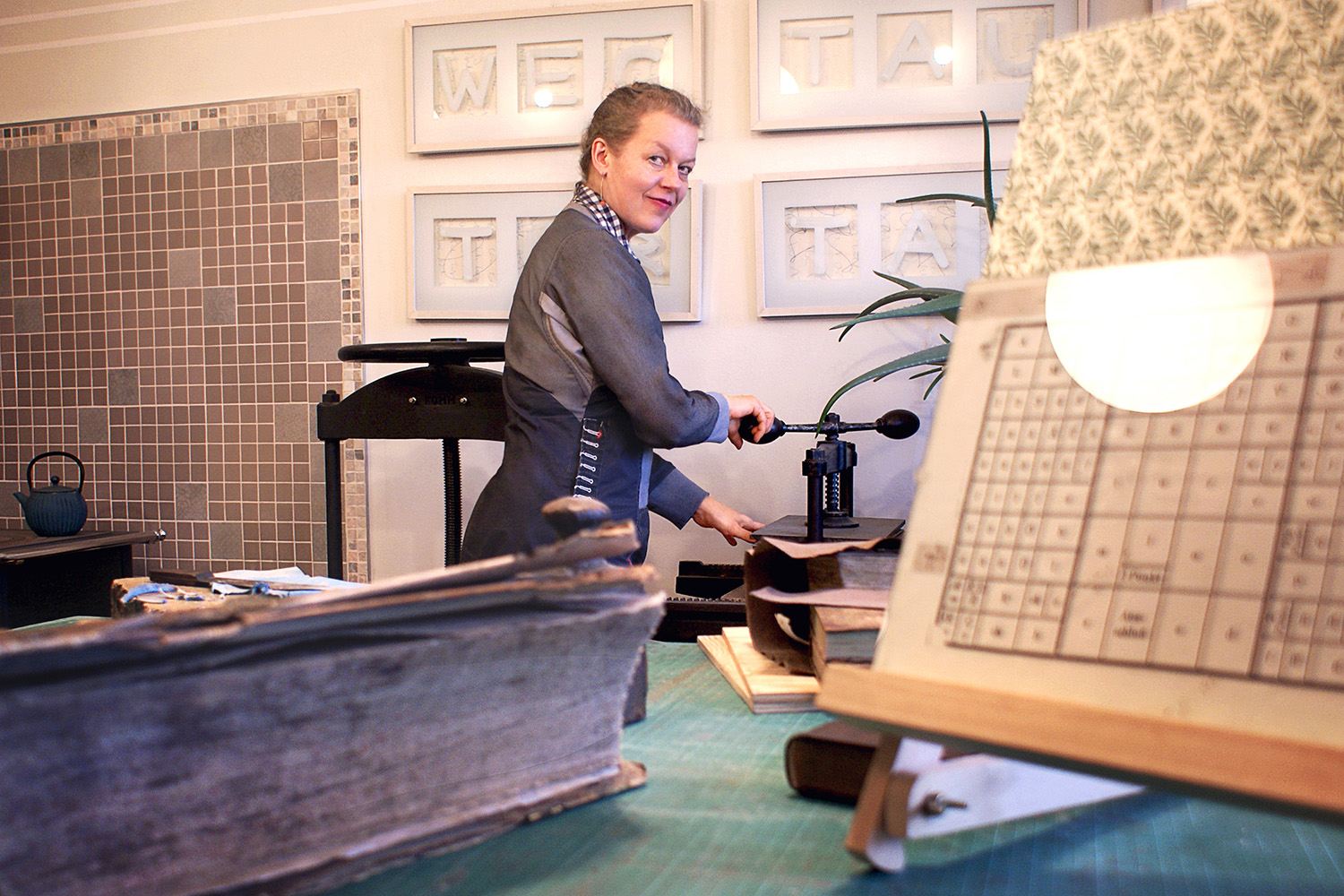
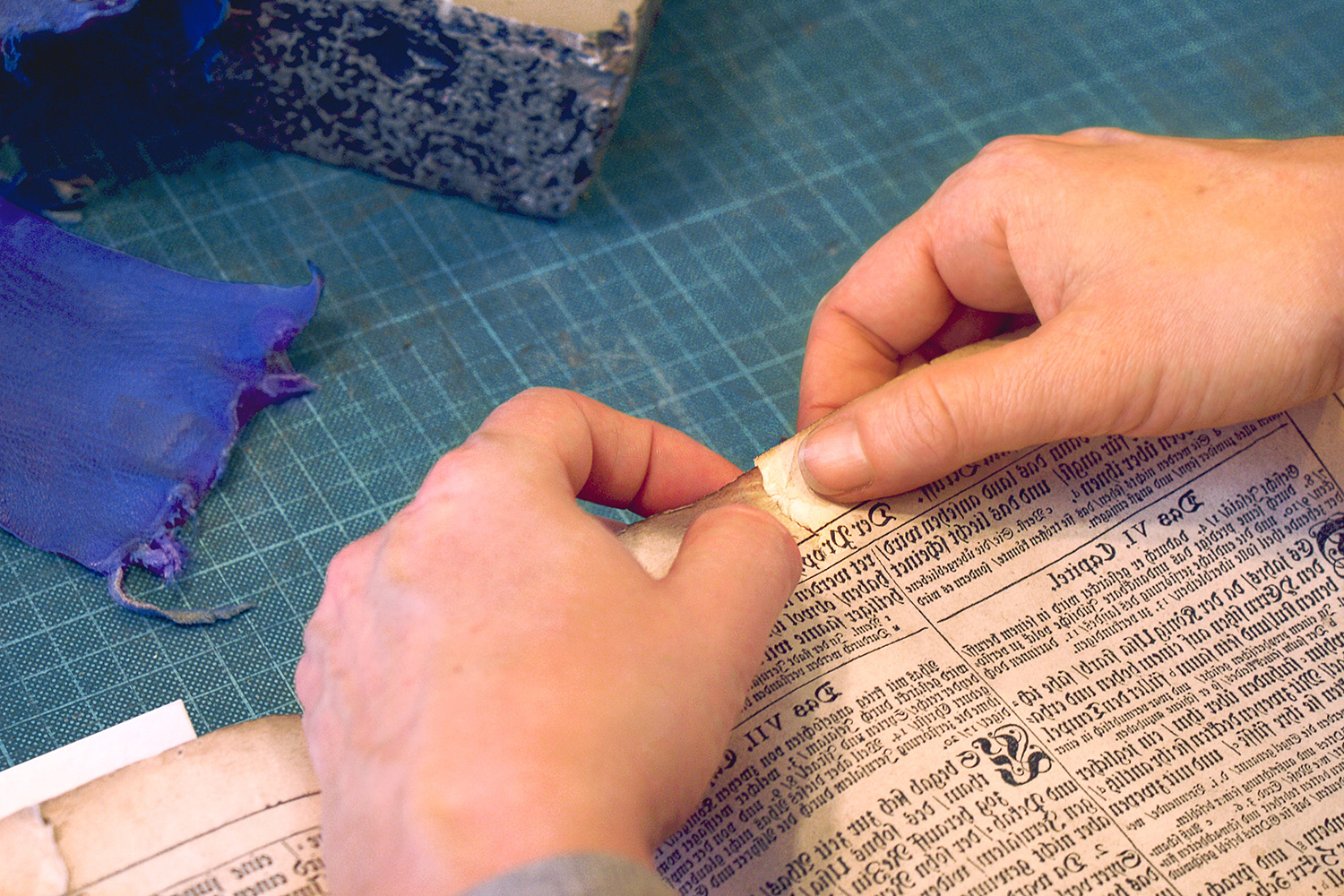
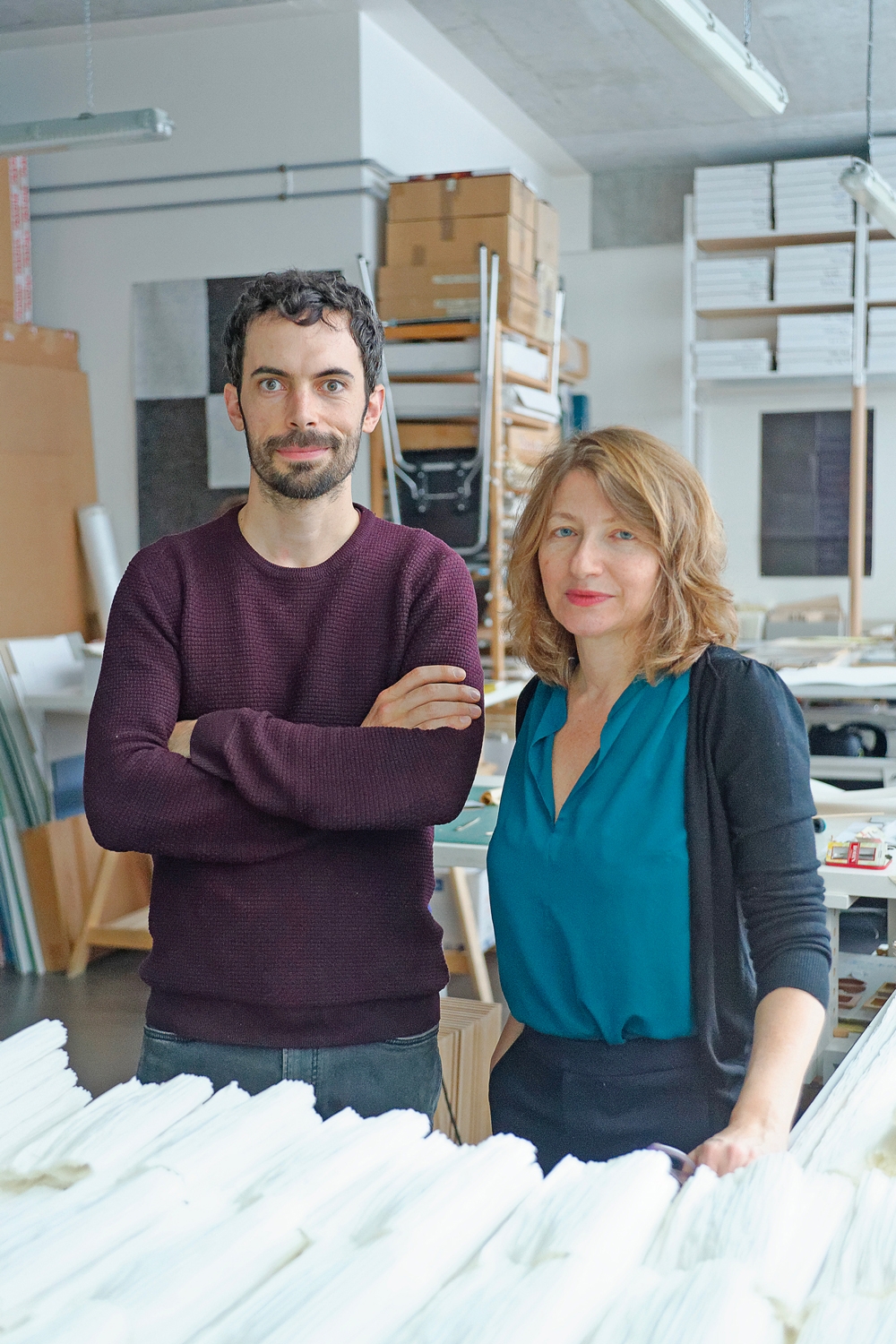
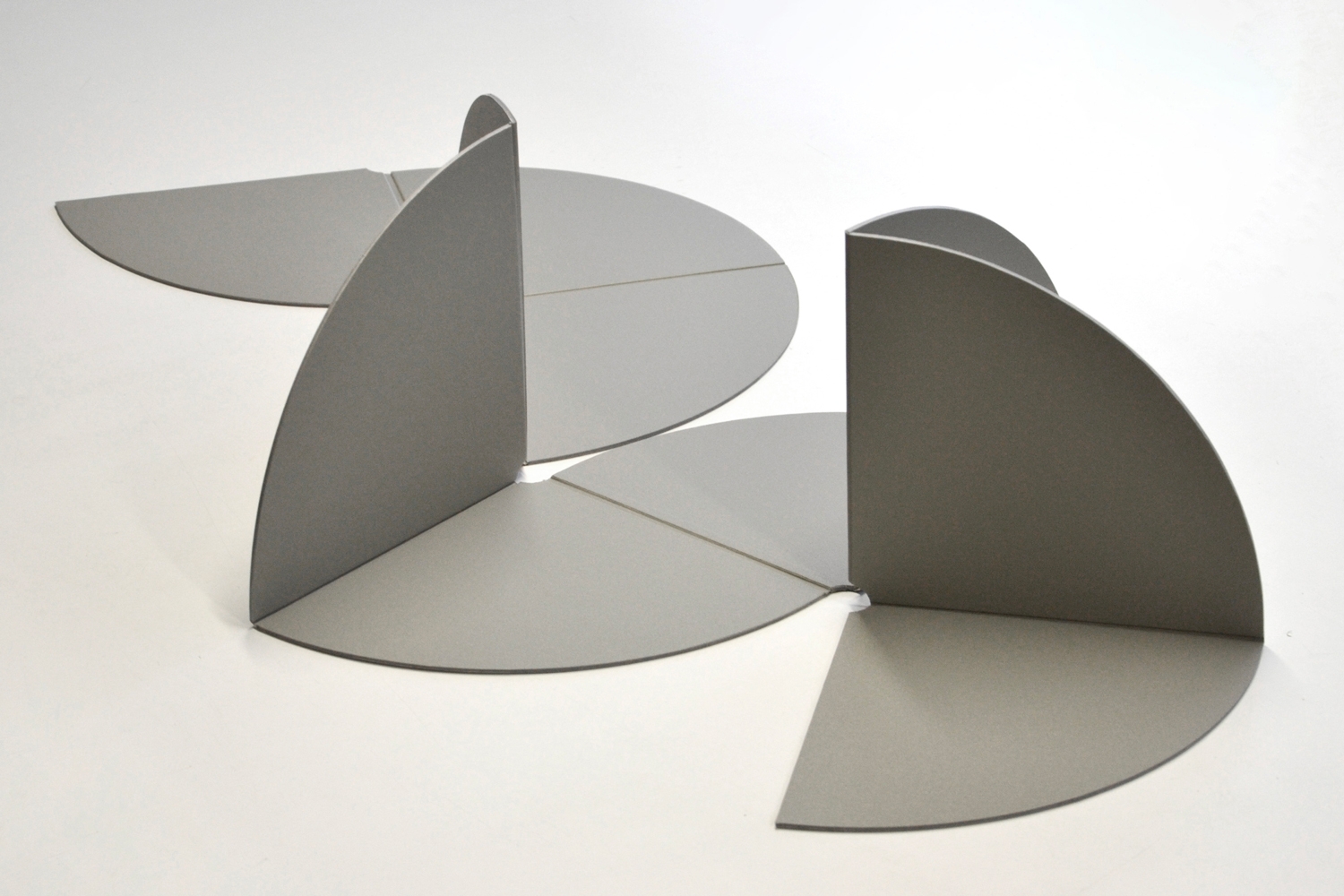
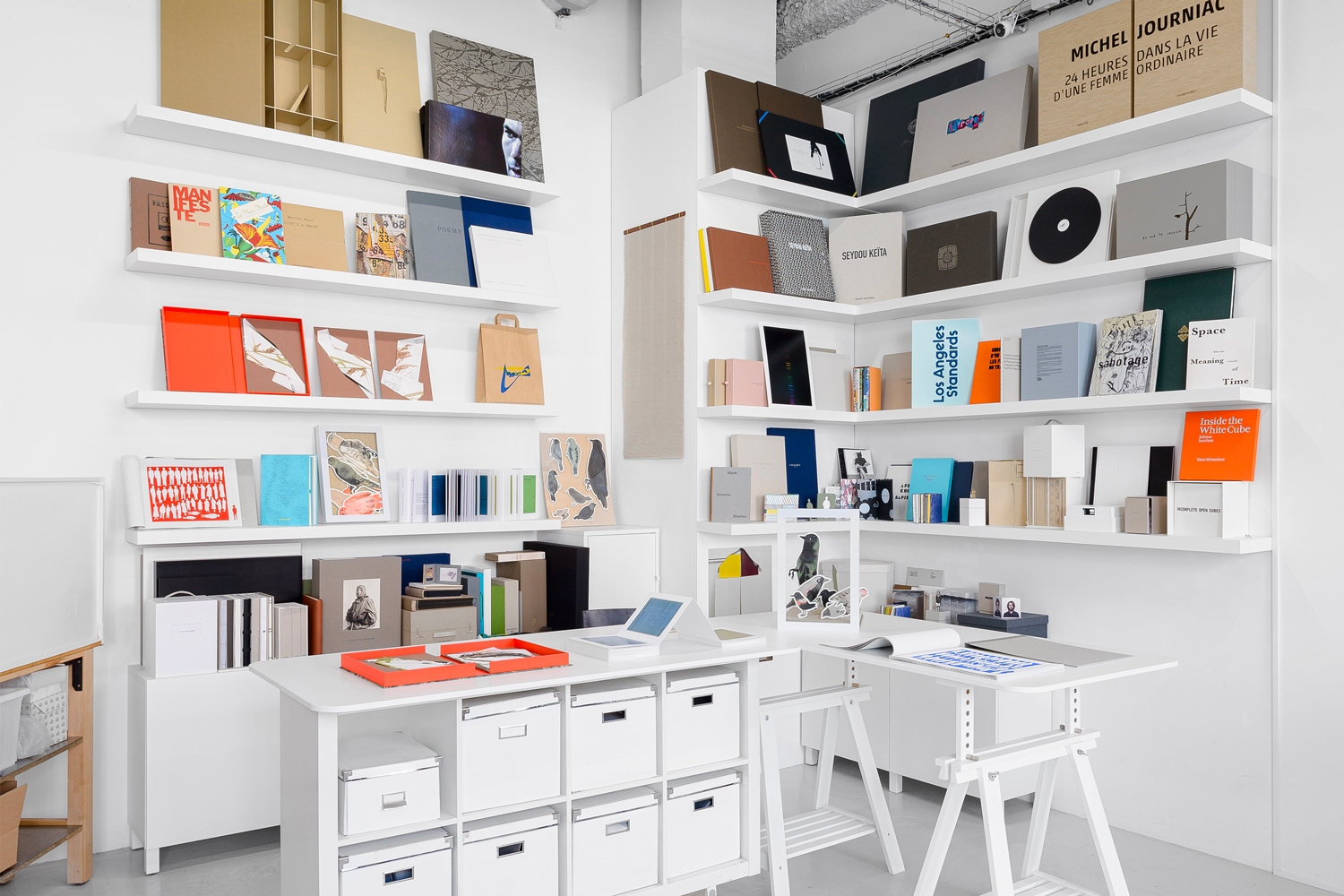
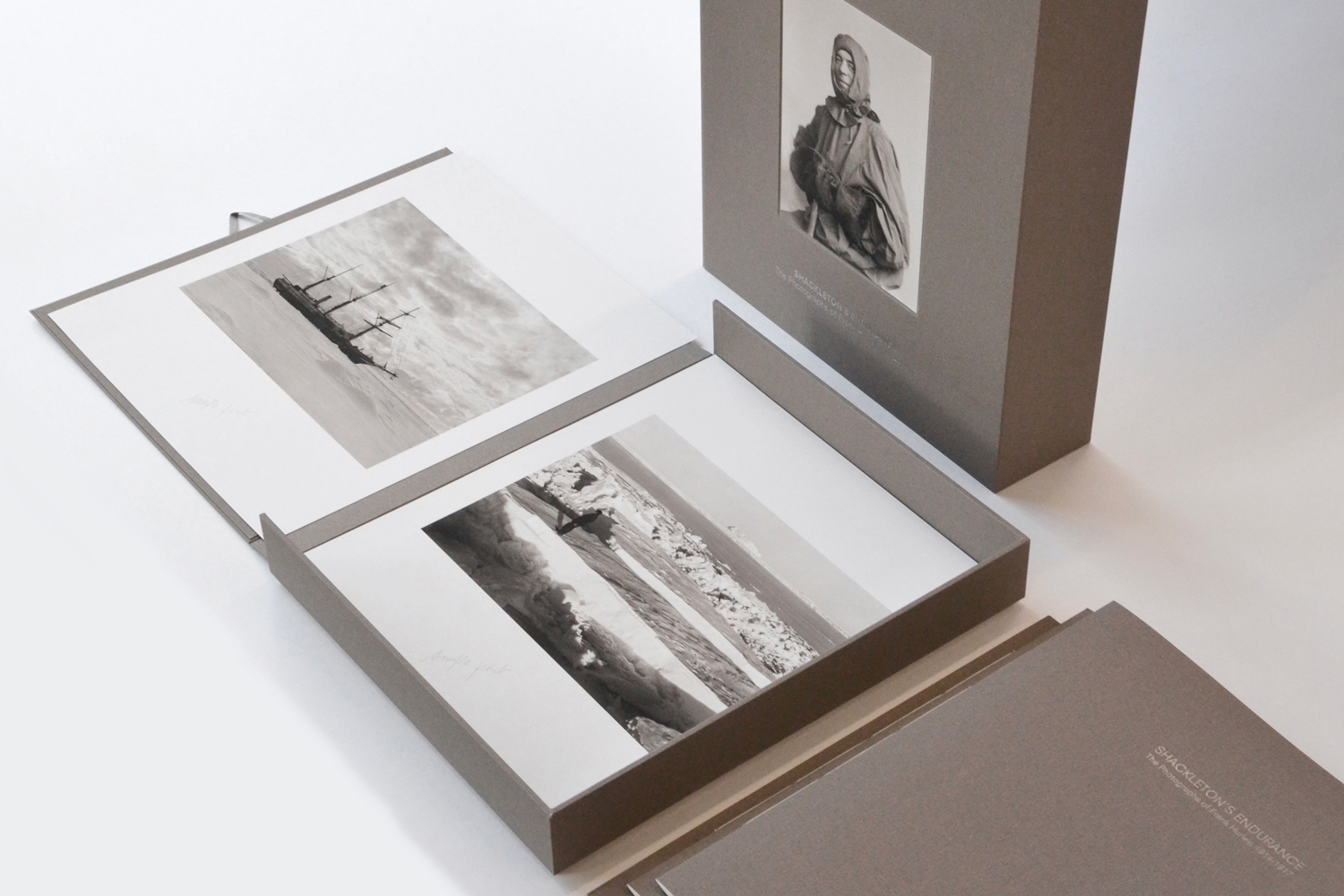
Laurel Parker Book is the eponymous Paris-based studio founded by its French-American artistic director, Laurel Parker. She specialises in the design and production of custom-made artist books, conservation objects, presentation materials and luxury stationery. The clientèle of the studio she runs with Paul Chamard comes from the world of contemporary art, luxury, publishing and archives. Laurel and Paul's work is sought out for its exception, intelligence, originality and novelty. They have a vast knowledge and experience of traditional methods but are also able to meet today’s demanding and innovative expectations. Their library has over 600 books and a materials swatch collection. Laurel and Paul are laureates of the Villa Kujoyama, Kyoto. The studio’s work is collected in prestigious public and private institutions.
Discover their work
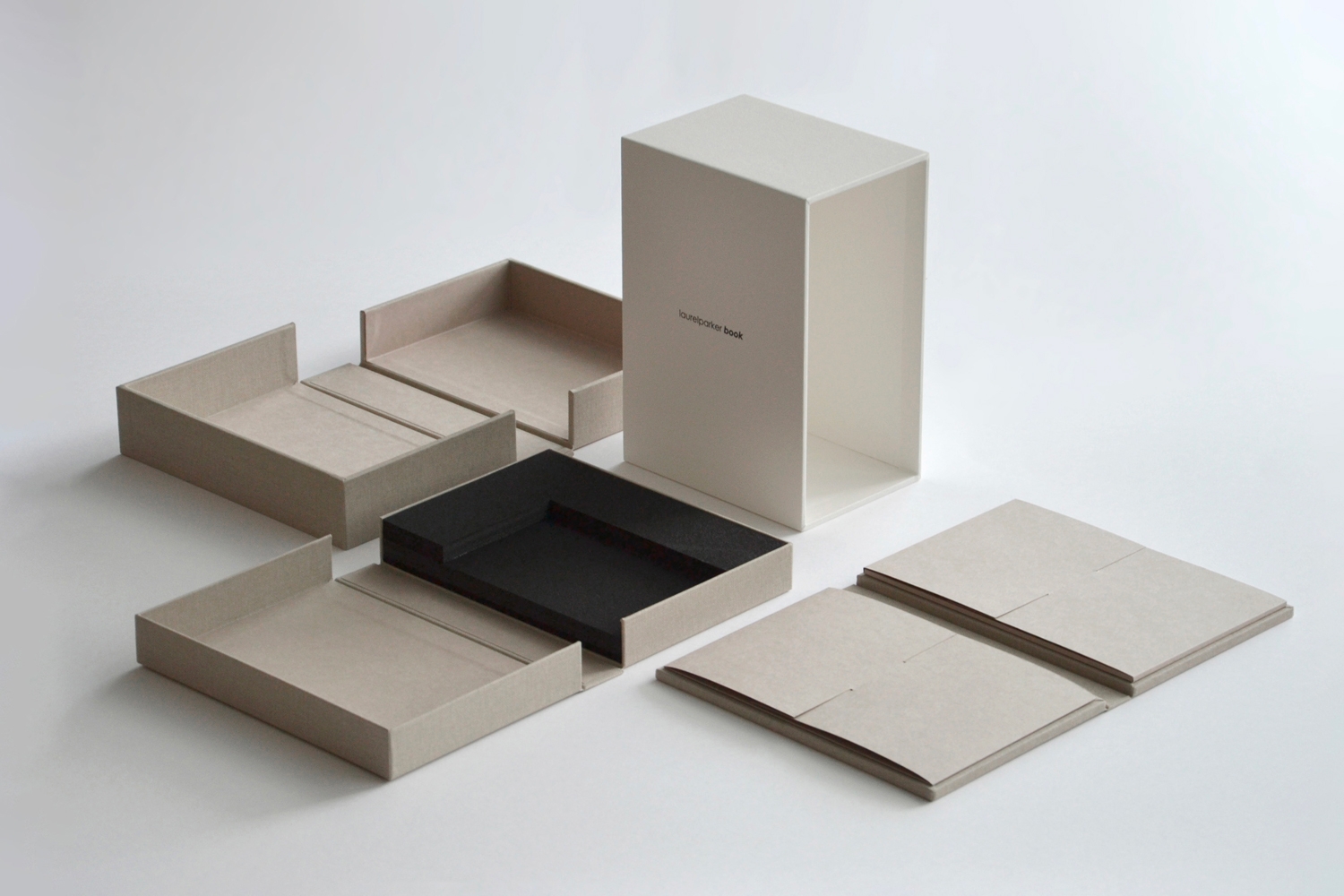
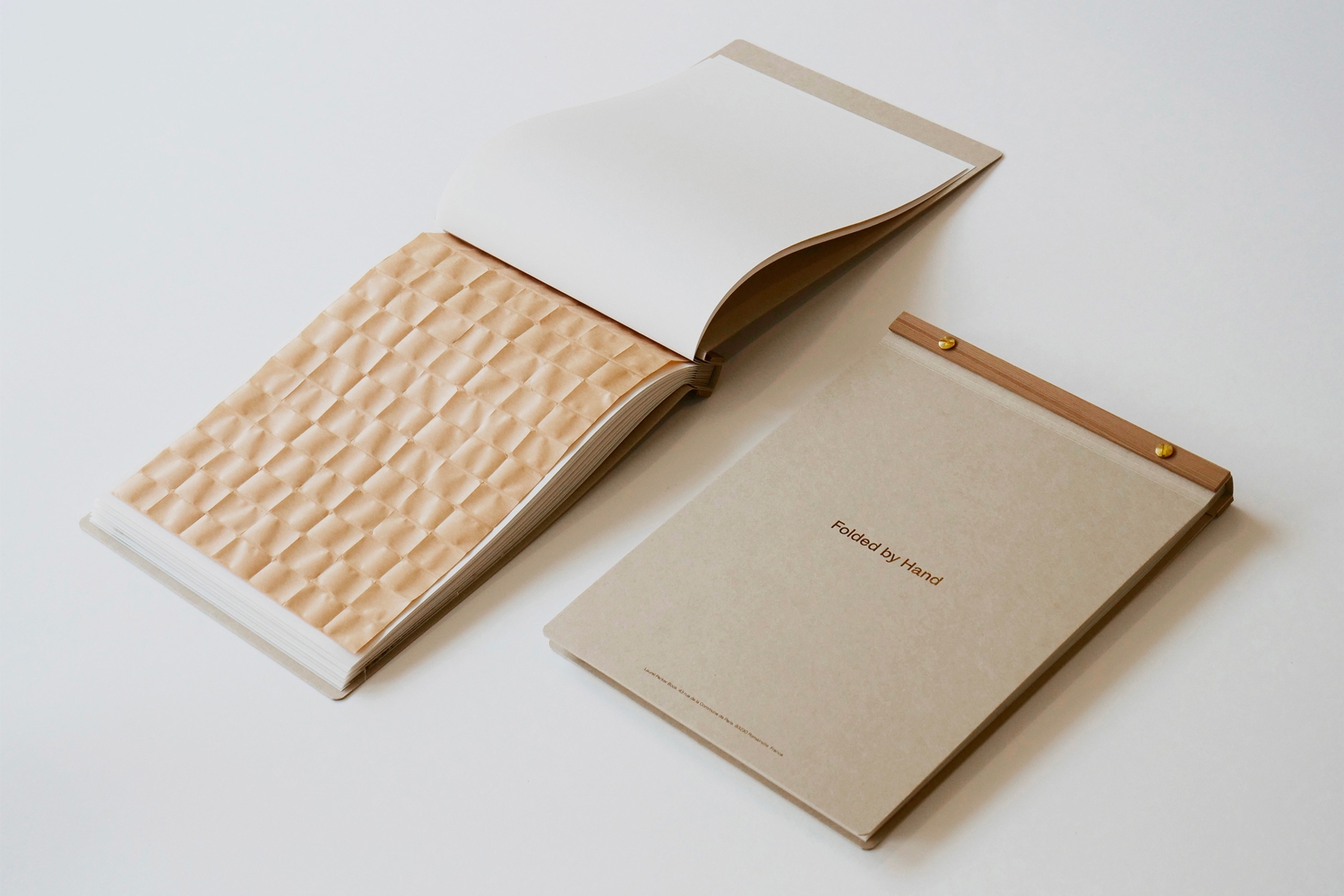
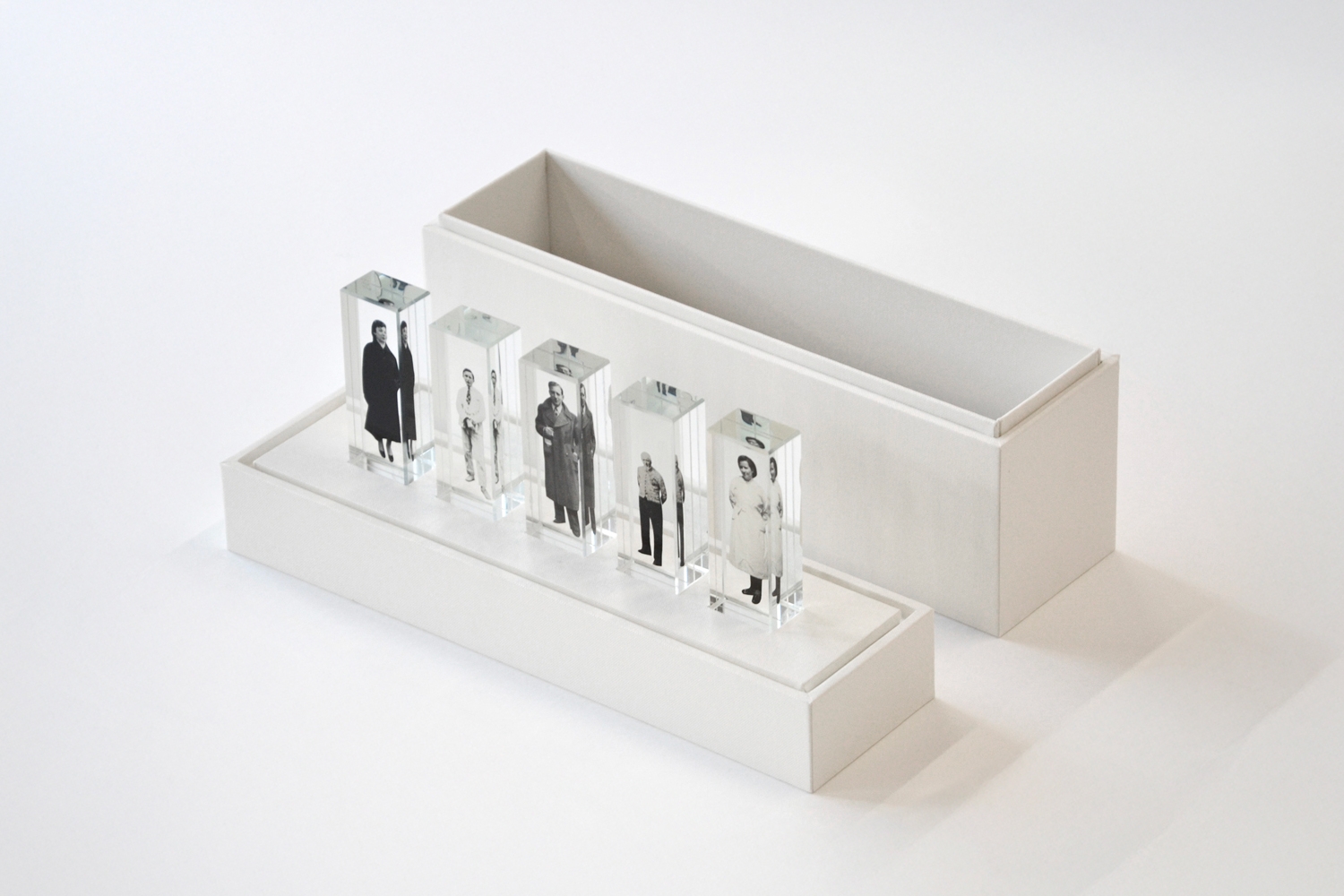
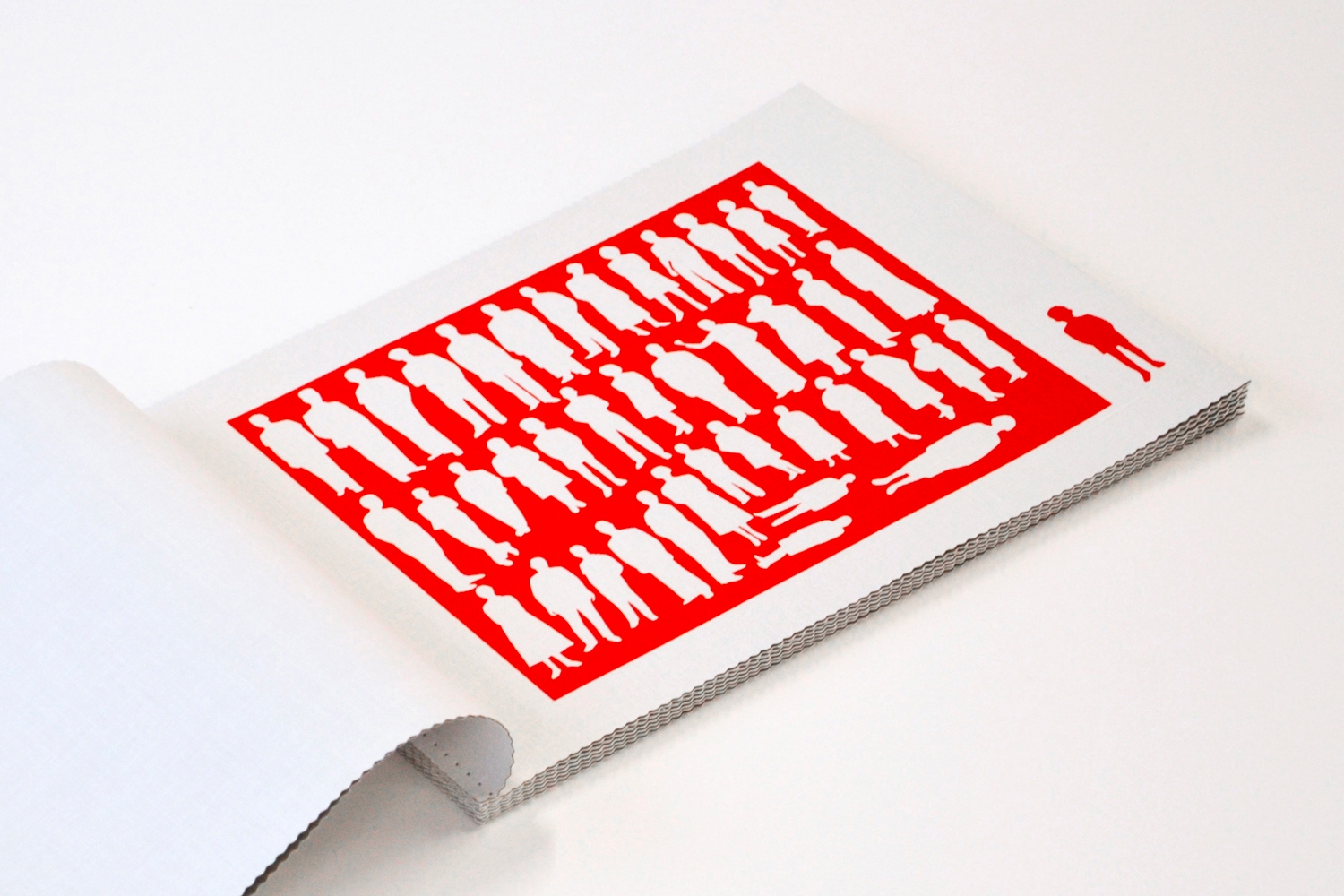
INTERVIEW
Laurel: I was teaching bookbinding at the Center for Book Arts, New York, while also working as an artist’s assistant, making artist’s books for him. I decided that I would like to do this for other artists full time.
Laurel: The most interesting and fulfilling project we carried out was the book Fragments of Travel, Exploration and Adventure, for the American Artist Mark Dion.
Paul: Having a good background in art history and contemporary art is very important to our work, as well as having a strong background in design. These are equally important as knowledge of the craft itself.
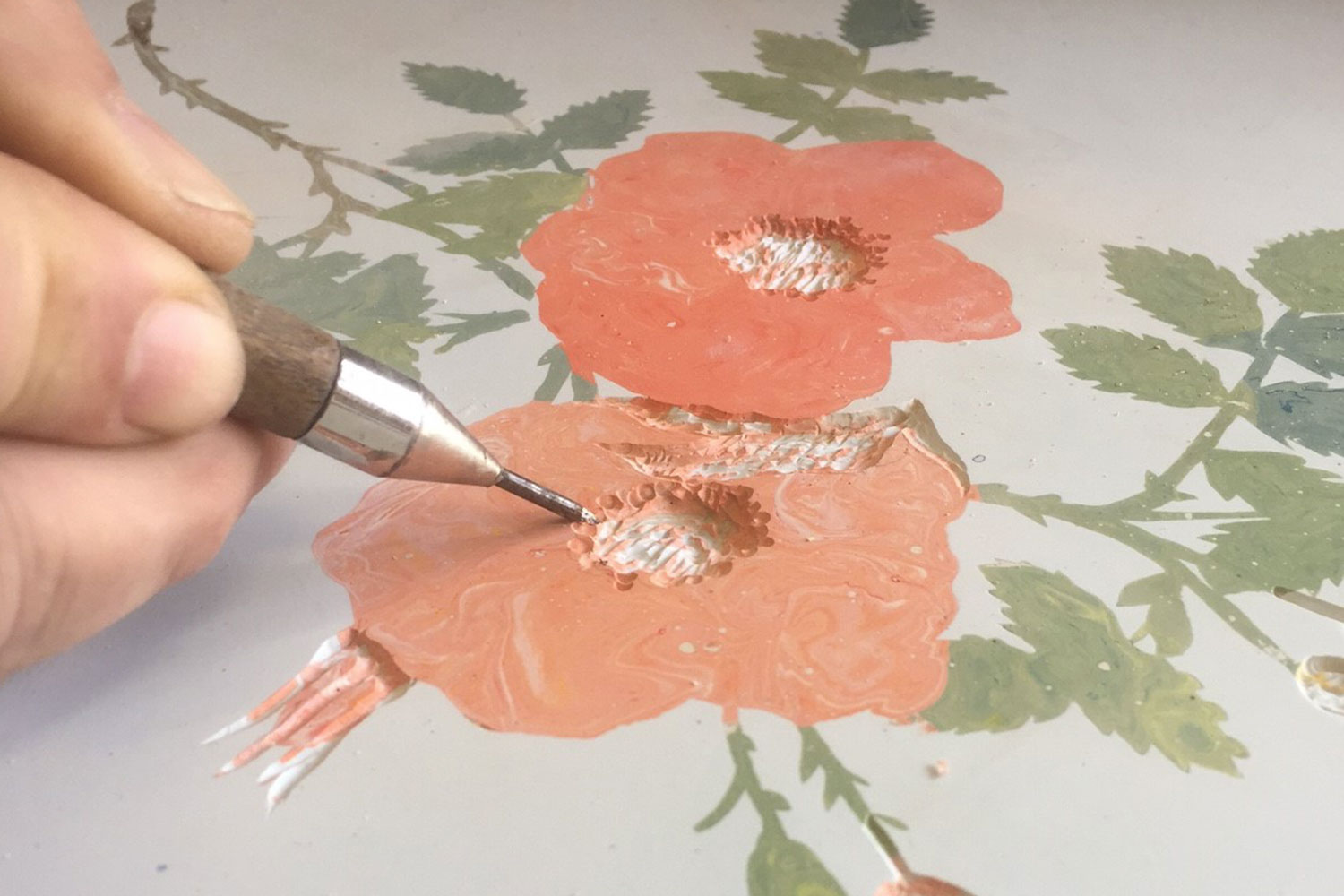
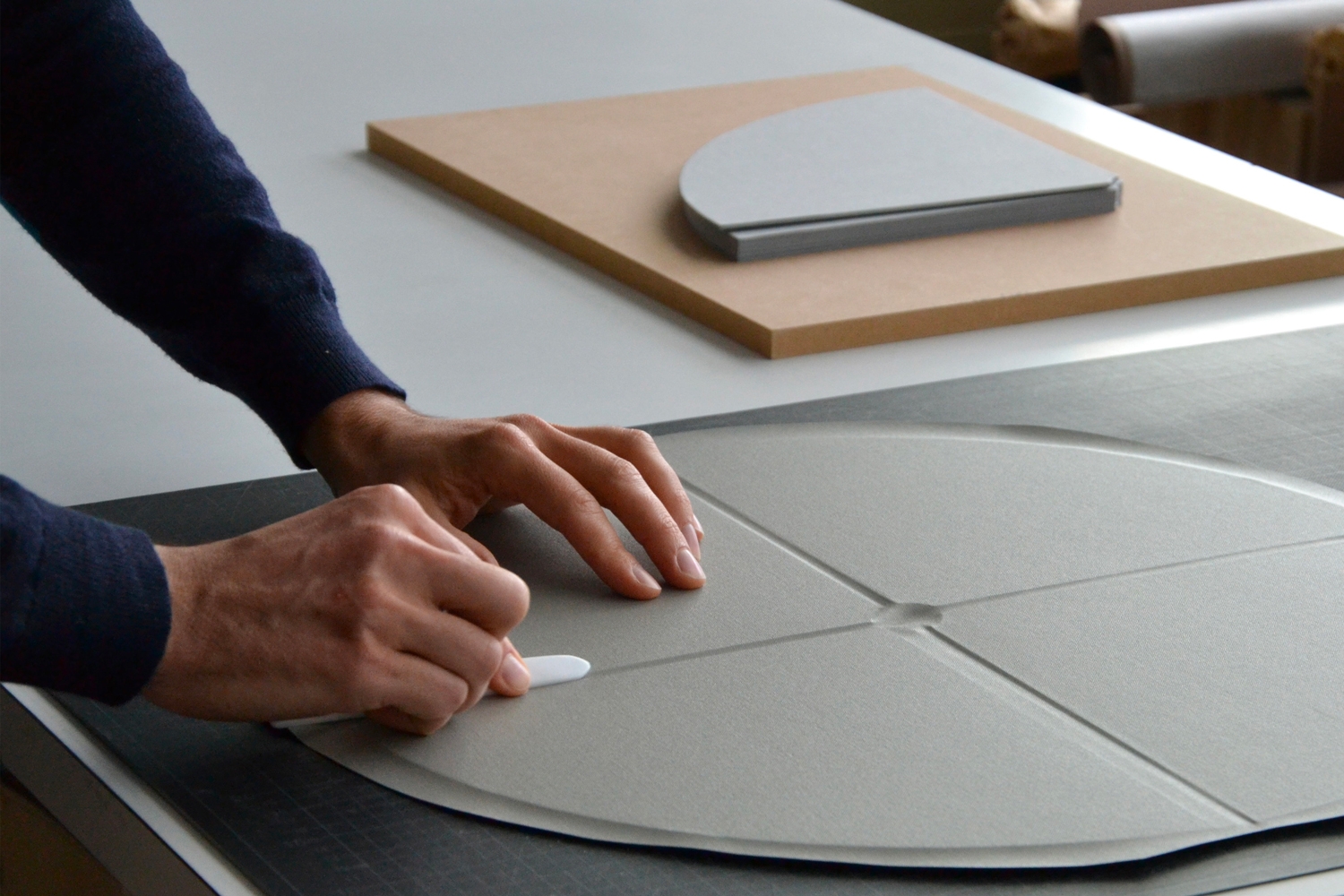
Paul: New technology is very relevant to our work. We add digital technologies to our handcraft in order to produce things that cannot be done by hand. The hand does not replace the machine, and vice versa. The two methods enrich each other.
Laurel Parker & Paul Chamard
Laurel Parker Book
Bookbinder
Romainville, France
AVAILABILITY
By appointment only
PHONE
+33 983934820
LANGUAGES
French, English
Homo Faber Finds is a new service aiming to inspire admirers of craft to connect and collaborate with exceptional artisans.
We invite you to submit an enquiry here.