©Michelangelo Foundation
©Michelangelo Foundation
©Michelangelo Foundation
©Michelangelo Foundation
©Michelangelo Foundation
©Michelangelo Foundation
Kyokusho Tanaka
Bamboo artist
Hokuto, Japan
©Michelangelo Foundation
©Michelangelo Foundation
©Michelangelo Foundation
©Michelangelo Foundation
©Michelangelo Foundation
©Michelangelo Foundation
©Michelangelo Foundation
©Michelangelo Foundation
©Michelangelo Foundation
©Michelangelo Foundation
©Michelangelo Foundation
©Michelangelo Foundation
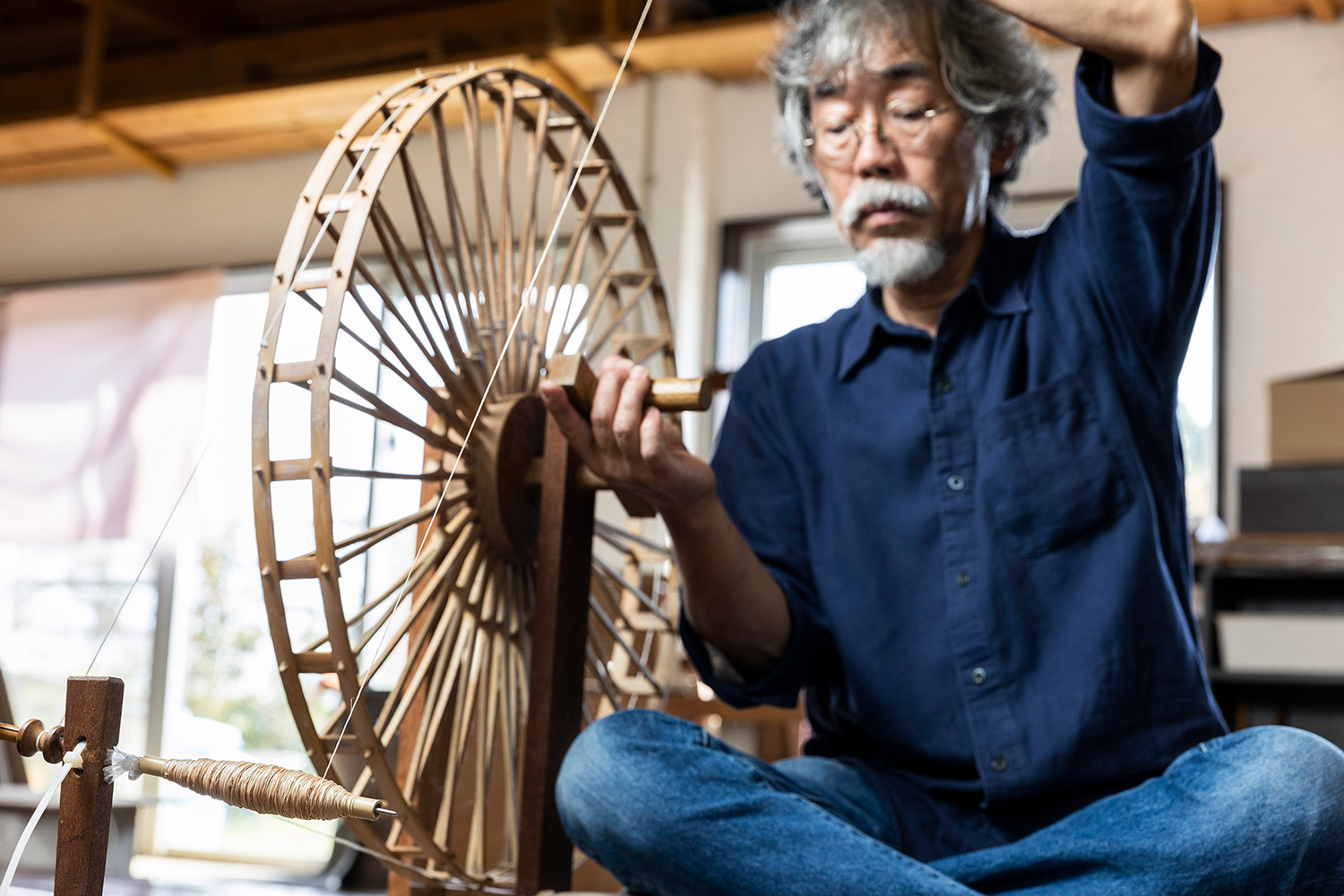
Working bamboo like thread
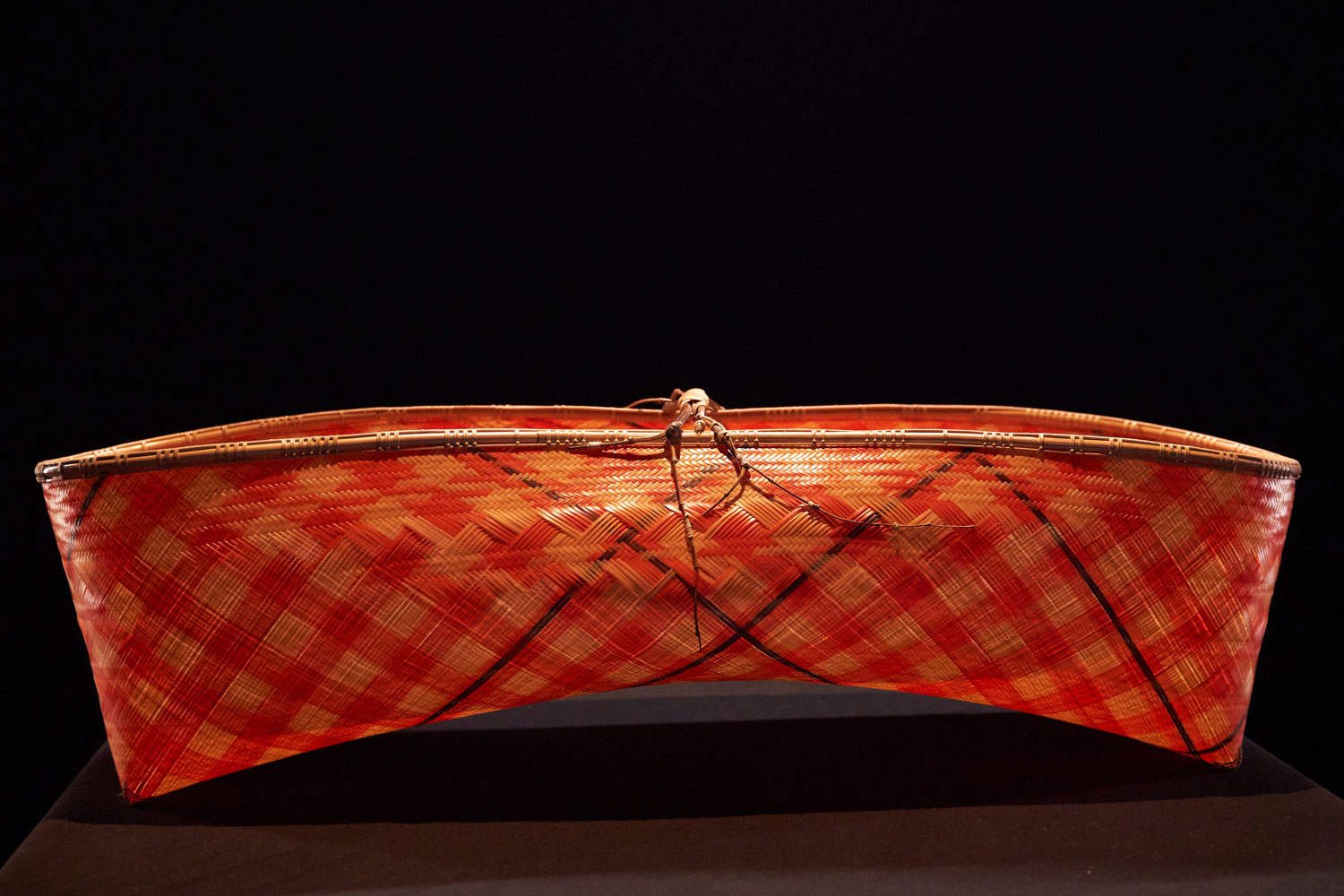
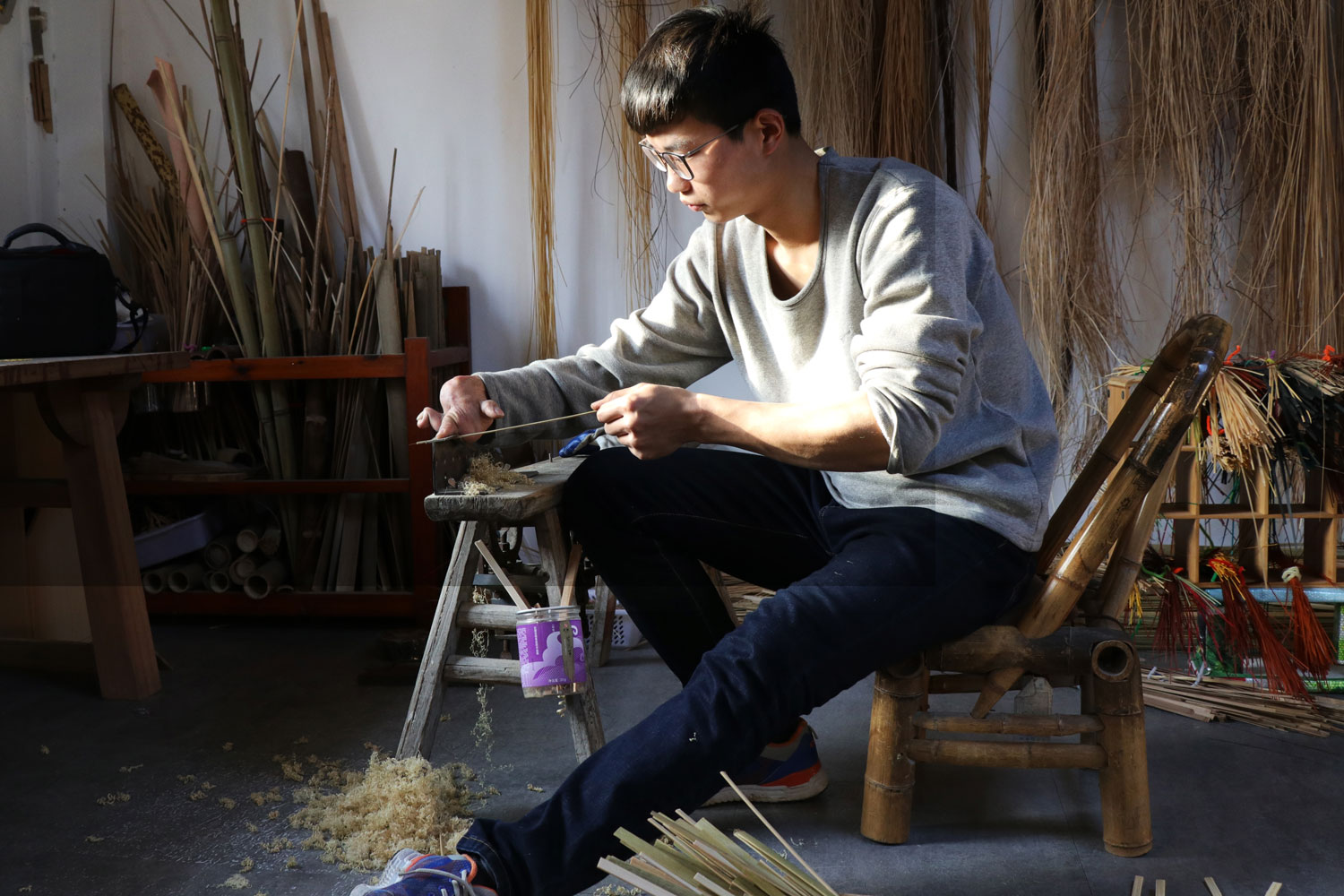
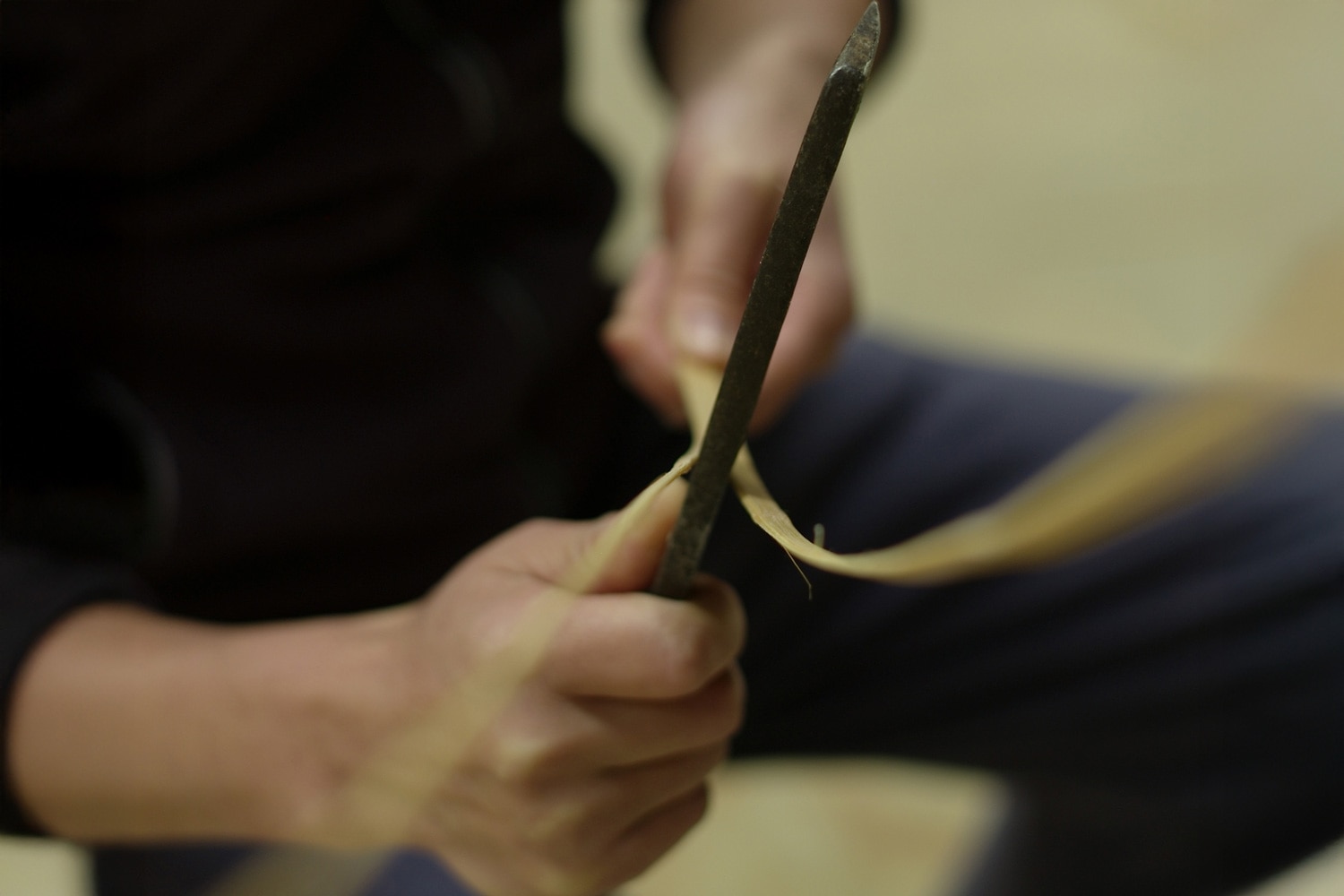
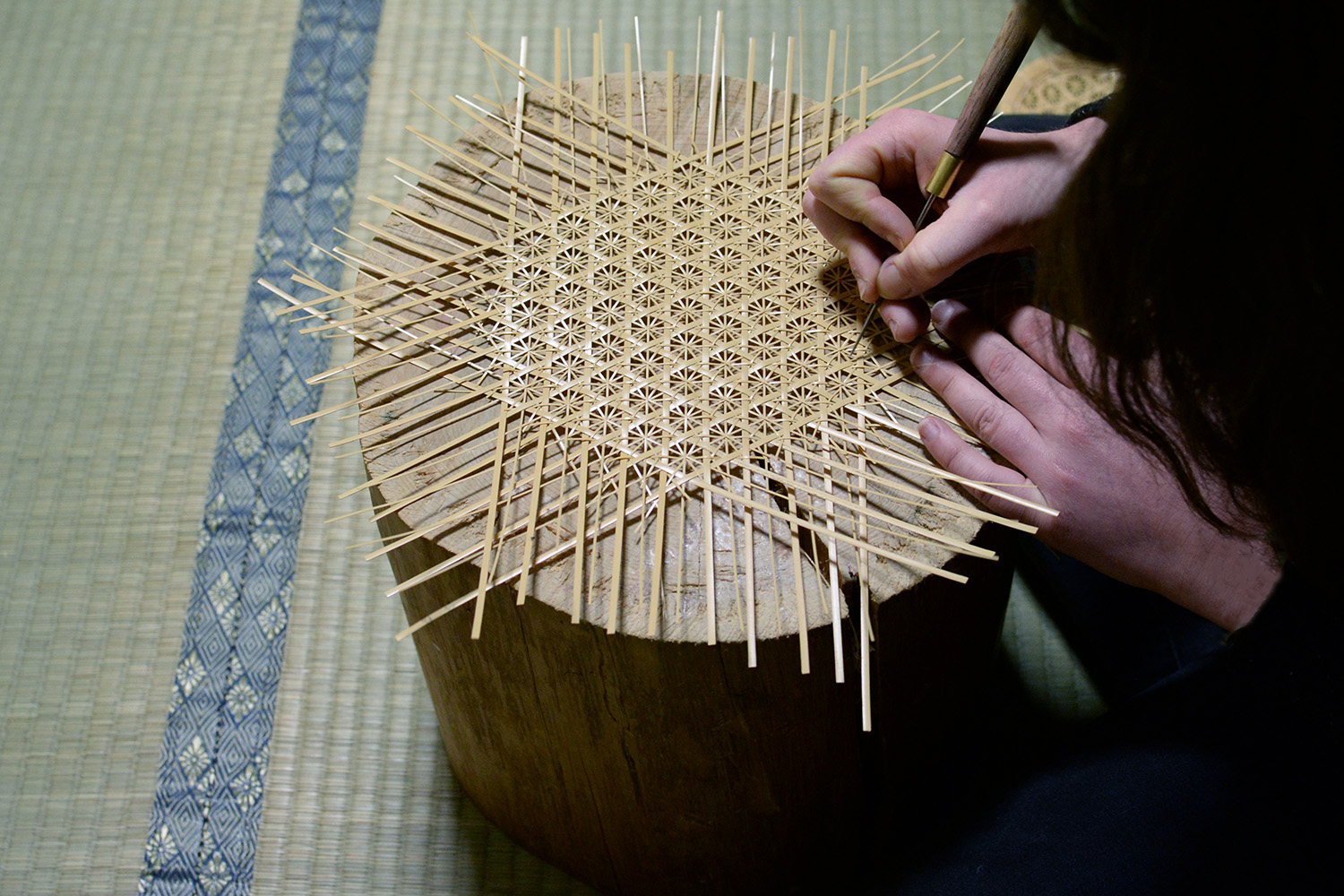
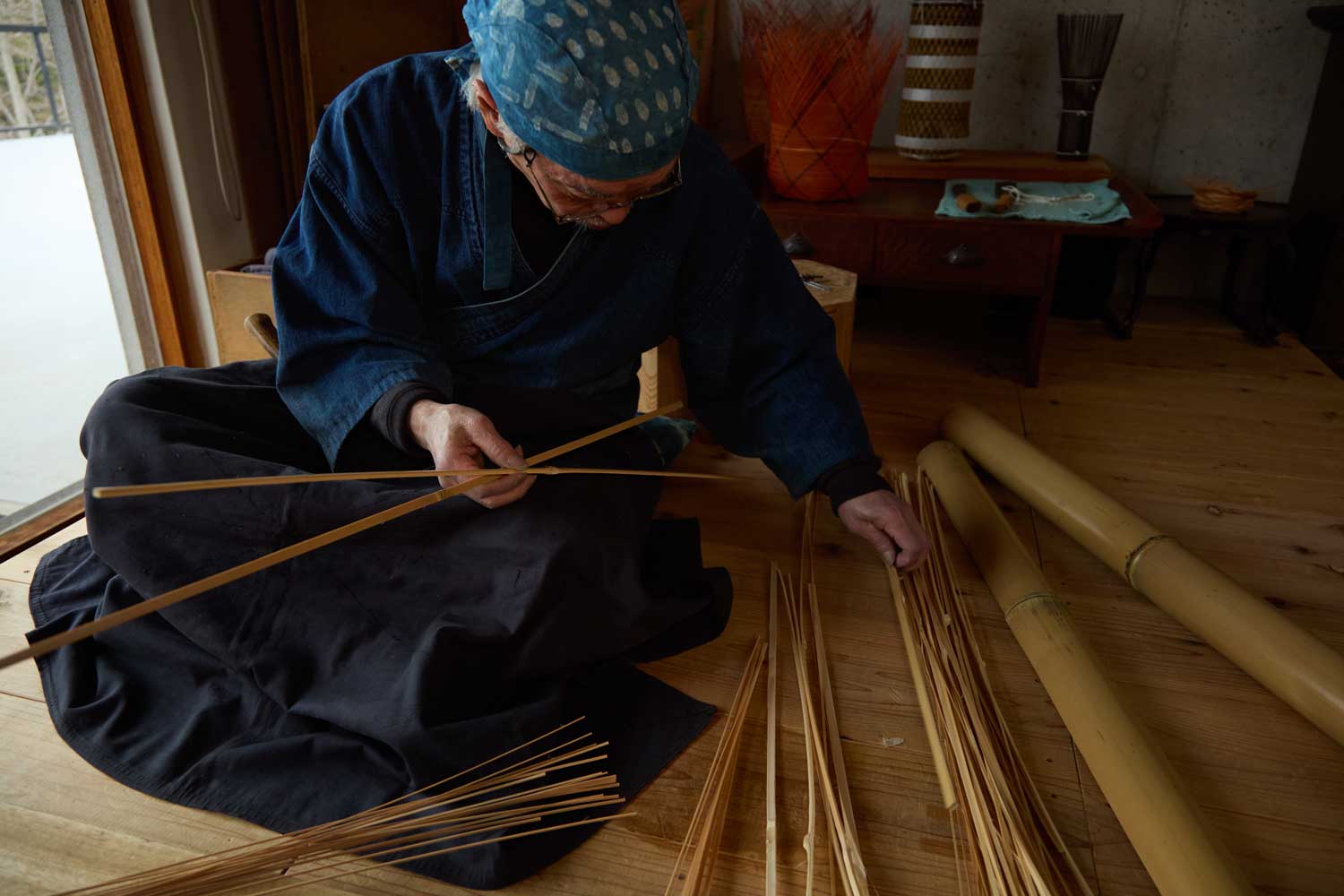
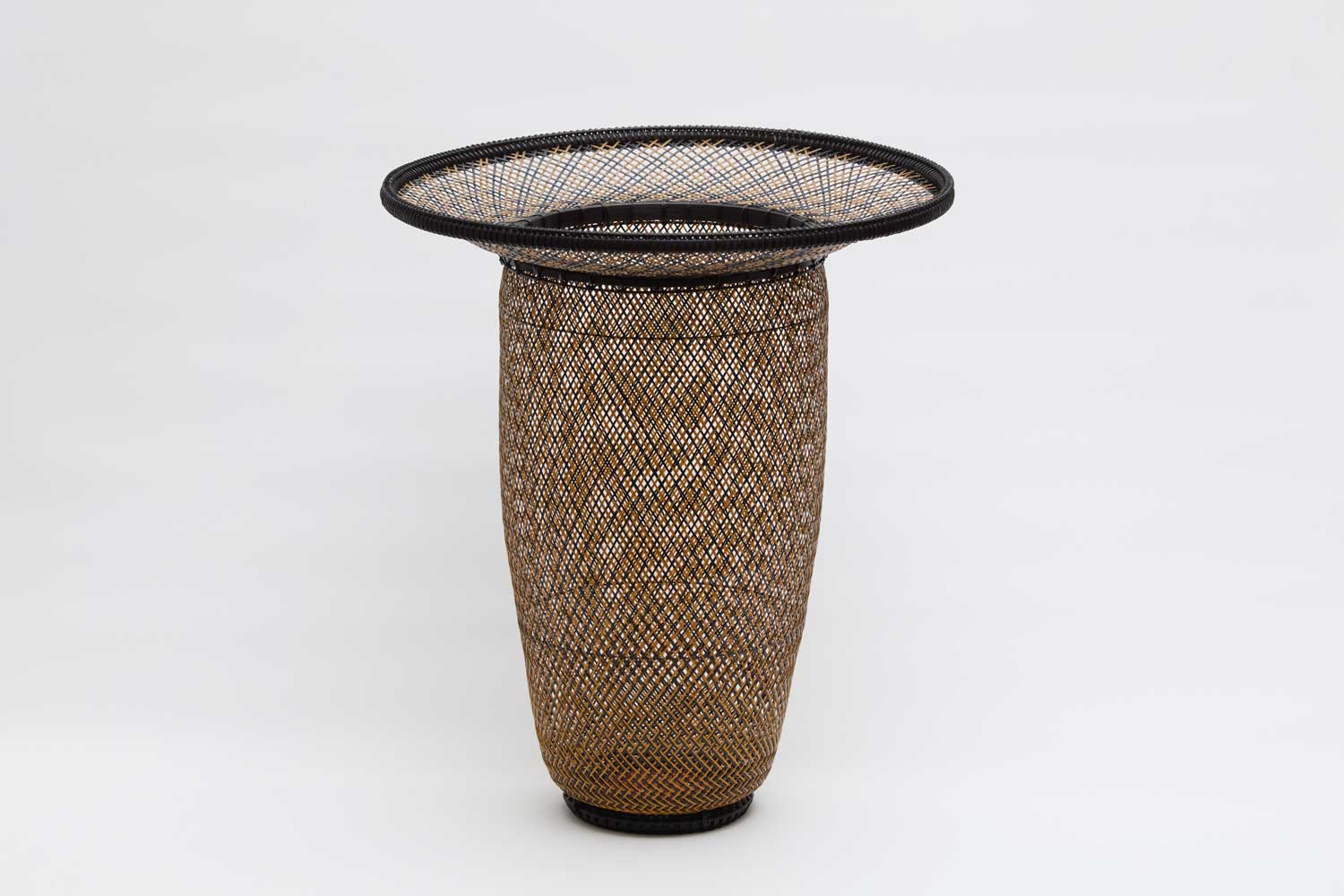
- Kyokusho specialises in weaving baskets with extremely fine, rounded bamboo stems
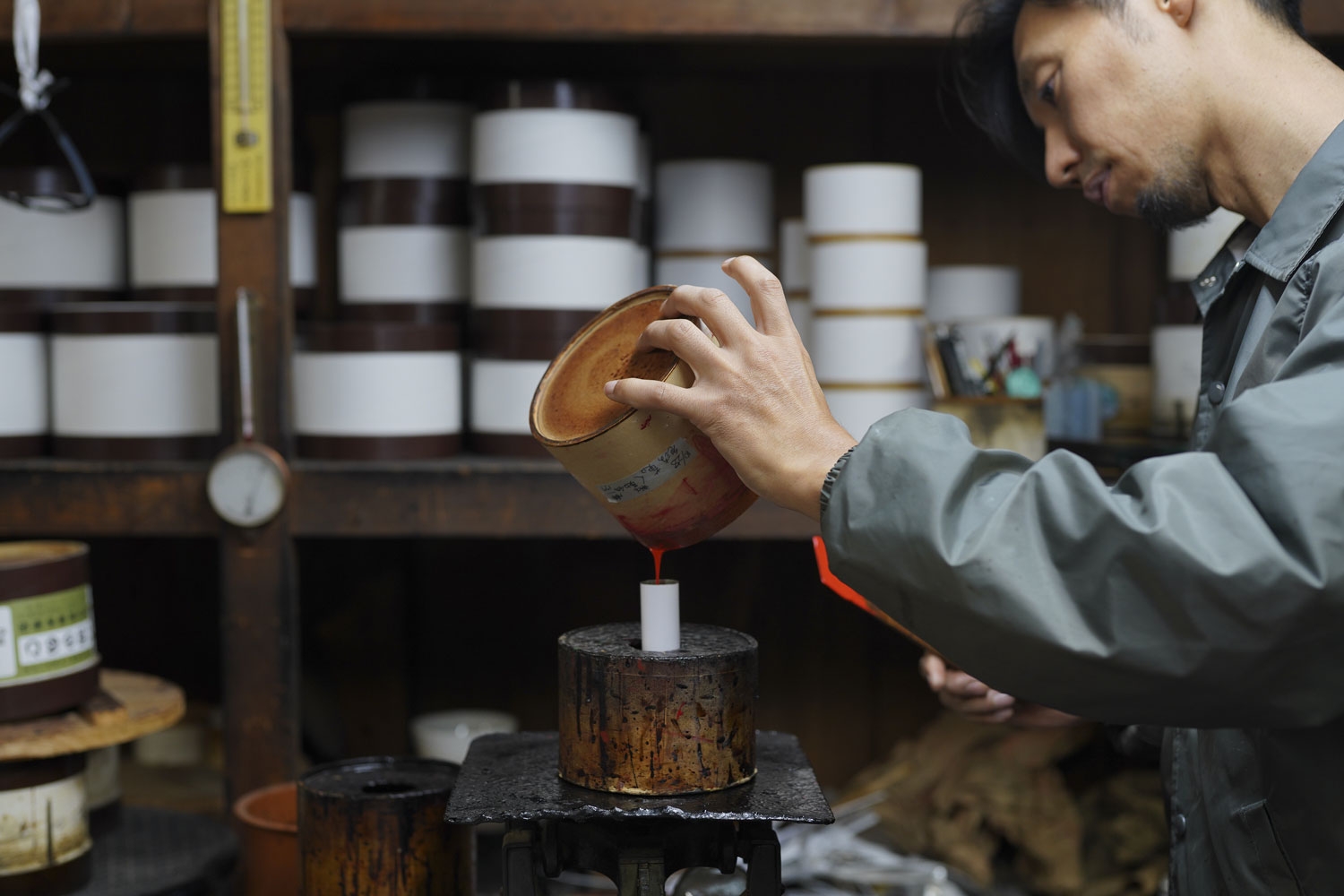
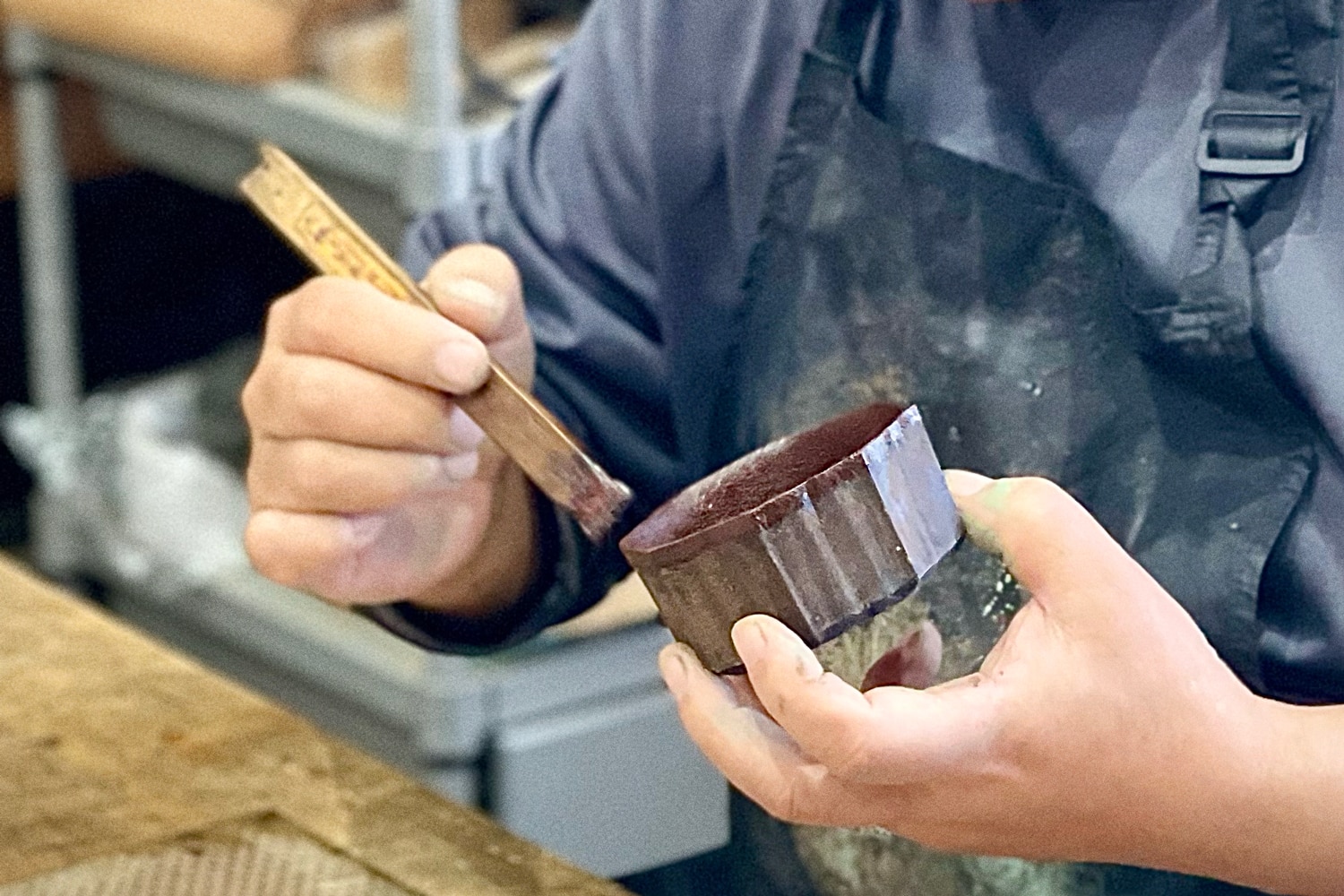
- He dyes his pieces with vegetable dyes using a custom made stainless steel vat
- His family has been working with the same craft continuously since 1907
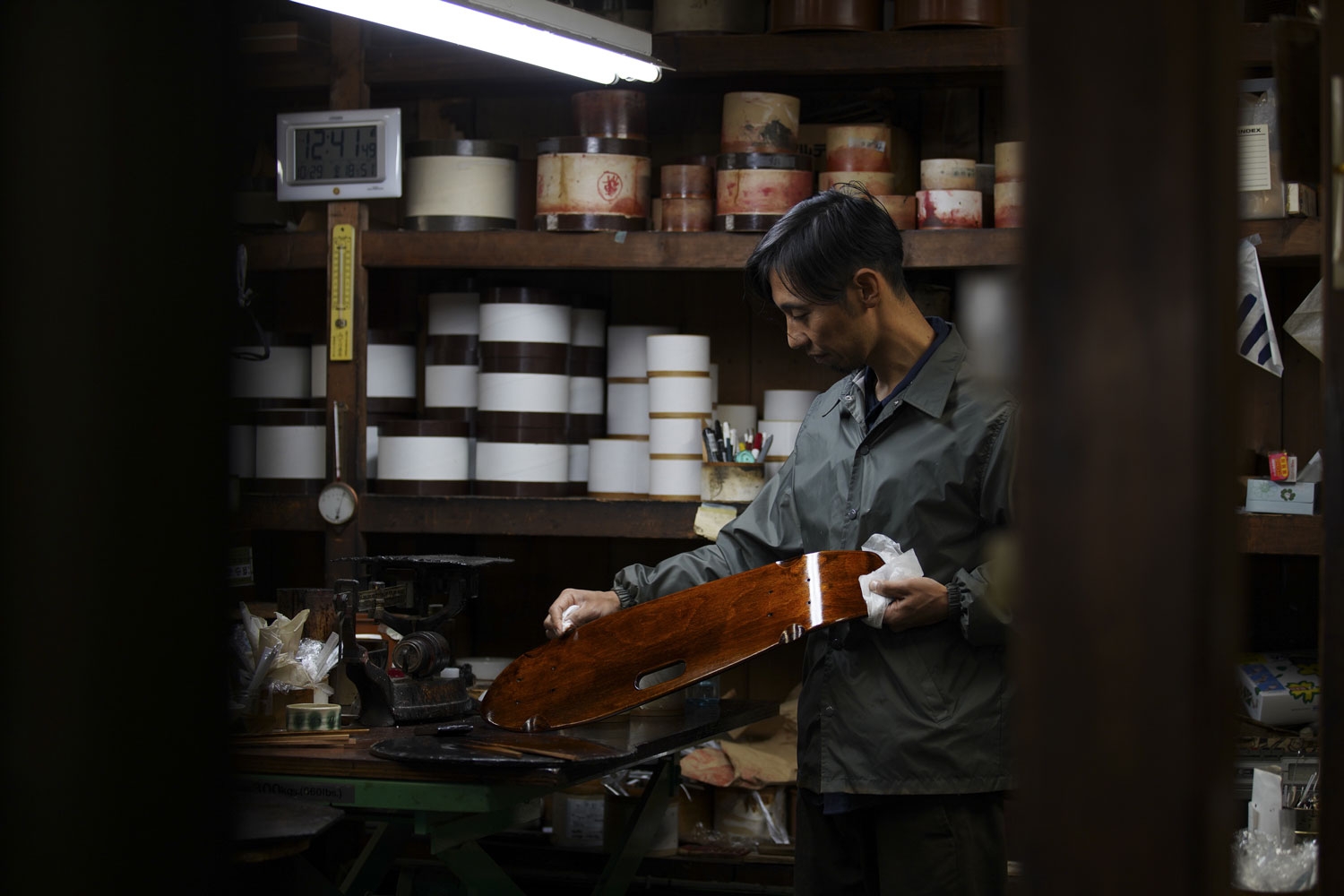
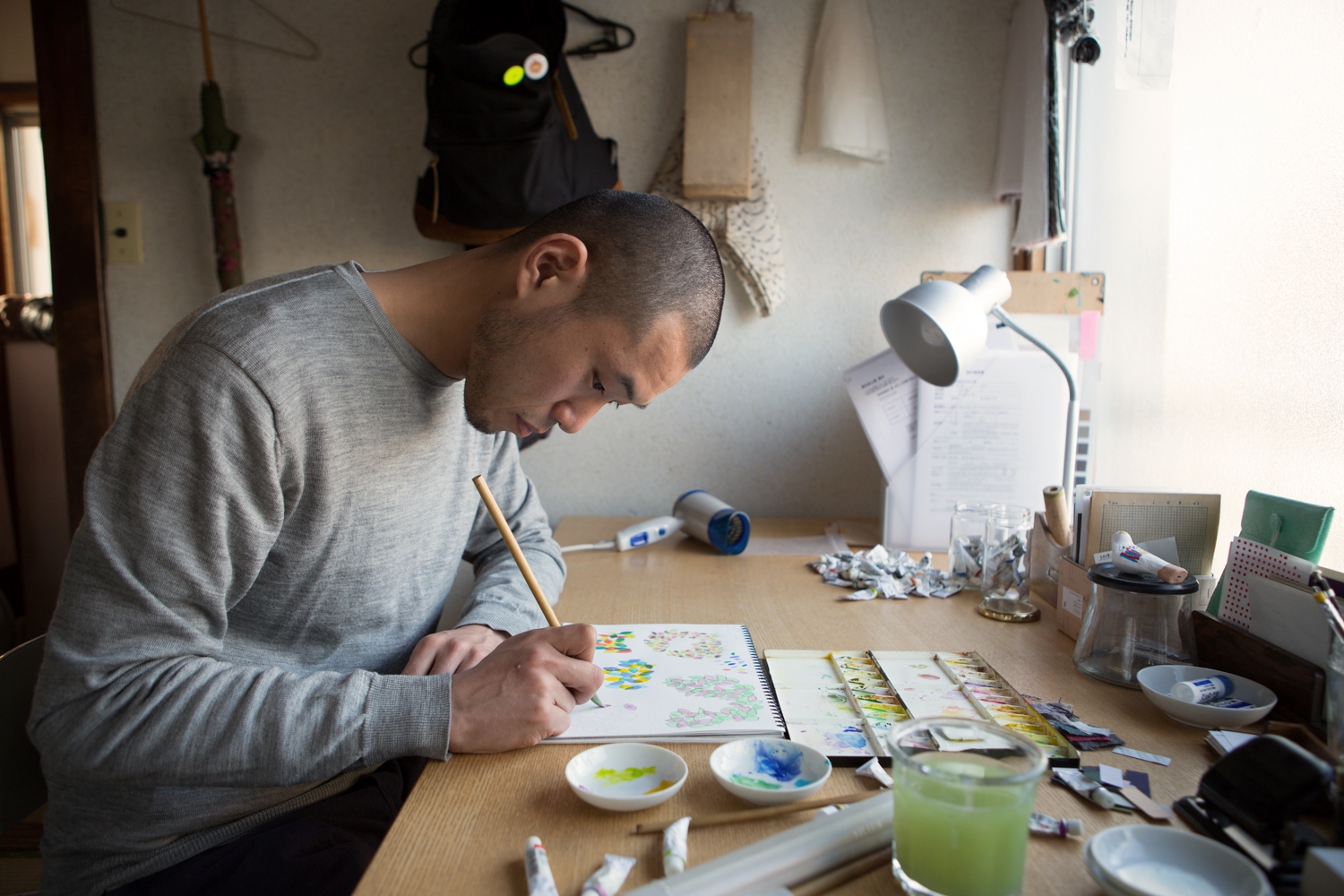
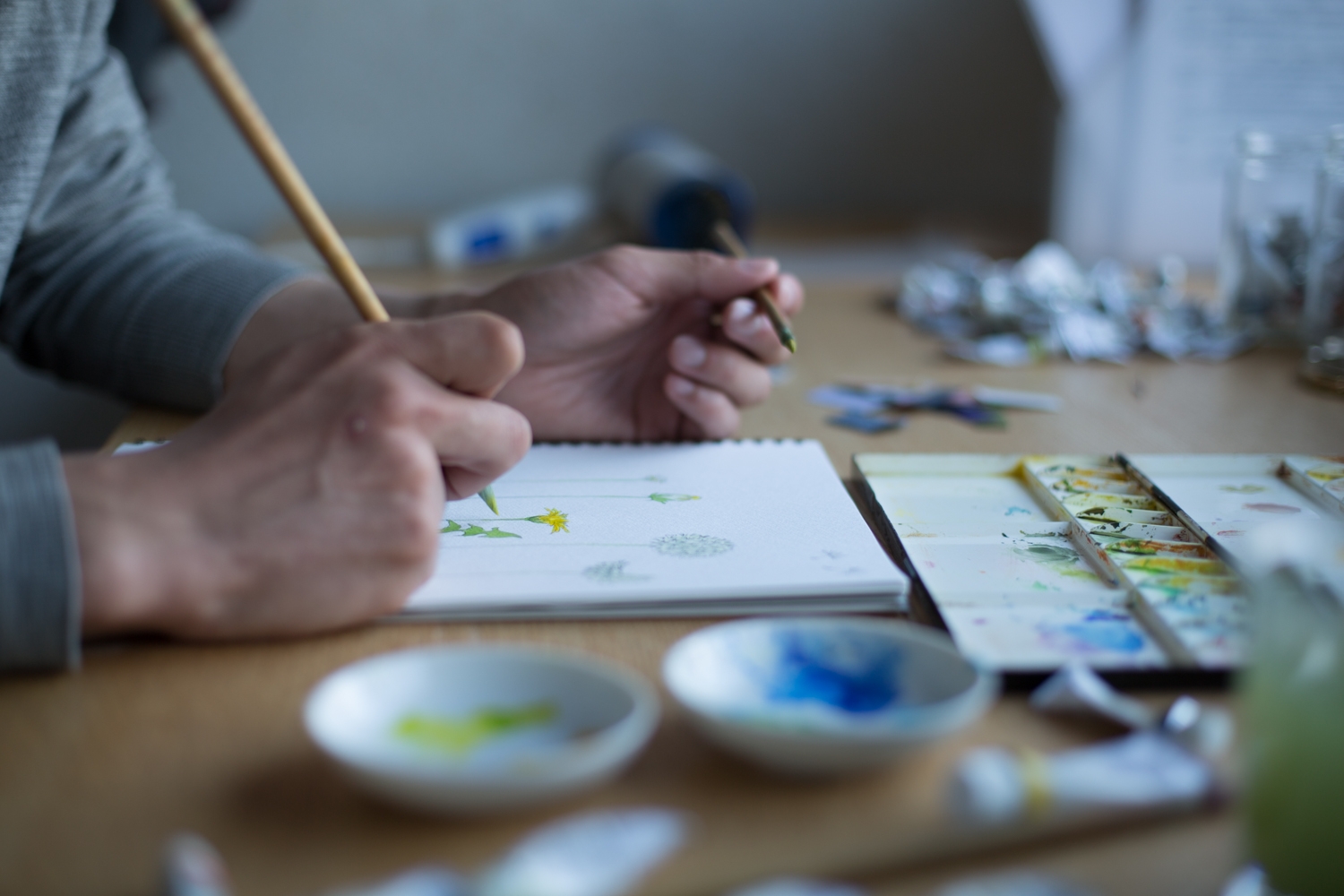
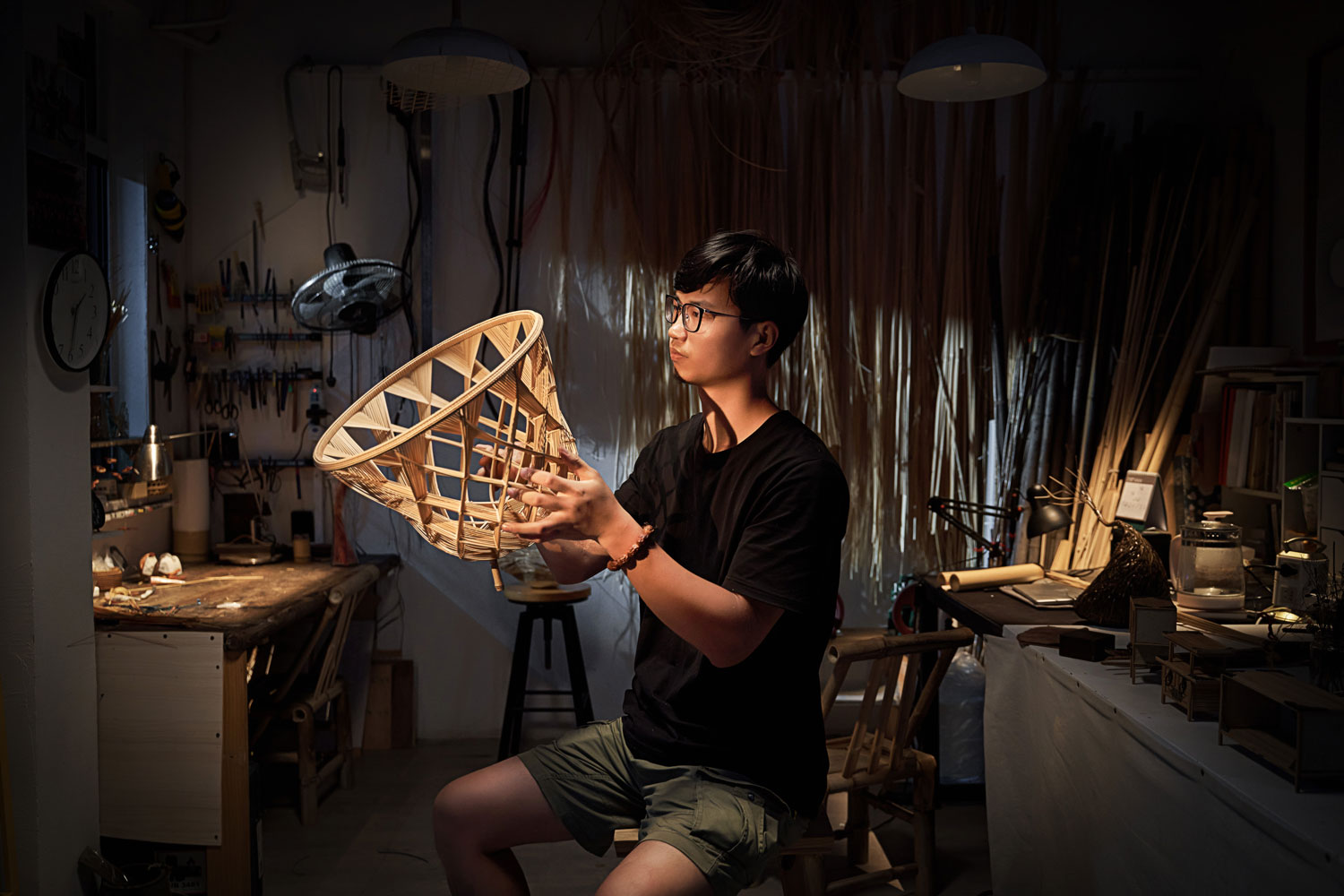
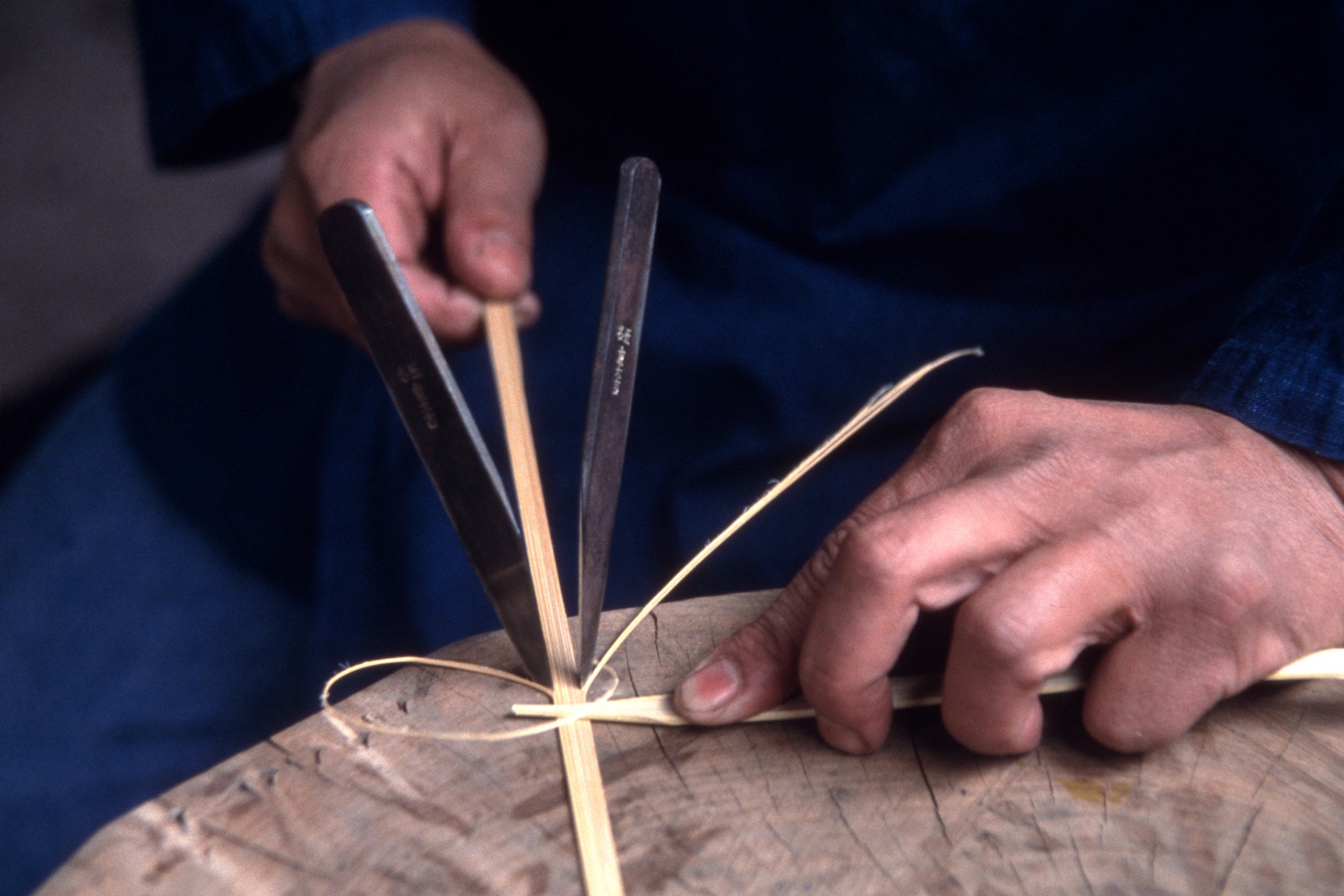
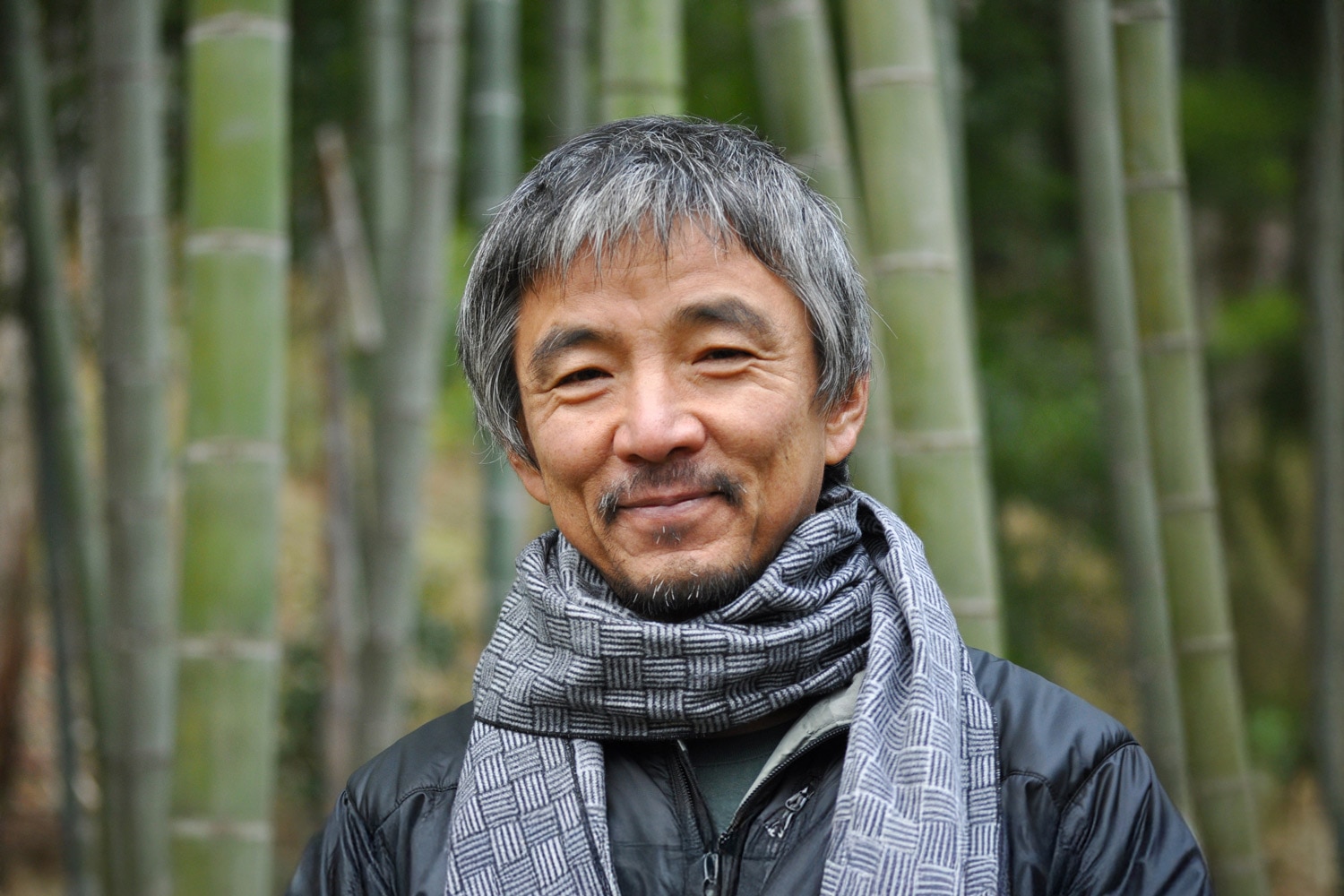
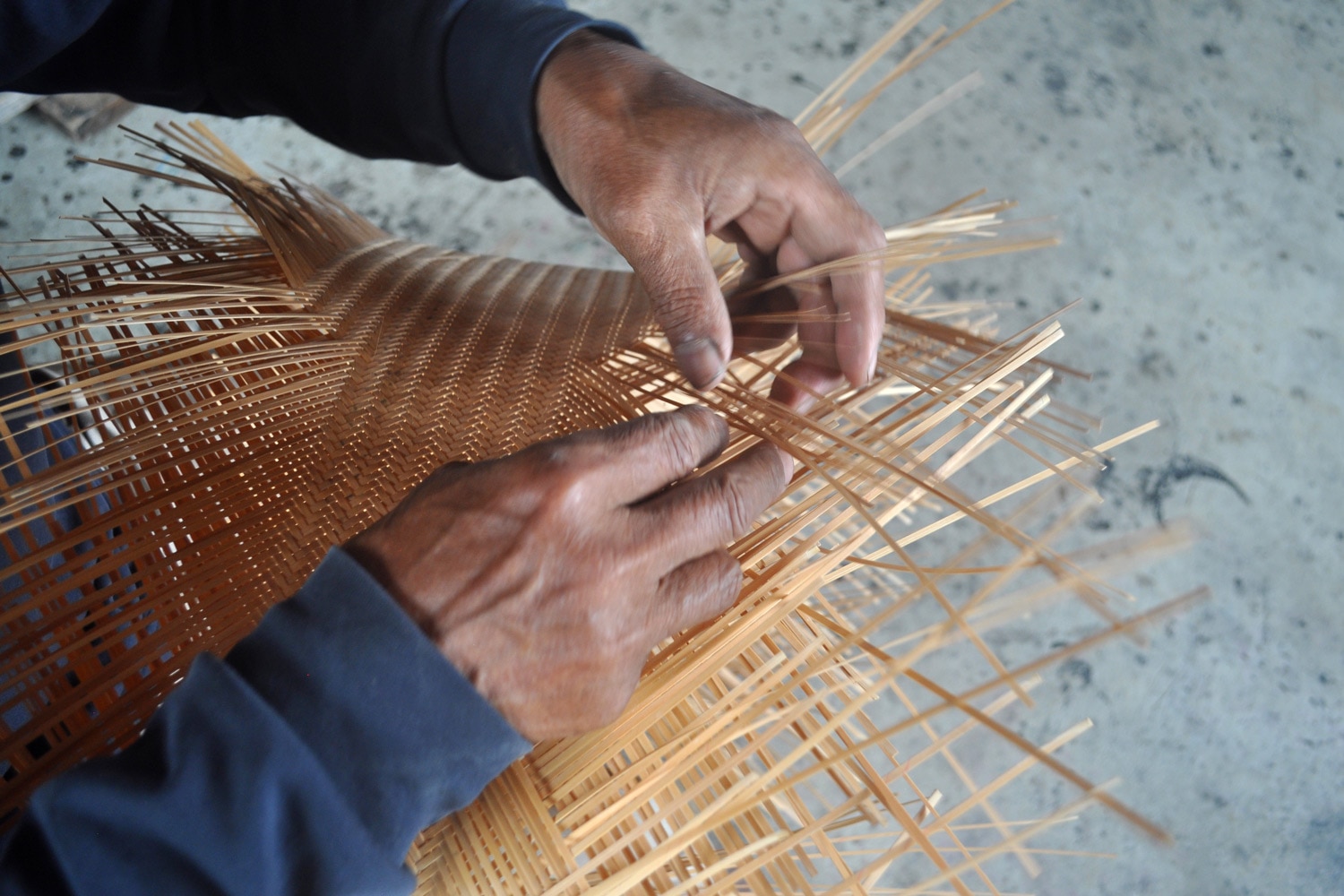
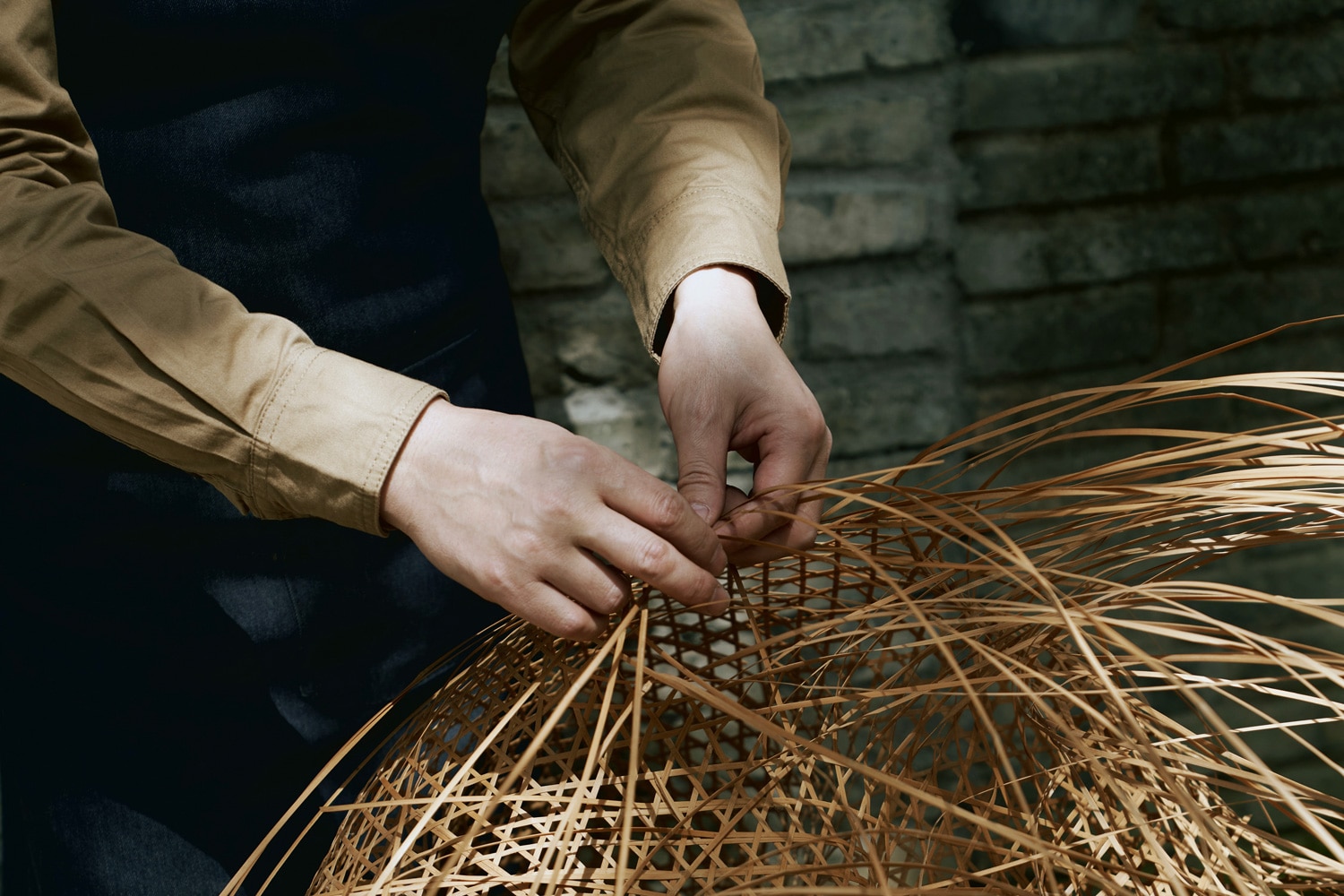
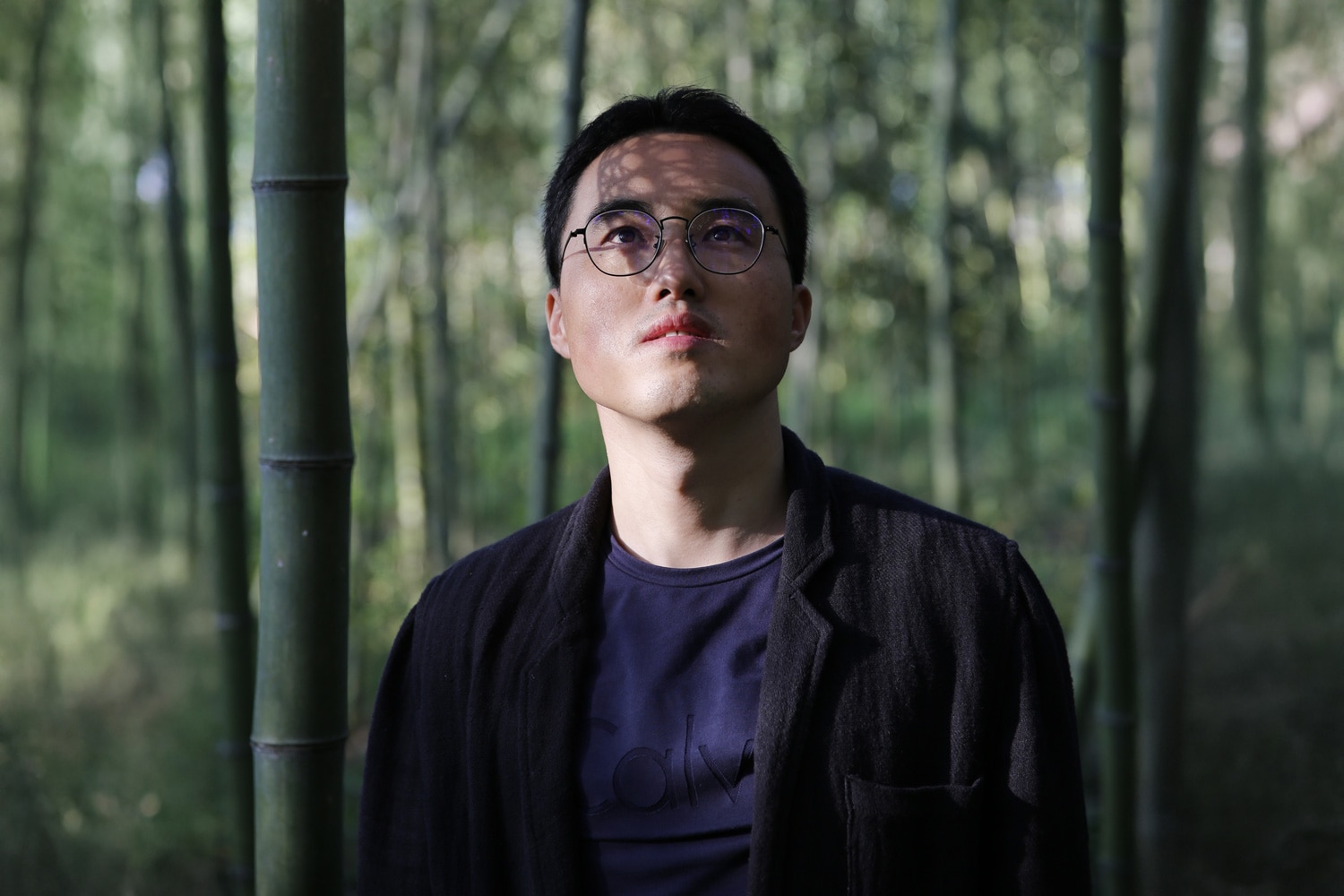
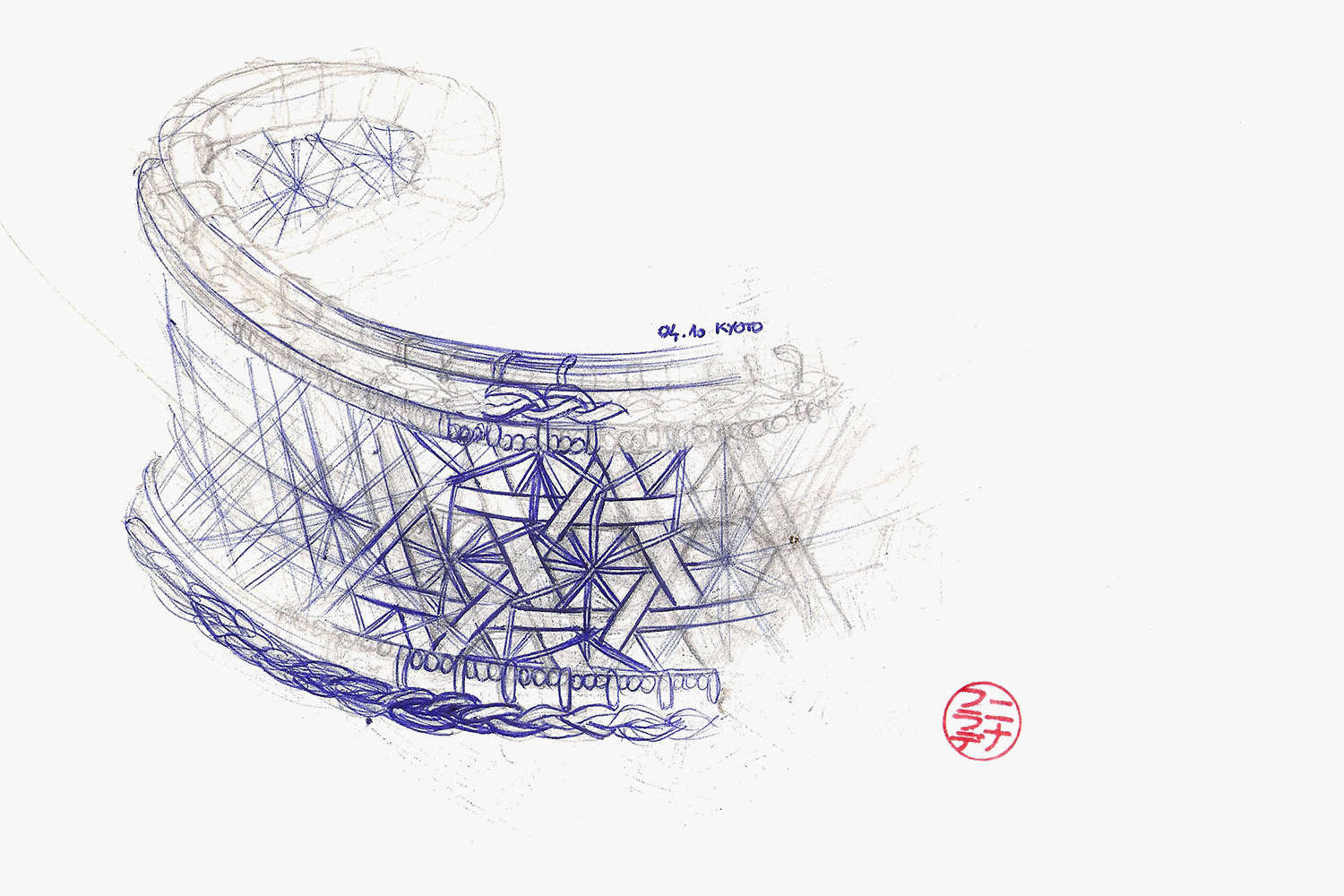
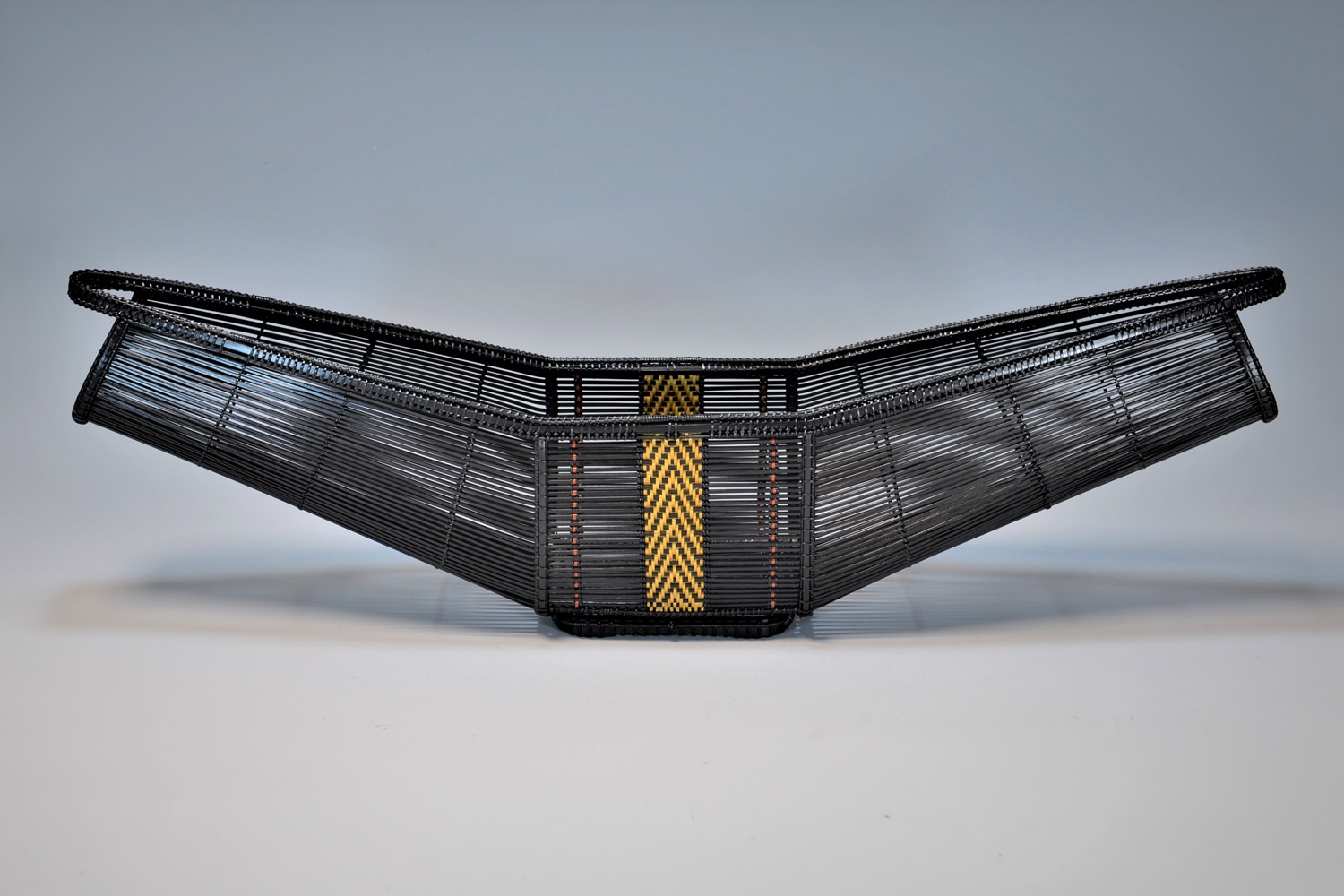
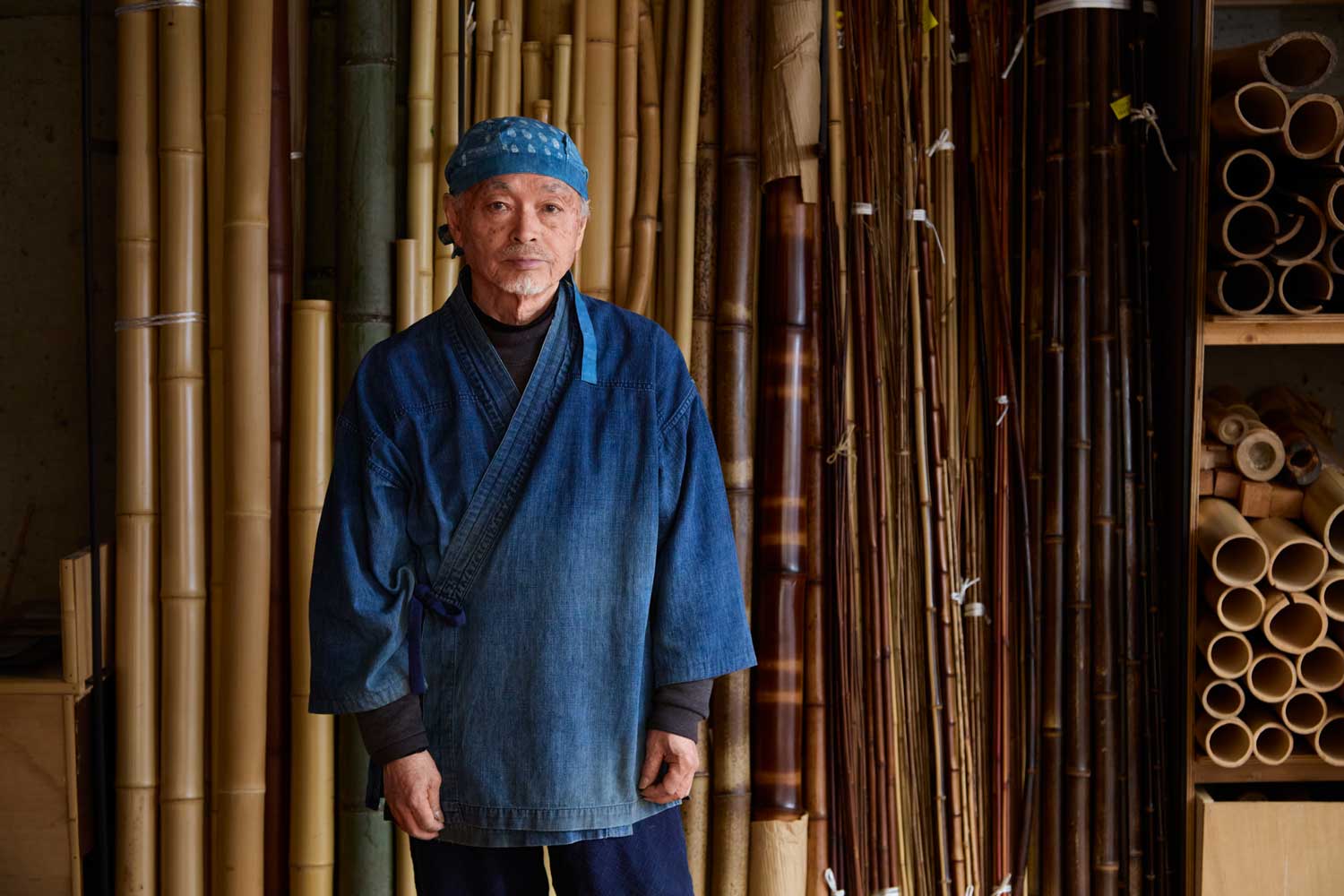
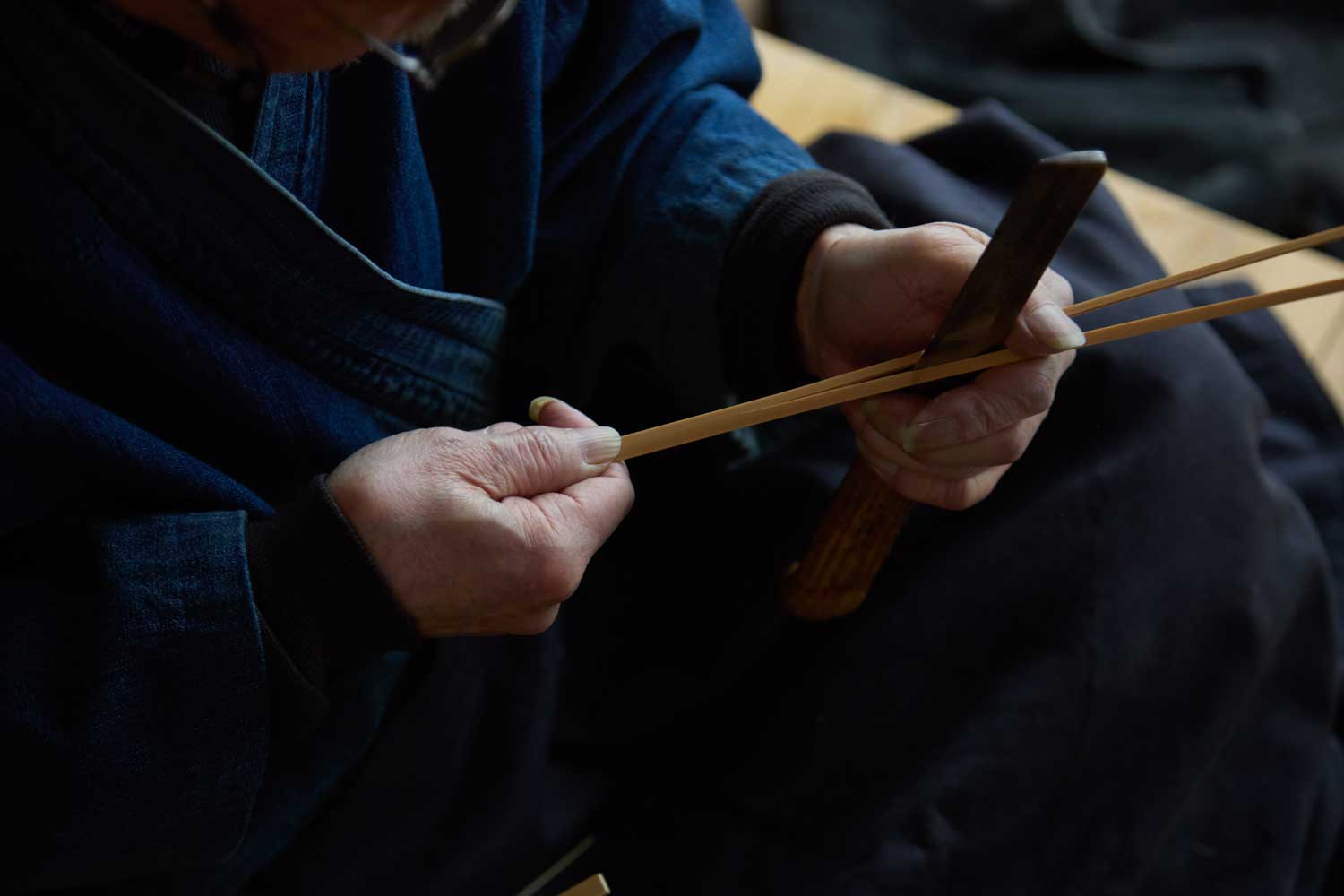
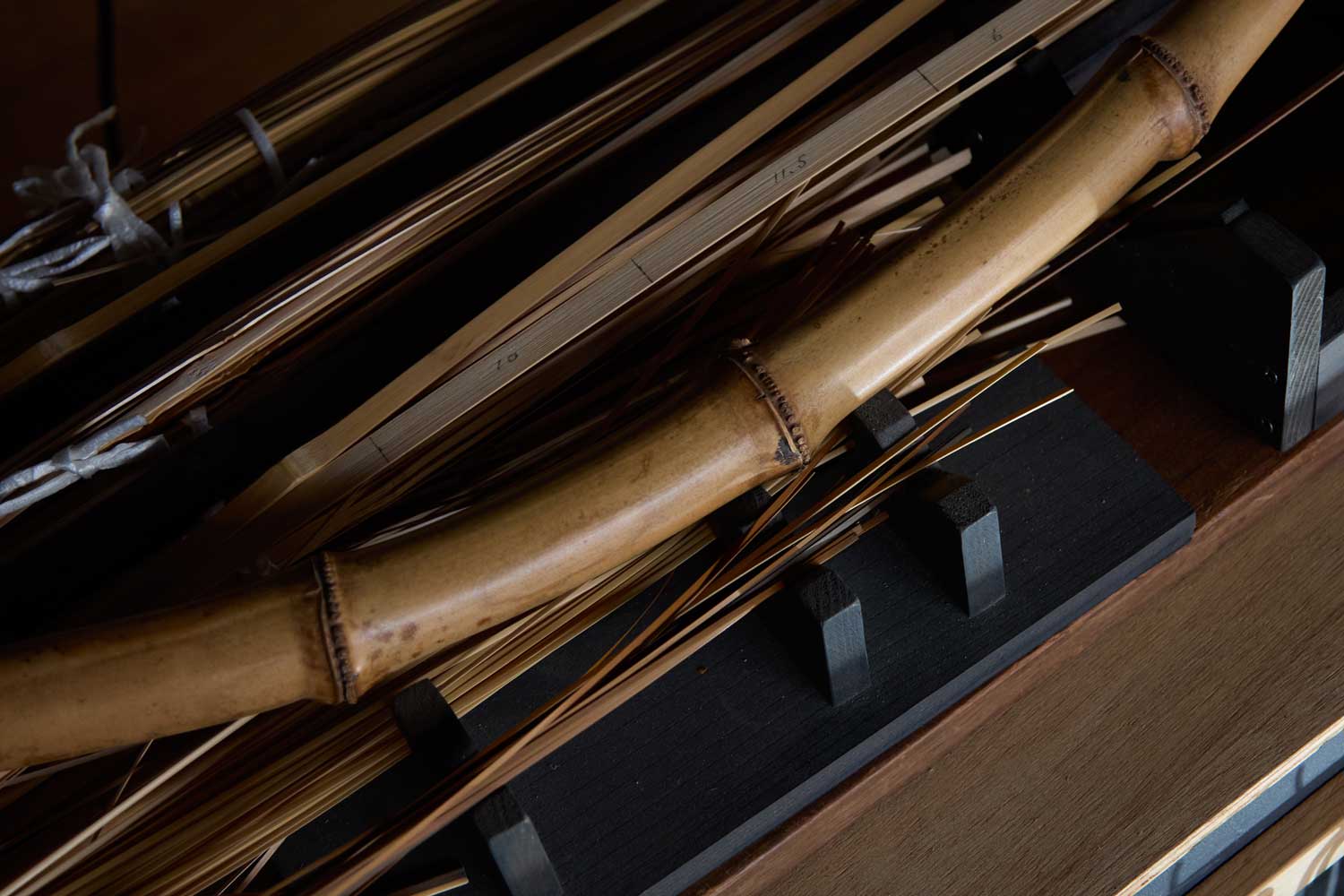
Born into a bamboo crafting family that has run a historic atelier since 1907, Kyokusho Tanaka initially followed an academic path, graduating from prestigious Waseda University in Tokyo before finding his true calling. Today, Kyokusho creates intricate woven baskets crafted from bamboo. He works primarily with fine strips of Madake or Japanese timber bamboo in varying widths, while also favouring varieties such as black bamboo, Shino and Hatake bamboo, root-bent bamboo and soot bamboo. “I begin my pieces with detailed sketches and physical samples, through which I evaluate the visual impression and develop the sophistication and refined balance I want to see in my creations,” he says. Employing the techniques of thousand-line parallel construction and openwork weaving, Kyokusho pairs his signature black with warm hues of russet, orange, yellow and brown, all patiently achieved through vegetable dyeing.
Kyokusho Tanaka is a master artisan: he began his career in 1975 and he started teaching in 2010.
Discover his work
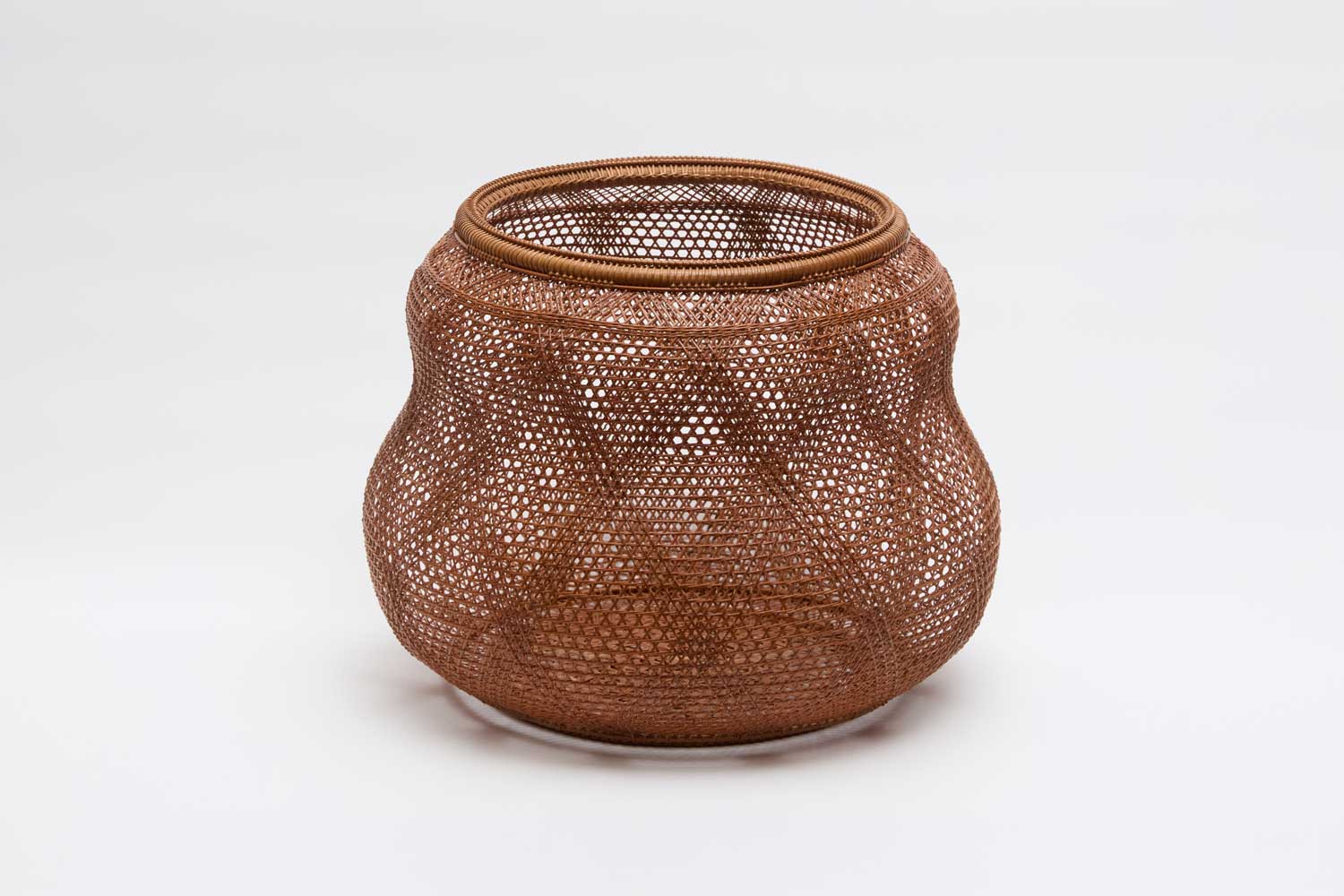
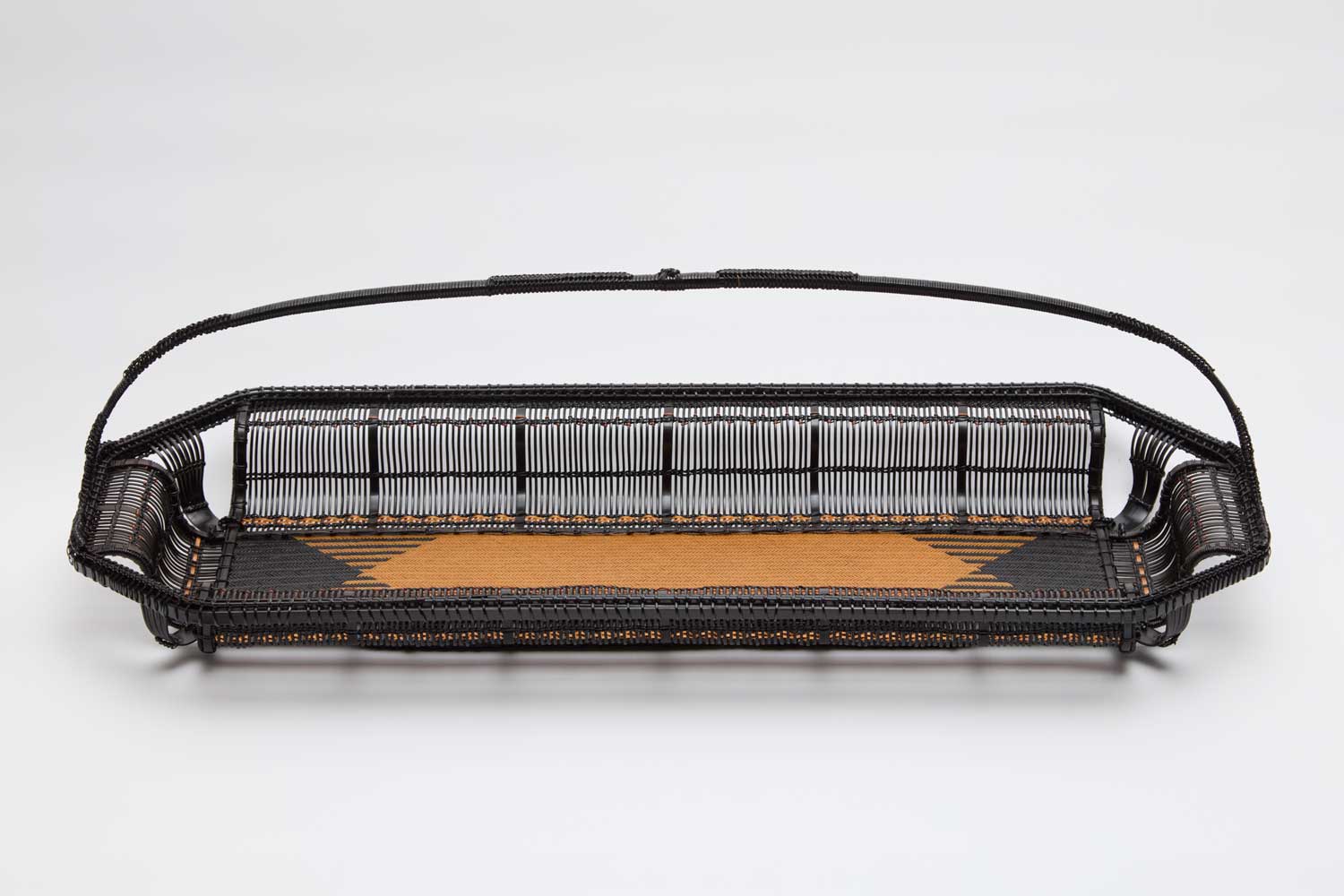
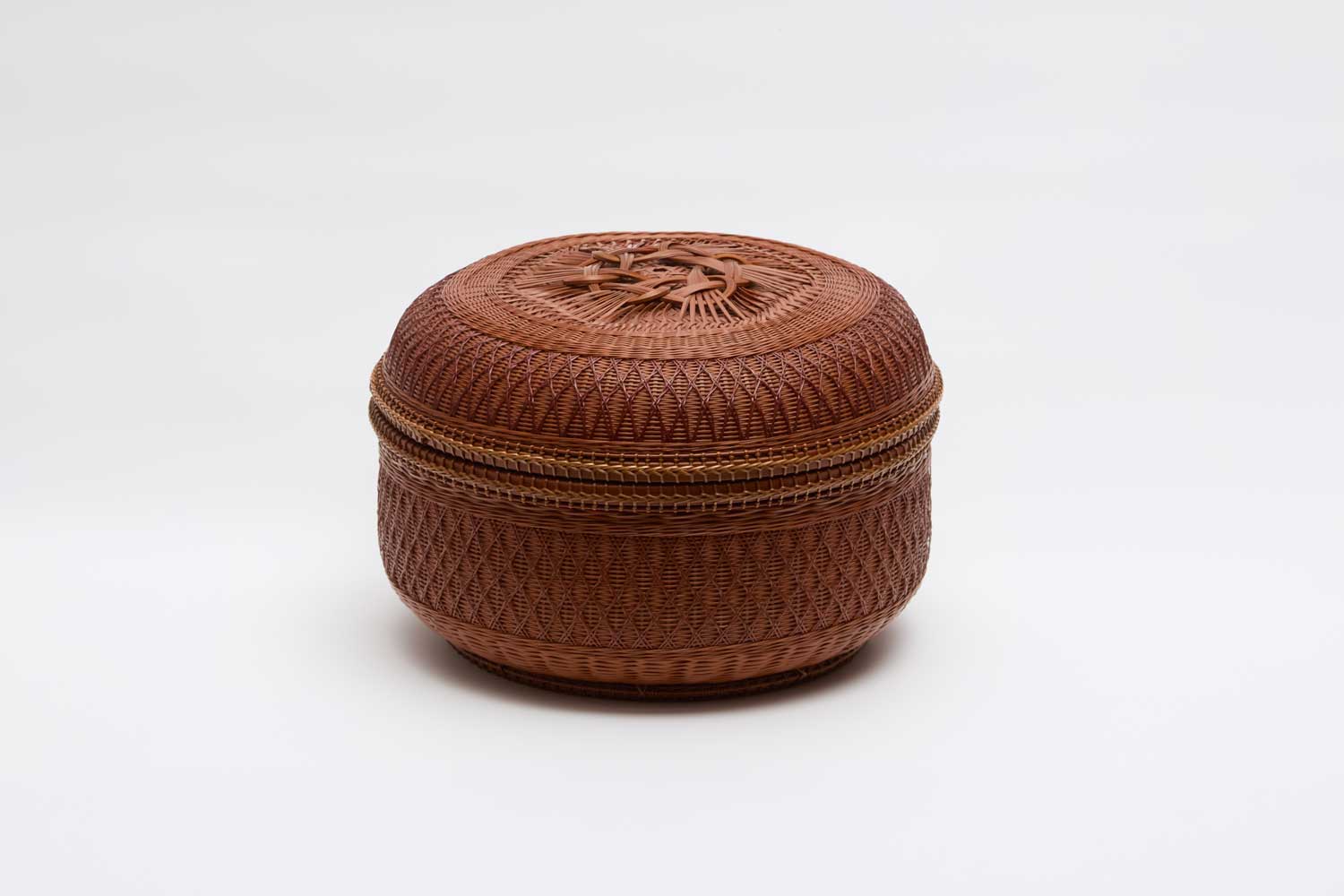
INTERVIEW
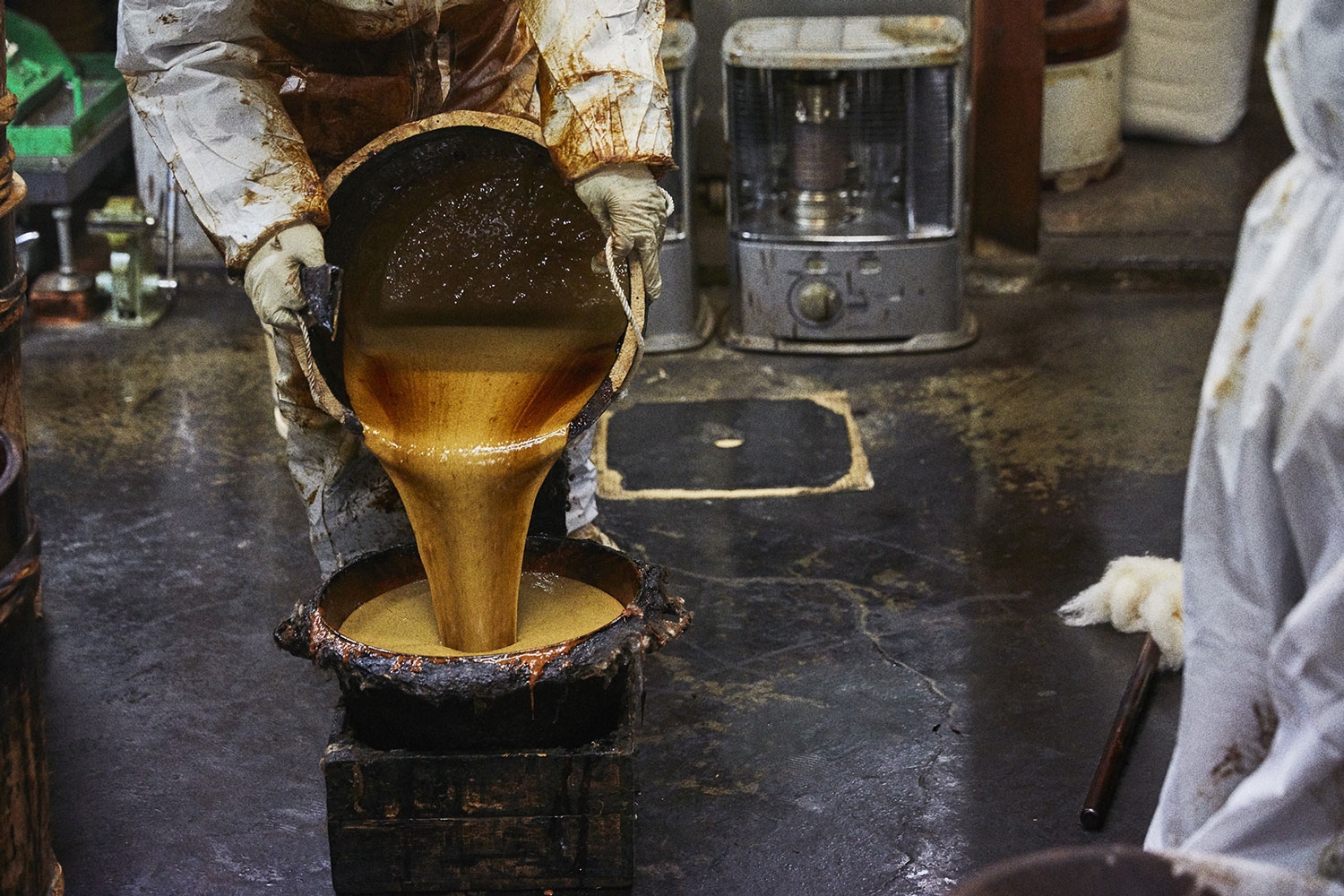
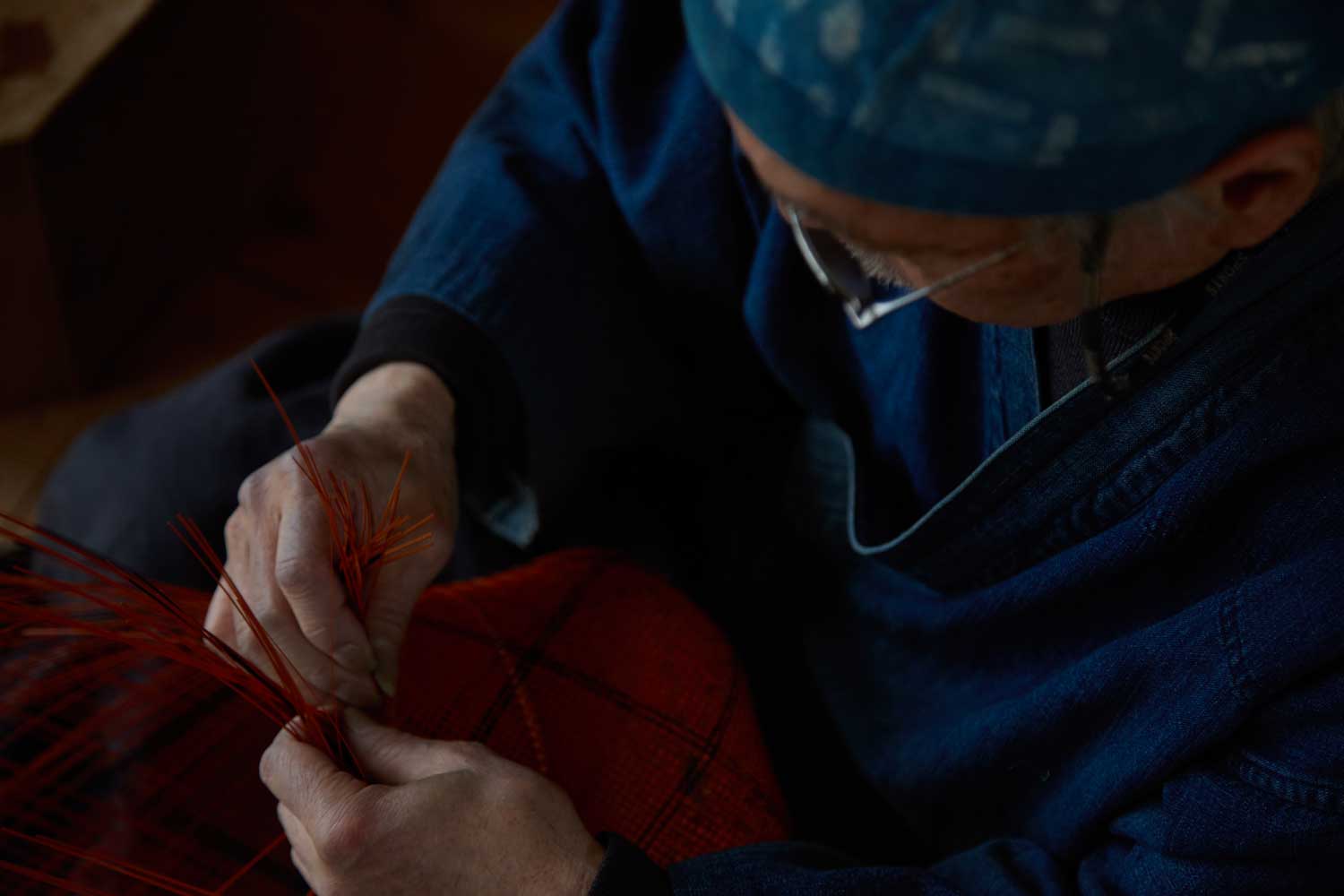
I have used bancha, or coarse tea, since the early days. While exploring other plant-based dyes, I tried bamboo, but found that mordanting had no effect, so I shifted to a longer dyeing process instead. Unlike chemical dyes, natural dyes produce a warm, organic texture, which is why I prefer them. I usually work with sappanwood, phellodendron, kari-yasu or miscanthus, safflower, turmeric, madder and gromwell or purple root.
In the early days, I was making pieces in circular, square, hexagonal, octagonal and other forms, but over time I developed a feeling that a horizontal, elongated form allows for more elegant and fluid expression.
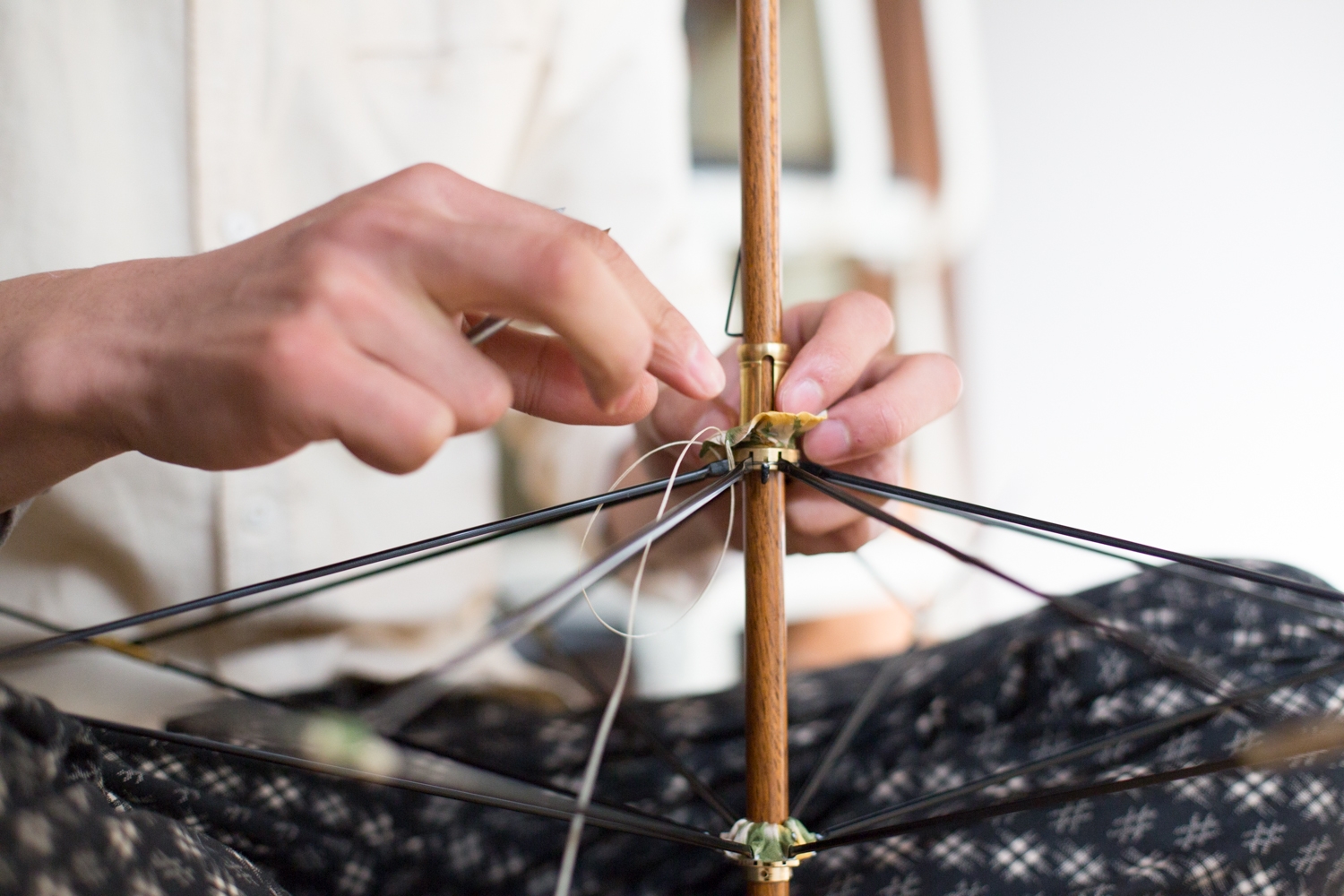
Adding a handle to a basket is about filling the space within the hand, but also making the basket appear larger as a whole and giving it a sense of openness. There are dozens of possible handle shapes that can suit a given basket, so searching for the one that fits best is a truly enjoyable part of the process.
If it had been up to me alone, I would not have relocated, and the craft would have ended with my generation. As my son is going to carry it on, I decided to move from the noisy Koshu Kaido Road in Tokyo to a quieter place. I was fortunate to find an ideal location in Nagano, which is close to Tokyo.
Kyokusho Tanaka
Bamboo artist
Hokuto, Japan
AVAILABILITY
By appointment only
PHONE
+81 551307976
LANGUAGES
Japanese
HOMO FABER FINDS
Homo Faber Finds is a new service aiming to inspire admirers of craft to connect and collaborate with exceptional artisans.
We invite you to submit an enquiry here.