Katharina Klug
Ceramicist
Cambridge, United Kingdom
Modelling lines
- Katharina was born to a family of potters
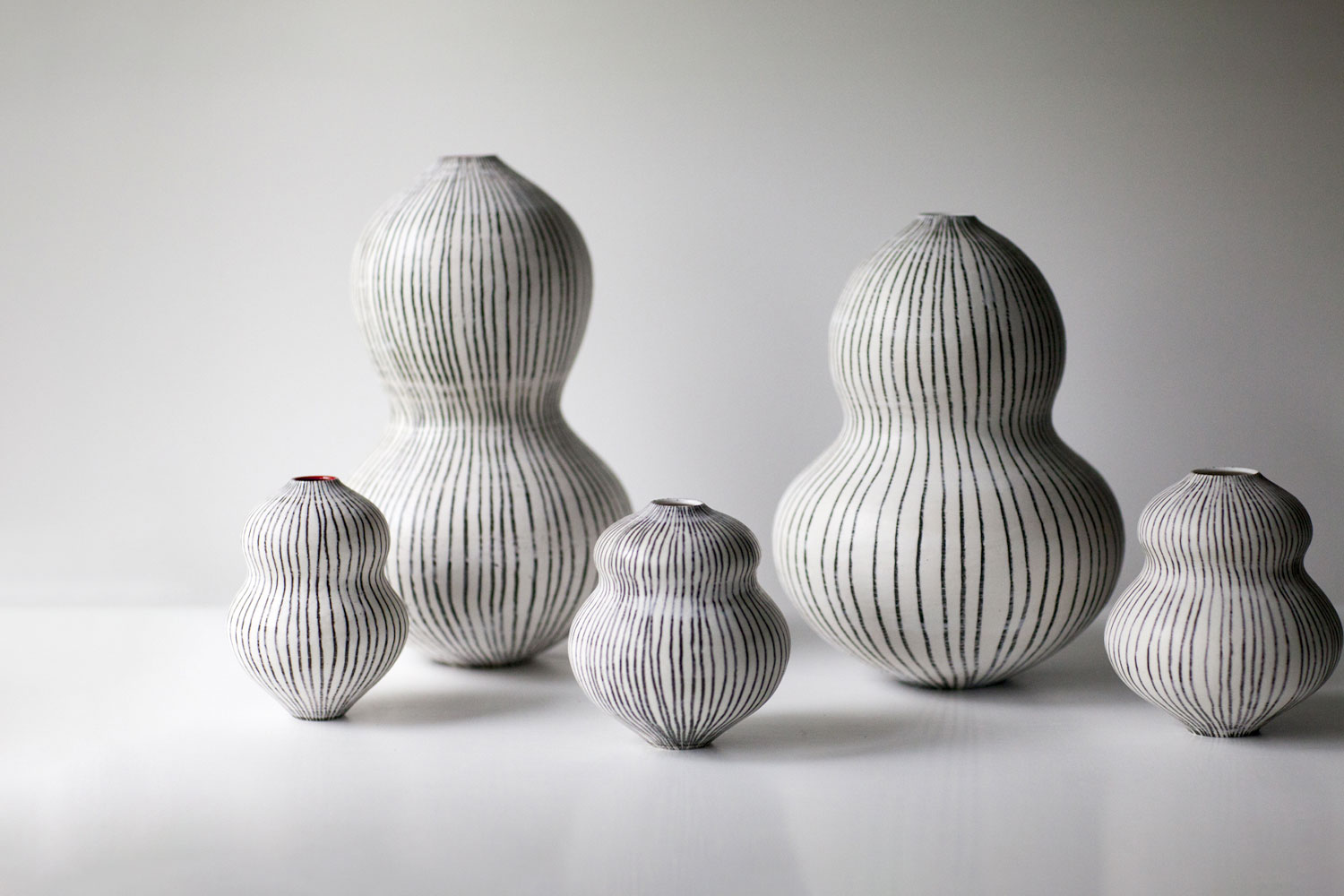
- She works on the timeless theme of vessels
- Lines are her distinguishing feature
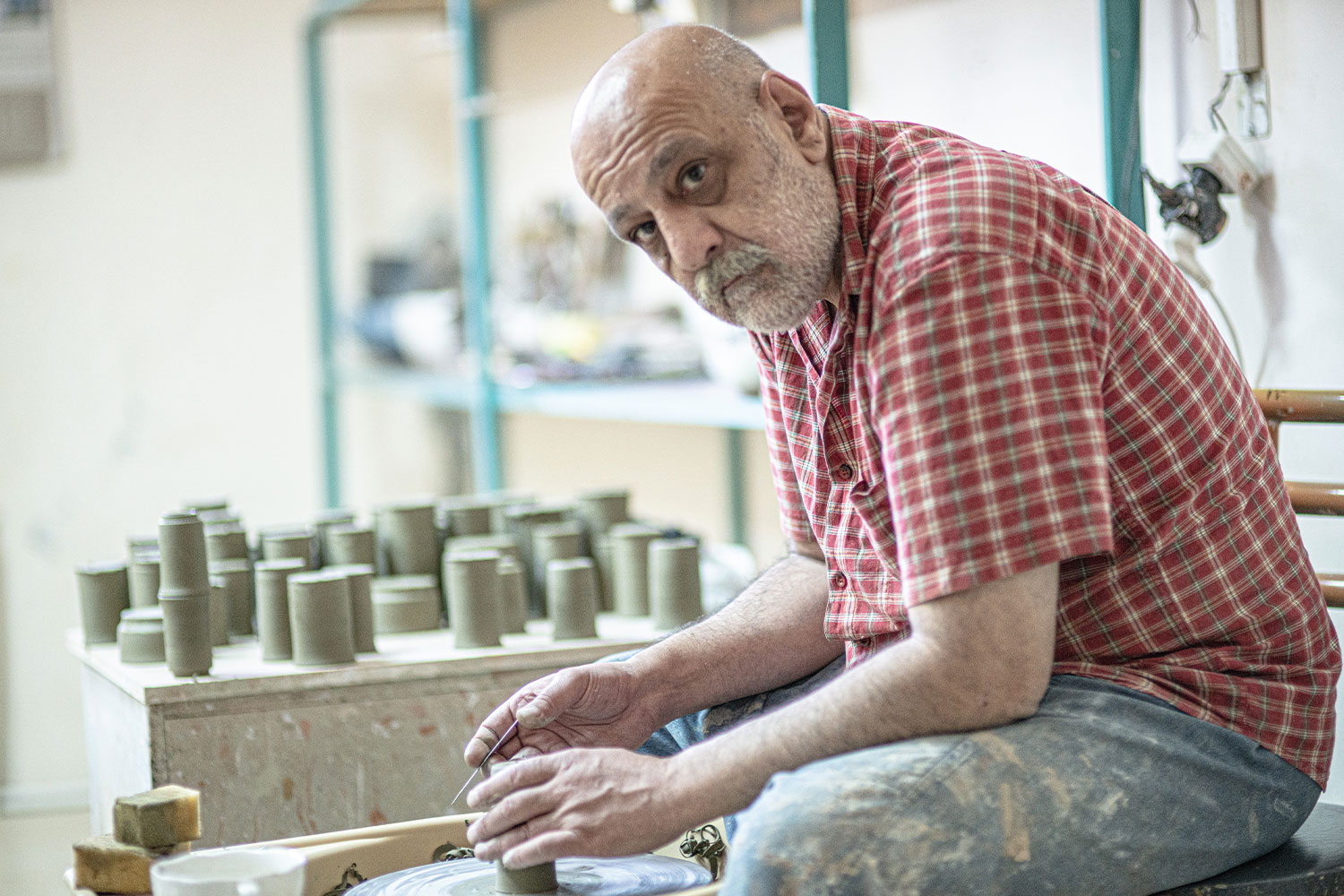
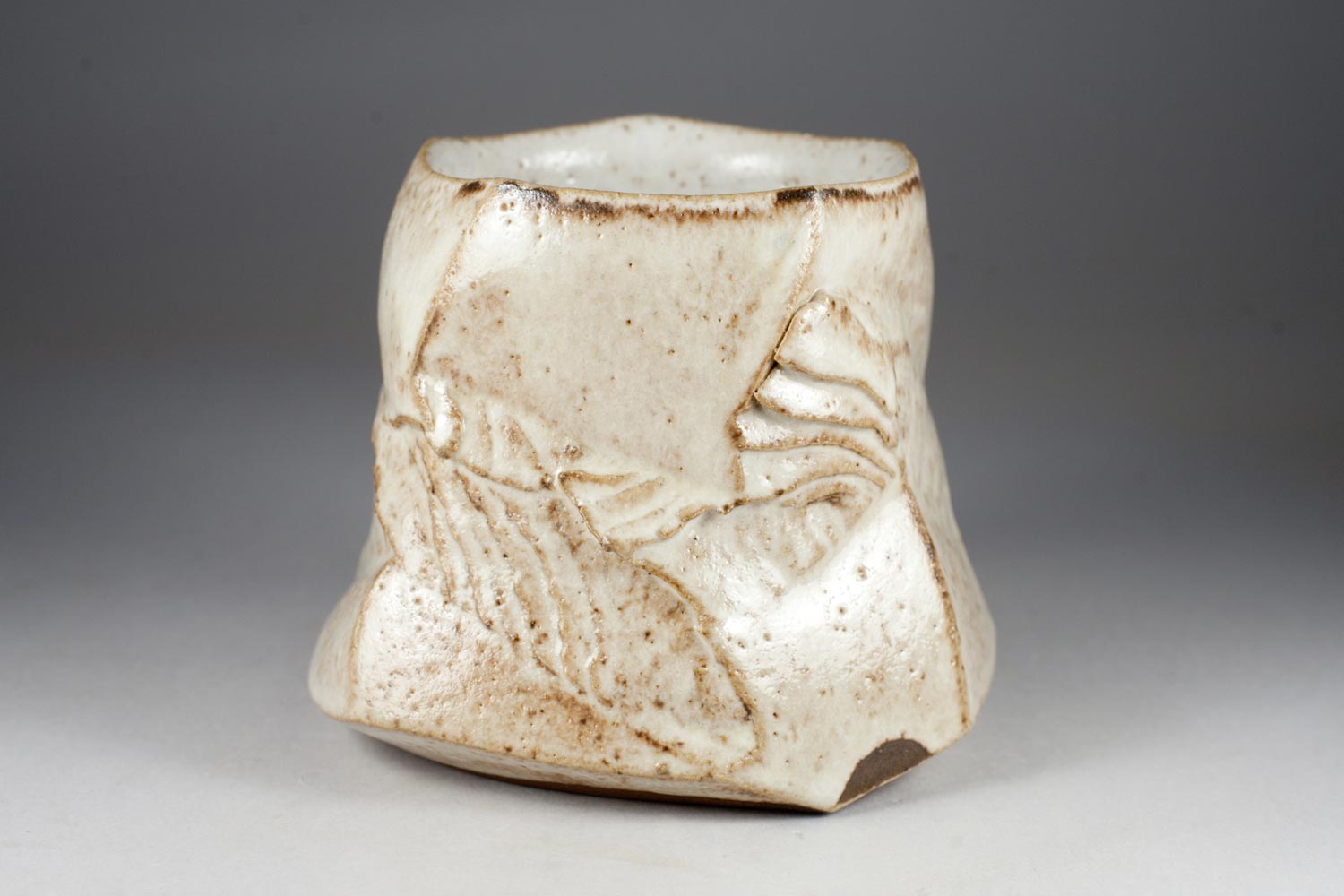
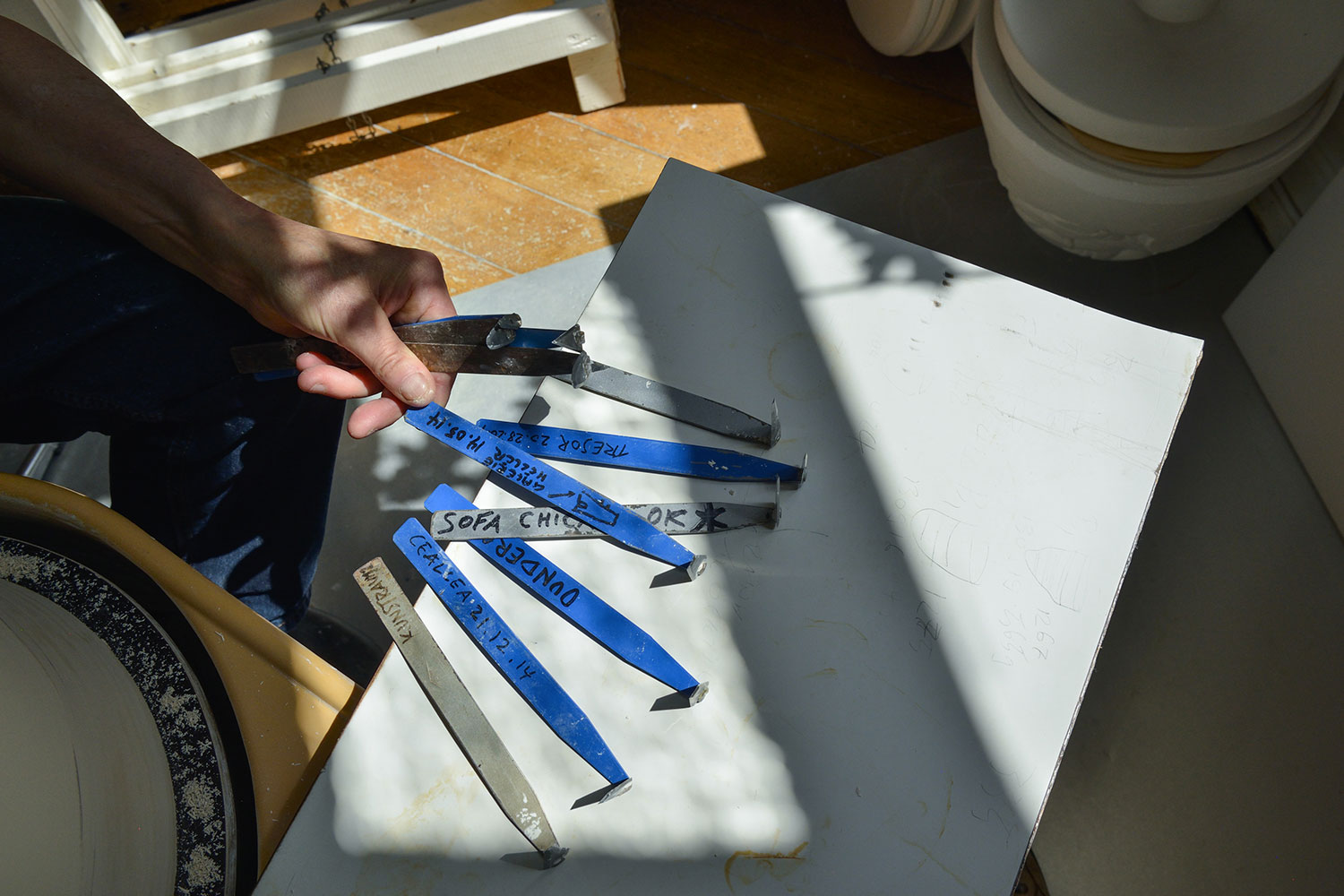
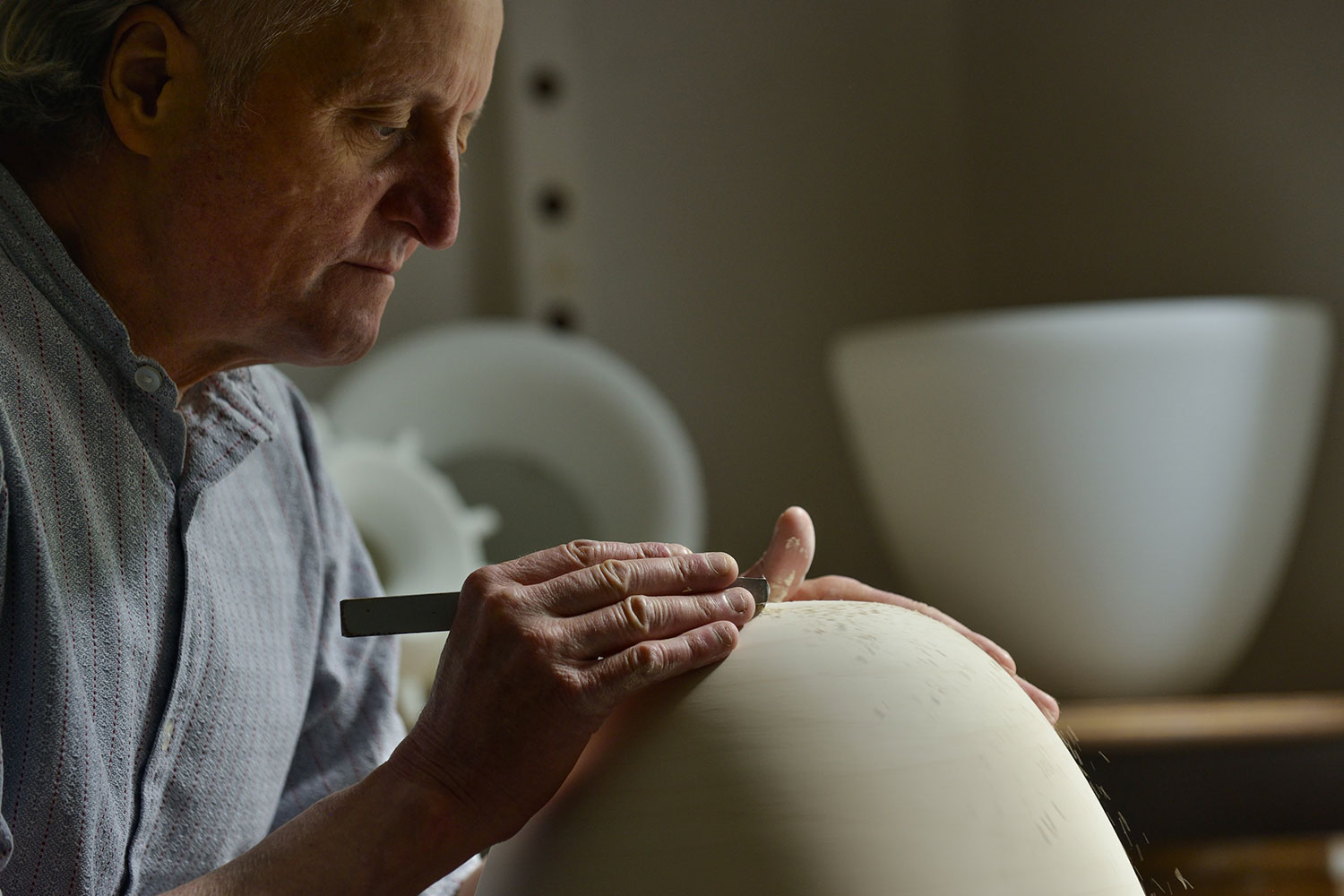
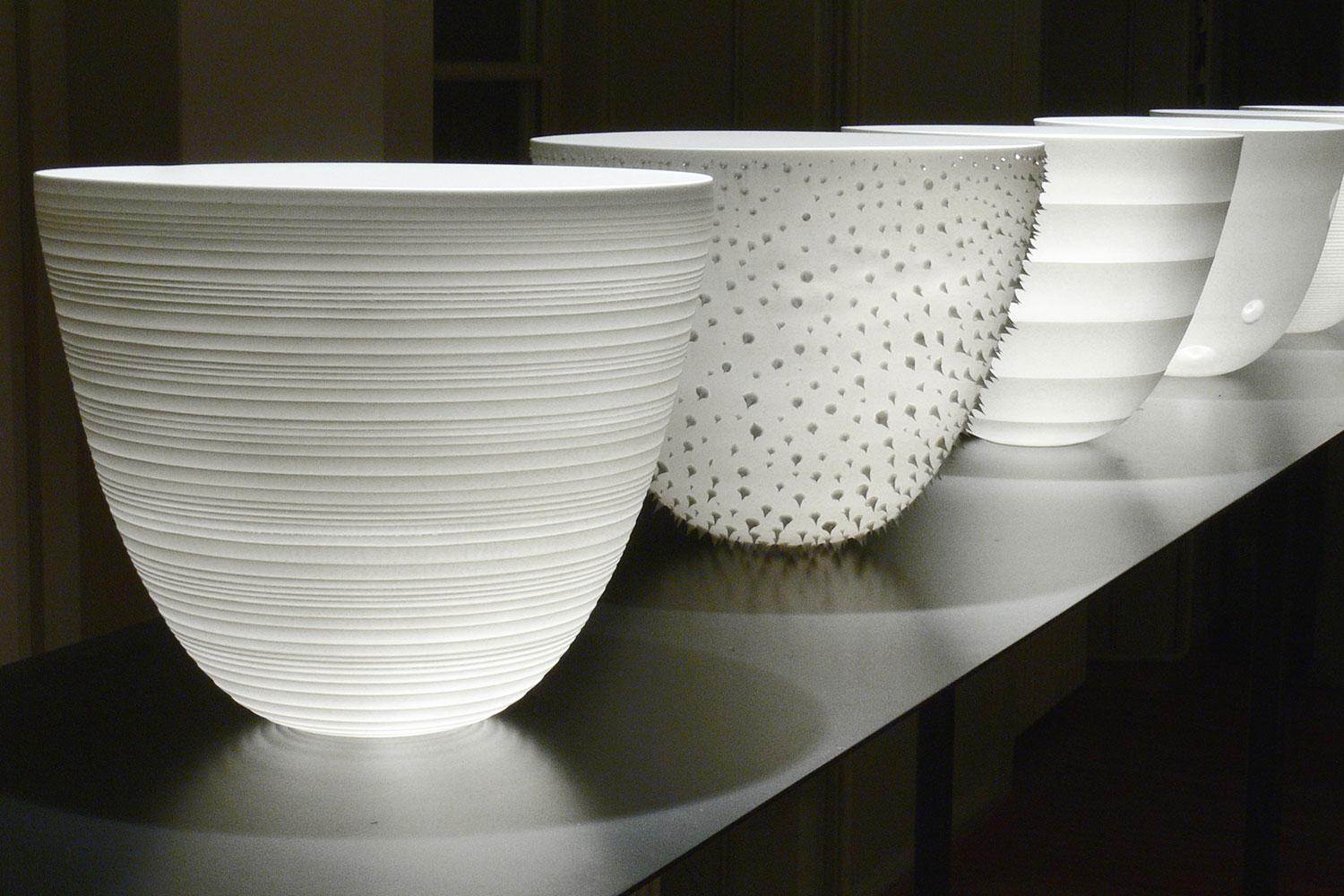
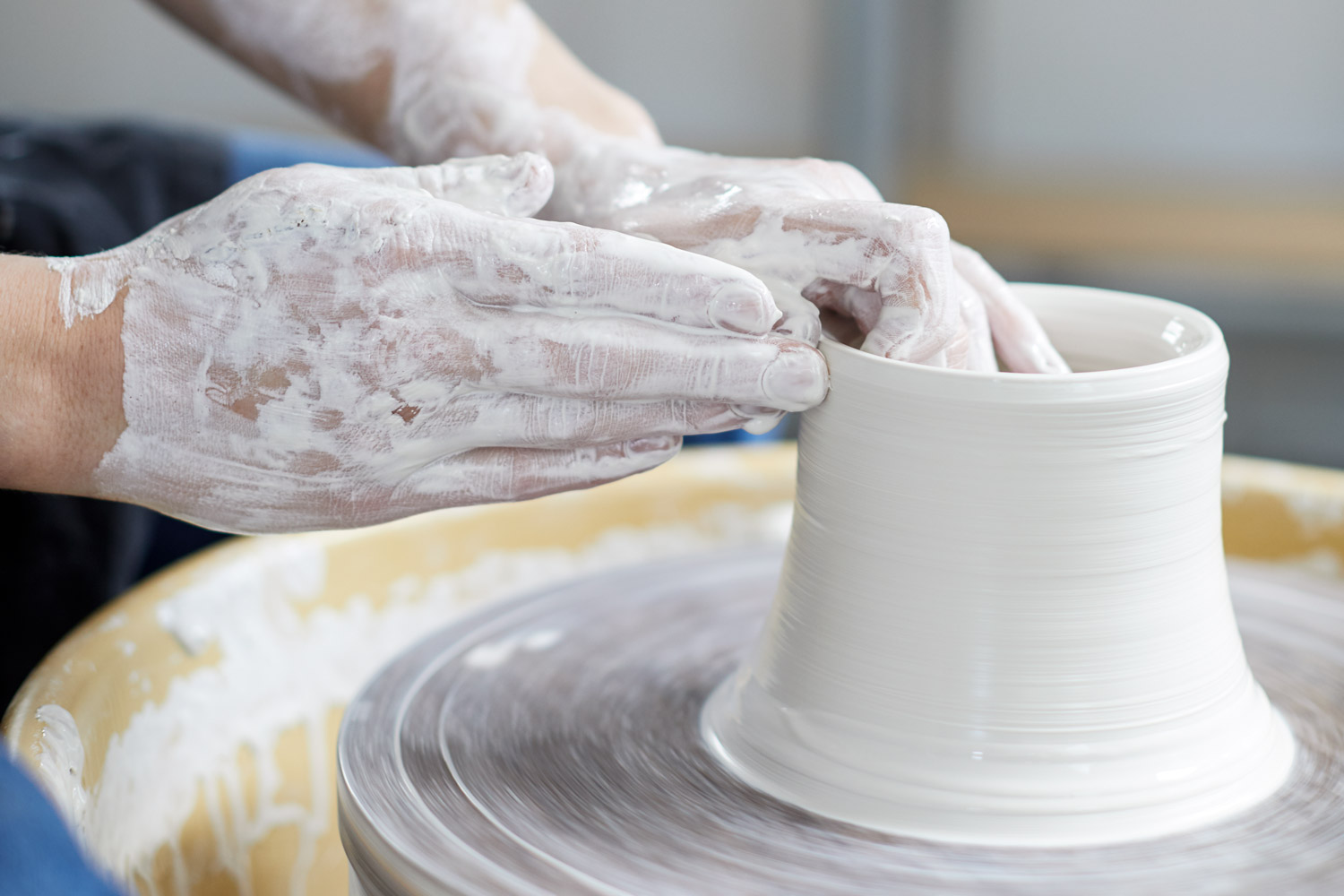
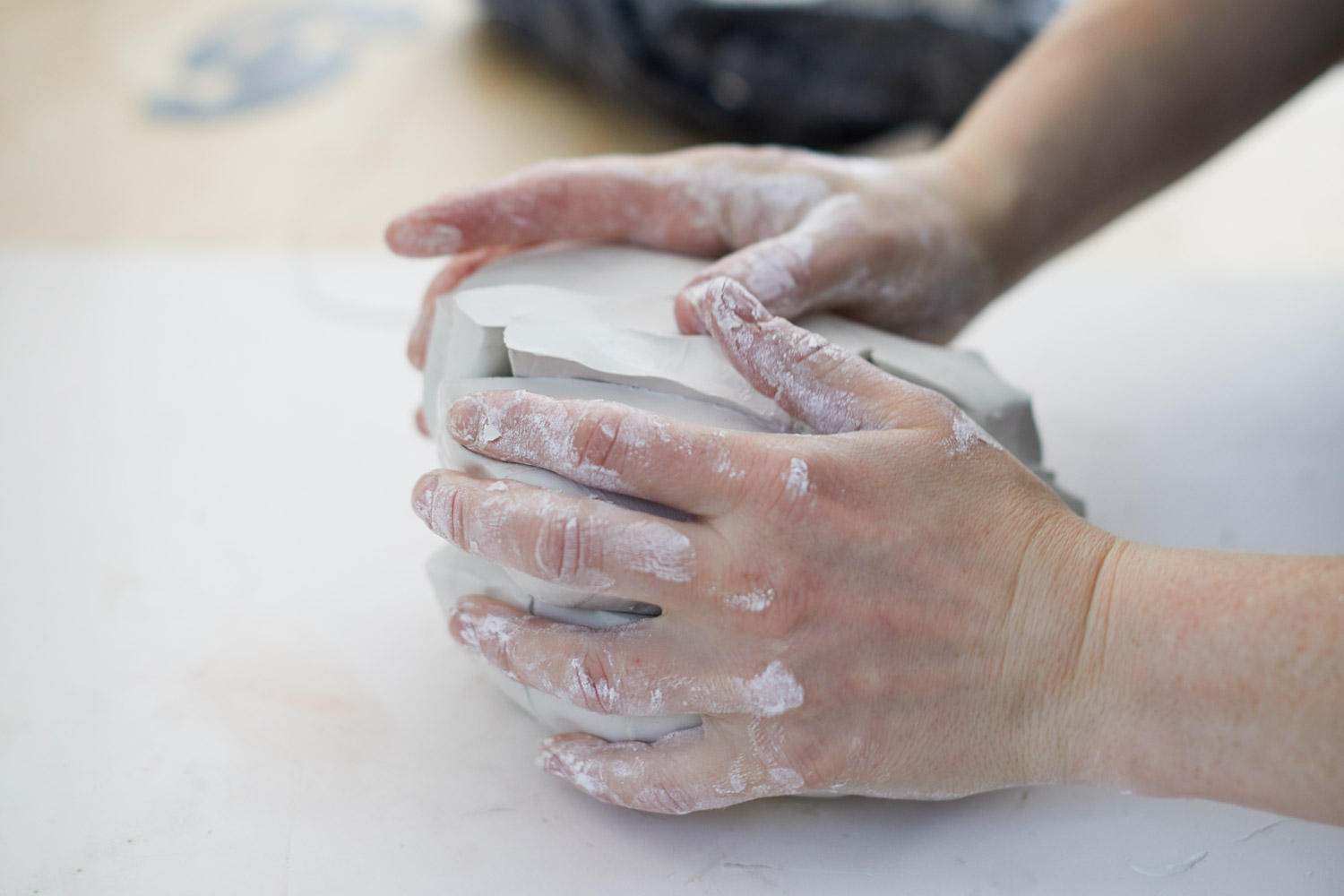
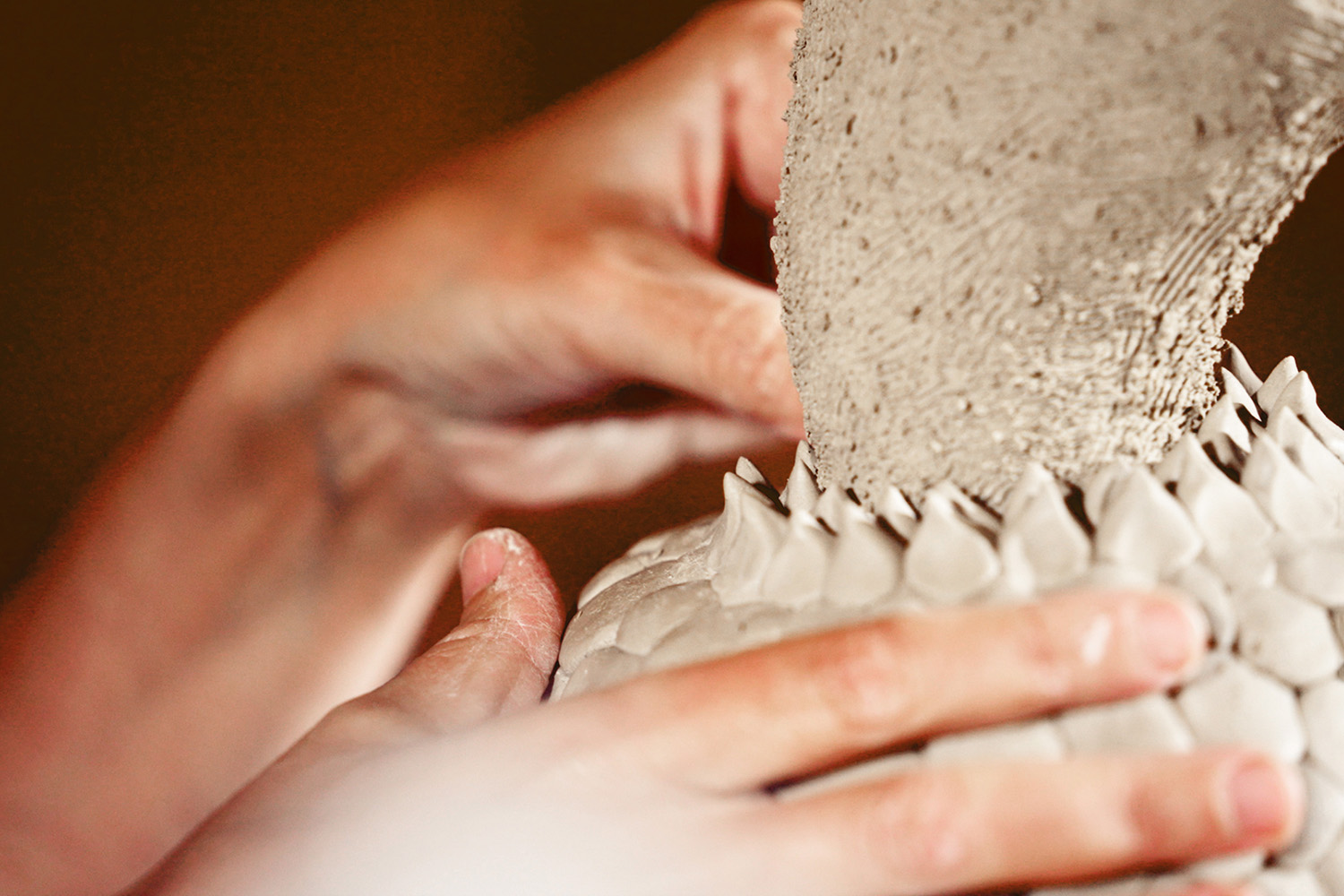
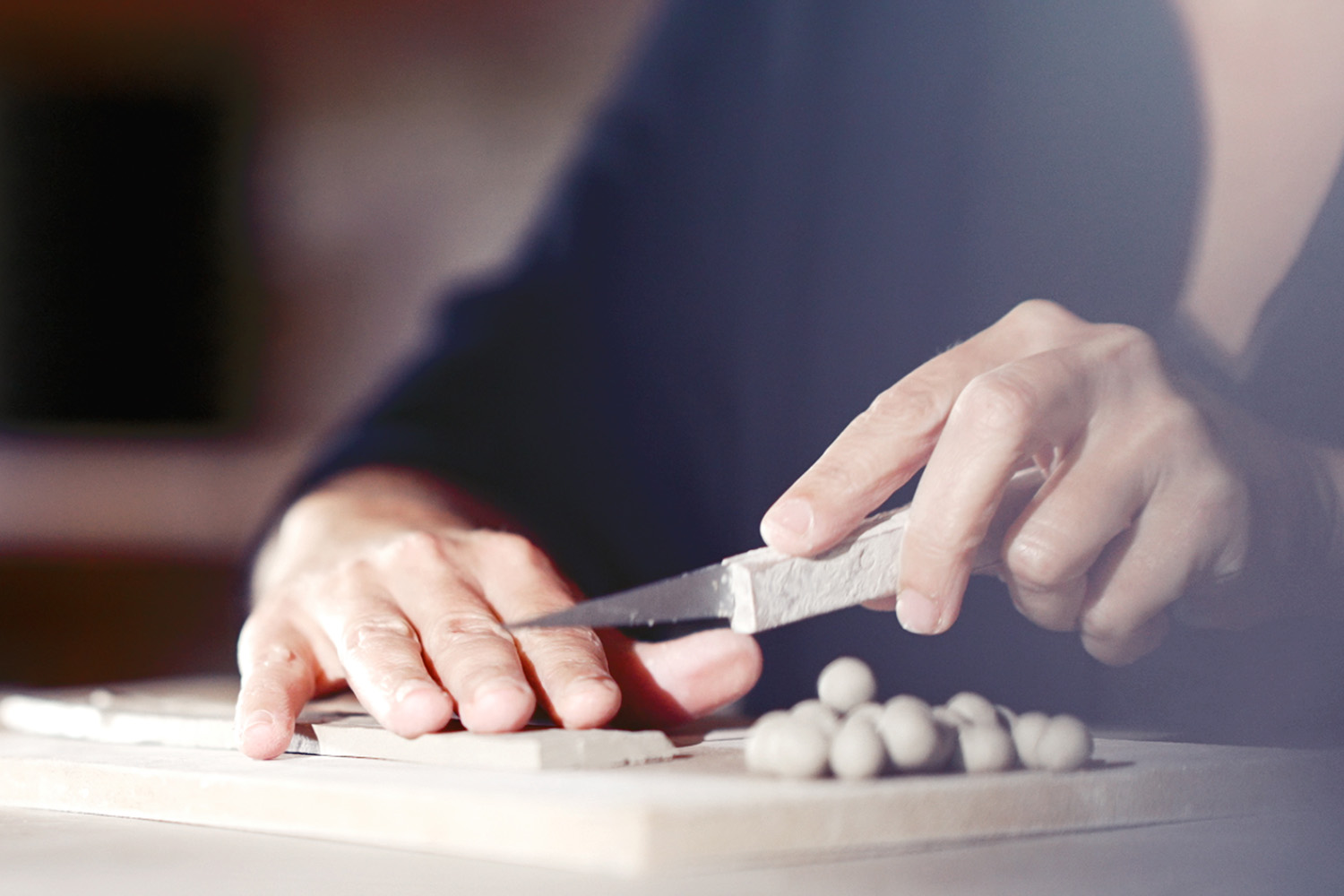
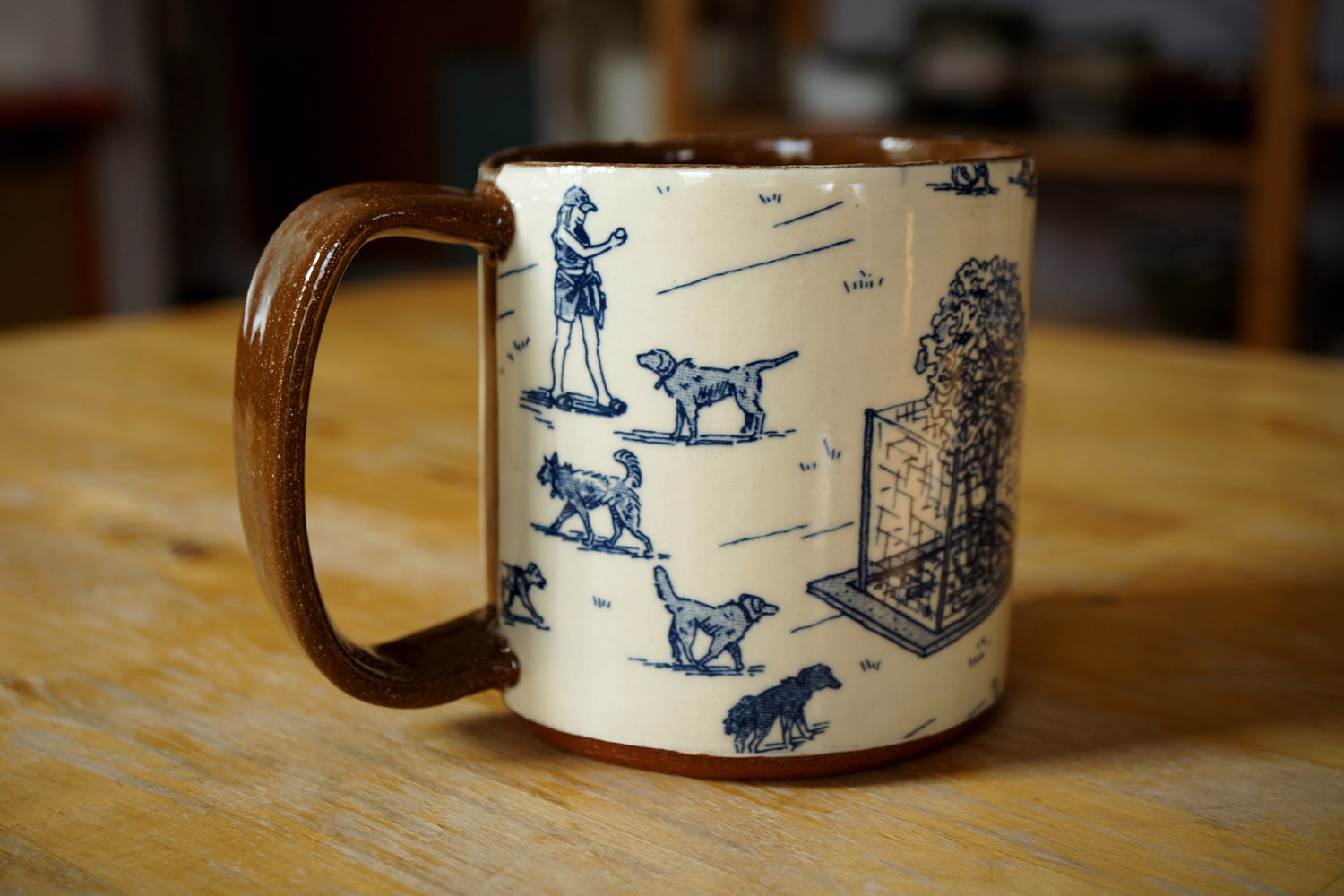
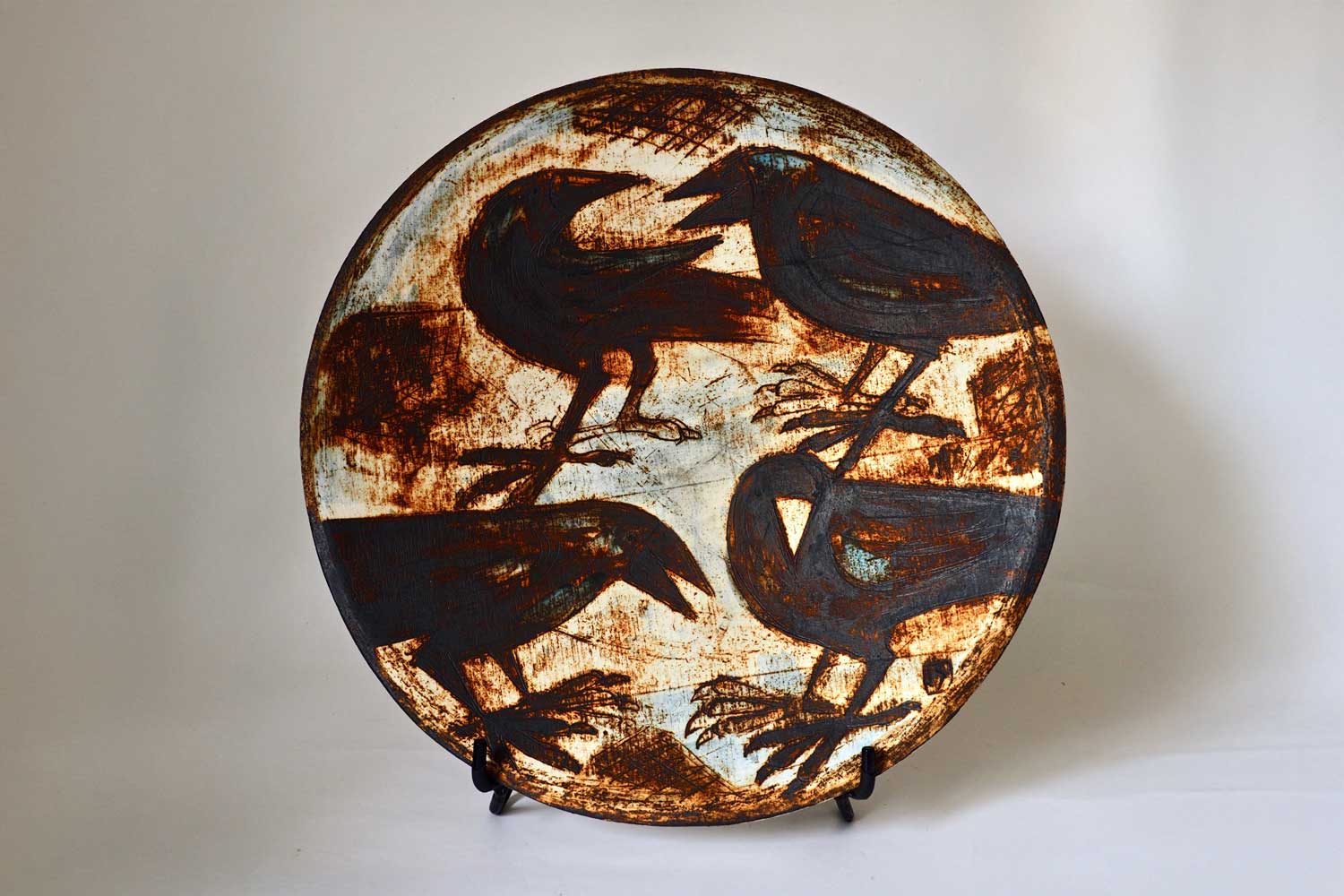
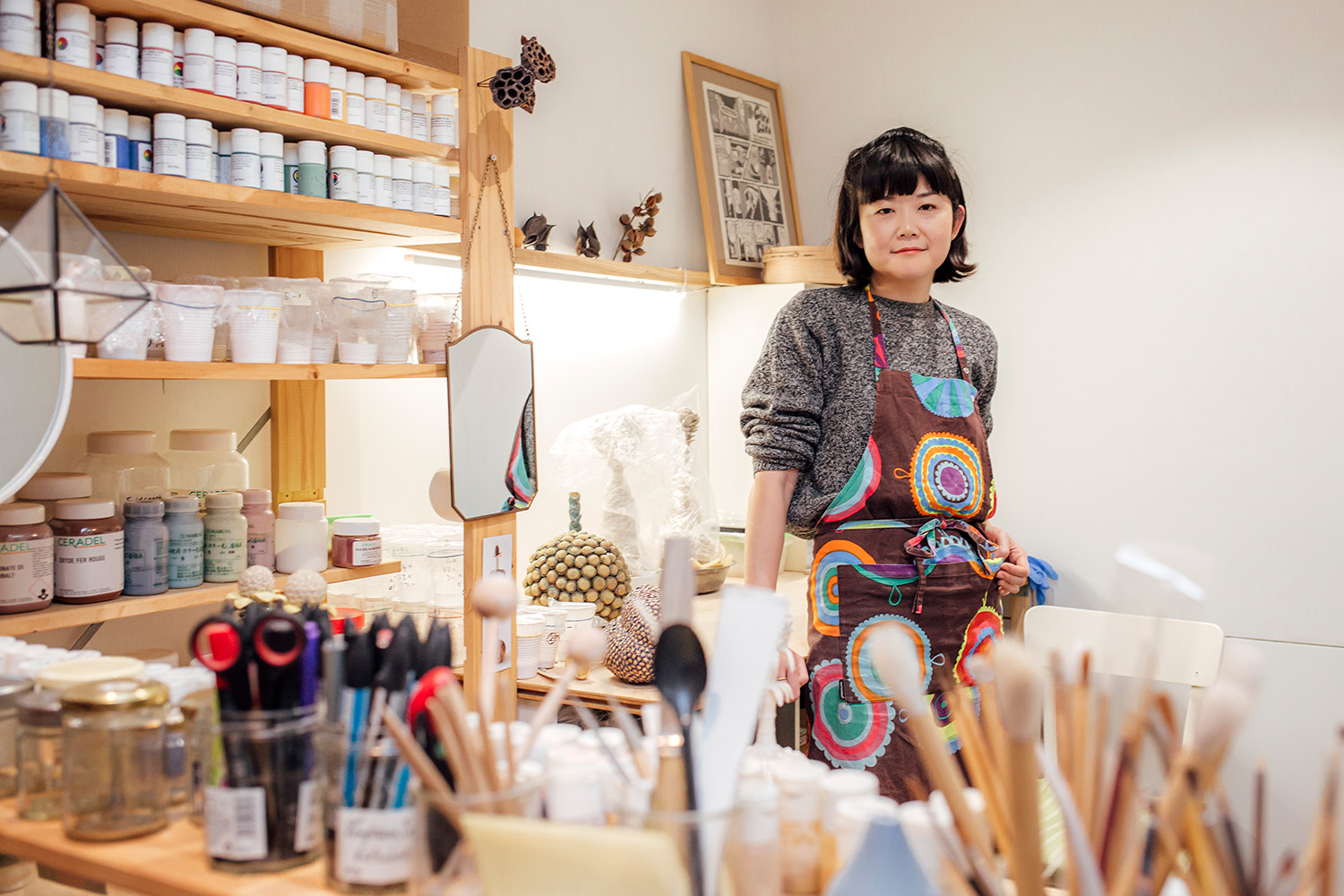
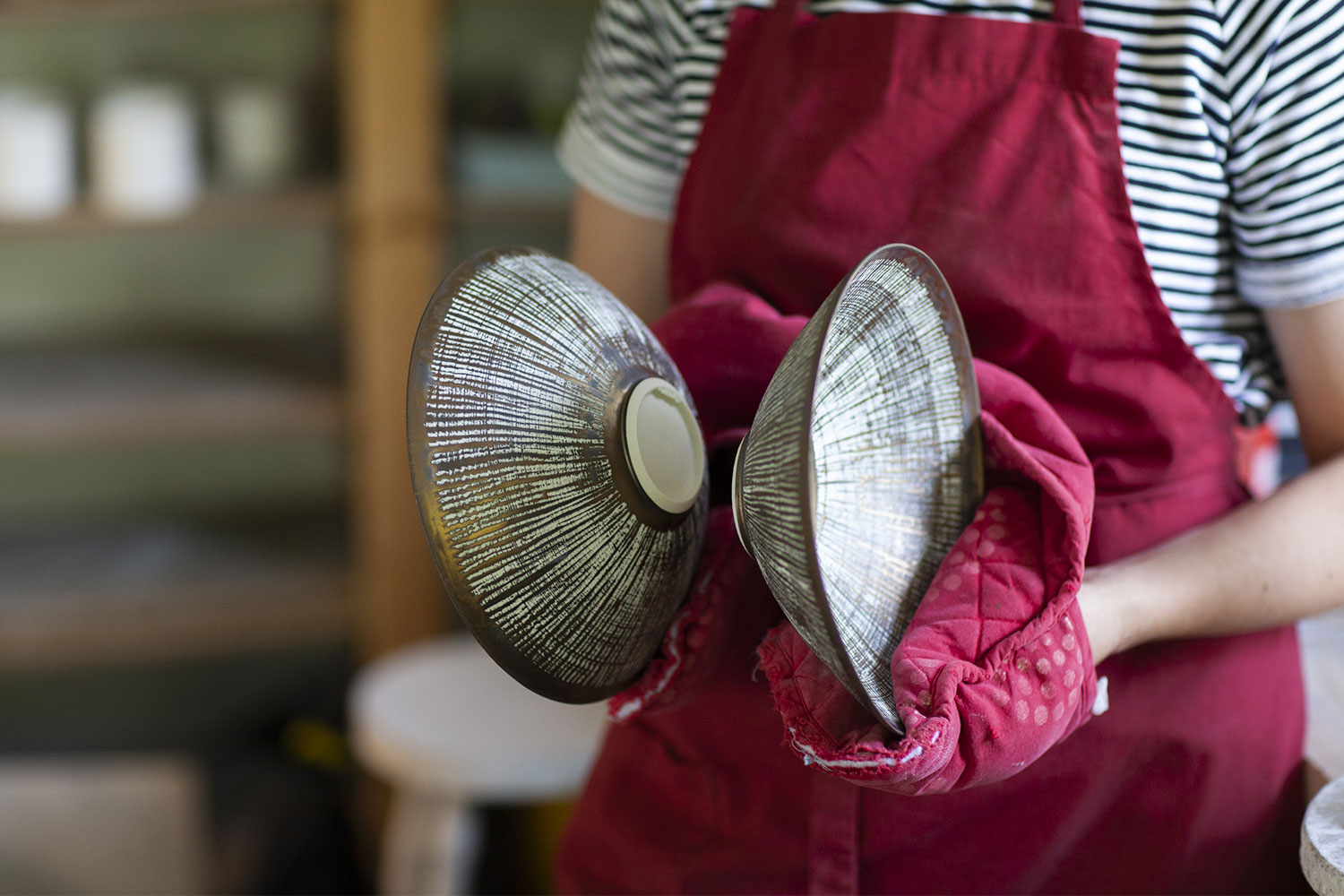
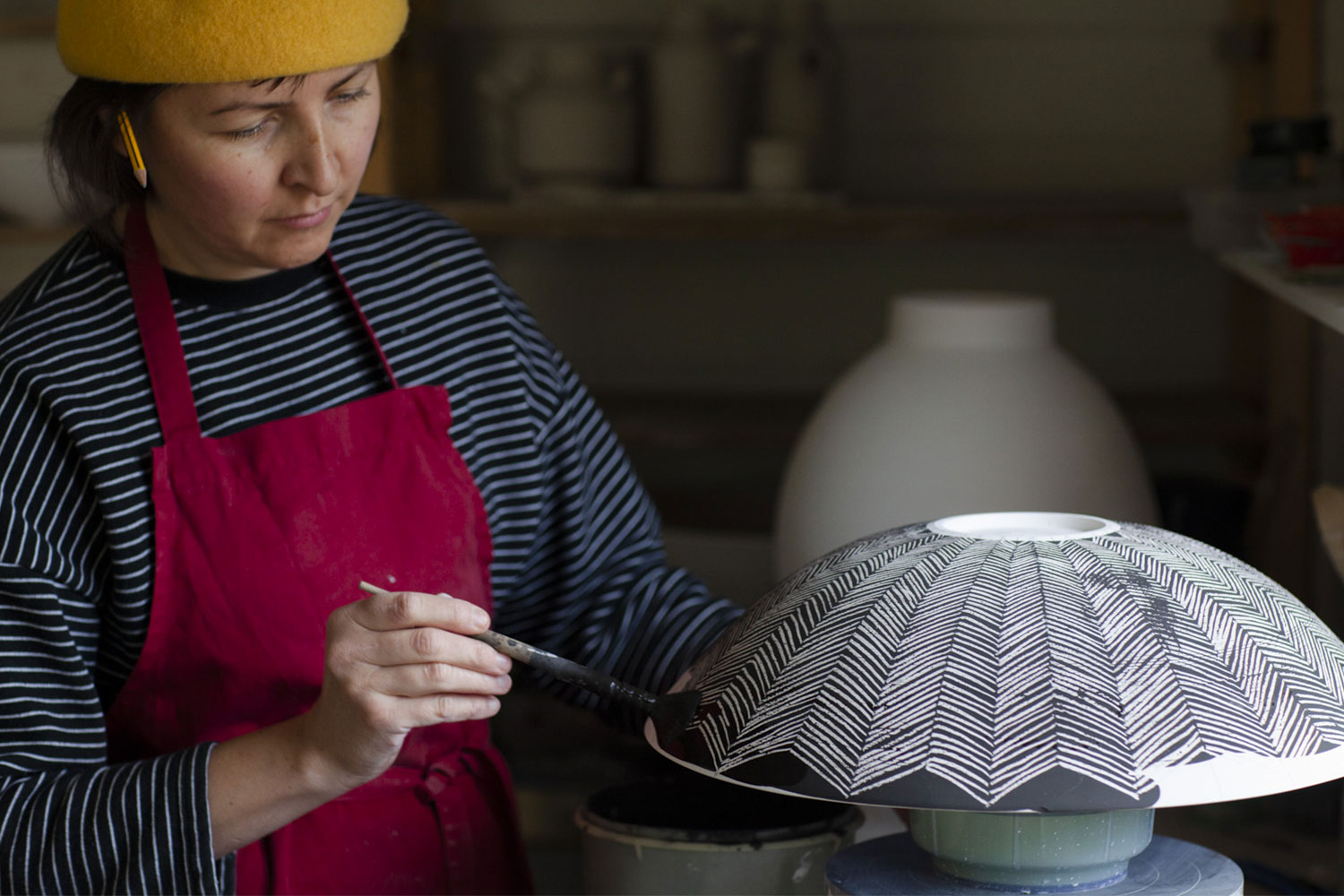
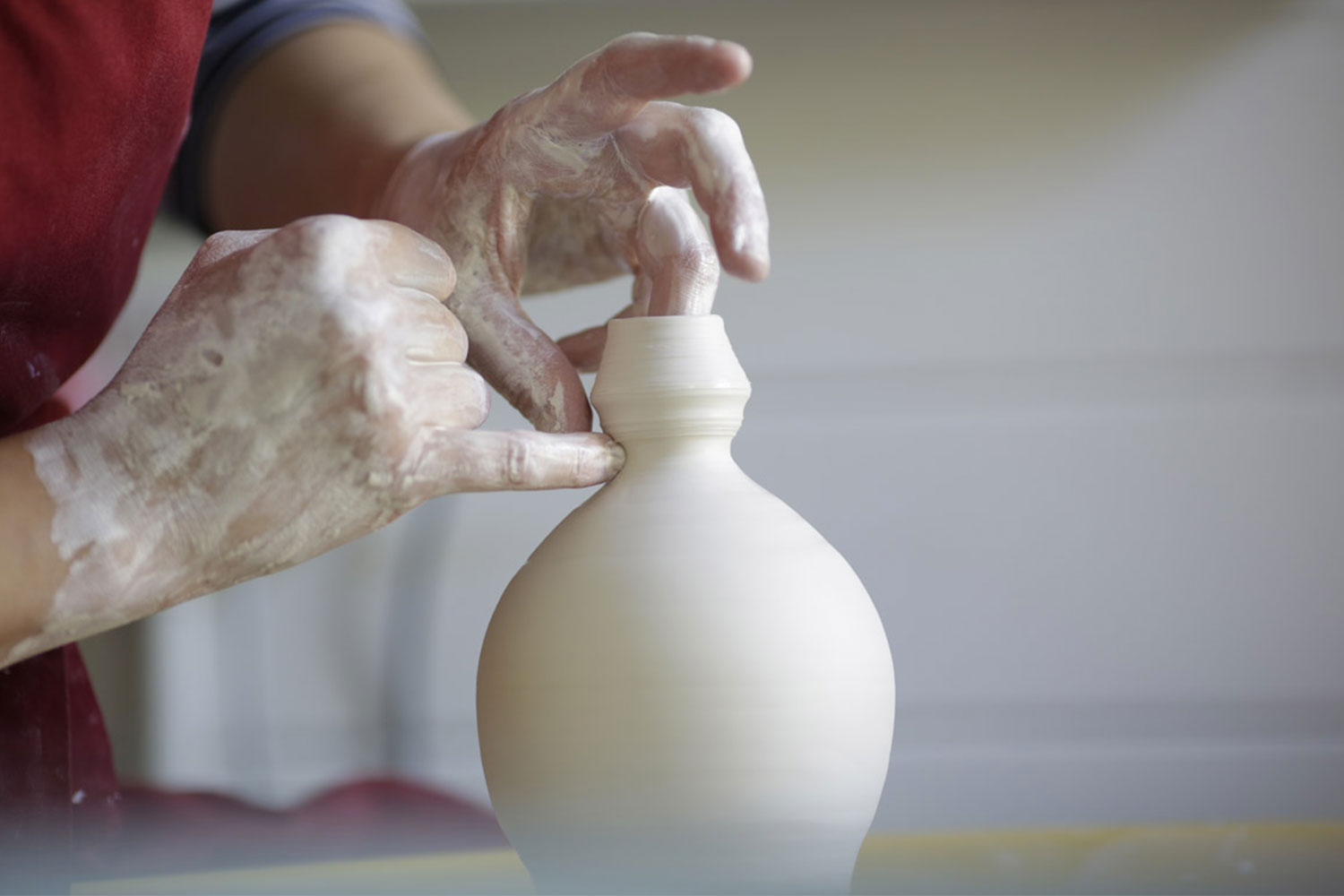
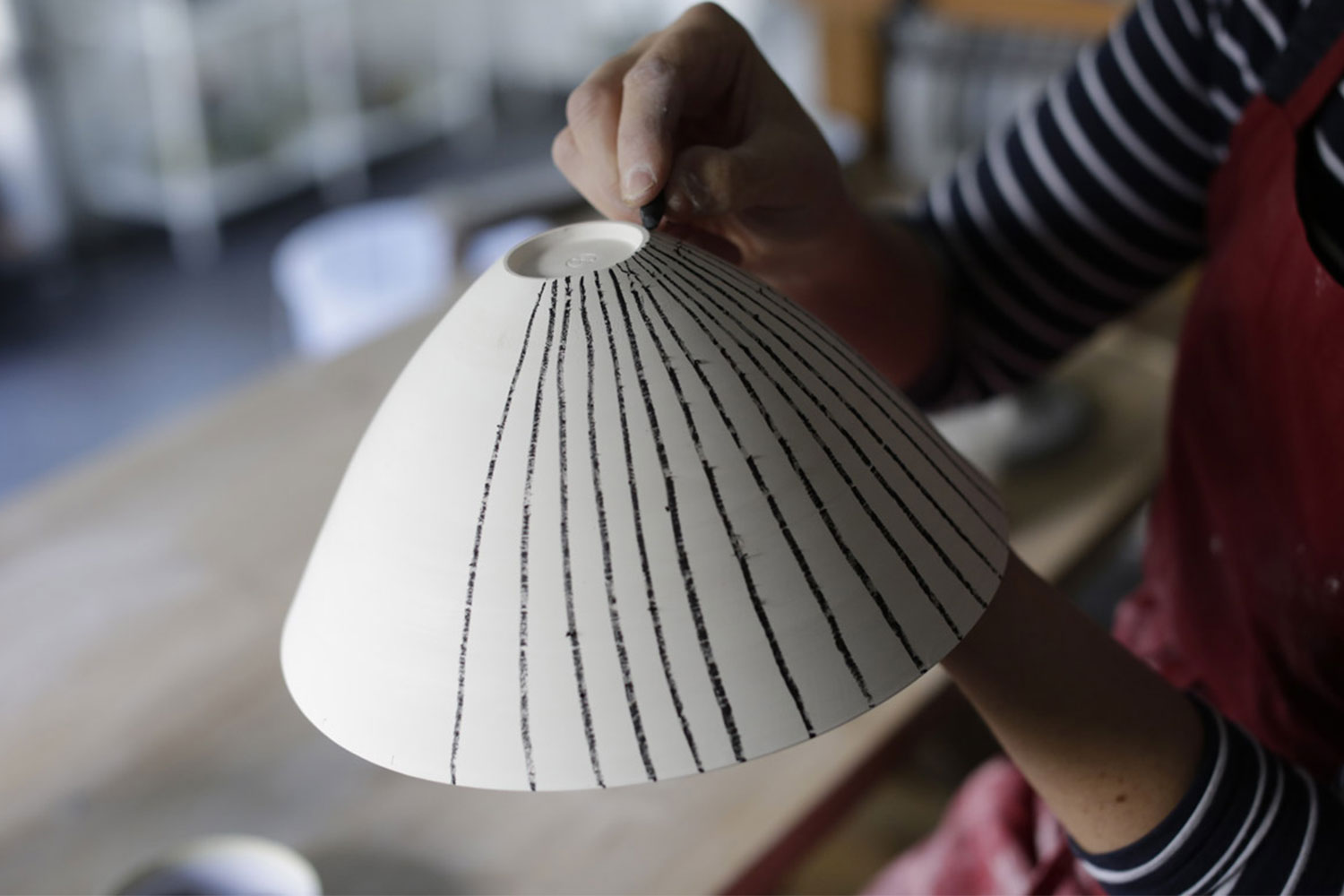
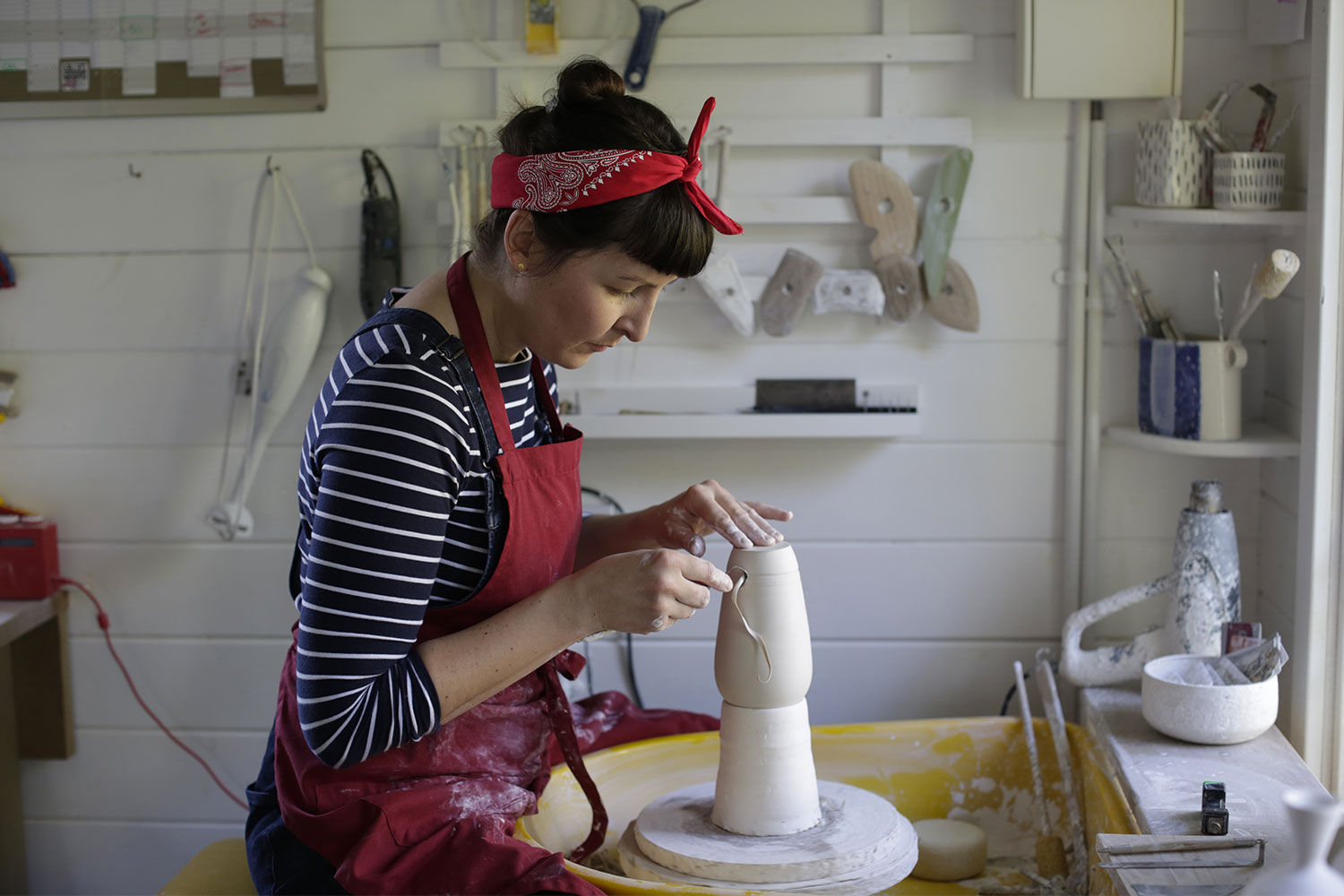
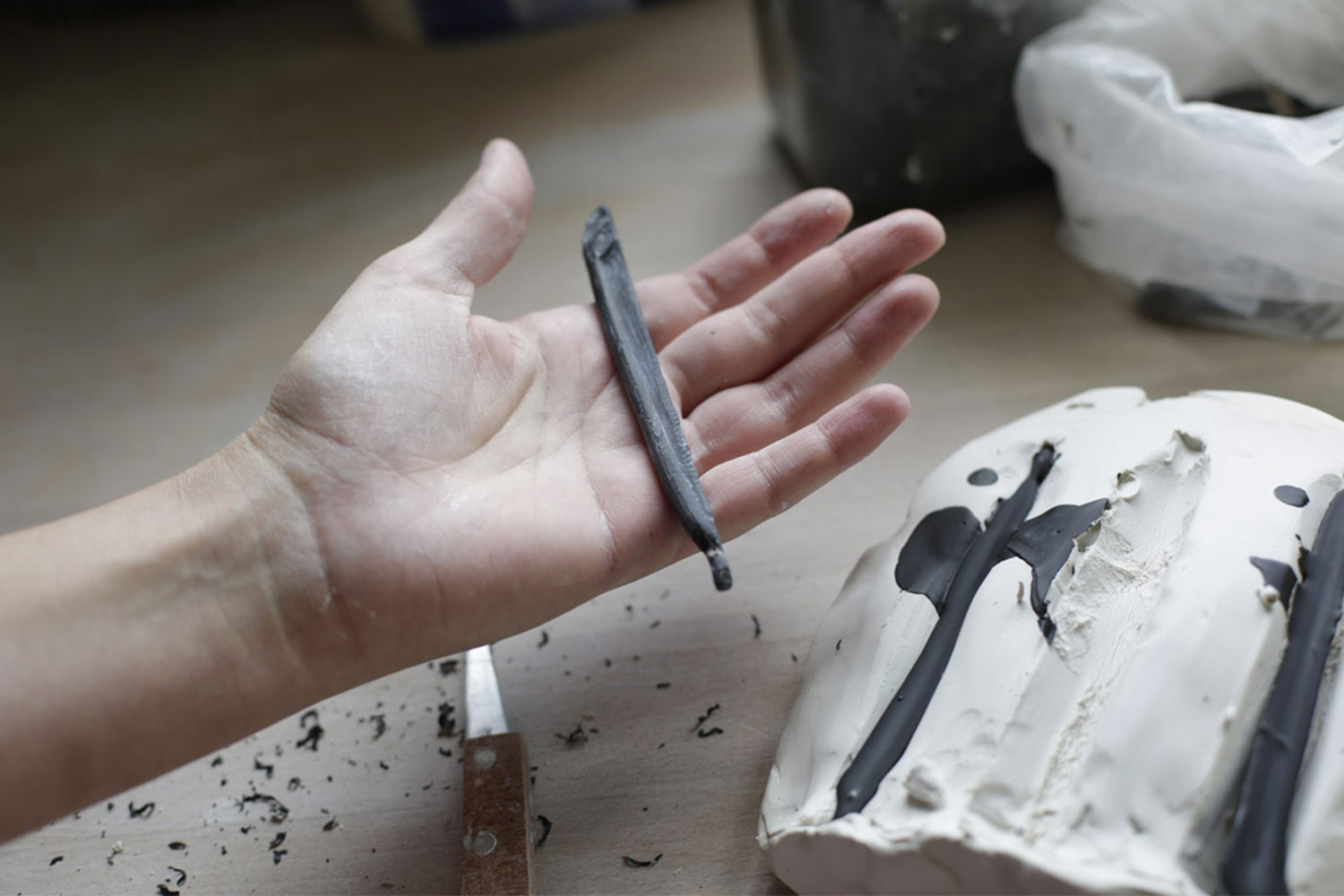
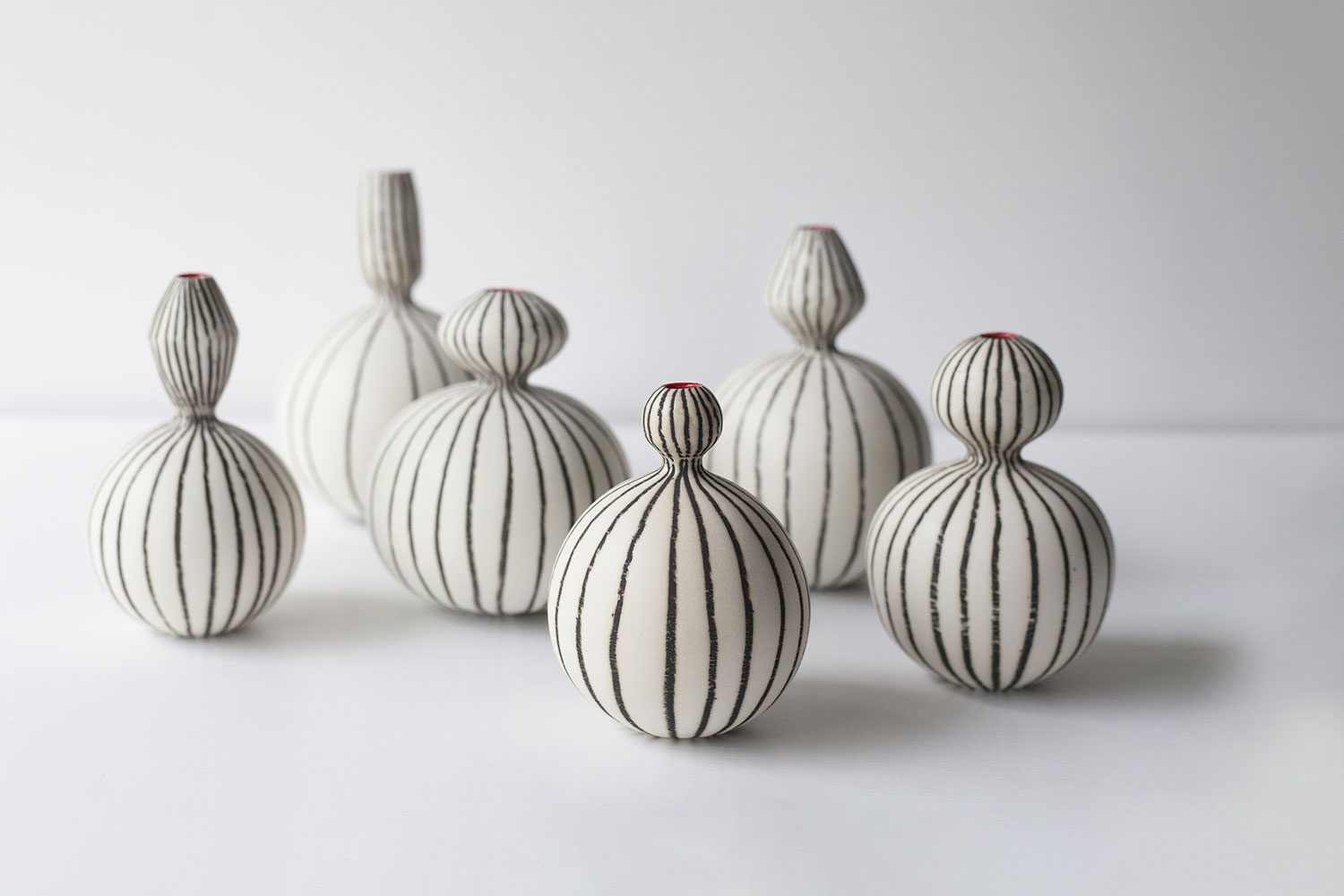
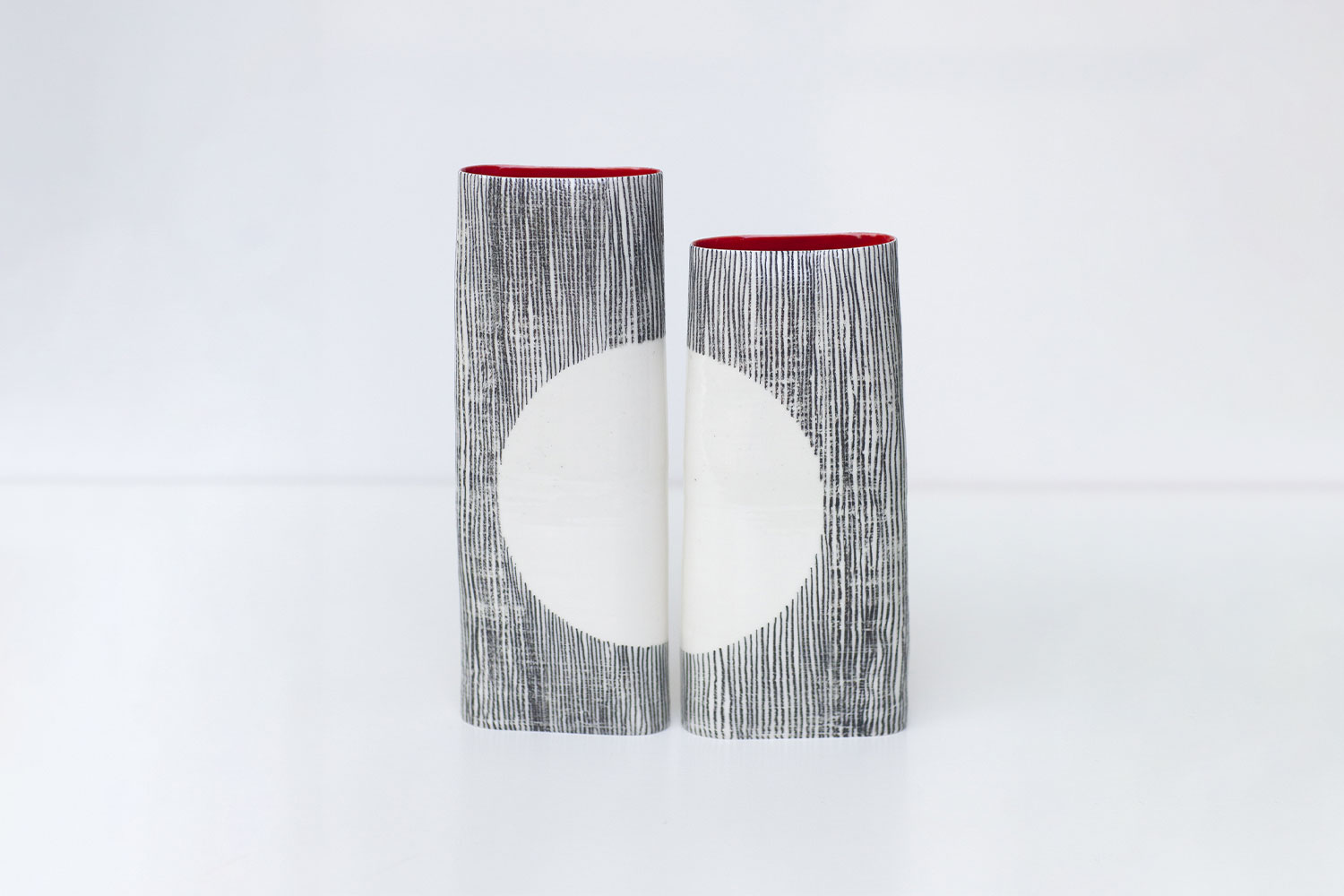
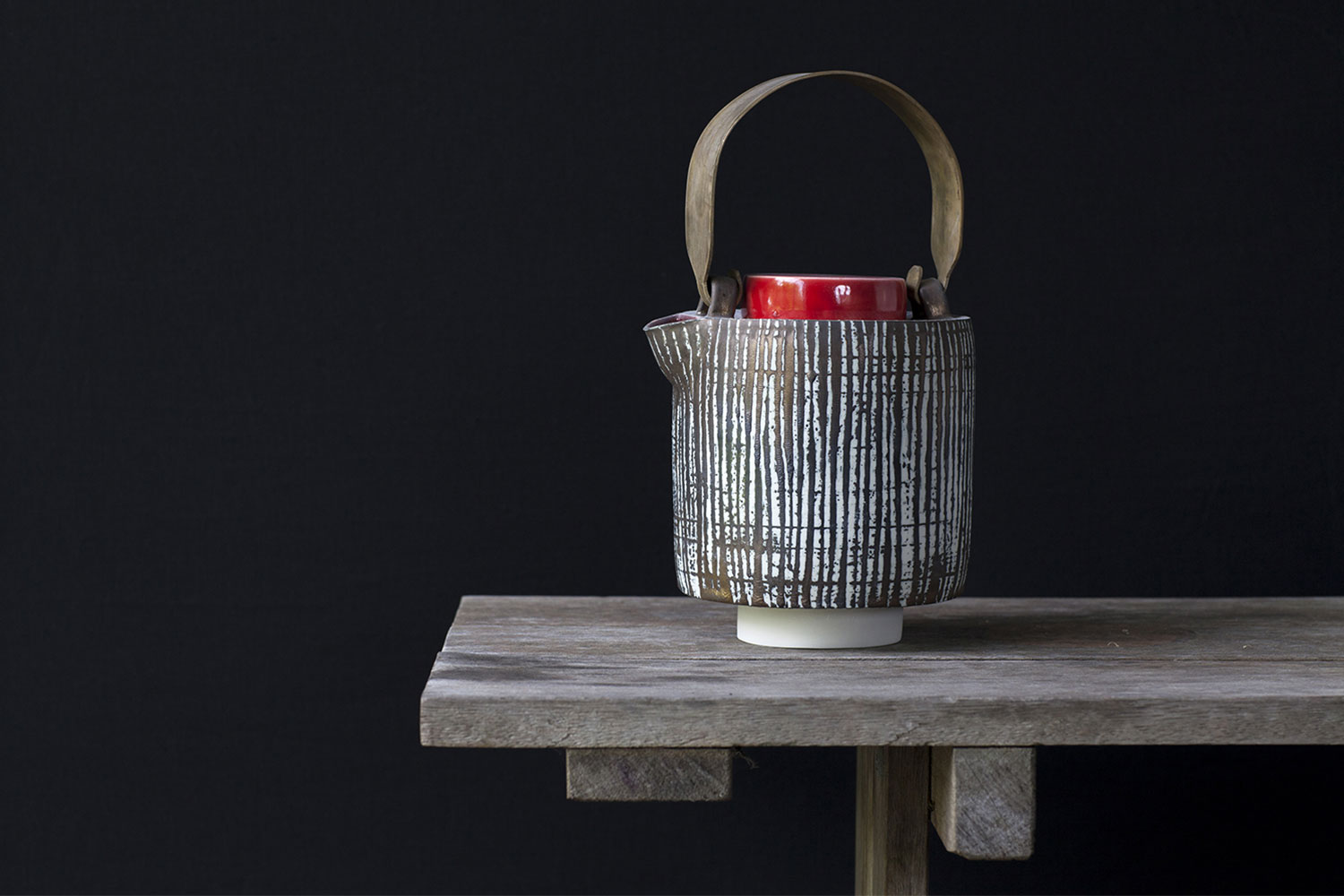
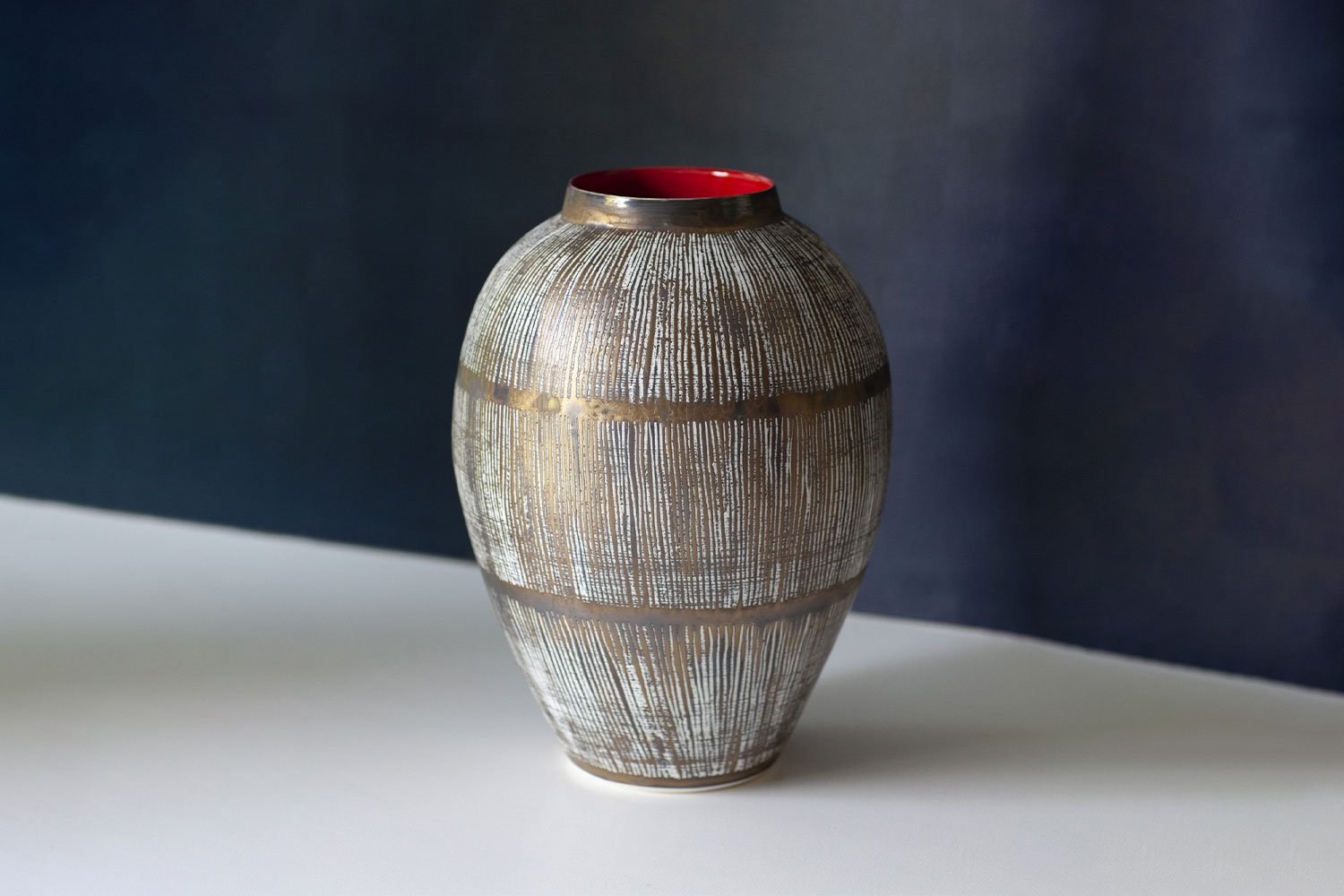
Katharina Klug is an Austrian-born potter and designer, a passionate ceramic artist, who was brought up working with clay. After college and some years spent in search of a space of her own, she has settled in Cambridge, where she runs her studio. Her research focuses on the exploration of shapes on the pottery wheel, the tool that allows her to find endless variations on a classic theme: the vessel. At the same time, her production stands out thanks to a very peculiar dialogue between the moulded piece and the graphic sign. Drawing freehand with her trademark crayons, she intentionally embraces imperfections in the surface pattern designs, while longing for perfection in the shape of the vessel. Her unique pieces are lively and immediate.
INTERVIEW
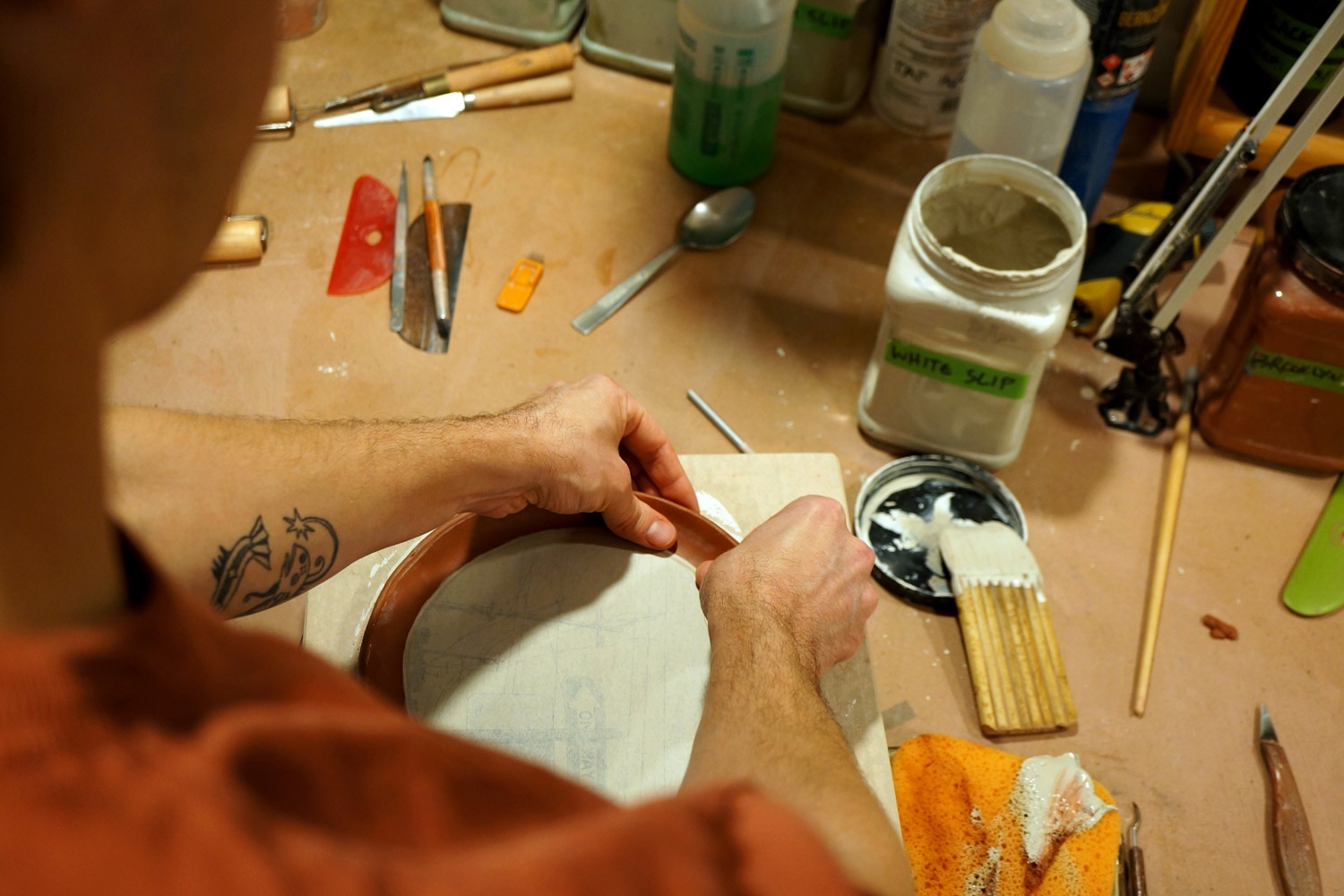
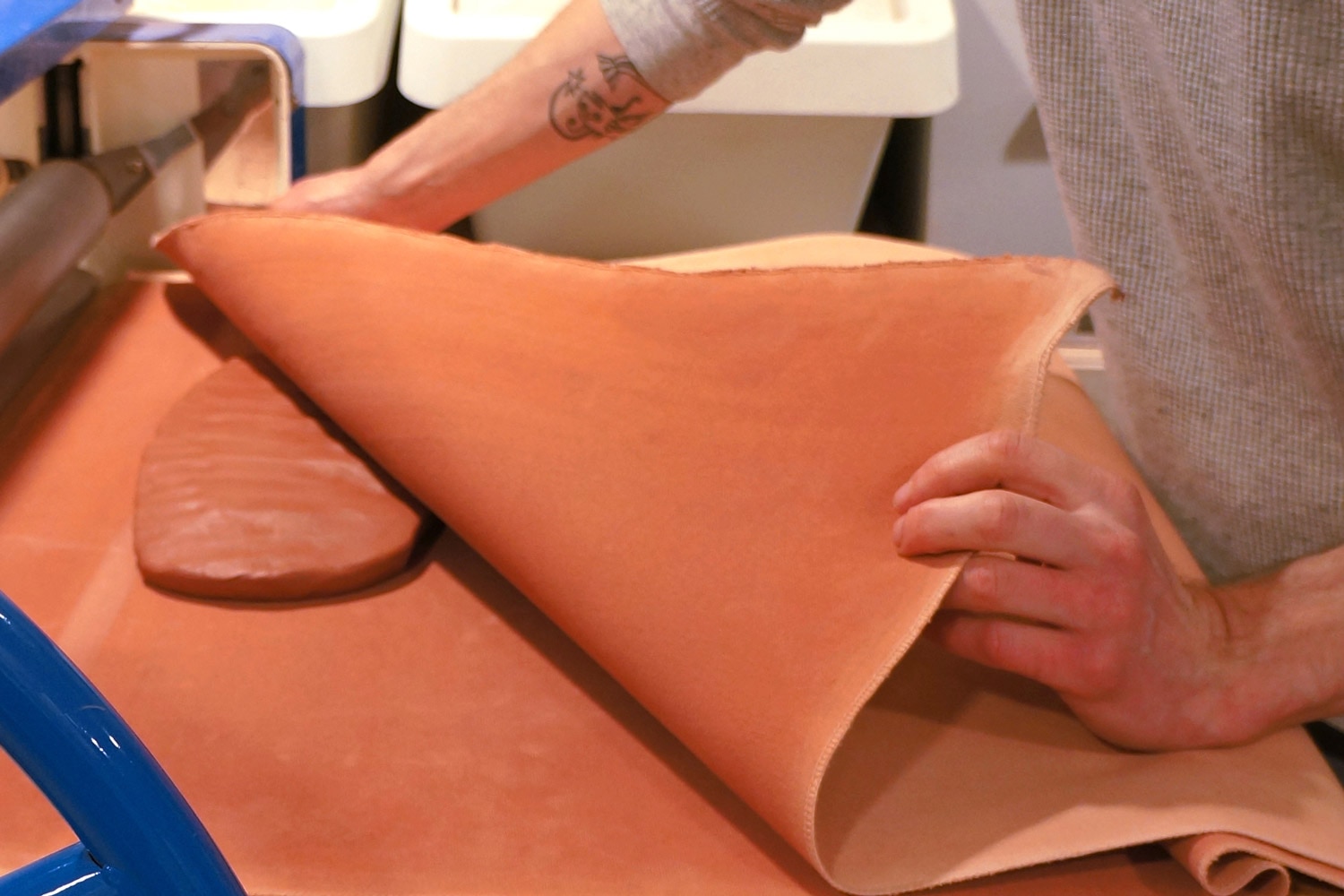
My life has always included ceramics: I was born into a pottery business run by my mother and involving the whole family. After traveling and working in various ceramic related jobs, I found my place in the world: Cambridge, where I started my own business in 2010.
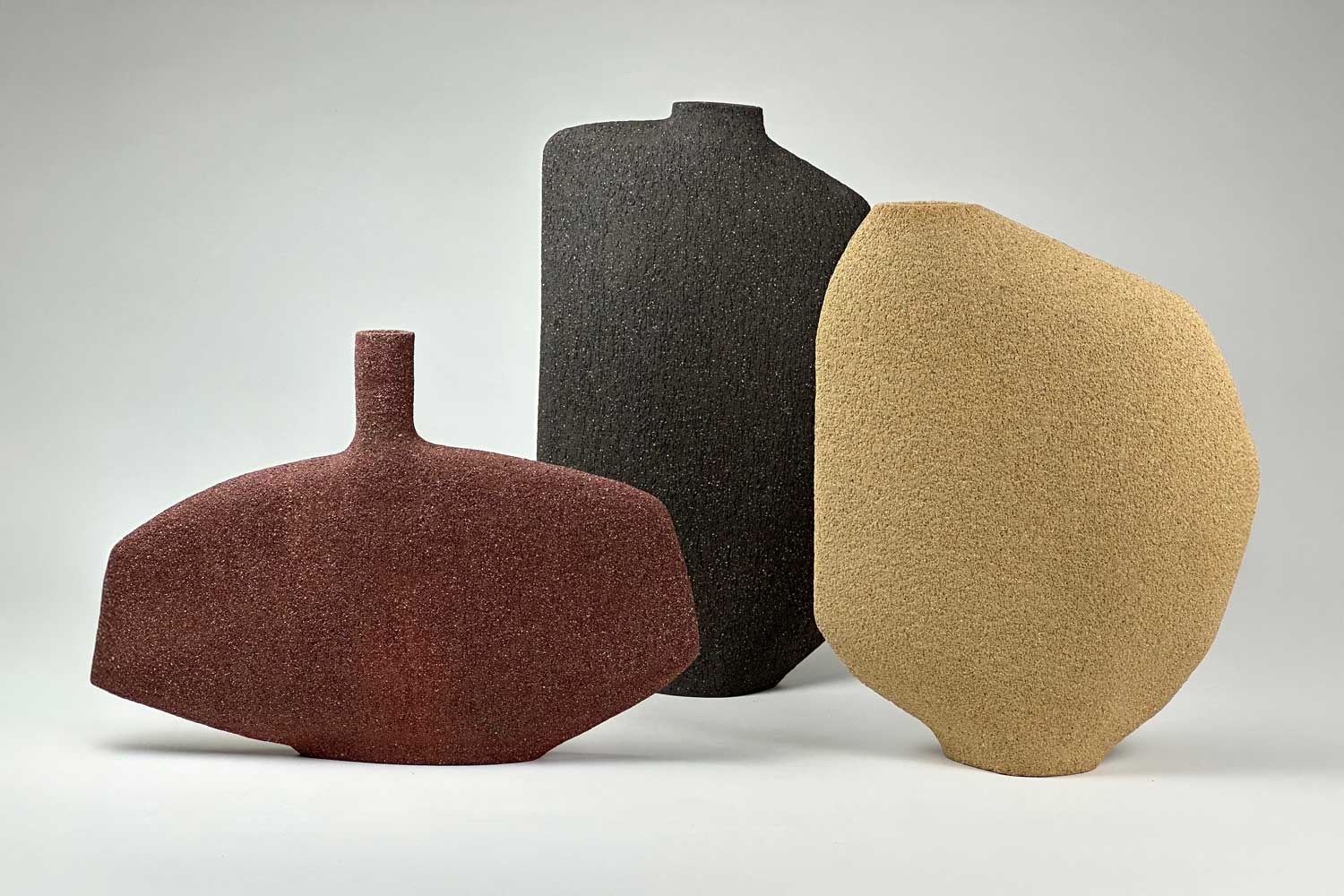
For me they’re symbols of humanity. I see my vessels as abstract portraits of people, that’s why I like to group them together. Their shape is an expression of a character. This exploration has endless possibilities and will keep me occupied all my life.
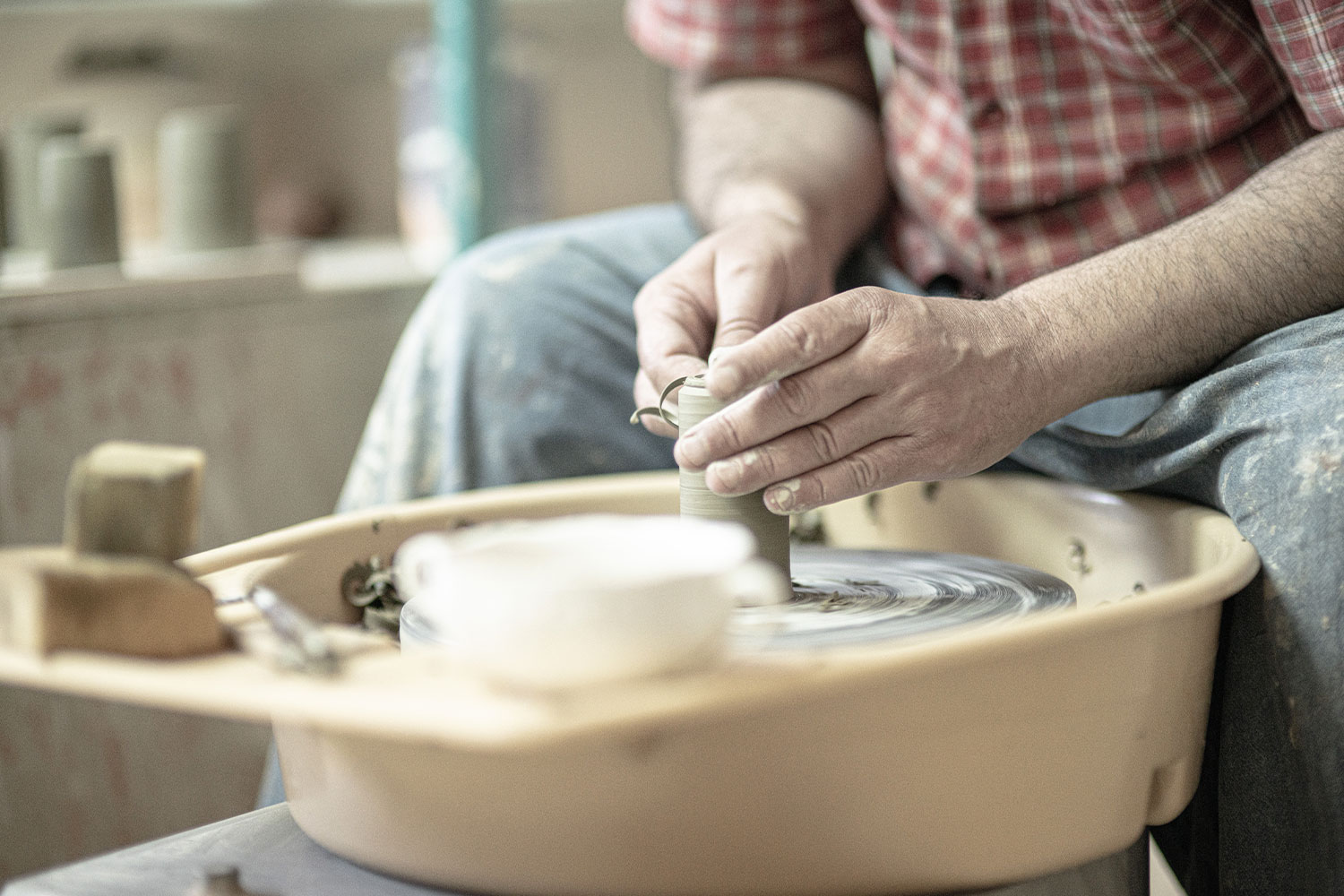
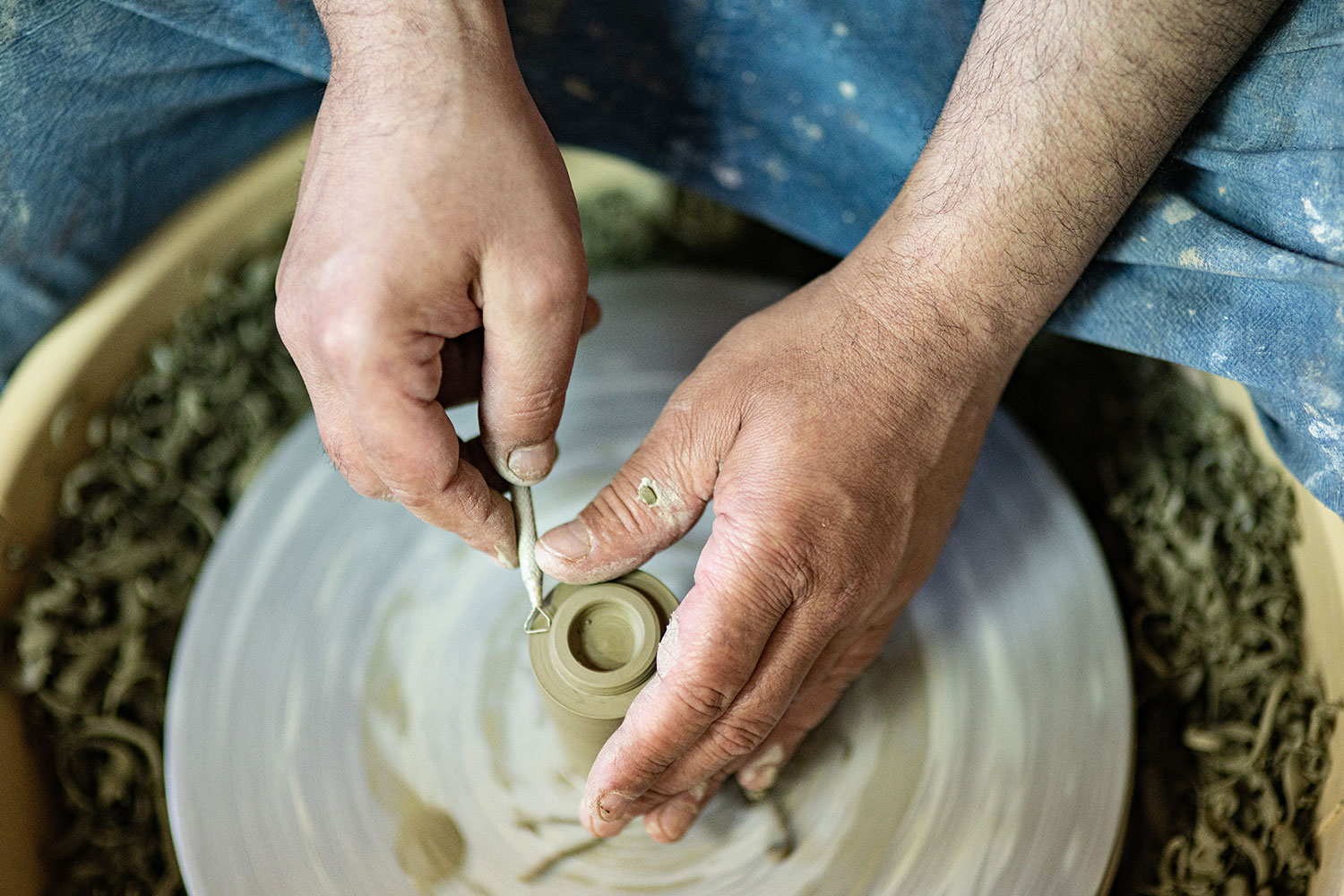
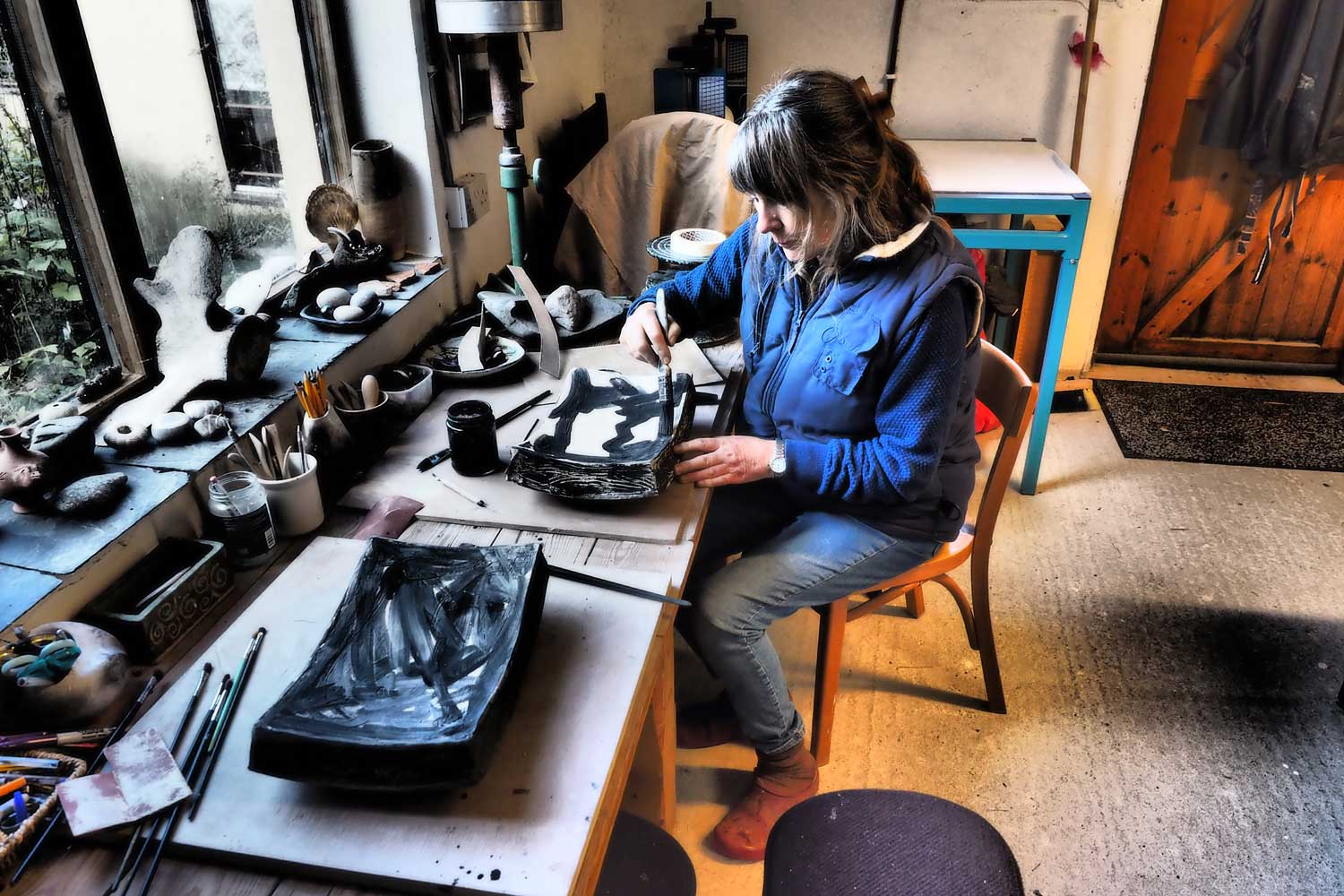
The wheel is an incredible machine: just a simple engine driving a disk, but it transforms a lump into a form and small variations in an angle or proportion can change so much. Its hum and rhythm is so familiar to me, that it gets me focused immediately.
Each image can be broken down into lines: it’s the very essence of everything we see. But the lines drawn on a moulded piece follows its curve and surface, not like on paper or canvas: they change how the vessel is perceived. They’re more like a dress for a body.
Katharina Klug
Ceramicist
Cambridge, United Kingdom
AVAILABILITY
By appointment only
PHONE
+44 7765245758
LANGUAGES
English, German
Homo Faber Finds is a new service aiming to inspire admirers of craft to connect and collaborate with exceptional artisans.
We invite you to submit an enquiry here.