Justin Madden
Par Puzzles
Board game maker
Huntington, NY, USA
Creating stories, piece by piece
- Justin is a second-generation puzzle maker
- He hand cuts about 65 bespoke creative jigsaws a year
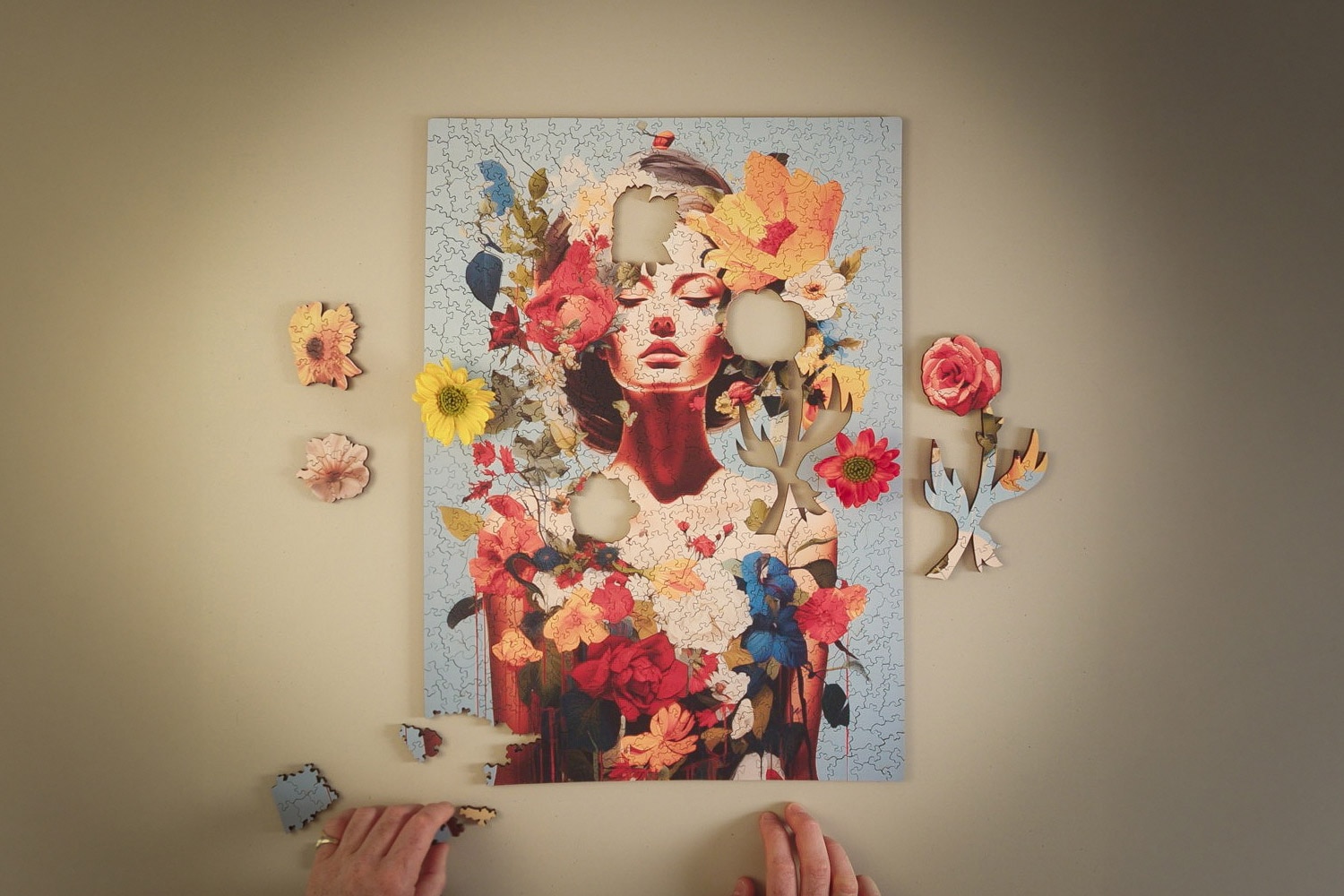
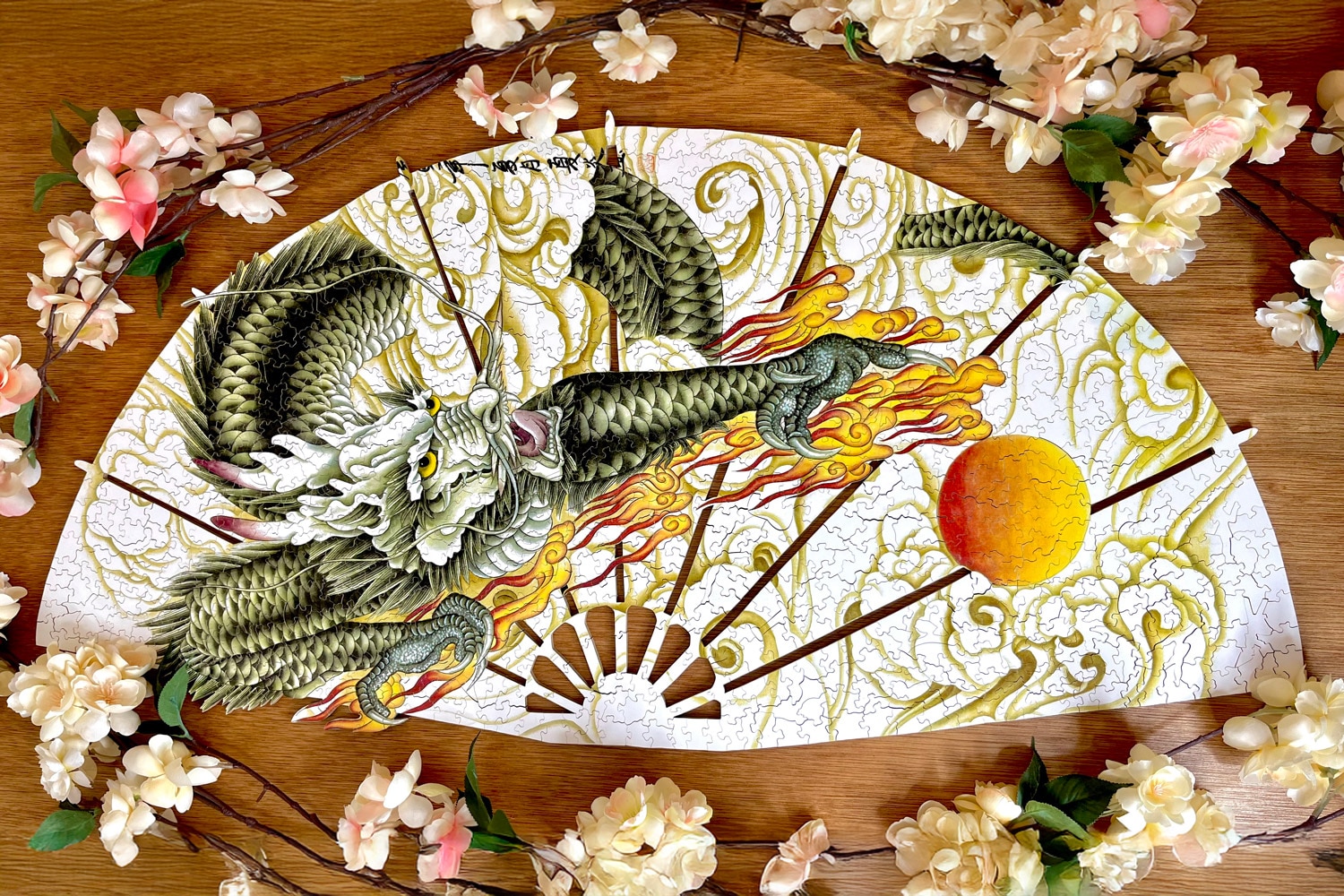
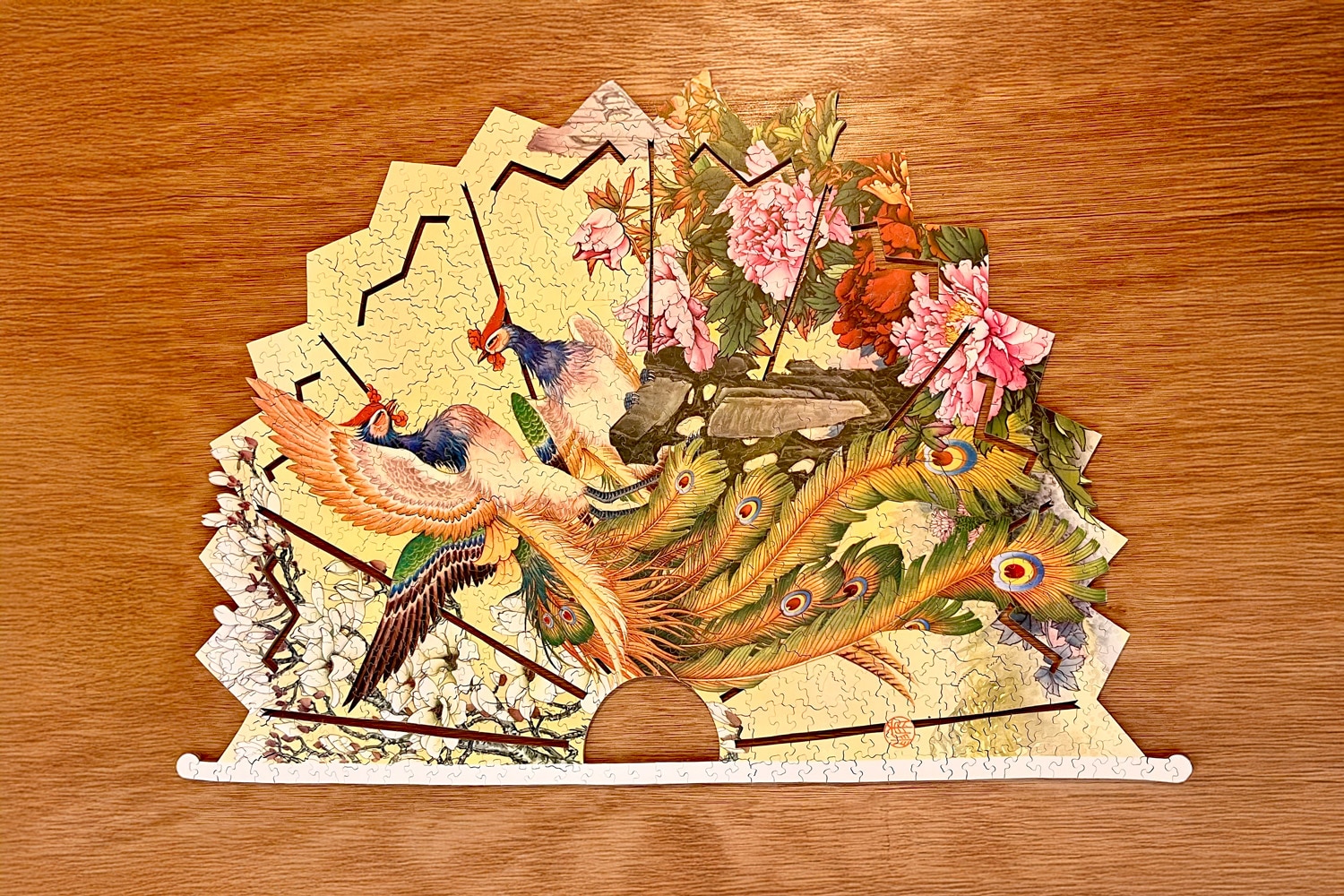
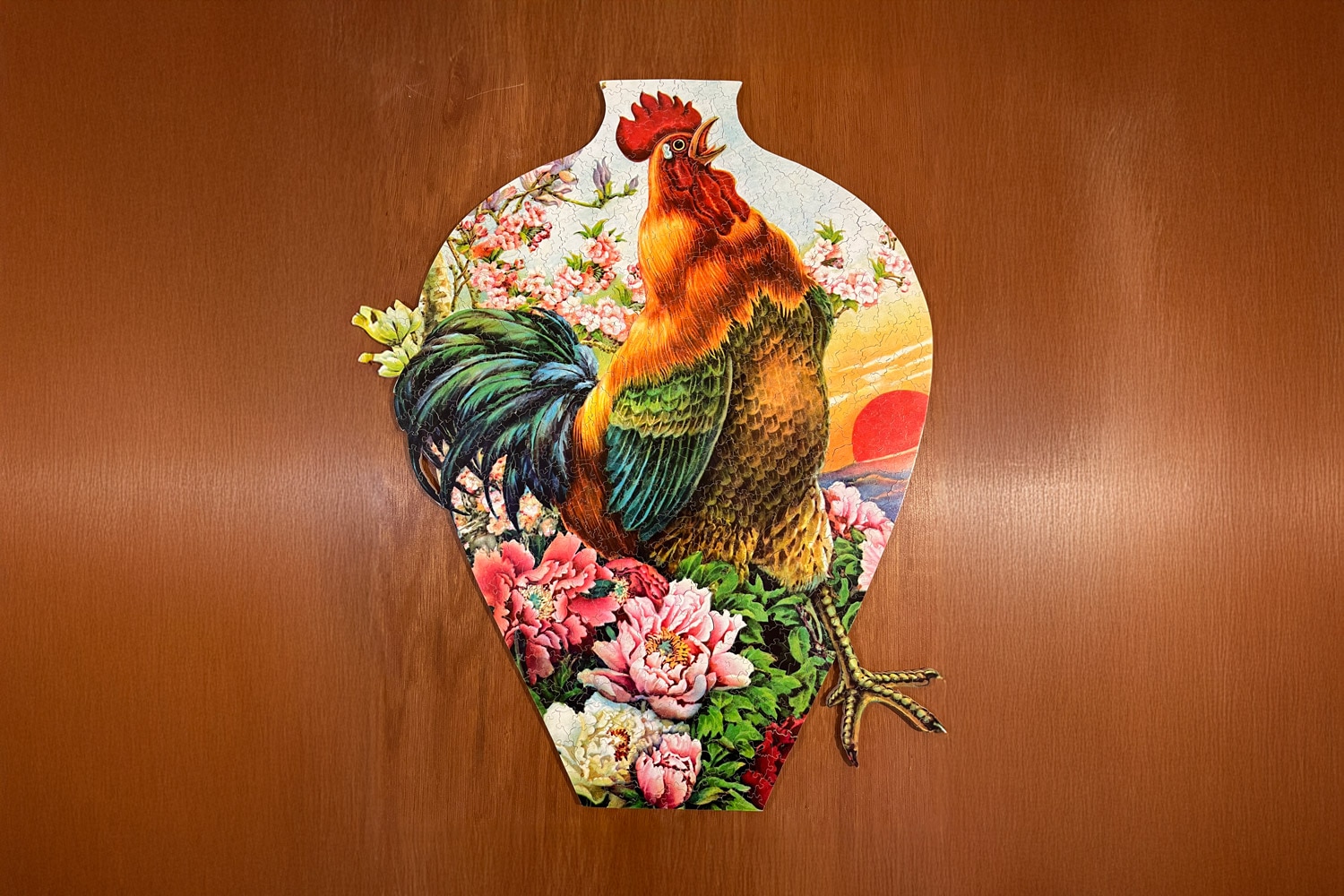
- Items begin with an image, which is embellished or cut creatively to create a story
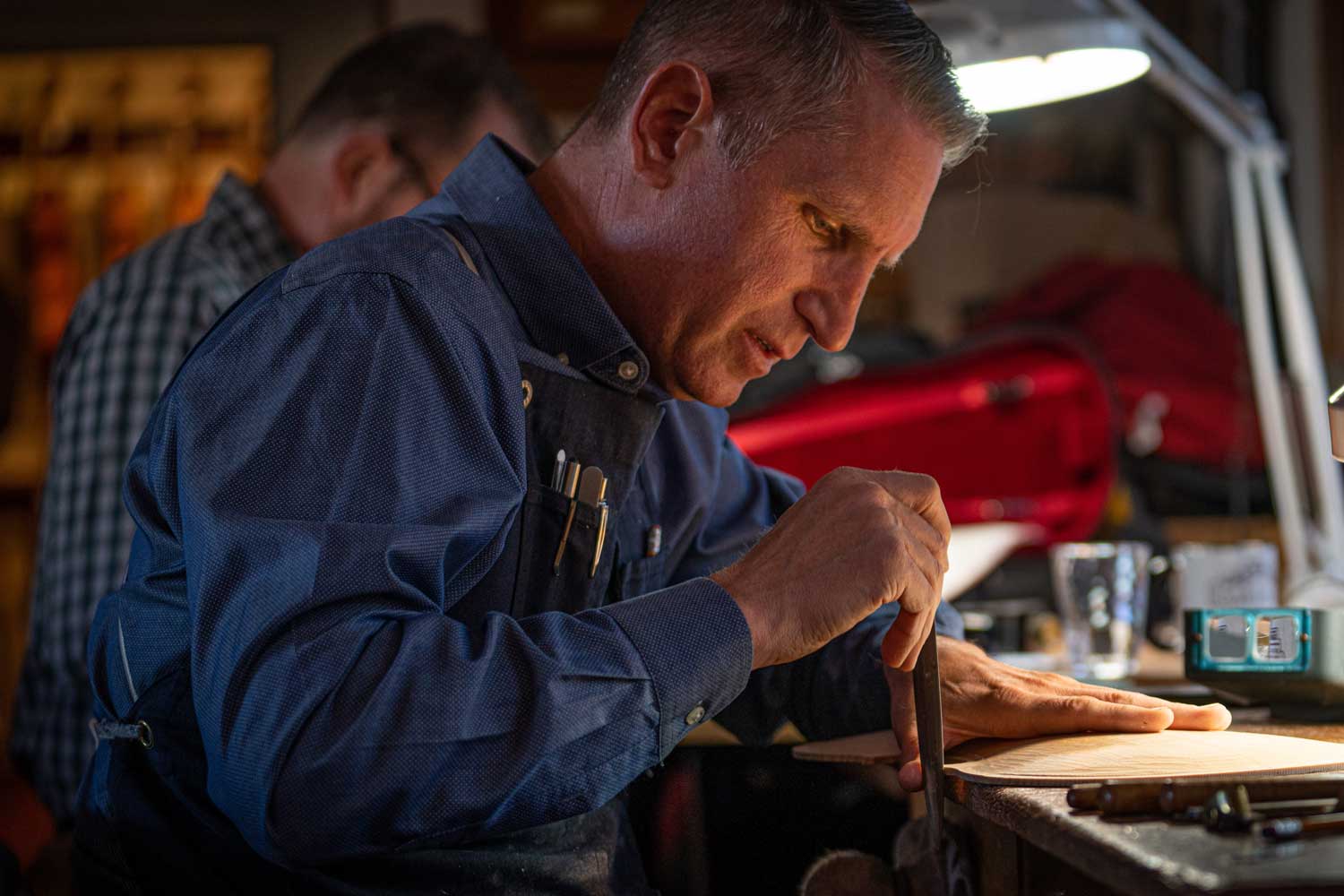
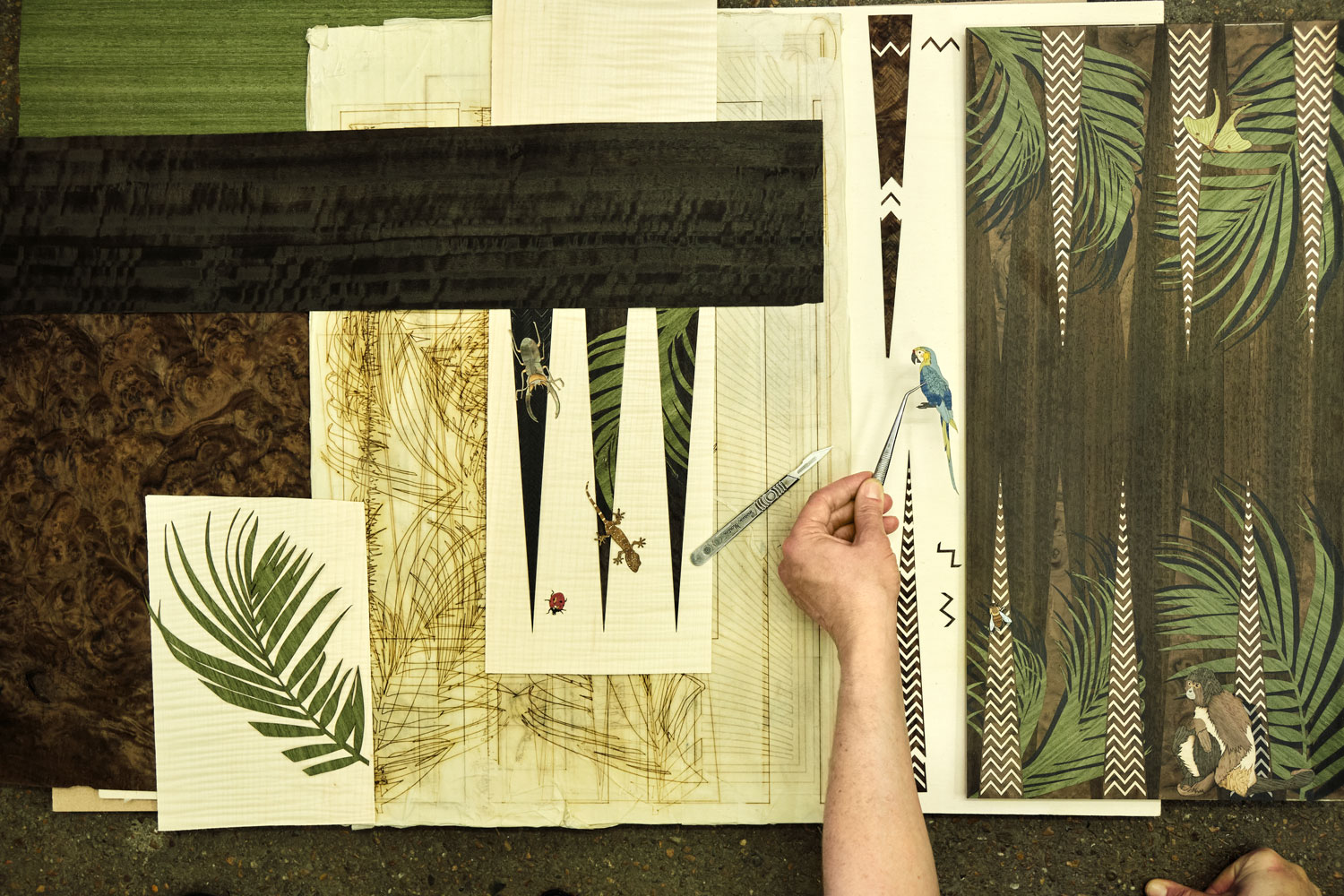
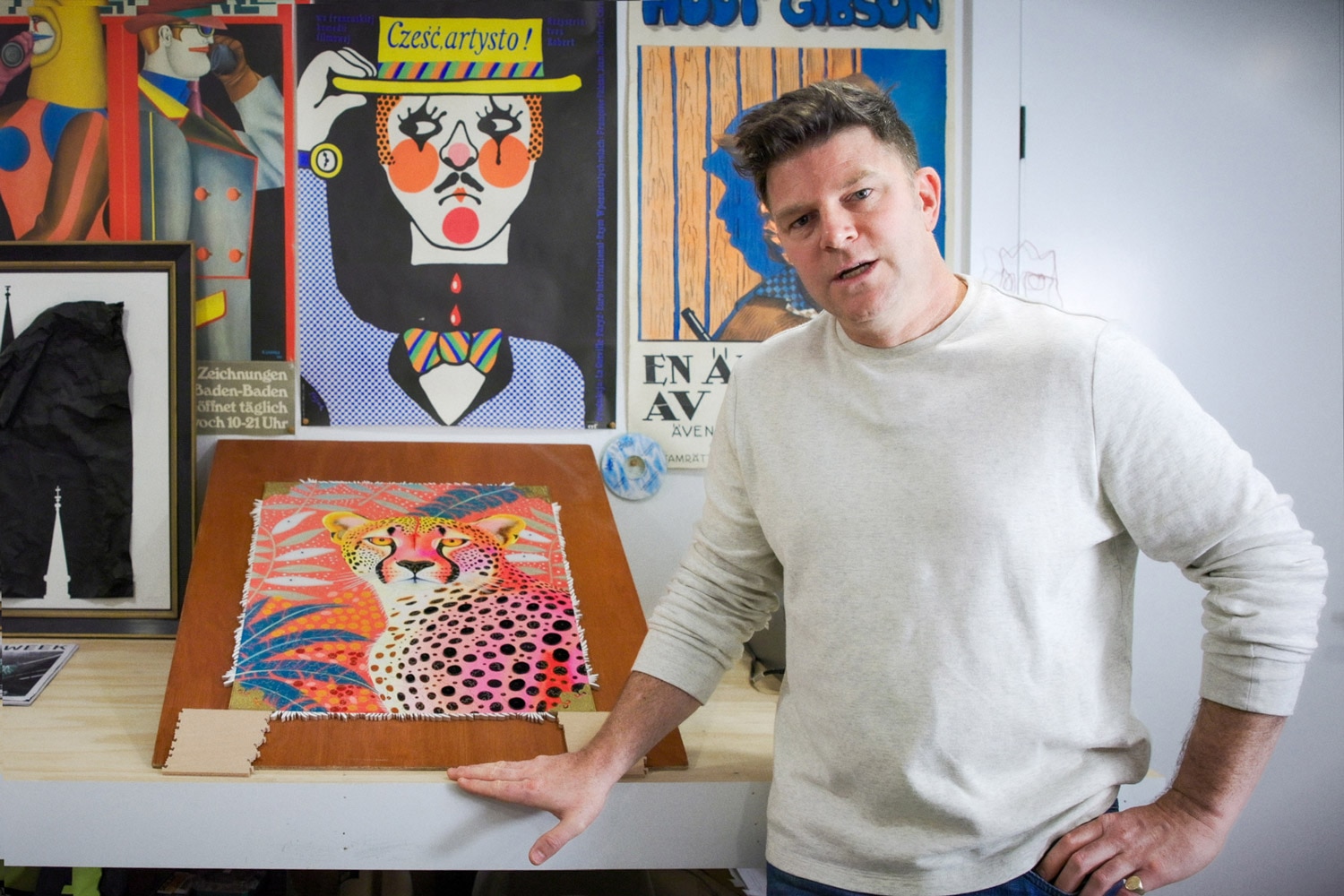
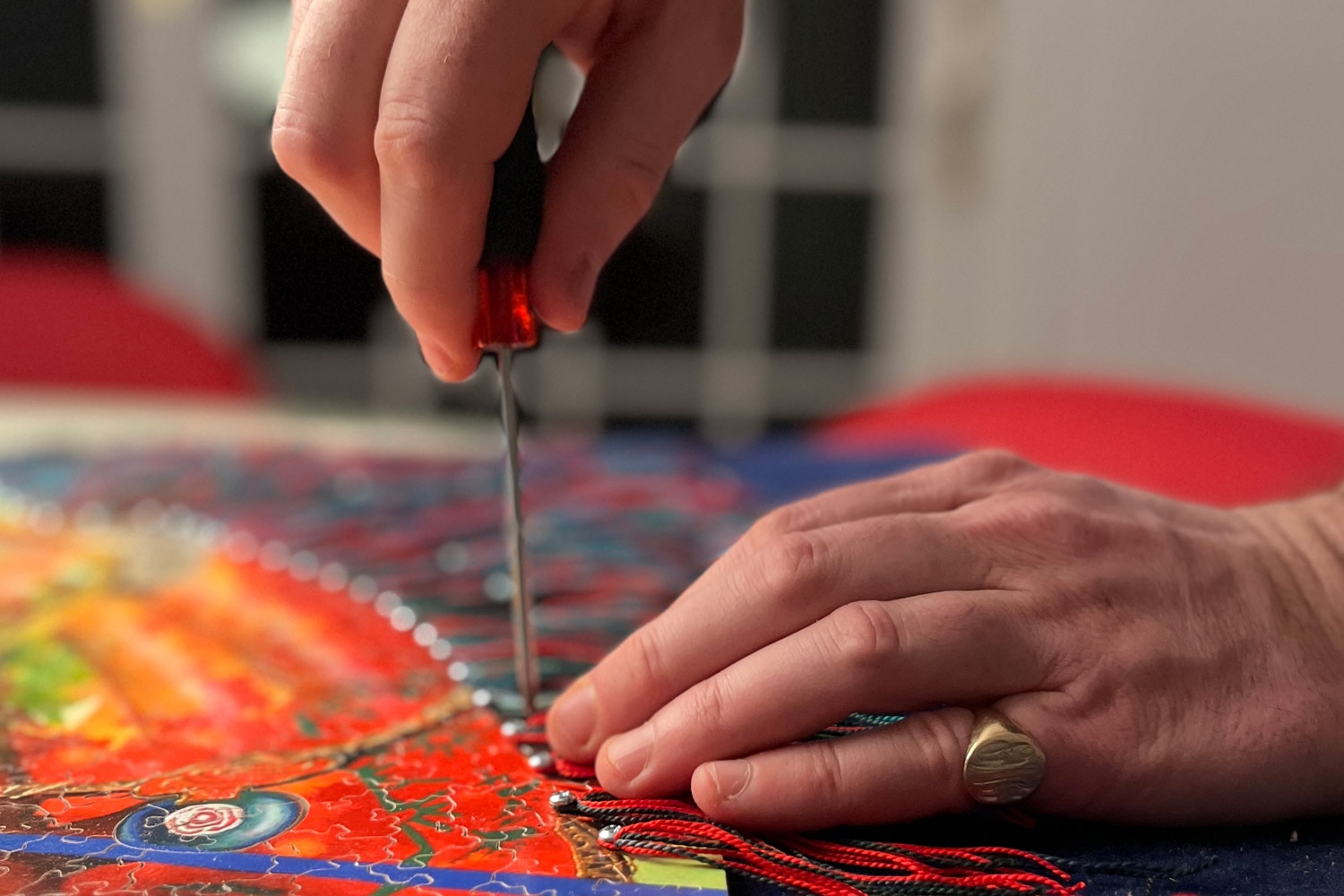
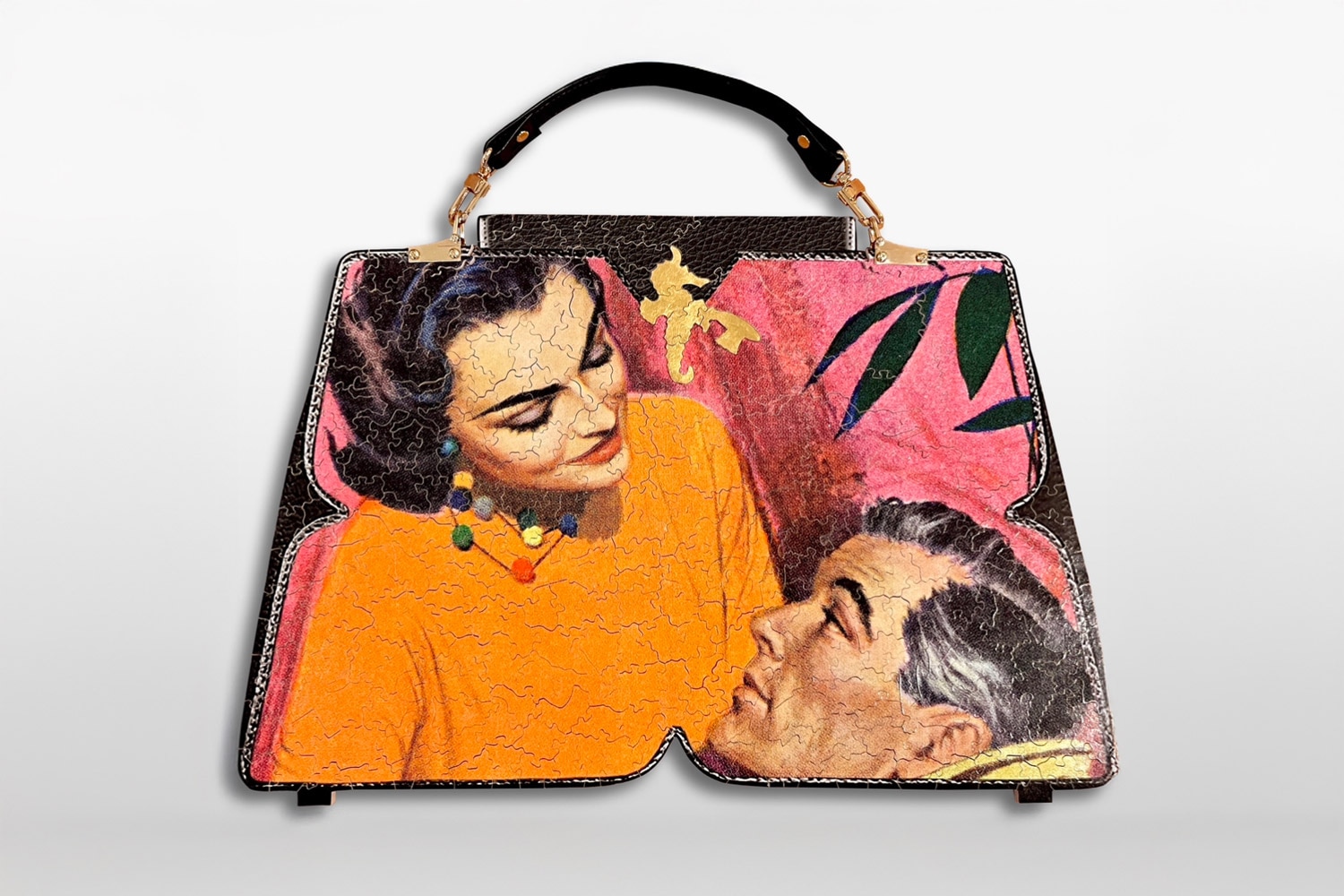
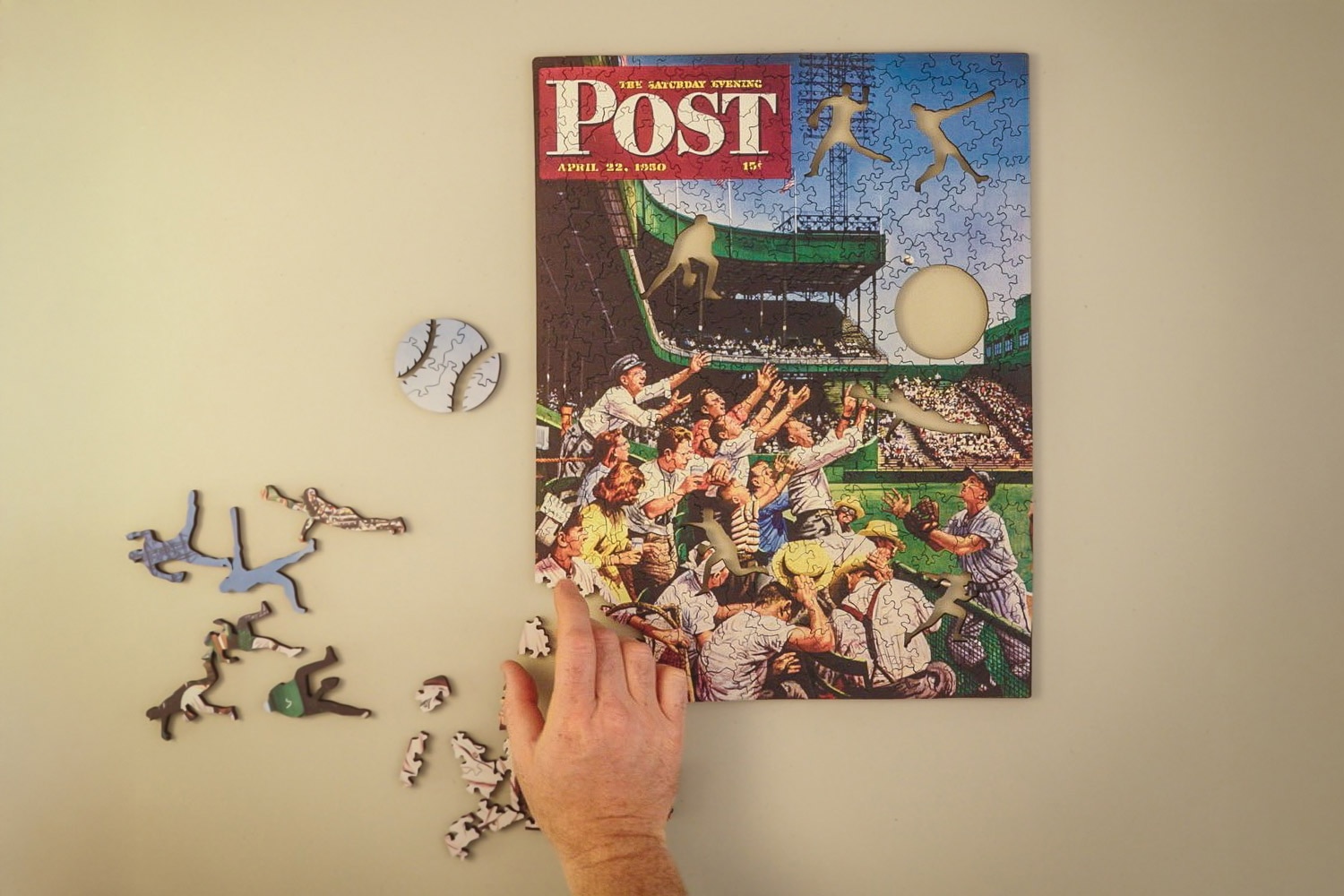
Justin Madden’s path to puzzle making was shaped by the financial crisis in 2008, when he used some of his unwelcome free time to practice cutting puzzle pieces. The experience led to him taking an apprenticeship with his father, a puzzle maker, and joining the family business. Justin’s puzzles and the larger Par Puzzle brand seek to elevate the art that they portray on their pieces. His first step is to spend an hour or more just looking at the image and thinking about the mindset of the people shown and the story being told. “Once immersed, I brainstorm ways to enhance the existing visual theme or to introduce nuance to an image through the shaping of individual pieces or the addition of unconventional materials, like feathers, baubles or props,” he says. The resulting one-of-a-kind, hand cut or laser cut wooden jigsaw puzzles add a new dimension to the antique posters, global artworks and portraits they depict.
INTERVIEW
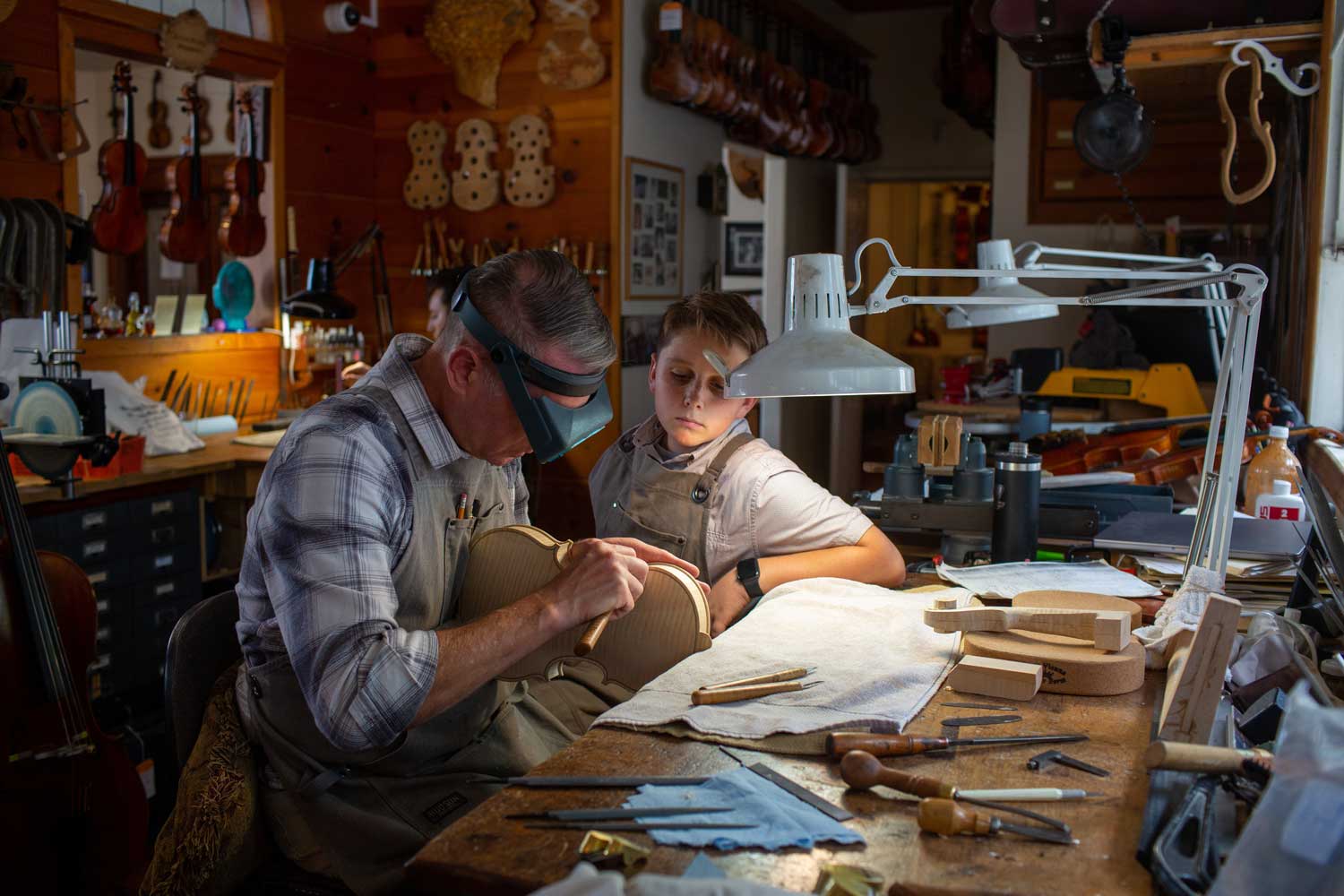
I learned puzzle piece cutting while in my studio apartment in Los Angeles. I lost my job in the financial crisis, and what I had left was time. I sat and taught myself how to cut pieces. In 2010, I decided I would dedicate my time fully to the craft, starting with a full year apprenticeship under my dad.
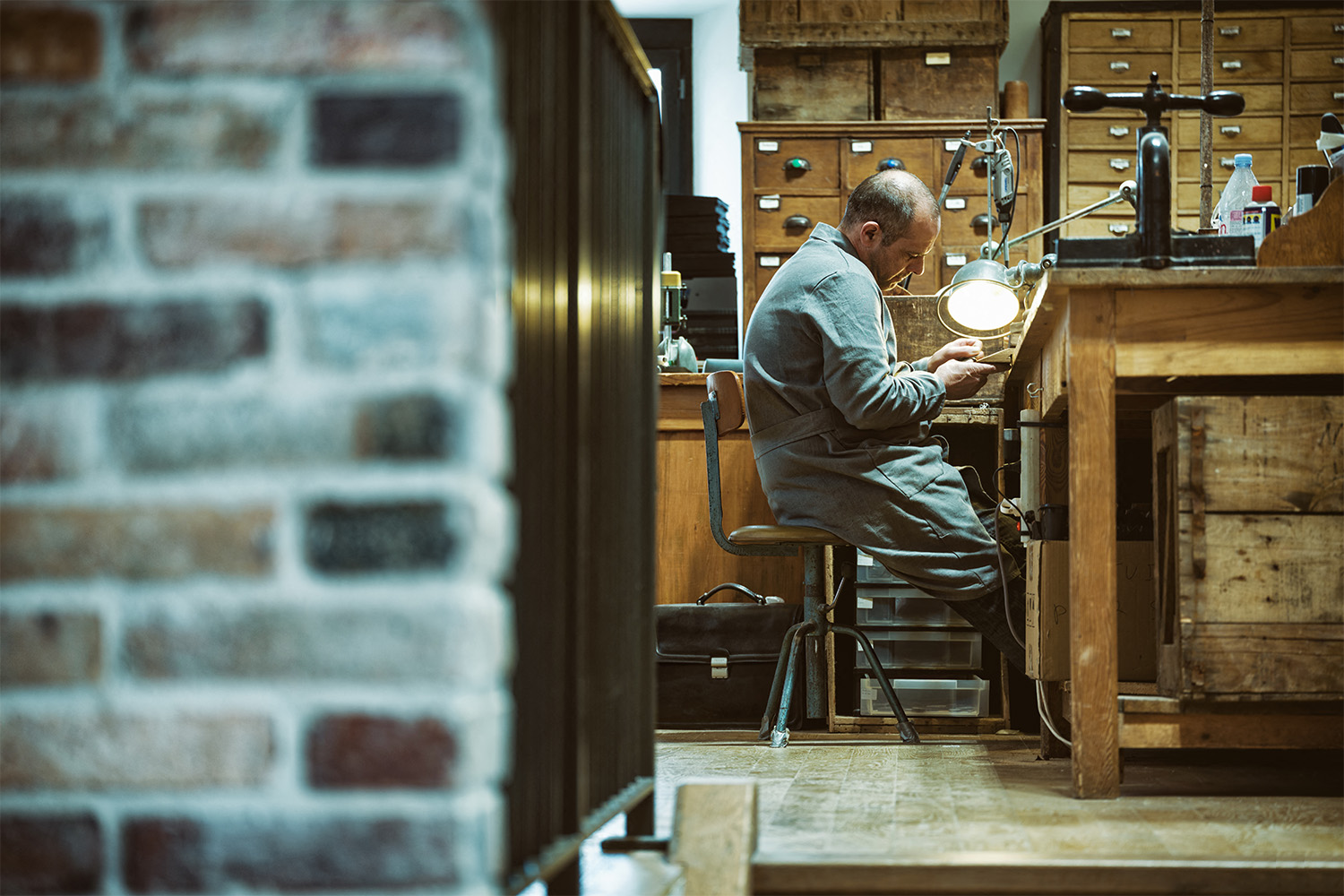
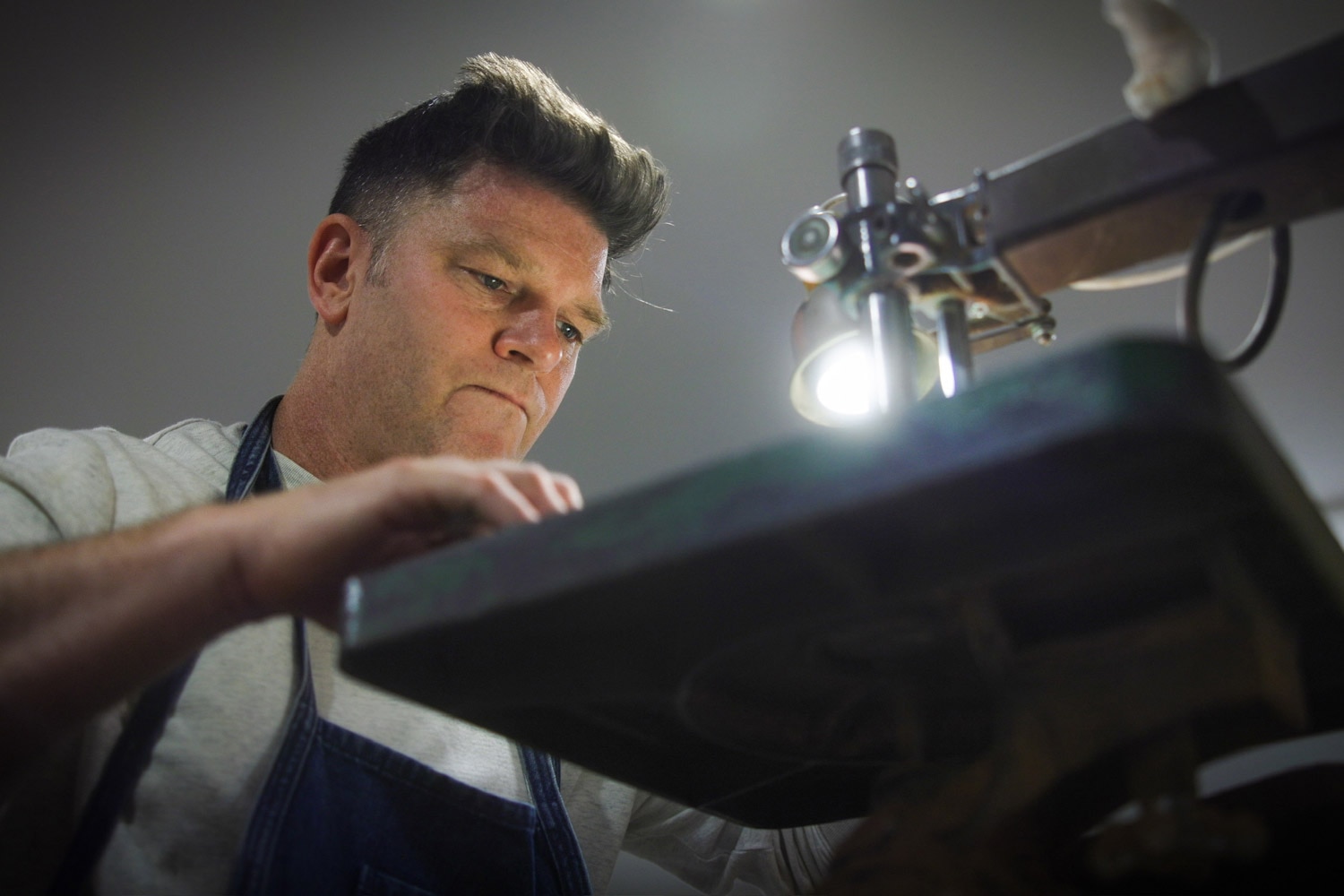
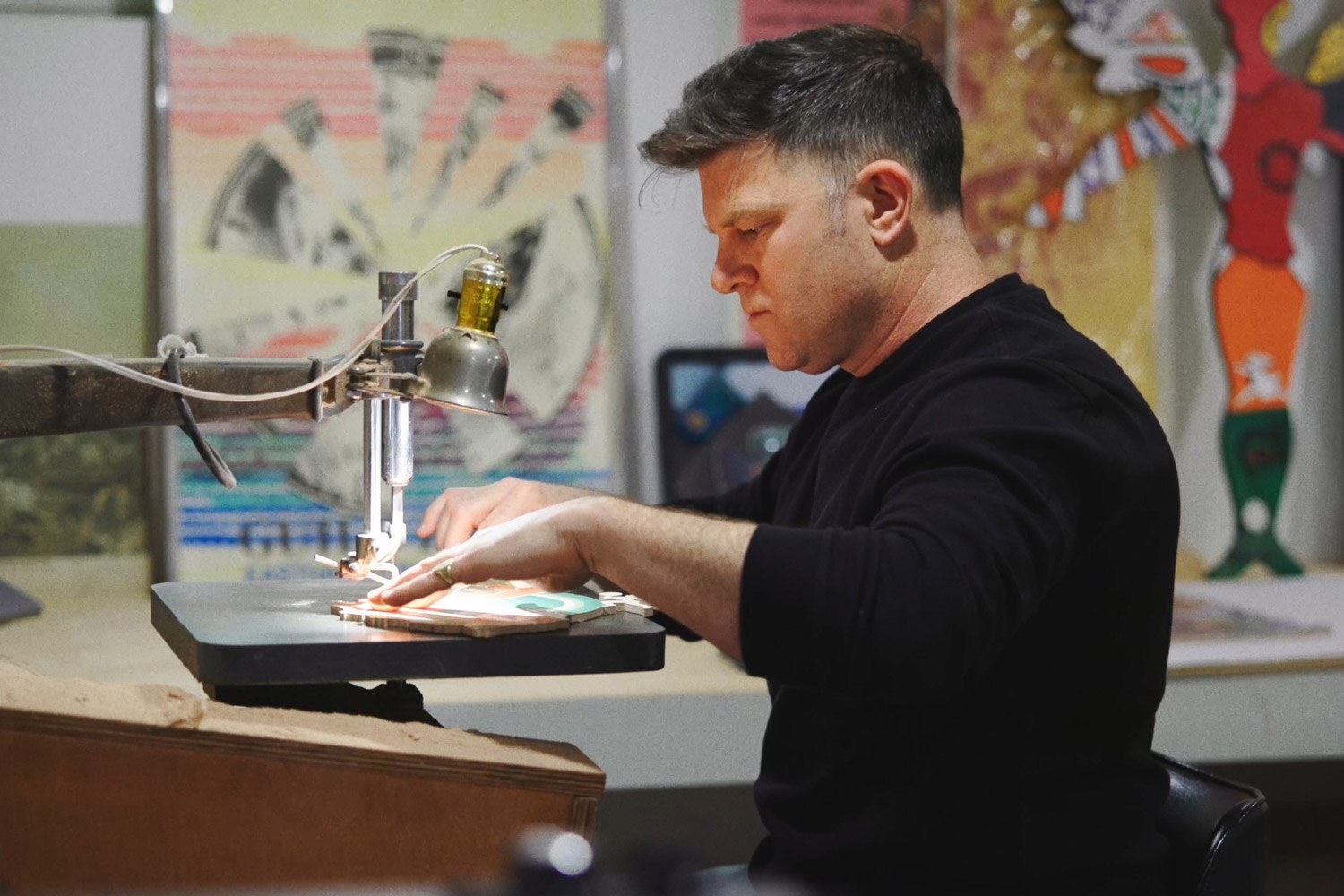
You need an eye for what makes a great puzzle. Patience is also essential. You are sitting at a saw for hours. One mistake can mean you will throw away three days’ worth of work.
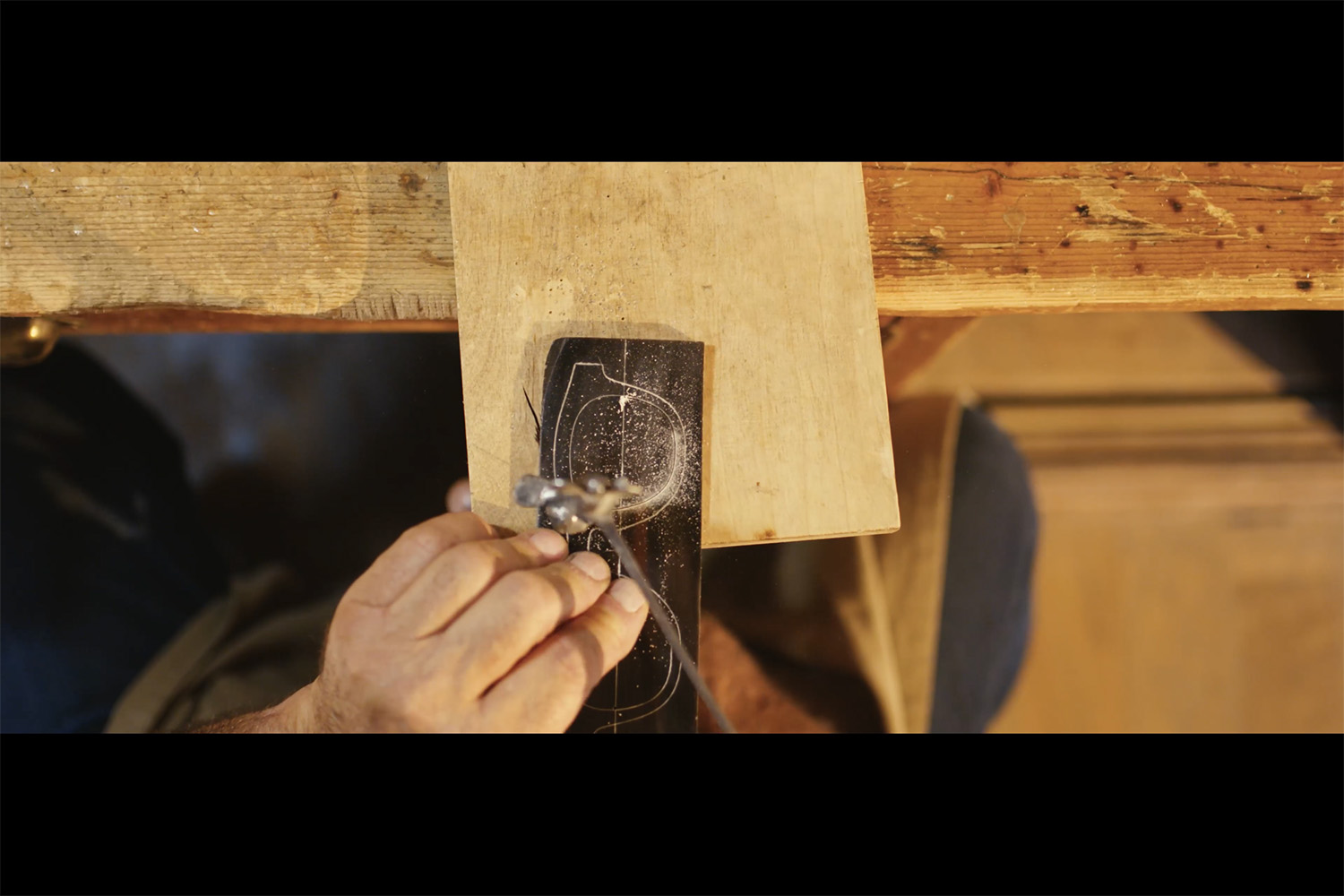
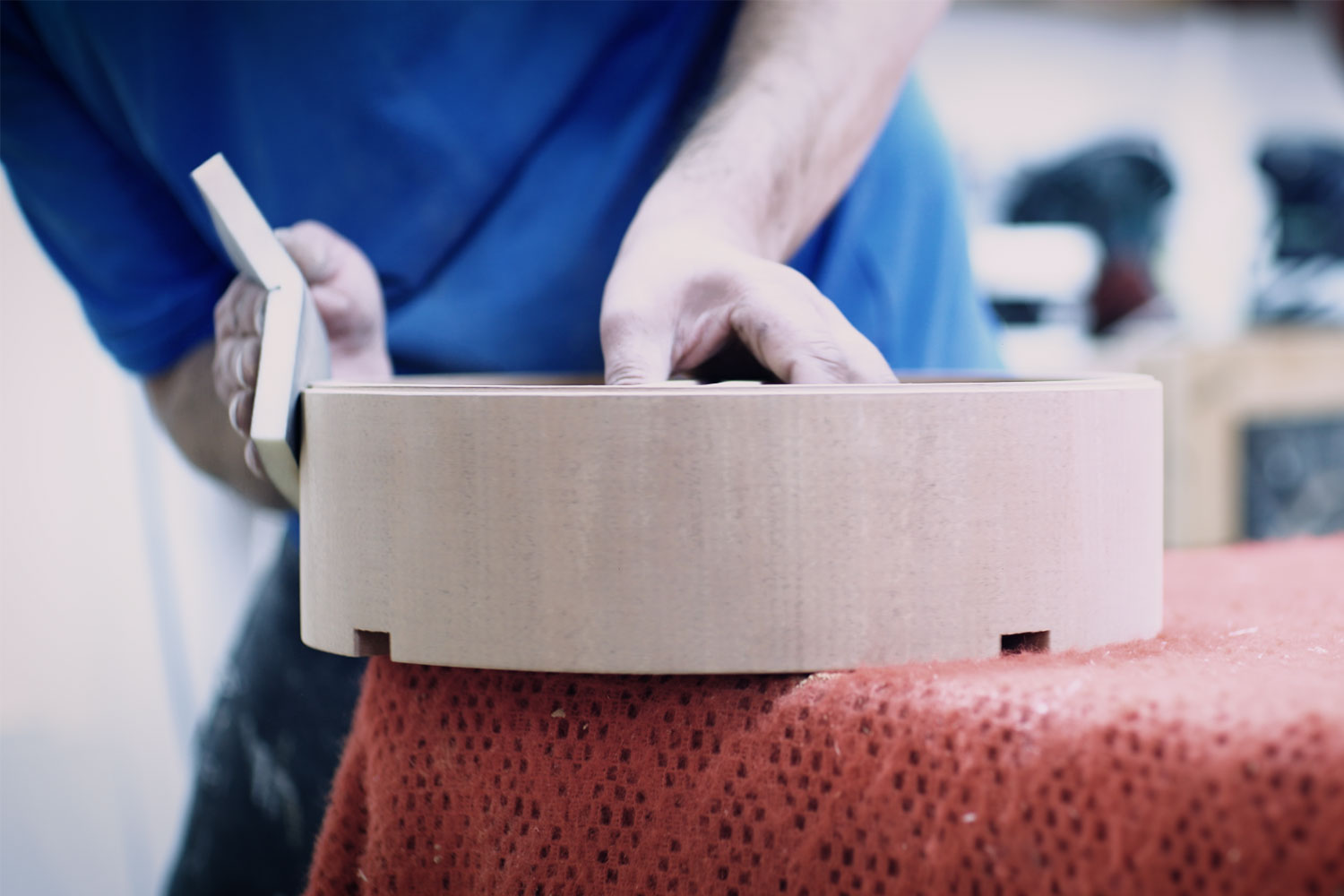
Every puzzle takes between three to five days to make, depending on the design and size. I spend a day mounting and designing the puzzle. I will quarter the puzzle to get it into smaller sections before laying out silhouettes. The next few days are spent cutting the puzzle out.
The story building aspect of the design is critical. I am trying to take something that is beautiful and make it even better. Finding ways to incorporate different aesthetic mediums to the work to add dimensions or texture are the ultimate goals. That is what makes my practice unique.
Justin Madden
Par Puzzles
Board game maker
Huntington, NY, USA
ADDRESS
Address upon request, Huntington, NY, USA
AVAILABILITY
By appointment only
PHONE
+1 5165109405
LANGUAGES
English
Homo Faber Finds is a new service aiming to inspire admirers of craft to connect and collaborate with exceptional artisans.
We invite you to submit an enquiry here.