Julia de la Cal
La Parabólica
Basketweaver
O Porriño, Spain
Recommended by Contemporánea de Artes y Oficios
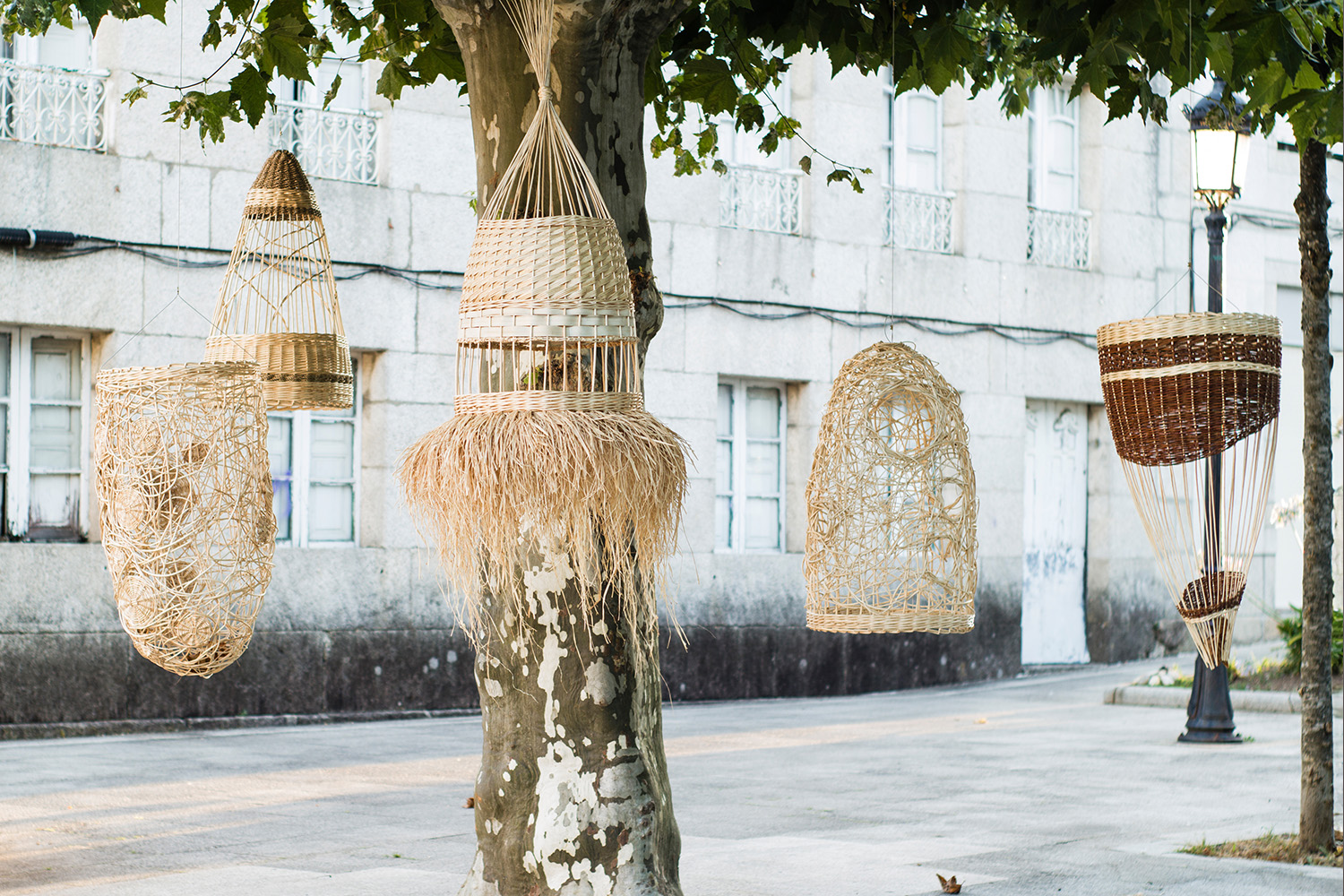
A love for the eccentric
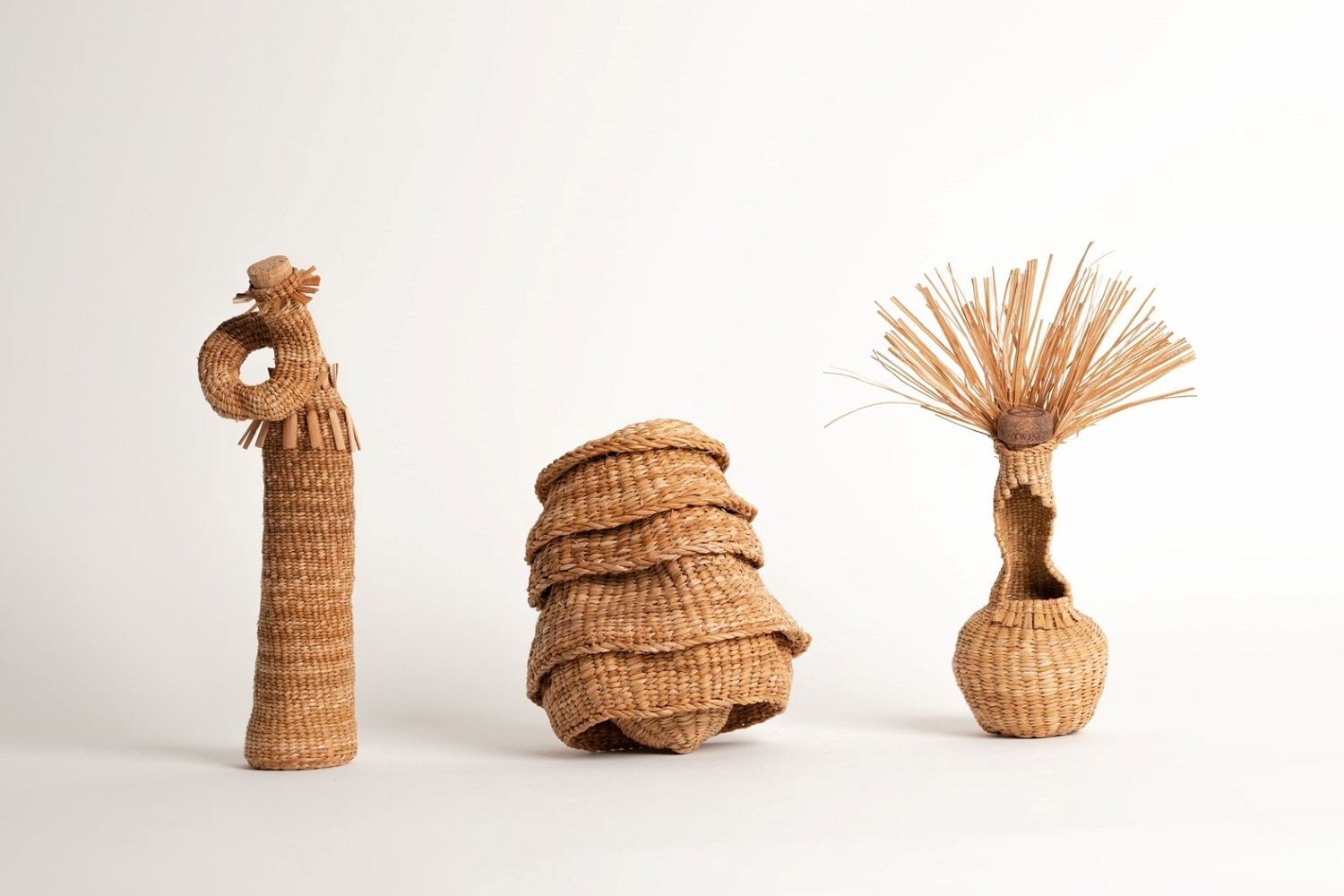
- Julia primarily works with wicker
- She defines her work as eccentric
- She has expanded her knowledge by working with other artisans
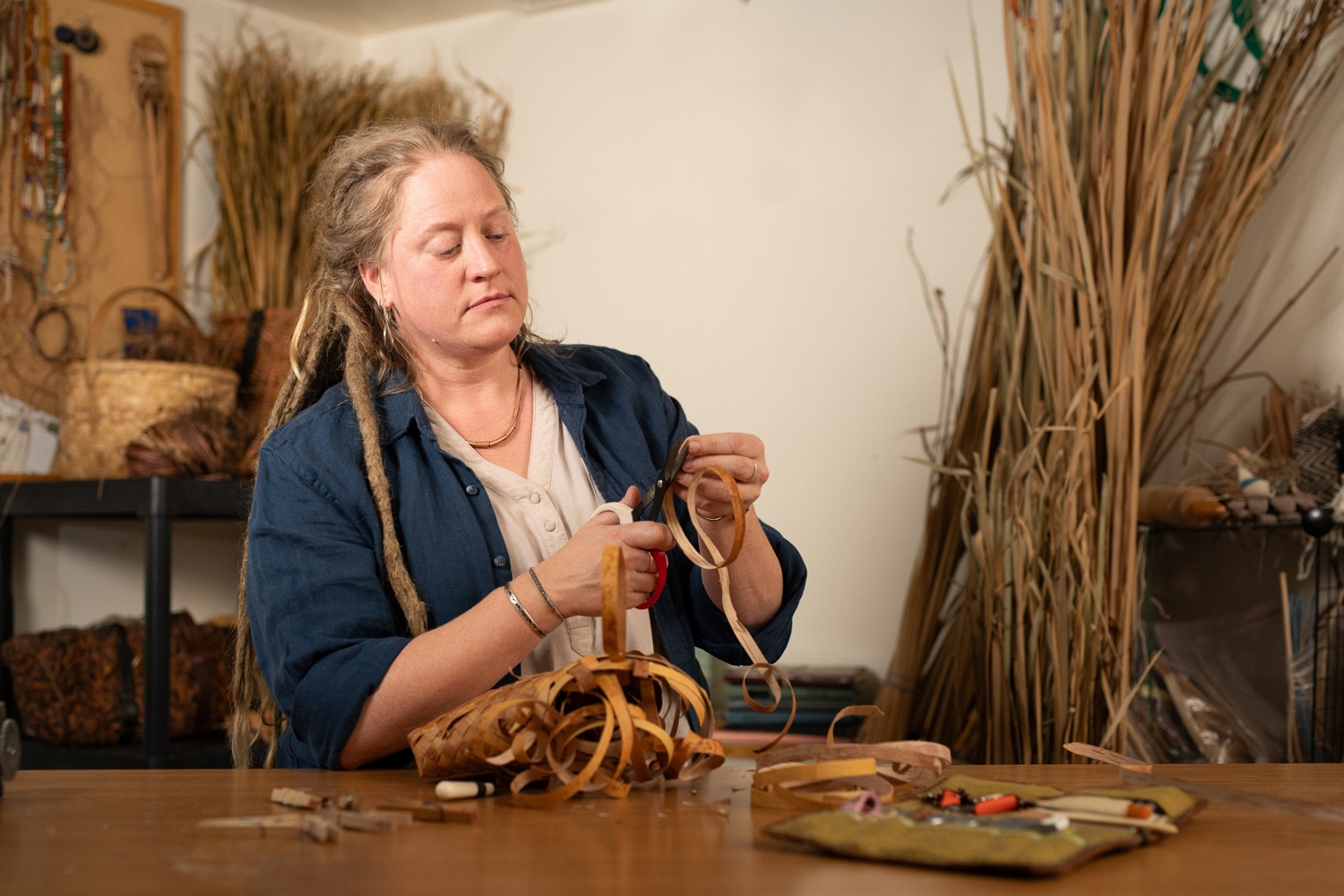
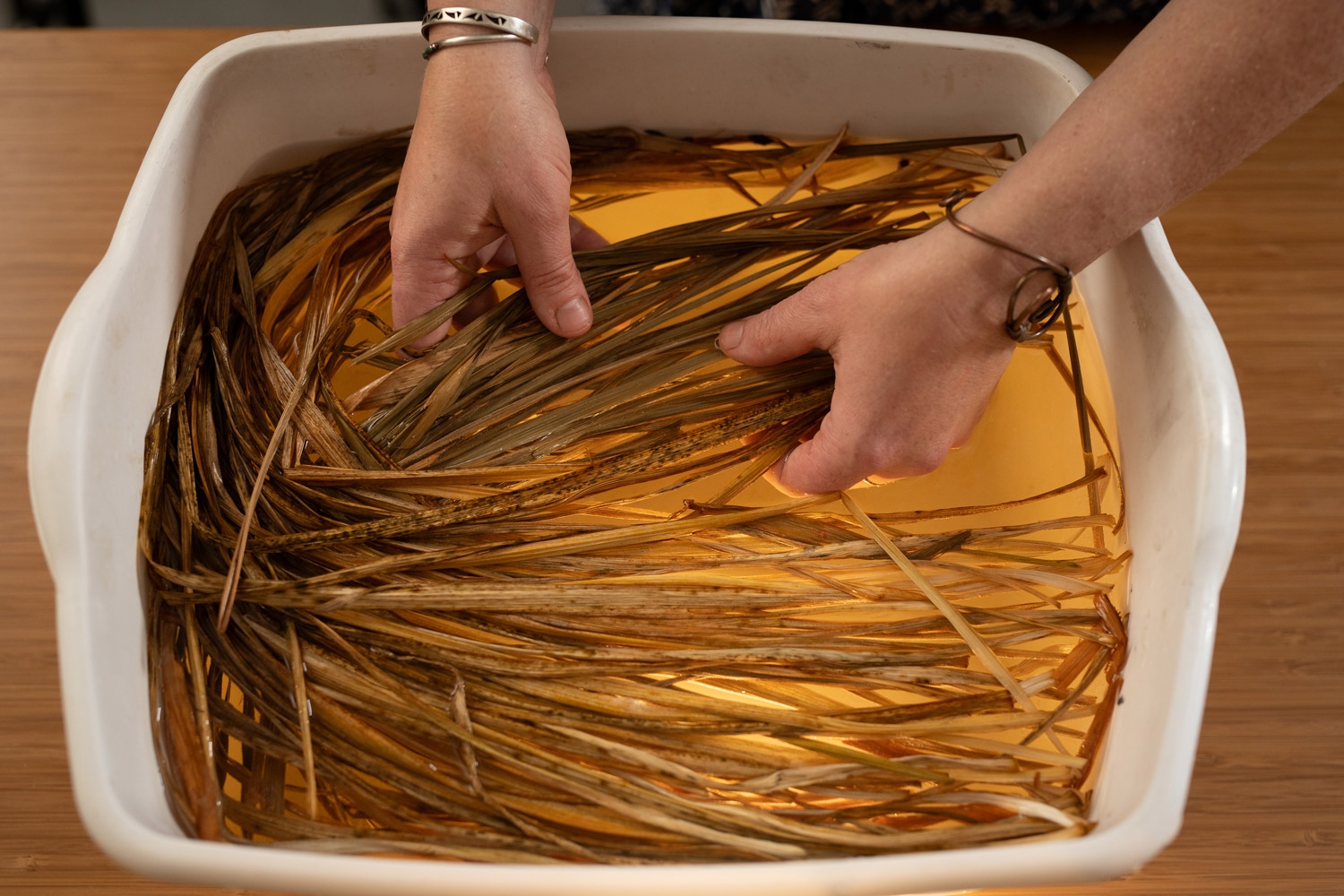
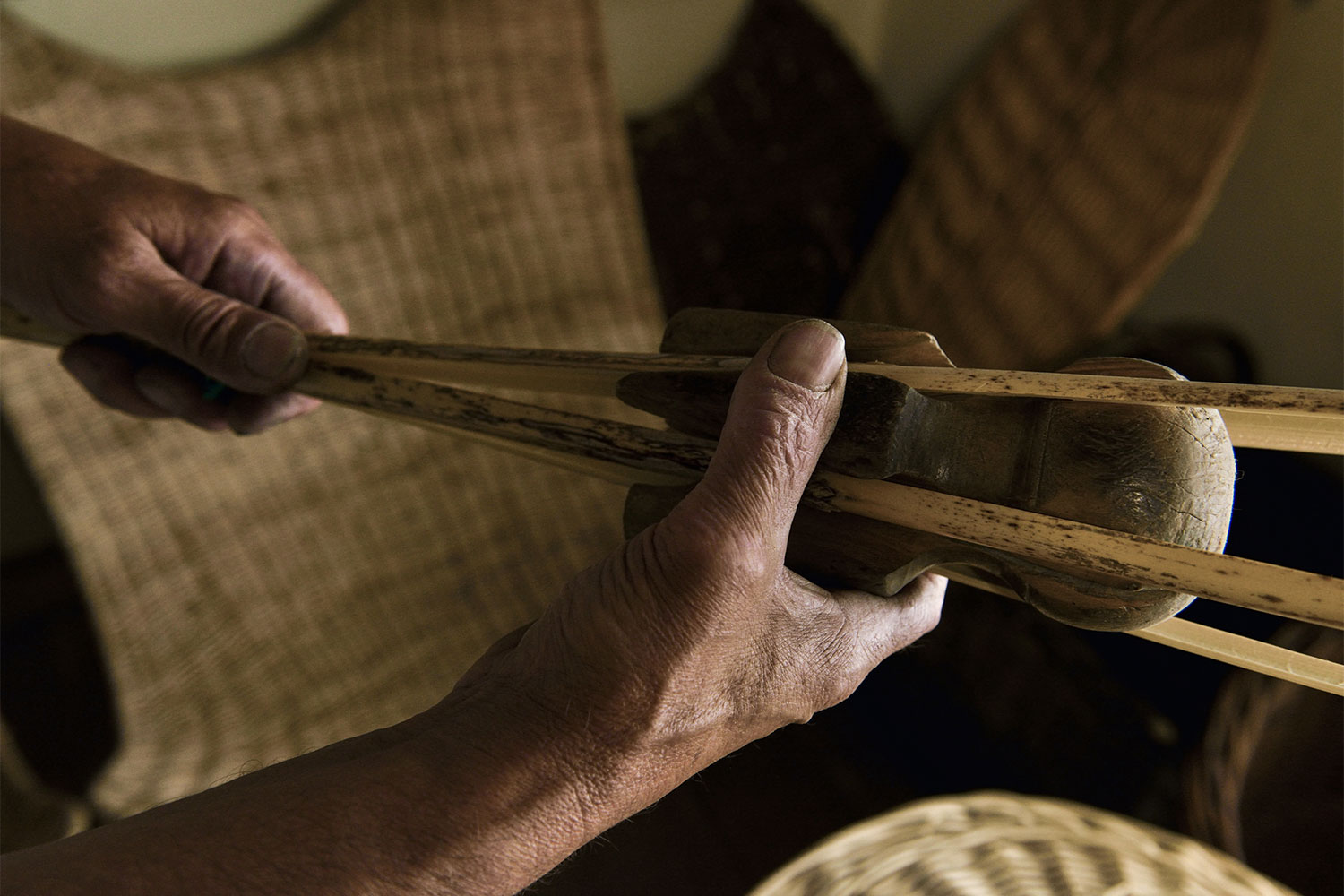
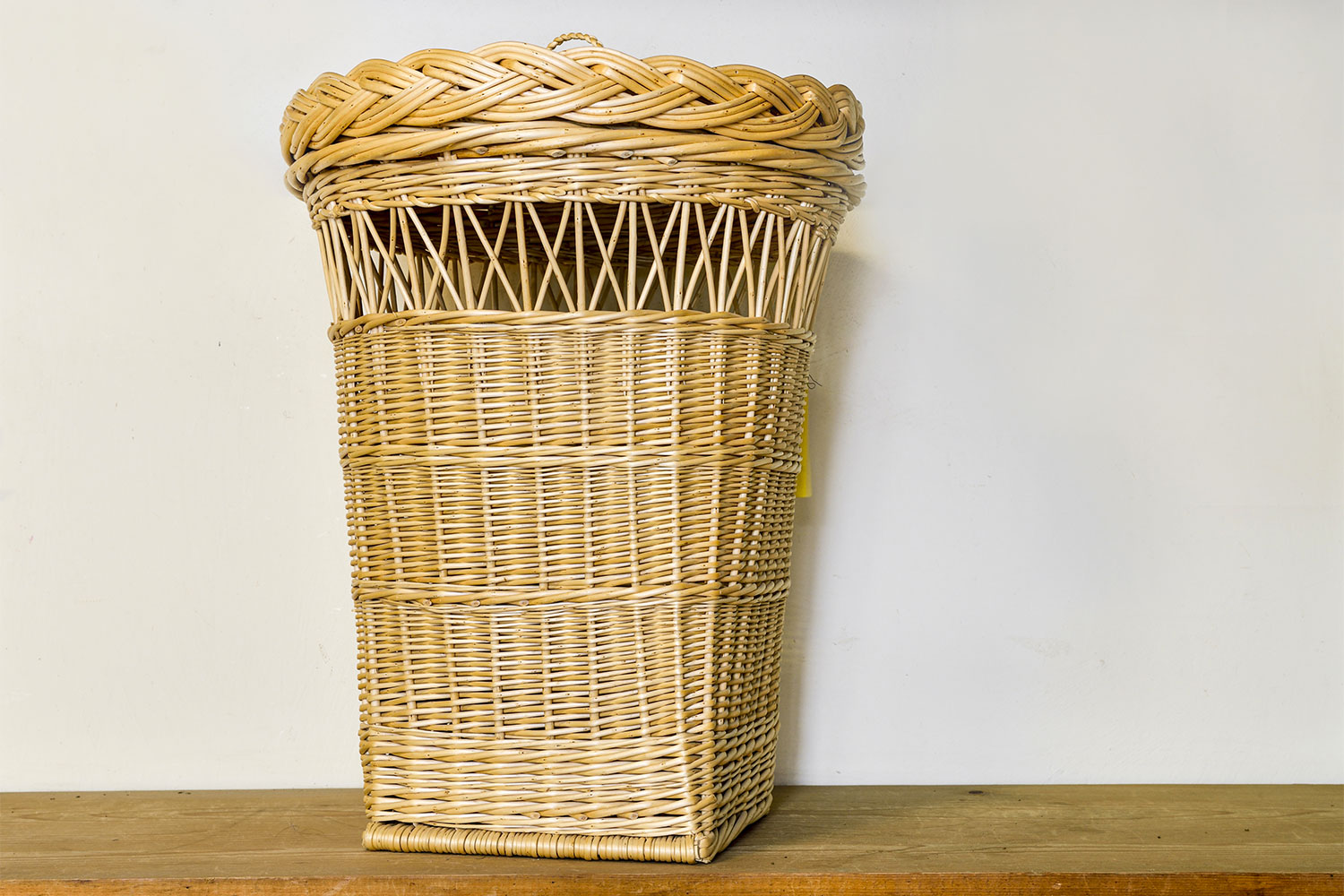
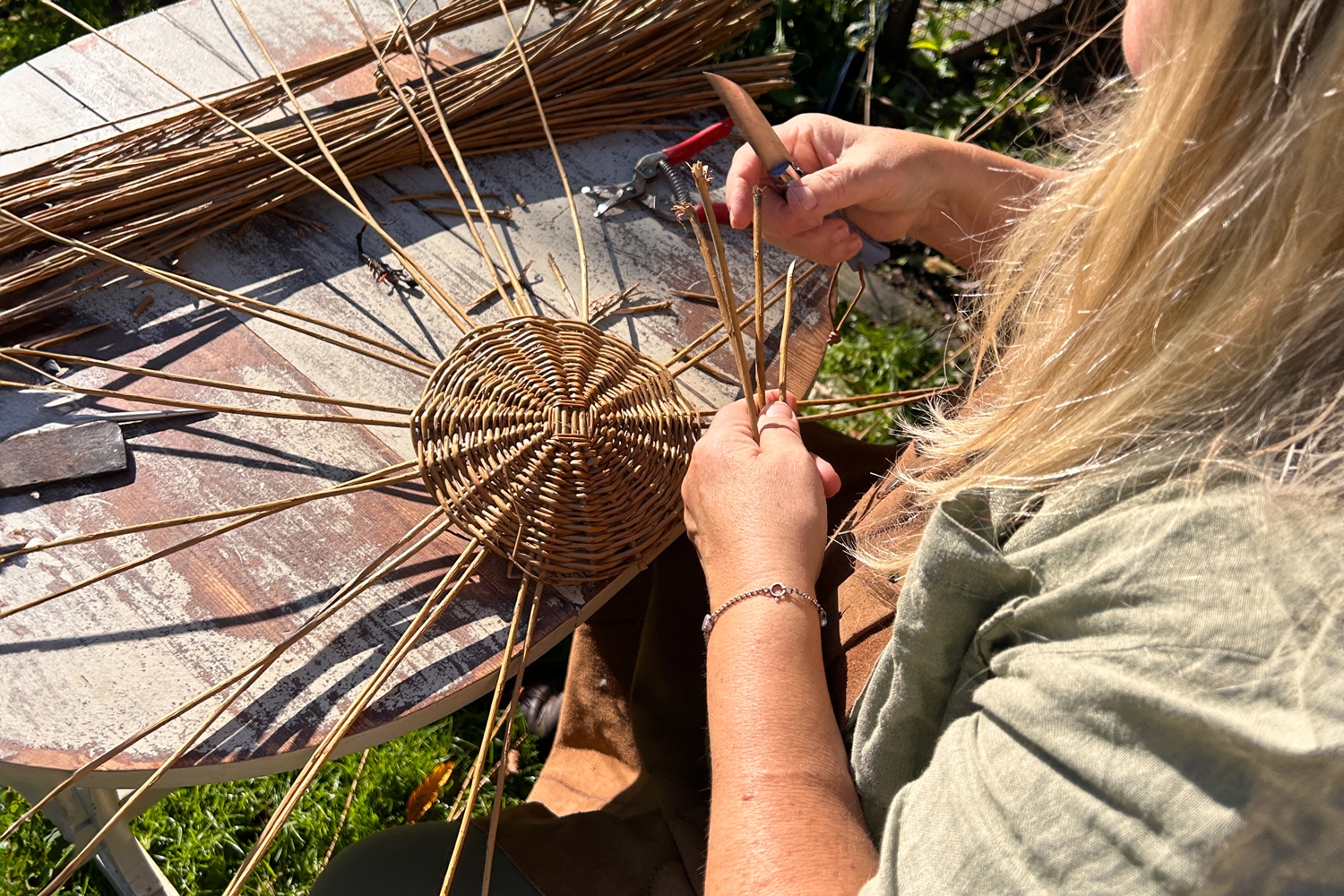
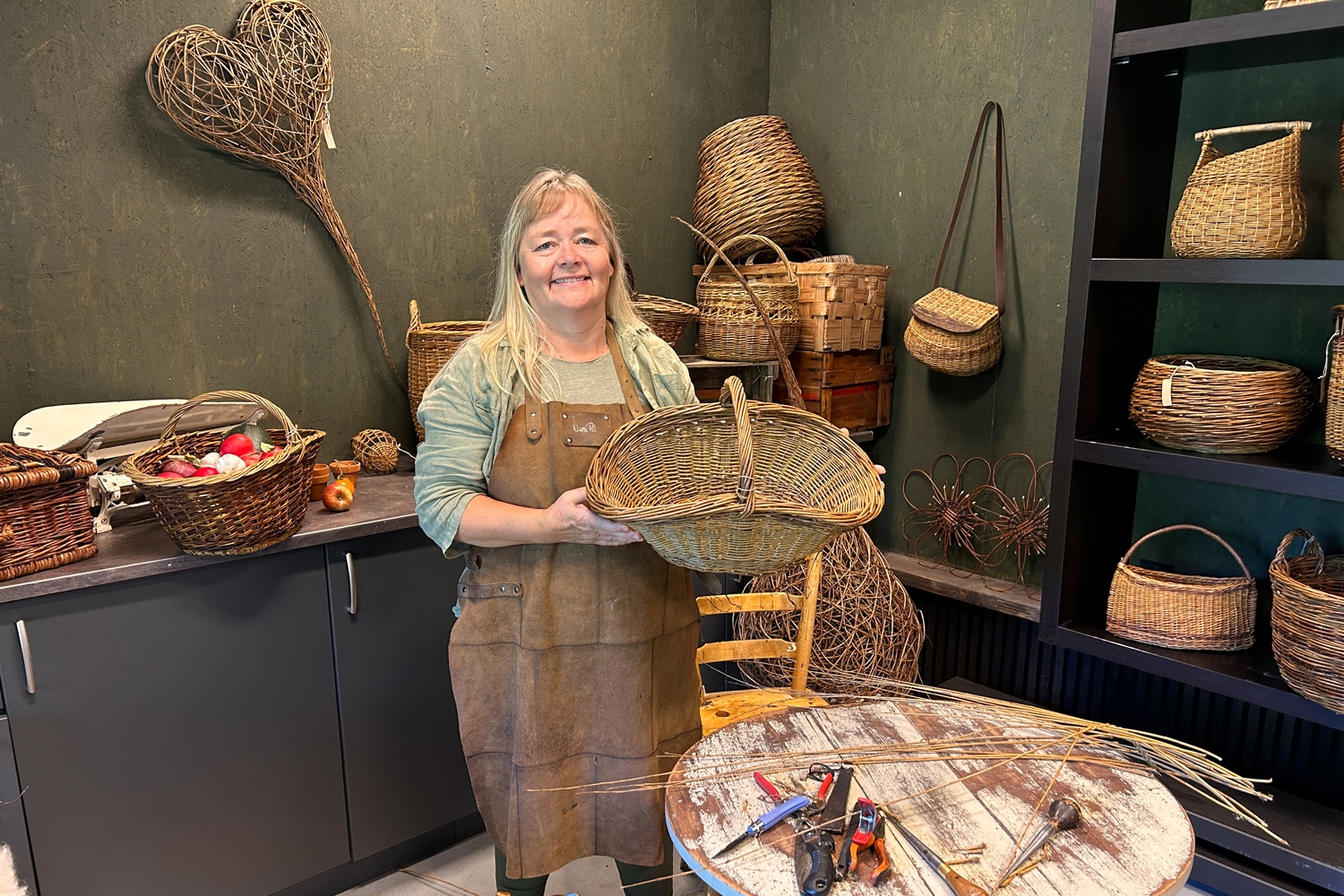
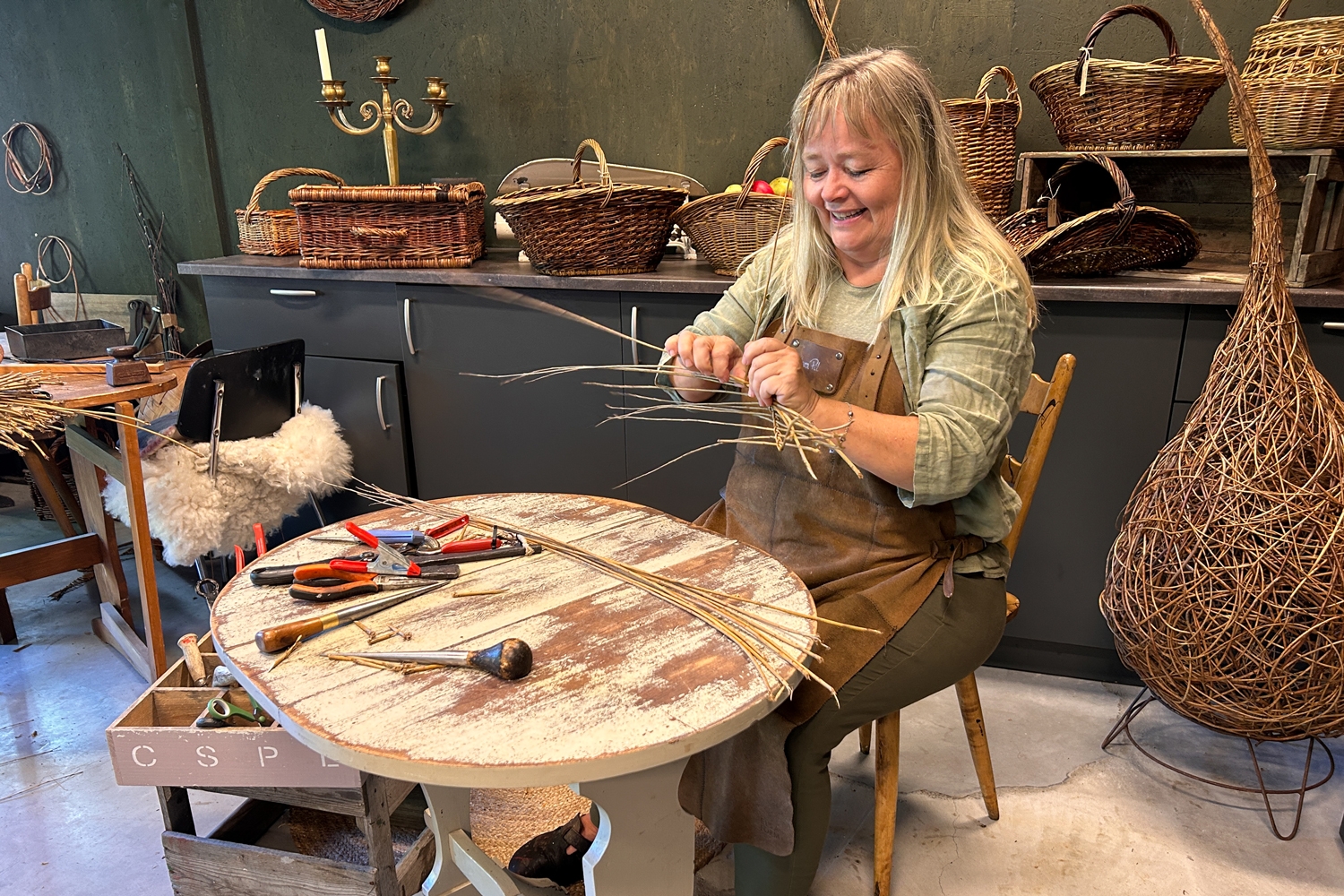
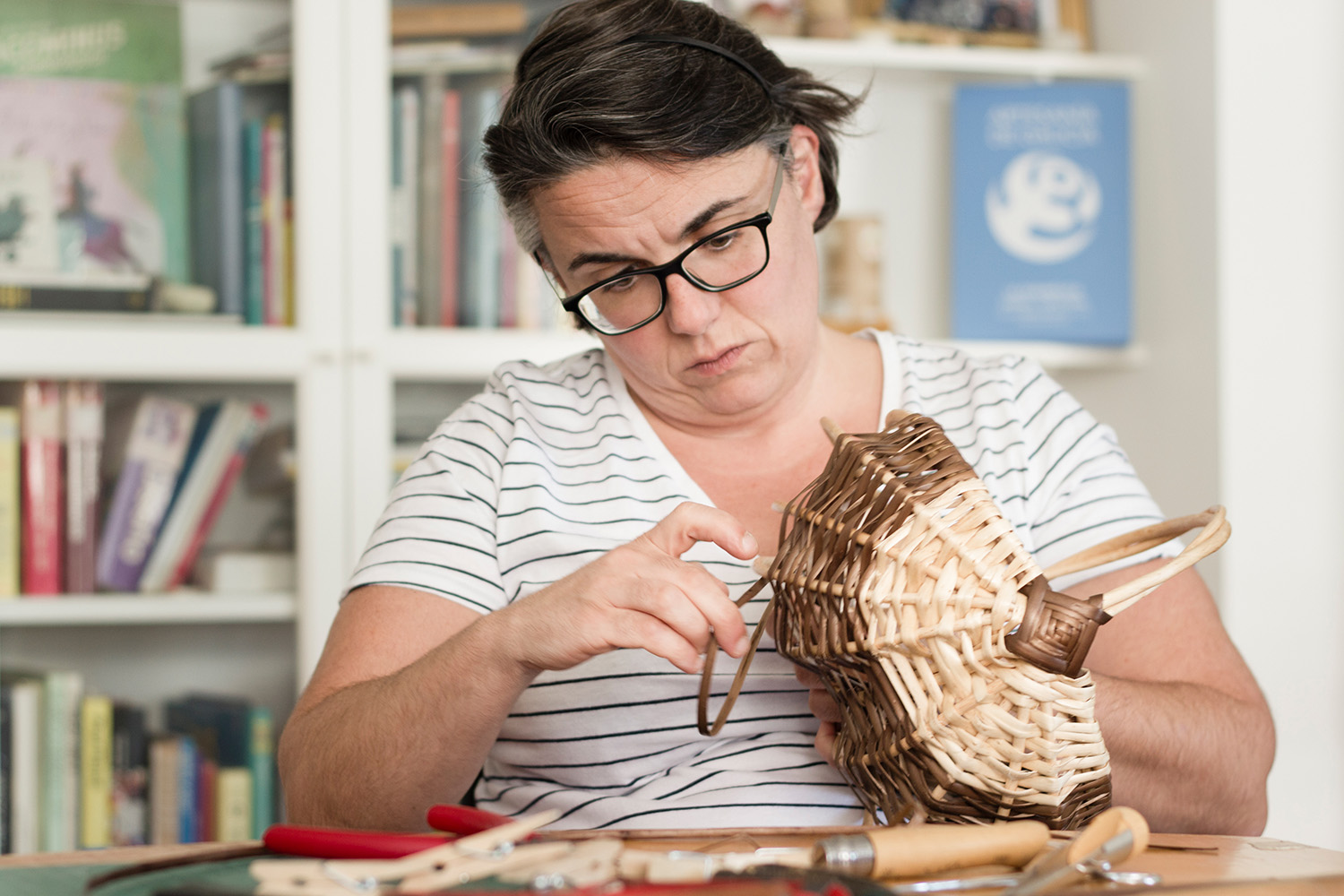
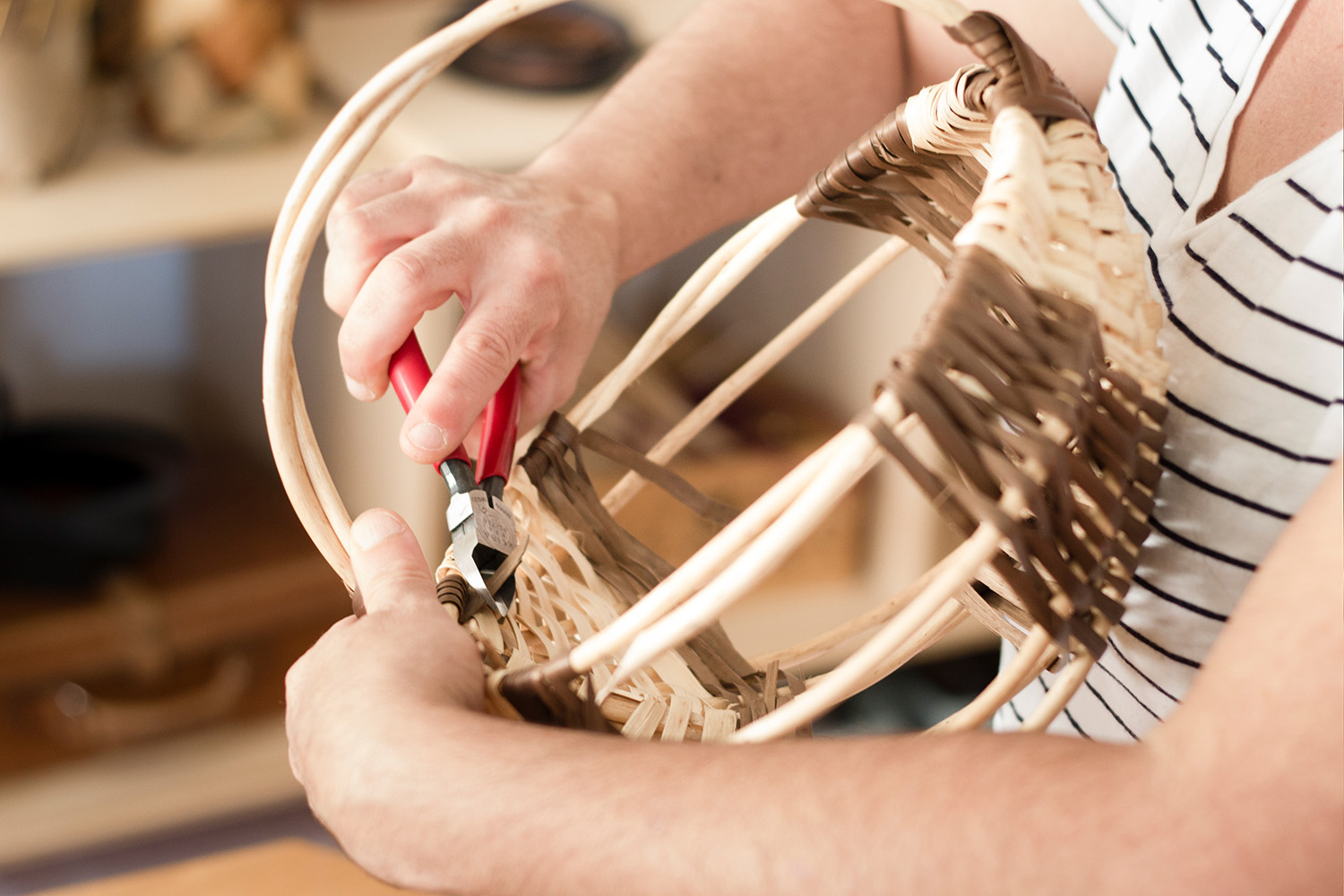
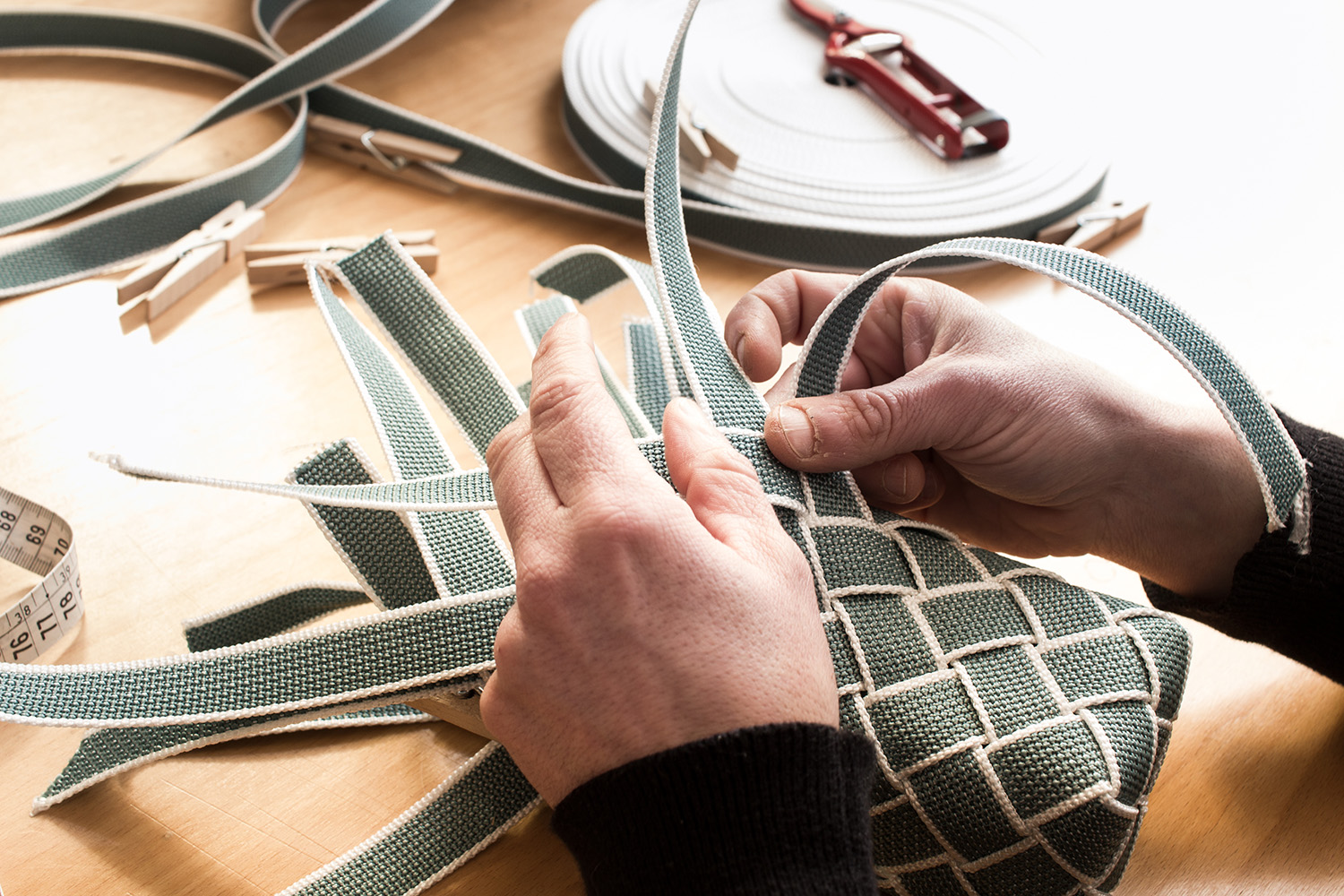
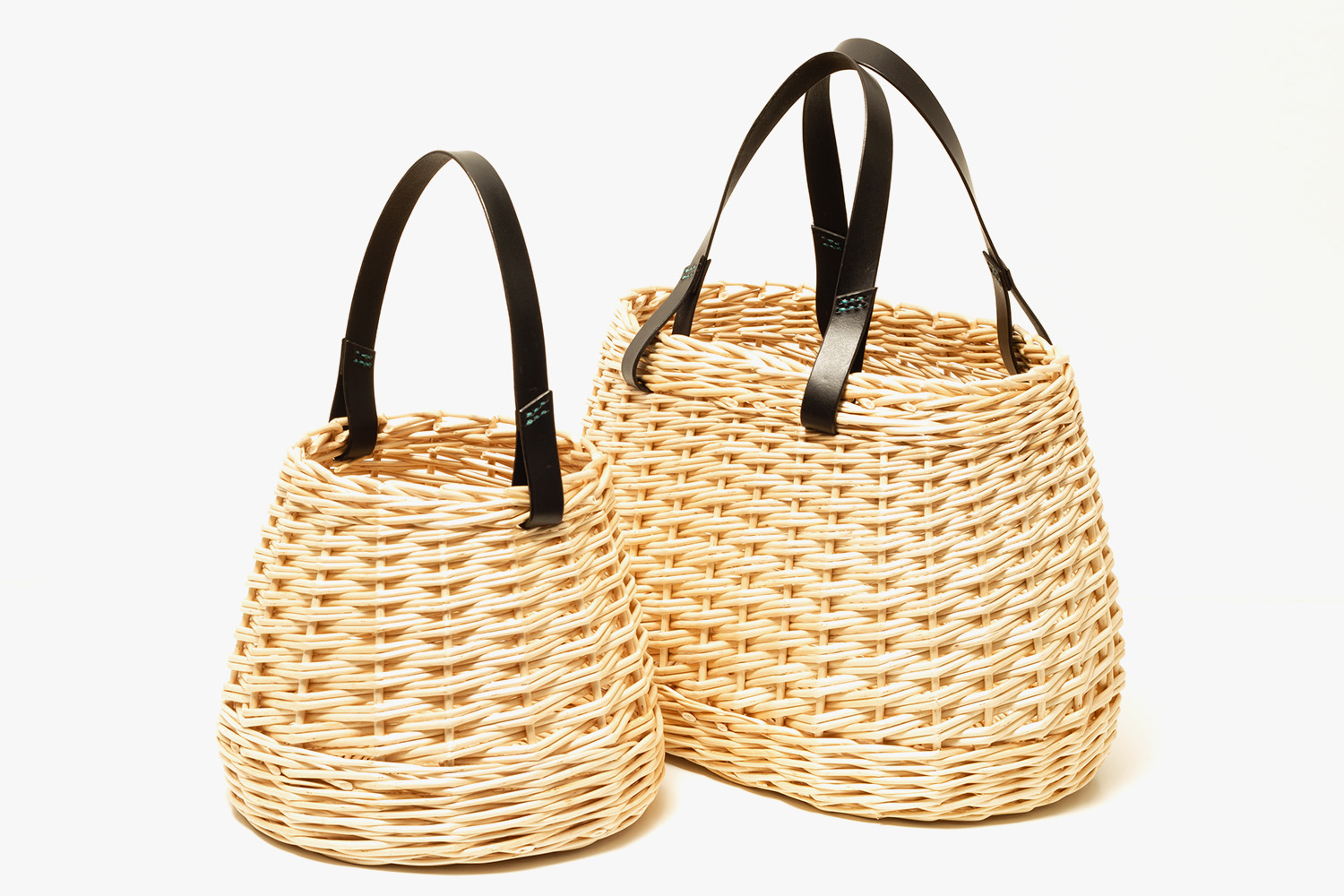
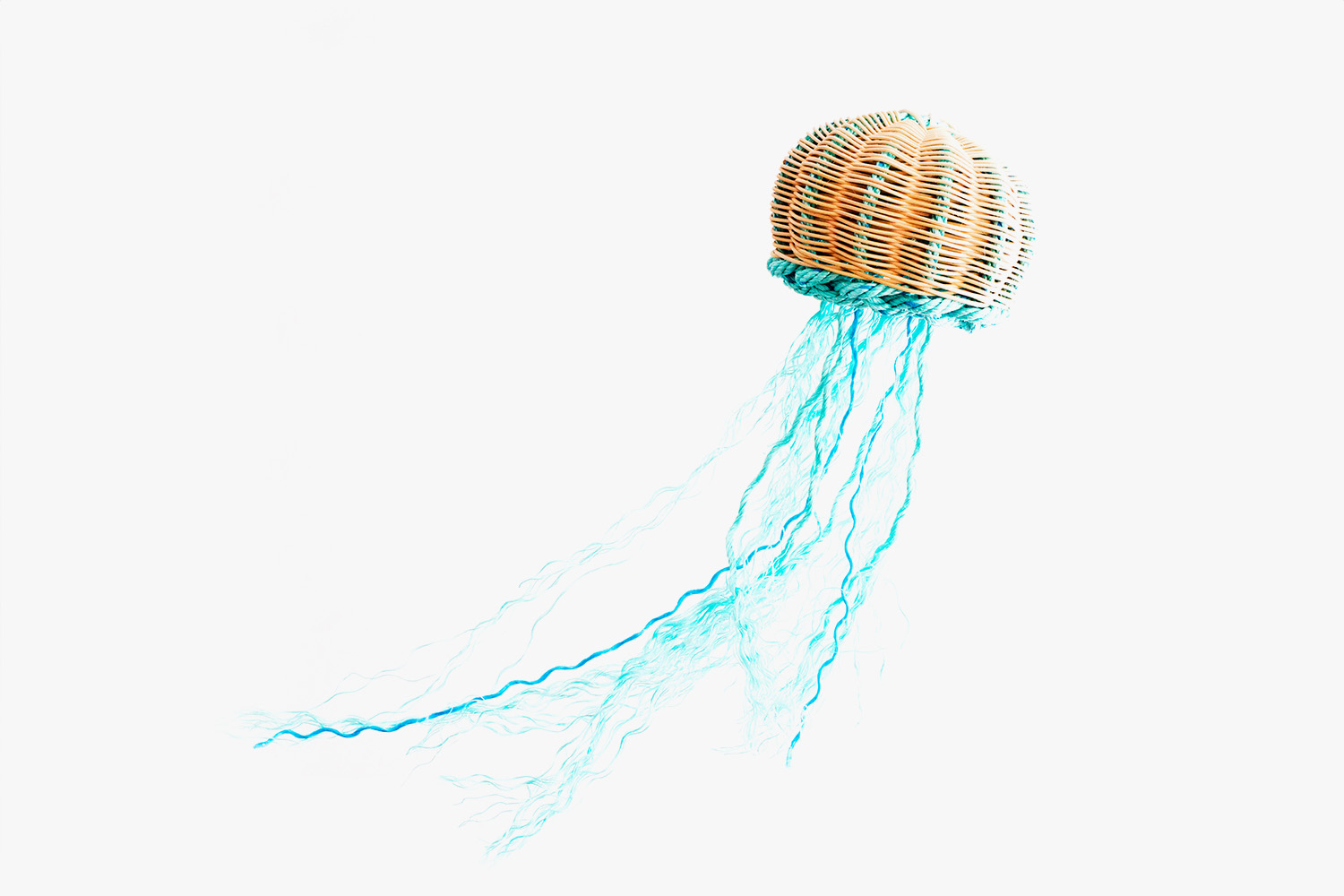
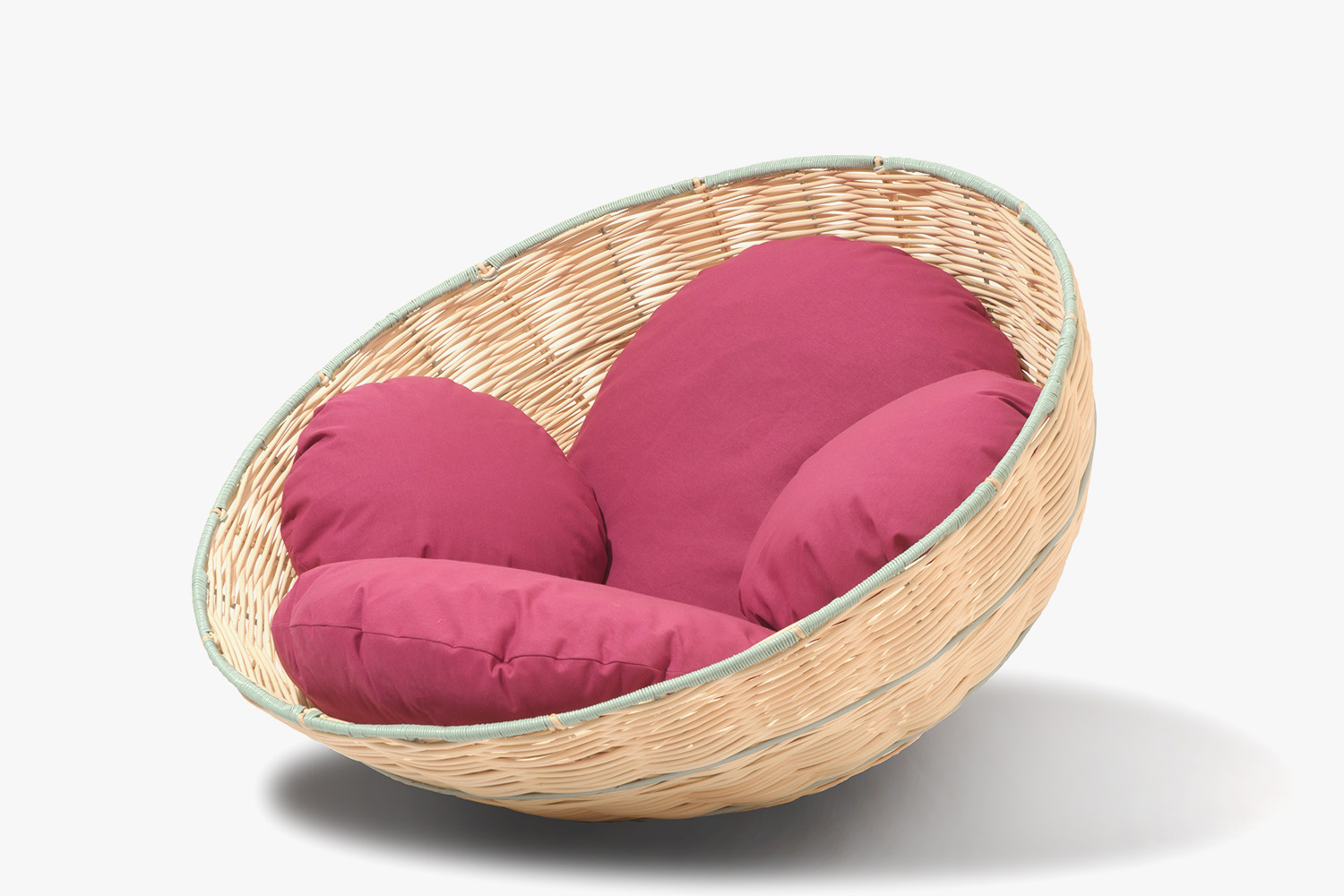
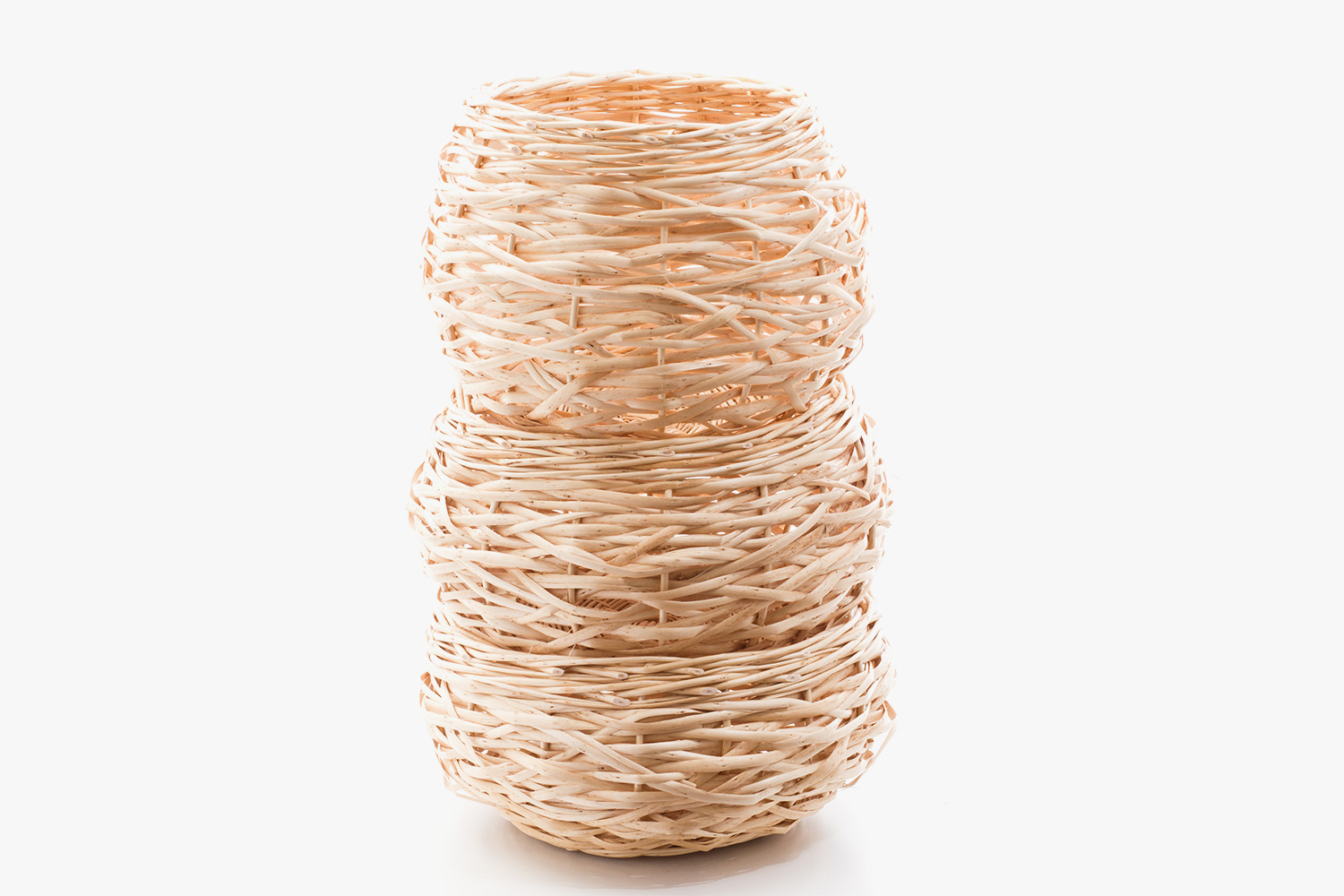
In 2004, after completing her training in illustration in La Coruña, Julia de le Cal moved to Barcelona to study graphic and industrial design at the Escola Massana. She later completed the Off Massana Postgraduate Workshop to work from the plurality of artistic languages, artistic craftsmanship, and design. "That is how my journey in the world of basketry began," she says. "I am interested in exploring the role of applied arts in contemporary lifestyles, with a transdisciplinary approach and from the common territory of arts and design. My specialty is rod basketry, applying methods specific to this craft and other disciplines. Within this universe, wicker is one of the main materials. However, the workshop is a space for research where all kinds of materials are applied – natural fibres, wood, fabrics, cordage, nautical textiles, cellulose fibres, paper, or recycled plastics."
INTERVIEW
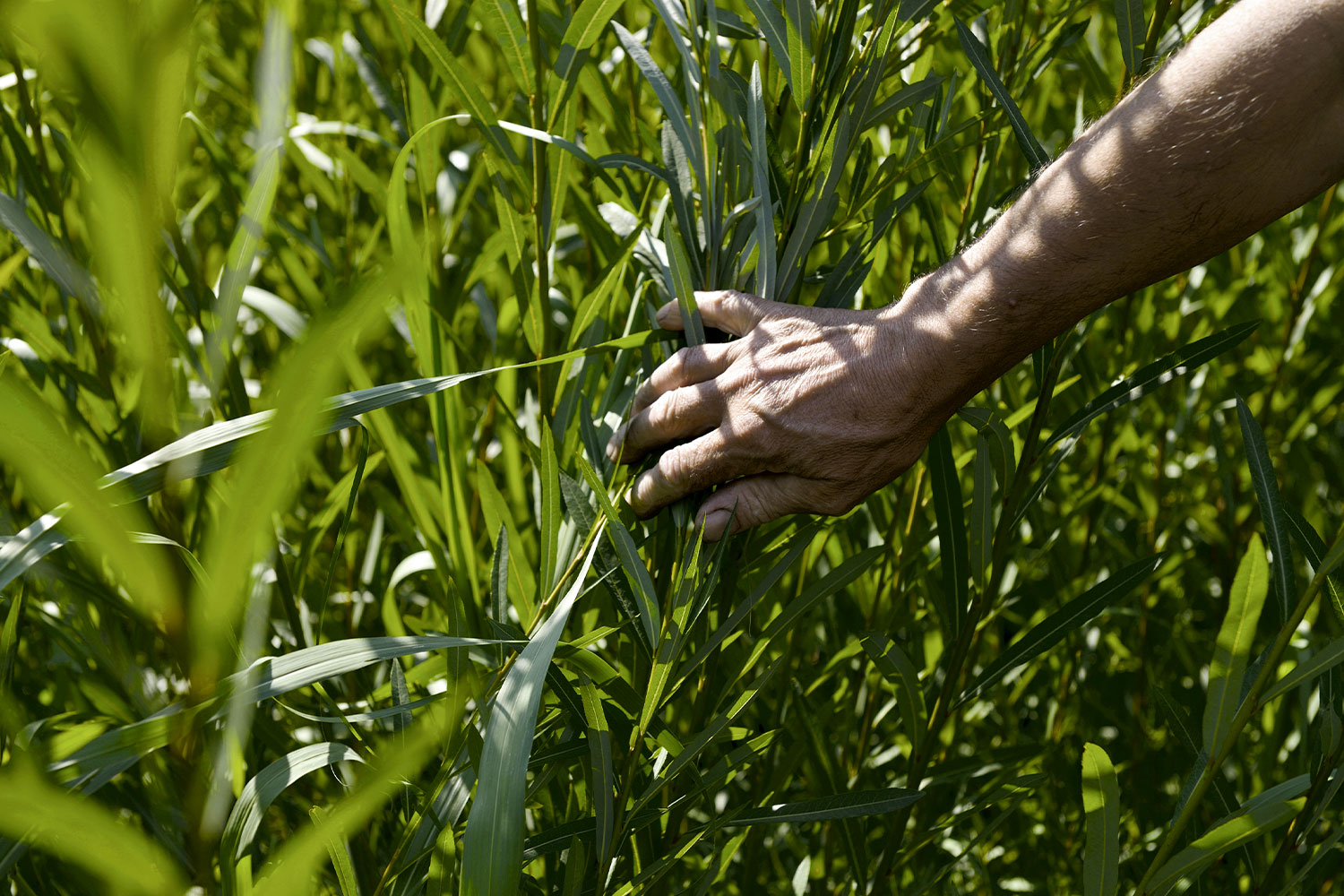
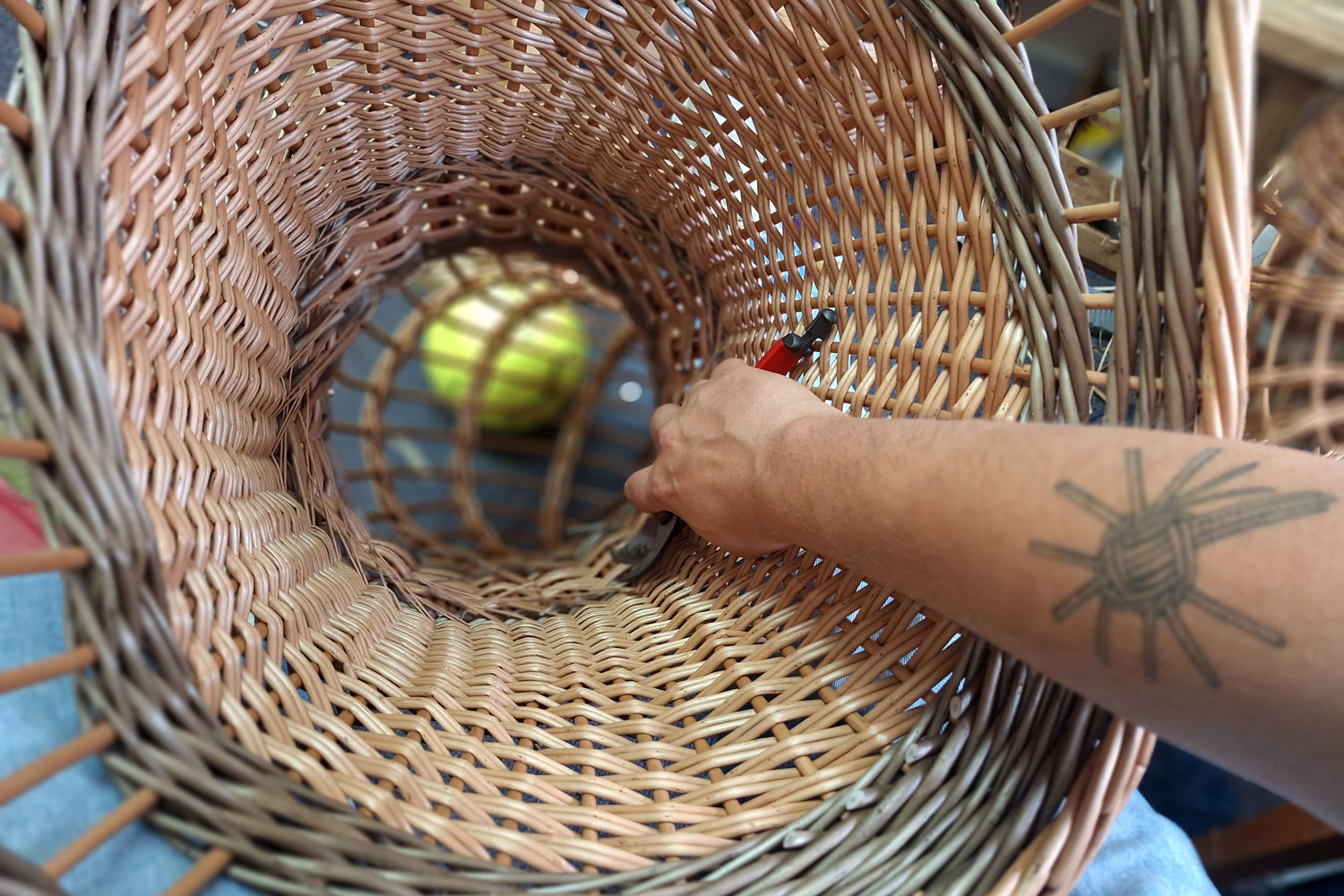
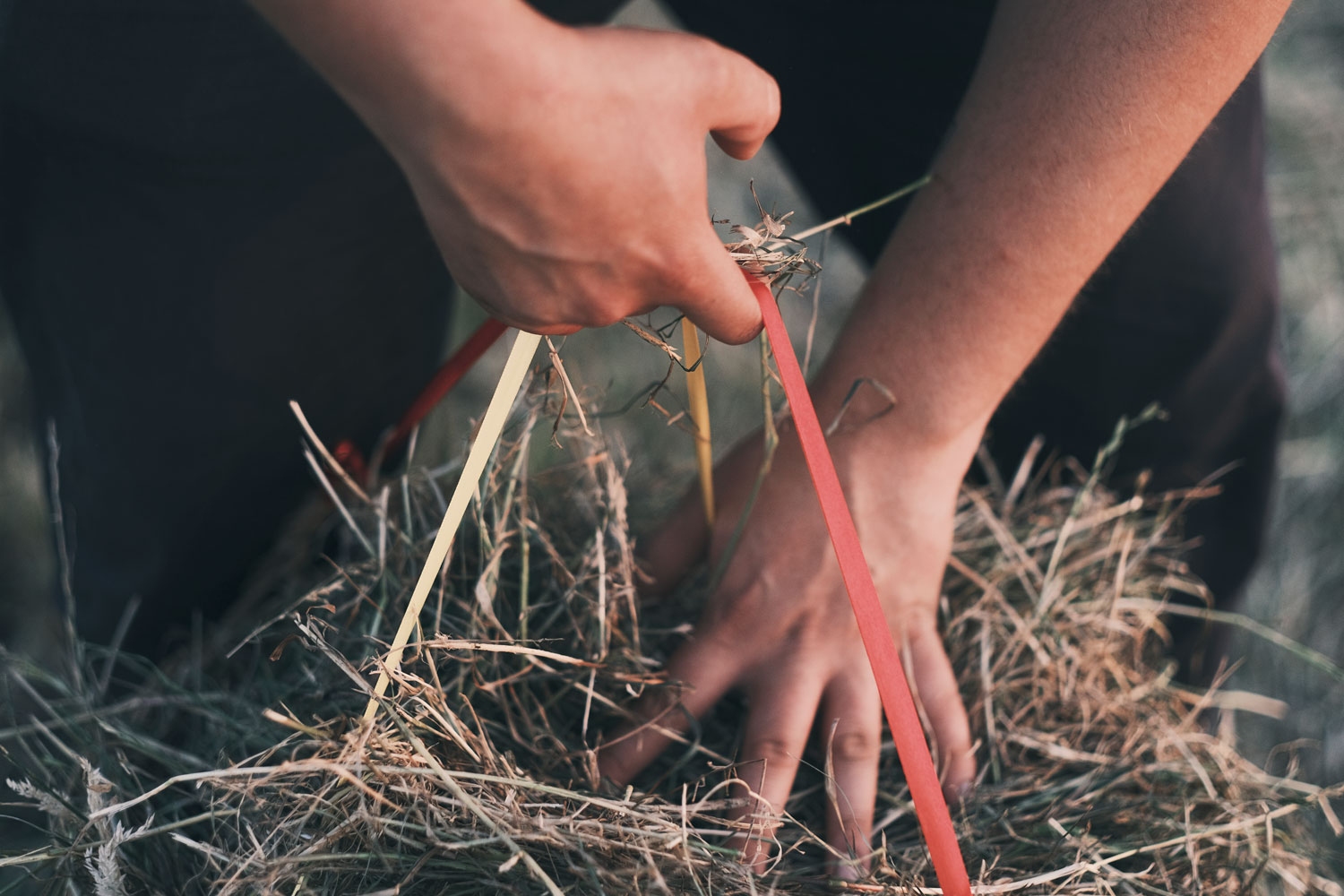
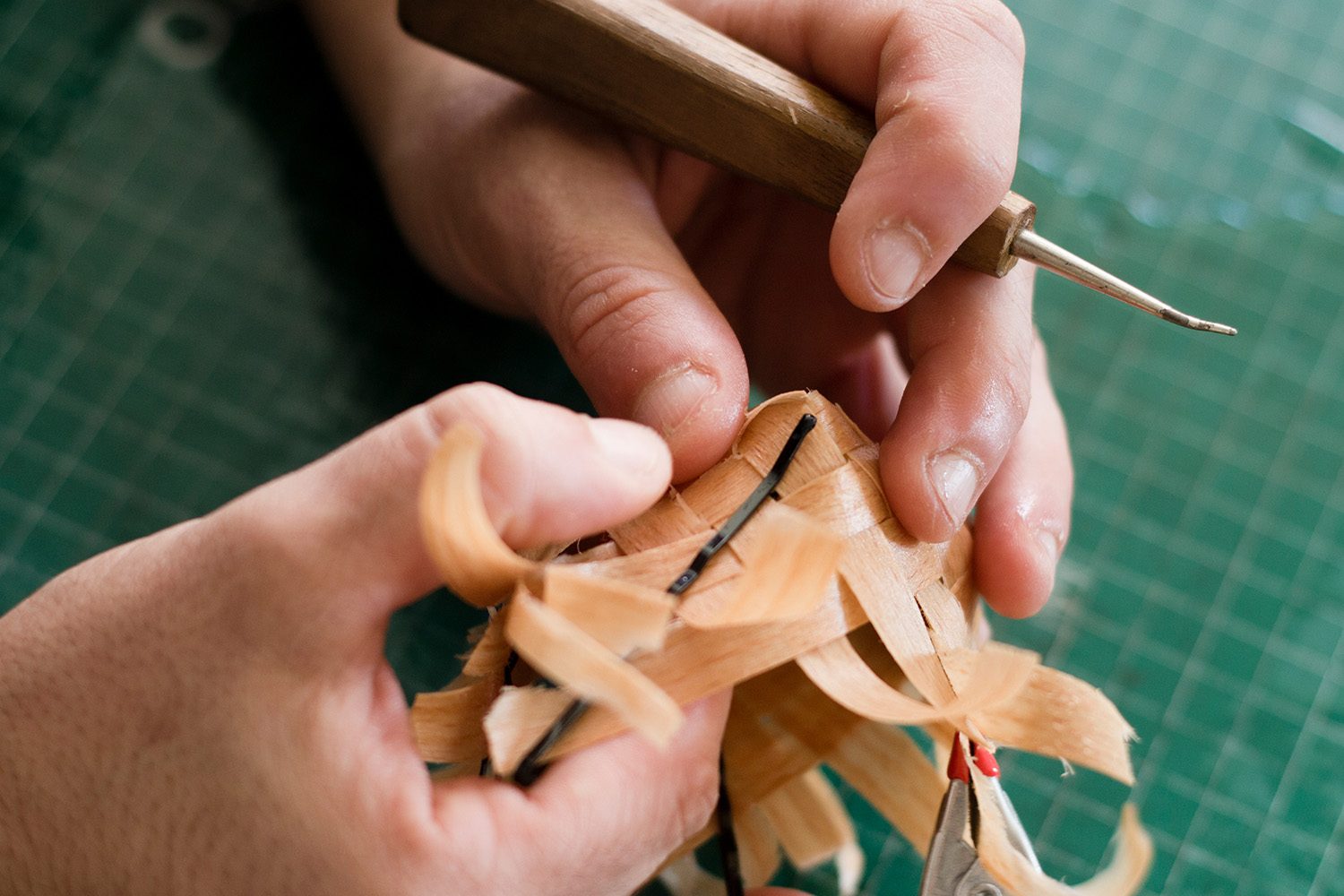
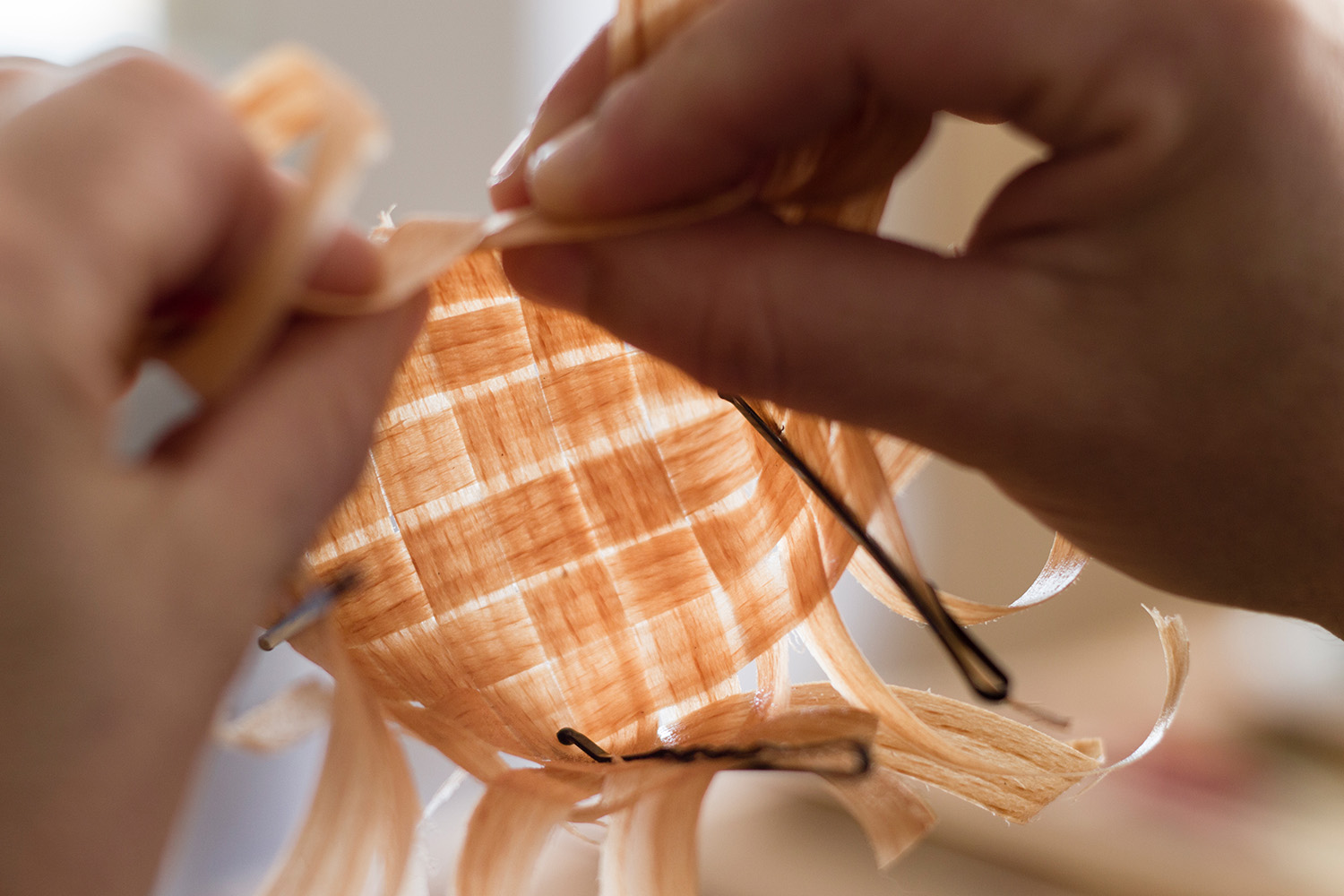
I have a small cultivation of wicker, including native varieties and eight European varieties that I primarily use for live wicker construction. I select and utilise resources from the environment, such as eucalyptus bark, which I apply in diagonal basketry. I also incorporate plant fibres and some synthetic materials produced in the Iberian Peninsula.
Looking back, I always enjoyed getting my hands dirty, and as I progressed in my career and my design studies, I realised that in the workshop, working with materials, tools, and techniques, I felt very comfortable in that designing-thinking and making-manufacturing space. In reality, craftsmanship and design share the same raison d'être.
If we understand design as a methodology that aims to offer functional solutions to a problem or respond to a need, we see that craftsmanship is also a set of tools and strategies to improve our lives, our relationship with the environment, and with others. Paraphrasing Enzo Mari, it is not so much about making beautiful things to sell as it is about thinking about how the world we would like to live in should be.
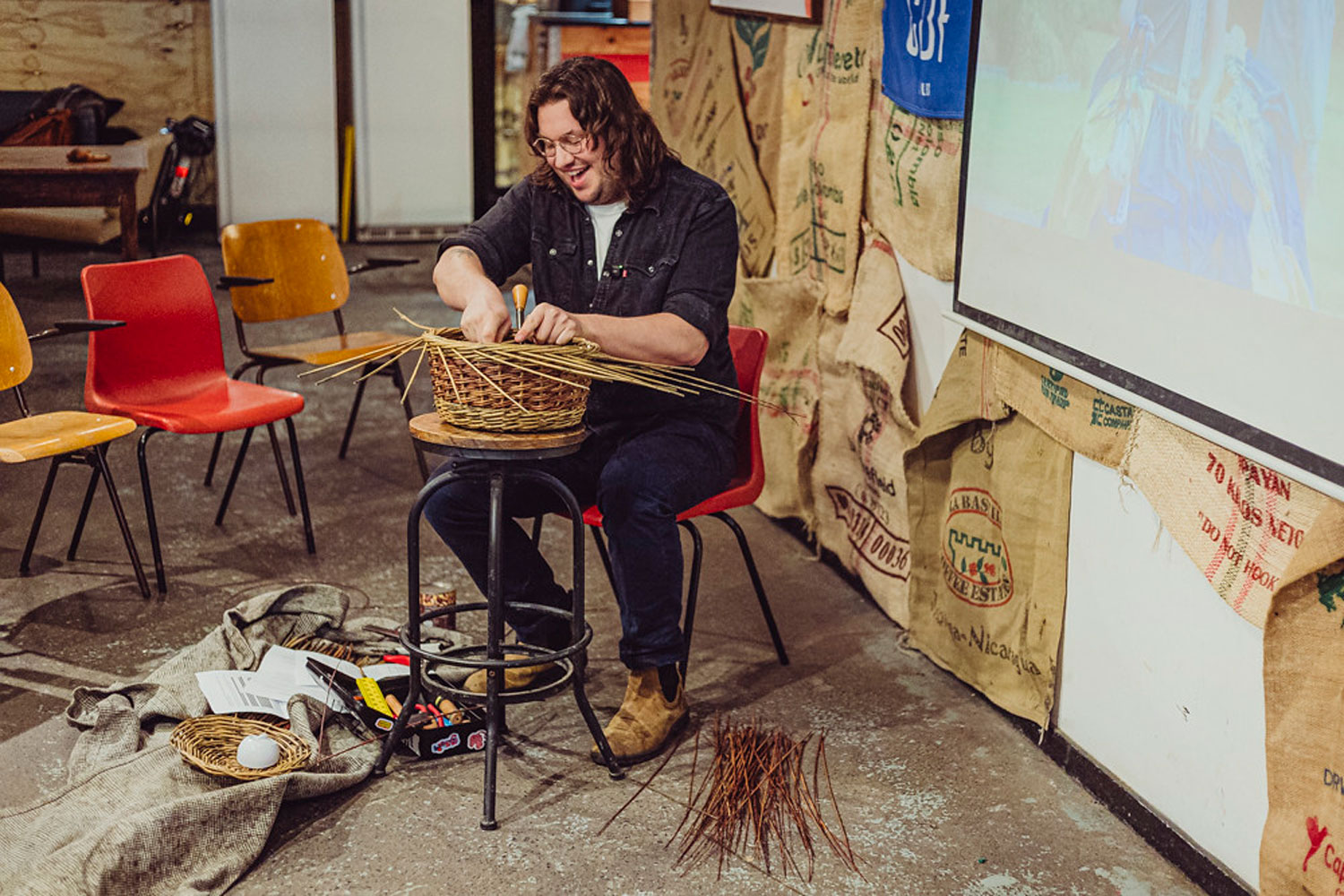
Collaborative actions and workshops can be more than the transfer of knowledge; they can approach life experiences and be a way to weave networks. Working in a common space and sharing knowledge promotes the emergence of synergies, collective intelligence, and growth, not only through information but through experience.
Julia de la Cal
La Parabólica
Basketweaver
O Porriño, Spain
Recommended by Contemporánea de Artes y Oficios
AVAILABILITY
By appointment only
PHONE
+34 699616929
LANGUAGES
Spanish, English, Catalan, Galician
Homo Faber Finds is a new service aiming to inspire admirers of craft to connect and collaborate with exceptional artisans.
We invite you to submit an enquiry here.