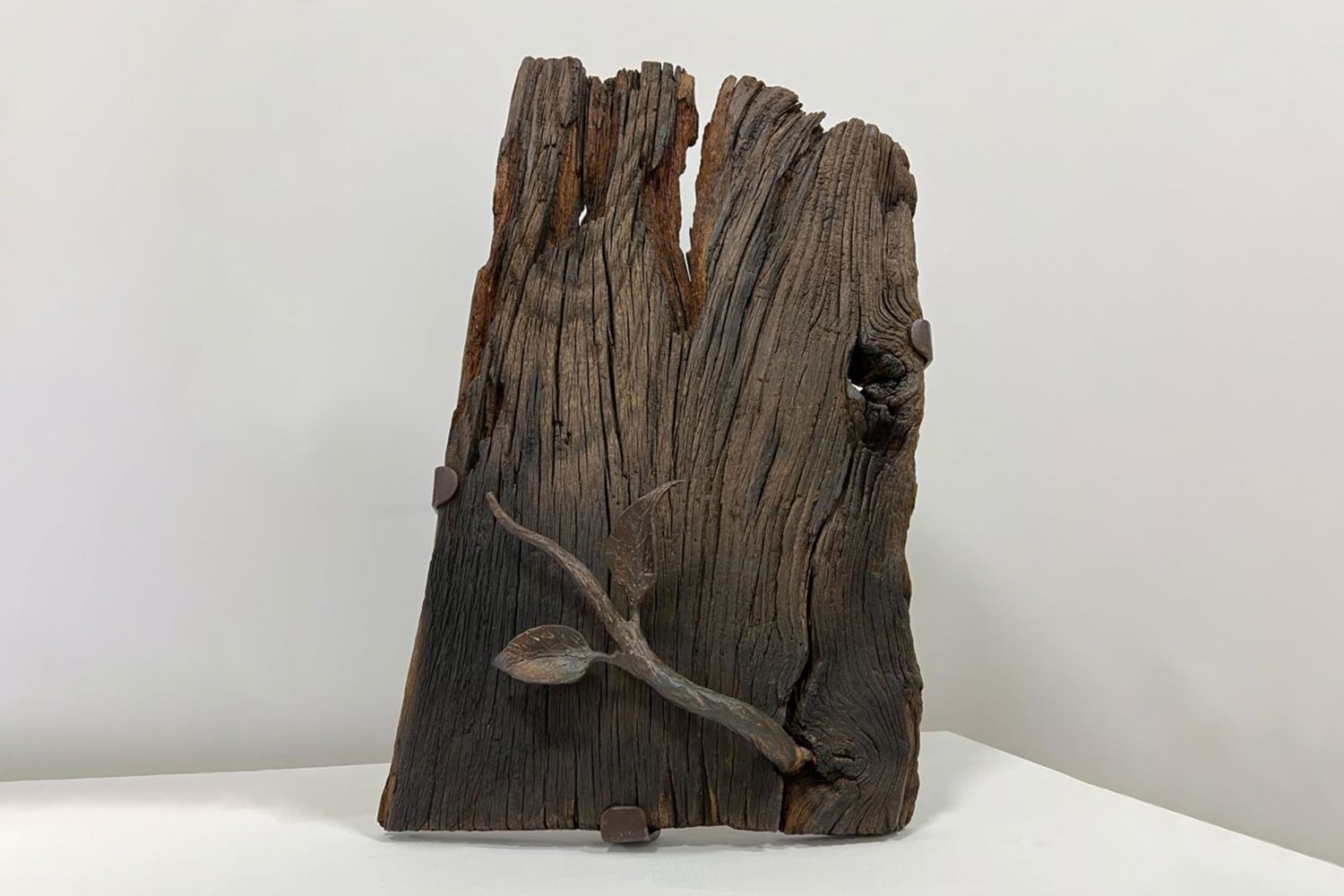
José Luis Esteban Huelamo
Blacksmith
Villarejo de Fuentes, Spain
A lifelong passion for blacksmithing
- José Luis is the third generation in his family to be a blacksmith
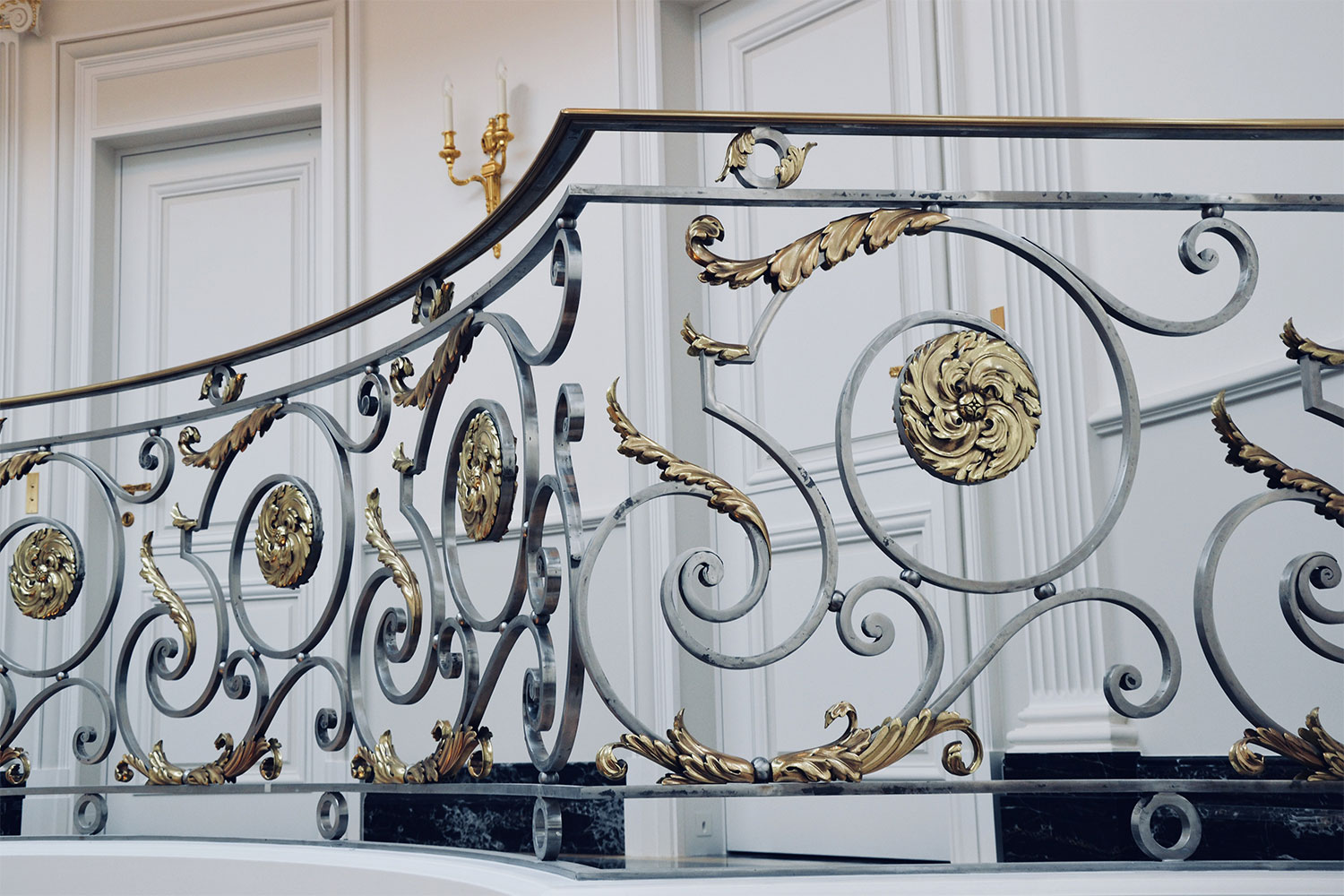
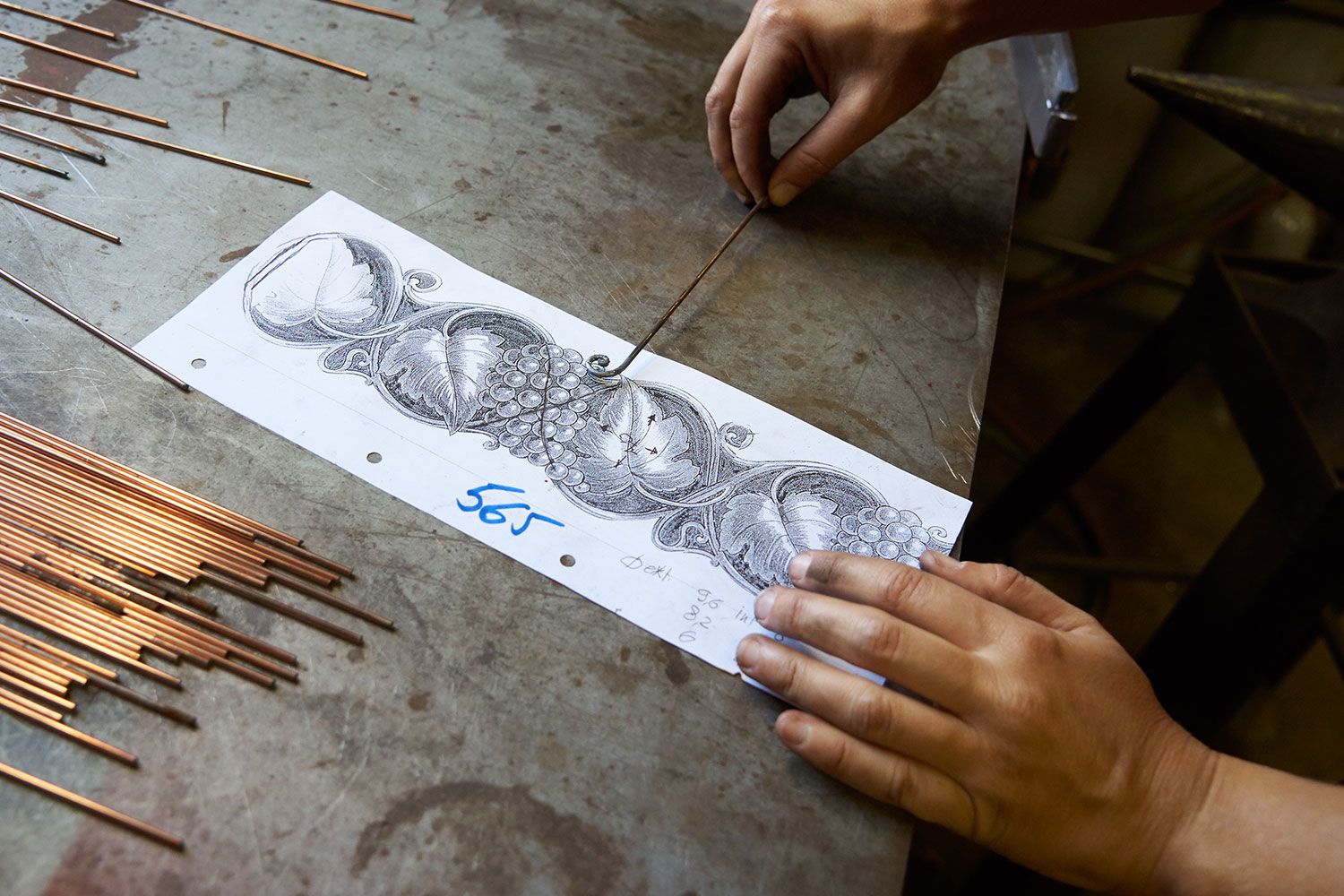
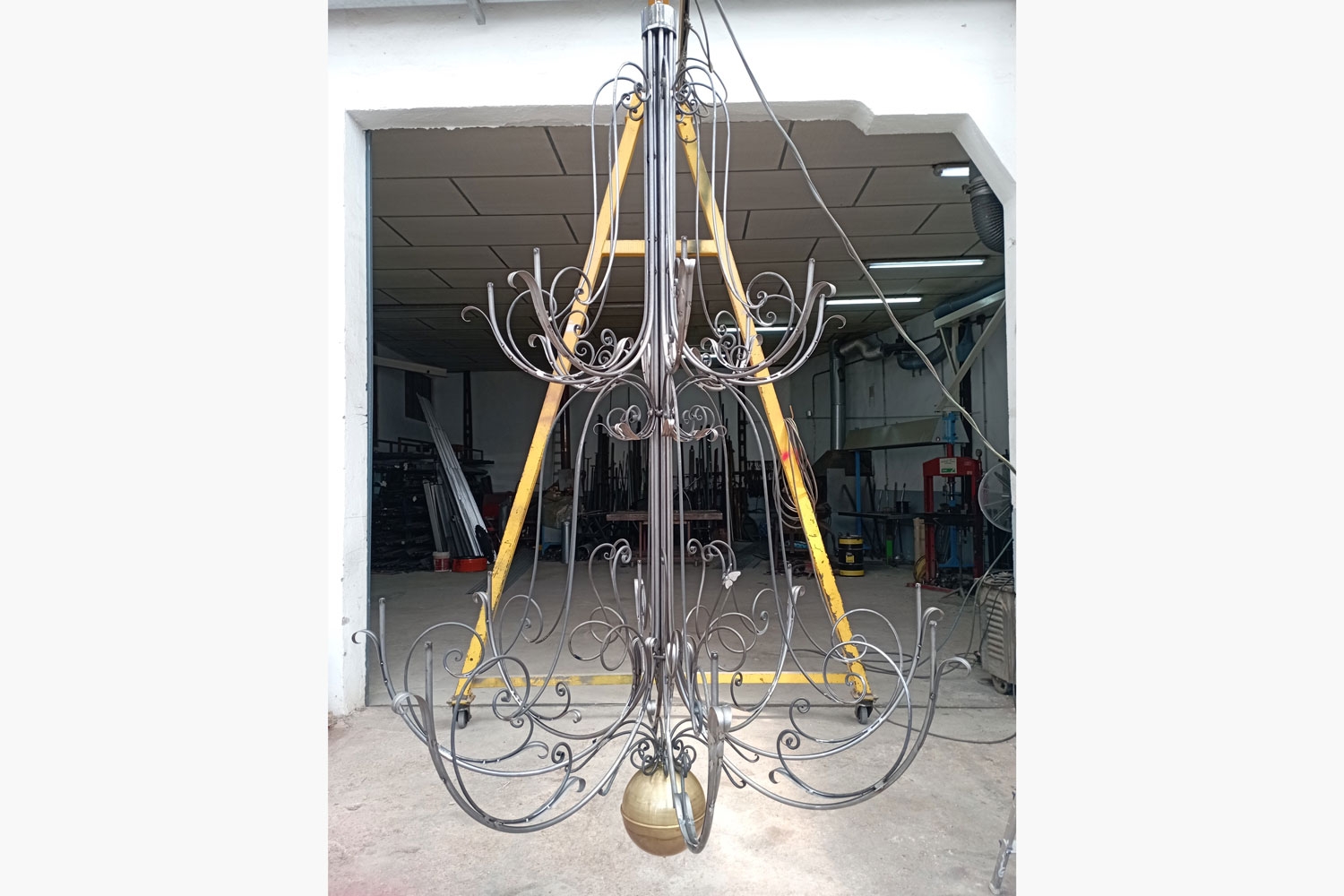
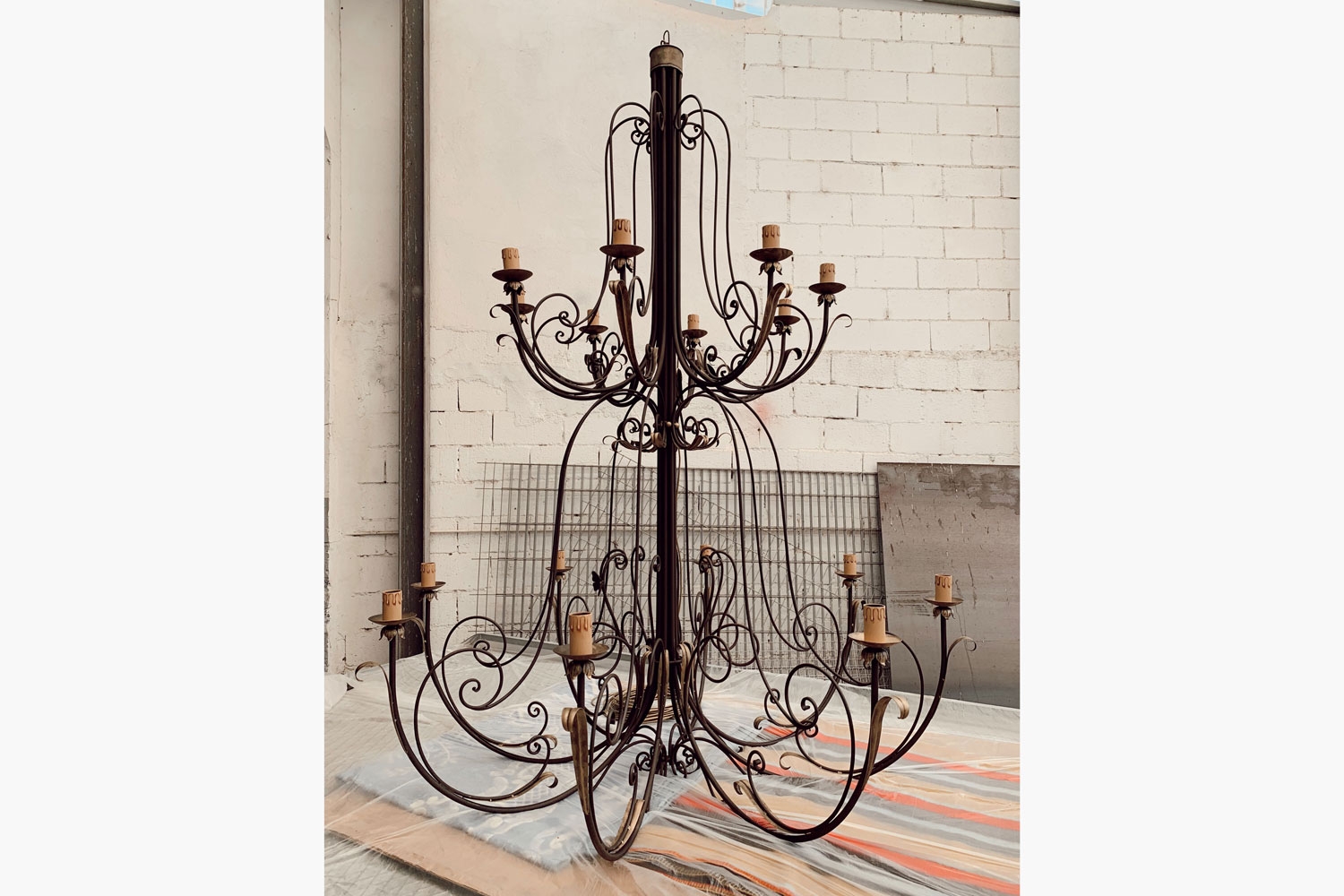
- He strives for perfection in the lines and details of his pieces
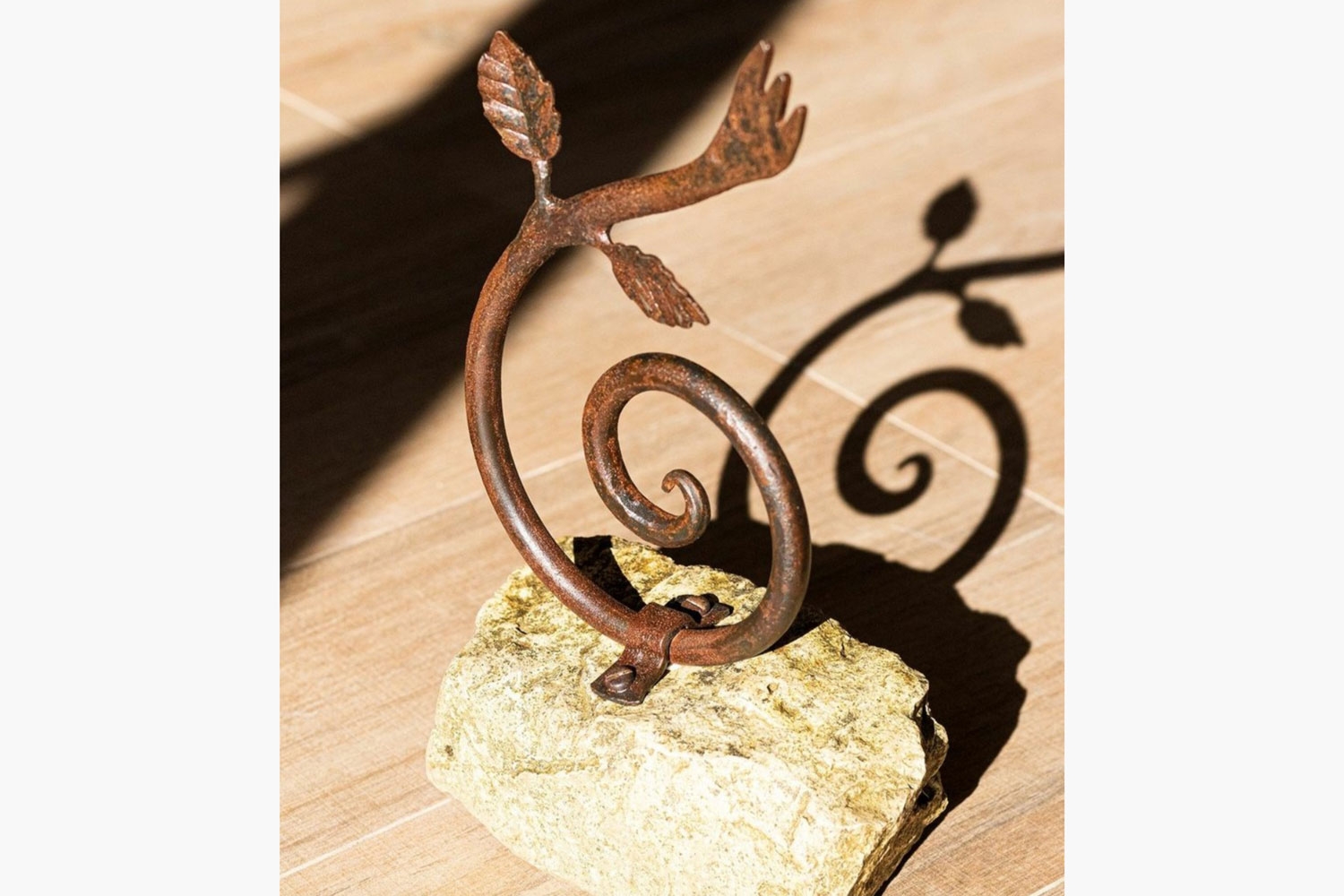
- Riveting is one of his signature techniques for joining iron bars
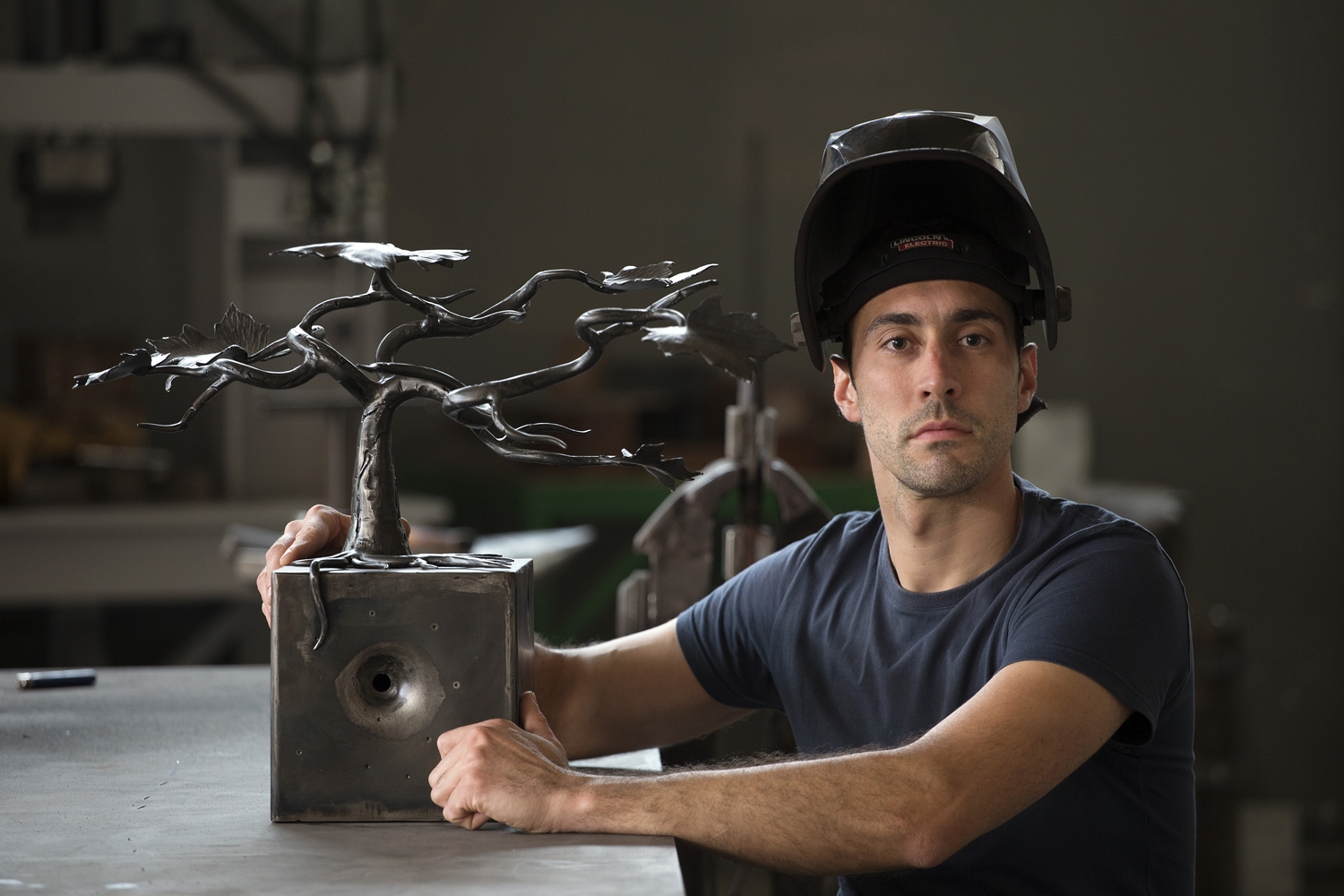
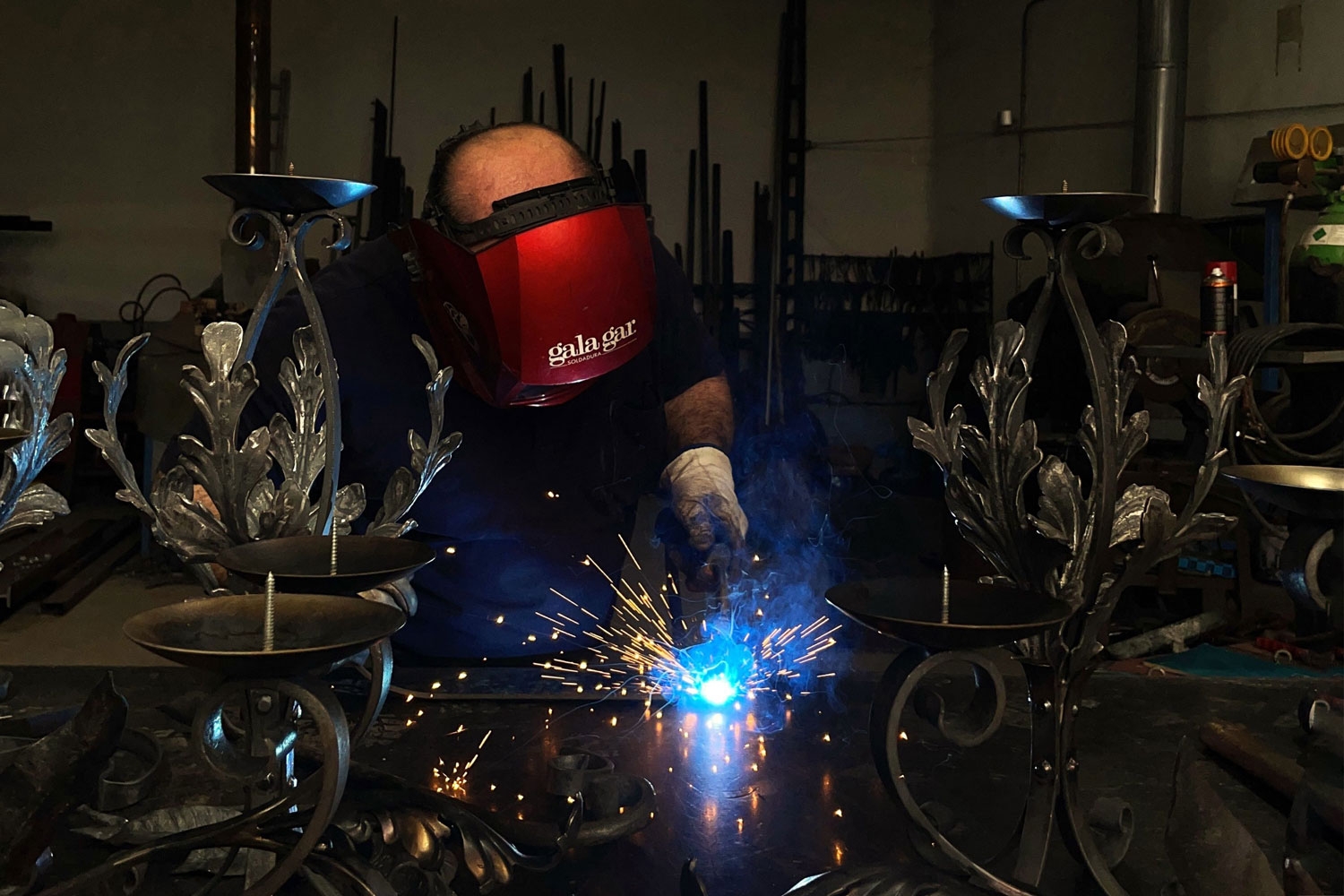
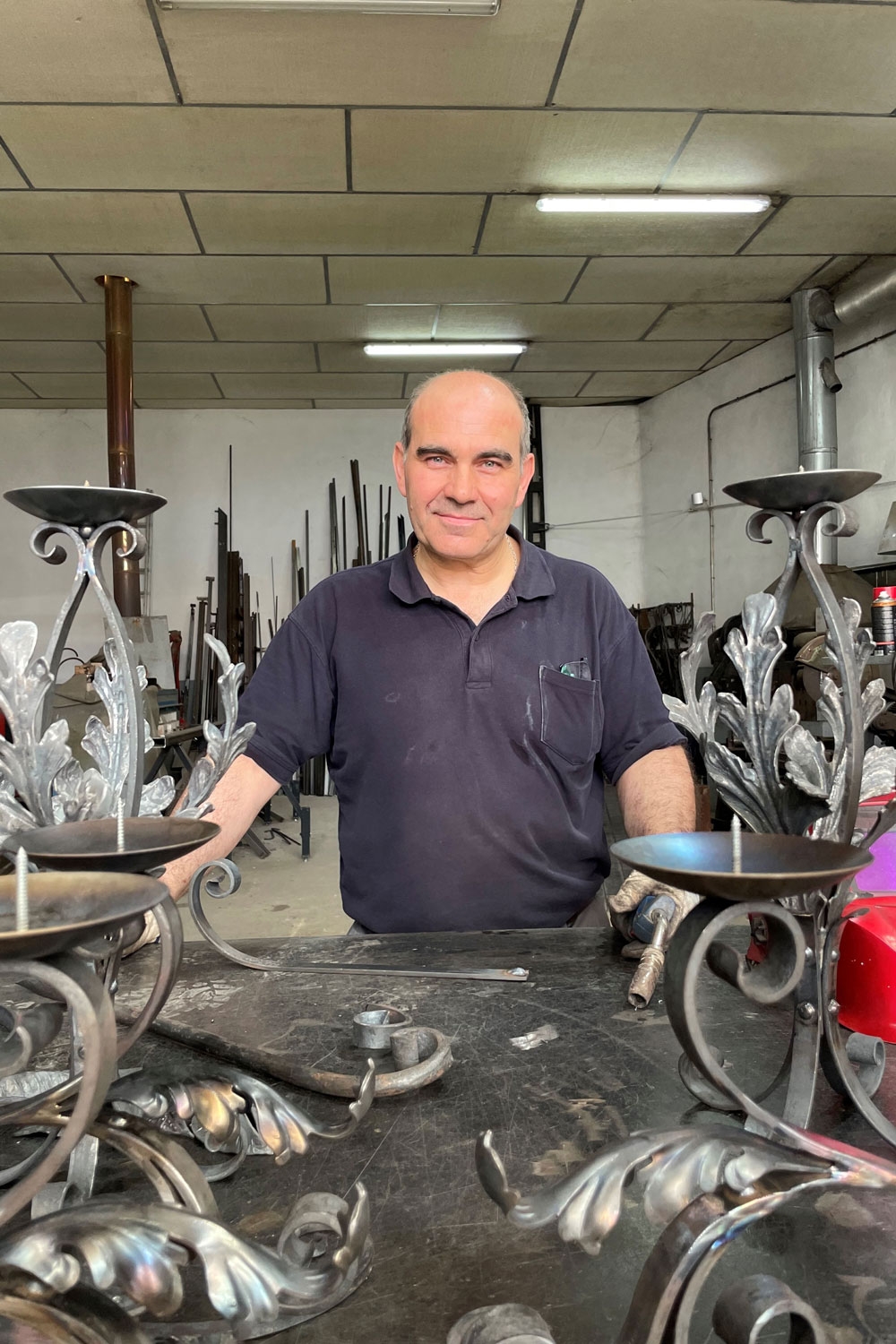
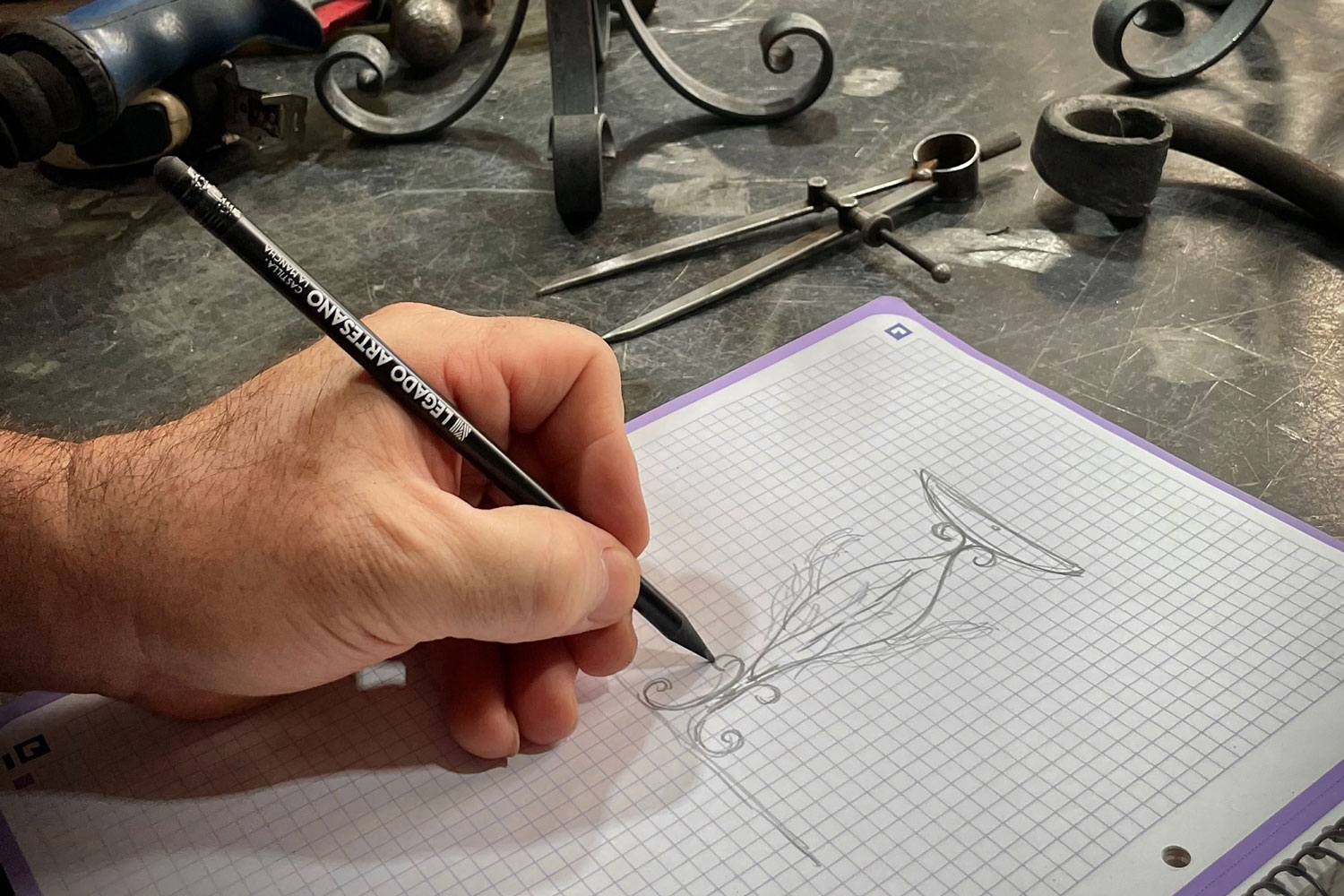
José Luis Esteban Huelamo was taught his craft by his grandfather and father who passed down their artisanal knowledge to him. “In addition, my curiosity and eagerness to keep learning have led me to innovate with new trends and ways of working with iron, adapting to modern styles,” he says. José Luis chose this profession because he found it fascinating to shape such a hard and rigid material into warm, fluid designs. “I knew that if I combined my manual skills with my creativity, I could bring projects to life that would fill me with enthusiasm. There is nothing better than working on something you are passionate about,” he says. One of José Luis' preferred techniques is riveting, which is the joining of iron bars without welding, by inserting a pin through the two bars and crushing the ends. "It is a technique that is rarely used nowadays, but it is how our ancestors used to make joints when there were no welds," he explains.
INTERVIEW
I live in a small village in La Manchuela, and this region has a deep-rooted tradition in ironwork. We see this in the balconies and façades adorned with Castilian-style railings, grand balustrades, and iron gates on many buildings. Ironwork is also used in well curbs, town squares and churches.
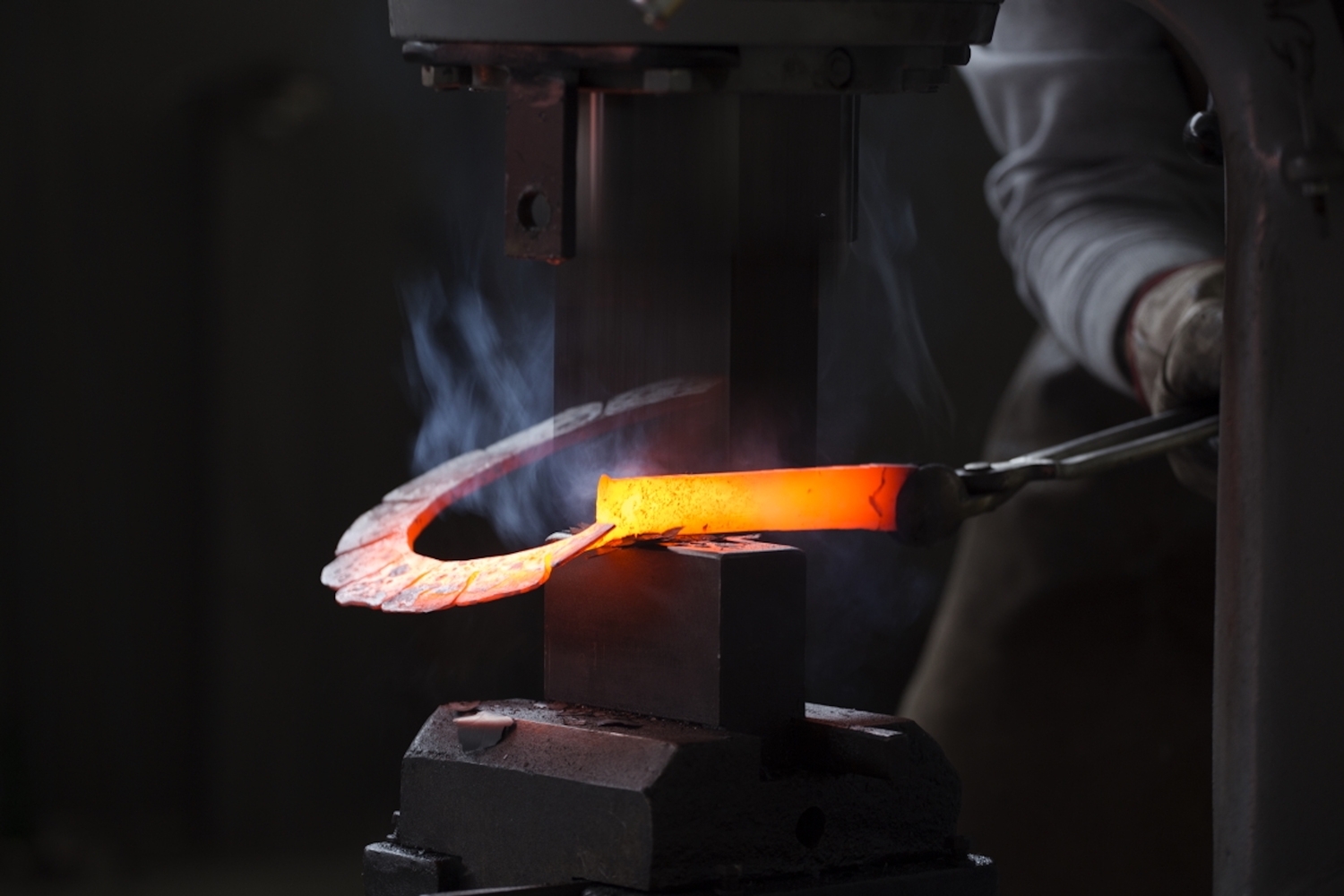
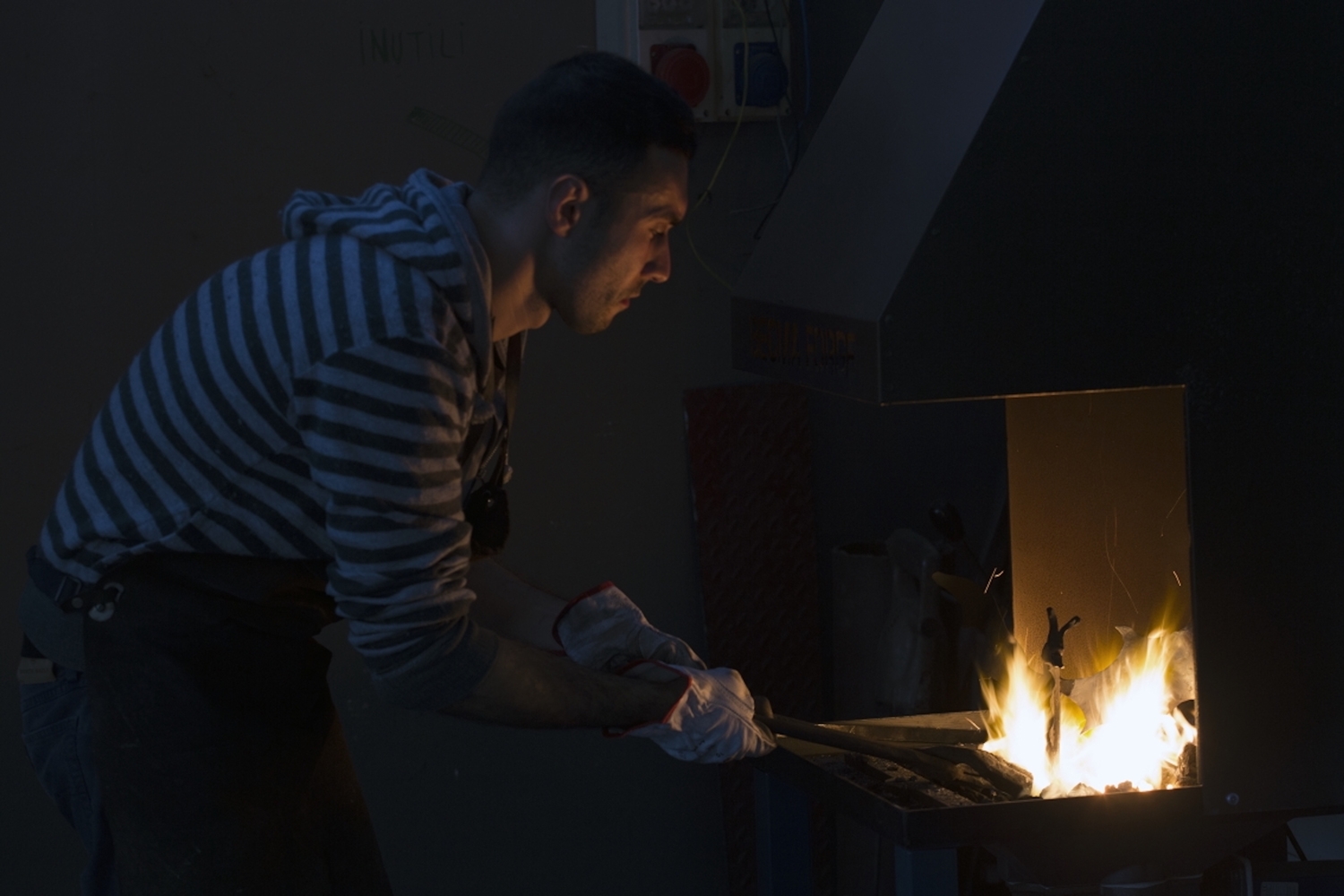
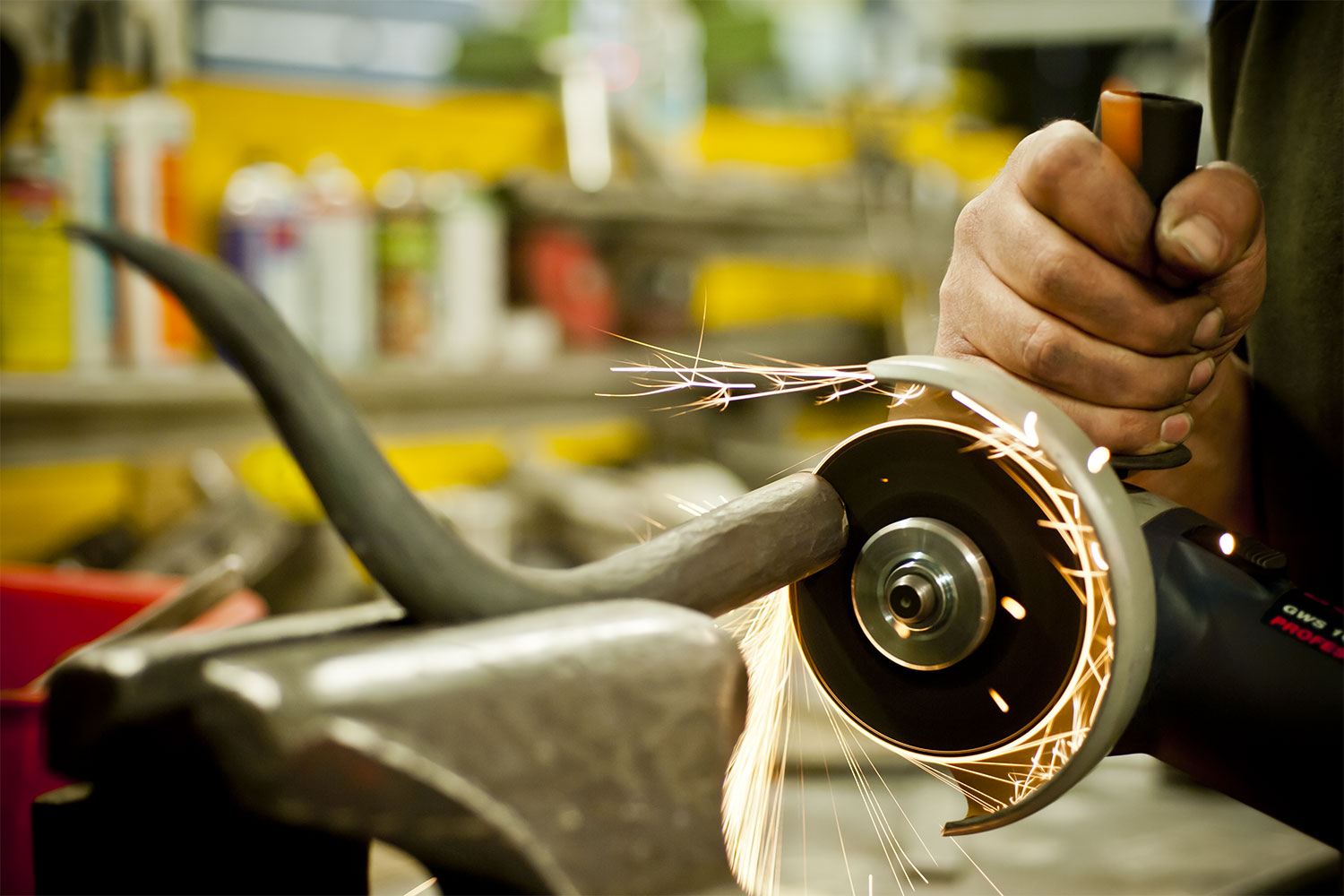
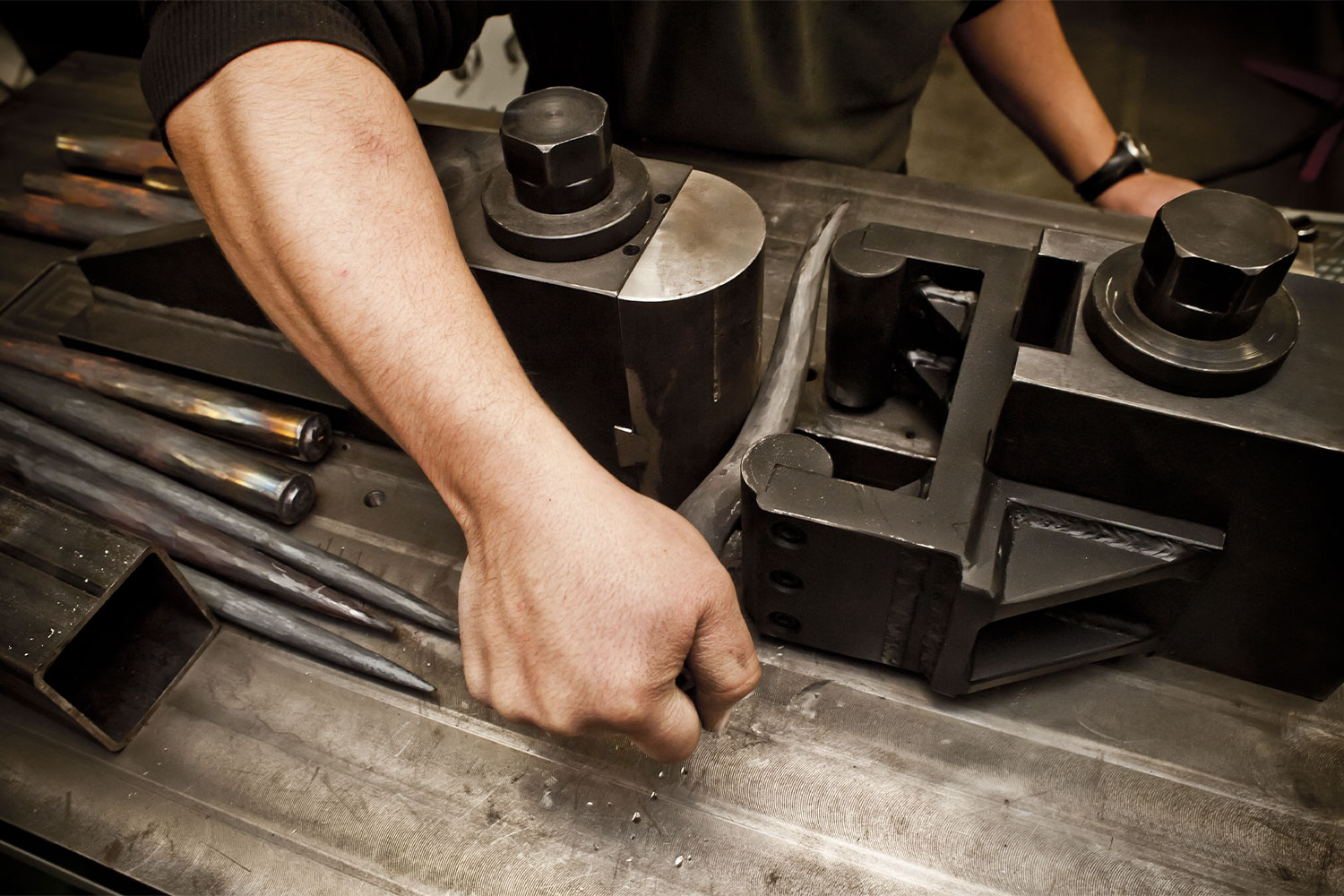
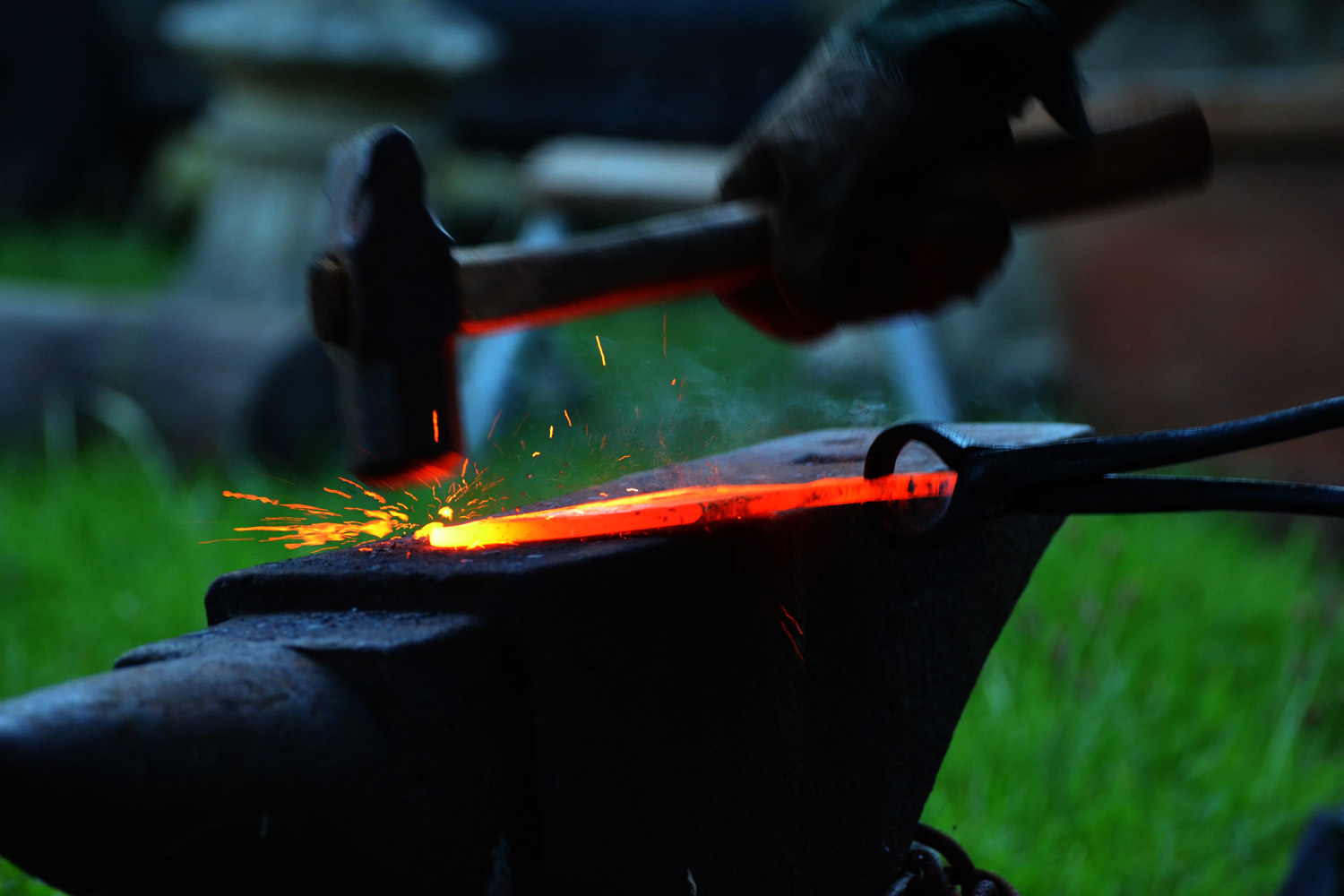
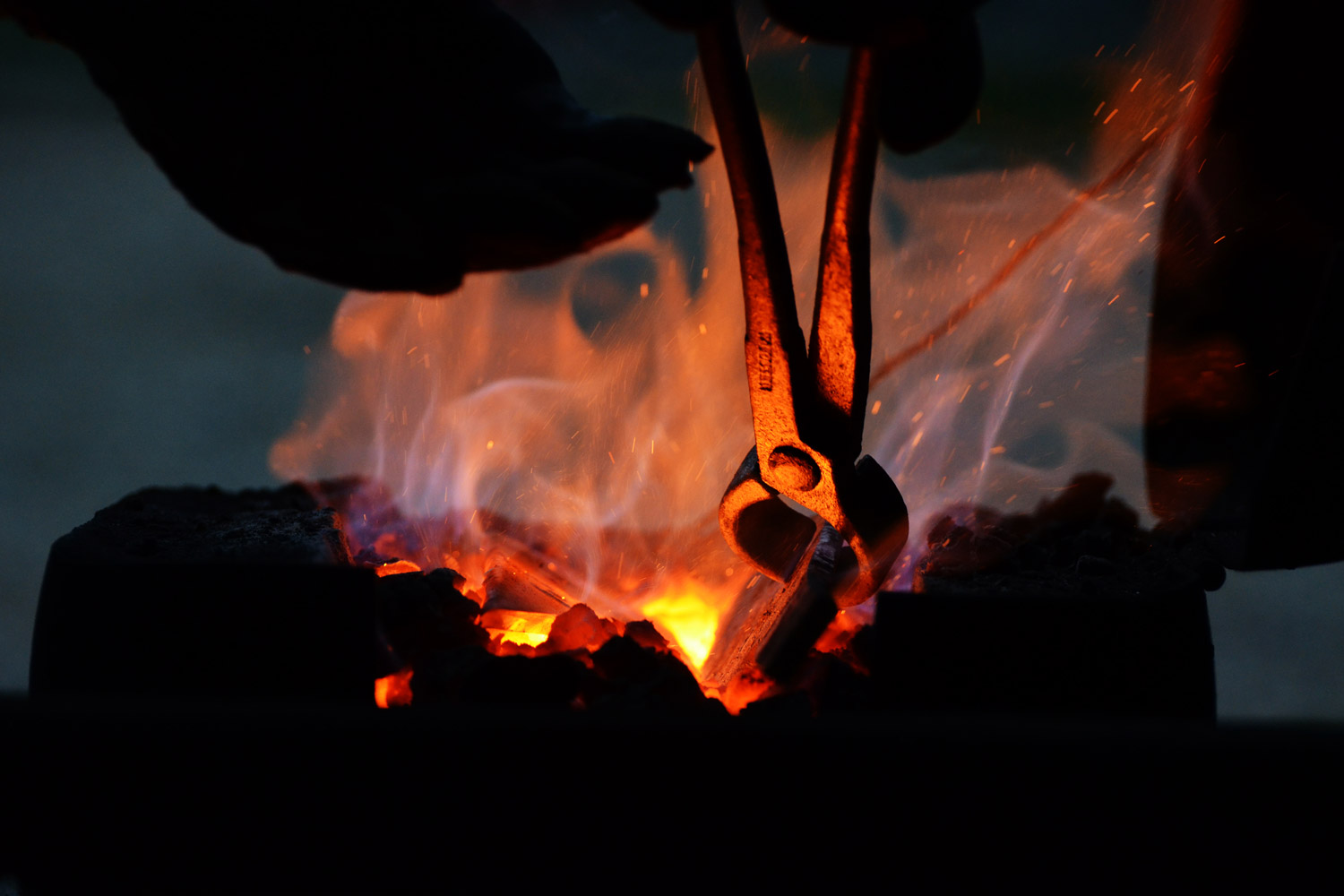
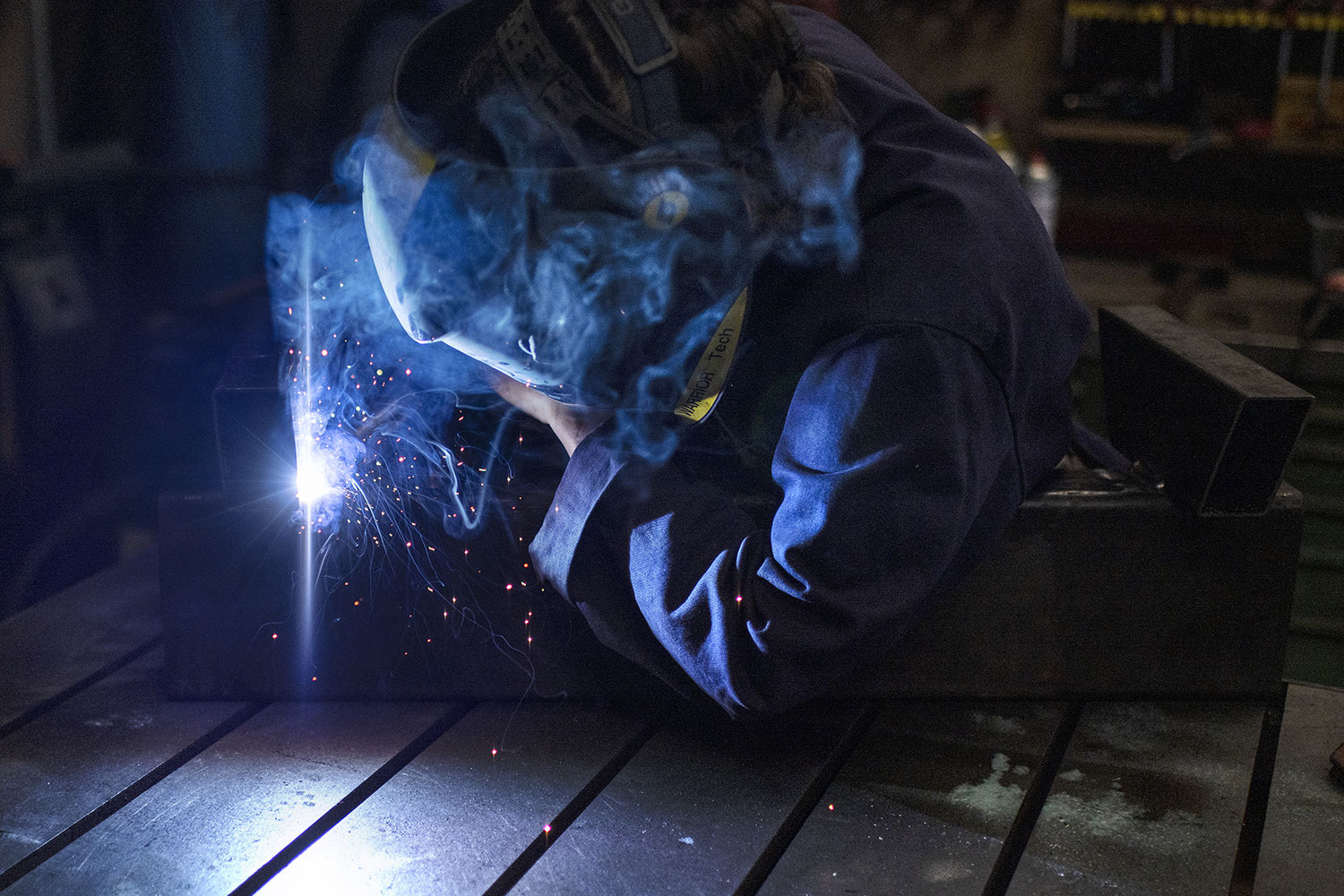
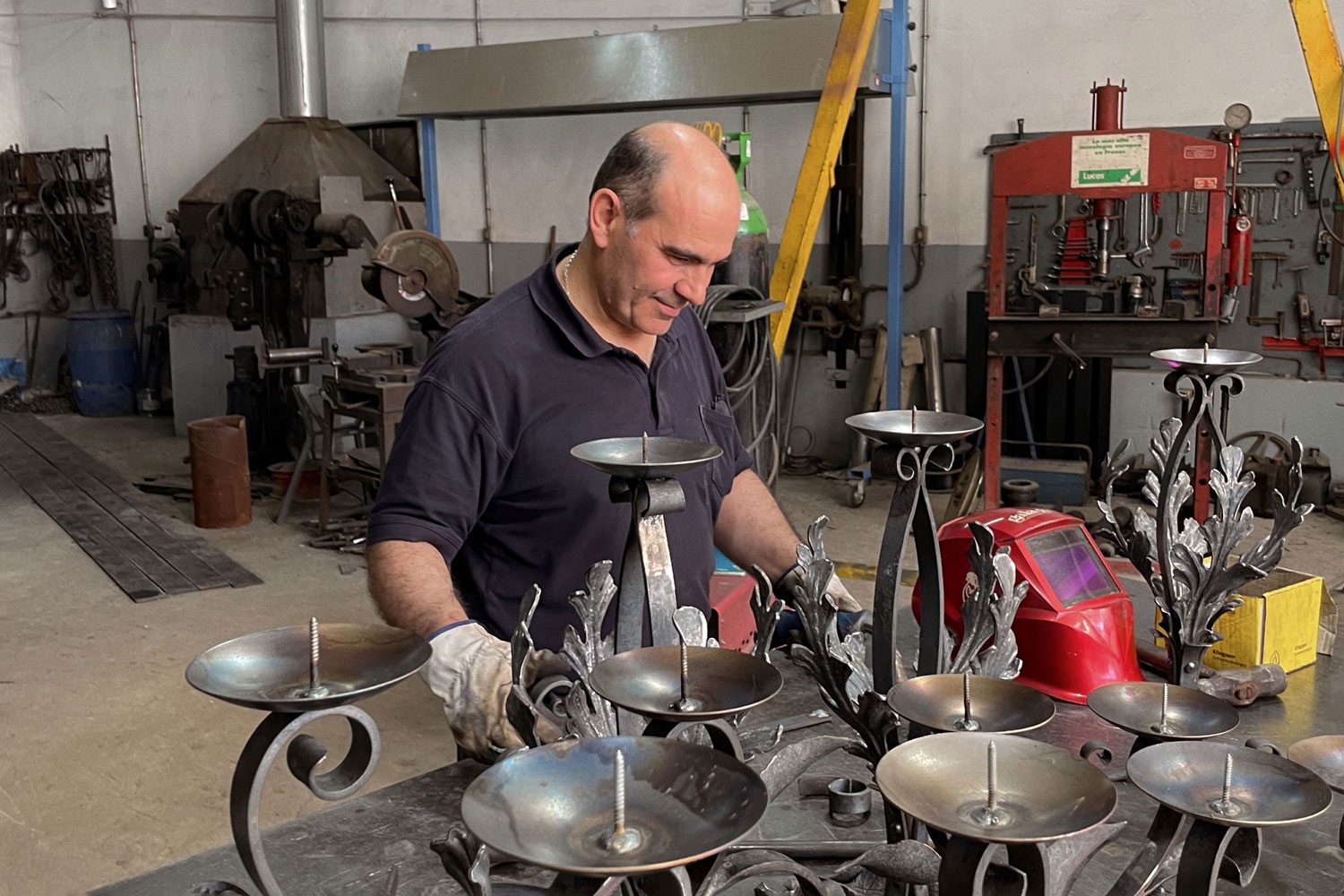
The foundation of blacksmithing lies in the traditional use of the forge, hammer and anvil. However, it is also essential to incorporate modern innovations such as presses, laser-cutting equipment, and state-of-the-art welding techniques to enhance the artistic process.
A job well done. Ensuring that both the process and the final result are perfect, and that the client is completely satisfied, are my top priority.
Before delivering a piece, I inspect it meticulously to ensure the parts fit perfectly, that there are no imperfections, and that the piece is precisely what the client requested. This care is why people come to an artisan workshop rather than opting for an industrially-made piece.
José Luis Esteban Huelamo
Blacksmith
Villarejo de Fuentes, Spain
AVAILABILITY
By appointment only
LANGUAGES
Spanish
Homo Faber Finds is a new service aiming to inspire admirers of craft to connect and collaborate with exceptional artisans.
We invite you to submit an enquiry here.