José Acuña
Guasquería Acuña
Leatherworker
Tacuarembó, Uruguay
Crafting for gauchos
- José follows an ancient tradition
- In the year 2000, he opened his first workshop
- His grandfather taught him everything he knows
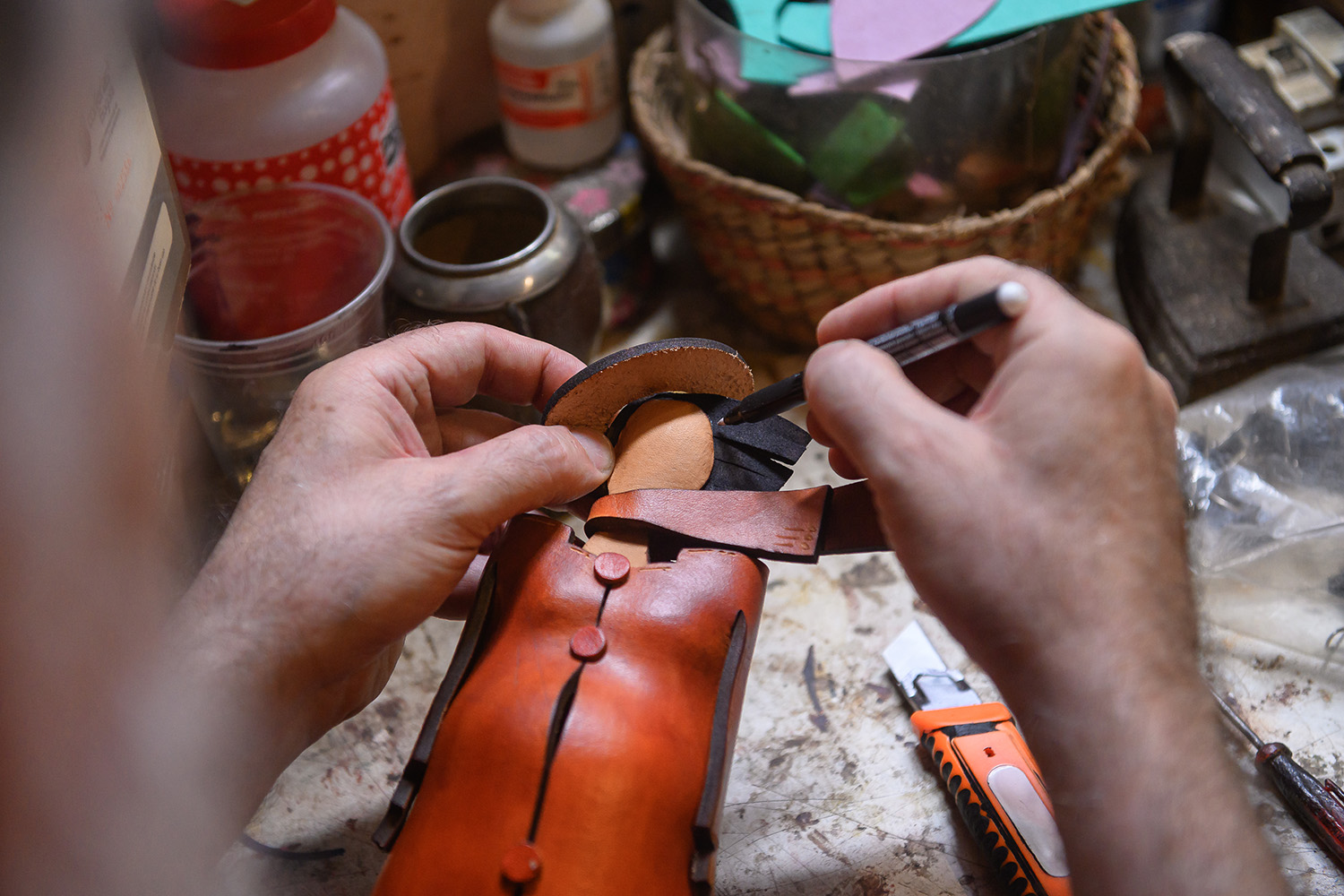
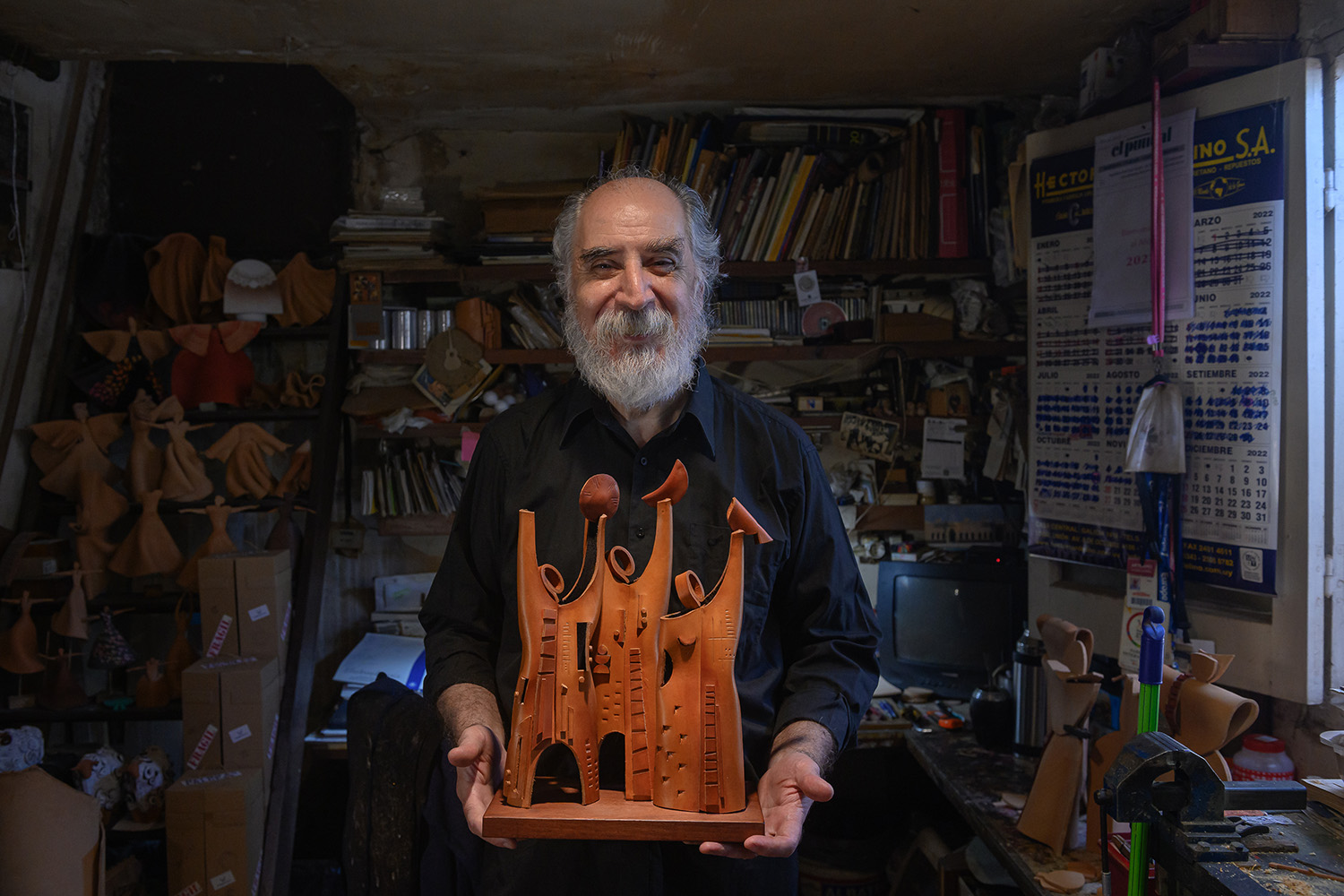
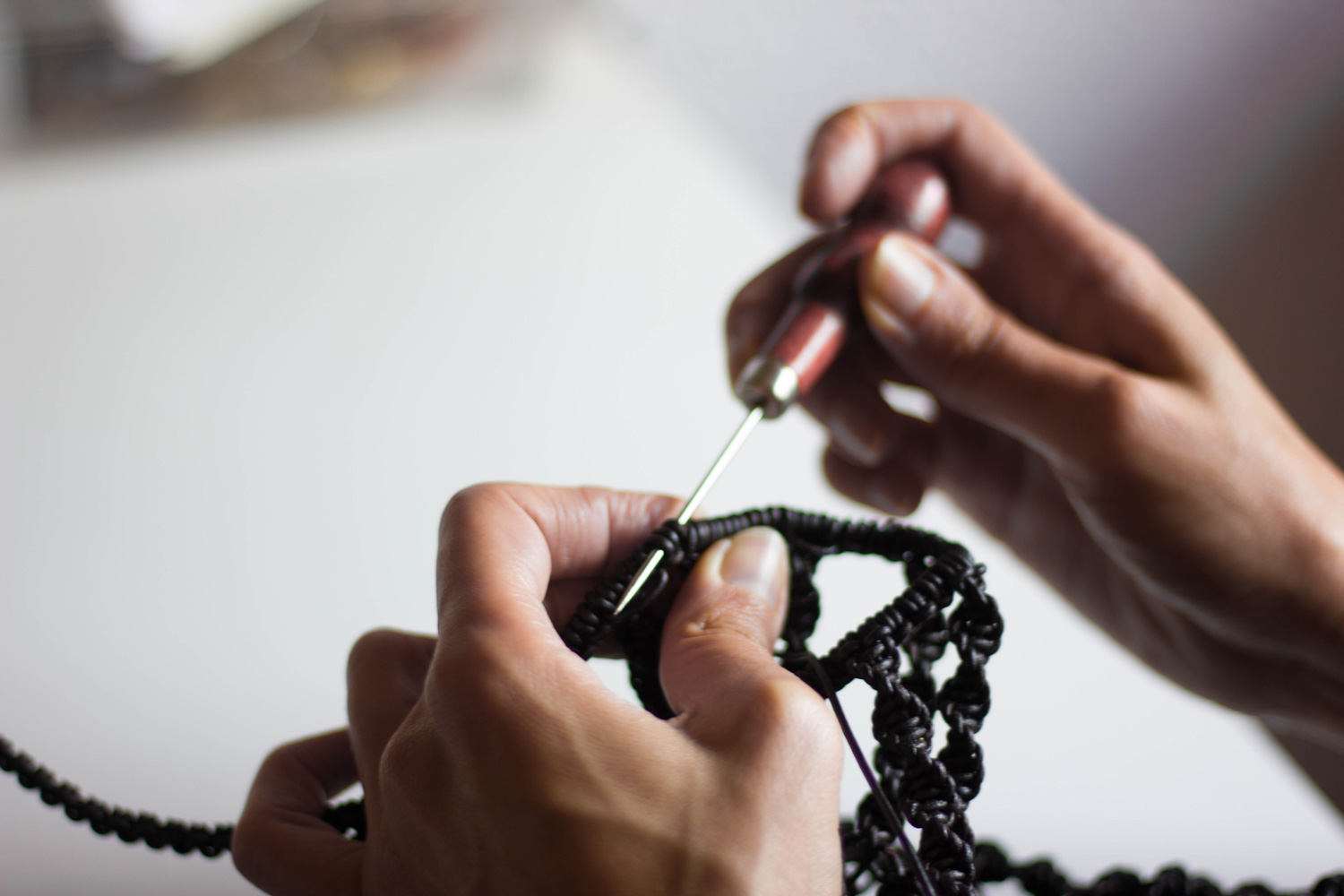
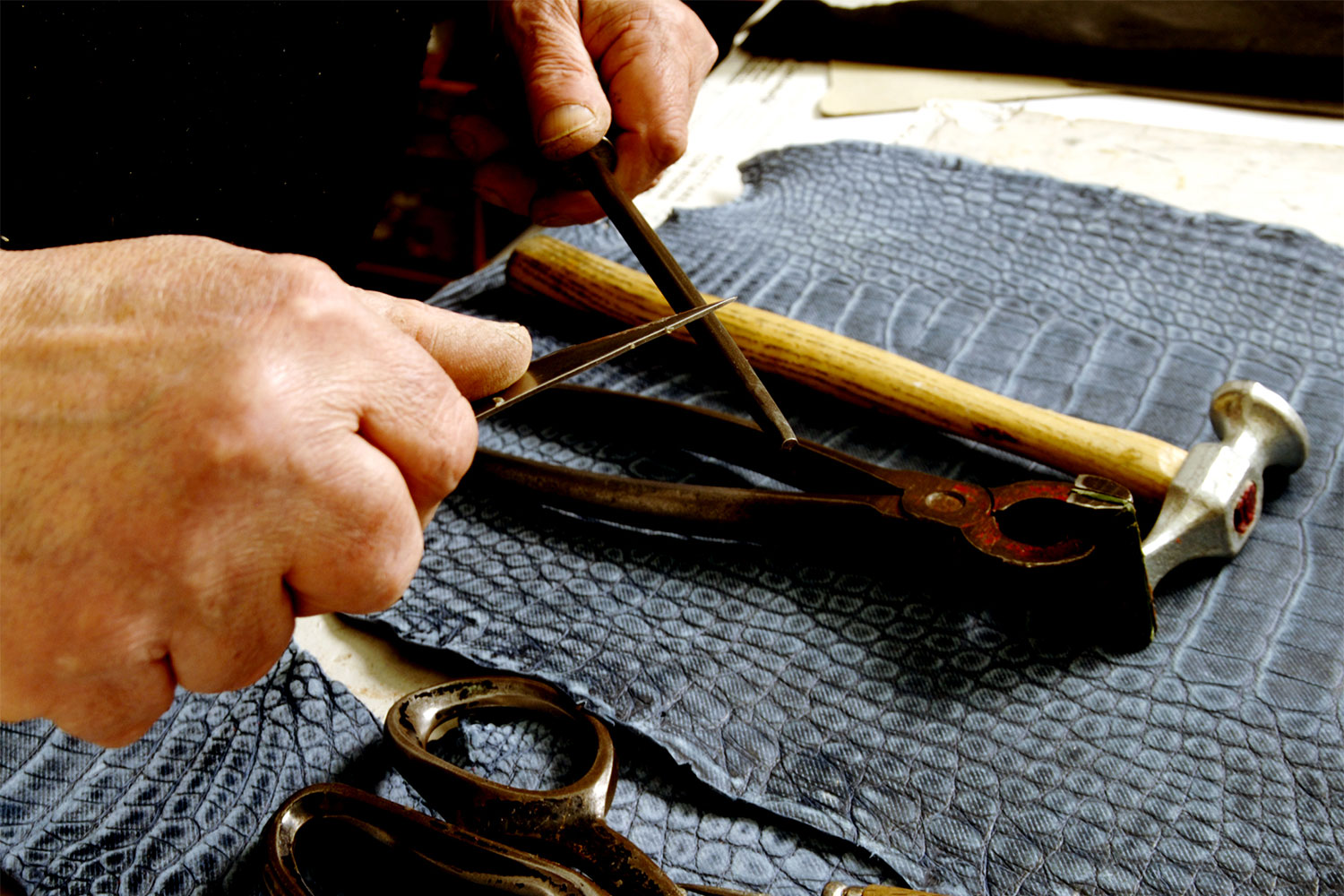
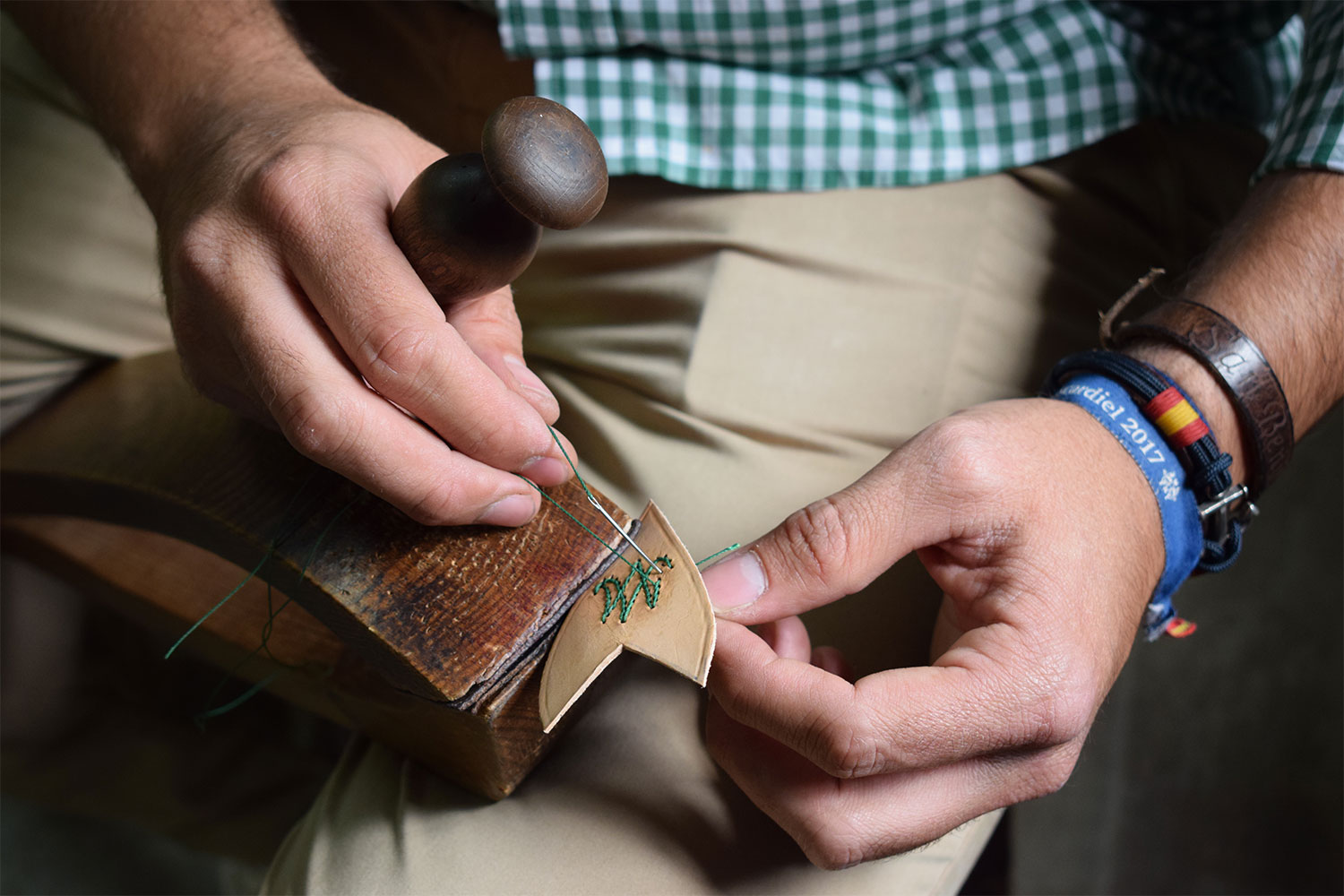
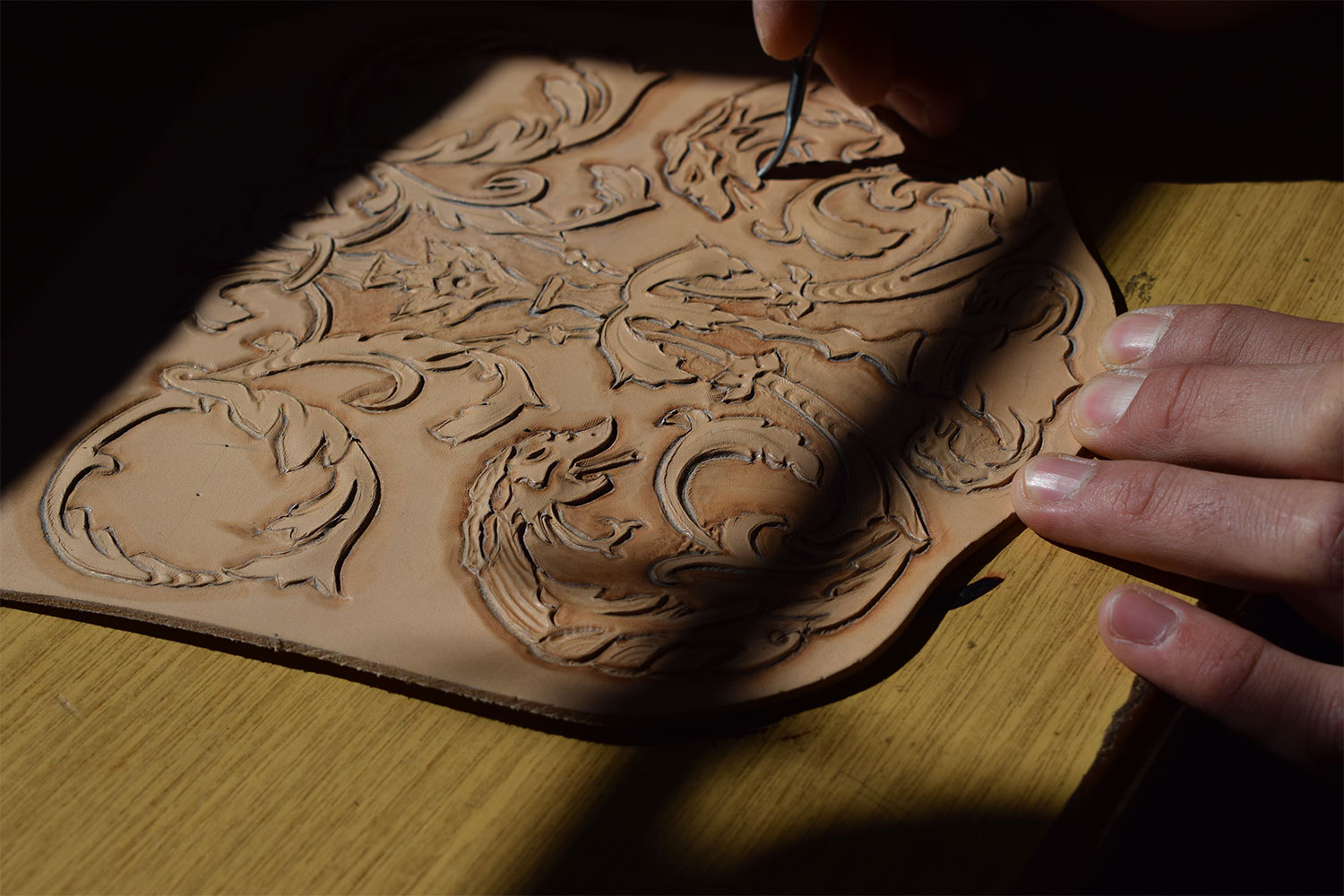
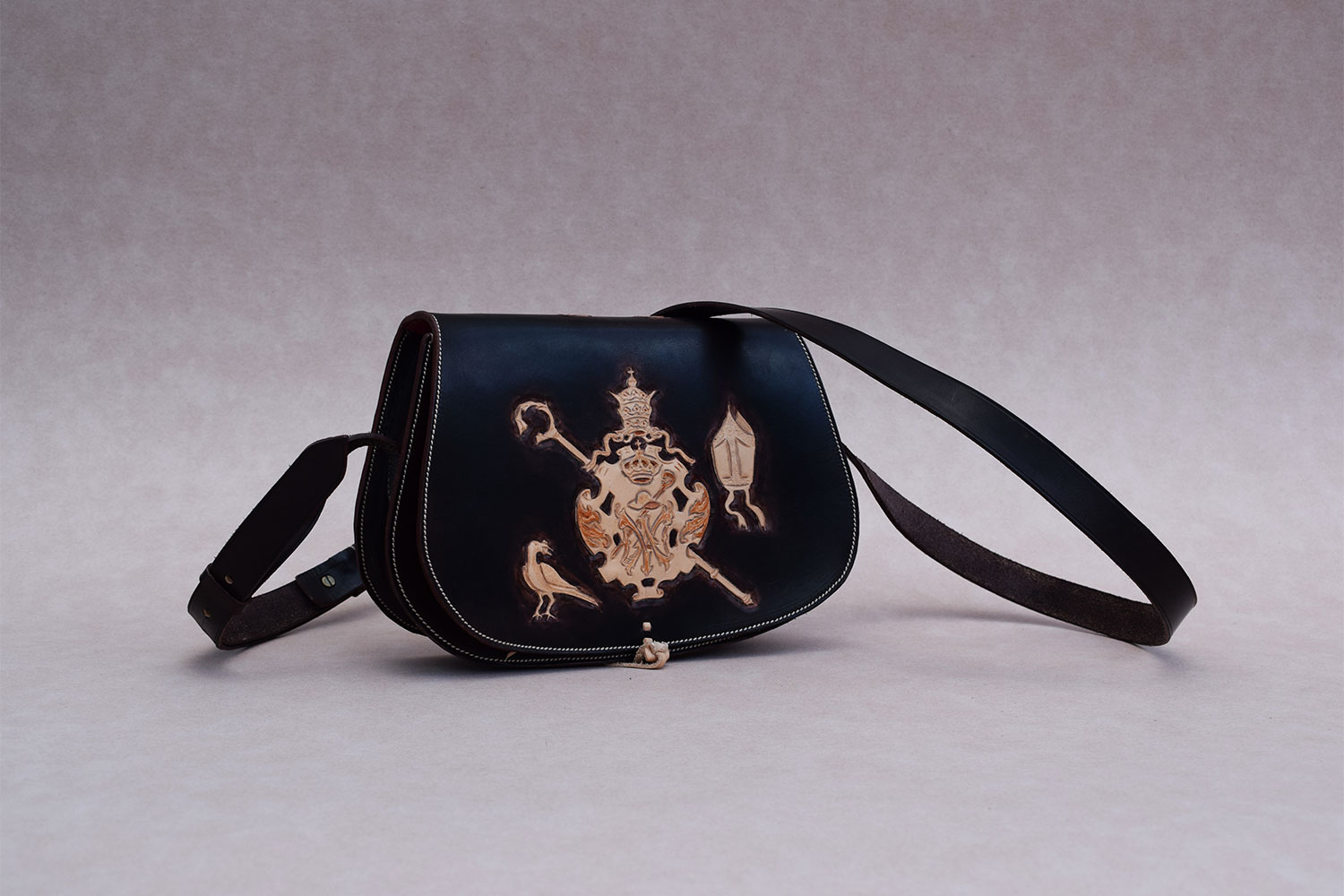
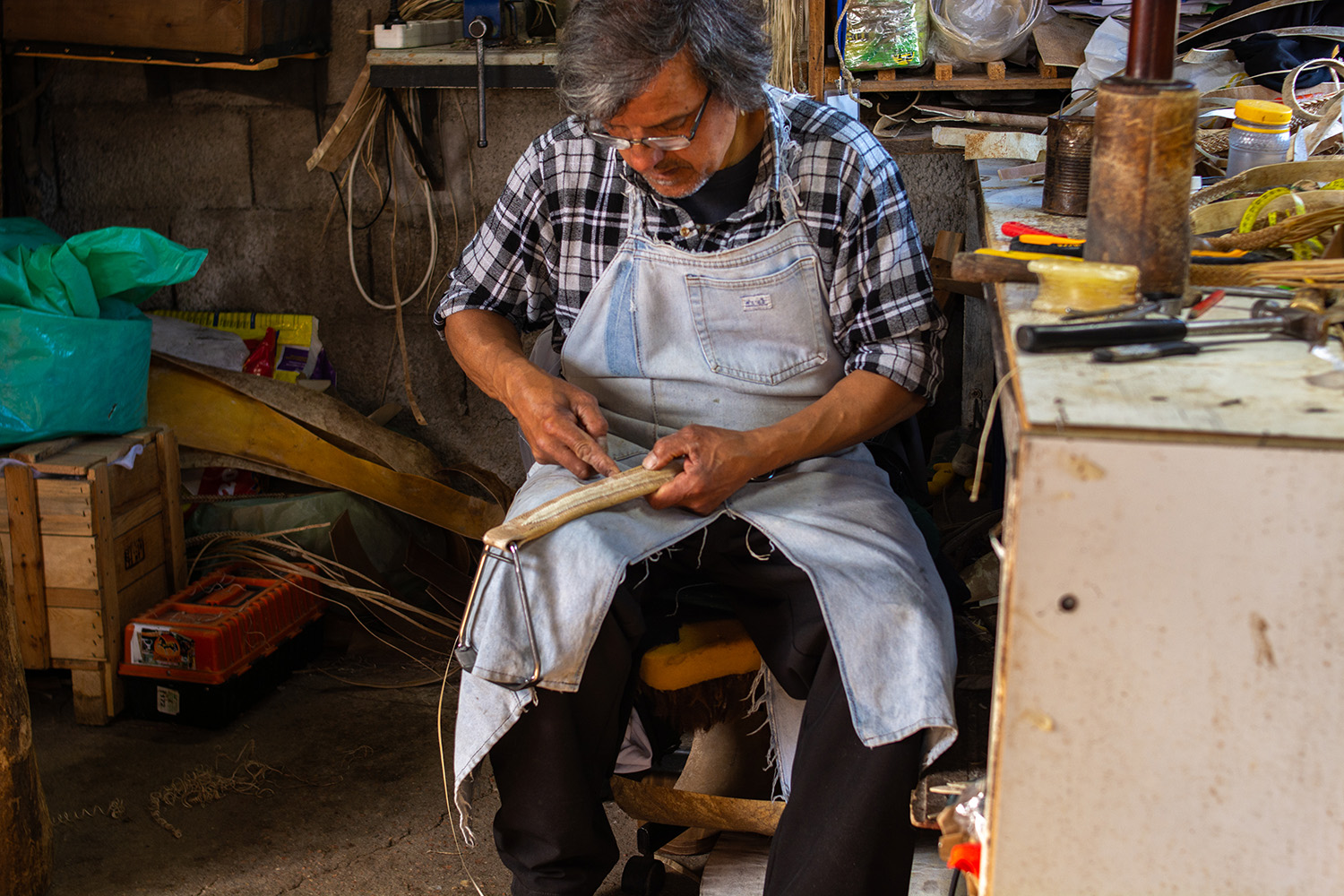
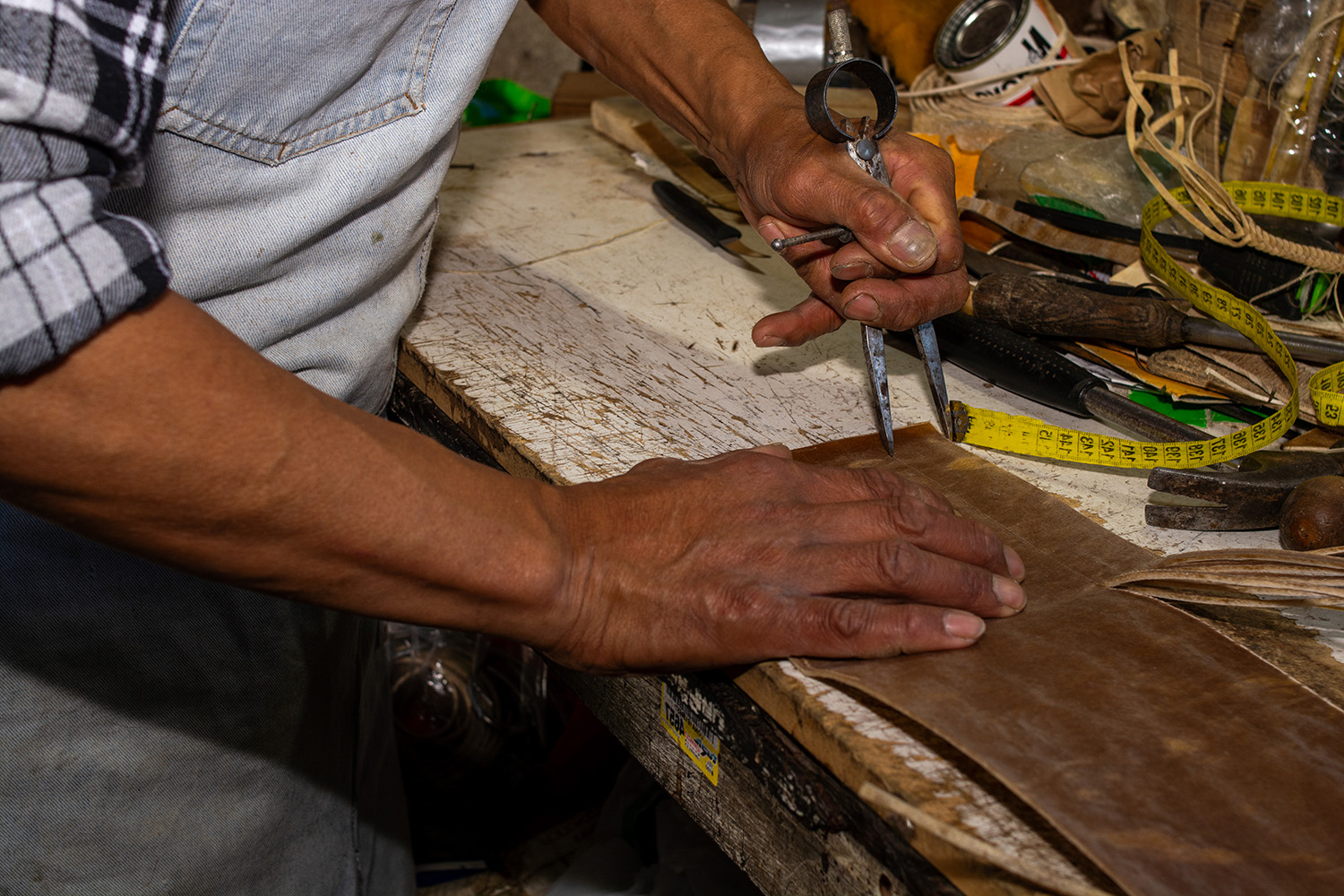
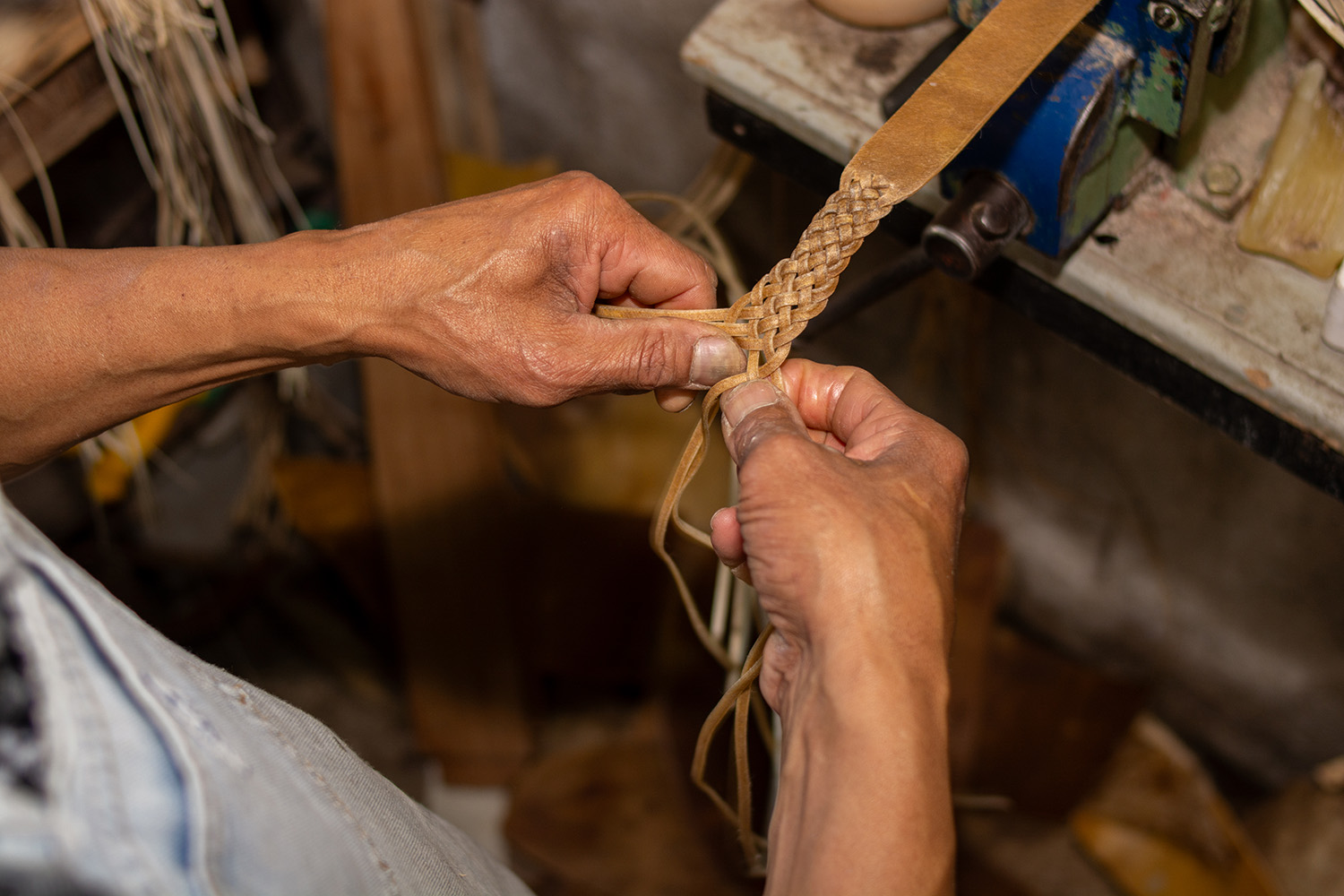
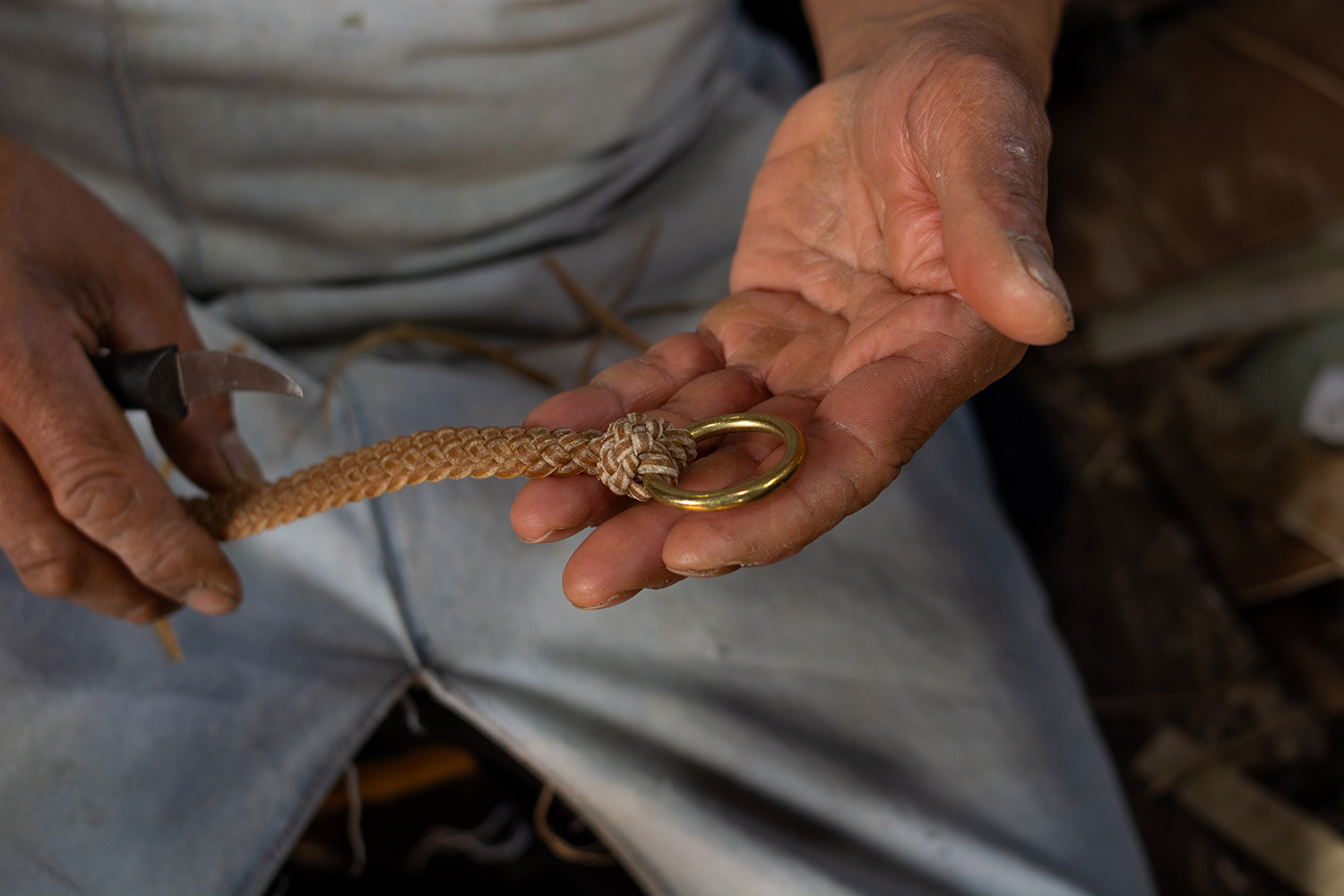
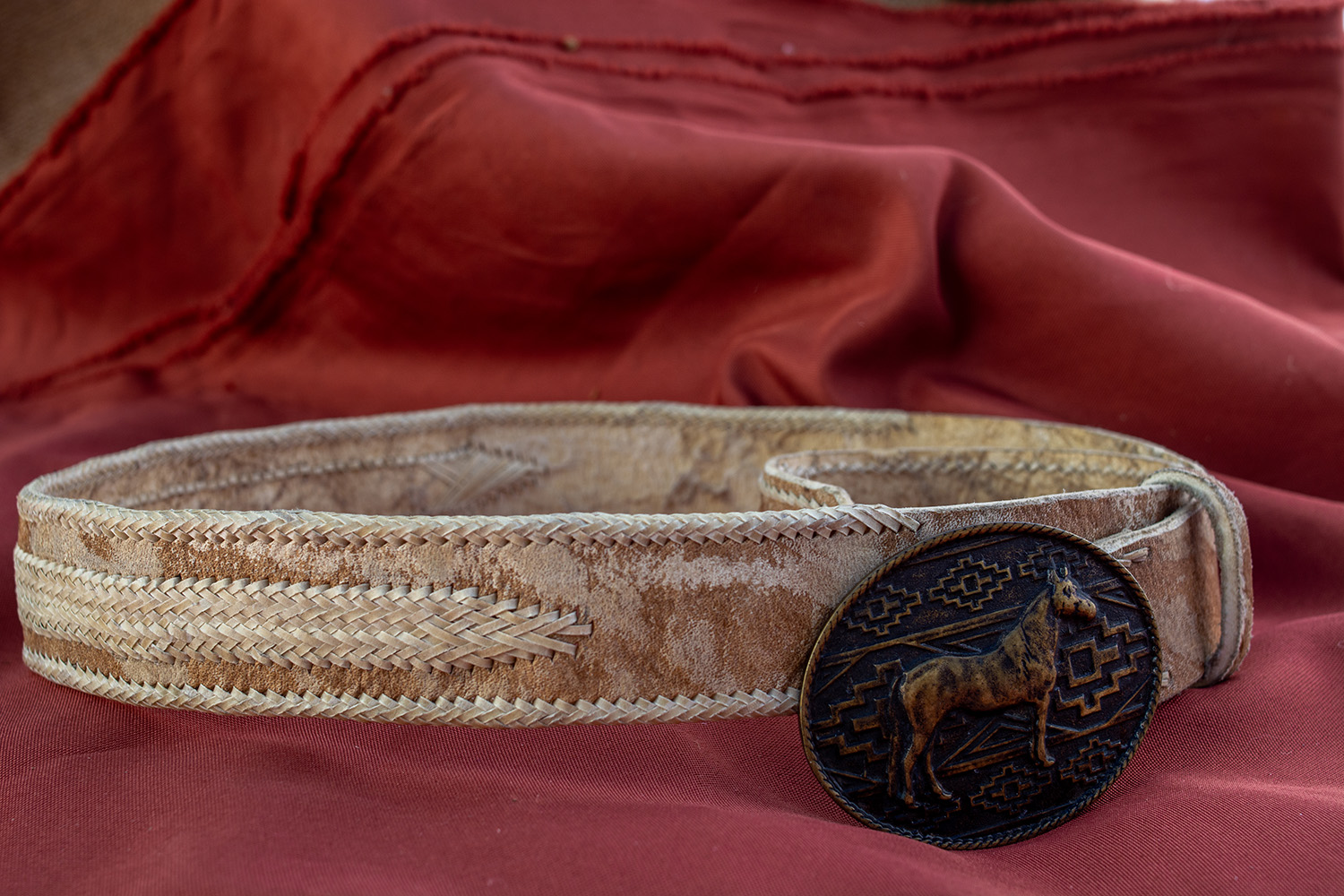
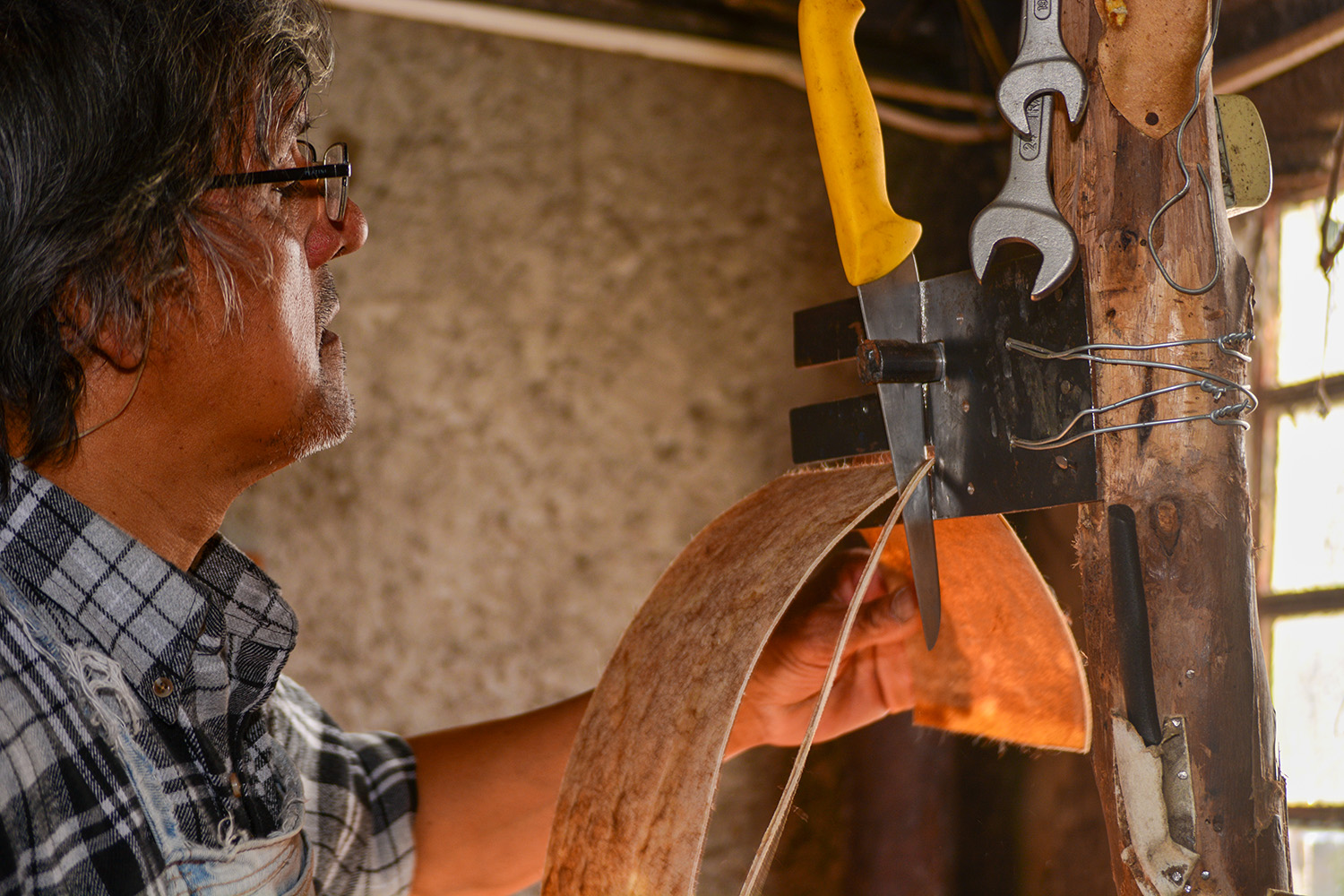
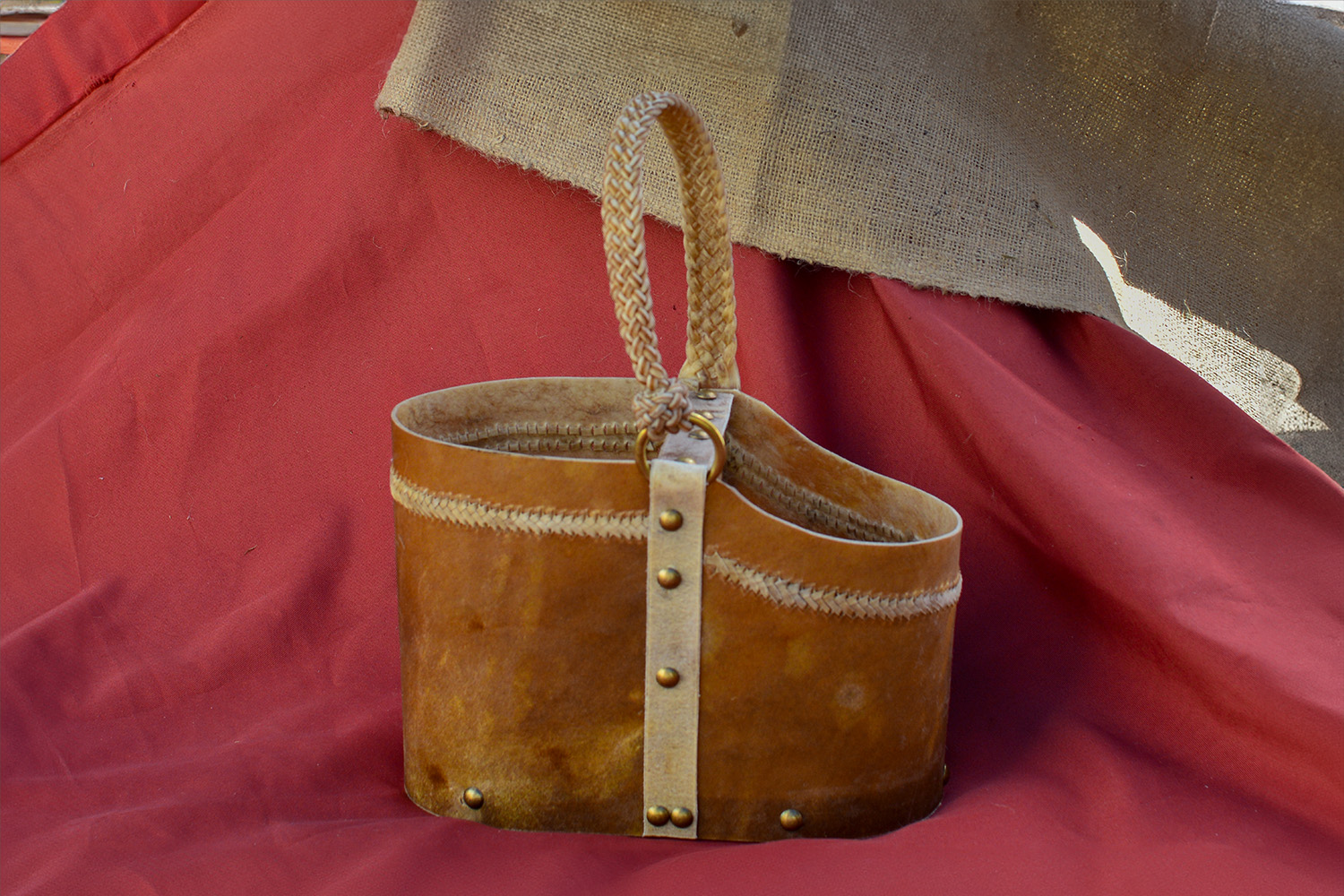
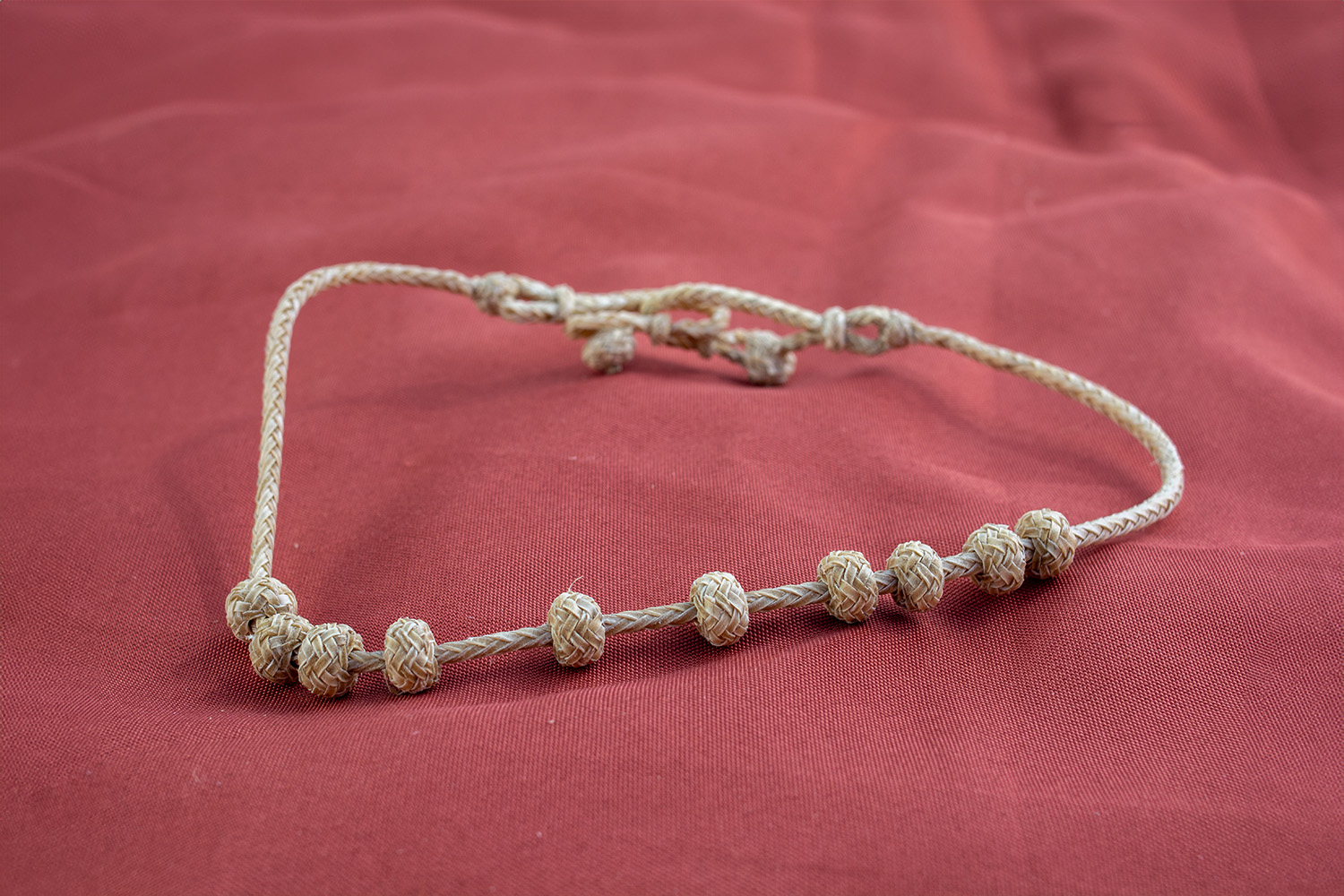
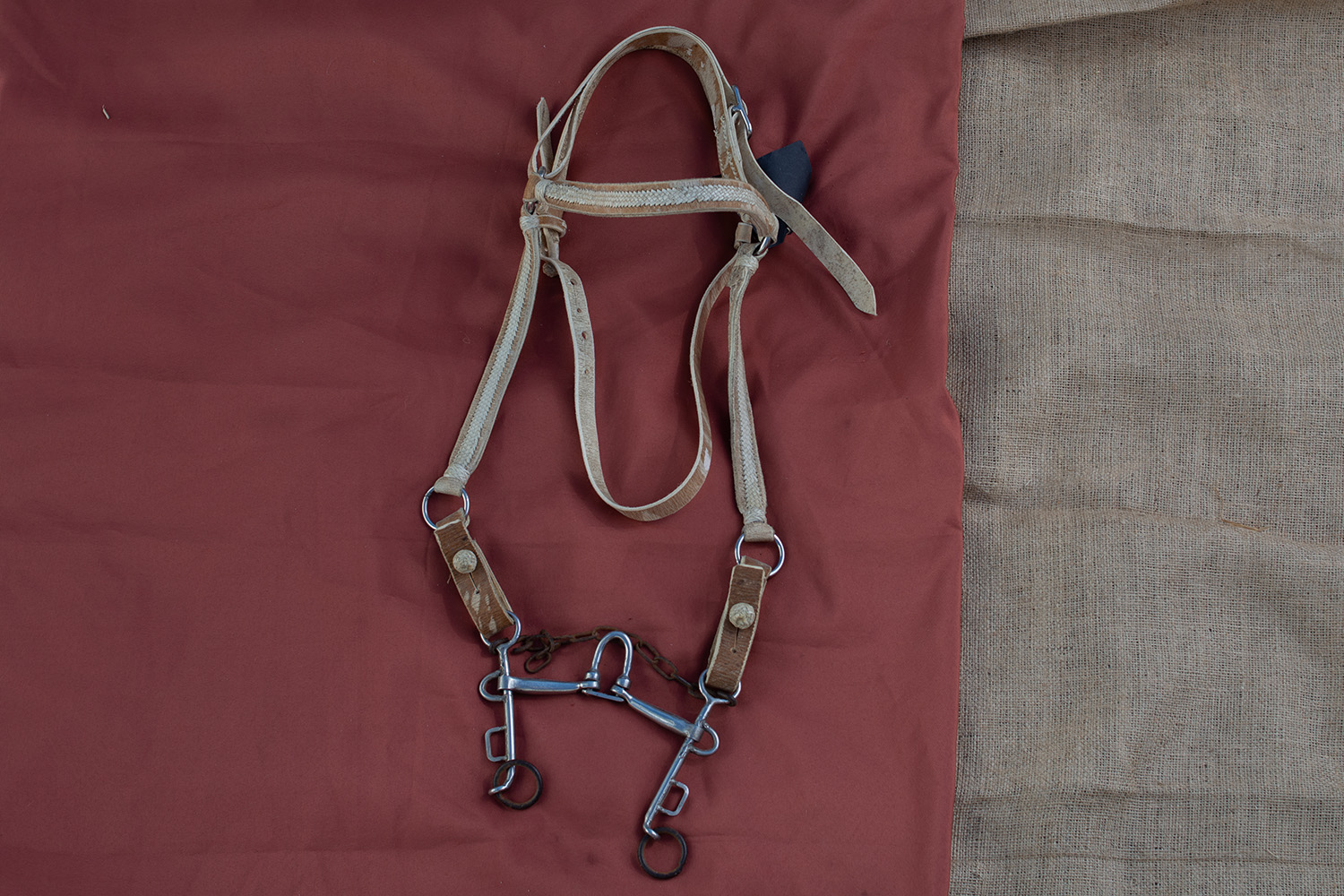
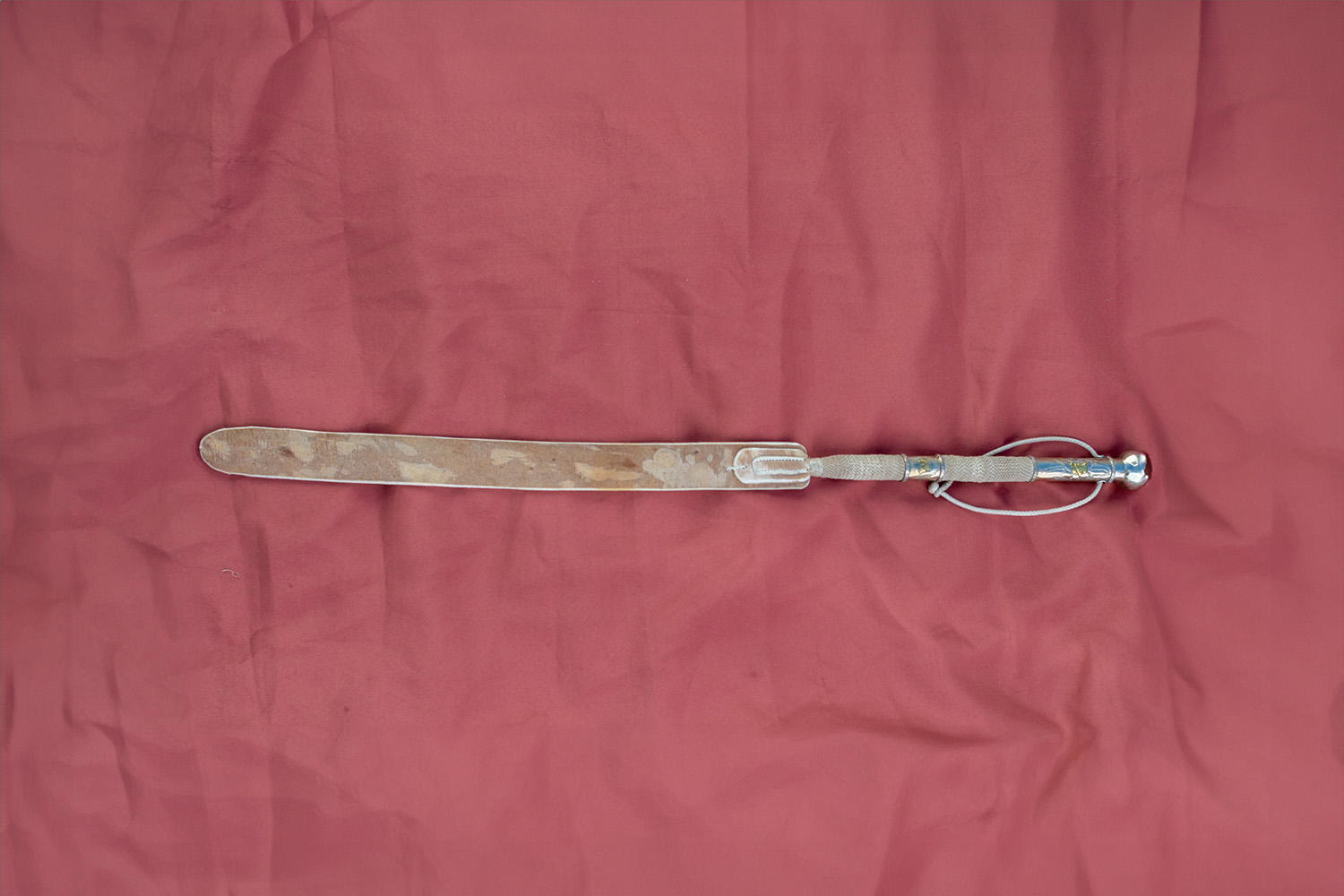
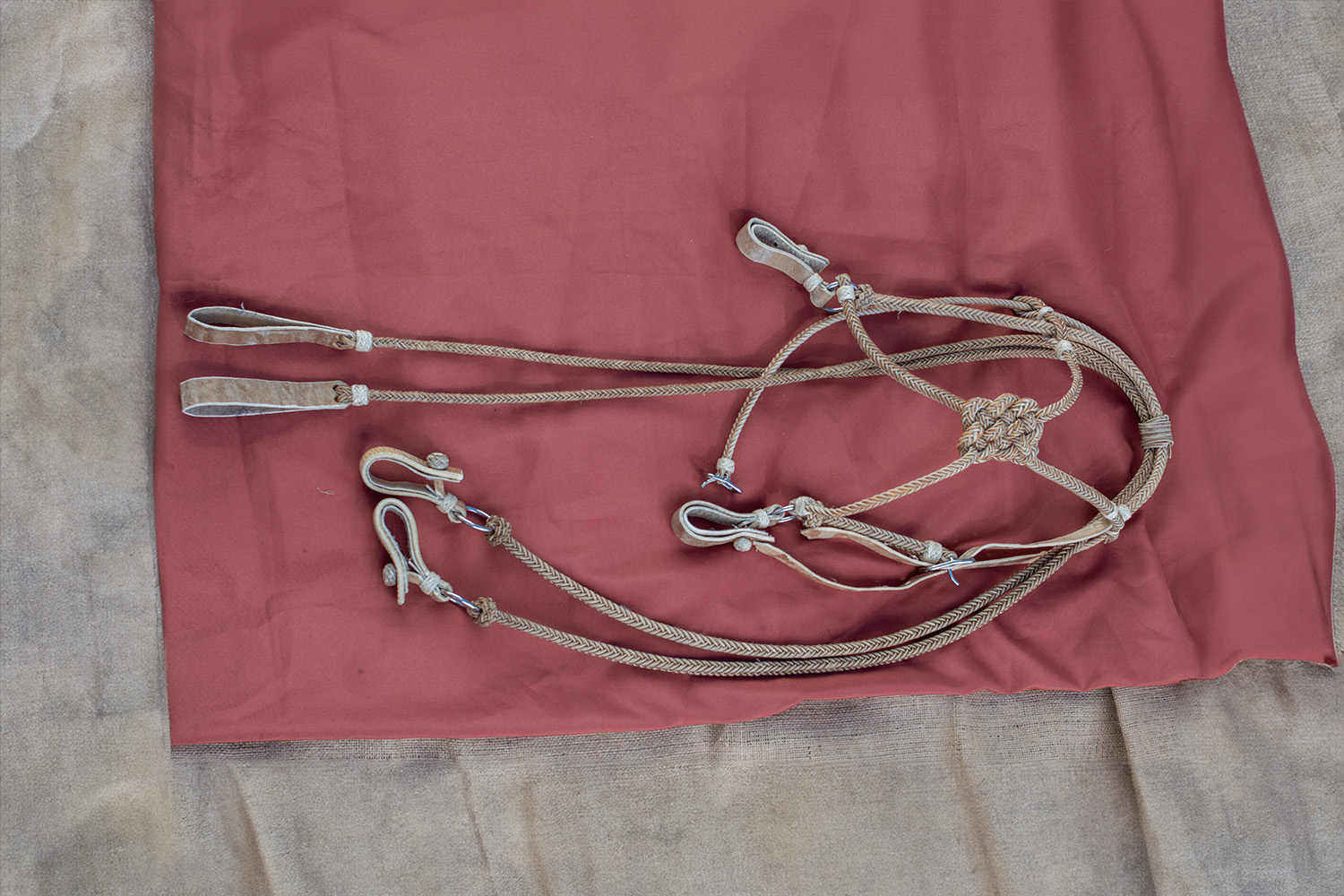
José Acuña started working with leather back in 1998 when, in his grandfather's shed in Tacuarembó, he took up leatherwork with hides alongside his cousins. "I remember starting to work with the material, and since then, I have never stopped," says José. The craft of a leatherworker is something very typical in countries like Uruguay and Argentina, where cattle production is quite extensive. "I work with leather without chemicals and do braided work," he adds. "I work with raw leather and create items for horses and gauchos alike." For this artisan, his greatest inspiration has always been his grandfather, whom he saw working since he was five years old. "He was the one who taught me this craft." What José enjoys most about his craft is preparing the raw materials: "cleaning the leather, fleshing it, and washing it so it turns out well, allowing me to work comfortably afterwards," he explains.
INTERVIEW
We are a cattle country, with vast fields and livestock, where the gaucho manages the animals. They require whips, reins, breastplates, and saddles for horses. Nowadays, many Creole festivals take place, where everyone dresses as gauchos and rides horses.
All the effort required to obtain leather from the slaughterhouse or, often, from a butcher shop is demanding. Travelling up to 100 kilometres by motorcycle to collect it, then cleaning it. People see the finished piece, but they do not see the ordeal one goes through to obtain the raw material.
Many young people love horses. They are very enthusiastic at Creole festivals, riding alongside their horses. There are horseback parades with more than a thousand riders. The gaucho tradition, along with their horses, continues to thrive in Uruguay.
I would tell them to continue with this tradition, to work with leather naturally, and to do the job well, even if it takes time. It is better for the customer to come back for more work than to return what they bought because it was poorly made.
José Acuña
Guasquería Acuña
Leatherworker
Tacuarembó, Uruguay
AVAILABILITY
By appointment only
PHONE
+598 99367563
LANGUAGES
Spanish, English
Homo Faber Finds is a new service aiming to inspire admirers of craft to connect and collaborate with exceptional artisans.
We invite you to submit an enquiry here.