José Juan Sosa Perdomo
Knife maker
Gáldar, Spain
Cutting-edge design in Canarian tradition
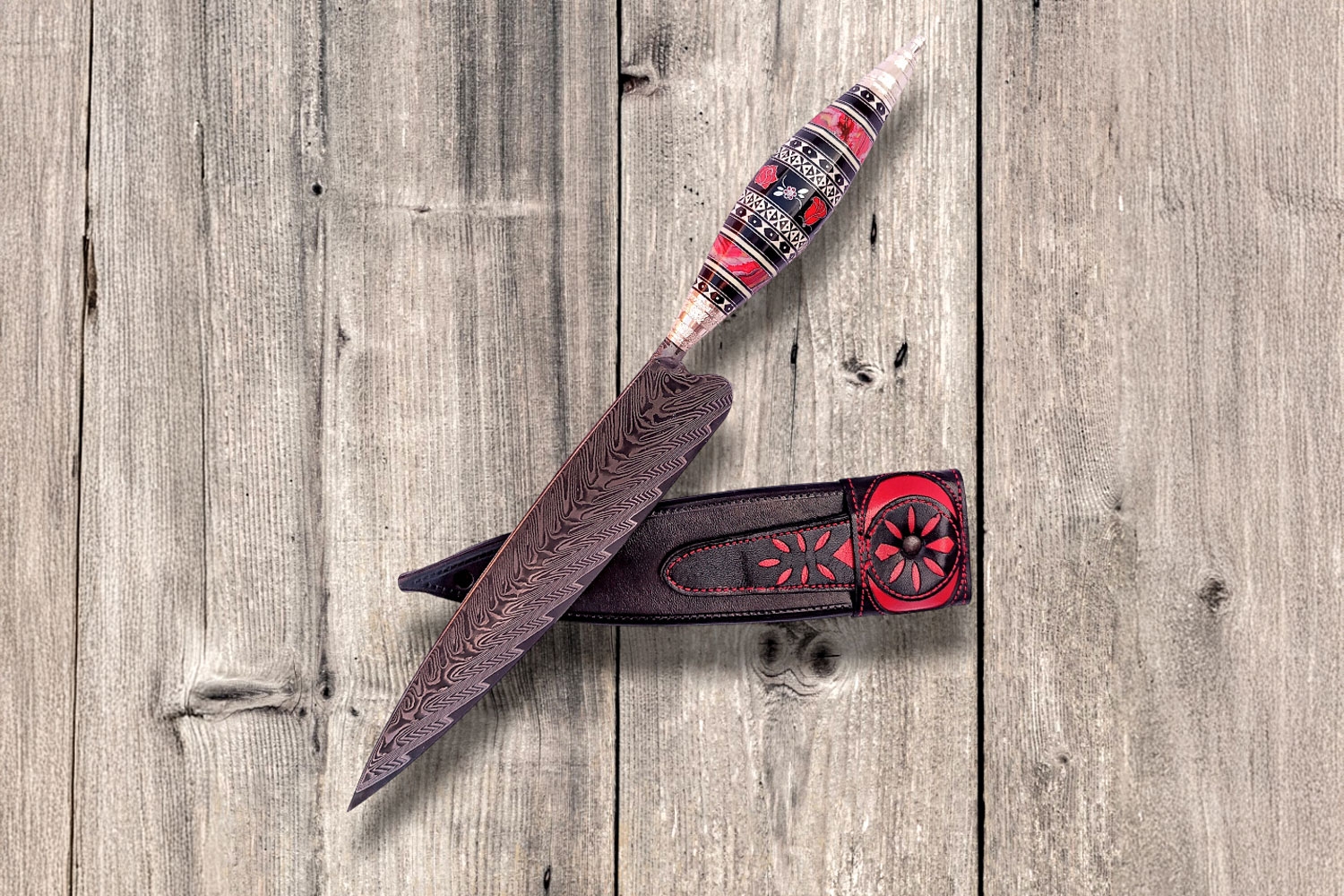
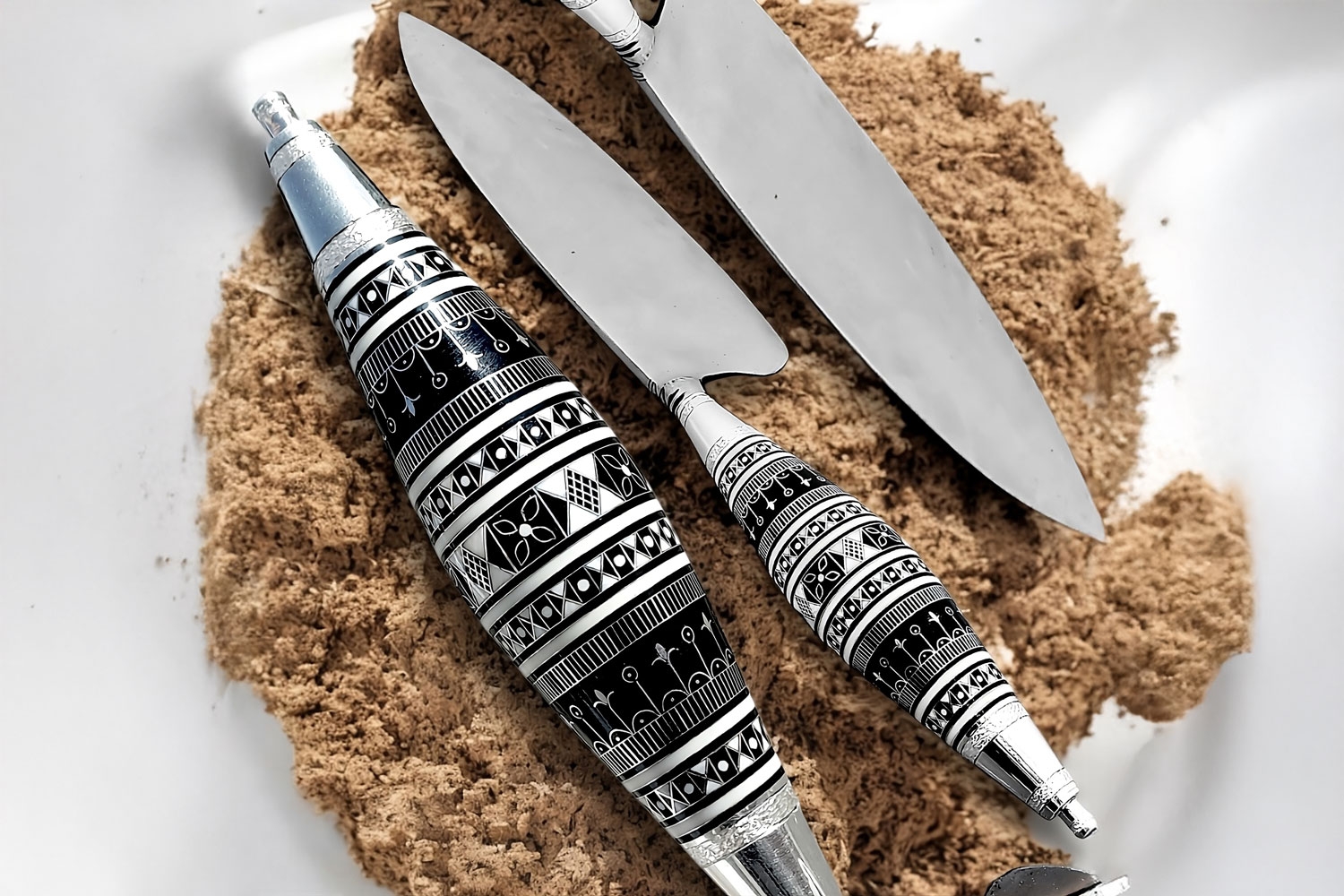
- José Juan’s knife handles are inspired by Canarian cave art
- He is committed to preserving his crafts' heritage while exploring its artistic limits
- He published two books on Canarian knife making to record its history
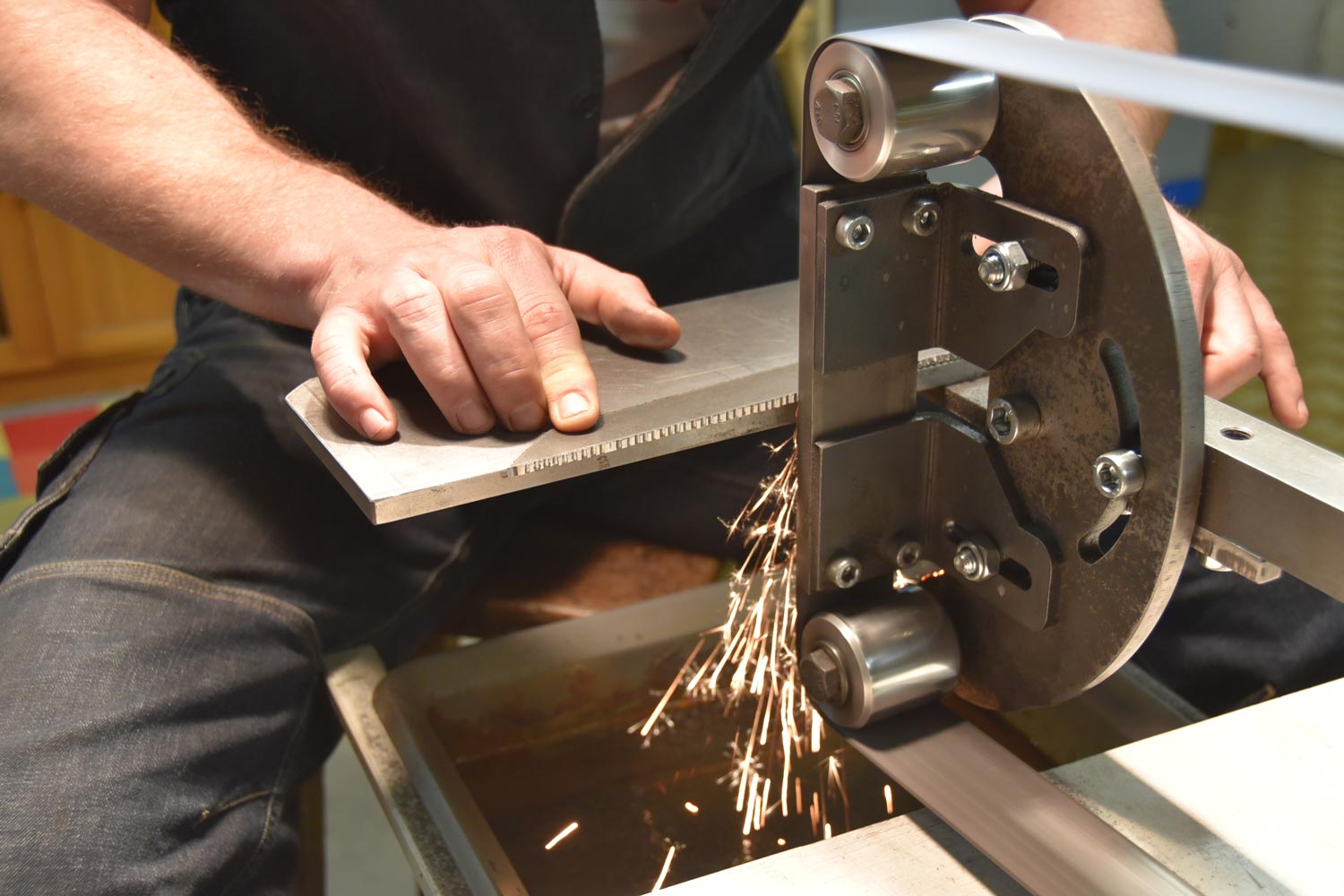
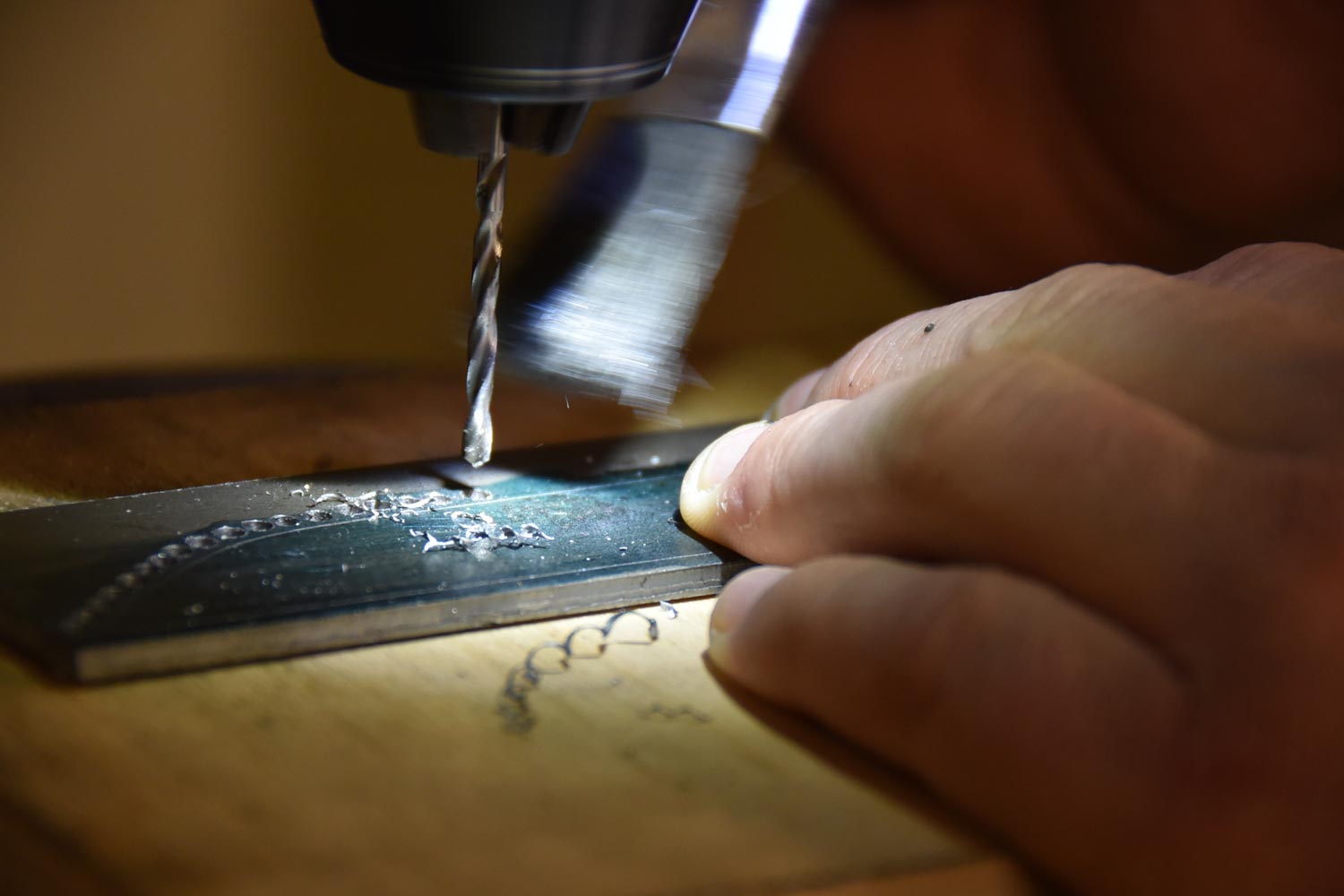
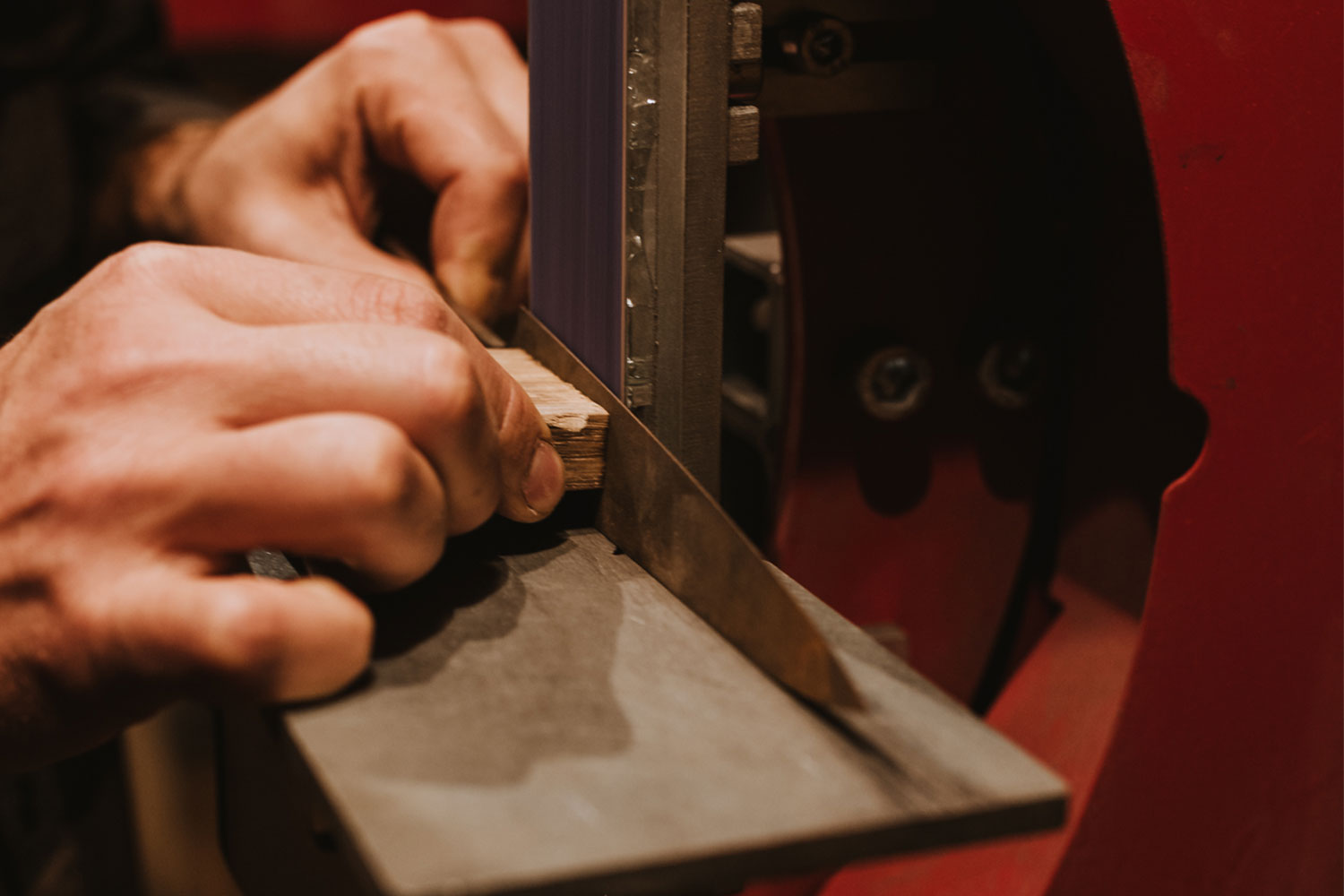
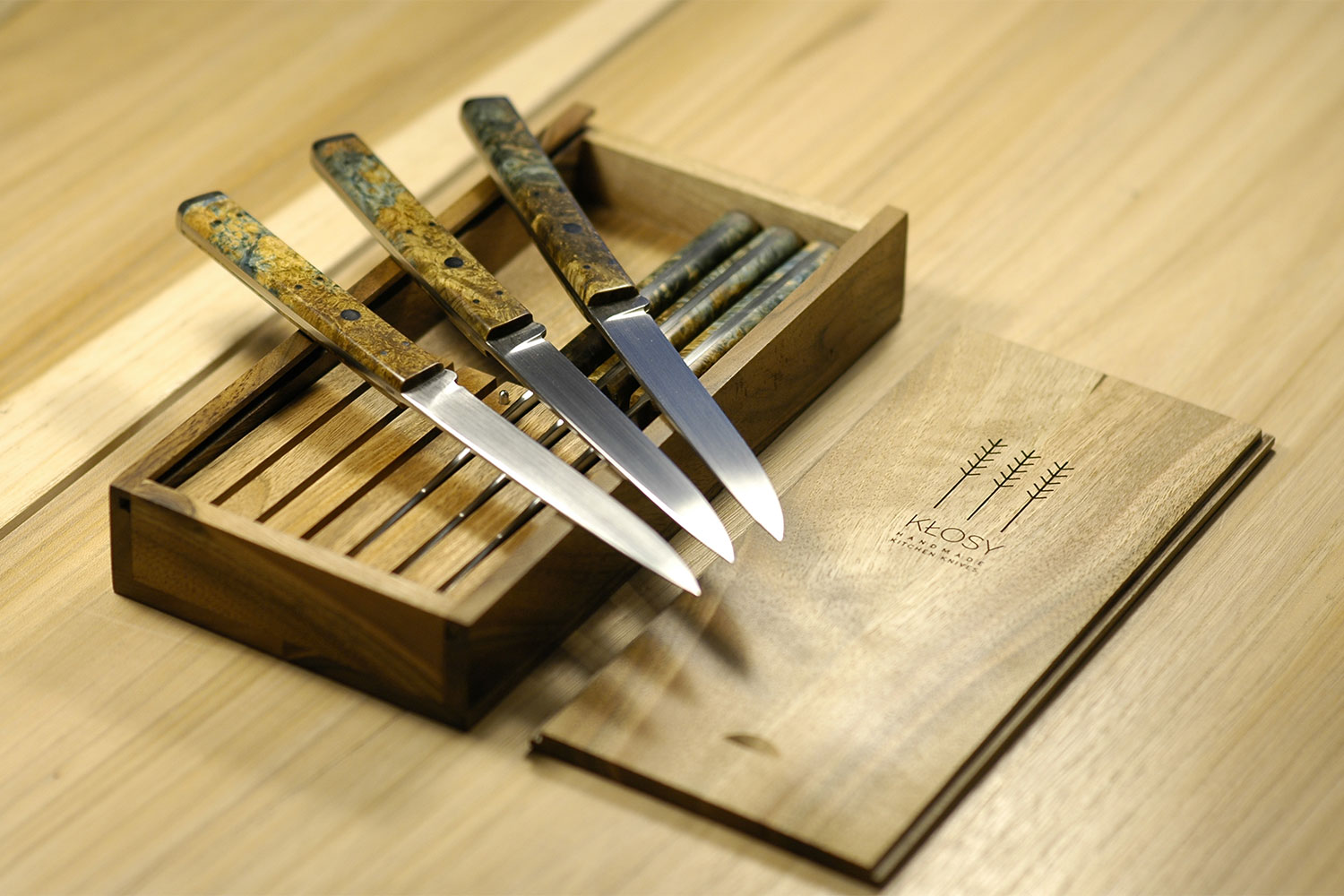
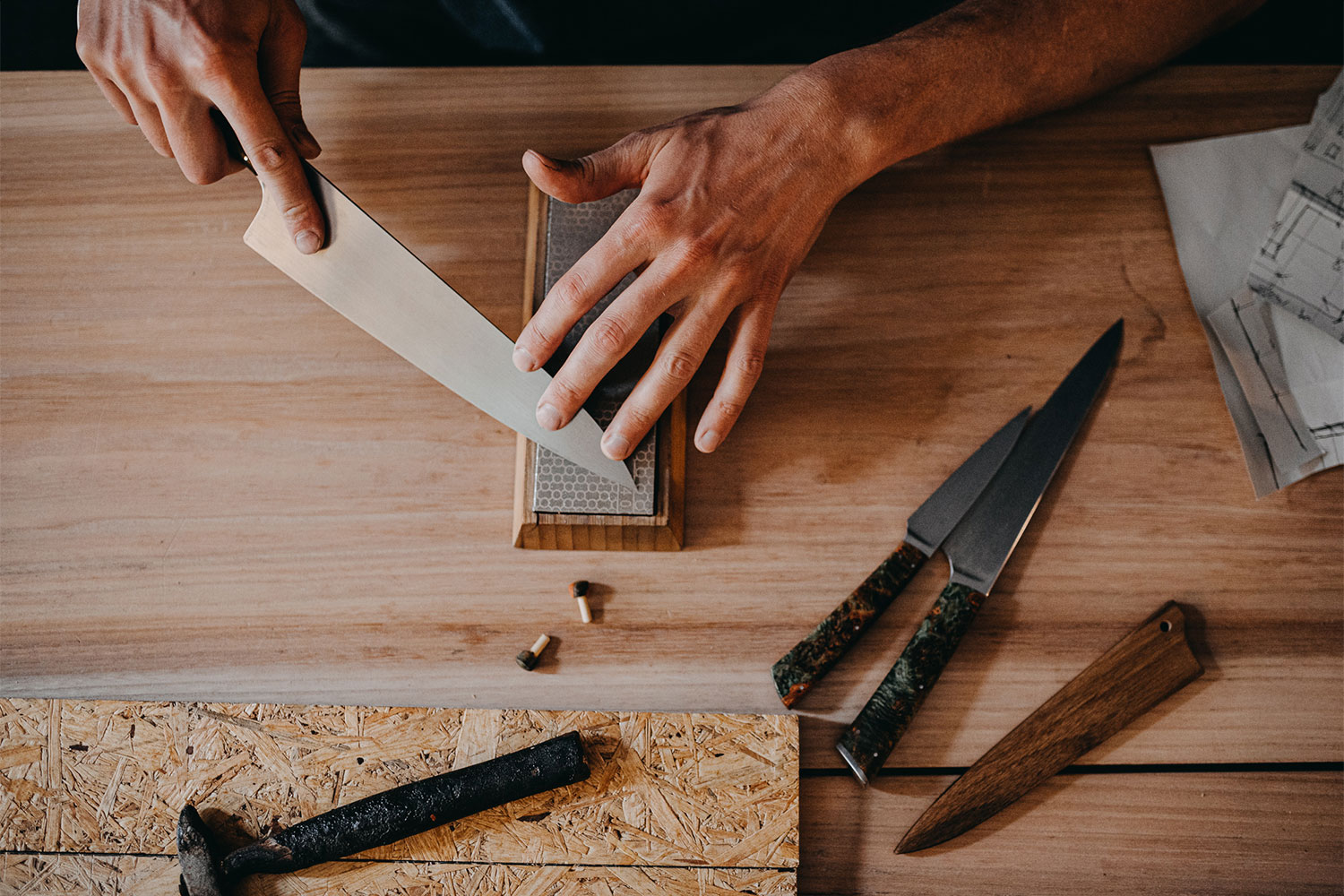
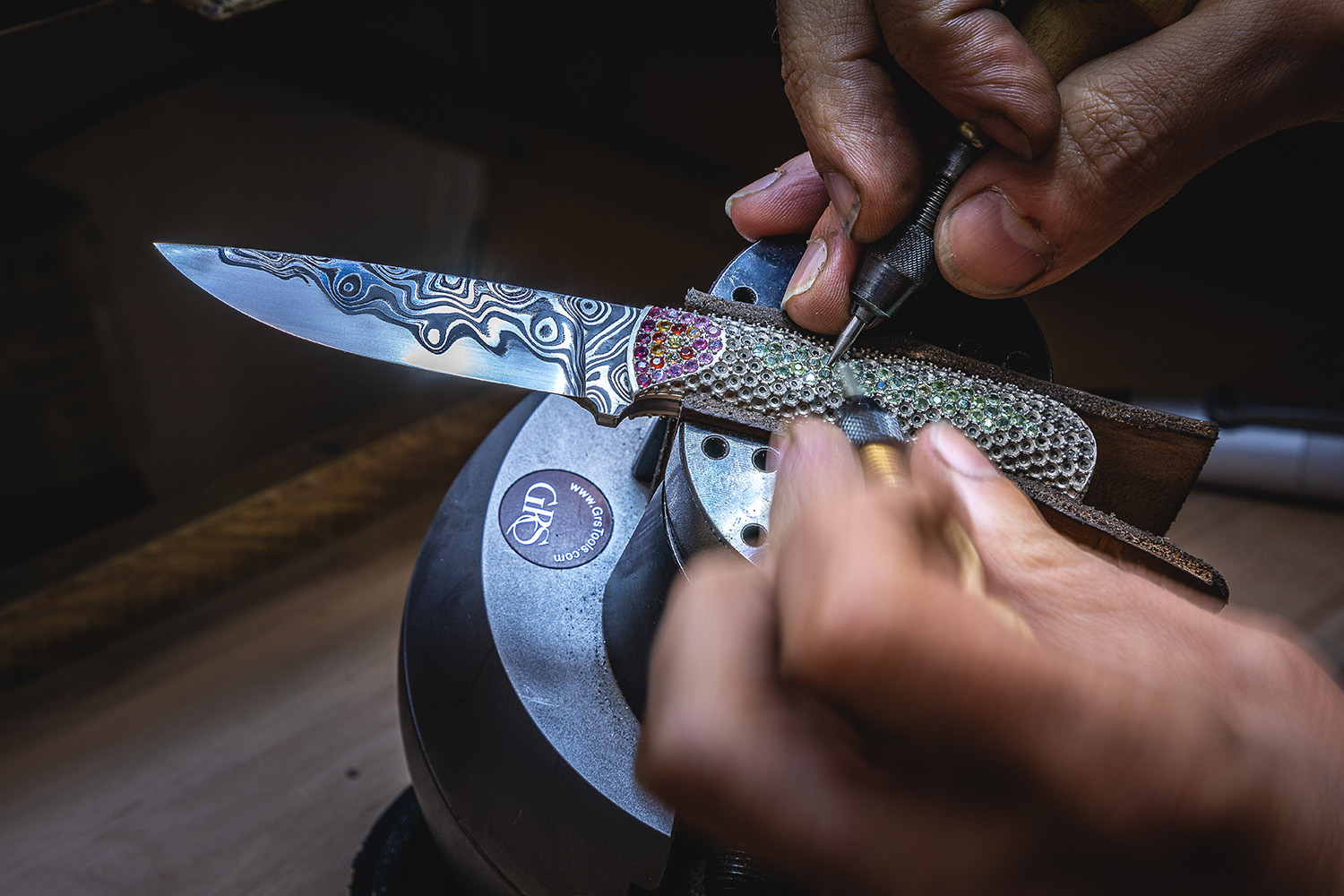
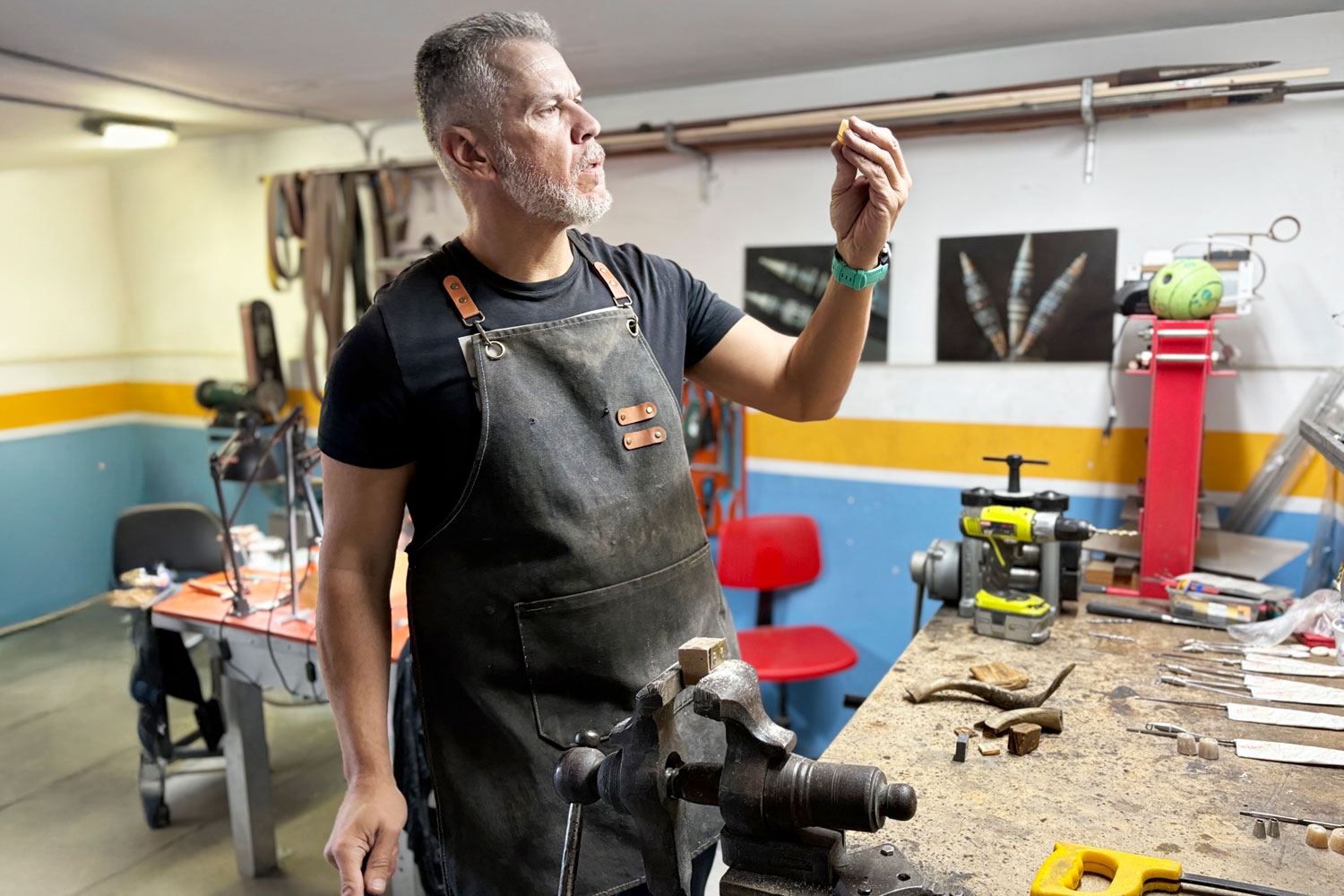
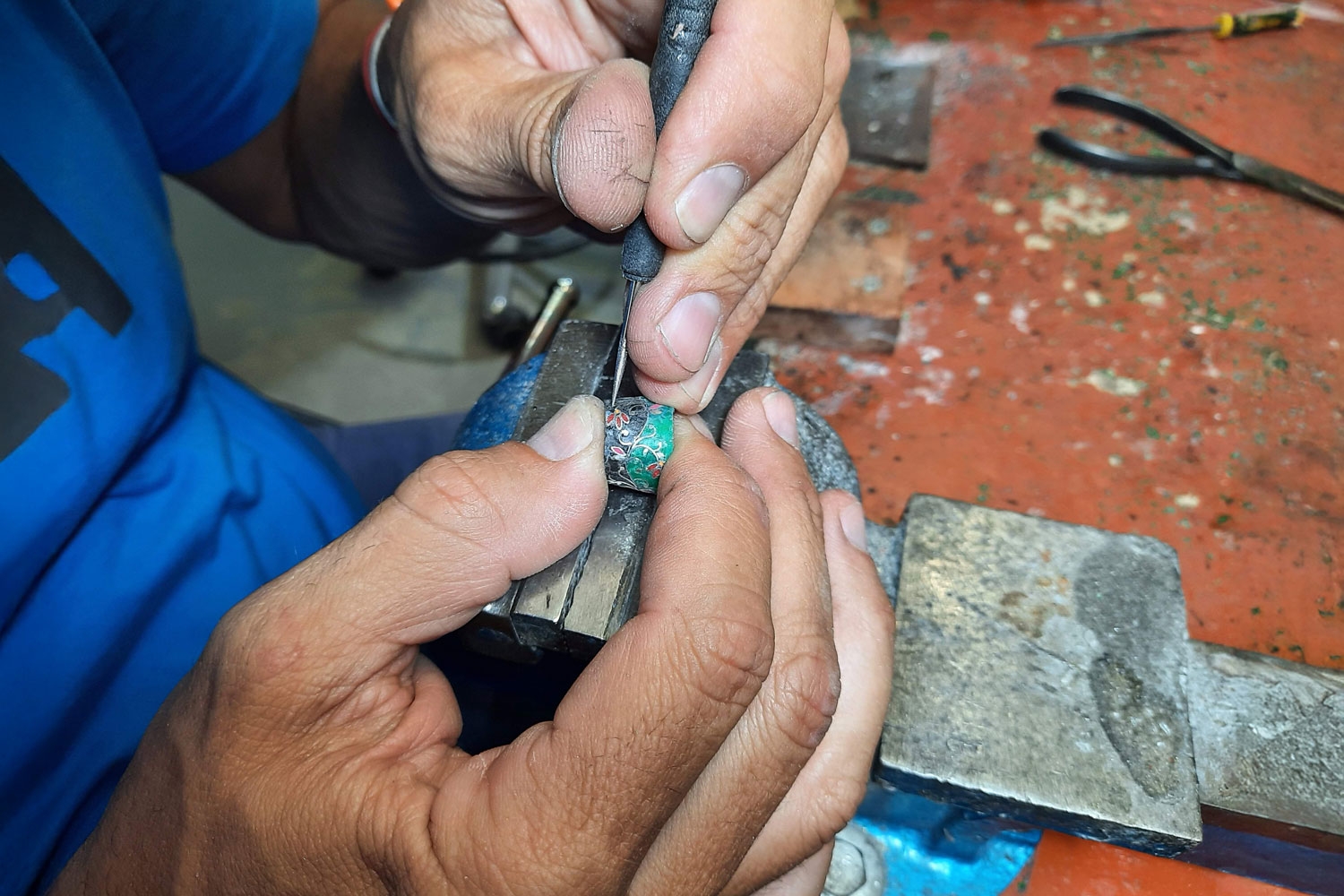
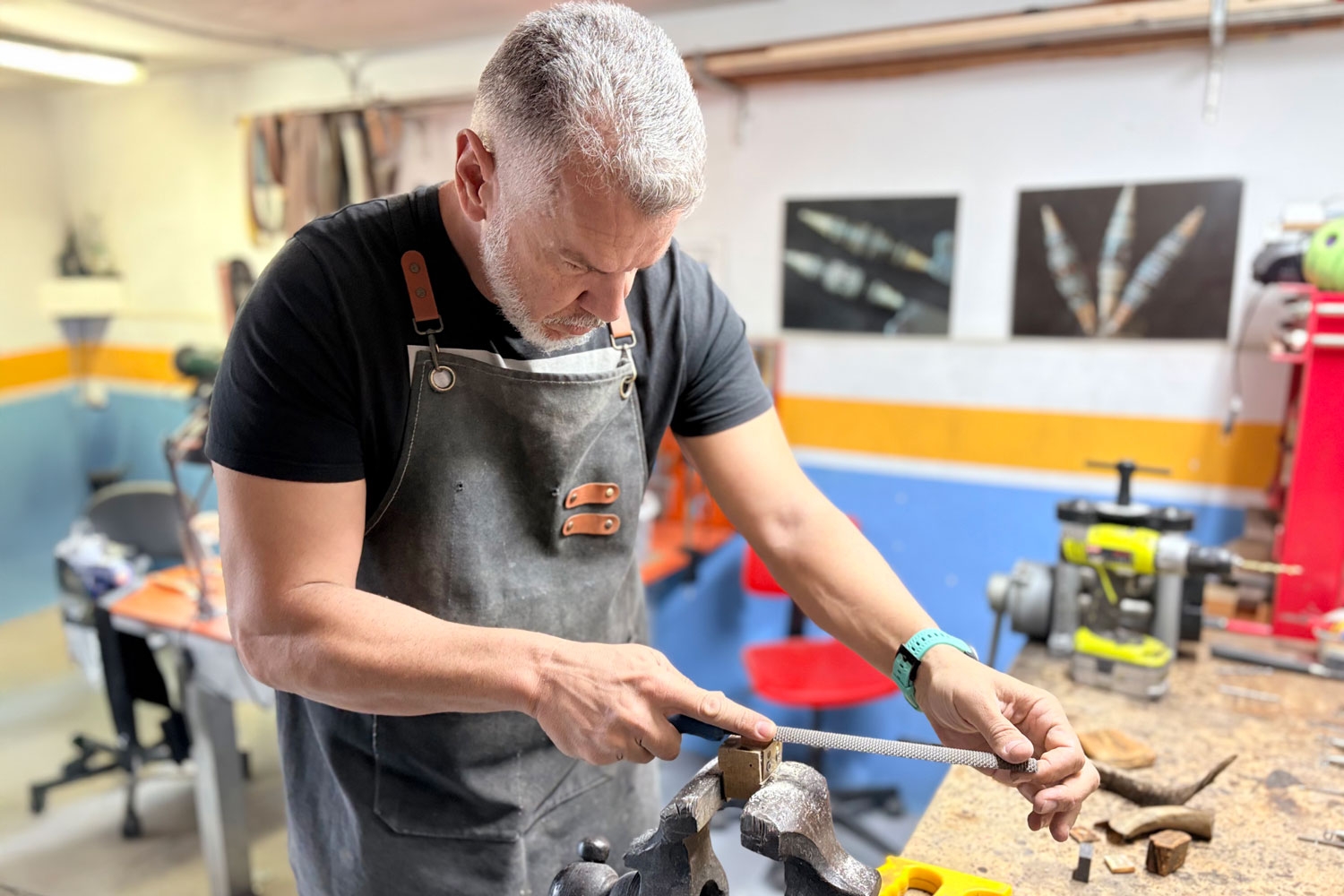
José Juan Sosa Perdomo honours craftsmanship through the art of knife making. He was brought up with the distinct smell of sawdust from his father’s workshop and was introduced to the traditional Canarian knife by his mother and uncle, who both worked on a banana plantation in Gáldar, Gran Canaria. The naife, a vital tool in banana farming, is a prized artifact in families, handed down through generations. Today, it represents the islands’ identity and is a sought-after artistic collectible. "I create detailed artistic inlays for custom art pieces. I found my true passion in researching the knife’s origins," he says. This led José Juan to consign his findings in two published books he has left as a legacy for Canarian craftmanship.
Discover his work



INTERVIEW
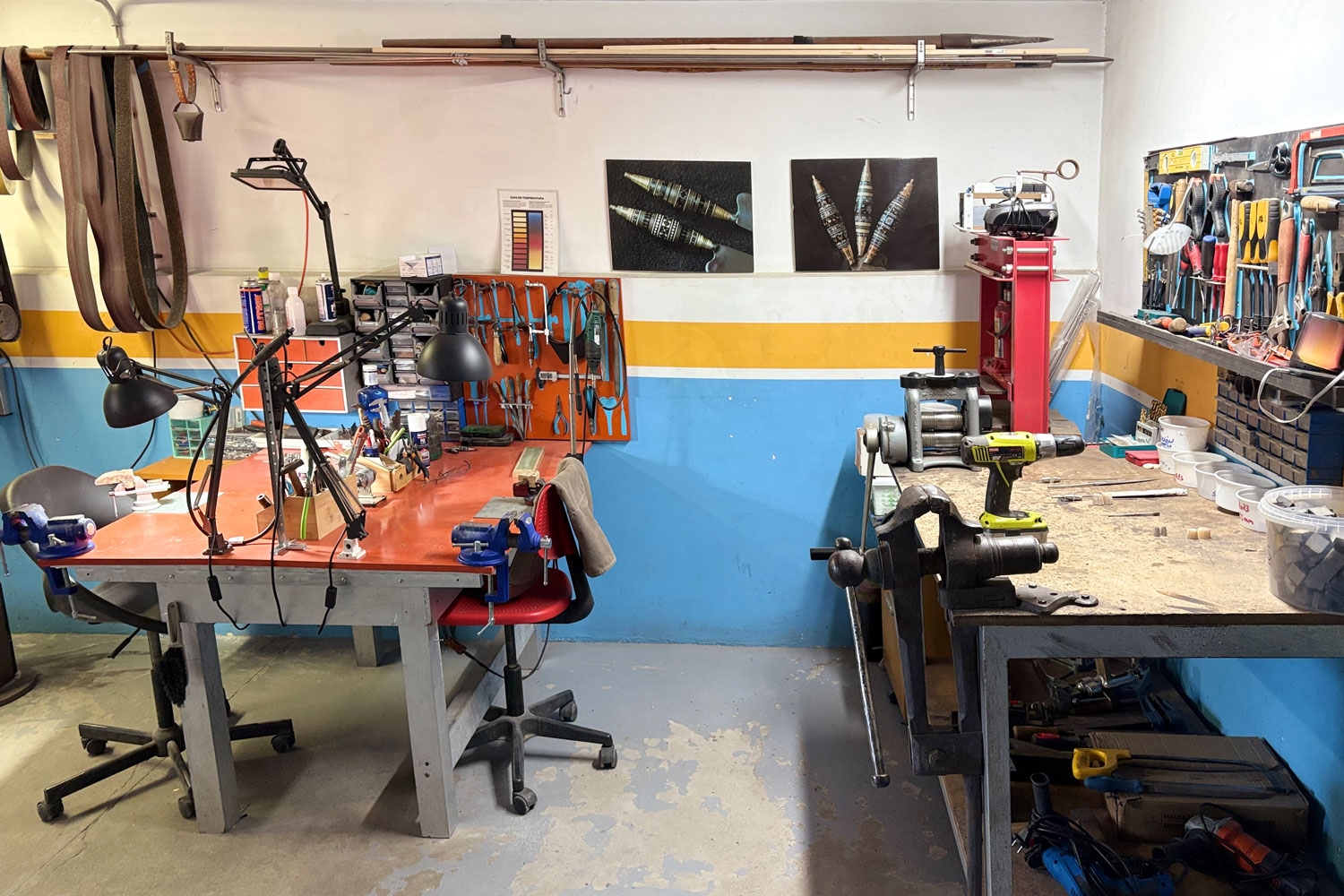
My father was a woodworker, and I grew up surrounded by his tools and captivated by the versatility of wood. My mother worked on banana farms, where the Canarian knife was an essential, everyday tool. She and my uncle taught me how to use it. In most households, Canarian knives are family heirlooms, passed down through generations.
I took a job in a banana farm during a career gap year in 2002. The intricate designs of sophisticated knives motivated me to research and craft them. I began working on my own, replacing wooden handles with horn, and then started crafting for my family. I launched my practice in knife making in 2008, in parallel to my job in physical education.
I encountered conflicting accounts of the craft's origins, and a noticeable historical void. While researching, I decided to document my findings in two books, which were published in 2018 and 2024. It was important to leave record of how the Canarian knife emerged. The craft is rooted in Andalusian and Arab traditions, fused with North African versions and finally forged by the island’s multicultural influences.
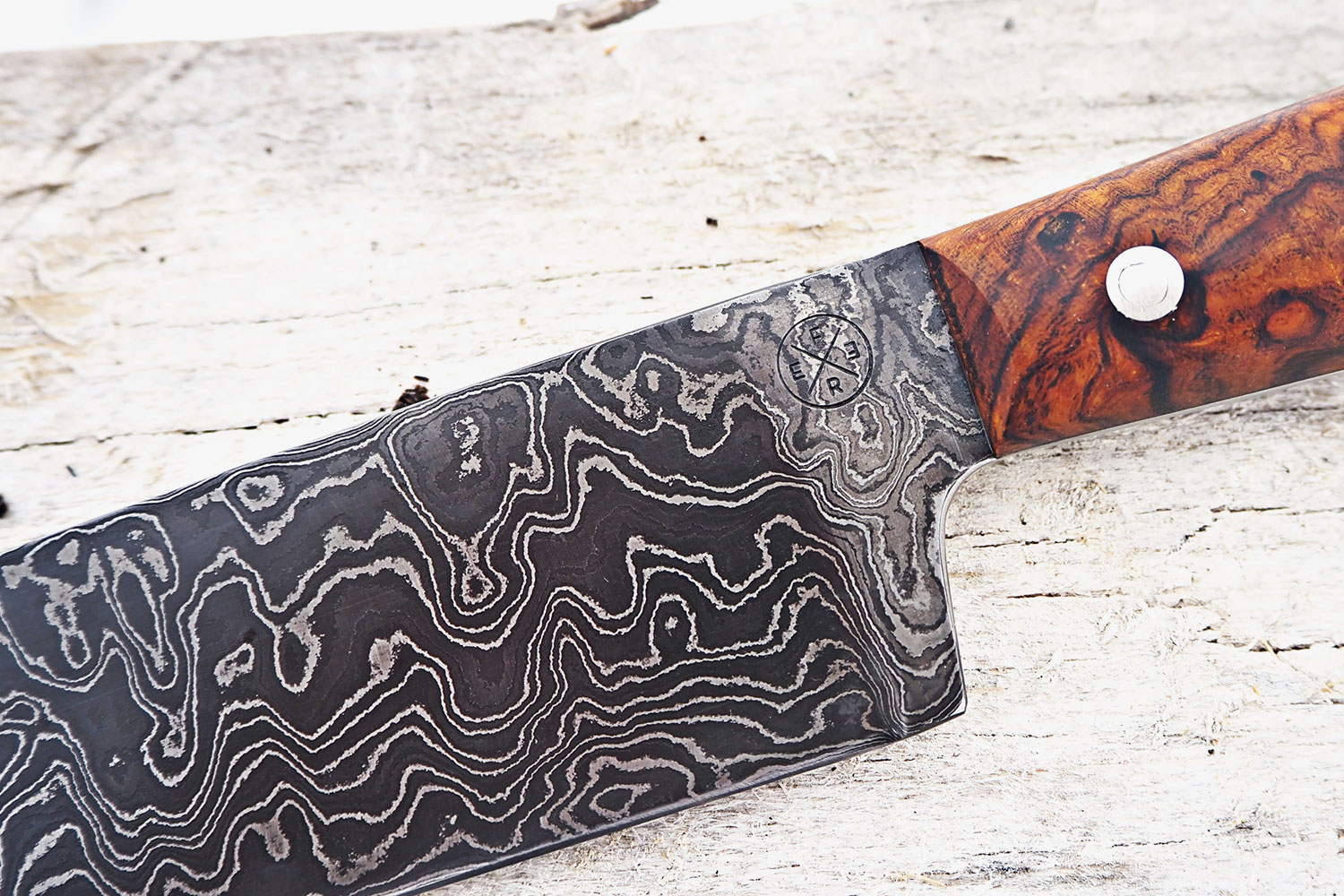
I see each piece as a blank canvas where horn and steel converge, moving from the purely artisanal into the artistic realm through unique and detailed designs, without losing sight of the traditional typologies.
José Juan Sosa Perdomo
Knife maker
Gáldar, Spain
ADDRESS
Address upon request, Gáldar, Spain
AVAILABILITY
By appointment only
LANGUAGES
Spanish, English
Homo Faber Finds is a new service aiming to inspire admirers of craft to connect and collaborate with exceptional artisans.
We invite you to submit an enquiry here.