Jan Kollwitz
Ceramicist
Cismar, Germany
Recommended by Meisterstrasse Handmade
A year of fire and clay
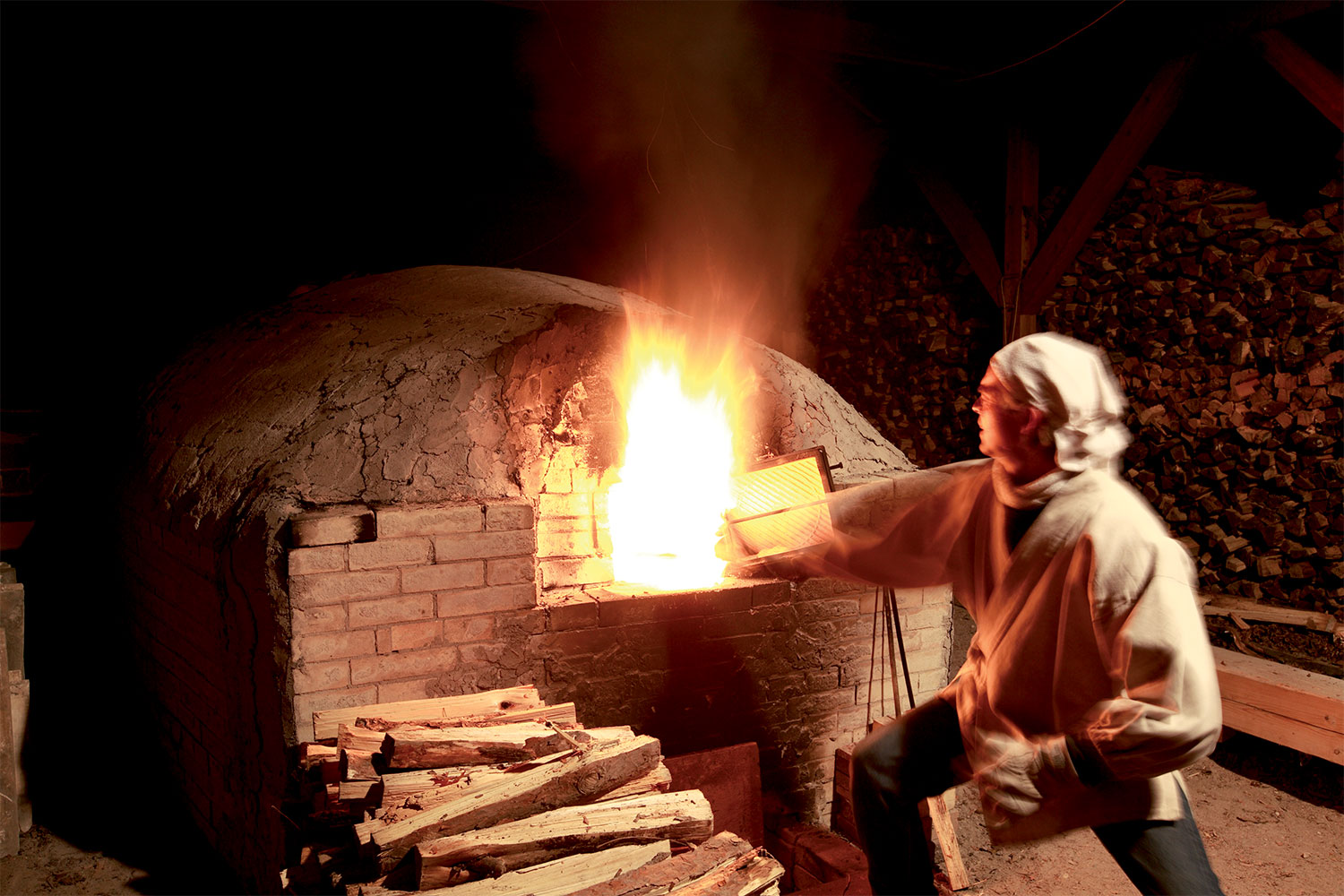
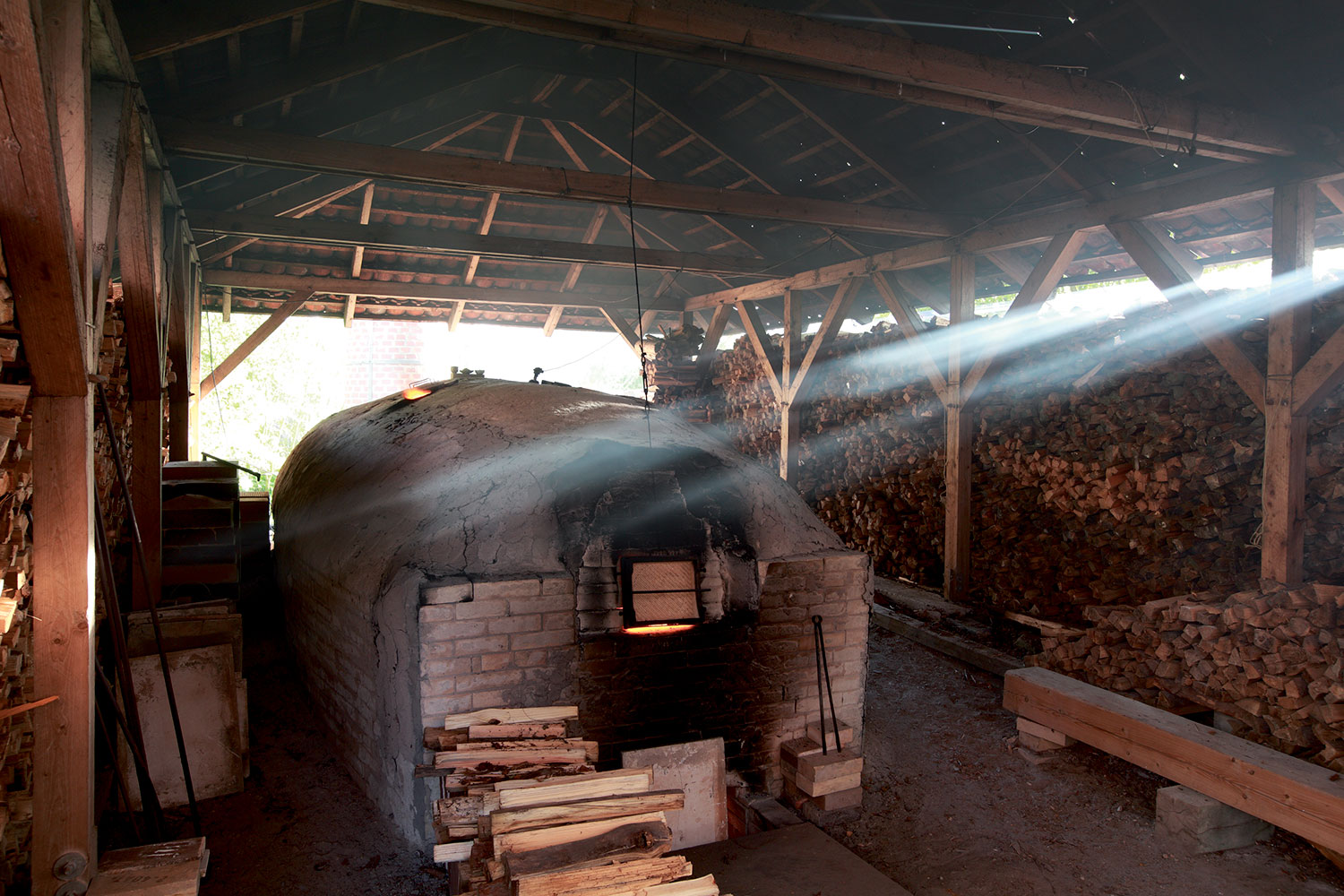
- Jan’s Anagama kiln was built by Tatsuo Watanabe in 1988
- It is fired once a year for four days and nights
- Wood must be thrown into the kiln every three minutes
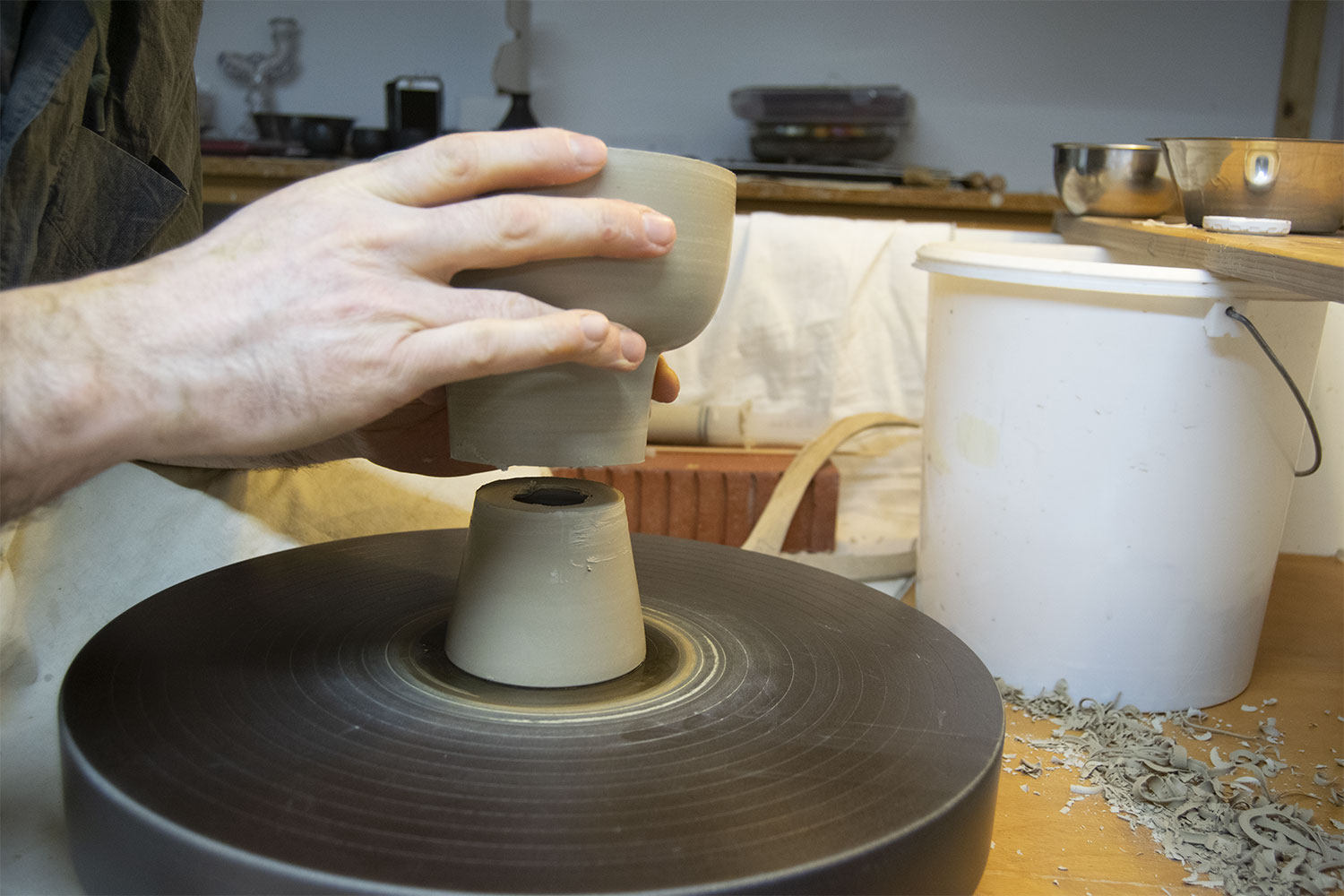
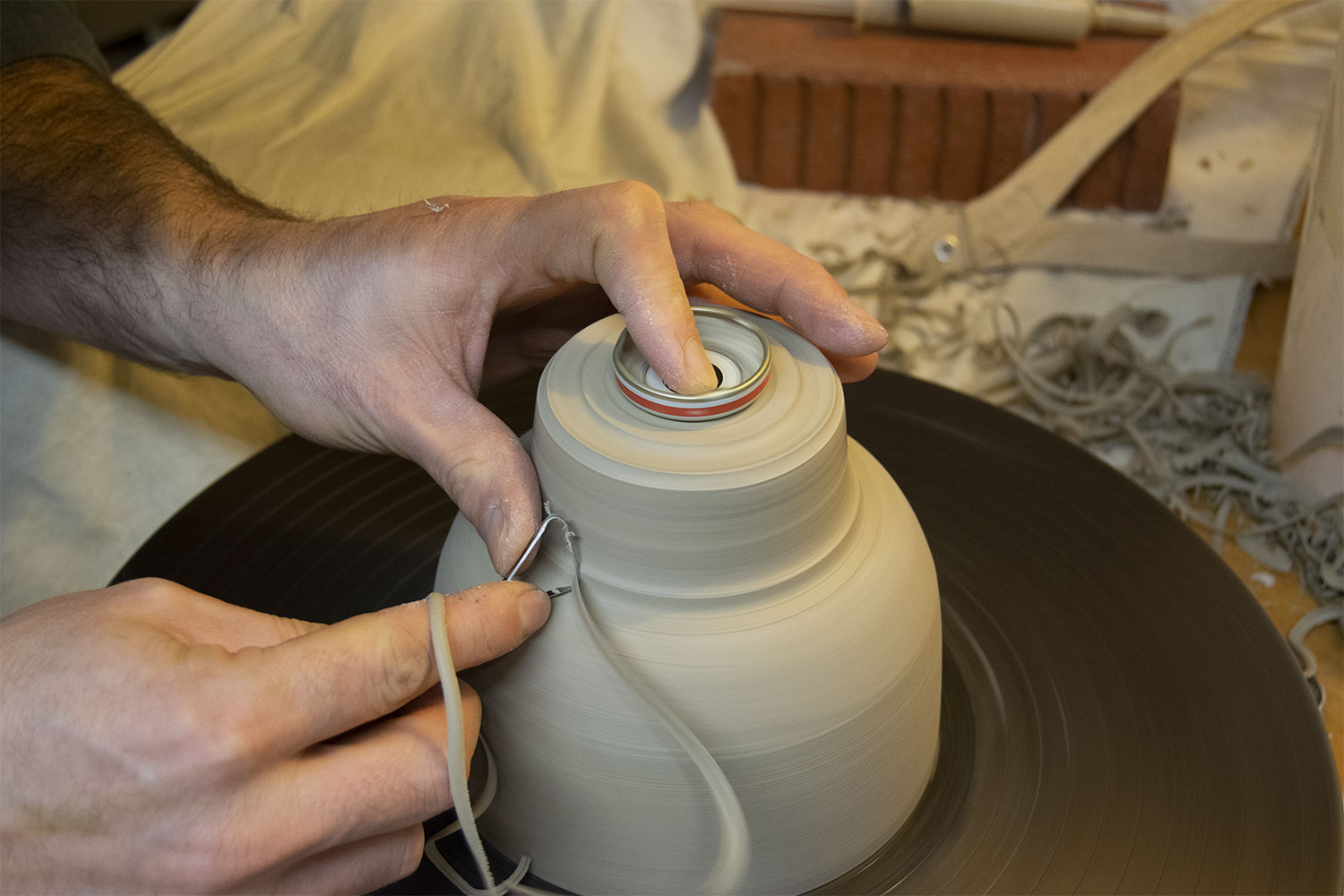
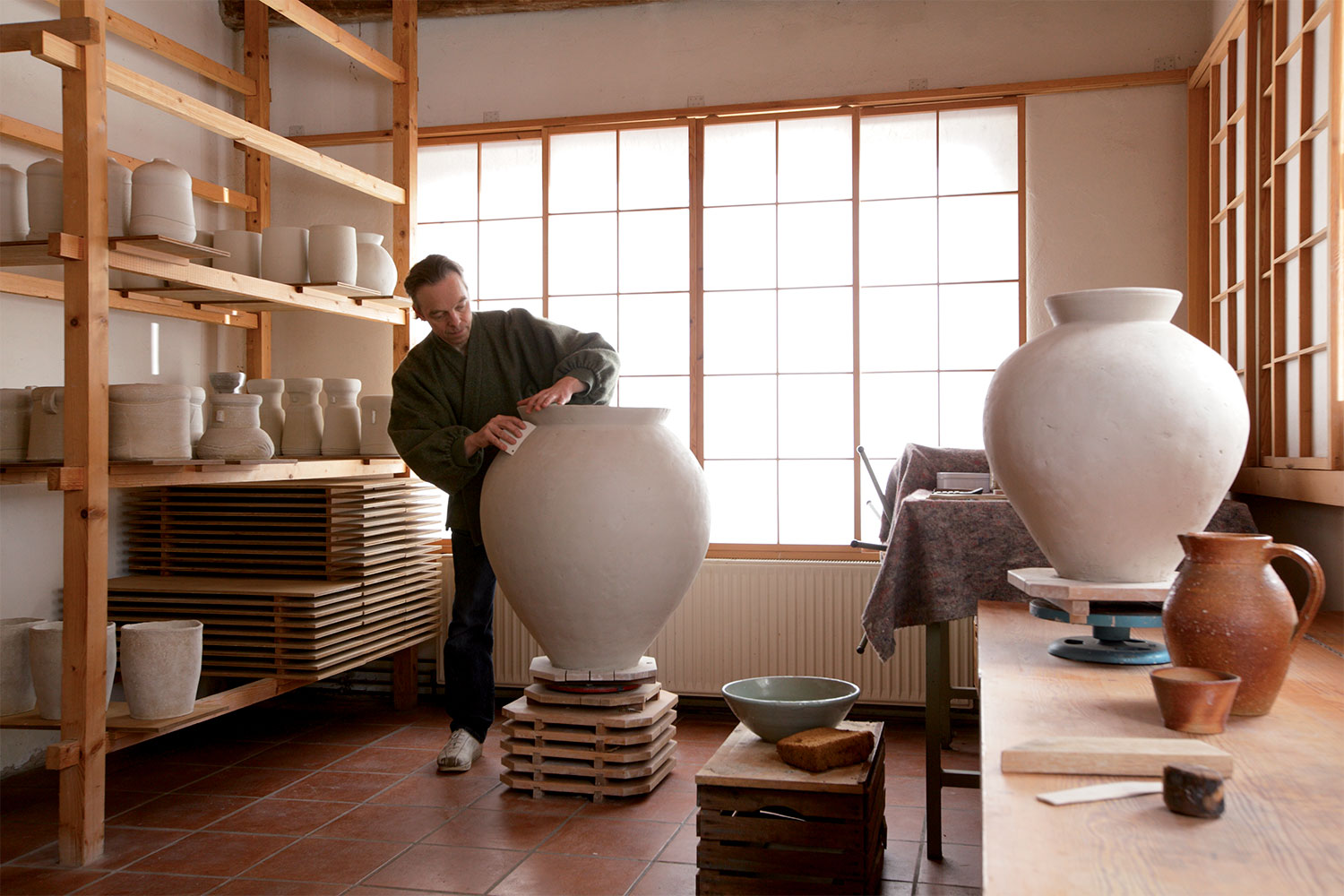
After being an actor for several years, Jan started his apprenticeship as a potter in Southern Germany when he was 22. There, the great-grandson of famous artist Käthe Kollwitz became deeply intrigued by Japanese ceramic arts. He then went to Japan with the goal of finding a master to apprentice over there. A stroke of good fortune brought him to Yutaka Nakamura in Echizen, one of The Six Ancient Kilns, villages with an outstanding pottery tradition. After turning about a thousand cups and not only enhancing his skills but learning to think about his objects in a Japanese way, Jan returned to Germany. The Japanese furnace builder Tatsuo Watanabe built Jan’s Anagama kiln in 1988 in the small village of Cismar on the Baltic coast, where Jan still works today .
Discover his work
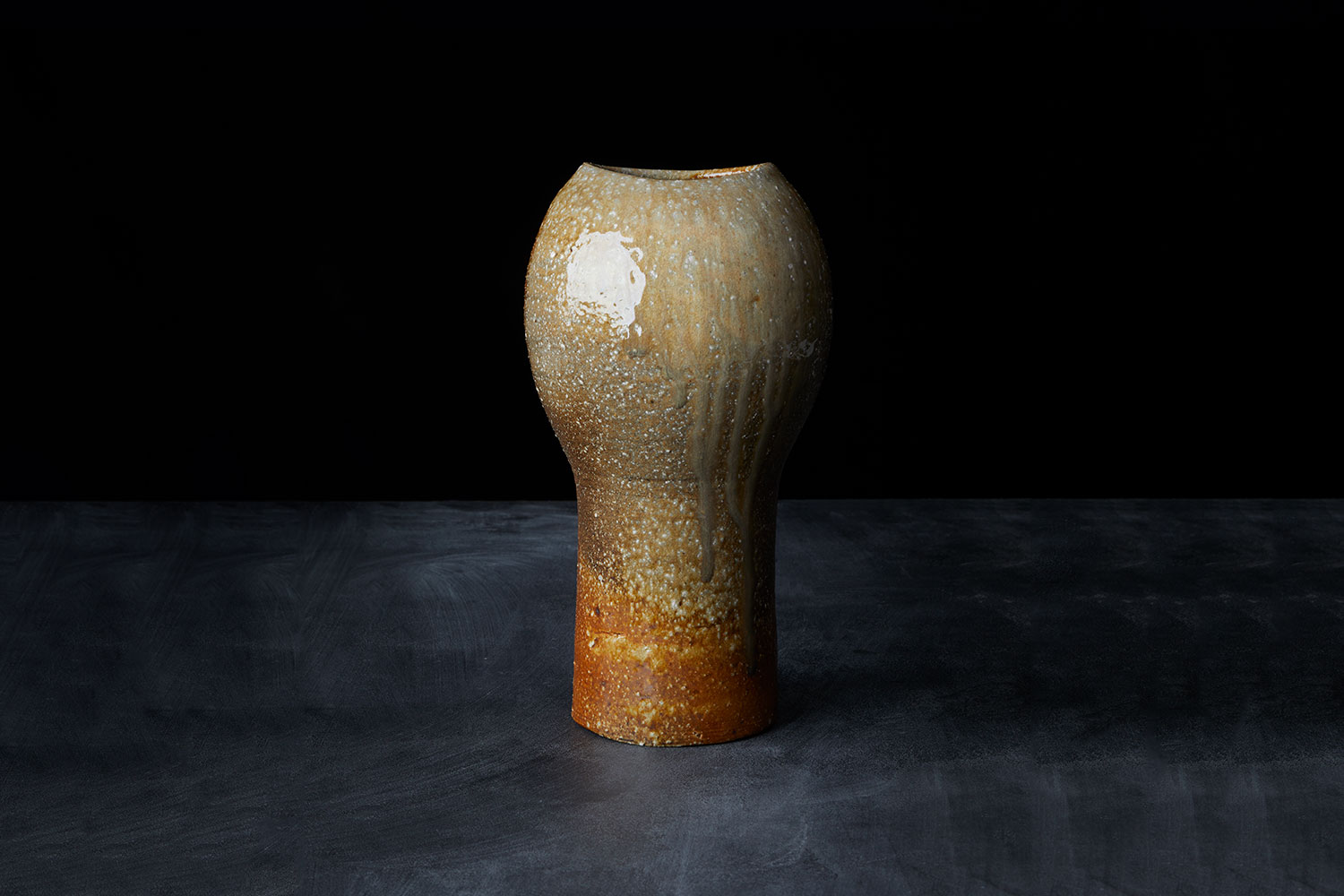
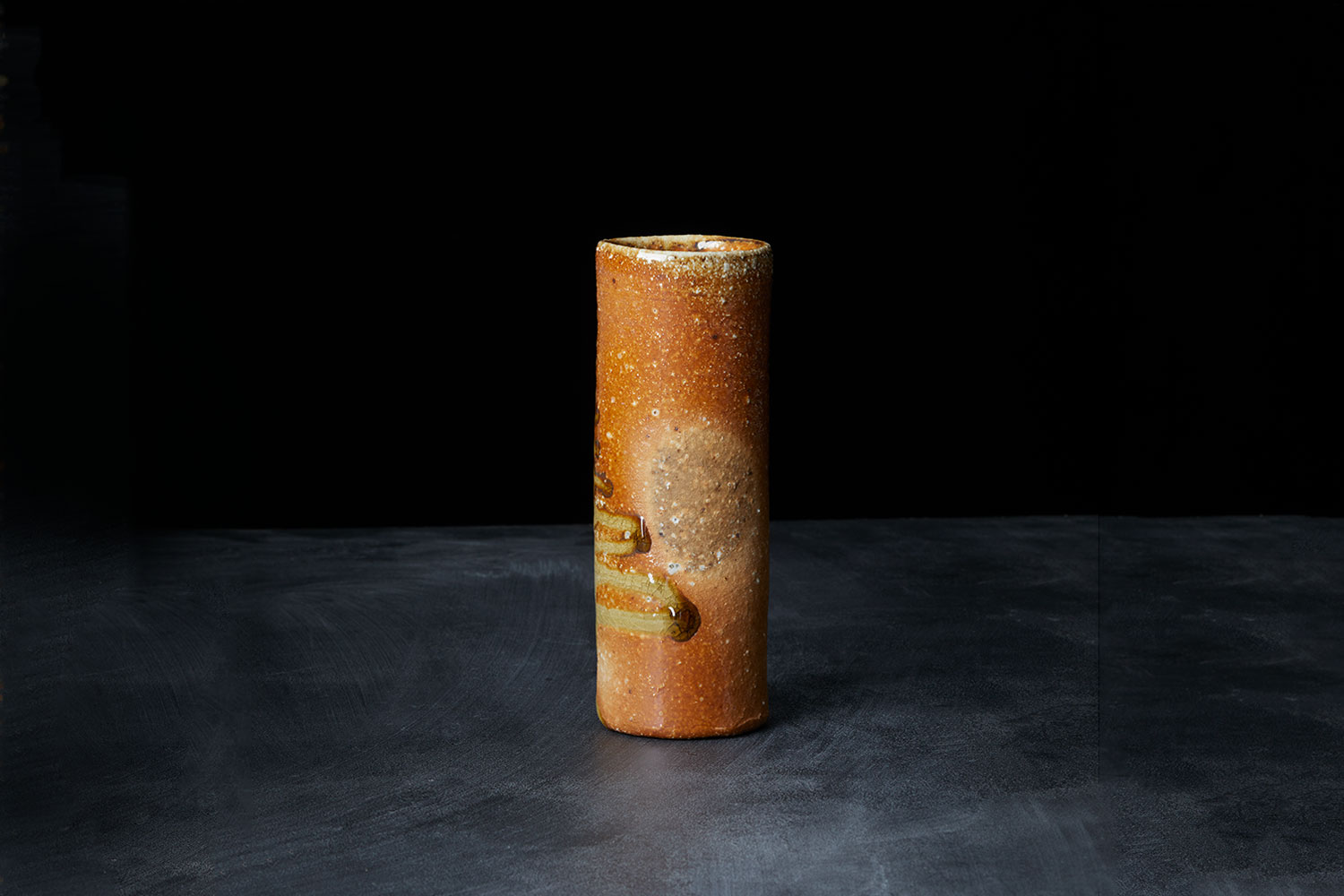
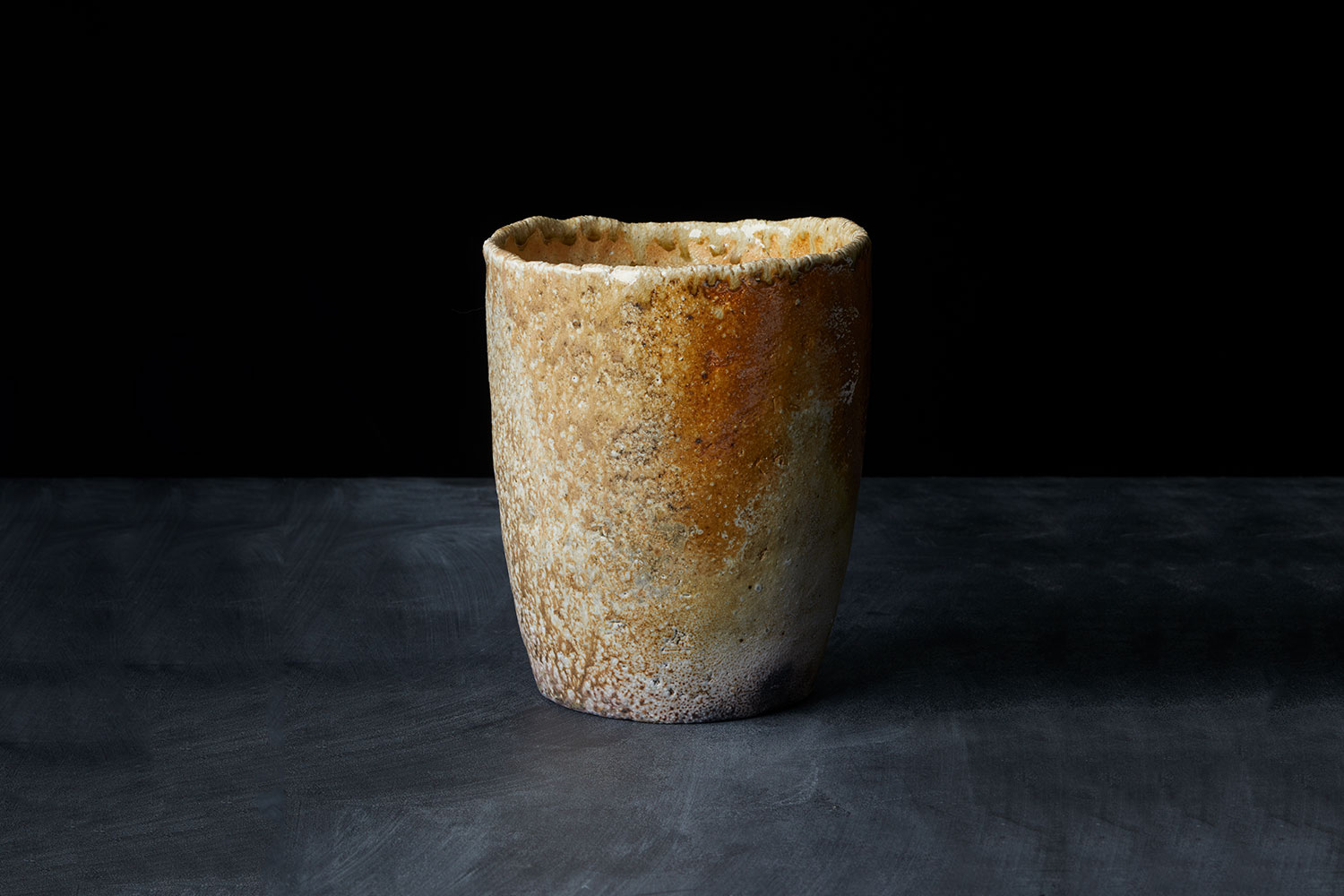
INTERVIEW
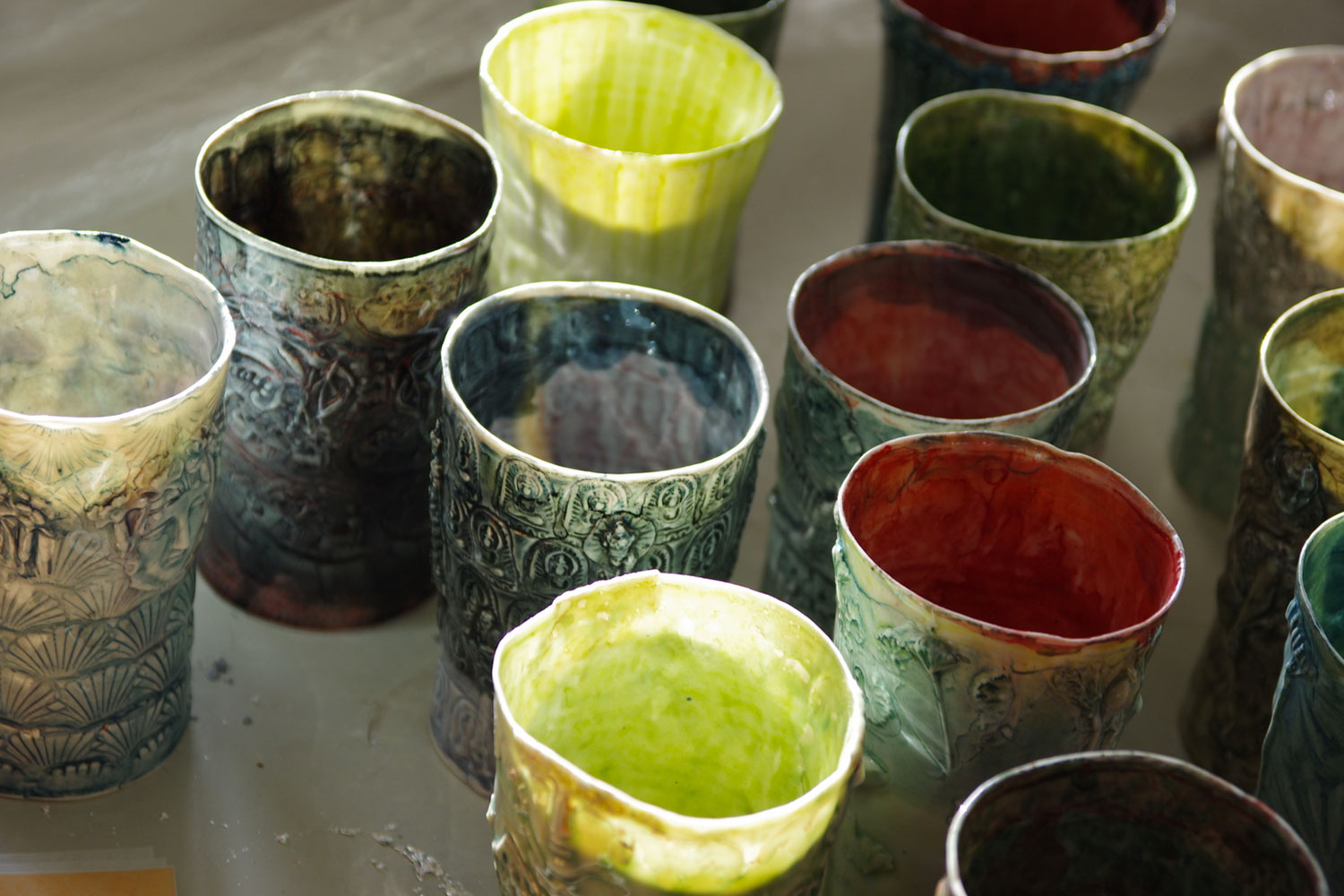
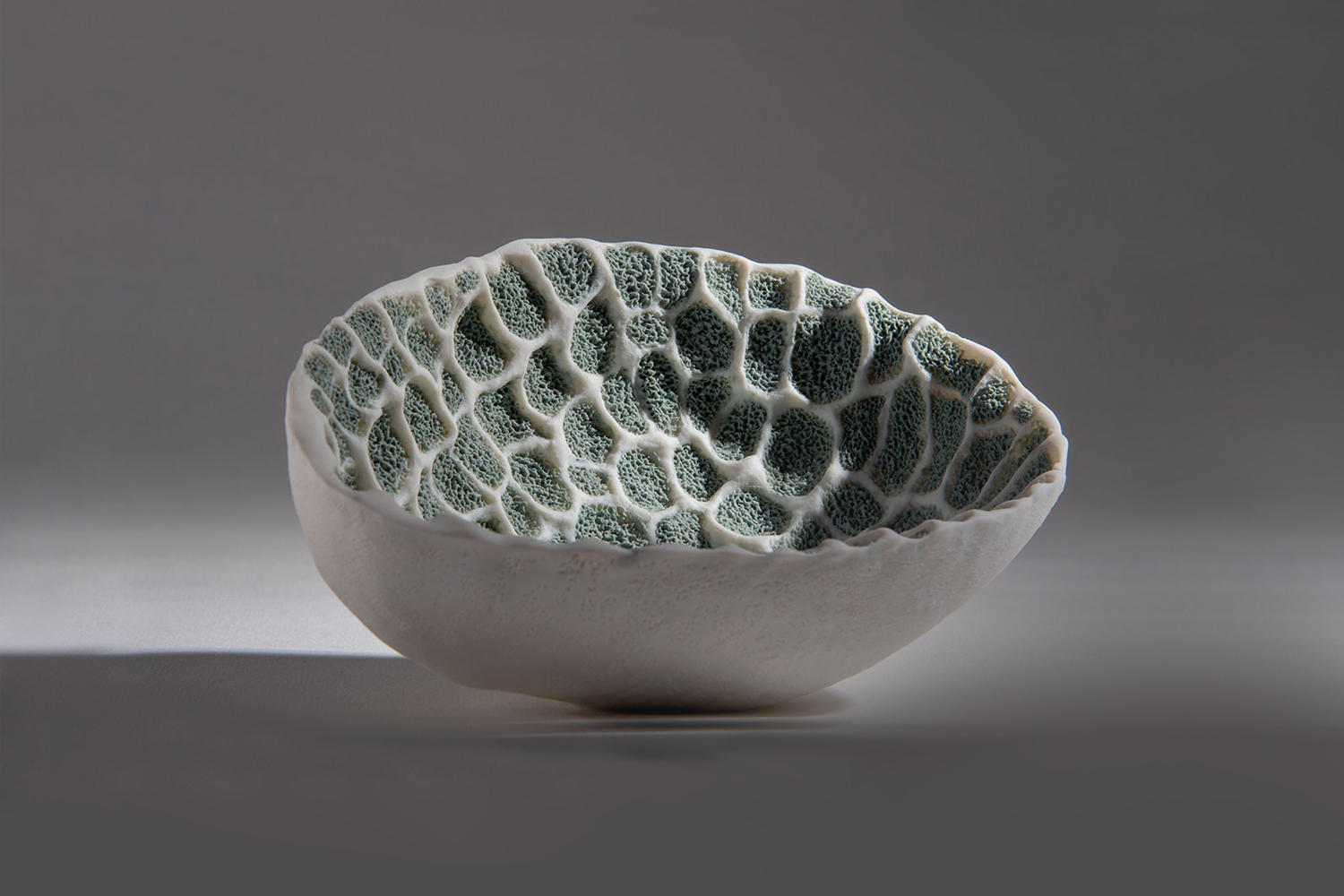
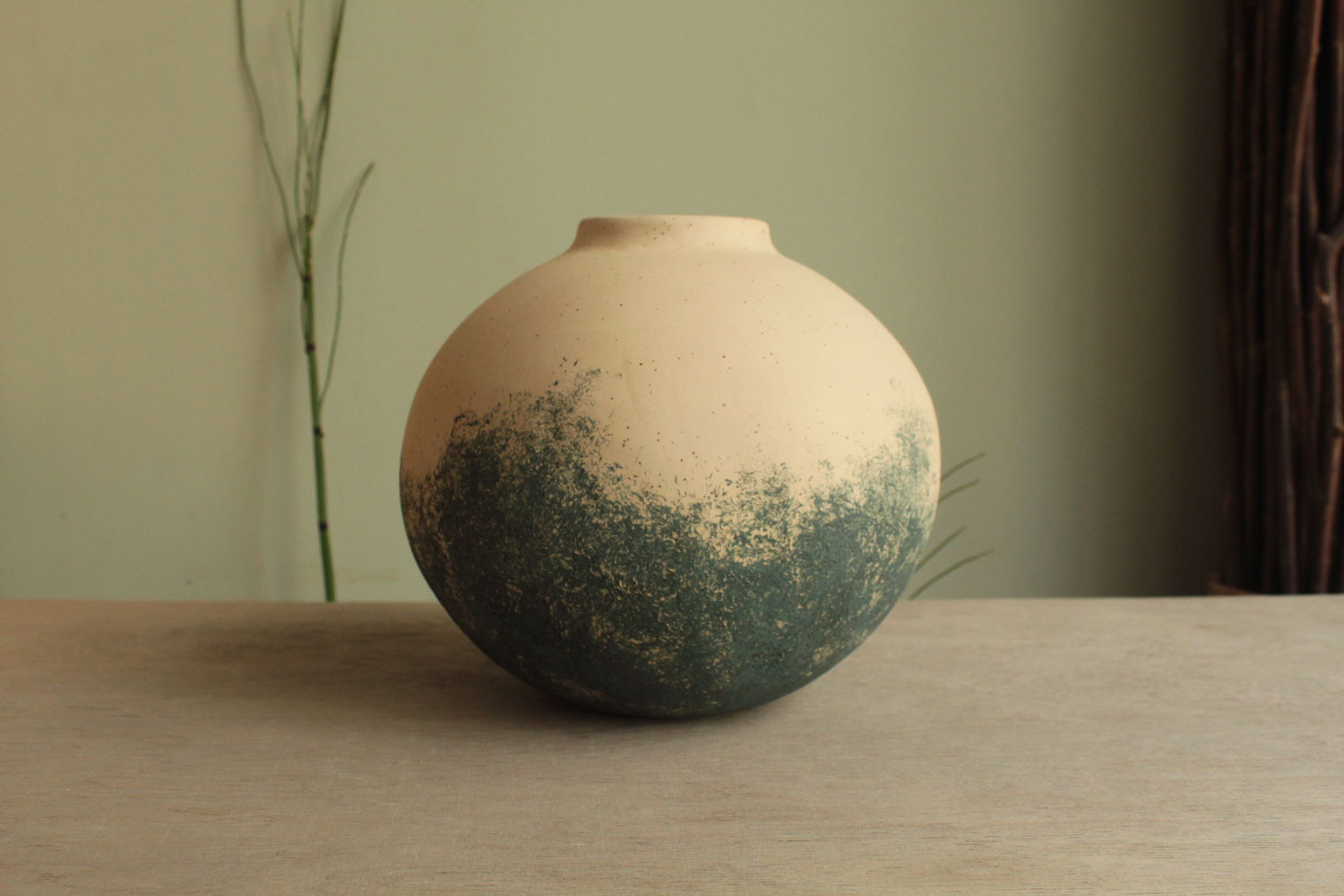
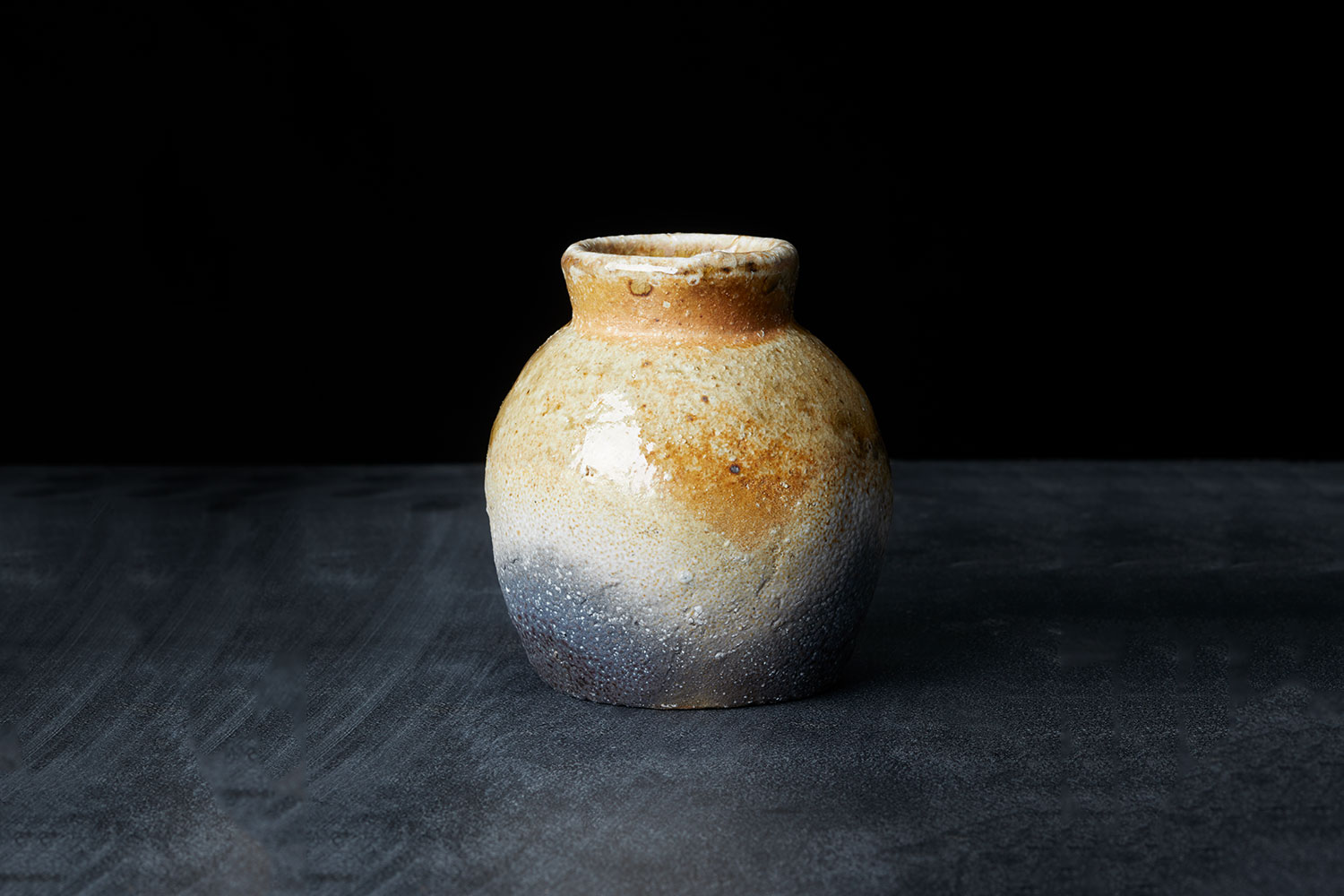
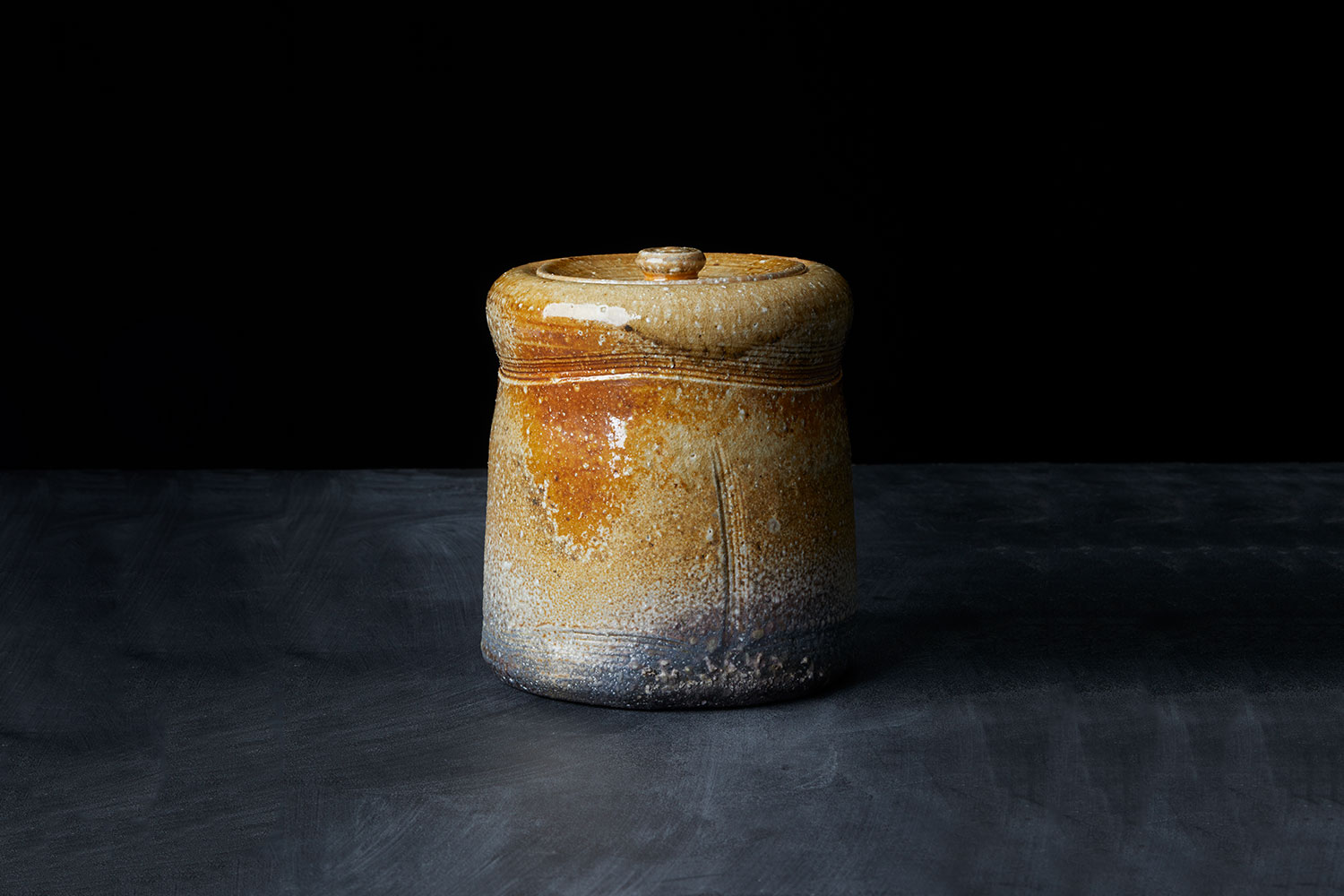
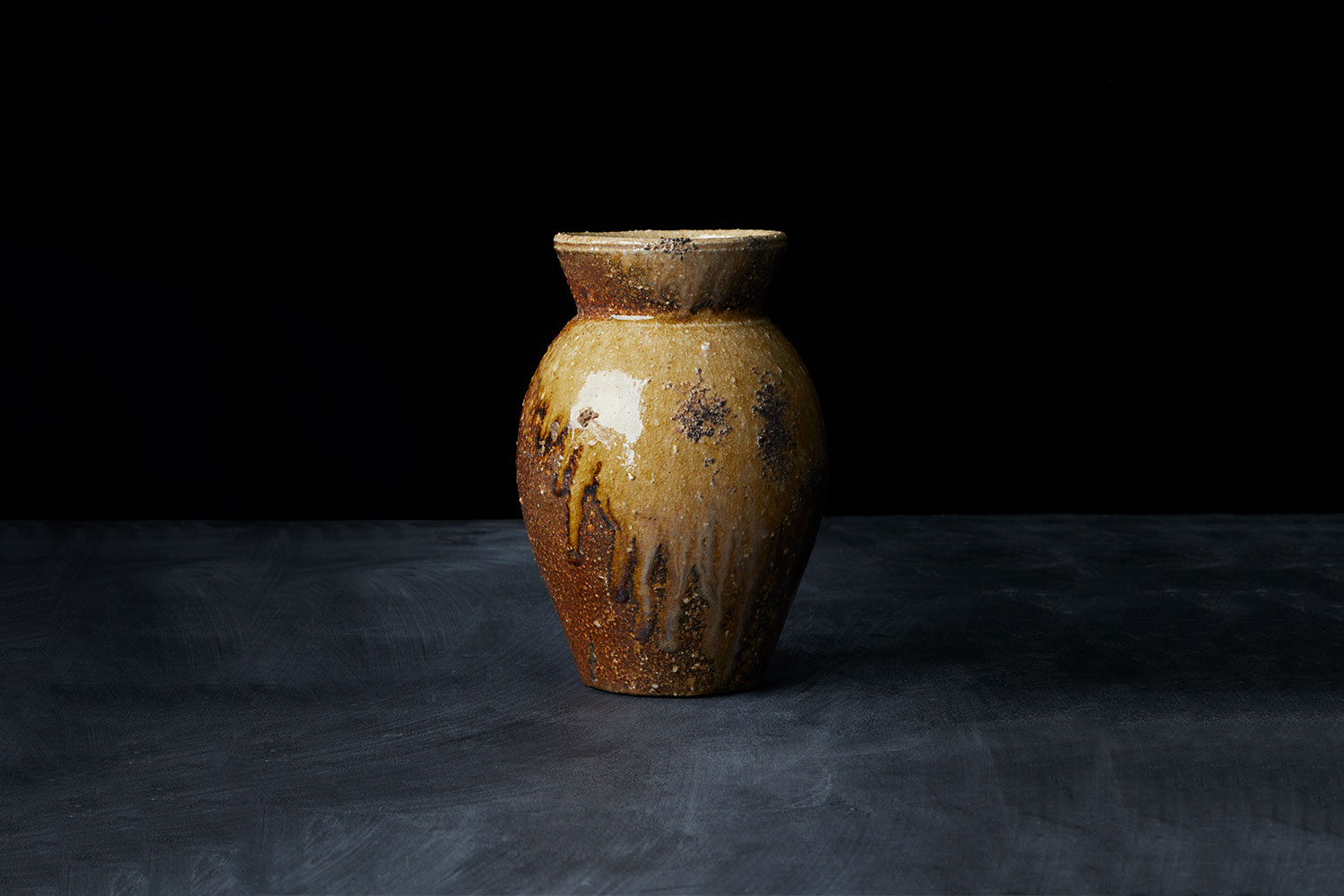
The clay objects are put in the kiln without a glaze – the colours are created by the firing process itself, as the pieces are directly exposed to flames, smoke, glowing coal and ash, which flies through the kiln and settles as fine dust all over the objects. This dust combines with the clay and melts into a glaze.
Above 1,300°C. Then, the colour of the naturally produced fly-ash glaze will vary from a matt ochre haze to transparent, deep green or even blue, depending on where the object is positioned in the kiln. The whole process takes four days and nights, with new wood added every three minutes.
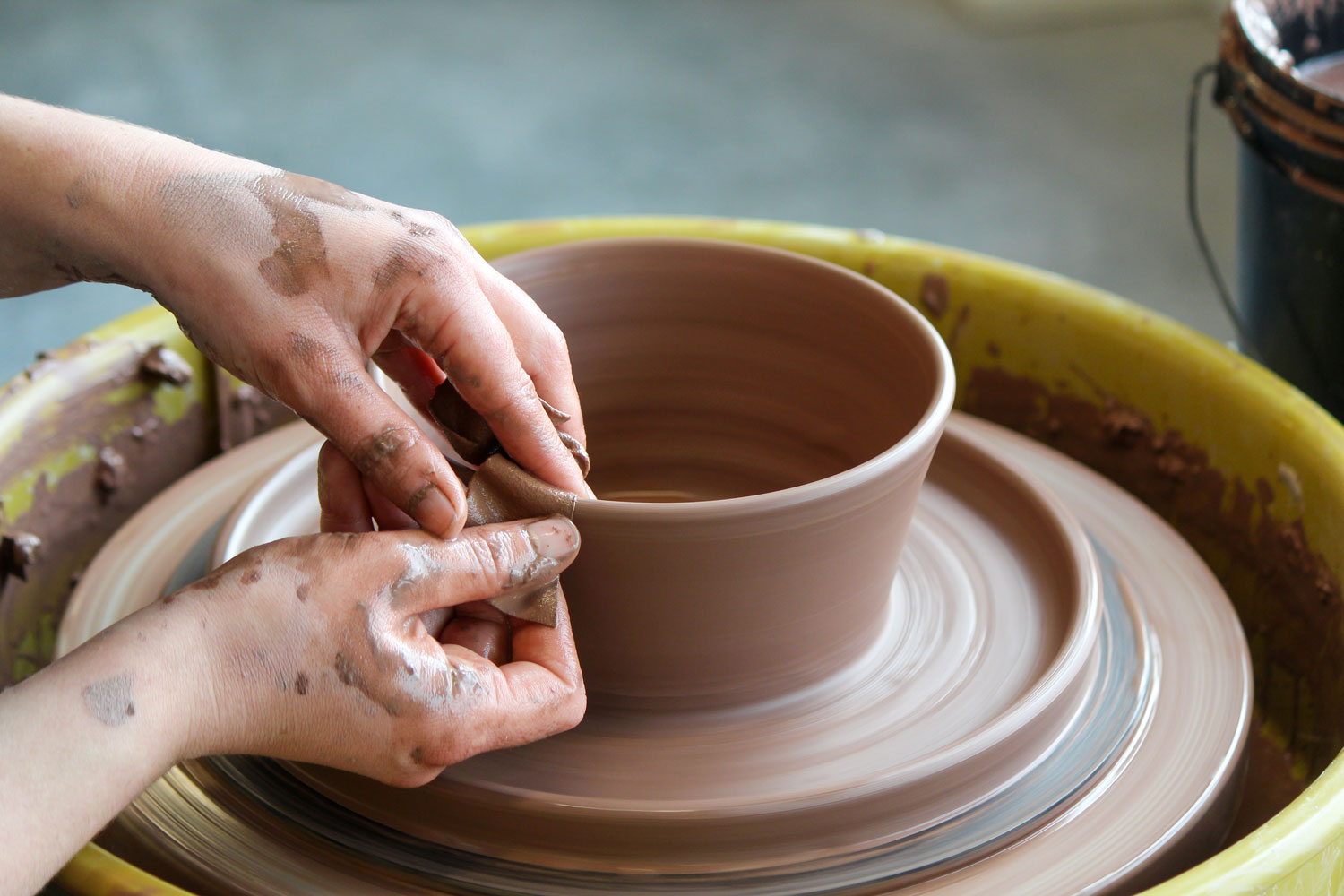
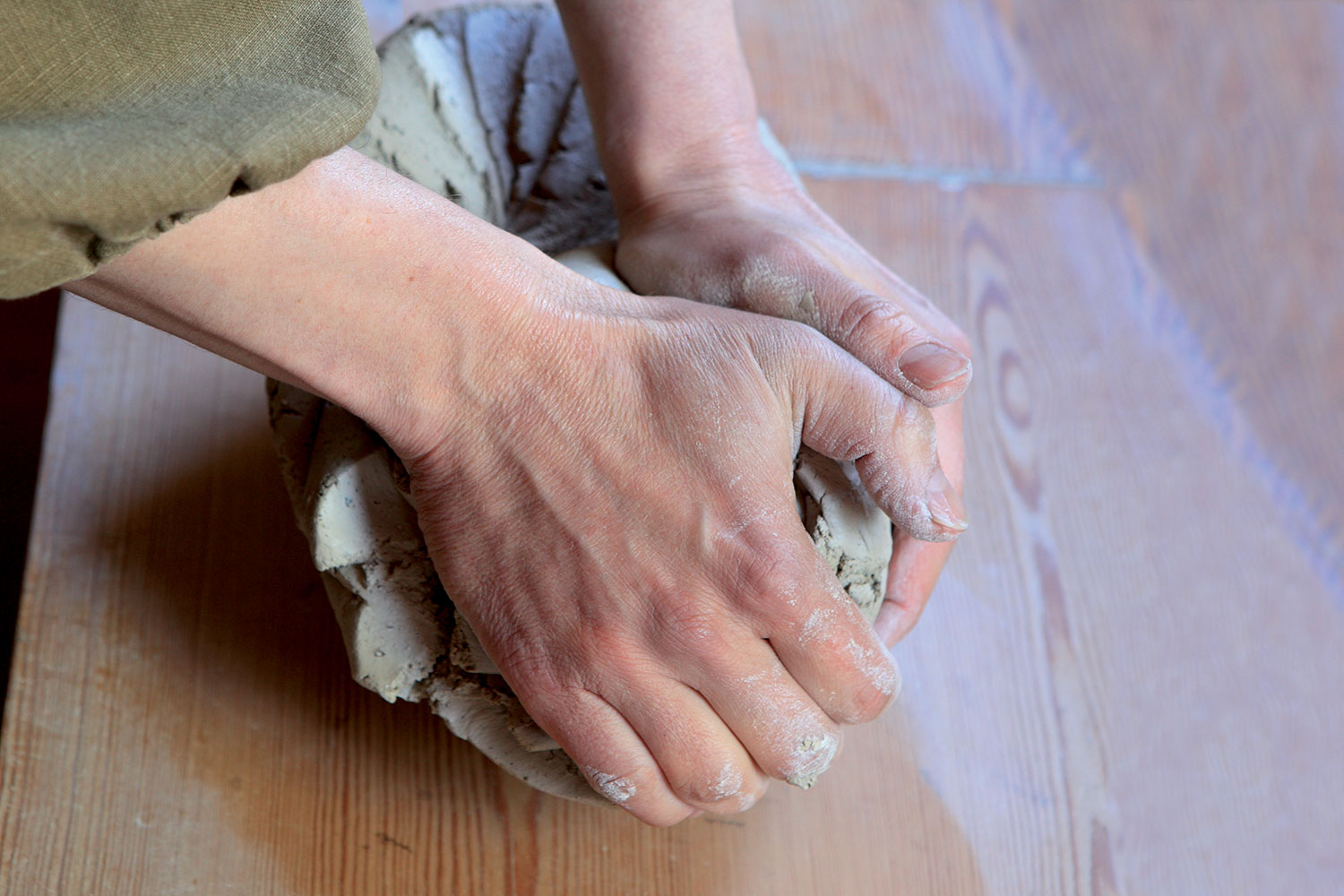
A friend and I take it in turns to care for the fire during those four important days once a year, usually in late autumn. We burn around 20m3 of pine wood during the process. I spend seven months a year preparing the firing process: four weeks splitting wood, four weeks kneading the clay, eight weeks on the wheel…
During the summer months, selling objects and guiding guests and customers through my gallery and workshop in Cismar takes centre stage. And of course, whenever there are exhibitions of my work throughout the globe I try to be there in person.
Jan Kollwitz
Ceramicist
Cismar, Germany
Recommended by Meisterstrasse Handmade
AVAILABILITY
By appointment only
PHONE
+49 4366614
LANGUAGES
German, English, Japanese
Homo Faber Finds is a new service aiming to inspire admirers of craft to connect and collaborate with exceptional artisans.
We invite you to submit an enquiry here.