Jacqueline Schapiro
Ceramicist
Santiago, Chile
Mummies, volcanoes and creative recycling
- Jacqueline blends volcanic clay and found objects to make her pieces
- Chile’s landscapes fuel her imagination
- Her aesthetic belongs to the rupture movement
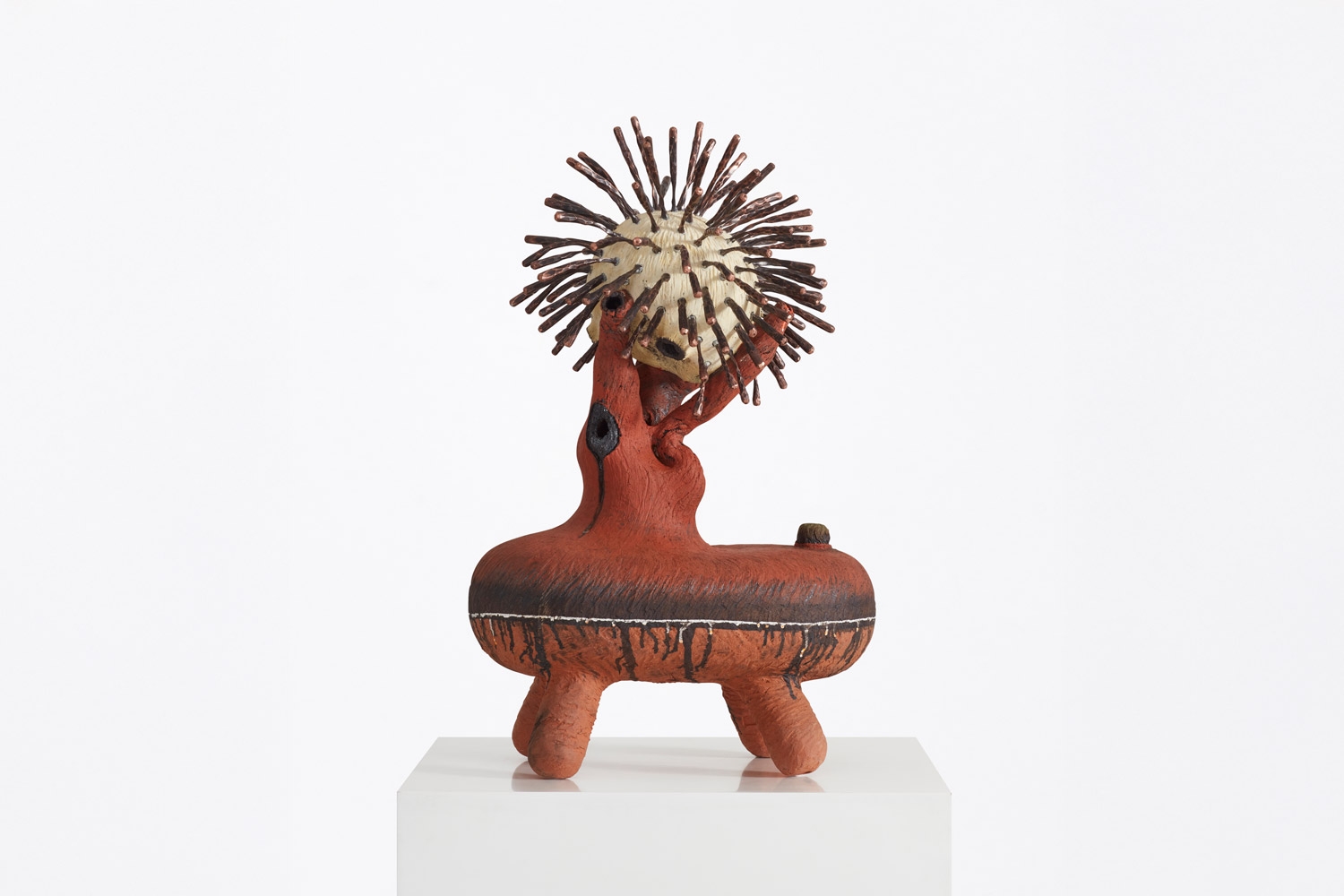
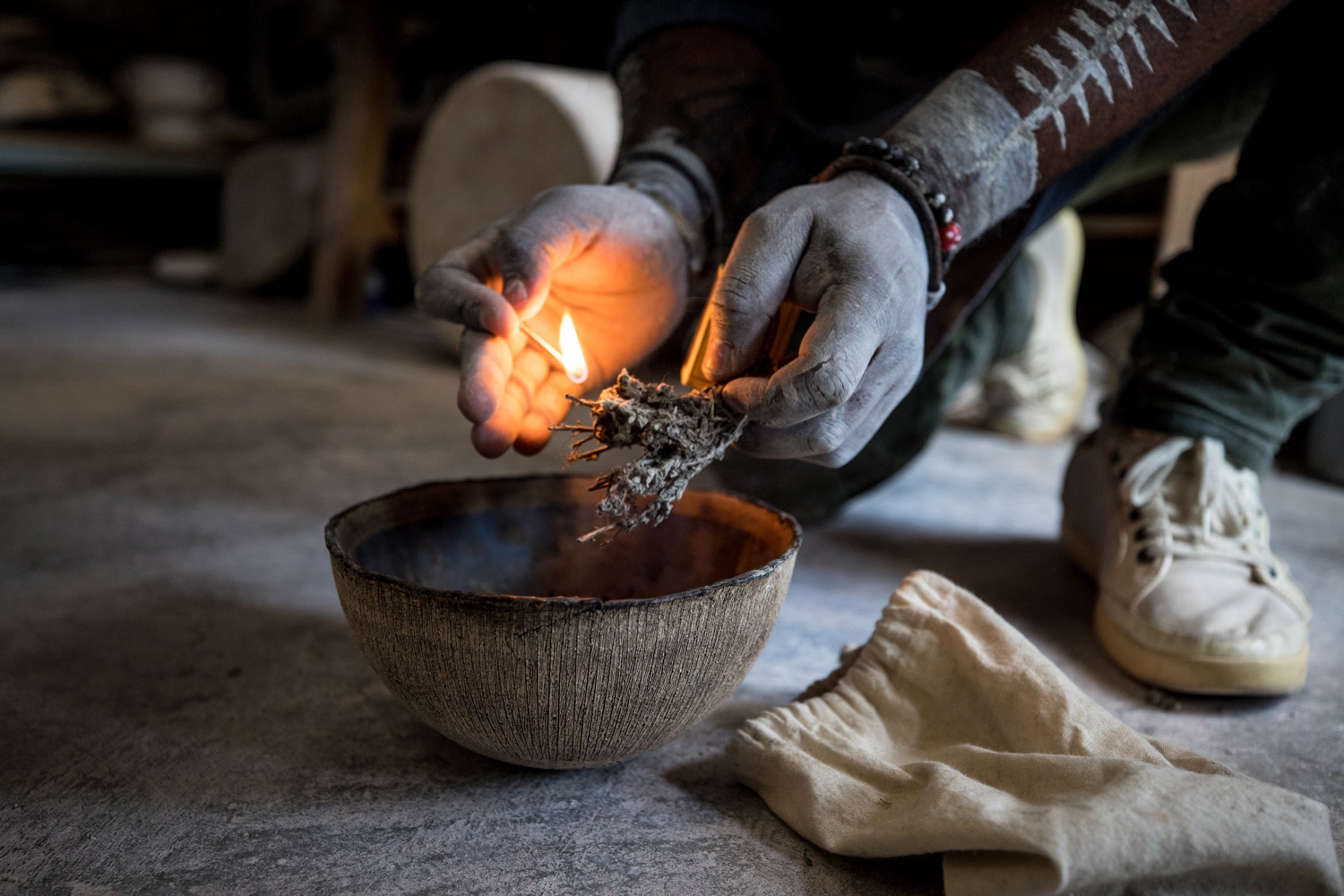
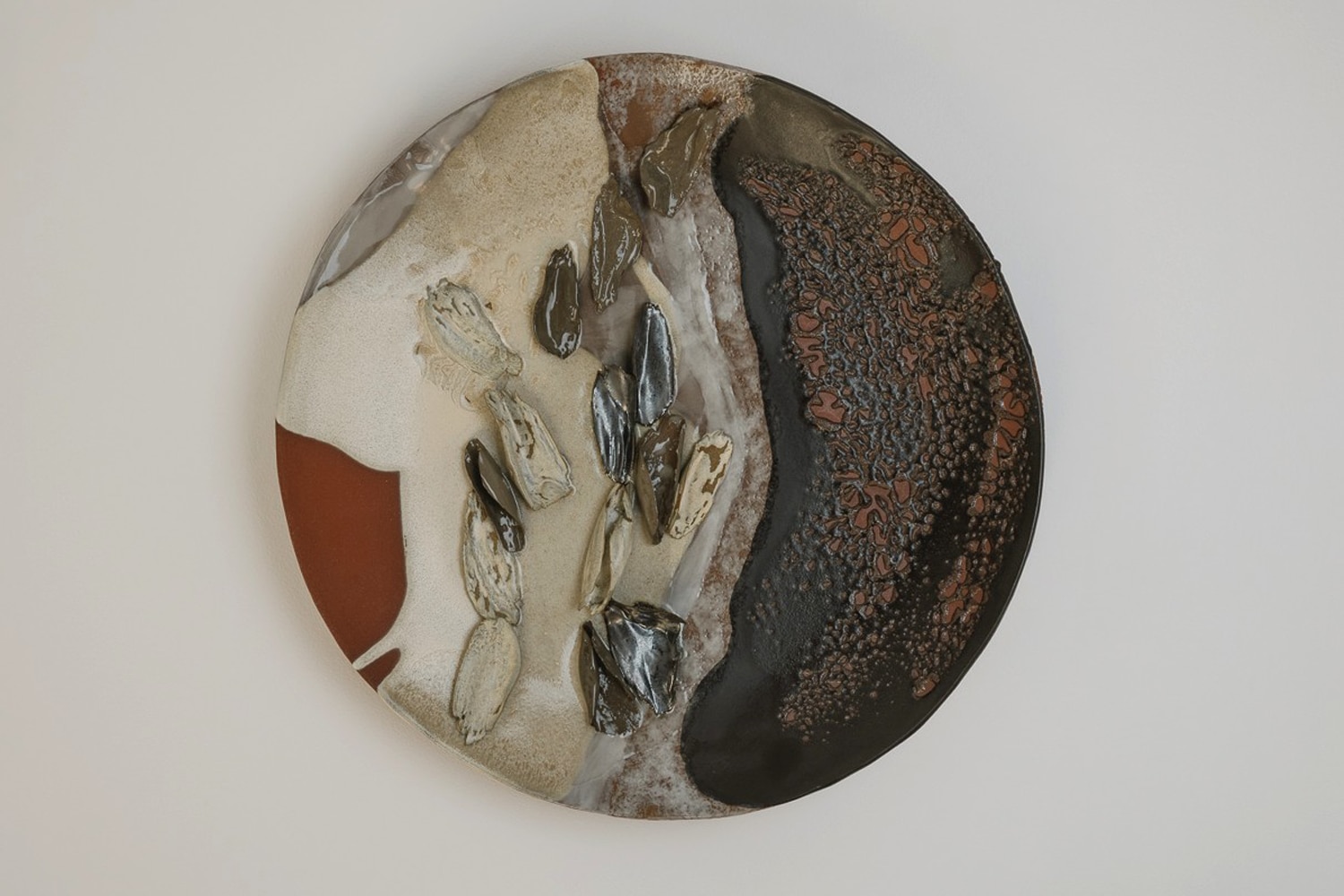
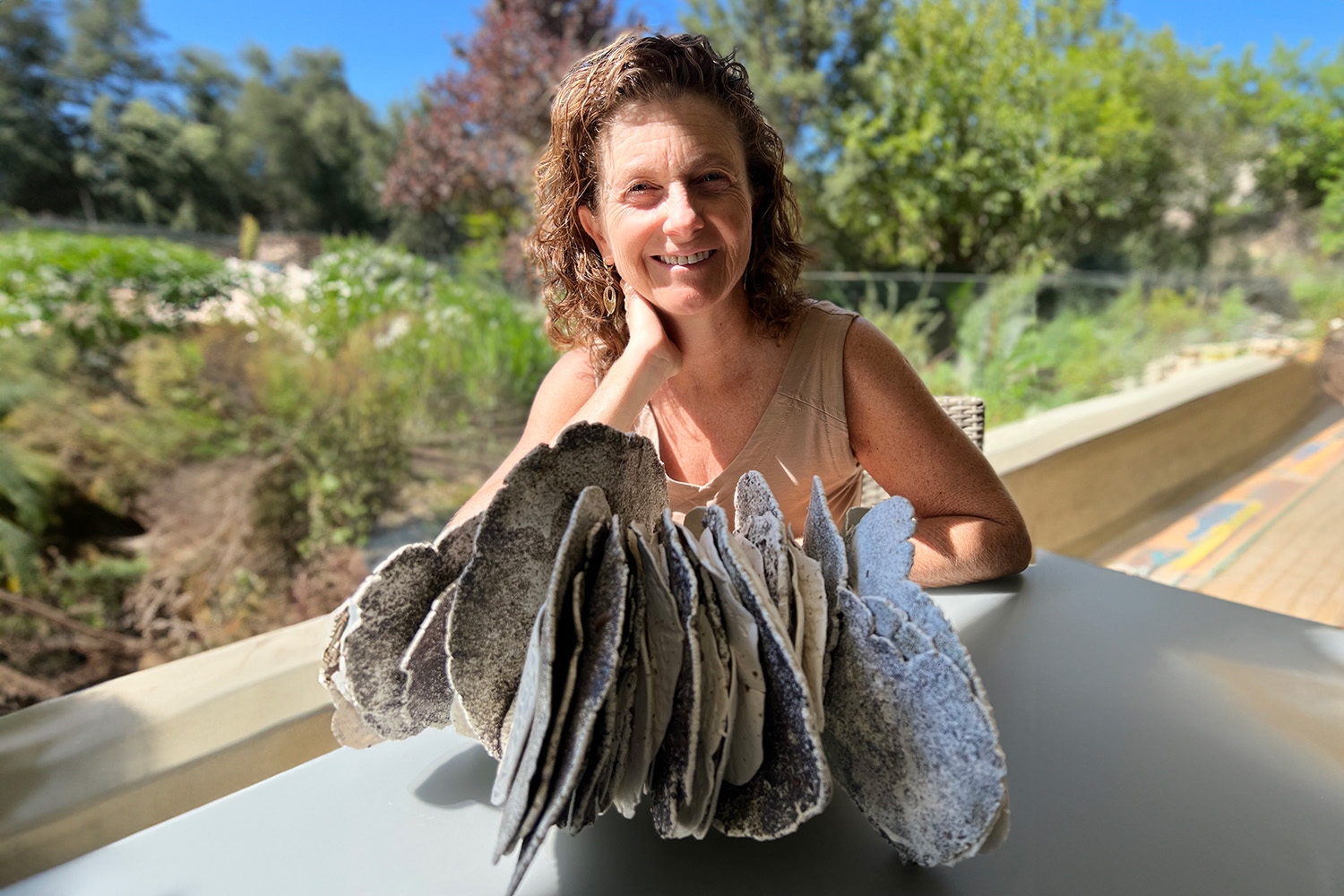
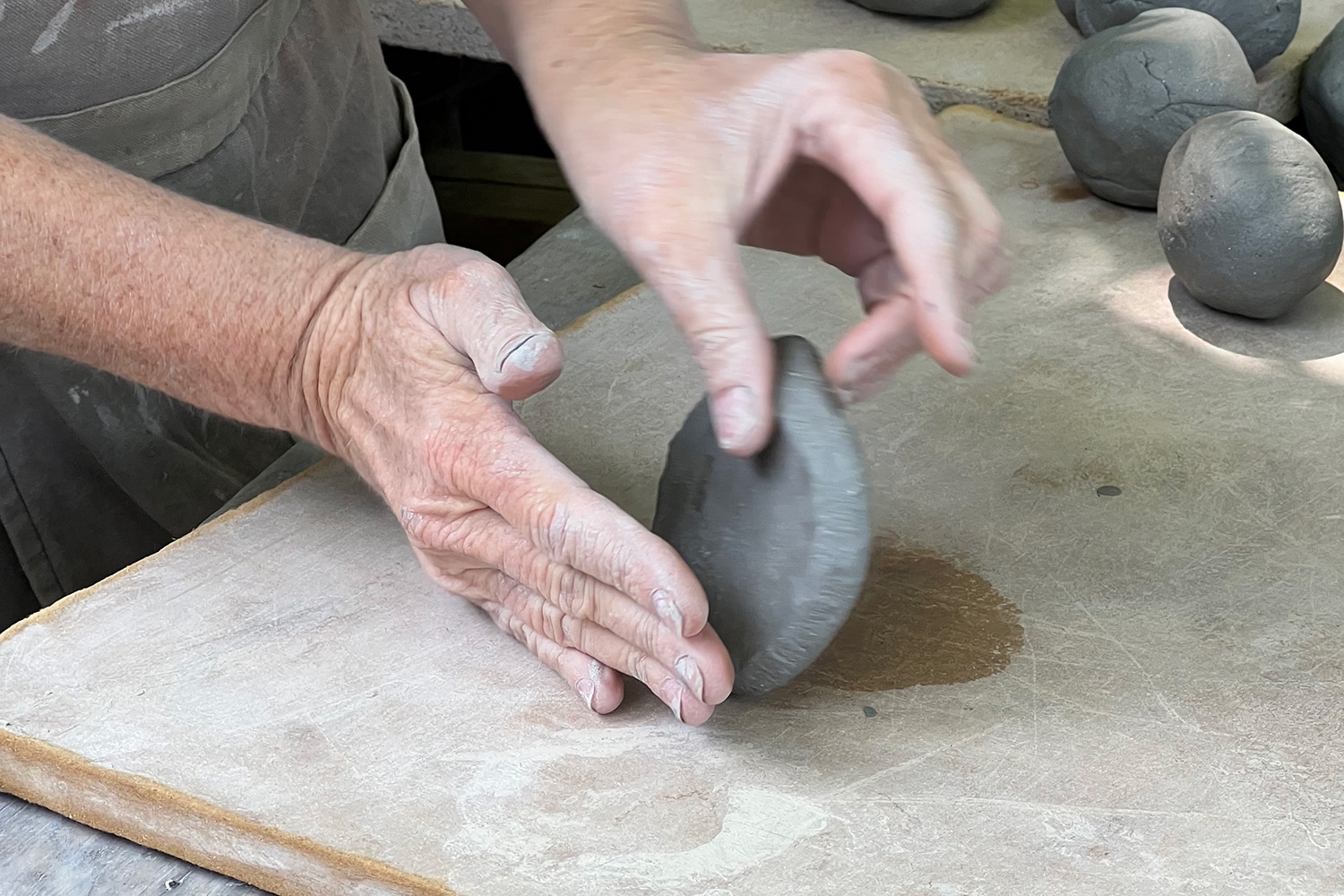
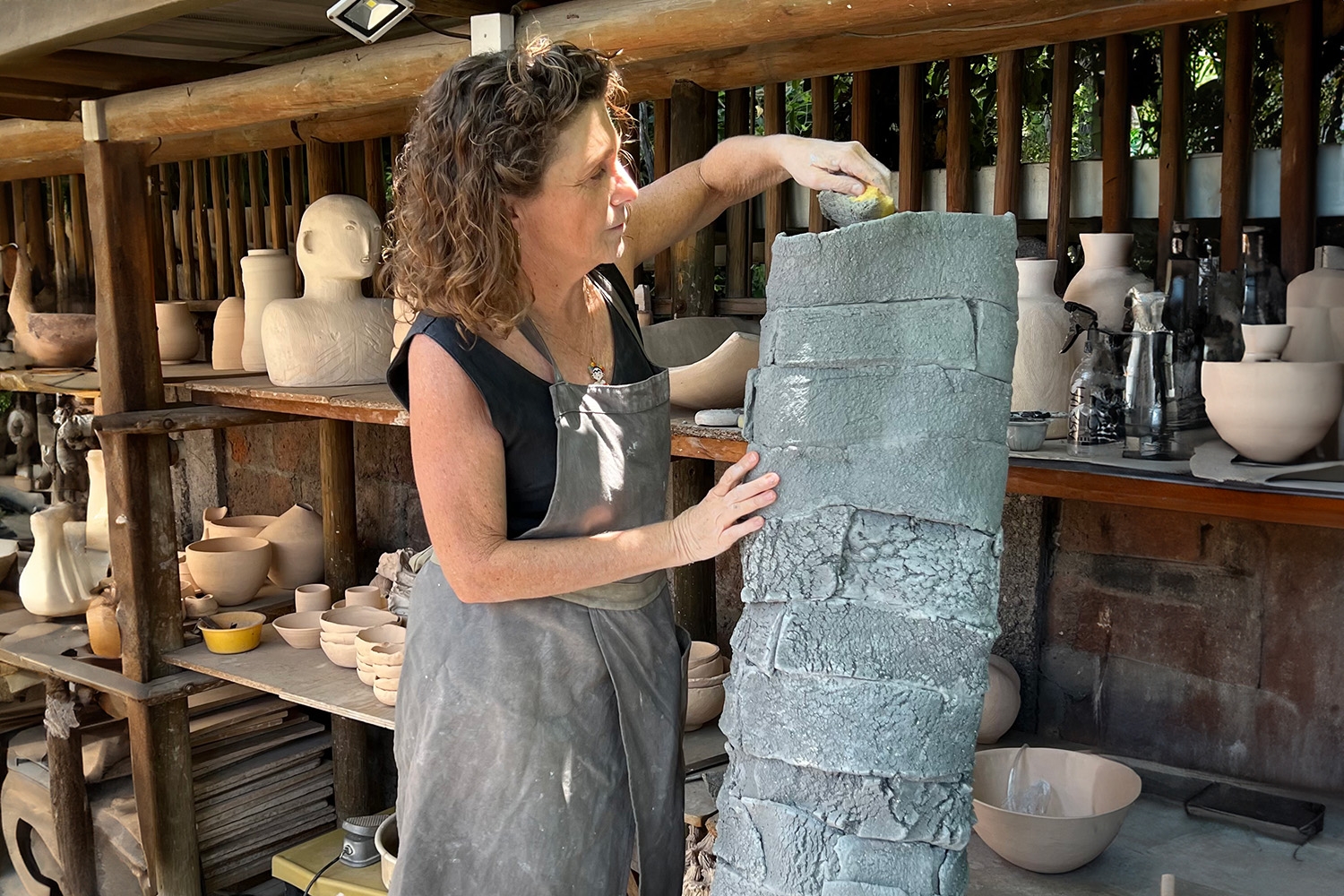
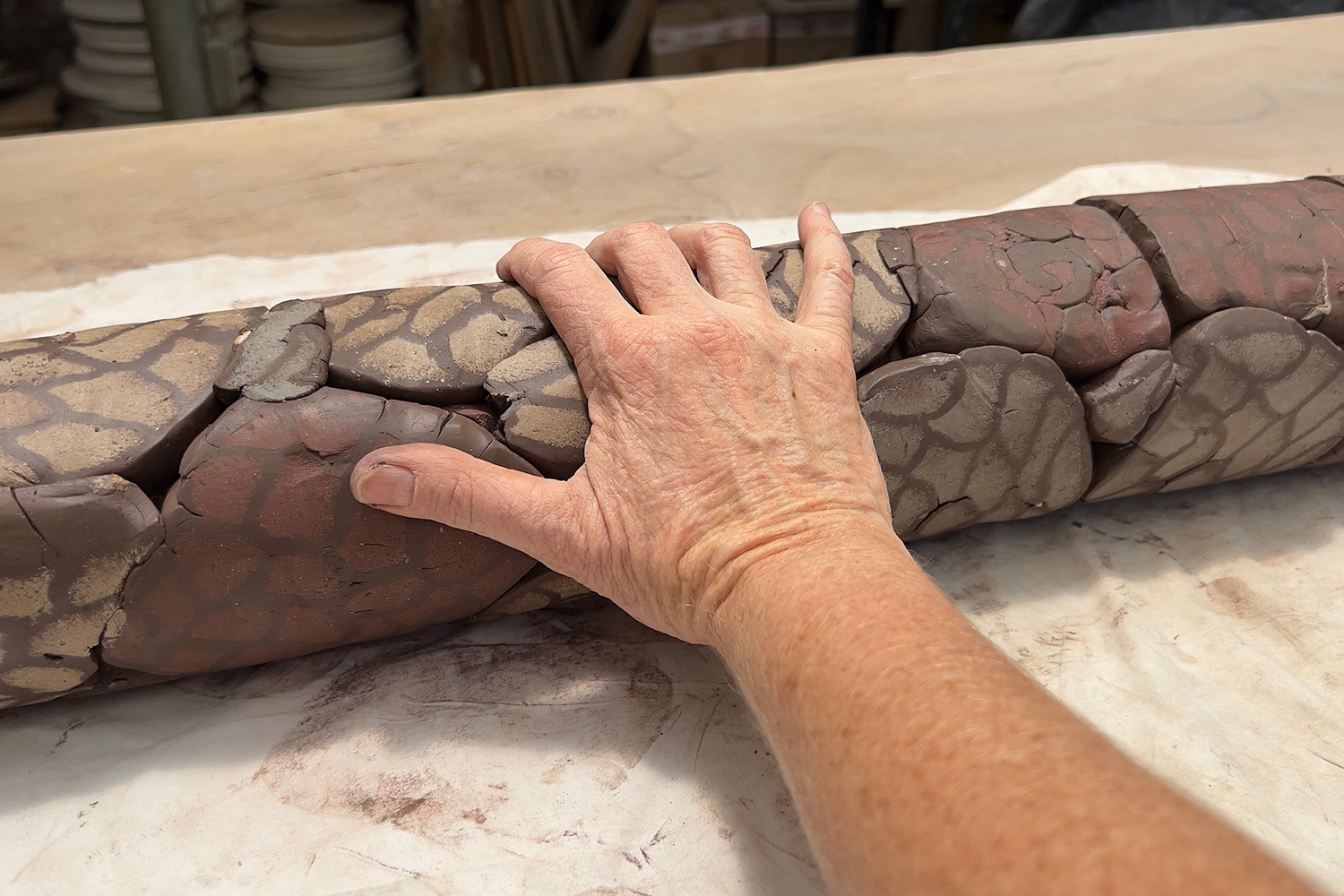
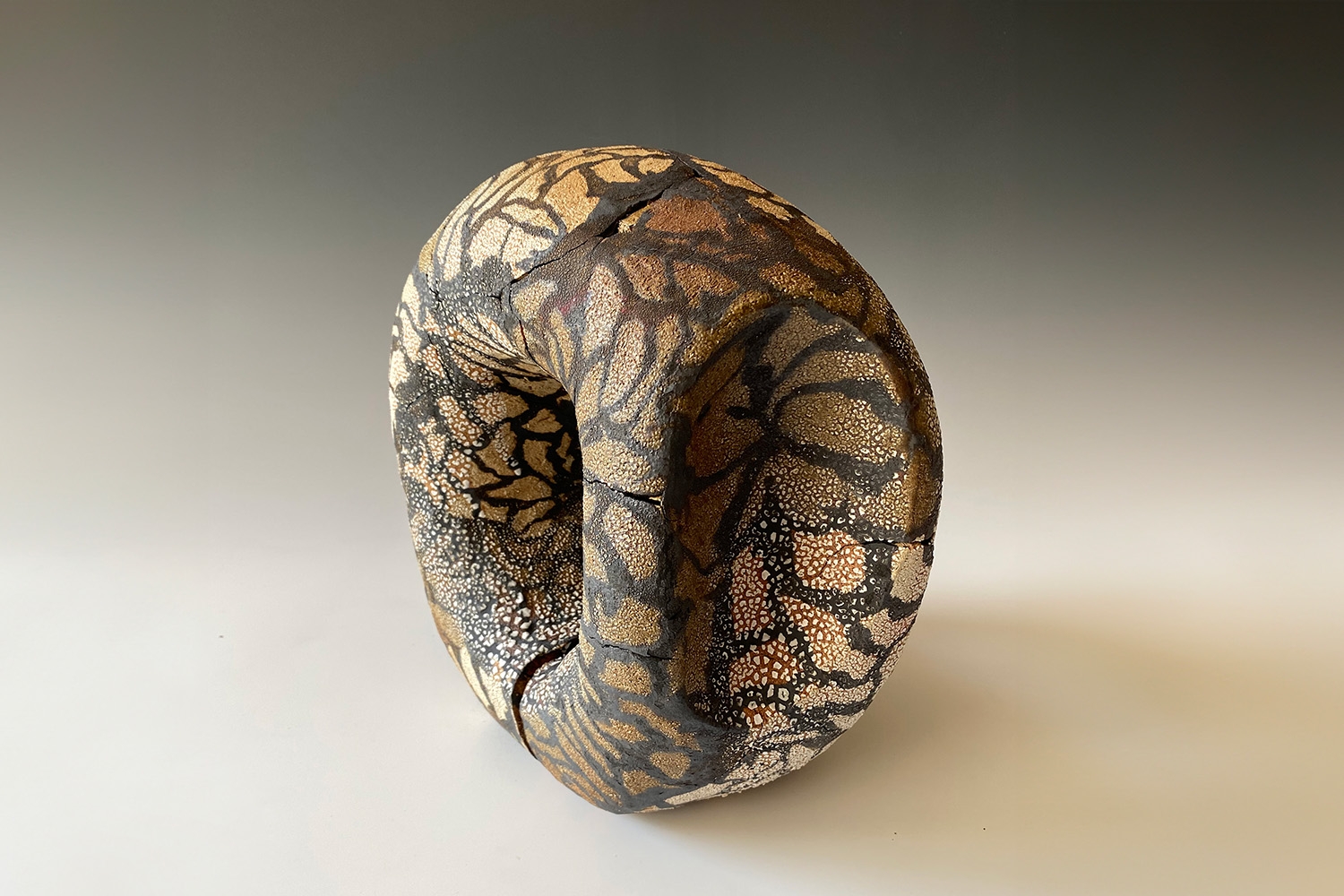
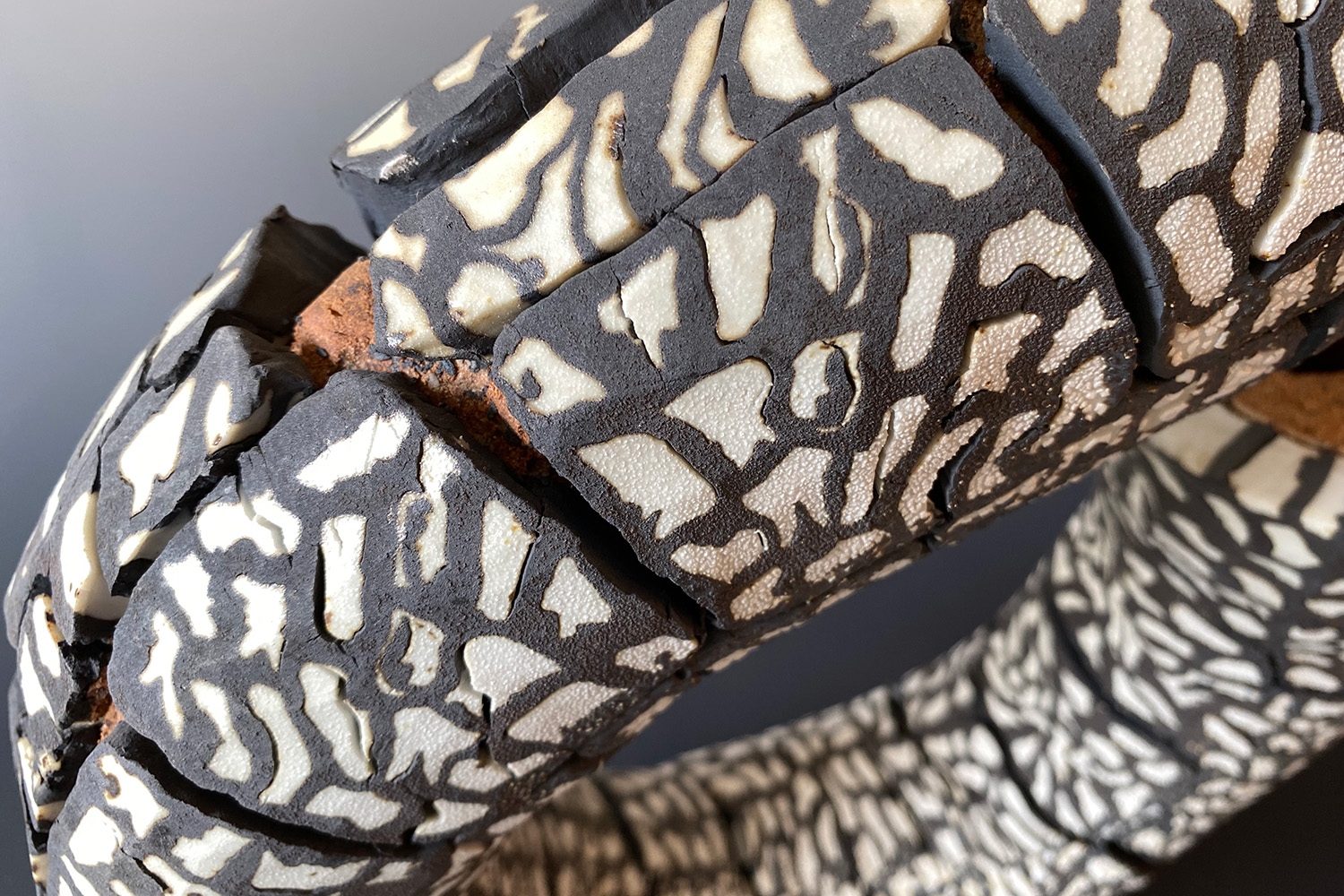
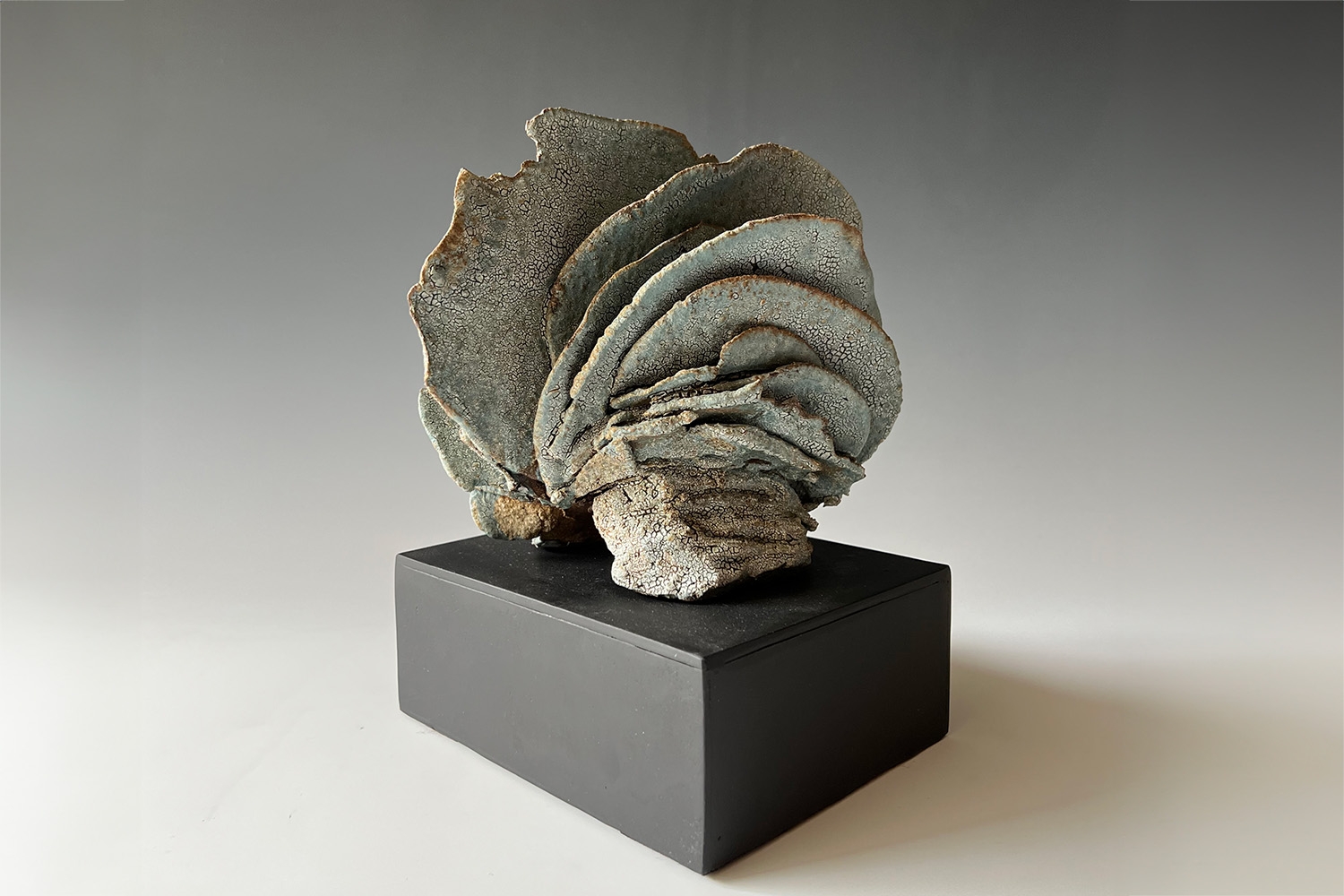
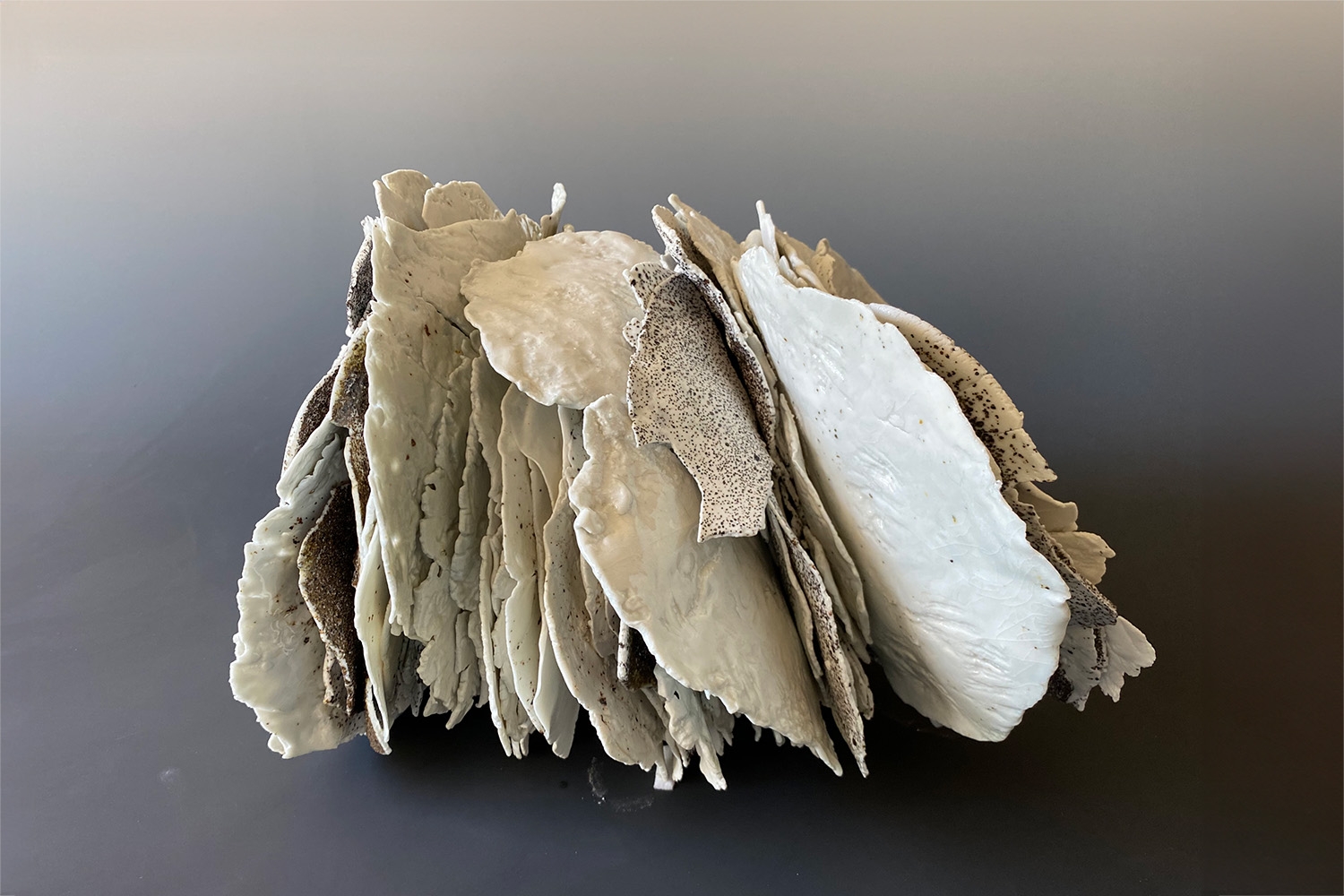
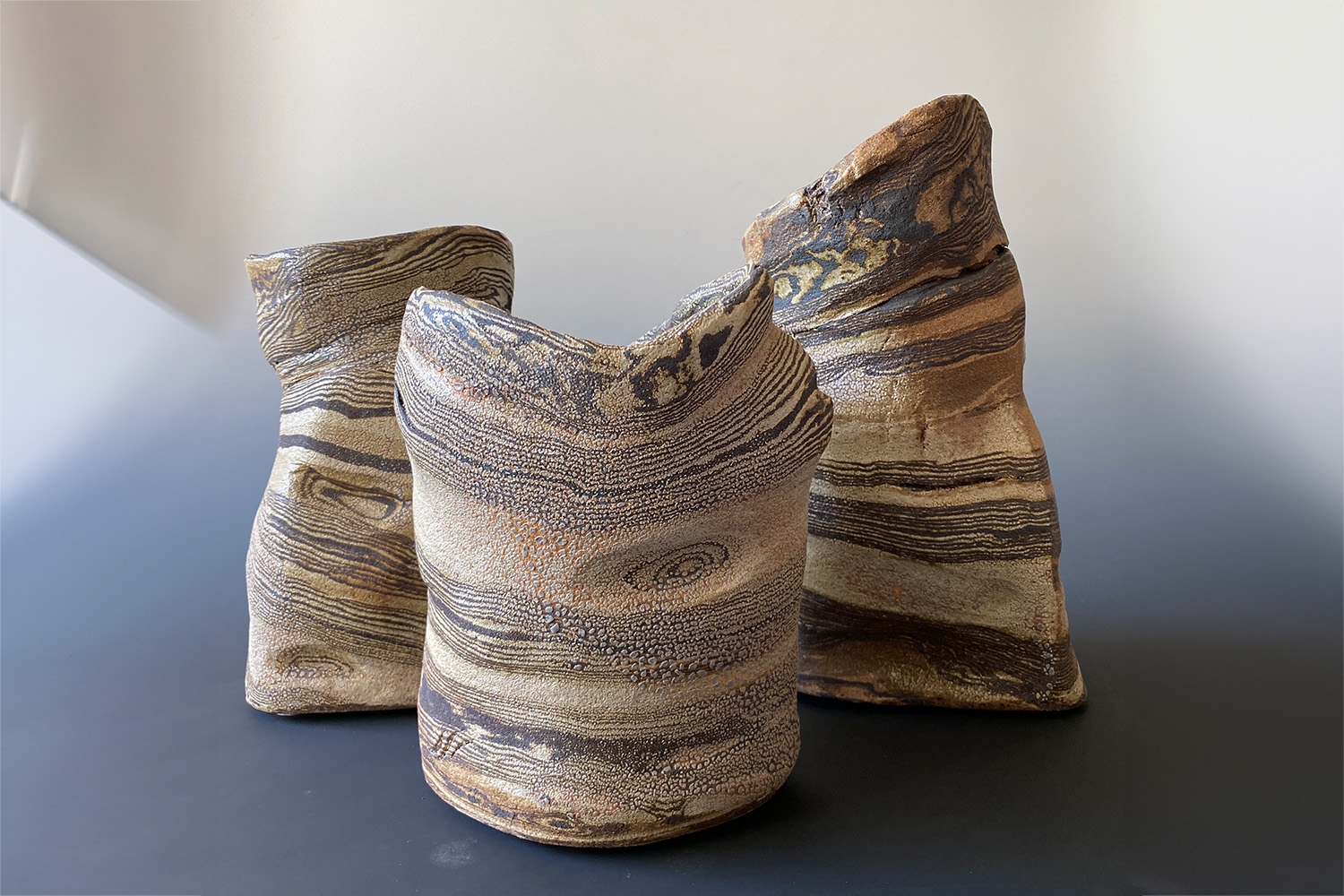
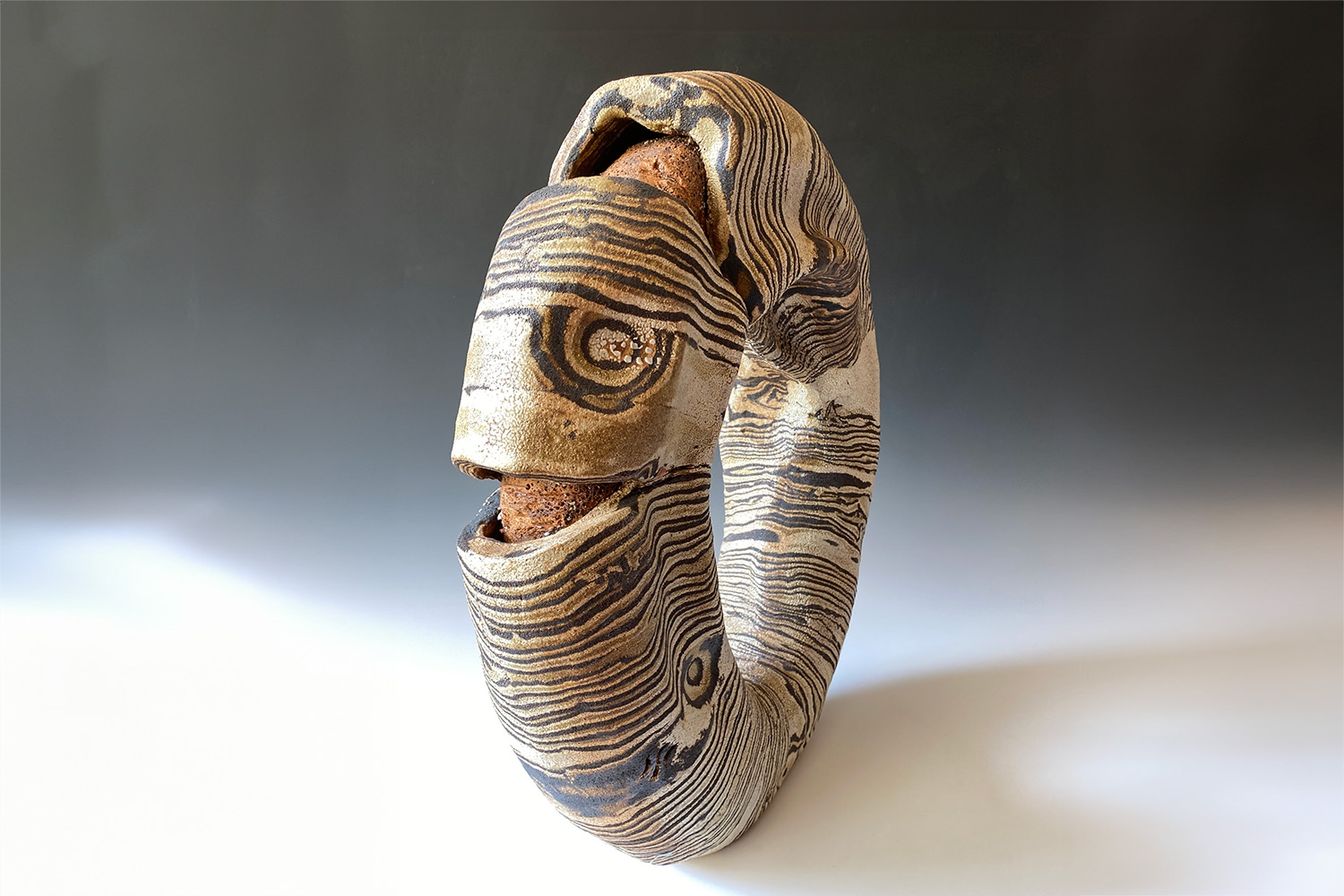
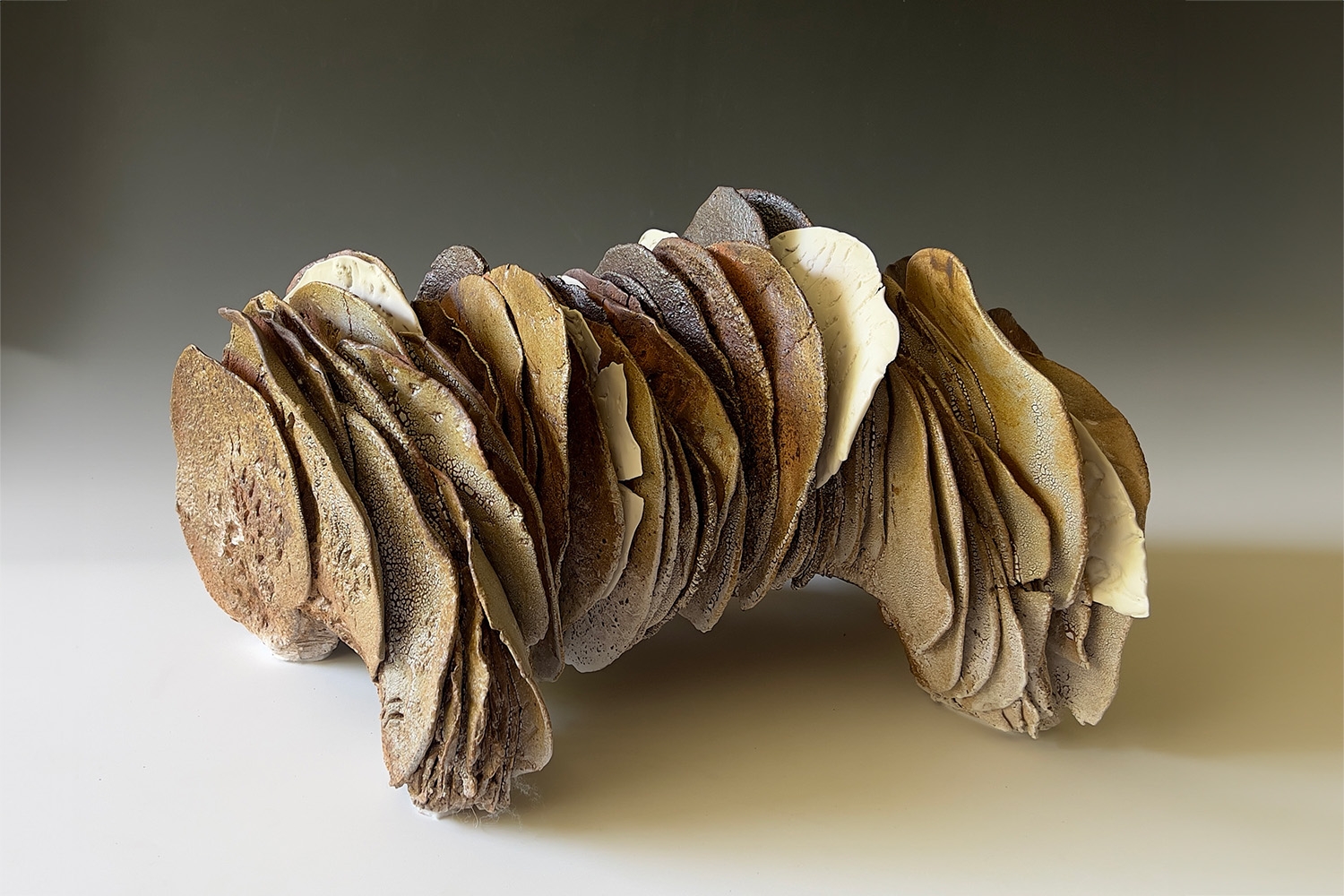
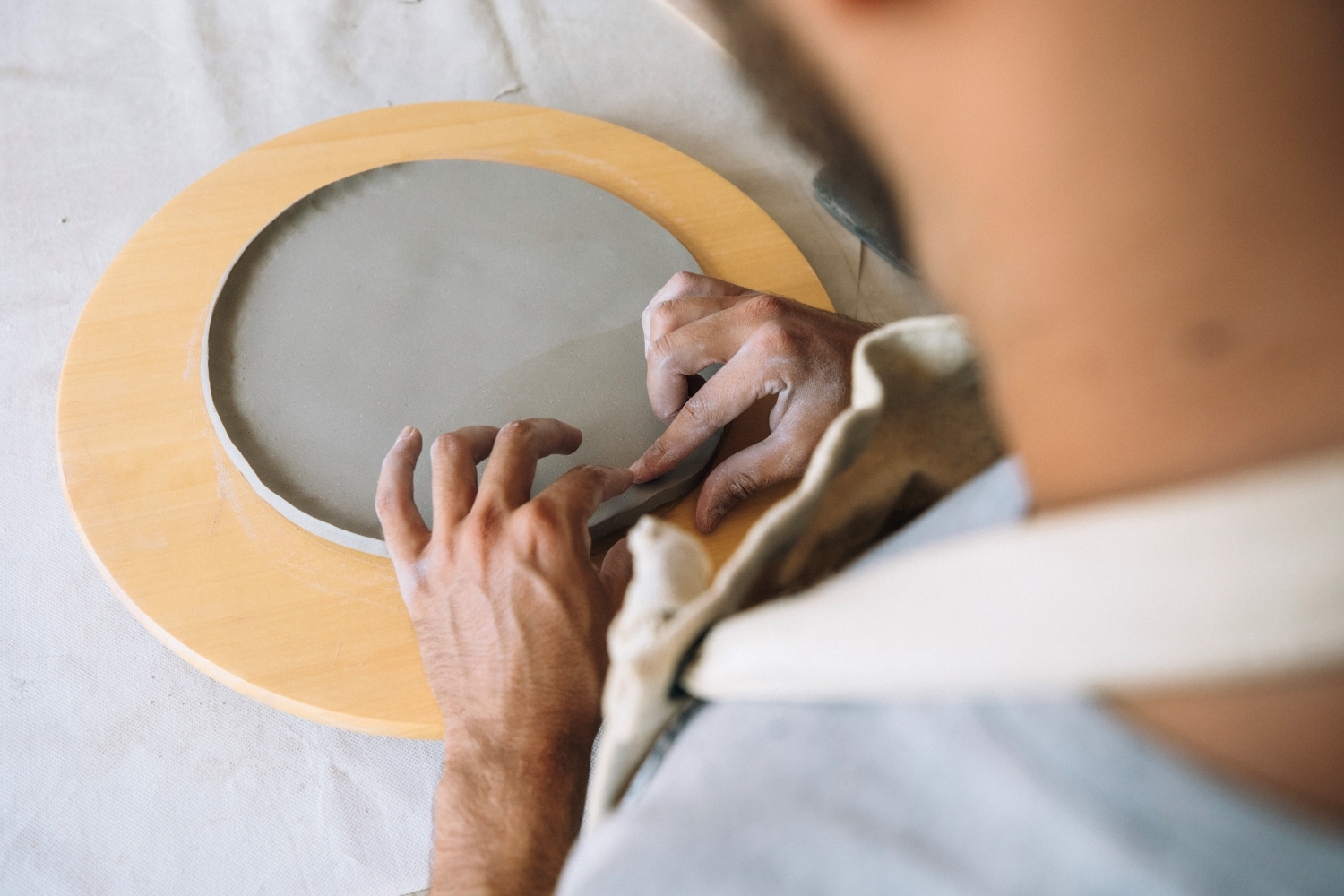
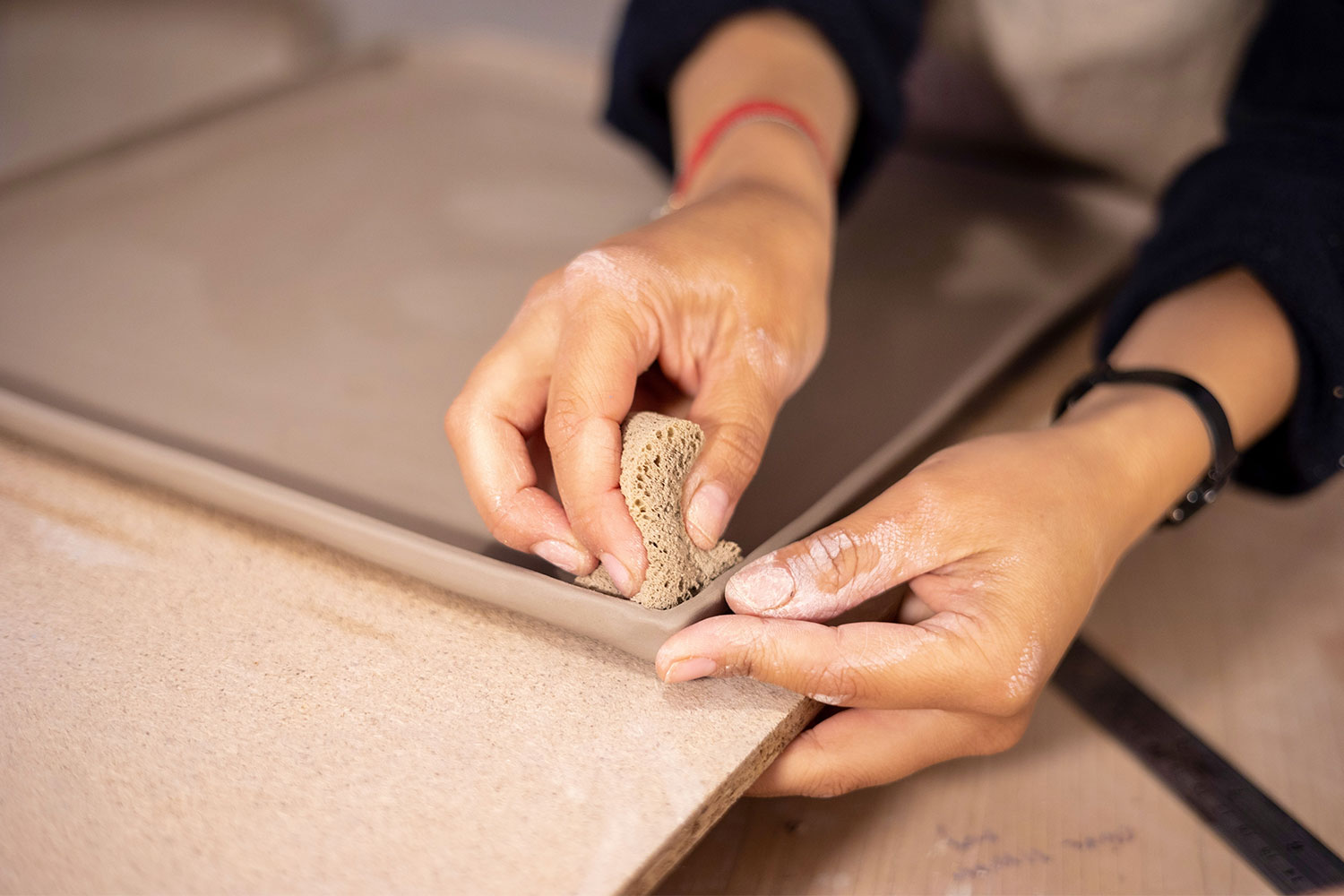
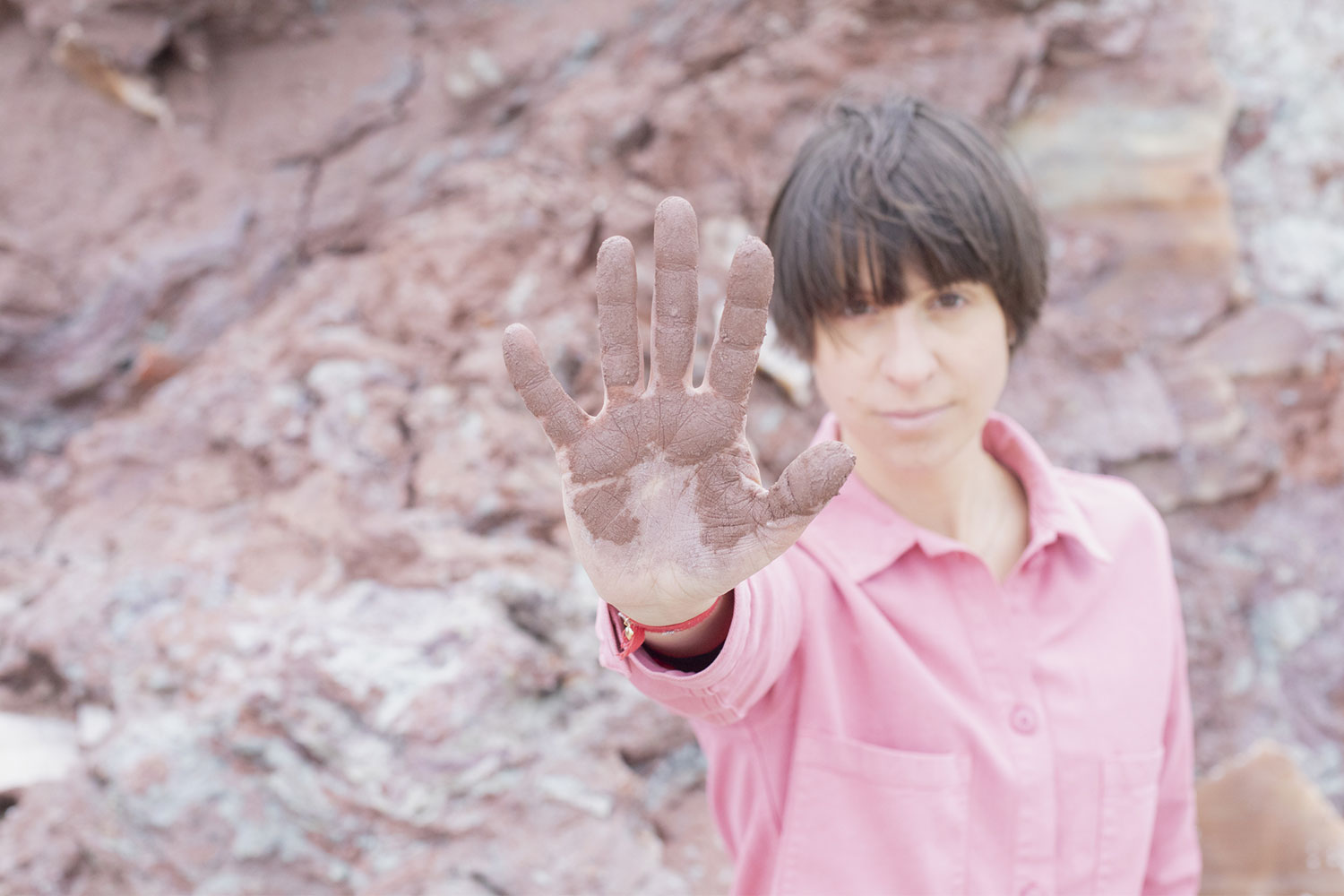
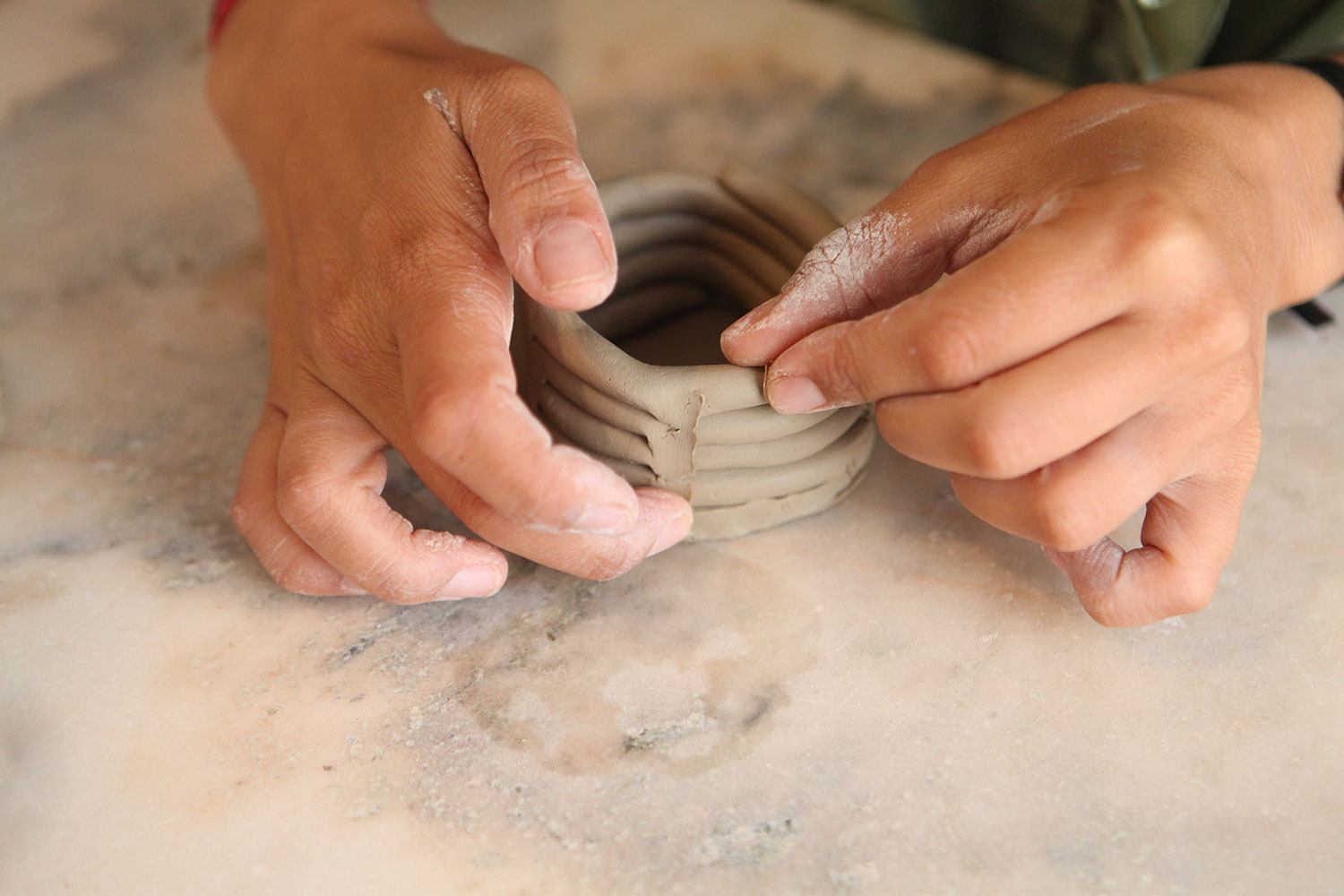
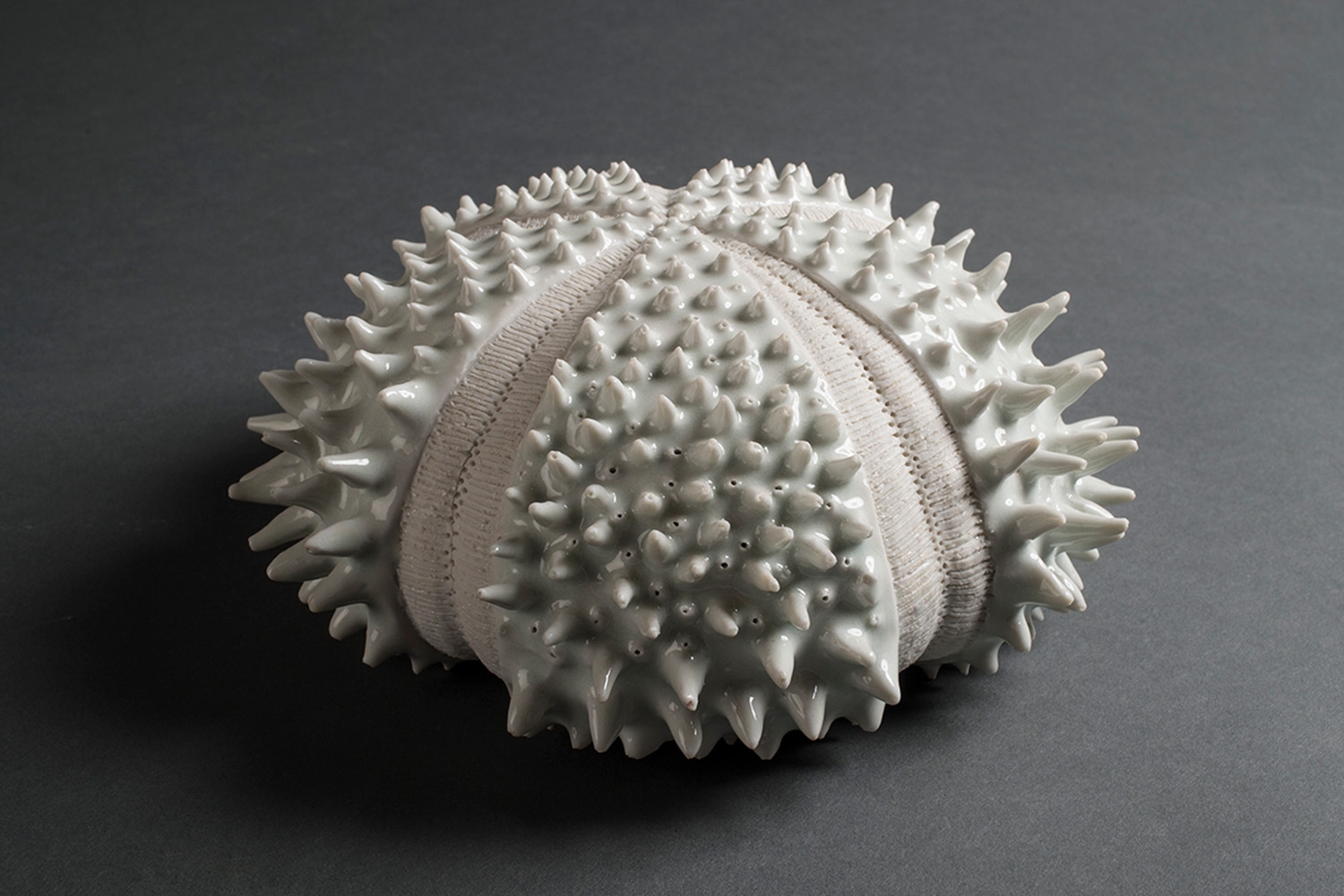
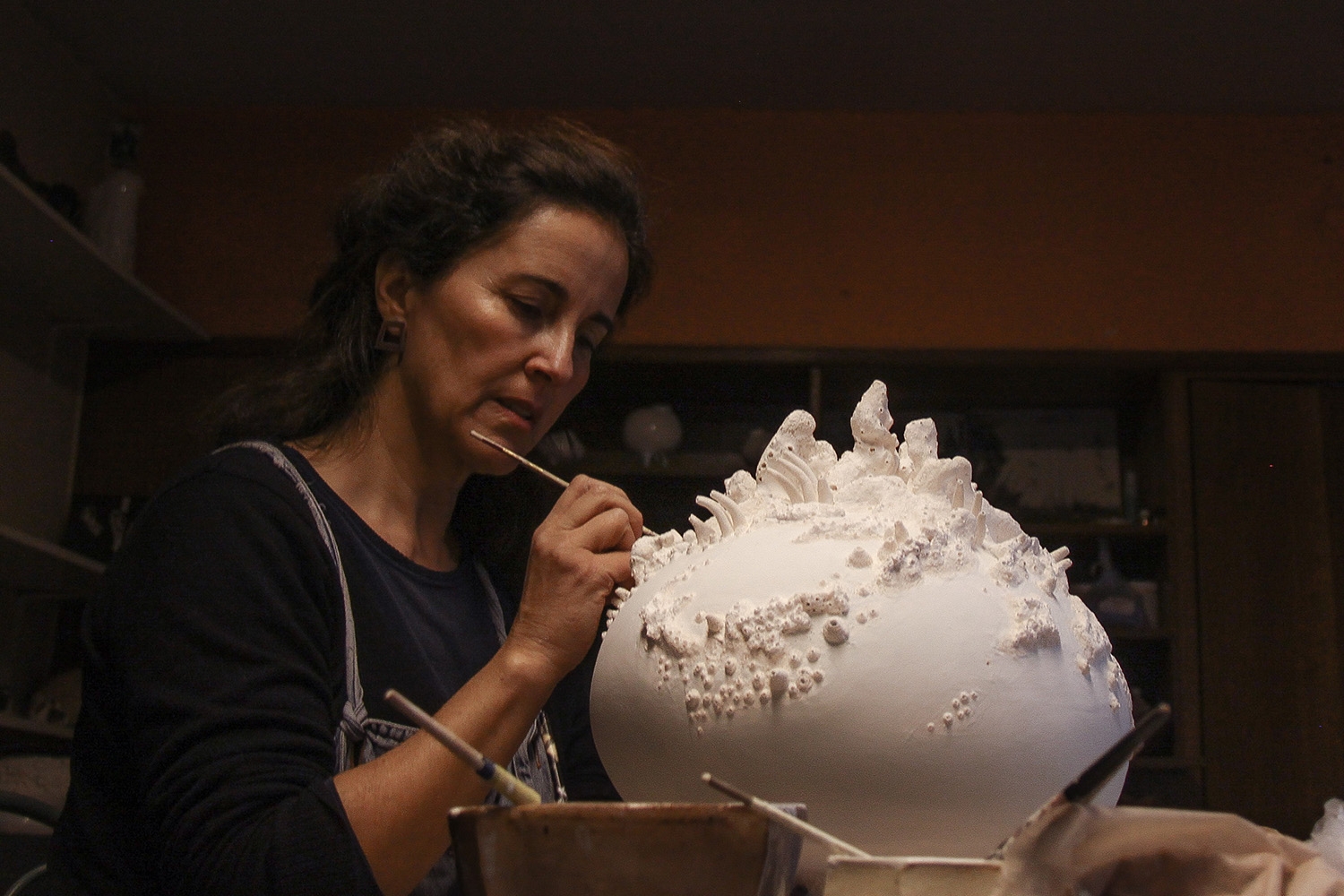
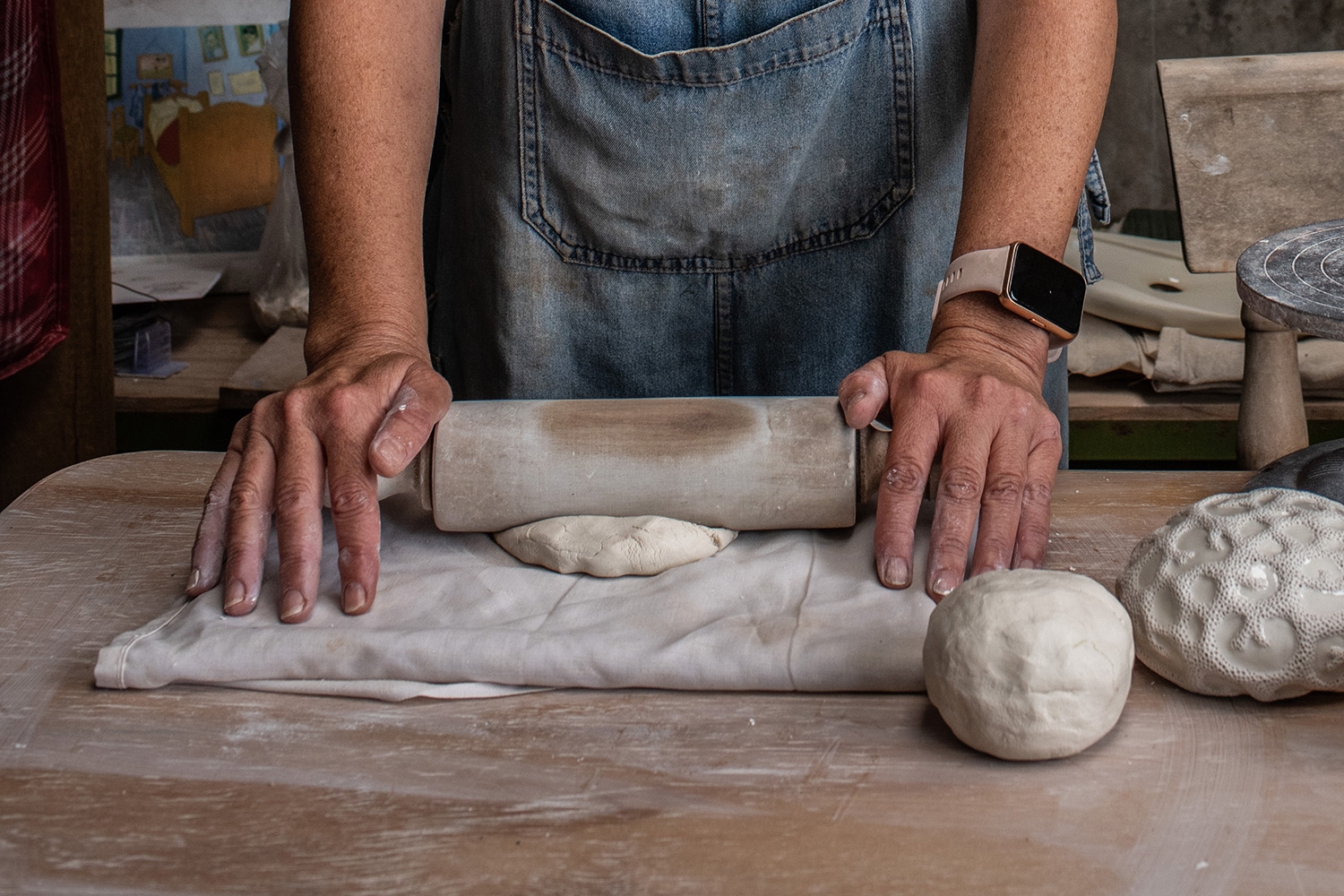
Jacqueline Schapiro’s work is deeply connected to the landscapes and ancient pre-Columbian culture of Chile. She uses volcanic sand, clay and mineral pigments reminiscent of those found in Chinchorro mummification wraps and incorporates elements of their construction methods to craft plates of varying thicknesses or solid forms. This deliberate integration yields uniquely irregular finishes. Jacqueline aligns herself and her works with the 'rupture movement' in ceramics, which departs from traditional forms and techniques to experiment with materials and methods. This includes integrating recycled materials into her work, such as gathering waste elements like dust, soil, clay fragments, and pigments to fashion intricate surfaces. "The surprising texture of this method motivates me," she says. Jacqueline's ceramics feature stony, organic forms and textures evocative of Chilean landscapes—a homage to her culture.
INTERVIEW
Asymmetries inspire me. Rugged landscapes and volcanic formations, shaped by time and sedimentation, fuel my imagination. They create wonders we marvel at today, driving me to capture these sensations in memory.
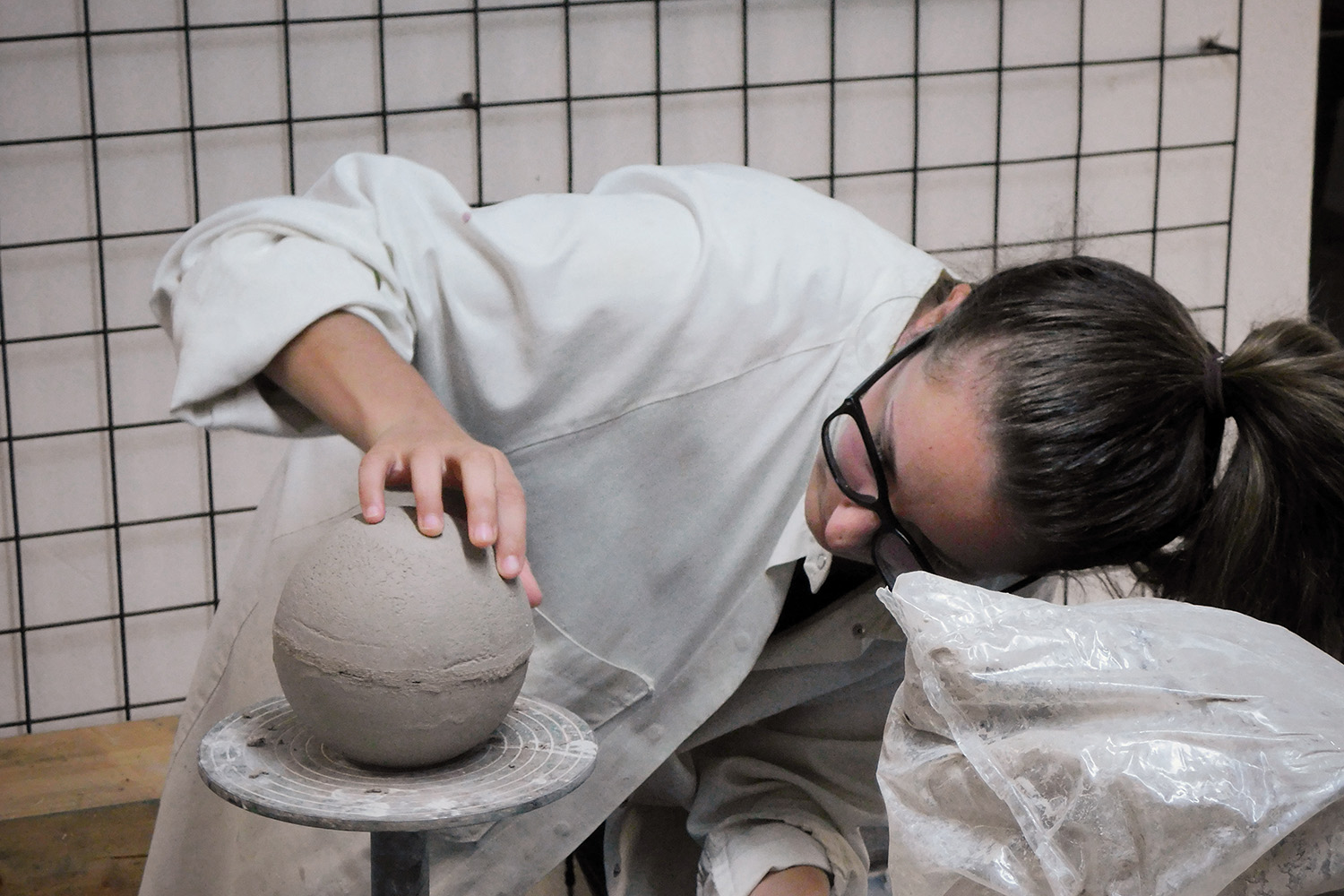
Ceramics allow playing with particles, structures and surfaces. Shaping clay by hand and highlighting its true nature, the raw material, often without glazes, is deeply satisfying.
In my work, I integrate volcanic lava and workplace objects for creative recycling. The texture they add, combined with the unpredictability of the kiln, creates unique pieces.
The rupture movement refers to a movement within ceramics that emphasises breaking away from traditional utilitarian forms and techniques. It focuses on experimentation with unconventional material and methods, prioritising artistic expression over functionality.
Jacqueline Schapiro
Ceramicist
Santiago, Chile
ADDRESS
Address upon request, Santiago, Chile
AVAILABILITY
By appointment only
PHONE
+56 992774395
LANGUAGES
Spanish, English
Homo Faber Finds is a new service aiming to inspire admirers of craft to connect and collaborate with exceptional artisans.
We invite you to submit an enquiry here.
PRODUCT2(15)_Cecilia Chamorro_©Cesteria Andina.jpg)
Cecilia Chamorro2_©Cesteria Andina.jpg)
PROCESS5_Cecilia Chamorro_©Cesteria Andina.jpg)