Ida Wieth
Glass fuser
Aarhus, Denmark
Recommended by Danish Crafts & Design Association
Giving glass a sense of mystery
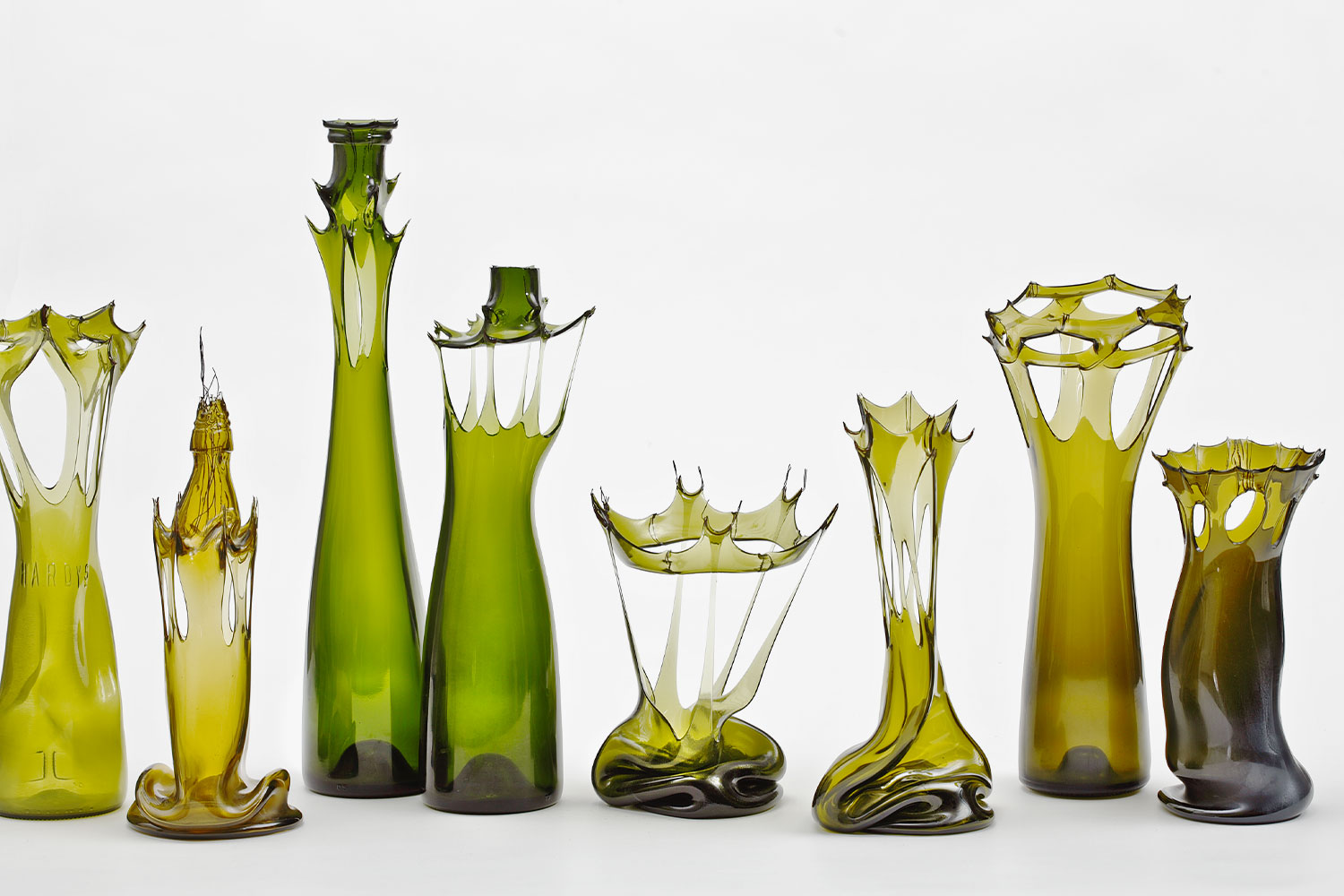
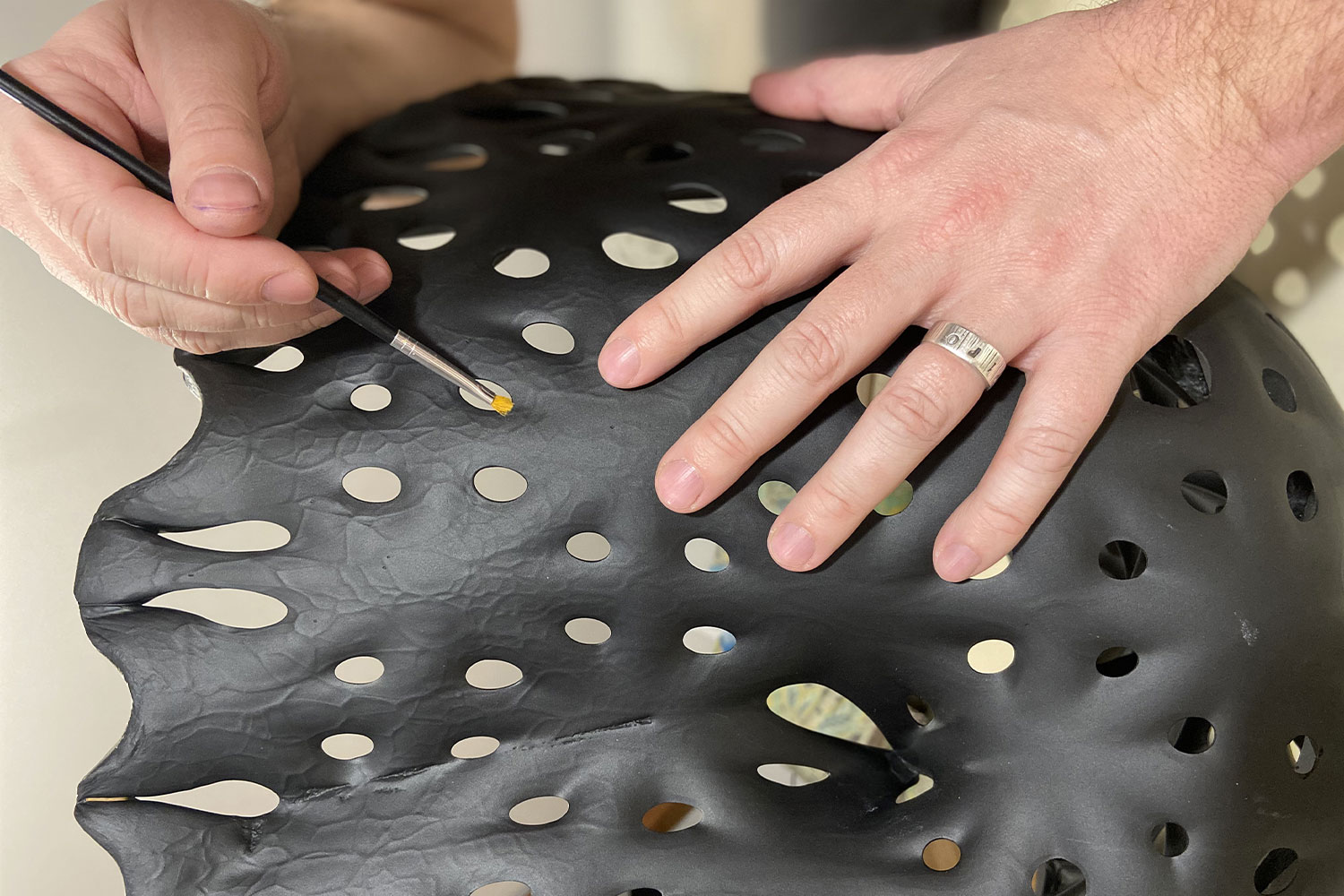
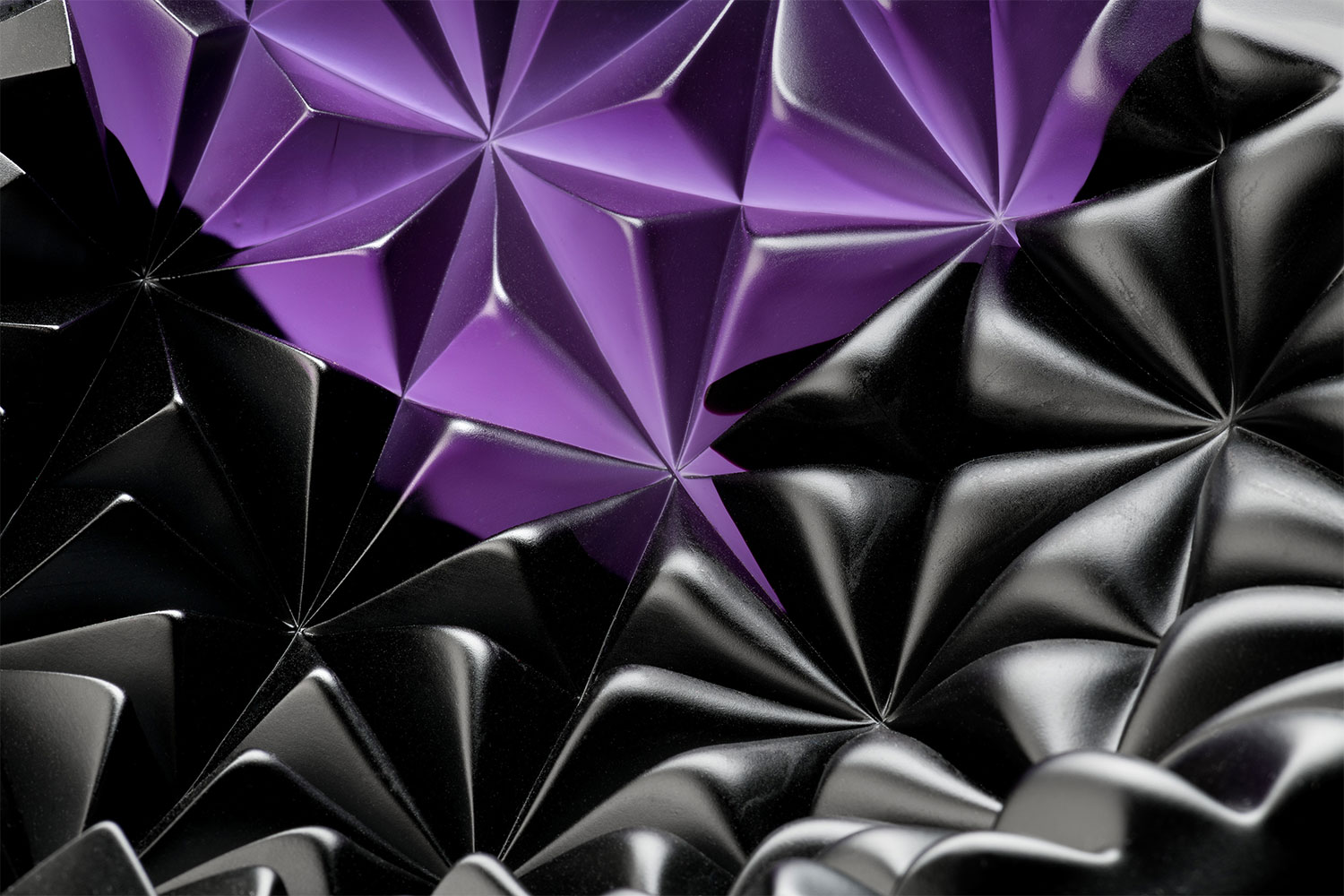
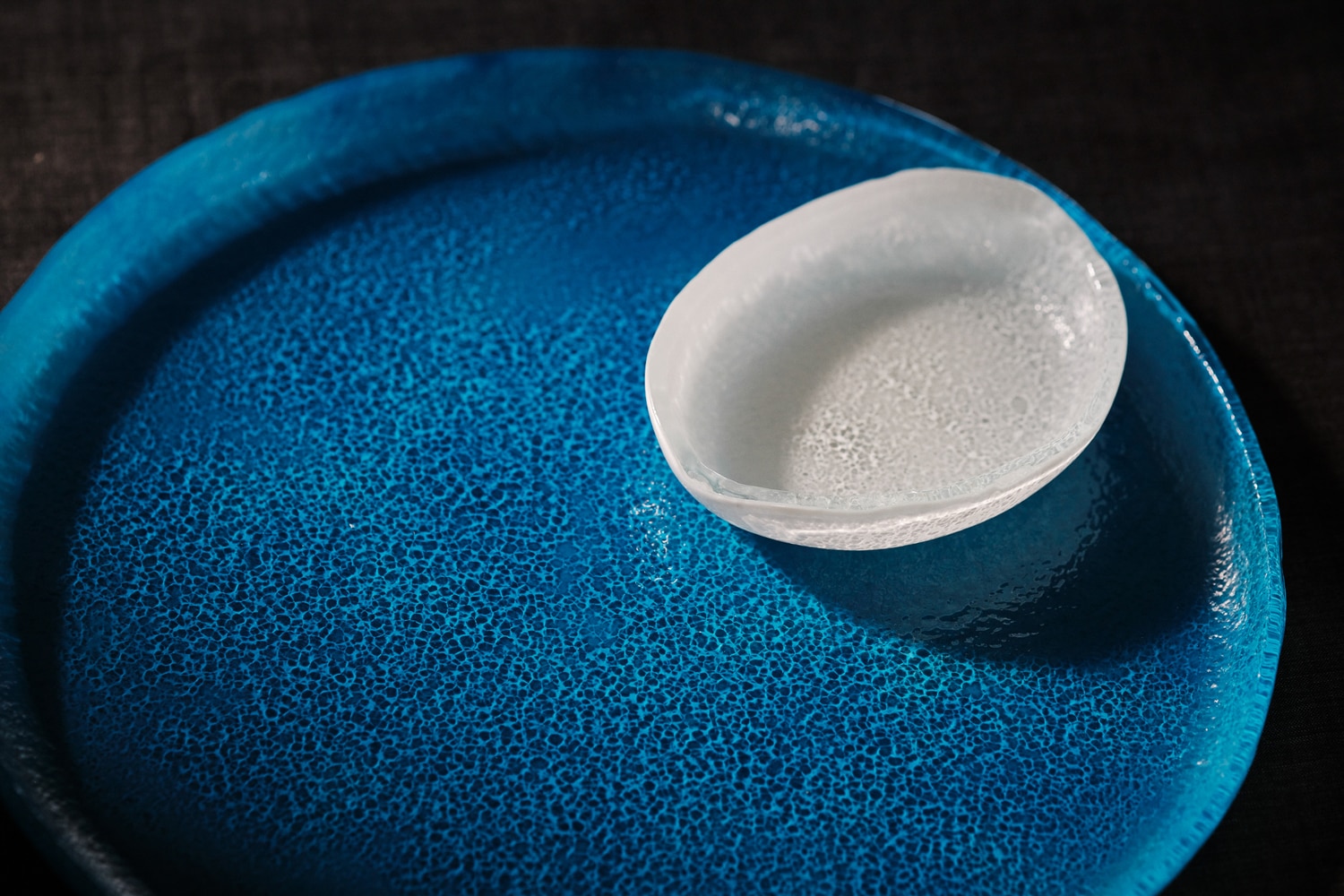
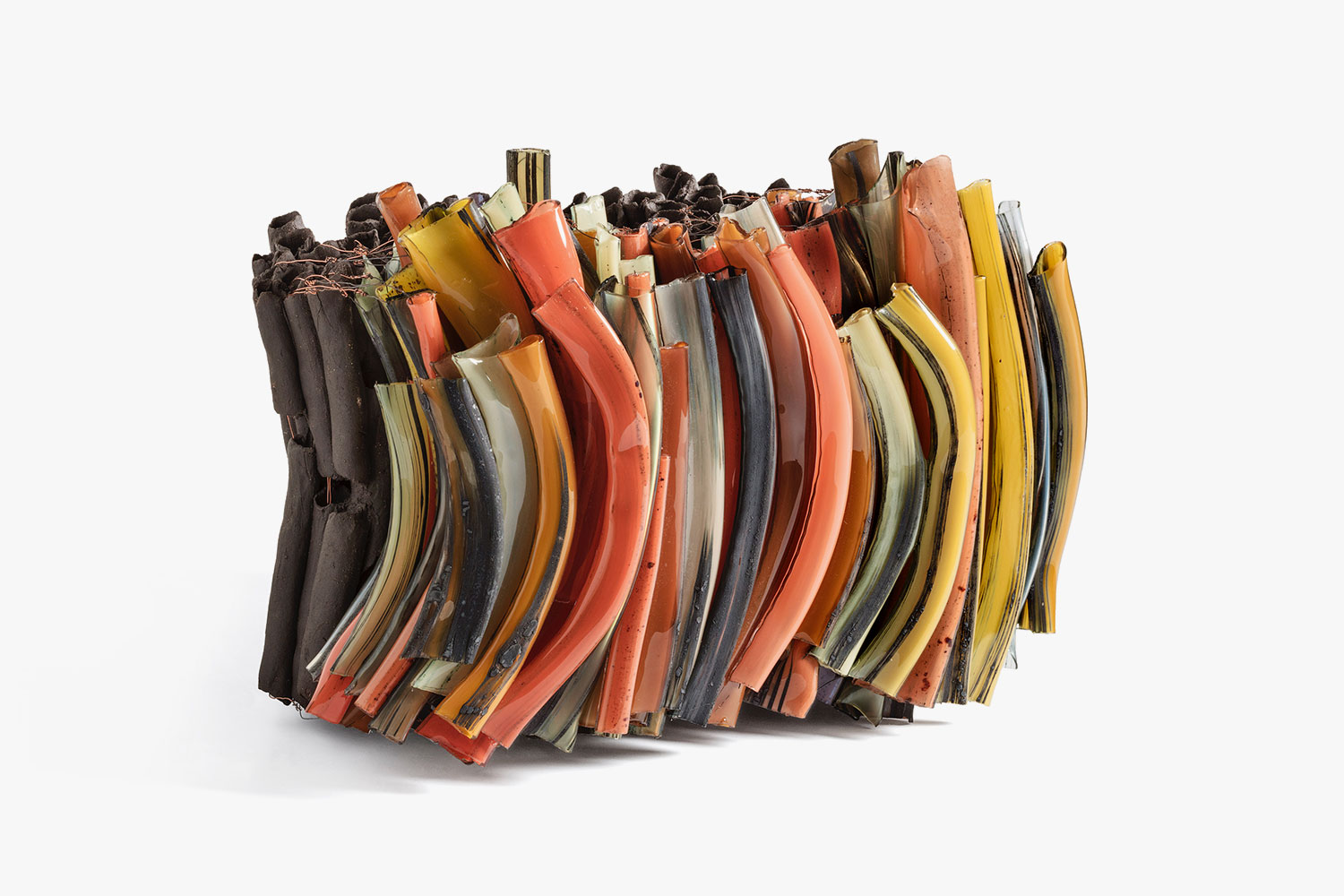
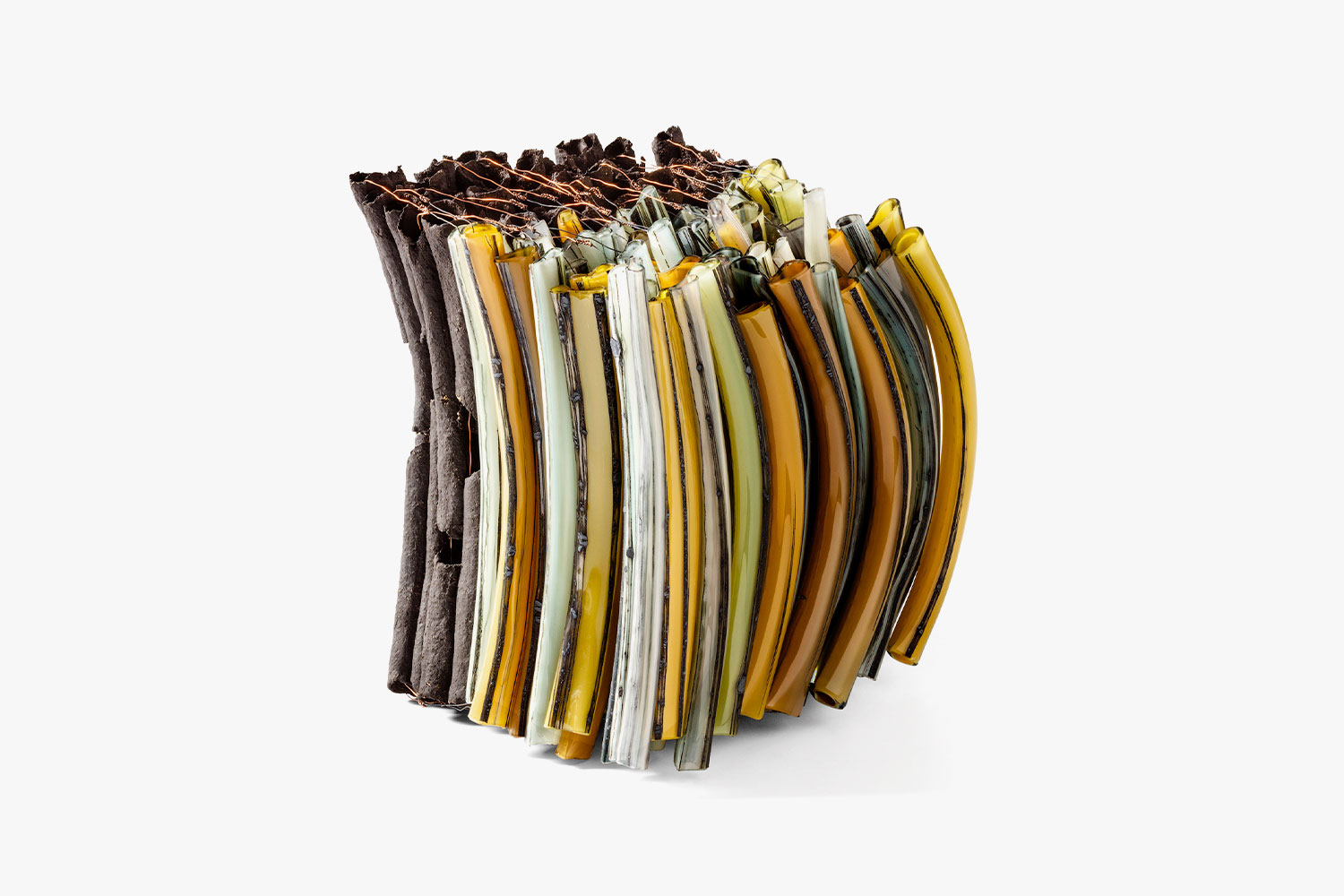
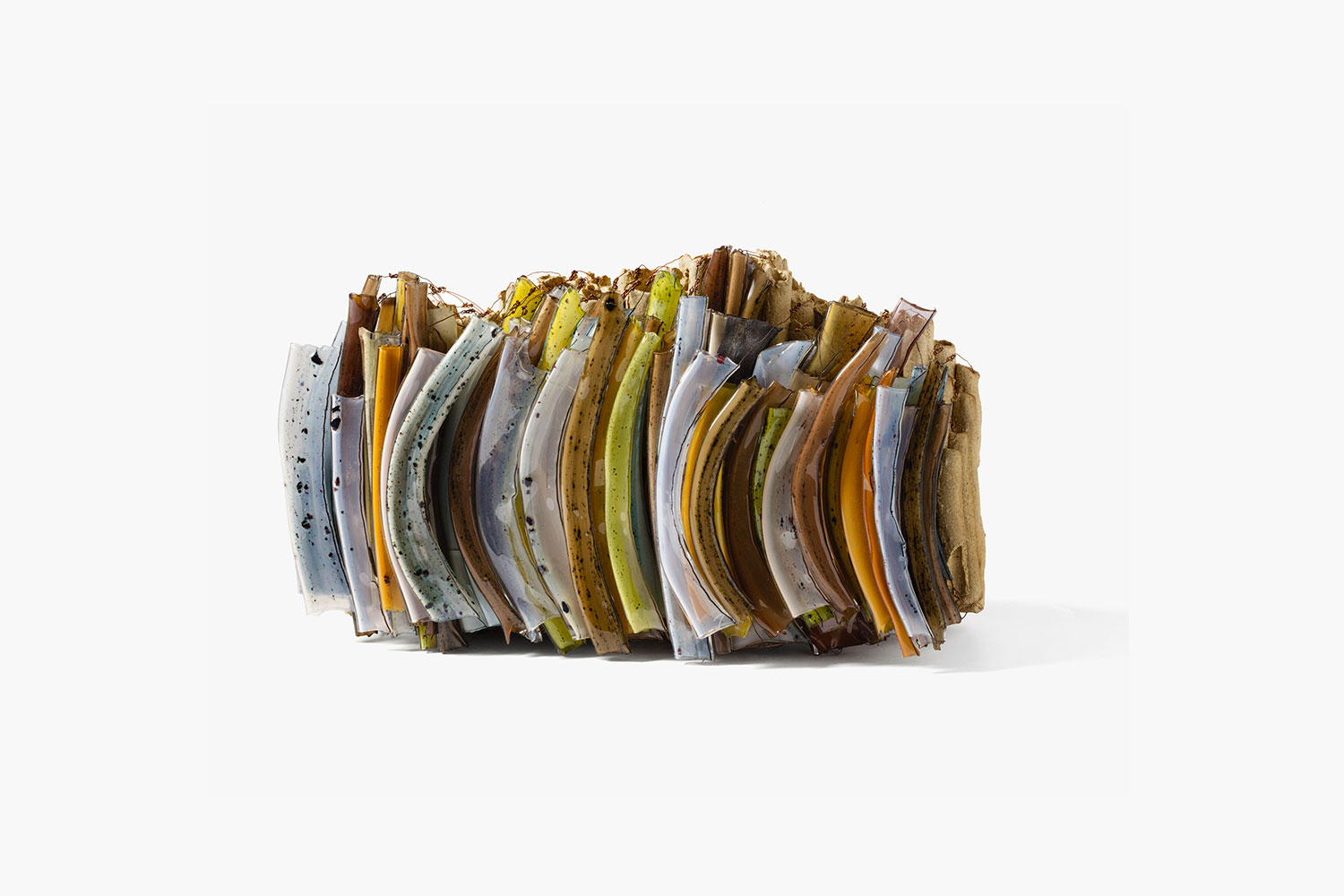
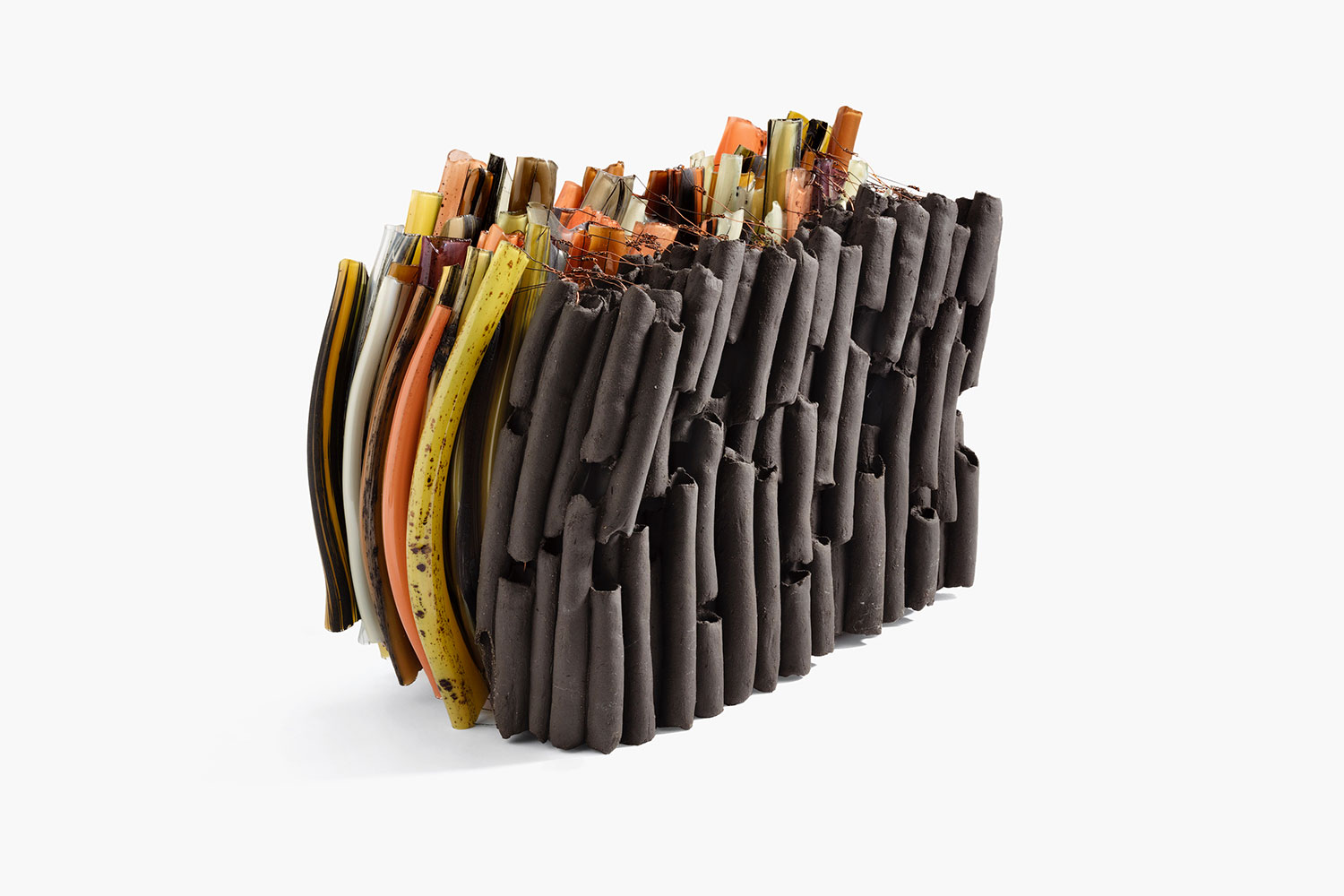
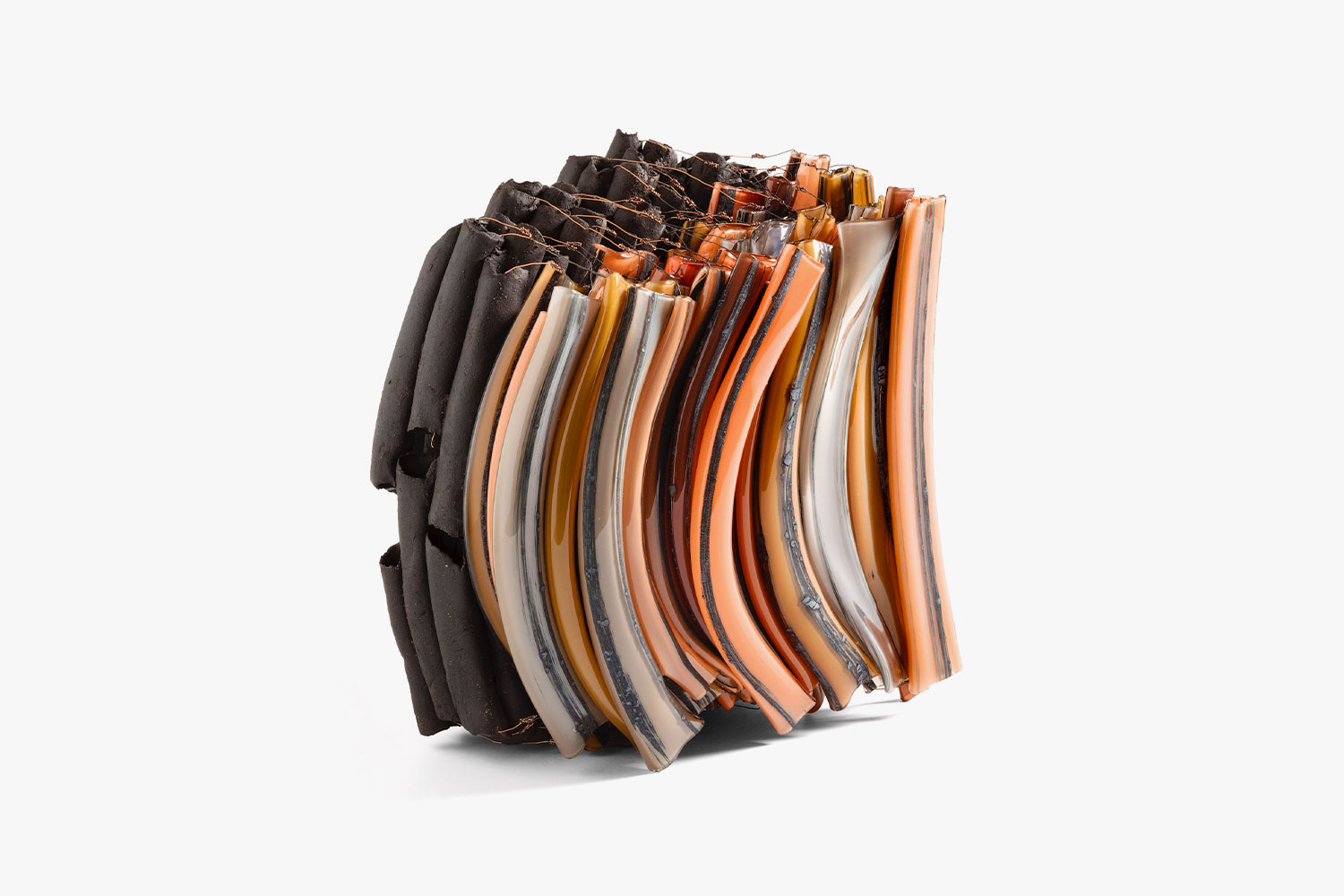
- Ida works with sculptural glass, pushing the boundaries of traditional glassblowing
- Her inspirations include Japanese arts and crafts
- In 2021 she was awarded the Deep Forest Art Land Prize, at Charlottenborg Spring Exhibition in Copenhagen
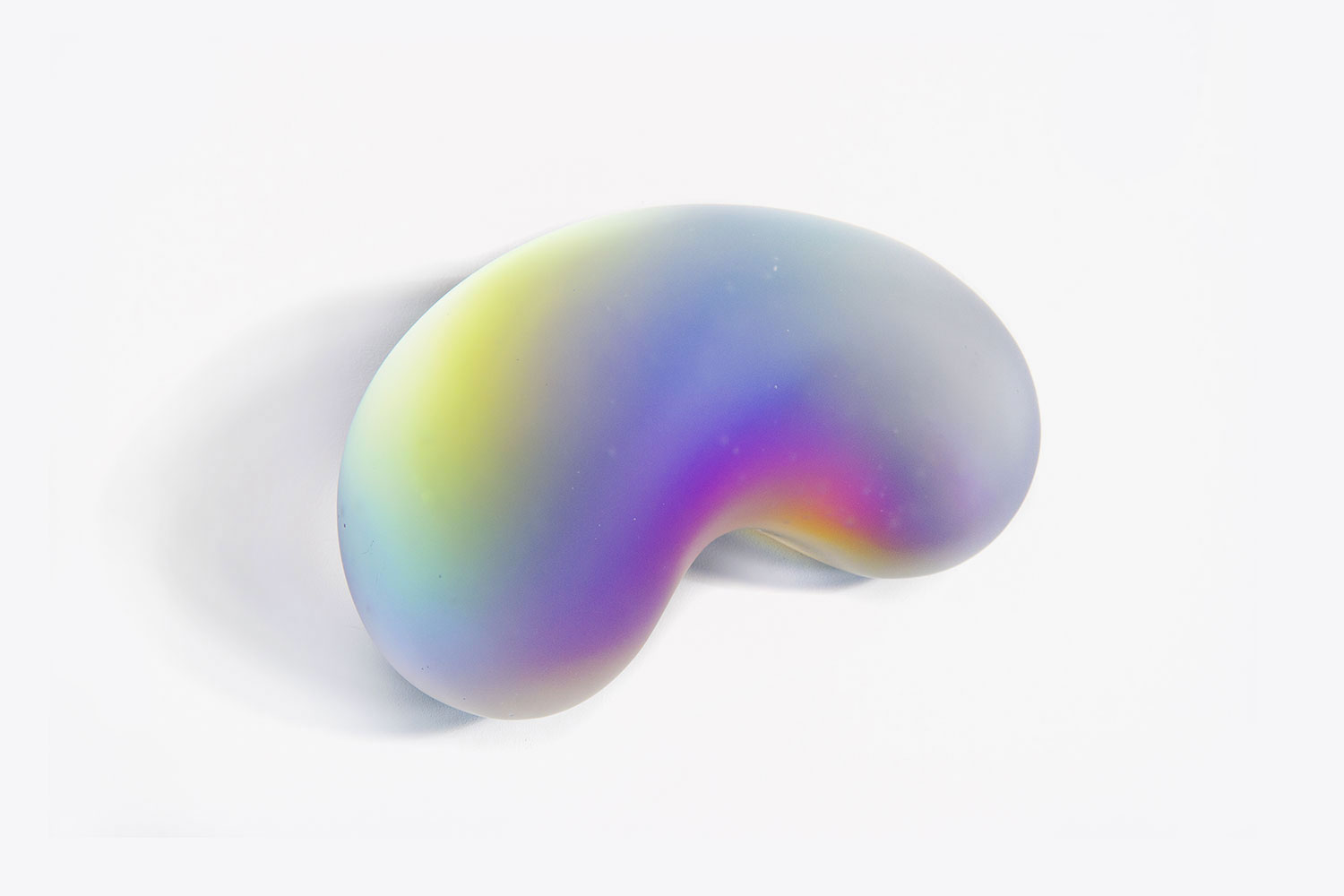
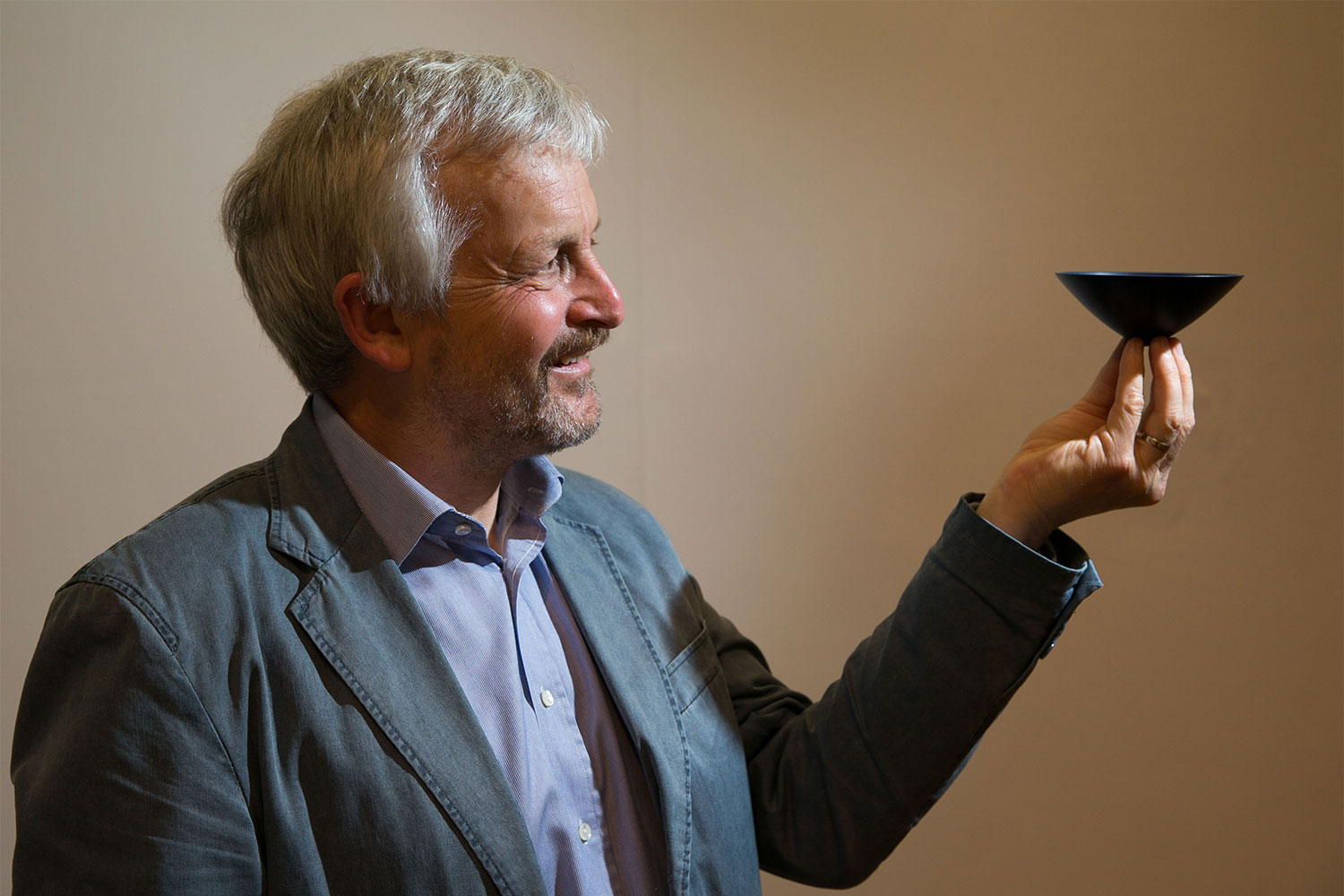
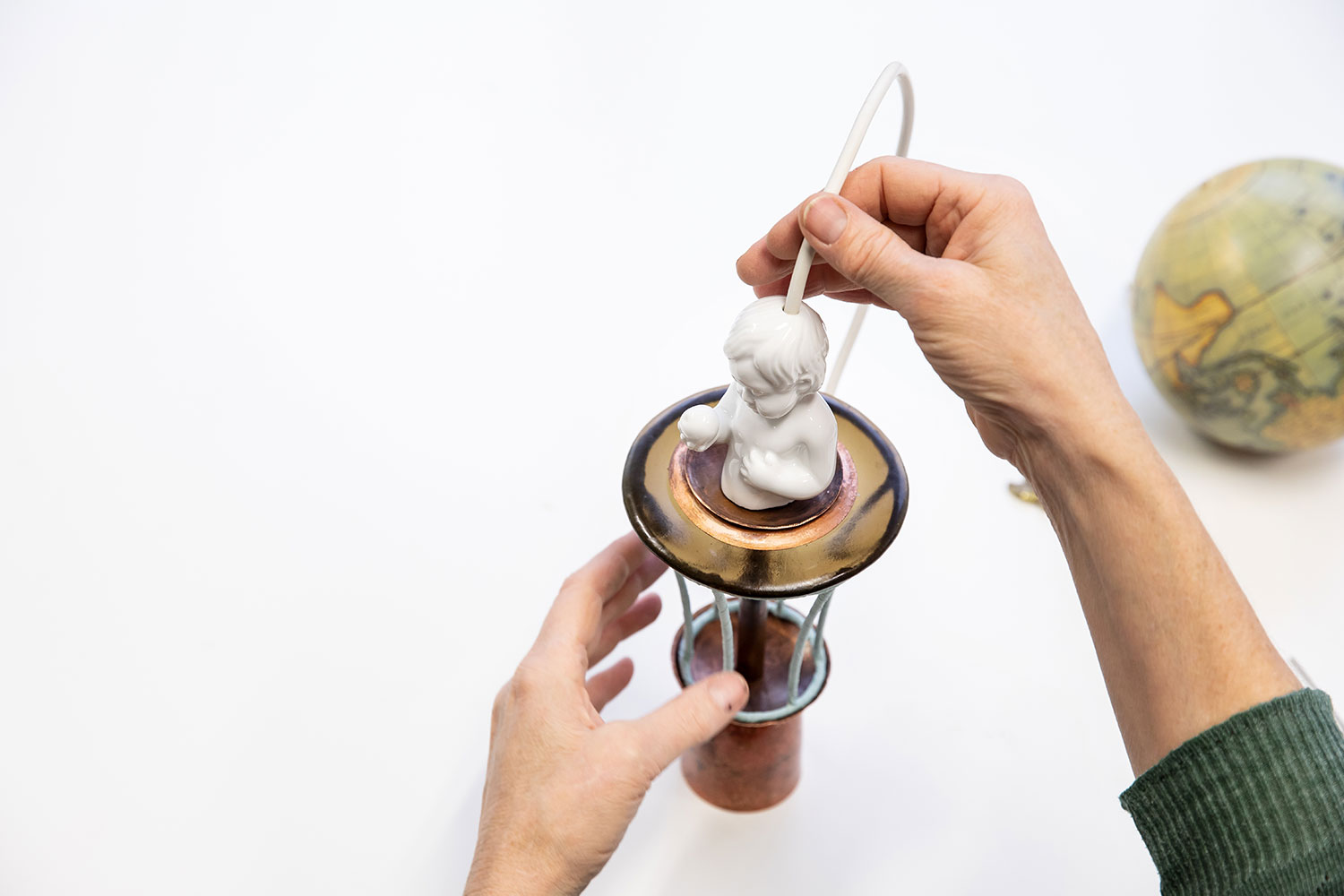
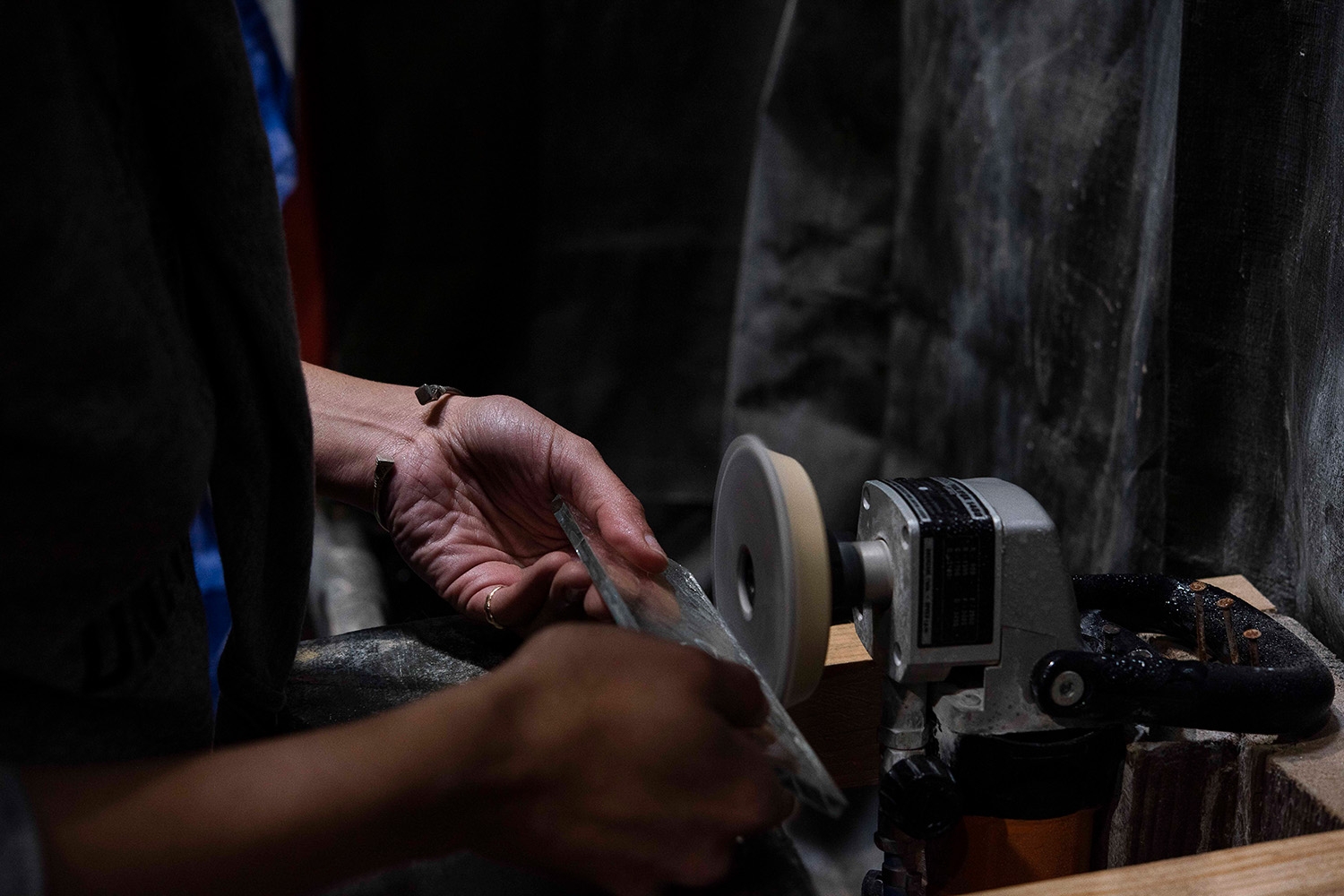
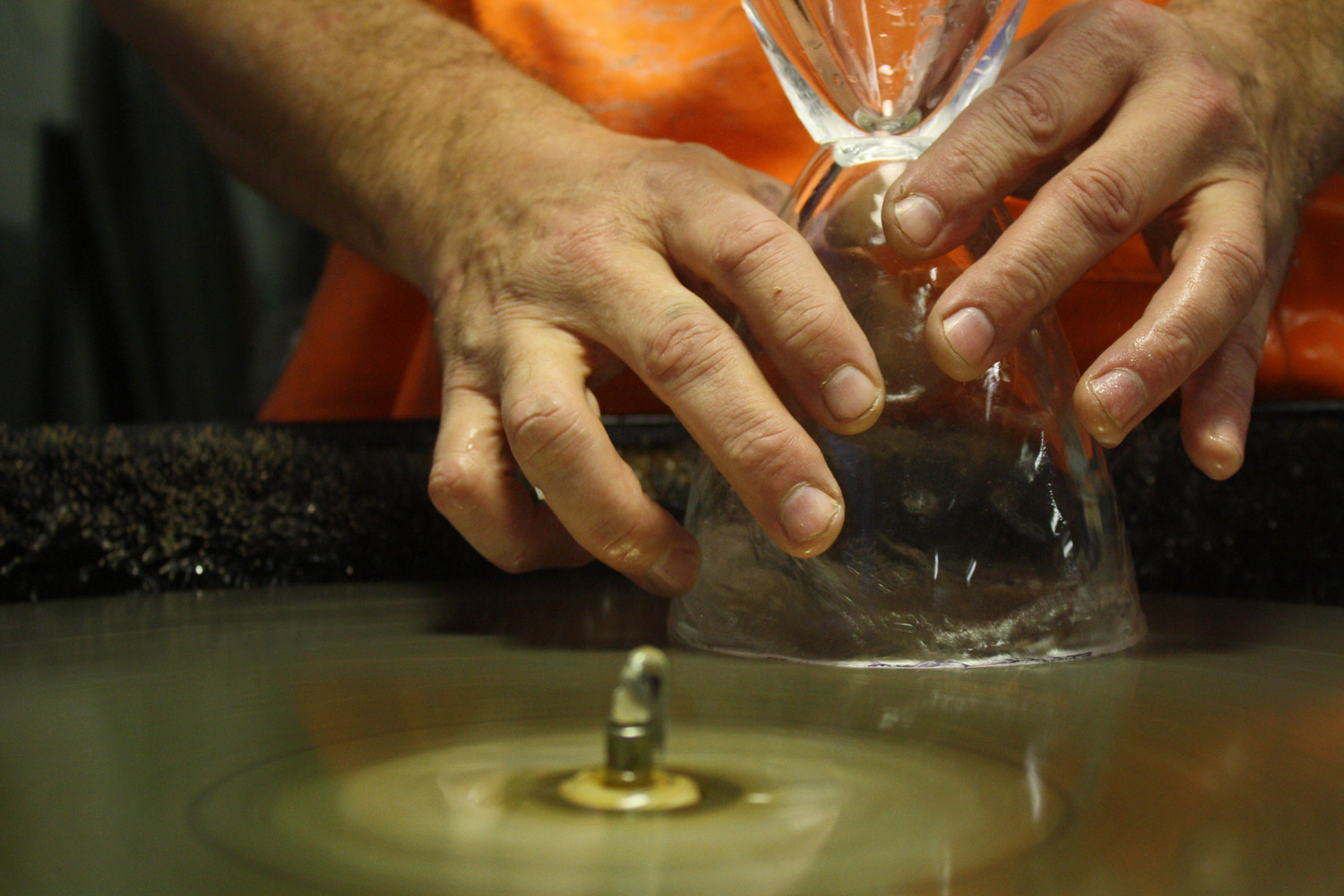
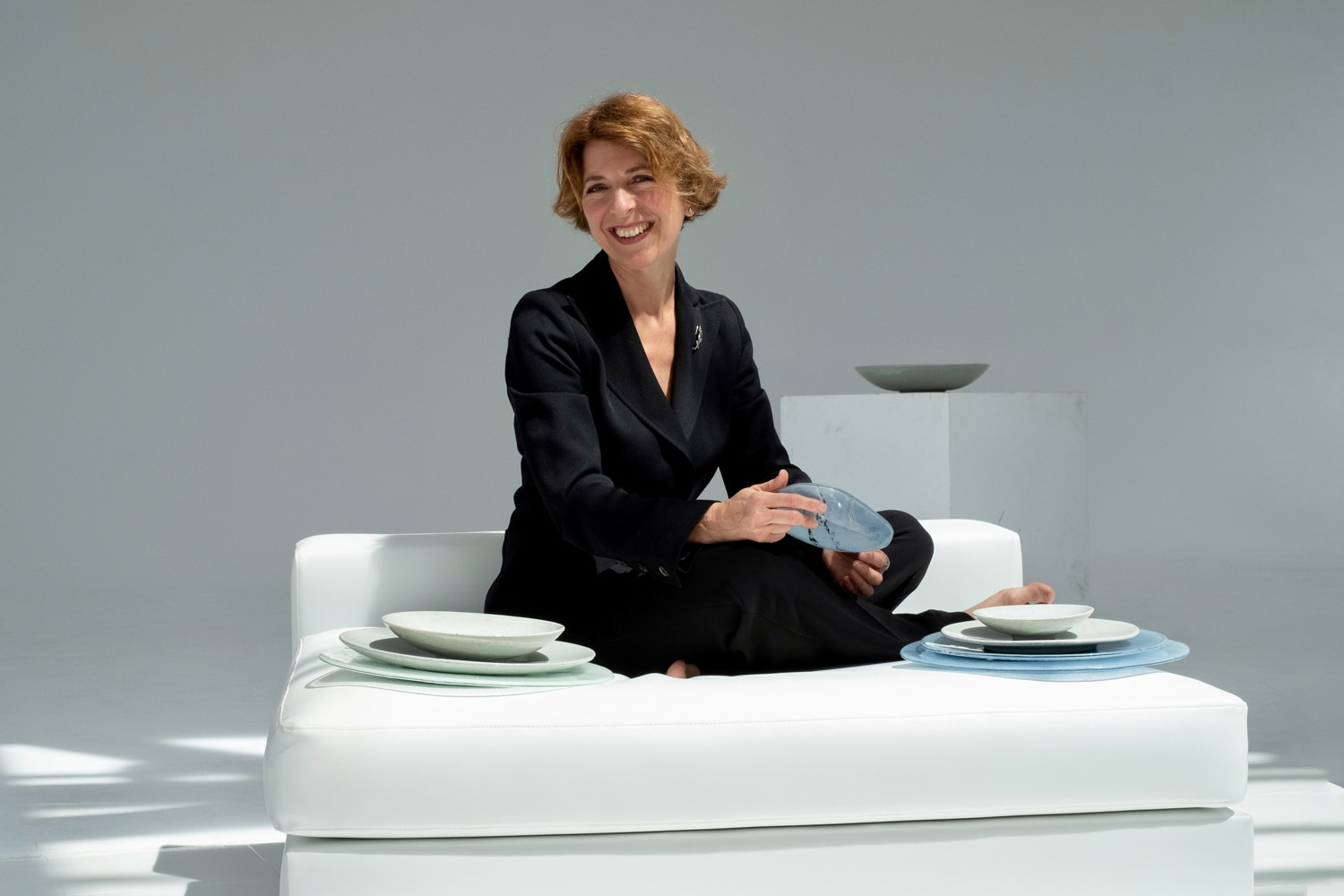
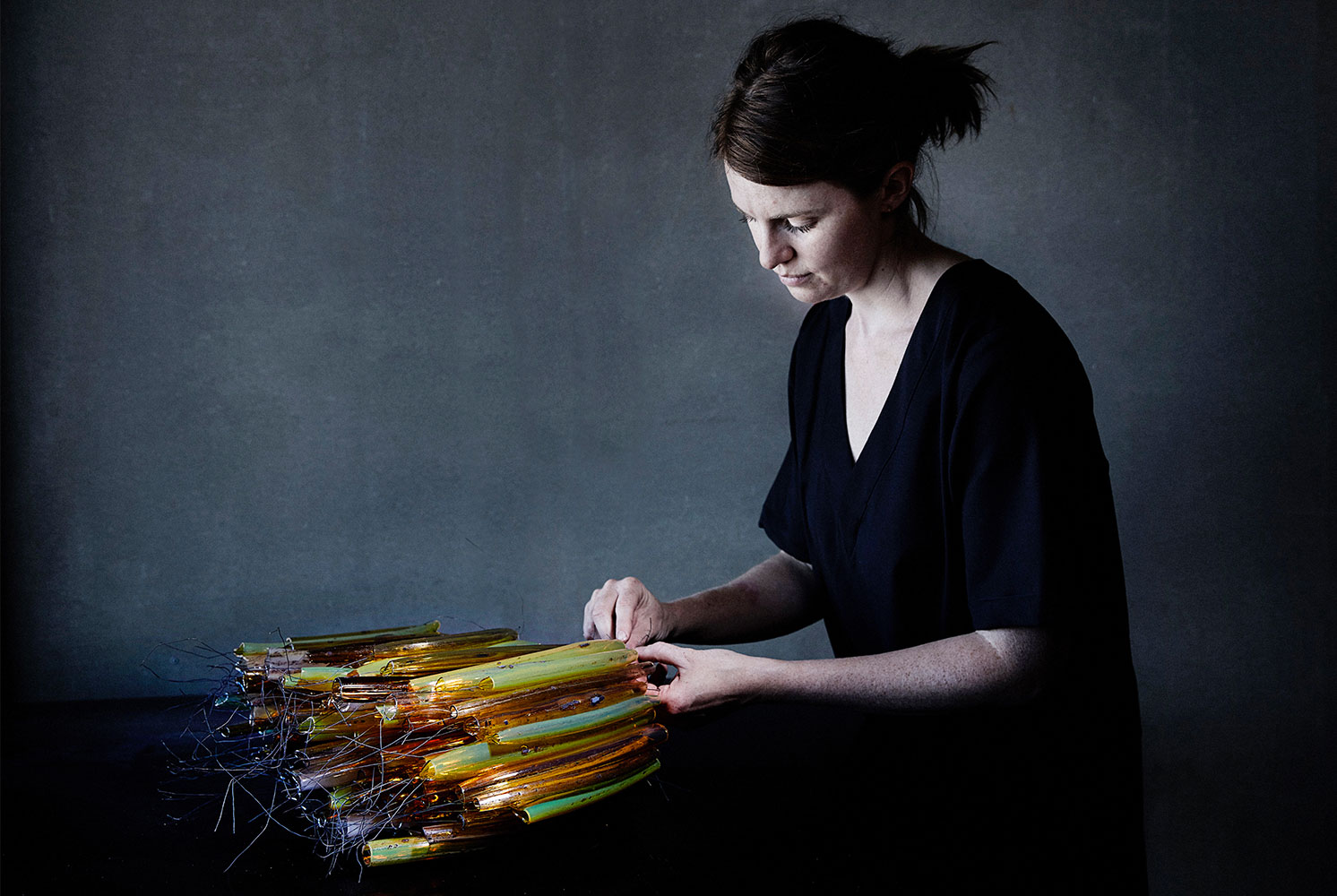
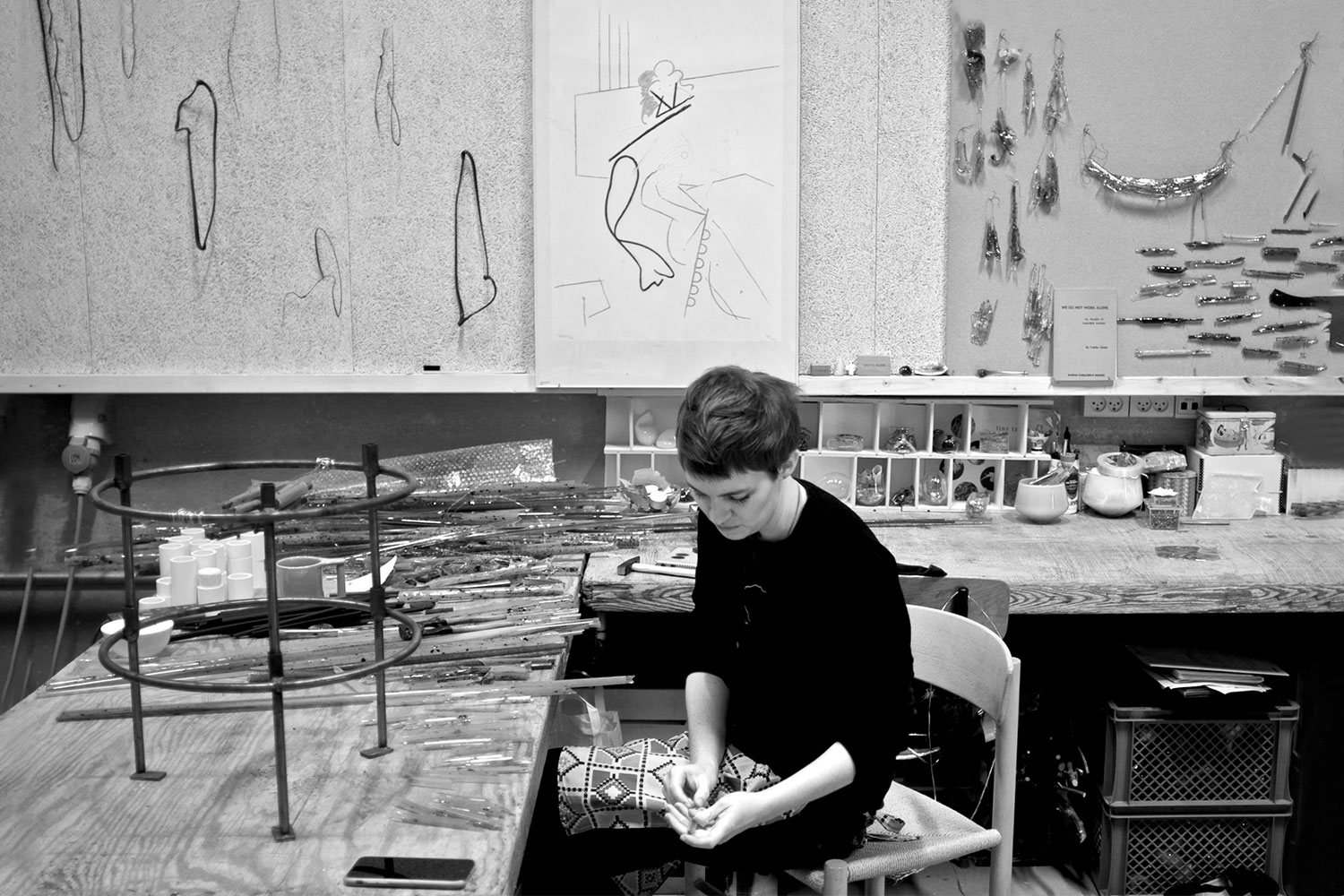
Ida Wieth discovered glasswork as a child and took her first glass course in Denmark at 18. She went on to study glassblowing at the Kosta Glass School in Sweden, followed by a master’s degree at Edinburgh College of Art in Scotland. “When I first ‘touched’ glass, it was so incredibly difficult but also captivating, and I decided to pursue it further,” she says. Ida now works with glass and ceramics, and occasionally wood, concrete and metals, combining an artistic approach with artisanal knowledge of materials and techniques to create highly expressive and emotional works. For her, creations can be considered well made when feelings, expression and materials come together and trigger a certain sense of mystery.
INTERVIEW
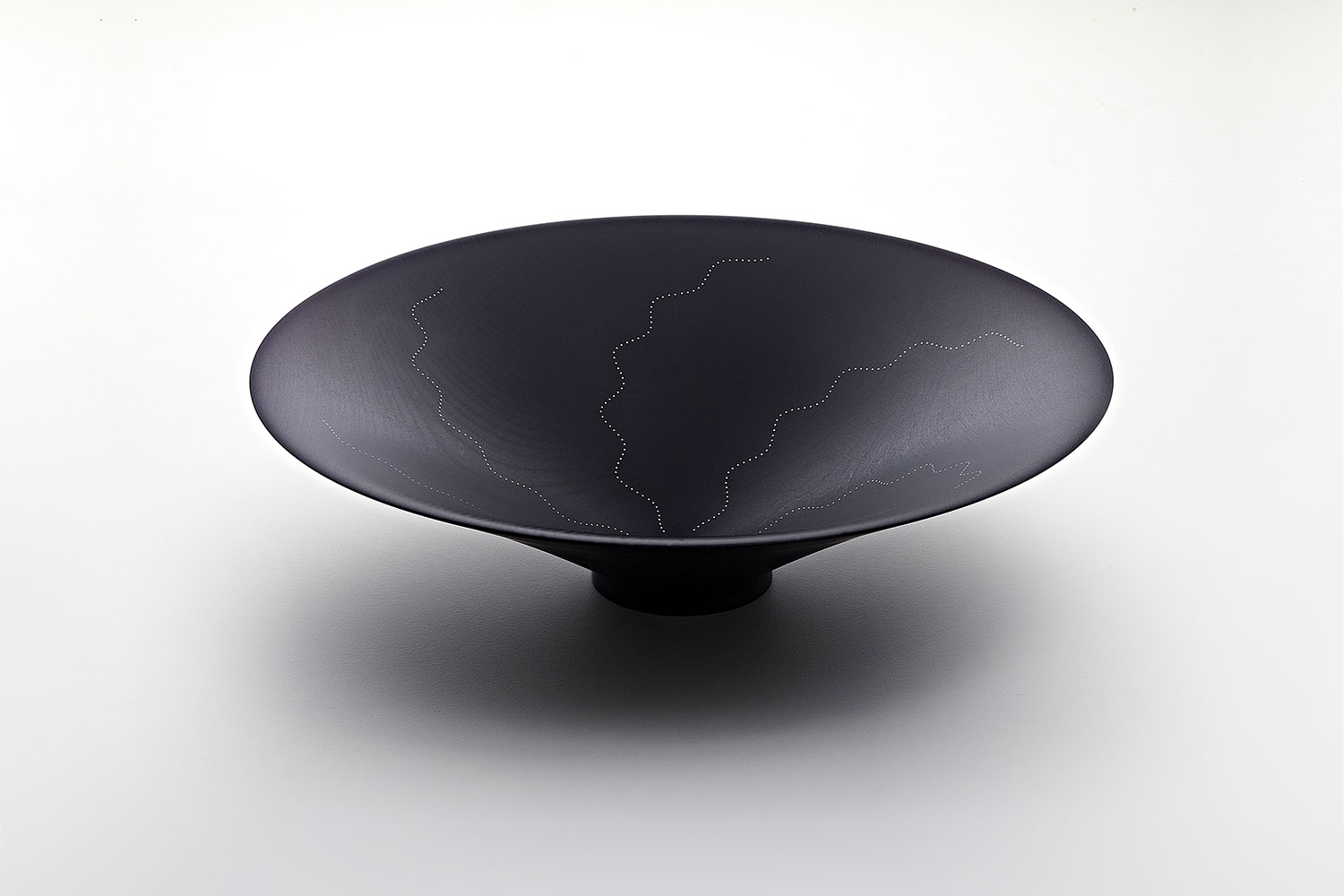
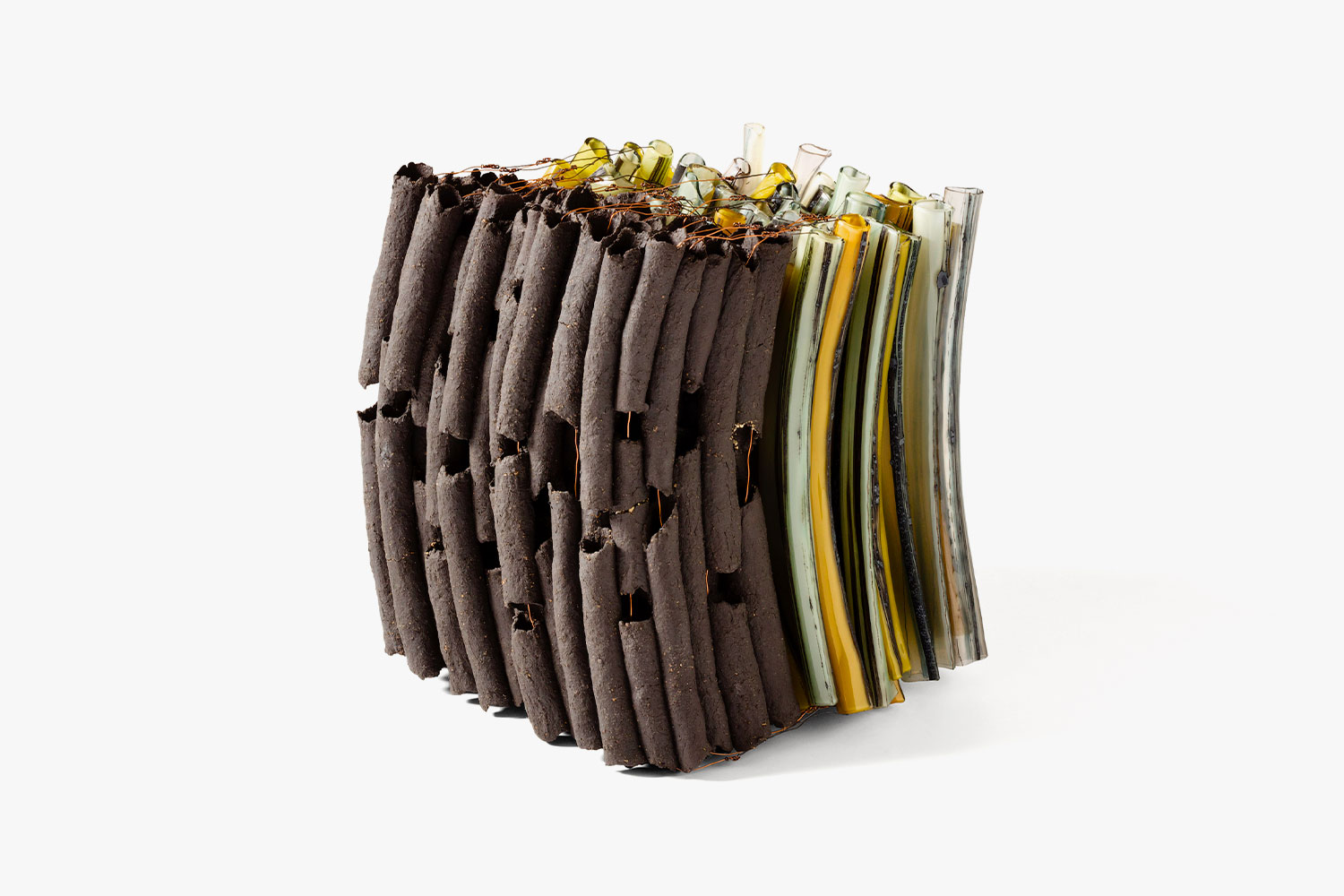
I work with an investigative and curious approach to materials and artistic expression. I mainly work with mouth blown glass that I combine with other materials. Over the years I have moved towards creating installations and larger scale projects.
At a young age, I came across glassblowing factories in Sweden and Murano, Italy. I was trained by several skilled glassblowing masters who had worked in glass factories. During my studies in Edinburgh, I started working with a research and art based approach, where I combined blown glass with cast concrete. Since then, I have worked in a sculptural and artistic direction, with a significant connection to the craft.
The very first blown glass object I made was probably a small, very thick and crooked looking glass bowl. After three years of training in advanced techniques in Sweden, I made a series of black and white twisted incalmo vessels for my final project.
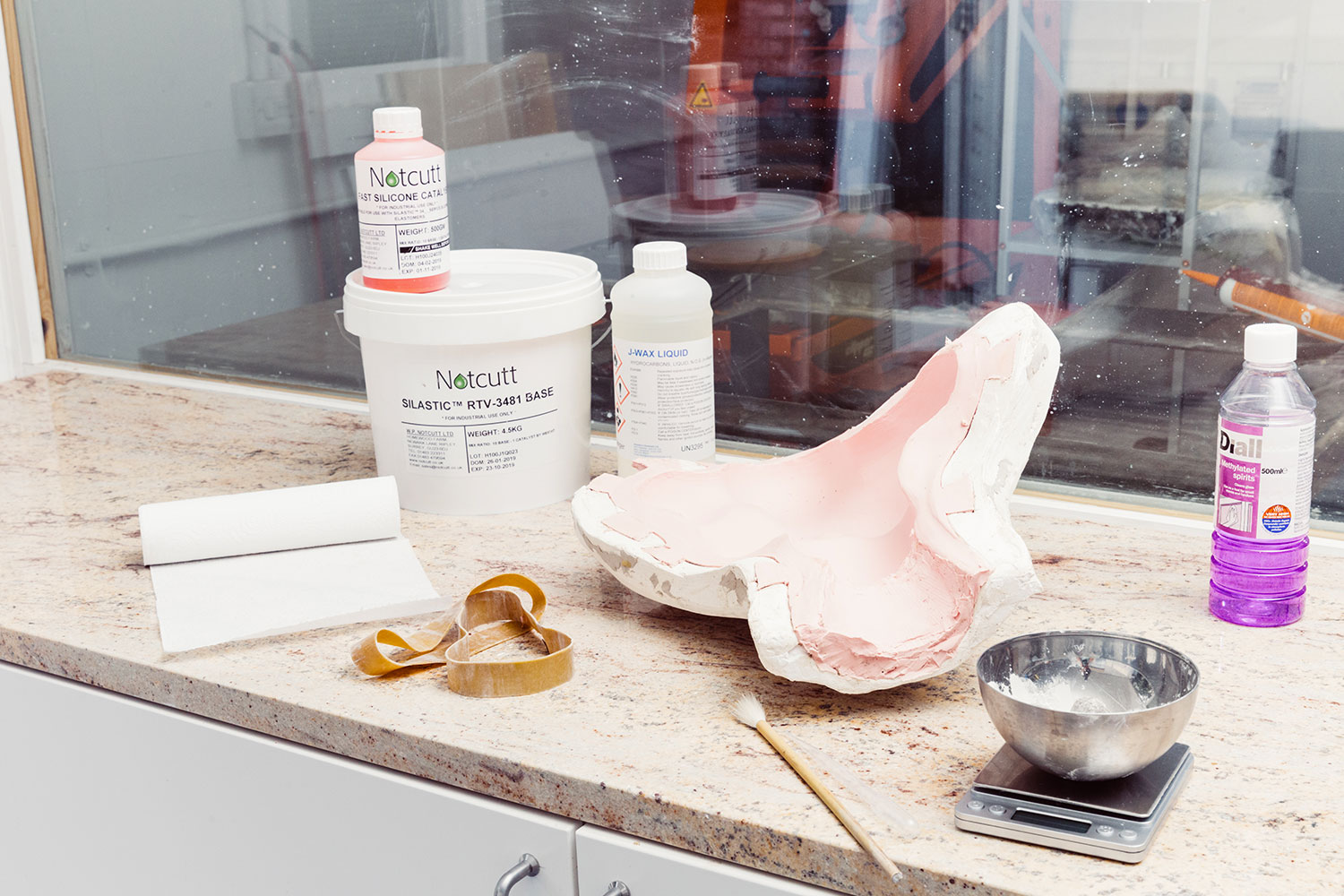
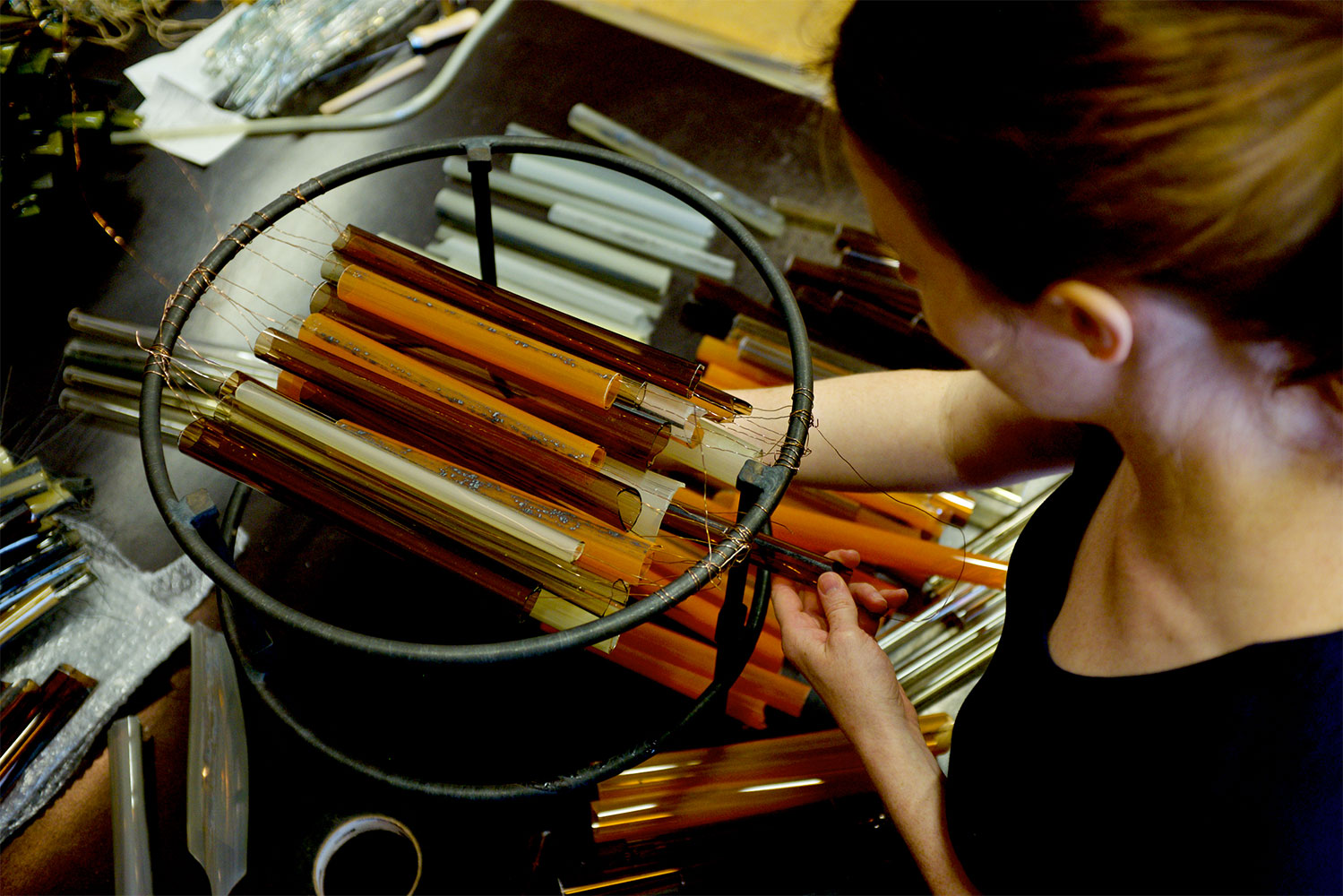
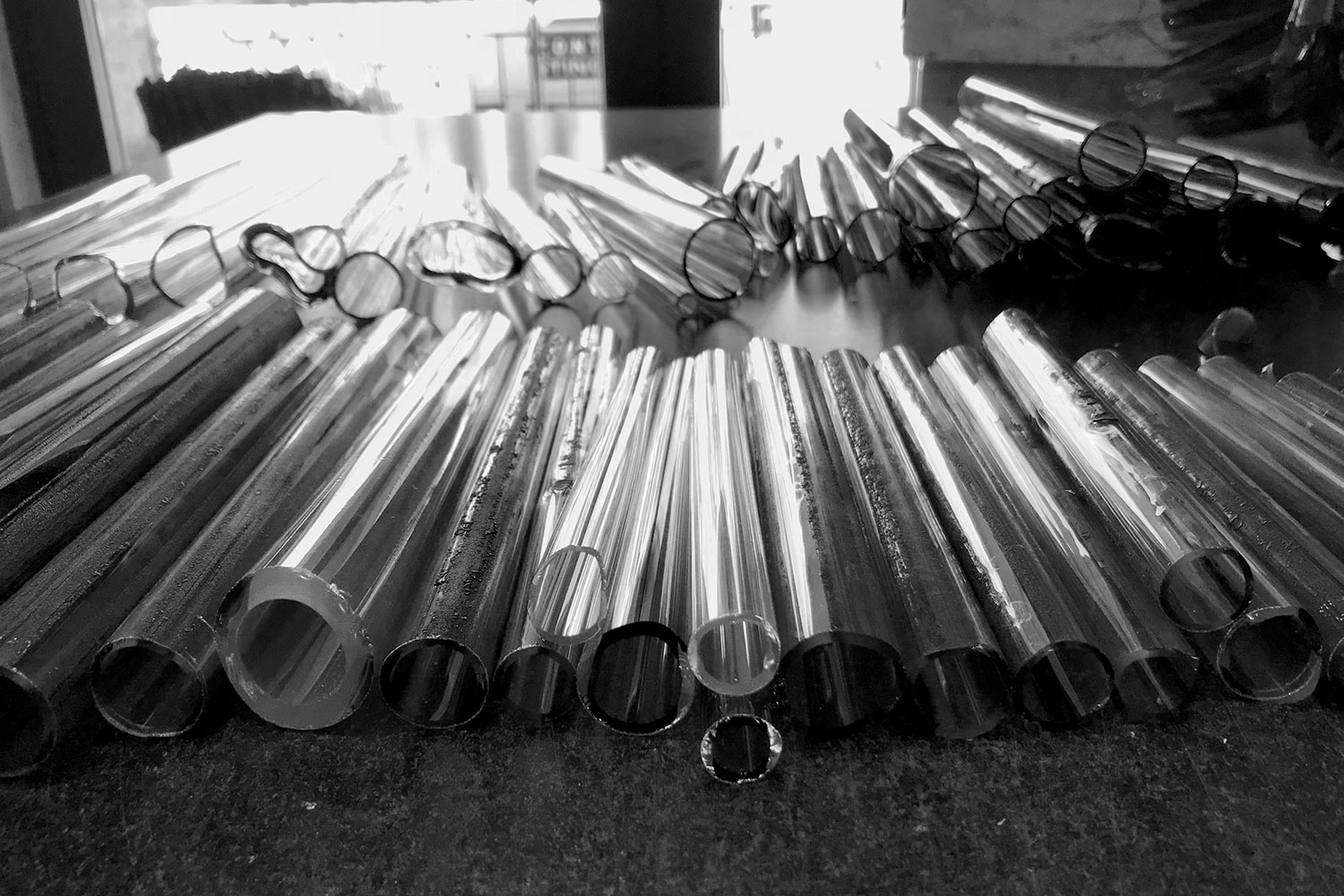
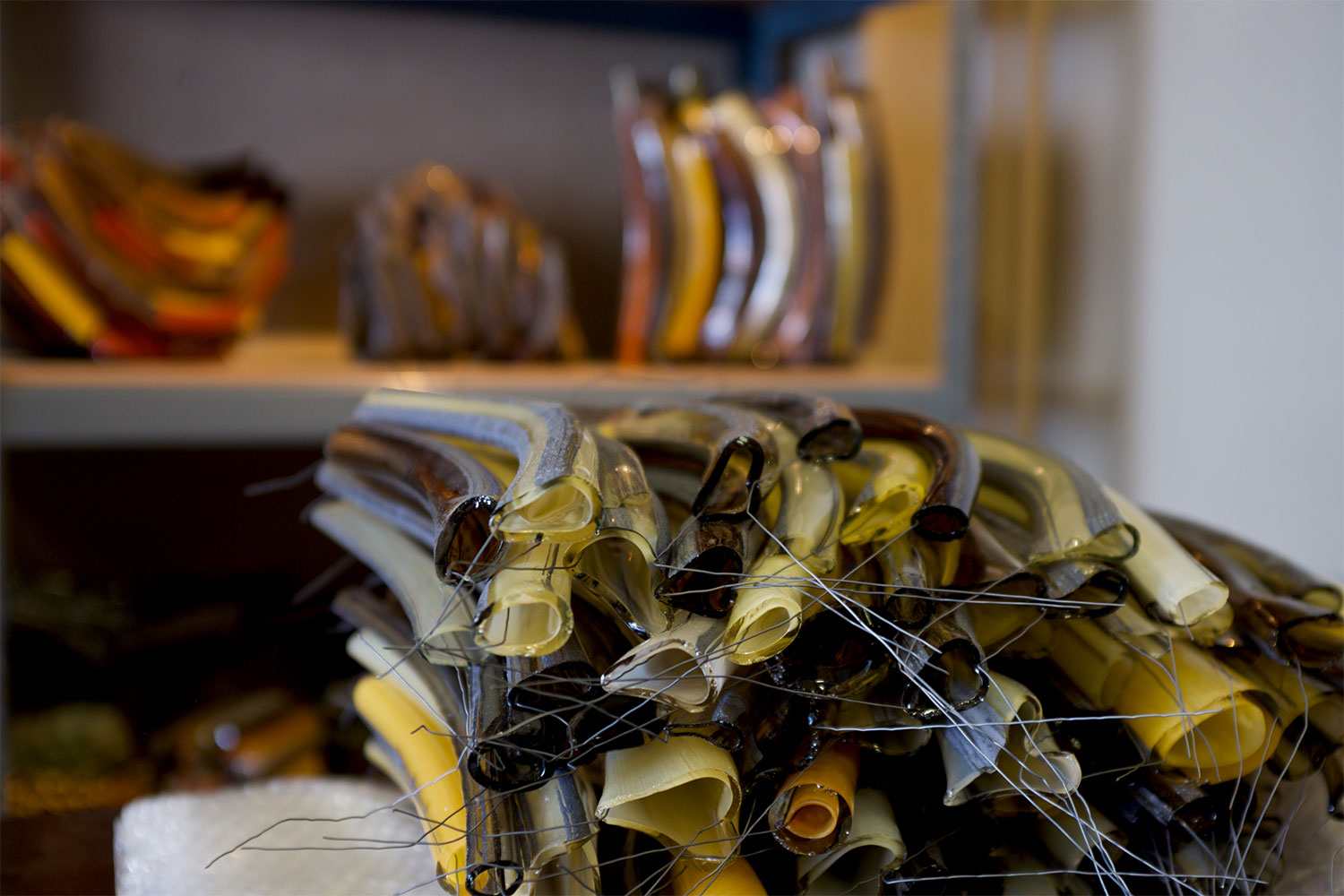
The first thing I might do is blow and pull glass canes, an Italian traditional way of adding pattern and stripes to things like glass vessels. I then add metal oxides to my canes and later re-melt and bend them into an object. In this way I use traditional techniques while challenging them to find new possibilities.
Ida Wieth
Glass fuser
Aarhus, Denmark
Recommended by Danish Crafts & Design Association
AVAILABILITY
Monday to Friday 08:00-17:00
PHONE
+45 31571175
LANGUAGES
Danish, English
Homo Faber Finds is a new service aiming to inspire admirers of craft to connect and collaborate with exceptional artisans.
We invite you to submit an enquiry here.