Hugo Lejeune
Restorer
Licciana Nardi, Italy
Balancing the ethics of restoration
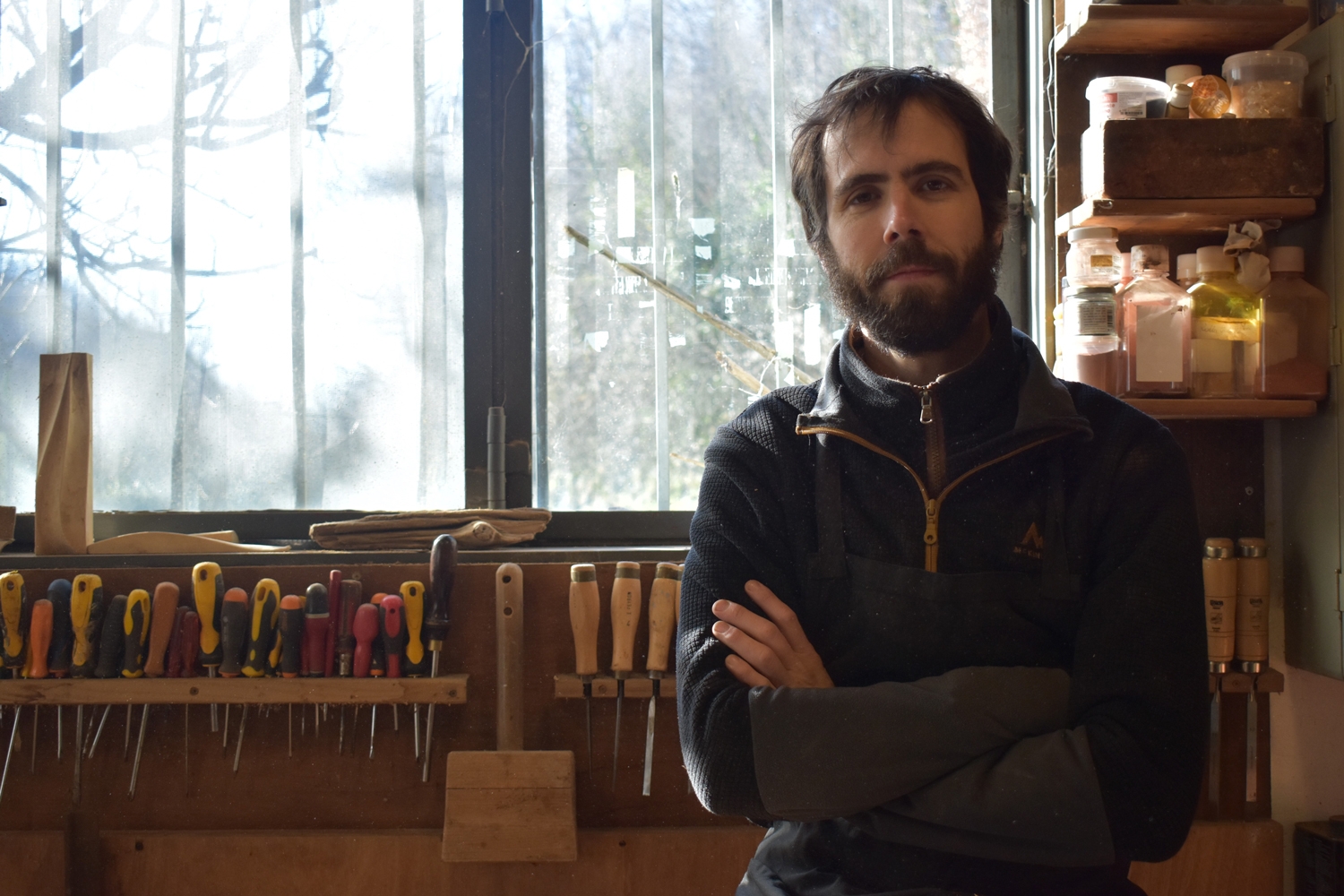
- Hugo is a very passionate furniture restorer and cabinetmaker
- Through his work he continues to learn from traditional masters
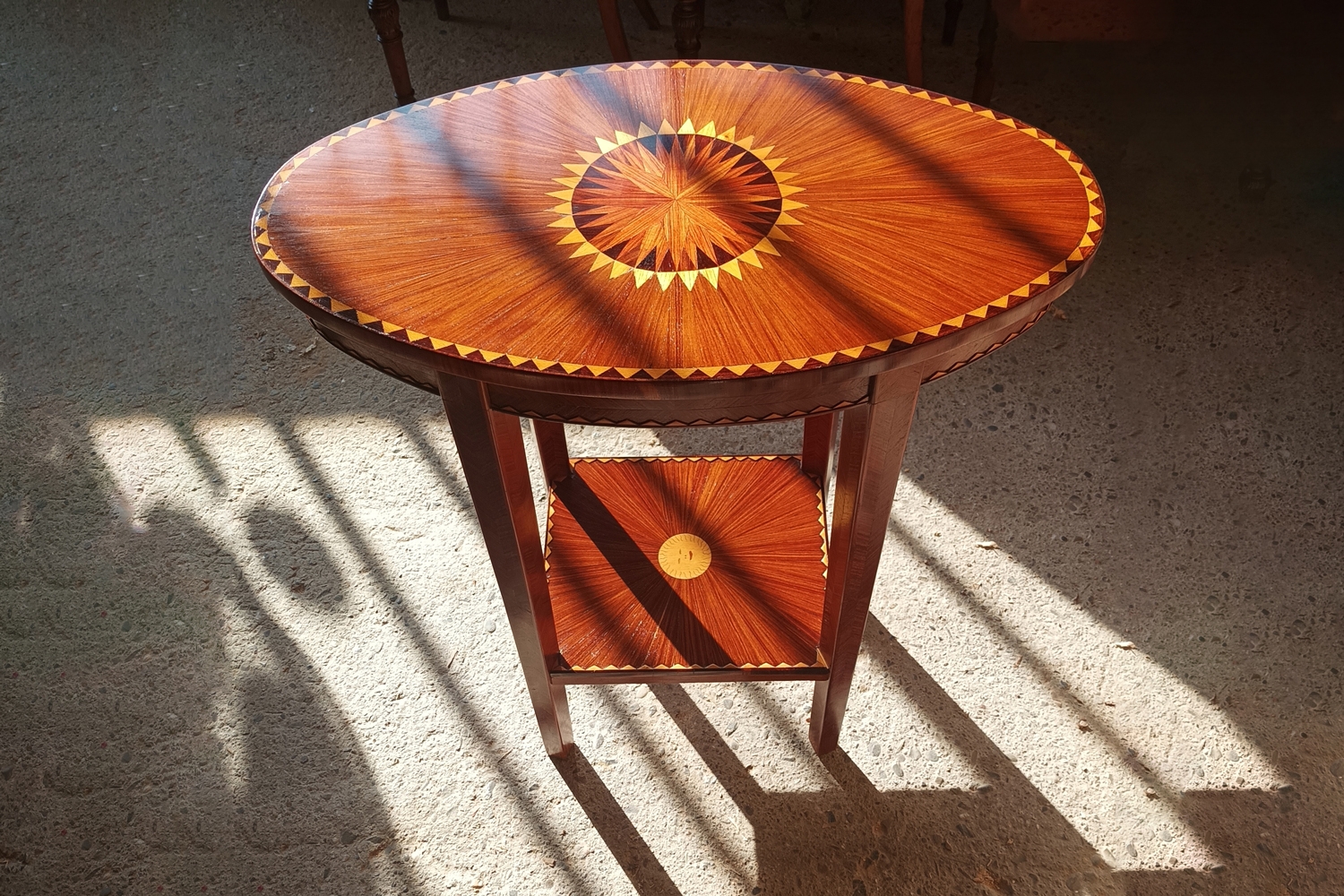
- At École Boulle, he learned inlay both as a restoration technique and as a creative technique
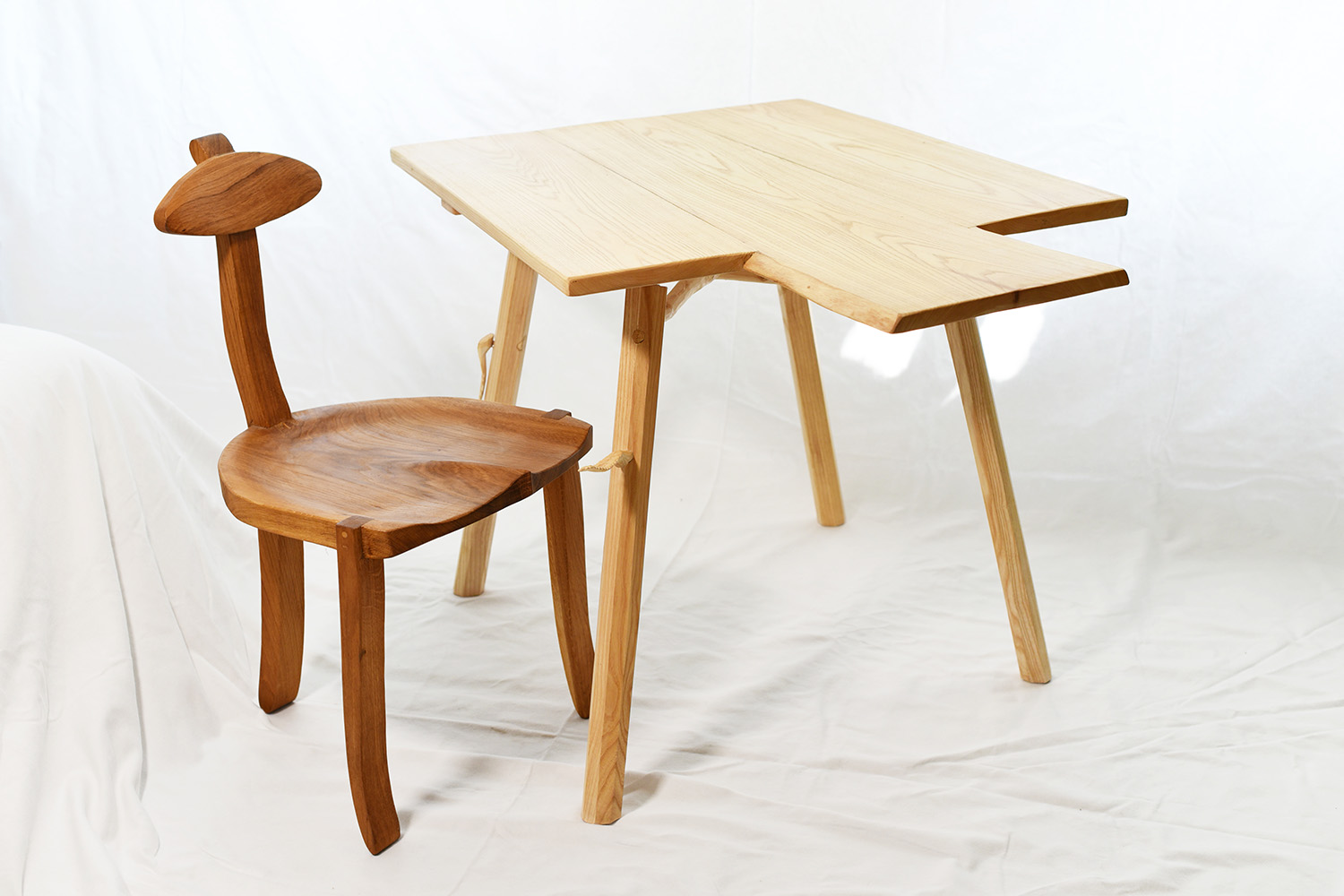
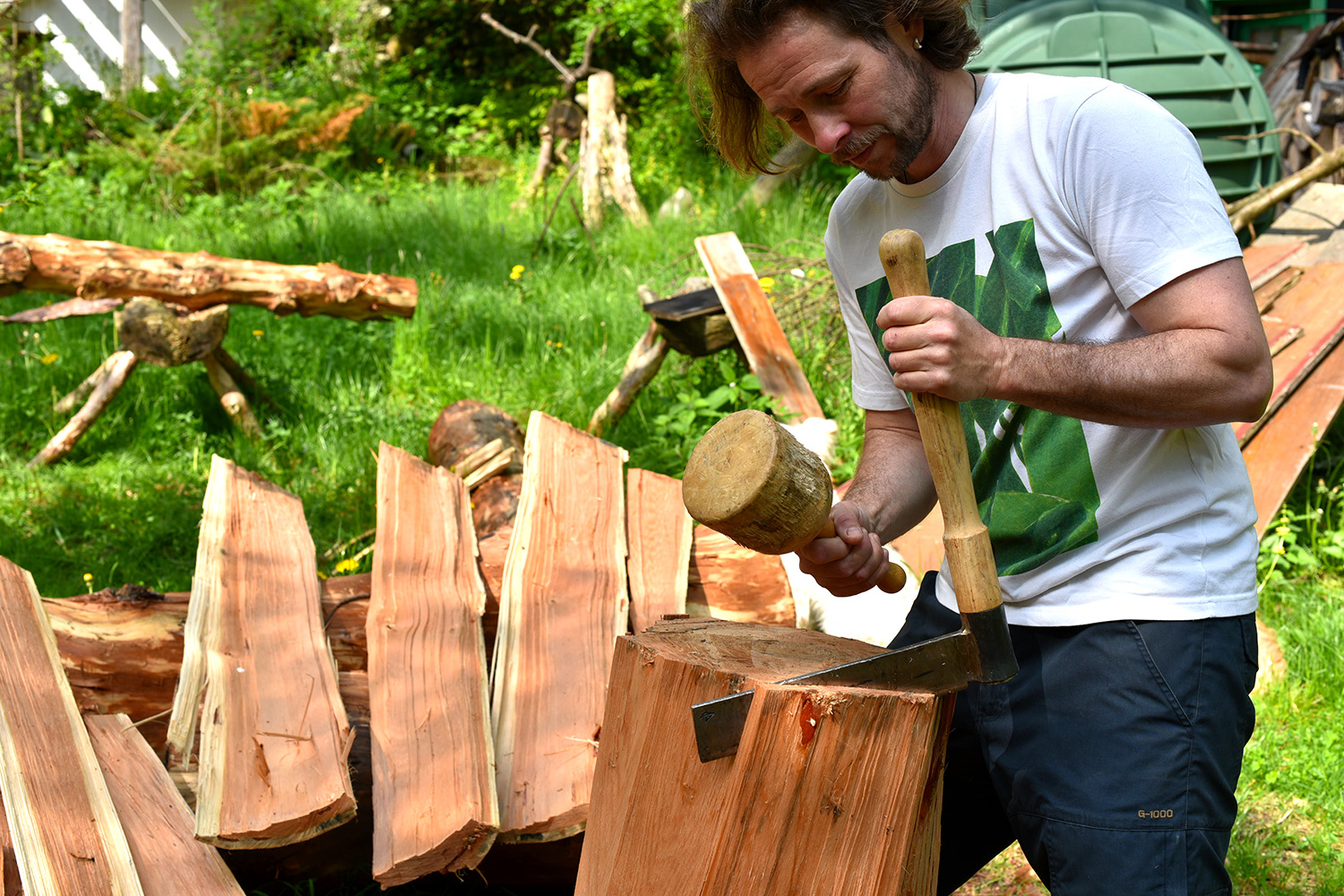
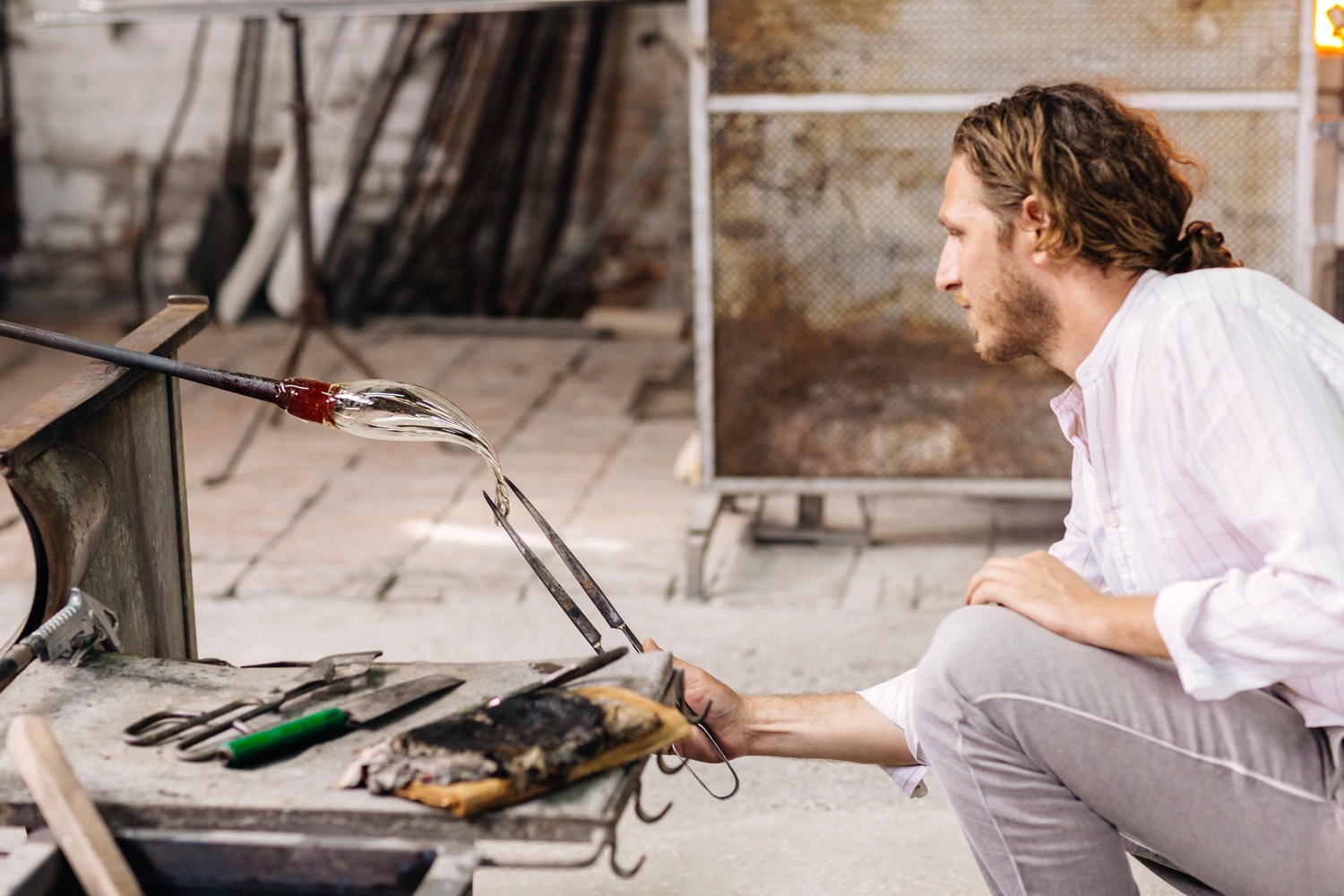
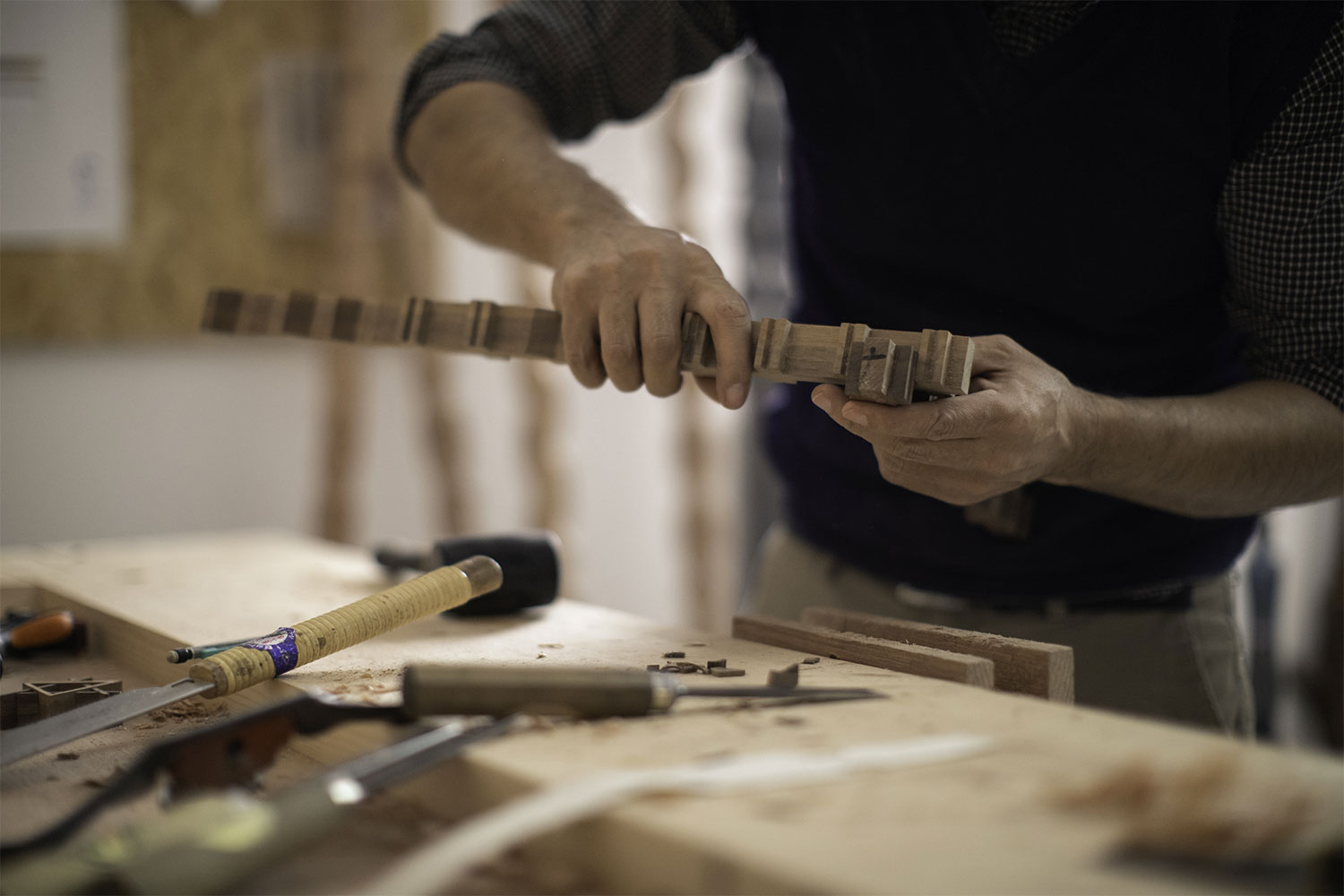
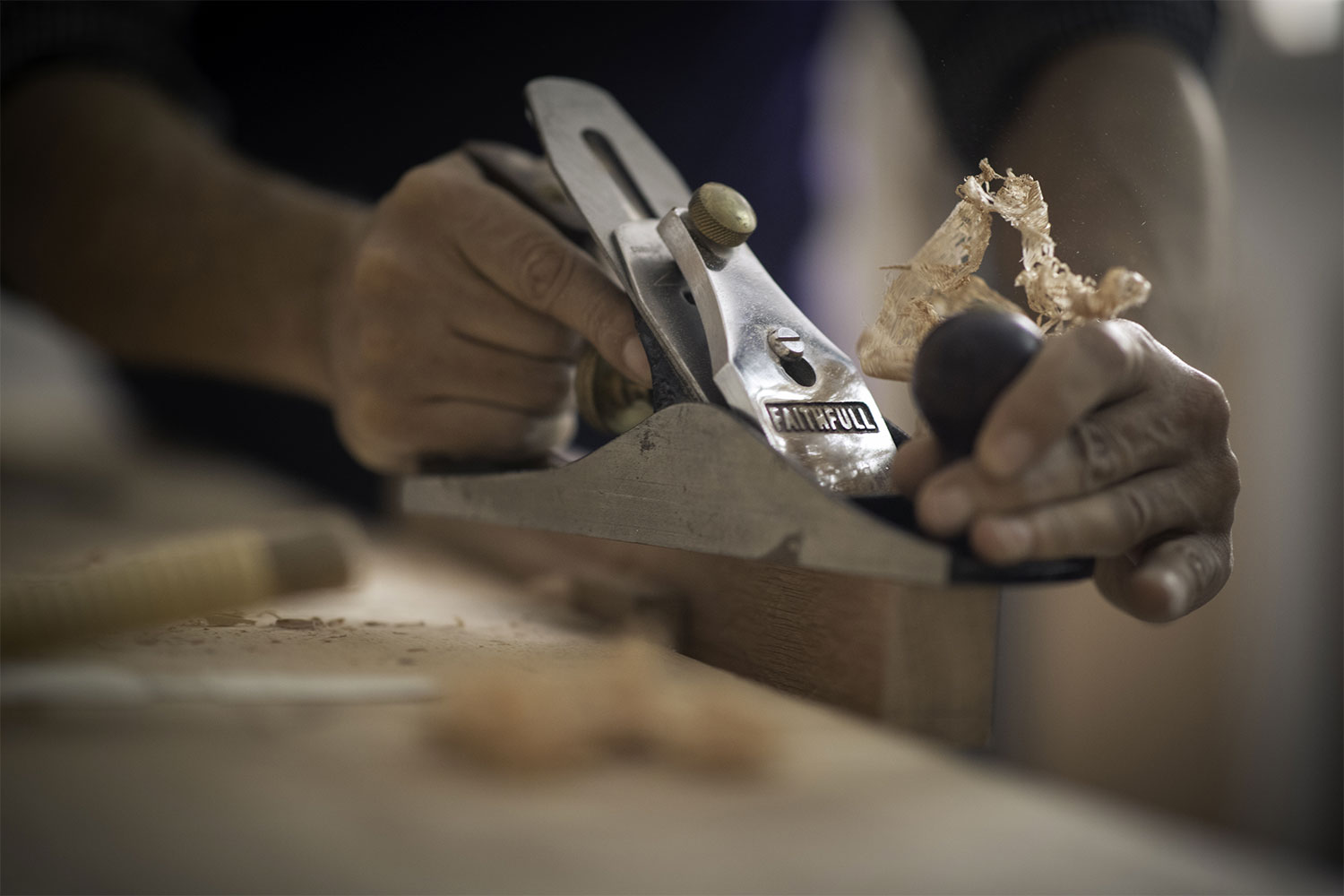
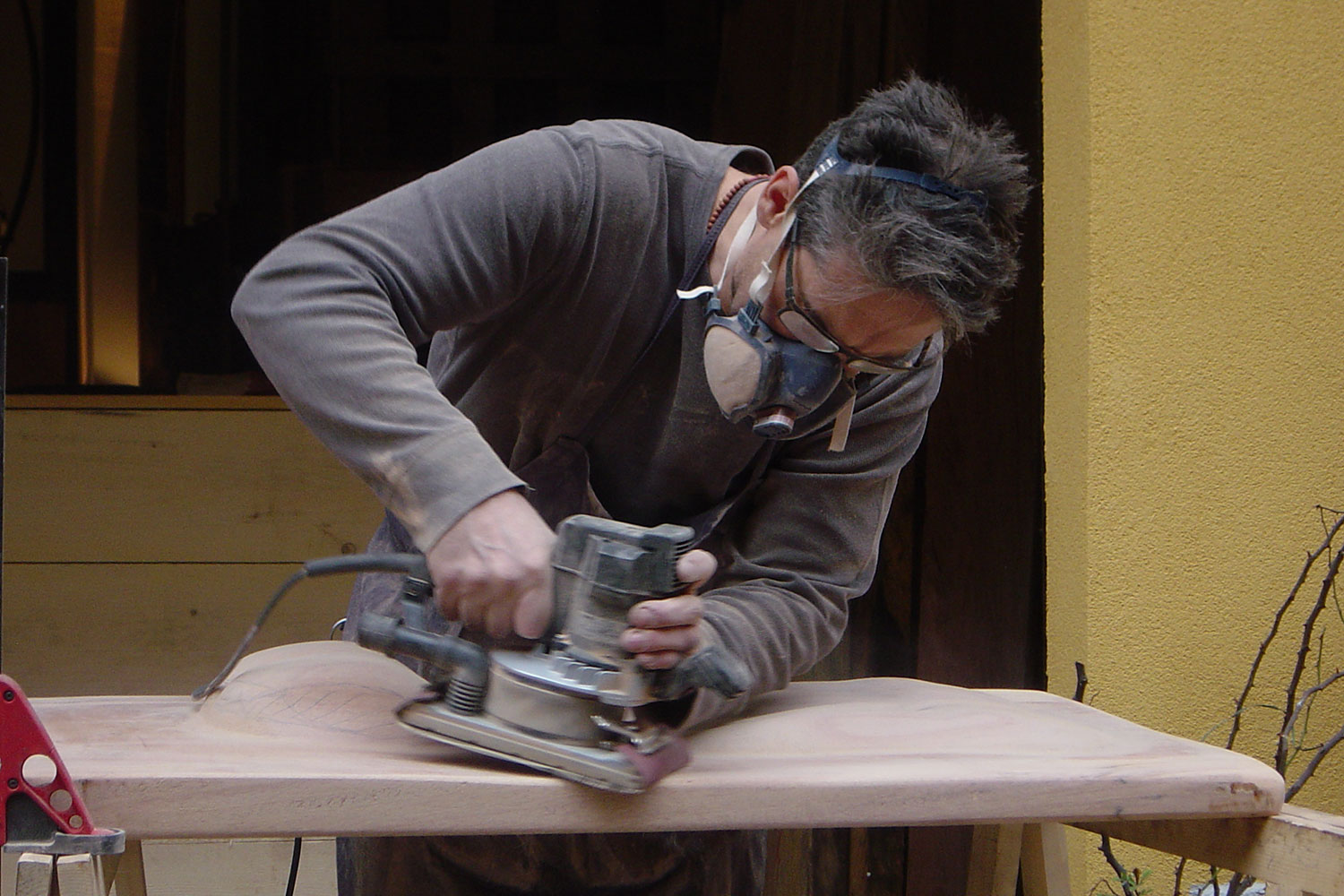
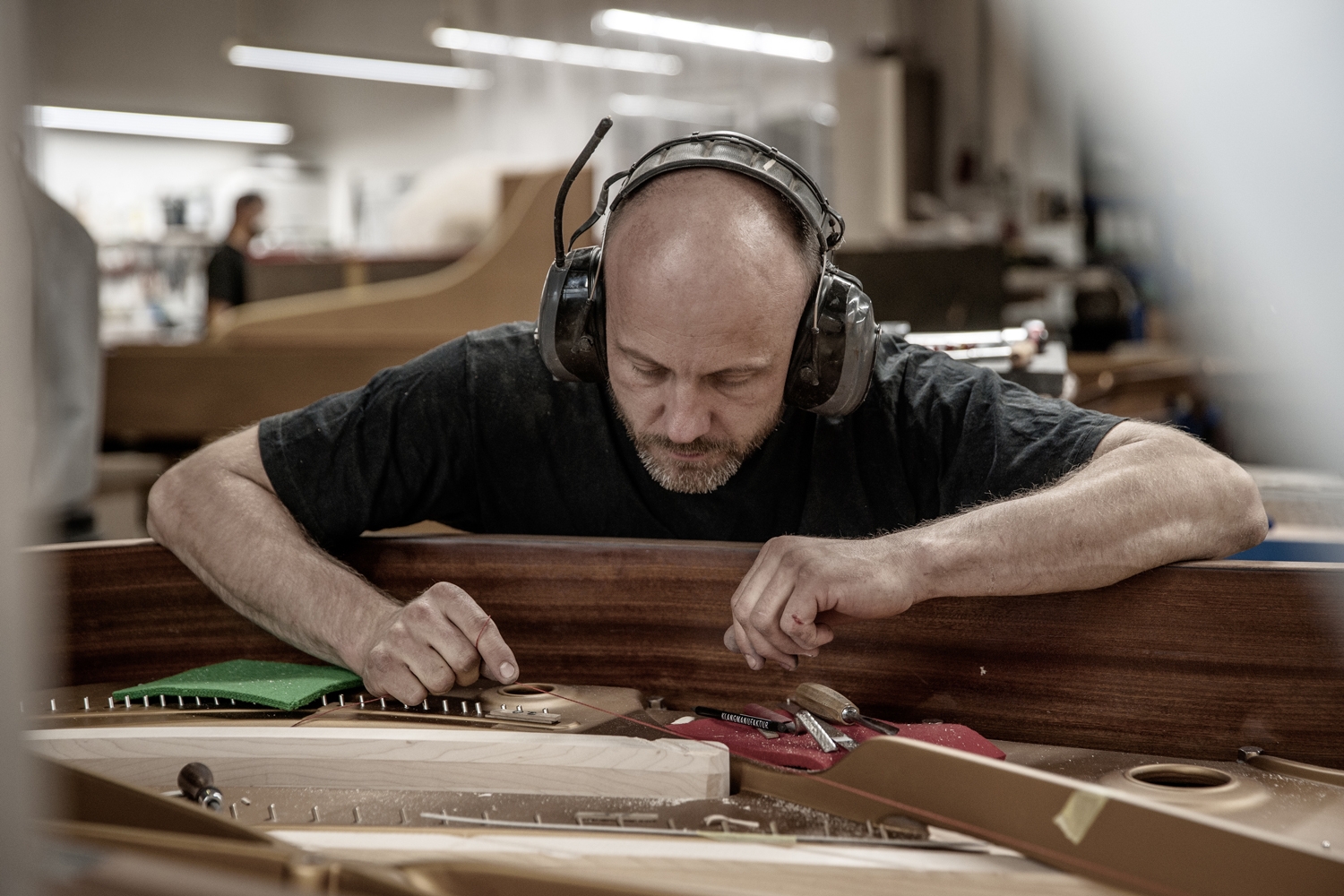
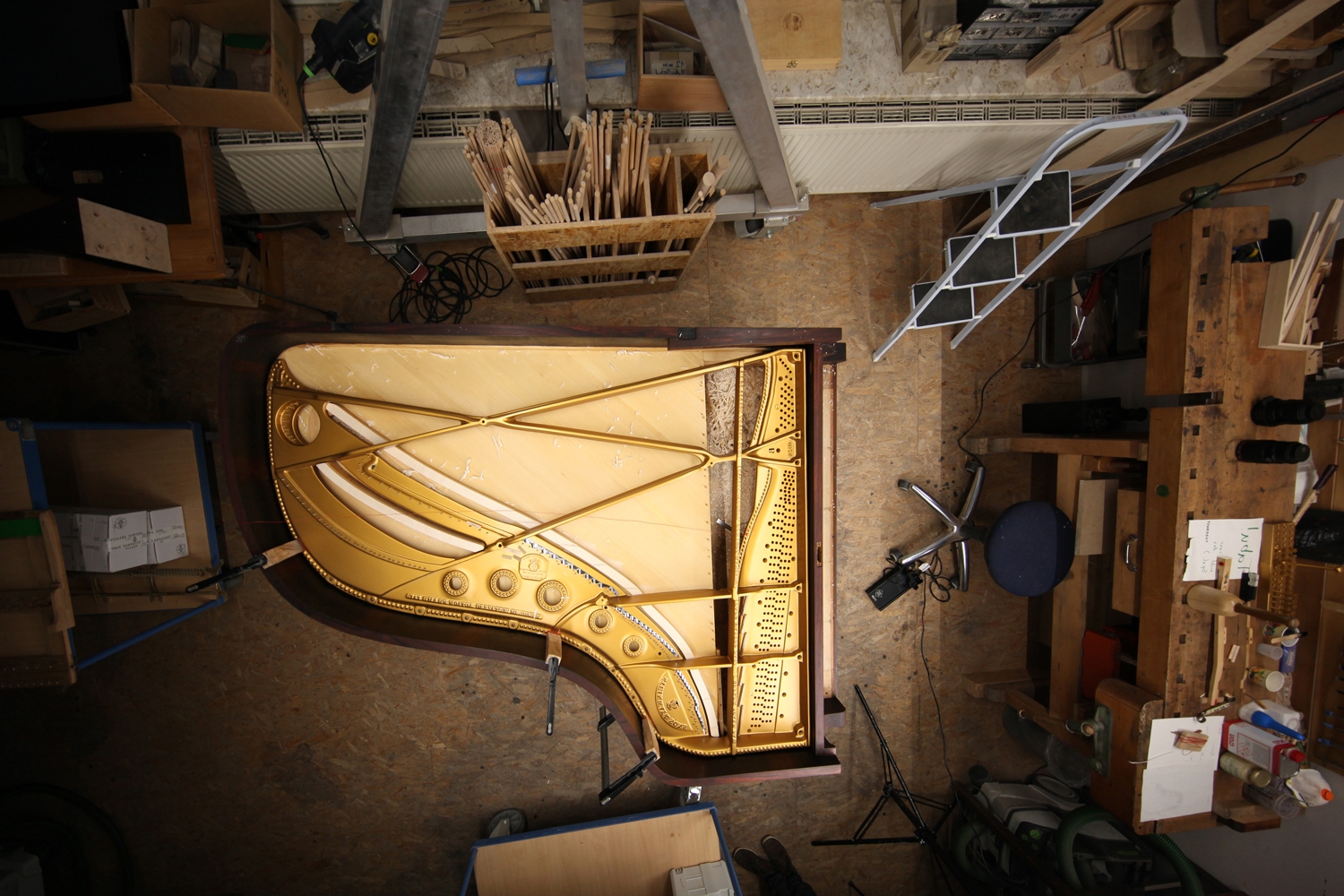
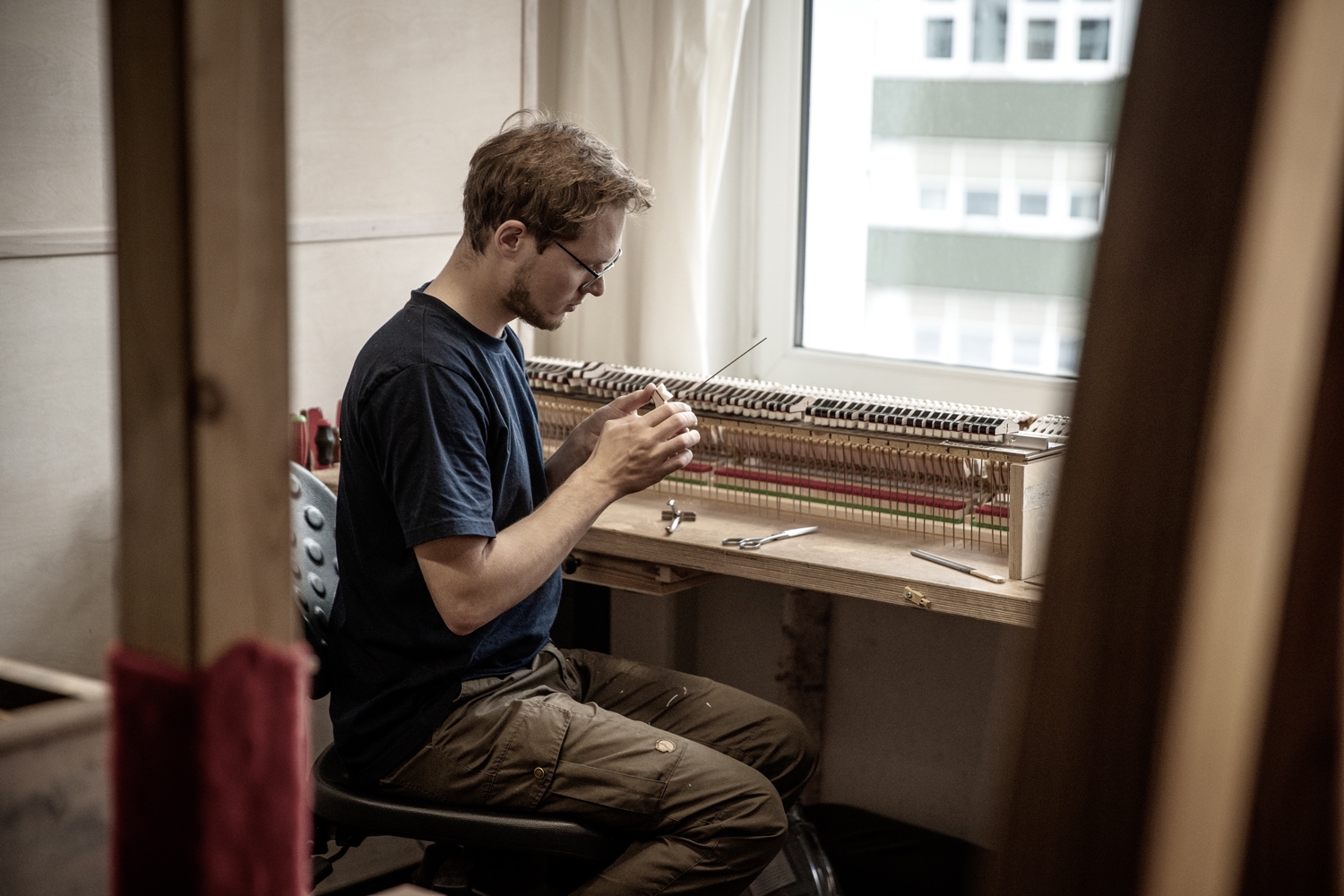
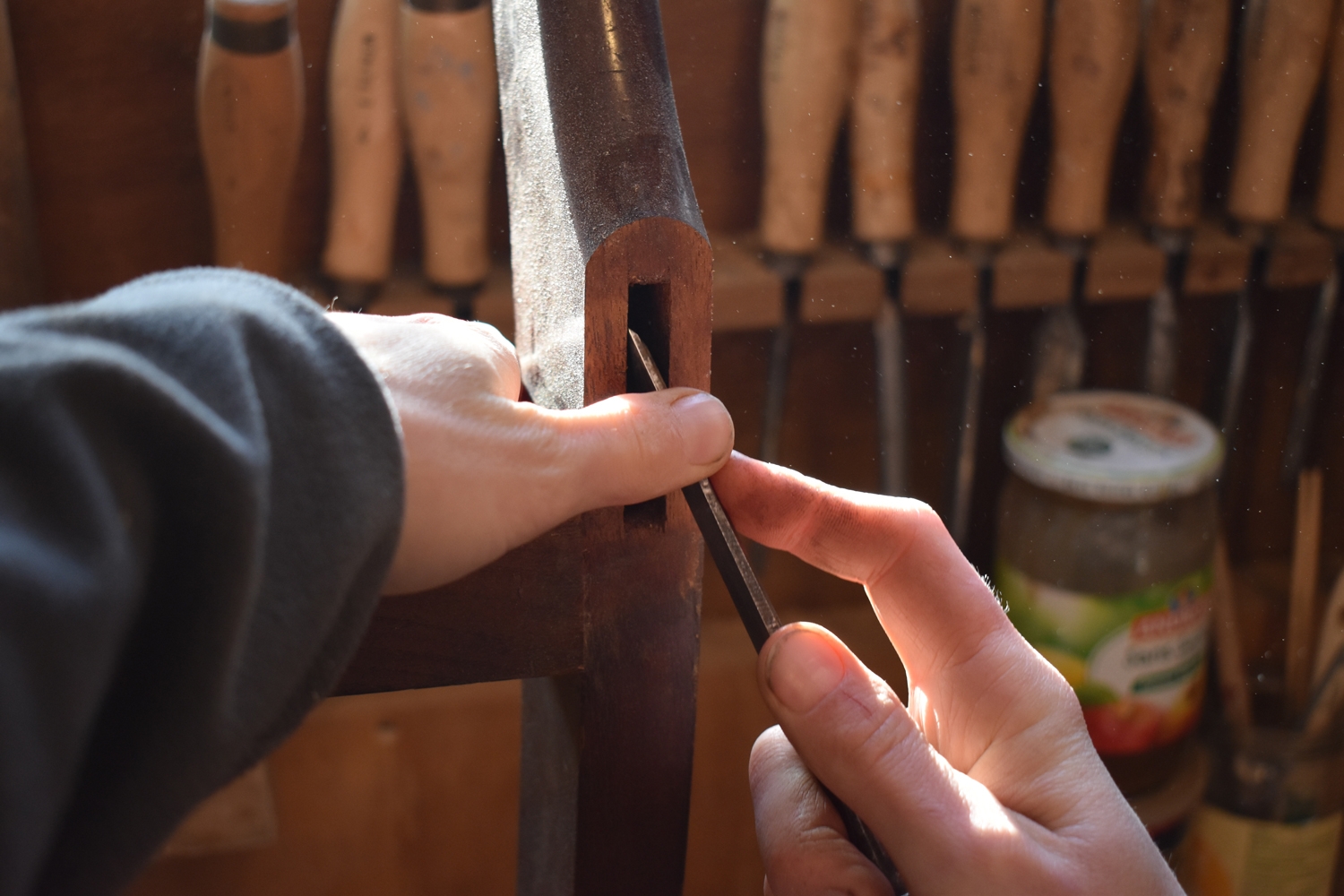
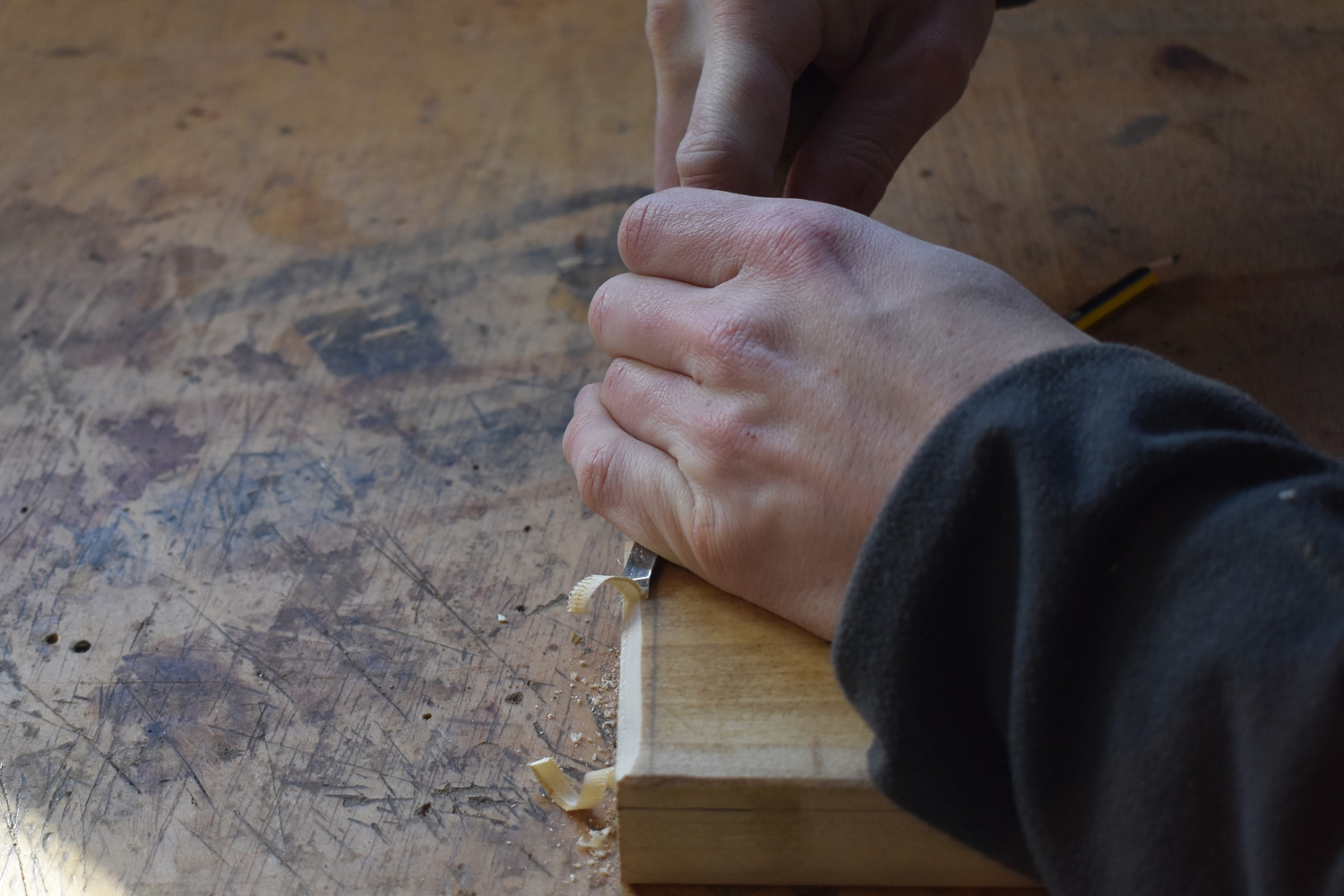
After graduating from high school, Hugo Lejeune decided to turn his love for woodwork into a profession. He trained in Dijon for a year, and then took up a four-year study course in cabinetmaking and inlay at the École Boulle in Paris. In parallel to this, Hugo was also reading contemporary history at university. For love, he moved to Turin in 2015, where he immediately found work with the restorer Angelo Milanese, who left him the workshop a few years later. This workshop, Hugo in turn passed on to his then-apprentice in 2023, to return to the woods and the slower rhythms of nature in Lunigiana, between Tuscany and Liguria. This is where he has found an ideal environment for concentration. “While I work, I enter into another dimension. I listen to a lot of music, which feeds my imagination and has become an important aspect of my creative process,” says Hugo.
INTERVIEW
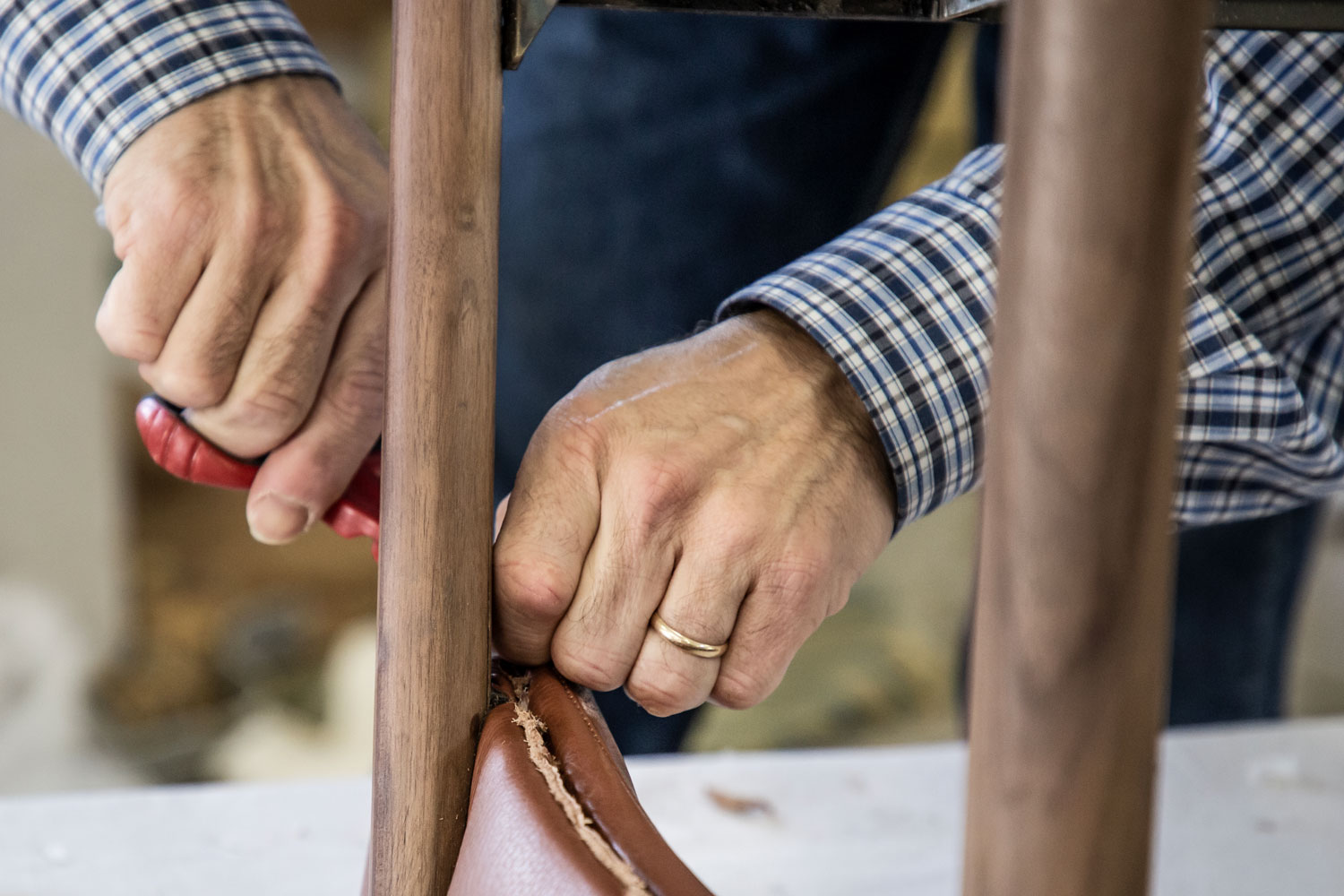
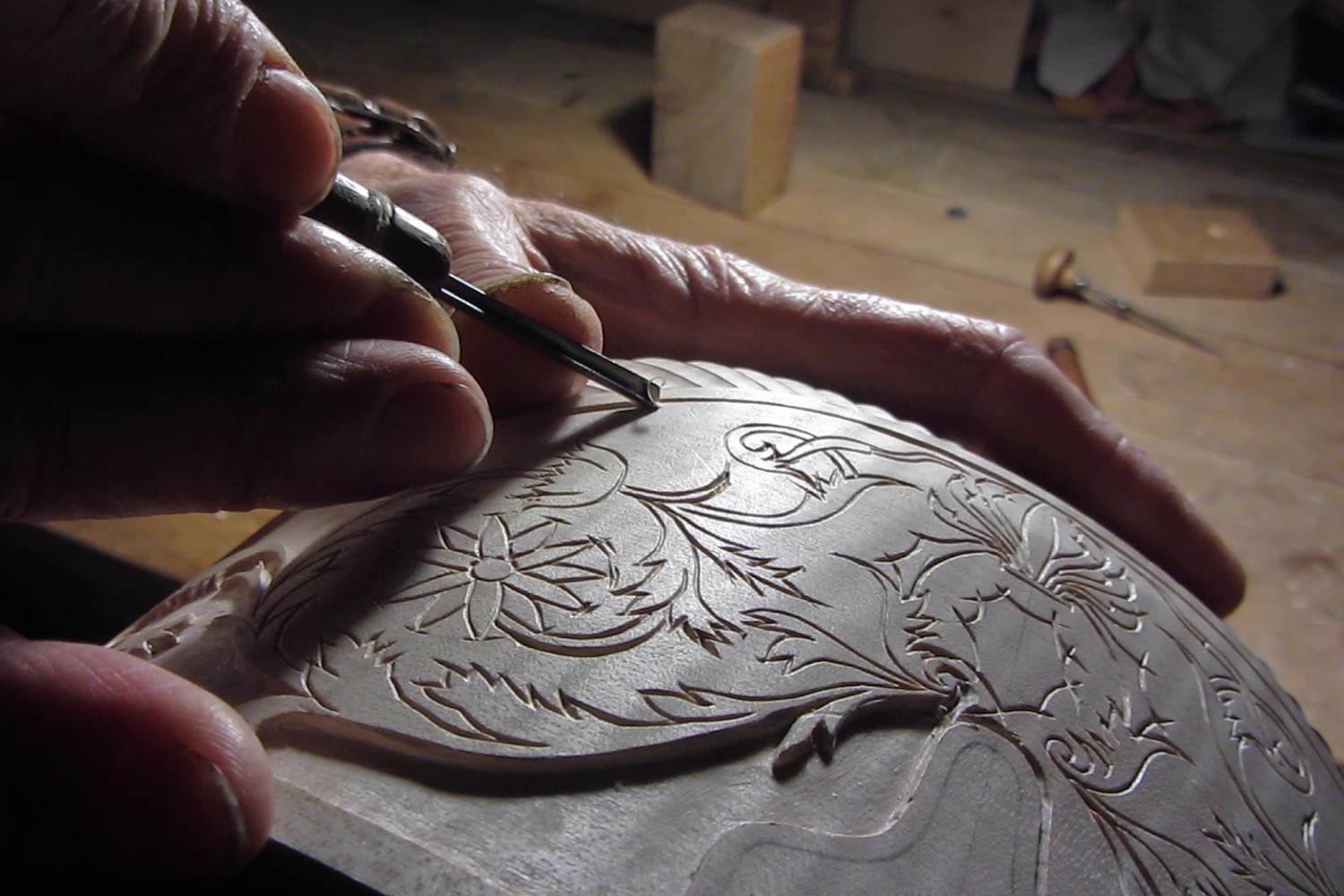
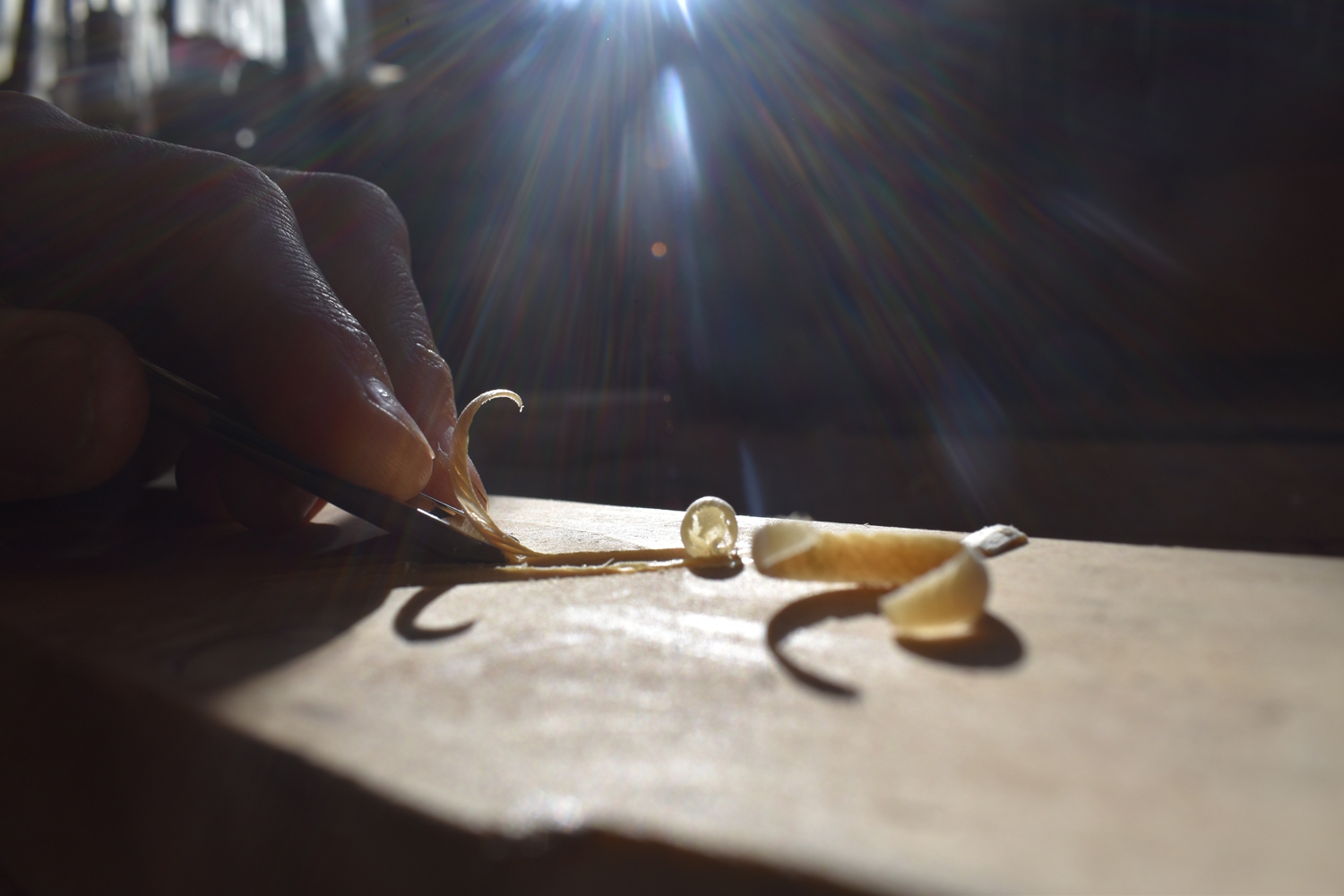
Inlay and wick varnishing, which is a traditional technique used since the end of the 18th century. It is rather complex, and I feel in symbiosis with it. Wick varnishing consists of using a tool with cotton inside soaked in diluted shellac. Many coats of varnish are required over weeks.
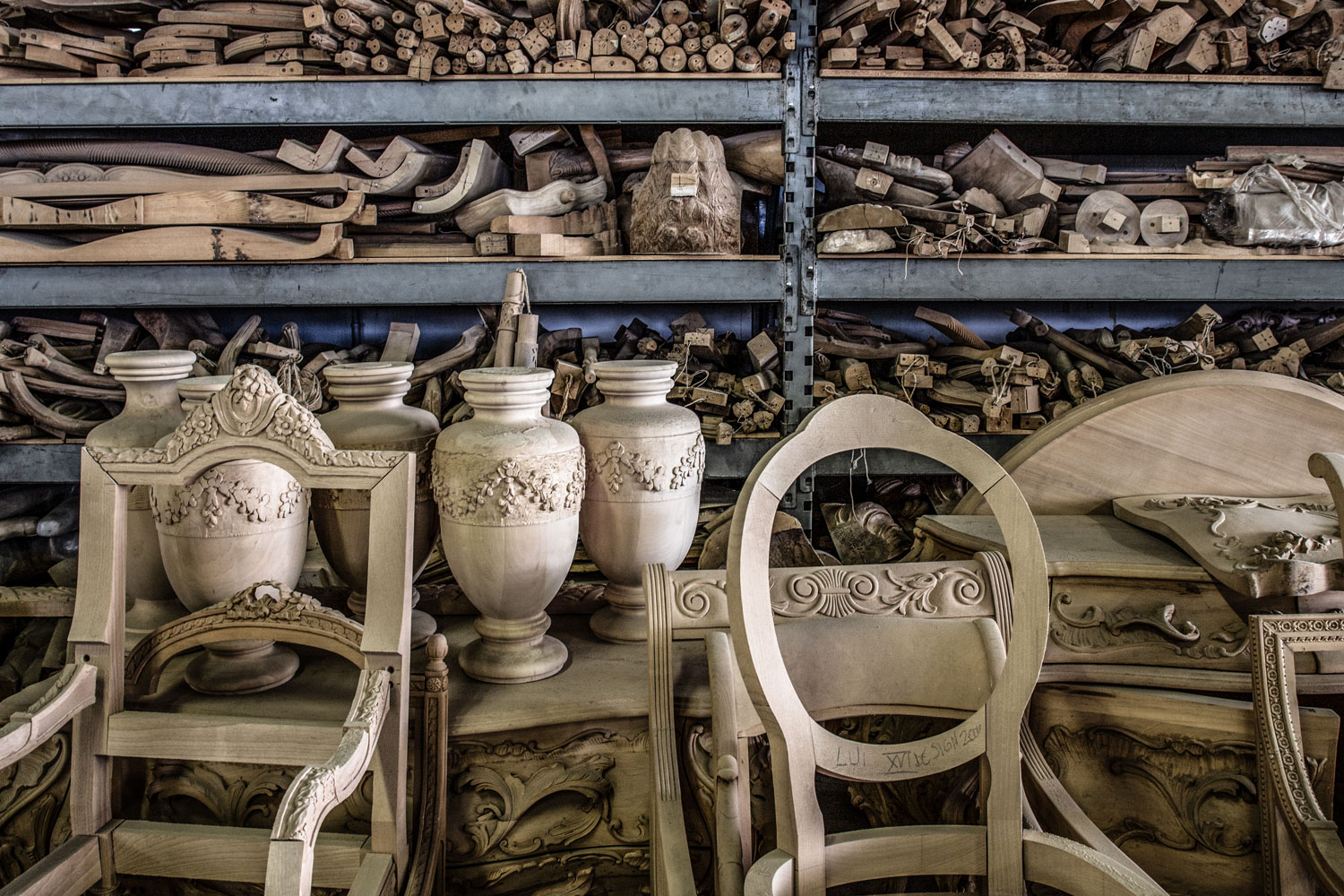
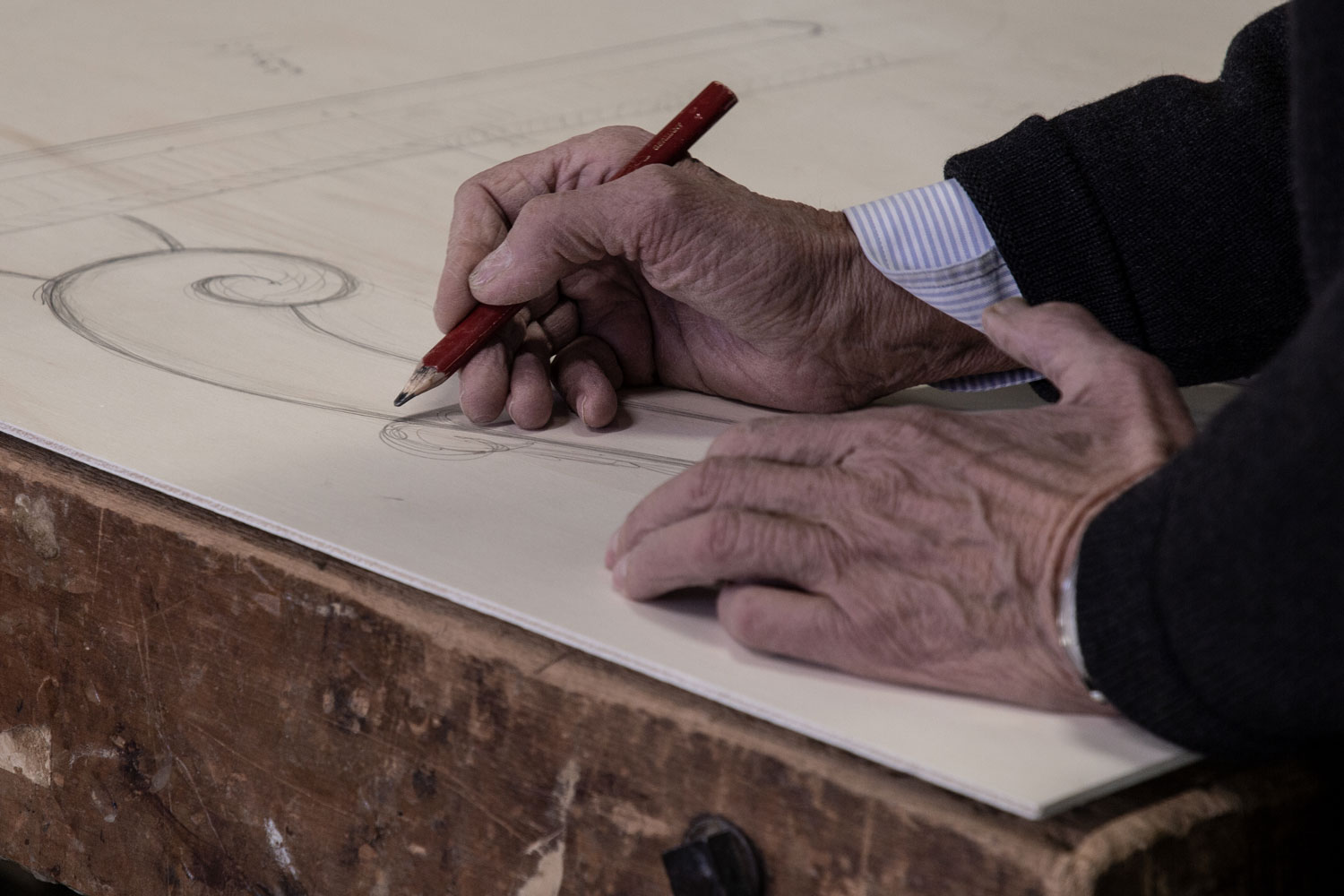
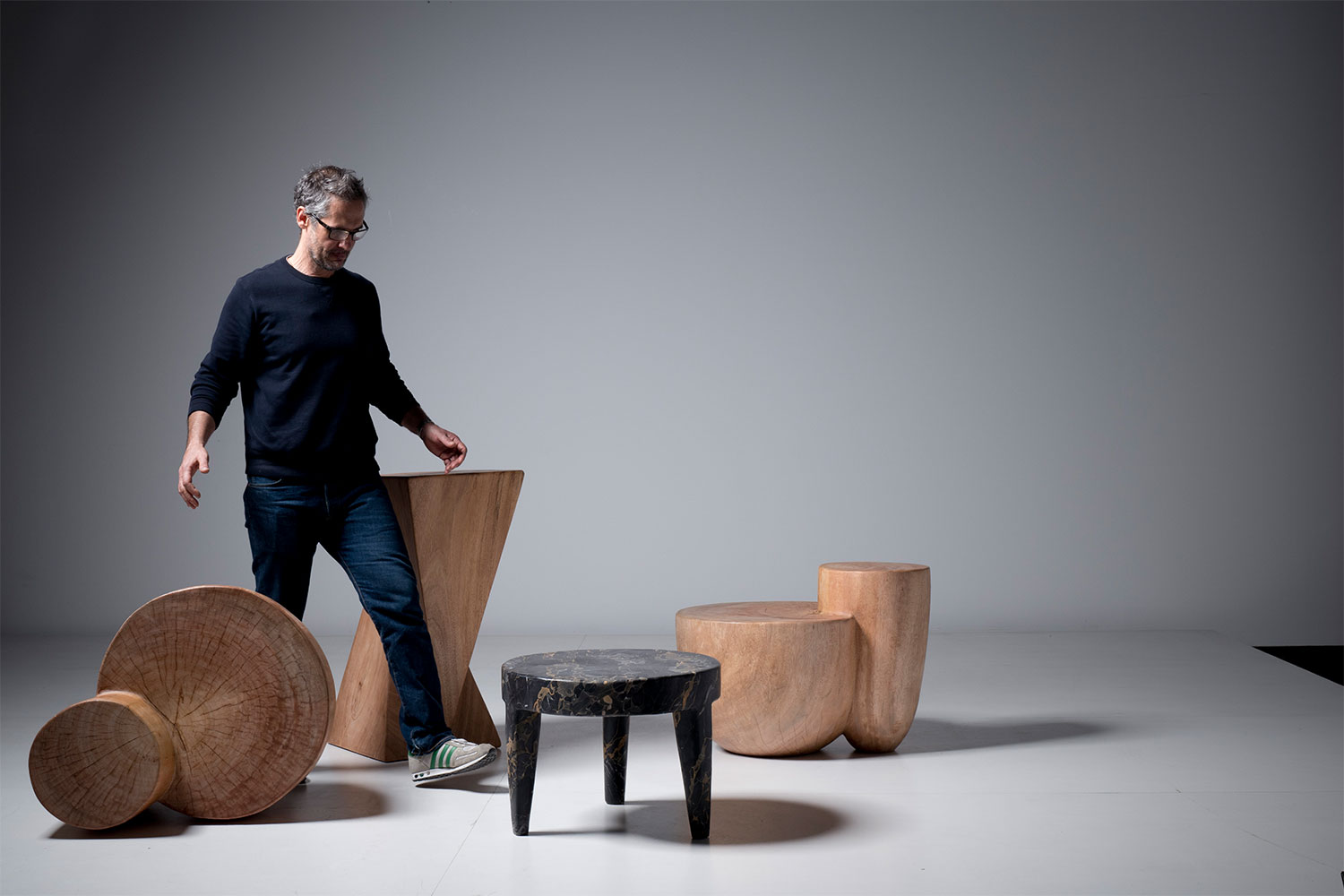
In France there is specific training for one or the other. I have always liked design but felt inferior to the old masters. As a craftsman, I am the heir to an extraordinary centuries-old tradition. Restoration allows me to study the masters of the past up close, and I see this as training to develop my own ideas.
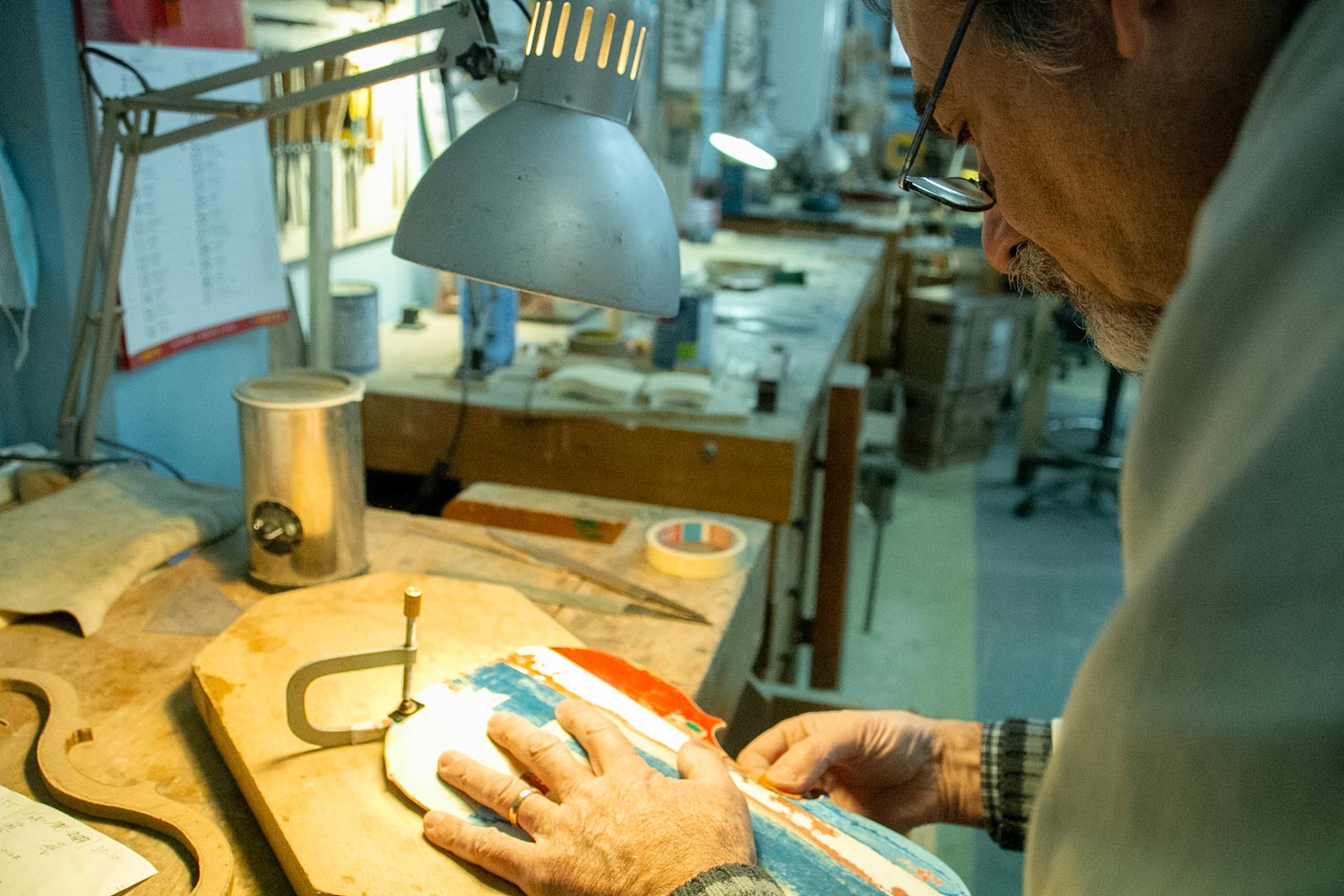
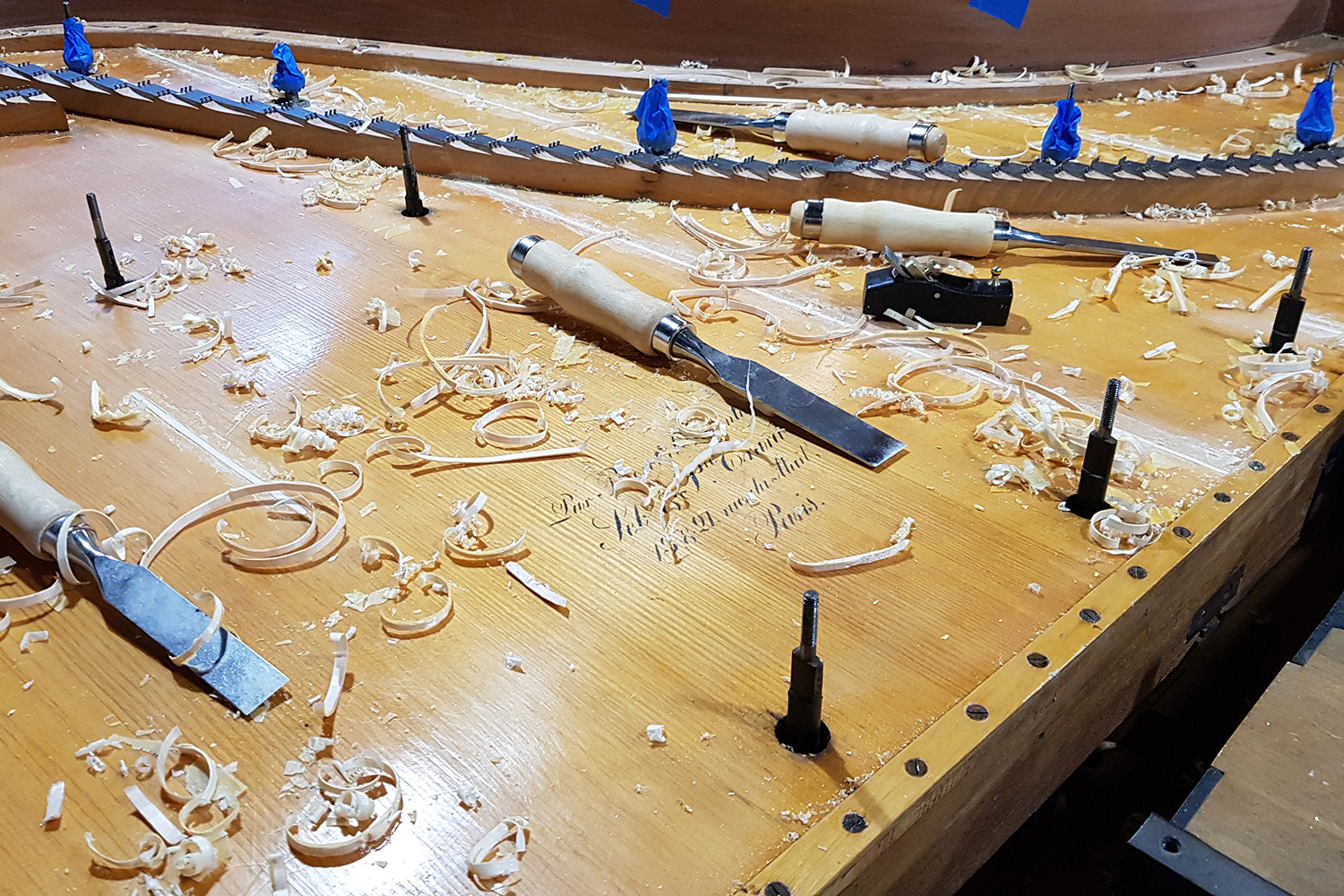
Sometimes I accept very complicated projects that have been rejected by everyone else. I work on a wood that has its own history, from the forest to whoever built it, to whoever used it and damaged it, and whose beauty must be brought back to life. Restoration is a real rebirth, which gives me enormous satisfaction. Through restoration I give an extension to the piece's history.
Working with museums you only ever do conservation, but it must not be perceptible. Integrating new parts is more about restoring the functionality of a piece. The ethic of restoration in Italy and France is different: in Italy the interventions are more conservative, when removing and redoing damaged parts. I look for a balance.
Hugo Lejeune
Restorer
Licciana Nardi, Italy
AVAILABILITY
By appointment only
PHONE
+39 3347349243
LANGUAGES
Italian, French, English, Spanish
Homo Faber Finds is a new service aiming to inspire admirers of craft to connect and collaborate with exceptional artisans.
We invite you to submit an enquiry here.