Ágnes Husz
Trouillet, Kevin
Ceramicist
Chikumashi, Japan
Across the world with colourful clay ripples
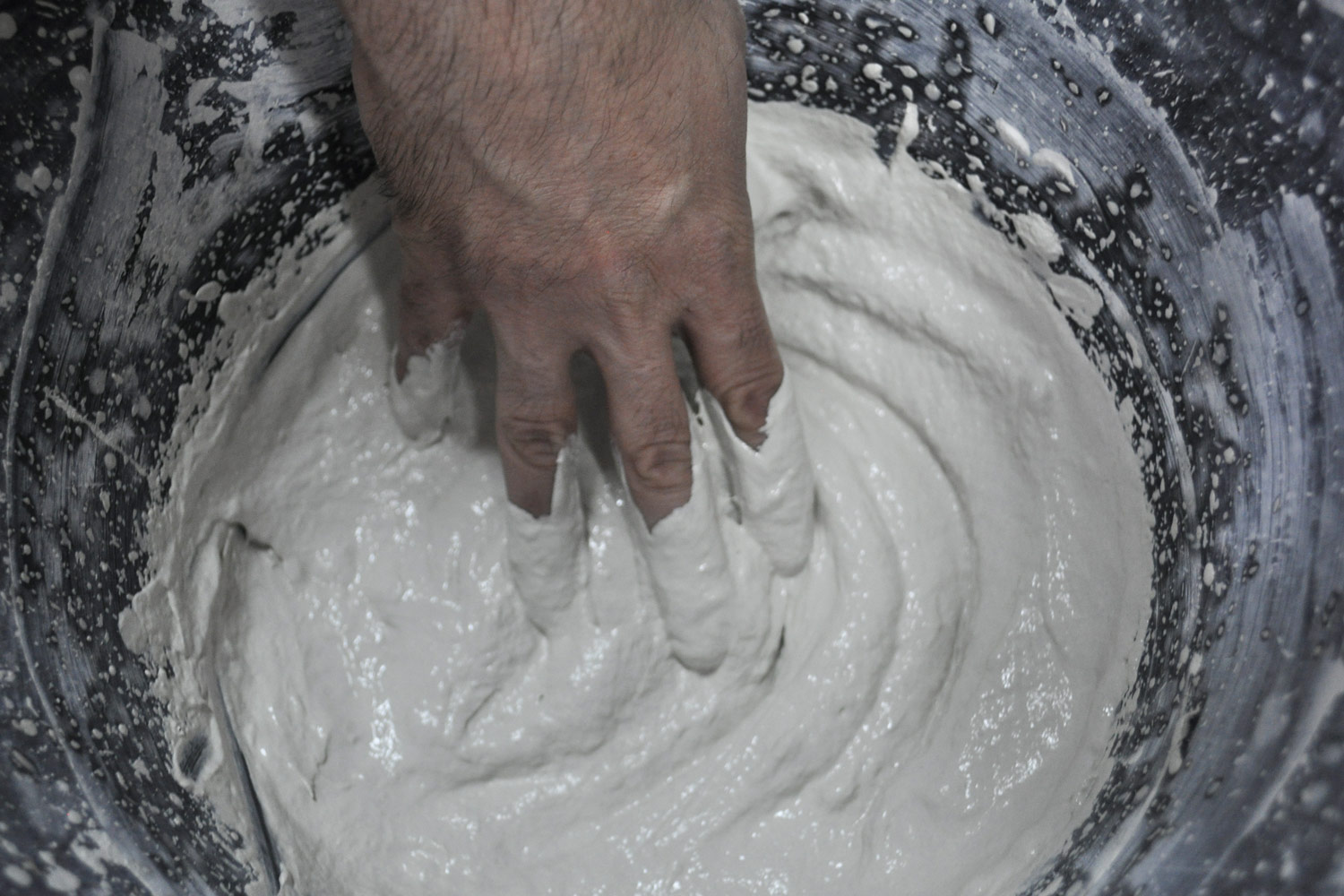
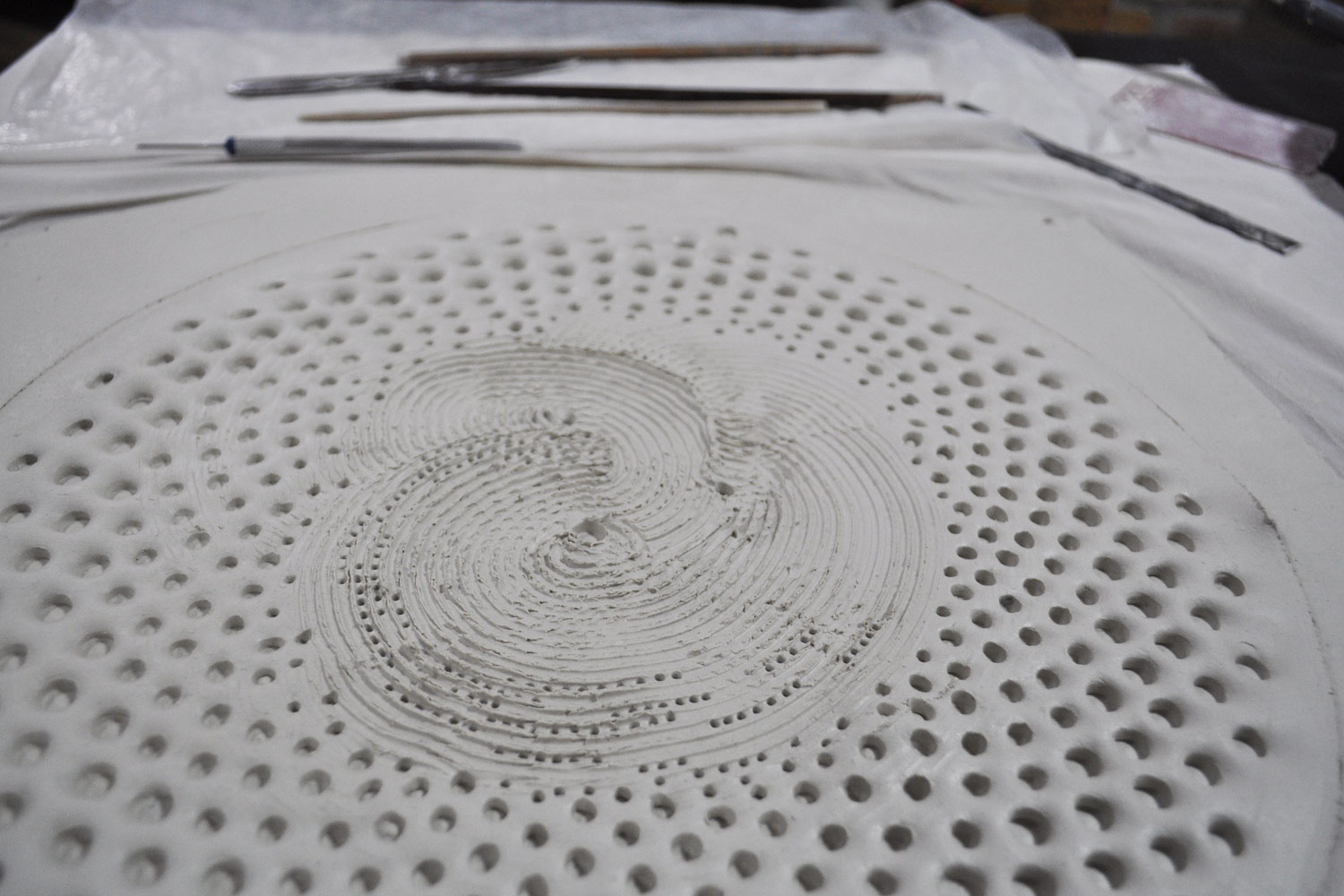
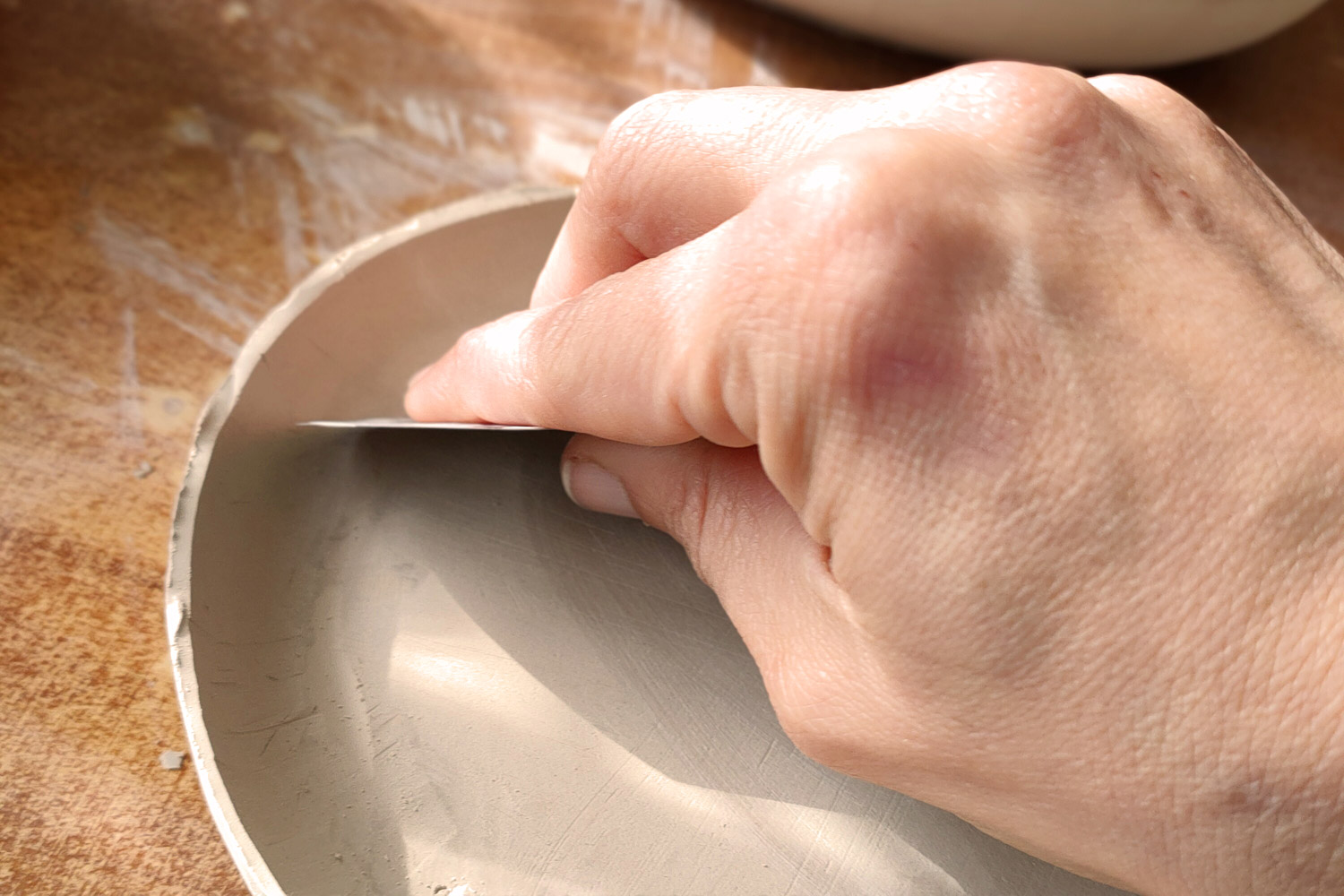
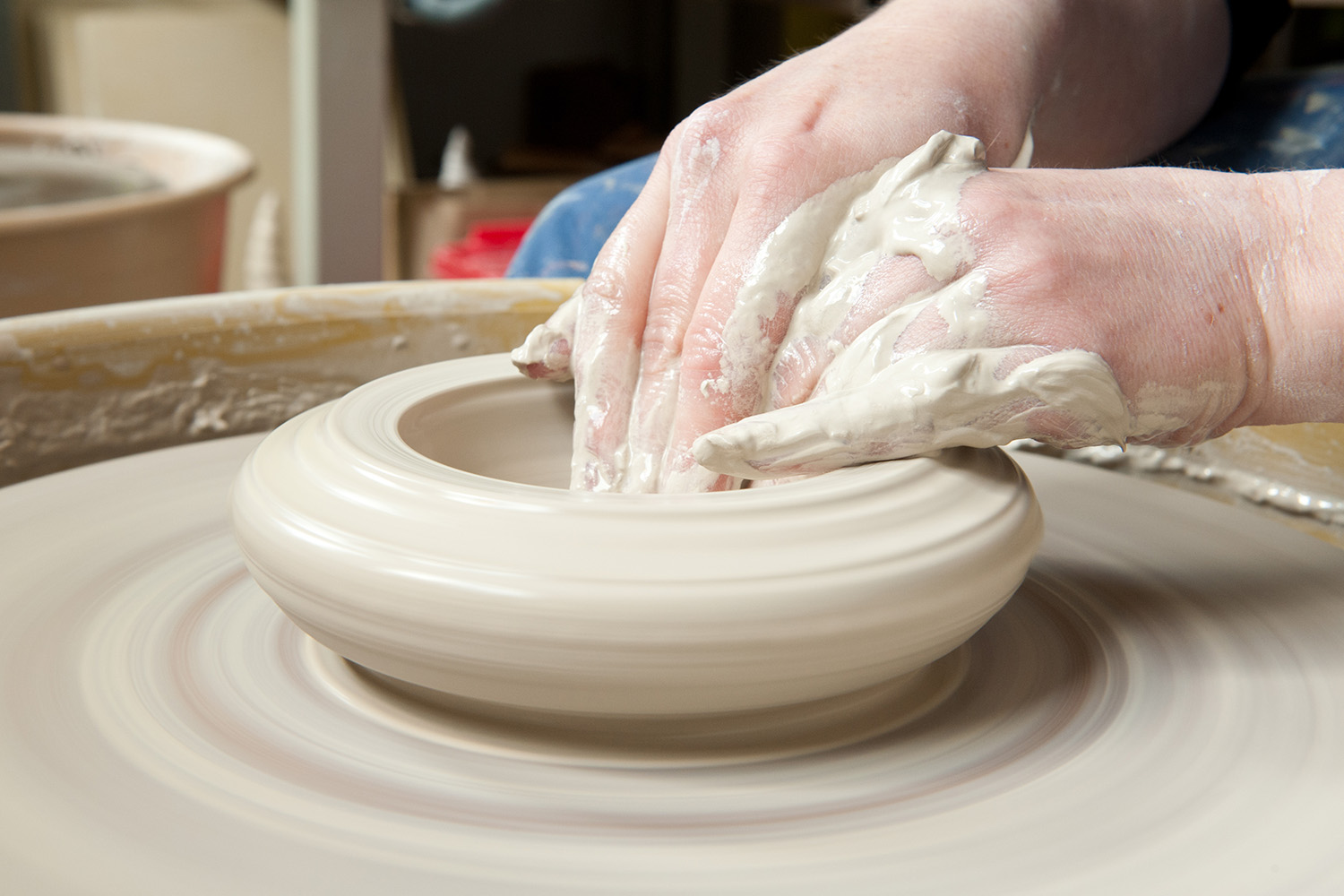
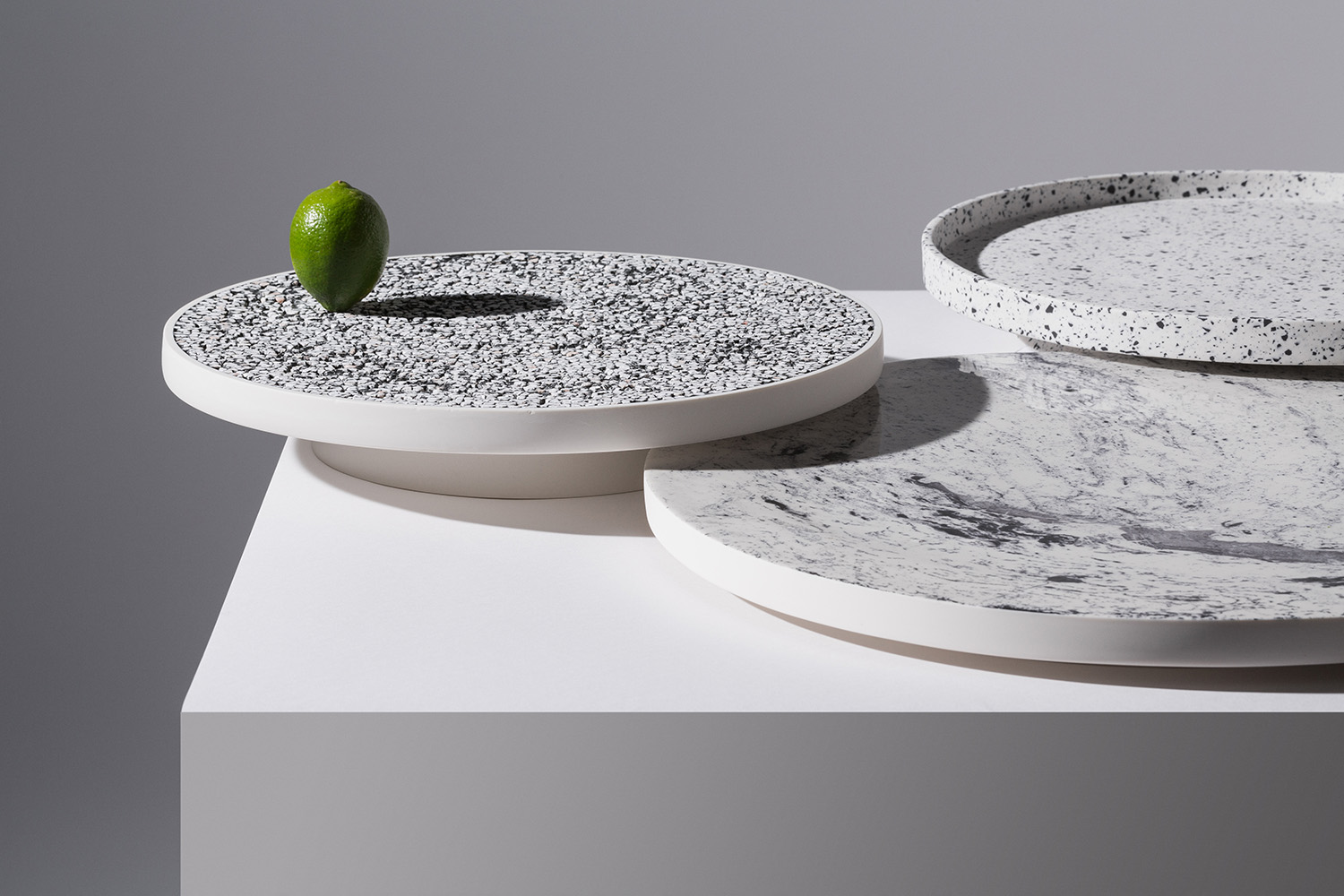
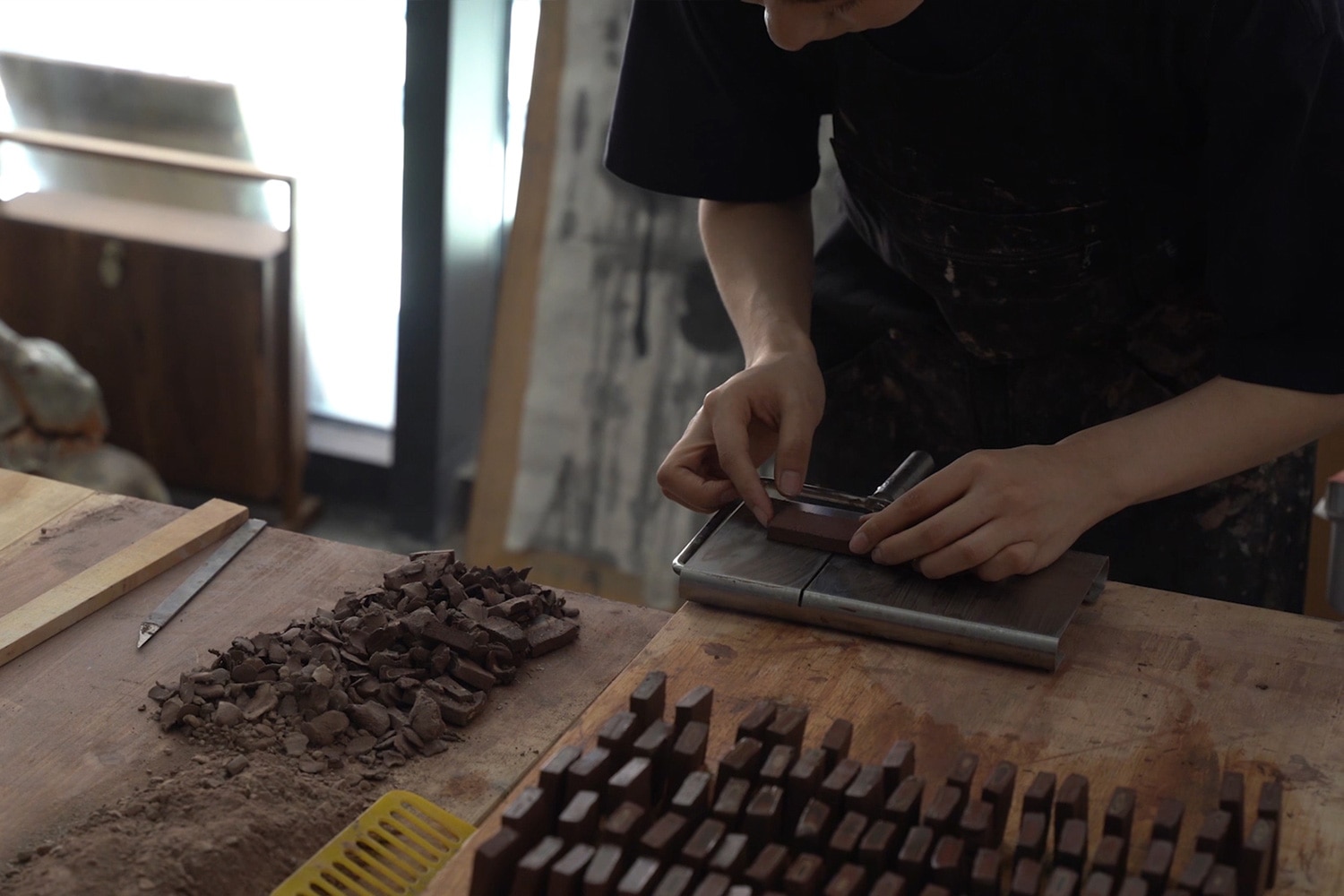
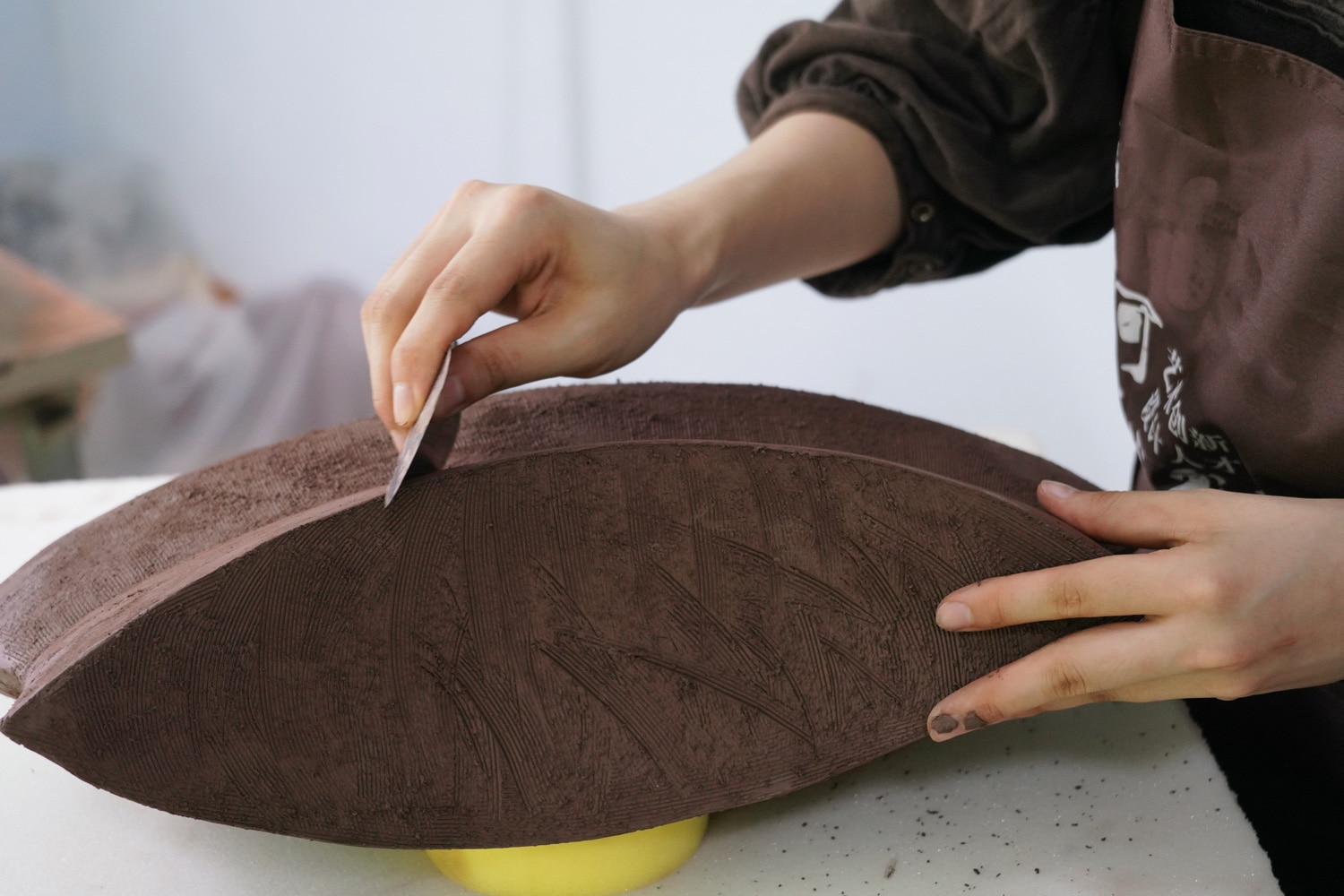
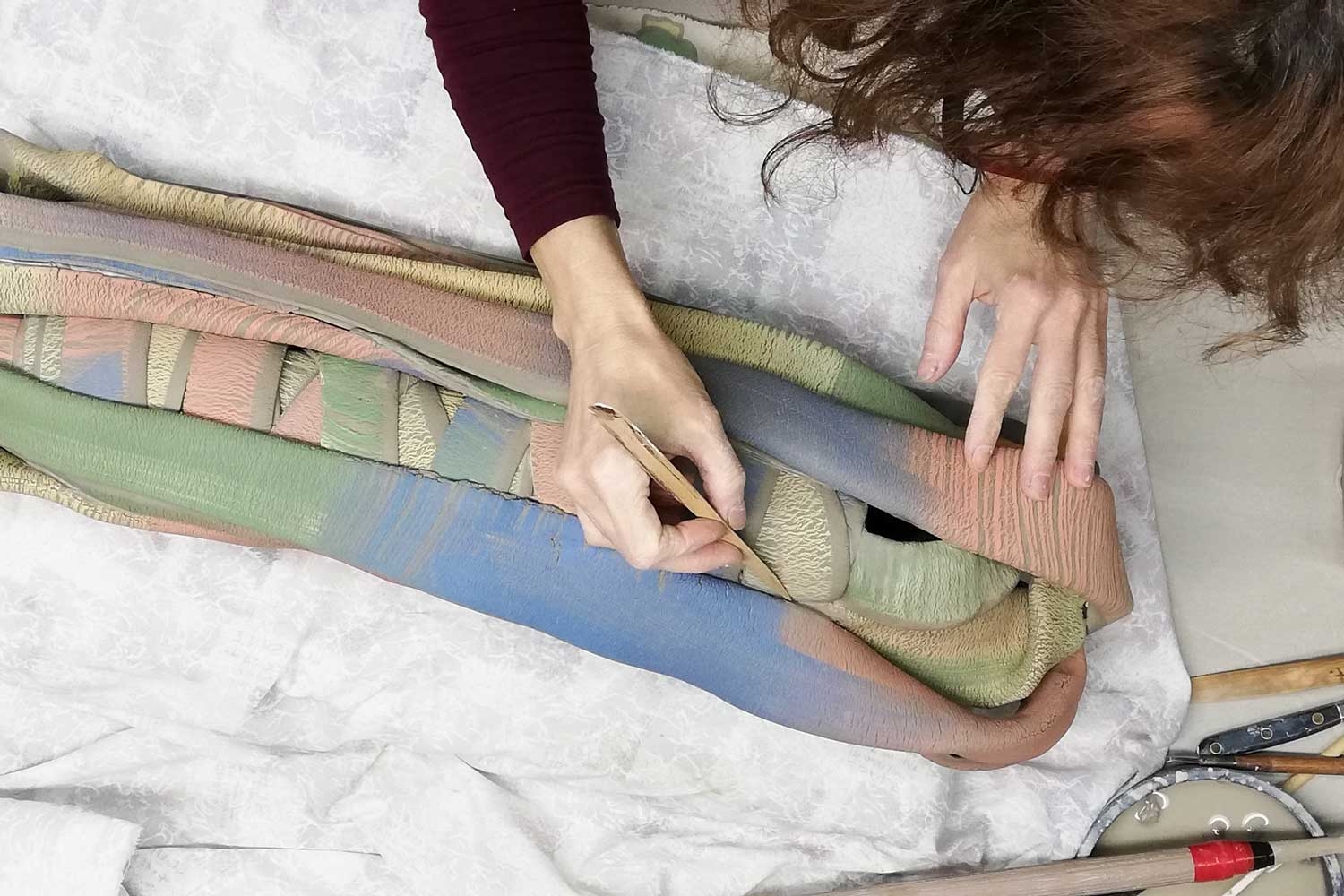
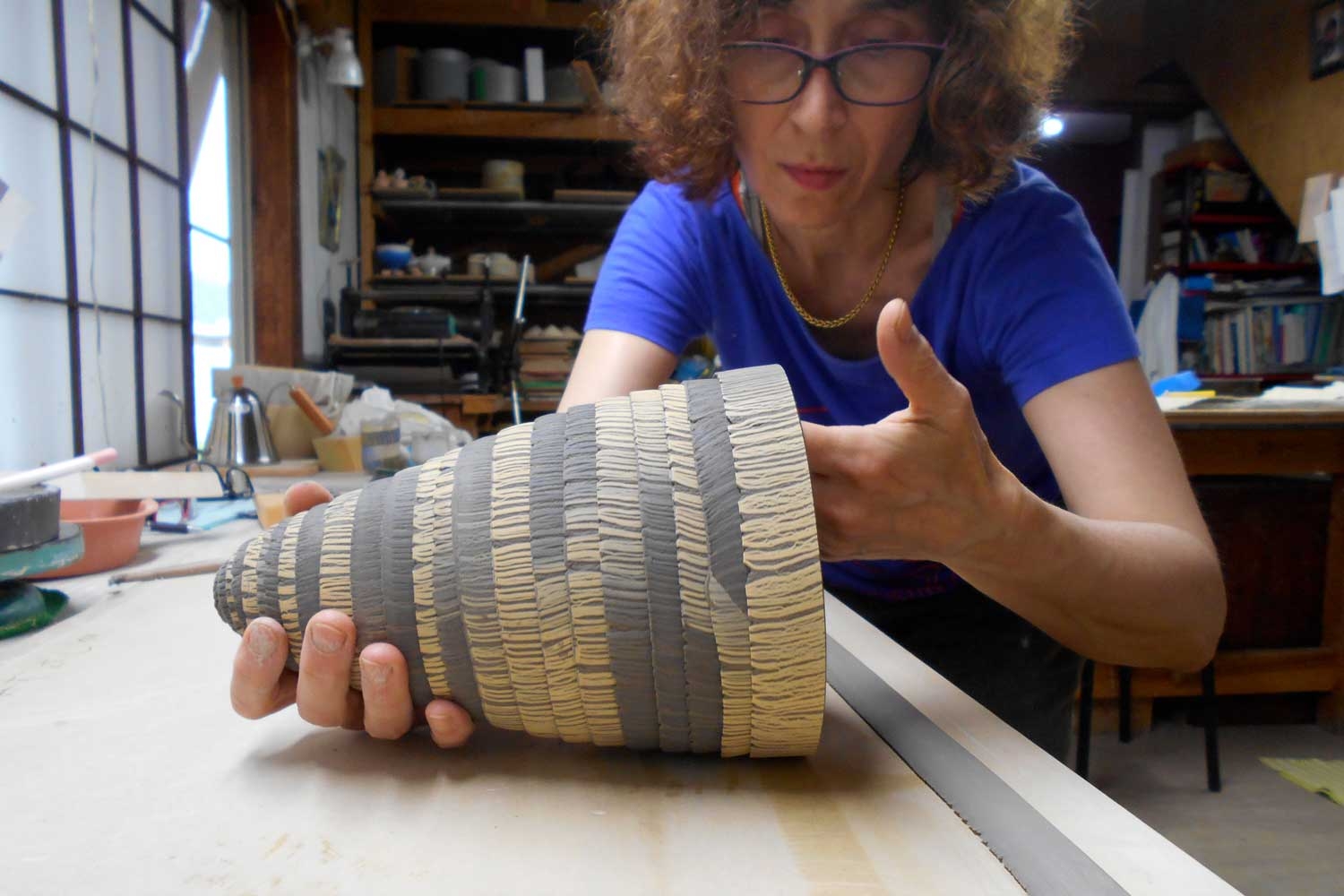
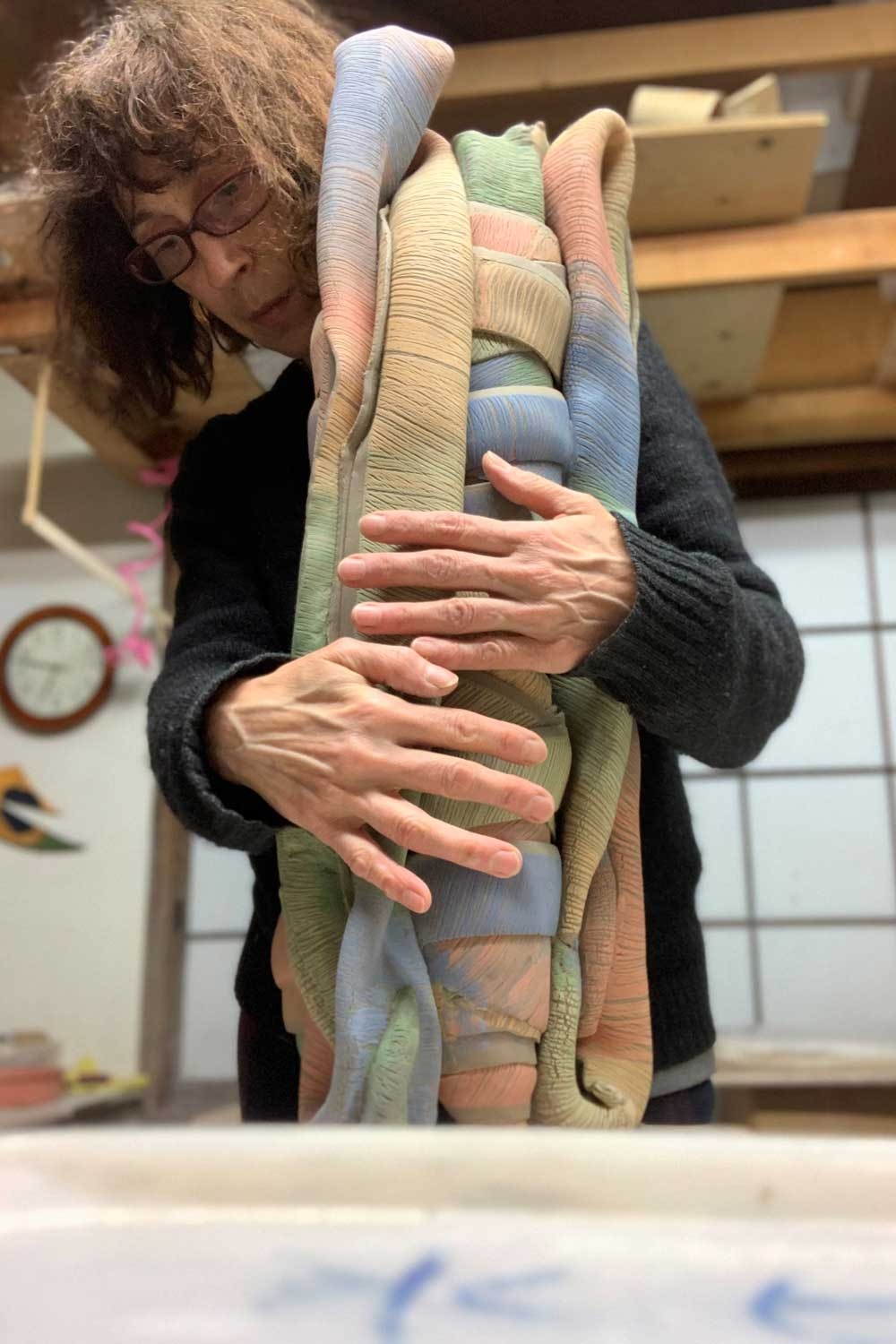
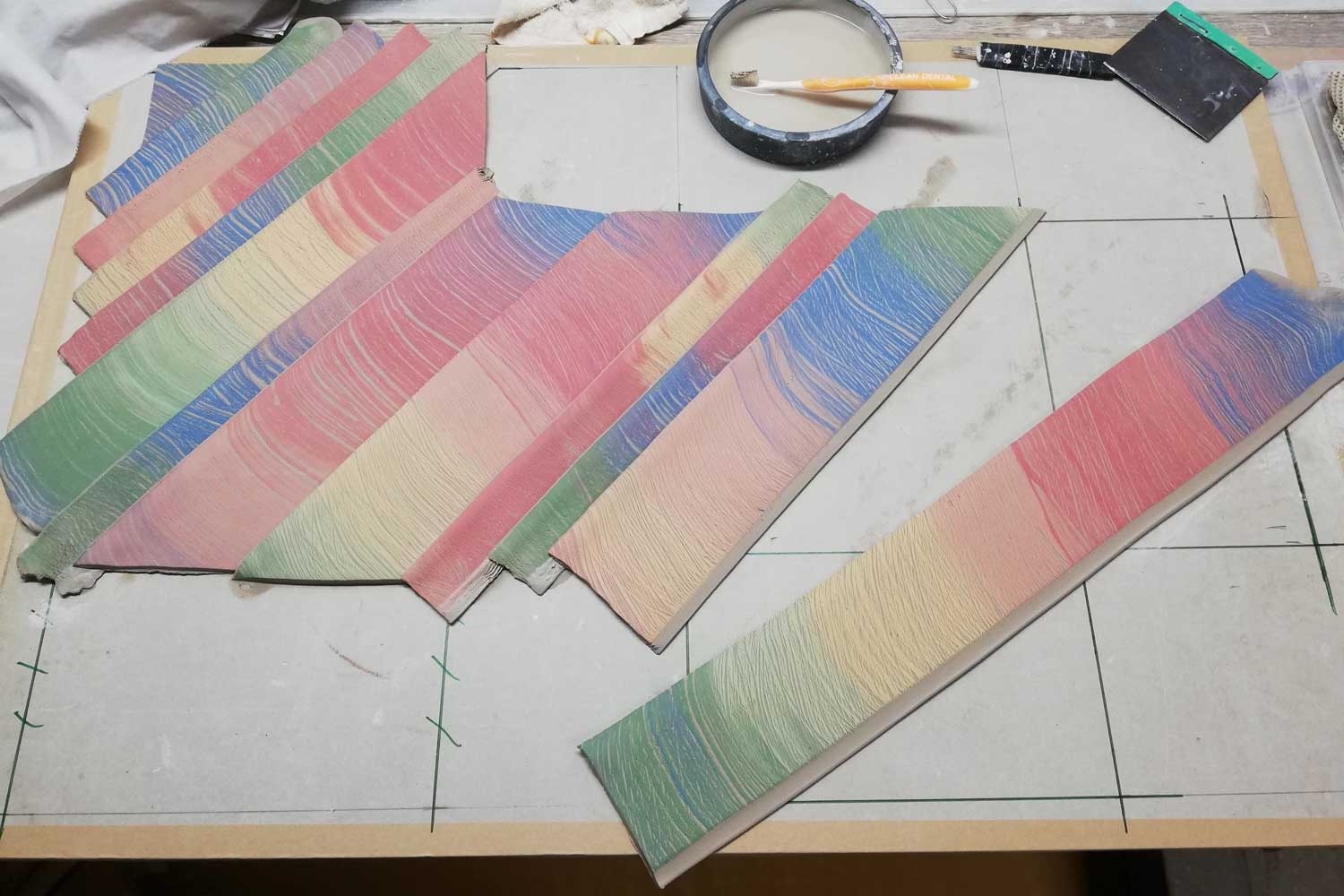
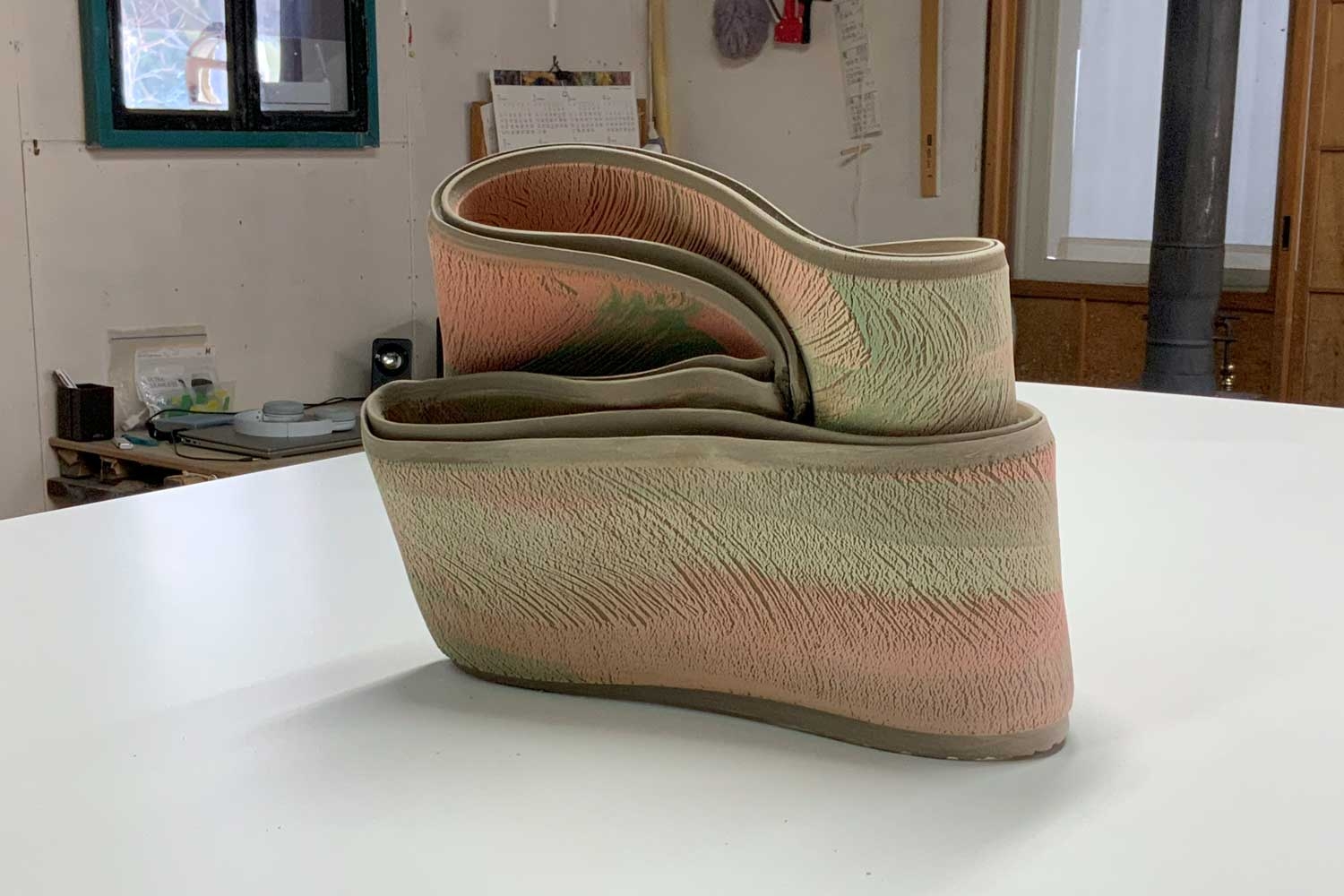
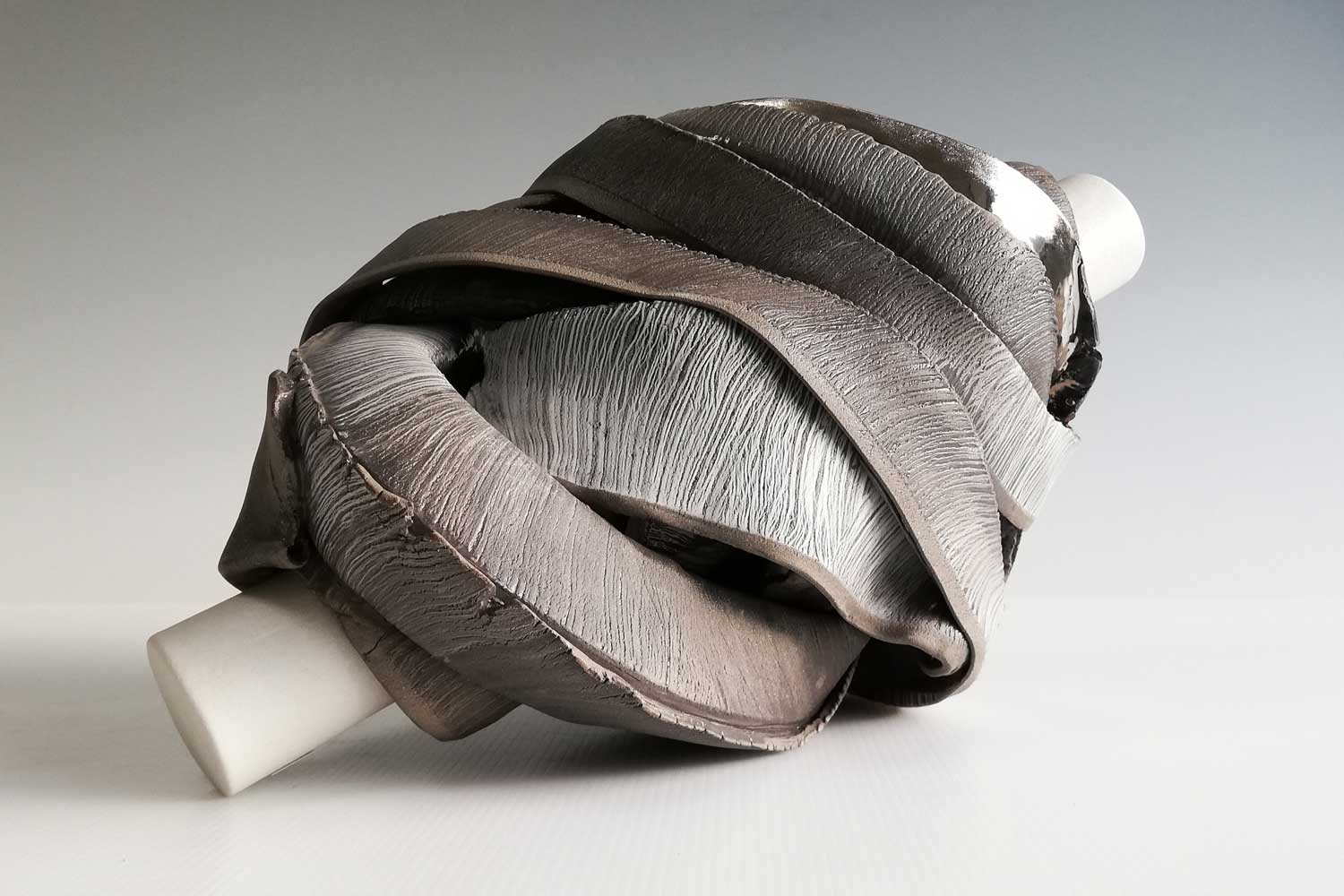
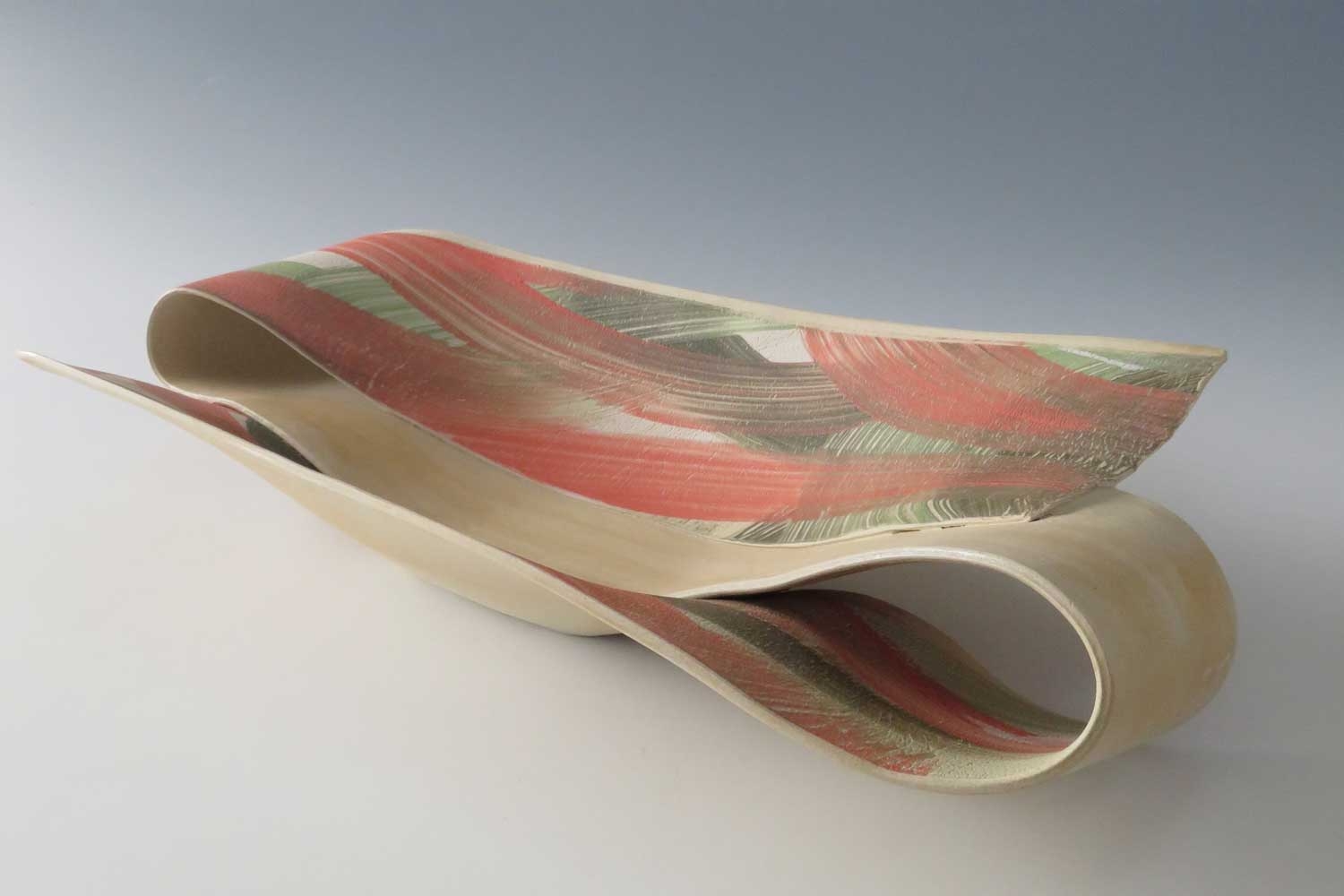
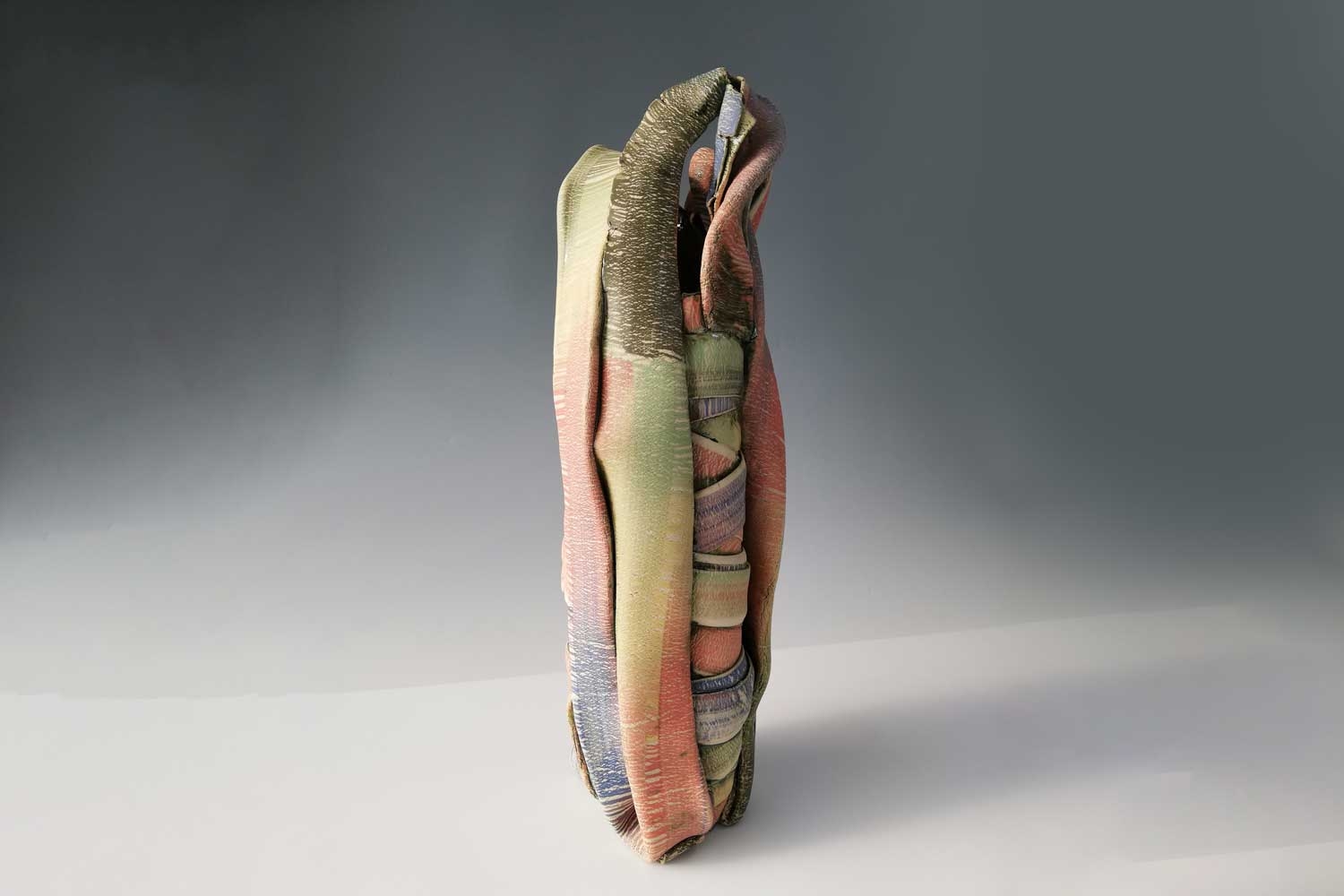
- Ágnes produces ceramic sculptures with a rippled effect made by the stretching of clay by hand
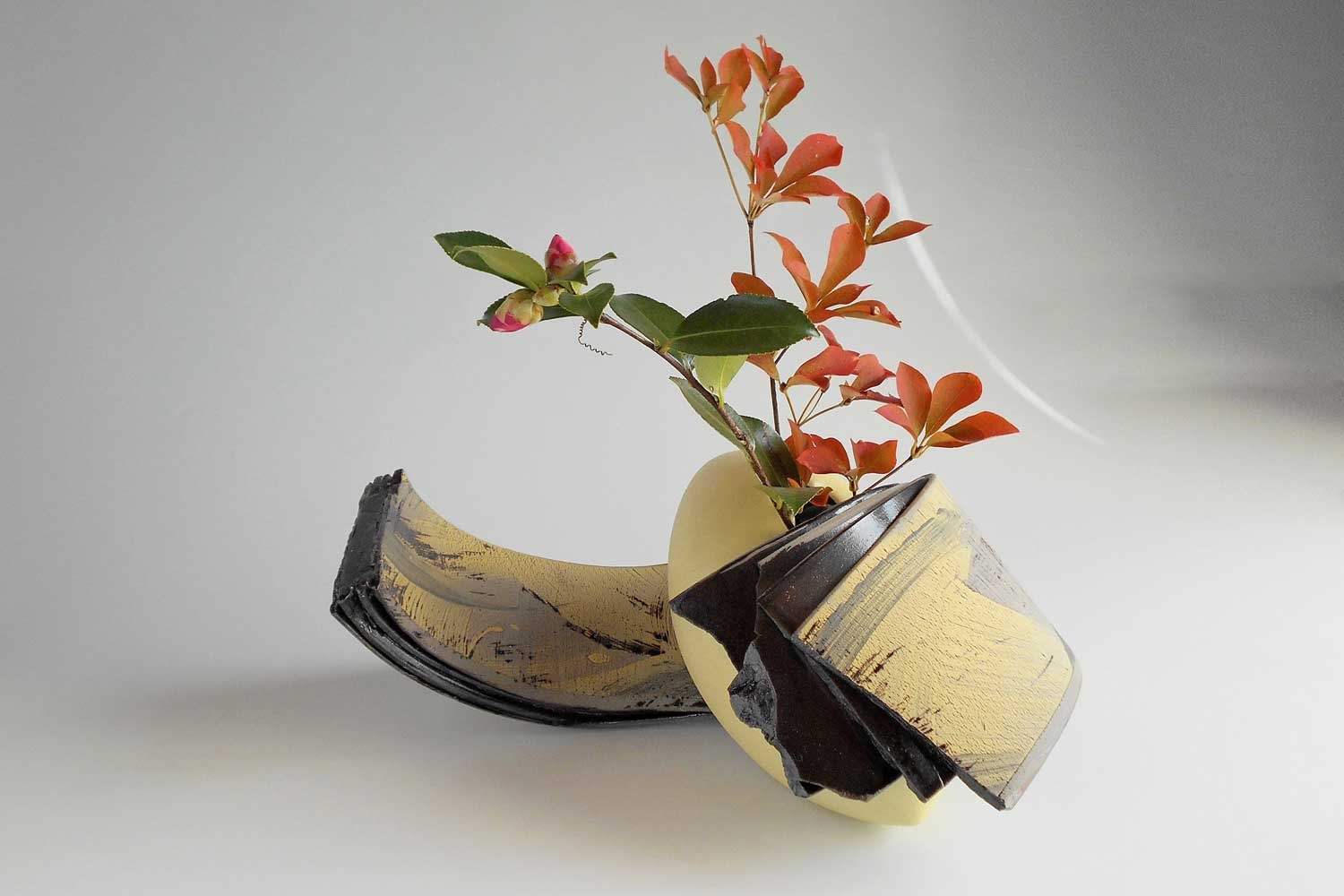
- Her artworks are abstract yet functional objects inspired by Japanese traditions
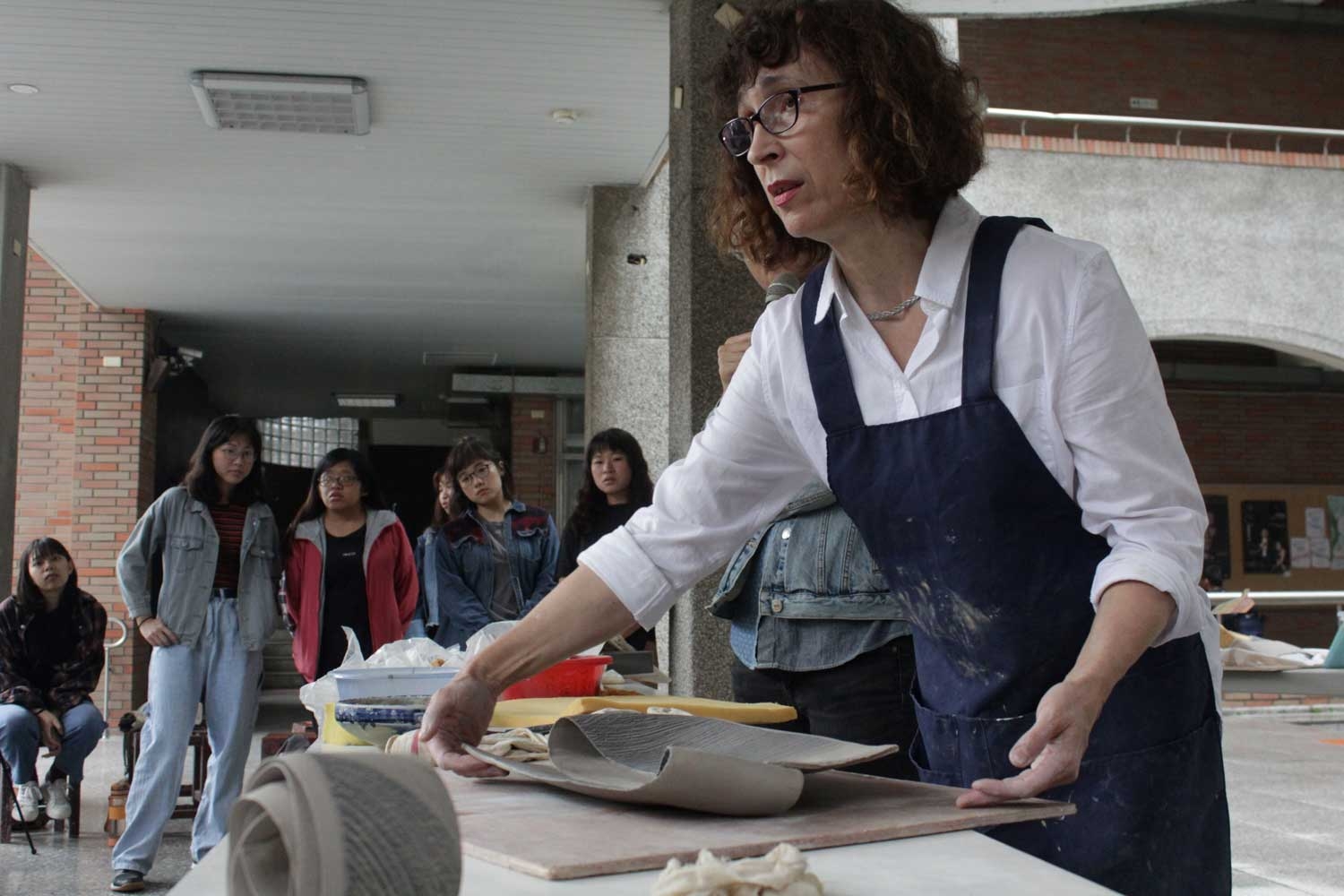
- She has been teaching her clay stretching technique all over the world for several years
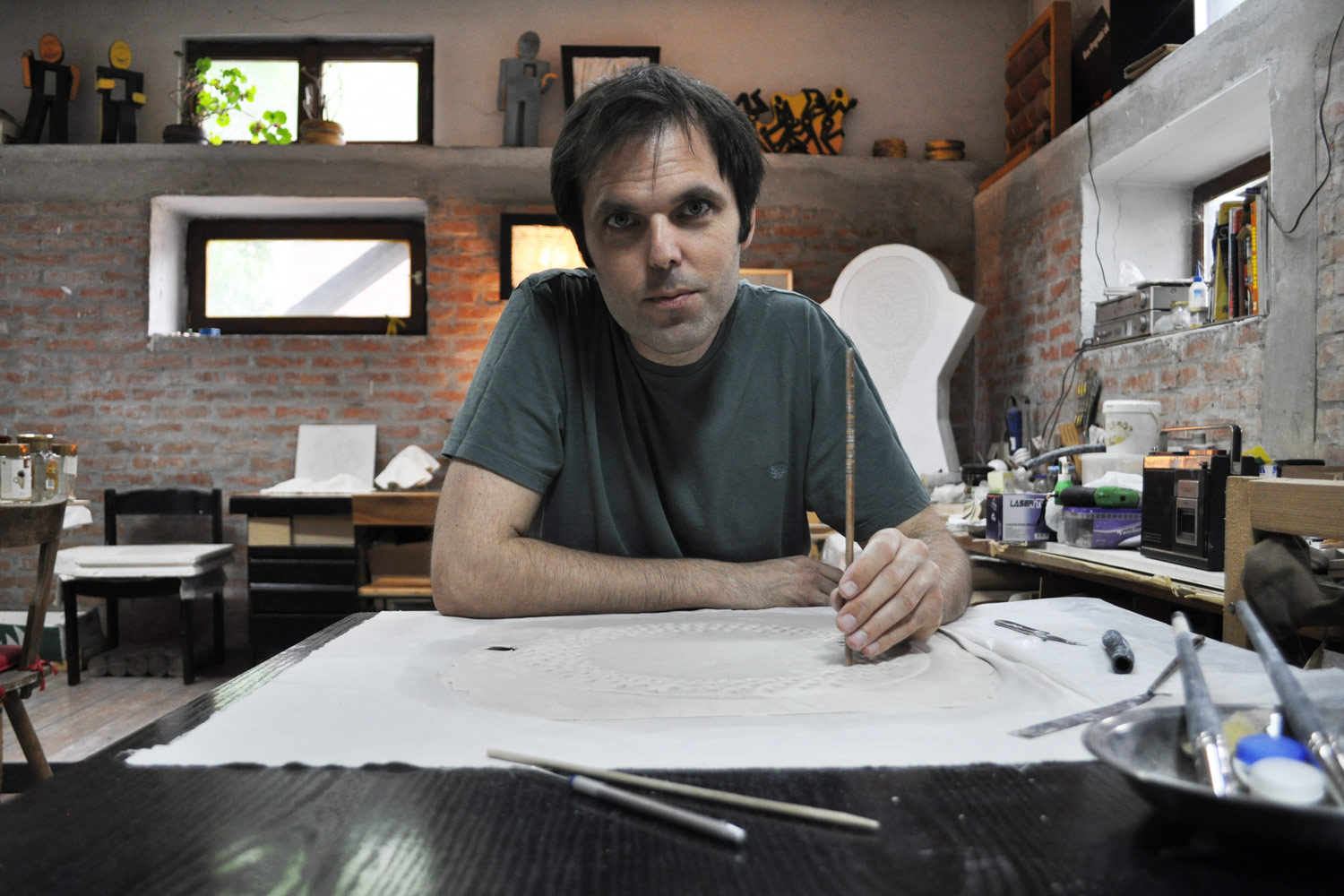
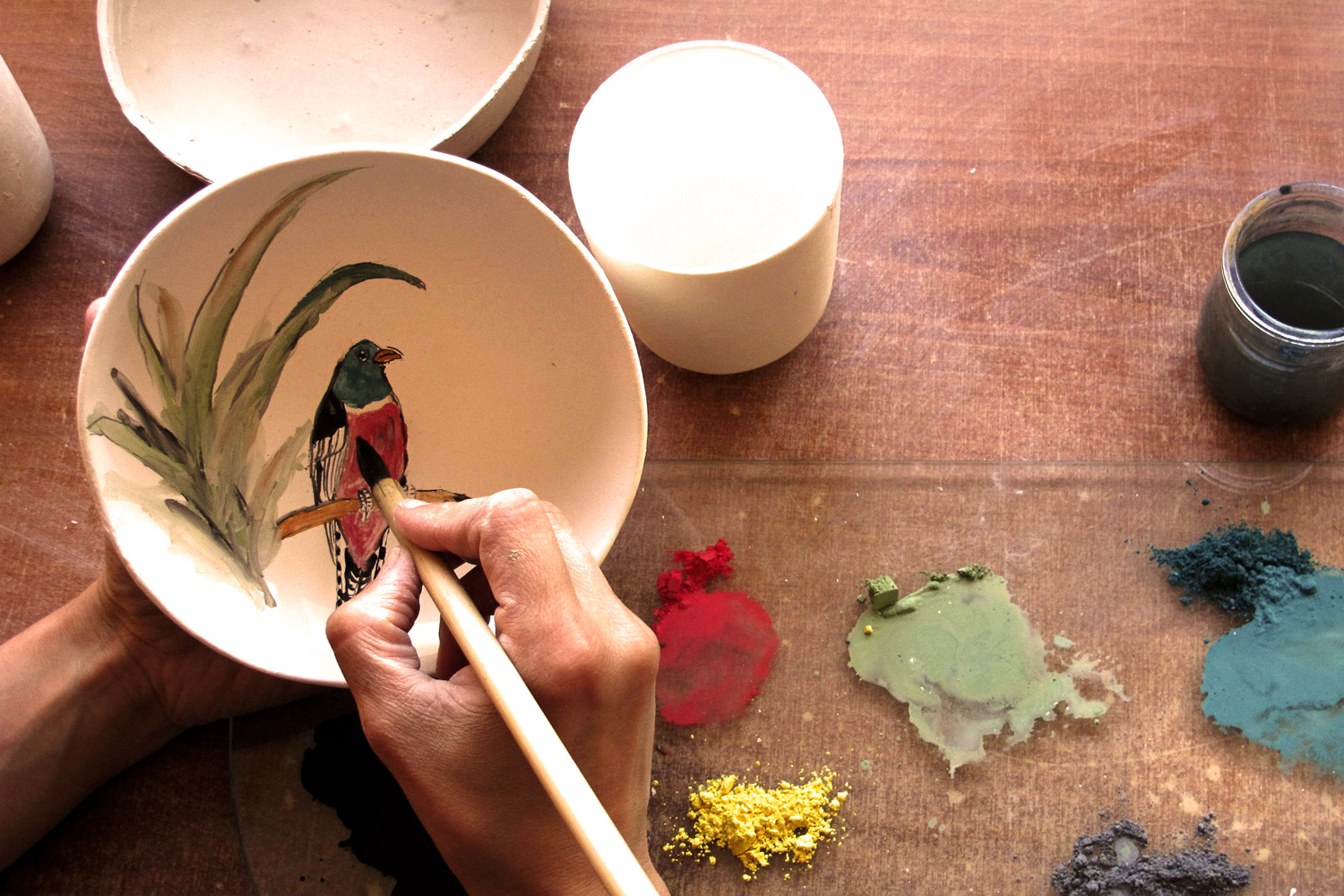
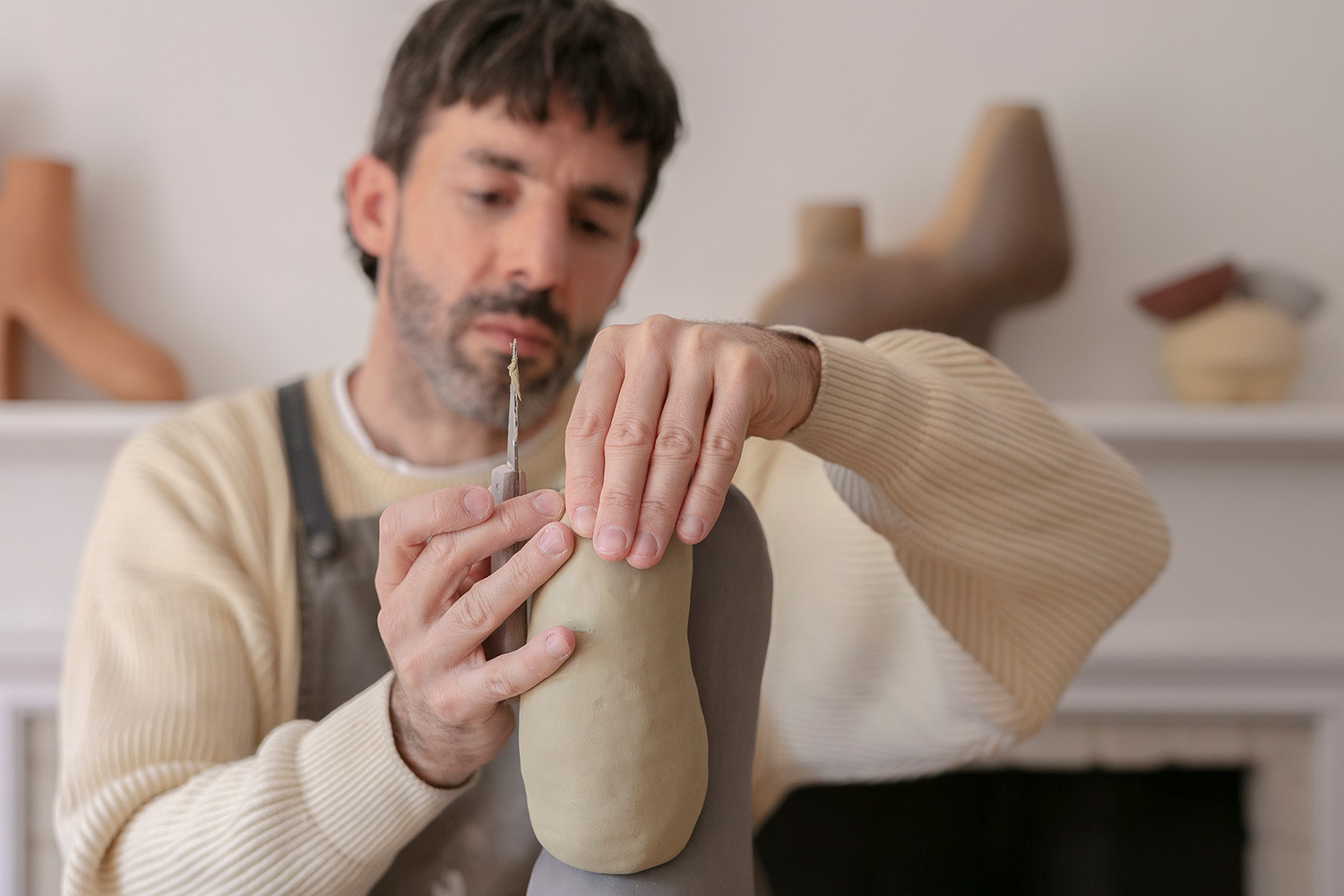
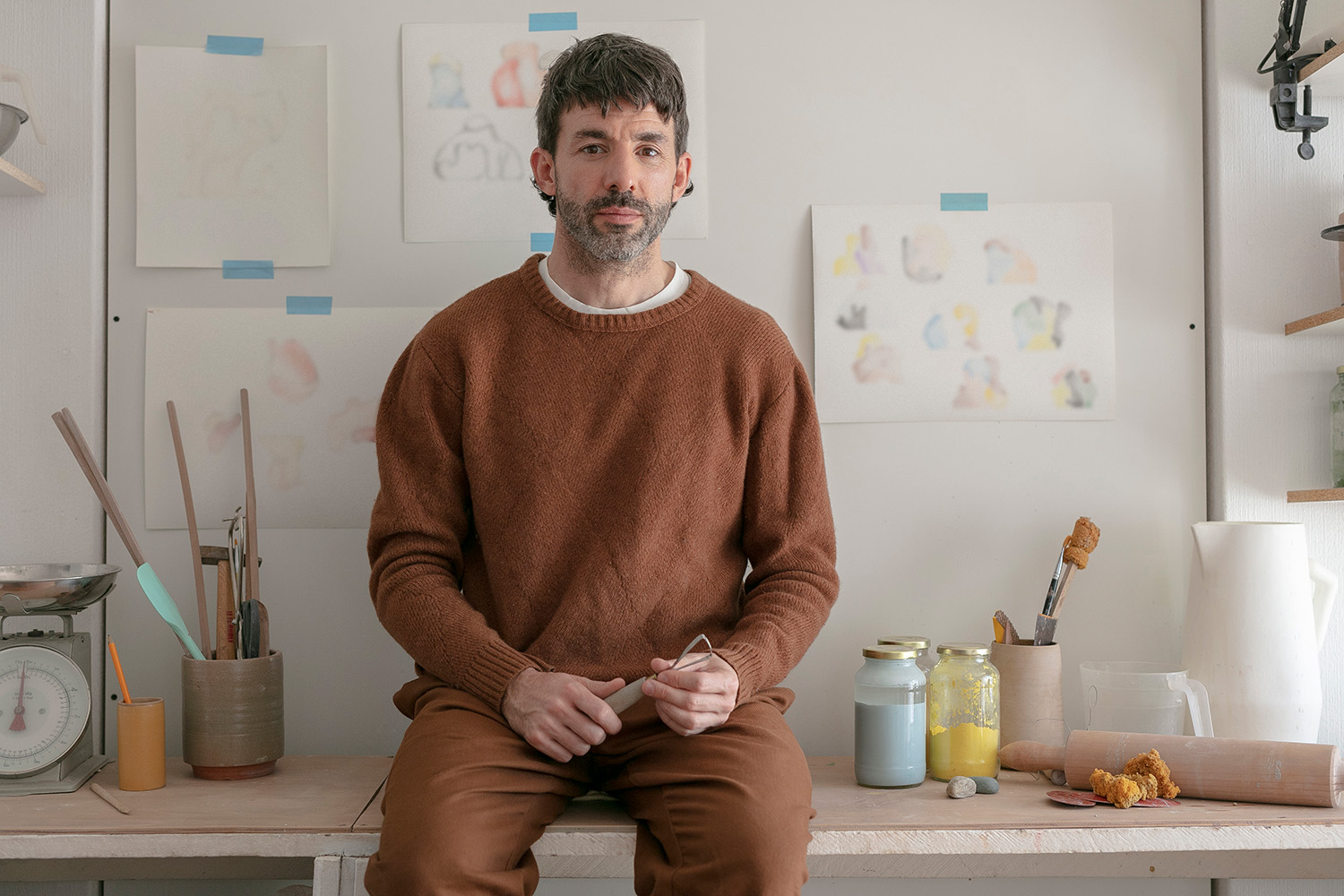
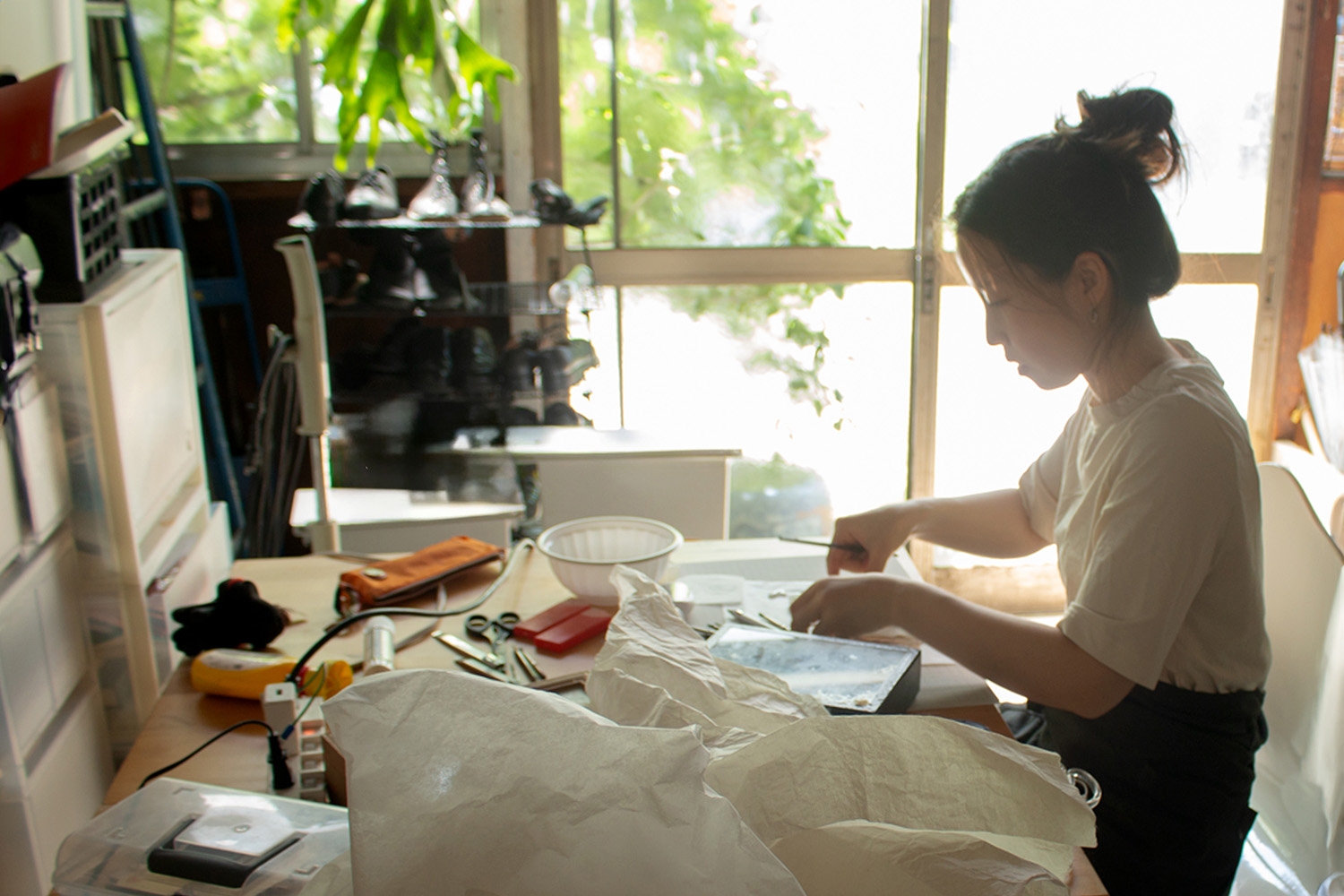
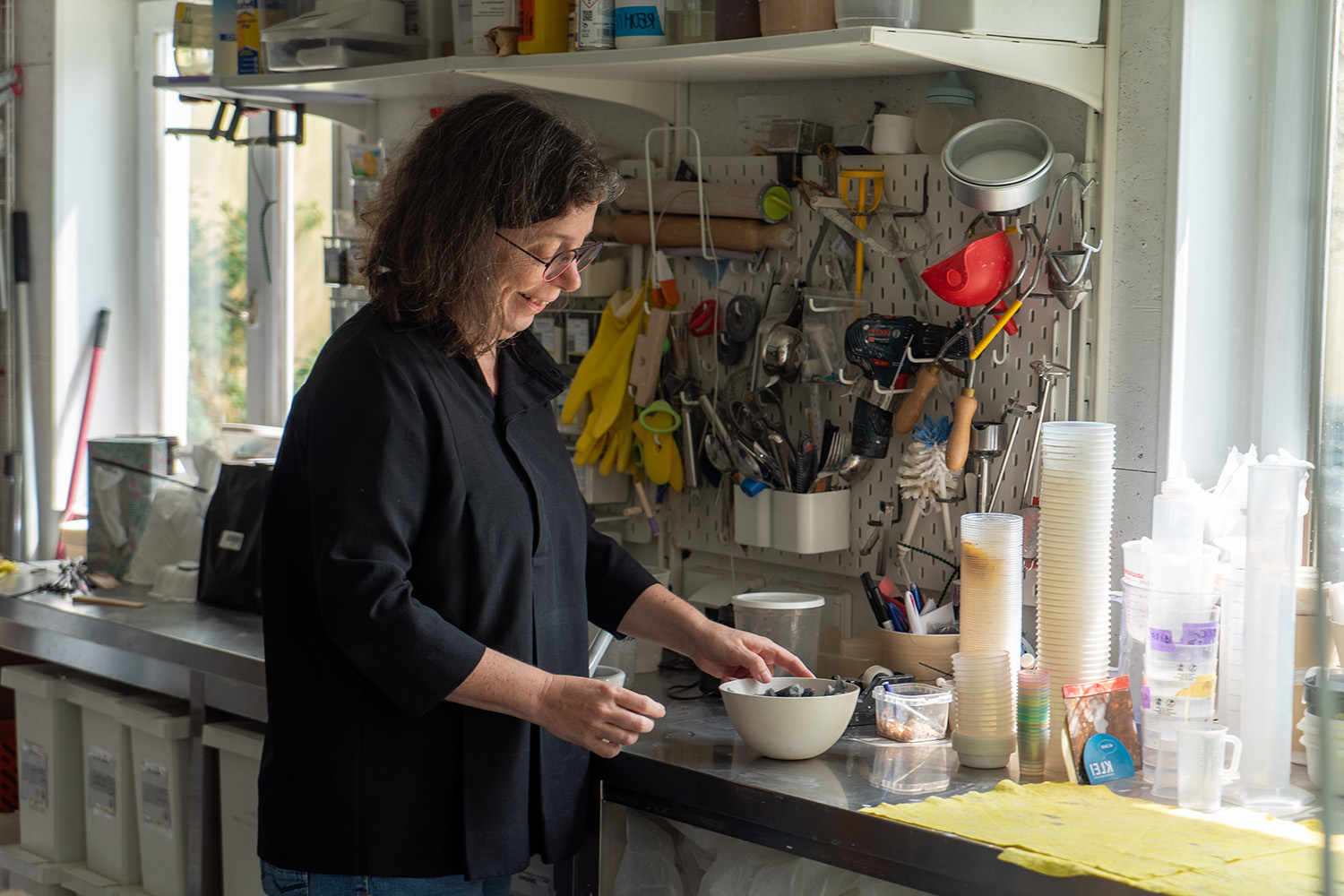
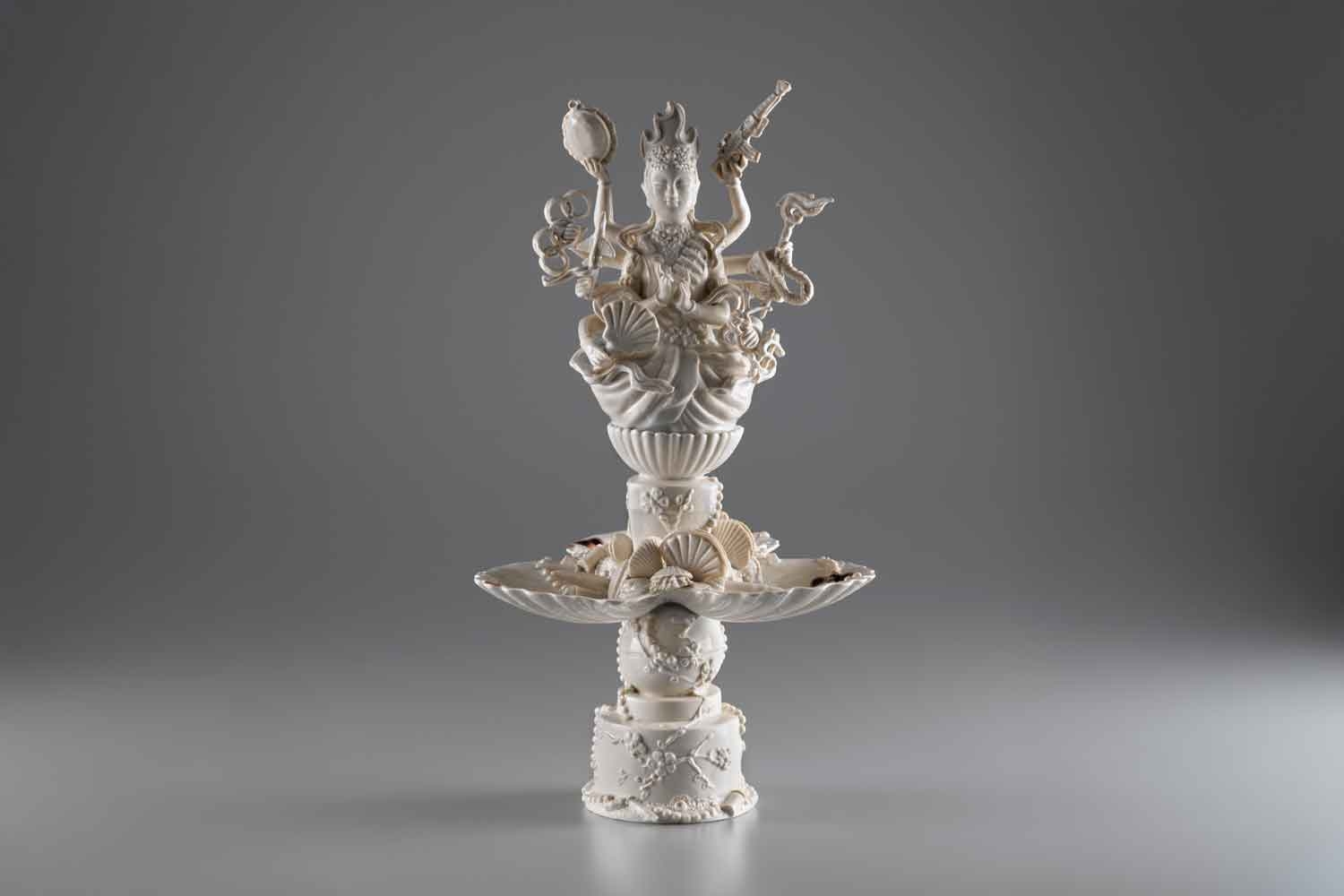
Having made pottery and clay sculptures since her teenage years, Ágnes Husz became a ceramicist during her twenties. When she moved from Hungary to Japan aged 32, it was a culture shock that she embraced. Shortly before her relocation in 1993, she developed a special technique of stretching clay strips of different colours to form abstract objects created for everyday use. These bowls, water jugs and vases reflect Ágnes' Eastern European background as much as they do her adopted homeland. In particular, the wabi-sabi aesthetic that highlights the beauty to be found in the transience and imperfection of nature is an approach Ágnes promptly adopted. She has been teaching her signature technique all over the world via presentations, workshops and online classes since the early 2010s.
INTERVIEW
Over a short period, I studied in Kecskemét and at the European Ceramic Work Center (EKWC) in the Netherlands, while also visiting my future husband’s family in Japan. These contrasting experiences led me to develop my technique of stretching clay in just a matter of days. I have been using it ever since.
As I was going there to marry rather than study art, my first concern was to adapt to the culture. I was struck by the fact that works of art there are not just for display but also find a use in traditional rituals, such as the daily tea ceremony.
The Japanese lead very structured lives, but they tend to look for individual pieces of art rather than the mass-produced items favoured in the West. This gave me the confidence to create functional artworks in service of Japanese traditions.
No, I make very unique pieces that set me apart as an international artist, although I am heavily influenced by Japanese culture. My style is very contemporary and has found followers worldwide, while I have also passed on my technique to many students from around the world.
Ágnes Husz
Trouillet, Kevin
Ceramicist
Chikumashi, Japan
ADDRESS
Address upon request, Chikumashi, Japan
AVAILABILITY
By appointment only
PHONE
+81 8045557632
LANGUAGES
Japanese, English, Hungarian
Homo Faber Finds is a new service aiming to inspire admirers of craft to connect and collaborate with exceptional artisans.
We invite you to submit an enquiry here.