
Greg Kent
Woodturner
Preston, United Kingdom
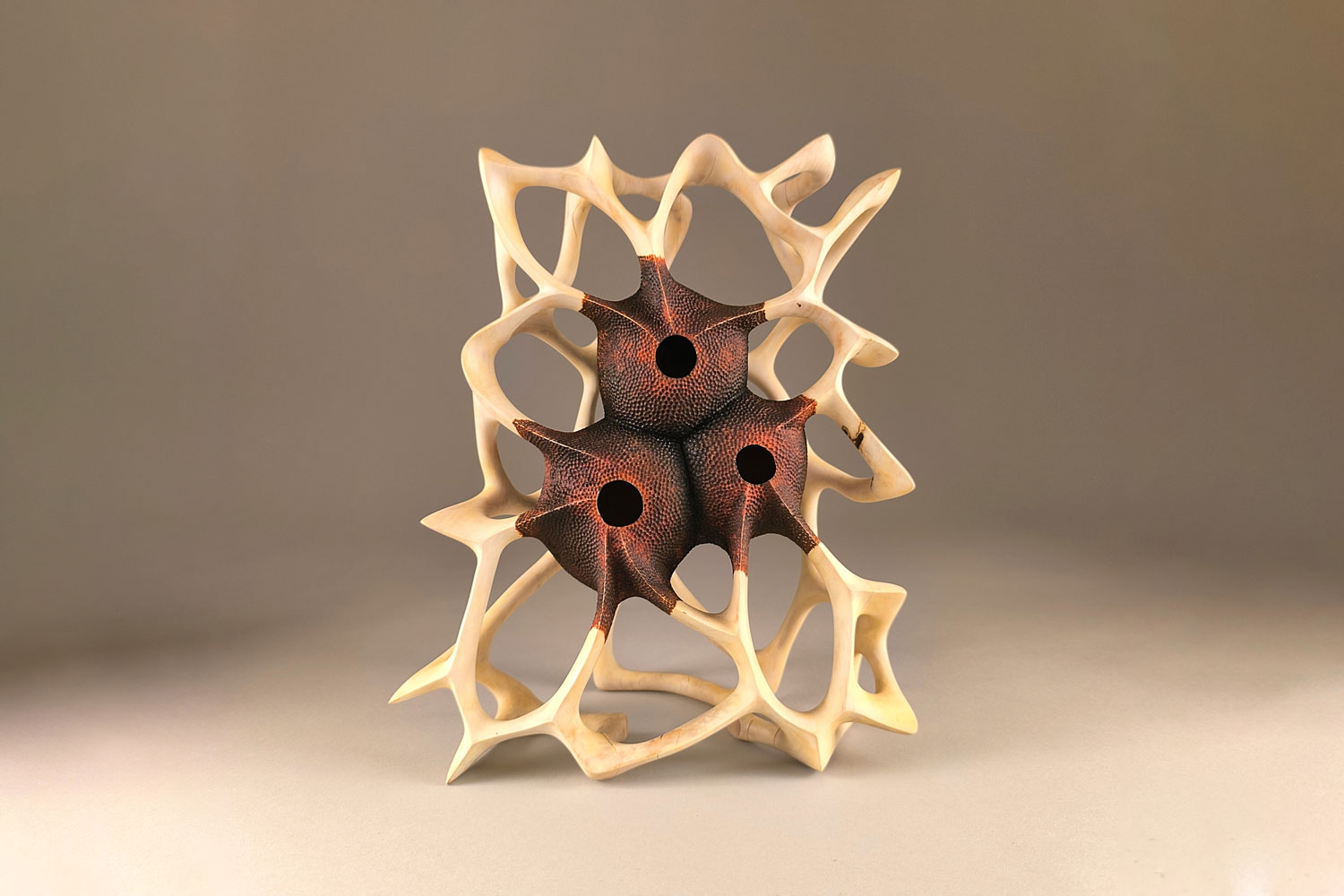
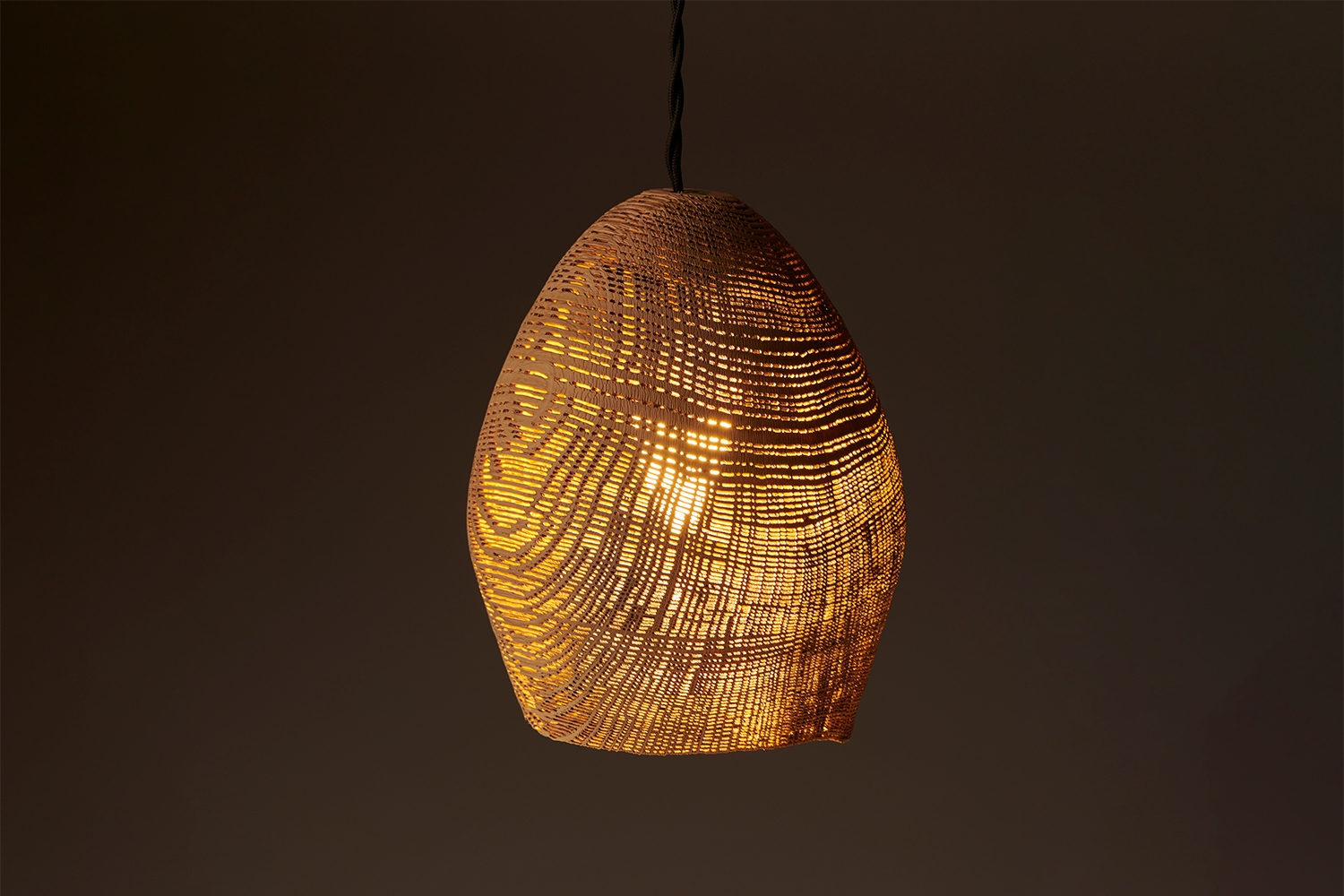
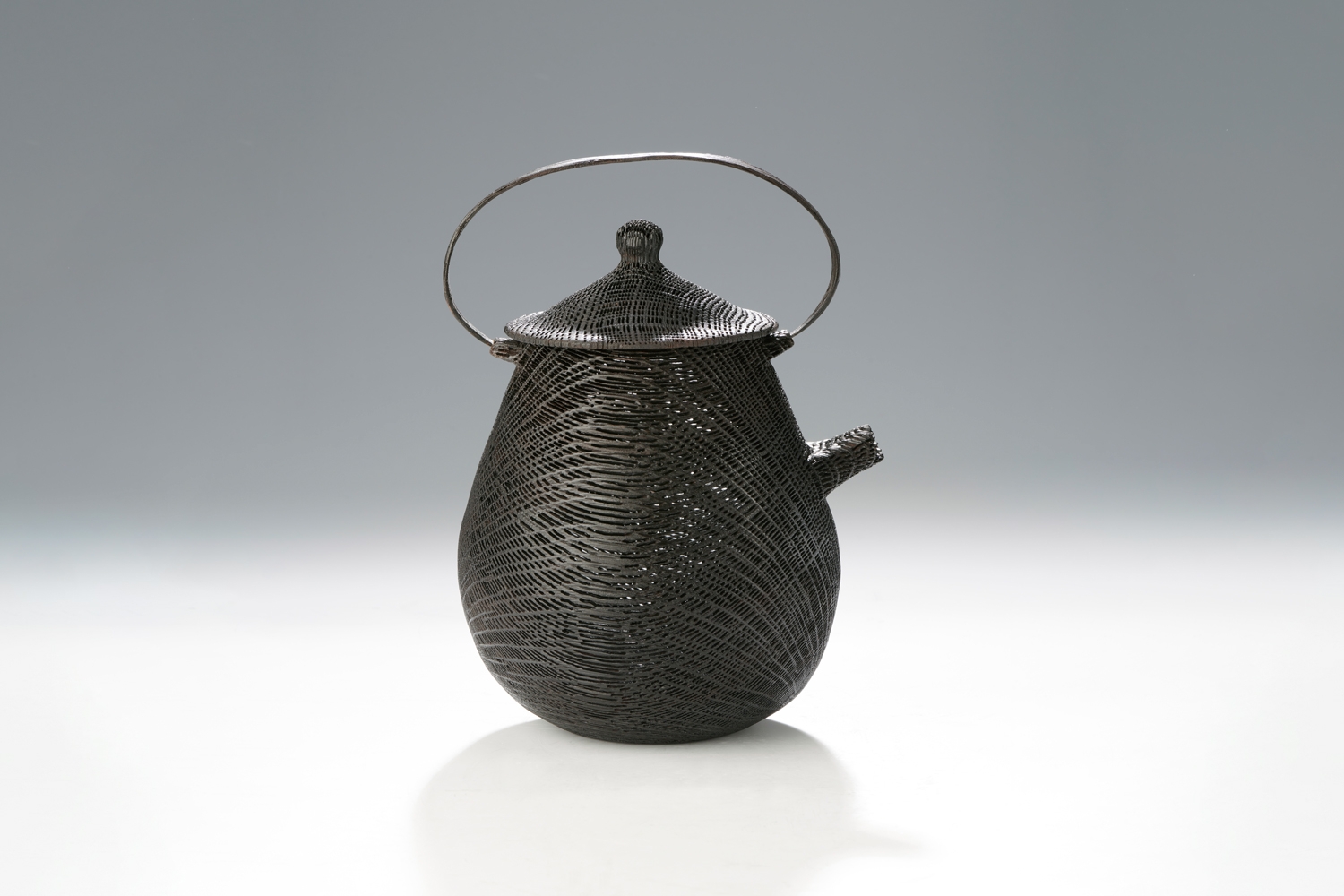
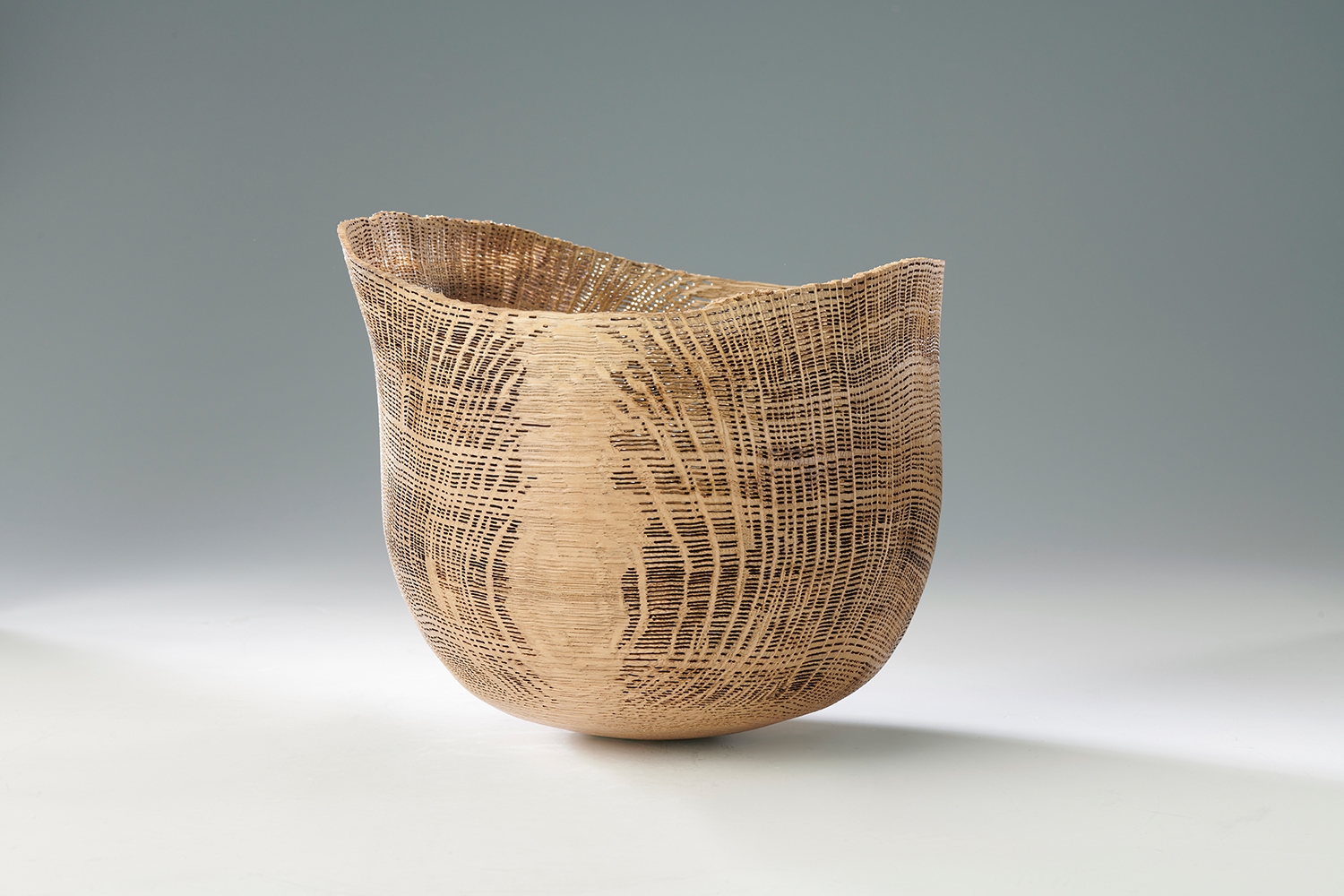
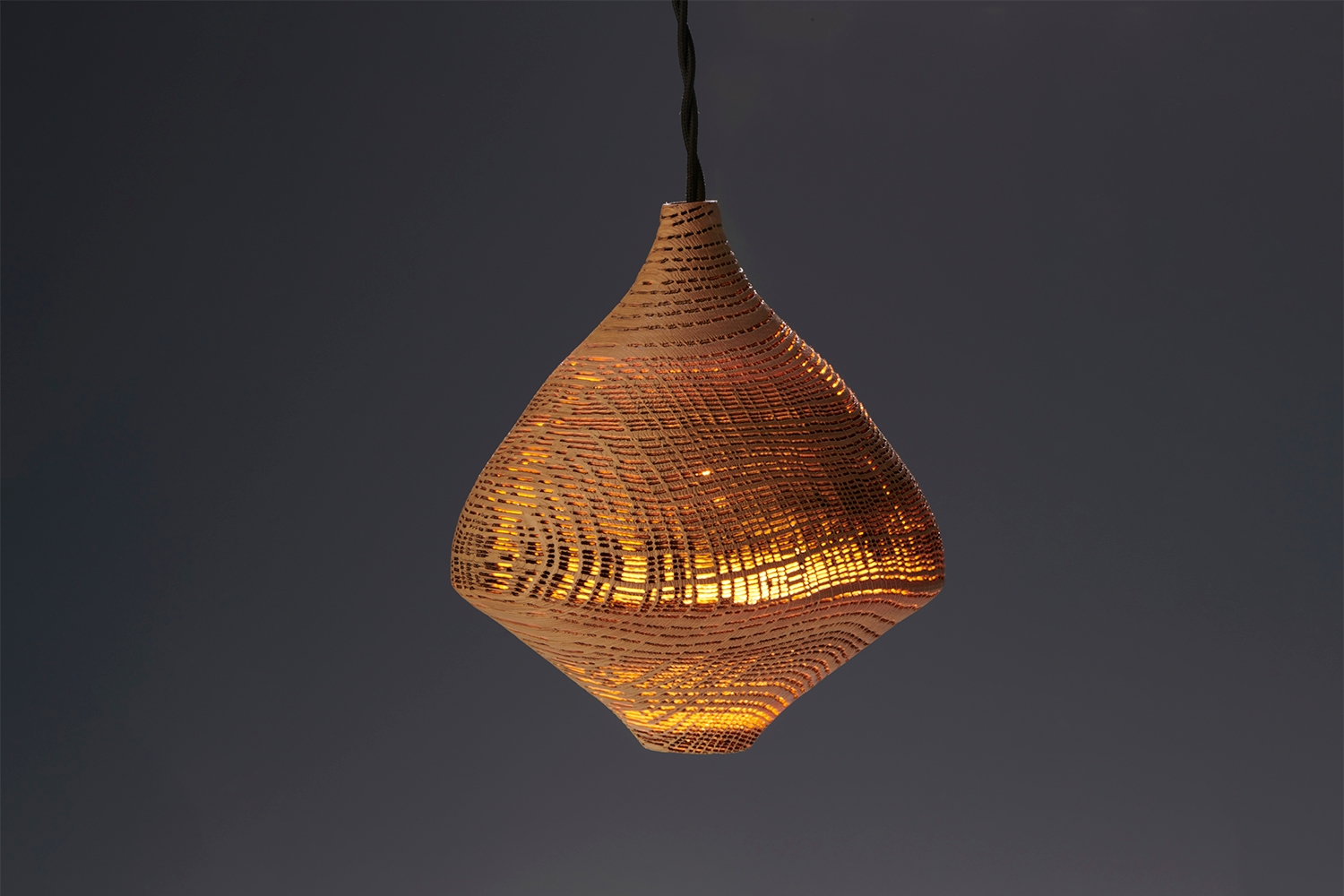
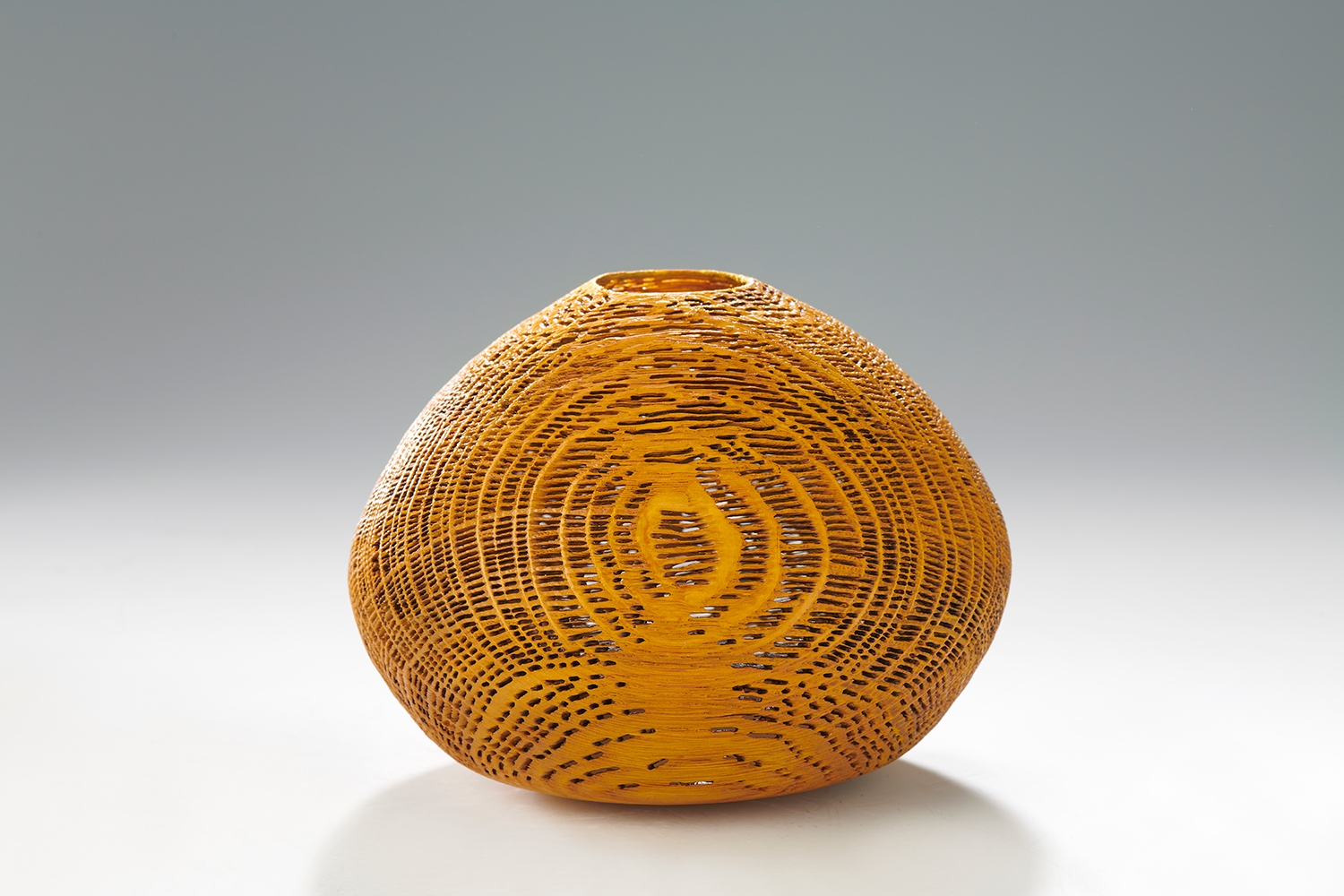
Turning grain into lace
- Greg makes delicate lace-like wood sculptures
- He developed his skills on his own with video tutorials
- French wood master Pascal Oudet is one of his sources of inspiration
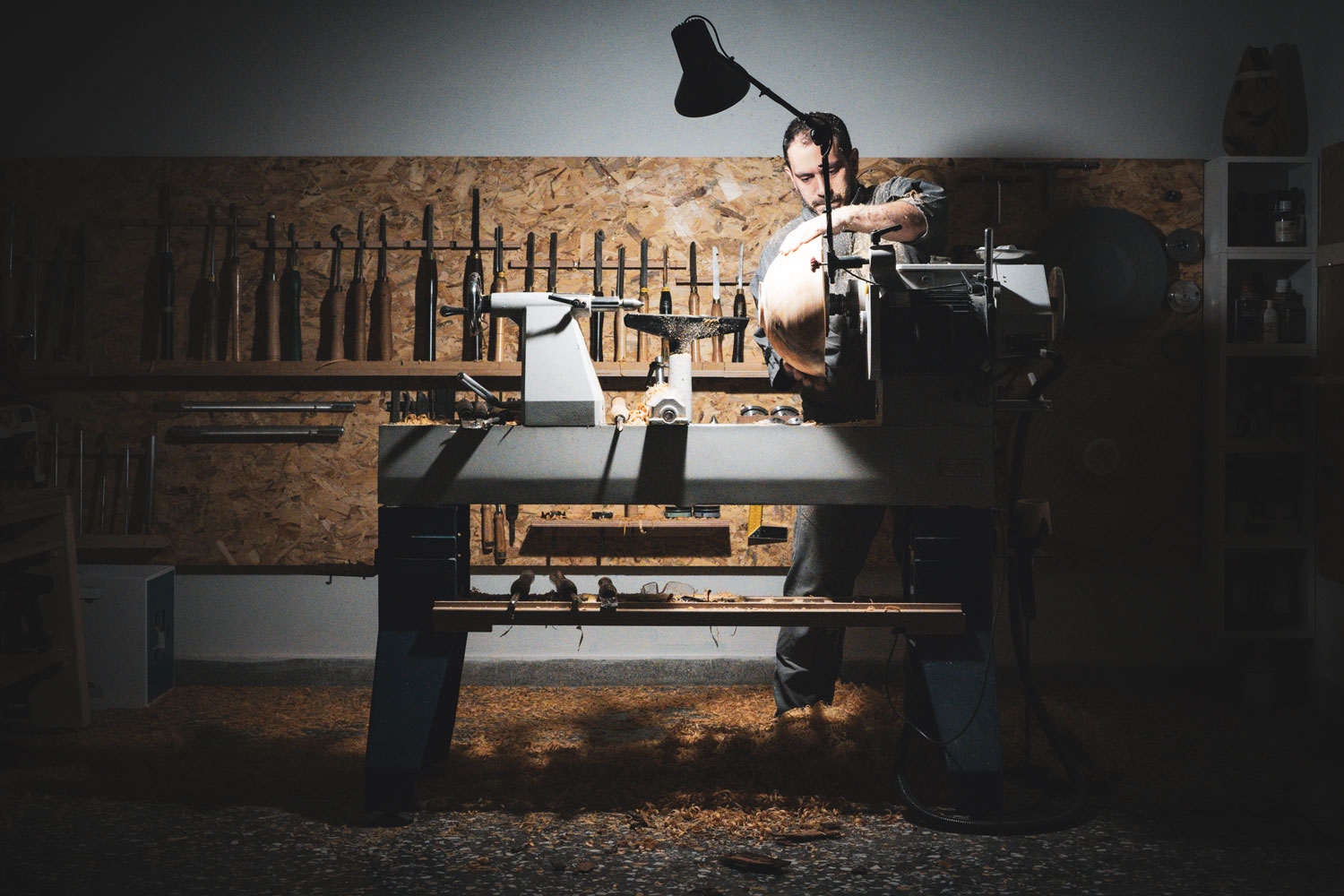
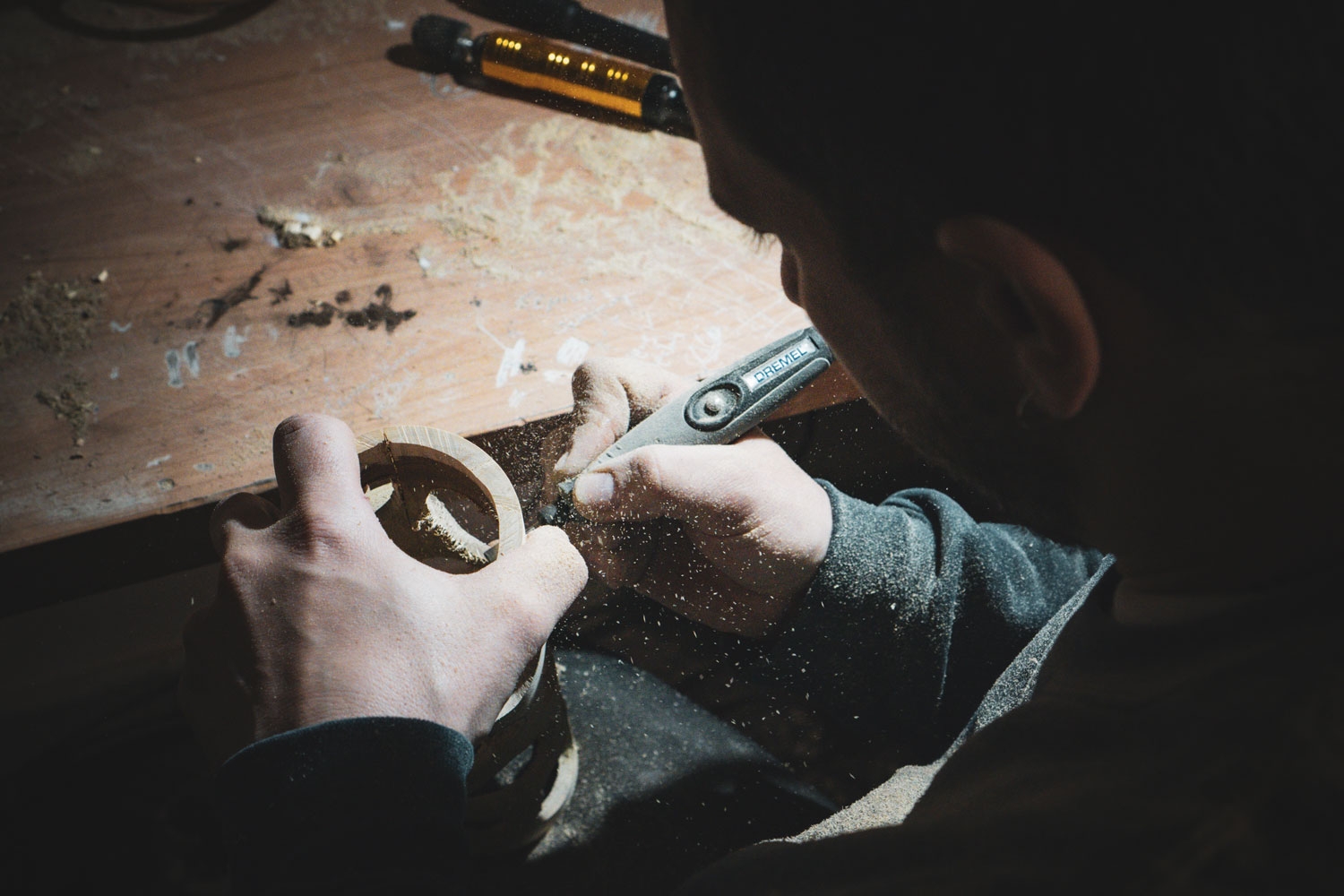
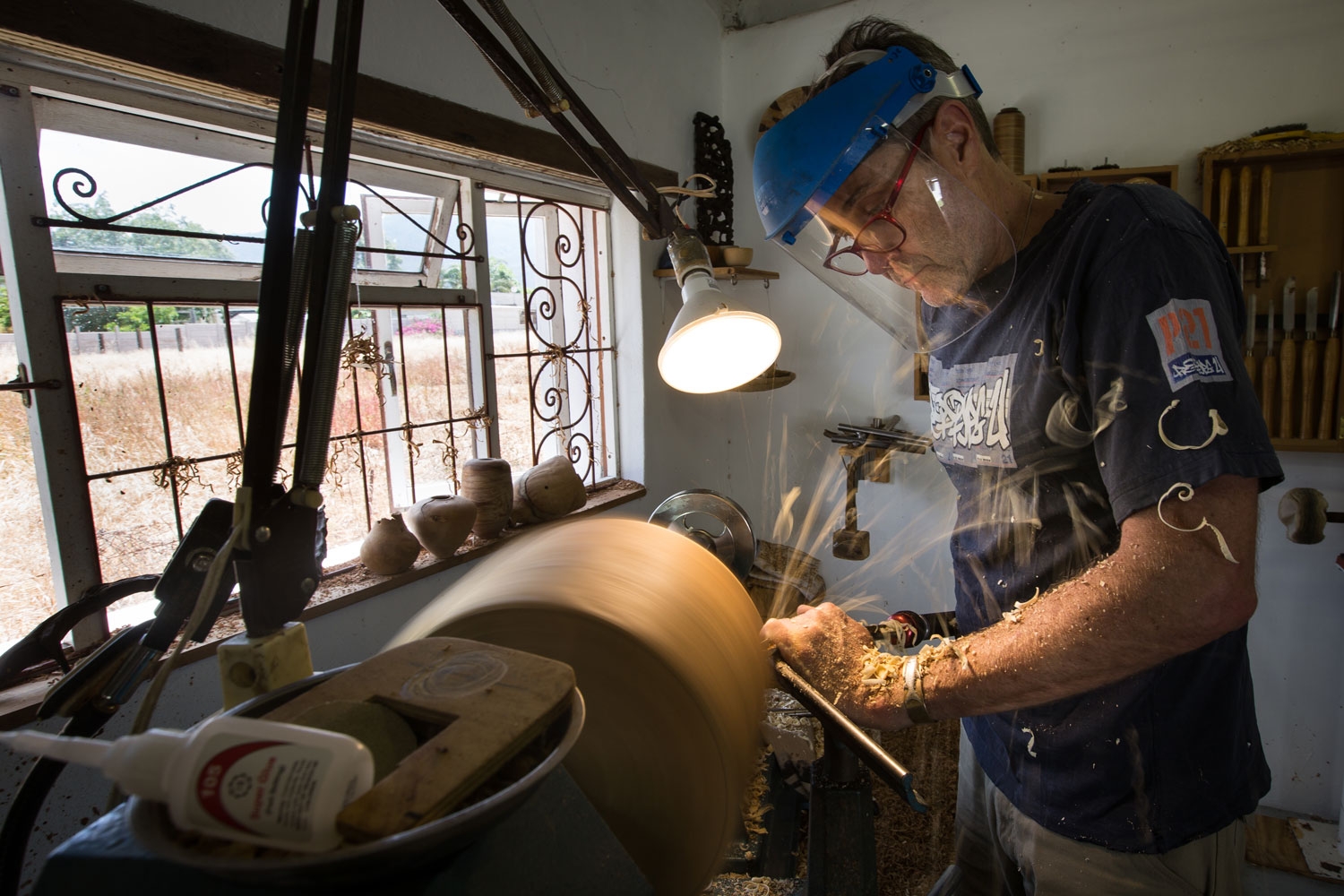
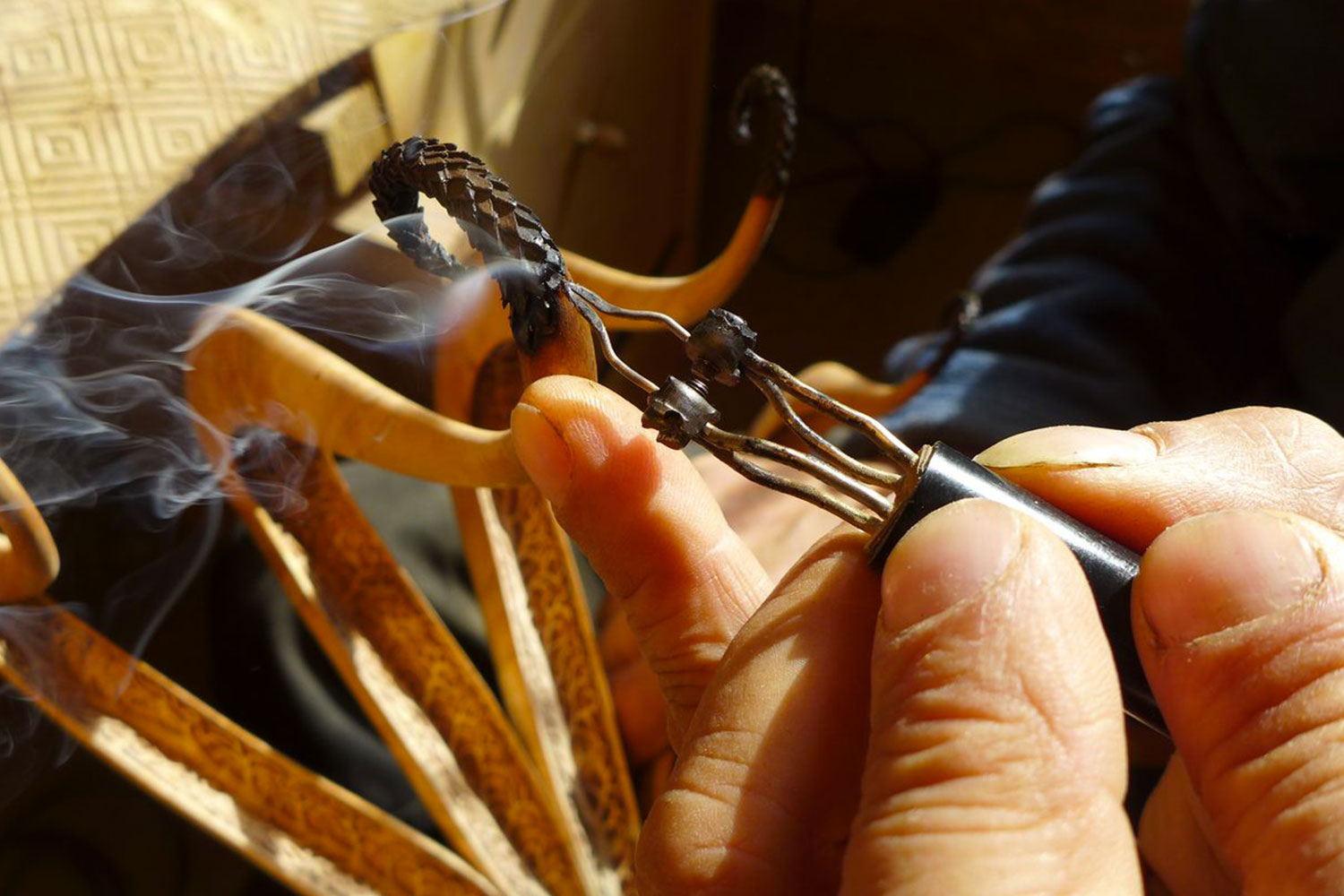
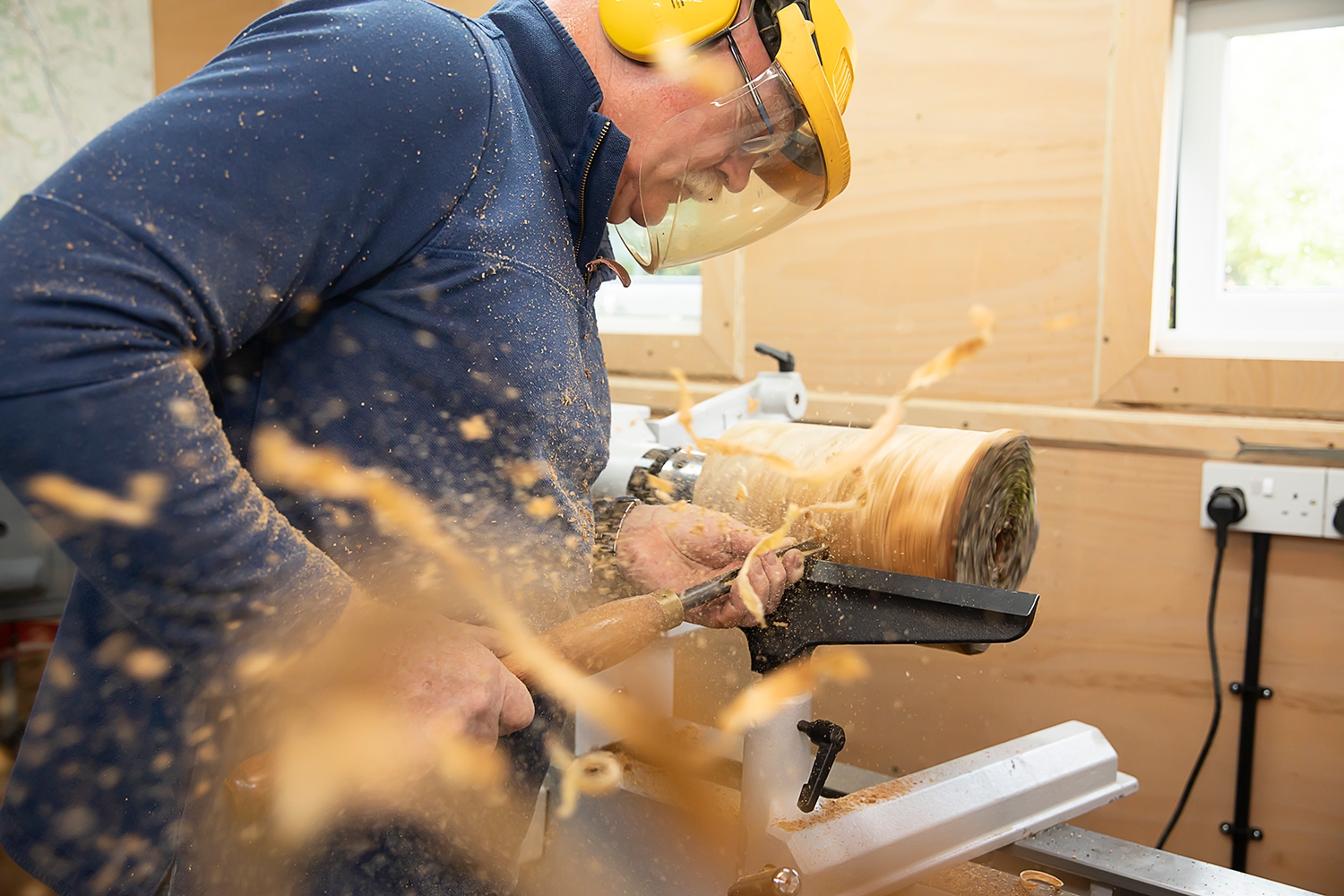
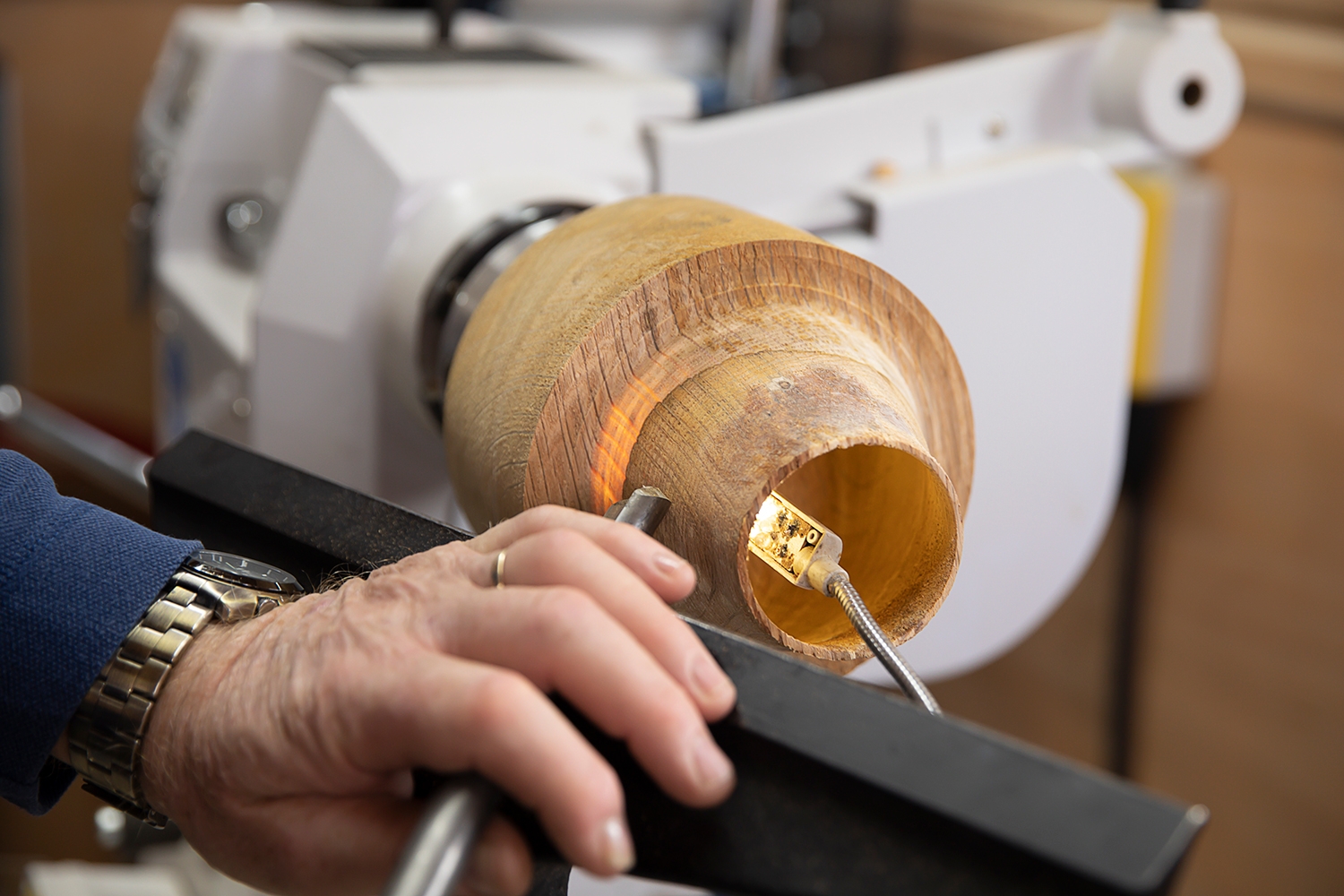
Lancashire based Greg Kent was working as a teacher when almost by accident he discovered woodturning. As he needed some tapered pieces of wood for a boat he was building, he started watching YouTube video tutorials to learn how to achieve them. He was immediately hooked by the process of shaping wood as if it were clay and the patterns the wood revealed. In particular, Greg was mesmerised by Pascal Oudet, a Frenchman who pioneered making lace-like oak sculptures. Unable to create the effect produced by Pascal Oudet, Greg developed his own technique. He microblasts and turns the inside of the object while the wood is still green first. “This approach can only be achieved with oak as only oakwood has medullary rays which go across the growth rings,” he explains.
INTERVIEW
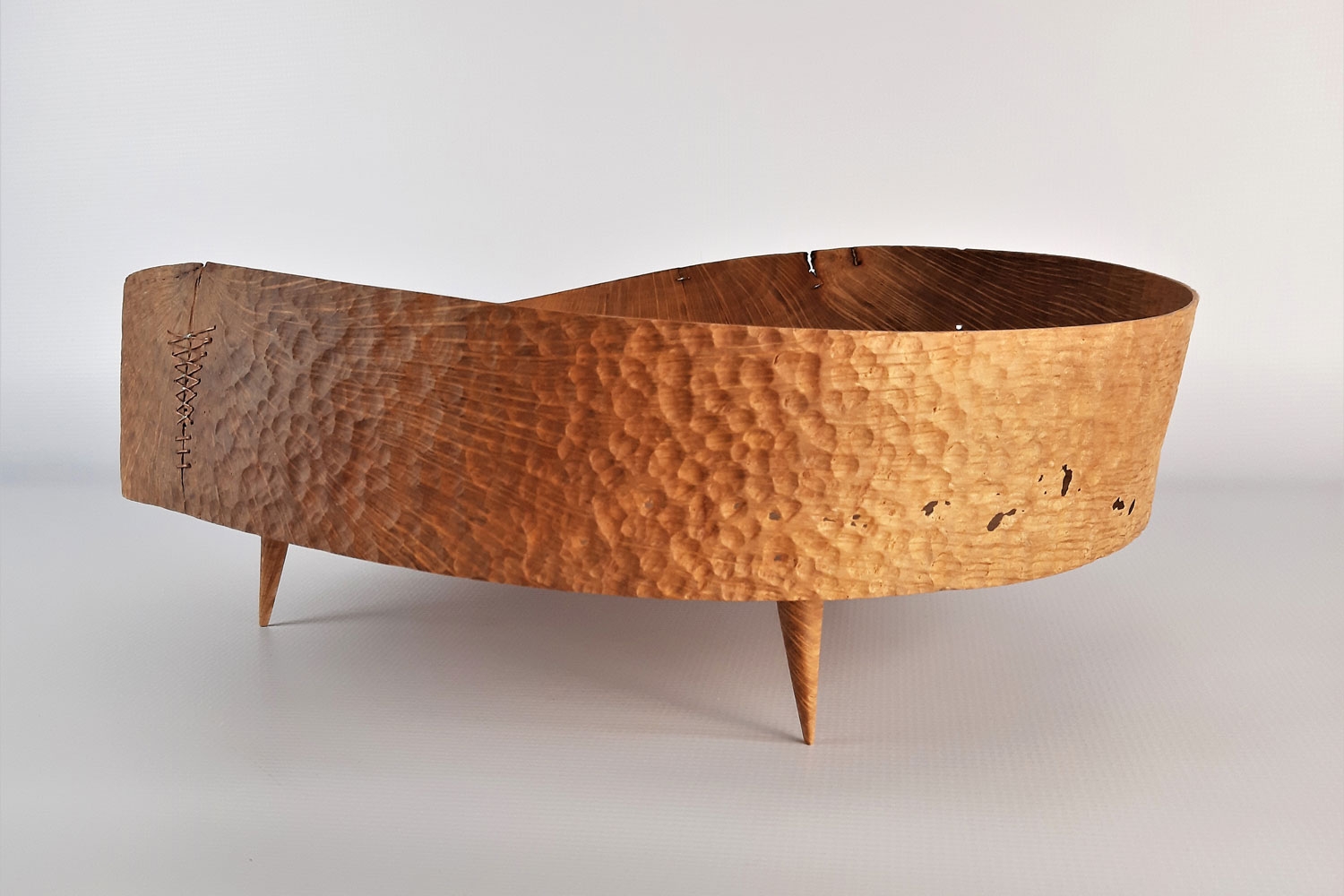
What I love about the process of turning is uncovering the buried treasure in wood. That is the grain patterns and colour in the wood. This is the tree's story through a time period longer than a human life.
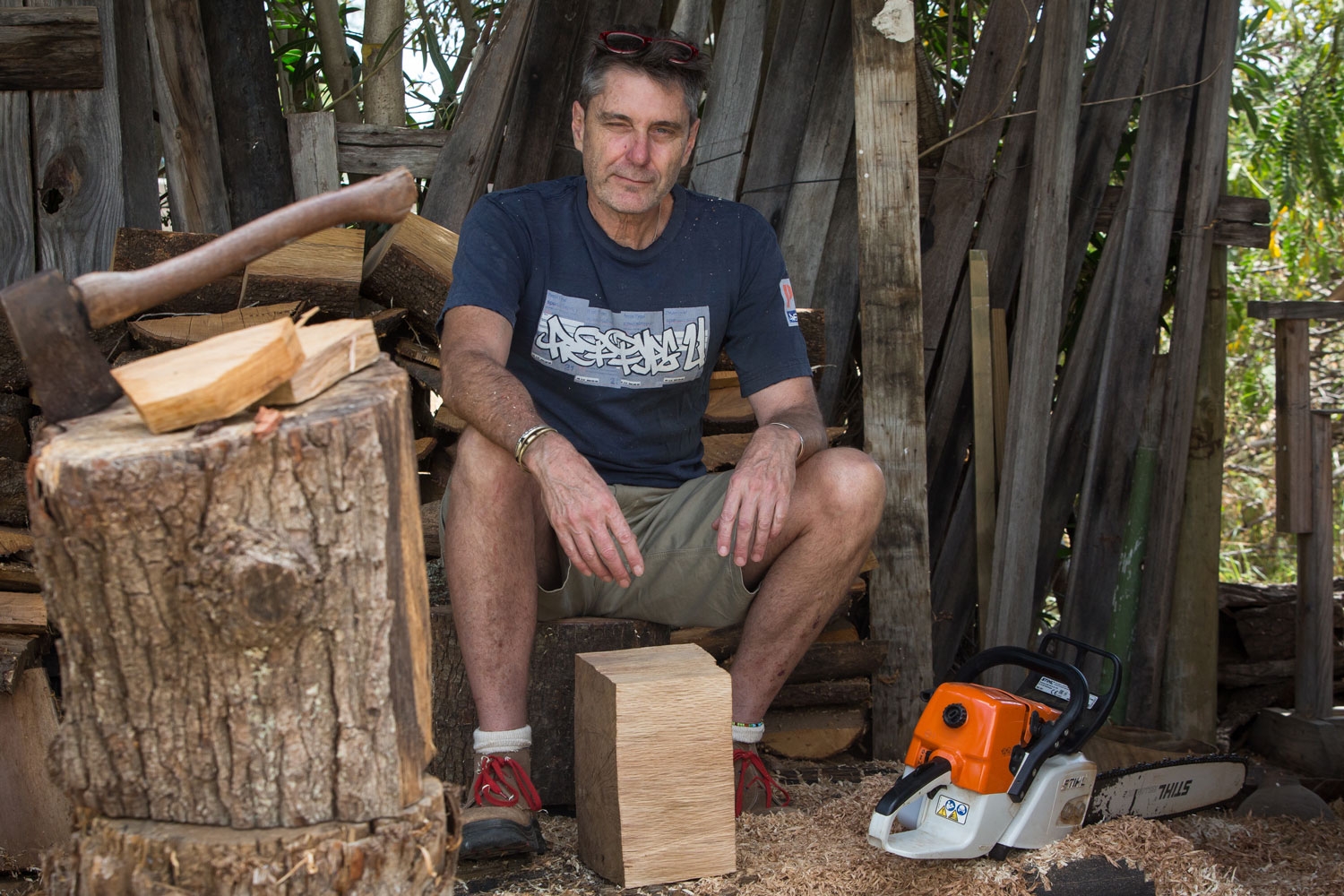
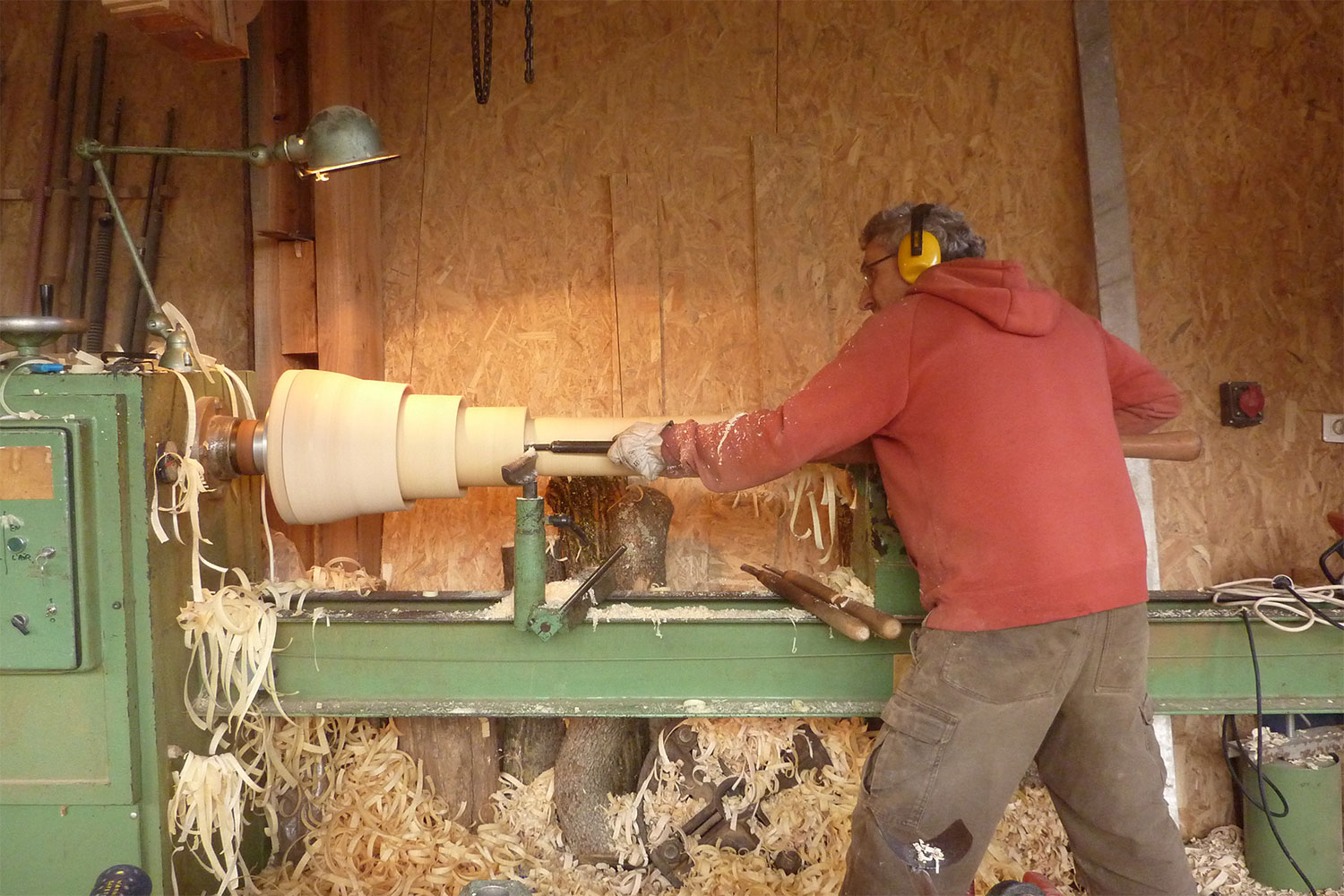
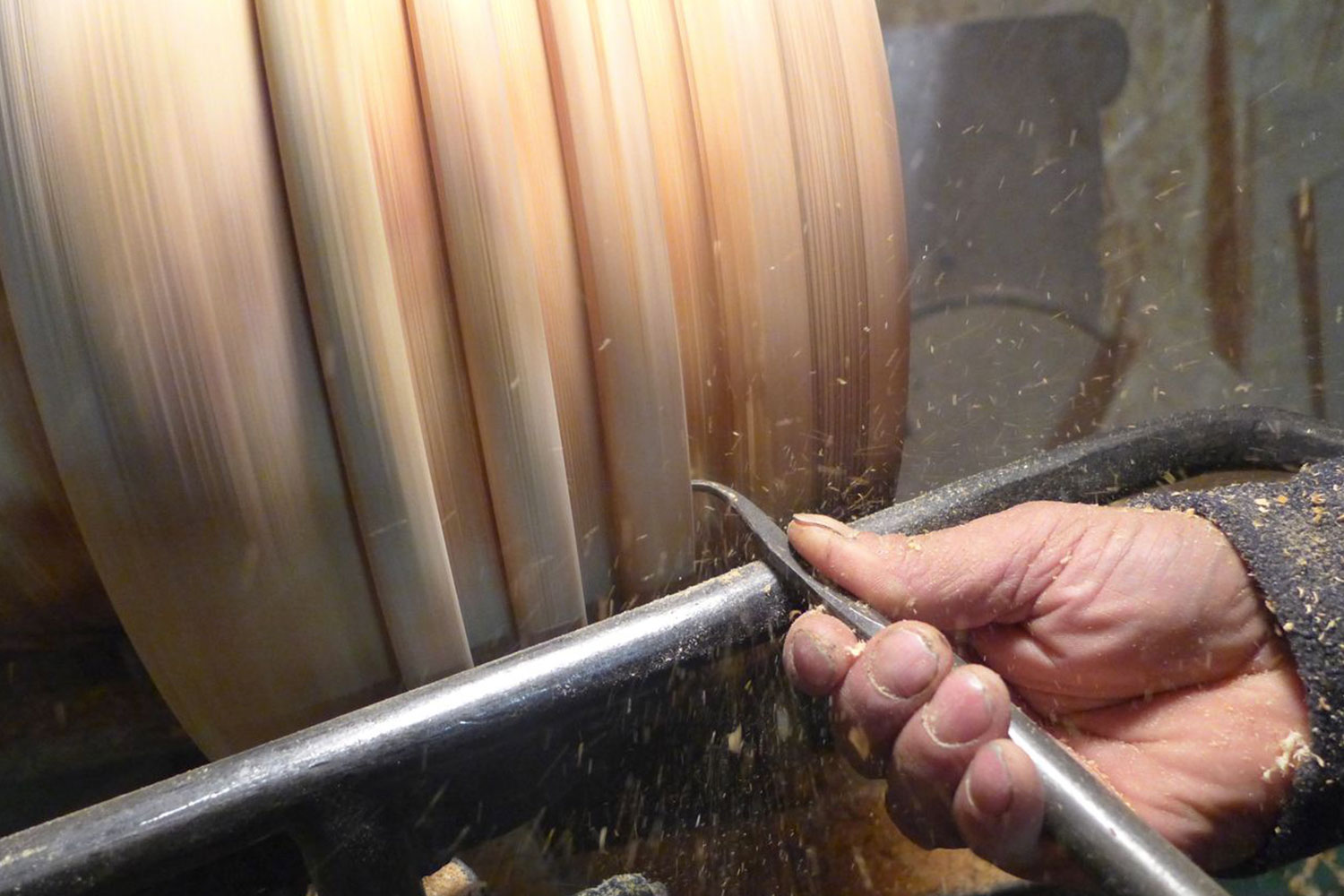
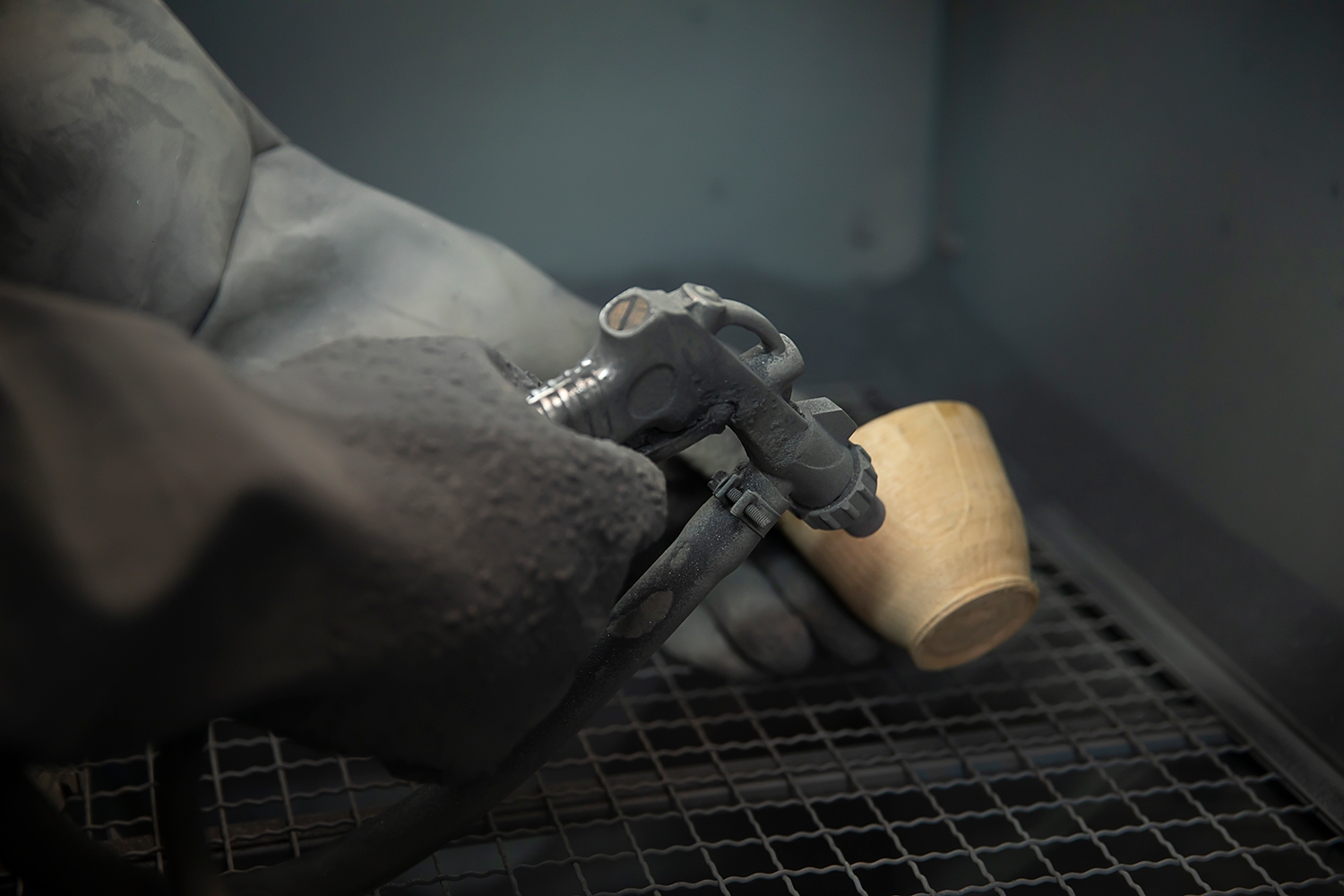
I collect oak wood from local tree surgeons. The wood is then turned green, this means whilst it is still wet, to a thickness of 2mm and then it is left to dry. Once dry, the wood is sandblasted as this has the effect of removing the soft spring growth leaving a lace like effect.
Yes, because oak has medullary rays which go across the grain. The process involves turning and sculpting. With oak wood, this leaves a natural finish, ebonised or stained with various colours. What is produced is fine art created by nature and revealed by craftsmanship.
I use a whole variety of woods when woodturning and I have always focused on salvaged British woods. By that, I mean wood from tree surgeons that would otherwise have been firewood or wood that comes from a wood recycling social enterprise in Preston.
Greg Kent
Woodturner
Preston, United Kingdom
AVAILABILITY
Daily 09:00-17:00
PHONE
+44 7905332117
LANGUAGES
English
Homo Faber Finds is a new service aiming to inspire admirers of craft to connect and collaborate with exceptional artisans.
We invite you to submit an enquiry here.