Gaetano Di Gregorio
Spiazzi
Ceramicist
Venice, Italy
A ceramic playground for architectural designs
- Gaetano is an architect who designs and produces ceramics
- His interest in materials has always driven his work and research
- He teaches at the IUAV in Venice
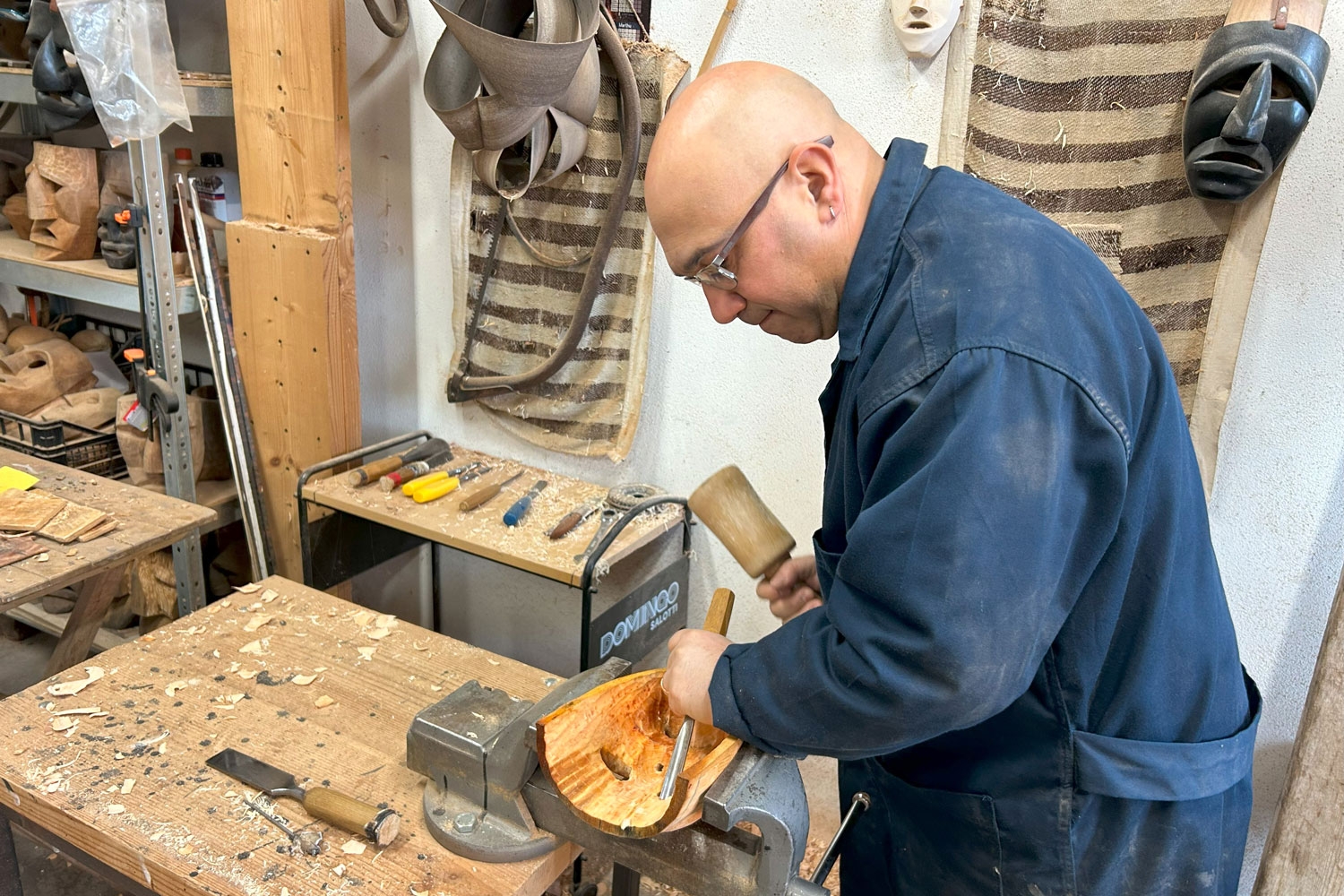
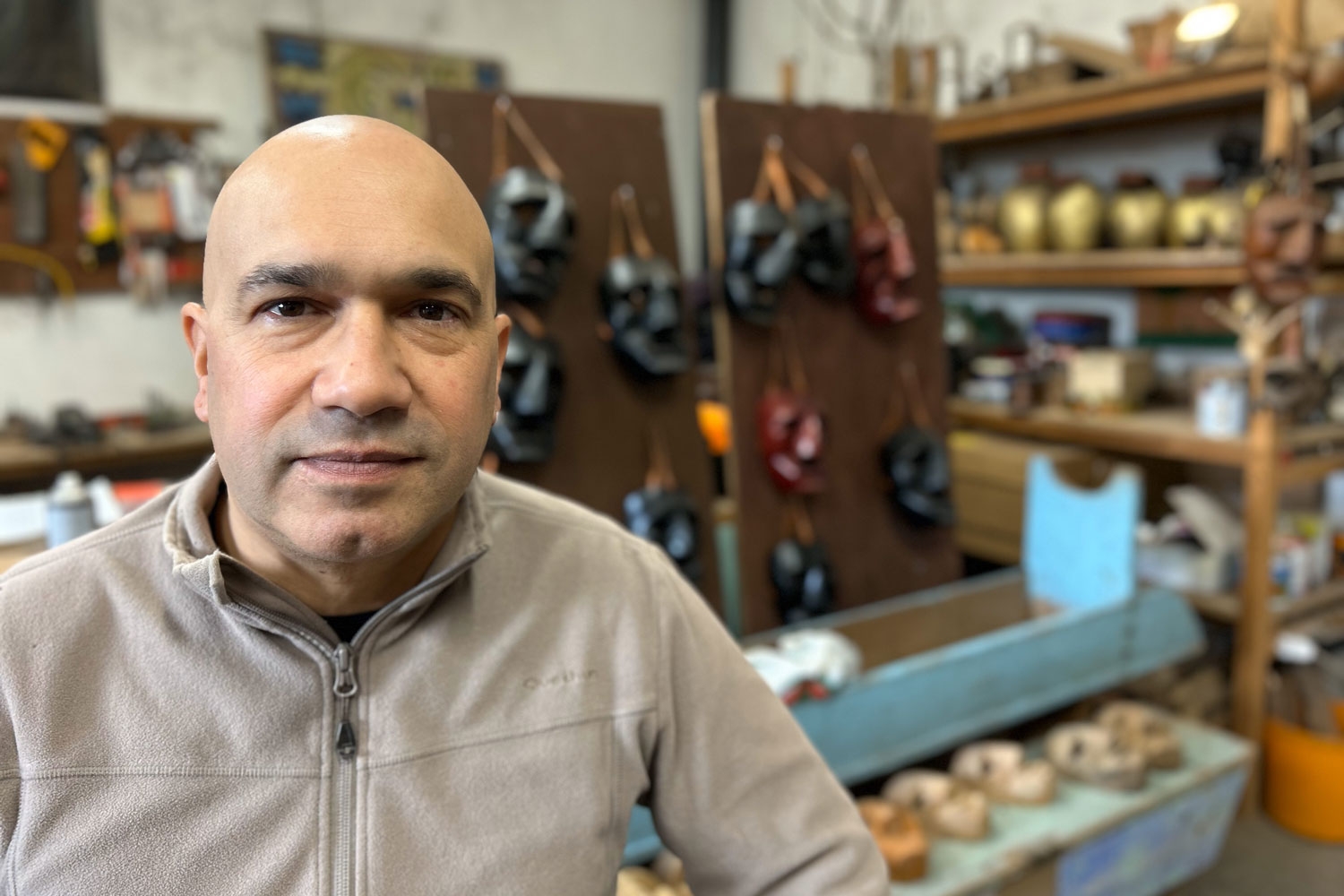
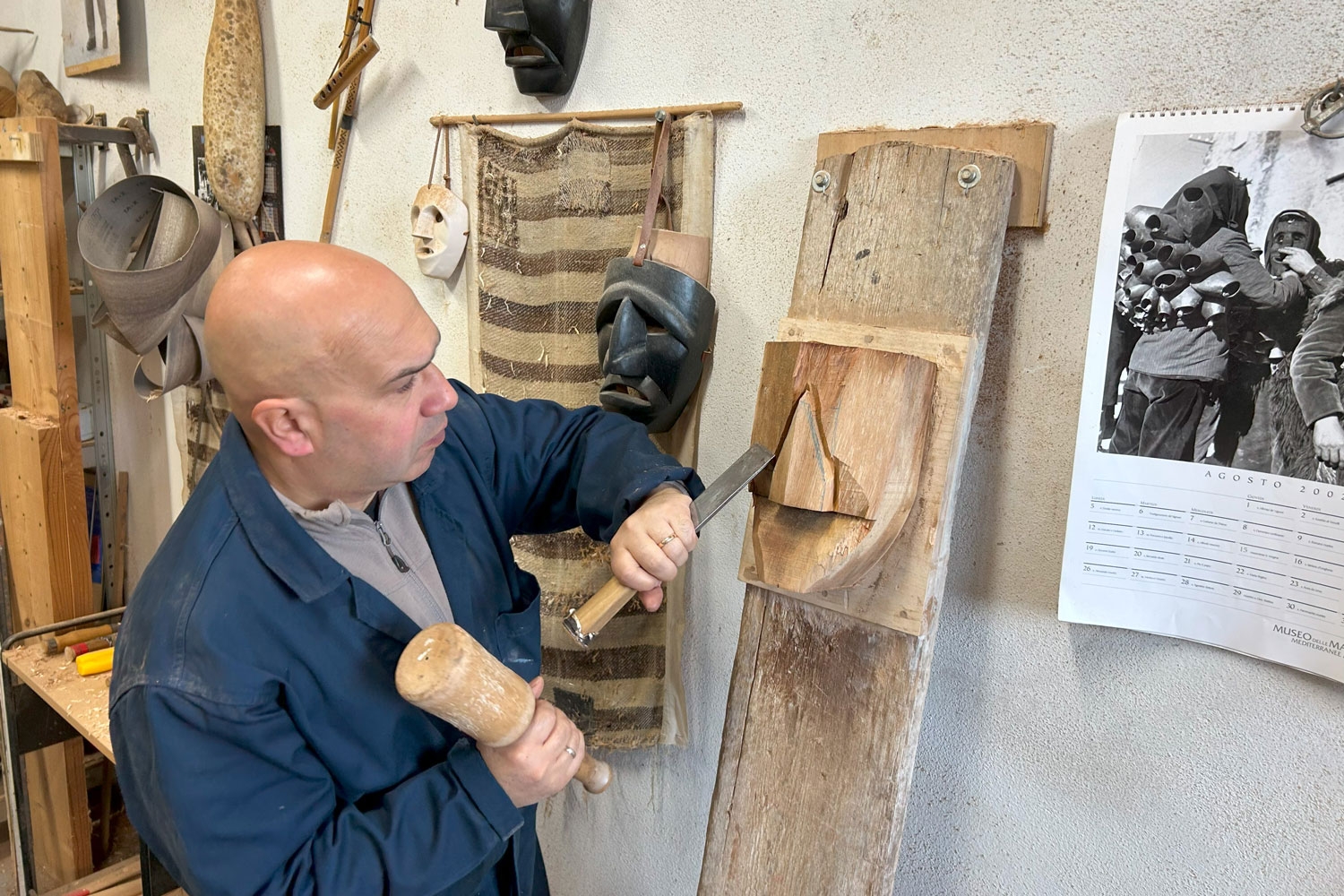
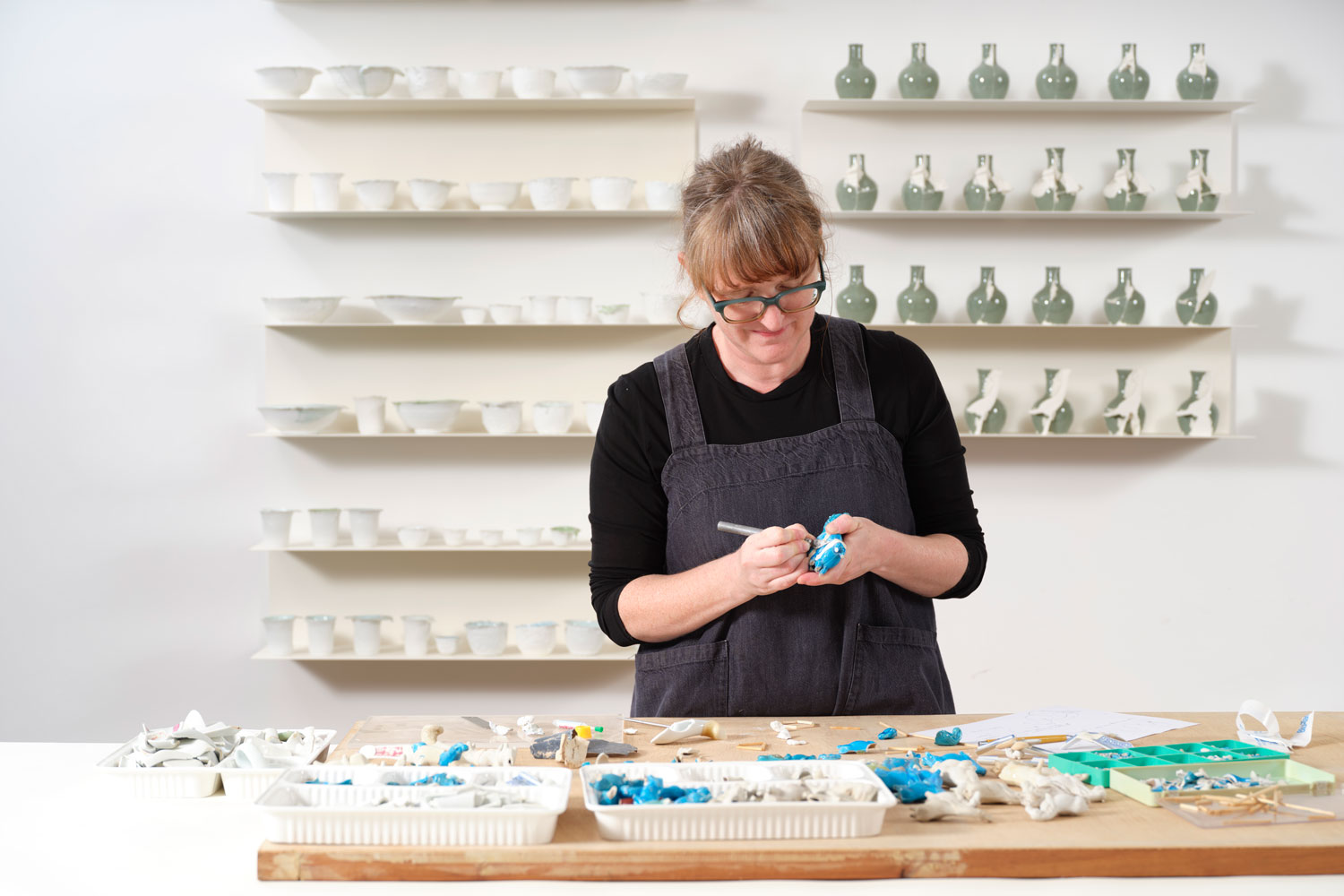
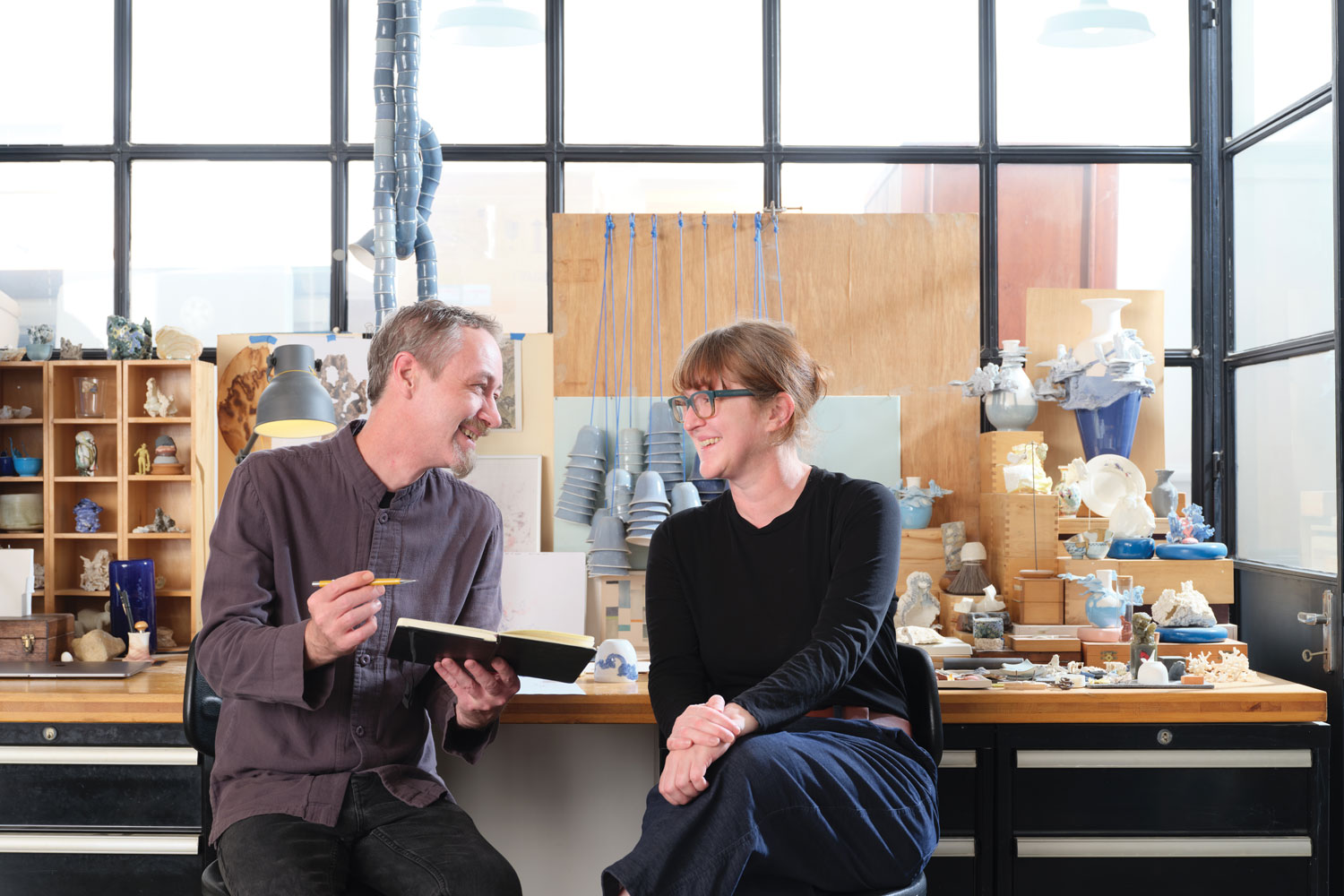
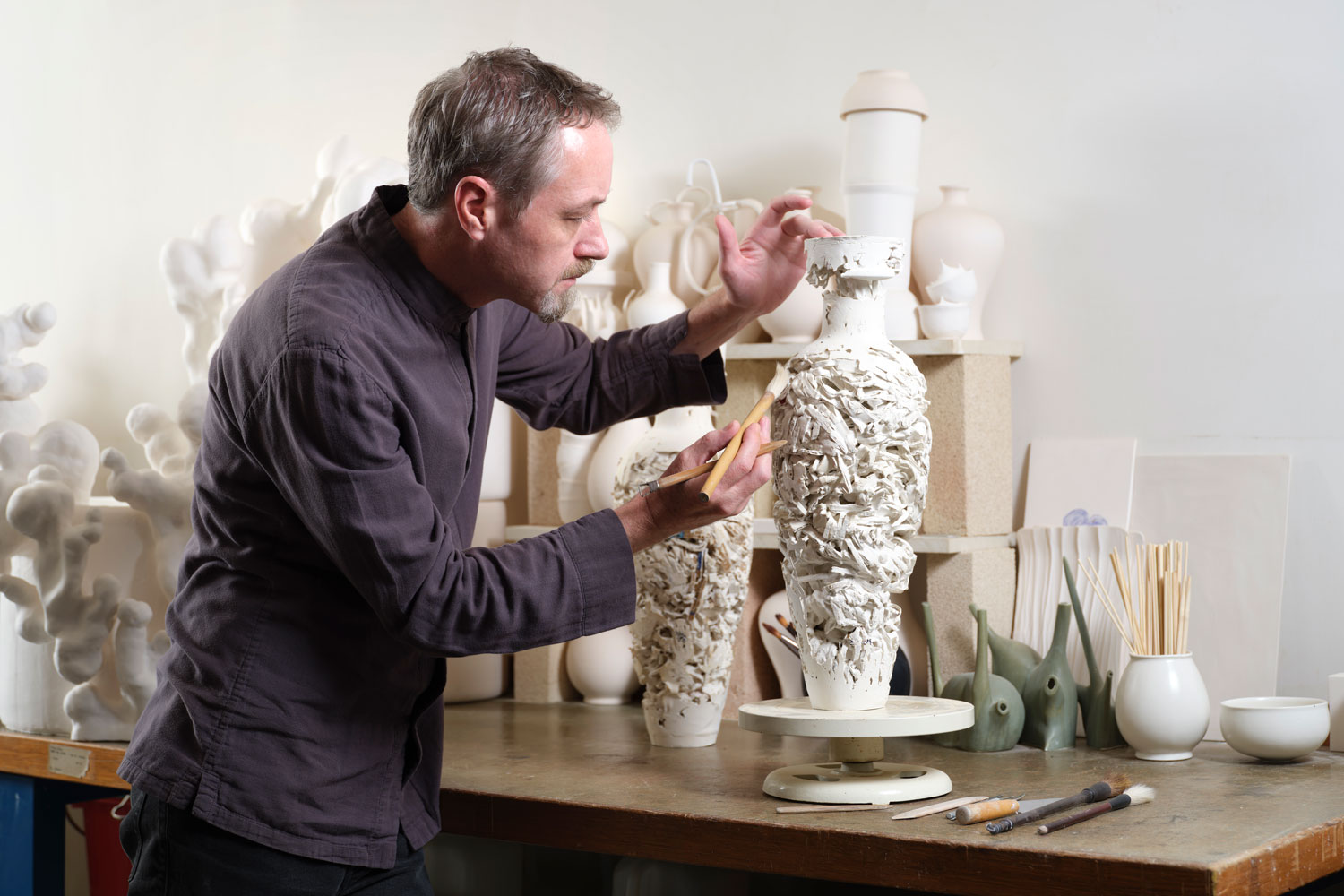
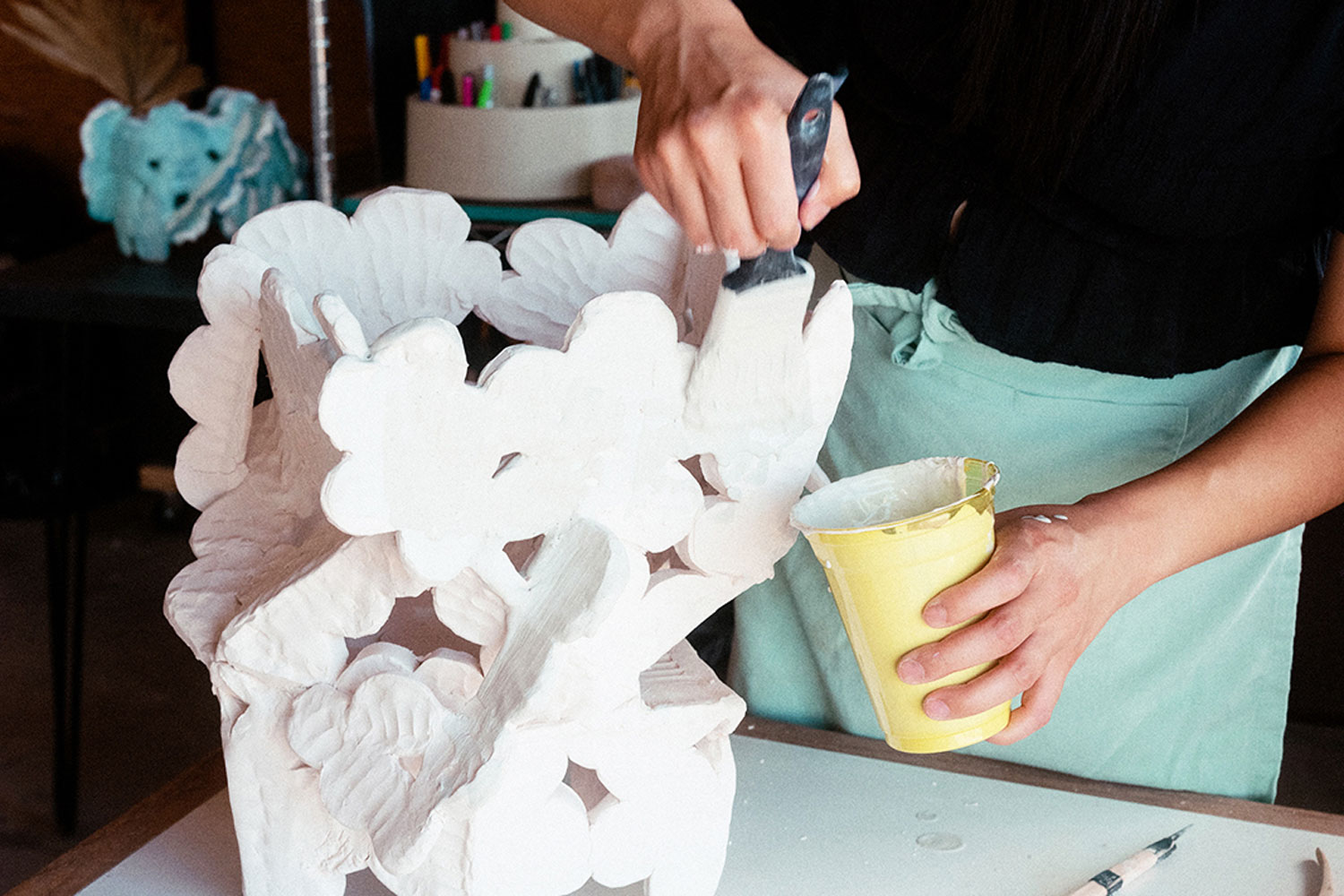
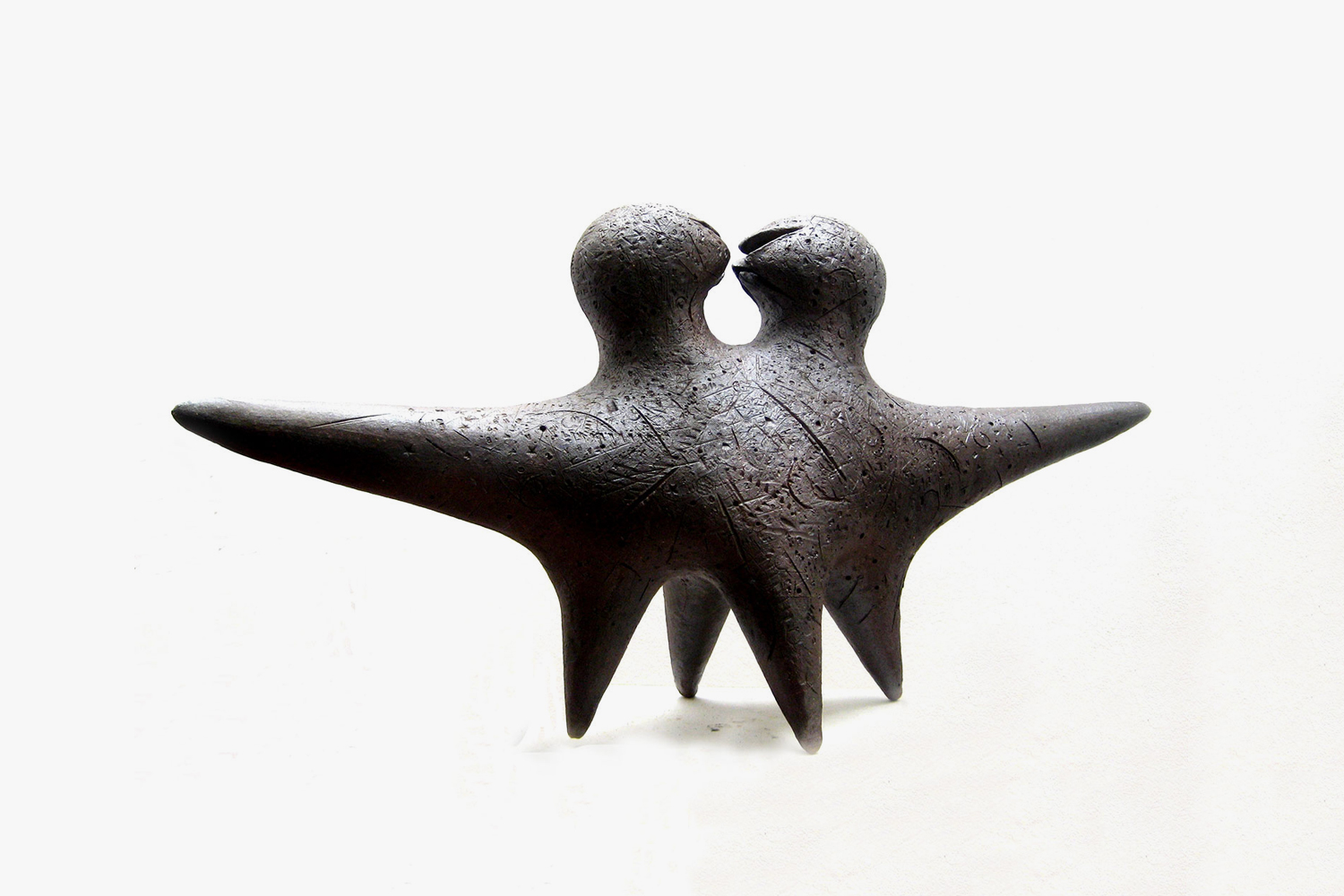
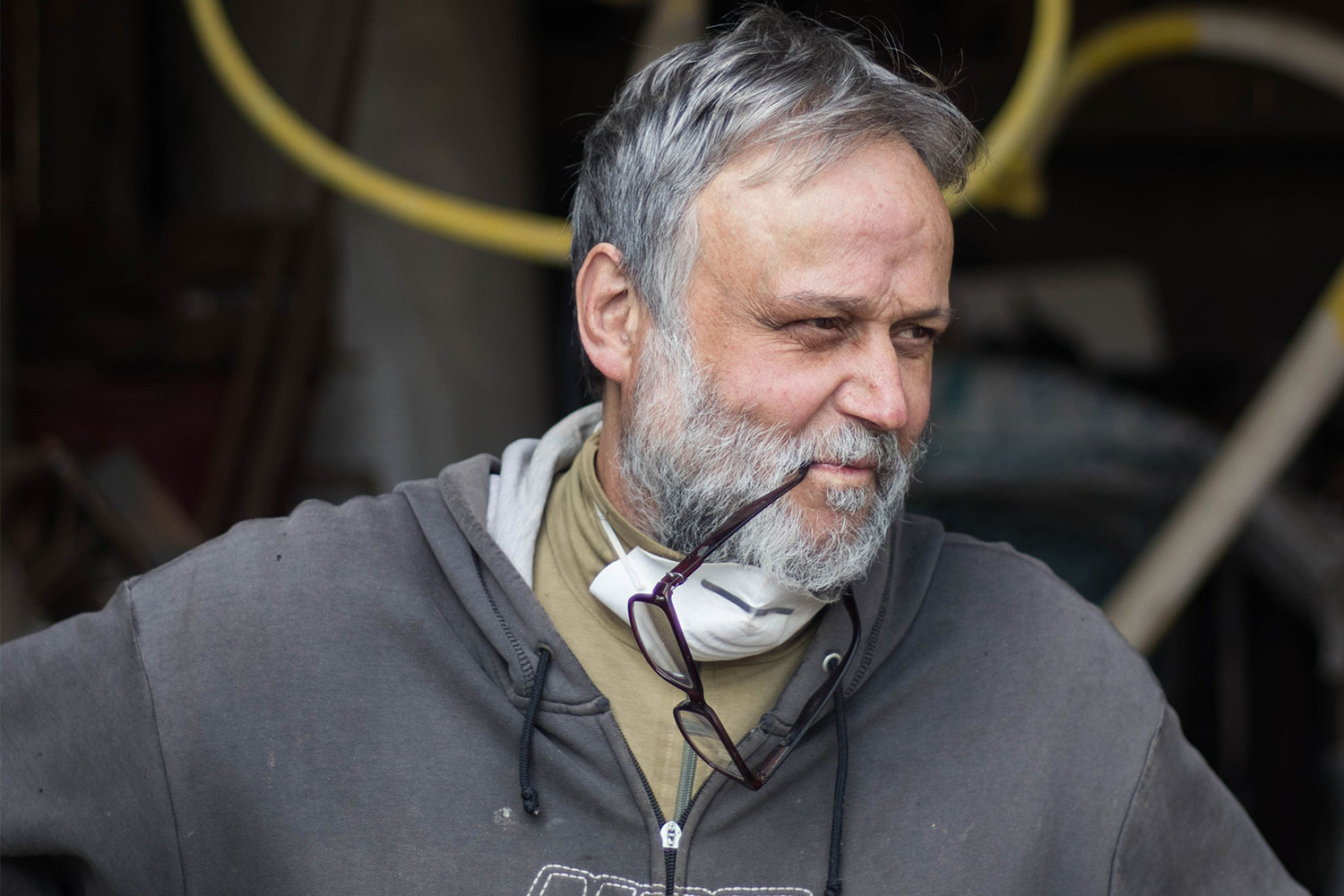
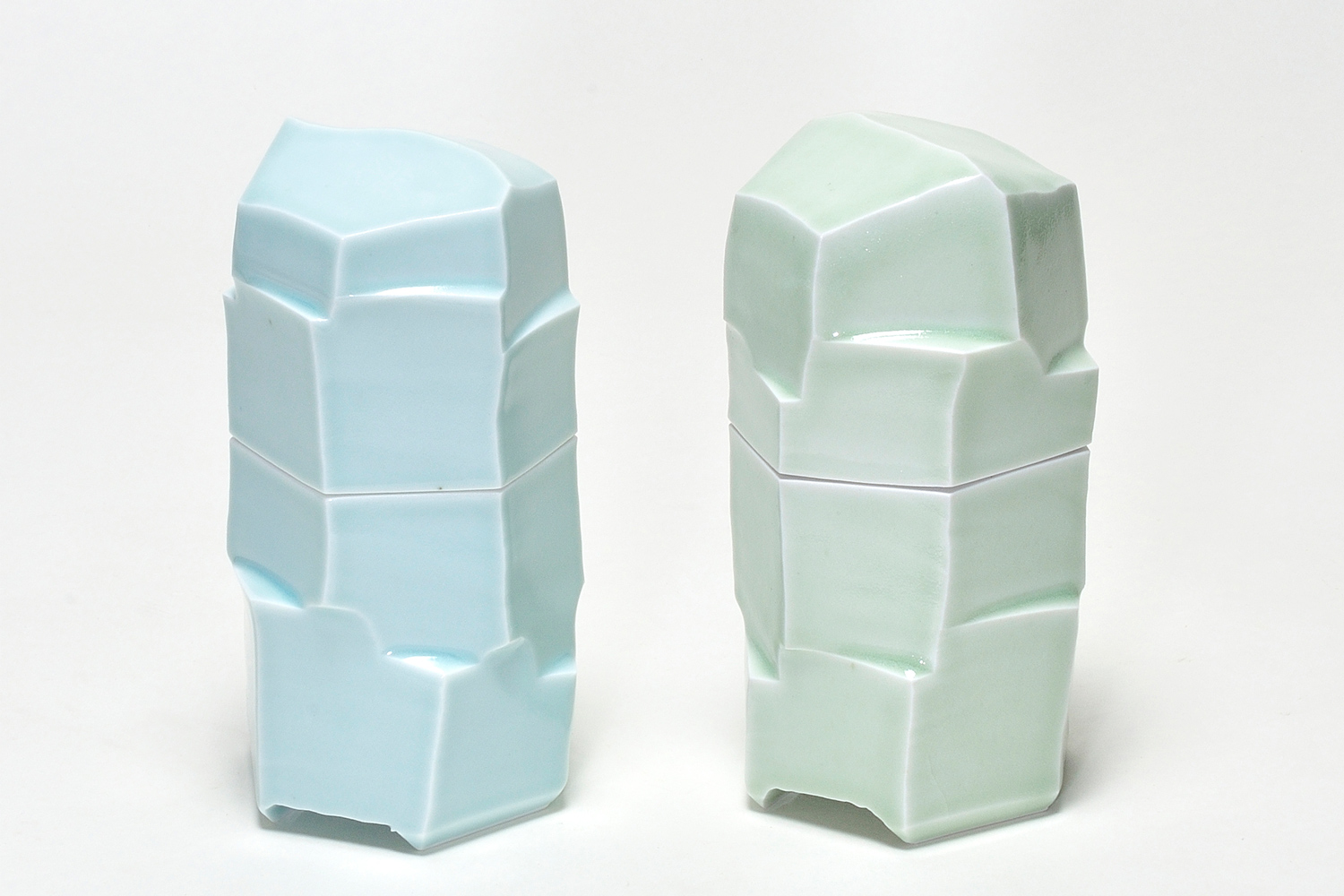
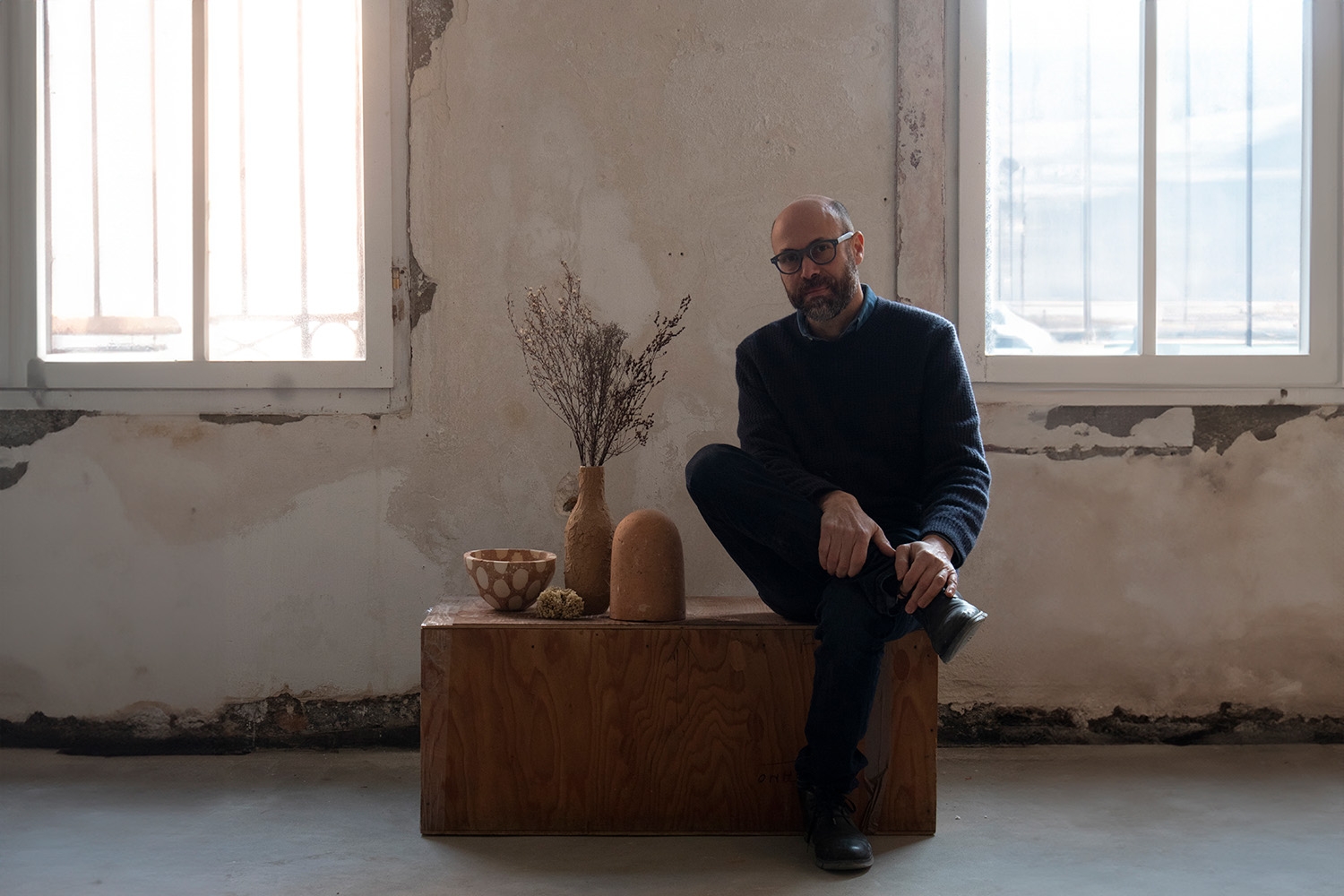
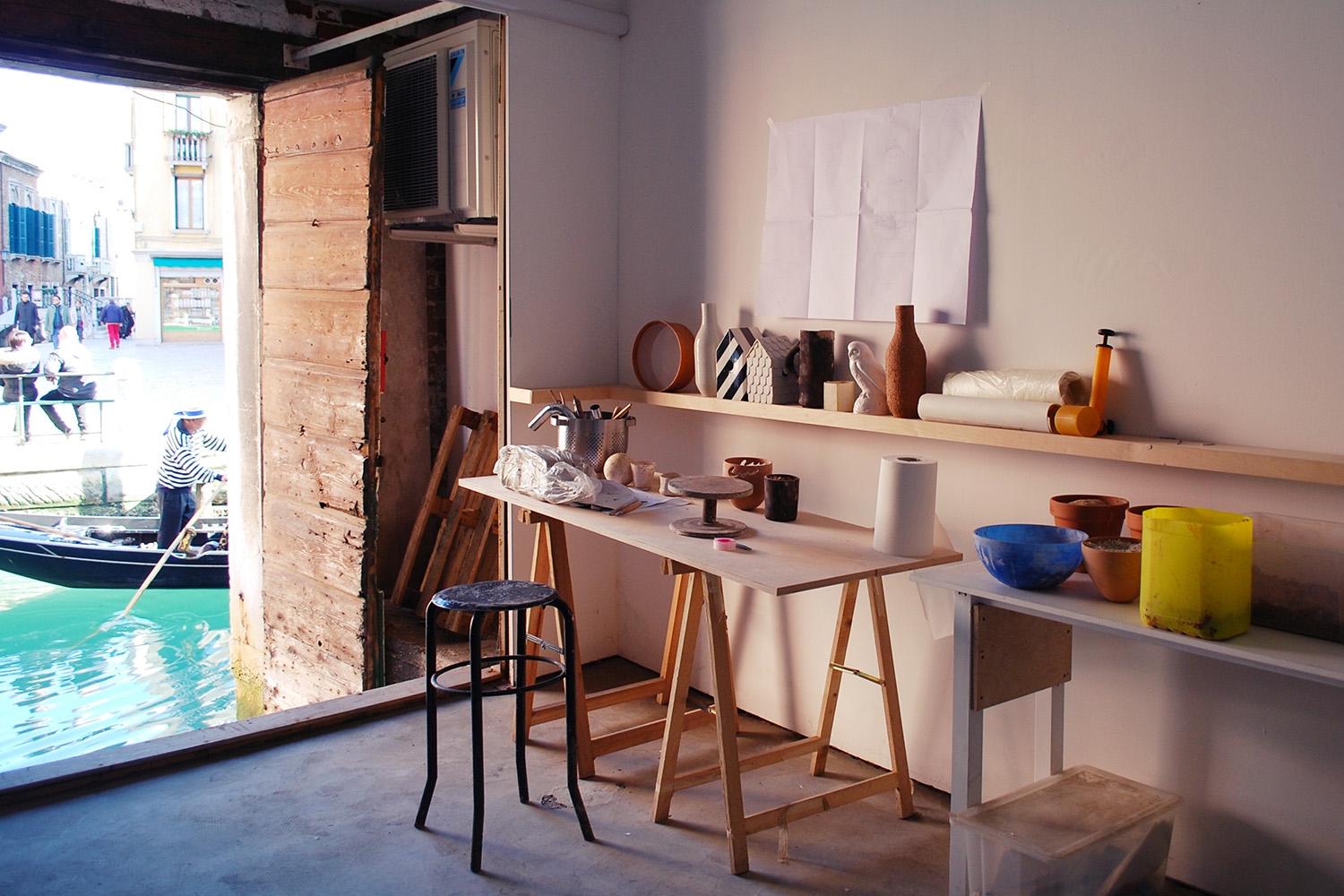
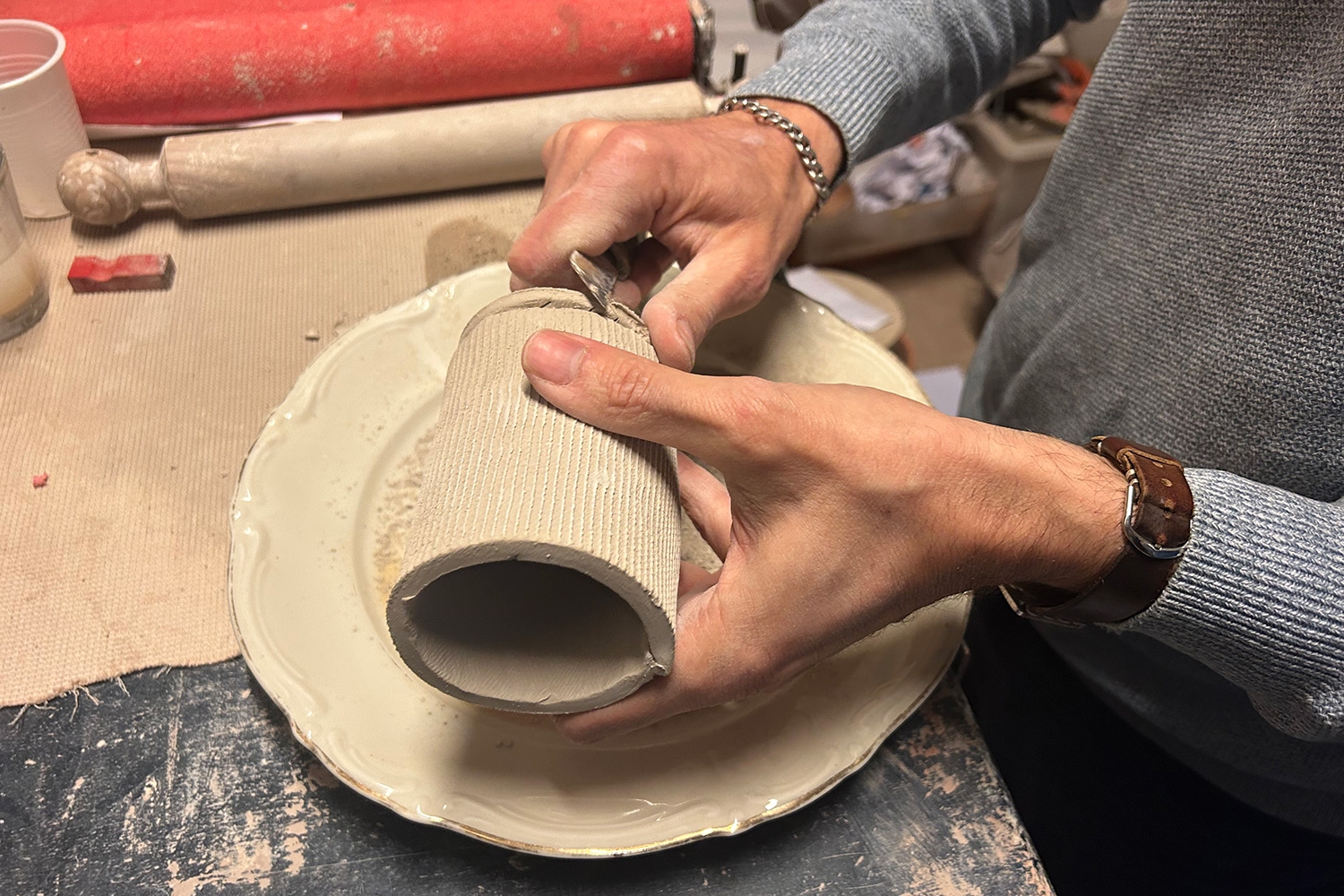
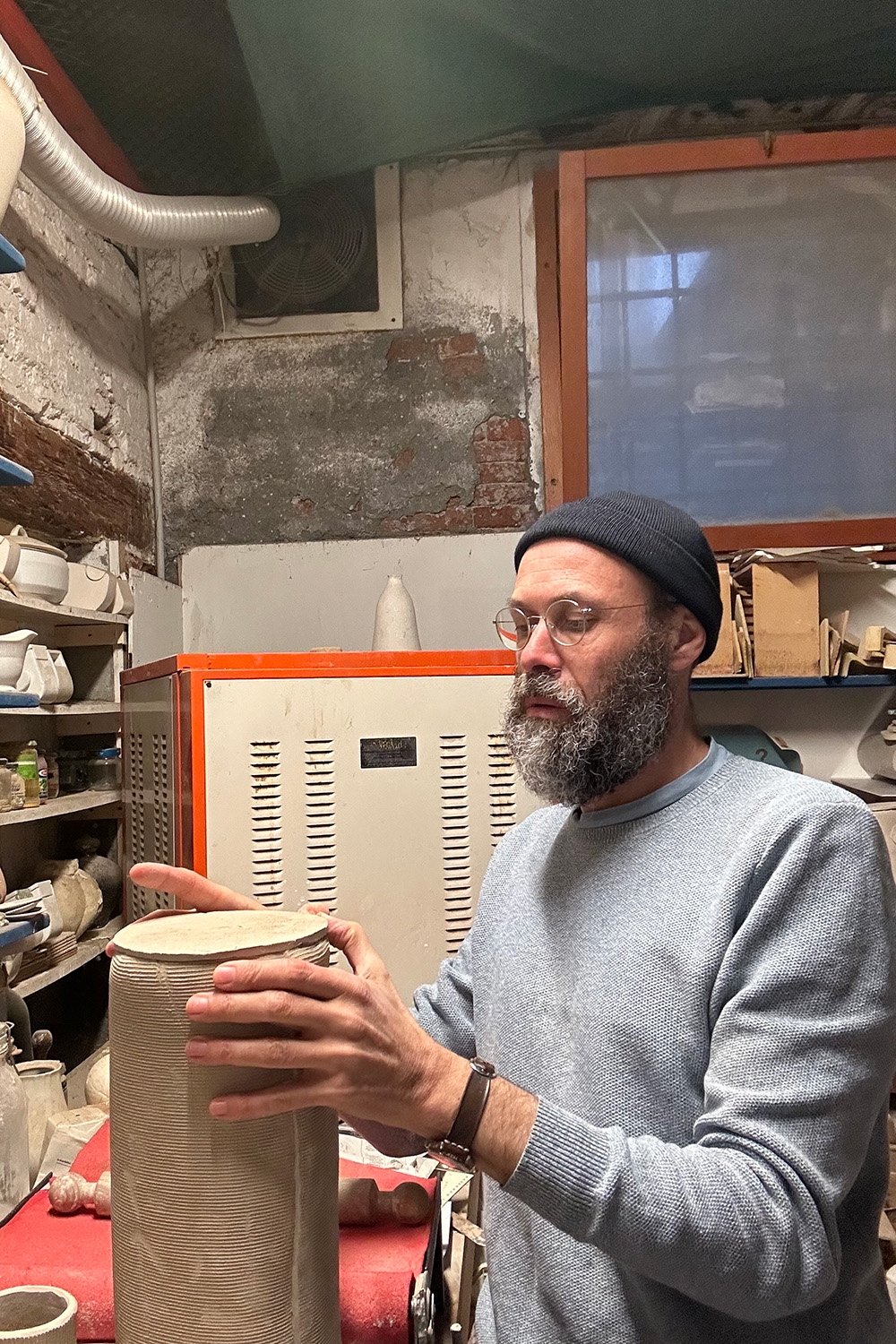
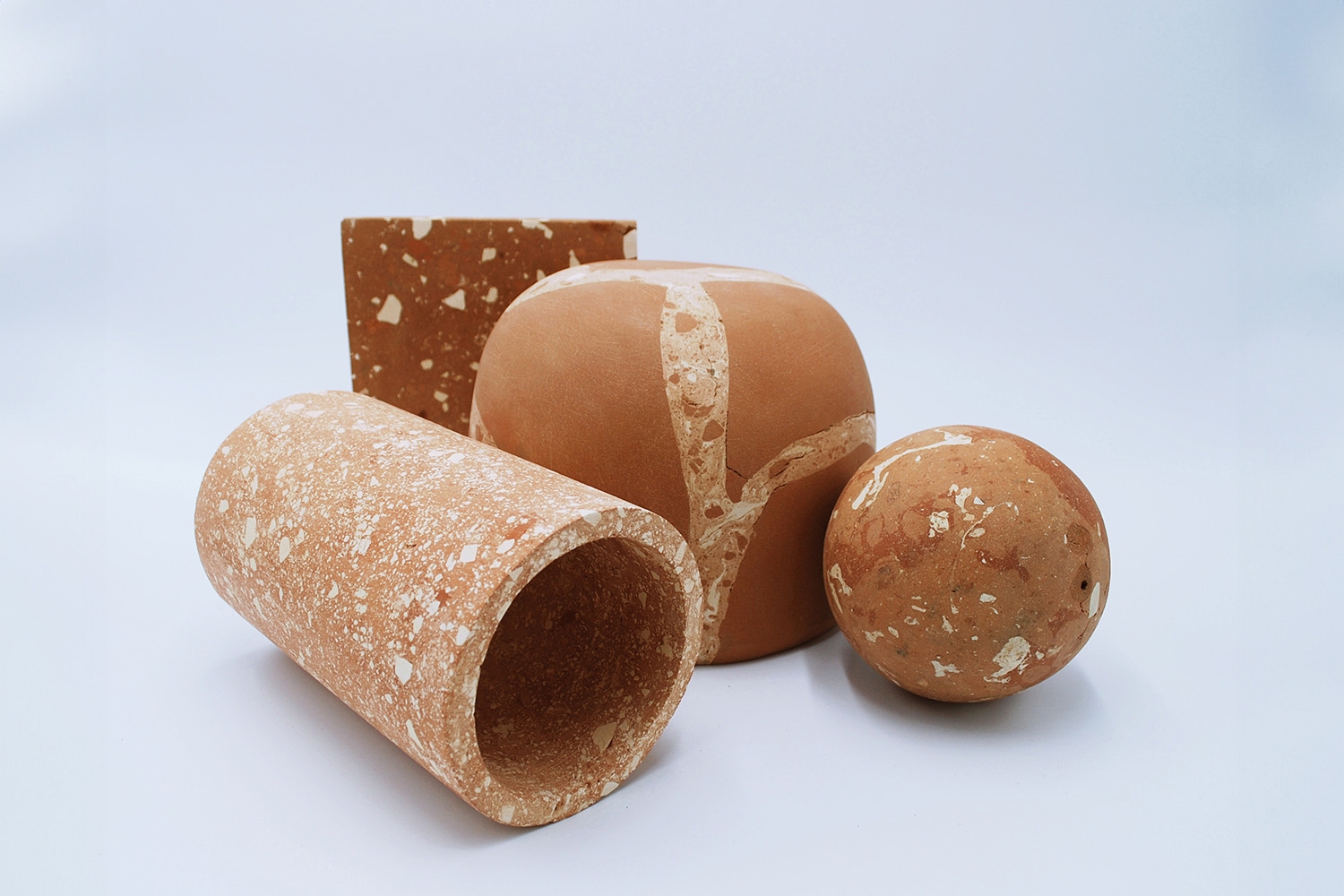
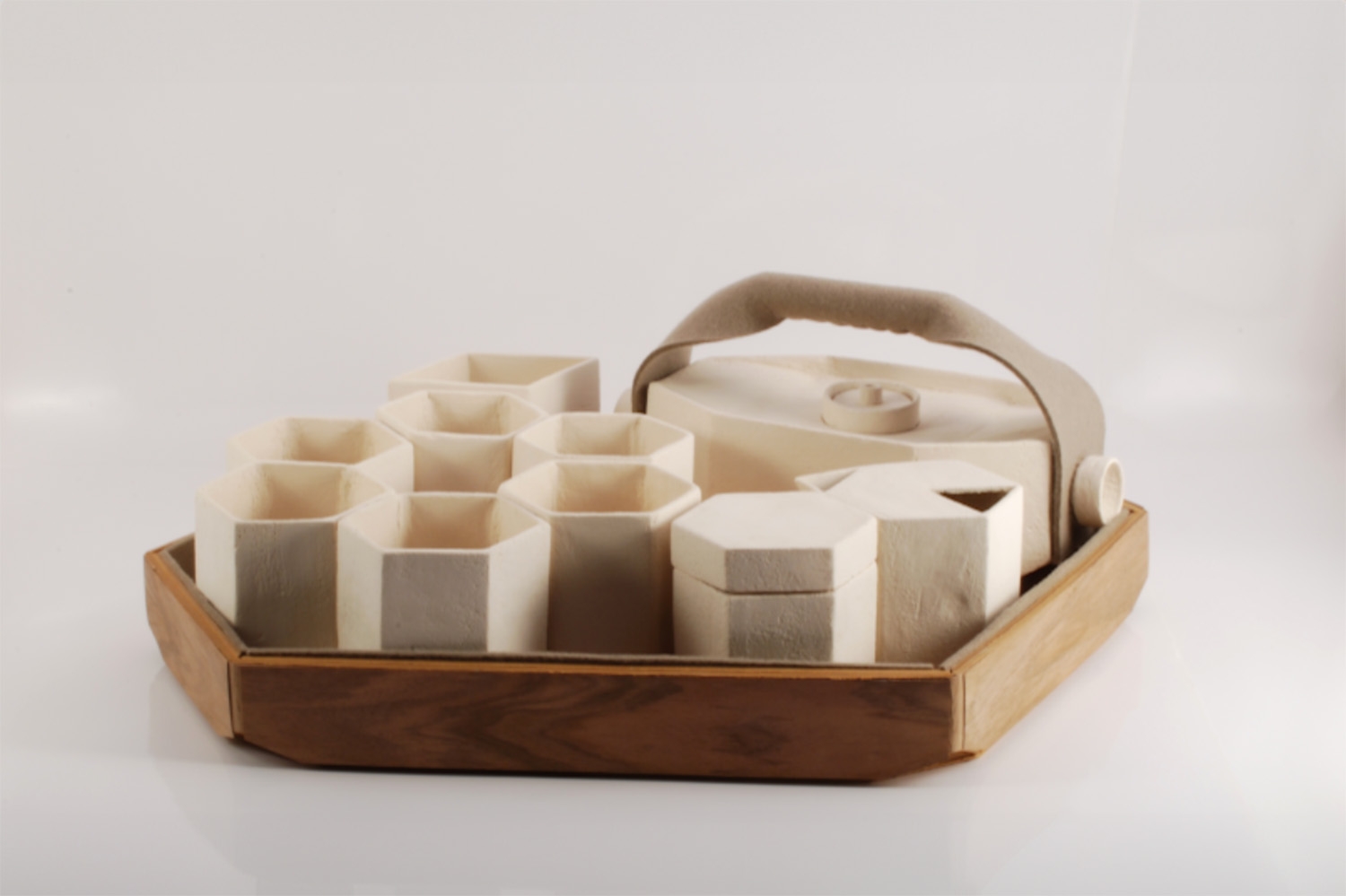
Gaetano Di Gregorio was born in Sicily, and graduated at the University of Architecture in Venice. Here in 2003, with some colleagues, he opened his own workshop, Spiazzi, a cultural centre for visual arts and design, which immediately became a meeting and sharing place for many artists and craftspeople. Gaetano's work and research activities focus on ceramics. He has learned different techniques and secrets from many great ceramicists over the years. "My skills improved mainly from mistakes I made," he says. His artworks always tell of his know-how as an architect, often evoking elements of the Italian artistic heritage. His pieces have been exhibited and won awards at various events in Italy, Germany, the USA, Brazil and Turkey. Gaetano teaches Interior Design at IUAV, Istituto Universitario di Architettura di Venezia, in Venice.
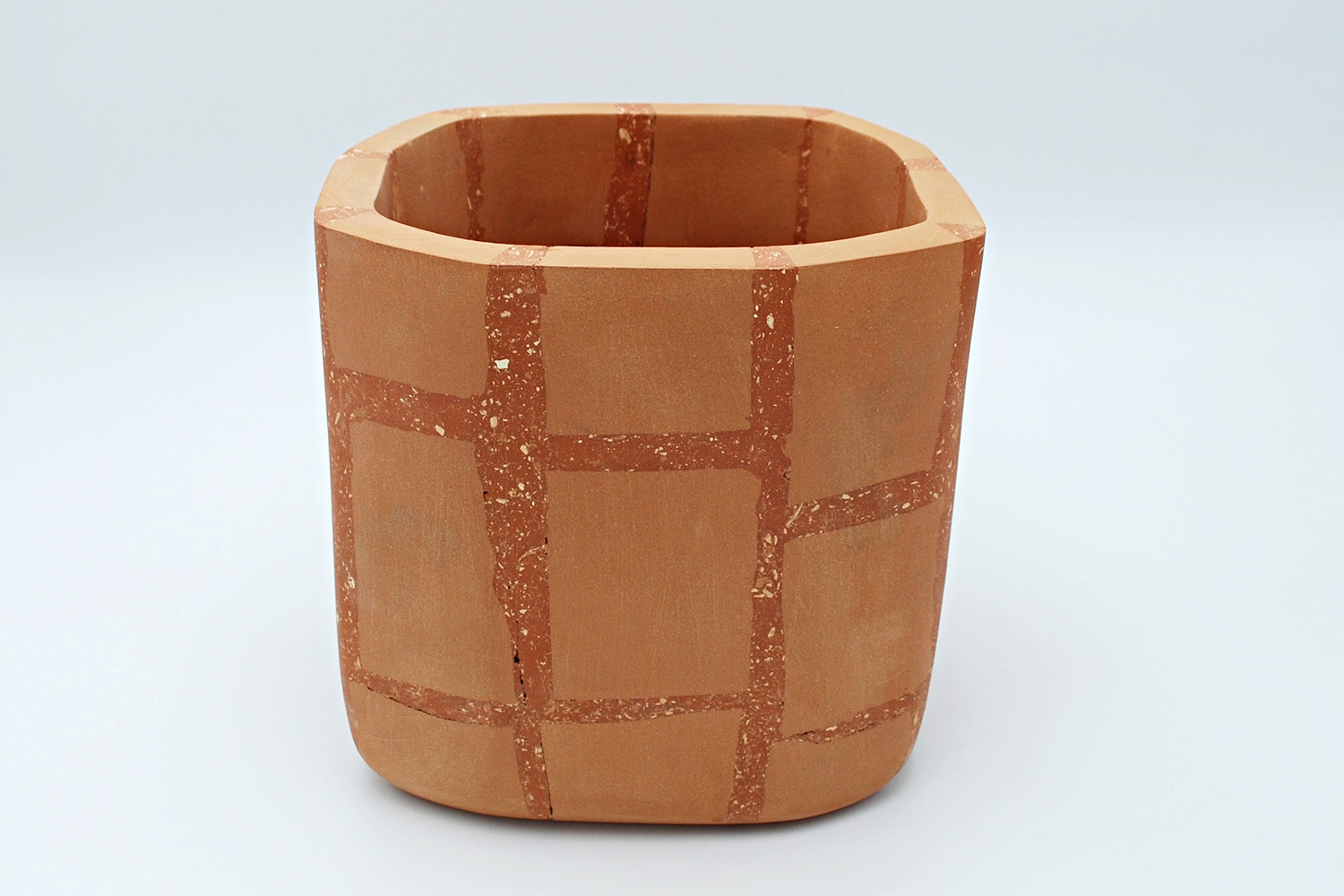
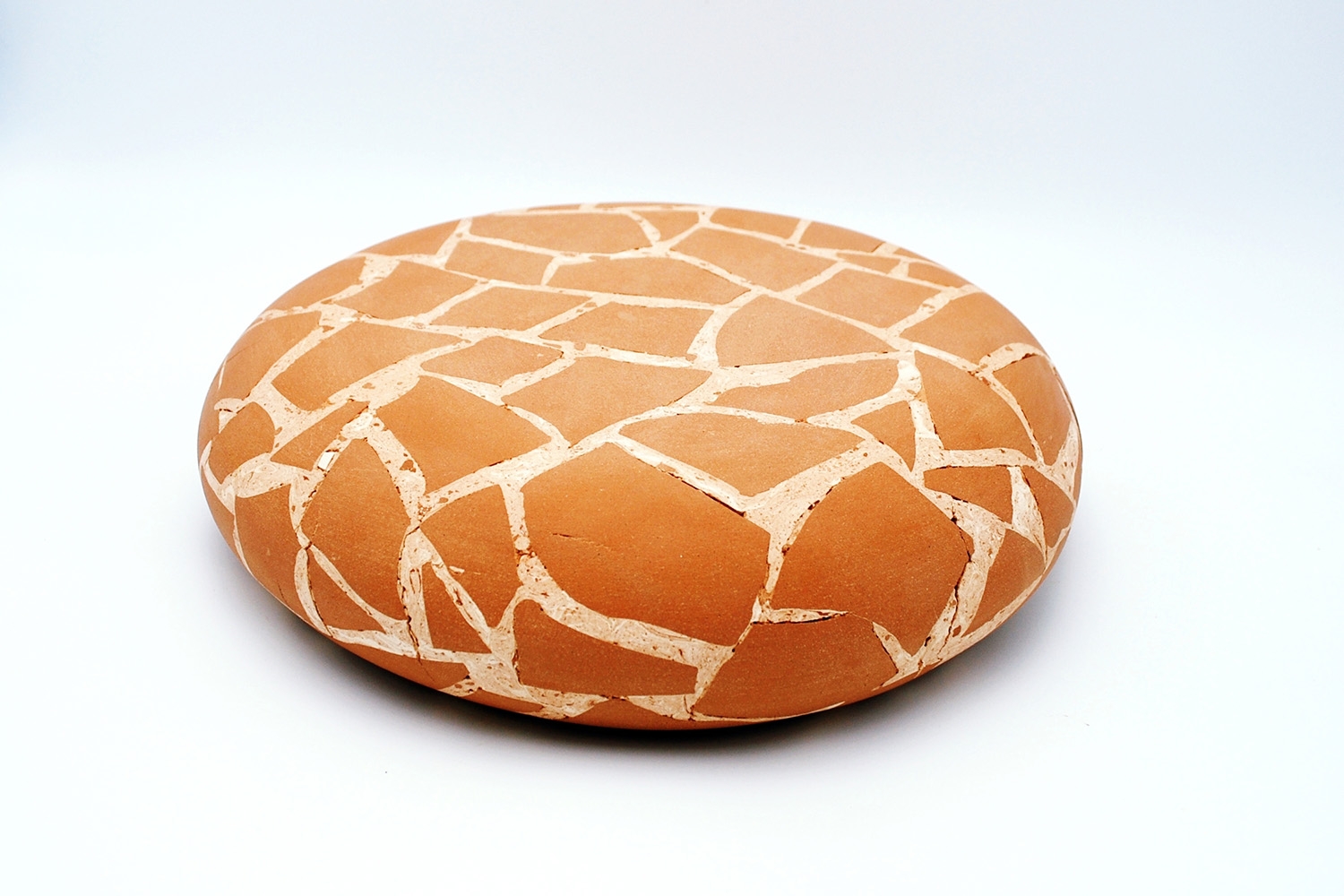
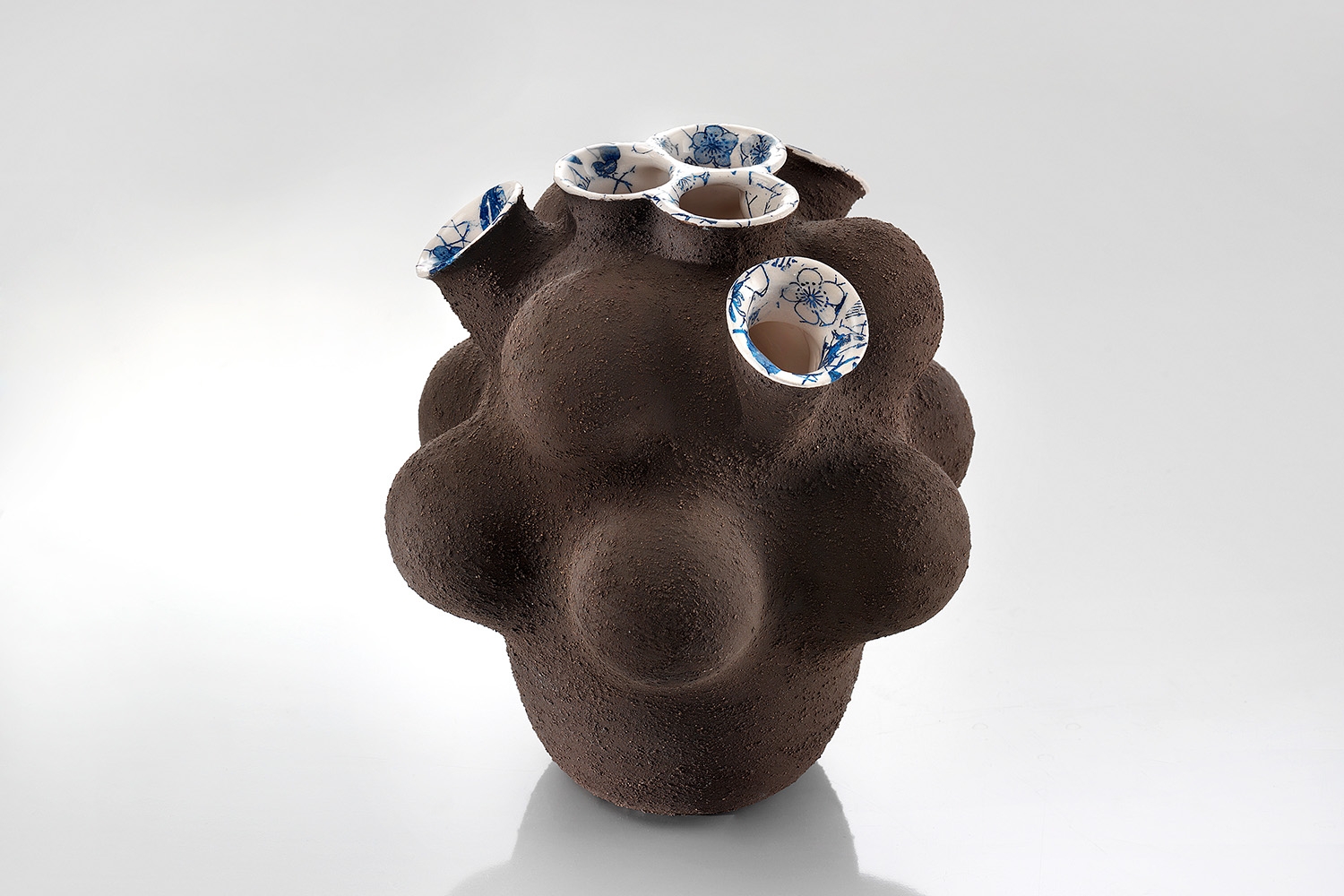
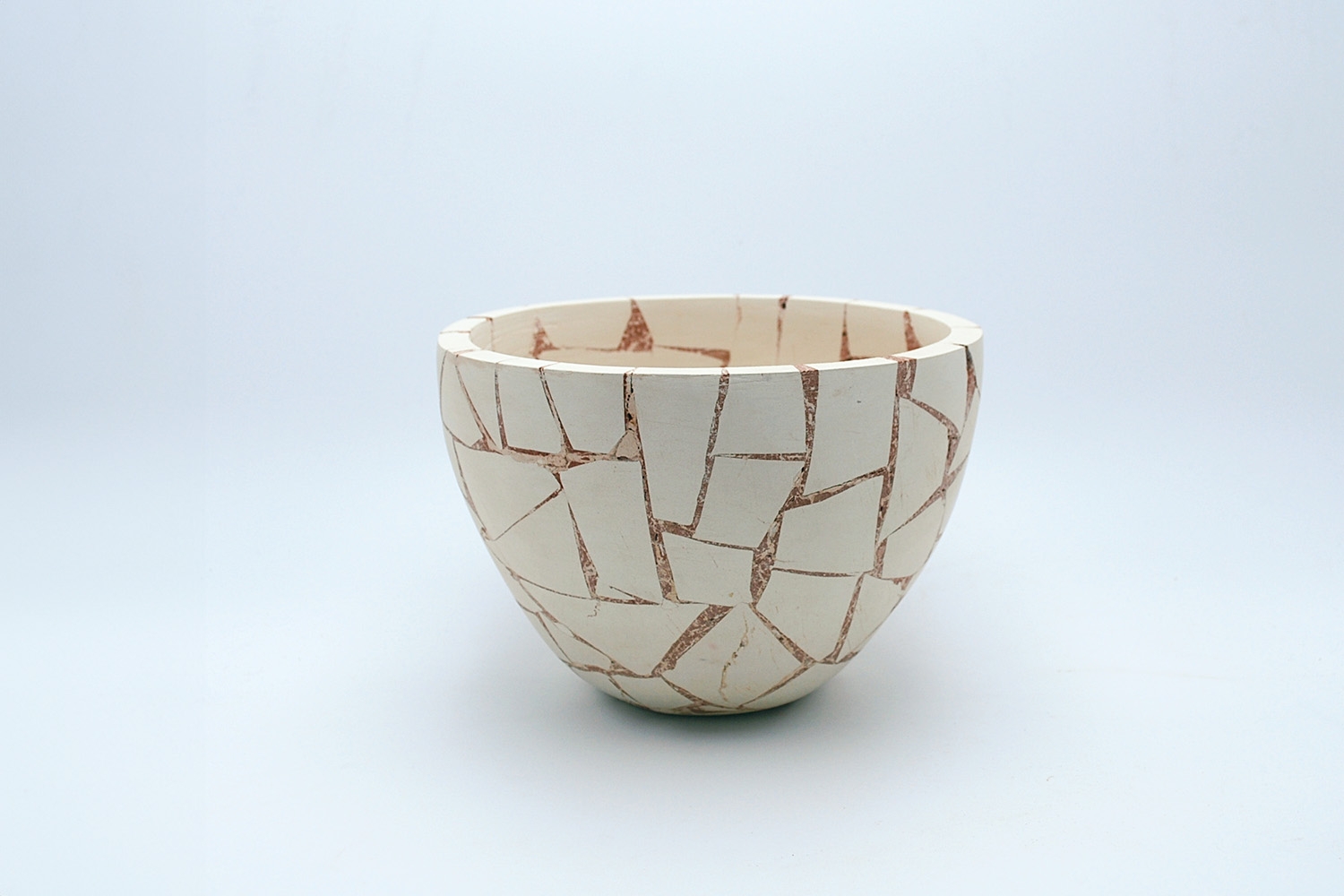
INTERVIEW
When I was a boy, I spent a few days in a figurine maker’s atelier in Caltagirone. The artisan handed me a piece of clay, told me to represent a small statue of a parrot and smiled as soon as I began to shape it, removing rather than modelling the material. He was my first mentor. He realised that clay had won me over and understood what I would do in the future – work against nature.
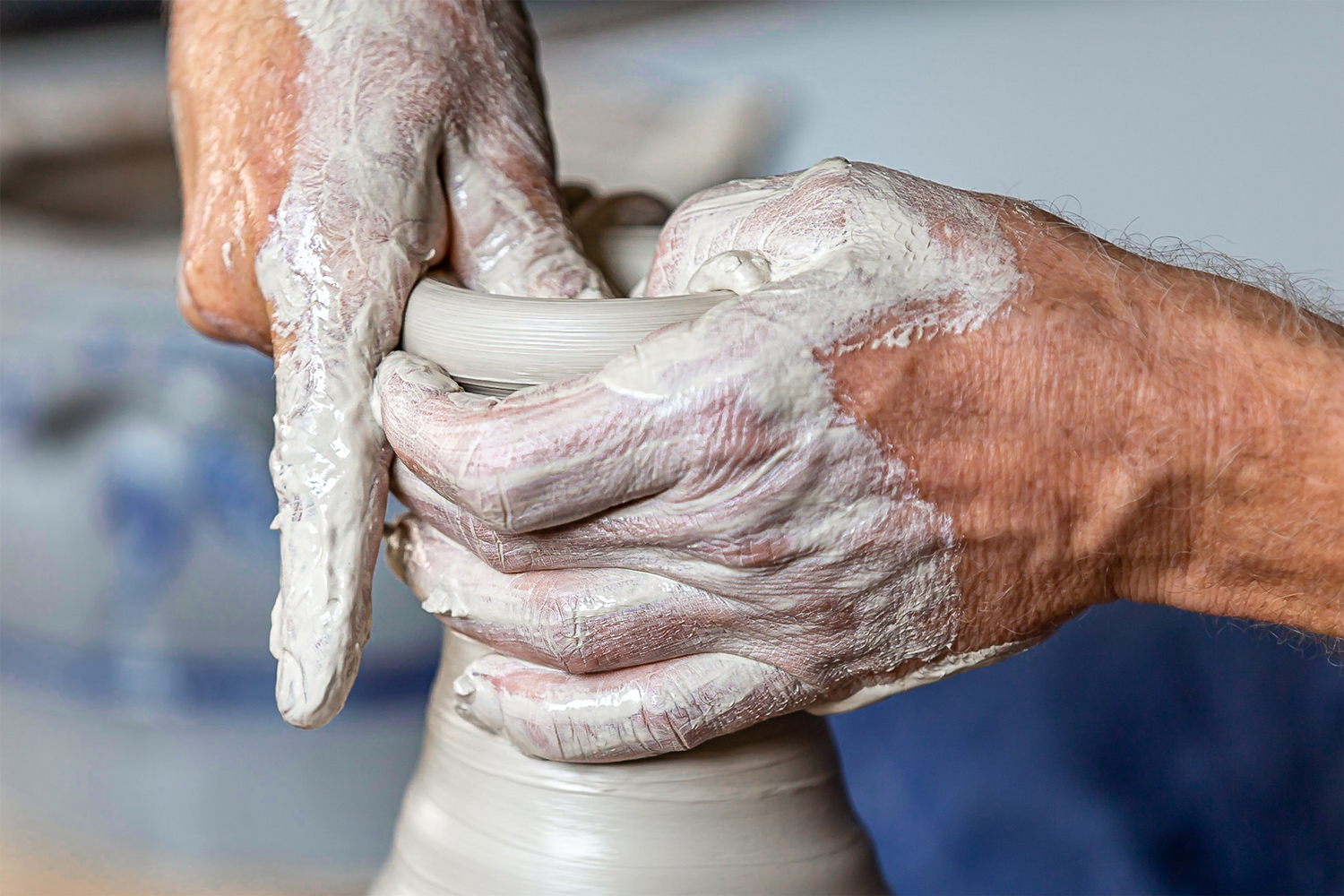
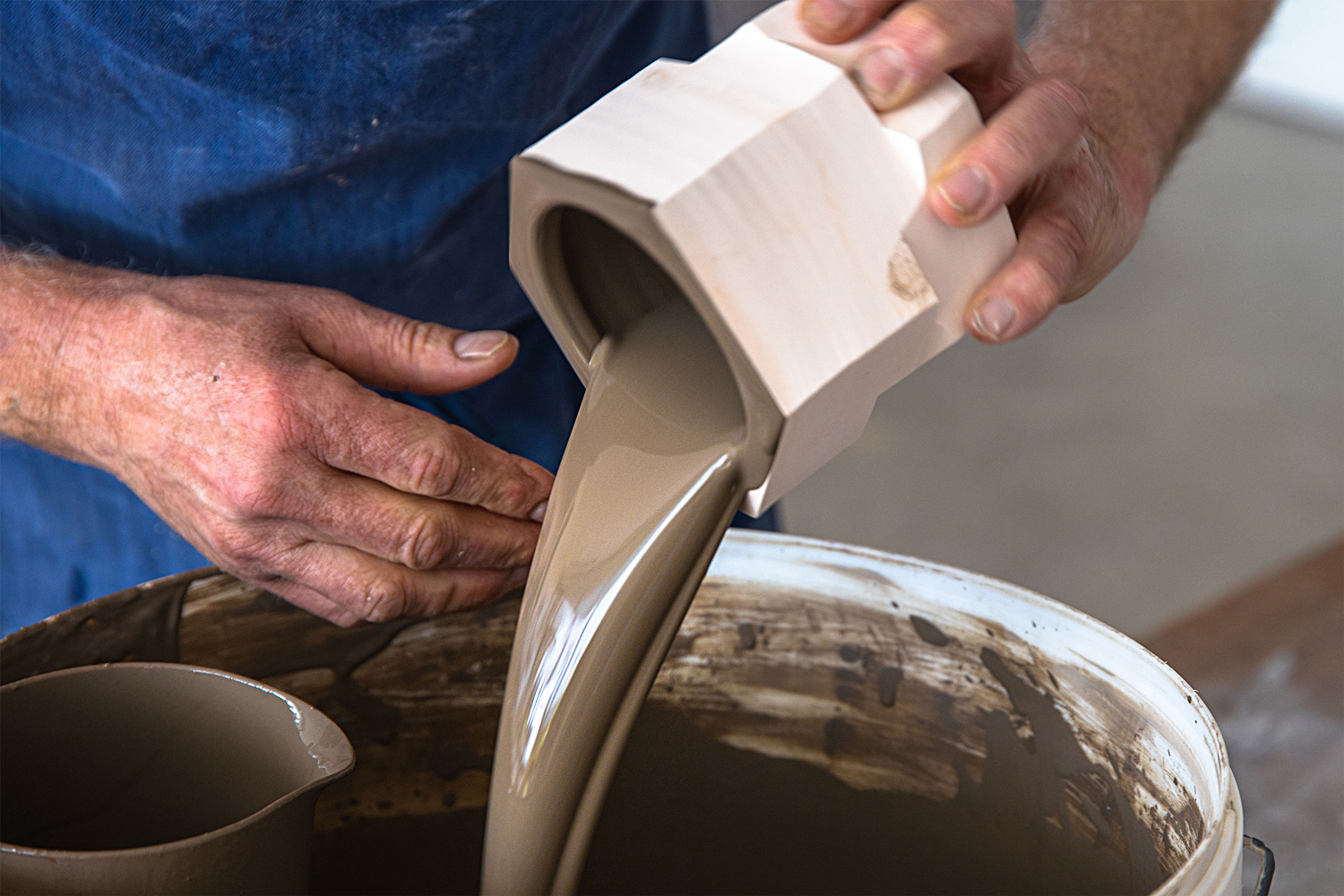
The combination of know-how as an architect and a passion for clay. Over the years, I have managed to find a synthesis, linked not only to my designs but also to the production processes. The underlying reason is my interest in materials. Working with clay is always surprising and has a therapeutic value for me. It makes me feel good and puts me back in balance with the world.
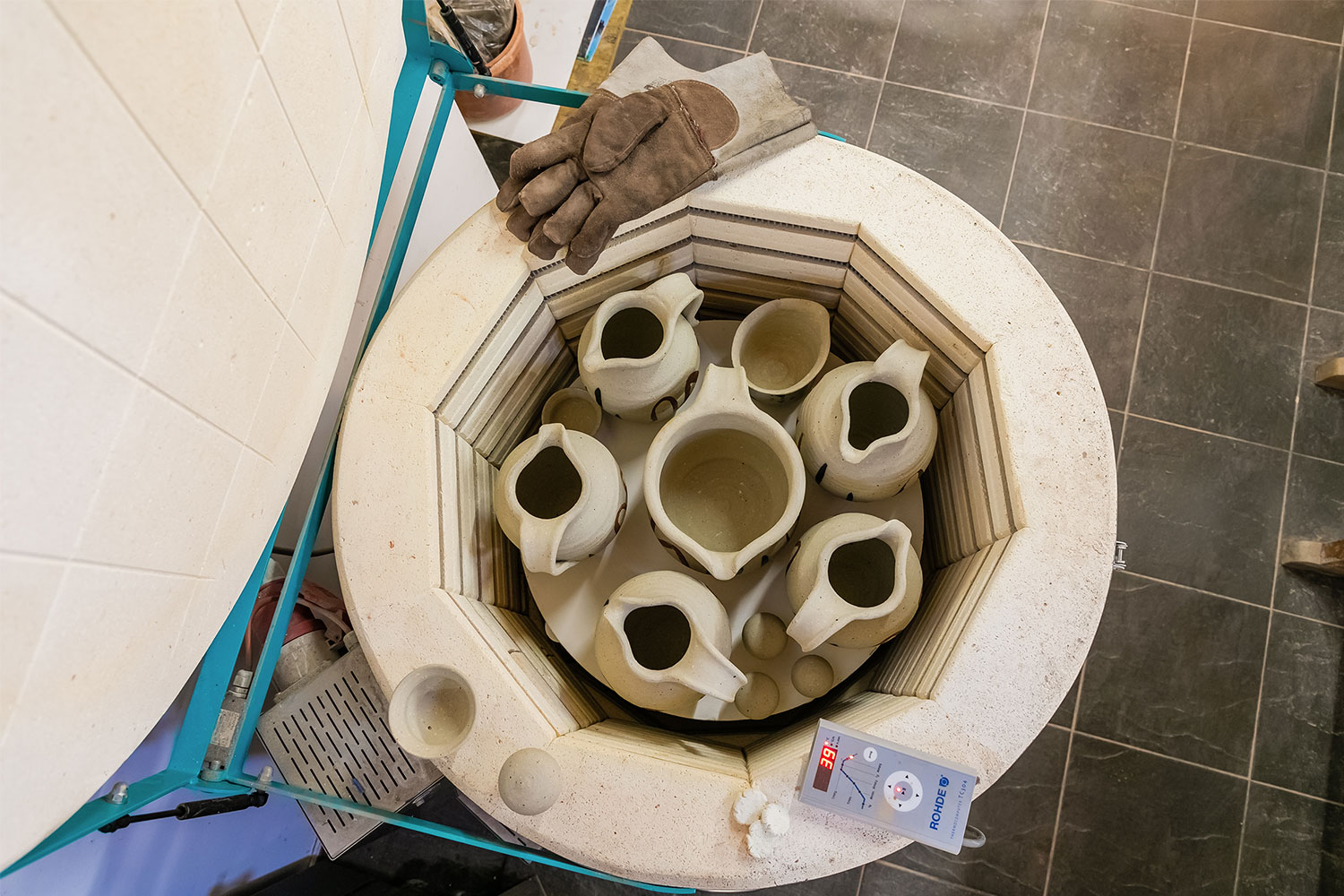
To me it means imprinting and giving a unique value to each object, and succeeding to express something. If you work with earth and fire, the result is never predictable, that is the magic of ceramics.
An artist residency in China, in 2006, was a turning point in my life. It changed my approach and practice in working clay, giving me a greater awareness of production processes and techniques.
Gaetano Di Gregorio
Spiazzi
Ceramicist
Venice, Italy
AVAILABILITY
By appointment only
PHONE
+39 3470484763
LANGUAGES
Italian, English
Homo Faber Finds is a new service aiming to inspire admirers of craft to connect and collaborate with exceptional artisans.
We invite you to submit an enquiry here.