
Fosca Boggi
Ceramicist
Faenza, Italy
Recommended by Jean Blanchaert & Irina Focsaneanu Eschenazi
Fragile toys for big dreams
- Fosca crafts ceramic toys sculptures
- Her works are inspired by retro pieces reminding her of her childhood
- She creates all the toy parts separately, then assembles them with screws and bolts
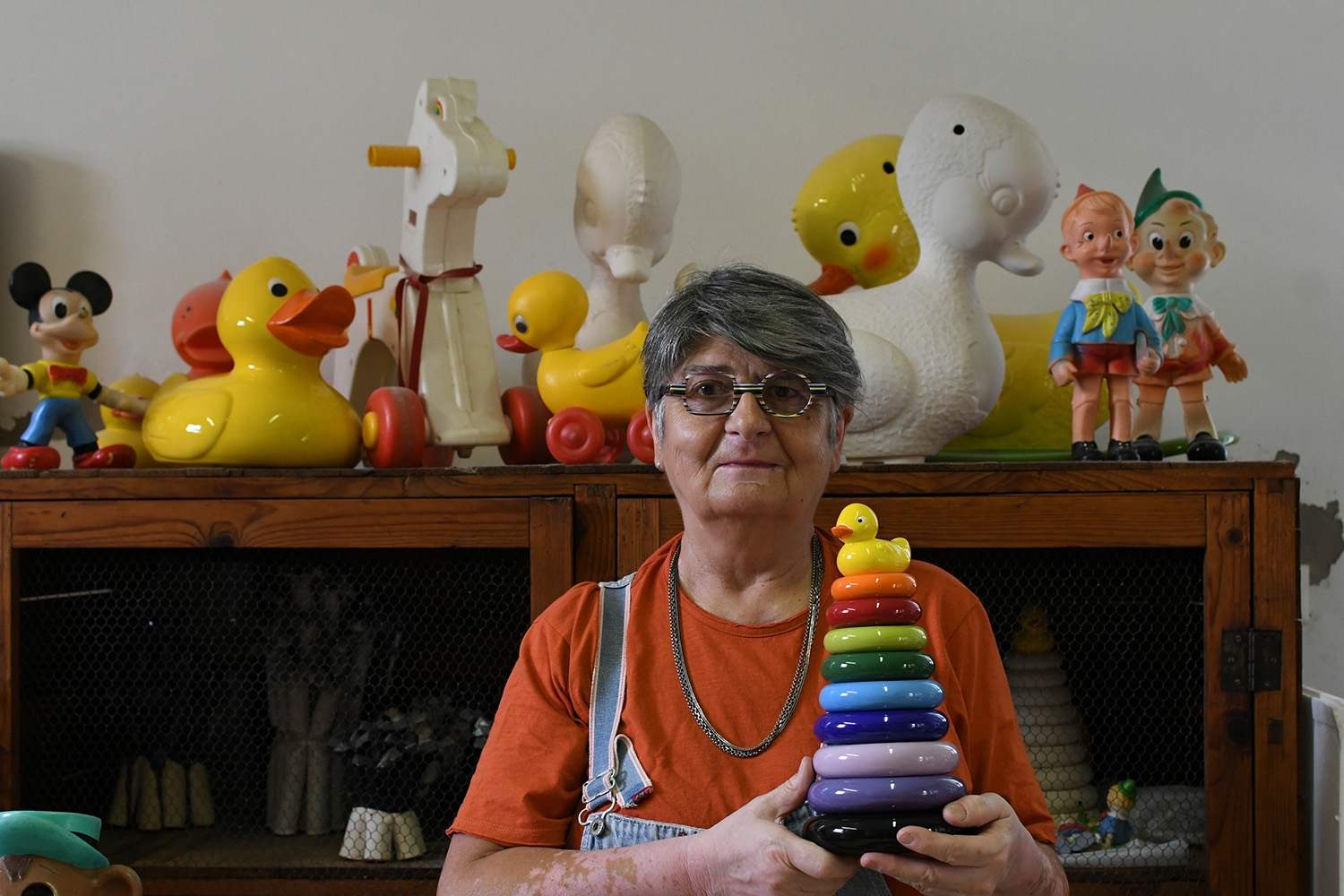
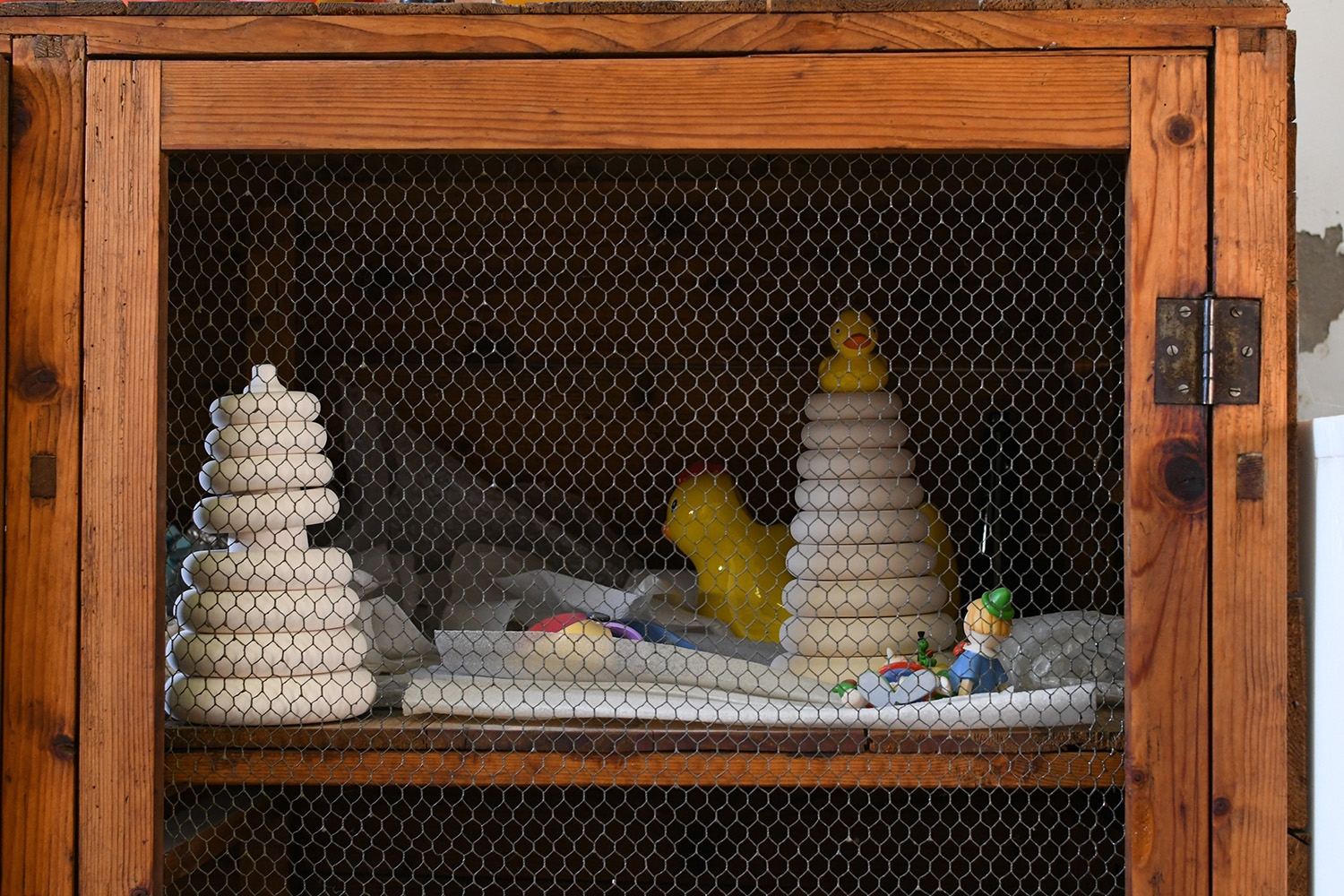
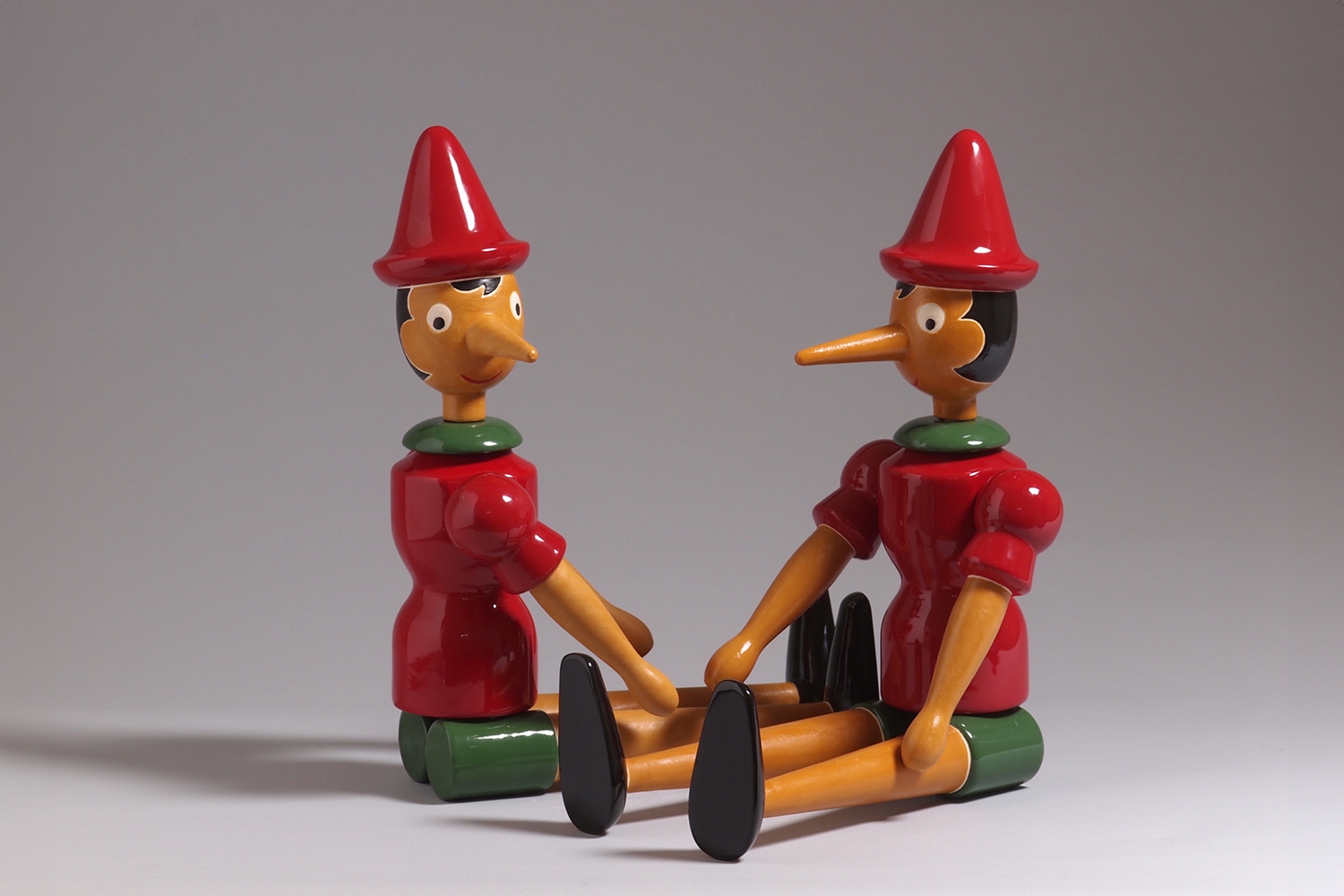
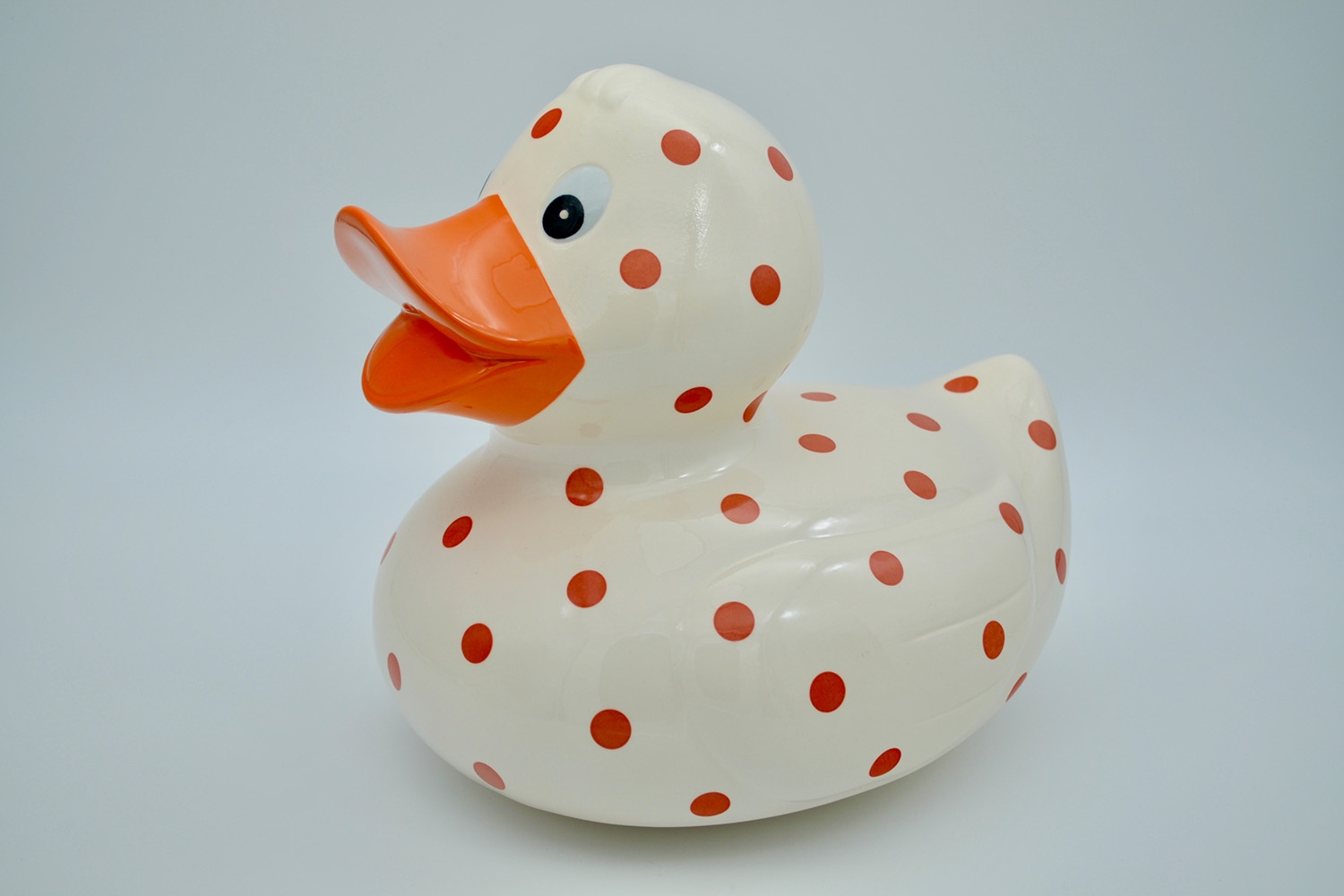
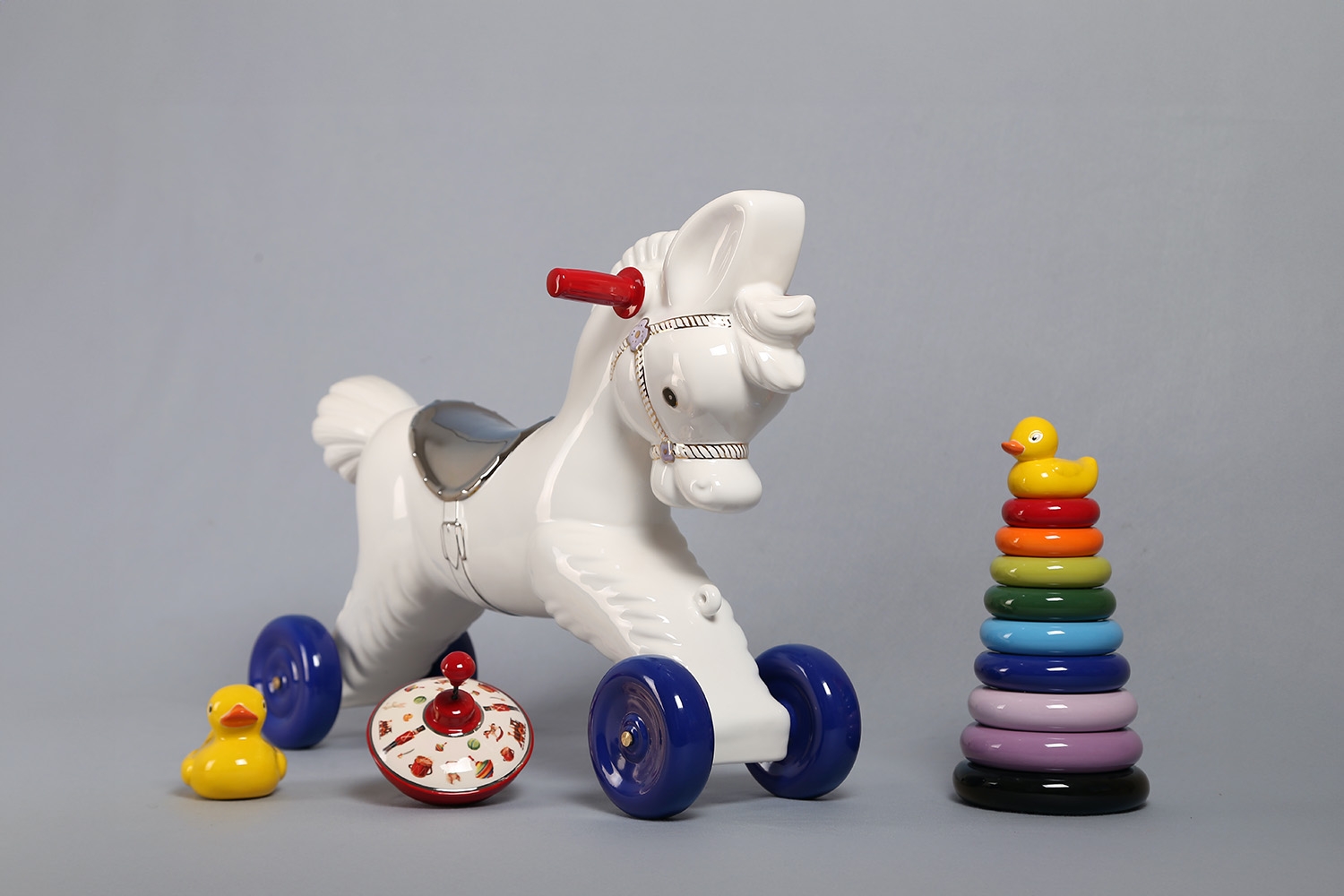
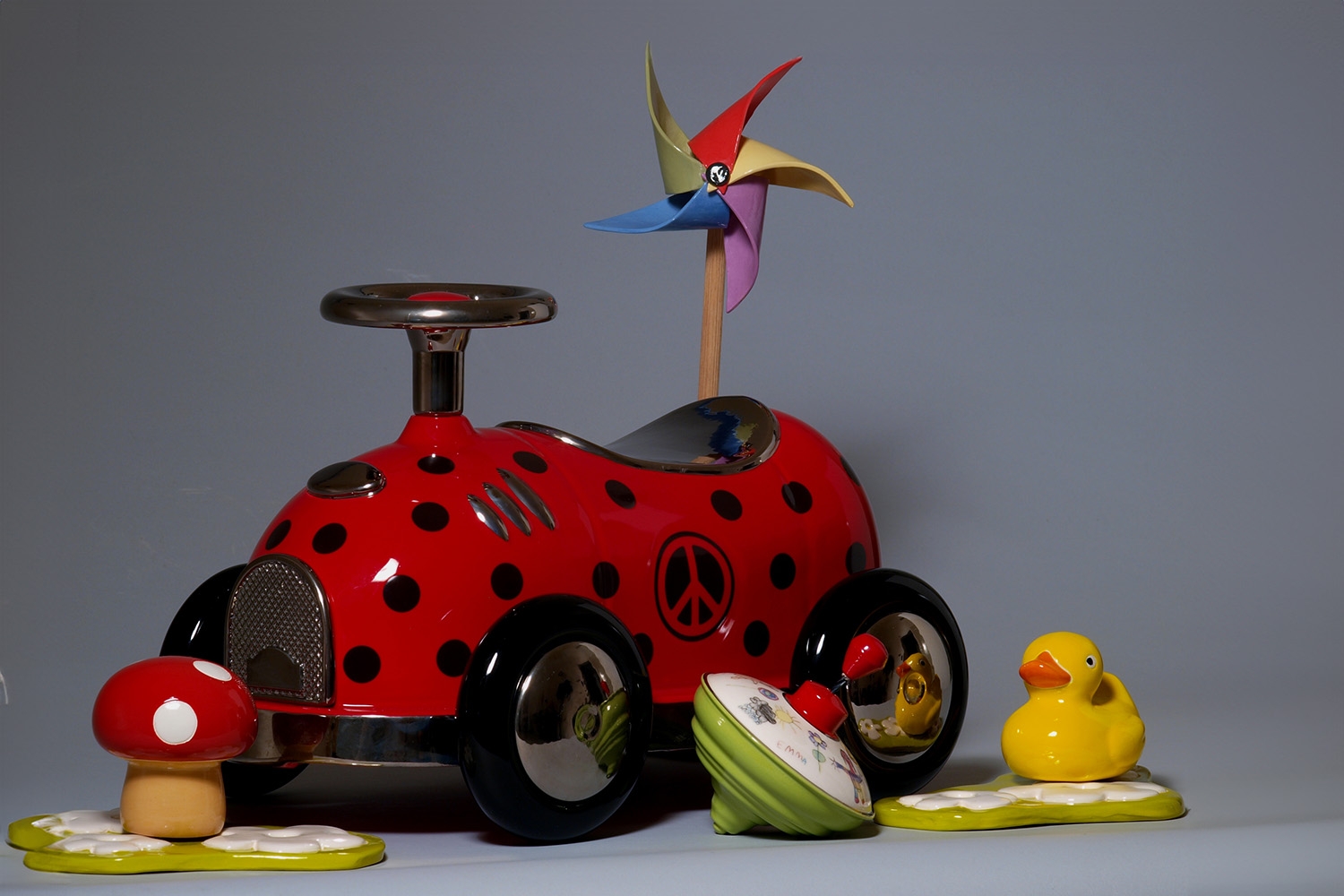
At first glance, Fosca Boggi’s pieces appear to be toys – beautifully crafted toys. The truth is that they are not. Her tricycles, duckies, spinning tops and rocking horses are all made of ceramic. Fosca was born and raised in Faenza, the heart of the Italian ceramic tradition. There she studied ceramics at Istituto d’Arte, then became the apprentice of a restorer, learning the art of restoring paintings and frescoes as well as the precision they require. She also worked in a flower shop where she fell in love with colours. The call of ceramics remained very strong for Fosca and she returned to Faenza, where she resumed her first passion, deciding she would do something innovative and with great humour.
INTERVIEW
It was the replica of my old tricycle. One day, I spotted it in the corner of my bedroom and thought it would be a good challenge to reproduce it using ceramics. And indeed it was. This piece is the most complicated and fragile object I have ever made.
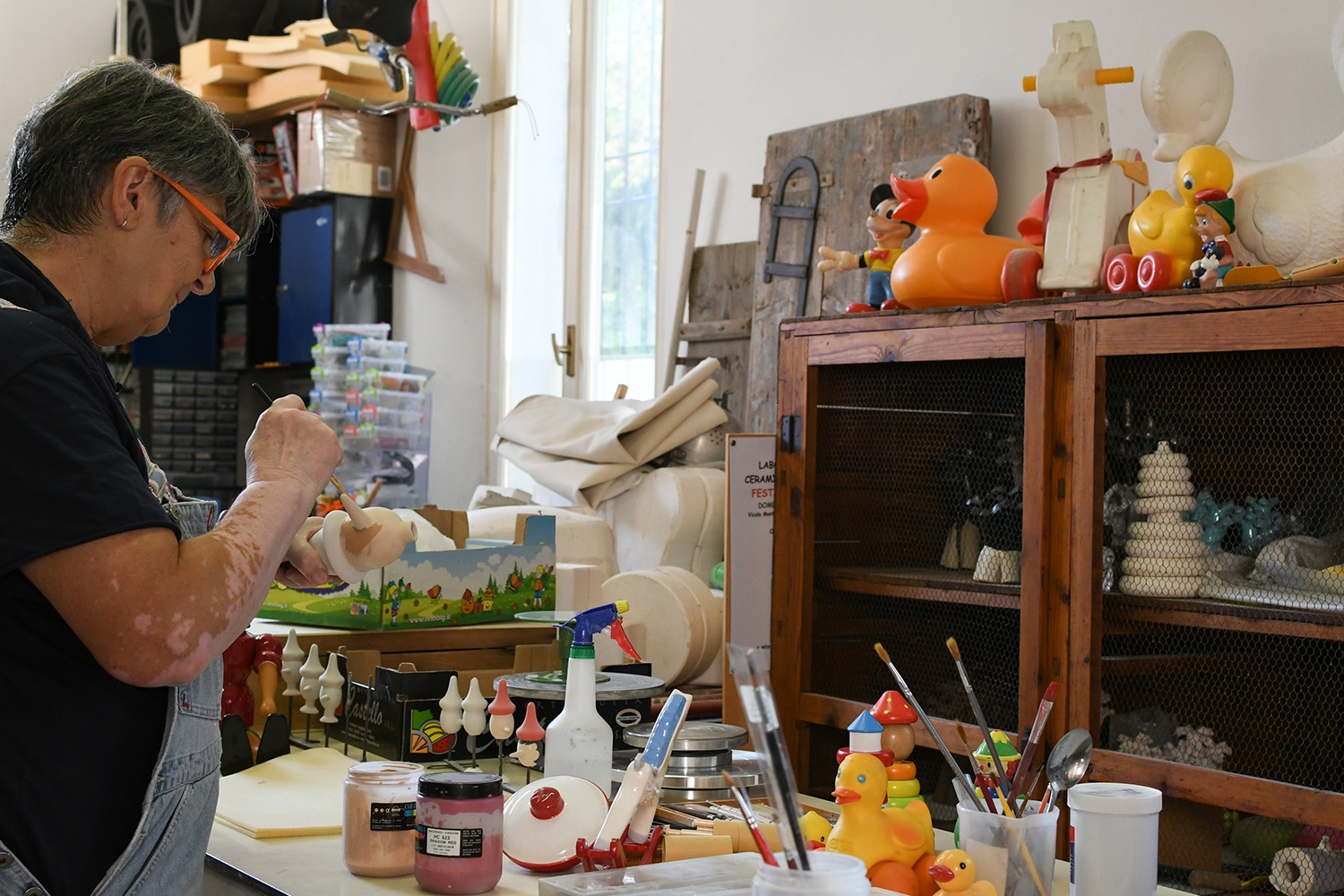
My pieces are all unique and inspired by old toys, mostly reminding me of my childhood. I search for them at flea markets. I buy and study them for days, dismantling them without breaking their parts. Then, for each one of these parts, I make a plaster mould.
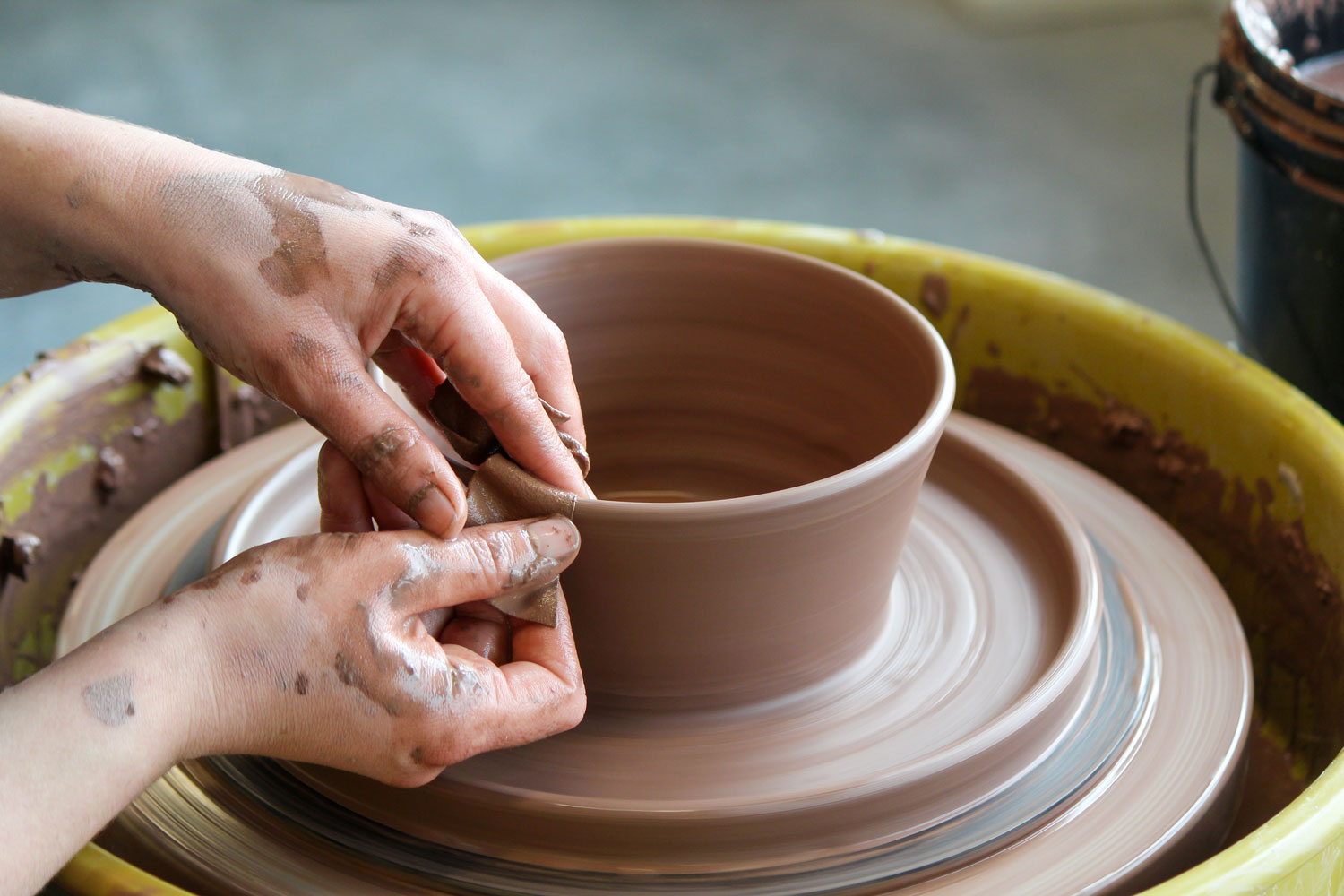
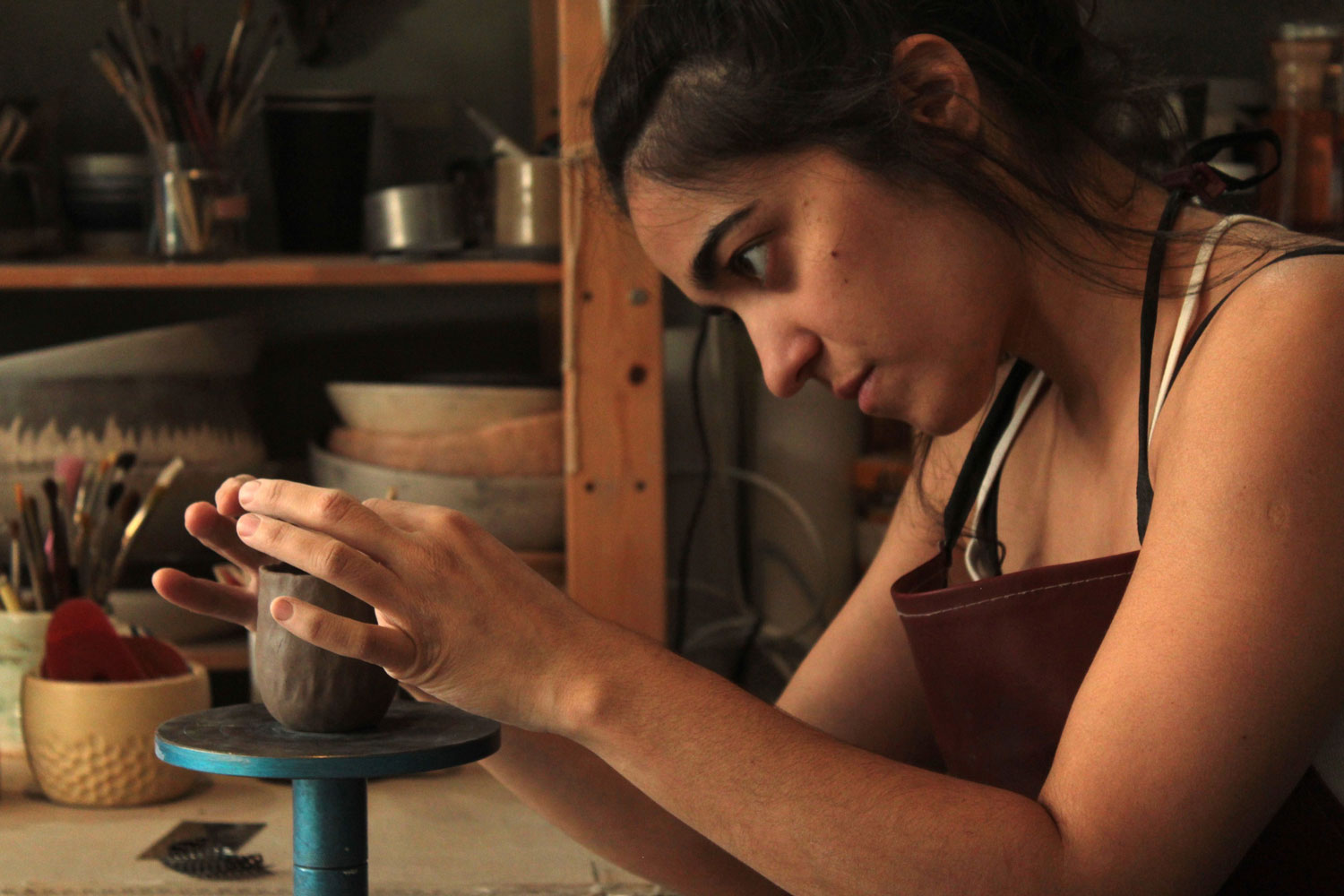
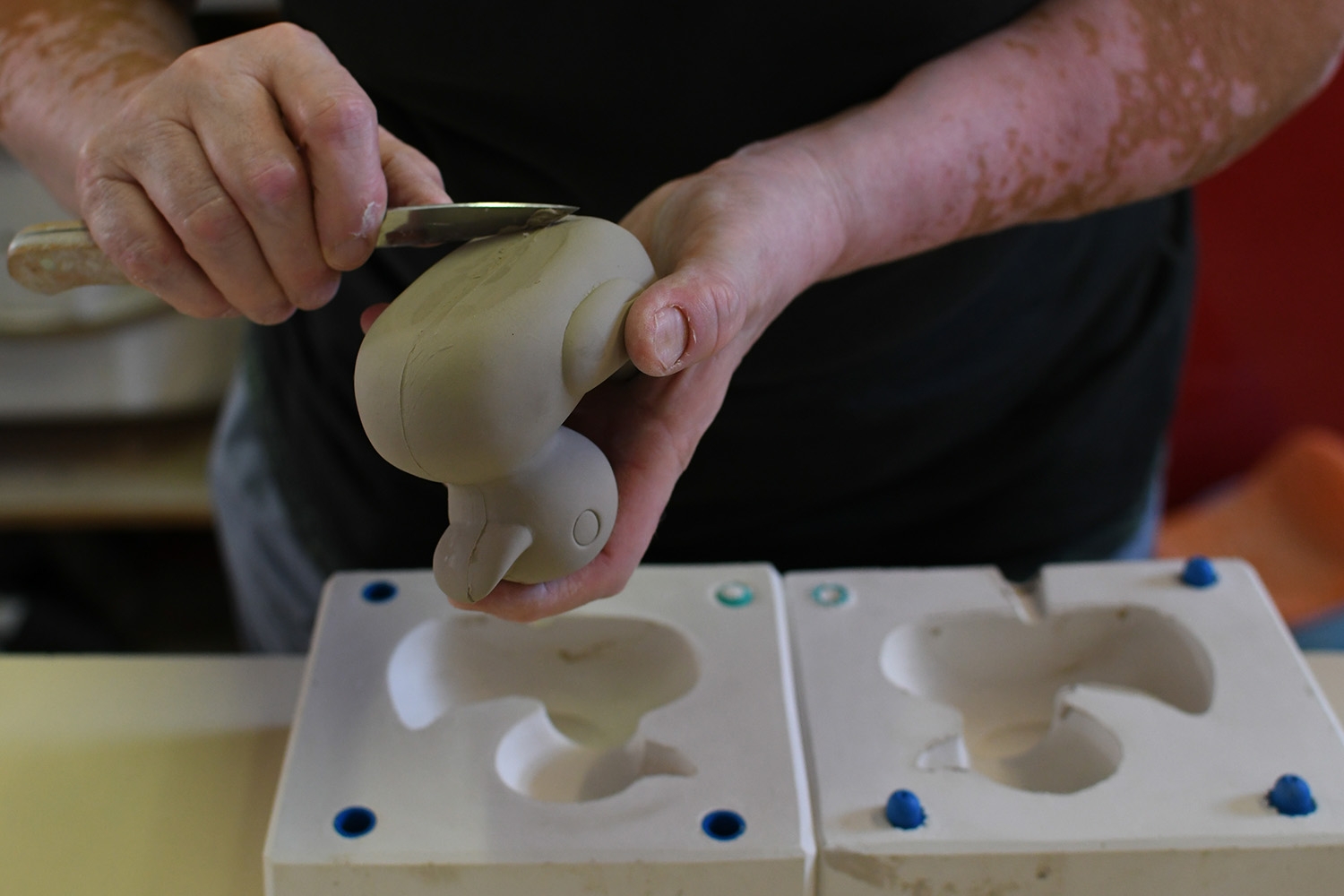
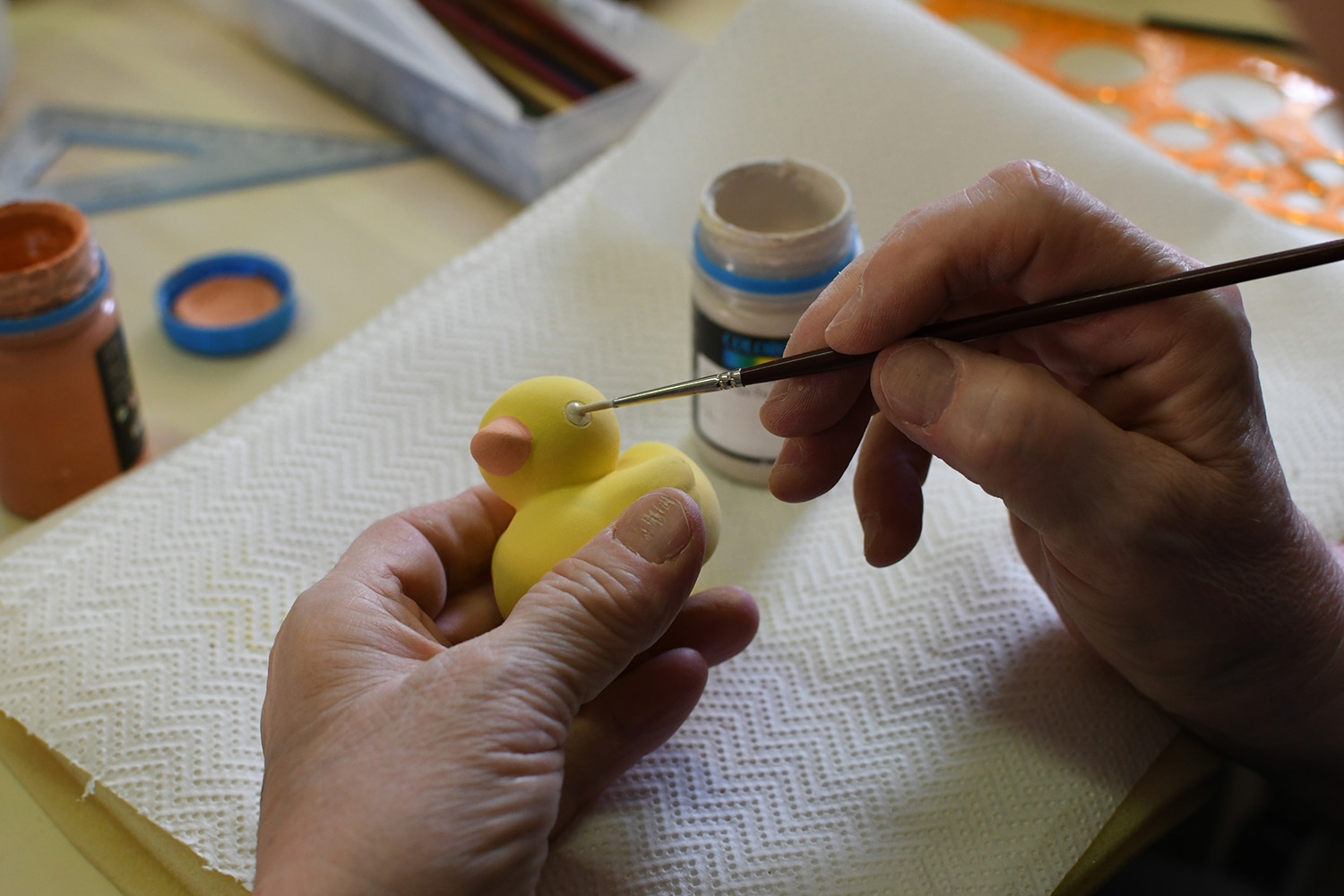
I pour clay into the mould, I wait for it to dry a bit then I open the mould and extract the piece. When it is dry, I refine it and fire it at 1000°C. Then I glaze it with airbrush, using very bright colours, and fire it again. I repeat this process for all the parts or components of the toy, that I finally assemble with screws, bolts and so on.
My toys are a bit of a contradiction, as they are not intended to be played with. But they make people dream, both adults and young children. From a craftsmanship point of view, they are proof that ceramics can go beyond tradition – it is not just pots and saucers.
Fosca Boggi
Ceramicist
Faenza, Italy
Recommended by Jean Blanchaert & Irina Focsaneanu Eschenazi
AVAILABILITY
By appointment only
PHONE
+39 3318196431
LANGUAGES
Italian
Homo Faber Finds is a new service aiming to inspire admirers of craft to connect and collaborate with exceptional artisans.
We invite you to submit an enquiry here.
Bottle Marsupial 2017 Tom Moore.jpg)
Studio Portrait Tom Moore.jpg)
Blowing Glass 4 Tom Moore.jpg)