Florian Aberl
Thalyz
Blacksmith
Garmisch-Partenkirchen, Germany
Preserving tradition by forging the future
- Florian works with historic machinery used by his ancestors
- The forge’s elements inspire him with a deep sense of purpose
- He makes objects the traditional way, with contemporary functionality at their core
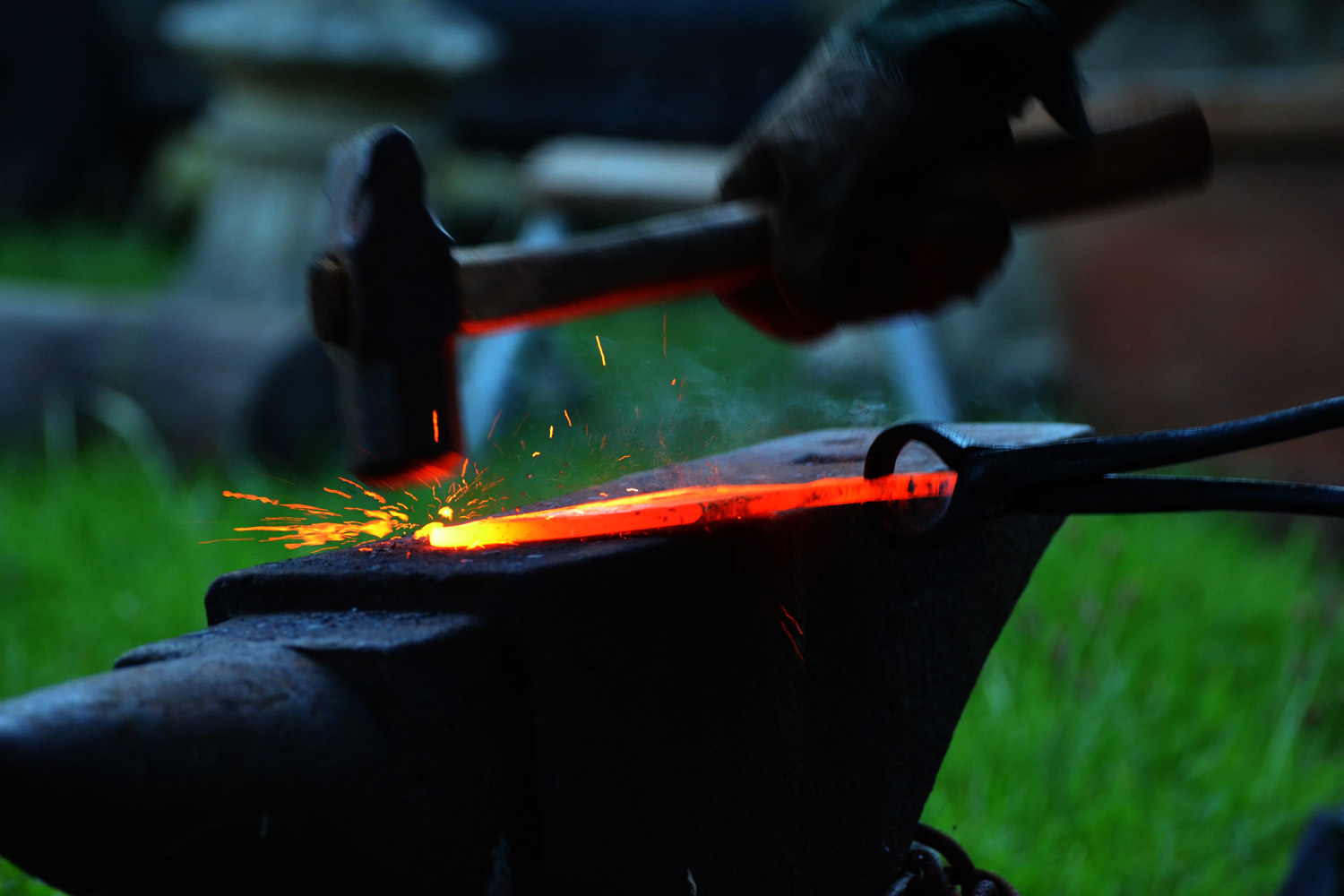
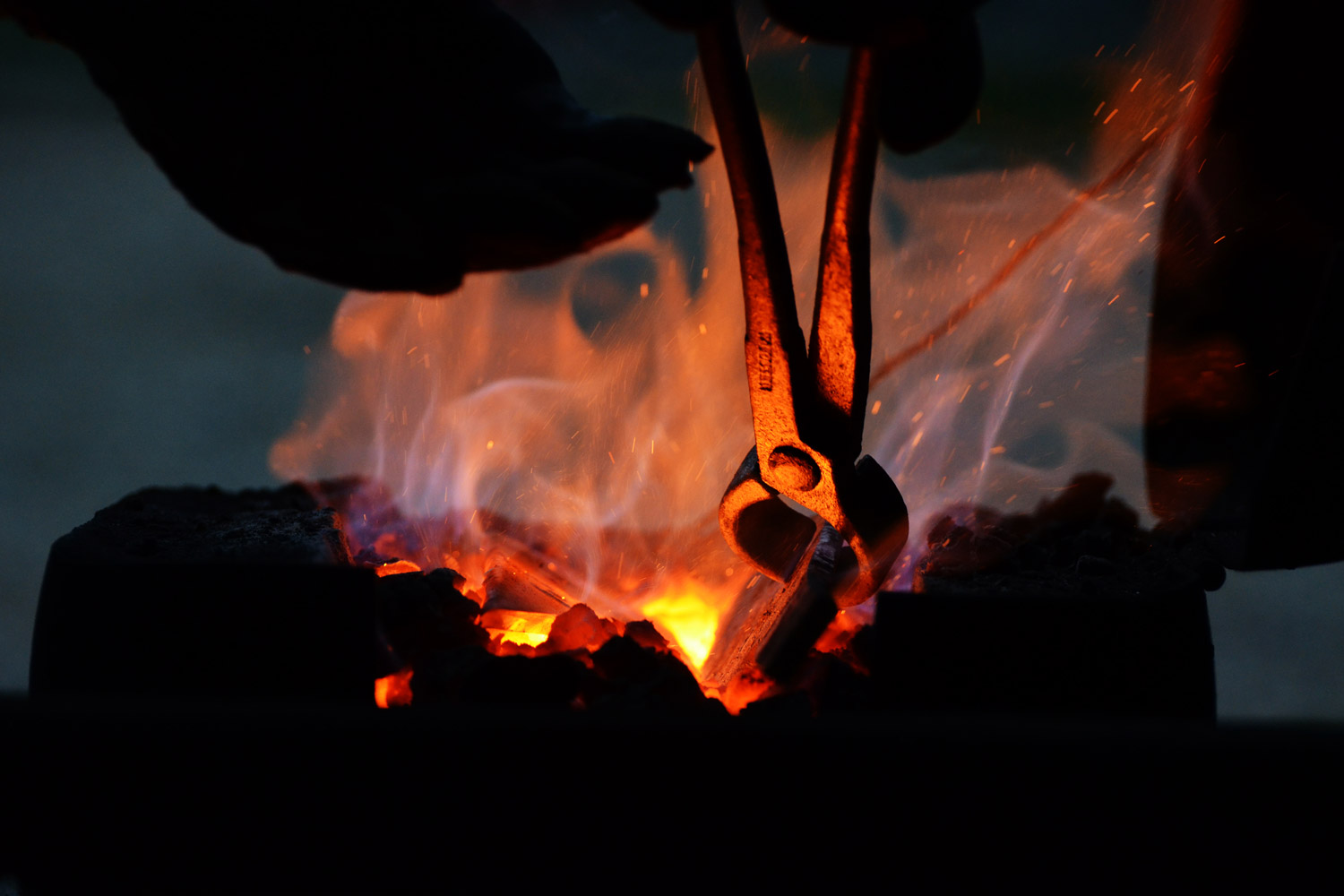
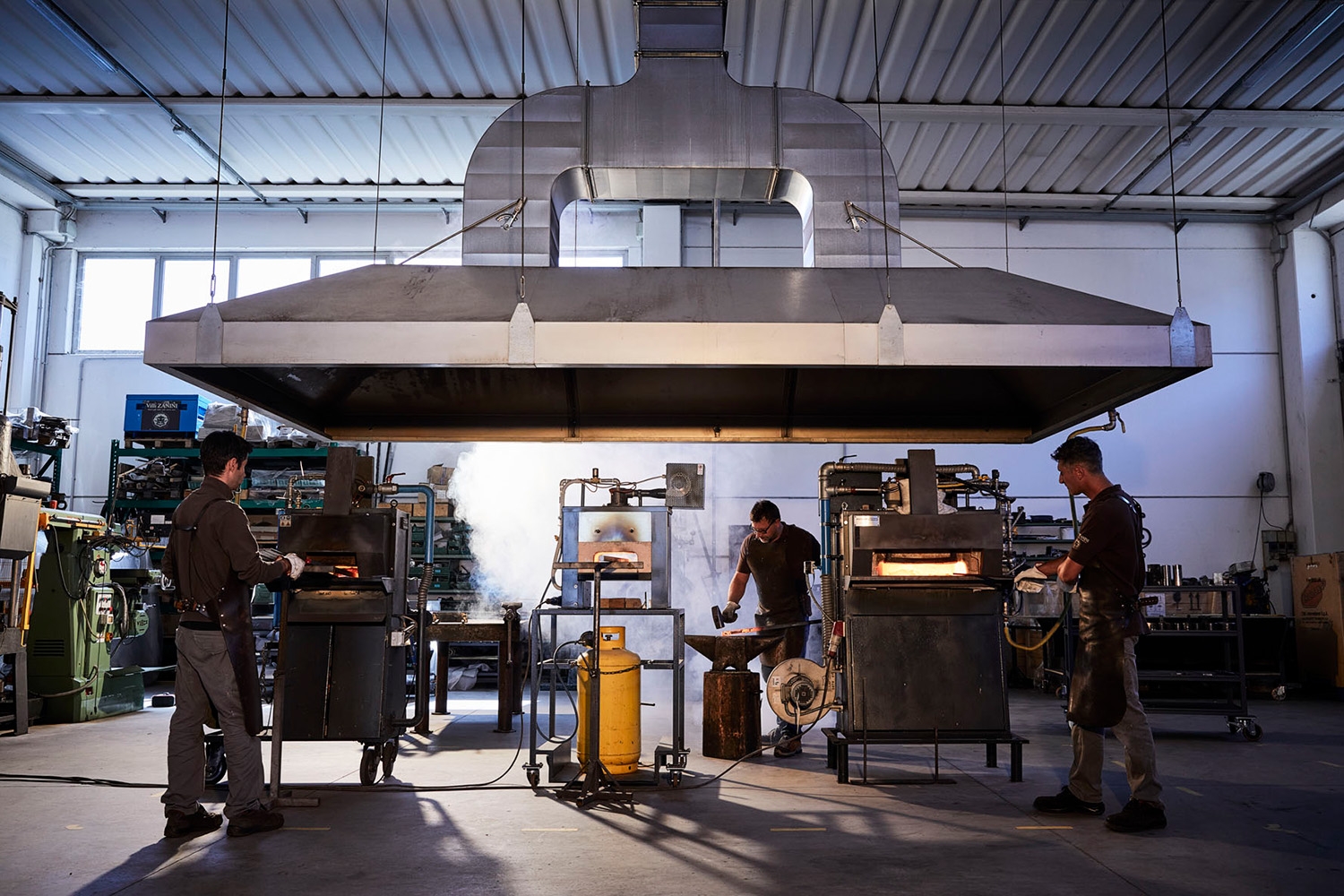
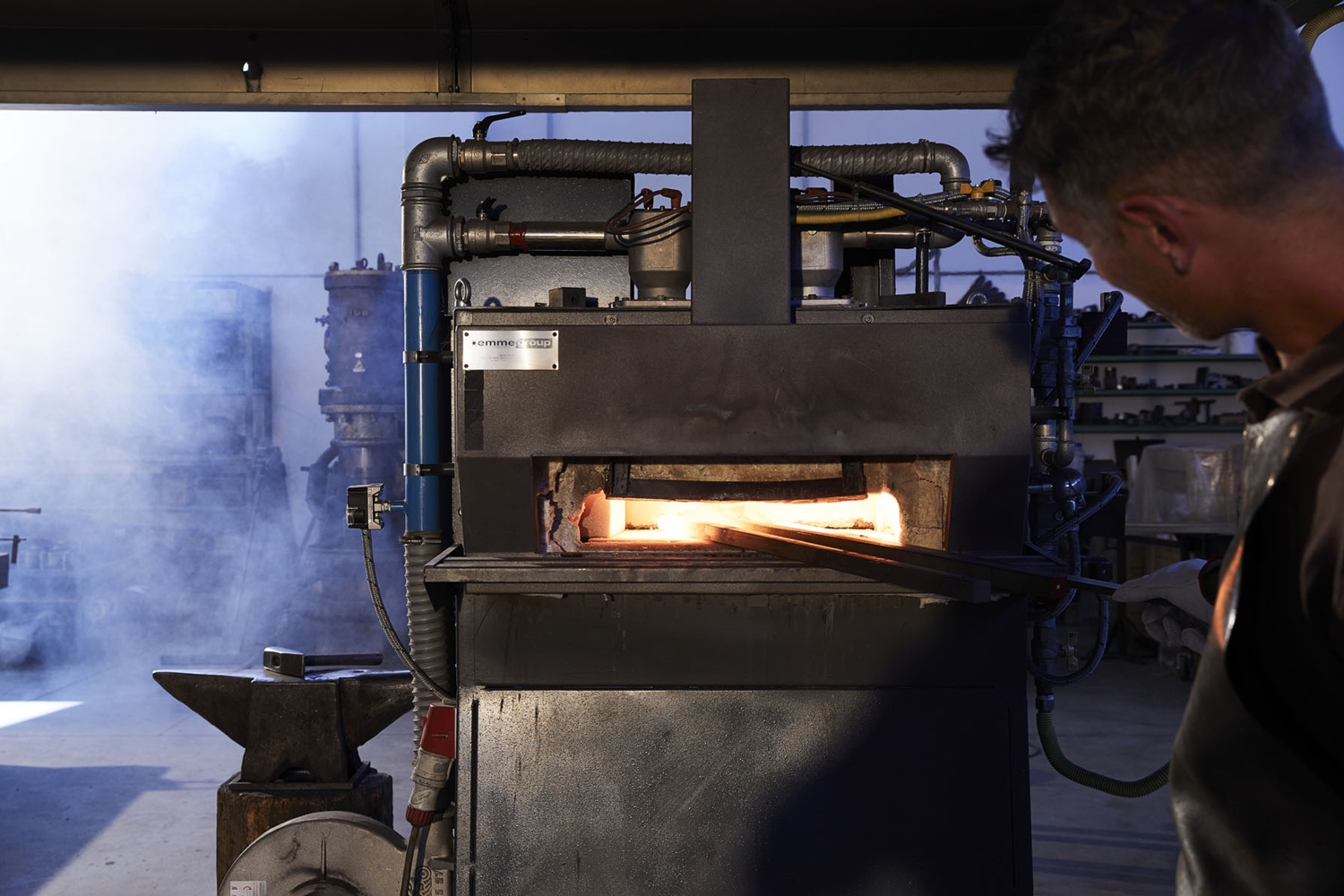
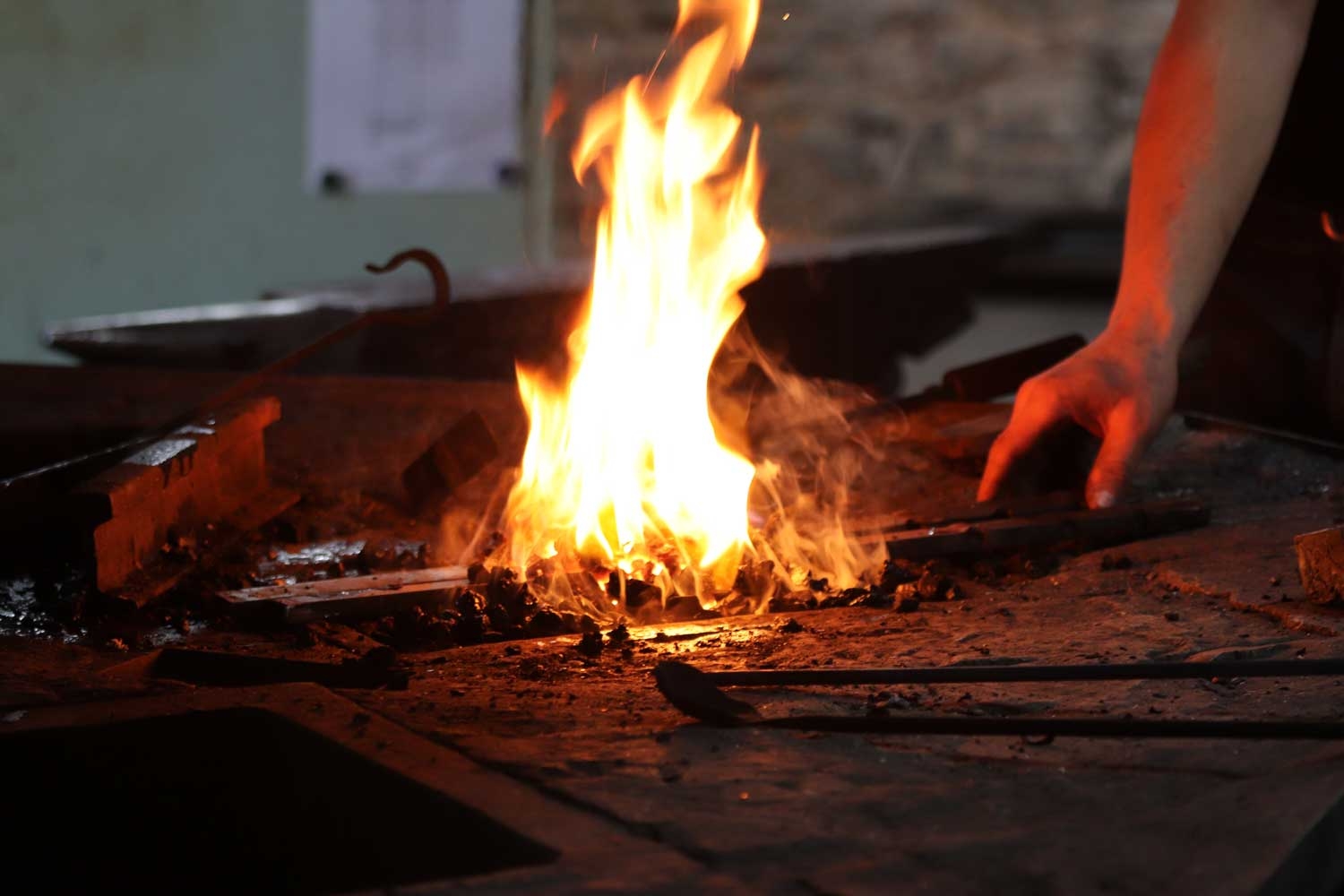
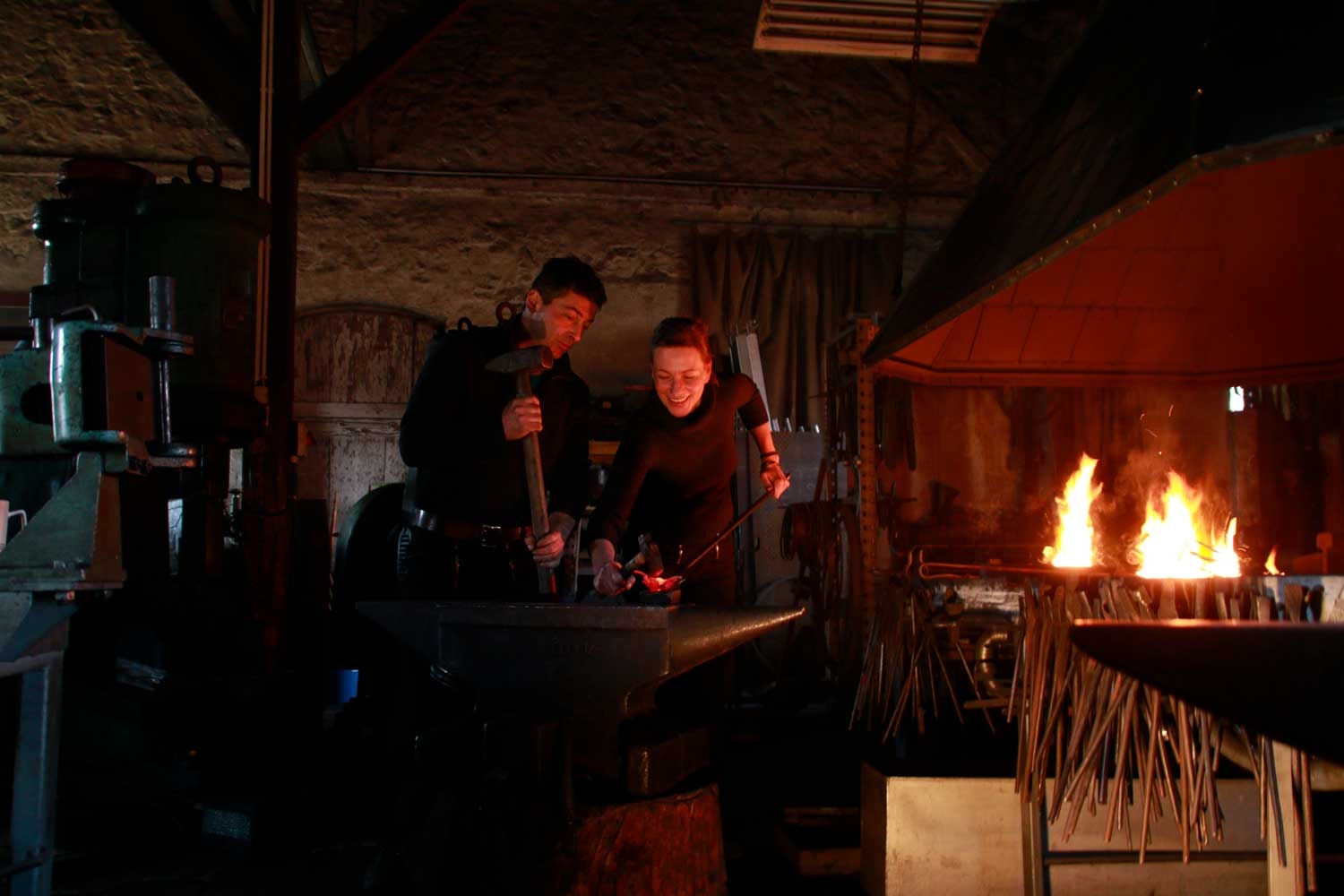
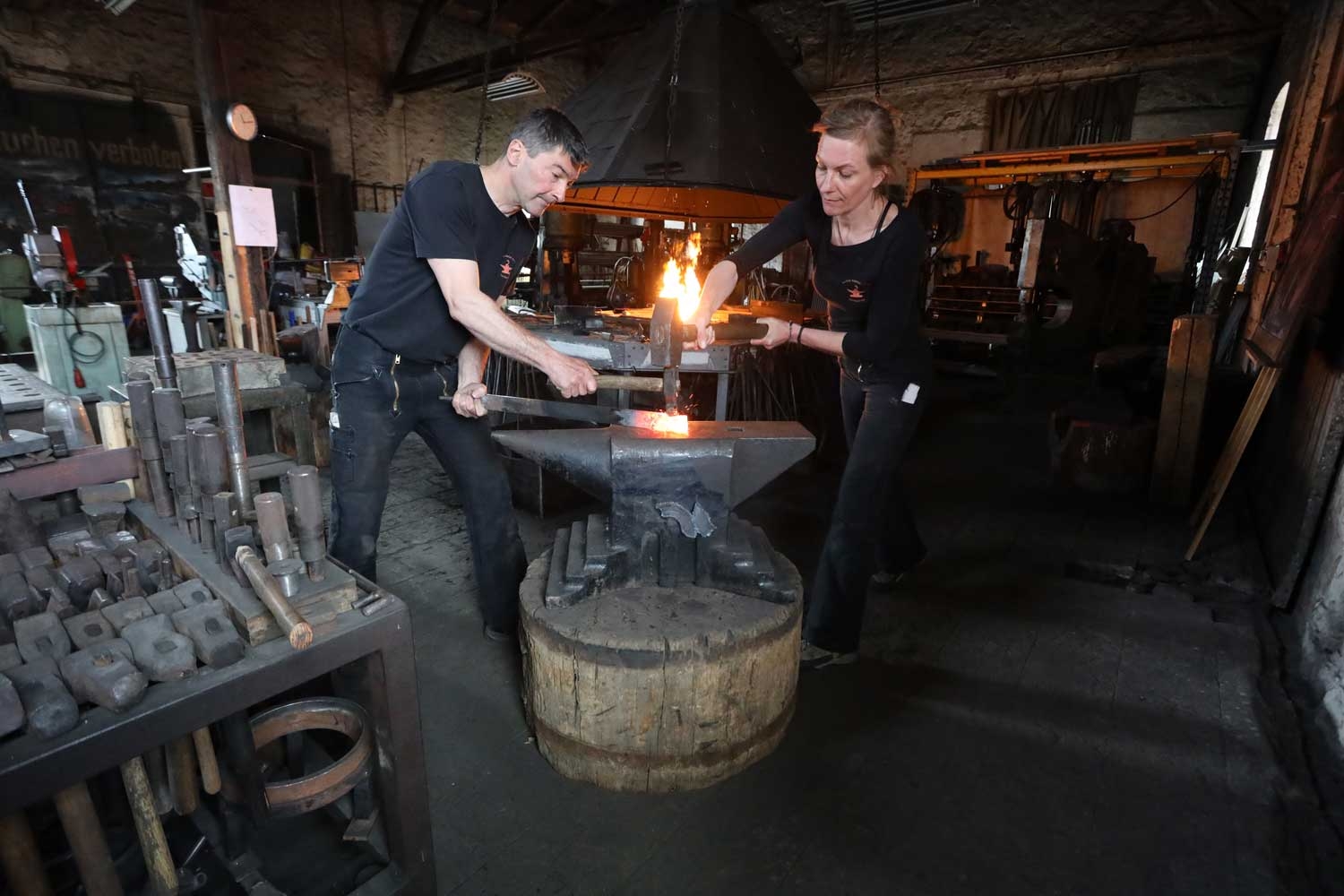
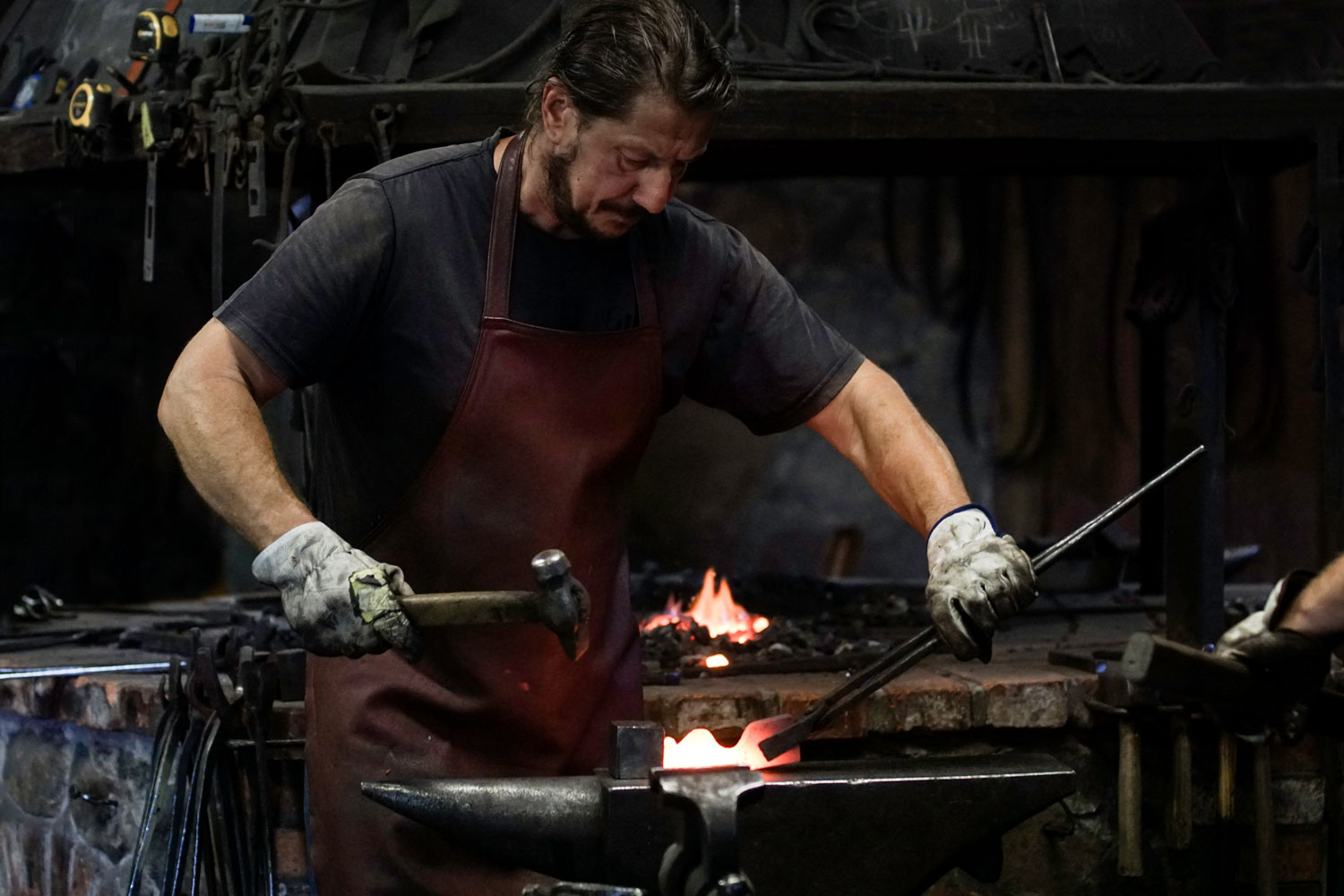
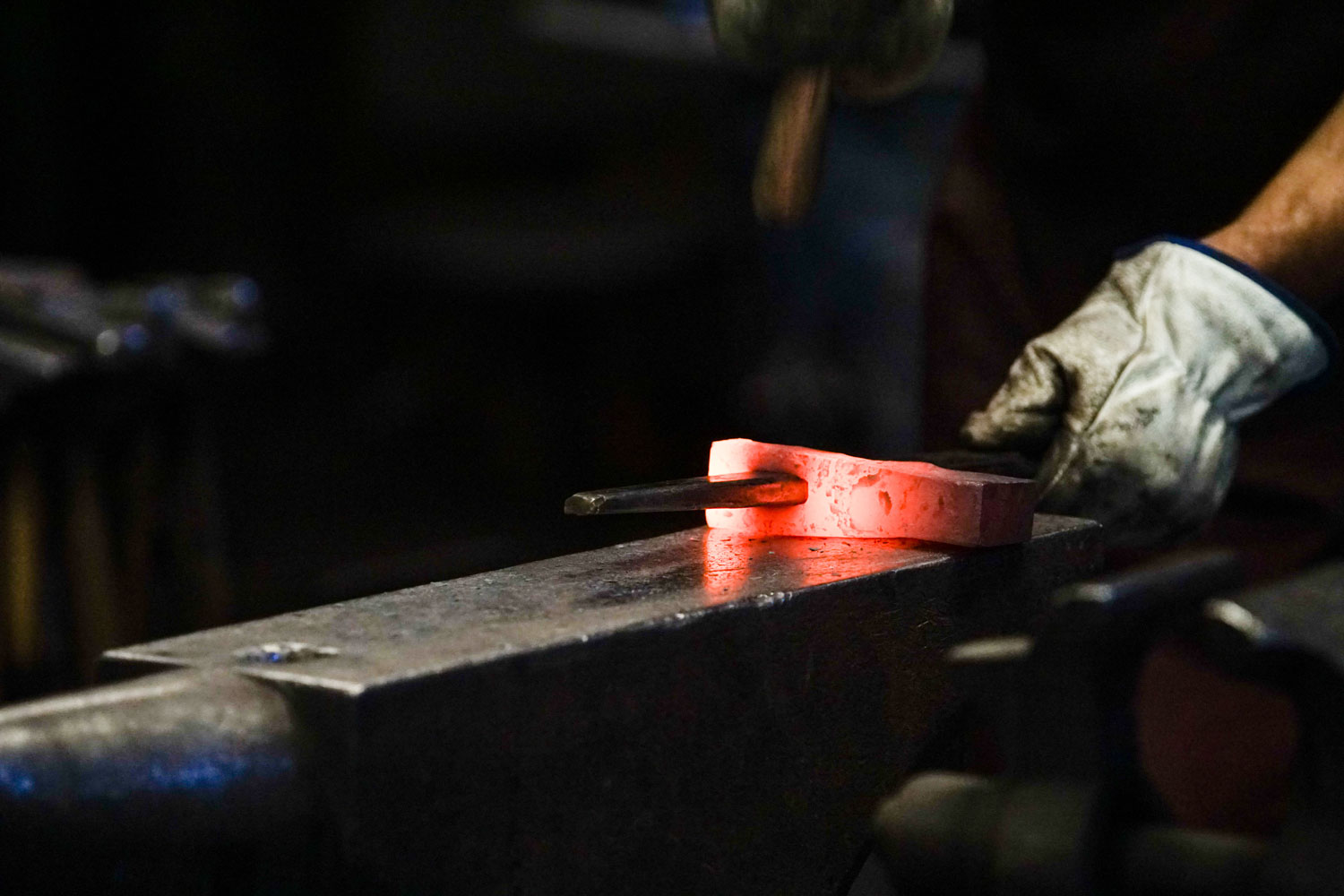
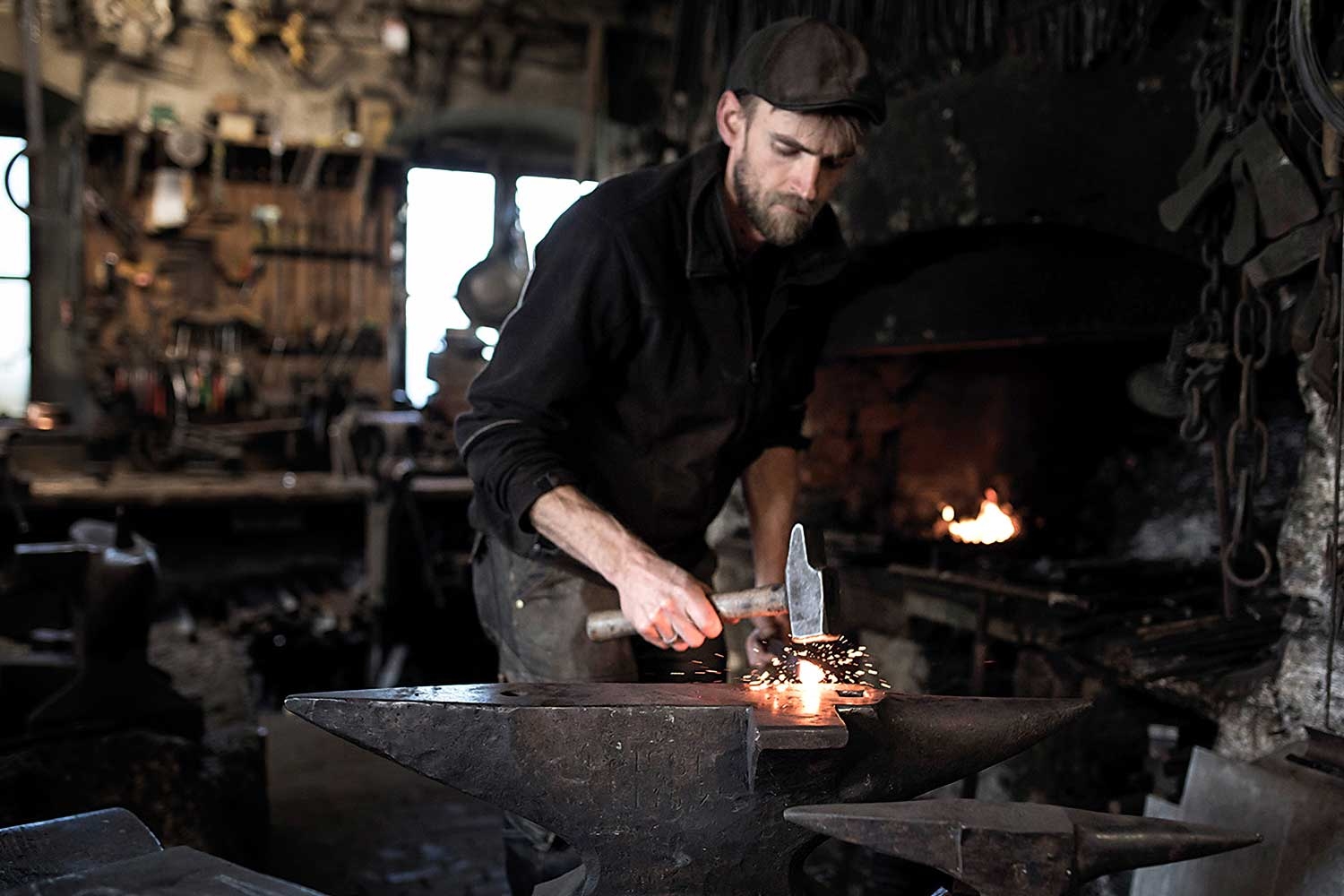
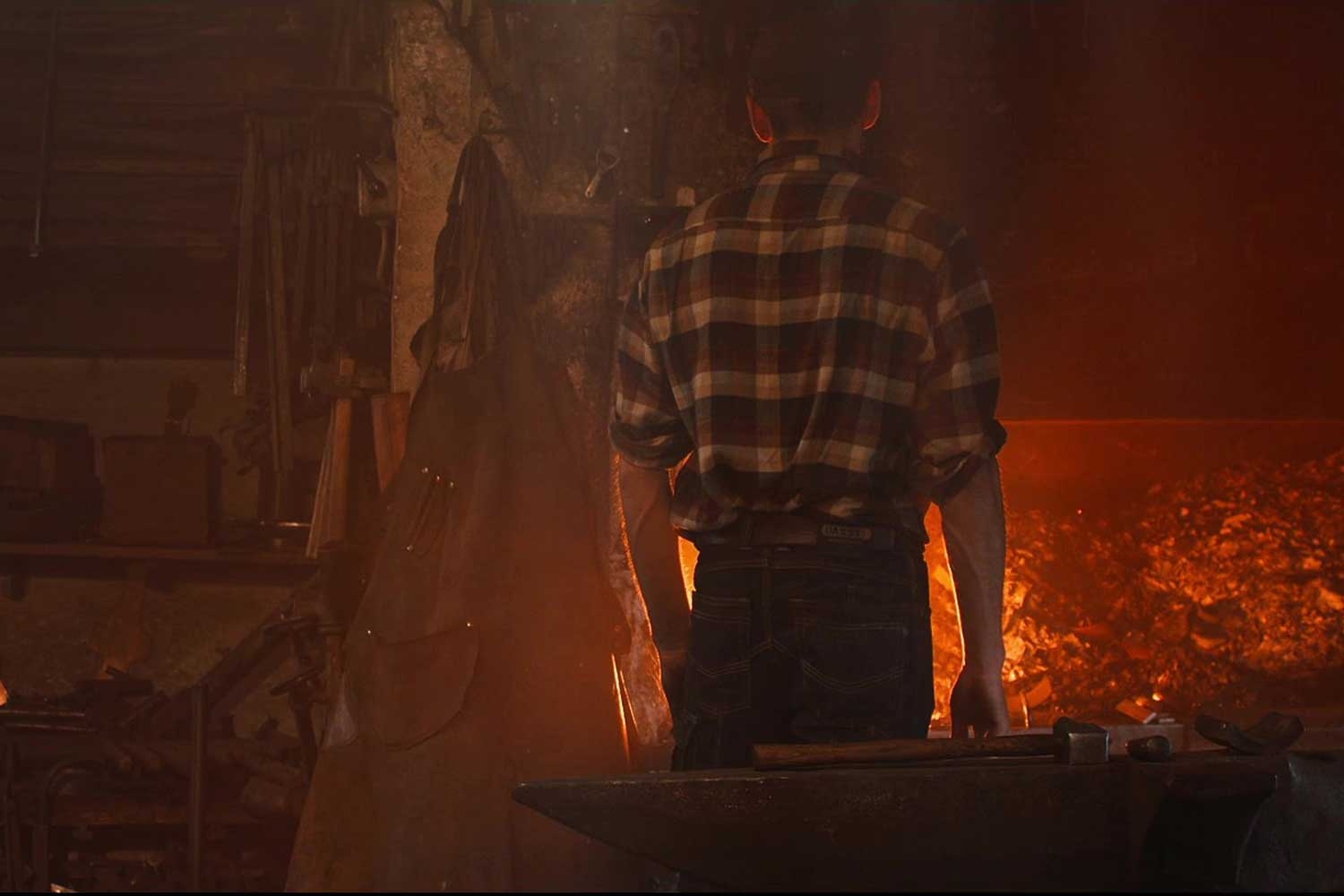
Florian Aberl continues a proud family tradition in blacksmithing, a legacy that stretches back to the 16th century in his village. Originally located in the village centre, the forge was moved to the outskirts in the 18th century to mitigate fire hazards. Today, Florian works in this historic forge, surrounded by the same time-honoured machinery that his ancestors used. Although Florian initially pursued a career in confectionery out of youthful defiance, he soon discovered that blacksmithing was where he truly felt he belonged. Immersed in the elemental forces of fire, water, and the robust power of his tools, Florian finds a profound sense of purpose and satisfaction. As a skilled master blacksmith, he is devoted to preserving his family’s heritage. His creations, crafted with age-old techniques, blend durability and sophistication, addressing modern demands while honouring the deep-rooted tradition of his craft.
INTERVIEW
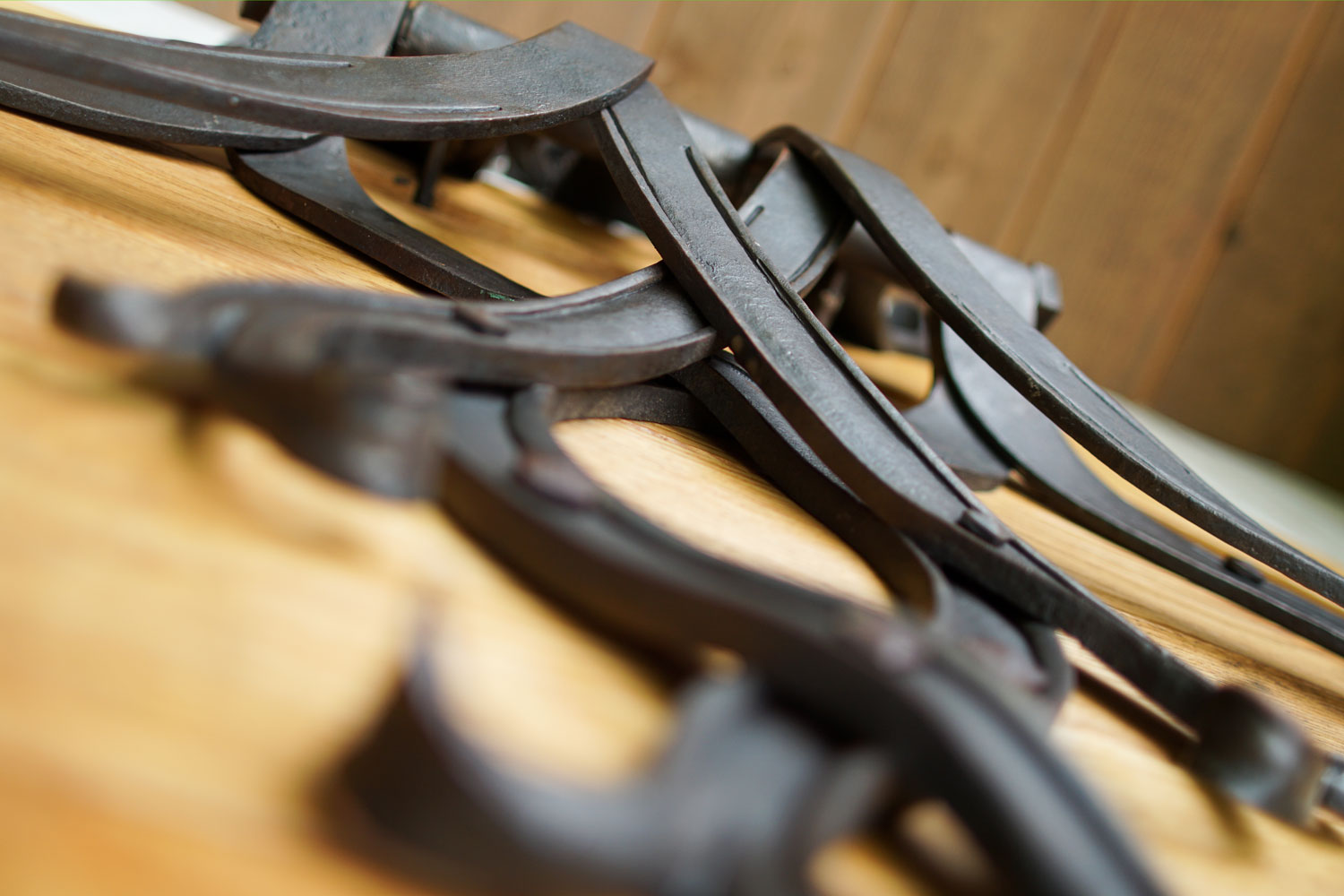
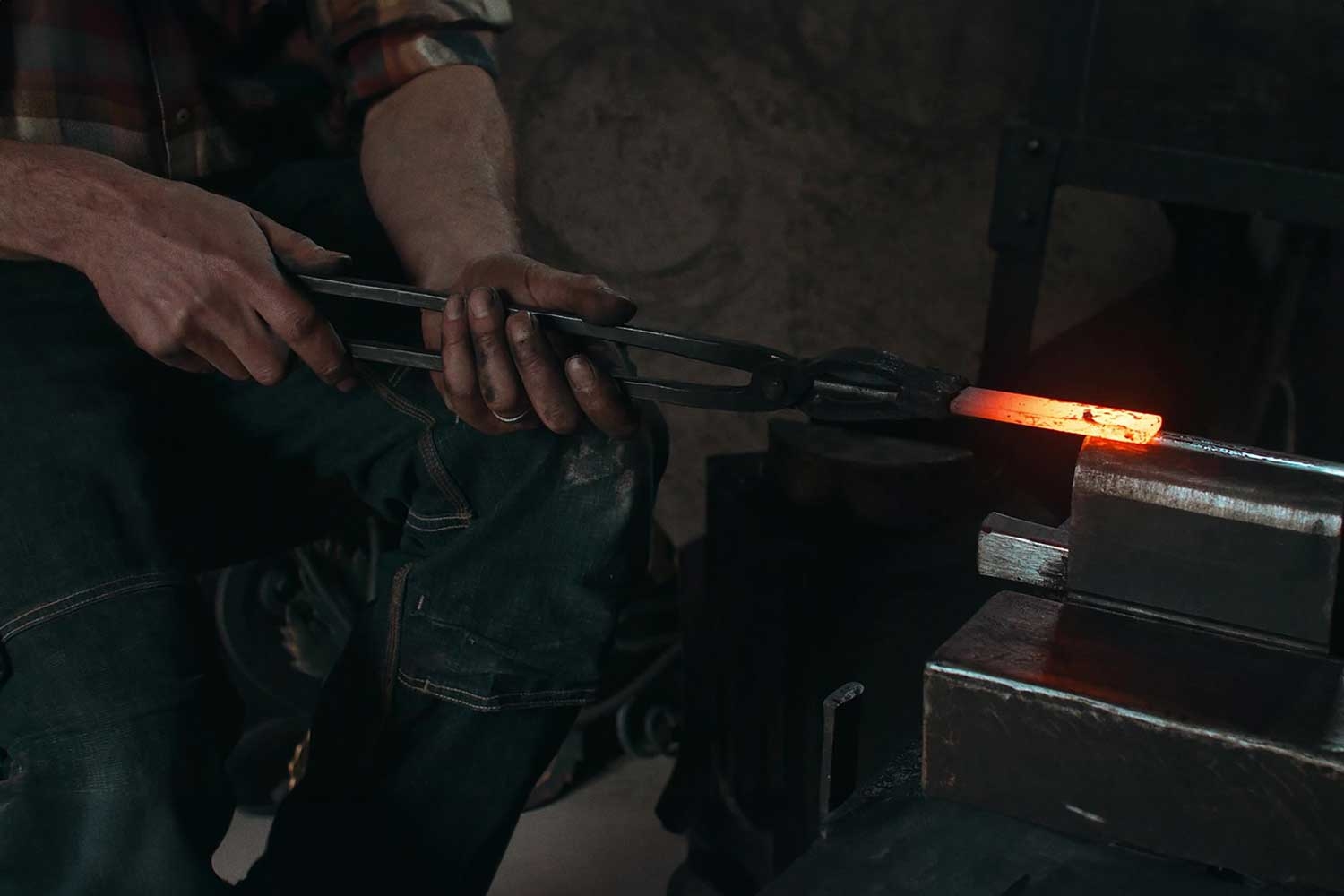
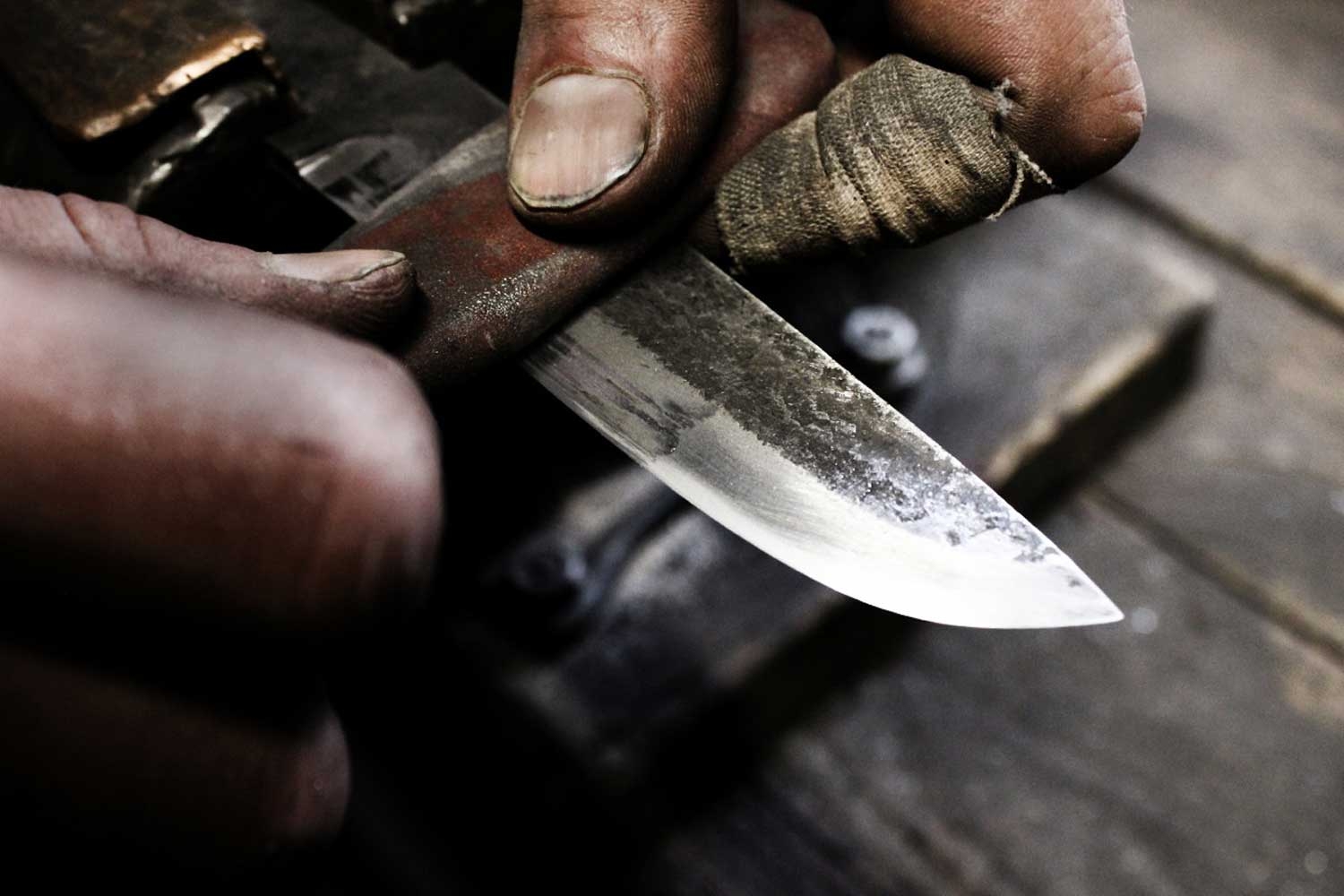
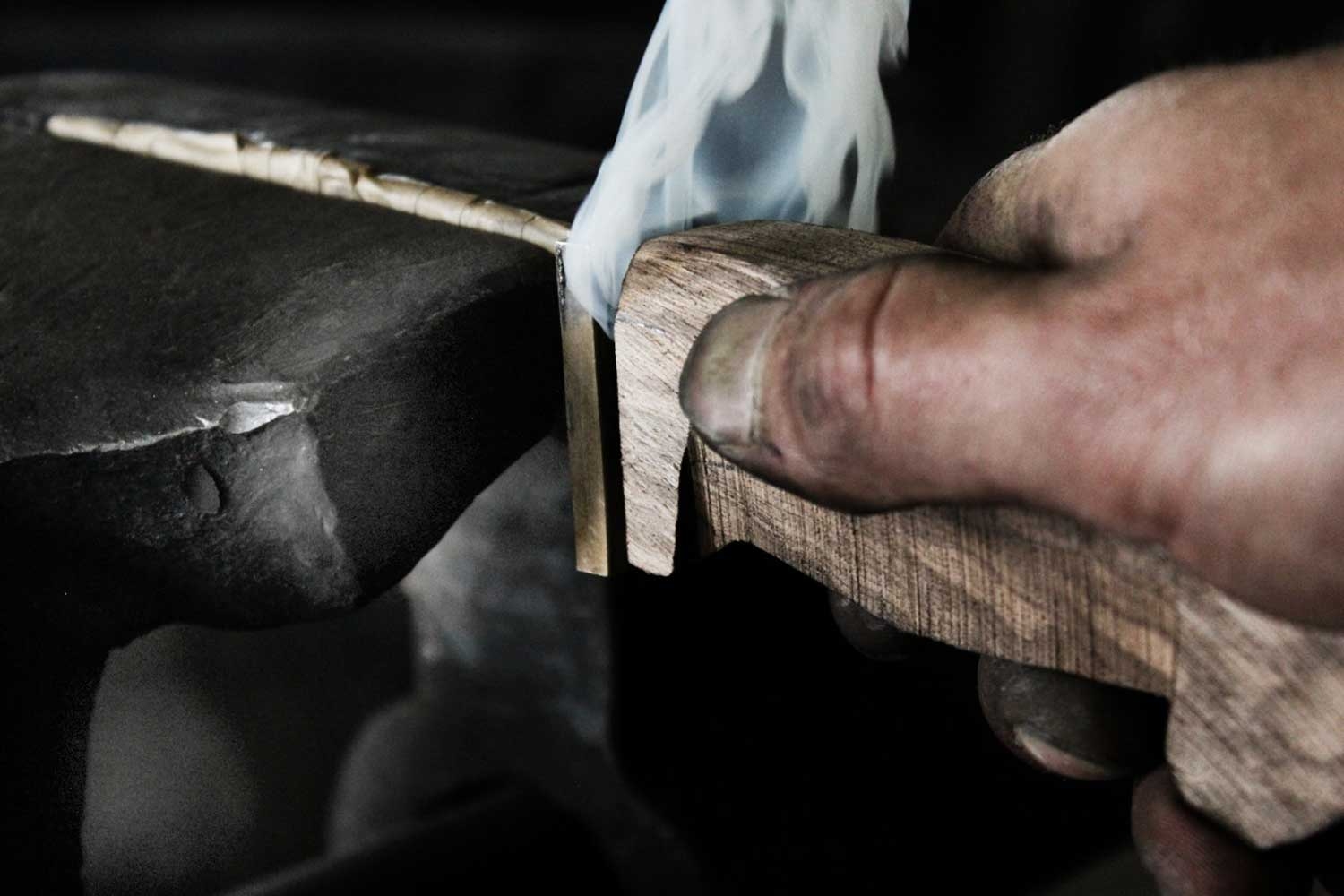
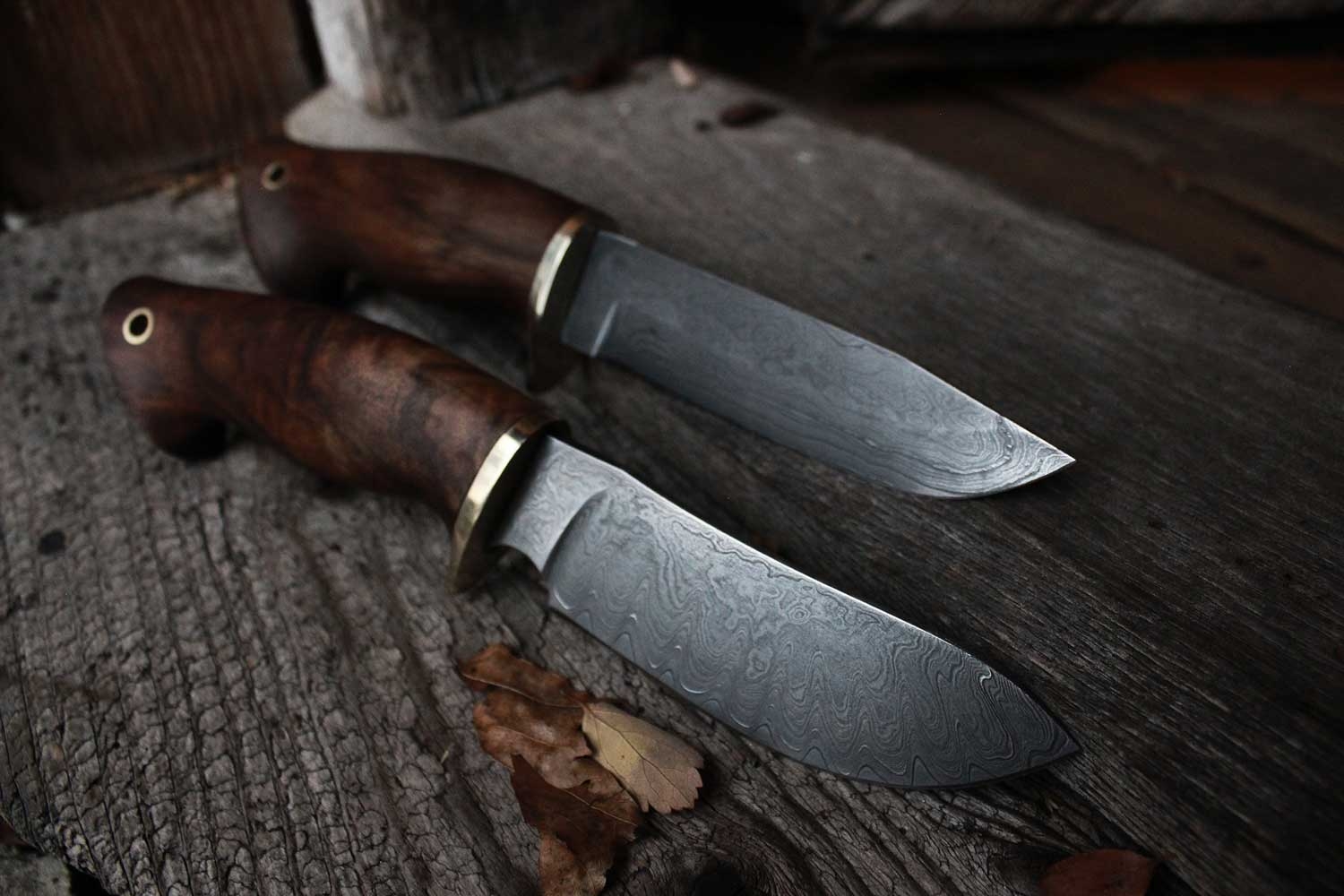
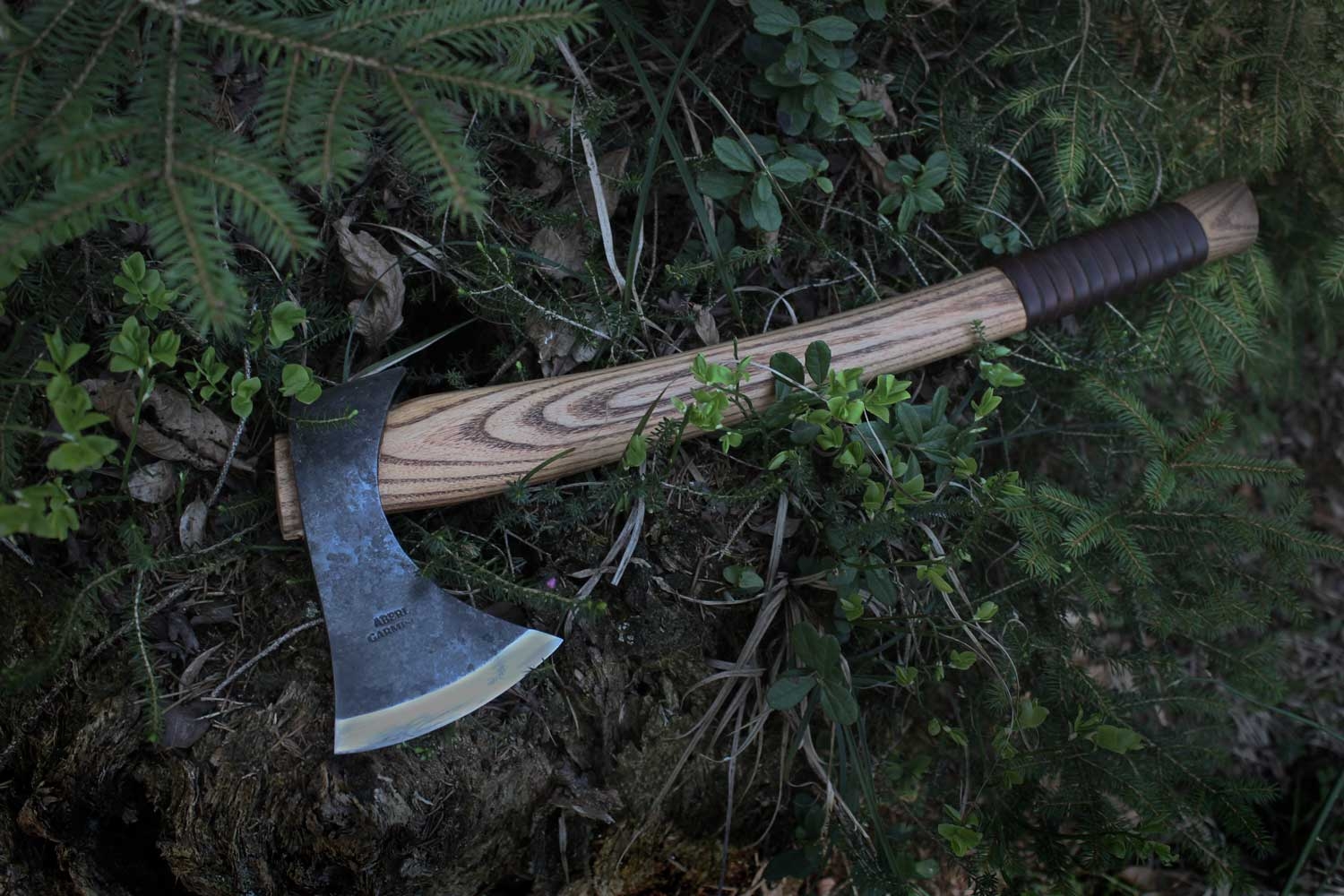
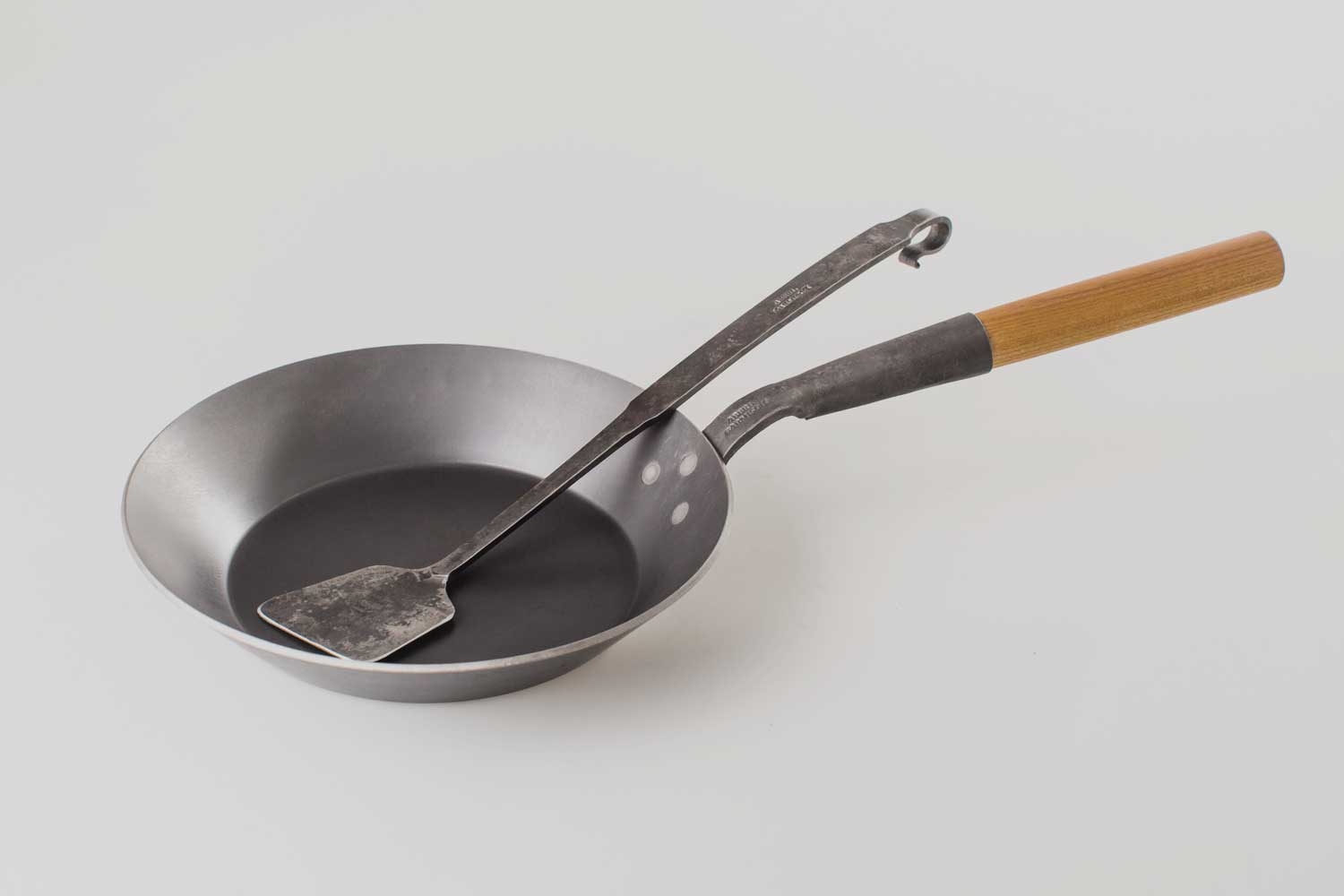
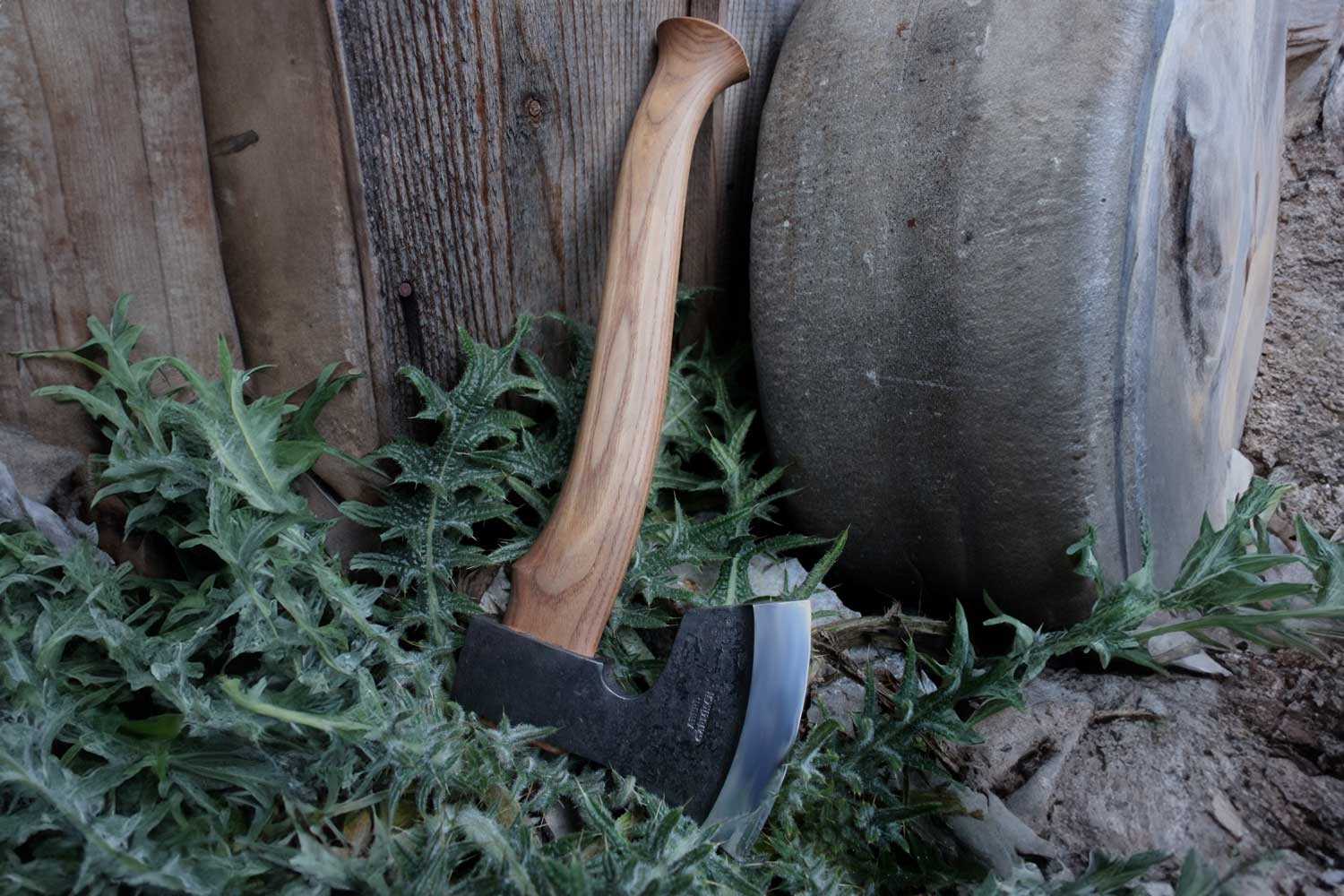
I produce practical items in my forge, like axes, pans, and knives. While I do not aim to reinvent the wheel, I focus on preserving good design and adapting it for modern use. A prime example is my pans: they feature a classic design but are crafted to work perfectly on any modern stove, whether gas or induction.
From a very young age, we were actively involved in the forge, which has always felt like a second home to us. By nine years old, we were already taking on chores like cleaning the machines. My parents effortlessly made the forge a place of enjoyment, which ignited my passion for the craft.
My inspiration comes from working closely with my clients, as many of my projects are custom-made. Their specific needs often lead to unexpected results and unique creations that I am sometimes hesitant to part with. These experiences frequently motivate me to explore small series production.
I have three machines that I estimate to be about 120 years old. First, there is my trusty forge blower. Then, the mighty air hammer with its rhythmic up and down pounding, a true classic in any forge. Third, there is a tire bending machine. In contrast to the other two machines, this one is not used very often.
Florian Aberl
Thalyz
Blacksmith
Garmisch-Partenkirchen, Germany
AVAILABILITY
By appointment only
PHONE
+49 882154599
LANGUAGES
German
Homo Faber Finds is a new service aiming to inspire admirers of craft to connect and collaborate with exceptional artisans.
We invite you to submit an enquiry here.