
Estelle Bourdet
Luster Mikromakeri
Weaver
Luster, Norway
Recommended by Métiers d'art Suisse
Timeless textiles made to last
- Traditional Swedish weaving processes influence Estelle's work
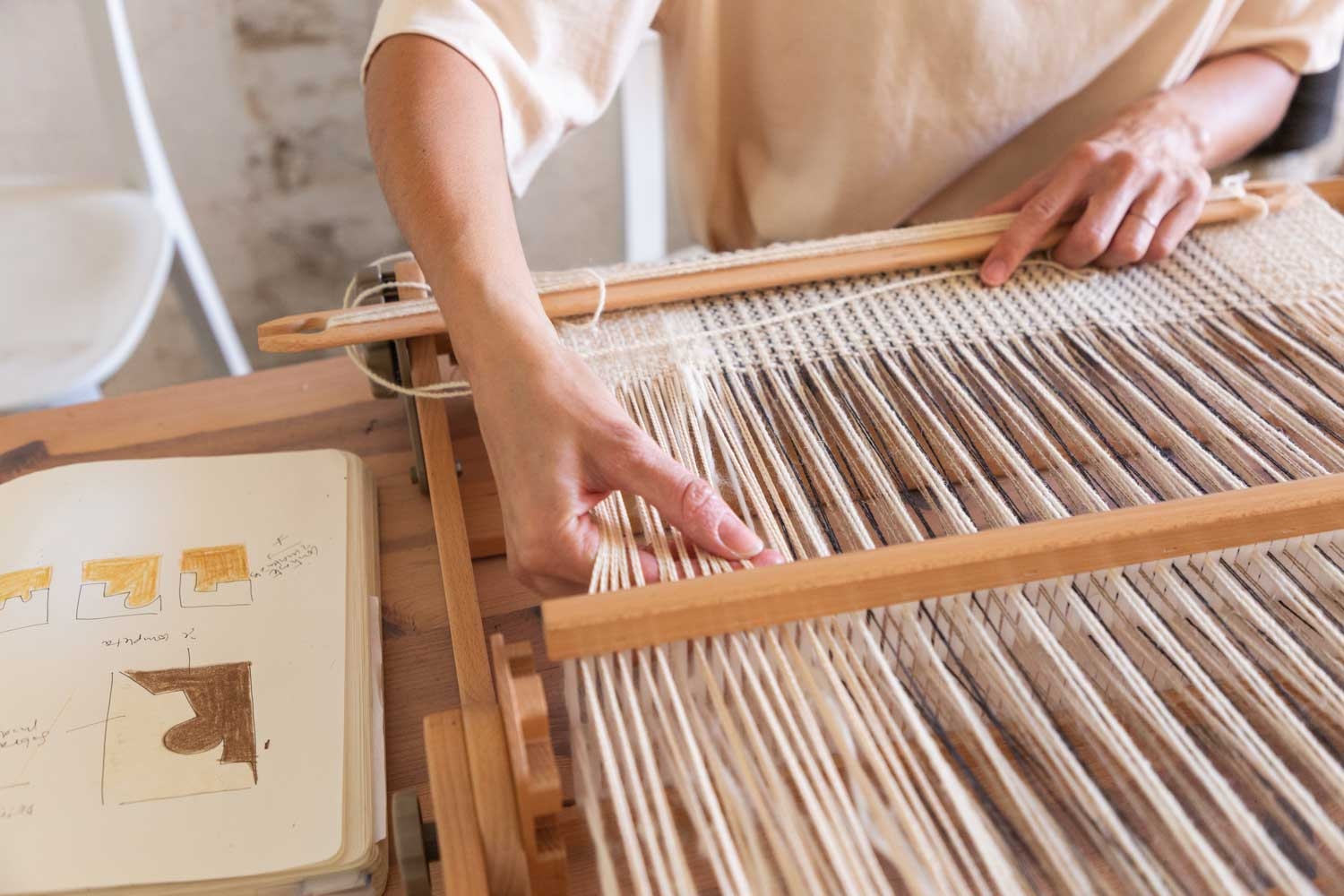
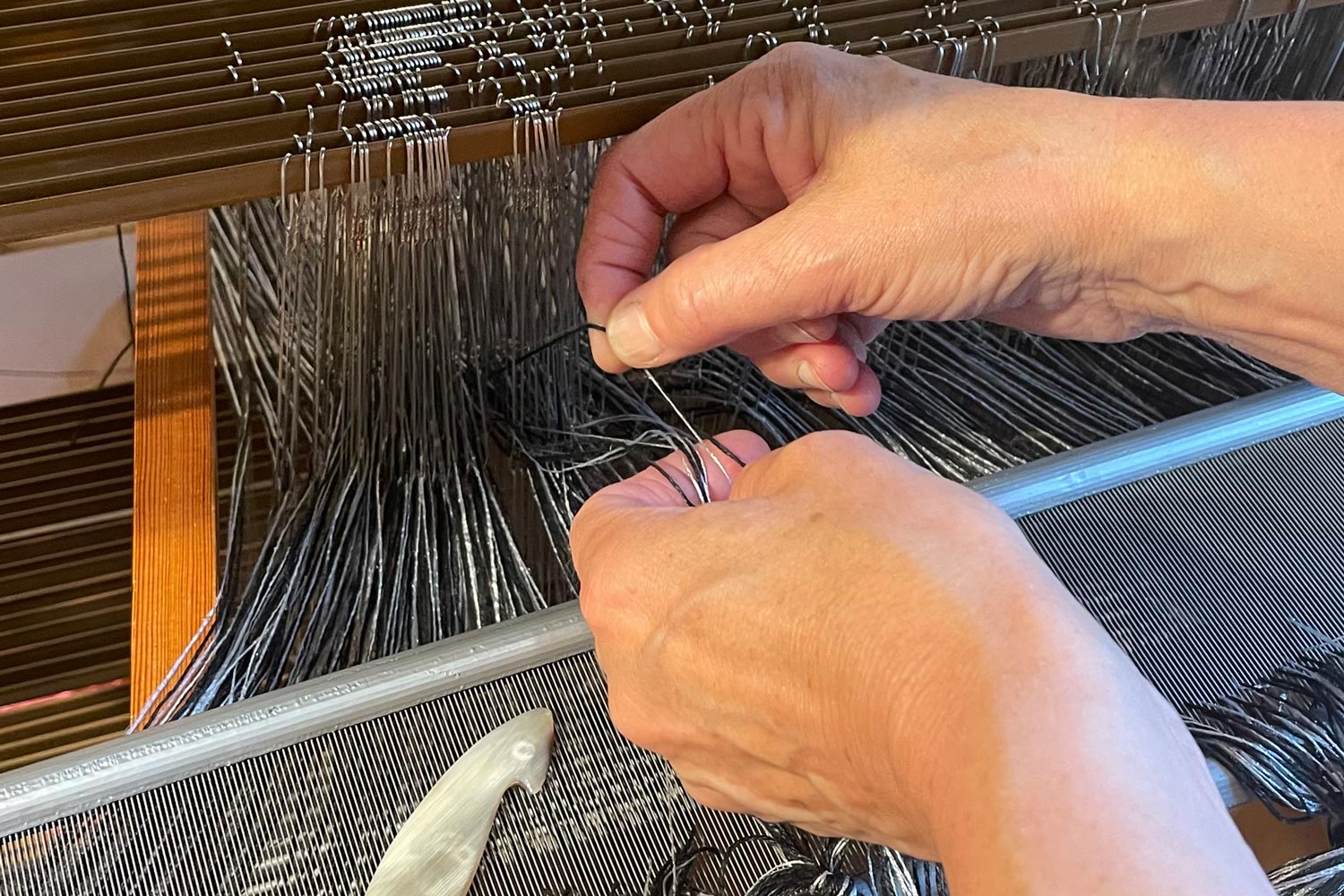
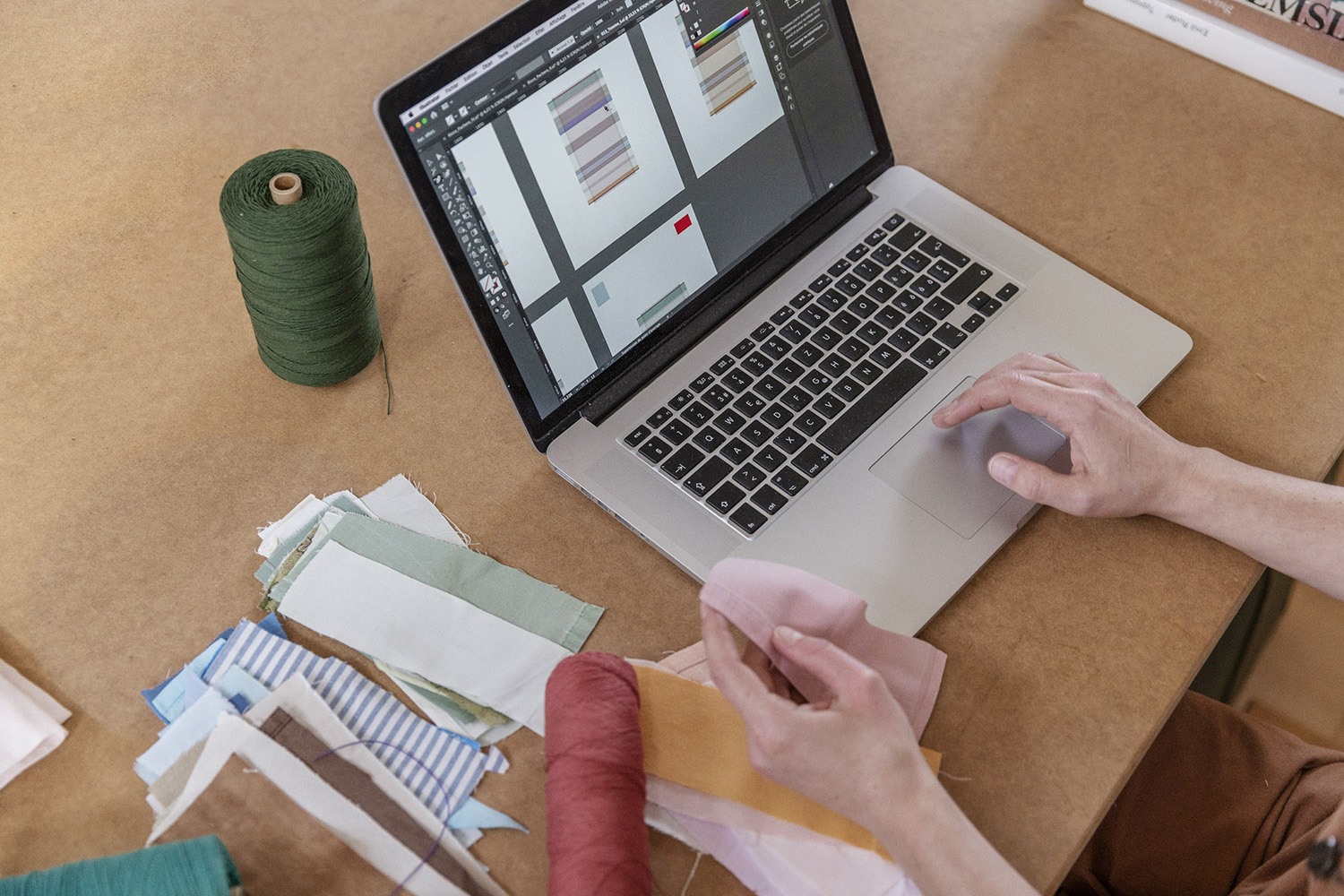
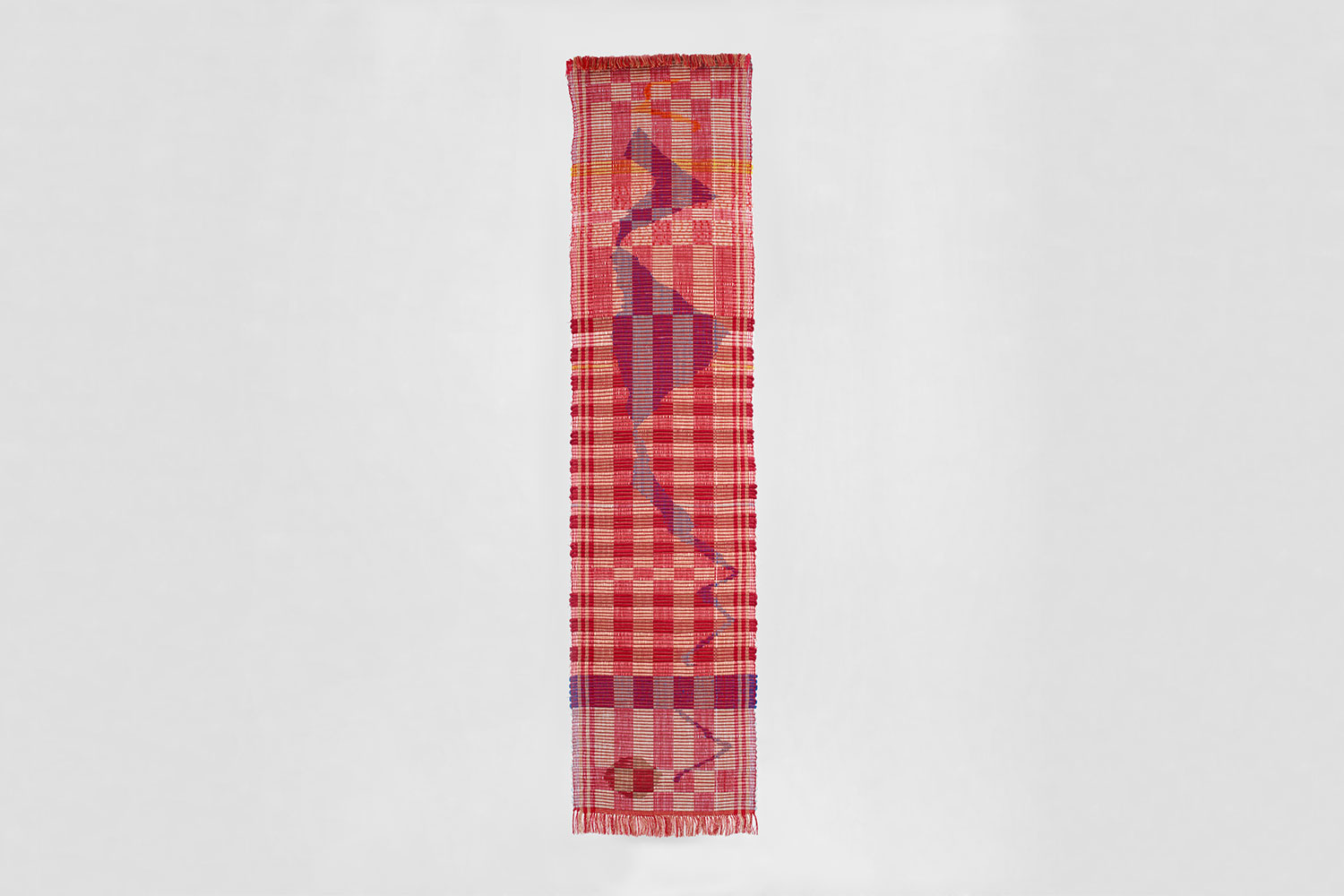
- She mixes analogue techniques with digitally processed patterns
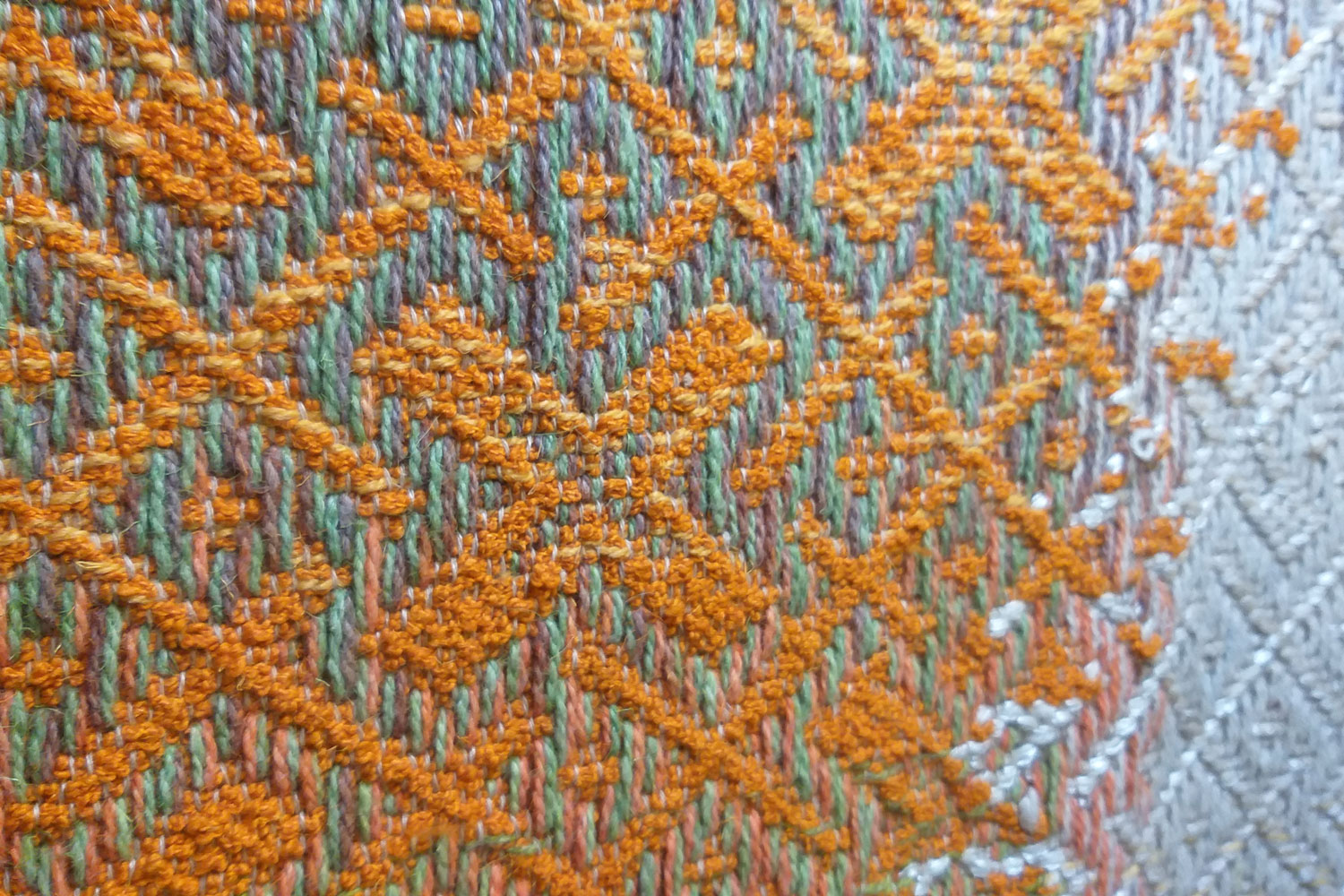
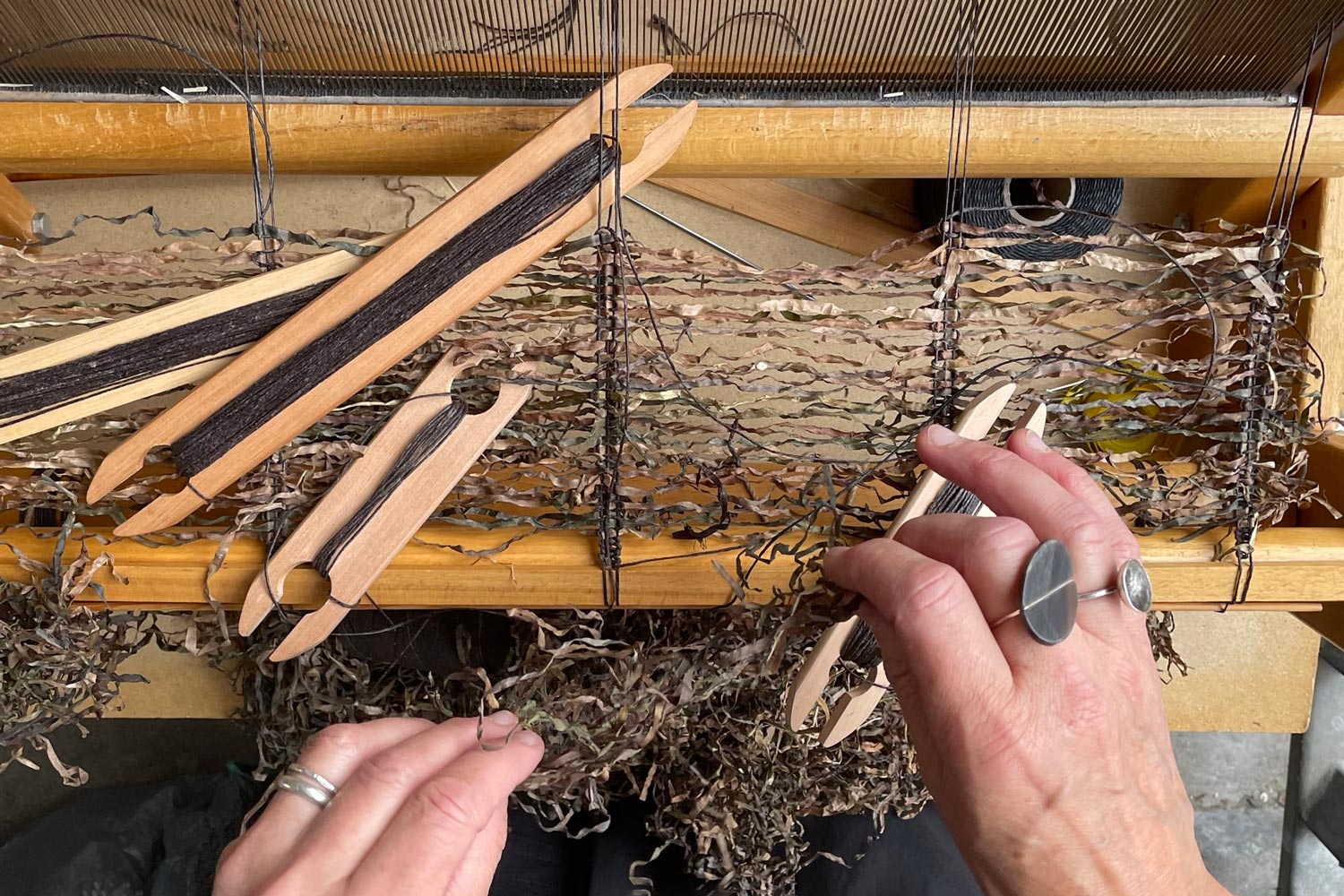
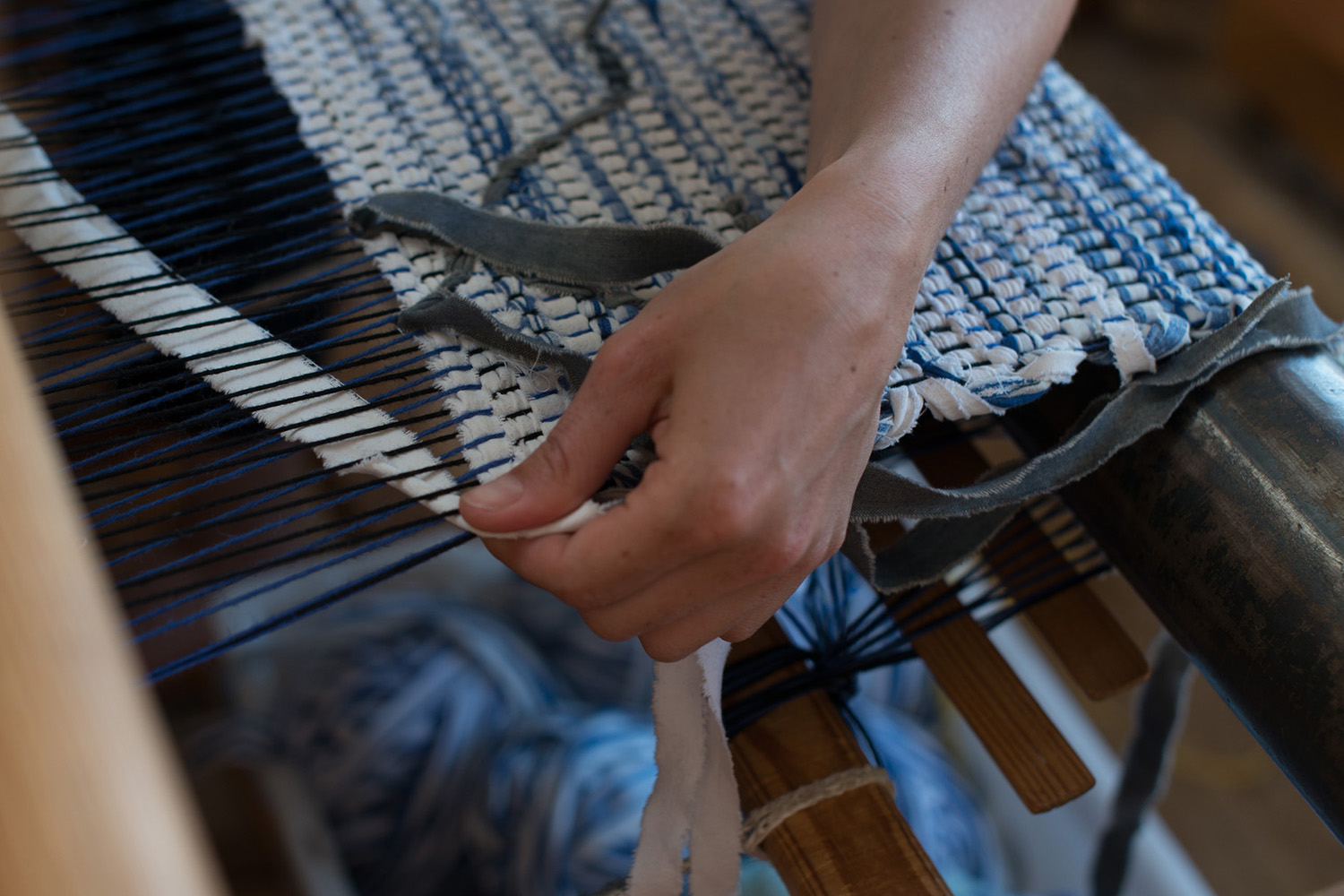
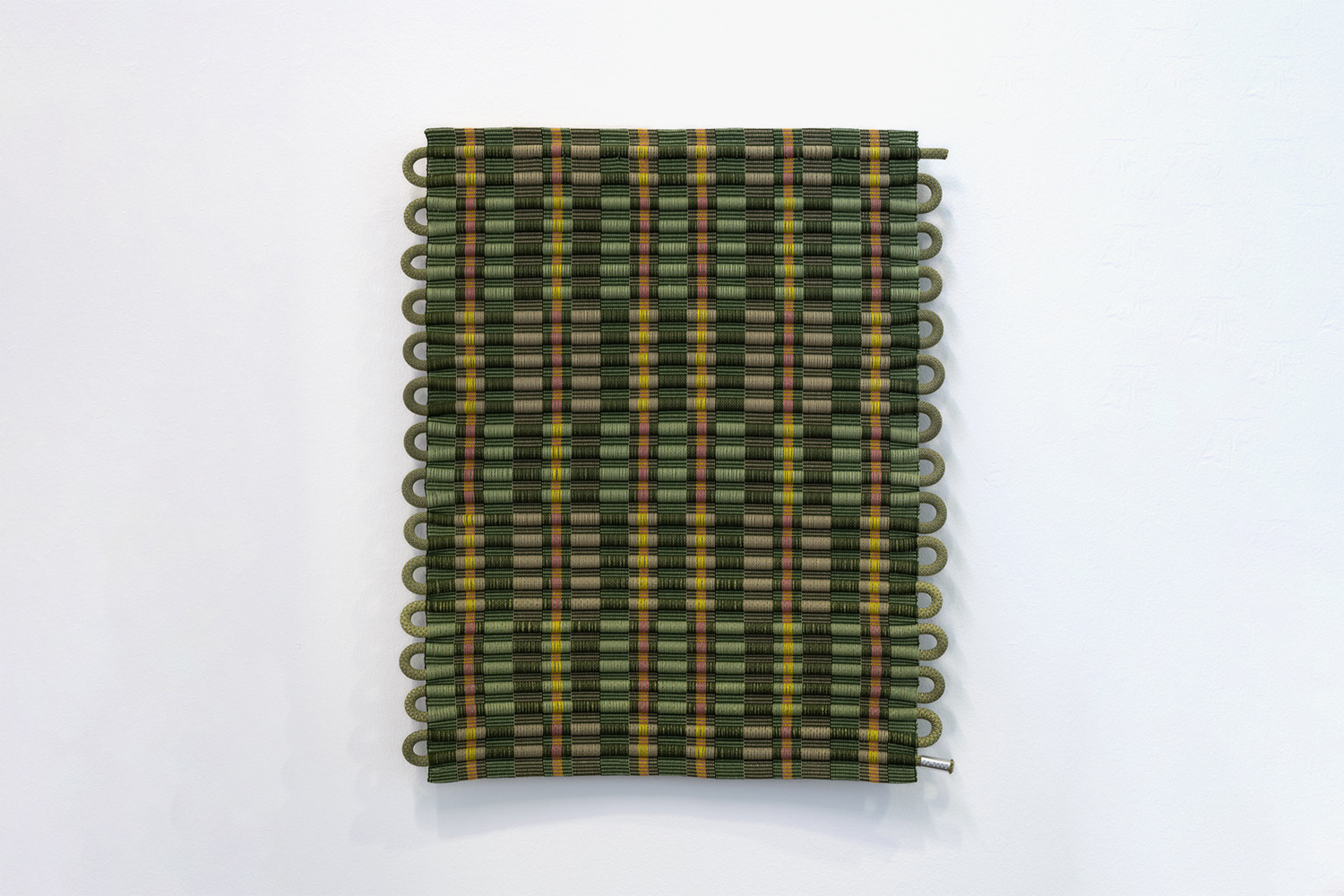
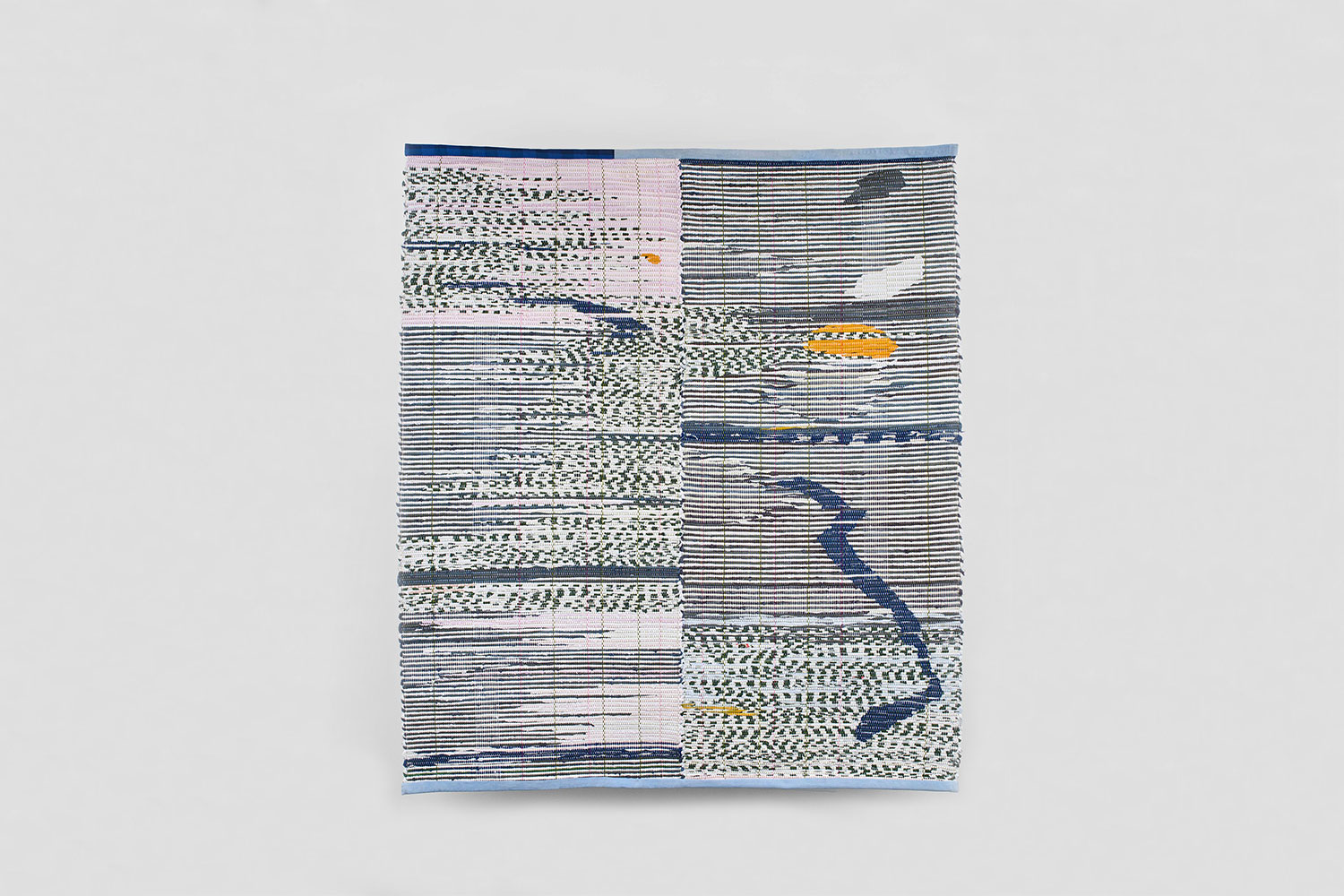
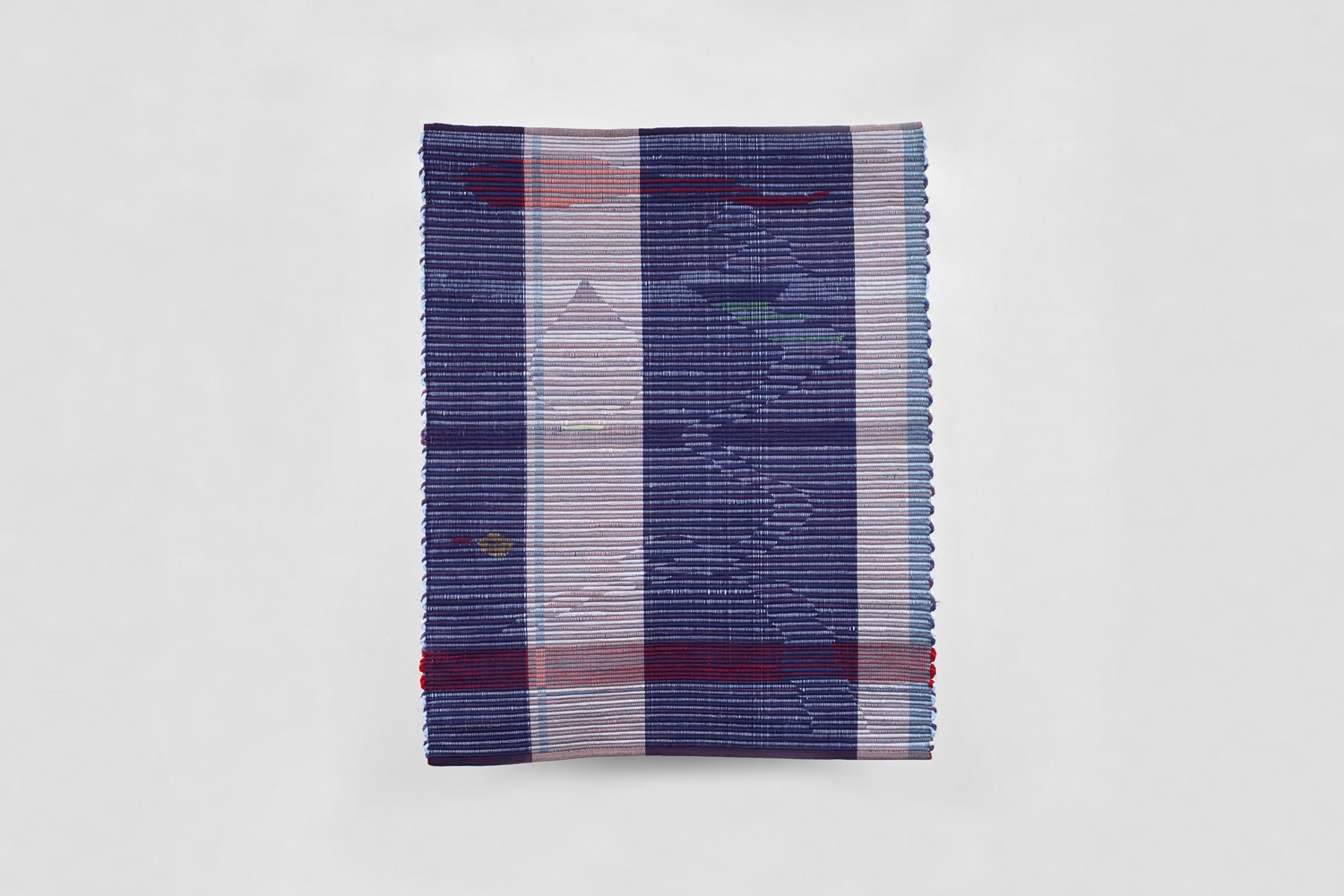
- Old sheets and repurposed ropes are often used as weft in her rugs
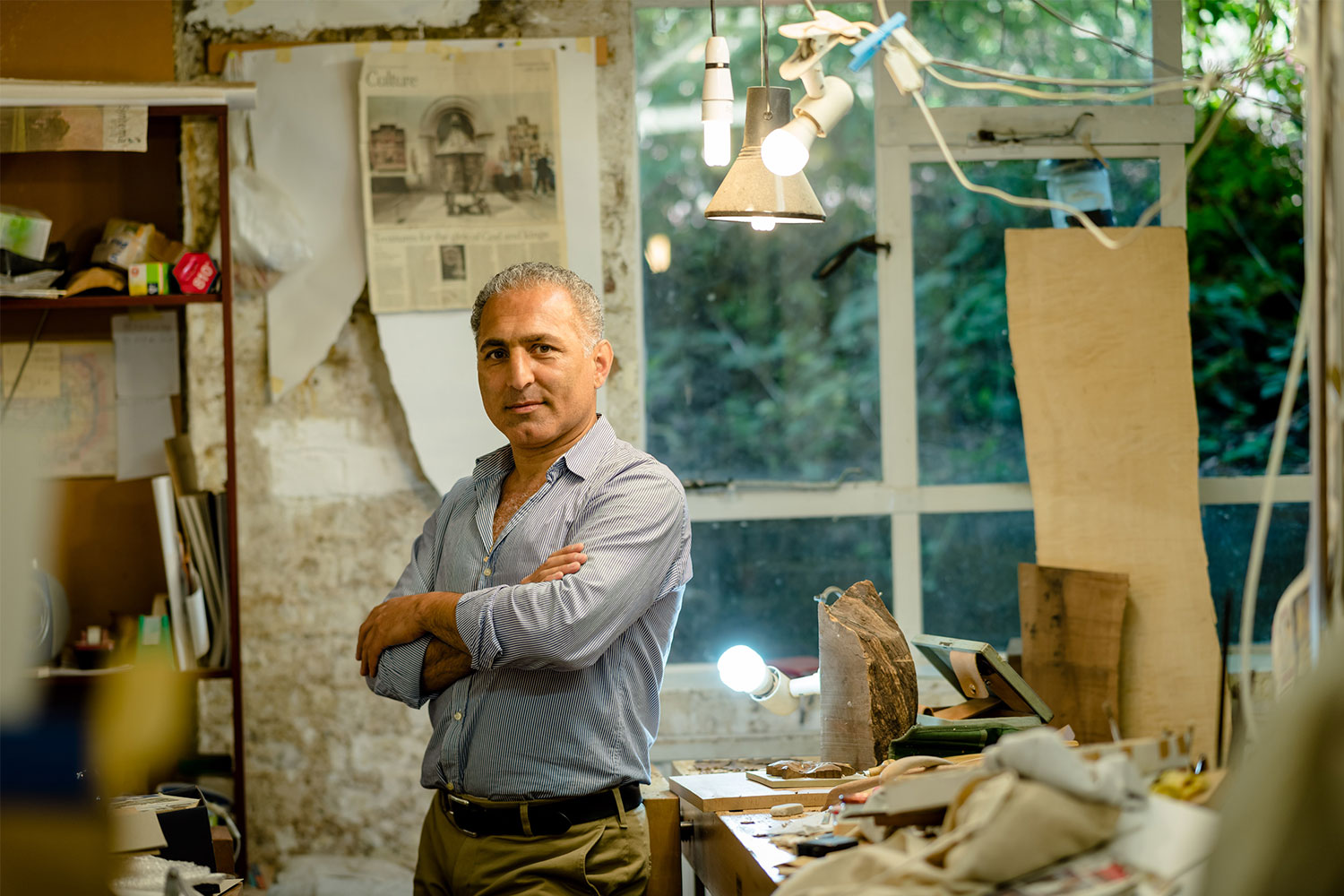
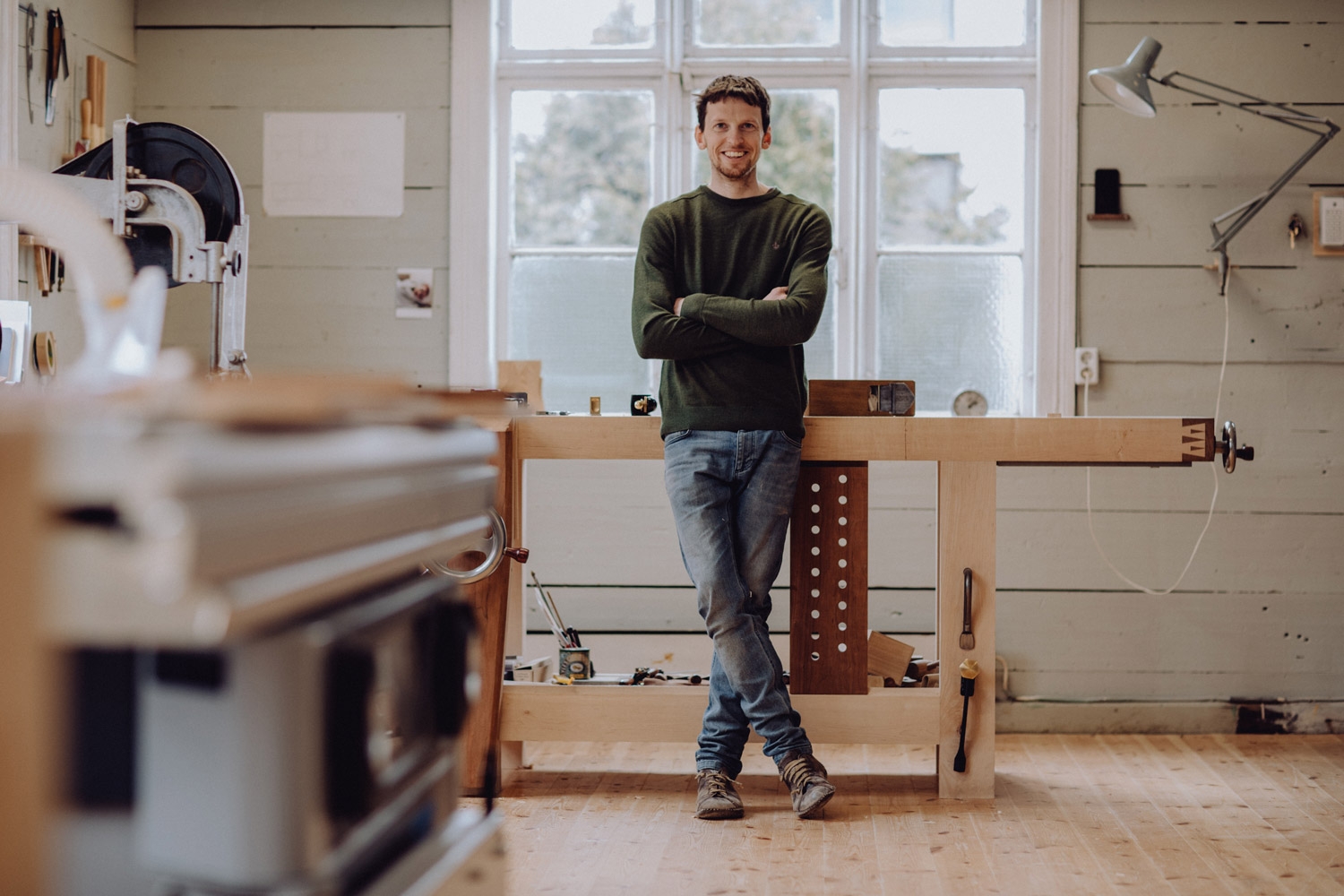
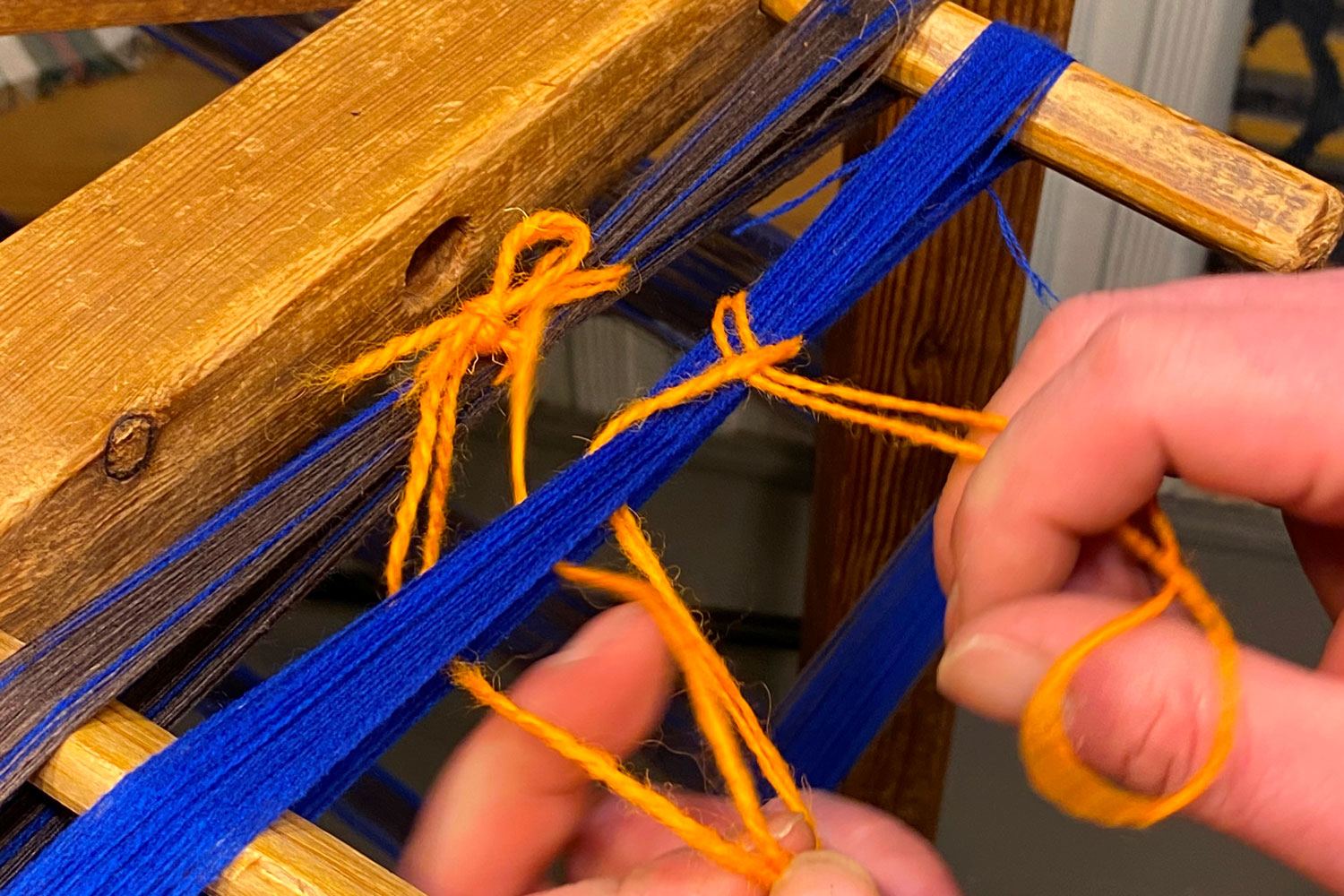
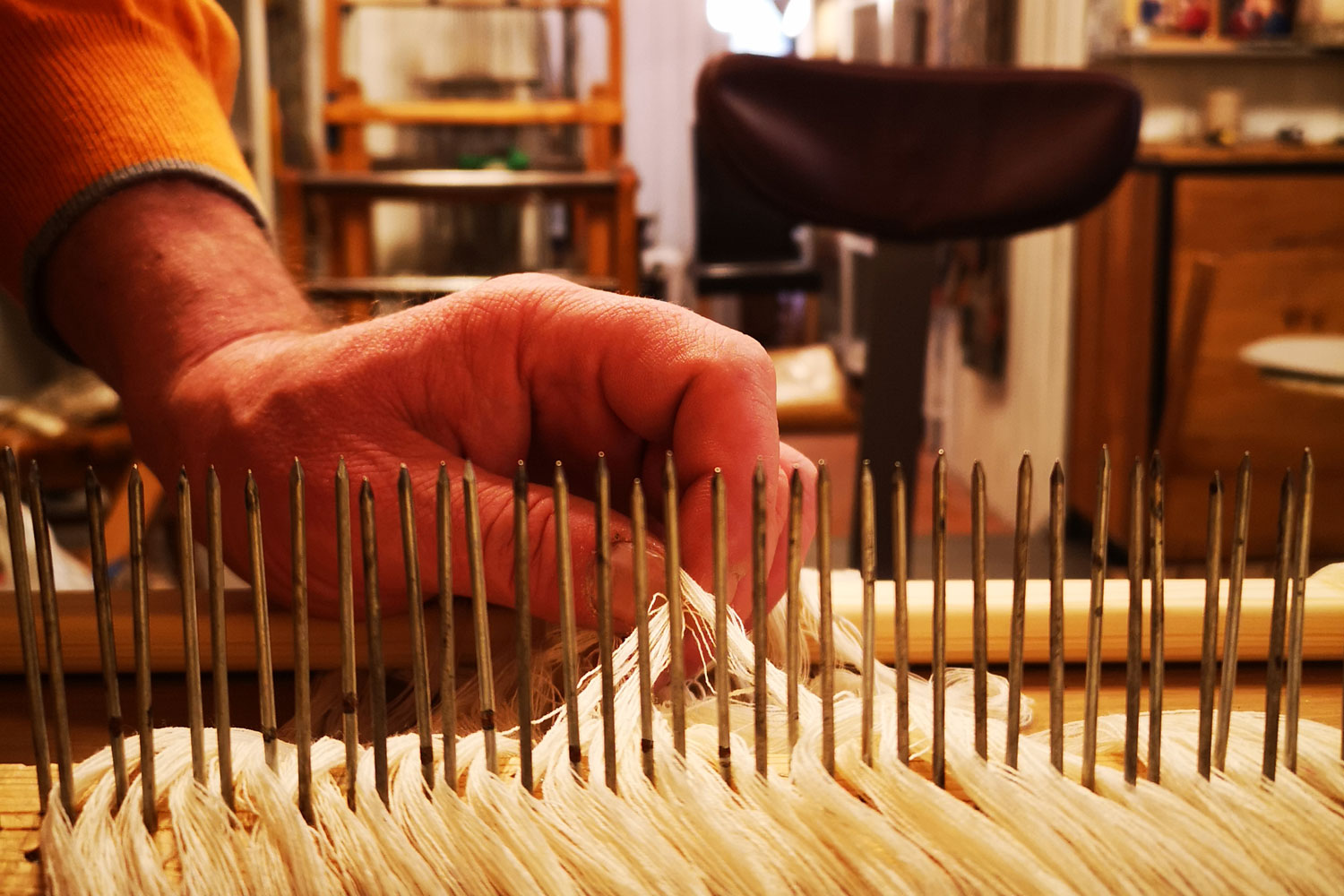
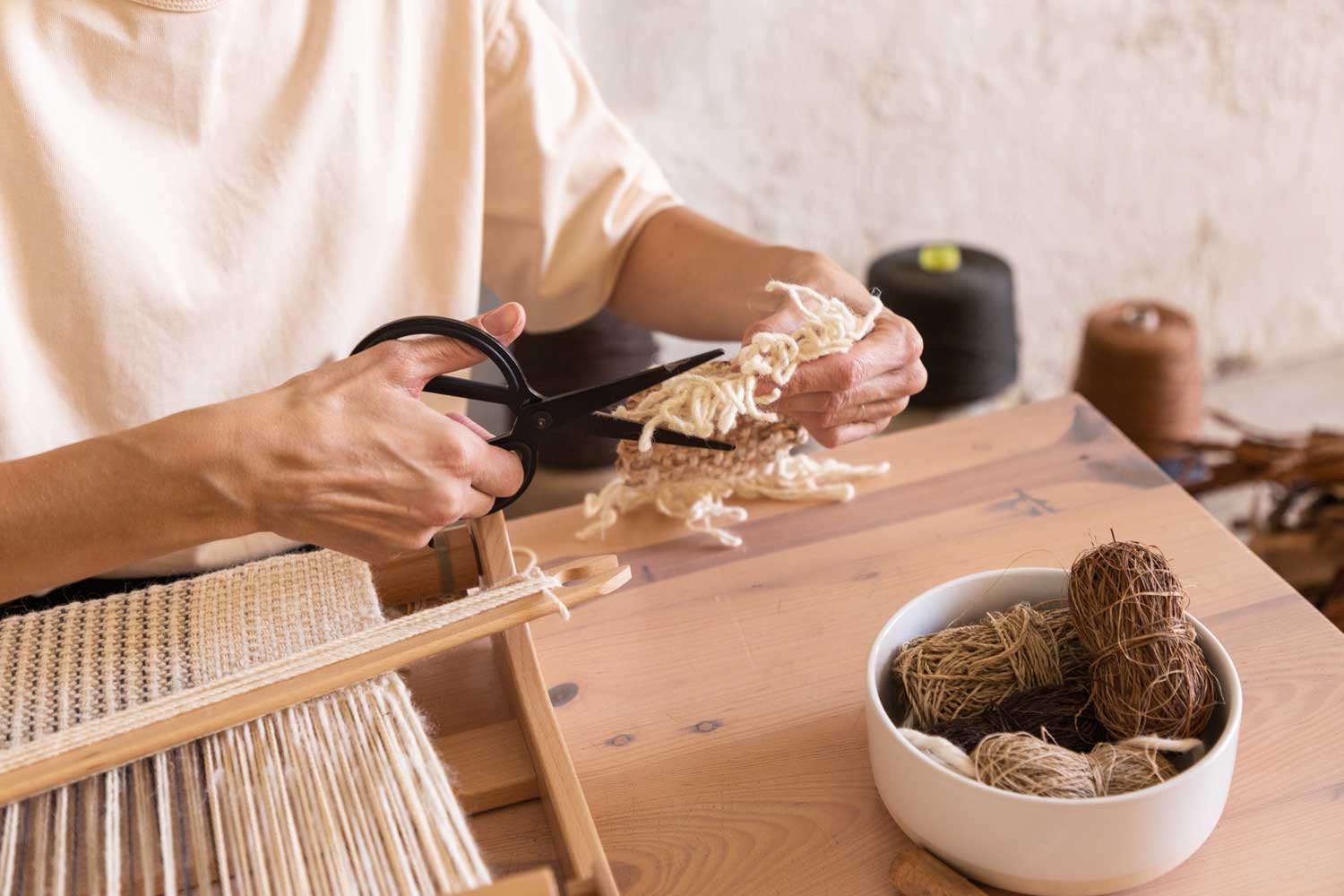
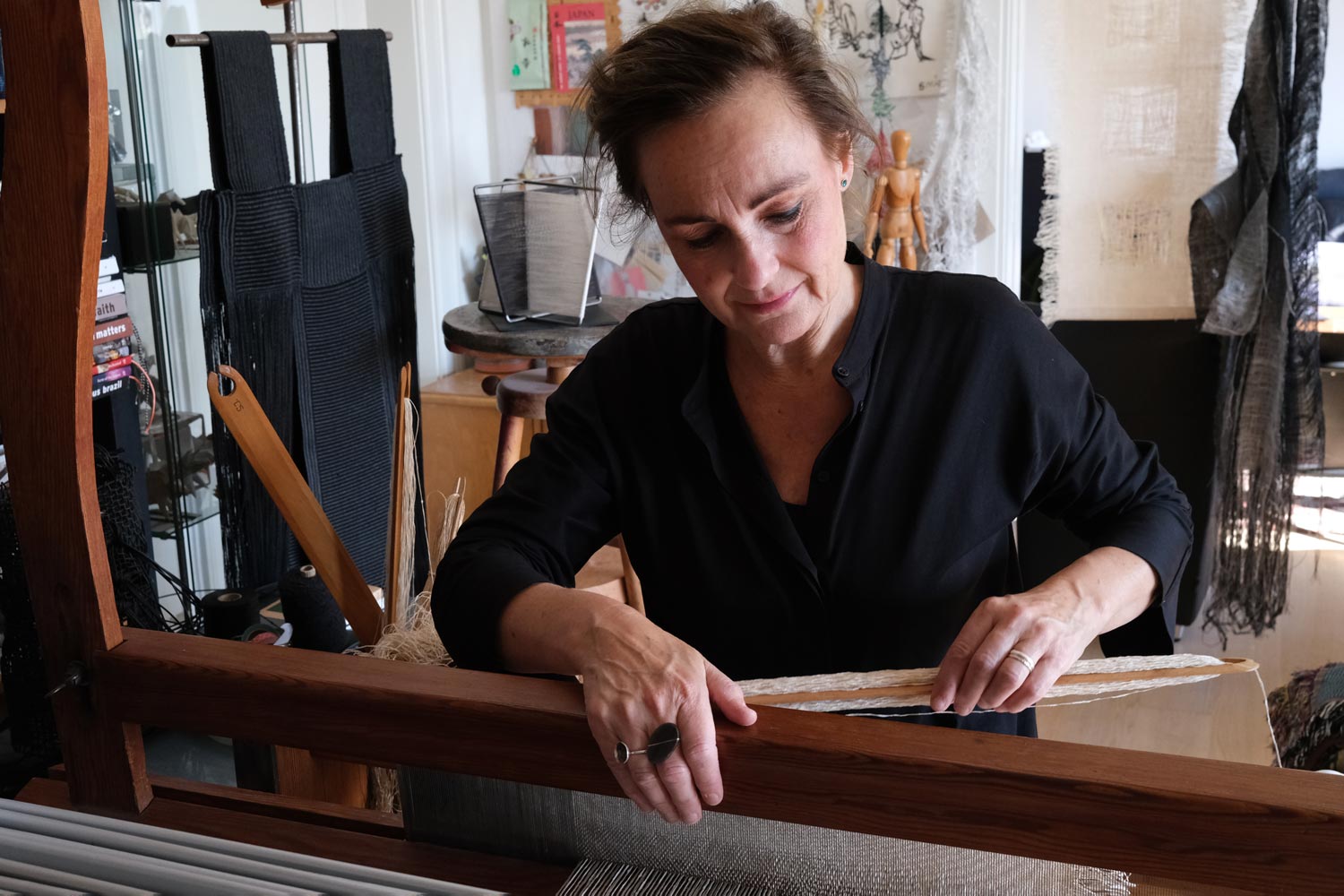
Estelle Bourdet is a Swiss-Swedish textile designer and hand weaver whose practice is shaped by functional textiles and a love of making with materials. Estelle trained in fine arts at École cantonale d’art de Lausanne (ECAL) and in traditional weaving at Capellagården. She combines slow, handwoven processes with a contemporary approach to form and space. "My work explores the relationship between function and materiality, and I often incorporate repurposed materials to create works and installations that are grounded in care and reuse," she says. Estelle runs her weaving studio as part of Luster Mikromakeri, a non-profit creative collective.


INTERVIEW
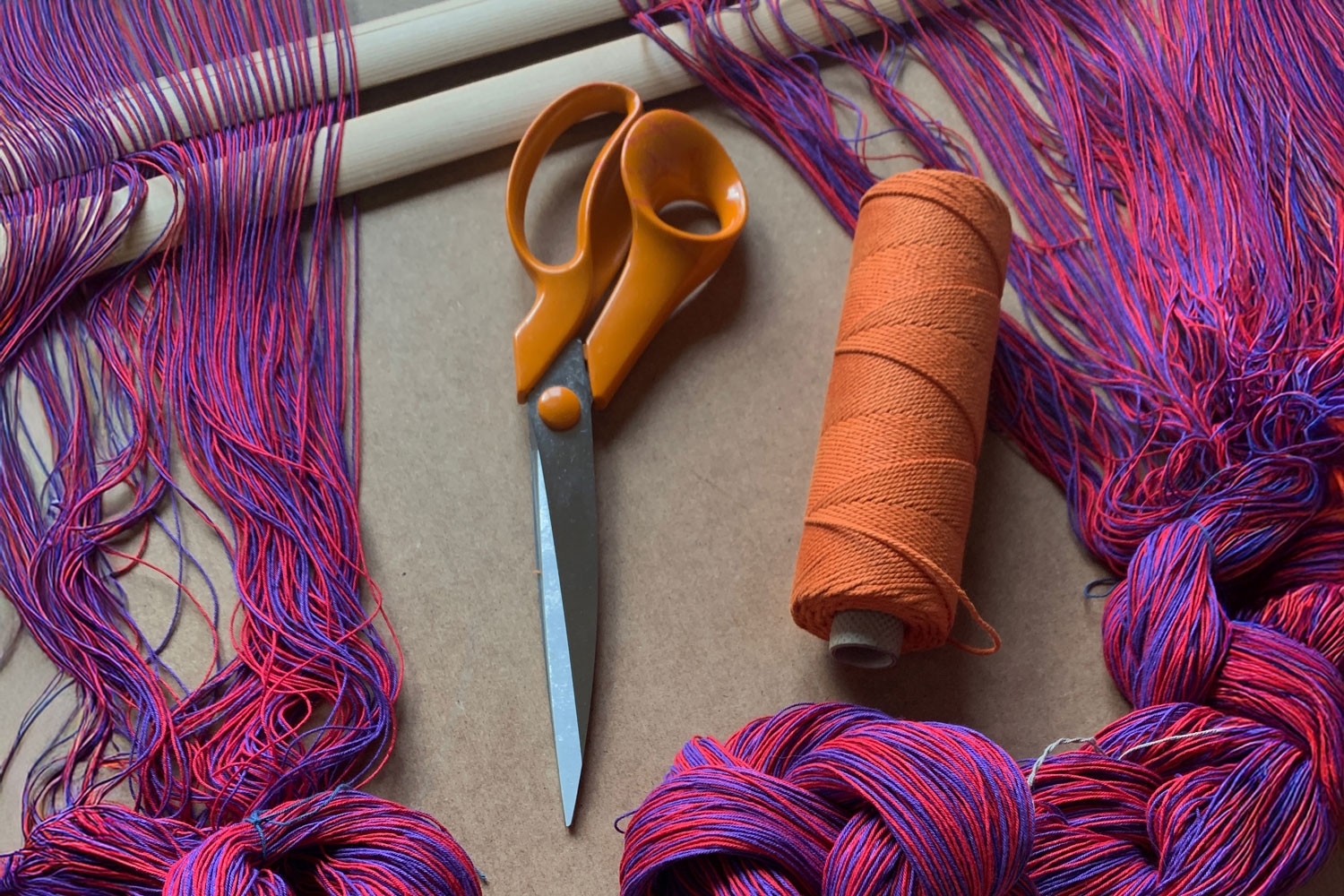
Fibres have always had a special place in my life. Since childhood, I have collected textiles and yarns, and am drawn to textures, colours, and traces of use. During my studies at École cantonale d’art de Lausanne (ECAL), I turned to hand weaving because it allowed me to merge and assemble these collected materials and the memories attached to them.
I understand craft as inherently connected to place, not in a nostalgic sense, but through systems of use, material availability, and ways of living. Rather than referencing tradition directly, I am interested in how regional practices can be translated and reactivated in new contexts. Rag rugs, for example, function in my work as a logic of reuse, rhythm and making rather than as historical motifs.
My work is rooted in domestic space and everyday gestures. I am interested in how textiles operate within interiors through scale, texture and colour and how they influence movement, rest and behaviour. My work often moves between functional objects and more spatial or architectural expressions.
Working with such an ancestral technique as weaving makes it possible to look both backwards and forwards, to understand how things have been, what could be changed, and to carry on what ought to be taken into the future. Tradition, for me, does not always need to be fixed; it is something that gains meaning through continuation and transformation.
Estelle Bourdet
Luster Mikromakeri
Weaver
Luster, Norway
Recommended by Métiers d'art Suisse
AVAILABILITY
By appointment only
PHONE
+47 40316626
LANGUAGES
Norwegian, French, English, Swedish
Homo Faber Finds is a new service aiming to inspire admirers of craft to connect and collaborate with exceptional artisans.
We invite you to submit an enquiry here.