Eric Pilhofer
Ceramicist
Minnetonka, MN, USA
The contemplative nature of ceramics
- Eric’s practice is rooted in quiet, thoughtful forms
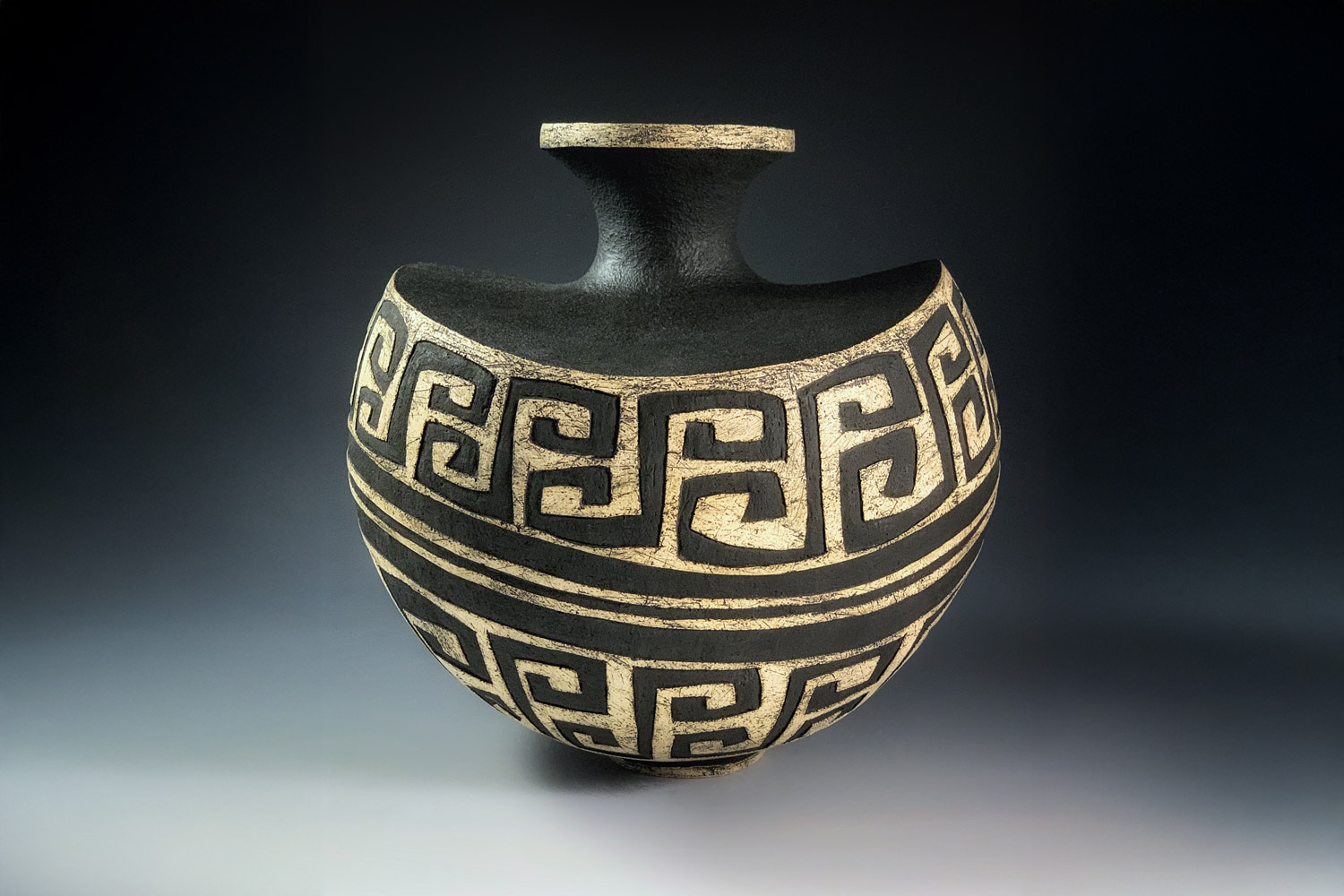
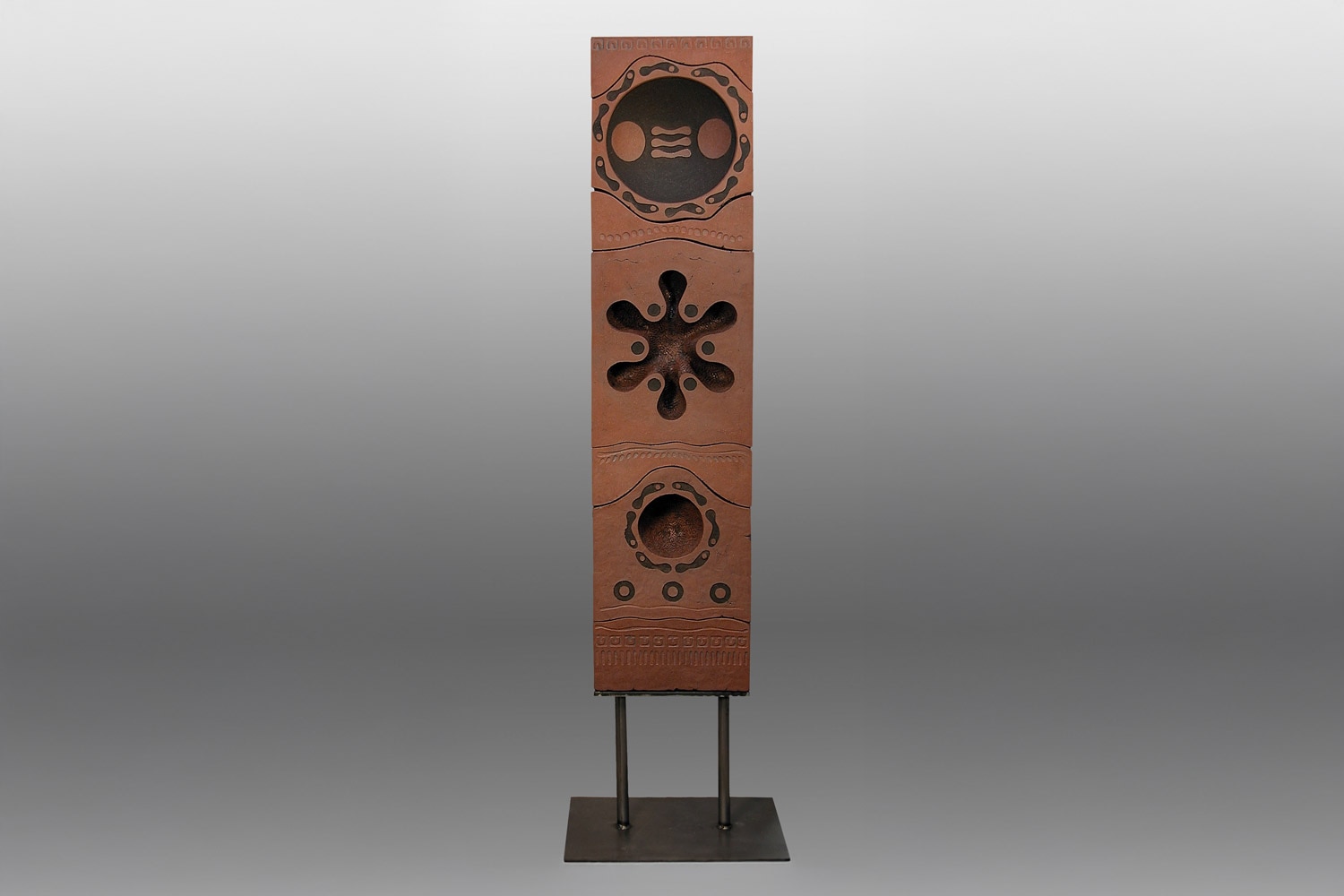
- Ancient Egyptian and Mayan cultures have a significant influence on his work
- His tactile, human-focused sculptures are made in earthenware
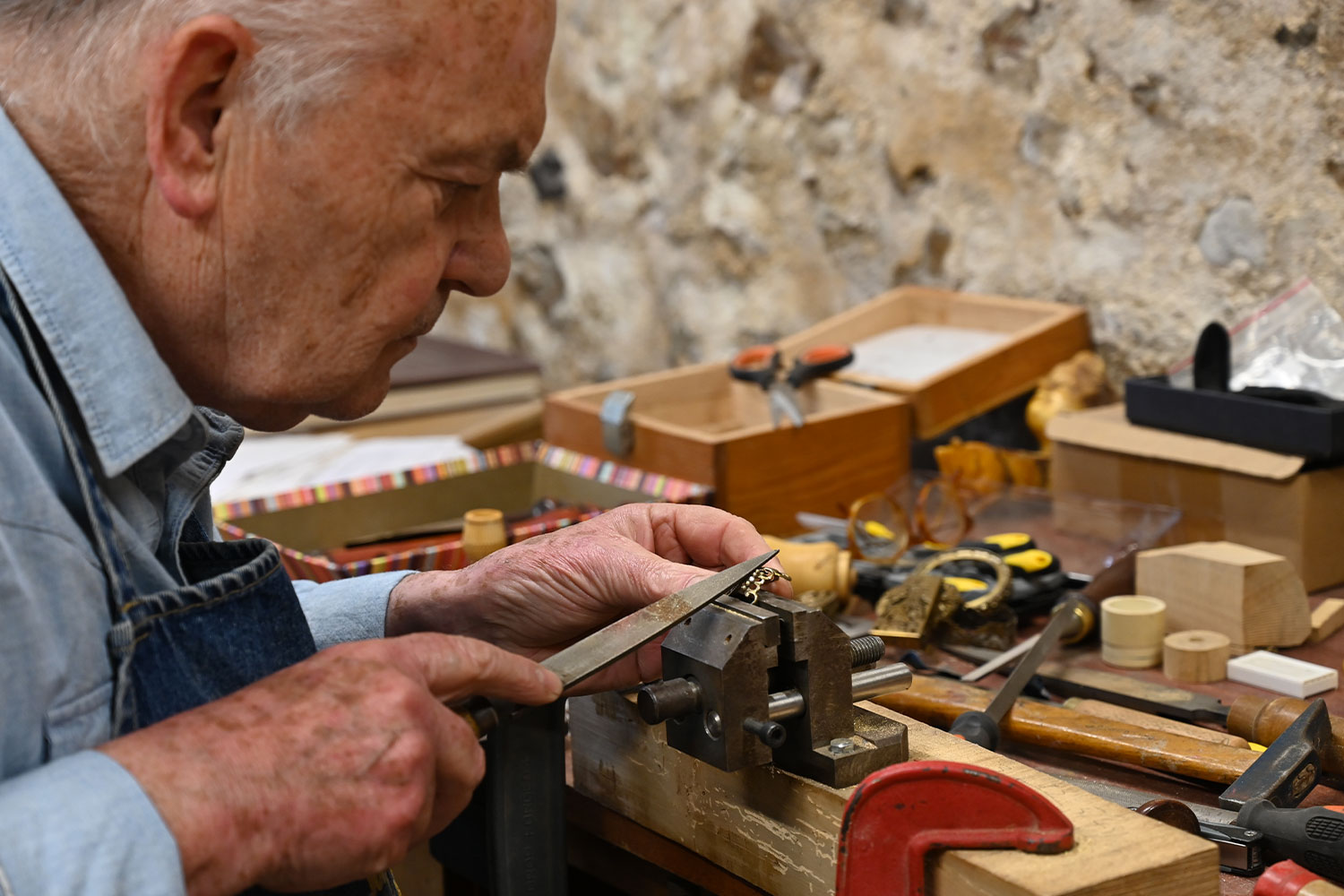
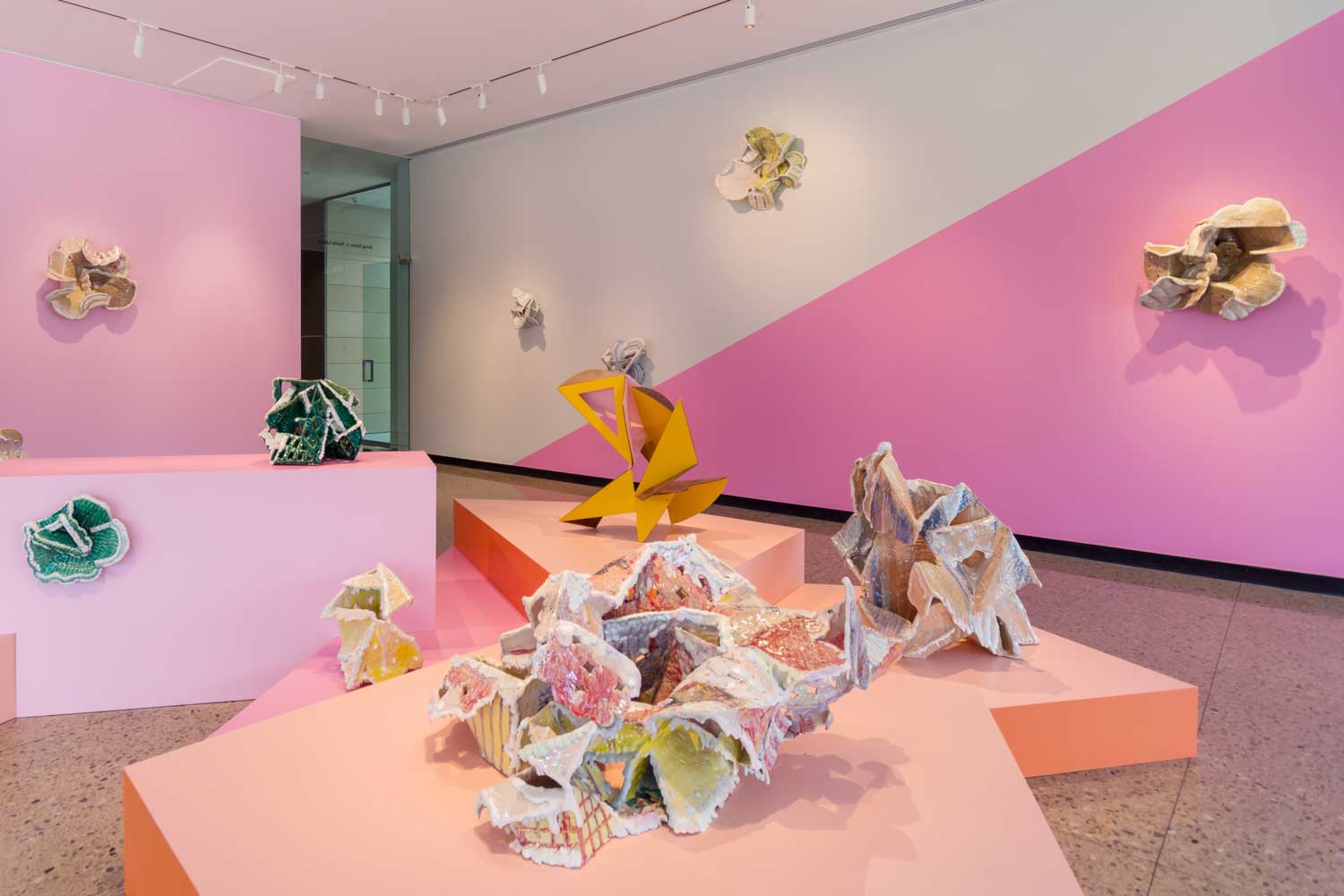
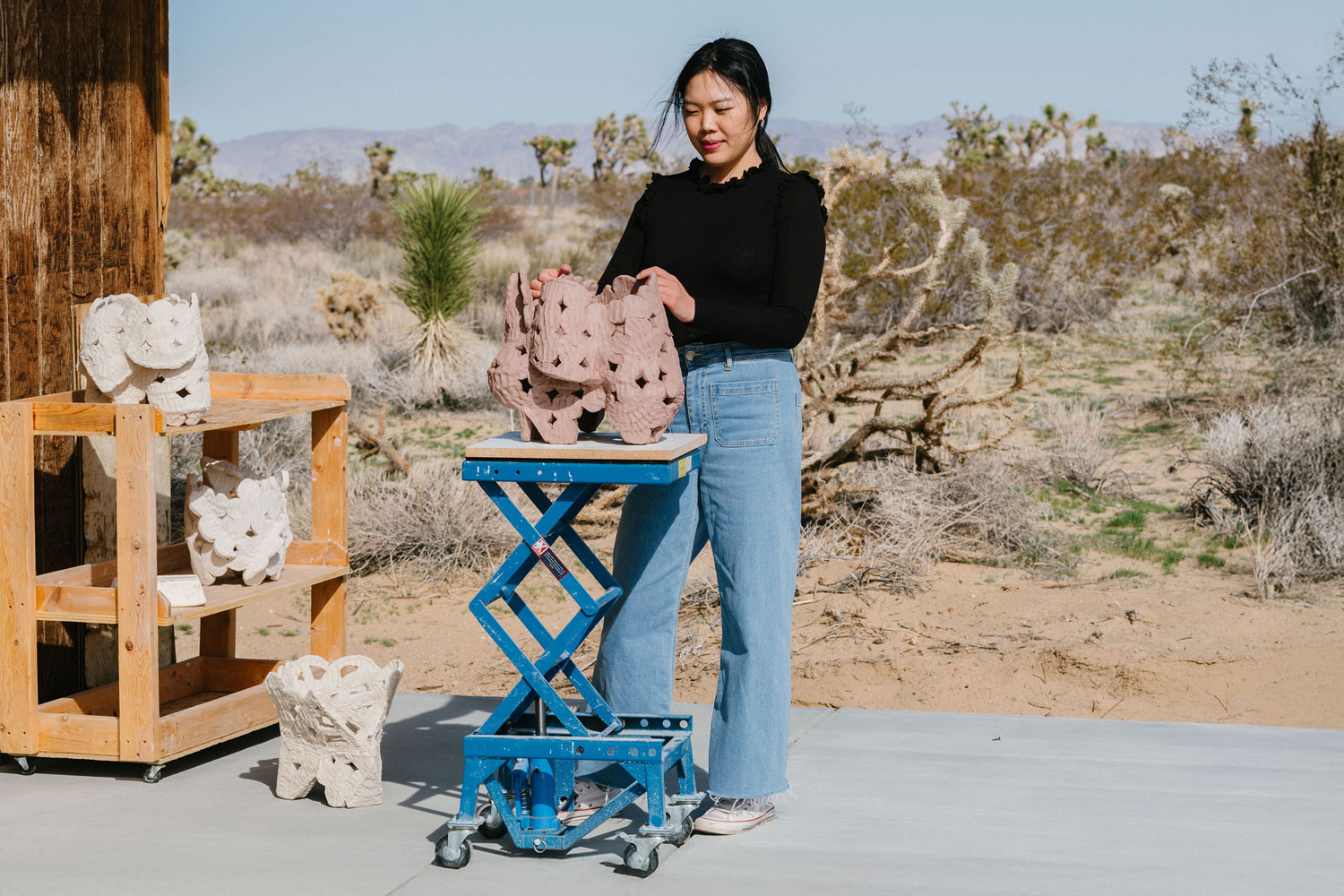
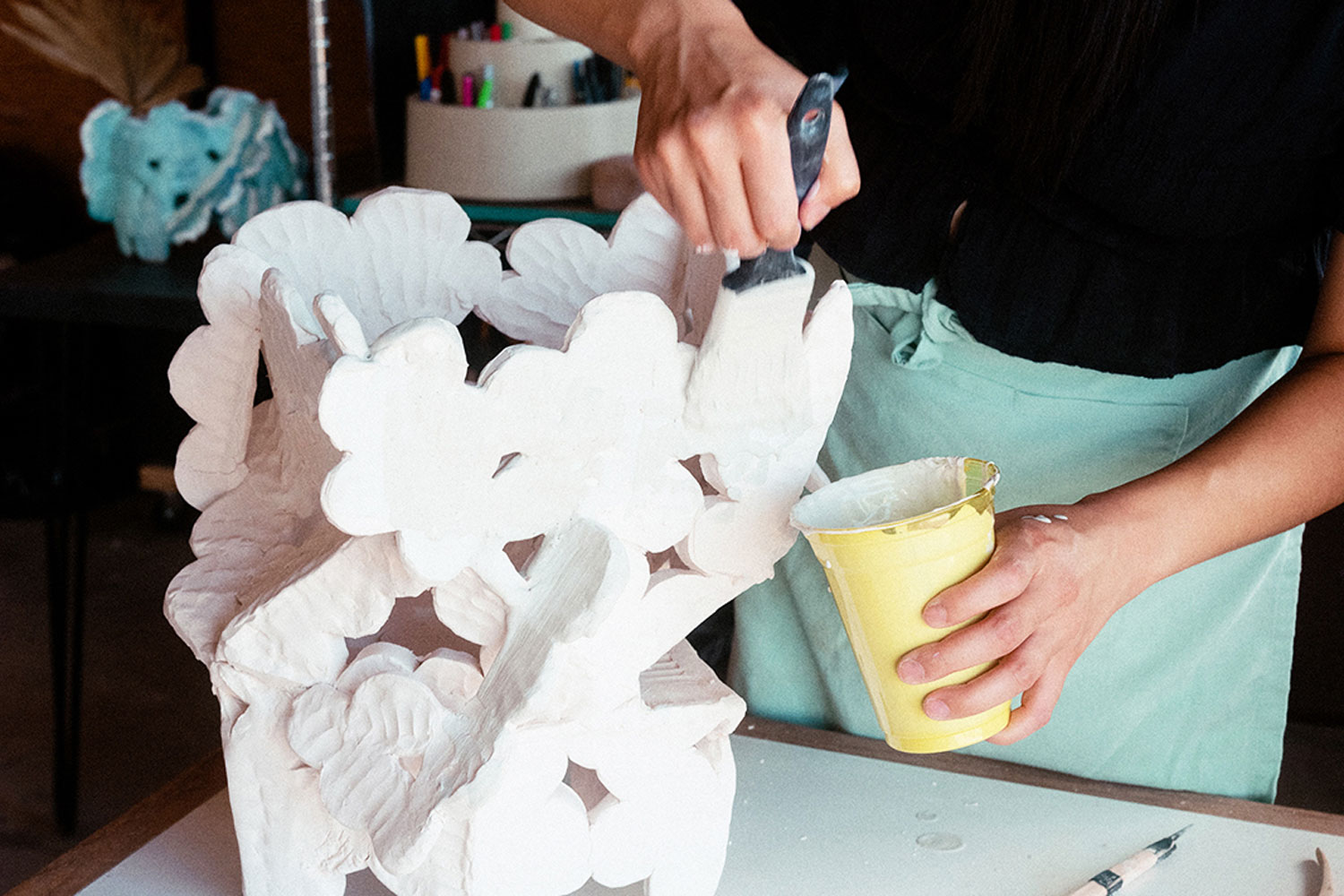
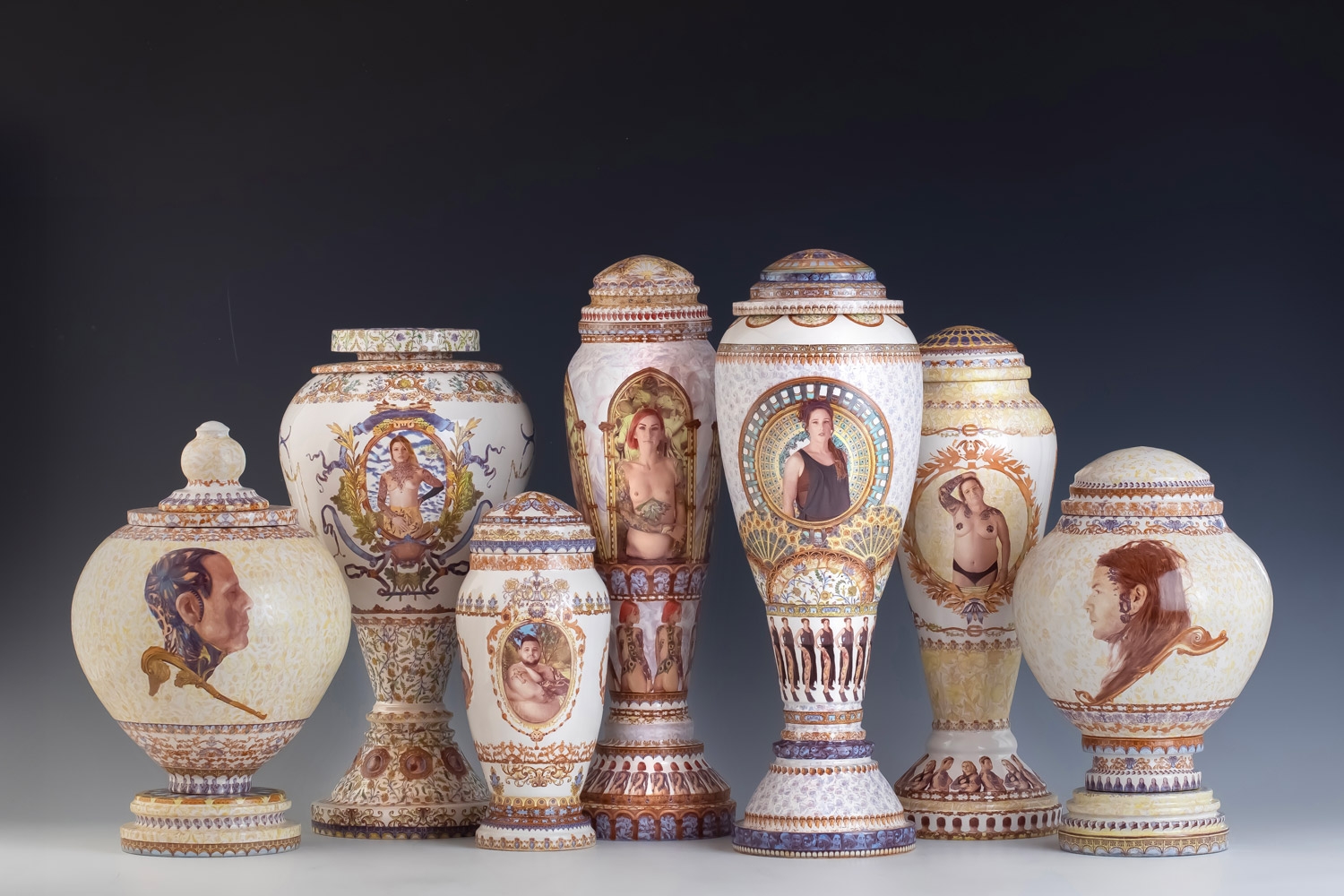
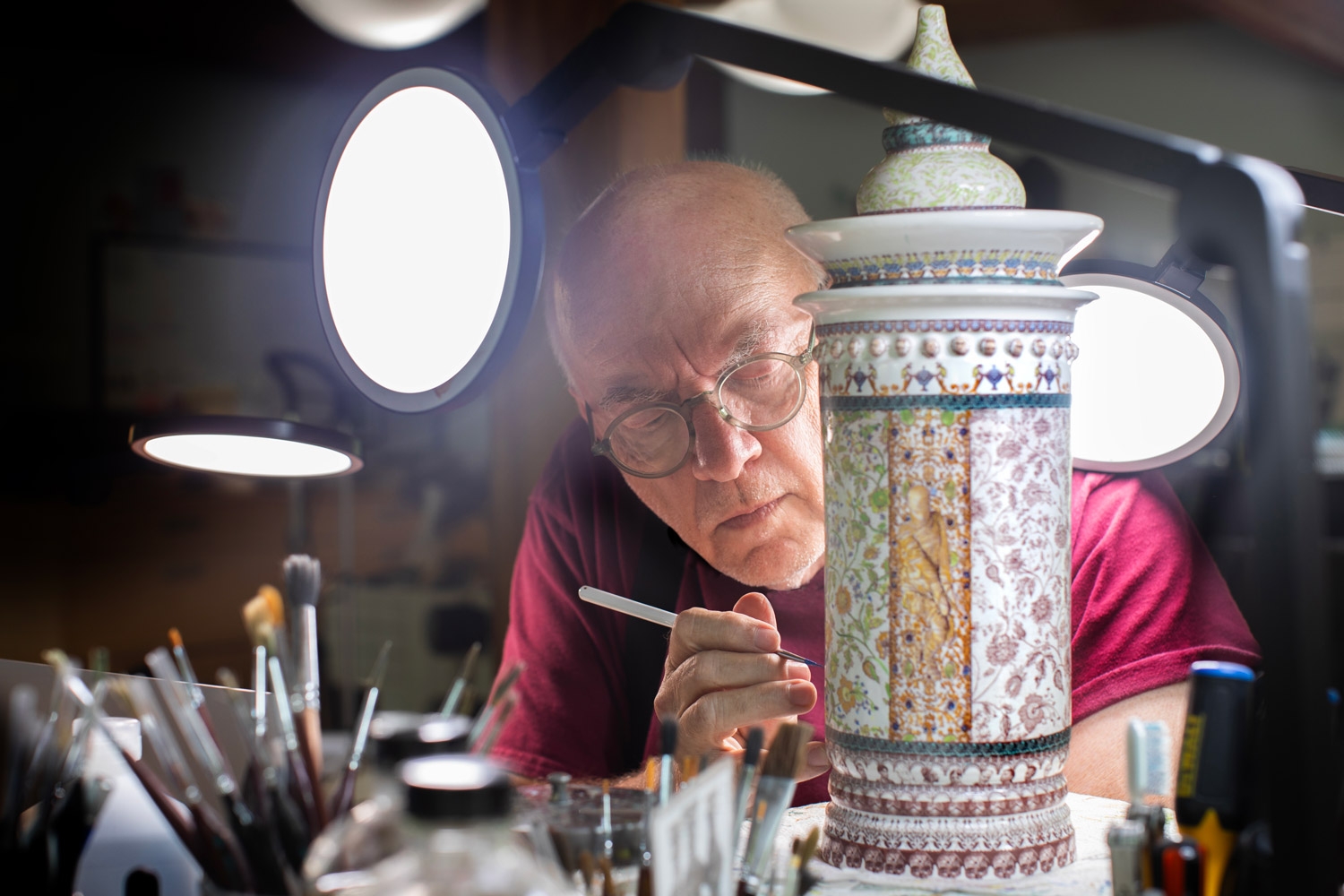
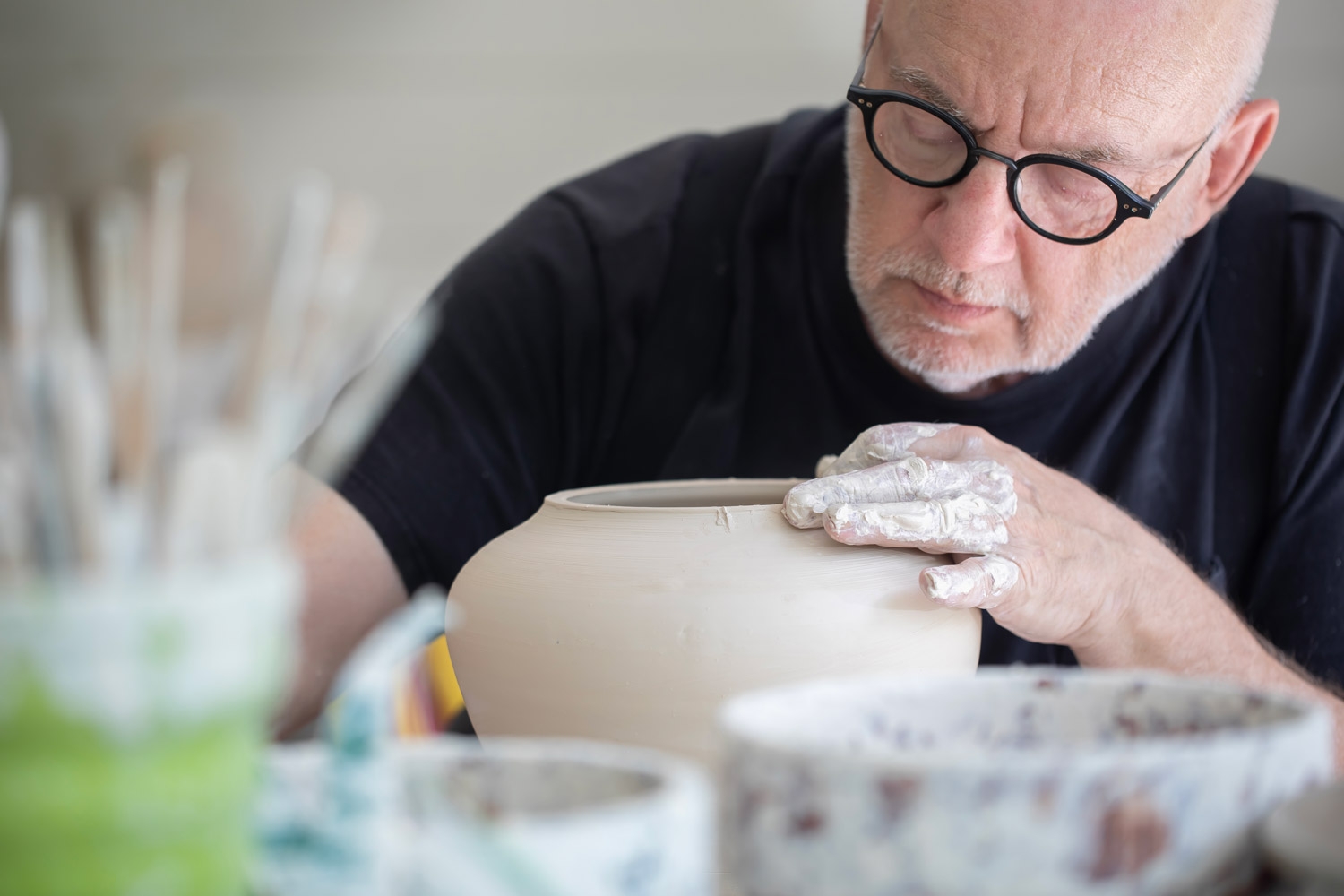
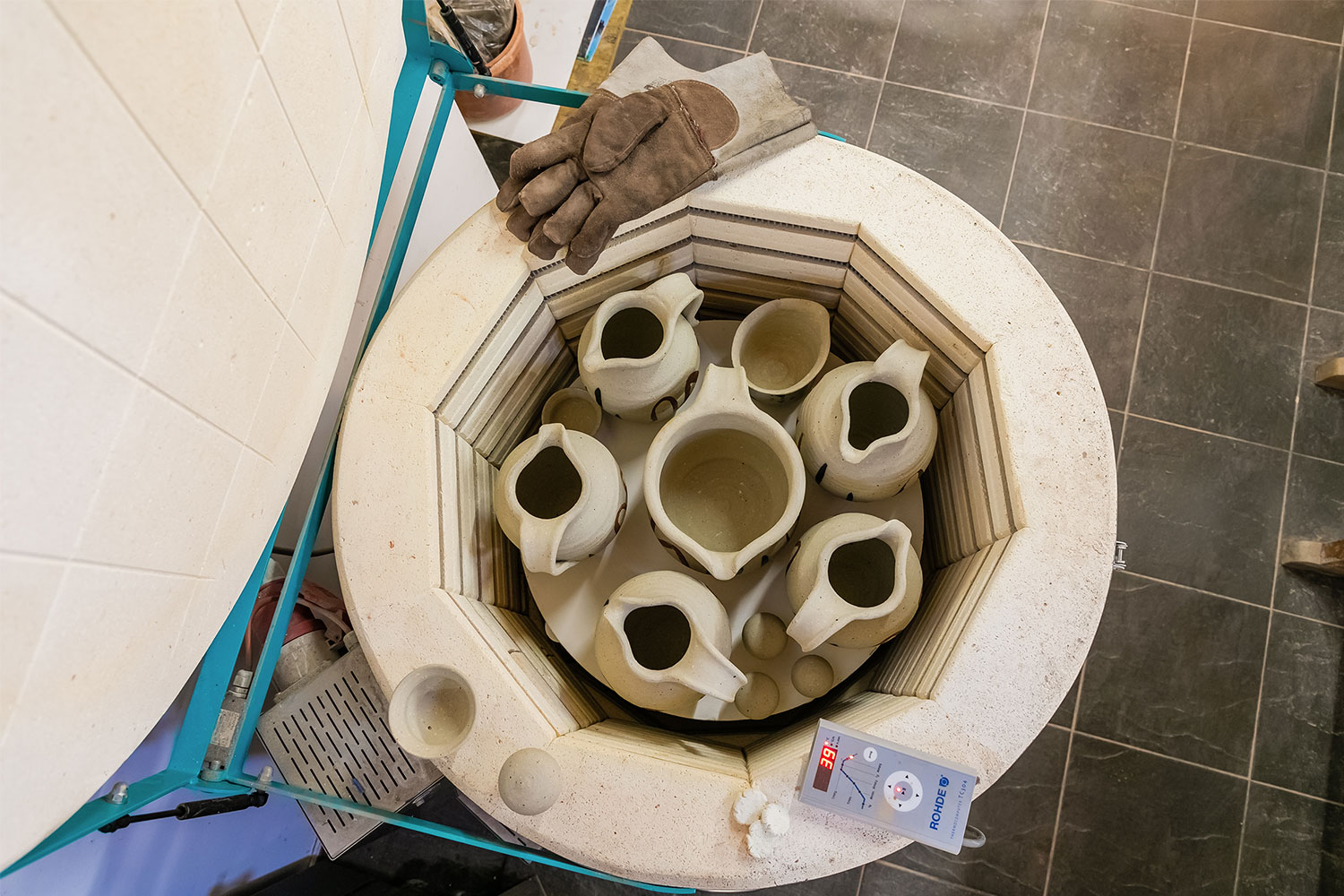
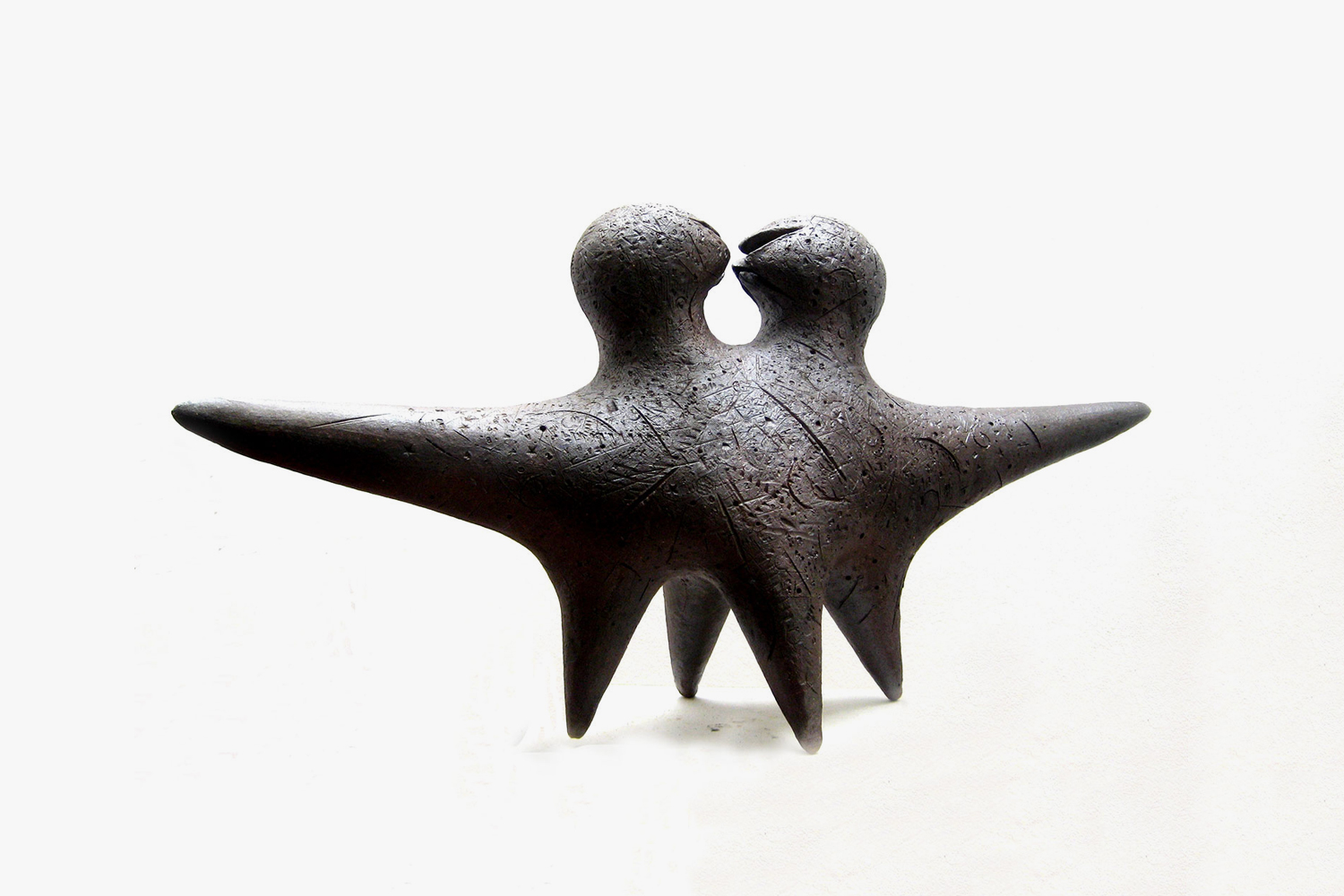
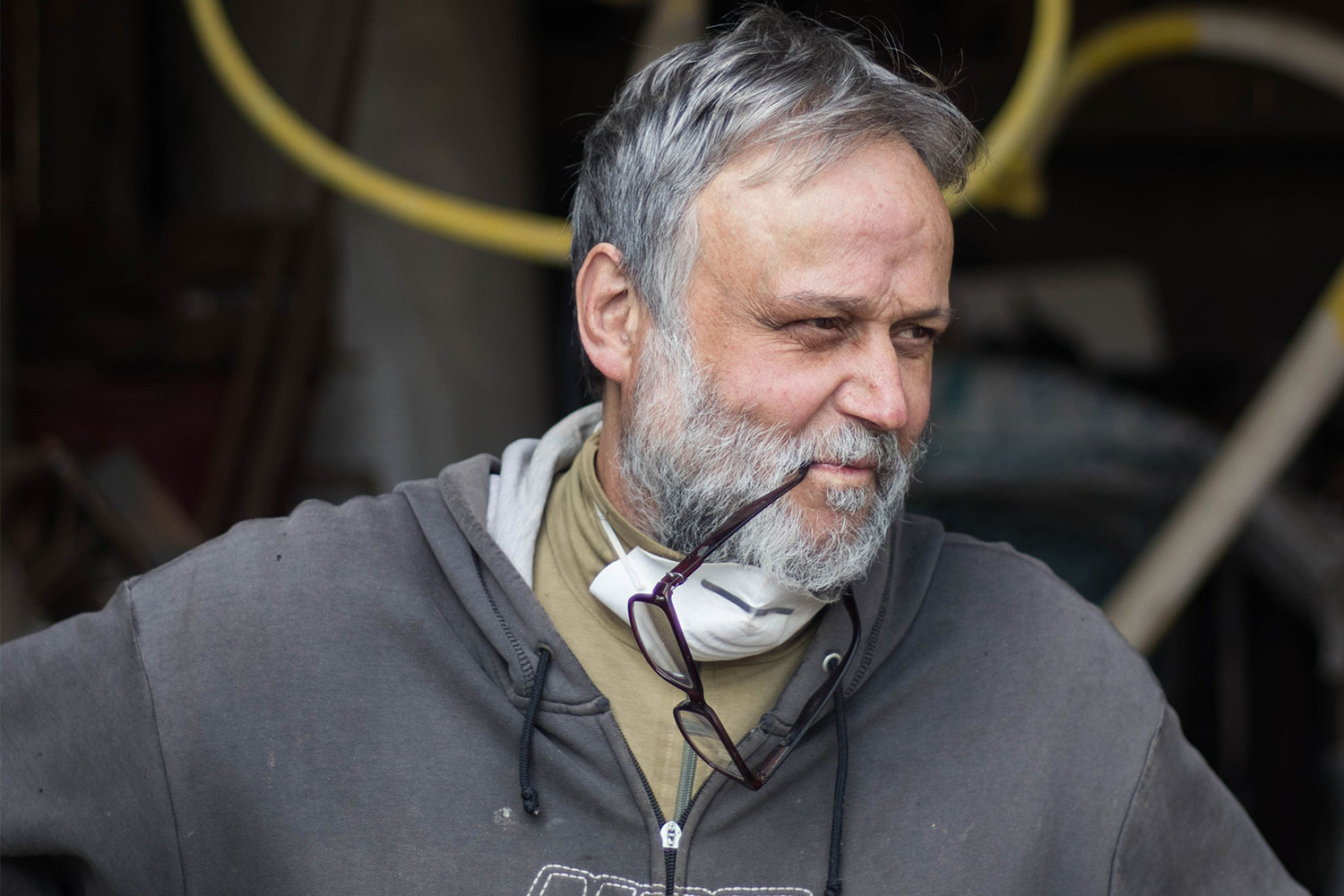
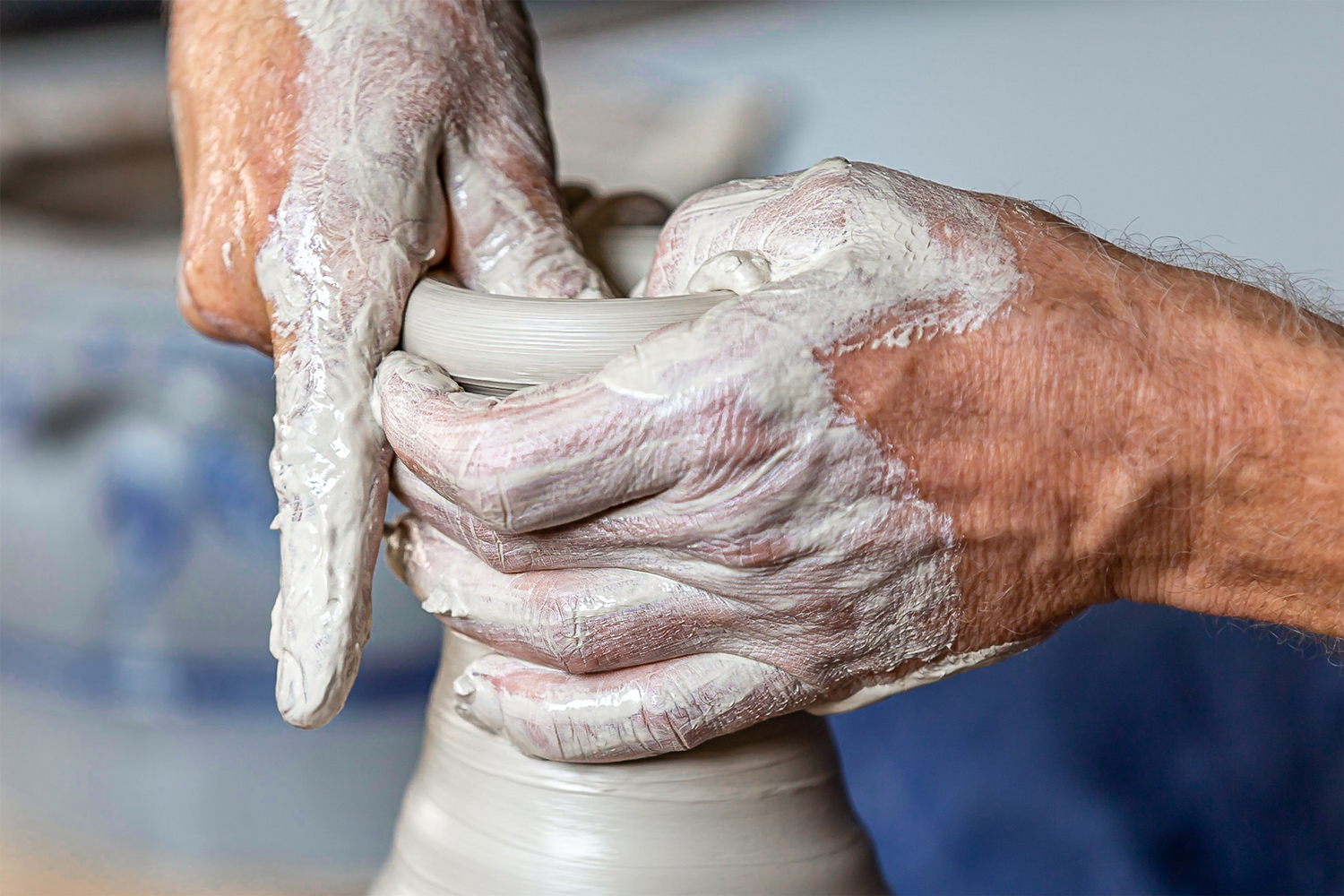
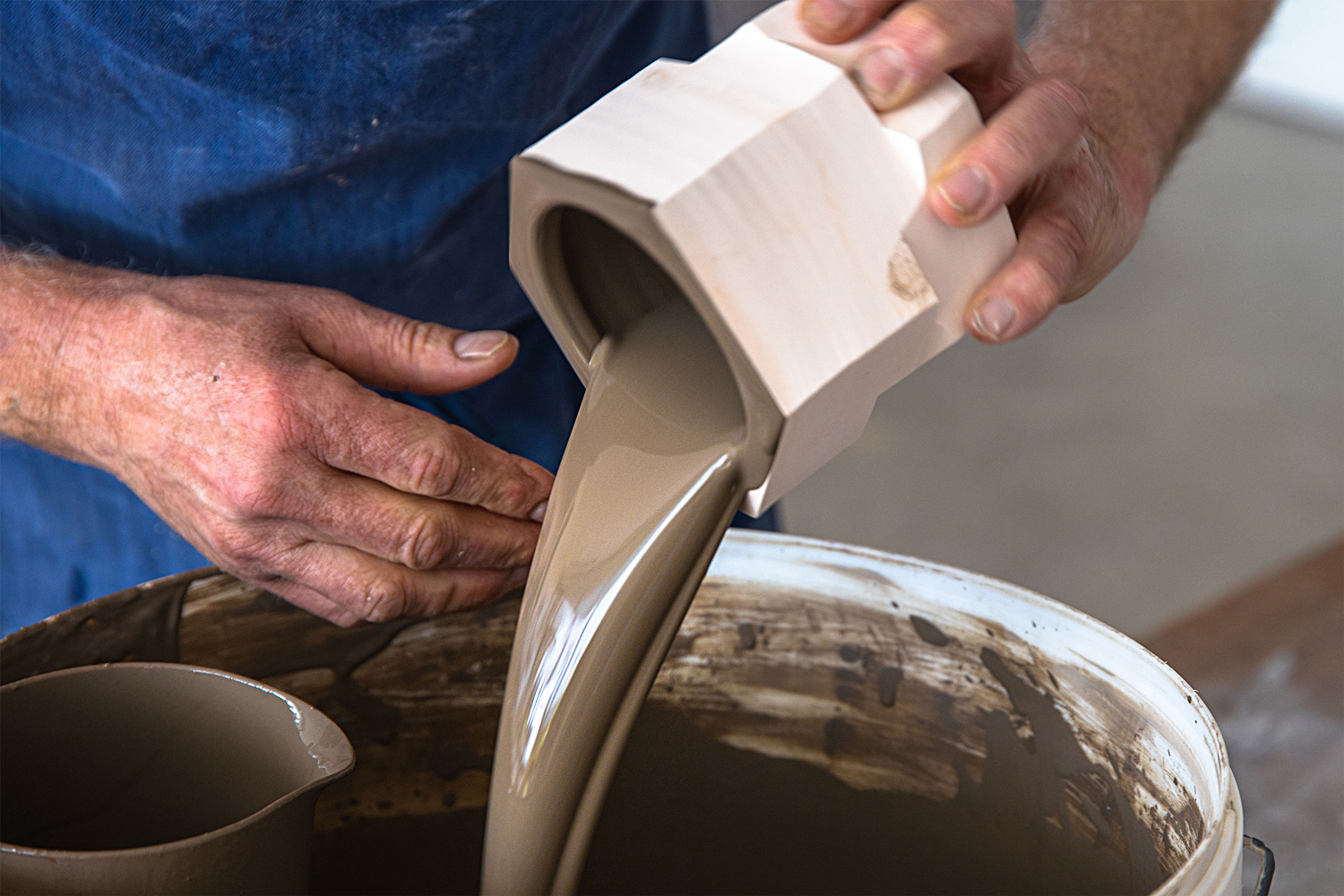
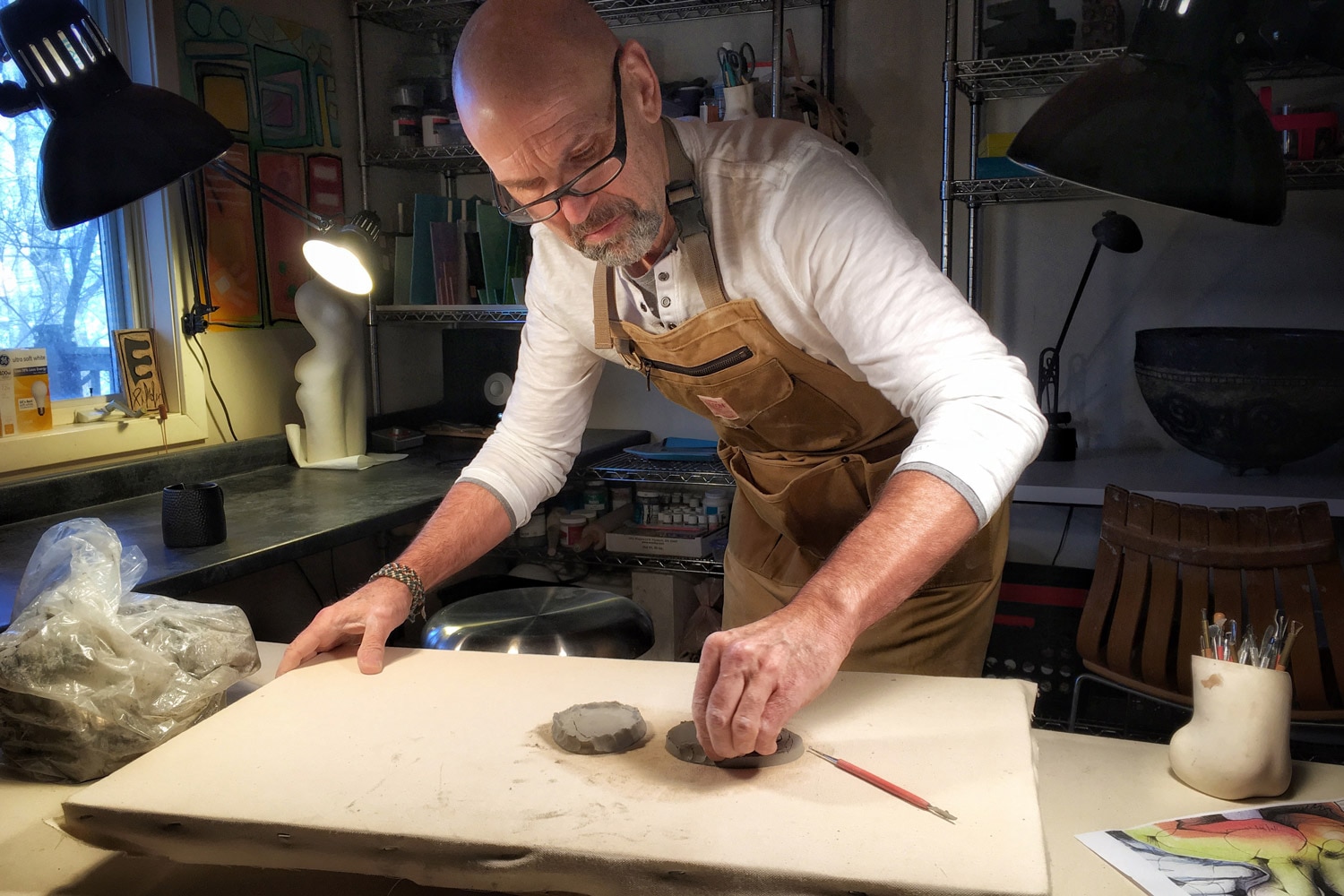
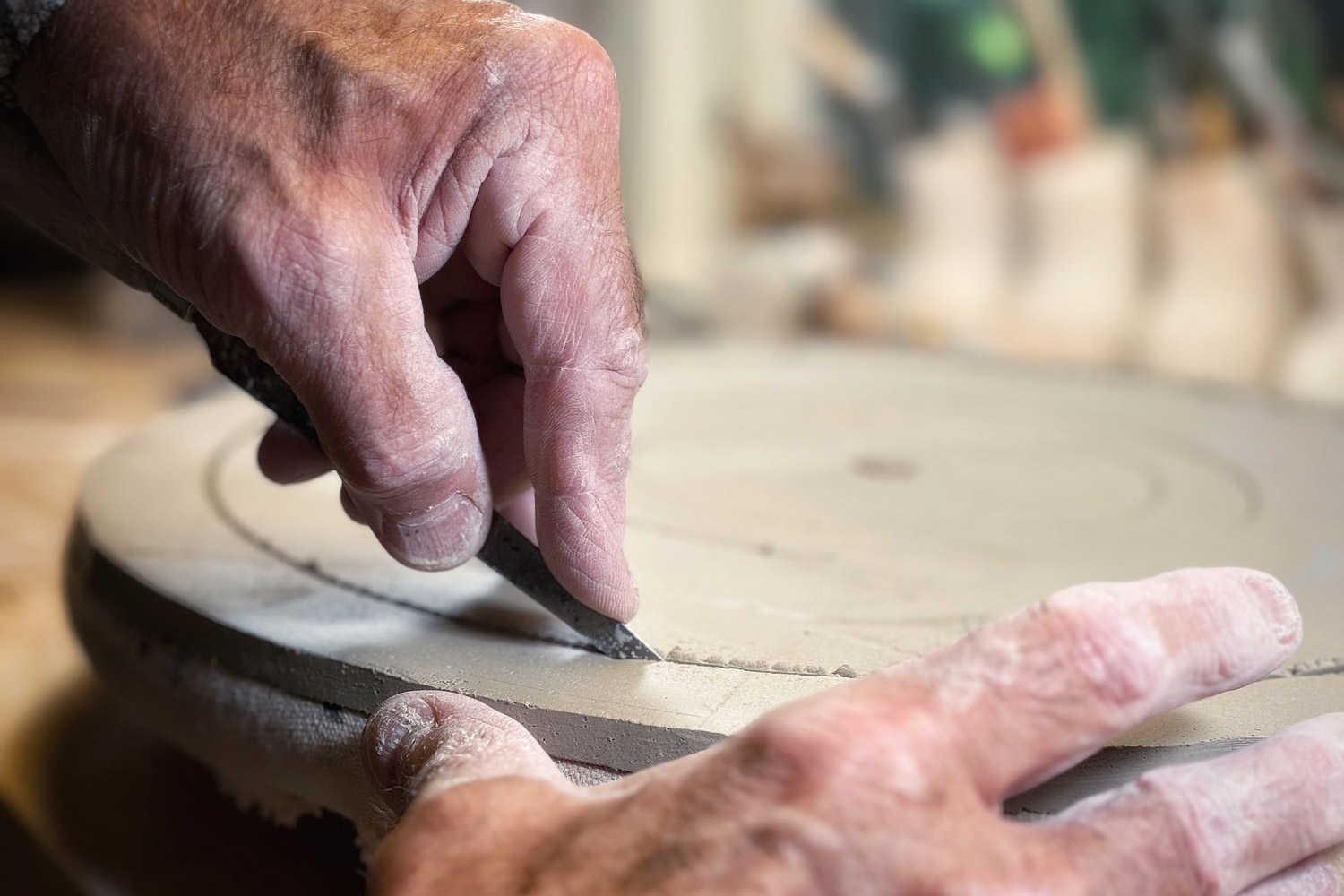
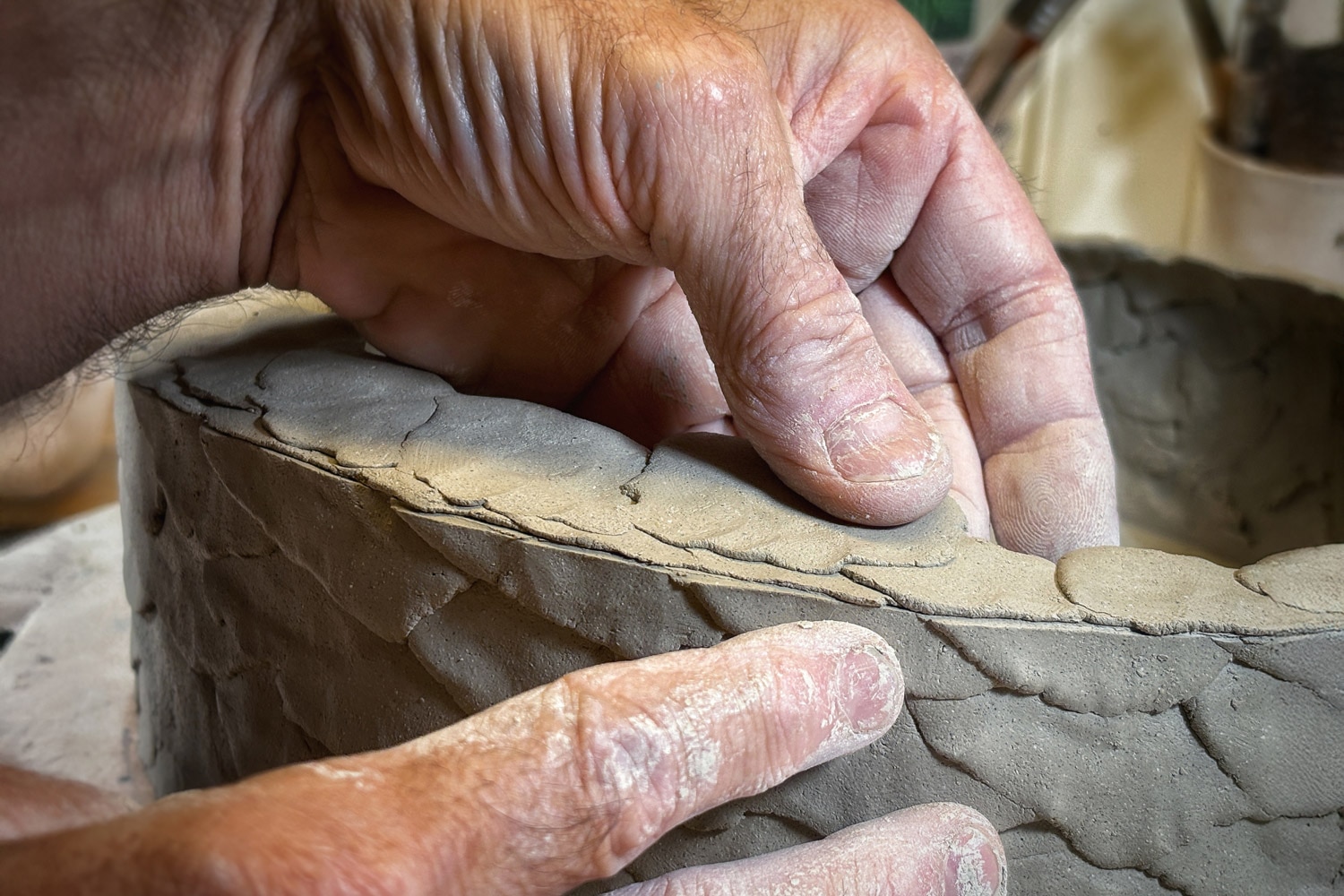
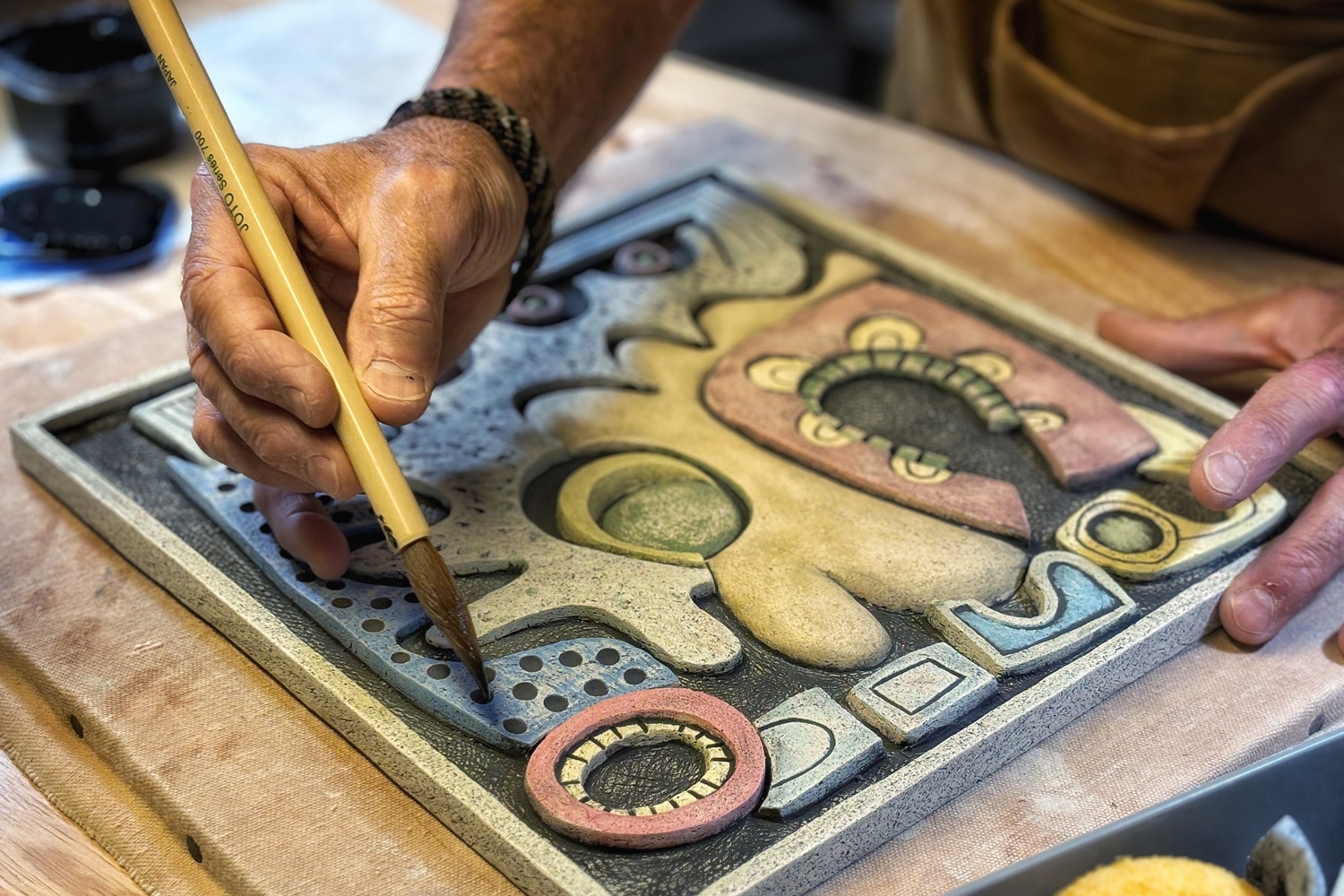
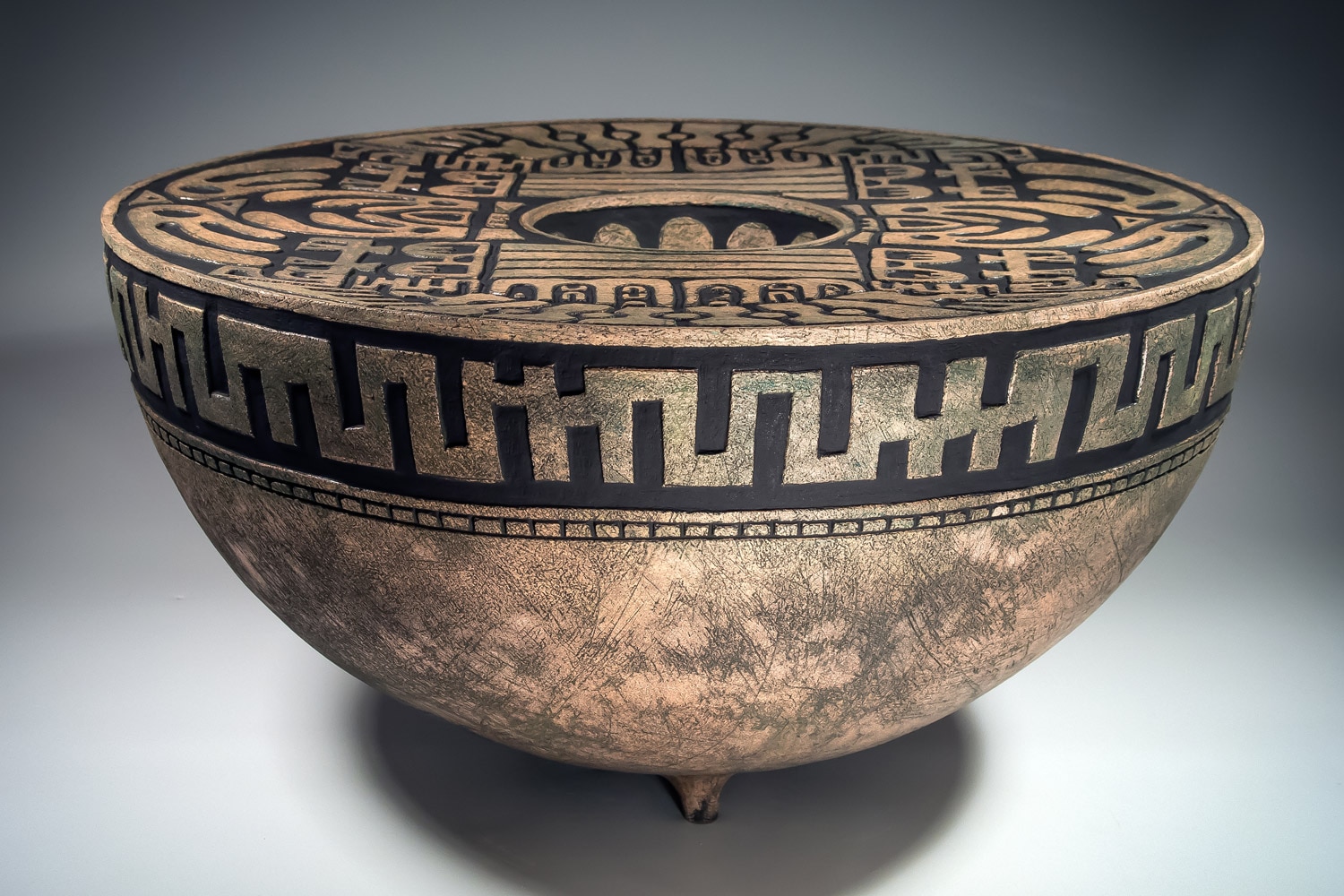
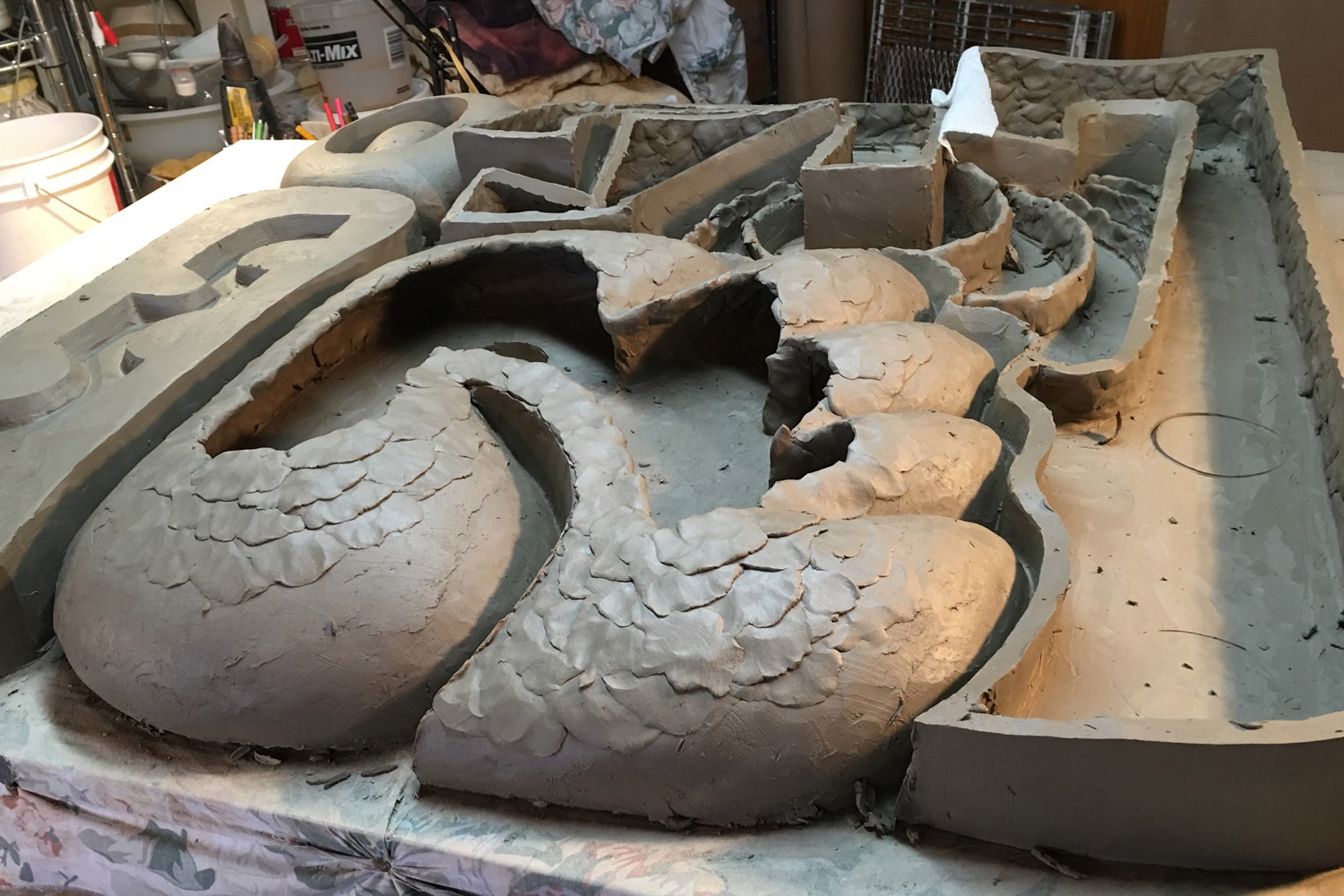
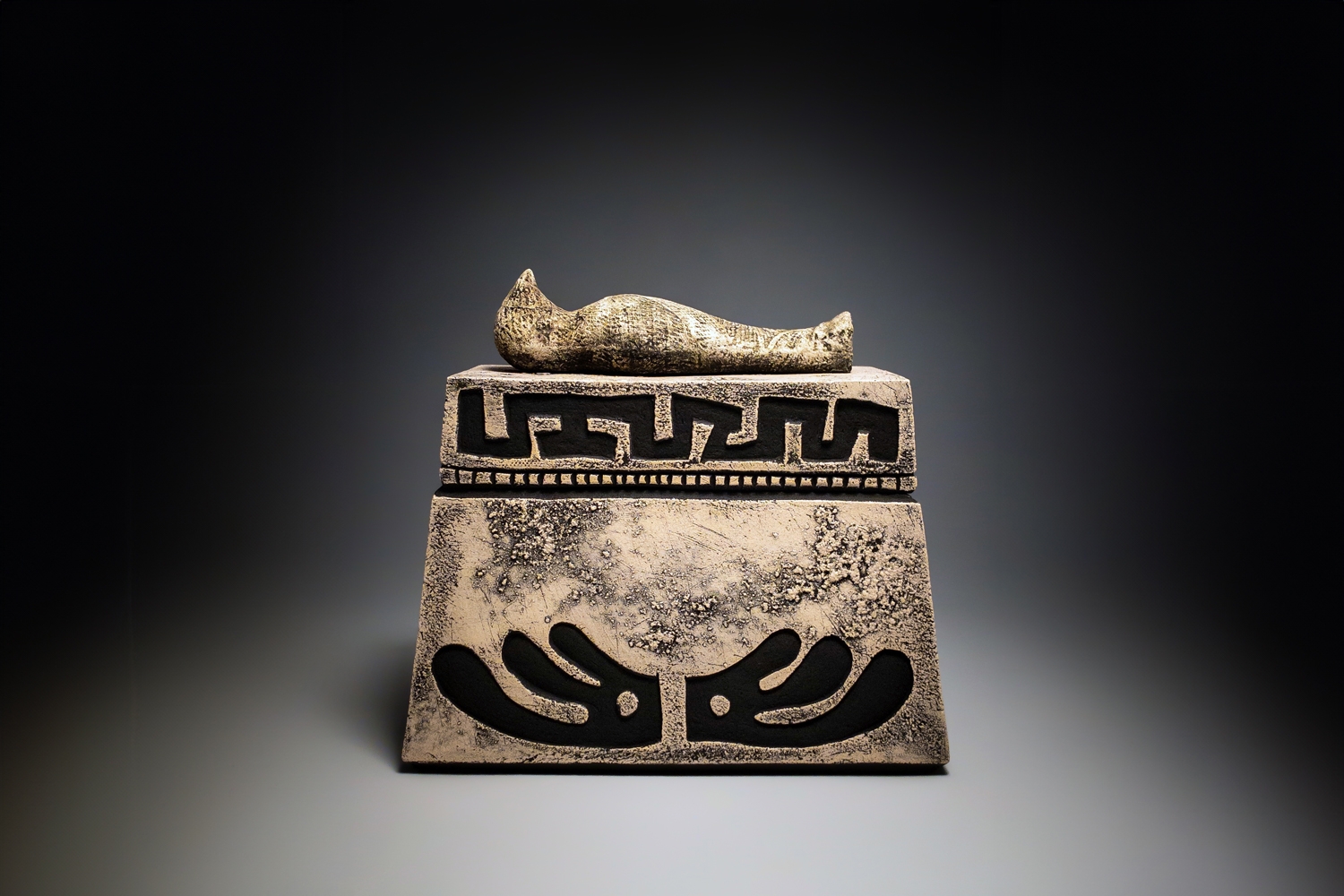
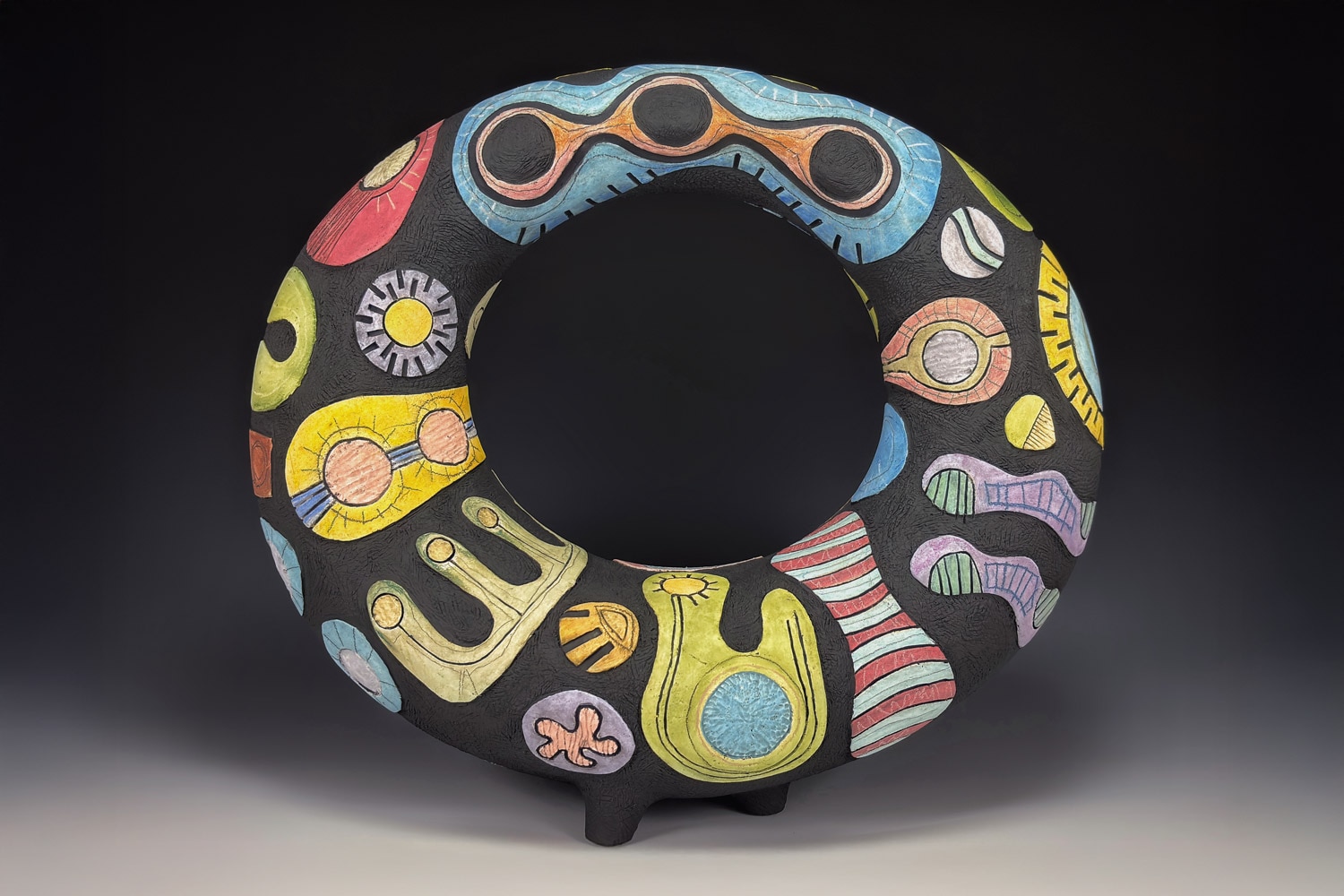
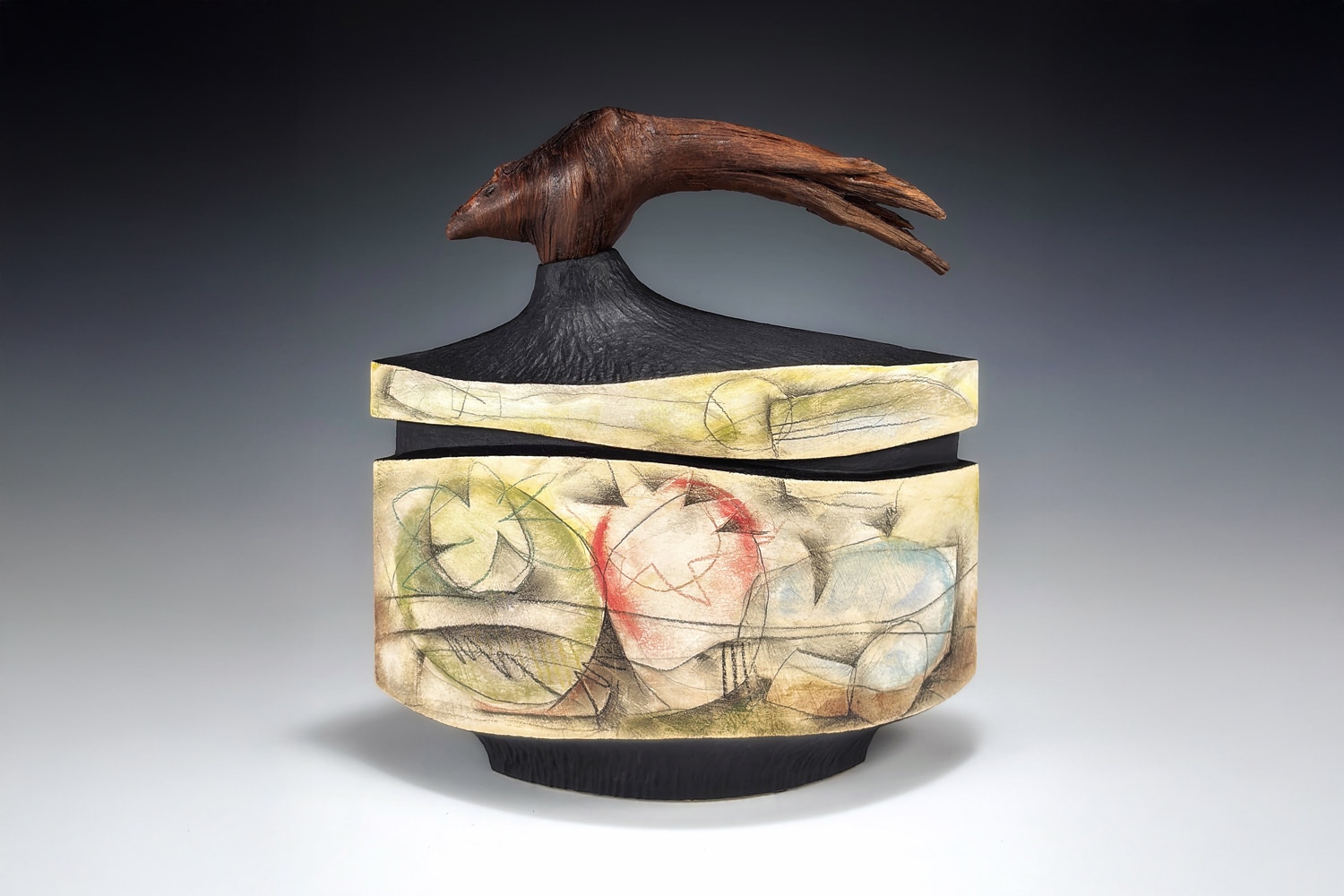
Eric Pilhofer’s earthenware sculptures draw from different influences including the relics of antiquity, the architecture of nature and the quiet geometry of the human spirit. “I think of my pieces as personal totems," he says. "Not in the sense of iconography, but as embodiments of reflection and passage." In his early years, Eric’s early practice developed through mentorship with Tom Kerrigan, who helped him refine his hand building techniques, and Nino Caruso, who guided his slip casting techniques. Working primarily in earthenware, he uses a modified pinch method developed over decades: small dabs of clay are added one by one until a form emerges organically. After building, Eric carves, textures, stains, underglazes and marks the surface of each piece. “My goal is not to copy the past, but to let ancestral ideas remain active and newly visible in contemporary ceramic sculpture,” he says. Eric’s work today balances simple hand built forms with layered surface treatments and a sense of ritual, carrying physical and metaphoric weight in the spaces they inhabit.
INTERVIEW
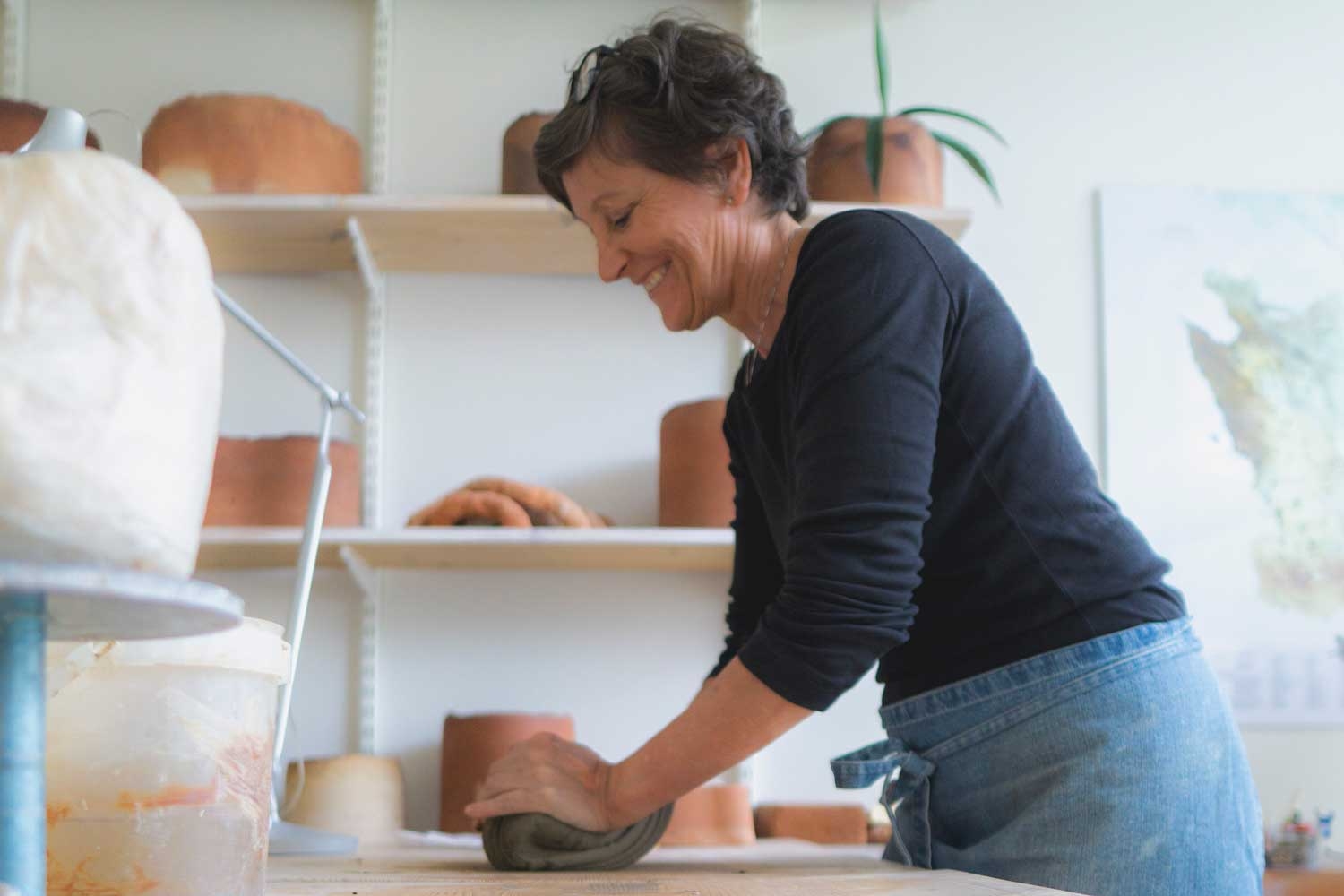
After exploring a number of different media, including photography, painting, drawing, printmaking, weaving and sculpture, I eventually discovered ceramics. What the artform offered me was the possibility of bringing together many disciplines and techniques into a single, focused practice.
I use colour alongside shape and texture to fuse ancient influences with more contemporary structures. While my work does not follow a strict colour system, it is guided by intuition. Colour becomes part of a broader surface language.
I use a modified pinch method. Small dabs of clay are added one by one until a form gradually emerges. Each addition becomes a breath, each contour a pulse. The process is slow, tranquil and meditative, allowing the spirit of the form to evolve naturally.
I can spend a tremendous amount of time and energy on a single piece. With ceramics, you never fully know whether a work will succeed until the end, so I have experienced many failures. Yet it is precisely those failures that allow me to create the pieces I cherish the most. When people ask how long it takes me to make a piece, my answer is always the same, a lifetime.
Eric Pilhofer
Ceramicist
Minnetonka, MN, USA
ADDRESS
Address upon request, Minnetonka, MN, USA
AVAILABILITY
By appointment only
PHONE
+1 6128451181
LANGUAGES
English
Homo Faber Finds is a new service aiming to inspire admirers of craft to connect and collaborate with exceptional artisans.
We invite you to submit an enquiry here.