Emma Darby
Mudthing
Ceramicist
Crespià, Spain
Deeper connections through groggy ceramics
- Emma honours ceramic traditions while exploring expressive forms
- Her work is shaped by inner contradictions and desires
- Working directly with materials from the land is important to her
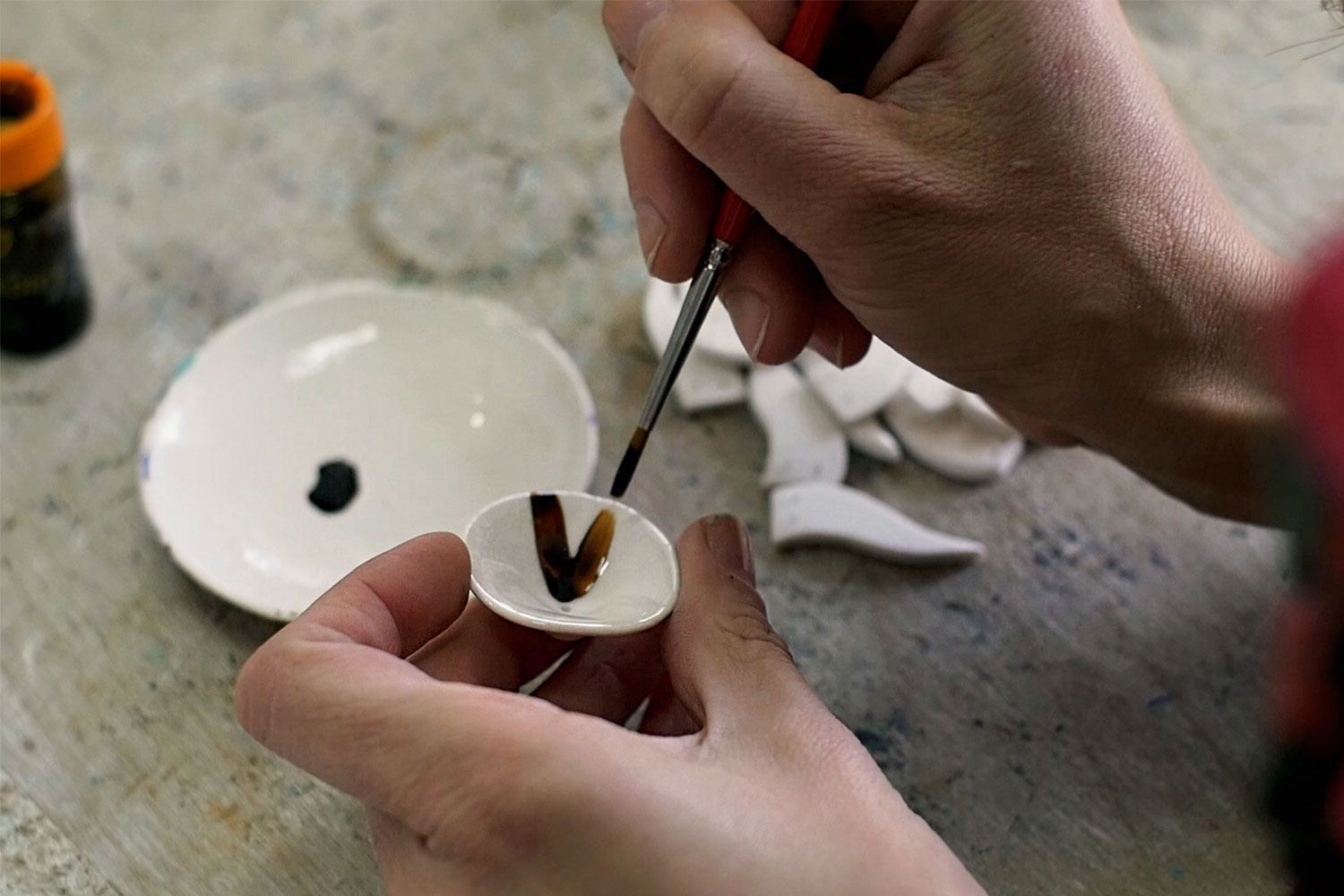
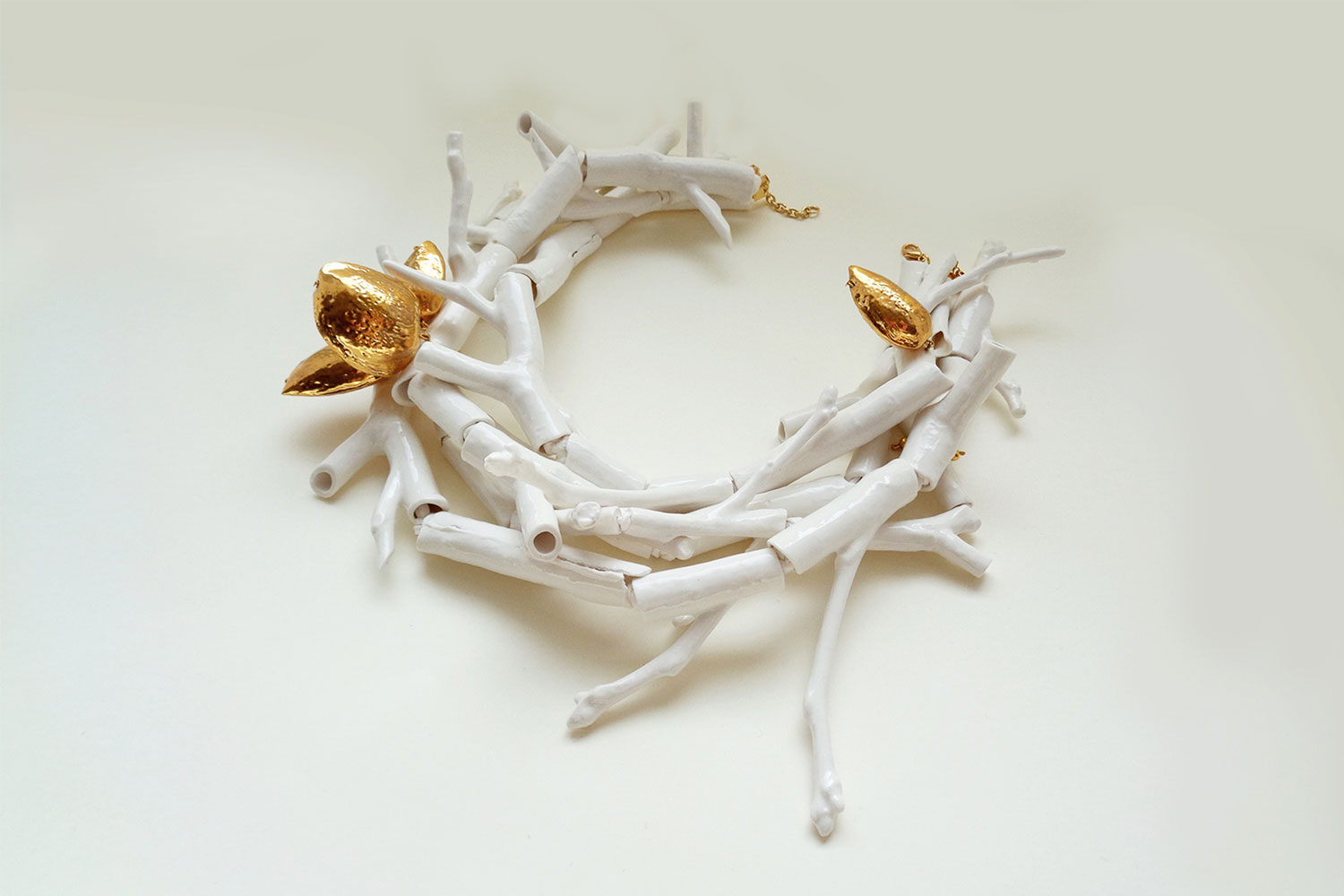
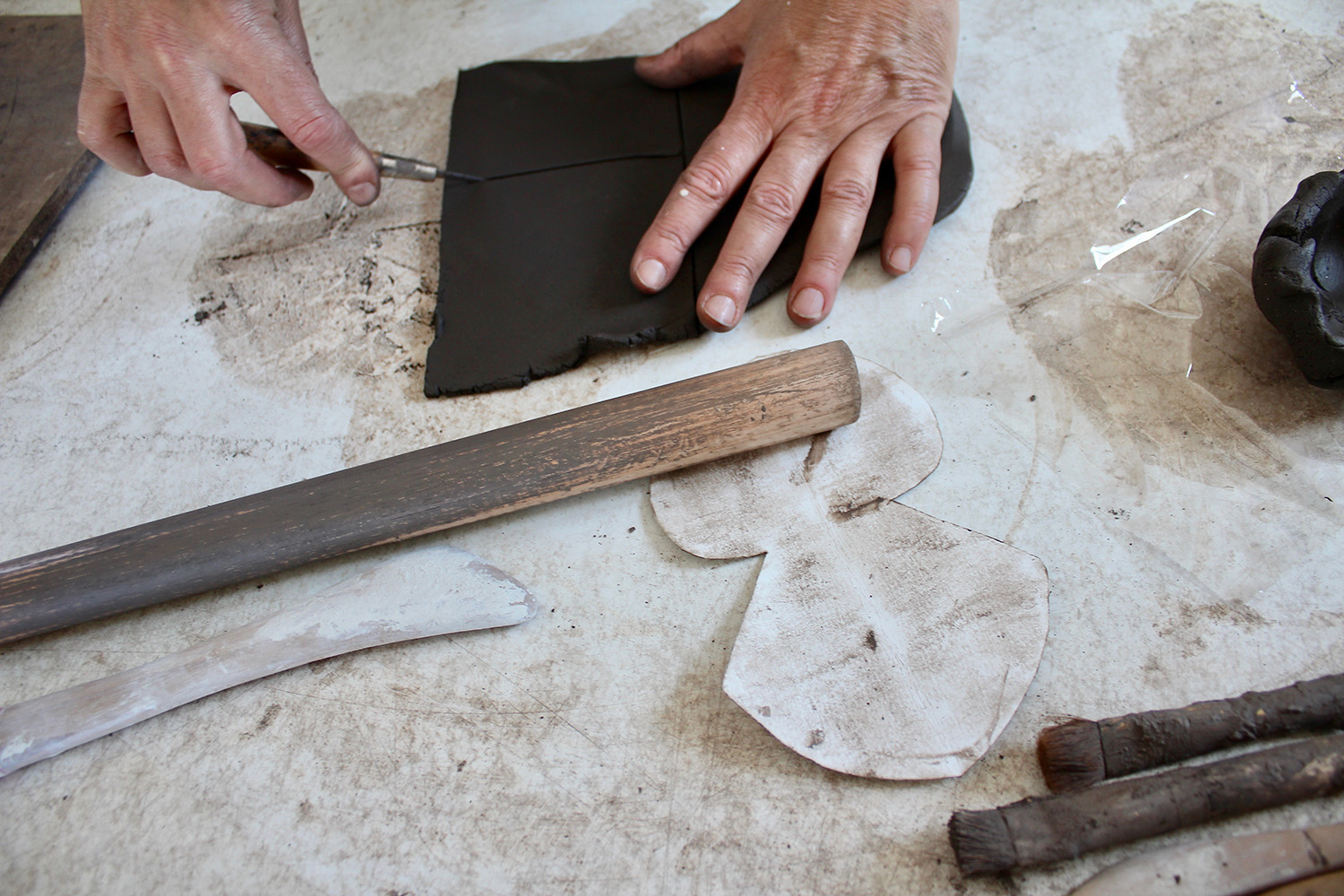
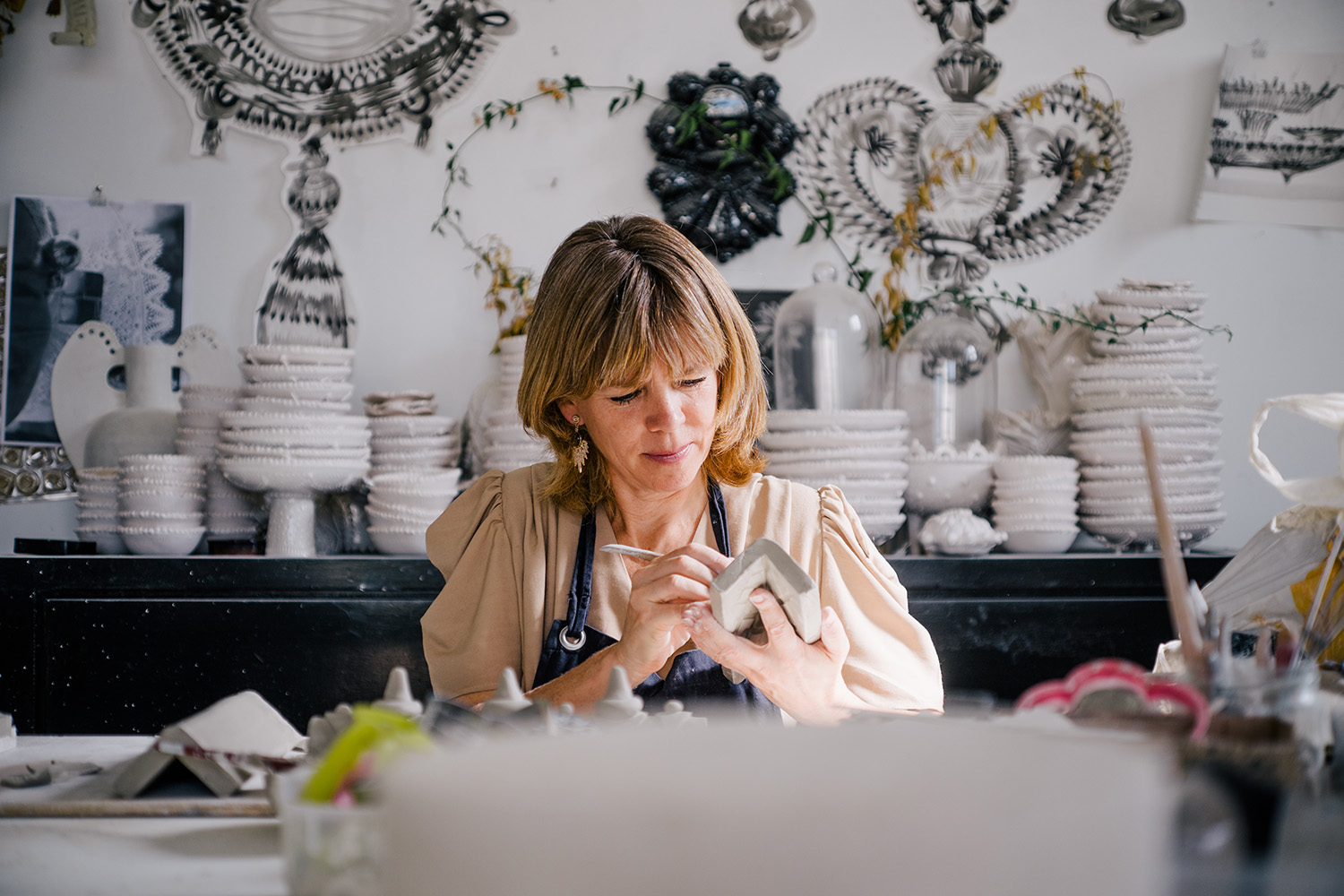
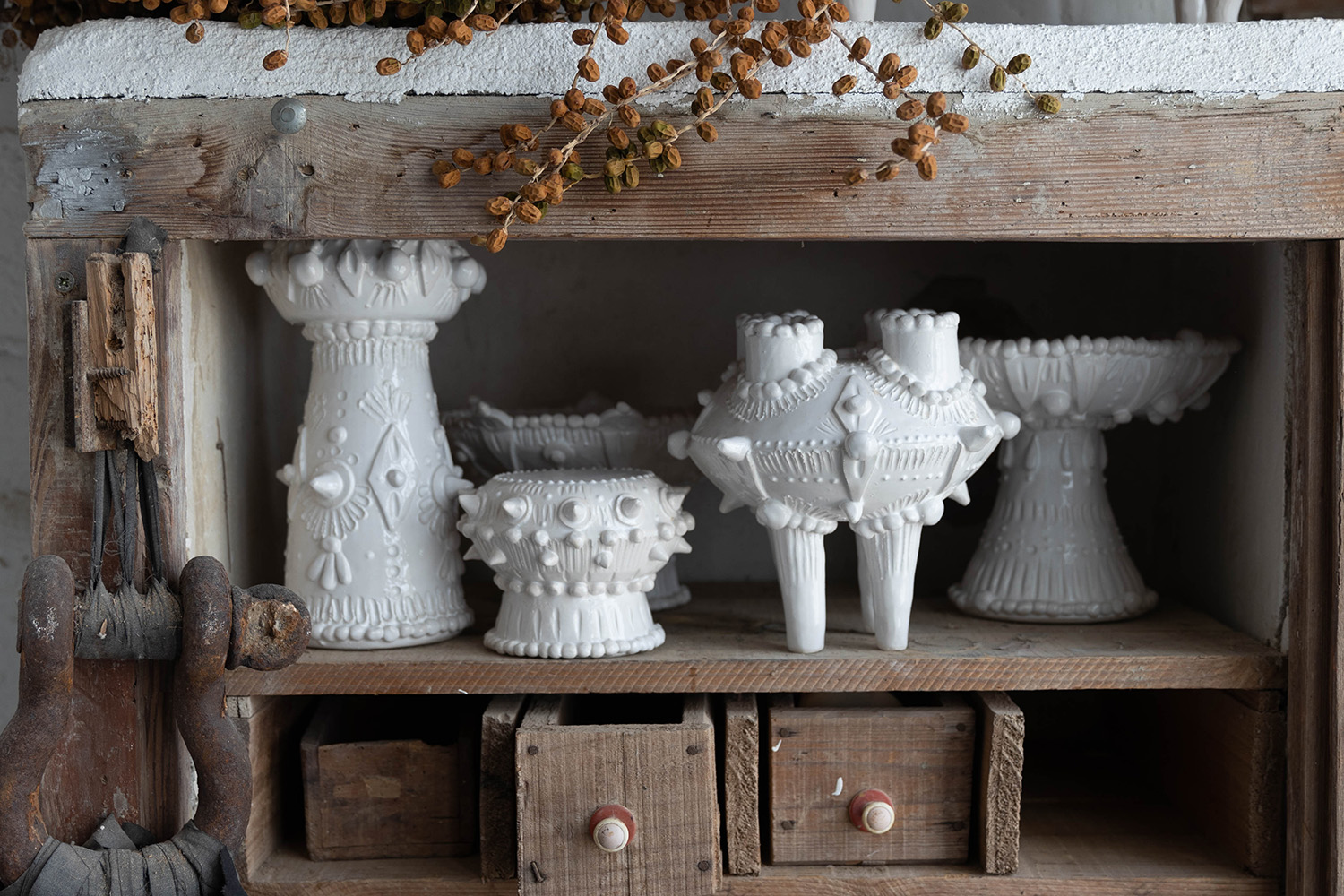
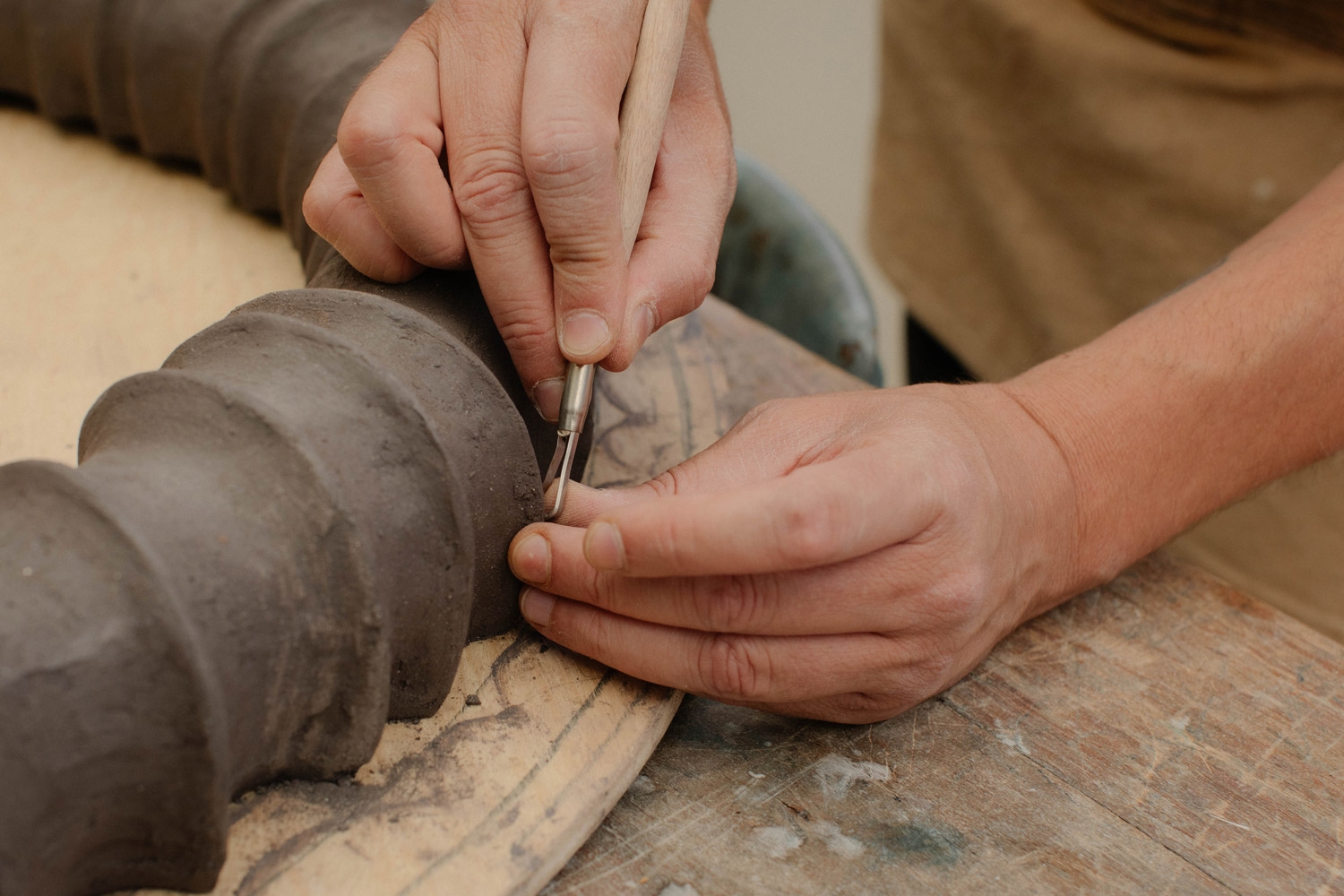
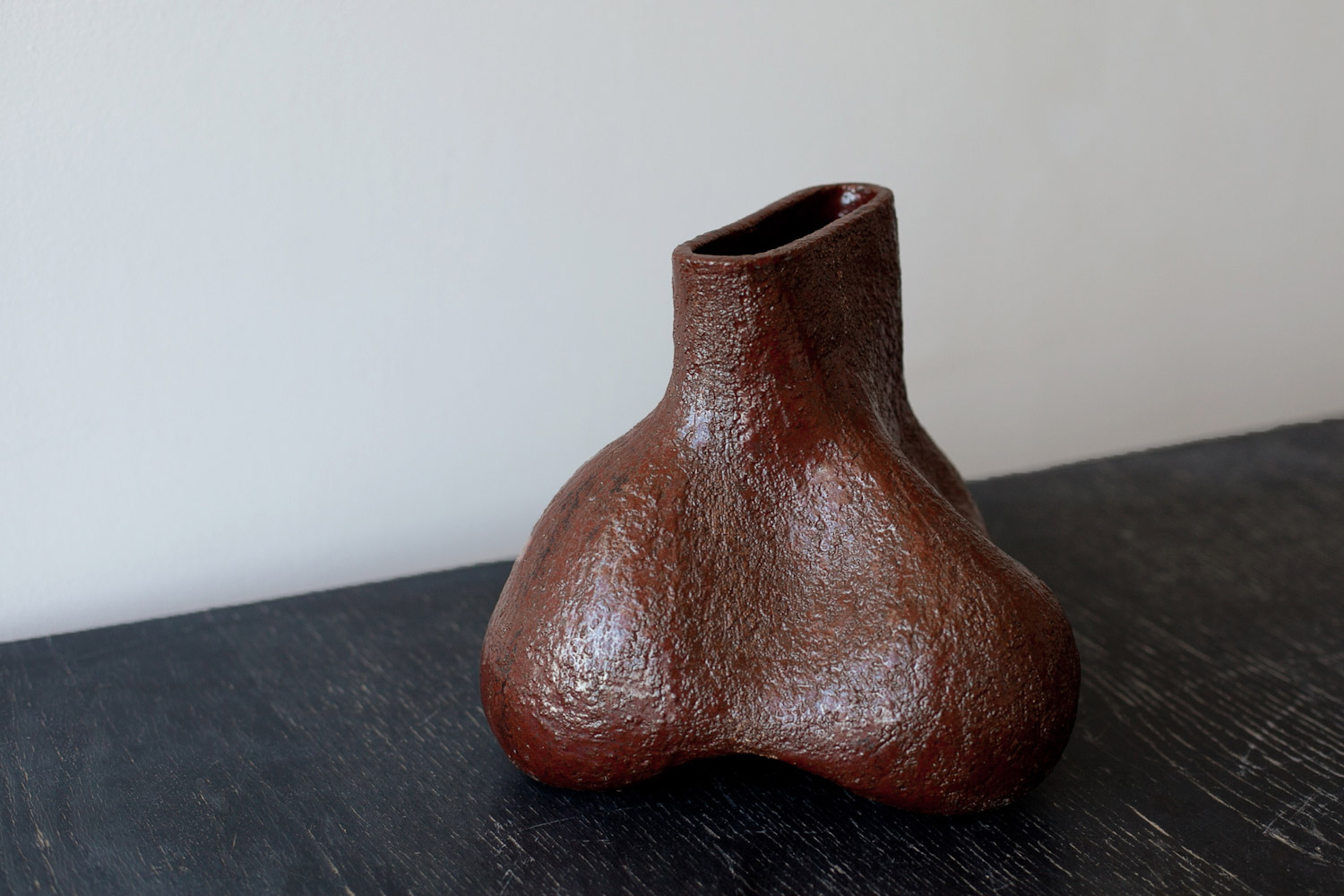
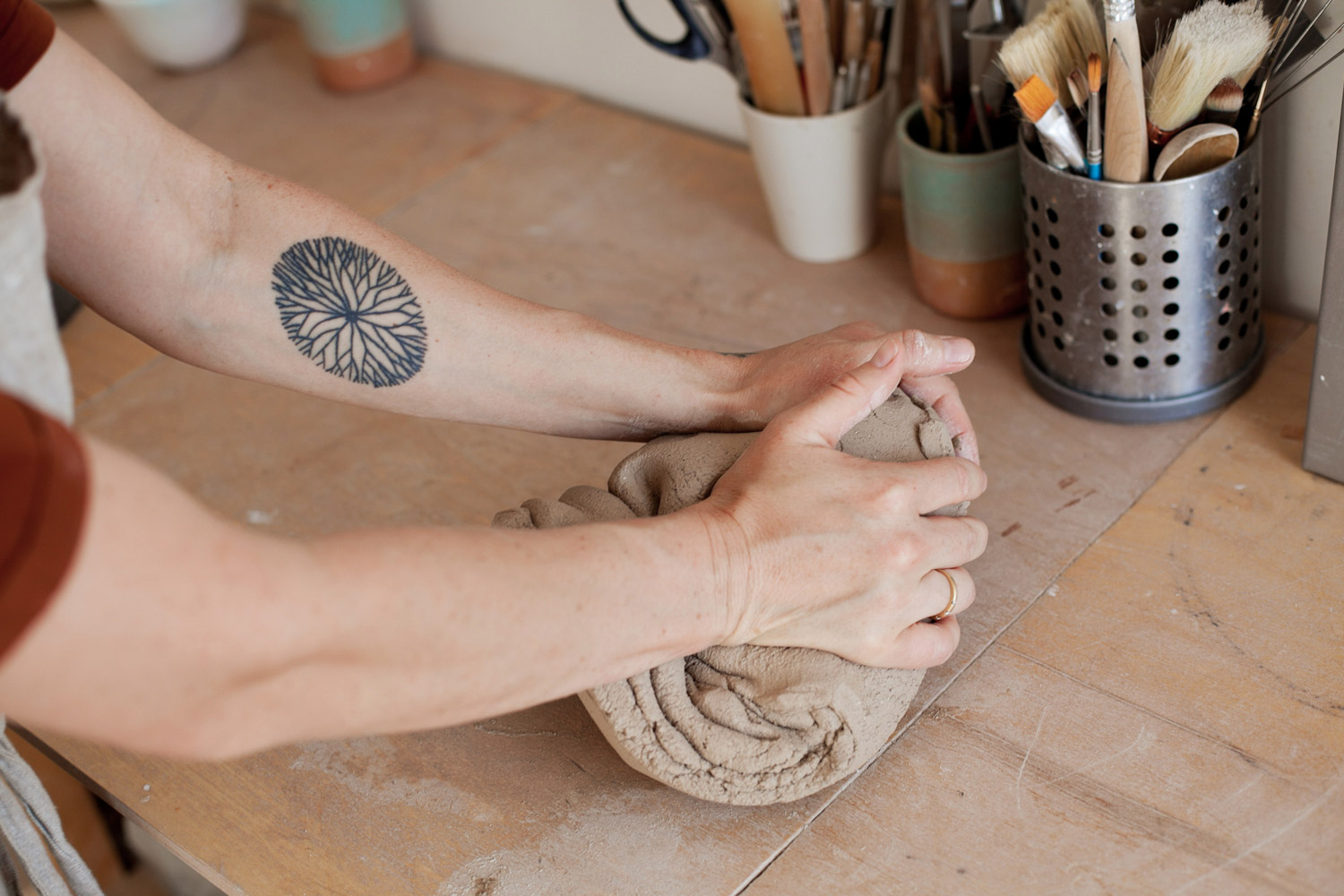
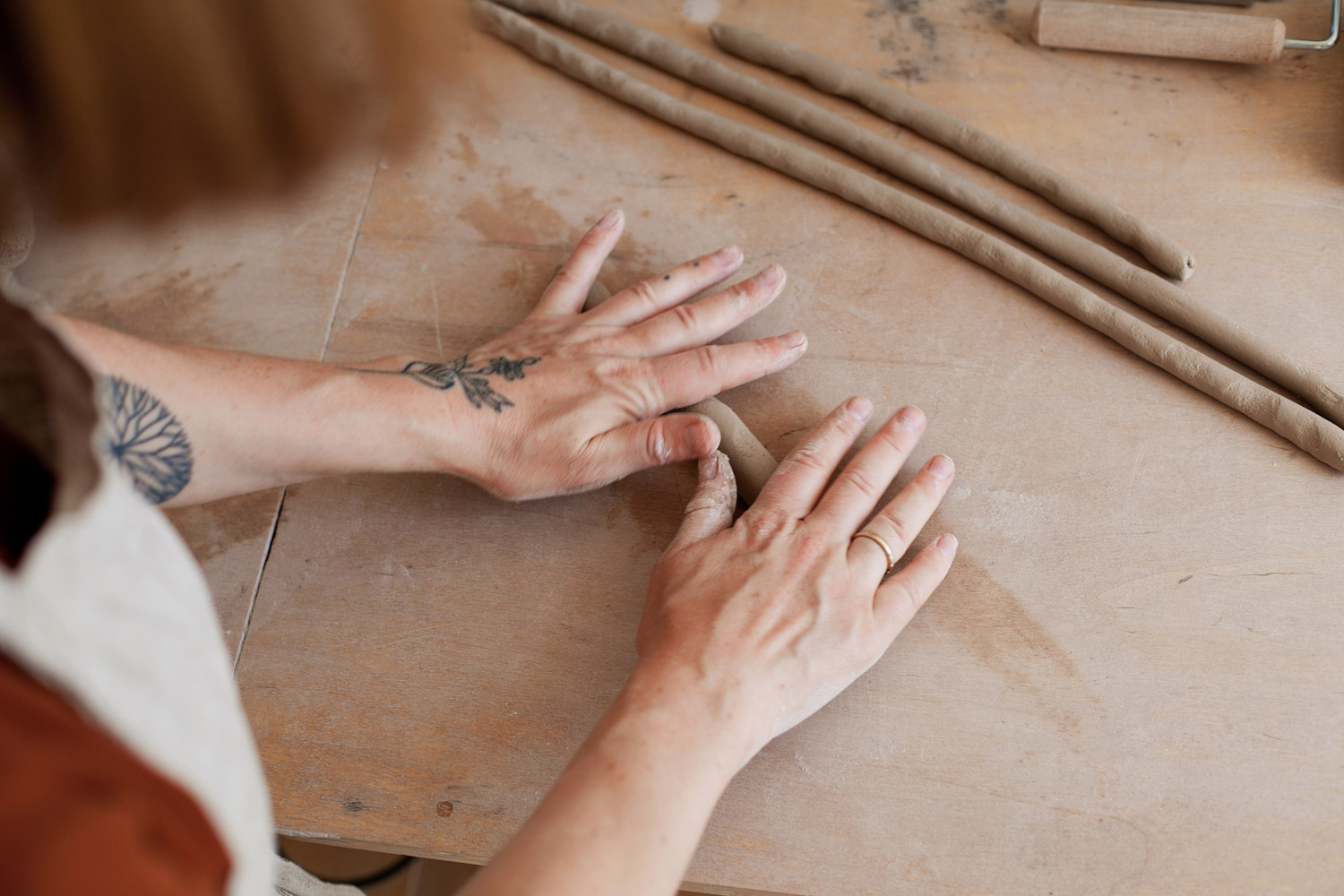
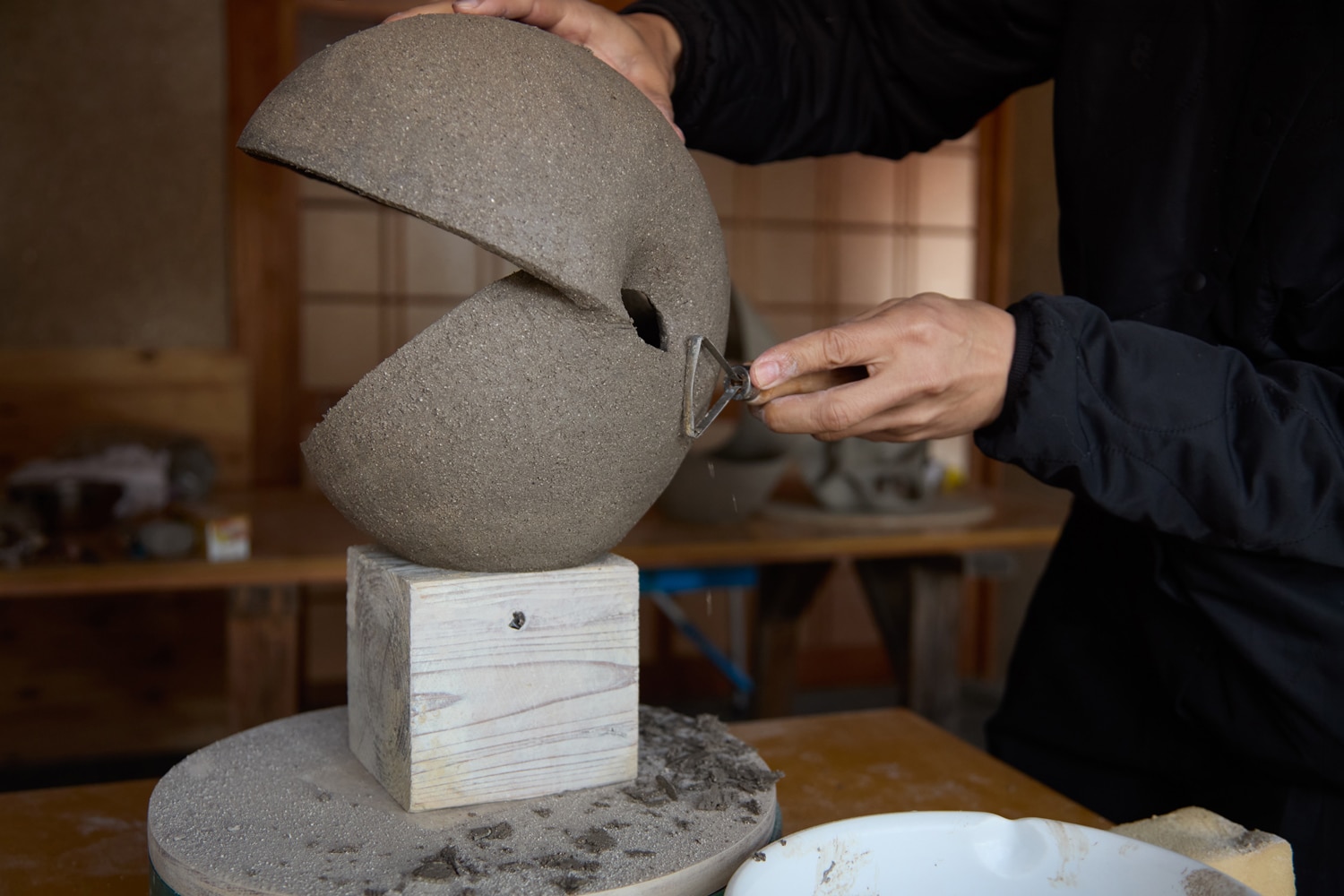
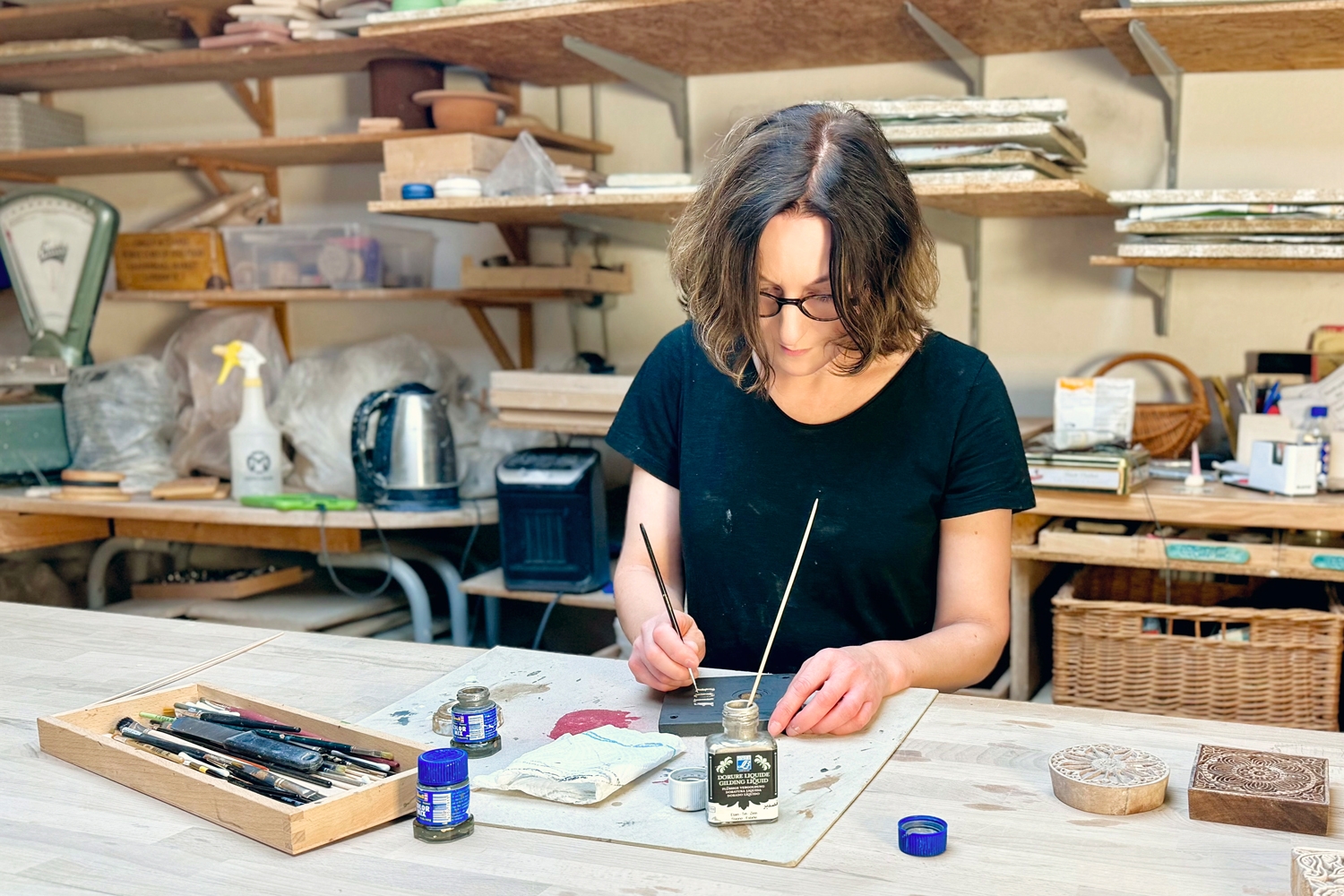
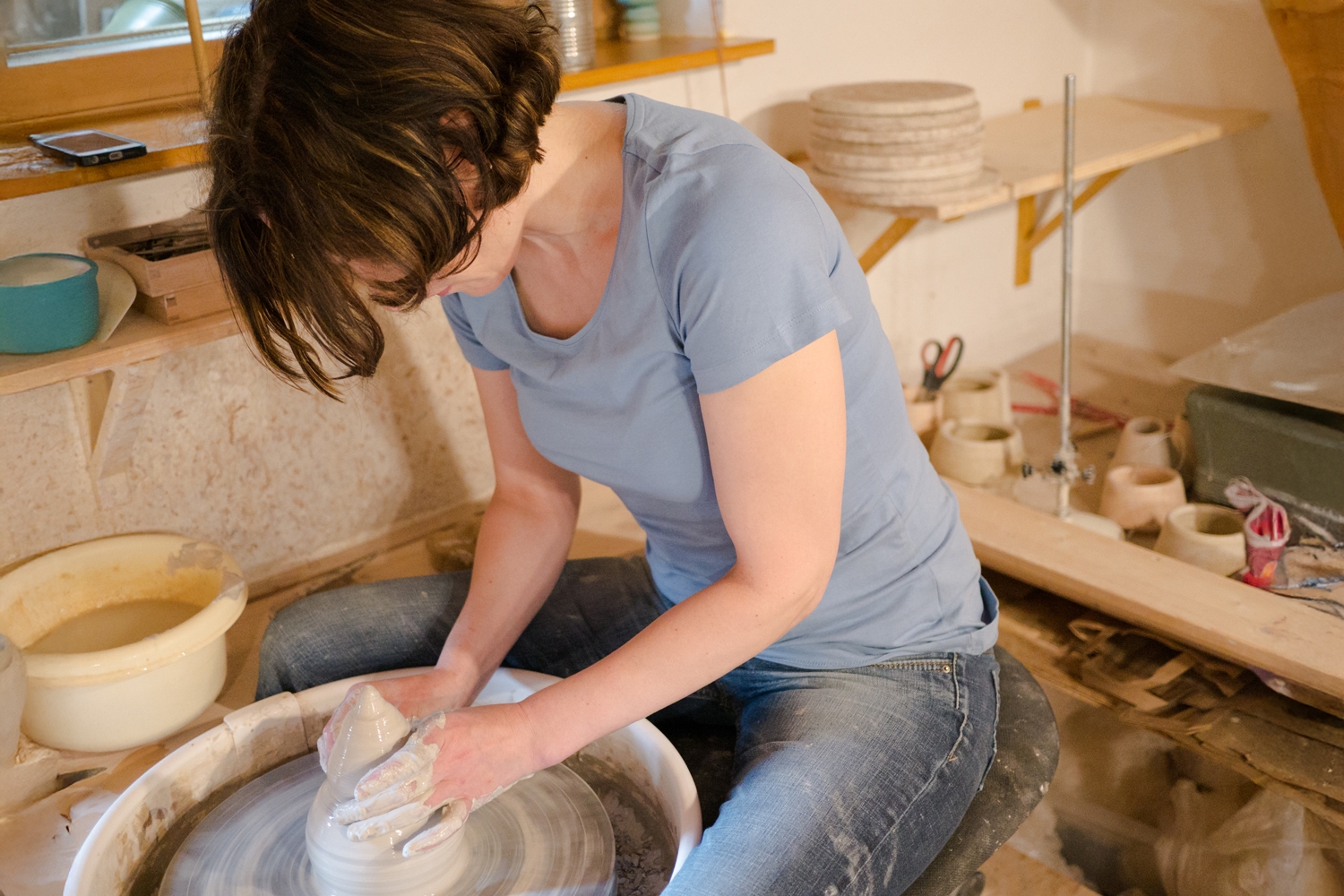
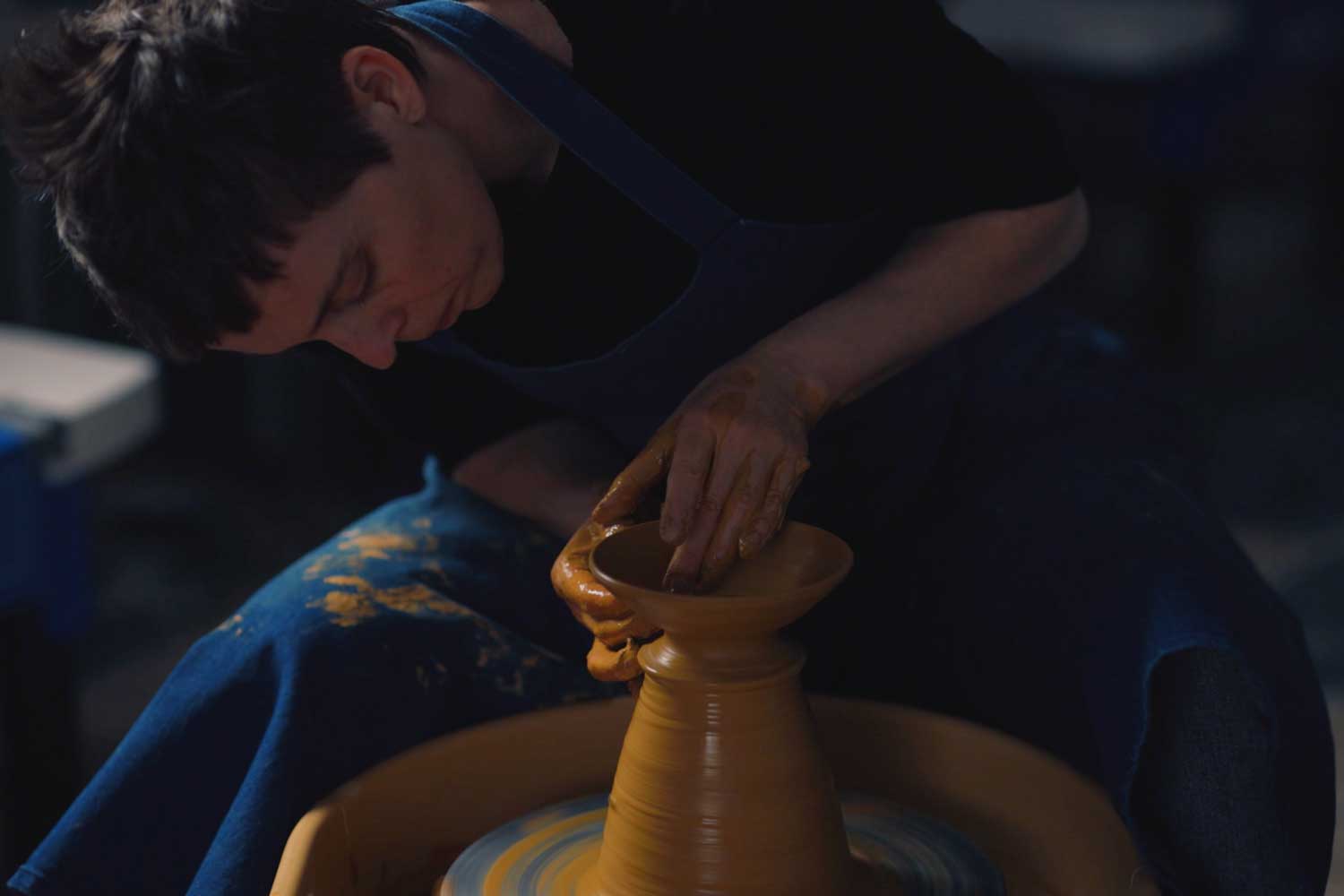
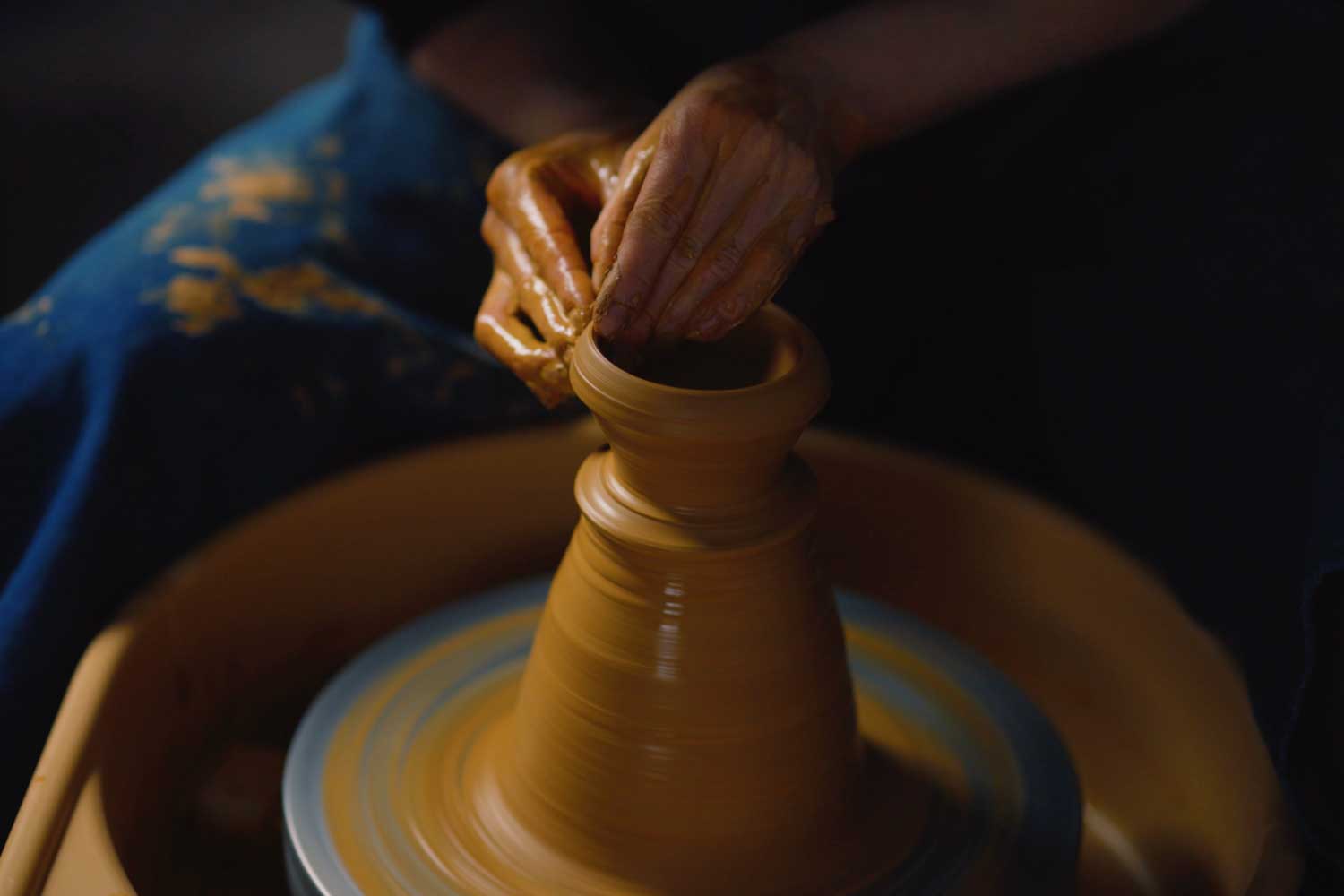
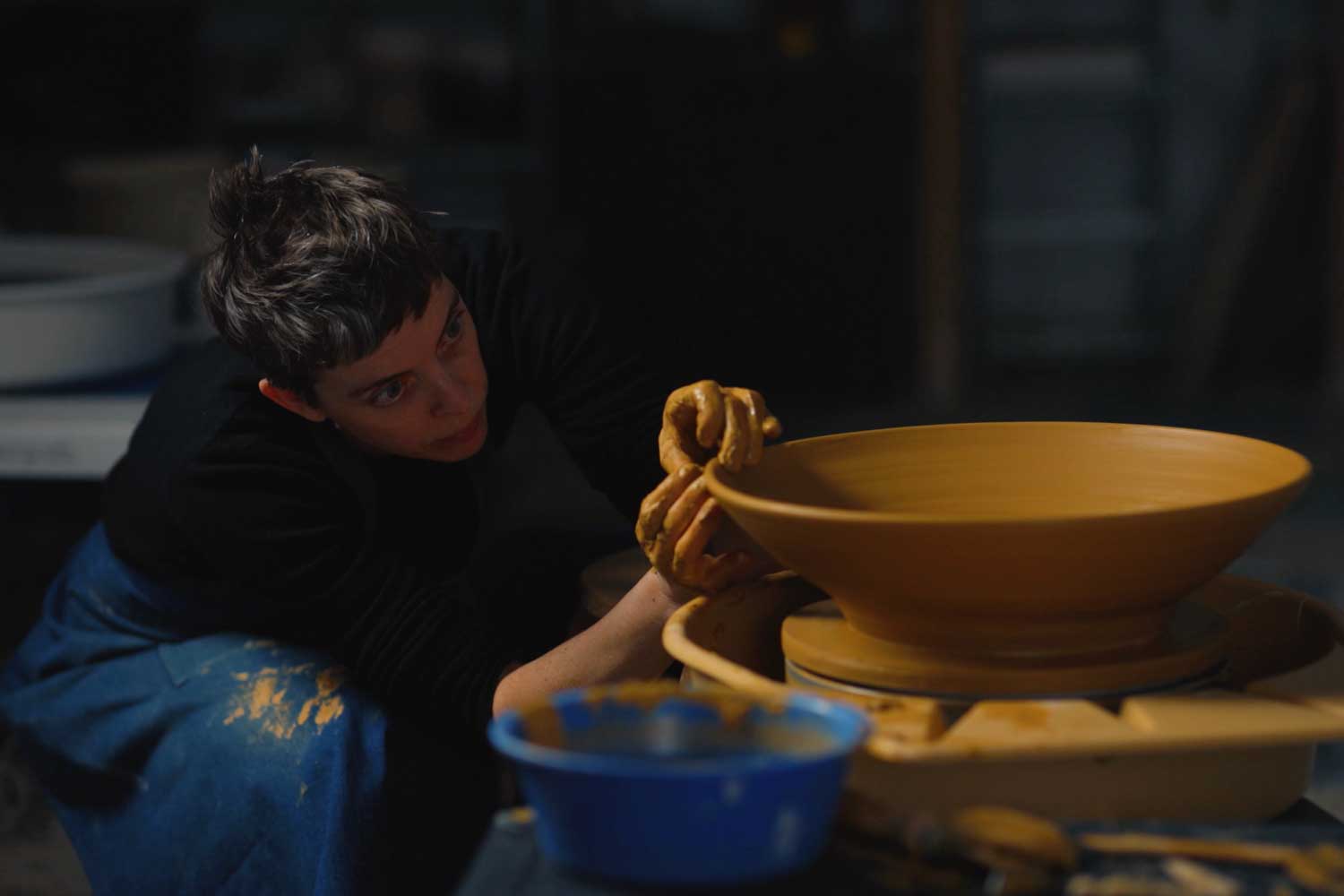
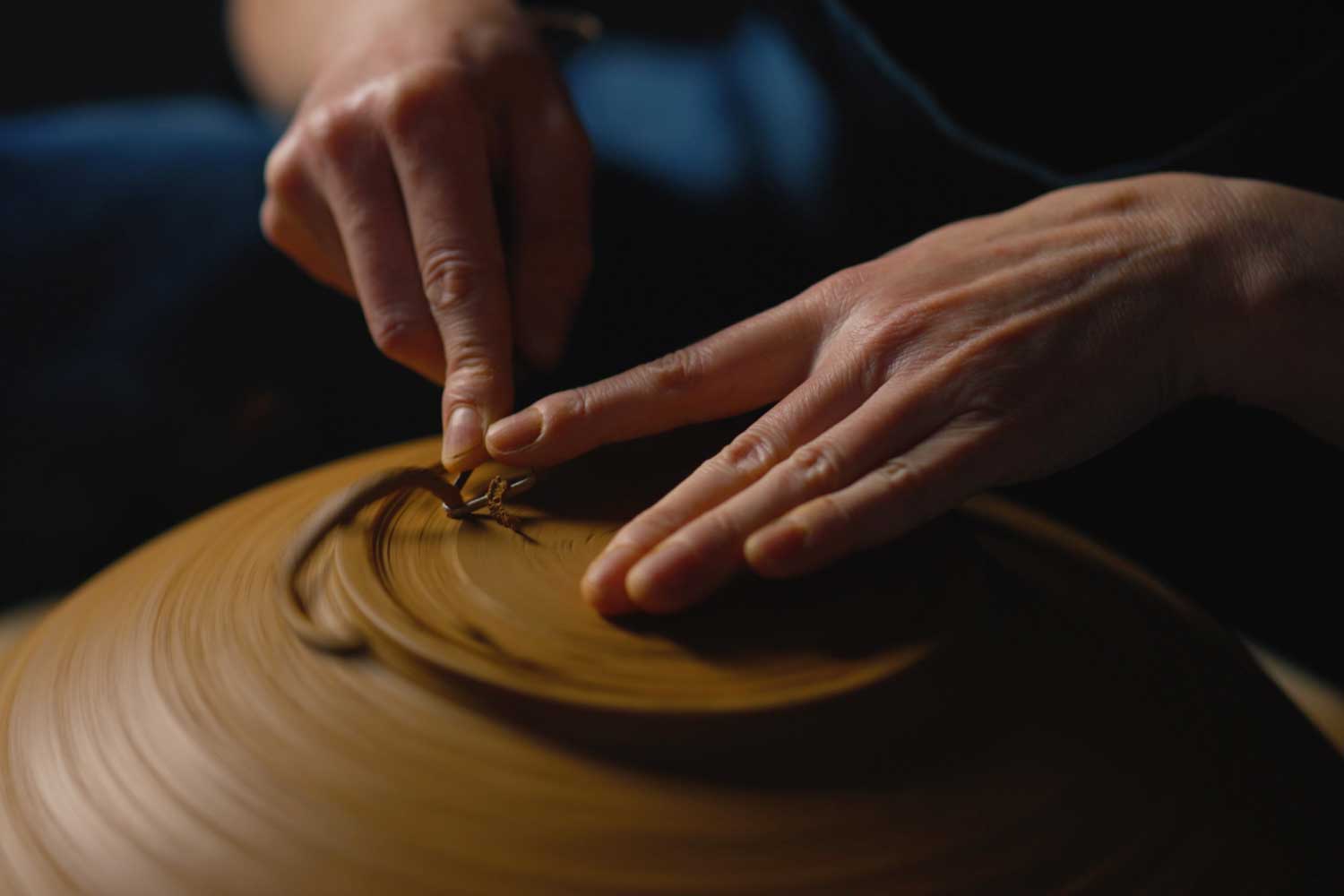
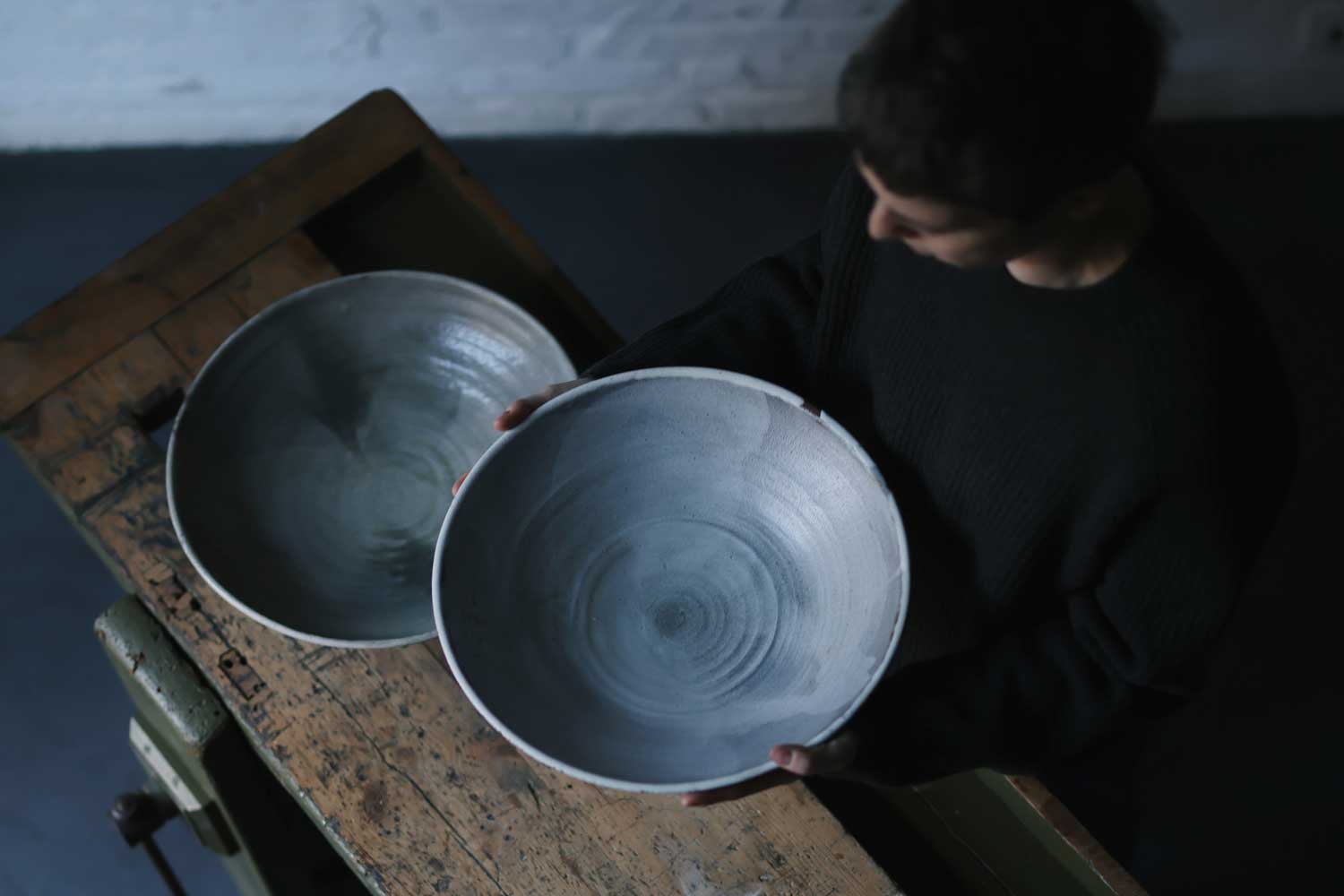
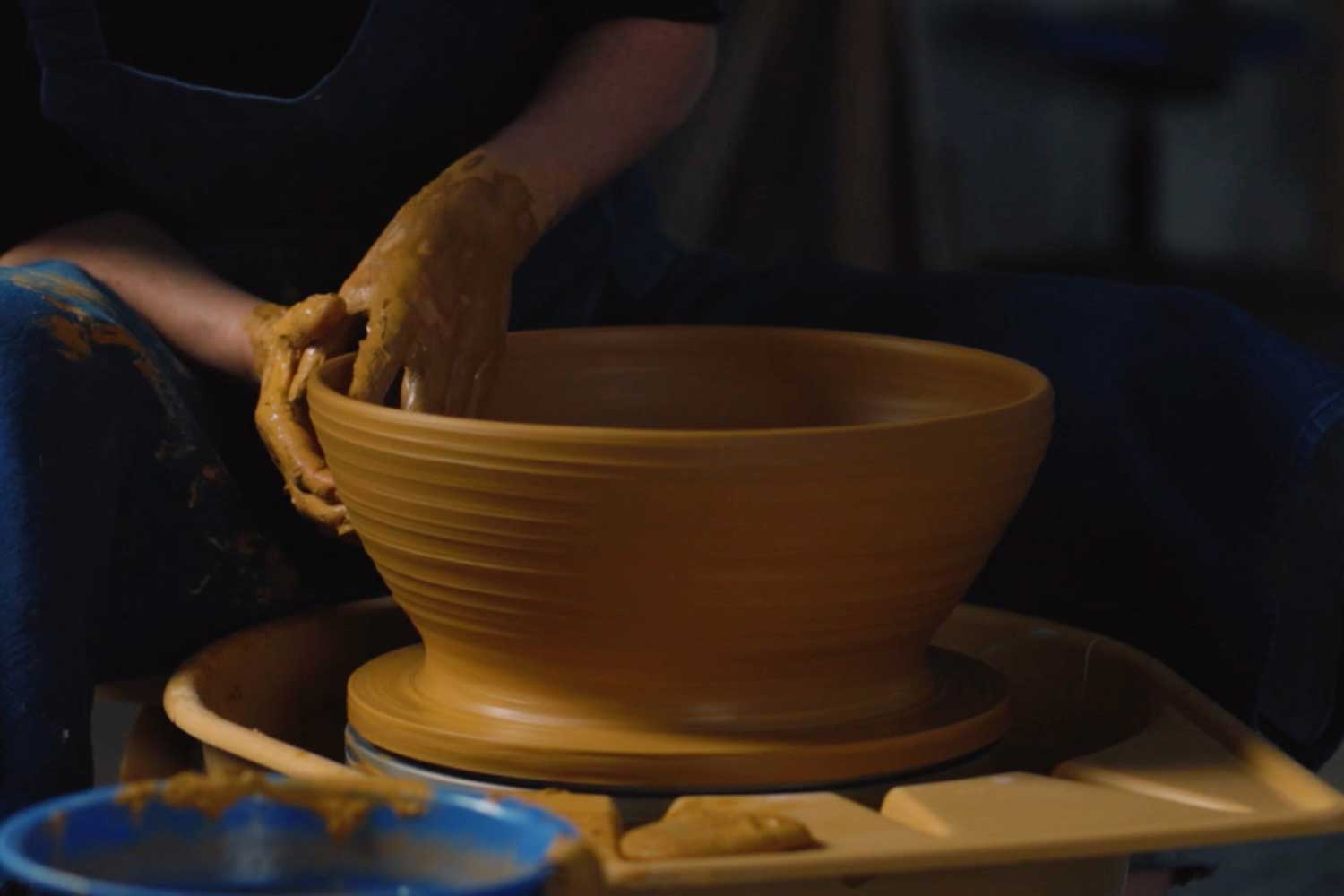
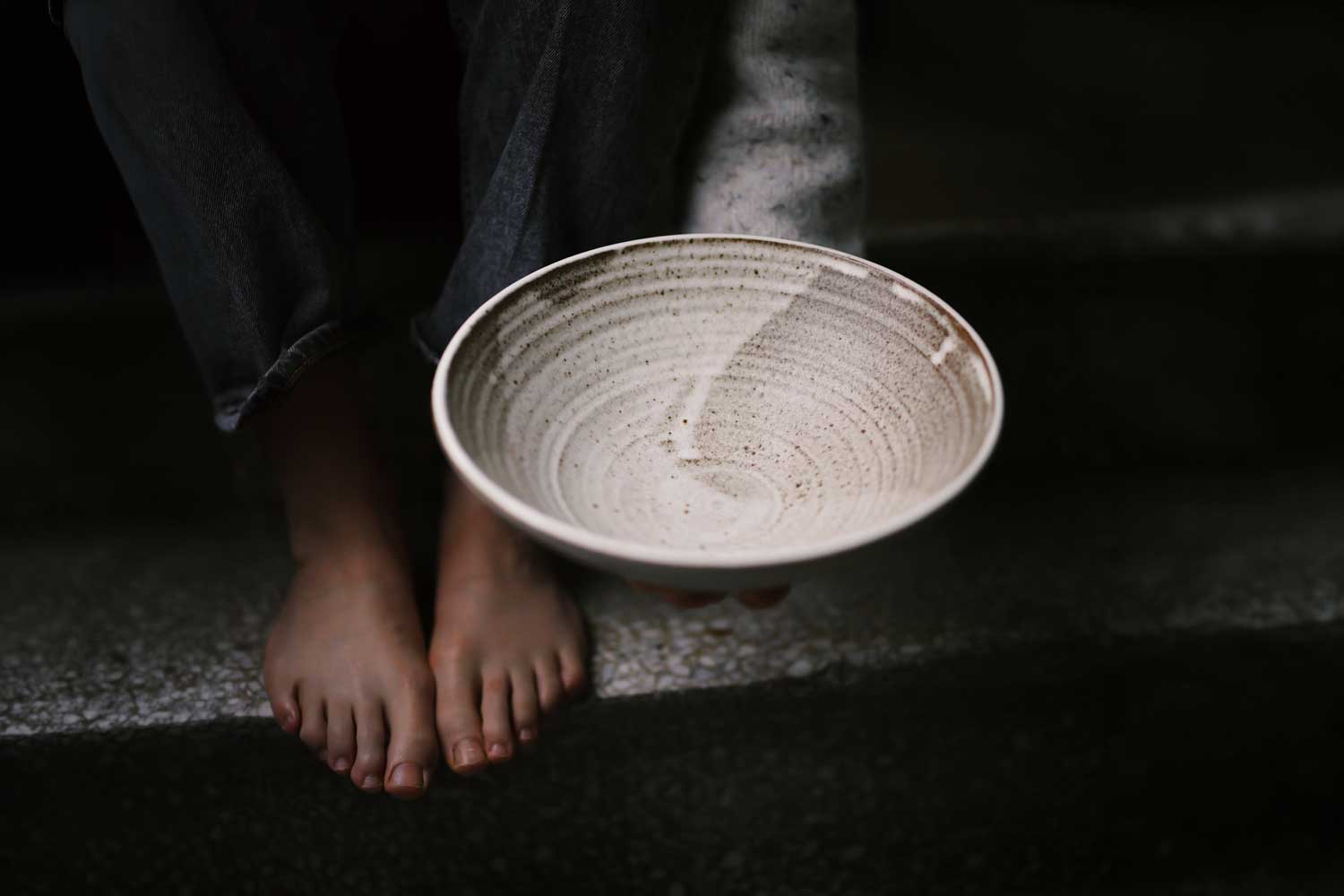
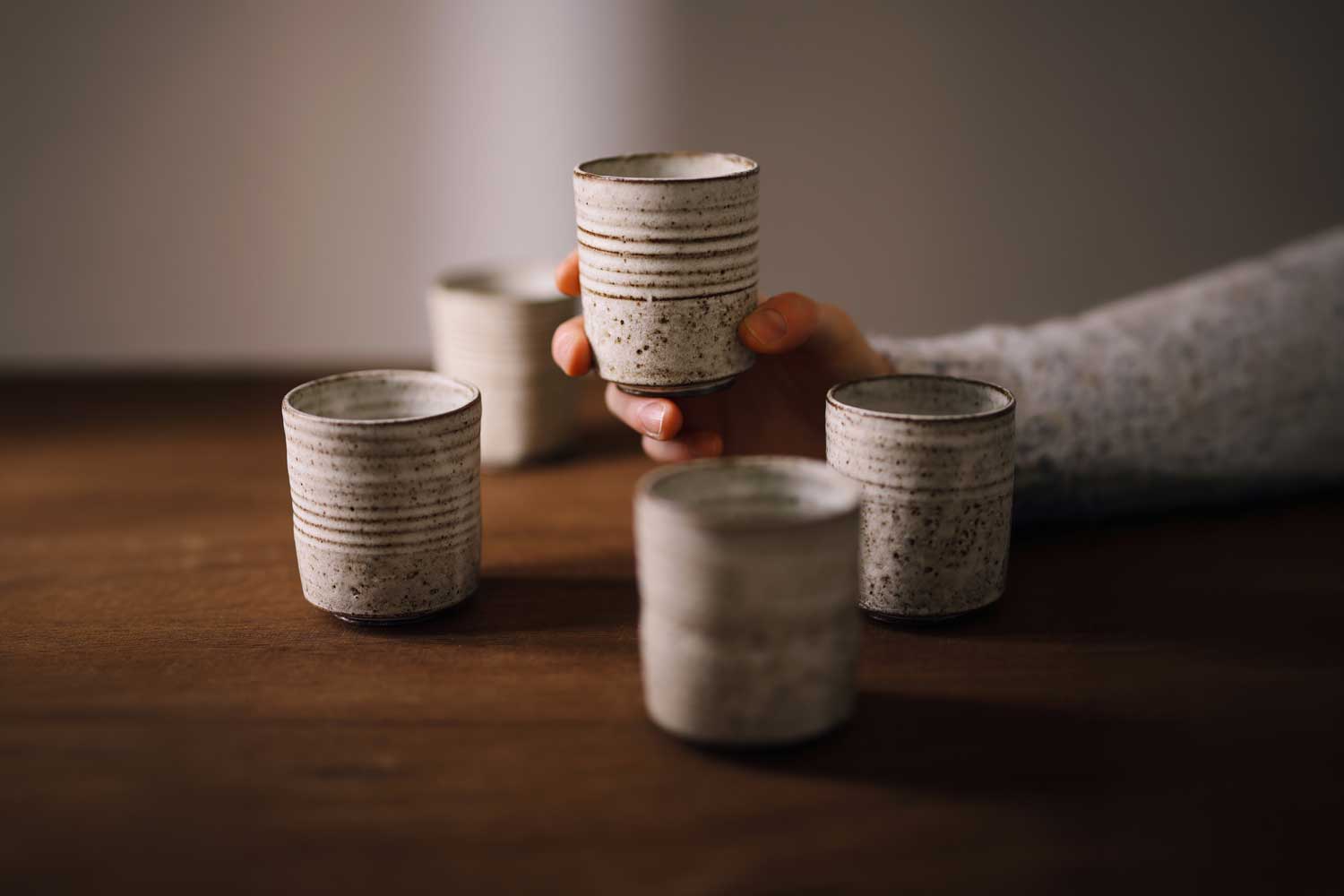
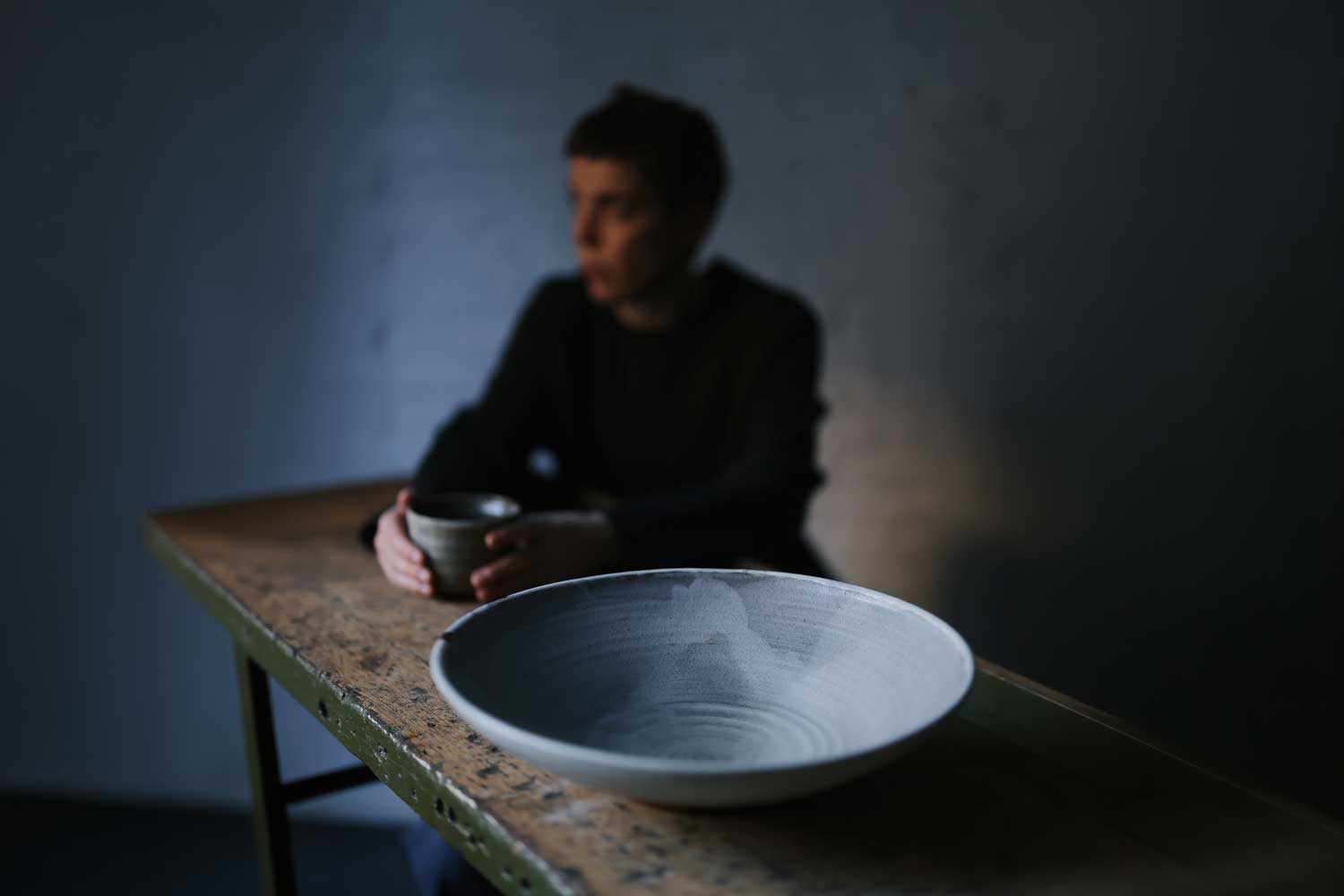
Emma Darby creates oversized ceramic bowls and atmospheric tableware in a process that allows her to express ideas beyond words. Her first contact with the craft goes back to her childhood in her native England. Years later, Emma returned to clay through evening classes in Barcelona, and studied chemistry to formulate her own glazes. "My approach is centred on accepting imperfection," she says. "As a perfectionist, learning to let go of rigid ideas has helped me develop a more intuitive and expressive relationship with clay." Emma's work is driven by the tension between opposing impulses. Experimentation, including failure, is an essential part of her creative process. She works with terracotta and other local materials to stay connected to the Mediterranean area where she lives and works.
INTERVIEW
I am interested in communication in all its forms. Clay allows me to express ideas that I cannot articulate with words. It becomes a kind of lingua franca, enabling an emotional connection with people across cultures without the need for language.
I have worked with filmmaker Guillermo Asensio on a series of five short films called Mud Think Tank, designed to engage with other artists and explore ideas that are central to all forms of creativity.
I see challenges ahead for handcrafted work and its value. I seek the human imprint on works. With AI and digital tools readily available, I wonder what space will remain for human connection and expression.
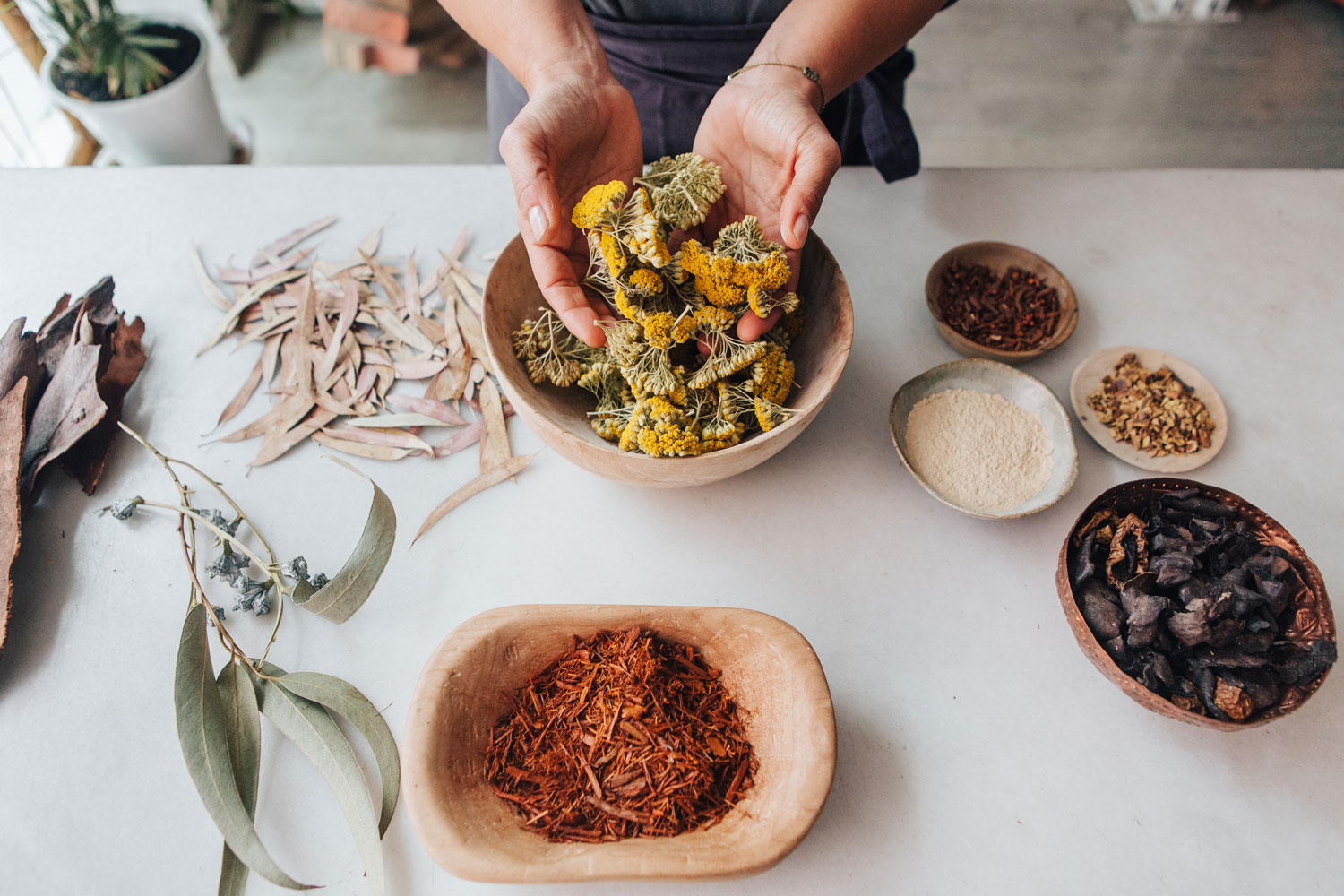
Working directly with what the land has to offer creates a connection between the material, the place and my practice. Collaborating with local materials is the best way to stay grounded. It gives my craft deeper meaning.
Emma Darby
Mudthing
Ceramicist
Crespià, Spain
ADDRESS
Address upon request, Crespià, Spain
AVAILABILITY
By appointment only
LANGUAGES
English, French, Spanish, Catalan, Italian
Homo Faber Finds is a new service aiming to inspire admirers of craft to connect and collaborate with exceptional artisans.
We invite you to submit an enquiry here.