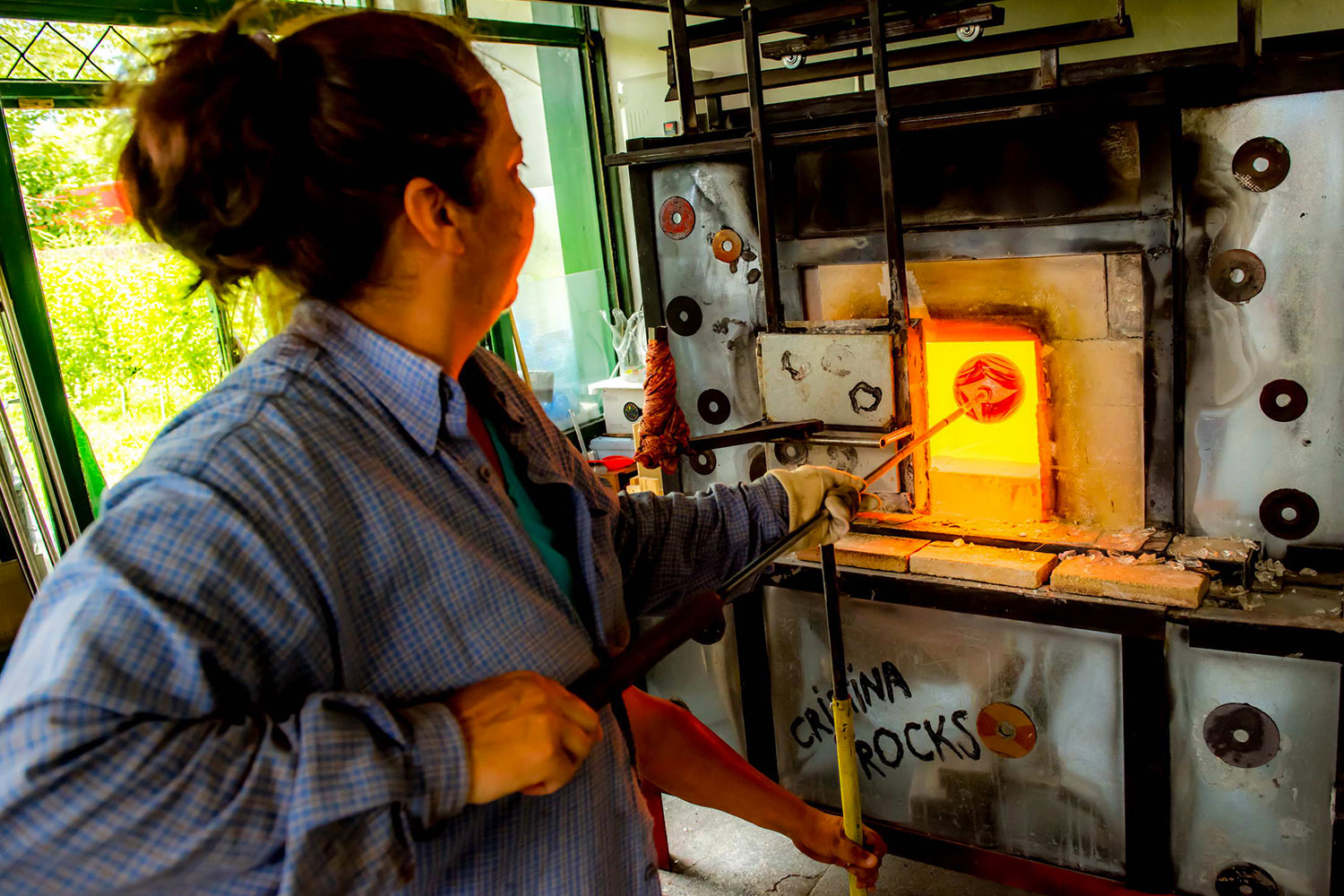
Cristina Ilinca
Glass sculptor
Ion Luca Caragiale, Romania
An original approach
- Cristina gave up her former career to become a glass artist
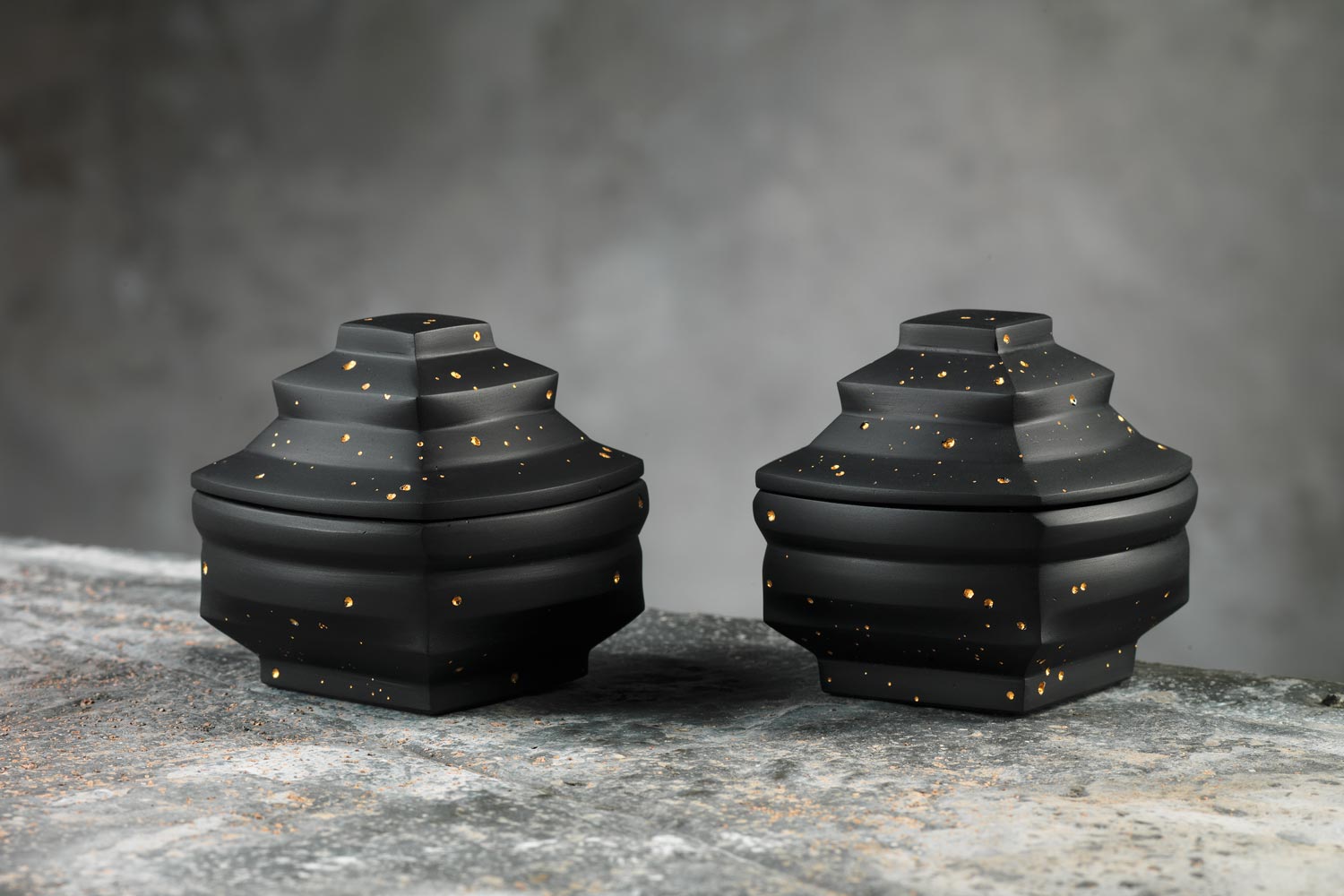
- Besides her glass works, she also makes raku sculptures
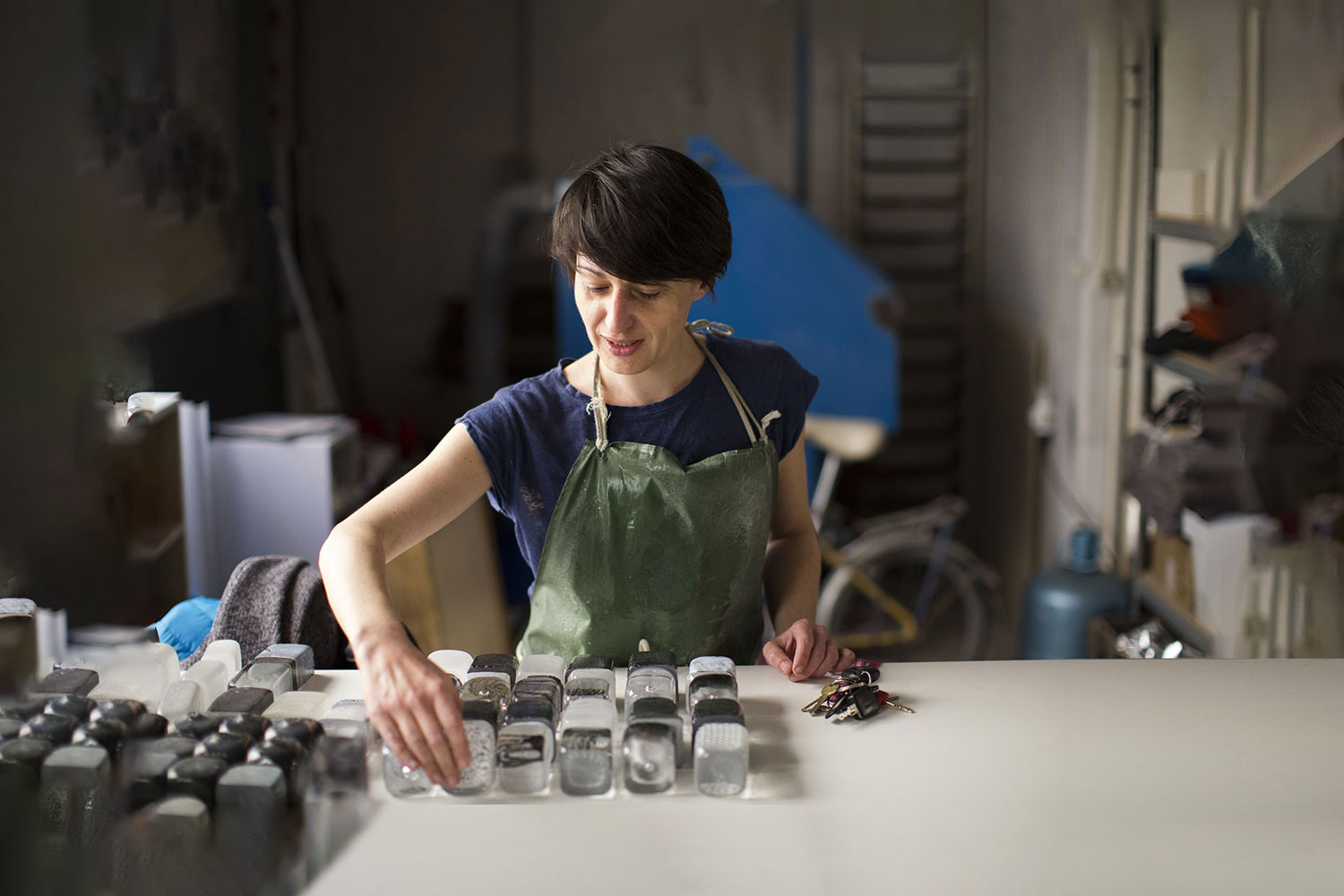
- She set up a personal art gallery in her own studio
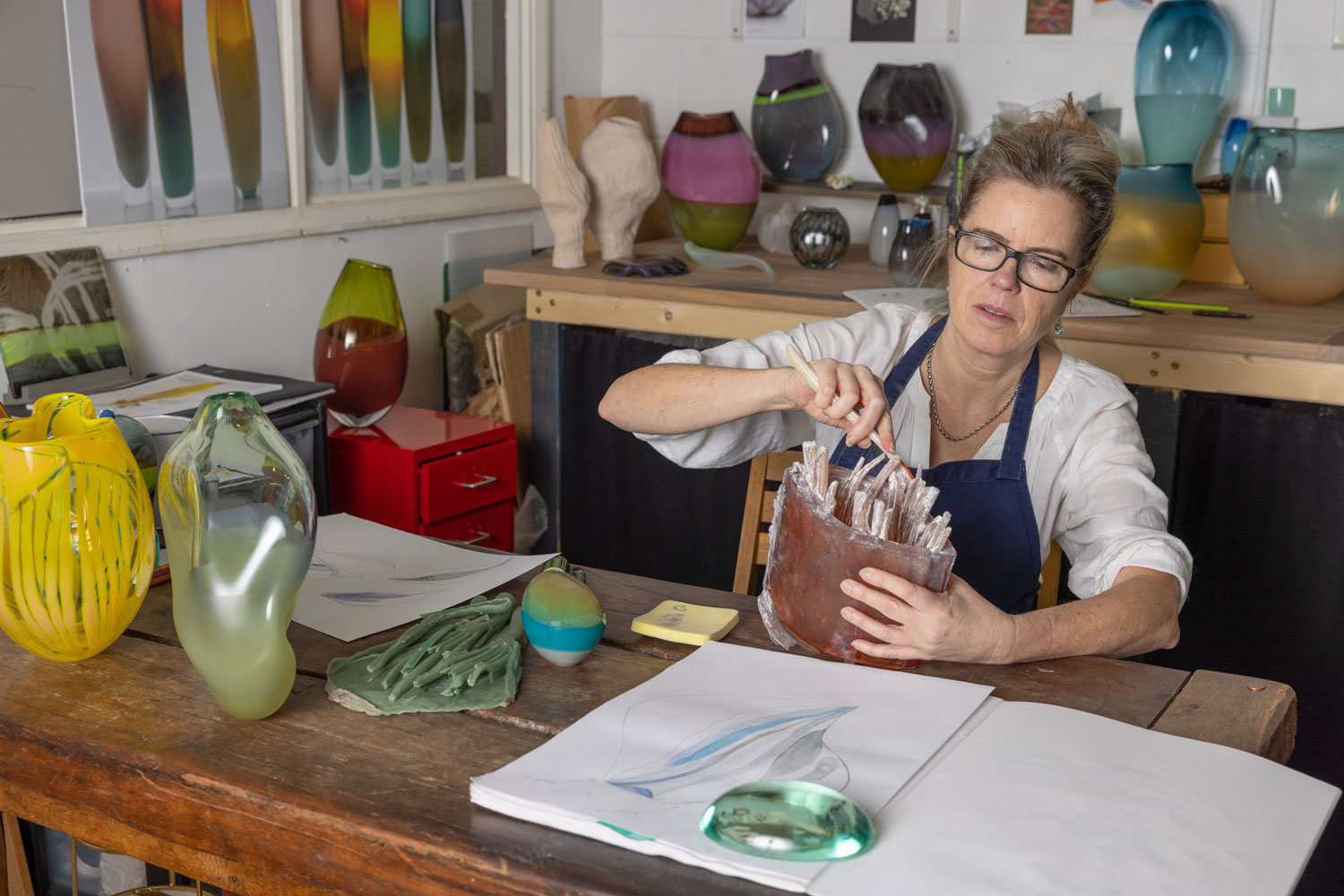
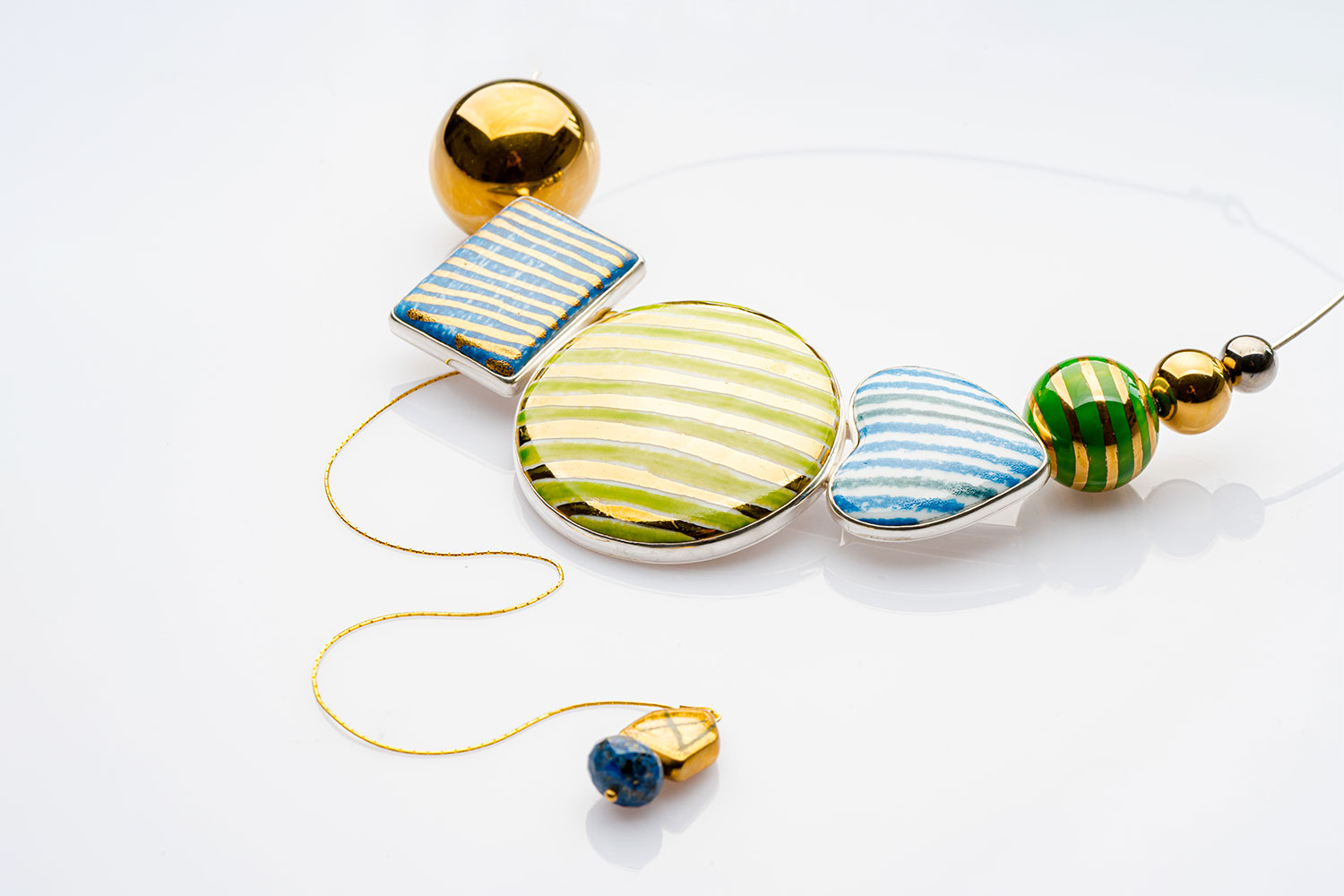
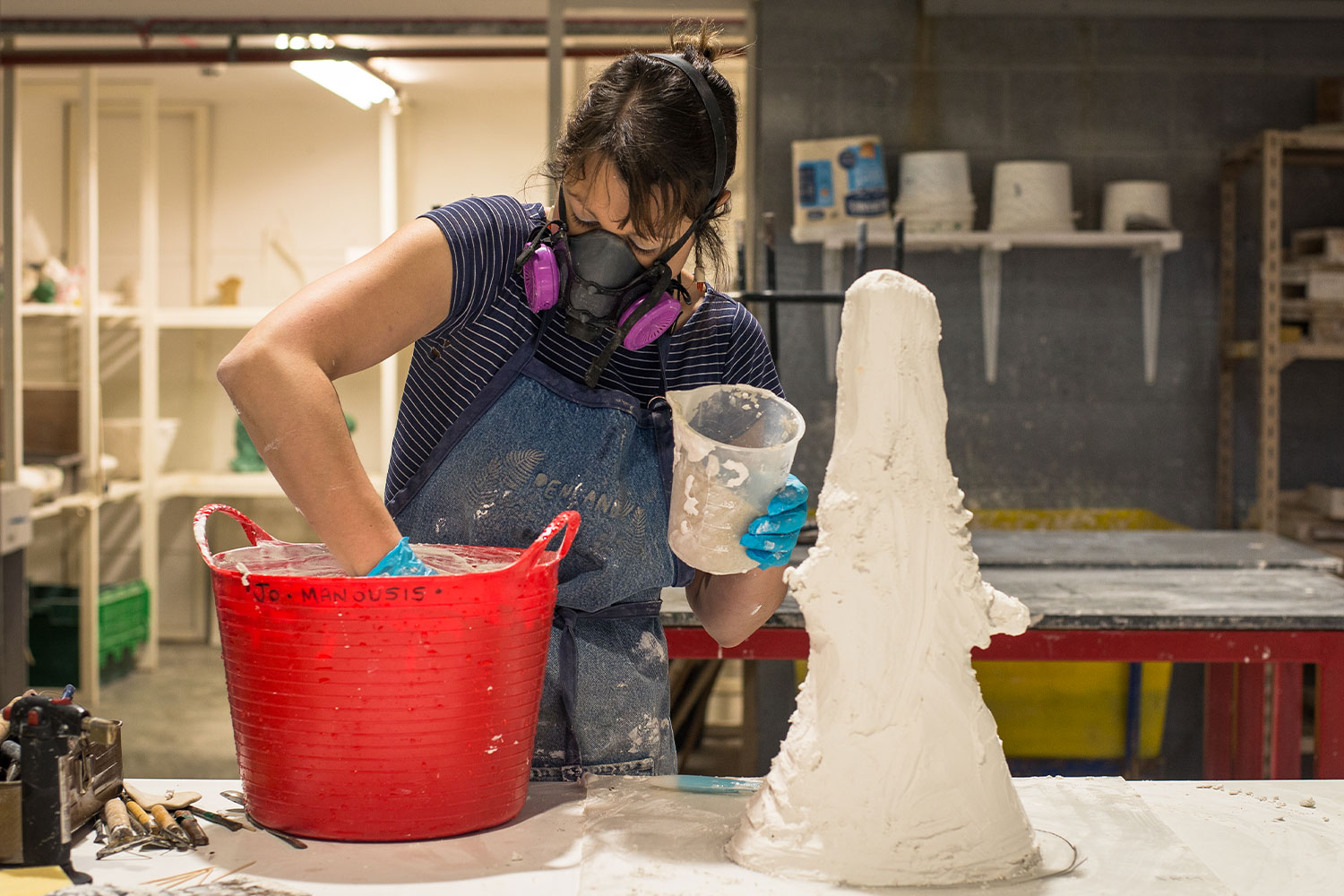
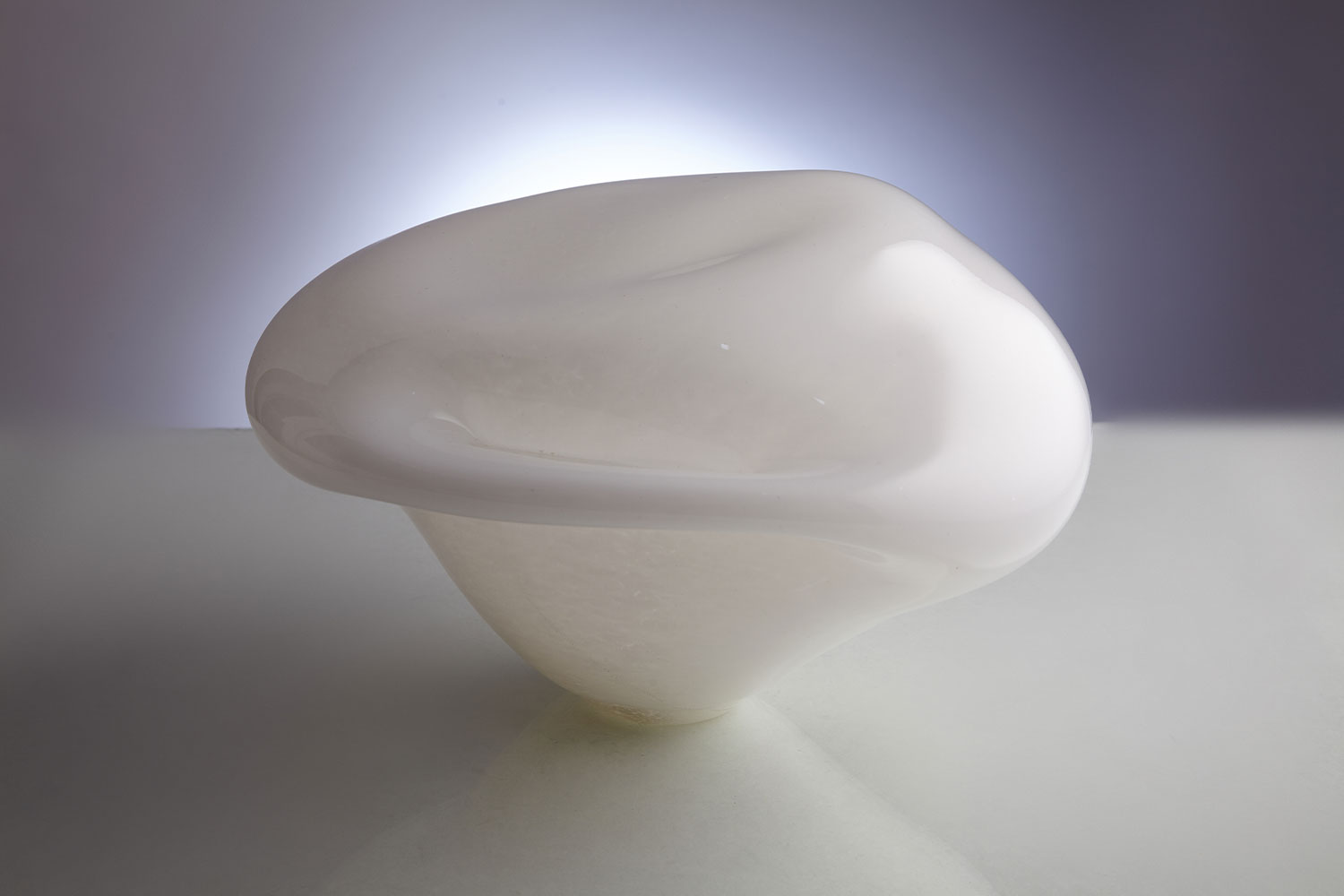
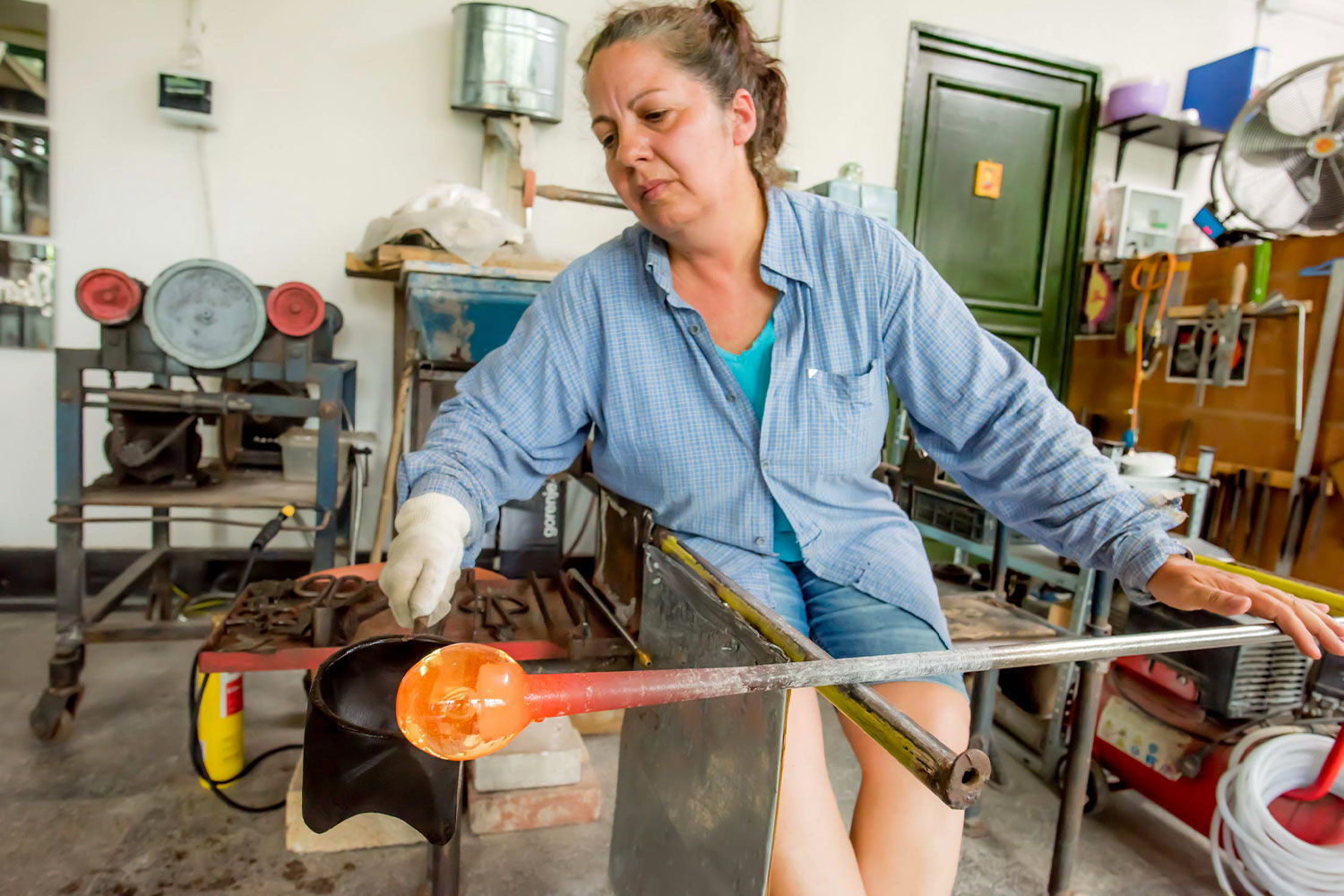
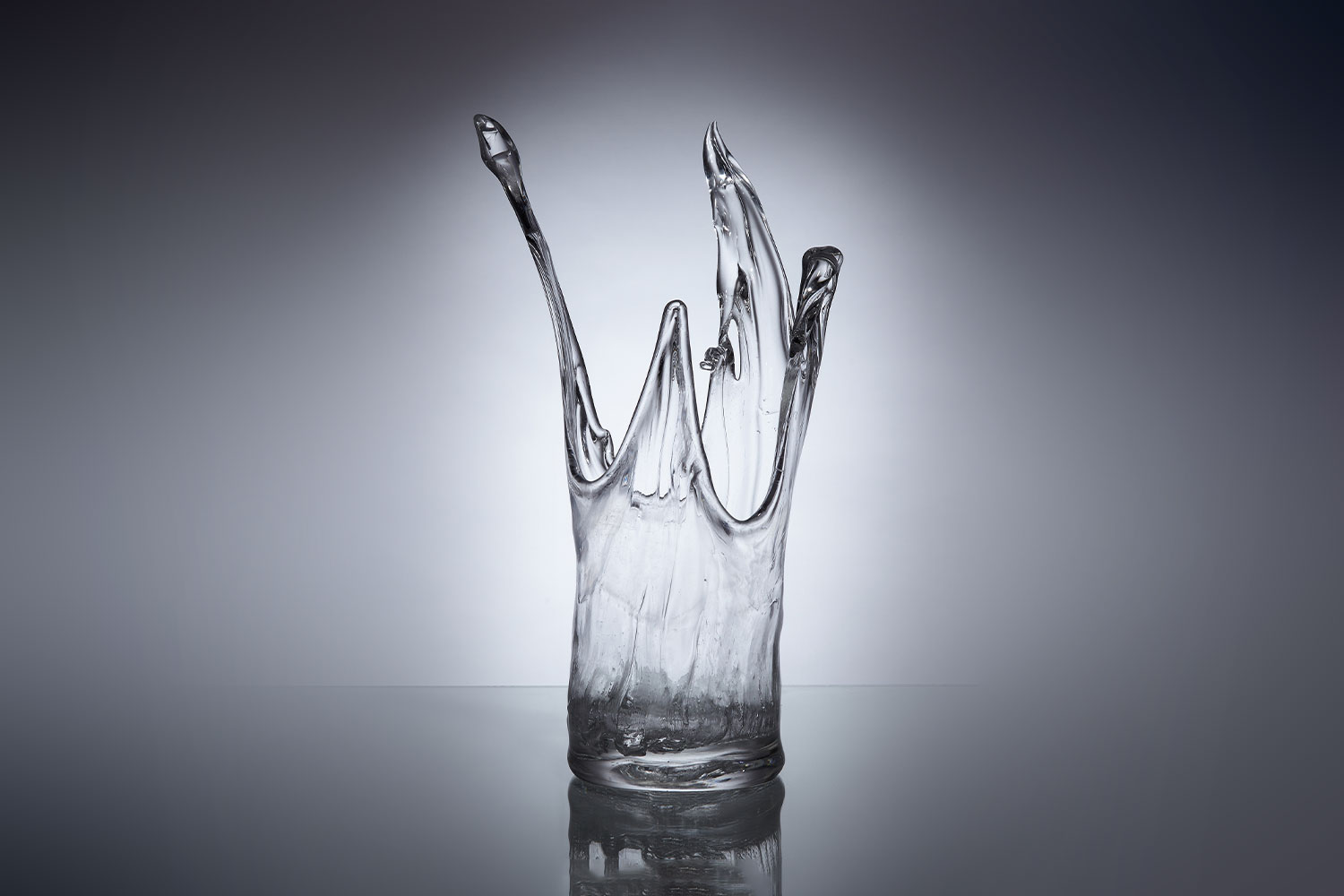
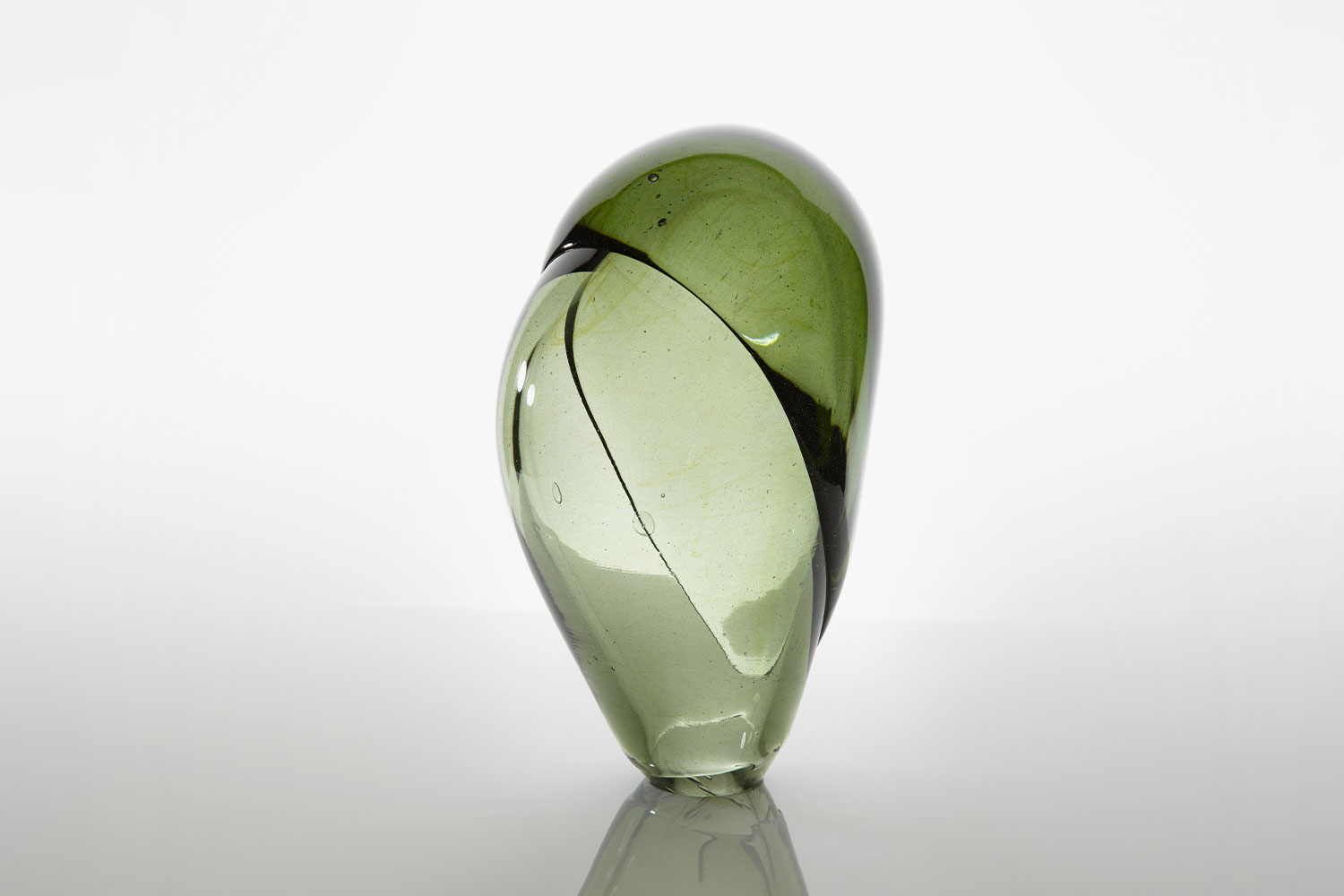
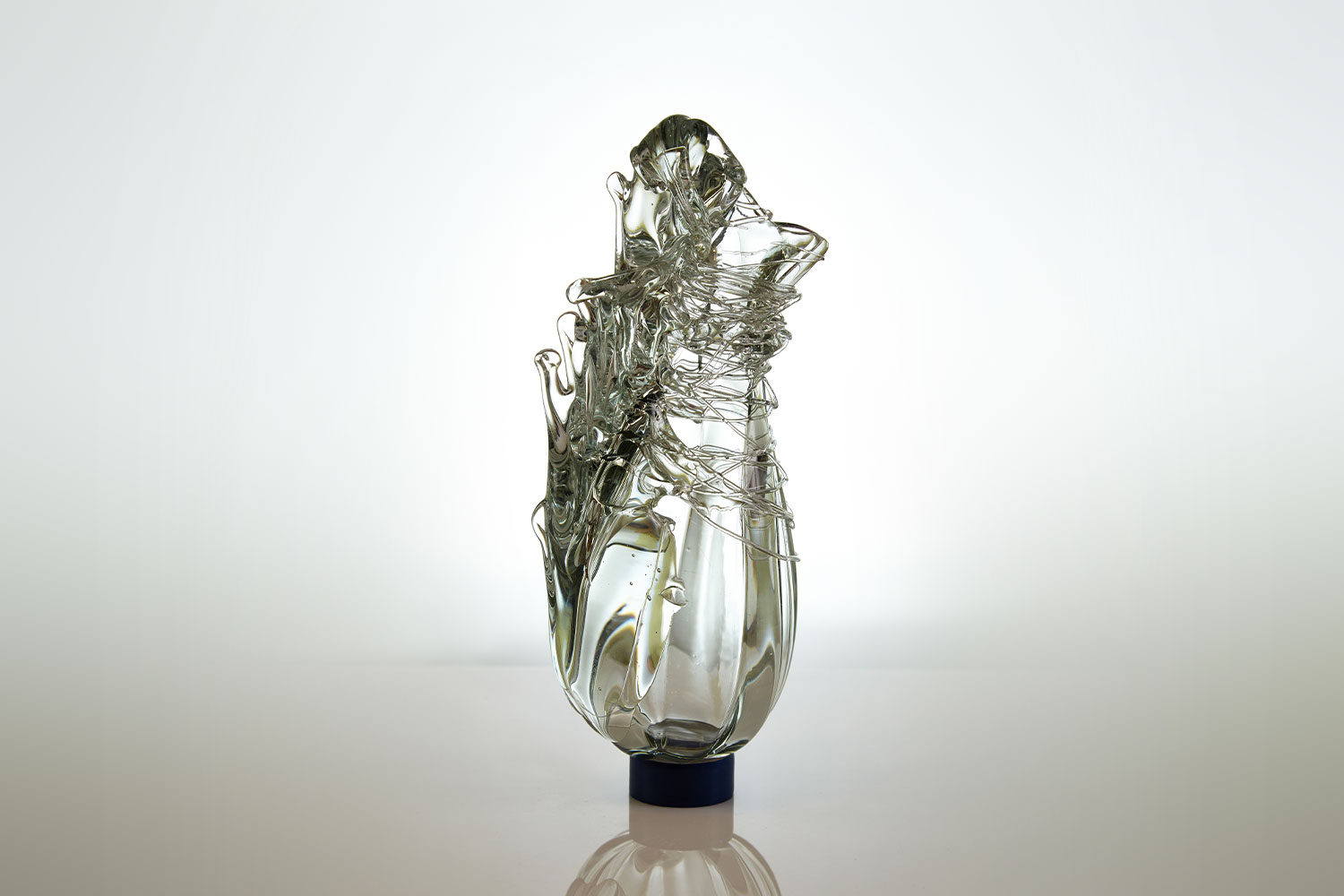
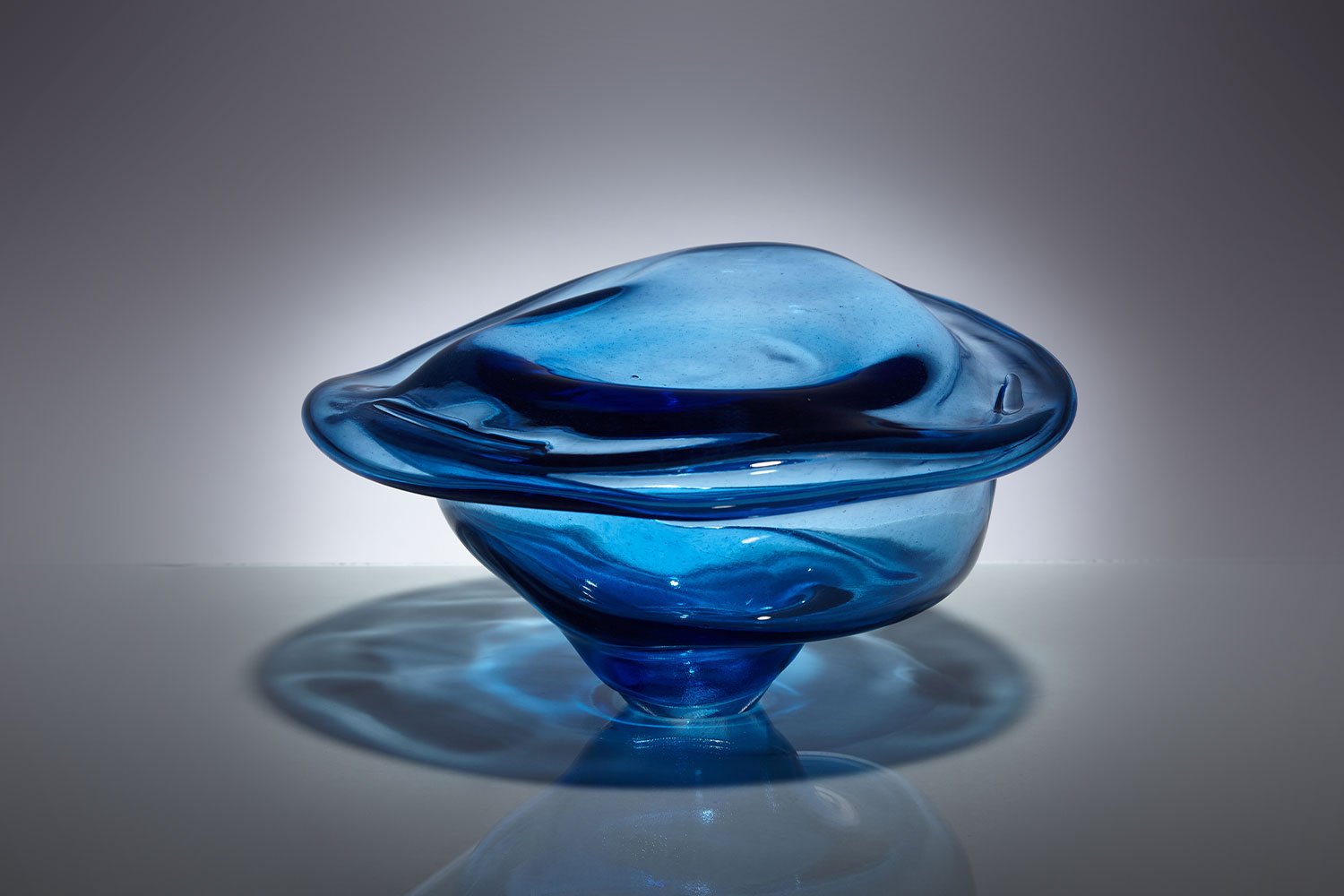
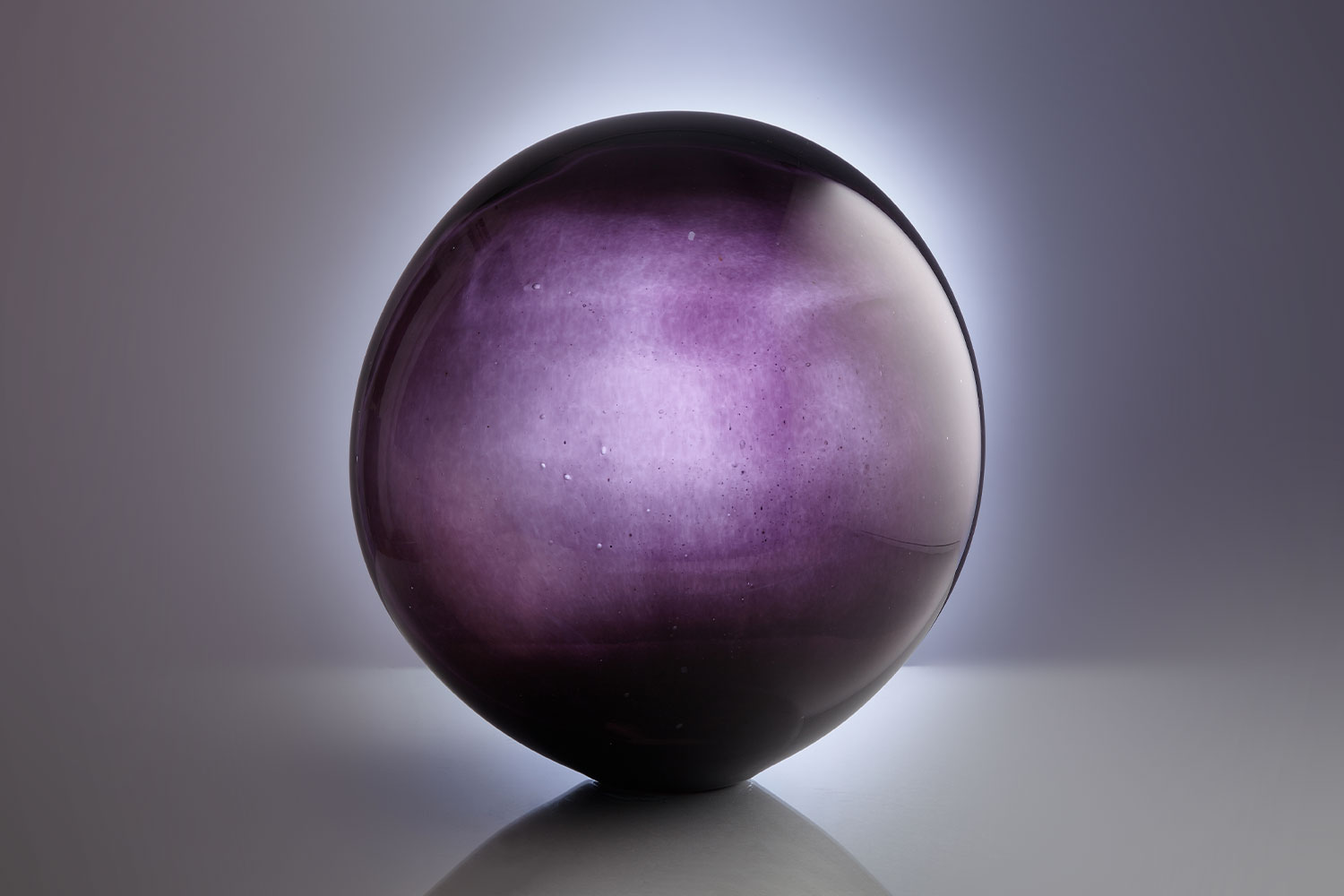
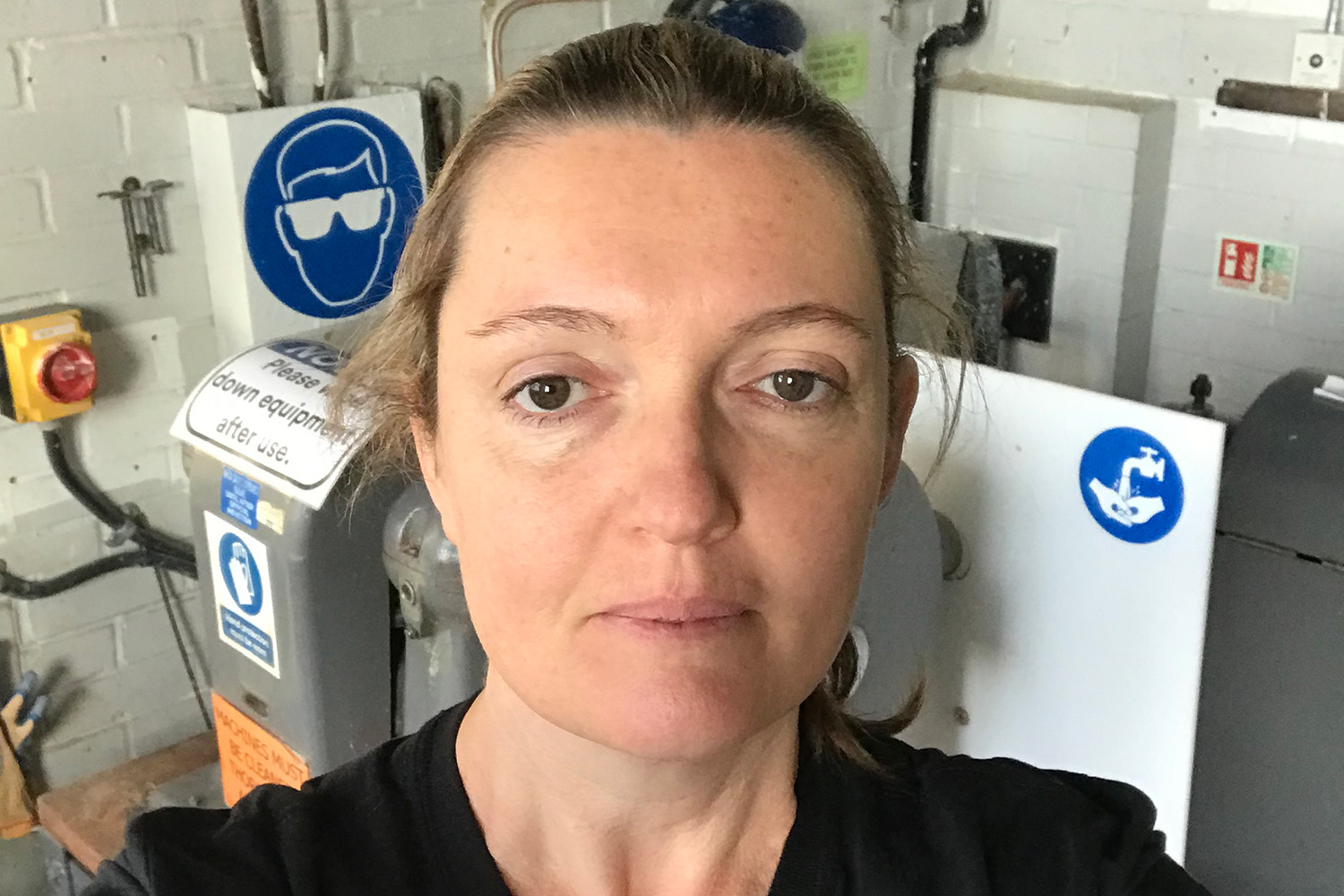
Cristina Ilinca found her calling as a glass artist at the age of 40, after graduating from two faculties and working in a different field. In a process of personal discovery and on a quest for meaning in life, she decided to attend the National University of Arts in Bucharest, Faculty of Decorative Arts and Design. This transformative journey led her to opening her own studio and creating works that often reflect nature and the miracles of life. In addition to her academic training, she learned about glass fusing and other techniques from books and took independent classes in glass art, glass printing and ceramics in Germany, the United Kingdom and the United States. Her creations have been appreciated in solo and group exhibitions, both in Romania and abroad.
INTERVIEW
A visit to Venice left me enamoured by this craft. I was struck by the window displays of the glass shops in the city and the incredible artworks. I realised then that I would love to make such wonderful objects to amaze others.
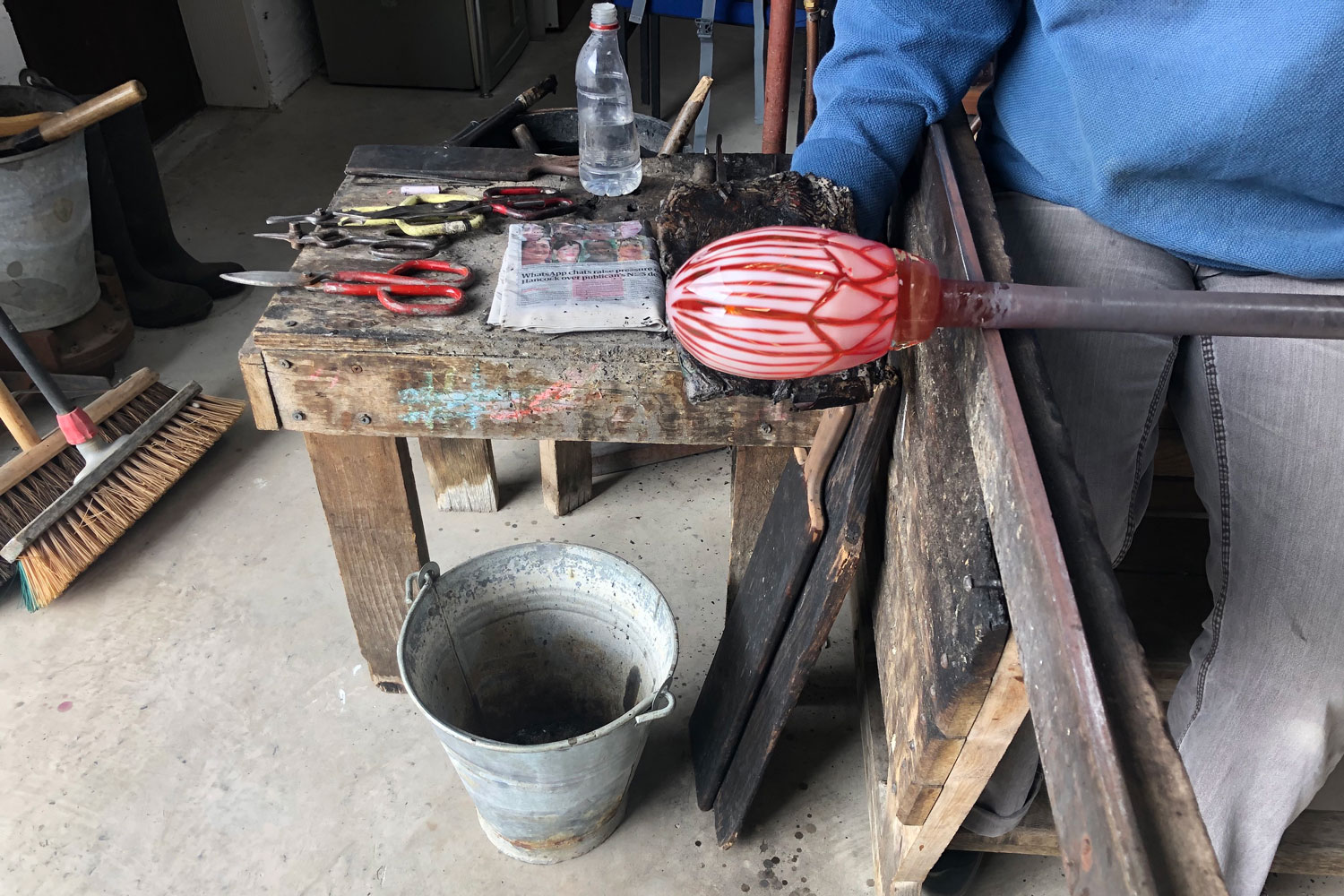
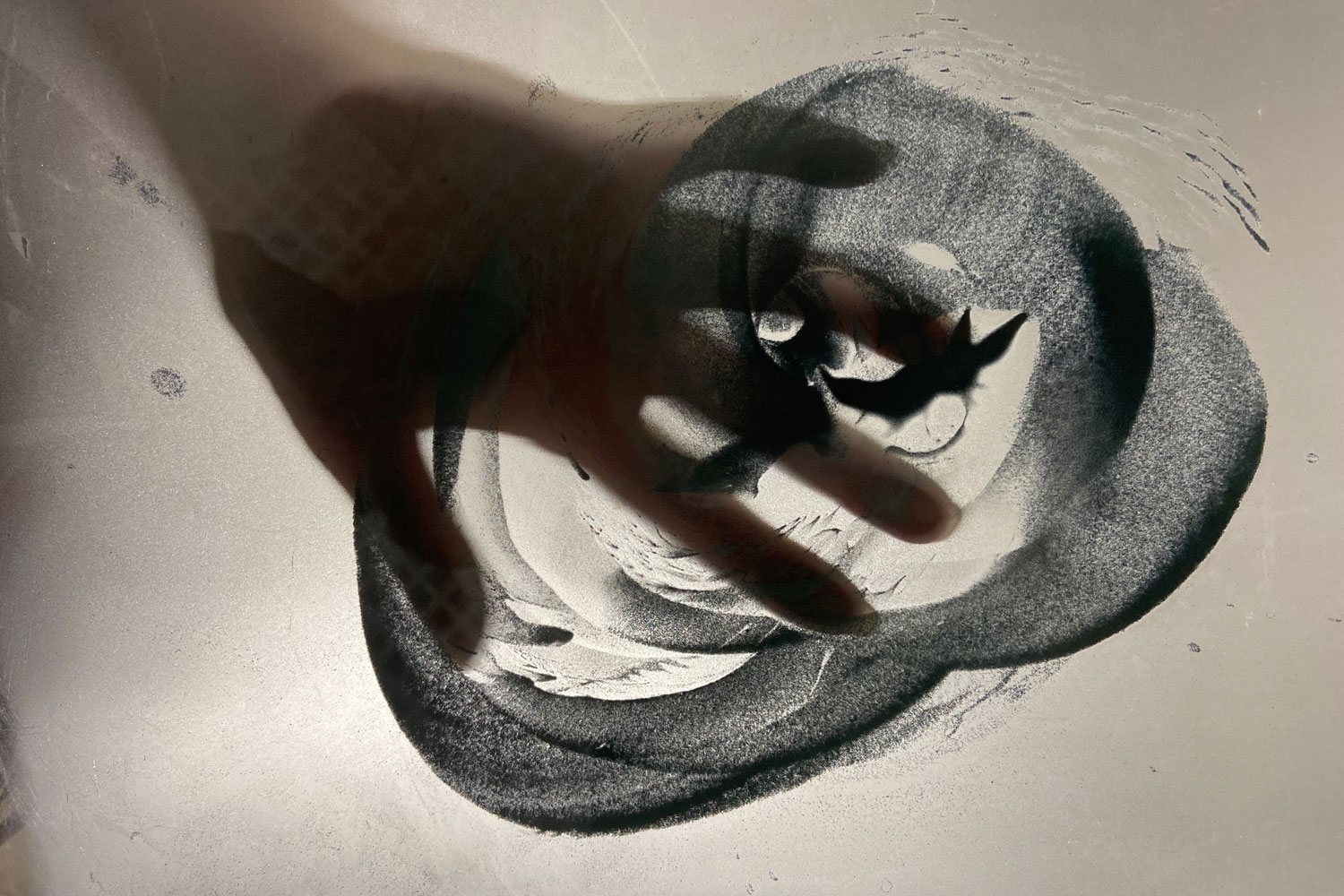
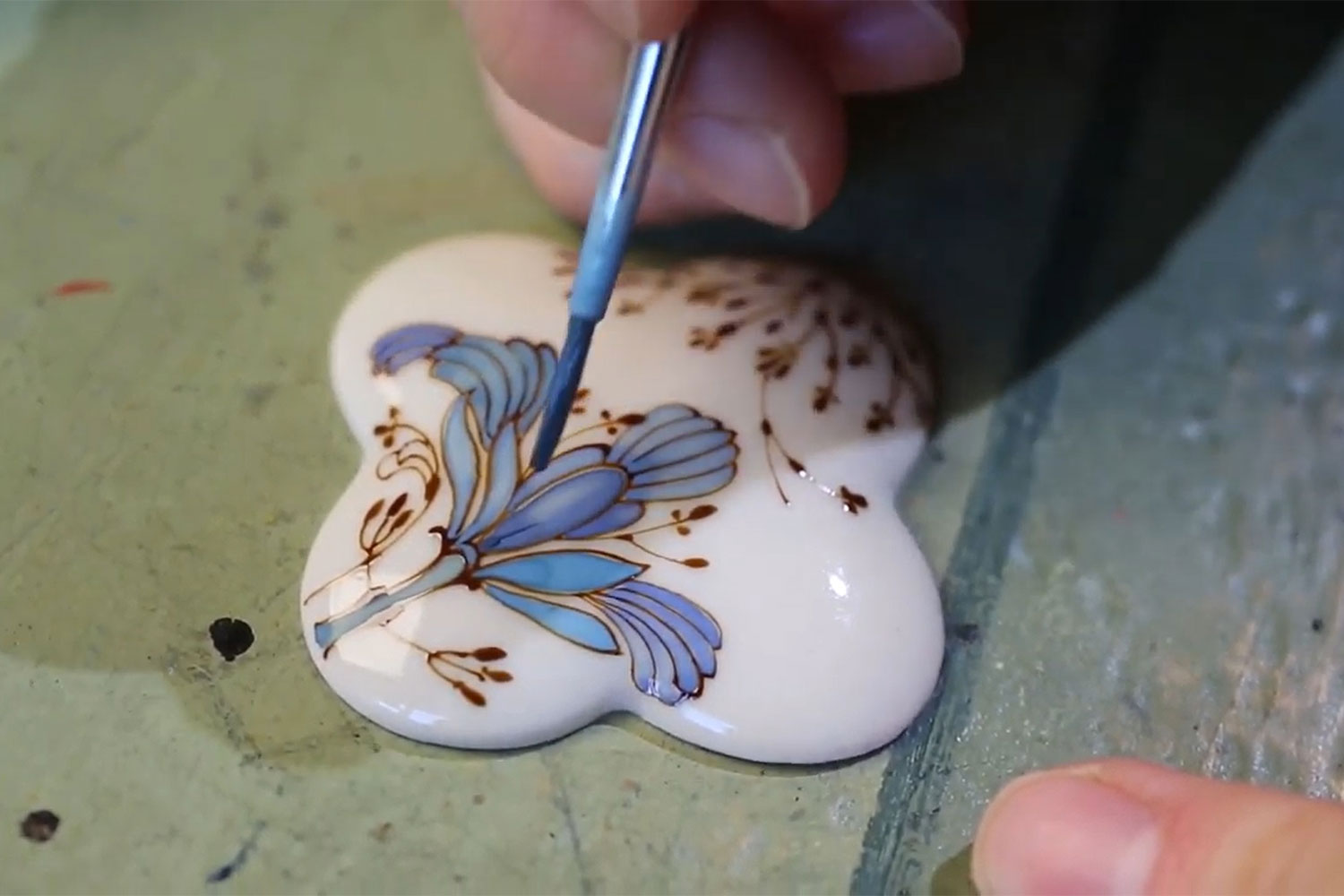
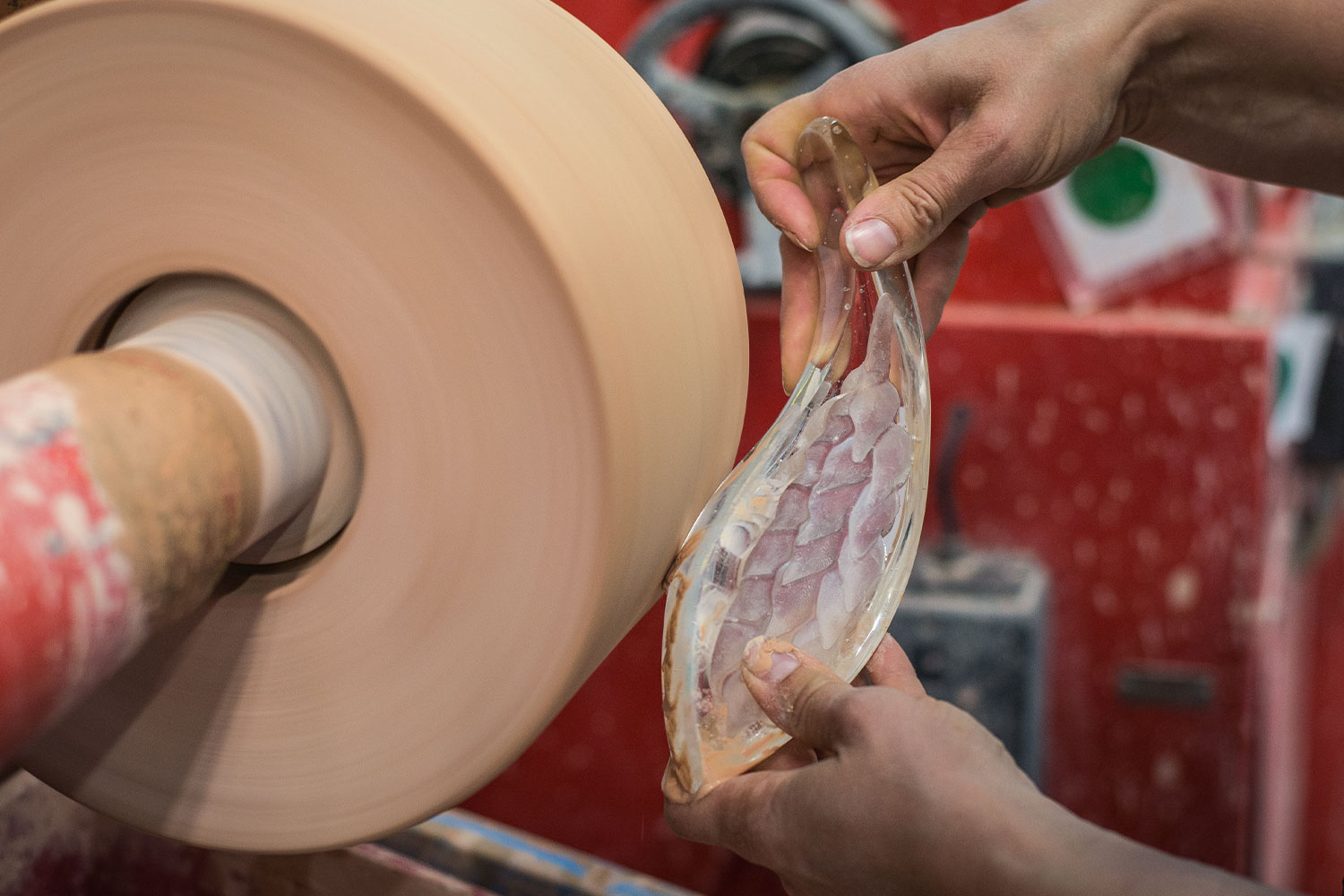
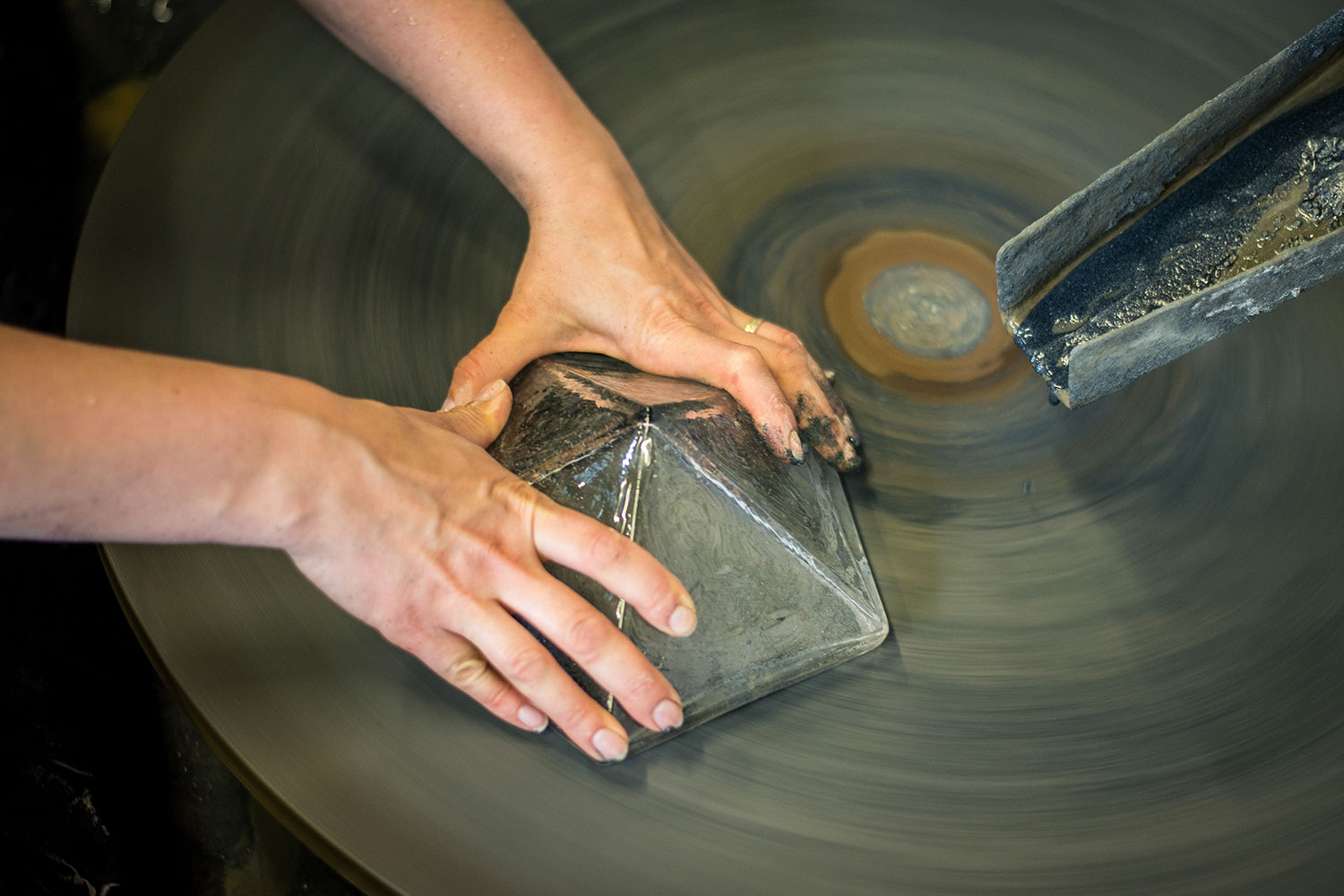
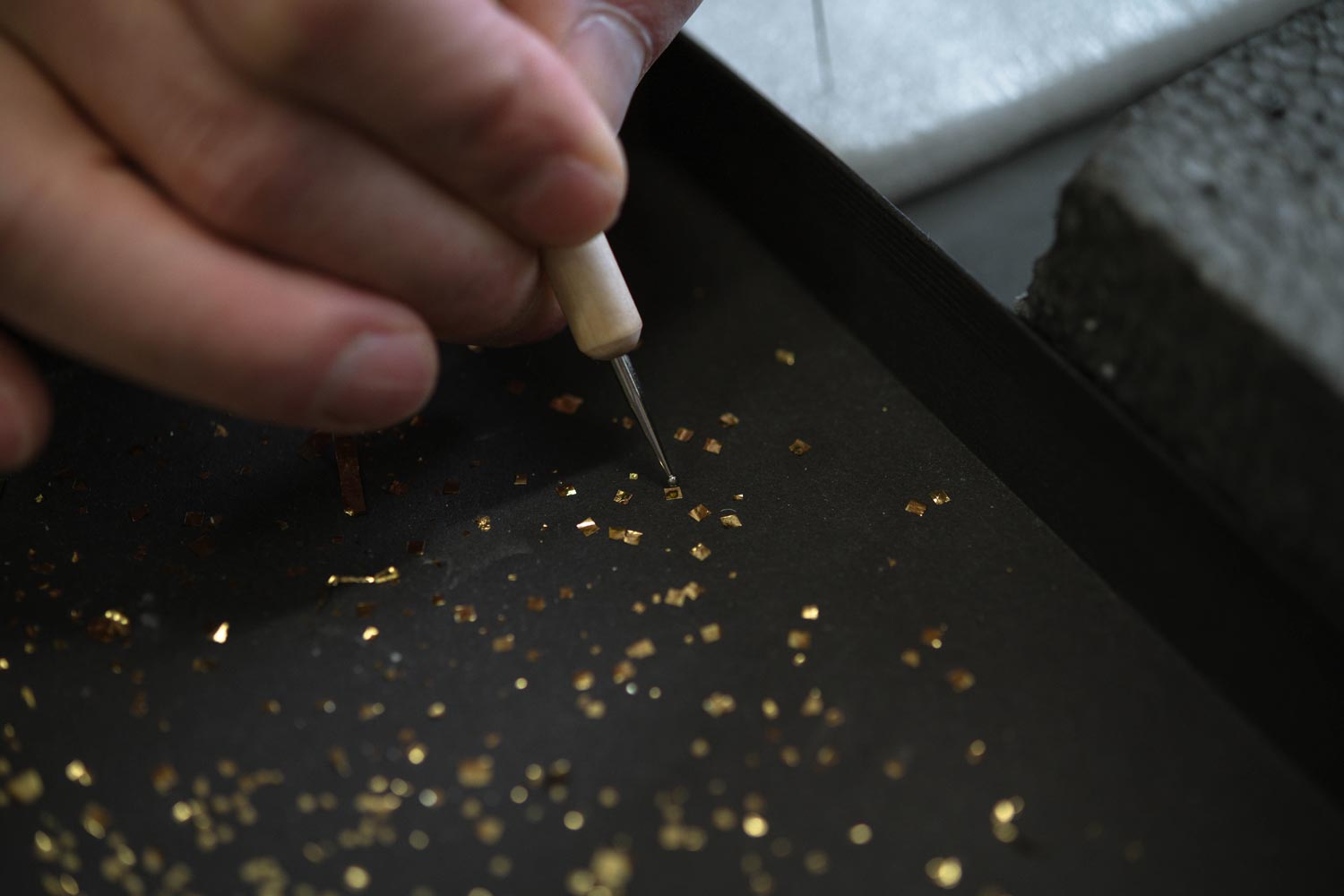
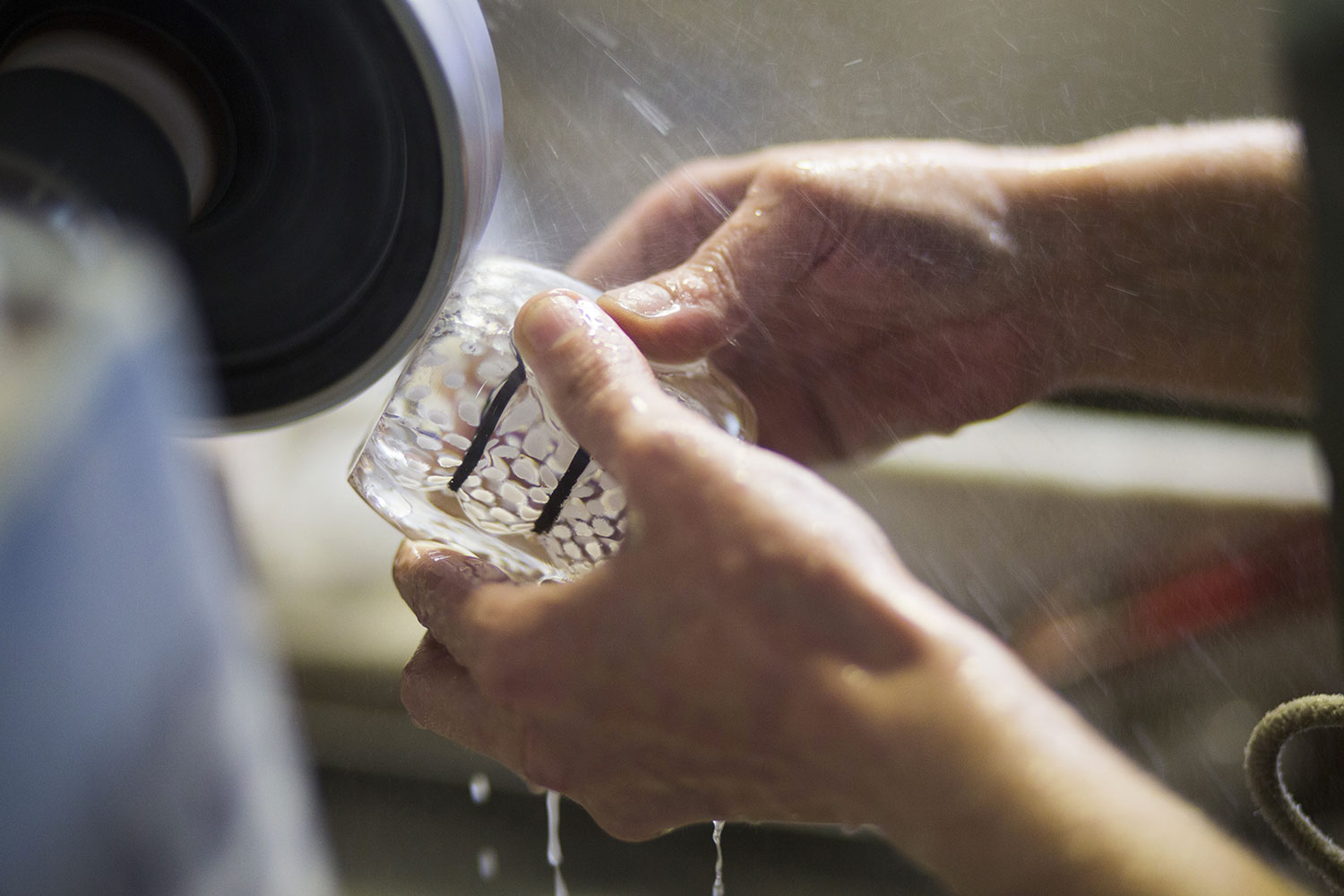
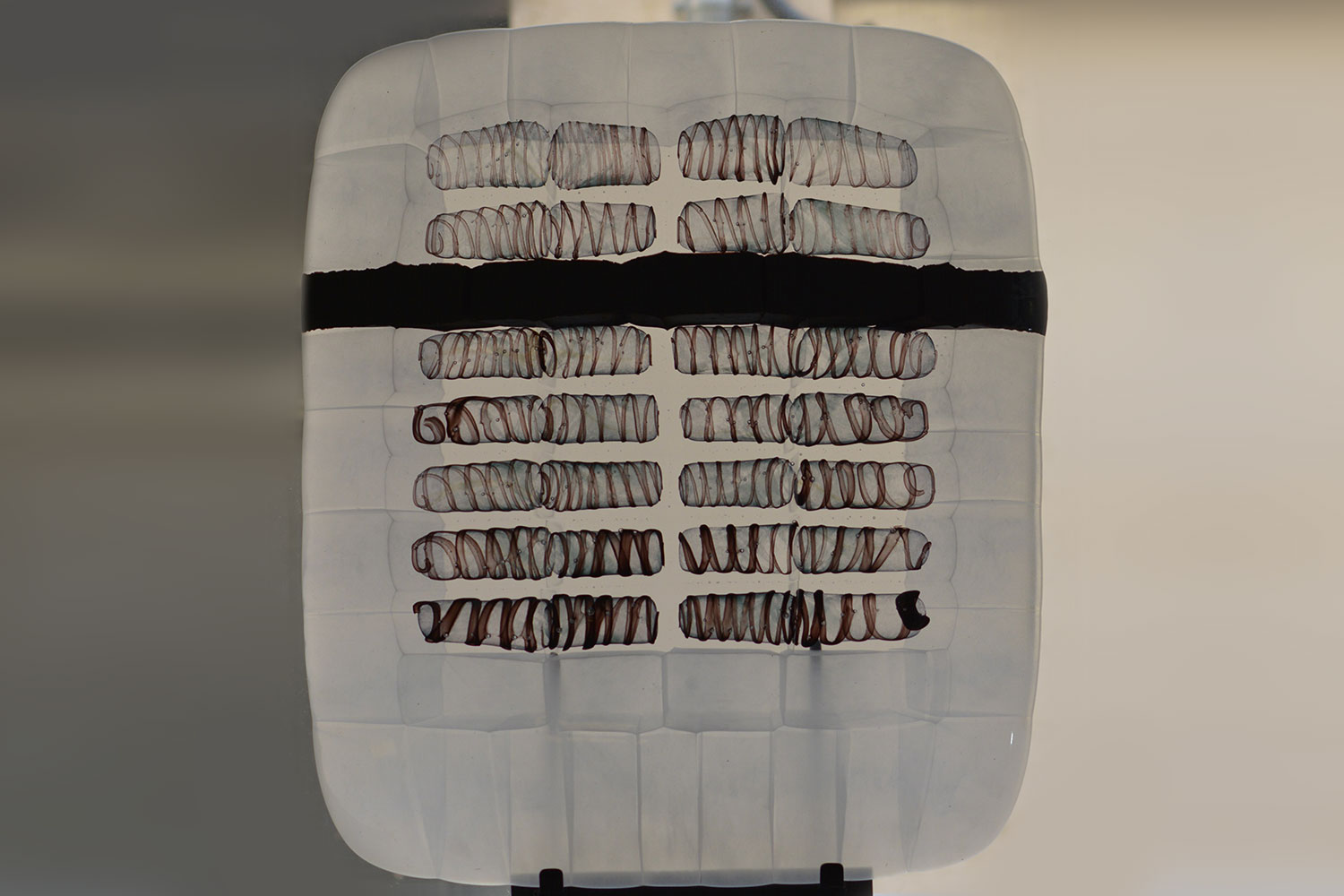
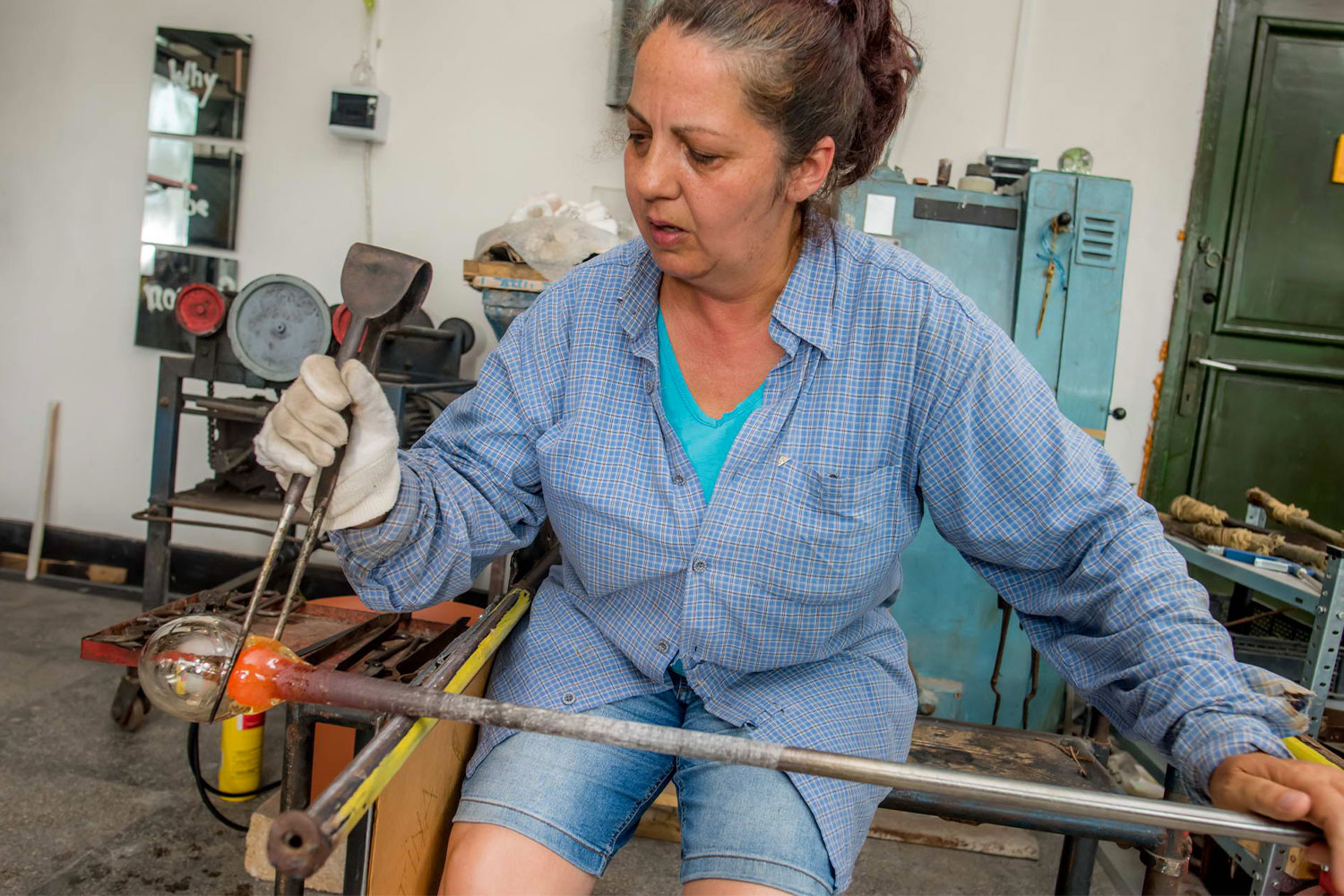
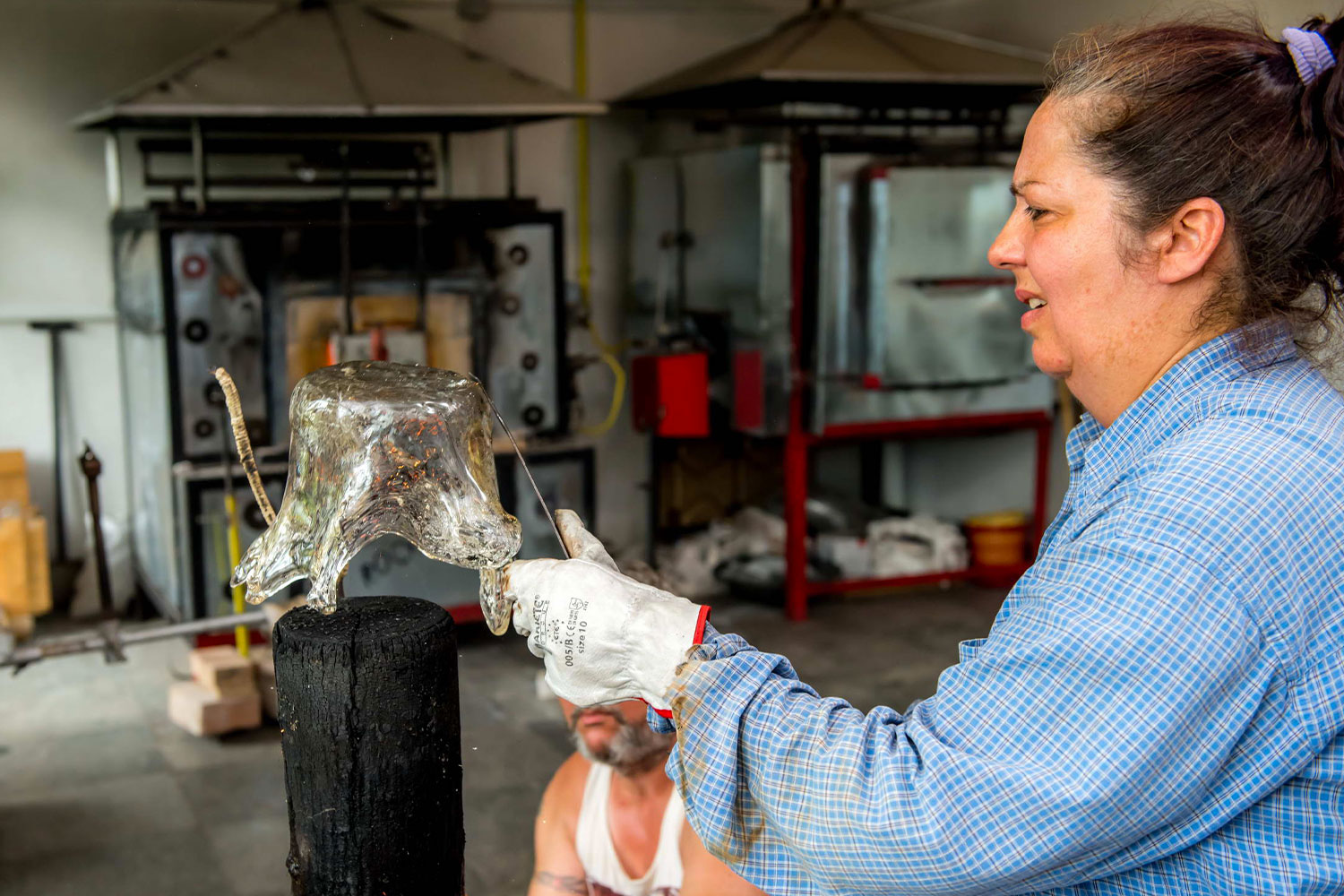
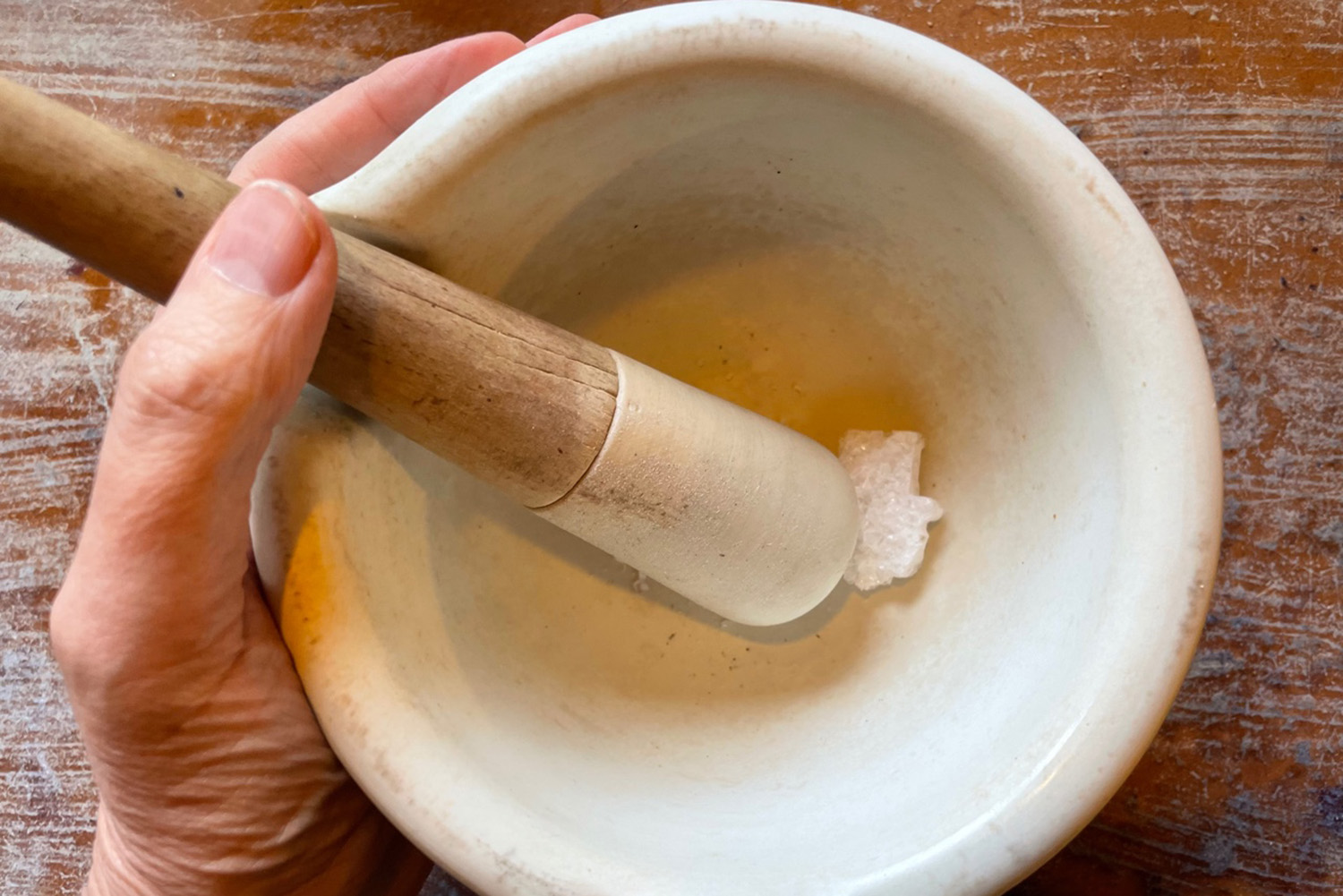
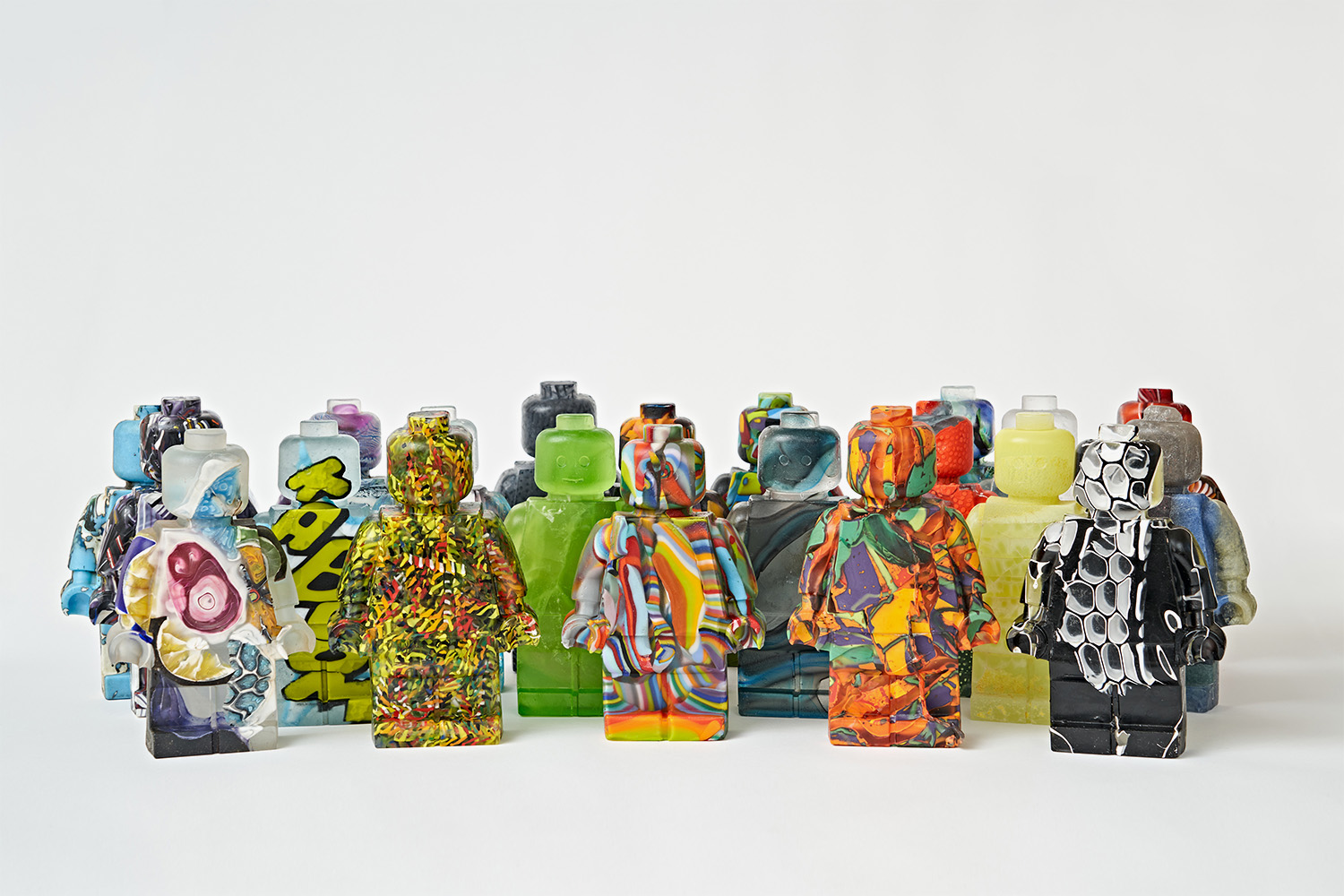
Despite my formal university training, I consider myself largely self-taught. I work with different glass techniques, hot and cold, and I love creating original patterns and experimenting with new materials. I sometimes use non-recommended combinations.
I incorporate the art of my predecessors into my works, not by copying them, but by assimilating their work and letting it inspire me. I feel very strong bonds with artists from different times, from Neolithic Venus of Gumelnita to Brancusi.
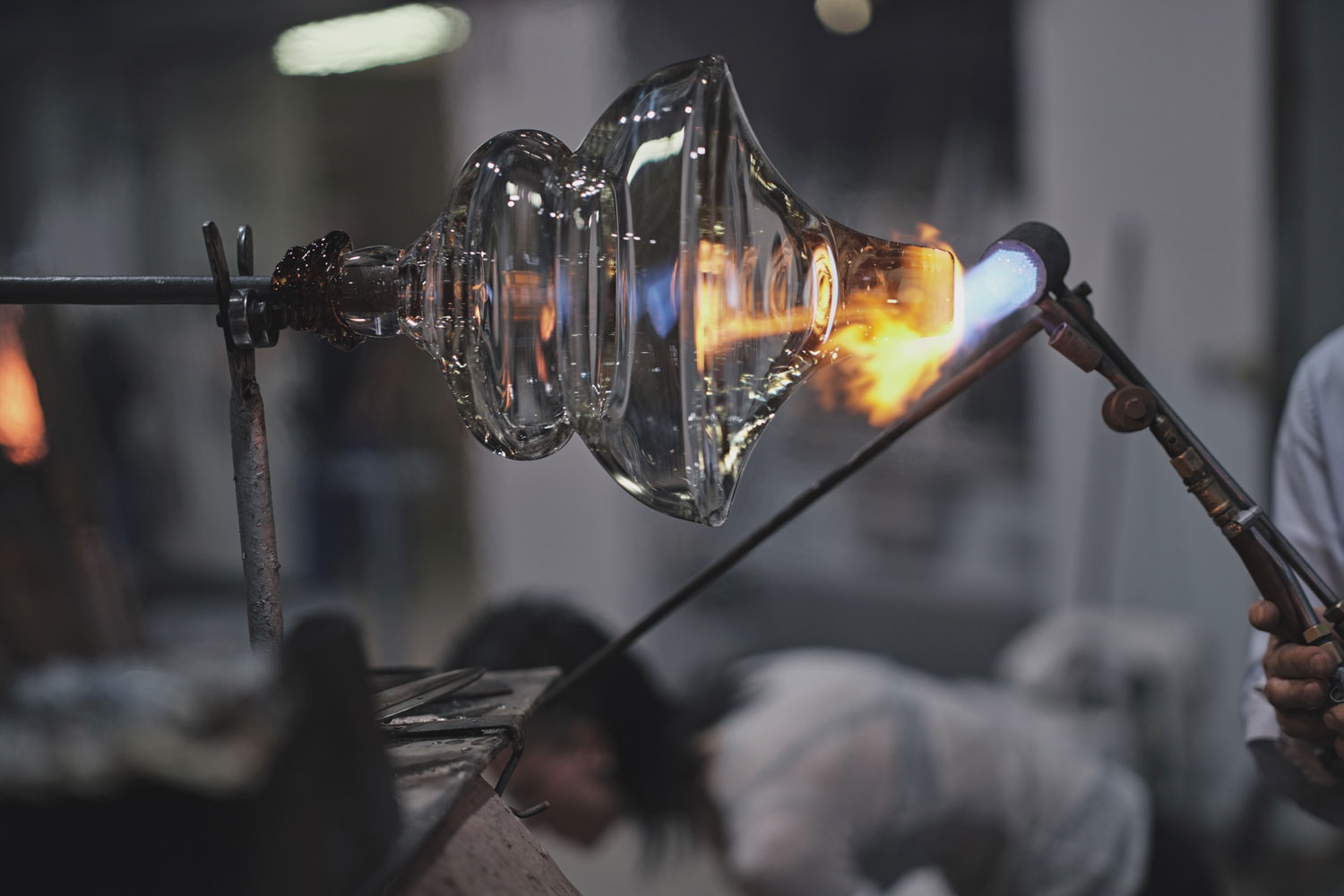
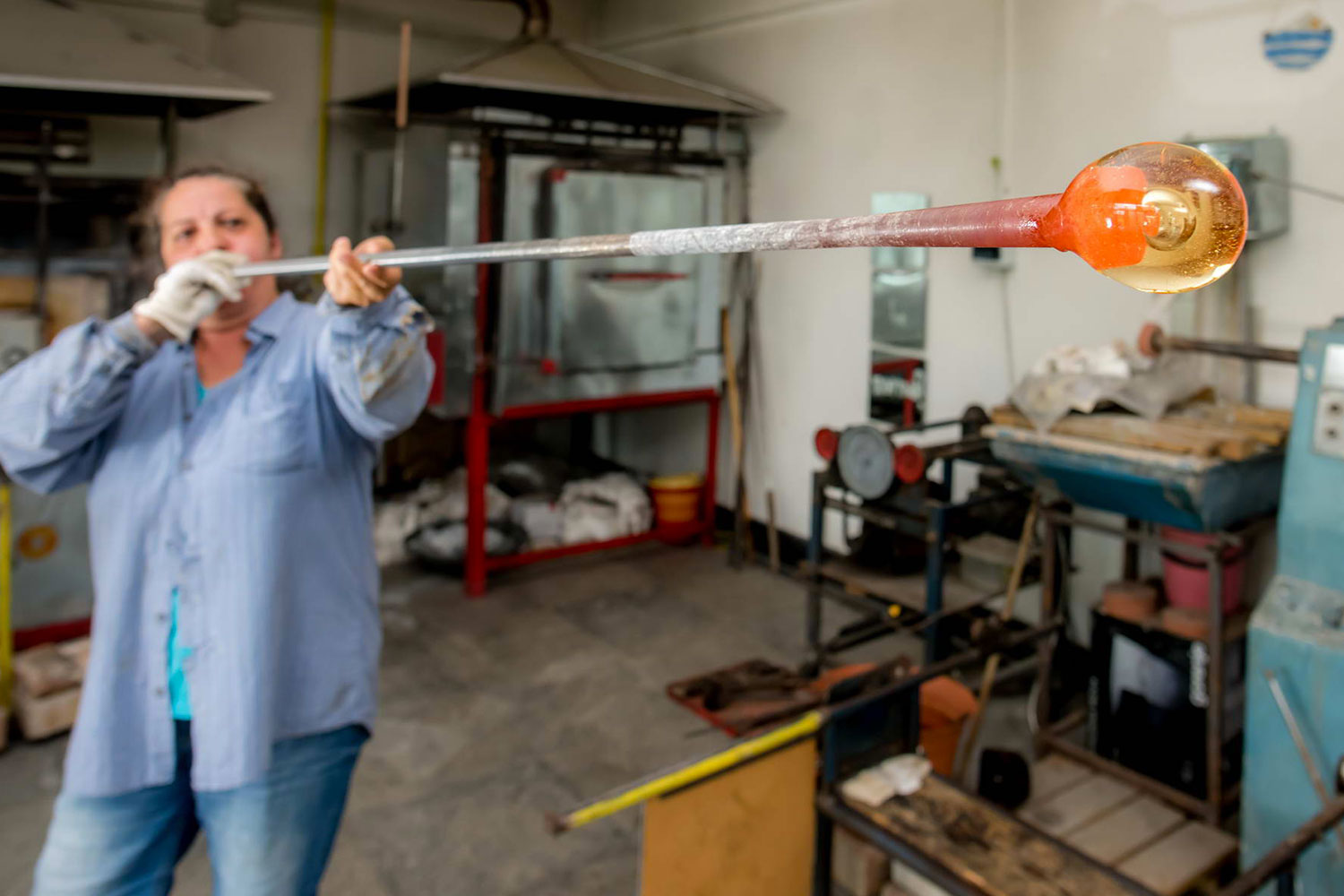
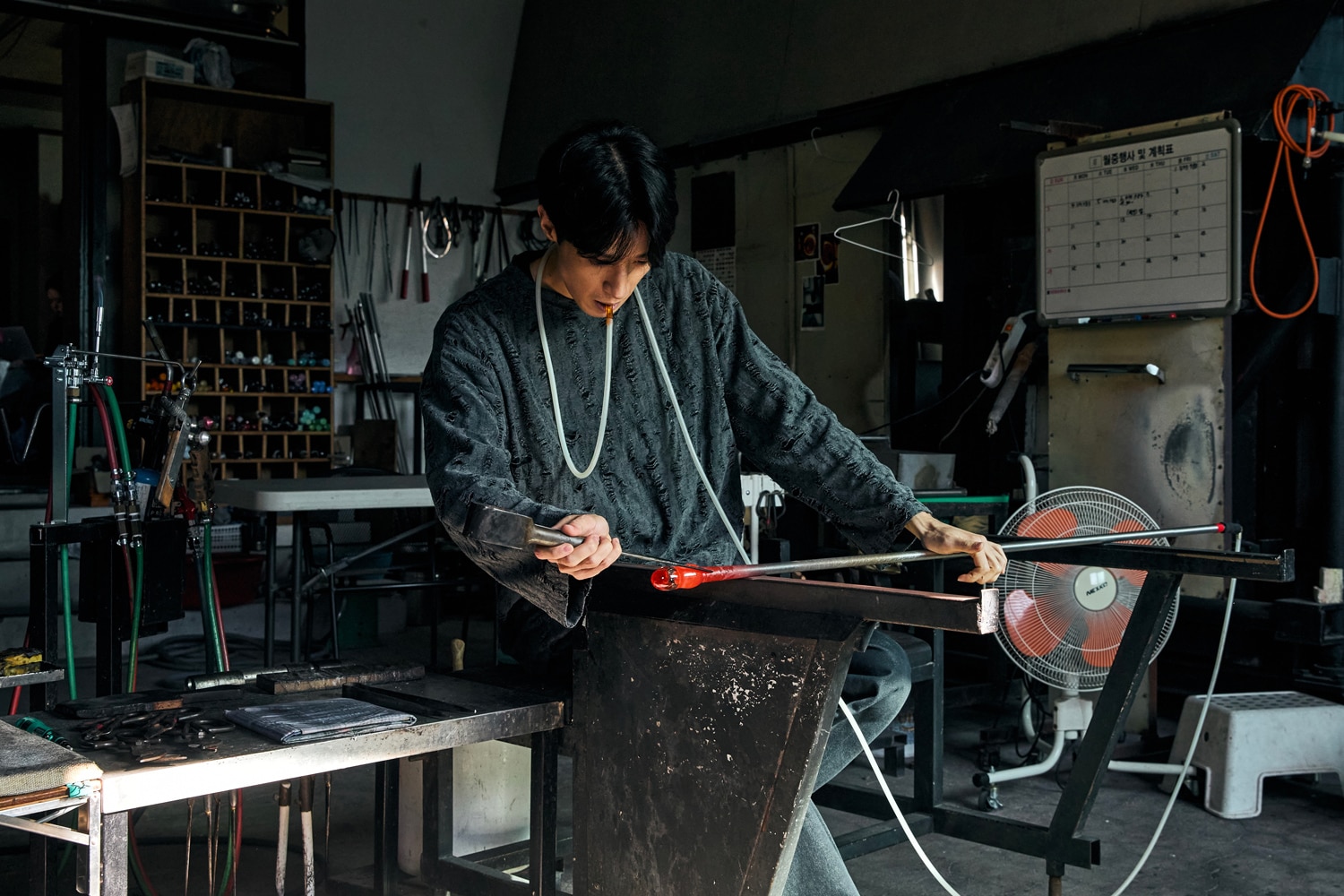
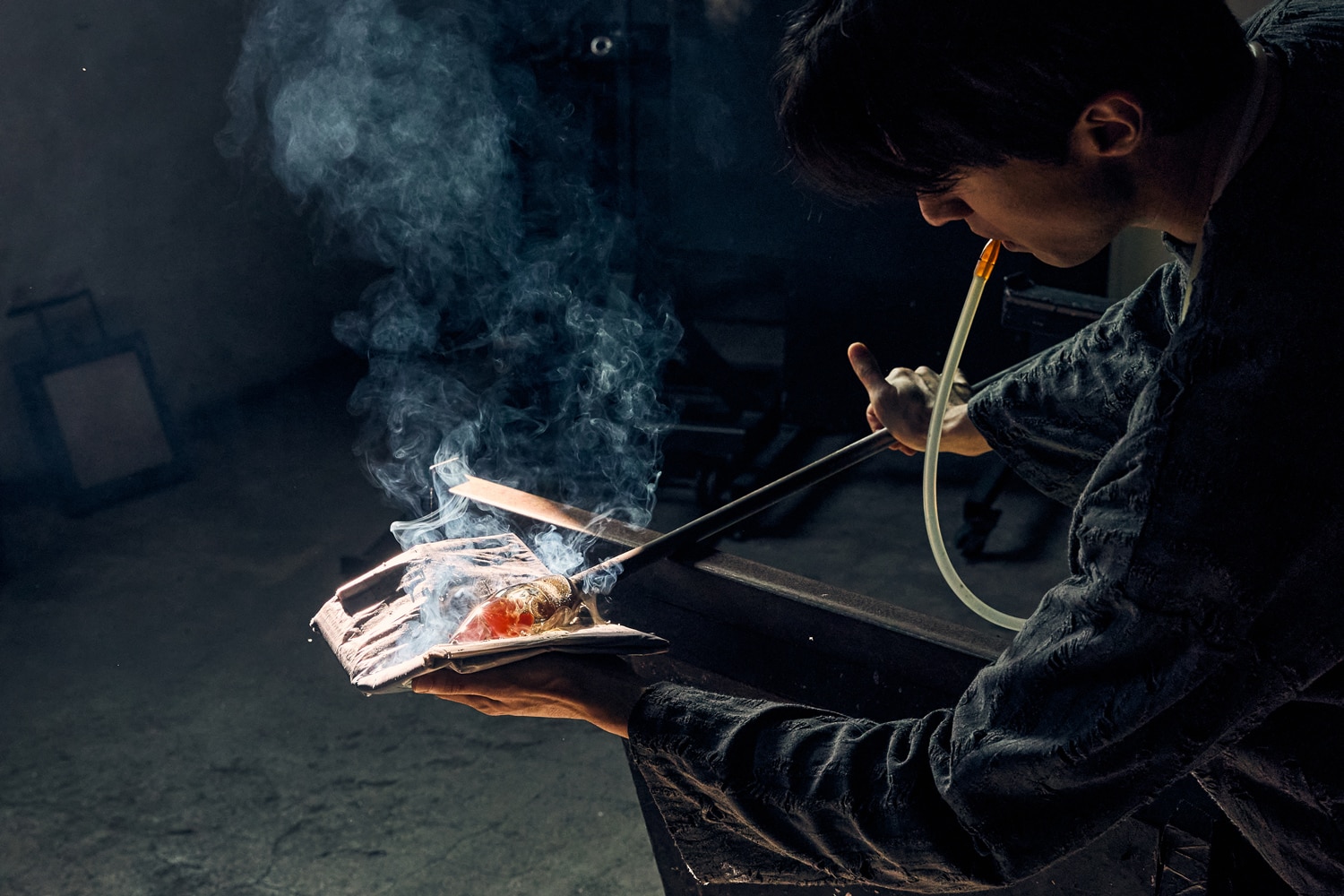
People usually think that the hardest part of glassblowing is to blow your lungs out, but this is not true. When you work with molten glass, the blowing force you need to use is probably less than the effort required to inflate a party balloon.
Cristina Ilinca
Glass sculptor
Ion Luca Caragiale, Romania
AVAILABILITY
By appointment only
PHONE
+40 772227228
LANGUAGES
Romanian, French, German, English
Homo Faber Finds is a new service aiming to inspire admirers of craft to connect and collaborate with exceptional artisans.
We invite you to submit an enquiry here.
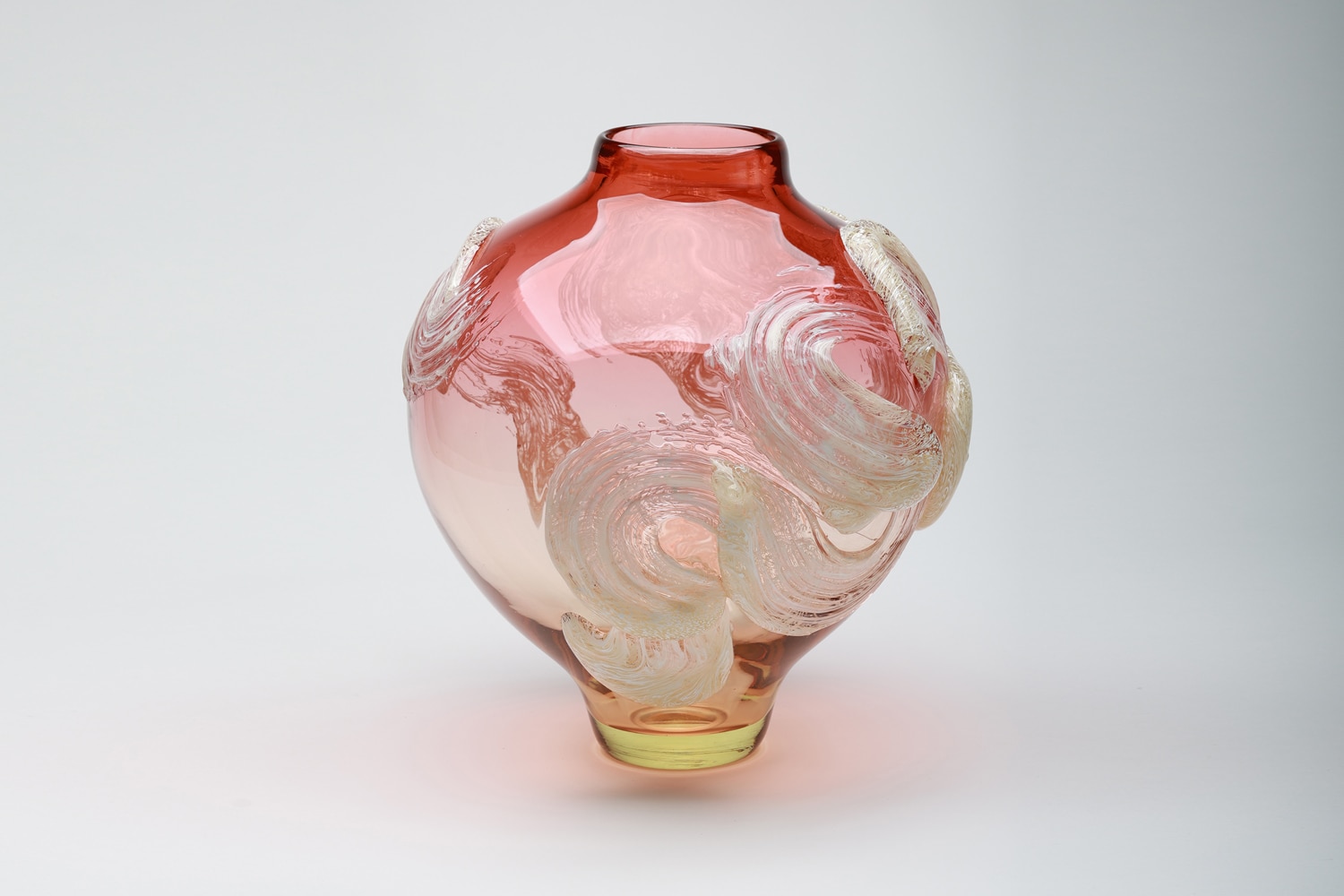
Juliette Leperlier_Naïade XXI_(c)Arthur Monfrais.jpg)
Juliette Leperlier_Portrait 1_(c)Arthur Monfrais.jpg)
Juliette Leperlier_Studio 1_(c)Arthur Monfrais.jpg)