©ADAGP
©Les Photos d'Heloise
©Raphaël Creton
©Les Photos d'Heloise
©Claude Néant
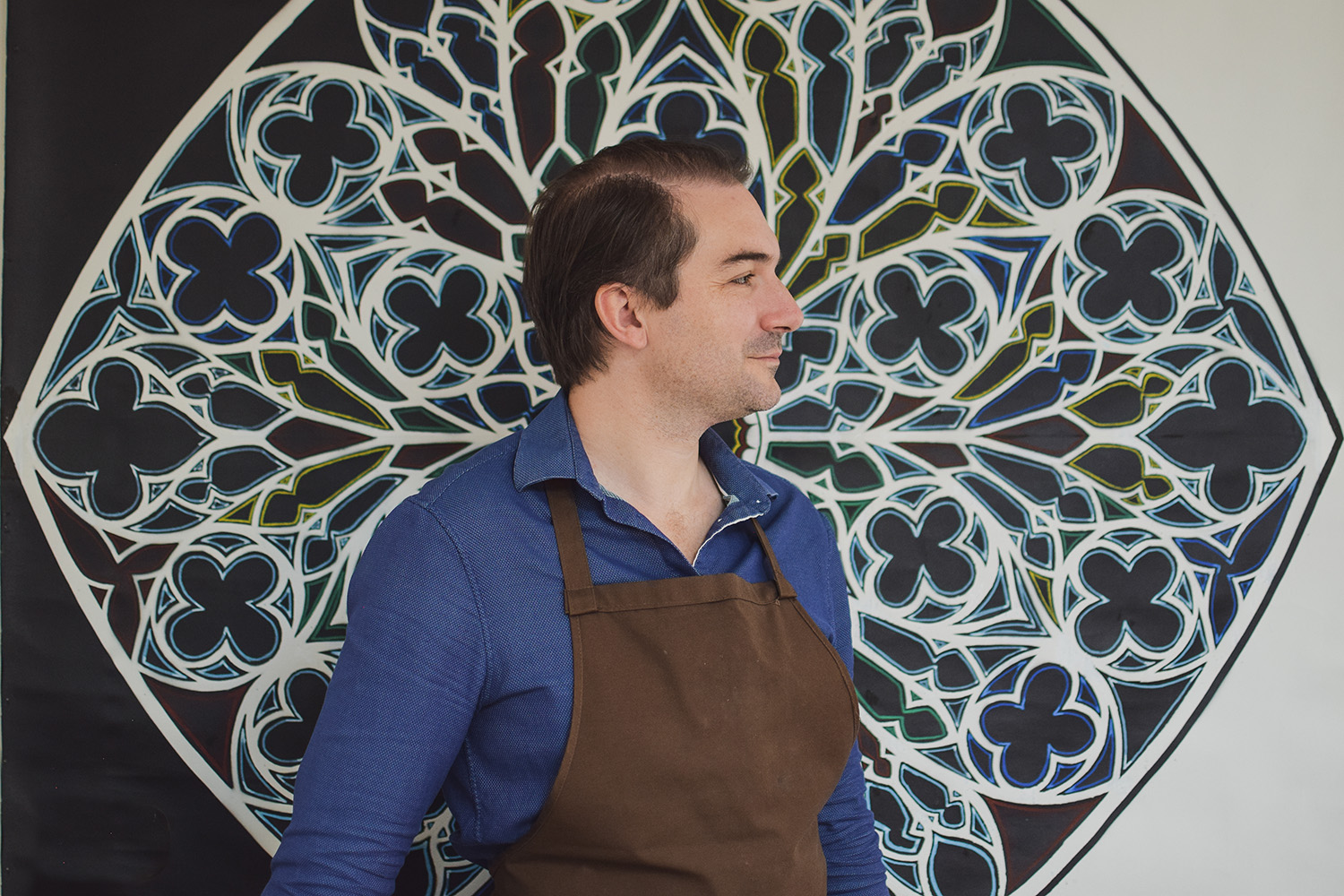
Matéo Crémades
Parchment artist
Hérisson, France
©ADAGP
©ADAGP
©Les Photos d'Heloise
©Les Photos d'Heloise
©Raphaël Creton
©Raphaël Creton
©Les Photos d'Heloise
©Les Photos d'Heloise
©Claude Néant
©Claude Néant
The forgotten know-how of parchment sculpture
- Matéo is entirely self-taught
- He is one of few artisans worldwide specialising in parchment carving
- He reinterprets ancient know-how to create contemporary sculptures
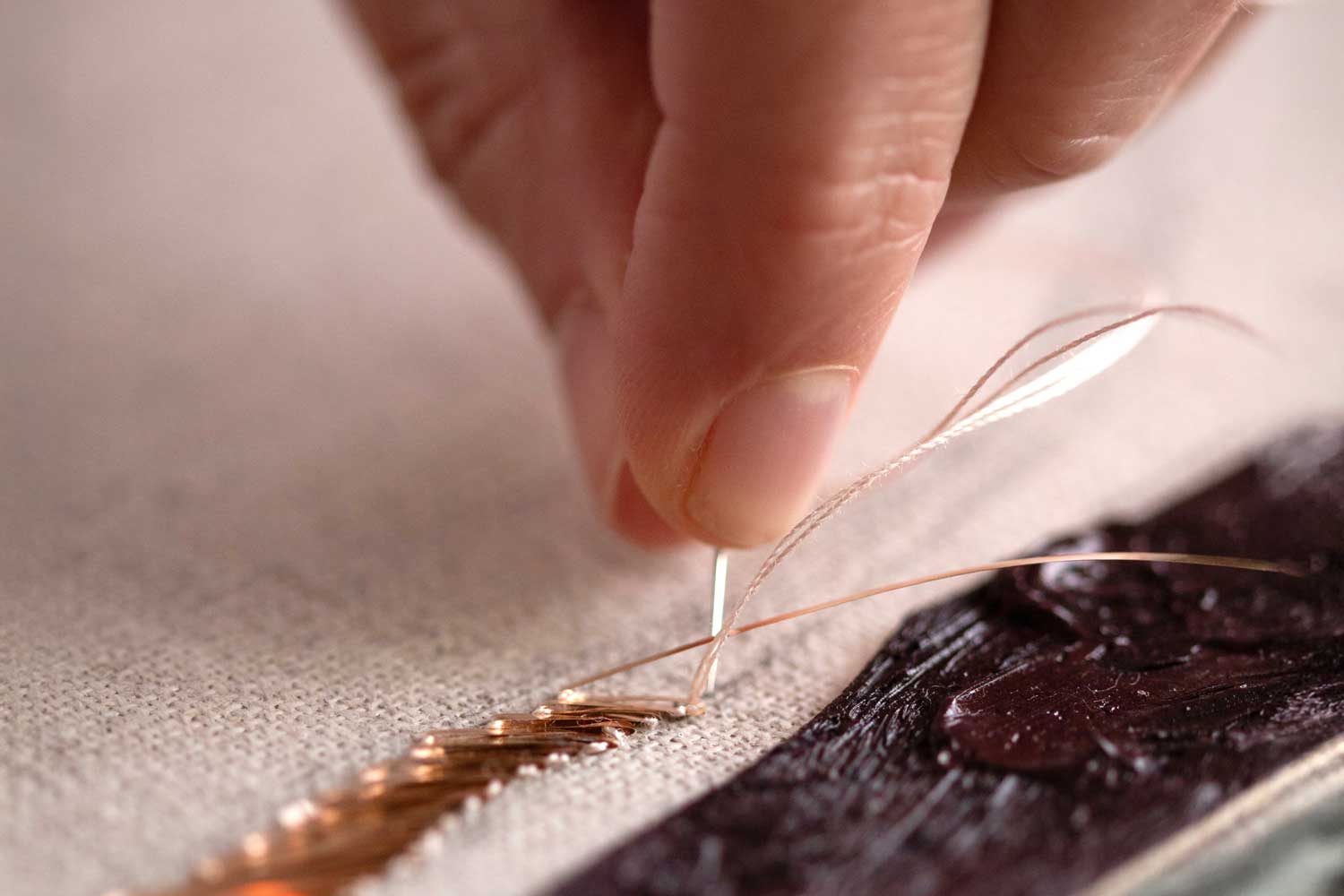
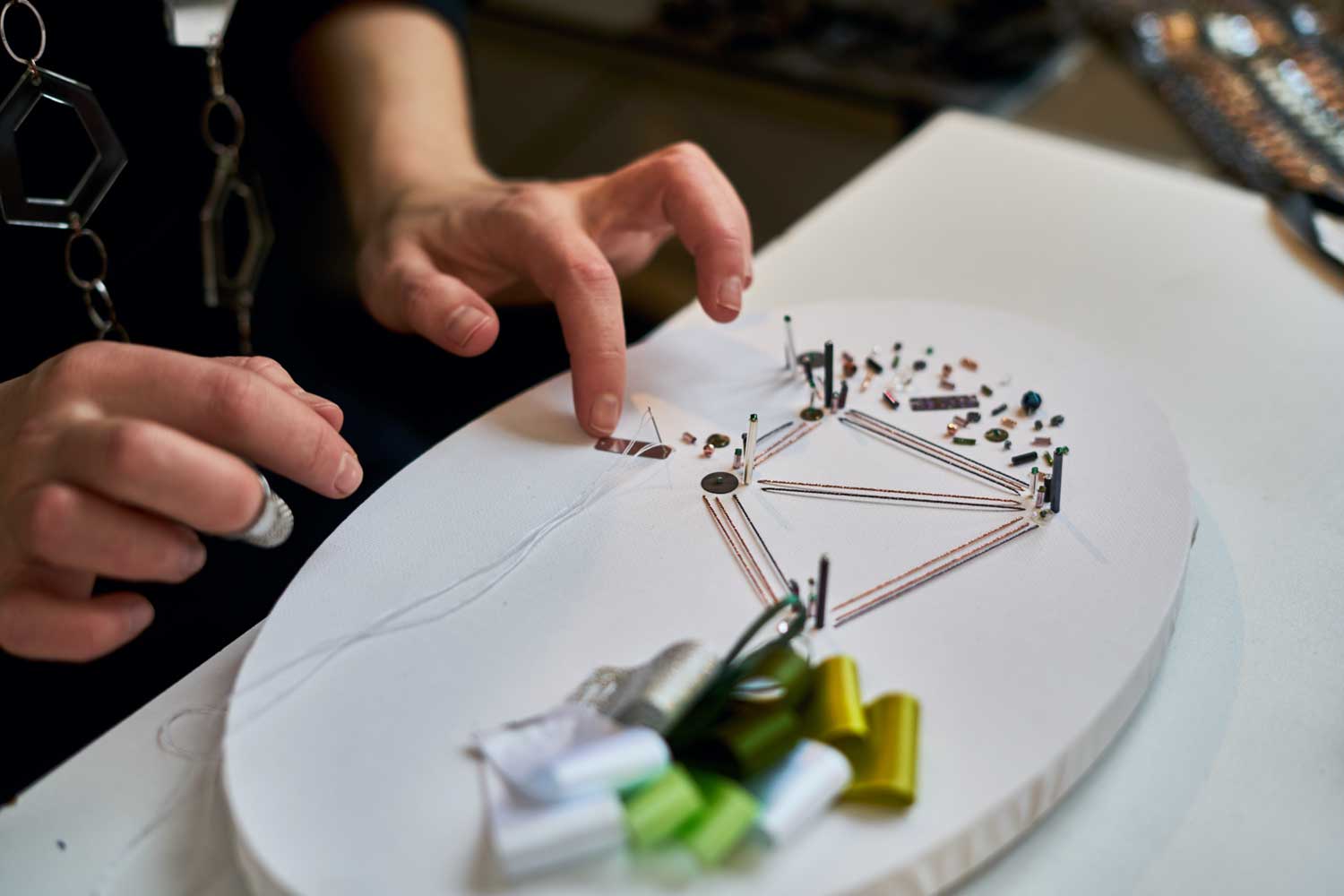
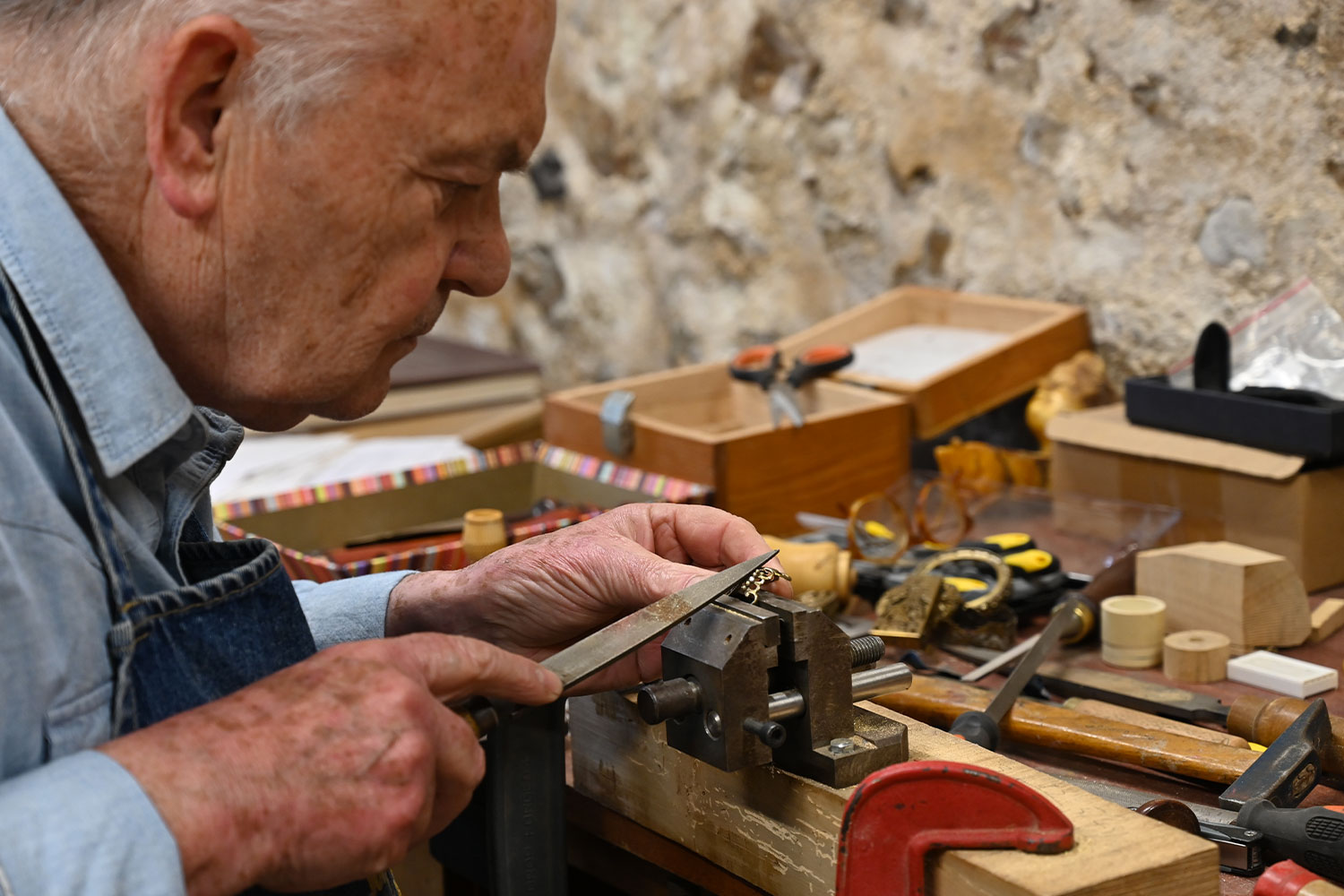
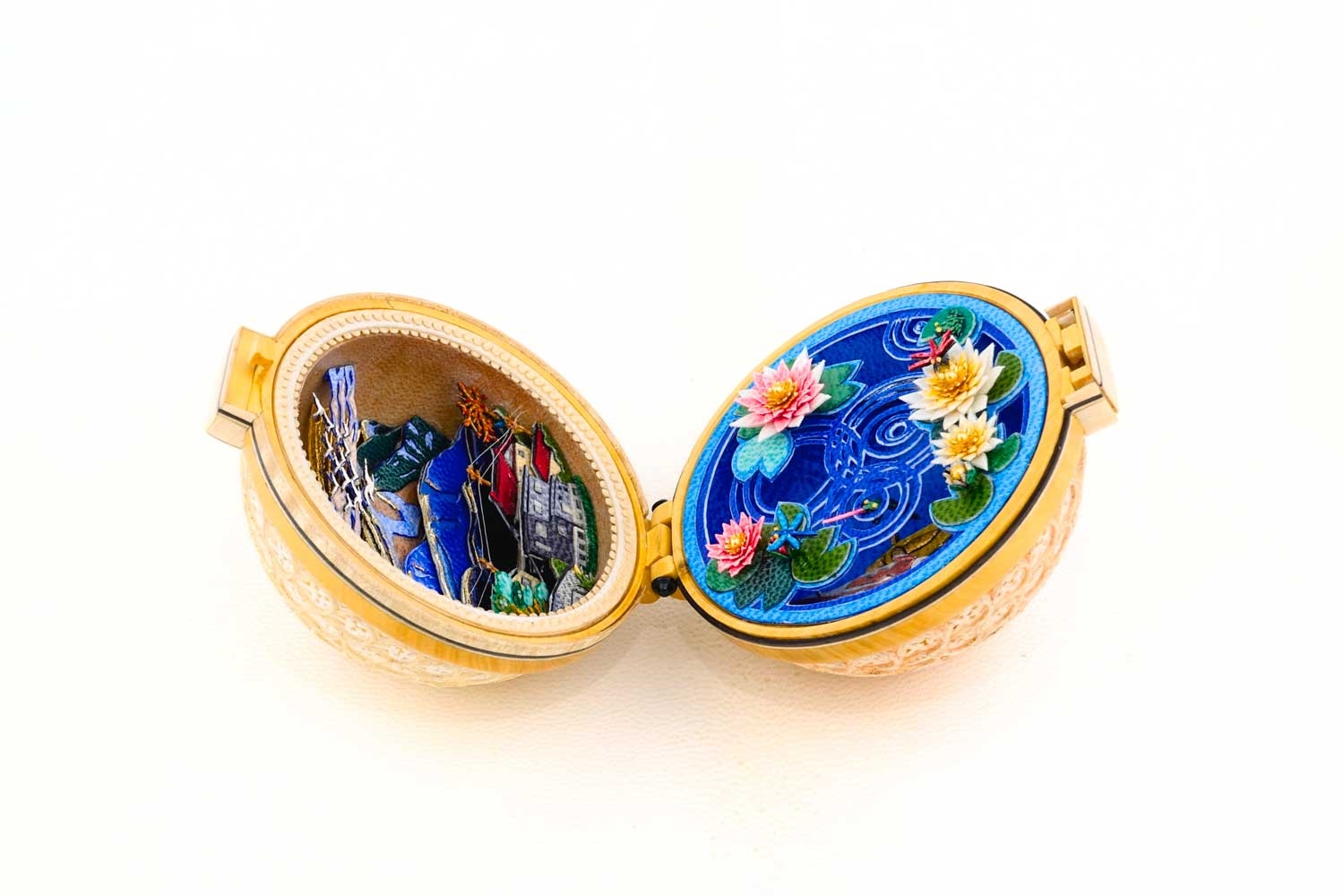
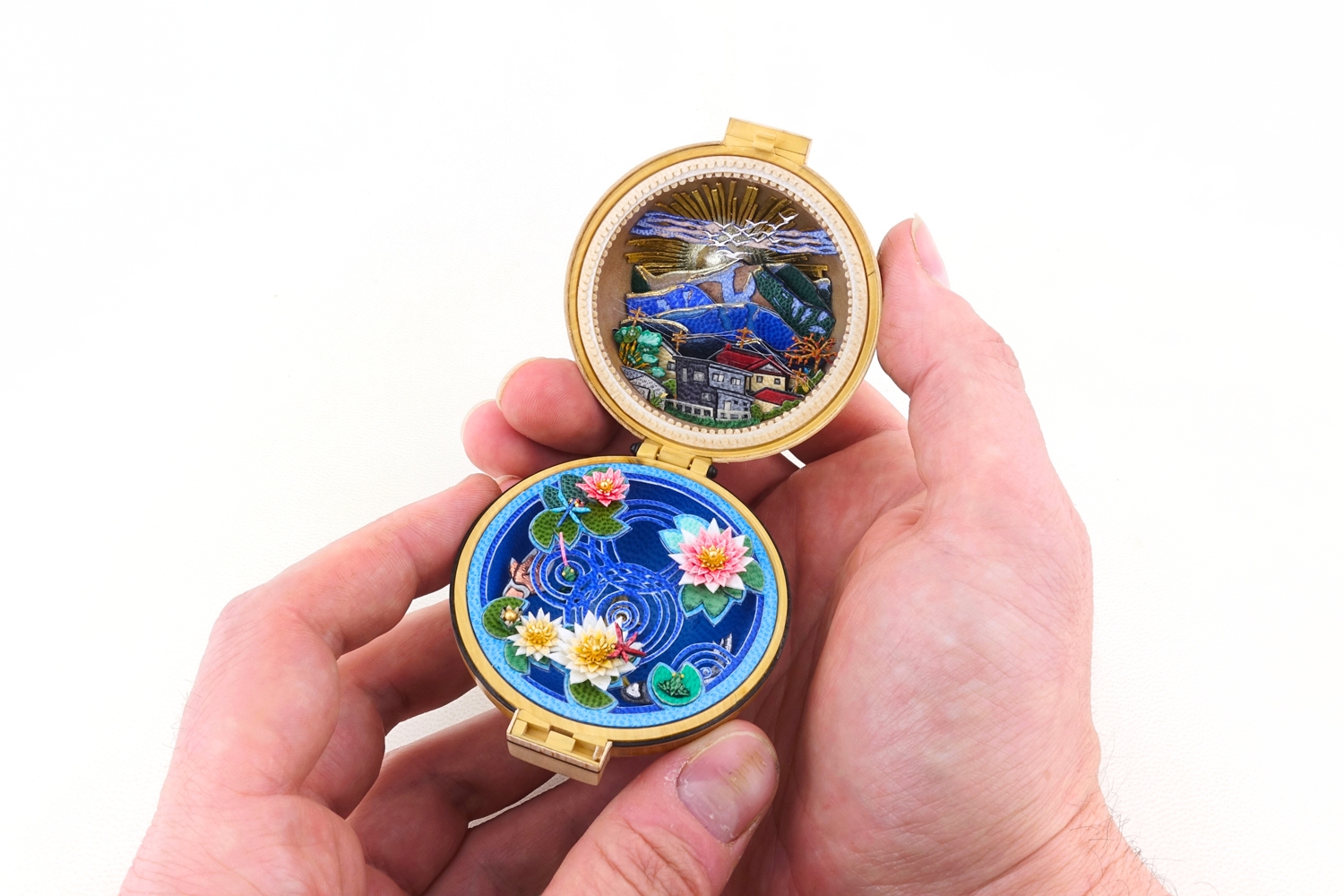
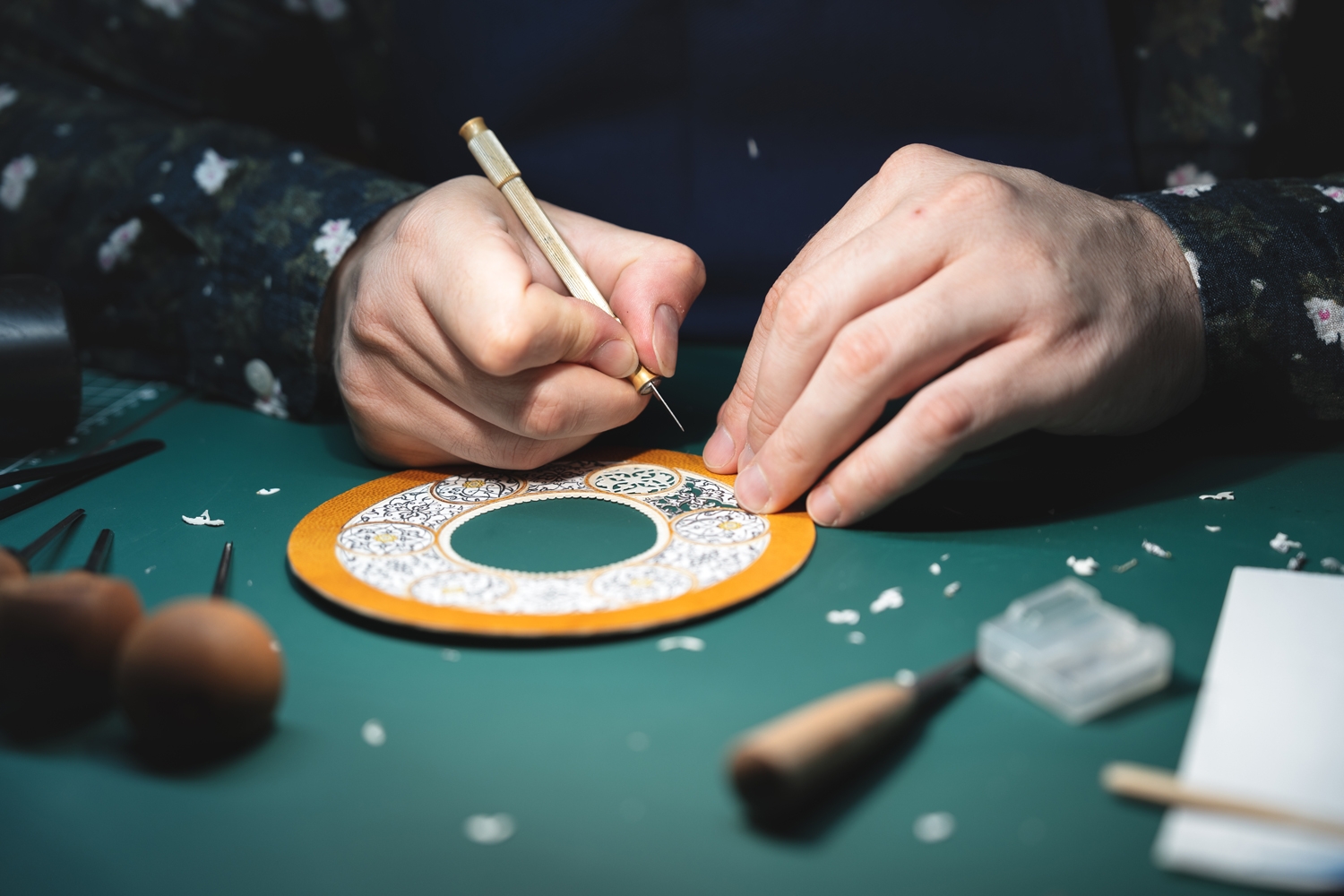
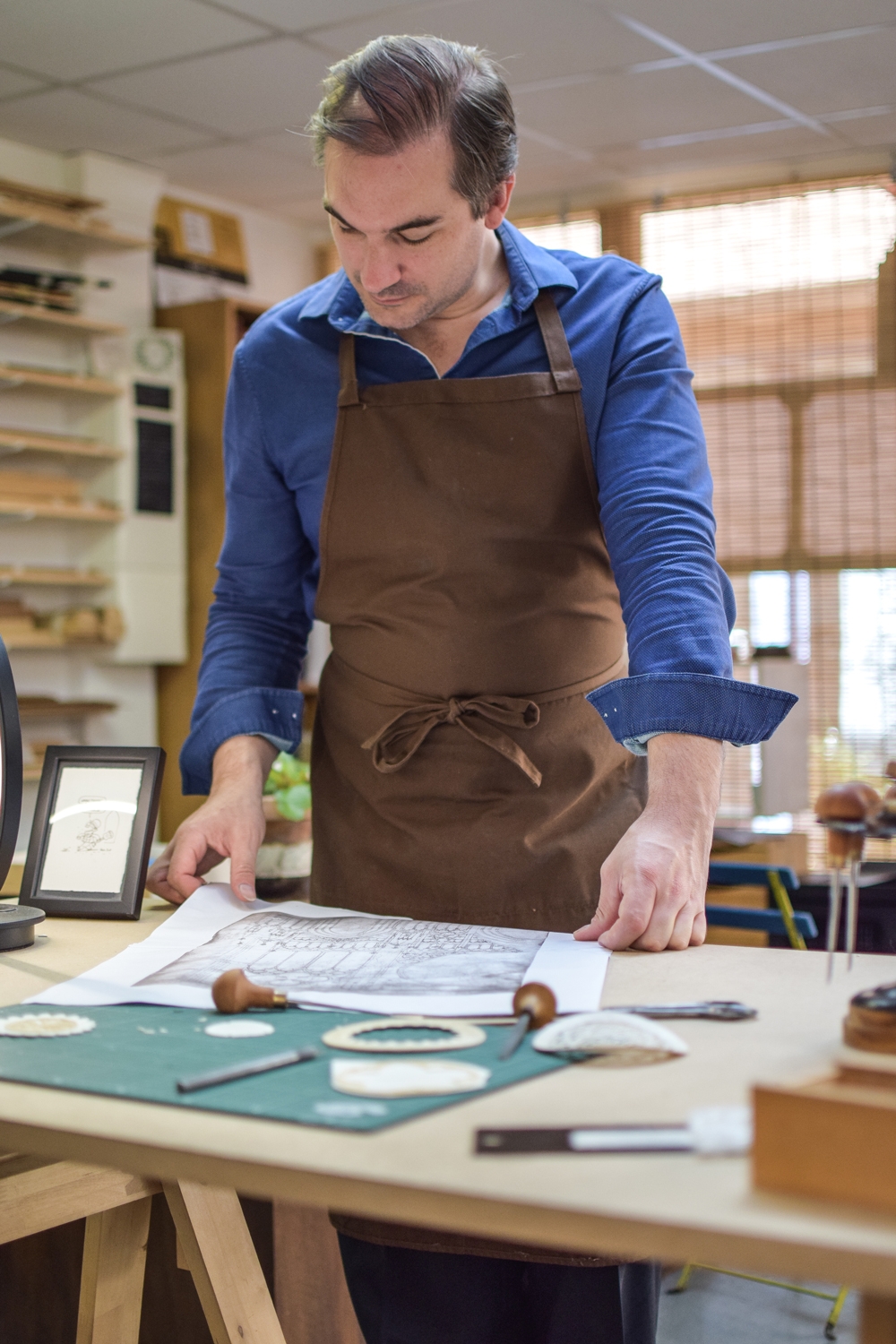
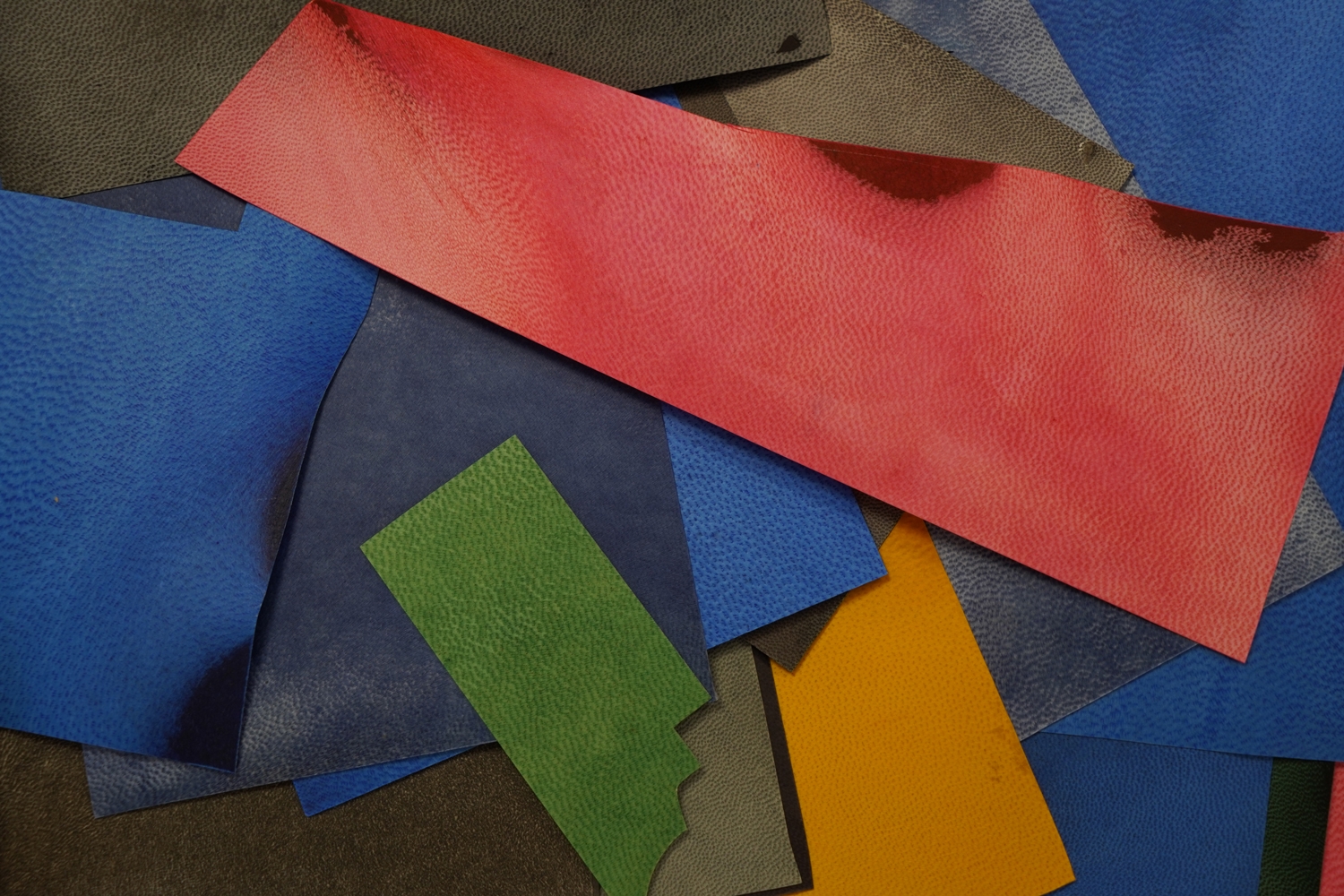
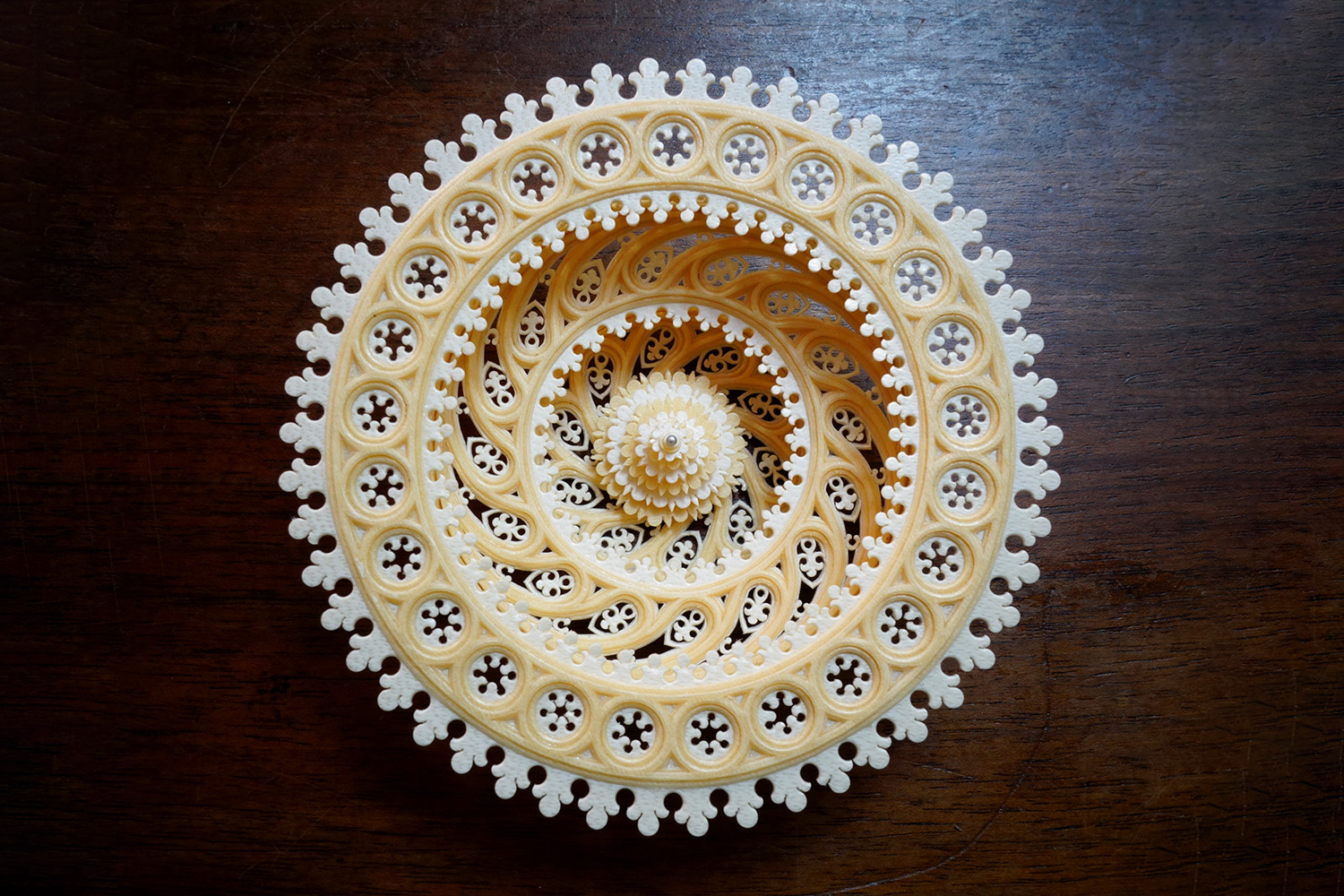
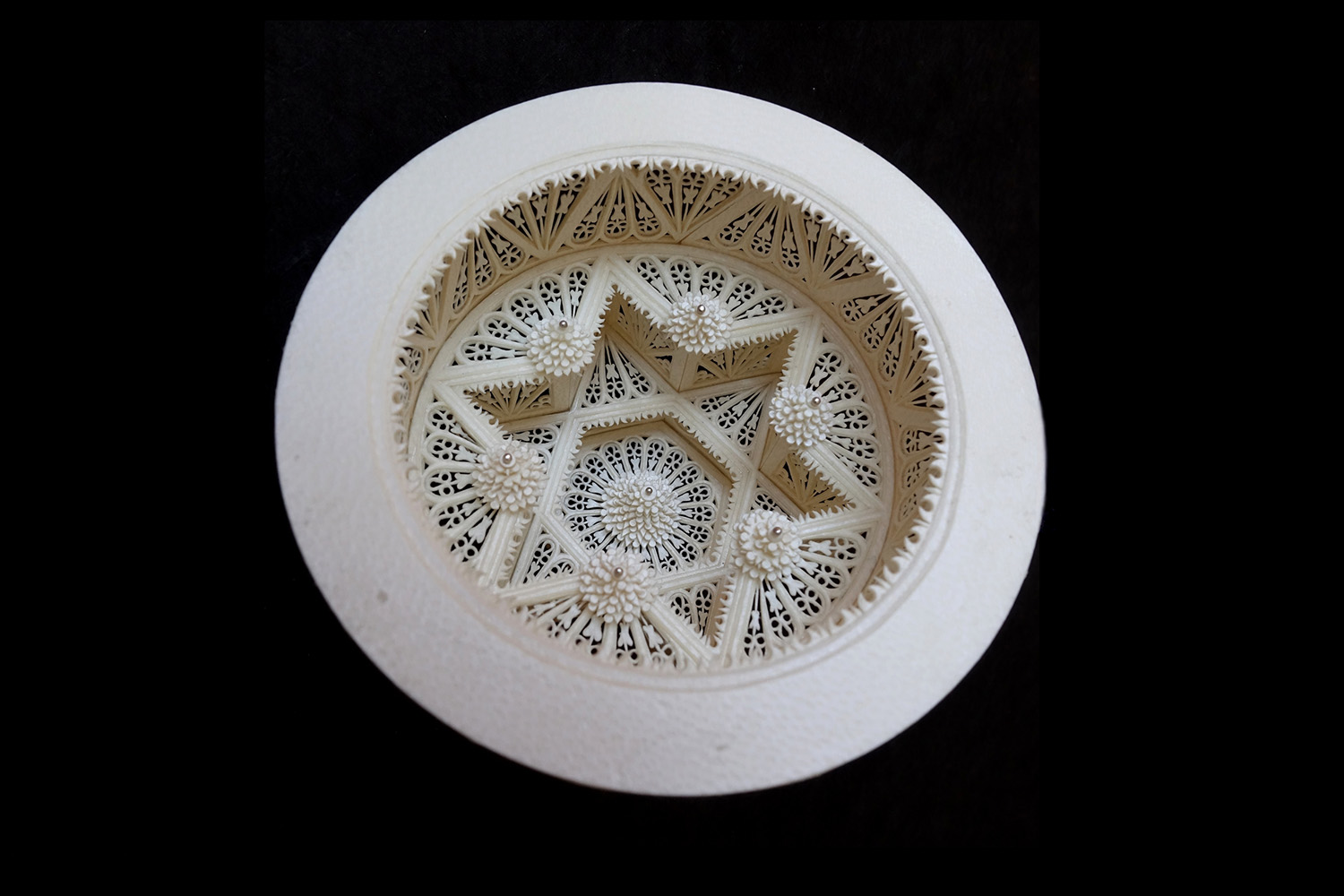
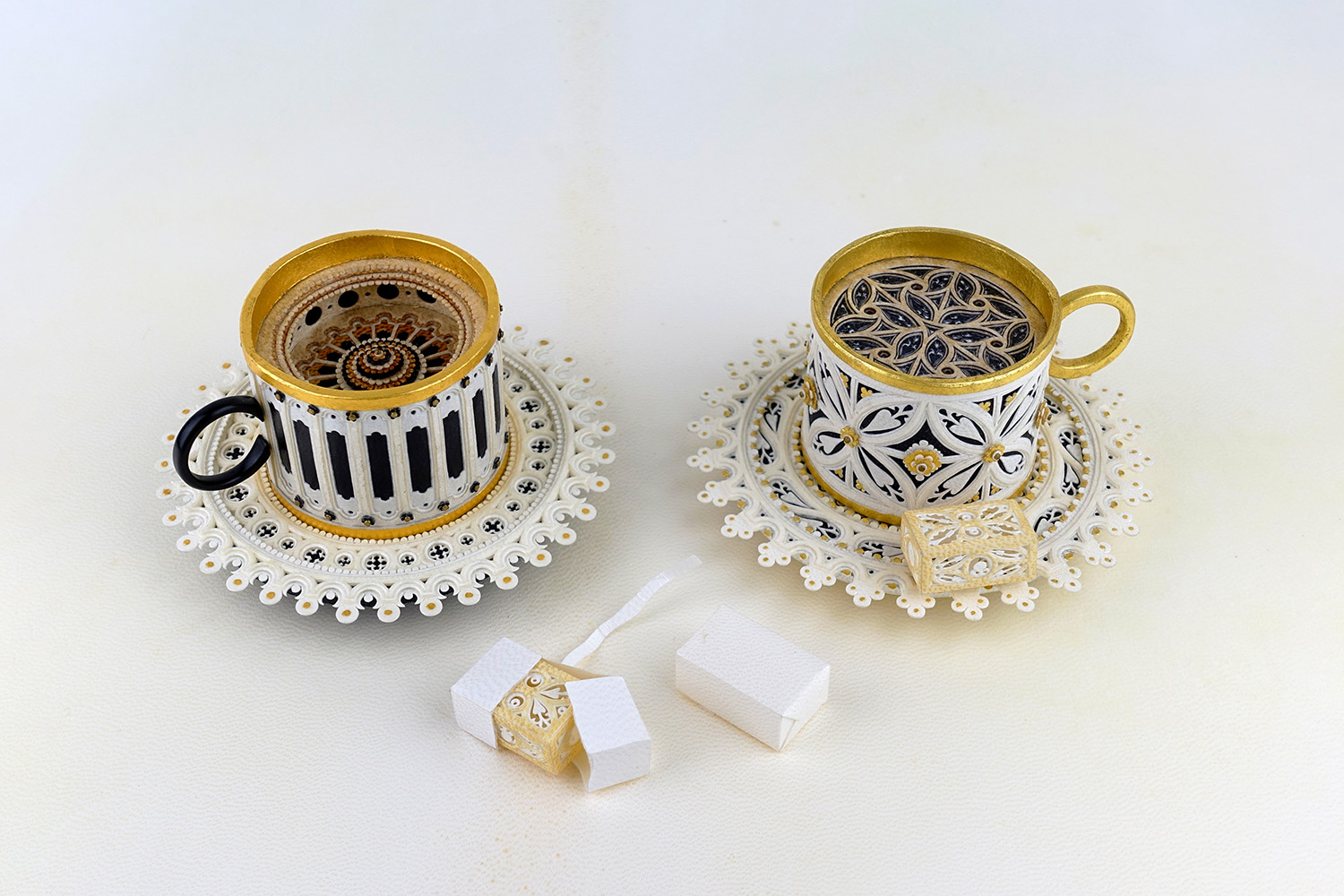
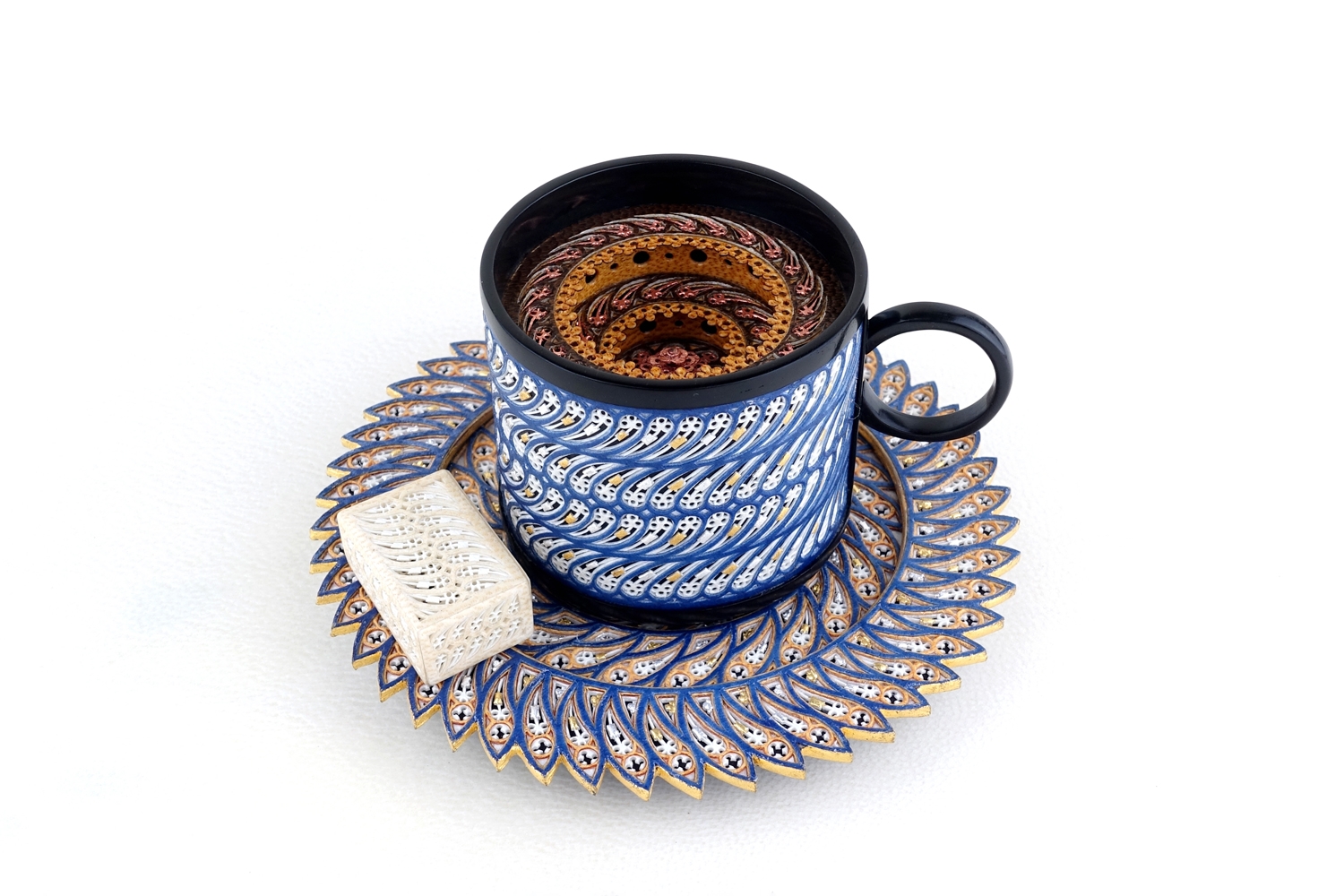
Musician and musicologist Matéo Crémades discovered a forgotten craft through instrument making. Fascinated by the baroque guitar, and being a player himself, it was while building his own from an old model that he was led to replicate a parchment rosette. This is a fine decorative ornament found on instruments from the 16th and 17th centuries such as lutes and harpsichords. Matéo developed his own expertise as a parchment rosette sculptor specialised in the reproduction of historical models. With a scalpel and leather punches, he meticulously carves and layers sheets of parchment, a very thin goatskin, to create intricate designs inspired by Gothic, baroque or Arab-Andalusian art. Today, as well as working with violin makers from all over Europe, Matéo takes the rosette out of its historical context and introduces it to contemporary art pieces that question our relationship to ornament and miniature.
Matéo Crémades is an expert artisan: he began his career in 2014.
Discover his work
Live demonstration
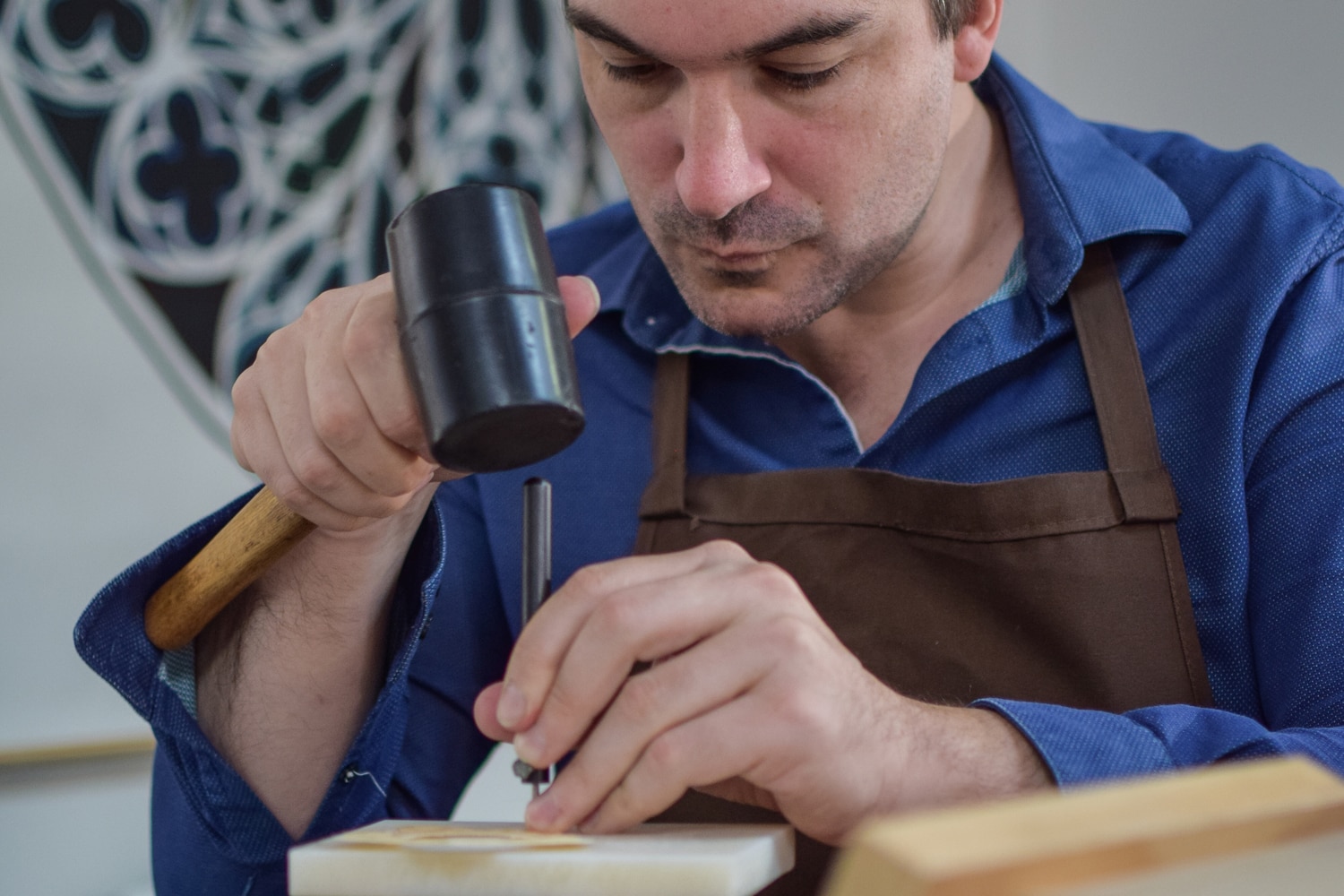
Reviving the art of parchment carvingAN ATELIER ALIVE
Image 1 of 3
INTERVIEW
The reappropriation of a know-how. My skills lie here, in the ability to revive an ancient craft, to recreate it by trying to be as close as possible to the historical pieces. As there is no real historical evidence of this know-how – Who exactly was making the rosettes? Was it the luthier? – I had to find my own ways of doing it.
When I observe objects, I like to mentally deconstruct them. I did the same thing with historical rosettes to understand their structure. The first step, drawing the rosette, is often the most complex. Over the years, I have built my own database of rosettes from early musical instruments like harpsichord, lute or baroque guitar, preserved in museums around the world.
By using tinted parchment, rarely used at the time, I try to offer a more modern touch to luthiers. But the innovation lies above all in my other, more personal creations, such as my sculptures, inspired not only by the motifs of historical rosettes, but also by my research into ornamentation and my taste for miniatures.
I am both an ornament maker and an artist. The rosette is a simple ornament and has no practical use. It can therefore be considered a small work of art in its own right. On certain musical instruments, it is not even visible. This historical culture of hidden ornaments is very important to me. In each of my sculptures, I try to perpetuate it.
Matéo Crémades
Parchment artist
Hérisson, France
AVAILABILITY
By appointment only
PHONE
+33 620129928
LANGUAGES
French, English
HOMO FABER FINDS
Homo Faber Finds is a new service aiming to inspire admirers of craft to connect and collaborate with exceptional artisans.
We invite you to submit an enquiry here.